1 (wiktionary) 2 (vi.wikipedia) 3 (en.wikipedia) 4 (glosbe)


Verbs Nouns Adjectives/Adverbs Pronouns Prepositions Conjunctions
age (Advanced search)


HAN VIET


HEISIG


CORE WORDS


CEFR GNOT Qualitative • age middle-aged
CEFR GNOT Qualitative • age teenager
CEFR GNOT Qualitative • age old age
CEFR GNOT Qualitative • age to be under/over age
CEFR GNOT Qualitative • age to come of age
CEFR SNOT Personal identification • address village
CEFR SNOT Personal identification • sex age
CEFR SNOT Personal identification • occupation manager
CEFR SNOT House and home, environment • amenities garage
CEFR SNOT Daily life • income income/salary/wages
CEFR SNOT Free time, entertainment • press page
CEFR SNOT Travel • public transport luggage/baggage
CEFR SNOT Travel • accommodation message
CEFR SNOT Travel • luggage luggage/baggage
CEFR SNOT Health and body care • ailments– accidents bandage/dressing
CEFR SNOT Food and drink • types of food and drink cabbage
CEFR SNOT Food and drink • types of food and drink sausages
CEFR SNOT Food and drink • types of food and drink names of beverages e.g.
CEFR SNOT Services • post postage
CEFR SNOT Services • garage garage
CEFR SNOT Language • ability, understanding, expression language
CEFR SNOT Language • ability, understanding, expression names of languages e.g.

Glob1500 age how old a person or thing is n.
Glob1500 agency an organization that is part of a larger group ("an agency of the United Nations") n.
Glob1500 average something (a number) representing the middle; ad. common; normal n.
Glob1500 hostage a person captured and held as a guarantee that a demand or promise will be honored n.
Glob1500 language words and their use; what people speak in a country, nation or group n.
Glob1500 message written or spoken news or information; a note from one person to another person or group n.
Glob1500 village a very small town n.
Glob1500 wages money received for work done n.
Glob1500 wreckage what remains of something severely damaged or destroyed n.
Glob1500 damage to cause injury or destruction; n. harm; hurt or injury, usually to things v.
Glob1500 sabotage to damage or destroy as an act against an organization or nation ("The rebels sabotaged the railroad.") v.
NGSL3000 age number of years a person has lived (also of things) n
NGSL3000 coverage type of programs a radio or TV station broadcasts n
NGSL3000 manage To run or operate a business by directing others verb
NGSL3000 management people who are in control of a business or group n
NGSL3000 manager person who controls and runs a business or group n
NGSL3000 marriage formal relationship between a husband and a wife n
NGSL3000 package box or container items are placed in for mailing n
NGSL3000 page One side of a sheet of paper n
NGSL3000 stage place where actors or musician perform for others n
NGSL3000 storage act of storing something; a depository for goods n
NGSL3000 advantage thing making the chance of success higher n
NGSL3000 agent person who can represent and decide for others n
NGSL3000 average typical or normal; usual; ordinary adj
NGSL3000 damage Physical harm that is done to something n
NGSL3000 encourage To make someone more determined or confident verb
NGSL3000 engage To carry out, participate in; be involved in verb
NGSL3000 image picture, sculpture or painting of something n
NGSL3000 language words or signs used to communicate messages n
NGSL3000 message piece of information that is told/given to someone n
NGSL3000 percentage part of a whole divided into hundredths n
NGSL3000 teenager person between the ages of 13 and 19 n
NGSL3000 village small town in the country n
NGSL3000 wage money paid to a worker for the hours they worked n
NGSL3000 agency business that provides some service for others n
NGSL3000 agenda plan or policy to achieve your goal or intentions n
NGSL3000 mortgage long-term loan from a bank for buying property n
NGSL3000 passage narrow path or space through which people or objects can go through n
SAT5000 assuage To cause to be less harsh, violent, or severe, as excitement, appetite, pain, or disease. v.
SAT5000 carnage Massacre. n.
SAT5000 cartilage An elastic animal tissue of firm consistence. n.
SAT5000 courageous Brave. adj.
SAT5000 demurrage the detention of a vessel beyond the specified time of sailing. n.
SAT5000 disengage To become detached. v.
SAT5000 drainage The means of draining collectively, as a system of conduits, trenches, pipes, etc. n.
SAT5000 encourage To inspire with courage, hope, or strength of mind. v.
SAT5000 enrage To infuriate. v.
SAT5000 foliage Any growth of leaves. n.
SAT5000 hemorrhage Discharge of blood from a ruptured or wounded blood-vessel. hemorrhoids n.
SAT5000 homage Reverential regard or worship. n.
SAT5000 meager scanty. adj.
SAT5000 menagerie A collection of wild animals, especially when kept for exhibition. mendacious n.
SAT5000 mileage A distance in miles. n.
SAT5000 mirage An optical effect looking like a sheet of water in the desert. n.
SAT5000 mismanage To manage badly, improperly, or unskillfully. v.
SAT5000 outrage A gross infringement of morality or decency. n.
SAT5000 outrageous Shocking in conduct. adj.
SAT5000 pageant A dramatic representation, especially a spectacular one. palate n.
SAT5000 parentage The relation of parent to child, of the producer to the produced, or of cause to effect. n.
SAT5000 persiflage Banter. n.
SAT5000 personage A man or woman as an individual, especially one of rank or high station. personal n.
SAT5000 pillage Open robbery, as in war. n.
SAT5000 preengage To preoccupy. v.
SAT5000 presage To foretell. v.
SAT5000 pupilage The state or period of being a student. n.
SAT5000 ravage To lay waste by pillage, rapine, devouring, or other destructive methods. ravenous v.
SAT5000 salvage Any act of saving property. n.
SAT5000 savage A wild and uncivilized human being. n.
SAT5000 shrinkage A contraction of any material into less bulk or dimension. n.
SAT5000 stratagem Any clever trick or device for obtaining an advantage. n.
SAT5000 suffrage The right or privilege of voting. n.
SAT5000 tutelage The act of training or the state of being under instruction. n.
SAT5000 umbrage A sense of injury. n.
SAT5000 usage Treatment. n.
SAT5000 verbiage Use of many words without necessity. n.
SAT5000 visage The face, countenance, or look of a person. n.

Tanaka6000 advantage Tanaka6000 advantages Tanaka6000 age Tanaka6000 aged Tanaka6000 agency Tanaka6000 agent Tanaka6000 ages Tanaka6000 average Tanaka6000 baggage Tanaka6000 birdcage Tanaka6000 cage Tanaka6000 cottage Tanaka6000 courage Tanaka6000 damage Tanaka6000 damaged Tanaka6000 disadvantage Tanaka6000 disadvantages Tanaka6000 discourage Tanaka6000 discouraged Tanaka6000 eager Tanaka6000 eagerly Tanaka6000 eagerness Tanaka6000 encourage Tanaka6000 encouraged Tanaka6000 engage Tanaka6000 engaged Tanaka6000 engagement Tanaka6000 garage Tanaka6000 image Tanaka6000 language Tanaka6000 languages Tanaka6000 luggage Tanaka6000 manage Tanaka6000 managed Tanaka6000 manager Tanaka6000 manages Tanaka6000 marriage Tanaka6000 marriageable Tanaka6000 message Tanaka6000 messages Tanaka6000 mileage Tanaka6000 miscarriage Tanaka6000 mortgaged Tanaka6000 package Tanaka6000 page Tanaka6000 paged Tanaka6000 pages Tanaka6000 parentage Tanaka6000 passage Tanaka6000 postage Tanaka6000 rage Tanaka6000 savage Tanaka6000 shortage Tanaka6000 stage Tanaka6000 tragedies Tanaka6000 tragedy Tanaka6000 unmanageable Tanaka6000 village Tanaka6000 villages Tanaka6000 voyage Tanaka6000 wages

COMPOUND WORDS


abatage {n} (abattage) SEE: abattage :: above average {adj} (Better than average) accourage {v} (encourage) SEE: encourage :: act one's age {v} (to be mature and not childish) adage {n} (old saying) advantage {n} (any condition, circumstance, opportunity, or means, particularly favorable to success) advantage {n} (superiority; mastery) advantage {n} (superiority of state, or that which gives it) advantage {n} (the score where one player wins a point after deuce) advantageous {adj} (being of advantage) advantageously {adv} (in an advantageous manner) age {n} (century) SEE: century :: age {n} (generation (see also generation)) age {n} (great period in the history of the Earth) age {n} (latter part of life) age {n} (one of the stages of life) age {n} (particular period of time in history) age {n} (part of the duration of a being or thing between its beginning and any given time) age {n} (time of life when one attains full person rights) age {n} (whole duration of a being) age {v} (intransitive: become old) age {v} (transitive: cause to grow old) age before beauty {phrase} (Translations) aged care {n} (eldercare) SEE: eldercare :: age group {n} (demographic grouping based on age) ageism {n} (the treating of a person or people differently from others based on assumptions or stereotypes relating to their age) age-mate {n} (one who is the same age as another) agency {n} (agent) SEE: agent :: agency {n} (faculty of acting or of exerting power) agency {n} (place of business of an agent) agenda {n} (list of matters to be taken up) agenda {n} (temporally organized plan) agent {n} (grammar: performer of the action in a sentence) agent {n} (one who acts in place of another) agent noun {n} (noun that denotes an agent) agent provocateur {n} (a person who disrupts a group's activities from within) age of consent {n} (an age at which one is legally mature enough to have sex) Age of Enlightenment {prop} (period of history) age of majority {n} (age at which the rights and privileges of an adult are legally granted) ambages {n} (indirect or roundabout ways of talking) SEE: circumlocution :: anchorage {n} (place for anchoring) appendage {n} (a natural prolongation or projection from a part of any organism) appendage {n} (an external body part that projects from the body) Armageddon {prop} (The place where the final battle will be fought between the forces of good and evil) arranged marriage {n} (marriage planned by someone else) assembly language {n} (programming language) assuage {v} (pacify) Australian Sign Language {prop} (Auslan) SEE: Auslan :: auxiliary language {n} (auxiliary language) average {adj} (constituting or relating to the average) average {n} (arithmetic mean) baby carriage {n} (pram) SEE: pram :: baby massage {n} (massage therapy for infants) SEE: infant massage :: back page {n} (final page) SEE: back cover :: bagel {n} (toroidal bread roll) baggage {n} (luggage) baggage cart {n} (luggage cart) SEE: luggage cart :: bandage {n} (medical binding) bandage {v} (to apply a bandage to something) barrage {n} (heavy curtain of artillery fire) beauty pageant {n} (competition on attractiveness) beverage {n} (a drink) bibliophage {n} (person who loves books) SEE: bookworm :: birdcage {n} (cage to keep birds in) bird of passage {n} (bird) SEE: migrant :: blood sausage {n} (a cooked sausage out of meat, blood and various other ingredients) body language {n} (nonverbal communication) bondage {n} (The practice of tying people up for sexual pleasure) bondage {n} (The state of being enslaved or the practice of slavery) bondage {n} (The state of lacking freedom; constraint) bon voyage {interj} (wish of good journey) borage {n} (Borago officinalis) bricolage {n} (construction) bricolage {n} (something constructed) Bronze Age {prop} (archaeology) cabbage {n} (leaves of this plant eaten as a vegetable) cabbage {n} (plant) cage {n} (enclosure) cage bird {n} (cage bird) cagey {adj} ausweichend camouflage {n} Tarnung camouflage {v} (hide, disguise) carnage {n} (death and destruction) carriage {n} (manner of standing or walking) carriage {n} (part of typewriter) carriage {n} (railroad car) carriage {n} (wheeled vehicle, generally drawn by horse power) carriage house {n} (building in which a horse and carriage is stored) carriage return {n} ((computing) The carriage return control character (0x0D in ASCII)) carriage return {n} (The action on a typewriter or printer that returns it to the beginning of the line) carriage return {n} (The key which initiates a carriage return action or generates the carriage return control character) carriageway {n} (part of a road that carries traffic) Carthage {prop} (ancient city in North Africa) cartilage {n} (dense connective tissue) change management {n} (management of personnel transitioning) Chinese cabbage {n} (bok choy) SEE: bok choy :: Chinese cabbage {n} (napa cabbage) SEE: napa cabbage :: cinnamon-rumped foliage-gleaner {n} (bird) cleavage {n} (biology: cell division) cleavage {n} (chemistry: the splitting of a large molecule into smaller ones) cleavage {n} (mineralogy: tendency of a crystal) cleavage {n} (separation between breasts) cleavage {n} (the act of cleaving or the state of being cleft) coinage {n} (currency) SEE: currency :: coinage {n} (neologism) SEE: neologism :: coinage {n} (neologizing) SEE: neologize :: coinage {n} (process of coining money) collage {n} (picture made by sticking other pictures onto a surface) collagen {n} (glycoprotein that forms elongated fibers) colour retention agent {n} (compound added to a food product) come of age {v} (To mature, or become fully developed) come of age {v} (To reach a specific age where one is legally considered to be an adult) Commagene {prop} (ancient mountainous region) competitive advantage {n} (thing placing a subject above the competition) computer language {n} (language associated with computers) computer language {n} (machine language) SEE: machine language :: computer language {n} (programming language) SEE: programming language :: constructed language {n} (an artificially created language) content management system {n} Content-Management-System Copenhagen {prop} (capital of Denmark) Copenhagener {n} (someone from Copenhagen) cottage {n} (A small house; a cot; a hut) cottage cheese {n} (a cheese curd product) counterespionage {n} (activities to prevent spying) courage {n} (ability to do frightening things) courage {n} (quality of a confident character) courageous {adj} (of an action, that requires courage) courageous {adj} (of a person, displaying or possessing courage) curettage {n} (the removal of unwanted tissue from a body cavity using a curette) Dagestan {prop} (federal subject of Russia) damage {n} (abstract measure of something not being intact; harm) damage {n} (cost or expense) damage {v} (to make something less intact or even destroy it; to harm or cause destruction) Dark Ages {prop} (historic period) dating agency {n} (business) daughter language {n} (language which genetically descends from earlier, parent language) décolletage {n} (low neckline) dead language {n} (language with no native speakers) delayed miscarriage {n} (missed abortion) SEE: missed abortion :: dilation and curettage {n} (surgical procedure) disadvantage {n} (weakness) discourage {v} (to dishearten) discourage {v} (to persuade somebody not to do something) disparage {v} (to dishonor by a comparison) dotage {n} (senility) double agent {n} (spy) dowager {n} (lady of dignified bearing) dowager {n} (widow) drainage {n} (removal of water) drainage basin {n} (topographic region in which all water drains to a common outlet) dressage {n} (event of the horse sport) dressage {n} (horse sport) dressage {n} (schooling of a horse) dunnage {n} (baggage) SEE: baggage :: dunnage {n} (personal effects) SEE: personal effects :: eager {adj} (excited by desire in the pursuit of any object) Early Middle Ages {prop} (Translations) employment agency {n} (organisation that matches employers to employees) encourage {v} (mentally support or motivate) encourage {v} (spur on, recommend) encouragement {n} (the act of encouraging) engaged {adj} (agreed to be married) engaged {adj} (already involved in a telephone call) engagement {n} (an appointment, especially to speak or perform) engagement {n} (connection or attachment) engagement {n} (In any situation of conflict, an actual instance of active hostilities) engagement {n} (period of time when marriage is planned or promised) engagement ring {n} (a ring signifying a promise to wed) enrage {v} (to fill with rage) entourage {n} (retinue of attendants, associates or followers) envisage {v} (to conceive or see something within in one's mind) equipage {n} (a type of horse-drawn carriage) equipage {n} (equipment or supplies, especially military ones) error message {n} (message displayed when an unexpected condition occurs) esophageal cancer {n} (cancer) espionage {n} (act of learning secret information through clandestine means) extinct language {n} (dead language) SEE: dead language :: first language {n} (native language) flagellum {n} (whip) SEE: whip :: flageolet {n} (type of small flute) foliage {n} (the leaves of plants) footage {n} (amount of film that has been used) forage {n} (act or instance of foraging) forage {n} (fodder for animals) forage {v} (to rummage) foreign language {n} (any language other than that spoken by the people of a specific place) forestage {n} (the part of a theatre stage in front of the closed curtain) formal language {n} (set of finite strings) foul language {n} (profane words) front page {n} (initially visible page of a publication) fuselage {n} (main body of aerospace vehicle) gage {v} (gauge) SEE: gauge :: gage {v} (to measure) SEE: gauge :: garage {n} (gas station) SEE: gas station :: garage {n} (place to store a car, etc.) garbage {n} (waste material) garbage bag {n} (plastic bag for the disposal of household waste) garbage can {n} (a receptacle, which serves as a place to discard waste materials.) garbage collection {n} (programming) garbage collection {n} (service for transporting household garbage) garbage collector {n} (computing technique) garbage collector {n} (refuse collector) garbage man {n} (garbage collector) SEE: garbage collector :: garbage truck {n} (waste collection vehicle) gay marriage {n} (marriage between two people of the same sex) greengage {n} (a plum with greenish-yellow flesh and skin) haemorrhage {n} (heavy loss of blood) hardware description language {n} Hardwarebeschreibungssprache haulage {n} (Business of transporting goods) haulage {n} (The act of hauling) hemorrhage {n} (haemorrhage) SEE: haemorrhage :: heritage {n} (birthright) heritage {n} (property) heritage {n} (tradition) hidden agenda {n} (wish (and plan) to implement a particular idea without telling anybody) high-level language {n} (user-friendly programming language) High Middle Ages {prop} (period of European history, between the Early Middle Ages and the Late Middle Ages, that saw great social and political change) homage {n} (artistic work imitating another in a flattering style) homage {n} (demonstration of respect) homage {n} (in feudalism, the formal oath of a vassal to his or her lord) home page {n} (the main or first page of a web site) home page {n} (the web page set to open in a web browser when it is loaded) hostage {n} (person given as a pledge or security) human resource management {n} (process or hiring and developing personnel) hypallage {n} (literary device) ice age {n} (period of extensive glaciation) image {n} (characteristic as perceived by others) image {n} (computing: file) image {n} (graphical representation) image {n} (math: something mapped to by a function) image {n} (mental picture) imagery {n} (imitation work) SEE: imitation :: industrial espionage {n} (use of clandestine methods to acquire secret information for commercial advantage) intelligence agency {n} (governmental agency devoted to information gathering) interface definition language {n} Schnittstellendefinitionssprache interface description language {n} Schnittstellenbeschreibungssprache interlanguage {n} (creole) SEE: creole :: interlanguage {n} (lingua franca) SEE: lingua franca :: interlanguage {n} (mixed language) interlanguage {n} (pidgin) SEE: pidgin :: intermarriage {n} (mixed marriage) SEE: mixed marriage :: Iron Age {prop} (archaeology) Japanese Sign Language {prop} (Sign language used in Japan) kilometrage {n} (kilometrage) lager {n} (type of beer) language {n} (computer language (see also computer language)) language {n} (nonverbal communication) language {n} (particular words used) language {n} (system of communication using words or symbols) language {n} (the ability to communicate using words) language {n} (vocabulary of a particular field) language barrier {n} (barrier to communication) language code {n} (a standard identifier of a language) language exchange {n} (language exchange) language family {n} (set of languages) language police {n} (language police) language swap {n} (language exchange) SEE: language exchange :: Late Middle Ages {prop} (Translations) left-luggage office {n} (place where luggage may be left) legal age {n} (age of majority) SEE: age of majority :: leverage {n} (any influence which is compounded or used to gain an advantage) leverage {n} (force compounded by means of a lever rotating around a pivot) leverage {n} (The ability to earn very high returns) leverage {n} (The use of borrowed funds) lineage {n} (descent) linkage {n} (connection or relation between things or ideas) SEE: link :: liver sausage {n} (spreadable sausage) lovage {n} (A Mediterranean herb) luggage {n} (traveller's containers) luggage cart {n} (vehicle pushed by travellers) luggage rack {n} (rack attached to a car) machine language {n} (set of instructions for a computer) macrophage {n} (type of white blood cell) mage {n} (magician, wizard or sorcerer) Magellanic penguin {n} (Penguin) magenta {n} (colour) maiden voyage {n} (first trip of a vessel) malparkage {n} (An act of illegal parking) manage {v} (to achieve without fuss, or without outside help) manage {v} (to direct or be in charge) manage {v} (to succeed at an attempt) managed code {n} verwalteter Code management {n} (administration; the process or practice of managing) management system {n} Managementsystem manager {n} (person whose job is to manage something (for female equivalents, see manageress#Translations, see also: manageress) markup language {n} (computer language using markups) marriage {n} (close union) marriage {n} (joining of two parts) marriage {n} (state of being married) marriage {n} (union of two people) marriage {n} (wedding) marriage agency {n} (business) marriage certificate {n} (official document certifying that two people have undertaken a marriage ceremony) marriage of convenience {n} (marriage motivated by some reason other than love) massage {n} (rubbing, kneading, or hitting muscled part of a body) massage {v} (to manipulate data or a document) massage {v} (to perform a massage on somebody) meager {adj} (lean) meager {adj} (poor, deficient or inferior) meagerness {n} (state of being meager) menagerie {n} (collection of live wild animals on exhibition; the enclosure where they are kept) message {n} (communication, concept or information conveyed) message {n} Nachricht message in a bottle {n} (message put in an empty bottle and set adrift on the ocean) message-oriented {adj} (having a specific orientation) metalanguage {n} (computing term) metalanguage {n} (linguistical term) middle-aged {adj} (of, or relating to middle age) Middle Ages {prop} (historical period) minimum wage {n} (lowest rate of pay that an employer can legally pay) mirage {n} (an optical phenomenon) mirror image {n} (reversed image) miscarriage {n} (termination of pregnancy) miscarriage of justice {n} (error which led to an unjust outcome) missed miscarriage {n} (missed abortion) SEE: missed abortion :: mixed marriage {n} (marriage between people of different races, cultures, religions, etc) montage {n} (a composition of pictures) montage {n} (a literary, musical or other heterogenous artcomposition) mortgage {n} (special form of secured loan) mortgage {v} (to borrow against a property) moulage {n} (art of applying mock injuries for the purpose of training medical or military personnel) multipage {adj} (containing multiple pages) mutagen {n} (agent or substance that can cause genetic mutation) native language {n} (one's first language learned in childhood) natural language {n} (a human language developed naturally) nerve agent {n} (weapon of mass destruction) SEE: nerve gas :: news agency {n} (organisation that gathers and distributes news) newsagent {n} (retail business) New Stone Age {prop} (Neolithic period) nuclear age {n} (age when nuclear technology was developed) object language {n} (language speaking about objects rather than about language) object language {n} (lexicography: language of headwords) octagenarian {n} (octogenarian) SEE: octogenarian :: oesophageal {adj} (of or pertaining to the oesophagus) of age {adj} (old enough to be considered an adult) old age {n} (latter part of life) onager {n} (military engine) onager {n} (wild ass) orphanage {n} (a public institution for the care and protection of orphans) outage {n} (suspension of operation) outrage {n} (an atrocity) outrage {n} (anger) outrage {n} (an offensive, immoral or indecent act) outrage {n} Verbrechen outrageous {adj} (shocking) package {n} [2] Pack package {n} (something consisting of components) package {n} (something which is packed) package {v} (to pack) package store {n} (liquor store) SEE: liquor store :: page {n} (boy child) SEE: boy :: page {n} (Internet: web page) SEE: web page :: page {n} (one side of a leaf of a book) page {n} (serving boy) pageant {n} (beauty pageant) SEE: beauty pageant :: pageboy {n} (shoulderlength hair) pager {n} (device) parking garage {n} (building) passage {n} (part of a journey) passage {n} (section of text or music) passageway {n} (covered walkway) patronage {n} (the act of providing approval and support) pattern language {n} Mustersprache percentage {n} (part of a whole) percentage {n} (share of the profits) percentage point {n} (unit of the difference of two percentages) persiflage {n} (good-natured banter; raillery) personage {n} (a famous or important person) pilgrimage {n} (religious journey, or one to a sacred place) pilgrimage {v} (to go on a pilgrimage) pillage {n} (the act of pillaging) pillage {v} (loot or plunder by force) plumage {n} (feathers) postage {n} (charge) postage {n} (postage stamp affixed as evidence of payment, see also: postage stamp) postage meter {n} (machine) postage stamp {n} (piece of paper indicating postage has been paid) Potemkin village {n} (any false construct devised to disguise a shortcoming or improve appearances) preimage {n} (set containing exactly every member of the domain of a function such that the member is mapped by the function onto an element of a given subset of the codomain of the function) programming language {n} (code of reserved words and symbols) project manager {n} (a professional in the field of project management) proto-language {n} (common ancestor language) query language {n} (computer language) Quinquagesima {n} (a Sunday in the Christian calendar) rage {n} (a violent anger) rage {v} (act in an angry manner) rampage {n} (a course of violent, frenzied action) rampage {v} (to move about wildly or violently) reagent {n} (substance used in chemical reactions) reconstructed language {n} (a hypothetical language formed by making comparisons between actual languages) red cabbage {n} (a variety of cabbage having red leaves) repechage {n} (heat for competitors who have lost in a previous round) reportage {n} (reporting of news, especially by an eyewitness) rib cage {n} (part of skeleton) risk management {n} (process of dealing with risk) rite of passage {n} (ceremony to celebrate a transition) Romance language {n} (language descended from Latin) rummage {v} (to hastily search for) rummage {v} (to search something thoroughly and with disregard) rummage {v} (to search something which contains many items) sabotage {n} (act with intent to injure) sabotage {n} (deliberate action of subversion, obstruction, disruption, destruction) sabotage {v} (deliberate destruction to prevent success) sage {adj} (wise) sage {n} (plant) sage {n} (wise person) sage grouse {n} (Centrocercus urophasianus) salvage {v} (To rescue) same-sex marriage {n} (gay marriage) SEE: gay marriage :: sausage {n} (for slicing) sausage {n} (small, uncooked) savage {adj} (Barbaric, not civilized) savage {adj} (Brutal, vicious or merciless) savage {adj} (Fierce and ferocious) savage {adj} (Wild, not cultivated) savage {n} (uncivilized or feral person) savage {v} (To attack or assault someone or something ferociously or without restraint) savage {v} (To attack with the teeth) savage {v} (To criticise vehemently) savageness {n} (property of behaving savagely) savagery {n} (Being savage) Savoy cabbage {n} (a hardy cabbage with dense, crinkled leaves) saxifrage {n} (plant) secret agent {n} (member of an intelligence agency whose identity or affiliation is kept confidential) self-image {n} (way a person views themself) Septuagesima {n} (9th Sunday before Easter) Seven Sages {prop} (the seven ancient Greeks) sewage {n} (suspension of water and waste) sewerage {n} (sewage) SEE: sewage :: sewerage {n} (sewer system) Sexagesima {n} (8th Sunday before Easter) sham marriage {n} (fake marriage) shortage {n} (lack or deficiency) shortage {n} (not enough, not sufficient) signage {n} (Signs taken collectively) sign language {n} (sign language) silage {n} (fodder stored in a silo) silent miscarriage {n} (missed abortion) SEE: missed abortion :: socage {n} (medieval form of land tenure) software configuration management {n} (controlling and tracking changes made to software files) source configuration management {n} (computing: management of changes to files) source language {n} (language from which a translation is done) Soviet Russia (the unofficial term of the Soviet Union in the early stages) Sowjetrussland {n} space age {n} (current historical period which started with the launch of the Sputnik) spitting image {n} (the exact likeness of someone) squat cage {n} (power rack) SEE: power rack :: stage {n} (in theatre) stage {n} (phase) stage {v} (to demonstrate in a deceptive manner) stage {v} (to produce on a stage) stage-coach {n} (horse-drawn coach to transport passengers and mail) stagecraft {n} (skills of the theater) stage fright {n} (state of nervousness about performing) standard language {n} (variety of language regarded as most correct) Stone Age {prop} (prehistoric period) storage {n} (computing) storage {n} (place) storage {n} (the act or the state) storage power station {n} (power station that generates a store of power) Strait of Magellan {prop} (Strait of Magellan) stratagem {n} (tactic) subliminal message {n} (message under normal perception) subpage {n} (a web page that is subordinate to another) suffrage {n} (the right to vote) swage {n} (tool used by blacksmiths and other metalworkers for cold shaping of a metal item) target language {n} (language into which a translation is done) teenager {n} (person aged between thirteen and nineteen) thoracic cage {n} (rib cage) SEE: rib cage :: thyroid cartilage {n} (the largest cartilage in the larynx) time management {n} (management of time) title page {n} (page in a book) tragedy {n} (disastrous event, especially one involving great loss of life or injury) tragedy {n} (drama or similar work) tragedy {n} (genre of such works, and the art of producing them) travel agency {n} (company) travel agency {n} (tour operator) SEE: tour operator :: travel agent {n} (travel agency) SEE: travel agency :: umbrage {n} (feeling of anger or annoyance) umbrage {n} (shadow) underage {adj} (below legal age) underage {adj} (still a minor) underage {n} (deficit in funds) SEE: deficit :: undercarriage {n} (landing gear) SEE: landing gear :: unmanaged code {n} nicht verwalteter Code usage {n} [1] Nutzung usage {n} (habit or accepted practice) usage {n} (the manner or the amount of using; use) usage {n} (the way words are spoken or written in a community) vantage point {n} (a place or position affording a good view) vernissage {n} (private viewing of an exhibition before it opens to the public) village {n} (a rural habitation of size between a hamlet and a town) village idiot {n} (person widely known in their community for their stupidity and ignorant behaviour) villager {n} (person who lives in, or comes from, a village) vintage {adj} (relating to a vintage or to wine identified by a specific vintage) vintage {n} (harvesting of a grape and initial pressing for winemaking) vintage {n} (wine identified by year and vineyard) vintage {n} (year or place something is produced) vintage {n} (yield of grapes during one season) vintager {n} (vintager) visage {n} (countenance; appearance; face) voice message {n} (message left on a voice mail system) Volkswagen {n} (a car manufacturer, a car manufactured by Volkswagen (transliterations)) voltage {n} (amount of electrostatic potential) voyage {n} (long journey; especially by ship) voyager {n} (traveller) SEE: traveller :: wage {n} (money paid to a worker) wage {v} (to conduct or carry out) wager {n} (a stake; a pledge) web page {n} (a single page in a website) weighted average {n} (arithmetic mean of values biased according to agreed weightings) SEE: weighted mean :: what languages do you speak {phrase} (what languages do you speak?) white cabbage {n} (Brassica oleracea var. capitata f. alba) World Heritage Site {n} (place listed by UNESCO as being of significance) wreckage {n} (something wrecked) yellow pages {n} (telephone directory that lists commercial organisations) your mileage may vary {phrase} (this is just my opinion)


5000 WORDS


L014 P0221 sausage das Würstchen 小香肠
L014 P0651 cabbage der Kohl 卷心菜
L019 P0836 garage die Werkstatt 车间
L003 P0869 luggage das Gepäck 行李
L003 P0969 language die Sprache 语言
L005 P1113 message die Nachricht 消息
L032 P1146 damage der Schaden 损失
L044 P1509 advantage der Vorteil 优点
L044 P1510 disadvantage der Nachteil 缺点
L044 P1517 to put someone at a disadvantage jemanden benachteiligen 亏待某人
L044 P1535 to be put at a disadvantage benachteiligt 吃亏的
L046 P1614 to bandage verbinden 连接
L047 P1685 look at the page siehe Seite 看... 页
L049 P1791 to massage massieren 按摩
L055 P2000 village das Dorf 村庄
L055 P2008 back page die Rückseite 背面
L055 P2009 front page die Vorderseite 正面
L059 P2145 package das Paket 邮包
L062 P2274 courage der Mut 勇气
L065 P2395 cage der Käfig 笼子
L046 P1614 to bandage verbinden 连接
L069 P2592 to damage beschädigen 损坏
L077 P2985 age das Alter 年龄
L078 P3020 stage die Bühne 舞台
L079 P3049 marriage die Ehe 婚姻
L079 P3051 proposal of marriage der Heiratsantrag 求婚
L083 P3272 average der Durchschnitt 平均
L083 P3276 percentage das Prozent 百分比
L087 P3476 stage das Podium 讲坛
L092 P3727 to administer, to manage verwalten 掌管
L096 P3940 tension, (electrical) voltage die Spannung 应力
L097 P3988 phase, stage die Phase 阶段
L099 P4086 hostage die Geisel 人质
L100 P4134 reporting, coverage die Berichterstattung 新闻报道
L103 P4296 sauerkraut, pickled cabbage das Sauerkraut 德国酸菜
L103 P4307 sage der Salbei 鼠尾草
L105 P4382 fuselage der Flugzeugrumpf 飞机机身
L116 P4936 miscarriage die Fehlgeburt 流产
L118 P5083 cartilage der Knorpel 软骨
L122 P5215 orphanage das Waisenhaus 孤儿院
L123 P5284 ice age die Eiszeit 冰河纪
L126 P5502 to sabotage sabotieren 搞破坏


age P2985 agent P3692


PHRASES


VNEDICT niên xỉ age
VNEDICT tuổi đời age

[ tuổi ] : age, year of age
[ đời ] : dynasty; life, existence, generation


PHRASES


Các cổ động viên đang hò reo bên dưới sân khấu .


The fans are cheering below the stage .
Các cổ động viên đang reo bên dưới sân khấu .

(ENG )
(NVI )
(SVI )

(0056)


Anh ấy và tôi bằng tuổi nhau .


He and I are the same age .
Anh ấy tôi bằng tuổi nhau .

(ENG )
(NVI )
(SVI )

(0346)


Anh ấy là tổng giám đốc ở công ty .


He is the general manager at the company .
Anh ấy tổng giám đốc công ty .

(ENG )
(NVI )
(SVI )

(0391)


Bạn có thể nói bao nhiêu thứ tiếng ?


How many languages do you speak ?
Bạn thể nói bao nhiêu thứ tiếng ?

(ENG )
(NVI )
(SVI )

(0508)


Họ có một cuộc hôn nhân hạnh phúc .


They have a happy marriage .
Họ một cuộc hôn nhân hạnh phúc .

(ENG )
(NVI )
(SVI )

(0668)


Anh ấy là phó giám đốc của công ty chúng tôi .


He is the deputy manager of our company .
Anh ấy phó giám đốc của công ty chúng tôi .

(ENG )
(NVI )
(SVI )

(0730)


Điều kiện sống ở ngôi làng này vẫn còn rất thô sơ .


The living conditions in this village are still very primitive .
Điều kiện sống ngôi làng này vẫn còn rất thô .

(ENG )
(NVI )
(SVI )

(0740)


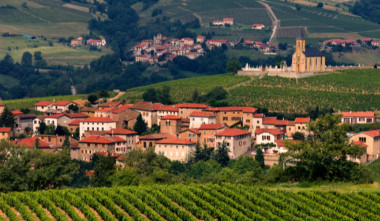
Có một ngôi làng nhỏ gần đó .


There is a small village nearby .
một ngôi làng nhỏ gần đó .

(ENG )
(NVI )
(SVI )

(0849)


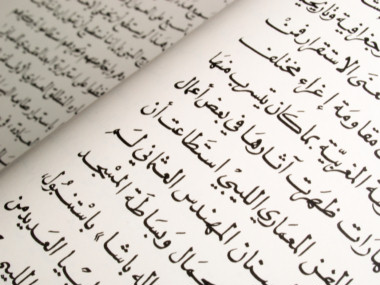
Ngôn ngữ chính thức của Trung Quốc là ngôn ngữ Hán (Trung Quốc) .


The official language of China is the Han language (Chinese) .
Ngôn ngữ chính thức của Trung Quốc ngôn ngữ Hán (Trung Quốc) .

(ENG )
(NVI )
(SVI )

(0882)


Cô là sinh viên khoa ngoại ngữ .


She is a student in the foreign languages department .
sinh viên khoa ngoại ngữ .

(ENG )
(NVI )
(SVI )

(0922)


Vị trí của cô ấy là quản lý bộ phận .


Her position is division manager .
Vị trí của ấy quản bộ phận .

(ENG )
(NVI )
(SVI )

(0941)


Có một ngôi làng dưới chân đồi .


There is a village at the foot of the hill .
một ngôi làng dưới chân đồi .

(ENG )
(NVI )
(SVI )

(1172)


Anh lật sang trang tiếp theo .


He turns to the next page .
Anh lật sang trang tiếp theo 0

(ENG )
(NVI )
(SVI )

(1216)


Ngôn ngữ là cơ sở của giao tiếp .


Language is the basis of communication .
Ngôn ngữ sở của giao tiếp .

(ENG )
(NVI )
(SVI )

(1319)


Tôi đang háo hức mong được về nhà .


I am eagerly looking forward to getting home .
Tôi đang háo hức mong được về nhà .

(ENG )
(NVI )
(SVI )

(1439)


Cô ấy là thư ký của quản lý .


She is the manager's secretary .
ấy thư của quản .

(ENG )
(NVI )
(SVI )

(1473)


Bánh có tỷ lệ đường cao .


Cakes have a high percentage of sugar .
Bánh tỷ lệ đường cao 0

(ENG )
(NVI )
(SVI )

(1546)


Cô ấy sẽ biểu diễn trên sân khấu tối nay .


She is giving a performance on stage this evening .
ấy sẽ biểu diễn trên sân khấu tối nay .

(ENG )
(NVI )
(SVI )

(1560)


Có một ngôi làng nhỏ phía trước .


There is a small village up ahead .
một ngôi làng nhỏ phía trước .

(ENG )
(NVI )
(SVI )

(1596)


Vụ cháy gây nhiều thiệt hại .


The fire caused a lot of damage .
Vụ cháy gây nhiều thiệt hại 0

(ENG )
(NVI )
(SVI )

(1634)


Cậu nhỏ rất can đảm .


The small boy is very courageous .
Cậu nhỏ rất can đảm .

(ENG )
(NVI )
(SVI )

(1699)


Anh ta có một khoản vay thế chấp nhà là một gánh nặng .


He has a home mortgage loan that is a heavy burden .
Anh ta một khoản vay thế chấp nhà một gánh nặng .

(ENG )
(NVI )
(SVI )

(1787)


Hành lý chất thành đống dưới đất .


Luggage is piled up on the ground .
Hành chất thành đống dưới đất .

(ENG )
(NVI )
(SVI )

(1790)


Tôi sử dụng bất động sản để thế chấp .


I use real estate as a mortgage .
Tôi sử dụng bất động sản để thế chấp .

(ENG )
(NVI )
(SVI )

(1862)


Chiếc xe này bị hư hỏng nặng .


This car is badly damaged .
Chiếc xe này bị hỏng nặng .

(ENG )
(NVI )
(SVI )

(1868)


Tôi đã đến tuổi nghỉ hưu .


I have reached retirement age .
Tôi đã đến tuổi nghỉ hưu 0

(ENG )
(NVI )
(SVI )

(1962)


Đây là lối đi VIP .


This is the VIP passageway .
Đây lối đi VIP .

(ENG )
(NVI )
(SVI )

(2008)


Ở đây đặc biệt thiếu nguồn nước .


There is a real water shortage here .
đây đặc biệt thiếu nguồn nước .

(ENG )
(NVI )
(SVI )

(2022)


Cô lật sang trang tiếp theo của cuốn sách .


She turned to the next page of the book .
lật sang trang tiếp theo của cuốn sách .

(ENG )
(NVI )
(SVI )

(2116)


Anh ta định kiểm tra hành lý của mình .


He plans to check in his luggage .
Anh ta định kiểm tra hành của mình .

(ENG )
(NVI )
(SVI )

(2166)


Tôi đang bảo vệ hành lý của cha tôi .


I am watching the luggage for my father .
Tôi đang bảo vệ hành của cha tôi .

(ENG )
(NVI )
(SVI )

(2173)


Học ngoại ngữ cần phải học nhiều từ .


Learning a foreign language requires learning many words .
Học ngoại ngữ cần phải học nhiều từ .

(ENG )
(NVI )
(SVI )

(2176)


Đảm bảo rằng bạn có liều lượng chính xác khi dùng thuốc .


Make sure that you have the correct dosage when taking medicine .
Đảm bảo rằng bạn liều lượng chính xác khi dùng thuốc .

(ENG )
(NVI )
(SVI )

(2185)


Đồ uống có cồn nên được tiêu thụ vừa phải .


Alcoholic beverages should be consumed in moderation .
Đồ uống cồn nên được tiêu thụ vừa phải .

(ENG )
(NVI )
(SVI )

(2205)


Cô mong có một cuộc hôn nhân hạnh phúc .


She looks forward to a happy marriage .
mong một cuộc hôn nhân hạnh phúc .

(ENG )
(NVI )
(SVI )

(2228)


Cây bút nằm giữa các trang của cuốn sổ .


The pen is between the pages of the notebook .
Cây bút nằm giữa các trang của cuốn sổ .

(ENG )
(NVI )
(SVI )

(2303)


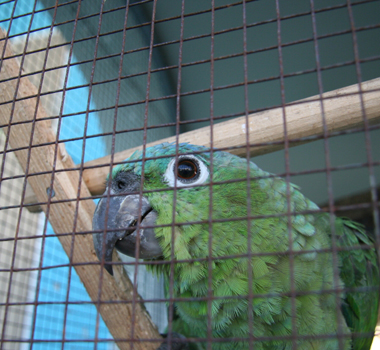
Có một con vẹt trong lồng chim .


There is a parrot in the birdcage .
một con vẹt trong lồng chim .

(ENG )
(NVI )
(SVI )

(2582)


Món tráng miệng này đã được người quản lý giới thiệu .


This dessert is recommended by the manager .
Món tráng miệng này đã được người quản giới thiệu .

(ENG )
(NVI )
(SVI )

(2799)


Cô ấy buộc vết thương của tôi bằng băng gạc .


She uses a gauze bandage to dress my wound .
ấy buộc vết thương của tôi bằng băng gạc .

(ENG )
(NVI )
(SVI )

(2886)


Cô ghen tị với cuộc hôn nhân hạnh phúc của người bạn tốt của mình .


She is envious of the happy marriage of her good friend .
ghen tị với cuộc hôn nhân hạnh phúc của người bạn tốt của mình .

(ENG )
(NVI )
(SVI )

(2896)


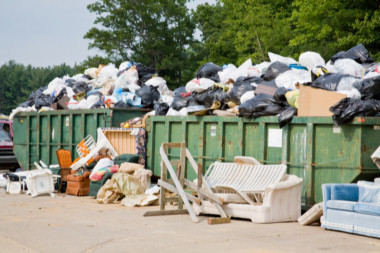
Tôi sẽ vứt rác ra ngoài .


I take out the garbage .
Tôi sẽ vứt rác ra ngoài 0

(ENG )
(NVI )
(SVI )

(2942)


Cỗ xe rất rộng rãi .


The carriage is very spacious .
Cỗ xe rất rộng rãi .

(ENG )
(NVI )
(SVI )

(2965)


Hãy ném những thứ vào thùng rác .


Please throw the things into the garbage can .
Hãy ném những thứ vào thùng rác .

(ENG )
(NVI )
(SVI )

(3048)


Rất nhiều rác đã chất thành đống ở đây .


A great deal of garbage has piled up here .
Rất nhiều rác đã chất thành đống đây .

(ENG )
(NVI )
(SVI )

(3067)


Bánh căm của chiếc ô tô bị hư hỏng trong vụ va chạm .


The wheel spokes of the car were damaged in the crash .
Bánh căm của chiếc ô bị hỏng trong vụ va chạm .

(ENG )
(NVI )
(SVI )

(3108)


Cô đã được chọn là Công chúa của cuộc thi sắc đẹp .


She has been selected Princess of the beauty pageant .
đã được chọn Công chúa của cuộc thi sắc đẹp .

(ENG )
(NVI )
(SVI )

(3140)


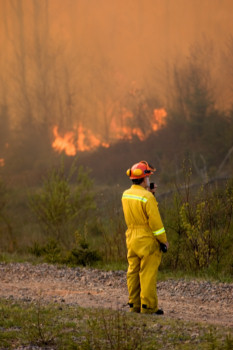
Ngọn lửa cọ đã mang đến tai họa cho ngôi làng .


The brush fire brought disaster to the village .
Ngọn lửa cọ đã mang đến tai họa cho ngôi làng .

(ENG )
(NVI )
(SVI )

(3170)


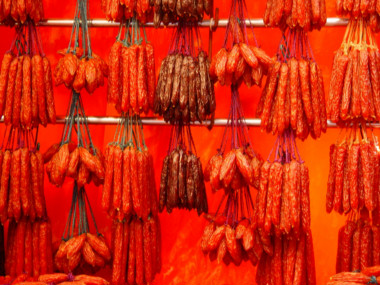
Bạn đã bao giờ thử món lạp xưởng Trung Quốc chưa ?


Have you ever tried Chinese sausage ?
Bạn đã bao giờ thử món lạp xưởng Trung Quốc chưa ?

(ENG )
(NVI )
(SVI )

(3231)


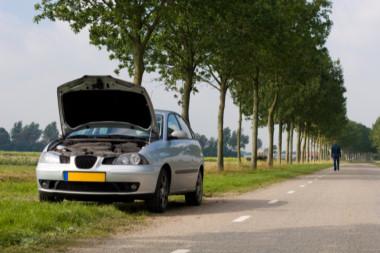
Động cơ của xe đã bị hư hỏng .


The car' s engine has been damaged .
Động của xe đã bị hỏng .

(ENG )
(NVI )
(SVI )

(3369)


Tóc ngắn hiện đang là xu hướng thịnh hành .


Short hair is all the rage now .
Tóc ngắn hiện đang xu hướng thịnh hành .

(ENG )
(NVI )
(SVI )

(3384)


Bọn tội phạm thật man rợ .


The criminals are savage .
Bọn tội phạm thật man rợ 0

(ENG )
(NVI )
(SVI )

(3388)


Tay cô ấy bị quấn băng .


Her hand is wrapped with a bandage .
Tay ấy bị quấn băng 0

(ENG )
(NVI )
(SVI )

(3404)


Cô ấy đang kiểm tra đồ cũ của rượu .


She is checking the wine' s vintage .
ấy đang kiểm tra đồ của rượu .

(ENG )
(NVI )
(SVI )

(3425)


Họ là họ hàng của nhau bằng hôn nhân .


They are relatives by marriage .
Họ họ hàng của nhau bằng hôn nhân .

(ENG )
(NVI )
(SVI )

(3478)


Những ngôi nhà trong ngôi làng này được bày biện ngăn nắp .


The houses in this village are laid out neatly .
Những ngôi nhà trong ngôi làng này được bày biện ngăn nắp .

(ENG )
(NVI )
(SVI )

(3507)


Kỉ niệm không rơi vào quên lãng theo thời gian .


Memories do not fall into oblivion with the passage of time .
Kỉ niệm không rơi vào quên lãng theo thời gian .

(ENG )
(NVI )
(SVI )

(3508)


At your age you should know better .

Ở tuổi của bạn, bạn nên biết rõ hơn.

Nobody ever comes to see us in this out-of-the-way village .

Không ai từng đến thăm chúng tôi trong ngôi làng hẻo lánh này.

He had to leave the village .

Anh phải rời làng.

His clothes didn't match his age .

Quần áo của anh ấy không phù hợp với tuổi của anh ấy.

I'm twice your age .

Tôi gấp đôi tuổi bạn.

They are about the same age .

Họ trạc tuổi nhau.

I managed to get to the station on time .

Tôi quản lý để có được đến nhà ga đúng giờ.

All tragedies end with a death .

Mọi bi kịch đều kết thúc bằng một cái chết.

The village is free from thieves .

Ngôi làng không có kẻ trộm.

I managed to get there in time .

Tôi quản lý để đến đó trong thời gian.

Not being tall isn't a disadvantage .

Không cao không phải là một bất lợi.

We should make good use of dictionaries when studying a foreign language .

Chúng ta nên sử dụng tốt từ điển khi học ngoại ngữ.

It's only two miles to the village .

Nó chỉ cách làng hai dặm.

You should free those animals from the cage .

Bạn nên thả những con vật đó ra khỏi lồng.

He is quite a savage .

Anh ấy là một người khá man rợ.

It's an advantage to be good looking .

Ngoại hình ưa nhìn là một lợi thế.

Get in touch with your agent right away .

Hãy liên lạc với đại lý của bạn ngay lập tức.

We took advantage of the good weather to play tennis .

Chúng tôi tận dụng thời tiết tốt để chơi quần vợt.

Language keeps in step with the times .

Ngôn ngữ theo kịp thời đại.

It was ages ago .

Đó là lứa tuổi trước đây.

They are the same age .

Họ bằng tuổi nhau.

You call that a marriage ?

Bạn gọi đó là một cuộc hôn nhân?

What did you do with my baggage ?

Bạn đã làm gì với hành lý của tôi?

What language do you speak in your country ?

Bạn nói ngôn ngữ gì ở đất nước của bạn?

She is engaged in writing a book .

Cô ấy đang tham gia viết một cuốn sách.

Can I leave a message ?

Tôi có thể để lại một lời nhắn không?

People were eager for peace .

Mọi người đều mong muốn hòa bình.

We went down to the valley where the village is .

Chúng tôi đi xuống thung lũng nơi có ngôi làng.

She lives in the village .

Cô sống trong làng.

A little language goes a long way .

Một chút ngôn ngữ đi một chặng đường dài.

I want this building for a garage .

Tôi muốn tòa nhà này cho một nhà để xe.

He knows no foreign language except english .

Anh ấy không biết ngoại ngữ nào ngoại trừ tiếng Anh.

He lives in a small village in kyushu .

Anh ấy sống trong một ngôi làng nhỏ ở Kyushu.

Could you put it in plain language ?

Bạn có thể đặt nó trong ngôn ngữ đơn giản?

We haven't met for ages .

Lâu lắm rồi chúng ta không gặp nhau.

I was encouraged by his words .

Tôi đã được khuyến khích bởi lời nói của mình.

My wife is a good manager .

Vợ tôi là một nhà quản lý giỏi.

My mother looks young for her age .

Mẹ tôi trông trẻ so với tuổi.

She is living in some village in india .

Cô ấy đang sống ở một ngôi làng nào đó ở Ấn Độ.

I can not get the message through to her .

Tôi không thể gửi tin nhắn cho cô ấy.

Can I leave a message ?

Tôi có thể để lại một lời nhắn không?

I am very happy to hear about your engagement .

Tôi rất vui khi nghe về sự tham gia của bạn.

My sister got engaged .

Em gái tôi đã đính hôn.

He was all eagerness to see her .

Anh đều háo hức được gặp cô.

You should take advantage of this chance .

Bạn nên tận dụng cơ hội này.

He killed himself at the age of thirty .

Anh ta tự sát ở tuổi ba mươi.

I have no shortage of dictionaries .

Tôi không thiếu từ điển.

You don't have to carry your baggage .

Bạn không cần phải mang theo hành lý của mình.

It takes years to master a foreign language .

Phải mất nhiều năm để thành thạo một ngoại ngữ.

Mother looks young for her age .

Mẹ trông trẻ so với tuổi.

She was loved by everybody in the village .

Bà được mọi người trong làng yêu mến.

I got the young man to carry the baggage for me .

Tôi nhờ người thanh niên mang hành lý cho tôi.

We live in the age of technology .

Chúng ta đang sống trong thời đại công nghệ.

He is engaged in business .

Ông đang tham gia vào kinh doanh.

She encouraged him to write a novel .

Cô khuyến khích anh viết một cuốn tiểu thuyết.

The girl is small for her age .

Cô gái nhỏ so với tuổi của mình.

Read the message once more .

Đọc tin nhắn một lần nữa.

He is eager to go abroad .

Anh háo hức ra nước ngoài.

The box was heavy , but he managed to carry it .

Chiếc hộp rất nặng, nhưng anh ấy đã mang được.

She got hot with rage .

Cô nổi cơn thịnh nộ.

Please have my baggage brought to the station .

Vui lòng mang hành lý của tôi đến nhà ga.

He managed to pass the examination .

Anh quản lý để vượt qua kỳ thi.

I managed to make the teacher understand my idea .

Tôi quản lý để làm cho giáo viên hiểu ý tưởng của tôi.

We came by a tiny village on our way to the country .

Chúng tôi đến một ngôi làng nhỏ trên đường đến đất nước này.

Would you like to leave a message ?

Bạn có muốn để lại tin nhắn không?

I haven't seen her for ages .

Tôi đã không nhìn thấy cô ấy trong nhiều năm.

There are not many amusements in the village .

Không có nhiều thú vui trong làng.

The man is well-known all over the village .

Người đàn ông nổi tiếng khắp làng.

This is the village where I was born .

Đây là ngôi làng nơi tôi sinh ra.

She had her baggage carried to the airport .

Cô đã mang hành lý của mình đến sân bay.

The boy is tall for his age .

Cậu bé cao so với tuổi của mình.

The two children were of an age .

Hai đứa trẻ đã ở độ tuổi .

This river runs through my village .

Con sông này chảy qua làng tôi.

I managed to get there in time .

Tôi quản lý để đến đó trong thời gian.

Have you ever been to that village ?

Bạn đã bao giờ đến ngôi làng đó chưa?

She looks young for her age .

Cô ấy trông trẻ so với tuổi của mình.

He lost his parents at the age of seven .

Ông mất cha mẹ ở tuổi lên bảy.

She died before coming of age .

Cô ấy chết trước khi đến tuổi.

Marriage is the last thing on my mind .

Hôn nhân là điều cuối cùng trong tâm trí của tôi.

I am the same age .

Tôi bằng tuổi.

He is engaged to my sister .

Anh ấy đã đính hôn với em gái tôi.

I have three more pages to go .

Tôi còn ba trang nữa.

Jane is familiar with the japanese language .

Jane quen thuộc với tiếng Nhật.

The number is engaged .

Số đã đính hôn.

He looks young for his age .

Anh ấy trông trẻ so với tuổi của mình.

He is able to speak five languages .

Anh ấy có thể nói năm thứ tiếng.

He is about my age .

Anh ấy trạc tuổi tôi.

This tree is the same age as that one .

Cây này cùng tuổi với cây kia.

She and I are of an age .

Tôi và cô ấy bằng tuổi nhau.

Can I leave a message ?

Tôi có thể để lại một lời nhắn không ?

I managed to repair my car by myself .

Tôi đã tự sửa được chiếc xe của mình.

He looks old for his age .

Anh ấy trông già so với tuổi của mình.

We can call english an international language .

Chúng ta có thể gọi tiếng Anh là một ngôn ngữ quốc tế.

He was known to everybody in the village .

Ông được mọi người trong làng biết đến.

For the time being , I am studying french at this language school .

Hiện tại, tôi đang học tiếng Pháp tại trường ngôn ngữ này.

I work for a travel agency .

Tôi làm việc cho một công ty du lịch.

Few people can speak a foreign language perfectly .

Rất ít người có thể nói ngoại ngữ một cách hoàn hảo.

Children begin school at the age of six .

Trẻ em bắt đầu đi học lúc sáu tuổi.

She is engaged in writing a book .

Cô ấy đang tham gia viết một cuốn sách.

This bus will take you to the village .

Xe buýt này sẽ đưa bạn đến ngôi làng.

Her marriage brought happiness to her parents .

Cuộc hôn nhân của cô mang lại hạnh phúc cho cha mẹ cô.

Would you keep this baggage , please ?

Bạn vui lòng giữ hành lý này được không?

The rain discouraged us from going out .

Mưa không khuyến khích chúng tôi ra ngoài.

How many languages do you speak ?

Bạn có thể nói bao nhiêu thứ tiếng ?

There lived an old man in a village .

Có một ông già sống trong một ngôi làng.

The chance was fully taken advantage of .

Cơ hội đã được tận dụng triệt để.

He has the ability to speak ten languages .

Anh ấy có khả năng nói được mười thứ tiếng.

He is regarded as the best doctor in the village .

Ông được coi là bác sĩ giỏi nhất trong làng.

There is no factory in this village .

Không có nhà máy trong làng này.

She can speak three foreign languages .

Cô ấy có thể nói ba ngoại ngữ.

All the villages were beautiful .

Tất cả các ngôi làng đều đẹp.

Let me help you with your baggage .

Hãy để tôi giúp bạn với hành lý của bạn.

At your age , you ought to know better .

Ở tuổi của bạn, bạn nên biết rõ hơn.

Children usually pick up foreign languages very quickly .

Trẻ em thường tiếp thu ngoại ngữ rất nhanh.

Long , long ago , there lived an old man in a village .

Cách đây rất lâu, có một ông lão sống trong một ngôi làng.

We will take advantage of this chance .

Chúng tôi sẽ tận dụng cơ hội này.

I haven't seen you for ages .

Tôi đã không nhìn thấy bạn cho các lứa tuổi.

I wanted to go back to your village .

Tôi muốn quay trở lại ngôi làng của bạn.

Can I check my baggage here ?

Tôi có thể kiểm tra hành lý của mình ở đây không?

Keep up your courage .

Giữ vững lòng can đảm của bạn.

It's to your advantage to learn everything you can .

Đó là lợi thế của bạn để tìm hiểu mọi thứ bạn có thể.

I fly into a rage easily .

Tôi dễ dàng nổi cơn thịnh nộ.

We should be kind to the aged .

Chúng ta nên tử tế với người già.

There lived a pretty girl in the village .

Có một cô gái xinh đẹp sống trong làng.

He managed the company while his father was ill .

Ông quản lý công ty trong khi cha ông bị bệnh.

I managed to make him understand it .

Tôi quản lý để làm cho anh ta hiểu nó.

He sent me the message by telephone .

Anh ấy đã gửi cho tôi tin nhắn qua điện thoại.

It goes without saying that english is an international language .

Không cần phải nói rằng tiếng Anh là một ngôn ngữ quốc tế.

I wonder what language they speak in brazil .

Tôi tự hỏi họ nói tiếng gì ở Brazil.

The village is now different from what it used to be .

Ngôi làng bây giờ đã khác xưa.

In this village , they lived a happy life .

Ở ngôi làng này, họ sống một cuộc sống hạnh phúc.

Life is very flat in a small village .

Cuộc sống rất bằng phẳng trong một ngôi làng nhỏ.

I'd like to page someone .

Tôi muốn nhắn tin cho ai đó.

He is very eager to go there .

Anh ấy rất háo hức được đến đó.

Some of the luggage has not arrived yet .

Một số hành lý vẫn chưa đến.

Ours is a mechanical age .

Thời đại của chúng ta là thời đại cơ khí.

I went back to my village during the summer vacation .

Tôi đã trở về làng của tôi trong kỳ nghỉ hè.

He is eager to go to the hospital .

Anh háo hức đến bệnh viện.

They are about the same age .

Họ gần bằng tuổi nhau.

He was encouraged by his success .

Ông đã được khuyến khích bởi thành công của mình.

Don't put your things in the passage .

Đừng đặt những thứ của bạn trong lối đi.

There is no bus service to the village .

Không có dịch vụ xe buýt đến làng.

I visited the village where he was born .

Tôi đã đến thăm ngôi làng nơi anh ấy sinh ra.

The village is connected with our town by a bridge .

Ngôi làng được kết nối với thị trấn của chúng tôi bằng một cây cầu.

Talking of foreign languages , can you speak french ?

Nói về ngoại ngữ, bạn có nói được tiếng Pháp không?

He managed to get there in time .

Anh quản lý để đến đó trong thời gian.

He was discouraged to hear that .

Anh nản lòng khi nghe điều đó.

It is not more than two miles to the village .

Nó không phải là hơn hai dặm đến làng.

You can't see him because he is engaged .

Bạn không thể gặp anh ấy vì anh ấy đã đính hôn.

My daughter will come of age next year .

Con gái tôi sẽ đến tuổi trưởng thành vào năm tới.

He hasn't come of age yet .

Anh ấy chưa đến tuổi trưởng thành.

They are the same age .

Họ bằng tuổi nhau.

She was born in a small village .

Cô sinh ra trong một ngôi làng nhỏ.

You can reach the village by bus .

Bạn có thể đến làng bằng xe buýt.

Tom made me a birdcage .

Tom đã làm cho tôi một cái lồng chim.

He died of old age two years ago .

Ông đã chết vì tuổi già hai năm trước.

I like languages .

Tôi thích ngôn ngữ.

Her attention was engaged by the book .

Cuốn sách đã thu hút sự chú ý của cô ấy.

What shall I do with his luggage ?

Tôi phải làm gì với hành lý của anh ấy?

He changed his mind in consequence of the marriage .

Anh ấy đã thay đổi suy nghĩ của mình do hậu quả của cuộc hôn nhân.

He sent back a message that everyone was well .

Anh ấy đã gửi lại một tin nhắn rằng mọi người đều ổn.

This is an age when honesty does not pay .

Đây là thời đại mà sự trung thực không được đền đáp.

Speaking foreign languages is not easy .

Nói ngoại ngữ là không dễ dàng.

Try to study a foreign language by all means .

Cố gắng học ngoại ngữ bằng mọi cách.

She is about my age .

Cô ấy trạc tuổi tôi.

There's narrow road to the village .

Có con đường hẹp đến làng.


Ở tuổi của bạn, bạn nên biết rõ hơn.
Không ai từng đến thăm chúng tôi trong ngôi làng hẻo lánh này.
Anh phải rời làng.
Quần áo của anh ấy không phù hợp với tuổi của anh ấy.
Tôi gấp đôi tuổi bạn.
Họ trạc tuổi nhau.
Tôi quản lý để có được đến nhà ga đúng giờ.
Mọi bi kịch đều kết thúc bằng một cái chết.
Ngôi làng không có kẻ trộm.
Tôi quản lý để đến đó trong thời gian.
Không cao không phải là một bất lợi.
Chúng ta nên sử dụng tốt từ điển khi học ngoại ngữ.
Nó chỉ cách làng hai dặm.
Bạn nên thả những con vật đó ra khỏi lồng.
Anh ấy là một người khá man rợ.
Ngoại hình ưa nhìn là một lợi thế.
Hãy liên lạc với đại lý của bạn ngay lập tức.
Chúng tôi tận dụng thời tiết tốt để chơi quần vợt.
Ngôn ngữ theo kịp thời đại.
Đó là lứa tuổi trước đây.
Họ bằng tuổi nhau.
Bạn gọi đó là một cuộc hôn nhân?
Bạn đã làm gì với hành lý của tôi?
Bạn nói ngôn ngữ gì ở đất nước của bạn?
Cô ấy đang tham gia viết một cuốn sách.
Tôi có thể để lại một lời nhắn không?
Mọi người đều mong muốn hòa bình.
Chúng tôi đi xuống thung lũng nơi có ngôi làng.
Cô sống trong làng.
Một chút ngôn ngữ đi một chặng đường dài.
Tôi muốn tòa nhà này cho một nhà để xe.
Anh ấy không biết ngoại ngữ nào ngoại trừ tiếng Anh.
Anh ấy sống trong một ngôi làng nhỏ ở Kyushu.
Bạn có thể đặt nó trong ngôn ngữ đơn giản?
Lâu lắm rồi chúng ta không gặp nhau.
Tôi đã được khuyến khích bởi lời nói của mình.
Vợ tôi là một nhà quản lý giỏi.
Mẹ tôi trông trẻ so với tuổi.
Cô ấy đang sống ở một ngôi làng nào đó ở Ấn Độ.
Tôi không thể gửi tin nhắn cho cô ấy.
Tôi có thể để lại một lời nhắn không?
Tôi rất vui khi nghe về sự tham gia của bạn.
Em gái tôi đã đính hôn.
Anh đều háo hức được gặp cô.
Bạn nên tận dụng cơ hội này.
Anh ta tự sát ở tuổi ba mươi.
Tôi không thiếu từ điển.
Bạn không cần phải mang theo hành lý của mình.
Phải mất nhiều năm để thành thạo một ngoại ngữ.
Mẹ trông trẻ so với tuổi.
Bà được mọi người trong làng yêu mến.
Tôi nhờ người thanh niên mang hành lý cho tôi.
Chúng ta đang sống trong thời đại công nghệ.
Ông đang tham gia vào kinh doanh.
Cô khuyến khích anh viết một cuốn tiểu thuyết.
Cô gái nhỏ so với tuổi của mình.
Đọc tin nhắn một lần nữa.
Anh háo hức ra nước ngoài.
Chiếc hộp rất nặng, nhưng anh ấy đã mang được.
Cô nổi cơn thịnh nộ.
Vui lòng mang hành lý của tôi đến nhà ga.
Anh quản lý để vượt qua kỳ thi.
Tôi quản lý để làm cho giáo viên hiểu ý tưởng của tôi.
Chúng tôi đến một ngôi làng nhỏ trên đường đến đất nước này.
Bạn có muốn để lại tin nhắn không?
Tôi đã không nhìn thấy cô ấy trong nhiều năm.
Không có nhiều thú vui trong làng.
Người đàn ông nổi tiếng khắp làng.
Đây là ngôi làng nơi tôi sinh ra.
Cô đã mang hành lý của mình đến sân bay.
Cậu bé cao so với tuổi của mình.
Hai đứa trẻ đã ở độ tuổi .
Con sông này chảy qua làng tôi.
Tôi quản lý để đến đó trong thời gian.
Bạn đã bao giờ đến ngôi làng đó chưa?
Cô ấy trông trẻ so với tuổi của mình.
Ông mất cha mẹ ở tuổi lên bảy.
Cô ấy chết trước khi đến tuổi.
Hôn nhân là điều cuối cùng trong tâm trí của tôi.
Tôi bằng tuổi.
Anh ấy đã đính hôn với em gái tôi.
Tôi còn ba trang nữa.
Jane quen thuộc với tiếng Nhật.
Số đã đính hôn.
Anh ấy trông trẻ so với tuổi của mình.
Anh ấy có thể nói năm thứ tiếng.
Anh ấy trạc tuổi tôi.
Cây này cùng tuổi với cây kia.
Tôi và cô ấy bằng tuổi nhau.
Tôi có thể để lại một lời nhắn không ?
Tôi đã tự sửa được chiếc xe của mình.
Anh ấy trông già so với tuổi của mình.
Chúng ta có thể gọi tiếng Anh là một ngôn ngữ quốc tế.
Ông được mọi người trong làng biết đến.
Hiện tại, tôi đang học tiếng Pháp tại trường ngôn ngữ này.
Tôi làm việc cho một công ty du lịch.
Rất ít người có thể nói ngoại ngữ một cách hoàn hảo.
Trẻ em bắt đầu đi học lúc sáu tuổi.
Cô ấy đang tham gia viết một cuốn sách.
Xe buýt này sẽ đưa bạn đến ngôi làng.
Cuộc hôn nhân của cô mang lại hạnh phúc cho cha mẹ cô.
Bạn vui lòng giữ hành lý này được không?
Mưa không khuyến khích chúng tôi ra ngoài.
Bạn có thể nói bao nhiêu thứ tiếng ?
Có một ông già sống trong một ngôi làng.
Cơ hội đã được tận dụng triệt để.
Anh ấy có khả năng nói được mười thứ tiếng.
Ông được coi là bác sĩ giỏi nhất trong làng.
Không có nhà máy trong làng này.
Cô ấy có thể nói ba ngoại ngữ.
Tất cả các ngôi làng đều đẹp.
Hãy để tôi giúp bạn với hành lý của bạn.
Ở tuổi của bạn, bạn nên biết rõ hơn.
Trẻ em thường tiếp thu ngoại ngữ rất nhanh.
Cách đây rất lâu, có một ông lão sống trong một ngôi làng.
Chúng tôi sẽ tận dụng cơ hội này.
Tôi đã không nhìn thấy bạn cho các lứa tuổi.
Tôi muốn quay trở lại ngôi làng của bạn.
Tôi có thể kiểm tra hành lý của mình ở đây không?
Giữ vững lòng can đảm của bạn.
Đó là lợi thế của bạn để tìm hiểu mọi thứ bạn có thể.
Tôi dễ dàng nổi cơn thịnh nộ.
Chúng ta nên tử tế với người già.
Có một cô gái xinh đẹp sống trong làng.
Ông quản lý công ty trong khi cha ông bị bệnh.
Tôi quản lý để làm cho anh ta hiểu nó.
Anh ấy đã gửi cho tôi tin nhắn qua điện thoại.
Không cần phải nói rằng tiếng Anh là một ngôn ngữ quốc tế.
Tôi tự hỏi họ nói tiếng gì ở Brazil.
Ngôi làng bây giờ đã khác xưa.
Ở ngôi làng này, họ sống một cuộc sống hạnh phúc.
Cuộc sống rất bằng phẳng trong một ngôi làng nhỏ.
Tôi muốn nhắn tin cho ai đó.
Anh ấy rất háo hức được đến đó.
Một số hành lý vẫn chưa đến.
Thời đại của chúng ta là thời đại cơ khí.
Tôi đã trở về làng của tôi trong kỳ nghỉ hè.
Anh háo hức đến bệnh viện.
Họ gần bằng tuổi nhau.
Ông đã được khuyến khích bởi thành công của mình.
Đừng đặt những thứ của bạn trong lối đi.
Không có dịch vụ xe buýt đến làng.
Tôi đã đến thăm ngôi làng nơi anh ấy sinh ra.
Ngôi làng được kết nối với thị trấn của chúng tôi bằng một cây cầu.
Nói về ngoại ngữ, bạn có nói được tiếng Pháp không?
Anh quản lý để đến đó trong thời gian.
Anh nản lòng khi nghe điều đó.
Nó không phải là hơn hai dặm đến làng.
Bạn không thể gặp anh ấy vì anh ấy đã đính hôn.
Con gái tôi sẽ đến tuổi trưởng thành vào năm tới.
Anh ấy chưa đến tuổi trưởng thành.
Họ bằng tuổi nhau.
Cô sinh ra trong một ngôi làng nhỏ.
Bạn có thể đến làng bằng xe buýt.
Tom đã làm cho tôi một cái lồng chim.
Ông đã chết vì tuổi già hai năm trước.
Tôi thích ngôn ngữ.
Cuốn sách đã thu hút sự chú ý của cô ấy.
Tôi phải làm gì với hành lý của anh ấy?
Anh ấy đã thay đổi suy nghĩ của mình do hậu quả của cuộc hôn nhân.
Anh ấy đã gửi lại một tin nhắn rằng mọi người đều ổn.
Đây là thời đại mà sự trung thực không được đền đáp.
Nói ngoại ngữ là không dễ dàng.
Cố gắng học ngoại ngữ bằng mọi cách.
Cô ấy trạc tuổi tôi.
Có con đường hẹp đến làng.