|
|
|
|
|
|
|
|
|
|
|
|
|
|
|
|
|
|
|
|
|
|
|
|
|
|
|
|
|
|
|
|
|
|
|
|
|
|
|
|
|
|
|
他发怒了。

He is angry .
他 发怒 了 。
(ENG )
(ZH )
(2097)
|
|
|
|
|
|
|
|
|
|
|
|
|
|
|
|
|
|
|
|
|
|
|
|
|
|
|
There's a possibility of war . | 有发生战争的可能性。
|
She woke to find herself in the hospital . | 她醒来发现自己在医院里。
After a brief peace , war broke out again . | 短暂的和平之后,战争再次爆发。
I found the game very exciting . | 我发现这个游戏非常令人兴奋。
It will go hard with him if he is found out . | 如果被发现了,他的日子就不好过了。
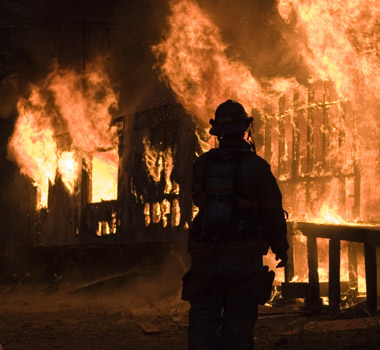
A fire broke out nearby . | 附近发生火灾。
Nobody knows what will happen next . | 没有人知道接下来会发生什么。
She found the money gone . | 她发现钱不见了。
She could not state her own opinion . | 她无法发表自己的意见。
Why does everything happen to me ? | 为什么一切都发生在我身上?
You had better have your hair cut . | 你最好把头发剪掉。
I'll get up your drive for english study . | 我会激发你学习英语的动力。
No matter what happens , I won't be surprised . | 无论发生什么,我都不会感到惊讶。
Let's be going now . | 我们现在就出发吧。
Will there be an earthquake in the near future ? | 近期会发生地震吗?
There was a fire near the train station last night . | 昨晚火车站附近发生火灾。
I feel very feverish . | 我感觉很发烧。
At last he found out the truth . | 最后他发现了真相。
The child was hot with fever . | 孩子发烧了,浑身发烫。
Please tell me what happened to him . | 请告诉我他发生了什么事。
I found it difficult to understand what he was saying . | 我发现很难理解他在说什么。
She came out with some strange tunings . | 她发出了一些奇怪的调音。
I don't like him because he loses his temper easily . | 我不喜欢他,因为他很容易发脾气。
Such a thing can't happen in japan . | 这种事不可能发生在日本。
Please send us more information . | 请向我们发送更多信息。
I awoke to find myself famous . | 我醒来发现自己出名了。
I awoke one morning and found myself famous . | 一天早上我醒来,发现自己出名了。
I seem to have a fever . | 我好像发烧了。
He gets a haircut three times a month . | 他每个月理发三次。
I found it easy when I gave it a try . | 当我尝试时,我发现这很容易。
They found the room empty . | 他们发现房间空无一人。
You may depend on it that it won't happen again . | 你可以相信这种事不会再发生了。
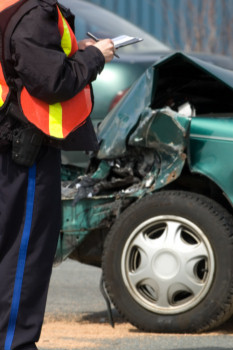
Where did the accident take place ? | 事故发生在哪里?
I used my imagination . | 我发挥了我的想象力。
You will find the scene just as you see it in this picture . | 您会发现场景就像您在这张照片中看到的那样。
What would happen ? | 会发生什么 ?
My hair is so messy ! | 我的头发好乱啊!
Don't make so much noise . | 别发出那么大的声音。
He said to me ,' don't make such a noise .' | 他对我说,“别发出这样的声音。”
Do you know what happened ? | 你可知道发生了什么 ?
You will find this lesson easy . | 你会发现本课很简单。
He had an accident at work . | 他在工作中发生了事故。
I have a slight fever . | 我有轻微发烧。
What happened to him ? | 他发生了什么事情 ?
I found this film very interesting . | 我发现这部电影很有趣。
He set out for london early in july . | 他于七月初出发前往伦敦。
She made his hair curl . | 她让他的头发卷曲。
I looked at my watch and noted that it was past five . | 我看了看手表,发现已经五点多了。
There is no knowing what may happen . | 不知道会发生什么。
We found it hard to change the plan . | 我们发现很难改变计划。
I've got to fix my hair . | 我得整理一下我的头发。
The murder case happened in this way . | 杀人案就这样发生了。
Strange things happened on her birthday . | 她生日那天发生了奇怪的事情。
Japan is subject to earthquakes . | 日本经常发生地震。
We ought to be ready for whatever comes . | 我们应该为任何发生的事情做好准备。
A fire broke out the day before yesterday . | 前天发生火灾。
The box he found was empty . | 他发现的盒子是空的。
I found it difficult to make myself heard due to the noise . | 由于噪音,我发现很难让别人听到自己的声音。
There is no knowing what will happen next . | 不知道接下来会发生什么。
Leave the engine running . | 让发动机运转。
It is impossible to know what will happen in the future . | 不可能知道未来会发生什么。
I found it difficult to please him . | 我发现很难取悦他。
He discovered how to open the box . | 他发现了如何打开盒子。
|
|
|
|
|
|
|
|
|
|
|
|
|
|
|
|
|
|
|
|
|
|
|
|
|
|
|
|
|
|
|
|
|
|
|
|
|
|
|
|
|
|
|
|
|
|
|
|
|
|
|
|
|
|
|
|
|
|
|
|
|
|
|