CORE WORDS
COMPOUND WORDS
air hostess | {n} | (female flight attendant) | aloud | {adv} | (audibly, not silent) | bookmark | {n} | (record of the address of a file or page) | bookmark | {n} | (strip used to mark a place in a book) | bookworm | {n} | (avid reader) | cartomancy | {n} | (fortune telling using cards) | chiromancer | {n} | (one who practices chiromancy) | chiromancy | {n} | (divination performed by examining the palms) | choice | {adj} | (especially good or preferred) | Congolese | {n} | (person from either of the Congos) | delicate | {adj} | (of exacting tastes and habits; dainty; fastidious.) | delicate | {adj} | (pleasing to the senses; refined) | drug | {n} | (psychoactive substance ingested for recreational use, especially illegal and addictive one) | elite | {adj} | (Of high birth or social position) | elite | {n} | (group with higher status) | e-reader | {n} | (device) | erudite | {adj} | (scholarly, learned) | erudition | {n} | (profound knowledge, especially that based on learning and scholarship) | glean | {v} | (harvest grain left behind after the crop has been reaped) | guardrail | {n} | (rail placed alongside a dangerous place) | handpicked | {v} | (selected with great care) | hinny | {n} | (hybrid offspring of a male horse and a female donkey) | hostess | {n} | (stewardess) | illegible | {adj} | (not clear enough to be read) | legalese | {n} | (technical talk of the legal profession) | legible | {adj} | (being clear enough to be read, readable, particularly for handwriting) | letter to the editor | {n} | (letter to a newspaper) | literacy | {n} | (ability to read) | literate | {adj} | (knowledgeable in literature and writing) | natural selection | {n} | (an evolutionary process) | Nepali | {n} | (person) | palmistry | {n} | (telling fortunes from the lines on the palms of the hand) | palm reading | {n} | (palmistry) | peruse | {v} | (to read completely) | proofread | {v} | (to check for errors in spelling and grammar) | proofreader | {n} | (person who proofreads) | proofreader | {n} | (person whose occupation is to proofread) | proofreading | {n} | (act or process by which a document is proofread) | read | {v} | (have the ability to read text or other information) | read | {v} | (look at and interpret letters or other information) | read | {v} | (of text, etc., to be interpreted or read in a particular way) | read | {v} | (speak aloud words or other information that is written) | read between the lines | {v} | (to infer a meaning that is not stated explicitly) | reader | {n} | (person who reads a publication) | reading | {n} | (the process of interpreting written language) | reading room | {n} | (room in a library) | read-only memory | {n} | (memory chip that stores values but doesn't allow updates) | selection | {n} | (something selected) | selection | {n} | (variety of items taken from a larger collection) | Senegalese | {n} | (person from Senegal) | shadowing | {n} | (speech shadowing) | Sinhalese | {n} | (Sinhalese person) | swipe | {v} | (to slide through a reader) | telepathy | {n} | (communication by psychic means) | tracker | {n} | (One who, or that which, tracks or pursues, as a man or dog that follows game) | unreadable | {adj} | (that cannot be read or is not easy to read) | vintage | {n} | (harvesting of a grape and initial pressing for winemaking) | vintage | {n} | (yield of grapes during one season) | vintager | {n} | (vintager) | well-read | {adj} | (well informed and knowledgeable because of having read extensively) | well-thumbed | {adj} | (showing signs of frequent or heavy use)
5000 WORDS
| L005 26 P0596 | đọc | lesen
|  |
阅读 P0596
อ่าน P0596
đọc P0596
lesen P0596
to read P0596
leer P0596
leggere P0596
lire P0596
PHRASES
|
|
|
|
|
|
|
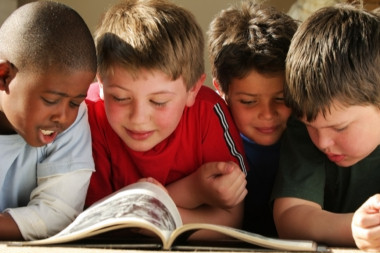
我在读书。

I am reading .
我 在 读书 。
(ENG )
(ZH )
(0987)
|
|
|
|
|
|
|
I haven't read any of his novels . | 我没有读过他的小说。
|
I have been reading the book all afternoon . | 我整个下午都在看这本书。
I have just finished reading the book . | 我刚刚读完这本书。
His writing is impossible to read . | 他的作品无法阅读。
Which is easier to read , this book or that one ? | 这本书和那本书哪一本更容易阅读?
Read'' gone with the wind'' . | 读《随风而去》。
Read it after her . | 跟着她读。
I haven't read both of her novels . | 她的两本小说我都没读过。
Even children can read this book . | 即使是孩子也可以阅读这本书。
This is the most difficult book I have ever read . | 这是我读过的最难的书。
I do not read his novels . | 我不读他的小说。
I have been occupied in reading books . | 我一直忙于看书。
He can read and write . | 他能读能写。
Have you finished reading the novel ? | 你读完小说了吗?
This book is worth reading twice . | 这本书值得读两遍。
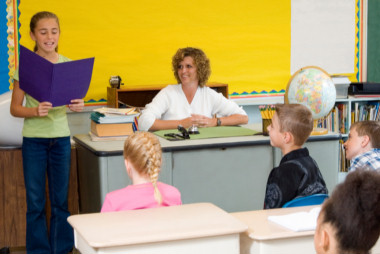
She teaches reading and writing . | 她教阅读和写作。
His new novel is worth reading . | 他的新小说值得一读。
I read the letter again and again . | 我把这封信读了一遍又一遍。
I have read the novel before . | 我以前看过这本小说。
I am fond of reading . | 我喜欢读书。
We read the full text of his speech . | 我们阅读了他的演讲全文。
Jim can read japanese . | 吉姆会读日语。
I remember reading this novel before . | 我记得以前看过这本小说。
This book is too difficult for me to read . | 这本书对我来说太难读了。
I spent the whole day reading a novel . | 我花了一整天时间读一本小说。
This book is easy enough for me to read . | 这本书对我来说很容易读懂。
I have been reading books all afternoon . | 我整个下午都在看书。
Read this book at your leisure . | 闲暇时阅读本书。
I don't have time to read . | 我没有时间读书。
I don't even have time to read . | 我连读书的时间都没有。
This book is too difficult for me to read . | 这本书对我来说太难读了。
He can't even read , let alone write . | 他连读书都不会,更不用说写字了。
I am reading a book now . | 我现在正在看书。
It is interesting for me to read my old diary . | 读我的旧日记对我来说很有趣。
I enjoyed reading about your dreams . | 我很喜欢读到你的梦想。
We learned how to read english . | 我们学会了如何阅读英语。
I get knowledge by reading books . | 我通过读书获取知识。
Have you ever read the constitution of japan ? | 你读过日本宪法吗?
After you have read it , give the book back to me . | 你读完后,把书还给我。
He can read english easily . | 他可以轻松地阅读英语。
I have read this book before . | 我以前读过这本书。
Have you finished reading the novel ? | 你读完小说了吗?
Some people read the newspaper while watching television . | 有些人一边看电视一边看报纸。
This book isn't worth reading . | 这本书不值得读。
It took me three days to read through this book . | 我花了三天时间读完这本书。
I want something to read . | 我想要读点东西。
Please read between the lines . | 请阅读字里行间。
That book is worth reading . | 那本书值得一读。
Read the book aloud . | 大声朗读这本书。
He makes it a rule to read aloud every day . | 他把每天朗读作为一项规则。
I should read the book . | 我应该读这本书。
I read your letter to my family . | 我读了你写给我家人的信。
It is easy to read this book . | 读这本书很容易。
I love reading books . | 我喜欢读书。
I read this book again and again . | 我一遍又一遍地读这本书。
It was my father's wont to read the newspaper before breakfast . | 早餐前看报纸是我父亲的习惯。
Read the message once more . | 再次阅读该消息。
I want many books to read . | 我想读很多书。
Have you finished reading today's paper yet ? | 你读完今天的报纸了吗?
My little sister can read books well now . | 我妹妹现在可以很好地读书了。
This book is worth reading again . | 这本书值得再读一遍。
This is a book to read . | 这是一本值得读的书。
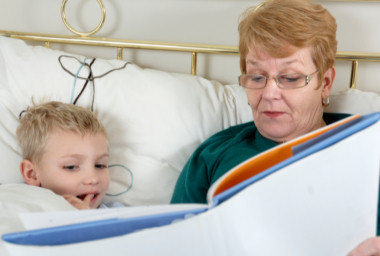
He sat down to read a novel . | 他坐下来读一本小说。
|
|
|
|
|
|
|
|
|
|
|
|
|
|
|
|
|
|
|
|
|
|
|
|
|
|
|
|
|
|
|
|
|
|
|
|
|
|
|
|
|
|
|
|
|
|
|
|
|
|
|
|
|
|
|
|
|
|
|
|
|
|