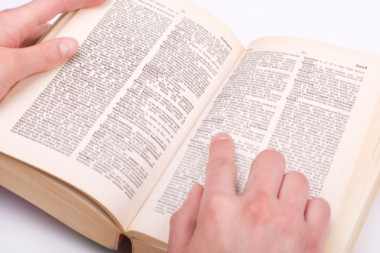
We should make good use of dictionaries when studying a foreign language . | 我们学习外语时应该充分利用词典。
He is a typical japanese . | 他是一个典型的日本人。
The kid did a job on my dictionary . | 这孩子帮我查字典了。
This dictionary is of great value to us . | 这本词典对我们来说很有价值。
I cannot do without this dictionary . | 我离不开这本词典。
Miss march gave me an english dictionary . | 马奇小姐给了我一本英语词典。
There is a dictionary on the desk . | 桌子上有一本字典。
My sister asked me to lend her the dictionary . | 我姐姐让我把字典借给她。
Hand me the dictionary there , please . | 请把那里的字典递给我。
You have three dictionaries . | 你有三本字典。
I have a dictionary . | 我有一本字典。
I'll lend you this dictionary . | 我把这本字典借给你。
This dictionary is by far the best . | 这本词典是迄今为止最好的。
I looked the word up in the dictionary . | 我在字典里查了这个词。
He bought me a new dictionary . | 他给我买了一本新字典。
I have no shortage of dictionaries . | 我不缺字典。
This is a dictionary I told you about yesterday . | 这是我昨天告诉你的一本字典。
He recommended this dictionary to me . | 他向我推荐了这本词典。
I gave my sister a dictionary . | 我给了姐姐一本字典。
He was taught french and given a dictionary . | 有人教他法语并给了他一本字典。
I don't have any classical music . | 我没有古典音乐。
This dictionary is superior to that one . | 这本词典比那本优越。
Another thing that is required is a dictionary . | 另一件需要的东西是字典。
Whose is the dictionary on the table ? | 桌子上的字典是谁的?
I left my dictionary downstairs . | 我把字典落在楼下了。
You should learn how to use your dictionary . | 你应该学习如何使用你的字典。
Have you a dictionary today ? | 今天你有字典吗?
He is the person to whom I gave my dictionary . | 他是我把字典送给他的人。
The idea is typical of him . | 这是他的典型想法。
The dictionary on the desk is mine . | 桌子上的字典是我的。
Will you lend me your dictionary ? | 你能把你的字典借给我吗?
This dictionary is of great use for students . | 这本词典对学生很有用。
This is the dictionary I spoke of yesterday . | 这是我昨天谈到的字典。
I want to buy this dictionary . | 我想买这本词典。
Let's compare this dictionary with that one . | 我们来比较一下这本词典和那本词典。
Look up the new words in your dictionary . | 在字典中查找新单词。
Can I use this dictionary of yours ? | 我可以用一下你的这本词典吗?
Look it up in the dictionary . | 查字典吧。
When he writes english , he often consults the dictionary . | 当他写英语时,他经常查阅字典。
Don't forget to put your dictionary beside you . | 别忘了把字典放在你身边。
The dictionary is of great use to me . | 这本词典对我很有用。
This dictionary is as useful as that one . | 这本词典和那本词典一样有用。
Look up these words in the dictionary . | 在字典里查一下这些词。
Look up the word in the dictionary . | 在字典里查这个词。
After a while he came back with a dictionary under his arm . | 过了一会儿,他腋下夹着一本字典回来了。
Can you do without an english dictionary ? | 没有英语词典可以吗?
He seems to be a typical american boy . | 他看起来是一个典型的美国男孩。
Please lend me the dictionary when you are through with it . | 当你用完字典后请把它借给我。
I looked in as many dictionaries as I could . | 我尽可能多地查字典。
He reached for the dictionary . | 他伸手去拿字典。
Which dictionary do you often use ? | 您经常使用哪本词典?
Every word in this dictionary is important . | 这本词典中的每个单词都很重要。
I have an up-to-date dictionary . | 我有一本最新的字典。
He has more than five dictionaries . | 他有超过五本字典。
You can use a dictionary for this exam . | 您可以在这次考试中使用字典。
The revision of this dictionary took six years . | 这本词典的修订历时六年。
The teacher recommended this dictionary to us . | 老师向我们推荐了这本词典。
He is called a walking dictionary . | 他被称为一本活字典。 |
|
|
|
|
|
|
|
|
|
|
|
|
|
|
|
|
|
|
|
|
|
|
|
|
|
|
|
|
|
|
|
|
|
|
|
|
|
|
|
|
|
|
|
|
|
|
|
|
|
|
|
|
|
|
|
|
|