* 三 ba
*
Tôi yêu jiaozi (bánh bao nhân).
I love jiaozi (filled dumplings).
Ich liebe Jiaozi (gefüllte Teigtaschen).
Me encantan los jiaozi (dumplings rellenos).
J'aime les jiaozi (boulettes farcies).
Adoro i jiaozi (gnocchi ripieni).
ฉันชอบเจียวจือ (เกี๊ยวไส้)
저는 만두 먹는 것을 좋아합니다.
我喜歡吃餃子。
我 喜欢 吃饺子 。 *
Bộ đồ giá bao nhiêu?
How much does the suit cost?
Was kostet das Kleid?
¿Cuánto cuesta el traje?
Combien coûte le costume ?
Quanto costa l'abito?
ค่าชุดเท่าไหร่คะ?
이 셔츠는 얼마입니까?
這件衣服多少錢?
这件 衣服 多少 钱 ? *
Hôm nay là ngày bao nhiêu?
What is the date today?
Welches Datum ist heute?
¿Qué fecha es hoy?
Quelle est la date d'aujourd'hui ?
Che giorno è oggi?
วันนี้วันที่เท่าไหร่?
오늘이 무슨 요일이야?
今天幾月幾日?
今天 几月 几日 ? *
Tôi có ba quả táo.
I have got three apples.
Ich habe drei Äpfel.
Tengo tres manzanas.
J'ai trois pommes.
Ho tre mele.
ฉันมีแอปเปิ้ลสามลูก
나는 세 개의 사과를 가지고 있다.
我有三個蘋果。
我 有 三个 苹果 。 *
Bạn thích bóng bay màu gì?
What color balloons do you like?
In welcher Farbe gefallen Ihnen die Luftballons?
¿De qué color son los globos que te gustan?
De quelle couleur sont les ballons que tu aimes ?
Di che colore ti piacciono i palloncini?
คุณชอบลูกโป่งสีอะไร
무슨 색 풍선을 좋아하세요?
你喜歡什麼顏色的氣球?
你 喜欢 什么 颜色 的 气球 ? *
Tôi đã chạy ba dặm.
I have run three miles.
Ich bin drei Meilen gelaufen.
He corrido cinco kilómetros.
J'ai couru 5 km.
Ho corso tre miglia.
ฉันวิ่งมาสามไมล์แล้ว
나는 3마일을 달렸다.
我跑了3里路。
我 跑 了 3 里路 。 *
Mọi thứ ở đây đều được bao phủ bởi tuyết.
Everything is covered in snow here.
Hier ist alles mit Schnee bedeckt.
Aquí todo está cubierto de nieve.
Tout est couvert de neige ici.
Qui è tutto coperto di neve.
ทุกอย่างถูกปกคลุมไปด้วยหิมะที่นี่
여기는 온통 눈입니다.
這裡全是雪。
这 里 全是 雪 。 *
Gió đã thổi bay quả bóng bay.
The wind has blown the balloon away.
Der Wind hat den Ballon weggeblasen.
El viento ha hecho volar el globo.
Le vent a emporté le ballon.
Il vento ha spazzato via il pallone.
ลมพัดบอลลูนออกไป
바람이 풍선을 날려 버렸습니다.
風把氣球吹走了。
风 把 气球 吹 走 了 。 *
Đếm xem bạn có bao nhiêu tiền mặt trong ví.
Count how much cash you have got in your wallet.
Zählen Sie, wie viel Geld Sie in Ihrer Brieftasche haben.
Cuente cuánto dinero tiene en su cartera.
Comptez combien d'argent vous avez dans votre portefeuille.
Conta quanti soldi hai nel portafoglio.
นับจำนวนเงินสดที่คุณมีในกระเป๋าเงินของคุณ
지갑에 현금이 얼마나 있는지 계산하십시오.
算一算你的錢包有多少現金?
算一算 你 的 钱包 有 多少 现金 ? *
Bạn có thể nói bao nhiêu thứ tiếng?
How many languages do you speak?
Wie viele Sprachen sprechen Sie?
¿Cuántos idiomas habla?
Combien de langues parlez-vous ?
Quante lingue parli?
คุณพูดได้กี่ภาษา?
얼마나 많은 언어를 말할 수 있습니까?
你會說幾種語言?
你 会 说 几种 语言 ? *
Công viên rất yên tĩnh vào ban đêm.
The park is very quiet at night.
Der Park ist nachts sehr ruhig.
El parque está muy tranquilo por la noche.
Le parc est très calme la nuit.
Il parco è molto tranquillo di notte.
สวนสาธารณะตอนกลางคืนเงียบมาก
공원은 밤에 조용합니다.
夜晚公園裡很安靜。
夜晚 公园 里 很 安静 。 *
Có bao nhiêu quốc gia ở Châu Á?
How many countries are there in Asia altogether?
Wie viele Länder gibt es insgesamt in Asien?
¿Cuántos países hay en Asia en total?
Combien de pays y a-t-il en Asie en tout ?
Quanti paesi ci sono in totale in Asia?
ในเอเชียมีทั้งหมดกี่ประเทศ?
아시아에는 몇 개의 국가가 있습니까?
亞洲一共有幾個國家?
亚洲 一共 有 几个 国家 ? *
Năm nay cô ấy bao nhiêu tuổi?
How old is she this year?
Wie alt ist sie dieses Jahr?
¿Qué edad tiene este año?
Quel âge a-t-elle cette année ?
Quanti anni ha quest'anno?
ปีนี้เธออายุเท่าไหร่?
그녀는 올해 몇 살입니까?
她今年幾歲了?
她 今年 几岁 了 ? *
Con chim bồ câu đang bay trên bầu trời.
The dove is flying in the sky.
Die Taube fliegt am Himmel.
La paloma está volando en el cielo.
La colombe vole dans le ciel.
La colomba sta volando nel cielo.
นกพิราบกำลังบินอยู่บนท้องฟ้า
비둘기는 공중에 날아갑니다.
鴿子在空中飛。
鸽子 在 空中 飞 。 *
Đây là vé máy bay của tôi.
This is my plane ticket.
Das ist mein Flugticket.
Este es mi billete de avión.
Voici mon billet d'avion.
Questo è il mio biglietto aereo.
นี่คือตั๋วเครื่องบินของฉัน
이것은 내 티켓입니다.
這是我的機票。
这 是 我 的 机票 。 *
Ngôi nhà được bao quanh bởi bãi cỏ.
The house is surrounded by lawn.
Das Haus ist von einer Wiese umgeben.
La casa está rodeada de césped.
La maison est entourée de pelouse.
La casa è circondata da prato.
บ้านล้อมรอบด้วยสนามหญ้า
집 주변에 초원이 있습니다.
房子的周圍是一片草地。
房子 的 周围 是 一片 草地 。 *
Con chim đang bay rất thấp.
The bird is flying very low.
Der Vogel fliegt sehr tief.
El pájaro vuela muy bajo.
L'oiseau vole très bas.
L'uccello sta volando molto basso.
นกกำลังบินต่ำมาก
새는 매우 낮게 날아갑니다.
鳥飛得很低。
鸟飞 得 很 低 。 *
Giá dầu hôm nay là bao nhiêu?
What is the oil price today?
Wie hoch ist der Ölpreis heute?
¿Cuál es el precio del petróleo hoy?
Quel est le prix du pétrole aujourd'hui ?
Qual è il prezzo del petrolio oggi?
ราคาน้ำมันวันนี้คืออะไร?
오늘 기름값은?
今天的油價是多少?
今天 的 油价 是 多少 ? *
Máy bay chuẩn bị cất cánh.
The plane is about to take off.
Das Flugzeug steht kurz vor dem Abflug.
El avión está a punto de despegar.
L'avion est sur le point de décoller.
L'aereo sta per decollare.
เครื่องบินกำลังจะขึ้น
비행기가 이륙하려고 합니다.
飛機將要起飛。
飞机 将要 起飞 。 *
Có bao nhiêu tầng trong tòa nhà này?
How many stories are there in this building?
Wie viele Stockwerke hat dieses Gebäude?
¿Cuántos pisos tiene este edificio?
Combien d'étages y a-t-il dans ce bâtiment ?
Quante storie ci sono in questo edificio?
อาคารนี้มีกี่ชั้น
이 건물은 몇 층입니까?
這棟樓有幾層?
这栋 楼有 几层 ? *
Có năm người trong nhóm của chúng tôi bao gồm cả tôi.
There are five people in our team including me.
Unser Team besteht aus fünf Personen, mich eingeschlossen.
Hay cinco personas en nuestro equipo, incluyéndome a mí.
Notre équipe compte cinq personnes, dont moi.
Ci sono cinque persone nel nostro team, me compreso.
มีห้าคนในทีมของเรารวมทั้งฉันด้วย
우리 일행은 나를 포함해 다섯 명이다.
包括我在內,我們組有五個人。
包括 我 在内 , 我们 组有 五个 人 。 *
Cô ấy sẽ không bao giờ từ bỏ thuốc lá.
She'll never give up smoking.
Er wird nie mit dem Rauchen aufhören.
Nunca dejará de fumar.
Elle n'arrêtera jamais de fumer.
Non smetterà mai di fumare.
เธอจะไม่มีวันเลิกบุหรี่
그녀는 담배를 끊지 못할 수도 있습니다.
她未必能夠戒煙。
她 未必 能够 戒烟 。 *
Có một buổi biểu diễn ba lê tối nay.
There is a ballet performance tonight.
Heute Abend gibt es eine Ballettaufführung.
Esta noche hay una representación de ballet.
Il y a un spectacle de ballet ce soir.
C'è uno spettacolo di balletto stasera.
คืนนี้มีการแสดงบัลเล่ต์
오늘 밤 발레 공연이 있습니다.
今晚有芭蕾舞演出。
今晚 有 芭蕾舞 演出 。 *
Họ đã nuôi dạy ba người con.
They have raised three children.
Sie haben drei Kinder großgezogen.
Han criado a tres hijos.
Ils ont élevé trois enfants.
Hanno cresciuto tre figli.
พวกเขาเลี้ยงลูกสามคน
그들은 세 자녀를 키웠습니다.
他們養育了三個孩子。
他们 养育 了 三个 孩子 。 *
Tôi đã đặt vé máy bay trên mạng.
I have booked a plane ticket on the internet.
Ich habe ein Flugticket im Internet gebucht.
He reservado un billete de avión por Internet.
J'ai réservé un billet d'avion sur Internet.
Ho prenotato un biglietto aereo su Internet.
ฉันจองตั๋วเครื่องบินทางอินเทอร์เน็ต
나는 온라인으로 티켓을 예매했다.
我在網上訂了一張機票。
我 在 网上 订 了 一张 机票 。 *
Máy bay đã đến sân bay.
The plane has arrived at the airport.
Das Flugzeug ist am Flughafen angekommen.
El avión ha llegado al aeropuerto.
L'avion est arrivé à l'aéroport.
L'aereo è arrivato all'aeroporto.
เครื่องบินมาถึงสนามบินแล้ว
비행기가 공항에 도착했습니다.
飛機抵達了機場。
飞机 抵达 了 机场 。 *
Anh ấy đã làm một chiếc máy bay mô hình.
He's made a model plane.
Er hat ein Modellflugzeug gebaut.
Ha hecho un modelo de avión.
Il a fabriqué un modèle réduit d'avion.
Ha realizzato un modello di aereo.
เขาทำเครื่องบินจำลอง
그는 모형 비행기를 만들었습니다.
他做了一個飛機模型。
他 做 了 一个 飞机 模型 。 *
Gia đình chúng ta sẽ không bao giờ bị chia cắt.
Our family will never be separated.
Unsere Familie wird niemals getrennt werden.
Nuestra familia nunca se separará.
Notre famille ne sera jamais séparée.
La nostra famiglia non sarà mai separata.
ครอบครัวของเราจะไม่มีวันแยกจากกัน
우리 가족은 결코 헤어지지 않을 것입니다.
我們一家人永遠不分離。
我们 一家人 永远 不 分离 。 *
Hầu hết người Trung Quốc thích ăn bánh bao.
Most Chinese love to eat baozi.
Die meisten Chinesen lieben "gefüllte Teigtaschen."
A la mayoría de los chinos les encanta comer baozi.
La plupart des Chinois aiment manger du baozi.
La maggior parte dei cinesi ama mangiare i baozi.
คนจีนส่วนใหญ่ชอบกิน Baozi
중국인들은 일반적으로 찐빵을 즐겨 먹는다.
中國人普遍都愛吃包子。
中国 人 普遍 都 爱 吃 包子 。 *
Giá một lít dầu là bao nhiêu?
How much does one liter of oil cost?
Wie viel kostet ein Liter Öl?
¿Cuánto cuesta un litro de aceite?
Combien coûte un litre de pétrole ?
Quanto costa un litro di petrolio?
น้ำมันหนึ่งลิตรราคาเท่าไหร่?
기름 1리터는 얼마인가요?
一升油多少錢?
一升油 多少 钱 ? *
Anh ấy đang làm một chiếc máy bay mô hình.
He is making a model plane.
Er macht ein Modellflugzeug.
Está haciendo una maqueta de avión.
Il fabrique une maquette d'avion.
Sta realizzando un modellino di aeroplano.
เขากำลังทำเครื่องบินจำลอง
그는 비행기 모형을 만들고 있다.
他在製作飛機模型。
他 在 制作 飞机 模型 。 *
Dự luật mới đã được ban hành.
The new bill has been enacted.
Die neue Gesetzesvorlage wurde verabschiedet.
El nuevo proyecto de ley ha sido promulgado.
Le nouveau projet de loi a été promulgué.
Il nuovo disegno di legge è stato emanato.
ร่างพระราชบัญญัติใหม่ได้ประกาศใช้แล้ว
새 법안이 시행되었습니다.
新法案已經實施了。
新法案 已经 实施 了 。 *
Khu rừng bị bao phủ bởi sương mù.
Mist fills the forest.
Der Wald ist in Nebel gehüllt.
El bosque está envuelto en niebla.
La forêt est enveloppée de brouillard.
La foresta è avvolta dalla nebbia.
ป่าถูกปกคลุมไปด้วยหมอก
숲은 연기로 가득 차 있습니다.
樹林裡煙霧彌漫。
树林 里 烟雾弥漫 。 *
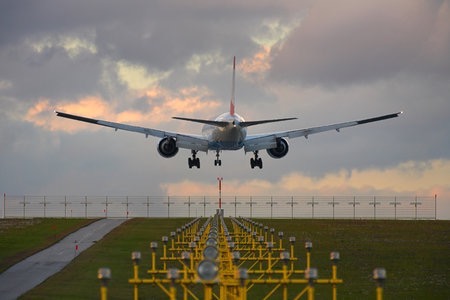
Máy bay đã hạ cánh.
The plane has landed.
Das Flugzeug ist gelandet.
El avión ha aterrizado.
L'avion a atterri.
L'aereo è atterrato.
เครื่องบินลงจอดแล้ว
비행기가 착륙했습니다.
飛機降落了。
飞机 降落 了 。 *
Mặt đất hoàn toàn bị bao phủ bởi lá rụng.
The ground is completely covered by fallen leaves.
Der Boden ist vollständig mit Laub bedeckt.
El suelo está completamente cubierto de hojas caídas.
Le sol est entièrement recouvert de feuilles mortes.
Il terreno è completamente ricoperto di foglie cadute.
พื้นดินเต็มไปด้วยใบไม้ที่ร่วงหล่น
여기저기 떨어진 낙엽들이 있습니다.
這裡遍地都是落葉。
这 里 遍地 都 是 落叶 。 *
Máy bay đã hạ cánh.
The plane has touched down.
Das Flugzeug ist gelandet.
El avión ha aterrizado.
L'avion a atterri.
L'aereo è atterrato.
เครื่องบินได้แตะพื้นแล้ว
비행기가 착륙했습니다.
飛機著陸了。
飞机 着陆 了 。 *
Một số chuyến bay bị hoãn.
Some flights are delayed.
Einige Flüge sind verspätet.
Algunos vuelos se retrasan.
Certains vols sont retardés.
Alcuni voli sono in ritardo.
บางเที่ยวบินล่าช้า
일부 항공편이 지연되었습니다.
部分航班延誤了。
部分 航班 延误 了 。 *
Tổng thu nhập của tháng này là bao nhiêu?
What are the total earnings for this month?
Was sind die Gesamteinnahmen für diesen Monat?
¿Cuáles son las ganancias totales de este mes?
Quel est le total des gains pour ce mois-ci ?
Quali sono i guadagni totali per questo mese?
รายได้รวมของเดือนนี้เป็นเท่าไหร่?
이번 달 총수입은 얼마입니까?
這個月的收入總額是多少?
这个 月 的 收入 总额 是 多少 ? *
Đây là chuyến bay đến Mỹ.
This is the flight to America.
Dies ist der Flug nach Amerika.
Este es el vuelo a Estados Unidos.
C'est le vol pour l'Amérique.
Questo è il volo per l'America.
นี่คือเที่ยวบินไปอเมริกา
미국행 항공편입니다.
這是飛往美國的航班。
这是 飞往 美国 的 航班 。 *
Tỷ giá hối đoái giữa đô la Mỹ và nhân dân tệ hôm nay là bao nhiêu?
What is the exchange rate between US dollar and RMB today?
Wie ist der Wechselkurs zwischen US-Dollar und RMB heute?
¿Cuál es el tipo de cambio entre el dólar estadounidense y el RMB en la actualidad?
Quel est le taux de change entre le dollar américain et le RMB aujourd'hui ?
Qual è il tasso di cambio tra il dollaro USA e il RMB oggi?
อัตราแลกเปลี่ยนระหว่าง ดอลลาร์สหรัฐ และ RMB วันนี้เป็นเท่าไหร่?
오늘 USD와 RMB의 환율은 얼마입니까?
今天美元兌人民幣的匯率是多少?
今天 美元兑 人民币 的 汇率 是 多少 ? *
Đôi môi và khuôn mặt của anh ấy được bao phủ bởi sô cô la.
His lips and face are covered with chocolate.
Seine Lippen und sein Gesicht sind mit Schokolade verschmiert.
Sus labios y su cara están cubiertos de chocolate.
Ses lèvres et son visage sont couverts de chocolat.
Le sue labbra e il suo viso sono ricoperti di cioccolato.
ริมฝีปากและใบหน้าของเขาถูกเคลือบด้วยช็อคโกแลต
그의 입과 얼굴은 초콜릿으로 덮여 있었다.
他的嘴上和臉上都沾滿了巧克力。
他 的 嘴 上 和 脸上 都 沾满 了 巧克力 。 *
Các lan can bao quanh hoa và cây xanh.
The railings enclose the flowers and trees.
Die Geländer umschließen die Blumen und Bäume.
Las barandillas rodean las flores y los árboles.
Les balustrades entourent les fleurs et les arbres.
Le ringhiere racchiudono fiori e alberi.
รางล้อมรอบดอกไม้และต้นไม้
난간은 꽃과 나무를 둘러싸고 있습니다.
欄杆把花和樹圈起來了。
栏杆 把 花 和 树 圈起来 了 。 *
Việc cất cánh của máy bay đã bị trì hoãn.
The takeoff of the plane was delayed.
Der Start des Flugzeugs verzögerte sich.
El despegue del avión se retrasó.
Le décollage de l'avion a été retardé.
Il decollo dell'aereo è stato ritardato.
การขึ้นเครื่องบินล่าช้า
비행기는 이륙이 늦어졌다.
飛機延遲起飛。
飞机 延迟 起飞 。 *
Đừng bao giờ gieo rắc mối bất hòa giữa vợ và chồng.
Never sow discord between husband and wife.
Säe niemals Zwietracht zwischen Mann und Frau.
Nunca siembres la discordia entre marido y mujer.
Ne jamais semer la discorde entre mari et femme.
Non seminare mai discordia tra marito e moglie.
อย่าหว่านความบาดหมางกันระหว่างสามีภรรยา
남편과 아내 사이의 관계를 자극하지 마십시오.
千萬不要挑撥夫妻關係。
千万 不要 挑拨 夫妻关系 。 *
Cậu bé đang thổi một quả bóng bay.
The little boy is blowing up a balloon.
Der kleine Junge bläst einen Luftballon auf..
El niño está inflando un globo.
Le petit garçon est en train de gonfler un ballon.
Il ragazzino sta facendo esplodere un palloncino.
เด็กน้อยกำลังเป่าลูกโป่ง
어린 소년이 풍선을 불고 있습니다.
小男孩在吹氣球。
小男孩 在 吹 气球 。 *
Anh ấy rất trung thực, và không bao giờ nói dối.
He is very honest, and never lies.
Er ist sehr ehrlich und lügt nie.
Es muy honesto y nunca miente.
Il est très honnête et ne ment jamais.
È molto onesto e non mente mai.
เขาเป็นคนซื่อสัตย์มากและไม่เคยโกหก
그는 매우 정직하고 결코 거짓말을 하지 않습니다.
他很誠實,從來不說謊。
他 很 诚实 , 从来不 说谎 。 *
Người Trung Quốc có phong tục ăn bánh bao trong dịp năm mới.
Chinese traditionally eat "jiaozi" (dumplings) at the Chinese New Year.
Chinesen essen traditionell eine bestimmte Art Knödel zum chinesischen Neujahr.
Los chinos comen tradicionalmente "jiaozi" (albóndigas) en el Año Nuevo chino.
Les Chinois mangent traditionnellement des "jiaozi" (boulettes de pâte) au Nouvel An chinois.
I cinesi tradizionalmente mangiano "jiaozi" (gnocchi) durante il capodanno cinese.
ความกลัวของจีนกิน "jiaozi" (เกี๊ยว) ในวันตรุษจีน
중국인들은 새해에 만두를 먹는 풍습이 있습니다.
中國人過年有吃餃子的風俗。
中国 人 过年 有 吃饺子 的 风俗 。 *
Hai nhân với ba bằng sáu.
Two multiplied by three equals six.
2 multipliziert mit 3 ergibt 6.
Dos multiplicado por tres es igual a seis.
Deux multiplié par trois égale six.
Due moltiplicato per tre fa sei.
สองคูณสามเท่ากับหก
2 곱하기 3은 6과 같습니다.
2乘以3等於6。
2 乘以 3 等于 6 。 *
Cô khoác ba lô lên và đi leo núi.
She put on her backpack and went mountain climbing.
Sie setzt ihren Rucksack auf und geht wandern.
Se puso la mochila y se fue a escalar la montaña.
Elle a mis son sac à dos et est partie faire de l'alpinisme.
Si mise lo zaino e andò in montagna.
เธอสะพายเป้แล้วไปปีนเขา
그녀는 산을 오르기 위해 배낭을 메었다.
她背上背包去爬山。
她 背上 背包 去 爬山 。 *
Những người trẻ tuổi thích uống rượu trong các quán bar.
Young people like to drink in bars.
Junge Leute trinken gerne in Bars.
A los jóvenes les gusta beber en los bares.
Les jeunes aiment boire dans les bars.
Ai giovani piace bere nei bar.
คนหนุ่มสาวชอบดื่มในบาร์
젊은이들은 술집에서 술을 마시는 것을 좋아합니다.
年輕人喜歡去酒吧喝酒。
年轻人 喜欢 去 酒吧 喝酒 。 *
Con đại bàng đang bay lượn trên bầu trời.
The eagle is circling in the sky.
Der Adler kreist am Himmel.
El águila está dando vueltas en el cielo.
L'aigle tourne dans le ciel.
L'aquila sta volteggiando nel cielo.
นกอินทรีกำลังบินวนอยู่บนท้องฟ้า
독수리는 하늘을 맴돌았다.
老鷹在天空中盤旋。
老鹰 在 天空 中 盘旋 。 *
Máy bay đã đến đích.
The plane has arrived at its destination.
Das Flugzeug ist am Ziel angekommen.
El avión ha llegado a su destino.
L'avion est arrivé à destination.
L'aereo è arrivato a destinazione.
เครื่องบินมาถึงที่หมายแล้ว
비행기가 목적지에 도착했습니다.
飛機抵達了目的地。
飞机 抵达 了 目的地 。 *
Giá một con cá là bao nhiêu?
How much does one fish cost?
Wie viel kostet ein Fisch?
¿Cuánto cuesta un pez?
Combien coûte un poisson ?
Quanto costa un pesce?
ปลาหนึ่งตัวราคาเท่าไหร่?
물고기는 얼마입니까?
一尾魚多少錢?
一尾 鱼 多少 钱 ? *
Đừng bao biện cho việc đến muộn.
Don't make excuses for being late.
Erfinden Sie keine Ausreden für Ihr Zuspätkommen.
No pongas excusas para llegar tarde.
Ne vous excusez pas d'être en retard.
Non trovare scuse per il ritardo.
อย่าหาข้ออ้างในการมาสาย
늦었다고 변명하지 마세요.
不要為你的遲到找藉口。
不要 为 你 的 迟到 找 藉口 。 *
Trời quá gió, mũ của cô gần như bị thổi bay.
It is so windy, her hat was almost blown away.
Es ist so windig, dass ihr Hut fast weggeblasen wurde.
Hace tanto viento que casi se le vuela el sombrero.
Il y a tellement de vent que son chapeau a failli s'envoler.
È così ventoso, il suo cappello è stato quasi spazzato via.
ลมแรงมาก หมวกของเธอเกือบปลิว
바람이 너무 강해서 모자가 날아갈 뻔했습니다.
風很大,差點兒把她的帽子颳跑了。
风 很大 , 差点儿 把 她 的 帽子 刮 跑 了 。 *
Con voi này nặng bao nhiêu tấn?
How many tons does this elephant weigh?
Wie viele Tonnen wiegt dieser Elefant?
¿Cuántas toneladas pesa este elefante?
Combien de tonnes pèse cet éléphant ?
Quante tonnellate pesa questo elefante?
ช้างตัวนี้มีน้ำหนักกี่ตัน?
이 코끼리의 무게는 몇 톤입니까?
這頭象重幾噸?
这 头 象 重 几 吨 ? *
Bầu trời bị mây đen bao phủ.
The sky is covered by dark clouds.
Der Himmel ist mit dunklen Wolken bedeckt.
El cielo está cubierto de nubes oscuras.
Le ciel est couvert de nuages sombres.
Il cielo è coperto da nuvole scure.
ท้องฟ้าถูกปกคลุมไปด้วยเมฆสีดำ
하늘은 어두운 구름으로 덮여 있습니다.
天空布滿了烏雲。
天空 布满 了 乌云 。 *
Bóng điện này có công suất bao nhiêu oát?
How many watts is this electric bulb?
Wie viel Watt hat diese Glühbirne?
¿Cuántos vatios tiene esta bombilla eléctrica?
Combien de watts fait cette ampoule électrique ?
Quanti watt è questa lampadina elettrica?
หลอดไฟฟ้านี้กี่วัตต์?
이 전구는 몇 와트입니까?
這只燈泡是幾瓦的?
这 只 灯泡 是 几瓦 的 ? *
Quả bóng bay đã được thổi lên.
The balloon has been blown up.
Der Ballon ist aufgeblasen.
El globo se ha hinchado.
Le ballon a été gonflé.
Il pallone è stato fatto saltare in aria.
บอลลูนถูกเป่าขึ้น
풍선이 부풀어 올랐다.
氣球被吹脹了。
气球 被 吹胀 了 。 *
Chính phủ đã ban hành một luật mới.
The government has enacted a new law.
Die Regierung hat ein neues Gesetz erlassen.
El gobierno ha promulgado una nueva ley.
Le gouvernement a promulgué une nouvelle loi.
Il governo ha emanato una nuova legge.
รัฐบาลได้ออกกฎหมายใหม่
국가는 새로운 법률을 발표했습니다.
國家頒布了新法令。
国家 颁布 了 新 法令 。 *
Bầu trời bao trùm trong khói.
The sky is shrouded in smoke.
Der Himmel ist in Rauch gehüllt.
El cielo está cubierto de humo.
Le ciel est enveloppé de fumée.
Il cielo è avvolto dal fumo.
ท้องฟ้าถูกปกคลุมไปด้วยควัน
하늘이 연기로 뒤덮였습니다.
天空被煙霧籠罩著。
天空 被 烟雾 笼罩着 。 *
Cơ thể của một con ngựa vằn được bao phủ bởi các sọc màu đen và trắng xen kẽ.
A zebra's body is striped black and white.
Der Körper eines Zebras ist schwarz weiß gestreift.
El cuerpo de una cebra está cubierto de rayas alternas blancas y negras.
Le corps d'un zèbre est couvert de rayures noires et blanches alternées.
Il corpo di una zebra è ricoperto da strisce alternate di bianco e nero.
ลำตัวของม้าลายมีลายสลับขาวดำ
얼룩말의 전신은 흑백입니다.
斑馬的全身都是黑白相間的。
斑马 的 全身 都 是 黑白相间 的 。 *
Quả bóng bay lên không trung.
The balloon rose into the air.
Der Ballon steigt in die Luft.
El globo se elevó en el aire.
Le ballon s'est élevé dans les airs.
Il pallone si alzò in aria.
บอลลูนลอยขึ้นไปในอากาศ
풍선이 하늘로 치솟았습니다.
氣球騰空飛起。
气球 腾空 飞 起 。 *
Cánh của máy bay rất lớn.
The wings of the plane are very big.
Die Tragflächen des Flugzeugs sind sehr groß.
Las alas del avión son muy grandes.
Les ailes de l'avion sont très grandes.
Le ali dell'aereo sono molto grandi.
ปีกของเครื่องบินมีขนาดใหญ่มาก
비행기의 날개는 매우 큽니다.
飛機的機翼很大。
飞机 的 机翼 很大 。 *
Con tàu ra khơi giữa biển khơi bao la.
The ship sailed out into the vast sea.
Das Boot fuhr auf den Ozean hinaus.
El barco se adentró en el inmenso mar.
Le navire s'est élancé dans la vaste mer.
La nave salpò nel vasto mare.
เรือแล่นออกสู่ทะเลอันกว้างใหญ่
배는 드넓은 바다로 항해했다.
船駛入了汪洋大海。
船 驶入 了 汪洋大海 。 *
Con người chưa bao giờ ngừng khám phá vũ trụ.
Humanity never stops exploring the universe.
Die Menschheit hört nie auf, das Universum zu erforschen.
El ser humano nunca ha dejado de explorar el universo.
Les êtres humains n'ont jamais cessé d'explorer l'univers.
Gli esseri umani non hanno mai smesso di esplorare l'universo.
มนุษย์ไม่เคยหยุดสำรวจจักรวาล
인간은 우주 탐험을 멈추지 않았습니다.
人類對宇宙從未停止探索。
人类 对 宇宙 从未 停止 探索 。 *
Kích thước của chiếc máy bay này rất lớn.
This is a very large aircraft.
Dies ist ein sehr großes Flugzeug.
El tamaño de este avión es enorme.
La taille de cet avion est énorme.
Le dimensioni di questo aeroplano sono enormi.
ขนาดของเครื่องบินลำนี้ใหญ่มาก
비행기는 거대하다.
這架飛機體積龐大。
这 架飞机 体积 庞大 。 *
Bạn có bao nhiêu bảng Anh trong ví?
How many English pounds do you have in your wallet?
Wie viele englische Pfund hast du in deiner Brieftasche?
¿Cuántas libras inglesas tiene en su cartera?
Combien de livres anglaises avez-vous dans votre portefeuille ?
Quante lire inglesi hai nel portafoglio?
เงินในกระเป๋าของคุณมีกี่ปอนด์อังกฤษ?
지갑에 몇 파운드가 있습니까?
你錢包裡有幾英鎊?
你 钱包 里 有 几 英镑 ? *
Các máy bay trực thăng đang chờ chính phủ chỉ định.
The helicopters are awaiting assignment by the government.
Die Hubschrauber warten auf den Einsatz durch die Regierung.
Los helicópteros están a la espera de ser asignados por el gobierno.
Les hélicoptères sont en attente d'affectation par le gouvernement.
Gli elicotteri sono in attesa di assegnazione da parte del governo.
เฮลิคอปเตอร์กำลังรอการมอบหมายจากรัฐบาล
헬리콥터는 정부의 파견을 기다리고 있다.
直升機聽候政府的差遣。
直升机 听候 政府 的 差遣 。 *
Đồng cỏ bao la.
The grasslands are vast.
Das Grasland ist riesig.
Las praderas son inmensas.
Les prairies sont vastes.
Le praterie sono vaste.
ทุ่งหญ้านั้นกว้างใหญ่
이 초원은 매우 광대합니다.
這片草原很遼闊。
这片 草原 很 辽阔 。 *
Tay anh ấy được bao phủ bởi sô cô la.
His hands are covered with chocolate.
Seine Hände sind mit Schokolade verschmiert.
Sus manos están cubiertas de chocolate.
Ses mains sont couvertes de chocolat.
Le sue mani sono ricoperte di cioccolato.
มือของเขาเต็มไปด้วยช็อคโกแลต
그의 손은 초콜릿으로 덮여 있습니다.
他的手沾滿了巧克力。
他 的 手 沾满 了 巧克力 。 *
Anh ấy không bao giờ uống khi dùng bữa.
He never drinks when eating meals.
Er trinkt nie beim Essen.
Nunca bebe cuando come.
Il ne boit jamais pendant les repas.
Non beve mai durante i pasti.
เขาไม่เคยดื่มเมื่อทานอาหาร
그는 식사 중에 술을 전혀 마시지 않습니다.
他吃飯時滴酒不沾。
他 吃饭 时滴 酒 不 沾 。 *
Con đại bàng đang bay trên bầu trời.
The eagle is flying in the sky.
Der Adler fliegt in den Himmel.
El águila está volando en el cielo.
L'aigle vole dans le ciel.
L'aquila sta volando nel cielo.
นกอินทรีกำลังบินอยู่บนท้องฟ้า
독수리는 공중에 날아갑니다.
老鷹在空中飛翔。
老鹰 在 空中 飞翔 。 *
Máy bay sắp bị rơi.
The plane is about to crash.
Das Flugzeug ist kurz vor dem Absturz.
El avión está a punto de estrellarse.
L'avion est sur le point de s'écraser.
L'aereo sta per schiantarsi.
เครื่องบินกำลังจะตก
비행기가 추락하려고 합니다.
飛機快要墜落了。
飞机 快要 坠落 了 。 *
Việc mang ba lô khi leo núi quả là một gánh nặng.
It is quite a burden to carry a backpack when mountain-climbing.
Es ist eine ziemliche Belastung, beim Bergsteigen einen Rucksack zu tragen.
Es una gran carga llevar una mochila cuando se sube a la montaña.
C'est un sacré fardeau de porter un sac à dos quand on fait de l'escalade.
È piuttosto un peso portare uno zaino durante le scalate in montagna.
การแบกเป้เมื่อปีนเขาค่อนข้างลำบาก
배낭을 메고 산을 오르는 것은 매우 번거로운 일입니다.
背著背包爬山很累贅。
背着 背包 爬山 很 累赘 。 *
Bạn đã bao giờ thử món lạp xưởng Trung Quốc chưa?
Have you ever tried Chinese sausage?
Haben Sie schon einmal chinesische Wurst probiert?
¿Has probado alguna vez las salchichas chinas?
Avez-vous déjà essayé la saucisse chinoise ?
Hai mai provato la salsiccia cinese?
คุณเคยลองไส้กรอกจีนหรือไม่?
중국 소세지 먹어봤어?
你吃過中國的臘腸嗎?
你 吃 过 中国 的 腊肠 吗 ? *
Đĩa bay vẫn là một bí ẩn đối với nhân loại.
Flying saucers are still a mystery to mankind.
Fliegende Untertassen sind für die Menschheit immer noch ein Rätsel.
Los platillos voladores siguen siendo un misterio para la humanidad.
Les soucoupes volantes sont encore un mystère pour l'humanité.
I dischi volanti sono ancora un mistero per l'umanità.
จานบินยังคงเป็นปริศนาสำหรับมนุษยชาติ
비행 접시는 여전히 인간에게 미스터리입니다.
飛碟對人類而言,還是一個謎。
飞碟 对 人类 而言 , 还是 一个 谜 。 *
Ăn "zongzi" [bánh bao gạo nếp gói bằng lá] trong Lễ hội Thuyền rồng là một phong tục
Eating "zongzi" [leaf-wrapped sticky rice dumplings] during the Dragon Boat Festival is a traditional custom .
Das Essen von "Zongzi" (mit Blättern umwickelte Knödel aus klebrigem Reis) während des Drachenbootfestivals ist ein trad
Comer "zongzi" [bolas de masa de arroz pegajosas envueltas en hojas] durante el Festival del Bote del Dragón es una costumbre tradicional.
Manger des « zongzi » [boulettes de riz gluant enveloppées de feuilles] pendant le festival des bateaux-dragons est une coutume traditionnelle.
Mangiare "zongzi" [gnocchi di riso appiccicoso avvolti in foglie] durante il Dragon Boat Festival è un'usanza tradizionale.
การรับประทาน "zongzi" [เกี๊ยวข้าวเหนียวห่อใบ] ในช่วงเทศกาลเรือมังกรเป็นประเพณีดั้งเดิม
드래곤 보트 축제에서 zongzi를 먹는 것은 전통적인 관습입니다.
端午節吃粽子是一種傳統習俗。
端午节 吃 粽子 是 一种 传统习俗 。
| |
|
| SAIGONESE |
|---|
| B05 |  bao nhiêu bao nhiêu |  how much, how many how much, how many |  wie viel, wie viele wie viel, wie viele |
|
| B05 | Em bao nhiêu tuổi | How old are you? | Wie alt sind Sie? |
|
| B06 | ba lô | backpack | Rucksack |
|
| B07 | ba | father | Vater |
|
| B07 | ba mẹ | parents | Eltern |
|
| B10 | … bao nhiêu tiền? | How much is…? | Wie viel ist...? |
|
| B15 | thứ ba | Tuesday | Dienstag |
|
| E001 | bao nhiêu | how much | wie viel |
|
| E001 | ba chục | 30 | 30 |
|
| E009 | tụi bay | you | Du |
|
| E020 | Em định ở bao lâu? | How long are you staying? | Wie lange bleibst du? |
|
| E033 | chưa bao giờ | have never | haben noch nie |
|
| E055 | ba ơi | dude | Kumpel |
|
| E069 | ba | father | Vater |
|
| E085 | không bao giờ | never | niemals |
|
| E087 | bao nhiêu đứa con gái | how many girls | wie viele Mädchen |
|
| E091 | không bao giờ | never | niemals |
|
| E096 | Bao lâu… một lần? | How often… ? | Wie oft...? |
|
| E101 | cao bao nhiêu | how tall | wie groß |
|
| E130 | bao lâu rồi | how long | wie lange |
|
| E176 | có bao giờ… không? | have you ever…? | Hast du jemals...? |
|
| E190 | chưa (có) bao giờ | have never | haben noch nie |
|
| E190 | không bao giờ… (hết) | never ever | nie und nimmer |
|
| E008 | bao | treat, pay for | behandeln, bezahlen |
|
| E019 | ba lô | backpack | Rucksack |
|
| E019 | ngã ba | three way intersection | Drei-Wege-Kreuzung |
|
| E036 | Tây Ban Nha | Spain | Spanien |
|
| E052 | không bao giờ | never | niemals |
|
| E052 | chưa bao giờ | have never | haben noch nie |
|
| E053 | không bao giờ | never | niemals |
|
| E056 | bay | fly | fliegen |
|
| E064 | đá banh | football | Fußball |
|
| E067 | không bao giờ | never | niemals |
|
| E070 | gấp ba lần | three times | dreimal |
|
| E070 | không bao giờ | never | niemals |
|
| E093 | máy bay | airplane | Flugzeug |
|
| E131 | không bao giờ | never | niemals |
|
| E162 | bị ba la | be scolded by dad | von Papa gescholten werden |
|
| E179 | không bao giờ | never | niemals |
|
| E181 | ban ngày | day time | Tageszeit |
|
| E181 | ban đêm | night time | Nachtzeit |
|
| E200 | bao nhiêu năm | many years | viele Jahre |
|
| E217 | có bao giờ… đâu | never | niemals |
|
| I011 | bao | pay | zahlen |
|
| I046 | ba lô | backpack | Rucksack |
|
| I048 | chưa bao giờ | have never | haben noch nie |
|
| I062 | ba lô | backpack | Rucksack |
|
| I092 | bao tay | gloves | Handschuhe |
|
| I100 | ban quản lý | management board | Vorstand |
|
| I130 | sâm banh | champagne | Champagner |
|
| I130 | bao | treat | behandeln |
|
| I132 | có bao giờ… chưa? | have you ever…? | Hast du jemals...? |
|
| I137 | đá banh | football | Fußball |
|
| I144 | có bao giờ… đâu | never | niemals |
|
| I167 | bao nhiêu là | many | viele |
|
| I208 | bao lâu… một lần | how often | wie oft |
|
| I026 | chuyến bay | flight | Flug |
|
| I044 | không bao nhiêu | not a lot | nicht sehr viel |
|
| I067 | ban công | balcony | Balkon |
|
| I078 | đĩa bay | UFO, flying saucer | UFO, fliegende Untertasse |
|
| I078 | máy bay trực thăng | helicopter | Hubschrauber |
|
| I088 | không bao lâu là | in no time then | in kürzester Zeit dann |
|
| I122 | bao nhiêu | a lot | viele |
|
| I129 | ba cái | those | die |
|
| I183 | trận đá banh | a football match | ein Fußballspiel |
|
| I211 | phá banh | destroy completely | vollständig zerstören |
|
19 七: seven (Japanese origin): There are seven bananas. 25 九: nine: In baseball there are nine people on one team. 48 六日: six days, sixth of the month: I came back to Japan six days ago. 52 十日: ten days, tenth of the month: I'll be back in ten days. 104 あなた: you: Is this your bag? 148 多分: probably, perhaps: She's probably sleeping at home. 188 入れる: put in: He put the notebook in his bag. 192 出す: take out: He took the textbook out of his bag. 197 基本: basics: We're learning the basics of jazz dance right now. 206 まずい: bad (taste), distasteful: The food here is bad. 276 人気: popularity: That band is very popular. 310 ただ: free: This hot spring bathhouse is free. 446 ぬるい: tepid, lukewarm: The bath was lukewarm. 466 つまり: in short, basically: So, basically you don't know anything. 468 地下: underground: The studio is in the basement. 543 赤ちゃん: baby (colloquial): The baby's sleeping in the bed. 545 銀行: bank: The bank is open until three o'clock. 616 うまい: good at: He's good at baseball. 646 悪い: bad: Cigarettes are bad for your health. 654 まあまあ: OK, not bad: His grades are not bad. 657 決める: decide, agree upon: I've decided to go back to my country. 685 おじ: (one's own) uncle: My uncle works at a bank. 714 重い: heavy: This bag is heavy. 743 投げる: throw: Please throw the ball over here. 745 生まれる: be born, come into existence: My sister and her husband had a baby boy. 770 どんどん: knock, bang: I banged on the door. 816 当たる: hit, strike: The ball hit him on the head. 866 おもちゃ: toy, plaything: The baby's playing with a toy car. 947 転ぶ: fall down, fall over: My grandma fell down in the bathroom. 961 働く: work: My big sister works at a bank. 1011 ボール: ball: He threw the ball. 1038 写真: photograph: Photographs bring back a lot of memory. 1090 大使館: embassy: He works at an embassy. 1127 弟: younger brother: My little brother likes baseball. 1133 バッグ: bag: I have a black bag. 1136 彼ら: they: They're basketball players. 1162 ご主人: (someone else's) husband: How is your husband? 1163 主人: one's husband, master: My husband is out now. 1194 ビニール: plastic, vinyl: Please put trash in that plastic bag. 1210 痛み: pain, ache: I have a pain in my back. 1297 バナナ: banana: I eat a banana every morning. 1312 状態: state, condition: The road here is in a very bad condition. 1345 勤める: serve, hold a job: I work at a bank. 1365 傷める: damage, spoil: He hurt his lower back doing judo. 1380 盗む: steal, rob: Someone stole my bag. 1388 捨てる: discard, abandon: Please throw away the garbage. 1390 電池: battery: Let's put in a new battery. 1392 ぐっすり: soundly: The baby's sleeping soundly. 1402 お手洗い: toilet, bathroom: Where's the bathroom? 1417 バレーボール: volleyball: My little sister is good at volleyball. 1434 野球: baseball: I played baseball with my friends. 1437 曇る: become cloudy: It'll probably get cloudy around noon tomorrow. 1458 置く: put, place: He put the bag on the chair. 1461 ミルク: milk: I fed the baby some milk. 1501 戻る: return to a point of departure: I'm going back to the office now. 1502 ごみ: trash: Today is the garbage day. 1523 内側: inside, interior: Please step back behind the white line. 1591 ボールペン: ballpoint pen: Please write your name with a ballpoint pen. 1597 かゆい: itchy: My back itches. 1613 夫: husband: My husband is a company employee. 1616 バスケットボール: basketball: My big sister's a basketball player. 1618 奥: inner part, the back: The scissors were at the back of the desk. 1624 可愛い: cute, sweet: Her baby is cute. 1636 笑う: laugh, smile: The baby is smiling. 1639 恥ずかしい: embarrassed, ashamed: It was very embarrassing. 1683 腰: waist, lower back: I've had a pain in my lower back since yesterday. 1688 背中: (one's) back: My back itches. 1705 再び: again, a second time: He came back here once again. 1777 姿勢: posture, attitude: That kid always has bad posture. 1800 湯: hot water: The bath is filled with hot water. 1801 沸く: boil, get loud (crowd applause etc.): The bath is ready. 1831 尽くす: make utmost efforts, devote to: She is devoted to her husband. 1848 袋: bag, sack: I don't need a bag. 1866 出掛ける: go out, leave home: My husband has already left home. 1868 掛ける: hang, put on: I put my husband's clothes on a hanger. 1870 エンジン: engine: The car engine is in a bad condition. 1912 床屋: barber, barbershop: Yesterday I had my hair cut at the barber's. 1930 蹴る: kick: The goalkeeper kicked the ball. 1943 風呂屋: bathhouse, public bath: I went to a bathhouse with my friend yesterday. 1944 風呂: bath: My father's taking a bath right now. 1959 田舎: hometown, countryside: I go back to my hometown every summer. 2006 日ごろ: daily, usually: I owe her a lot for helping me out on a daily basis. 2008 日ソ: Japanese-Soviet: Japan and the Soviet Union held a meeting back in those days. 2009 日米: Japan and the U.S.: A Japan vs. the U.S. baseball game is on TV. 2016 預金: deposit, savings: I'm saving money in this bank. 2043 来日: visit to Japan: A famous band is visiting Japan. 2055 大金: large amount of money: This bag contains a lot of money. 2086 ハンドバッグ: handbag: I forgot my handbag. 2151 窓口: window (ticket window), contact: Bank transfers can be made at window number 3. 2190 女房: wife: My wife is back at her parents' home. 2255 開き: opening: This blouse opens from the back. 2298 後ろ向き: facing backward: He parked the car backward. 2314 夜間: night, nighttime: Please enter from the back door at night. 2317 七夕: The Star Festival: In Japan, July 7th is the day of the Tanabata Festival. 2376 一員: member: He's a member of the baseball club. 2392 炊事: cooking (for oneself or one's family): In my household, my husband cooks for our family too. 2431 通帳: bankbook, passbook: Please bring your bank book. 2459 初歩: beginning, basic: I'm learning English starting from the basics. 2471 かく: scratch: I had my mother scratch my back. 2526 白菜: Chinese cabbage: She likes pickled nappa cabbage. 2575 無理やり: forcibly, against one's will: I forced my belongings into the bag. 2582 大使: ambassador: He was an ambassador to Germany a long time ago. 2584 使い: errand: I'm about to go to the city hall to run some errands for my husband. 2604 安売り: sale, bargain: They were selling bargain-priced vegetables in that store. 2661 風呂場: bathroom: I brush my teeth in the bathroom. 2744 便所: lavatory, bathroom: The bathroom is there. 2774 都心: heart of a city, urban area: He lives in the urban area of the city. 2783 入れ物: container, holder: I have a lot of baggage, so I need a big container. 2800 重たい: heavy: This bag is heavy. 2806 バッジ: badge: He was wearing a lawyer's badge. 2810 大量: large quantity, large amount: We had a large amount of garbage yesterday. 2821 受け止める: catch, receive: The ball was thrown so fast that I couldn't catch it. 2841 だぶだぶ: baggy, too big: These clothes are too big and baggy. 2867 人生: one's life (to lead): He looked back on his life. 2885 誕生: birth: I gave birth to a baby girl last month. 2896 ついに: at last, finally: He finally passed the bar examination. 2951 弱まる: weaken, abate: The wind abated at night. 3019 点数: point, score: My test score this time was bad. 3039 分担: assigning/sharing tasks: My husband and I share the housework. 3062 せいぜい: at most, at best: No matter how hard I try, I can probably get third place at best. 3066 経費: expense: Let's cut back on expenses from now on. 3088 金利: interest, interest rate: The bank's interest rates went up a little bit recently. 3138 キャベツ: cabbage: I garnished it with shredded cabbage. 3149 差: difference: There is a big difference between urban and rural areas in the amount of income earned. 3151 おにぎり: rice ball: I ate rice balls for lunch. 3170 残らず: with nothing left behind, without exception: I picked up all the garbage. 3185 払い: payment, bill (to pay): I'm running up bills at the bar. 3187 言い返す: talk back: She talked back just as much. 3188 取り返す: take back, regain: He took back the championship title. 3189 引き返す: go back, retrace one's steps: I went back because it was raining heavily. 3190 返る: return, go back: Let's go back to the beginning and think again. 3194 借り: debt, to owe someone something: I will definitely pay you back. 3240 値切る: ask for a discount, haggle for bargains: He's good at haggling for bargains. 3281 くしゃくしゃ: messy, crumpled: I crumpled the paper into a ball. 3306 乗り出す: lean forward, embark on: The ship has embarked on a long sea voyage. 3356 回転: spin, rotation: He put a spin on the ball. 3404 不在: to be out: The husband dined out every day while his wife was out. 3448 紙くず: wastepaper: Put wastepaper in the garbage bin. 3450 五十音: Japanese syllabary: The names are arranged in order of the Japanese syllabary. 3454 雑音: noise: The background noise is so loud that I can't hear your voice. 3459 気楽: easygoing, laid-back: I want to lead a laid-back lifestyle in the future. 3488 真夜中: midnight, middle of the night: He came back at midnight. 3492 真心: sincerity, true heart: She put her heart into baking a cake for him. 3642 よける: avoid, dodge: He dodged the ball that flew toward him. 3650 新婚: newlywed: My younger sister and her husband are newlyweds. 3666 各自: each one, every individual: Please take your own garbage home. 3721 論理: logic: Mathematics is a field of study based on logic. 3724 議論: discussion, debate: My father likes to engage in debates. 3839 禁じる: prohibit, ban: The city has banned smoking while walking since last year. 3887 バランス: balance: We should eat well-balanced meals. 3894 確率: probability, chance: The weather forecast is getting a higher probability of proving its forecast right. 3919 基地: base, military base: There used to be a military base here. 3920 基づく: be based on: This story is based on truth. 3921 基礎: base, foundation: We are learning the basics of German at the moment. 3970 風船: balloon: The child is blowing up a balloon. 4023 正面: front, face: There is a large balcony at the front of the house. 4081 連休: consecutive holidays: I'll go back to my parents' house for the next consecutive holidays. 4165 痛む: feel pain, hurt: My cavity hurts really badly. 4177 改める: reform, change for the better: He's trying to change his bad habits. 4334 着替え: change of clothes: I packed spare clothes in my travel bag. 4385 奪う: rob, take by force: The man stole her bag. 4396 戦場: battlefield: I heard that my grandfather has been to the battlefield. 4402 戦い: war, battle: The long battle came to an end. 4410 混じる: be blended, get mixed (distinguishable): The voice on the phone was mixed with background noise. 4473 浮かべる: float (something), set (something) afloat: I floated some flowers in the bath and then got in. 4522 外観: external appearance, exterior: The building with the modern exterior is the embassy. 4542 プロ野球: professional baseball: Professional baseball is getting interesting recently. 4543 球: globe, ball: He loves ball games. 4545 振り返る: turn one's head, look back on: I looked back on my school days fondly. 4547 振り: swing, shake: He swings the bat too wide. 4575 経歴: personal background, experience: Please send me your background information by e-mail. 4647 ほえる: bark, roar: A dog is barking somewhere. 4652 復活: revival, being back on track: The athlete recovered from the injury and now is back in the game. 4662 渋滞: traffic jam, backup: This national highway is often backed up. 4677 後戻り: turning back, retreat: She turned back half-way through. 4678 取り戻す: take back, recover: We need to bring back our green environment. 4680 戻す: put (something) back: Let's get back to what we were talking about. 4686 寝転ぶ: lie down: I lay down on the bank and looked at the sky. 4691 寝かせる: put someone to bed, lay down: I laid the baby down on the bed. 4706 裏口: back door: Please go around to the back door. 4707 裏門: back gate: He came out from the back gate. 4711 ためる: collect and store (something): Please fill the bathtub with water. 4765 帰省: homecoming, going (back) to one's hometown: I'm going back to my hometown next week. 4927 札: bill, paper money: He took a bundle of cash out of his bag. 4946 透明: transparent, clear: Please put the garbage out in a clear plastic bag. 4952 のんき: easy-going, laid-back: He's very laid-back. 4973 中身: content, interior: Please show me the contents of your bag. 5034 笑顔: smiling face, smile: The baby's smile is cute. 5060 総裁: president, director-general: That person is the president of the Bank of Japan. 5118 焼き肉: grilled meat, barbecued meat: He loves barbecues. 5120 グラウンド: field: The baseball club is practicing at the field. 5131 解散: breakup, dissolution: The Lower House will probably be dissolved next year. 5143 パンダ: panda: Pandas eat bamboo grass. 5171 普及: spread, diffusion: Garbage recycling has become widespread. 5187 出血: bleeding: You're bleeding badly so you should go see a doctor. 5216 ばい菌: bacterium, germ: I got some bacteria in the wound. 5224 再生: playback: I played back the messages on the answering machine. 5231 放る: fling, throw: I threw a ball in the air. 5236 重視: importance, value: That company values one's educational background. 5345 泣き声: tearful voice, sound of crying: I can hear a baby crying. 5374 バット: bat: This bat is made of metal. 5403 ろくに: hardly, barely: I barely slept last night. 5414 弾む: spring back, bounce: This ball bounces well. 5444 不機嫌: in a bad mood: He's been in a bad mood these days. 5465 恐らく: probably: The sky will probably clear up tomorrow. 5495 詰める: stuff (something): I packed my stuff into the bag. 5509 釣り合う: balance out, match: Income and expenses aren't balancing out. 5510 釣り合い: balance, proportion: The right-and-left balance on this paper airplane isn't good. 5522 入浴: taking a bath: I take a bath every day before I go to bed. 5533 湾: bay, gulf: Tokyo Bay plays an important role. 5542 よる: be based on, depend on: We can't judge people based on their appearance. 5566 粉: powder, flour: The white powder is baby's milk. 5567 大麦: barley: Barley can be made into beer. 5589 倒産: bankruptcy, going out of business: The company went bankrupt. 5642 荒い: harsh, rough: Our dog is bad-tempered. 5660 赤ん坊: (human) baby: He was still a baby in those days. 5665 竹: bamboo: This flute is made of bamboo. 5684 包帯: bandage: Her hand was covered with a bandage. 5738 控える: hold back, cut back: I'm cutting back on sweets these days. 5763 偏る: be one-sided, be biased: I take care to maintain a balanced diet. 5769 闘う: fight, battle: He battled against his illness. 5813 はかり: scale: I use a kitchen scale when I bake a cake. 5823 罰: punishment, penalty: He was punished for doing something bad. 5834 よける: move out of the way: I moved the bag on the chair and sat down. 5851 座敷: Japanese-style room: We will have our banquet in a tatami-floored room tomorrow. 5861 盆地: basin: It's very hot in the basin during summer. 5881 銭湯: public bath, bathhouse: We have fewer public bathhouses today compared to the past. 5883 埋める: bury, fill up (a hole, etc.): I dug a hole in the backyard and buried it in there. 5894 裸足: bare feet: I ran around on the beach barefoot. 5971 溢れる: overflow, flood: Hot water overflowed from the bathtub. 6018 何とも: not ... at all: This is very embarrassing. 6026 奥行: depth; length: The restaurant extends far back. 6040 下駄: geta; wooden clogs: Japanese wooden sandals are worn barefoot. 6064 土手: bank; embankment: I often stroll along the bank on sunny days. 6083 友好: amity; friendship: The ambassador showed amicability. 6162 文庫: collection of literary works; library: Paperbacks are convenient for carrying around. 6200 融通: financing; flexibility: My husband is really stubborn. 6214 食い止める: check; hold back: They only just avoided bankruptcy. 6216 歩合: commission; rate: My salary is commision-based. 6257 野蛮: barbarous; savage: She couldn't put up with his barbaric behavior. 6355 悪人: wicked person: He is bad through and through. 6370 初心: one's original intention: I will go back to the beginning and study it again. 6417 帰京: returning to Tokyo: I fly back to Tokyo at 17:00 tomorrow. 6426 様: appearance; state: Babies look cute when they are toddling. 6440 二重: two layers: I have put it in two bags to make sure it doesn't break. 6520 引き戻す: bring back; restore: After the trip was over, I was brought back to reality. 6550 難点: difficult point; weakness: It's a drawback that this house is so far from the city center. 6610 勝る: be better than; excel: The birth of my child was the happiest thing bar none. 6629 鉄棒: horizontal bars; iron rod: Our child is good at the horizontal bars. 6633 荷造り: packing: I am packing to go back to my country. 6647 差し引き: balance; deduction: When the costs are included, the balance is zero. 6655 残高: balance; remainder: I looked up the balance of my savings account at the ATM. 6708 代代: generation after generation: In my hometown there are graves going back many generations. 6713 タッチ: touch: Please touch the wall and come back. 6732 束ねる: tie up in a bundle: She tied her hair back. 6833 実話: true story: This movie is based on a true story. 6842 マネージャー: manager: She is a manager of the baseball club. 6844 行き渡る: pervade: Nowadays, broadband usage is widespread. 6963 違法: illegality: It is illegal to throw garbage in the river. 6986 緩和: relaxation; relief: The cushion eases the pain in my back. 7007 他者: another person; other people: It is not a bad thing to take note of others' opinions. 7008 悪者: bad lot; ruffian: That person is a bad lot who cheats others. 7014 自明: obvious; self-evident: It's self-evident that if you do a bad deed, you will be punished. 7015 自覚: awareness: He has no awareness of having done a bad thing because he is still a child. 7023 由来: history; origin: I researched the origins of the Tanabata Festival. 7044 亭主: husband; master: My husband likes baseball. 7048 義母: mother-in-law: I learnt my husband's favorite dishes from my mother-in-law. 7054 総論: introduction; outline: When explaining things, it is easy to understand if you start from the basics. 7060 反る: curve; warp: He arched his back. 7070 申告: report; statement: The company declared bankruptcy. 7071 口答え: back talk: Do not talk back to the teacher. 7083 分別: classification; separation: Please separate the garbage correctly. 7107 自発的: spontaneous; voluntary: Children are picking up garbage voluntarily. 7116 並び: line; side: There is a flower shop as well as a bakery. 7117 バレエ: ballet: My daughter is learning ballet. 7121 均衡: balance; equilibrium: To maintain spiritual balance, I do yoga. 7124 下等: inferior; low; lower: The amoeba is a lower animal. 7179 利率: interest rate: The bank's interest rate isn't very good. 7182 有機物: organic matter: It can be said that kitchen garbage is organic. 7251 川原: dry riverbed: We had the barbecue on the dry river bed. 7256 原点: origin; starting point: Go back to the starting point and think. 7292 使節: ambassador; envoy: She is acting as a goodwill ambassador. 7325 相対的: relative: The business climate of this country is not bad, relatively speaking. 7338 関門: barrier; gateway: This is the biggest barrier in this course. 7354 選り分ける: classify; sort out: I separated the useful things from the garbage. 7370 脳死: brain death: Her husband became brain dead due to the traffic accident. 7389 先進国: developed country: It can be said that the developed countries are the cause of global warming. 7436 引退: retirement: He retired from professional baseball. 7501 傷む: be damaged; rot: This apple is bad. 7513 破産: bankruptcy: That company went bankrupt last year. 7519 保管: custody; keep: The bank book is kept in the safe. 7562 いろは: iroha; the Japanese syllabary: She learnt the basics of cookery from her mother. 7663 先入観: bias; preconception: Do not judge things based on preconceptions. 7680 揺りかご: cradle; swinging cot: The baby is sleeping in the cradle. 7705 遺体: body; remains: A man's remains were discovered on the riverbank. 7714 近寄せる: bring close to: She brought her face up to the baby's. 7717 立ち寄る: call at; drop in: I stopped at a friend's house on the way back. 7802 由緒: history; lineage: Her family has a distinguished background. 7813 輪ゴム: rubber band: I fastened the bag with a rubber band. 7850 寝相: one's sleeping posture: His sleeping position is very bad. 7866 断片: fragment; piece: My memory of that time is coming back bit by bit. 7867 裏通り: back street: There is a small coffee shop in the back street. 7928 一概に: indiscriminately: You can't say that he is all bad. 7938 断念: abandonment: The departure was abandoned due to bad weather. 7945 逆上せる: get dizzy; go mad over: I feel dizzy because I stayed in the bath too long. 7957 条例: regulations; rules: Such acts of disturbance are prohibited by law. 8010 漁る: fish; hunt; search: A stray cat is going through the garbage bin. 8054 反射的: reflective; reflexive: He dodged the ball instinctively. 8064 待望: hoped-for; long-awaited: The long-awaited baby was born. 8066 バザー: bazaar: I went to a bazaar with a friend today. 8081 身元: one's birth; one's identity: They are investigating his background. 8082 半身: half the body: Recently, she started immersing just the lower half of her body in the bath to improve her health. 8122 愛しい: beloved; darling: She kept waiting for the return of her beloved husband. 8144 謹慎: penitence; restraint: The person who caused the disturbance underwent disciplinary procedures. 8222 給与: allowance; pay: Work should not be selected based on salary alone. 8255 可燃物: combustibles; flammable materials: Put combustible things in the garbage box here. 8263 乾電池: battery: I must change the batteries in the radio. 8278 炭: charcoal: I bought some barbecue charcoal. 8295 根性: nature: He has balls. 8323 おんぶ: piggy back: She is carrying the baby on her back. 8324 背負う: carry on one's back; shoulder: I carried the child on my back and walked around the town. 8325 背く: disobey; rebel against: Watch your back if you offend him. 8334 折り返し: lapel; turning point: I will call back later. 8335 折り返す: turn back; turn up: I had to turn back due to the "No through road" sign. 8350 菌: bacteria; germ: Various bacteria were detected in the food. 8366 再起: comeback; recovery: No one expected my comeback. 8374 放棄: abandonment: I abandoned the inheritance rights to the house. 8375 放置: neglect: When I neglected the bad tooth, it started to hurt. 8391 脱衣: undressing: That is a basket for your clothes. 8411 固形: solid: I chiefly use bars of soap. 8452 発声: vocalization: I am studying the basics of sound production now. 8467 冬至: winter solstice: We put yuzu citrus fruits in the bath at the winter solstice. 8495 触れ合う: come in contact: The baby was comforted by the mother's touch. 8522 核兵器: nuclear weapons: Nuclear weapons are threatening global peace. 8533 丸々: chubby; plump: My child is curling into a ball. 8574 堤防: bank; embankment: Someone is on the embankment fishing. 8581 対抗: counteraction; opposition: We're playing an intra-company baseball game. 8662 破綻: bankruptcy; failure: The bank has failed. 8670 日光浴: sunbathe: I sunbathed on the beach. 8671 浴室: bathroom: The bathroom walls at home are pink. 8674 浴槽: bathtub: I cleaned the bathtub today. 8807 立脚: viewpoint: This law is based on the viewpoint of senior citizens. 8823 憎悪: abhorrence; hatred: She was harboring hatred toward her husband. 8840 破裂: bursting; explosion: The balloon popped. 8844 若布: seaweed; wakame: I ordered soba noodles with seaweed. 8849 包む: pack; wrap: She wrapped her baby in a blanket. 8882 幻想: fantasy; illusion: Is global peace nothing more than a fantasy? 8916 司法: administration of justice: He is studying for the bar examination. 8927 抑止: deterrent: Control of global warming was called for. 8963 打撲: blow; stroke: He bruised his calf playing baseball. 8989 戦闘: battle; fight: A lot of civilians were wounded in combat. 9052 罰: divine punishment; retribution: If you do bad things you will be punished. 9075 痛烈: scathing; sharp: He is being battered with criticism. 9143 堪える: bear; endure: I held back my tears. 9153 算盤: Japanese abacus; soroban: She is good at the abacus. 9184 粗大: coarse; rough: Tomorrow is the big garbage collection day. 9211 網羅する: comprehend; encompass: The database covers information all over the world. 9274 薩摩芋: sweet potato: We baked sweet potatoes in the oven. 9284 ぶかぶか: loose-fitting: These clothes are baggy. 9295 鉢巻: headband: The relay athletes are wearing head bands. 9358 僻み: bias; warped view: It is warped to always look on the bad side of things. 9366 剥ぐ: peel; strip off: Cork is made from bark peeled off trees. 9375 呪う: curse; use a charm: He cursed his bad luck. 9434 晒す: rinse; wash: Rinse the sliced cabbage. 9441 杜撰: careless; slipshod: The company went bankrupt because of careless management. 9443 樽: barrel; cask; keg: We drank beer from the barrel. 9451 禿: bald; treeless: My father is worried about going bald. 9452 禿げる: grow bald; lose hair: My grandfather is going bald. 9462 蟹: crab: We found a crab and its baby on the beach. 9465 罵る: abuse; speak ill of: I suffered my wife's terrible verbal abuse when we were fighting. 9488 出鱈目: haphazard; random: He talks baloney. 9490 遡る: go back over: The beginning of the story goes back 200 years. 9504 旦那: husband; master; sir: My husband is from Kyoto. 9538 籠: basket; cage; coop: The basket was woven with bamboo. 9549 蜻蛉: dragonfly: There were a lot of dragonflies flying around the river bank. | TED Talk | Segment | Vietnamese | English | |