*
Cô đến quầy thu ngân thanh toán.
She goes to the cashier to pay.
Sie geht zur Kasse, um zu bezahlen.
Se dirigió al cajero para pagar.
Elle est allée à la caisse pour payer.
È andata alla cassa per pagare.
เธอเดินไปจ่ายเงินที่แคชเชียร์
그녀는 지불하기 위해 금전 등록기로 갔다.
她去收銀台付錢。
她 去 收银台 付钱 。 *
Anh ấy đang điều chỉnh thiết bị âm thanh.
He is adjusting the audio equipment.
Er stellt das Soundsystem ein.
Está ajustando el equipo de audio.
Il règle l'équipement audio.
Sta aggiustando l'attrezzatura audio.
เขากำลังปรับแต่งเครื่องเสียง
그는 오디오 장비를 조정하고 있습니다.
他在調節音頻設備。
他 在 调节 音频设备 。 *
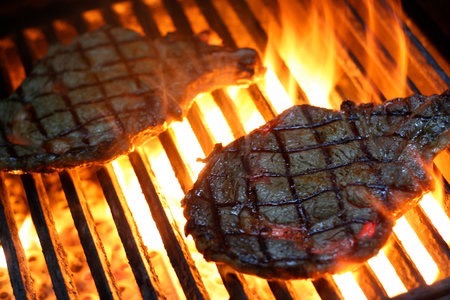
Than đang cháy.
The coal is burning.
Die Kohle brennt.
El carbón está ardiendo.
Le charbon brûle.
Il carbone sta bruciando.
ถ่านหินกำลังลุกไหม้
석탄이 타오르고 있습니다.
煤炭在燃燒著。
煤炭 在 燃烧 着 。 *
Than đá là một loại nhiên liệu.
Coal is a type of fuel.
Kohle ist ein Brennstoff.
El carbón es un tipo de combustible.
Le charbon est un type de combustible.
Il carbone è un tipo di carburante.
ถ่านหินเป็นเชื้อเพลิงชนิดหนึ่ง
석탄은 연료입니다.
煤是一種燃料。
煤 是 一 种 燃料 。 *
Em bé đang đứng trên một cái thang.
The baby is standing on a ladder.
Das Baby steht auf einer Leiter.
El bebé está de pie en una escalera.
Le bébé est debout sur une échelle.
Il bambino è in piedi su una scala.
ทารกยืนอยู่บนบันได
아기가 사다리를 밟았습니다.
寶寶踩在梯子上。
宝宝 踩 在 梯子 上 。 *
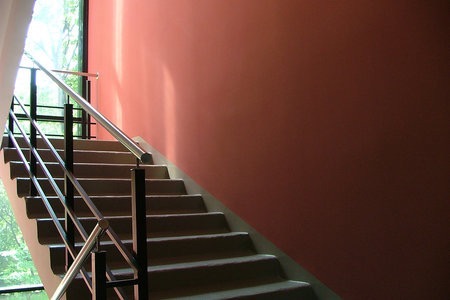
Cô ấy đi lên các bậc thang.
She went up the steps.
Sie ging die Stufen hinauf.
Ha subido los escalones.
Elle a monté les marches.
Salì i gradini.
เธอเดินขึ้นบันได
그녀는 계단을 올라갔다.
她邁上了臺階。
她 迈上 了 台阶 。 *
Anh ấy đang đứng trên bậc thang.
He is standing on the ladder.
Er steht auf der Leiter.
Está de pie en la escalera.
Il est debout sur l'échelle.
È in piedi sulla scala.
เขายืนอยู่บนบันได
그는 사다리에 서 있다.
他站在梯子上。
他 站 在 梯子 上 。 *
Tri thức là cầu thang cho sự tiến bộ của nhân loại.
Knowledge is the staircase for the advancement of mankind.
Wissen ist die Treppe für den Fortschritt der Menschheit.
El conocimiento es la escalera para el avance de la humanidad.
La connaissance est l'escalier du progrès de l'humanité.
La conoscenza è la scala per il progresso dell'umanità.
ความรู้เป็นบันไดแห่งความก้าวหน้าของมนุษย์
지식은 인간 진보의 사다리입니다.
知識是人類進步的階梯。
知识 是 人类 进步 的 阶梯 。 *
Tôi đến quầy thanh toán.
I am going to the counter to pay.
Ich gehe zum Schalter, um zu bezahlen.
Me dirijo al mostrador para pagar.
Je vais au comptoir pour payer.
Vado allo sportello a pagare.
ฉันจะไปจ่ายเงินที่เคาน์เตอร์
카운터에서 지불하겠습니다.
我去櫃檯付款。
我 去 柜台 付款 。 *
Anh ấy ngã cầu thang.
He fell down the stairs.
Er ist die Treppe runter gefallen.
Se cayó por las escaleras.
Il est tombé dans les escaliers.
È caduto dalle scale.
เขาตกบันได
그는 계단에서 떨어졌다.
他從樓梯上栽倒下來。
他 从 楼梯 上 栽倒 下来 。 *
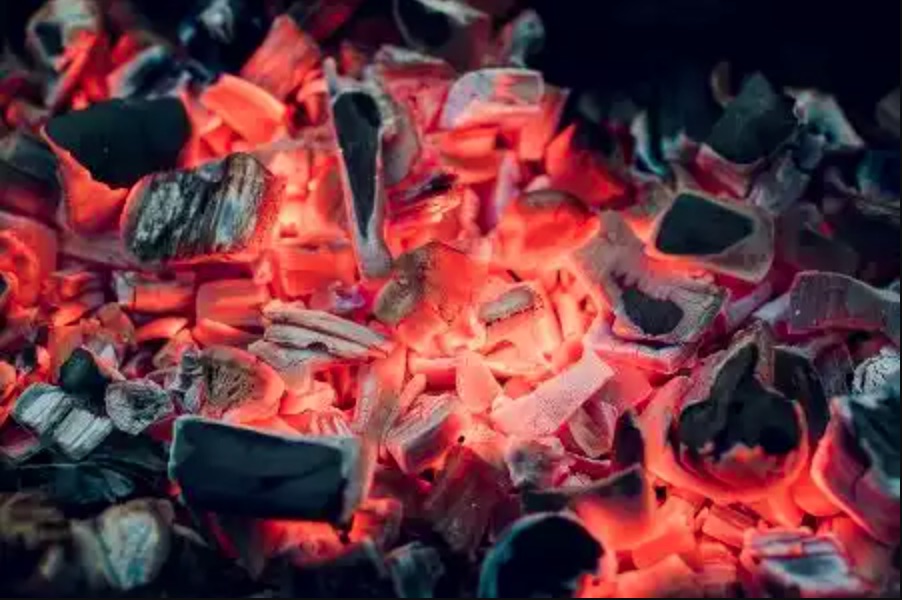
Than có màu đen.
Charcoal is black.
Holzkohle ist schwarz.
El carbón es negro.
Le charbon de bois est noir.
Il carbone è nero.
ถ่านเป็นสีดำ
석탄은 검은색입니다.
煤炭是黑色的。
煤炭 是 黑色 的 。 *
Họ đang lang thang trên núi, đánh giá cao phong cảnh.
They are wandering in the mountain, appreciating the scenery.
Sie wandern in den Bergen und schätzen die Landschaft.
Están deambulando por la montaña, apreciando el paisaje.
Ils errent dans la montagne, appréciant le paysage.
Stanno vagando per la montagna, apprezzando il paesaggio.
พวกเขากำลังเดินอยู่บนภูเขาชื่นชมทัศนียภาพ
그들은 산을 헤매며 경치를 감상했습니다.
他們在山裡徘徊,欣賞風景。
他们 在 山 里 徘徊 , 欣赏 风景 。
| |
|
| SAIGONESE |
|---|
| E024 |  thang máy thang máy |  elevator elevator |  Aufzug Aufzug |
|
| E103 | than | complain | beschweren |
|
| E187 | than | complain | beschweren |
|
| E187 | đừng than nữa | stop complaining | aufhören, sich zu beschweren |
|
| I065 | cầu thang | stairs | Treppe |
|
| I084 | than | coal | Kohle |
|
| I100 | thang máy | lift | Aufzug |
|
| I100 | thang bộ | stairs | Treppe |
|
| I113 | thanh toán | make payment, pay a bill | Zahlung leisten, eine Rechnung bezahlen |
|
| I135 | cầu thang | stairs | Treppe |
|
| I200 | thang máy | elevator | Aufzug |
|
| I024 | than | complain | beschweren |
|
| I026 | than thở | complain, whine | klagen, jammern |
|
| I067 | thang | ladder | Leiter |
|
| I069 | thang cuốn | escalator | Rolltreppe |
|
151 年上: older, senior: He's older than me. 160 年下: younger, junior: He's younger than his wife. 279 元気: healthy, energetic: I'm fine, thank you. 500 遠慮: restraint, hold back: No thanks, I'll pass. 1111 親切: kind, kindhearted: Thank you for being so kind to me. 1600 お礼: thanks, gratitude: I wrote her a thank you letter. 1643 贈り物: present, gift: Thank you for the wonderful gift. 2134 パンツ: pants, trousers: She looks better in pants than in a skirt. 2270 円高: strong yen: You can buy overseas products more cheaply thanks to the strong yen. 2401 場: occasion, situation: At this occasion, please let me say thank you. 2464 毎度: every time: Thank you for your patronage. 2561 理解: understanding, comprehension: Thank you for your understanding. 2601 わざわざ: going out of one's way to do something: Thank you for coming all the way here. 2785 食物: food: For humans, water is more important than food. 2988 質: quality: Quality is more important than quantity. 3164 割り箸: disposable chopsticks: She uses her own chopsticks rather than disposable ones. 3264 指摘: pointing out, indication: Thank you very much for pointing it out. 3412 現実: reality: The reality was harsher than I expected. 3557 同性: of the same sex: I have more friends of the opposite sex than I do of the same sex. 3892 率直: frank, openhearted: Thank you for your frank opinion. 4184 命: life: There is nothing more important than life. 4234 従来: up to now, conventional: This printer works faster than conventional models. 4263 早退: leaving earlier than usual: I wasn't feeling well, so I left work earlier than usual. 4533 推測: conjecture, guess: It's nothing more than his guess. 4544 リットル: liter: I drank more than two liters of water today. 4584 結構: all right, no thank you: I'm full, so I don't need a second helping, thanks. 4783 順位: order, rank: This year we were ranked higher than last year. 4872 不幸せ: unhappy, unfortunate: There's no one less unfortunate than he is. 5068 まし: better, preferable: Even this is better than nothing. 5090 おかげ: with the help of, thanks to: Thanks to the teacher, I was able to pass the college entrance exam. 5199 むしろ: rather: He's an artist rather than an architect. 5455 素敵: lovely, nice: Thank you for the wonderful gift. 5498 誠に: truly, very: Thank you very much. 5647 礼: bow, thanks: I wrote a thank-you letter to my teacher. 5716 眠り: sleep: She fell asleep faster than usual. 6008 歳月: time: The passage of the years feels faster than before. 6087 次元: dimension: His skill is on a different level than mine. 6653 割く: set aside; spare: Thank you for taking the time to discuss this with me. 6770 必着: to be delivered: Please send your resume to arrive not later than March 5th. 6816 速やか: quick; swift: Thank you very much for your prompt response. 7001 弟子: disciple; pupil: My calligraphy teacher has more than 100 students. 7109 劇的: dramatic: He made a dramatic recovery thanks to the medicine. 7118 平年: normal year: It is cooler than average this year. 7149 洋酒: foreign wine: I like foreign drinks better than Japanese rice wine. 7242 持て成し: hospitality; treatment: Thank you for such wonderful entertainment. 7543 終戦: end of the war: More than 60 years have elapsed since the war. 8051 礼状: letter of thanks: I wrote a letter of thanks to her. 8052 儀礼: courtesy; etiquette: I thanked him not out of etiquette but from the heart. 8061 優越感: superiority complex: He thinks he is better than others because his sales figures are high. 8098 処置: disposal; measure: Recovery was quick thanks to the expedient care of the doctor. 8304 呼び名: given name: He is known better by his nickname than his real name. 8882 幻想: fantasy; illusion: Is global peace nothing more than a fantasy? 9071 蒸す: be stuffy; steam: It is better to steam vegetables than boil them. 9173 猫背: bent back; stoop: Because he stoops, he looks smaller than he actually is. 9237 戯れ: joke: My relationship with him was no more than a bit of fun. | TED Talk | Segment | Vietnamese | English | |


 als
als