ZH TH VI EN DE ES PT IT FR NL
HR SR RU UK CS PL BS EL HI UR
FA AR HE JA KO DA NO SW ID
ZH TH VI EN DE ES PT IT FR NL
HR SR RU UK CS PL BS EL HI UR
FA AR HE JA KO DA NO SW ID
ZH TH VI EN DE ES PT IT FR NL
HR SR RU UK CS PL BS EL HI UR
FA AR HE JA KO DA NO SW ID
ZH TH VI EN DE ES PT IT FR NL
HR SR RU UK CS PL BS EL HI UR
FA AR HE JA KO DA NO SW ID
ZH TH VI EN DE ES PT IT FR NL
HR SR RU UK CS PL BS EL HI UR
FA AR HE JA KO DA NO SW ID
ZH TH VI EN DE ES PT IT FR NL
HR SR RU UK CS PL BS EL HI UR
FA AR HE JA KO DA NO SW ID
ZH TH VI EN DE ES PT IT FR NL
HR SR RU UK CS PL BS EL HI UR
FA AR HE JA KO DA NO SW ID
ZH TH VI EN DE ES PT IT FR NL
HR SR RU UK CS PL BS EL HI UR
FA AR HE JA KO DA NO SW ID
ZH TH VI EN DE ES PT IT FR NL
HR SR RU UK CS PL BS EL HI UR
FA AR HE JA KO DA NO SW ID
ZH TH VI EN DE ES PT IT FR NL
HR SR RU UK CS PL BS EL HI UR
FA AR HE JA KO DA NO SW ID
ZH TH VI EN DE ES PT IT FR NL
HR SR RU UK CS PL BS EL HI UR
FA AR HE JA KO DA NO SW ID
ZH TH VI EN DE ES PT IT FR NL
HR SR RU UK CS PL BS EL HI UR
FA AR HE JA KO DA NO SW ID
ZH TH VI EN DE ES PT IT FR NL
HR SR RU UK CS PL BS EL HI UR
FA AR HE JA KO DA NO SW ID
Old HSK word(s):
Definitions from Unihan Copyright © 1991-2015 Unicode® Inc. All rights reserved.
from CC-CEDICT under a Creative Commons Attribution-Share Alike 3.0 License
Hsk Characters:
HSK -Characters and beyond:
Gb Big5 Eng Rad Mega Triple
2000 Words 01 0012
ZH TH VI EN DE ES PT IT FR NL
HR SR RU UK CS PL BS EL HI UR
FA AR HE JA KO DA NO SW ID 
不信任
sự nghi kỵ
01 0013
ZH TH VI EN DE ES PT IT FR NL
HR SR RU UK CS PL BS EL HI UR
FA AR HE JA KO DA NO SW ID 
疑问
sự hoài nghi
05 0231
ZH TH VI EN DE ES PT IT FR NL
HR SR RU UK CS PL BS EL HI UR
FA AR HE JA KO DA NO SW ID 
记事卡片
tập giấy ghi chép
05 0243
ZH TH VI EN DE ES PT IT FR NL
HR SR RU UK CS PL BS EL HI UR
FA AR HE JA KO DA NO SW ID 
订书钉
ghim kẹp (hình chữ U)
05 0244
ZH TH VI EN DE ES PT IT FR NL
HR SR RU UK CS PL BS EL HI UR
FA AR HE JA KO DA NO SW ID 
订书机
dụng cụ dập ghim kẹp
09 0364
ZH TH VI EN DE ES PT IT FR NL
HR SR RU UK CS PL BS EL HI UR
FA AR HE JA KO DA NO SW ID 
农业
nông nghiệp
12 0553
ZH TH VI EN DE ES PT IT FR NL
HR SR RU UK CS PL BS EL HI UR
FA AR HE JA KO DA NO SW ID 
道岔
bẻ ghi đường sắt
16 0750
ZH TH VI EN DE ES PT IT FR NL
HR SR RU UK CS PL BS EL HI UR
FA AR HE JA KO DA NO SW ID 
发夹
cặp ghim
17 0817
ZH TH VI EN DE ES PT IT FR NL
HR SR RU UK CS PL BS EL HI UR
FA AR HE JA KO DA NO SW ID 
电影业
ngành công nghiệp điện ảnh
17 0841
ZH TH VI EN DE ES PT IT FR NL
HR SR RU UK CS PL BS EL HI UR
FA AR HE JA KO DA NO SW ID 
卡片
giấy ghi chú
20 1023
ZH TH VI EN DE ES PT IT FR NL
HR SR RU UK CS PL BS EL HI UR
FA AR HE JA KO DA NO SW ID 
土豆泥
món khoai tây nghiền
21 1081
ZH TH VI EN DE ES PT IT FR NL
HR SR RU UK CS PL BS EL HI UR
FA AR HE JA KO DA NO SW ID 
同事
đồng nghiệp
21 1098
ZH TH VI EN DE ES PT IT FR NL
HR SR RU UK CS PL BS EL HI UR
FA AR HE JA KO DA NO SW ID 
吉他手
người chơi đàn ghita
21 1108
ZH TH VI EN DE ES PT IT FR NL
HR SR RU UK CS PL BS EL HI UR
FA AR HE JA KO DA NO SW ID 
职业
nghề nghiệp
21 1125
ZH TH VI EN DE ES PT IT FR NL
HR SR RU UK CS PL BS EL HI UR
FA AR HE JA KO DA NO SW ID 
失业
thất nghiệp
24 1273
ZH TH VI EN DE ES PT IT FR NL
HR SR RU UK CS PL BS EL HI UR
FA AR HE JA KO DA NO SW ID 
文凭
bằng tốt nghiệp
24 1297
ZH TH VI EN DE ES PT IT FR NL
HR SR RU UK CS PL BS EL HI UR
FA AR HE JA KO DA NO SW ID 
研究
các nghiên cứu
31 1498
ZH TH VI EN DE ES PT IT FR NL
HR SR RU UK CS PL BS EL HI UR
FA AR HE JA KO DA NO SW ID 
职业生涯
sự nghiệp
*  dunghill: (heap of dung)
  Misthaufen {m}
* Genghis Khan: (Genghis Khan) Dschingis Khan {m}
* Langhian: (subdivision of the Miocene epoch) Langhium
* laughing gas: (common name for nitrous oxide) Lachgas {n}
* laughing gull: (American gull) Aztekenmöwe {f}
* laughing gull: (European gull) Lachmöwe {f}
* laughing hyena: (spotted hyena) SEE: spotted hyena ::
* laughing stock: (object of ridicule) Witzfigur {f}
* Lezghian: (Lezgi) SEE: Lezgi ::
* weighing: (Weighing) Wiegen
* VNEN  ghi to record, note down, write down
[ ghi ] : to record, note down, write down
P0805 L018 007 P0805
说明
remark
die Anmerkung
ghi chú

P1328 L018 009 P1328
经验
experience
die Erfahrung
kinh nghiệm

P1362 L039 020 P1362
吉他
guitar
die Gitarre
đàn ghi ta

P1525 L044 029 P1525
填写
to record
eintragen
ghi

P1525 L077 031 P1525
登记
to record
eintragen
ghi
P1526 L044 030 P1526
给出
to give
angeben
cho biết, ghi thêm

P1718 L048 028 P1718
实验
experiment
das Experiment
cuộc thí nghiệm, thử

P1800 L049 040 P1800
费力的
hard
anstrengend
nhọc nhằn, căng thẳng, nghiêm khắc

P2001 L055 002 P2001
记事本
note book
das Notizbuch
sổ ghi chú

P2018 L055 019 P2018
习惯于 ...
to be used to doing something
sich gewöhnen an
quen với, thích nghi

P2111 L058 013 P2111
男同事
colleague
der Kollege
nam đồng nghiệp

P2112 L058 014 P2112
女同事
colleague
die Kollegin
nữ đồng nghiệp

P2247 L061 023 P2247
怀疑
to doubt
zweifeln
nghi ngờ

P2329 L063 025 P2329
嫌疑
to suspect
verdächtigen
khả nghi

P2504 L067 012 P2504
舒适
comfort
der Komfort
tiện nghi

P2519 L067 027 P2519
使恶化
to aggravate
verschlimmern
trở lên nghiêm trọng

P2533 L068 003 P2533
工业博览会
industrial fair
die Industriemesse
triễn lãm công nghiệp

P2633 L070 024 P2633
使自己适应
to adjust oneself
sich anpassen
thích nghi, phù hợp

P2770 L073 004 P2770
酒鬼
alcoholic
der Alkoholiker
người nghiện rượu

P2783 L073 017 P2783
记忆
memory
die Erinnerung
ghi nhớ, ký ức

P2806 L073 040 P2806
外行的
amateurish
dilettantisch
nghiệp dư

P2877 L075 015 P2877
典礼
ceremony
die Zeremonie
nghi lễ

P2998 L077 033 P2998
严格
to be strict
streng sein
nghiêm khắc

P3220 L082 003 P3220
工业
industry
die Industrie
công nghiệp

P3227 L082 010 P3227
失业率
unemployment
die Arbeitslosigkeit
tình trạng thất nghiệp

P3229 L082 012 P3229
事业
career
die Karriere
sự nghiệp

P3246 L083 002 P3246
职业
profession, job
der Beruf
nghề nghiệp

P3246 L083 002 P3246
职业
job
der Beruf
nghề nghiệp
P3340 L085 015 P3340
怀疑的
sceptical
skeptisch
hoài nghi, đa nghi

P3395 L086 009 P3395
斜体字
italics
die kursive Schrift
kiểu chữ nghiêng

P3489 L088 012 P3489
高中毕业
A-Levels, Highers [scot.]
das Abitur
bằng tốt nghiệp trung học

P3514 L088 037 P3514
牢记某事
to remember sth., to memorize sth.
sich etwas einprägen
ghi nhớ, ấn tượng điều gì đó

P3519 L088 042 P3519
记录
to note sth. down, to make a note of sth.
notieren
ghi chép

P3611 L089 041 P3611
捕鱼
fishing
der Fischfang
ngư nghiệp, nghề đánh cá

P3704 L091 029 P3704
留言簿
guest book
das Gästebuch
sổ ghi cảm tưởng

P3851 L094 020 P3851
研究
to (do) research
forschen
nghiên cứu

P3852 L094 021 P3852
研究员
(research) scientist, researcher
der Forscher
nhà nghiên cứu

P3859 L094 028 P3859
检验
to test, to try sth. out
erproben
thử nghiệm
P3958 L096 038 P3958
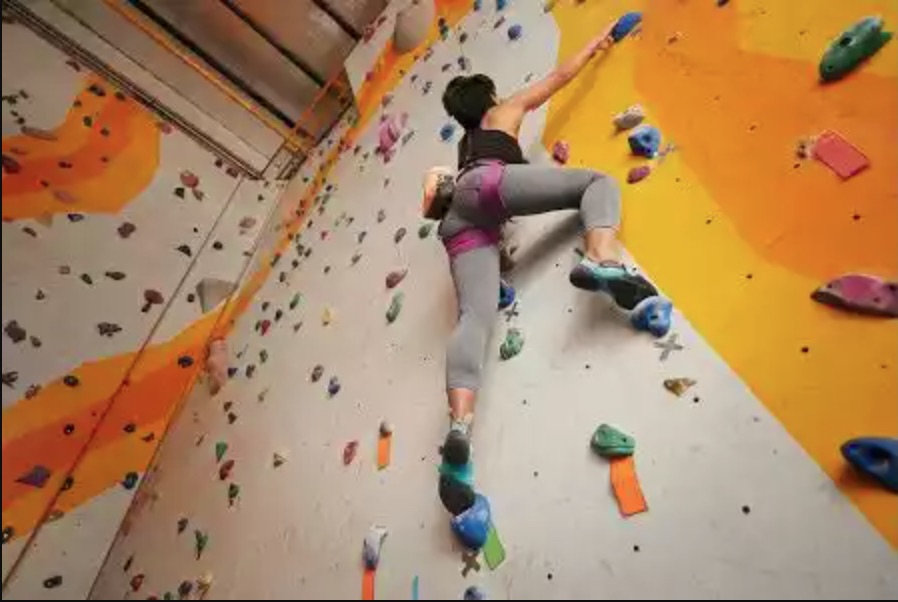
捣碎
to stamp
stampfen
giã, nghiền

P3960 L096 040 P3960
咬碎
knirschen
kêu kèn kẹt, nghiến răng

P4019 L097 048 P4019
有经验
to be experienced
erfahren sein
có kinh nghiệm

P4206 L101 022 P4206
大头针
pin
die Stecknadel
ghim

P4332 L104 002 P4332
碾
to grind
zermahlen
xay nhỏ, nghiền nhỏ

P4347 L104 016 P4347
吞食 (吃得又多又快)
to gobble (up), to devour, to scoff
verschlingen (viel und schnell essen)
ăn ngấu nghiến

P4434 L106 032 P4434
驾驶者
[car] steering wheel, [bike] handle bars
der Lenker
ghi đông, tay lái

P4800 L113 011 P4800
舒适的客厅
comfortable living room, cosy living room
das gemütliche Wohnzimmer
căn phòng khách tiện nghi

P4807 L113 018 P4807
斜墙
sloping wall
die schräge Wand
bức tường nghiêng

P4965 L116 033 P4965
预防性检查
(medical) check-up
die Vorsorgeuntersuchung
xét nghiệm phòng ngừa bệnh

P5028 L117 027 P5028
毒品
drug
die Droge
chất gây nghiện

P5329 L124 002 P5329
疑虑
doubt
der Zweifel
sự nghi ngờ

P5465 L126 014 P5465
戒严
curfew
die Ausgangssperre
lệnh giới nghiêm

* Cô ghi chép vào vở để trẻ ghi nhớ. She taking notes in her notebook to help her remember. Sie macht sich Notizen in ihrem Notizbuch, damit sie sich besser erinnern kann. Está tomando notas en su cuaderno para ayudarse a recordar. Elle prend des notes dans son carnet pour s'aider à se souvenir. Prende appunti sul suo taccuino per aiutarla a ricordare. เธอจดบันทึกในสมุดบันทึกเพื่อช่วยให้เธอจำได้ 그녀는 기억할 수 있도록 메모장에 메모를 보관합니다. 她在記事本上做記錄,以便記憶。 她 在 记事本 上 做 记录 , 以便 记忆 。
* Thành phố này được công nghiệp hóa cao. This city is highly industrialized. Diese Stadt ist hoch industrialisiert. Esta ciudad está muy industrializada. Cette ville est très industrialisée. Questa città è altamente industrializzata. เมืองนี้มีอุตสาหกรรมสูง 이 도시의 산업은 매우 발달되어 있습니다. 這座城市的工業很發達。 这座 城市 的 工业 很 发达 。
* Phần thí nghiệm rất quan trọng. The experimental part is very important. Der experimentelle Teil ist sehr wichtig. La parte experimental es muy importante. La partie expérimentale est très importante. La parte sperimentale è molto importante. ส่วนทดลองมีความสำคัญมาก 실험적인 부분은 매우 중요합니다. 實驗部分很重要。 实验 部分 很 重要 。
* Họ đang nghiên cứu bản đồ thế giới. They are studying the world map. Sie studieren die Weltkarte. Están estudiando el mapa del mundo. Ils étudient la carte du monde. Stanno studiando la mappa del mondo. พวกเขากำลังศึกษาแผนที่โลก 그들은 세계 지도를 공부하고 있습니다. 他們在研究世界地圖。 他们 在 研究 世界地图 。
* Cô ấy đang ghi nhớ các từ vựng. She is memorizing vocabulary words. Sie prägt sich die Vokabeln ein. Está memorizando palabras de vocabulario. Elle mémorise des mots de vocabulaire. Sta memorizzando le parole del vocabolario. เธอกำลังท่องคำศัพท์ 그녀는 단어를 암기하고 있습니다. 她在記單詞。 她 在 记 单词 。
* Có rất nhiều ống nghiệm trên bàn. There are a lot of test tubes on the table. Es stehen viele Reagenzgläser auf dem Tisch. Hay muchos tubos de ensayo sobre la mesa. Il y a beaucoup de tubes à essai sur la table. Ci sono molte provette sul tavolo. มีหลอดทดลองจำนวนมากอยู่บนโต๊ะ 테이블에는 많은 시험관이 있습니다. 桌子上有很多試管。 桌子 上 有 很多 试管 。
* Chúng tôi đã tốt nghiệp! We have graduated! Wir haben unseren Abschluss gemacht! ¡Nos hemos graduado! Nous avons obtenu notre diplôme ! Ci siamo laureati! เราเรียนจบแล้ว! 우리는 졸업했다! 我們畢業了! 我们 毕业 了 !
* Ông chủ nghiêm khắc với công việc của tôi. The boss is strict with my work. Der Chef ist streng mit meiner Arbeit. El jefe es estricto con mi trabajo. Le patron est strict avec mon travail. Il capo è severo con il mio lavoro. เจ้านายเข้มงวดกับงานของฉัน 상사는 내 일에 엄격합니다. 老闆對我的工作要求嚴格。 老板 对 我 的 工作 要求 严格 。
* Chúng tôi sẽ bắt đầu nghiên cứu của chúng tôi với những điều cơ bản. We'll begin our studies with the basics. Wir werden unsere Studien mit den Grundlagen beginnen. Empezaremos nuestros estudios con lo más básico. Nous allons commencer nos études par les bases. Inizieremo i nostri studi con le basi. เราจะเริ่มการศึกษาด้วยพื้นฐาน 우리는 기초부터 배우기 시작합니다. 我們從基礎開始學習。 我们 从 基础 开始 学习 。
* Anh ấy có nhiều kinh nghiệm làm việc. He has a wealth of work experience. Er verfügt über eine reiche Berufserfahrung. Tiene una gran experiencia laboral. Il a une grande expérience professionnelle. Ha una ricca esperienza lavorativa. เขามีประสบการณ์การทำงานมากมาย 그의 업무 경험은 매우 풍부합니다. 他的工作經歷很豐富。 他 的 工作 经历 很 丰富 。
* Xin vui lòng để lại cho tôi một ghi chú nếu có điều gì đó xảy ra. Please leave me a note if something comes up. Bitte hinterlassen Sie mir eine Nachricht, falls etwas passiert. Por favor, déjame una nota si surge algo. S'il vous plaît, laissez-moi un mot si quelque chose arrive. Per favore lasciami un messaggio se succede qualcosa. โปรดทิ้งฉันไว้หากมีอะไรเกิดขึ้น 물건이 있으면 메시지를 남겨주세요. 有事請給我留言。 有事 请 给 我 留言 。
* Các nhà khoa học tập trung vào các thí nghiệm của họ. The scientists concentrate on their experiments. Die Wissenschaftler konzentrieren sich auf ihre Experimente. Los científicos se concentran en sus experimentos. Les scientifiques se sont concentrés sur leurs expériences. Gli scienziati si sono concentrati sui loro esperimenti. นักวิทยาศาสตร์จดจ่ออยู่กับการทดลองของพวกเขา 과학자들은 연구에 집중합니다. 科學家專心研究。 科学家 专心 研究 。
* Cô ấy đang tiến hành nghiên cứu hóa học. She is conducting chemical research. Sie betreibt chemische Forschung. Está llevando a cabo una investigación química. Elle fait des recherches en chimie. Sta conducendo ricerche chimiche. เธอกำลังทำการวิจัยทางเคมี 그녀는 화학 연구를 하고 있습니다. 她在做化學研究。 她 在 做 化学 研究 。
* Thử nghiệm đã tạo ra một bước đột phá. The experiment has made a breakthrough. Das Experiment hat einen Durchbruch geschafft. El experimento ha supuesto un gran avance. L'expérience a fait une percée. L'esperimento ha fatto una svolta. การทดลองทำให้เกิดความก้าวหน้า 실험은 돌파구를 마련했습니다. 實驗取得了突破。 实验 取得 了 突破 。
* Bác sĩ đang nghiên cứu não người. The doctor is studying the human brain. Der Arzt untersucht das menschliche Gehirn. El doctor está estudiando el cerebro humano. Le docteur étudie le cerveau humain. Il dottore sta studiando il cervello umano. แพทย์กำลังศึกษาสมองของมนุษย์ 의사는 인간의 뇌를 연구하고 있습니다. 醫生在研究人的大腦。 医生 在 研究 人 的 大脑 。
* Các đồng nghiệp đang thảo luận về một dự án. The colleagues are discussing a project. Die Kollegen diskutieren ein Projekt. Los compañeros están discutiendo un proyecto. Les collègues discutent d'un projet. I colleghi stanno discutendo un progetto. เพื่อนร่วมงานกำลังหารือเกี่ยวกับโครงการ 동료들이 계획을 논의하고 있습니다. 同事們在討論方案。 同事 们 在 讨论 方案 。
* Chính phủ đã hỗ trợ tài chính cho nghiên cứu của họ. The government has helped finance their research. Die Regierung hat zur Finanzierung ihrer Forschung beigetragen. El gobierno ha ayudado a financiar su investigación. Le gouvernement a aidé à financer leurs recherches. Il governo ha contribuito a finanziare la loro ricerca. รัฐบาลได้ให้ทุนสนับสนุนการวิจัย 정부는 그들의 연구에 자금을 지원했습니다. 政府資助了他們的研究。 政府 资助 了 他们 的 研究 。
* Nông nghiệp rất quan trọng. Agriculture is very important. Die Landwirtschaft ist sehr wichtig. La agricultura es muy importante. L'agriculture est très importante. L'agricoltura è molto importante. การเกษตรมีความสำคัญมาก 농업은 매우 중요합니다. 農業很重要。 农业 很 重要 。
* Cô ấy đang tiến hành một cuộc thử nghiệm. She is conducting an experiment. Sie führt ein Experiment durch. Está realizando un experimento. Elle mène une expérience. Sta conducendo un esperimento. เธอกำลังทำการทดลอง 그녀는 실험을 하고 있다. 她正在做實驗。 她 正在 做 实验 。
* Quả óc chó đã được nghiền nhỏ. The walnuts have been crushed to pieces. Die Walnüsse wurden zerkleinert. Las nueces se han hecho pedazos. Les noix ont été écrasées en morceaux. Le noci sono state schiacciate a pezzi. วอลนัทถูกบดเป็นชิ้นๆ 호두는 으깨졌습니다. 核桃被壓碎了。 核桃 被 压碎 了 。
* Cô ấy đang ghi âm. She is recording. Sie nimmt auf. Está grabando. Elle enregistre. Sta registrando. เธอกำลังบันทึก 그녀는 녹음 중입니다. 她在錄音。 她 在 录音 。
* Họ đang nghiên cứu tình hình hiện tại. They are studying the present situation. Sie untersuchen die gegenwärtige Situation. Están estudiando la situación actual. Ils étudient la situation actuelle. Stanno studiando la situazione attuale. พวกเขากำลังศึกษาสถานการณ์ปัจจุบัน 그들은 현재 상황을 연구하고 있습니다. 他們在研究目前的狀況。 他们 在 研究 目前 的 状况 。
* Anh ta nghi ngờ có điều gì đó không ổn. He suspects something has gone wrong. Er vermutet, dass etwas schief gelaufen ist. Sospecha que algo ha salido mal. Il soupçonne que quelque chose a mal tourné. Sospetta che qualcosa sia andato storto. เขาสงสัยว่ามีบางอย่างผิดพลาด 그는 뭔가 잘못되었다고 의심했습니다. 他懷疑事情出了問題。 他 怀疑 事情 出 了 问题 。
* Thẩm phán nghi ngờ về lời khai. The judge has doubts about the testimony. Der Richter hat Zweifel an der Zeugenaussage. El juez tiene dudas sobre el testimonio. Le juge a des doutes sur le témoignage. Il giudice ha dubbi sulla testimonianza. ผู้พิพากษาได้กระทำเกี่ยวกับคำให้การ 판사는 증언에 대해 질문이 있습니다. 法官對證詞有疑問。 法官 对 证词 有 疑问 。
* Lâu đài trông thật trang nghiêm. The castle looks stately. Das Schloss sieht sehr imposant aus. El castillo parece majestuoso. Le château a l'air majestueux. Il castello sembra maestoso. ปราสาทดูโอ่อ่า 성은 매우 엄숙해 보입니다. 城堡看起來很莊嚴。 城堡 看起来 很 庄严 。
* Đứa trẻ đã tốt nghiệp, và cha mẹ của nó hài lòng. The child has graduated, and his parents are pleased. Das Kind hat seinen Abschluss gemacht und seine Eltern freuen sich. El niño se ha graduado y sus padres están contentos. L'enfant a obtenu son diplôme, et ses parents sont contents. Il bambino si è laureato ei suoi genitori sono contenti. เด็กจบการศึกษาและพ่อแม่ของเขายินดี 부모는 아이가 졸업한 것을 매우 기쁘게 생각합니다. 孩子畢業了,父母感到很欣喜。 孩子 毕业 了 , 父母 感到 很 欣喜 。
* Tháp nghiêng. The tower is leaning. Der Turm ist schief. La torre está inclinada. La tour est penchée. La torre è pendente. หอเอนอยู่ 타워가 기울어져 있습니다. 塔傾斜了。 塔 倾斜 了 。
* Tôi thích khoai tây nghiền. I like mashed potatoes. Ich mag Kartoffelpüree. Me gusta el puré de patatas. J'aime la purée de pommes de terre. Mi piace il purè di patate. ฉันชอบมันฝรั่งบด 나는 으깬 감자를 먹는 것을 좋아합니다. 我愛吃土豆泥。 我 爱 吃 土豆泥 。
* Họ đang phân tích kết quả của thí nghiệm. They are analyzing the result of the experiment. Sie analysieren das Ergebnis des Experiments. Están analizando el resultado del experimento. Ils analysent le résultat de l'expérience. Stanno analizzando il risultato dell'esperimento. พวกเขากำลังวิเคราะห์ผลการทดลอง 그들은 실험 결과를 분석하고 있습니다. 他們在分析實驗的結果。 他们 在 分析 实验 的 结果 。
* Cô ấy đang làm một cuộc thử nghiệm với nhạc cụ. She is doing an experiment with the instrument. Sie macht ein Experiment mit dem Instrument. Está haciendo un experimento con el instrumento. Elle fait une expérience avec l'instrument. Sta facendo un esperimento con lo strumento. เธอกำลังทำการทดลองกับครื่องมือ 그녀는 장비를 실험하고 있습니다. 她正在用儀器做實驗。 她 正在 用 仪器 做 实验 。
* Có một dải đất nông nghiệp rộng lớn trên sườn đồi. There is a large field on the mountainside. Am Berghang befindet sich ein großes Feld. Hay un gran campo en la ladera de la montaña. Il y a un grand terrain à flanc de montagne C'è un grande campo sul fianco della montagna. มีทุ่งนาขนาดใหญ่บนไหล่เขา 산 중턱에 넓은 밭이 있다. 山腰上有一大片田地。 山腰上 有 一 大片 田地 。
* Cô ấy là đồng nghiệp của tôi. She is my colleague. Sie ist meine Kollegin. Es mi colega. C'est ma collègue. È la mia collega. เธอเป็นเพื่อนร่วมงานของฉัน 그녀는 내 파트너입니다. 她是我的伙伴。 她 是 我 的 伙伴 。
* Cô vui mừng khi thấy các đồng nghiệp của mình bị cho nghỉ việc. She took delight in seeing her colleagues being laid off. Sie war erfreut, als ihr Kollege entlassen wurde. Se alegró de ver cómo despedían a sus compañeros. Elle s'est réjouie de voir ses collègues se faire licencier. Le piaceva vedere i suoi colleghi licenziati. เธอดีใจที่เห็นเพื่อนร่วมงานถูกเลิกจ้าง 그녀의 동료는 해고되었고 그녀는 불행을 기뻐했습니다. 同事被裁員了,她幸災樂禍。 同事 被 裁员 了 , 她 幸灾乐祸 。
* Học sinh của lớp này đã tốt nghiệp. This students of this class have graduated. Die Studenten dieses Jahrgangs haben ihren Abschluss gemacht. Los estudiantes de esta clase se han graduado. Les étudiants de cette classe ont été diplômés. Questi studenti di questa classe si sono diplomati. นักเรียนชั้นนี้จบการศึกษาแล้ว 이 학생들은 졸업했습니다. 這屆學生畢業了。 这届 学生 毕业 了 。
* Họ trông nghiêm túc. They look serious. Sie sehen ernst aus. Parecen serios. Ils ont l'air sérieux. Sembrano seri. พวกเขาดูจริงจัง 그들의 표정은 진지하다. 他們的表情很嚴肅。 他们 的 表情 很 严肃 。
* Anh ấy là đồng nghiệp mới của chúng tôi, anh Zheng. He is our new coworker, Mr. Zheng. Er ist unser neuer Mitarbeiter, Herr Zheng. Es nuestro nuevo compañero de trabajo, el Sr. Zheng. C'est notre nouveau collègue, M. Zheng. È il nostro nuovo collega, il signor Zheng. เขาเป็นเพื่อนร่วมงานใหม่ของเรา คุณ เจิ้ง. 그는 새로운 동료 Mr. Zheng입니다. 他是新同事鄭先生。 他 是 新 同事 郑先生 。
* Thị trưởng đã đưa ra một thông báo quan trọng (lit., "trang trọng / nghiêm túc công b The mayor made an important announcement (lit., "solemnly/seriously announced a piece of information"). Der Bürgermeister machte eine wichtige Ankündigung (wörtlich: "feierlich / ernsthaft eine Information angekündigt"). El alcalde hizo un anuncio importante (lit., "anunció solemnemente/seriamente una información"). Le maire a fait une annonce importante (littéralement, "a annoncé solennellement/sérieusement une information"). Il sindaco ha fatto un annuncio importante. นายกเทศมนตรีประกาศสำคัญ (ตามตัวอักษร "ประกาศข้อมูลอย่างเคร่งขรึม") 시장은 엄숙하게 발표를 발표했다. 市長鄭重宣布一項消息。 市长 郑重 宣 布 一项 消息 。
* Họ đang đào sâu vào một vấn đề. (hoặc Họ đang nghiên cứu một vấn đề một cách siêng nă They are delving deep into a problem. (or They are studying a problem diligently.) Sie vertiefen sich in ein Problem. Están profundizando en un problema. (o Están estudiando un problema con diligencia). Ils se plongent dans un problème. (ou Ils étudient un problème avec diligence). Stanno approfondendo un problema. (o Stanno studiando diligentemente un problema.) พวกเขากำลังเจาะลึกเข้าไปในปัญหา (หรือกำลังศึกษาปัญหาอย่างขยันขันแข็ง) 그들은 문제를 탐구하고 있습니다. 他們在鑽研一個問題。 他们 在 钻研 一个 问题 。
* Các khu vực ven biển đang bị ngập lụt nghiêm trọng. The coastal areas are experiencing severe flooding. Die Küstengebiete sind von schweren Überschwemmungen betroffen. Las zonas costeras están sufriendo graves inundaciones. Les zones côtières connaissent de graves inondations. Le zone costiere stanno subendo gravi inondazioni. พื้นที่ชายฝั่งทะเลกำลังประสบอุทกภัยอย่างหนัก 해안 지역은 심각하게 침수됩니다. 沿海地區水患嚴重。 沿海地区 水患 严重 。
* Có một chiếc ghim trên tóc cô ấy. There is a barrette in her hair. In ihren Haaren befindet sich eine Haarspange. Hay un pasador en su pelo. Il y a une barrette dans ses cheveux. C'è una fermaglio nei suoi capelli. มีปิ่นปักผมยู่ในผมของเธอ 그녀의 머리에 클립이 있습니다. 她的頭上有個夾子。 她 的 头上 有个 夹子 。
* Giáo viên rất nghiêm khắc với tôi. The teacher is very strict with me. Der Lehrer ist sehr streng mit mir. El profesor es muy estricto conmigo. Le professeur est très strict avec moi. L'insegnante è molto severo con me. อาจารย์เข้มงวดกับฉันมาก 선생님은 나에게 매우 엄격하다. 老師對我很嚴厲。 老师 对 我 很 严厉 。
* Chúc mừng bạn tốt nghiệp! Congratulations on your graduation! Herzlichen Glückwunsch zu deinem Abschluss! ¡Felicidades por tu graduación! Félicitations pour ton diplôme ! Congratulazioni per la tua laurea! ขอแสดงความยินดีกับการสำเร็จการศึกษาของคุณ! 졸업을 축하합니다! 祝賀你畢業了! 祝贺 你 毕业 了 !
* Đây là Tháp nghiêng Pisa. This is the Leaning Tower of Pisa. Dies ist der Schiefe Turm von Pisa. Esta es la Torre Inclinada de Pisa. Voici la Tour de Pise. Questa è la Torre Pendente di Pisa. นี่คือหอเอนเมืองปิซา 피사의 사탑입니다. 這是比薩斜塔。 这是 比萨斜塔 。
* Họ là đồng nghiệp / đối tác làm việc. They are workmates/working partners. Sie sind Arbeitskollegen. Son compañeros de trabajo. Ils sont collègues de travail/partenaires de travail. Sono compagni di lavoro / partner di lavoro. พวกเขาเป็นเพื่อนร่วมงาน/เพื่อนร่วมงาน 그들은 일하는 파트너입니다. 他們是工作伙伴。 他们 是 工作 伙伴 。
* Họ đang so sánh các ghi chú về kỹ thuật chơi gôn (lit., "kỹ thuật chơi bóng"). They are comparing notes on golf technique (lit., "ball playing techniques"). Sie tauschen Golf-Ballspieltechniken miteinander aus. Están comparando notas sobre la técnica del golf (lit., "técnicas de juego de la pelota"). Ils comparent leurs notes sur la technique de golf (lit., "techniques de jeu de balle"). Stanno confrontando le note sulla tecnica del golf (lett. "Tecniche di gioco con la palla"). พวกเขากำลังเปรียบเทียบบันทึกเกี่ยวกับเทคนิคการเล่นกอล์ฟ (มาจากคำว่า "เทคนิคการเล่นบอล") 그들은 서로 게임을 하고 있다. 他們在相互切磋球藝。 他们 在 相互 切磋 球艺 。
* Nhật ký của cô ấy là một bản ghi lại cuộc sống hàng ngày của cô ấy. Her diary is a record of her daily life. Ihr Tagebuch ist eine Aufzeichnung ihres täglichen Lebens. Su diario es un registro de su vida diaria. Son journal intime est un compte rendu de sa vie quotidienne. Il suo diario è una registrazione della sua vita quotidiana. ไดอารี่ของเธอคือบันทึกชีวิตประจำวันของเธอ 그녀의 일상은 일기장에 기록된다. 日記裡記載了她的日常生活。 日记 里 记载 了 她 的 日常生活 。
* Tôi đang (lại) sao chép một số ghi chú. I am (re)copying some notes. Ich kopiere die Notizen. Estoy (re)copiando unas notas. Je (re)copie quelques notes. Sto (ri) copiando alcune note. ฉันกำลังคัดลอกบันทึกบางส่วน 메모를 복사하고 있습니다. 我在抄筆記。 我 在 抄 笔记 。
* Nhà nghiên cứu đang nghiên cứu vi khuẩn. The researcher is researching bacteria. Der Forscher erforscht Bakterien. El investigador está investigando las bacterias. Le chercheur fait des recherches sur les bactéries. Il ricercatore sta ricercando batteri. ผู้วิจัยกำลังสอบถามแบคทีเรีย 연구원은 박테리아를 연구하고 있습니다. 研究員在研究細菌。 研究员 在 研究 细菌 。
* Suy thoái kinh tế đã dẫn đến vấn đề thất nghiệp. The economic recession leads to unemployment. Die wirtschaftliche Rezession führte zu Arbeitslosigkeit. La recesión ha provocado un problema de desempleo. La récession a entraîné un problème de chômage. La recessione ha portato a un problema di disoccupazione. ภาวะถดถอยได้นำไปสู่ปัญหาการว่างงาน 경제 불황은 실업을 초래했다. 經濟蕭條導致失業問題。 经济 萧条 导致 失业问题 。
* Chúng tôi là đồng nghiệp. We are colleagues. Wir sind Kollegen. Somos colegas. Nous sommes collègues. Siamo colleghi. เราเป็นเพื่อนร่วมงาน 우리는 동료입니다. 我們是同僚。 我们 是 同僚 。
* Giấy tờ ghi chú được dán vào anh ta. Notes are stuck to his body. An seinem Körper kleben Notizen. Los papeles de las notas se le pegan. Les feuilles de notes sont collées à lui. Gli appunti gli sono attaccati. กระดาษโน้ตติดอยู่กับเขา 그에게 메모가 붙어 있습니다. 他身上粘貼著紙條。 他 身上 粘贴 着 纸条 。
* Khi tốt nghiệp, tất cả mọi người đều tràn ngập niềm vui thành công. Upon graduating, everyone was filled with the joy of success. Nach dem Abschluss waren alle von der Freude am Erfolg erfüllt. Al graduarse, todos se llenaron de la alegría del éxito. En obtenant leur diplôme, tous étaient remplis de la joie du succès. Dopo la laurea, tutti erano pieni della gioia del successo. เมื่อสำเร็จการศึกษาทุกคนก็เต็มไปด้วยความสุขแห่งความสำเร็จ 졸업 후에는 모두가 성공의 기쁨으로 가득 차 있습니다. 畢業了大家都充滿了成功的喜悅。 毕业 了 大家 都 充满 了 成功 的 喜悦 。
* Cảnh sát coi anh ta là người khả nghi. The police consider him suspicious. Die Polizei hält ihn für verdächtig. La policía lo considera sospechoso. La police le considère comme suspect. La polizia lo considera sospetto. ตำรวจมองว่าเขาน่าสงสัย 경찰은 그가 용의자라고 생각했다. 警察認為他有嫌疑。 警察 认为 他 有 嫌疑 。
* Lợi nhuận từ ngành nông nghiệp đã lên tới hàng triệu đô la Mỹ. The profits from the agricultural industry have reached mega-million US dollars. Die Gewinne der Agrarindustrie haben Millionen US-Dollar erreicht. Los beneficios de la industria agrícola han alcanzado los megamillones de dólares. Les bénéfices de l'industrie agricole ont atteint des méga-millions de dollars US. I profitti dell'industria agricola hanno raggiunto i mega milioni di dollari USA. ผลกำไรจากอุตสาหกรรมการเกษตรสูงถึงล้านล้านเหรียญสหรัฐ 농업 수입은 수조 달러에 이르렀습니다. 農業的收益已達兆億美金。 农业 的 收益 已达 兆 亿美金 。
* Chúng tôi có 100 mẫu đất nông nghiệp. We have 16.5 acres of farmland. Wir haben 6,6 Hektar Ackerland. Tenemos 100 acres de tierra de cultivo. Nous avons 100 acres de terres agricoles. Abbiamo 100 acri di terreno agricolo. เรามีที่นา 100 ไร่ 100에이커의 농지가 있습니다. 我們有100畝農田。 我们 有 100 亩 农田 。
* Chính phủ đang trừng phạt nghiêm khắc những quan chức tham nhũng. The government is severely punishing corrupt officials. Die Regierung bestraft korrupte Beamte schwer. El gobierno está castigando severamente a los funcionarios corruptos. Le gouvernement punit sévèrement les fonctionnaires corrompus. Il governo sta punendo severamente i funzionari corrotti. รัฐบาลลงโทษเจ้าหน้าที่ทุจริตอย่างรุนแรง 국가는 부패한 관리들을 엄중히 처벌합니다. 國家嚴懲貪官污吏。 国家 严惩 贪官污吏 。
* Anh ấy nghiện thuốc lá nặng. He is heavily addicted to smoking. Er ist stark rauchabhängig. Es muy adicto al tabaco. Il est fortement dépendant de la cigarette. È fortemente dipendente dal fumo. เขาติดบุหรี่อย่างหนัก 그는 담배에 중독되어 있습니다. 他的煙癮很大。 他 的 烟瘾 很大 。
* Họ đã trở nên nghiện chơi game. They have become addicted to playing games. Sie sind süchtig nach Spielen geworden. Se ha vuelto adicto a los juegos. Ils sont devenus dépendants des jeux. Sono diventati dipendenti dai giochi. พวกเขากลายเป็นคนติดการเล่นเกม 그들은 게임에 중독되어 있습니다. 他們玩游戲玩上癮了。 他们 玩游戏 玩 上瘾 了 。
* Tình hình lũ lụt nghiêm trọng. The flood situation is serious. Die Hochwassersituation ist ernst. La situación de las inundaciones es grave. La situation des inondations est grave. La situazione delle inondazioni è grave. สถานการณ์น้ำท่วมรุนแรง 홍수 상황이 심각합니다. 汛情很嚴峻。 汛情 很 严峻 。
* Anh ấy đã tốt nghiệp thạc sĩ là bằng cấp. He has graduated with a master is degree. Er hat mit einem Master-Abschluss abgeschlossen. Se graduó con una maestría en grado. Il est diplômé d'une maîtrise. Si è laureato con un master is degree. เขาสำเร็จการศึกษาระดับปริญญาโท 그는 석사 학위로 졸업했습니다. 他碩士畢業了。 他 硕士 毕业 了 。
Hsk Characters:
HSK -Characters and beyond:
| Gb | Big5 | Eng | Rad | Mega | Triple |
|---|---|---|---|---|---|
| 2000 Words | ||||||||||||||||||||||||||||||||||||||||||||||||||||||||||||||||||||||||||||||||||||||||||||||||||||||||||||||||||||||||||||||||||||||||||||||||||||||||||||||||||||||||||||||||||||||||||||||||||||||||||||||||||||||||||||||||||||||||||||||||||||||||||||||||||||||||||||||||||||||||||||||||||||||||||||||||||||||||||||||||||||||||||||||||||||||||||||||||||||||||||||||||||||||||||||||||||||||||||||||||||||||||||||||||||||||||||||||||||||||||||||||||||||||||||
|---|---|---|---|---|---|---|---|---|---|---|---|---|---|---|---|---|---|---|---|---|---|---|---|---|---|---|---|---|---|---|---|---|---|---|---|---|---|---|---|---|---|---|---|---|---|---|---|---|---|---|---|---|---|---|---|---|---|---|---|---|---|---|---|---|---|---|---|---|---|---|---|---|---|---|---|---|---|---|---|---|---|---|---|---|---|---|---|---|---|---|---|---|---|---|---|---|---|---|---|---|---|---|---|---|---|---|---|---|---|---|---|---|---|---|---|---|---|---|---|---|---|---|---|---|---|---|---|---|---|---|---|---|---|---|---|---|---|---|---|---|---|---|---|---|---|---|---|---|---|---|---|---|---|---|---|---|---|---|---|---|---|---|---|---|---|---|---|---|---|---|---|---|---|---|---|---|---|---|---|---|---|---|---|---|---|---|---|---|---|---|---|---|---|---|---|---|---|---|---|---|---|---|---|---|---|---|---|---|---|---|---|---|---|---|---|---|---|---|---|---|---|---|---|---|---|---|---|---|---|---|---|---|---|---|---|---|---|---|---|---|---|---|---|---|---|---|---|---|---|---|---|---|---|---|---|---|---|---|---|---|---|---|---|---|---|---|---|---|---|---|---|---|---|---|---|---|---|---|---|---|---|---|---|---|---|---|---|---|---|---|---|---|---|---|---|---|---|---|---|---|---|---|---|---|---|---|---|---|---|---|---|---|---|---|---|---|---|---|---|---|---|---|---|---|---|---|---|---|---|---|---|---|---|---|---|---|---|---|---|---|---|---|---|---|---|---|---|---|---|---|---|---|---|---|---|---|---|---|---|---|---|---|---|---|---|---|---|---|---|---|---|---|---|---|---|---|---|---|---|---|---|---|---|---|---|---|---|---|---|---|---|---|---|---|---|---|---|---|---|---|---|---|---|---|---|---|---|---|---|---|---|---|---|---|---|---|---|---|---|---|---|---|---|---|---|---|---|---|---|---|---|---|---|---|---|---|---|---|---|---|---|---|---|---|---|---|---|---|---|---|---|---|---|---|---|---|---|---|
| 01 0012 ZH TH VI EN DE ES PT IT FR NL HR SR RU UK CS PL BS EL HI UR FA AR HE JA KO DA NO SW ID | | 不信任 | sự nghi kỵ | |||||||||||||||||||||||||||||||||||||||||||||||||||||||||||||||||||||||||||||||||||||||||||||||||||||||||||||||||||||||||||||||||||||||||||||||||||||||||||||||||||||||||||||||||||||||||||||||||||||||||||||||||||||||||||||||||||||||||||||||||||||||||||||||||||||||||||||||||||||||||||||||||||||||||||||||||||||||||||||||||||||||||||||||||||||||||||||||||||||||||||||||||||||||||||||||||||||||||||||||||||||||||||||||||||||||||||||||||||||||||||||||||||||||
| 01 0013 ZH TH VI EN DE ES PT IT FR NL HR SR RU UK CS PL BS EL HI UR FA AR HE JA KO DA NO SW ID | | 疑问 | sự hoài nghi | |||||||||||||||||||||||||||||||||||||||||||||||||||||||||||||||||||||||||||||||||||||||||||||||||||||||||||||||||||||||||||||||||||||||||||||||||||||||||||||||||||||||||||||||||||||||||||||||||||||||||||||||||||||||||||||||||||||||||||||||||||||||||||||||||||||||||||||||||||||||||||||||||||||||||||||||||||||||||||||||||||||||||||||||||||||||||||||||||||||||||||||||||||||||||||||||||||||||||||||||||||||||||||||||||||||||||||||||||||||||||||||||||||||||
| 05 0231 ZH TH VI EN DE ES PT IT FR NL HR SR RU UK CS PL BS EL HI UR FA AR HE JA KO DA NO SW ID | | 记事卡片 | tập giấy ghi chép | |||||||||||||||||||||||||||||||||||||||||||||||||||||||||||||||||||||||||||||||||||||||||||||||||||||||||||||||||||||||||||||||||||||||||||||||||||||||||||||||||||||||||||||||||||||||||||||||||||||||||||||||||||||||||||||||||||||||||||||||||||||||||||||||||||||||||||||||||||||||||||||||||||||||||||||||||||||||||||||||||||||||||||||||||||||||||||||||||||||||||||||||||||||||||||||||||||||||||||||||||||||||||||||||||||||||||||||||||||||||||||||||||||||||
| 05 0243 ZH TH VI EN DE ES PT IT FR NL HR SR RU UK CS PL BS EL HI UR FA AR HE JA KO DA NO SW ID | | 订书钉 | ghim kẹp (hình chữ U) | |||||||||||||||||||||||||||||||||||||||||||||||||||||||||||||||||||||||||||||||||||||||||||||||||||||||||||||||||||||||||||||||||||||||||||||||||||||||||||||||||||||||||||||||||||||||||||||||||||||||||||||||||||||||||||||||||||||||||||||||||||||||||||||||||||||||||||||||||||||||||||||||||||||||||||||||||||||||||||||||||||||||||||||||||||||||||||||||||||||||||||||||||||||||||||||||||||||||||||||||||||||||||||||||||||||||||||||||||||||||||||||||||||||||
| 05 0244 ZH TH VI EN DE ES PT IT FR NL HR SR RU UK CS PL BS EL HI UR FA AR HE JA KO DA NO SW ID | | 订书机 | dụng cụ dập ghim kẹp | |||||||||||||||||||||||||||||||||||||||||||||||||||||||||||||||||||||||||||||||||||||||||||||||||||||||||||||||||||||||||||||||||||||||||||||||||||||||||||||||||||||||||||||||||||||||||||||||||||||||||||||||||||||||||||||||||||||||||||||||||||||||||||||||||||||||||||||||||||||||||||||||||||||||||||||||||||||||||||||||||||||||||||||||||||||||||||||||||||||||||||||||||||||||||||||||||||||||||||||||||||||||||||||||||||||||||||||||||||||||||||||||||||||||
| 09 0364 ZH TH VI EN DE ES PT IT FR NL HR SR RU UK CS PL BS EL HI UR FA AR HE JA KO DA NO SW ID | | 农业 | nông nghiệp | |||||||||||||||||||||||||||||||||||||||||||||||||||||||||||||||||||||||||||||||||||||||||||||||||||||||||||||||||||||||||||||||||||||||||||||||||||||||||||||||||||||||||||||||||||||||||||||||||||||||||||||||||||||||||||||||||||||||||||||||||||||||||||||||||||||||||||||||||||||||||||||||||||||||||||||||||||||||||||||||||||||||||||||||||||||||||||||||||||||||||||||||||||||||||||||||||||||||||||||||||||||||||||||||||||||||||||||||||||||||||||||||||||||||
| 12 0553 ZH TH VI EN DE ES PT IT FR NL HR SR RU UK CS PL BS EL HI UR FA AR HE JA KO DA NO SW ID | | 道岔 | bẻ ghi đường sắt | |||||||||||||||||||||||||||||||||||||||||||||||||||||||||||||||||||||||||||||||||||||||||||||||||||||||||||||||||||||||||||||||||||||||||||||||||||||||||||||||||||||||||||||||||||||||||||||||||||||||||||||||||||||||||||||||||||||||||||||||||||||||||||||||||||||||||||||||||||||||||||||||||||||||||||||||||||||||||||||||||||||||||||||||||||||||||||||||||||||||||||||||||||||||||||||||||||||||||||||||||||||||||||||||||||||||||||||||||||||||||||||||||||||||
| 16 0750 ZH TH VI EN DE ES PT IT FR NL HR SR RU UK CS PL BS EL HI UR FA AR HE JA KO DA NO SW ID | | 发夹 | cặp ghim | |||||||||||||||||||||||||||||||||||||||||||||||||||||||||||||||||||||||||||||||||||||||||||||||||||||||||||||||||||||||||||||||||||||||||||||||||||||||||||||||||||||||||||||||||||||||||||||||||||||||||||||||||||||||||||||||||||||||||||||||||||||||||||||||||||||||||||||||||||||||||||||||||||||||||||||||||||||||||||||||||||||||||||||||||||||||||||||||||||||||||||||||||||||||||||||||||||||||||||||||||||||||||||||||||||||||||||||||||||||||||||||||||||||||
| 17 0817 ZH TH VI EN DE ES PT IT FR NL HR SR RU UK CS PL BS EL HI UR FA AR HE JA KO DA NO SW ID | | 电影业 | ngành công nghiệp điện ảnh | |||||||||||||||||||||||||||||||||||||||||||||||||||||||||||||||||||||||||||||||||||||||||||||||||||||||||||||||||||||||||||||||||||||||||||||||||||||||||||||||||||||||||||||||||||||||||||||||||||||||||||||||||||||||||||||||||||||||||||||||||||||||||||||||||||||||||||||||||||||||||||||||||||||||||||||||||||||||||||||||||||||||||||||||||||||||||||||||||||||||||||||||||||||||||||||||||||||||||||||||||||||||||||||||||||||||||||||||||||||||||||||||||||||||
| 17 0841 ZH TH VI EN DE ES PT IT FR NL HR SR RU UK CS PL BS EL HI UR FA AR HE JA KO DA NO SW ID | | 卡片 | giấy ghi chú | |||||||||||||||||||||||||||||||||||||||||||||||||||||||||||||||||||||||||||||||||||||||||||||||||||||||||||||||||||||||||||||||||||||||||||||||||||||||||||||||||||||||||||||||||||||||||||||||||||||||||||||||||||||||||||||||||||||||||||||||||||||||||||||||||||||||||||||||||||||||||||||||||||||||||||||||||||||||||||||||||||||||||||||||||||||||||||||||||||||||||||||||||||||||||||||||||||||||||||||||||||||||||||||||||||||||||||||||||||||||||||||||||||||||
| 20 1023 ZH TH VI EN DE ES PT IT FR NL HR SR RU UK CS PL BS EL HI UR FA AR HE JA KO DA NO SW ID | | 土豆泥 | món khoai tây nghiền | |||||||||||||||||||||||||||||||||||||||||||||||||||||||||||||||||||||||||||||||||||||||||||||||||||||||||||||||||||||||||||||||||||||||||||||||||||||||||||||||||||||||||||||||||||||||||||||||||||||||||||||||||||||||||||||||||||||||||||||||||||||||||||||||||||||||||||||||||||||||||||||||||||||||||||||||||||||||||||||||||||||||||||||||||||||||||||||||||||||||||||||||||||||||||||||||||||||||||||||||||||||||||||||||||||||||||||||||||||||||||||||||||||||||
| 21 1081 ZH TH VI EN DE ES PT IT FR NL HR SR RU UK CS PL BS EL HI UR FA AR HE JA KO DA NO SW ID | | 同事 | đồng nghiệp | |||||||||||||||||||||||||||||||||||||||||||||||||||||||||||||||||||||||||||||||||||||||||||||||||||||||||||||||||||||||||||||||||||||||||||||||||||||||||||||||||||||||||||||||||||||||||||||||||||||||||||||||||||||||||||||||||||||||||||||||||||||||||||||||||||||||||||||||||||||||||||||||||||||||||||||||||||||||||||||||||||||||||||||||||||||||||||||||||||||||||||||||||||||||||||||||||||||||||||||||||||||||||||||||||||||||||||||||||||||||||||||||||||||||
| 21 1098 ZH TH VI EN DE ES PT IT FR NL HR SR RU UK CS PL BS EL HI UR FA AR HE JA KO DA NO SW ID | | 吉他手 | người chơi đàn ghita | |||||||||||||||||||||||||||||||||||||||||||||||||||||||||||||||||||||||||||||||||||||||||||||||||||||||||||||||||||||||||||||||||||||||||||||||||||||||||||||||||||||||||||||||||||||||||||||||||||||||||||||||||||||||||||||||||||||||||||||||||||||||||||||||||||||||||||||||||||||||||||||||||||||||||||||||||||||||||||||||||||||||||||||||||||||||||||||||||||||||||||||||||||||||||||||||||||||||||||||||||||||||||||||||||||||||||||||||||||||||||||||||||||||||
| 21 1108 ZH TH VI EN DE ES PT IT FR NL HR SR RU UK CS PL BS EL HI UR FA AR HE JA KO DA NO SW ID | | 职业 | nghề nghiệp | |||||||||||||||||||||||||||||||||||||||||||||||||||||||||||||||||||||||||||||||||||||||||||||||||||||||||||||||||||||||||||||||||||||||||||||||||||||||||||||||||||||||||||||||||||||||||||||||||||||||||||||||||||||||||||||||||||||||||||||||||||||||||||||||||||||||||||||||||||||||||||||||||||||||||||||||||||||||||||||||||||||||||||||||||||||||||||||||||||||||||||||||||||||||||||||||||||||||||||||||||||||||||||||||||||||||||||||||||||||||||||||||||||||||
| 21 1125 ZH TH VI EN DE ES PT IT FR NL HR SR RU UK CS PL BS EL HI UR FA AR HE JA KO DA NO SW ID | | 失业 | thất nghiệp | |||||||||||||||||||||||||||||||||||||||||||||||||||||||||||||||||||||||||||||||||||||||||||||||||||||||||||||||||||||||||||||||||||||||||||||||||||||||||||||||||||||||||||||||||||||||||||||||||||||||||||||||||||||||||||||||||||||||||||||||||||||||||||||||||||||||||||||||||||||||||||||||||||||||||||||||||||||||||||||||||||||||||||||||||||||||||||||||||||||||||||||||||||||||||||||||||||||||||||||||||||||||||||||||||||||||||||||||||||||||||||||||||||||||
| 24 1273 ZH TH VI EN DE ES PT IT FR NL HR SR RU UK CS PL BS EL HI UR FA AR HE JA KO DA NO SW ID | | 文凭 | bằng tốt nghiệp | |||||||||||||||||||||||||||||||||||||||||||||||||||||||||||||||||||||||||||||||||||||||||||||||||||||||||||||||||||||||||||||||||||||||||||||||||||||||||||||||||||||||||||||||||||||||||||||||||||||||||||||||||||||||||||||||||||||||||||||||||||||||||||||||||||||||||||||||||||||||||||||||||||||||||||||||||||||||||||||||||||||||||||||||||||||||||||||||||||||||||||||||||||||||||||||||||||||||||||||||||||||||||||||||||||||||||||||||||||||||||||||||||||||||
| 24 1297 ZH TH VI EN DE ES PT IT FR NL HR SR RU UK CS PL BS EL HI UR FA AR HE JA KO DA NO SW ID | | 研究 | các nghiên cứu | |||||||||||||||||||||||||||||||||||||||||||||||||||||||||||||||||||||||||||||||||||||||||||||||||||||||||||||||||||||||||||||||||||||||||||||||||||||||||||||||||||||||||||||||||||||||||||||||||||||||||||||||||||||||||||||||||||||||||||||||||||||||||||||||||||||||||||||||||||||||||||||||||||||||||||||||||||||||||||||||||||||||||||||||||||||||||||||||||||||||||||||||||||||||||||||||||||||||||||||||||||||||||||||||||||||||||||||||||||||||||||||||||||||||
| 31 1498 ZH TH VI EN DE ES PT IT FR NL HR SR RU UK CS PL BS EL HI UR FA AR HE JA KO DA NO SW ID | | 职业生涯 | sự nghiệp | |||||||||||||||||||||||||||||||||||||||||||||||||||||||||||||||||||||||||||||||||||||||||||||||||||||||||||||||||||||||||||||||||||||||||||||||||||||||||||||||||||||||||||||||||||||||||||||||||||||||||||||||||||||||||||||||||||||||||||||||||||||||||||||||||||||||||||||||||||||||||||||||||||||||||||||||||||||||||||||||||||||||||||||||||||||||||||||||||||||||||||||||||||||||||||||||||||||||||||||||||||||||||||||||||||||||||||||||||||||||||||||||||||||||
| P0805 | L018 007 P0805 | 说明 | remark | die Anmerkung | ghi chú | | ||
| P1328 | L018 009 P1328 | 经验 | experience | die Erfahrung | kinh nghiệm | | ||
| P1362 | L039 020 P1362 | 吉他 | guitar | die Gitarre | đàn ghi ta | | ||
| P1525 | L044 029 P1525 | 填写 | to record | eintragen | ghi | | ||
| P1525 | L077 031 P1525 | 登记 | to record | eintragen | ghi | | ||
| P1526 | L044 030 P1526 | 给出 | to give | angeben | cho biết, ghi thêm | | ||
| P1718 | L048 028 P1718 | 实验 | experiment | das Experiment | cuộc thí nghiệm, thử | | ||
| P1800 | L049 040 P1800 | 费力的 | hard | anstrengend | nhọc nhằn, căng thẳng, nghiêm khắc | | ||
| P2001 | L055 002 P2001 | 记事本 | note book | das Notizbuch | sổ ghi chú | | ||
| P2018 | L055 019 P2018 | 习惯于 ... | to be used to doing something | sich gewöhnen an | quen với, thích nghi | | ||
| P2111 | L058 013 P2111 | 男同事 | colleague | der Kollege | nam đồng nghiệp | | ||
| P2112 | L058 014 P2112 | 女同事 | colleague | die Kollegin | nữ đồng nghiệp | | ||
| P2247 | L061 023 P2247 | 怀疑 | to doubt | zweifeln | nghi ngờ | | ||
| P2329 | L063 025 P2329 | 嫌疑 | to suspect | verdächtigen | khả nghi | | ||
| P2504 | L067 012 P2504 | 舒适 | comfort | der Komfort | tiện nghi | | ||
| P2519 | L067 027 P2519 | 使恶化 | to aggravate | verschlimmern | trở lên nghiêm trọng | | ||
| P2533 | L068 003 P2533 | 工业博览会 | industrial fair | die Industriemesse | triễn lãm công nghiệp | | ||
| P2633 | L070 024 P2633 | 使自己适应 | to adjust oneself | sich anpassen | thích nghi, phù hợp | | ||
| P2770 | L073 004 P2770 | 酒鬼 | alcoholic | der Alkoholiker | người nghiện rượu | | ||
| P2783 | L073 017 P2783 | 记忆 | memory | die Erinnerung | ghi nhớ, ký ức | | ||
| P2806 | L073 040 P2806 | 外行的 | amateurish | dilettantisch | nghiệp dư | | ||
| P2877 | L075 015 P2877 | 典礼 | ceremony | die Zeremonie | nghi lễ | | ||
| P2998 | L077 033 P2998 | 严格 | to be strict | streng sein | nghiêm khắc | | ||
| P3220 | L082 003 P3220 | 工业 | industry | die Industrie | công nghiệp | | ||
| P3227 | L082 010 P3227 | 失业率 | unemployment | die Arbeitslosigkeit | tình trạng thất nghiệp | | ||
| P3229 | L082 012 P3229 | 事业 | career | die Karriere | sự nghiệp | | ||
| P3246 | L083 002 P3246 | 职业 | profession, job | der Beruf | nghề nghiệp | | ||
| P3246 | L083 002 P3246 | 职业 | job | der Beruf | nghề nghiệp | | ||
| P3340 | L085 015 P3340 | 怀疑的 | sceptical | skeptisch | hoài nghi, đa nghi | | ||
| P3395 | L086 009 P3395 | 斜体字 | italics | die kursive Schrift | kiểu chữ nghiêng | | ||
| P3489 | L088 012 P3489 | 高中毕业 | A-Levels, Highers [scot.] | das Abitur | bằng tốt nghiệp trung học | | ||
| P3514 | L088 037 P3514 | 牢记某事 | to remember sth., to memorize sth. | sich etwas einprägen | ghi nhớ, ấn tượng điều gì đó | | ||
| P3519 | L088 042 P3519 | 记录 | to note sth. down, to make a note of sth. | notieren | ghi chép | | ||
| P3611 | L089 041 P3611 | 捕鱼 | fishing | der Fischfang | ngư nghiệp, nghề đánh cá | | ||
| P3704 | L091 029 P3704 | 留言簿 | guest book | das Gästebuch | sổ ghi cảm tưởng | | ||
| P3851 | L094 020 P3851 | 研究 | to (do) research | forschen | nghiên cứu | | ||
| P3852 | L094 021 P3852 | 研究员 | (research) scientist, researcher | der Forscher | nhà nghiên cứu | | ||
| P3859 | L094 028 P3859 | 检验 | to test, to try sth. out | erproben | thử nghiệm | | ||
| P3958 | L096 038 P3958 | 捣碎 | to stamp | stampfen | giã, nghiền | | ||
| P3960 | L096 040 P3960 | 咬碎 | | knirschen | kêu kèn kẹt, nghiến răng | | ||
| P4019 | L097 048 P4019 | 有经验 | to be experienced | erfahren sein | có kinh nghiệm | | ||
| P4206 | L101 022 P4206 | 大头针 | pin | die Stecknadel | ghim | | ||
| P4332 | L104 002 P4332 | 碾 | to grind | zermahlen | xay nhỏ, nghiền nhỏ | | ||
| P4347 | L104 016 P4347 | 吞食 (吃得又多又快) | to gobble (up), to devour, to scoff | verschlingen (viel und schnell essen) | ăn ngấu nghiến | | ||
| P4434 | L106 032 P4434 | 驾驶者 | [car] steering wheel, [bike] handle bars | der Lenker | ghi đông, tay lái | | ||
| P4800 | L113 011 P4800 | 舒适的客厅 | comfortable living room, cosy living room | das gemütliche Wohnzimmer | căn phòng khách tiện nghi | | ||
| P4807 | L113 018 P4807 | 斜墙 | sloping wall | die schräge Wand | bức tường nghiêng | | ||
| P4965 | L116 033 P4965 | 预防性检查 | (medical) check-up | die Vorsorgeuntersuchung | xét nghiệm phòng ngừa bệnh | | ||
| P5028 | L117 027 P5028 | 毒品 | drug | die Droge | chất gây nghiện | | ||
| P5329 | L124 002 P5329 | 疑虑 | doubt | der Zweifel | sự nghi ngờ | | ||
| P5465 | L126 014 P5465 | 戒严 | curfew | die Ausgangssperre | lệnh giới nghiêm | | ||
 Armer Mann!