ZH TH VI EN DE ES PT IT FR NL
HR SR RU UK CS PL BS EL HI UR
FA AR HE JA KO DA NO SW ID
ZH TH VI EN DE ES PT IT FR NL
HR SR RU UK CS PL BS EL HI UR
FA AR HE JA KO DA NO SW ID
ZH TH VI EN DE ES PT IT FR NL
HR SR RU UK CS PL BS EL HI UR
FA AR HE JA KO DA NO SW ID
ZH TH VI EN DE ES PT IT FR NL
HR SR RU UK CS PL BS EL HI UR
FA AR HE JA KO DA NO SW ID
ZH TH VI EN DE ES PT IT FR NL
HR SR RU UK CS PL BS EL HI UR
FA AR HE JA KO DA NO SW ID
ZH TH VI EN DE ES PT IT FR NL
HR SR RU UK CS PL BS EL HI UR
FA AR HE JA KO DA NO SW ID
ZH TH VI EN DE ES PT IT FR NL
HR SR RU UK CS PL BS EL HI UR
FA AR HE JA KO DA NO SW ID
ZH TH VI EN DE ES PT IT FR NL
HR SR RU UK CS PL BS EL HI UR
FA AR HE JA KO DA NO SW ID
ZH TH VI EN DE ES PT IT FR NL
HR SR RU UK CS PL BS EL HI UR
FA AR HE JA KO DA NO SW ID
ZH TH VI EN DE ES PT IT FR NL
HR SR RU UK CS PL BS EL HI UR
FA AR HE JA KO DA NO SW ID
ZH TH VI EN DE ES PT IT FR NL
HR SR RU UK CS PL BS EL HI UR
FA AR HE JA KO DA NO SW ID
ZH TH VI EN DE ES PT IT FR NL
HR SR RU UK CS PL BS EL HI UR
FA AR HE JA KO DA NO SW ID
ZH TH VI EN DE ES PT IT FR NL
HR SR RU UK CS PL BS EL HI UR
FA AR HE JA KO DA NO SW ID
ZH TH VI EN DE ES PT IT FR NL
HR SR RU UK CS PL BS EL HI UR
FA AR HE JA KO DA NO SW ID
ZH TH VI EN DE ES PT IT FR NL
HR SR RU UK CS PL BS EL HI UR
FA AR HE JA KO DA NO SW ID
ZH TH VI EN DE ES PT IT FR NL
HR SR RU UK CS PL BS EL HI UR
FA AR HE JA KO DA NO SW ID
ZH TH VI EN DE ES PT IT FR NL
HR SR RU UK CS PL BS EL HI UR
FA AR HE JA KO DA NO SW ID
ZH TH VI EN DE ES PT IT FR NL
HR SR RU UK CS PL BS EL HI UR
FA AR HE JA KO DA NO SW ID
ZH TH VI EN DE ES PT IT FR NL
HR SR RU UK CS PL BS EL HI UR
FA AR HE JA KO DA NO SW ID
ZH TH VI EN DE ES PT IT FR NL
HR SR RU UK CS PL BS EL HI UR
FA AR HE JA KO DA NO SW ID
ZH TH VI EN DE ES PT IT FR NL
HR SR RU UK CS PL BS EL HI UR
FA AR HE JA KO DA NO SW ID
ZH TH VI EN DE ES PT IT FR NL
HR SR RU UK CS PL BS EL HI UR
FA AR HE JA KO DA NO SW ID
ZH TH VI EN DE ES PT IT FR NL
HR SR RU UK CS PL BS EL HI UR
FA AR HE JA KO DA NO SW ID
ZH TH VI EN DE ES PT IT FR NL
HR SR RU UK CS PL BS EL HI UR
FA AR HE JA KO DA NO SW ID
ZH TH VI EN DE ES PT IT FR NL
HR SR RU UK CS PL BS EL HI UR
FA AR HE JA KO DA NO SW ID
ZH TH VI EN DE ES PT IT FR NL
HR SR RU UK CS PL BS EL HI UR
FA AR HE JA KO DA NO SW ID
ZH TH VI EN DE ES PT IT FR NL
HR SR RU UK CS PL BS EL HI UR
FA AR HE JA KO DA NO SW ID
ZH TH VI EN DE ES PT IT FR NL
HR SR RU UK CS PL BS EL HI UR
FA AR HE JA KO DA NO SW ID
ZH TH VI EN DE ES PT IT FR NL
HR SR RU UK CS PL BS EL HI UR
FA AR HE JA KO DA NO SW ID
ZH TH VI EN DE ES PT IT FR NL
HR SR RU UK CS PL BS EL HI UR
FA AR HE JA KO DA NO SW ID
ZH TH VI EN DE ES PT IT FR NL
HR SR RU UK CS PL BS EL HI UR
FA AR HE JA KO DA NO SW ID
ZH TH VI EN DE ES PT IT FR NL
HR SR RU UK CS PL BS EL HI UR
FA AR HE JA KO DA NO SW ID
ZH TH VI EN DE ES PT IT FR NL
HR SR RU UK CS PL BS EL HI UR
FA AR HE JA KO DA NO SW ID
ZH TH VI EN DE ES PT IT FR NL
HR SR RU UK CS PL BS EL HI UR
FA AR HE JA KO DA NO SW ID
ZH TH VI EN DE ES PT IT FR NL
HR SR RU UK CS PL BS EL HI UR
FA AR HE JA KO DA NO SW ID
ZH TH VI EN DE ES PT IT FR NL
HR SR RU UK CS PL BS EL HI UR
FA AR HE JA KO DA NO SW ID
ZH TH VI EN DE ES PT IT FR NL
HR SR RU UK CS PL BS EL HI UR
FA AR HE JA KO DA NO SW ID
ZH TH VI EN DE ES PT IT FR NL
HR SR RU UK CS PL BS EL HI UR
FA AR HE JA KO DA NO SW ID
ZH TH VI EN DE ES PT IT FR NL
HR SR RU UK CS PL BS EL HI UR
FA AR HE JA KO DA NO SW ID
ZH TH VI EN DE ES PT IT FR NL
HR SR RU UK CS PL BS EL HI UR
FA AR HE JA KO DA NO SW ID
ZH TH VI EN DE ES PT IT FR NL
HR SR RU UK CS PL BS EL HI UR
FA AR HE JA KO DA NO SW ID
ZH TH VI EN DE ES PT IT FR NL
HR SR RU UK CS PL BS EL HI UR
FA AR HE JA KO DA NO SW ID
ZH TH VI EN DE ES PT IT FR NL
HR SR RU UK CS PL BS EL HI UR
FA AR HE JA KO DA NO SW ID
ZH TH VI EN DE ES PT IT FR NL
HR SR RU UK CS PL BS EL HI UR
FA AR HE JA KO DA NO SW ID
ZH TH VI EN DE ES PT IT FR NL
HR SR RU UK CS PL BS EL HI UR
FA AR HE JA KO DA NO SW ID
ZH TH VI EN DE ES PT IT FR NL
HR SR RU UK CS PL BS EL HI UR
FA AR HE JA KO DA NO SW ID
109 Old HSK word(s): 不同 ** A bu4tong2 different/ not the same 各 ** A ge4 each/ every/ various/ different 上午 ** A shang4wu3 forenoon/ morning 目前 ** A mu4qian2 current time/ at present 法语 ** A fa3yu3 French/ French language 孩子 ** A hai2zi child/ children/ son or daughter 巩固 ** B gong3gu4 strong/ solidify/ consolidate/ strengthen 加强 ** B jia1qiang2 strengthen/ enhance/ reinforce 觉悟 ** B jue2wu4 consciousness/ awareness 透 ** B tou4 penetrate/ transparent/ thorough 恢复 ** B hui1fu4 resume/ renew/ recover/ restore 放弃 ** B fang4qi4 abandon/ give up/ renounce 坚定 ** B jian1ding4 firm/ steadfast/ staunch/ strengthen 用力 ** B yong4 li4 exert one's strength 会场 ** B hui4chang3 meeting-place/ conference 会议 ** B hui4yi4 meeting/ conference 区别 ** B qu1bie2 difference/ distinguish/ differ 渠 ** B qu2 watercourse/ trench 明显 ** B ming2xian3 clear/ obvious/ apparent 儿童 ** B er2tong2 children 力气 ** B li4qi strength 人民币 ** B ren2min2bi4 the name of China's currency 划 ** B hua4 delimit, differentiate 当前 ** B dang1qian2 present/ current 荒 ** C huang1 waste/ desolate/ barren/ unreasonable 谅解 ** C liang4jie3 renounce anger or resentment through understanding 沟 ** C gou1 ditch/ channel/ trench/ rut/ waterway/ gully/ ravine 干扰 ** C gan1rao3 interfere/ disturb/ obstruct/ interference/ disturbance 投降 ** C toou3xiang2 join-surrender/ surrender/ capitulate/ give up resistance 平行 ** C ping2xing2 parallel/ simultaneous/ concurrent/ at the same level 要不是 ** C yao4bu2shi4 if-not-be/ if the fact weren't that/ hadn't/ shouldn't 租 ** C zu1 charter/ let/ lease/ hire/ rent/ 透明 ** C tou4ming2 penetrating-brightness/transparent/ lucid 祖父 ** C zu3fu4 grandparent-father/ (paternal) grandfather 祖母 ** C zu3mu3 grandparent-mother/ (paternal) grandmother 淋 ** C lin2 sprinkle/ shower/ drench/ pour/ spray/ drizzle 徒弟 ** C tu2di4 apprenticing junior/ apprentice 雇 ** C gu4 employ/ hire/ rent 主力 ** C zhu3li4 main-force/ main force/ main strength/ principal player 兼 ** C jian1 hold (two or more jobs; positions) concurrently 吃力 ** C chi1li4 strenuous/ painstaking/ tiring/ wearing 兑换 ** C dui4huan4 exchange/ convert (currencies) 港币 ** C gang3bi4 Hong Kong dollar/ currency of Hong Kong 费力 ** C fei4 li4 be strenuous/ use or need to use a lot of effort 无所谓 ** C wu2suo3wei4 no-what-say/ be indifferent/ not care/ cannot be called 老人家 ** C lao3renjia elderly/ old person/ old parent 提醒 ** C ti2xing3 prompt-awareness/ remind/ call attention to 增强 ** C zeng1qiang2 reinforce-strengthen/ enhance/ strengthen/ reinforce 舞台 ** C wu3tai2 dance-platform/ stage/ arena 渠道 ** C qu2dao4 ditch/ trench/ channel/ way/ means 货币 ** C huo4bi4 money/ currency 体力 ** C ti3li4 physical-strength/ physical power/ thews 差别 ** C cha1bie2 difference/ disparity/ distinction 儿女 ** C er2nü3 sons and daughters/ children 电流 ** C dian4liu2 electric current/ electric current intensity 壮 ** C zhuang4 strong/ robust/ magnificent/ grand/ strengthen/ augment 壮大 ** C zhuang4da4 strengthen/ grow in strength/ expand/ thick and strong 疯狂 ** C feng1kuang2 crazy/ maniac/ mad/ wild/ frenzied/ unbridled 出租 ** C chu1zu1 hire out/ rent out/ let 使得 ** C shi3de cause/ render/ make 电压 ** C dian4ya1 voltage/ electric potential difference 使劲 ** C shi3 jin4 use strength/ exert all one's strength/ make efforts 示威 ** C shi4wei1 demonstrate/ put on a show of strength and prowess 报酬 ** C bao4 chou2 reward, renumeration, pay 给予 ** C ji3yu3 give/ render/ offer/ present 通顺 ** C tong1shun4 logical-smooth/ clear and coherent 钞票 ** C chao1piao4 bill/ note/ paper currency 潮 ** C chao2 tide/ tidewater/ upheaval/ current 家长 ** D jia1zhang3 the parent of guardian of a child 手榴弹 ** D shou3liu2dan4 hand grenade 动态 ** D dong4tai4 development trends 手榴弹 ** D shou3liu2dan4 grenade 现行 ** D xian4xing2 current/ in effect 内在 ** D nei4zai4 immanent/ inherent 安详 ** D an1xiang2 serene, composed 亲生 ** D qin1sheng1 one's own (parents; children) 房租 ** D fang2zu1 rent (for house) 租金 ** D zu1jin1 rental 透明度 ** D tou4ming2du4 openness/ transparency/ diaphaneity 逆流 ** D ni4liu2 adverse current 优惠 ** D you1hui4 preferential/ favorable / discount 优先 ** D you1xian1 first/ preferential 兼任 ** D jian1ren4 hold a concurrent post 浩浩荡荡 ** D hao4hao4 dang4dang4 go forward with great strength and vigor 政协 ** D zheng4xie2 the Chinese People's Political Consultative Conference 紧缩 ** D jin3suo1 deflate/ retrench 推理 ** D tui1li3 inference/ reasoning 分辩 ** D fen1bian4 distinguish/ differentiate 鉴别 ** D jian4bie2 differentiate 趋势 ** D qu1shi4 trend 冷淡 ** D leng3dan4 indifference/ unconcerned 思潮 ** D si1chao2 trends of thought 瞻仰 ** D zhan1yang3 look at with reverence 时事 ** D shi2shi4 current affairs 差异 ** D cha1yi4 difference 大同小异 ** D da4 tong2 xiao3 yi4 largely identical but with minor difference 天生 ** D tian1sheng1 inherent 实力 ** D shi2li4 strength 气流 ** D qi4liu2 air current/ draught 似是而非 ** D si4 shi4 er2 fei1 specious/ apparently right but actually wrong 更新 ** D geng1xin1 renovate/ renew 工具书 ** D gong1ju4shu1 reference book 常年 ** D chang2nian2 perennial 异 ** D yi4 different 子弟 ** D zi3di4 junior/ children 不等 ** D bu4deng3 different/ various 复兴 ** D fu4xing1 revive/ renew 潮流 ** D chao2liu2 tide/ tidal current 强化 ** D qiang2hua4 strengthen
Definitions from Unihan Copyright © 1991-2015 Unicode® Inc. All rights reserved.
 强 strong, powerful, energetic 化 change, convert, reform / -ize
 child, children, young one paternal grandparents parents cousins older than oneself (children of one’s mother or father) older brother/maternal female cousins/paternal or maternal cousin who is older than oneself/paternal or maternal cousin who is younger than oneself) torrential rain, rainstorm hand grenade current events mainstream, essential or main aspect, main trend tide, trend tendency, trend 谈~ talk about personal experience || 深有~ have an intimate knowledge of || 有了孩子以后, 他~ 到当父母是多么不容易. After having a child, he realized how difficult it is for parents. difference, divergence ~力量 remaining strength || 封建~思想 remnants of feudal thought (level of political) awareness, consciousness difference, disparity difference difference time difference, jet lag difference in temperature key strength this year’s, the current year’s physical strength, effort strength, force, intensity, power physical strength strength meeting, conference meeting, conference currency paper currency foreign currency cyber currency bitcoin (virtual currency) rent rent French parentheses Fahrenheit a Chinese currency unit, yuan a Chinese currency unit, jiao= 0.1 yuan a Chinese currency unit, 1 fen=0.1 jiao piece, lump, for gold or silver dollars, renminbi and certain types of paper money occurrence, times measure word for sth. long and narrow, measure word for strength, smell, etc. current ~优育 bear and rear better children || 为了提高人口质量, 中国政府提倡 ~. The Chinese government promotes Eugenics in its belief that the practice will improve the genetic quality of its population. bear and raise children frenzied experience many different feelings at once ~高 highly aware of || 有/没有~ have/lack understanding || 提高~ raise awareness be indifferent 用~方法 by inference || ~小说reasoning novels || 培养~能力 develop one’s reasoning capacity weakly and without strength, dispirited exert all one’s strength push the boat with the current, take advantage of situation renovate, repair generate renenue, extra income for rent rent refurbishment, renovate restore, renovate ~儿童 educate children || ~子女 educate someone’s kids surrender to the police a currently widespread fraud in PRC involving deliberately crashing cars then demanding compensation 在大会上~ speak at the conference || 第一个 ~ the first speech || ~一分钟 speak for one minute 自我~ self-consolation || ~她的父母 comfort her parents || ~的话 comforting words differentiate sing a different tune (express a different view) 核~ nuclear deterrent || ~不法分子 deter criminals torrential downpour howling wind and torrential rain share a bed but dream differently (strange partners) open (a conference), inaugurate renew 我们的皮 肤有~能力. Our skin has the ability of regeneration. || ~资源 renewable resources increase, strength reinforce, strengthen strengthen, intensify make a general reference ~的想法 no difference in ideas || ~的目标 no difference in goals || 完全~ completely no difference no different from match each other in strength, evenly matched much the same but with minor differences not alike, different 与别人~ different from others || 意见~ a different opinion || ~的方向 a different direction link up, piece together, coherent (narrative, argument) give, render give, render give, render ~不同 different size || ~事情 big or small events || 书本~ size of a book torrential, surging deep and serene, deep and quiet transparent amazing, horrendous have strength strenuous, laborious strenuous, need or exert great effort heavy, strenuous, onerous clear and coherent, smooth 问题的~ the core of the problem || ~问题 core issues || ~内容core content || ~力量core strength strenuous, radical ~成果consolidate results || ~知识strengthen your knowledge || ~地 位consolidate position inherent, intrinsic be sb’s own child, biological (child, parents) born of the same parents, fellow countryman, compatriot mediocre, indifferent single-parent great strength, energetically with all one’s strength, full strength 完全~ completly opposite || ~的作用 opposite effect || 她的想法常常与别人~. His thoughts are often different from others. 002 Age 年龄 (niánlíng)
25 儿童 [兒-] értóng (baby-boy) child, children, young one: ~ 节 Children’s Day (June 1st in China) || 保护~ protect the children '
from CC-CEDICT under a Creative Commons Attribution-Share Alike 3.0 License
Hsk Characters:
HSK -Characters and beyond:
Gb Big5 Eng Rad Mega Triple 赁 + 賃 + + rent, hire / hired person 贝 任 Shell 任 (ERNENNEN) lin4 租 + 租 + + rent, lease / rental / tax 禾 且 Grain 且 (FÜR_EINEN_MOMENT) zu1
2000 Words 03 0170
ZH TH VI EN DE ES PT IT FR NL
HR SR RU UK CS PL BS EL HI UR
FA AR HE JA KO DA NO SW ID 
体力训练
huấn luyện thể lực
05 0221
ZH TH VI EN DE ES PT IT FR NL
HR SR RU UK CS PL BS EL HI UR
FA AR HE JA KO DA NO SW ID 
会议
hội nghị
05 0222
ZH TH VI EN DE ES PT IT FR NL
HR SR RU UK CS PL BS EL HI UR
FA AR HE JA KO DA NO SW ID 
会议室
phòng họp
07 0301
ZH TH VI EN DE ES PT IT FR NL
HR SR RU UK CS PL BS EL HI UR
FA AR HE JA KO DA NO SW ID 
祖父母
ông bà (nội, ngoại)
07 0315
ZH TH VI EN DE ES PT IT FR NL
HR SR RU UK CS PL BS EL HI UR
FA AR HE JA KO DA NO SW ID 
父母
cha mẹ
07 0322
ZH TH VI EN DE ES PT IT FR NL
HR SR RU UK CS PL BS EL HI UR
FA AR HE JA KO DA NO SW ID 
约会
cuộc hẹn gặp
11 0476
ZH TH VI EN DE ES PT IT FR NL
HR SR RU UK CS PL BS EL HI UR
FA AR HE JA KO DA NO SW ID 
扳手
chìa vặn
15 0698
ZH TH VI EN DE ES PT IT FR NL
HR SR RU UK CS PL BS EL HI UR
FA AR HE JA KO DA NO SW ID 
手榴弹
lựu đạn
19 0971
ZH TH VI EN DE ES PT IT FR NL
HR SR RU UK CS PL BS EL HI UR
FA AR HE JA KO DA NO SW ID 
出租
cho thuê
20 1014
ZH TH VI EN DE ES PT IT FR NL
HR SR RU UK CS PL BS EL HI UR
FA AR HE JA KO DA NO SW ID 
炸薯条
khoai tây chiên kiểu Pháp
27 1378
ZH TH VI EN DE ES PT IT FR NL
HR SR RU UK CS PL BS EL HI UR
FA AR HE JA KO DA NO SW ID 
货币
tiền tệ
31 1508
ZH TH VI EN DE ES PT IT FR NL
HR SR RU UK CS PL BS EL HI UR
FA AR HE JA KO DA NO SW ID 
区别
sự khác biệt
40 1804
ZH TH VI EN DE ES PT IT FR NL
HR SR RU UK CS PL BS EL HI UR
FA AR HE JA KO DA NO SW ID 
竞技场
vũ đài
*  ren: (a kidney) SEE: kidney ::
* abhorrence: (extreme aversion) Abscheu {f}, Ekel {m}
* abhorrence: (loathsome person or thing) Ekel {n}
* abhorrent: verabscheuungswürdig
* adherence: (support for a cause) Unterstützung {f}
* adherent: (adhesive) klebend, anhaftend
* adherent: (that has the quality of clinging) anhängend
* adherent: (a person who has membership in some group) Mitglied {n}, Anhänger {m}
* adrenal: (noun sense) SEE: adrenal gland ::
* adrenal gland: (endocrine gland situated above the kidney) Nebenniere {f}
* adrenaline: (the compound epinephrine) Adrenalin {n}
* adrenergic: (containing or releasing adrenaline) adrenerg
* adrenergic: (having the quality of adrenaline or epinephrine) adrenerg
* afferent: (Carrying towards) hinführend, afferent
* alternating current: (electric current) Wechselstrom {m}
* apparent: (clear) offensichtlich
* apparent: (seeming) offenbar
* apparent: (visible) offensichtlich
* apparently: (according to what the speaker has read or been told) angeblich, vorgeblich, anscheinend
* apparently: (plainly) offensichtlich, offenbar
* apparently: (seemingly) scheinbar, anscheinend, augenscheinlich, dem Anschein nach
* apprentice: (trainee, especially in a skilled trade) Lehrling {m}
* apprenticeship: (condition of, or the time served by, an apprentice) Lehre {f}, Lehrzeit {f}
* apprenticeship: (system by which a person learning a craft or trade is instructed) Lehre {f}
* arena: (an enclosed area, often outdoor) Arena {f}
* arena: (the building housing such an area) Arena {f}
* arena: (the sand-covered centre of an amphitheatre) Arena {f}
* arene: (monocyclic or polycyclic aromatic hydrocarbon) Aren {n}
* awareness: (the state of consciousness) Bewusstsein {n}
* Barents Sea: (part of the Arctic Ocean) Barentssee {f}
* barren: (bleak) ausgetrocknet, vertrocknet, trocken, dürr, kahl, ausgedörrt, karg
* barren: (infertile) unfruchtbar, dürr, karg
* barren: (unable to bear children; sterile) steril, unfruchtbar
* barren: (area of low fertility and habitation, a desolate place) Ödland {n}, Öde {f}, Kargland {n}
* base rent: (Rent paid before inclusion of other factors) Kaltmiete
* belligerent: (hostile, eager to fight) streitlustig
* belligerent: (state or other armed participant in warfare) Kriegsteilnehmer {m}
* biological parent: (birth parent) biologische Eltern
* brent goose: (Small member of the goose family) Ringelgans {f}
* car rental: (the hiring of cars for short periods) Autovermietung {f}
* children's home: (a public institution for the care and protection of children whose parents have died or can no longer care for them, see also: orphanage) Kinderheim {n}
* chloroprene: (chlorinated derivative of butadiene 2-chloro-1,3-butadiene) Chloroprene
* circumference: (length of such line) Umfang {m}
* cobelligerent: (ally) Kriegsverbündeter {m}, Kriegsverbündeter {f}, Verbündeter {m}, Verbündete {f}
* coherence: (having the same wavelength and phase) Kohärenz {f}
* coherence: (logical arrangements of parts) Zusammenhang {m}
* coherence: (quality of cohering; of being coherent) Kohärenz {f}, Geschlossenheit {f}
* coherent: (of waves having the same direction, wavelength and phase) kohärent
* coherent: (orderly, logical and consistent) kohärent
* coherent: (sticking together) kohärent, zusammenhängend
* concurrency pattern: Nebenläufigkeit {f}
* concurrent: gleichzeitig, gleichlaufend
* concurrent: (happening at the same time; simultaneous) gleichzeitig
* conference: (a meeting of people) Konferenz {f}
* conference call: (telephone conference) SEE: telephone conference ::
* crenellation: (pattern along the top of a parapet through which arrows or other weaponry may be shot) Zinne {f}
* cross-reference: (provide with cross-reference) Querverweis {m}
* currency: (money or other item used to facilitate transactions) Währung {f}
* current: (existing or occurring at the moment) gegenwärtig
* current: (part of a fluid that moves continuously in a certain direction) Strömung {f}
* current: (time rate of flow of electric charge) Strom {m}
* current account: (checking account) Girokonto {n}
* current asset: (finance: an organization's fixed assets) Umlaufvermögen {n}
* current events: (news items) aktuelle Veranstaltungen
* currently: (At this moment) momentan, zur Zeit, zurzeit
* Cyrenaica: (province on the North African coast) Kyrenaika {f}
* decoherence: (in physics) Dekohärenz {f}
* deference: (great respect) Ehrerbietung {m}, Respekt {m}, Achtung {f}
* degree Fahrenheit: (one degree on Fahrenheit scale) Grad Fahrenheit {n}
* delay differential equation: (type of differential equations) retardierte Differentialgleichung {f}
* detrending: (removal of long-term trends) Trendbereinigung {f}
* difference: (arithmetic: result of a subtraction) Differenz {f}
* difference: (characteristic of something that makes it different from something else) Unterschied {m}
* difference: (disagreement or argument about something important) Meinungsverschiedenheit {f}, Differenz {f}
* difference: (quality of being different) Unterschied {m}, Unterscheidung {f}, Andersartigkeit {f}, Anderssein {n}
* difference: (to distinguish or differentiate) differenzieren, unterscheiden
* difference engine: (computer) Differenzmaschine {f}
* difference equation: (recurrence relation) SEE: recurrence relation ::
* different: (not the same) verschieden, unterschiedlich
* different: (unlike most others) anders
* differentiable: (having a derivative) differenzierbar
* differential: (differential gear) SEE: differential gear ::
* differential calculus: (calculus that deals with instantaneous rates of change) Differentialrechnung {f}, Differenzialrechnung {f}
* differential equation: (equation involving the derivatives of a function) Differentialgleichung {f}
* differentiate: (to perceive the difference) differenzieren, unterscheiden, diskriminieren
* differentiation: (act of differentiating) Unterscheidung {f}
* differentiation: (act of distinguishing or describing a thing, by giving its different, or specific difference) Differenzierung, Unterscheidung {f}
* differentiation: (gradual formation or production of organs or parts by a process of evolution or development) Differenzierung {f}
* differentiation: (in analysis) Differentiation {f}, Differenziation {f}
* differently: (in a different way) anders
* direct current: (electric current in which the electrons flow in one direction) Gleichstrom {m}
* disorganized schizophrenia: (disorganized schizophrenia) hebephrene Schizophrenie {f}, Hebeprenie {f}
* do you have children: (do you have children?) [formal] haben Sie Kinder?, [informal] hast du Kinder?
* drench: (to soak, to make very wet) durchnässen
* drenched: (completely wet; sodden) klatschnass, pitschnass, patschnass, klitschnass, pudelnass
* eddy current: (an induced electric current) Wirbelstrom {m}
* electric current: (measurement of the rate of flow of electric charge) elektrischer Strom {m} , Strom {m}
* entrench: (dig) graben, ausheben
* entrench: (establish financial position) Fuß fassen, etablieren, festigen
* entrench: (surround with a trench) eingraben, verschanzen, mit einen Graben umgeben
* entrenching tool: (short shovel) Klappspaten {m}
* entrepreneur: (person who organizes and operates a business and assumes the associated risk) Unternehmer {m}, Unternehmerin {f}
* entrepreneurial: (having the spirit, attitude or qualities of an entrepreneur; enterprising) unternehmerisch
* entrepreneurship: (quality of being an entrepreneur) Unternehmertum {n}
* Florence: (city) Florenz {n}
* Florentine: (Of or relating to the Italian city of Florence.) florentinisch
* florentium: (chemical element) Florentium {n}
* foreign currency: (currency used in a foreign country, not in one's own) Fremdwährung {f}
* forename: (a name that precedes surname) Vorname {m}
* forenoon: (the time period between dawn and noon) Vormittag {m}
* forensic: (relating to, or appropriate for courts of law) gerichtlich, Gerichts-
* forensic: (relating to, or used in debate or argument) rhetorisch
* forensic: (relating to the use of science and technology in the investigation and establishment of facts or evidence in a court of law) forensisch
* forensic science: (collection of physical evidence and its subsequent analysis) Kriminalistik {f}, Forensik {f}
* for rent: (being offered for renting) zu vermieten
* French: (of or relating to France) französisch
* French: (of or relating to the French language) französisch
* French: (of or relating to the French people) französisch
* French: (people of France, collectively) die Franzosen {p}
* French: (Romance language spoken in France) Französisch {n}
* French Canadian: (Canadian whose first language is French) französischer Kanadier {m}, französische Kanadierin {f}
* French-Canadian: (francophone Canadian) frankophon kanadisch, frankofon kanadisch, französischsprachig kanadisch, französischsprechend kanadisch
* French-Canadian: (French-Canadian) frankokanadisch, französischkanadisch, französisch-kanadisch
* French chalk: (type of steatite) Federweiß {n}, Talkum {n}
* french fries: (deep fried strips of potato) Pommes frites {f-p}, Pommes {f-p}, Fritten {f-p}
* French Guiana: (Department of French Guiana) Französisch-Guayana {n}
* French horn: (musical instrument) Waldhorn {n}
* French kiss: (tongue kiss) Zungenkuss {m}
* French leave: (a sudden or unannounced departure) französischer Abschied {m} (take French leave)
* French letter: (condom) SEE: condom ::
* Frenchman: (man of French birth or nationality) Franzose {m}
* French paradox: (French paradox) Französische Paradox {n}
* French Polynesia: (Overseas territory of France) Französisch-Polynesien {n}
* French press: (cafetière) SEE: cafetière ::
* French Republic: (country) Französische Republik {f}
* French Revolution: (revolution in France from 1789-1799) Französische Revolution {f}
* French Riviera: (French Riviera) Côte d'Azur {f}
* French toast: (food prepared by dipping bread into egg batter and frying) Arme Ritter {m-p}
* Frenchwoman: (a French woman) Französin {f}
* frenetic: (fast, frantic, harried, or frenzied) frenetisch, phrenetisch [obsolete]
* frenzy: (state of wild activity or panic) Wahn {m}, Rausch {m}, Wut {f}
* gangrene: (the necrosis or rotting of flesh) Gangrän {f}
* godparent: (godfather or godmother) Pate {m}, Patin {f}
* golden-crested wren: (goldcrest) SEE: goldcrest ::
* grandparent: (parent of one's parent) Großeltern {p} [plural only]
* great-grandparent: (parent of a grandparent) Urgroßeltern {p} (plural only), Urgroßvater {m} [great-grandfather], Urgroßmutter {f} [great-grandmother]
* Grenada: (Caribbean country) Grenada
* grenade: (pomegranate) SEE: pomegranate ::
* grenade: (small explosive device) Granate {f}
* grenade launcher: (weapon that shoots grenades) Granatwerfer {m}
* Grenadian: (pertaining to Grenada) grenadisch
* Grenadian: (A person from Grenada) Grenader {m}, Grenaderin {f}
* hand grenade: (explosive device) Handgranate {f}
* heart-rending: (heart-rending) SEE: heartrending ::
* horrendous: (extremely bad; awful; terrible) entsetzlich, horrend
* impureness: (condition of being impure) Unreinheit {f}
* incoherent: (lacking coherence, inconsistent) inkohärent
* indifference: (the state of being indifferent) Gleichgültigkeit {f}
* indifferent: (not caring) gleichgültig, teilnahmslos
* inertial frame of reference: (frame of reference) Inertialsystem {n}
* inference: Inferenz
* inherent: (natural part or consequence) innewohnend, inhärent
* interference: (distortion on a broadcast signal due to atmospheric or other effects) Störung {f}
* interference: (effect caused by the superposition of two systems of waves) Interferenz, Störung {f}
* irene: (hydrocarbon) Iren {n}
* Irene: (female given name) Irene {f}
* irreverent: (lacking respect or seriousness) respektlos
* isoprene: (isoprene) Isopren {n}
* Lake Mälaren: (third-largest lake in Sweden) Mälaren
* Laurence: (male given name) Lorenz
* Lawrence: (male given name) SEE: Laurence ::
* lawrencium: (chemical element) Lawrencium {n}
* limerence: (state of mind) verliebtheit, verliebt
* Lorentz force: (force) Lorentzkraft, Lorentz-Kraft {f}
* Lorentz transformation: (mathematics) Lorentztransformation {f}
* march to the beat of a different drum: (to do things unconventionally) aus der Reihe tanzen
* Mariana Trench: (trench in the North Pacific Ocean) Marianengraben
* Mascarene Islands: (islands) Maskarenen {f}
* mass difference: Massendifferenz {f}
* Middle French: (Middle French) Mittelfranzösisch {n}
* monkey wrench: (adjustable wrench) Schraubenschlüssel {m}, Engländer {m}
* monkey wrench: (problem) Problem {n}
* neoprene: (synthetic rubber, a polymer of chloroprene, used in various consumer products) Neopren {n}
* noninterference: (the policy of a state of not interfering in the domestic policies of another) Nichteinmischung {f}
* noradrenaline: (the compound norepinephrine) Noradrenaline {n}
* noradrenergic: noradrenerg
* occurrence: (actual instance where a situation arises) Vorfall {m}
* ocean current: (movement of water) Meeresströmung {f}
* Old French: (French language from 9th to the early 14th century) Altfranzösisch {n}
* ordinary differential equation: (equation) gewöhnliche Differentialgleichung {f}
* Orenburg: (city in Russia) Orenburg {n}
* parent: Elternteil {m}
* parent: (parent company) SEE: parent company ::
* parent: (person from whom one is descended) [♂♀] Elternteil {m} {n}, [technical, ♂♀] Elter {m} {n}
* parental: (relating to parent) elterlich
* parental leave: (leave of absence for a parent to take care of a baby ) Elternzeit {f}
* parent company: (a company that owns or controls another company) Stammhaus {n}, Mutterfirma {f}
* parenteral: (Intravenously or by injection) parenteral
* parenthesis: (a clause, phrase or word inserted into a passage which is already grammatically complete) Parenthese {f}
* parenthesis: Klammer {f}
* parenthesise: (parenthesise) SEE: parenthesize ::
* parenthesize: (place in parentheses) klammern, in Klammern setzen, einklammern
* parenthood: (state of being parent) Elternschaft {f}
* parent-in-law: (mother-in-law or father-in-law) Schwiegerelternteil {n}
* parentless: (having no parent) elternlos
* parents: (one's mother and father) Eltern {m-p}
* partial differential equation: (equation) partielle Differentialgleichung {f}
* perennial: (enduring; lasting; timeless) dauerhaft
* perennial: ((of a plant) Having a life cycle of more than two years) mehrjährig
* phrenological: (of, or relating to phrenology) phrenologisch
* phrenologist: (adherent or practitioner of phrenology) Phrenologe {m}, Phrenologin {f}
* phrenology: (the discredited "science" or pseudo-science of phrenology) Phrenologie {f}
* polychloroprene: (a polymer of chloroprene) Polychloroprene
* preference: (card game) SEE: preferans ::
* preferences: (plural of "preference") SEE: preference ::
* preferences: (user-specified settings of parameters in computer software) Einstellungen {f-p}
* prenatal: (being or happening before birth) pränatal, präpartal
* prenuptial agreement: (a document) Ehevertrag {m}
* prenyl: (isoprenyl) SEE: isoprenyl ::
* press conference: (question and answer session with members of television, print and other media) Pressekonferenz {f}
* Pyrenean: (of or pertaining to the Pyrenees) pyrenäisch
* Pyrenees: (the mountain range separating Spain from France) Pyrenäen {f-p}
* rabbit warren: (A confusing environment) Labyrinth {n}
* rabbit warren: (An underground system of interconnected tunnels occupied by rabbits) Gänge des Kaninchenbaus {p}
* ratchet wrench: (A type of wrench) Knarre {f}, Ratsche {f}
* recurrence: (a return of symptoms as part of the natural progress of a disease) Rekurrenz {f}
* recurrence: (recourse) SEE: recourse ::
* recurrence: (the instance of recurring; frequent occurrence) Rekurrenz {f}
* recurrent: (math: non-transient) rekurrent
* recurrent: (recurring time after time) wiederholt, wiederkehrend
* reference: (academic writing: source) Quelle {f}
* reference: (information about a person, provided by someone (a referee) with whom they are well acquainted) Referenz {f}
* reference: (measurement one can compare to) Referenz {f}
* reference: (reference work) SEE: reference work ::
* reference: (to refer to) referenzieren
* reference book: (book providing factual information) Nachschlagewerk {n}, Referenzbuch {n}
* reference work: (compendium of information) Nachschlagewerk {n}
* referendum: (direct popular vote) Referendum {n}, Volksabstimmung {f}
* referendum: Referendum {n}
* referential integrity: (property of a database) referentielle Integrität
* ren: (a kidney) SEE: kidney ::
* renaissance: (Renaissance) SEE: Renaissance ::
* Renaissance: (relating to the Renaissance) renaissancistisch
* Renaissance: (relating to the style of the Renaissance) renaissancistisch
* Renaissance: (14th century revival) Renaissance {f}
* Renaissance: (any similar revival) Renaissance {f}, Wiedergeburt {f}
* Renaissance: (the period) Renaissance {f}
* renal: (pertaining to the kidneys) renal, Nieren-
* rename: (to give a new name to) umbenennen, umtaufen
* renaming: (act in which something is renamed) Umbenennung {f}
* Renata: (female given name) Renate
* render: (To transform digital information in the form received from a repository into a display on a computer screen, or for other presentation to the user) rendern
* renderer: (computer graphics: a process that generates a visual image) Renderer {m}
* rendezvous: (agreement to meet; a location or time agreed upon to meet) Rendezvous {n}
* rendezvous: (meeting or date) Rendezvous {n}
* rendezvous: (meet at an agreed time and place) sich treffen
* rendition: (interpretation of a musical score) Wiedergabe {f}
* Renée: (female given name) SEE: Renata ::
* renegade: (disloyal person who betrays or deserts his cause or religion etc) Abtrünnige, Überläufer {m}
* renegade: (outlaw or rebel) Renegat {m}, Rebell
* renege: (break a promise or commitment) (sein) Wort brechen, nicht Wort halten
* renege: (deny, renounce) verleugnen
* renew: (to make new again) erneuern
* renew: (to substitute for a new one of the same nature) erneuern
* renewable: (Able to be renewed) erneuerbar
* renewable: (Sustainable) erneuerbar
* renewable energy: (energy that can be replenished at the same rate as it is used) erneuerbare Energie {f}, regenerative Energie {f}
* renewal: (act of renewing) Erneuerung {f}
* renminbi: (currency in China) Renminbi {m} {f}
* rennet: (An enzyme) Chymosin {n}, Lab {n}, Rennin {n}
* rennet stomach: (abomasum) SEE: abomasum ::
* renovate: (to renew; to revamp) renovieren, erneuern, restaurieren
* renovated butter: (product made by cleaning rancid butter) renovierte Butter {f}, Prozeßbutter {f} [pre-1996 spelling], Prozessbutter {f} [post-1996 spelling, rare]
* renovation: (act or process of renovating) Renovierung {f}
* renown: (Fame or wide recognition) Ansehen {n}, Ruf {m}, Ruhm {m}
* renowned: (famous) berühmt, renommiert
* rent: (payment made by a tenant) Miete {f}
* rent: (payment made for the use of equipment or a service) Miete {f}
* rent: (to grant occupation in return for rent) vermieten
* rent: (to occupy premises in exchange for rent) mieten
* rental car: (rented car) Mietwagen {m}
* rent boy: (young male prostitute) Callboy {m}, Gigolo {m}, Stricher {m} [pejorativ]
* rentier: (individual who receives capital income) Rentier {m}, Rentière {f}
* reverend: (member of the Christian clergy) [Seiner, Euer - in reference] Hochwürden, [Seiner, Euer - in reference] Ehrwürden
* Reverend: (an honorary title added to the names of Christian clergy) Hochwürden
* reverent: (showing respect or reverence; respectful) ehrerbietig
* rip current: (strong water flow) Rippströmung {f}, Brandungsrückstrom {m}
* Saint Lawrence River: (river) Sankt-Lorenz-Strom
* Saint Vincent and the Grenadines: (country in the Caribbean) St. Vincent und die Grenadinen
* schizophrenia: (illness) Schizophrenie {f}
* schizophrenia: (informal: condition in which disparate activities coexist) Schizophrenie {f}
* schizophrenic: (of a person: afflicted with schizophrenia) schizophren
* schizophrenic: (slang: behaving as if one has more than one personality) schizophren
* Second French Empire: (empire ruled by Napoleon III) Zweites Kaiserreich {m}
* self-awareness: (state of being self-aware) Selbstbewusstsein {n}
* serenade: (serenade) Serenade {f}
* serendipity: (a combination of events which are not individually beneficial, but occurring together produce a good or wonderful outcome) glückliche Fügung {n}, wunderbares Geschehen {n}, unverhofftes Glück {n}, wunderbares Zusammentreffen {n}, überraschendes Ereignis {n}, glücklicher Zufall {m}, Zufallstreffer {m}, Serendipität {f}
* serendipity: Serendipity {f}, Serendipität {f}, zufällige Entdeckung {f}
* serendipity: (unsought, unintended... and/or learning experience that happens by accident) unerwartete Entdeckung {f}, überraschende Erfahrung {f}, überraschendes Erlebnis {n}, freudige Überraschung {f}, Zufallstreffer {m}, Serendipität {f}
* serene: (peaceful, calm) gelassen, ruhig
* serenity: (lack of agitation) Ruhe {f}
* serenity: (state) Gelassenheit {f}
* serenity: (title given to a prince or other dignitary) Durchlaucht
* sincereness: (sincerity) SEE: sincerity ::
* siren: (device for making a sound alarm) Sirene {f}
* siren: (nymph of Greek mythology) Sirene {f}
* sirensong: (siren song) SEE: siren song ::
* smoke grenade: (bomb that generates thick smoke) Nebelgranate {f}
* socket wrench: (A type of wrench) Ratsche {f}
* soreness: (being sore) Schmerz {m}, Wundsein {n}
* Srebrenica: (Bosnian town) Srebrenica
* stepparent: (stepfather or stepmother) Stiefelternteil {m} {n}, Stiefvater {m}, Stiefmutter {f}
* stochastic differential equation: (type of differential equation) stochastische Differentialgleichung {f}
* strength: (intensity of a force or power) Kraft {f}, Stärke {f}
* strength: (positive attribute) Stärke {f}
* strength: (quality of being strong) Stärke {f}
* strength: (strongest part of something) Stärke {f}
* strengthen: (to animate) bestärken, stärken
* strengthen: (to augment) verstärken
* strengthen: (to grow strong or stronger) stärker werden
* strengthen: (to make strong or stronger) verstärken, stärken
* strength tester: (high striker) SEE: high striker ::
* strenuous: (requiring great exertion) anstrengend
* surrender: (an act of surrendering) Kapitulation {f}, Ergebung {f}
* surrender: (intransitive or reflexive: to give oneself up into the power of another) kapitulieren, sich ergeben
* surrender: sich ergeben, übergeben, ausliefern, abtreten, verzichten auf etwas , [1,2] aufgeben, [1,2] kapitulieren
* Tarentine: (of or pertaining to Tarentum) Tarentiner, tarentinisch
* Tarentine: (inhabitant of Tarentum) Tarentiner {m}
* teleconference: (telephone conference) SEE: telephone conference ::
* telephone conference: (conference held by telephone) Telefonkonferenz {f}
* tension wrench: (torsion wrench) SEE: torsion wrench ::
* the shoemaker's children go barefoot: (one often neglects those closest to oneself) die Kinder des Schusters haben die schlechtesten Schuhe (the shoemaker's children have the worst shoes)
* threnody: (a song or poem of lamentation) Threnodie {f}
* time difference: (difference of time between measurements) Zeitunterschied {m}
* torque wrench: (lockpicking tool) SEE: torsion wrench ::
* torrent: (violent flow, as of water etc.) Strom {m}, Schwall {m}, Sturzflut {f}
* torrential: (coming or characterized by torrents; flowing heavily or in large quantities) sturzflutartig, wolkenbruchartig, sintflutartig
* transference: Transference {m}
* transparency: (quality of being transparent; transparence) Durchsichtigkeit {f}, Transparenz {f}
* transparent: (obvious) erkennbar
* transparent: (open, publically visible) transparent
* transparent: (see-through, clear) durchsichtig, transparent
* trench: (long, narrow ditch or hole) Graben {m}
* trenchant: (biting, severe) treffsicher, prägnant, beißend, pointiert
* trench coat: (military-style raincoat) Trenchcoat {m}
* trench foot: (medical condition) Immersionsfuß {m}
* trend: (A fad) Trend {m}
* trend: (an inclination in a direction) Trend {m}, Tendenz {f}
* trendsetter: (someone who starts a trend, or makes one more popular) Trendsetter {m}
* trendy: (in accordance with the latest trend) trendy, trendig
* Trentino: (province of Italy) Welschtirol
* Trento: (city) Trient
* type inference: Typinferenz {f}
* unawareness: Unwissenheit {f}
* varenik: (varenyky) SEE: varenyky ::
* vareniki: (varenyky) SEE: varenyky ::
* varenye: (kind of sweet fruit preserve) Warenje {n}
* varenyk: (varenyky) SEE: varenyky ::
* varenyky: (a kind of dumplings) Wareniki {p}
* vas deferens: (vas deferens) Samenleiter {m}
* video conference: (conference held by video link) Videokonferenz {f}
* web conference: (meeting, presentation or communication conducted via the World Wide Web) Webkonferenz {f}
* wherenot: (wherever) SEE: wherever ::
* wren: (bird of family Troglolytidae) Zaunkönig {m}
* wrench: (hand tool) Schraubenschlüssel {m}, Schlüssel {m}
* wrench: (screw) SEE: screw ::
* wrench: (violent twisting movement) Drehbewegung {f}
* wrench: (to pull or twist) drehen
* wrench: (to sprain a joint) verrenken
* zeren: (Mongolian gazelle) SEE: Mongolian gazelle ::
* VNEN  ren lace
[ ren ] : lace
P0603 L003 030 P0603
不同的
different
verschiedene
khác nhau

P0357 L004 019 P0357
货币
currency
die Währung
tiền tệ, đơn vị tiền tệ

P0721 L012 032 P0721
租金
rent
die Miete
tiền thuê nhà

P0952 L025 012 P0952
法国的
French
französisch
thuộc về nước Pháp

P1238 L035 002 P1238
父母
parents
die Eltern
bố mẹ

P1254 L035 003 P1254
儿童娱乐场
childrens' play area
der Kinderspielplatz
sân chơi dành cho trẻ em

P1255 L035 006 P1255
儿童份量
childrens' portion
die Kinderportion
khẩu phần cho trẻ em

P1386 L042 010 P1386
租车
to rent a car
ein Auto mieten
thuê ô tô

P1779 L049 019 P1779
力量
strength
die Kraft
sức

P2161 L059 026 P2161
增强
to strengthen
verstärken
làm tăng lên, làm mạnh lên

P2173 L059 038 P2173
可恶的
abhorrent
abscheulich
kinh, ghê

P2180 L060 002 P2180
不同意见
difference of opinion
die Meinungsverschiedenheit
sự khác biệt về quan điểm

P2228 L061 004 P2228
差异
difference
der Unterschied
khác nhau, không hợp

P2597 L069 025 P2597
当前的
current
aktuell
hiện thời

P2602 L069 030 P2602
看样子
apparent
anscheinend
có vẻ

P3746 L092 022 P3746
全民表决
referendum
der Volksentscheid
cuộc trưng cầu dân ý, cuộc biểu quyết toàn dân

P3862 L094 031 P3862
加固某物
to strengthen sth.
etwas verstärken
tăng cường, củng cố thứ gì đó
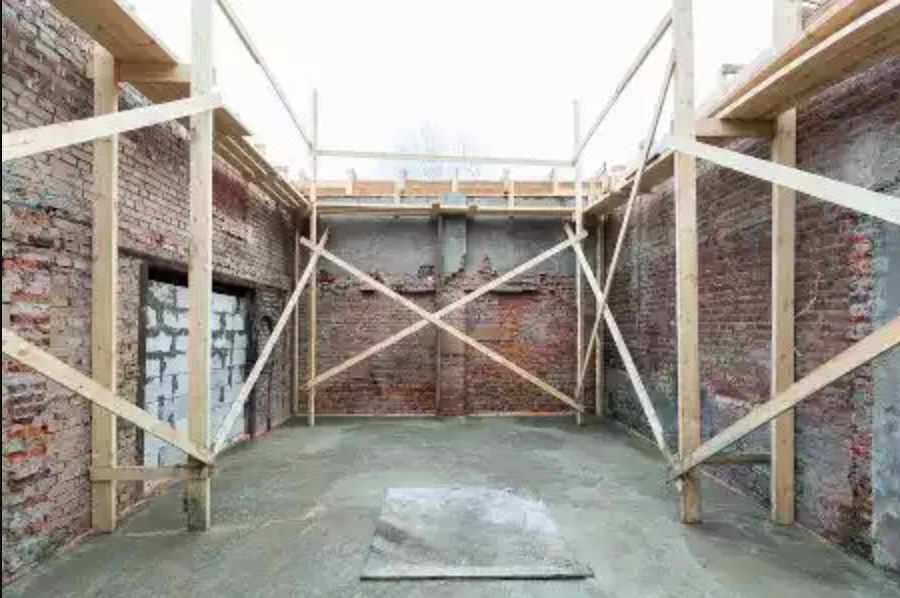
P4178 L100 051 P4178
当下
currently, presently, at present
derzeit
hiện tại

P4777 L112 022 P4777
区别某物
to distinguish, to differentiate sth.
etwas unterscheiden
phân biệt gì đó

P4834 L113 045 P4834
装修
to renovate
renovieren
làm mới lại, phục hồi, sửa chữa

P4834 L113 045 P4834
装修
to renovate
renovieren
làm mới lại, phục hồi, sửa chữa
P4835 L113 046 P4835
装修工作
renovation
die Renovierungsarbeiten
công việc phục hồi, sửa chữa

P5131 L119 041 P5131
肌肉强度
muscle strength
die Stärke des Muskels
sức mạnh cơ bắp

P5212 L122 010 P5212
养父母
adoptive parents
die Adoptiveltern
bố mẹ nuôi

P5501 L126 050 P5501
投降
to surrender, to capitulate
kapitulieren
đầu hàng

* Những đứa trẻ này đều rất dễ thương. These children are all very cute. Diese Kinder sind alle sehr niedlich. Estos niños son todos muy guapos. Ces enfants sont tous très mignons. Questi bambini sono tutti molto carini. เด็กพวกนี้น่ารักมาก 이 아이들은 매우 귀엽다. 這些孩子都很可愛。 这些 孩子 都 很 可爱 。
* Có bốn đứa trẻ ở đây. There are four children here. Es sind vier Kinder hier. Hay cuatro niños aquí. Il y a quatre enfants ici. Ci sono quattro bambini qui. มีลูกสี่คนที่นี่ 네 명의 아이들이 있습니다. 這有四個小孩。 这有 四个 小孩 。
* Họ có hai con. They have two children. Sie haben zwei Kinder. Tienen dos hijos. Ils ont deux enfants. Loro hanno due bambini. พวกเขามีลูกสองคน. 그들에게는 두 명의 자녀가 있습니다. 他們有兩個孩子。 他们 有 两个 孩子 。
* Các em nhỏ xếp hàng dài để lên xe buýt đi học. The children line up to board the school bus. Die Kinder stehen Schlange, um in den Schulbus zu gelangen. Los niños hacen cola para subir al autobús escolar. Les enfants font la queue pour monter dans le bus scolaire. I bambini fanno la fila per salire sullo scuolabus. เด็กๆ เข้าแถวขึ้นรถโรงเรียน 아이들은 버스를 타기 위해 하나둘 줄을 섰다. 小朋友們依次排隊上車。 小朋友 们 依次 排队 上车 。
* Con cái rất tin tưởng cha mẹ. Children trust their parents very much. Kinder vertrauen ihren Eltern sehr. Los niños confían mucho en sus padres. Les enfants ont une grande confiance en leurs parents. I bambini si fidano molto dei loro genitori. ลูกเชื่อใจพ่อแม่มาก 아이들은 부모를 신뢰합니다. 孩子都很信任父母。 孩子 都 很 信任 父母 。
* Họ có tổng cộng sáu người con. They have six children altogether. Sie haben insgesamt sechs Kinder. Tienen seis hijos en total. Ils ont six enfants en tout. Hanno sei figli in tutto. พวกเขามีลูกทั้งหมดหกคน 그들에게는 총 6명의 자녀가 있습니다. 他們總共有六個孩子。 他们 总共 有 六个 孩子 。
* Những đứa trẻ đang chơi vui vẻ trong công viên. The children are playing happily in the park. Die Kinder spielen fröhlich im Park. Los niños están jugando alegremente en el parque. Les enfants jouent joyeusement dans le parc. I bambini giocano allegramente nel parco. เด็ก ๆ กำลังเล่นอย่างมีความสุขในสวนสาธารณะ 아이들은 공원에서 즐거운 시간을 보냈습니다. 孩子們在公園裡玩得很高興。 孩子 们 在 公园 里 玩 得 很 高兴 。
* Những đứa trẻ đang chơi với đồ chơi của chúng. The children are playing with their toys. Die Kinder spielen mit ihren Spielsachen. Los niños están jugando con sus juguetes. Les enfants jouent avec leurs jouets. I bambini stanno giocando con i loro giocattoli. เด็ก ๆ กำลังเล่นกับของเล่นของพวกเขา 아이들이 장난감을 가지고 놀고 있습니다. 孩子們在玩玩具。 孩子 们 在 玩 玩具 。
* Người mẹ đang chơi với những đứa con của mình. The mother is playing with her children. Die Mutter spielt mit ihren Kindern. La madre está jugando con sus hijos. La mère joue avec ses enfants. La madre sta giocando con i suoi figli. แม่กำลังเล่นกับลูก ๆ ของเธอ 엄마는 아이들과 놀아요. 媽媽和孩子們一起玩。 妈妈 和 孩子 们 一起 玩 。
* Thị trường chứng khoán đang có xu hướng đi lên. The stock market is trending upwards. Der Aktienmarkt ist im Aufwärtstrend. La bolsa tiende a subir. La bourse est orientée à la hausse. Il mercato azionario è in rialzo. ตลาดหุ้นมีแนวโน้มขาขึ้น 주가는 상승세를 보이고 있습니다. 股票有上漲的趨勢。 股票 有 上涨 的 趋势 。
* Các em nhỏ xúm quanh trồng cây. The little children gathered round to plant the tree. Die Kinder kommen zusammen und pflanzen Bäume. Los niños se reunieron para plantar el árbol. Les petits enfants se sont rassemblés pour planter l'arbre. I bambini piccoli si radunarono per piantare l'albero. เด็กน้อยรวมตัวกันปลูกต้นไม้ 아이들은 나무를 심기 위해 모였습니다. 小朋友圍在一起種樹。 小朋友 围 在 一起 种树 。
* Có một sự khác biệt rõ ràng giữa chúng. There is an obvious difference between them. Es gibt einen offensichtlichen Unterschied zwischen ihnen. Hay una diferencia evidente entre ellos. Il y a une différence évidente entre eux. C'è un'ovvia differenza tra loro. มีความแตกต่างที่ชัดเจนระหว่างพวกเขา 그들 사이에는 분명한 차이점이 있습니다. 它們之間存在明顯的差別。 它们 之间 存在 明显 的 差别 。
* Thích chơi game là bản chất của trẻ em. A fondness for playing games is in the nature of children. Die Leidenschaft für Spiele liegt in der Natur der Kinder. La afición a los juegos está en la naturaleza de los niños. Le goût du jeu est dans la nature des enfants. La passione per i giochi è nella natura dei bambini. ความชื่นชอบในการเล่นเกมเป็นธรรมชาติของเด็ก 게임을 좋아하는 것은 아이의 본성입니다. 喜歡玩游戲是孩子的天性。 喜欢 玩游戏 是 孩子 的 天性 。
* Họ đã nuôi dạy ba người con. They have raised three children. Sie haben drei Kinder großgezogen. Han criado a tres hijos. Ils ont élevé trois enfants. Hanno cresciuto tre figli. พวกเขาเลี้ยงลูกสามคน 그들은 세 자녀를 키웠습니다. 他們養育了三個孩子。 他们 养育 了 三个 孩子 。
* Không có sự khác biệt cơ bản giữa hai loại nho. There is no essential difference between the two kinds of grapes. Es gibt keinen wesentlichen Unterschied zwischen den beiden Traubensorten. No hay ninguna diferencia esencial entre los dos tipos de uva. Il n'y a pas de différence essentielle entre les deux sortes de raisins. Non vi è alcuna differenza essenziale tra i due tipi di uva. ไม่มีความแตกต่างที่สำคัญระหว่างองุ่นทั้งสองชนิด 본질적으로 두 포도 사이에는 차이가 없습니다. 這兩種葡萄本質上沒有差別。 这 两种 葡萄 本质 上 没有 差别 。
* Bổn phận của con cái là phải phụng dưỡng cha mẹ. It is the duty of children to care for their parents. Es ist die Pflicht der Kinder, für ihre Eltern zu sorgen. El deber de los hijos es cuidar de sus padres. C'est le devoir des enfants de prendre soin de leurs parents. È dovere dei bambini prendersi cura dei propri genitori. เป็นหน้าที่ของลูกที่ต้องดูแลพ่อแม่ 아이들은 부모를 부양할 책임이 있습니다. 兒女有責任贍養父母。 儿女 有 责任 赡养父母 。
* Trước khi chết, các con của ông không ở bên cạnh ông. His children were not with him at his deathbed. Seine Kinder waren nicht bei ihm an seinem Sterbebett. Sus hijos no estaban con él en su lecho de muerte. Ses enfants n'étaient pas avec lui sur son lit de mort. I suoi figli non erano con lui sul letto di morte. ลูก ๆ ของเขาไม่ได้อยู่กับเขาที่เตียงมรณะของเขา 그가 죽기 전 그의 곁에는 아이들이 없었다. 臨終前,兒女都不在他身邊。 临终前 , 儿女 都 不 在 他 身边 。
* Đây là đơn vị tiền tệ của quốc gia nào? Which country's currency is this? Welche Landeswährung ist das? ¿De qué país es esta moneda? C'est la devise de quel pays ? Di quale paese è la valuta? นี่คือสกุลเงินของประเทศใด 이것은 어느 나라의 화폐입니까? 這是哪個國家的貨幣? 这是 哪个 国家 的 货币 ?
* Những đứa trẻ đang chơi trên bãi cỏ. The children are playing on the grass. Die Kinder spielen auf der Wiese. Los niños están jugando en la hierba. Les enfants jouent sur l'herbe. I bambini giocano sull'erba. เด็กๆ กำลังเล่นอยู่บนพื้นหญ้า 아이들은 잔디에서 놀고 있습니다. 孩子們在草地上玩。 孩子 们 在 草地 上 玩 。
* Cô giáo đã dạy bọn trẻ một bài học. The teacher taught the children one lesson. Der Lehrer brachte den Kindern eine Lektion bei. El profesor dio una lección a los niños. Le professeur a donné une leçon aux enfants. L'insegnante ha dato una lezione ai bambini. ครูสอนบทเรียนให้เด็กๆ 선생님은 아이들에게 교훈을 주었습니다. 老師給孩子們上了一堂課。 老师 给 孩子 们 上 了 一堂课 。
* Con cái là bảo bối của mẹ. Children are their mothers' treasures. Kinder sind die Schätze ihrer Mütter. Los niños son los tesoros de sus madres. Les enfants sont les trésors de leurs mères. I bambini sono i tesori delle loro madri. ลูกคือสมบัติของแม่ 아이는 엄마의 아기입니다. 孩子是媽媽的寶貝。 孩子 是 妈妈 的 宝贝 。
* Những đứa trẻ đang rượt đuổi nhau trên đồng cỏ. The children are chasing each other in the meadow. Die Kinder jagen sich gegenseitig auf der Wiese. Los niños se persiguen en el prado. Les enfants se poursuivent dans la prairie. I bambini si rincorrono nel prato. เด็ก ๆ กำลังไล่ตามกันในทุ่งหญ้า 아이들은 풀밭에서 서로를 쫓았습니다. 孩子們在草地上互相追逐。 孩子 们 在 草地 上 互相 追逐 。
* Tất cả trẻ em đều thích xem biểu diễn xiếc. All children love watching a circus performance. Alle Kinder lieben es, eine Zirkusvorstellung zu sehen. A todos los niños les encanta ver un espectáculo de circo. Tous les enfants aiment regarder un spectacle de cirque. Tutti i bambini adorano guardare uno spettacolo da circo. เด็กทุกคนชอบดูการแสดงเป็นวงกลม 아이들은 서커스 공연 관람을 좋아합니다. 小朋友都很喜歡看馬戲表演。 小朋友 都 很 喜欢 看 马戏表演 。
* Anh buộc phải đầu hàng. He was forced to surrender. Er war gezwungen, sich zu ergeben. Se vio obligado a rendirse. Il a été contraint de se rendre. Fu costretto ad arrendersi. เขาถูกบังคับให้ยอมแพ้ 그는 항복할 수밖에 없었다. 他被迫投降。 他 被迫 投降 。
* Cha mẹ tôi đã ủng hộ tôi rất nhiều. My parents have given me enormous support. Meine Eltern haben mich enorm unterstützt. Mis padres me han apoyado mucho. Mes parents m'ont énormément soutenu. I miei genitori mi hanno dato un enorme sostegno. พ่อแม่ของฉันให้การสนับสนุนฉันอย่างมาก 부모님은 저에게 큰 도움을 주셨습니다. 父母給予我極大的支持。 父母 给予 我 极大 的 支持 。
* Anh ta đã đầu hàng cảnh sát. He has surrendered to the police. Er hat sich der Polizei ergeben. Se ha entregado a la policía. Il s'est rendu à la police. Si è arreso alla polizia. เขาได้มอบตัวกับตำรวจแล้ว 그는 경찰에 항복했다. 他向警方投降了。 他 向 警方 投降 了 。
* Những người trẻ cố gắng trở nên hợp thời trang (thắp sáng, "theo đuổi thời trang hiện Young people try to be trendy (lit., "pursue the current fashion"). Junge Leute versuchen, trendy zu sein (wörtlich "die aktuelle Mode verfolgen"). Los jóvenes intentan estar a la última (lit., "seguir la moda actual"). Les jeunes essaient d'être à la mode (littéralement, "suivre la mode actuelle"). I giovani cercano di essere trendy (lett. "Inseguire la moda attuale"). คนหนุ่มสาวพยายามที่จะอินเทรนด์ (จากคำว่า "ไล่ตามแฟชั่นปัจจุบัน") 젊은이들은 패션을 추구합니다. 年輕人追求時尚。 年轻人 追求 时尚 。
* Những đứa trẻ đang chơi với đồ chơi trẻ em. The kids are playing with children's toys. Die Kinder spielen mit Kinderspielzeug. Los niños juegan con los juguetes de los niños . Les enfants jouent avec des jouets pour enfants. I bambini stanno giocando con i giocattoli dei bambini. เด็กๆเล่นของเล่นกัน. 아이들은 아이들의 장난감을 가지고 놀고 있습니다. 孩子們在玩兒童玩具。 孩子 们 在 玩 儿童玩具 。
* Anh ấy đang tìm một cuốn sách tham khảo. He is looking for a reference book. Er sucht ein Nachschlagewerk. Está buscando un libro de referencia. Il cherche un livre de référence. Sta cercando un libro di consultazione. เขากำลังมองหาหนังสืออ้างอิง 그는 참고 도서를 찾고 있습니다. 他在尋找參考書。 他 在 寻找 参考书 。
* Công ty đã tổ chức một cuộc họp báo để giới thiệu sản phẩm mới của mình. The company held a news conference to introduce its new product. Das Unternehmen hielt eine Pressekonferenz ab, um sein neues Produkt vorzustellen. La empresa ha dado una rueda de prensa para presentar su nuevo producto. L'entreprise a tenu une conférence de presse pour présenter son nouveau produit. L'azienda ha tenuto una conferenza stampa per presentare il suo nuovo prodotto. บริษัทจัดงานแถลงข่าวเพื่อแนะนำผลิตภัณฑ์ใหม่ 회사는 신제품 출시 컨퍼런스를 개최했습니다. 公司召開了新品發布會。 公司 召开 了 新品 发 布 会 。
* Trên bàn này có nhiều món ăn khác nhau. On this table are many different foods. Auf diesem Tisch sind viele verschiedene Speisen. En esta tabla hay muchos alimentos diferentes. Sur cette table sont de nombreux aliments différents. Su questa tabella ci sono molti alimenti diversi. บนโต๊ะนี้เป็นอาหารที่แตกต่างกันมากมาย 이 테이블의 요리는 매우 풍부합니다. 這一桌菜很豐盛。 这 一桌 菜 很 丰盛 。
* Những đứa trẻ đang lớn lên khỏe mạnh. The children are growing up healthy. Die Kinder wachsen gesund auf. Los niños crecen sanos. Les enfants grandissent en bonne santé. I bambini crescono sani. เด็กๆเติบโตแข็งแรง 아이들은 건강하게 자랍니다. 孩子們健康地成長。 孩子 们 健康 地 成长 。
* Đứa trẻ đã tốt nghiệp, và cha mẹ của nó hài lòng. The child has graduated, and his parents are pleased. Das Kind hat seinen Abschluss gemacht und seine Eltern freuen sich. El niño se ha graduado y sus padres están contentos. L'enfant a obtenu son diplôme, et ses parents sont contents. Il bambino si è laureato ei suoi genitori sono contenti. เด็กจบการศึกษาและพ่อแม่ของเขายินดี 부모는 아이가 졸업한 것을 매우 기쁘게 생각합니다. 孩子畢業了,父母感到很欣喜。 孩子 毕业 了 , 父母 感到 很 欣喜 。
* Ông đã bị các con của mình bỏ rơi. He has been deserted by his children. Er wurde von seinen Kindern verlassen. Sus hijos le han abandonado. Il a été abandonné par ses enfants. È stato abbandonato dai suoi figli. เขาถูกทอดทิ้งโดยลูก ๆ ของเขา 그는 자녀들에게 버림받았습니다. 他被兒女拋棄了。 他 被 儿女 抛弃 了 。
* Có một sự khác biệt lớn về chiều cao của họ. There is such a big difference in their height. Sie unterscheiden sich sehr stark in ihrer Körpergröße. Hay una gran diferencia en su altura. Il y a une si grande différence de taille entre eux. C'è una così grande differenza nella loro altezza. ความสูงของพวกเขาแตกต่างกันมาก 그들의 높이는 매우 다릅니다. 他們的身高相差懸殊。 他们 的 身高 相差悬殊 。
* Những đứa trẻ đang được giáo dục hình thành. The children are receiving their formative education. Die Kinder erhalten ihre Ausbildung. Los niños están recibiendo su educación formativa. Les enfants reçoivent leur éducation formative. I bambini stanno ricevendo la loro educazione formativa. เด็ก ๆ ได้รับการศึกษาอย่างเป็นทางการ 아이들은 계몽 교육을 받고 있습니다. 孩子們在進行啟蒙教育。 孩子 们 在 进行 启蒙教育 。
* Trò chơi có thể giúp trẻ phát triển trí thông minh. Games can help childrens' intelligence develop. Spiele können dazu beitragen, die Intelligenz von Kindern zu entwickeln. Los juegos pueden ayudar a desarrollar la inteligencia de los niños. Les jeux peuvent aider les enfants à développer leur intelligence. I giochi possono aiutare a sviluppare l'intelligenza dei bambini. เกมสามารถช่วยพัฒนาความฉลาดของเด็กได้ 게임은 아이들이 지적으로 성장하는 데 도움이 될 수 있습니다. 游戲能幫助孩子智力成長。 游戏 能 帮助 孩子 智力 成长 。
* Tranh luận trước mặt bọn trẻ là không khôn ngoan. It is unwise to argue in front of the children. Es ist unklug, vor den Kindern zu streiten. No es conveniente discutir delante de los niños. Il est imprudent de se disputer devant les enfants. Non è saggio litigare davanti ai bambini. เป็นการไม่ฉลาดที่จะโต้เถียงกันต่อหน้าลูกๆ 아이들 앞에서 논쟁하는 것은 현명하지 않습니다. 在孩子面前爭吵是不明智的。 在 孩子 面前 争吵 是 不明智 的 。
* Tôi muốn thuê một căn hộ. I want to rent an apartment. Ich möchte eine Wohnung mieten. Quiero alquilar un apartamento. Je veux louer un appartement. Voglio affittare un appartamento. ฉันต้องการเช่าอพาร์ตเมนต์ 아파트를 임대하고 싶습니다. 我想租一套公寓。 我 想 租 一套 公寓 。
* Cô ấy đã trả tiền thuê xe hơi của mình. She paid the rent for her car. Sie bezahlte die Miete für ihr Auto. Ha pagado el alquiler de su coche. Elle a payé le loyer de sa voiture. Ha pagato l'affitto per la sua macchina. เธอจ่ายค่าเช่ารถของเธอ 그녀는 차 렌트비를 지불했습니다. 她支付了汽車的租金。 她 支付 了 汽车 的 租金 。
* Cô ấy kiên nhẫn với bọn trẻ. She is patient with the children. Sie ist geduldig mit den Kindern. Es paciente con los niños. Elle est patiente avec les enfants. È paziente con i bambini. เธออดทนกับลูกๆ 그녀는 아이들에게 참을성이 있습니다. 她對孩子們有耐心。 她 对 孩子 们 有 耐心 。
* Bố mẹ tôi đã hứa sẽ đưa chúng tôi đi dã ngoại. My parents have promised to take us on a picnic. Meine Eltern haben versprochen, uns zu einem Picknick mitzunehmen. Mis padres han prometido llevarnos de picnic. Mes parents ont promis de nous emmener en pique-nique. I miei genitori hanno promesso di portarci a fare un picnic. พ่อแม่ของฉันสัญญาว่าจะพาเราไปปิกนิก 부모님은 우리를 소풍에 데려가겠다고 약속하셨습니다. 父母允諾帶我們去野餐。 父母 允诺 带 我们 去 野餐 。
* Trẻ em thích dưa hấu. Children love watermelon. Kinder lieben Wassermelonen. A los niños les encanta la sandía. Les enfants aiment la pastèque. I bambini adorano l'anguria. เด็กรักแตงโม 아이들은 수박 먹기를 좋아합니다. 孩子們愛吃西瓜。 孩子 们 爱 吃 西瓜 。
* Thị trường chứng khoán đang có xu hướng đi lên. The stock market is trending upwards. Der Aktienmarkt tendiert nach oben. El mercado de valores tiende a subir. Le marché boursier est à la hausse. Il mercato azionario è in rialzo. ตลาดหุ้นมีแนวโน้มขาขึ้น 주가는 상승세를 보이고 있습니다. 股票有上漲的趨勢。 股票 有 上涨 的 趋势 。
* Con cái rất phụ thuộc vào cha mẹ. Children are very dependent on their parents. Kinder sind sehr abhängig von ihren Eltern. Los niños son muy dependientes de sus padres. Les enfants sont très dépendants de leurs parents. I bambini dipendono molto dai loro genitori. เด็กพึ่งพาพ่อแม่มาก 아이들은 부모에게 매우 의존적입니다. 孩子很依賴父母。 孩子 很 依赖 父母 。
* Tất cả trẻ em đều thích xem các trò ảo thuật. All children love watching magic tricks. Alle Kinder lieben es, Zaubertricks zu sehen. A todos los niños les gusta ver trucos de magia. Tous les enfants aiment regarder les tours de magie. Tutti i bambini adorano guardare i trucchi magici. เด็กทุกคนชอบดูมายากล 아이들은 마술을 보는 것을 좋아합니다. 孩子都愛看魔術。 孩子 都 爱看 魔术 。
* Tất cả các bậc cha mẹ đều yêu thương con cái của họ. All parents love their children. Alle Eltern lieben ihre Kinder. Todos los padres quieren a sus hijos. Tous les parents aiment leurs enfants. Tutti i genitori amano i loro figli. พ่อแม่ทุกคนรักลูก 부모는 자녀를 사랑합니다. 父母都疼愛自己的孩子。 父母 都 疼爱 自己 的 孩子 。
* Đồng tiền đã bị mất giá. The currency has been devalued. Die Währung wurde abgewertet. La moneda se ha devaluado. La monnaie a été dévaluée. La valuta è stata svalutata. ค่าเงินถูกลดค่าลง 통화가치가 평가절하되었습니다. 貨幣貶值了。 货币贬值 了 。
* Không nên ép buộc trẻ em học tập. Children shouldn't be forced to study. Kinder sollten nicht zum Lernen gezwungen werden. No se debe obligar a los niños a estudiar. Les enfants ne devraient pas être forcés à étudier. I bambini non dovrebbero essere costretti a studiare. เด็กไม่ควรถูกบังคับให้เรียน 아이들에게 배우도록 강요하지 마십시오. 不能逼孩子學習。 不能 逼 孩子 学习 。
* Đây là bể bơi dành cho trẻ em. This is the children's pool. Das ist das Kinderbecken. Esta es una piscina para niños. Il s'agit d'une piscine pour enfants. Questa è una piscina per bambini. นี่คือสระว่ายน้ำสำหรับเด็ก 여기는 어린이 수영장입니다. 這是兒童游泳池。 这是 儿童 游泳池 。
* Đây là những chắt của ông ấy. These are his great-grandchildren. Das sind seine Urenkel. Estos son sus bisnietos. Ce sont ses arrière-petits-enfants. Questi sono i suoi pronipoti. เหล่านี้เป็นเหลนของเขา 이들은 그의 증손자입니다. 這些都是他的曾孫。 这些 都 是 他 的 曾孙 。
* Họ có sự khác biệt về quan điểm. They have a difference of opinion. Sie haben unterschiedliche Meinungen. Tienen una diferencia de opinión. Ils ont une différence d'opinion. Hanno una divergenza di opinioni. พวกเขามีความเห็นต่างกัน 의견이 분분합니다. 他們的意見有分歧。 他们 的 意见 有 分歧 。
* Cha mẹ cua anh ấy tự hào về thành công của anh ấy. His parents are proud of his success. Seine Eltern sind stolz auf seinen Erfolg. Sus padres están orgullosos de su éxito. Ses parents sont fiers de sa réussite. I suoi genitori sono orgogliosi del suo successo. พ่อแม่ของเขาภูมิใจในความสำเร็จของเขา 그의 부모는 그의 성공을 자랑스러워합니다. 父母為他的成功感到驕傲。 父母 为 他 的 成功 感到 骄傲 。
* Họ đang soạn thảo một kế hoạch. They are currently working on a draft project. Sie arbeiten derzeit an einem Projektentwurf. Ellos están redactando un plan. Ils préparent un plan. Stanno preparando un piano. พวกเขากำลังร่างแผน 그들은 초안 계획을 세우고 있습니다. 他們在擬一個計畫草案。 他们 在 拟 一个 计画 草案 。
* Con cái nên hiếu kính cha mẹ. Children should show respect to their parents. Kinder sollten ihren Eltern gegenüber Respekt zeigen. Los niños deben honrar a sus padres. Les enfants doivent honorer leurs parents. I bambini dovrebbero onorare i loro genitori. ลูกควรให้เกียรติพ่อแม่ 자녀는 부모를 공경해야 합니다. 兒女應該孝敬父母。 儿女 应该 孝敬父母 。
* Những đứa trẻ đang chơi trong công viên. The children are playing in the park. Die Kinder spielen im Park. Los niños están jugando en el parque. Les enfants jouent dans le parc. I bambini stanno giocando nel parco. เด็ก ๆ กำลังเล่นอยู่ในสวนสาธารณะ 아이들은 공원에서 놀고 있습니다. 孩子們在公園裡玩耍。 孩子 们 在 公园 里 玩耍 。
* Anh ta ngược đãi trẻ em. He abuses children. Er missbraucht Kinder. Abusa de los niños. Il abuse des enfants. Abusa dei bambini. เขารังแกเด็ก 그는 어린 아이들을 학대했습니다. 他虐待幼兒。 他 虐待 幼儿 。
* Trẻ em thích xem chú hề biểu diễn. Children like to watch clowns performing. Kinder sehen gerne Clowns beim Auftritt zu. A los niños les gusta ver actuar a los payasos. Les enfants aiment regarder les clowns faire leur spectacle. Ai bambini piace guardare i pagliacci che si esibiscono. เด็กๆชอบดูการแสดงของตัวตลก 아이들은 광대 쇼를 보는 것을 좋아합니다. 小孩喜歡看小丑表演。 小孩 喜欢 看 小丑 表演 。
* Bọn trẻ rủ nhau đi chơi. The children get together to play. Die Kinder kommen zusammen, um zu spielen. Los niños se reunieron para jugar. Les enfants se sont réunis pour jouer. I bambini si sono riuniti per giocare. เด็ก ๆ ได้รวมตัวกันเพื่อเล่น 아이들이 모여서 놀았습니다. 孩子們湊在一起玩耍。 孩子 们 凑在一起 玩耍 。
* Nuôi dạy con cái là trách nhiệm của cha mẹ. Raising children is the responsibility of parents. Kindererziehung liegt in der Verantwortung der Eltern. Criar a los niños es responsabilidad de los padres. Elever les enfants est la responsabilité des parents. Crescere i figli è responsabilità dei genitori. เลี้ยงลูกเป็นหน้าที่ของพ่อแม่ 자녀를 양육하는 것은 부모의 책임입니다. 撫養子女是父母的職責。 抚养 子女 是 父母 的 职责 。
* Có thể đổi ngoại tệ tại đây. Foreign currency can be exchanged here. Hier kann Fremdwährung umgetauscht werden. Aquí se puede cambiar moneda extranjera. Les devises étrangères peuvent être échangées ici. La valuta estera può essere cambiata qui. สามารถแลกเปลี่ยนเงินตราต่างประเทศได้ที่นี่ 여기서 외화 환전이 가능합니다. 這裡可以兌換外幣。 这 里 可以 兑换 外币 。
* Trẻ em thích bơi lội. Children love to swim. Kinder lieben es zu schwimmen. A los niños les encanta nadar. Les enfants aiment nager. I bambini amano nuotare. เด็กชอบว่ายน้ำ 아이들은 수영을 좋아합니다. 孩子們都喜歡游泳。 孩子 们 都 喜欢 游泳 。
* Trẻ em được cha mẹ bảo vệ. Children are protected by their parents. Kinder werden von ihren Eltern geschützt. Los niños son protegidos por sus padres. Les enfants sont protégés par leurs parents. I bambini sono protetti dai genitori. เด็ก ๆ ได้รับการคุ้มครองโดยพ่อแม่ของพวกเขา 아이들은 부모의 보호를 받습니다. 孩子受到父母的庇護。 孩子 受到 父母 的 庇护 。
* Cô dâu chú rể nhí nhảnh chụp ảnh kỷ niệm cùng bố mẹ cô dâu. The bride and groom are having a picture taken with the parents of the bride. Braut und Bräutigam lassen sich mit den Eltern der Braut fotografieren. Los novios se están haciendo una foto con los padres de la novia. Les mariés se font prendre en photo avec les parents de la mariée. Gli sposi stanno facendo una foto con i genitori della sposa. เจ้าสาวและเจ้าบ่าวกำลังถ่ายรูปกับพ่อแม่ของเจ้าสาว 신랑 신부가 시부모님과 함께 사진을 찍고 있습니다. 新郎新娘和岳父母合影。 新郎新娘 和 岳父母 合影 。
* Cô ấy đã sẵn sàng ném lựu đạn. She is ready to throw the hand grenade. Sie ist bereit, die Handgranate zu werfen. Está preparada para lanzar la granada de mano. Elle est prête à lancer la grenade à main. È pronta a lanciare la bomba a mano. เธอพร้อมที่จะขว้างระเบิดมือ 그녀는 수류탄을 던지려고 했다. 她準備甩出手榴彈。 她 准备 甩出 手榴弹 。
* Hua Shan là một trong năm ngọn núi nổi tiếng của Trung Quốc. Hua Shan is one of the five renowned mountains of China. Hua Shan ist einer der fünf bekanntesten Berge Chinas. Hua Shan es una de las cinco montañas más famosas de China. Hua Shan est l'une des cinq montagnes les plus célèbres de Chine. Hua Shan è una delle cinque rinomate montagne della Cina. หัวซานเป็นหนึ่งในห้าภูเขาที่มีชื่อเสียงของจีน 화산은 5개의 신성한 산 중 하나입니다. 華山是五嶽之一。 华山 是 五 嶽 之一 。
* Các bậc cha mẹ đang ôm con của họ trong vòng tay của họ. The parents are holding their children in their arms. Die Eltern halten ihre Kinder in den Armen. Los padres tienen a sus hijos en brazos. Les parents tiennent leurs enfants dans leurs bras. I genitori tengono i figli in braccio. พ่อแม่อุ้มลูกไว้ในอ้อมแขน 부모는 아이들을 품에 안았다. 父母把孩子攬在懷裡。 父母 把 孩子 揽 在 怀 里 。
* Thẩm phán xem xét các tình tiết của vụ án trước khi đưa ra quyết định. The judge considers the circumstances of the case before rendering a decision. Der Richter prüft die Umstände des Falles, bevor er eine Entscheidung trifft. El juez considera las circunstancias del caso antes de tomar una decisión. Le juge tient compte des circonstances de l'affaire avant de rendre une décision. Il giudice valuta le circostanze del caso prima di prendere una decisione. ผู้พิพากษาจะพิจารณาพฤติการณ์ของคดีก่อนตัดสิน 판사는 재량에 따라 사건을 결정합니다. 法官對案件酌情判決。 法官 对 案件 酌情 判决 。
* Cô ấy đang tấn công vào tình hình chính trị hiện tại. She is attacking the current political situation. Sie greift die aktuelle politische Situation an. Ataca la actual situación política. Elle attaque la situation politique actuelle. Sta attaccando l'attuale situazione politica. เธอกำลังโจมตีสถานการณ์ทางการเมืองในปัจจุบัน 그녀는 시사를 공격하고 있습니다. 她在抨擊時政。 她 在 抨击 时政 。
* Cô ấy hỗ trợ cha mẹ mình [về mặt tài chính]. She supports her parents [financially]. Sie unterstützt ihre Eltern [finanziell]. Mantiene a sus padres [económicamente]. Elle soutient ses parents [financièrement]. Supporta i suoi genitori [finanziariamente]. เธอสนับสนุนพ่อแม่ของเธอ [ด้านการเงิน] 그녀는 부모님을 지원합니다. 她贍養父母。 她 赡养父母 。
* Cô giáo đang dạy bọn trẻ những câu chuyện đằng sau những câu tục ngữ. The teacher is teaching the children the stories behind proverbs. Der Lehrer bringt den Kindern die Geschichten hinter den Sprichwörtern bei. El maestro les está enseñando a los niños las historias detrás de los proverbios. L'enseignant enseigne aux enfants les histoires derrière les proverbes. L'insegnante sta insegnando ai bambini le storie dietro i proverbi. ครูกำลังสอนเด็กถึงเรื่องราวเบื้องหลังสุภาษิต 선생님은 아이들에게 속담을 들려주고 있습니다. 老師在為孩子講諺語故事。 老师 在 为 孩子 讲 谚语 故事 。
SAIGONESE B07 ba mẹ parents  Eltern
E086 khác different anders
E065 khác different, other anders, andere
E177 trẻ em children Kinder
E184 khác different anders
E204 người đổi mới trend-setter richtungsweisend
E218 sức energy, strength Energie, Kraft
E229 mấy đứa nhỏ children Kinder
E230 khác different anders
I025 mỗi tháng mỗi khác every month is different jeder Monat ist anders
I155 các em nhỏ children Kinder
I156 sức strength Stärke
I021 khác nhau một trời một vực as different as the sky and the abyss so verschieden wie der Himmel und der Abgrund
I023 sửa fix, renovate reparieren, renovieren
I061 nổi popular, trendy beliebt, trendy
I068 con children, offspring Kinder, Nachwuchs
I088 lấy sức gather the strength die Kraft sammeln
I111 thờ ơ indifferent gleichgültig
I195 hiện tại current aktuell
I218 trưng cầu dân ý referendum Volksabstimmung
I225 tiền thuê mặt bằng rent mieten
8 三: three: She's a mother of three children. 16 六: six: He has six children. 227 空く: be empty, become less crowded: There weren't many people at the restaurant. 423 会話: conversation: Conversation between parents and children is important. 627 温度: temperature: This room's temperature is currently 25 degrees. 776 育てる: bring up, raise: She raised three children. 781 強さ: strength: I was surprised at the strength of the wind. 857 貸し出す: lend, lend out: That book is currently checked out. 884 代わる: substitute, be substituted for: I attended the conference in place of my boss. 941 家賃: rent: The rent here is 120,000 yen. 978 終わる: finish, end: The conference ends at four o'clock. 981 現在: the present, present time: The current temperature is 30 degrees. 1077 違い: difference, mistake: There's a big difference between these two. 1114 親: parent: Parental love should be appreciated. 1152 自然: natural: It's natural that parents protect their children. 1229 おしゃれ: trendy, fashionable: That girl is trendy. 1251 国際: international: An international conference is going to be held here. 1276 異なる: differ: He and I always have different opinions. 1298 かわいそう: poor, pitiful: Those poor children have nothing to eat. 1517 両親: parents: My parents live in Osaka. 1561 記念日: memorial day, anniversary: Today's my parents' wedding anniversary. 1609 紹介: introduction: I introduced my girlfriend to my parents. 1611 招く: invite: I invited my parents for a meal. 1775 ガールフレンド: girlfriend: We used to call our girlfriends "garufurendo." 2141 そっくり: almost identical: That parent and child look identical. 2190 女房: wife: My wife is back at her parents' home. 2283 初日: first day, opening day: The mayor made a speech on the first day of the conference. 2365 見合い: meeting with one's potential spouse: My parents had an arranged marriage. 2417 交ざる: mix, mingle with: Adults and children played together. 2421 交渉: negotiation, bargaining: We're currently negotiating the price. 2435 道徳: morality, ethic: I'd like to properly teach ethics to my children. 2448 図書: books: This is a children's book. 2481 広場: open space, plaza: A lot of children were gathering in the plaza. 2517 世の中: the world, society: There are many different people in the world. 2742 長所: strong point, strength: Your bubbly personality is your strength. 2911 学会: academic association, academic conference: He presented his paper at the academic conference. 2928 教わる: be taught, learn: I learned a lot from my parents. 3006 重点: important point, emphasis: I put emphasis on children's self-initiative. 3101 買収: acquisition, bribing: Apparently, he was bribed. 3129 求める: seek, yearn for: Children seek parental love. 3143 時差: time difference: The time difference between Japan and France is eight hours. 3149 差: difference: There is a big difference between urban and rural areas in the amount of income earned. 3205 思い込む: assume, believe: Apparently he believes that he's been deceived. 3293 強化: strengthening: The government is strengthening its native language education. 3296 夜更かし: staying up late at night: Children these days stay up late at night. 3297 更新: renewal: I've just renewed my insurance contract. 3363 動向: trend: Economic trends are difficult to read at the moment. 3367 移動: movement, shift: We traveled around by rental car. 3397 現住所: present address: Please write your current address here. 3487 真っ先: first thing, first: I told my parents first that I had passed the exam. 3511 人種: race: There are many different racial groups in this country. 3532 接する: come in contact, adjoin: It's good for children to have contact with animals. 3544 そのうち: before long, sooner or later: Sooner or later, she'll come to understand parental feelings. 3561 見違える: change beyond recognition, look radically different: The room looked completely different after cleaning. 3585 昭和: the Showa era: My parents were born in the Showa era. 3606 父母: father and mother, parents: The school contacted my parents. 3607 父兄: parents, legal guardians: Parents, please come this way. 3646 結び: end, close: He made a speech to close the conference. 3680 それぞれ: each, respectively: Each person has different ideas. 3712 議長: chairperson: The chairperson made the opening speech at the conference. 3737 対話: dialogue, conversation: Conversation between a parent and a child is important. 3750 特有: particularity, uniqueness: This is an illness particular to children. 3753 タイプ: type: Do you have the same type in a different color? 3760 専門家: specialist, expert: The professor is a specialist of French literature. 3848 冒険: adventure, venture: Children in the old days used to read a lot of adventure novels. 3993 失う: lose, miss: He lost his parents in the earthquake. 4081 連休: consecutive holidays: I'll go back to my parents' house for the next consecutive holidays. 4091 相場: market price: What is the market rent around here? 4128 現状: current condition (situation): The current situation is that we can't solve the problem. 4134 行政: administration: The pension problem is one of the biggest issues of current administration. 4160 首相: prime minister: The current Prime Minister doesn't have much power. 4178 改まる: be renewed, be improved: The name of the era has been renewed. 4203 進行: advancement, progress: The academic conference is proceeding as scheduled. 4273 参考書: reference book: This reference book is very useful. 4307 敏感: sensitive, responsive: She reacts quickly to trends. 4369 無駄遣い: wasteful spending: My parents reproached me for being wasteful. 4394 戦前: prewar period: Life in the prewar era was quite different from that of now. 4422 総理: prime minister: The prime minister is currently visiting Europe. 4433 深める: deepen (understanding, knowledge, etc.): She deepened her understanding of different cultures. 4452 海流: ocean current: The two ocean currents converge here. 4484 冷淡: cold-hearted, indifferent: He showed an indifferent attitude toward her. 4495 最適: optimum, best: This is the best environment for raising children. 4563 好奇心: curiosity: Children are full of curiosity. 4580 建て前: one's public stance: What people think and say are often different. 4594 アクセント: accent, stress: American English and British English can be different in their accents. 4599 離れる: get away from (someone/something): I was away from my parents' house for 4 years. 4644 外貨: foreign currency: I exchanged some foreign currency. 4646 貨幣: money, currency: I saw some old currency at the museum. 4785 順々に: by turns, one at a time: Children received snacks one at a time. 4790 逆らう: go against, rebel: It's not good to rebel against your parents. 4841 養う: raise (children), foster: I'm raising three children. 4867 甘やかす: be indulgent to, spoil: You must not spoil your children. 4891 薄着: light clothing: Children wear light clothing even during winter. 4902 縮まる: be shortened, be contracted: The height difference between me and my big brother has decreased. 4947 透き通る: become transparent, become clear: The water of the lake was transparent. 5015 愛情: love, affection: Children need a lot of love. 5033 純粋: pure, unmixed: You shouldn't hurt children's pure feelings. 5105 説得: persuasion: I will try my best to persuade my parents. 5130 分散: dispersion: The company is splitting their investment into many different countries. 5160 話し言葉: spoken language: Spoken and written languages are a little different. 5161 書き言葉: written language: Written language and spoken language are quite different sometimes. 5165 呼び出す: call, page: My parents were called in to the school. 5201 健全: healthy, sound: Let's foster healthy minds in children. 5237 視点: viewpoint, perspective: Let's look at it from a different perspective. 5263 劇: drama, play: I saw a children's play at an elementary school. 5282 開催: holding (of an event), opening: An international conference was held in Kyoto. 5316 つながる: be connected, be linked: Phone calls aren't getting through. 5319 休講: cancellation of a lecture: Today's French class has been cancelled. 5509 釣り合う: balance out, match: Income and expenses aren't balancing out. 5666 イントネーション: intonation: Make sure to note the intonation difference. 5700 育児: childcare, child-raising: She is busy taking care of her children. 5701 児童: (school) children: This is a school route for children. 5709 幼児: young child: There's no admission fee for small children. 5714 同居: living together: I still live with my parents. 5741 括弧: parentheses, brackets: The part in parentheses can be omitted. 5770 衰える: weaken, decline: I'm losing my physical strength as I'm getting older. 5832 駆ける: run quickly: The children rushed into the square. 5849 敬う: respect, honor: It's important to respect your parents. 5854 劣る: be inferior to, be worse than: My physical strength is second to none. 5863 盆: the Bon festival: I returned to my parents' house for the Bon festival. 6076 小火: small fire: Apparently there was a small fire in the vicinity. 6087 次元: dimension: His skill is on a different level than mine. 6106 明晩: tomorrow night: The conference with the Prime Minister is scheduled for tomorrow evening. 6142 見分け: distinction: I cannot tell the difference between the twins. 6207 高低: high and low: The difference between the highs and lows on this mountain path are stark. 6234 国力: national power: The strength of that country has been weakened by the recession. 6317 格: class; norm; status: He and the department manager are of different ranks. 6367 心中: double suicide; lovers' suicide: The couple's marriage was opposed by their parents, so they committed suicide together. 6394 不透明: opaque: The politics of that country are not transparent. 6397 年号: name of era; reign title: The current era is called the Heisei era. 6398 元号: era name: The current era is called the "Heisei era." 6416 区々: diverse; various: Everyone has different opinions. 6492 慢性: chronic: He has a chronic migraine apparently. 6525 見習い: apprentice: I am still an apprentice cook. 6645 社交: sociability: Not just study but social interaction is vital for children, you know. 6667 間借り: renting a room: She is renting a room in a relative's house. 6669 貸間: room for rent: He is looking for a room to rent. 6698 貸し切り: booked; reserved: We went to the plateau on a rented bus. 6704 賃貸: hiring out; lease: He lives in a rented apartment. 6706 代理: agency; representation: I attended the conference in place of the president. 6710 指図: directions: Please don't give so many different instructions. 6722 予知: foreknowledge: Apparently she can predict the future. 6745 化ける: change oneself into; disguise oneself: Women look different in makeup. 6824 終始: from start to finish: The assembly members' press conference was nothing but excuses. 6828 現役: active service: He is currently an athlete. 6832 実家: one's parents' home: My wife is returning to her parents' family's home for the birth. 6851 仕送り: sending of money: He receives a monthly allowance from his parents. 6857 発育: development; growth: Children grow up quickly these days. 6914 音色: tone: The tone of each of these violins is different. 6945 共働き: dual income: In my son's class, there are a lot of households where both parents work. 6960 食い違い: cross-purposes; difference: There was a difference of opinion between them. 7000 弟子入り: acolyte; follower: He became an apprentice of the comic storyteller. 7015 自覚: awareness: He has no awareness of having done a bad thing because he is still a child. 7042 主: master: Apparently, the owner of that shop is the third generation of his family to own it. 7088 別問題: another question: This and that are different problems. 7091 ずれ: : There seems to be a difference in interpretation between the two companies. 7107 自発的: spontaneous; voluntary: Children are picking up garbage voluntarily. 7113 並行: parallel; side by side: The two projects are proceeding concurrently. 7147 煙たい: feeling awkward; smoky: Sometimes parents make children feel shy. 7150 力一杯: with full force: He embraced his wife with all his strength. 7157 担う: bear on one's shoulder; undertake: Children bear the future of Japan on their shoulders. 7250 喪失: forfeit; loss: Things aren't going well at work, and he has lost confidence. 7258 原っぱ: empty lot; open field: Children are playing in the field. 7321 世相: phases of life; social conditions: This event reflects the current social conditions. 7324 相違: difference; disparity: They had a difference of opinion. 7329 座談会: round-table talk: He was invited as a guest to the conference. 7360 補足: supplement: Apparently he has something to add. 7385 領空: airspace: This is French airspace. 7455 加減: adjustment; in moderation: Children often don't know their own strength. 7488 もとより: from the first: Adults as well as children are crazy about the game. 7525 謝罪: apology: The politician apologized at a press conference. 7567 探検: exploration: Children love exploring. 7600 電流: electric current: There is a strong electric current flowing through this machine. 7621 ニュアンス: nuance: There is a slight difference in the nuance of what the two of them say. 7720 歴然と: clear: The difference between his ability and mine is glaringly evident. 7749 円周: circumference: Find the length of the circumference. 7804 通貨: currency: The Japanese currency is yen. 7829 留年: repetition of a year: He has repeated a year at university apparently. 7903 言い付ける: order; tell: Don't give orders to your parents. 7915 寄付: contribution; donation: I donated money to unprivileged children. 7937 観念: concept; idea: Those two people have very different concepts of time. 7951 配列: arrangement: The layout of the characters on the keyboard is different from mine. 7953 同列: same rank: Children and adults cannot be treated the same way. 7972 席上: at the meeting: There was an astonishing announcement at the conference. 8020 電圧: voltage: The voltage is different in the United States and Japan. 8103 サイレン: siren: I heard the siren of the police car. 8108 妻子: one's wife and children: He went traveling with his wife and children. 8125 延滞: arrears: I forgot to return the CD I rented, so I was charged a late fee. 8160 養護: protective care: He is working in a school for children with special needs. 8181 シャンソン: chanson; French music: He sang the chanson in French. 8194 謎々: puzzle; riddle: Children love riddles. 8223 贈与: donation; presentation: I received a monetary gift from my parents. 8227 隔てる: partition; separate: My parents live over there across the road. 8261 燥ぐ: frolic: The children frolicked very happily in the pool. 8329 円滑: harmonious; smooth: The conference is progressing smoothly. 8372 見放す: abandon; desert: In the end, he has been deserted even by his parents. 8373 放任: leave to one's own devices: Recently, the number of parents who let their children run wild is on the increase. 8377 放れる: get free: The child grew up and became independent of his parents. 8438 特訓: crash course; special training: She had special training in horse riding apparently. 8440 講和: peace; reconciliation: The peace conference was held in Paris in 1919. 8548 暴風雨: rainstorm; tempest: Tokyo was hit by torrential rain. 8620 桁: beam; column: The budget of this project is widely different from expected. 8637 誇り: pride: I am proud of my parents. 8664 ねだる: coax; nag; pester: The child is pestering the parents for the toy. 8712 知恵: intelligence; wisdom: I was given advice by my friend about how to bring up children. 8725 粘土: clay; modeling clay: Children are making animals from clay. 8800 腕力: muscular strength: He has a lot of physical strength. 8841 裂く: split up; tear: There was a rift between my parents. 8862 飽き: weariness: I am beginning to get tired of my current lifestyle. 8951 戒め: caution; commandment: I protected the children from their father's harsh punishment. 8952 戒める: caution against: He warned the children against waste. 9025 賄賂: bribe; payoff: Apparently, he took a bribe. 9036 年頃: age range; marriageable age: Apparently the director has a daughter of marriageable age. 9037 先頃: the other day: This is the report of the recent conference. 9056 孝行: family duty: You must be dutiful to your parents while they are still well. 9057 親孝行: filial piety: He is dutiful to his parents. 9058 不孝: undutifulness: It is an insult to your parents to become a NEET (not in education, employment, or training). 9059 親不孝: lack of filial piety: He regretted being disobedient toward his parents. 9079 早熟: forward; precocious: Children these days are precocious. 9086 降伏: submission; surrender: The white flag is a signal of surrender. 9112 干渉: interference: Children hate it when parents interfere. 9151 幽霊: apparition; ghost: Apparently she saw a ghost yesterday. 9200 善悪: good and evil: Even children can distinguish good from evil. 9238 戯れる: joke; sport: Children are playing with the cat. 9241 完璧: flawless; perfect: His French is perfect. 9279 慕う: adore; yearn for: The children are very attached to the headmaster. 9313 ぐっしょり: soaked: I got drenched in the rain. 9369 仄めかす: hint: She hinted about the marriage to her parents. 9547 どたどた: clomping; tramping: The children pattered around the house. TED Talk Segment Vietnamese English
Hsk Characters:
HSK -Characters and beyond:
| Gb | Big5 | Eng | Rad | Mega | Triple |
|---|---|---|---|---|---|
| 赁 + | 賃 + + | rent, hire / hired person | 贝 | 任 | Shell 任 (ERNENNEN) lin4 | 租 + | 租 + + | rent, lease / rental / tax | 禾 | 且 | Grain 且 (FÜR_EINEN_MOMENT) zu1 |
| 2000 Words | ||||||||||||||||||||||||||||||||||||||||||||||||||||||||||||||||||||||||||||||||||||||||||||||||||||||||||||||||||||||||||||||||||||||||||||||||||||||||||||||||||||||||||||||||||||||||||||||||||||||||||||||||||||||||||||||||||||||||||||||||||||||||||||||||||||||||||||||||||||||||||||||||||||||||||||||||||||||||||||||||||||||||||||||||
|---|---|---|---|---|---|---|---|---|---|---|---|---|---|---|---|---|---|---|---|---|---|---|---|---|---|---|---|---|---|---|---|---|---|---|---|---|---|---|---|---|---|---|---|---|---|---|---|---|---|---|---|---|---|---|---|---|---|---|---|---|---|---|---|---|---|---|---|---|---|---|---|---|---|---|---|---|---|---|---|---|---|---|---|---|---|---|---|---|---|---|---|---|---|---|---|---|---|---|---|---|---|---|---|---|---|---|---|---|---|---|---|---|---|---|---|---|---|---|---|---|---|---|---|---|---|---|---|---|---|---|---|---|---|---|---|---|---|---|---|---|---|---|---|---|---|---|---|---|---|---|---|---|---|---|---|---|---|---|---|---|---|---|---|---|---|---|---|---|---|---|---|---|---|---|---|---|---|---|---|---|---|---|---|---|---|---|---|---|---|---|---|---|---|---|---|---|---|---|---|---|---|---|---|---|---|---|---|---|---|---|---|---|---|---|---|---|---|---|---|---|---|---|---|---|---|---|---|---|---|---|---|---|---|---|---|---|---|---|---|---|---|---|---|---|---|---|---|---|---|---|---|---|---|---|---|---|---|---|---|---|---|---|---|---|---|---|---|---|---|---|---|---|---|---|---|---|---|---|---|---|---|---|---|---|---|---|---|---|---|---|---|---|---|---|---|---|---|---|---|---|---|---|---|---|---|---|---|---|---|---|---|---|---|---|---|---|---|---|---|---|---|---|---|---|---|---|---|---|---|---|---|---|---|---|---|---|
| 03 0170 ZH TH VI EN DE ES PT IT FR NL HR SR RU UK CS PL BS EL HI UR FA AR HE JA KO DA NO SW ID | | 体力训练 | huấn luyện thể lực | |||||||||||||||||||||||||||||||||||||||||||||||||||||||||||||||||||||||||||||||||||||||||||||||||||||||||||||||||||||||||||||||||||||||||||||||||||||||||||||||||||||||||||||||||||||||||||||||||||||||||||||||||||||||||||||||||||||||||||||||||||||||||||||||||||||||||||||||||||||||||||||||||||||||||||||||||||||||||||||||||||||||||||||
| 05 0221 ZH TH VI EN DE ES PT IT FR NL HR SR RU UK CS PL BS EL HI UR FA AR HE JA KO DA NO SW ID | | 会议 | hội nghị | |||||||||||||||||||||||||||||||||||||||||||||||||||||||||||||||||||||||||||||||||||||||||||||||||||||||||||||||||||||||||||||||||||||||||||||||||||||||||||||||||||||||||||||||||||||||||||||||||||||||||||||||||||||||||||||||||||||||||||||||||||||||||||||||||||||||||||||||||||||||||||||||||||||||||||||||||||||||||||||||||||||||||||||
| 05 0222 ZH TH VI EN DE ES PT IT FR NL HR SR RU UK CS PL BS EL HI UR FA AR HE JA KO DA NO SW ID | | 会议室 | phòng họp | |||||||||||||||||||||||||||||||||||||||||||||||||||||||||||||||||||||||||||||||||||||||||||||||||||||||||||||||||||||||||||||||||||||||||||||||||||||||||||||||||||||||||||||||||||||||||||||||||||||||||||||||||||||||||||||||||||||||||||||||||||||||||||||||||||||||||||||||||||||||||||||||||||||||||||||||||||||||||||||||||||||||||||||
| 07 0301 ZH TH VI EN DE ES PT IT FR NL HR SR RU UK CS PL BS EL HI UR FA AR HE JA KO DA NO SW ID | | 祖父母 | ông bà (nội, ngoại) | |||||||||||||||||||||||||||||||||||||||||||||||||||||||||||||||||||||||||||||||||||||||||||||||||||||||||||||||||||||||||||||||||||||||||||||||||||||||||||||||||||||||||||||||||||||||||||||||||||||||||||||||||||||||||||||||||||||||||||||||||||||||||||||||||||||||||||||||||||||||||||||||||||||||||||||||||||||||||||||||||||||||||||||
| 07 0315 ZH TH VI EN DE ES PT IT FR NL HR SR RU UK CS PL BS EL HI UR FA AR HE JA KO DA NO SW ID | | 父母 | cha mẹ | |||||||||||||||||||||||||||||||||||||||||||||||||||||||||||||||||||||||||||||||||||||||||||||||||||||||||||||||||||||||||||||||||||||||||||||||||||||||||||||||||||||||||||||||||||||||||||||||||||||||||||||||||||||||||||||||||||||||||||||||||||||||||||||||||||||||||||||||||||||||||||||||||||||||||||||||||||||||||||||||||||||||||||||
| 07 0322 ZH TH VI EN DE ES PT IT FR NL HR SR RU UK CS PL BS EL HI UR FA AR HE JA KO DA NO SW ID | | 约会 | cuộc hẹn gặp | |||||||||||||||||||||||||||||||||||||||||||||||||||||||||||||||||||||||||||||||||||||||||||||||||||||||||||||||||||||||||||||||||||||||||||||||||||||||||||||||||||||||||||||||||||||||||||||||||||||||||||||||||||||||||||||||||||||||||||||||||||||||||||||||||||||||||||||||||||||||||||||||||||||||||||||||||||||||||||||||||||||||||||||
| 11 0476 ZH TH VI EN DE ES PT IT FR NL HR SR RU UK CS PL BS EL HI UR FA AR HE JA KO DA NO SW ID | | 扳手 | chìa vặn | |||||||||||||||||||||||||||||||||||||||||||||||||||||||||||||||||||||||||||||||||||||||||||||||||||||||||||||||||||||||||||||||||||||||||||||||||||||||||||||||||||||||||||||||||||||||||||||||||||||||||||||||||||||||||||||||||||||||||||||||||||||||||||||||||||||||||||||||||||||||||||||||||||||||||||||||||||||||||||||||||||||||||||||
| 15 0698 ZH TH VI EN DE ES PT IT FR NL HR SR RU UK CS PL BS EL HI UR FA AR HE JA KO DA NO SW ID | | 手榴弹 | lựu đạn | |||||||||||||||||||||||||||||||||||||||||||||||||||||||||||||||||||||||||||||||||||||||||||||||||||||||||||||||||||||||||||||||||||||||||||||||||||||||||||||||||||||||||||||||||||||||||||||||||||||||||||||||||||||||||||||||||||||||||||||||||||||||||||||||||||||||||||||||||||||||||||||||||||||||||||||||||||||||||||||||||||||||||||||
| 19 0971 ZH TH VI EN DE ES PT IT FR NL HR SR RU UK CS PL BS EL HI UR FA AR HE JA KO DA NO SW ID | | 出租 | cho thuê | |||||||||||||||||||||||||||||||||||||||||||||||||||||||||||||||||||||||||||||||||||||||||||||||||||||||||||||||||||||||||||||||||||||||||||||||||||||||||||||||||||||||||||||||||||||||||||||||||||||||||||||||||||||||||||||||||||||||||||||||||||||||||||||||||||||||||||||||||||||||||||||||||||||||||||||||||||||||||||||||||||||||||||||
| 20 1014 ZH TH VI EN DE ES PT IT FR NL HR SR RU UK CS PL BS EL HI UR FA AR HE JA KO DA NO SW ID | | 炸薯条 | khoai tây chiên kiểu Pháp | |||||||||||||||||||||||||||||||||||||||||||||||||||||||||||||||||||||||||||||||||||||||||||||||||||||||||||||||||||||||||||||||||||||||||||||||||||||||||||||||||||||||||||||||||||||||||||||||||||||||||||||||||||||||||||||||||||||||||||||||||||||||||||||||||||||||||||||||||||||||||||||||||||||||||||||||||||||||||||||||||||||||||||||
| 27 1378 ZH TH VI EN DE ES PT IT FR NL HR SR RU UK CS PL BS EL HI UR FA AR HE JA KO DA NO SW ID | | 货币 | tiền tệ | |||||||||||||||||||||||||||||||||||||||||||||||||||||||||||||||||||||||||||||||||||||||||||||||||||||||||||||||||||||||||||||||||||||||||||||||||||||||||||||||||||||||||||||||||||||||||||||||||||||||||||||||||||||||||||||||||||||||||||||||||||||||||||||||||||||||||||||||||||||||||||||||||||||||||||||||||||||||||||||||||||||||||||||
| 31 1508 ZH TH VI EN DE ES PT IT FR NL HR SR RU UK CS PL BS EL HI UR FA AR HE JA KO DA NO SW ID | | 区别 | sự khác biệt | |||||||||||||||||||||||||||||||||||||||||||||||||||||||||||||||||||||||||||||||||||||||||||||||||||||||||||||||||||||||||||||||||||||||||||||||||||||||||||||||||||||||||||||||||||||||||||||||||||||||||||||||||||||||||||||||||||||||||||||||||||||||||||||||||||||||||||||||||||||||||||||||||||||||||||||||||||||||||||||||||||||||||||||
| 40 1804 ZH TH VI EN DE ES PT IT FR NL HR SR RU UK CS PL BS EL HI UR FA AR HE JA KO DA NO SW ID | | 竞技场 | vũ đài | |||||||||||||||||||||||||||||||||||||||||||||||||||||||||||||||||||||||||||||||||||||||||||||||||||||||||||||||||||||||||||||||||||||||||||||||||||||||||||||||||||||||||||||||||||||||||||||||||||||||||||||||||||||||||||||||||||||||||||||||||||||||||||||||||||||||||||||||||||||||||||||||||||||||||||||||||||||||||||||||||||||||||||||
| P0603 | L003 030 P0603 | 不同的 | different | verschiedene | khác nhau | | |||||||||||||||||||||||||||||||||||||||||||||||||||||||||||||||||||||||||||||||||||||||||||||||||||||||||
| P0357 | L004 019 P0357 | 货币 | currency | die Währung | tiền tệ, đơn vị tiền tệ | | |||||||||||||||||||||||||||||||||||||||||||||||||||||||||||||||||||||||||||||||||||||||||||||||||||||||||
| P0721 | L012 032 P0721 | 租金 | rent | die Miete | tiền thuê nhà | | |||||||||||||||||||||||||||||||||||||||||||||||||||||||||||||||||||||||||||||||||||||||||||||||||||||||||
| P0952 | L025 012 P0952 | 法国的 | French | französisch | thuộc về nước Pháp | | |||||||||||||||||||||||||||||||||||||||||||||||||||||||||||||||||||||||||||||||||||||||||||||||||||||||||
| P1238 | L035 002 P1238 | 父母 | parents | die Eltern | bố mẹ | | |||||||||||||||||||||||||||||||||||||||||||||||||||||||||||||||||||||||||||||||||||||||||||||||||||||||||
| P1254 | L035 003 P1254 | 儿童娱乐场 | childrens' play area | der Kinderspielplatz | sân chơi dành cho trẻ em | | |||||||||||||||||||||||||||||||||||||||||||||||||||||||||||||||||||||||||||||||||||||||||||||||||||||||||
| P1255 | L035 006 P1255 | 儿童份量 | childrens' portion | die Kinderportion | khẩu phần cho trẻ em | | |||||||||||||||||||||||||||||||||||||||||||||||||||||||||||||||||||||||||||||||||||||||||||||||||||||||||
| P1386 | L042 010 P1386 | 租车 | to rent a car | ein Auto mieten | thuê ô tô | | |||||||||||||||||||||||||||||||||||||||||||||||||||||||||||||||||||||||||||||||||||||||||||||||||||||||||
| P1779 | L049 019 P1779 | 力量 | strength | die Kraft | sức | | |||||||||||||||||||||||||||||||||||||||||||||||||||||||||||||||||||||||||||||||||||||||||||||||||||||||||
| P2161 | L059 026 P2161 | 增强 | to strengthen | verstärken | làm tăng lên, làm mạnh lên | | |||||||||||||||||||||||||||||||||||||||||||||||||||||||||||||||||||||||||||||||||||||||||||||||||||||||||
| P2173 | L059 038 P2173 | 可恶的 | abhorrent | abscheulich | kinh, ghê | | |||||||||||||||||||||||||||||||||||||||||||||||||||||||||||||||||||||||||||||||||||||||||||||||||||||||||
| P2180 | L060 002 P2180 | 不同意见 | difference of opinion | die Meinungsverschiedenheit | sự khác biệt về quan điểm | | |||||||||||||||||||||||||||||||||||||||||||||||||||||||||||||||||||||||||||||||||||||||||||||||||||||||||
| P2228 | L061 004 P2228 | 差异 | difference | der Unterschied | khác nhau, không hợp | | |||||||||||||||||||||||||||||||||||||||||||||||||||||||||||||||||||||||||||||||||||||||||||||||||||||||||
| P2597 | L069 025 P2597 | 当前的 | current | aktuell | hiện thời | | |||||||||||||||||||||||||||||||||||||||||||||||||||||||||||||||||||||||||||||||||||||||||||||||||||||||||
| P2602 | L069 030 P2602 | 看样子 | apparent | anscheinend | có vẻ | | |||||||||||||||||||||||||||||||||||||||||||||||||||||||||||||||||||||||||||||||||||||||||||||||||||||||||
| P3746 | L092 022 P3746 | 全民表决 | referendum | der Volksentscheid | cuộc trưng cầu dân ý, cuộc biểu quyết toàn dân | | |||||||||||||||||||||||||||||||||||||||||||||||||||||||||||||||||||||||||||||||||||||||||||||||||||||||||
| P3862 | L094 031 P3862 | 加固某物 | to strengthen sth. | etwas verstärken | tăng cường, củng cố thứ gì đó | | |||||||||||||||||||||||||||||||||||||||||||||||||||||||||||||||||||||||||||||||||||||||||||||||||||||||||
| P4178 | L100 051 P4178 | 当下 | currently, presently, at present | derzeit | hiện tại | | |||||||||||||||||||||||||||||||||||||||||||||||||||||||||||||||||||||||||||||||||||||||||||||||||||||||||
| P4777 | L112 022 P4777 | 区别某物 | to distinguish, to differentiate sth. | etwas unterscheiden | phân biệt gì đó | | |||||||||||||||||||||||||||||||||||||||||||||||||||||||||||||||||||||||||||||||||||||||||||||||||||||||||
| P4834 | L113 045 P4834 | 装修 | to renovate | renovieren | làm mới lại, phục hồi, sửa chữa | | |||||||||||||||||||||||||||||||||||||||||||||||||||||||||||||||||||||||||||||||||||||||||||||||||||||||||
| P4834 | L113 045 P4834 | 装修 | to renovate | renovieren | làm mới lại, phục hồi, sửa chữa | | |||||||||||||||||||||||||||||||||||||||||||||||||||||||||||||||||||||||||||||||||||||||||||||||||||||||||
| P4835 | L113 046 P4835 | 装修工作 | renovation | die Renovierungsarbeiten | công việc phục hồi, sửa chữa | | |||||||||||||||||||||||||||||||||||||||||||||||||||||||||||||||||||||||||||||||||||||||||||||||||||||||||
| P5131 | L119 041 P5131 | 肌肉强度 | muscle strength | die Stärke des Muskels | sức mạnh cơ bắp | | |||||||||||||||||||||||||||||||||||||||||||||||||||||||||||||||||||||||||||||||||||||||||||||||||||||||||
| P5212 | L122 010 P5212 | 养父母 | adoptive parents | die Adoptiveltern | bố mẹ nuôi | | |||||||||||||||||||||||||||||||||||||||||||||||||||||||||||||||||||||||||||||||||||||||||||||||||||||||||
| P5501 | L126 050 P5501 | 投降 | to surrender, to capitulate | kapitulieren | đầu hàng | | |||||||||||||||||||||||||||||||||||||||||||||||||||||||||||||||||||||||||||||||||||||||||||||||||||||||||
| | |||||||||||||||||||||||||||||||||||||||||||||||||||||||||||||||||||||||||||||||||||||||||||||||||||||||||||||
| SAIGONESE | ||||
|---|---|---|---|---|
| B07 | ba mẹ | parents | Eltern | |
| E086 | khác | different | anders | |
| E065 | khác | different, other | anders, andere | |
| E177 | trẻ em | children | Kinder | |
| E184 | khác | different | anders | |
| E204 | người đổi mới | trend-setter | richtungsweisend | |
| E218 | sức | energy, strength | Energie, Kraft | |
| E229 | mấy đứa nhỏ | children | Kinder | |
| E230 | khác | different | anders | |
| I025 | mỗi tháng mỗi khác | every month is different | jeder Monat ist anders | |
| I155 | các em nhỏ | children | Kinder | |
| I156 | sức | strength | Stärke | |
| I021 | khác nhau một trời một vực | as different as the sky and the abyss | so verschieden wie der Himmel und der Abgrund | |
| I023 | sửa | fix, renovate | reparieren, renovieren | |
| I061 | nổi | popular, trendy | beliebt, trendy | |
| I068 | con | children, offspring | Kinder, Nachwuchs | |
| I088 | lấy sức | gather the strength | die Kraft sammeln | |
| I111 | thờ ơ | indifferent | gleichgültig | |
| I195 | hiện tại | current | aktuell | |
| I218 | trưng cầu dân ý | referendum | Volksabstimmung | |
| I225 | tiền thuê mặt bằng | rent | mieten | |
| TED Talk | Segment | Vietnamese | English |
|---|