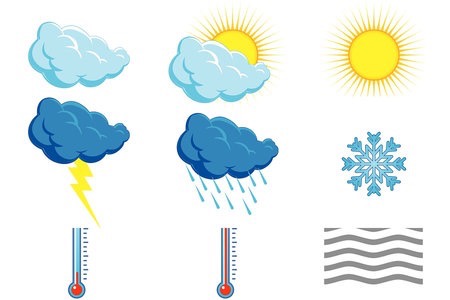
Il tempo era bello? Il tempo era bello?
 Was the weather nice? Was the weather nice?
 War das Wetter gut? War das Wetter gut?
 ¿Hizo buen tiempo? ¿Hizo buen tiempo?
 Est-ce qu'il faisait beau ? Est-ce qu'il faisait beau ?
 อากาศดีมั้ย อากาศดีมั้ย
 Thời tiết có đẹp không? Thời tiết có đẹp không?
 天气 好 吗 ? 天气 好 吗 ?
天氣 好 嗎 ?
Sì, il tempo era fantastico.
Yes, the weather was great.
Ja, das Wetter war super.
Sí, el tiempo fue estupendo.
Oui, il faisait super beau.
อากาศดีมาก
Có, thời tiết rất tuyệt vời.
好 啊 , 天气 很 棒 。
好 啊 , 天氣 很 棒 。
Il tempo era bello settimana scorsa? — Sì, era bellissimo.
Was the weather nice last week? — Yes, it was beautiful.
War das Wetter gut letzte Woche? — Ja, super.
¿Hizo buen tiempo la semana pasada? — Sí, muy buen tiempo.
Faisait-il beau la semaine dernière ? — Oui, c'était magnifique.
อาทิตย์ที่แล้วอากาศดีมั้ย--อืมอากาศดีมาก
Thời tiết tuần trước có đẹp không? — Có, trời đẹp.
上个 礼拜天 气 好 吗 ?— 很 好 啊 。
上個 禮拜天 氣 好 嗎 ?— 很 好 啊 。
Il tempo non era molto bello ieri.
The weather wasn't very good yesterday.
Gestern war das Wetter nicht besonders gut.
No hacía muy buen tiempo ayer.
Le temps n'était pas très beau hier.
เมื่อวานอากาศไม่ค่อยดี
Thời tiết hôm qua không tốt lắm.
昨天 天气 没有 很 好 。
昨天 天氣 沒有 很 好 。
Com'era il tempo ieri?
What was the weather like yesterday?
Wie war das Wetter gestern?
¿Qué tal tiempo hizo ayer?
Quel temps faisait-il hier ?
เมื่อวานอากาศเป็นยังไงบ้าง
Thời tiết hôm qua như thế nào?
昨天 天气 怎么样 ?
昨天 天氣 怎麼樣 ?
L'uomo, a fianco del quale ero seduto in aereo, ha parlato tutto il tempo.
The man that I was sitting next to on the plane talked the whole time.
Der Mann, neben dem ich im Flugzeug gesessen hatte, hat die ganze Zeit geredet.
El hombre que estaba sentado (♀sentada) a mi lado en el avión habló todo el rato.
L'homme à côté duquel j'étais assis dans l'avion a parlé tout le temps.
ผู้ชายคนที่นั่งข้างเราบนเครื่องบินคุยตลอดเวลาเลย
Người đàn ông mà tôi ngồi cạnh trên máy bay nói chuyện suốt.
在 飞机 上 , 我 隔壁 的 先生 不断 地 在 讲话 。
在 飛機 上 , 我 隔壁 的 先生 不斷 地 在 講話 。
L'uomo, a fianco del quale ero seduto in aereo, ha parlato tutto il tempo.
The man I was sitting next to on the plane talked the whole time.
Der Mann, neben dem ich im Flugzeug gesessen hatte, hat die ganze Zeit geredet.
El hombre que estaba sentado (♀sentada) a mi lado en el avión habló todo el rato.
L'homme à côté duquel j'étais assis dans l'avion a parlé tout le temps.
ผู้ชายที่นั่งถัดจากเราบนเครื่องบินพูดตลอดเลย
Người đàn ông tôi ngồi cạnh trên máy bay nói chuyện suốt.
在 飞机 上 , 我 隔壁 的 先生 不断 地 在 讲话 。
在 飛機 上 , 我 隔壁 的 先生 不斷 地 在 講話 。
Oggi il tempo è bello, ma ieri faceva davvero freddo.
Today the weather's nice, but yesterday it was very cold.
Heute ist das Wetter gut. Gestern war's sehr kalt.
Hoy hace bueno, pero ayer hacía mucho frío.
Le temps est beau aujourd'hui, mais il faisait très froid hier.
วันนี้อากาศดี แต่เมื่อวานหนาวมาก
Hôm nay trời đẹp nhưng hôm qua trời lạnh.
今天 天气 不错 , 但 昨天 很 冷 。
今天 天氣 不錯 , 但 昨天 很 冷 。
Non ne ho il tempo, ma leggevo molto in passato.
I don't have the time, but I used to read a lot.
Ich habe keine Zeit dazu, aber ich habe früher viel gelesen.
No tengo tiempo, pero solía leer mucho.
Je n'ai pas le temps, mais j'avais l'habitude de lire beaucoup.
เมื่อก่อนอ่านบ่อยแต่ตอนนี้ไม่ค่อยมีเวลา
Tôi không có thời gian, trước tôi từng đọc rất nhiều.
我 没 时间 , 但 我 以前 读 很 多 。
我 沒 時間 , 但 我 以前 讀 很 多 。
No, il tempo era pessimo, per cui non abbiamo giocato.
No, the weather was very bad, so we didn't play.
Nein, das Wetter war sehr schlecht, deswegen haben wir nicht gespielt.
No, hacía muy mal tiempo, así que no jugamos.
Non, il faisait très mauvais, alors nous n'avons pas joué.
เปล่า อากาศแย่มาก ก็เลยไม่ได้เล่น
Không, thời tiết rất xấu nên chúng tôi đã không chơi.
没有 , 天气 很 不 好 , 所以 我们 没有 打 。
沒有 , 天氣 很 不 好 , 所以 我們 沒有 打 。
Hai chiamato Ingrid stamattina? — No, non ne ho avuto il tempo.
Did you call Ingrid this morning? — No, I didn't have time.
Hast du Ingrid heute Morgen angerufen? — Nein, ich hatte keine Zeit.
¿Llamaste a Ingrid esta mañana? — No, no he tenido tiempo.
As-tu appelé Ingrid ce matin ? — Non, je n'ai pas eu le temps.
ได้โทรหาอิงกริดเช้านี้มั้ย--ไม่ได้โทรเลย ไม่มีเวลา
Sáng nay em có gọi Ingrid không? — Không, tôi không có thời gian.
你 早上 有 打 给 英格丽 吗 ?— 没有 , 我 没 时间 。
你 早上 有 打 給 英格麗 嗎 ?— 沒有 , 我 沒 時間 。
Il tempo era bello quando eri in vacanza?
Was the weather nice when you were on holiday?
Hattest du gutes Wetter im Urlaub?
¿Hizo buen tiempo cuando estabas de vacaciones?
Faisait-il beau lorsque tu étais en vacances ?
ตอนไปเที่ยวอากาศดีมั้ย
Thời tiết lúc em đi nghỉ có đẹp không?
你 去 渡假 的 时候 天气 好 吗 ?
你 去 渡假 的 時候 天氣 好 嗎 ?
Perchè non esci invece di stare seduto a casa tutto il tempo?
Why don't you go out instead of sitting at home all the time?
Warum gehst du nicht mal raus, anstatt die ganze Zeit zu Hause zu hocken?
¿Por qué no sales en vez de sentarte en casa todo el rato?
Pourquoi ne sors-tu pas au lieu de toujours rester à la maison ?
ทำไมไม่ออกไปข้างนอกบ้างแทนที่จะมานั่งอยู่แต่ในบ้านตลอด
Sao em không ra ngòai mà cứ ngồi trong nhà cả ngày thế?
你 为什么 要 整 天 坐 在 家 , 而 不 去 外面 走走 ?
你 為什麼 要 整 天 坐 在 家 , 而 不 去 外面 走走 ?
| VNHSK | Level | Chinese | Vietnamese |
|---|
| Oxford Picture Dict | Eng | Theme | Code |
|---|
| Expert | Theme | Deu | Eng | Subtheme | Level |
|---|
|
| | | | | | | | | | | | |