ZH TH VI EN DE ES IT FR
TH-IT VI-IT EN-IT DE-IT ES-IT FR-IT

哪里 欢迎 为什么 怎么样 我们 远的 重要 知道 奇妙的 暖的 有风的 白色的 真的 等待 希望 疼痛 更少 扔掉 微小的 选择 在 期间 圣诞节 每周的 愤怒的 软的 投掷 远视 野蛮的 醒着 值钱的 再次认出 哪个 带走 少的 也许 复习 有效的 与 ...发生矛盾 白羊座 天平座 水瓶座 抵抗 女性的 庄严的 根本上的 无价值的 变软 使 ... 成弧形 编织 占卜 防水的 独断的 讨厌的 反抗 白俄罗斯

quanto? dove? Benvenuto! come? perché? per quanto tempo? da dove? meraviglioso, splendido abitare sapere noi Che peccato! lontano ventoso caldo minuscolo, piccolissimo veramente di meno se buttare via volere Quanto costa? perché, a causa di nuovamente lavare mentre altrove fare male di valore aspettare bianco condire piangere vero importante natale desiderare settimanalmente lontano scommettere arrabbiato pesare morbido lanciare presbite selvaggio sveglio di valore fare effetto esprimere avvertire riconoscere quale percepire portare via poco probabilmente scegliere / votare ripetere efficace lavare contraddire ariete bilancia acquario opporre resistenza femminile dignitoso essenziale fondamentalmente senza valore valere efficace ammorbidirsi curvare a volta tessere attingere acqua predire impermeabile volontario disgustoso resistere Bielorussia


LessonItalPicture
L001 015 P0015
quanto?
L001 019 P0019
dove?
L001 021 P0021
Benvenuto!
L001 032 P0032
come?
L001 033 P0033
perché?
L001 034 P0034
per quanto tempo?
L001 035 P0035
da dove?
L002 068 P0104
meraviglioso, splendido
L003 037 P0152
abitare
L003 038 P0153
sapere
L003 052 P0167
noi
L004 061 P0234
Che peccato!
L006 021 P0315
lontano
L010 011 P0461
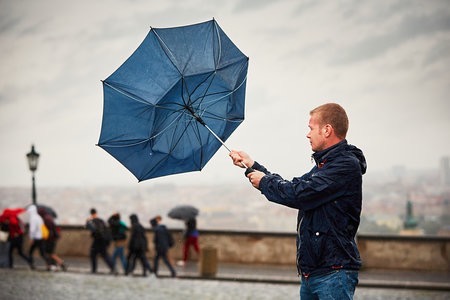
ventoso
L010 017 P0467
caldo
L010 026 P0476
minuscolo, piccolissimo
L010 028 P0478
veramente
L012 002 P0531
di meno
L013 044 P0604
se
L014 022 P0626
buttare via
L014 027 P0631
volere
L015 051 P0684
Quanto costa?
L015 063 P0696
perché, a causa di
L015 064 P0697
nuovamente
L017 025 P0740
lavare
L018 041 P0791
mentre
L018 042 P0792
altrove
L020 024 P0847
fare male
L023 021 P0936
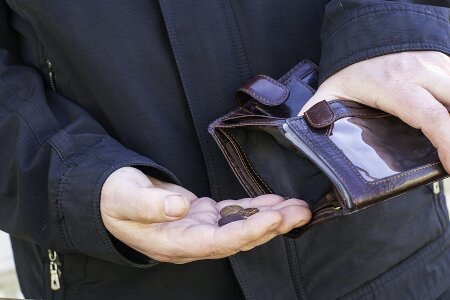
di valore
L024 034 P0976
aspettare
L028 030 P1063
bianco
L030 002 P1086
condire
L032 021 P1152
piangere
L035 020 P1264
vero
L039 011 P1330
importante
L040 028 P1366
natale
L041 009 P1383
desiderare
L044 043 P1538
settimanalmente
L046 045 P1630
lontano
L047 037 P1677
scommettere
L047 040 P1680
arrabbiato
L048 044 P1734
pesare
L048 059 P1749
morbido
L049 026 P1786
lanciare
L052 046 P1925
presbite
L053 036 P1967
selvaggio
L054 024 P1996
sveglio
L064 043 P2388
di valore
L070 002 P2611
fare effetto
L071 048 P2700
esprimere
L072 032 P2746
avvertire
L073 021 P2787
riconoscere
L074 048 P2857
quale
L075 023 P2885
percepire
L075 030 P2892
portare via
L075 036 P2898
poco
L075 050 P2912
probabilmente
L076 036 P2955
scegliere / votare
L078 029 P3035
ripetere
L078 038 P3044
efficace
L079 031 P3077
lavare
L079 033 P3079
contraddire
L080 002 P3088
ariete
L080 008 P3094
bilancia
L080 012 P3098
acquario
L081 061 P3217
opporre resistenza
L082 026 P3243
femminile
L083 049 P3293
dignitoso
L084 025 P3323
essenziale
L084 025 P3323
fondamentalmente
L093 009 P3787
senza valore
L093 051 P3829
valere
L094 044 P3875
efficace
L098 048 P4069
ammorbidirsi
L101 019 P4199
curvare a volta
L101 022 P4202
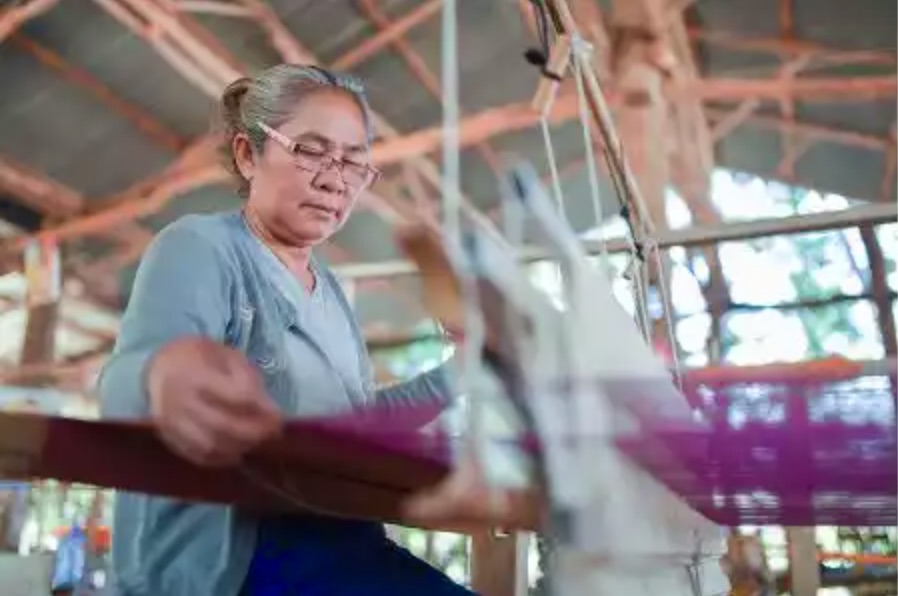
tessere
L102 020 P4254
attingere acqua
L111 008 P4718
predire
L112 024 P4779
impermeabile
L120 029 P5161
volontario
L121 028 P5202
disgustoso
L124 041 P5368
resistere
L125 044 P5425
Bielorussia


CEFR


VieDeuNorthern Pronunciation

Goethebuch ItalianMJS
 1 People 01A 0003
ZH TH VI EN DE ES PT IT FR NL
HR SR RU UK CS PL BS EL HI UR
FA AR HE JA KO DA NO NN ID
noi due
 1 People 01F 0016
ZH TH VI EN DE ES PT IT FR NL
HR SR RU UK CS PL BS EL HI UR
FA AR HE JA KO DA NO NN ID
Noi siamo qui.
 2 Family Members 02D 0029
ZH TH VI EN DE ES PT IT FR NL
HR SR RU UK CS PL BS EL HI UR
FA AR HE JA KO DA NO NN ID
la sorella
 2 Family Members 02F 0034
ZH TH VI EN DE ES PT IT FR NL
HR SR RU UK CS PL BS EL HI UR
FA AR HE JA KO DA NO NN ID
Noi siamo una famiglia.
 3 Getting to know others 03A 0039
ZH TH VI EN DE ES PT IT FR NL
HR SR RU UK CS PL BS EL HI UR
FA AR HE JA KO DA NO NN ID
Come va?
 3 Getting to know others 03C 0043
ZH TH VI EN DE ES PT IT FR NL
HR SR RU UK CS PL BS EL HI UR
FA AR HE JA KO DA NO NN ID
In quale hotel alloggia?
 3 Getting to know others 03C 0044
ZH TH VI EN DE ES PT IT FR NL
HR SR RU UK CS PL BS EL HI UR
FA AR HE JA KO DA NO NN ID
Da quanto tempo è qui?
 3 Getting to know others 03C 0045
ZH TH VI EN DE ES PT IT FR NL
HR SR RU UK CS PL BS EL HI UR
FA AR HE JA KO DA NO NN ID
Per quanto tempo rimane?
 3 Getting to know others 03E 0050
ZH TH VI EN DE ES PT IT FR NL
HR SR RU UK CS PL BS EL HI UR
FA AR HE JA KO DA NO NN ID
Ci vediamo domani?
 3 Getting to know others 03E 0051
ZH TH VI EN DE ES PT IT FR NL
HR SR RU UK CS PL BS EL HI UR
FA AR HE JA KO DA NO NN ID
Mi dispiace, ho già un altro impegno.
 3 Getting to know others 03F 0053
ZH TH VI EN DE ES PT IT FR NL
HR SR RU UK CS PL BS EL HI UR
FA AR HE JA KO DA NO NN ID
Arrivederci!
 4 At school 04A 0055
ZH TH VI EN DE ES PT IT FR NL
HR SR RU UK CS PL BS EL HI UR
FA AR HE JA KO DA NO NN ID
Dove siamo?
 4 At school 04A 0056
ZH TH VI EN DE ES PT IT FR NL
HR SR RU UK CS PL BS EL HI UR
FA AR HE JA KO DA NO NN ID
Siamo a scuola.
 4 At school 04A 0057
ZH TH VI EN DE ES PT IT FR NL
HR SR RU UK CS PL BS EL HI UR
FA AR HE JA KO DA NO NN ID
Abbiamo lezione.
 4 At school 04C 0061
ZH TH VI EN DE ES PT IT FR NL
HR SR RU UK CS PL BS EL HI UR
FA AR HE JA KO DA NO NN ID
Che cosa facciamo?
 4 At school 04C 0062
ZH TH VI EN DE ES PT IT FR NL
HR SR RU UK CS PL BS EL HI UR
FA AR HE JA KO DA NO NN ID
Studiamo.
 4 At school 04C 0063
ZH TH VI EN DE ES PT IT FR NL
HR SR RU UK CS PL BS EL HI UR
FA AR HE JA KO DA NO NN ID
Impariamo una lingua.
 4 At school 04E 0067
ZH TH VI EN DE ES PT IT FR NL
HR SR RU UK CS PL BS EL HI UR
FA AR HE JA KO DA NO NN ID
Noi studiamo il francese.
 4 At school 04F 0071
ZH TH VI EN DE ES PT IT FR NL
HR SR RU UK CS PL BS EL HI UR
FA AR HE JA KO DA NO NN ID
Vogliamo capire la gente.
 4 At school 04F 0072
ZH TH VI EN DE ES PT IT FR NL
HR SR RU UK CS PL BS EL HI UR
FA AR HE JA KO DA NO NN ID
Vogliamo parlare con la gente.
 6 Reading and writing 06A 0093
ZH TH VI EN DE ES PT IT FR NL
HR SR RU UK CS PL BS EL HI UR
FA AR HE JA KO DA NO NN ID
Io leggo una parola.
 6 Reading and writing 06D 0102
ZH TH VI EN DE ES PT IT FR NL
HR SR RU UK CS PL BS EL HI UR
FA AR HE JA KO DA NO NN ID
Io scrivo una parola.
 7 Numbers 07A 0110
ZH TH VI EN DE ES PT IT FR NL
HR SR RU UK CS PL BS EL HI UR
FA AR HE JA KO DA NO NN ID
uno, due, tre
 7 Numbers 07B 0112
ZH TH VI EN DE ES PT IT FR NL
HR SR RU UK CS PL BS EL HI UR
FA AR HE JA KO DA NO NN ID
Continuo a contare:
 7 Numbers 07D 0119
ZH TH VI EN DE ES PT IT FR NL
HR SR RU UK CS PL BS EL HI UR
FA AR HE JA KO DA NO NN ID
Due. Il secondo.
 8 The time 08A 0128
ZH TH VI EN DE ES PT IT FR NL
HR SR RU UK CS PL BS EL HI UR
FA AR HE JA KO DA NO NN ID
Che ora è (Che ore sono), per favore?
 8 The time 08B 0131
ZH TH VI EN DE ES PT IT FR NL
HR SR RU UK CS PL BS EL HI UR
FA AR HE JA KO DA NO NN ID
Sono le due.
 8 The time 08E 0141
ZH TH VI EN DE ES PT IT FR NL
HR SR RU UK CS PL BS EL HI UR
FA AR HE JA KO DA NO NN ID
Sono le dodici (è mezzogiorno, è mezzanotte).
 8 The time 08F 0144
ZH TH VI EN DE ES PT IT FR NL
HR SR RU UK CS PL BS EL HI UR
FA AR HE JA KO DA NO NN ID
Un giorno ha ventiquattro ore.
 9 Days of the week 09A 0147
ZH TH VI EN DE ES PT IT FR NL
HR SR RU UK CS PL BS EL HI UR
FA AR HE JA KO DA NO NN ID
il mercoledì
 9 Days of the week 09C 0152
ZH TH VI EN DE ES PT IT FR NL
HR SR RU UK CS PL BS EL HI UR
FA AR HE JA KO DA NO NN ID
la settimana
 9 Days of the week 09D 0155
ZH TH VI EN DE ES PT IT FR NL
HR SR RU UK CS PL BS EL HI UR
FA AR HE JA KO DA NO NN ID
Il secondo giorno è il martedì.
 9 Days of the week 09D 0156
ZH TH VI EN DE ES PT IT FR NL
HR SR RU UK CS PL BS EL HI UR
FA AR HE JA KO DA NO NN ID
Il terzo giorno è il mercoledì.
 9 Days of the week 09F 0161
ZH TH VI EN DE ES PT IT FR NL
HR SR RU UK CS PL BS EL HI UR
FA AR HE JA KO DA NO NN ID
La settimana ha sette giorni.
 9 Days of the week 09F 0162
ZH TH VI EN DE ES PT IT FR NL
HR SR RU UK CS PL BS EL HI UR
FA AR HE JA KO DA NO NN ID
Noi lavoriamo solo cinque giorni.
10 Yesterday – today – tomorrow 10A 0163
ZH TH VI EN DE ES PT IT FR NL
HR SR RU UK CS PL BS EL HI UR
FA AR HE JA KO DA NO NN ID
Ieri era sabato.
10 Yesterday – today – tomorrow 10A 0164
ZH TH VI EN DE ES PT IT FR NL
HR SR RU UK CS PL BS EL HI UR
FA AR HE JA KO DA NO NN ID
Ieri sono stato al cinema.
10 Yesterday – today – tomorrow 10A 0165
ZH TH VI EN DE ES PT IT FR NL
HR SR RU UK CS PL BS EL HI UR
FA AR HE JA KO DA NO NN ID
Il film era interessante.
10 Yesterday – today – tomorrow 10C 0170
ZH TH VI EN DE ES PT IT FR NL
HR SR RU UK CS PL BS EL HI UR
FA AR HE JA KO DA NO NN ID
Domani lavoro di nuovo.
10 Yesterday – today – tomorrow 10D 0172
ZH TH VI EN DE ES PT IT FR NL
HR SR RU UK CS PL BS EL HI UR
FA AR HE JA KO DA NO NN ID
Chi è?
10 Yesterday – today – tomorrow 10E 0175
ZH TH VI EN DE ES PT IT FR NL
HR SR RU UK CS PL BS EL HI UR
FA AR HE JA KO DA NO NN ID
Questa chi è?
12 Beverages 12A 0201
ZH TH VI EN DE ES PT IT FR NL
HR SR RU UK CS PL BS EL HI UR
FA AR HE JA KO DA NO NN ID
Io bevo acqua minerale.
12 Beverages 12B 0204
ZH TH VI EN DE ES PT IT FR NL
HR SR RU UK CS PL BS EL HI UR
FA AR HE JA KO DA NO NN ID
Bevi acqua con ghiaccio?
12 Beverages 12C 0207
ZH TH VI EN DE ES PT IT FR NL
HR SR RU UK CS PL BS EL HI UR
FA AR HE JA KO DA NO NN ID
La gente beve vino e birra.
12 Beverages 12D 0209
ZH TH VI EN DE ES PT IT FR NL
HR SR RU UK CS PL BS EL HI UR
FA AR HE JA KO DA NO NN ID
Bevi Whisky?
12 Beverages 12E 0212
ZH TH VI EN DE ES PT IT FR NL
HR SR RU UK CS PL BS EL HI UR
FA AR HE JA KO DA NO NN ID
Non mi piace il vino.
13 Activities 13A 0217
ZH TH VI EN DE ES PT IT FR NL
HR SR RU UK CS PL BS EL HI UR
FA AR HE JA KO DA NO NN ID
Che cosa fa Martha?
13 Activities 13B 0220
ZH TH VI EN DE ES PT IT FR NL
HR SR RU UK CS PL BS EL HI UR
FA AR HE JA KO DA NO NN ID
Dov’è Martha?
13 Activities 13C 0223
ZH TH VI EN DE ES PT IT FR NL
HR SR RU UK CS PL BS EL HI UR
FA AR HE JA KO DA NO NN ID
Che cosa fa Peter?
13 Activities 13D 0226
ZH TH VI EN DE ES PT IT FR NL
HR SR RU UK CS PL BS EL HI UR
FA AR HE JA KO DA NO NN ID
Dov’è Peter?
13 Activities 13E 0229
ZH TH VI EN DE ES PT IT FR NL
HR SR RU UK CS PL BS EL HI UR
FA AR HE JA KO DA NO NN ID
Dove a loro piace andare?
13 Activities 13F 0232
ZH TH VI EN DE ES PT IT FR NL
HR SR RU UK CS PL BS EL HI UR
FA AR HE JA KO DA NO NN ID
Dove non vanno volentieri?
14 Colors 14A 0235
ZH TH VI EN DE ES PT IT FR NL
HR SR RU UK CS PL BS EL HI UR
FA AR HE JA KO DA NO NN ID
La neve è bianca.
14 Colors 14C 0242
ZH TH VI EN DE ES PT IT FR NL
HR SR RU UK CS PL BS EL HI UR
FA AR HE JA KO DA NO NN ID
La nuvola è grigia.
14 Colors 14C 0243
ZH TH VI EN DE ES PT IT FR NL
HR SR RU UK CS PL BS EL HI UR
FA AR HE JA KO DA NO NN ID
Le ruote sono nere.
14 Colors 14D 0244
ZH TH VI EN DE ES PT IT FR NL
HR SR RU UK CS PL BS EL HI UR
FA AR HE JA KO DA NO NN ID
Di che colore è la neve? Bianca.
14 Colors 14D 0245
ZH TH VI EN DE ES PT IT FR NL
HR SR RU UK CS PL BS EL HI UR
FA AR HE JA KO DA NO NN ID
Di che colore è il sole? Giallo.
14 Colors 14D 0246
ZH TH VI EN DE ES PT IT FR NL
HR SR RU UK CS PL BS EL HI UR
FA AR HE JA KO DA NO NN ID
Di che colore è l’arancia? Arancione.
14 Colors 14E 0247
ZH TH VI EN DE ES PT IT FR NL
HR SR RU UK CS PL BS EL HI UR
FA AR HE JA KO DA NO NN ID
Di che colore è la ciliegia? Rossa.
14 Colors 14E 0248
ZH TH VI EN DE ES PT IT FR NL
HR SR RU UK CS PL BS EL HI UR
FA AR HE JA KO DA NO NN ID
Di che colore è il cielo? Azzurro.
14 Colors 14E 0249
ZH TH VI EN DE ES PT IT FR NL
HR SR RU UK CS PL BS EL HI UR
FA AR HE JA KO DA NO NN ID
Di che colore è l’erba? Verde.
14 Colors 14F 0250
ZH TH VI EN DE ES PT IT FR NL
HR SR RU UK CS PL BS EL HI UR
FA AR HE JA KO DA NO NN ID
Di che colore è la terra? Marrone.
14 Colors 14F 0251
ZH TH VI EN DE ES PT IT FR NL
HR SR RU UK CS PL BS EL HI UR
FA AR HE JA KO DA NO NN ID
Di che colore è la nuvola? Grigia.
14 Colors 14F 0252
ZH TH VI EN DE ES PT IT FR NL
HR SR RU UK CS PL BS EL HI UR
FA AR HE JA KO DA NO NN ID
Di che colore sono le ruote? Nere.
15 Fruits and food 15A 0254
ZH TH VI EN DE ES PT IT FR NL
HR SR RU UK CS PL BS EL HI UR
FA AR HE JA KO DA NO NN ID
Io ho un kiwi e un melone.
15 Fruits and food 15D 0262
ZH TH VI EN DE ES PT IT FR NL
HR SR RU UK CS PL BS EL HI UR
FA AR HE JA KO DA NO NN ID
Io mangio un tramezzino.
15 Fruits and food 15D 0263
ZH TH VI EN DE ES PT IT FR NL
HR SR RU UK CS PL BS EL HI UR
FA AR HE JA KO DA NO NN ID
Io mangio un tramezzino con la margarina.
15 Fruits and food 15D 0264
ZH TH VI EN DE ES PT IT FR NL
HR SR RU UK CS PL BS EL HI UR
FA AR HE JA KO DA NO NN ID
Io mangio un tramezzino con margarina e pomodoro.
15 Fruits and food 15E 0265
ZH TH VI EN DE ES PT IT FR NL
HR SR RU UK CS PL BS EL HI UR
FA AR HE JA KO DA NO NN ID
Abbiamo bisogno di pane e riso.
15 Fruits and food 15E 0266
ZH TH VI EN DE ES PT IT FR NL
HR SR RU UK CS PL BS EL HI UR
FA AR HE JA KO DA NO NN ID
Abbiamo bisogno di pesce e bistecche.
15 Fruits and food 15E 0267
ZH TH VI EN DE ES PT IT FR NL
HR SR RU UK CS PL BS EL HI UR
FA AR HE JA KO DA NO NN ID
Abbiamo bisogno di pizza e spaghetti.
15 Fruits and food 15F 0268
ZH TH VI EN DE ES PT IT FR NL
HR SR RU UK CS PL BS EL HI UR
FA AR HE JA KO DA NO NN ID
Di che cosa abbiamo ancora bisogno?
15 Fruits and food 15F 0269
ZH TH VI EN DE ES PT IT FR NL
HR SR RU UK CS PL BS EL HI UR
FA AR HE JA KO DA NO NN ID
Abbiamo bisogno di carote e pomodori per la minestra.
15 Fruits and food 15F 0270
ZH TH VI EN DE ES PT IT FR NL
HR SR RU UK CS PL BS EL HI UR
FA AR HE JA KO DA NO NN ID
Dov’è un supermercato?
16 Seasons and Weather 16A 0273
ZH TH VI EN DE ES PT IT FR NL
HR SR RU UK CS PL BS EL HI UR
FA AR HE JA KO DA NO NN ID
l’autunno e l’inverno.
16 Seasons and Weather 16B 0276
ZH TH VI EN DE ES PT IT FR NL
HR SR RU UK CS PL BS EL HI UR
FA AR HE JA KO DA NO NN ID
D’estate ci piace andare / andiamo volentieri a passeggio.
16 Seasons and Weather 16C 0277
ZH TH VI EN DE ES PT IT FR NL
HR SR RU UK CS PL BS EL HI UR
FA AR HE JA KO DA NO NN ID
D’inverno fa freddo. / L’inverno è freddo.
16 Seasons and Weather 16C 0278
ZH TH VI EN DE ES PT IT FR NL
HR SR RU UK CS PL BS EL HI UR
FA AR HE JA KO DA NO NN ID
D’inverno nevica o piove.
16 Seasons and Weather 16C 0279
ZH TH VI EN DE ES PT IT FR NL
HR SR RU UK CS PL BS EL HI UR
FA AR HE JA KO DA NO NN ID
D’inverno preferiamo restare in casa / rimaniamo volentieri a casa.
16 Seasons and Weather 16D 0282
ZH TH VI EN DE ES PT IT FR NL
HR SR RU UK CS PL BS EL HI UR
FA AR HE JA KO DA NO NN ID
Tira vento. / E’ ventoso.
16 Seasons and Weather 16E 0283
ZH TH VI EN DE ES PT IT FR NL
HR SR RU UK CS PL BS EL HI UR
FA AR HE JA KO DA NO NN ID
Fa caldo.
16 Seasons and Weather 16F 0286
ZH TH VI EN DE ES PT IT FR NL
HR SR RU UK CS PL BS EL HI UR
FA AR HE JA KO DA NO NN ID
Che tempo fa oggi?
16 Seasons and Weather 16F 0288
ZH TH VI EN DE ES PT IT FR NL
HR SR RU UK CS PL BS EL HI UR
FA AR HE JA KO DA NO NN ID
Oggi fa caldo.
17 Around the house 17C 0295
ZH TH VI EN DE ES PT IT FR NL
HR SR RU UK CS PL BS EL HI UR
FA AR HE JA KO DA NO NN ID
Ecco il mio appartamento.
17 Around the house 17C 0297
ZH TH VI EN DE ES PT IT FR NL
HR SR RU UK CS PL BS EL HI UR
FA AR HE JA KO DA NO NN ID
Lì ci sono il salotto e la camera da letto.
17 Around the house 17E 0301
ZH TH VI EN DE ES PT IT FR NL
HR SR RU UK CS PL BS EL HI UR
FA AR HE JA KO DA NO NN ID
Noi andiamo in salotto.
18 House cleaning 18A 0308
ZH TH VI EN DE ES PT IT FR NL
HR SR RU UK CS PL BS EL HI UR
FA AR HE JA KO DA NO NN ID
Oggi abbiamo tempo.
18 House cleaning 18A 0309
ZH TH VI EN DE ES PT IT FR NL
HR SR RU UK CS PL BS EL HI UR
FA AR HE JA KO DA NO NN ID
Oggi puliamo l’appartamento.
18 House cleaning 18B 0311
ZH TH VI EN DE ES PT IT FR NL
HR SR RU UK CS PL BS EL HI UR
FA AR HE JA KO DA NO NN ID
Mio marito pulisce la macchina / l’auto.
18 House cleaning 18D 0316
ZH TH VI EN DE ES PT IT FR NL
HR SR RU UK CS PL BS EL HI UR
FA AR HE JA KO DA NO NN ID
Metto la biancheria nella lavatrice.
18 House cleaning 18D 0317
ZH TH VI EN DE ES PT IT FR NL
HR SR RU UK CS PL BS EL HI UR
FA AR HE JA KO DA NO NN ID
Stendo il bucato.
18 House cleaning 18D 0318
ZH TH VI EN DE ES PT IT FR NL
HR SR RU UK CS PL BS EL HI UR
FA AR HE JA KO DA NO NN ID
Stiro la biancheria.
18 House cleaning 18F 0322
ZH TH VI EN DE ES PT IT FR NL
HR SR RU UK CS PL BS EL HI UR
FA AR HE JA KO DA NO NN ID
Chi pulisce le finestre?
18 House cleaning 18F 0323
ZH TH VI EN DE ES PT IT FR NL
HR SR RU UK CS PL BS EL HI UR
FA AR HE JA KO DA NO NN ID
Chi spolvera? / Chi passa l’aspirapolvere?
18 House cleaning 18F 0324
ZH TH VI EN DE ES PT IT FR NL
HR SR RU UK CS PL BS EL HI UR
FA AR HE JA KO DA NO NN ID
Chi lava i piatti?
19 In the kitchen 19A 0326
ZH TH VI EN DE ES PT IT FR NL
HR SR RU UK CS PL BS EL HI UR
FA AR HE JA KO DA NO NN ID
Cosa vuoi cucinare oggi?
19 In the kitchen 19B 0328
ZH TH VI EN DE ES PT IT FR NL
HR SR RU UK CS PL BS EL HI UR
FA AR HE JA KO DA NO NN ID
Taglio le cipolle?
19 In the kitchen 19B 0330
ZH TH VI EN DE ES PT IT FR NL
HR SR RU UK CS PL BS EL HI UR
FA AR HE JA KO DA NO NN ID
Lavo l’insalata?
19 In the kitchen 19C 0331
ZH TH VI EN DE ES PT IT FR NL
HR SR RU UK CS PL BS EL HI UR
FA AR HE JA KO DA NO NN ID
Dove sono i bicchieri?
19 In the kitchen 19C 0332
ZH TH VI EN DE ES PT IT FR NL
HR SR RU UK CS PL BS EL HI UR
FA AR HE JA KO DA NO NN ID
Dove sono le stoviglie?
19 In the kitchen 19C 0333
ZH TH VI EN DE ES PT IT FR NL
HR SR RU UK CS PL BS EL HI UR
FA AR HE JA KO DA NO NN ID
Dove sono le posate?
20 Small Talk 1 20A 0344
ZH TH VI EN DE ES PT IT FR NL
HR SR RU UK CS PL BS EL HI UR
FA AR HE JA KO DA NO NN ID
Faccia come a casa Sua!
20 Small Talk 1 20A 0345
ZH TH VI EN DE ES PT IT FR NL
HR SR RU UK CS PL BS EL HI UR
FA AR HE JA KO DA NO NN ID
Che cosa desidera da bere?
20 Small Talk 1 20E 0357
ZH TH VI EN DE ES PT IT FR NL
HR SR RU UK CS PL BS EL HI UR
FA AR HE JA KO DA NO NN ID
Che cosa Le piace leggere?
21 Small Talk 2 21A 0361
ZH TH VI EN DE ES PT IT FR NL
HR SR RU UK CS PL BS EL HI UR
FA AR HE JA KO DA NO NN ID
Da dove viene Lei? / Di dov’è?
21 Small Talk 2 21A 0363
ZH TH VI EN DE ES PT IT FR NL
HR SR RU UK CS PL BS EL HI UR
FA AR HE JA KO DA NO NN ID
Basilea si trova in Svizzera.
21 Small Talk 2 21C 0368
ZH TH VI EN DE ES PT IT FR NL
HR SR RU UK CS PL BS EL HI UR
FA AR HE JA KO DA NO NN ID
No, ci sono stato già l’anno scorso.
21 Small Talk 2 21C 0369
ZH TH VI EN DE ES PT IT FR NL
HR SR RU UK CS PL BS EL HI UR
FA AR HE JA KO DA NO NN ID
Ma solo per una settimana.
21 Small Talk 2 21D 0370
ZH TH VI EN DE ES PT IT FR NL
HR SR RU UK CS PL BS EL HI UR
FA AR HE JA KO DA NO NN ID
Come si trova da noi?
21 Small Talk 2 21E 0373
ZH TH VI EN DE ES PT IT FR NL
HR SR RU UK CS PL BS EL HI UR
FA AR HE JA KO DA NO NN ID
Qual è la Sua professione?
22 Small Talk 3 22B 0382
ZH TH VI EN DE ES PT IT FR NL
HR SR RU UK CS PL BS EL HI UR
FA AR HE JA KO DA NO NN ID
La disturbo se fumo?
22 Small Talk 3 22C 0385
ZH TH VI EN DE ES PT IT FR NL
HR SR RU UK CS PL BS EL HI UR
FA AR HE JA KO DA NO NN ID
Beve qualcosa?
22 Small Talk 3 22D 0390
ZH TH VI EN DE ES PT IT FR NL
HR SR RU UK CS PL BS EL HI UR
FA AR HE JA KO DA NO NN ID
Ma adesso siamo qui in vacanza.
22 Small Talk 3 22E 0391
ZH TH VI EN DE ES PT IT FR NL
HR SR RU UK CS PL BS EL HI UR
FA AR HE JA KO DA NO NN ID
Che afa!
22 Small Talk 3 22E 0392
ZH TH VI EN DE ES PT IT FR NL
HR SR RU UK CS PL BS EL HI UR
FA AR HE JA KO DA NO NN ID
Sì, oggi fa veramente caldo.
22 Small Talk 3 22E 0393
ZH TH VI EN DE ES PT IT FR NL
HR SR RU UK CS PL BS EL HI UR
FA AR HE JA KO DA NO NN ID
Andiamo fuori sul balcone.
22 Small Talk 3 22F 0396
ZH TH VI EN DE ES PT IT FR NL
HR SR RU UK CS PL BS EL HI UR
FA AR HE JA KO DA NO NN ID
Sì, anche noi siamo invitati.
23 Learning foreign languages 23A 0397
ZH TH VI EN DE ES PT IT FR NL
HR SR RU UK CS PL BS EL HI UR
FA AR HE JA KO DA NO NN ID
Dove ha imparato lo spagnolo?
23 Learning foreign languages 23A 0399
ZH TH VI EN DE ES PT IT FR NL
HR SR RU UK CS PL BS EL HI UR
FA AR HE JA KO DA NO NN ID
Sì, e so anche un po’ d’italiano.
23 Learning foreign languages 23C 0403
ZH TH VI EN DE ES PT IT FR NL
HR SR RU UK CS PL BS EL HI UR
FA AR HE JA KO DA NO NN ID
Ma parlare e scrivere è difficile.
23 Learning foreign languages 23D 0408
ZH TH VI EN DE ES PT IT FR NL
HR SR RU UK CS PL BS EL HI UR
FA AR HE JA KO DA NO NN ID
Si può capire da dove viene.
23 Learning foreign languages 23E 0409
ZH TH VI EN DE ES PT IT FR NL
HR SR RU UK CS PL BS EL HI UR
FA AR HE JA KO DA NO NN ID
Qual è la Sua madrelingua?
23 Learning foreign languages 23E 0411
ZH TH VI EN DE ES PT IT FR NL
HR SR RU UK CS PL BS EL HI UR
FA AR HE JA KO DA NO NN ID
Che libro di testo utilizza?
23 Learning foreign languages 23F 0412
ZH TH VI EN DE ES PT IT FR NL
HR SR RU UK CS PL BS EL HI UR
FA AR HE JA KO DA NO NN ID
In questo momento non ricordo come si chiama.
24 Appointment 24A 0416
ZH TH VI EN DE ES PT IT FR NL
HR SR RU UK CS PL BS EL HI UR
FA AR HE JA KO DA NO NN ID
Ti ho aspettato per mezz’ora.
24 Appointment 24C 0422
ZH TH VI EN DE ES PT IT FR NL
HR SR RU UK CS PL BS EL HI UR
FA AR HE JA KO DA NO NN ID
Ci vediamo domani?
24 Appointment 24D 0424
ZH TH VI EN DE ES PT IT FR NL
HR SR RU UK CS PL BS EL HI UR
FA AR HE JA KO DA NO NN ID
Hai già programmi per questo fine settimana?
24 Appointment 24D 0426
ZH TH VI EN DE ES PT IT FR NL
HR SR RU UK CS PL BS EL HI UR
FA AR HE JA KO DA NO NN ID
Io propongo di vederci questo fine settimana.
24 Appointment 24E 0427
ZH TH VI EN DE ES PT IT FR NL
HR SR RU UK CS PL BS EL HI UR
FA AR HE JA KO DA NO NN ID
Facciamo un picnic?
24 Appointment 24E 0428
ZH TH VI EN DE ES PT IT FR NL
HR SR RU UK CS PL BS EL HI UR
FA AR HE JA KO DA NO NN ID
Andiamo in spiaggia?
24 Appointment 24E 0429
ZH TH VI EN DE ES PT IT FR NL
HR SR RU UK CS PL BS EL HI UR
FA AR HE JA KO DA NO NN ID
Andiamo in montagna?
25 In the city 25B 0436
ZH TH VI EN DE ES PT IT FR NL
HR SR RU UK CS PL BS EL HI UR
FA AR HE JA KO DA NO NN ID
Qual è la strada per la stazione?
25 In the city 25B 0437
ZH TH VI EN DE ES PT IT FR NL
HR SR RU UK CS PL BS EL HI UR
FA AR HE JA KO DA NO NN ID
Qual è la strada per l’aeroporto?
25 In the city 25B 0438
ZH TH VI EN DE ES PT IT FR NL
HR SR RU UK CS PL BS EL HI UR
FA AR HE JA KO DA NO NN ID
Qual è la strada per il centro?
25 In the city 25E 0445
ZH TH VI EN DE ES PT IT FR NL
HR SR RU UK CS PL BS EL HI UR
FA AR HE JA KO DA NO NN ID
Cosa c’è da vedere in città?
25 In the city 25F 0450
ZH TH VI EN DE ES PT IT FR NL
HR SR RU UK CS PL BS EL HI UR
FA AR HE JA KO DA NO NN ID
Quali attrazioni turistiche ci sono ancora?
26 In nature 26E 0465
ZH TH VI EN DE ES PT IT FR NL
HR SR RU UK CS PL BS EL HI UR
FA AR HE JA KO DA NO NN ID
Lo trovo meraviglioso.
26 In nature 26F 0467
ZH TH VI EN DE ES PT IT FR NL
HR SR RU UK CS PL BS EL HI UR
FA AR HE JA KO DA NO NN ID
Lo trovo noioso.
27 In the hotel – Arrival 27B 0474
ZH TH VI EN DE ES PT IT FR NL
HR SR RU UK CS PL BS EL HI UR
FA AR HE JA KO DA NO NN ID
Quanto costa la camera a notte?
27 In the hotel – Arrival 27F 0484
ZH TH VI EN DE ES PT IT FR NL
HR SR RU UK CS PL BS EL HI UR
FA AR HE JA KO DA NO NN ID
A che ora c’è la colazione?
27 In the hotel – Arrival 27F 0485
ZH TH VI EN DE ES PT IT FR NL
HR SR RU UK CS PL BS EL HI UR
FA AR HE JA KO DA NO NN ID
A che ora c’è il pranzo?
27 In the hotel – Arrival 27F 0486
ZH TH VI EN DE ES PT IT FR NL
HR SR RU UK CS PL BS EL HI UR
FA AR HE JA KO DA NO NN ID
A che ora c’è la cena?
28 In the hotel – Complaints 28A 0488
ZH TH VI EN DE ES PT IT FR NL
HR SR RU UK CS PL BS EL HI UR
FA AR HE JA KO DA NO NN ID
Non c’è acqua calda.
28 In the hotel – Complaints 28E 0501
ZH TH VI EN DE ES PT IT FR NL
HR SR RU UK CS PL BS EL HI UR
FA AR HE JA KO DA NO NN ID
Avete qualcosa di più economico?
29 At the restaurant 1 29A 0507
ZH TH VI EN DE ES PT IT FR NL
HR SR RU UK CS PL BS EL HI UR
FA AR HE JA KO DA NO NN ID
Che cosa mi può raccomandare?
29 At the restaurant 1 29B 0509
ZH TH VI EN DE ES PT IT FR NL
HR SR RU UK CS PL BS EL HI UR
FA AR HE JA KO DA NO NN ID
Vorrei una minerale.
30 At the restaurant 2 30B 0526
ZH TH VI EN DE ES PT IT FR NL
HR SR RU UK CS PL BS EL HI UR
FA AR HE JA KO DA NO NN ID
Vorrei un bicchiere di vino rosso.
30 At the restaurant 2 30B 0527
ZH TH VI EN DE ES PT IT FR NL
HR SR RU UK CS PL BS EL HI UR
FA AR HE JA KO DA NO NN ID
Vorrei un bicchiere di vino bianco.
30 At the restaurant 2 30C 0531
ZH TH VI EN DE ES PT IT FR NL
HR SR RU UK CS PL BS EL HI UR
FA AR HE JA KO DA NO NN ID
Ti piace la carne di maiale?
30 At the restaurant 2 30D 0532
ZH TH VI EN DE ES PT IT FR NL
HR SR RU UK CS PL BS EL HI UR
FA AR HE JA KO DA NO NN ID
Vorrei qualcosa senza carne.
30 At the restaurant 2 30D 0534
ZH TH VI EN DE ES PT IT FR NL
HR SR RU UK CS PL BS EL HI UR
FA AR HE JA KO DA NO NN ID
Vorrei un piatto veloce.
31 At the restaurant 3 31C 0547
ZH TH VI EN DE ES PT IT FR NL
HR SR RU UK CS PL BS EL HI UR
FA AR HE JA KO DA NO NN ID
Vogliamo fare colazione.
31 At the restaurant 3 31C 0548
ZH TH VI EN DE ES PT IT FR NL
HR SR RU UK CS PL BS EL HI UR
FA AR HE JA KO DA NO NN ID
Vogliamo pranzare.
31 At the restaurant 3 31C 0549
ZH TH VI EN DE ES PT IT FR NL
HR SR RU UK CS PL BS EL HI UR
FA AR HE JA KO DA NO NN ID
Vogliamo cenare.
31 At the restaurant 3 31D 0550
ZH TH VI EN DE ES PT IT FR NL
HR SR RU UK CS PL BS EL HI UR
FA AR HE JA KO DA NO NN ID
Che cosa volete a colazione?
31 At the restaurant 3 31D 0552
ZH TH VI EN DE ES PT IT FR NL
HR SR RU UK CS PL BS EL HI UR
FA AR HE JA KO DA NO NN ID
Toast con salumi e formaggio?
31 At the restaurant 3 31F 0558
ZH TH VI EN DE ES PT IT FR NL
HR SR RU UK CS PL BS EL HI UR
FA AR HE JA KO DA NO NN ID
Ancora un bicchiere d’acqua, per favore.
32 At the restaurant 4 32A 0560
ZH TH VI EN DE ES PT IT FR NL
HR SR RU UK CS PL BS EL HI UR
FA AR HE JA KO DA NO NN ID
E due porzioni con maionese.
32 At the restaurant 4 32A 0561
ZH TH VI EN DE ES PT IT FR NL
HR SR RU UK CS PL BS EL HI UR
FA AR HE JA KO DA NO NN ID
E tre porzioni di salsiccia con senape.
32 At the restaurant 4 32B 0562
ZH TH VI EN DE ES PT IT FR NL
HR SR RU UK CS PL BS EL HI UR
FA AR HE JA KO DA NO NN ID
Che verdure avete?
32 At the restaurant 4 32F 0574
ZH TH VI EN DE ES PT IT FR NL
HR SR RU UK CS PL BS EL HI UR
FA AR HE JA KO DA NO NN ID
Non mi piacciono le cipolle.
33 At the train station 33A 0577
ZH TH VI EN DE ES PT IT FR NL
HR SR RU UK CS PL BS EL HI UR
FA AR HE JA KO DA NO NN ID
Quando parte il prossimo treno per Berlino?
33 At the train station 33A 0578
ZH TH VI EN DE ES PT IT FR NL
HR SR RU UK CS PL BS EL HI UR
FA AR HE JA KO DA NO NN ID
Quando parte il prossimo treno per Parigi?
33 At the train station 33A 0579
ZH TH VI EN DE ES PT IT FR NL
HR SR RU UK CS PL BS EL HI UR
FA AR HE JA KO DA NO NN ID
Quando parte il prossimo treno per Londra?
33 At the train station 33B 0580
ZH TH VI EN DE ES PT IT FR NL
HR SR RU UK CS PL BS EL HI UR
FA AR HE JA KO DA NO NN ID
A che ora parte il treno per Varsavia?
33 At the train station 33B 0581
ZH TH VI EN DE ES PT IT FR NL
HR SR RU UK CS PL BS EL HI UR
FA AR HE JA KO DA NO NN ID
A che ora parte il treno per Stoccolma?
33 At the train station 33B 0582
ZH TH VI EN DE ES PT IT FR NL
HR SR RU UK CS PL BS EL HI UR
FA AR HE JA KO DA NO NN ID
A che ora parte il treno per Budapest?
33 At the train station 33D 0586
ZH TH VI EN DE ES PT IT FR NL
HR SR RU UK CS PL BS EL HI UR
FA AR HE JA KO DA NO NN ID
A che ora arriva il treno a Vienna?
33 At the train station 33D 0587
ZH TH VI EN DE ES PT IT FR NL
HR SR RU UK CS PL BS EL HI UR
FA AR HE JA KO DA NO NN ID
A che ora arriva il treno a Mosca?
33 At the train station 33D 0588
ZH TH VI EN DE ES PT IT FR NL
HR SR RU UK CS PL BS EL HI UR
FA AR HE JA KO DA NO NN ID
A che ora arriva il treno a Amsterdam?
33 At the train station 33E 0590
ZH TH VI EN DE ES PT IT FR NL
HR SR RU UK CS PL BS EL HI UR
FA AR HE JA KO DA NO NN ID
Da quale binario parte il treno?
33 At the train station 33E 0591
ZH TH VI EN DE ES PT IT FR NL
HR SR RU UK CS PL BS EL HI UR
FA AR HE JA KO DA NO NN ID
C’è un vagone letto nel treno?
33 At the train station 33F 0594
ZH TH VI EN DE ES PT IT FR NL
HR SR RU UK CS PL BS EL HI UR
FA AR HE JA KO DA NO NN ID
Quanto costa un posto nel vagone letto?
34 On the train 34A 0596
ZH TH VI EN DE ES PT IT FR NL
HR SR RU UK CS PL BS EL HI UR
FA AR HE JA KO DA NO NN ID
Quando parte il treno?
34 On the train 34A 0597
ZH TH VI EN DE ES PT IT FR NL
HR SR RU UK CS PL BS EL HI UR
FA AR HE JA KO DA NO NN ID
Quando arriva il treno a Berlino?
34 On the train 34C 0601
ZH TH VI EN DE ES PT IT FR NL
HR SR RU UK CS PL BS EL HI UR
FA AR HE JA KO DA NO NN ID
Dov’è il vagone letto?
34 On the train 34C 0602
ZH TH VI EN DE ES PT IT FR NL
HR SR RU UK CS PL BS EL HI UR
FA AR HE JA KO DA NO NN ID
Il vagone letto è in coda al treno.
34 On the train 34C 0603
ZH TH VI EN DE ES PT IT FR NL
HR SR RU UK CS PL BS EL HI UR
FA AR HE JA KO DA NO NN ID
E dov’è il vagone ristorante? – In cima al treno.
34 On the train 34E 0607
ZH TH VI EN DE ES PT IT FR NL
HR SR RU UK CS PL BS EL HI UR
FA AR HE JA KO DA NO NN ID
Quando arriveremo alla frontiera?
34 On the train 34E 0608
ZH TH VI EN DE ES PT IT FR NL
HR SR RU UK CS PL BS EL HI UR
FA AR HE JA KO DA NO NN ID
Quanto dura il viaggio fino a Berlino?
34 On the train 34F 0610
ZH TH VI EN DE ES PT IT FR NL
HR SR RU UK CS PL BS EL HI UR
FA AR HE JA KO DA NO NN ID
Ha qualcosa da leggere?
34 On the train 34F 0611
ZH TH VI EN DE ES PT IT FR NL
HR SR RU UK CS PL BS EL HI UR
FA AR HE JA KO DA NO NN ID
Si può avere qualcosa da mangiare e da bere?
34 On the train 34F 0612
ZH TH VI EN DE ES PT IT FR NL
HR SR RU UK CS PL BS EL HI UR
FA AR HE JA KO DA NO NN ID
Mi potrebbe svegliare alle sette?
35 At the airport 35C 0619
ZH TH VI EN DE ES PT IT FR NL
HR SR RU UK CS PL BS EL HI UR
FA AR HE JA KO DA NO NN ID
Quando parte il prossimo aereo per Roma?
35 At the airport 35C 0620
ZH TH VI EN DE ES PT IT FR NL
HR SR RU UK CS PL BS EL HI UR
FA AR HE JA KO DA NO NN ID
Ci sono ancora due posti liberi?
35 At the airport 35C 0621
ZH TH VI EN DE ES PT IT FR NL
HR SR RU UK CS PL BS EL HI UR
FA AR HE JA KO DA NO NN ID
No, abbiamo solo un posto libero.
35 At the airport 35D 0622
ZH TH VI EN DE ES PT IT FR NL
HR SR RU UK CS PL BS EL HI UR
FA AR HE JA KO DA NO NN ID
Quando atterriamo?
35 At the airport 35D 0623
ZH TH VI EN DE ES PT IT FR NL
HR SR RU UK CS PL BS EL HI UR
FA AR HE JA KO DA NO NN ID
Quando arriviamo?
35 At the airport 35D 0624
ZH TH VI EN DE ES PT IT FR NL
HR SR RU UK CS PL BS EL HI UR
FA AR HE JA KO DA NO NN ID
Quando parte l’autobus per il centro?
35 At the airport 35F 0628
ZH TH VI EN DE ES PT IT FR NL
HR SR RU UK CS PL BS EL HI UR
FA AR HE JA KO DA NO NN ID
Quanto bagaglio posso portare?
35 At the airport 35F 0629
ZH TH VI EN DE ES PT IT FR NL
HR SR RU UK CS PL BS EL HI UR
FA AR HE JA KO DA NO NN ID
Venti chili.
35 At the airport 35F 0630
ZH TH VI EN DE ES PT IT FR NL
HR SR RU UK CS PL BS EL HI UR
FA AR HE JA KO DA NO NN ID
Come, solo venti chili?
36 Public transportation 36A 0631
ZH TH VI EN DE ES PT IT FR NL
HR SR RU UK CS PL BS EL HI UR
FA AR HE JA KO DA NO NN ID
Dov’è la fermata dell’autobus?
36 Public transportation 36A 0632
ZH TH VI EN DE ES PT IT FR NL
HR SR RU UK CS PL BS EL HI UR
FA AR HE JA KO DA NO NN ID
Quale autobus va in centro?
36 Public transportation 36A 0633
ZH TH VI EN DE ES PT IT FR NL
HR SR RU UK CS PL BS EL HI UR
FA AR HE JA KO DA NO NN ID
Che linea devo prendere?
36 Public transportation 36B 0635
ZH TH VI EN DE ES PT IT FR NL
HR SR RU UK CS PL BS EL HI UR
FA AR HE JA KO DA NO NN ID
Dove devo cambiare?
36 Public transportation 36B 0636
ZH TH VI EN DE ES PT IT FR NL
HR SR RU UK CS PL BS EL HI UR
FA AR HE JA KO DA NO NN ID
Quanto costa un biglietto?
36 Public transportation 36C 0637
ZH TH VI EN DE ES PT IT FR NL
HR SR RU UK CS PL BS EL HI UR
FA AR HE JA KO DA NO NN ID
Quante fermate ci sono fino in centro?
36 Public transportation 36E 0643
ZH TH VI EN DE ES PT IT FR NL
HR SR RU UK CS PL BS EL HI UR
FA AR HE JA KO DA NO NN ID
Quando parte l’ultima metropolitana?
36 Public transportation 36E 0644
ZH TH VI EN DE ES PT IT FR NL
HR SR RU UK CS PL BS EL HI UR
FA AR HE JA KO DA NO NN ID
Quando parte l’ultimo tram?
36 Public transportation 36E 0645
ZH TH VI EN DE ES PT IT FR NL
HR SR RU UK CS PL BS EL HI UR
FA AR HE JA KO DA NO NN ID
Quando parte l’ultimo autobus?
37 En route 37B 0654
ZH TH VI EN DE ES PT IT FR NL
HR SR RU UK CS PL BS EL HI UR
FA AR HE JA KO DA NO NN ID
Lui nuota.
37 En route 37D 0658
ZH TH VI EN DE ES PT IT FR NL
HR SR RU UK CS PL BS EL HI UR
FA AR HE JA KO DA NO NN ID
Ci siamo persi.
37 En route 37D 0659
ZH TH VI EN DE ES PT IT FR NL
HR SR RU UK CS PL BS EL HI UR
FA AR HE JA KO DA NO NN ID
Abbiamo sbagliato strada.
37 En route 37D 0660
ZH TH VI EN DE ES PT IT FR NL
HR SR RU UK CS PL BS EL HI UR
FA AR HE JA KO DA NO NN ID
Dobbiamo tornare indietro.
37 En route 37E 0661
ZH TH VI EN DE ES PT IT FR NL
HR SR RU UK CS PL BS EL HI UR
FA AR HE JA KO DA NO NN ID
Dove possiamo parcheggiare?
37 En route 37E 0663
ZH TH VI EN DE ES PT IT FR NL
HR SR RU UK CS PL BS EL HI UR
FA AR HE JA KO DA NO NN ID
Per quanto tempo si può lasciare la macchina parcheggiata?
38 In the taxi 38A 0668
ZH TH VI EN DE ES PT IT FR NL
HR SR RU UK CS PL BS EL HI UR
FA AR HE JA KO DA NO NN ID
Quanto costa fino alla stazione?
38 In the taxi 38A 0669
ZH TH VI EN DE ES PT IT FR NL
HR SR RU UK CS PL BS EL HI UR
FA AR HE JA KO DA NO NN ID
Quanto costa fino all’aeroporto?
38 In the taxi 38D 0677
ZH TH VI EN DE ES PT IT FR NL
HR SR RU UK CS PL BS EL HI UR
FA AR HE JA KO DA NO NN ID
Aspetti un momento, per favore.
39 Car breakdown 39A 0685
ZH TH VI EN DE ES PT IT FR NL
HR SR RU UK CS PL BS EL HI UR
FA AR HE JA KO DA NO NN ID
Dov’è il prossimo distributore di benzina?
39 Car breakdown 39A 0687
ZH TH VI EN DE ES PT IT FR NL
HR SR RU UK CS PL BS EL HI UR
FA AR HE JA KO DA NO NN ID
Può cambiare la ruota?
39 Car breakdown 39C 0691
ZH TH VI EN DE ES PT IT FR NL
HR SR RU UK CS PL BS EL HI UR
FA AR HE JA KO DA NO NN ID
Dove posso telefonare?
39 Car breakdown 39C 0693
ZH TH VI EN DE ES PT IT FR NL
HR SR RU UK CS PL BS EL HI UR
FA AR HE JA KO DA NO NN ID
Cerco un’officina.
39 Car breakdown 39D 0695
ZH TH VI EN DE ES PT IT FR NL
HR SR RU UK CS PL BS EL HI UR
FA AR HE JA KO DA NO NN ID
Dov’è il telefono più vicino?
39 Car breakdown 39E 0697
ZH TH VI EN DE ES PT IT FR NL
HR SR RU UK CS PL BS EL HI UR
FA AR HE JA KO DA NO NN ID
Ci occorre aiuto.
40 Asking for directions 40A 0705
ZH TH VI EN DE ES PT IT FR NL
HR SR RU UK CS PL BS EL HI UR
FA AR HE JA KO DA NO NN ID
C’è un buon ristorante da queste parti?
40 Asking for directions 40D 0712
ZH TH VI EN DE ES PT IT FR NL
HR SR RU UK CS PL BS EL HI UR
FA AR HE JA KO DA NO NN ID
Come arrivo allo stadio?
40 Asking for directions 40F 0718
ZH TH VI EN DE ES PT IT FR NL
HR SR RU UK CS PL BS EL HI UR
FA AR HE JA KO DA NO NN ID
Scusi, come arrivo all’aeroporto?
41 Where is ... ? 41A 0721
ZH TH VI EN DE ES PT IT FR NL
HR SR RU UK CS PL BS EL HI UR
FA AR HE JA KO DA NO NN ID
Dove si trova l’ente per il turismo?
41 Where is ... ? 41B 0724
ZH TH VI EN DE ES PT IT FR NL
HR SR RU UK CS PL BS EL HI UR
FA AR HE JA KO DA NO NN ID
Dov’è il centro storico?
41 Where is ... ? 41B 0725
ZH TH VI EN DE ES PT IT FR NL
HR SR RU UK CS PL BS EL HI UR
FA AR HE JA KO DA NO NN ID
Dov’è il duomo?
41 Where is ... ? 41B 0726
ZH TH VI EN DE ES PT IT FR NL
HR SR RU UK CS PL BS EL HI UR
FA AR HE JA KO DA NO NN ID
Dov’è il museo?
41 Where is ... ? 41C 0727
ZH TH VI EN DE ES PT IT FR NL
HR SR RU UK CS PL BS EL HI UR
FA AR HE JA KO DA NO NN ID
Dove si possono comprare dei francobolli?
41 Where is ... ? 41C 0728
ZH TH VI EN DE ES PT IT FR NL
HR SR RU UK CS PL BS EL HI UR
FA AR HE JA KO DA NO NN ID
Dove si possono comprare dei fiori?
41 Where is ... ? 41C 0729
ZH TH VI EN DE ES PT IT FR NL
HR SR RU UK CS PL BS EL HI UR
FA AR HE JA KO DA NO NN ID
Dove si possono comprare dei biglietti?
41 Where is ... ? 41D 0730
ZH TH VI EN DE ES PT IT FR NL
HR SR RU UK CS PL BS EL HI UR
FA AR HE JA KO DA NO NN ID
Dov’è il porto?
41 Where is ... ? 41D 0731
ZH TH VI EN DE ES PT IT FR NL
HR SR RU UK CS PL BS EL HI UR
FA AR HE JA KO DA NO NN ID
Dov’è il mercato?
41 Where is ... ? 41D 0732
ZH TH VI EN DE ES PT IT FR NL
HR SR RU UK CS PL BS EL HI UR
FA AR HE JA KO DA NO NN ID
Dov’è il castello?
41 Where is ... ? 41E 0733
ZH TH VI EN DE ES PT IT FR NL
HR SR RU UK CS PL BS EL HI UR
FA AR HE JA KO DA NO NN ID
Quando comincia la visita guidata?
41 Where is ... ? 41E 0734
ZH TH VI EN DE ES PT IT FR NL
HR SR RU UK CS PL BS EL HI UR
FA AR HE JA KO DA NO NN ID
Quando finisce la visita guidata?
41 Where is ... ? 41E 0735
ZH TH VI EN DE ES PT IT FR NL
HR SR RU UK CS PL BS EL HI UR
FA AR HE JA KO DA NO NN ID
Quanto dura la visita guidata?
42 City tour 42B 0742
ZH TH VI EN DE ES PT IT FR NL
HR SR RU UK CS PL BS EL HI UR
FA AR HE JA KO DA NO NN ID
È aperto lo zoo il mercoledì?
42 City tour 42C 0747
ZH TH VI EN DE ES PT IT FR NL
HR SR RU UK CS PL BS EL HI UR
FA AR HE JA KO DA NO NN ID
Quanto costa l’ingresso?
42 City tour 42E 0751
ZH TH VI EN DE ES PT IT FR NL
HR SR RU UK CS PL BS EL HI UR
FA AR HE JA KO DA NO NN ID
Di che edificio si tratta?
42 City tour 42E 0752
ZH TH VI EN DE ES PT IT FR NL
HR SR RU UK CS PL BS EL HI UR
FA AR HE JA KO DA NO NN ID
Quando è stato costruito questo edificio?
42 City tour 42E 0753
ZH TH VI EN DE ES PT IT FR NL
HR SR RU UK CS PL BS EL HI UR
FA AR HE JA KO DA NO NN ID
Chi l’ha costruito?
43 At the zoo 43A 0759
ZH TH VI EN DE ES PT IT FR NL
HR SR RU UK CS PL BS EL HI UR
FA AR HE JA KO DA NO NN ID
Dove sono gli orsi?
43 At the zoo 43B 0760
ZH TH VI EN DE ES PT IT FR NL
HR SR RU UK CS PL BS EL HI UR
FA AR HE JA KO DA NO NN ID
Dove sono gli elefanti?
43 At the zoo 43B 0761
ZH TH VI EN DE ES PT IT FR NL
HR SR RU UK CS PL BS EL HI UR
FA AR HE JA KO DA NO NN ID
Dove sono i serpenti?
43 At the zoo 43B 0762
ZH TH VI EN DE ES PT IT FR NL
HR SR RU UK CS PL BS EL HI UR
FA AR HE JA KO DA NO NN ID
Dove sono i leoni?
43 At the zoo 43C 0765
ZH TH VI EN DE ES PT IT FR NL
HR SR RU UK CS PL BS EL HI UR
FA AR HE JA KO DA NO NN ID
Dove trovo una batteria?
43 At the zoo 43D 0766
ZH TH VI EN DE ES PT IT FR NL
HR SR RU UK CS PL BS EL HI UR
FA AR HE JA KO DA NO NN ID
Dove sono i pinguini?
43 At the zoo 43D 0767
ZH TH VI EN DE ES PT IT FR NL
HR SR RU UK CS PL BS EL HI UR
FA AR HE JA KO DA NO NN ID
Dove sono i canguri?
43 At the zoo 43D 0768
ZH TH VI EN DE ES PT IT FR NL
HR SR RU UK CS PL BS EL HI UR
FA AR HE JA KO DA NO NN ID
Dove sono i rinoceronti?
43 At the zoo 43E 0769
ZH TH VI EN DE ES PT IT FR NL
HR SR RU UK CS PL BS EL HI UR
FA AR HE JA KO DA NO NN ID
Dove sono i servizi?
43 At the zoo 43F 0772
ZH TH VI EN DE ES PT IT FR NL
HR SR RU UK CS PL BS EL HI UR
FA AR HE JA KO DA NO NN ID
Dove sono i cammelli?
43 At the zoo 43F 0773
ZH TH VI EN DE ES PT IT FR NL
HR SR RU UK CS PL BS EL HI UR
FA AR HE JA KO DA NO NN ID
Dove sono i gorilla e le zebre?
43 At the zoo 43F 0774
ZH TH VI EN DE ES PT IT FR NL
HR SR RU UK CS PL BS EL HI UR
FA AR HE JA KO DA NO NN ID
Dove sono le tigri ed i coccodrilli?
44 Going out in the evening 44B 0778
ZH TH VI EN DE ES PT IT FR NL
HR SR RU UK CS PL BS EL HI UR
FA AR HE JA KO DA NO NN ID
Cosa c’è stasera a teatro?
44 Going out in the evening 44B 0779
ZH TH VI EN DE ES PT IT FR NL
HR SR RU UK CS PL BS EL HI UR
FA AR HE JA KO DA NO NN ID
Cosa c’è stasera al cinema?
44 Going out in the evening 44B 0780
ZH TH VI EN DE ES PT IT FR NL
HR SR RU UK CS PL BS EL HI UR
FA AR HE JA KO DA NO NN ID
Cosa c’è stasera alla televisione?
44 Going out in the evening 44D 0785
ZH TH VI EN DE ES PT IT FR NL
HR SR RU UK CS PL BS EL HI UR
FA AR HE JA KO DA NO NN ID
Voglio sedermi in un posto al centro.
44 Going out in the evening 44E 0787
ZH TH VI EN DE ES PT IT FR NL
HR SR RU UK CS PL BS EL HI UR
FA AR HE JA KO DA NO NN ID
Che cosa mi può consigliare?
44 Going out in the evening 44E 0788
ZH TH VI EN DE ES PT IT FR NL
HR SR RU UK CS PL BS EL HI UR
FA AR HE JA KO DA NO NN ID
Quando comincia lo spettacolo?
45 At the cinema 45A 0793
ZH TH VI EN DE ES PT IT FR NL
HR SR RU UK CS PL BS EL HI UR
FA AR HE JA KO DA NO NN ID
Vogliamo andare al cinema.
45 At the cinema 45B 0796
ZH TH VI EN DE ES PT IT FR NL
HR SR RU UK CS PL BS EL HI UR
FA AR HE JA KO DA NO NN ID
Dov’è la cassa?
45 At the cinema 45B 0798
ZH TH VI EN DE ES PT IT FR NL
HR SR RU UK CS PL BS EL HI UR
FA AR HE JA KO DA NO NN ID
Quanto costano i biglietti?
45 At the cinema 45C 0799
ZH TH VI EN DE ES PT IT FR NL
HR SR RU UK CS PL BS EL HI UR
FA AR HE JA KO DA NO NN ID
Quando comincia lo spettacolo?
45 At the cinema 45C 0800
ZH TH VI EN DE ES PT IT FR NL
HR SR RU UK CS PL BS EL HI UR
FA AR HE JA KO DA NO NN ID
Quanto dura il film?
45 At the cinema 45E 0805
ZH TH VI EN DE ES PT IT FR NL
HR SR RU UK CS PL BS EL HI UR
FA AR HE JA KO DA NO NN ID
Il film è stato emozionante.
45 At the cinema 45E 0806
ZH TH VI EN DE ES PT IT FR NL
HR SR RU UK CS PL BS EL HI UR
FA AR HE JA KO DA NO NN ID
Il film non era noioso.
45 At the cinema 45E 0807
ZH TH VI EN DE ES PT IT FR NL
HR SR RU UK CS PL BS EL HI UR
FA AR HE JA KO DA NO NN ID
Ma il libro su cui si basa il film era meglio.
45 At the cinema 45F 0808
ZH TH VI EN DE ES PT IT FR NL
HR SR RU UK CS PL BS EL HI UR
FA AR HE JA KO DA NO NN ID
Com’era la colonna sonora?
45 At the cinema 45F 0809
ZH TH VI EN DE ES PT IT FR NL
HR SR RU UK CS PL BS EL HI UR
FA AR HE JA KO DA NO NN ID
Com’erano gli attori?
46 In the discotheque 46B 0814
ZH TH VI EN DE ES PT IT FR NL
HR SR RU UK CS PL BS EL HI UR
FA AR HE JA KO DA NO NN ID
Le piace questa musica?
46 In the discotheque 46C 0819
ZH TH VI EN DE ES PT IT FR NL
HR SR RU UK CS PL BS EL HI UR
FA AR HE JA KO DA NO NN ID
Non ci ero mai stato.
46 In the discotheque 46F 0826
ZH TH VI EN DE ES PT IT FR NL
HR SR RU UK CS PL BS EL HI UR
FA AR HE JA KO DA NO NN ID
Sta aspettando qualcuno?
47 Preparing a trip 47D 0838
ZH TH VI EN DE ES PT IT FR NL
HR SR RU UK CS PL BS EL HI UR
FA AR HE JA KO DA NO NN ID
Vuoi portarti una cartina stradale?
47 Preparing a trip 47D 0839
ZH TH VI EN DE ES PT IT FR NL
HR SR RU UK CS PL BS EL HI UR
FA AR HE JA KO DA NO NN ID
Vuoi portarti una guida?
47 Preparing a trip 47D 0840
ZH TH VI EN DE ES PT IT FR NL
HR SR RU UK CS PL BS EL HI UR
FA AR HE JA KO DA NO NN ID
Vuoi portarti un ombrello?
47 Preparing a trip 47E 0842
ZH TH VI EN DE ES PT IT FR NL
HR SR RU UK CS PL BS EL HI UR
FA AR HE JA KO DA NO NN ID
Non dimenticare le cravatte, le cinture e le giacche.
48 Vacation activities 48C 0853
ZH TH VI EN DE ES PT IT FR NL
HR SR RU UK CS PL BS EL HI UR
FA AR HE JA KO DA NO NN ID
Mi piacerebbe fare windsurf.
48 Vacation activities 48C 0854
ZH TH VI EN DE ES PT IT FR NL
HR SR RU UK CS PL BS EL HI UR
FA AR HE JA KO DA NO NN ID
Mi piacerebbe fare immersione subacquea.
48 Vacation activities 48C 0855
ZH TH VI EN DE ES PT IT FR NL
HR SR RU UK CS PL BS EL HI UR
FA AR HE JA KO DA NO NN ID
Mi piacerebbe fare dello sci nautico.
48 Vacation activities 48D 0858
ZH TH VI EN DE ES PT IT FR NL
HR SR RU UK CS PL BS EL HI UR
FA AR HE JA KO DA NO NN ID
Si possono noleggiare degli sci d’acqua?
48 Vacation activities 48F 0862
ZH TH VI EN DE ES PT IT FR NL
HR SR RU UK CS PL BS EL HI UR
FA AR HE JA KO DA NO NN ID
Dov’è la sciovia?
49 Sports 49A 0866
ZH TH VI EN DE ES PT IT FR NL
HR SR RU UK CS PL BS EL HI UR
FA AR HE JA KO DA NO NN ID
Sì, devo fare del movimento.
49 Sports 49B 0868
ZH TH VI EN DE ES PT IT FR NL
HR SR RU UK CS PL BS EL HI UR
FA AR HE JA KO DA NO NN ID
Giochiamo a calcio.
49 Sports 49B 0869
ZH TH VI EN DE ES PT IT FR NL
HR SR RU UK CS PL BS EL HI UR
FA AR HE JA KO DA NO NN ID
Qualche volta nuotiamo.
49 Sports 49B 0870
ZH TH VI EN DE ES PT IT FR NL
HR SR RU UK CS PL BS EL HI UR
FA AR HE JA KO DA NO NN ID
Oppure andiamo in bicicletta.
49 Sports 49C 0872
ZH TH VI EN DE ES PT IT FR NL
HR SR RU UK CS PL BS EL HI UR
FA AR HE JA KO DA NO NN ID
C’è anche una piscina con la sauna.
49 Sports 49D 0874
ZH TH VI EN DE ES PT IT FR NL
HR SR RU UK CS PL BS EL HI UR
FA AR HE JA KO DA NO NN ID
Cosa c’è in televisione?
49 Sports 49E 0877
ZH TH VI EN DE ES PT IT FR NL
HR SR RU UK CS PL BS EL HI UR
FA AR HE JA KO DA NO NN ID
Chi vince?
50 In the swimming pool 50A 0884
ZH TH VI EN DE ES PT IT FR NL
HR SR RU UK CS PL BS EL HI UR
FA AR HE JA KO DA NO NN ID
Andiamo in piscina?
50 In the swimming pool 50A 0885
ZH TH VI EN DE ES PT IT FR NL
HR SR RU UK CS PL BS EL HI UR
FA AR HE JA KO DA NO NN ID
Hai voglia di andare a nuotare?
50 In the swimming pool 50C 0889
ZH TH VI EN DE ES PT IT FR NL
HR SR RU UK CS PL BS EL HI UR
FA AR HE JA KO DA NO NN ID
Sai nuotare?
50 In the swimming pool 50C 0891
ZH TH VI EN DE ES PT IT FR NL
HR SR RU UK CS PL BS EL HI UR
FA AR HE JA KO DA NO NN ID
Sai tuffarti in acqua?
50 In the swimming pool 50D 0892
ZH TH VI EN DE ES PT IT FR NL
HR SR RU UK CS PL BS EL HI UR
FA AR HE JA KO DA NO NN ID
Dov’è la doccia?
50 In the swimming pool 50D 0893
ZH TH VI EN DE ES PT IT FR NL
HR SR RU UK CS PL BS EL HI UR
FA AR HE JA KO DA NO NN ID
Dov’è lo spogliatoio?
50 In the swimming pool 50D 0894
ZH TH VI EN DE ES PT IT FR NL
HR SR RU UK CS PL BS EL HI UR
FA AR HE JA KO DA NO NN ID
Dove sono gli occhialini?
50 In the swimming pool 50E 0895
ZH TH VI EN DE ES PT IT FR NL
HR SR RU UK CS PL BS EL HI UR
FA AR HE JA KO DA NO NN ID
È fonda l’acqua?
50 In the swimming pool 50E 0896
ZH TH VI EN DE ES PT IT FR NL
HR SR RU UK CS PL BS EL HI UR
FA AR HE JA KO DA NO NN ID
È pulita l’acqua?
50 In the swimming pool 50E 0897
ZH TH VI EN DE ES PT IT FR NL
HR SR RU UK CS PL BS EL HI UR
FA AR HE JA KO DA NO NN ID
È calda l’acqua?
50 In the swimming pool 50F 0899
ZH TH VI EN DE ES PT IT FR NL
HR SR RU UK CS PL BS EL HI UR
FA AR HE JA KO DA NO NN ID
L’acqua è troppo fredda.
50 In the swimming pool 50F 0900
ZH TH VI EN DE ES PT IT FR NL
HR SR RU UK CS PL BS EL HI UR
FA AR HE JA KO DA NO NN ID
Io ora esco dall’acqua.
51 Running errands 51A 0901
ZH TH VI EN DE ES PT IT FR NL
HR SR RU UK CS PL BS EL HI UR
FA AR HE JA KO DA NO NN ID
Voglio andare in biblioteca.
51 Running errands 51A 0902
ZH TH VI EN DE ES PT IT FR NL
HR SR RU UK CS PL BS EL HI UR
FA AR HE JA KO DA NO NN ID
Voglio andare in libreria.
51 Running errands 51A 0903
ZH TH VI EN DE ES PT IT FR NL
HR SR RU UK CS PL BS EL HI UR
FA AR HE JA KO DA NO NN ID
Voglio andare all’edicola.
51 Running errands 51B 0904
ZH TH VI EN DE ES PT IT FR NL
HR SR RU UK CS PL BS EL HI UR
FA AR HE JA KO DA NO NN ID
Voglio prendere in prestito un libro.
51 Running errands 51B 0905
ZH TH VI EN DE ES PT IT FR NL
HR SR RU UK CS PL BS EL HI UR
FA AR HE JA KO DA NO NN ID
Voglio comprare un libro.
51 Running errands 51B 0906
ZH TH VI EN DE ES PT IT FR NL
HR SR RU UK CS PL BS EL HI UR
FA AR HE JA KO DA NO NN ID
Voglio comprare un giornale.
51 Running errands 51C 0907
ZH TH VI EN DE ES PT IT FR NL
HR SR RU UK CS PL BS EL HI UR
FA AR HE JA KO DA NO NN ID
Voglio andare in biblioteca per prendere in prestito un libro.
51 Running errands 51C 0908
ZH TH VI EN DE ES PT IT FR NL
HR SR RU UK CS PL BS EL HI UR
FA AR HE JA KO DA NO NN ID
Voglio andare in libreria per comprare un libro.
51 Running errands 51C 0909
ZH TH VI EN DE ES PT IT FR NL
HR SR RU UK CS PL BS EL HI UR
FA AR HE JA KO DA NO NN ID
Voglio andare all’edicola per comprare un giornale.
51 Running errands 51D 0910
ZH TH VI EN DE ES PT IT FR NL
HR SR RU UK CS PL BS EL HI UR
FA AR HE JA KO DA NO NN ID
Voglio andare dall’ottico.
51 Running errands 51D 0911
ZH TH VI EN DE ES PT IT FR NL
HR SR RU UK CS PL BS EL HI UR
FA AR HE JA KO DA NO NN ID
Voglio andare al supermercato.
51 Running errands 51D 0912
ZH TH VI EN DE ES PT IT FR NL
HR SR RU UK CS PL BS EL HI UR
FA AR HE JA KO DA NO NN ID
Voglio andare dal fornaio.
51 Running errands 51E 0913
ZH TH VI EN DE ES PT IT FR NL
HR SR RU UK CS PL BS EL HI UR
FA AR HE JA KO DA NO NN ID
Voglio comprare degli occhiali.
51 Running errands 51E 0914
ZH TH VI EN DE ES PT IT FR NL
HR SR RU UK CS PL BS EL HI UR
FA AR HE JA KO DA NO NN ID
Voglio comprare frutta e verdura.
51 Running errands 51E 0915
ZH TH VI EN DE ES PT IT FR NL
HR SR RU UK CS PL BS EL HI UR
FA AR HE JA KO DA NO NN ID
Voglio comprare panini e pane.
51 Running errands 51F 0916
ZH TH VI EN DE ES PT IT FR NL
HR SR RU UK CS PL BS EL HI UR
FA AR HE JA KO DA NO NN ID
Voglio andare dall’ottico per comprare degli occhiali.
51 Running errands 51F 0917
ZH TH VI EN DE ES PT IT FR NL
HR SR RU UK CS PL BS EL HI UR
FA AR HE JA KO DA NO NN ID
Voglio andare al supermercato per comprare frutta e verdura.
51 Running errands 51F 0918
ZH TH VI EN DE ES PT IT FR NL
HR SR RU UK CS PL BS EL HI UR
FA AR HE JA KO DA NO NN ID
Voglio andare dal fornaio per comprare panini e pane.
52 In the department store 52A 0919
ZH TH VI EN DE ES PT IT FR NL
HR SR RU UK CS PL BS EL HI UR
FA AR HE JA KO DA NO NN ID
Andiamo in un centro commerciale?
52 In the department store 52A 0921
ZH TH VI EN DE ES PT IT FR NL
HR SR RU UK CS PL BS EL HI UR
FA AR HE JA KO DA NO NN ID
Voglio fare molti acquisti.
52 In the department store 52B 0922
ZH TH VI EN DE ES PT IT FR NL
HR SR RU UK CS PL BS EL HI UR
FA AR HE JA KO DA NO NN ID
Dove sono gli articoli da ufficio?
52 In the department store 52C 0925
ZH TH VI EN DE ES PT IT FR NL
HR SR RU UK CS PL BS EL HI UR
FA AR HE JA KO DA NO NN ID
Dove sono i mobili?
52 In the department store 52D 0928
ZH TH VI EN DE ES PT IT FR NL
HR SR RU UK CS PL BS EL HI UR
FA AR HE JA KO DA NO NN ID
Dove sono i giocattoli?
52 In the department store 52E 0931
ZH TH VI EN DE ES PT IT FR NL
HR SR RU UK CS PL BS EL HI UR
FA AR HE JA KO DA NO NN ID
Dov’è sono gli attrezzi? / Dove sono gli utensili?
52 In the department store 52F 0934
ZH TH VI EN DE ES PT IT FR NL
HR SR RU UK CS PL BS EL HI UR
FA AR HE JA KO DA NO NN ID
Dov’è la gioielleria?
53 Shops 53A 0937
ZH TH VI EN DE ES PT IT FR NL
HR SR RU UK CS PL BS EL HI UR
FA AR HE JA KO DA NO NN ID
Cerchiamo un negozio di articoli sportivi.
53 Shops 53A 0938
ZH TH VI EN DE ES PT IT FR NL
HR SR RU UK CS PL BS EL HI UR
FA AR HE JA KO DA NO NN ID
Cerchiamo una macelleria.
53 Shops 53A 0939
ZH TH VI EN DE ES PT IT FR NL
HR SR RU UK CS PL BS EL HI UR
FA AR HE JA KO DA NO NN ID
Cerchiamo una farmacia.
53 Shops 53B 0940
ZH TH VI EN DE ES PT IT FR NL
HR SR RU UK CS PL BS EL HI UR
FA AR HE JA KO DA NO NN ID
Infatti vogliamo comprare un pallone.
53 Shops 53B 0941
ZH TH VI EN DE ES PT IT FR NL
HR SR RU UK CS PL BS EL HI UR
FA AR HE JA KO DA NO NN ID
Infatti vogliamo comprare del salame.
53 Shops 53B 0942
ZH TH VI EN DE ES PT IT FR NL
HR SR RU UK CS PL BS EL HI UR
FA AR HE JA KO DA NO NN ID
Infatti vogliamo comprare delle medicine.
53 Shops 53C 0943
ZH TH VI EN DE ES PT IT FR NL
HR SR RU UK CS PL BS EL HI UR
FA AR HE JA KO DA NO NN ID
Cerchiamo un negozio di articoli sportivi per comprare un pallone.
53 Shops 53C 0944
ZH TH VI EN DE ES PT IT FR NL
HR SR RU UK CS PL BS EL HI UR
FA AR HE JA KO DA NO NN ID
Cerchiamo una macelleria per comprare del salame.
53 Shops 53C 0945
ZH TH VI EN DE ES PT IT FR NL
HR SR RU UK CS PL BS EL HI UR
FA AR HE JA KO DA NO NN ID
Cerchiamo una farmacia per comprare delle medicine.
53 Shops 53D 0946
ZH TH VI EN DE ES PT IT FR NL
HR SR RU UK CS PL BS EL HI UR
FA AR HE JA KO DA NO NN ID
Cerco una gioielleria.
53 Shops 53F 0952
ZH TH VI EN DE ES PT IT FR NL
HR SR RU UK CS PL BS EL HI UR
FA AR HE JA KO DA NO NN ID
Cerco una gioielleria per comprare un anello.
54 Shopping 54B 0958
ZH TH VI EN DE ES PT IT FR NL
HR SR RU UK CS PL BS EL HI UR
FA AR HE JA KO DA NO NN ID
Di che colore?
54 Shopping 54B 0959
ZH TH VI EN DE ES PT IT FR NL
HR SR RU UK CS PL BS EL HI UR
FA AR HE JA KO DA NO NN ID
Nera, marrone o bianca?
54 Shopping 54D 0966
ZH TH VI EN DE ES PT IT FR NL
HR SR RU UK CS PL BS EL HI UR
FA AR HE JA KO DA NO NN ID
E la borsetta è veramente a un buon prezzo.
54 Shopping 54F 0971
ZH TH VI EN DE ES PT IT FR NL
HR SR RU UK CS PL BS EL HI UR
FA AR HE JA KO DA NO NN ID
Facciamo un pacco regalo.
55 Working 55A 0973
ZH TH VI EN DE ES PT IT FR NL
HR SR RU UK CS PL BS EL HI UR
FA AR HE JA KO DA NO NN ID
Che lavoro fa?
55 Working 55A 0975
ZH TH VI EN DE ES PT IT FR NL
HR SR RU UK CS PL BS EL HI UR
FA AR HE JA KO DA NO NN ID
Lavoro come infermiera part-time.
55 Working 55B 0976
ZH TH VI EN DE ES PT IT FR NL
HR SR RU UK CS PL BS EL HI UR
FA AR HE JA KO DA NO NN ID
Presto andremo in pensione.
55 Working 55C 0979
ZH TH VI EN DE ES PT IT FR NL
HR SR RU UK CS PL BS EL HI UR
FA AR HE JA KO DA NO NN ID
Cosa vorresti fare?
55 Working 55C 0980
ZH TH VI EN DE ES PT IT FR NL
HR SR RU UK CS PL BS EL HI UR
FA AR HE JA KO DA NO NN ID
Io vorrei diventare ingegnere.
55 Working 55C 0981
ZH TH VI EN DE ES PT IT FR NL
HR SR RU UK CS PL BS EL HI UR
FA AR HE JA KO DA NO NN ID
Io voglio studiare all’università.
55 Working 55E 0987
ZH TH VI EN DE ES PT IT FR NL
HR SR RU UK CS PL BS EL HI UR
FA AR HE JA KO DA NO NN ID
A mezzogiorno andiamo sempre in mensa.
56 Feelings 56A 0992
ZH TH VI EN DE ES PT IT FR NL
HR SR RU UK CS PL BS EL HI UR
FA AR HE JA KO DA NO NN ID
Abbiamo voglia.
56 Feelings 56A 0993
ZH TH VI EN DE ES PT IT FR NL
HR SR RU UK CS PL BS EL HI UR
FA AR HE JA KO DA NO NN ID
Non abbiamo voglia.
56 Feelings 56D 1000
ZH TH VI EN DE ES PT IT FR NL
HR SR RU UK CS PL BS EL HI UR
FA AR HE JA KO DA NO NN ID
annoiarsi
56 Feelings 56D 1001
ZH TH VI EN DE ES PT IT FR NL
HR SR RU UK CS PL BS EL HI UR
FA AR HE JA KO DA NO NN ID
Lei si annoia.
56 Feelings 56D 1002
ZH TH VI EN DE ES PT IT FR NL
HR SR RU UK CS PL BS EL HI UR
FA AR HE JA KO DA NO NN ID
Lei non si annoia.
57 At the doctor 57A 1011
ZH TH VI EN DE ES PT IT FR NL
HR SR RU UK CS PL BS EL HI UR
FA AR HE JA KO DA NO NN ID
Come si chiama?
57 At the doctor 57B 1012
ZH TH VI EN DE ES PT IT FR NL
HR SR RU UK CS PL BS EL HI UR
FA AR HE JA KO DA NO NN ID
Per cortesia, si accomodi nella sala d’attesa.
57 At the doctor 57B 1014
ZH TH VI EN DE ES PT IT FR NL
HR SR RU UK CS PL BS EL HI UR
FA AR HE JA KO DA NO NN ID
Che assicurazione ha?
57 At the doctor 57C 1015
ZH TH VI EN DE ES PT IT FR NL
HR SR RU UK CS PL BS EL HI UR
FA AR HE JA KO DA NO NN ID
Che cosa posso fare per Lei?
57 At the doctor 57C 1017
ZH TH VI EN DE ES PT IT FR NL
HR SR RU UK CS PL BS EL HI UR
FA AR HE JA KO DA NO NN ID
Dove Le fa male?
58 Parts of the body 58D 1038
ZH TH VI EN DE ES PT IT FR NL
HR SR RU UK CS PL BS EL HI UR
FA AR HE JA KO DA NO NN ID
È inverno e fa freddo.
59 At the post office 59A 1045
ZH TH VI EN DE ES PT IT FR NL
HR SR RU UK CS PL BS EL HI UR
FA AR HE JA KO DA NO NN ID
Dov’è la posta più vicina?
59 At the post office 59A 1046
ZH TH VI EN DE ES PT IT FR NL
HR SR RU UK CS PL BS EL HI UR
FA AR HE JA KO DA NO NN ID
È lontana la posta?
59 At the post office 59A 1047
ZH TH VI EN DE ES PT IT FR NL
HR SR RU UK CS PL BS EL HI UR
FA AR HE JA KO DA NO NN ID
Dov’è la prossima buca delle lettere?
59 At the post office 59B 1050
ZH TH VI EN DE ES PT IT FR NL
HR SR RU UK CS PL BS EL HI UR
FA AR HE JA KO DA NO NN ID
Quanto costa un francobollo per l’America?
59 At the post office 59C 1051
ZH TH VI EN DE ES PT IT FR NL
HR SR RU UK CS PL BS EL HI UR
FA AR HE JA KO DA NO NN ID
Quanto pesa questo pacco?
59 At the post office 59C 1053
ZH TH VI EN DE ES PT IT FR NL
HR SR RU UK CS PL BS EL HI UR
FA AR HE JA KO DA NO NN ID
Quanto ci mette ad arrivare?
59 At the post office 59D 1054
ZH TH VI EN DE ES PT IT FR NL
HR SR RU UK CS PL BS EL HI UR
FA AR HE JA KO DA NO NN ID
Dove posso telefonare?
59 At the post office 59D 1055
ZH TH VI EN DE ES PT IT FR NL
HR SR RU UK CS PL BS EL HI UR
FA AR HE JA KO DA NO NN ID
Dov’è la prossima cabina telefonica?
59 At the post office 59E 1058
ZH TH VI EN DE ES PT IT FR NL
HR SR RU UK CS PL BS EL HI UR
FA AR HE JA KO DA NO NN ID
Sa il prefisso per l’Austria?
59 At the post office 59F 1061
ZH TH VI EN DE ES PT IT FR NL
HR SR RU UK CS PL BS EL HI UR
FA AR HE JA KO DA NO NN ID
Che numero ha fatto?
59 At the post office 59F 1062
ZH TH VI EN DE ES PT IT FR NL
HR SR RU UK CS PL BS EL HI UR
FA AR HE JA KO DA NO NN ID
Deve fare prima lo zero!
60 At the bank 60C 1070
ZH TH VI EN DE ES PT IT FR NL
HR SR RU UK CS PL BS EL HI UR
FA AR HE JA KO DA NO NN ID
Quant’è la tariffa?
60 At the bank 60C 1071
ZH TH VI EN DE ES PT IT FR NL
HR SR RU UK CS PL BS EL HI UR
FA AR HE JA KO DA NO NN ID
Dove devo firmare?
60 At the bank 60D 1072
ZH TH VI EN DE ES PT IT FR NL
HR SR RU UK CS PL BS EL HI UR
FA AR HE JA KO DA NO NN ID
Sto aspettando un bonifico dalla Germania.
60 At the bank 60E 1075
ZH TH VI EN DE ES PT IT FR NL
HR SR RU UK CS PL BS EL HI UR
FA AR HE JA KO DA NO NN ID
Vorrei cambiare questi soldi.
60 At the bank 60F 1079
ZH TH VI EN DE ES PT IT FR NL
HR SR RU UK CS PL BS EL HI UR
FA AR HE JA KO DA NO NN ID
Quale somma si può prelevare?
60 At the bank 60F 1080
ZH TH VI EN DE ES PT IT FR NL
HR SR RU UK CS PL BS EL HI UR
FA AR HE JA KO DA NO NN ID
Quali carte di credito si accettano?
61 Ordinal numbers 61A 1082
ZH TH VI EN DE ES PT IT FR NL
HR SR RU UK CS PL BS EL HI UR
FA AR HE JA KO DA NO NN ID
Il secondo mese è febbraio.
61 Ordinal numbers 61E 1095
ZH TH VI EN DE ES PT IT FR NL
HR SR RU UK CS PL BS EL HI UR
FA AR HE JA KO DA NO NN ID
Il dodicesimo mese è dicembre.
61 Ordinal numbers 61F 1096
ZH TH VI EN DE ES PT IT FR NL
HR SR RU UK CS PL BS EL HI UR
FA AR HE JA KO DA NO NN ID
Un anno ha dodici mesi.
62 Asking questions 1 62A 1101
ZH TH VI EN DE ES PT IT FR NL
HR SR RU UK CS PL BS EL HI UR
FA AR HE JA KO DA NO NN ID
No, studiano poco.
62 Asking questions 1 62C 1105
ZH TH VI EN DE ES PT IT FR NL
HR SR RU UK CS PL BS EL HI UR
FA AR HE JA KO DA NO NN ID
rispondere
62 Asking questions 1 62C 1106
ZH TH VI EN DE ES PT IT FR NL
HR SR RU UK CS PL BS EL HI UR
FA AR HE JA KO DA NO NN ID
Risponda, per favore.
62 Asking questions 1 62C 1107
ZH TH VI EN DE ES PT IT FR NL
HR SR RU UK CS PL BS EL HI UR
FA AR HE JA KO DA NO NN ID
Io rispondo.
62 Asking questions 1 62E 1113
ZH TH VI EN DE ES PT IT FR NL
HR SR RU UK CS PL BS EL HI UR
FA AR HE JA KO DA NO NN ID
Sì, vengo subito.
62 Asking questions 1 62F 1114
ZH TH VI EN DE ES PT IT FR NL
HR SR RU UK CS PL BS EL HI UR
FA AR HE JA KO DA NO NN ID
abitare
62 Asking questions 1 62F 1115
ZH TH VI EN DE ES PT IT FR NL
HR SR RU UK CS PL BS EL HI UR
FA AR HE JA KO DA NO NN ID
Abita a Berlino?
62 Asking questions 1 62F 1116
ZH TH VI EN DE ES PT IT FR NL
HR SR RU UK CS PL BS EL HI UR
FA AR HE JA KO DA NO NN ID
Sì, abito a Berlino.
63 Asking questions 2 63A 1119
ZH TH VI EN DE ES PT IT FR NL
HR SR RU UK CS PL BS EL HI UR
FA AR HE JA KO DA NO NN ID
Dov’è il campo da tennis?
63 Asking questions 2 63B 1122
ZH TH VI EN DE ES PT IT FR NL
HR SR RU UK CS PL BS EL HI UR
FA AR HE JA KO DA NO NN ID
Dov’è il campo da calcio?
63 Asking questions 2 63C 1123
ZH TH VI EN DE ES PT IT FR NL
HR SR RU UK CS PL BS EL HI UR
FA AR HE JA KO DA NO NN ID
Mi fa male il braccio.
63 Asking questions 2 63C 1124
ZH TH VI EN DE ES PT IT FR NL
HR SR RU UK CS PL BS EL HI UR
FA AR HE JA KO DA NO NN ID
Mi fanno male anche il piede e la mano.
63 Asking questions 2 63C 1125
ZH TH VI EN DE ES PT IT FR NL
HR SR RU UK CS PL BS EL HI UR
FA AR HE JA KO DA NO NN ID
C’è un dottore?
63 Asking questions 2 63D 1128
ZH TH VI EN DE ES PT IT FR NL
HR SR RU UK CS PL BS EL HI UR
FA AR HE JA KO DA NO NN ID
Dove trovo un parcheggio?
63 Asking questions 2 63E 1131
ZH TH VI EN DE ES PT IT FR NL
HR SR RU UK CS PL BS EL HI UR
FA AR HE JA KO DA NO NN ID
Dove trovo una lavatrice?
63 Asking questions 2 63F 1134
ZH TH VI EN DE ES PT IT FR NL
HR SR RU UK CS PL BS EL HI UR
FA AR HE JA KO DA NO NN ID
Dove sono sale e pepe?
64 Negation 1 64A 1135
ZH TH VI EN DE ES PT IT FR NL
HR SR RU UK CS PL BS EL HI UR
FA AR HE JA KO DA NO NN ID
Non capisco questa parola.
65 Negation 2 65C 1160
ZH TH VI EN DE ES PT IT FR NL
HR SR RU UK CS PL BS EL HI UR
FA AR HE JA KO DA NO NN ID
No, non ne voglio più.
65 Negation 2 65D 1162
ZH TH VI EN DE ES PT IT FR NL
HR SR RU UK CS PL BS EL HI UR
FA AR HE JA KO DA NO NN ID
Abiti qui da tanto tempo?
65 Negation 2 65E 1166
ZH TH VI EN DE ES PT IT FR NL
HR SR RU UK CS PL BS EL HI UR
FA AR HE JA KO DA NO NN ID
No, solo per il fine settimana.
65 Negation 2 65F 1168
ZH TH VI EN DE ES PT IT FR NL
HR SR RU UK CS PL BS EL HI UR
FA AR HE JA KO DA NO NN ID
Tua figlia è già adulta?
66 Possessive pronouns 1 66C 1178
ZH TH VI EN DE ES PT IT FR NL
HR SR RU UK CS PL BS EL HI UR
FA AR HE JA KO DA NO NN ID
Sai dov’è la sua chiave?
66 Possessive pronouns 1 66C 1179
ZH TH VI EN DE ES PT IT FR NL
HR SR RU UK CS PL BS EL HI UR
FA AR HE JA KO DA NO NN ID
Sai dov’è il suo biglietto?
66 Possessive pronouns 1 66D 1181
ZH TH VI EN DE ES PT IT FR NL
HR SR RU UK CS PL BS EL HI UR
FA AR HE JA KO DA NO NN ID
Il suo denaro è sparito.
66 Possessive pronouns 1 66D 1182
ZH TH VI EN DE ES PT IT FR NL
HR SR RU UK CS PL BS EL HI UR
FA AR HE JA KO DA NO NN ID
E anche la sua carta di credito non c’è più.
66 Possessive pronouns 1 66E 1183
ZH TH VI EN DE ES PT IT FR NL
HR SR RU UK CS PL BS EL HI UR
FA AR HE JA KO DA NO NN ID
noi – il nostro
66 Possessive pronouns 1 66F 1187
ZH TH VI EN DE ES PT IT FR NL
HR SR RU UK CS PL BS EL HI UR
FA AR HE JA KO DA NO NN ID
Bambini, dov’è il vostro papà?
66 Possessive pronouns 1 66F 1188
ZH TH VI EN DE ES PT IT FR NL
HR SR RU UK CS PL BS EL HI UR
FA AR HE JA KO DA NO NN ID
Bambini, dov’è la vostra mamma?
67 Possessive pronouns 2 67A 1191
ZH TH VI EN DE ES PT IT FR NL
HR SR RU UK CS PL BS EL HI UR
FA AR HE JA KO DA NO NN ID
Ma dove sono i suoi occhiali?
67 Possessive pronouns 2 67B 1194
ZH TH VI EN DE ES PT IT FR NL
HR SR RU UK CS PL BS EL HI UR
FA AR HE JA KO DA NO NN ID
L’orologio è appeso alla parete.
67 Possessive pronouns 2 67C 1197
ZH TH VI EN DE ES PT IT FR NL
HR SR RU UK CS PL BS EL HI UR
FA AR HE JA KO DA NO NN ID
Ma dov’è il suo passaporto?
67 Possessive pronouns 2 67E 1202
ZH TH VI EN DE ES PT IT FR NL
HR SR RU UK CS PL BS EL HI UR
FA AR HE JA KO DA NO NN ID
Com’è stato il Suo viaggio, signor Müller?
67 Possessive pronouns 2 67E 1203
ZH TH VI EN DE ES PT IT FR NL
HR SR RU UK CS PL BS EL HI UR
FA AR HE JA KO DA NO NN ID
Dov’è Sua moglie, signor Müller?
67 Possessive pronouns 2 67F 1205
ZH TH VI EN DE ES PT IT FR NL
HR SR RU UK CS PL BS EL HI UR
FA AR HE JA KO DA NO NN ID
Com’è stato il Suo viaggio, signora Schmidt?
67 Possessive pronouns 2 67F 1206
ZH TH VI EN DE ES PT IT FR NL
HR SR RU UK CS PL BS EL HI UR
FA AR HE JA KO DA NO NN ID
Dov’è Suo marito, signora Schmidt?
68 big – small 68C 1215
ZH TH VI EN DE ES PT IT FR NL
HR SR RU UK CS PL BS EL HI UR
FA AR HE JA KO DA NO NN ID
Settant’anni fa era ancora giovane.
69 to need – to want to 69A 1226
ZH TH VI EN DE ES PT IT FR NL
HR SR RU UK CS PL BS EL HI UR
FA AR HE JA KO DA NO NN ID
Voglio dormire.
69 to need – to want to 69B 1229
ZH TH VI EN DE ES PT IT FR NL
HR SR RU UK CS PL BS EL HI UR
FA AR HE JA KO DA NO NN ID
Voglio leggere.
69 to need – to want to 69C 1232
ZH TH VI EN DE ES PT IT FR NL
HR SR RU UK CS PL BS EL HI UR
FA AR HE JA KO DA NO NN ID
Voglio fare una chiamata.
69 to need – to want to 69D 1235
ZH TH VI EN DE ES PT IT FR NL
HR SR RU UK CS PL BS EL HI UR
FA AR HE JA KO DA NO NN ID
Voglio fotografare.
69 to need – to want to 69E 1238
ZH TH VI EN DE ES PT IT FR NL
HR SR RU UK CS PL BS EL HI UR
FA AR HE JA KO DA NO NN ID
Voglio mandare un E-mail.
69 to need – to want to 69F 1241
ZH TH VI EN DE ES PT IT FR NL
HR SR RU UK CS PL BS EL HI UR
FA AR HE JA KO DA NO NN ID
Voglio scrivere qualcosa.
70 to like something 70C 1249
ZH TH VI EN DE ES PT IT FR NL
HR SR RU UK CS PL BS EL HI UR
FA AR HE JA KO DA NO NN ID
Vorrei bere qualcosa.
70 to like something 70C 1250
ZH TH VI EN DE ES PT IT FR NL
HR SR RU UK CS PL BS EL HI UR
FA AR HE JA KO DA NO NN ID
Vorrei mangiare qualcosa.
70 to like something 70C 1251
ZH TH VI EN DE ES PT IT FR NL
HR SR RU UK CS PL BS EL HI UR
FA AR HE JA KO DA NO NN ID
Vorrei riposarmi un po’.
70 to like something 70D 1252
ZH TH VI EN DE ES PT IT FR NL
HR SR RU UK CS PL BS EL HI UR
FA AR HE JA KO DA NO NN ID
Vorrei chiederLe una cosa.
70 to like something 70D 1253
ZH TH VI EN DE ES PT IT FR NL
HR SR RU UK CS PL BS EL HI UR
FA AR HE JA KO DA NO NN ID
Vorrei chiederLe un favore.
70 to like something 70D 1254
ZH TH VI EN DE ES PT IT FR NL
HR SR RU UK CS PL BS EL HI UR
FA AR HE JA KO DA NO NN ID
Vorrei offrirLe qualcosa.
70 to like something 70E 1255
ZH TH VI EN DE ES PT IT FR NL
HR SR RU UK CS PL BS EL HI UR
FA AR HE JA KO DA NO NN ID
Desidera, prego?
70 to like something 70F 1258
ZH TH VI EN DE ES PT IT FR NL
HR SR RU UK CS PL BS EL HI UR
FA AR HE JA KO DA NO NN ID
Vorremmo andare a casa.
71 to want something 71A 1261
ZH TH VI EN DE ES PT IT FR NL
HR SR RU UK CS PL BS EL HI UR
FA AR HE JA KO DA NO NN ID
Che cosa volete?
71 to want something 71A 1262
ZH TH VI EN DE ES PT IT FR NL
HR SR RU UK CS PL BS EL HI UR
FA AR HE JA KO DA NO NN ID
Volete giocare a pallone?
71 to want something 71A 1263
ZH TH VI EN DE ES PT IT FR NL
HR SR RU UK CS PL BS EL HI UR
FA AR HE JA KO DA NO NN ID
Volete andare a trovare degli amici?
71 to want something 71B 1264
ZH TH VI EN DE ES PT IT FR NL
HR SR RU UK CS PL BS EL HI UR
FA AR HE JA KO DA NO NN ID
volere
71 to want something 71B 1265
ZH TH VI EN DE ES PT IT FR NL
HR SR RU UK CS PL BS EL HI UR
FA AR HE JA KO DA NO NN ID
Non voglio arrivare in ritardo.
71 to want something 71B 1266
ZH TH VI EN DE ES PT IT FR NL
HR SR RU UK CS PL BS EL HI UR
FA AR HE JA KO DA NO NN ID
Non voglio andarci.
71 to want something 71C 1267
ZH TH VI EN DE ES PT IT FR NL
HR SR RU UK CS PL BS EL HI UR
FA AR HE JA KO DA NO NN ID
Voglio andare a casa.
71 to want something 71C 1268
ZH TH VI EN DE ES PT IT FR NL
HR SR RU UK CS PL BS EL HI UR
FA AR HE JA KO DA NO NN ID
Voglio restare a casa.
71 to want something 71C 1269
ZH TH VI EN DE ES PT IT FR NL
HR SR RU UK CS PL BS EL HI UR
FA AR HE JA KO DA NO NN ID
Voglio essere solo. / Voglio stare da solo.
71 to want something 71D 1270
ZH TH VI EN DE ES PT IT FR NL
HR SR RU UK CS PL BS EL HI UR
FA AR HE JA KO DA NO NN ID
Vuoi restare qui?
71 to want something 71D 1271
ZH TH VI EN DE ES PT IT FR NL
HR SR RU UK CS PL BS EL HI UR
FA AR HE JA KO DA NO NN ID
Vuoi mangiare qui?
71 to want something 71D 1272
ZH TH VI EN DE ES PT IT FR NL
HR SR RU UK CS PL BS EL HI UR
FA AR HE JA KO DA NO NN ID
Vuoi dormire qui?
71 to want something 71E 1273
ZH TH VI EN DE ES PT IT FR NL
HR SR RU UK CS PL BS EL HI UR
FA AR HE JA KO DA NO NN ID
Vuole partire domani?
71 to want something 71E 1274
ZH TH VI EN DE ES PT IT FR NL
HR SR RU UK CS PL BS EL HI UR
FA AR HE JA KO DA NO NN ID
Vuole restare fino a domani?
71 to want something 71E 1275
ZH TH VI EN DE ES PT IT FR NL
HR SR RU UK CS PL BS EL HI UR
FA AR HE JA KO DA NO NN ID
Vuole pagare il conto solo domani?
71 to want something 71F 1276
ZH TH VI EN DE ES PT IT FR NL
HR SR RU UK CS PL BS EL HI UR
FA AR HE JA KO DA NO NN ID
Volete andare in discoteca?
71 to want something 71F 1277
ZH TH VI EN DE ES PT IT FR NL
HR SR RU UK CS PL BS EL HI UR
FA AR HE JA KO DA NO NN ID
Volete andare al cinema?
71 to want something 71F 1278
ZH TH VI EN DE ES PT IT FR NL
HR SR RU UK CS PL BS EL HI UR
FA AR HE JA KO DA NO NN ID
Volete andare al bar?
72 to have to do something / must 72C 1287
ZH TH VI EN DE ES PT IT FR NL
HR SR RU UK CS PL BS EL HI UR
FA AR HE JA KO DA NO NN ID
Lui deve lavare la macchina.
72 to have to do something / must 72D 1289
ZH TH VI EN DE ES PT IT FR NL
HR SR RU UK CS PL BS EL HI UR
FA AR HE JA KO DA NO NN ID
Lei deve pulire la casa.
72 to have to do something / must 72D 1290
ZH TH VI EN DE ES PT IT FR NL
HR SR RU UK CS PL BS EL HI UR
FA AR HE JA KO DA NO NN ID
Lei deve lavare la biancheria.
72 to have to do something / must 72E 1291
ZH TH VI EN DE ES PT IT FR NL
HR SR RU UK CS PL BS EL HI UR
FA AR HE JA KO DA NO NN ID
Dobbiamo andare subito a scuola.
72 to have to do something / must 72E 1292
ZH TH VI EN DE ES PT IT FR NL
HR SR RU UK CS PL BS EL HI UR
FA AR HE JA KO DA NO NN ID
Dobbiamo andare subito al lavoro.
72 to have to do something / must 72E 1293
ZH TH VI EN DE ES PT IT FR NL
HR SR RU UK CS PL BS EL HI UR
FA AR HE JA KO DA NO NN ID
Dobbiamo andare subito dal medico.
72 to have to do something / must 72F 1294
ZH TH VI EN DE ES PT IT FR NL
HR SR RU UK CS PL BS EL HI UR
FA AR HE JA KO DA NO NN ID
Dovete aspettare l’autobus.
72 to have to do something / must 72F 1295
ZH TH VI EN DE ES PT IT FR NL
HR SR RU UK CS PL BS EL HI UR
FA AR HE JA KO DA NO NN ID
Dovete aspettare il treno.
72 to have to do something / must 72F 1296
ZH TH VI EN DE ES PT IT FR NL
HR SR RU UK CS PL BS EL HI UR
FA AR HE JA KO DA NO NN ID
Dovete aspettare il tassì.
73 to be allowed to 73B 1301
ZH TH VI EN DE ES PT IT FR NL
HR SR RU UK CS PL BS EL HI UR
FA AR HE JA KO DA NO NN ID
Possiamo fumare qui?
73 to be allowed to 73D 1307
ZH TH VI EN DE ES PT IT FR NL
HR SR RU UK CS PL BS EL HI UR
FA AR HE JA KO DA NO NN ID
Posso chiedere qualcosa?
73 to be allowed to 73D 1308
ZH TH VI EN DE ES PT IT FR NL
HR SR RU UK CS PL BS EL HI UR
FA AR HE JA KO DA NO NN ID
Posso dire qualcosa?
73 to be allowed to 73F 1312
ZH TH VI EN DE ES PT IT FR NL
HR SR RU UK CS PL BS EL HI UR
FA AR HE JA KO DA NO NN ID
Possiamo sederci?
73 to be allowed to 73F 1313
ZH TH VI EN DE ES PT IT FR NL
HR SR RU UK CS PL BS EL HI UR
FA AR HE JA KO DA NO NN ID
Possiamo avere il menu?
73 to be allowed to 73F 1314
ZH TH VI EN DE ES PT IT FR NL
HR SR RU UK CS PL BS EL HI UR
FA AR HE JA KO DA NO NN ID
Possiamo pagare separatamente?
74 asking for something 74A 1317
ZH TH VI EN DE ES PT IT FR NL
HR SR RU UK CS PL BS EL HI UR
FA AR HE JA KO DA NO NN ID
Un po’ più corti, per favore.
74 asking for something 74B 1318
ZH TH VI EN DE ES PT IT FR NL
HR SR RU UK CS PL BS EL HI UR
FA AR HE JA KO DA NO NN ID
Può sviluppare le foto?
75 giving reasons 1 75A 1333
ZH TH VI EN DE ES PT IT FR NL
HR SR RU UK CS PL BS EL HI UR
FA AR HE JA KO DA NO NN ID
Perché non viene?
75 giving reasons 1 75A 1334
ZH TH VI EN DE ES PT IT FR NL
HR SR RU UK CS PL BS EL HI UR
FA AR HE JA KO DA NO NN ID
Il tempo è così brutto.
75 giving reasons 1 75A 1335
ZH TH VI EN DE ES PT IT FR NL
HR SR RU UK CS PL BS EL HI UR
FA AR HE JA KO DA NO NN ID
Non vengo perché il tempo è così brutto.
75 giving reasons 1 75B 1336
ZH TH VI EN DE ES PT IT FR NL
HR SR RU UK CS PL BS EL HI UR
FA AR HE JA KO DA NO NN ID
Perché non viene?
75 giving reasons 1 75B 1338
ZH TH VI EN DE ES PT IT FR NL
HR SR RU UK CS PL BS EL HI UR
FA AR HE JA KO DA NO NN ID
Non viene perché non è invitato.
75 giving reasons 1 75C 1339
ZH TH VI EN DE ES PT IT FR NL
HR SR RU UK CS PL BS EL HI UR
FA AR HE JA KO DA NO NN ID
Perché non vieni?
75 giving reasons 1 75C 1341
ZH TH VI EN DE ES PT IT FR NL
HR SR RU UK CS PL BS EL HI UR
FA AR HE JA KO DA NO NN ID
Non vengo perché non ho tempo.
75 giving reasons 1 75D 1342
ZH TH VI EN DE ES PT IT FR NL
HR SR RU UK CS PL BS EL HI UR
FA AR HE JA KO DA NO NN ID
Perché non resti?
75 giving reasons 1 75D 1344
ZH TH VI EN DE ES PT IT FR NL
HR SR RU UK CS PL BS EL HI UR
FA AR HE JA KO DA NO NN ID
Non resto perché devo lavorare ancora.
75 giving reasons 1 75E 1345
ZH TH VI EN DE ES PT IT FR NL
HR SR RU UK CS PL BS EL HI UR
FA AR HE JA KO DA NO NN ID
Perché già se ne va?
75 giving reasons 1 75E 1347
ZH TH VI EN DE ES PT IT FR NL
HR SR RU UK CS PL BS EL HI UR
FA AR HE JA KO DA NO NN ID
Me ne vado perché sono stanco.
75 giving reasons 1 75F 1348
ZH TH VI EN DE ES PT IT FR NL
HR SR RU UK CS PL BS EL HI UR
FA AR HE JA KO DA NO NN ID
Perché parte già?
75 giving reasons 1 75F 1350
ZH TH VI EN DE ES PT IT FR NL
HR SR RU UK CS PL BS EL HI UR
FA AR HE JA KO DA NO NN ID
Parto perché è già tardi.
76 giving reasons 2 76A 1351
ZH TH VI EN DE ES PT IT FR NL
HR SR RU UK CS PL BS EL HI UR
FA AR HE JA KO DA NO NN ID
Perché non sei venuto?
76 giving reasons 2 76A 1352
ZH TH VI EN DE ES PT IT FR NL
HR SR RU UK CS PL BS EL HI UR
FA AR HE JA KO DA NO NN ID
Ero malato.
76 giving reasons 2 76A 1353
ZH TH VI EN DE ES PT IT FR NL
HR SR RU UK CS PL BS EL HI UR
FA AR HE JA KO DA NO NN ID
Non sono venuto perché ero malato.
76 giving reasons 2 76B 1354
ZH TH VI EN DE ES PT IT FR NL
HR SR RU UK CS PL BS EL HI UR
FA AR HE JA KO DA NO NN ID
Perché lei non è venuta?
76 giving reasons 2 76B 1355
ZH TH VI EN DE ES PT IT FR NL
HR SR RU UK CS PL BS EL HI UR
FA AR HE JA KO DA NO NN ID
Era stanca.
76 giving reasons 2 76B 1356
ZH TH VI EN DE ES PT IT FR NL
HR SR RU UK CS PL BS EL HI UR
FA AR HE JA KO DA NO NN ID
Lei non è venuta perché era stanca.
76 giving reasons 2 76C 1357
ZH TH VI EN DE ES PT IT FR NL
HR SR RU UK CS PL BS EL HI UR
FA AR HE JA KO DA NO NN ID
Perché non è venuto?
76 giving reasons 2 76C 1359
ZH TH VI EN DE ES PT IT FR NL
HR SR RU UK CS PL BS EL HI UR
FA AR HE JA KO DA NO NN ID
Non è venuto perché non ne aveva voglia.
76 giving reasons 2 76D 1360
ZH TH VI EN DE ES PT IT FR NL
HR SR RU UK CS PL BS EL HI UR
FA AR HE JA KO DA NO NN ID
Perché non siete venuti?
76 giving reasons 2 76D 1362
ZH TH VI EN DE ES PT IT FR NL
HR SR RU UK CS PL BS EL HI UR
FA AR HE JA KO DA NO NN ID
Non siamo venuti perché la nostra macchina è rotta.
76 giving reasons 2 76E 1363
ZH TH VI EN DE ES PT IT FR NL
HR SR RU UK CS PL BS EL HI UR
FA AR HE JA KO DA NO NN ID
Perché non sono venuti?
76 giving reasons 2 76E 1365
ZH TH VI EN DE ES PT IT FR NL
HR SR RU UK CS PL BS EL HI UR
FA AR HE JA KO DA NO NN ID
Non sono venuti perché hanno perso il treno.
76 giving reasons 2 76F 1366
ZH TH VI EN DE ES PT IT FR NL
HR SR RU UK CS PL BS EL HI UR
FA AR HE JA KO DA NO NN ID
Perché non sei venuto?
76 giving reasons 2 76F 1368
ZH TH VI EN DE ES PT IT FR NL
HR SR RU UK CS PL BS EL HI UR
FA AR HE JA KO DA NO NN ID
Non sono venuto perché non potevo.
77 giving reasons 3 77A 1369
ZH TH VI EN DE ES PT IT FR NL
HR SR RU UK CS PL BS EL HI UR
FA AR HE JA KO DA NO NN ID
Perché non mangia la torta?
77 giving reasons 3 77A 1371
ZH TH VI EN DE ES PT IT FR NL
HR SR RU UK CS PL BS EL HI UR
FA AR HE JA KO DA NO NN ID
Non la mangio perché devo dimagrire.
77 giving reasons 3 77B 1372
ZH TH VI EN DE ES PT IT FR NL
HR SR RU UK CS PL BS EL HI UR
FA AR HE JA KO DA NO NN ID
Perché non beve la birra?
77 giving reasons 3 77B 1374
ZH TH VI EN DE ES PT IT FR NL
HR SR RU UK CS PL BS EL HI UR
FA AR HE JA KO DA NO NN ID
Non la bevo perché devo guidare.
77 giving reasons 3 77C 1375
ZH TH VI EN DE ES PT IT FR NL
HR SR RU UK CS PL BS EL HI UR
FA AR HE JA KO DA NO NN ID
Perché non bevi il caffè?
77 giving reasons 3 77C 1377
ZH TH VI EN DE ES PT IT FR NL
HR SR RU UK CS PL BS EL HI UR
FA AR HE JA KO DA NO NN ID
Non lo bevo perché è freddo.
77 giving reasons 3 77D 1378
ZH TH VI EN DE ES PT IT FR NL
HR SR RU UK CS PL BS EL HI UR
FA AR HE JA KO DA NO NN ID
Perché non bevi il tè?
77 giving reasons 3 77D 1380
ZH TH VI EN DE ES PT IT FR NL
HR SR RU UK CS PL BS EL HI UR
FA AR HE JA KO DA NO NN ID
Non lo bevo perché non ho zucchero.
77 giving reasons 3 77E 1381
ZH TH VI EN DE ES PT IT FR NL
HR SR RU UK CS PL BS EL HI UR
FA AR HE JA KO DA NO NN ID
Perché non mangia la minestra?
77 giving reasons 3 77E 1383
ZH TH VI EN DE ES PT IT FR NL
HR SR RU UK CS PL BS EL HI UR
FA AR HE JA KO DA NO NN ID
Non la mangio perché non l’ho ordinata.
77 giving reasons 3 77F 1384
ZH TH VI EN DE ES PT IT FR NL
HR SR RU UK CS PL BS EL HI UR
FA AR HE JA KO DA NO NN ID
Perché non mangia la carne?
77 giving reasons 3 77F 1386
ZH TH VI EN DE ES PT IT FR NL
HR SR RU UK CS PL BS EL HI UR
FA AR HE JA KO DA NO NN ID
Non la mangio perché sono vegetariano.
78 Adjectives 1 78B 1390
ZH TH VI EN DE ES PT IT FR NL
HR SR RU UK CS PL BS EL HI UR
FA AR HE JA KO DA NO NN ID
una macchina nuova
78 Adjectives 1 78B 1391
ZH TH VI EN DE ES PT IT FR NL
HR SR RU UK CS PL BS EL HI UR
FA AR HE JA KO DA NO NN ID
una macchina veloce
78 Adjectives 1 78B 1392
ZH TH VI EN DE ES PT IT FR NL
HR SR RU UK CS PL BS EL HI UR
FA AR HE JA KO DA NO NN ID
una macchina comoda
78 Adjectives 1 78D 1396
ZH TH VI EN DE ES PT IT FR NL
HR SR RU UK CS PL BS EL HI UR
FA AR HE JA KO DA NO NN ID
una borsa nera
78 Adjectives 1 78D 1398
ZH TH VI EN DE ES PT IT FR NL
HR SR RU UK CS PL BS EL HI UR
FA AR HE JA KO DA NO NN ID
una borsa bianca
79 Adjectives 2 79B 1408
ZH TH VI EN DE ES PT IT FR NL
HR SR RU UK CS PL BS EL HI UR
FA AR HE JA KO DA NO NN ID
Compro una borsa nera.
79 Adjectives 2 79B 1410
ZH TH VI EN DE ES PT IT FR NL
HR SR RU UK CS PL BS EL HI UR
FA AR HE JA KO DA NO NN ID
Compro una borsa bianca.
79 Adjectives 2 79C 1411
ZH TH VI EN DE ES PT IT FR NL
HR SR RU UK CS PL BS EL HI UR
FA AR HE JA KO DA NO NN ID
Ho bisogno di una macchina nuova.
79 Adjectives 2 79C 1412
ZH TH VI EN DE ES PT IT FR NL
HR SR RU UK CS PL BS EL HI UR
FA AR HE JA KO DA NO NN ID
Ho bisogno di una macchina veloce.
79 Adjectives 2 79C 1413
ZH TH VI EN DE ES PT IT FR NL
HR SR RU UK CS PL BS EL HI UR
FA AR HE JA KO DA NO NN ID
Ho bisogno di una macchina comoda.
79 Adjectives 2 79D 1414
ZH TH VI EN DE ES PT IT FR NL
HR SR RU UK CS PL BS EL HI UR
FA AR HE JA KO DA NO NN ID
Lassù abita una donna anziana.
79 Adjectives 2 79D 1415
ZH TH VI EN DE ES PT IT FR NL
HR SR RU UK CS PL BS EL HI UR
FA AR HE JA KO DA NO NN ID
Lassù abita una donna grassa.
79 Adjectives 2 79D 1416
ZH TH VI EN DE ES PT IT FR NL
HR SR RU UK CS PL BS EL HI UR
FA AR HE JA KO DA NO NN ID
Laggiù abita una donna curiosa.
79 Adjectives 2 79E 1417
ZH TH VI EN DE ES PT IT FR NL
HR SR RU UK CS PL BS EL HI UR
FA AR HE JA KO DA NO NN ID
I nostri ospiti erano carini.
79 Adjectives 2 79E 1418
ZH TH VI EN DE ES PT IT FR NL
HR SR RU UK CS PL BS EL HI UR
FA AR HE JA KO DA NO NN ID
I nostri ospiti erano gentili.
79 Adjectives 2 79E 1419
ZH TH VI EN DE ES PT IT FR NL
HR SR RU UK CS PL BS EL HI UR
FA AR HE JA KO DA NO NN ID
I nostri ospiti erano interessanti.
80 Adjectives 3 80C 1429
ZH TH VI EN DE ES PT IT FR NL
HR SR RU UK CS PL BS EL HI UR
FA AR HE JA KO DA NO NN ID
Lui abita in un albergo.
80 Adjectives 3 80C 1431
ZH TH VI EN DE ES PT IT FR NL
HR SR RU UK CS PL BS EL HI UR
FA AR HE JA KO DA NO NN ID
Lui abita in un albergo economico.
80 Adjectives 3 80E 1436
ZH TH VI EN DE ES PT IT FR NL
HR SR RU UK CS PL BS EL HI UR
FA AR HE JA KO DA NO NN ID
Il romanzo è noioso.
80 Adjectives 3 80E 1437
ZH TH VI EN DE ES PT IT FR NL
HR SR RU UK CS PL BS EL HI UR
FA AR HE JA KO DA NO NN ID
Lui legge un romanzo noioso.
81 Past tense 1 81D 1450
ZH TH VI EN DE ES PT IT FR NL
HR SR RU UK CS PL BS EL HI UR
FA AR HE JA KO DA NO NN ID
Lui era infedele, ma lei era fedele.
81 Past tense 1 81D 1451
ZH TH VI EN DE ES PT IT FR NL
HR SR RU UK CS PL BS EL HI UR
FA AR HE JA KO DA NO NN ID
Lui era pigro, ma lei era attiva.
81 Past tense 1 81D 1452
ZH TH VI EN DE ES PT IT FR NL
HR SR RU UK CS PL BS EL HI UR
FA AR HE JA KO DA NO NN ID
Lui era povero, ma lei era ricca.
81 Past tense 1 81F 1456
ZH TH VI EN DE ES PT IT FR NL
HR SR RU UK CS PL BS EL HI UR
FA AR HE JA KO DA NO NN ID
Lui non era contento ma scontento.
81 Past tense 1 81F 1457
ZH TH VI EN DE ES PT IT FR NL
HR SR RU UK CS PL BS EL HI UR
FA AR HE JA KO DA NO NN ID
Lui non era felice ma infelice.
81 Past tense 1 81F 1458
ZH TH VI EN DE ES PT IT FR NL
HR SR RU UK CS PL BS EL HI UR
FA AR HE JA KO DA NO NN ID
Lui non era simpatico ma antipatico.
82 Past tense 2 82A 1459
ZH TH VI EN DE ES PT IT FR NL
HR SR RU UK CS PL BS EL HI UR
FA AR HE JA KO DA NO NN ID
Hai dovuto chiamare l’ambulanza?
82 Past tense 2 82C 1466
ZH TH VI EN DE ES PT IT FR NL
HR SR RU UK CS PL BS EL HI UR
FA AR HE JA KO DA NO NN ID
Ha trovato la strada? Non riusciva a trovare la strada.
82 Past tense 2 82D 1468
ZH TH VI EN DE ES PT IT FR NL
HR SR RU UK CS PL BS EL HI UR
FA AR HE JA KO DA NO NN ID
Perché non sei riuscito ad arrivare puntualmente?
82 Past tense 2 82D 1469
ZH TH VI EN DE ES PT IT FR NL
HR SR RU UK CS PL BS EL HI UR
FA AR HE JA KO DA NO NN ID
Perché non riuscivi a trovare la strada?
82 Past tense 2 82D 1470
ZH TH VI EN DE ES PT IT FR NL
HR SR RU UK CS PL BS EL HI UR
FA AR HE JA KO DA NO NN ID
Perché non riuscivi a capirlo?
82 Past tense 2 82E 1471
ZH TH VI EN DE ES PT IT FR NL
HR SR RU UK CS PL BS EL HI UR
FA AR HE JA KO DA NO NN ID
Non sono riuscito ad arrivare puntualmente, perché l’autobus non veniva.
82 Past tense 2 82E 1472
ZH TH VI EN DE ES PT IT FR NL
HR SR RU UK CS PL BS EL HI UR
FA AR HE JA KO DA NO NN ID
Non sono riuscito a trovare la strada, perché non avevo la pianta della città.
82 Past tense 2 82E 1473
ZH TH VI EN DE ES PT IT FR NL
HR SR RU UK CS PL BS EL HI UR
FA AR HE JA KO DA NO NN ID
Non sono riuscito a capirlo, perché la musica era troppo alta.
84 Past tense 4 84C 1501
ZH TH VI EN DE ES PT IT FR NL
HR SR RU UK CS PL BS EL HI UR
FA AR HE JA KO DA NO NN ID
rispondere
84 Past tense 4 84C 1502
ZH TH VI EN DE ES PT IT FR NL
HR SR RU UK CS PL BS EL HI UR
FA AR HE JA KO DA NO NN ID
Ho risposto.
84 Past tense 4 84C 1503
ZH TH VI EN DE ES PT IT FR NL
HR SR RU UK CS PL BS EL HI UR
FA AR HE JA KO DA NO NN ID
Ho risposto a tutte le domande.
84 Past tense 4 84D 1504
ZH TH VI EN DE ES PT IT FR NL
HR SR RU UK CS PL BS EL HI UR
FA AR HE JA KO DA NO NN ID
Lo so. – Lo sapevo.
84 Past tense 4 84F 1510
ZH TH VI EN DE ES PT IT FR NL
HR SR RU UK CS PL BS EL HI UR
FA AR HE JA KO DA NO NN ID
Me lo aspetto. – Me lo aspettavo.
85 Questions – Past tense 1 85A 1513
ZH TH VI EN DE ES PT IT FR NL
HR SR RU UK CS PL BS EL HI UR
FA AR HE JA KO DA NO NN ID
Quanto ha bevuto?
85 Questions – Past tense 1 85A 1514
ZH TH VI EN DE ES PT IT FR NL
HR SR RU UK CS PL BS EL HI UR
FA AR HE JA KO DA NO NN ID
Quanto ha lavorato?
85 Questions – Past tense 1 85A 1515
ZH TH VI EN DE ES PT IT FR NL
HR SR RU UK CS PL BS EL HI UR
FA AR HE JA KO DA NO NN ID
Quanto ha scritto?
85 Questions – Past tense 1 85B 1516
ZH TH VI EN DE ES PT IT FR NL
HR SR RU UK CS PL BS EL HI UR
FA AR HE JA KO DA NO NN ID
Come ha dormito?
85 Questions – Past tense 1 85B 1517
ZH TH VI EN DE ES PT IT FR NL
HR SR RU UK CS PL BS EL HI UR
FA AR HE JA KO DA NO NN ID
Come ha fatto a superare l’esame?
85 Questions – Past tense 1 85B 1518
ZH TH VI EN DE ES PT IT FR NL
HR SR RU UK CS PL BS EL HI UR
FA AR HE JA KO DA NO NN ID
Come ha fatto a trovare la strada?
85 Questions – Past tense 1 85C 1519
ZH TH VI EN DE ES PT IT FR NL
HR SR RU UK CS PL BS EL HI UR
FA AR HE JA KO DA NO NN ID
Con chi ha parlato?
85 Questions – Past tense 1 85C 1520
ZH TH VI EN DE ES PT IT FR NL
HR SR RU UK CS PL BS EL HI UR
FA AR HE JA KO DA NO NN ID
Con chi ha preso appuntamento?
85 Questions – Past tense 1 85C 1521
ZH TH VI EN DE ES PT IT FR NL
HR SR RU UK CS PL BS EL HI UR
FA AR HE JA KO DA NO NN ID
Con chi ha festeggiato il compleanno?
85 Questions – Past tense 1 85D 1522
ZH TH VI EN DE ES PT IT FR NL
HR SR RU UK CS PL BS EL HI UR
FA AR HE JA KO DA NO NN ID
Dov’è stato?
85 Questions – Past tense 1 85D 1523
ZH TH VI EN DE ES PT IT FR NL
HR SR RU UK CS PL BS EL HI UR
FA AR HE JA KO DA NO NN ID
Dove ha abitato?
85 Questions – Past tense 1 85D 1524
ZH TH VI EN DE ES PT IT FR NL
HR SR RU UK CS PL BS EL HI UR
FA AR HE JA KO DA NO NN ID
Dove ha lavorato?
85 Questions – Past tense 1 85E 1525
ZH TH VI EN DE ES PT IT FR NL
HR SR RU UK CS PL BS EL HI UR
FA AR HE JA KO DA NO NN ID
Che cosa ha consigliato?
85 Questions – Past tense 1 85E 1526
ZH TH VI EN DE ES PT IT FR NL
HR SR RU UK CS PL BS EL HI UR
FA AR HE JA KO DA NO NN ID
Che cosa ha mangiato?
85 Questions – Past tense 1 85E 1527
ZH TH VI EN DE ES PT IT FR NL
HR SR RU UK CS PL BS EL HI UR
FA AR HE JA KO DA NO NN ID
Che cosa è venuto a sapere?
85 Questions – Past tense 1 85F 1528
ZH TH VI EN DE ES PT IT FR NL
HR SR RU UK CS PL BS EL HI UR
FA AR HE JA KO DA NO NN ID
A che velocità è andato?
85 Questions – Past tense 1 85F 1529
ZH TH VI EN DE ES PT IT FR NL
HR SR RU UK CS PL BS EL HI UR
FA AR HE JA KO DA NO NN ID
Quanto è durato il volo?
85 Questions – Past tense 1 85F 1530
ZH TH VI EN DE ES PT IT FR NL
HR SR RU UK CS PL BS EL HI UR
FA AR HE JA KO DA NO NN ID
Fino a che altezza è saltato?
86 Questions – Past tense 2 86A 1531
ZH TH VI EN DE ES PT IT FR NL
HR SR RU UK CS PL BS EL HI UR
FA AR HE JA KO DA NO NN ID
Che cravatta hai indossato?
86 Questions – Past tense 2 86A 1532
ZH TH VI EN DE ES PT IT FR NL
HR SR RU UK CS PL BS EL HI UR
FA AR HE JA KO DA NO NN ID
Che macchina hai comprato?
86 Questions – Past tense 2 86A 1533
ZH TH VI EN DE ES PT IT FR NL
HR SR RU UK CS PL BS EL HI UR
FA AR HE JA KO DA NO NN ID
A che giornale ti sei abbonato?
86 Questions – Past tense 2 86B 1534
ZH TH VI EN DE ES PT IT FR NL
HR SR RU UK CS PL BS EL HI UR
FA AR HE JA KO DA NO NN ID
Chi ha visto?
86 Questions – Past tense 2 86B 1535
ZH TH VI EN DE ES PT IT FR NL
HR SR RU UK CS PL BS EL HI UR
FA AR HE JA KO DA NO NN ID
Chi ha incontrato?
86 Questions – Past tense 2 86B 1536
ZH TH VI EN DE ES PT IT FR NL
HR SR RU UK CS PL BS EL HI UR
FA AR HE JA KO DA NO NN ID
Chi ha riconosciuto?
86 Questions – Past tense 2 86C 1537
ZH TH VI EN DE ES PT IT FR NL
HR SR RU UK CS PL BS EL HI UR
FA AR HE JA KO DA NO NN ID
Quando si è alzato?
86 Questions – Past tense 2 86C 1538
ZH TH VI EN DE ES PT IT FR NL
HR SR RU UK CS PL BS EL HI UR
FA AR HE JA KO DA NO NN ID
Quando ha cominciato?
86 Questions – Past tense 2 86C 1539
ZH TH VI EN DE ES PT IT FR NL
HR SR RU UK CS PL BS EL HI UR
FA AR HE JA KO DA NO NN ID
Quando ha finito?
86 Questions – Past tense 2 86D 1540
ZH TH VI EN DE ES PT IT FR NL
HR SR RU UK CS PL BS EL HI UR
FA AR HE JA KO DA NO NN ID
Perché si è svegliato?
86 Questions – Past tense 2 86D 1541
ZH TH VI EN DE ES PT IT FR NL
HR SR RU UK CS PL BS EL HI UR
FA AR HE JA KO DA NO NN ID
Perché è diventato insegnante?
86 Questions – Past tense 2 86D 1542
ZH TH VI EN DE ES PT IT FR NL
HR SR RU UK CS PL BS EL HI UR
FA AR HE JA KO DA NO NN ID
Perché ha preso un tassì?
86 Questions – Past tense 2 86E 1543
ZH TH VI EN DE ES PT IT FR NL
HR SR RU UK CS PL BS EL HI UR
FA AR HE JA KO DA NO NN ID
Da dov’è venuto?
86 Questions – Past tense 2 86E 1544
ZH TH VI EN DE ES PT IT FR NL
HR SR RU UK CS PL BS EL HI UR
FA AR HE JA KO DA NO NN ID
Dov’è andato?
86 Questions – Past tense 2 86E 1545
ZH TH VI EN DE ES PT IT FR NL
HR SR RU UK CS PL BS EL HI UR
FA AR HE JA KO DA NO NN ID
Dov’è stato?
86 Questions – Past tense 2 86F 1546
ZH TH VI EN DE ES PT IT FR NL
HR SR RU UK CS PL BS EL HI UR
FA AR HE JA KO DA NO NN ID
Chi hai aiutato?
86 Questions – Past tense 2 86F 1547
ZH TH VI EN DE ES PT IT FR NL
HR SR RU UK CS PL BS EL HI UR
FA AR HE JA KO DA NO NN ID
A chi hai scritto?
86 Questions – Past tense 2 86F 1548
ZH TH VI EN DE ES PT IT FR NL
HR SR RU UK CS PL BS EL HI UR
FA AR HE JA KO DA NO NN ID
A chi hai risposto?
87 Past tense of modal verbs 1 87A 1549
ZH TH VI EN DE ES PT IT FR NL
HR SR RU UK CS PL BS EL HI UR
FA AR HE JA KO DA NO NN ID
Abbiamo dovuto innaffiare i fiori.
87 Past tense of modal verbs 1 87A 1550
ZH TH VI EN DE ES PT IT FR NL
HR SR RU UK CS PL BS EL HI UR
FA AR HE JA KO DA NO NN ID
Abbiamo dovuto mettere in ordine l’appartamento.
87 Past tense of modal verbs 1 87A 1551
ZH TH VI EN DE ES PT IT FR NL
HR SR RU UK CS PL BS EL HI UR
FA AR HE JA KO DA NO NN ID
Abbiamo dovuto lavare i piatti.
87 Past tense of modal verbs 1 87C 1555
ZH TH VI EN DE ES PT IT FR NL
HR SR RU UK CS PL BS EL HI UR
FA AR HE JA KO DA NO NN ID
Da chi ha dovuto accomiatarsi?
87 Past tense of modal verbs 1 87C 1556
ZH TH VI EN DE ES PT IT FR NL
HR SR RU UK CS PL BS EL HI UR
FA AR HE JA KO DA NO NN ID
Chi ha dovuto andare a casa presto?
87 Past tense of modal verbs 1 87C 1557
ZH TH VI EN DE ES PT IT FR NL
HR SR RU UK CS PL BS EL HI UR
FA AR HE JA KO DA NO NN ID
Chi ha dovuto prendere il treno?
87 Past tense of modal verbs 1 87D 1558
ZH TH VI EN DE ES PT IT FR NL
HR SR RU UK CS PL BS EL HI UR
FA AR HE JA KO DA NO NN ID
Non volevamo restare a lungo.
87 Past tense of modal verbs 1 87D 1559
ZH TH VI EN DE ES PT IT FR NL
HR SR RU UK CS PL BS EL HI UR
FA AR HE JA KO DA NO NN ID
Non volevamo bere niente.
87 Past tense of modal verbs 1 87D 1560
ZH TH VI EN DE ES PT IT FR NL
HR SR RU UK CS PL BS EL HI UR
FA AR HE JA KO DA NO NN ID
Non volevamo disturbare.
87 Past tense of modal verbs 1 87E 1561
ZH TH VI EN DE ES PT IT FR NL
HR SR RU UK CS PL BS EL HI UR
FA AR HE JA KO DA NO NN ID
Volevo solo telefonare.
87 Past tense of modal verbs 1 87E 1562
ZH TH VI EN DE ES PT IT FR NL
HR SR RU UK CS PL BS EL HI UR
FA AR HE JA KO DA NO NN ID
Volevo chiamare un tassì.
87 Past tense of modal verbs 1 87E 1563
ZH TH VI EN DE ES PT IT FR NL
HR SR RU UK CS PL BS EL HI UR
FA AR HE JA KO DA NO NN ID
Infatti volevo andare a casa.
87 Past tense of modal verbs 1 87F 1564
ZH TH VI EN DE ES PT IT FR NL
HR SR RU UK CS PL BS EL HI UR
FA AR HE JA KO DA NO NN ID
Pensavo che tu volessi telefonare a tua moglie.
87 Past tense of modal verbs 1 87F 1565
ZH TH VI EN DE ES PT IT FR NL
HR SR RU UK CS PL BS EL HI UR
FA AR HE JA KO DA NO NN ID
Pensavo che tu volessi chiamare le informazioni.
87 Past tense of modal verbs 1 87F 1566
ZH TH VI EN DE ES PT IT FR NL
HR SR RU UK CS PL BS EL HI UR
FA AR HE JA KO DA NO NN ID
Pensavo che tu volessi ordinare una pizza.
88 Past tense of modal verbs 2 88A 1567
ZH TH VI EN DE ES PT IT FR NL
HR SR RU UK CS PL BS EL HI UR
FA AR HE JA KO DA NO NN ID
Mio figlio non voleva giocare con la bambola.
88 Past tense of modal verbs 2 88A 1568
ZH TH VI EN DE ES PT IT FR NL
HR SR RU UK CS PL BS EL HI UR
FA AR HE JA KO DA NO NN ID
Mia figlia non voleva giocare a pallone.
88 Past tense of modal verbs 2 88A 1569
ZH TH VI EN DE ES PT IT FR NL
HR SR RU UK CS PL BS EL HI UR
FA AR HE JA KO DA NO NN ID
Mia moglie non voleva giocare a scacchi con me.
88 Past tense of modal verbs 2 88B 1570
ZH TH VI EN DE ES PT IT FR NL
HR SR RU UK CS PL BS EL HI UR
FA AR HE JA KO DA NO NN ID
I miei figli non volevano fare una passeggiata.
88 Past tense of modal verbs 2 88B 1571
ZH TH VI EN DE ES PT IT FR NL
HR SR RU UK CS PL BS EL HI UR
FA AR HE JA KO DA NO NN ID
Non volevano riordinare la camera.
88 Past tense of modal verbs 2 88B 1572
ZH TH VI EN DE ES PT IT FR NL
HR SR RU UK CS PL BS EL HI UR
FA AR HE JA KO DA NO NN ID
Non volevano andare a letto.
88 Past tense of modal verbs 2 88D 1576
ZH TH VI EN DE ES PT IT FR NL
HR SR RU UK CS PL BS EL HI UR
FA AR HE JA KO DA NO NN ID
Ho potuto esprimere un desiderio.
89 Imperative 1 89E 1599
ZH TH VI EN DE ES PT IT FR NL
HR SR RU UK CS PL BS EL HI UR
FA AR HE JA KO DA NO NN ID
Aspetti un momento!
90 Imperative 2 90A 1604
ZH TH VI EN DE ES PT IT FR NL
HR SR RU UK CS PL BS EL HI UR
FA AR HE JA KO DA NO NN ID
Lavati!
90 Imperative 2 90F 1620
ZH TH VI EN DE ES PT IT FR NL
HR SR RU UK CS PL BS EL HI UR
FA AR HE JA KO DA NO NN ID
Ritorni a trovarci presto!
91 Subordinate clauses: that 1 91A 1621
ZH TH VI EN DE ES PT IT FR NL
HR SR RU UK CS PL BS EL HI UR
FA AR HE JA KO DA NO NN ID
Forse domani il tempo sarà migliore.
91 Subordinate clauses: that 1 91A 1622
ZH TH VI EN DE ES PT IT FR NL
HR SR RU UK CS PL BS EL HI UR
FA AR HE JA KO DA NO NN ID
Come fa a saperlo?
91 Subordinate clauses: that 1 91A 1623
ZH TH VI EN DE ES PT IT FR NL
HR SR RU UK CS PL BS EL HI UR
FA AR HE JA KO DA NO NN ID
Spero che migliori.
91 Subordinate clauses: that 1 91B 1626
ZH TH VI EN DE ES PT IT FR NL
HR SR RU UK CS PL BS EL HI UR
FA AR HE JA KO DA NO NN ID
So che viene.
91 Subordinate clauses: that 1 91C 1628
ZH TH VI EN DE ES PT IT FR NL
HR SR RU UK CS PL BS EL HI UR
FA AR HE JA KO DA NO NN ID
Veramente?
91 Subordinate clauses: that 1 91D 1630
ZH TH VI EN DE ES PT IT FR NL
HR SR RU UK CS PL BS EL HI UR
FA AR HE JA KO DA NO NN ID
Il vino è certamente invecchiato.
91 Subordinate clauses: that 1 91D 1631
ZH TH VI EN DE ES PT IT FR NL
HR SR RU UK CS PL BS EL HI UR
FA AR HE JA KO DA NO NN ID
Lo sa di sicuro?
91 Subordinate clauses: that 1 91F 1637
ZH TH VI EN DE ES PT IT FR NL
HR SR RU UK CS PL BS EL HI UR
FA AR HE JA KO DA NO NN ID
Lo crede veramente?
92 Subordinate clauses: that 2 92C 1645
ZH TH VI EN DE ES PT IT FR NL
HR SR RU UK CS PL BS EL HI UR
FA AR HE JA KO DA NO NN ID
Speriamo che sposi nostra figlia.
92 Subordinate clauses: that 2 92C 1646
ZH TH VI EN DE ES PT IT FR NL
HR SR RU UK CS PL BS EL HI UR
FA AR HE JA KO DA NO NN ID
Speriamo che abbia molti soldi.
92 Subordinate clauses: that 2 92C 1647
ZH TH VI EN DE ES PT IT FR NL
HR SR RU UK CS PL BS EL HI UR
FA AR HE JA KO DA NO NN ID
Speriamo che sia milionario.
92 Subordinate clauses: that 2 92E 1653
ZH TH VI EN DE ES PT IT FR NL
HR SR RU UK CS PL BS EL HI UR
FA AR HE JA KO DA NO NN ID
Mi fa piacere che voglia comprare la casa.
92 Subordinate clauses: that 2 92F 1654
ZH TH VI EN DE ES PT IT FR NL
HR SR RU UK CS PL BS EL HI UR
FA AR HE JA KO DA NO NN ID
Temo che l’ultimo autobus sia già passato.
92 Subordinate clauses: that 2 92F 1655
ZH TH VI EN DE ES PT IT FR NL
HR SR RU UK CS PL BS EL HI UR
FA AR HE JA KO DA NO NN ID
Temo che dobbiamo prendere un tassi.
93 Subordinate clauses: if 93A 1657
ZH TH VI EN DE ES PT IT FR NL
HR SR RU UK CS PL BS EL HI UR
FA AR HE JA KO DA NO NN ID
Non so se mi ama.
93 Subordinate clauses: if 93A 1658
ZH TH VI EN DE ES PT IT FR NL
HR SR RU UK CS PL BS EL HI UR
FA AR HE JA KO DA NO NN ID
Non so se ritorna.
93 Subordinate clauses: if 93A 1659
ZH TH VI EN DE ES PT IT FR NL
HR SR RU UK CS PL BS EL HI UR
FA AR HE JA KO DA NO NN ID
Non so se mi telefona.
93 Subordinate clauses: if 93B 1660
ZH TH VI EN DE ES PT IT FR NL
HR SR RU UK CS PL BS EL HI UR
FA AR HE JA KO DA NO NN ID
Chissà se mi ama.
93 Subordinate clauses: if 93B 1661
ZH TH VI EN DE ES PT IT FR NL
HR SR RU UK CS PL BS EL HI UR
FA AR HE JA KO DA NO NN ID
Chissà se ritorna.
93 Subordinate clauses: if 93B 1662
ZH TH VI EN DE ES PT IT FR NL
HR SR RU UK CS PL BS EL HI UR
FA AR HE JA KO DA NO NN ID
Chissà se mi telefona.
93 Subordinate clauses: if 93D 1666
ZH TH VI EN DE ES PT IT FR NL
HR SR RU UK CS PL BS EL HI UR
FA AR HE JA KO DA NO NN ID
Chissà se mi pensa.
93 Subordinate clauses: if 93D 1667
ZH TH VI EN DE ES PT IT FR NL
HR SR RU UK CS PL BS EL HI UR
FA AR HE JA KO DA NO NN ID
Chissà se ha un’altra.
93 Subordinate clauses: if 93D 1668
ZH TH VI EN DE ES PT IT FR NL
HR SR RU UK CS PL BS EL HI UR
FA AR HE JA KO DA NO NN ID
Chissà se dice la verità.
93 Subordinate clauses: if 93E 1669
ZH TH VI EN DE ES PT IT FR NL
HR SR RU UK CS PL BS EL HI UR
FA AR HE JA KO DA NO NN ID
Dubito che mi voglia veramente bene.
93 Subordinate clauses: if 93E 1670
ZH TH VI EN DE ES PT IT FR NL
HR SR RU UK CS PL BS EL HI UR
FA AR HE JA KO DA NO NN ID
Dubito che mi scriva.
93 Subordinate clauses: if 93E 1671
ZH TH VI EN DE ES PT IT FR NL
HR SR RU UK CS PL BS EL HI UR
FA AR HE JA KO DA NO NN ID
Dubito che mi sposi.
93 Subordinate clauses: if 93F 1672
ZH TH VI EN DE ES PT IT FR NL
HR SR RU UK CS PL BS EL HI UR
FA AR HE JA KO DA NO NN ID
Chissà se mi ama veramente.
93 Subordinate clauses: if 93F 1673
ZH TH VI EN DE ES PT IT FR NL
HR SR RU UK CS PL BS EL HI UR
FA AR HE JA KO DA NO NN ID
Chissà se mi scrive.
93 Subordinate clauses: if 93F 1674
ZH TH VI EN DE ES PT IT FR NL
HR SR RU UK CS PL BS EL HI UR
FA AR HE JA KO DA NO NN ID
Chissà se mi sposa.
94 Conjunctions 1 94A 1675
ZH TH VI EN DE ES PT IT FR NL
HR SR RU UK CS PL BS EL HI UR
FA AR HE JA KO DA NO NN ID
Aspetta finché smette di piovere.
94 Conjunctions 1 94A 1676
ZH TH VI EN DE ES PT IT FR NL
HR SR RU UK CS PL BS EL HI UR
FA AR HE JA KO DA NO NN ID
Aspetta finché ho finito.
94 Conjunctions 1 94A 1677
ZH TH VI EN DE ES PT IT FR NL
HR SR RU UK CS PL BS EL HI UR
FA AR HE JA KO DA NO NN ID
Aspetta finché lui torna.
94 Conjunctions 1 94B 1678
ZH TH VI EN DE ES PT IT FR NL
HR SR RU UK CS PL BS EL HI UR
FA AR HE JA KO DA NO NN ID
Aspetto di avere i capelli asciutti.
94 Conjunctions 1 94B 1679
ZH TH VI EN DE ES PT IT FR NL
HR SR RU UK CS PL BS EL HI UR
FA AR HE JA KO DA NO NN ID
Aspetto che il film sia terminato.
94 Conjunctions 1 94B 1680
ZH TH VI EN DE ES PT IT FR NL
HR SR RU UK CS PL BS EL HI UR
FA AR HE JA KO DA NO NN ID
Aspetto che il semaforo sia verde.
94 Conjunctions 1 94C 1681
ZH TH VI EN DE ES PT IT FR NL
HR SR RU UK CS PL BS EL HI UR
FA AR HE JA KO DA NO NN ID
Quando vai in vacanza?
94 Conjunctions 1 94D 1684
ZH TH VI EN DE ES PT IT FR NL
HR SR RU UK CS PL BS EL HI UR
FA AR HE JA KO DA NO NN ID
Ripara il tetto prima che cominci l’inverno.
94 Conjunctions 1 94D 1685
ZH TH VI EN DE ES PT IT FR NL
HR SR RU UK CS PL BS EL HI UR
FA AR HE JA KO DA NO NN ID
Lavati le mani prima di sederti a tavola.
94 Conjunctions 1 94E 1687
ZH TH VI EN DE ES PT IT FR NL
HR SR RU UK CS PL BS EL HI UR
FA AR HE JA KO DA NO NN ID
Quando vieni a casa?
94 Conjunctions 1 94F 1692
ZH TH VI EN DE ES PT IT FR NL
HR SR RU UK CS PL BS EL HI UR
FA AR HE JA KO DA NO NN ID
Dopo esser andato in America è diventato ricco.
95 Conjunctions 2 95A 1693
ZH TH VI EN DE ES PT IT FR NL
HR SR RU UK CS PL BS EL HI UR
FA AR HE JA KO DA NO NN ID
Da quando non lavora più?
95 Conjunctions 2 95C 1699
ZH TH VI EN DE ES PT IT FR NL
HR SR RU UK CS PL BS EL HI UR
FA AR HE JA KO DA NO NN ID
Quando telefona?
95 Conjunctions 2 95C 1700
ZH TH VI EN DE ES PT IT FR NL
HR SR RU UK CS PL BS EL HI UR
FA AR HE JA KO DA NO NN ID
Durante il viaggio?
95 Conjunctions 2 95C 1701
ZH TH VI EN DE ES PT IT FR NL
HR SR RU UK CS PL BS EL HI UR
FA AR HE JA KO DA NO NN ID
Sì, mentre guida.
95 Conjunctions 2 95D 1702
ZH TH VI EN DE ES PT IT FR NL
HR SR RU UK CS PL BS EL HI UR
FA AR HE JA KO DA NO NN ID
Lei telefona mentre guida.
95 Conjunctions 2 95D 1703
ZH TH VI EN DE ES PT IT FR NL
HR SR RU UK CS PL BS EL HI UR
FA AR HE JA KO DA NO NN ID
Lei guarda la TV mentre stira.
95 Conjunctions 2 95D 1704
ZH TH VI EN DE ES PT IT FR NL
HR SR RU UK CS PL BS EL HI UR
FA AR HE JA KO DA NO NN ID
Lei ascolta la musica mentre fa i compiti.
95 Conjunctions 2 95E 1705
ZH TH VI EN DE ES PT IT FR NL
HR SR RU UK CS PL BS EL HI UR
FA AR HE JA KO DA NO NN ID
Non vedo niente se non metto gli occhiali.
95 Conjunctions 2 95E 1706
ZH TH VI EN DE ES PT IT FR NL
HR SR RU UK CS PL BS EL HI UR
FA AR HE JA KO DA NO NN ID
Non capisco niente se la musica è così forte.
95 Conjunctions 2 95E 1707
ZH TH VI EN DE ES PT IT FR NL
HR SR RU UK CS PL BS EL HI UR
FA AR HE JA KO DA NO NN ID
Non sento odori, quando ho il raffreddore.
95 Conjunctions 2 95F 1708
ZH TH VI EN DE ES PT IT FR NL
HR SR RU UK CS PL BS EL HI UR
FA AR HE JA KO DA NO NN ID
Se piove, prendiamo un tassì.
95 Conjunctions 2 95F 1709
ZH TH VI EN DE ES PT IT FR NL
HR SR RU UK CS PL BS EL HI UR
FA AR HE JA KO DA NO NN ID
Se vinciamo al lotto, facciamo il giro del mondo.
95 Conjunctions 2 95F 1710
ZH TH VI EN DE ES PT IT FR NL
HR SR RU UK CS PL BS EL HI UR
FA AR HE JA KO DA NO NN ID
Se non arriva presto, cominciamo a mangiare.
96 Conjunctions 3 96A 1711
ZH TH VI EN DE ES PT IT FR NL
HR SR RU UK CS PL BS EL HI UR
FA AR HE JA KO DA NO NN ID
Mi alzo appena suona la sveglia.
96 Conjunctions 3 96A 1712
ZH TH VI EN DE ES PT IT FR NL
HR SR RU UK CS PL BS EL HI UR
FA AR HE JA KO DA NO NN ID
Mi stanco appena inizio a studiare.
96 Conjunctions 3 96B 1714
ZH TH VI EN DE ES PT IT FR NL
HR SR RU UK CS PL BS EL HI UR
FA AR HE JA KO DA NO NN ID
Quando telefona?
96 Conjunctions 3 96B 1716
ZH TH VI EN DE ES PT IT FR NL
HR SR RU UK CS PL BS EL HI UR
FA AR HE JA KO DA NO NN ID
Lui telefona appena ha un po’ di tempo.
96 Conjunctions 3 96C 1717
ZH TH VI EN DE ES PT IT FR NL
HR SR RU UK CS PL BS EL HI UR
FA AR HE JA KO DA NO NN ID
Quanto tempo lavorerà?
96 Conjunctions 3 96C 1718
ZH TH VI EN DE ES PT IT FR NL
HR SR RU UK CS PL BS EL HI UR
FA AR HE JA KO DA NO NN ID
Lavorerò finché potrò.
96 Conjunctions 3 96C 1719
ZH TH VI EN DE ES PT IT FR NL
HR SR RU UK CS PL BS EL HI UR
FA AR HE JA KO DA NO NN ID
Lavorerò finché sarò sano.
96 Conjunctions 3 96E 1723
ZH TH VI EN DE ES PT IT FR NL
HR SR RU UK CS PL BS EL HI UR
FA AR HE JA KO DA NO NN ID
A quanto so lui abita qui.
96 Conjunctions 3 96E 1724
ZH TH VI EN DE ES PT IT FR NL
HR SR RU UK CS PL BS EL HI UR
FA AR HE JA KO DA NO NN ID
A quanto so sua moglie è malata.
96 Conjunctions 3 96E 1725
ZH TH VI EN DE ES PT IT FR NL
HR SR RU UK CS PL BS EL HI UR
FA AR HE JA KO DA NO NN ID
A quanto so lui è disoccupato.
96 Conjunctions 3 96F 1726
ZH TH VI EN DE ES PT IT FR NL
HR SR RU UK CS PL BS EL HI UR
FA AR HE JA KO DA NO NN ID
Non mi sono svegliato in tempo, altrimenti sarei stato puntuale.
96 Conjunctions 3 96F 1727
ZH TH VI EN DE ES PT IT FR NL
HR SR RU UK CS PL BS EL HI UR
FA AR HE JA KO DA NO NN ID
Avevo perso l’autobus, altrimenti sarei stato puntuale.
96 Conjunctions 3 96F 1728
ZH TH VI EN DE ES PT IT FR NL
HR SR RU UK CS PL BS EL HI UR
FA AR HE JA KO DA NO NN ID
Non trovavo la strada, altrimenti sarei stato puntuale.
97 Conjunctions 4 97A 1729
ZH TH VI EN DE ES PT IT FR NL
HR SR RU UK CS PL BS EL HI UR
FA AR HE JA KO DA NO NN ID
Si è addormentato, sebbene il televisore fosse acceso.
97 Conjunctions 4 97A 1730
ZH TH VI EN DE ES PT IT FR NL
HR SR RU UK CS PL BS EL HI UR
FA AR HE JA KO DA NO NN ID
Lui è rimasto ancora, sebbene fosse già tardi.
97 Conjunctions 4 97A 1731
ZH TH VI EN DE ES PT IT FR NL
HR SR RU UK CS PL BS EL HI UR
FA AR HE JA KO DA NO NN ID
Non è venuto, sebbene noi avessimo un appuntamento.
97 Conjunctions 4 97B 1732
ZH TH VI EN DE ES PT IT FR NL
HR SR RU UK CS PL BS EL HI UR
FA AR HE JA KO DA NO NN ID
Il televisore era acceso. Tuttavia si è addormentato.
97 Conjunctions 4 97B 1733
ZH TH VI EN DE ES PT IT FR NL
HR SR RU UK CS PL BS EL HI UR
FA AR HE JA KO DA NO NN ID
Era già tardi. Tuttavia è rimasto ancora.
97 Conjunctions 4 97B 1734
ZH TH VI EN DE ES PT IT FR NL
HR SR RU UK CS PL BS EL HI UR
FA AR HE JA KO DA NO NN ID
Avevamo un appuntamento. Tuttavia non è venuto.
97 Conjunctions 4 97C 1735
ZH TH VI EN DE ES PT IT FR NL
HR SR RU UK CS PL BS EL HI UR
FA AR HE JA KO DA NO NN ID
Sebbene non abbia la patente, guida la macchina.
97 Conjunctions 4 97C 1736
ZH TH VI EN DE ES PT IT FR NL
HR SR RU UK CS PL BS EL HI UR
FA AR HE JA KO DA NO NN ID
Sebbene la strada sia gelata, lui va forte.
97 Conjunctions 4 97C 1737
ZH TH VI EN DE ES PT IT FR NL
HR SR RU UK CS PL BS EL HI UR
FA AR HE JA KO DA NO NN ID
Sebbene sia ubriaco, lui va in bicicletta.
97 Conjunctions 4 97E 1741
ZH TH VI EN DE ES PT IT FR NL
HR SR RU UK CS PL BS EL HI UR
FA AR HE JA KO DA NO NN ID
Sebbene sia laureata, non trova un posto.
97 Conjunctions 4 97E 1742
ZH TH VI EN DE ES PT IT FR NL
HR SR RU UK CS PL BS EL HI UR
FA AR HE JA KO DA NO NN ID
Sebbene abbia dolori, non va dal medico.
97 Conjunctions 4 97E 1743
ZH TH VI EN DE ES PT IT FR NL
HR SR RU UK CS PL BS EL HI UR
FA AR HE JA KO DA NO NN ID
Sebbene non abbia soldi, compra una macchina.
98 Double connectors 98A 1747
ZH TH VI EN DE ES PT IT FR NL
HR SR RU UK CS PL BS EL HI UR
FA AR HE JA KO DA NO NN ID
Il viaggio è stato bello ma faticoso.
98 Double connectors 98A 1748
ZH TH VI EN DE ES PT IT FR NL
HR SR RU UK CS PL BS EL HI UR
FA AR HE JA KO DA NO NN ID
Il treno era in orario ma affollatissimo.
98 Double connectors 98A 1749
ZH TH VI EN DE ES PT IT FR NL
HR SR RU UK CS PL BS EL HI UR
FA AR HE JA KO DA NO NN ID
L’albergo era accogliente ma troppo caro.
98 Double connectors 98B 1750
ZH TH VI EN DE ES PT IT FR NL
HR SR RU UK CS PL BS EL HI UR
FA AR HE JA KO DA NO NN ID
Lui prende o l’autobus o il treno.
98 Double connectors 98B 1751
ZH TH VI EN DE ES PT IT FR NL
HR SR RU UK CS PL BS EL HI UR
FA AR HE JA KO DA NO NN ID
Lui viene o stasera o domani mattina.
98 Double connectors 98B 1752
ZH TH VI EN DE ES PT IT FR NL
HR SR RU UK CS PL BS EL HI UR
FA AR HE JA KO DA NO NN ID
Lui abita o da noi o in albergo.
98 Double connectors 98C 1753
ZH TH VI EN DE ES PT IT FR NL
HR SR RU UK CS PL BS EL HI UR
FA AR HE JA KO DA NO NN ID
Lei parla sia lo spagnolo che l’inglese.
98 Double connectors 98C 1754
ZH TH VI EN DE ES PT IT FR NL
HR SR RU UK CS PL BS EL HI UR
FA AR HE JA KO DA NO NN ID
Lei ha vissuto sia a Madrid che a Londra.
98 Double connectors 98C 1755
ZH TH VI EN DE ES PT IT FR NL
HR SR RU UK CS PL BS EL HI UR
FA AR HE JA KO DA NO NN ID
Lei conosce sia la Spagna che l’Inghilterra.
98 Double connectors 98E 1759
ZH TH VI EN DE ES PT IT FR NL
HR SR RU UK CS PL BS EL HI UR
FA AR HE JA KO DA NO NN ID
Io non so suonare né il pianoforte né la chitarra.
98 Double connectors 98E 1760
ZH TH VI EN DE ES PT IT FR NL
HR SR RU UK CS PL BS EL HI UR
FA AR HE JA KO DA NO NN ID
Non so ballare né il valzer né la samba.
98 Double connectors 98E 1761
ZH TH VI EN DE ES PT IT FR NL
HR SR RU UK CS PL BS EL HI UR
FA AR HE JA KO DA NO NN ID
Non mi piace né l’opera né il balletto.
98 Double connectors 98F 1764
ZH TH VI EN DE ES PT IT FR NL
HR SR RU UK CS PL BS EL HI UR
FA AR HE JA KO DA NO NN ID
(Quanto) più si invecchia, (tanto) più pigri si diventa.
99 Genitive 99C 1772
ZH TH VI EN DE ES PT IT FR NL
HR SR RU UK CS PL BS EL HI UR
FA AR HE JA KO DA NO NN ID
La chiave del garage si è persa.
99 Genitive 99D 1774
ZH TH VI EN DE ES PT IT FR NL
HR SR RU UK CS PL BS EL HI UR
FA AR HE JA KO DA NO NN ID
Chi sono i genitori della ragazza?
99 Genitive 99D 1775
ZH TH VI EN DE ES PT IT FR NL
HR SR RU UK CS PL BS EL HI UR
FA AR HE JA KO DA NO NN ID
Come faccio ad arrivare alla casa dei suoi genitori?
99 Genitive 99E 1777
ZH TH VI EN DE ES PT IT FR NL
HR SR RU UK CS PL BS EL HI UR
FA AR HE JA KO DA NO NN ID
Come si chiama la capitale della Svizzera?
99 Genitive 99E 1778
ZH TH VI EN DE ES PT IT FR NL
HR SR RU UK CS PL BS EL HI UR
FA AR HE JA KO DA NO NN ID
Qual è il titolo del libro?
99 Genitive 99E 1779
ZH TH VI EN DE ES PT IT FR NL
HR SR RU UK CS PL BS EL HI UR
FA AR HE JA KO DA NO NN ID
Come si chiamano i bambini dei vicini?
99 Genitive 99F 1780
ZH TH VI EN DE ES PT IT FR NL
HR SR RU UK CS PL BS EL HI UR
FA AR HE JA KO DA NO NN ID
Quando sono le vacanze estive dei bambini?
99 Genitive 99F 1781
ZH TH VI EN DE ES PT IT FR NL
HR SR RU UK CS PL BS EL HI UR
FA AR HE JA KO DA NO NN ID
Qual è l’orario di ambulatorio del medico?
99 Genitive 99F 1782
ZH TH VI EN DE ES PT IT FR NL
HR SR RU UK CS PL BS EL HI UR
FA AR HE JA KO DA NO NN ID
Qual è l’orario di apertura del museo?
100 Adverbs 100A 1784
ZH TH VI EN DE ES PT IT FR NL
HR SR RU UK CS PL BS EL HI UR
FA AR HE JA KO DA NO NN ID
È già stato a Berlino una volta?
100 Adverbs 100D 1792
ZH TH VI EN DE ES PT IT FR NL
HR SR RU UK CS PL BS EL HI UR
FA AR HE JA KO DA NO NN ID
ancora qualcosa – più niente
100 Adverbs 100D 1793
ZH TH VI EN DE ES PT IT FR NL
HR SR RU UK CS PL BS EL HI UR
FA AR HE JA KO DA NO NN ID
Vuole bere ancora qualcosa?
100 Adverbs 100E 1795
ZH TH VI EN DE ES PT IT FR NL
HR SR RU UK CS PL BS EL HI UR
FA AR HE JA KO DA NO NN ID
già qualcosa – ancora niente
100 Adverbs 100E 1796
ZH TH VI EN DE ES PT IT FR NL
HR SR RU UK CS PL BS EL HI UR
FA AR HE JA KO DA NO NN ID
Ha mangiato già qualcosa?
2000 Words
01 0003

la noia

ZH TH VI EN DE ES PT IT FR NL
HR SR RU UK CS PL BS EL HI UR
FA AR HE JA KO DA NO NN ID

01 0010

la disperazione

ZH TH VI EN DE ES PT IT FR NL
HR SR RU UK CS PL BS EL HI UR
FA AR HE JA KO DA NO NN ID

01 0013

il dubbio

ZH TH VI EN DE ES PT IT FR NL
HR SR RU UK CS PL BS EL HI UR
FA AR HE JA KO DA NO NN ID

01 0035

la rabbia

ZH TH VI EN DE ES PT IT FR NL
HR SR RU UK CS PL BS EL HI UR
FA AR HE JA KO DA NO NN ID

02 0051

il cinghiale

ZH TH VI EN DE ES PT IT FR NL
HR SR RU UK CS PL BS EL HI UR
FA AR HE JA KO DA NO NN ID

02 0090

l'otaria

ZH TH VI EN DE ES PT IT FR NL
HR SR RU UK CS PL BS EL HI UR
FA AR HE JA KO DA NO NN ID

02 0091

il gabbiano

ZH TH VI EN DE ES PT IT FR NL
HR SR RU UK CS PL BS EL HI UR
FA AR HE JA KO DA NO NN ID

02 0096

il cigno

ZH TH VI EN DE ES PT IT FR NL
HR SR RU UK CS PL BS EL HI UR
FA AR HE JA KO DA NO NN ID

02 0101

il lupo

ZH TH VI EN DE ES PT IT FR NL
HR SR RU UK CS PL BS EL HI UR
FA AR HE JA KO DA NO NN ID

03 0122

la difesa

ZH TH VI EN DE ES PT IT FR NL
HR SR RU UK CS PL BS EL HI UR
FA AR HE JA KO DA NO NN ID

03 0136

il portiere

ZH TH VI EN DE ES PT IT FR NL
HR SR RU UK CS PL BS EL HI UR
FA AR HE JA KO DA NO NN ID

03 0147

il lancio del giavellotto

ZH TH VI EN DE ES PT IT FR NL
HR SR RU UK CS PL BS EL HI UR
FA AR HE JA KO DA NO NN ID

03 0152

il giubbotto di salvataggio

ZH TH VI EN DE ES PT IT FR NL
HR SR RU UK CS PL BS EL HI UR
FA AR HE JA KO DA NO NN ID

03 0156

lo slancio

ZH TH VI EN DE ES PT IT FR NL
HR SR RU UK CS PL BS EL HI UR
FA AR HE JA KO DA NO NN ID

03 0166

lo snowboard

ZH TH VI EN DE ES PT IT FR NL
HR SR RU UK CS PL BS EL HI UR
FA AR HE JA KO DA NO NN ID

03 0167

lo snowboarder

ZH TH VI EN DE ES PT IT FR NL
HR SR RU UK CS PL BS EL HI UR
FA AR HE JA KO DA NO NN ID

03 0185

lo sci d'acqua

ZH TH VI EN DE ES PT IT FR NL
HR SR RU UK CS PL BS EL HI UR
FA AR HE JA KO DA NO NN ID

03 0187

il windsurf

ZH TH VI EN DE ES PT IT FR NL
HR SR RU UK CS PL BS EL HI UR
FA AR HE JA KO DA NO NN ID

05 0241

il distruggidocumenti

ZH TH VI EN DE ES PT IT FR NL
HR SR RU UK CS PL BS EL HI UR
FA AR HE JA KO DA NO NN ID

06 0260

il cubetto di ghiaccio

ZH TH VI EN DE ES PT IT FR NL
HR SR RU UK CS PL BS EL HI UR
FA AR HE JA KO DA NO NN ID

06 0262

il bollitore

ZH TH VI EN DE ES PT IT FR NL
HR SR RU UK CS PL BS EL HI UR
FA AR HE JA KO DA NO NN ID

06 0269

il vino rosso

ZH TH VI EN DE ES PT IT FR NL
HR SR RU UK CS PL BS EL HI UR
FA AR HE JA KO DA NO NN ID

06 0275

l'acqua

ZH TH VI EN DE ES PT IT FR NL
HR SR RU UK CS PL BS EL HI UR
FA AR HE JA KO DA NO NN ID

06 0276

il whisky

ZH TH VI EN DE ES PT IT FR NL
HR SR RU UK CS PL BS EL HI UR
FA AR HE JA KO DA NO NN ID

06 0277

il vino bianco

ZH TH VI EN DE ES PT IT FR NL
HR SR RU UK CS PL BS EL HI UR
FA AR HE JA KO DA NO NN ID

06 0278

il vino

ZH TH VI EN DE ES PT IT FR NL
HR SR RU UK CS PL BS EL HI UR
FA AR HE JA KO DA NO NN ID

07 0323

i fratelli

ZH TH VI EN DE ES PT IT FR NL
HR SR RU UK CS PL BS EL HI UR
FA AR HE JA KO DA NO NN ID

07 0324

la sorella

ZH TH VI EN DE ES PT IT FR NL
HR SR RU UK CS PL BS EL HI UR
FA AR HE JA KO DA NO NN ID

07 0326

i gemelli

ZH TH VI EN DE ES PT IT FR NL
HR SR RU UK CS PL BS EL HI UR
FA AR HE JA KO DA NO NN ID

08 0330

la sveglia

ZH TH VI EN DE ES PT IT FR NL
HR SR RU UK CS PL BS EL HI UR
FA AR HE JA KO DA NO NN ID

08 0361

il tempo di attesa

ZH TH VI EN DE ES PT IT FR NL
HR SR RU UK CS PL BS EL HI UR
FA AR HE JA KO DA NO NN ID

08 0362

il fine settimana

ZH TH VI EN DE ES PT IT FR NL
HR SR RU UK CS PL BS EL HI UR
FA AR HE JA KO DA NO NN ID

09 0364

l'agricoltura

ZH TH VI EN DE ES PT IT FR NL
HR SR RU UK CS PL BS EL HI UR
FA AR HE JA KO DA NO NN ID

09 0372

il deserto

ZH TH VI EN DE ES PT IT FR NL
HR SR RU UK CS PL BS EL HI UR
FA AR HE JA KO DA NO NN ID

09 0375

la foresta

ZH TH VI EN DE ES PT IT FR NL
HR SR RU UK CS PL BS EL HI UR
FA AR HE JA KO DA NO NN ID

09 0389

il vigneto

ZH TH VI EN DE ES PT IT FR NL
HR SR RU UK CS PL BS EL HI UR
FA AR HE JA KO DA NO NN ID

09 0392

il livello dell'acqua

ZH TH VI EN DE ES PT IT FR NL
HR SR RU UK CS PL BS EL HI UR
FA AR HE JA KO DA NO NN ID

10 0412

il barile di vino

ZH TH VI EN DE ES PT IT FR NL
HR SR RU UK CS PL BS EL HI UR
FA AR HE JA KO DA NO NN ID

10 0413

la bottiglia di vino

ZH TH VI EN DE ES PT IT FR NL
HR SR RU UK CS PL BS EL HI UR
FA AR HE JA KO DA NO NN ID

11 0438

pesa documenti

ZH TH VI EN DE ES PT IT FR NL
HR SR RU UK CS PL BS EL HI UR
FA AR HE JA KO DA NO NN ID

11 0466

la filettatura

ZH TH VI EN DE ES PT IT FR NL
HR SR RU UK CS PL BS EL HI UR
FA AR HE JA KO DA NO NN ID

11 0467

l'utensile

ZH TH VI EN DE ES PT IT FR NL
HR SR RU UK CS PL BS EL HI UR
FA AR HE JA KO DA NO NN ID

11 0468

la cassetta degli attrezzi

ZH TH VI EN DE ES PT IT FR NL
HR SR RU UK CS PL BS EL HI UR
FA AR HE JA KO DA NO NN ID

11 0472

la saldatrice

ZH TH VI EN DE ES PT IT FR NL
HR SR RU UK CS PL BS EL HI UR
FA AR HE JA KO DA NO NN ID

12 0484

il camper

ZH TH VI EN DE ES PT IT FR NL
HR SR RU UK CS PL BS EL HI UR
FA AR HE JA KO DA NO NN ID

12 0498

il camion dei pompieri

ZH TH VI EN DE ES PT IT FR NL
HR SR RU UK CS PL BS EL HI UR
FA AR HE JA KO DA NO NN ID

12 0500

il vagone merci

ZH TH VI EN DE ES PT IT FR NL
HR SR RU UK CS PL BS EL HI UR
FA AR HE JA KO DA NO NN ID

12 0538

il cartello

ZH TH VI EN DE ES PT IT FR NL
HR SR RU UK CS PL BS EL HI UR
FA AR HE JA KO DA NO NN ID

12 0541

la velocità

ZH TH VI EN DE ES PT IT FR NL
HR SR RU UK CS PL BS EL HI UR
FA AR HE JA KO DA NO NN ID

12 0542

il limite di velocità

ZH TH VI EN DE ES PT IT FR NL
HR SR RU UK CS PL BS EL HI UR
FA AR HE JA KO DA NO NN ID

12 0547

il passeggino

ZH TH VI EN DE ES PT IT FR NL
HR SR RU UK CS PL BS EL HI UR
FA AR HE JA KO DA NO NN ID

12 0553

lo scambio ferroviario

ZH TH VI EN DE ES PT IT FR NL
HR SR RU UK CS PL BS EL HI UR
FA AR HE JA KO DA NO NN ID

12 0564

il camion

ZH TH VI EN DE ES PT IT FR NL
HR SR RU UK CS PL BS EL HI UR
FA AR HE JA KO DA NO NN ID

13 0584

l'uva

ZH TH VI EN DE ES PT IT FR NL
HR SR RU UK CS PL BS EL HI UR
FA AR HE JA KO DA NO NN ID

13 0586

il kiwi

ZH TH VI EN DE ES PT IT FR NL
HR SR RU UK CS PL BS EL HI UR
FA AR HE JA KO DA NO NN ID

13 0599

la prugna

ZH TH VI EN DE ES PT IT FR NL
HR SR RU UK CS PL BS EL HI UR
FA AR HE JA KO DA NO NN ID

13 0608

l'anguria

ZH TH VI EN DE ES PT IT FR NL
HR SR RU UK CS PL BS EL HI UR
FA AR HE JA KO DA NO NN ID

14 0612

il pallone da spiaggia

ZH TH VI EN DE ES PT IT FR NL
HR SR RU UK CS PL BS EL HI UR
FA AR HE JA KO DA NO NN ID

14 0616

il bowling

ZH TH VI EN DE ES PT IT FR NL
HR SR RU UK CS PL BS EL HI UR
FA AR HE JA KO DA NO NN ID

14 0628

il cruciverba

ZH TH VI EN DE ES PT IT FR NL
HR SR RU UK CS PL BS EL HI UR
FA AR HE JA KO DA NO NN ID

14 0629

il dado

ZH TH VI EN DE ES PT IT FR NL
HR SR RU UK CS PL BS EL HI UR
FA AR HE JA KO DA NO NN ID

14 0640

i fuochi d'artificio

ZH TH VI EN DE ES PT IT FR NL
HR SR RU UK CS PL BS EL HI UR
FA AR HE JA KO DA NO NN ID

14 0644

l'escursione

ZH TH VI EN DE ES PT IT FR NL
HR SR RU UK CS PL BS EL HI UR
FA AR HE JA KO DA NO NN ID

14 0650

il telaio

ZH TH VI EN DE ES PT IT FR NL
HR SR RU UK CS PL BS EL HI UR
FA AR HE JA KO DA NO NN ID

14 0661

l'altalena

ZH TH VI EN DE ES PT IT FR NL
HR SR RU UK CS PL BS EL HI UR
FA AR HE JA KO DA NO NN ID

14 0662

lo spettacolo

ZH TH VI EN DE ES PT IT FR NL
HR SR RU UK CS PL BS EL HI UR
FA AR HE JA KO DA NO NN ID

14 0669

la piscina

ZH TH VI EN DE ES PT IT FR NL
HR SR RU UK CS PL BS EL HI UR
FA AR HE JA KO DA NO NN ID

15 0691

lo stemma

ZH TH VI EN DE ES PT IT FR NL
HR SR RU UK CS PL BS EL HI UR
FA AR HE JA KO DA NO NN ID

15 0697

la guardia

ZH TH VI EN DE ES PT IT FR NL
HR SR RU UK CS PL BS EL HI UR
FA AR HE JA KO DA NO NN ID

15 0709

il fucile

ZH TH VI EN DE ES PT IT FR NL
HR SR RU UK CS PL BS EL HI UR
FA AR HE JA KO DA NO NN ID

15 0715

la sorveglianza

ZH TH VI EN DE ES PT IT FR NL
HR SR RU UK CS PL BS EL HI UR
FA AR HE JA KO DA NO NN ID

15 0716

la spada

ZH TH VI EN DE ES PT IT FR NL
HR SR RU UK CS PL BS EL HI UR
FA AR HE JA KO DA NO NN ID

16 0738

le molletta

ZH TH VI EN DE ES PT IT FR NL
HR SR RU UK CS PL BS EL HI UR
FA AR HE JA KO DA NO NN ID

16 0742

il pannolino

ZH TH VI EN DE ES PT IT FR NL
HR SR RU UK CS PL BS EL HI UR
FA AR HE JA KO DA NO NN ID

16 0755

la scarpa da trekking

ZH TH VI EN DE ES PT IT FR NL
HR SR RU UK CS PL BS EL HI UR
FA AR HE JA KO DA NO NN ID

16 0760

il bucato

ZH TH VI EN DE ES PT IT FR NL
HR SR RU UK CS PL BS EL HI UR
FA AR HE JA KO DA NO NN ID

16 0761

il cesto della biancheria

ZH TH VI EN DE ES PT IT FR NL
HR SR RU UK CS PL BS EL HI UR
FA AR HE JA KO DA NO NN ID

16 0793

la cravatta

ZH TH VI EN DE ES PT IT FR NL
HR SR RU UK CS PL BS EL HI UR
FA AR HE JA KO DA NO NN ID

16 0796

la biancheria intima

ZH TH VI EN DE ES PT IT FR NL
HR SR RU UK CS PL BS EL HI UR
FA AR HE JA KO DA NO NN ID

16 0798

il gilet

ZH TH VI EN DE ES PT IT FR NL
HR SR RU UK CS PL BS EL HI UR
FA AR HE JA KO DA NO NN ID

16 0801

i vestiti invernali

ZH TH VI EN DE ES PT IT FR NL
HR SR RU UK CS PL BS EL HI UR
FA AR HE JA KO DA NO NN ID

17 0805

la segreteria telefonica

ZH TH VI EN DE ES PT IT FR NL
HR SR RU UK CS PL BS EL HI UR
FA AR HE JA KO DA NO NN ID

17 0821

il biglietto di auguri

ZH TH VI EN DE ES PT IT FR NL
HR SR RU UK CS PL BS EL HI UR
FA AR HE JA KO DA NO NN ID

17 0826

l'intervista

ZH TH VI EN DE ES PT IT FR NL
HR SR RU UK CS PL BS EL HI UR
FA AR HE JA KO DA NO NN ID

17 0865

la pagina internet

ZH TH VI EN DE ES PT IT FR NL
HR SR RU UK CS PL BS EL HI UR
FA AR HE JA KO DA NO NN ID

17 0866

la parola

ZH TH VI EN DE ES PT IT FR NL
HR SR RU UK CS PL BS EL HI UR
FA AR HE JA KO DA NO NN ID

18 0884

il meccanismo

ZH TH VI EN DE ES PT IT FR NL
HR SR RU UK CS PL BS EL HI UR
FA AR HE JA KO DA NO NN ID

18 0902

la miniera

ZH TH VI EN DE ES PT IT FR NL
HR SR RU UK CS PL BS EL HI UR
FA AR HE JA KO DA NO NN ID

18 0916

il rullo compressore

ZH TH VI EN DE ES PT IT FR NL
HR SR RU UK CS PL BS EL HI UR
FA AR HE JA KO DA NO NN ID

18 0928

il mulino ad acqua

ZH TH VI EN DE ES PT IT FR NL
HR SR RU UK CS PL BS EL HI UR
FA AR HE JA KO DA NO NN ID

18 0929

la turbina eolica

ZH TH VI EN DE ES PT IT FR NL
HR SR RU UK CS PL BS EL HI UR
FA AR HE JA KO DA NO NN ID

18 0930

il mulino a vento

ZH TH VI EN DE ES PT IT FR NL
HR SR RU UK CS PL BS EL HI UR
FA AR HE JA KO DA NO NN ID

19 0935

la vasca da bagno

ZH TH VI EN DE ES PT IT FR NL
HR SR RU UK CS PL BS EL HI UR
FA AR HE JA KO DA NO NN ID

19 0963

il soggiorno

ZH TH VI EN DE ES PT IT FR NL
HR SR RU UK CS PL BS EL HI UR
FA AR HE JA KO DA NO NN ID

19 0972

il bagno

ZH TH VI EN DE ES PT IT FR NL
HR SR RU UK CS PL BS EL HI UR
FA AR HE JA KO DA NO NN ID

19 0978

il rubinetto

ZH TH VI EN DE ES PT IT FR NL
HR SR RU UK CS PL BS EL HI UR
FA AR HE JA KO DA NO NN ID

19 0982

la parete

ZH TH VI EN DE ES PT IT FR NL
HR SR RU UK CS PL BS EL HI UR
FA AR HE JA KO DA NO NN ID

20 0990

la salsiccia

ZH TH VI EN DE ES PT IT FR NL
HR SR RU UK CS PL BS EL HI UR
FA AR HE JA KO DA NO NN ID

20 0998

l'anacardo

ZH TH VI EN DE ES PT IT FR NL
HR SR RU UK CS PL BS EL HI UR
FA AR HE JA KO DA NO NN ID

20 1044

l'arrosto di maiale

ZH TH VI EN DE ES PT IT FR NL
HR SR RU UK CS PL BS EL HI UR
FA AR HE JA KO DA NO NN ID

20 1049

il sandwich

ZH TH VI EN DE ES PT IT FR NL
HR SR RU UK CS PL BS EL HI UR
FA AR HE JA KO DA NO NN ID

20 1051

la salsiccia

ZH TH VI EN DE ES PT IT FR NL
HR SR RU UK CS PL BS EL HI UR
FA AR HE JA KO DA NO NN ID

20 1055

la spezia

ZH TH VI EN DE ES PT IT FR NL
HR SR RU UK CS PL BS EL HI UR
FA AR HE JA KO DA NO NN ID

20 1064

la cialda

ZH TH VI EN DE ES PT IT FR NL
HR SR RU UK CS PL BS EL HI UR
FA AR HE JA KO DA NO NN ID

20 1066

il noce

ZH TH VI EN DE ES PT IT FR NL
HR SR RU UK CS PL BS EL HI UR
FA AR HE JA KO DA NO NN ID

21 1080

il pagliaccio

ZH TH VI EN DE ES PT IT FR NL
HR SR RU UK CS PL BS EL HI UR
FA AR HE JA KO DA NO NN ID

21 1084

il cowboy

ZH TH VI EN DE ES PT IT FR NL
HR SR RU UK CS PL BS EL HI UR
FA AR HE JA KO DA NO NN ID

21 1092

il vigile del fuoco

ZH TH VI EN DE ES PT IT FR NL
HR SR RU UK CS PL BS EL HI UR
FA AR HE JA KO DA NO NN ID

21 1124

il camionista

ZH TH VI EN DE ES PT IT FR NL
HR SR RU UK CS PL BS EL HI UR
FA AR HE JA KO DA NO NN ID

22 1155

la cipolla

ZH TH VI EN DE ES PT IT FR NL
HR SR RU UK CS PL BS EL HI UR
FA AR HE JA KO DA NO NN ID

23 1170

la bilancia per bambini

ZH TH VI EN DE ES PT IT FR NL
HR SR RU UK CS PL BS EL HI UR
FA AR HE JA KO DA NO NN ID

23 1191

il nano

ZH TH VI EN DE ES PT IT FR NL
HR SR RU UK CS PL BS EL HI UR
FA AR HE JA KO DA NO NN ID

23 1230

la bandierina

ZH TH VI EN DE ES PT IT FR NL
HR SR RU UK CS PL BS EL HI UR
FA AR HE JA KO DA NO NN ID

23 1244

la spugna

ZH TH VI EN DE ES PT IT FR NL
HR SR RU UK CS PL BS EL HI UR
FA AR HE JA KO DA NO NN ID

23 1258

il narghilè

ZH TH VI EN DE ES PT IT FR NL
HR SR RU UK CS PL BS EL HI UR
FA AR HE JA KO DA NO NN ID

24 1280

la conoscenza

ZH TH VI EN DE ES PT IT FR NL
HR SR RU UK CS PL BS EL HI UR
FA AR HE JA KO DA NO NN ID

24 1294

la bilancia

ZH TH VI EN DE ES PT IT FR NL
HR SR RU UK CS PL BS EL HI UR
FA AR HE JA KO DA NO NN ID

24 1295

il cosmo

ZH TH VI EN DE ES PT IT FR NL
HR SR RU UK CS PL BS EL HI UR
FA AR HE JA KO DA NO NN ID

24 1304

il mappamondo

ZH TH VI EN DE ES PT IT FR NL
HR SR RU UK CS PL BS EL HI UR
FA AR HE JA KO DA NO NN ID

25 1337

il tatuaggio

ZH TH VI EN DE ES PT IT FR NL
HR SR RU UK CS PL BS EL HI UR
FA AR HE JA KO DA NO NN ID

26 1368

il getto d'acqua

ZH TH VI EN DE ES PT IT FR NL
HR SR RU UK CS PL BS EL HI UR
FA AR HE JA KO DA NO NN ID

26 1369

la cascata

ZH TH VI EN DE ES PT IT FR NL
HR SR RU UK CS PL BS EL HI UR
FA AR HE JA KO DA NO NN ID

26 1370

l'onda

ZH TH VI EN DE ES PT IT FR NL
HR SR RU UK CS PL BS EL HI UR
FA AR HE JA KO DA NO NN ID

27 1378

la valuta

ZH TH VI EN DE ES PT IT FR NL
HR SR RU UK CS PL BS EL HI UR
FA AR HE JA KO DA NO NN ID

27 1383

il tasso di cambio

ZH TH VI EN DE ES PT IT FR NL
HR SR RU UK CS PL BS EL HI UR
FA AR HE JA KO DA NO NN ID

27 1390

il salvadanaio

ZH TH VI EN DE ES PT IT FR NL
HR SR RU UK CS PL BS EL HI UR
FA AR HE JA KO DA NO NN ID

28 1406

la culla

ZH TH VI EN DE ES PT IT FR NL
HR SR RU UK CS PL BS EL HI UR
FA AR HE JA KO DA NO NN ID

29 1433

il regalo di Natale

ZH TH VI EN DE ES PT IT FR NL
HR SR RU UK CS PL BS EL HI UR
FA AR HE JA KO DA NO NN ID

29 1434

l'albero di Natale

ZH TH VI EN DE ES PT IT FR NL
HR SR RU UK CS PL BS EL HI UR
FA AR HE JA KO DA NO NN ID

30 1458

il ramo

ZH TH VI EN DE ES PT IT FR NL
HR SR RU UK CS PL BS EL HI UR
FA AR HE JA KO DA NO NN ID

30 1467

il dente di leone

ZH TH VI EN DE ES PT IT FR NL
HR SR RU UK CS PL BS EL HI UR
FA AR HE JA KO DA NO NN ID

30 1472

la crescita

ZH TH VI EN DE ES PT IT FR NL
HR SR RU UK CS PL BS EL HI UR
FA AR HE JA KO DA NO NN ID

30 1484

la radice

ZH TH VI EN DE ES PT IT FR NL
HR SR RU UK CS PL BS EL HI UR
FA AR HE JA KO DA NO NN ID

30 1493

il grano

ZH TH VI EN DE ES PT IT FR NL
HR SR RU UK CS PL BS EL HI UR
FA AR HE JA KO DA NO NN ID

31 1494

l'amministrazione

ZH TH VI EN DE ES PT IT FR NL
HR SR RU UK CS PL BS EL HI UR
FA AR HE JA KO DA NO NN ID

31 1500

la scelta

ZH TH VI EN DE ES PT IT FR NL
HR SR RU UK CS PL BS EL HI UR
FA AR HE JA KO DA NO NN ID

31 1509

la difficoltà

ZH TH VI EN DE ES PT IT FR NL
HR SR RU UK CS PL BS EL HI UR
FA AR HE JA KO DA NO NN ID

31 1560

il peso

ZH TH VI EN DE ES PT IT FR NL
HR SR RU UK CS PL BS EL HI UR
FA AR HE JA KO DA NO NN ID

32 1579

il forno a microonde

ZH TH VI EN DE ES PT IT FR NL
HR SR RU UK CS PL BS EL HI UR
FA AR HE JA KO DA NO NN ID

32 1589

la lavatrice

ZH TH VI EN DE ES PT IT FR NL
HR SR RU UK CS PL BS EL HI UR
FA AR HE JA KO DA NO NN ID

33 1596

il cotone

ZH TH VI EN DE ES PT IT FR NL
HR SR RU UK CS PL BS EL HI UR
FA AR HE JA KO DA NO NN ID

33 1611

la lana

ZH TH VI EN DE ES PT IT FR NL
HR SR RU UK CS PL BS EL HI UR
FA AR HE JA KO DA NO NN ID

34 1612

l'ambulanza

ZH TH VI EN DE ES PT IT FR NL
HR SR RU UK CS PL BS EL HI UR
FA AR HE JA KO DA NO NN ID

34 1637

l'obesità

ZH TH VI EN DE ES PT IT FR NL
HR SR RU UK CS PL BS EL HI UR
FA AR HE JA KO DA NO NN ID

34 1642

la gravidanza

ZH TH VI EN DE ES PT IT FR NL
HR SR RU UK CS PL BS EL HI UR
FA AR HE JA KO DA NO NN ID

34 1650

il bastoncino ovattati

ZH TH VI EN DE ES PT IT FR NL
HR SR RU UK CS PL BS EL HI UR
FA AR HE JA KO DA NO NN ID

34 1655

la bilancia

ZH TH VI EN DE ES PT IT FR NL
HR SR RU UK CS PL BS EL HI UR
FA AR HE JA KO DA NO NN ID

35 1659

il camper

ZH TH VI EN DE ES PT IT FR NL
HR SR RU UK CS PL BS EL HI UR
FA AR HE JA KO DA NO NN ID

35 1667

il faro

ZH TH VI EN DE ES PT IT FR NL
HR SR RU UK CS PL BS EL HI UR
FA AR HE JA KO DA NO NN ID

35 1669

il cricco

ZH TH VI EN DE ES PT IT FR NL
HR SR RU UK CS PL BS EL HI UR
FA AR HE JA KO DA NO NN ID

36 1694

l'artigianato

ZH TH VI EN DE ES PT IT FR NL
HR SR RU UK CS PL BS EL HI UR
FA AR HE JA KO DA NO NN ID

36 1696

l'affresco

ZH TH VI EN DE ES PT IT FR NL
HR SR RU UK CS PL BS EL HI UR
FA AR HE JA KO DA NO NN ID

36 1704

l'acquerello

ZH TH VI EN DE ES PT IT FR NL
HR SR RU UK CS PL BS EL HI UR
FA AR HE JA KO DA NO NN ID

37 1706

il condominio

ZH TH VI EN DE ES PT IT FR NL
HR SR RU UK CS PL BS EL HI UR
FA AR HE JA KO DA NO NN ID

37 1709

la pista ciclabile

ZH TH VI EN DE ES PT IT FR NL
HR SR RU UK CS PL BS EL HI UR
FA AR HE JA KO DA NO NN ID

37 1720

i vigili del fuoco

ZH TH VI EN DE ES PT IT FR NL
HR SR RU UK CS PL BS EL HI UR
FA AR HE JA KO DA NO NN ID

37 1726

il punto di riferimento

ZH TH VI EN DE ES PT IT FR NL
HR SR RU UK CS PL BS EL HI UR
FA AR HE JA KO DA NO NN ID

37 1740

i luoghi

ZH TH VI EN DE ES PT IT FR NL
HR SR RU UK CS PL BS EL HI UR
FA AR HE JA KO DA NO NN ID

37 1748

la torre dell'acqua

ZH TH VI EN DE ES PT IT FR NL
HR SR RU UK CS PL BS EL HI UR
FA AR HE JA KO DA NO NN ID

38 1750

la nuvola

ZH TH VI EN DE ES PT IT FR NL
HR SR RU UK CS PL BS EL HI UR
FA AR HE JA KO DA NO NN ID

38 1771

la tempesta

ZH TH VI EN DE ES PT IT FR NL
HR SR RU UK CS PL BS EL HI UR
FA AR HE JA KO DA NO NN ID

38 1777

il temporale

ZH TH VI EN DE ES PT IT FR NL
HR SR RU UK CS PL BS EL HI UR
FA AR HE JA KO DA NO NN ID

38 1779

il meteo

ZH TH VI EN DE ES PT IT FR NL
HR SR RU UK CS PL BS EL HI UR
FA AR HE JA KO DA NO NN ID

38 1781

il vento

ZH TH VI EN DE ES PT IT FR NL
HR SR RU UK CS PL BS EL HI UR
FA AR HE JA KO DA NO NN ID

39 1801

il carrello della spesa

ZH TH VI EN DE ES PT IT FR NL
HR SR RU UK CS PL BS EL HI UR
FA AR HE JA KO DA NO NN ID

40 1821

la casa a graticcio

ZH TH VI EN DE ES PT IT FR NL
HR SR RU UK CS PL BS EL HI UR
FA AR HE JA KO DA NO NN ID

40 1823

il monumento

ZH TH VI EN DE ES PT IT FR NL
HR SR RU UK CS PL BS EL HI UR
FA AR HE JA KO DA NO NN ID

40 1830

il grattacielo

ZH TH VI EN DE ES PT IT FR NL
HR SR RU UK CS PL BS EL HI UR
FA AR HE JA KO DA NO NN ID

41 1834

le corna

ZH TH VI EN DE ES PT IT FR NL
HR SR RU UK CS PL BS EL HI UR
FA AR HE JA KO DA NO NN ID

41 1852

il leone

ZH TH VI EN DE ES PT IT FR NL
HR SR RU UK CS PL BS EL HI UR
FA AR HE JA KO DA NO NN ID

41 1859

il maiale

ZH TH VI EN DE ES PT IT FR NL
HR SR RU UK CS PL BS EL HI UR
FA AR HE JA KO DA NO NN ID

41 1865

il tricheco

ZH TH VI EN DE ES PT IT FR NL
HR SR RU UK CS PL BS EL HI UR
FA AR HE JA KO DA NO NN ID

41 1866

il cavallo selvaggio

ZH TH VI EN DE ES PT IT FR NL
HR SR RU UK CS PL BS EL HI UR
FA AR HE JA KO DA NO NN ID

42 1882

la cavia

ZH TH VI EN DE ES PT IT FR NL
HR SR RU UK CS PL BS EL HI UR
FA AR HE JA KO DA NO NN ID

42 1904

la vespa

ZH TH VI EN DE ES PT IT FR NL
HR SR RU UK CS PL BS EL HI UR
FA AR HE JA KO DA NO NN ID


3500ROMTopEngFrItEsPortVieDeu
Alphabet W doo-blah-vay dohp-pyah voo doh-blay-vay doh-blew W W

Oxford3000 Italian
Abbiamo dovuto abbandonare il nostro piano.
Questi risultati sono un'ulteriore prova della sua eccezionale capacità.
Poco si sa del terzo membro della band.
Abbiamo appeso il suo ritratto sopra il camino.
Non riesco a pensare ad alcuna possibile spiegazione per la sua assenza.
Eravamo assolutamente entusiasti di questo gioco.
La spugna assorbe l'acqua.
Sono stato assunto a causa dei miei risultati accademici.
Il compromesso era accettabile per entrambe le parti.
Il cibo e l'alloggio erano eccellenti.
Devo andare comunque in banca, ti accompagnerò in parte.
Il suo giudizio era molto accurato.
Il tuo successo è molto notevole.
Ha acquisito molte delle sue competenze all'università.
Ho nuotato attraverso il fiume.
Devi assumerti la responsabilità delle tue azioni.
L'assenza di chi parla è un problema, in realtà.
dice che può adattarsi a qualsiasi difficoltà.
Ho bisogno di aggiungere questi documenti alla mia domanda.
Alla fine ho ricevuto una risposta adeguata alla mia domanda.
L'istituto è sotto amministrazione statale.
Hai ammirato il bellissimo paesaggio.
ci stiamo preparando ad adottare un nuovo sistema
Questo film è solo per adulti.
Sulla pubblicità molti candidati hanno fatto domanda.
Questa pubblicità aumenta le vendite.
Il motivo per cui ti sto chiamando è chiedere il tuo consiglio.
Dopo essere andato in Vietnam, è diventato ricco.
In seguito sai tutto meglio.
L'agricoltura rappresenta il dieci per cento del PIL.
Vorrei stare da solo.
Sei già stato ad Hanoi?
Anche se pioveva, andò a fare una passeggiata.
Le tue battute sono sempre spiritose.
Lo spettacolo è stato grandioso, semplicemente fantastico.
Dobbiamo chiamare un'ambulanza.
Abbiamo condiviso i profitti tra di noi.
Pagherò l'importo tramite bonifico bancario.
Il medico analizzerà i risultati del mio test.
L'analista ha valutato le statistiche per l'azienda.
Inviterà la sua famiglia e gli amici alla sua festa.
Le classi di boxe lo aiutano a liberarsi della sua rabbia.
Un angolo retto è di novanta gradi.
Perché sei così arrabbiato?
La musica forte di notte può disturbare gli altri residenti.
La società prevede una crescita delle vendite nel prossimo anno.
Ero ansioso perché è tornato a casa tardi.
Non sento l'odore di niente quando ho il raffreddore.
Stiamo pulendo l'appartamento oggi.
Ci scusiamo per questi inconvenienti.
Alcuni effetti dei cambiamenti sono già evidenti.
Apparentemente, non sono assolutamente importante per lui.
Ho buone notizie. complimenti. i tuoi appelli hanno funzionato
Il suo buon carattere era più importante per me del suo aspetto.
La corretta applicazione di questo prodotto richiede pratica.
Cerco di applicare le mie conoscenze teoriche nel mio lavoro.
Abbiamo risolto il vecchio problema con un nuovo approccio.
Quello era il momento appropriato.
Come sei riuscito a ottenere la sua approvazione?
Il peso approssimativo di questa macchina è di tre tonnellate.
In caso di problemi, assisteremo i nostri partner.
I sospetti sono armati e molto pericolosi.
Sono fiduciosi che il loro esercito vincerà.
Abbiamo riflettuto molto sulla disposizione delle idee nel nostro studio.
Chi è stato arrestato ieri dalla polizia?
È arrivato prima del previsto.
L'intelligenza artificiale cambierà il nostro futuro.
Chi è il tuo artista preferito?
Il libro è buono come il film, se non meglio.
Voglio chiedervi qualcosa.
Per favore cerca di essere tranquillo quando torni a casa. Tutti saranno addormentati.
Gli esperti hanno valutato l'entità del danno.
Il processo di assunzione comprende una valutazione delle competenze dei candidati.
Il manager è responsabile dell'assegnazione dei ruoli.
Lavoriamo in collaborazione con altre associazioni.
L'avvocato presume che l'uomo non sia onesto.
Ho assicurato a mia madre che mi sarei preso cura di tutto.
I fotografi stavano aspettando sul traguardo.
C'era una bella atmosfera alla festa.
Il sindaco ha tentato di vincere le elezioni.
Sta studiando legge e vuole essere un avvocato.
Le montagne russe erano una magnifica attrazione.
Il suo nuovo fidanzato è intelligente, divertente e attraente.
Chi è l'autore di questo libro?
Siamo in stretto collegamento con le autorità locali.
Il software compila automaticamente le informazioni.
Ci sono due posti disponibili?
Ha cercato di evitare di rispondere alla mia domanda.
Era già mezzanotte passata, ma ero ancora sveglio.
Il vincitore del concorso ha ricevuto un premio.
Era pienamente consapevole della situazione.
Dovremmo aumentare la consapevolezza delle persone sull'ambiente.
Vive lontano.
La situazione era imbarazzante e lei arrossì.
Che bel bambino!
Tornerò presto.
Sono uscito dal garage all'indietro.
Il maltempo può avere un impatto sul nostro umore.
La squadra ha giocato male; tuttavia, ha vinto la partita.
Allungò le braccia per mantenere l'equilibrio.
Il divieto è stato revocato.
Devo andare in banca per avere un po 'di soldi.
Abbiamo bevuto qualcosa al bar.
I loro valori fondamentali sono fondamentalmente gli stessi.
La conoscenza è una buona base per il successo professionale.
Sta tessendo un cestino.
Ho bisogno di ricaricare la batteria.
Abbiamo trascorso la giornata in spiaggia.
Gli orsi vivono nella foresta.
Ero in ritardo perché c'era un ingorgo.
Il bambino è diventato un uomo.
Non sono mai stato qui prima.
Riparare il tetto prima che inizi l'inverno.
Un simile comportamento è ingiustificabile.
Nonostante sia ubriaco, guida la bici.
Non è vero. Non ci credo
Quando il campanello suona, devo andarmene.
Se piego troppo un bastone, si romperà.
Sarai al sicuro, quando sarai accanto a me.
È il miglior scherzo che abbia mai sentito.
Le probabilità erano contro di me, ma ho vinto la scommessa.
Devi scegliere tra queste due opzioni.
Dopo il nostro picnic, mettiamo la spazzatura nel cestino.
Puoi accarezzare il cane; non ti morderà.
La mia ragazza ha i capelli neri.
Il rasoio ha due lame sostituibili.
I campioni di sangue vengono inviati al laboratorio per l'analisi.
Il pugile è stato in grado di schivare il colpo.
Abbiamo bisogno di tavole per costruire uno scaffale.
L'acqua sta bollendo.
L'acqua bollente crea vapore.
È stata premiata per i suoi sforzi con un bonus in denaro.
Stivali ti tengono i piedi asciutti durante le escursioni.
Durante il tragitto, abbiamo attraversato il confine italiano.
Era annoiato perché non aveva niente da fare.
Sto cercando una nuova sfida dato che il mio attuale lavoro è piuttosto noioso.
Sono nato nel 1961.
Posso prendere in prestito il tuo dizionario?
Vorrei una bottiglia di vino bianco.
La palla colpì il muro e rimbalzò.
Siamo vincolati dai termini del contratto.
Abbiamo tutti mangiato da una grande ciotola.
Il ragazzo agitò le dita dei piedi.
È stato davvero coraggioso da parte sua confrontarsi con i suoi critici.
Il pane è diventato secco.
Cosa vorresti per colazione?
La casa era costruita in mattoni.
Ci siamo incontrati solo brevemente quando ero a Parigi.
La brillante risposta della ragazza ha sconcertato l'insegnante.
Mi diede una scopa e un secchio d'acqua.
Nonostante il budget limitato, dobbiamo investire.
Il bug nel programma software è stato corretto.
Il falò ha bruciato per due ore.
Mio nonno è morto l'anno scorso e lo abbiamo seppellito nel cimitero.
Il nostro macellaio locale vende deliziose salsicce.
Il contratto deve essere firmato dal gestore.
Mantiene le sue spezie in un armadietto in cucina.
Dobbiamo calcolare attentamente i costi.
Questo calcolatore converte una valuta in un'altra.
Non dovremmo effettuare chiamate personali dal lavoro.
Cerca di apparire calmo.
Ha trascorso due settimane al campo questa estate.
Una buona campagna pubblicitaria aumenterà le nostre vendite.
Quale candidato hai scelto?
I bambini vogliono mangiare caramelle.
Il software facilita l'acquisizione dei dati dei clienti.
Il bambino ha avvolto il regalo di compleanno con grande cura.
Stai attento quando attraversi la strada.
L'avvocato ha letto il dossier sul caso.
Il salice getta una grande ombra.
Il gatto che ho visto era bianco.
Abbiamo fatto una buona presa.
I prodotti sono classificati per categoria sul nostro sito web.
Il rumore cessò all'improvviso com'era iniziato.
Ho dipinto le pareti e il soffitto.
In che modo le persone festeggiano il nuovo anno nel tuo paese?
Voleva che la celebrazione fosse un semplice affare di famiglia.
Il prigioniero fu riportato nella sua cella.
Il mio cellulare deve essere caricato.
Abbiamo prenotato un bell'hotel in una posizione centrale.
Alcune cose dovrebbero essere discusse solo in privato.
Di sicuro non ci tornerò mai più.
Il certificato dimostra che ho superato il corso.
Portava una pesante catena d'oro al collo.
Ha gettato il suo cappotto con noncuranza sulla sedia.
Il ruolo sarà la più grande sfida della sua carriera di attore.
Dopo aver vinto il campionato amatoriale è diventato professionista.
Il mio collega è un tipo davvero simpatico.
New York ha uno skyline caratteristico.
Nessun addebito per questo servizio.
Dopo un lungo inseguimento, il leone finalmente catturò la sua preda.
Andare in bicicletta è un modo economico per spostarsi.
Mia sorella non tradisce mai quando giochiamo a carte.
Voglio eseguire un altro test per verificare i risultati.
La baciai sulla guancia.
La scissione del composto chimico è stata un successo.
Il chimico ha diluito il fluido con l'acqua.
Pagherò con assegno.
Il capo della tribù era un vecchio saggio.
Ho perso la scommessa a causa della mia scelta sfortunata.
Il gruppo ha scelto il suo nuovo leader.
Mette la palla contro il muro.
I suoi passi risuonarono per tutta la vecchia chiesa.
Vuoi andare al cinema?
I cittadini hanno eletto il nuovo sindaco.
Nella mia classe, c'erano meno ragazzi che ragazze.
Gli insegnanti non saranno mai sostituiti dai computer in classe.
Dobbiamo pulire gli strumenti immediatamente dopo l'uso.
I pulitori sono nello stesso armadietto del mop.
L'acqua è così chiara che posso vedere il fondo dell'oceano.
L'erosione della strada era chiaramente visibile.
La finestra era aperta, ma ora la sto chiudendo.
Il museo è chiuso per lavori di ristrutturazione.
Le nuvole porteranno la pioggia.
Non ho idea del perché lo abbia fatto.
Il carbone e il minerale vengono estratti dal settore minerario.
In Vietnam non usano monete.
Di che colore è di moda in questo momento?
La seconda colonna della pagina è stata lasciata bianca.
Mia zia ha un soggiorno molto confortevole.
L'edificio è usato per scopi commerciali.
La commissione affronterà questo problema la prossima settimana.
Ci siamo impegnati a pagare i costi.
Una comunità si basa su valori e obiettivi comuni.
È la mia aspirazione a vincere la competizione.
Offriamo un servizio competitivo e molto professionale.
Dopo l'escursione, si lamentò del dolore al ginocchio.
Non c'è mai stato un reclamo sul nostro servizio.
Vendiamo tutto, la gamma completa.
Queste complesse procedure sono difficili da capire.
La fiducia è una componente essenziale in ogni relazione.
Abbiamo chiesto all'esperto un'analisi completa.
L'azienda sviluppa costantemente concetti per nuovi prodotti.
Cosa ne pensi di questo?
Il manager ci ha avvertito di non trarre conclusioni affrettate.
Si sono rifiutati di liberare i loro ostaggi a meno che non fossero soddisfatte determinate condizioni.
Le scuole si aspettano una condotta corretta dai loro alunni.
Era sicuro che l'evento avrebbe avuto successo.
La sua influenza era limitata ai circoli accademici.
Abbiamo confermato la prenotazione via email.
Ci sono comunemente conflitti tra i giovani fratelli.
Ero confuso e non sapevo cosa fare.
La spiegazione dell'insegnante era confusa. La maggior parte degli studenti non l'ha capito.
Il nostro insegnante ha causato un po 'di confusione quando ha consegnato il test sbagliato.
Congratulazioni per la tua laurea!
Il detective ha trovato una connessione tra i due casi.
Diventare vegetariani è stata una decisione consapevole.
Il paziente ha ripreso conoscenza.
Il suo cenno era un gesto di consenso.
La società sta valutando nuove alternative per aumentare i profitti.
Il progetto di costruzione è stato progettato in considerazione delle condizioni ambientali.
Quando si tratta di genitori, è importante essere coerenti.
Se i sintomi persistono, consultare il medico.
Stiamo riducendo il nostro consumo di acqua ed energia.
Ogni partecipante spera di vincere il concorso.
La corretta traduzione di una parola spesso dipende dal contesto.
Continueremo il nostro dibattito dopo la pausa.
La società ha registrato un continuo aumento dei profitti.
C'è un netto contrasto tra i due candidati.
Tutti hanno contribuito con un po 'di soldi per l'uscita.
Il punteggio è stato scritto in notazione convenzionale.
Abbiamo organizzato una conversazione per scambiare le nostre idee.
Ho tolto la mia cena calda dal fornello.
Abbiamo avuto giorni caldi e notti fresche di recente.
La collaborazione nel team è stata molto efficiente.
Voglio copiare questa foto per la newsletter.
C'è una grande pianta in un angolo del soggiorno.
L'uso corretto del prodotto è descritto nel manuale.
Preferisco il cotone ai materiali sintetici.
I bambini desideravano poter estendere le vacanze estive.
Il consiglio è convocato ogni anno.
Il contatore del sito Web ha registrato dieci visitatori oggi.
Ho due cugini.
Per vedere cosa c'è sotto, è necessario sollevare la copertura.
Il campo era vuoto, a parte una mucca.
Voglio imparare un mestiere come mosaici o intaglio.
Le auto sono state solo leggermente danneggiate dopo l'incidente.
La creazione di un nuovo capolavoro porta il pittore a lungo.
Il ladro è stato punito per il suo crimine.
Il governo è stato in grado di scongiurare la crisi nel tempo.
I miei genitori hanno costantemente sottolineato l'importanza del pensiero critico.
Le critiche costruttive sono sempre benvenute.
Grazie al bel tempo, è stato un raccolto eccellente.
L'istruzione gioca un ruolo cruciale nello sviluppo di un bambino.
Ha trattato il suo cane gentilmente e non è mai stato crudele.
Una tazza di tè con miele calmerà il tuo mal di gola.
Dimmi cosa è successo! Io sono curioso!
Molti paesi in Europa hanno la stessa valuta.
Il sipario si è aperto e lo spettacolo è iniziato.
Questo segnale stradale avverte i conducenti di una curva pericolosa.
Molti cuscini morbidi sono sul mio divano.
Ho tagliato la carne a cubetti.
Le domande stupide di mia sorella mi fanno ridere.
La mia assicurazione pagherà il danno.
Dobbiamo avvisare tutti del pericolo.
Non oserei mai viaggiare per il mondo da solo.
La stanza è buia perché manca di finestre.
Nessuna luce disturba mai l'oscurità perpetua della grotta.
Archiviamo tutti i dati dei nostri clienti in un database.
Mia figlia vuole diventare un medico.
Entrambe le parti trarranno beneficio dall'affare che hanno raggiunto.
Nell'ultimo decennio, molte nuove case sono state costruite in questa città.
Il capo decide cosa dovrebbe essere fatto dopo.
Abbiamo assistito a un forte calo dei prezzi del petrolio.
I cattivi non ci sconfiggeranno mai.
Il corpo ha una difesa naturale contro i virus.
Non abbiamo ancora definito i piani per il nostro matrimonio.
Non possiamo più ritardare l'appuntamento.
Possiamo consegnare qualsiasi pacco entro cinque giorni lavorativi.
Il portiere può negare l'ingresso a chiunque.
Nessuno conosceva la vera profondità del lago.
La risposta corretta può essere derivata dai dati.
Nel deserto, l'acqua è una risorsa scarsa.
Ha offerto a sua moglie tutto ciò che desiderava.
Sembrava disperato, quindi ho deciso di aiutarlo.
La determinazione della migliore strategia avverrà domani.
È difficile determinare la causa del problema.
La nostra azienda sviluppa software personalizzato.
Lo sviluppo generale è positivo.
È vestita da diavolo.
Inizierò una nuova dieta domani.
Questo rapporto differisce dalla bozza iniziale.
Il margine è la differenza tra il costo e il prezzo di vendita.
Era orgogliosa di aver risolto il difficile problema.
Nonostante le difficoltà, abbiamo vinto la gara.
Mi sono lavato via la sporcizia dalle mani con sapone.
Dopo i lavori in giardino, i suoi vestiti erano sporchi.
Era amaramente deluso.
La nuova campagna pubblicitaria dell'azienda è stata un disastro, hanno bisogno di migliorarlo.
I bambini scoprono il mondo in modo giocoso.
La scoperta della gravità è stata accidentale.
Abbiamo discusso alcune domande fondamentali.
La ricerca è necessaria per sviluppare farmaci che curano le malattie.
Il gusto era semplicemente disgustoso.
È stato licenziato dalla compagnia.
Il mio orologio mostra l'ora corrente a Berlino e New York.
Dopo una breve controversia, abbiamo trovato un compromesso.
La distanza più breve tra due punti è una linea retta.
Non facciamo distinzione tra vecchi e nuovi clienti.
Mia sorella distribuisce volantini per guadagnare qualche soldo in tasca.
La distribuzione dei beni deve essere fatta in modo equo.
Il ragazzo non voleva disturbare sua madre nel suo lavoro.
Ho fatto tutto il possibile.
I fornitori domestici aumenteranno i prezzi.
Mio padre era una persona molto dominante.
La questione è chiara, non ci sono dubbi.
Se hai paura delle altezze, non guardare in basso.
Aspetta al piano di sotto nella hall.
La prima bozza della lettera è finita.
Lo spettacolo teatrale era un dramma classico.
L'annuncio ha avuto un effetto drammatico sui prezzi delle case.
Ho bisogno di un vestito nuovo per il matrimonio di mia sorella.
Guido solo quando sono sobrio.
Il conducente ha cambiato marcia andando in salita.
Due anatre nuotano nello stagno.
Amico, dovresti davvero provarlo.
Il pagamento è dovuto la prossima settimana.
Il tempo era nebbioso e noioso.
La donna voleva scaricare il suo fidanzato, ma poi si sono riconciliati.
Durante il blackout abbiamo fatto ricorso alle candele.
Il soldato fu congedato dai suoi doveri.
Da che parte è est?
La ricetta è davvero semplice, ci sono solo tre ingredienti.
Penso che dovremmo mangiare qualcosa.
La situazione economica del paese è migliorata.
Ho studiato economia all'università.
Le elezioni hanno avuto implicazioni positive per l'economia.
L'editore di un libro coordina e supervisiona la sua pubblicazione.
La conferenza è stata molto istruttiva.
La musica soft ha spesso un effetto calmante.
Il farmaco combatte efficacemente tutti i tipi di batteri.
L'efficienza della nuova macchina è notevole.
Vuoi un uovo per colazione?
Possiamo prendere l'auto o il treno.
Sono stato eletto nel comitato consultivo dell'azienda.
Dopo le elezioni, i gruppi di opposizione hanno iniziato a emergere.
L'argomento di oggi in classe di fisica era la carica elettrica.
È al quinto piano, quindi faremmo meglio a prendere l'ascensore.
Ordinò un bicchiere d'acqua, nient'altro.
Non ti venderò birra; compralo altrove.
Ti invierò un'e-mail per confermare l'appuntamento.
La riunione ha risvegliato molte emozioni dentro di me.
La discussione non era più fattuale ma emotiva.
L'enfasi del corso di lingua è sulla conversazione.
La nostra azienda impiega esperti di tutto il mondo.
Il nuovo software mi consente di lavorare da casa.
La fine del romanzo è stata davvero sorprendente.
L'armata del re sottomise i suoi nemici.
L'applicazione può migliorare la qualità dell'immagine.
Siamo sdraiati sulla spiaggia e ci godiamo il sole.
Abbiamo trascorso una serata molto piacevole con gli amici.
Dobbiamo assicurarci che le macchine funzionino correttamente.
Dopo che tutto è stato preparato, gli ospiti sono entrati nella sala da pranzo.
Le piccole imprese sono anche importanti per l'economia.
L'intrattenimento è stato fornito da una band folk.
Non volevo smorzare il suo entusiasmo.
Il laboratorio ha sviluppato una tecnologia completamente nuova.
Ho scritto una nuova voce per il dizionario.
La nostra principale preoccupazione è proteggere l'ambiente.
Il progetto di costruzione è stato progettato in considerazione delle condizioni ambientali.
Un quadrato ha quattro angoli uguali.
Abbiamo bisogno di attrezzature adeguate, se vogliamo fare immersioni.
La scoperta della gravità ha segnato l'inizio di una nuova era in fisica.
Tutti i visitatori, specialmente i bambini, hanno trovato divertente il pagliaccio.
Una buona alimentazione è un elemento essenziale di uno stile di vita sano.
Esistono tre modi essenzialmente diversi di affrontare il problema.
La tenuta è appartenuta alla mia famiglia da molto tempo.
Stimiamo che la consegna durerà circa cinque giorni.
Domani sarà ancora più caldo di oggi.
L'apertura della galleria è stata l'evento dell'anno.
Farò tutto il possibile per affrontare il problema.
Dopo l'incendio c'era fuliggine dappertutto.
La corte ha accantonato il giudizio a causa di nuove prove.
Dobbiamo combattere il male nel mondo.
Si sono incontrati in primavera e si sono sposati esattamente due mesi dopo.
Il funzionario esaminerà i documenti.
Un esempio chiarirà cosa intendo.
I risultati dello studente erano eccellenti.
Io canto tutto il giorno, tranne quando dormo.
Lo scambio di informazioni tra i due dipartimenti è essenziale.
La nostra prima visita in città è stata molto emozionante.
Ho un'ottima scusa per il motivo per cui sono in ritardo.
Dopo molti anni in compagnia, è stato promosso dirigente.
La mostra di quadri moderni presso la galleria d'arte inizia la prossima settimana.
Le nuove informazioni devono essere aggiunte ai dati esistenti.
Questo parcheggio ha due uscite.
Vuole espandere la sua rete per trovare un lavoro.
L'espansione della rete migliorerà la qualità del servizio.
Il professore si aspetta un termine da tutti gli studenti.
I genitori nutrivano grandi aspettative nei confronti del nuovo preside.
La società ha aumentato le spese per la ricerca e lo sviluppo.
Il mio viaggio in Francia è stata una grande esperienza.
La parte sperimentale è molto importante.
Gli esperti hanno valutato la qualità dei prodotti.
Gli scienziati cercano una spiegazione per qualcosa che hanno osservato.
È stata un'avventura esplorare questa remota montagna.
L'esplosione è avvenuta quando nessuno era nell'edificio.
L'economia di una nazione dipende dalle sue importazioni ed esportazioni.
Il periodo è limitato ma può essere esteso.
Il mio manager concederà un'estensione del mio contratto.
Il piano è stato modificato in larga misura.
Il cantante aveva un talento straordinario.
Questa tenda è stata realizzata per condizioni meteorologiche estreme.
Era estremamente felice della risposta positiva.
Il denaro è stato un fattore importante nella decisione.
Se fallisci, devi riprovare.
Sono rimasto abbastanza sorpreso quando tutti i miei amici sono venuti alla mia festa di compleanno.
La caduta del muro di Berlino è stata importante per la storia tedesca.
Respingo queste false accuse.
Molte persone anziane si sentono più a proprio agio in un ambiente familiare.
Durante un'ondata di calore, usiamo un ventilatore per raffreddarci.
La produzione e la sceneggiatura sono state fantastiche.
Vive lontano.
Garantiamo consegne rapide e convenienti.
Dovevo ammettere che l'incomprensione era colpa mia.
La chiave è, per quanto tempo il governo federale può controllare il tasso di inflazione?
Posso sentire il caldo sole sulla mia pelle.
Non voleva ferire i suoi sentimenti.
Nel nostro gruppo ci sono cinque membri maschili e sei femminili.
Il comitato si è riunito per scegliere il sito del festival.
Gli abitanti devono percorrere un miglio per andare a prendere l'acqua.
I file sul computer sono salvati in cartelle.
Riempie la bottiglia di acqua.
Le mie mani erano sporche, quindi le ho lavate.
Stiamo ancora aspettando i risultati finali.
Abbiamo contrattato un po 'e finalmente abbiamo ottenuto il vecchio tavolo ad un prezzo equo.
La situazione finanziaria dell'azienda era eccellente.
Trova sempre un modo per sorprendermi.
Sulla base dei nostri risultati, raccomandiamo il nuovo sistema.
Siamo riusciti a terminare il progetto nei tempi previsti.
Fortunatamente, siamo stati in grado di spegnere rapidamente il fuoco.
I primi risultati saranno pubblicati oggi.
La pesca e le escursioni sono due dei miei hobby.
Ho fermato la macchina quando una spia ha iniziato a lampeggiare.
Vivo in un piccolo appartamento.
Le mosche sono attratte dall'odore del cibo.
Ho piegato il foglio di carta come indicato.
Fu decretato che il giorno seguente sarebbe stata una vacanza.
Ho immerso il mio piede nell'acqua.
La porta si muove solo se la spingi con molta forza.
Ci sono molti alberi diversi in questa foresta.
Mi ha salvato la vita una volta, quindi sarò per sempre in debito con lei.
Il nostro capo è un po 'formale e rigido.
Traghetti che navigano avanti e indietro tra le isole
Tornerò dal viaggio tra due settimane.
Il jackpot sarà diviso tra quattro fortunati vincitori.
Abbiamo controllato sia la sezione anteriore che quella posteriore.
Prenderò la superstrada per arrivare più velocemente a destinazione.
Ho visitato questa città frequentemente e lo conosco abbastanza bene ormai.
Le verdure erano fresche e croccanti.
Ho incontrato molte persone amichevoli lungo la strada.
La fiducia è la pietra angolare di una vera amicizia.
Eravamo un po 'spaventati quando le luci si spensero.
Sto aspettando nella parte anteriore dell'edificio.
Il liquore può essere fatto da molti frutti.
Gli aerei di solito usano il cherosene come combustibile.
Il bacino è pieno d'acqua.
Era pienamente consapevole della situazione.
I bambini si divertiranno molto alla festa.
Abbiamo discusso alcune domande fondamentali.
Quando muore una persona famosa, centinaia di persone partecipano al funerale.
L'arredamento della casa comprende un tavolo, due letti e un armadio.
Sarò lieto di fornirti ulteriori informazioni.
Non c'è bisogno di fare storie per un piccolo graffio.
Il mio stage mi ha aiutato ad acquisire competenze pratiche.
Ha un piccolo spazio tra i suoi due denti anteriori.
Aveva un piccolo laboratorio nel suo garage.
Il gas è un'importante fonte di energia.
Uno dei miei migliori amici è gay, l'altro è etero.
I geni possono essere sia dominanti che recessivi.
L'informazione era troppo generica per essere utile.
A febbraio è generalmente troppo freddo per piantare i bulbi
Era sempre educato e affascinante - un vero gentiluomo.
La leonessa prese delicatamente il suo cucciolo e lo portò via.
Accanto al mio cane gigante, il tuo piccolo cucciolo sembra un topo.
Ero felice che il cucciolo fosse ancora vivo.
L'effetto serra ha implicazioni globali.
Indosso sempre un cappello e guanti in inverno.
Dove stai andando?
Addio! Tutto il meglio per il futuro!
Le merci sono immagazzinate in un grande deposito.
Il paesaggio in questo paese è semplicemente stupendo.
Perbacco! Che sorpresa!
Il governatore del mio stato di origine fu eletto da una vasta maggioranza.
Sam è in seconda elementare.
Il mio medico mi ha consigliato di ridurre gradualmente la dose.
Il re gentile concesse il desiderio di sua figlia.
Questo grafico illustra la relazione tra salute e felicità.
Sono molto grato per tutto ciò che hai fatto per me.
Il lavoro richiede un grande senso di responsabilità.
Ammiro molto questo pittore.
Erba, rane e kiwi sono verdi.
Il sole splende attraverso le nuvole grigie.
Il manager è stato accusato di grave negligenza.
L'uva cresce sulle viti.
Una dieta equilibrata garantisce una crescita sana.
Due agenti di polizia sorvegliano l'ingresso della struttura.
In questo gioco, devi sentire un oggetto e indovinare di cosa si tratta.
Se hai bisogno di una guida, chiedi al tuo collega.
Ha comprato un costume da cowboy insieme a pistola e cappello.
La metà della nostra merce è destinata all'esportazione.
Non bisogna rinunciare a metà strada negli studi.
La borsetta era di un'ombra più scura delle scarpe.
Questa pratica mappa mi ha mostrato la strada attraverso la città.
Mi appenderò ad asciugare i vestiti.
Aspetterò e vedrò cosa succede.
Non c'è quasi vegetazione nel deserto.
Non farebbe mai del male intenzionalmente a qualcuno.
Ha domato i cavalli selvaggi.
Camminare fa bene alla salute.
Non riesce a sentirla perché parla troppo piano.
Il suo gelato si sciolse a causa del caldo.
Era così freddo che abbiamo acceso il riscaldamento.
Respirò pesantemente dopo aver salito 350 gradini.
Il libro è molto denso e pesante.
L'altezza del sedile della bicicletta può essere regolata.
A volte è stato un inferno, ma alla fine ho finito la maratona.
I tuoi consigli pratici sono stati molto utili.
La sua reazione è stata molto emozionante.
L'uomo è stato celebrato come un eroe, perché aveva salvato il bambino.
Si chiese perché si era messa d'accordo in primo luogo.
Le aspettative del pubblico erano alte.
L'ultima canzone è stata la parte migliore dello spettacolo.
Alcuni paesi non hanno limiti di velocità sulle autostrade.
Io di solito noleggiavo una macchina quando sono in vacanza.
Per i bambini, è particolarmente importante avere una vera casa.
Speriamo che il tempo sia bello domani.
La situazione era difficile, ma non senza speranza.
Ha trovato le battute di suo fratello orribili.
Andammo a nuotare perché era una giornata calda.
Un elenco telefonico gratuito è stato consegnato a ogni famiglia in città.
L'istruzione e l'alloggio sono diritti sociali fondamentali.
So come riparare una bicicletta.
Il ragazzo mangiò tre salsicce, ma aveva ancora fame.
Deve sbrigarsi se vuole prendere il treno.
Se non presti attenzione, potresti ferirti le dita.
Il ghiaccio è acqua ghiacciata.
E 'stata una grande idea andare alla festa.
Il mio cane è il compagno ideale per le escursioni.
Idealmente, dovremmo arrivare al mattino.
Il passaporto è una prova di identità valida.
Non comportarti come un idiota.
Se ti va, ti verrò a prendere alla stazione.
Ieri mio figlio era malato, ma oggi si sente meglio.
La pubblicità può migliorare l'immagine di un'azienda.
Tutte le merci in arrivo vengono controllate immediatamente.
Le nuove politiche hanno avuto un grande impatto sull'economia.
Le riforme saranno attuate il prima possibile.
Le elezioni hanno avuto implicazioni positive per l'economia.
L'espansione dell'azienda implica costi aggiuntivi.
L'importazione e l'esportazione di beni è vitale per un'economia stabile.
L'alunno conosce l'importanza dei test regolari.
Il mio capo è un uomo importante in questa città.
Il capo è rimasto impressionato dalla mia esibizione.
Sono sicuro che possiamo migliorare le nostre competenze linguistiche nel corso.
L'incidente inaspettato ci ha costretti a cambiare i nostri piani.
L'avvocato ha incorporato i nuovi termini nel contratto.
La velocità di Internet è aumentata notevolmente negli ultimi anni.
L'eccitazione durante la partita è stata incredibile.
Il test è stato incredibilmente difficile.
Ha cercato l'indipendenza economica.
Una confezione dovrebbe contenere un'indicazione del prezzo del prodotto.
Il Giappone è spesso citato come il primo esempio di una moderna nazione industriale.
Il superamento di questa legge era inevitabile.
Il trattamento iniquo porterà inevitabilmente all'insoddisfazione.
I biglietti per i bambini sono a metà prezzo, i bambini sotto i due vanno gratis.
L'inflazione non è stata così bassa da molto tempo.
Il pubblico deve essere informato delle riforme imminenti.
Dopo alcune difficoltà iniziali, il progetto è stato un grande successo.
Inizialmente, voleva diventare un'astronauta, ma poi studiò medicina.
L'iniziativa è culminata in un movimento globale.
Fortunatamente, il cane non ha ferito il ragazzo.
Ha avuto un piccolo incidente in sella alla sua moto, ma la ferita era minore.
Il mio avvocato ha dimostrato che ero innocente.
L'innovazione è una parte vitale del successo.
All'interno della casa, era molto più caldo che fuori.
Ho installato un nuovo software sul mio computer.
Adora molti tipi di musica, come il jazz, ad esempio.
Il biologo lavora in un istituto per scienze della vita.
L'insegnante ha dato agli studenti le istruzioni per il test.
La sua intelligenza è davvero straordinaria, è un genio.
La mia collega ha dichiarato che intende andare in pensione.
Vogliamo facilitare l'interazione tra culture diverse.
Lei mostra un grande interesse per la scienza.
Vuole essere un pilota, perché è sempre stata interessata all'aviazione.
L'intervallo tra le due date è molto breve.
Abbiamo risolto la nostra controversia senza l'intervento di un giudice.
Il giornalista ha intervistato l'attore.
La nostra azienda ha introdotto due nuovi prodotti l'anno scorso.
Gli scienziati forensi stanno studiando la composizione della sostanza.
Gli scienziati hanno effettuato un'indagine empirica.
Comprare oro o argento è di solito un buon investimento.
Non è stato coinvolto nell'incidente.
Devo risolvere il problema il prima possibile.
Indossava una giacca calda in questa fredda giornata invernale.
Jam può essere conservato per anni.
È una persona così divertente, dice sempre barzellette.
Il giornalista ha intervistato solo testimoni affidabili.
Il convenuto ha contestato il giudizio ingiusto.
Tutti erano d'accordo sul fatto che la decisione del giudice fosse giusta.
Io uso un bollitore elettrico per preparare il tè.
Non ho mai ucciso niente più grande di un ragno.
Viviamo a trenta chilometri da Londra.
Lo sposo non vedeva l'ora di baciare la sposa.
Il kit contiene parti, strumenti e istruzioni.
Bussai alla porta e attesi una risposta.
Sembra sapere cosa pensa la gente, è inquietante.
Secondo un vecchio detto, la conoscenza è potere.
La signora al banco informazioni è stata molto utile.
Ci sono due insenature nel lago.
La luce lampeggiò una volta e poi ci fu l'oscurità.
I marinai erano felici di rivedere la terra.
Il paesaggio in questo paese è semplicemente stupendo.
La corsia di destra è chiusa a causa di lavori di costruzione.
Viviamo in una grande casa con molte stanze.
I nostri clienti sono ampiamente soddisfatti dei nostri prodotti.
Sono tornato dalle vacanze la scorsa settimana.
Arriverò in tarda mattinata o nel primo pomeriggio.
Il libro era divertente, ho riso per ore.
Il prossimo mese l'agenzia spaziale lancerà un missile.
Il caso verrà processato in base alla legge applicabile.
Ho vinto il caso, ho avuto un buon avvocato.
La società si sta sviluppando bene sotto una nuova leadership.
Siamo uno dei principali esportatori con ampi contatti commerciali.
L'albero è leggermente inclinato nel vento.
Gli studenti dovevano frequentare almeno cinque lezioni a settimana.
Preclusione è un processo legale per recuperare i prestiti.
Dobbiamo osservare la legislazione in vigore.
Abbiamo dovuto mettere in pausa il film più volte a causa della sua lunghezza.
Mi piace viaggiare in posti meno frequentati dai turisti.
Il libro di scuola è composto da dodici lezioni.
Il cane agitò la coda e mi leccò la mano.
Non è vero, è una bugia.
È importante godersi la vita.
Molto probabilmente pioverà domani.
Il suffragio era limitato e solo gli uomini potevano votare.
Il ponte funge da collegamento tra le due isole.
Dovremmo diluire il liquido con acqua.
Compileremo un elenco di passaggi importanti.
Non prendere le mie osservazioni alla lettera.
Un mondo senza letteratura sarebbe un mondo noioso.
La ruota anteriore sembra un po 'traballante.
Abbiamo avuto una conversazione vivace e stimolante dopo la presentazione.
I carichi pesanti sono trasportati via nave.
I candidati per un prestito possono compilare un modulo online.
Cerco di conoscere le abitudini locali quando visito paesi stranieri.
Se non ho compagnia la sera, mi sento solo.
Abbiamo bisogno di una soluzione a lungo termine, non solo temporanea.
Il camion trasportava i mobili nel negozio di mobili.
La perdita del mio orologio sarebbe davvero fastidiosa.
La mia nuova casa ha una sala dove posso intrattenere gli ospiti.
L'anno scorso i prezzi dell'energia erano molto più bassi.
È stato un vero colpo che non ha perso l'autobus.
Fortunatamente, non abbiamo subito lesioni.
Fortunatamente, il nodulo nel suo seno era benigno.
Ha ripreso il suo lavoro dopo pranzo.
Sono responsabile della lubrificazione di tutti i macchinari della fabbrica.
Deve essere pazzo per fare qualcosa del genere.
Ovviamente lo cambieremo per una taglia più grande, signora.
A che ora è arrivata la posta stamattina?
La nostra principale preoccupazione è proteggere l'ambiente.
Principalmente uso la mia seconda camera da letto come ripostiglio.
La manutenzione regolare della macchina è importante.
La maggioranza dei tre quarti dell'elettorato ha votato sì.
Farò una lista di argomenti per la riunione.
Questa composizione è stata scritta per un alto maschile.
Il nuovo dipendente è responsabile della gestione degli account cliente.
Ho pensato che fosse il manager.
La coppia danzò in modo elegante.
L'impianto è stato utilizzato per la produzione di automobili.
Il margine è la differenza tra il costo e il prezzo di vendita.
Sono responsabile del marketing presso la mia azienda.
I suoi primi due matrimoni finirono col divorzio.
Siamo fidanzati e vogliamo sposarci l'anno prossimo.
Secondo me, è assolutamente meraviglioso.
Le scarpe nere hanno abbinato molto bene il suo vestito.
I nostri prodotti sono realizzati con vari materiali.
Quest'anno spero di reclutare 20 persone anziane per insegnare matematica e scienze.
Discuteremo di questo argomento nel nostro prossimo incontro.
Il numero massimo di visitatori al giorno è stato superato.
Guarda le nuvole, forse pioverà dopo.
Le piace leggere, proprio come me.
Il ristorante serve due pasti al giorno.
Il progetto è stato finanziato con mezzi pubblici.
Nel frattempo, la situazione è cambiata.
La notizia è stata distribuita attraverso i media.
I cavalieri medievali avevano una spada e uno scudo.
Era di media altezza.
Ci siamo incontrati di fronte all'opera alle otto.
Il mio incontro con il team è stato molto produttivo.
L'appartenenza alla nostra associazione è volontaria.
La vecchia signora era in perfetta salute mentale.
Lo scrittore cita i suoi insegnanti nella sua autobiografia.
Non era lì per insegnare, ma solo per sorvegliare i bambini.
Ha spiegato come il metodo funziona in pratica.
Abbiamo informato il cliente dei costi che potrebbero maturare.
Questa strategia militare costrinse la ritirata del nemico.
Ha davvero una mente ingegnosa.
Il carbone viene estratto dalle miniere.
La dissoluzione dei minerali nell'acqua non ha richiesto molto tempo.
Se mescoli blu e giallo, ottieni il verde.
L'operatore ha selezionato la modalità corretta.
Mi piace la mia macchina, ma mi piacerebbe possedere l'ultimo modello.
Il vincitore della lotteria ha comprato una casa con i soldi.
Il mio capo controlla i progressi del mio lavoro.
L'umore generale alla festa è stato molto buono.
Stiamo andando sulla luna e sui pianeti.
Abbiamo bisogno di più pane quindi sto andando a fare shopping.
Vide che dietro di lei c'era davvero un uomo. Inoltre, la stava osservando in modo strano.
I sensori rilevano qualsiasi movimento in casa.
Questa macchina sportiva ha un motore molto forte.
La trappola si chiuse di scatto ma il mouse era fuggito.
Il ballerino mosse le braccia con grazia.
I suoi movimenti erano aggraziati ed eleganti.
Abbiamo raccolto funghi nei boschi.
Perché si è comportato in questo modo è un mistero.
I bambini di mia sorella hanno nomi insoliti.
L'aumento delle tasse è stata una brutta sorpresa per le imprese.
Il sogno della gente di una nazione sovrana si è finalmente avverato.
Quando le cose vanno male, tutti noi ci sentiamo naturalmente delusi e frustrati.
Ho quasi vinto la partita.
Mia sorella è una persona molto carina.
Le donne non devono necessariamente comportarsi come uomini per avere successo.
I candidati devono presentare tutti i documenti necessari.
Abbiamo buoni rapporti con i nostri vicini.
I vegani non mangiano né carne né uova.
Ho bisogno di qualcosa per calmare i miei nervi.
Le reti globali sono molto importanti per il commercio internazionale.
All'epoca era giovane e appena sposata.
Prenderò il prossimo autobus, questo è affollato.
Abbiamo passato una bella serata al ristorante.
Il regalo è stato avvolto piacevolmente con un arco decorativo.
Mi sono svegliato nel cuore della notte.
Il contenuto di vitamine del piatto era praticamente nulla.
Nessuno voleva gelato oltre a me.
Il rumore del tuono era insopportabile.
Nessuna di queste scarpe era ciò che stava cercando.
No, non abbiamo una formula segreta per il successo.
Non mi piacciono né mele né uva.
La mascella di un adulto normale ha 32 denti.
Normalmente, non lavora il venerdì.
Si asciugò il naso con un fazzoletto di carta.
La riforma fiscale interesserà molte persone, in particolare gli imprenditori.
Il manuale contiene note generali sulla sicurezza del prodotto.
Al giorno d'oggi, informazioni importanti si trovano su Internet.
Questo tipo di foresta non esiste in nessun'altra parte del mondo.
C'è una centrale nucleare.
La festa è stata una seccatura per l'intera area.
Il numero di candidati è stato sorprendente.
L'infermiera è venuta a curare le mie ferite.
Non avevano obiezioni al piano.
Quando gli insegnanti assegnano i compiti, gli studenti di solito sentono l'obbligo di farlo.
Gli scienziati hanno riferito sulle loro osservazioni.
L'insegnante ha osservato gli studenti durante l'esame.
Il mio amico era ovviamente esausto dopo la maratona.
La probabilità che questo scenario si verifichi è molto bassa.
Le mani dalla torta!
Abbiamo dovuto compilare un modulo ufficiale quando ci siamo sposati.
Ha dipinto con olio su tela.
OK, vinci, andiamo al cinema.
Ho caricato il mio carrello della spesa con cipolle e patate.
La casa era a pochi passi dalla spiaggia.
Le zecche possono trasmettere malattie alle persone.
Le opinioni dei membri del mio team sono importanti per me.
Ti offriamo l'opportunità di testare i nostri prodotti gratuitamente.
Ci opponiamo al piano perché non pensiamo che sia redditizio.
Si prega di selezionare l'opzione appropriata di seguito.
Ci accampiamo in una tenda o in una roulotte.
Il mio ordine è stato spedito in un cartone.
Era solo una normale giornata di lavoro, non è successo niente di speciale.
Nel corso di chimica, abbiamo imparato a conoscere i composti organici.
La nostra organizzazione ha sempre bisogno di volontari.
L'origine del virus rimane un enigma per gli scienziati.
Inizialmente si sono rifiutati di firmare il trattato.
Dovremmo prenotare i biglietti, altrimenti saranno esauriti.
Dovrebbe saperlo meglio.
Ci siamo lavati le mani.
Hai avuto la tua occasione, ora abbiamo la nostra.
Ci siamo impegnati a pagare i costi.
Non importa quello che provo, il risultato è sempre lo stesso.
Il suo obiettivo era diventare un atleta eccezionale.
Ho bisogno di infornare la torta in forno per venti minuti.
Il tempo di viaggio complessivo per gli Stati Uniti è di circa undici ore.
Possiamo superare qualsiasi ostacolo se non ci arrendiamo.
La società importa merci da paesi stranieri.
Lo staff ha rifiutato di fare straordinari.
A questo ritmo, raggiungeremo la città in due ore.
Il libro ha duecento pagine.
La vernice sul muro non è ancora asciutta.
I dipinti preistorici sono stati scoperti nella grotta.
Buckingham Palace è una grande attrazione turistica.
I pannelli devono essere dipinti prima del montaggio.
Posso controllare se abbiamo quei pantaloni in magazzino.
Ogni genitore è responsabile per il loro bambino.
Nei parchi, i cani devono essere al guinzaglio.
Il libro è composto da due parti.
Presto parteciperemo a queste discussioni.
Ho superato l'esame senza particolari difficoltà.
Il ponte è stato solo parzialmente riparato.
Le signore hanno scelto i loro partner e la danza è iniziata.
Una partnership di successo richiede interessi e valori condivisi.
Il percorso conduce nei campi.
Ci vuole un po 'per cuocere il pane, quindi è importante essere pazienti.
Il simbolo della pace è una colomba bianca.
Il picco della montagna era coperto di neve.
La penalità era dura, ma appropriata.
Puoi scrivere a penna o a matita.
Molte persone imparano l'inglese come seconda lingua.
Puoi condire la zuppa con sale e pepe.
La scoperta è stata percepita come un importante passo avanti.
Un'alta percentuale di persone ha risposto al sondaggio.
La confezione influisce sulla nostra percezione di un prodotto.
Il tempo era perfetto per un picnic in riva al mare.
L'allievo è stato elogiato per la sua buona prestazione a scuola.
Il periodo è limitato ma può essere esteso.
Il paziente è sotto monitoraggio permanente.
Sviluppa la tua personalità già da bambina.
Personalmente penso che sia una perdita di tempo.
Abbiamo bisogno di personale qualificato con esperienza.
Ho bisogno di una nuova prospettiva, di una nuova prospettiva.
Mia figlia sta attraversando una fase difficile.
Due minuti dopo squillò il telefono.
Gli fu mostrata una fotocopia della lettera.
La sua fotografia era in prima pagina.
L'attività fisica è importante quanto il cibo sano.
Voglio studiare una scienza come la fisica.
Ho appeso l'immagine sul muro.
I maiali sono nella loro penna.
C'era un mucchio di pietre vicino alla strada.
Devo prendere due pillole al giorno finché non mi sento meglio.
Il tubo è bloccato e l'acqua non può defluire.
Sento pietà quando vedo soffrire altre persone.
Ho grattugiato un po 'di formaggio per la pizza.
Questo posto sembra familiare, devo essere stato qui prima.
La sostenibilità aiuta a preservare il pianeta.
Il mio treno partirà presto dalla piattaforma.
Vorrei un bicchiere d'acqua, per favore.
Il manager è stato soddisfatto delle buone cifre di vendita.
È stato un piacere lavorare con te.
Il servizio cordiale è stato anche un grande vantaggio.
Il ragazzino ha ripetuto il poema.
Se parli di poesia, nessuno penserà che tu sia superficiale.
Abbiamo coperto punti importanti durante l'incontro.
Il sondaggio ha mostrato che la maggior parte della gente era soddisfatta del cibo.
Gli anatroccoli nuotano nello stagno.
Lavora come volontaria per aiutare i poveri.
Quando ero un bambino, ascoltavo pop e rap.
Una piccola parte della popolazione non è mai stata all'estero.
I nostri sforzi hanno avuto un effetto positivo sull'azienda.
Gli oggetti più preziosi che possiedo sono nella mia cassaforte.
Ci sono alcuni preziosi dipinti in mio possesso.
Dovremmo considerare tutte le possibilità.
Visito i miei genitori il più spesso possibile.
Il treno sarà probabilmente in ritardo di dieci minuti.
L'acqua nella pentola sta già bollendo.
Le migliori patatine sono fatte con patate fresche.
Il governo vuole combattere la povertà nelle zone rurali.
Il potere della politica locale è sottovalutato.
Molte persone sognano di diventare ricchi e potenti.
Durante l'esperienza lavorativa, gli studenti possono acquisire competenze pratiche.
Dopo il terzo gioco di poker, era praticamente al verde.
Pregava che Dio la giudicasse gentilmente.
Ha risolto il problema esattamente come l'insegnante si aspettava.
Le previsioni del tempo prevedono il sole per il fine settimana.
Mi piace il vino bianco ma preferisco il vino rosso.
Ha offerto il suo posto alla donna incinta.
Molti metteranno in discussione la premessa della sua argomentazione.
Il profitto dell'azienda è presentato in un grafico.
È importante preservare gli spazi verdi in città.
I giornali sono indicati collettivamente come la stampa.
Non dovremmo mettere i nostri bambini sotto pressione.
Presumo che tu sia a conoscenza del problema.
Eri una sposa molto carina.
La cintura di sicurezza previene gravi lesioni in caso di incidenti.
Non compro mai l'elettronica senza aver prima letto le recensioni.
Sono state soprattutto le donne a frequentare il corso.
La rivendicazione del principe al trono non fu messa in discussione.
L'autore del reato è stato messo fuori dalla prigione in libertà vigilata.
Il progetto è finanziato solo da sponsor privati.
È un grande privilegio per me essere invitato.
L'artista è stato premiato.
Probabilmente vedrò il mio amico domani, ma non ne sono sicuro.
Il manuale spiega come procedere in caso di interruzione.
Il gruppo di ricerca era guidato da un professore.
Mi piace mantenere aggiornato il mio profilo sui social network.
L'azienda ha raddoppiato i profitti lo scorso anno.
Ti terrò informato dei progressi del progetto.
Ho promesso al mio amico che avrei mantenuto il suo segreto.
Questa query richiede una risposta rapida.
Le impronte digitali erano una prova inequivocabile.
Una corretta manutenzione della macchina ne prolungherà la durata.
Il piano proposto è stato accettato.
Era molto orgogliosa dei suoi risultati.
Gli scienziati hanno dimostrato l'efficacia di questo farmaco.
Forniamo soluzioni di trasporto sostenibili.
Ti visiterò se non dovrò lavorare.
L'istituzione è responsabile per la fornitura di cibo.
Fumare era vietato dai luoghi pubblici.
L'autore è diventato famoso dopo la pubblicazione del suo primo libro.
La pubblicità del nuovo libro ha attirato molti lettori.
I primi risultati saranno pubblicati oggi.
Sarà punito solo se ha davvero commesso il crimine.
La collana era fatta di oro puro.
Questa macchina è progettata esclusivamente per la velocità.
Il richiedente ha le qualifiche richieste.
Ho dato una grande quantità di vestiti a un negozio di beneficenza.
Le tasse sono pagate nell'ultimo trimestre dell'anno.
I panini sono un pasto facile e veloce.
Potrei rispondere rapidamente alla domanda.
Ho dovuto lasciare la squadra perché mi sono trasferito.
Ho corso molto velocemente e ho vinto la gara.
Sognava una macchina da corsa.
Dobbiamo fare cambiamenti radicali.
I treni si muovono su rotaie.
La ferrovia è un mezzo di trasporto importante.
Fortunatamente, il governo non ha aumentato le tasse.
L'intervallo corretto è stato chiaramente evidenziato sul display.
Al soldato fu conferito il grado di colonnello.
La rapida crescita della società ha sorpreso gli analisti di mercato.
Il valore di questi titoli stava rapidamente aumentando.
Abbiamo potuto vedere uccelli rari nella riserva naturale.
I tigri sono raramente visti allo stato selvatico in questi giorni.
Ha ottenuto la valuta straniera ad un buon tasso di cambio.
Preferirei andare a nuotare piuttosto che a salire.
La cena non è ancora pronta, perché il pollo è ancora crudo.
Abbiamo cercato di raggiungere il villaggio a piedi.
La sua reazione è stata molto emozionante.
Davanti alla porta ho capito che avevo dimenticato le mie chiavi.
La sua performance è stata la ragione del suo aumento di stipendio.
Il cibo era delizioso ei prezzi erano ragionevoli.
La camera dell'hotel era abbastanza confortevole, considerando il prezzo economico.
Grazie mille per la tua email che abbiamo ricevuto ieri.
La casa è stata ampliata di recente.
Suppongo che ci vorrà un'ora per raggiungere l'aeroporto.
Il riconoscimento del suo lavoro è molto importante per lui.
Non la riconobbe per la strada perché non la vedeva da anni.
La registrazione verrà rilasciata la prossima settimana.
Potrei recuperare tutti i dati dopo l'arresto anomalo del sistema.
È possibile utilizzare l'ultimo report come riferimento.
La sua fiducia si rifletteva nella sua grande prestazione.
Le riforme saranno attuate il prima possibile.
Usiamo i frigoriferi per conservare il cibo.
Dopo la rivoluzione, il paese fu governato da un nuovo regime.
Le palme crescono nelle regioni tropicali.
Rispettiamo tutte le normative.
Possiamo rifiutare o accettare il suggerimento.
Non c'è alcuna relazione tra i due eventi.
I miei genitori e fratelli sono i miei parenti più stretti.
L'esame è stato relativamente facile.
A breve invierà i relativi documenti via posta.
Il dipendente è stato sollevato dalle sue funzioni.
I resti della città antica sono ancora ammirati oggi.
Ha fatto un'osservazione divertente durante la cena.
La bellezza di questo dipinto è davvero notevole.
Ci è voluto un giorno intero per arrivare in questa remota città.
Ho rimosso la macchia con acqua e sapone.
Abbiamo affittato un piccolo bungalow per il lungo weekend.
Abbiamo avuto tre settimane per ripararlo.
Il ciclo si ripete finché non viene interrotto.
Garantiamo una sostituzione gratuita di merci difettose.
Ha risposto rapidamente alla mia domanda.
Il testimone riferì ciò che aveva visto alla polizia.
Una buona reputazione aiuta ad attrarre nuovi clienti.
Ulteriori informazioni sono disponibili su richiesta.
Il numero di residenti nelle grandi città sta aumentando.
La nostra casa si trova in una zona residenziale.
Ho un debole per il cioccolato, non riesco a resistere.
C'è stata molta resistenza quando sono state introdotte le nuove linee guida.
Siamo stati in un resort sulla spiaggia.
L'acqua è una risorsa vitale per la maggior parte delle creature viventi.
Mio figlio e mia figlia hanno rispettivamente tre e cinque anni.
La compagnia ha risposto al cambiamento del clima economico.
Non abbiamo ancora ricevuto una risposta alla nostra proposta dal cliente.
I ruoli esecutivi comportano molte responsabilità.
Nel mio nuovo lavoro sono responsabile della contabilità.
Siamo andati in un ristorante per cenare.
Sono riuscito a ripristinare il file eliminato.
Il graduale allentamento delle restrizioni è stato un bonus.
Il ritorno dell'auto a noleggio non è stato complicato.
La sua espressione facciale rivelava ciò che sentiva davvero.
La procedura può essere modificata in base ai risultati della revisione.
La rivoluzione fu un evento fondamentale in quell'era.
Mi piacciono la pasta e il riso.
Un giorno, sarò ricco e famoso.
Voglio liberarmi di lui.
È stata una lunga corsa verso il mare.
Il suggerimento era ridicolo, quindi lo ha respinto.
Eravamo nel posto giusto al momento giusto.
Abbiamo visto alcuni sigilli giace sulle rocce del mare.
Il tetto che perde deve essere riparato.
Gli piace molto dormire nella sua nuova stanza.
Le erbacce avevano radici poco profonde ed erano facili da estrarre.
Disegnò una bozza approssimativa del nuovo design.
Una bottiglia di vino è approssimativamente equivalente a sei bicchieri.
Prima del nostro viaggio, abbiamo utilizzato una mappa per pianificare il percorso.
Voglio un cambiamento dalla solita routine.
Il matrimonio reale è stato un evento memorabile.
La gomma è un materiale impermeabile ed elastico.
Indicare qualcuno è spesso considerato maleducato.
Ha sempre voluto vivere in una zona rurale.
L'hotel custodisce oggetti di valore in un luogo sicuro.
La polizia è responsabile per il mantenimento della sicurezza e dell'ordine.
Issammo l'ancora e partimmo.
Questa è arte per l'arte.
I campioni erano gratuiti.
Ho messo due foglie di lattuga nel tuo sandwich.
I segnali di trasmissione vengono inviati via satellite.
Facciamo di tutto per soddisfare le esigenze dei nostri clienti.
Il salame è una salsiccia italiana.
Gesticolò selvaggiamente, ma non disse nulla.
I risultati verranno mostrati su una scala da uno a dieci.
Il politico ha escogitato un piano per battere il suo rivale.
La medicina è una scienza molto interessante.
Questa rivista scientifica ha un'ottima reputazione.
Gli scienziati hanno testato la qualità dell'acqua del lago.
Le tendenze del mercato azionario sono visualizzate su uno schermo.
Il mare è in moto perpetuo.
L'inverno è la stagione più fredda.
L'usciere ci ha condotti ai nostri posti.
Ero la seconda persona che ha incontrato oggi.
In secondo luogo, dobbiamo aumentare l'efficienza.
Era un adepto del culto segreto.
Mio padre lavora come segretario per un avvocato.
L'investimento nella costruzione di strade garantirà molti posti di lavoro.
La sicurezza è importante, quindi sto chiudendo la porta.
Stiamo seminando i semi nell'aiuola.
La giuria ha selezionato il vincitore del concorso.
Il nuovo supermercato offre una vasta selezione di verdure.
Era di età avanzata, un anziano.
Le spiegazioni dell'insegnante avevano molto senso.
Ho scritto una frase breve, solo cinque parole.
L'appartamento ha un bagno separato.
Gli eventi sono stati presentati in sequenza cronologica.
Dobbiamo agire ora, la situazione è seria.
Sua moglie è rimasta gravemente ferita nell'incidente.
Avevo bisogno di un po 'di tempo per risolvere la questione.
Parti di antichi insediamenti sono state trovate in questa foresta.
C'erano diverse mucche nel prato.
Costa molto per riparare il grave danno alla casa.
Questa è stata la prima relazione sessuale che ho avuto.
Il salice getta una grande ombra.
Ne saprò di più domani.
È un peccato che alcune aziende trascurino l'ambiente.
L'edificio per uffici ha la forma di un cubo.
La punta della spada è molto affilata.
Dovremmo stampare il menu su un foglio di carta verde.
La mensola è attaccata al muro.
Abbiamo cercato riparo dalla pioggia sotto un albero.
Ha piovuto tutta la settimana, ma oggi il sole sta finalmente splendendo.
Aveva rapidamente superato il primo shock.
Mio marito era arrabbiato e scioccato.
È scioccante che abbiano coinvolto bambini nel crimine.
Ho toccato gentilmente mio figlio sulla sua spalla per svegliarlo.
Lui la spinse via.
Un segnale rosso significa che devo aspettare.
I risultati del test divergono in modo significativo dalle aspettative.
Il ragazzo sentì il bisogno di parlare, ma tacque.
Ho comprato l'argento ad un prezzo competitivo.
Il tempo domani dovrebbe essere altrettanto buono.
La lavorazione è stata impeccabile, semplicemente perfetta.
Ha vissuto qui da quando era un ragazzino.
Io canto tutto il giorno, tranne quando dormo.
Il cantante era un artista di talento.
Il campo era vuoto, a parte una mucca.
Il lavandino è pieno di piatti sporchi.
Mia sorella porta spesso i suoi capelli in trecce.
Il comitato si è riunito per scegliere il sito del festival.
Dobbiamo agire ora, la situazione è seria.
Ha acquisito molte abilità sociali a scuola.
Le nuvole nel cielo si dissiperanno presto.
Il bambino stava dormendo nella sua culla.
Avere un'altra fetta della torta, ce ne sono ancora due.
Il vino ha un leggero sapore di fragola.
Il rapporto era leggermente esagerato.
Mia nonna era molto magra.
Gli piace indossare gli slip neri.
È necessario eseguire ogni mossa in modo lento e controllato.
La barca galleggiava lentamente a valle verso la costa.
È stata una decisione intelligente accettare l'offerta.
Abbiamo visto il fumo e allertato i pompieri.
Possiamo garantire un servizio regolare e affidabile.
C'era un sacco di freddo nella cosiddetta estate di quest'anno.
Mi lavo le mani con il sapone.
Tutti i proventi sono stati donati a un progetto sociale.
Devo cambiare i miei calzini.
Il mio cuscino è molto morbido e soffice.
Solo il licenziatario può utilizzare il software.
A causa del terreno fertile, le nostre verdure crescono molto bene.
Il giovane principe era l'unico erede del re.
Devo prima chiedere al mio avvocato.
La società ha conseguito un solido profitto.
Il problema è stato risolto sul posto.
Sono più felice in qualche modo, ma non so perché.
Penso che dovremmo mangiare qualcosa.
Mi sono sentito un po 'stanco dopo il viaggio.
Il gatto è da qualche parte nel soggiorno.
Il sole sorgerà presto.
Il farmacista mi ha dato un unguento per il mio ginocchio dolorante.
Il cane è diventato una sorta di mascotte per la squadra.
Credono che le loro anime saranno sempre insieme.
Il suono del pianoforte è migliorato dopo che è stato sintonizzato.
In inverno viaggio a sud.
Abbiamo guidato verso la regione meridionale della Spagna.
La squadra era guidata da uno specialista.
Il dizionario contiene esempi specifici di utilizzo delle parole.
Il gestore ha specificato la scadenza per le domande.
Ho dovuto limitare la velocità.
È possibile trovare l'ortografia corretta di una parola in un dizionario.
Non posso partecipare, ma sarò con te nello spirito.
Era un leader spirituale.
Il gruppo è stato diviso in due gruppi più piccoli.
La carne deve essere conservata in frigorifero, altrimenti può rovinarsi.
Questo è il punto in cui ci siamo incontrati due anni fa.
Lo spray respinge le zanzare.
La stampa ha diffuso la notizia della ripresa economica.
L'azienda presenterà una gamma di nuovi prodotti in primavera.
L'allenatore ha selezionato i giocatori per la nuova squadra.
Prepareremo uno stand per vendere i nostri frutti.
Il dispositivo è prodotto secondo lo standard tecnico.
Le stelle possono essere viste al meglio durante la notte.
Diamo da mangiare agli uccelli in modo da non morire di fame in inverno.
Lo status di sovrano del re non fu mai contestato.
Molte città notano un costante aumento del numero di abitanti.
L'acciaio è spesso usato nella costruzione di edifici.
Siamo sempre un passo avanti ai nostri concorrenti.
Se lanci il bastone, il cane lo prenderà.
Con apparentemente nessuno sforzo, sollevò la pesante pietra.
Dopo una breve sosta, abbiamo continuato il nostro viaggio.
Gli scoiattoli immagazzinano molte noci nel loro albero per l'inverno.
Gli animali usano il piccolo ruscello come fonte d'acqua.
La copertura nuvolosa si estendeva verso le montagne e oltre.
La nostra insegnante era molto severa, ma abbiamo imparato molto.
Il sindacato ha chiesto uno sciopero contro le misure.
Una dieta sana è fortemente raccomandata da molti medici.
Il fotografo si era trasferito in un nuovo studio.
Lo stile del saggio era eccellente.
L'argomento della discussione sarà annunciato più tardi.
Il consiglio discuterà il nuovo piano in una riunione successiva.
Gli scienziati forensi stanno studiando la composizione della sostanza.
Il suo primo libro fu un grande successo, tutti lo amarono.
Lo spettacolo ha avuto molto successo in tutto il mondo.
Tali gemme rare possono essere trovate solo qui.
Attesero in silenzio e succhiarono i loro dolci.
Eventuali suggerimenti e idee sono ben accetti.
La festa è stata super, e mi sono divertito molto.
Il supermercato acquista i suoi prodotti dal commercio all'ingrosso.
Il falegname attende la fornitura di legno di pino.
Sono responsabile per la risoluzione dei problemi e il supporto tecnico.
Sono sicuro che arriveremo in tempo.
Il mio insegnante sicuramente conosce la risposta.
Tutti erano felici quando ha ripreso conoscenza dopo il suo intervento chirurgico.
La fine del romanzo è stata davvero sorprendente.
Lo scopo del sondaggio è studiare le abitudini di acquisto.
Il gruppo ambientalista sta cercando di sostenere la foresta.
Cerca di evitare le parolacce.
La torta era molto dolce.
Ho nuotato ogni martedì.
Le mie abilità includono cantare, ballare e nuotare.
Il leone è un simbolo di forza.
Il problema tecnico nel sistema è stato corretto.
Dovremmo affrontare queste sfide lavorando insieme.
Il gattino che gioca con la sua coda è davvero divertente.
Una volta che i bambini imparano a parlare, i tempi tranquilli sono finiti.
Alcune risorse naturali non sono state ancora sfruttate.
Stiamo lavorando duramente per raggiungere il nostro obiettivo.
Il tè ha un effetto calmante.
Finora la nostra squadra ha vinto tutte le partite.
Il telefono era un'invenzione rivoluzionaria.
Abbiamo bisogno di una soluzione permanente, non temporanea.
Ho la tendenza a diventare rapidamente impaziente.
Offriamo molti sport, ad esempio il tennis.
La tensione era palpabile quando il vincitore stava per essere annunciato.
Tutti i termini dell'elenco devono essere tradotti in inglese.
Questo territorio è disabitato.
Speriamo in un mondo pacifico senza terrore e guerra.
La polizia ha sorvegliato un gruppo di terroristi.
Dovremmo testare il nuovo modello per scoprire se è migliore di quello vecchio.
Ho ringraziato il mio ospite per la splendida serata.
Stasera andremo a teatro.
Ha scelto gli anni settanta come tema per la sua festa di compleanno.
Cerco di applicare le mie conoscenze teoriche nel mio lavoro.
Pensavo che l'incontro fosse alle otto.
Sebbene le piacesse il vestito, non l'ha comprato.
Una crisi finanziaria è una minaccia per l'economia globale.
Abbiamo bisogno di tre copie.
La mia gola era così secca che ho bevuto l'acqua in un solo sorso.
Ha piovuto molto durante il gioco.
Il ragazzo gettò la palla oltre il recinto.
Gli uomini di solito indossano giacca e cravatta per le riunioni formali.
Il vestito era troppo stretto, quindi ho chiesto una taglia più grande.
Abbiamo piastrellato il nostro bagno tutto in bianco.
Lo stagno è un metallo pesante.
Un umano sembra minuscolo rispetto a un elefante.
La punta della montagna è spesso nascosta dietro le nuvole.
Ero stanco, così sono andato a letto.
Comprerò una nuova macchina oggi.
Spesso mangiamo pomodori.
Il peso ammissibile di questa macchina è di una tonnellata.
Il tono della mia voce cambia quando sono imbarazzato.
Mi lavo i denti due volte al giorno.
Questo problema è importante e dovrebbe avere la massima priorità.
Abbiamo affrontato diversi argomenti durante l'incontro.
I gemelli sembrano totalmente uguali.
E 'stato difficile, ma lo ha fatto.
La famosa torre è il punto di riferimento della città.
Il detective lo rintracciò fino a casa sua.
Il viaggio è durato molto tempo a causa del traffico intenso.
Il mio allenatore era orgoglioso di me quando ho vinto la maratona.
Questi pannelli trasformano l'energia solare in energia elettrica.
I bambini sono stati arruolati in una nuova scuola. La transizione non ha causato problemi.
Possiamo trasportare le merci per via aerea o via mare.
Il trasporto delle merci era gratuito.
Molti pazienti sono trattati in questo ospedale.
La chiusura del trattato è stata una procedura lunga.
Quali alberi sono comuni in questa regione?
È stato un testimone chiave al processo.
Questa è una domanda complicata e non è facile rispondere.
Le truppe furono schierate in una missione di mantenimento della pace.
Abbiamo avuto problemi a trovare l'hotel dopo aver perso la mappa.
Il rivenditore di auto vende anche camion e rimorchi.
L'autore racconta una storia vera nel suo libro.
Questa torta è davvero eccezionale.
Mio marito sa che può fidarsi di me.
Dovresti sempre dire la verità.
Abbiamo cercato di raggiungere il villaggio a piedi.
La trama del romanzo giallo era piena di eccitanti svolte.
Dovremmo pubblicizzare i nostri prodotti in TV.
Ho suonato due volte il campanello, ma nessuno era a casa.
Calore e umidità sono tipici per un clima tropicale.
Se stai cercando il massimo, il paracadutismo è la cosa giusta.
Questa strategia alla fine andrà a beneficio di tutti noi.
La pressione a cui eravamo sottoposti era incredibile.
Spiegherò ogni aspetto per una migliore comprensione.
Voglio intraprendere un viaggio in tutto il mondo.
Dopo essere stato disoccupato per un po ', ha trovato il lavoro dei suoi sogni.
Il convenuto ha contestato il giudizio ingiusto.
Ho perso la scommessa a causa della mia scelta sfortunata.
Un camice bianco da dottore è anche una specie di uniforme.
Il mio collega è un membro del sindacato.
Il prezioso dipinto era un'opera d'arte unica.
I prezzi sono generalmente calcolati per unità.
Non esiste una regola universale, dobbiamo solo improvvisare.
L'universo continua ad espandersi in tutte le direzioni.
È improbabile che vincerà di nuovo la lotteria.
Ho tirato la corda finché non è stata tesa.
I bambini di mia sorella hanno nomi insoliti.
Sentì un bisogno urgente di mangiare qualcosa.
Posso permettermi di comprare solo un'auto usata.
Di solito lavoro dal lunedì al venerdì.
La mia ultima vacanza era in Spagna e l'hotel era perfetto.
Questi dipinti sono estremamente preziosi.
Solo un esperto può dire il vero valore di questo orologio.
Consegna la merce in un furgone bianco.
Una varietà di materie prime viene scambiata sui mercati globali.
Puoi scegliere tra vari piatti nel menu.
Abbiamo un vasto assortimento di tessuti e modelli.
Il libro è stato pubblicato anche in una versione francese.
Mia sorella ama gli animali e vuole diventare un veterinario.
Non vedo l'ora di vedere il video del mio matrimonio.
La polizia deve prevenire la violenza dilagante.
Sappiamo tutti che il crimine violento è in aumento.
Era conosciuto per la sua moralità e virtù.
La nostra prima visita in città è stata molto emozionante.
Risparmiare energia è vitale per la protezione dell'ambiente.
La società elabora un volume elevato di ordini.
Non devo andare, il corso è volontario.
Sono arrivato presto e ho dovuto aspettare il mio amico.
Mi sono svegliato tardi questa mattina, la mia sveglia non è scattata.
Il muro è rivestito di piastrelle.
Il bambino voleva un gelato.
L'infermiera lavora nel reparto di urologia.
La famiglia si è goduta la calda serata in giardino.
Le previsioni del tempo hanno messo in guardia contro le tempeste con grandine.
Abbiamo seguito l'avvertimento e non abbiamo nuotato quel giorno.
Ha lavato la sua auto con una spugna.
Hanno portato il bucato prima che piovesse.
Il mio amico aveva sete e ha chiesto un bicchiere d'acqua.
I surfisti cercano le migliori onde.
Sto tornando a casa.
Abbiamo bisogno di tre copie.
Ho il raffreddore e mi sento molto debole.
L'ispezione ha rivelato una debolezza nella struttura.
Grazie alla sua ricchezza, può comprare tutto ciò che gli piace.
Questo paese è stato attaccato da armi nucleari.
Tutte le scarpe mostrano segni di usura dopo alcuni anni.
Gli utenti di Internet possono facilmente trovare il nostro sito web.
Sette giorni sono settimanali.
Hanno trascorso il fine settimana in una spa.
I dipendenti ricevono un rapporto settimanale ogni venerdì.
Pesa 85 chili.
L'età e il peso sono esempi di variabili numeriche.
L'host ha dato il benvenuto agli ospiti dello spettacolo.
Il nuovo governo promuove il benessere e lo sviluppo.
Sono stato male la settimana scorsa, ma ora sto di nuovo bene.
Il Sole tramonta a ovest.
La parte occidentale del paese è coperta da foreste.
Un esempio chiarirà cosa intendo.
Sarò lì, qualunque cosa accada.
Guido solo quando sono sobrio.
Inizio a cantare ogni volta che sento questa canzone.
So dove sono le chiavi.
Mio fratello è diventato un ingegnere, mentre io sono diventato un cantante.
Il mio cane mi segue ovunque io vada.
Non so se ho vinto o meno.
A volte bevo un bicchiere di whisky.
Posso solo sussurrare, la mia gola è dolorante.
Il suo vestito bianco era immacolato.
Chi vince, è stata una grande competizione.
Mio fratello ha sposato la donna che ama davvero.
Ho capito perché l'esperimento non stava funzionando.
In questo paese le carte di credito sono ampiamente accettate.
L'uso diffuso di Internet ha facilitato lo scambio di dati.
Lupi e orsi sono animali selvaggi.
Si è unito ai militari di sua spontanea volontà.
Siamo disposti a concedere uno sconto per grandi quantità.
Mi piacerebbe vincere alla lotteria un giorno.
Il vento soffiava le foglie attraverso il prato.
La finestra era aperta, ma ora la sto chiudendo.
Il tempo era ventoso; tuttavia, non era freddo.
Teniamo il vino in cantina.
Le ali dell'uccello hanno un'ampiezza impressionante.
Il vincitore della partita riceverà un trofeo.
L'inverno è stato mite quest'anno.
Dopo la lezione, un alunno ha cancellato la lavagna.
L'elettricità è fornita attraverso fili e cavi.
Mia nonna è vecchia e saggia, le sto chiedendo un consiglio.
Il mio più caro desiderio era diventare un astronauta.
La querelante ha ritirato le sue accuse.
Il segreto è nascosto da qualche parte all'interno di questa stanza.
Senza un'ancora, la barca andrà alla deriva.
Da bambino, volevo scoprire tutte le meraviglie dell'universo.
La spiaggia si trova in una baia meravigliosa.
Ho dovuto tagliare del legno per il fuoco.
Il mio maglione è fatto di lana.
Una frase consiste di parole.
Di solito pranzano subito dopo il lavoro.
Ho preso parte al workshop dell'azienda per due settimane.
Gli idealisti vogliono cambiare il mondo.
Si preoccupa sempre quando il figlio torna a casa tardi.
La proprietà dell'attore vale due milioni di dollari.
Hanno detto che sarebbero venuti alla mia festa.
La ferita guarì rapidamente e non lasciò cicatrici.
Ha avvolto la sua piccola figlia in una coperta e l'ha portata a casa.
Puoi imparare molto da una risposta sbagliata.
Dovremmo andare a pranzo? - Sì, è una buona idea.
Ieri ero preoccupato ma oggi mi sento molto meglio.
Puoi scegliere da solo il cibo.
Abbiamo bisogno di potenziare la nostra gioventù perché plasmeranno il nostro futuro.
W
GLOSSIKA Italian
Dov'è Renée?
Dove sei nato?
Valentina ha bisogno di una svolta nella sua vita.
Che tipo di macchina ha?
Che cos'hai nella tua borsa?
Lei vive da sola.
Il burro è ricavato dal latte.
Il vetro è ricavato dalla sabbia.
La carta viene ricavata dal legno.
Ho qualcosa nell'occhio.
Stanno lavando l'ufficio.
La porta viene verniciata.
Le finestre vengono lavate.
L'ufficio viene lavato.
L'ufficio è stato pulito ieri.
Si sta pulendo l'ufficio in questo momento.
Le finestre vengono lavate.
L'ufficio è stato pulito ieri.
Lo si sta pitturando.
La finestra si è rotta la notte scorsa.
Dove sono state prodotte le tue scarpe?
Ha lavato la sua macchina.
È abituata a vivere sola.
Ci è abituata.
Quali sono i tuoi interessi?
Che tipo di musica ti piace?
Ti piace il caffè nero forte?
È abituata al fatto che lui sia via.
Cosa preferisci, il tè o il caffè?
Voglio una camera tutta per me.
Stiamo finendo il carburante.
Daremo una festa il prossimo fine settimana.
No, non ancora. Le stiamo ancora aspettando.
Il calcio è praticato nella maggior parte dei paesi del mondo.
A che ora parte il tuo aereo?
Vorrei qualcosa da bere.
Noi stiamo cenando.
Senti qua! Elisa si sposa il mese prossimo!
Noi stiamo facendo colazione.
A che ora vorresti cenare stasera?
Vuoi andare adesso?
Cosa vorresti fare stasera?
Cosa ti piace fare nei fine settimana?
Dov'è Tara? — Sta facendo la doccia.
Shakira lavora in fabbrica. — In fabbrica? Di che tipo?
Andremo al cinema sabato.
Mi piacerebbe molto cenare con voi domenica.
Cosa ti piacerebbe fare il prossimo fine settimana?
Cosa prendi da bere?
Ho sempre paura di venire morso.
Io ho vent'anni.
Io ho venticinque (25) anni.
Ha ventiquattro (24) anni.
Queste cartoline sono carine. Quanto costano?
Quanti anni hai? — Ho trentatrè (33) anni.
Quanti anni ha? — Lei ha ventisei (26) anni.
Quante lingue si parlano in Svizzera?
Oggi è il compleanno di Kelly. Ha ventisette (27) anni.
Ci sono milleduecentocinquanta (1.250) stanze.
Ci sono ventiquattro (24) ore in un giorno.
Lui ha diversi fratelli e sorelle.
Quanto denaro hai con te?
Quanti studenti ci sono a lezione? — Venti.
Sì, ha un fratello e due (2) sorelle.
Quanti anni hanno queste case? Quando sono state costruite?
Ci sono sette (7) giorni in una settimana.
Gradiresti meglio una bevanda calda o una minestra calda?
Ti andrebbe un caffè?
Vuoi una caramella?
Desideri del tè?
Cosa preferisci un succo o dell'acqua?
Cosa c'è di così divertente?
La mia valigia è molto pesante.
Parlo quattro (4) lingue. — Sul serio? Quali?
Hanno più soldi di quanti ne abbiamo noi.
Lui indossa sempre un cappotto, anche quando fa caldo.
Hanno più soldi di noi.
Quanto costano queste arance? — Due euro e trenta centesimi al chilo.
Flora lavora otto (8) ore al giorno, sei (6) giorni alla settimana.
Ci è rimasto solo poco tempo.
Non abbiamo fame.
Santo vive a Milano, vero? — Sì, esatto.
Dov'è il mio telefono? — Non lo so, non ce l'ho.
Non mi interessa quello che fai.
Il tempo non è così bello oggi.
Non mi piace il mio lavoro. È molto noioso.
No, aspettiamo un po'.
Potresti aspettare un momento, per favore?
Dove posso comprare una bottiglia d'acqua?
È necessario un cambiamento.
Dovevamo rispondere almeno a sei domande su dieci.
I ciclisti non possono andare in bicicletta sul marciapiede.
Dovresti pulirlo.
Dovremmo organizzare una festa?
Meglio cercare un benzinaio.
Dovremmo andare a fare una passeggiata?
Cosa dovremmo mangiare per cena?
Dovremmo uscire adesso?
A che ora dovremmo partire?
A che ora pensi dovremmo andare a casa?
Dobbiamo andare adesso? — No, non ancora.
Dovremmo uscire stasera? — No, sono stanco.
Dovremmo cenare a casa?
Dovremmo andare a casa, adesso?
Angela non sa guidare. — Non sa guidare? Dovrebbe imparare.
Non lo so. Lui potrebbe chiamare questo pomeriggio.
Potrebbe non essere qui la prossima settimana.
Come ti chiami?
Come si chiamano?
Cos'è?
Chi è quell'uomo?
Chi è quella donna?
Chi è quell'uomo?
Mia sorella è infermiera.
Che lavoro fai?
È mia sorella.
Cos'è quel palazzo?
Chi sono quelle persone?
Qual è il tuo numero di telefono?
Come ti chiami? — Mi chiamo Brian.
Cosa significa questa parola?
La storia è lo studio del passato.
Come ti chiami? — Mi chiamo Amanda.
Di che colore è la tua borsa? — È nera.
Come si chiama? — Si chiama Barbara.
Quali sono i tuoi programmi per il fine settimana?
Di che colore è la tua macchina? — È rossa.
Di che colore sono le tue scarpe nuove? — Sono nere.
I tuoi amici vogliono vedere il film?
Quella donna è un'amica di mia sorella.
A Silvia piace vivere a Londra.
Viviamo in un mondo che cambia in continuazione.
La tua macchina è blu? — No, è nera.
Settimana prossima è il compleanno di Violetta.
Faccio fatica a ricordare i nomi delle persone.
Oggi c'è bel tempo.
Una fabbrica è un luogo dove si producono le cose.
Cosa intendi?
Ti dispiacerebbe chiudere la porta, per favore?
Per favore, spiega cosa intendi dire.
Vuoi sapere la risposta?
Lui pensa di sapere tutto.
Credo nel dire ciò che penso.
Sai che ore sono?
Vuoi prendere in prestito il mio ombrello?
Conosci le persone che vivono qui accanto?
Pensi che i miei pantaloni abbiano bisogno di una lavata?
Adesso, vorrei andare a letto.
Vorrei stare a casa stasera.
Ho bisogno del tuo aiuto per spostare questo tavolo.
Come sempre, sei in ritardo per la lezione.
Avevamo paura di cadere.
Vuoi andare a casa a piedi?
Per favore, ricordati d'inviare la lettera mentre vai al lavoro.
Vuoi andare al cinema stasera?
Desideri qualcosa da mangiare?
Qualcuno di voi vuole andare a una festa stasera?
Pensi sia sicuro bere quest'acqua ?
Ho bisogno di soldi per comprarmi del cibo.
Pensi che quest'acqua sia sicura da bere?
Ha poco tempo per le altre cose.
Quanto costa un volo per New York?
Quanto costa chiamare in Messico?
Quanto costa parcheggiare qui?
Pensi che due giorni siano sufficienti per visitare New York?
Conosciamo molte persone che vivono in campagna.
Noi abbiamo molto lavoro da fare.
È troppo lontano per andare a casa a piedi, da qui.
Non mi piace lavare la macchina.
È una bella giornata, non è vero? — Sì, è stupenda.
Questi fiori sono belli, vero? — Sì, che tipo di fiori sono?
Non so chi siano quelle persone.
Lei non vuole sedersi sulla sedia.
Dici: «È una splendida giornata, non è vero?»
Io non voglio andare fuori sotto la pioggia.
Non ho molta voglia di uscire.
No, non voglio andarci.
Non ci era consentito lasciare l'edificio.
Posso avere qualcosa da mangiare?
Possiamo parcheggiare qui?
Pensi che i miei pantaloni debbano essere lavati?
Non riuscivo a decidere quale delle due magliette comprare.
Pensi che dovremmo aspettare Howard?
Penso che dovresti tagliarti i capelli molto corti.
Penso che dovremmo andare a casa adesso.
Non penso dovremmo alloggiarci.
Non penso che dovremmo già andare.
Le banche di solito aprono alle nove (9:00) di mattina.
Di solito, guardo la televisione la sera.
A che ora vai a letto, di solito?
Quanto spesso vengono pulite queste camere?
Queste camere vengono pulite ogni giorno?
L'ufficio viene pulito tutti i giorni.
Queste camere sono pulite tutti i giorni.
Generalmente, il tempo è bello.
I miei genitori di solito sono a casa.
Quanto spesso viene revisionata la tua automobile?
A che ora finisci di lavorare solitamente?
Di solito ceniamo alle sei (6:30) e mezza.
Solitamente, cosa fai nei fine settimana?
Howard fa la doccia tutte le mattine.
Solitamente compro due (2) giornali al giorno.
Di solito ci va a piedi.
Piove molto dove vivi? — No, non molto.
Questi uffici non vengono puliti tutti i giorni.
La strada, di solito, è davvero silenziosa.
Di solito, lei non fa colazione.
Questa parola non è usata molto spesso.
Ieri, ho fatto tardi al lavoro.
Cadauna era diversa.
Trovare un lavoro è stato difficile.
Nadia si è sposata settimana scorsa. — Si è sposata? Davvero?
Cosa ti è successo ieri notte?
Era ammalata.
Ieri notte, ero stanco.
Settimana scorsa ero malato. — Eri malato?
Eri ammalato?
Quando sei stato malato l'ultima volta?
A che ora sei andato a letto ieri notte?
Sentendomi stanco, sono andato a letto presto.
Vi siete divertiti?
Lui era a letto.
Anna è nata a Roma.
Io sono nato a Londra.
Dov'eri ieri notte?
Dove avete alloggiato?
Dove sei nato? — A Taipei.
Dov'è nata tua mamma?
Ieri, lei era a Rio de Janeiro.
Oggi Marta era al lavoro?
Dov'eri domenica pomeriggio?
Mia mamma è nata a Parigi.
Ieri alle undici (11:00), lei era al lavoro.
Dov'eri venerdì scorso alle undici (11:00) di mattina?
L'anno scorso a quest'ora ero a Parigi.
Quando sei salito in macchina l'ultima volta?
L'ho incontrata alla festa settimana scorsa.
I suoi genitori sono nati a Rio de Janeiro.
Paolo era al lavoro ieri? — Si, era al lavoro.
Era difficile il tuo esame? — No, era facile.
C'era un orologio sul muro vicino alla finestra.
C'era la piscina?
La settimana scorsa il tempo era bello.
Il tempo era bello?
Sì, il tempo era fantastico.
Il tempo era bello settimana scorsa? — Sì, era bellissimo.
La macchina di Silvio si è rotta mentre andava a casa del suo amico.
Non c'era dentro niente.
Quando l'avevi con te l'ultima volta?
La casa è stata pitturata il mese scorso.
La camera è stata pulita ieri.
La lavatrice era rotta.
Questa finestra è stata rotta ieri notte.
Le magliette sono state stirate.
Questa casa è stata costruita cent'anni fa.
Queste case sono state costruite cent'anni fa.
Quando sono state costruite queste case?
È stato girato nel millenovecentosessantacinque.
Alle otto e quarantacinque (8:45), lei stava lavando la sua autovettura.
Alcuni giorni fa, sono stato morso da un cane.
Ti piacciono questi quadri? Sono stati dipinti da un mio amico.
Gli alberi sono stati tagliati.
E che cosa ha detto?
Ho finito di lavorare presto. E tu?
Abbiamo parlato del problema.
Hai finito di lavorare presto?
Dove vivevi nel millenovecentonovantanove (1999)?
Stavano aspettando il bus alla fermata.
Ho terminato il mio lavoro alle due.
A che ora hai terminato il tuo lavoro?
Ieri, eri in ritardo.
Terry ha lavorato in banca dal millenovecentonovantacinque al duemilauno.
Dennis era alla stazione ad aspettare il treno.
Hai comprato qualcosa ieri? — Sì, ho comprato qualcosa.
A che ora sei arrivato?
È stata scattata tanto tempo fa.
A che ora è andato?
Quando hai mangiato l'ultima volta?
Sono andato a trovarla la settimana scorsa.
Santo stava guidando la sua macchina.
Abbiamo giocato a pallacanestro domenica.
Sono andato in montagna.
Siamo saliti sul treno appena in tempo.
Siamo andati a Hong Kong lo scorso mese.
Ieri, siamo andati in spiaggia.
Domenica scorsa siamo andati al cinema.
Quando sei andato l'ultima volta al cinema?
Settimana scorsa sono ♂ritornato (♀ritornata) nella città in cui sono ♂nato (♀nata).
Voi, cosa stavate facendo alle tre (3:00) esatte?
Cosa hai fatto ieri mattina?
Che cos'hai fatto ieri sera?
Che cosa stavi facendo alle tre (3:00) in punto?
Quanto è costato? — È costato quaranta dollari.
Cosa stavi facendo alle due (2:00)?
Cosa stavi facendo alle dieci e mezza?
Cosa stavi facendo alle due (2:00) precise questa mattina?
Ho visto qualche suo lavoro la settimana scorsa.
Avevamo molte borse e valigie.
C'erano milleduecentocinquanta (1.250) stanze.
Quante persone sono venute all'incontro?
Abbiamo ammirato tutte le stelle presenti nel cielo.
Ieri ho comprato due giornali.
Abbiamo lavorato molto ieri.
La vita era molto diversa cent'anni fa.
È stato molto divertente.
Eravamo entrambi molto stanchi.
La storia era talmente stupida.
Più pensavo al programma, meno mi piaceva.
Ieri sera lui non era al lavoro.
Non eri a casa ieri notte. Dov'eri?
Alle quattro (4:00) precise lui non era a casa.
Non erano qui domenica scorsa.
Loro erano alla festa? — No, non c'erano.
Non c'erano negozi aperti.
Non c'era abbastanza tempo.
Non è piovuto settimana scorsa.
Io non sapevo ci fosse una riunione.
Non lo sapevo.
Dici, «Il corso è stato favoloso, no?»
Sono nato in Italia. — In Italia? Non lo sapevo.
Non ha detto una sola parola in tutta la sera.
Non stavano ridendo di te, stavano ridendo della tua barzelletta.
Stava nuotando in piscina, non stava guardando la tivù.
Che cosa ha detto lui? — Non lo so, non stavo ascoltando.
No, non è andata al lavoro. Era malata.
Il tempo non era molto bello ieri.
Non abbiamo speso molti soldi.
Non c'era alcun denaro al suo interno.
Christian ha dovuto aspettare a lungo.
Ho dovuto aspettare per mezz'ora l'autobus.
Quanto ha dovuto aspettare?
Siamo dovuti andare a casa a piedi ieri sera.
Non abbiamo dovuto aspettare a lungo l'autobus.
Abbiamo dovuto pagare un mucchio di soldi.
Quanti soldi avete dovuto pagare?
Mi dispiace ero in ritardo stamattina.
Era impossibile rispondere alle domande dell'esame.
Nessuna delle camere era uguale.
Hai lo stesso aspetto di quindici anni fa.
Erano impossibili da rispondere.
Com'era il tempo ieri?
Non ho avuto problemi a trovare un posto dove vivere.
Ho faticato molto per trovare un posto dove vivere.
Adriano era sorpreso di vederti?
Tutti si sono sorpresi che proprio lui abbia vinto.
Tutto quello che hanno detto era vero.
Hai sentito le cose che hanno detto?
Come si chiama l'uomo dal quale hai preso in prestito la macchina.
Tutto quello che hanno detto era vero.
Hai sentito cosa hanno detto?
Ci hanno fatto aspettare due (2) ore.
I bambini scomparsi sono stati visti per l'ultima volta giocare vicino al fiume.
Non avevamo niente da mangiare.
Quand'è stata l'ultima volta che hai fatto shopping?
Eravamo felici di tornare a casa.
La donna della quale si è innamorato, lo ha lasciato dopo un mese.
Chi ti ha insegnato a guidare?
È stato gentile da parte tua accompagnarmi all'aeroporto.
Nessuno ha fatto quello che ho chiesto loro di fare, non è vero?
Ricordi il giorno in cui siamo andati allo zoo?
Ho sentito che hai vinto dei soldi.
Hai avuto problemi per ottenere il visto?
Priscilla ha due sorelle, entrambe sono state insegnanti.
Sì, mi è sembrato molto bello.
Non sapevo cosa dire.
Era una storia così stupida.
Non era l'uomo che aveva commesso l'omicidio.
Sonia è andata tre (3) volte al cinema, la settimana scorsa.
La musica era così forte che si poteva udirla a centinaia di metri di distanza.
Non sapevo fosse così distante.
Tutto quello che poteva andare male, è andato male.
Da quanto tempo sono sposati?
Da quanto tempo siete sposati?
Tutti i biglietti sono andati venduti.
Da quanto tempo guarda la tele?
Da quanto tempo è in Brasile?
Ci viviamo da molto tempo.
Da quanto tempo lui vive a Seattle?
Vivo a Chicago da molto tempo.
Da quanto tempo vive a Tokio?
Da quanto tempo sono in Brasile?
Da quanto tempo vivi in questa casa?
Mia zia vive in Australia da quindici (15) anni.
Viviamo a Parigi da sei (6) anni.
Vivo in questa casa da dieci (10) anni.
Da quanto tempo piove?
Le magliette sono state stirate.
Da quanto tempo hai la tua auto?
La porta è stata pitturata.
Gli alberi sono stati tagliati.
Da quanto stai aspettando?
Questa maglietta è stata lavata?
Stiamo aspettando da due (2) ore.
Stiamo aspettando dalle nove.
Aspetto da una vita.
Da quanto tempo conosci Olivia?
Che tipo di persona sognavi di diventare?
Da quanto tempo la conosci?
È uscita.
È andata via per qualche giorno.
Lo sta leggendo da due (2) ore.
Da quanto tempo lei studia l'italiano?
Da quanto tempo studi tedesco?
Sei ♂andato (♀andata) fuori sotto la pioggia?
Dove sei stato?
Dov'è andato?
Sei mai stato in Spagna?
Sei mai stato nella Francia meridionale?
Studio il tedesco da due (2) anni.
Non ho ancora fatto la spesa.
Non vado al cinema da secoli. — No?
Sei stato in Francia? — No, non ci sono stato.
Da quanto tempo sei insegnante?
Sei stato in Brasile, è corretto? — Sì, molte volte.
Hai mai vinto una gara? — Sì, un paio di volte.
Ha vinto una gara diverse volte.
Si è sposata tre (3) volte.
Lui è una delle persone più noiose che abbia mai incontrato.
Le strade vengono pulite ogni giorno.
È stata in Giappone una volta.
Sì, l'ho letto due volte.
Lei, è mai stata in Australia? — Sì, una volta.
Sei mai stato in Corea del Sud? — Sì, una volta.
È stata in Spagna due volte.
Sono stato a New York una volta.
Abbiamo i biglietti.
Vivo a Chicago da quando avevo dieci (10) anni.
Abbiamo deciso di non trasferirci in Australia.
La cucina non era stata pulita per anni.
Settimana prossima, Isabella sarà qui. — Sarà qui?
Pablo sarà via fino a sabato.
Credevo avessi detto di esserci appena ♂stato (♀stata), qualche giorno fa.
Pablo sarà di ritorno per sabato.
Cosa indosserai al matrimonio la prossima settimana?
Quando hai intenzione di darle una pulita?
Quanto costerà?
Loro saranno via nelle prossime settimane.
Saranno di ritorno in Italia settimana prossima.
Non si sposeranno.
Non ti piacerà il film.
Hai una minima idea di quanto costerà?
Probabilmente usciremo stasera.
Penso che andrà tutto per il meglio.
Che cosa ci farai? — Non ho ancora deciso.
Qual è il titolo del film che hai intenzione di vedere?
Penso che vinceremo la partita.
Penso che mi siederò fuori.
Un amico andrà a vedere un film. Vuoi sapere il titolo.
Penso che comprerò qualcosa da mangiare.
Sarei interessato a sapere lei cosa ne pensa.
Non penso che pioverà questo pomeriggio.
Non penso che uscirò.
Non penso che ci sarò domani.
Non penso che si sposeranno.
Non penso che ti piacerà il film.
Farò qualsiasi cosa per aiutare.
Per quando arriveremo al cinema, il film sarà già iniziato.
Ora che arriviamo là, sarà chiusa.
Noi stiamo cenando in questo momento. Posso chiamarti più tardi?
Potresti inviarmi il denaro il più presto possibile?
Sai dirmi quanto dista l'aeroporto?
Dobbiamo procurarci una mappa della città.
Va bene se ti chiamo in ufficio?
Danno ai loro bambini tutto quello che vogliono.
Non mi piace che gli amici mi chiamino al lavoro.
Non voglio che tu paghi per me.
So che non è per me.
Non dobbiamo dimenticarci d'inviare a Rita un biglietto d'auguri.
Potresti dirmi quanto costa parcheggiare qui?
Pensi che potresti aiutarmi a spostare questo tavolo?
Dove hai preso questa foto?
Me l'ha detto la settimana scorsa.
I miei nonni mi hanno ♂cresciuto (♀cresciuta).
Lei mi ha detto che, l'anno prossimo, vuole andare in Sud America.
Lei mi ha detto che, l'anno prossimo, voleva andare in Sud America.
Mi hanno detto che non dovrei credere a tutto quello che lui dice.
È stato davvero gentile da parte tua aiutarmi.
Ok, gliela darò io.
Non ho intenzione di fare il tuo lavoro al posto tuo.
La chiamerò domani.
A che ora vengono Nicola e Vittoria?
Ti piacerebbe andare al cinema con me stasera?
Sì, esco con alcuni amici.
Anabel e Richard erano alla festa?
Mio fratello e sua moglie non vivono più qui.
Abbiamo alloggiato a casa di alcuni amici.
Avendo già visto il film due volte, non ho voluto andarci di nuovo con il mio amico.
Abbiamo fatto un viaggio con alcuni nostri amici.
Mi piacerebbe conoscere la tua famiglia.
Da quanto tempo vi conoscete l'un l'altra?
A che ora dovremmo incontrarci?
Con chi vuoi parlare?
A chi desideri parlare?
Non voglio parlare con te.
È bello rivederti.
Due suoi amici stavano aspettando d'incontrarla.
Ho incontrato un mio amico sulla strada verso casa.
Ho incontrato un uomo la cui sorella ti conosce.
Non ho parlato granchè all'uomo seduto al mio fianco sull'aereo.
Ho appena parlato con tua sorella.
Sì, ci siamo già incontrati.
Ci vediamo domani.
Quando vedrai Paolo di nuovo?
Non ci vediamo molto spesso.
Probabilmente ci vedremo domani.
C'è qualcosa di bello alla tivù stasera?
Molti programmi inglesi sono trasmessi dalla televisione americana.
Dovremmo prendere un taxi?
Di solito vado a scuola con il bus.
Com'è stata rotta la finestra?
Ho bisogno di qualcosa per aprire questa bottiglia.
Non voglio prendere l'autobus.
Mi sono tagliato la mano questa mattina. — Come hai fatto?
Come sono state rotte queste finestre?
Come si è rotta la finestra?
Siamo tornati a casa in taxi.
Come tornerai a casa stasera?
L'oceano Atlantico si trova tra l'Africa e l'America.
Gli Stati Uniti sono situati fra il Canada e il Messico.
Non siamo andati alla festa.
Wilma non verrà alla festa settimana prossima.
Eveline è venuta alla festa? — No, non è venuta.
Che cosa indosserai stasera alla festa?
Non vuoi andare alla festa?
Abbiamo guidato lungo una strada, i cui lati, erano alberati.
I negoziati tra la Russia e gli Stati Uniti si sono interrotti.
Nelle Filippine si parlano molte lingue differenti.
Non conosco tanta gente quanta ne conosci tu.
Non riesco a correre così veloce quanto lui.
Dici, «Lei ha una bella voce, vero?»
Lui nuota bene.
Non posso correre tanto veloce quanto lui.
Noi siamo buoni amici.
Questa per me è una domanda difficile a cui rispondere.
Sei libero di mangiare quanto vuoi.
Spero incontrerai bel tempo.
Questa è una foto davvero bellissima. Mi piace molto.
C'era un forte vento ieri.
Ieri, abbiamo comprato una macchina nuova.
Settimana scorsa, abbiamo comprato un'auto nuova.
Ho iniziato il mio nuovo lavoro la settimana scorsa.
Abbiamo comprato una macchina nuova.
Ieri, abbiamo visto un film davvero bello.
Abbiamo fatto proprio un bel viaggio.
Siamo stati in un posto davvero bello.
È piovuto ieri? — No, era una bella giornata.
È stata una bella giornata ieri.
È stata una cosa stupida da dire.
È stato un viaggio lungo e stancante.
Era una mattina splendida.
Abbiamo comprato un'auto nuova.
Era un posto davvero noioso in cui vivere.
Abbiamo comprato due (2) macchine nuove negli ultimi tre (3) anni.
Ho comprato una macchina nuova. — Una macchina nuova? Che modello è?
Il film che abbiamo appena guardato è il film più noioso che io abbia mai visto.
Abbiamo incontrato molte persone interessanti alla festa.
Ogni volta che ti vedo, hai un aspetto differente.
Come si pronuncia questa parola?
Di fronte al parco, stanno costruendo alcune case nuove.
Come si pronuncia?
La finestra è rotta. — Come si è rotta?
Come si apre questa finestra?
Come si usa questa videocamera?
Non lo so, come si sia rotta.
Non ho dormito bene ieri notte. — No?
Non avere una macchina può rendere difficile muoversi in alcuni posti.
Andrà tutto per il verso giusto.
Vivevano in campagna.
Pioverà? — Spero di no.
Avresti dovuto farlo come ti ho mostrato.
Faceva il tassista.
Siete mai stati in Florida?
Vivevano nella nostra stessa via.
Sei mai stato a Montreal? — No, mai.
Com'è Taiwan? — Non lo so, non ci sono mai ♂stato (♀stata).
È bella? — Non lo so, non ci sono mai ♂stato (♀stata).
Non ho mai parlato alla signora della porta accanto.
Non lo so, non l'ho mai visto prima.
Se vai a letto tardi, è difficile, poi, alzarsi presto la mattina.
Se dico alle dieci in punto (10:00), intendo dire: «sii puntuale».
Se sei preoccupato per questo, non startene lì seduto, fai qualcosa al riguardo.
Non dobbiamo scordarci di spegnere la luce quando ce ne andiamo.
Non c'è nessuna ragione di possedere una macchina, se non la usi mai.
Se vuoi mangiare di più, serviti pure.
Quando ero bambino avevo paura dei cani.
Cosa ha fatto quando il telefono ha squillato?
Pioveva quando siamo usciti.
Stamattina, prima di uscire, ho spento la luce.
Quando sono arrivato a casa ero sia stanco che affamato.
Cosa stava facendo Jose quando il telefono ha squillato?
A che velocità stavi andando quando la polizia ti ha fermato?
Che cosa hai fatto dopo aver finito la scuola?
Non stava piovendo quando siamo usciti.
Quand'ero giovane, riuscivo a correre molto velocemente.
Quanti anni avevi quando hai imparato a guidare?
Non c'erano posti liberi quando siamo saliti sul treno.
I miei genitori ci sono poi tornati per prendermi, quando ero in volo di ritorno verso casa.
Sapresti cosa fare nel caso ci fosse un incendio nell'edificio? — Non esattamente.
Se avrò ulteriori notizie, sarai la prima persona a saperlo.
Lara era occupata quando sei andata a trovarla?
Come tornerai a casa domani dopo la festa?
Per favore cerca di fare piano quando rientri a casa.
Quando parli con la polizia, non dovresti inventare storie o mentire.
A che giochi giocavi quando eri bambino?
Non fa niente se qualcuno mi fa aspettare.
Non mi piace quando mi si fa aspettare.
Penso che sprechi troppo tempo a guardare la televisione.
Lui vuole continuare a lavorare.
Abbiamo trascorso tutta la giornata in spiaggia.
Man mano che il film andava avanti, diventava sempre più noioso.
Non possiamo continuare a vivere così.
Non mi piace quando mi si fa aspettare.
Avrei voluto rivederlo.
Devono vivere vicino a te.
Sembra proprio che non verrà.
Marta sarà presto qui, giusto? — Sì, probabilmente.
Quella casa dà l'impressione di stare per crollare.
Si ritiene che sia stato visto per l'ultima volta mentre camminava verso casa.
Mi chiede sempre di fare delle cose per lei, come se non avessi già abbastanza da fare.
Quella casa sembra che stia per crollare.
Mi scusi, devo avere il numero sbagliato.
Anna vive in Svizzera, ma non i suoi genitori.
Mi piacciono gli sport, a mia sorella, al contrario, non piacciono.
Lei è sposata, ma non porta la fede nuziale.
Non sono stato in Messico, mentre Zoe ci è stata.
Mi dispiace ma non possiamo venire alla tua festa il prossimo fine-settimana.
Mia sorella sa suonare il pianoforte, ma io no.
Potrei magari andare al cinema stasera, ma non ne sono sicuro.
Potrebbe andare a fare compere, ma non ne è sicuro.
Dovremmo cenare adesso o aspettare ancora un po'?
Vuoi andare al cinema o soltanto guardare la televisione?
Domani andremo in spiaggia anche se piove.
Io, d'altra parte, sono rimasto sopreso nel apprendere ciò.
Ai suoi amici piace andare al cinema, ma spesso guardano i film a casa.
Sì, ma non ho ancora preso una decisione.
Lui possiede una macchina, ma non la usa molto spesso.
Lui vive vicino a noi, ma non lo vediamo molto spesso.
Abbiamo vissuto a Parigi per sei (6) anni, ma ora viviamo a Roma.
Ho visto Donna salire in auto e andarsene.
Ieri ero malato, quindi ho trascorso la maggior parte della giornata a letto.
Oggi il tempo è bello, ma ieri faceva davvero freddo.
Stamattina mi sento bene, ma ieri sera ero davvero stanco.
Sei ♂stanco (♀stanca)? — Lo ero, però adesso no.
Shakira si è sposata con un americano e adesso è sposata con due figli.
Tu non eri in ritardo, ma io sì.
Anabel c'era, Richard no.
Non lo so, erano sul tavolo, ma ora non sono qui.
Siamo andati in posta, ma non siamo andati in banca.
Il film in sè non era molto bello, ma mi è piaciuta tantissimo la musica.
La nostra camera era piccola e non era pulita.
Non abbiamo giocato molto bene ma abbiamo vinto la partita.
Ero stanco ieri notte, però non riuscivo a dormire.
Ero stanco, ma non riuscivo a dormire.
Anche se non sa guidare, lei si è comprata comunque una macchina.
Sebbene fossi veramente stanco, non sono riuscito a dormire.
Adesso vivo a New York, però ho vissuto in Messico molti anni.
Di solito non lavoro il sabato, ma sabato scorso ho dovuto lavorare.
Mia sorella ha visto il film, però io no.
Di solito non vado al lavoro in macchina, però ieri l'ho fatto.
Siamo stati in Canada, ma non siamo stati in Alaska.
Non ho visto il film, ma mia sorella sì.
Riccardo è stato in Cina, però io no.
Ho appena nuotato un chilometro e mi sento benissimo.
Beh, va' a letto presto e ti sentirai meglio domattina.
Ho appena pranzato e ho già di nuovo fame.
Certamente, ma non so quanto mi costerebbe.
Vai avanti, io ti raggiungerò.
Studierai stasera? — Dovrei, ma probabilmente non lo farò.
Mi piacerebbe aiutarti, ma, mi dispiace, non posso.
Mi dispiace chiamarti così tardi, ma ho bisogno di chiederti una cosa.
Ricevo il giornale ogni giorno, ma qualche volta non lo leggo.
Abbiamo ballato molto e parlato con tante persone.
Dovrei dirgli quello che è successo o n'è già al corrente?
Ti andrebbe di mangiare con noi o hai già mangiato?
Ho già visto quell'uomo prima d'ora, ma non ricordo dove.
Ieri, volevo parlare con Shakira, ma non sono riuscito a trovarla.
Ci sarò la settimana prossima, ma probabilmente non ti vedrò.
Non mi piace il caldo, però a Cecilia sì.
A Stefano piace quando fa caldo, ma a me no.
Mi sarebbe piaciuto molto essere andato alla festa, ma era impossibile.
Sì, però non sono un bravo nuotatore.
Oggi è una bella giornata, ma ieri è piovuto tutto il giorno.
Negli Stati Uniti, le partite di calcio sono giocate, solitamente, nei fine settimana, ma non si giocheranno partite importanti nel prossimo weekend.
Sapevo di non avere molti soldi, ma ne ho meno di quanto pensassi.
All'inizio non andavamo molto d'accordo, ma alla fine siamo diventati buoni amici.
Non lo so di preciso, ma non stavo andando molto veloce.
Dimmi che cosa vuoi e cercherò di procurartelo.
No, però una volta uscivo tre (3) sere a settimana.
Vivevamo in una piccola città, però ora viviamo a Los Angeles.
Eravamo soliti vederli molto, ma ultimamente non li vediamo molto spesso.
Non sono mai stato in Nuova Zelanda, però mio fratello ci è stato due volte.
Ero solito andare ogni giorno al lavoro in macchina, ma, ultimamente, ci vado in bicicletta.
No, tuttavia ero solito nuotare tutti i giorni.
Lo ha visto venti (20) volte, ma io non l'ho mai visto.
Emilia porta i capelli corti ora, ma una volta erano molto lunghi.
Abbiamo ancora un po' di tempo prima che il treno arrivi.
Dopo il viaggio avevamo fame, ma non eravamo stanchi.
Olivia ha detto che sarebbe andata via per qualche giorno e che mi avrebbe chiamato quando sarebbe tornata.
Anche se non ci vedessimo domani, sono sicuro che ci vedremo prima della fine della settimana.
Chiedi se lui ha dei fratelli o delle sorelle.
Quando ero piccolo non mangiavo mai la carne, invece adesso la mangio.
Lei voleva sapere se ero capace di parlare un'altra lingua.
Fammi sapere se hai bisogno di qualcosa.
La tua amica doveva sbrigare un po' di lavoro. Vuoi sapere se ha finito.
Perché stai piangendo?
Perché sei sotto il tavolo?
Perché stai mettendo il cappotto?
Perchè la polizia è fuori dalla banca?
Perché sei in ritardo?
Perché indossi un cappotto?
Perché lui ride?
Perchè stai uscendo?
Perché stai ridendo?
Perché mi stai guardando?
Perchè sei così stanco?
Perchè David sta lavorando così duramente?
Non sono felice. — Non sei felice? Perché no?
Perchè non usi la tua?
Perchè sei arrivato così tardi?
Perchè ti sei alzato presto?
Perchè vuoi andare via adesso?
Non piaccio a Dennis. — Non gli piaci? Perché no?
Perchè vuoi prendere in prestito la mia macchina?
Perché eri in ritardo stamattina?
Perché ieri non c'eri alla riunione?
Perché lei stava guidando così veloce?
Perchè sei andato a casa presto?
Perché è andata via prima?
Perchè sono dovuti andare via prima dalla festa?
Perchè Nicola non era al lavoro ieri?
A causa del tempo, abbiamo deciso di non uscire.
Perchè sono dovuti andare via in anticipo?
Perchè non ci ho pensato?
Cosa vuoi per cena?
Perchè mi hanno detto qualcosa che già so?
Non vedremo Miriam stasera. — Perché no?
Devo prendere in prestito dei soldi. — Perché?
Sto mettendo da parte i soldi per fare un giro attorno al mondo.
No, andiamo a farci una nuotata.
Posso cambiare un dollaro, per favore?
Non devi arrivare ancora in ritardo a scuola.
Potrei cambiare un euro, per favore?
Cosa mangi di solito a colazione?
Ci siamo trasferiti in città, al fine di poter vedere i nostri bambini più spesso.
Sarai a casa in tempo per la cena? — No, arriverò in ritardo.
Vorresti che domani ci incontrassimo per pranzo? — Certamente, pranziamo assieme.
Non mi sognerei mai di chiedere loro dei soldi.
Non avrai nessun problema a procurarti un biglietto per la partita.
Mi sono fermato a fare benzina sulla strada di casa, di ritorno dal lavoro.
L'anno scorso Rebecca aveva ventidue anni, adesso ne ha ventitrè.
Faceva caldo nella stanza, perciò ho aperto la finestra.
Faceva molto caldo nella stanza, quindi ho aperto la finestra.
Non stava piovendo, per cui non avevamo bisogno dell'ombrello.
Domani non lavoro, quindi non devo alzarmi presto.
Ieri era festivo, quindi le banche erano chiuse. Oggi sono aperte.
Pioveva, così non siamo usciti.
No, il tempo era pessimo, per cui non abbiamo giocato.
L'acqua della piscina non sembrava pulita, quindi non ci abbiamo fatto il bagno.
Ho appena mangiato una cena abbondante, per questo non ho fame.
Non pioverà, quindi non hai bisogno di prendere l'ombrello.
Le mie chiavi non sono in sala, quindi devono essere in cucina.
Era tardi, così abbiamo deciso di prendere un taxi per tornare a casa.
La polizia vorrà porci molte domande, perciò dobbiamo sostenerci l'uno con l'altro.
Mi sono lavato le mani perchè erano sporche.
Sono andato a letto presto perchè ero stanco.
Sono abituato a guidare a sinistra perchè sono cresciuto in Inghilterra.
Avevo paura di avvicinarmi al cane perchè avevo paura di essere morso.
Antonio non era al lavoro settimana scorsa perché era malato.
Olga ha ottenuto il lavoro perchè parla cinque (5) lingue.
Avevo paura perché era davvero buio.
Siamo dovuti tornare a casa a piedi perchè non c'erano autobus.
All'inizio le sentivo po' strane perchè non c'ero abituato.
Perché eri arrabbiato ieri? — Perché tu eri in ritardo.
Poiché non c'erano sedie per sedersi, ci siamo dovuti sedere sul pavimento.
Abbiamo preso un ombrello perchè sembrava che stesse per piovere.
Lo trova difficile perchè non è abituato ad alzarsi così presto.
Il computer è utilizzato in questo momento?
Mi sono ♂addormentato (♀addormentata) durante il film.
Cosa preferisci?
Nessuno abita in quelle case.
Sono stanco di litigare.
Dov'è?
Mi piacerebbe stare a casa stasera.
Preferirei vivere in una grande città rispetto a un paese piccolo.
Il nostro appartamento è al secondo piano dell'edificio.
Le tradizioni nel loro paese sono simili alle nostre.
Preferisco stare a casa.
I francobolli sono venduti in posta.
Oggi c'è vento.
Oggi fa caldo e c'è il sole.
L'inglese ha un alfabeto di ventisei (26) lettere.
È nuvoloso.
Di dov'è Layla? — È di Londra.
Le case vengono demolite.
Scrivi la risposta a ciascuna domanda su di un foglio di carta separato.
Le case vengono demolite.
Preferisco sedermi sul pavimento.
Preferirei stare in piedi anzichè sedermi.
Preferirei sedermi per terra.
Preferirei aspettare ancora.
Preferirei essere a casa in questo istante anziché qui.
Non vedi l'ora che arrivi il fine settimana? — Sì, non vedo l'ora.
Preferirei essere in anticipo.
A che ora arriva Stan?
Quale autobus va in centro?
Sei emozionata di andare in Europa la settimana prossima?
In settembre Sachiko andrà via una settimana.
Qualcuno sta nuotando nel fiume.
Ti andrebbe di giocare a tennis?
L'aereo arriva a New York alle sette e trenta (7:30) di domani mattina.
Preferirei uscire invece che stare a casa.
Preferiresti bere del latte o del succo? — Del succo, per favore.
Ci sono ventisei (26) lettere nell'alfabeto inglese.
Quanto è lontano l'albergo dalla spiaggia?
Viaggi molto? — Mi piacerebbe.
Kimiko ha pochissimi amici a Londra.
Non c'è vento oggi.
Carlotta vive vicino a te, vero? — Sì, giusto qualche isolato più in là.
Preferirei non uscire stasera.
Jessica preferisce non uscire.
Preferirebbe non uscire stasera.
Presto, non abbiamo molto tempo.
Ti andrebbe di uscire stasera? — Preferirei di no.
Per adesso, preferiamo non mangiare.
Ci sono dei ristoranti nei paraggi? — No, non ce ne sono.
Dici, «È davvero caro, non trovi?»
Puoi cambiarmi una banconota da venti dollari?
Siamo in grado di risolvere la maggior parte dei problemi che abbiamo.
Potresti soggiornare in entrambi gli alberghi.
Potresti soggiornare in qualunque di questi alberghi.
Possiamo andare in qualsiasi ristorante.
Potrebbe parlare più lentamente?
Non puoi incolparci.
Puoi allontanarti un po'?
Non possiamo più rimandarla.
Il mio telefono cellulare ha bisogno di essere ricaricato.
Una decisione deve essere presa adesso.
Di sicuro supererà l'esame.
A che ora devi andare dal dentista domani?
Claire deve andare da qualche parte.
Ho bisogno di fare più esercizio.
Cosa devi fare esattamente?
Dovremmo rimproverare noi stessi.
Le cose sono più care adesso.
Mia sorella è dentista.
Qual è il tuo colore preferito?
Qual è il tuo sport preferito?
Star Wars è il film preferito di Gunter.
Preferirei sedermi che stare in piedi.
Cosa preferiresti guardare: una partita di calcio o un film?
Chi è l'uomo nella foto? — È mio padre.
La donna che vive qui a fianco è una dottoressa.
Una donna vive nella casa accanto. È dottoressa.
Voglio diventare famoso. E tu?
Dove preferiresti vivere: in una grande città o in un paesino?
Tu, vuoi diventare famoso?
Che cosa fa nella vita tua sorella? — Lei è dentista.
Nessuno dei due vuole avere bambini.
Penso che ci siamo persi.
Spero che riuscirai a trovare il lavoro che desideri.
Preferiresti cenare adesso o più tardi?
Vuoi giocare a tennis domani.
In centro è difficile trovare un posto dove parcheggiare.
Sei in ritardo per la lezione, come al solito.
Quanto costa mandare un pacco in Canada?
Vuoi andare in albergo a piedi?
Preferirei che lo facessi oggi.
Non siamo più buoni amici.
Lui beve molto caffè. È la sua bevanda preferita.
È una bella giornata, non è vero? — Sì, è perfetta.
Molti incidenti sono causati dalle persone che guidano troppo veloce.
Zhirong preferirebbe non uscire.
Preferirei non uscire.
Quest'hotel non è caro. Non costa molto alloggiare qui.
Negli Stati Uniti bisogna avere diciotto (18) anni per votare.
Non abbiamo trovato un posto dove stare.
Il marito di Malika è spesso via.
Sì, ogni venti (20) minuti.
Megumi di solito gioca a tennis la domenica.
Solitamente ai bambini piace la cioccolata.
Ogni giorno, qualcuno pulisce l'ufficio.L'ufficio è pulito ogni giorno.
Renata indossa qualcosa di blu ogni giorno.
La vettura di formula uno ha preso fuoco ed è esplosa.
Ti sono costate parecchio?
Ti è costata molto?
Ieri, mi sono svegliato presto.
La nonna di Sanjit è morta due (2) anni fa.
Ci siamo divertiti molto. È stato fantastico.
Noi tutti, ci siamo divertiti alla festa.
Nel duemilauno (2001) vivevamo in Giappone.
Arturo è nato all'Havana.
Settimana scorsa era a Lima.
Tre giorni fa era a Santiago.
Lui era nel letto, addormentato.
Hai vinto? — No, ho perso.
L'hai visto da qualche parte?
Sono nato in Colombia nel millenovecentottantanove.
Faceva caldo e c'era il sole.
Dieci (10:00) minuti fa c'era il sole.
Il mio telefono è stato rubato qualche giorno fa.
La bici di Linda è stata rubata settimana scorsa.
Il centro commerciale fu costruito venti (20) anni fa.
Un mio amico è stato aggredito e picchiato pochi giorni fa.
La macchina ha riportato dei danni.
A mezzogiorno e dieci (12:10), lei stava cucinando il pranzo.
Le mie chiavi sono state rubate la settimana scorsa.
I miei occhiali da sole sono stati rubati ieri in spiaggia.
Ho perso le chiavi settimana scorsa.
Qualcuno ha pulito l'ufficio ieri.Ieri, l'ufficio è stato pulito.
Ha perso le chiavi la settimana scorsa.
Quando hai comprato il tuo computer?
Nel bel mezzo della notte, siamo stati svegliati dalla musica alta.
È arrivato in pochi minuti.
Sono arrivato alle nove e trenta.
Quando è andato via Noboru?
Due persone sono state portate all'ospedale.
Ho visto un incidente ieri. Due persone sono state portate all'ospedale.
È andato via dieci (10) minuti fa.
A che ora è arrivata la posta stamattina?
Stavamo giocando a tennis.
Ieri abbiamo sostenuto un esame.
Alle dieci e tre quarti (10:45), lei stava giocando a tennis.
Noi abbiamo giocato a tennis dalle dieci alle undici e trenta.
Quando è arrivata Michiko in Brasile?
Nè uno nè l'altro ristorante dove siamo andati, era caro.
Cosa stavi facendo ieri alle undici e mezza (11:30)? Stavi lavorando?
Lei mi ha chiesto da quanto tempo stessi svolgendo il mio attuale lavoro.
Recentemente, sono tornato nella città dove sono cresciuto.
C'è stato un incendio all'albergo la settimana scorsa. Due camere sono state danneggiate.
Il corso di formazione ti è proprio piaciuto.
La settima scorsa, la tempesta ha causato molti danni.
La tempesta della scorsa settimana ha causato molti danni.
Non siamo stati contenti dell'albergo.
Non sono stato svegliato dal rumore.
La stanza era davvero stracolma.
Non abbiamo visitato il museo.
Non sono stati tanto gentili con noi.
Non lo so, erano qui fino a qualche minuto fa.
Settimana scorsa, ho dovuto fare visita a mio nonno in ospedale.
Il film non era particolarmente bello, o no? — No, era terribile.
Chiunque abbia usato tutto il latte e le uova dovrebbe uscire a comprarne ancora.
Non eravamo invitati.
Cinque (5) anni fa, faceva la cameriera in un ristorante.
Com'era il film? È valsa la pena vederlo?
Non ha avuto difficoltà a trovare un lavoro.
Ho incontrato difficoltà per trovare un posto dove vivere.
Come si chiamava l'uomo arrestato dalla polizia?
Pietro ha imparato a guidare quando aveva sedici (16) anni.
L'ufficio dove lavoravo era orribile.
Ha rifiutato di mangiare qualsiasi cosa.
Ero l'unico a essere arrivato puntuale.
Non mi aspettavo che loro venissero.
Poche persone si aspettavano che lui vincesse.
Il dottore che mi ha visitato non è riuscito a trovare niente di anomalo.
Leonardo vive in Canada da aprile.
L'hai visto da qualche parte?
La mia chiave è stata rubata.
Le mie chiavi sono state rubate.
La macchina è stata danneggiata.
Un mio amico è stato arrestato.
La riunione di domani è stata cancellata.
Qualcuno ha lavato questa maglietta?
Ti è mai successo che il tuo volo venga cancellato?
Stiamo aspettando da venti (20) minuti.
Sei mai stato in ospedale?
La camera non è più sporca. È stata pulita.
Filippa non è stata in Sud America.
Non sei ancora riuscito a trovare un lavoro?
Non sono stato in nessuno dei due ristoranti.
Sei mai stato in Perù? — Sì, due volte.
Non riesco a trovare le chiavi. Penso siano state rubate.
Dopo aver finalmente trovato un albergo, abbiamo cercato un posto dove cenare.
Per quando è arrivato, erano andati via tutti.
Quando andrà a lavorare Hideki?
Stasera, a mezzanotte, starò dormendo.
Riparerò la tua macchina domani.
Tutti staranno già dormendo.
Domani, sosterrai l'esame per la patente?
Raj farà domanda per il lavoro? Ha abbastanza esperienza?
Sì, chi invitiamo?
Quando arriveremo all'aeroporto?
Pensi che l'esame sarà difficile?
Penso che a Iris piacerà il regalo.
Che cosa ci farai? — Magari, potrei aprire un ristorante.
Ci sono dei messaggi per me, stamattina?
Preferirei non chiamarlo.
Non posso ancora prendere una decisione.
Non mi piace il caldo. Per i miei gusti, a trentadue (32) gradi fa troppo caldo.
C'erano dei messaggi vocali per me ieri?
Chiunque voglia sostenere l'esame dovrebbe dirmelo entro venerdì.
Preferirei che non dicessi a nessuno quello che ho detto.
Qual è il nome dell'albergo di cui mi hai parlato?
Michiko mi ha chiesto di non dire a nessuno quello che è accaduto.
Ti ho prestato dei soldi qualche mese fa. — Sei sicuro? Non ricordo che tu mi abbia prestato del denaro.
Non ho ottenuto il lavoro per il quale ho fatto domanda.
Le compreremo un regalo.
Pensi che Jorge ci chiamerà stasera?
Non dirai a nessuno quello che ti ho detto, non è vero? — No, ovviamente no.
Gli ho fatto promettere che non avrebbe detto a nessuno quello che è successo.
Quando hai intenzione di ridarmi i soldi che ti ho prestato?
I tuoi amici alloggiano in un albergo? — No, stanno da me.
Ti andrebbe di giocare a tennis con me domani?
A che ora Fabio e Donatella sono usciti?
Chi era quell'uomo con cui ti ho visto al ristorante?
Ci vediamo a casa di Raj alle otto (8:00) spaccate.
Gerardo e Feliciana si sono entrambi candidati per il lavoro.
Non ci siamo visti da qualche parte prima d'ora?
Ci vediamo a mezzogiorno, mercoledì venticinque dicembre.
Ci vediamo la mattina del trentuno maggio duemilaquattordici.
Come sei entrato nel tuo appartamento?
Eri agitato per il fatto di dover tenere un discorso in una lingua straniera?
Non sono mai invitato alle feste.
La settimana scorsa, non siamo stati invitati alla festa.
Settimana scorsa, sei stato invitato alla festa di Adriano?
Shumei potrebbe non venire alla festa.
Povera Hanako! Non sopporterei di essere ♂stato (♀stata) nella sua posizione.
Perciò, alle due e trenta (2:30), ero nel bel mezzo del mio lavoro.
Lei ha viaggiato in tutto il mondo.
Sono stati invitati alla festa.
Secondo me, il film non era un granché.
Sono stati invitati alla festa.
Inviterai Walter alla tua festa?
Non sono ♂stato (♀stata) ♂invitato (♀invitata) alla festa.
Hakano, quando inizierà il suo nuovo lavoro ?
Esistono differenze marginali tra molte lingue europee.
Conosco meno persone di quante ne conosca tu.
Soggiorneremo in un albergo davvero grande.
Il nostro nuovo appartamento dà su una strada molto trafficata.
Un corso che dura dodici (12) settimane è un corso di dodici settimane.
Un viaggio che dura due ore è un viaggio di due ore.
Qual'è il fiume più lungo del mondo?
Chi è lo studente più giovane del corso?
Un edificio con cinque piani è un edificio di cinque piani.
Una domanda che è composta di due parti è una domanda duplice.
Walter ha fatto peggio all'esame, di quanto io abbia fatto.
I miei amici sono arrivati prima di quanto mi aspettassi.
Era più affollato del solito.
Il centro commerciale era meno affollato del solito.
Abbiamo soggiornato in un albergo davvero grande.
Siamo stati in un albergo proprio carino. — Davvero?
Il centro commerciale non era affollato come al solito.
La benzina costa due volte di più rispetto a qualche anno fa.
Il Messico è uno stato indipendente dal milleottocentoventuno.
È stata una sorpresa totale.
Yoshi comprerà una nuova macchina.
Abbiamo avuto un tempo splendido quest'ultimo mese.
Prima partiamo, prima arriveremo.
Qual è la decisione più importante che tu abbia mai dovuto prendere? — È stata trasferirmi in un altro paese.
Si è ammalata non mangiando correttamente.
Gustavo ha preso la mia bici senza chiedermelo.
Chiunque voglia fare domanda per il lavoro, deve farlo entro venerdì.
Potresti parlare un po' più lentamente?
Un giocatore di tennis deve essere davvero bravo per giocare a livello professionale.
La polizia sa come è avvenuto l'incidente?
Gustavo ha preso di nuovo la mia bici senza chiedere.
So di avere chiuso la porta a chiave. Ricordo chiaramente di averla chiusa a chiave.
Lascia che ti descriva come sia avvenuto.
Ho vinto la gara per tre metri.
Indossavano dei vestiti pesanti per proteggersi dal freddo.
Questo palazzo, una volta, era un hotel.
Mia sorella non ha mai viaggiato in aereo.
Quando giochi a tennis, dovresti sempre guardare la palla.
È stupido da parte di Liting lasciare il suo lavoro quando ha bisogno di soldi.
Stai attento quando attraversi la strada.
Mah, se ne hai un po', preferirei del caffè.
Lui deve impegnarsi di più se vuole fare progressi.
Preferirei non uscire stasera, se non ti dispiace.
Non mi importa in quale albergo soggiorniamo, a condizione che la stanza sia pulita.
Ho dovuto prendere molte lezioni quando ero più giovane.
Due persone furono portate in ospedale dopo l'incidente.
L'autobus era davvero affollato quando siamo saliti.
Quando ero bambino volevo diventare dottore.
Cosa farà Gerardo quando avrà terminato la scuola?
Se qualcuno ha delle domande, sarei felice di rispondere.
Volevate visitare un museo. Quando siete arrivati lì, era chiuso.
Il museo che volevamo visitare era chiuso quando siamo arrivatì là.
Devo sempre ripetere le cose quando parlo con Tomoko.
È davvero un peccato che non abbiamo visto Hideki quando eravamo a Tokio.
Mi sento solo se non c'è nessuno con cui parlare.
Ti invierò una mappa e le indicazioni nel caso in cui tu non riesca a trovare la nostra casa.
Quando arrivi domani, ci sarà qualcuno all'aeroporto ad aspettarti.
Se le persone guidassero più attentamente, non ci sarebbero così tanti incidenti.
Non ha senso fare un lavoro se non lo si svolge correttamente.
Quando ero bambino, mi piaceva la cioccolata.
Farò la spesa quando avrò finito di pulire l'appartamento.
Preferirei aspettare fino a che non smetta di piovere.
Mi sono ♂addormentato (♀addormentata) mentre stavo guardando il film.
È arrivata mentre lui stava facendo colazione.
Un uccello è volato dentro dalla finestra mentre stavamo cenando.
Ieri, mentre guardavo la gara di formula uno, ho visto una delle macchine prendere fuoco.
Dove vivevi prima di venire qui?
Ho fatto delle esperienze interessanti mentre ero in viaggio.
Abbiamo incontrato Yuko mentre stavamo andando via dall'albergo.
Ti hanno ♂cercato (♀cercata) al telefono mentre eri fuori.
Iris è davvero in ritardo, non è così? A quanto pare non verrà.
Si prevede che finirà presto.
Quando ho raccontato loro del mio progetto, mi hanno guardato come se fossi pazzo.
Purchè la stanza sia pulita, non mi importa in quale albergo soggiorniamo.
Cosa preferiresti avere: una casa piccola o grande?
Preferirei guardare un film invece di una partita di calcio.
Viviamo vicino a un aeroporto internazionale, perciò dobbiamo sopportare un gran frastuono.
Vorrei andare adesso, però Gary preferirebbe attendere ulteriormente.
Preferirei sedermi piuttosto che stare in piedi.
Tamara preferisce vivere in campagna piuttosto che in città.
Preferirei andare a nuotare piuttosto che giocare a pallacanestro.
Ho iniziato a lavorare alle nove e ho smesso alle quattro e mezza.
La mia macchina è stata rubata settimana scorsa, ma il giorno seguente è stata ritrovata dalla polizia.
Non è il mio lavoro preferito, ma mi piace pulire la cucina il più spesso possibile.
Poi ha fatto colazione in un bar dell'aeroporto e ha aspettato il suo volo.
Kimiko è saltato nel fiume e ha nuotato fino all'altra sponda.
L'hotel era comodo, ma non caro.
Qualcuno si è introdotto nella nostra casa, ma non è stato rubato niente.
Ma ora, ripensando a quella esperienza, ho davvero imparato molto.
Ieri ho giocato a tennis, ma non ho vinto.
Oggi Fabiano è felice, però non lo era ieri.
Siamo andati al cinema, ma il film non ci è piaciuto.
Siamo andati al cinema, ma il film non era molto bello.
All'inizio, nessuno ha creduto a Sara, ma è risultato che avesse ragione lei.
Di solito mi alzo presto, ma stamattina mi sono alzato alle nove e mezza.
Sei mai stato in Perù? — No, ma Evelina sì.
Pur non sentendosi bene, lei è andata ugualmente al lavoro.
Ho aspettato abbastanza a lungo e non ho intenzione di attendere ulteriormente.
Mi piace il posto dove vivo, ma sarebbe ancora più bello vivere vicino all'oceano.
Lei ha detto che sarebbe stata qui un'ora fa e non è ancora arrivata.
Non uscire sotto la pioggia o ti bagnerai completamente.
Dovremmo chiamare tuo fratello stasera, o preferisci aspettare fino a domani?
Ho chiesto a due persone la strada per la stazione, però nessuno dei due la conosceva.
Gli hai già scritto? — Sì e lui non mi ha ancora risposto.
Non discutere con l'ufficiale di polizia o finirai proprio per essere arrestato.
Mi hanno offerto un lavoro alla compagnia petrolifera, ma ho deciso di rifiutarlo.
Dovrei dirlo a loro o preferisci che non lo sappiano? — No, lo dirò io a loro.
Dirai a Vladimir quello che è successo o preferisci che glielo dica io?
Lei mi ha detto che mi avrebbe contattato, ma non ha nè scritto nè chiamato.
Stampati un bel sorriso sulla faccia e sicuramente riceverai molti sorrisi di ritorno.
Dobbiamo andare a casa a piedi o preferisci prendere un taxi?
Vuoi che venga con te, o preferisci andare da ♂solo (♀sola)?
Bernardo era alla festa, giusto? — Sì, ma non ci ho parlato.
Erano tutti in ritardo tranne me.
Mi avevano detto che sarebbe venuto qualcuno a prendermi all'aeroporto, ma non è venuto nessuno.
Flora ci ha invitato alla sua festa la settimana prossima, ma non ci andremo.
Non mi piace quando fa caldo, però a Lila sì.
Preferirei prendere un taxi al posto di andare a casa a piedi.
Ci aspettavamo che la loro casa fosse molto grande, in realtà non è più grande della nostra.
Abitavamo vicino all'aeroporto, ma qualche anno fa ci siamo trasferiti in centro.
Abbiamo provato in ogni albergo della città, però erano tutti quanti pieni.
Eravamo buoni amici, ma non lo siamo più.
Togliti le scarpe prima di entrare in casa mia e, per favore, fai in modo di non svegliare il bambino.
Un uomo è stato investito da una macchina mentre attraversava la strada e ha dovuto essere trasportato all'ospedale.
Sarò a Londra la settimana prossima e spero di vedere Giovanni, quando sarò lì.
L'uomo, però, ha teso le mani verso le proprie tasche ed è in quel frangente che la polizia ha iniziato a sparargli.
Valentina ha trovato un vestito bellissimo all'emporio, ma ha voluto provarlo prima di comprarlo.
E prendere pure della carta igienica, già che c'è.
Perchè Megumi sta aspettando?
Ho sentito della musica, di conseguenza deve esserci stato qualcuno a casa.
Certi cantanti vanno, ogni anno, in tournée in giro per il mondo.
Quest'hotel non è molto bello. Perché è così caro?
Perché ieri, lui indossava un completo?
Perchè sei tutto ♂bagnato (♀bagnata)?
Perchè non fai domanda per questo lavoro?
Lei mi ha chiesto perchè avessi fatto domanda per quel lavoro.
Perchè lei viene sempre a trovarmi nel peggior momento possibile?
Ha vinto molti premi per i suoi dipinti.
Mi chiedo perché sia andata via in anticipo.
Chiedi ad Anna la sua opinione.
La donna che volevo vedere era via per affari.
È terribile che alcune persone stiano morendo di fame, mentre altre mangiano troppo.
Abbiamo già preparato i bagagli per il nostro viaggio.
Per favore arriva in anticipo così da poter iniziare la riunione in orario.
Dovremmo preparare qualcosa di speciale per la cena?
Ho indossato dei vestiti più caldi, così da non avere freddo.
Se non riuscirai a trovare un albergo per la notte, finirai per dormire per strada.
Difficilmente c'è qualcosa da fare e appena un posto dove andare a divertirsi.
Non c'era nessun motivo per aspettare ancora, così siamo andati via.
Il nostro volo era di mattina presto, quindi non valeva la pena andare a dormire.
Ho chiesto a delle persone delle indicazioni, però nessuno di loro è stata capace d'aiutarmi.
Perchè mi dai la colpa per tutto quello che va storto?
Ramona è appena uscita dall'ospedale, quindi non può andare a lavorare.
Vivo solamente a pochi passi da qui, perciò non vale la pena prendere un taxi.
Noboru ci stava mettendo molto tempo per prepararsi, così gli ho detto di sbrigarsi.
Il marciapiede era ghiacciato, così abbiamo camminato molto attentamente.
Non ci siamo mai incontrati prima, perciò ci siamo presentati reciprocamente.
Mio nonno ha già novant'anni e ha bisogno di qualcuno che si prenda cura di lui, quindi facciamo i turni per assisterlo.
Non abbiamo potuto rientrare a casa perchè ci eravamo chiusi fuori da soli.
Non potevamo aprire la porta, perchè nessuno di noi aveva con sé le chiavi.
Dovresti uscire prima per andare al lavoro, in maniera tale da giungervi in tempo.
I miei genitori erano via per affari quando ero ♂piccolo (♀piccola), perciò mi hanno ♂educato (♀educata) i miei nonni.
Preparo la valigia oggi perché domani non ci sarà tempo.
Non puoi parlare con Vladimir perché è appena andato a casa.
Mi hanno offerto il lavoro perché avevo molta esperienza.
Non penso che Marco avrà il lavoro perchè non ha abbastanza esperienza.
Non sono riuscito a contattare Davide in quanto era in viaggio d'affari in Giappone e il suo cellulare lì, non funziona.
A causa della pessima pubblicità ricevuta a mezzo stampa, per lui le acque non si sarebbero calmate tanto presto.
Dove sono i cioccolatini?
Xenia vive vicino a te?
Il Pentagono è a Washington D.C.
Il museo Guggenheim si trova a New York.
Fyodor vive da solo?
Un ponte è in costruzione.
Viene costruito un ponte.
Yannick sa che stai andando via?
Conosci la sorella di Jianhong?
Custodici questi fogli in un posto sicuro.
Dov'è Jirou? — Si sta docciando.
Andiamo a teatro stasera.
Yevgeniy andrà a San Pietroburgo settimana prossima.
La Scozia, l'Inghilterra e il Galles fanno tutti parte del Regno Unito.
Quanti giocatori ci sono in una squadra di calcio?
Takahiro non lavora questa settimana.
Yeonhwa non studia abbastanza.
La Svezia è un paese dell'Europa settentrionale.
Il Saara è un deserto situato nell'Africa del Nord.
Junko è stanca. Vuole andare a casa.
Wilma lavora per una compagnia che produce mobili.
Questa non è la casa dei Wilson?
Non vuoi guardare la televisione? — No, preferirei leggere il mio romanzo.
Le Filippine sono un gruppo di isole vicino a Taiwan.
Rashid non sa cosa fare.
I ciclisti devono seguire le stesse regole stradali degli automobilisti.
Dobbiamo fare di più per proteggere l'ambiente.
Alcuni sport, come le gare motociclistiche, possono essere pericolosi.
Ludwig indossa gli stessi vestiti ogni giorno.
È probabile che io torni a casa tardi stasera.
Ieri la tua squadra ha vinto la partita di baseball?
Lo sciopero è iniziato tre settimane fa.
Il film è stato eccessivamente lungo.
Dov'era ieri Fatima?
Quando è stato costruito questo ponte?
Questo ponte è stato costruito dieci (10) anni fa.
Ho visto Khalid settimana scorsa. — L'hai visto? Come sta?
Quando è stato inventato il telefono?
Quando è stata inventata la bicicletta?
Le hanno rubato il portafogli la settimana scorsa.
Khalid si è rotto il braccio la settimana scorsa.
Il telefono è stato inventato da Bell nel milleottocentosettantasei.
Ho visto Fyodor aspettare l'autobus.
Tutti rimasero scioccati dalle notizie dell'undici settembre duemilauno.
A che ora è uscito Jamaal?
Keiko è uscita alle cinque.
C'erano alcuni libri sulle mensole.
L'anno scorso non siamo andati in vacanza.
La sua malattia era molto più grave di quanto avessimo pensato inizialmente.
Rashid è davvero arrabbiato riguardo a ciò che suo fratello ha detto.
Il film era completamente diverso da quello che mi aspettavo.
Lakshmi non è potuto andare all'incontro settimana scorsa.
Ventanni fa non c'erano molti turisti qui.
È stato uno studente dell'Università di New York.
Tutto ciò che è successo è stata colpa mia.
Non tutti i turisti del gruppo erano spagnoli.
Il suo avvocato ha rifiutato di rispondere alle domande del poliziotto.
Abbiamo avuto un incontro in mattinata per discutere a proposito di ciò che dovremmo fare.
Conosco Mengjuan dal duemiladue.
Gli scienziati lavorano per trovare una soluzione al problema da molti anni.
Quante volte il Brasile ha vinto la Coppa del Mondo?
Tutto ciò che ho mangiato oggi, è un panino.
Sei mai stato in prigione?
Domani alle undici (11:00), lei sarà al lavoro.
La prossima settimana sarà a Singapore.
Shakti venderà la sua macchina.
Settimana prossima sarà a Bogotà.
Ci sarà un tifone questo fine settimana.
Ganesh sarà qui domani? — Sì, sarà qui.
Mi mangerò un panino.
Alla fine del suo viaggio sarà molto stanca.
Comprerò una forma di pane.
Dove metterai tutti i tuoi mobili?
Compierà venticinque (25) anni.
Penso che Ayman passerà l'esame di guida.
Penso che Euna supererà l'esame di guida.
Il prossimo aereo che arriverà all'uscita numero quattro (4) sarà il volo cinquecentododici (512) da Pechino.
Lei non avrà nessuna difficoltà a trovare un lavoro.
Ganesh sarà qui domani? — No, non sarà qui.
Non penso che Jiyeong passerà l'esame della patente.
È possibile che Jamila non sarà qui la settimana prossima.
Wenjie ti chiama mai?
Yijuan non ha un telefono, cosa che rende difficile contattarla.
Quando ti chiamerà Faruq?
Il mio avvocato ha detto che non dovrei dire niente alla polizia.
Aleksey aveva paura di dire ai suoi genitori cosa fosse successo.
Mungeol e Weonhye si sono sposati vent'anni fa.
Dove sono Deepak e Lakshmi?
Priscilla sta pranzando con Wencai.
Aleksey e Anastasia sono andati al matrimonio? — No, non erano invitati.
Ludwig e Rita si sono lasciati.
Ludwig e Rita hanno finito per lasciarsi.
Mungeol e Weonhye sono sposati da vent'anni.
Geonho e Ayeong non hanno ancora detto a nessuno che si sposeranno.
Dove sono andati Daisuke e Aiko?
Da quanto tempo vi conoscete tu e Kenichi?
Jianhao potrebbe non venire alla festa.
L'albergo dove andremo a stare si trova su di una piccola isola in mezzo al lago.
Penso che Zahida dovrebbe comprarsi dei vestiti nuovi.
L'azienda ha un nuovo piano imprenditoriale, lo scopo del quale, è risparmiare denaro.
Ho trascorso una bella vacanza. — Dove sei stato?
Giovanni ha comprato dei nuovi vestiti ieri: due (2) magliette e un paio di pantaloni.
Oggi ho imparato venti (20) parole nuove.
Ieri sera, ho comprato cibo a sufficienza per una settimana.
Jianwen ha già comprato un computer nuovo?
Oggi comprerò dei jeans nuovi.
Il traffico non è di solito così intenso come lo era stamattina.
Abbiamo incontrato delle persone davvero gradevoli durante la nostra vacanza.
Vikram e Lakshmi fanno entrambi a turno per potersi occupare dei propri genitori anziani.
Sappiamo come imparare le lingue in maniera incredibilmente veloce.
Prima era un cinema.
Non conosci la sorella di Larisa, giusto? — No, non l'ho mai incontrata.
Improvvisamente, tutti hanno smesso di parlare. C'era il silenzio totale.
Abbiamo dovuto indossare degli occhiali di protezione, quando abbiamo visitato la fabbrica la settimana scorsa.
Se hai tempo, dovresti visitare il Museo della Scienza.
Quando guidi, dovresti indossare la cintura di sicurezza.
Quando siamo arrivati alla Tour Eiffel, era piena zeppa di turisti.
I vigili del fuoco furono capaci di spegnere l'incendio prima che la casa venisse distrutta dalle fiamme.
Quando siamo arrivati a teatro, c'era una lunga coda fuori.
Se hai una macchina, puoi spostarti più facilmente.
Prima di uscire, ho chiamato Jianwen.
Keiko ha dovuto abituarsi a guidare a sinistra quando è tornata in Giappone.
Spreco un sacco di tempo a fantasticare.
Il presidente ha continuato a parlare per ore.
Dopo aver discusso di economia, il presidente ha proseguito parlando di politica estera.
La stampante che si era rotta, adesso funziona di nuovo.
Quanto tempo dedichi ai tuoi compiti d'inglese ogni giorno?
Forse anche Wenjie giocherà.
So che la signora Thompson ha un lavoro, ma durante il giorno è sempre a casa.
Walter difficilmente guarda la televisione e legge di rado i giornali.
Non potevano semplicemente nascondere l'accaduto sotto il tappeto, aspettarsi che tutto scomparisse e andarsene via così.
Mi piacciono le cipolle, ma non le mangio molto spesso.
Ho fatto un cenno ai bambini sull'autobus e loro hanno ricambiato il mio saluto.
La mia macchina è stata gravemente danneggiata durante l'incidente, ma io stavo bene.
Fatima non aveva fame, al contrario noi ne avevamo.
Shakespeare era uno scrittore e ha scritto molte opere teatrali e poesie.
I ladri hanno fatto irruzione in casa, ma non c'era niente che valesse la pena di essere rubato.
Volevo stare a casa, ma i miei amici hanno insistito affinchè venissi.
Darò una festa settimana prossima, ma Hyeonyeong e Maengsuk non possono venire.
Ho fatto una festa settimana scorsa, ma Imran e Latifa non sono potuti venire.
L'aereo sta ancora aspettando sulla pista e non è ancora decollato.
È uscita dalla piscina e si è asciugata con un telo da bagno.
Per favore riempi questa pentola con dell'acqua e mettila sui fornelli a bollire.
In ogni caso, i pompieri ebbero serie difficoltà nel cercare di calmare una donna.
Lei mi ha chiesto se ero disposto a viaggiare.
Fammi sapere se sei interessato a entrare a far parte del club.
Vivono in una grande strada, deve esserci, quindi, molto rumore a causa del traffico.
A quanto pare la relazione fra Ludwig e Rita sta avendo qualche difficoltà, però speriamo davvero che le cose si sistemino.
Siamo qui in vacanza. Alloggiamo all'hotel sulla spiaggia.
Quando andrà in vacanza Yijuan?
I miei genitori andranno in vacanza la settimana prossima.
Perché eri in ritardo stamattina? — C'era molto traffico.
Dov'erano settimana scorsa? — Erano in vacanza.
Non so bene dove andare in ferie.
Non mi piace Dmitry. — Non ti piace? Perché no?
Quando sei andato l'ultima volta in vacanza?
Ci siamo andati in vacanza due (2) anni fa.
La donna che volevo vedere era in vacanza.
Ci siamo talmente divertiti in vacanza che non volevamo tornare a casa.
Ci è andata in vacanza l'anno scorso.
Il tempo era bello quando eri in vacanza?
Quando sono in vacanza, mi piace non dovermi alzare presto.
Quando eravamo in vacanza, siamo andati in spiaggia tutti i giorni.
Volevo far visita a una donna. Lei era in vacanza.
La donna a cui volevo far visita era in ferie.
È piovuto molto mentre eravamo in vacanza.
Dove andrai in vacanza?
Saremmo andati volentieri in vacanza, però non avevamo abbastanza soldi.
Maalik ha detto di essersi svegliato con la nausea, perciò non è andato al lavoro.
Perchè non usciamo a cena stasera?
L'economia andava male, quindi molte persone erano senza lavoro.
Quando Ichirou era appena arrivato a Londra, un uomo in strada gli si è avvicinato e gli ha chiesto del denaro, così lui gli ha consegnato qualche yen giapponese.
Non riuscivano ad andare d'accordo l'uno con l'altra, dunque la relazione, alla fine, non ha funzionato.
Mengxuan può guardare le televisione perché ha già fatto i compiti.
La nostra vacanza è costata tanti soldi perchè siamo stati in un albergo caro.
Non siamo usciti perchè stava piovendo a dirotto.
Non c'è alcun servizio ferroviario oggi, perchè tutti i lavoratori delle ferrovie sono in sciopero.
Poiché nell'incidente avevo torto, ho dovuto pagare per i danni causati all'altra macchina.
Sei consapevole della gravità di questo crimine?
La macchina è a riparare.
Il tetto è in riparazione.
Ieri pomeriggio, la lavatrice era in riparazione.
La macchina viene riparata.
Il tetto viene riparato.
La mia macchina è in officina. È in riparazione.
Le arance sono importate in Canada.
Mi piacerebbe vivere in un luogo dove c'è sole in abbondanza.
Do la colpa alla televisione per l'aumento dei crimini violenti.
Lui è contrario al giuramento.
Cosa fai questo fine settimana? — Non lo so. Forse vado a fare una camminata in montagna.
Vikram non può andare al concerto il prossimo fine settimana.
Non possiamo andare a sciare.
L'autofficina è il luogo dove vengono riparate le macchine.
Cosa preferiresti essere: ♂un autista (♀un'autista) di autobus o ♂un pilota (♀una pilota) di aerei?
Preferirei essere ♂un pilota (♀una pilota) di aerei che ♂un autista (♀un'autista) di autobus.
Il turismo è l'industria principale della regione.
Adesso mi pento di aver detto quello che ho detto.
La polizia vuole interrogare la persona sospettata di essere collegata al crimine.
Penso che l'aumento degli atti di violenza sia responsabilità della televisione.
Penso che l'aumento dei suicidi negli ultimi tempi debba essere attribuito all'economia.
È un suo classico quello di farci tutti aspettare.
Yiting non vuole frequentare l'università.
Niraj non vuole andare in pensione.
È un peccato che questo appartamento non abbia il proprio posto auto.
Fui avvertito di non toccare l'interruttore.
Un mistero è qualcosa che non può essere spiegato.
Il portafoglio era vuoto.
Cosa n'è stato di quel caso di omicidio?
Il letto non era comodo?
Qualcuno è rimasto ferito nell'incidente?
Tre persone sono rimaste ferite durante l'incidente.
Si trovavano in una situazione pericolosa.
Era in palestra.
Hanno rubato il passaporto a Olivia.
C'era del formaggio nel frigorifero. Dov'è?
L'intero edificio è andato distrutto.
Si è alzato, lavato, rasato e vestito.
Il ragazzo ferito nell'incidente è stato portato in ospedale.
C'erano dei fiori in un vaso sul tavolo.
Qualcuno ha tirato una scarpa al politico.
Avevamo molti bagagli.
Dieci persone hanno fatto domanda per il lavoro. Nessuna di esse è risultata idonea.
Due persone sono state gravemente ferite nell'incidente.
Due persone sono rimaste gravemente ferite nell'incidente.
Sono rimasto molto impressionato dal suo discorso.
Non abbiamo pagato l'elettricità.
Ho fatto finta di leggere il giornale.
Qualche anno dopo è diventato il direttore dell'azienda.
Ero il secondo cliente a lamentarmi con il direttore del ristorante.
Tutti hanno sentito la bomba esplodere.
Dov'è il formaggio che era nel frigorifero?
Sabina ha consigliato di andare al cinema.
Non sapere parlare la lingua del posto, ha voluto dire avere molte difficoltà nel comunicare.
La polizia non ha mai ritrovato il denaro rubato durante la rapina.
La mia macchina è stata riparata.
È stata riparata adesso.
Sei mai stato in carcere?
Non abbiamo ancora pagato la bolletta della luce.
L'edificio andato distrutto nell'incendio, ora è stato ricostruito.
Abbiamo un sacco di tempo.
Non consiglierei di alloggiare in quell'albergo.
Vorrei lamentarmi con il direttore circa il servizio.
Non suggerirei a nessuno di alloggiare in quell'hotel.
Siamo spiacenti d'informarla che non possiamo offrirle questo lavoro.
Il motivo per cui ti sto chiamando è quello di chiedere il tuo parere.
Il Sole, che è una delle milioni di stelle nell'Universo, ci dona calore e luce.
Avete soggiornato in un albergo. Pavel ve lo ha raccomandato.
Che cosa hai ricavato dalla tua istruzione universitaria?
Il mio legale mi ha suggerito di non dire niente alla polizia.
Sono stato avvertito di non credere a qualsiasi cosa lui dica.
Siamo stati nell'hotel che Pavel ci ha consigliato.
Ti va di venire con me a un concerto la settimana prossima?
Non oserei dirglielo.
Ti chiamerò nel pomeriggio in un certo tempo.
Un giorno voglio fare un viaggio in nave.
La strada danneggiata durante la tempesta è stata riparata.
Alcuni studenti furono sospettati di avere copiato durante l'esame.
L'industria principale della regione è il turismo.
Gli studenti di scuola superiore che vogliono frequentare l'università devono avere degli ottimi voti.
L'Asia è il più grande continente del mondo.
Euna deve prendere delle decisioni importanti, proprio come il direttore.
Tutti i biglietti per il concerto furono venduti molto rapidamente.
Abbiamo corso dieci (10) chilometri senza fermarci.
Siamo entrati alla mostra senza dovere aspettare in coda.
Fortunatamente il pilota è riuscito a scappare per un pelo.
Che cosa ti ha impedito di venire a trovarci?
Dovremmo posticipare la partenza di oggi, a domani?
Quando finirò la scuola superiore, voglio andare all'università.
Costantino è uno studente della stessa università presso la quale lavoravo.
Nicola ha fatto finta di non vedermi, quando per strada mi è passato davanti.
Vorrei darti qualche consiglio prima che tu vada all'università.
Dopo l'università, Zahida, è stata rifiutata da ciascun lavoro a cui abbia fatto domanda.
I miei genitori mi hanno lasciato all'aeroporto due ore prima dell'orario di partenza del mio volo.
Quando viaggi, meno valigie hai, meglio è.
Gli ricorderò della riunione, nel caso in cui lui se ne sia dimenticato.
Ci vediamo domani, sempre che io non debba lavorare fino a tardi.
Sai che puoi contare su di me, se avrai mai bisogno d'aiuto.
Quando la polizia lo ha interrogato, ha deciso di omettere un dettaglio importante.
Quando ero bambino, non mi piacevano i funghi.
La polizia sta ancora cercando di stabilire chi sia l'autore degli omicidi.
Gli scienziati continuano a metterci in guardia rispetto gli effetti del riscaldamento globale.
Il treno stava viaggiando ad una velocità di duecento (200) chilometri all'ora, quando il conducente ha perso il controllo.
Continui a interrompermi quando io sto parlando.
♂Poverino (♀Poverina)! Devi sentirti molto male.
I suoi genitori non approvano ciò che lui fa, ma non possono fermarlo.
Lei vuole andare al concerto, ma non ha il biglietto.
Ho aperto la busta, ma era vuota.
Mia sorella si è laureata e vive da sola.
Lui frequenta la facoltà di medicina, ma io voglio frequentare la facoltà di giurisprudenza.
Diego mi ha detto che l'interruttore era pericoloso e mi ha messo in guardia dal toccarlo.
Elisa ha molte responsabilità nel suo lavoro, però non è per niente ben pagata.
La polizia ha puntato le proprie pistole verso il solspettato e gli ha intimato di sdraiarsi a terra.
È stato danneggiato la settimana scorsa e non è ancora stato riparato.
Parlava poco l'inglese, perciò era difficile comunicare con lui.
Ha iniziato a fare freddo e si è pentito di non avere indossato il suo cappotto.
Tutti i loro maglioni e le loro coperte, tuttavia, non sono bastati per impedire loro di ammalarsi.
Il programma dovrebbe essere un segreto, ma tutti sembrano esserne a conoscenza.
Chandra è entrato in azienda nove (9) anni fa ed è diventato vicedirettore due (2) anni fa.
Le ho domandato di lanciarmi le chiavi dalla finestra, ma quando hanno toccato il suolo, sono cadute in un tombino.
Abbiamo appena ottenuto un nuovo contratto, ma portarlo a termine, assorbirà i prossimi tre mesi.
Cosa stai facendo al lavoro? Dovresti essere in vacanza.
Perchè non ti siedi e non ti rilassi.
Perchè non esci invece di stare seduto a casa tutto il tempo?
Abbiamo bisbigliato cosicchè nessuno potesse sentire la nostra conversazione.
Il fratello di Milena è in carcere per furto.
La polizia vuole interrogare due uomini a proposito del furto di settimana scorsa.
Hai un biglietto in più per il concerto di settimana prossima.
Non c'è niente che tu possa fare al riguardo, quindi è inutile preoccuparsi.
Se vuoi andare via in anticipo, devi chiedere il permesso.
I nostri insegnanti ci forniscono l'istruzione necessaria per poter competere nel mondo reale.
Di solito inizio a lavorare alle sette (7:00) di mattina, dunque mi alzo molto presto.
Lei ha messo su diversi chili quest'anno, perciò vuole mettersi a dieta.
Samiya si stava lamentando per il mal di pancia, dunque le abbiamo suggerito di andare dal dottore al più presto possibile.
L'incidente è avvenuto per colpa mia, perciò mi sono dovuto pagare i lavori di riparazione.
Liliana era nervosa per la situazione, le ho detto, quindi, di rilassarsi e stare tranquilla.
Vincenzo si trovava in una situazione difficile, perciò ho accettato di aiutarlo.
È arrabbiato con lui perché vuole mettere i loro genitori in una casa di riposo.
Puoi dire che Tomoko si allena in palestra ogni giorno perchè è in perfetta forma.
Si è dovuto annullare il concerto a causa del tifone.
Siccome faceva troppo caldo per sedersi al sole, abbiamo trovato un tavolo all'ombra.
Sapevo che lui fosse strano perchè tutti mi avevano avvertito in proposito.
Non so quando arriverò a casa poiché dipende dalle condizioni del traffico.
Tutti si affidano a lei perchè mantiene sempre le promesse.
Abbiamo una camera libera.
Più che guardare un DVD a casa, preferiremmo andare al cinema.
Preferirei studiare filosofia al posto di elettronica.
Mahmud si abbiocca sempre durante le lezioni di economia.
Questa borsa è leggermente più pesante dell'altra.
Claudio è andato all'università, corretto? — Sì, ha studiato psicologia.
Sono rimasto molto sorpreso dalla sua reazione a un mio semplice suggerimento.
Non ero cosciente durante l'operazione.
Per quanto un assassino si possa scusare per quello che ha fatto, ciò non riporterà in vita le sue vittime.
La tua casa è un caos totale.
Non sapevo nulla di economia.
Basandosi sulla prova del DNA, la polizia crede che ci sia una connessione fra i due omicidi.
Lui è ciò che noi definiamo «un ritirato dagli studi».
La gente, di solito, fa molta fatica a leggere la mia scrittura.
La spiegazione dell'insegnante fu poco chiara.
Il pubblico fu critico nei confronti dell'esibizione musicale.
Le notizie erano davvero deprimenti.
La maggior parte della merce prodotta in questa fabbrica viene esportata.
Le istruzioni erano molto complicate.
Ero davvero soddisfatto per come il pubblico avesse recepito il mio discorso.
Era veramente ridotta a uno schifo.
Dovresti scusarti per quello che hai detto.
Dovresti chiedere scusa per non aver detto la verità.
Gran parte delle proposte fatte alla riunione non furono molto ragionevoli.
Lei voleva sapere che cosa facessi durante il mio tempo libero.
Ci hanno accusato di mentire.
Penso che sia stato davvero ingiusto da parte sua criticarmi.
Ho sorpreso Franz nella mia stanza mentre leggeva le mie e-mail.
Le nostre vacanze estive sono state un vero disastro.
Nell'ultimo ventennio si è registrata una notevole riduzione della criminalità.
Hai risposto alla mail del tuo capo?
Il suo romanzo è stato tradotto dall'inglese in trenta lingue.
Ci sono già stati tre (3) uragani quest'estate.
Non dare la colpa a tua sorella per il tuo comportamento.
Preferirei scrivergli un'email.
Abbiamo tenuto una festa per congratularci con mia sorella per essere stata ammessa alla facoltà di giurisprudenza.
I miei amici hanno il tuo stesso codice postale.
Lo stipendio di Satomi è lo stesso che il mio.
Ludwig e Rita si sono separati.
Ludwig e Rita hanno finito per separarsi.
O chiedi scusa o non ti parlerò mai più.
Satomi prende il mio stesso stipendio.
Ha bisogno di lavorare senza persone che la disturbino.
Qualcuno può mostrarmi come cambiare la cartuccia dell'inchiostro in questa stampante? — Certo, te lo mostrerò io.
La conferenza era mal organizzata.
Non era mia intenzione infastidirti, non l'ho fatto apposta.
Durante il colloquio di lavoro , Valeria non è riuscita a dare una buona impressione di sé.
La crema solare protegge la pelle dagli effetti dannosi dei raggi ultravioletti del sole.
Se qualcuno ti attacca, devi sapere difenderti.
La popolazione di Londra, che una volta era la città più grande al mondo, adesso sta diminuendo.
Dovresti registrare la tua bicicletta, nell'evenienza che ti venga rubata.
Se hai dei rifiuti che possono essere riciclati, buttali nell'apposito cestino.
Dovresti informare la polizia se possiedi delle informazioni riguardanti il crimine.
Hanno riferito che due (2) persone si sono ferite durante l'esplosione.
Quando siamo andati a Monaco di Baviera, la nostra guida parlava perfettamente l'inglese.
Diversi bambini rendono i loro genitori fieri, mentre altri li fanno vergognare.
Dopo avere scoperto che era stato accusato erroneamente di omicidio, le autorità l'hanno fatto uscire di prigione.
Cosa preferiresti fare: andare al cinema o guardare un DVD a casa?
Fortunatamente, le notizie non erano così brutte come ce le aspettavamo.
Fortunatamente, avevamo una mappa senza la quale ci saremmo persi.
Dopo l'interruzione, il relatore ha continuato a parlare come se nulla fosse accaduto.
Ci sono due università in città e gli studenti costituiscono il venti per cento della popolazione.
Cosa preferiresti studiare: elettronica o filosofia?
Anche se Rosetta commette ancora degli errori, il suo inglese è già davvero fluente.
Vorrei, piuttosto, iscrivermi all'università.
Il film è stato davvero lungo. È iniziato alle sette e un quarto ed è finito alle dieci (10:00) di sera.
Ho frenato giusto in tempo e non ho colpito il bambino.
Non sono riuscito a dormire bene, nonostante fossi davvero stanco.
Il nostro aereo è stato trattenuto in pista e non siamo riusciti a decollare prima di un'ora.
Il mio primo lavoro è stato in un'agenzia di viaggi e non mi è piaciuto molto.
Mi aspetto che ci abitueremo al rumore, ma per il momento è davvero fastidioso.
Ero un dattilografo molto lento all'università, ma sono diventato più veloce.
Lei ha accettato il lavoro nonostante lo stipendio che era piuttosto basso.
A dire la verità, sono seccato per non essere stato invitato alla conferenza più importante.
È successo che si sono imbattuti in una prova importante e ora lui è in prigione.
In realtà, sua sorella, era persino più furibonda quando è venuta a saperlo.
Gerardo si sente molto meglio dopo l'operazione, tuttavia non dovrebbe ancora fare sforzi.
Fammi sapere se hai bisogno di ulteriori informazioni.
L'incidente sembrava essere grave, ma fortunatamente nessuno si è ferito.
Ho tirato di nuovo il cocco contro la roccia e finalmente si è aperto.
Perché la mail è stata inviata all'indirizzo sbagliato?
Lei ha accettato il lavoro solamente per lo stipendio che era molto alto.
Dai la colpa al governo per la crisi economica?
Penso che tutti vogliano incolpare il governo per la crisi economica.
Hanno ritirato di nuovo la patente a Casper per eccesso di velocità.
Se dipendi dai tuoi genitori, vuol dire che hai ancora bisogno di chiedere loro i soldi. Altrimenti, sei finanziariamente indipendente.
È difficile perdonare un assassino per i crimini commessi.
I due fratelli sono gemelli monozigoti, per questo tutti li confondono l'uno con l'altro.
Non devi prendertela solo perchè sono in ritardo di qualche minuto.
Il ladro era difficile da identificare poiché indossava una maschera.
Fui io la causa dell'equivoco, dunque mi sono scusato.
I piani per la costruzione di una nuova fabbrica sono stati bloccati a causa di problemi finanziari da parte dell'azienda.
L'acqua bolle a cento (100) gradi centigradi.
Una vedova è una donna il cui marito è già morto.
Corre, prende lezioni di yoga, fa aerobica e sollevamento pesi.
Cosa preferiresti essere: ♂un giornalista (♀una giornalista) o ♂un insegnante (♀un'insegnante)?
Più che ♂un insegnante (♀un'insegnante), preferirei essere ♂un giornalista (♀una giornalista).
Il dollaro è la valuta di molti paesi.
Uno scandalo che coinvolge una compagnia petrolifera è uno scandalo di una compagnia petrolifera.
Giacomo solitamente non va al lavoro in macchina.
Ero davvero stupito.
La polizia rimase diffidente circa il movente del sospettato.
Jasmine ha iniziato il suo nuovo lavoro tre (3) settimane fa.
L'acqua bolle a una temperatura di cento gradi centigradi.
Non voglio continuare a discutere di marketing, passiamo alle questioni relative alla produzione.
Jasmine ha detto che il suo nuovo lavoro era molto interessante.
Sono due ore di macchina fino all'areoporto, ma solo quaranta (40) minuti con il treno veloce.
Daisuke non è stato in grado di risolvere il problema, mentre Aiko è riuscita a risolverlo.
Non ho ottenuto il lavoro anche se possedevo tutti i requisiti.
Siamo decollati un'ora fa e adesso stiamo viaggiando ad una velocità di novecento (900) chilometri all'ora, a una quota di diecimila metri.
Quando è arrivata ha parcheggiato, camminato fino al terminal e ha fatto il check-in.
Il mangiare era disgustoso e il servizio faceva pena, poi ci hanno fatto pagare un occhio della testa. Ci hanno completamente spennato.
Quando crei dei problemi alle persone sbagliate, questi problemi ritorneranno per fartela pagare o per ritorcersi contro di te.
Hanno cercato di occultare cosa fosse realmente successo, ma tutto si è trasformato in un grande scandalo.
Il fatto che sia disoccupato, vuole dire che lui non ha molti soldi.
Un cimitero è un luogo dove le persone sono sepolte.
L'acqua è formata da ossido di idrogeno.
Poche delle persone che hanno fatto domanda per il lavoro possedevano i requisiti necessari.
Lui ha donato metà della sua ricchezza in beneficenza, cosa che è stata davvero generosa da parte sua.
Un uomo era così sconvolto a causa di tutte le sue traversie che ha finito per suicidarsi.
Victor si è ritrovato con problemi finanziari a forza di prendere in prestito troppo denaro.
All'indomani del tornado, sono stati rinvenuti diversi alberi sradicati e case abbattute.
È veramente un oratore bravo.
Vittorio stava cercando di vendere la sua autovettura.
Nella vita va tutto bene se hai un lavoro. Le cose non sono così semplici, invece, per i disoccupati.
Siamo andati in crociera settimana scorsa e non c'erano molte persone sulla nave.
I miei genitori e amici sono venuti a salutarmi all'aeroporto, prima che mi imbarcassi per la mia avventura in giro per il mondo.
Il sospettato del delitto ha avuto un'eco negativa sulla stampa, ma non era lui il colpevole.
W
Oxford3000Ten
Abbiamo dovuto abbandonare il nostro piano.
We had to abandon our plan.
Wir mussten unseren Plan aufgeben.
Tuvimos que abandonar nuestro plan.
Nous avons dû abandonner notre plan.

เราต้องละทิ้งแผนของเรา
Chúng tôi phải từ bỏ kế hoạch của chúng tôi.
我们不得不放弃我们的计划。
我們不得不放棄我們的計劃。
Questi risultati sono un'ulteriore prova della sua eccezionale capacità.
These results are a further proof of his outstanding ability.
Diese Ergebnisse sind ein weiterer Beweis seiner herausragenden Fähigkeiten.
Estos resultados son una prueba más de su destacada habilidad.
Ces résultats sont une preuve supplémentaire de sa capacité exceptionnelle.

ผลลัพธ์เหล่านี้เป็นหลักฐานเพิ่มเติมเกี่ยวกับความสามารถที่โดดเด่นของเขา
Những kết quả này là một bằng chứng nữa về khả năng xuất sắc của ông.
这些结果进一步证明了他卓越的能力。
這些結果進一步證明了他卓越的能力。
Poco si sa del terzo membro della band.
Little is known about the third member of the band.
Über das dritte Mitglied der Band ist wenig bekannt.
Poco se sabe sobre el tercer miembro de la banda.
On sait peu de choses sur le troisième membre du groupe.

ไม่ค่อยมีใครรู้เรื่องสมาชิกคนที่สามของวง
Ít được biết về thành viên thứ ba của ban nhạc.
对乐队的第三名成员知之甚少。
對樂隊的第三名成員知之甚少。
Abbiamo appeso il suo ritratto sopra il camino.
We hung her portrait above the fireplace.
Wir haben ihr Porträt über dem Kamin aufgehängt.
Colgamos su retrato sobre la chimenea.
Nous avons accroché son portrait au-dessus de la cheminée.

เราแขวนภาพของเธอเหนือเตาผิง
Chúng tôi treo bức chân dung của cô ấy lên trên lò sưởi.
我们把她的肖像挂在壁炉上面。
我們把她的肖像掛在壁爐上面
Non riesco a pensare ad alcuna possibile spiegazione per la sua assenza.
I can't think of any possible explanation for his absence.
Ich kann mir keine mögliche Erklärung für seine Abwesenheit vorstellen.
No puedo pensar en ninguna explicación posible para su ausencia.
Je ne peux pas penser à une explication possible de son absence.

ฉันไม่สามารถคิดคำอธิบายใด ๆ ที่เป็นไปได้สำหรับการที่เขาไม่อยู่
Tôi không thể nghĩ ra lời giải thích nào cho sự vắng mặt của mình.
我想不出他有什么可能的解释。
我想不出他有什麼可能的解釋。
Eravamo assolutamente entusiasti di questo gioco.
We were absolutely thrilled with this game.
Wir waren absolut begeistert von diesem Spiel.
Estamos absolutamente encantados con este juego.
Nous étions absolument ravis de ce jeu.

เราตื่นเต้นอย่างมากกับเกมนี้
Chúng tôi hoàn toàn xúc động với trò chơi này.
我们对这款游戏非常激动。
我們對這款遊戲非常激動。
La spugna assorbe l'acqua.
The sponge absorbs water.
Der Schwamm absorbiert Wasser.
La esponja absorbe agua
L'éponge absorbe l'eau.

ฟองน้ำดูดซับน้ำ
Bọt biển hấp thụ nước.
海绵吸收水分。
海綿吸收水分。
Sono stato assunto a causa dei miei risultati accademici.
I was hired because of my academic achievements.
Ich wurde wegen meiner akademischen Leistungen eingestellt.
Me contrataron por mis logros académicos.
J'ai été embauché à cause de mes résultats scolaires.

ฉันได้รับการว่าจ้างเพราะความสำเร็จทางวิชาการของฉัน
Tôi đã được thuê vì thành tích học tập của tôi.
因为我的学业成就,我被录用了。
因為我的學業成就,我被錄用了。
Il compromesso era accettabile per entrambe le parti.
The compromise was acceptable for both parties.
Der Kompromiss war für beide Parteien akzeptabel.
El compromiso fue aceptable para ambas partes.
Le compromis était acceptable pour les deux parties.

การประนีประนอมเป็นที่ยอมรับของทั้งสองฝ่าย
Sự thoả hiệp đã được cả hai bên chấp nhận.
妥协是双方都可以接受的。
妥協是雙方都可以接受的。
Il cibo e l'alloggio erano eccellenti.
Food and accommodation were excellent.
Essen und Unterkunft waren ausgezeichnet.
La comida y el alojamiento fueron excelentes.
La nourriture et l'hébergement étaient excellents.

อาหารและที่พักเป็นเลิศ
Thực phẩm và ăn ở là tuyệt vời.
食物和住宿非常好。
食物和住宿非常好。
Devo andare comunque in banca, ti accompagnerò in parte.
I need to go the bank anyway, I will accompany you part of the way.
Ich muss sowieso zur Bank gehen, ich werde dich auf einem Teil des Weges begleiten.
Necesito ir al banco de todos modos, te acompañaré una parte del camino.
Je dois quand même aller à la banque, je t'accompagnerai en partie.

ฉันต้องไปธนาคารต่อไปฉันจะมากับคุณเป็นส่วนหนึ่งของทาง
Tôi cần phải đi ngân hàng anyway, tôi sẽ đi cùng bạn một phần của đường đi.
无论如何,我需要去银行,我会陪伴你的一部分。
無論如何,我需要去銀行,我會陪伴你的一部分。
Il suo giudizio era molto accurato.
His judgment was very accurate.
Sein Urteil war sehr genau.
Su juicio fue muy preciso.
Son jugement était très précis.

การตัดสินของพระองค์มีความถูกต้องมาก
Sự phán xét của ông là rất chính xác.
他的判断非常准确。
他的判斷非常準確。
Il tuo successo è molto notevole.
Your achievement is very remarkable.
Ihre Leistung ist sehr bemerkenswert.
Tu logro es muy notable.
Votre réussite est très remarquable.

ความสำเร็จของคุณโดดเด่นมาก
Thành tích của bạn là rất đáng chú ý.
你的成就非常显着。
你的成就非常顯著。
Ha acquisito molte delle sue competenze all'università.
He acquired many of his skills at university.
Er erwarb viele seiner Fähigkeiten an der Universität.
Adquirió muchas de sus habilidades en la universidad.
Il a acquis plusieurs de ses compétences à l'université.

เขาได้รับทักษะมากมายจากมหาวิทยาลัย
Anh đã có nhiều kỹ năng của mình tại trường đại học.
他在大学获得了很多技能。
他在大學獲得了很多技能。
Ho nuotato attraverso il fiume.
I swam across the river.
Ich bin über den Fluss geschwommen.
Nadé al otro lado del río.
J'ai nagé à travers la rivière.

ฉันว่ายข้ามแม่น้ำ
Tôi bơi qua sông.
我游过河边。
我游過河邊。
Devi assumerti la responsabilità delle tue azioni.
You have to take responsibility for your acts.
Sie müssen die Verantwortung für Ihre Taten übernehmen.
Tienes que asumir la responsabilidad de tus actos.
Vous devez assumer la responsabilité de vos actes.

คุณต้องรับผิดชอบต่อการกระทำของคุณ
Bạn phải chịu trách nhiệm về các hành động của mình.
你必须为自己的行为承担责任。
你必須為自己的行為承擔責任。
L'assenza di chi parla è un problema, in realtà.
The speaker's absence is a problem, actually.
Die Abwesenheit des Sprechers ist tatsächlich ein Problem.
La ausencia del hablante es un problema, en realidad.
L'absence du locuteur est un problème, en fait.

การขาดของผู้พูดเป็นปัญหาจริงๆ
Sự vắng mặt của người nói là một vấn đề.
实际上,演讲者的缺席是一个问题。
實際上,演講者的缺席是一個問題。
dice che può adattarsi a qualsiasi difficoltà.
he says he can adapt to any difficulty.
Er sagt, er kann sich jeder Schwierigkeit anpassen.
él dice que puede adaptarse a cualquier dificultad.
il dit qu'il peut s'adapter à n'importe quelle difficulté.

เขาบอกว่าเขาสามารถปรับให้เข้ากับความยากลำบากใด ๆ
ông nói ông có thể thích nghi với bất kỳ khó khăn nào.
他说他可以适应任何困难。
他說他可以適應任何困難。
Ho bisogno di aggiungere questi documenti alla mia domanda.
I need to add these documents to my application.
Ich muss diese Dokumente zu meiner Bewerbung hinzufügen.
Necesito agregar estos documentos a mi aplicación.
J'ai besoin d'ajouter ces documents à mon application.

ฉันจำเป็นต้องเพิ่มเอกสารเหล่านี้ในใบสมัครของฉัน
Tôi cần thêm các tài liệu này vào đơn đăng ký của tôi.
我需要将这些文档添加到我的应用程序中。
我需要將這些文檔添加到我的應用程序中。
Alla fine ho ricevuto una risposta adeguata alla mia domanda.
I finally received an adequate answer to my question.
Ich habe endlich eine angemessene Antwort auf meine Frage erhalten.
Finalmente recibí una respuesta adecuada a mi pregunta.
J'ai finalement reçu une réponse adéquate à ma question.

ในที่สุดฉันก็ได้รับคำตอบที่เพียงพอสำหรับคำถามของฉัน
Cuối cùng tôi đã nhận được một câu trả lời đầy đủ cho câu hỏi của tôi.
我终于收到了适合我的问题的答案。
我終於收到了適合我的問題的答案。
L'istituto è sotto amministrazione statale.
The institute is under state administration.
Das Institut steht unter staatlicher Verwaltung.
El instituto está bajo administración estatal.
L'institut est sous administration publique.

สถาบันอยู่ภายใต้การปกครองของรัฐ
Viện này nằm dưới sự quản lý của nhà nước.
该研究所属于国家管理。
該研究所屬於國家管理。
Hai ammirato il bellissimo paesaggio.
You admired the beautiful landscape.
Du hast die wunderschöne Landschaft bewundert.
Usted admiró el hermoso paisaje.
Tu as admiré le beau paysage.

คุณชื่นชมภูมิทัศน์ที่สวยงาม
Bạn ngưỡng mộ cảnh quan đẹp.
你很欣赏美丽的风景。
你很欣賞美麗的風景。
ci stiamo preparando ad adottare un nuovo sistema
we’re preparing to adopt a new system
wir bereiten uns auf ein neues System vor
nos estamos preparando para adoptar un nuevo sistema
nous nous préparons à adopter un nouveau système

เรากำลังเตรียมที่จะยอมรับระบบใหม่
chúng tôi đang chuẩn bị để áp dụng một hệ thống mới
我们正在准备采用新系统
我們正在準備採用新系統
Questo film è solo per adulti.
This film is for adults only.
Dieser Film ist nur für Erwachsene.
Esta película es solo para adultos.
Ce film est pour les adultes seulement.

ภาพยนตร์เรื่องนี้เหมาะสำหรับผู้ใหญ่เท่านั้น
Bộ phim này chỉ dành cho người lớn.
这部电影仅适用于成年人。
這部電影僅適用於成年人。
Sulla pubblicità molti candidati hanno fatto domanda.
On the advertisement many applicants applied.
Auf die Werbung haben sich viele Bewerber beworben.
En la publicidad aplicada por muchos solicitantes.
Sur la publicité, de nombreux candidats ont postulé.

ในการโฆษณาผู้สมัครจำนวนมากที่สมัคร
Về quảng cáo nhiều ứng viên đã nộp đơn.
在许多申请人申请的广告上。
在許多申請人申請的廣告上。
Questa pubblicità aumenta le vendite.
This advertising boosts sales.
Diese Werbung steigert den Umsatz.
Esta publicidad aumenta las ventas.
Cette publicité stimule les ventes.

โฆษณานี้ช่วยเพิ่มยอดขาย
Quảng cáo này thúc đẩy doanh số bán hàng.
这个广告增加了销量。
這個廣告增加了銷量。
Il motivo per cui ti sto chiamando è chiedere il tuo consiglio.
The reason I'm calling you is to ask your advice.
Der Grund, warum ich dich anrufe, ist, deinen Rat zu fragen.
La razón por la que te llamo es para pedir tu consejo.
La raison pour laquelle je vous appelle est de demander votre avis.

เหตุผลที่ฉันโทรหาคุณคือการขอคำแนะนำจากคุณ
Lý do tôi gọi cho bạn là hỏi ý kiến ​​của bạn.
我打电话给你的原因是问你的建议。
我打電話給你的原因是問你的建議。
Dopo essere andato in Vietnam, è diventato ricco.
After he went to Vietnam, he became rich.
Nachdem er nach Vietnam gegangen war, wurde er reich.
Después de ir a Vietnam, se hizo rico.
Après être allé au Vietnam, il est devenu riche.

หลังจากที่เขาไปเวียดนามเขาก็รวย
Sau khi về Việt Nam, ông trở nên giàu có.
到越南后,他变得富有。
到越南後,他變得富有。
In seguito sai tutto meglio.
Afterwards you know everything better.
Danach weißt du alles besser.
Luego sabes todo mejor.
Ensuite, vous savez tout mieux.

หลังจากนั้นคุณจะรู้ทุกอย่างดีขึ้น
Sau đó bạn biết mọi thứ tốt hơn.
之后你会更好地了解一切。
之後你會更好地了解一切。
L'agricoltura rappresenta il dieci per cento del PIL.
Agriculture accounts for ten per cent of GDP.
Die Landwirtschaft macht zehn Prozent des BIP aus.
La agricultura representa el diez por ciento del PIB.
L'agriculture représente dix pour cent du PIB.

การเกษตรคิดเป็นร้อยละสิบของ GDP
Nông nghiệp chiếm 10% GDP.
农业占GDP的百分之十。
農業佔GDP的百分之十。
Vorrei stare da solo.
I want to be alone.
Ich will allein sein.
Quiero estar solo.
Je veux être seul.

ฉันอยากอยู่คนเดียว.
Tôi muốn ở một mình.
我想单独待一会儿。
我想單獨待一會兒。
Sei già stato ad Hanoi?
Have you already been to Hanoi?
Warst du schon in Hanoi?
¿Ya has estado en Hanoi?
Avez-vous déjà été à Hanoi?

คุณเคยไปฮานอยแล้วหรือยัง?
Bạn đã từng đến Hà Nội chưa?
你已经去过河内了吗?
你已經去過河內了嗎?
Anche se pioveva, andò a fare una passeggiata.
Although it was raining, he went for a walk.
Obwohl es regnete, ging er spazieren.
Aunque estaba lloviendo, se fue a caminar.
Même s'il pleuvait, il est allé se promener.

แม้ว่าฝนกำลังตกเขาเดินไป
Mặc dù trời mưa, anh đi dạo.
尽管下雨了,他还是去散步了。
儘管下雨了,他還是去散步了。
Le tue battute sono sempre spiritose.
Your jokes are always witty.
Deine Witze sind immer geistreich.
Tus chistes siempre son ingeniosos.
Vos blagues sont toujours pleines d'esprit.

เรื่องตลกของคุณมักจะมีไหวพริบ
Truyện cười của bạn luôn luôn dí dỏm.
你的笑话总是很诙谐。
你的笑話總是很詼諧。
Lo spettacolo è stato grandioso, semplicemente fantastico.
The show was great, simply amazing.
Die Show war großartig, einfach unglaublich.
El espectáculo fue genial, simplemente increíble.
Le spectacle était génial, tout simplement incroyable.

การแสดงเป็นเรื่องที่น่าอัศจรรย์มาก
Chương trình thật tuyệt vời, đơn giản là tuyệt vời.
这个节目很棒,简直太棒了。
這個節目很棒,簡直太棒了。
Dobbiamo chiamare un'ambulanza.
We need to call an ambulance.
Wir müssen einen Krankenwagen rufen.
Necesitamos llamar a una ambulancia.
Nous devons appeler une ambulance.

เราจำเป็นต้องเรียกรถพยาบาล
Chúng ta cần gọi xe cứu thương.
我们需要叫救护车。
我們需要叫救護車。
Abbiamo condiviso i profitti tra di noi.
We shared the profits among ourselves.
Wir teilten die Gewinne unter uns.
Compartimos las ganancias entre nosotros.
Nous avons partagé les bénéfices entre nous.

เราแบ่งปันผลกำไรระหว่างตัวเราเอง
Chúng tôi chia sẻ lợi nhuận giữa chúng ta.
我们分享了我们自己的利润。
我們分享了我們自己的利潤。
Pagherò l'importo tramite bonifico bancario.
I will pay the amount by bank transfer.
Ich werde den Betrag per Banküberweisung bezahlen.
Pagaré el monto mediante transferencia bancaria.
Je vais payer le montant par virement bancaire.

ฉันจะจ่ายเงินโดยการโอนเงินผ่านธนาคาร
Tôi sẽ thanh toán số tiền bằng chuyển khoản ngân hàng.
我将通过银行转账支付这笔款项。
我將通過銀行轉賬支付這筆款項。
Il medico analizzerà i risultati del mio test.
The doctor will analyse my test results.
Der Arzt wird meine Testergebnisse analysieren.
El médico analizará los resultados de mi prueba.
Le médecin analysera mes résultats de test.

แพทย์จะวิเคราะห์ผลการทดสอบของฉัน
Bác sĩ sẽ phân tích kết quả xét nghiệm của tôi.
医生会分析我的测试结果。
醫生會分析我的測試結果。
L'analista ha valutato le statistiche per l'azienda.
The analyst evaluated statistics for the company.
Der Analyst bewertete Statistiken für das Unternehmen.
El analista evaluó las estadísticas de la compañía.
L'analyste a évalué les statistiques de l'entreprise.

นักวิเคราะห์ประเมินข้อมูลสถิติของ บริษัท
Nhà phân tích đánh giá số liệu thống kê cho công ty.
分析师评估了该公司的统计数据。
分析師評估了該公司的統計數據。
Inviterà la sua famiglia e gli amici alla sua festa.
He will invite his family and friends to his party.
Er wird seine Familie und Freunde zu seiner Party einladen.
Él invitará a su familia y amigos a su fiesta.
Il invitera sa famille et ses amis à sa fête.

เขาจะเชื้อเชิญให้ครอบครัวและเพื่อน ๆ เข้าร่วมปาร์ตี้
Anh ta sẽ mời gia đình và bạn bè của anh vào bữa tiệc của anh.
他会邀请他的家人和朋友参加他的派对。
他會邀請他的家人和朋友參加他的派對。
Le classi di boxe lo aiutano a liberarsi della sua rabbia.
The boxing classes help him to get rid of his anger.
Der Boxunterricht hilft ihm, seine Wut loszuwerden.
Las clases de boxeo lo ayudan a deshacerse de su enojo.
Les cours de boxe l'aident à se débarrasser de sa colère.

ชั้นเรียนมวยช่วยให้เขาสามารถกำจัดความโกรธของเขาได้
Các lớp học quyền anh giúp cậu thoát khỏi sự tức giận của mình.
拳击课帮助他摆脱他的愤怒。
拳擊課幫助他擺脫他的憤怒。
Un angolo retto è di novanta gradi.
A right angle is ninety degrees.
Ein rechter Winkel ist neunzig Grad.
Un ángulo recto es de noventa grados.
Un angle droit est de quatre vingt dix degrés.

มุมขวาคือเก้าสิบองศา
Một góc phải là chín mươi độ.
直角是九十度。
直角是九十度。
Perché sei così arrabbiato?
Why are you so angry?
Warum bist du so wütend?
¿Porque estas tan enojado?
Pourquoi es-tu si fâché?

ทำไมคุณถึงโกรธ?
Tại sao bạn rất tức giận?
你为什么这么生气?
你為什麼這么生氣?
La musica forte di notte può disturbare gli altri residenti.
Loud music at night may annoy other residents.
Laute Musik in der Nacht kann andere Bewohner verärgern.
La música fuerte por la noche puede molestar a otros residentes.
La musique forte la nuit peut ennuyer les autres résidents.

เพลงดังในตอนกลางคืนอาจรบกวนผู้อยู่อาศัยคนอื่น ๆ
Tiếng nhạc dội vào ban đêm có thể làm phiền các cư dân khác.
晚上大声的音乐可能会让其他居民恼火。
晚上大聲的音樂可能會讓其他居民惱火。
La società prevede una crescita delle vendite nel prossimo anno.
The company anticipates sales growth in the upcoming year.
Das Unternehmen erwartet für das kommende Jahr ein Umsatzwachstum.
La compañía anticipa el crecimiento de las ventas en el próximo año.
La société prévoit une croissance des ventes au cours de l'année à venir.

บริษัท คาดว่ายอดขายจะเติบโตในปีที่กำลังจะมา
Công ty dự kiến ​​tăng trưởng doanh thu trong năm tới.
该公司预计即将到来的一年销售额增长。
該公司預計即將到來的一年銷售額增長。
Ero ansioso perché è tornato a casa tardi.
I was anxious because he came home late.
Ich war besorgt, weil er spät nach Hause kam.
Estaba ansioso porque llegó tarde a casa.
J'étais anxieux parce qu'il rentrait tard.

ฉันเป็นกังวลเพราะเขามาที่บ้านช้า
Tôi rất lo lắng vì anh ấy đã về muộn.
我很担心,因为他迟到了。
我很擔心,因為他遲到了。
Non sento l'odore di niente quando ho il raffreddore.
I can’t smell anything when I have a cold.
Ich kann nichts riechen, wenn ich erkältet bin.
No puedo oler nada cuando tengo un resfriado.
Je ne peux rien sentir quand j'ai un rhume.

ฉันไม่รู้สึกอะไรเมื่อฉันรู้สึกหนาว
Tôi không thể ngửi bất cứ thứ gì khi tôi bị cảm.
感冒时我闻不到任何东西。
感冒時我聞不到任何東西。
Stiamo pulendo l'appartamento oggi.
We are cleaning the apartment today.
Wir putzen heute die Wohnung.
Estamos limpiando el departamento hoy.
Nous nettoyons l'appartement aujourd'hui.

เรากำลังทำความสะอาดอพาร์ทเม้นวันนี้
Chúng tôi đang dọn dẹp căn hộ hôm nay.
我们今天正在打扫公寓。
我們今天正在打掃公寓。
Ci scusiamo per questi inconvenienti.
We apologize for these inconveniences.
Wir entschuldigen uns für diese Unannehmlichkeiten.
Nos disculpamos por estos inconvenientes.
Nous nous excusons pour ces inconvénients.

ขออภัยในความไม่สะดวกเหล่านี้
Chúng tôi xin lỗi vì những bất tiện này.
我们对这些不便表示歉意。
我們對這些不便表示歉意。
Alcuni effetti dei cambiamenti sono già evidenti.
Some effects of the changes are already apparent.
Einige Auswirkungen der Änderungen sind bereits ersichtlich.
Algunos efectos de los cambios ya son evidentes.
Certains effets des changements sont déjà apparents.

ผลกระทบบางประการของการเปลี่ยนแปลงมีอยู่แล้ว
Một số tác động của những thay đổi đã được rõ ràng.
这些变化的一些影响已经很明显。
這些變化的一些影響已經很明顯。
Apparentemente, non sono assolutamente importante per lui.
Apparently, I’m completely unimportant to him.
Anscheinend bin ich für ihn völlig unwichtig.
Aparentemente, no le tengo importancia.
Apparemment, je ne suis absolument pas important pour lui.

เห็นได้ชัดว่าฉันไม่มีความสำคัญกับเขาเลย
Rõ ràng, tôi hoàn toàn không quan trọng với anh ta.
显然,我对他完全不重要。
顯然,我對他完全不重要。
Ho buone notizie. complimenti. i tuoi appelli hanno funzionato
I have good news. congratulations. your appeals worked
Ich habe gute Nachrichten. Herzliche Glückwünsche. Ihre Appelle haben funktioniert
Tengo buenas noticias. felicitaciones. sus apelaciones funcionaron
J'ai de bonnes nouvelles. toutes nos félicitations. vos appels ont fonctionné

ฉันมีข่าวดี ขอแสดงความยินดี. อุทธรณ์ของคุณทำงาน
Tôi có tin tốt. Xin chúc mừng. kháng cáo của bạn đã làm việc
我有好消息。祝贺。你的上诉奏效了
我有好消息。祝賀。你的上訴奏效了
Il suo buon carattere era più importante per me del suo aspetto.
His good character was more important to me than his appearance.
Sein guter Charakter war mir wichtiger als sein Aussehen.
Su buen carácter era más importante para mí que su apariencia.
Son bon caractère était plus important pour moi que son apparence.

ตัวละครที่ดีของเขามีความสำคัญต่อฉันมากกว่าการปรากฏตัวของเขา
Nhân vật tốt của anh ấy quan trọng hơn tôi nhiều so với sự xuất hiện của anh ấy.
他的优秀品格比我的外表更重要。
他的優秀品格比我的外表更重要。
La corretta applicazione di questo prodotto richiede pratica.
The correct application of this product requires practice.
Die korrekte Anwendung dieses Produkts erfordert Übung.
La correcta aplicación de este producto requiere práctica.
L'application correcte de ce produit nécessite de la pratique.

การประยุกต์ใช้ผลิตภัณฑ์นี้อย่างถูกต้องต้องได้รับการปฏิบัติ
Việc áp dụng chính xác sản phẩm này đòi hỏi phải thực hành.
该产品的正确应用需要实践。
該產品的正確應用需要實踐。
Cerco di applicare le mie conoscenze teoriche nel mio lavoro.
I try to apply my theoretical knowledge in my job.
Ich versuche mein theoretisches Wissen in meinem Beruf anzuwenden.
Intento aplicar mis conocimientos teóricos en mi trabajo.
J'essaie d'appliquer mes connaissances théoriques dans mon travail.

ฉันพยายามใช้ความรู้ทางทฤษฎีในงานของฉัน
Tôi cố gắng áp dụng kiến ​​thức lý thuyết trong công việc của tôi.
我尝试将我的理论知识应用于我的工作。
我嘗試將我的理論知識應用於我的工作。
Abbiamo risolto il vecchio problema con un nuovo approccio.
We resolved the old problem with a new approach.
Wir haben das alte Problem mit einem neuen Ansatz gelöst.
Resolvimos el viejo problema con un nuevo enfoque.
Nous avons résolu l'ancien problème avec une nouvelle approche.

เราแก้ไขปัญหาเก่าด้วยแนวทางใหม่
Chúng tôi đã giải quyết vấn đề cũ bằng cách tiếp cận mới.
我们用一种新方法解决了旧问题。
我們用一種新方法解決了舊問題。
Quello era il momento appropriato.
That was the appropriate moment.
Das war der richtige Moment.
Ese fue el momento apropiado.
C'était le bon moment.

นั่นคือช่วงเวลาที่เหมาะสม
Đó là khoảnh khắc thích hợp.
那是适当的时刻。
那是適當的時刻。
Come sei riuscito a ottenere la sua approvazione?
How did you manage to get her approval?
Wie hast du es geschafft, ihre Zustimmung zu bekommen?
¿Cómo lograste obtener su aprobación?
Comment avez-vous réussi à obtenir son approbation?

คุณได้รับการอนุมัติอย่างไร?
Làm thế nào bạn quản lý để có được sự chấp thuận của cô?
你是如何获得批准的?
你是如何獲得批准的?
Il peso approssimativo di questa macchina è di tre tonnellate.
The approximate weight of this car is three tonnes.
Das ungefähre Gewicht dieses Autos ist drei Tonnen.
El peso aproximado de este auto es de tres toneladas.
Le poids approximatif de cette voiture est de trois tonnes.

น้ำหนักโดยประมาณของรถคันนี้คือสามตัน
Trọng lượng ước tính của chiếc xe này là ba tấn.
这辆车的大概重量是三吨。
這輛車的大概重量是三噸。
In caso di problemi, assisteremo i nostri partner.
If any problems arise, we will assist our partners.
Bei Problemen helfen wir unseren Partnern.
Si surge algún problema, asistiremos a nuestros socios.
Si des problèmes surviennent, nous aiderons nos partenaires.

หากมีปัญหาเกิดขึ้นเราจะช่วยเหลือคู่ค้าของเรา
Nếu có vấn đề nảy sinh, chúng tôi sẽ hỗ trợ các đối tác của chúng tôi.
如果出现任何问题,我们将协助我们的合作伙伴。
如果出現任何問題,我們將協助我們的合作夥伴。
I sospetti sono armati e molto pericolosi.
The suspects are armed and very dangerous.
Die Verdächtigen sind bewaffnet und sehr gefährlich.
Los sospechosos están armados y son muy peligrosos.
Les suspects sont armés et très dangereux.

ผู้ต้องสงสัยมีอาวุธและเป็นอันตรายมาก
Các nghi phạm được vũ trang và rất nguy hiểm.
嫌犯是武装的,非常危险。
嫌犯是武裝的,非常危險。
Sono fiduciosi che il loro esercito vincerà.
They are confident their army will win.
Sie sind zuversichtlich, dass ihre Armee gewinnen wird.
Confían en que su ejército ganará.
Ils sont confiants que leur armée va gagner.

พวกเขามั่นใจว่ากองทัพของพวกเขาจะชนะ
Họ tin tưởng rằng quân đội của họ sẽ giành chiến thắng.
他们相信他们的军队会赢。
他們相信他們的軍隊會贏。
Abbiamo riflettuto molto sulla disposizione delle idee nel nostro studio.
We thought a lot about the arrangement of the ideas in our study.
Wir haben viel über die Anordnung der Ideen in unserer Studie nachgedacht.
Pensamos mucho sobre la disposición de las ideas en nuestro estudio.
Nous avons beaucoup réfléchi à la disposition des idées dans notre étude.

เราคิดอย่างมากเกี่ยวกับการจัดเรียงแนวคิดในการศึกษาของเรา
Chúng tôi đã nghĩ rất nhiều về sự sắp xếp các ý tưởng trong nghiên cứu của chúng tôi.
我们在研究中思考了很多关于思想的安排。
我們在研究中思考了很多關於思想的安排。
Chi è stato arrestato ieri dalla polizia?
Who was arrested by the police yesterday?
Wer wurde gestern von der Polizei verhaftet?
¿Quién fue arrestado ayer por la policía?
Qui a été arrêté par la police hier?

ใครถูกตำรวจจับเมื่อวานนี้?
Ai đã bị cảnh sát bắt hôm qua?
谁昨天被警方逮捕?
誰昨天被警方逮捕?
È arrivato prima del previsto.
He arrived earlier than expected.
Er kam früher als erwartet an.
Llegó antes de lo esperado.
Il est arrivé plus tôt que prévu.

เขามาถึงก่อนหน้านี้กว่าที่คาดไว้
Anh ấy đến sớm hơn dự kiến.
他比预期的来得早。
他比預期的來得早。
L'intelligenza artificiale cambierà il nostro futuro.
Artificial intelligence will change our future.
Künstliche Intelligenz wird unsere Zukunft verändern.
La inteligencia artificial cambiará nuestro futuro.
L'intelligence artificielle va changer notre avenir.

ปัญญาประดิษฐ์จะเปลี่ยนอนาคตของเรา
Trí tuệ nhân tạo sẽ thay đổi tương lai của chúng ta.
人工智能将改变我们的未来。
人工智能將改變我們的未來。
Chi è il tuo artista preferito?
Who is your favorite artist?
Wer ist dein Lieblingskünstler?
Quien es tu artista favorito?
Qui est votre artiste préféré?

ศิลปินโปรดของคุณคือใคร?
Nghệ sĩ yêu thích của bạn là ai?
谁是你最喜欢的艺术家?
誰是你最喜歡的藝術家?
Il libro è buono come il film, se non meglio.
The book is as good as the film, if not better.
Das Buch ist so gut wie der Film, wenn nicht besser.
El libro es tan bueno como la película, si no mejor.
Le livre est aussi bon que le film, sinon meilleur.

หนังสือดีเหมือนหนังถ้าไม่ดี
Cuốn sách cũng tốt như bộ phim, nếu không tốt hơn.
这本书和电影一样好,如果不是更好。
這本書和電影一樣好,如果不是更好。
Voglio chiedervi qualcosa.
I want to ask you something.
Ich möchte Sie etwas fragen.
Quiero preguntarte algo.
Je veux te demander quelque chose.

ฉันต้องการถามคุณบางอย่าง
Tôi muốn hỏi bạn điều gì đó.
我想问你点事儿。
我想問你點事兒。
Per favore cerca di essere tranquillo quando torni a casa. Tutti saranno addormentati.
Please try to be quiet when you come home. Everyone will be asleep.
Bitte versuchen Sie ruhig zu sein, wenn Sie nach Hause kommen. Jeder wird schlafen.
Por favor, intenta callarte cuando vuelvas a casa. Todos estarán dormidos.
S'il vous plaît, essayez d'être tranquille quand vous rentrez chez vous. Tout le monde sera endormi.

โปรดพยายามเงียบเมื่อคุณกลับบ้าน ทุกคนจะหลับ
Hãy cố gắng im lặng khi về nhà. Mọi người sẽ ngủ.
当你回家时请尽量保持安静。每个人都会睡着。
當你回家時請盡量保持安靜。每個人都會睡著。
Gli esperti hanno valutato l'entità del danno.
The experts assessed the extent of the damage.
Die Experten bewerteten das Ausmaß des Schadens.
Los expertos evaluaron el alcance del daño.
Les experts ont évalué l'étendue des dommages.

ผู้เชี่ยวชาญประเมินขอบเขตของความเสียหาย
Các chuyên gia đánh giá mức độ thiệt hại.
专家们评估了损害程度。
專家們評估了損害程度。
Il processo di assunzione comprende una valutazione delle competenze dei candidati.
The recruitment process includes an assessment of the applicants' skills.
Das Einstellungsverfahren umfasst eine Beurteilung der Fähigkeiten der Bewerber.
El proceso de contratación incluye una evaluación de las habilidades de los solicitantes.
Le processus de recrutement comprend une évaluation des compétences des candidats.

ขั้นตอนการสรรหาบุคลากรรวมถึงการประเมินทักษะของผู้สมัคร
Quá trình tuyển dụng bao gồm đánh giá kỹ năng của ứng viên.
招聘过程包括评估申请人的技能。
招聘過程包括評估申請人的技能。
Il manager è responsabile dell'assegnazione dei ruoli.
The manager is in charge of the assignment of roles.
Der Manager ist für die Zuweisung von Aufgaben verantwortlich.
El gerente está a cargo de la asignación de roles.
Le manager est en charge de l'attribution des rôles.

ผู้จัดการมีบทบาทในการกำหนดบทบาท
Người quản lý chịu trách nhiệm phân công vai trò.
经理负责角色的分配。
經理負責角色的分配。
Lavoriamo in collaborazione con altre associazioni.
We work in collaboration with other associations.
Wir arbeiten mit anderen Verbänden zusammen.
Trabajamos en colaboración con otras asociaciones.
Nous travaillons en collaboration avec d'autres associations.

เราทำงานร่วมกับสมาคมอื่น ๆ
Chúng tôi hợp tác với các hiệp hội khác.
我们与其他协会合作。
我們與其他協會合作。
L'avvocato presume che l'uomo non sia onesto.
The lawyer assumes that the man is not honest.
Der Anwalt geht davon aus, dass der Mann nicht ehrlich ist.
El abogado asume que el hombre no es honesto.
L'avocat suppose que l'homme n'est pas honnête.

ทนายความสันนิษฐานว่าชายคนนี้ไม่ซื่อสัตย์
Luật sư giả định rằng người đàn ông đó không phải là người trung thực.
律师认为这个人不诚实。
律師認為這個人不誠實。
Ho assicurato a mia madre che mi sarei preso cura di tutto.
I assured my mother that I would take care of everything.
Ich versicherte meiner Mutter, dass ich mich um alles kümmern würde.
Le aseguré a mi madre que me haría cargo de todo.
J'ai assuré ma mère que je m'occuperais de tout.

ฉันมั่นใจว่าแม่จะดูแลทุกสิ่งทุกอย่าง
Tôi cam đoan mẹ tôi rằng tôi sẽ chăm sóc mọi thứ.
我向妈妈保证我会照顾好每件事。
我向媽媽保證我會照顧好每件事。
I fotografi stavano aspettando sul traguardo.
The photographers were waiting at the finish line.
Die Fotografen warteten im Ziel.
Los fotógrafos estaban esperando en la línea de meta.
Les photographes attendaient à la ligne d'arrivée.

ช่างภาพกำลังรออยู่ที่เส้นชัย
Các nhiếp ảnh gia đang đợi ở đích.
摄影师在终点线等着。
攝影師在終點線等著。
C'era una bella atmosfera alla festa.
There was a good atmosphere at the party.
Es war eine gute Atmosphäre auf der Party.
Hubo un buen ambiente en la fiesta.
Il y avait une bonne ambiance à la fête.

มีบรรยากาศที่ดีในงานปาร์ตี้
Có một không khí tốt trong bữa tiệc.
晚会有一个很好的氛围。
晚會有一個很好的氛圍。
Il sindaco ha tentato di vincere le elezioni.
The mayor attempted to win the election.
Der Bürgermeister versuchte, die Wahl zu gewinnen.
El alcalde intentó ganar las elecciones.
Le maire a tenté de gagner les élections.

นายกเทศมนตรีพยายามที่จะชนะการเลือกตั้ง
Thị trưởng đã cố giành chiến thắng trong cuộc bầu cử.
市长试图赢得选举。
市長試圖贏得選舉。
Sta studiando legge e vuole essere un avvocato.
He is studying law and wants to be an attorney.
Er studiert Jura und möchte Anwalt werden.
Él está estudiando derecho y quiere ser abogado.
Il étudie le droit et veut être avocat.

เขากำลังเรียนกฎหมายและต้องการเป็นทนายความ
Anh ta đang theo học luật và muốn trở thành một luật sư.
他正在学习法律,想成为一名律师。
他正在學習法律,想成為一名律師。
Le montagne russe erano una magnifica attrazione.
The roller coaster was a magnificent attraction.
Die Achterbahn war eine großartige Attraktion.
La montaña rusa fue una atracción magnífica.
Les montagnes russes étaient une attraction magnifique.

รถไฟเหาะเป็นสถานที่ท่องเที่ยวอันงดงาม
Tàu lượn lượn là một điểm thu hút tuyệt vời.
过山车是一个宏伟的吸引力。
過山車是一個宏偉的吸引力。
Il suo nuovo fidanzato è intelligente, divertente e attraente.
Her new boyfriend is smart, funny, and attractive.
Ihr neuer Freund ist schlau, witzig und attraktiv.
Su nuevo novio es inteligente, divertido y atractivo.
Son nouveau copain est intelligent, drôle et attrayant.

แฟนหนุ่มคนใหม่ของเธอฉลาดตลกและน่าสนใจ
Bạn trai mới của cô ấy thông minh, vui tính và hấp dẫn.
她的新男友很聪明,有趣而且很有吸引力。
她的新男友很聰明,有趣而且很有吸引力。
Chi è l'autore di questo libro?
Who is the author of this book?
Wer ist der Autor dieses Buches?
¿Quién es el autor de este libro?
Qui est l'auteur de ce livre?

ใครเป็นผู้เขียนหนังสือเล่มนี้?
Ai là tác giả của cuốn sách này?
谁是本书的作者?
誰是本書的作者?
Siamo in stretto collegamento con le autorità locali.
We are in close liaison with the local authorities.
Wir stehen in enger Verbindung mit den lokalen Behörden.
Estamos en estrecha relación con las autoridades locales.
Nous sommes en liaison étroite avec les autorités locales.

เราอยู่ในความสัมพันธ์ใกล้ชิดกับหน่วยงานท้องถิ่น
Chúng tôi đang liên lạc chặt chẽ với chính quyền địa phương.
我们正在与当地政府密切联系。
我們正在與當地政府密切聯繫。
Il software compila automaticamente le informazioni.
The software compiles the information automatically.
Die Software kompiliert die Informationen automatisch.
El software compila la información automáticamente.
Le logiciel compile les informations automatiquement.

ซอฟต์แวร์รวบรวมข้อมูลโดยอัตโนมัติ
Phần mềm tự động biên dịch thông tin.
该软件自动编译信息。
該軟件自動編譯信息。
Ci sono due posti disponibili?
Are there two seats available?
Sind zwei Plätze verfügbar?
¿Hay dos asientos disponibles?
Y a-t-il deux sièges disponibles?

มีที่นั่งสองที่นั่งหรือไม่?
Có hai chỗ ngồi không?
有两个座位可用吗?
有兩個座位可用嗎?
Ha cercato di evitare di rispondere alla mia domanda.
He tried to avoid answering my question.
Er versuchte zu vermeiden, meine Frage zu beantworten.
Trató de evitar responder mi pregunta.
Il a essayé d'éviter de répondre à ma question.

เขาพยายามหลีกเลี่ยงการตอบคำถามของฉัน
Anh ấy cố gắng tránh trả lời câu hỏi của tôi.
他尽量避免回答我的问题。
他盡量避免回答我的問題。
Era già mezzanotte passata, ma ero ancora sveglio.
It was already past midnight, but I was still awake.
Es war schon nach Mitternacht, aber ich war noch wach.
Ya era pasada la medianoche, pero todavía estaba despierto.
Il était déjà minuit passé, mais j'étais encore réveillé.

ถึงเที่ยงคืนแล้ว แต่ฉันยังคงตื่นอยู่
Đã quá nửa đêm, nhưng tôi vẫn tỉnh táo.
它已经过了午夜,但我仍然清醒。
它已經過了午夜,但我仍然清醒。
Il vincitore del concorso ha ricevuto un premio.
The winner of the competition received an award.
Der Gewinner des Wettbewerbs erhielt eine Auszeichnung.
El ganador de la competencia recibió un premio.
Le gagnant du concours a reçu un prix.

ผู้ชนะในการแข่งขันได้รับรางวัล
Người chiến thắng trong cuộc thi nhận được giải thưởng.
比赛获胜者获奖。
比賽獲勝者獲獎。
Era pienamente consapevole della situazione.
He was fully aware of the situation.
Er war sich der Situation voll bewusst.
Él era completamente consciente de la situación.
Il était pleinement conscient de la situation.

เขาตระหนักดีถึงสถานการณ์
Anh ấy đã nhận thức đầy đủ về tình hình.
他完全知道这种情况。
他完全知道這種情況。
Dovremmo aumentare la consapevolezza delle persone sull'ambiente.
We should increase people's awareness of the environment.
Wir sollten das Bewusstsein der Menschen für die Umwelt erhöhen.
Debemos aumentar la conciencia de las personas sobre el medio ambiente.
Nous devrions sensibiliser les gens à l'environnement.

เราควรเพิ่มความตระหนักของผู้คนในด้านสิ่งแวดล้อม
Chúng ta nên nâng cao nhận thức của người dân về môi trường.
我们应该增加人们对环境的认识。
我們應該增加人們對環境的認識。
Vive lontano.
He lives far away.
Er lebt weit weg.
Él vive lejos.
Il vit loin.

เขาอาศัยอยู่ห่างไกล
Anh ấy sống xa.
他住得很远。
他住得很遠。
La situazione era imbarazzante e lei arrossì.
The situation was awkward and she blushed.
Die Situation war peinlich und sie errötete.
La situación era incómoda y se sonrojó.
La situation était embarrassante et elle rougit.

สถานการณ์แย่มากและเธอแดงขึ้น
Tình hình lúng túng và cô đỏ mặt.
情况很尴尬,她脸红了。
情況很尷尬,她臉紅了。
Che bel bambino!
What a cute baby!
Was für ein süßes Baby!
¡Qué lindo bebé!
Quel mignon bébé!

สิ่งที่น่ารักของลูกน้อย!
Thật là một đứa trẻ dễ thương!
多可爱的宝贝!
多可愛的寶貝!
Tornerò presto.
I'll be back soon.
Ich werde bald zurück sein.
Volveré pronto.
Je reviens vite.

ฉันจะกลับมาเร็ว ๆ นี้.
Tôi sẽ trở lại sớm.
我很快回来。
我很快回來。
Sono uscito dal garage all'indietro.
I drove out of the garage backwards.
Ich fuhr rückwärts aus der Garage.
Salí del garaje hacia atrás.
Je suis sorti du garage à l'envers.

ฉันขับรถออกจากโรงรถไปข้างหลัง
Tôi lái xe ra khỏi gara trở lại.
我开车向后退出了车库。
我開車向後退出了車庫。
Il maltempo può avere un impatto sul nostro umore.
Bad weather can have an impact on our mood.
Schlechtes Wetter kann unsere Stimmung beeinflussen.
El mal tiempo puede tener un impacto en nuestro estado de ánimo.
Le mauvais temps peut avoir un impact sur notre humeur.

สภาพอากาศเลวร้ายอาจส่งผลต่ออารมณ์ของเรา
Thời tiết xấu có thể ảnh hưởng đến tâm trạng của chúng ta.
恶劣天气可能会对我们的情绪产生影响。
惡劣天氣可能會對我們的情緒產生影響。
La squadra ha giocato male; tuttavia, ha vinto la partita.
The team played badly; nevertheless, it won the match.
Die Mannschaft spielte schlecht; trotzdem hat sie das Spiel gewonnen.
El equipo jugó mal; sin embargo, ganó el partido.
L'équipe a mal joué; néanmoins, il a gagné le match.

ทีมเล่นไม่ดี; อย่างไรก็ตามมันชนะการแข่งขัน
Nhóm đã chơi rất tệ; tuy nhiên, nó đã thắng trận đấu.
球队踢得很糟糕;不过,它赢得了比赛。
球隊踢得很糟糕;不過,它贏得了比賽。
Allungò le braccia per mantenere l'equilibrio.
She extended her arms to keep her balance.
Sie streckte ihre Arme aus, um ihr Gleichgewicht zu halten.
Ella extendió sus brazos para mantener el equilibrio.
Elle a étendu ses bras pour garder son équilibre.

เธอยื่นแขนเพื่อรักษาความสมดุล
Cô mở rộng cánh tay để giữ thăng bằng.
她伸出双臂保持平衡。
她伸出雙臂保持平衡。
Il divieto è stato revocato.
The ban has been lifted.
Das Verbot wurde aufgehoben.
La prohibición ha sido levantada.
L'interdiction a été levée.

แบนได้รับการยก
Lệnh cấm đã được dỡ bỏ.
禁令已被解除。
禁令已被解除。
Devo andare in banca per avere un po 'di soldi.
I need to go to the bank to get some money.
Ich muss zur Bank gehen, um etwas Geld zu bekommen.
Necesito ir al banco para obtener algo de dinero.
Je dois aller à la banque pour avoir de l'argent.

ฉันต้องไปที่ธนาคารเพื่อรับเงิน
Tôi cần phải đi đến ngân hàng để lấy tiền.
我需要去银行拿点钱。
我需要去銀行拿點錢。
Abbiamo bevuto qualcosa al bar.
We had some drinks in the bar.
Wir hatten ein paar Drinks in der Bar.
Tomamos algunas bebidas en el bar.
Nous avons pris quelques verres au bar.

เรามีเครื่องดื่มในบาร์
Chúng tôi đã có một số đồ uống trong quán bar.
我们在酒吧喝了点酒。
我們在酒吧喝了點酒。
I loro valori fondamentali sono fondamentalmente gli stessi.
Their core values are basically the same.
Ihre Grundwerte sind grundsätzlich gleich.
Sus valores centrales son básicamente los mismos.
Leurs valeurs fondamentales sont fondamentalement les mêmes.

ค่านิยมหลักของพวกเขาเป็นพื้นฐานเดียวกัน
Các giá trị cốt lõi về cơ bản giống nhau.
他们的核心价值观基本相同。
他們的核心價值觀基本相同。
La conoscenza è una buona base per il successo professionale.
Knowledge is a good basis for professional success.
Wissen ist eine gute Grundlage für beruflichen Erfolg.
El conocimiento es una buena base para el éxito profesional.
La connaissance est une bonne base pour le succès professionnel.

ความรู้เป็นพื้นฐานที่ดีสำหรับความสำเร็จระดับมืออาชีพ
Kiến thức là một cơ sở tốt cho thành công chuyên nghiệp.
知识是专业成功的良好基础。
知識是專業成功的良好基礎。
Sta tessendo un cestino.
He's weaving a basket.
Er webt einen Korb.
Él está tejiendo una canasta.
Il tisse un panier.

เขาสานตะกร้า
Anh ta dệt một giỏ.
他正在编篮子。
他正在編籃子。
Ho bisogno di ricaricare la batteria.
I need to recharge the battery.
Ich muss die Batterie wieder aufladen.
Necesito recargar la batería.
J'ai besoin de recharger la batterie.

ฉันต้องชาร์จแบตเตอรี่ใหม่
Tôi cần sạc lại pin.
我需要给电池充电。
我需要給電池充電。
Abbiamo trascorso la giornata in spiaggia.
We spent the day at the beach.
Wir verbrachten den Tag am Strand.
Pasamos el día en la playa.
Nous avons passé la journée à la plage.

เราใช้เวลาทั้งวันที่ชายหาด
Chúng tôi đã dành cả ngày tại bãi biển.
我们在沙滩上度过了一天。
我們在沙灘上度過了一天。
Gli orsi vivono nella foresta.
Bears live in the forest.
Bären leben im Wald.
Los osos viven en el bosque.
Les ours vivent dans la forêt.

หมีอาศัยอยู่ในป่า
Gấu sống trong rừng.
熊生活在森林里。
熊生活在森林裡。
Ero in ritardo perché c'era un ingorgo.
I was late because there was a traffic jam.
Ich war spät dran, weil es einen Stau gab.
Llegué tarde porque había un atasco de tráfico.
J'étais en retard parce qu'il y avait un embouteillage.

ฉันมาสายเพราะมีการจราจรติดขัด
Tôi đã trễ vì đã có một ách tắc giao thông.
因为交通堵塞,我迟到了。
因為交通堵塞,我遲到了。
Il bambino è diventato un uomo.
The child has become a man.
Das Kind ist ein Mann geworden.
El niño se ha convertido en un hombre.
L'enfant est devenu un homme.

เด็กได้กลายเป็นมนุษย์
Đứa trẻ đã trở thành một người đàn ông.
孩子已经成为一个男人。
孩子已經成為一個男人。
Non sono mai stato qui prima.
I’ve never been here before.
Ich war noch nie hier.
Nunca he estado aquí antes.
Je n'ai jamais été ici avant.

ฉันไม่เคยมาที่นี่มาก่อน
Tôi chưa bao giờ đến đây trước đây.
我以前从未来过这里。
我以前從未來過這裡。
Riparare il tetto prima che inizi l'inverno.
Repair the roof before the winter begins.
Repariere das Dach, bevor der Winter beginnt.
Repare el techo antes de que comience el invierno.
Réparer le toit avant le début de l'hiver.

ซ่อมแซมหลังคาก่อนที่ฤดูหนาวจะเริ่มขึ้น
Sửa mái nhà trước khi mùa đông bắt đầu.
冬季开始前修理屋顶。
冬季開始前修理屋頂。
Un simile comportamento è ingiustificabile.
Such behaviour is unexcusable.
Ein solches Verhalten ist nicht entwerfbar.
Tal comportamiento es inexcusable.
Un tel comportement est inexcusable.

พฤติกรรมดังกล่าวไม่น่าไว้ใจ
Hành vi như vậy là không thể chấp nhận.
这种行为是不可饶恕的。
這種行為是不可饒恕的。
Nonostante sia ubriaco, guida la bici.
Despite being drunk, he rides the bike.
Obwohl er betrunken ist, fährt er Fahrrad.
A pesar de estar borracho, él monta la bicicleta.
En dépit d'être saoul, il fait du vélo.

แม้จะเมาเขาขี่จักรยาน
Mặc dù say rượu, anh ấy đã lái chiếc xe đạp.
尽管喝醉了,他骑着自行车。
儘管喝醉了,他騎著自行車。
Non è vero. Non ci credo
It's not true. I don't believe it.
Es ist nicht wahr. Ich glaube es nicht.
No es verdad. No lo creo
Ce n'est pas vrai. Je ne le crois pas.

มันไม่เป็นความจริง. ฉันไม่เชื่อ
Nó không đúng. Tôi không tin nó.
这不是真的。我不相信。
這不是真的。我不相信。
Quando il campanello suona, devo andarmene.
When the bell chimes, I need to leave.
Wenn die Glocke läutet, muss ich gehen.
Cuando suene la campana, tengo que irme.
Quand la cloche sonne, je dois partir.

เมื่อระฆังตีระฆังฉันต้องออกไป
Khi chuông gió, tôi cần phải đi.
当钟声响起时,我需要离开。
當鐘聲響起時,我需要離開。
Se piego troppo un bastone, si romperà.
If I bend a stick too much, it will break.
Wenn ich einen Stock zu sehr verbiege, wird er brechen.
Si doblo un palo demasiado, se romperá.
Si je plie trop un bâton, il se cassera.

ถ้าฉันงอคันมากเกินไปก็จะแตกหัก
Nếu tôi uốn cong một thanh quá nhiều, nó sẽ phá vỡ.
如果我弯曲一根棍子,它会折断。
如果我彎曲一根棍子,它會折斷。
Sarai al sicuro, quando sarai accanto a me.
You will be safe, when you are beside me.
Du wirst in Sicherheit sein, wenn du neben mir bist.
Estarás a salvo, cuando estés a mi lado.
Vous serez en sécurité, quand vous êtes à côté de moi.

คุณจะปลอดภัยเมื่อคุณอยู่ข้างฉัน
Bạn sẽ được an toàn, khi bạn đang ở bên cạnh tôi.
当你在我身边时,你会安然无恙。
當你在我身邊時,你會安然無恙。
È il miglior scherzo che abbia mai sentito.
That's the best joke I ever heard.
Das ist der beste Witz, den ich je gehört habe.
Esa es la mejor broma que he escuchado.
C'est la meilleure blague que j'ai jamais entendue.

เป็นเรื่องตลกที่ดีที่สุดที่ฉันเคยได้ยินมา
Đó là một trò đùa tốt nhất mà tôi từng nghe.
这是我听过的最好的笑话。
這是我聽過的最好的笑話。
Le probabilità erano contro di me, ma ho vinto la scommessa.
The odds were against me, but I won the bet.
Die Chancen waren gegen mich, aber ich habe die Wette gewonnen.
Las probabilidades estaban en mi contra, pero gané la apuesta.
Les chances étaient contre moi, mais j'ai gagné le pari.

ราคาถูกกับฉัน แต่ฉันชนะการเดิมพัน
Các tỷ lệ cược đối với tôi, nhưng tôi đã thắng cược.
赔率不利于我,但我赢了。
賠率不利於我,但我贏了。
Devi scegliere tra queste due opzioni.
You have to choose between these two options.
Sie müssen zwischen diesen beiden Optionen wählen.
Tienes que elegir entre estas dos opciones.
Vous devez choisir entre ces deux options.

คุณต้องเลือกระหว่างสองตัวเลือกนี้
Bạn phải chọn giữa hai tùy chọn này.
你必须在这两个选项中进行选择。
你必須在這兩個選項中進行選擇。
Dopo il nostro picnic, mettiamo la spazzatura nel cestino.
After our picnic, we put the litter in the bin.
Nach dem Picknick legen wir den Müll in den Müll.
Después de nuestro picnic, ponemos la basura en el contenedor.
Après notre pique-nique, nous mettons la litière dans la poubelle.

หลังจากปิกนิกของเราเราใส่ขยะในถัง
Sau bữa ăn ngoài trời của chúng tôi, chúng tôi đưa rác vào thùng rác.
我们野餐后,我们把垃圾放在垃圾桶里。
我們野餐後,我們把垃圾放在垃圾桶裡。
Puoi accarezzare il cane; non ti morderà.
You can pet the dog; it will not bite you.
Sie können den Hund streicheln; er wird dich nicht beißen.
Puedes acariciar al perro; no te morderá
Vous pouvez caresser le chien; ça ne te mordra pas.

คุณสามารถเลี้ยงสุนัข; มันจะไม่กัดคุณ
Bạn có thể nuôi con chó; nó sẽ không cắn bạn.
你可以宠爱这只狗;它不会咬你。
你可以寵愛這隻狗;它不會咬你。
La mia ragazza ha i capelli neri.
My girlfriend has black hair.
Meine Freundin hat schwarze Haare.
Mi novia tiene el pelo negro.
Ma copine a les cheveux noirs.

แฟนฉันมีผมสีดำ
Bạn gái tôi có mái tóc đen.
我的女朋友有黑头发。
我的女朋友有黑頭髮。
Il rasoio ha due lame sostituibili.
The razor has two replaceable blades.
Der Rasierer hat zwei austauschbare Klingen.
La afeitadora tiene dos cuchillas reemplazables.
Le rasoir a deux lames remplaçables.

มีดโกนมีใบมีดสองใบ
Dao cạo có hai lưỡi thay thế.
剃须刀有两个可更换的刀片。
剃須刀有兩個可更換的刀片。
I campioni di sangue vengono inviati al laboratorio per l'analisi.
The blood samples are sent to the laboratory for analysis.
Die Blutproben werden zur Analyse an das Labor geschickt.
Las muestras de sangre se envían al laboratorio para su análisis.
Les échantillons de sang sont envoyés au laboratoire pour analyse.

ตัวอย่างเลือดจะถูกส่งไปยังห้องปฏิบัติการเพื่อทำการวิเคราะห์
Các mẫu máu được gửi đến phòng thí nghiệm để phân tích.
血样送到实验室进行分析。
血樣送到實驗室進行分析。
Il pugile è stato in grado di schivare il colpo.
The boxer was able to dodge the blow.
Der Boxer konnte dem Schlag ausweichen.
El boxeador pudo esquivar el golpe.
Le boxeur a pu esquiver le coup.

นักมวยก็สามารถที่จะหลบระเบิด
Vị võ sĩ đã có thể né đòn.
这位拳击手能够躲开这一击。
這位拳擊手能夠躲開這一擊。
Abbiamo bisogno di tavole per costruire uno scaffale.
We need boards to build a shelf.
Wir brauchen Bretter, um ein Regal zu bauen.
Necesitamos tablas para construir un estante.
Nous avons besoin de planches pour construire une étagère.

เราต้องการแผงเพื่อสร้างชั้นวาง
Chúng ta cần bảng để xây kệ.
我们需要板,以建立一个架子。
我們需要板,以建立一個架子。
L'acqua sta bollendo.
The water is boiling.
Das Wasser kocht.
El agua esta hirviendo.
L'eau bout.

น้ำเดือด
Nước đang sôi.
水沸腾了。
水沸騰了。
L'acqua bollente crea vapore.
Boiling water creates steam.
Kochendes Wasser erzeugt Dampf.
El agua hirviendo crea vapor.
L'eau bouillante crée de la vapeur.

น้ำเดือดสร้างไอน้ำ
Nước đun sôi tạo ra hơi.
沸水会产生蒸汽。
沸水會產生蒸汽。
È stata premiata per i suoi sforzi con un bonus in denaro.
She was rewarded for her efforts with a cash bonus.
Sie wurde für ihre Bemühungen mit einem Bargeldbonus belohnt.
Ella fue recompensada por sus esfuerzos con un bono en efectivo.
Elle a été récompensée pour ses efforts avec une prime en espèces.

เธอได้รับรางวัลสำหรับความพยายามของเธอด้วยโบนัสเงินสด
Cô đã được thưởng cho những nỗ lực của cô với một tiền thưởng.
她凭借现金奖励获得了奖励。
她憑藉現金獎勵獲得了獎勵。
Stivali ti tengono i piedi asciutti durante le escursioni.
Boots keep your feet dry while hiking.
Stiefel halten Ihre Füße beim Wandern trocken.
Las botas mantienen los pies secos mientras camina.
Les bottes gardent vos pieds au sec pendant la randonnée.

รองเท้าบู๊ตทำให้เท้าของคุณแห้งขณะเดินป่า
Giày cao cổ giúp chân bạn khô ráo trong khi đi bộ đường dài.
徒步旅行时,靴子会让脚部干燥。
徒步旅行時,靴子會讓腳部乾燥。
Durante il tragitto, abbiamo attraversato il confine italiano.
En route, we crossed the Italian border.
Unterwegs überquerten wir die italienische Grenze.
En el camino, cruzamos la frontera italiana.
En route, nous avons traversé la frontière italienne.

ระหว่างทางเราข้ามพรมแดนอิตาลี
Trên đường đi, chúng tôi vượt biên giới Italia.
途中,我们越过了意大利边界。
途中,我們越過了意大利邊界。
Era annoiato perché non aveva niente da fare.
He was bored because he did not have anything to do.
Er war gelangweilt, weil er nichts zu tun hatte.
Estaba aburrido porque no tenía nada que hacer.
Il s'ennuyait parce qu'il n'avait rien à faire.

เขารู้สึกเบื่อเพราะเขาไม่มีอะไรจะทำ
Anh ấy chán vì anh ấy không có gì để làm.
他很无聊,因为他没有任何事情要做。
他很無聊,因為他沒有任何事情要做。
Sto cercando una nuova sfida dato che il mio attuale lavoro è piuttosto noioso.
I am looking for a new challenge as my current job is rather boring.
Ich suche nach einer neuen Herausforderung, da mein jetziger Job eher langweilig ist.
Estoy buscando un nuevo desafío ya que mi trabajo actual es bastante aburrido.
Je suis à la recherche d'un nouveau défi car mon travail actuel est plutôt ennuyeux.

ฉันกำลังมองหาสิ่งท้าทายใหม่เนื่องจากงานปัจจุบันของฉันค่อนข้างน่าเบื่อ
Tôi đang tìm kiếm một thách thức mới vì công việc hiện tại của tôi là khá nhàm chán.
我正在寻找新的挑战,因为我目前的工作很无聊。
我正在尋找新的挑戰,因為我目前的工作很無聊。
Sono nato nel 1961.
I was born in 1961.
Ich wurde 1961 geboren.
Nací en 1961.
Je suis né en 1961.

ฉันเกิดเมื่อปีพ. ศ. 2504
Tôi sinh năm 1961.
我出生于1961年。
我出生於1961年。
Posso prendere in prestito il tuo dizionario?
Can I borrow your dictionary?
Darf ich mir dein Wörterbuch ausleihen?
¿Me prestas tu diccionario?
Puis-je emprunter votre dictionnaire?

ฉันสามารถยืมพจนานุกรมของคุณได้หรือไม่?
Tôi có thể mượn từ điển của bạn?
我可以借用你的字典吗?
我可以藉用你的字典嗎?
Vorrei una bottiglia di vino bianco.
I’d like a bottle of white wine.
Ich hätte gerne eine Flasche Weißwein.
Me gustaría una botella de vino blanco.
J'aimerais une bouteille de vin blanc.

ฉันต้องการไวน์ขาวหนึ่งขวด
Tôi muốn một chai rượu vang trắng.
我想要一瓶白葡萄酒。
我想要一瓶白葡萄酒。
La palla colpì il muro e rimbalzò.
The ball hit the wall and bounced.
Der Ball traf die Wand und prallte ab.
La pelota golpeó la pared y rebotó.
La balle a frappé le mur et a rebondi.

ลูกตีกำแพงและตีกลับ
Bóng đập vào tường và bật lên.
球击中墙壁并弹起。
球擊中牆壁並彈起。
Siamo vincolati dai termini del contratto.
We are bound by the terms of the contract.
Wir sind an die Vertragsbedingungen gebunden.
Estamos obligados por los términos del contrato.
Nous sommes liés par les termes du contrat.

เราผูกพันตามเงื่อนไขของสัญญา
Chúng tôi bị ràng buộc bởi các điều khoản của hợp đồng.
我们受合同条款的约束。
我們受合同條款的約束。
Abbiamo tutti mangiato da una grande ciotola.
We all ate from one large bowl.
Wir alle aßen aus einer großen Schüssel.
Todos comimos de un tazón grande.
Nous avons tous mangé dans un grand bol.

เรากินข้าวจากชามขนาดใหญ่หนึ่งอัน
Chúng ta đều ăn từ một bát lớn.
我们都从一个大碗里吃东西。
我們都從一個大碗裡吃東西。
Il ragazzo agitò le dita dei piedi.
The boy wiggled his toes.
Der Junge wackelte mit den Zehen.
El chico movió los dedos de sus pies.
Le garçon remua les orteils.

เด็กชายขยับเท้าของเขา
Cậu bé lắc ngón chân.
那男孩摆动着脚趾。
那男孩扭動著腳趾。
È stato davvero coraggioso da parte sua confrontarsi con i suoi critici.
It was really brave of him to confront his critics.
Es war wirklich mutig von ihm, seine Kritiker zu konfrontieren.
Fue realmente valiente para él confrontar a sus críticos.
C'était vraiment courageux de sa part de faire face à ses critiques.

มันกล้าหาญมากที่จะเผชิญหน้ากับนักวิจารณ์ของเขา
Nó thực sự can đảm của anh ta để đối đầu với những người chỉ trích của anh ta.
面对他的批评者,他真的很勇敢。
面對他的批評者,他真的很勇敢。
Il pane è diventato secco.
The bread has become dry.
Das Brot ist trocken geworden.
El pan se ha secado
Le pain est devenu sec.

ขนมปังแห้งสนิท
Bánh mì đã khô.
面包已变干。
麵包已變乾。
Cosa vorresti per colazione?
What would you like for breakfast?
Was möchtest du zum Frühstück?
¿Qué te gustaría para el desayuno?
Que voudriez-vous pour le petit-déjeuner?

สิ่งที่คุณต้องการสำหรับอาหารเช้า?
Bạn muốn ăn gì cho bữa sáng?
你早餐想吃什么?
你早餐想吃什麼?
La casa era costruita in mattoni.
The house was built of bricks.
Das Haus wurde aus Ziegeln gebaut.
La casa fue construida con ladrillos.
La maison a été construite en briques.

บ้านสร้างด้วยอิฐ
Ngôi nhà được xây bằng gạch.
这所房子是用砖砌成的。
這所房子是用磚砌成的。
Ci siamo incontrati solo brevemente quando ero a Parigi.
We only met briefly when I was in Paris.
Wir haben uns nur kurz getroffen, als ich in Paris war.
Nos conocimos brevemente cuando estaba en París.
Nous nous sommes rencontrés seulement brièvement quand j'étais à Paris.

เราได้พบกันเพียงชั่วครู่เมื่อฉันอยู่ปารีส
Chúng tôi chỉ gặp nhau một thời gian ngắn khi tôi ở Paris.
当我在巴黎时,我们只是会见了一会儿。
當我在巴黎時,我們只是會見了一會兒。
La brillante risposta della ragazza ha sconcertato l'insegnante.
The girl's brilliant response baffled the teacher.
Die brillante Antwort des Mädchens verblüffte den Lehrer.
La brillante respuesta de la niña desconcertó al maestro.
La brillante réponse de la jeune fille a déconcerté l'enseignant.

การตอบสนองที่ยอดเยี่ยมของผู้หญิงทำให้งงงวยครู
Phản ứng rực rỡ của cô gái khiến người giáo bối rối.
这位女孩的杰出回应让老师感到困惑。
這位女孩的傑出回應讓老師感到困惑。
Mi diede una scopa e un secchio d'acqua.
She handed me a mop and a bucket of water.
Sie reichte mir einen Mopp und einen Eimer Wasser.
Ella me pasó una fregona y un balde de agua.
Elle m'a tendu une serpillère et un seau d'eau.

เธอส่งฉันซับและถังน้ำ
Cô đưa cho tôi một chiếc xốp và một cái xô nước.
她递给我一个拖把和一桶水。
她遞給我一個拖把和一桶水。
Nonostante il budget limitato, dobbiamo investire.
Despite the tight budget, we have to invest.
Trotz des knappen Budgets müssen wir investieren.
A pesar del presupuesto ajustado, tenemos que invertir.
Malgré le budget serré, nous devons investir.

แม้จะมีงบประมาณ จำกัด เราต้องลงทุน
Mặc dù ngân sách hẹp, chúng ta phải đầu tư.
尽管预算紧张,我们必须投资。
儘管預算緊張,我們必須投資。
Il bug nel programma software è stato corretto.
The bug in the software program was fixed.
Der Fehler in der Software wurde behoben.
El error en el programa de software fue reparado.
Le bug dans le logiciel a été corrigé.

ข้อผิดพลาดในโปรแกรมซอฟต์แวร์ได้รับการแก้ไขแล้ว
Lỗi trong chương trình phần mềm đã được sửa.
软件程序中的错误已修复。
軟件程序中的錯誤已修復。
Il falò ha bruciato per due ore.
The bonfire has been burning for two hours.
Das Lagerfeuer hat zwei Stunden lang gebrannt.
La hoguera ha estado ardiendo durante dos horas.
Le feu de camp brûle depuis deux heures.

กองไฟได้รับการเผาไหม้เป็นเวลาสองชั่วโมง
Lửa đã được đốt cháy trong hai giờ.
篝火已经燃烧了两个小时。
篝火已經燃燒了兩個小時。Seifenblasen platzen nach einigen Sekunden auf.
Mio nonno è morto l'anno scorso e lo abbiamo seppellito nel cimitero.
My grandfather died last year, and we buried him at the graveyard.
Mein Großvater ist letztes Jahr gestorben, und wir haben ihn auf dem Friedhof begraben.
Mi abuelo murió el año pasado y lo enterramos en el cementerio.
Mon grand-père est mort l'année dernière et nous l'avons enterré au cimetière.

คุณปู่ของฉันเสียชีวิตเมื่อปีที่แล้วและเราฝังศพเขาไว้ที่สุสาน
Ông tôi qua đời vào năm ngoái, và chúng tôi chôn ông ta ở nghĩa trang.
我的祖父去年去世了,我们把他埋葬在坟墓场。
我的祖父去年去世了,我們把他埋葬在墳墓場。
Il nostro macellaio locale vende deliziose salsicce.
Our local butcher sells delicious sausages.
Unser lokaler Metzger verkauft leckere Würstchen.
Nuestro carnicero local vende deliciosas salchichas.
Notre boucher local vend de délicieuses saucisses.

พ่อค้าท้องถิ่นของเราขายไส้กรอกแสนอร่อย
Người bán thịt địa phương của chúng tôi bán xúc xích ngon.
我们当地的屠夫出售美味的香肠。
我們當地的屠夫出售美味的香腸。
Il contratto deve essere firmato dal gestore.
The contract must be signed by the manager.
Der Vertrag muss vom Manager unterschrieben werden.
El contrato debe ser firmado por el gerente.
Le contrat doit être signé par le gestionnaire.

สัญญาต้องลงนามโดยผู้จัดการ
Hợp đồng phải được ký bởi người quản lý.
合同必须由经理签字。
合同必須由經理簽字。
Mantiene le sue spezie in un armadietto in cucina.
He keeps his spices in a cabinet in the kitchen.
Er hält seine Gewürze in einem Schrank in der Küche.
Él mantiene sus especias en un armario en la cocina.
Il garde ses épices dans une armoire dans la cuisine.

เขาเก็บเครื่องเทศไว้ในตู้ในห้องครัว
Anh ta giữ gia vị trong tủ trong nhà bếp.
他把香料放在厨房的橱柜里。
他把香料放在廚房的櫥櫃裡。
Dobbiamo calcolare attentamente i costi.
We have to calculate the costs carefully.
Wir müssen die Kosten sorgfältig kalkulieren.
Tenemos que calcular los costos cuidadosamente.
Nous devons calculer les coûts avec soin.

เราต้องคำนวณค่าใช้จ่ายอย่างระมัดระวัง
Chúng ta phải tính chi phí một cách cẩn thận.
我们必须仔细计算成本。
我們必須仔細計算成本。
Questo calcolatore converte una valuta in un'altra.
This calculator converts one currency into another.
Dieser Rechner konvertiert eine Währung in eine andere.
Esta calculadora convierte una moneda en otra.
Cette calculatrice convertit une monnaie en une autre.

เครื่องคิดเลขนี้แปลงสกุลเงินหนึ่งเป็นสกุลเงินอื่น
Máy tính này chuyển đổi một đơn vị tiền tệ sang một loại tiền tệ khác.
这个计算器将一种货币转换成另一种
這個計算器將一種貨幣轉換成另一種
Non dovremmo effettuare chiamate personali dal lavoro.
We are not supposed to make personal calls from work.
Wir dürfen keine persönlichen Anrufe von der Arbeit machen.
Se supone que no debemos hacer llamadas personales desde el trabajo.
Nous ne sommes pas censés faire des appels personnels du travail.

เราไม่ควรโทรส่วนตัวจากที่ทำงาน
Chúng ta không được phép thực hiện cuộc gọi cá nhân từ công việc.
我们不应该下班打个电话。
我們不應該下班打個電話。
Cerca di apparire calmo.
He tries to appear calm.
Er versucht, ruhig zu wirken.
Él trata de parecer tranquilo.
Il essaie d'avoir l'air calme.

เขาพยายามที่จะแสดงความสงบ
Anh ta cố gắng bình tĩnh.
他试图冷静。
他試圖冷靜。
Ha trascorso due settimane al campo questa estate.
He spent two weeks at camp this summer.
Er verbrachte diesen Sommer zwei Wochen im Camp.
Pasó dos semanas en el campamento este verano.
Il a passé deux semaines au camp cet été.

เขาใช้เวลาสองสัปดาห์ในค่ายฤดูร้อนนี้
Ông đã dành hai tuần tại trại vào mùa hè này.
他今年夏天在训练营呆了两周。
他今年夏天在訓練營呆了兩週。
Una buona campagna pubblicitaria aumenterà le nostre vendite.
A good advertising campaign will increase our sales.
Eine gute Werbekampagne wird unseren Umsatz steigern.
Una buena campaña de publicidad aumentará nuestras ventas.
Une bonne campagne de publicité augmentera nos ventes.

แคมเปญโฆษณาที่ดีจะช่วยเพิ่มยอดขายของเรา
Một chiến dịch quảng cáo tốt sẽ làm tăng doanh thu của chúng tôi.
一个好的广告活动会增加我们的销售额。
一個好的廣告活動會增加我們的銷售額。
Quale candidato hai scelto?
Which candidate did you choose?
Welchen Kandidaten haben Sie gewählt?
¿Qué candidato elegiste?
Quel candidat avez-vous choisi?

คุณเลือกผู้สมัครคนไหน?
Bạn đã lựa chọn ứng viên nào?
你选择了哪个候选人?
你選擇了哪個候選人?
I bambini vogliono mangiare caramelle.
The children want to eat candy.
Die Kinder wollen Süßigkeiten essen.
Los niños quieren comer dulces.
Les enfants veulent manger des bonbons.

เด็กต้องการที่จะกินขนม
Các em muốn ăn kẹo.
孩子们想吃糖果。
孩子們想吃糖果。
Il software facilita l'acquisizione dei dati dei clienti.
The software facilitates the capture of customer data.
Die Software erleichtert die Erfassung von Kundendaten.
El software facilita la captura de datos de los clientes.
Le logiciel facilite la capture des données client.

ซอฟต์แวร์อำนวยความสะดวกในการจับข้อมูลลูกค้า
Phần mềm tạo điều kiện cho việc nắm bắt dữ liệu khách hàng.
该软件有助于捕获客户数据。
該軟件有助於捕獲客戶數據。
Il bambino ha avvolto il regalo di compleanno con grande cura.
The child wrapped the birthday gift with great care.
Das Kind wickelte das Geburtstagsgeschenk mit großer Sorgfalt ein.
El niño envolvió el regalo de cumpleaños con gran cuidado.
L'enfant a enveloppé le cadeau d'anniversaire avec beaucoup de soin.

เด็กห่อของขวัญวันเกิดด้วยความระมัดระวัง
Con đã gói quà sinh nhật với sự chăm sóc tuyệt vời.
小孩小心翼翼地包好生日礼物。
小孩小心翼翼地包好生日禮物。
Stai attento quando attraversi la strada.
Be careful when you cross the street.
Sei vorsichtig, wenn du die Straße überquerst.
Ten cuidado cuando cruces la calle.
Soyez prudent lorsque vous traversez la rue.

ระวังเมื่อข้ามถนน
Hãy cẩn thận khi bạn băng qua đường.
穿过街道时要小心。
穿過街道時要小心。
L'avvocato ha letto il dossier sul caso.
The lawyer read the dossier about the case.
Der Anwalt las das Dossier über den Fall.
El abogado leyó el dossier sobre el caso.
L'avocat a lu le dossier sur l'affaire.

ทนายความอ่านเอกสารเกี่ยวกับคดีนี้
Luật sư đọc hồ sơ về vụ án.
律师阅读案件的档案。
律師閱讀案件的檔案。
Il salice getta una grande ombra.
The willow tree casts a big shadow.
Der Weidenbaum wirft einen großen Schatten.
El sauce proyecta una gran sombra.
Le saule jette une grande ombre.

ต้นวิลโลว์เป็นเงาขนาดใหญ่
Cây liễu đúc một cái bóng lớn.
柳树投下一道大阴影。
柳樹投下了巨大的陰影。
Il gatto che ho visto era bianco.
The cat that I saw was white.
Die Katze, die ich sah, war weiß.
El gato que vi era blanco.
Le chat que j'ai vu était blanc.

แมวที่ฉันเห็นเป็นสีขาว
Con mèo mà tôi thấy là da trắng.
我看到的猫是白色的。
我看到的貓是白色的。
Abbiamo fatto una buona presa.
We made a good catch.
Wir haben einen guten Fang gemacht.
Hicimos una buena captura.
Nous avons fait une bonne prise.

เราทำได้ดีมาก
Chúng tôi đã thực hiện một bắt tốt.
我们抓住了一个好机会。
我們抓住了一個好機會。
I prodotti sono classificati per categoria sul nostro sito web.
Products are classified by category on our website.
Produkte sind nach Kategorien auf unserer Website klassifiziert.
Los productos se clasifican por categoría en nuestro sitio web.
Les produits sont classés par catégorie sur notre site Web.

ผลิตภัณฑ์จำแนกตามหมวดหมู่ในเว็บไซต์ของเรา
Sản phẩm được phân loại theo loại trên trang web của chúng tôi.
产品在我们的网站上按类别分类。
產品在我們的網站上按類別分類。
Il rumore cessò all'improvviso com'era iniziato.
The noise ceased as suddenly as it had started.
Das Geräusch hörte so plötzlich auf wie es begonnen hatte.
El ruido cesó tan repentinamente como había comenzado.
Le bruit a cessé aussi soudainement qu'il avait commencé.

เสียงดังหยุดลงทันทีที่เริ่ม
Tiếng ồn dừng lại đột ngột như khi nó bắt đầu.
噪音在开始时突然停止。
噪音在開始時突然停止。
Ho dipinto le pareti e il soffitto.
I have painted the walls and the ceiling.
Ich habe die Wände und die Decke gestrichen.
He pintado las paredes y el techo.
J'ai peint les murs et le plafond.

ฉันได้ทาสีผนังและเพดาน
Tôi đã sơn tường và trần nhà.
我画了墙壁和天花板。
我畫了牆壁和天花板。
In che modo le persone festeggiano il nuovo anno nel tuo paese?
How do people celebrate New Year in your country?
Wie feiern Menschen Neujahr in Ihrem Land?
¿Cómo celebra la gente el Año Nuevo en su país?
Comment les gens célèbrent-ils le Nouvel An dans votre pays?

ผู้คนฉลองปีใหม่ในประเทศของคุณอย่างไร
Làm thế nào để mọi người chào mừng năm mới ở nước bạn?
人们如何在你的国家庆祝新年?
人們如何在你的國家慶祝新年?
Voleva che la celebrazione fosse un semplice affare di famiglia.
She wanted the celebration to be a simple family affair.
Sie wollte, dass die Feier eine einfache Familienangelegenheit ist.
Ella quería que la celebración fuera un simple asunto familiar.
Elle voulait que la célébration soit une affaire de famille simple.

เธอต้องการให้การเฉลิมฉลองเป็นเรื่องครอบครัวที่เรียบง่าย
Cô ấy muốn buổi lễ là một chuyện gia đình đơn giản.
她希望庆祝活动成为一件简单的家庭事务。
她希望慶祝活動成為一件簡單的家庭事務。
Il prigioniero fu riportato nella sua cella.
The prisoner was taken back to his cell.
Der Gefangene wurde in seine Zelle zurückgebracht.
El prisionero fue llevado de vuelta a su celda.
Le prisonnier a été ramené dans sa cellule.

นักโทษถูกนำตัวกลับไปที่ห้องขัง
Người tù bị đưa trở lại phòng giam.
囚犯被带回了牢房。
囚犯被帶回了牢房。
Il mio cellulare deve essere caricato.
My cellphone needs to be charged.
Mein Handy muss aufgeladen werden.
Mi teléfono celular necesita ser cargado.
Mon téléphone portable doit être chargé.

โทรศัพท์มือถือของฉันต้องถูกเรียกเก็บเงิน
Điện thoại di động của tôi cần phải được tính phí.
我的手机需要充电。
我的手機需要充電。
Abbiamo prenotato un bell'hotel in una posizione centrale.
We have booked a nice hotel in a central location.
Wir haben ein schönes Hotel in zentraler Lage gebucht.
Hemos reservado un buen hotel en una ubicación central.
Nous avons réservé un bel hôtel dans un emplacement central.

เราได้จองโรงแรมที่ดีในทำเลใจกลางเมือง
Chúng tôi đã đặt một khách sạn đẹp ở một vị trí trung tâm.
我们在一个中心位置预订了一家不错的酒店。
我們在一個中心位置預訂了一家不錯的酒店。
Alcune cose dovrebbero essere discusse solo in privato.
Certain things should only be discussed in private.
Bestimmte Dinge sollten nur privat diskutiert werden.
Ciertas cosas solo deben discutirse en privado.
Certaines choses ne devraient être discutées qu'en privé.

บางสิ่งควรได้รับการกล่าวถึงเป็นส่วนตัวเท่านั้น
Một số điều chỉ nên được thảo luận riêng tư.
某些事情只能在私下讨论。
某些事情只能在私下討論。
Di sicuro non ci tornerò mai più.
I'm certainly never going there again.
Ich werde sicherlich nie wieder dort hin gehen.
Ciertamente nunca volveré allí.
Je n'y vais certainement plus jamais.

ฉันไม่เคยไปที่นั่นอีกแล้ว
Tôi chắc chắn không bao giờ sẽ đến đó một lần nữa.
我绝对不会再去那里。
我絕對不會再去那裡。
Il certificato dimostra che ho superato il corso.
The certificate proves that I have passed the course.
Das Zertifikat beweist, dass ich den Kurs bestanden habe.
El certificado demuestra que he aprobado el curso.
Le certificat prouve que j'ai réussi le cours.

ใบรับรองนี้พิสูจน์ให้เห็นว่าฉันได้ผ่านหลักสูตร
Chứng chỉ chứng minh rằng tôi đã vượt qua khóa học.
证书证明我已通过课程。
證書證明我已通過課程。
Portava una pesante catena d'oro al collo.
She wore a heavy gold chain around her neck.
Sie trug eine schwere goldene Kette um ihren Hals.
Ella llevaba una pesada cadena de oro alrededor de su cuello.
Elle portait une lourde chaîne en or autour du cou.

เธอสวมสร้อยคอทองคำหนักรอบคอของเธอ
Cô ấy mặc một chuỗi vàng nặng quanh cổ.
她的脖子上挂着沉重的金链。
她的脖子上掛著沉重的金鍊。
Ha gettato il suo cappotto con noncuranza sulla sedia.
She threw her coat carelessly onto the chair.
Sie warf ihren Mantel sorglos auf den Stuhl.
Ella arrojó su abrigo descuidadamente sobre la silla.
Elle jeta négligemment son manteau sur la chaise.

เธอโยนเสื้อคลุมของเธอลงบนเก้าอี้อย่างไม่ระมัดระวัง
Cô ném một cách vô cớ áo lên ghế.
她不小心把衣服扔到椅子上。
她不小心把衣服扔到椅子上。
Il ruolo sarà la più grande sfida della sua carriera di attore.
The role will be the biggest challenge of his acting career.
Die Rolle wird die größte Herausforderung seiner Schauspielkarriere sein.
El papel será el mayor desafío de su carrera como actor.
Le rôle sera le plus grand défi de sa carrière d'acteur.

บทบาทนี้จะเป็นความท้าทายที่ยิ่งใหญ่ที่สุดในอาชีพการแสดงของเขา
Vai diễn sẽ là thách thức lớn nhất cho sự nghiệp diễn xuất của anh.
这个角色将是他演艺生涯中最大的挑战。
這個角色將是他演藝生涯中最大的挑戰。
Dopo aver vinto il campionato amatoriale è diventato professionista.
After he won the amateur championship he turned professional.
Nachdem er die Amateur-Meisterschaft gewonnen hatte, wurde er Profi.
Después de ganar el campeonato amateur, se convirtió en profesional.
Après avoir remporté le championnat amateur, il est devenu professionnel.

หลังจากที่เขาได้รับตำแหน่งแชมป์มือสมัครเล่นเขากลายเป็นมืออาชีพ
Sau khi ông giành chức vô địch nghiệp dư, ông đã chuyển sang chuyên nghiệp.
在他赢得业余锦标赛后,他变成了职业球员。
在他贏得業餘錦標賽后,他變成了職業球員。
Il mio collega è un tipo davvero simpatico.
My colleague is a really nice chap.
Mein Kollege ist ein wirklich netter Kerl.
Mi colega es un tipo muy agradable.
Mon collègue est un très bon gars.

เพื่อนร่วมงานของฉันเป็นคนดีจริงๆ
Đồng nghiệp của tôi là một chap thực sự tốt đẹp.
我的同事是一个非常好的家伙。
我的同事是一個非常好的傢伙。
New York ha uno skyline caratteristico.
New York has a characteristic skyline.
New York hat eine charakteristische Skyline.
Nueva York tiene un horizonte característico.
New York a une ligne d'horizon caractéristique.

นิวยอร์กมีลักษณะเส้นขอบฟ้า
New York có một đường chân trời đặc trưng.
纽约有一个有特色的天际线。
紐約有一個有特色的天際線。
Nessun addebito per questo servizio.
No charge is made for this service.
Für diesen Service wird keine Gebühr erhoben.
No se aplica ningún cargo por este servicio.
Aucun frais n'est facturé pour ce service.

ไม่มีค่าใช้จ่ายสำหรับบริการนี้
Không tính phí cho dịch vụ này.
这项服务不收取任何费用。
這項服務不收取任何費用。
Dopo un lungo inseguimento, il leone finalmente catturò la sua preda.
After a long chase, the lion finally caught its prey.
Nach einer langen Jagd fing der Löwe endlich seine Beute auf.
Después de una larga persecución, el león finalmente atrapó a su presa.
Après une longue poursuite, le lion a finalement attrapé sa proie.

หลังจากที่ไล่ล่ามานานสิงโตก็จับเหยื่อของมันได้
Sau một cuộc đuổi bắt lâu dài, sư tử cuối cùng đã bắt được con mồi của nó.
经过漫长的追逐,狮子终于抓住了它的猎物。
經過漫長的追逐,獅子終於抓住了它的獵物。
Andare in bicicletta è un modo economico per spostarsi.
Cycling is a cheap way to get around.
Radfahren ist eine günstige Art, sich fortzubewegen.
El ciclismo es una forma barata de moverse.
Le vélo est un moyen peu coûteux de se déplacer.

การขี่จักรยานเป็นวิธีที่ประหยัดในการเดินทาง
Đi xe đạp là cách rẻ tiền để đi vòng quanh.
骑自行车是一种廉价的方式。
騎自行車是一種廉價的方式。
Mia sorella non tradisce mai quando giochiamo a carte.
My sister never cheats when we play cards.
Meine Schwester betrügt niemals, wenn wir Karten spielen.
Mi hermana nunca hace trampas cuando jugamos cartas.
Ma soeur ne triche jamais quand on joue aux cartes.

น้องสาวของฉันไม่เคยโกงเมื่อเราเล่นไพ่
Em gái tôi không bao giờ lừa dối khi chúng tôi chơi bài.
当我们打牌时,我的妹妹从不欺骗。
當我們打牌時,我的妹妹從不欺騙。
Voglio eseguire un altro test per verificare i risultati.
I want to run another test to check the results.
Ich möchte einen weiteren Test durchführen, um die Ergebnisse zu überprüfen.
Quiero ejecutar otra prueba para verificar los resultados.
Je veux lancer un autre test pour vérifier les résultats.

ฉันต้องการเรียกใช้การทดสอบอื่นเพื่อตรวจสอบผลลัพธ์
Tôi muốn chạy thử nghiệm khác để kiểm tra kết quả.
我想运行另一个测试来检查结果。
我想運行另一個測試來檢查結果。
La baciai sulla guancia.
I kissed her on the cheek.
Ich küsste sie auf die Wange.
La besé en la mejilla.
Je l'ai embrassée sur la joue.

ฉันจูบเธอที่แก้ม
Tôi hôn cô ấy trên má.
我亲吻她的脸颊。
我親吻她的臉頰。
La scissione del composto chimico è stata un successo.
The splitting of the chemical compound was a success.
Die Aufspaltung der chemischen Verbindung war ein Erfolg.
La división del compuesto químico fue un éxito.
La division du composé chimique a été un succès.

การแยกสารเคมีออกเป็นความสำเร็จ
Sự chia tách của hợp chất hóa học thành công.
化合物的分解是成功的。
化合物的分解是成功的。
Il chimico ha diluito il fluido con l'acqua.
The chemist thinned the fluid with water.
Der Chemiker verdünnte die Flüssigkeit mit Wasser.
El químico diluyó el fluido con agua.
Le chimiste a dilué le liquide avec de l'eau.

นักเคมีทำให้น้ำมีคราบเปื้อน
Nhà hoá học đã làm loãng chất lỏng bằng nước.
化学家用水稀释液体。
化學家用水稀釋液體。
Pagherò con assegno.
I will pay by cheque.
Ich werde per Scheck bezahlen.
Pagaré con cheque.
Je paierai par chèque.

ฉันจะจ่ายด้วยเช็ค
Tôi sẽ trả bằng séc.
我将通过支票付款。
我將通過支票付款。
Il capo della tribù era un vecchio saggio.
The chief of the tribe was a wise old man.
Der Stammeshäuptling war ein weiser alter Mann.
El jefe de la tribu era un viejo sabio.
Le chef de la tribu était un vieil homme sage.

หัวหน้าเผ่าเป็นคนชรา
Người đứng đầu bộ lạc là một ông già khôn ngoan.
部落首领是一位聪明的老人。
部落首領是一位聰明的老人。
Ho perso la scommessa a causa della mia scelta sfortunata.
I lost the bet due to my unfortunate choice.
Ich habe die Wette wegen meiner unglücklichen Wahl verloren.
Perdí la apuesta debido a mi desafortunada elección.
J'ai perdu le pari en raison de mon choix malheureux.

ฉันเสียเดิมพันเนื่องจากทางเลือกที่โชคร้ายของฉัน
Tôi bị mất cược vì sự lựa chọn không may của tôi.
由于我的不幸选择,我输掉了赌注。
由於我的不幸選擇,我輸掉了賭注。
Il gruppo ha scelto il suo nuovo leader.
The group chose their new leader.
Die Gruppe wählte ihren neuen Anführer.
El grupo eligió a su nuevo líder.
Le groupe a choisi son nouveau chef.

กลุ่มเลือกผู้นำคนใหม่ของพวกเขา
Nhóm đã chọn người lãnh đạo mới.
该组织选择了他们的新领导人。
該組織選擇了他們的新領導人。
Mette la palla contro il muro.
He chucks the ball against the wall.
Er schmeißt den Ball gegen die Wand.
Él tira la pelota contra la pared.
Il appuie la balle contre le mur.

เขาจับลูกบอลกับผนัง
Anh ta cầm bóng vào tường.
他将球夹在墙上。
他將球夾在牆上。
I suoi passi risuonarono per tutta la vecchia chiesa.
His footsteps resounded throughout the old church.
Seine Schritte hallten in der alten Kirche wider.
Sus pasos resonaban en toda la iglesia antigua.
Ses pas résonnaient dans la vieille église.

เสียงฝีเท้าของพระองค์ดังขึ้นทั่วโบสถ์เก่า
Những bước chân của anh vang lên khắp nhà thờ cũ.
他的脚步响彻了整个老教堂。
他的腳步響徹了整個老教堂。
Vuoi andare al cinema?
Do you want to go to the cinema?
Willst du ins Kino gehen?
¿Quieres ir al cine?
Tu veux aller au cinema?

คุณต้องการไปโรงหนังไหม
Bạn có muốn đi xem phim không?
你想去电影院吗?
你想去電影院嗎?
I cittadini hanno eletto il nuovo sindaco.
The citizens elected the new mayor.
Die Bürger haben den neuen Bürgermeister gewählt.
Los ciudadanos eligieron al nuevo alcalde.
Les citoyens ont élu le nouveau maire.

ประชาชนได้รับเลือกตั้งนายกเทศมนตรีคนใหม่
Công dân bầu ra thị trưởng mới.
公民选举了新市长。
公民選舉了新市長。
Nella mia classe, c'erano meno ragazzi che ragazze.
In my class, there were fewer boys than girls.
In meiner Klasse gab es weniger Jungen als Mädchen.
En mi clase, había menos niños que niñas.
Dans ma classe, il y avait moins de garçons que de filles.

ในชั้นเรียนของฉันมีเด็กผู้ชายน้อยกว่าเด็กหญิง
Trong lớp của tôi, có ít trẻ hơn con gái.
在我的班上,男孩少于女孩。
在我的班上,男孩少於女孩。
Gli insegnanti non saranno mai sostituiti dai computer in classe.
Teachers will never be replaced by computers in the classroom.
Lehrer werden niemals durch Computer im Klassenzimmer ersetzt.
Los maestros nunca serán reemplazados por computadoras en el aula.
Les enseignants ne seront jamais remplacés par des ordinateurs dans la classe.

ครูจะไม่ถูกแทนที่ด้วยคอมพิวเตอร์ในห้องเรียน
Giáo viên sẽ không bao giờ được thay thế bởi các máy tính trong lớp.
教师永远不会被课堂上的电脑所取代。
教師永遠不會被課堂上的電腦所取代。
Dobbiamo pulire gli strumenti immediatamente dopo l'uso.
We have to clean the tools immediately after use.
Wir müssen die Werkzeuge sofort nach dem Gebrauch reinigen.
Tenemos que limpiar las herramientas inmediatamente después del uso.
Nous devons nettoyer les outils immédiatement après utilisation.

เราต้องทำความสะอาดเครื่องมือทันทีหลังจากใช้งาน
Chúng ta phải làm sạch dụng cụ ngay sau khi sử dụng.
我们必须在使用后立即清洁工具。
我們必須在使用後立即清潔工具。
I pulitori sono nello stesso armadietto del mop.
The cleaners are in the same cabinet as the mop.
Die Reiniger befinden sich im selben Schrank wie der Mopp.
Los limpiadores están en el mismo gabinete que el trapeador.
Les nettoyeurs sont dans le même meuble que le balai.

น้ำยาทำความสะอาดอยู่ในตู้เดียวกันกับซับ
Các chất tẩy rửa có trong cùng tủ với lau.
清洁剂与内胆在同一个柜子里。
清潔劑與內膽在同一個櫃子裡。
L'acqua è così chiara che posso vedere il fondo dell'oceano.
The water is so clear that I can see the ocean floor.
Das Wasser ist so klar, dass ich den Meeresboden sehen kann.
El agua es tan clara que puedo ver el fondo del océano.
L'eau est si claire que je peux voir le fond de l'océan.

น้ำใสมากจนมองเห็นพื้นมหาสมุทรได้
Nước như vậy là rõ ràng rằng tôi có thể nhìn thấy đại dương.
水很清澈,我可以看到海底。
水很清澈,我可以看到海底。
L'erosione della strada era chiaramente visibile.
The erosion of the road was clearly visible.
Die Erosion der Straße war deutlich sichtbar.
La erosión de la carretera era claramente visible.
L'érosion de la route était clairement visible.

การกัดเซาะของถนนสามารถมองเห็นได้ชัดเจน
Sự xói mòn đường đã được nhìn thấy rõ ràng.
道路的侵蚀清晰可见。
道路的侵蝕清晰可見。
La finestra era aperta, ma ora la sto chiudendo.
The window was open, but I am closing it now.
Das Fenster war offen, aber ich schließe es jetzt.
La ventana estaba abierta, pero la estoy cerrando ahora.
La fenêtre était ouverte, mais je la ferme maintenant.

หน้าต่างกำลังเปิดอยู่ แต่ตอนนี้ฉันกำลังปิดตอนนี้
Cửa sổ mở ra, nhưng tôi đang đóng cửa ngay bây giờ.
窗户打开了,但我现在正在关闭它。
窗戶打開了,但我現在正在關閉它。
Il museo è chiuso per lavori di ristrutturazione.
The museum is closed for refurbishment.
Das Museum ist wegen Renovierungsarbeiten geschlossen.
El museo está cerrado por reformas.
Le musée est fermé pour rénovation.

พิพิธภัณฑ์ปิดปรับปรุง
Bảo tàng đóng cửa để tân trang.
博物馆因整修而关闭。
博物館因整修而關閉。
Le nuvole porteranno la pioggia.
The clouds will bring rain.
Die Wolken werden Regen bringen.
Las nubes traerán lluvia.
Les nuages ​​apporteront de la pluie.

เมฆจะมีฝนตก
Những đám mây sẽ mang mưa.
云会带来下雨。
雲會帶來下雨。
Non ho idea del perché lo abbia fatto.
I have no clue why he did that.
Ich habe keine Ahnung, warum er das getan hat.
No tengo idea de por qué lo hizo.
Je n'ai aucune idée de la raison pour laquelle il l'a fait.

ฉันไม่รู้ว่าทำไมเขาทำอย่างนั้น
Tôi không có đầu mối tại sao ông ấy đã làm điều đó.
我不知道他为什么这么做。
我不知道他為什麼這麼做。
Il carbone e il minerale vengono estratti dal settore minerario.
Coal and ore are extracted by mining.
Kohle und Erz werden durch Bergbau gewonnen.
El carbón y el mineral se extraen mediante la minería.
Le charbon et le minerai sont extraits par l'exploitation minière.

ถ่านหินและแร่ถูกสกัดโดยการทำเหมืองแร่
Than và quặng được khai thác bằng khai thác.
煤炭和矿石是通过采矿提取的。
煤炭和礦石是通過採礦提取的。
In Vietnam non usano monete.
In Vietnam they don't use coins.
In Vietnam verwenden sie keine Münzen.
En Vietnam no usan monedas.
Au Vietnam, ils n'utilisent pas de pièces de monnaie.

ในเวียดนามพวกเขาไม่ได้ใช้เหรียญ
Tại Việt Nam, họ không sử dụng tiền xu.
在越南,他们不使用硬币。
在越南,他們不使用硬幣。
Di che colore è di moda in questo momento?
What colour is in fashion right now?
Welche Farbe ist gerade in Mode?
¿De qué color está de moda ahora?
Quelle couleur est à la mode en ce moment?

สีอะไรในแฟชั่นตอนนี้?
Màu thời trang hiện nay là gì?
现在流行什么颜色?
現在流行什麼顏色?
La seconda colonna della pagina è stata lasciata bianca.
The second column on the page was left blank.
Die zweite Spalte auf der Seite wurde leer gelassen.
La segunda columna en la página se dejó en blanco.
La deuxième colonne de la page a été laissée en blanc.

คอลัมน์ที่สองในหน้าเว็บว่างไว้
Cột thứ hai trên trang trống.
页面上的第二列留空。
頁面上的第二列留空。
Mia zia ha un soggiorno molto confortevole.
My aunt has a very comfortable living room.
Meine Tante hat ein sehr gemütliches Wohnzimmer.
Mi tía tiene una sala de estar muy cómoda.
Ma tante a un salon très confortable.

ป้าของฉันมีห้องนั่งเล่นแสนสบาย
Dì của tôi có một phòng khách rất thoải mái.
我的阿姨有一个非常舒适的客厅。
我的阿姨有一個非常舒適的客廳。
L'edificio è usato per scopi commerciali.
The building is used for commercial purposes.
Das Gebäude wird für kommerzielle Zwecke genutzt.
El edificio se usa con fines comerciales.
Le bâtiment est utilisé à des fins commerciales.

อาคารใช้เพื่อการพาณิชย์
Tòa nhà được sử dụng cho mục đích thương mại.
该建筑物用于商业用途。
該建築物用於商業用途。
La commissione affronterà questo problema la prossima settimana.
The commission will deal with this issue next week.
Die Kommission wird sich nächste Woche mit diesem Thema befassen.
La comisión se ocupará de este tema la próxima semana.
La commission traitera de cette question la semaine prochaine.

คณะกรรมาธิการจะจัดการกับปัญหานี้ในสัปดาห์หน้า
Ủy ban sẽ giải quyết vấn đề này trong tuần tới.
该委员会将在下周处理这个问题。
該委員會將在下周處理這個問題。
Ci siamo impegnati a pagare i costi.
We committed ourselves to pay the costs.
Wir haben uns verpflichtet, die Kosten zu tragen.
Nos comprometimos a pagar los costos.
Nous nous sommes engagés à payer les coûts.

เรามุ่งมั่นที่จะจ่ายค่าใช้จ่าย
Chúng tôi tự cam kết trả chi phí.
我们承诺支付费用。
我們承諾支付費用。
Una comunità si basa su valori e obiettivi comuni.
A community is based on common values and goals.
Eine Gemeinschaft basiert auf gemeinsamen Werten und Zielen.
Una comunidad se basa en valores y metas comunes.
Une communauté est basée sur des valeurs et des objectifs communs.

ชุมชนมีพื้นฐานอยู่บนค่านิยมและเป้าหมาย
Một cộng đồng được dựa trên các giá trị và mục tiêu chung.
社区基于共同的价值观和目标。
社區基於共同的價值觀和目標。
È la mia aspirazione a vincere la competizione.
It is my aspiration to win the competition.
Es ist mein Bestreben, den Wettbewerb zu gewinnen.
Es mi aspiración para ganar la competencia.
C'est mon aspiration à gagner la compétition.

เป็นความปรารถนาของฉันที่จะชนะการแข่งขัน
Đó là nguyện vọng của tôi để giành chiến thắng trong cuộc thi.
赢得比赛是我的愿望。
贏得比賽是我的願望。
Offriamo un servizio competitivo e molto professionale.
We offer a competitive and very professional service.
Wir bieten einen wettbewerbsfähigen und sehr professionellen Service.
Ofrecemos un servicio competitivo y muy profesional.
Nous offrons un service compétitif et très professionnel.

เราให้บริการที่มีการแข่งขันและเป็นมืออาชีพมาก
Chúng tôi cung cấp một dịch vụ cạnh tranh và rất chuyên nghiệp.
我们提供有竞争力和非常专业的服务。
我們提供有競爭力和非常專業的服務。
Dopo l'escursione, si lamentò del dolore al ginocchio.
After the hike, he complained about pain in his knee.
Nach der Wanderung klagte er über Schmerzen in seinem Knie.
Después de la caminata, se quejó del dolor en su rodilla.
Après la randonnée, il s'est plaint de douleurs au genou.

หลังจากเดินขึ้นเขาบ่นเรื่องอาการปวดเข่า
Sau khi đi lang thang, ông phàn nàn về cơn đau đầu gối.
徒步后,他抱怨膝盖疼痛。
徒步後,他抱怨膝蓋疼痛。
Non c'è mai stato un reclamo sul nostro servizio.
There has never been a complaint about our service.
Es gab nie eine Beschwerde über unseren Service.
Nunca ha habido una queja sobre nuestro servicio.
Il n'y a jamais eu de plainte au sujet de notre service.

ไม่เคยมีเรื่องร้องเรียนเกี่ยวกับบริการของเรา
Chưa bao giờ có khiếu nại về dịch vụ của chúng tôi.
我们的服务从未有过投诉。
我們的服務從未有過投訴。
Vendiamo tutto, la gamma completa.
We sell everything, the complete range.
Wir verkaufen alles, das komplette Sortiment.
Vendemos todo, la gama completa.
Nous vendons tout, la gamme complète.

เราขายทุกสิ่งทุกอย่างครบวงจร
Chúng tôi bán tất cả mọi thứ, phạm vi hoàn chỉnh.
我们出售一切,完整的范围。
我們出售一切,完整的範圍。
Queste complesse procedure sono difficili da capire.
These complex procedures are difficult to understand.
Diese komplexen Verfahren sind schwer zu verstehen.
Estos complejos procedimientos son difíciles de entender.
Ces procédures complexes sont difficiles à comprendre.

ขั้นตอนที่ซับซ้อนเหล่านี้ยากที่จะเข้าใจ
Những thủ tục phức tạp này rất khó hiểu.
这些复杂的程序难以理解。
這些複雜的程序難以理解。
La fiducia è una componente essenziale in ogni relazione.
Trust is an essential component in every relationship.
Vertrauen ist in jeder Beziehung ein wesentlicher Bestandteil.
La confianza es un componente esencial en cada relación.
La confiance est une composante essentielle de toute relation.

ความน่าเชื่อถือเป็นองค์ประกอบสำคัญในทุกความสัมพันธ์
Niềm tin là một thành phần thiết yếu trong mọi mối quan hệ.
信任是每个关系中的重要组成部分。
信任是每個關係中的重要組成部分。
Abbiamo chiesto all'esperto un'analisi completa.
We asked the expert for a comprehensive analysis.
Wir haben den Experten nach einer umfassenden Analyse gefragt.
Le pedimos al experto un análisis exhaustivo.
Nous avons demandé à l'expert une analyse complète.

เราถามผู้เชี่ยวชาญเรื่องการวิเคราะห์ที่ครอบคลุม
Chúng tôi đã nhờ chuyên gia phân tích toàn diện.
我们请专家进行全面分析。
我們請專家進行全面分析。
L'azienda sviluppa costantemente concetti per nuovi prodotti.
The company is constantly developing concepts for new products.
Das Unternehmen entwickelt ständig Konzepte für neue Produkte.
La compañía desarrolla constantemente conceptos para nuevos productos.
L'entreprise développe constamment des concepts pour de nouveaux produits.

บริษัท กำลังพัฒนาแนวคิดสำหรับผลิตภัณฑ์ใหม่อย่างต่อเนื่อง
Công ty liên tục phát triển các khái niệm cho sản phẩm mới.
该公司正在不断开发新产品的概念。
該公司正在不斷開發新產品的概念。
Cosa ne pensi di questo?
What do you conclude from that?
Was folgerst du daraus?
¿Qué concluyes de eso?
Que concluez-vous de cela?

สิ่งที่คุณสรุปจากที่?
Bạn kết luận điều gì từ điều đó?
你从那里得出什么结论?
你從那裡得出什麼結論?
Il manager ci ha avvertito di non trarre conclusioni affrettate.
The manager warned us not to draw any hasty conclusions.
Der Manager warnte uns, keine voreiligen Schlüsse zu ziehen.
El gerente nos advirtió que no saquemos conclusiones apresuradas.
Le directeur nous a avertis de ne pas tirer de conclusions hâtives.

ผู้จัดการเตือนเราไม่ให้มีข้อสรุปเร่งด่วน
Người quản lý cảnh báo chúng tôi không rút ra kết luận vội vã.
经理警告我们不要做出仓促的结论。
經理警告我們不要做出倉促的結論。
Si sono rifiutati di liberare i loro ostaggi a meno che non fossero soddisfatte determinate condizioni.
They refused to release their hostages unless certain conditions were met.
Sie weigerten sich, ihre Geiseln freizulassen, wenn bestimmte Bedingungen nicht erfüllt waren.
Se negaron a liberar a sus rehenes a menos que se cumplieran ciertas condiciones.
Ils ont refusé de libérer leurs otages à moins que certaines conditions ne soient remplies.

พวกเขาปฏิเสธที่จะปล่อยตัวตัวประกันของพวกเขาเว้นแต่เงื่อนไขบางอย่างได้รับการตอบสนอง
Họ đã từ chối thả con tin của họ trừ khi những điều kiện nhất định đã được đáp ứng.
除非某些条件得到满足,否则他们拒绝释放他们的人质。
除非某些條件得到滿足,否則他們拒絕釋放他們的人質。
Le scuole si aspettano una condotta corretta dai loro alunni.
Schools expect proper conduct from their pupils.
Schulen erwarten von ihren Schülern gutes Verhalten.
Las escuelas esperan una conducta adecuada de sus alumnos.
Les écoles attendent une bonne conduite de leurs élèves.

โรงเรียนต้องการการปฏิบัติที่เหมาะสมจากนักเรียนของตน
Các trường học mong đợi sự tiến hành đúng đắn từ học sinh.
学校希望学生有适当的行为。
學校希望學生有適當的行為。
Era sicuro che l'evento avrebbe avuto successo.
He was confident that the event would be successful.
Er war zuversichtlich, dass die Veranstaltung erfolgreich sein würde.
Estaba seguro de que el evento sería exitoso.
Il était confiant que l'événement serait couronné de succès.

เขามั่นใจว่าเหตุการณ์จะประสบความสำเร็จ
Ông tin rằng sự kiện này sẽ thành công.
他相信这次活动会取得成功。
他相信這次活動會取得成功。
La sua influenza era limitata ai circoli accademici.
His influence was confined to academic circles.
Sein Einfluss war auf akademische Kreise beschränkt.
Su influencia se limitó a los círculos académicos.
Son influence était confinée aux cercles académiques.

อิทธิพลของเขาถูก จำกัด อยู่ในแวดวงวิชาการ
Ảnh hưởng của ông đã được giới hạn trong vòng tròn học thuật.
他的影响力仅限于学术界。
他的影響力僅限於學術界。
Abbiamo confermato la prenotazione via email.
We confirmed the booking by email.
Wir haben die Buchung per Email bestätigt.
Confirmamos la reserva por correo electrónico.
Nous avons confirmé la réservation par email.

เรายืนยันการจองทางอีเมล
Chúng tôi xác nhận việc đặt vé qua email.
我们通过电子邮件确认了预订。
我們通過電子郵件確認了預訂。
Ci sono comunemente conflitti tra i giovani fratelli.
There are commonly conflicts between young siblings.
Es gibt häufig Konflikte zwischen jungen Geschwistern.
Comúnmente hay conflictos entre hermanos menores.
Il y a souvent des conflits entre jeunes frères et soeurs.

มีความขัดแย้งระหว่างพี่น้องกันบ่อยๆ
Có những xung đột giữa các anh chị em trẻ.
年轻的兄弟姐妹之间通常会有冲突。
年輕的兄弟姐妹之間通常會有衝突。
Ero confuso e non sapevo cosa fare.
I was confused and did not know what to do.
Ich war verwirrt und wusste nicht, was ich tun sollte.
Estaba confundido y no sabía qué hacer.
J'étais confus et je ne savais pas quoi faire.

ฉันสับสนและไม่ทราบว่าจะทำอย่างไร
Tôi đã nhầm lẫn và không biết phải làm gì.
我很困惑,不知道该怎么做。
我很困惑,不知道該怎麼做。
La spiegazione dell'insegnante era confusa. La maggior parte degli studenti non l'ha capito.
The teacher's explanation was confusing. Most of the students didn't understand it.
Die Erklärung des Lehrers war verwirrend. Die meisten Studenten haben es nicht verstanden.
La explicación del maestro fue confusa. La mayoría de los estudiantes no lo entendieron.
L'explication de l'enseignant était déroutante. La plupart des étudiants ne le comprenaient pas.

คำอธิบายของครูทำให้เกิดความสับสน นักเรียนส่วนใหญ่ไม่เข้าใจเรื่องนี้
Sự giải thích của giáo viên rất khó hiểu. Hầu hết sinh viên không hiểu nó.
老师的解释令人困惑。大多数学生不理解它。
老師的解釋令人困惑。大多數學生不理解它。
Il nostro insegnante ha causato un po 'di confusione quando ha consegnato il test sbagliato.
Our teacher caused some confusion when he handed out the wrong test.
Unser Lehrer verursachte etwas Verwirrung, als er den falschen Test austeilte.
Nuestro maestro causó cierta confusión cuando entregó la prueba equivocada.
Notre professeur a causé une certaine confusion lorsqu'il a distribué le mauvais test.

ครูของเราทำให้เกิดความสับสนเมื่อส่งการทดสอบผิด
Giáo viên của chúng tôi gây ra một số nhầm lẫn khi ông đưa ra các bài kiểm tra sai.
当他发出错误的测试时,我们的老师引起了一些混淆。
當他發出錯誤的測試時,我們的老師引起了一些混亂。
Congratulazioni per la tua laurea!
Congratulations on your graduation!
Herzlichen Glückwunsch zu deinem Abschluss!
¡Felicitaciones en tu graduación!
Félicitation pour ton passage!

ขอแสดงความยินดีกับการสำเร็จการศึกษาของคุณ!
Chúc mừng bạn tốt nghiệp!
祝贺你毕业!
祝賀你畢業!
Il detective ha trovato una connessione tra i due casi.
The detective found a connection between the two cases.
Der Detektiv fand eine Verbindung zwischen den beiden Fällen.
El detective encontró una conexión entre los dos casos.
Le détective a trouvé un lien entre les deux cas.

นักสืบพบความสัมพันธ์ระหว่างทั้งสองกรณี
Thám tử tìm thấy một kết nối giữa hai trường hợp.
侦探发现了两起案件之间的联系。
偵探發現了兩起案件之間的聯繫。
Diventare vegetariani è stata una decisione consapevole.
Becoming a vegetarian was a conscious decision.
Vegetarier zu werden, war eine bewusste Entscheidung.
Convertirse en vegetariano fue una decisión consciente.
Devenir végétarien était une décision consciente.

การเป็นมังสวิรัติคือการตัดสินใจอย่างมีสติ
Trở thành người ăn chay là một quyết định có ý thức.
成为素食者是一个有意识的决定。
成為素食者是一個有意識的決定。
Il paziente ha ripreso conoscenza.
The patient has regained consciousness.
Der Patient hat das Bewusstsein wiedererlangt.
El paciente ha recuperado la conciencia.
Le patient a repris conscience.

ผู้ป่วยฟื้นคืนสติ
Bệnh nhân đã lấy lại ý thức.
病人已经恢复了意识。
病人已經恢復了意識。
Il suo cenno era un gesto di consenso.
Her nod was a gesture of consent.
Ihr Nicken war eine Geste der Zustimmung.
Su asentimiento fue un gesto de consentimiento.
Son hochement de tête était un geste de consentement.

การพยักหน้าของเธอเป็นการแสดงความยินยอม
Gật đầu của cô ấy là một cử chỉ đồng ý.
她点头表示同意。
她點頭表示同意。
La società sta valutando nuove alternative per aumentare i profitti.
The company is considering new alternatives to increase profits.
Das Unternehmen erwägt neue Alternativen, um den Gewinn zu steigern.
La compañía está considerando nuevas alternativas para aumentar las ganancias.
La société envisage de nouvelles alternatives pour augmenter les profits.

บริษัท กำลังพิจารณาทางเลือกใหม่ ๆ เพื่อเพิ่มผลกำไร
Công ty đang xem xét lựa chọn thay thế mới để tăng lợi nhuận.
该公司正在考虑新的替代方案来增加利润。
該公司正在考慮新的替代方案來增加利潤。
Il progetto di costruzione è stato progettato in considerazione delle condizioni ambientali.
The building project was planned in consideration of environmental conditions.
Das Bauvorhaben wurde unter Berücksichtigung der Umweltbedingungen geplant.
El proyecto de construcción se planificó teniendo en cuenta las condiciones ambientales.
Le projet de construction a été planifié en tenant compte des conditions environnementales.

โครงการอาคารมีการวางแผนเพื่อพิจารณาสภาพแวดล้อม
Dự án xây dựng đã được lên kế hoạch trong điều kiện môi trường.
该建筑项目是根据环境条件进行规划的。
該建築項目是根據環境條件進行規劃的。
Quando si tratta di genitori, è importante essere coerenti.
When it comes to parenting, it is important to be consistent.
Wenn es um Elternschaft geht, ist es wichtig, konsequent zu sein.
Cuando se trata de ser padres, es importante ser consecuente.
Quand il s'agit de la parentalité, il est important d'être cohérent.

เมื่อพูดถึงการเลี้ยงดูบุตรสิ่งสำคัญคือต้องสอดคล้องกัน
Khi nói đến việc nuôi dạy con cái, điều quan trọng là phải nhất quán.
谈到养育时,重要的是保持一致。
談到養育時,重要的是保持一致。
Se i sintomi persistono, consultare il medico.
If the symptoms persist, consult your doctor.
Wenn die Symptome anhalten, konsultieren Sie Ihren Arzt.
Si los síntomas persisten, consulte a su médico.
Si les symptômes persistent, consultez votre médecin.

หากอาการยังคงมีอยู่ให้ปรึกษาแพทย์ของคุณ
Nếu các triệu chứng vẫn còn, hãy hỏi ý kiến ​​bác sĩ.
如果症状持续,请咨询医生。
如果症狀持續,請諮詢醫生。
Stiamo riducendo il nostro consumo di acqua ed energia.
We are reducing our consumption of water and energy.
Wir reduzieren unseren Verbrauch von Wasser und Energie.
Estamos reduciendo nuestro consumo de agua y energía.
Nous réduisons notre consommation d'eau et d'énergie.

เรากำลังลดการใช้น้ำและพลังงาน
Chúng tôi đang giảm tiêu thụ nước và năng lượng.
我们正在减少水和能源的消耗。
我們正在減少水和能源的消耗。
Ogni partecipante spera di vincere il concorso.
Every participant hopes to win the contest.
Jeder Teilnehmer hofft, den Wettbewerb zu gewinnen.
Todos los participantes esperan ganar el concurso.
Chaque participant espère gagner le concours.

ผู้เข้าร่วมทุกคนหวังจะชนะการประกวด
Mỗi người tham dự hy vọng thắng cuộc thi.
每位参与者都希望赢得比赛。
每位參與者都希望贏得比賽。
La corretta traduzione di una parola spesso dipende dal contesto.
The right translation of a word often depends on the context.
Die richtige Übersetzung eines Wortes hängt oft vom Kontext ab.
La traducción correcta de una palabra a menudo depende del contexto.
La bonne traduction d'un mot dépend souvent du contexte.

คำแปลที่ถูกต้องของคำมักขึ้นอยู่กับบริบท
Việc dịch đúng một từ thường phụ thuộc vào ngữ cảnh.
一个词的正确翻译通常取决于上下文。
一個詞的正確翻譯通常取決於上下文。
Continueremo il nostro dibattito dopo la pausa.
We will continue our debate after the break.
Wir werden unsere Debatte nach der Pause fortsetzen.
Continuaremos nuestro debate después del receso.
Nous continuerons notre débat après la pause.

เราจะยังคงอภิปรายต่อไปหลังจากหยุดพัก
Chúng tôi sẽ tiếp tục cuộc tranh luận của chúng tôi sau khi nghỉ.
休息后我们会继续辩论。
休息後我們會繼續辯論。
La società ha registrato un continuo aumento dei profitti.
The company recorded a continuous rise in profits.
Das Unternehmen verzeichnete einen kontinuierlichen Gewinnanstieg.
La compañía registró un aumento continuo en los beneficios.
La société a enregistré une hausse continue des bénéfices.

บริษัท มีผลกำไรเพิ่มขึ้นอย่างต่อเนื่อง
Công ty ghi nhận sự gia tăng liên tục về lợi nhuận.
该公司的利润持续增长。
該公司的利潤持續增長。
C'è un netto contrasto tra i due candidati.
There is a stark contrast between the two candidates.
Es gibt einen starken Kontrast zwischen den beiden Kandidaten.
Hay un marcado contraste entre los dos candidatos.
Il y a un contraste saisissant entre les deux candidats.

มีความแตกต่างอย่างชัดเจนระหว่างทั้งสองผู้สมัคร
Có sự tương phản rõ ràng giữa hai ứng cử viên.
两位候选人之间形成了鲜明的对比。
兩位候選人之間形成了鮮明的對比。
Tutti hanno contribuito con un po 'di soldi per l'uscita.
Everyone contributed some money for the outing.
Jeder hat etwas Geld für den Ausflug beigetragen.
Todos contribuyeron algo de dinero para la salida.
Tout le monde a contribué de l'argent pour la sortie.

ทุกคนมีส่วนร่วมในการออกนอกบ้าน
Mọi người đóng góp một phần cho chuyến đi chơi.
每个人都为出游贡献了一些钱。
每個人都為出遊貢獻了一些錢。
Il punteggio è stato scritto in notazione convenzionale.
The score has been written in conventional notation.
Die Partitur wurde in konventioneller Notation geschrieben.
El puntaje ha sido escrito en notación convencional.
Le score a été écrit en notation conventionnelle.

คะแนนได้รับการเขียนในสัญกรณ์แบบเดิม
Điểm số đã được viết bằng ký hiệu thông thường.
评分已用传统记谱法书写。
評分已用傳統記譜法書寫。
Abbiamo organizzato una conversazione per scambiare le nostre idee.
We have arranged a conversation to exchange our ideas.
Wir haben ein Gespräch organisiert, um unsere Ideen auszutauschen.
Hemos arreglado una conversación para intercambiar nuestras ideas.
Nous avons organisé une conversation pour échanger nos idées.

เราได้จัดให้มีการสนทนาแลกเปลี่ยนความคิดของเรา
Chúng tôi đã sắp xếp một cuộc trò chuyện để trao đổi ý tưởng của chúng tôi.
我们安排了一次对话来交换我们的想法。
我們安排了一次對話來交換我們的想法。
Ho tolto la mia cena calda dal fornello.
I took my warm dinner off the cooker.
Ich nahm mein warmes Abendessen vom Herd.
Saqué mi cena caliente de la cocina.
J'ai pris mon dîner chaud de la cuisinière.

ฉันกินอาหารเย็นอุ่น ๆ จากหม้อหุงข้าว
Tôi lấy bữa ăn tối ấm áp ra khỏi nồi cơm điện.
我从电磁炉拿走了温暖的晚餐。
我從電磁爐拿走了溫暖的晚餐。
Abbiamo avuto giorni caldi e notti fresche di recente.
We have had hot days and cool nights recently.
Wir hatten kürzlich heiße Tage und kühle Nächte.
Hemos tenido días calurosos y noches frescas recientemente.
Nous avons eu des journées chaudes et des nuits fraîches récemment.

เรามีวันที่อากาศร้อนและเย็นสบายเมื่อเร็ว ๆ นี้
Chúng tôi đã có những ngày nóng và những đêm mát mẻ gần đây.
我们最近有炎热的日子和凉爽的夜晚。
我們最近有炎熱的日子和涼爽的夜晚。
La collaborazione nel team è stata molto efficiente.
The cooperation in the team was very efficient.
Die Zusammenarbeit im Team war sehr effizient.
La cooperación en el equipo fue muy eficiente.
La coopération dans l'équipe était très efficace.

ความร่วมมือในทีมมีประสิทธิภาพมาก
Sự hợp tác trong nhóm rất hiệu quả.
团队中的合作非常有效。
團隊中的合作非常有效。
Voglio copiare questa foto per la newsletter.
I want to copy this photo for the newsletter.
Ich möchte dieses Foto für den Newsletter kopieren.
Quiero copiar esta foto para el boletín.
Je veux copier cette photo pour la newsletter.

ฉันต้องการคัดลอกรูปภาพนี้เพื่อรับจดหมายข่าว
Tôi muốn sao chép bức ảnh này cho bản tin.
我想复制这张照片的时事通讯。
我想複製這張照片的時事通訊。
C'è una grande pianta in un angolo del soggiorno.
There is a large plant in a corner of the living room.
Es gibt eine große Pflanze in einer Ecke des Wohnzimmers.
Hay una gran planta en una esquina de la sala de estar.
Il y a une grande plante dans un coin du salon.

มีสวนขนาดใหญ่อยู่มุมห้องนั่งเล่น
Có một nhà máy lớn ở góc phòng khách.
客厅角落里有一个大工厂。
客廳角落裡有一個大工廠。
L'uso corretto del prodotto è descritto nel manuale.
Correct usage of the product is described in the manual.
Die korrekte Verwendung des Produkts wird im Handbuch beschrieben.
El uso correcto del producto se describe en el manual.
L'utilisation correcte du produit est décrite dans le manuel.

การใช้งานผลิตภัณฑ์อย่างถูกต้องจะอธิบายไว้ในคู่มือนี้
Sử dụng đúng sản phẩm được mô tả trong hướng dẫn sử dụng.
手册中描述了正确使用该产品的情况。
手冊中描述了正確使用該產品的情況。
Preferisco il cotone ai materiali sintetici.
I prefer cotton over synthetic materials.
Ich bevorzuge Baumwolle gegenüber synthetischen Materialien.
Prefiero algodón sobre materiales sintéticos.
Je préfère le coton aux matériaux synthétiques.

ฉันชอบผ้าฝ้ายมากกว่าวัสดุสังเคราะห์
Tôi thích bông hơn vật liệu tổng hợp.
我更喜欢棉花合成材料。
我更喜歡棉花合成材料。
I bambini desideravano poter estendere le vacanze estive.
The children wished they could extend the summer holiday.
Die Kinder wünschten, sie könnten die Sommerferien verlängern.
Los niños desearon poder extender las vacaciones de verano.
Les enfants ont souhaité pouvoir prolonger les vacances d'été.

เด็ก ๆ อยากจะขยายวันหยุดฤดูร้อน
Các em muốn họ có thể mở rộng kỳ nghỉ hè.
孩子们希望他们能延长暑假。
孩子們希望他們能延長暑假。
Il consiglio è convocato ogni anno.
The council is summoned every year.
Der Rat wird jedes Jahr vorgeladen.
El consejo es convocado todos los años.
Le conseil est convoqué chaque année.

สภาเรียกทุกปี
Hội đồng được triệu tập mỗi năm.
该理事会每年都会被召集。
該理事會每年都會被召集。
Il contatore del sito Web ha registrato dieci visitatori oggi.
The website's counter registered ten visitors today.
Der Besucherzähler der Website verzeichnete heute zehn Besucher.
El mostrador del sitio web registró diez visitantes hoy.
Le compteur du site a enregistré dix visiteurs aujourd'hui.

เคาน์เตอร์ของเว็บไซต์ได้ลงทะเบียนผู้เข้าชมสิบคนในวันนี้
Số truy cập của trang web đã đăng ký mười khách truy cập hôm nay.
该网站的柜台今天登记了十位访客。
該網站的櫃檯今天登記了十位訪客。
Ho due cugini.
I have two cousins.
Ich habe zwei Cousins.
Tengo dos primos.
J'ai deux cousins.

ฉันมีลูกพี่ลูกน้องสองคน
Tôi có hai anh em họ.
我有两个表兄弟。
我有兩個表兄弟。
Per vedere cosa c'è sotto, è necessario sollevare la copertura.
To see what is beneath, you need to lift the cover.
Um zu sehen, was darunter ist, müssen Sie die Abdeckung anheben.
Para ver qué hay debajo, debe levantar la tapa.
Pour voir ce qu'il y a dessous, vous devez soulever le couvercle.

หากต้องการดูว่ามีอะไรอยู่ข้างใต้คุณต้องยกฝาครอบ
Để xem những gì bên dưới, bạn cần phải nâng nắp.
要查看下面的内容,您需要提起封面。
要查看下面的內容,您需要提起封面。
Il campo era vuoto, a parte una mucca.
The field was empty, apart from a single cow.
Das Feld war leer, abgesehen von einer einzigen Kuh.
El campo estaba vacío, aparte de una sola vaca.
Le champ était vide, à l'exception d'une seule vache.

เขตข้อมูลว่างเปล่านอกเหนือจากวัวตัวเดียว
Lĩnh vực trống rỗng, ngoài một con bò đơn.
除了一头牛以外,该领域是空的。
除了一頭牛以外,該領域是空的。
Voglio imparare un mestiere come mosaici o intaglio.
I want to learn a craft like mosaics or carving.
Ich möchte ein Handwerk wie Mosaiken oder Schnitzen lernen.
Quiero aprender una artesanía como mosaicos o tallado.
Je veux apprendre un métier comme les mosaïques ou la sculpture.

ฉันอยากเรียนรู้งานฝีมือเช่นกระเบื้องโมเสคหรือแกะสลัก
Tôi muốn học một nghề thủ công như khảm hoặc chạm khắc.
我想学习像马赛克或雕刻的工艺。
我想學習像馬賽克或雕刻的工藝。
Le auto sono state solo leggermente danneggiate dopo l'incidente.
The cars were only slightly damaged after the crash.
Die Autos wurden nach dem Unfall nur leicht beschädigt.
Los autos fueron dañados levemente luego del choque.
Les voitures ont été légèrement endommagées après l'accident.

รถคันนี้ได้รับความเสียหายเล็กน้อยหลังเกิดอุบัติเหตุ
Những chiếc xe hơi chỉ bị hư hỏng nhẹ sau vụ tai nạn.
事故发生后,汽车只受到轻微的损坏。
事故發生後,汽車只受到輕微的損壞。
La creazione di un nuovo capolavoro porta il pittore a lungo.
The creation of a new masterpiece takes the painter a long time.
Die Schaffung eines neuen Meisterwerks nimmt dem Maler eine lange Zeit.
La creación de una nueva obra maestra lleva mucho tiempo al pintor.
La création d'un nouveau chef-d'œuvre prend longtemps le peintre.

การสร้างงานชิ้นเอกชิ้นใหม่ใช้จิตรกรเป็นเวลานาน
Việc tạo ra một kiệt tác mới có họa sĩ một thời gian dài.
很长一段时间,创作一部新杰作需要画家。
很長一段時間,創作一部新傑作需要畫家。
Il ladro è stato punito per il suo crimine.
The thief was punished for his crime.
Der Dieb wurde für sein Verbrechen bestraft.
El ladrón fue castigado por su crimen.
Le voleur a été puni pour son crime.

โจรถูกลงโทษด้วยความผิดของเขา
Tên trộm đã bị trừng phạt vì tội ác của mình.
小偷因他的罪行受到惩罚。
小偷因他的罪行受到懲罰。
Il governo è stato in grado di scongiurare la crisi nel tempo.
The government was able to avert the crisis in time.
Die Regierung konnte die Krise rechtzeitig abwenden.
El gobierno pudo evitar la crisis a tiempo.
Le gouvernement a pu éviter la crise à temps.

รัฐบาลสามารถหลีกเลี่ยงวิกฤติได้ทันเวลา
Chính phủ đã có thể ngăn chặn khủng hoảng kịp thời.
政府能够及时避免危机。
政府能夠及時避免危機。
I miei genitori hanno costantemente sottolineato l'importanza del pensiero critico.
My parents constantly stressed the importance of critical thinking.
Meine Eltern haben immer wieder betont, wie wichtig kritisches Denken ist.
Mis padres constantemente hacían hincapié en la importancia del pensamiento crítico.
Mes parents ont constamment souligné l'importance de la pensée critique.

พ่อแม่ของฉันเน้นย้ำถึงความสำคัญของการคิดอย่างมีวิจารณญาณ
Cha mẹ tôi luôn nhấn mạnh tầm quan trọng của tư duy phê phán.
我的父母不断强调批判性思维的重要性。
我的父母不斷強調批判性思維的重要性。
Le critiche costruttive sono sempre benvenute.
Constructive criticism is always welcome.
Konstruktive Kritik ist immer willkommen.
La crítica constructiva siempre es bienvenida.
La critique constructive est toujours la bienvenue.

คำวิจารณ์ที่สร้างสรรค์อยู่เสมอ
Những lời chỉ trích tích cực luôn được hoan nghênh.
总是欢迎建设性的批评。
總是歡迎建設性的批評。
Grazie al bel tempo, è stato un raccolto eccellente.
Thanks to the good weather, it was an excellent crop.
Dank des guten Wetters war es eine ausgezeichnete Ernte.
Gracias al buen clima, fue una cosecha excelente.
Grâce au beau temps, c'était une excellente récolte.

ขอบคุณสภาพอากาศที่ดีมันเป็นพืชที่ยอดเยี่ยม
Nhờ thời tiết tốt, đó là một vụ mùa tuyệt vời.
由于天气好,这是一个非常好的作物。
由於天氣好,這是一個非常好的作物。
L'istruzione gioca un ruolo cruciale nello sviluppo di un bambino.
Education plays a crucial role in a child's development.
Bildung spielt eine entscheidende Rolle bei der Entwicklung eines Kindes.
La educación juega un papel crucial en el desarrollo de un niño.
L'éducation joue un rôle crucial dans le développement de l'enfant.

การศึกษามีบทบาทสำคัญในการพัฒนาเด็ก
Giáo dục đóng một vai trò quan trọng trong sự phát triển của trẻ.
教育在儿童发展中起着至关重要的作用。
教育在兒童發展中起著至關重要的作用。
Ha trattato il suo cane gentilmente e non è mai stato crudele.
He treated his dog kindly and was never cruel.
Er behandelte seinen Hund freundlich und war nie grausam.
Él trató a su perro amablemente y nunca fue cruel.
Il a traité son chien avec gentillesse et n'a jamais été cruel.

เขาปฏิบัติกับสุนัขของเขาอย่างสุภาพและไม่เคยโหดร้าย
Ông đã xử lý con chó của mình tử tế và không bao giờ độc ác.
他善待他的狗,从不残忍。
他善待他的狗,從不殘忍。
Una tazza di tè con miele calmerà il tuo mal di gola.
A cup of tea with honey will soothe your sore throat.
Eine Tasse Tee mit Honig wird Ihre Halsschmerzen lindern.
Una taza de té con miel calmará tu dolor de garganta.
Une tasse de thé avec du miel apaisera votre mal de gorge.

ถ้วยชากับน้ำผึ้งจะบรรเทาอาการเจ็บคอของคุณ
Một tách trà với mật ong sẽ làm dịu cơn đau họng của bạn.
一杯加蜂蜜的茶可以舒缓你的喉咙痛。
一杯加蜂蜜的茶可以舒緩你的喉嚨痛。
Dimmi cosa è successo! Io sono curioso!
Tell me what happened! I am curious!
Erzähl mir was passiert ist! Ich bin neugierig!
¡Dime lo que pasó! ¡Tengo curiosidad!
Dis-moi ce qui s'est passé! Je suis curieux!

บอกฉันว่าเกิดอะไรขึ้น! ฉันอยากรู้!
Kể cho tôi chuyện gì đã xảy ra! Tôi tò mò!
告诉我发生了什么事!我好奇!
告訴我發生了什麼事!我好奇!
Molti paesi in Europa hanno la stessa valuta.
Many countries in Europe have the same currency.
Viele Länder in Europa haben die gleiche Währung.
Muchos países en Europa tienen la misma moneda.
De nombreux pays d'Europe ont la même monnaie.

หลายประเทศในยุโรปมีสกุลเงินเดียวกัน
Nhiều quốc gia ở châu Âu có cùng một loại tiền tệ.
欧洲许多国家都有相同的货币。
歐洲許多國家都有相同的貨幣。
Il sipario si è aperto e lo spettacolo è iniziato.
The curtain opened and the show began.
Der Vorhang öffnete sich und die Show begann.
La cortina se abrió y el show comenzó.
Le rideau s'est ouvert et le spectacle a commencé.

ม่านเปิดออกและการแสดงเริ่มขึ้น
Rèm mở ra và chương trình bắt đầu.
拉开帷幕,节目开始了。
拉開帷幕,節目開始了。
Questo segnale stradale avverte i conducenti di una curva pericolosa.
This road sign warns drivers of a dangerous curve.
Dieses Straßenschild warnt den Fahrer vor einer gefährlichen Kurve.
Esta señal de tráfico advierte a los conductores de una curva peligrosa.
Ce panneau de signalisation avertit les conducteurs d'une courbe dangereuse.

ป้ายบอกทางนี้เตือนผู้ขับขี่ของเส้นโค้งที่เป็นอันตราย
Dấu hiệu đường này cảnh báo lái xe của một đường cong nguy hiểm.
这个路标警告司机有危险的曲线。
這個路標警告司機有危險的曲線。
Molti cuscini morbidi sono sul mio divano.
Many soft cushions are on my sofa.
Viele weiche Kissen sind auf meinem Sofa.
Muchos cojines suaves están en mi sofá.
Beaucoup de coussins moelleux sont sur mon canapé.

เบาะรองนั่งนุ่ม ๆ อยู่บนโซฟา
Nhiều đệm mềm nằm trên ghế sofa của tôi.
我的沙发上有许多柔软的靠垫。
我的沙發上有許多柔軟的靠墊。
Ho tagliato la carne a cubetti.
I cut the meat into cubes.
Ich schneide das Fleisch in Würfel.
Corté la carne en cubos.
Je coupe la viande en cubes.

ฉันตัดเนื้อเป็นก้อน
Tôi cắt thịt thành hình khối.
我把肉切成立方体。
我把肉切成立方體。
Le domande stupide di mia sorella mi fanno ridere.
My sister's daft questions make me laugh.
Die dummen Fragen meiner Schwester bringen mich zum Lachen.
Las preguntas tontas de mi hermana me hacen reír.
Les questions stupides de ma soeur me font rire.

คำถามโง่เขลาของพี่สาวทำให้ฉันหัวเราะ
Các câu hỏi ngớ ngẩn của chị tôi làm tôi cười.
我姐姐的愚蠢问题让我发笑。
我姐姐的愚蠢問題讓我發笑。
La mia assicurazione pagherà il danno.
My insurance will pay for the damage.
Meine Versicherung wird den Schaden bezahlen.
Mi seguro pagará por el daño.
Mon assurance paiera pour les dommages.

ประกันของฉันจะจ่ายสำหรับความเสียหาย
Bảo hiểm của tôi sẽ trả cho thiệt hại.
我的保险将赔偿损失。
我的保險將賠償損失。
Dobbiamo avvisare tutti del pericolo.
We must alert everyone about the danger.
Wir müssen alle auf die Gefahr aufmerksam machen.
Debemos alertar a todos sobre el peligro.
Nous devons alerter tout le monde au sujet du danger.

เราต้องแจ้งเตือนทุกคนเกี่ยวกับอันตราย
Chúng ta phải cảnh báo mọi người về nguy hiểm.
我们必须提醒所有人关于危险。
我們必須提醒所有人關於危險。
Non oserei mai viaggiare per il mondo da solo.
I would never dare to travel around the world on my own.
Ich würde es niemals wagen, alleine um die Welt zu reisen.
Nunca me atrevería a viajar por el mundo por mi cuenta.
Je n'oserais jamais voyager seul dans le monde.

ฉันไม่กล้าที่จะเดินทางไปทั่วโลกด้วยตัวเอง
Tôi sẽ không bao giờ dám đi khắp thế giới một mình.
我永远不敢独自走遍世界各地。
我永遠不敢獨自走遍世界各地。
La stanza è buia perché manca di finestre.
The room is dark because it lacks windows.
Der Raum ist dunkel, weil er keine Fenster hat.
La habitación está oscura porque carece de ventanas.
La pièce est sombre car il manque des fenêtres.

ห้องมืดเพราะไม่มีหน้าต่าง
Căn phòng tối vì không có cửa sổ.
房间很暗,因为它没有窗户。
房間很暗,因為它沒有窗戶。
Nessuna luce disturba mai l'oscurità perpetua della grotta.
No light ever disturbs the perpetual darkness of the cave.
Kein Licht stört jemals die ewige Dunkelheit der Höhle.
Ninguna luz perturba la perpetua oscuridad de la cueva.
Aucune lumière ne perturbe jamais l'obscurité perpétuelle de la caverne.

แสงไม่เคยรบกวนความมืดตลอดไปของถ้ำ
Không có ánh sáng bao giờ làm rối loạn bóng tối vĩnh viễn của hang động.
没有任何光线会干扰洞穴的永恒黑暗。
沒有任何光線會干擾洞穴的永恆黑暗。
Archiviamo tutti i dati dei nostri clienti in un database.
We store all our clients' data in a database.
Wir speichern alle Daten unserer Kunden in einer Datenbank.
Almacenamos todos los datos de nuestros clientes en una base de datos.
Nous stockons toutes les données de nos clients dans une base de données.

เราจัดเก็บข้อมูลทั้งหมดของลูกค้าไว้ในฐานข้อมูล
Chúng tôi lưu trữ tất cả dữ liệu của khách hàng của chúng tôi trong cơ sở dữ liệu.
我们将所有客户的数据存储在数据库中。
我們將所有客戶的數據存儲在數據庫中。
Mia figlia vuole diventare un medico.
My daughter wants to become a doctor.
Meine Tochter will Ärztin werden.
Mi hija quiere ser doctora
Ma fille veut devenir médecin.

ลูกสาวอยากเป็นหมอ
Con gái tôi muốn trở thành bác sĩ.
我的女儿想成为一名医生。
我的女兒想成為一名醫生。
Entrambe le parti trarranno beneficio dall'affare che hanno raggiunto.
Both parties will benefit from the deal they have reached.
Beide Parteien werden von der erreichten Einigung profitieren.
Ambas partes se beneficiarán del trato que hayan alcanzado.
Les deux parties bénéficieront de l'accord qu'elles ont conclu.

ทั้งสองฝ่ายจะได้รับประโยชน์จากข้อตกลงที่พวกเขาได้รับ
Cả hai bên sẽ được hưởng lợi từ thỏa thuận mà họ đã đạt được.
双方将从他们达成的协议中受益。
雙方將從他們達成的協議中受益。
Nell'ultimo decennio, molte nuove case sono state costruite in questa città.
Over the last decade, many new houses have been built in this town.
Im letzten Jahrzehnt wurden viele neue Häuser in dieser Stadt gebaut.
En la última década, muchas casas nuevas se han construido en esta ciudad.
Au cours de la dernière décennie, de nombreuses nouvelles maisons ont été construites dans cette ville.

ในช่วงสิบปีที่ผ่านมามีการสร้างบ้านใหม่หลายหลังในเมืองนี้
Trong thập kỷ qua, nhiều ngôi nhà mới đã được xây dựng trong thị trấn này.
在过去的十年里,这个小镇已经建成了许多新房子。
在過去的十年裡,這個小鎮已經建成了許多新房子。
Il capo decide cosa dovrebbe essere fatto dopo.
The boss decides what should be done next.
Der Chef entscheidet, was als nächstes getan werden soll.
El jefe decide qué hacer a continuación.
Le patron décide ce qui doit être fait ensuite.

เจ้านายตัดสินใจว่าควรจะทำอะไรต่อไป
Ông chủ quyết định nên làm gì tiếp theo.
老板决定下一步该做什么。
老闆決定下一步該做什麼。
Abbiamo assistito a un forte calo dei prezzi del petrolio.
We have witnessed a sharp decline in oil prices.
Wir haben einen starken Rückgang der Ölpreise erlebt.
Hemos sido testigos de una fuerte caída en los precios del petróleo.
Nous avons assisté à une forte baisse des prix du pétrole.

เราได้เห็นการลดลงของราคาน้ำมัน
Chúng ta đã chứng kiến ​​sự sụt giảm mạnh giá dầu.
我们目睹了油价的急剧下跌。
我們目睹了油價的急劇下跌。
I cattivi non ci sconfiggeranno mai.
The villains will never defeat us.
Die Schurken werden uns nie besiegen.
Los villanos nunca nos vencerán.
Les méchants ne nous vaincront jamais.

คนร้ายจะไม่เอาชนะเราได้
Những kẻ phản diện sẽ không bao giờ đánh bại chúng ta.
恶棍永远不会击败我们。
惡棍永遠不會擊敗我們。
Il corpo ha una difesa naturale contro i virus.
The body has a natural defence against viruses.
Der Körper hat eine natürliche Abwehr gegen Viren.
El cuerpo tiene una defensa natural contra los virus.
Le corps a une défense naturelle contre les virus.

ร่างกายได้รับการป้องกันตามธรรมชาติจากเชื้อไวรัส
Cơ thể có một phòng vệ tự nhiên chống lại virus.
身体对抗病毒具有天然的防御能力。
身體對抗病毒具有天然的防禦能力。
Non abbiamo ancora definito i piani per il nostro matrimonio.
We have no definite plans for our wedding yet.
Wir haben noch keine festen Pläne für unsere Hochzeit.
Todavía no tenemos planes definidos para nuestra boda.
Nous n'avons pas encore de projets précis pour notre mariage.

เราไม่มีแผนแน่ชัดสำหรับงานแต่งงานของเรา
Chúng tôi chưa có kế hoạch rõ ràng cho đám cưới của chúng tôi.
我们还没有确定婚礼的计划。
我們還沒有確定婚禮的計劃。
Non possiamo più ritardare l'appuntamento.
We cannot delay the appointment any longer.
Wir können den Termin nicht mehr verschieben.
No podemos retrasar la cita por más tiempo.
Nous ne pouvons plus retarder le rendez-vous.

เราไม่สามารถเลื่อนการนัดหมายได้อีกต่อไป
Chúng tôi không thể hoãn cuộc hẹn nữa.
我们不能再拖延任命了。
我們不能再拖延任命了。
Possiamo consegnare qualsiasi pacco entro cinque giorni lavorativi.
We can deliver any package within five working days.
Wir können jedes Paket innerhalb von fünf Arbeitstagen liefern.
Podemos entregar cualquier paquete dentro de los cinco días hábiles.
Nous pouvons livrer n'importe quel paquet dans les cinq jours ouvrables.

เราสามารถจัดส่งสินค้าได้ภายใน 5 วันทำการ
Chúng tôi có thể cung cấp bất kỳ gói trong vòng năm ngày làm việc.
我们可以在五个工作日内提供任何包裹。
我們可以在五個工作日內提供任何包裹。
Il portiere può negare l'ingresso a chiunque.
The doorman can deny entry to anyone.
Der Türsteher kann jedem den Zutritt verweigern.
El portero puede negar la entrada a cualquier persona.
Le portier peut refuser l'entrée à n'importe qui.

คนเฝ้าประตูสามารถปฏิเสธการเข้าสู่ทุกคน
Người gác cổng có thể từ chối nhập cảnh cho bất cứ ai.
门卫可以拒绝任何人进入。
門衛可以拒絕任何人進入。
Nessuno conosceva la vera profondità del lago.
No one knew the real depth of the lake.
Niemand kannte die wahre Tiefe des Sees.
Nadie sabía la verdadera profundidad del lago.
Personne ne connaissait la vraie profondeur du lac.

ไม่มีใครรู้ถึงความลึกที่แท้จริงของทะเลสาบ
Không ai biết chiều sâu thực của hồ.
没有人知道湖的真正深度。
沒有人知道湖的真正深度。
La risposta corretta può essere derivata dai dati.
The correct answer can be derived from the data.
Aus den Daten kann die richtige Antwort abgeleitet werden.
La respuesta correcta se puede derivar de los datos.
La bonne réponse peut être dérivée des données.

คำตอบที่ถูกต้องสามารถหาได้จากข้อมูล
Câu trả lời chính xác có thể được bắt nguồn từ dữ liệu.
正确的答案可以从数据中导出。
正確的答案可以從數據中導出。
Nel deserto, l'acqua è una risorsa scarsa.
In the desert, water is a scarce resource.
In der Wüste ist Wasser eine knappe Ressource.
En el desierto, el agua es un recurso escaso.
Dans le désert, l'eau est une ressource rare.

ในทะเลทรายน้ำเป็นทรัพยากรที่ขาดแคลน
Ở vùng sa mạc, nước là nguồn tài nguyên khan hiếm.
在沙漠中,水是一种稀缺资源。
在沙漠中,水是一種稀缺資源。
Ha offerto a sua moglie tutto ciò che desiderava.
He offered his wife everything she desired.
Er bot seiner Frau alles, was sie wollte.
Le ofreció a su esposa todo lo que ella deseaba.
Il a offert à sa femme tout ce qu'elle désirait.

เขาเสนอภรรยาของเขาทุกอย่างที่เธอต้องการ
Anh ấy tặng vợ mọi thứ cô ấy muốn.
他向妻子提供了她想要的一切。
他向妻子提供了她想要的一切。
Sembrava disperato, quindi ho deciso di aiutarlo.
He sounded desperate, so I decided to help him.
Er klang verzweifelt, also beschloss ich, ihm zu helfen.
Parecía desesperado, así que decidí ayudarlo.
Il semblait désespéré, alors j'ai décidé de l'aider.

เขาฟังหมดหวังดังนั้นฉันจึงตัดสินใจที่จะช่วยเขา
Anh ấy tuyệt vọng, vì vậy tôi quyết định giúp anh ấy.
他听起来很绝望,所以我决定帮助他。
他聽起來很絕望,所以我決定幫助他。
La determinazione della migliore strategia avverrà domani.
The determination of the best strategy will take place tomorrow.
Die Festlegung der besten Strategie wird morgen stattfinden.
La determinación de la mejor estrategia tendrá lugar mañana.
La détermination de la meilleure stratégie aura lieu demain.

การกำหนดกลยุทธ์ที่ดีที่สุดจะเกิดขึ้นในวันพรุ่งนี้
Việc xác định chiến lược tốt nhất sẽ diễn ra vào ngày mai.
最佳战略的决心将在明天举行。
最佳戰略的決心將在明天舉行。
È difficile determinare la causa del problema.
It is difficult to determine the cause of the problem.
Es ist schwierig, die Ursache des Problems zu bestimmen.
Es difícil determinar la causa del problema.
Il est difficile de déterminer la cause du problème.

เป็นการยากที่จะหาสาเหตุของปัญหา
Rất khó để xác định nguyên nhân của sự cố.
很难确定问题的原因。
很難確定問題的原因。
La nostra azienda sviluppa software personalizzato.
Our company develops customized software.
Unser Unternehmen entwickelt maßgeschneiderte Software.
Nuestra empresa desarrolla software personalizado.
Notre société développe des logiciels personnalisés.

บริษัท ของเราพัฒนาซอฟต์แวร์ที่กำหนดเอง
Công ty chúng tôi phát triển phần mềm tùy chỉnh.
我们公司开发定制软件。
我們公司開發定制軟件。
Lo sviluppo generale è positivo.
The overall development is positive.
Die Gesamtentwicklung ist positiv.
El desarrollo general es positivo.
Le développement global est positif.

การพัฒนาโดยรวมเป็นไปในเชิงบวก
Sự phát triển tổng thể là tích cực.
整体发展是积极的。
整體發展是積極的。
È vestita da diavolo.
She's dressed as the devil.
Sie ist wie der Teufel gekleidet.
Ella está vestida como el diablo.
Elle est habillée comme le diable.

เธอแต่งตัวเหมือนปีศาจ
Cô ấy ăn mặc như ma quỷ.
她穿得像魔鬼。
她穿得像魔鬼。
Inizierò una nuova dieta domani.
I will start a new diet tomorrow.
Ich werde morgen eine neue Diät beginnen.
Comenzaré una nueva dieta mañana.
Je vais commencer un nouveau régime demain.

ฉันจะเริ่มอาหารใหม่ในวันพรุ่งนี้
Tôi sẽ bắt đầu một chế độ ăn kiêng mới vào ngày mai.
明天我会开始新的饮食。
明天我會開始新的飲食。
Questo rapporto differisce dalla bozza iniziale.
This report differs from the initial draft.
Dieser Bericht unterscheidet sich vom ursprünglichen Entwurf.
Este informe difiere del borrador inicial.
Ce rapport diffère du projet initial.

รายงานนี้แตกต่างจากฉบับร่างครั้งแรก
Báo cáo này khác với bản thảo ban đầu.
本报告与初稿不同。
本報告與初稿不同。
Il margine è la differenza tra il costo e il prezzo di vendita.
The margin is the difference between the cost and selling price.
Die Marge ist die Differenz zwischen den Kosten und dem Verkaufspreis.
El margen es la diferencia entre el costo y el precio de venta.
La marge est la différence entre le coût et le prix de vente.

ส่วนต่างคือราคาและราคาขาย
Lề là sự khác biệt giữa chi phí và giá bán.
保证金是成本和销售价格之间的差额。
保證金是成本和銷售價格之間的差額。
Era orgogliosa di aver risolto il difficile problema.
She was proud to have solved the difficult problem.
Sie war stolz darauf, das schwierige Problem gelöst zu haben.
Estaba orgullosa de haber resuelto el problema difícil.
Elle était fière d'avoir résolu le problème difficile.

เธอภูมิใจที่ได้แก้ปัญหาที่ยากลำบาก
Cô tự hào đã giải quyết được vấn đề khó khăn.
她为解决这个难题感到自豪。
她為解決這個難題感到自豪。
Nonostante le difficoltà, abbiamo vinto la gara.
Notwithstanding the difficulties, we won the race.
Trotz der Schwierigkeiten haben wir das Rennen gewonnen.
A pesar de las dificultades, ganamos la carrera.
Malgré les difficultés, nous avons gagné la course.

อย่างไรก็ตามความยากลำบากเราชนะการแข่งขัน
Bất chấp những khó khăn, chúng tôi đã giành được cuộc đua.
尽管有困难,我们赢得了比赛。
儘管有困難,我們贏得了比賽。
Mi sono lavato via la sporcizia dalle mani con sapone.
I washed the dirt off my hands with soap.
Ich wusch den Schmutz von meinen Händen mit Seife.
Me lavé la tierra de las manos con jabón.
Je me suis lavé la saleté de mes mains avec du savon.

ฉันล้างสิ่งสกปรกออกจากมือด้วยสบู่
Tôi rửa sạch bụi bẩn trên tay bằng xà bông.
我用肥皂洗掉手上的污垢。
我用肥皂洗掉手上的污垢。
Dopo i lavori in giardino, i suoi vestiti erano sporchi.
After the work in the garden, her clothes were dirty.
Nach der Arbeit im Garten waren ihre Kleider dreckig.
Después del trabajo en el jardín, su ropa estaba sucia.
Après le travail dans le jardin, ses vêtements étaient sales.

หลังจากที่ทำงานในสวนเสื้อผ้าของเธอสกปรก
Sau khi làm việc trong vườn, quần áo của cô bẩn.
在花园里工作后,她的衣服很脏。
在花園里工作後,她的衣服很髒。
Era amaramente deluso.
He was bitterly disappointed.
Er war bitter enttäuscht.
Estaba amargamente decepcionado.
Il était amèrement déçu.

เขารู้สึกผิดหวังอย่างขมขื่น
Anh ta thất vọng cay đắng.
他非常失望。
他非常失望。
La nuova campagna pubblicitaria dell'azienda è stata un disastro, hanno bisogno di migliorarlo.
The company's new ad campaign was a disaster, they need to improve it.
Die neue Werbekampagne des Unternehmens war eine Katastrophe, sie muss verbessert werden.
La nueva campaña publicitaria de la compañía fue un desastre, necesitan mejorarla.
La nouvelle campagne publicitaire de l'entreprise a été un désastre, ils ont besoin de l'améliorer.

แคมเปญโฆษณาใหม่ของ บริษัท เป็นภัยพิบัติพวกเขาจำเป็นต้องปรับปรุง
Chiến dịch quảng cáo mới của công ty là một thảm hoạ, họ cần phải cải thiện nó.
该公司的新广告活动是一场灾难,他们需要改进它。
該公司的新廣告活動是一場災難,他們需要改進它。
I bambini scoprono il mondo in modo giocoso.
Children discover the world in a playful way.
Kinder entdecken die Welt spielerisch.
Los niños descubren el mundo de una manera lúdica.
Les enfants découvrent le monde d'une manière ludique.

เด็ก ๆ ค้นพบโลกด้วยวิธีสนุกสนาน
Trẻ em khám phá thế giới một cách vui tươi.
孩子们以有趣的方式发现世界。
孩子們以有趣的方式發現世界。
La scoperta della gravità è stata accidentale.
The discovery of gravity was accidental.
Die Entdeckung der Schwerkraft war zufällig.
El descubrimiento de la gravedad fue accidental.
La découverte de la gravité était accidentelle.

การค้นพบแรงโน้มถ่วงเป็นเรื่องบังเอิญ
Sự khám phá ra trọng lực là vô tình.
重力的发现是偶然的。
重力的發現是偶然的。
Abbiamo discusso alcune domande fondamentali.
We discussed some fundamental questions.
Wir haben einige grundsätzliche Fragen besprochen.
Discutimos algunas preguntas fundamentales.
Nous avons discuté de quelques questions fondamentales.

เราได้กล่าวถึงคำถามพื้นฐานบางอย่าง
Chúng tôi thảo luận một số câu hỏi cơ bản.
我们讨论了一些基本问题。
我們討論了一些基本問題。
La ricerca è necessaria per sviluppare farmaci che curano le malattie.
Research is needed to develop drugs that cure diseases.
Forschung wird benötigt, um Medikamente zu entwickeln, die Krankheiten heilen.
Se necesita investigación para desarrollar medicamentos que curen enfermedades.
La recherche est nécessaire pour développer des médicaments qui guérissent les maladies.

จำเป็นต้องมีการวิจัยเพื่อพัฒนายารักษาโรค
Nghiên cứu là cần thiết để phát triển các loại thuốc chữa bệnh.
需要研究开发治疗疾病的药物。
需要研究開發治療疾病的藥物。
Il gusto era semplicemente disgustoso.
The taste was simply disgusting.
Der Geschmack war einfach ekelhaft.
El sabor era simplemente repugnante.
Le goût était simplement dégoûtant.

รสชาติเป็นที่รังเกียจเพียง
Hương vị chỉ đơn giản là kinh tởm.
味道简直令人恶心。
味道簡直令人噁心。
È stato licenziato dalla compagnia.
He's been dismissed by the company.
Er wurde von der Firma entlassen.
Ha sido despedido por la compañía.
Il a été renvoyé par la compagnie.

เขาถูกไล่ออกโดย บริษัท
Anh ấy bị công ty sa thải.
他被公司解雇了。
他被公司解雇了。
Il mio orologio mostra l'ora corrente a Berlino e New York.
My watch displays the current time in Berlin and New York.
Meine Uhr zeigt die aktuelle Uhrzeit in Berlin und New York an.
Mi reloj muestra la hora actual en Berlín y Nueva York.
Ma montre affiche l'heure actuelle à Berlin et New York.

นาฬิกาของฉันแสดงเวลาปัจจุบันในเบอร์ลินและนิวยอร์ก
Đồng hồ của tôi hiển thị thời gian hiện tại ở Berlin và New York.
我的手表在柏林和纽约显示当前时间。
我的手錶在柏林和紐約顯示當前時間。
Dopo una breve controversia, abbiamo trovato un compromesso.
After a short dispute, we found a compromise.
Nach einem kurzen Streit haben wir einen Kompromiss gefunden.
Después de una breve disputa, encontramos un compromiso.
Après une courte dispute, nous avons trouvé un compromis.

หลังจากข้อพิพาทสั้น ๆ เราพบว่ามีการประนีประนอม
Sau một tranh chấp ngắn, chúng tôi đã tìm ra một thỏa hiệp.
经过短暂的争议后,我们找到了妥协。
經過短暫的爭執後,我們找到了妥協。
La distanza più breve tra due punti è una linea retta.
The shortest distance between two points is a straight line.
Der kürzeste Abstand zwischen zwei Punkten ist eine gerade Linie.
La distancia más corta entre dos puntos es una línea recta.
La distance la plus courte entre deux points est une ligne droite.

ระยะทางที่สั้นที่สุดระหว่างสองจุดคือเส้นตรง
Khoảng cách ngắn nhất giữa hai điểm là một đường thẳng.
两点之间的最短距离是一条直线。
兩點之間的最短距離是一條直線。
Non facciamo distinzione tra vecchi e nuovi clienti.
We make no distinction between old and new customers.
Wir unterscheiden nicht zwischen alten und neuen Kunden.
No hacemos distinción entre clientes antiguos y nuevos.
Nous ne faisons aucune distinction entre anciens et nouveaux clients.

เราไม่มีความแตกต่างระหว่างลูกค้าเก่าและใหม่
Chúng tôi không phân biệt giữa khách hàng cũ và khách hàng mới.
我们不区分新老客户。
我們不區分新老客戶。
Mia sorella distribuisce volantini per guadagnare qualche soldo in tasca.
My sister distributes leaflets to earn some pocket money.
Meine Schwester verteilt Flugblätter, um Taschengeld zu verdienen.
Mi hermana distribuye folletos para ganar un poco de dinero.
Ma soeur distribue des tracts pour gagner de l'argent de poche.

น้องสาวของฉันแจกจ่ายแผ่นพับเพื่อหารายได้จากกระเป๋า
Em gái tôi phân phát tờ rơi để kiếm tiền túi.
我的妹妹发放传单赚取一些零用钱。
我的妹妹發放傳單賺取一些零用錢。
La distribuzione dei beni deve essere fatta in modo equo.
The distribution of goods must be done fairly.
Die Verteilung der Waren muss fair erfolgen.
La distribución de los bienes debe hacerse de manera justa.
La distribution des biens doit être faite équitablement.

การกระจายสินค้าต้องทำอย่างเป็นธรรม
Việc phân phối hàng hoá phải được thực hiện công bằng.
货物的分配必须公平。
貨物的分配必須公平。
Il ragazzo non voleva disturbare sua madre nel suo lavoro.
The boy did not want to disturb his mother at her work.
Der Junge wollte seine Mutter bei ihrer Arbeit nicht stören.
El chico no quería molestar a su madre en su trabajo.
Le garçon ne voulait pas déranger sa mère à son travail.

เด็กผู้ชายไม่อยากรบกวนแม่ของเขาในที่ทำงานของเธอ
Cậu bé không muốn làm phiền mẹ mình trong công việc của mình.
这个男孩在工作时不想打扰他的母亲。
這個男孩在工作時不想打擾他的母親。
Ho fatto tutto il possibile.
I did everything I could.
Ich habe alles getan, was ich konnte.
Hice todo lo que pude.
J'ai fait tout ce que je pouvais.

ฉันทำได้ทุกอย่างที่ฉันทำได้
Tôi đã làm tất cả những gì có thể.
我尽我所能。
我盡我所能。
I fornitori domestici aumenteranno i prezzi.
Domestic suppliers will raise prices.
Inländische Anbieter werden die Preise erhöhen.
Los proveedores nacionales aumentarán los precios.
Les fournisseurs nationaux augmenteront les prix.

ซัพพลายเออร์ภายในประเทศจะขึ้นราคา
Các nhà cung cấp trong nước sẽ tăng giá.
国内供应商将提高价格。
國內供應商將提高價格。
Mio padre era una persona molto dominante.
My father was a very dominant person.
Mein Vater war eine sehr dominante Person.
Mi padre era una persona muy dominante.
Mon père était une personne très dominante.

พ่อของฉันเป็นคนที่มีอำนาจมาก
Cha tôi là một người rất thống lĩnh.
我的父亲是一个非常有统治力的人。
我的父親是一個非常有統治力的人。
La questione è chiara, non ci sono dubbi.
The matter is clear, there are no doubts.
Die Sache ist klar, es gibt keine Zweifel.
El asunto es claro, no hay dudas.
L'affaire est claire, il n'y a aucun doute.

เรื่องมีความชัดเจนไม่มีข้อสงสัย
Vấn đề là rõ ràng, không có nghi ngờ.
事情很清楚,毫无疑问。
事情很清楚,毫無疑問。
Se hai paura delle altezze, non guardare in basso.
If you are scared of heights, do not look down.
Wenn du Höhenangst hast, schau nicht nach unten.
Si tienes miedo a las alturas, no mires hacia abajo.
Si vous avez peur des hauteurs, ne regardez pas vers le bas.

หากคุณกลัวความสูงอย่ามองลง
Nếu bạn sợ độ cao, đừng nhìn xuống.
如果你害怕高度,不要往下看。
如果你害怕高度,不要往下看。
Aspetta al piano di sotto nella hall.
Wait downstairs in the hall.
Warte unten in der Halle.
Espera abajo en el pasillo.
Attendez en bas dans le couloir.

รอที่ชั้นล่างในห้องโถง
Chờ xuống cầu thang trong sảnh.
在楼下等楼下。
在樓下等樓下。
La prima bozza della lettera è finita.
The first draft of the letter is finished.
Der erste Entwurf des Briefes ist fertig.
El primer borrador de la carta está terminado.
Le premier brouillon de la lettre est terminé.

ร่างจดหมายฉบับแรกเสร็จสิ้น
Dự thảo đầu tiên của bức thư đã kết thúc.
信的第一稿已经完成。
信的第一稿已經完成。
Lo spettacolo teatrale era un dramma classico.
The stage play was a classic drama.
Das Bühnenstück war ein klassisches Drama.
La obra teatral fue un drama clásico.
La pièce de théâtre était un drame classique.

ละครเวทีเป็นละครคลาสสิก
Vở kịch sân khấu là một bộ phim cổ điển.
舞台剧是一部经典戏剧。
舞台劇是一部經典戲劇。
L'annuncio ha avuto un effetto drammatico sui prezzi delle case.
The announcement had a dramatic effect on house prices.
Die Ankündigung hatte dramatische Auswirkungen auf die Immobilienpreise.
El anuncio tuvo un efecto dramático en los precios de la vivienda.
L'annonce a eu un effet dramatique sur les prix de l'immobilier.

การประกาศดังกล่าวมีผลกระทบอย่างมากต่อราคาบ้าน
Thông báo này đã có một tác động đáng kể lên giá nhà.
该公告对房价形成了戏剧性的影响。
該公告對房價形成了戲劇性的影響。
Ho bisogno di un vestito nuovo per il matrimonio di mia sorella.
I need a new dress for my sister's wedding.
Ich brauche ein neues Kleid für die Hochzeit meiner Schwester.
Necesito un vestido nuevo para la boda de mi hermana.
J'ai besoin d'une nouvelle robe pour le mariage de ma soeur.

ฉันต้องการชุดแต่งงานใหม่สำหรับน้องสาวของฉัน
Tôi cần một chiếc váy mới cho đám cưới của chị tôi.
我姐姐的婚礼需要一件新衣服。
我姐姐的婚禮需要一件新衣服。
Guido solo quando sono sobrio.
I only drive when I am sober.
Ich fahre nur, wenn ich nüchtern bin.
Solo manejo cuando estoy sobrio.
Je conduis seulement quand je suis sobre.

ฉันขับรถเมื่อฉันมีสติ
Tôi chỉ lái xe khi tôi tỉnh táo.
我只有在清醒时才开车。
我只有在清醒時才開車。
Il conducente ha cambiato marcia andando in salita.
The driver changed gear going uphill.
Der Fahrer wechselte den Gang bergauf.
El conductor cambió de marcha yendo cuesta arriba.
Le conducteur a changé de vitesse en montant.

คนขับเปลี่ยนเกียร์ขึ้นเนิน
Người lái xe thay đổi thiết bị đang đi lên.
司机换上了装备。
司機換上了裝備。
Due anatre nuotano nello stagno.
Two ducks are swimming in the pond.
Zwei Enten schwimmen im Teich.
Dos patos están nadando en el estanque.
Deux canards nagent dans l'étang.

เป็ดสองตัวกำลังว่ายน้ำอยู่ในบ่อ
Hai con vịt đang bơi trong ao.
两只鸭子在池塘里游泳。
兩隻鴨子在池塘里游泳。
Amico, dovresti davvero provarlo.
Dude, you should really give it a go.
Alter, du solltest es wirklich versuchen.
Amigo, deberías intentarlo.
Mec, tu devrais vraiment essayer.

เพื่อนคุณควรจะให้มันไปจริงๆ
Dude, bạn nên thực sự cho nó một đi.
伙计,你应该真的放弃它。
伙計,你應該真的放棄它。
Il pagamento è dovuto la prossima settimana.
The payment is due next week.
Die Zahlung ist nächste Woche fällig.
El pago vence la próxima semana.
Le paiement est dû la semaine prochaine.

การชำระเงินจะครบกำหนดในสัปดาห์หน้า
Việc thanh toán sẽ đến vào tuần tới.
付款将于下周到期。
付款將於下周到期。
Il tempo era nebbioso e noioso.
The weather was foggy and dull.
Das Wetter war neblig und langweilig.
El clima era nebuloso y aburrido.
Le temps était brumeux et terne.

สภาพอากาศมีหมอกและหมองคล้ำ
Thời tiết có sương mù và ngu si đần độn.
天气多雾,无聊。
天氣多霧,無聊。
La donna voleva scaricare il suo fidanzato, ma poi si sono riconciliati.
The woman wanted to dump her boyfriend, but then they reconciled.
Die Frau wollte ihren Freund loswerden, aber dann versöhnten sie sich.
La mujer quería deshacerse de su novio, pero luego se reconciliaron.
La femme voulait vider son petit ami, mais ensuite ils se sont réconciliés.

ผู้หญิงคนนี้อยากจะทิ้งแฟนของเธอ แต่แล้วก็คืนดีกัน
Người phụ nữ muốn bỏ bạn trai, nhưng sau đó họ hòa giải.
这个女人想甩掉她的男朋友,但后来他们和解了。
這個女人想甩掉她的男朋友,但後來他們和解了。
Durante il blackout abbiamo fatto ricorso alle candele.
During the blackout we resorted to candles.
Während des Stromausfalls griffen wir auf Kerzen zurück.
Durante el apagón recurrimos a las velas.
Pendant la panne d'électricité, nous avons eu recours à des bougies.

ในระหว่างการปิดไฟเราใช้เทียน
Trong thời gian tắt máy, chúng tôi sử dụng nến.
在停电期间,我们诉诸蜡烛。
在停電期間,我們訴諸蠟燭。
Il soldato fu congedato dai suoi doveri.
The soldier was discharged of his duties.
Der Soldat wurde von seinen Pflichten entlassen.
El soldado fue despedido de sus deberes.
Le soldat a été libéré de ses fonctions.

ทหารถูกปลดออกจากหน้าที่ของเขา
Người lính đã được hoàn thành nhiệm vụ của mình.
这名士兵已被解除了职务。
這名士兵已被解除了職務。
Da che parte è est?
Which way is east?
Welcher Weg ist Osten?
¿Qué camino es este?
De quel côté est-est?

ทางไหนที่ทางตะวันออก
Cách nào là phía đông?
东是哪条路?
東是哪條路?
La ricetta è davvero semplice, ci sono solo tre ingredienti.
The recipe is really easy, there are only three ingredients.
Das Rezept ist wirklich einfach, es gibt nur drei Zutaten.
La receta es realmente fácil, solo hay tres ingredientes.
La recette est vraiment facile, il n'y a que trois ingrédients.

สูตรเป็นเรื่องง่ายจริงๆมีเพียงสามส่วนผสมเท่านั้น
Công thức rất dễ, chỉ có ba thành phần.
配方非常简单,只有三种成分。
配方非常簡單,只有三種成分。
Penso che dovremmo mangiare qualcosa.
I think we should eat something.
Ich denke, wir sollten etwas essen.
Creo que deberíamos comer algo.
Je pense que nous devrions manger quelque chose.

ฉันคิดว่าเราควรจะกินอะไร
Tôi nghĩ chúng ta nên ăn gì đó.
我认为我们应该吃点东西。
我認為我們應該吃點東西。
La situazione economica del paese è migliorata.
The economic situation of the country has improved.
Die wirtschaftliche Situation des Landes hat sich verbessert.
La situación económica del país ha mejorado.
La situation économique du pays s'est améliorée.

สถานการณ์ทางเศรษฐกิจของประเทศปรับตัวดีขึ้น
Tình hình kinh tế của đất nước đã được cải thiện.
该国的经济状况有所改善。
該國的經濟狀況有所改善。
Ho studiato economia all'università.
I studied economics at university.
Ich habe an der Universität Wirtschaftswissenschaften studiert.
Estudié economía en la universidad.
J'ai étudié l'économie à l'université.

ฉันเรียนวิชาเศรษฐศาสตร์ที่มหาวิทยาลัย
Tôi học chuyên ngành kinh tế tại trường đại học.
我在大学学习经济学。
我在大學學習經濟學。
Le elezioni hanno avuto implicazioni positive per l'economia.
The election had positive implications for the economy.
Die Wahl hatte positive Auswirkungen auf die Wirtschaft.
La elección tuvo implicaciones positivas para la economía.
L'élection a eu des implications positives pour l'économie.

การเลือกตั้งมีผลกระทบในทางบวกต่อเศรษฐกิจ
Cuộc bầu cử có ý nghĩa tích cực đối với nền kinh tế.
选举对经济产生了积极的影响。
選舉對經濟產生了積極的影響。
L'editore di un libro coordina e supervisiona la sua pubblicazione.
The editor of a book coordinates and supervises its publication.
Der Herausgeber eines Buches koordiniert und überwacht seine Veröffentlichung.
El editor de un libro coordina y supervisa su publicación.
L'éditeur d'un livre coordonne et supervise sa publication.

บรรณาธิการหนังสือประสานงานและกำกับดูแลการตีพิมพ์ของหนังสือ
Biên tập viên của một cuốn sách tọa độ và giám sát việc xuất bản.
一本书的编辑协调和监督其出版物。
一本書的編輯協調並監督其出版物。
La conferenza è stata molto istruttiva.
The lecture was very educational.
Der Vortrag war sehr lehrreich.
La conferencia fue muy educativa.
La conférence était très éducative.

การบรรยายมีการศึกษามาก
Bài giảng rất giáo dục.
讲座非常有教育意义。
講座非常有教育意義。
La musica soft ha spesso un effetto calmante.
Soft music often has a calming effect.
Sanfte Musik wirkt oft beruhigend.
La música suave a menudo tiene un efecto calmante.
La musique douce a souvent un effet calmant.

เพลงนุ่มมักจะมีผลสงบเงียบ
Âm nhạc mềm mại thường có tác dụng làm dịu.
柔和的音乐通常具有镇定作用。
柔和的音樂通常具有鎮定作用。
Il farmaco combatte efficacemente tutti i tipi di batteri.
The drug effectively combats all types of bacteria.
Das Medikament bekämpft wirksam alle Arten von Bakterien.
El medicamento combate eficazmente todo tipo de bacterias.
Le médicament combat efficacement tous les types de bactéries.

ยาเสพติดได้อย่างมีประสิทธิภาพต่อสู้กับทุกประเภทของแบคทีเรีย
Thuốc có hiệu quả chống lại tất cả các loại vi khuẩn.
该药有效地对抗所有类型的细菌。
該藥有效地對抗所有類型的細菌。
L'efficienza della nuova macchina è notevole.
The efficiency of the new machine is remarkable.
Die Effizienz der neuen Maschine ist bemerkenswert.
La eficiencia de la nueva máquina es notable.
L'efficacité de la nouvelle machine est remarquable.

ประสิทธิภาพของเครื่องใหม่เป็นที่โดดเด่น
Hiệu suất của máy mới là đáng chú ý.
新机器的效率显着。
新機器的效率顯著。
Vuoi un uovo per colazione?
Do you want an egg for breakfast?
Willst du ein Ei zum Frühstück?
¿Quieres un huevo para el desayuno?
Voulez-vous un œuf pour le petit déjeuner?

คุณต้องการไข่สำหรับอาหารเช้าหรือไม่?
Bạn có muốn ăn trứng vào bữa sáng?
你想要一个鸡蛋吃早餐吗?
你想要一個雞蛋吃早餐嗎?
Possiamo prendere l'auto o il treno.
We can either take the car or the train.
Wir können entweder das Auto oder den Zug nehmen.
Podemos tomar el automóvil o el tren.
Nous pouvons soit prendre la voiture ou le train.

เราสามารถใช้รถหรือรถไฟได้
Chúng ta có thể lấy xe hoặc xe lửa.
我们可以坐汽车或火车。
我們可以坐汽車或火車。
Sono stato eletto nel comitato consultivo dell'azienda.
I was elected to the company's advisory board.
Ich wurde in den Beirat der Gesellschaft gewählt.
Fui elegido para el consejo asesor de la compañía.
J'ai été élu au conseil consultatif de l'entreprise.

ฉันได้รับเลือกให้เป็นที่ปรึกษาของ บริษัท
Tôi đã được bầu vào ban cố vấn của công ty.
我当选为公司的顾问委员会成员。
我當選為公司的顧問委員會成員。
Dopo le elezioni, i gruppi di opposizione hanno iniziato a emergere.
After the elections opposition groups began to emerge.
Nach den Wahlen begannen sich Oppositionsgruppen zu formieren.
Después de las elecciones comenzaron a surgir grupos de oposición.
Après les élections, des groupes d'opposition ont commencé à émerger.

หลังจากการเลือกตั้งฝ่ายค้านกลุ่มเริ่มโผล่ออกมา
Sau cuộc bầu cử, các nhóm đối lập bắt đầu xuất hiện.
选举后反对派团体开始出现。
選舉後反對派團體開始出現。
L'argomento di oggi in classe di fisica era la carica elettrica.
Today's topic in physics class was electric charge.
Das heutige Thema im Physikunterricht war elektrische Ladung.
El tema de hoy en la clase de física fue la carga eléctrica.
Le sujet d'aujourd'hui en cours de physique était la charge électrique.

หัวข้อฟิสิกส์ในวันนี้คือการคิดค่าไฟฟ้า
Chủ đề hôm nay trong lớp vật lý là điện tích.
今天在物理课上的话题是电费。
今天在物理課上的話題是電費。
È al quinto piano, quindi faremmo meglio a prendere l'ascensore.
It's on the fifth floor, so we'd better take the elevator.
Es ist im fünften Stock, also nehmen wir besser den Aufzug.
Está en el quinto piso, así que mejor tomemos el ascensor.
C'est au cinquième étage, donc nous ferions mieux de prendre l'ascenseur.

อยู่ที่ชั้น 5 ดังนั้นเราจึงควรใช้ลิฟท์
Trên tầng 5, chúng ta nên đi thang máy.
它在五楼,所以我们最好乘电梯。
它在五樓,所以我們最好乘電梯。
Ordinò un bicchiere d'acqua, nient'altro.
She ordered a glass of water, nothing else.
Sie bestellte ein Glas Wasser, sonst nichts.
Ella pidió un vaso de agua, nada más.
Elle a commandé un verre d'eau, rien d'autre.

เธอสั่งน้ำสักแก้ว
Cô đặt mua một ly nước, không gì khác.
她下了一杯水,没有别的。
她下了一杯水,沒有別的。
Non ti venderò birra; compralo altrove.
I will not sell you beer; buy it elsewhere.
Ich werde dir kein Bier verkaufen; kauf es woanders.
No te venderé cerveza; comprarlo en otro lugar.
Je ne te vendrai pas de bière; l'acheter ailleurs.

ฉันจะไม่ขายคุณเบียร์; ซื้อที่อื่น
Tôi sẽ không bán cho bạn bia; mua nó ở nơi khác.
我不会卖给你啤酒;在别处购买。
我不會賣給你啤酒;在別處購買。
Ti invierò un'e-mail per confermare l'appuntamento.
I will send you an email to confirm the appointment.
Ich werde Ihnen eine E-Mail senden, um den Termin zu bestätigen.
Le enviaré un correo electrónico para confirmar la cita.
Je vous enverrai un email pour confirmer le rendez-vous.

ฉันจะส่งอีเมลเพื่อยืนยันการนัดหมาย
Tôi sẽ gửi cho bạn một email để xác nhận cuộc hẹn.
我会发一封电子邮件来确认预约。
我會給你發一封電子郵件確認預約。
La riunione ha risvegliato molte emozioni dentro di me.
The reunion awakened many emotions inside of me.
Die Wiedervereinigung weckte viele Emotionen in mir.
La reunión despertó muchas emociones dentro de mí.
La réunion a éveillé beaucoup d'émotions en moi.

การชุมนุมปลุกอารมณ์ต่างๆภายในตัวฉัน
Cuộc hội ngộ đánh thức nhiều cảm xúc bên trong tôi.
团聚唤醒了我内心的许多情感。
團聚喚醒了我內心的許多情感。
La discussione non era più fattuale ma emotiva.
The discussion was no longer factual but emotional.
Die Diskussion war nicht mehr sachlich, sondern emotional.
La discusión ya no era real sino emocional.
La discussion n'était plus factuelle mais émotionnelle.

การอภิปรายไม่ได้เป็นความจริง แต่เป็นการแสดงอารมณ์
Cuộc thảo luận không còn là thực tế nữa mà là cảm xúc.
讨论不再是事实,而是情绪化。
討論不再是事實,而是情緒化。
L'enfasi del corso di lingua è sulla conversazione.
The emphasis of the language course is on conversation.
Der Schwerpunkt des Sprachkurses liegt auf Konversation.
El énfasis del curso de idiomas está en la conversación.
L'accent du cours de langue est sur la conversation.

ความสำคัญของหลักสูตรภาษาคือการสนทนา
Sự nhấn mạnh của khóa học ngôn ngữ là về cuộc trò chuyện.
语言课程的重点在于对话。
語言課程的重點在於對話。
La nostra azienda impiega esperti di tutto il mondo.
Our company employs experts from all over the world.
Unsere Firma beschäftigt Experten aus der ganzen Welt.
Nuestra compañía emplea expertos de todo el mundo.
Notre société emploie des experts du monde entier.

บริษัท ของเรามีพนักงานจากทั่วทุกมุมโลก
Công ty chúng tôi thuê các chuyên gia từ khắp nơi trên thế giới.
我们公司聘请来自世界各地的专家。
我們公司聘請來自世界各地的專家。
Il nuovo software mi consente di lavorare da casa.
The new software enables me to work from home.
Die neue Software ermöglicht es mir, von zu Hause aus zu arbeiten.
El nuevo software me permite trabajar desde casa.
Le nouveau logiciel me permet de travailler à la maison.

ซอฟต์แวร์ใหม่ช่วยให้ฉันทำงานจากที่บ้านได้
Phần mềm mới này cho phép tôi làm việc ở nhà.
新软件使我能够在家工作。
新軟件使我能夠在家工作。
La fine del romanzo è stata davvero sorprendente.
The end of the novel was really surprising.
Das Ende des Romans war wirklich überraschend.
El final de la novela fue realmente sorprendente.
La fin du roman était vraiment surprenante.

การสิ้นสุดของนวนิยายเรื่องนี้น่าแปลกใจจริงๆ
Sự kết thúc của cuốn tiểu thuyết thực sự đáng ngạc nhiên.
小说的结尾真是令人惊讶。
小說的結尾真的令人驚訝。
L'armata del re sottomise i suoi nemici.
The king's army subdued his enemies.
Die Armee des Königs unterwarf seine Feinde.
El ejército del rey sometió a sus enemigos.
L'armée du roi soumit ses ennemis.

กองทัพของกษัตริย์ก็ปราบปรามศัตรูของเขา
Quân đội của vua đã trấn áp kẻ thù của mình.
国王的军队制服了他的敌人。
國王的軍隊制服了他的敵人。
L'applicazione può migliorare la qualità dell'immagine.
The application can enhance the image quality.
Die Anwendung kann die Bildqualität verbessern.
La aplicación puede mejorar la calidad de la imagen.
L'application peut améliorer la qualité de l'image.

แอพพลิเคชั่นนี้สามารถเพิ่มคุณภาพของภาพได้
Ứng dụng có thể nâng cao chất lượng hình ảnh.
该应用程序可以提高图像质量。
該應用程序可以提高圖像質量。
Siamo sdraiati sulla spiaggia e ci godiamo il sole.
We are lying on the beach and enjoying the sunshine.
Wir liegen am Strand und genießen den Sonnenschein.
Estamos tumbados en la playa y disfrutando del sol.
Nous sommes allongés sur la plage et profitons du soleil.

เรากำลังนอนอยู่บนชายหาดและเพลิดเพลินกับแสงแดด
Chúng tôi đang nằm trên bãi biển và tận hưởng ánh nắng mặt trời.
我们躺在沙滩上享受阳光。
我們躺在沙灘上享受陽光。
Abbiamo trascorso una serata molto piacevole con gli amici.
We had a very enjoyable evening with friends.
Wir hatten einen sehr schönen Abend mit Freunden.
Tuvimos una velada muy agradable con amigos.
Nous avons passé une soirée très agréable avec des amis.

เรามีช่วงเย็นที่สนุกสนานกับเพื่อน ๆ
Chúng tôi đã có một buổi tối thú vị với bạn bè.
我们和朋友度过了一个非常愉快的夜晚。
我們和朋友度過了一個非常愉快的夜晚。
Dobbiamo assicurarci che le macchine funzionino correttamente.
We need to ensure that the machines are in good working order.
Wir müssen sicherstellen, dass die Maschinen in gutem Zustand sind.
Debemos asegurarnos de que las máquinas estén en buen estado de funcionamiento.
Nous devons nous assurer que les machines sont en bon état de fonctionnement.

เราต้องให้แน่ใจว่าเครื่องทำงานได้ดี
Chúng ta cần đảm bảo rằng máy móc đó hoạt động tốt.
我们需要确保机器处于良好的工作状态。
我們需要確保機器處於良好的工作狀態。
Dopo che tutto è stato preparato, gli ospiti sono entrati nella sala da pranzo.
After everything was prepared, the guests entered the dining room.
Nachdem alles vorbereitet war, betraten die Gäste den Speisesaal.
Después de que todo estaba preparado, los invitados entraron al comedor.
Après que tout a été préparé, les invités sont entrés dans la salle à manger.

หลังจากทุกสิ่งทุกอย่างถูกจัดเตรียมแขกเข้าห้องรับประทานอาหาร
Sau khi mọi thứ đã được chuẩn bị, các khách mời bước vào phòng ăn.
一切准备就绪后,客人们进入了餐厅。
一切準備就緒後,客人們進入了餐廳。
Le piccole imprese sono anche importanti per l'economia.
Small enterprises are also important for the economy.
Kleinunternehmen sind auch wichtig für die Wirtschaft.
Las pequeñas empresas también son importantes para la economía.
Les petites entreprises sont également importantes pour l'économie.

ธุรกิจขนาดเล็กมีความสำคัญต่อเศรษฐกิจ
Các doanh nghiệp nhỏ cũng rất quan trọng đối với nền kinh tế.
小企业对经济也很重要。
小企業對經濟也很重要。
L'intrattenimento è stato fornito da una band folk.
The entertainment was provided by a folk band.
Die Unterhaltung wurde von einer Folk-Band zur Verfügung gestellt.
El entretenimiento fue proporcionado por una banda de folk.
L'animation était assurée par un groupe folklorique.

ความบันเทิงเป็นวงดนตรีพื้นบ้าน
Giải trí được cung cấp bởi một ban nhạc dân gian.
娱乐由一个民间乐队提供。
娛樂由一個民間樂隊提供。
Non volevo smorzare il suo entusiasmo.
I did not want to dampen his enthusiasm.
Ich wollte seine Begeisterung nicht dämpfen.
No quería desalentar su entusiasmo.
Je ne voulais pas freiner son enthousiasme.

ฉันไม่ต้องการชักชวนให้เขากระตือรือร้น
Tôi không muốn hăm hở nhiệt tình của mình.
我不想遏制他的热情。
我不想遏制他的熱情。
Il laboratorio ha sviluppato una tecnologia completamente nuova.
The laboratory developed an entirely new technology.
Das Labor entwickelte eine völlig neue Technologie.
El laboratorio desarrolló una tecnología completamente nueva.
Le laboratoire a développé une technologie entièrement nouvelle.

ห้องปฏิบัติการพัฒนาเทคโนโลยีใหม่ทั้งหมด
Phòng thí nghiệm đã phát triển một công nghệ hoàn toàn mới.
该实验室开发了一项全新的技术。
該實驗室開發了一項全新的技術。
Ho scritto una nuova voce per il dizionario.
I wrote a new entry for the dictionary.
Ich habe einen neuen Eintrag für das Wörterbuch geschrieben.
Escribí una nueva entrada para el diccionario.
J'ai écrit une nouvelle entrée pour le dictionnaire.

ฉันเขียนรายการใหม่สำหรับพจนานุกรม
Tôi đã viết một mục nhập mới cho từ điển.
我为字典写了一个新条目。
我為字典寫了一個新條目。
La nostra principale preoccupazione è proteggere l'ambiente.
Our main concern is to protect the environment.
Unser Hauptanliegen ist der Schutz der Umwelt.
Nuestra principal preocupación es proteger el medio ambiente.
Notre principale préoccupation est de protéger l'environnement.

ความกังวลหลักของเราคือการปกป้องสิ่งแวดล้อม
Mối quan tâm chính của chúng tôi là bảo vệ môi trường.
我们主要关心的是保护环境。
我們主要關心的是保護環境。
Il progetto di costruzione è stato progettato in considerazione delle condizioni ambientali.
The building project was planned in consideration of environmental conditions.
Das Bauvorhaben wurde unter Berücksichtigung der Umweltbedingungen geplant.
El proyecto de construcción se planificó teniendo en cuenta las condiciones ambientales.
Le projet de construction a été planifié en tenant compte des conditions environnementales.

โครงการอาคารมีการวางแผนเพื่อพิจารณาสภาพแวดล้อม
Dự án xây dựng đã được lên kế hoạch trong điều kiện môi trường.
该建筑项目是根据环境条件进行规划的。
該建築項目是根據環境條件進行規劃的。
Un quadrato ha quattro angoli uguali.
A square has four equal angles.
Ein Quadrat hat vier gleiche Winkel.
Un cuadrado tiene cuatro ángulos iguales.
Un carré a quatre angles égaux.

สี่เหลี่ยมมีสี่มุมเท่ากัน
Một hình vuông có bốn góc bằng nhau.
一个正方形有四个相等的角度。
一個正方形有四個相等的角度。
Abbiamo bisogno di attrezzature adeguate, se vogliamo fare immersioni.
We need proper equipment, if we want to go diving.
Wir brauchen die richtige Ausrüstung, wenn wir tauchen wollen.
Necesitamos el equipo adecuado, si queremos bucear.
Nous avons besoin d'un équipement approprié si nous voulons faire de la plongée.

เราต้องการอุปกรณ์ที่เหมาะสมถ้าเราต้องการจะดำน้ำ
Chúng ta cần trang thiết bị thích hợp, nếu chúng ta muốn đi lặn.
我们需要适当的设备,如果我们想去潜水。
我們需要適當的設備,如果我們想去潛水。
La scoperta della gravità ha segnato l'inizio di una nuova era in fisica.
The discovery of gravity marked the beginning of a new era in physics.
Die Entdeckung der Schwerkraft markierte den Beginn einer neuen Ära in der Physik.
El descubrimiento de la gravedad marcó el comienzo de una nueva era en la física.
La découverte de la gravité a marqué le début d'une nouvelle ère en physique.

การค้นพบแรงโน้มถ่วงเป็นจุดเริ่มต้นของยุคใหม่ในฟิสิกส์
Phát hiện lực hấp dẫn đánh dấu sự khởi đầu của một kỷ nguyên mới trong vật lý.
重力的发现标志着物理学新时代的开始。
重力的發現標誌著物理學新時代的開始。
Tutti i visitatori, specialmente i bambini, hanno trovato divertente il pagliaccio.
All visitors, especially the children, found the clown funny.
Alle Besucher, besonders die Kinder, fanden den Clown lustig.
Todos los visitantes, especialmente los niños, encontraron divertido al payaso.
Tous les visiteurs, surtout les enfants, ont trouvé le clown drôle.

ผู้เยี่ยมชมทั้งหมดโดยเฉพาะเด็ก ๆ พบตัวตลกดังกล่าว
Tất cả các du khách, đặc biệt là trẻ em, đã tìm thấy chú hề hài hước.
所有的游客,尤其是孩子们,都发现这个小丑很有趣。
所有的遊客,尤其是孩子們,都發現這個小丑很有趣。
Una buona alimentazione è un elemento essenziale di uno stile di vita sano.
Good nutrition is an essential element of a healthy lifestyle.
Gute Ernährung ist ein wesentlicher Bestandteil eines gesunden Lebensstils.
Una buena nutrición es un elemento esencial de un estilo de vida saludable.
Une bonne nutrition est un élément essentiel d'un mode de vie sain.

โภชนาการที่ดีเป็นองค์ประกอบสำคัญของวิถีชีวิตที่มีสุขภาพดี
Dinh dưỡng tốt là một yếu tố thiết yếu của một lối sống lành mạnh.
良好的营养是健康生活方式的重要元素。
良好的營養是健康生活方式的重要元素。
Esistono tre modi essenzialmente diversi di affrontare il problema.
There are three essentially different ways of tackling the problem.
Es gibt drei grundsätzlich unterschiedliche Wege, das Problem anzugehen.
Hay tres formas esencialmente diferentes de abordar el problema.
Il y a trois façons essentiellement différentes de s'attaquer au problème.

มีวิธีแก้ปัญหาที่แตกต่างกันสามวิธี
Có ba cách cơ bản để giải quyết vấn đề.
处理这个问题有三种基本不同的方式。
處理這個問題有三種基本不同的方式。
La tenuta è appartenuta alla mia famiglia da molto tempo.
The estate has belonged to my family for a long time.
Das Anwesen gehört seit langer Zeit meiner Familie.
La finca ha pertenecido a mi familia durante mucho tiempo.
Le domaine appartient depuis longtemps à ma famille.

ที่ดินนี้เป็นของครอบครัวของฉันมาเป็นเวลานานแล้ว
Di sản đã thuộc về gia đình tôi trong một thời gian dài.
庄园很长一段时间属于我的家庭。
莊園很長一段時間屬於我的家庭。
Stimiamo che la consegna durerà circa cinque giorni.
We estimate the delivery will take about five days.
Wir schätzen, dass die Lieferung ungefähr fünf Tage dauern wird.
Estimamos que la entrega demorará unos cinco días.
Nous estimons que la livraison prendra environ cinq jours.

เราคาดว่าการจัดส่งจะใช้เวลาประมาณห้าวัน
Chúng tôi ước tính việc phân phối sẽ mất khoảng năm ngày.
我们估计交付时间大约需要五天。
我們估計交付時間大約需要五天。
Domani sarà ancora più caldo di oggi.
Tomorrow is going to be even hotter than today.
Morgen wird es noch heißer als heute.
Mañana va a ser aún más caliente que hoy.
Demain sera encore plus chaud qu'aujourd'hui.

พรุ่งนี้จะยิ่งร้อนกว่าวันนี้
Ngày mai thậm chí còn nóng hơn hôm nay.
明天会比今天更热。
明天會比今天更熱。
L'apertura della galleria è stata l'evento dell'anno.
The opening of the gallery was the event of the year.
Die Eröffnung der Galerie war das Ereignis des Jahres.
La apertura de la galería fue el evento del año.
L'ouverture de la galerie a été l'événement de l'année.

การเปิดแกลเลอรีเป็นงานของปี
Sự mở cửa phòng trưng bày là sự kiện của năm.
画廊的开幕式是当年的事件。
畫廊的開幕式是當年的事件。
Farò tutto il possibile per affrontare il problema.
I will do everything I can to address the problem.
Ich werde alles tun, um das Problem anzugehen.
Haré todo lo que pueda para resolver el problema.
Je ferai tout ce que je peux pour résoudre le problème.

ฉันจะทำทุกอย่างเพื่อแก้ปัญหา
Tôi sẽ làm mọi thứ tôi có thể để giải quyết vấn đề.
我会尽我所能解决这个问题。
我會盡我所能解決這個問題。
Dopo l'incendio c'era fuliggine dappertutto.
After the fire there was soot everywhere.
Nach dem Feuer war überall Ruß.
Después del incendio, había hollín en todas partes.
Après l'incendie, il y avait de la suie partout.

หลังจากเกิดไฟไหม้แล้วก็มีเขม่าอยู่ทุกหนทุกแห่ง
Sau khi ngọn lửa bốc lên khắp nơi.
在大火之后,到处都是煤烟。
在大火之後,到處都是煤煙。
La corte ha accantonato il giudizio a causa di nuove prove.
The court set aside the judgement because of new evidence.
Das Gericht hob das Urteil wegen neuer Beweise auf.
El tribunal anuló la sentencia debido a nueva evidencia.
Le tribunal a annulé le jugement en raison de nouveaux éléments de preuve.

ศาลมีการพิจารณาพิพากษาเพราะหลักฐานใหม่
Tòa án đã gạt bỏ phán quyết vì những bằng chứng mới.
由于新的证据,法院将判决搁置。
由於新的證據,法院將判決擱置。
Dobbiamo combattere il male nel mondo.
We need to fight the evil in the world.
Wir müssen gegen das Böse in der Welt kämpfen.
Necesitamos luchar contra el mal en el mundo.
Nous devons combattre le mal dans le monde.

เราต้องต่อสู้กับความชั่วร้ายในโลกนี้
Chúng ta cần phải chiến đấu chống lại cái ác trên thế giới.
我们需要与世界上的邪恶作斗争。
我們需要與世界上的邪惡作鬥爭。
Si sono incontrati in primavera e si sono sposati esattamente due mesi dopo.
They met in spring and got married exactly two months later.
Sie trafen sich im Frühjahr und heirateten genau zwei Monate später.
Se conocieron en primavera y se casaron exactamente dos meses después.
Ils se sont rencontrés au printemps et se sont mariés exactement deux mois plus tard.

พวกเขาพบกันในช่วงฤดูใบไม้ผลิและแต่งงานกันภายในสองเดือน
Họ gặp nhau vào mùa xuân và kết hôn chính xác hai tháng sau đó.
他们在春季见面,两个月后结婚。
他們在春季見面,兩個月後結婚。
Il funzionario esaminerà i documenti.
The official will examine the documents.
Der Beamte wird die Dokumente prüfen.
El oficial examinará los documentos.
L'officiel examinera les documents.

เจ้าหน้าที่จะตรวจสอบเอกสาร
Các quan chức sẽ xem xét các tài liệu.
官员将审查文件。
官員將審查文件。
Un esempio chiarirà cosa intendo.
An example will clarify what I mean.
Ein Beispiel wird klären, was ich meine.
Un ejemplo aclarará a qué me refiero.
Un exemple clarifiera ce que je veux dire.

ตัวอย่างจะชี้แจงว่าฉันหมายถึงอะไร
Một ví dụ sẽ làm rõ ý tôi.
一个例子将阐明我的意思。
一個例子將闡明我的意思。
I risultati dello studente erano eccellenti.
The student's results were excellent.
Die Ergebnisse des Studenten waren ausgezeichnet.
Los resultados del alumno fueron excelentes.
Les résultats de l'étudiant étaient excellents.

ผลการเรียนของนักเรียนดีมาก
Kết quả của học sinh rất giỏi.
学生的成绩非常好。
學生的成績非常好。
Io canto tutto il giorno, tranne quando dormo.
I sing all day long, except when I sleep.
Ich singe den ganzen Tag, außer wenn ich schlafe.
Canto todo el día, excepto cuando duermo.
Je chante toute la journée, sauf quand je dors.

ฉันร้องเพลงตลอดวันยกเว้นเวลาที่ฉันหลับ
Tôi hát cả ngày, ngoại trừ khi ngủ.
我整天唱歌,除非我睡觉。
我整天唱歌,除非我睡覺。
Lo scambio di informazioni tra i due dipartimenti è essenziale.
The exchange of information between the two departments is essential.
Der Informationsaustausch zwischen den beiden Abteilungen ist wesentlich.
El intercambio de información entre los dos departamentos es esencial.
L'échange d'informations entre les deux départements est essentiel.

การแลกเปลี่ยนข้อมูลระหว่างทั้งสองฝ่ายมีความสำคัญ
Việc trao đổi thông tin giữa hai sở là cần thiết.
两个部门之间的信息交流至关重要。
兩個部門之間的信息交流至關重要。
La nostra prima visita in città è stata molto emozionante.
Our first visit to the city was very exciting.
Unser erster Besuch in der Stadt war sehr aufregend.
Nuestra primera visita a la ciudad fue muy emocionante.
Notre première visite à la ville était très excitant.

การมาเยือนครั้งแรกของเราในเมืองนั้นน่าตื่นเต้นมาก
Chuyến thăm đầu tiên của chúng tôi tới thành phố rất thú vị.
我们第一次去这个城市非常兴奋。
我們第一次去這個城市非常興奮。
Ho un'ottima scusa per il motivo per cui sono in ritardo.
I have a really good excuse for why I'm late.
Ich habe eine wirklich gute Ausrede dafür, warum ich zu spät komme.
Tengo una muy buena excusa de por qué llego tarde.
J'ai une très bonne excuse pour pourquoi je suis en retard.

ฉันมีข้ออ้างที่ดีจริงๆสำหรับเหตุผลที่ฉันมาสาย
Tôi có một lý do thực sự tốt cho lý do tại sao tôi trễ.
我有一个很好的借口,为什么我迟到了。
我有一個很好的藉口,為什麼我遲到了。
Dopo molti anni in compagnia, è stato promosso dirigente.
After many years in the company, he was promoted to executive.
Nach vielen Jahren im Unternehmen wurde er zum Geschäftsführer befördert.
Después de muchos años en la compañía, fue ascendido a ejecutivo.
Après de nombreuses années dans l'entreprise, il a été promu à l'exécutif.

หลังจากหลายปีใน บริษัท เขาได้รับการเลื่อนตำแหน่งเป็นผู้บริหาร
Sau nhiều năm làm việc trong công ty, ông được thăng cấp lên chức vụ điều hành.
在公司工作多年后,他晋升为高管。
在公司工作多年後,他晉升為高管。
La mostra di quadri moderni presso la galleria d'arte inizia la prossima settimana.
The exhibition of modern paintings at the art gallery starts next week.
Die Ausstellung moderner Gemälde in der Kunstgalerie beginnt nächste Woche.
La exposición de pinturas modernas en la galería de arte comienza la próxima semana.
L'exposition de peintures modernes à la galerie d'art commence la semaine prochaine.

การจัดแสดงนิทรรศการภาพวาดสมัยใหม่ที่หอศิลป์จะเริ่มขึ้นในสัปดาห์หน้า
Triển lãm tranh hiện đại tại triển lãm nghệ thuật bắt đầu vào tuần tới.
艺术画廊的现代绘画展开始于下周。
藝術畫廊的現代繪畫展開始於下週。
Le nuove informazioni devono essere aggiunte ai dati esistenti.
The new information must be added to the existing data.
Die neuen Informationen müssen zu den vorhandenen Daten hinzugefügt werden.
La nueva información debe agregarse a los datos existentes.
Les nouvelles informations doivent être ajoutées aux données existantes.

ต้องเพิ่มข้อมูลใหม่ลงในข้อมูลที่มีอยู่
Thông tin mới phải được thêm vào dữ liệu hiện có.
新信息必须添加到现有数据中。
新信息必須添加到現有數據中。
Questo parcheggio ha due uscite.
This car park has two exits.
Dieser Parkplatz hat zwei Ausgänge.
Este estacionamiento tiene dos salidas.
Ce parking a deux sorties.

ที่จอดรถนี้มีทางออกสองทาง
Bãi đậu xe này có hai lối ra.
这个停车场有两个出口。
這個停車場有兩個出口。
Vuole espandere la sua rete per trovare un lavoro.
He wants to expand his network to find a job.
Er möchte sein Netzwerk erweitern, um einen Job zu finden.
Él quiere expandir su red para encontrar un trabajo.
Il veut élargir son réseau pour trouver un emploi.

เขาต้องการขยายเครือข่ายเพื่อหางานทำ
Anh ta muốn mở rộng mạng lưới của mình để tìm một công việc.
他想扩大自己的网络去找工作。
他想擴大自己的網絡去找工作。
L'espansione della rete migliorerà la qualità del servizio.
The expansion of the network will improve the service quality.
Die Erweiterung des Netzwerks wird die Servicequalität verbessern.
La expansión de la red mejorará la calidad del servicio.
L'expansion du réseau améliorera la qualité du service.

การขยายเครือข่ายจะช่วยปรับปรุงคุณภาพของบริการ
Việc mở rộng mạng lưới sẽ nâng cao chất lượng dịch vụ.
网络的扩展将提高服务质量。
網絡的擴展將提高服務質量。
Il professore si aspetta un termine da tutti gli studenti.
The professor expects a term paper from every student.
Der Professor erwartet von jedem Studenten eine Hausarbeit.
El profesor espera un trabajo final de cada alumno.
Le professeur attend un article de chaque étudiant.

ศาสตราจารย์คาดหวังว่าจะเป็นเอกสารระยะยาวจากนักเรียนทุกคน
Giáo sư mong đợi một bài báo dài từ mỗi học sinh.
这位教授期待每位学生的学期论文。
這位教授期待每位學生的學期論文。
I genitori nutrivano grandi aspettative nei confronti del nuovo preside.
The parents had high expectations of the new headteacher.
Die Eltern hatten hohe Erwartungen an den neuen Schulleiter.
Los padres tenían altas expectativas del nuevo director.
Les parents attendaient beaucoup du nouveau chef d'établissement.

บิดามารดามีความคาดหวังสูงถึงครูใหญ่คนใหม่
Cha mẹ có kỳ vọng cao của hiệu trưởng mới.
父母对新任校长的期望很高。
父母對新任校長抱有很高的期望。
La società ha aumentato le spese per la ricerca e lo sviluppo.
The company increased its expenditure on research and development.
Das Unternehmen erhöhte seine Ausgaben für Forschung und Entwicklung.
La compañía aumentó sus gastos en investigación y desarrollo.
L'entreprise a augmenté ses dépenses en recherche et développement.

บริษัท ได้เพิ่มค่าใช้จ่ายด้านการวิจัยและพัฒนา
Công ty tăng chi tiêu cho nghiên cứu và phát triển.
该公司增加了研发支出。
該公司增加了研發支出。
Il mio viaggio in Francia è stata una grande esperienza.
My trip to France was a great experience.
Meine Reise nach Frankreich war eine tolle Erfahrung.
Mi viaje a Francia fue una gran experiencia.
Mon voyage en France a été une expérience formidable.

การเดินทางไปฝรั่งเศสเป็นประสบการณ์ที่ดี
Chuyến đi của tôi tới Pháp là một trải nghiệm tuyệt vời.
我去法国旅行是一次很棒的经历。
我去法國旅行是一次很棒的經歷。
La parte sperimentale è molto importante.
The experimental part is very important.
Der experimentelle Teil ist sehr wichtig.
La parte experimental es muy importante.
La partie expérimentale est très importante.

ส่วนทดลองมีความสำคัญมาก
Phần thực nghiệm rất quan trọng.
实验部分非常重要。
實驗部分非常重要。
Gli esperti hanno valutato la qualità dei prodotti.
Experts evaluated the quality of the products.
Experten bewerteten die Qualität der Produkte.
Los expertos evaluaron la calidad de los productos.
Les experts ont évalué la qualité des produits.

ผู้เชี่ยวชาญประเมินคุณภาพของผลิตภัณฑ์
Các chuyên gia đánh giá chất lượng sản phẩm.
专家们评估了产品的质量。
專家們評估了產品的質量。
Gli scienziati cercano una spiegazione per qualcosa che hanno osservato.
Scientists look for an explanation for something they have observed.
Wissenschaftler suchen nach einer Erklärung für etwas, das sie beobachtet haben.
Los científicos buscan una explicación para algo que han observado.
Les scientifiques cherchent une explication pour quelque chose qu'ils ont observé.

นักวิทยาศาสตร์มองหาคำอธิบายสำหรับสิ่งที่พวกเขาสังเกตเห็น
Các nhà khoa học tìm kiếm một lời giải thích cho một cái gì đó họ đã quan sát được.
科学家寻找他们观察到的东西的解释。
科學家尋找他們觀察到的東西的解釋。
È stata un'avventura esplorare questa remota montagna.
It was an adventure to explore this remote mountain.
Es war ein Abenteuer, diesen abgelegenen Berg zu erkunden.
Fue una aventura explorar esta remota montaña.
C'était une aventure pour explorer cette montagne reculée.

เป็นการผจญภัยในการสำรวจภูเขาที่ห่างไกลนี้
Đó là một cuộc phiêu lưu để khám phá ngọn núi xa xôi này.
探索这座偏远的山脉是一次冒险。
探索這座偏遠的山脈是一次冒險。
L'esplosione è avvenuta quando nessuno era nell'edificio.
The explosion happened when nobody was in the building.
Die Explosion geschah, als niemand im Gebäude war.
La explosión ocurrió cuando nadie estaba en el edificio.
L'explosion s'est produite quand personne n'était dans le bâtiment.

การระเบิดเกิดขึ้นเมื่อไม่มีใครอยู่ในอาคาร
Vụ nổ xảy ra khi không có ai trong tòa nhà.
当大楼里没有人时爆炸发生。
當大樓裡沒有人時爆炸發生。
L'economia di una nazione dipende dalle sue importazioni ed esportazioni.
A nation's economy depends on its imports and exports.
Die Wirtschaft eines Landes hängt von seinen Importen und Exporten ab.
La economía de una nación depende de sus importaciones y exportaciones.
L'économie d'une nation dépend de ses importations et de ses exportations.

เศรษฐกิจของประเทศขึ้นอยู่กับการนำเข้าและการส่งออก
Nền kinh tế của một quốc gia phụ thuộc vào nhập khẩu và xuất khẩu.
一个国家的经济取决于其进口和出口。
一個國家的經濟取決於其進口和出口。
Il periodo è limitato ma può essere esteso.
The period is limited but may be extended.
Die Frist ist begrenzt, kann aber verlängert werden.
El período es limitado pero puede extenderse.
La période est limitée mais peut être prolongée.

ระยะเวลามี จำกัด แต่อาจขยายได้
Thời hạn có hạn nhưng có thể được kéo dài.
期限有限,但可能会延长。
期限有限,但可能會延長。
Il mio manager concederà un'estensione del mio contratto.
My manager is going to grant an extension of my contract.
Mein Manager wird eine Verlängerung meines Vertrages gewähren.
Mi gerente va a conceder una extensión de mi contrato.
Mon manager va accorder une extension de mon contrat.

ผู้จัดการของฉันกำลังจะให้การต่อสัญญาของฉัน
Người quản lý của tôi sẽ cấp một khoản gia hạn hợp đồng của tôi.
我的经理将会批准延长我的合同。
我的經理將會批准延長我的合同。
Il piano è stato modificato in larga misura.
The plan was modified to a large extent.
Der Plan wurde weitgehend modifiziert.
El plan fue modificado en gran medida.
Le plan a été modifié dans une large mesure.

แผนการปรับเปลี่ยนไปในระดับใหญ่
Kế hoạch đã được sửa đổi đến một mức độ lớn.
该计划在很大程度上进行了修改。
該計劃在很大程度上進行了修改。
Il cantante aveva un talento straordinario.
The singer had extraordinary talent.
Der Sänger hatte außergewöhnliches Talent.
El cantante tenía un talento extraordinario.
Le chanteur avait un talent extraordinaire.

นักร้องมีพรสวรรค์พิเศษ
Ca sĩ có tài năng phi thường.
这位歌手拥有非凡的才能。
這位歌手擁有非凡的才能。
Questa tenda è stata realizzata per condizioni meteorologiche estreme.
This tent was made for extreme weather conditions.
Dieses Zelt wurde für extreme Wetterbedingungen hergestellt.
Esta tienda fue hecha para condiciones climáticas extremas.
Cette tente a été faite pour des conditions météorologiques extrêmes.

เต็นท์นี้ทำขึ้นเพื่อสภาพอากาศที่รุนแรง
Lều này được làm cho điều kiện thời tiết khắc nghiệt.
这顶帐篷是为极端天气情况而制作的。
這頂帳篷是為極端天氣情況而製作的。
Era estremamente felice della risposta positiva.
He was extremely happy about the positive answer.
Er war sehr glücklich über die positive Antwort.
Estaba extremadamente feliz con la respuesta positiva.
Il était extrêmement heureux de la réponse positive.

เขารู้สึกยินดีเป็นอย่างยิ่งที่ได้รับคำตอบในทางบวก
Anh ấy rất hạnh phúc với câu trả lời tích cực.
他对这个肯定的答案感到非常高兴。
他對這個肯定的答案感到非常高興
Il denaro è stato un fattore importante nella decisione.
Money was a major factor in the decision.
Geld war ein wichtiger Faktor in der Entscheidung.
El dinero fue un factor importante en la decisión.
L'argent était un facteur majeur dans la décision.

เงินเป็นปัจจัยสำคัญในการตัดสินใจ
Tiền là một yếu tố chính quyết định.
钱是决定的主要因素。
錢是決定的主要因素。
Se fallisci, devi riprovare.
If you fail, you need to try again.
Wenn Sie scheitern, müssen Sie es erneut versuchen.
Si fallas, debes intentarlo de nuevo.
Si vous échouez, vous devez réessayer.

หากคุณล้มเหลวคุณต้องลองอีกครั้ง
Nếu bạn thất bại, bạn cần thử lại.
如果你失败了,你需要再试一次。
如果你失敗了,你需要再試一次。
Sono rimasto abbastanza sorpreso quando tutti i miei amici sono venuti alla mia festa di compleanno.
I was fairly surprised when all my friends came to my birthday party.
Ich war ziemlich überrascht, als alle meine Freunde zu meiner Geburtstagsparty kamen.
Estaba bastante sorprendido cuando todos mis amigos vinieron a mi fiesta de cumpleaños.
J'ai été assez surpris quand tous mes amis sont venus à ma fête d'anniversaire.

ฉันค่อนข้างแปลกใจเมื่อเพื่อน ๆ มางานเลี้ยงวันเกิดของฉัน
Tôi đã khá ngạc nhiên khi tất cả bạn bè của tôi đến bữa tiệc sinh nhật của tôi.
当我所有的朋友来参加我的生日派对时,我都很惊讶。
當我所有的朋友來參加我的生日派對時,我都很驚訝。
La caduta del muro di Berlino è stata importante per la storia tedesca.
The fall of the Berlin Wall was important for German history.
Der Fall der Berliner Mauer war wichtig für die deutsche Geschichte.
La caída del Muro de Berlín fue importante para la historia alemana.
La chute du mur de Berlin était importante pour l'histoire allemande.

การล่มสลายของกำแพงเบอร์ลินมีความสำคัญต่อประวัติศาสตร์เยอรมัน
Sự sụp đổ của Bức Tường Béc-lin rất quan trọng đối với lịch sử nước Đức.
柏林墙的倒塌对德国历史很重要。
柏林牆的倒塌對德國歷史很重要。
Respingo queste false accuse.
I refute these false allegations.
Ich widerlege diese falschen Behauptungen.
Rechazo estas falsas acusaciones.
Je réfute ces fausses allégations.

ฉันหักล้างข้อกล่าวหาเท็จเหล่านี้
Tôi bác bỏ những cáo buộc sai lầm này.
我反驳这些错误的指控。
我反駁這些錯誤的指控。
Molte persone anziane si sentono più a proprio agio in un ambiente familiare.
Many older people feel most comfortable in a familiar environment.
Viele ältere Menschen fühlen sich in einer vertrauten Umgebung am wohlsten.
Muchas personas mayores se sienten más cómodas en un entorno familiar.
Beaucoup de personnes âgées se sentent plus à l'aise dans un environnement familier.

ผู้สูงอายุหลายคนรู้สึกสบายที่สุดในสภาพแวดล้อมที่คุ้นเคย
Nhiều người lớn tuổi cảm thấy thoải mái nhất trong một môi trường quen thuộc.
许多老年人在熟悉的环境中感觉最舒适。
許多老年人在熟悉的環境中感覺最舒適。
Durante un'ondata di calore, usiamo un ventilatore per raffreddarci.
During a heat wave, we use a fan to cool us down.
Während einer Hitzewelle benutzen wir einen Ventilator, um uns abzukühlen.
Durante una ola de calor, utilizamos un ventilador para enfriarnos.
Pendant une vague de chaleur, nous utilisons un ventilateur pour nous rafraîchir.

ระหว่างคลื่นความร้อนเราใช้พัดลมเพื่อทำให้เราเย็นลง
Trong đợt nóng, chúng tôi sử dụng một cái quạt để làm mát chúng tôi.
在热浪期间,我们使用风扇为我们降温。
在熱浪期間,我們使用風扇為我們降溫。
La produzione e la sceneggiatura sono state fantastiche.
The production and the screenplay were fantastic.
Die Produktion und das Drehbuch waren fantastisch.
La producción y el guión fueron fantásticos.
La production et le scénario étaient fantastiques.

การผลิตและบทภาพยนตร์ยอดเยี่ยม
Việc sản xuất và kịch bản là tuyệt vời.
制作和剧本都很棒。
製作和劇本都很棒。
Vive lontano.
He lives far away.
Er lebt weit weg.
Él vive lejos.
Il vit loin.

เขาอาศัยอยู่ห่างไกล
Anh ấy sống xa.
他住得很远。
他住得很遠。
Garantiamo consegne rapide e convenienti.
We guarantee fast and cost-effective delivery.
Wir garantieren eine schnelle und kostengünstige Lieferung.
Garantizamos una entrega rápida y rentable.
Nous garantissons une livraison rapide et économique.

เรารับประกันการจัดส่งที่รวดเร็วและคุ้มค่า
Chúng tôi đảm bảo phân phối nhanh và hiệu quả về chi phí.
我们保证快速和成本效益的交付。
我們保證快速和成本效益的交付。
Dovevo ammettere che l'incomprensione era colpa mia.
I had to admit that the misunderstanding was my fault.
Ich musste zugeben, dass das Missverständnis meine Schuld war.
Tenía que admitir que el malentendido fue mi culpa.
Je devais admettre que le malentendu était de ma faute.

ฉันต้องยอมรับว่าความเข้าใจผิดเป็นความผิดของฉัน
Tôi phải thừa nhận rằng sự hiểu lầm là lỗi của tôi.
我不得不承认,误解是我的错。
我不得不承認,誤解是我的錯。
La chiave è, per quanto tempo il governo federale può controllare il tasso di inflazione?
The key is, how long can the federal government control the inflation rate?
Der Schlüssel ist, wie lange kann die Bundesregierung die Inflationsrate kontrollieren?
La clave es, ¿cuánto tiempo puede el gobierno federal controlar la tasa de inflación?
La clé est, combien de temps le gouvernement fédéral peut-il contrôler le taux d'inflation?

ที่สำคัญคือระยะเวลาที่รัฐบาลสามารถควบคุมอัตราเงินเฟ้อได้หรือไม่?
Điều quan trọng là, bao lâu có thể chính phủ liên bang kiểm soát được tỷ lệ lạm phát?
关键是,联邦政府可以控制通货膨胀率多久?
關鍵是,聯邦政府可以控制通貨膨脹率多久?
Posso sentire il caldo sole sulla mia pelle.
I can feel the warm sun on my skin.
Ich kann die warme Sonne auf meiner Haut spüren.
Puedo sentir el cálido sol sobre mi piel.
Je peux sentir le soleil chaud sur ma peau.

ฉันรู้สึกได้ถึงดวงอาทิตย์ที่อบอุ่นบนผิวของฉัน
Tôi có thể cảm nhận được làn da ấm áp trên da tôi.
我可以感受到我皮肤上温暖的阳光。
我可以感受到我皮膚上溫暖的陽光。
Non voleva ferire i suoi sentimenti.
He did not want to hurt her feelings.
Er wollte ihre Gefühle nicht verletzen.
Él no quería herir sus sentimientos.
Il ne voulait pas blesser ses sentiments.

เขาไม่อยากทำร้ายความรู้สึกของเธอ
Anh không muốn làm tổn thương tình cảm của cô.
他不想伤害她的感情。
他不想傷害她的感情。
Nel nostro gruppo ci sono cinque membri maschili e sei femminili.
In our group there are five male and six female members.
In unserer Gruppe gibt es fünf männliche und sechs weibliche Mitglieder.
En nuestro grupo hay cinco hombres y seis mujeres miembros.
Dans notre groupe, il y a cinq hommes et six femmes.

ในกลุ่มของเรามีสมาชิกชายหญิงและชายห้าคน
Trong nhóm của chúng tôi có năm thành viên nam và sáu thành viên nữ.
我们的小组中有五名男性和六名女性成员。
我們的小組中有五名男性和六名女性成員。
Il comitato si è riunito per scegliere il sito del festival.
The committee met to choose the site of the festival.
Das Komitee traf sich, um den Ort des Festivals zu wählen.
El comité se reunió para elegir el sitio del festival.
Le comité s'est réuni pour choisir le site du festival.

คณะกรรมการได้พบเพื่อเลือกสถานที่จัดงานเทศกาล
Ủy ban đã họp để chọn địa điểm của lễ hội.
委员会开会选择节日的地点。
委員會開會選擇節日的地點。
Gli abitanti devono percorrere un miglio per andare a prendere l'acqua.
The inhabitants have to walk a mile to fetch water.
Die Bewohner müssen eine Meile laufen, um Wasser zu holen.
Los habitantes tienen que caminar una milla para buscar agua.
Les habitants doivent marcher un mille pour aller chercher de l'eau.

ชาวต้องเดินเป็นระยะทางหนึ่งไมล์เพื่อดึงน้ำ
Người dân phải đi bộ một dặm để lấy nước.
居民不得不走一英里去取水。
居民不得不走一英里去取水。
I file sul computer sono salvati in cartelle.
The files on the computer are saved into folders.
Die Dateien auf dem Computer werden in Ordnern gespeichert.
Los archivos en la computadora se guardan en carpetas.
Les fichiers sur l'ordinateur sont enregistrés dans des dossiers.

ไฟล์ในคอมพิวเตอร์จะถูกบันทึกลงในโฟลเดอร์
Các tệp trên máy tính được lưu vào thư mục.
计算机上的文件被保存到文件夹中。
計算機上的文件被保存到文件夾中。
Riempie la bottiglia di acqua.
He fills the bottle with water.
Er füllt die Flasche mit Wasser.
Él llena la botella con agua.
Il remplit la bouteille d'eau.

เขากรอกขวดด้วยน้ำ
Anh ta lấp đầy chai nước.
他用水填满了瓶子。
他用水填滿了瓶子。
Le mie mani erano sporche, quindi le ho lavate.
My hands were filthy, so I washed them.
Meine Hände waren schmutzig, also habe ich sie gewaschen.
Tenía las manos sucias, así que las lavé.
Mes mains étaient sales, alors je les ai lavées.

มือของฉันสกปรกฉันจึงล้างมัน
Bàn tay tôi bẩn thỉu, vì vậy tôi rửa sạch chúng.
我的手很脏,所以我洗了他们。
我的手很髒,所以我洗了他們。
Stiamo ancora aspettando i risultati finali.
We are still waiting for the final results.
Wir warten immer noch auf das Endergebnis.
Todavía estamos esperando los resultados finales.
Nous attendons toujours les résultats finaux.

เรายังคงรอผลการแข่งขันอยู่
Chúng tôi vẫn đang chờ đợi kết quả cuối cùng.
我们仍在等待最终结果。
我們仍在等待最終結果。
Abbiamo contrattato un po 'e finalmente abbiamo ottenuto il vecchio tavolo ad un prezzo equo.
We bargained a little and finally got the old table at a fair price.
Wir haben ein wenig verhandelt und endlich den alten Tisch zu einem fairen Preis bekommen.
Negociamos un poco y finalmente conseguimos la mesa vieja a un precio justo.
Nous avons négocié un peu et finalement obtenu l'ancienne table à un prix équitable.

เราเจรจาต่อรองกันไปเล็กน้อยและในที่สุดก็มีโต๊ะเก่าในราคาที่ยุติธรรม
Chúng tôi mặc cả một ít và cuối cùng đã có bảng cũ ở một mức giá hợp lý.
我们讨论了一下,最终以合理的价格买到了旧桌子。
我們討論了一下,最終以合理的價格買到了舊桌子。
La situazione finanziaria dell'azienda era eccellente.
The financial situation of the company was excellent.
Die finanzielle Situation des Unternehmens war ausgezeichnet.
La situación financiera de la compañía fue excelente.
La situation financière de l'entreprise était excellente.

สถานการณ์ทางการเงินของ บริษัท ดีมาก
Tình hình tài chính của công ty thật tuyệt.
该公司的财务状况非常好。
該公司的財務狀況非常好。
Trova sempre un modo per sorprendermi.
He always finds a way to surprise me.
Er findet immer einen Weg, mich zu überraschen.
Él siempre encuentra una manera de sorprenderme.
Il trouve toujours un moyen de me surprendre.

เขามักจะหาทางทำให้ฉันประหลาดใจ
Anh ấy luôn tìm ra cách để làm tôi ngạc nhiên.
他总是找到让我感到惊讶的方法。
他總是找到讓我感到驚訝的方法。
Sulla base dei nostri risultati, raccomandiamo il nuovo sistema.
Based on our findings, we recommend the new system.
Aufgrund unserer Erkenntnisse empfehlen wir das neue System.
En base a nuestros hallazgos, recomendamos el nuevo sistema.
Basé sur nos résultats, nous recommandons le nouveau système.

จากผลการวิจัยของเราเราขอแนะนำให้ใช้ระบบใหม่
Dựa trên những phát hiện của chúng tôi, chúng tôi đề xuất hệ thống mới.
根据我们的调查结果,我们推荐新系统。
根據我們的調查結果,我們推薦新系統。
Siamo riusciti a terminare il progetto nei tempi previsti.
We managed to finish the project on schedule.
Wir haben es geschafft, das Projekt planmäßig zu beenden.
Logramos finalizar el proyecto a tiempo.
Nous avons réussi à terminer le projet dans les délais.

เราจัดการเสร็จสิ้นโครงการตามกำหนดเวลา
Chúng tôi đã hoàn thành dự án đúng tiến độ.
我们按计划完成了项目。
我們按計劃完成了項目。
Fortunatamente, siamo stati in grado di spegnere rapidamente il fuoco.
Luckily, we were able to extinguish the fire quickly.
Glücklicherweise konnten wir das Feuer schnell löschen.
Afortunadamente, pudimos extinguir el fuego rápidamente.
Heureusement, nous avons pu éteindre le feu rapidement.

โชคดีที่เราสามารถดับเพลิงได้อย่างรวดเร็ว
May mắn thay, chúng tôi đã có thể dập tắt ngọn lửa một cách nhanh chóng.
幸运的是,我们能够迅速扑灭火灾。
幸運的是,我們能夠迅速撲滅火災。
I primi risultati saranno pubblicati oggi.
The first results will be published today.
Die ersten Ergebnisse werden heute veröffentlicht.
Los primeros resultados serán publicados hoy.
Les premiers résultats seront publiés aujourd'hui.

ผลลัพธ์แรกจะได้รับการเผยแพร่ในวันนี้
Kết quả đầu tiên sẽ được công bố hôm nay.
第一批结果将于今天发布。
第一批結果將於今天發布。
La pesca e le escursioni sono due dei miei hobby.
Fishing and hiking are two of my hobbies.
Angeln und Wandern sind zwei meiner Hobbies.
La pesca y el senderismo son dos de mis hobbies.
La pêche et la randonnée sont deux de mes hobbies.

การตกปลาและการเดินป่าเป็นงานอดิเรกสองแห่งของฉัน
Câu cá và đi bộ là hai trong số những sở thích của tôi.
钓鱼和徒步旅行是我的两个爱好。
釣魚和徒步旅行是我的兩個愛好。
Ho fermato la macchina quando una spia ha iniziato a lampeggiare.
I stopped the car when a warning light started to flash.
Ich hielt das Auto an, als eine Warnlampe zu blinken begann.
Paré el auto cuando una luz de advertencia comenzó a parpadear.
J'ai arrêté la voiture quand un voyant d'avertissement a commencé à clignoter.

ฉันหยุดรถเมื่อไฟเตือนเริ่มกะพริบ
Tôi dừng xe khi đèn cảnh báo bắt đầu nhấp nháy.
警告灯开始闪烁时,我停下了车。
警告燈開始閃爍時,我停下了車。
Vivo in un piccolo appartamento.
I live in a small flat.
Ich lebe in einer kleinen Wohnung.
Yo vivo en un pequeño apartamento.
Je vis dans un petit appartement.

ฉันอาศัยอยู่ในที่ราบขนาดเล็ก
Tôi sống trong một căn hộ nhỏ.
我住在一个小公寓里。
我住在一個小公寓裡。
Le mosche sono attratte dall'odore del cibo.
Flies are attracted by the smell of food.
Fliegen werden vom Geruch von Essen angezogen.
Las moscas son atraídas por el olor de la comida.
Les mouches sont attirées par l'odeur de la nourriture.

แมลงวันถูกดึงดูดโดยกลิ่นของอาหาร
Ruồi bị hút bởi mùi thức ăn.
苍蝇被食物的气味所吸引。
蒼蠅被食物的氣味所吸引。
Ho piegato il foglio di carta come indicato.
I folded the sheet of paper as indicated.
Ich faltete das Blatt Papier wie angegeben.
Doblé la hoja de papel como se indica.
J'ai plié la feuille de papier comme indiqué.

ฉันพับกระดาษแผ่นตามที่ระบุไว้
Tôi gấp lại tờ giấy như đã chỉ ra.
我按照指示折叠纸张。
我按照指示折疊紙張。
Fu decretato che il giorno seguente sarebbe stata una vacanza.
It was decreed that the following day would be a holiday.
Es wurde angeordnet, dass der folgende Tag ein Feiertag wäre.
Se decretó que el día siguiente sería feriado.
Il a été décrété que le jour suivant serait un jour férié.

มีการกำหนดว่าวันรุ่งขึ้นจะเป็นวันหยุด
Nó đã được quy định rằng ngày hôm sau sẽ là một kỳ nghỉ.
有人认为第二天是假期。
有人認為第二天是假期。
Ho immerso il mio piede nell'acqua.
I dipped my foot into the water.
Ich tauchte meinen Fuß ins Wasser.
Metí mi pie en el agua.
J'ai trempé mon pied dans l'eau.

ฉันจุ่มเท้าลงไปในน้ำ
Tôi nhúng chân vào trong nước.
我把脚浸入水中。
我把腳浸入水中。
La porta si muove solo se la spingi con molta forza.
The door only moves if you push it with a lot of force.
Die Tür bewegt sich nur, wenn Sie sie mit viel Kraft drücken.
La puerta solo se mueve si la empujas con mucha fuerza.
La porte ne bouge que si vous la poussez avec beaucoup de force.

ประตูจะเคลื่อนที่ถ้าคุณกดมันด้วยแรงมาก
Cửa chỉ di chuyển nếu bạn đẩy nó với rất nhiều lực lượng.
如果你用很大的力量推门,门才会移动。
如果你用很大的力量推門,門才會移動。
Ci sono molti alberi diversi in questa foresta.
There are many different trees in this forest.
In diesem Wald gibt es viele verschiedene Bäume.
Hay muchos árboles diferentes en este bosque.
Il y a beaucoup d'arbres différents dans cette forêt.

มีต้นไม้หลายชนิดอยู่ในป่านี้
Có nhiều cây khác nhau trong khu rừng này.
这片森林里有许多不同的树木。
這片森林裡有許多不同的樹木。
Mi ha salvato la vita una volta, quindi sarò per sempre in debito con lei.
She saved my life once, so I will forever be in her debt.
Sie hat mir einmal das Leben gerettet, also werde ich für immer in ihrer Schuld sein.
Ella me salvó la vida una vez, así que siempre estaré en deuda con ella.
Elle m'a sauvé la vie une fois, donc je serai toujours dans sa dette.

เธอช่วยชีวิตฉันไว้เพียงครั้งเดียวดังนั้นฉันจะอยู่ในความรักของเธอตลอดไป
Cô đã cứu sống tôi một lần, vì vậy tôi sẽ mãi mãi ở trong nợ của cô.
她挽救了我的一生,所以我将永远在她的债务。
她挽救了我的一生,所以我將永遠在她的債務。
Il nostro capo è un po 'formale e rigido.
Our boss is somewhat formal and stiff.
Unser Chef ist etwas formell und steif.
Nuestro jefe es algo formal y rígido.
Notre patron est un peu formel et raide.

เจ้านายของเราค่อนข้างเป็นทางการและแข็ง
Ông chủ của chúng tôi là hơi chính thức và cứng.
我们的老板有点正式和僵硬。
我們的老闆有點正式和僵硬。
Traghetti che navigano avanti e indietro tra le isole
Ferries sailing back and forth between the islands
Fähren, die zwischen den Inseln hin und her segeln
Ferries que navegan ida y vuelta entre las islas
Ferries naviguant entre les îles

เฟอร์รี่แล่นไปมาระหว่างเกาะ
Phà đi thuyền qua lại giữa các hòn đảo
渡轮在岛屿之间来回航行
渡輪在島嶼之間來回航行
Tornerò dal viaggio tra due settimane.
I will be back from the trip in a fortnight.
Ich werde in zwei Wochen von der Reise zurück sein.
Regresaré del viaje en quince días.
Je reviendrai du voyage dans une quinzaine de jours.

ฉันจะกลับจากการเดินทางในช่วงสองสัปดาห์
Tôi sẽ trở lại từ chuyến đi trong hai tuần.
我将在两周后回来。
我將在兩週後回來。
Il jackpot sarà diviso tra quattro fortunati vincitori.
The jackpot will be split between four fortunate winners.
Der Jackpot wird zwischen vier glücklichen Gewinnern aufgeteilt.
El premio mayor se dividirá entre cuatro afortunados ganadores.
Le jackpot sera partagé entre quatre gagnants chanceux.

แจ็คพ็อตจะแบ่งออกเป็นสองส่วนระหว่างผู้โชคดีสี่คน
Jackpot sẽ được phân chia giữa bốn người chiến thắng may mắn.
中奖将分成四个幸运获胜者。
中獎將分成四個幸運獲勝者。
Abbiamo controllato sia la sezione anteriore che quella posteriore.
We have checked both the forward and the rear section.
Wir haben sowohl den vorderen als auch den hinteren Bereich überprüft.
Hemos verificado tanto la sección delantera como la posterior.
Nous avons vérifié à la fois la partie avant et la partie arrière.

เราได้ตรวจสอบทั้งด้านหน้าและด้านหลัง
Chúng tôi đã kiểm tra cả phần phía trước và phía sau.
我们已经检查了前部和后部。
我們已經檢查了前部和後部。
Prenderò la superstrada per arrivare più velocemente a destinazione.
I will take the freeway in order to get to my destination faster.
Ich werde die Autobahn nehmen, um schneller an mein Ziel zu kommen.
Tomaré la autopista para llegar más rápido a mi destino.
Je prendrai l'autoroute pour arriver à destination plus rapidement.

ฉันจะไปทางด่วนเพื่อไปยังปลายทางของฉันได้เร็วขึ้น
Tôi sẽ đi theo đường cao tốc để đến đích nhanh hơn.
我会乘坐高速公路,以便更快到达目的地。
我會乘坐高速公路,以便更快到達目的地。
Ho visitato questa città frequentemente e lo conosco abbastanza bene ormai.
I have visited this town frequently and know it quite well by now.
Ich habe diese Stadt häufig besucht und kenne sie mittlerweile sehr gut.
He visitado esta ciudad con frecuencia y ahora la conozco bastante bien.
J'ai visité cette ville fréquemment et je la connais très bien maintenant.

ฉันได้ไปเยือนเมืองนี้บ่อยๆและรู้ดีแล้วในตอนนี้
Tôi đã viếng thăm thành phố này thường xuyên và biết khá rõ về điều đó ngay bây giờ.
我经常访问这个小镇,现在知道它很好。
我經常訪問這個小鎮,現在知道它很好。
Le verdure erano fresche e croccanti.
The vegetables were fresh and crisp.
Das Gemüse war frisch und knackig.
Las verduras eran frescas y crujientes.
Les légumes étaient frais et croustillants.

ผักสดและกรอบ
Các loại rau tươi và tươi.
蔬菜新鲜脆嫩。
蔬菜新鮮脆嫩。
Ho incontrato molte persone amichevoli lungo la strada.
I met many friendly people on the way.
Ich habe viele freundliche Leute auf dem Weg getroffen.
Conocí a mucha gente amable en el camino.
J'ai rencontré beaucoup de gens sympathiques sur le chemin.

ฉันเจอคนที่เป็นมิตรมากมายระหว่างทาง
Tôi đã gặp nhiều người thân thiện trên đường đi.
我在路上遇到了很多友善的人。
我在路上遇到了很多友善的人。
La fiducia è la pietra angolare di una vera amicizia.
Trust is the cornerstone of a really good friendship.
Vertrauen ist der Grundstein einer wirklich guten Freundschaft.
La confianza es la piedra angular de una muy buena amistad.
La confiance est la pierre angulaire d'une très bonne amitié.

ความน่าเชื่อถือเป็นรากฐานที่สำคัญของมิตรภาพที่ดีจริงๆ
Niềm tin là nền tảng của một tình bạn thật sự tốt đẹp.
信任是真正友谊的基石。
信任是真正友誼的基石。
Eravamo un po 'spaventati quando le luci si spensero.
We were a bit frightened when the lights went out.
Wir hatten ein bisschen Angst, als die Lichter ausgingen.
Estábamos un poco asustados cuando se apagaron las luces.
Nous étions un peu effrayés quand les lumières s'éteignaient.

เรารู้สึกกลัวเล็กน้อยเมื่อไฟดับลง
Chúng tôi đã rất sợ hãi khi đèn tắt.
灯光熄灭时我们有点害怕。
燈光熄滅時我們有點害怕。
Sto aspettando nella parte anteriore dell'edificio.
I am waiting at the front of the building.
Ich warte an der Vorderseite des Gebäudes.
Estoy esperando en la parte delantera del edificio.
J'attends à l'avant du bâtiment.

ฉันรออยู่หน้าอาคาร
Tôi đang đợi ở phía trước tòa nhà.
我在建筑物的前面等着。
我在建築物的前面等著。
Il liquore può essere fatto da molti frutti.
Liquor can be made from many fruits.
Likör kann aus vielen Früchten hergestellt werden.
El licor se puede hacer de muchas frutas.
La liqueur peut être faite à partir de nombreux fruits.

เหล้าสามารถทำจากผลไม้หลายชนิด
Rượu có thể được làm từ nhiều trái cây.
酒可以由许多水果制成。
酒可以由許多水果製成。
Gli aerei di solito usano il cherosene come combustibile.
Airplanes usually use kerosene as fuel.
Flugzeuge verwenden üblicherweise Kerosin als Treibstoff.
Los aviones usualmente usan queroseno como combustible.
Les avions utilisent habituellement du kérosène comme carburant.

เครื่องบินมักใช้น้ำมันก๊าดเป็นเชื้อเพลิง
Máy bay thường sử dụng dầu hỏa làm nhiên liệu.
飞机通常使用煤油作为燃料。
飛機通常使用煤油作為燃料。
Il bacino è pieno d'acqua.
The basin is full of water.
Das Becken ist voll Wasser.
La cuenca está llena de agua.
Le bassin est plein d'eau.

อ่างน้ำเต็มไปหมด
Chậu chứa đầy nước.
盆里充满了水。
盆裡充滿了水。
Era pienamente consapevole della situazione.
He was fully aware of the situation.
Er war sich der Situation voll bewusst.
Él era completamente consciente de la situación.
Il était pleinement conscient de la situation.

เขาตระหนักดีถึงสถานการณ์
Anh ấy đã nhận thức đầy đủ về tình hình.
他完全知道这种情况。
他完全知道這種情況。
I bambini si divertiranno molto alla festa.
The children will have a lot of fun at the party.
Die Kinder werden auf der Party viel Spaß haben.
Los niños se divertirán mucho en la fiesta.
Les enfants auront beaucoup de plaisir à la fête.

เด็ก ๆ จะมีความสนุกสนานในงานปาร์ตี้
Các em sẽ có rất nhiều niềm vui tại bữa tiệc.
在聚会上孩子们会有很多乐趣。
在聚會上孩子們會有很多樂趣。
Abbiamo discusso alcune domande fondamentali.
We discussed some fundamental questions.
Wir haben einige grundsätzliche Fragen besprochen.
Discutimos algunas preguntas fundamentales.
Nous avons discuté de quelques questions fondamentales.

เราได้กล่าวถึงคำถามพื้นฐานบางอย่าง
Chúng tôi thảo luận một số câu hỏi cơ bản.
我们讨论了一些基本问题。
我們討論了一些基本問題。
Quando muore una persona famosa, centinaia di persone partecipano al funerale.
When a famous person dies, hundreds of people attend the funeral.
Wenn eine berühmte Person stirbt, nehmen Hunderte von Menschen an der Beerdigung teil.
Cuando muere una persona famosa, cientos de personas asisten al funeral.
Quand une personne célèbre meurt, des centaines de personnes assistent aux funérailles.

เมื่อมีชื่อเสียงคนตายหลายร้อยคนเข้าร่วมงานศพ
Khi một người nổi tiếng qua đời, hàng trăm người tham dự tang lễ.
当一个名人死后,数百人参加了葬礼。
當一個名人死後,數百人參加了葬禮。
L'arredamento della casa comprende un tavolo, due letti e un armadio.
The house's furniture includes a table, two beds and a wardrobe.
Die Möbel des Hauses sind mit einem Tisch, zwei Betten und einem Kleiderschrank ausgestattet.
Los muebles de la casa incluyen una mesa, dos camas y un armario.
Le mobilier de la maison comprend une table, deux lits et une armoire.

เฟอร์นิเจอร์ภายในบ้านประกอบด้วยโต๊ะเตียงคู่และตู้เสื้อผ้า
Đồ nội thất của ngôi nhà bao gồm một bàn, hai giường và tủ quần áo.
房子的家具包括一张桌子,两张床​​和一个衣柜。
房子的家具包括一張桌子,兩張床和一個衣櫃。
Sarò lieto di fornirti ulteriori informazioni.
I will be pleased to give you further information.
Ich werde Ihnen gerne weitere Informationen geben.
Estaré encantado de darle más información.
Je serai heureux de vous donner plus d'informations.

ฉันยินดีที่จะให้ข้อมูลเพิ่มเติมแก่คุณ
Tôi sẽ vui lòng cung cấp cho bạn thêm thông tin.
我很乐意为您提供进一步的信息。
我很樂意為您提供進一步的信息。
Non c'è bisogno di fare storie per un piccolo graffio.
There is no need to make a fuss about a small scratch.
Es gibt keine Notwendigkeit, Wirbel um einen kleinen Kratzer zu machen.
No hay necesidad de hacer un escándalo por un pequeño rasguño.
Il n'y a pas besoin de faire des histoires à propos d'une petite égratignure.

ไม่จำเป็นต้องทำให้ยุ่งยากเกี่ยวกับรอยขีดข่วนเล็ก ๆ
Không cần phải làm cho một fuss về một vết xước nhỏ.
没有必要大惊小怪。
沒有必要大驚小怪。
Il mio stage mi ha aiutato ad acquisire competenze pratiche.
My internship helped me gain practical skills.
Mein Praktikum hat mir geholfen, praktische Fähigkeiten zu erwerben.
Mi pasantía me ayudó a adquirir habilidades prácticas.
Mon stage m'a aidé à acquérir des compétences pratiques.

การฝึกงานของฉันช่วยให้ฉันได้รับทักษะการปฏิบัติ
Thực tập của tôi đã giúp tôi đạt được những kỹ năng thực tiễn.
我的实习帮助我获得了实用技能。
我的實習幫助我獲得了實用技能。
Ha un piccolo spazio tra i suoi due denti anteriori.
She has a small gap between her two front teeth.
Sie hat eine kleine Lücke zwischen ihren beiden Vorderzähnen.
Ella tiene un pequeño espacio entre sus dos dientes frontales.
Elle a un petit écart entre ses deux dents de devant.

เธอมีช่องว่างเล็ก ๆ ระหว่างฟันหน้าสองข้างของเธอ
Cô ấy có một khoảng cách nhỏ giữa hai răng cửa.
她的两颗前牙之间有一个小小的差距。
她的兩顆前牙之間有一個小小的差距。
Aveva un piccolo laboratorio nel suo garage.
He had a small workshop in his garage.
Er hatte eine kleine Werkstatt in seiner Garage.
Tenía un pequeño taller en su garaje.
Il avait un petit atelier dans son garage.

เขามีห้องเครื่องเล็ก ๆ ในโรงจอดรถของเขา
Ông đã có một hội thảo nhỏ trong nhà để xe của mình.
他在他的车库里有一个小作坊。
他在他的車庫裡有一個小作坊。
Il gas è un'importante fonte di energia.
Gas is an important source of energy.
Gas ist eine wichtige Energiequelle.
El gas es una importante fuente de energía.
Le gaz est une source d'énergie importante.

ก๊าซเป็นแหล่งพลังงานที่สำคัญ
Gas là một nguồn năng lượng quan trọng.
天然气是重要的能源。
天然氣是重要的能源。
Uno dei miei migliori amici è gay, l'altro è etero.
One of my best friends is gay, the other is straight.
Einer meiner besten Freunde ist schwul, der andere ist hetero.
Uno de mis mejores amigos es homosexual, el otro es heterosexual.
L'un de mes meilleurs amis est gay, l'autre est droit.

หนึ่งในเพื่อนที่ดีที่สุดของฉันคือเกย์คนอื่น ๆ ตรง
Một trong những người bạn tốt nhất của tôi là đồng tính, người kia là người thẳng.
我的一个好朋友是同性恋,另一个是直的。
我的一個好朋友是同性戀,另一個是直的。
I geni possono essere sia dominanti che recessivi.
Genes can be either dominant or recessive.
Gene können entweder dominant oder rezessiv sein.
Los genes pueden ser dominantes o recesivos.
Les gènes peuvent être dominants ou récessifs.

ยีนสามารถเป็นได้ทั้งที่เด่นหรือด้อย
Giống có thể là chi phối hoặc lặn.
基因可以是显性或隐性的。
基因可以是顯性或隱性的。
L'informazione era troppo generica per essere utile.
The information was too general to be useful.
Die Informationen waren zu allgemein, um nützlich zu sein.
La información era demasiado general para ser útil.
L'information était trop générale pour être utile.

ข้อมูลนี้กว้างเกินไปที่จะเป็นประโยชน์
Thông tin là quá chung chung để có ích.
这些信息过于宽泛而无用。
這些信息過於寬泛而無用。
A febbraio è generalmente troppo freddo per piantare i bulbi
In February, it is generally too cold to plant bulbs
Im Februar ist es generell zu kalt, um Zwiebeln zu pflanzen
En febrero, generalmente es demasiado frío para plantar bulbos
En février, il fait généralement trop froid pour planter des bulbes

ในเดือนกุมภาพันธ์โดยทั่วไปจะหนาวเกินไปสำหรับปลูก ...Die Batterien erzeugen Strom für das Radio.
The batteries generate power for the radio.
二月通常太冷,无法种洋葱。
二月通常太冷,無法種洋蔥
Era sempre educato e affascinante - un vero gentiluomo.
He was always polite and charming - a true gentleman.
Er war immer höflich und charmant - ein wahrer Gentleman.
Siempre fue cortés y encantador, un verdadero caballero.
Il était toujours poli et charmant - un vrai gentleman.

เขาสุภาพและมีเสน่ห์เสมอสุภาพบุรุษที่แท้จริง
Anh ấy luôn lịch sự và quyến rũ - một quý ông thật sự.
他总是彬彬有礼,很有魅力 - 一位真正的绅士。
他總是彬彬有禮,很有魅力 - 一位真正的紳士。
La leonessa prese delicatamente il suo cucciolo e lo portò via.
The lioness gently picked up her cub and carried it away.
Die Löwin hob sanft ihr Junges auf und trug es fort.
La leona recogió suavemente su cachorro y se lo llevó.
La lionne ramassa doucement son petit et l'emporta.

สิงโตตัวเล็ก ๆ หยิบลูกของเธอขึ้นและยกมันออกไป
Con sư tử nhẹ nhàng nhặt con cừu và mang nó đi.
母狮轻轻地捡起她的幼崽并将其带走。
母獅輕輕地撿起她的幼崽並將其帶走。
Accanto al mio cane gigante, il tuo piccolo cucciolo sembra un topo.
Next to my giant dog, your tiny puppy looks like a mouse.
Neben meinem riesigen Hund sieht dein kleiner Welpe wie eine Maus aus.
Al lado de mi perro gigante, tu pequeño perrito parece un ratón.
À côté de mon chien géant, votre minuscule chiot ressemble à une souris.

ถัดจากสุนัขยักษ์ของฉันลูกสุนัขเล็ก ๆ ของคุณดูเหมือนเมาส์
Bên cạnh con chó khổng lồ của tôi, con chó con nhỏ xíu của bạn trông giống con chuột.
在我的巨型狗旁边,你的小狗看起来像一只老鼠。
在我的巨型狗旁邊,你的小狗看起來像一隻老鼠。
Ero felice che il cucciolo fosse ancora vivo.
I was glad that the puppy was still alive.
Ich war froh, dass der Welpe noch am Leben war.
Me alegré de que el cachorro todavía estuviera vivo.
J'étais heureux que le chiot était encore en vie.

ฉันดีใจที่ลูกสุนัขยังมีชีวิตอยู่
Tôi mừng vì con chó con vẫn còn sống.
我很高兴小狗还活着。
我很高興小狗還活著。
L'effetto serra ha implicazioni globali.
The greenhouse effect has global implications.
Der Treibhauseffekt hat globale Auswirkungen.
El efecto invernadero tiene implicaciones globales.
L'effet de serre a des implications mondiales.

ผลกระทบจากเรือนกระจกมีผลกระทบทั่วโลก
Ảnh hưởng của hiệu ứng nhà kính có ý nghĩa toàn cầu.
温室效应具有全球影响。
溫室效應具有全球影響。
Indosso sempre un cappello e guanti in inverno.
I always wear a hat and gloves in winter.
Im Winter trage ich immer einen Hut und Handschuhe.
Siempre uso un sombrero y guantes en invierno.
Je porte toujours un chapeau et des gants en hiver.

ฉันสวมหมวกและถุงมือในช่วงฤดูหนาวเสมอ
Tôi luôn đội mũ và găng tay vào mùa đông.
冬天我总是戴帽子和手套。
冬天我總是戴帽子和手套。
Dove stai andando?
Where are you going?
Wohin gehst du?
¿A dónde vas?
Où allez-vous?

คุณกำลังจะไปไหน?
Bạn đi đâu?
你要去哪里?
你要去哪裡?
Addio! Tutto il meglio per il futuro!
Goodbye! All the best for the future!
Auf Wiedersehen! Alles Gute für die Zukunft!
¡Adiós! ¡Todo lo mejor para el futuro!
Au revoir! Tout le meilleur pour l'avenir!

ลาก่อน! สิ่งที่ดีที่สุดสำหรับอนาคต!
Tạm biệt! Tất cả tốt nhất cho tương lai!
再见!一切为了未来!
再見!一切為了未來!
Le merci sono immagazzinate in un grande deposito.
The goods are stored in a large depot.
Die Waren werden in einem großen Depot gelagert.
Los productos se almacenan en un gran depósito.
Les marchandises sont stockées dans un grand dépôt.

สินค้าถูกเก็บไว้ในคลังสินค้าขนาดใหญ่
Hàng hoá được lưu trữ trong một kho lớn.
货物存放在一个大型仓库中。
貨物存放在一個大型倉庫中。
Il paesaggio in questo paese è semplicemente stupendo.
The landscape in this country is just gorgeous.
Die Landschaft in diesem Land ist einfach wunderschön.
El paisaje en este país es simplemente hermoso.
Le paysage de ce pays est magnifique.

ภูมิทัศน์ในประเทศนี้งดงามมาก
Phong cảnh ở đất nước này thật tuyệt vời.
这个国家的风景非常美丽。
這個國家的風景非常美麗。
Perbacco! Che sorpresa!
Gosh! What a surprise!
Meine Güte! Was fuer eine Ueberraschung!
Gosh! ¡Qué sorpresa!
Gosh! Quelle surprise!

เอ้ย! ช่างน่าประหลาดใจ!
Gosh! Thật bất ngờ!
天哪!真是一个惊喜!
天哪!真是一個驚喜!
Il governatore del mio stato di origine fu eletto da una vasta maggioranza.
The governor of my home state was elected by a vast majority.
Der Gouverneur meines Heimatstaates wurde mit großer Mehrheit gewählt.
El gobernador de mi estado natal fue elegido por una gran mayoría.
Le gouverneur de mon pays d'origine a été élu par une grande majorité.

ผู้ว่าการรัฐที่บ้านของฉันได้รับการเลือกตั้งโดยเสียงข้างมาก
Thống đốc bang nhà tôi đã được đa số đại cử tri.
我的国家州长是绝大多数人当选的。
我的國家州長是絕大多數人當選的。
Sam è in seconda elementare.
Sam is in the second grade.
Sam ist in der zweiten Klasse.
Sam está en segundo grado.
Sam est en deuxième année.

แซมอยู่ในเกรดสอง
Sam đang học lớp hai.
山姆在二年级。
山姆在二年級。
Il mio medico mi ha consigliato di ridurre gradualmente la dose.
My doctor advised me to gradually decrease the dose.
Mein Arzt riet mir, die Dosis schrittweise zu verringern.
Mi médico me aconsejó que disminuyera gradualmente la dosis.
Mon médecin m'a conseillé de diminuer progressivement la dose.

แพทย์ของฉันแนะนำให้ฉันค่อยๆลดขนาดลง
Bác sĩ khuyên tôi giảm dần liều.
我的医生建议我逐渐减少剂量。
我的醫生建議我逐漸減少劑量。
Il re gentile concesse il desiderio di sua figlia.
The kind king granted his daughter's wish.
Der freundliche König gewährte dem Wunsch seiner Tochter.
El amable rey concedió el deseo de su hija.
Le bon roi a accordé le voeu de sa fille.

กษัตริย์ที่ได้รับความปรารถนาของลูกสาวของเขา
Vị vua tốt bụng ban cho điều ước của con gái mình.
仁慈的国王授予了女儿的愿望。
仁慈的國王授予了女兒的願望。
Questo grafico illustra la relazione tra salute e felicità.
This graph illustrates the relation between health and happiness.
Diese Grafik veranschaulicht die Beziehung zwischen Gesundheit und Glück.
Este gráfico ilustra la relación entre salud y felicidad.
Ce graphique illustre la relation entre la santé et le bonheur.

กราฟนี้แสดงถึงความสัมพันธ์ระหว่างสุขภาพและความสุข
Biểu đồ này minh họa mối quan hệ giữa sức khoẻ và hạnh phúc.
这张图说明了健康与幸福之间的关系。
這張圖說明了健康與幸福之間的關係。
Sono molto grato per tutto ciò che hai fatto per me.
I am very grateful for all you have done for me.
Ich bin sehr dankbar für alles, was Sie für mich getan haben.
Estoy muy agradecido por todo lo que has hecho por mí.
Je suis très reconnaissant pour tout ce que vous avez fait pour moi.

ฉันรู้สึกขอบคุณมากสำหรับทุกสิ่งที่คุณได้ทำเพื่อฉัน
Tôi rất biết ơn tất cả những gì bạn đã làm cho tôi.
我非常感谢你为我所做的一切。
我非常感謝你為我所做的一切。
Il lavoro richiede un grande senso di responsabilità.
The job requires a great sense of responsibility.
Der Job erfordert ein hohes Verantwortungsbewusstsein.
El trabajo requiere un gran sentido de responsabilidad.
Le travail exige un grand sens des responsabilités.

งานต้องมีความรับผิดชอบที่ดี
Công việc đòi hỏi một trách nhiệm rất lớn.
这份工作需要很高的责任感。
這份工作需要很高的責任感。
Ammiro molto questo pittore.
I greatly admire this painter.
Ich bewundere diesen Maler sehr.
Admiro mucho a este pintor.
J'admire beaucoup ce peintre.

ฉันชื่นชมจิตรกรคนนี้มาก
Tôi rất ngưỡng mộ họa sĩ này.
我非常欣赏这位画家。
我非常欣賞這位畫家。
Erba, rane e kiwi sono verdi.
Grass, frogs and kiwis are green.
Gras, Frösche und Kiwis sind grün.
La hierba, las ranas y los kiwis son verdes.
L'herbe, les grenouilles et les kiwis sont verts.

กบหญ้าและกีวีมีสีเขียว
Cỏ, ếch và quả Kiwi xanh.
草,青蛙和猕猴桃是绿色的。
草,青蛙和獼猴桃是綠色的。
Il sole splende attraverso le nuvole grigie.
The sun is shining through the grey clouds.
Die Sonne scheint durch die grauen Wolken.
El sol brilla a través de las nubes grises.
Le soleil brille à travers les nuages ​​gris.

ดวงอาทิตย์กำลังส่องผ่านเมฆสีเทา
Mặt trời đang chiếu sáng qua những đám mây xám.
阳光穿过灰色的云层。
陽光穿過灰色的雲層。
Il manager è stato accusato di grave negligenza.
The manager was accused of gross negligence.
Dem Manager wurde grobe Fahrlässigkeit vorgeworfen.
El gerente fue acusado de negligencia grave.
Le gestionnaire a été accusé de négligence grave.

ผู้จัดการถูกกล่าวหาว่าประมาทอย่างร้ายแรง
Người quản lý bị buộc tội là do sơ suất cẩu thả.
这位经理被指责为重大过失。
這位經理被指責為重大過失。
L'uva cresce sulle viti.
Grapes grow on vines.
Trauben wachsen auf Reben.
Las uvas crecen en vides.
Les raisins poussent sur les vignes.

องุ่นเติบโตขึ้นบนองุ่น
Nho trồng trên cây nho.
葡萄生长在葡萄藤上。
葡萄生長在葡萄藤上。
Una dieta equilibrata garantisce una crescita sana.
A balanced diet ensures healthy growth.
Eine ausgewogene Ernährung sorgt für gesundes Wachstum.
Una dieta balanceada asegura un crecimiento saludable.
Une alimentation équilibrée assure une croissance saine.

อาหารที่สมดุลช่วยให้การเจริญเติบโตมีสุขภาพดี
Một chế độ ăn uống cân bằng đảm bảo tăng trưởng lành mạnh.
均衡饮食可确保健康成长。
均衡飲食可確保健康成長。
Due agenti di polizia sorvegliano l'ingresso della struttura.
Two police officers guard the entrance of the facility.
Zwei Polizisten bewachen den Eingang der Anlage.
Dos policías custodian la entrada de la instalación.
Deux policiers surveillent l'entrée de l'établissement.

เจ้าหน้าที่ตำรวจสองคนคอยเฝ้าทางเข้าสถานที่
Hai cảnh sát canh giữ lối vào của cơ sở.
两名警察守卫设施的入口。
兩名警察守衛設施的入口。
In questo gioco, devi sentire un oggetto e indovinare di cosa si tratta.
In this game, you must feel an object and guess what it is.
In diesem Spiel musst du ein Objekt fühlen und raten, was es ist.
En este juego, debes sentir un objeto y adivinar de qué se trata.
Dans ce jeu, vous devez sentir un objet et deviner de quoi il s'agit.

ในเกมนี้คุณต้องรู้สึกวัตถุและคาดเดาสิ่งที่เป็น
Trong trò chơi này, bạn phải cảm thấy một vật và đoán nó là gì.
在这个游戏中,你必须感觉到一个物体,并猜测它是什么。
在這個遊戲中,你必須感覺到一個物體,並猜測它是什麼。
Se hai bisogno di una guida, chiedi al tuo collega.
If you need guidance, ask your colleague.
Wenn Sie Hilfe benötigen, fragen Sie Ihren Kollegen.
Si necesita orientación, pregúntele a su colega.
Si vous avez besoin de conseils, demandez à votre collègue.

ถ้าคุณต้องการคำแนะนำให้ถามเพื่อนร่วมงานของคุณ
Nếu bạn cần hướng dẫn, hãy hỏi đồng nghiệp của bạn.
如果您需要指导,请咨询您的同事。
如果您需要指導,請諮詢您的同事。
Ha comprato un costume da cowboy insieme a pistola e cappello.
He bought a cowboy costume together with gun and hat.
Er kaufte sich ein Cowboy-Kostüm mit Pistole und Hut.
Compró un disfraz de vaquero junto con una pistola y un sombrero.
Il a acheté un costume de cow-boy avec un pistolet et un chapeau.

เขาซื้อเครื่องแต่งกายคาวบอยพร้อมปืนและหมวก
Anh mua một bộ trang phục cao bồi cùng với khẩu súng và mũ.
他连同枪和帽子一起买了一件牛仔服装。
他連同槍和帽子一起買了一件牛仔服裝。
La metà della nostra merce è destinata all'esportazione.
Half of our merchandise is for export.
Die Hälfte unserer Waren ist für den Export bestimmt.
La mitad de nuestra mercancía es para exportación.
La moitié de notre marchandise est destinée à l'exportation.

ครึ่งหนึ่งของสินค้าของเราสำหรับการส่งออก
Một nửa hàng hóa của chúng tôi là để xuất khẩu.
我们的一半商品用于出口。
我們的一半商品用於出口。
Non bisogna rinunciare a metà strada negli studi.
One mustn't give up halfway in one's studies.
Man darf nicht auf halben Weg in seinen Studien aufgeben.
No se debe renunciar a la mitad de los estudios.
Il ne faut pas abandonner à mi-chemin de ses études.

หนึ่งไม่ต้องให้ขึ้นครึ่งหนึ่งในการศึกษาของคน
Không được bỏ một nửa trong nghiên cứu của một người.
在学习中一定不能放弃。
在學習中一定不能放棄。
La borsetta era di un'ombra più scura delle scarpe.
The handbag was a shade darker than the shoes.
Die Handtasche war eine Nuance dunkler als die Schuhe.
El bolso era un poco más oscuro que los zapatos.
Le sac à main était une nuance plus foncée que les chaussures.

กระเป๋าเป็นสีเข้มกว่ารองเท้า
Túi xách là một bóng mát hơn đôi giày.
手提包比鞋更暗。
手提包比鞋更暗。
Questa pratica mappa mi ha mostrato la strada attraverso la città.
This handy map showed me the way through the city.
Diese praktische Karte zeigte mir den Weg durch die Stadt.
Este práctico mapa me mostró el camino a través de la ciudad.
Cette carte pratique m'a montré le chemin à travers la ville.

แผนที่ที่มีประโยชน์นี้แสดงให้ฉันเห็นทางผ่านเมือง
Bản đồ tiện dụng này cho tôi thấy đường đi qua thành phố.
这张方便的地图向我展示了穿越城市的方式。
這張方便的地圖向我展示了穿越城市的方式。
Mi appenderò ad asciugare i vestiti.
I will hang my clothes out to dry.
Ich werde meine Kleider zum Trocknen aufhängen.
Colgaré mi ropa para que se seque.
Je vais accrocher mes vêtements pour sécher.

ฉันจะแขวนเสื้อผ้าของฉันออกไปให้แห้ง
Tôi sẽ treo quần áo của tôi ra ngoài để khô.
我会把我的衣服晾干。
我會把我的衣服晾乾。
Aspetterò e vedrò cosa succede.
I will wait and see what happens.
Ich werde warten und sehen, was passiert.
Voy a esperar y ver qué pasa.
Je vais attendre et voir ce qui se passe.

ฉันจะรอดูว่าเกิดอะไรขึ้น
Tôi sẽ chờ xem những gì sẽ xảy ra.
我会拭目以待。
我會拭目以待。
Non c'è quasi vegetazione nel deserto.
There is hardly any vegetation in the desert.
In der Wüste gibt es kaum Vegetation.
Apenas hay vegetación en el desierto.
Il n'y a pratiquement pas de végétation dans le désert.

แทบไม่มีพืชใด ๆ ในทะเลทราย
Không có thực vật nào trên sa mạc.
沙漠中几乎没有植物。
沙漠中幾乎沒有植物。
Non farebbe mai del male intenzionalmente a qualcuno.
He would never intentionally harm somebody.
Er würde niemandem absichtlich Schaden zufügen.
Él nunca dañaría intencionalmente a alguien.
Il ne blesserait jamais intentionnellement quelqu'un.

เขาจะไม่มีเจตนาทำร้ายใครสักคน
Anh ta sẽ không bao giờ cố tình làm hại ai đó.
他绝不会有意伤害某人。
他絕不會有意傷害某人。
Ha domato i cavalli selvaggi.
He tamed wild horses.
Er zähmte wilde Pferde.
Él domesticó caballos salvajes.
Il a apprivoisé les chevaux sauvages.

เขาเชื่องม้าป่า
Ông thuần hóa những con ngựa hoang.
他驯服野马。
他馴服野馬。
Camminare fa bene alla salute.
Walking is good for your health.
Walking ist gut für Ihre Gesundheit.
Caminar es bueno para tu salud.
La marche est bonne pour la santé.

การเดินเป็นสิ่งที่ดีต่อสุขภาพของคุณ
Đi bộ là tốt cho sức khỏe của bạn.
散步对你的健康有好处。
散步對你的健康有好處。
Non riesce a sentirla perché parla troppo piano.
He cannot hear her because she speaks too quietly.
Er kann sie nicht hören, weil sie zu leise spricht.
Él no puede oírla porque ella habla en voz muy baja.
Il ne peut pas l'entendre parce qu'elle parle trop doucement.

เขาไม่ได้ยินเสียงเธอเพราะเธอพูดอย่างเงียบเชียบ
Anh ta không thể nghe thấy cô ấy vì cô ấy nói quá lặng lẽ.
他听不到她,因为她说话太安静。
他聽不到她,因為她說話太安靜。
Il suo gelato si sciolse a causa del caldo.
Her ice cream melted because of the heat.
Ihr Eis schmolz wegen der Hitze.
Su helado se derritió por el calor.
Sa crème glacée a fondu à cause de la chaleur.

ไอศครีมละลายเพราะความร้อน
Kem của cô tan chảy vì nóng.
由于炎热,她的冰淇淋融化了。
由於炎熱,她的冰淇淋融化了。
Era così freddo che abbiamo acceso il riscaldamento.
It was so cold that we switched the heater on.
Es war so kalt, dass wir die Heizung angeschaltet haben.
Hacía tanto frío que encendimos el calentador.
Il faisait si froid que nous avons allumé le chauffage.

หนาวจนเราเปิดเครื่องทำความร้อน
Trời lạnh đến nỗi chúng tôi đã tắt lò sưởi.
我们打开加热器太冷了。
我們打開加熱器太冷了。
Respirò pesantemente dopo aver salito 350 gradini.
She breathed heavily after walking up 350 steps.
Sie atmete schwer, nachdem sie 350 Stufen hinaufgegangen war.
Respiró profundamente después de subir 350 escalones.
Elle respira profondément après avoir gravi 350 marches.

เธอหายใจเข้าอย่างหนักหลังจากเดินขึ้นบันได 350 ก้าว
Cô thở mạnh sau khi bước lên 350 bước.
走了350步之后,她沉重地喘了一口气。

Il libro è molto denso e pesante.
The book is very thick and heavy.
Das Buch ist sehr dick und schwer.
El libro es muy grueso y pesado.
Le livre est très épais et lourd.

หนังสือมีความหนาและหนักมาก
Cuốn sách rất dày và nặng.
这本书非常厚重。
這本書非常厚重。
L'altezza del sedile della bicicletta può essere regolata.
The height of the bicycle seat can be adjusted.
Die Höhe des Fahrradsitzes kann eingestellt werden.
La altura del asiento de la bicicleta se puede ajustar.
La hauteur du siège de bicyclette peut être ajustée.

สามารถปรับความสูงของที่นั่งสำหรับจักรยานได้
Chiều cao của ghế xe đạp có thể được điều chỉnh.
自行车座椅的高度可以调整。
自行車座椅的高度可以調整。
A volte è stato un inferno, ma alla fine ho finito la maratona.
It was hell at times, but eventually I finished the marathon.
Es war manchmal die Hölle, aber am Ende habe ich den Marathon beendet.
Fue un infierno a veces, pero finalmente terminé el maratón.
C'était parfois l'enfer, mais finalement j'ai fini le marathon.

มันเป็นเรื่องนรกตลอดเวลา แต่ในที่สุดฉันก็เสร็จสิ้นการวิ่งมาราธอน
Đôi khi cũng có những lúc, nhưng cuối cùng tôi đã hoàn thành marathon.
有时候这很糟糕,但最终我完成了马拉松比赛。
有時候這很糟糕,但最終我完成了馬拉鬆比賽。
I tuoi consigli pratici sono stati molto utili.
Your practical tips have been very helpful.
Ihre praktischen Tipps waren sehr hilfreich.
Sus consejos prácticos han sido muy útiles.
Vos conseils pratiques ont été très utiles.

เคล็ดลับการปฏิบัติของคุณมีประโยชน์มาก
Lời khuyên thiết thực của bạn rất hữu ích.
你的实用技巧非常有用。
你的實用技巧非常有用。
La sua reazione è stata molto emozionante.
Her reaction was very emotional.
Ihre Reaktion war sehr emotional.
Su reacción fue muy emotiva.
Sa réaction était très émotive.

ปฏิกิริยาของเธออารมณ์ดี
Phản ứng của cô là rất cảm xúc.
她的反应非常激动。
她的反應非常激動。
L'uomo è stato celebrato come un eroe, perché aveva salvato il bambino.
The man was celebrated as a hero, because he had saved the child.
Der Mann wurde als Held gefeiert, weil er das Kind gerettet hatte.
El hombre fue celebrado como un héroe, porque había salvado al niño.
L'homme a été célébré comme un héros, parce qu'il avait sauvé l'enfant.

ชายคนนั้นได้รับการยกย่องว่าเป็นวีรบุรุษเพราะเขาช่วยเด็กไว้ได้
Người đàn ông được cử hành như một anh hùng, bởi vì anh đã cứu đứa trẻ.
这名男子被称为英雄,因为他救了孩子。
這名男子被稱為英雄,因為他拯救了孩子。
Si chiese perché si era messa d'accordo in primo luogo.
She asked herself why she had agreed in the first place.
Sie fragte sich, warum sie überhaupt zugestimmt hatte.
Ella se preguntó por qué había estado de acuerdo en primer lugar.
Elle se demandait pourquoi elle était d'accord en premier lieu.

เธอถามตัวเองว่าทำไมเธอถึงยอมรับในตอนแรก
Cô tự hỏi tại sao cô lại đồng ý ngay từ đầu.
她问自己为什么她首先同意了。
她問自己為什麼她首先同意了。
Le aspettative del pubblico erano alte.
The expectations of the audience were high.
Die Erwartungen des Publikums waren hoch.
Las expectativas de la audiencia eran altas.
Les attentes de l'auditoire étaient élevées.

ความคาดหวังของผู้ชมสูง
Sự mong đợi của khán giả rất cao.
观众的期望很高。
觀眾的期望很高。
L'ultima canzone è stata la parte migliore dello spettacolo.
The last song was the special highlight of the show.
Das letzte Lied war der besondere Höhepunkt der Show.
La última canción fue el punto culminante especial del espectáculo.
La dernière chanson était le point culminant spécial du spectacle.

เพลงสุดท้ายเป็นจุดเด่นของการแสดง
Bài hát cuối cùng là điểm nổi bật đặc biệt của chương trình.
最后一首歌是该节目的特别亮点。
最後一首歌是該節目的特別亮點。
Alcuni paesi non hanno limiti di velocità sulle autostrade.
Some countries have no speed limit on highways.
Einige Länder haben keine Höchstgeschwindigkeit auf Autobahnen.
Algunos países no tienen límite de velocidad en las carreteras.
Certains pays n'ont pas de limite de vitesse sur les autoroutes.

บางประเทศไม่มีขีด จำกัด ความเร็วบนทางหลวง
Một số quốc gia không có giới hạn tốc độ trên đường cao tốc.
有些国家对高速公路没有限速。
有些國家對高速公路沒有限速。
Io di solito noleggiavo una macchina quando sono in vacanza.
I usually hire a car when I'm on holiday.
Normalerweise miete ich ein Auto, wenn ich im Urlaub bin.
Normalmente alquilo un coche cuando estoy de vacaciones.
Je loue habituellement une voiture quand je suis en vacances.

ฉันมักจะจ้างรถเมื่อฉันอยู่ในวันหยุด
Tôi thường thuê một chiếc xe khi tôi đi nghỉ.
我在度假时通常会租一辆车。
我在度假時通常會租一輛車。
Per i bambini, è particolarmente importante avere una vera casa.
For children, it is especially important to have a real home.
Für Kinder ist es besonders wichtig, ein richtiges Zuhause zu haben.
Para los niños, es especialmente importante tener un hogar real.
Pour les enfants, il est particulièrement important d'avoir une vraie maison.

สำหรับเด็กเป็นสิ่งสำคัญโดยเฉพาะอย่างยิ่งในการมีบ้านที่แท้จริง
Đối với trẻ em, điều đặc biệt quan trọng là phải có một ngôi nhà thực sự.
对于孩子来说,拥有一个真正的家庭尤为重要。
對於孩子來說,擁有一個真正的家庭尤為重要。
Speriamo che il tempo sia bello domani.
Hopefully the weather will be nice tomorrow.
Hoffentlich wird das Wetter morgen schön.
Espero que el clima sea agradable mañana.
J'espère que le temps sera beau demain.

หวังว่าอากาศจะดีในวันพรุ่งนี้
Hy vọng rằng thời tiết sẽ tốt đẹp vào ngày mai.
希望明天天气好。
希望明天天氣好。
La situazione era difficile, ma non senza speranza.
The situation was difficult, but not hopeless.
Die Situation war schwierig, aber nicht hoffnungslos.
La situación fue difícil, pero no sin esperanza.
La situation était difficile, mais pas désespérée.

สถานการณ์เป็นเรื่องยาก แต่ไม่สิ้นหวัง
Tình hình khó khăn, nhưng không vô vọng.
情况很困难,但并不绝望。
情況很困難,但並不絕望。
Ha trovato le battute di suo fratello orribili.
She found her brother's jokes horrible.
Sie fand die Witze ihres Bruders fürchterlich.
Ella encontró los chistes de su hermano horrible.
Elle a trouvé les blagues de son frère horribles.

เธอพบว่าเรื่องตลกของพี่ชายน่ากลัว
Cô tìm thấy những lời đùa của anh trai thật kinh khủng.
她发现她哥哥的笑话很可怕。
她發現她哥哥的笑話很可怕。
Andammo a nuotare perché era una giornata calda.
We went swimming because it was a hot day.
Wir gingen schwimmen, weil es ein heißer Tag war.
Fuimos a nadar porque era un día caluroso.
Nous sommes allés nager car il faisait chaud.

เราว่ายน้ำเพราะเป็นวันที่อากาศร้อน
Chúng tôi bơi vì đó là một ngày nóng.
我们去游泳,因为这是一个炎热的一天。
我們去游泳,因為這是一個炎熱的一天。
Un elenco telefonico gratuito è stato consegnato a ogni famiglia in città.
A free phone book was delivered to every household in town.
Ein kostenloses Telefonbuch wurde an jeden Haushalt in der Stadt geliefert.
Se entregó una guía telefónica gratuita a todos los hogares de la ciudad.
Un annuaire téléphonique gratuit a été livré à tous les ménages de la ville.

สมุดโทรศัพท์ฟรีถูกส่งไปยังทุกครัวเรือนในเมือง
Một cuốn sổ điện thoại miễn phí đã được chuyển đến cho mọi gia đình trong thị trấn.
一本免费的电话簿已发送给镇上的每个家庭。
一本免費的電話簿已發送給鎮上的每個家庭。
L'istruzione e l'alloggio sono diritti sociali fondamentali.
Education and housing are basic social rights.
Bildung und Wohnen sind grundlegende soziale Rechte.
La educación y la vivienda son derechos sociales básicos.
L'éducation et le logement sont des droits sociaux fondamentaux.

การศึกษาและที่อยู่อาศัยเป็นสิทธิขั้นพื้นฐานทางสังคม
Giáo dục và nhà ở là các quyền xã hội cơ bản.
教育和住房是基本的社会权利。
教育和住房是基本的社會權利。
So come riparare una bicicletta.
I know how to repair a bicycle.
Ich weiß, wie man ein Fahrrad repariert.
Sé cómo reparar una bicicleta.
Je sais comment réparer un vélo.

ฉันรู้วิธีการซ่อมจักรยาน
Tôi biết làm thế nào để sửa chữa một chiếc xe đạp.
我知道如何修理自行车。
我知道如何修理自行車。
Il ragazzo mangiò tre salsicce, ma aveva ancora fame.
The boy ate three sausages, but he was still hungry.
Der Junge aß drei Würste, aber er war immer noch hungrig.
El niño comió tres salchichas, pero aún tenía hambre.
Le garçon a mangé trois saucisses, mais il avait encore faim.

เด็กชายกินไส้กรอกสาม แต่เขายังคงหิว
Cậu bé ăn ba xúc xích, nhưng cậu vẫn đói.
这男孩吃了三根香肠,但他仍然很饿。
這個男孩吃了三根香腸,但他仍然很餓。
Deve sbrigarsi se vuole prendere il treno.
He must hurry if he wants to catch the train.
Er muss sich beeilen, wenn er den Zug erreichen will.
Debe apresurarse si quiere tomar el tren.
Il doit se dépêcher s'il veut attraper le train.

เขาต้องรีบถ้าต้องการจับรถไฟ
Anh ta phải vội vàng nếu anh ta muốn bắt tàu.
如果他想赶上火车,他一定会匆忙。
如果他想趕上火車,他一定會匆忙。
Se non presti attenzione, potresti ferirti le dita.
If you do not pay attention, you might hurt your fingers.
Wenn Sie nicht aufpassen, verletzen Sie möglicherweise Ihre Finger.
Si no le prestas atención, podrías lastimarte los dedos.
Si vous ne faites pas attention, vous pourriez vous blesser les doigts.

ถ้าคุณไม่ใส่ใจคุณอาจทำร้ายนิ้วมือคุณ
Nếu bạn không chú ý, bạn có thể làm tổn thương các ngón tay của bạn.
如果你不注意,你可能会伤到你的手指。
如果你不注意,你可能會傷到你的手指。
Il ghiaccio è acqua ghiacciata.
Ice is frozen water.
Eis ist gefrorenes Wasser.
El hielo es agua congelada.
La glace est de l'eau gelée.

น้ำแข็งเป็นน้ำแช่แข็ง
Ice là nước đá lạnh.
冰是冷冻水。
冰是冷凍水。
E 'stata una grande idea andare alla festa.
It was a great idea to go to the party.
Es war eine großartige Idee, zur Party zu gehen.
Fue una gran idea ir a la fiesta.
C'était une bonne idée d'aller à la fête.

มันเป็นความคิดที่ดีที่จะไปงานปาร์ตี้
Đó là một ý tưởng tuyệt vời để đi đến bữa tiệc.
参加派对是个好主意。
參加派對是個好主意。
Il mio cane è il compagno ideale per le escursioni.
My dog is the ideal companion for hiking tours.
Mein Hund ist der ideale Begleiter für Wanderungen.
Mi perro es el compañero ideal para excursiones de senderismo.
Mon chien est le compagnon idéal pour les randonnées.

สุนัขของฉันเป็นเพื่อนที่เหมาะสำหรับการเดินป่า
Con chó của tôi là bạn đồng hành lý tưởng cho các tour đi bộ đường dài.
我的狗是远足旅行的理想伴侣。
我的狗是遠足旅行的理想伴侶。
Idealmente, dovremmo arrivare al mattino.
Ideally, we should arrive in the morning.
Im Idealfall sollten wir morgens ankommen.
Idealmente, deberíamos llegar por la mañana.
Idéalement, nous devrions arriver le matin.

เราควรจะมาถึงในตอนเช้า
Tốt nhất là chúng ta nên đến vào buổi sáng.
理想情况下,我们应该在早上抵达。
理想情況下,我們應該在早上抵達。
Il passaporto è una prova di identità valida.
The passport is a valid proof of identity.
Der Reisepass ist ein gültiger Identitätsnachweis.
El pasaporte es una prueba válida de identidad.
Le passeport est une preuve d'identité valide.

หนังสือเดินทางเป็นหลักฐานยืนยันตัวตนที่ถูกต้อง
Hộ chiếu là bằng chứng xác minh hợp lệ.
护照是身份的有效证明。
護照是身份的有效證明。
Non comportarti come un idiota.
Don't behave like an idiot.
Benimm dich nicht wie ein Idiot.
No te comportes como un idiota.
Ne te comporte pas comme un idiot.

อย่าทำตัวเหมือนคนงี่เง่า
Đừng cư xử như một thằng ngốc.
不要表现得像一个白痴。
不要表現得像一個白痴。
Se ti va, ti verrò a prendere alla stazione.
If you like, I will pick you up from the station.
Wenn Sie möchten, werde ich Sie vom Bahnhof abholen.
Si quieres, te recogeré en la estación.
Si tu veux, je viendrai te chercher à la gare.

ถ้าคุณชอบฉันจะรับคุณจากสถานี
Nếu bạn thích, tôi sẽ đón bạn từ trạm.
如果你喜欢,我会从车站接你。
如果你喜歡,我會從車站接你。
Ieri mio figlio era malato, ma oggi si sente meglio.
My son was ill yesterday, but he feels better today.
Mein Sohn war gestern krank, aber heute fühlt er sich besser.
Mi hijo estaba enfermo ayer, pero se siente mejor hoy.
Mon fils était malade hier, mais il se sent mieux aujourd'hui.

ลูกชายฉันป่วยเมื่อวาน แต่เขารู้สึกดีขึ้นในวันนี้
Con trai tôi bị bệnh ngày hôm qua, nhưng hôm nay cậu ấy cảm thấy tốt hơn.
我的儿子昨天病了,但他今天感觉好多了。
我的兒子昨天病了,但他今天感覺好多了。
La pubblicità può migliorare l'immagine di un'azienda.
Advertising can improve the image of a company.
Werbung kann das Image eines Unternehmens verbessern.
La publicidad puede mejorar la imagen de una empresa.
La publicité peut améliorer l'image d'une entreprise.

การโฆษณาสามารถปรับปรุงภาพลักษณ์ของ บริษัท ได้
Quảng cáo có thể cải thiện hình ảnh của một công ty.
广告可以改善公司的形象。
廣告可以改善公司的形象。
Tutte le merci in arrivo vengono controllate immediatamente.
All incoming goods are checked immediately.
Alle eingehenden Waren werden sofort überprüft.
Todos los productos entrantes se verifican de inmediato.
Toutes les marchandises entrantes sont vérifiées immédiatement.

สินค้าขาเข้าทั้งหมดจะถูกตรวจสอบทันที
Tất cả hàng hoá đến đều được kiểm tra ngay lập tức.
所有进货都立即检查。
所有進貨都立即檢查。
Le nuove politiche hanno avuto un grande impatto sull'economia.
The new policies had a big impact on the economy.
Die neuen Maßnahmen hatten große Auswirkungen auf die Wirtschaft.
Las nuevas políticas tuvieron un gran impacto en la economía.
Les nouvelles politiques ont eu un grand impact sur l'économie.

นโยบายใหม่มีผลกระทบอย่างมากต่อเศรษฐกิจ
Các chính sách mới có ảnh hưởng lớn đến nền kinh tế.
新政策对经济产生重大影响。
新政策對經濟產生重大影響。
Le riforme saranno attuate il prima possibile.
The reforms will be implemented as soon as possible.
Die Reformen werden so bald wie möglich umgesetzt.
Las reformas se implementarán lo antes posible.
Les réformes seront mises en œuvre dès que possible.

การปฏิรูปจะดำเนินการโดยเร็วที่สุด
Những cải cách sẽ được thực hiện càng sớm càng tốt.
改革将尽快实施。
改革將盡快實施。
Le elezioni hanno avuto implicazioni positive per l'economia.
The election had positive implications for the economy.
Die Wahl hatte positive Auswirkungen auf die Wirtschaft.
La elección tuvo implicaciones positivas para la economía.
L'élection a eu des implications positives pour l'économie.

การเลือกตั้งมีผลกระทบในทางบวกต่อเศรษฐกิจ
Cuộc bầu cử có ý nghĩa tích cực đối với nền kinh tế.
选举对经济产生了积极的影响。
選舉對經濟產生了積極的影響。
L'espansione dell'azienda implica costi aggiuntivi.
The company expansion implies additional costs.
Die Firmenerweiterung verursacht zusätzliche Kosten.
La expansión de la compañía implica costos adicionales.
L'expansion de l'entreprise implique des coûts supplémentaires.

การขยายตัวของ บริษัท หมายถึงค่าใช้จ่ายเพิ่มเติม
Việc mở rộng công ty có nghĩa là chi phí bổ sung.
公司扩张意味着额外成本。
公司擴張意味著額外成本。
L'importazione e l'esportazione di beni è vitale per un'economia stabile.
The import and export of goods is vital for a stable economy.
Der Import und Export von Gütern ist entscheidend für eine stabile Wirtschaft.
La importación y exportación de bienes es vital para una economía estable.
L'importation et l'exportation de biens sont vitales pour une économie stable.

การนำเข้าและส่งออกสินค้ามีความสำคัญต่อเศรษฐกิจที่มั่นคง
Việc xuất nhập khẩu hàng hoá là điều quan trọng cho một nền kinh tế ổn định.
货物的进出口对经济稳定至关重要。
貨物的進出口對經濟穩定至關重要。
L'alunno conosce l'importanza dei test regolari.
The pupil knows the importance of regular tests.
Der Schüler weiß, wie wichtig regelmäßige Tests sind.
El alumno conoce la importancia de las pruebas regulares.
L'élève connaît l'importance des tests réguliers.

นักเรียนรู้ถึงความสำคัญของการทดสอบปกติ
Học sinh biết tầm quan trọng của các bài kiểm tra thường xuyên.
学生知道定期测试的重要性。
學生知道定期測試的重要性。
Il mio capo è un uomo importante in questa città.
My boss is an important man in this town.
Mein Chef ist ein wichtiger Mann in dieser Stadt.
Mi jefe es un hombre importante en esta ciudad.
Mon patron est un homme important dans cette ville.

เจ้านายของฉันเป็นคนสำคัญในเมืองนี้
Ông chủ của tôi là một người đàn ông quan trọng trong thị trấn này.
我的老板是这个城镇的重要人物。
我的老闆是這個城鎮的重要人物。
Il capo è rimasto impressionato dalla mia esibizione.
The boss was impressed with my performance.
Der Chef war beeindruckt von meiner Leistung.
El jefe quedó impresionado con mi desempeño.
Le patron a été impressionné par ma performance.

เจ้านายรู้สึกประทับใจกับการแสดงของผม
Ông chủ đã rất ấn tượng với màn biểu diễn của tôi.
老板对我的表现印象深刻。
老闆對我的表現印象深刻。
Sono sicuro che possiamo migliorare le nostre competenze linguistiche nel corso.
I am sure we can improve our language skills in the course.
Ich bin mir sicher, dass wir unsere Sprachkenntnisse im Kurs verbessern können.
Estoy seguro de que podemos mejorar nuestras habilidades lingüísticas en el curso.
Je suis sûr que nous pouvons améliorer nos compétences linguistiques dans le cours.

ผมแน่ใจว่าเราสามารถพัฒนาทักษะทางด้านภาษาของเราได้ในหลักสูตร
Tôi chắc chắn chúng tôi có thể nâng cao kỹ năng ngôn ngữ của mình trong khóa học.
我相信我们可以在课程中提高我们的语言技能。
我相信我們可以在課程中提高我們的語言技能。
L'incidente inaspettato ci ha costretti a cambiare i nostri piani.
The unexpected incident forced us to change our plans.
Der unerwartete Zwischenfall zwang uns, unsere Pläne zu ändern.
El incidente inesperado nos obligó a cambiar nuestros planes.
L'incident inattendu nous a forcés à changer nos plans.

เหตุการณ์ที่ไม่คาดคิดทำให้เราต้องเปลี่ยนแผนการของเรา
Sự cố bất ngờ buộc chúng tôi thay đổi kế hoạch của chúng tôi.
意外事件迫使我们改变计划。
意外事件迫使我們改變計劃。
L'avvocato ha incorporato i nuovi termini nel contratto.
The lawyer incorporated the new terms in the contract.
Der Anwalt hat die neuen Bedingungen in den Vertrag aufgenommen.
El abogado incorporó los nuevos términos en el contrato.
L'avocat a incorporé les nouvelles conditions dans le contrat.

ทนายความได้รวมข้อกำหนดใหม่ไว้ในสัญญา
Luật sư đã kết hợp các điều khoản mới trong hợp đồng.
律师在合同中纳入了新的条款。
律師在合同中納入了新的條款。
La velocità di Internet è aumentata notevolmente negli ultimi anni.
Internet speed has increased significantly over the last years.
Die Internetgeschwindigkeit hat in den letzten Jahren stark zugenommen.
La velocidad de Internet ha aumentado significativamente en los últimos años.
La vitesse d'Internet a considérablement augmenté au cours des dernières années.

ความเร็วอินเทอร์เน็ตเพิ่มขึ้นอย่างมากในช่วงหลายปีที่ผ่านมา
Tốc độ Internet đã tăng đáng kể trong những năm qua.
互联网速度在过去几年中显着增加。
互聯網速度在過去幾年顯著增加。
L'eccitazione durante la partita è stata incredibile.
The excitement during the match was incredible.
Die Aufregung während des Spiels war unglaublich.
La emoción durante el partido fue increíble.
L'excitation pendant le match était incroyable.

ความตื่นเต้นในระหว่างการแข่งขันเป็นเรื่องเหลือเชื่อ
Sự phấn khích trong trận đấu là không thể tin được.
比赛期间的激动令人难以置信。
比賽期間的激動令人難以置信。
Il test è stato incredibilmente difficile.
The test was incredibly difficult.
Der Test war unglaublich schwierig.
La prueba fue increíblemente difícil.
Le test était incroyablement difficile.

การทดสอบเป็นเรื่องยากอย่างเหลือเชื่อ
Bài kiểm tra vô cùng khó khăn.
测试非常困难。
測試非常困難。
Ha cercato l'indipendenza economica.
She strived for economic independence.
Sie strebte nach wirtschaftlicher Unabhängigkeit.
Ella luchó por la independencia económica.
Elle a lutté pour l'indépendance économique.

เธอมุ่งมั่นเพื่อความเป็นอิสระทางเศรษฐกิจ
Bà đã phấn đấu giành độc lập về kinh tế.
她争取经济独立。
她爭取經濟獨立。
Una confezione dovrebbe contenere un'indicazione del prezzo del prodotto.
A package should contain an indication of the price of the product.
Ein Paket sollte einen Hinweis auf den Preis des Produkts enthalten.
Un paquete debe contener una indicación del precio del producto.
Un emballage doit contenir une indication du prix du produit.

แพคเกจควรมีการระบุราคาของผลิตภัณฑ์
Gói hàng nên có một chỉ dẫn về giá của sản phẩm.
包装应包含产品价格的指示。
包裝應包含產品價格的指示。
Il Giappone è spesso citato come il primo esempio di una moderna nazione industriale.
Japan is often quoted as the prime example of a modern industrial nation.
Japan wird oft als Paradebeispiel für eine moderne Industrienation angeführt.
A menudo se cita a Japón como el mejor ejemplo de una nación industrial moderna.
Le Japon est souvent cité comme l'exemple parfait d'une nation industrielle moderne.

ญี่ปุ่นมักถูกยกมาเป็นตัวอย่างที่สำคัญของประเทศอุตสาหกรรมสมัยใหม่
Nhật Bản thường được trích dẫn như là ví dụ điển hình của một quốc gia công nghiệp hiện đại.
日本经常被引用为现代工业国家的典范。
日本經常被引用為現代工業國家的典範。
Il superamento di questa legge era inevitabile.
The passing of this law was inevitable.
Die Verabschiedung dieses Gesetzes war unvermeidlich.
La aprobación de esta ley fue inevitable.
L'adoption de cette loi était inévitable.

การผ่านกฎหมายฉบับนี้เป็นเรื่องที่หลีกเลี่ยงไม่ได้
Việc thông qua luật này là không thể tránh khỏi.
这条法律的通过是不可避免的。
這條法律的通過是不可避免的。
Il trattamento iniquo porterà inevitabilmente all'insoddisfazione.
Unfair treatment will inevitably lead to dissatisfaction.
Unfaire Behandlung führt unweigerlich zu Unzufriedenheit.
El trato injusto conducirá inevitablemente a la insatisfacción.
Un traitement injuste conduira inévitablement à l'insatisfaction.

การรักษาที่ไม่เป็นธรรมย่อมนำไปสู่ความไม่พอใจ
Việc đối xử bất công chắc chắn sẽ dẫn đến sự không hài lòng.
不公平的待遇将不可避免地导致不满。
不公平的待遇將不可避免地導致不滿。
I biglietti per i bambini sono a metà prezzo, i bambini sotto i due vanno gratis.
Tickets for children are half price, infants under two go free.
Tickets für Kinder sind zum halben Preis, Kleinkinder unter zwei Jahren sind frei.
Las entradas para niños cuestan la mitad, los bebés menores de dos años entran gratis.
Les billets pour les enfants sont à moitié prix, les enfants de moins de deux ans sont gratuits.

ตั๋วสำหรับเด็กราคาครึ่งหนึ่งทารกอายุต่ำกว่าสองคนไปฟรี
Vé cho trẻ em được nửa giá, trẻ em dưới hai đi miễn phí.
儿童票价是半价,两岁以下的婴儿免费。
兒童票價是半價,兩歲以下的嬰兒免費。
L'inflazione non è stata così bassa da molto tempo.
Inflation has not been this low for a long time.
Die Inflation war lange nicht so tief.
La inflación no ha sido tan baja durante mucho tiempo.
L'inflation n'a pas été aussi basse depuis longtemps.

อัตราเงินเฟ้อไม่ได้อยู่ในระดับต่ำมาเป็นเวลานาน
Lạm phát không phải là thấp trong một thời gian dài.
通货膨胀长期以来一直不是这么低。
通貨膨脹長期以來一直不是這麼低。
Il pubblico deve essere informato delle riforme imminenti.
The public needs to be informed of impending reforms.
Die Öffentlichkeit muss über bevorstehende Reformen informiert werden.
El público necesita estar informado de las reformas inminentes.
Le public doit être informé des réformes imminentes.

ประชาชนควรได้รับแจ้งถึงการปฏิรูปที่กำลังจะเกิดขึ้น
Công chúng cần được thông báo về những cải cách sắp xảy ra.
公众需要了解即将进行的改革。
公眾需要了解即將進行的改革。
Dopo alcune difficoltà iniziali, il progetto è stato un grande successo.
After some initial difficulties, the project was a great success.
Nach anfänglichen Schwierigkeiten war das Projekt ein großer Erfolg.
Después de algunas dificultades iniciales, el proyecto fue un gran éxito.
Après quelques difficultés initiales, le projet a été un grand succès.

หลังจากประสบปัญหาบางอย่างแล้วโครงการนี้ก็ประสบความสำเร็จอย่างมาก
Sau một số khó khăn ban đầu, dự án đã thành công tốt đẹp.
在一些最初的困难之后,这个项目取得了巨大的成功。
在一些最初的困難之後,這個項目取得了巨大的成功。
Inizialmente, voleva diventare un'astronauta, ma poi studiò medicina.
Initially, she wanted to become an astronaut, but then she studied medicine.
Ursprünglich wollte sie Astronautin werden, studierte dann aber Medizin.
Inicialmente, ella quería convertirse en astronauta, pero luego estudió medicina.
Au début, elle voulait devenir astronaute, mais elle a ensuite étudié la médecine.

ตอนแรกเธออยากเป็นนักบินอวกาศ แต่แล้วเธอก็เรียนแพทย์
Ban đầu, cô muốn trở thành phi hành gia, nhưng sau đó cô học dược.
起初,她想成为一名宇航员,但后来她学习了医学。
起初,她想成為一名宇航員,但後來她學習了醫學。
L'iniziativa è culminata in un movimento globale.
The initiative culminated in a global movement.
Die Initiative gipfelte in einer globalen Bewegung.
La iniciativa culminó en un movimiento global.
L'initiative a abouti à un mouvement mondial.

ความคิดริเริ่มดังกล่าวเกิดขึ้นในการเคลื่อนไหวทั่วโลก
Sáng kiến ​​này đã lên đến đỉnh cao trong một phong trào toàn cầu.
该倡议在全球运动中达到高潮。
該倡議在全球運動中達到高潮。
Fortunatamente, il cane non ha ferito il ragazzo.
Luckily, the dog did not injure the boy.
Glücklicherweise verletzte der Hund den Jungen nicht.
Afortunadamente, el perro no lastimó al niño.
Heureusement, le chien n'a pas blessé le garçon.

โชคดีที่สุนัขไม่ทำร้ายเด็ก
May mắn thay, con chó không làm bị thương cậu bé.
幸运的是,狗没有伤害这个男孩。
幸運的是,狗沒有傷害這個男孩。
Ha avuto un piccolo incidente in sella alla sua moto, ma la ferita era minore.
She had a little accident on her bike, but the injury was minor.
Sie hatte einen kleinen Unfall auf ihrem Fahrrad, aber die Verletzung war gering.
Ella tuvo un pequeño accidente en su bicicleta, pero la lesión fue menor.
Elle a eu un petit accident sur son vélo, mais la blessure était mineure.

เธอเกิดอุบัติเหตุเล็กน้อยบนจักรยาน แต่อาการบาดเจ็บเล็กน้อย
Cô ấy đã có một chút tai nạn trên chiếc xe đạp của mình, nhưng chấn thương là nhỏ.
她在自行车上发生了一次小小的事故,但受伤很轻微。
她在自行車上發生了一次小小的事故,但受傷很輕微。
Il mio avvocato ha dimostrato che ero innocente.
My lawyer proved that I was innocent.
Mein Anwalt hat bewiesen, dass ich unschuldig bin.
Mi abogado demostró que era inocente.
Mon avocat a prouvé que j'étais innocent.

ทนายความของฉันพิสูจน์ให้เห็นว่าฉันไร้เดียงสา
Luật sư của tôi đã chứng minh rằng tôi vô tội.
我的律师证明我是无辜的。
我的律師證明我是無辜的。
L'innovazione è una parte vitale del successo.
Innovation is a vital part of the success.
Innovation ist ein wesentlicher Teil des Erfolgs.
La innovación es una parte vital del éxito.
L'innovation est une partie essentielle du succès.

นวัตกรรมเป็นส่วนสำคัญของความสำเร็จ
Đổi mới là một phần quan trọng của sự thành công.
创新是成功的重要组成部分。
創新是成功的重要組成部分。
All'interno della casa, era molto più caldo che fuori.
Inside the house, it was much warmer than outside.
Im Haus war es viel wärmer als draußen.
Dentro de la casa, era mucho más cálido que afuera.
À l'intérieur de la maison, il faisait beaucoup plus chaud qu'à l'extérieur.

ภายในบ้านอุ่นกว่านอกมาก
Bên trong nhà, nó ấm hơn nhiều so với bên ngoài.
在房子里面,它比外面温暖得多。
在房子裡面,它比外面溫暖得多。
Ho installato un nuovo software sul mio computer.
I installed new software on my computer.
Ich habe neue Software auf meinem Computer installiert.
Instalé nuevo software en mi computadora.
J'ai installé un nouveau logiciel sur mon ordinateur.

ฉันติดตั้งซอฟต์แวร์ใหม่ลงในคอมพิวเตอร์ของฉัน
Tôi đã cài đặt phần mềm mới trên máy tính của tôi.
我在我的电脑上安装了新软件。
我在我的電腦上安裝了新軟件。
Adora molti tipi di musica, come il jazz, ad esempio.
She likes many types of music, like jazz, for instance.
Sie mag viele Arten von Musik, wie zum Beispiel Jazz.
A ella le gustan muchos tipos de música, como el jazz, por ejemplo.
Elle aime beaucoup de types de musique, comme le jazz, par exemple.

เธอชอบดนตรีหลายประเภทเช่นแจ๊สเช่น
Cô ấy thích nhiều loại nhạc, ví dụ như nhạc jazz.
她喜欢很多类型的音乐,比如爵士乐。
她喜歡很多類型的音樂,比如爵士樂。
Il biologo lavora in un istituto per scienze della vita.
The biologist works at an institute for life science.
Der Biologe arbeitet an einem Institut für Biowissenschaften.
El biólogo trabaja en un instituto de ciencias de la vida.
Le biologiste travaille dans un institut de sciences de la vie.

นักชีววิทยาทำงานที่สถาบันวิทยาศาสตร์เพื่อชีวิต
Nhà sinh vật học làm việc tại một viện khoa học sự sống.
生物学家在生命科学研究所工作。
生物學家在生命科學研究所工作。
L'insegnante ha dato agli studenti le istruzioni per il test.
The teacher gave the students instructions for the test.
Der Lehrer gab den Schülern Anweisungen für den Test.
El maestro dio instrucciones a los estudiantes para la prueba.
L'enseignant a donné aux élèves des instructions pour le test.

ครูให้คำแนะนำสำหรับการทดสอบแก่นักเรียน
Giáo viên đã cho học sinh hướng dẫn kiểm tra.
老师给学生提供了考试指导。
老師給學生提供了考試指導。
La sua intelligenza è davvero straordinaria, è un genio.
His intelligence is truly extraordinary, he is a genius.
Seine Intelligenz ist wirklich außergewöhnlich, er ist ein Genie.
Su inteligencia es verdaderamente extraordinaria, es un genio.
Son intelligence est vraiment extraordinaire, il est un génie.

ปัญญาของเขาเป็นพิเศษอย่างแท้จริงเขาเป็นอัจฉริยะ
Trí thông minh của anh ấy thực sự phi thường, anh ấy là một thiên tài.
他的智慧是非凡的,他是一个天才。
他的智慧是非凡的,他是一個天才。
La mia collega ha dichiarato che intende andare in pensione.
My colleague has intimated that she intends to retire.
Meine Kollegin hat angedeutet, dass sie sich zur Ruhe setzen will.
Mi colega ha insinuado que tiene la intención de retirarse.
Ma collègue a laissé entendre qu'elle avait l'intention de prendre sa retraite.

เพื่อนร่วมงานของฉันบอกว่าเธอตั้งใจจะเกษียณอายุ
Đồng nghiệp của tôi đã nói rằng cô ấy dự định nghỉ hưu.
我的同事暗示她打算退休。
我的同事暗示說她打算退休。
Vogliamo facilitare l'interazione tra culture diverse.
We want to facilitate interaction between different cultures.
Wir wollen die Interaktion zwischen verschiedenen Kulturen erleichtern.
Queremos facilitar la interacción entre diferentes culturas.
Nous voulons faciliter l'interaction entre différentes cultures.

เราต้องการอำนวยความสะดวกในการปฏิสัมพันธ์ระหว่างวัฒนธรรมที่แตกต่างกัน
Chúng tôi muốn tạo thuận lợi cho sự tương tác giữa các nền văn hoá khác nhau.
我们希望促进不同文化之间的互动。
我們希望促進不同文化之間的互動。
Lei mostra un grande interesse per la scienza.
She shows a great interest in science.
Sie zeigt ein großes Interesse an der Wissenschaft.
Ella muestra un gran interés en la ciencia.
Elle montre un grand intérêt pour la science.

เธอแสดงความสนใจอย่างมากในด้านวิทยาศาสตร์
Cô ấy thể hiện sự quan tâm lớn đến khoa học.
她对科学表现出浓厚的兴趣。
她對科學表現出濃厚的興趣。
Vuole essere un pilota, perché è sempre stata interessata all'aviazione.
She wants to be a pilot, because she has always been interested in aviation.
Sie will Pilotin werden, weil sie sich schon immer für die Luftfahrt interessiert hat.
Ella quiere ser piloto, porque siempre ha estado interesada en la aviación.
Elle veut être pilote, car elle a toujours été intéressée par l'aviation.

เธออยากเป็นนักบินเพราะเธอสนใจด้านการบินอยู่เสมอ
Cô ấy muốn làm phi công vì cô ấy luôn quan tâm đến hàng không.
她想成为一名飞行员,因为她一直对航空感兴趣。
她想成為一名飛行員,因為她一直對航空感興趣。
L'intervallo tra le due date è molto breve.
The interval between the two dates is very short.
Das Intervall zwischen den beiden Terminen ist sehr kurz.
El intervalo entre las dos fechas es muy corto.
L'intervalle entre les deux dates est très court.

ช่วงเวลาระหว่างสองวันสั้นมาก
Khoảng thời gian giữa hai ngày rất ngắn.
这两个日期之间的时间间隔非常短。
這兩個日期之間的時間間隔非常短。
Abbiamo risolto la nostra controversia senza l'intervento di un giudice.
We resolved our dispute without the intervention of a judge.
Wir haben unseren Streit ohne das Eingreifen eines Richters gelöst.
Resolvimos nuestra disputa sin la intervención de un juez.
Nous avons résolu notre différend sans l'intervention d'un juge.

เราแก้ไขข้อพิพาทโดยไม่ได้รับการแทรกแซงของผู้พิพากษา
Chúng tôi giải quyết tranh chấp của chúng tôi mà không có sự can thiệp của thẩm phán.
我们在没有法官干预的情况下解决了争议。
我們在沒有法官干預的情況下解決了爭議。
Il giornalista ha intervistato l'attore.
The reporter interviewed the actor.
Der Reporter interviewte den Schauspieler.
El periodista entrevistó al actor.
Le journaliste a interviewé l'acteur.

นักข่าวสัมภาษณ์นักแสดง
Các phóng viên phỏng vấn các diễn viên.
记者采访了这位演员。
記者採訪了這位演員。
La nostra azienda ha introdotto due nuovi prodotti l'anno scorso.
Our company introduced two new products last year.
Unser Unternehmen hat im letzten Jahr zwei neue Produkte eingeführt.
Nuestra compañía presentó dos nuevos productos el año pasado.
Notre société a présenté deux nouveaux produits l'année dernière.

บริษัท ของเราเปิดตัวผลิตภัณฑ์ใหม่สองรายการในปีที่ผ่านมา
Công ty chúng tôi giới thiệu hai sản phẩm mới vào năm ngoái.
去年我们公司推出了两款新产品。
去年我們公司推出了兩款新產品。
Gli scienziati forensi stanno studiando la composizione della sostanza.
Forensic scientists are investigating the composition of the substance.
Forensische Wissenschaftler untersuchen die Zusammensetzung der Substanz.
Los científicos forenses están investigando la composición de la sustancia.
Les médecins légistes étudient la composition de la substance.

นักวิทยาศาสตร์นิติวิทยาศาสตร์กำลังตรวจสอบส่วนประกอบของสาร
Các nhà khoa học pháp y đang điều tra thành phần của chất.
法医科学家正在调查该物质的组成。
法醫科學家正在調查該物質的組成。
Gli scienziati hanno effettuato un'indagine empirica.
The scientists carried out an empiric investigation.
Die Wissenschaftler führten eine empirische Untersuchung durch.
Los científicos llevaron a cabo una investigación empírica.
Les scientifiques ont mené une enquête empirique.

นักวิทยาศาสตร์ได้ทำการตรวจสอบเชิงประจักษ์
Các nhà khoa học đã thực hiện một cuộc điều tra thực nghiệm.
科学家进行了一次经验性调查。
科學家進行了一次經驗性調查。
Comprare oro o argento è di solito un buon investimento.
Buying gold or silver is usually a good investment.
Der Kauf von Gold oder Silber ist normalerweise eine gute Investition.
Comprar oro o plata suele ser una buena inversión.
L'achat d'or ou d'argent est généralement un bon investissement.

การซื้อทองหรือเงินมักเป็นการลงทุนที่ดี
Mua vàng hoặc bạc thường là một khoản đầu tư tốt.
购买黄金或白银通常是一笔不错的投资。
購買黃金或白銀通常是一筆不錯的投資。
Non è stato coinvolto nell'incidente.
He was not involved in the accident.
Er war nicht in den Unfall verwickelt.
Él no estuvo involucrado en el accidente.
Il n'était pas impliqué dans l'accident.

เขาไม่ได้เกี่ยวข้องกับอุบัติเหตุ
Anh ta đã không tham gia vào vụ tai nạn.
他没有参与事故。
他沒有參與事故。
Devo risolvere il problema il prima possibile.
I must solve the issue as soon as possible.
Ich muss das Problem so schnell wie möglich lösen.
Debo resolver el problema lo antes posible.
Je dois résoudre le problème le plus rapidement possible.

ฉันต้องแก้ปัญหาโดยเร็วที่สุด
Tôi phải giải quyết vấn đề càng sớm càng tốt.
我必须尽快解决问题。
我必須盡快解決問題。
Indossava una giacca calda in questa fredda giornata invernale.
She wore a warm jacket on this cold winter day.
Sie trug an diesem kalten Wintertag eine warme Jacke.
Ella usaba una cálida chaqueta en este frío día de invierno.
Elle portait une veste chaude en cette froide journée d'hiver.

เธอสวมแจ็กเก็ตที่อบอุ่นในวันฤดูหนาวนี้
Cô ấy mặc một chiếc áo khoác ấm vào mùa đông lạnh giá này.
在这个寒冷的冬日,她穿着一件保暖的外套。
在這個寒冷的冬日,她穿著保暖夾克。
Jam può essere conservato per anni.
Jam can be stored for years.
Marmelade kann jahrelang aufbewahrt werden.
Jam se puede almacenar durante años.
La confiture peut être stockée pendant des années.

แยมสามารถเก็บไว้ได้นานหลายปี
Jam có thể được lưu trữ trong nhiều năm.
果酱可以储存多年。
果醬可以儲存多年。
È una persona così divertente, dice sempre barzellette.
He is such a fun person, he always tells jokes.
Er ist so ein lustiger Mensch, er erzählt immer Witze.
Él es una persona tan divertida, siempre cuenta chistes.
Il est une personne tellement amusante, il raconte toujours des blagues.

เขาเป็นคนสนุกสนานเช่นนั้นเขามักจะเล่าเรื่องตลก
Anh ấy là một người vui vẻ, anh ấy luôn nói đùa.
他是一个很有趣的人,他总是讲笑话。
他是一個很有趣的人,他總是講笑話。
Il giornalista ha intervistato solo testimoni affidabili.
The journalist interviewed only reliable witnesses.
Der Journalist interviewte nur zuverlässige Zeugen.
El periodista entrevistó solo a testigos confiables.
Le journaliste n'a interrogé que des témoins fiables.

นักข่าวสัมภาษณ์พยานที่เชื่อถือได้เท่านั้น
Nhà báo phỏng vấn chỉ những nhân chứng đáng tin cậy.
记者只采访了可靠的证人。
記者只採訪了可靠的證人。
Il convenuto ha contestato il giudizio ingiusto.
The defendant objected to the unfair judgment.
Die Beklagte widersprach dem unfairen Urteil.
El demandado objetó el juicio injusto.
Le défendeur s'est opposé à ce jugement injuste.

จำเลยคัดค้านการตัดสินที่ไม่เป็นธรรม
Bị đơn phản đối phán quyết không công bằng.
被告反对不公正判决。
被告反對不公正判決。
Tutti erano d'accordo sul fatto che la decisione del giudice fosse giusta.
Everyone agreed that the judge's decision was just.
Alle waren sich einig, dass die Entscheidung des Richters gerecht war.
Todos estuvieron de acuerdo en que la decisión del juez fue justa.
Tout le monde a convenu que la décision du juge était juste.

ทุกคนเห็นพ้องกันว่าคำตัดสินของผู้พิพากษาเป็นเพียง
Mọi người đều đồng ý rằng quyết định của thẩm phán là đúng.
大家都同意法官的决定是公正的。
大家都同意法官的決定是公正的。
Io uso un bollitore elettrico per preparare il tè.
I use an electric kettle to make tea.
Ich benutze einen Wasserkocher, um Tee zu machen.
Yo uso un hervidor eléctrico para hacer té.
J'utilise une bouilloire électrique pour faire du thé.

ฉันใช้กาต้มน้ำไฟฟ้าเพื่อทำชา
Tôi dùng bình đun nước để pha trà.
我用电热水壶泡茶。
我用電熱水壺泡茶。
Non ho mai ucciso niente più grande di un ragno.
I have never killed anything bigger than a spider.
Ich habe noch nie etwas Größeres als eine Spinne getötet.
Nunca he matado a algo más grande que una araña.
Je n'ai jamais tué quelque chose de plus gros qu'une araignée.

ฉันไม่เคยฆ่าอะไรที่ใหญ่กว่าแมงมุม
Tôi chưa bao giờ giết bất cứ cái gì lớn hơn một con nhện.
我从来没有杀过比蜘蛛更大的东西。
我從來沒有殺過比蜘蛛更大的東西。
Viviamo a trenta chilometri da Londra.
We live thirty kilometres from London.
Wir leben dreißig Kilometer von London entfernt.
Vivimos a treinta kilómetros de Londres.
Nous vivons à trente kilomètres de Londres.

เราอยู่ห่างจากกรุงลอนดอนสามสิบกิโลเมตร
Chúng ta sống cách London 30 km.
我们住伦敦三十公里。
我們住倫敦三十公里。
Lo sposo non vedeva l'ora di baciare la sposa.
The groom couldn't wait to kiss the bride.
Der Bräutigam konnte es nicht erwarten, die Braut zu küssen.
El novio no podía esperar para besar a la novia.
Le marié ne pouvait pas attendre pour embrasser la mariée.

เจ้าบ่าวไม่สามารถรอที่จะจูบเจ้าสาว
Chú rể không thể chờ đợi để hôn cô dâu.
新郎迫不及待地吻新娘。
新郎迫不及待地吻新娘。
Il kit contiene parti, strumenti e istruzioni.
The kit contains the parts, tools and instructions.
Das Kit enthält die Teile, Werkzeuge und Anleitungen.
El kit contiene las partes, herramientas e instrucciones.
Le kit contient les pièces, les outils et les instructions.

ชุดประกอบด้วยชิ้นส่วนเครื่องมือและคำแนะนำ
Bộ dụng cụ chứa các bộ phận, công cụ và hướng dẫn.
该套件包含部件,工具和说明。
該套件包含部件,工具和說明。
Bussai alla porta e attesi una risposta.
I knocked on the door and waited for an answer.
Ich klopfte an die Tür und wartete auf eine Antwort.
Llamé a la puerta y esperé una respuesta.
J'ai frappé à la porte et j'ai attendu une réponse.

ฉันเคาะประตูและรอคำตอบ
Tôi gõ cửa và đợi một câu trả lời.
我敲了敲门,等待答案。
我敲了敲門,等待答案。
Sembra sapere cosa pensa la gente, è inquietante.
He seems to know what people think, it is uncanny.
Er scheint zu wissen, was die Leute denken, es ist unheimlich.
Parece saber lo que la gente piensa, es extraño.
Il semble savoir ce que les gens pensent, c'est étrange.

เขาดูเหมือนจะรู้ว่าคนคิดว่าอะไรเป็นเรื่องแปลก
Anh ta dường như biết những gì mọi người nghĩ, đó là điều kỳ diệu.
他似乎知道人们的想法,这是不可思议的。
他似乎知道人們的想法,這是不可思議的。
Secondo un vecchio detto, la conoscenza è potere.
According to an old saying, knowledge is power.
Nach einem alten Sprichwort ist Wissen Macht.
Según un viejo refrán, el conocimiento es poder.
Selon un vieux dicton, la connaissance est le pouvoir.

ตามความเก่าความรู้เป็นอำนาจ
Theo một câu nói cũ, kiến ​​thức là sức mạnh.
按照一句老话说,知识就是力量。
按照一句老話說,知識就是力量。
La signora al banco informazioni è stata molto utile.
The lady at the information desk was very helpful.
Die Dame am Informationsschalter war sehr hilfreich.
La señora en el mostrador de información fue muy útil.
La dame au comptoir d'information était très utile.

ผู้หญิงที่โต๊ะประชาสัมพันธ์เป็นประโยชน์มาก
Người phụ nữ tại bàn thông tin rất hữu ích.
咨询台的女士非常有帮助。
諮詢台的女士非常有幫助。
Ci sono due insenature nel lago.
There are two inlets into the lake.
Es gibt zwei Zuflüsse in den See.
Hay dos entradas al lago.
Il y a deux entrées dans le lac.

มีทางเข้าสองแห่งเข้าสู่ทะเลสาบ
Có hai lối vào vào hồ.
湖中有两个入口。
有兩個進入湖入口。
La luce lampeggiò una volta e poi ci fu l'oscurità.
The lamp flashed once and then there was darkness.
Die Lampe blitzte einmal und dann war Dunkelheit.
La lámpara brilló una vez y luego hubo oscuridad.
La lampe a clignoté une fois et puis il y avait de l'obscurité.

โคมไฟกระพริบหนึ่งครั้งแล้วมีความมืด
Đèn chiếu một lần và sau đó có bóng tối.
灯闪了一下,然后是黑暗。
燈閃了一下,然後是黑暗。
I marinai erano felici di rivedere la terra.
The sailors were happy to see land again.
Die Seeleute waren froh, wieder Land zu sehen.
Los marineros estaban felices de ver tierra de nuevo.
Les marins étaient heureux de revoir la terre.

ลูกเรือมีความสุขที่ได้เห็นแผ่นดินอีกครั้ง
Các thủy thủ vui vẻ nhìn thấy đất một lần nữa.
水手们很高兴再次看到土地。
水手們很高興再次看到土地。
Il paesaggio in questo paese è semplicemente stupendo.
The landscape in this country is just gorgeous.
Die Landschaft in diesem Land ist einfach wunderschön.
El paisaje en este país es simplemente hermoso.
Le paysage de ce pays est magnifique.

ภูมิทัศน์ในประเทศนี้งดงามมาก
Phong cảnh ở đất nước này thật tuyệt vời.
这个国家的风景非常美丽。
這個國家的風景非常美麗。
La corsia di destra è chiusa a causa di lavori di costruzione.
The right lane is closed due to construction work.
Die rechte Spur ist wegen Bauarbeiten geschlossen.
El carril derecho está cerrado debido a trabajos de construcción.
La voie de droite est fermée en raison de travaux de construction.

ช่องทางด้านขวาถูกปิดเนื่องจากงานก่อสร้าง
Lát phải đóng cửa do công việc xây dựng.
由于施工工程,右侧车道关闭。
由於施工工程,右側車道關閉。
Viviamo in una grande casa con molte stanze.
We live in a large house with many rooms.
Wir leben in einem großen Haus mit vielen Zimmern.
Vivimos en una casa grande con muchas habitaciones.
Nous vivons dans une grande maison avec beaucoup de pièces.

เราอาศัยอยู่ในบ้านหลังใหญ่ที่มีห้องพักหลายห้อง
Chúng tôi sống trong một căn nhà lớn với nhiều phòng.
我们住在有很多房间的大房子里。
我們住在有很多房間的大房子裡。
I nostri clienti sono ampiamente soddisfatti dei nostri prodotti.
Our customers are largely satisfied with our products.
Unsere Kunden sind überwiegend mit unseren Produkten zufrieden.
Nuestros clientes están muy satisfechos con nuestros productos.
Nos clients sont largement satisfaits de nos produits.

ลูกค้าของเราส่วนใหญ่พอใจกับผลิตภัณฑ์ของเรา
Khách hàng của chúng tôi phần lớn hài lòng với sản phẩm của chúng tôi.
我们的客户对我们的产品非常满意。
我們的客戶對我們的產品非常滿意。
Sono tornato dalle vacanze la scorsa settimana.
I came back from holiday last week.
Ich kam letzte Woche aus den Ferien zurück.
Regresé de vacaciones la semana pasada.
Je suis revenu de vacances la semaine dernière.

ฉันกลับมาจากวันหยุดสัปดาห์ที่แล้ว
Tôi trở lại từ kỳ nghỉ cuối tuần.
上周我从假期回来。
上週我從假期回來。
Arriverò in tarda mattinata o nel primo pomeriggio.
I will arrive in the late morning or early afternoon.
Ich werde am späten Vormittag oder frühen Nachmittag ankommen.
Llegaré a última hora de la mañana o a principios de la tarde.
J'arriverai en fin de matinée ou en début d'après-midi.

ฉันจะมาถึงในตอนเช้าหรือช่วงบ่าย
Tôi sẽ đến vào cuối buổi sáng hoặc buổi chiều sớm.
我将在傍晚或下午早些时候到达。
我將在傍晚或下午早些時候到達。
Il libro era divertente, ho riso per ore.
The book was funny, I laughed for hours.
Das Buch war lustig, ich habe stundenlang gelacht.
El libro fue divertido, me reí por horas.
Le livre était drôle, j'ai ri pendant des heures.

หนังสือเล่มนี้เป็นเรื่องตลกฉันหัวเราะเป็นเวลาหลายชั่วโมง
Cuốn sách thật buồn cười, tôi cười nhiều giờ.
这本书很有趣,我笑了好几个小时。
這本書很有趣,我笑了好幾個小時。
Il prossimo mese l'agenzia spaziale lancerà un missile.
The space agency will launch a rocket next month.
Die Weltraumagentur wird nächsten Monat eine Rakete starten.
La agencia espacial lanzará un cohete el próximo mes.
L'agence spatiale lancera une fusée le mois prochain.

หน่วยงานอวกาศจะออกจรวดขึ้นในเดือนหน้า
Cơ quan không gian sẽ khởi động một tên lửa vào tháng tới.
宇航局将于下个月发射火箭。
宇航局將於下個月發射一枚火箭。
Il caso verrà processato in base alla legge applicabile.
The case will be tried according to applicable law.
Der Fall wird gemäß geltendem Recht verhandelt.
El caso será juzgado de acuerdo con la ley aplicable.
L'affaire sera jugée selon la loi applicable.

กรณีจะถูกพิจารณาตามกฎหมายที่ใช้บังคับ
Vụ án sẽ được xét xử theo luật áp dụng.
该案将根据适用法律进行审理。
該案將根據適用法律進行審理。
Ho vinto il caso, ho avuto un buon avvocato.
I won the case, I had a good lawyer.
Ich habe den Fall gewonnen, ich hatte einen guten Anwalt.
Gané el caso, tuve un buen abogado.
J'ai gagné l'affaire, j'avais un bon avocat.

ฉันได้รับรางวัลในกรณีที่ฉันมีทนายความที่ดี
Tôi đã thắng vụ này, tôi có một luật sư giỏi.
我赢了这个案子,我有一个好律师。
我贏了這個案子,我有一個好律師。
La società si sta sviluppando bene sotto una nuova leadership.
The company is developing well under new leadership.
Das Unternehmen entwickelt sich gut unter neuer Führung.
La compañía se está desarrollando bien bajo un nuevo liderazgo.
L'entreprise se développe bien sous une nouvelle direction.

บริษัท กำลังพัฒนาภายใต้ภาวะผู้นำแบบใหม่
Công ty đang phát triển tốt dưới sự lãnh đạo mới.
该公司在新的领导下发展良好。
該公司在新的領導下發展良好。
Siamo uno dei principali esportatori con ampi contatti commerciali.
We are one of the leading exporters with extensive business contacts.
Wir sind einer der führenden Exporteure mit umfangreichen Geschäftskontakten.
Somos uno de los principales exportadores con amplios contactos comerciales.
Nous sommes l'un des principaux exportateurs avec de nombreux contacts d'affaires.

เราเป็นหนึ่งในผู้ส่งออกชั้นนำที่มีการติดต่อทางธุรกิจที่กว้างขวาง
Chúng tôi là một trong những nhà xuất khẩu hàng đầu với các địa chỉ liên lạc kinh doanh rộng rãi.
我们是拥有广泛业务联系的主要出口商之一。
我們是擁有廣泛業務聯繫的主要出口商之一。
L'albero è leggermente inclinato nel vento.
The tree is leaning slightly in the wind.
Der Baum neigt sich leicht im Wind.
El árbol se inclina ligeramente en el viento.
L'arbre penche légèrement dans le vent.

ต้นไม้พิงลม
Cây đang nghiêng một chút trong gió.
树在风中略微倾斜。
樹在風中略微傾斜。
Gli studenti dovevano frequentare almeno cinque lezioni a settimana.
The students had to attend at least five lectures a week.
Die Studenten mussten mindestens fünf Vorlesungen pro Woche besuchen.
Los estudiantes tuvieron que asistir al menos a cinco conferencias por semana.
Les étudiants devaient assister à au moins cinq conférences par semaine.

นักเรียนต้องเข้าร่วมอย่างน้อยห้าครั้งต่อสัปดาห์
Các sinh viên đã phải tham dự ít nhất năm bài giảng mỗi tuần.
学生们每周至少要参加五场讲座。
學生們每周至少要參加五場講座。
Preclusione è un processo legale per recuperare i prestiti.
Foreclosure is a legal process to recover loans.
Die Zwangvollstreckung ist ein rechtlicher Prozess zur Rückzahlung von Darlehen.
La ejecución hipotecaria es un proceso legal para recuperar préstamos.
La forclusion est un processus légal pour récupérer des prêts.

การยึดสังหาริมทรัพย์เป็นกระบวนการทางกฎหมายในการกู้คืนเงินกู้
Nhà bị tịch thu là một quá trình hợp pháp để thu hồi khoản vay.
止赎是恢复贷款的法律程序。
止贖是恢復貸款的法律程序。
Dobbiamo osservare la legislazione in vigore.
We have to observe the legislation in force.
Wir müssen die geltenden Rechtsvorschriften beachten.
Tenemos que observar la legislación vigente.
Nous devons observer la législation en vigueur.

เราต้องปฏิบัติตามกฎหมายที่บังคับใช้
Chúng ta phải tuân thủ pháp luật hiện hành.
我们必须遵守现行法律。
我們必須遵守現行法律。
Abbiamo dovuto mettere in pausa il film più volte a causa della sua lunghezza.
We had to pause the film several times because of its length.
Wir mussten den Film wegen seiner Länge mehrmals unterbrechen.
Tuvimos que pausar la película varias veces debido a su longitud.
Nous avons dû interrompre le film plusieurs fois à cause de sa longueur.

เราต้องหยุดภาพยนตร์หลายครั้งเพราะความยาว
Chúng tôi phải tạm dừng bộ phim nhiều lần vì chiều dài của nó.
由于它的长度,我们不得不多次暂停电影。
由於它的長度,我們不得不多次暫停電影。
Mi piace viaggiare in posti meno frequentati dai turisti.
I like to travel to places that are less popular with tourists.
Ich mag Reisen zu Orten, die bei Touristen weniger beliebt sind.
Me gusta viajar a lugares que son menos populares entre los turistas.
J'aime voyager dans des endroits moins populaires auprès des touristes.

ฉันชอบที่จะเดินทางไปยังสถานที่ที่ไม่ค่อยนิยมกับนักท่องเที่ยว
Tôi thích đi du lịch đến những nơi ít phổ biến hơn với khách du lịch.
我喜欢去那些不太受游客欢迎的地方旅游。
我喜歡去那些不太受遊客歡迎的地方旅遊。
Il libro di scuola è composto da dodici lezioni.
The schoolbook consists of twelve lessons.
Das Schulbuch besteht aus zwölf Lektionen.
El libro de texto consta de doce lecciones.
Le livre d'école se compose de douze leçons.

หนังสือเรียนประกอบไปด้วยบทเรียนสิบสองบท
Cuốn sách gồm mười hai bài học.
这本教科书由十二节课组成。
這本教科書由十二節課組成。
Il cane agitò la coda e mi leccò la mano.
The dog wagged its tail and licked my hand.
Der Hund wedelte mit dem Schwanz und leckte mir die Hand.
El perro meneó la cola y me lamió la mano.
Le chien remua la queue et me lécha la main.

สุนัขลากหางและเลียมือของฉัน
Con chó vẫy đuôi của nó và liếm tay tôi.
狗摇尾巴,舔我的手。
狗搖尾巴,舔我的手。
Non è vero, è una bugia.
That is not true, it is a lie.
Das ist nicht wahr, es ist eine Lüge.
Eso no es verdad, es una mentira.
Ce n'est pas vrai, c'est un mensonge.

ที่ไม่เป็นความจริงมันเป็นเรื่องโกหก
Điều đó không đúng, đó là một lời nói dối.
这不是真的,这是一个谎言。
這不是真的,這是一個謊言。
È importante godersi la vita.
It is important to enjoy life.
Es ist wichtig, das Leben zu genießen.
Es importante disfrutar la vida.
Il est important de profiter de la vie.

สิ่งสำคัญคือการมีความสุขกับชีวิต
Điều quan trọng là tận hưởng cuộc sống.
享受生活很重要。
享受生活很重要。
Molto probabilmente pioverà domani.
It will very likely rain tomorrow.
Es wird sehr wahrscheinlich morgen regnen.
Es muy probable que llueva mañana.
Il pleuvra très probablement demain.

อาจมีฝนพรำในวันพรุ่งนี้
Rất có thể sẽ mưa vào ngày mai.
明天很可能下雨。
明天很可能下雨。
Il suffragio era limitato e solo gli uomini potevano votare.
Suffrage was limited and only men could vote.
Das Wahlrecht war begrenzt und nur Männer konnten wählen.
El sufragio era limitado y solo los hombres podían votar.
Le suffrage était limité et seuls les hommes pouvaient voter.

การลงคะแนนเสียงมีจำนวน จำกัด และมีเพียงผู้ชายเท่านั้นที่สามารถลงคะแนนได้
Quyền hạn được giới hạn và chỉ có người đàn ông có thể bỏ phiếu.
普选是有限的,只有男子才能投票。
普選是有限的,只有男子才能投票。
Il ponte funge da collegamento tra le due isole.
The bridge serves as a link between the two islands.
Die Brücke dient als Bindeglied zwischen den beiden Inseln.
El puente sirve como un enlace entre las dos islas.
Le pont sert de lien entre les deux îles.

สะพานทำหน้าที่เป็นตัวเชื่อมระหว่างสองเกาะ
Cây cầu làm cầu nối giữa hai hòn đảo.
这座桥是两个岛屿之间的联系。
這座橋是兩個島嶼之間的聯繫。
Dovremmo diluire il liquido con acqua.
We should dilute the liquid with water.
Wir sollten die Flüssigkeit mit Wasser verdünnen.
Deberíamos diluir el líquido con agua.
Nous devrions diluer le liquide avec de l'eau.

เราควรเจือจางของเหลวด้วยน้ำ
Chúng ta nên pha loãng nước với nước.
我们应该用水稀释液体。
我們應該用水稀釋液體。
Compileremo un elenco di passaggi importanti.
We will compile a list of important steps.
Wir werden eine Liste wichtiger Schritte zusammenstellen.
Vamos a compilar una lista de pasos importantes.
Nous allons compiler une liste d'étapes importantes.

เราจะรวบรวมรายการขั้นตอนที่สำคัญ
Chúng tôi sẽ biên soạn một danh sách các bước quan trọng.
我们将编制一系列重要步骤。
我們將編制一系列重要步驟。
Non prendere le mie osservazioni alla lettera.
Don't take my remarks literally.
Nimm meine Bemerkungen nicht wörtlich.
No tomes mis comentarios literalmente.
Ne prenez pas mes remarques littéralement.

อย่าใช้คำพูดของฉันอย่างแท้จริง
Đừng có nhận xét của tôi theo nghĩa đen.
不要直面我的言论。
不要直面我的言論。
Un mondo senza letteratura sarebbe un mondo noioso.
A world without literature would be a dull world.
Eine Welt ohne Literatur wäre eine langweilige Welt.
Un mundo sin literatura sería un mundo aburrido.
Un monde sans littérature serait un monde terne.

โลกที่ไร้วรรณกรรมจะเป็นโลกที่น่าเบื่อ
Một thế giới không có văn học sẽ là một thế giới buồn tẻ.
一个没有文学的世界将是一个沉闷的世界。
一個沒有文學的世界將是一個沉悶的世界。
La ruota anteriore sembra un po 'traballante.
The front wheel seems a little wobbly.
Das Vorderrad wirkt etwas wackelig.
La rueda delantera parece un poco tambaleante.
La roue avant semble un peu bancale.

ล้อหน้าดูเหมือนจะสั่นไหวเล็กน้อย
Bánh xe phía trước có vẻ hơi lung lay.
前轮似乎有点摇晃。
前輪似乎有點搖晃。
Abbiamo avuto una conversazione vivace e stimolante dopo la presentazione.
We had a lively and inspiring conversation after the presentation.
Nach der Präsentation hatten wir ein lebhaftes und inspirierendes Gespräch.
Tuvimos una conversación animada e inspiradora después de la presentación.
Nous avons eu une conversation animée et inspirante après la présentation.

เรามีการสนทนาที่มีชีวิตชีวาและสร้างแรงบันดาลใจหลังจากงานนำเสนอ
Chúng tôi đã có một cuộc trò chuyện sôi nổi và đầy cảm hứng sau buổi thuyết trình.
演讲结束后,我们进行了热烈而鼓舞人心的对话。
演講結束後,我們進行了熱烈而鼓舞人心的對話。
I carichi pesanti sono trasportati via nave.
Heavy loads are transported by ship.
Schwere Lasten werden per Schiff transportiert.
Las cargas pesadas se transportan por barco.
Les charges lourdes sont transportées par bateau.

บรรทุกหนักจะถูกขนส่งโดยเรือ
Tải nặng được vận chuyển bằng tàu.
重型货物由船运输。
重型貨物由船運輸。
I candidati per un prestito possono compilare un modulo online.
Applicants for a loan can fill in a form online.
Bewerber für ein Darlehen können ein Formular online ausfüllen.
Los solicitantes de un préstamo pueden completar un formulario en línea.
Les candidats à un prêt peuvent remplir un formulaire en ligne.

ผู้ขอสินเชื่อสามารถกรอกแบบฟอร์มออนไลน์ได้
Người xin vay tiền có thể điền vào một mẫu đơn trực tuyến.
申请贷款可以在线填写表格。
申請貸款可以在線填寫表格。
Cerco di conoscere le abitudini locali quando visito paesi stranieri.
I try to learn about local customs when I visit foreign countries.
Ich versuche, etwas über lokale Bräuche zu lernen, wenn ich fremde Länder besuche.
Intento aprender sobre las costumbres locales cuando visito países extranjeros.
J'essaie d'apprendre les coutumes locales quand je visite des pays étrangers.

ฉันพยายามที่จะเรียนรู้เกี่ยวกับประเพณีท้องถิ่นเมื่อฉันไปต่างประเทศ
Tôi cố gắng tìm hiểu về các phong tục địa phương khi tôi đi thăm nước ngoài.
我访问国外时尝试了解当地习俗。
我訪問國外時嘗試了解當地習俗。
Se non ho compagnia la sera, mi sento solo.
If I have no company in the evening, I feel lonely.
Wenn ich abends keine Gesellschaft habe, fühle ich mich einsam.
Si no tengo compañía en la noche, me siento solo.
Si je n'ai pas de compagnie le soir, je me sens seul.

ถ้าฉันไม่มี บริษัท ในตอนเย็นฉันรู้สึกเหงา
Nếu tôi không có công ty vào buổi tối, tôi cảm thấy cô đơn.
如果我晚上没有公司,我感到孤独。
如果我晚上沒有公司,我感到孤獨。
Abbiamo bisogno di una soluzione a lungo termine, non solo temporanea.
We need a long-term solution, not just a temporary one.
Wir brauchen eine langfristige Lösung, nicht nur eine vorübergehende.
Necesitamos una solución a largo plazo, no solo temporal.
Nous avons besoin d'une solution à long terme, pas seulement temporaire.

เราต้องการโซลูชันระยะยาวไม่ใช่แค่ชั่วคราวเท่านั้น
Chúng ta cần một giải pháp lâu dài, không chỉ là một giải pháp tạm thời.
我们需要一个长期的解决方案,而不仅仅是一个临时解决方案。
我們需要一個長期的解決方案,而不僅僅是一個臨時解決方案。
Il camion trasportava i mobili nel negozio di mobili.
The lorry transported the furniture to the furniture store.
Der Lastwagen transportierte die Möbel zum Möbelhaus.
El camión transportó los muebles a la tienda de muebles.
Le camion a transporté les meubles jusqu'au magasin de meubles.

รถบรรทุกส่งเฟอร์นิเจอร์ไปยังร้านเฟอร์นิเจอร์
Người chuyên chở đồ đạc vào cửa hàng đồ gỗ.
卡车将家具运送到家具店。
卡車將家具運送到家具店。
La perdita del mio orologio sarebbe davvero fastidiosa.
The loss of my watch would be really annoying.
Der Verlust meiner Uhr wäre wirklich nervig.
La pérdida de mi reloj sería realmente molesto.
La perte de ma montre serait vraiment ennuyante.

การสูญเสียนาฬิกาของฉันจะเป็นเรื่องที่น่ารำคาญจริงๆ
Việc mất đồng hồ của tôi sẽ thực sự gây phiền nhiễu.
我的手表损失真的很烦人。
我的手錶損失真的很煩人。
La mia nuova casa ha una sala dove posso intrattenere gli ospiti.
My new house has a lounge where I can entertain guests.
Mein neues Haus hat eine Lounge, wo ich Gäste unterhalten kann.
Mi nueva casa tiene un salón donde puedo entretener a los invitados.
Ma nouvelle maison a un salon où je peux recevoir des invités.

บ้านหลังใหม่ของฉันมีที่นั่งเล่นซึ่งสามารถให้ความบันเทิงกับแขกได้
Ngôi nhà mới của tôi có sảnh khách, nơi tôi có thể giải trí cho khách.
我的新房子有一个休息室,可以招待客人。
我的新房子有一個休息室,可以招待客人。
L'anno scorso i prezzi dell'energia erano molto più bassi.
Last year, energy prices were much lower.
Im vergangenen Jahr waren die Energiepreise viel niedriger.
El año pasado, los precios de la energía fueron mucho más bajos.
L'année dernière, les prix de l'énergie étaient beaucoup plus bas.

ปีที่แล้วราคาพลังงานลดลงมาก
Năm ngoái, giá năng lượng thấp hơn nhiều.
去年,能源价格低得多。
去年,能源價格低得多。
È stato un vero colpo che non ha perso l'autobus.
It was sheer luck that he did not miss the bus.
Es war pures Glück, dass er den Bus nicht vermisste.
Fue pura suerte que no perdiera el autobús.
C'était par pure chance qu'il n'a pas manqué le bus.

มันเป็นโชคดีที่เขาไม่ได้พลาดรถบัส
Thật may mắn là anh không bỏ lỡ chuyến xe buýt.
他没有错过巴士真是太幸运了。
他沒有錯過巴士真是太幸運了。
Fortunatamente, non abbiamo subito lesioni.
Luckily, we did not suffer any injury.
Zum Glück haben wir keine Verletzung erlitten.
Afortunadamente, no sufrimos ninguna lesión.
Heureusement, nous n'avons subi aucune blessure.

โชคดีที่เราไม่ได้รับบาดเจ็บ
May mắn thay, chúng tôi đã không bị thương tích nào.
幸运的是,我们没有受到任何伤害。
幸運的是,我們沒有受到任何傷害。
Fortunatamente, il nodulo nel suo seno era benigno.
Luckily, the lump in her breast was benign.
Zum Glück war der Knoten in ihrer Brust gutartig.
Afortunadamente, el bulto en su pecho era benigno.
Heureusement, la boule dans sa poitrine était bénigne.

โชคดีที่ก้อนในเต้านมของเธอเป็นคนใจดี
May mắn thay, khối u trong vú của cô ấy lành tính.
幸运的是,她乳房的肿块是良性的。
幸運的是,她乳房的腫塊是良性的。
Ha ripreso il suo lavoro dopo pranzo.
She resumed her work after lunch.
Sie nahm ihre Arbeit nach dem Mittagessen wieder auf.
Ella reanudó su trabajo después del almuerzo.
Elle a repris son travail après le déjeuner.

เธอกลับมาทำงานหลังจากรับประทานอาหารกลางวัน
Cô tiếp tục công việc của mình sau bữa ăn trưa.
午餐后她恢复了工作。
午餐後她恢復了工作。
Sono responsabile della lubrificazione di tutti i macchinari della fabbrica.
I am in charge of oiling all the machinery in the factory.
Ich bin dafür verantwortlich, alle Maschinen in der Fabrik zu ölen.
Estoy a cargo de engrasar toda la maquinaria de la fábrica.
Je suis en charge d'huiler toutes les machines dans l'usine.

ฉันรับผิดชอบงานหล่อลื่นเครื่องจักรทั้งหมดในโรงงาน
Tôi phụ trách mạ tất cả các máy móc trong nhà máy.
我负责为工厂的所有机器提供油。
我負責為工廠的所有機器提供油。
Deve essere pazzo per fare qualcosa del genere.
He must be mad to do something like this.
Er muss verrückt sein, so etwas zu tun.
Él debe estar loco para hacer algo como esto.
Il doit être fou de faire quelque chose comme ça.

เขาต้องเป็นคนบ้าที่จะทำอะไรแบบนี้
Anh ấy phải điên để làm một việc như thế này.
他一定会疯狂地做这样的事情。
他一定會瘋狂地做這樣的事情。
Ovviamente lo cambieremo per una taglia più grande, signora.
Of course we'll change it for a larger size, Madam.
Natürlich werden wir es für eine größere Größe ändern, meine Dame.
Por supuesto que lo cambiaremos por un tamaño más grande, señora.
Bien sûr, nous allons le changer pour une taille plus grande, Madame.

แน่นอนว่าเราจะเปลี่ยนให้มีขนาดใหญ่ขึ้นมาดาม
Tất nhiên chúng tôi sẽ thay đổi nó cho một kích thước lớn hơn, Madam.
女士,当然我们会换一个更大的尺寸。
女士,當然我們會換一個更大的尺寸。
A che ora è arrivata la posta stamattina?
What time did the mail arrive this morning?
Um wie viel Uhr ist die Post heute Morgen eingetroffen?
¿A qué hora llegó el correo esta mañana?
À quelle heure le courrier est-il arrivé ce matin?

จดหมายถึงเช้านี้มีกี่โมง?
Đã gửi thư đến sáng nay lúc nào?
这封邮件今天早上几点到达?
郵件今天早上幾點到達?
La nostra principale preoccupazione è proteggere l'ambiente.
Our main concern is to protect the environment.
Unser Hauptanliegen ist der Schutz der Umwelt.
Nuestra principal preocupación es proteger el medio ambiente.
Notre principale préoccupation est de protéger l'environnement.

ความกังวลหลักของเราคือการปกป้องสิ่งแวดล้อม
Mối quan tâm chính của chúng tôi là bảo vệ môi trường.
我们主要关心的是保护环境。
我們主要關心的是保護環境。
Principalmente uso la mia seconda camera da letto come ripostiglio.
I mainly use my second bedroom as a storage room.
Ich benutze hauptsächlich mein zweites Schlafzimmer als Lagerraum.
Principalmente utilizo mi segunda habitación como una sala de almacenamiento.
J'utilise principalement ma deuxième chambre comme une salle de stockage.

ฉันส่วนใหญ่ใช้ห้องนอนที่สองของฉันเป็นห้องเก็บของ
Tôi chủ yếu sử dụng phòng ngủ thứ hai của tôi như là một phòng lưu trữ.
我主要使用我的第二间卧室作为储藏室。
我主要使用我的第二間臥室作為儲藏室。
La manutenzione regolare della macchina è importante.
Regular maintenance of the car is important.
Regelmäßige Wartung des Autos ist wichtig.
El mantenimiento regular del automóvil es importante.
L'entretien régulier de la voiture est important.

การบำรุงรักษารถยนต์เป็นประจำเป็นเรื่องสำคัญ
Bảo dưỡng thường xuyên của xe là rất quan trọng.
定期维护汽车非常重要。
定期維護汽車非常重要。
La maggioranza dei tre quarti dell'elettorato ha votato sì.
A majority of three-quarters of the electorate voted yes.
Eine Mehrheit von drei Vierteln der Wahlberechtigten stimmte mit Ja.
La mayoría de las tres cuartas partes del electorado votaron sí.
Une majorité des trois quarts de l'électorat ont voté oui.

ส่วนใหญ่สามในสี่ของผู้มีสิทธิเลือกตั้งลงคะแนนใช่
Phần lớn ba phần tư cử tri đã bỏ phiếu đồng ý.
大多数的四分之三的选民投赞成票。
大多數的四分之三的選民投贊成票。
Farò una lista di argomenti per la riunione.
I will make a list of topics for the meeting.
Ich werde eine Liste von Themen für das Treffen machen.
Haré una lista de temas para la reunión.
Je vais faire une liste de sujets pour la réunion.

ฉันจะจัดทำรายการหัวข้อสำหรับการประชุม
Tôi sẽ lập một danh sách các chủ đề cho cuộc họp.
我将列出会议的主题清单。
我將列出會議的主題清單。
Questa composizione è stata scritta per un alto maschile.
This composition was written for a male alto.
Diese Komposition wurde für ein männliches Alto geschrieben.
Esta composición fue escrita para un alto masculino.
Cette composition a été écrite pour un alto masculin.

องค์ประกอบนี้ถูกเขียนขึ้นสำหรับผู้ชายตัวหนึ่ง
Thành phần này được viết cho một alto nam.
这部作品是为男性中音而写的。
這部作品是為男性中音而寫的。
Il nuovo dipendente è responsabile della gestione degli account cliente.
The new employee is responsible for managing the client accounts.
Der neue Mitarbeiter ist für die Verwaltung der Kundenkonten verantwortlich.
El nuevo empleado es responsable de administrar las cuentas de los clientes.
Le nouvel employé est responsable de la gestion des comptes clients.

ลูกจ้างรายใหม่รับผิดชอบการจัดการบัญชีลูกค้า
Nhân viên mới chịu trách nhiệm quản lý tài khoản khách hàng.
新员工负责管理客户帐户。
新員工負責管理客戶帳戶。
Ho pensato che fosse il manager.
I assumed that he was the manager.
Ich nahm an, dass er der Manager war.
Supuse que él era el gerente.
J'ai supposé qu'il était le directeur.

ฉันคิดว่าเขาเป็นผู้จัดการ
Tôi cho rằng ông là người quản lý.
我认为他是经理。
我認為他是經理。
La coppia danzò in modo elegante.
The couple danced in an elegant manner.
Das Paar tanzte auf elegante Weise.
La pareja bailó de una manera elegante.
Le couple a dansé d'une manière élégante.

ทั้งคู่เต้นอย่างสง่างาม
Đôi vợ chồng nhảy múa một cách thanh lịch.
这对夫妇以优雅的方式跳舞。
這對夫婦以優雅的方式跳舞。
L'impianto è stato utilizzato per la produzione di automobili.
The plant was used for the manufacturing of cars.
Die Anlage wurde für die Herstellung von Autos verwendet.
La planta se usó para la fabricación de automóviles.
L'usine était utilisée pour la fabrication de voitures.

โรงงานแห่งนี้ใช้สำหรับการผลิตรถยนต์
Nhà máy đã được sử dụng để sản xuất ô tô.
该工厂被用于制造汽车。
該工廠被用於製造汽車。
Il margine è la differenza tra il costo e il prezzo di vendita.
The margin is the difference between the cost and selling price.
Die Marge ist die Differenz zwischen den Kosten und dem Verkaufspreis.
El margen es la diferencia entre el costo y el precio de venta.
La marge est la différence entre le coût et le prix de vente.

ส่วนต่างคือราคาและราคาขาย
Lề là sự khác biệt giữa chi phí và giá bán.
保证金是成本和销售价格之间的差额。
保證金是成本和銷售價格之間的差額。
Sono responsabile del marketing presso la mia azienda.
I am in charge of marketing at my company.
Ich bin verantwortlich für das Marketing in meiner Firma.
Estoy a cargo del marketing en mi empresa.
Je suis en charge du marketing dans mon entreprise.

ฉันเป็นผู้รับผิดชอบด้านการตลาดที่ บริษัท ของฉัน
Tôi phụ trách tiếp thị tại công ty của tôi.
我负责公司的营销工作。
我負責公司的營銷工作。
I suoi primi due matrimoni finirono col divorzio.
His first two marriages ended in divorce.
Seine ersten beiden Ehen wurden geschieden.
Sus primeros dos matrimonios terminaron en divorcio.
Ses deux premiers mariages se sont soldés par un divorce.

การแต่งงานสองครั้งแรกของเขาสิ้นสุดลงด้วยการหย่าร้าง
Hai cuộc hôn nhân đầu tiên của anh kết thúc bằng ly hôn.
他的前两次婚姻以离婚告终。
他的前兩次婚姻以離婚告終。
Siamo fidanzati e vogliamo sposarci l'anno prossimo.
We are engaged and want to marry next year.
Wir sind verlobt und wollen nächstes Jahr heiraten.
Estamos comprometidos y queremos casarnos el próximo año.
Nous sommes fiancés et nous voulons nous marier l'année prochaine.

เรามีส่วนร่วมและต้องการที่จะแต่งงานในปีหน้า
Chúng tôi tham gia và muốn kết hôn vào năm sau.
我们订婚了,想要明年结婚。
我們訂婚了,想要明年結婚。
Secondo me, è assolutamente meraviglioso.
According to me, it is absolutely marvellous.
Nach meiner Meinung ist es absolut wunderbar.
Según yo, es absolutamente maravilloso.
Selon moi, c'est absolument merveilleux.

ตามฉันมันเป็นสิ่งที่มหัศจรรย์อย่างยิ่ง
Theo tôi, nó là tuyệt diệu.
据我所知,这绝对是不可思议的。
據我所知,這絕對是不可思議的。
Le scarpe nere hanno abbinato molto bene il suo vestito.
The black shoes matched his suit very well.
Die schwarzen Schuhe passten sehr gut zu seinem Anzug.
Los zapatos negros combinaban muy bien con su traje.
Les chaussures noires correspondaient très bien à son costume.

รองเท้าสีดำตรงกับชุดสูทของเขาเป็นอย่างดี
Những đôi giày màu đen phù hợp với bộ quần áo của anh ấy rất tốt.
黑色的鞋子很适合他的西装。
黑色的鞋子很適合他的西裝。
I nostri prodotti sono realizzati con vari materiali.
Our products are made from various materials.
Unsere Produkte werden aus verschiedenen Materialien hergestellt.
Nuestros productos están hechos de diversos materiales.
Nos produits sont fabriqués à partir de divers matériaux.

ผลิตภัณฑ์ของเราทำจากวัสดุหลากหลายประเภท
Sản phẩm của chúng tôi được làm từ vật liệu khác nhau.
我们的产品由各种材料制成。
我們的產品由各種材料製成。
Quest'anno spero di reclutare 20 persone anziane per insegnare matematica e scienze.
This year they hope to recruit 20 older people to teach maths and science.
In diesem Jahr hoffen sie, 20 ältere Menschen für Mathematik und Naturwissenschaften zu gewinnen.
Este año esperan reclutar a 20 personas mayores para enseñar matemáticas y ciencias.
Cette année, ils espèrent recruter 20 personnes plus âgées pour enseigner les mathématiques et les sciences.

ปีนี้พวกเขาหวังว่าจะได้รับคัดเลือก 20 คนแก่เพื่อสอนวิชาคณิตศาสตร์และวิทยาศาสตร์
Năm nay họ hy vọng tuyển 20 người cao tuổi để dạy toán và khoa học.
今年他们希望招募20名老年人教数学和科学。
今年他們希望招募20名老年人教數學和科學。
Discuteremo di questo argomento nel nostro prossimo incontro.
We will discuss this matter in our next meeting.
Wir werden diese Angelegenheit in unserem nächsten Treffen besprechen.
Discutiremos este asunto en nuestra próxima reunión.
Nous discuterons de cette question lors de notre prochaine réunion.

เราจะกล่าวถึงเรื่องนี้ในการประชุมครั้งต่อไปของเรา
Chúng tôi sẽ thảo luận về vấn đề này trong cuộc họp tiếp theo của chúng tôi.
我们将在下次会议上讨论这个问题。
我們將在下次會議上討論這個問題。
Il numero massimo di visitatori al giorno è stato superato.
The maximum number of visitors per day has been exceeded.
Die maximale Anzahl von Besuchern pro Tag wurde überschritten.
Se ha excedido el número máximo de visitantes por día.
Le nombre maximum de visiteurs par jour a été dépassé.

จำนวนผู้เข้าชมสูงสุดต่อวันเกิน
Đã vượt quá số lượng khách truy cập tối đa mỗi ngày.
超过了每天访问者的最大数量。
超過了每天訪問者的最大數量。
Guarda le nuvole, forse pioverà dopo.
Look at the clouds, maybe it will rain later.
Schau dir die Wolken an, vielleicht regnet es später.
Mira las nubes, quizás lloverá más tarde.
Regardez les nuages, peut-être qu'il pleuvra plus tard.

มองไปที่เมฆอาจจะฝนตกในภายหลัง
Nhìn mây, có thể mưa sẽ muộn.
看看云彩,也许以后会下雨。
看看雲彩,也許以後會下雨。
Le piace leggere, proprio come me.
She enjoys reading, just like me.
Sie liest gerne, genau wie ich.
Le gusta leer, como yo.
Elle aime lire, tout comme moi.

เธอชอบอ่านเช่นเดียวกับฉัน
Cô thích đọc sách, giống tôi.
她喜欢阅读,就像我一样。
她喜歡閱讀,就像我一樣。
Il ristorante serve due pasti al giorno.
The restaurant serves two meals every day.
Das Restaurant serviert täglich zwei Mahlzeiten.
El restaurante sirve dos comidas todos los días.
Le restaurant sert deux repas tous les jours.

ห้องอาหารให้บริการอาหาร 2 มื้อทุกวัน
Nhà hàng phục vụ hai bữa ăn mỗi ngày.
餐厅每天供应两餐。
餐廳每天供應兩餐。
Il progetto è stato finanziato con mezzi pubblici.
The project was financed through public means.
Das Projekt wurde mit öffentlichen Mitteln finanziert.
El proyecto fue financiado a través de medios públicos.
Le projet a été financé par des moyens publics.

โครงการนี้ได้รับการสนับสนุนทางการเงินจากสาธารณะ
Dự án được tài trợ thông qua các phương tiện công cộng.
该项目通过公共途径获得资助。
該項目通過公共途徑獲得資助。
Nel frattempo, la situazione è cambiata.
Meanwhile, the situation has changed.
Inzwischen hat sich die Situation geändert.
Mientras tanto, la situación ha cambiado.
Pendant ce temps, la situation a changé.

ในขณะที่สถานการณ์มีการเปลี่ยนแปลง
Trong khi đó, tình hình đã thay đổi.
同时,情况发生了变化。
同時,情況發生了變化。
La notizia è stata distribuita attraverso i media.
The news was distributed through the media.
Die Nachrichten wurden über die Medien verbreitet.
La noticia fue distribuida a través de los medios.
Les nouvelles ont été distribuées par les médias.

ข่าวถูกแจกจ่ายผ่านสื่อต่างๆ
Tin tức được phân phát thông qua các phương tiện truyền thông.
这个消息是通过媒体分发的。
這個消息是通過媒體分發的。
I cavalieri medievali avevano una spada e uno scudo.
Medieval knights had a sword and a shield.
Mittelalterliche Ritter hatten ein Schwert und ein Schild.
Los caballeros medievales tenían una espada y un escudo.
Les chevaliers médiévaux avaient une épée et un bouclier.

อัศวินยุคกลางมีดาบและโล่
Các hiệp sĩ thời trung cổ có một thanh gươm và lá chắn.
中世纪的骑士有一把剑和一个盾牌。
中世紀的騎士有一把劍和一個盾牌。
Era di media altezza.
He was of medium height.
Er war mittelgroß.
Él era de estatura mediana.
Il était de taille moyenne.

เขามีความสูงปานกลาง
Anh ấy có chiều cao trung bình.
他身高中等。
他身高中等。
Ci siamo incontrati di fronte all'opera alle otto.
We met in front of the opera at eight.
Wir trafen uns um acht Uhr vor der Oper.
Nos encontramos frente a la ópera a las ocho.
Nous nous sommes rencontrés devant l'opéra à huit heures.

เราพบกันที่หน้าโอเปร่าที่แปด
Chúng tôi gặp nhau ở phía trước của opera lúc tám.
八点钟我们在歌剧院前见面。
八點鐘我們在歌劇院前見面。
Il mio incontro con il team è stato molto produttivo.
My meeting with the team was very productive.
Mein Treffen mit dem Team war sehr produktiv.
Mi reunión con el equipo fue muy productiva.
Ma rencontre avec l'équipe a été très productive.

การพบปะกับทีมงานมีประสิทธิผลมาก
Cuộc họp của tôi với đội đã rất hiệu quả.
我与团队的会面非常富有成效。
我與團隊的會面非常富有成效。
L'appartenenza alla nostra associazione è volontaria.
Membership in our association is voluntary.
Die Mitgliedschaft in unserem Verein ist freiwillig.
La membresía en nuestra asociación es voluntaria.
L'adhésion à notre association est volontaire.

การเป็นสมาชิกในสมาคมของเราเป็นความสมัครใจ
Thành viên trong hiệp hội của chúng tôi là tự nguyện.
我们协会的会员资格是自愿的。
我們協會的會員資格是自願的。
La vecchia signora era in perfetta salute mentale.
The old lady was in perfect mental health.
Die alte Dame war in vollkommener geistiger Gesundheit.
La anciana estaba en perfecta salud mental.
La vieille dame était en parfaite santé mentale.

หญิงชรามีสุขภาพจิตที่สมบูรณ์แบบ
Người phụ nữ lớn tuổi có sức khoẻ tâm thần hoàn hảo.
这位老太太心理健康。
這位老太太心理健康。
Lo scrittore cita i suoi insegnanti nella sua autobiografia.
The writer mentions his teachers in his autobiography.
Der Schriftsteller erwähnt seine Lehrer in seiner Autobiographie.
El escritor menciona a sus maestros en su autobiografía.
L'auteur mentionne ses professeurs dans son autobiographie.

นักเขียนกล่าวถึงครูของเขาในอัตชีวประวัติของเขา
Người viết đề cập đến các giáo viên của mình trong cuốn tự truyện của mình.
作者在他的自传中提到了他的老师。
作者在他的自傳中提到了他的老師。
Non era lì per insegnare, ma solo per sorvegliare i bambini.
She was not there to teach, but merely to supervise the children.
Sie war nicht da, um zu unterrichten, sondern um die Kinder zu beaufsichtigen.
Ella no estaba allí para enseñar, sino simplemente para supervisar a los niños.
Elle n'était pas là pour enseigner, mais simplement pour superviser les enfants.

เธอไม่ได้อยู่ที่นั่นเพื่อสอน แต่เพียงเพื่อดูแลเด็ก ๆ
Cô ấy không có mặt ở đó để dạy, nhưng chỉ để giám sát trẻ em.
她不在那里教书,而只是为了监督孩子。
她不在那裡教書,而只是為了監督孩子。
Ha spiegato come il metodo funziona in pratica.
He explained how the method works in practice.
Er erklärte, wie die Methode in der Praxis funktioniert.
Explicó cómo funciona el método en la práctica.
Il a expliqué comment la méthode fonctionne dans la pratique.

เขาอธิบายวิธีการทำงานในทางปฏิบัติ
Ông giải thích phương pháp hoạt động như thế nào trong thực tế.
他解释了该方法在实践中的工作原理。
他解釋了該方法在實踐中的工作原理。
Abbiamo informato il cliente dei costi che potrebbero maturare.
We informed the client of the costs that might accrue.
Wir haben dem Kunden die möglicherweise entstehenden Kosten mitgeteilt.
Informamos al cliente de los costos que podrían acumularse.
Nous avons informé le client des coûts qui pourraient en découler.

เราแจ้งให้ลูกค้าทราบถึงค่าใช้จ่ายที่อาจเกิดขึ้น
Chúng tôi thông báo cho khách hàng về các chi phí có thể tích lũy.
我们通知客户可能产生的成本。
我們通知客戶可能產生的成本。
Questa strategia militare costrinse la ritirata del nemico.
This military strategy forced the enemy's retreat.
Diese militärische Strategie erzwang den Rückzug des Feindes.
Esta estrategia militar forzó la retirada del enemigo.
Cette stratégie militaire a forcé la retraite de l'ennemi.

กลยุทธ์ทางทหารนี้บังคับให้ถอยทัพของศัตรู
Chiến lược quân sự này đã buộc cuộc rút lui của địch.
这种军事战略迫使敌人撤退。
這種軍事戰略迫使敵人撤退。
Ha davvero una mente ingegnosa.
He truly has an ingenious mind.
Er hat wirklich einen genialen Verstand.
Él realmente tiene una mente ingeniosa.
Il a vraiment un esprit ingénieux.

เขามีจิตใจที่แยบยลจริงๆ
Anh ấy thực sự có một trí tuệ khéo léo.
他真的有一个巧妙的思想。
他真的有一個巧妙的思想。
Il carbone viene estratto dalle miniere.
Coal is extracted from mines.
Kohle wird aus Bergwerken gewonnen.
El carbón se extrae de las minas.
Le charbon est extrait des mines.

ถ่านหินสกัดจากเหมืองแร่
Than được khai thác từ mỏ.
煤炭是从矿井中提取的。
煤炭是從礦井中提取的。
La dissoluzione dei minerali nell'acqua non ha richiesto molto tempo.
Dissolution of the minerals in water did not take long.
Auflösung der Mineralien in Wasser dauerte nicht lange.
La disolución de los minerales en el agua no tomó mucho tiempo.
La dissolution des minéraux dans l'eau n'a pas pris longtemps.

การละลายของแร่ธาตุในน้ำไม่ใช้เวลานานนัก
Việc giải thể các khoáng chất trong nước không mất nhiều thời gian.
矿物质在水中溶解并不需要很长时间。
礦物質在水中溶解並不需要很長時間。
Se mescoli blu e giallo, ottieni il verde.
If you mix blue and yellow, you get green.
Wenn Sie Blau und Gelb mischen, werden Sie grün.
Si mezclas azul y amarillo, obtienes verde.
Si vous mélangez le bleu et le jaune, vous obtenez du vert.

ถ้าคุณผสมสีฟ้าและสีเหลืองคุณจะเป็นสีเขียว
Nếu bạn kết hợp màu xanh và màu vàng, bạn sẽ có màu xanh.
如果你混合蓝色和黄色,你会变绿。
如果你混合藍色和黃色,你會變綠。
L'operatore ha selezionato la modalità corretta.
The operator selected the correct mode.
Der Bediener hat den richtigen Modus ausgewählt.
El operador seleccionó el modo correcto.
L'opérateur a sélectionné le mode correct.

ผู้ดำเนินการเลือกโหมดที่ถูกต้อง
Nhà điều hành đã chọn chế độ chính xác.
操作员选择了正确的模式。
操作員選擇了正確的模式。
Mi piace la mia macchina, ma mi piacerebbe possedere l'ultimo modello.
I like my car, but would love to own the latest model.
Ich mag mein Auto, würde aber gerne das neueste Modell besitzen.
Me gusta mi coche, pero me encantaría tener el último modelo.
J'aime ma voiture, mais aimerais posséder le dernier modèle.

ฉันชอบรถของฉัน แต่ชอบที่จะเป็นเจ้าของรูปแบบใหม่ล่าสุด
Tôi thích xe của tôi, nhưng tôi thích sở hữu mô hình mới nhất.
我喜欢我的车,但很想拥有最新的车型。
我喜歡我的車,但很想擁有最新的車型。
Il vincitore della lotteria ha comprato una casa con i soldi.
The lottery winner bought a house with the money.
Der Lottogewinner hat mit dem Geld ein Haus gekauft.
El ganador de la lotería compró una casa con el dinero.
Le gagnant de la loterie a acheté une maison avec l'argent.

ผู้ชนะการจับสลากซื้อบ้านด้วยเงิน
Người chiến thắng xổ số đã mua nhà với số tiền đó.
彩票赢家用钱买了一幢房子。
彩票贏家用錢買了一幢房子。
Il mio capo controlla i progressi del mio lavoro.
My boss monitors the progress of my work.
Mein Chef überwacht den Fortschritt meiner Arbeit.
Mi jefe supervisa el progreso de mi trabajo.
Mon chef surveille la progression de mon travail.

เจ้านายของฉันติดตามความคืบหน้าในการทำงานของฉัน
Ông chủ của tôi theo dõi sự tiến bộ của công việc.
我的老板监督我工作的进度。
我的老闆監督我工作的進度。
L'umore generale alla festa è stato molto buono.
The general mood at the party was very good.
Die allgemeine Stimmung auf der Party war sehr gut.
El estado de ánimo general en la fiesta fue muy bueno.
L'ambiance générale à la fête était très bonne.

อารมณ์ทั่วไปในงานปาร์ตี้ดีมาก
Tâm trạng chung của bữa tiệc rất tốt.
聚会上的情绪非常好。
聚會上的情緒非常好。
Stiamo andando sulla luna e sui pianeti.
We are going to the moon and the planets.
Wir fliegen zum Mond und zu den Planeten.
Vamos a la luna y los planetas.
Nous allons à la lune et aux planètes.

เรากำลังจะไปถึงดวงจันทร์และดาวเคราะห์
Chúng ta sẽ lên mặt trăng và hành tinh.
我们要去月球和行星。
我們要去月球和行星。
Abbiamo bisogno di più pane quindi sto andando a fare shopping.
We need more bread so I am going shopping.
Wir brauchen mehr Brot, also gehe ich einkaufen.
Necesitamos más pan, así que voy de compras.
Nous avons besoin de plus de pain alors je vais faire du shopping.

เราต้องการขนมปังมากขึ้นดังนั้นฉันจะไปช้อปปิ้ง
Chúng ta cần thêm bánh mì vì vậy tôi sẽ đi mua sắm.
我们需要更多的面包,所以我要去购物。
我們需要更多的麵包,所以我要去購物。
Vide che dietro di lei c'era davvero un uomo. Inoltre, la stava osservando in modo strano.
She saw that there was indeed a man immediately behind her. Moreover, he was observing her strangely.
Sie sah, dass hinter ihr tatsächlich ein Mann war. Außerdem beobachtete er sie seltsam.
Ella vio que efectivamente había un hombre inmediatamente detrás de ella. Además, la estaba observando de forma extraña.
Elle a vu qu'il y avait effectivement un homme immédiatement derrière elle. De plus, il l'observait étrangement.

เธอเห็นว่ามีชายคนหนึ่งอยู่ข้างหลังเธอ นอกจากนี้เขากำลังเฝ้าดูเธอแปลก ๆ
Cô thấy rằng thực sự có một người đàn ông ngay sau cô. Hơn nữa, anh ấy đang quan sát cô ấy kỳ lạ.
她看到身后立刻有一个男人。而且,他奇怪地观察着她。
她看到身後立刻有一個男人。而且,他奇怪地觀察著她。
I sensori rilevano qualsiasi movimento in casa.
The sensors detect any motion in the house.
Die Sensoren erkennen jede Bewegung im Haus.
Los sensores detectan cualquier movimiento en la casa.
Les capteurs détectent tout mouvement dans la maison.

เซนเซอร์ตรวจจับการเคลื่อนไหวใด ๆ ภายในบ้าน
Các cảm biến phát hiện bất kỳ chuyển động trong nhà.
传感器检测房屋内的任何运动。
傳感器檢測房屋內的任何運動。
Questa macchina sportiva ha un motore molto forte.
This sports car has a very strong motor.
Dieser Sportwagen hat einen sehr starken Motor.
Este automóvil deportivo tiene un motor muy fuerte.
Cette voiture de sport a un moteur très fort.

รถสปอร์ตคันนี้มีมอเตอร์แรงมาก
Chiếc xe thể thao này có động cơ rất mạnh.
这辆跑车有一个非常强大的电机。
這輛跑車有一個非常強大的電機。
La trappola si chiuse di scatto ma il mouse era fuggito.
The trap snapped shut but the mouse had escaped.
Die Falle klappte zu, aber die Maus war entkommen.
La trampa se cerró, pero el ratón se había escapado.
Le piège se ferma mais la souris s'était échappée.

กับดักได้ปิด แต่เมาส์หนีรอดได้
Cái bẫy này đã bị đóng lại nhưng con chuột đã trốn thoát.
圈套关闭了,但鼠标已经逃脱。
圈套關閉了,但鼠標已經逃脫。
Il ballerino mosse le braccia con grazia.
The dancer moved her arms gracefully.
Die Tänzerin bewegte ihre Arme anmutig.
La bailarina movió sus brazos con gracia.
La danseuse a déplacé ses bras gracieusement.

นักเต้นได้ขยับแขนอย่างสง่างาม
Vũ công diễu cánh tay cô một cách duyên dáng.
舞者优雅地举起双臂。
舞者優雅地舉起雙臂。
I suoi movimenti erano aggraziati ed eleganti.
Her movements were graceful and elegant.
Ihre Bewegungen waren anmutig und elegant.
Sus movimientos fueron graciosos y elegantes.
Ses mouvements étaient gracieux et élégants.

การเคลื่อนไหวของเธอสง่างามและสง่างาม
Phong trào của cô đã được duyên dáng và thanh lịch.
她的动作优美典雅。
她的動作優美典雅。
Abbiamo raccolto funghi nei boschi.
We picked mushrooms in the woods.
Wir haben Pilze im Wald gepflückt.
Escogimos hongos en el bosque.
Nous avons cueilli des champignons dans les bois.

เราเลือกเห็ดในป่า
Chúng tôi đã chọn nấm trong rừng.
我们在树林里采摘蘑菇。
我們在樹林裡採摘蘑菇。
Perché si è comportato in questo modo è un mistero.
Why he behaved this way is a mystery.
Warum er sich so benahm, ist ein Rätsel.
Por qué se comportó de esta manera es un misterio.
Pourquoi il s'est comporté de cette façon est un mystère.

ทำไมเขาถึงประพฤติแบบนี้จึงเป็นเรื่องลึกลับ
Tại sao ông cư xử theo cách này là một điều bí ẩn.
他为什么这样表现是一个谜。
他為什麼這樣表現是一個謎。
I bambini di mia sorella hanno nomi insoliti.
My sister's children have very unusual names.
Die Kinder meiner Schwester haben sehr ungewöhnliche Namen.
Los hijos de mi hermana tienen nombres muy inusuales.
Les enfants de ma soeur ont des noms très inhabituels.

ลูกของน้องสาวของฉันมีชื่อผิดปกติมาก
Em gái của em gái tôi có những cái tên rất khác thường.
我姐姐的孩子有很不寻常的名字。
我姐姐的孩子有很不尋常的名字。
L'aumento delle tasse è stata una brutta sorpresa per le imprese.
The tax increase was a nasty surprise for businesses.
Die Steuererhöhung war eine böse Überraschung für Unternehmen.
El aumento de impuestos fue una sorpresa desagradable para las empresas.
L'augmentation des taxes a été une mauvaise surprise pour les entreprises.

การเพิ่มภาษีเป็นเรื่องน่าประหลาดใจสำหรับธุรกิจ
Việc tăng thuế là một điều bất ngờ khó chịu cho các doanh nghiệp.
增税对企业来说是一个令人讨厌的惊喜。
增稅對企業來說是一個令人討厭的驚喜。
Il sogno della gente di una nazione sovrana si è finalmente avverato.
The people's dream of a sovereign nation finally came true.
Der Traum der Menschen von einer souveränen Nation wurde endlich wahr.
El sueño de la gente de una nación soberana finalmente se hizo realidad.
Le rêve du peuple d'une nation souveraine est finalement devenu réalité.

ความฝันของประชาชนในประเทศอธิปไตยในที่สุดก็เป็นจริง
Giấc mơ của một dân tộc có chủ quyền cuối cùng đã trở thành sự thật.
人民对主权国家的梦想终于实现了。
人民對主權國家的夢想終於實現了。
Quando le cose vanno male, tutti noi ci sentiamo naturalmente delusi e frustrati.
When things go wrong, all of us naturally feel disappointed and frustrated.
Wenn etwas schief geht, fühlen wir uns alle natürlich enttäuscht und frustriert.
Cuando las cosas van mal, todos nosotros, naturalmente, nos sentimos decepcionados y frustrados.
Quand les choses vont mal, nous sommes tous naturellement déçus et frustrés.

เมื่อสิ่งที่ผิดพลาดพวกเราทุกคนรู้สึกผิดหวังและผิดหวัง
Khi mọi việc trở nên sai lầm, tất cả chúng ta đều cảm thấy thất vọng và thất vọng.
当事情出错时,我们所有人自然会感到失望和沮丧。
當事情出錯時,我們所有人自然會感到失望和沮喪。
Ho quasi vinto la partita.
I nearly won the game.
Ich habe das Spiel fast gewonnen.
Casi gané el juego.
J'ai presque gagné le match.

ฉันเกือบจะชนะเกม
Tôi gần như đã thắng cuộc chơi.
我几乎赢了比赛。
我幾乎贏了比賽。
Mia sorella è una persona molto carina.
My sister is a very neat person.
Meine Schwester ist eine sehr nette Person.
Mi hermana es una persona muy limpia.
Ma soeur est une personne très soignée.

น้องสาวของฉันเป็นคนที่เรียบร้อยมาก
Em gái tôi là một người rất gọn gàng.
我的妹妹是一个非常整洁的人。
我的妹妹是一個非常整潔的人。
Le donne non devono necessariamente comportarsi come uomini per avere successo.
Women do not necessarily have to act like men to be successful.
Frauen müssen sich nicht unbedingt wie Männer verhalten, um erfolgreich zu sein.
Las mujeres no necesariamente tienen que actuar como hombres para tener éxito.
Les femmes ne doivent pas nécessairement agir comme des hommes pour réussir.

ผู้หญิงไม่จำเป็นต้องทำตัวเหมือนผู้ชายให้ประสบความสำเร็จ
Phụ nữ không nhất thiết phải hành động như nam giới để thành công.
女人不一定要像男人一样成功。
女人不一定要像男人一樣成功。
I candidati devono presentare tutti i documenti necessari.
Applicants have to submit all the necessary documents.
Bewerber müssen alle notwendigen Unterlagen einreichen.
Los solicitantes deben presentar todos los documentos necesarios.
Les candidats doivent soumettre tous les documents nécessaires.

ผู้สมัครต้องส่งเอกสารที่จำเป็นทั้งหมด
Các đương đơn phải nộp tất cả các giấy tờ cần thiết.
申请人必须提交所有必要的文件。
申請人必須提交所有必要的文件。
Abbiamo buoni rapporti con i nostri vicini.
We have good relations with our neighbours.
Wir haben gute Beziehungen zu unseren Nachbarn.
Tenemos buenas relaciones con nuestros vecinos.
Nous avons de bonnes relations avec nos voisins.

เรามีความสัมพันธ์ที่ดีกับเพื่อนบ้านของเรา
Chúng tôi có quan hệ tốt với hàng xóm của chúng tôi.
我们与邻居有良好的关系。
我們與鄰居有良好的關係。
I vegani non mangiano né carne né uova.
Vegans eat neither meat nor eggs.
Veganer essen weder Fleisch noch Eier.
Los veganos no comen ni carne ni huevos.
Les végétaliens ne mangent ni viande ni œufs.

มังสวิรัติไม่กินเนื้อหรือไข่
Người ăn chay không ăn thịt lẫn trứng.
素食主义者既不吃肉,也不吃鸡蛋。
素食主義者既不吃肉也不吃雞蛋。
Ho bisogno di qualcosa per calmare i miei nervi.
I need something to calm my nerves.
Ich brauche etwas, um meine Nerven zu beruhigen.
Necesito algo para calmar mis nervios.
J'ai besoin de quelque chose pour calmer mes nerfs.

ฉันต้องการอะไรเพื่อทำให้เส้นประสาทของฉันสงบ
Tôi cần một cái gì đó để trấn tĩnh thần kinh của tôi.
我需要一些东西来平息我的神经。
我需要一些東西來平息我的神經。
Le reti globali sono molto importanti per il commercio internazionale.
Global networks are very important for international trade.
Globale Netzwerke sind sehr wichtig für den internationalen Handel.
Las redes globales son muy importantes para el comercio internacional.
Les réseaux mondiaux sont très importants pour le commerce international.

เครือข่ายทั่วโลกมีความสำคัญมากสำหรับการค้าระหว่างประเทศ
Các mạng lưới toàn cầu rất quan trọng đối với thương mại quốc tế.
全球网络对国际贸易非常重要。
全球網絡對國際貿易非常重要。
All'epoca era giovane e appena sposata.
She was young at the time, and newly married.
Sie war zu der Zeit jung und frisch verheiratet.
Ella era joven en ese momento, y recién casada.
Elle était jeune à l'époque et nouvellement mariée.

ตอนนี้เธอยังเด็กอยู่และแต่งงานใหม่
Lúc đó cô còn trẻ, và mới kết hôn.
她当时还年轻,并且刚刚结婚。
她當時還年輕,並且剛剛結婚。
Prenderò il prossimo autobus, questo è affollato.
I will take the next bus, this one is crowded.
Ich werde den nächsten Bus nehmen, dieser ist voll.
Tomaré el próximo autobús, este está abarrotado.
Je prendrai le prochain bus, celui-ci est bondé.

ฉันจะไปต่อรถบัสคนนี้จะหนาแน่น
Tôi sẽ đi xe buýt kế tiếp, một trong những điều này là đông đúc.
我会乘坐下一班公车,这里很拥挤。
我會乘坐下一班公車,這裡很擁擠。
Abbiamo passato una bella serata al ristorante.
We spent a nice evening at the restaurant.
Wir verbrachten einen schönen Abend im Restaurant.
Pasamos una agradable velada en el restaurante.
Nous avons passé une bonne soirée au restaurant.

เราใช้เวลาช่วงเย็นที่ดีที่ร้านอาหาร
Chúng tôi đã dành một buổi tối tuyệt vời tại nhà hàng.
我们在餐厅度过了一个愉快的夜晚。
我們在餐廳度過了一個愉快的夜晚。
Il regalo è stato avvolto piacevolmente con un arco decorativo.
The gift was wrapped nicely with a decorative bow.
Das Geschenk wurde schön mit einer dekorativen Schleife umwickelt.
El regalo fue envuelto muy bien con un lazo decorativo.
Le cadeau était bien emballé avec un arc décoratif.

ของขวัญถูกห่ออย่างดีกับธนูตกแต่ง
Quà đã được gói một cách trang nhã bằng một cây cung trang trí.
礼物用装饰性蝴蝶结包裹得很好。
禮物用裝飾性蝴蝶結包裹得很好。
Mi sono svegliato nel cuore della notte.
I awoke in the middle of the night.
Ich erwachte mitten in der Nacht.
Me desperté en el medio de la noche.
Je me suis réveillé au milieu de la nuit.

ฉันตื่นขึ้นมาตอนกลางดึก
Tôi thức dậy vào lúc nửa đêm.
我半夜醒来。
我半夜醒來。
Il contenuto di vitamine del piatto era praticamente nulla.
The vitamin content of the dish was practically nil.
Der Vitamingehalt der Schale war praktisch null.
El contenido de vitaminas del plato era prácticamente nulo.
La teneur en vitamines du plat était pratiquement nulle.

ปริมาณวิตามินในจานไม่มีเลย
Nội dung vitamin của món ăn thực tế là không.
这道菜的维生素含量几乎为零。
這道菜的維生素含量幾乎為零。
Nessuno voleva gelato oltre a me.
Nobody wanted ice cream besides me.
Niemand wollte Eis neben mir.
Nadie quería helado además de mí.
Personne ne voulait de glace à côté de moi.

ไม่มีใครต้องการไอศกรีมเลย
Không ai muốn kem ngoài tôi.
除了我之外,没有人想要冰淇淋。
除了我之外,沒有人想要冰淇淋。
Il rumore del tuono era insopportabile.
The noise of the thunder was unbearable.
Der Lärm des Donners war unerträglich.
El ruido del trueno era insoportable.
Le bruit du tonnerre était insupportable.

เสียงฟ้าร้องไม่มีวันทนได้
Tiếng ồn của sấm sét là không thể chịu nổi.
雷声的噪音让人无法忍受。
雷聲的噪音讓人無法忍受。
Nessuna di queste scarpe era ciò che stava cercando.
None of these shoes were what she was looking for.
Keiner dieser Schuhe war, wonach sie suchte.
Ninguno de estos zapatos era lo que ella estaba buscando.
Aucune de ces chaussures n'était ce qu'elle cherchait.

ไม่มีรองเท้าเหล่านี้เป็นสิ่งที่เธอกำลังมองหา
Không có những đôi giày này là thứ mà cô ấy đang tìm kiếm.
这些鞋子都不是她想要的。
這些鞋子都不是她想要的。
No, non abbiamo una formula segreta per il successo.
Nope, we don't have a secret formula for success.
Nein, wir haben keine geheime Formel für den Erfolg.
No, no tenemos una fórmula secreta para el éxito.
Non, nous n'avons pas une formule secrète pour réussir.

ไม่เราไม่มีสูตรลับสำหรับความสำเร็จ
Không, chúng tôi không có một công thức bí mật để thành công.
不,我们没有秘密的成功秘诀。
不,我們沒有秘密的成功秘訣。
Non mi piacciono né mele né uva.
I like neither apples nor grapes.
Ich mag weder Äpfel noch Trauben.
No me gustan ni las manzanas ni las uvas.
Je n'aime ni les pommes ni les raisins.

ฉันไม่ชอบแอปเปิ้ลหรือองุ่น
Tôi không thích cả táo lẫn nho.
我喜欢苹果和葡萄。
我喜歡蘋果和葡萄。
La mascella di un adulto normale ha 32 denti.
The jaw of a normal adult has 32 teeth.
Der Kiefer eines normalen Erwachsenen hat 32 Zähne.
La mandíbula de un adulto normal tiene 32 dientes.
La mâchoire d'un adulte normal a 32 dents.

ขากรรไกรของผู้ใหญ่ปกติมีฟัน 32 ซี่
Hàm của người lớn bình thường có 32 răng.
正常成年人的下巴有32颗牙齿。
正常成年人的下巴有32顆牙齒。
Normalmente, non lavora il venerdì.
Normally, he does not work on Fridays.
Normalerweise arbeitet er nicht freitags.
Normalmente, él no trabaja los viernes.
Normalement, il ne travaille pas le vendredi.

โดยปกติเขาไม่ได้ทำงานในวันศุกร์
Thông thường, anh ta không làm việc vào thứ Sáu.
通常情况下,他在星期五不工作。
通常情況下,他在星期五不工作。
Si asciugò il naso con un fazzoletto di carta.
She wiped her nose with a tissue.
Sie wischte sich mit einem Taschentuch die Nase ab.
Se secó la nariz con un pañuelo.
Elle s'est essuyé le nez avec un mouchoir.

เธอเช็ดจมูกด้วยเนื้อเยื่อ
Cô lau mũi bằng khăn giấy.
她用纸巾擦了擦鼻子。
她用紙巾擦了擦鼻子。
La riforma fiscale interesserà molte persone, in particolare gli imprenditori.
The tax reform will affect many people, notably entrepreneurs.
Die Steuerreform wird viele Menschen, insbesondere Unternehmer, betreffen.
La reforma fiscal afectará a muchas personas, especialmente a los empresarios.
La réforme fiscale touchera de nombreuses personnes, notamment les entrepreneurs.

การปฏิรูปภาษีจะส่งผลต่อคนจำนวนมากโดยเฉพาะผู้ประกอบการ
Cải cách thuế sẽ ảnh hưởng đến nhiều người, đặc biệt là các doanh nhân.
税制改革将影响许多人,尤其是企业家。
稅制改革將影響許多人,尤其是企業家。
Il manuale contiene note generali sulla sicurezza del prodotto.
The manual contains general notes on product safety.
Das Handbuch enthält allgemeine Hinweise zur Produktsicherheit.
El manual contiene notas generales sobre la seguridad del producto.
Le manuel contient des notes générales sur la sécurité du produit.

คู่มือนี้ประกอบด้วยบันทึกย่อทั่วไปเกี่ยวกับความปลอดภัยของผลิตภัณฑ์
Cuốn cẩm nang chứa các ghi chú chung về an toàn sản phẩm.
本手册包含有关产品安全的一般说明。
本手冊包含有關產品安全的一般說明。
Al giorno d'oggi, informazioni importanti si trovano su Internet.
Nowadays, important information is found on the internet.
Heutzutage werden wichtige Informationen im Internet gefunden.
Hoy en día, la información importante se encuentra en internet.
De nos jours, des informations importantes sont trouvées sur Internet.

ปัจจุบันมีข้อมูลสำคัญที่พบในอินเทอร์เน็ต
Ngày nay, thông tin quan trọng được tìm thấy trên internet.
如今,重要的信息可以在互联网上找到。
現在,重要的信息可以在互聯網上找到。
Questo tipo di foresta non esiste in nessun'altra parte del mondo.
This kind of forest exists nowhere else in the world.
Diese Art von Wald gibt es nirgendwo sonst auf der Welt.
Este tipo de bosque no existe en ningún otro lugar del mundo.
Ce genre de forêt n'existe nulle part ailleurs dans le monde.

ป่าชนิดนี้ไม่มีที่ใดในโลกนี้
Loại rừng này không có nơi nào khác trên thế giới.
这种森林在世界上无处存在。
這種森林在世界上無處存在。
C'è una centrale nucleare.
There is a nuclear power station.
Es gibt ein Atomkraftwerk.
Hay una estación de energía nuclear.
Il y a une centrale nucléaire.

มีโรงไฟฟ้านิวเคลียร์
Có một nhà máy điện hạt nhân.
有一个核电站。
有一個核電站。
La festa è stata una seccatura per l'intera area.
The party was a nuisance for the whole area.
Die Party war ein Ärgernis für das ganze Gebiet.
La fiesta fue una molestia para toda la zona.
La fête était une nuisance pour toute la région.

งานเลี้ยงเป็นสิ่งที่น่ารำคาญสำหรับทั้งพื้นที่
Đảng đã gây phiền toái cho toàn bộ khu vực.
这个派对对整个地区来说都是令人讨厌的。
這個派對對整個地區來說都是令人討厭的。
Il numero di candidati è stato sorprendente.
The number of applicants was amazing.
Die Anzahl der Bewerber war erstaunlich.
El número de solicitantes fue increíble.
Le nombre de candidats était incroyable.

จำนวนผู้สมัครเป็นที่น่าอัศจรรย์
Số người nộp đơn là tuyệt vời.
申请人数很惊人。
申請人數很驚人。
L'infermiera è venuta a curare le mie ferite.
The nurse came to tend to my wounds.
Die Krankenschwester kam, um sich um meine Wunden zu kümmern.
La enfermera vino a atender mis heridas.
L'infirmière est venue soigner mes blessures.

พยาบาลมามีแนวโน้มที่จะเกิดบาดแผลของฉัน
Y tá đến để làm vết thương của tôi.
护士来倾向于我的伤口。
護士來傾向於我的傷口。
Non avevano obiezioni al piano.
They had no objections to the plan.
Sie hatten keine Einwände gegen den Plan.
No tenían objeciones al plan.
Ils n'avaient aucune objection au plan.

พวกเขาไม่ได้คัดค้านแผน
Họ không có phản đối kế hoạch.
他们不反对这个计划。
他們不反對這個計劃。
Quando gli insegnanti assegnano i compiti, gli studenti di solito sentono l'obbligo di farlo.
When teachers assign homework, students usually feel an obligation to do it.
Wenn Lehrer Hausaufgaben vergeben, fühlen sich die Schüler normalerweise verpflichtet, dies zu tun.
Cuando los maestros asignan la tarea, los estudiantes generalmente se sienten obligados a hacerlo.
Lorsque les enseignants assignent des devoirs, les étudiants se sentent généralement obligés de le faire.

เมื่อครูมอบหมายการบ้านนักเรียนมักจะรู้สึกผูกพันที่จะทำ
Khi giáo viên chỉ định bài tập về nhà, học sinh thường cảm thấy có nghĩa vụ phải làm việc đó.
当教师分配作业时,学生通常有义务这样做。
當教師分配作業時,學生通常有義務這樣做。
Gli scienziati hanno riferito sulle loro osservazioni.
The scientists reported on their observations.
Die Wissenschaftler berichteten über ihre Beobachtungen.
Los científicos informaron sobre sus observaciones.
Les scientifiques ont rapporté leurs observations.

นักวิทยาศาสตร์รายงานข้อสังเกตของพวกเขา
Các nhà khoa học đã báo cáo về quan sát của họ.
科学家报告了他们的观察。
科學家報告了他們的觀察。
L'insegnante ha osservato gli studenti durante l'esame.
The teacher observed the students during the exam.
Der Lehrer beobachtete die Schüler während der Prüfung.
El maestro observó a los estudiantes durante el examen.
L'enseignant a observé les élèves pendant l'examen.

ครูได้สังเกตเห็นนักเรียนในระหว่างการสอบ
Giáo viên quan sát sinh viên trong suốt kỳ thi.
老师在考试期间观察学生。
老師在考試期間觀察學生。
Il mio amico era ovviamente esausto dopo la maratona.
My friend was obviously exhausted after the marathon.
Mein Freund war offensichtlich nach dem Marathon erschöpft.
Mi amigo estaba obviamente exhausto después del maratón.
Mon ami était visiblement épuisé après le marathon.

เพื่อนของฉันเห็นได้ชัดหลังจากการวิ่งมาราธอน
Bạn của tôi đã rõ ràng là cạn kiệt sau khi marathon.
马拉松后,我的朋友显然很疲惫。
馬拉鬆後,我的朋友顯然很疲憊。
La probabilità che questo scenario si verifichi è molto bassa.
The probability that this scenario will occur is very low.
Die Wahrscheinlichkeit, dass dieses Szenario eintritt, ist sehr gering.
La probabilidad de que ocurra este escenario es muy baja.
La probabilité que ce scénario se produise est très faible.

ความเป็นไปได้ที่สถานการณ์นี้จะเกิดขึ้นต่ำมาก
Xác suất mà kịch bản này sẽ xảy ra là rất thấp.
这种情况发生的可能性非常低。
這種情況發生的可能性非常低。
Le mani dalla torta!
Hands off the cake!
Hände weg vom Kuchen!
Manos fuera del pastel!
Mains le gâteau!

ปิดเค้ก!
Tay ra khỏi bánh!
把蛋糕拿开!
把蛋糕拿開!
Abbiamo dovuto compilare un modulo ufficiale quando ci siamo sposati.
We had to fill in an official form when we got married.
Wir mussten ein amtliches Formular ausfüllen, als wir heirateten.
Tuvimos que completar un formulario oficial cuando nos casamos.
Nous avons dû remplir un formulaire officiel lorsque nous nous sommes mariés.

เราต้องกรอกแบบฟอร์มอย่างเป็นทางการเมื่อเราแต่งงาน
Chúng tôi phải điền vào mẫu đơn chính thức khi kết hôn.
我们结婚时不得不填写一份正式表格。
我們結婚時不得不填寫一份正式表格。
Ha dipinto con olio su tela.
He painted with oil on canvas.
Er malte mit Öl auf Leinwand.
Pintó con óleo sobre lienzo.
Il a peint avec de l'huile sur toile.

เขาวาดด้วยน้ำมันบนผืนผ้าใบ
Ông vẽ bằng dầu trên vải.
他在画布上涂上油。
他在畫布上塗上油。
OK, vinci, andiamo al cinema.
OK, you win, let's go to the cinema.
OK, du gewinnst, lass uns ins Kino gehen.
OK, tú ganas, vamos al cine.
OK, vous gagnez, allons au cinéma.

ตกลงคุณชนะไปเถอะไปที่โรงภาพยนตร์
OK, bạn thắng, chúng ta đi xem phim.
好的,你赢了,我们去看电影吧。
好的,你贏了,我們去看電影吧。
Ho caricato il mio carrello della spesa con cipolle e patate.
I loaded my shopping cart with onions and potatoes.
Ich habe meinen Einkaufswagen mit Zwiebeln und Kartoffeln beladen.
Cargué mi carrito de compras con cebollas y papas.
J'ai chargé mon panier avec des oignons et des pommes de terre.

ฉันซื้อรถเข็นชอปปิ้งด้วยหัวหอมและมันฝรั่ง
Tôi đã nạp giỏ hàng của tôi với hành và khoai tây.
我用洋葱和土豆装上了我的购物车。
我用洋蔥和土豆裝上了我的購物車。
La casa era a pochi passi dalla spiaggia.
The house was only a few steps away from the beach.
Das Haus war nur ein paar Schritte vom Strand entfernt.
La casa estaba a solo unos pasos de la playa.
La maison n'était qu'à quelques pas de la plage.

บ้านอยู่ห่างเพียงไม่กี่ก้าวจากชายหาด
Ngôi nhà chỉ cách bãi biển một vài bước.
这房子离海滩只有几步之遥。
這房子離海灘只有幾步之遙。
Le zecche possono trasmettere malattie alle persone.
Ticks can pass diseases onto people.
Zecken können Krankheiten an Menschen weitergeben.
Las garrapatas pueden transmitir enfermedades a las personas.
Les tiques peuvent transmettre des maladies aux gens.

เห็บสามารถผ่านโรคไปยังคน
Gậy có thể truyền bệnh cho người.
蜱可以将疾病传染给人。
蜱可以將疾病傳染給人。
Le opinioni dei membri del mio team sono importanti per me.
The opinions of my team members are important to me.
Die Meinung meiner Teammitglieder ist mir wichtig.
Las opiniones de los miembros de mi equipo son importantes para mí.
Les opinions des membres de mon équipe sont importantes pour moi.

ความคิดเห็นของสมาชิกในทีมมีความสำคัญต่อฉัน
Ý kiến ​​của các thành viên trong nhóm rất quan trọng đối với tôi.
我的团队成员的意见对我很重要。
我的團隊成員的意見對我很重要。
Ti offriamo l'opportunità di testare i nostri prodotti gratuitamente.
We offer you the opportunity to test our products for free.
Wir bieten Ihnen die Möglichkeit, unsere Produkte kostenlos zu testen.
Le ofrecemos la oportunidad de probar nuestros productos de forma gratuita.
Nous vous offrons la possibilité de tester nos produits gratuitement.

เรามีโอกาสในการทดสอบผลิตภัณฑ์ของเราฟรี
Chúng tôi cung cấp cho bạn cơ hội thử nghiệm các sản phẩm của chúng tôi miễn phí.
我们为您提供免费测试我们产品的机会。
我們為您提供免費測試我們產品的機會。
Ci opponiamo al piano perché non pensiamo che sia redditizio.
We oppose the plan as we do not think it is profitable.
Wir widersetzen uns dem Plan, da wir ihn für nicht profitabel halten.
Nos oponemos al plan ya que no creemos que sea rentable.
Nous nous opposons au plan car nous ne pensons pas qu'il soit rentable.

เราคัดค้านแผนดังกล่าวเนื่องจากเราไม่คิดว่าเป็นผลกำไร
Chúng tôi phản đối kế hoạch vì chúng tôi không nghĩ rằng đó là lợi nhuận.
我们反对该计划,因为我们认为这不是有利可图的。
我們反對該計劃,因為我們認為這不是有利可圖的。
Si prega di selezionare l'opzione appropriata di seguito.
Please select the appropriate option below.
Bitte wählen Sie die entsprechende Option aus.
Por favor, seleccione la opción apropiada a continuación.
Veuillez sélectionner l'option appropriée ci-dessous.

โปรดเลือกตัวเลือกที่เหมาะสมด้านล่าง
Vui lòng chọn tùy chọn thích hợp bên dưới.
请在下面选择适当的选项。
請在下面選擇適當的選項。
Ci accampiamo in una tenda o in una roulotte.
We camp in a tent or a caravan.
Wir zelten in einem Zelt oder einem Wohnwagen.
Acampamos en una carpa o una caravana.
Nous campons dans une tente ou une caravane.

เราพักแรมในเต็นท์หรือกองคาราวาน
Chúng tôi cắm trại trong một lều hoặc một đoàn lữ hành.
我们在帐篷或大篷车里露营。
我們在帳篷或大篷車裡露營。
Il mio ordine è stato spedito in un cartone.
My order was shipped in a carton.
Meine Bestellung wurde in einem Karton verschickt.
Mi pedido fue enviado en una caja de cartón.
Ma commande a été expédiée dans un carton.

คำสั่งซื้อของฉันถูกจัดส่งในกล่อง
Lệnh của tôi đã được vận chuyển trong một thùng carton.
我的订单以纸箱运送。
我的訂單是用紙箱裝運的。
Era solo una normale giornata di lavoro, non è successo niente di speciale.
It was just an ordinary day at work, nothing special happened.
Es war nur ein gewöhnlicher Tag bei der Arbeit, nichts Besonderes geschah.
Fue solo un día normal en el trabajo, no sucedió nada especial.
C'était juste une journée ordinaire au travail, rien de spécial ne s'est passé.

มันเป็นแค่วันธรรมดาที่ทำงานไม่มีอะไรพิเศษเกิดขึ้น
Đó chỉ là một ngày bình thường trong công việc, không có gì đặc biệt xảy ra.
这只是一个平常的工作日,没有什么特别的事情发生。
這只是一個平常的工作日,沒有什麼特別的事情發生。
Nel corso di chimica, abbiamo imparato a conoscere i composti organici.
In chemistry class, we learnt about organic compounds.
Im Chemieunterricht lernten wir über organische Verbindungen.
En la clase de química, aprendimos sobre compuestos orgánicos.
En cours de chimie, nous avons appris sur les composés organiques.

ในวิชาเคมีเราได้เรียนรู้เกี่ยวกับสารประกอบอินทรีย์
Trong lớp hóa học, chúng ta đã học về các hợp chất hữu cơ.
在化学课上,我们学习了有机化合物。
在化學課上,我們學習了有機化合物。
La nostra organizzazione ha sempre bisogno di volontari.
Our organization always needs volunteers.
Unsere Organisation braucht immer Freiwillige.
Nuestra organización siempre necesita voluntarios.
Notre organisation a toujours besoin de bénévoles.

องค์กรของเราต้องการอาสาสมัครอยู่เสมอ
Tổ chức của chúng tôi luôn cần các tình nguyện viên.
我们的组织总是需要志愿者。
我們的組織總是需要志願者。
L'origine del virus rimane un enigma per gli scienziati.
The origin of the virus remains a puzzle to scientists.
Der Ursprung des Virus bleibt Wissenschaftlern ein Rätsel.
El origen del virus sigue siendo un rompecabezas para los científicos.
L'origine du virus reste un casse-tête pour les scientifiques.

ต้นกำเนิดของไวรัสยังเป็นปริศนาต่อนักวิทยาศาสตร์
Nguồn gốc của virut vẫn là một câu đố cho các nhà khoa học.
病毒的起源仍然是科学家们的一个难题。
病毒的起源仍然是科學家們的一個難題。
Inizialmente si sono rifiutati di firmare il trattato.
They originally refused to sign the treaty.
Sie weigerten sich ursprünglich, den Vertrag zu unterzeichnen.
Originalmente se negaron a firmar el tratado.
Ils ont initialement refusé de signer le traité.

เดิมพวกเขาปฏิเสธที่จะลงนามในสนธิสัญญา
Họ ban đầu từ chối ký Hiệp ước.
他们本来拒绝签署该条约。
他們本來拒絕簽署該條約。
Dovremmo prenotare i biglietti, altrimenti saranno esauriti.
We should reserve the tickets, otherwise they will be sold out.
Wir sollten die Tickets reservieren, sonst sind sie ausverkauft.
Deberíamos reservar las entradas, de lo contrario se agotarán.
Nous devrions réserver les billets, sinon ils seront vendus.

เราควรจองตั๋วมิเช่นนั้นจะขายหมด
Chúng tôi nên đặt vé, nếu không họ sẽ được bán hết.
我们应该预订门票,否则它们将被售罄。
我們應該預訂門票,否則它們將被售罄。
Dovrebbe saperlo meglio.
He ought to know better.
Er sollte es besser wissen.
Él debería saber mejor.
Il devrait savoir mieux.

เขาควรจะรู้ดีกว่า
Anh ấy nên biết rõ hơn.
他应该更清楚。
他應該更清楚。
Ci siamo lavati le mani.
We washed our hands.
Wir haben uns die Hände gewaschen.
Nos lavamos las manos.
Nous nous sommes lavé les mains.

เราล้างมือ
Chúng tôi rửa tay.
我们洗手。
我們洗手。
Hai avuto la tua occasione, ora abbiamo la nostra.
You had your chance, now we get ours.
Du hattest deine Chance, jetzt haben wir unsere.
Tuviste tu oportunidad, ahora tenemos la nuestra.
Vous avez eu votre chance, maintenant nous avons le nôtre.

คุณมีโอกาสของคุณตอนนี้เราได้รับของเรา
Bạn đã có cơ hội của bạn, bây giờ chúng tôi có được của chúng tôi.
你有机会,现在我们拿到了。
你有機會,現在我們拿到了。
Ci siamo impegnati a pagare i costi.
We committed ourselves to pay the costs.
Wir haben uns verpflichtet, die Kosten zu tragen.
Nos comprometimos a pagar los costos.
Nous nous sommes engagés à payer les coûts.

เรามุ่งมั่นที่จะจ่ายค่าใช้จ่าย
Chúng tôi tự cam kết trả chi phí.
我们承诺支付费用。
我們承諾支付費用。
Non importa quello che provo, il risultato è sempre lo stesso.
No matter what I try, the outcome is always the same.
Egal, was ich versuche, das Ergebnis ist immer dasselbe.
No importa lo que intente, el resultado siempre es el mismo.
Peu importe ce que j'essaie, le résultat est toujours le même.

ไม่ว่าฉันจะพยายามอะไรผลลัพธ์ก็ยังคงเหมือนเดิม
Cho dù tôi cố gắng, kết quả vẫn luôn giống nhau.
不管我尝试什么,结果总是一样的。
不管我嘗試什麼,結果總是一樣的。
Il suo obiettivo era diventare un atleta eccezionale.
His aim was to become an outstanding athlete.
Sein Ziel war es, ein herausragender Sportler zu werden.
Su objetivo era convertirse en un atleta sobresaliente.
Son but était de devenir un athlète exceptionnel.

เป้าหมายของเขาคือการเป็นนักกีฬายอดเยี่ยม
Mục đích của ông là trở thành vận động viên xuất sắc.
他的目标是成为一名出色的运动员。
他的目標是成為一名出色的運動員。
Ho bisogno di infornare la torta in forno per venti minuti.
I need to bake the cake in the oven for twenty minutes.
Ich muss den Kuchen zwanzig Minuten lang im Ofen backen.
Necesito hornear la torta en el horno durante veinte minutos.
J'ai besoin de faire cuire le gâteau au four pendant vingt minutes.

ฉันต้องอบเค้กในเตาอบเป็นเวลา 20 นาที
Tôi phải nướng bánh trong lò trong hai mươi phút.
我需要在烤箱里烤二十分钟的蛋糕。
我需要在烤箱裡烤二十分鐘的蛋糕。
Il tempo di viaggio complessivo per gli Stati Uniti è di circa undici ore.
The overall travel time to the USA is about eleven hours.
Die gesamte Reisezeit in die USA beträgt etwa elf Stunden.
El tiempo total de viaje a los Estados Unidos es de aproximadamente once horas.
Le temps de voyage global aux États-Unis est d'environ onze heures.

ระยะเวลาในการเดินทางโดยรวมของสหรัฐอเมริกาคือประมาณ 11 ชั่วโมง
Thời gian đi du lịch chung đến Hoa Kỳ khoảng mười một giờ.
到美国的整体旅行时间大约是十一个小时。
到美國的整體旅行時間大約是十一個小時。
Possiamo superare qualsiasi ostacolo se non ci arrendiamo.
We can overcome any obstacle if we do not give up.
Wir können jedes Hindernis überwinden, wenn wir nicht aufgeben.
Podemos superar cualquier obstáculo si no nos damos por vencidos.
Nous pouvons surmonter n'importe quel obstacle si nous n'abandonnons pas.

เราสามารถเอาชนะอุปสรรคใด ๆ ได้หากเราไม่ยอมแพ้
Chúng ta có thể vượt qua bất cứ trở ngại nào nếu chúng ta không bỏ cuộc.
如果我们不放弃,我们可以克服任何障碍。
如果我們不放棄,我們可以克服任何障礙。
La società importa merci da paesi stranieri.
The company imports goods from overseas countries.
Das Unternehmen importiert Waren aus Übersee-Ländern.
La compañía importa productos de países extranjeros.
L'entreprise importe des marchandises en provenance de pays d'outre-mer.

บริษัท นำเข้าสินค้าจากต่างประเทศ
Công ty nhập khẩu hàng hoá từ nước ngoài.
该公司从海外进口货物。
該公司從海外進口貨物。
Lo staff ha rifiutato di fare straordinari.
The staff refused to work overtime.
Die Mitarbeiter weigerten sich Überstunden zu leisten.
El personal se negó a trabajar horas extras.
Le personnel a refusé de faire des heures supplémentaires.

พนักงานปฏิเสธที่จะทำงานล่วงเวลา
Các nhân viên từ chối làm thêm giờ.
工作人员拒绝加班。
工作人員拒絕加班。
A questo ritmo, raggiungeremo la città in due ore.
At this pace, we will reach the city in two hours.
In diesem Tempo erreichen wir die Stadt in zwei Stunden.
A este ritmo, llegaremos a la ciudad en dos horas.
A ce rythme, nous atteindrons la ville en deux heures.

ที่ก้าวนี้เราจะไปถึงเมืองภายในสองชั่วโมง
Với tốc độ này, chúng tôi sẽ đến thành phố trong hai giờ.
按照这个速度,我们将在两个小时内抵达这个城市。
按照這個速度,我們將在兩個小時內抵達這座城市。
Il libro ha duecento pagine.
The book has two hundred pages.
Das Buch hat zweihundert Seiten.
El libro tiene doscientas páginas.
Le livre a deux cents pages.

หนังสือมีสองร้อยหน้า
Cuốn sách có hai trăm trang.
这本书有两百页。
這本書有兩百頁。
La vernice sul muro non è ancora asciutta.
The paint on the wall is not dry yet.
Die Farbe an der Wand ist noch nicht trocken.
La pintura en la pared todavía no está seca.
La peinture sur le mur n'est pas encore sèche.

สีบนผนังไม่แห้ง
Sơn trên tường không khô.
墙上的油漆还没干。
牆上的油漆還沒幹。
I dipinti preistorici sono stati scoperti nella grotta.
Prehistoric paintings were discovered in the cave.
Prähistorische Gemälde wurden in der Höhle entdeckt.
Pinturas prehistóricas fueron descubiertas en la cueva.
Des peintures préhistoriques ont été découvertes dans la grotte.

ภาพวาดยุคก่อนประวัติศาสตร์ถูกค้นพบในถ้ำ
Các bức tranh tiền sử được phát hiện trong hang động.
史前绘画是在洞穴中发现的。
史前繪畫是在洞穴中發現的。
Buckingham Palace è una grande attrazione turistica.
Buckingham Palace is a major tourist attraction.
Buckingham Palace ist eine wichtige Touristenattraktion.
El Palacio de Buckingham es una gran atracción turística.
Buckingham Palace est une attraction touristique majeure.

พระราชวังบัคกิงแฮมเป็นสถานที่ท่องเที่ยวที่สำคัญ
Cung điện Buckingham là một điểm thu hút khách du lịch lớn.
白金汉宫是一个主要的旅游景点。
白金漢宮是一個主要的旅遊景點。
I pannelli devono essere dipinti prima del montaggio.
The panels must be painted before assembly.
Die Platten müssen vor der Montage lackiert werden.
Los paneles deben estar pintados antes del ensamblaje.
Les panneaux doivent être peints avant l'assemblage.

แผงต้องทาสีก่อนประกอบ
Các bảng phải được sơn trước khi lắp ráp.
装配前必须涂漆面板。
裝配前必須塗漆面板。
Posso controllare se abbiamo quei pantaloni in magazzino.
I can check if we have those pants in stock.
Ich kann prüfen, ob wir diese Hosen auf Lager haben.
Puedo verificar si tenemos esos pantalones en stock.
Je peux vérifier si nous avons ces pantalons en stock.

ฉันสามารถตรวจสอบว่าเรามีกางเกงเหล่านั้นในสต็อก
Tôi có thể kiểm tra xem chúng tôi có những chiếc quần đó hay không.
我可以检查我们是否有库存的裤子。
我可以檢查我們是否有庫存的褲子。
Ogni genitore è responsabile per il loro bambino.
Every parent is responsible for their child.
Jeder Elternteil ist für sein Kind verantwortlich.
Todos los padres son responsables de su hijo.
Chaque parent est responsable de leur enfant.

ผู้ปกครองทุกคนต้องรับผิดชอบต่อบุตรหลานของตน
Mỗi phụ huynh đều chịu trách nhiệm về con mình.
每个父母都对他们的孩子负责。
每個父母都對他們的孩子負責。
Nei parchi, i cani devono essere al guinzaglio.
In parks, dogs must be on a lead.
In Parks müssen Hunde an der Leine geführt werden.
En los parques, los perros deben estar a la cabeza.
Dans les parcs, les chiens doivent être en avance.

ในสวนสาธารณะสุนัขต้องเป็นผู้นำ
Trong công viên, chó phải dẫn đầu.
在公园里,狗必须处于领先地位。
在公園裡,狗必須處於領先地位。
Il libro è composto da due parti.
The book consists of two parts.
Das Buch besteht aus zwei Teilen.
El libro consta de dos partes.
Le livre contient deux parties.

หนังสือประกอบด้วยสองส่วน
Cuốn sách gồm có hai phần.
该书由两部分组成。
該書由兩部分組成。
Presto parteciperemo a queste discussioni.
We will soon participate in these discussions.
Wir werden bald an diesen Diskussionen teilnehmen.
Pronto participaremos en estas discusiones.
Nous participerons bientôt à ces discussions.

เร็ว ๆ นี้เราจะมีส่วนร่วมในการอภิปรายเหล่านี้
Chúng tôi sẽ sớm tham gia vào các cuộc thảo luận này.
我们很快就会参与这些讨论。
我們很快就會參與這些討論。
Ho superato l'esame senza particolari difficoltà.
I passed the exam without any particular difficulties.
Ich habe die Prüfung ohne besondere Schwierigkeiten bestanden.
Aprobé el examen sin dificultades particulares.
J'ai réussi l'examen sans difficultés particulières.

ฉันผ่านการสอบโดยไม่มีปัญหาใด ๆ
Tôi đã vượt qua kỳ thi mà không gặp bất kỳ khó khăn đặc biệt nào.
我没有特别的困难通过考试。
我沒有特別的困難通過考試。
Il ponte è stato solo parzialmente riparato.
The bridge has only been partly repaired.
Die Brücke wurde nur teilweise repariert.
El puente solo ha sido parcialmente reparado.
Le pont n'a été que partiellement réparé.

สะพานได้รับการซ่อมแซมเพียงบางส่วนเท่านั้น
Cầu đã được sửa chữa một phần.
这座桥只是部分修好了。
這座橋只是部分修好了。
Le signore hanno scelto i loro partner e la danza è iniziata.
The ladies picked their partners, and the dance began.
Die Damen wählten ihre Partner, und der Tanz begann.
Las mujeres eligieron a sus parejas y comenzó el baile.
Les dames ont choisi leurs partenaires, et la danse a commencé.

พวกผู้หญิงเลือกคู่หูของพวกเขาและการเต้นรำก็เริ่มขึ้น
Các cô gái chọn các đối tác của họ, và khiêu vũ bắt đầu.
女士们选择了他们的伴侣,舞蹈开始了。
女士們選擇了他們的伴侶,舞蹈開始了。
Una partnership di successo richiede interessi e valori condivisi.
A successful partnership requires shared interests and values.
Eine erfolgreiche Partnerschaft erfordert gemeinsame Interessen und Werte.
Una asociación exitosa requiere intereses y valores compartidos.
Un partenariat réussi nécessite des intérêts et des valeurs partagés.

การเป็นหุ้นส่วนที่ประสบความสำเร็จจำเป็นต้องมีส่วนร่วมและความสนใจ
Một mối quan hệ thành công đòi hỏi phải có sự chia sẻ sở thích và giá trị.
成功的合作需要共同的利益和价值观。
成功的合作需要共同的利益和價值觀。
Il percorso conduce nei campi.
The path leads into the fields.
Der Weg führt in die Felder.
El camino conduce a los campos.
Le chemin mène dans les champs.

เส้นทางเดินเข้าไปในทุ่งนา
Con đường dẫn vào các cánh đồng.
路径通向田野。
路徑通向田野。
Ci vuole un po 'per cuocere il pane, quindi è importante essere pazienti.
It takes a while to bake bread, so it is important to be patient.
Es dauert eine Weile, um Brot zu backen, also ist es wichtig, geduldig zu sein.
Lleva un tiempo hornear pan, por lo que es importante ser paciente.
Il faut du temps pour faire du pain, il est donc important d'être patient.

ต้องใช้เวลาสักพักในการอบขนมปังดังนั้นจึงเป็นสิ่งสำคัญที่ต้องอดทน
Phải mất một thời gian để nướng bánh mì, vì vậy điều quan trọng là phải kiên nhẫn.
烤面包需要一段时间,因此耐心是很重要的。
烤麵包需要一段時間,因此耐心是很重要的。
Il simbolo della pace è una colomba bianca.
The symbol of peace is a white dove.
Das Symbol des Friedens ist eine weiße Taube.
El símbolo de la paz es una paloma blanca.
Le symbole de la paix est une colombe blanche.

สัญลักษณ์ของสันติภาพคือนกพิราบขาว
Biểu tượng của hòa bình là một chim bồ câu trắng.
和平的象征是一只白色的鸽子。
和平的象徵是一隻白色的鴿子。
Il picco della montagna era coperto di neve.
The peak of the mountain was covered with snow.
Der Gipfel des Berges war mit Schnee bedeckt.
El pico de la montaña estaba cubierto de nieve.
Le sommet de la montagne était couvert de neige.

ยอดเขาปกคลุมด้วยหิมะ
Đỉnh núi được phủ tuyết.
山顶被雪覆盖着。
山頂被雪覆蓋著。
La penalità era dura, ma appropriata.
The penalty was tough, yet appropriate.
Die Strafe war hart, aber angemessen.
La pena fue dura, pero apropiada.
La pénalité était dure, mais appropriée.

การลงโทษทำได้ยาก แต่เหมาะสม
Hình phạt nặng nề, nhưng vẫn thích hợp.
罚款是艰难的,但适当的。
罰款是艱難的,但適當的。
Puoi scrivere a penna o a matita.
You can either write in pen or in pencil.
Sie können entweder mit Stift oder mit Bleistift schreiben.
Puedes escribir con bolígrafo o lápiz.
Vous pouvez écrire au stylo ou au crayon.

คุณสามารถเขียนด้วยปากกาหรือดินสอก็ได้
Bạn có thể viết bằng bút hoặc bằng bút chì.
你可以用钢笔或铅笔写字。
你可以用鋼筆或鉛筆寫字。
Molte persone imparano l'inglese come seconda lingua.
Many people learn English as a second language.
Viele Menschen lernen Englisch als Zweitsprache.
Mucha gente aprende inglés como segundo idioma.
Beaucoup de gens apprennent l'anglais comme langue seconde.

หลายคนเรียนภาษาอังกฤษเป็นภาษาที่สอง
Nhiều người học tiếng Anh như một ngôn ngữ thứ hai.
许多人将英语作为第二语言学习。
許多人將英語作為第二語言學習。
Puoi condire la zuppa con sale e pepe.
You can season the soup with salt and pepper.
Sie können die Suppe mit Salz und Pfeffer würzen.
Puedes sazonar la sopa con sal y pimienta.
Vous pouvez assaisonner la soupe avec du sel et du poivre.

คุณสามารถปรุงรสซุปด้วยเกลือและพริกไทย
Bạn có thể ăn canh với muối và hạt tiêu.
你可以用盐和胡椒调味汤。
你可以用鹽和胡椒調味湯。
La scoperta è stata percepita come un importante passo avanti.
The discovery was perceived as a major breakthrough.
Die Entdeckung wurde als großer Durchbruch wahrgenommen.
El descubrimiento fue percibido como un gran avance.
La découverte a été perçue comme une percée majeure.

การค้นพบนี้ถือเป็นความก้าวหน้าครั้งใหญ่
Phát hiện này được coi là một bước đột phá lớn.
这一发现被认为是一项重大突破。
這一發現被認為是一項重大突破。
Un'alta percentuale di persone ha risposto al sondaggio.
A high percentage of people responded to the survey.
Ein hoher Prozentsatz der Befragten hat auf die Umfrage geantwortet.
Un alto porcentaje de personas respondió a la encuesta.
Un pourcentage élevé de personnes ont répondu à l'enquête.

มีผู้ตอบแบบสำรวจจำนวนมาก
Một tỷ lệ cao người trả lời cuộc khảo sát.
很大一部分人对调查做出了回应。
很大一部分人對調查做出了回應。
La confezione influisce sulla nostra percezione di un prodotto.
The packaging affects our perception of a product.
Die Verpackung beeinflusst unsere Wahrnehmung eines Produkts.
El empaque afecta nuestra percepción de un producto.
L'emballage affecte notre perception d'un produit.

บรรจุภัณฑ์มีผลต่อการรับรู้ของเราเกี่ยวกับผลิตภัณฑ์
Bao bì ảnh hưởng đến nhận thức của chúng ta về một sản phẩm.
包装会影响我们对产品的看法。
包裝會影響我們對產品的看法。
Il tempo era perfetto per un picnic in riva al mare.
The weather was perfect for a picnic by the sea.
Das Wetter war perfekt für ein Picknick am Meer.
El clima era perfecto para un picnic junto al mar.
Le temps était parfait pour un pique-nique au bord de la mer.

สภาพอากาศเหมาะสำหรับการปิกนิกริมทะเล
Thời tiết là hoàn hảo cho một bữa ăn ngoài trời bên bờ biển.
天气非常适合在海边野餐。
天氣非常適合在海邊野餐。
L'allievo è stato elogiato per la sua buona prestazione a scuola.
The pupil was praised for his good performance in school.
Der Schüler wurde für seine gute schulische Leistung gelobt.
El alumno fue elogiado por su buen desempeño en la escuela.
L'élève a été félicité pour sa bonne performance à l'école.

นักเรียนได้รับการยกย่องว่าเป็นผลงานที่ดีในโรงเรียน
Học trò được khen ngợi về thành tích xuất sắc trong trường.
学生在学校表现出色,受到称赞。
學生在學校表現出色,受到稱讚。
Il periodo è limitato ma può essere esteso.
The period is limited but may be extended.
Die Frist ist begrenzt, kann aber verlängert werden.
El período es limitado pero puede extenderse.
La période est limitée mais peut être prolongée.

ระยะเวลามี จำกัด แต่อาจขยายได้
Thời hạn có hạn nhưng có thể được kéo dài.
期限有限,但可能会延长。
期限有限,但可能會延長。
Il paziente è sotto monitoraggio permanente.
The patient is under permanent monitoring.
Der Patient wird ständig überwacht.
El paciente está bajo supervisión permanente.
Le patient est sous surveillance permanente.

ผู้ป่วยอยู่ภายใต้การตรวจสอบอย่างถาวร
Bệnh nhân đang được giám sát vĩnh viễn.
患者正在进行持续监测。
患者正在進行持續監測。
Sviluppa la tua personalità già da bambina.
You develop your personality already as a child.
Du entwickelst deine Persönlichkeit schon als Kind.
Desarrollas tu personalidad ya como un niño.
Vous développez votre personnalité dès l'enfance.

คุณพัฒนาบุคลิกภาพของคุณตั้งแต่ตอนเป็นเด็กแล้ว
Bạn phát triển tính cách của bạn từ khi còn nhỏ.
你小时候就已经培养了你的个性。
你小時候就已經培養了你的個性。
Personalmente penso che sia una perdita di tempo.
Personally I think it's a waste of time.
Persönlich denke ich, es ist Zeitverschwendung.
Personalmente, creo que es una pérdida de tiempo.
Personnellement, je pense que c'est une perte de temps.

ส่วนตัวผมคิดว่ามันเสียเวลา
Cá nhân tôi nghĩ rằng đó là một sự lãng phí thời gian.
我个人认为这是浪费时间。
我個人認為這是浪費時間。
Abbiamo bisogno di personale qualificato con esperienza.
We need skilled personnel with experience.
Wir brauchen qualifiziertes Personal mit Erfahrung.
Necesitamos personal calificado con experiencia.
Nous avons besoin de personnel qualifié avec de l'expérience.

เราต้องการบุคลากรที่มีประสบการณ์และมีประสบการณ์
Chúng tôi cần nhân sự có tay nghề với kinh nghiệm.
我们需要有经验的技术人员。
我們需要有經驗的技術人員。
Ho bisogno di una nuova prospettiva, di una nuova prospettiva.
I need a fresh perspective, a new angle.
Ich brauche eine neue Perspektive, einen neuen Blickwinkel.
Necesito una nueva perspectiva, un nuevo ángulo.
J'ai besoin d'une nouvelle perspective, d'un nouvel angle.

ฉันต้องการมุมมองใหม่มุมใหม่
Tôi cần một góc nhìn mới mẻ, một góc nhìn mới.
我需要一个全新的视角,一个新的角度。
我需要一個全新的視角,一個新的角度。
Mia figlia sta attraversando una fase difficile.
My daughter is going through a difficult phase.
Meine Tochter durchlebt eine schwierige Phase.
Mi hija está pasando por una fase difícil.
Ma fille traverse une phase difficile.

ลูกสาวฉันกำลังผ่านช่วงที่ยากลำบาก
Con gái tôi đang trải qua giai đoạn khó khăn.
我的女儿正在经历一个困难的阶段。
我的女兒正在經歷一個困難的階段。
Due minuti dopo squillò il telefono.
Two minutes later the phone rang.
Zwei Minuten später klingelte das Telefon.
Dos minutos después sonó el teléfono.
Deux minutes plus tard, le téléphone a sonné.

สองนาทีต่อมาโทรศัพท์ดังขึ้น
Hai phút sau điện thoại reo.
两分钟后,电话铃响了。
兩分鐘後,電話鈴響了。
Gli fu mostrata una fotocopia della lettera.
He was shown a photocopy of the letter.
Ihm wurde eine Fotokopie des Briefes gezeigt.
Le mostraron una fotocopia de la carta.
On lui a montré une photocopie de la lettre.

เขาได้แสดงสำเนาหนังสือ
Anh ta đã được phô tô một bức phông.
他看到了这封信的复印件。
他看到了這封信的複印件。
La sua fotografia era in prima pagina.
Her photograph was on the front page.
Ihr Foto war auf der Titelseite.
Su fotografía estaba en la página principal.
Sa photographie était sur la première page.

รูปถ่ายของเธออยู่ที่หน้าแรก
Bức ảnh của cô ấy nằm ở trang nhất.
她的照片在头版。
她的照片在頭版。
L'attività fisica è importante quanto il cibo sano.
Physical activity is as important as healthy food.
Körperliche Aktivität ist genauso wichtig wie gesundes Essen.
La actividad física es tan importante como la comida saludable.
L'activité physique est aussi importante que la nourriture saine.

การออกกำลังกายมีความสำคัญเท่ากับอาหารเพื่อสุขภาพ
Hoạt động thể chất cũng quan trọng như thực phẩm lành mạnh.
体育锻炼和健康食物一样重要。
體育鍛煉和健康食物一樣重要。
Voglio studiare una scienza come la fisica.
I want to study a science like physics.
Ich möchte eine Wissenschaft wie Physik studieren.
Quiero estudiar una ciencia como la física.
Je veux étudier une science comme la physique.

ฉันต้องการศึกษาวิทยาศาสตร์เช่นฟิสิกส์
Tôi muốn học một khoa học như vật lý.
我想学习像物理学这样的科学。
我想學習像物理學這樣的科學。
Ho appeso l'immagine sul muro.
I hung the picture on the wall.
Ich habe das Bild an die Wand gehängt.
Colgué la imagen en la pared.
J'ai accroché l'image sur le mur.

ฉันแขวนภาพบนผนัง
Tôi treo bức tranh lên tường.
我把照片挂在墙上。
我把照片掛在牆上。
I maiali sono nella loro penna.
The pigs are in their pen.
Die Schweine sind in ihrem Stall.
Los cerdos están en su pluma.
Les cochons sont dans leur enclos.

หมูอยู่ในปากกาของพวกเขา
Lợn nằm trong bút.
猪在他们的笔下。
豬在他們的筆下。
C'era un mucchio di pietre vicino alla strada.
There was a pile of stones next to the street.
Neben der Straße war ein Steinhaufen.
Había un montón de piedras al lado de la calle.
Il y avait un tas de pierres à côté de la rue.

มีก้อนหินติดกับถนน
Có một đống đá bên cạnh đường phố.
街道旁边有一堆石头。
街道旁邊有一堆石頭。
Devo prendere due pillole al giorno finché non mi sento meglio.
I have to take two pills daily until I feel better.
Ich muss täglich zwei Tabletten nehmen, bis es mir besser geht.
Tengo que tomar dos pastillas diariamente hasta que me sienta mejor.
Je dois prendre deux pilules par jour jusqu'à ce que je me sente mieux.

ฉันต้องทานยาวันละสองครั้งจนกว่าฉันจะรู้สึกดีขึ้น
Tôi phải uống hai viên mỗi ngày cho đến khi tôi cảm thấy tốt hơn.
我必须每天服用两颗药,直到我感觉好转。
我必須每天服用兩顆藥,直到我感覺好轉。
Il tubo è bloccato e l'acqua non può defluire.
The pipe is blocked and the water cannot drain.
Das Rohr ist verstopft und das Wasser kann nicht ablaufen.
La tubería está bloqueada y el agua no puede drenar.
Le tuyau est bloqué et l'eau ne peut pas s'écouler.

ท่อถูกปิดกั้นและน้ำไม่สามารถระบายน้ำได้
Ống bị tắc và nước không thoát được.
管道堵塞,水不能流失。
管道堵塞,水不能流失。
Sento pietà quando vedo soffrire altre persone.
I feel pity when I see other people suffer.
Ich fühle Mitleid, wenn ich andere Menschen leiden sehe.
Me da lástima cuando veo sufrir a otras personas.
Je ressens de la pitié quand je vois d'autres personnes souffrir.

ฉันรู้สึกสงสารเมื่อเห็นคนอื่นประสบ
Tôi cảm thấy thương hại khi thấy những người khác đau khổ.
当我看到其他人受苦时,我感到很可惜。
當我看到其他人受苦時,我感到很可惜。
Ho grattugiato un po 'di formaggio per la pizza.
I grated some cheese for the pizza.
Ich habe etwas Käse für die Pizza gerieben.
Ralladé un poco de queso para la pizza.
J'ai râpé du fromage pour la pizza.

ฉันขูดชีสสำหรับพิซซ่า
Tôi băm một ít pho mát cho pizza.
我为比萨蘸了一些奶酪。
我為比薩蘸了一些奶酪。
Questo posto sembra familiare, devo essere stato qui prima.
This place looks familiar, I must have been here before.
Dieser Ort kommt mir bekannt vor, ich muss schon mal hier gewesen sein.
Este lugar parece familiar, debo haber estado aquí antes.
Cet endroit semble familier, je devais être ici avant.

สถานที่นี้ดูคุ้น ๆ ฉันต้องมาที่นี่มาก่อน
Nơi này trông rất quen thuộc, trước đây tôi phải ở đây.
这个地方看起来很熟悉,我以前一定在这里。
這個地方看起來很熟悉,我以前一定在這裡。
La sostenibilità aiuta a preservare il pianeta.
Sustainability helps preserve the planet.
Nachhaltigkeit hilft, den Planeten zu bewahren.
La sostenibilidad ayuda a preservar el planeta.
La durabilité aide à préserver la planète.

การพัฒนาอย่างยั่งยืนช่วยรักษาโลก
Tính bền vững giúp bảo vệ hành tinh.
可持续发展有助于保护地球。
可持續發展有助於保護地球。
Il mio treno partirà presto dalla piattaforma.
My train will be departing from the platform soon.
Mein Zug wird bald von der Plattform abfahren.
Mi tren saldrá pronto de la plataforma.
Mon train partira bientôt de la plate-forme.

รถไฟของฉันจะออกเดินทางจากชานชาลาเร็ว ๆ นี้
Tàu của tôi sẽ khởi hành từ bục sớm.
我的列车即将离开平台。
我的列車即將離開平台。
Vorrei un bicchiere d'acqua, per favore.
I would like a glass of water, please.
Ich hätte gerne ein Glas Wasser.
Me gustaría un vaso de agua, por favor.
Je voudrais un verre d'eau, s'il vous plaît.

ฉันต้องการน้ำสักแก้วโปรด
Tôi muốn một ly nước, xin vui lòng.
请给我一杯水。
請給我一杯水。
Il manager è stato soddisfatto delle buone cifre di vendita.
The manager was pleased with the good sales figures.
Der Manager war mit den guten Verkaufszahlen zufrieden.
El gerente estaba satisfecho con las buenas cifras de ventas.
Le directeur était satisfait des bons chiffres de ventes.

ผู้จัดการมีความพอใจกับยอดขายที่ดี
Người quản lý hài lòng với số liệu bán hàng tốt.
这位经理对这个好销售数字感到满意。
這位經理對銷售數據表示滿意。
È stato un piacere lavorare con te.
It has been a pleasure to work with you.
Es war mir eine Freude mit Ihnen zu arbeiten.
Ha sido un placer trabajar con usted.
Ce fut un plaisir de travailler avec vous.

ได้รับความยินดีที่ได้ร่วมงานกับคุณ
Thật vui khi làm việc với bạn.
很高兴与你合作。
很高興與你合作。
Il servizio cordiale è stato anche un grande vantaggio.
The friendly service was also a big plus.
Der freundliche Service war auch ein großes Plus.
El amable servicio también fue una gran ventaja.
Le service amical était aussi un gros plus.

บริการที่เป็นกันเองก็เป็นเรื่องใหญ่
Dịch vụ thân thiện cũng là một điểm cộng lớn.
友好的服务也是一大优点。
友好的服務也是一大優點。
Il ragazzino ha ripetuto il poema.
The little boy repeated the poem.
Der kleine Junge wiederholte das Gedicht.
El niño repitió el poema.
Le petit garçon a répété le poème.

เด็กชายตัวน้อยพูดซ้ำบทกวี
Cậu bé lặp lại bài thơ.
小男孩重复了这首诗。
小男孩重複了這首詩。
Se parli di poesia, nessuno penserà che tu sia superficiale.
If you talk about poetry, nobody will think you are superficial.
Wenn Sie über Poesie sprechen, wird niemand Sie für oberflächlich halten.
Si hablas de poesía, nadie pensará que eres superficial.
Si vous parlez de poésie, personne ne pensera que vous êtes superficiel.

ถ้าคุณพูดถึงบทกวีไม่มีใครจะคิดว่าคุณผิวเผิน
Nếu bạn nói về thơ, không ai nghĩ bạn là bề ngoài.
如果你谈论诗歌,没有人会认为你是肤浅的。
如果你談論詩歌,沒有人會認為你是膚淺的。
Abbiamo coperto punti importanti durante l'incontro.
We covered important points during the meeting.
Wir haben wichtige Punkte während des Treffens besprochen.
Cubrimos puntos importantes durante la reunión.
Nous avons couvert des points importants au cours de la réunion.

เราได้ให้ความสำคัญกับประเด็นต่างๆในระหว่างการประชุม
Chúng tôi đã đề cập đến những điểm quan trọng trong cuộc họp.
我们在会议期间讨论了重要的问题。
我們在會議期間討論了重要的問題。
Il sondaggio ha mostrato che la maggior parte della gente era soddisfatta del cibo.
The poll showed that most people were happy with the food.
Die Umfrage zeigte, dass die meisten Menschen mit dem Essen zufrieden waren.
La encuesta mostró que la mayoría de la gente estaba contenta con la comida.
Le sondage a montré que la plupart des gens étaient satisfaits de la nourriture.

การสำรวจพบว่าคนส่วนใหญ่มีความสุขกับอาหาร
Cuộc thăm dò cho thấy hầu hết mọi người hài lòng với thức ăn.
民意调查显示大多数人对食物感到满意。
民意調查顯示大多數人對食物感到滿意。
Gli anatroccoli nuotano nello stagno.
Ducklings are swimming in the pond.
Entlein schwimmen im Teich.
Los patitos están nadando en el estanque.
Les canetons nagent dans l'étang.

เป็ดกำลังว่ายน้ำอยู่ในบ่อ
Vịt đang bơi trong ao.
小鸭在池塘里游泳。
小鴨在池塘里游泳。
Lavora come volontaria per aiutare i poveri.
She works as a volunteer to help poor people.
Sie arbeitet als Freiwillige, um armen Menschen zu helfen.
Ella trabaja como voluntaria para ayudar a la gente pobre.
Elle travaille comme bénévole pour aider les pauvres.

เธอทำงานเป็นอาสาสมัครเพื่อช่วยเหลือคนยากจน
Cô làm việc như một tình nguyện viên để giúp đỡ những người nghèo.
她是一名志愿者,帮助穷人。
她是一名志願者,幫助窮人。
Quando ero un bambino, ascoltavo pop e rap.
When I was a child, I listened to pop and rap.
Als ich ein Kind war, hörte ich Pop und Rap.
Cuando era niño, escuchaba pop y rap.
Quand j'étais enfant, j'écoutais la pop et le rap.

ตอนที่ฉันยังเป็นเด็กฉันก็ฟังป๊อปและแร็พ
Khi còn nhỏ tôi đã nghe nhạc pop và rap.
当我还是个孩子的时候,我听了流行音乐和说唱音乐。
當我還是個孩子的時候,我聽了流行音樂和說唱音樂。
Una piccola parte della popolazione non è mai stata all'estero.
A small share of the population has never been abroad.
Ein kleiner Teil der Bevölkerung war noch nie im Ausland.
Una pequeña porción de la población nunca ha estado en el extranjero.
Une petite partie de la population n'a jamais été à l'étranger.

มีประชากรไม่มากนักในต่างประเทศ
Một phần nhỏ dân số chưa bao giờ ở nước ngoài.
一小部分人口从未出国。
一小部分人口從未出國。
I nostri sforzi hanno avuto un effetto positivo sull'azienda.
Our efforts had a positive effect on the company.
Unsere Bemühungen haben sich positiv auf das Unternehmen ausgewirkt.
Nuestros esfuerzos tuvieron un efecto positivo en la compañía.
Nos efforts ont eu un effet positif sur l'entreprise.

ความพยายามของเรามีผลดีต่อ บริษัท
Những nỗ lực của chúng tôi đã có một tác động tích cực đối với công ty.
我们的努力对公司有积极的影响。
我們的努力對公司有積極的影響。
Gli oggetti più preziosi che possiedo sono nella mia cassaforte.
The most valuable items I possess are in my safe.
Die wertvollsten Gegenstände, die ich besitze, sind in meinem Safe.
Los artículos más valiosos que poseo están en mi caja fuerte.
Les objets les plus précieux que je possède sont dans mon coffre-fort.

รายการที่มีค่าที่สุดที่ฉันมีอยู่ในตู้เซฟของฉัน
Những đồ vật có giá trị nhất tôi có trong két của tôi.
我拥有的最有价值的物品是在我的保险箱里。
我擁有的最有價值的物品是在我的保險箱裡。
Ci sono alcuni preziosi dipinti in mio possesso.
There are some valuable paintings in my possession.
In meinem Besitz befinden sich einige wertvolle Gemälde.
Hay algunas pinturas valiosas en mi poder.
Il y a quelques peintures précieuses en ma possession.

มีภาพวาดที่มีค่าอยู่ในครอบครองของฉัน
Có một số bức tranh quý giá thuộc sở hữu của tôi.
我拥有一些有价值的绘画。
我擁有一些有價值的繪畫。
Dovremmo considerare tutte le possibilità.
We should consider all possibilities.
Wir sollten alle Möglichkeiten in Betracht ziehen.
Deberíamos considerar todas las posibilidades.
Nous devrions considérer toutes les possibilités.

เราควรพิจารณาความเป็นไปได้ทั้งหมด
Chúng ta nên xem xét tất cả các khả năng.
我们应该考虑一切可能性。
我們應該考慮一切可能性。
Visito i miei genitori il più spesso possibile.
I visit my parents as often as possible.
Ich besuche meine Eltern so oft wie möglich.
Visito a mis padres tan a menudo como sea posible.
Je rends visite à mes parents aussi souvent que possible.

ฉันไปเยี่ยมพ่อแม่บ่อยที่สุด
Tôi thăm cha mẹ tôi càng thường xuyên càng tốt.
我尽可能经常拜访我的父母。
我盡可能經常拜訪我的父母。
Il treno sarà probabilmente in ritardo di dieci minuti.
The train will possibly be ten minutes late.
Der Zug wird möglicherweise zehn Minuten zu spät kommen.
El tren posiblemente llegará diez minutos tarde.
Le train aura peut-être dix minutes de retard.

รถไฟอาจจะช้ากว่าสิบนาที
Xe lửa có thể sẽ chậm trễ mười phút.
火车可能晚点十分钟。
火車可能晚點十分鐘。
L'acqua nella pentola sta già bollendo.
The water in the pot is already boiling.
Das Wasser im Topf kocht bereits.
El agua en la olla ya está hirviendo.
L'eau dans le pot est déjà en ébullition.

น้ำในหม้อต้มอยู่แล้ว
Nước trong nồi đã được đun sôi.
锅中的水已经沸腾了。
鍋中的水已經沸騰了。
Le migliori patatine sono fatte con patate fresche.
The best chips are made from fresh potatoes.
Die besten Pommes Frites werden aus frischen Kartoffeln hergestellt.
Las mejores papas fritas están hechas de papas frescas.
Les meilleures croustilles sont faites à partir de pommes de terre fraîches.

ชิปที่ดีที่สุดจะทำจากมันฝรั่งสด
Các loại chip tốt nhất được làm từ khoai tây tươi.
最好的薯条是用新鲜的土豆制成的。
最好的薯條是用新鮮的土豆製成的。
Il governo vuole combattere la povertà nelle zone rurali.
The government wants to fight poverty in rural areas.
Die Regierung will die Armut in ländlichen Gebieten bekämpfen.
El gobierno quiere luchar contra la pobreza en las zonas rurales.
Le gouvernement veut lutter contre la pauvreté dans les zones rurales.

รัฐบาลต้องการต่อสู้กับความยากจนในชนบท
Chính phủ muốn chống lại đói nghèo ở nông thôn.
政府希望在农村地区与贫困作斗争。
政府希望在農村地區與貧困作鬥爭。
Il potere della politica locale è sottovalutato.
The power of local politics is underestimated.
Die Macht der lokalen Politik wird unterschätzt.
El poder de la política local está subestimado.
Le pouvoir de la politique locale est sous-estimé.

พลังของการเมืองในท้องถิ่นถูกประเมินต่ำเกินไป
Sức mạnh của chính trị địa phương bị đánh giá thấp.
地方政治的力量被低估了。
地方政治的力量被低估了。
Molte persone sognano di diventare ricchi e potenti.
Many people dream of becoming rich and powerful.
Viele Menschen träumen davon, reich und mächtig zu werden.
Mucha gente sueña con hacerse rico y poderoso.
Beaucoup de gens rêvent de devenir riches et puissants.

หลายคนฝันที่จะกลายเป็นคนรวยและทรงพลัง
Nhiều người mơ ước trở nên giàu có và mạnh mẽ.
许多人梦想变得富有和强大。
許多人夢想變得富有和強大。
Durante l'esperienza lavorativa, gli studenti possono acquisire competenze pratiche.
During work experience, students can gain practical skills.
Während der Arbeitserfahrung können Studenten praktische Fähigkeiten erwerben.
Durante la experiencia laboral, los estudiantes pueden obtener habilidades prácticas.
Au cours de l'expérience de travail, les étudiants peuvent acquérir des compétences pratiques.

ในระหว่างประสบการณ์การทำงานนักเรียนสามารถได้รับทักษะการปฏิบัติ
Trong kinh nghiệm làm việc, học sinh có thể đạt được các kỹ năng thực hành.
在工作经历中,学生可以获得实用技能。
在工作經歷中,學生可以獲得實用技能。
Dopo il terzo gioco di poker, era praticamente al verde.
After the third poker game, he was practically broke.
Nach dem dritten Pokerspiel war er praktisch pleite.
Después del tercer juego de póker, estaba prácticamente arruinado.
Après le troisième match de poker, il était pratiquement fauché.

หลังจากเกมโป๊กเกอร์ที่สามเขาแทบแตก
Sau khi trò chơi bài thứ ba, ông đã thực tế đã phá vỡ.
在第三场扑克比赛之后,他几乎摔断了。
在第三場撲克比賽之後,他幾乎摔斷了。
Pregava che Dio la giudicasse gentilmente.
She prayed that God would judge her kindly.
Sie betete, dass Gott sie freundlich beurteilen würde.
Ella oró para que Dios la juzgara amablemente.
Elle a prié pour que Dieu la juge gentiment.

เธอสวดภาวนาว่าพระเจ้าจะทรงพิพากษาเธออย่างสุภาพ
Cô cầu nguyện rằng Đức Chúa Trời sẽ phán xét cô tử tế.
她祈祷神会亲切地评价她。
她祈禱神會親切地評價她。
Ha risolto il problema esattamente come l'insegnante si aspettava.
She solved the problem precisely as the teacher expected.
Sie löste das Problem genau so, wie der Lehrer es erwartet hatte.
Ella resolvió el problema precisamente como el maestro esperaba.
Elle a résolu le problème précisément comme l'enseignant l'attendait.

เธอแก้ปัญหาได้อย่างแม่นยำตามที่ครูคาดไว้
Cô đã giải quyết vấn đề một cách chính xác như giáo viên mong đợi.
她正如老师所预料的那样解决了这个问题。
她正如老師所預料的那樣解決了這個問題。
Le previsioni del tempo prevedono il sole per il fine settimana.
The weather forecast predicts sunshine for the weekend.
Die Wettervorhersage sagt Sonnenschein für das Wochenende voraus.
El pronóstico del tiempo predice la luz del sol para el fin de semana.
Les prévisions météorologiques prédit le soleil pour le week-end.

พยากรณ์อากาศคาดการณ์แดดในช่วงสุดสัปดาห์
Dự báo thời tiết dự báo ánh nắng mặt trời vào cuối tuần.
天气预报预测周末的阳光。
天氣預報預測週末的陽光。
Mi piace il vino bianco ma preferisco il vino rosso.
I like white wine but I prefer red wine.
Ich mag Weißwein, aber ich bevorzuge Rotwein.
Me gusta el vino blanco, pero prefiero el vino tinto.
J'aime le vin blanc mais je préfère le vin rouge.

ฉันชอบไวน์ขาว แต่ฉันชอบไวน์แดง
Tôi thích rượu vang trắng nhưng tôi thích rượu vang đỏ.
我喜欢白葡萄酒,但我更喜欢红酒。
我喜歡白葡萄酒,但我更喜歡紅酒。
Ha offerto il suo posto alla donna incinta.
He offered his seat to the pregnant woman.
Er bot der schwangeren Frau seinen Platz an.
Le ofreció su asiento a la mujer embarazada.
Il a offert son siège à la femme enceinte.

เขาเสนอที่นั่งให้หญิงตั้งครรภ์
Anh đưa ra chỗ ngồi cho người phụ nữ mang thai.
他向孕妇提供了座位。
他向孕婦提供了座位。
Molti metteranno in discussione la premessa della sua argomentazione.
Many will question the premise of his argument.
Viele werden die Prämisse seiner Argumentation in Frage stellen.
Muchos cuestionarán la premisa de su argumento.
Beaucoup remettront en question la prémisse de son argument.

หลายคนจะตั้งคำถามถึงหลักฐานของการโต้เถียงของเขา
Nhiều người sẽ đặt câu hỏi về tiền đề của lập luận của mình.
许多人会质疑他的论点的前提。
許多人會質疑他的論點的前提。
Il profitto dell'azienda è presentato in un grafico.
The company's profit is presented in a chart.
Der Gewinn des Unternehmens wird in einer Grafik dargestellt.
Las ganancias de la compañía se presentan en un gráfico.
Le bénéfice de l'entreprise est présenté dans un tableau.

กำไรของ บริษัท แสดงอยู่ในรูป
Lợi nhuận của công ty được trình bày trong biểu đồ.
该公司的利润以图表形式呈现。
該公司的利潤以圖表形式呈現。
È importante preservare gli spazi verdi in città.
It is important to preserve green spaces in the city.
Es ist wichtig, Grünflächen in der Stadt zu erhalten.
Es importante preservar los espacios verdes en la ciudad.
Il est important de préserver les espaces verts de la ville.

เป็นสิ่งสำคัญเพื่อรักษาพื้นที่สีเขียวในเมือง
Điều quan trọng là phải bảo vệ không gian xanh trong thành phố.
保持城市的绿色空间非常重要。
保持城市的綠色空間非常重要。
I giornali sono indicati collettivamente come la stampa.
Newspapers are referred to collectively as the press.
Zeitungen werden kollektiv als die Presse bezeichnet.
Los periódicos se conocen colectivamente como la prensa.
Les journaux sont collectivement appelés la presse.

หนังสือพิมพ์เรียกรวมกันว่าเป็นสื่อมวลชน
Báo chí được gọi chung là báo chí.
报纸统称为新闻媒体。
報紙統稱為新聞媒體。
Non dovremmo mettere i nostri bambini sotto pressione.
We should not put our children under pressure.
Wir sollten unsere Kinder nicht unter Druck setzen.
No debemos presionar a nuestros niños.
Nous ne devrions pas mettre nos enfants sous pression.

เราไม่ควรวางลูกหลานของเราภายใต้ความกดดัน
Chúng ta không nên đặt con cái của chúng ta dưới áp lực.
我们不应该让我们的孩子承受压力。
我們不應該讓我們的孩子承受壓力。
Presumo che tu sia a conoscenza del problema.
I presume you are aware of the issue.
Ich nehme an, Sie sind sich des Problems bewusst.
Supongo que eres consciente del problema.
Je présume que vous êtes au courant du problème.

ฉันเดาว่าคุณตระหนักถึงปัญหานี้
Tôi đoán bạn biết vấn đề này.
我认为你知道这个问题。
我認為你知道這個問題。
Eri una sposa molto carina.
You were a very pretty bride.
Du warst eine sehr hübsche Braut.
Eras una novia muy bonita.
Tu étais une très jolie mariée.

คุณเป็นสาวสวยมาก
Bạn là một cô dâu rất xinh đẹp.
你是一个非常可爱的新娘。
你是一個非常可愛的新娘。
La cintura di sicurezza previene gravi lesioni in caso di incidenti.
The seat belt prevents serious injuries in accidents.
Der Sicherheitsgurt verhindert schwere Verletzungen bei Unfällen.
El cinturón de seguridad evita lesiones graves en accidentes.
La ceinture de sécurité empêche les blessures graves en cas d'accident.

เข็มขัดนิรภัยป้องกันการบาดเจ็บร้ายแรงในอุบัติเหตุ
Dây an toàn ngăn ngừa các thương tích nghiêm trọng trong tai nạn.
安全带可防止意外发生严重伤害。
安全帶可防止意外發生嚴重傷害。
Non compro mai l'elettronica senza aver prima letto le recensioni.
I never buy electronics without previously reading the reviews.
Ich kaufe nie Elektronik, ohne vorher die Bewertungen gelesen zu haben.
Nunca compro productos electrónicos sin antes haber leído los comentarios.
Je n'achète jamais d'électronique sans avoir auparavant lu les critiques.

ฉันไม่เคยซื้ออุปกรณ์อิเล็กทรอนิกส์โดยที่ไม่ได้อ่านรีวิวก่อนหน้านี้
Tôi không bao giờ mua đồ điện tử mà không cần đọc các bài đánh giá trước đây.
如果没有阅读评论,我绝不会购买电子产品。
如果沒有閱讀評論,我絕不會購買電子產品。
Sono state soprattutto le donne a frequentare il corso.
It was primarily women who attended the course.
Es waren vor allem Frauen, die den Kurs besuchten.
Principalmente fueron las mujeres quienes asistieron al curso.
Ce sont principalement les femmes qui ont assisté au cours.

ส่วนใหญ่ผู้หญิงที่เข้าร่วมหลักสูตรนี้
Đó chính là những phụ nữ tham gia khóa học.
主要是参加课程的女性。
主要是參加課程的女性。
La rivendicazione del principe al trono non fu messa in discussione.
The prince's claim to the throne was not questioned.
Der Anspruch des Prinzen auf den Thron wurde nicht in Frage gestellt.
El reclamo del príncipe al trono no fue cuestionado.
La prétention du prince au trône n'a pas été remise en question.

การอ้างสิทธิของพระมหากษัตริย์ในราชบัลลังก์ไม่ได้ถูกซักถาม
Lời tuyên bố của hoàng thượng về ngôi vị ấy không bị đặt câu hỏi.
王子对王位的要求没有受到质疑。
王子對王位的要求沒有受到質疑。
L'autore del reato è stato messo fuori dalla prigione in libertà vigilata.
The offender was let out of prison on parole.
Der Täter wurde auf Bewährung aus dem Gefängnis entlassen.
El delincuente fue liberado de la libertad condicional.
Le délinquant a été libéré sous condition.

ผู้กระทำความผิดถูกปล่อยตัวออกจากคุกในข้อหาทัณฑ์บน
Người phạm tội đã được đưa ra khỏi nhà tù khi tạm tha.
罪犯被假释出狱。
罪犯被假釋出獄。
Il progetto è finanziato solo da sponsor privati.
The project is funded by private sponsors only.
Das Projekt wird nur von privaten Sponsoren finanziert.
El proyecto es financiado por patrocinadores privados solamente.
Le projet est financé uniquement par des sponsors privés.

โครงการนี้ได้รับการสนับสนุนจากผู้สนับสนุนส่วนตัวเท่านั้น
Dự án chỉ được tài trợ bởi các nhà tài trợ tư nhân.
该项目仅由私人赞助商提供资金。
該項目僅由私人讚助商提供資金。
È un grande privilegio per me essere invitato.
It is a great privilege for me to be invited.
Es ist ein großes Privileg für mich, eingeladen zu werden.
Es un gran privilegio para mí ser invitado.
C'est un grand privilège pour moi d'être invité.

เป็นสิทธิ์ที่ดีสำหรับฉันที่ได้รับเชิญ
Đó là một đặc ân lớn đối với tôi khi được mời.
我受到邀请感到非常荣幸。
我受到邀請感到非常榮幸。
L'artista è stato premiato.
The artist was awarded a prize.
Der Künstler wurde mit einem Preis ausgezeichnet.
El artista recibió un premio.
L'artiste a reçu un prix.

ศิลปินได้รับรางวัล
Nghệ sĩ đã được trao giải.
这位艺术家获得了奖项。
這位藝術家獲得了獎項。
Probabilmente vedrò il mio amico domani, ma non ne sono sicuro.
I will probably see my friend tomorrow, but I am not sure.
Ich werde wahrscheinlich morgen meinen Freund sehen, aber ich bin mir nicht sicher.
Probablemente veré a mi amigo mañana, pero no estoy seguro.
Je verrai probablement mon ami demain, mais je ne suis pas sûr.

ฉันอาจจะเห็นเพื่อนของฉันในวันพรุ่งนี้ แต่ฉันไม่แน่ใจ
Tôi có lẽ sẽ gặp bạn tôi vào ngày mai, nhưng tôi không chắc.
我明天可能会看到我的朋友,但我不确定。
我明天可能會看到我的朋友,但我不確定。
Il manuale spiega come procedere in caso di interruzione.
The manual explains how to proceed in case of an interruption.
Das Handbuch erklärt, wie im Falle einer Unterbrechung vorzugehen ist.
El manual explica cómo proceder en caso de una interrupción.
Le manuel explique comment procéder en cas d'interruption.

คู่มืออธิบายวิธีดำเนินการในกรณีที่มีการหยุดชะงัก
Cuốn cẩm nang giải thích cách tiến hành trong trường hợp bị gián đoạn.
本手册解释了如何在中断情况下继续操作。
本手冊解釋瞭如何在中斷情況下繼續操作。
Il gruppo di ricerca era guidato da un professore.
The research group was led by a professor.
Die Forschungsgruppe wurde von einem Professor geleitet.
El grupo de investigación fue dirigido por un profesor.
Le groupe de recherche était dirigé par un professeur.

กลุ่มวิจัยนำโดยศาสตราจารย์
Nhóm nghiên cứu được dẫn dắt bởi một giáo sư.
该研究小组由一位教授领导。
該研究小組由一位教授領導。
Mi piace mantenere aggiornato il mio profilo sui social network.
I like to keep my profile on social networks up to date.
Ich möchte mein Profil in sozialen Netzwerken immer aktuell halten.
Me gusta mantener mi perfil en las redes sociales al día.
J'aime garder mon profil sur les réseaux sociaux à jour.

ฉันต้องการเก็บโปรไฟล์ของฉันไว้ในเครือข่ายสังคมให้ทันสมัยอยู่เสมอ
Tôi muốn giữ hồ sơ trên mạng xã hội được cập nhật.
我喜欢让社交网络上的个人资料保持最新状态。
我喜歡讓社交網絡上的個人資料保持最新狀態。
L'azienda ha raddoppiato i profitti lo scorso anno.
The company doubled its profits last year.
Das Unternehmen hat seine Gewinne im vergangenen Jahr verdoppelt.
La compañía duplicó sus ganancias el año pasado.
La société a doublé ses bénéfices l'année dernière.

บริษัท มีผลกำไรเพิ่มขึ้นเป็นสองเท่าในปีที่ผ่านมา
Công ty đã tăng gấp đôi lợi nhuận năm ngoái.
去年该公司的利润翻了一番。
去年該公司的利潤翻了一番。
Ti terrò informato dei progressi del progetto.
I will keep you informed of the project's progress.
Ich werde Sie über den Fortschritt des Projekts auf dem Laufenden halten.
Lo mantendré informado del progreso del proyecto.
Je vous tiendrai au courant des progrès du projet.

ฉันจะแจ้งให้คุณทราบถึงความคืบหน้าของโครงการ
Tôi sẽ thông báo cho bạn về tiến độ của dự án.
我会随时向您通报项目进展情况。
我會隨時向您通報項目進展情況。
Ho promesso al mio amico che avrei mantenuto il suo segreto.
I promised my friend I would keep his secret.
Ich habe meinem Freund versprochen, dass ich sein Geheimnis behalten werde.
Le prometí a mi amigo que mantendría su secreto.
J'ai promis à mon ami que je garderais son secret.

ฉันสัญญากับเพื่อนของฉันฉันจะเก็บความลับของเขา
Tôi đã hứa với bạn tôi sẽ giữ bí mật.
我答应我的朋友,我会保守他的秘密。
我答應我的朋友,我會保守他的秘密。
Questa query richiede una risposta rapida.
This query needs a prompt response.
Diese Anfrage benötigt eine schnelle Antwort.
Esta consulta necesita una respuesta rápida.
Cette requête nécessite une réponse rapide.

แบบสอบถามนี้ต้องการคำตอบที่รวดเร็ว
Truy vấn này cần một phản hồi nhanh.
这个查询需要一个快速响应。
這個查詢需要一個快速響應。
Le impronte digitali erano una prova inequivocabile.
The fingerprints were an unequivocal proof.
Die Fingerabdrücke waren ein eindeutiger Beweis.
Las huellas dactilares fueron una prueba inequívoca.
Les empreintes digitales étaient une preuve sans équivoque.

รอยนิ้วมือเป็นหลักฐานที่แจ่มแจ้ง
Dấu vân tay là một bằng chứng rõ rệt.
指纹是一个明确的证据。
指紋是一個明確的證據。
Una corretta manutenzione della macchina ne prolungherà la durata.
Proper maintenance of the machine will prolong its lifespan.
Die richtige Wartung der Maschine verlängert ihre Lebensdauer.
El mantenimiento adecuado de la máquina prolongará su vida útil.
Un bon entretien de la machine prolongera sa durée de vie.

การบำรุงรักษาเครื่องที่เหมาะสมจะยืดอายุการใช้งาน
Bảo dưỡng đúng cách máy sẽ kéo dài tuổi thọ.
正确维护机器将延长其使用寿命。
正確維護機器將延長其使用壽命。
Il piano proposto è stato accettato.
The proposed plan was accepted.
Der vorgeschlagene Plan wurde angenommen.
El plan propuesto fue aceptado.
Le plan proposé a été accepté.

แผนเสนอเป็นที่ยอมรับแล้ว
Kế hoạch đề xuất đã được chấp nhận.
拟议的计划被接受。
擬議的計劃被接受。
Era molto orgogliosa dei suoi risultati.
She was very proud of her achievements.
Sie war sehr stolz auf ihre Leistungen.
Ella estaba muy orgullosa de sus logros.
Elle était très fière de ses réalisations.

เธอรู้สึกภาคภูมิใจในความสำเร็จของเธอ
Cô đã rất tự hào về thành tích của mình.
她为她的成就感到自豪。
她為她的成就感到自豪。
Gli scienziati hanno dimostrato l'efficacia di questo farmaco.
The scientists proved the effectiveness of this medicine.
Die Wissenschaftler bewiesen die Wirksamkeit dieser Medizin.
Los científicos demostraron la efectividad de este medicamento.
Les scientifiques ont prouvé l'efficacité de ce médicament.

นักวิทยาศาสตร์ได้พิสูจน์ประสิทธิภาพของยานี้
Các nhà khoa học đã chứng minh hiệu quả của loại thuốc này.
科学家们证明了这种药物的有效性。
科學家們證明了這種藥物的有效性。
Forniamo soluzioni di trasporto sostenibili.
We provide sustainable transport solutions.
Wir bieten nachhaltige Transportlösungen.
Brindamos soluciones de transporte sostenible.
Nous fournissons des solutions de transport durables.

เราให้บริการโซลูชั่นการขนส่งอย่างยั่งยืน
Chúng tôi cung cấp các giải pháp giao thông bền vững.
我们提供可持续交通解决
我們提供可持續交通解決
Ti visiterò se non dovrò lavorare.
I will visit you provided I do not have to work.
Ich werde Sie besuchen, vorausgesetzt, ich muss nicht arbeiten.
Te visitaré siempre que no tenga que trabajar.
Je vous rendrai visite à condition que je n'ai pas à travailler.

ฉันจะไปเยี่ยมคุณถ้าฉันไม่ต้องทำงาน
Tôi sẽ thăm bạn với điều kiện tôi không phải làm việc.
我会拜访你,只要我不必工作。
我會拜訪你,只要我不必工作。
L'istituzione è responsabile per la fornitura di cibo.
The institution is responsible for the provision of food.
Die Einrichtung ist für die Bereitstellung von Lebensmitteln verantwortlich.
La institución es responsable de la provisión de alimentos.
L'institution est responsable de la fourniture de nourriture.

สถาบันดังกล่าวรับผิดชอบในการจัดเตรียมอาหาร
Cơ quan có trách nhiệm cung cấp thực phẩm.
该机构负责提供食物。
該機構負責提供食物。
Fumare era vietato dai luoghi pubblici.
Smoking was banned from public places.
Das Rauchen auf öffentlichen Plätzen wurde verboten.
Fumar fue prohibido en lugares públicos.
Le tabagisme était interdit dans les lieux publics.

การสูบบุหรี่ถูกห้ามจากสถานที่สาธารณะ
Hút thuốc đã bị cấm từ những nơi công cộng.
公共场所禁止吸烟。
公共場所禁止吸煙。
L'autore è diventato famoso dopo la pubblicazione del suo primo libro.
The author became famous after the publication of her first book.
Der Autor wurde nach der Veröffentlichung ihres ersten Buches berühmt.
El autor se hizo famoso después de la publicación de su primer libro.
L'auteur est devenu célèbre après la publication de son premier livre.

ผู้เขียนได้กลายเป็นที่รู้จักหลังจากตีพิมพ์หนังสือเล่มแรกของเธอ
Tác giả trở nên nổi tiếng sau khi xuất bản cuốn sách đầu tiên của cô.
作者在第一本书出版后成名。
作者在第一本書出版後成名。
La pubblicità del nuovo libro ha attirato molti lettori.
The publicity for the new book attracted many readers.
Die Werbung für das neue Buch zog viele Leser an.
La publicidad del nuevo libro atrajo a muchos lectores.
La publicité pour le nouveau livre a attiré de nombreux lecteurs.

การประชาสัมพันธ์หนังสือเล่มใหม่นี้ดึงดูดผู้อ่านจำนวนมาก
Sự công khai cho cuốn sách mới đã thu hút nhiều độc giả.
新书的宣传吸引了众多读者。
新書的宣傳吸引了眾多讀者。
I primi risultati saranno pubblicati oggi.
The first results will be published today.
Die ersten Ergebnisse werden heute veröffentlicht.
Los primeros resultados serán publicados hoy.
Les premiers résultats seront publiés aujourd'hui.

ผลลัพธ์แรกจะได้รับการเผยแพร่ในวันนี้
Kết quả đầu tiên sẽ được công bố hôm nay.
第一批结果将于今天发布。
第一批結果將於今天發布。
Sarà punito solo se ha davvero commesso il crimine.
He will only be punished if he has really committed the crime.
Er wird nur bestraft, wenn er das Verbrechen wirklich begangen hat.
Solo será castigado si realmente ha cometido el crimen.
Il ne sera puni que s'il a vraiment commis le crime.

เขาจะได้รับการลงโทษถ้าเขาได้ก่ออาชญากรรมจริงๆ
Anh ta sẽ chỉ bị trừng phạt nếu anh ta thực sự phạm tội.
如果他真的犯了罪,他将受到惩罚。
如果他真的犯了罪,他將受到懲罰。
La collana era fatta di oro puro.
The necklace was made of pure gold.
Die Halskette wurde aus reinem Gold gefertigt.
El collar fue hecho de oro puro.
Le collier était en or pur.

สร้อยคอทำด้วยทองคำบริสุทธิ์
Vòng cổ làm bằng vàng nguyên chất.
项链由纯金制成。
項鍊由純金製成。
Questa macchina è progettata esclusivamente per la velocità.
This car is designed purely for speed.
Dieses Auto ist rein auf Geschwindigkeit ausgelegt.
Este automóvil está diseñado exclusivamente para la velocidad.
Cette voiture est conçue uniquement pour la vitesse.

รถคันนี้ได้รับการออกแบบเพื่อความรวดเร็ว
Chiếc xe này được thiết kế hoàn toàn cho tốc độ.
这款车纯粹是为了速度而设计的。
這款車純粹是為了速度而設計的。
Il richiedente ha le qualifiche richieste.
The applicant has the required qualifications.
Der Bewerber hat die erforderlichen Qualifikationen.
El solicitante tiene las calificaciones requeridas.
Le demandeur a les qualifications requises.

ผู้สมัครมีคุณสมบัติครบถ้วน
Người nộp đơn có đủ tiêu chuẩn.
申请人具有所需的资格。
申請人具有所需的資格。
Ho dato una grande quantità di vestiti a un negozio di beneficenza.
I gave a large quantity of clothes to a charity shop.
Ich habe eine große Menge an Kleidung in einen Wohltätigkeitsladen gegeben.
Le di una gran cantidad de ropa a una tienda de caridad.
J'ai donné une grande quantité de vêtements à un magasin de charité.

ฉันให้เสื้อผ้าจำนวนมากแก่ร้านค้าการกุศล
Tôi đã cho một số lượng lớn quần áo đến một cửa hàng từ thiện.
我向一家慈善商店捐赠了大量衣服。
我向一家慈善商店捐贈了大量衣服。
Le tasse sono pagate nell'ultimo trimestre dell'anno.
Taxes are paid in the last quarter of the year.
Steuern werden im letzten Quartal des Jahres gezahlt.
Los impuestos se pagan en el último trimestre del año.
Les taxes sont payées au dernier trimestre de l'année.

ภาษีจะได้รับชำระในช่วงไตรมาสสุดท้ายของปี
Thuế được thanh toán trong quý cuối cùng của năm.
税收在一年的最后一个季度支付。
稅收在一年的最後一個季度支付。
I panini sono un pasto facile e veloce.
Sandwiches are a quick and easy meal.
Sandwiches sind eine schnelle und einfache Mahlzeit.
Los sándwiches son una comida rápida y fácil.
Les sandwiches sont un repas rapide et facile.

แซนวิชเป็นอาหารที่ง่ายและรวดเร็ว
Bánh mì là một bữa ăn nhanh và dễ dàng.
三明治是一种快速简单的餐点。
三明治是一種快速簡單的餐點。
Potrei rispondere rapidamente alla domanda.
I could quickly answer the question.
Ich könnte die Frage schnell beantworten.
Pude responder rápidamente la pregunta.
Je pourrais rapidement répondre à la question.

ฉันสามารถตอบคำถามได้อย่างรวดเร็ว
Tôi có thể nhanh chóng trả lời câu hỏi.
我可以很快回答这个问题。
我可以很快回答這個問題。
Ho dovuto lasciare la squadra perché mi sono trasferito.
I had to quit the team because I moved.
Ich musste das Team verlassen, weil ich umgezogen bin.
Tuve que abandonar el equipo porque me mudé.
J'ai dû quitter l'équipe parce que j'ai déménagé.

ฉันต้องลาออกจากทีมเพราะฉันย้าย
Tôi đã phải rời khỏi đội vì tôi chuyển.
我因为搬家而不得不退出团队。
我因為搬家而不得不退出團隊。
Ho corso molto velocemente e ho vinto la gara.
I ran really fast and won the race.
Ich bin sehr schnell gelaufen und habe das Rennen gewonnen.
Corrí muy rápido y gané la carrera.
J'ai couru très vite et j'ai gagné la course.

ฉันวิ่งเร็วมากและชนะการแข่งขัน
Tôi chạy thật nhanh và thắng cuộc đua.
我跑得非常快,赢得了比赛。
我跑得非常快,贏得了比賽。
Sognava una macchina da corsa.
He dreamed of a racing car.
Er träumte von einem Rennwagen.
Él soñó con un auto de carreras.
Il a rêvé d'une voiture de course.

เขาฝันถึงรถแข่ง
Anh mơ thấy một chiếc xe đua.
他梦想着一辆赛车。
他夢想著一輛賽車。
Dobbiamo fare cambiamenti radicali.
We must make radical changes.
Wir müssen radikale Veränderungen vornehmen.
Debemos hacer cambios radicales.
Nous devons faire des changements radicaux.

เราต้องทำการเปลี่ยนแปลงที่รุนแรง
Chúng ta phải thay đổi triệt để.
我们必须做出彻底改变。
我們必須做出徹底改變。
I treni si muovono su rotaie.
Trains move on rails.
Züge bewegen sich auf Schienen.
Los trenes se mueven sobre rieles.
Les trains circulent sur des rails.

รถไฟวิ่งบนราง
Xe lửa di chuyển trên đường ray.
火车在铁轨上移动。
火車在鐵軌上移動。
La ferrovia è un mezzo di trasporto importante.
The railway is an important means of transportation.
Die Eisenbahn ist ein wichtiges Transportmittel.
El ferrocarril es un medio importante de transporte.
Le chemin de fer est un moyen de transport important.

ทางรถไฟเป็นวิธีการขนส่งที่สำคัญ
Đường sắt là phương tiện giao thông quan trọng.
铁路是重要的交通工具。
鐵路是重要的交通工具。
Fortunatamente, il governo non ha aumentato le tasse.
Luckily, the government did not raise taxes.
Glücklicherweise hat die Regierung keine Steuern erhoben.
Afortunadamente, el gobierno no aumentó los impuestos.
Heureusement, le gouvernement n'a pas augmenté les impôts.

โชคดีที่รัฐบาลไม่ได้ขึ้นภาษี
May mắn thay, chính phủ đã không tăng thuế.
幸运的是,政府没有提高税收。
幸運的是,政府沒有提高稅收。
L'intervallo corretto è stato chiaramente evidenziato sul display.
The correct range was clearly highlighted on the display.
Der richtige Bereich wurde auf dem Display deutlich hervorgehoben.
El rango correcto se destacó claramente en la pantalla.
La plage correcte était clairement mise en évidence sur l'affichage.

ช่วงที่ถูกต้องถูกเน้นอย่างชัดเจนบนหน้าจอ
Phạm vi chính xác đã được đánh dấu rõ ràng trên màn hình.
显示屏上清晰显示了正确的范围。
顯示屏上清晰顯示了正確的範圍。
Al soldato fu conferito il grado di colonnello.
The soldier was conferred the rank of colonel.
Der Soldat wurde zum Oberst ernannt.
Al soldado se le confirió el rango de coronel.
Le soldat a été conféré le grade de colonel.

ทหารได้รับยศพันเอก
Người lính được phong cấp đại tá.
这名士兵被授予上校军衔。
這名士兵被授予上校軍銜。
La rapida crescita della società ha sorpreso gli analisti di mercato.
The company's rapid growth surprised market analysts.
Das rasante Wachstum des Unternehmens hat Marktanalysten überrascht.
El rápido crecimiento de la empresa sorprendió a los analistas de mercado.
La croissance rapide de l'entreprise a surpris les analystes du marché.

การเติบโตอย่างรวดเร็วของ บริษัท ทำให้นักวิเคราะห์ตลาดประหลาดใจ
Sự tăng trưởng nhanh chóng của công ty khiến các nhà phân tích thị trường ngạc nhiên.
该公司的快速增长令市场分析师感到惊讶
該公司的快速增長令市場分析師感到驚訝
Il valore di questi titoli stava rapidamente aumentando.
The value of these stocks was rapidly increasing.
Der Wert dieser Aktien nahm rasch zu.
El valor de estas acciones estaba aumentando rápidamente.
La valeur de ces stocks augmentait rapidement.

มูลค่าของหุ้นเหล่านี้เพิ่มขึ้นอย่างรวดเร็ว
Giá trị của các cổ phiếu này đang tăng nhanh.
这些股票的价值正在迅速增加。
這些股票的價值正在迅速增加。
Abbiamo potuto vedere uccelli rari nella riserva naturale.
We could see rare birds in the nature reserve.
Wir konnten seltene Vögel im Naturschutzgebiet sehen.
Pudimos ver aves raras en la reserva natural.
Nous pouvions voir des oiseaux rares dans la réserve naturelle.

เราสามารถเห็นนกหายากในเขตสงวนธรรมชาติ
Chúng ta có thể thấy các loài chim quý hiếm trong khu bảo tồn thiên nhiên.
我们可以看到自然保护区内的珍禽。
我們可以看到自然保護區內的珍禽。
I tigri sono raramente visti allo stato selvatico in questi giorni.
Tigers are rarely seen in the wild these days.
Tiger werden heutzutage selten in freier Wildbahn gesehen.
Los tigres rara vez se ven en libertad en estos días.
Les tigres sont rarement vus dans la nature ces jours-ci.

เสือมักไม่ค่อยเห็นในป่าวันนี้
Những con hổ hiếm khi được nhìn thấy trong tự nhiên những ngày này.
这些天,野生动物很少见到野生动物。
這些天,野生動物很少見到野生動物。
Ha ottenuto la valuta straniera ad un buon tasso di cambio.
She got the foreign currency at a good rate of exchange.
Sie hat die ausländische Währung zu einem guten Wechselkurs bekommen.
Obtuvo la moneda extranjera a un buen tipo de cambio.
Elle a obtenu la monnaie étrangère à un bon taux d'échange.

เธอได้รับเงินตราต่างประเทศในอัตราแลกเปลี่ยนที่ดี
Cô ấy có ngoại tệ với tỷ lệ trao đổi tốt.
她以很好的汇率获得了外汇。
她以很好的匯率獲得了外匯。
Preferirei andare a nuotare piuttosto che a salire.
I would rather go swimming than climbing.
Ich würde lieber schwimmen gehen als klettern.
Prefiero ir a nadar que escalar.
Je préférerais nager plutôt que grimper.

ฉันอยากจะว่ายน้ำมากกว่าการปีนเขา
Tôi thà đi bơi hơn leo núi.
我宁愿去游泳,也不愿攀岩。
我寧願去游泳,也不願攀岩。
La cena non è ancora pronta, perché il pollo è ancora crudo.
Dinner is not ready yet because the chicken is still raw.
Das Abendessen ist noch nicht fertig, weil das Huhn noch roh ist.
La cena aún no está lista porque el pollo todavía está crudo.
Le dîner n'est pas encore prêt car le poulet est encore cru.

อาหารค่ำยังไม่พร้อมเพราะไก่ยังคงดิบ
Ăn tối vẫn chưa sẵn sàng vì gà vẫn còn sống.
晚餐尚未准备好,因为鸡肉仍然是生的。
晚餐尚未準備好,因為雞肉仍然是生的。
Abbiamo cercato di raggiungere il villaggio a piedi.
We tried to reach the village on foot.
Wir haben versucht, das Dorf zu Fuß zu erreichen.
Intentamos llegar al pueblo a pie.
Nous avons essayé d'atteindre le village à pied.

เราพยายามเข้าถึงหมู่บ้านด้วยการเดินเท้า
Chúng tôi đã đi bộ đến làng bằng chân.
我们试图步行到达村庄。
我們試圖步行到達村莊。
La sua reazione è stata molto emozionante.
Her reaction was very emotional.
Ihre Reaktion war sehr emotional.
Su reacción fue muy emotiva.
Sa réaction était très émotive.

ปฏิกิริยาของเธออารมณ์ดี
Phản ứng của cô là rất cảm xúc.
她的反应非常激动。
她的反應非常激動。
Davanti alla porta ho capito che avevo dimenticato le mie chiavi.
In front of the door I realized that I had forgotten my keys.
Vor der Tür wurde mir klar, dass ich meine Schlüssel vergessen hatte.
Frente a la puerta me di cuenta de que había olvidado mis llaves.
Devant la porte, j'ai réalisé que j'avais oublié mes clés.

หน้าประตูฉันตระหนักว่าลืมคีย์แล้ว
Trước cửa tôi nhận ra rằng tôi đã quên mất chìa khóa của tôi.
在门前,我意识到我忘记了我的钥匙。
在門前,我意識到我忘記了我的鑰匙。
La sua performance è stata la ragione del suo aumento di stipendio.
Her performance was the reason for her salary increase.
Ihre Leistung war der Grund für ihre Gehaltserhöhung.
Su rendimiento fue la razón de su aumento salarial.
Sa performance était la raison de son augmentation de salaire.

การแสดงของเธอคือเหตุผลที่ทำให้เงินเดือนของเธอเพิ่มขึ้น
Thành tích của cô là lý do tăng lương của cô.
她的表现是她加薪的原因。
她的表現是她加薪的原因。
Il cibo era delizioso ei prezzi erano ragionevoli.
The food was delicious and the prices were reasonable.
Das Essen war sehr lecker und die Preise waren vernünftig.
La comida era deliciosa y los precios eran razonables.
La nourriture était délicieuse et les prix étaient raisonnables.

อาหารอร่อยและราคาเหมาะสม
Các món ăn được ngon và giá cả hợp lý.
食物很好吃,价格合理。
食物很好吃,價格合理。
La camera dell'hotel era abbastanza confortevole, considerando il prezzo economico.
The hotel room was reasonably comfortable, considering the cheap price.
Das Hotelzimmer war recht komfortabel, wenn man den günstigen Preis bedenkt.
La habitación del hotel era bastante cómoda, teniendo en cuenta el precio barato.
La chambre d'hôtel était raisonnablement confortable, compte tenu du prix bon marché.

ห้องพักของโรงแรมมีความสะดวกสบายพอสมควรเมื่อพิจารณาจากราคาถูก
Các phòng khách sạn đã được hợp lý thoải mái, xem xét giá rẻ.
考虑到便宜的价格,酒店房间相当舒适。
考慮到便宜的價格,酒店房間相當舒適。
Grazie mille per la tua email che abbiamo ricevuto ieri.
Thank you very much for your email which we received yesterday.
Vielen Dank für Ihre E-Mail, die wir gestern erhalten haben.
Muchas gracias por su correo electrónico que recibimos ayer.
Merci beaucoup pour votre email que nous avons reçu hier.

ขอบคุณมากสำหรับอีเมลที่เราได้รับเมื่อวานนี้
Cảm ơn bạn rất nhiều vì email của bạn mà chúng tôi đã nhận được hôm qua.
非常感谢您收到我们昨天收到的电子邮件。
非常感謝您收到我們昨天收到的電子郵件。
La casa è stata ampliata di recente.
The house has been enlarged recently.
Das Haus wurde kürzlich vergrößert.
La casa ha sido ampliada recientemente.
La maison a été agrandie récemment.

บ้านหลังนี้ได้รับการขยายเมื่อเร็ว ๆ นี้
Ngôi nhà đã được mở rộng gần đây.
最近房子已经扩大了。
最近房子已經擴大了。
Suppongo che ci vorrà un'ora per raggiungere l'aeroporto.
I reckon it will take us an hour to get to the airport.
Ich rechne damit, dass wir eine Stunde brauchen werden, um zum Flughafen zu kommen.
Creo que nos llevará una hora llegar al aeropuerto.
Je pense qu'il nous faudra une heure pour arriver à l'aéroport.

ฉันคิดว่าจะใช้เวลาหนึ่งชั่วโมงเพื่อไปสนามบิน
Tôi cho rằng sẽ mất một giờ để đến sân bay.
我估计要花一个小时才能到达机场。
我估計要花一個小時才能到達機場。
Il riconoscimento del suo lavoro è molto importante per lui.
The recognition of his work is very important to him.
Die Anerkennung seiner Arbeit ist ihm sehr wichtig.
El reconocimiento de su trabajo es muy importante para él.
La reconnaissance de son travail est très importante pour lui.

การรับรู้งานของเขาเป็นเรื่องสำคัญมากสำหรับเขา
Việc công nhận tác phẩm của ông rất quan trọng đối với ông.
对他的工作的认可对他非常重要。
對他的工作的認可對他非常重要。
Non la riconobbe per la strada perché non la vedeva da anni.
He didn't recognize her in the street as he hadn't seen her for ages.
Er erkannte sie nicht auf der Straße, wie er sie seit Ewigkeiten nicht mehr gesehen hatte.
Él no la reconoció en la calle ya que no la había visto por años.
Il ne l'a pas reconnue dans la rue comme il ne l'avait pas vue depuis longtemps.

เขาไม่รู้จักเธอในถนนอย่างที่เขาไม่เคยเห็นมานานแล้ว
Anh ta không nhận ra cô ta trên đường phố vì anh ta không nhìn thấy cô ta từ lâu.
他没有在街上认出她,因为他从未见过她多年。
他沒有在街上認出她,因為他從未見過她多年。
La registrazione verrà rilasciata la prossima settimana.
The recording will be released next week.
Die Aufnahme wird nächste Woche veröffentlicht.
La grabación será lanzada la próxima semana.
L'enregistrement sera publié la semaine prochaine.

การบันทึกจะออกในสัปดาห์หน้า
Việc thu âm sẽ được phát hành vào tuần tới.
录音将在下周发布。
錄音將在下週發布。
Potrei recuperare tutti i dati dopo l'arresto anomalo del sistema.
I could recover all data after the system crash.
Ich konnte alle Daten nach dem Systemabsturz wiederherstellen.
Pude recuperar todos los datos después de que el sistema fallara.
Je pourrais récupérer toutes les données après le crash du système.

ฉันสามารถกู้คืนข้อมูลทั้งหมดหลังจากระบบล้มเหลว
Tôi có thể khôi phục lại tất cả dữ liệu sau khi hệ thống sụp đổ.
我可以在系统崩溃后恢复所有数据。
我可以在系統崩潰後恢復所有數據。
È possibile utilizzare l'ultimo report come riferimento.
You can use the last report as a reference.
Sie können den letzten Bericht als Referenz verwenden.
Puede usar el último informe como referencia.
Vous pouvez utiliser le dernier rapport comme référence.

คุณสามารถใช้รายงานล่าสุดเป็นข้อมูลอ้างอิงได้
Bạn có thể sử dụng báo cáo cuối cùng làm tài liệu tham khảo.
您可以使用上次报告作为参考。
您可以使用上次報告作為參考。
La sua fiducia si rifletteva nella sua grande prestazione.
His confidence was reflected in his great performance.
Sein Selbstvertrauen spiegelte sich in seiner großartigen Leistung wider.
Su confianza se reflejó en su gran actuación.
Sa confiance s'est reflétée dans sa grande performance.

ความเชื่อมั่นของเขาสะท้อนให้เห็นในผลงานที่ยอดเยี่ยมของเขา
Sự tự tin của anh đã được phản ánh trong màn trình diễn tuyệt vời của anh.
他的自信体现在他的出色表现上。
他的自信體現在他的出色表現上。
Le riforme saranno attuate il prima possibile.
The reforms will be implemented as soon as possible.
Die Reformen werden so bald wie möglich umgesetzt.
Las reformas se implementarán lo antes posible.
Les réformes seront mises en œuvre dès que possible.

การปฏิรูปจะดำเนินการโดยเร็วที่สุด
Những cải cách sẽ được thực hiện càng sớm càng tốt.
改革将尽快实施。
改革將盡快實施。
Usiamo i frigoriferi per conservare il cibo.
We use refrigerators to preserve food.
Wir verwenden Kühlschränke, um Lebensmittel zu konservieren.
Usamos refrigeradores para preservar los alimentos.
Nous utilisons des réfrigérateurs pour conserver la nourriture.

เราใช้ตู้เย็นเพื่อรักษาอาหาร
Chúng tôi sử dụng tủ lạnh để bảo quản thức ăn.
我们使用冰箱保存食物。
我們使用冰箱保存食物。
Dopo la rivoluzione, il paese fu governato da un nuovo regime.
After the revolution, the country was run by a new regime.
Nach der Revolution wurde das Land von einem neuen Regime geführt.
Después de la revolución, el país fue dirigido por un nuevo régimen.
Après la révolution, le pays était dirigé par un nouveau régime.

หลังจากการปฏิวัติประเทศถูกปกครองโดยระบอบการปกครองใหม่
Sau cuộc cách mạng, đất nước được điều hành bởi một chế độ mới.
革命后,这个国家由一个新政权运作。
革命後,這個國家由一個新政權運作。
Le palme crescono nelle regioni tropicali.
Palms grow in tropical regions.
Palmen wachsen in tropischen Regionen.
Las palmas crecen en regiones tropicales.
Les palmiers poussent dans les régions tropicales.

ปาล์มเติบโตในเขตร้อน
Cọ phát triển ở các vùng nhiệt đới.
棕榈树在热带地区生长。
棕櫚樹在熱帶地區生長。
Rispettiamo tutte le normative.
We respect all regulations.
Wir respektieren alle Vorschriften.
Respetamos todas las regulaciones.
Nous respectons tous les règlements.

เราเคารพกฎระเบียบทั้งหมด
Chúng tôi tôn trọng tất cả các quy định.
我们尊重所有规定。
我們尊重所有規定。
Possiamo rifiutare o accettare il suggerimento.
We can reject or accept the suggestion.
Wir können den Vorschlag ablehnen oder annehmen.
Podemos rechazar o aceptar la sugerencia.
Nous pouvons rejeter ou accepter la suggestion.

เราสามารถปฏิเสธหรือยอมรับข้อเสนอแนะได้
Chúng ta có thể từ chối hoặc chấp nhận đề xuất.
我们可以拒绝或接受这个建议。
我們可以拒絕或接受這個建議。
Non c'è alcuna relazione tra i due eventi.
There is no relation between the two events.
Es gibt keine Beziehung zwischen den beiden Ereignissen.
No hay relación entre los dos eventos.
Il n'y a pas de relation entre les deux événements.

ไม่มีความสัมพันธ์ระหว่างสองเหตุการณ์
Không có mối quan hệ giữa hai sự kiện.
这两件事情没有关系。
這兩件事情沒有關係。
I miei genitori e fratelli sono i miei parenti più stretti.
My parents and siblings are my closest relatives.
Meine Eltern und Geschwister sind meine nächsten Verwandten.
Mis padres y hermanos son mis parientes más cercanos.
Mes parents et mes frères et sœurs sont mes plus proches parents.

พ่อแม่และพี่น้องของฉันเป็นญาติสนิทของฉัน
Cha mẹ và anh chị em của tôi là những người thân nhất của tôi.
我的父母和兄弟姐妹是我最亲密的亲戚。
我的父母和兄弟姐妹是我最親密的親戚。
L'esame è stato relativamente facile.
The exam was relatively easy.
Die Prüfung war relativ einfach.
El examen fue relativamente fácil.
L'examen était relativement facile.

การสอบทำได้ง่ายมาก
Kỳ thi tương đối dễ dàng.
考试相对容易。
考試相對容易。
A breve invierà i relativi documenti via posta.
He will send the relevant documents via mail soon.
Er wird die relevanten Dokumente bald per Post senden.
Él enviará los documentos pertinentes por correo pronto.
Il enverra les documents pertinents par la poste bientôt.

เขาจะส่งเอกสารที่เกี่ยวข้องผ่านทางอีเมลเร็ว ๆ นี้
Anh ta sẽ gửi các tài liệu liên quan qua thư sớm.
他将很快通过邮件发送相关文件。
他將很快通過郵件發送相關文件。
Il dipendente è stato sollevato dalle sue funzioni.
The employee was relieved of his duties.
Der Angestellte wurde von seinen Pflichten befreit.
El empleado fue relevado de sus deberes.
L'employé a été relevé de ses fonctions.

พนักงานถูกปลดออกจากหน้าที่ของเขา
Nhân viên đã được miễn nhiệm của mình.
该员工被解除了职务。
該員工被解除了職務。
I resti della città antica sono ancora ammirati oggi.
The remains of the ancient city are still admired today.
Die Überreste der antiken Stadt werden heute noch bewundert.
Los restos de la ciudad antigua todavía se admiran hoy.
Les restes de la ville antique sont encore admirés aujourd'hui.

ซากของเมืองโบราณยังคงชื่นชมในวันนี้
Những tàn tích của thành phố cổ xưa vẫn được ngưỡng mộ ngày nay.
这座古城的遗迹至今仍令人钦佩。
這座古城的遺跡至今仍令人欽佩。
Ha fatto un'osservazione divertente durante la cena.
He made a funny remark during dinner.
Er machte eine lustige Bemerkung während des Abendessens.
Hizo un comentario gracioso durante la cena.
Il a fait une drôle de remarque pendant le dîner.

เขาทำคำพูดตลกระหว่างอาหารเย็น
Anh ấy đã nhận xét một cách vui vẻ trong bữa tối.
他在晚餐时做了一个有趣的评论。
他在晚餐時做了一個有趣的評論。
La bellezza di questo dipinto è davvero notevole.
The beauty of this painting is truly remarkable.
Die Schönheit dieses Gemäldes ist wirklich bemerkenswert.
La belleza de esta pintura es realmente notable.
La beauté de cette peinture est vraiment remarquable.

ความงามของภาพวาดนี้โดดเด่นอย่างแท้จริง
Vẻ đẹp của bức tranh này thực sự đáng chú ý.
这幅画的美丽真的很棒。
這幅畫的美麗真的很棒。
Ci è voluto un giorno intero per arrivare in questa remota città.
It took us an entire day to arrive at this remote town.
Wir brauchten einen ganzen Tag, um in dieser abgelegenen Stadt anzukommen.
Nos llevó un día entero llegar a esta remota ciudad.
Il nous a fallu une journée entière pour arriver à cette ville reculée.

เราต้องใช้เวลาทั้งวันเพื่อไปถึงเมืองที่ห่างไกลนี้
Phải mất cả ngày mới đến thành phố xa xôi này.
我们花了整整一天才到达这个偏远的小镇。
我們花了整整一天才到達這個偏遠的小鎮。
Ho rimosso la macchia con acqua e sapone.
I removed the stain with soap and water.
Ich entfernte den Fleck mit Seife und Wasser.
Eliminé la mancha con agua y jabón.
J'ai enlevé la tache avec du savon et de l'eau.

ฉันลบคราบด้วยน้ำและสบู่
Tôi đã gỡ bỏ vết bẩn bằng xà bông và nước.
我用肥皂和水去除污渍。
我用肥皂和水去除污漬。
Abbiamo affittato un piccolo bungalow per il lungo weekend.
We rented a small bungalow for the long weekend.
Wir haben einen kleinen Bungalow für das verlängerte Wochenende gemietet.
Alquilamos un pequeño bungalow para el largo fin de semana.
Nous avons loué un petit bungalow pour le long week-end.

เราเช่าบังกะโลขนาดเล็กสำหรับวันหยุดยาว
Chúng tôi thuê một căn lều nhỏ vào cuối tuần dài.
我们租了一个小平房长周末。
我們租了一個小平房長周末。
Abbiamo avuto tre settimane per ripararlo.
We had three weeks to repair it.
Wir hatten drei Wochen Zeit, um es zu reparieren.
Tuvimos tres semanas para repararlo.
Nous avons eu trois semaines pour le réparer.

เรามีเวลาซ่อมสามสัปดาห์
Chúng tôi đã có ba tuần để sửa chữa nó.
我们有三个星期来修复它。
我們有三個星期來修復它。
Il ciclo si ripete finché non viene interrotto.
The cycle repeats until it is interrupted.
Der Zyklus wiederholt sich, bis er unterbrochen wird.
El ciclo se repite hasta que se interrumpe.
Le cycle se répète jusqu'à ce qu'il soit interrompu.

รอบซ้ำจนกว่าจะมีการขัดจังหวะ
Chu kỳ lặp lại cho đến khi nó bị gián đoạn.
循环重复,直到中断。
循環重複,直到中斷。
Garantiamo una sostituzione gratuita di merci difettose.
We guarantee a free replacement of defective goods.
Wir garantieren einen kostenlosen Ersatz von defekten Waren.
Garantizamos un reemplazo gratuito de productos defectuosos.
Nous garantissons un remplacement gratuit des marchandises défectueuses.

เรารับประกันการเปลี่ยนสินค้าที่มีข้อบกพร่องฟรี
Chúng tôi đảm bảo thay thế miễn phí hàng hoá bị lỗi.
我们保证免费更换有缺陷的商品。
我們保證免費更換有缺陷的商品。
Ha risposto rapidamente alla mia domanda.
He replied quickly to my question.
Er antwortete schnell auf meine Frage.
Él respondió rápidamente a mi pregunta.
Il a répondu rapidement à ma question.

เขาตอบคำถามของฉันอย่างรวดเร็ว
Anh trả lời nhanh cho câu hỏi của tôi.
他很快回答我的问题。
他很快回答我的問題。
Il testimone riferì ciò che aveva visto alla polizia.
The witness reported what he had seen to the police.
Der Zeuge berichtete, was er bei der Polizei gesehen hatte.
El testigo informó lo que había visto a la policía.
Le témoin a rapporté ce qu'il avait vu à la police.

พยานรายงานสิ่งที่เขาเห็นต่อตำรวจ
Các nhân chứng báo cáo những gì ông đã nhìn thấy cảnh sát.
证人向警方报告了他所看到的情况。
證人向警方報告了他所看到的情況。
Una buona reputazione aiuta ad attrarre nuovi clienti.
A good reputation helps to attract new customers.
Ein guter Ruf hilft, neue Kunden zu gewinnen.
Una buena reputación ayuda a atraer nuevos clientes.
Une bonne réputation aide à attirer de nouveaux clients.

ชื่อเสียงที่ดีจะช่วยดึงดูดลูกค้าใหม่
Một danh tiếng tốt sẽ giúp thu hút khách hàng mới.
良好的声誉有助于吸引新客户。
良好的聲譽有助於吸引新客戶。
Ulteriori informazioni sono disponibili su richiesta.
Further information is available on request.
Weitere Informationen erhalten Sie auf Anfrage.
Más información está disponible bajo petición.
De plus amples informations sont disponibles sur demande.

ข้อมูลเพิ่มเติมสามารถขอได้
Thông tin chi tiết có sẵn theo yêu cầu.
更多信息可应要求提供。
更多信息可應要求提供。
Il numero di residenti nelle grandi città sta aumentando.
The number of residents in big cities is increasing.
Die Einwohnerzahl in Großstädten steigt.
El número de residentes en las grandes ciudades está aumentando.
Le nombre de résidents dans les grandes villes augmente.

จำนวนผู้อยู่อาศัยในเมืองใหญ่ ๆ เพิ่มมากขึ้น
Số lượng cư dân ở các thành phố lớn đang tăng lên.
大城市的居民人数正在增加。
大城市的居民人數正在增加。
La nostra casa si trova in una zona residenziale.
Our house is in a residential area.
Unser Haus liegt in einem Wohngebiet.
Nuestra casa está en una zona residencial.
Notre maison est dans un quartier résidentiel.

บ้านของเราอยู่ในเขตที่อยู่อาศัย
Nhà của chúng tôi nằm trong khu dân cư.
我们的房子在一个住宅区。
我們的房子在一個住宅區。
Ho un debole per il cioccolato, non riesco a resistere.
I have a weakness for chocolate, I just cannot resist it.
Ich habe eine Schwäche für Schokolade, ich kann einfach nicht widerstehen.
Tengo una debilidad por el chocolate, simplemente no puedo resistirlo.
J'ai un faible pour le chocolat, je ne peux pas y résister.

ฉันมีจุดอ่อนสำหรับช็อกโกแลตฉันไม่สามารถต้านทานได้
Tôi có một điểm yếu trong sôcôla, tôi không thể cưỡng lại được.
我有一个巧克力的弱点,我无法抵挡它。
我有巧克力的弱點,我無法抵擋它。
C'è stata molta resistenza quando sono state introdotte le nuove linee guida.
There was a lot of resistance when the new guidelines were introduced.
Es gab viel Widerstand, als die neuen Richtlinien eingeführt wurden.
Hubo mucha resistencia cuando se introdujeron las nuevas pautas.
Il y avait beaucoup de résistance lorsque les nouvelles lignes directrices ont été introduites.

มีความต้านทานมากเมื่อแนวทางใหม่ถูกนำมาใช้
Có nhiều sức đề kháng khi hướng dẫn mới được giới thiệu.
新准则出台时出现了很多阻力。
新準則出台時出現了很多阻力。
Siamo stati in un resort sulla spiaggia.
We stayed at a beachside resort.
Wir waren in einem Strandresort.
Nos alojamos en un complejo junto a la playa.
Nous avons séjourné dans une station balnéaire.

เราพักที่รีสอร์ทริมชายหาด
Chúng tôi vẫn ở một khu nghỉ mát bãi biển.
我们住在一个海滨度假胜地。
我們住在一個海濱度假勝地。
L'acqua è una risorsa vitale per la maggior parte delle creature viventi.
Water is a vital resource for most living creatures.
Wasser ist eine lebenswichtige Ressource für die meisten Lebewesen.
El agua es un recurso vital para la mayoría de las criaturas vivientes.
L'eau est une ressource vitale pour la plupart des créatures vivantes.

น้ำเป็นทรัพยากรที่สำคัญสำหรับสิ่งมีชีวิตส่วนใหญ่
Nước là nguồn tài nguyên thiết yếu cho hầu hết sinh vật.
水是大多数生物的重要资源。
水是大多數生物的重要資源。
Mio figlio e mia figlia hanno rispettivamente tre e cinque anni.
My son and my daughter are three and five years old, respectively.
Mein Sohn und meine Tochter sind drei bzw. fünf Jahre alt.
Mi hijo y mi hija tienen tres y cinco años, respectivamente.
Mon fils et ma fille ont respectivement trois et cinq ans.

ลูกชายและลูกสาวอายุ 3 และ 5 ปีตามลำดับ
Con trai tôi và con gái tôi ba và năm tuổi, tương ứng.
我的儿子和我的女儿分别是三岁和五岁。
我的兒子和我的女兒分別是三歲和五歲。
La compagnia ha risposto al cambiamento del clima economico.
The company responded to the changing economic climate.
Das Unternehmen reagierte auf das sich verändernde Wirtschaftsklima.
La compañía respondió al clima económico cambiante.
L'entreprise a réagi à l'évolution du climat économique.

บริษัท ตอบสนองต่อภาวะเศรษฐกิจที่เปลี่ยนแปลงไป
Công ty phản ứng với tình hình kinh tế đang thay đổi.
该公司应对了不断变化的经济环境。
該公司應對了不斷變化的經濟環境。
Non abbiamo ancora ricevuto una risposta alla nostra proposta dal cliente.
We have not yet received a response to our proposal from the client.
Wir haben auf unseren Vorschlag vom Kunden noch keine Antwort erhalten.
Todavía no hemos recibido una respuesta a nuestra propuesta del cliente.
Nous n'avons pas encore reçu de réponse à notre proposition du client.

เรายังไม่ได้รับคำตอบจากข้อเสนอของเราจากลูกค้า
Chúng tôi chưa nhận được phản hồi từ đề xuất của chúng tôi từ phía khách hàng.
我们尚未收到客户对我们提案的回复。
我們尚未收到客戶對我們提案的回复。
I ruoli esecutivi comportano molte responsabilità.
Executive roles entail a lot of responsibility.
Führungsaufgaben sind mit viel Verantwortung verbunden.
Los roles ejecutivos implican mucha responsabilidad.
Les rôles exécutifs impliquent beaucoup de responsabilités.

บทบาทของผู้บริหารมีความรับผิดชอบมาก
Vai trò điều hành đòi hỏi nhiều trách nhiệm.
行政职位需要承担很多责任。
行政職位需要承擔很多責任。
Nel mio nuovo lavoro sono responsabile della contabilità.
In my new job I am responsible for bookkeeping.
In meinem neuen Job bin ich für die Buchhaltung verantwortlich.
En mi nuevo trabajo, soy responsable de la contabilidad.
Dans mon nouvel emploi, je suis responsable de la comptabilité.

ในงานใหม่ของฉันฉันรับผิดชอบในการทำบัญชี
Trong công việc mới của tôi, tôi chịu trách nhiệm về kế toán.
在我的新工作中,我负责簿记工作。
在我的新工作中,我負責簿記工作。
Siamo andati in un ristorante per cenare.
We went to a restaurant to have dinner.
Wir gingen in ein Restaurant, um zu Abend zu essen.
Fuimos a un restaurante a cenar.
Nous sommes allés au restaurant pour dîner.

เราไปที่ร้านอาหารเพื่อรับประทานอาหารเย็น
Chúng tôi đến nhà hàng để ăn tối.
我们去了一家餐馆吃晚饭。
我們去了一家餐館吃晚飯。
Sono riuscito a ripristinare il file eliminato.
I managed to restore the deleted file.
Ich habe es geschafft, die gelöschte Datei wiederherzustellen.
Logré restaurar el archivo eliminado.
J'ai réussi à restaurer le fichier supprimé.

ฉันจัดการคืนค่าไฟล์ที่ลบไปแล้ว
Tôi quản lý để khôi phục lại các tập tin đã xóa.
我设法恢复删除的文件。
我設法恢復刪除的文件。
Il graduale allentamento delle restrizioni è stato un bonus.
The gradual easing of the restrictions was a bonus.
Die allmähliche Lockerung der Beschränkungen war ein Bonus.
La flexibilización gradual de las restricciones fue una ventaja.
L'assouplissement progressif des restrictions était un bonus.

ค่อยเป็นค่อยไปการผ่อนคลายของข้อ จำกัด เป็นโบนัส
Việc nới lỏng dần dần các hạn chế là một khoản tiền thưởng.
限制的逐渐放松是一项奖励。
限制的逐漸放鬆是一項獎勵。
Il ritorno dell'auto a noleggio non è stato complicato.
The return of the rental car was uncomplicated.
Die Rückgabe des Mietwagens war unkompliziert.
El regreso del auto de alquiler no fue complicado.
Le retour de la voiture de location était simple.

การกลับมาของรถเช่าก็ไม่ซับซ้อน
Sự trở lại của chiếc xe cho thuê đã không biến chứng.
租车回归并不复杂。
租車回歸併不復雜。
La sua espressione facciale rivelava ciò che sentiva davvero.
Her facial expression revealed what she really felt.
Ihr Gesichtsausdruck zeigte, was sie wirklich fühlte.
Su expresión facial reveló lo que realmente sentía.
Son expression faciale révélait ce qu'elle ressentait vraiment.

การแสดงออกทางสีหน้าของเธอเผยให้เห็นสิ่งที่เธอรู้สึกจริงๆ
Biểu hiện khuôn mặt của cô ấy cho thấy những gì cô ấy thực sự cảm thấy.
她的面部表情揭示了她的真实感受。
她的面部表情揭示了她的真實感受。
La procedura può essere modificata in base ai risultati della revisione.
The procedure may be changed depending on the results of the review.
Das Verfahren kann abhängig von den Ergebnissen der Überprüfung geändert werden.
El procedimiento puede cambiar dependiendo de los resultados de la revisión.
La procédure peut être modifiée en fonction des résultats de l'examen.

ขั้นตอนอาจมีการเปลี่ยนแปลงขึ้นอยู่กับผลการทบทวน
Thủ tục có thể được thay đổi tùy thuộc vào kết quả của tổng quan.
程序可能会根据审查结果而改变。
程序可能會根據審查結果而改變。
La rivoluzione fu un evento fondamentale in quell'era.
The revolution was a pivotal event in that era.
Die Revolution war ein entscheidendes Ereignis in dieser Zeit.
La revolución fue un evento fundamental en esa época.
La révolution a été un événement crucial à cette époque.

การปฏิวัติเป็นเหตุการณ์สำคัญในยุคนั้น
Cuộc cách mạng là một sự kiện quan trọng trong thời đại đó.
革命是那个时代的关键事件。
革命是那個時代的關鍵事件。
Mi piacciono la pasta e il riso.
I like pasta as well as rice.
Ich mag Nudeln sowie Reis.
Me gusta la pasta y el arroz.
J'aime les pâtes aussi bien que le riz.

ฉันชอบพาสต้าและข้าว
Tôi thích pasta cũng như gạo.
我喜欢意大利面和米饭。
我喜歡意大利面和米飯。
Un giorno, sarò ricco e famoso.
One day, I will be rich and famous.
Eines Tages werde ich reich und berühmt sein.
Un día, seré rico y famoso.
Un jour, je serai riche et célèbre.

อยู่มาวันหนึ่งฉันจะรวยและมีชื่อเสียง
Một ngày nọ, tôi sẽ giàu có và nổi tiếng.
有一天,我会变得富有和出名。
有一天,我會變得富有和出名。
Voglio liberarmi di lui.
I want to get rid of him.
Ich möchte ihn loswerden.
Quiero deshacerme de él.
Je veux me débarrasser de lui.

ฉันต้องการกำจัดเขา
Tôi muốn thoát khỏi anh ta.
我想摆脱他。
我想擺脫他。
È stata una lunga corsa verso il mare.
It was a long ride to the sea.
Es war eine lange Fahrt zum Meer.
Fue un largo viaje al mar.
C'était un long trajet jusqu'à la mer.

มันนั่งนานไปทะเล
Đó là một chuyến đi dài đến biển.
这是一段漫长的海上旅程。
這是一段漫長的海上旅程。
Il suggerimento era ridicolo, quindi lo ha respinto.
The suggestion was ridiculous, so he dismissed it.
Der Vorschlag war lächerlich, also verwarf er ihn.
La sugerencia era ridícula, así que la descartó.
La suggestion était ridicule, alors il l'a rejeté.

ข้อเสนอแนะนั้นไร้สาระดังนั้นเขาจึงถูกไล่ออก
Đề xuất là vô lý, vì vậy ông bác bỏ nó.
这个建议很荒谬,所以他就驳回了。
這個建議很荒謬,所以他就駁回了。
Eravamo nel posto giusto al momento giusto.
We were in the right place at the right time.
Wir waren zur richtigen Zeit am richtigen Ort.
Estábamos en el lugar correcto en el momento correcto.
Nous étions au bon endroit au bon moment.

เราอยู่ในสถานที่ที่เหมาะสมในเวลาที่เหมาะสม
Chúng tôi đã ở đúng nơi vào đúng thời điểm.
我们在正确的时间处于正确的位置。
我們在正確的時間處於正確的位置。
Abbiamo visto alcuni sigilli giace sulle rocce del mare.
We saw some seals lying on the rocks in the sea.
Wir sahen einige Robben auf den Felsen im Meer liegen.
Vimos algunas focas tumbadas en las rocas del mar.
Nous avons vu des phoques couchés sur les rochers dans la mer.

เราเห็นแมวน้ำอยู่บนโขดหินในทะเล
Chúng tôi thấy một số con dấu nằm trên các tảng đá ở biển.
我们看到一些海豹躺在海中的岩石上。
我們看到一些海豹躺在海中的岩石上。
Il tetto che perde deve essere riparato.
The leaking roof must be repaired.
Das undichte Dach muss repariert werden.
El techo con fugas debe ser reparado.
Le toit qui fuit doit être réparé.

หลังคารั่วต้องได้รับการซ่อมแซม
Các mái nhà bị rò rỉ phải được sửa chữa.
泄漏的屋顶必须修理。
洩漏的屋頂必須修理。
Gli piace molto dormire nella sua nuova stanza.
He really likes to sleep in his new room.
Er schläft wirklich gerne in seinem neuen Zimmer.
A él realmente le gusta dormir en su nueva habitación.
Il aime vraiment dormir dans sa nouvelle chambre.

เขาชอบนอนในห้องใหม่ของเขา
Anh ấy thực sự thích ngủ trong phòng mới.
他真的很喜欢在他的新房间里睡觉。
他真的很喜歡在他的新房間裡睡覺。
Le erbacce avevano radici poco profonde ed erano facili da estrarre.
The weeds had shallow roots and were easy to pull out.
Das Unkraut hatte flache Wurzeln und konnte leicht herausgezogen werden.
Las malas hierbas tenían raíces poco profundas y eran fáciles de arrancar.
Les mauvaises herbes avaient des racines peu profondes et étaient faciles à arracher.

วัชพืชมีรากตื้นและง่ายต่อการดึงออก
Các loại cỏ dại có rễ cạn và dễ kéo ra.
杂草的根部很浅,很容易拔出。
雜草的根部很淺,很容易拔出。
Disegnò una bozza approssimativa del nuovo design.
He drew a rough draft of the new design.
Er zeichnete einen groben Entwurf des neuen Entwurfs.
Dibujó un borrador del nuevo diseño.
Il a dessiné une ébauche du nouveau design.

เขาวาดร่างหยาบของการออกแบบใหม่
Ông đã vẽ một dự thảo thô của thiết kế mới.
他画了一幅新设计的草稿。
他畫了一幅新設計的草稿。
Una bottiglia di vino è approssimativamente equivalente a sei bicchieri.
A bottle of wine is roughly equivalent to six glasses.
Eine Flasche Wein entspricht ungefähr sechs Gläsern.
Una botella de vino es más o menos equivalente a seis vasos.
Une bouteille de vin équivaut à peu près à six verres.

ขวดไวน์มีขนาดประมาณหกแก้ว
Một chai rượu tương đương với sáu ly.
一瓶酒大概相当于六杯。
一瓶酒大概相當於六杯。
Prima del nostro viaggio, abbiamo utilizzato una mappa per pianificare il percorso.
Before our trip, we used a map to plan the route.
Vor unserer Reise haben wir eine Karte benutzt, um die Route zu planen.
Antes de nuestro viaje, utilizamos un mapa para planificar la ruta.
Avant notre voyage, nous avons utilisé une carte pour planifier l'itinéraire.

ก่อนการเดินทางเราใช้แผนที่เพื่อวางแผนเส้นทาง
Trước chuyến đi của chúng tôi, chúng tôi sử dụng bản đồ để lên kế hoạch cho tuyến đường.
在我们旅行之前,我们使用地图来规划路线。
在我們旅行之前,我們使用地圖來規劃路線。
Voglio un cambiamento dalla solita routine.
I want a change from the usual routine.
Ich möchte eine Abwechslung von der üblichen Routine.
Quiero un cambio de la rutina habitual.
Je veux un changement par rapport à la routine habituelle.

ฉันต้องการเปลี่ยนจากกิจวัตรปกติ
Tôi muốn thay đổi từ thói quen thông thường.
我想从平时的例程中改变。
我想從平時的例程中改變。
Il matrimonio reale è stato un evento memorabile.
The royal wedding was a memorable event.
Die königliche Hochzeit war ein denkwürdiges Ereignis.
La boda real fue un evento memorable.
Le mariage royal était un événement mémorable.

งานแต่งงานของพระราชวงศ์เป็นงานที่น่าจดจำ
Đám cưới hoàng gia là một sự kiện đáng nhớ.
皇室婚礼是一件值得纪念的事情。
皇室婚禮是一件值得紀念的事情。
La gomma è un materiale impermeabile ed elastico.
Rubber is a watertight and elastic material.
Gummi ist ein wasserdichtes und elastisches Material.
El caucho es un material impermeable y elástico.
Le caoutchouc est un matériau étanche et élastique.

ยางเป็นวัสดุกันซึมและมีความยืดหยุ่น
Cao su là vật liệu kín nước và đàn hồi.
橡胶是一种防水和弹性材料。
橡膠是一種防水和彈性材料。
Indicare qualcuno è spesso considerato maleducato.
Pointing at someone is often considered rude.
Auf jemanden zu zeigen wird oft als unhöflich angesehen.
Señalar a alguien a menudo se considera grosero.
Pointer quelqu'un est souvent considéré comme impoli.

การชี้ไปที่ใครบางคนถือเป็นการหยาบ
Chỉ tay vào ai đó thường được coi là thô lỗ.
指点人常常被认为是粗鲁的。
指點人常常被認為是粗魯的。
Ha sempre voluto vivere in una zona rurale.
He always wanted to live in a rural area.
Er wollte immer in einer ländlichen Gegend leben.
Él siempre quiso vivir en un área rural.
Il a toujours voulu vivre dans une zone rurale.

เขาอยากอาศัยอยู่ในชนบทเสมอ
Anh ấy luôn muốn sống ở một vùng nông thôn.
他一直想住在农村。
他一直想住在農村。
L'hotel custodisce oggetti di valore in un luogo sicuro.
The hotel keeps valuables in a safe place.
Das Hotel verwahrt Wertsachen an einem sicheren Ort.
El hotel guarda los objetos de valor en un lugar seguro.
L'hôtel garde ses objets de valeur dans un endroit sûr.

โรงแรมเก็บสิ่งของมีค่าไว้ในสถานที่ที่ปลอดภัย
Khách sạn giữ đồ có giá trị ở một nơi an toàn.
酒店将贵重物品存放在安全的地方。
酒店將貴重物品存放在安全的地方。
La polizia è responsabile per il mantenimento della sicurezza e dell'ordine.
The police are responsible for maintaining safety and order.
Die Polizei ist verantwortlich für die Aufrechterhaltung der Sicherheit und Ordnung.
La policía es responsable de mantener la seguridad y el orden.
La police est responsable du maintien de la sécurité et de l'ordre.

ตำรวจมีหน้าที่ในการรักษาความปลอดภัยและการสั่งซื้อ
Cảnh sát có trách nhiệm duy trì an toàn và trật tự.
警方负责维护安全和秩序。
警方負責維護安全和秩序。
Issammo l'ancora e partimmo.
We hoisted anchor and sailed off.
Wir hissen Anker und segelten ab.
Levantamos el ancla y navegamos.
Nous avons hissé l'ancre et avons appareillé.

เรายกสมอและแล่นออก
Chúng tôi kéo neo và đi.
我们举起锚并驶离。
我們舉起錨並駛離。
Questa è arte per l'arte.
This is art for art 's sake.
Das ist Kunst um der Kunst willen.
Esto es arte por el arte.
C'est de l'art pour l'art.

นี่เป็นศิลปะเพื่อประโยชน์ของศิลปะ
Đây là nghệ thuật vì nghệ thuật.
这是艺术上的艺术。
這是藝術上的藝術。
I campioni erano gratuiti.
The samples were free of charge.
Die Proben waren kostenlos.
Las muestras fueron gratuitas.
Les échantillons étaient gratuits.

ตัวอย่างเป็นของเสียค่าใช้จ่าย
Các mẫu được miễn phí.
样品是免费的。
樣品是免費的。
Ho messo due foglie di lattuga nel tuo sandwich.
I put two leaves of lettuce in your sandwich.
Ich lege zwei Salatblätter in dein Sandwich.
Puse dos hojas de lechuga en tu sándwich.
J'ai mis deux feuilles de laitue dans votre sandwich.

ฉันใส่ใบผักกาดหอมสองใบในแซนวิชของคุณ
Tôi đặt hai lá rau diếp vào bánh sandwich.
我在你的三明治里放了两片生菜叶子。
我在你的三明治裡放了兩片生菜葉子。
I segnali di trasmissione vengono inviati via satellite.
The broadcast signals are sent via satellite.
Die Sendesignale werden über Satellit gesendet.
Las señales de transmisión se envían por satélite.
Les signaux de diffusion sont envoyés par satellite.

สัญญาณออกอากาศจะถูกส่งผ่านดาวเทียม
Các tín hiệu phát sóng được gửi qua vệ tinh.
广播信号通过卫星发送。
廣播信號通過衛星發送。
Facciamo di tutto per soddisfare le esigenze dei nostri clienti.
We do everything to satisfy our customers' needs.
Wir tun alles, um die Bedürfnisse unserer Kunden zu erfüllen.
Hacemos todo lo posible para satisfacer las necesidades de nuestros clientes.
Nous faisons tout pour satisfaire les besoins de nos clients.

เราทำทุกอย่างเพื่อตอบสนองความต้องการของลูกค้า
Chúng tôi làm mọi thứ để đáp ứng nhu cầu của khách hàng.
我们尽一切努力满足客户的需求。
我們盡一切努力滿足客戶的需求。
Il salame è una salsiccia italiana.
Salami is an Italian sausage.
Salami ist eine italienische Wurst.
Salami es una salchicha italiana.
Le salami est une saucisse italienne.

ซาลามีเป็นไส้กรอกอิตาเลียน
Salami là một xúc xích Ý.
意大利腊肠是意大利香肠。
意大利臘腸是意大利香腸。
Gesticolò selvaggiamente, ma non disse nulla.
He gestured wildly, but did not say anything.
Er gestikulierte wild, sagte aber nichts.
Hizo un gesto salvaje, pero no dijo nada.
Il fit un geste sauvage, mais ne dit rien.

เขากะพริบ แต่ไม่ได้พูดอะไร
Anh cử chỉ một cách dữ dội, nhưng không nói gì.
他疯狂地示意,但没有说什么。
他瘋狂地示意,但沒有說什麼。
I risultati verranno mostrati su una scala da uno a dieci.
The results will be shown on a scale from one to ten.
Die Ergebnisse werden auf einer Skala von eins bis zehn angezeigt.
Los resultados se mostrarán en una escala del uno al diez.
Les résultats seront affichés sur une échelle de un à dix.

ผลลัพธ์จะแสดงในระดับหนึ่งถึงสิบ
Các kết quả sẽ được hiển thị trên một quy mô từ một đến mười.
结果将以一到十的等级显示。
結果將以一到十的等級顯示。
Il politico ha escogitato un piano per battere il suo rivale.
The politician devised a scheme to beat his rival.
Der Politiker entwickelte einen Plan, um seinen Rivalen zu schlagen.
El político ideó un plan para vencer a su rival.
Le politicien a conçu un plan pour battre son rival.

นักการเมืองวางแผนที่จะเอาชนะคู่แข่งของเขา
Nhà chính trị đã nghĩ ra kế hoạch đánh bại đối thủ của mình.
这位政治家设计了一个战胜他的对手的计划。
這位政治家設計了一個戰勝他的對手的計劃。
La medicina è una scienza molto interessante.
Medicine is a very interesting science.
Medizin ist eine sehr interessante Wissenschaft.
La medicina es una ciencia muy interesante.
La médecine est une science très intéressante.

การแพทย์เป็นวิทยาศาสตร์ที่น่าสนใจมาก
Y học là một khoa học rất thú vị.
医学是一门非常有趣的科学。
醫學是一門非常有趣的科學。
Questa rivista scientifica ha un'ottima reputazione.
This scientific journal has a very good reputation.
Diese wissenschaftliche Zeitschrift hat einen sehr guten Ruf.
Esta revista científica tiene una muy buena reputación.
Cette revue scientifique a une très bonne réputation.

วารสารทางวิทยาศาสตร์นี้มีชื่อเสียงที่ดีมาก
Tạp chí khoa học này có một danh tiếng rất tốt.
这本科学期刊有很好的声誉。
這本科學期刊有很好的聲譽。
Gli scienziati hanno testato la qualità dell'acqua del lago.
The scientists tested the water quality of the lake.
Die Wissenschaftler testeten die Wasserqualität des Sees.
Los científicos probaron la calidad del agua del lago.
Les scientifiques ont testé la qualité de l'eau du lac.

นักวิทยาศาสตร์ทดสอบคุณภาพน้ำในทะเลสาบ
Các nhà khoa học đã kiểm tra chất lượng nước của hồ.
科学家测试了湖泊的水质。
科學家測試了湖泊的水質。
Le tendenze del mercato azionario sono visualizzate su uno schermo.
The stock market trends are displayed on a screen.
Die Börsentrends werden auf einem Bildschirm angezeigt.
Las tendencias del mercado de valores se muestran en una pantalla.
Les tendances boursières sont affichées sur un écran.

แนวโน้มของตลาดหุ้นจะปรากฏบนหน้าจอ
Xu hướng thị trường chứng khoán được hiển thị trên màn hình.
股市趋势显示在屏幕上。
股市趨勢顯示在屏幕上。
Il mare è in moto perpetuo.
The sea is in perpetual motion.
Das Meer ist in ständiger Bewegung.
El mar está en movimiento perpetuo.
La mer est en mouvement perpétuel.

ทะเลอยู่ในการเคลื่อนไหวตลอด
Biển là chuyển động vĩnh cửu.
大海永远在运动。
大海永遠在運動。
L'inverno è la stagione più fredda.
Winter is the coldest season.
Der Winter ist die kälteste Jahreszeit.
El invierno es la temporada más fría.
L'hiver est la saison la plus froide.

ฤดูหนาวเป็นฤดูที่หนาวที่สุด
Mùa đông là mùa lạnh nhất.
冬天是最冷的季节。
冬天是最冷的季節。
L'usciere ci ha condotti ai nostri posti.
The usher led us to our seats.
Der Platzanweiser führte uns zu unseren Plätzen.
El ujier nos condujo a nuestros asientos.
L'huissier nous a conduits à nos sièges.

นำไปสู่ที่นั่งของเรา
Đầu đưa chúng tôi đến chỗ ngồi của chúng tôi.
迎面而来的是我们的座位。
迎面而來的是我們的座位。
Ero la seconda persona che ha incontrato oggi.
I was the second person he has met today.
Ich war die zweite Person, der er heute begegnet ist.
Yo era la segunda persona que conoció hoy.
J'étais la deuxième personne qu'il a rencontrée aujourd'hui.

ฉันเป็นคนที่สองที่เขาได้พบในวันนี้
Tôi là người thứ hai anh gặp ngày hôm nay.
我是他今天见过的第二个人。
我是他今天見過的第二個人。
In secondo luogo, dobbiamo aumentare l'efficienza.
Secondly, we need to increase efficiency.
Zweitens müssen wir die Effizienz steigern.
En segundo lugar, necesitamos aumentar la eficiencia.
Deuxièmement, nous devons accroître l'efficacité.

ประการที่สองเราต้องเพิ่มประสิทธิภาพ
Thứ hai, chúng ta cần phải tăng hiệu quả.
其次,我们需要提高效率。
其次,我們需要提高效率。
Era un adepto del culto segreto.
He was an adept of the secret cult.
Er war ein Adept des geheimen Kults.
Era un adepto del culto secreto.
Il était un adepte du culte secret.

เขาเป็นผู้เชี่ยวชาญด้านลัทธิความลับ
Ông là một chuyên gia của bí mật bí mật.
他是这个秘密邪教的熟练人物。
他是這個秘密邪教的熟練人物。
Mio padre lavora come segretario per un avvocato.
My dad works as a secretary for a lawyer.
Mein Vater arbeitet als Sekretär für einen Anwalt.
Mi padre trabaja como secretario de un abogado.
Mon père travaille comme secrétaire pour un avocat.

พ่อของฉันทำงานเป็นเลขานุการของทนายความ
Bố tôi làm thư ký cho luật sư.
我父亲是一名律师的秘书。
我父親是一名律師的秘書。
L'investimento nella costruzione di strade garantirà molti posti di lavoro.
The investment in road construction will secure many jobs.
Die Investitionen in den Straßenbau werden viele Arbeitsplätze sichern.
La inversión en la construcción de carreteras asegurará muchos empleos.
L'investissement dans la construction routière assurera de nombreux emplois.

การลงทุนในการก่อสร้างถนนจะช่วยรักษาตำแหน่งงานได้เป็นอย่างดี
Việc đầu tư xây dựng đường sẽ đảm bảo nhiều việc làm.
道路建设投资将确保许多工作。
道路建設投資將確保許多工作。
La sicurezza è importante, quindi sto chiudendo la porta.
Security is important, so I am locking the door.
Sicherheit ist wichtig, also schließe ich die Tür.
La seguridad es importante, así que estoy bloqueando la puerta.
La sécurité est importante, donc je verrouille la porte.

การรักษาความปลอดภัยเป็นสิ่งสำคัญดังนั้นฉันจึงล็อกประตู
An ninh rất quan trọng, vì vậy tôi đang khóa cửa.
安全很重要,所以我锁上了门。
安全很重要,所以我鎖上了門。
Stiamo seminando i semi nell'aiuola.
We are sowing seeds into the flower bed.
Wir säen Samen in das Blumenbeet.
Estamos sembrando semillas en el lecho de flores.
Nous semons des graines dans le parterre de fleurs.

เรากำลังหว่านเมล็ดลงในเตียงดอกไม้
Chúng tôi gieo hạt vào chậu hoa.
我们正在播种花床。
我們正在播種花床。
La giuria ha selezionato il vincitore del concorso.
The jury selected the winner of the contest.
Die Jury wählte den Gewinner des Wettbewerbs aus.
El jurado seleccionó al ganador del concurso.
Le jury a sélectionné le gagnant du concours.

คณะลูกขุนได้คัดเลือกผู้ชนะการประกวด
Ban giám khảo đã chọn người chiến thắng trong cuộc thi.
评审团选出了比赛的获胜者。
評審團選出了比賽的獲勝者。
Il nuovo supermercato offre una vasta selezione di verdure.
The new supermarket offers a large selection of vegetables.
Der neue Supermarkt bietet eine große Auswahl an Gemüse.
El nuevo supermercado ofrece una gran selección de verduras.
Le nouveau supermarché offre un grand choix de légumes.

ซูเปอร์มาร์เก็ตใหม่มีผักให้เลือกมากมาย
Siêu thị mới cung cấp nhiều loại rau.
新超市提供了大量的蔬菜。
新超市提供了大量的蔬菜。
Era di età avanzata, un anziano.
He was of advanced age, a senior.
Er war fortgeschrittenen Alters, ein Senior.
Él era de edad avanzada, un mayor.
Il était d'âge avancé, un aîné.

เขาอายุมากขึ้นอาวุโส
Anh ấy đã ở độ tuổi cao hơn, một người cao tuổi.
他年事已高,大四。
他年事已高,大四。
Le spiegazioni dell'insegnante avevano molto senso.
The teacher's explanations made a lot of sense.
Die Erklärungen des Lehrers waren sehr sinnvoll.
Las explicaciones del profesor tenían mucho sentido.
Les explications de l'enseignant ont eu beaucoup de sens.

คำอธิบายของครูทำให้เกิดความรู้สึกมากขึ้น
Sự giải thích của giáo viên có nhiều ý nghĩa.
老师的解释很有道理。
老師的解釋很有道理。
Ho scritto una frase breve, solo cinque parole.
I wrote a short sentence, only five words.
Ich habe einen kurzen Satz geschrieben, nur fünf Worte.
Escribí una oración corta, solo cinco palabras.
J'ai écrit une courte phrase, seulement cinq mots.

ฉันเขียนประโยคสั้น ๆ เพียงห้าคำเท่านั้น
Tôi đã viết một câu ngắn, chỉ có năm từ.
我写了一个简短的句子,只有五个字。
我寫了一個簡短的句子,只有五個字。
L'appartamento ha un bagno separato.
The apartment has a separate bathroom.
Die Wohnung hat ein separates Badezimmer.
El departamento tiene un baño separado.
L'appartement dispose d'une salle de bain séparée.

อพาร์ตเมนต์มีห้องน้ำแยกต่างหาก
Căn hộ có phòng tắm riêng.
公寓设有独立的浴室。
公寓設有獨立的浴室。
Gli eventi sono stati presentati in sequenza cronologica.
The events were presented in chronological sequence.
Die Ereignisse wurden in chronologischer Reihenfolge präsentiert.
Los eventos fueron presentados en secuencia cronológica.
Les événements ont été présentés dans l'ordre chronologique.

เหตุการณ์ถูกนำเสนอตามลำดับเหตุการณ์
Các sự kiện đã được trình bày theo thứ tự thời gian.
事件按时间顺序呈现。
事件按時間順序呈現。
Dobbiamo agire ora, la situazione è seria.
We have to act now, the situation is serious.
Wir müssen jetzt handeln, die Situation ist ernst.
Tenemos que actuar ahora, la situación es grave.
Nous devons agir maintenant, la situation est grave.

เราต้องดำเนินการในขณะนี้สถานการณ์เป็นเรื่องร้ายแรง
Chúng ta phải hành động ngay bây giờ, tình hình là nghiêm trọng.
我们现在必须采取行动,情况严重。
我們現在必須採取行動,情況嚴重。
Sua moglie è rimasta gravemente ferita nell'incidente.
His wife was seriously injured in the accident.
Seine Frau wurde bei dem Unfall schwer verletzt.
Su esposa resultó gravemente herida en el accidente.
Sa femme a été grièvement blessée dans l'accident.

ภรรยาของเขาได้รับบาดเจ็บสาหัสในอุบัติเหตุ
Vợ ông bị thương nặng trong vụ tai nạn.
他的妻子在事故中受了重伤。
他的妻子在事故中受了重傷。
Avevo bisogno di un po 'di tempo per risolvere la questione.
I needed some time to settle the matter.
Ich brauchte etwas Zeit, um die Angelegenheit zu klären.
Necesitaba algo de tiempo para resolver el asunto.
J'avais besoin de temps pour régler le problème.

ฉันต้องการเวลาในการแก้ไขปัญหา
Tôi cần một thời gian để giải quyết vấn đề.
我需要一些时间来解决这个问题。
我需要一些時間來解決這個問題。
Parti di antichi insediamenti sono state trovate in questa foresta.
Parts of ancient settlements were found in this forest.
In diesem Wald wurden Teile uralter Siedlungen gefunden.
Se encontraron partes de antiguos asentamientos en este bosque.
Des parties d'anciennes colonies ont été trouvées dans cette forêt.

พบชิ้นส่วนของโบราณสถานในป่าแห่งนี้
Một phần của khu định cư cổ được tìm thấy trong khu rừng này.
这片森林中发现了一些古老的定居点。
這片森林中發現了一些古老的定居點。
C'erano diverse mucche nel prato.
There were several cows in the meadow.
Auf der Wiese standen mehrere Kühe.
Hubo varias vacas en el prado.
Il y avait plusieurs vaches dans le pré.

มีวัวหลายตัวอยู่ในทุ่งหญ้า
Có nhiều con bò ở đồng cỏ.
草地上有几头奶牛。
草地上有幾頭奶牛。
Costa molto per riparare il grave danno alla casa.
It cost a lot to fix the severe damage to the house.
Es kostet viel, die schweren Schäden am Haus zu beheben.
Cuesta mucho reparar el daño severo a la casa.
Il en coûte beaucoup pour réparer les dommages graves à la maison.

มีค่าใช้จ่ายมากในการแก้ไขความเสียหายร้ายแรงต่อบ้าน
Chi phí rất nhiều để sửa chữa những thiệt hại nghiêm trọng cho ngôi nhà.
修理房屋的严重损坏需要很多费用。
修理房屋的嚴重損壞需要很多費用。
Questa è stata la prima relazione sessuale che ho avuto.
This was the first sexual relationship I had.
Das war die erste sexuelle Beziehung, die ich hatte.
Esta fue la primera relación sexual que tuve.
C'était la première relation sexuelle que j'avais.

นี่เป็นความสัมพันธ์ทางเพศครั้งแรกที่ฉันมี
Đây là mối quan hệ tình dục đầu tiên tôi có.
这是我的第一次性关系。
這是我的第一次性關係。
Il salice getta una grande ombra.
The willow tree casts a big shadow.
Der Weidenbaum wirft einen großen Schatten.
El sauce proyecta una gran sombra.
Le saule jette une grande ombre.

ต้นวิลโลว์เป็นเงาขนาดใหญ่
Cây liễu đúc một cái bóng lớn.
柳树投下一道大阴影。
柳樹投下一道大陰影。
Ne saprò di più domani.
I shall know more tomorrow.
Ich werde morgen mehr wissen.
Sabré más mañana.
J'en saurai plus demain.

ฉันจะรู้พรุ่งนี้มากขึ้น
Tôi sẽ biết nhiều hơn vào ngày mai.
我明天会知道更多。
我明天會知道更多。
È un peccato che alcune aziende trascurino l'ambiente.
It is a shame that some corporations neglect the environment.
Es ist eine Schande, dass einige Unternehmen die Umwelt vernachlässigen.
Es una pena que algunas corporaciones descuiden el medio ambiente.
C'est une honte que certaines entreprises négligent l'environnement.

น่าเสียดายที่บาง บริษัท ละเลยสิ่งแวดล้อม
Thật đáng tiếc rằng một số công ty bỏ bê môi trường.
有些公司忽视环境是一种耻辱。
有些公司忽視環境是一種恥辱。
L'edificio per uffici ha la forma di un cubo.
The office building has the shape of a cube.
Das Bürogebäude hat die Form eines Würfels.
El edificio de oficinas tiene la forma de un cubo.
L'immeuble de bureaux a la forme d'un cube.

อาคารสำนักงานมีรูปร่างเป็นก้อน
Tòa nhà văn phòng có hình khối lập phương.
办公楼具有立方体的形状。
辦公樓具有立方體的形狀。
La punta della spada è molto affilata.
The point of the sword is very sharp.
Die Spitze des Schwertes ist sehr scharf.
El punto de la espada es muy agudo.
La pointe de l'épée est très nette.

จุดดาบมีความคมมาก
Điểm của thanh gươm rất sắc nét.
剑的尖端非常尖锐。
劍的尖端非常尖銳。
Dovremmo stampare il menu su un foglio di carta verde.
We should print the menu on a green sheet of paper.
Wir sollten das Menü auf ein grünes Blatt Papier drucken.
Deberíamos imprimir el menú en una hoja verde de papel.
Nous devrions imprimer le menu sur une feuille de papier verte.

เราควรพิมพ์เมนูบนกระดาษสีเขียว
Chúng ta nên in menu trên một tờ giấy màu xanh lá cây.
我们应该在绿色的纸上打印菜单。
我們應該在綠色的紙上打印菜單。
La mensola è attaccata al muro.
The shelf is attached to the wall.
Das Regal ist an der Wand befestigt.
El estante está unido a la pared.
L'étagère est fixée au mur.

ชั้นวางติดกับผนัง
Kệ được gắn vào tường.
架子连接到墙上。
架子連接到牆上。
Abbiamo cercato riparo dalla pioggia sotto un albero.
We sought shelter from the rain under a tree.
Wir suchten Schutz vor dem Regen unter einem Baum.
Buscamos refugio de la lluvia debajo de un árbol.
Nous avons cherché un abri contre la pluie sous un arbre.

เราหาที่หลบฝนจากฝนใต้ต้นไม้
Chúng tôi tìm nơi trú ẩn dưới mưa dưới gốc cây.
我们寻求躲避树下的雨。
我們尋求躲避樹下的雨。
Ha piovuto tutta la settimana, ma oggi il sole sta finalmente splendendo.
It has been raining all week, but today the sun is finally shining.
Es hat die ganze Woche geregnet, aber heute scheint endlich die Sonne.
Ha estado lloviendo toda la semana, pero hoy el sol finalmente está brillando.
Il a plu toute la semaine, mais aujourd'hui le soleil brille enfin.

ฝนตกทั่วทั้งสัปดาห์ แต่วันนี้ดวงอาทิตย์กำลังส่องแสง
Trời đã mưa cả tuần, nhưng hôm nay mặt trời đang rạng rỡ.
整个星期一直在下雨,但今天太阳终于闪耀。
整個星期一直在下雨,但今天太陽終於閃耀。
Aveva rapidamente superato il primo shock.
She had quickly overcome the first shock.
Sie hatte den ersten Schock schnell überwunden.
Ella había superado rápidamente el primer shock.
Elle avait rapidement surmonté le premier choc.

เธอได้อย่างรวดเร็วเอาชนะช็อตแรก
Cô đã nhanh chóng vượt qua cơn sốc đầu tiên.
她很快就克服了第一次冲击。
她很快就克服了第一次沖擊。
Mio marito era arrabbiato e scioccato.
My husband was angry and shocked.
Mein Mann war wütend und geschockt.
Mi esposo estaba enojado y conmocionado.
Mon mari était en colère et choqué.

สามีของฉันโกรธและตกใจ
Chồng tôi tức giận và bị sốc.
我的丈夫生气和震惊。
我的丈夫生氣和震驚。
È scioccante che abbiano coinvolto bambini nel crimine.
It is shocking that they involved children in the crime.
Es ist schockierend, dass sie Kinder in das Verbrechen verwickelt haben.
Es impactante que hayan involucrado a niños en el crimen.
Il est choquant qu'ils aient impliqué des enfants dans le crime.

เป็นที่น่าตกใจว่าพวกเขาเกี่ยวข้องกับเด็กในคดีอาชญากรรม
Thật đáng ngạc nhiên khi họ tham gia vào các trẻ em trong vụ án.
令人震惊的是,他们让儿童参与犯罪活动。
令人震驚的是,他們讓兒童參與犯罪活動。
Ho toccato gentilmente mio figlio sulla sua spalla per svegliarlo.
I touched my son gently on his shoulder to wake him up.
Ich berührte meinen Sohn sanft an seiner Schulter, um ihn aufzuwecken.
Toqué a mi hijo suavemente sobre su hombro para despertarlo.
J'ai touché doucement mon fils sur son épaule pour le réveiller.

ฉันสัมผัสลูกชายของฉันอย่างอ่อนโยนบนไหล่ของเขาที่จะปลุกเขาขึ้น
Tôi chạm vào con trai tôi nhẹ nhàng trên vai để đánh thức cậu dậy.
我轻轻地抚摸着他的儿子把他叫醒。
我輕輕地撫摸著他的兒子把他叫醒。
Lui la spinse via.
He shoved her out of the way.
Er schob sie aus dem Weg.
Él la empujó fuera del camino.
Il l'a repoussée.

เขาผลักเธอออกจากทาง
Anh đẩy cô ra khỏi đường.
他把她推开了。
他把她推開了。
Un segnale rosso significa che devo aspettare.
A red signal means that I need to wait.
Ein rotes Signal bedeutet, dass ich warten muss.
Una señal roja significa que necesito esperar.
Un signal rouge signifie que je dois attendre.

สัญญาณสีแดงหมายความว่าฉันต้องรอ
Một tín hiệu màu đỏ có nghĩa là tôi cần phải đợi.
红色信号意味着我需要等待。
紅色信號意味著我需要等待。
I risultati del test divergono in modo significativo dalle aspettative.
The test results diverge significantly from expectations.
Die Testergebnisse weichen deutlich von den Erwartungen ab.
Los resultados de la prueba difieren significativamente de las expectativas.
Les résultats des tests divergent considérablement des attentes.

ผลการทดสอบแตกต่างจากความคาดหวัง
Các kết quả kiểm tra khác biệt đáng kể so với mong đợi.
测试结果与预期差异很大。
測試結果與預期差異很大。
Il ragazzo sentì il bisogno di parlare, ma tacque.
The boy felt the urge to speak, but kept silent.
Der Junge fühlte den Drang zu sprechen, schwieg aber.
El niño sintió la necesidad de hablar, pero guardó silencio.
Le garçon a senti l'envie de parler, mais a gardé le silence.

เด็กผู้ชายรู้สึกอยากจะพูด แต่ก็เงียบ
Cậu bé cảm thấy cần phải nói, nhưng giữ im lặng.
这个男孩觉得有说话的冲动,但保持沉默。
這個男孩覺得有說話的衝動,但保持沉默。
Ho comprato l'argento ad un prezzo competitivo.
I bought silver at a competitive price.
Ich habe Silber zu einem wettbewerbsfähigen Preis gekauft.
Compré plata a un precio competitivo.
J'ai acheté de l'argent à un prix compétitif.

ฉันซื้อเงินในราคาที่แข่งขัน
Tôi đã mua bạc ở một mức giá cạnh tranh.
我以有竞争力的价格买到了白银。
我以有競爭力的價格買到了白銀。
Il tempo domani dovrebbe essere altrettanto buono.
The weather tomorrow should be similarly good.
Das Wetter morgen sollte ähnlich gut sein.
El clima de mañana debería ser igualmente bueno.
Le temps demain devrait être également bon.

พรุ่งนี้อากาศจะดีเหมือนกัน
Thời tiết ngày mai nên tương tự như vậy tốt.
明天的天气应该同样好。
明天的天氣應該同樣好。
La lavorazione è stata impeccabile, semplicemente perfetta.
The workmanship was flawless, simply perfect.
Die Verarbeitung war makellos, einfach perfekt.
La mano de obra fue impecable, simplemente perfecta.
L'exécution était impeccable, simplement parfaite.

ความชำนาญเป็นเลิศไร้ที่ติ
Các tay nghề đã hoàn hảo, đơn giản là hoàn hảo.
做工完美,完美无瑕。
做工完美,完美無瑕。
Ha vissuto qui da quando era un ragazzino.
He has lived here since he was a little boy.
Er hat hier gelebt, seit er ein kleiner Junge war.
Él ha vivido aquí desde que era un niño pequeño.
Il a vécu ici depuis qu'il était un petit garçon.

เขาอาศัยอยู่ที่นี่ตั้งแต่ยังเด็ก
Anh ấy đã sống ở đây từ khi còn nhỏ.
他从小就生活在这里。
他從小就生活在這裡。
Io canto tutto il giorno, tranne quando dormo.
I sing all day long, except when I sleep.
Ich singe den ganzen Tag, außer wenn ich schlafe.
Canto todo el día, excepto cuando duermo.
Je chante toute la journée, sauf quand je dors.

ฉันร้องเพลงตลอดวันยกเว้นเวลาที่ฉันหลับ
Tôi hát cả ngày, ngoại trừ khi ngủ.
我整天唱歌,除非我睡觉。
我整天唱歌,除非我睡覺。
Il cantante era un artista di talento.
The singer was a gifted performer.
Der Sänger war ein begnadeter Darsteller.
El cantante era un artista talentoso.
Le chanteur était un interprète doué.

นักร้องเป็นนักแสดงที่มีพรสวรรค์
Ca sĩ là một nghệ sĩ tài năng.
这位歌手是一位有天赋的演员。
這位歌手是一位有天賦的演員。
Il campo era vuoto, a parte una mucca.
The field was empty, apart from a single cow.
Das Feld war leer, abgesehen von einer einzigen Kuh.
El campo estaba vacío, aparte de una sola vaca.
Le champ était vide, à l'exception d'une seule vache.

เขตข้อมูลว่างเปล่านอกเหนือจากวัวตัวเดียว
Lĩnh vực trống rỗng, ngoài một con bò đơn.
除了一头牛以外,该领域是空的。
除了一頭牛以外,該領域是空的。
Il lavandino è pieno di piatti sporchi.
The sink is full of dirty dishes.
Das Waschbecken ist voll mit schmutzigem Geschirr.
El fregadero está lleno de platos sucios.
L'évier est plein de vaisselle sale.

อ่างล้างจานเต็มไปด้วยอาหารสกปรก
Bồn rửa đầy đủ các món ăn bẩn.
水槽里充满了脏盘子。
水槽裡充滿了臟盤子。
Mia sorella porta spesso i suoi capelli in trecce.
My sister often wears her hair in braids.
Meine Schwester trägt oft ihre Haare in Zöpfen.
Mi hermana a menudo usa su cabello en trenzas.
Ma soeur porte souvent ses cheveux en tresses.

น้องสาวของฉันมักจะใส่ผมของเธอใน braids
Chị gái tôi thường mặc mái tóc của mình.
我的妹妹经常穿辫子的头发。
我的妹妹經常穿辮子的頭髮。
Il comitato si è riunito per scegliere il sito del festival.
The committee met to choose the site of the festival.
Das Komitee traf sich, um den Ort des Festivals zu wählen.
El comité se reunió para elegir el sitio del festival.
Le comité s'est réuni pour choisir le site du festival.

คณะกรรมการได้พบเพื่อเลือกสถานที่จัดงานเทศกาล
Ủy ban đã họp để chọn địa điểm của lễ hội.
委员会开会选择节日的地点。
委員會開會選擇節日的地點。
Dobbiamo agire ora, la situazione è seria.
We have to act now, the situation is serious.
Wir müssen jetzt handeln, die Situation ist ernst.
Tenemos que actuar ahora, la situación es grave.
Nous devons agir maintenant, la situation est grave.

เราต้องดำเนินการในขณะนี้สถานการณ์เป็นเรื่องร้ายแรง
Chúng ta phải hành động ngay bây giờ, tình hình là nghiêm trọng.
我们现在必须采取行动,情况严重。
我們現在必須採取行動,情況嚴重。
Ha acquisito molte abilità sociali a scuola.
She acquired many social skills at school.
Sie erwarb viele soziale Fähigkeiten in der Schule.
Ella adquirió muchas habilidades sociales en la escuela.
Elle a acquis de nombreuses compétences sociales à l'école.

เธอได้รับทักษะทางสังคมมากมายในโรงเรียน
Cô đã có nhiều kỹ năng xã hội ở trường.
她在学校获得了许多社交技巧。
她在學校獲得了許多社交技巧。
Le nuvole nel cielo si dissiperanno presto.
The clouds in the sky will soon dissipate.
Die Wolken am Himmel werden sich bald auflösen.
Las nubes en el cielo pronto se disiparán.
Les nuages ​​dans le ciel vont bientôt se dissiper.

เมฆในท้องฟ้าจะพังลง
Những đám mây trên bầu trời sẽ sớm tan đi.
天空中的云将很快消散。
天空中的雲將很快消散。
Il bambino stava dormendo nella sua culla.
The baby was sleeping in his cradle.
Das Baby schlief in seiner Wiege.
El bebé estaba durmiendo en su cuna.
Le bébé dormait dans son berceau.

ทารกกำลังนอนหลับอยู่ในอู่ของเขา
Em bé đang ngủ trong cái nôi của mình.
婴儿睡在他的摇篮里。
嬰兒睡在他的搖籃裡。
Avere un'altra fetta della torta, ce ne sono ancora due.
Have another slice of the cake, there are two left.
Nimm noch ein Stück vom Kuchen, da sind noch zwei übrig.
Toma otra porción del pastel, quedan dos.
Avoir une autre part du gâteau, il en reste deux.

มีเค้กอีกชิ้นหนึ่งมีอีก 2 ชิ้น
Có một mẩu bánh khác, có hai trái.
再吃一块蛋糕,剩下两块。
再吃一塊蛋糕,剩下兩塊。
Il vino ha un leggero sapore di fragola.
The wine has a slight taste of strawberry.
Der Wein hat einen leichten Erdbeergeschmack.
El vino tiene un ligero sabor a fresa.
Le vin a un léger goût de fraise.

ไวน์มีรสเล็กน้อยของสตรอเบอรี่
Rượu có hương vị dâu tây.
葡萄酒有一点草莓的味道。
葡萄酒有一點草莓的味道。
Il rapporto era leggermente esagerato.
The report was slightly exaggerated.
Der Bericht war leicht übertrieben.
El informe fue ligeramente exagerado.
Le rapport était légèrement exagéré.

รายงานมีการพูดเกินจริงเล็กน้อย
Báo cáo đã được phóng đại một chút.
报告略显夸张。
報告略顯誇張。
Mia nonna era molto magra.
My grandmother used to be very slim.
Meine Großmutter war früher sehr schlank.
Mi abuela solía ser muy delgada.
Ma grand-mère était très mince.

ยายของฉันเคยผอมมาก
Bà tôi thường rất mảnh mai.
我的祖母过去很苗条。
我的祖母過去很苗條。
Gli piace indossare gli slip neri.
He likes to wear black slips.
Er trägt gerne schwarze Slips.
Le gusta vestirse de negro.
Il aime porter des slips noirs.

เขาชอบสวมเสื้อสีดำ
Anh thích mặc bộ đồ đen.
他喜欢穿黑色短裤。
他喜歡穿黑色短褲。
È necessario eseguire ogni mossa in modo lento e controllato.
You need to perform each move in a slow and controlled manner.
Sie müssen jede Bewegung langsam und kontrolliert ausführen.
Necesitas realizar cada movimiento de una manera lenta y controlada.
Vous devez effectuer chaque mouvement de manière lente et contrôlée.

คุณจำเป็นต้องดำเนินการย้ายแต่ละครั้งอย่างช้าๆและมีการควบคุม
Bạn cần phải thực hiện từng động tác một cách chậm chạp và có kiểm soát.
您需要以缓慢且受控的方式执行每个动作。
您需要以緩慢且受控的方式執行每個動作。
La barca galleggiava lentamente a valle verso la costa.
The boat floated slowly downstream to the coast.
Das Boot trieb langsam stromabwärts bis zur Küste.
El barco flotó lentamente río abajo hacia la costa.
Le bateau a flotté lentement en aval vers la côte.

เรือล่องลอยช้าๆไปตามชายฝั่ง
Con thuyền trôi nổi từ từ hạ du xuống bờ biển.
船缓缓飘向海岸下游。
船緩緩飄向海岸下游。
È stata una decisione intelligente accettare l'offerta.
It was a smart decision to accept the offer.
Es war eine kluge Entscheidung, das Angebot anzunehmen.
Fue una decisión inteligente aceptar la oferta.
C'était une décision intelligente d'accepter l'offre.

เป็นการตัดสินใจอย่างชาญฉลาดที่จะยอมรับข้อเสนอนี้
Đó là một quyết định thông minh để chấp nhận cung cấp.
接受报价是一个明智的决定。
接受報價是一個明智的決定。
Abbiamo visto il fumo e allertato i pompieri.
We saw the smoke and alerted the firemen.
Wir sahen den Rauch und arlamierten die Feuerwehr.
Vimos el humo y alertamos a los bomberos.
Nous avons vu la fumée et alerté les pompiers.

เราเห็นควันและแจ้งเตือนเจ้าหน้าที่ดับเพลิง
Chúng tôi nhìn thấy khói và cảnh báo cho lính cứu hỏa.
我们看到了烟雾,并警告消防员。
我們看到了煙霧,並警告消防員。
Possiamo garantire un servizio regolare e affidabile.
We can guarantee a smooth and reliable service.
Wir können einen reibungslosen und zuverlässigen Service garantieren.
Podemos garantizar un servicio suave y confiable.
Nous pouvons garantir un service en douceur et fiable.

เราสามารถรับประกันบริการที่ราบรื่นและเชื่อถือได้
Chúng tôi có thể đảm bảo một dịch vụ trơn tru và đáng tin cậy.
我们可以保证提供平稳可靠的服务。
我們可以保證提供平穩可靠的服務。
C'era un sacco di freddo nella cosiddetta estate di quest'anno.
There was a lot of cold weather in this year's so-called summer.
Es gab viel kaltes Wetter in diesem so genannten Sommer.
Hubo mucho frío en el llamado verano de este año.
Il y a eu beaucoup de temps froid cette été-là.

มีอากาศหนาวเย็นในฤดูร้อนที่เรียกว่าปีนี้
Có rất nhiều thời tiết giá lạnh trong cái gọi là mùa hè năm nay.
今年所谓的夏天有很多寒冷的天气。
今年所謂的夏天有很多寒冷的天氣。
Mi lavo le mani con il sapone.
I wash my hands with soap.
Ich wasche meine Hände mit Seife.
Me lavo las manos con jabón.
Je me lave les mains avec du savon.

ฉันล้างมือด้วยสบู่
Tôi rửa tay bằng xà bông.
我用肥皂洗手。
我用肥皂洗手。
Tutti i proventi sono stati donati a un progetto sociale.
All proceeds were donated to a social project.
Alle Erlöse wurden einem sozialen Projekt gespendet.
Todos los ingresos fueron donados a un proyecto social.
Tous les profits ont été donnés à un projet social.

รายได้ทั้งหมดได้รับบริจาคให้กับโครงการเพื่อสังคม
Tất cả số tiền thu được đã được tặng cho một dự án xã hội.
所有收益都捐赠给一个社会项目。
所有收益都捐贈給一個社會項目。
Devo cambiare i miei calzini.
I need to change my socks.
Ich muss meine Socken wechseln.
Necesito cambiar mis calcetines.
J'ai besoin de changer mes chaussettes.

ฉันต้องการเปลี่ยนถุงเท้าของฉัน
Tôi cần phải đổi vớ của tôi.
我需要改变我的袜子。
我需要改變我的襪子。
Il mio cuscino è molto morbido e soffice.
My pillow is very soft and fluffy.
Mein Kissen ist sehr weich und flauschig.
Mi almohada es muy suave y esponjosa.
Mon oreiller est très doux et moelleux.

หมอนของฉันนุ่มและนุ่มมาก
Gối của tôi rất mềm và mềm.
我的枕头非常柔软蓬松。
我的枕頭非常柔軟蓬鬆。
Solo il licenziatario può utilizzare il software.
Only the licensee may use the software.
Nur der Lizenznehmer darf die Software verwenden.
Solo el licenciatario puede usar el software.
Seul le licencié peut utiliser le logiciel.

เฉพาะผู้ได้รับอนุญาตเท่านั้นที่สามารถใช้ซอฟต์แวร์ได้
Chỉ có người được cấp phép mới có thể sử dụng phần mềm.
只有被许可人可以使用该软件。
只有被許可人可以使用該軟件。
A causa del terreno fertile, le nostre verdure crescono molto bene.
Because of the fertile soil, our vegetables grow very well.
Wegen des fruchtbaren Bodens wächst unser Gemüse sehr gut.
Debido a la tierra fértil, nuestras verduras crecen muy bien.
En raison du sol fertile, nos légumes poussent très bien.

เนื่องจากดินที่อุดมสมบูรณ์ผักของเราเจริญเติบโตได้ดี
Do đất màu mỡ, rau của chúng tôi phát triển rất tốt.
由于肥沃的土壤,我们的蔬菜生长良好。
由於肥沃的土壤,我們的蔬菜生長良好。
Il giovane principe era l'unico erede del re.
The young prince was the king's sole heir.
Der junge Prinz war der einzige Erbe des Königs.
El joven príncipe era el único heredero del rey.
Le jeune prince était le seul héritier du roi.

เจ้าชายน้อยเป็นทายาทเพียงคนเดียวของกษัตริย์
Hoàng tử trẻ là vị vua duy nhất của nhà vua.
这位年轻的王子是国王的唯一继承人。
這位年輕的王子是國王的唯一繼承人。
Devo prima chiedere al mio avvocato.
I need to ask my solicitor first.
Ich muss zuerst meinen Anwalt fragen.
Debo preguntarle a mi abogado primero.
Je dois d'abord demander à mon avocat.

ฉันต้องถามทนายความก่อน
Tôi cần hỏi luật sư của tôi trước.
我需要先问我的律师。
我需要先問我的律師。
La società ha conseguito un solido profitto.
The company achieved a solid profit.
Das Unternehmen erzielte einen soliden Gewinn.
La compañía logró un beneficio sólido.
La société a réalisé un bénéfice solide.

บริษัท มีผลกำไรที่มั่นคง
Công ty đạt được lợi nhuận vững chắc.
该公司实现了稳定的利润。
該公司實現了穩定的利潤。
Il problema è stato risolto sul posto.
The problem was solved on the spot.
Das Problem wurde vor Ort gelöst.
El problema fue resuelto en el acto.
Le problème a été résolu sur place.

ปัญหาได้รับการแก้ไขในจุด
Vấn đề đã được giải quyết tại chỗ.
问题现场解决。
問題現場解決。
Sono più felice in qualche modo, ma non so perché.
I am happier somehow, but do not know why.
Ich bin irgendwie glücklicher, weiß aber nicht warum.
Estoy más feliz de alguna manera, pero no sé por qué.
Je suis plus heureux, mais je ne sais pas pourquoi.

ฉันรู้สึกมีความสุขมากขึ้น แต่ไม่รู้ว่าทำไม
Tôi hạnh phúc hơn bằng cách nào đó, nhưng không biết tại sao.
不知何故,我更快乐,但不知道为什么。
不知何故,我更快樂,但不知道為什麼。
Penso che dovremmo mangiare qualcosa.
I think we should eat something.
Ich denke, wir sollten etwas essen.
Creo que deberíamos comer algo.
Je pense que nous devrions manger quelque chose.

ฉันคิดว่าเราควรจะกินอะไร
Tôi nghĩ chúng ta nên ăn gì đó.
我认为我们应该吃点东西。
我認為我們應該吃點東西。
Mi sono sentito un po 'stanco dopo il viaggio.
I felt somewhat tired after the journey.
Ich fühlte mich nach der Reise etwas müde.
Me sentí un poco cansado después del viaje.
Je me sentais un peu fatigué après le voyage.

ฉันรู้สึกเหนื่อยหลังการเดินทาง
Tôi cảm thấy hơi mệt mỏi sau cuộc hành trình.
旅程结束后,我感到有些疲倦。
旅程結束後,我感到有些疲倦。
Il gatto è da qualche parte nel soggiorno.
The cat is somewhere in the living room.
Die Katze ist irgendwo im Wohnzimmer.
El gato está en algún lugar de la sala de estar.
Le chat est quelque part dans le salon.

แมวอยู่ที่ไหนสักแห่งในห้องนั่งเล่น
Con mèo ở đâu đó trong phòng khách.
猫在客厅里的某个地方。
貓在客廳裡的某個地方。
Il sole sorgerà presto.
The sun will rise soon.
Die Sonne wird bald aufgehen.
El sol se levantará pronto
Le soleil se lèvera bientôt.

ดวงอาทิตย์ขึ้นในไม่ช้า
Mặt trời mọc nhanh.
太阳会很快升起。
太陽會很快升起。
Il farmacista mi ha dato un unguento per il mio ginocchio dolorante.
The pharmacist gave me an ointment for my sore knee.
Der Apotheker gab mir eine Salbe für mein wundes Knie.
El farmacéutico me dio una pomada para mi dolor de rodilla.
Le pharmacien m'a donné une pommade pour mon genou endolori.

เภสัชกรให้ยาแก้ปวดเข่าของฉัน
Dược sĩ đưa cho tôi một thuốc mỡ cho đầu gối bị đau.
药剂师为我膝盖酸痛给了我一个药膏。
藥劑師為我膝蓋酸痛給了我一個藥膏。
Il cane è diventato una sorta di mascotte per la squadra.
The dog became a sort of mascot for the team.
Der Hund wurde zu einer Art Maskottchen für das Team.
El perro se convirtió en una especie de mascota para el equipo.
Le chien est devenu une sorte de mascotte pour l'équipe.

สุนัขกลายเป็นตัวนำโชคสำหรับทีม
Con chó trở thành một loại linh vật cho đội.
狗成了球队的一种吉祥物。
狗成了球隊的一種吉祥物。
Credono che le loro anime saranno sempre insieme.
They believe that their souls will always be together.
Sie glauben, dass ihre Seelen immer zusammen sein werden.
Creen que sus almas siempre estarán juntas.
Ils croient que leurs âmes seront toujours ensemble.

พวกเขาเชื่อว่าวิญญาณของพวกเขาจะอยู่ด้วยกันเสมอ
Họ tin rằng linh hồn của họ sẽ luôn bên nhau.
他们相信他们的灵魂将永远在一起。
他們相信他們的靈魂將永遠在一起。
Il suono del pianoforte è migliorato dopo che è stato sintonizzato.
The sound of the piano improved after it was tuned.
Der Klang des Klaviers verbesserte sich, nachdem es gestimmt wurde.
El sonido del piano mejoró después de que se sintonizó.
Le son du piano s'est amélioré après l'accord.

เสียงของเปียโนดีขึ้นหลังจากปรับสายแล้ว
Âm thanh của piano cải thiện sau khi nó được điều chỉnh.
调好后,钢琴的声音得到改善。
調好後,鋼琴的聲音得到改善。
In inverno viaggio a sud.
In the winter I travel to the south.
Im Winter reise ich in den Süden.
En el invierno viajo al sur.
En hiver, je voyage vers le sud.

ในฤดูหนาวฉันเดินทางไปทางทิศใต้
Vào mùa đông, tôi đi du lịch về phía nam.
在冬天,我前往南方。
在冬天,我前往南方。
Abbiamo guidato verso la regione meridionale della Spagna.
We drove to the southern region of Spain.
Wir fuhren in die südliche Region Spaniens.
Fuimos en coche a la región sur de España.
Nous avons conduit à la région sud de l'Espagne.

เราขับรถไปทางตอนใต้ของสเปน
Chúng tôi lái xe đến khu vực phía Nam của Tây Ban Nha.
我们开车到西班牙南部地区。
我們開車到西班牙南部地區。
La squadra era guidata da uno specialista.
The team was led by a specialist.
Das Team wurde von einem Spezialisten geführt.
El equipo fue dirigido por un especialista.
L'équipe était dirigée par un spécialiste.

ทีมงานนำโดยผู้เชี่ยวชาญ
Đội được dẫn dắt bởi một chuyên gia.
该小组由一名专家领导。
該小組由一名專家領導。
Il dizionario contiene esempi specifici di utilizzo delle parole.
The dictionary contains specific examples of word usage.
Das Wörterbuch enthält spezifische Beispiele für die Verwendung von Wörtern.
El diccionario contiene ejemplos específicos de uso de palabras.
Le dictionnaire contient des exemples spécifiques d'utilisation des mots.

พจนานุกรมมีตัวอย่างเฉพาะของการใช้คำ
Từ điển chứa các ví dụ cụ thể về cách sử dụng từ.
该词典包含词语使用的具体例子。
該詞典包含詞語使用的具體例子。
Il gestore ha specificato la scadenza per le domande.
The manager specified the deadline for applications.
Der Manager hat die Bewerbungsfrist festgelegt.
El gerente especificó la fecha límite para las aplicaciones.
Le gestionnaire a spécifié la date limite pour les demandes.

ผู้จัดการระบุกำหนดเวลาสำหรับการใช้งาน
Người quản lý xác định thời hạn nộp đơn.
经理指定了申请的截止日期。
經理指定了申請的截止日期。
Ho dovuto limitare la velocità.
I had to throttle the speed.
Ich musste die Geschwindigkeit drosseln.
Tuve que acelerar la velocidad.
Je devais ralentir la vitesse.

ฉันต้องเค้นความเร็ว
Tôi phải tăng tốc.
我不得不调节速度。
我不得不調節速度。
È possibile trovare l'ortografia corretta di una parola in un dizionario.
You can find the correct spelling of a word in a dictionary.
Sie können die korrekte Schreibweise eines Wortes in einem Wörterbuch finden.
Puede encontrar la ortografía correcta de una palabra en un diccionario.
Vous pouvez trouver l'orthographe correcte d'un mot dans un dictionnaire.

คุณสามารถค้นหาการสะกดคำที่ถูกต้องในพจนานุกรมได้
Bạn có thể tìm chính xác chính tả của một từ trong một từ điển.
您可以在字典中找到正确的单词拼写。
您可以在字典中找到正確的單詞拼寫。
Non posso partecipare, ma sarò con te nello spirito.
I cannot attend, but I will be with you in spirit.
Ich kann nicht teilnehmen, aber ich werde im Geiste bei dir sein.
No puedo asistir, pero estaré contigo en espíritu.
Je ne peux pas y assister, mais je serai avec vous en esprit.

ฉันไม่สามารถเข้าร่วม แต่ฉันจะอยู่กับคุณในจิตวิญญาณ
Tôi không thể tham dự, nhưng tôi sẽ ở bên bạn trong tinh thần.
我不能参加,但我会在精神上与你同在。
我不能參加,但我會在精神上與你同在。
Era un leader spirituale.
He was a spiritual leader.
Er war ein geistlicher Führer.
Él era un líder espiritual.
Il était un chef spirituel.

เขาเป็นผู้นำทางจิตวิญญาณ
Ông là một nhà lãnh đạo tinh thần.
他是一位精神领袖。
他是一位精神領袖。
Il gruppo è stato diviso in due gruppi più piccoli.
The group was split into two smaller groups.
Die Gruppe wurde in zwei kleinere Gruppen aufgeteilt.
El grupo se dividió en dos grupos más pequeños.
Le groupe a été divisé en deux groupes plus petits.

กลุ่มนี้แบ่งออกเป็นกลุ่มเล็ก ๆ สองกลุ่ม
Nhóm được chia thành hai nhóm nhỏ hơn.
该小组分成两个小组。
該小組分成兩個小組。
La carne deve essere conservata in frigorifero, altrimenti può rovinarsi.
Meat should be stored in the fridge, otherwise it can spoil.
Fleisch sollte im Kühlschrank aufbewahrt werden, sonst kann es verderben.
La carne debe almacenarse en el refrigerador, de lo contrario se puede echar a perder.
La viande doit être conservée au réfrigérateur, sinon elle risque de se gâter.

ควรเก็บเนื้อสัตว์ไว้ในตู้เย็นมิฉะนั้นอาจทำให้เสีย
Thịt phải được giữ trong tủ lạnh, nếu không nó có thể bị hư hỏng.
肉应存放在冰箱里,否则可能会破坏。
肉應存放在冰箱裡,否則可能會破壞。
Questo è il punto in cui ci siamo incontrati due anni fa.
This is the spot where we met two years ago.
Dies ist der Ort, an dem wir uns vor zwei Jahren trafen.
Este es el lugar donde nos conocimos hace dos años.
C'est l'endroit où nous nous sommes rencontrés il y a deux ans.

นี่คือจุดที่เราพบเมื่อสองปีก่อน
Đây là điểm mà chúng ta đã gặp hai năm trước đây.
这是我们两年前见面的地方。
這是我們兩年前見面的地方。
Lo spray respinge le zanzare.
The spray repels mosquitoes.
Das Spray weist Moskitos ab.
El aerosol repele a los mosquitos.
Le spray repousse les moustiques.

สเปรย์ยับยั้งยุง
Thuốc xịt muỗi.
喷雾排斥蚊子。
噴霧排斥蚊子。
La stampa ha diffuso la notizia della ripresa economica.
The press spread the news of the economic recovery.
Die Presse verbreitete die Nachricht von der wirtschaftlichen Erholung.
La prensa difundió la noticia de la recuperación económica.
La presse a diffusé les nouvelles de la reprise économique.

สื่อมวลชนรายงานข่าวการฟื้นตัวทางเศรษฐกิจ
Báo chí đã lan truyền tin tức phục hồi kinh tế.
媒体传播经济复苏的消息。
媒體傳播經濟復甦的消息。
L'azienda presenterà una gamma di nuovi prodotti in primavera.
The company will introduce a range of new products in spring.
Das Unternehmen wird im Frühjahr eine Reihe neuer Produkte einführen.
La compañía presentará una gama de nuevos productos en primavera.
L'entreprise présentera une gamme de nouveaux produits au printemps.

บริษัท จะแนะนำผลิตภัณฑ์ใหม่ ๆ ในช่วงฤดูใบไม้ผลิ
Công ty sẽ giới thiệu một loạt các sản phẩm mới vào mùa xuân.
该公司将在春季推出一系列新产品。
該公司將在春季推出一系列新產品。
L'allenatore ha selezionato i giocatori per la nuova squadra.
The coach selected the players for the new squad.
Der Trainer wählte die Spieler für die neue Mannschaft aus.
El entrenador seleccionó a los jugadores para el nuevo escuadrón.
L'entraîneur a sélectionné les joueurs pour la nouvelle équipe.

โค้ชเลือกผู้เล่นให้กับทีมชุดใหม่
Huấn luyện viên lựa chọn cầu thủ cho đội hình mới.
教练为队员选择了球员。
教練為隊員選擇了球員。
Prepareremo uno stand per vendere i nostri frutti.
We will set up a stand to sell our fruits.
Wir werden einen Stand aufbauen, um unsere Früchte zu verkaufen.
Montaremos un stand para vender nuestras frutas.
Nous mettrons en place un stand pour vendre nos fruits.

เราจะตั้งจุดขายผลไม้ของเรา
Chúng tôi sẽ thiết lập một gian hàng để bán trái cây của chúng tôi.
我们将建立一个销售我们的水果的立场。
我們將設立一個賣我們的水果的立場。
Il dispositivo è prodotto secondo lo standard tecnico.
The device is produced according to the technical standard.
Das Gerät wird nach dem technischen Standard hergestellt.
El dispositivo se produce según el estándar técnico.
L'appareil est fabriqué selon la norme technique.

อุปกรณ์นี้ผลิตตามมาตรฐานทางเทคนิค
Thiết bị được sản xuất theo tiêu chuẩn kỹ thuật.
该设备按照技术标准生产。
該設備按照技術標準生產。
Le stelle possono essere viste al meglio durante la notte.
Stars can be seen best at night.
Sterne können am besten nachts gesehen werden.
Las estrellas se pueden ver mejor por la noche.
Les étoiles peuvent être vues mieux la nuit.

ดาวสามารถมองเห็นได้ดีที่สุดในเวลากลางคืน
Sao có thể được nhìn thấy tốt nhất vào ban đêm.
夜晚可以看到星星。
夜晚可以看到星星。
Diamo da mangiare agli uccelli in modo da non morire di fame in inverno.
We feed the birds so that they do not starve in winter.
Wir füttern die Vögel, damit sie im Winter nicht verhungern.
Alimentamos a los pájaros para que no se mueran de hambre en invierno.
Nous nourrissons les oiseaux pour qu'ils ne meurent pas de faim en hiver.

เราให้อาหารนกเพื่อไม่ให้พวกเขาอดอยากในช่วงฤดูหนาว
Chúng tôi nuôi chim để họ không đói vào mùa đông.
我们喂养这些鸟,以便冬天不会饿死。
我們餵養這些鳥,以便冬天不會餓死。
Lo status di sovrano del re non fu mai contestato.
The king's status as supreme ruler was never disputed.
Der Status des Königs als oberster Herrscher wurde nie bestritten.
El estado del rey como gobernante supremo nunca fue disputado.
Le statut du roi en tant que souverain suprême n'a jamais été contesté.

สถานะของพระมหากษัตริย์เป็นผู้ปกครองสูงสุดไม่เคยถูกโต้แย้ง
Vị thế của nhà vua là nhà cai trị tối cao không bao giờ bị tranh cãi.
国王作为最高统治者的地位从未引起争议。
國王作為最高統治者的地位從未引起爭議。
Molte città notano un costante aumento del numero di abitanti.
Many cities note a steady increase in the number of inhabitants.
Viele Städte verzeichnen einen stetigen Anstieg der Einwohnerzahl.
Muchas ciudades notan un aumento constante en el número de habitantes.
De nombreuses villes notent une augmentation constante du nombre d'habitants.

เมืองหลายเมืองมีจำนวนเพิ่มมากขึ้นเรื่อย ๆ
Nhiều thành phố ghi nhận sự gia tăng đều đặn về số lượng cư dân.
许多城市注意到居民人数稳步增加。
許多城市注意到居民人數穩步增加。
L'acciaio è spesso usato nella costruzione di edifici.
Steel is often used in the construction of buildings.
Stahl wird oft beim Bau von Gebäuden verwendet.
El acero se usa a menudo en la construcción de edificios.
L'acier est souvent utilisé dans la construction de bâtiments.

เหล็กมักใช้ในการก่อสร้างอาคาร
Thép thường được sử dụng trong xây dựng các tòa nhà.
钢铁常用于建筑物的建造。
鋼鐵常用於建築物的建造。
Siamo sempre un passo avanti ai nostri concorrenti.
We are always one step ahead of our competitors.
Wir sind unseren Wettbewerbern immer einen Schritt voraus.
Siempre estamos un paso por delante de nuestros competidores.
Nous avons toujours une longueur d'avance sur nos concurrents.

เราก้าวไปข้างหน้าคู่แข่งของเราอยู่เสมอ
Chúng tôi luôn đi trước các đối thủ cạnh tranh của mình.
我们总是领先于竞争对手一步。
我們總是領先於競爭對手一步。
Se lanci il bastone, il cane lo prenderà.
If you throw the stick, the dog will fetch it.
Wenn Sie den Stock werfen, wird der Hund es holen.
Si arrojas el palo, el perro lo buscará.
Si vous lancez le bâton, le chien va le chercher.

ถ้าคุณโยนไม้ไปสุนัขจะดึงมัน
Nếu bạn ném cây gậy, con chó sẽ lấy nó.
如果你扔棍子,狗会取它。
如果你扔棍子,狗會取它。
Con apparentemente nessuno sforzo, sollevò la pesante pietra.
With seemingly no effort, he lifted the heavy stone.
Mit scheinbar keiner Anstrengung hob er den schweren Stein.
Con aparentemente ningún esfuerzo, levantó la pesada piedra.
Avec apparemment aucun effort, il a soulevé la lourde pierre.

เขาก็ยกก้อนหินหนักขึ้น
Với vẻ như không có nỗ lực, ông nhấc tảng đá nặng.
看起来没有任何努力,他举起沉重的石头。
看起來沒有任何努力,他舉起沉重的石頭。
Dopo una breve sosta, abbiamo continuato il nostro viaggio.
After a short stop, we continued our journey.
Nach einem kurzen Stopp setzten wir unsere Reise fort.
Después de una breve parada, continuamos nuestro viaje.
Après un court arrêt, nous avons continué notre voyage.

หลังจากหยุดพักสั้น ๆ เราก็เดินทางต่อไป
Sau một đoạn ngắn, chúng tôi tiếp tục cuộc hành trình.
短暂停留后,我们继续我们的旅程。
短暫停留後,我們繼續我們的旅程。
Gli scoiattoli immagazzinano molte noci nel loro albero per l'inverno.
Squirrels store a lot of nuts in their tree for winter.
Eichhörnchen speichern viele Nüsse in ihrem Baum für den Winter.
Las ardillas almacenan muchas nueces en su árbol para el invierno.
Les écureuils stockent beaucoup de noix dans leur arbre pour l'hiver.

กระรอกเก็บถั่วจำนวนมากไว้ในต้นไม้ของพวกมันสำหรับฤดูหนาว
Squirrels lưu trữ rất nhiều hạt trong cây của họ cho mùa đông.
冬季松鼠在树上储存许多坚果。
冬季松鼠在樹上儲存許多堅果。
Gli animali usano il piccolo ruscello come fonte d'acqua.
Animals use the little stream as a source of water.
Tiere benutzen den kleinen Strom als eine Wasserquelle.
Los animales usan la pequeña corriente como fuente de agua.
Les animaux utilisent le petit ruisseau comme source d'eau.

สัตว์ใช้ลำธารเล็ก ๆ เป็นแหล่งน้ำ
Động vật sử dụng dòng suối nhỏ như một nguồn nước.
动物使用小溪作为水源。
動物使用小溪作為水源。
La copertura nuvolosa si estendeva verso le montagne e oltre.
The cloud cover stretched to the mountains and beyond.
Die Wolkendecke erstreckte sich bis in die Berge und darüber hinaus.
La capa de nubes se extendía a las montañas y más allá.
La couverture nuageuse s'étendait jusqu'aux montagnes et au-delà.

เมฆปกคลุมไปถึงภูเขาและไกลออกไป
Mây mây kéo dài đến những ngọn núi và xa hơn nữa.
云层覆盖了山脉和远处。
雲層覆蓋了山脈和遠處。
La nostra insegnante era molto severa, ma abbiamo imparato molto.
Our teacher was very strict, but we learned a lot.
Unser Lehrer war sehr streng, aber wir haben viel gelernt.
Nuestro maestro fue muy estricto, pero aprendimos mucho.
Notre professeur était très strict, mais nous avons beaucoup appris.

ครูของเราเข้มงวดมาก แต่เราได้เรียนรู้มากมาย
Giáo viên của chúng tôi rất nghiêm khắc, nhưng chúng tôi đã học được rất nhiều.
我们的老师非常严格,但我们学到了很多东西。
我們的老師非常嚴格,但我們學到了很多東西。
Il sindacato ha chiesto uno sciopero contro le misure.
The union called for a strike against the measures.
Die Gewerkschaft forderte einen Streik gegen die Maßnahmen.
El sindicato llamó a una huelga contra las medidas.
Le syndicat a appelé à une grève contre les mesures.

สหภาพแรงงานเรียกร้องให้มีการประท้วงต่อต้านมาตรการดังกล่าว
Liên đoàn đã kêu gọi đình công các biện pháp.
工会要求对这些措施进行罢工。
工會要求對這些措施進行罷工。
Una dieta sana è fortemente raccomandata da molti medici.
A healthy diet is strongly recommended by many doctors.
Eine gesunde Ernährung wird von vielen Ärzten dringend empfohlen.
Muchos médicos recomiendan una dieta saludable.
Une alimentation saine est fortement recommandée par de nombreux médecins.

ขอแนะนำให้มีการรับประทานอาหารเพื่อสุขภาพโดยแพทย์หลายคน
Chế độ ăn uống lành mạnh được nhiều bác sĩ khuyên dùng.
许多医生强烈建议健康饮食。
許多醫生強烈建議健康飲食。
Il fotografo si era trasferito in un nuovo studio.
The photographer had moved to a new studio.
Der Fotograf war in ein neues Studio gezogen.
El fotógrafo se mudó a un nuevo estudio.
Le photographe avait déménagé dans un nouveau studio.

ช่างภาพได้ย้ายไปที่สตูดิโอใหม่
Nhiếp ảnh gia đã chuyển đến một studio mới.
摄影师已经搬到新的工作室。
攝影師已經搬到新的工作室。
Lo stile del saggio era eccellente.
The style of the essay was excellent.
Der Stil des Essays war ausgezeichnet.
El estilo del ensayo fue excelente.
Le style de l'essai était excellent.

สไตล์ของเรียงความเป็นเลิศ
Phong cách của bài luận là tuyệt vời.
这篇文章的风格非常好。
這篇文章的風格非常好。
L'argomento della discussione sarà annunciato più tardi.
The subject of the discussion will be announced later.
Das Thema der Diskussion wird später bekannt gegeben.
El tema de la discusión se anunciará más adelante.
Le sujet de la discussion sera annoncé plus tard.

หัวข้อของการอภิปรายจะมีการประกาศในภายหลัง
Chủ đề thảo luận sẽ được thông báo sau.
讨论的主题将在稍后公布。
討論的主題將在稍後公佈。
Il consiglio discuterà il nuovo piano in una riunione successiva.
The board will discuss the new plan at a subsequent meeting.
Der Vorstand wird den neuen Plan in einer späteren Sitzung diskutieren.
La junta discutirá el nuevo plan en una reunión posterior.
Le conseil discutera du nouveau plan lors d'une prochaine réunion.

คณะกรรมการจะหารือเกี่ยวกับแผนใหม่ในที่ประชุมต่อไป
Hội đồng sẽ thảo luận kế hoạch mới tại một cuộc họp tiếp theo.
董事会将在随后的会议上讨论新计划。
董事會將在隨後的會議上討論新計劃。
Gli scienziati forensi stanno studiando la composizione della sostanza.
Forensic scientists are investigating the composition of the substance.
Forensische Wissenschaftler untersuchen die Zusammensetzung der Substanz.
Los científicos forenses están investigando la composición de la sustancia.
Les médecins légistes étudient la composition de la substance.

นักวิทยาศาสตร์นิติวิทยาศาสตร์กำลังตรวจสอบส่วนประกอบของสาร
Các nhà khoa học pháp y đang điều tra thành phần của chất.
法医科学家正在调查该物质的组成。
法醫科學家正在調查該物質的組成。
Il suo primo libro fu un grande successo, tutti lo amarono.
His first book was a great success, everybody loved it.
Sein erstes Buch war ein großer Erfolg, jeder liebte es.
Su primer libro fue un gran éxito, a todos les encantó.
Son premier livre a été un grand succès, tout le monde l'a aimé.

หนังสือเล่มแรกของเขาประสบความสำเร็จอย่างมากทุกคนก็ชอบ
Cuốn sách đầu tiên của ông là một thành công lớn, mọi người đều thích nó.
他的第一本书取得了巨大的成功,人人都喜欢它。
他的第一本書取得了巨大的成功,人人都喜歡它。
Lo spettacolo ha avuto molto successo in tutto il mondo.
The play was very successful worldwide.
Das Stück war weltweit sehr erfolgreich.
La obra fue muy exitosa en todo el mundo.
La pièce a eu beaucoup de succès dans le monde entier.

การเล่นนี้ประสบความสำเร็จอย่างมากทั่วโลก
Vở kịch rất thành công trên toàn thế giới.
这部剧在全世界都非常成功。
這部劇在全世界都非常成功。
Tali gemme rare possono essere trovate solo qui.
Such rare gems can only be found here.
Solche seltenen Edelsteine ​​können nur hier gefunden werden.
Tales extrañas gemas solo se pueden encontrar aquí.
De telles gemmes rares peuvent seulement être trouvées ici.

อัญมณีหายากดังกล่าวสามารถพบได้ที่นี่เท่านั้น
Những viên đá quý hiếm như vậy chỉ có thể được tìm thấy ở đây.
这种稀有宝石只能在这里找到。
這種稀有寶石只能在這裡找到。
Attesero in silenzio e succhiarono i loro dolci.
They waited in silence and sucked their sweets.
Sie warteten schweigend und lutschten ihre Süßigkeiten.
Esperaron en silencio y chupó sus dulces.
Ils ont attendu en silence et ont sucé leurs bonbons.

พวกเขารออยู่ในความเงียบและดูดขนมของพวกเขา
Họ đợi trong im lặng và hút kẹo của họ.
他们默默等待,吸了他们的糖果。
他們默默等待,吸了他們的糖果。
Eventuali suggerimenti e idee sono ben accetti.
Any suggestions and ideas are welcome.
Anregungen und Ideen sind willkommen.
Cualquier sugerencia e ideas son bienvenidas.
Toutes les suggestions et idées sont les bienvenues.

ยินดีต้อนรับคำแนะนำและแนวคิดใด ๆ
Bất kỳ đề xuất và ý tưởng được chào đón.
欢迎任何建议和想法。
歡迎任何建議和想法。
La festa è stata super, e mi sono divertito molto.
The party was super, and I had a great time.
Die Party war super und ich hatte eine tolle Zeit.
La fiesta fue genial, y la pasé muy bien.
La fête était super, et j'ai passé un bon moment.

งานปาร์ตี้สุดยอดและฉันก็มีช่วงเวลาที่ดี
Đảng đã được siêu, và tôi đã có một thời gian tuyệt vời.
派对很棒,我玩得很开心。
派對很棒,我玩得很開心。
Il supermercato acquista i suoi prodotti dal commercio all'ingrosso.
The supermarket buys its goods from wholesale.
Der Supermarkt kauft seine Waren vom Großhandel.
El supermercado compra sus productos al por mayor.
Le supermarché achète ses produits en gros.

ซูเปอร์มาร์เก็ตซื้อสินค้าจากขายส่ง
Siêu thị mua hàng từ bán buôn.
超市从批发中购买商品。
超市從批發中購買商品。
Il falegname attende la fornitura di legno di pino.
The carpenter awaits the supply of pine wood.
Der Zimmermann wartet auf die Versorgung mit Kiefernholz.
El carpintero espera el suministro de madera de pino.
Le menuisier attend l'approvisionnement en bois de pin.

ช่างไม้กำลังรอคอยการจัดหาไม้สน
Người thợ mộc chờ đợi việc cung cấp gỗ thông.
木匠等待着松木的供应。
木匠等待著松木的供應。
Sono responsabile per la risoluzione dei problemi e il supporto tecnico.
I am responsible for troubleshooting and technical support.
Ich bin verantwortlich für die Fehlersuche und technische Unterstützung.
Soy responsable de la resolución de problemas y el soporte técnico.
Je suis responsable du dépannage et du support technique.

ฉันรับผิดชอบในการแก้ไขปัญหาและการสนับสนุนด้านเทคนิค
Tôi chịu trách nhiệm khắc phục sự cố và hỗ trợ kỹ thuật.
我负责故障排除和技术支持。
我負責故障排除和技術支持。
Sono sicuro che arriveremo in tempo.
I am sure we will arrive on time.
Ich bin sicher, dass wir pünktlich ankommen werden.
Estoy seguro de que llegaremos a tiempo.
Je suis sûr que nous arriverons à l'heure.

ฉันแน่ใจว่าเราจะมาถึงตรงเวลา
Tôi chắc chắn chúng tôi sẽ đến đúng giờ.
我相信我们会准时到达。
我相信我們會準時到達。
Il mio insegnante sicuramente conosce la risposta.
My teacher surely knows the answer.
Mein Lehrer kennt sicherlich die Antwort.
Mi maestro seguramente sabe la respuesta.
Mon professeur connaît sûrement la réponse.

ครูของฉันก็รู้คำตอบ
Giáo viên của tôi chắc chắn biết câu trả lời.
我的老师肯定知道答案。
我的老師肯定知道答案。
Tutti erano felici quando ha ripreso conoscenza dopo il suo intervento chirurgico.
Everyone was happy when he regained consciousness after his surgery.
Alle waren glücklich, als er nach seiner Operation wieder zu sich kam.
Todos estaban felices cuando recuperó el conocimiento después de su cirugía.
Tout le monde était heureux quand il a repris connaissance après son opération.

ทุกคนมีความสุขเมื่อเขาฟื้นสติหลังจากการผ่าตัดของเขา
Mọi người đều hạnh phúc khi hồi tỉnh sau khi phẫu thuật.
手术后他恢复了意识,每个人都很开心。
手術後他恢復了意識,每個人都很開心。
La fine del romanzo è stata davvero sorprendente.
The end of the novel was really surprising.
Das Ende des Romans war wirklich überraschend.
El final de la novela fue realmente sorprendente.
La fin du roman était vraiment surprenante.

การสิ้นสุดของนวนิยายเรื่องนี้น่าแปลกใจจริงๆ
Sự kết thúc của cuốn tiểu thuyết thực sự đáng ngạc nhiên.
小说的结尾真是令人惊讶。
小說的結尾真是令人驚訝。
Lo scopo del sondaggio è studiare le abitudini di acquisto.
The aim of the survey is to study buying habits.
Ziel der Umfrage ist es, die Kaufgewohnheiten zu untersuchen.
El objetivo de la encuesta es estudiar los hábitos de compra.
L'objectif de l'enquête est d'étudier les habitudes d'achat.

จุดมุ่งหมายของการสำรวจคือการศึกษาพฤติกรรมการซื้อ
Mục đích của cuộc khảo sát là nghiên cứu các thói quen mua sắm.
调查的目的是研究购买习惯。
調查的目的是研究購買習慣。
Il gruppo ambientalista sta cercando di sostenere la foresta.
The environmental group is trying to sustain the forest.
Die Umweltgruppe versucht, den Wald zu erhalten.
El grupo ambientalista está tratando de mantener el bosque.
Le groupe environnemental essaie de soutenir la forêt.

กลุ่มสิ่งแวดล้อมพยายามที่จะรักษาป่า
Nhóm môi trường đang cố gắng duy trì rừng.
环保组织正在努力维持森林。
環保組織正在努力維持森林。
Cerca di evitare le parolacce.
Try to avoid swear words.
Versuche, Schimpfwörter zu vermeiden.
Intenta evitar malas palabras.
Essayez d'éviter de jurer des mots.

พยายามหลีกเลี่ยงคำสบถ
Cố gắng tránh những lời nguyền rủa.
尽量避免骂人的话。
盡量避免罵人的話。
La torta era molto dolce.
The cake was very sweet.
Der Kuchen war sehr süß.
El pastel fue muy dulce.
Le gâteau était très doux.

เค้กหวานมาก
Bánh ngọt rất ngọt.
蛋糕非常甜。
蛋糕非常甜。
Ho nuotato ogni martedì.
I swam every Tuesday.
Ich schwamm jeden Dienstag.
Nadé todos los martes.
J'ai nagé tous les mardis.

ฉันว่ายน้ำทุกวันอังคาร
Tôi bơi vào mỗi thứ Ba.
我每个星期二游泳。
我每個星期二游泳。
Le mie abilità includono cantare, ballare e nuotare.
My skills include singing, dancing and swimming.
Meine Fähigkeiten schließen Singen, Tanzen und Schwimmen ein.
Mis habilidades incluyen cantar, bailar y nadar.
Mes compétences comprennent le chant, la danse et la natation.

ทักษะของฉันคือการร้องเพลงเต้นรำและว่ายน้ำ
Kỹ năng của tôi bao gồm hát, nhảy múa và bơi lội.
我的技能包括唱歌,跳舞和游泳。
我的技能包括唱歌,跳舞和游泳。
Il leone è un simbolo di forza.
The lion is a symbol of strength.
Der Löwe ist ein Symbol der Stärke.
El león es un símbolo de fuerza.
Le lion est un symbole de force.

สิงโตเป็นสัญลักษณ์แห่งความแข็งแรง
Sư tử là một biểu tượng của sức mạnh.
狮子是力量的象征。
獅子是力量的象徵。
Il problema tecnico nel sistema è stato corretto.
The glitch in the system has been corrected.
Der Fehler im System wurde korrigiert.
El problema en el sistema ha sido corregido.
Le problème dans le système a été corrigé.

ข้อผิดพลาดในระบบได้รับการแก้ไขแล้ว
Sự trục trặc trong hệ thống đã được sửa chữa.
系统中的小故障已得到纠正。
系統中的小故障已得到糾正。
Dovremmo affrontare queste sfide lavorando insieme.
We should tackle these challenges by working together.
Wir sollten diese Herausforderungen gemeinsam angehen.
Deberíamos abordar estos desafíos trabajando juntos.
Nous devrions relever ces défis en travaillant ensemble.

เราควรจัดการกับความท้าทายเหล่านี้ด้วยการทำงานร่วมกัน
Chúng ta nên giải quyết những thách thức này bằng cách làm việc cùng nhau.
我们应该通过共同努力来应对这些挑战。
我們應該通過共同努力來應對這些挑戰。
Il gattino che gioca con la sua coda è davvero divertente.
The kitten playing with its own tail is really funny.
Das Kätzchen, das mit seinem eigenen Schwanz spielt, ist wirklich lustig.
El gatito jugando con su propia cola es realmente divertido.
Le chaton jouant avec sa propre queue est vraiment drôle.

แมวเล่นกับหางของตัวเองเป็นเรื่องตลกจริงๆ
Con mèo chơi với đuôi của nó thực sự vui nhộn.
小猫玩着自己的尾巴真的很有趣。
小貓玩著自己的尾巴真的很有趣。
Una volta che i bambini imparano a parlare, i tempi tranquilli sono finiti.
Once babies learn to talk, the quiet times are over.
Wenn Babys sprechen lernen, sind die ruhigen Zeiten vorbei.
Una vez que los bebés aprenden a hablar, los tiempos de silencio han terminado.
Une fois que les bébés apprennent à parler, les temps calmes sont terminés.

เมื่อเด็กเรียนรู้ที่จะพูดคุยเวลาที่เงียบสงบมีมากกว่า
Một khi các em bé học cách nói chuyện, thời gian yên tĩnh đã kết thúc.
一旦宝宝学会说话,安静的时光就结束了。
一旦寶寶學會說話,安靜的時光就結束了。
Alcune risorse naturali non sono state ancora sfruttate.
Some natural resources have not been tapped yet.
Einige natürliche Ressourcen wurden noch nicht erschlossen.
Algunos recursos naturales aún no han sido explotados.
Certaines ressources naturelles n'ont pas encore été exploitées.

ทรัพยากรธรรมชาติบางส่วนยังไม่ได้รับการตรวจสอบ
Một số tài nguyên thiên nhiên chưa được khai thác.
一些自然资源尚未挖掘。
一些自然資源尚未挖掘。
Stiamo lavorando duramente per raggiungere il nostro obiettivo.
We are working hard to achieve our target.
Wir arbeiten hart, um unser Ziel zu erreichen.
Estamos trabajando duro para lograr nuestro objetivo.
Nous travaillons dur pour atteindre notre objectif.

เรากำลังทำงานอย่างหนักเพื่อให้บรรลุเป้าหมายของเรา
Chúng tôi đang nỗ lực để đạt được mục tiêu của mình.
我们正在努力实现我们的目标。
我們正在努力實現我們的目標。
Il tè ha un effetto calmante.
Tea has a soothing effect.
Tee wirkt beruhigend.
El té tiene un efecto calmante.
Le thé a un effet apaisant.

ชามีผลผ่อนคลาย
Trà có tác dụng nhẹ nhàng.
茶具有舒缓的作用。
茶具有舒緩的作用。
Finora la nostra squadra ha vinto tutte le partite.
So far our team has won all matches.
Bisher hat unsere Mannschaft alle Spiele gewonnen.
Hasta ahora, nuestro equipo ha ganado todos los partidos.
Jusqu'à présent, notre équipe a remporté tous les matches.

จนถึงขณะนี้ทีมงานของเราได้รับชัยชนะทุกรายการ
Cho đến nay nhóm của chúng tôi đã giành được tất cả các trận đấu.
迄今为止,我们的球队赢得了所有比赛。
迄今為止,我們的球隊贏得了所有比賽。
Il telefono era un'invenzione rivoluzionaria.
The telephone was a groundbreaking invention.
Das Telefon war eine bahnbrechende Erfindung.
El teléfono fue una invención innovadora.
Le téléphone était une invention révolutionnaire.

โทรศัพท์เป็นสิ่งประดิษฐ์ที่แหวกแนว
Điện thoại là một sáng chế đột phá.
电话是一项突破性的发明。
電話是一項突破性的發明。
Abbiamo bisogno di una soluzione permanente, non temporanea.
We need a permanent solution, not a temporary one.
Wir brauchen eine dauerhafte Lösung, keine vorübergehende.
Necesitamos una solución permanente, no temporal.
Nous avons besoin d'une solution permanente, pas temporaire.

เราต้องการโซลูชันแบบถาวรไม่ใช่แบบชั่วคราว
Chúng ta cần một giải pháp lâu dài, không phải là một giải pháp tạm thời.
我们需要一个永久的解决方案,而不是一个临
我們需要一個永久的解決方案,而不是一個臨
Ho la tendenza a diventare rapidamente impaziente.
I have the tendency to get impatient quickly.
Ich habe die Neigung, schnell ungeduldig zu werden.
Tengo la tendencia a impacientarme rápidamente.
J'ai tendance à m'impatienter rapidement.

ฉันมีแนวโน้มที่จะใจร้อนอย่างรวดเร็ว
Tôi có khuynh hướng nhanh chóng mất kiên nhẫn.
我有快速变得不耐烦的倾向。
我有快速變得不耐煩的傾向。
Offriamo molti sport, ad esempio il tennis.
We offer many sports, for instance tennis.
Wir bieten viele Sportarten an, zum Beispiel Tennis.
Ofrecemos muchos deportes, por ejemplo, tenis.
Nous offrons beaucoup de sports, par exemple le tennis.

เรามีกีฬามากมายเช่นเทนนิส
Chúng tôi cung cấp nhiều môn thể thao, ví dụ như quần vợt.
我们提供许多运动,例如网球。
我們提供許多運動,例如網球。
La tensione era palpabile quando il vincitore stava per essere annunciato.
The tension was palpable when the winner was about to be announced.
Die Spannung war spürbar, als der Gewinner bekannt gegeben wurde.
La tensión era palpable cuando el ganador estaba a punto de ser anunciado.
La tension était palpable lorsque le gagnant était sur le point d'être annoncé.

ความตึงเครียดเห็นได้ชัดเมื่อผู้ชนะกำลังจะได้รับการประกาศ
Sự căng thẳng rõ rệt khi người chiến thắng sắp được thông báo.
当获胜者即将被宣布时,紧张情绪可以感觉到。
當獲勝者即將被宣佈時,緊張情緒可以感覺到。
Tutti i termini dell'elenco devono essere tradotti in inglese.
All terms on the list need to be translated into English.
Alle Begriffe auf der Liste müssen ins Englische übersetzt werden.
Todos los términos de la lista deben traducirse al inglés.
Tous les termes de la liste doivent être traduits en anglais.

ข้อกำหนดทั้งหมดในรายการต้องแปลเป็นภาษาอังกฤษ
Tất cả các từ trong danh sách cần được dịch sang tiếng Anh.
名单上的所有条款都需要翻译成英文。
名單上的所有條款都需要翻譯成英文。
Questo territorio è disabitato.
This territory is uninhabited.
Dieses Gebiet ist unbewohnt.
Este territorio está deshabitado.
Ce territoire est inhabité.

ดินแดนนี้ไม่มีใครอยู่
Lãnh thổ này không có người ở.
这个领土是无人居住的。
這個領土是無人居住的。
Speriamo in un mondo pacifico senza terrore e guerra.
We hope for a peaceful world without terror and war.
Wir hoffen auf eine friedliche Welt ohne Terror und Krieg.
Esperamos un mundo pacífico sin terror y guerra.
Nous espérons un monde pacifique sans terreur et sans guerre.

เราหวังว่าโลกที่สงบสุขจะปราศจากความสยดสยองและสงคราม
Chúng tôi hy vọng cho một thế giới hòa bình mà không có khủng bố và chiến tranh.
我们希望建立一个没有恐怖和战争的和平世界。
我們希望建立一個沒有恐怖和戰爭的和平世界。
La polizia ha sorvegliato un gruppo di terroristi.
The police surveilled a group of terrorists.
Die Polizei überwachte eine Gruppe von Terroristen.
La policía vigiló a un grupo de terroristas.
La police a surveillé un groupe de terroristes.

ตำรวจสำรวจกลุ่มผู้ก่อการร้าย
Cảnh sát đã khảo sát một nhóm khủng bố.
警方监视了一群恐怖分子。
警方監視了一群恐怖分子。
Dovremmo testare il nuovo modello per scoprire se è migliore di quello vecchio.
We should test the new model to find out if it is better than the old one.
Wir sollten das neue Modell testen, um herauszufinden, ob es besser ist als das alte.
Deberíamos probar el nuevo modelo para descubrir si es mejor que el anterior.
Nous devrions tester le nouveau modèle pour savoir s'il est meilleur que l'ancien.

เราควรทดสอบโมเดลใหม่เพื่อดูว่าดีกว่ารุ่นเก่าหรือไม่
Chúng ta nên thử nghiệm mô hình mới để tìm hiểu xem nó có tốt hơn so với mô hình cũ hay không.
我们应该测试新模型,看看它是否比旧模型好。
我們應該測試新模型,看看它是否比舊模型好。
Ho ringraziato il mio ospite per la splendida serata.
I thanked my host for the wonderful evening.
Ich bedankte mich bei meinem Gastgeber für den wundervollen Abend.
Le agradecí a mi anfitrión por la maravillosa noche.
J'ai remercié mon hôte pour cette merveilleuse soirée.

ฉันขอบคุณเจ้าภาพในตอนเย็นที่ยอดเยี่ยม
Tôi cảm ơn chủ nhà cho buổi tối tuyệt vời.
我感谢我的主人这个美好的夜晚。
我感謝我的主人這個美好的夜晚。
Stasera andremo a teatro.
Tonight we are going to the theatre.
Heute Abend gehen wir ins Theater.
Esta noche vamos al teatro.
Ce soir, nous allons au théâtre.

คืนนี้เราจะไปที่โรงละคร
Tối nay chúng tôi sẽ đến nhà hát.
今晚我们要去剧院。
今晚我們要去劇院。
Ha scelto gli anni settanta come tema per la sua festa di compleanno.
She picked the seventies as a theme for her birthday party.
Sie wählte die 70er Jahre als Thema für ihre Geburtstagsparty.
Ella escogió los años setenta como un tema para su fiesta de cumpleaños.
Elle a choisi les années soixante-dix comme thème pour sa fête d'anniversaire.

เธอเลือกอายุเจ็ดสิบเป็นธีมสำหรับงานเลี้ยงวันเกิดของเธอ
Cô đã chọn bảy mươi như một chủ đề cho bữa tiệc sinh nhật của mình.
她选择七十年代作为她的生日派对的主题。
她選擇七十年代作為她的生日派對的主題。
Cerco di applicare le mie conoscenze teoriche nel mio lavoro.
I try to apply my theoretical knowledge in my job.
Ich versuche mein theoretisches Wissen in meinem Beruf anzuwenden.
Intento aplicar mis conocimientos teóricos en mi trabajo.
J'essaie d'appliquer mes connaissances théoriques dans mon travail.

ฉันพยายามใช้ความรู้ทางทฤษฎีในงานของฉัน
Tôi cố gắng áp dụng kiến ​​thức lý thuyết trong công việc của tôi.
我尝试将我的理论知识应用于我的工作。
我嘗試將我的理論知識應用於我的工作。
Pensavo che l'incontro fosse alle otto.
I thought the meeting was at eight o'clock.
Ich dachte, das Treffen wäre um acht Uhr.
Pensé que la reunión era a las ocho en punto.
Je pensais que la réunion était à huit heures.

ฉันคิดว่าการประชุมเป็นเวลาแปดโมงเย็น
Tôi nghĩ buổi gặp mặt lúc 8 giờ.
我认为会议在八点钟。
我認為會議在八點鐘。
Sebbene le piacesse il vestito, non l'ha comprato.
Though she liked the dress, she did not buy it.
Obwohl sie das Kleid mochte, kaufte sie es nicht.
Aunque le gustaba el vestido, no lo creyó.
Bien qu'elle ait aimé la robe, elle ne l'a pas achetée.

แม้ว่าเธอชอบชุดนี้ แต่เธอก็ไม่ได้ซื้อ
Mặc dù cô ấy thích trang phục, cô ấy đã không mua nó.
尽管她喜欢这件衣服,但她并没有购买它。
雖然她喜歡這件衣服,但她並沒有買它。
Una crisi finanziaria è una minaccia per l'economia globale.
A financial crisis is a threat to global economy.
Eine Finanzkrise ist eine Bedrohung für die Weltwirtschaft.
Una crisis financiera es una amenaza para la economía global.
Une crise financière est une menace pour l'économie mondiale.

วิกฤตการเงินเป็นภัยคุกคามต่อเศรษฐกิจโลก
Một cuộc khủng hoảng tài chính là một mối đe dọa cho nền kinh tế toàn cầu.
金融危机对全球经济构成威胁。
金融危機對全球經濟構成威脅。
Abbiamo bisogno di tre copie.
We need three copies.
Wir brauchen drei Kopien.
Necesitamos tres copias.
Nous avons besoin de trois copies.

เราต้องการสำเนาสามชุด
Chúng ta cần ba bản sao.
我们需要三份。
我們需要三份。
La mia gola era così secca che ho bevuto l'acqua in un solo sorso.
My throat was so dry that I drank the water in one gulp.
Meine Kehle war so trocken, dass ich das Wasser in einem Schluck trank.
Tenía la garganta tan seca que bebí el agua de un trago.
Ma gorge était si sèche que j'ai bu l'eau d'un trait.

ลำคอของฉันแห้งมากจนฉันดื่มน้ำในอุ้งท้องหนึ่งครั้ง
Cổ họng tôi khô đến mức tôi uống nước trong một lần nuốt.
我的喉咙太干了,我喝了一口水。
我的喉嚨太乾了,我喝了一口水。
Ha piovuto molto durante il gioco.
It rained heavily throughout the game.
Es regnete während des Spiels stark.
Llovió mucho a lo largo del juego.
Il a beaucoup plu tout au long du match.

ฝนตกหนักตลอดทั้งเกม
Trời mưa nhiều trong suốt trò chơi.
整场比赛下雨。
整場比賽下雨。
Il ragazzo gettò la palla oltre il recinto.
The boy threw the ball over the fence.
Der Junge warf den Ball über den Zaun.
El niño arrojó la pelota sobre la valla.
Le garçon a jeté la balle sur la clôture.

เด็กชายขว้างบอลข้ามรั้ว
Cậu bé ném quả bóng qua hàng rào.
这个男孩把球扔到栅栏上。
這個男孩把球扔到柵欄上。
Gli uomini di solito indossano giacca e cravatta per le riunioni formali.
Men usually wear a suit and a tie for formal meetings.
Männer tragen gewöhnlich einen Anzug und eine Krawatte für formelle Treffen.
Los hombres usualmente usan un traje y una corbata para reuniones formales.
Les hommes portent généralement un costume et une cravate pour les réunions formelles.

ผู้ชายมักสวมสูทและผูกเน็คไทสำหรับการประชุมอย่างเป็นทางการ
Nam giới thường mặc một bộ vest và tie cho các cuộc họp chính thức.
正式会议通常会穿西装和领带。
正式會議通常會穿西裝和領帶。
Il vestito era troppo stretto, quindi ho chiesto una taglia più grande.
The dress was too tight, so I asked for a larger size.
Das Kleid war zu eng, also bat ich um eine größere Größe.
El vestido era demasiado ajustado, así que pedí un tamaño más grande.
La robe était trop serrée, alors j'ai demandé une plus grande taille.

ชุดนี้แน่นเกินไปฉันจึงขอให้มีขนาดใหญ่ขึ้น
Bộ váy quá chật, vì vậy tôi hỏi một kích thước lớn hơn.
这件衣服太紧了,所以我要求一个更大的尺寸。
這件衣服太緊了,所以我要求一個更大的尺寸。
Abbiamo piastrellato il nostro bagno tutto in bianco.
We tiled our bathroom all in white.
Wir haben unser Badezimmer ganz in weiß gefliest.
Tejimos nuestro baño todo en blanco.
Nous avons carrelé notre salle de bain tout en blanc.

เราปูกระเบื้องห้องน้ำของเราทั้งหมดเป็นสีขาว
Chúng tôi lát phòng tắm của chúng tôi tất cả trong trắng.
我们用白色把我们的浴室全部铺平了。
我們用白色把我們的浴室全部鋪平了。
Lo stagno è un metallo pesante.
Tin is a heavy metal.
Zinn ist ein Schwermetall.
El estaño es un metal pesado.
L'étain est un métal lourd.

ดีบุกเป็นโลหะหนัก
Tin là một loại kim loại nặng.
锡是一种重金属。
錫是一種重金屬。
Un umano sembra minuscolo rispetto a un elefante.
A human looks tiny compared to an elephant.
Ein Mensch sieht winzig im Vergleich zu einem Elefanten aus.
Un humano se ve pequeño en comparación con un elefante.
Un humain a l'air minuscule par rapport à un éléphant.

มนุษย์ดูเล็กเมื่อเทียบกับช้าง
Một con người trông rất nhỏ so với con voi.
与大象相比,人类看起来很小。
與大象相比,人類看起來很小。
La punta della montagna è spesso nascosta dietro le nuvole.
The tip of the mountain is often hidden behind the clouds.
Die Spitze des Berges ist oft hinter den Wolken versteckt.
La punta de la montaña a menudo se oculta detrás de las nubes.
L'extrémité de la montagne est souvent cachée derrière les nuages.

ส่วนปลายของภูเขามักซ่อนอยู่หลังเมฆ
Đầu núi thường ẩn sau những đám mây.
山顶通常隐藏在云后面。
山頂通常隱藏在雲後面。
Ero stanco, così sono andato a letto.
I was tired, so I went to bed.
Ich war müde und ging ins Bett.
Estaba cansado, así que me fui a la cama.
J'étais fatigué, alors je suis allé me ​​coucher.

ฉันเบื่อฉันเลยไปนอน
Tôi đã mệt mỏi, vì vậy tôi đi ngủ.
我累了,所以我去睡觉了。
我累了,所以我去睡覺了。
Comprerò una nuova macchina oggi.
I will buy a new car today.
Ich werde heute ein neues Auto kaufen.
Compraré un auto nuevo hoy.
J'achèterai une nouvelle voiture aujourd'hui.

ฉันจะซื้อรถใหม่ในวันนี้
Hôm nay tôi sẽ mua một chiếc xe mới.
今天我会买一辆新车。
今天我會買一輛新車。
Spesso mangiamo pomodori.
We often eat tomatoes.
Wir essen oft Tomaten.
A menudo comemos tomates.
Nous mangeons souvent des tomates.

เรามักกินมะเขือเทศ
Chúng ta thường ăn cà chua.
我们经常吃西红柿。
我們經常吃西紅柿。
Il peso ammissibile di questa macchina è di una tonnellata.
The admissible weight of this car is one ton.
Das zulässige Gewicht dieses Autos ist eine Tonne.
El peso admisible de este automóvil es de una tonelada.
Le poids admissible de cette voiture est d'une tonne.

น้ำหนักที่ยอมรับได้ของรถคันนี้คือหนึ่งตัน
Trọng lượng chấp nhận được của chiếc xe này là một tấn.
这款车的重量受理是一吨。
這輛車的許可重量是一噸。
Il tono della mia voce cambia quando sono imbarazzato.
The tone of my voice changes when I am embarrassed.
Der Ton meiner Stimme ändert sich, wenn es mir peinlich ist.
El tono de mi voz cambia cuando estoy avergonzado.
Le ton de ma voix change quand je suis embarrassé.

เสียงของเสียงของฉันเปลี่ยนไปเมื่อฉันอาย
Giọng nói của tôi thay đổi khi tôi bối rối.
当我感到尴尬时,我的声音的语气会改变。
當我感到尷尬時,我的聲音的音調會改變。
Mi lavo i denti due volte al giorno.
I clean my teeth twice a day.
Ich putze meine Zähne zweimal am Tag.
Me limpio los dientes dos veces al día.
Je me lave les dents deux fois par jour.

ฉันทำความสะอาดฟันวันละสองครั้ง
Tôi làm sạch răng hai lần một ngày.
我每天清洁两次牙齿。
我每天清潔兩次牙齒。
Questo problema è importante e dovrebbe avere la massima priorità.
This issue is important and should have top priority.
Dieses Problem ist wichtig und sollte oberste Priorität haben.
Este problema es importante y debe tener la máxima prioridad.
Ce problème est important et devrait avoir la priorité absolue.

ประเด็นนี้มีความสำคัญและควรให้ความสำคัญสูงสุด
Vấn đề này rất quan trọng và cần ưu tiên hàng đầu.
这个问题很重要,应该是重中之重。
這個問題很重要,應該是重中之重。
Abbiamo affrontato diversi argomenti durante l'incontro.
We addressed several topics during the meeting.
Wir haben während des Treffens mehrere Themen angesprochen.
Abordamos varios temas durante la reunión.
Nous avons abordé plusieurs sujets au cours de la réunion.

เราได้กล่าวถึงหัวข้อต่างๆในระหว่างการประชุม
Chúng tôi đã giải quyết một số chủ đề trong cuộc họp.
我们在会议中讨论了几个主题。
我們在會議中討論了幾個主題。
I gemelli sembrano totalmente uguali.
The twins look totally alike.
Die Zwillinge sehen völlig gleich aus.
Los gemelos se parecen por completo.
Les jumeaux se ressemblent totalement.

ฝาแฝดมีลักษณะเหมือนกันทั้งหมด
Các cặp song sinh trông hoàn toàn giống nhau.
双胞胎看起来完全一样。
雙胞胎看起來完全一樣。
E 'stato difficile, ma lo ha fatto.
It was tough, but he did it.
Es war hart, aber er hat es getan.
Fue duro, pero lo hizo.
C'était dur, mais il l'a fait.

มันเป็นเรื่องยาก แต่เขาทำมัน
Nó rất khó khăn, nhưng anh ấy đã làm nó.
这很艰难,但他做到了。
這很艱難,但他做到了。
La famosa torre è il punto di riferimento della città.
The famous tower is the landmark of the city.
Der berühmte Turm ist das Wahrzeichen der Stadt.
La famosa torre es el punto de referencia de la ciudad.
La célèbre tour est l'emblème de la ville.

หอคอยที่มีชื่อเสียงเป็นจุดสังเกตของเมือง
Tháp nổi tiếng là điểm mốc của thành phố.
着名的塔是城市的地标。
著名的塔是城市的地標。
Il detective lo rintracciò fino a casa sua.
The detective tracked him all the way to his house.
Der Detective verfolgte ihn den ganzen Weg zu seinem Haus.
El detective lo siguió hasta su casa.
Le détective l'a suivi jusqu'à sa maison.

นักสืบติดตามเขาไปตลอดทางจนถึงบ้านของเขา
Thám tử theo dõi anh ta đến nhà anh ta.
侦探一路追踪到他的房子。
偵探一路追踪到他的房子。
Il viaggio è durato molto tempo a causa del traffico intenso.
The journey took a long time due to heavy traffic.
Die Reise hat wegen des starken Verkehrs lange gedauert.
El viaje tomó mucho tiempo debido al intenso tráfico.
Le voyage a pris du temps en raison de la circulation dense.

การเดินทางใช้เวลานานเนื่องจากมีการจราจรหนาแน่น
Hành trình mất một thời gian dài do lưu lượng truy cập lớn.
由于交通繁忙,旅程花了很长时间。
由於交通繁忙,旅程花了很長時間。
Il mio allenatore era orgoglioso di me quando ho vinto la maratona.
My trainer was proud of me when I won the marathon.
Mein Trainer war stolz auf mich, als ich den Marathon gewonnen habe.
Mi entrenador estaba orgulloso de mí cuando gané el maratón.
Mon entraîneur était fier de moi quand j'ai gagné le marathon.

ผู้ฝึกสอนของฉันรู้สึกภาคภูมิใจกับฉันเมื่อฉันได้รับรางวัลมาราธอน
Người hướng dẫn của tôi tự hào về tôi khi tôi giành được cuộc chạy đua.
当我赢得马拉松比赛时,我的教练为我感到骄傲。
當我贏得馬拉鬆比賽時,我的教練為我感到驕傲。
Questi pannelli trasformano l'energia solare in energia elettrica.
These panels transform solar energy into electricity.
Diese Paneelen wandeln Sonnenenergie in Elektrizität um.
Estos paneles transforman la energía solar en electricidad.
Ces panneaux transforment l'énergie solaire en électricité.

แผงเหล่านี้แปลงพลังงานแสงอาทิตย์เป็นไฟฟ้า
Những tấm này biến đổi năng lượng mặt trời thành điện.
这些面板将太阳能转化为电力。
這些面板將太陽能轉化為電力。
I bambini sono stati arruolati in una nuova scuola. La transizione non ha causato problemi.
The children were enrolled in a new school. The transition caused no problems.
Die Kinder waren in einer neuen Schule eingeschrieben. Der Übergang verursachte keine Probleme.
Los niños fueron inscritos en una nueva escuela. La transición no causó problemas.
Les enfants étaient inscrits dans une nouvelle école. La transition n'a causé aucun problème.

เด็ก ๆ กำลังเรียนอยู่ในโรงเรียนใหม่ การเปลี่ยนภาพไม่เกิดปัญหา
Các em đã được ghi danh vào một trường mới. Quá trình chuyển đổi không gây ra vấn đề.
孩子们入学了一所新学校。过渡不会引起任何问题。
孩子們入學了一所新學校。過渡不會引起任何問題。
Possiamo trasportare le merci per via aerea o via mare.
We can transport the goods by air or by sea.
Wir können die Waren auf dem Luftweg oder auf dem Seeweg transportieren.
Podemos transportar las mercancías por aire o por mar.
Nous pouvons transporter les marchandises par avion ou par mer.

เราสามารถขนส่งสินค้าทางอากาศหรือทางทะเล
Chúng tôi có thể vận chuyển hàng hoá bằng đường hàng không hoặc bằng đường biển.
我们可以通过空运或海运来运输货物。
我們可以通過空運或海運來運輸貨物。
Il trasporto delle merci era gratuito.
The transportation of the goods was free of charge.
Der Transport der Waren war kostenlos.
El transporte de la mercancía fue gratuito.
Le transport des marchandises était gratuit.

การขนส่งสินค้าโดยไม่เสียค่าใช้จ่าย
Việc vận chuyển hàng hoá là miễn phí.
货物的运输是免费的。
貨物的運輸是免費的。
Molti pazienti sono trattati in questo ospedale.
Many patients are treated in this hospital.
Viele Patienten werden in diesem Krankenhaus behandelt.
Muchos pacientes son tratados en este hospital.
De nombreux patients sont traités dans cet hôpital.

ผู้ป่วยจำนวนมากได้รับการรักษาในโรงพยาบาลแห่งนี้
Nhiều bệnh nhân được điều trị tại bệnh viện này.
许多患者在这家医院接受治疗。
許多患者在這家醫院接受治療。
La chiusura del trattato è stata una procedura lunga.
Closing the treaty was a lengthy procedure.
Das Schließen des Vertrags war ein langwieriges Verfahren.
Cerrar el tratado fue un procedimiento largo.
La clôture du traité était une procédure longue.

การปิดสนธิสัญญาเป็นขั้นตอนที่ยาวนาน
Kết thúc hiệp định là một thủ tục kéo dài.
结束条约是一个漫长的过程。
結束條約是一個漫長的過程。
Quali alberi sono comuni in questa regione?
Which trees are common in this region?
Welche Bäume sind in dieser Region verbreitet?
¿Qué árboles son comunes en esta región?
Quels arbres sont communs dans cette région?

ต้นไม้ใดที่พบได้ทั่วไปในภูมิภาคนี้
Cây nào phổ biến ở khu vực này?
这个地区哪些树木很常见?
這個地區哪些樹木很常見?
È stato un testimone chiave al processo.
He was a key witness at the trial.
Er war ein wichtiger Zeuge in der Verhandlung.
Él fue un testigo clave en el juicio.
Il était un témoin clé au procès.

เขาเป็นพยานสำคัญในการพิจารณาคดี
Ông là một nhân chứng chính tại phiên xử.
他是审判时的重要证人。
他是審判時的重要證人。
Questa è una domanda complicata e non è facile rispondere.
That is a tricky question and not easy to answer.
Das ist eine knifflige Frage und nicht leicht zu beantworten.
Esa es una pregunta difícil y no es fácil de responder.
C'est une question délicate et pas facile à répondre.

เป็นคำถามที่ยุ่งยากและไม่ง่ายที่จะตอบ
Đó là một câu hỏi khôn lanh và không dễ trả lời.
这是一个棘手的问题,不容易回答。
這是一個棘手的問題,不容易回答。
Le truppe furono schierate in una missione di mantenimento della pace.
The troops were deployed on a peacekeeping mission.
Die Truppen wurden auf einer Friedensmission eingesetzt.
Las tropas fueron desplegadas en una misión de mantenimiento de la paz.
Les troupes ont été déployées dans une mission de maintien de la paix.

กองกำลังติดตั้งภารกิจรักษาสันติภาพ
Quân đội được triển khai trong một sứ mệnh gìn giữ hòa bình.
部队部署在一个维和特派团。
部隊部署在一個維和特派團。
Abbiamo avuto problemi a trovare l'hotel dopo aver perso la mappa.
We had trouble finding the hotel after we lost the map.
Wir hatten Probleme, das Hotel zu finden, nachdem wir die Karte verloren hatten.
Tuvimos problemas para encontrar el hotel después de que perdimos el mapa.
Nous avons eu du mal à trouver l'hôtel après avoir perdu la carte.

เราพบปัญหาในการหาโรงแรมหลังจากที่เราสูญเสียแผนที่แล้ว
Chúng tôi đã gặp sự cố khi tìm khách sạn sau khi chúng tôi bị mất bản đồ.
我们在失去地图后很难找到酒店。
我們在失去地圖後很難找到酒店。
Il rivenditore di auto vende anche camion e rimorchi.
The car dealer also sells trucks and trailers.
Der Autohändler verkauft auch Lastwagen und Anhänger.
El concesionario de automóviles también vende camiones y remolques.
Le concessionnaire automobile vend également des camions et des remorques.

ตัวแทนจำหน่ายรถยนต์ยังขายรถบรรทุกและรถพ่วง
Người bán xe cũng bán xe tải và xe moóc.
汽车经销商还销售卡车和拖车。
汽車經銷商還銷售卡車和拖車。
L'autore racconta una storia vera nel suo libro.
The author tells a true story in his book.
Der Autor erzählt in seinem Buch eine wahre Geschichte.
El autor cuenta una historia real en su libro.
L'auteur raconte une histoire vraie dans son livre.

ผู้เขียนเล่าเรื่องจริงในหนังสือของเขา
Tác giả kể một câu chuyện có thật trong cuốn sách của mình.
作者在他的书中讲述了一个真实的故事。
作者在他的書中講述了一個真實的故事。
Questa torta è davvero eccezionale.
This cake is truly outstanding.
Dieser Kuchen ist wirklich hervorragend.
Este pastel es realmente excepcional.
Ce gâteau est vraiment exceptionnel.

เค้กนี้เป็นที่โดดเด่นอย่างแท้จริง
Bánh này thật sự xuất sắc.
这块蛋糕真的很出色。
這塊蛋糕真的很出色。
Mio marito sa che può fidarsi di me.
My husband knows that he can trust me.
Mein Mann weiß, dass er mir vertrauen kann.
Mi esposo sabe que puede confiar en mí.
Mon mari sait qu'il peut me faire confiance.

สามีของฉันรู้ว่าเขาสามารถไว้ใจฉัน
Chồng tôi biết rằng anh ấy có thể tin tưởng tôi.
我的丈夫知道他可以信任我。
我的丈夫知道他可以信任我。
Dovresti sempre dire la verità.
You should always tell the truth.
Du solltest immer die Wahrheit sagen.
Siempre deberías decir la verdad.
Vous devriez toujours dire la vérité.

คุณควรบอกความจริงเสมอ
Bạn nên luôn luôn nói sự thật.
你应该总是说实话。
你應該總是說實話。
Abbiamo cercato di raggiungere il villaggio a piedi.
We tried to reach the village on foot.
Wir haben versucht, das Dorf zu Fuß zu erreichen.
Intentamos llegar al pueblo a pie.
Nous avons essayé d'atteindre le village à pied.

เราพยายามเข้าถึงหมู่บ้านด้วยการเดินเท้า
Chúng tôi đã đi bộ đến làng bằng chân.
我们试图步行到达村庄。
我們試圖步行到達村莊。
La trama del romanzo giallo era piena di eccitanti svolte.
The crime novel's plot was full of exciting turns.
Die Handlung des Krimis war voller spannender Wendungen.
La trama de la novela negra estaba llena de giros emocionantes.
L'intrigue du roman policier était pleine de virages excitants.

พล็อตนิยายอาชญากรรมเต็มไปด้วยความตื่นเต้น
Tiểu thuyết tội ác của tiểu thuyết đầy những biến thú vị.
这部罪案小说的情节充满了令人兴奋的转折。
這部罪案小說的情節充滿了令人興奮的轉折。
Dovremmo pubblicizzare i nostri prodotti in TV.
We should advertise our products on TV.
Wir sollten unsere Produkte im Fernsehen bewerben.
Deberíamos publicitar nuestros productos en la televisión.
Nous devrions annoncer nos produits à la télévision.

เราควรโฆษณาผลิตภัณฑ์ของเราทางทีวี
Chúng tôi nên quảng cáo sản phẩm của chúng tôi trên TV.
我们应该在电视上宣传我们的产品。
我們應該在電視上宣傳我們的產品。
Ho suonato due volte il campanello, ma nessuno era a casa.
I rang the doorbell twice, but nobody was home.
Ich klingelte zweimal, aber niemand war zu Hause.
Toqué el timbre dos veces, pero nadie estaba en casa.
J'ai sonné deux fois à la porte, mais personne n'était chez moi.

ฉันกอดกระดิ่งสองครั้ง แต่ไม่มีใครอยู่ที่บ้าน
Tôi bấm chuông hai lần, nhưng không ai ở nhà.
我打了两次门铃,但没人在家。
我響了兩次門鈴,但沒人在家。
Calore e umidità sono tipici per un clima tropicale.
Heat and humidity are typical for a tropical climate.
Wärme und Feuchtigkeit sind typisch für ein tropisches Klima.
El calor y la humedad son típicos para un clima tropical.
La chaleur et l'humidité sont typiques d'un climat tropical.

ความร้อนและความชื้นเป็นเรื่องปกติสำหรับสภาพภูมิอากาศเขตร้อน
Nhiệt và độ ẩm là điển hình cho khí hậu nhiệt đới.
热带和湿度是热带气候的典型特征。
熱帶和濕度是熱帶氣候的典型特徵。
Se stai cercando il massimo, il paracadutismo è la cosa giusta.
If you are looking for the ultimate kick, skydiving is just the thing.
Wenn Sie nach dem ultimativen Kick suchen, ist Fallschirmspringen genau das Richtige.
Si estás buscando la mejor patada, el paracaidismo es lo que buscas.
Si vous recherchez le coup de pied ultime, le parachutisme est juste la chose.

หากคุณกำลังมองหานักเตะยอดเยี่ยมการกระโดดร่มเป็นเพียงสิ่งเดียวเท่านั้น
Nếu bạn đang tìm kiếm cú đá cuối cùng, skydiving chỉ là điều.
如果你正在寻找最终的踢球,跳伞才是最重要的。
如果你正在尋找最終的踢球,跳傘才是最重要的。
Questa strategia alla fine andrà a beneficio di tutti noi.
This strategy will ultimately benefit us all.
Diese Strategie wird uns allen zugute kommen.
Esta estrategia finalmente nos beneficiará a todos.
Cette stratégie nous profitera finalement tous.

กลยุทธ์นี้จะเป็นประโยชน์กับเราทุกคน
Chiến lược này sẽ đem lại lợi ích cho tất cả chúng ta.
这一战略最终将使我们大家受益。
這一戰略最終將使我們大家受益。
La pressione a cui eravamo sottoposti era incredibile.
The pressure we were under was unbelievable.
Der Druck, unter dem wir standen, war unglaublich.
La presión bajo la que estábamos era increíble.
La pression sous laquelle nous étions était incroyable.

แรงกดดันที่เราอยู่ภายใต้ก็ไม่น่าเชื่อ
Áp lực mà chúng tôi đang theo là không thể tin được.
我们承受的压力令人难以置信。
我們承受的壓力令人難以置信。
Spiegherò ogni aspetto per una migliore comprensione.
I will explain each aspect for better understanding.
Ich werde jeden Aspekt zum besseren Verständnis erklären.
Explicaré cada aspecto para una mejor comprensión.
Je vais expliquer chaque aspect pour une meilleure compréhension.

ฉันจะอธิบายแต่ละด้านเพื่อความเข้าใจที่ดีขึ้น
Tôi sẽ giải thích từng khía cạnh để hiểu rõ hơn.
我会解释每个方面以便更好地理解。
我會解釋每個方面以便更好地理解。
Voglio intraprendere un viaggio in tutto il mondo.
I want to undertake a journey around the world.
Ich möchte eine Reise um die Welt unternehmen.
Quiero emprender un viaje alrededor del mundo.
Je veux entreprendre un voyage autour du monde.

ฉันต้องการที่จะเดินทางไปทั่วโลก
Tôi muốn thực hiện một cuộc hành trình vòng quanh thế giới.
我想在世界各地进行一次旅程。
我想在世界各地進行一次旅程。
Dopo essere stato disoccupato per un po ', ha trovato il lavoro dei suoi sogni.
After he had been unemployed for a while, he found his dream job.
Nachdem er eine Weile arbeitslos war, fand er seinen Traumjob.
Después de haber estado desempleado por un tiempo, encontró el trabajo de sus sueños.
Après avoir été au chômage pendant un certain temps, il a trouvé son emploi de rêve.

หลังจากที่เขาตกงานอยู่พักหนึ่งเขาก็ค้นพบงานในฝันของเขา
Sau khi ông thất nghiệp một thời gian, ông đã tìm được công việc mơ ước của mình.
在他失业一段时间后,他找到了自己梦寐以求的工作。
在他失業一段時間後,他找到了自己夢寐以求的工作。
Il convenuto ha contestato il giudizio ingiusto.
The defendant objected to the unfair judgment.
Die Beklagte widersprach dem unfairen Urteil.
El demandado objetó el juicio injusto.
Le défendeur s'est opposé à ce jugement injuste.

จำเลยคัดค้านการตัดสินที่ไม่เป็นธรรม
Bị đơn phản đối phán quyết không công bằng.
被告反对不公正判决。
被告反對不公正判決。
Ho perso la scommessa a causa della mia scelta sfortunata.
I lost the bet due to my unfortunate choice.
Ich habe die Wette wegen meiner unglücklichen Wahl verloren.
Perdí la apuesta debido a mi desafortunada elección.
J'ai perdu le pari en raison de mon choix malheureux.

ฉันเสียเดิมพันเนื่องจากทางเลือกที่โชคร้ายของฉัน
Tôi bị mất cược vì sự lựa chọn không may của tôi.
由于我的不幸选择,我输掉了赌注。
由於我的不幸選擇,我輸掉了賭注。
Un camice bianco da dottore è anche una specie di uniforme.
A doctor's white coat is also some kind of uniform.
Der weiße Mantel eines Arztes ist auch eine Art Uniform.
La bata blanca de un médico también es un tipo de uniforme.
La blouse blanche d'un médecin est aussi une sorte d'uniforme.

เสื้อโค้ตสีขาวของแพทย์ยังมีเครื่องแบบอยู่บ้าง
Một chiếc áo trắng của bác sĩ cũng là một loại đồng phục.
医生的白色外套也是某种制服。
醫生的白色外套也是某種制服。
Il mio collega è un membro del sindacato.
My colleague is a member of the union.
Mein Kollege ist Mitglied der Gewerkschaft.
Mi colega es un miembro de la unión.
Mon collègue est membre du syndicat.

เพื่อนร่วมงานของฉันเป็นสมาชิกของสหภาพ
Đồng nghiệp của tôi là thành viên của hiệp hội.
我的同事是工会的成员。
我的同事是工會的成員。
Il prezioso dipinto era un'opera d'arte unica.
The valuable painting was a unique piece of art.
Das wertvolle Gemälde war ein einzigartiges Kunstwerk.
La valiosa pintura fue una obra de arte única.
La peinture précieuse était une œuvre d'art unique.

ภาพวาดที่มีคุณค่าคืองานศิลปะที่เป็นเอกลักษณ์
Bức tranh có giá trị là một tác phẩm nghệ thuật độc đáo.
宝贵的绘画是一件独特的艺术品。
寶貴的繪畫是一件獨特的藝術品。
I prezzi sono generalmente calcolati per unità.
Prices are usually calculated per unit.
Die Preise werden normalerweise pro Einheit berechnet.
Los precios generalmente se calculan por unidad.
Les prix sont généralement calculés par unité.

ราคามักคำนวณต่อหน่วย
Giá thường được tính cho mỗi đơn vị.
价格通常是按单位计算的。
價格通常是按單位計算的。
Non esiste una regola universale, dobbiamo solo improvvisare.
There is no universal rule, we just have to improvise.
Es gibt keine universelle Regel, wir müssen nur improvisieren.
No hay una regla universal, solo tenemos que improvisar.
Il n'y a pas de règle universelle, il suffit d'improviser.

ไม่มีกฎสากลเราแค่ต้องกลอนสด
Không có quy tắc phổ quát, chúng ta chỉ cần phải ứng biến.
没有普遍的规则,我们只需要即兴发挥。
沒有普遍的規則,我們只需要即興發揮。
L'universo continua ad espandersi in tutte le direzioni.
The universe continues to expand in all directions.
Das Universum dehnt sich weiterhin in alle Richtungen aus.
El universo continúa expandiéndose en todas las direcciones.
L'univers continue de s'étendre dans toutes les directions.

จักรวาลยังคงขยายไปในทุกทิศทาง
Vũ trụ tiếp tục mở rộng theo mọi hướng.
宇宙继续向四面八方扩展。
宇宙繼續向四面八方擴展。
È improbabile che vincerà di nuovo la lotteria.
It is unlikely that he will win the lottery again.
Es ist unwahrscheinlich, dass er erneut im Lotto gewinnt.
Es poco probable que gane la lotería de nuevo.
Il est peu probable qu'il gagne à nouveau la loterie.

เป็นไปได้ยากที่เขาจะชนะการจับสลากอีกครั้ง
Có vẻ như anh ta sẽ không giành được vé số một lần nữa.
他不太可能再次赢得彩票。
他不太可能再次贏得彩票。
Ho tirato la corda finché non è stata tesa.
I pulled the rope until it was taut.
Ich zog das Seil, bis es straff war.
Tiré de la cuerda hasta que estuvo tensa.
J'ai tiré la corde jusqu'à ce qu'elle soit tendue.

ฉันดึงเชือกจนแน่น
Tôi kéo dây thừng cho đến khi nó được căng.
我拉绳子直到绷紧。
我拉繩子直到繃緊。
I bambini di mia sorella hanno nomi insoliti.
My sister's children have very unusual names.
Die Kinder meiner Schwester haben sehr ungewöhnliche Namen.
Los hijos de mi hermana tienen nombres muy inusuales.
Les enfants de ma soeur ont des noms très inhabituels.

ลูกของน้องสาวของฉันมีชื่อผิดปกติมาก
Em gái của em gái tôi có những cái tên rất khác thường.
我姐姐的孩子有很不寻常的名字。
我姐姐的孩子有很不尋常的名字。
Sentì un bisogno urgente di mangiare qualcosa.
She felt an urgent need to eat something.
Sie hatte das dringende Bedürfnis, etwas zu essen.
Ella sintió una necesidad urgente de comer algo.
Elle ressentait un besoin urgent de manger quelque chose.

เธอรู้สึกว่าจำเป็นอย่างยิ่งที่จะต้องกินอะไร
Cô cảm thấy cần phải ăn một thứ gì đó khẩn cấp.
她感到迫切需要吃东西。
她感到迫切需要吃東西。
Posso permettermi di comprare solo un'auto usata.
I can only afford to buy a used car.
Ich kann mir nur einen Gebrauchtwagen leisten.
Solo puedo permitirme comprar un auto usado.
Je peux seulement me permettre d'acheter une voiture d'occasion.

ฉันสามารถซื้อรถที่ใช้ได้
Tôi chỉ có thể mua một chiếc xe đã qua sử dụng.
我只能买得起二手车。
我只能買得起二手車。
Di solito lavoro dal lunedì al venerdì.
I usually work Monday to Friday.
Ich arbeite normalerweise von Montag bis Freitag.
Por lo general, trabajo de lunes a viernes.
Je travaille habituellement du lundi au vendredi.

ฉันมักทำงานตั้งแต่วันจันทร์ถึงวันศุกร์
Tôi thường làm việc từ thứ Hai đến thứ Sáu.
我通常在星期一至星期五工作。
我通常在星期一至星期五工作。
La mia ultima vacanza era in Spagna e l'hotel era perfetto.
My last vacation was in Spain and the hotel was perfect.
Mein letzter Urlaub war in Spanien und das Hotel war perfekt.
Mis últimas vacaciones fueron en España y el hotel fue perfecto.
Mes dernières vacances étaient en Espagne et l'hôtel était parfait.

วันหยุดพักผ่อนครั้งสุดท้ายของฉันอยู่ที่สเปนและโรงแรมก็สมบูรณ์แบบ
Kỳ nghỉ cuối cùng của tôi là ở Tây Ban Nha và khách sạn đã được hoàn hảo.
我的最后一个假期是在西班牙,酒店是完美的。
我的最後一個假期是在西班牙,酒店是完美的。
Questi dipinti sono estremamente preziosi.
These paintings are extremely valuable.
Diese Gemälde sind äußerst wertvoll.
Estas pinturas son extremadamente valiosas.
Ces peintures sont extrêmement précieuses.

ภาพเหล่านี้มีคุณค่ามาก
Những bức tranh này rất có giá trị.
这些画很有价值。
這些畫很有價值。
Solo un esperto può dire il vero valore di questo orologio.
Only an expert can tell the real value of this watch.
Nur ein Experte kann den wahren Wert dieser Uhr erkennen.
Solo un experto puede decir el valor real de este reloj.
Seul un expert peut dire la valeur réelle de cette montre.

เฉพาะผู้เชี่ยวชาญเท่านั้นที่สามารถบอกได้ถึงคุณค่าที่แท้จริงของนาฬิกาข้อมือนี้
Chỉ một chuyên gia mới có thể cho biết giá trị thực của đồng hồ này.
只有专家才能知道这款手表的真正价值。
只有專家才能知道這款手錶的真正價值。
Consegna la merce in un furgone bianco.
He delivers the goods in a white van.
Er liefert die Waren in einem weißen Lieferwagen.
Él entrega los productos en una camioneta blanca.
Il livre les marchandises dans une camionnette blanche.

เขาส่งสินค้าในรถตู้สีขาว
Anh ta giao hàng trong một chiếc xe van màu trắng.
他用一辆白色货车运送货物。
他用一輛白色貨車運送貨物。
Una varietà di materie prime viene scambiata sui mercati globali.
A variety of commodities is traded on the global markets.
Auf den globalen Märkten wird eine Vielzahl von Rohstoffen gehandelt.
Una variedad de productos básicos se comercializa en los mercados globales.
Une variété de produits est commercialisée sur les marchés mondiaux.

ความหลากหลายของสินค้าโภคภัณฑ์มีการซื้อขายในตลาดโลก
Một loạt các mặt hàng được buôn bán trên thị trường toàn cầu.
各种商品在全球市场上交易。
各種商品在全球市場上交易。
Puoi scegliere tra vari piatti nel menu.
You can choose from various dishes on the menu.
Sie können aus verschiedenen Gerichten auf der Speisekarte wählen.
Puedes elegir entre varios platos en el menú.
Vous pouvez choisir parmi différents plats sur le menu.

คุณสามารถเลือกจากเมนูต่างๆได้จากเมนู
Bạn có thể chọn từ các món ăn khác nhau trong thực đơn.
您可以选择菜单上的各种菜肴。
您可以選擇菜單上的各種菜餚。
Abbiamo un vasto assortimento di tessuti e modelli.
We have a vast assortment of fabrics and patterns.
Wir haben eine große Auswahl an Stoffen und Mustern.
Tenemos una gran variedad de telas y patrones.
Nous avons un vaste assortiment de tissus et de motifs.

เรามีผ้าและลวดลายมากมาย
Chúng tôi có rất nhiều loại vải và hoa văn.
我们有各种各样的面料和图案。
我們有各種各樣的面料和圖案。
Il libro è stato pubblicato anche in una versione francese.
The book was published in a French version as well.
Das Buch wurde auch in einer französischen Version veröffentlicht.
El libro fue publicado en una versión francesa también.
Le livre a également été publié dans une version française.

หนังสือเล่มนี้ได้รับการตีพิมพ์เป็นฉบับภาษาฝรั่งเศสเช่นกัน
Cuốn sách cũng được xuất bản bằng một phiên bản tiếng Pháp.
这本书也以法文版出版。
這本書也以法文版出版。
Mia sorella ama gli animali e vuole diventare un veterinario.
My sister loves animals and wants to become a vet.
Meine Schwester liebt Tiere und will Tierarzt werden.
Mi hermana ama a los animales y quiere convertirse en veterinaria.
Ma soeur aime les animaux et veut devenir vétérinaire.

น้องสาวฉันรักสัตว์และอยากเป็นสัตวแพทย์
Em gái tôi thích thú và muốn trở thành bác sĩ thú y.
我的妹妹喜欢动物,想成为一名兽医。
我的妹妹喜歡動物,想成為一名獸醫。
Non vedo l'ora di vedere il video del mio matrimonio.
I cannot wait to see the video of my wedding.
Ich kann es kaum erwarten, das Video meiner Hochzeit zu sehen.
No puedo esperar para ver el video de mi boda.
J'ai hâte de voir la vidéo de mon mariage.

ฉันไม่สามารถรอเพื่อดูวิดีโอของงานแต่งงานของฉัน
Tôi không thể chờ đợi để xem video đám cưới của tôi.
我迫不及待地想看看我婚礼的视频。
我迫不及待地想看看我婚禮的視頻。
La polizia deve prevenire la violenza dilagante.
The police must prevent rampant violence.
Die Polizei muss grassierende Gewalt verhindern.
La policía debe prevenir la violencia desenfrenada.
La police doit prévenir la violence rampante.

ตำรวจต้องป้องกันความรุนแรงอาละวาด
Cảnh sát phải ngăn ngừa bạo lực lan tràn.
警方必须防止猖獗的暴力。
警方必須防止猖獗的暴力。
Sappiamo tutti che il crimine violento è in aumento.
We all know violent crime is on the increase.
Wir alle wissen, dass Gewaltverbrechen zunehmen.
Todos sabemos que el crimen violento va en aumento.
Nous savons tous que les crimes violents sont en augmentation.

เราทุกคนรู้ว่าอาชญากรรมรุนแรงขึ้นเรื่อย ๆ
Chúng ta đều biết tội phạm bạo lực đang gia tăng.
我们都知道暴力犯罪正在增加。
我們都知道暴力犯罪正在增加。
Era conosciuto per la sua moralità e virtù.
He was known for his morality and virtue.
Er war für seine Moral und Tugend bekannt.
Era conocido por su moralidad y virtud.
Il était connu pour sa moralité et sa vertu.

เขาเป็นที่รู้จักในเรื่องศีลธรรมและคุณธรรม
Ông được biết đến vì đạo đức và đức hạnh của mình.
他以道德和美德而闻名。
他以道德和美德而聞名。
La nostra prima visita in città è stata molto emozionante.
Our first visit to the city was very exciting.
Unser erster Besuch in der Stadt war sehr aufregend.
Nuestra primera visita a la ciudad fue muy emocionante.
Notre première visite à la ville était très excitant.

การมาเยือนครั้งแรกของเราในเมืองนั้นน่าตื่นเต้นมาก
Chuyến thăm đầu tiên của chúng tôi tới thành phố rất thú vị.
我们第一次去这个城市非常兴奋。
我們第一次去這個城市非常興奮。
Risparmiare energia è vitale per la protezione dell'ambiente.
Saving energy is vital for the protection of the environment.
Energiesparen ist entscheidend für den Schutz der Umwelt.
El ahorro de energía es vital para la protección del medio ambiente.
L'économie d'énergie est vitale pour la protection de l'environnement.

การประหยัดพลังงานมีความสำคัญต่อการปกป้องสิ่งแวดล้อม
Tiết kiệm năng lượng là thiết yếu cho việc bảo vệ môi trường.
节约能源对保护环境至关重要。
節約能源對保護環境至關重要。
La società elabora un volume elevato di ordini.
The company processes a high volume of orders.
Das Unternehmen wickelt ein hohes Auftragsvolumen ab.
La empresa procesa un gran volumen de pedidos.
La société traite un volume élevé de commandes.

บริษัท ดำเนินการคำสั่งซื้อจำนวนมาก
Công ty xử lý khối lượng đặt hàng cao.
该公司处理大量的订单。
該公司處理大量的訂單。
Non devo andare, il corso è volontario.
I do not have to go, the course is voluntary.
Ich muss nicht gehen, der Kurs ist freiwillig.
No tengo que ir, el curso es voluntario.
Je n'ai pas à y aller, le cours est volontaire.

ฉันไม่ต้องไปแน่นอนเป็นความสมัครใจ
Tôi không phải đi, khóa học là tự nguyện.
我不必去,该课程是自愿的。
我不必去,該課程是自願的。
Sono arrivato presto e ho dovuto aspettare il mio amico.
I arrived early and I had to wait for my friend.
Ich kam früh an und musste auf meinen Freund warten.
Llegué temprano y tuve que esperar a mi amigo.
Je suis arrivé tôt et j'ai dû attendre mon ami.

ฉันมาถึงช่วงต้นและต้องรอเพื่อน
Tôi đến sớm và tôi phải đợi bạn tôi.
我很早到达,我不得不等待我的朋友。
我很早到達,我不得不等待我的朋友。
Mi sono svegliato tardi questa mattina, la mia sveglia non è scattata.
I woke late this morning, my alarm did not go off.
Ich bin heute Morgen spät aufgewacht, mein Alarm ging nicht aus.
Me desperté tarde esta mañana, mi alarma no sonó.
Je me suis réveillé tard ce matin, mon alarme ne s'est pas éteinte.

ฉันตื่นสายเช้านี้ปลุกของฉันไม่ได้ไปปิด
Tôi thức dậy muộn vào buổi sáng, báo động của tôi đã không tắt.
我今天晚上醒来,我的闹钟没有响。
我今天晚上醒來,我的鬧鐘沒有響。
Il muro è rivestito di piastrelle.
The wall is clad in tiles.
Die Wand ist mit Fliesen verkleidet.
La pared está revestida de azulejos.
Le mur est recouvert de carreaux.

กำแพงติดกับกระเบื้อง
Tường được trang trí bằng ngói.
墙上铺着瓷砖。
牆上鋪著瓷磚。
Il bambino voleva un gelato.
The child wanted an ice cream.
Das Kind wollte ein Eis.
El niño quería un helado.
L'enfant voulait une glace.

เด็กต้องการไอศกรีม
Trẻ muốn có một chiếc kem.
孩子想要一个冰淇淋。
孩子想要一個冰淇淋。
L'infermiera lavora nel reparto di urologia.
The nurse works on the urology ward.
Die Krankenschwester arbeitet auf der Urologieabteilung.
La enfermera trabaja en la sala de urología.
L'infirmière travaille dans la salle d'urologie.

พยาบาลทำงานในแผนกระบบทางเดินปัสสาวะ
Y tá hoạt động trong khoa tiết niệu.
护士在泌尿科病房工作。
護士在泌尿科病房工作。
La famiglia si è goduta la calda serata in giardino.
The family enjoyed the warm evening in the garden.
Die Familie genoss den warmen Abend im Garten.
La familia disfrutó de la cálida tarde en el jardín.
La famille a apprécié la chaleureuse soirée dans le jardin.

ครอบครัวสนุกกับช่วงเย็นที่อบอุ่นในสวน
Gia đình thích buổi tối ấm cúng trong vườn.
家人在花园里享受温暖的夜晚。
家人在花園裡享受溫暖的夜晚。
Le previsioni del tempo hanno messo in guardia contro le tempeste con grandine.
The weather forecast warned against storms with hail.
Die Wettervorhersage warnte vor Stürmen mit Hagel.
El pronóstico del tiempo advirtió contra tormentas con granizo.
Les prévisions météorologiques ont mis en garde contre les tempêtes avec de la grêle.

การพยากรณ์อากาศเตือนพายุที่มีลูกเห็บ
Dự báo thời tiết cảnh báo bão tố với mưa đá.
天气预报警告冰雹与冰雹。
天氣預報警告冰雹與冰雹。
Abbiamo seguito l'avvertimento e non abbiamo nuotato quel giorno.
We followed the warning and did not go swimming that day.
Wir folgten der Warnung und gingen an diesem Tag nicht schwimmen.
Seguimos la advertencia y no fuimos a nadar ese día.
Nous avons suivi l'avertissement et ne sommes pas allés nager ce jour-là.

เราทำตามคำเตือนและไม่ได้ว่ายน้ำในวันนั้น
Chúng tôi theo dõi cảnh báo và không đi bơi vào ngày hôm đó.
我们遵循了警告,并且当天没有去游泳。
我們遵循了警告,並且當天沒有去游泳。
Ha lavato la sua auto con una spugna.
He washed his car with a sponge.
Er wusch sein Auto mit einem Schwamm.
Lavó su automóvil con una esponja.
Il a lavé sa voiture avec une éponge.

เขาล้างรถด้วยฟองน้ำ
Anh ấy rửa xe bằng một miếng bọt biển.
他用海绵洗车。
他用海綿洗車。
Hanno portato il bucato prima che piovesse.
They brought the washing in before it rained.
Sie brachten die Wäsche hinein bevor es regnete.
Trajeron el lavado antes de que lloviera.
Ils ont apporté le linge avant qu'il ne pleuve.

พวกเขานำผ้ามาซักก่อนที่ฝนจะตก
Họ đem rửa trước khi trời mưa.
他们在下雨之前带来了洗涤。
他們在下雨之前帶來了洗滌。
Il mio amico aveva sete e ha chiesto un bicchiere d'acqua.
My friend was thirsty and asked for a glass of water.
Mein Freund war durstig und bat um ein Glas Wasser.
Mi amigo estaba sediento y pidió un vaso de agua.
Mon ami avait soif et a demandé un verre d'eau.

เพื่อนของฉันกระหายน้ำและขอน้ำสักแก้ว
Bạn tôi khát và xin một ly nước.
我的朋友口渴,并要求喝一杯水。
我的朋友口渴,並要求喝一杯水。
I surfisti cercano le migliori onde.
Surfers look for the best waves.
Surfer suchen die besten Wellen.
Los surfistas buscan las mejores olas.
Les surfeurs recherchent les meilleures vagues.

เซิร์ฟเฟอร์มองหาคลื่นที่ดีที่สุด
Surfers tìm kiếm những con sóng tốt nhất.
冲浪者寻找最好的海浪。
衝浪者尋找最好的海浪。
Sto tornando a casa.
I am on my way home.
Ich bin auf dem Weg nach Hause.
Voy camino a casa.
Je suis sur le chemin de la maison.

ฉันกำลังเดินทางกลับบ้าน
Tôi đang trên đường về nhà.
我正在回家的路上。
我正在回家的路上。
Abbiamo bisogno di tre copie.
We need three copies.
Wir brauchen drei Kopien.
Necesitamos tres copias.
Nous avons besoin de trois copies.

เราต้องการสำเนาสามชุด
Chúng ta cần ba bản sao.
我们需要三份。
我們需要三份。
Ho il raffreddore e mi sento molto debole.
I have a cold and feel very weak.
Ich bin erkältet und fühle mich sehr schwach.
Tengo un resfriado y me siento muy débil.
J'ai un rhume et je me sens très faible.

ฉันรู้สึกแย่มากและรู้สึกอ่อนแอมาก
Tôi bị cảm lạnh và cảm thấy rất yếu.
我感冒了,感觉很虚弱。
我感冒了,感覺很虛弱。
L'ispezione ha rivelato una debolezza nella struttura.
The inspection revealed a weakness in the structure.
Die Inspektion ergab eine Schwäche in der Struktur.
La inspección reveló una debilidad en la estructura.
L'inspection a révélé une faiblesse dans la structure.

การตรวจสอบพบความอ่อนแอของโครงสร้าง
Việc kiểm tra cho thấy một điểm yếu trong cấu trúc.
检查结果显示结构薄弱。
檢查結果顯示結構薄弱。
Grazie alla sua ricchezza, può comprare tutto ciò che gli piace.
Thanks to his wealth, he can buy anything he likes.
Dank seines Reichtums kann er alles kaufen, was er möchte.
Gracias a su riqueza, puede comprar lo que quiera.
Grâce à sa richesse, il peut acheter tout ce qu'il aime.

ขอบคุณความมั่งคั่งของเขาเขาสามารถซื้ออะไรก็ได้ที่เขาชอบ
Nhờ sự giàu có của mình, anh ấy có thể mua bất cứ thứ gì anh ấy thích.
由于他的财富,他可以买任何他喜欢的东西。
由於他的財富,他可以買任何他喜歡的東西。
Questo paese è stato attaccato da armi nucleari.
This country has been attacked by nuclear weapons.
Dieses Land wurde mit Atomwaffen angegriffen.
Este país ha sido atacado con armas nucleares.
Ce pays a été attaqué par des armes nucléaires.

ประเทศนี้ถูกโจมตีด้วยอาวุธนิวเคลียร์
Đất nước này đã bị tấn công bởi vũ khí hạt nhân.
这个国家遭到核武器袭击。
這個國家遭到核武器襲擊。
Tutte le scarpe mostrano segni di usura dopo alcuni anni.
All shoes show signs of wear after a few years.
Alle Schuhe weisen nach einigen Jahren Gebrauchsspuren auf.
Todos los zapatos muestran signos de desgaste después de unos años.
Toutes les chaussures montrent des signes d'usure après quelques années.

รองเท้าทั้งหมดแสดงสัญญาณการสึกหรอหลังจากไม่กี่ปี
Tất cả giày có dấu hiệu mòn sau vài năm.
所有鞋子在几年后都会显示磨损迹象。
所有鞋子在幾年後都會顯示磨損跡象。
Gli utenti di Internet possono facilmente trovare il nostro sito web.
Internet users can easily find our website.
Internetnutzer können unsere Website leicht finden.
Los usuarios de Internet pueden encontrar fácilmente nuestro sitio web.
Les internautes peuvent facilement trouver notre site Web.

ผู้ใช้อินเทอร์เน็ตสามารถหาเว็บไซต์ของเราได้ง่ายๆ
Người sử dụng Internet có thể dễ dàng tìm thấy trang web của chúng tôi.
网民可以轻松找到我们的网站。
網民可以輕鬆找到我們的網站。
Sette giorni sono settimanali.
Seven days are a week.
Sieben Tage sind eine Woche.
Siete días son una semana.
Sept jours sont une semaine.

เจ็ดวันเป็นสัปดาห์
Bảy ngày là một tuần.
一周七天。
一周七天。
Hanno trascorso il fine settimana in una spa.
They spent the weekend at a spa.
Sie verbrachten das Wochenende in einem Spa.
Pasaron el fin de semana en un spa.
Ils ont passé le week-end dans un spa.

พวกเขาใช้เวลาวันหยุดสุดสัปดาห์ที่สปา
Họ đã trải qua cuối tuần tại spa.
他们在温泉度过了周末。
他們在溫泉度過了周末。
I dipendenti ricevono un rapporto settimanale ogni venerdì.
Employees receive a weekly report every Friday.
Mitarbeiter erhalten jeden Freitag einen Wochenbericht.
Los empleados reciben un informe semanal todos los viernes.
Les employés reçoivent un rapport hebdomadaire tous les vendredis.

พนักงานจะได้รับรายงานรายสัปดาห์ทุกวันศุกร์
Nhân viên nhận được báo cáo hàng tuần vào mỗi Thứ Sáu.
员工每周五都会收到一份周报。
員工每週五都會收到一份週報。
Pesa 85 chili.
He weighs 85 kilos.
Er wiegt 85 Kilo.
Él pesa 85 kilos.
Il pèse 85 kilos.

เขามีน้ำหนัก 85 กิโลกรัม
Anh ấy nặng 85 kg.
他体重85公斤。
他體重85公斤。
L'età e il peso sono esempi di variabili numeriche.
Age and weight are examples of numeric variables.
Alter und Gewicht sind Beispiele für numerische Variablen.
La edad y el peso son ejemplos de variables numéricas.
L'âge et le poids sont des exemples de variables numériques.

อายุและน้ำหนักเป็นตัวอย่างของตัวแปรตัวเลข
Tuổi và cân nặng là các ví dụ về các biến số.
年龄和体重是数字变量的例子。
年齡和體重是數字變量的例子。
L'host ha dato il benvenuto agli ospiti dello spettacolo.
The host welcomed the guests of the show.
Der Gastgeber begrüßte die Gäste der Show.
El anfitrión dio la bienvenida a los invitados del espectáculo.
L'hôte a accueilli les invités du spectacle.

เจ้าภาพยินดีแขกของการแสดง
Chủ nhà đón tiếp khách mời trong chương trình.
主持人欢迎该节目的嘉宾。
主持人歡迎該節目的嘉賓。
Il nuovo governo promuove il benessere e lo sviluppo.
The new government promotes welfare and development.
Die neue Regierung fördert Wohlfahrt und Entwicklung.
El nuevo gobierno promueve el bienestar y el desarrollo.
Le nouveau gouvernement favorise le bien-être et le développement.

รัฐบาลใหม่ส่งเสริมสวัสดิการและการพัฒนา
Chính phủ mới thúc đẩy phúc lợi và phát triển.
新政府促进福利和发展。
新政府促進福利和發展。
Sono stato male la settimana scorsa, ma ora sto di nuovo bene.
I was ill last week but now I am well again.
Ich war letzte Woche krank, aber jetzt geht es mir wieder gut.
Estuve enfermo la semana pasada, pero ahora estoy bien de nuevo.
J'étais malade la semaine dernière mais maintenant je vais bien.

ฉันป่วยเมื่อสัปดาห์ที่แล้วแต่ว่าตอนนี้ฉันสบายดีแล้ว
Tôi bị ốm vào tuần trước nhưng bây giờ tôi lại khỏe.
我上周生病了,但现在我又恢复了健康。
我上週生病了,但現在我又恢復了健康。
Il Sole tramonta a ovest.
The sun sets in the west.
Die Sonne geht im Westen unter.
El sol se pone en el oeste.
Le soleil se couche à l'ouest.

พระอาทิตย์ตกดินทางทิศตะวันตก
Mặt trời lặn ở hướng Tây.
太阳在西方落下。
太陽在西方落下。
La parte occidentale del paese è coperta da foreste.
The western part of the country is covered by forests.
Der westliche Teil des Landes ist von Wäldern bedeckt.
La parte occidental del país está cubierta por bosques.
La partie occidentale du pays est couverte de forêts.

ส่วนตะวันตกของประเทศถูกปกคลุมด้วยป่า
Phần phía tây của đất nước được bao phủ bởi các khu rừng.
该国西部被森林覆盖。
該國西部被森林覆蓋。
Un esempio chiarirà cosa intendo.
An example will clarify what I mean.
Ein Beispiel wird klären, was ich meine.
Un ejemplo aclarará a qué me refiero.
Un exemple clarifiera ce que je veux dire.

ตัวอย่างจะชี้แจงว่าฉันหมายถึงอะไร
Một ví dụ sẽ làm rõ ý tôi.
一个例子将阐明我的意思。
一個例子將闡明我的意思。
Sarò lì, qualunque cosa accada.
I will be there, whatever may happen.
Ich werde da sein, was auch immer passieren mag.
Estaré allí, pase lo que pase.
Je serai là, quoi qu'il arrive.

ฉันจะอยู่ที่นั่นไม่ว่าอะไรจะเกิดขึ้น
Tôi sẽ ở đó, bất cứ điều gì có thể xảy ra.
我会在那里,无论发生什么事。
我會在那裡,無論發生什麼事。
Guido solo quando sono sobrio.
I only drive when I am sober.
Ich fahre nur, wenn ich nüchtern bin.
Solo manejo cuando estoy sobrio.
Je conduis seulement quand je suis sobre.

ฉันขับรถเมื่อฉันมีสติ
Tôi chỉ lái xe khi tôi tỉnh táo.
我只有在清醒时才开车。
我只有在清醒時才開車。
Inizio a cantare ogni volta che sento questa canzone.
I start singing whenever I hear this song.
Ich fange an zu singen, wenn ich dieses Lied höre.
Comienzo a cantar cada vez que escucho esta canción.
Je commence à chanter chaque fois que j'entends cette chanson.

ฉันเริ่มร้องเพลงเมื่อใดก็ตามที่ฉันได้ยินเพลงนี้
Tôi bắt đầu hát bất cứ khi nào tôi nghe bài hát này.
我每当听到这首歌时就开始唱歌。
我每當聽到這首歌時就開始唱歌。
So dove sono le chiavi.
I know where the keys are.
Ich weiß, wo die Schlüssel sind.
Sé dónde están las llaves.
Je sais où sont les clés.

ฉันรู้ว่ากุญแจอยู่ที่ไหน
Tôi biết chìa khóa ở đâu.
我知道钥匙在哪里。
我知道鑰匙在哪裡。
Mio fratello è diventato un ingegnere, mentre io sono diventato un cantante.
My brother became an engineer, whereas I became a singer.
Mein Bruder wurde Ingenieur, während ich Sänger wurde.
Mi hermano se convirtió en ingeniero, mientras que yo me convertí en cantante.
Mon frère est devenu ingénieur, alors que je suis devenu chanteur.

พี่ชายของฉันกลายเป็นวิศวกรในขณะที่ฉันกลายเป็นนักร้อง
Anh trai tôi đã trở thành một kỹ sư, trong khi tôi trở thành ca sĩ.
我的兄弟成了一名工程师,而我成了一名歌手。
我的兄弟成了一名工程師,而我成了一名歌手。
Il mio cane mi segue ovunque io vada.
My dog follows me wherever I go.
Mein Hund folgt mir, wohin ich auch gehe.
Mi perro me sigue a donde sea que vaya.
Mon chien me suit partout où je vais.

สุนัขของฉันตามฉันไปทุกที่ที่ฉันไป
Con chó của tôi đi theo tôi bất cứ nơi nào tôi đi.
无论我走到哪里,我的狗都跟着我。
無論我走到哪裡,我的狗都跟著我。
Non so se ho vinto o meno.
I do not know whether I won or not.
Ich weiß nicht, ob ich gewonnen habe oder nicht.
No sé si gané o no.
Je ne sais pas si j'ai gagné ou non.

ฉันไม่รู้ว่าฉันจะชนะหรือไม่
Tôi không biết liệu tôi có thắng hay không.
我不知道我是否赢了。
我不知道我是否贏了。
A volte bevo un bicchiere di whisky.
SometimesI drink a glass of whisky.
Manchmal trinke ich ein Glas Whiskey.
A veces bebo un vaso de whisky.
Parfois, je bois un verre de whisky.

บางครั้งผมดื่มเหล้าวิสกี้
Đôi khi tôi uống một ly whiskey.
有时我会喝一杯威士忌。
有時我會喝一杯威士忌。
Posso solo sussurrare, la mia gola è dolorante.
I can only whisper, my throat is sore.
Ich kann nur flüstern, meine Kehle ist wund.
Solo puedo susurrar, mi garganta duele.
Je ne peux que murmurer, ma gorge est douloureuse.

ฉันสามารถกระซิบคอของฉันเจ็บ
Tôi chỉ có thể thầm thì, cổ họng tôi đau.
我只能耳语,我的喉咙疼痛。
我只能耳語,我的喉嚨疼痛。
Il suo vestito bianco era immacolato.
Her white dress was immaculate.
Ihr weißes Kleid war makellos.
Su vestido blanco estaba inmaculado.
Sa robe blanche était impeccable.

ชุดสีขาวของเธอบริสุทธิ์
Bộ váy trắng của cô ấy thật tinh tế.
她的白色礼服完美无暇。
她的白色禮服完美無暇。
Chi vince, è stata una grande competizione.
Whoever wins, it was a great competition.
Wer auch immer gewinnt, es war ein großartiger Wettbewerb.
Quien gane, fue una gran competencia.
Celui qui gagne, c'était une grande compétition.

ใครชนะมันเป็นการแข่งขันที่ยิ่งใหญ่
Ai thắng, đó là một cuộc cạnh tranh tuyệt vời.
无论谁赢,这是一场伟大的比赛。
無論誰贏,這是一場偉大的比賽。
Mio fratello ha sposato la donna che ama davvero.
My brother married the woman whom he really loves.
Mein Bruder hat die Frau geheiratet, die er wirklich liebt.
Mi hermano se casó con la mujer a quien realmente ama.
Mon frère a épousé la femme qu'il aime vraiment.

พี่ชายของฉันแต่งงานกับผู้หญิงที่เขารักจริงๆ
Anh trai tôi cưới người phụ nữ mà anh ấy thực sự yêu.
我的兄弟娶了他真正爱的女人。
我的兄弟娶了他真正愛的女人。
Ho capito perché l'esperimento non stava funzionando.
I figured out why the experiment was not working.
Ich fand heraus, warum das Experiment nicht funktionierte.
Descubrí por qué el experimento no funcionaba.
J'ai compris pourquoi l'expérience ne fonctionnait pas.

ฉันคิดว่าทำไมการทดสอบไม่ได้ผล
Tôi đã tìm ra lý do tại sao thử nghiệm không hoạt động.
我想清楚为什么实验不起作用。
我想清楚為什麼實驗不起作用。
In questo paese le carte di credito sono ampiamente accettate.
In this country credit cards are widely accepted.
In diesem Land werden Kreditkarten weitgehend akzeptiert.
En este país, las tarjetas de crédito son ampliamente aceptadas.
Dans ce pays, les cartes de crédit sont largement acceptées.

ในประเทศนี้บัตรเครดิตได้รับการยอมรับอย่างกว้างขวาง
Ở quốc gia này thẻ tín dụng được chấp nhận rộng rãi.
在这个国家,信用卡被广泛接受。
在這個國家,信用卡被廣泛接受。
L'uso diffuso di Internet ha facilitato lo scambio di dati.
The widespread use of the internet has facilitated data exchange.
Die weit verbreitete Nutzung des Internets hat den Datenaustausch erleichtert.
El uso generalizado de Internet ha facilitado el intercambio de datos.
L'utilisation généralisée d'Internet a facilité l'échange de données.

การใช้อินเทอร์เน็ตอย่างแพร่หลายช่วยอำนวยความสะดวกในการแลกเปลี่ยนข้อมูล
Việc sử dụng rộng rãi của internet đã tạo điều kiện trao đổi dữ liệu.
互联网的广泛使用促进了数据交换。
互聯網的廣泛使用促進了數據交換。
Lupi e orsi sono animali selvaggi.
Wolves and bears are wild animals.
Wölfe und Bären sind wilde Tiere.
Lobos y osos son animales salvajes.
Les loups et les ours sont des animaux sauvages.

หมาป่าและหมีเป็นสัตว์ป่า
Sói và gấu là những động vật hoang dã.
狼和熊是野生动物。
狼和熊是野生動物。
Si è unito ai militari di sua spontanea volontà.
He joined the military of his own free will.
Er trat dem Militär freiwillig bei.
Se unió al ejército por su propia voluntad.
Il a rejoint l'armée de son plein gré.

เขาเดินเข้าไปสมทบกับทหารด้วยเจตจำนงเสรีของตนเอง
Ông gia nhập quân đội với ý chí tự do của mình.
他自愿加入军队。
他自願加入軍隊。
Siamo disposti a concedere uno sconto per grandi quantità.
We are willing to grant a discount for large quantities.
Wir sind bereit, einen Rabatt für große Mengen zu gewähren.
Estamos dispuestos a otorgar un descuento por grandes cantidades.
Nous sommes disposés à accorder une réduction pour les grandes quantités.

เรายินดีที่จะให้ส่วนลดสำหรับปริมาณมาก
Chúng tôi sẵn sàng cấp giảm giá cho số lượng lớn.
我们愿意给予大量折扣。
我們願意給予大量折扣。
Mi piacerebbe vincere alla lotteria un giorno.
I would like to win the lottery one day.
Ich möchte eines Tages im Lotto gewinnen.
Me gustaría ganar la lotería algún día.
Je voudrais gagner la loterie un jour.

ฉันอยากชนะการจับสลากวันหนึ่ง
Tôi muốn giành chiến thắng trong ngày xổ số.
我希望有一天能够赢得彩票。
我希望有一天能夠贏得彩票。
Il vento soffiava le foglie attraverso il prato.
The wind blew the leaves across the lawn.
Der Wind blies die Blätter über den Rasen.
El viento soplaba las hojas por el césped.
Le vent a soufflé les feuilles à travers la pelouse.

ลมพัดใบทั่วสนามหญ้า
Gió thổi lá qua bãi cỏ.
风把草叶吹过草坪。
風把草葉吹過草坪。
La finestra era aperta, ma ora la sto chiudendo.
The window was open, but I am closing it now.
Das Fenster war offen, aber ich schließe es jetzt.
La ventana estaba abierta, pero la estoy cerrando ahora.
La fenêtre était ouverte, mais je la ferme maintenant.

หน้าต่างกำลังเปิดอยู่ แต่ตอนนี้ฉันกำลังปิดตอนนี้
Cửa sổ mở ra, nhưng tôi đang đóng cửa ngay bây giờ.
窗户打开了,但我现在正在关闭它。
窗戶打開了,但我現在正在關閉它。
Il tempo era ventoso; tuttavia, non era freddo.
The weather was windy; however, it was not cold.
Das Wetter war windig; Es war jedoch nicht kalt.
El clima estaba ventoso; sin embargo, no hacía frío.
Le temps était venteux; Cependant, il ne faisait pas froid.

อากาศอบอ้าว; แม้กระนั้นก็ไม่หนาว
Thời tiết ẩm ướt; tuy nhiên, nó không phải là lạnh.
天气多风;然而,它并不冷。
天氣多風;然而,它並不冷。
Teniamo il vino in cantina.
We keep the wine in the cellar.
Wir behalten den Wein im Keller.
Guardamos el vino en la bodega.
Nous gardons le vin dans la cave.

เราเก็บไวน์ไว้ในห้องใต้ดิน
Chúng tôi giữ rượu trong hầm rượu.
我们把酒放在地窖里。
我們把酒放在地窖裡。
Le ali dell'uccello hanno un'ampiezza impressionante.
The bird's wings have an impressive span.
Die Flügel des Vogels haben eine beeindruckende Spannweite.
Las alas del pájaro tienen un lapso impresionante.
Les ailes de l'oiseau ont une envergure impressionnante.

ปีกของนกมีช่วงที่น่าประทับใจ
Cánh chim có một khoảng thời gian ấn tượng.
这只鸟的翅膀有着令人印象深刻的跨度。
鳥的翅膀有一個令人印象深刻的跨度。
Il vincitore della partita riceverà un trofeo.
The winner of the match will receive a trophy.
Der Gewinner des Spiels erhält eine Trophäe.
El ganador del partido recibirá un trofeo.
Le gagnant du match recevra un trophée.

ผู้ชนะในการแข่งขันจะได้รับถ้วยรางวัล
Người chiến thắng của trận đấu sẽ nhận được một huy chương.
比赛的胜者将获得奖杯。
比賽的勝者將獲得獎杯。
L'inverno è stato mite quest'anno.
Winter has been mild this year.
Der Winter war dieses Jahr mild.
El invierno ha sido suave este año.
L'hiver a été doux cette année.

ฤดูหนาวอ่อนในปีนี้
Mùa đông năm nay đã nhẹ.
今年冬天温和。
今年冬天溫和。
Dopo la lezione, un alunno ha cancellato la lavagna.
After the lesson, a pupil wiped the blackboard.
Nach dem Unterricht wischte ein Schüler die Tafel ab.
Después de la lección, un alumno limpió la pizarra.
Après la leçon, un élève a essuyé le tableau.

หลังจากเรียนจบนักเรียนได้เช็ดกระดานดำ
Sau bài học, một học sinh lau bảng đen.
课后,一名学生擦黑板。
課後,一名學生擦黑板。
L'elettricità è fornita attraverso fili e cavi.
Electricity is supplied through wires and cables.
Strom wird durch Drähte und Kabel geliefert.
La electricidad se suministra a través de cables y alambres.
L'électricité est fournie par des fils et des câbles.

ไฟฟ้าจำหน่ายผ่านสายไฟและสายไฟ
Điện được cung cấp qua dây và cáp.
电力通过电线和电缆供电。
電力通過電線和電纜供電。
Mia nonna è vecchia e saggia, le sto chiedendo un consiglio.
My grandmother is old and wise, I am asking her for advice.
Meine Großmutter ist alt und weise, ich bitte sie um Rat.
Mi abuela es vieja y sabia, le pido consejo.
Ma grand-mère est vieille et sage, je lui demande conseil.

คุณยายของฉันแก่และฉลาดฉันขอคำแนะนำจากเธอ
Bà tôi già cả và khôn ngoan, tôi hỏi cô ấy để được tư vấn.
我的祖母年纪大了,明智,我问她的意见。
我的祖母年紀大了,明智,我問她的意見。
Il mio più caro desiderio era diventare un astronauta.
My dearest wish was to become an astronaut.
Mein liebster Wunsch war es Astronaut zu werden.
Mi mayor deseo era convertirme en astronauta.
Mon souhait le plus cher était de devenir astronaute.

ความปรารถนาสุดที่รักของฉันคือการเป็นนักบินอวกาศ
Mong ước lớn nhất của tôi là trở thành một phi hành gia.
我最亲爱的愿望是成为一名宇航员。
我最親愛的願望是成為一名宇航員。
La querelante ha ritirato le sue accuse.
The plaintiff withdrew his accusations.
Der Kläger zog seine Vorwürfe zurück.
El demandante retiró sus acusaciones.
Le demandeur a retiré ses accusations.

โจทก์ถอนคำฟ้องของตน
Nguyên đơn rút đơn tố cáo của mình.
原告撤回了他的指控。
原告撤回了他的指控。
Il segreto è nascosto da qualche parte all'interno di questa stanza.
The secret is hidden somewhere within this room.
Das Geheimnis ist irgendwo in diesem Raum versteckt.
El secreto está escondido en algún lugar dentro de esta habitación.
Le secret est caché quelque part dans cette pièce.

ความลับถูกซ่อนอยู่ที่ไหนสักแห่งภายในห้องนี้
Bí mật ẩn bên trong phòng này.
秘密隐藏在这个房间的某个地方。
秘密隱藏在這個房間的某個地方。
Senza un'ancora, la barca andrà alla deriva.
Without an anchor, the boat will drift.
Ohne einen Anker wird das Boot driften.
Sin un ancla, el bote se moverá.
Sans une ancre, le bateau dérivera.

เรือจะล่องลอยโดยไม่ยึดเรือ
Nếu không có neo, thuyền sẽ trôi dạt.
没有锚,船会漂移。
沒有錨,船會漂移。
Da bambino, volevo scoprire tutte le meraviglie dell'universo.
As a child, I wanted to discover all the wonders of the universe.
Als Kind wollte ich alle Wunder des Universums entdecken.
Cuando era niño, quería descubrir todas las maravillas del universo.
Enfant, je voulais découvrir toutes les merveilles de l'univers.

เมื่อเป็นเด็กฉันอยากจะค้นพบสิ่งมหัศจรรย์ทั้งหมดของจักรวาล
Khi còn bé, tôi muốn khám phá tất cả những kỳ quan của vũ trụ.
作为一个孩子,我想发现宇宙的所有奇迹。
作為一個孩子,我想發現宇宙的所有奇蹟。
La spiaggia si trova in una baia meravigliosa.
The beach is located in a wonderful bay.
Der Strand liegt in einer wunderschönen Bucht.
La playa se encuentra en una maravillosa bahía.
La plage est située dans une magnifique baie.

ชายหาดตั้งอยู่ในอ่าวที่ยอดเยี่ยม
Bãi biển nằm trong một vịnh tuyệt vời.
海滩位于美妙的海湾。
海灘位於美妙的海灣。
Ho dovuto tagliare del legno per il fuoco.
I had to cut some wood for the campfire.
Ich musste etwas Holz für das Lagerfeuer schneiden.
Tuve que cortar madera para la fogata.
J'ai dû couper du bois pour le feu de camp.

ฉันต้องตัดไม้ไปบ้างเพื่อทำแคมป์ไฟ
Tôi phải cắt một ít gỗ cho trại cắm trại.
我不得不为篝火削减一些木头。
我不得不為篝火削減一些木頭。
Il mio maglione è fatto di lana.
My sweater is made of wool.
Mein Pullover ist aus Wolle.
Mi suéter está hecho de lana.
Mon pull est fait de laine.

เสื้อของฉันทำด้วยขนสัตว์
Áo len của tôi được làm bằng len.
我的毛衣是用羊毛制成的。
我的毛衣是用羊毛製成的。
Una frase consiste di parole.
A sentence consists of words.
Ein Satz besteht aus Wörtern.
Una oración consiste de palabras.
Une phrase est composée de mots.

ประโยคประกอบด้วยคำ
Một câu bao gồm các từ.
一个句子由单词组成。
一個句子由單詞組成。
Di solito pranzano subito dopo il lavoro.
I usually have dinner right after work.
Normalerweise esse ich gleich nach der Arbeit zu Abend.
Normalmente ceno justo después del trabajo.
Je dîne habituellement juste après le travail.

ฉันมักจะทานอาหารเย็นหลังเลิกงาน
Tôi thường ăn tối ngay sau giờ làm việc.
我通常在下班后吃晚饭。
我通常在下班後吃晚飯。
Ho preso parte al workshop dell'azienda per due settimane.
I took part in the company's workshop for two weeks.
Ich habe zwei Wochen am Workshop des Unternehmens teilgenommen.
Participé en el taller de la compañía durante dos semanas.
J'ai participé à l'atelier de l'entreprise pendant deux semaines.

ฉันเข้าร่วมการประชุมเชิงปฏิบัติการของ บริษัท เป็นเวลาสองสัปดาห์
Tôi đã tham gia hội thảo của công ty trong hai tuần.
我参加了公司的研讨会两周。
我參加了公司的研討會兩週。
Gli idealisti vogliono cambiare il mondo.
Idealists want to change the world.
Idealisten wollen die Welt verändern.
Los idealistas quieren cambiar el mundo.
Les idéalistes veulent changer le monde.

อุดมการณ์ต้องการเปลี่ยนแปลงโลก
Những người theo chủ nghĩa lý tưởng muốn thay đổi thế giới.
理想主义者想要改变世界。
理想主義者想要改變世界。
Si preoccupa sempre quando il figlio torna a casa tardi.
He always worries when his son comes home late.
Er macht sich immer Sorgen, wenn sein Sohn spät nach Hause kommt.
Siempre se preocupa cuando su hijo llega a casa tarde.
Il s'inquiète toujours quand son fils rentre tard.

เขากังวลอยู่เสมอเมื่อลูกชายของเขากลับมาที่บ้าน
Anh ấy luôn lo lắng khi con trai mình về nhà muộn.
当他的儿子很晚回家时,他总是担心。
當他的兒子很晚回家時,他總是擔心。
La proprietà dell'attore vale due milioni di dollari.
The actor's estate is worth two million dollars.
Der Nachlass des Schauspielers ist zwei Millionen Dollar wert.
El patrimonio del actor vale dos millones de dólares.
La succession de l'acteur vaut deux millions de dollars.

อสังหาริมทรัพย์ของนักแสดงมีมูลค่าสองล้านเหรียญ
Tài sản của nam diễn viên này trị giá hai triệu đô la.
演员的遗产价值两百万美元。
演員的遺產價值兩百萬美元。
Hanno detto che sarebbero venuti alla mia festa.
They said they would come to my party.
Sie sagten, sie würden zu meiner Party kommen.
Dijeron que vendrían a mi fiesta.
Ils ont dit qu'ils viendraient à ma fête.

พวกเขากล่าวว่าพวกเขาจะมางานปาร์ตี้ของฉัน
Họ nói rằng họ sẽ đến bên tôi.
他们说他们会来参加我的派对。
他們說他們會來參加我的派對。
La ferita guarì rapidamente e non lasciò cicatrici.
The wound healed quickly and left no scar.
Die Wunde heilte schnell und hinterließ keine Narbe.
La herida sanó rápidamente y no dejó cicatriz.
La blessure a guéri rapidement et n'a laissé aucune cicatrice.

แผลหายเร็วและไม่มีรอยแผลเป็น
Vết thương lành nhanh và không để lại sẹo.
伤口迅速愈合并留下无疤痕。
傷口迅速癒合並留下無疤痕。
Ha avvolto la sua piccola figlia in una coperta e l'ha portata a casa.
She wrapped her little daughter in a blanket and took her home.
Sie wickelte ihre kleine Tochter in eine Decke und brachte sie nach Hause.
Ella envolvió a su pequeña hija en una manta y la llevó a su casa.
Elle a enveloppé sa petite fille dans une couverture et l'a ramenée à la maison.

เธอห่อลูกสาวตัวน้อยไว้ในผ้าห่มแล้วพาเธอกลับบ้าน
Cô quấn con gái nhỏ của mình vào chăn và đưa cô về nhà.
她把她的小女儿裹在毯子里,带她回家。
她把她的小女兒裹在毯子裡,帶她回家。
Puoi imparare molto da una risposta sbagliata.
You can learn a lot from a wrong answer.
Sie können viel von einer falschen Antwort lernen.
Puedes aprender mucho de una respuesta incorrecta.
Vous pouvez apprendre beaucoup d'une mauvaise réponse.

คุณสามารถเรียนรู้ได้มากจากคำตอบที่ไม่ถูกต้อง
Bạn có thể học được rất nhiều từ một câu trả lời sai.
你可以从错误的答案中学到很多东西。
你可以從錯誤的答案中學到很多東西。
Dovremmo andare a pranzo? - Sì, è una buona idea.
Should we go for lunch? - Yeah, that is a good idea.
Sollten wir zum Mittagessen gehen? - Ja, das ist eine gute Idee.
¿Deberíamos ir a almorzar? - Sí, es una buena idea.
Devrions-nous aller déjeuner? - Oui, c'est une bonne idée.

เราควรไปรับประทานอาหารกลางวันหรือไม่? - ใช่เป็นความคิดที่ดี
Chúng ta nên đi ăn trưa? - Vâng, đó là một ý kiến ​​hay.
我们应该去吃午饭吗? - 是的,这是一个好主意。
我們應該去吃午飯嗎? - 是的,這是一個好主意。
Ieri ero preoccupato ma oggi mi sento molto meglio.
Yesterday I was worried but today I feel much better.
Gestern war ich besorgt, aber heute geht es mir viel besser.
Ayer estaba preocupado, pero hoy me siento mucho mejor.
Hier j'étais inquiet mais aujourd'hui je me sens beaucoup mieux.

เมื่อวานนี้ผมกังวล แต่วันนี้รู้สึกดีขึ้นมาก
Hôm qua tôi đã lo lắng nhưng hôm nay tôi cảm thấy tốt hơn nhiều.
昨天我很担心,但今天我感觉好多了。
昨天我很擔心,但今天我感覺好多了。
Puoi scegliere da solo il cibo.
You can pick the food yourself.
Sie können das Essen selbst auswählen.
Puedes recoger la comida tú mismo.
Vous pouvez choisir la nourriture vous-même.

คุณสามารถเลือกอาหารด้วยตัวคุณเอง
Bạn có thể chọn thức ăn cho mình.
你可以自己挑选食物。
你可以自己挑選食物。
Abbiamo bisogno di potenziare la nostra gioventù perché plasmeranno il nostro futuro.
We need to empower our youth because they are going to shape our future.
Wir müssen unsere Jugend stärken, weil sie unsere Zukunft gestalten werden.
Necesitamos empoderar a nuestros jóvenes porque van a moldear nuestro futuro.
Nous devons donner du pouvoir à nos jeunes, car ils vont façonner notre avenir.

เราจำเป็นต้องเพิ่มขีดความสามารถของเยาวชนของเราเพราะพวกเขากำลังจะสร้างอนาคตของเรา
Chúng ta cần trao quyền cho tuổi trẻ của chúng ta bởi vì chúng sẽ định hình tương lai của chúng ta.
我们需要赋予青少年权力,因为它们将塑造我们的未来。
我們需要賦予青少年權力,因為它們將塑造我們的未來。

GLOSSIKA
Dov'è Renée?
Where's Renee?
Wo ist Renee?
¿Dónde está Renee?
Où est Renée ?
เรเน่อยู่ไหน
Renée đâu?
芮妮 在 哪里 ?
芮妮 在 哪裡 ?
Dove sei nato?
Where were you born?
Wo wurdest du geboren?
¿Dónde naciste?
Où es-tu né (♀née) ?
เกิดที่ไหน
Em được sinh ra ở đâu?
你 在 哪里 出生 ?
你 在 哪裡 出生 ?
Valentina ha bisogno di una svolta nella sua vita.
Valentina needs a change.
Valentina braucht mal eine Abwechslung.
Valentina necesita un cambio.
Valentina a besoin de changement.
วาเลนติน่าต้องการสิ่งใหม่ๆ
Valentina cần thay đổi.
瓦伦缇娜 需要 变化 。
瓦倫緹娜 需要 變化 。
Che tipo di macchina ha?
What kind of car has she got?
Was für ein Auto hat Nicole?
¿Qué tipo de coche tiene ella?
Quelle sorte de voiture a-t-elle ?
เธอได้รถแบบไหน
Cô ấy có xe hơi lọai gì?
她 开 什么 车 ?
她 開 什麼 車 ?
Che cos'hai nella tua borsa?
What have you got in your bag?
Was hast du in deiner Tasche?
¿Qué hay en tu bolsa?
Qu'est-ce que tu as dans ton sac ?
ในกระเป๋ามีอะไรบ้าง
Em có gì trong túi?
你 包包 里 有 什么 ?
你 包包 裡 有 什麼 ?
Lei vive da sola.
She's living by herself.
Sie wohnt allein.
Ella está viviendo sola.
Elle vit par ses propres moyens.
เธออยู่คนเดียว
Cô ấy đang ở riêng.
她 自己 一 个 人 住 。
她 自己 一 個 人 住 。
Il burro è ricavato dal latte.
Butter is made from milk.
Butter wird aus Milch hergestellt.
La mantequilla está hecha de leche.
Le beurre est fait à partir de lait.
เนยทำมาจากนม
Bơ được làm từ sữa.
奶油 是 牛奶 做成 的 。
奶油 是 牛奶 做成 的 。
Il vetro è ricavato dalla sabbia.
Glass is made from sand.
Glas wird aus Sand hergestellt.
El cristal está hecho de arena.
Le verre est fait de sable.
แก้วทำมาจากทราย
Thuỷ tinh được làm từ cát.
玻璃 是 沙子 做 的 。
玻璃 是 沙子 做 的 。
La carta viene ricavata dal legno.
Paper is made from wood.
Papier wird aus Holz hergestellt.
El papel se hace de la madera.
Le papier est fabriqué à partir de bois.
กระดาษทำจากไม้
Giấy được làm từ gỗ.
纸张 是 木头 做 的 。
紙張 是 木頭 做 的 。
Ho qualcosa nell'occhio.
I've got something in my eye.
Ich habe was im Auge.
Tengo algo en el ojo.
J'ai quelque chose dans l'œil.
มีอะไรไม่รู้เข้าตา
Tôi bị cái gì đó chui vào mắt.
我 眼睛 里 有 东西 。
我 眼睛 裡 有 東西 。
Stanno lavando l'ufficio.
The office is being cleaned.
Das Büro wird sauber gemacht.
La oficina está siendo limpiada.
On nettoie le bureau.
กำลังทำความสะอาดออฟฟิศอยู่
Văn phòng đang được lau dọn.
办公室 正在 打扫 中 。
辦公室 正在 打掃 中 。
La porta viene verniciata.
The door is being painted.
Die Tür wird gerade gestrichen.
La puerta está siendo pintada.
La porte est en train d'être peinte.

Cửa đang được sơn.
门 现在 被 重新 刷上 油漆 。
門 現在 被 重新 刷上 油漆 。
Le finestre vengono lavate.
The windows are getting washed.
Die Fenster werden gewaschen.
Se están limpiando las ventanas.
Les fenêtres se font nettoyer.
กำลังล้างกระจกอยู่
Cửa sổ đang được rửa.
有 人 正在 洗 窗户 。
有 人 正在 洗 窗戶 。
L'ufficio viene lavato.
The office is getting cleaned.
Das Büro wird sauber gemacht.
Se está limpiando la oficina.
Le bureau se fait nettoyer.
กำลังทำความสะอาดออฟฟิศอยู่
Văn phòng đang được lau dọn.
办公室 正在 打扫 中 。
辦公室 正在 打掃 中 。
L'ufficio è stato pulito ieri.
The office got cleaned yesterday.
Das Büro wurde gestern gereinigt.
Se limpió la oficina ayer.
Le bureau a été nettoyé hier.
ทำความสะอาดออฟฟิศทุกวัน
Văn phòng được dọn hôm qua.
办公室 昨天 打扫 了 。
辦公室 昨天 打掃 了 。
Si sta pulendo l'ufficio in questo momento.
The office is being cleaned right now.
Das Büro wird jetzt gerade sauber gemacht.
Se está limpiando la oficina ahora mismo.
Le bureau est en train d'être nettoyé.
กำลังทำความสะอาดออฟฟิศอยู่
Văn phòng giờ đang được lau dọn.
办公室 正在 打扫 中 。
辦公室 正在 打掃 中 。
Le finestre vengono lavate.
The window's being washed.
Die Fenster werden gewaschen.
Las ventanas están siendo limpiadas.
On nettoie les fenêtres.
กำลังล้างกระจกอยู่
Cửa sổ đang được rửa.
有 人 正在 洗 窗户 。
有 人 正在 洗 窗戶 。
L'ufficio è stato pulito ieri.
The office was cleaned yesterday.
Das Büro wurde gestern gereinigt.
La oficina fue limpiada ayer.
On a nettoyé le bureau hier.
ทำความสะอาดออฟฟิศทุกวัน
Văn phòng được dọn hôm qua.
办公室 昨天 打扫 了 。
辦公室 昨天 打掃 了 。
Lo si sta pitturando.
It's being painted.
Es wird gestrichen.
Está siendo pintada.
On refait la peinture.
กำลังทาสีอยู่
Nó đang được sơn.
正在 油漆 中 。
正在 油漆 中 。
La finestra si è rotta la notte scorsa.
This window got broken last night.
Dieses Fenster wurde gestern Nacht eingeschlagen.
Esta ventana se rompió anoche.
Cette fenêtre a été fracassée la nuit dernière.
กระจกหน้าต่างแตกเมื่อคืน
Cửa sổ bị vỡ tối hôm qua.
窗户 昨晚 被 打破 了 。
窗戶 昨晚 被 打破 了 。
Dove sono state prodotte le tue scarpe?
Where were your shoes made?
Wo sind deine Schuhe gemacht worden?
¿Dónde fueron hechos tus zapatos?
Où tes chaussures ont-elles été fabriquées ?
รองเท้าคุณทำจากที่ไหน
Giày của em sản xuất ở đâu?
你的 鞋子 在 哪里 做 的 ?
你的 鞋子 在 哪裡 做 的 ?
Ha lavato la sua macchina.
He's washed his car.
Er hat sein Auto gewaschen.
Ha lavado su coche.
Il a lavé sa voiture.
เขาเพิ่งล้างรถเสร็จ
Anh ấy đã rửa xe.
他 的 车 洗 好 了 。
他 的 車 洗 好 了 。
È abituata a vivere sola.
She's used to living alone.
Sie ist es gewohnt, alleine zu leben.
Está acostumbrada a vivir sola.
Elle est habituée à vivre seule.
เธอชินกับการอยู่คนเดียว
Cô ấy đã quen sống một mình.
她 习惯 独自 生活 。
她 習慣 獨自 生活 。
Ci è abituata.
She's used to it.
Sie ist das gewohnt.
Ella está acostumbrada.
Elle y est habituée.
เธอชินแล้ว
Cô ấy đã quen như vậy.
她 习惯 了 。
她 習慣 了 。
Quali sono i tuoi interessi?
What are you interested in?
Was sind deine Interessen?
¿Cuáles son tus intereses?
À quoi t'intéresses-tu ?
สนใจอะไรอยู่บ้าง
Sở thích của em là gì?
你 对 什么 有 兴趣 ?
你 對 什麼 有 興趣 ?
Che tipo di musica ti piace?
What kind of music do you like?
Was für Musik gefällt dir?
¿Qué clase de música te gusta?
Quel genre de musique aimes-tu ?
ชอบฟังเพลงแบบไหน
Em thích thể lọai âm nhạc nào?
你 喜欢 什么样 的 音乐 呢 ?
你 喜歡 什麼樣 的 音樂 呢 ?
Ti piace il caffè nero forte?
Do you like strong black coffee?
Magst du starken schwarzen Kaffee?
¿Te gusta el café negro?
Aimes-tu le café noir corsé ?
ชอบกาแฟดำเข้มๆมั้ย
Em có thích cà phê đen mạnh không?
你 喜欢 很 浓 的 黑咖啡 吗 ?
你 喜歡 很 濃 的 黑咖啡 嗎 ?
È abituata al fatto che lui sia via.
She's used to him being away.
Sie ist daran gewöhnt, dass er oft weg ist.
Está acostumbrada a que él esté fuera.
Elle est habituée à ce qu'il soit parti.
เธอชินกับการที่สามีไม่อยู่
Cô ấy đã quen với việc anh ấy đi vắng.
而且 她 已经 习惯 了 。
而且 她 已經 習慣 了 。
Cosa preferisci, il tè o il caffè?
Which would you like, tea or coffee?
Was möchtest du lieber Tee oder Kaffee?
¿Cuál querrías, té o café?
Vous préférez quoi, du thé ou du café ?
เอาชาหรือว่ากาแฟ
Em thích uống gì, trà hay cà phê?
你 想要 喝 茶 还是 咖啡 ?
你 想要 喝 茶 還是 咖啡 ?
Voglio una camera tutta per me.
I want my own room.
Ich will mein eigenes Zimmer.
Quiero mi propia habitación.
Je veux ma propre chambre.
เราอยากได้ห้องส่วนตัว
Tôi muốn phòng của riêng tôi.
我 想要 有 自己 的 房间 。
我 想要 有 自己 的 房間 。
Stiamo finendo il carburante.
We're running out of petrol.
Wir haben bald kein Benzin mehr.
Nos estamos quedando sin gasolina.
Nous sommes à court d'essence.
น้ำมันจะหมดแล้ว
Chúng ta sắp hết xăng.
我们的 油 快 用 完 了 。
我們的 油 快 用 完 了 。
Daremo una festa il prossimo fine settimana.
We're having a party next weekend.
Nächstes Wochenende veranstalten wir eine Party.
Tenemos una fiesta el fin de semana que viene.
Nous faisons une fête le week-end prochain.
อาทิตย์หน้าเราจะจัดปาร์ตี้
Chúng tôi sẽ có một bữa tiệc vào tuần sau.
我们 下个 週末 有 一 场 派对 。
我們 下個 週末 有 一 場 派對 。
No, non ancora. Le stiamo ancora aspettando.
No, not yet. We're still waiting for them.
Nein, noch nicht. Wir warten noch auf sie.
No, aún no. Todavía les estamos esperando.
Non, pas encore. Nous les attendons toujours.
ยังไม่มา กำลังรอเค้าอยู่
Chưa. Chúng tôi vẫn đang đợi họ.
还没 。 我们 还 在 等 他们 。
還沒 。 我們 還 在 等 他們 。
Il calcio è praticato nella maggior parte dei paesi del mondo.
Football is played in most countries in the world.
Fußball wird in den meisten Ländern dieser Welt gespielt.
Se juega al fútbol en la mayoría de los países del mundo.
Le football est pratiqué dans la plupart des pays du monde.
ฟุตบอลเป็นกีฬาที่นิยมเล่นทั่วโลก
Bóng đá được chơi ở hầu hết mọi nước trên thế giới.
足球 在 世界 上 大部分 的 国家 受 欢迎 。
足球 在 世界 上 大部分 的 國家 受 歡迎 。
A che ora parte il tuo aereo?
What time does your plane leave?
Um wieviel Uhr geht dein Flieger?
¿A qué hora sale tu avión?
À quelle heure décolle ton avion ?
เครื่องจะออกกี่โมง
Máy bay mấy giờ đi?
你的 班机 几 点 飞 ?
你的 班機 幾 點 飛 ?
Vorrei qualcosa da bere.
I'd like a drink.
Ich möchte was trinken.
Querría una bebida.
J'aimerais boire quelque chose.
ขอน้ำหน่อย
Tôi muốn uống.
我 想 喝 点 东西 。
我 想 喝 點 東西 。
Noi stiamo cenando.
We're having dinner.
Wir machen gerade Abendbrot.
Estamos cenando.
Nous dînons.
พวกเรากำลังกินข้าวเย็น
Chúng tôi đang ăn tối.
我们 正在 吃 晚餐 。
我們 正在 吃 晚餐 。
Senti qua! Elisa si sposa il mese prossimo!
Listen to this! Elisa's getting married next month!
Hast du schon gehört? Elisa wird nächsten Monat heiraten!
¡Escúcha esto! ¡Elisa se casa el próximo mes!
Écoute ça! Elisa se marie le mois prochain!
เฮ้ย รู้มั้ยเอลิซ่าจะแต่งงานเดือนหน้า
Nghe đây này! Elisa tháng sau sẽ cưới.
听 一下 ! 艾莉莎 下个 月 要 结婚 了 !
聽 一下 ! 艾莉莎 下個 月 要 結婚 了 !
Noi stiamo facendo colazione.
We're eating breakfast.
Wir machen gerade Frühstück.
Estamos desayunando.
Nous prenons le petit déjeuner.
พวกเรากำลังกินข้าวเช้า
Chúng tôi đang ăn sáng.
我们 正在 吃 早餐 。
我們 正在 吃 早餐 。
A che ora vorresti cenare stasera?
What time would you like to have dinner tonight?
Um wieviel Uhr willst du heute Abend essen?
¿A qué hora te gustaría cenar esta noche?
À quelle heure voudrais-tu dîner ce soir ?
เย็นนี้อยากกินข้าวกี่โมง
Tối nay em muốn ăn tối lúc mấy giờ?
你 今天 想要 几 点 吃 晚餐 呢 ?
你 今天 想要 幾 點 吃 晚餐 呢 ?
Vuoi andare adesso?
Would you like to go now?
Willst du jetzt gehen?
¿Te gustaría ir ahora?
Tu voudrais y aller maintenant ?
อยากไปรึยัง
Em muốn đi bây giờ không?
你 想要 现在 去 吗 ?
你 想要 現在 去 嗎 ?
Cosa vorresti fare stasera?
What would you like to do tonight?
Was würdest du heute Abend gerne machen?
¿Qué te gustaría hacer esta noche?
Qu'aimerais-tu faire ce soir ?
คืนนี้อยากทำอะไร
Em muốn làm gì tối nay?
你 今晚 想 干嘛 ?
你 今晚 想 幹嘛 ?
Cosa ti piace fare nei fine settimana?
What do you like to do at the weekend?
Was machst du gerne an Wochenenden?
¿Qué te gusta hacer los fines de semana?
Qu'aimes-tu faire les week-ends ?
ชอบทำอะไรวันเสาร์อาทิตย์
Em thích làm gì cuối tuần?
你 週末 都 喜欢 做 什么 ?
你 週末 都 喜歡 做 什麼 ?
Dov'è Tara? — Sta facendo la doccia.
Where's Tara? - She's taking a shower.
Wo ist Tara? — Sie duscht gerade.
¿Dónde está Tara? — Está duchándose.
Où est Tara ? — Elle prend une douche.
ทาร่าอยู่ไหน--เธออาบน้ำอยู่
Tara đâu? — Cô ấy đang tắm.
泰拉 在 哪里 ?— 她 在 洗澡 。
泰拉 在 哪裡 ?— 她 在 洗澡 。
Shakira lavora in fabbrica. — In fabbrica? Di che tipo?
Shakira works in a factory. — Does she? What kind of factory?
Shakira arbeitet in einer Fabrik. — In was für einer?
Shakira trabaja en una fábrica. — ¿Sí? ¿En qué clase de fábrica?
Shakira travaille dans une usine. — Ah oui ? Quel genre d'usine ?
ชากีร่าทำงานที่โรงงาน--จริงเหรอโรงงานอะไร
Shakira làm việc trong nhà máy. — Vậy à? Nhà máy gì vậy?
夏奇拉 在 工厂 工作 。— 真的 吗 ? 什么 工厂 ?
夏奇拉 在 工廠 工作 。— 真的 嗎 ? 什麼 工廠 ?
Andremo al cinema sabato.
We're going to the cinema on Saturday.
Wir gehen am Samstag ins Kino.
Vamos al cine el sábado.
Nous allons au cinéma ce samedi.
วันเสาร์จะไปดูหนัง
Chúng tôi sẽ đi xem phim vào Thứ bảy.
我们 星期六 要 去 看 电影 。
我們 星期六 要 去 看 電影 。
Mi piacerebbe molto cenare con voi domenica.
I'd love to have dinner on Sunday.
Ich würde gerne am Sonntag zum Abendbrot kommen.
Me encantaría cenar el domingo.
J'adorerais aller dîner dimanche.
อยากไปกินข้าวกันวันอาทิตย์
Tôi rất muốn ăn tối hôm Chủ nhật.
我 礼拜日 很 乐意 吃 晚餐 啊 !
我 禮拜日 很 樂意 吃 晚餐 啊 !
Cosa ti piacerebbe fare il prossimo fine settimana?
What would you like to do next weekend?
Was würdest du gerne nächstes Wochenende machen?
¿Qué te gustaría hacer el próximo fin de semana?
Qu'aimerais-tu faire le week-end prochain ?
เสาร์อาทิตย์หน้าอยากทำอะไร
Cuối tuần sau em muốn làm gì?
你 下个 週末 想 干嘛 ?
你 下個 週末 想 幹嘛 ?
Cosa prendi da bere?
What would you like to drink?
Was möchtest du trinken?
¿Qué te gustaría beber?
Qu'aimerais-tu boire ?
อยากดื่มอะไร
Em muốn uống gì?
你 想 喝 什么 ?
你 想 喝 什麼 ?
Ho sempre paura di venire morso.
I'm always afraid of getting bitten.
Ich habe immer Angst, gebissen zu werden.
Siempre tengo miedo de ser mordido.
J'ai toujours peur de me faire mordre.
กลัวโดนกัดอยู่เรื่อย
Tôi luôn sợ bị cắn.
我 都 会 害怕 被 咬到 。
我 都 會 害怕 被 咬到 。
Io ho vent'anni.
I'm twenty (20) years old.
Ich bin zwanzig.
Yo tengo veinte años.
J'ai vingt ans.
อายุยี่สิบ
Tôi hai mươi tuổi.
我 二十 岁 。
我 二十 歲 。
Io ho venticinque (25) anni.
I'm twenty-five (25).
Ich bin fünfundzwanzig.
Yo tengo veinticinco años.
J'ai vingt-cinq ans.
อายุยี่สิบห้า
Tôi hai mươi lăm.
我 二十 五 岁 。
我 二十 五 歲 。
Ha ventiquattro (24) anni.
He's twenty-four (24).
Er ist vierundzwanzig.
Él tiene veinticuatro años.
Il a vingt-quatre ans.
เขาอายุยี่สิบสี่
Anh ấy hai mươi tư.
他 二十 四 岁 。
他 二十 四 歲 。
Queste cartoline sono carine. Quanto costano?
These postcards are nice. How much are they?
Diese Postkarten hier sind schön. Was kosten die?
Estas postales son bonitas. ¿Cuánto cuestan?
Ces cartes postales sont jolies. Combien sont-elles ?
โปสการ์ดสวยดี ราคาเท่าไร
Mấy cái bưu thiếp này đẹp thế. Bao nhiêu tiền đấy?
这 些 明信片 不错 , 要 多少 钱 ?
這 些 明信片 不錯 , 要 多少 錢 ?
Quanti anni hai? — Ho trentatrè (33) anni.
How old are you? — I'm thirty-three.
Wie alt bist du? — Dreiunddreißig.
¿Cuántos años tienes? — Tengo treinta y tres años.
Quel âge as-tu ? — J'ai trente-trois ans.
อายุเท่าไร--อายุสามสิบสาม
Em bao nhiêu tuổi? — Tôi ba mươi ba.
你 几 岁 ? — 我 三十 三 岁 。
你 幾 歲 ? — 我 三十 三 歲 。
Quanti anni ha? — Lei ha ventisei (26) anni.
How old is she? — She's twenty-six (26).
Wie alt ist sie? — Sechsundzwanzig.
¿Cuántos años tiene? — Tiene veintiséis años.
Quel âge a-t-elle ? — Elle a vingt-six ans.
อายุเท่าไหร่--อายุยี่สิบหก
Cô ấy bao nhiêu tuổi? — Cô ấy hai mươi sáu.
她 几 岁 ? — 她 二十 六 岁 。
她 幾 歲 ? — 她 二十 六 歲 。
Quante lingue si parlano in Svizzera?
How many languages are spoken in Switzerland?
Wieviele Sprachen werden in der Schweiz gesprochen?
¿Cuántos idiomas se hablan en Suiza?
Combien de langues parle-t-on en Suisse ?
เขาพูดกันกี่ภาษาที่สวิตเซอร์แลนด์
Có bao nhiêu ngôn ngữ được nói ở Thuỵ Sĩ?
瑞士 有 几 种 语言 ?
瑞士 有 幾 種 語言 ?
Oggi è il compleanno di Kelly. Ha ventisette (27) anni.
It's Kelly's birthday today. She's twenty-seven (27).
Heute ist Kellys Geburtstag. Sie wird siebenundzwanzig.
Es el cumpleaños de Kelly hoy. Ella tiene veintisiete (27) años.
C'est l'anniversaire de Kelly aujourd'hui. Elle a vingt-sept (27) ans.
วันนี้วันเกิดเคลลี่เธออายุยี่สิบเจ็ดแล้ว
Hôm nay là sinh nhật Kelly. Cô ấy hai mươi bảy tuổi.
今天 是 凯莉 的 生日 。 她 二十 七 岁 了 。
今天 是 凱莉 的 生日 。 她 二十 七 歲 了 。
Ci sono milleduecentocinquanta (1.250) stanze.
There are one thousand, two hundred and fifty (1,250) rooms.
Es gibt eintausend zweihundert fünfzig Zimmer.
Hay mil doscientas cincuenta (1,250) habitaciones.
Il y a mille deux cents cinquante (1250) chambres.
มีหนึ่งพันสองร้อยห้าสิบห้อง
Có một nghìn hai trăm năm mươi phòng ở đây.
那边 有 一千 两百 五十 个 房间 。
那邊 有 一千 兩百 五十 個 房間 。
Ci sono ventiquattro (24) ore in un giorno.
There are twenty-four (24) hours in a day.
Ein Tag hat vierundzwanzig Stunden.
Hay veinticuatro (24) horas en un día.
Il y a vingt-quatre heures dans une journée.
วันนึงมียี่สิบสี่ชั่วโมง
Có hai mươi tư giờ trong một ngày.
一 天 有 二十 四 小时 。
一 天 有 二十 四 小時 。
Lui ha diversi fratelli e sorelle.
He has several brothers and sisters.
Er hat mehrere Geschwister.
Él tiene varios hermanos y hermanas.
Il a plusieurs frères et sœurs.
เขามีพี่น้องหลายคน
Anh ấy có một vài anh chị em.
他 有 好 几个 兄弟 姊妹 。
他 有 好 幾個 兄弟 姊妹 。
Quanto denaro hai con te?
How much money do you have with you?
Wieviel Geld hast du dabei?
¿Cuánto dinero llevas encima?
Combien d'argent as-tu sur toi ?
พกเงินมากี่บาท→มีเงินติดตัวเท่าไหร่
Em mang theo bao nhiêu tiền?
你 身 上 有 多少 钱 ?
你 身 上 有 多少 錢 ?
Quanti studenti ci sono a lezione? — Venti.
How many students are there in the class? — Twenty.
Wieviele Studenten sind in der Klasse? — Zwanzig.
¿Cuántos estudiantes hay en la clase? — Veinte.
Combien d'étudiants y a-t-il dans la classe ? — Vingt.
ห้องเรียนมีนักเรียนกี่คน--ยี่สิบคน
Có bao nhiêu học sinh ở trong lớp? — Hai mươi.
这个 班级 有 几个 学生 ?— 二十 个 。
這個 班級 有 幾個 學生 ?— 二十 個 。
Sì, ha un fratello e due (2) sorelle.
Yes, he's got a brother and two (2) sisters.
Ja, er hat einen Bruder und zwei Schwestern.
Sí, tiene un hermano y dos hermanas.
Oui, il a un frère et deux sœurs.
ใช่ เขามีพี่ชายหนึ่งคนน้องสาวสองคน
Có, anh ấy có một anh trai và hai em gái.
有 , 他 有 一 个 哥哥 和 两 个 妹妹 。
有 , 他 有 一 個 哥哥 和 兩 個 妹妹 。
Quanti anni hanno queste case? Quando sono state costruite?
How old are these houses? When were they built?
Wie alt sind diese Häuser? Wann wurden sie gebaut?
¿Cuántos años tienen estas casas? ¿Cuándo fueron construidas?
Quel âge ont ces maisons ? Quand ont-elles été construites ?
บ้านเก่าแค่ไหน สร้างเมื่อไหร่
Những ngôi nhà này bao nhiêu tuổi? Chúng được xây lúc nào?
这 些 房子 有 多 老 ? 什么 时候 盖 的 ?
這 些 房子 有 多 老 ? 什麼 時候 蓋 的 ?
Ci sono sette (7) giorni in una settimana.
There are seven (7) days in a week.
Eine Woche hat sieben Tage.
Hay siete días en una semana.
Il y a sept jours dans une semaine.
ในอาทิตย์หนึ่งมีเจ็ดวัน
Có bảy ngày trong một tuần.
一 个 礼拜 有 七 天 。
一 個 禮拜 有 七 天 。
Gradiresti meglio una bevanda calda o una minestra calda?
Would you care for a hot drink or some hot soup?
Magst du was Heißes trinken oder eine heiße Suppe?
¿Te gustaría una bebida caliente o un poco de sopa caliente?
Voudrais-tu une boisson chaude ou de la soupe chaude ?
คุณอยากดื่มอะไรร้อนๆหรือทานซุปร้อนๆมั้ย
Em thích một thứ đồ uống nóng hay một chút canh nóng?
要 不 要 喝 点 热 的 饮料 或是 热汤 ?
要 不 要 喝 點 熱 的 飲料 或是 熱湯 ?
Ti andrebbe un caffè?
Would you like some coffee?
Möchtest du etwas Kaffee?
¿Te gustaría un poco de café?
Voudrais-tu du café ?
เอากาแฟมั้ย
Em muốn uống cà phê không?
你 想 喝 咖啡 吗 ?
你 想 喝 咖啡 嗎 ?
Vuoi una caramella?
Would you like a sweet?
Möchtest du etwas Süßes?
¿Te gustaría un caramelo?
Est-ce que tu veux un bonbon ?
เอาขนมมั้ย
Em muốn ăn kẹo không?
你 想 吃 颗 糖果 吗 ?
你 想 吃 顆 糖果 嗎 ?
Desideri del tè?
Would you like some tea?
Willst du ein bisschen Tee?
¿Querrías un poco de té?
Voudrais-tu du thé ?
เอาชามั้ย
Em có muốn dùng trà không?
想 喝 茶 吗 ?
想 喝 茶 嗎 ?
Cosa preferisci un succo o dell'acqua?
Would you like a glass of juice, or some water?
Hättest du lieber ein Glas Saft oder Wasser?
¿Querrías un vaso de zumo o un poco de agua?
Voudrais-tu un verre de jus ou de l'eau ?
เอาน้ำผลไม้หรือว่าเอาน้ำเปล่า
Em muốn uống cốc nước hoa quả không, hay nước trắng?
你 想 喝 果汁 还是 水 ?
你 想 喝 果汁 還是 水 ?
Cosa c'è di così divertente?
What's so funny?
Was ist so lustig?
¿Qué te hace gracia?
Qu'est-ce qui est si drôle ?
ขำอะไร
Có gì vui thế?
什么 这么 好笑 ?
什麼 這麼 好笑 ?
La mia valigia è molto pesante.
My suitcase is very heavy.
Mein Koffer ist ziemlich schwer.
Mi maleta pesa mucho.
Ma valise est très lourde.
กระเป๋าเดินทางของเราหนักมาก
Valise của tôi rất nặng.
我的 行李箱 很 重 。
我的 行李箱 很 重 。
Parlo quattro (4) lingue. — Sul serio? Quali?
I speak four (4) languages. — Do you? Which ones?
Ich spreche vier Sprachen. — Echt? Welche?
Hablo cuatro idiomas. — ¿Sí? ¿Cuáles?
Je parle quatre langues. — Ah oui ? Lesquelles ?
เราพูดได้สี่ภาษา--จริงเหรอภาษาอะไรบ้าง
Tôi nói bốn ngôn ngữ. — Em á? Những tiếng gì?
我 会 说 四 种 语言 。— 真的 吗 ? 有 哪些 ?
我 會 說 四 種 語言 。— 真的 嗎 ? 有 哪些 ?
Hanno più soldi di quanti ne abbiamo noi.
They have more money than we do.
Sie haben mehr Geld als wir.
Ellos (♀Ellas) tienen más dinero del que tenemos.
Ils ont plus d'argent que nous en avons.
พวกเขามีเงินมากกว่าที่พวกเรามี
Họ có nhiều tiền hơn chúng ta có.
他们 的 钱 比 我们 多 。
他們 的 錢 比 我們 多 。
Lui indossa sempre un cappotto, anche quando fa caldo.
He always wears a coat, even in hot weather.
Er trägt immer einen Mantel, sogar wenn es heiß ist.
Él siempre lleva puesto un abrigo, incluso cuando hace calor.
Il porte toujours un manteau, même par temps chaud.
เขาชอบใส่เสื้อโค้ดแม้แต่เวลาที่อากาศร้อน
Anh ấy luôn mặc áo khóac thậm chí dưới trời nóng.
他 总是 穿 着 外套 , 即使 天气 很 热 。
他 總是 穿 著 外套 , 即使 天氣 很 熱 。
Hanno più soldi di noi.
They have more money than us.
Sie haben mehr Geld als wir.
Ellos (♀Ellas) tienen más dinero que nosotros (♀nosotras).
Ils ont plus d'argent que nous.
พวกเขามีเงินมากกว่าพวกเรา
Họ có nhiều tiền hơn chúng ta có.
他们 的 钱 比 我们 多 。
他們 的 錢 比 我們 多 。
Quanto costano queste arance? — Due euro e trenta centesimi al chilo.
How much are these oranges? — They're 2.3 Euros a kilo.
Was kosten die Orangen? — Sie kosten zwei Euro dreißig pro Kilo.
¿Cuánto cuestan estas naranjas? — Dos euros con treinta el kilo.
Combien coûtent ces oranges ? — Deux euros trente le kilo.
ส้มเหล่านี้ราคาเท่าไหร่? — มันคือ 2.3 ยูโรต่อกิโลกรัม
Chỗ cam này giá bao nhiêu? — Sáu mươi nghìn đồng một cân.
这 些 柳丁 要 多少 钱 ? — 一 公斤 二 点 三 欧元 。
這 些 柳丁 要 多少 錢 ? — 一 公斤 二 點 三 歐元 。
Flora lavora otto (8) ore al giorno, sei (6) giorni alla settimana.
Flora works eight (8) hours a day, six (6) days a week.
Flora arbeitet acht Stunden pro Tag, sechs Tage die Woche.
Flora trabaja ocho horas al día, seis días a la semana.
Flora travaille huit heures par jour, six jours par semaine.
ฟลอร่าทำงานวันละแปดชั่วโมงอาทิตย์ละหกวัน
Flora làm việc tám tiếng một ngày, sáu ngày một tuần.
芙萝拉 一 天 工作 八 个 小时 , 一 个 礼拜 工作 六 天 。
芙蘿拉 一 天 工作 八 個 小時 , 一 個 禮拜 工作 六 天 。
Ci è rimasto solo poco tempo.
We have only a little time left.
Wir haben nur wenig Zeit. > Es ist nicht mehr viel Zeit übrig.
Nos queda sólo un poco de tiempo.
Il nous reste seulement un peu de temps.
พวกเรามีเวลาเหลือแค่นิดหน่อย
Chúng tôi chỉ còn một ít thời gian.
我们 只 剩下 一点点 时间 了 。
我們 只 剩下 一點點 時間 了 。
Non abbiamo fame.
We're not hungry.
Wir haben keinen Hunger.
No tenemos hambre.
Nous n'avons pas faim.
พวกเราไม่หิว
Chúng tôi không đội.
我们 不 饿 。
我們 不 餓 。
Santo vive a Milano, vero? — Sì, esatto.
Santo lives in Milan, doesn't he? — Yes, that's right.
Santo wohnt in Mailand, oder? — Ja, stimmt.
Santo vive en Milán ¿verdad? — Sí, es verdad.
Santo vit à Milan, n'est-ce pas ? — Oui, c'est ça.
ซานโตอยู่มิลานใช่มั้ย--ใช่แล้ว
Santo sống ở Milan đúng không? — Đúng, chính xác.
山托 住 在 米兰 , 对 吧 ?— 对 , 没错 。
山托 住 在 米蘭 , 對 吧 ?— 對 , 沒錯 。
Dov'è il mio telefono? — Non lo so, non ce l'ho.
Where's my phone? — I don't know. I don't have it.
Wo ist mein Handy? — Keine Ahnung. Ich hab's nicht.
¿Dónde está mi teléfono? — No lo sé. No lo tengo.
Où est mon téléphone ? — Je ne sais pas. Je ne l'ai pas.
โทรศัพท์หายไปไหน--ไม่รู้ ไม่ได้อยู่ที่เรา
Điện thọai của tôi đâu? — Tôi không biết. Tôi không cầm nó.
我的 手机 呢 ?— 我 不 知道 。 我 没有 拿 。
我的 手機 呢 ?— 我 不 知道 。 我 沒有 拿 。
Non mi interessa quello che fai.
I don't care what you do.
Mir ist egal, was du machst.
No me importa lo que hagas.
Je me fiche de ce que tu fais.
เราไม่สนว่าเธอจะทำอะไร
Tôi không quan tâm em làm cái gì.
我 不 在乎 你 做 什么 。
我 不 在乎 你 做 什麼 。
Il tempo non è così bello oggi.
The weather isn't so nice today.
Heute ist nicht besonders schönes Wetter.
No hace muy buen tiempo hoy.
Il ne fait pas très beau aujourd'hui.
วันนี้อากาศไม่ค่อยดี
Thời tiết hôm nay không đẹp.
今天 天气 不 是 很 好 。
今天 天氣 不 是 很 好 。
Non mi piace il mio lavoro. È molto noioso.
I don't like my job. It's very boring.
Ich mag meine Arbeit nicht. Es ist sehr langweilig.
No me gusta mi trabajo. Es muy aburrido.
Je n'aime pas mon travail. C'est très ennuyant.
ไม่ชอบงานเรา มันน่าเบื่อมาก
Tôi không thích công việc của tôi. Nó chán lắm.
我 不 喜欢 我的 工作 。 我的 工作 很 无聊 。
我 不 喜歡 我的 工作 。 我的 工作 很 無聊 。
No, aspettiamo un po'.
No, let's wait a while.
Nein, lass uns noch ein bisschen warten.
No, vamos a esperar un rato.
Non, attendons un peu.
ยังรอก่อน
Không, đợi một lát đi.
不 要 , 我们 再 等 一下 吧 。
不 要 , 我們 再 等 一下 吧 。
Potresti aspettare un momento, per favore?
Could you wait a moment, please?
Könntest du bitte einen Moment warten?
¿Podrías esperar un minuto, por favor?
Pourrais-tu attendre une minute, s'il te plaît ?
รอแป๊บนึงนะ
Em làm ơn đợi một phút được không?
可以 麻烦 您 等 一下 吗 ?
可以 麻煩 您 等 一下 嗎 ?
Dove posso comprare una bottiglia d'acqua?
Where can I buy a bottle of water?
Wo kann ich eine Flasche Wasser kaufen?
¿Dónde puedo comprar una botella de agua?
Où puis-je acheter une bouteille d'eau ?
ซื้อน้ำขวดได้ที่ไหน
Tôi có thể mua một chai nước ở đâu?
哪里 可以 买 水 ?
哪裡 可以 買 水 ?
È necessario un cambiamento.
We need to change.
Wir müssen etwas ändern.
Necesitamos cambiar.
Nous devons changer.
เราต้องเปลี่ยน
Chúng tôi cần thay đổi.
我们 必须 要 改变 。
我們 必須 要 改變 。
Dovevamo rispondere almeno a sei domande su dieci.
We had to answer six (6) questions out of ten (10).
Wir mussten sechs von zehn Fragen beantworten.
Tuvimos que contestar seis preguntas de diez.
Nous devions répondre à six questions sur dix.
ต้องตอบหกในสิบคำถามให้ถูก
Chúng tôi phải trả lời sáu trong mười câu hỏi.
十 题 要 答对 六 题 。
十 題 要 答對 六 題 。
I ciclisti non possono andare in bicicletta sul marciapiede.
Cyclists must not ride on the footpath.
Fahrradfahrer dürfen nicht auf dem Fußgängerweg fahren.
Los ciclistas no deben ir por la acera.
Les cyclistes ne doivent pas rouler sur le trottoir.
นักจักรยานต้องไม่ปั่นจักรยานบนทางเท้า
Người đi xe đạp không được đi trên vỉa hè.
骑自行车者不得在人行道上骑行。
騎自行車者不得在人行道上騎行。
Dovresti pulirlo.
You should get it cleaned.
Die musst du mal waschen lassen.
Deberías llevarlo a limpiar.
Tu devrais le faire nettoyer.
ควรจะเอาไปซัก
Em nên đem nó đi giặt.
你 应该 把 它 送洗 。
你 應該 把 它 送洗 。
Dovremmo organizzare una festa?
Should we have a party?
Sollen wir eine Party machen?
¿Deberíamos organizar una fiesta?
On organise une fête ?
ควรจะจัดปาร์ตี้มั้ย
Chúng ta tổ chức một bữa tiệc được không?
我们 该 办 个 派对 吗 ?
我們 該 辦 個 派對 嗎 ?
Meglio cercare un benzinaio.
Better find a petrol station.
Besser, wir suchen eine Tankstelle.
Mejor encontrar una gasolinera.
Mieux vaut trouver une station d'essence.
หาปั๊มน้ำมันดีกว่า
Tốt nhất là tìm một trạm xăng.
最好 赶快 找 个 加油站 。
最好 趕快 找 個 加油站 。
Dovremmo andare a fare una passeggiata?
Should we go for a walk?
Wollen wir spazieren gehen?
¿Deberíamos salir de paseo?
On va se promener ?
วันนี้อากาศดีไปเดินเล่นกันมั้ย
Chúng ta có nên đi bộ không?
我们 该 去 散步 吗 ?
我們 該 去 散步 嗎 ?
Cosa dovremmo mangiare per cena?
What should we have for dinner?
Was wollen wir zu Abend essen?
¿Qué deberíamos cenar?
Qu'est-ce qu'on pourrait manger pour dîner ?
มื้อค่ำจะกินอะไร
Bữa tối nay chúng ta ăn gì thì được?
我们 晚餐 该 吃 什么 ?
我們 晚餐 該 吃 什麼 ?
Dovremmo uscire adesso?
Should we go out now?
Wollen wir jetzt rausgehen?
¿Deberíamos salir ya?
Devrions-nous sortir maintenant ?
จะไปกันรึยัง
Giờ chúng ta có nên ra ngòai không?
我们 该 走 了 吗 ?
我們 該 走 了 嗎 ?
A che ora dovremmo partire?
What time should we leave?
Um wieviel Uhr wollen wir gehen?
¿A qué hora nos vamos?
À quelle heure devrions-nous partir ?
เราจะไปกันกี่โมงดี
Chúng ta nên đi lúc mấy giờ?
我们 几 点 要 离开 ?
我們 幾 點 要 離開 ?
A che ora pensi dovremmo andare a casa?
What time do you think we should go home?
Was denkst du, um wieviel Uhr sollen wir nach Hause gehen?
¿A qué hora crees que deberíamos irnos a casa?
À quelle heure penses-tu que nous devrions rentrer à la maison ?
กลับบ้านกี่โมงดี
Em nghĩ mấy giờ chúng mình nên về nhà?
你 觉得 我们 应该 几 点 回家 ?
你 覺得 我們 應該 幾 點 回家 ?
Dobbiamo andare adesso? — No, non ancora.
Should we go now? — No, not yet.
Sollten wir jetzt gehen? — Nein, noch nicht.
¿Deberíamos salir ya? — No, todavía no.
Devrions-nous partir maintenant ? — Non, pas tout de suite.
ไปรึยังยังรอก่อน
Giờ ta nên đi chưa? Chưa.
我们 该 走 了 吧 ?— 等 一下 。
我們 該 走 了 吧 ?— 等 一下 。
Dovremmo uscire stasera? — No, sono stanco.
Should we go out tonight? — No, I'm tired.
Wollen wir heute Abend ausgehen? — Nein, ich bin müde.
¿Deberíamos salir esta noche? — No, estoy cansado (♀cansada).
On sort ce soir ? — Non, je suis ♂fatigué (♀fatiguée).
คืนนี้ออกไปเที่ยวกันมั้ย-ไม่ไปเหนื่อย
Tối nay chúng ta có nên ra ngòai không? — Không, tôi mệt.
我们 今天 晚上 要 出去 吗 ?— 不 要 , 我 很 累 。
我們 今天 晚上 要 出去 嗎 ?— 不 要 , 我 很 累 。
Dovremmo cenare a casa?
Should we have dinner at home?
Wollen wir zu Hause Abendbrot machen?
¿Deberíamos cenar en casa?
On dîne à la maison ?
กินข้าวที่บ้านดีมั้ย
Chúng ta có nên ăn tối ở nhà không?
我们 要 在 家 吃 晚餐 吗 ?
我們 要 在 家 吃 晚餐 嗎 ?
Dovremmo andare a casa, adesso?
Should we go home now?
Wollen wir jetzt nach Hause gehen?
¿Deberíamos irnos a casa ahora?
Devrait-on rentrer à la maison maintenant ?
กลับบ้านรึยัง
Chúng ta có nên về nhà bây giờ không?
我们 要 现在 回家 吗 ?
我們 要 現在 回家 嗎 ?
Angela non sa guidare. — Non sa guidare? Dovrebbe imparare.
Angela can't drive. — Can't she? She should learn.
Angela kann kein Auto fahren. — Echt? Dann wird's aber Zeit.
Ángela no puede conducir. — ¿No? Debería aprender.
Angela ne sait pas conduire. — Ah non ? Elle devrait apprendre.
แองเจล่าขับรถไม่เป็น--จริงเหรอเธอควรจะหัดนะ
Angela không biết lái xe. — Không à? Cô ấy nên học.
安琪拉 不 会 开车 。— 她 不 会 吗 ? 她 应该 要 去 学 。
安琪拉 不 會 開車 。— 她 不 會 嗎 ? 她 應該 要 去 學 。
Non lo so. Lui potrebbe chiamare questo pomeriggio.
I don't know. He might call this afternoon.
Ich weiß nicht. Er ruft wahrscheinlich heute Nachmittag an.
No lo sé. A lo mejor llama esta tarde.
Je ne sais pas. Il va peut-être appeler cet après-midi.
ไม่รู้อาจจะตอนบ่าย
Tôi không biết. Anh ấy có thể sẽ gọi vào chiều nay.
我 不 知道 。 他 下午 可能 会 打 电话 来 。
我 不 知道 。 他 下午 可能 會 打 電話 來 。
Potrebbe non essere qui la prossima settimana.
She might not be here next week.
Sie ist nächste Woche vielleicht nicht hier.
Puede que ella no esté aquí la semana que viene.
Elle ne sera peut-être pas ici la semaine prochaine.
อาทิตย์หน้ายามิลาอาจจะไม่อยู่
Cô ấy có thể sẽ không ở đây tuần sau.
她 可能 下 礼拜 不 在 这里 。
她 可能 下 禮拜 不 在 這裡 。
Come ti chiami?
What's your name?
Wie heißt du?
¿Cómo te llamas?
Comment t'appelles-tu ?
ชื่ออะไรเหรอ
Tên em là gì?
你 叫 什么 名字 ?
你 叫 什麼 名字 ?
Come si chiamano?
What are they called?
Wie heißen sie?
¿Cómo se llaman?
Comment les appelle-t-on ?
นี่ดอกอะไร
Chúng tên là gì?
它们 叫 什么 ?
它們 叫 什麼 ?
Cos'è?
What is it?
Was ist es?
¿Qué es esto?
Qu'est-ce que c'est ?
อะไรเหรอ
Cái gì thế?
这 是 什么 ?
這 是 什麼 ?
Chi è quell'uomo?
Who's that man?
Wer ist dieser Mann?
¿Quién es ese hombre?
Qui est cet homme ?
ผู้ชายคนนั้นเป็นใคร
Người đàn ông kia là ai thế?
那个 男人 是 谁 ?
那個 男人 是 誰 ?
Chi è quella donna?
Who's that woman?
Wer ist diese Frau?
¿Quién es esa mujer?
Qui est cette femme ?
ผู้หญิงคนนั้นเป็นใคร
Người phụ nữ kia là ai thế?
那个女人是谁?
那個 女人 是 誰 ?
Chi è quell'uomo?
Who is that man?
Wer ist der Mann?
¿Quién es ese hombre?
Qui est cet homme ?
ผู้ชายคนนั้นเป็นใคร
Ông kia là ai thế?
那个 男人 是 谁 ?
那個 男人 是 誰 ?
Mia sorella è infermiera.
My sister's a nurse.
Meine Schwester ist Krankenschwester.
Mi hermana es enfermera.
Ma sœur est infirmière.
น้องสาวเราเป็นนางพยาบาล
Em gái tôi làm y tá.
我 妹妹 是 护士 。
我 妹妹 是 護士 。
Che lavoro fai?
What's your job?
Was machst du beruflich?
¿Cuál es tu trabajo?
Quel est ton métier ?
ทำงานอะไร
Em làm nghề gì?
你 从事 什么 工作 ?
你 從事 什麼 工作 ?
È mia sorella.
She's my sister.
Sie ist meine Schwester.
Ella es mi hermana.
C'est ma sœur.
เธอเป็นพี่สาวเรา
Chị ấy là chị gái tôi.
她 是 我的 姐姐 。
她 是 我的 姐姐 。
Cos'è quel palazzo?
What's that building?
Was ist das für ein Gebäude?
¿Qué es ese edificio?
Qu'est-ce que cet édifice ?
ตึกนั่นคืออะไร
Tòa nhà kia là nhà gì vậy?
那 栋 建筑物 是 什么 ?
那 棟 建築物 是 什麼 ?
Chi sono quelle persone?
Who are those people?
Wer sind diese Leute?
¿Quiénes son esas personas?
Qui sont ces gens ?
พวกเขาเป็นใคร
Những người kia là ai?
这 些 人 是 谁 ?
這 些 人 是 誰 ?
Qual è il tuo numero di telefono?
What's your phone number?
Wie ist deine Telefonnummer?
¿Cuál es tu número de teléfono?
Quel est ton numéro de téléphone ?
ขอเบอร์โทรได้มั้ย
Số điện thọai của em là gì?
你的 电话 号码 几 号 ?
你的 電話 號碼 幾 號 ?
Come ti chiami? — Mi chiamo Brian.
What's your name? — I'm Brian.
Wie heißt du? — Ich heiße Brian.
¿Cómo te llamas? — Me llamo Brian.
Comment t'appelles-tu ? — Je m'appelle Brian.
คุณชื่ออะไร--ชื่อไบรอัน
Em tên là gì? — Tôi là Brian.
你 叫 什么 名字 ? — 我 叫 布莱恩 。
你 叫 什麼 名字 ? — 我 叫 布萊恩 。
Cosa significa questa parola?
What does this word mean?
Was bedeutet dieses Wort?
¿Qué significa esta palabra?
Qu'est-ce que ce mot signifie ?
คำนี้แปลว่าอะไร
Từ này nghĩa là gì?
这个 字 是 什么 意思 ?
這個 字 是 什麼 意思 ?
La storia è lo studio del passato.
History is the study of the past.
Geschichte ist die Wissenschaft über die Vergangenheit.
La historia es el estudio del pasado.
L'histoire est l'étude du passé.
ประวัติศาสตร์คือการศึกษาเรื่องอดีต
Lịch sử là môn học về quá khứ.
历史 是 研究 过去 的 学问 。
歷史 是 研究 過去 的 學問 。
Come ti chiami? — Mi chiamo Amanda.
What's your name? — My name's Amanda.
Wie heißt du? — Ich heiße Amanda.
¿Cómo te llamas? — Yo me llamo Amanda.
Comment t'appelles-tu ? — Je m'appelle Amanda.
ชื่ออะไรเหรอ--ฉันชื่ออแมนดา
Tên cô là gì? — Tên tôi là Amanda.
你 叫 什么 名字 ? — 我 叫 艾曼达 。
你 叫 什麼 名字 ? — 我 叫 艾曼達 。
Di che colore è la tua borsa? — È nera.
What colour is your bag? — It's black.
Welche Farbe hat deine Tasche? — Schwarz.
¿De qué color es tu bolsa? — Es negra.
De quelle couleur est ton sac ? — Il est noir.
กระเป๋าสีอะไร--สีดำ
Túi của em màu gì? — Nó màu đen.
你的 包包 是 什么 颜色 的 ? — 是 黑色 的 。
你的 包包 是 什麼 顏色 的 ? — 是 黑色 的 。
Come si chiama? — Si chiama Barbara.
What's her name? — Her name is Barbara.
Wie heißt sie? — Sie heißt Barbara.
¿Cómo se llama? — Se llama Bárbara.
Quel est son nom ? — Elle s'appelle Barbara.
ชื่ออะไร--ชื่อบาร์บาร่า
Cô ấy tên là gì? — Tên cô ấy là Barbara.
她 叫 什么 名字 ? — 她的 名字 是 芭芭拉 。
她 叫 什麼 名字 ? — 她的 名字 是 芭芭拉 。
Quali sono i tuoi programmi per il fine settimana?
What are your plans for the weekend?
Was hast du am Wochenende vor?
¿Cuáles son tus planes para el fin de semana?
Quels sont tes plans ce week-end ?
เสาร์อาทิตย์นี้มีแผนรึยัง
Kế họach cuối tuần này của em là gì?
你 周末 的 计画 是 什么 ?
你 周末 的 計畫 是 什麼 ?
Di che colore è la tua macchina? — È rossa.
What colour is your car? — It's red.
Welche Farbe hat dein Auto? — Rot.
¿De qué color es tu coche? — Es rojo.
De quelle couleur est ta voiture ? — Elle est rouge.
รถของคุณสีอะไร--สีแดง
Xe hơi của em màu gì? — Màu đỏ.
你的 车 是 什么 颜色 的 ? — 是 红色 的 。
你的 車 是 什麼 顏色 的 ? — 是 紅色 的 。
Di che colore sono le tue scarpe nuove? — Sono nere.
What colour are your new shoes? — They're black.
Welche Farbe haben deine neuen Schuhe? — Schwarz.
¿De qué color son tus zapatos nuevos? — Son negros.
De quelle couleur sont tes nouvelles chaussures ? — Elles sont noires.
รองเท้าคู่ใหม่สีอะไร--สีดำ
Đôi giày mới của em màu gì? — Nó màu đen.
你的 新鞋子 是 什么 颜色 的 ? — 是 黑色 的 。
你的 新鞋子 是 什麼 顏色 的 ? — 是 黑色 的 。
I tuoi amici vogliono vedere il film?
Do your friends want to see the movie?
Wollen deine Freunde den Film sehen?
¿Tus amigos quieren ver la película?
Est-ce que tes ♂amis (♀amies) veulent voir le film ?
เพื่อนคุณอยากดูหนังมั้ย
Bạn của em có muốn xem bộ phim không?
你的 朋友 想 看 电影 吗 ?
你的 朋友 想 看 電影 嗎 ?
Quella donna è un'amica di mia sorella.
That woman over there is a friend of my sister's.
Diese Frau da drüben ist eine Bekannte meiner Schwester.
Esa mujer de ahí es amiga de mi hermana.
Cette femme là-bas est une amie de ma sœur.
ผู้หญิงที่อยู่ตรงนั้นเป็นเพื่อนพี่สาวเรา
Người phụ nữ đàng kia là một người bạn của chị tôi.
那边 那个 女人 是 我 姐姐 的 朋友 。
那邊 那個 女人 是 我 姐姐 的 朋友 。
A Silvia piace vivere a Londra.
Silvia likes living in London.
Silvia wohnt gerne in London.
A Silvia le gusta vivir en Londres.
Silvia aime vivre à Londres.
คุณซิลเวียชอบอยู่ลอนดอน
Silvia thích sống ở London.
西尔维亚 喜欢 住 在 伦敦 。
西爾維亞 喜歡 住 在 倫敦 。
Viviamo in un mondo che cambia in continuazione.
We live in a world that is changing all the time.
Wir leben in einer Welt, die sich ständig ändert.
Vivimos en un mundo que cambia continuamente.
Nous vivons dans un monde qui change tout le temps.
เราอาศัยอยู่ในโลกที่มีการเปลี่ยนแปลงตลอดเวลา
Chúng ta sống ở một thế giới đang thay đổi luôn luôn.
我们 所 居住 的 世界 一直 在 改变 。
我們 所 居住 的 世界 一直 在 改變 。
La tua macchina è blu? — No, è nera.
Is your car blue? — No, it's black.
Ist dein Auto blau? — Nein, schwarz.
¿Es tu coche azul? — No, es negro.
Ta voiture est-elle bleue ? — Non, elle est noire.
รถคุณสีฟ้าใช่มั้ย--ไม่ใช่ สีดำต่างหาก
Xe hơi em màu xanh lam đúng không? — Không, nó màu đen.
你的 车子 是 蓝色 的 吗 ? — 不 是 , 是 黑色 的 。
你的 車子 是 藍色 的 嗎 ? — 不 是 , 是 黑色 的 。
Settimana prossima è il compleanno di Violetta.
It's Violetta's birthday next week.
Violetta hat nächste Woche Geburtstag.
Es el cumpleaños de Violetta la semana que viene.
C'est l'anniversaire de Violetta la semaine prochaine.
วันเกิดวิโอเล็ตต้าอาทิตย์หน้า
Tuần sau là sinh nhật Violetta.
维奥莱塔 的 生日 在 下 礼拜 。
維奧萊塔 的 生日 在 下 禮拜 。
Faccio fatica a ricordare i nomi delle persone.
I have a problem remembering people's names.
Ich habe Schwierigkeiten, mir die Namen von Leuten zu merken.
Tengo dificultad para recordar los nombres de la gente.
J'ai du mal à me souvenir des noms des gens.
จำชื่อคนไม่ค่อยได้เลย
Tôi gặp vấn đề khi nhớ tên người ta.
记住 人们 的 名字 对 我 来说 很 难 。
記住 人們 的 名字 對 我 來說 很 難 。
Oggi c'è bel tempo.
It's nice weather today.
Es ist schönes Wetter heute.
Hace buen tiempo hoy.
Il fait beau aujourd'hui.
อากาศวันนี้ดีจัง
Hôm nay thời tiết đẹp.
今天 天气 不错 。
今天 天氣 不錯 。
Una fabbrica è un luogo dove si producono le cose.
A factory is a place where things are made.
Eine Fabrik ist ein Ort, an dem Dinge hergestellt werden.
Una fábrica es un lugar donde se producen cosas.
Une usine est un endroit où on fabrique des choses.
โรงงานเป็นที่ที่ผลิตสิ่งของ
Nhà máy là nơi đồ vật được tạo ra.
工厂 是 制造 东西 的 地方 。
工廠 是 製造 東西 的 地方 。
Cosa intendi?
What do you mean?
Was meinst du?
¿A qué te refieres?
Qu'est-ce que tu veux dire ?
หมายความว่าอะไร
Ý em là gì?
你 是 什么 意思 ?
你 是 什麼 意思 ?
Ti dispiacerebbe chiudere la porta, per favore?
Would you mind closing the door, please?
Würdest du bitte die Tür schließen?
¿Te importaría cerrar la puerta?
Aurais-tu l'obligeance de fermer la porte, s'il te plaît ?
ช่วยปิดประตูหน่อยได้มั้ย
Phiền em đóng giùm tôi cái cửa được không?
不好意思 , 你 介意 关 上 门 吗 ?
不好意思 , 你 介意 關 上 門 嗎 ?
Per favore, spiega cosa intendi dire.
Please explain what you mean.
Erkläre bitte, was du genau meinst.
Por favor, explica a qué te refieres.
Explique ce que tu veux dire, s'il te plaît.
อธิบายซิหมายความว่าไง
Làm ơn giải thích ý em là gì.
请 解释 你的 意思 。
請 解釋 你的 意思 。
Vuoi sapere la risposta?
Do you want to know the answer?
Willst du die Antwort wissen?
¿Quieres saber la respuesta?
Veux-tu savoir la réponse ?
อยากรู้คำตอบรึเปล่า
Em có muốn biết câu trả lời không?
你 想 知道 答案 吗 ?
你 想 知道 答案 嗎 ?
Lui pensa di sapere tutto.
He thinks he knows everything.
Er denkt, er weiß alles. > Er denkt, er wüsste alles besser.
Él piensa que lo sabe todo.
Il pense qu'il sait tout.
เขาคิดว่าเขารู้ทุกอย่าง
Anh ấy nghĩ anh ấy biết mọi thứ.
他 自 以为 什么 都 知道 。
他 自 以為 什麼 都 知道 。
Credo nel dire ciò che penso.
I believe in saying what I think.
Ich sage stets was ich denke.
Creo en decir lo que pienso.
Je crois en l'idée de dire ce que je pense.
เราเชื่อว่าคิดอย่างไรก็ควรพูดอย่างนั้น
Tôi chắc chắn khi nói ra những gì tôi nghĩ.
我 一向 有话直说 。
我 一向 有話直說 。
Sai che ore sono?
Do you know what time it is?
Weißt du, wieviel Uhr es ist?
¿Sabes qué hora es?
Sais-tu quelle heure il est ?
กี่โมงแล้ว
Em biết bây giờ mấy giờ rồi không?
你 知道 现在 几 点 了 吗 ?
你 知道 現在 幾 點 了 嗎 ?
Vuoi prendere in prestito il mio ombrello?
Would you like to borrow my umbrella?
Willst du meinen Schirm ausleihen?
¿Te gustaría coger prestado mi paraguas?
Voudrais-tu emprunter mon parapluie ?
จะยืมร่มเรามั้ย
Em có muốn mượn ô của tôi không?
你 要 不 要 借 我 的 雨伞 ?
你 要 不 要 借 我 的 雨傘 ?
Conosci le persone che vivono qui accanto?
Do you know the people who live next door?
Kennst du die Leute, die neben dir wohnen?
¿Conoces a la gente que vive al lado?
Connais-tu les gens qui vivent à côté ?
รู้จักคนพวกที่อยู่บ้านหลังถัดไปมั้ย
Em có biết những người sống ở nhà kế bên không?
你 认识 住 在 隔壁 的 人 吗 ?
你 認識 住 在 隔壁 的 人 嗎 ?
Pensi che i miei pantaloni abbiano bisogno di una lavata?
Do you think my trousers need washing?
Glaubst du, meine Hose muss in die Wäsche?
¿Crees que mis pantalones necesitan lavarse?
Penses-tu que mon pantalon a besoin d'être lavé ?
เธอว่ากางเกงเราต้องซักมั้ย
Em có nghĩ là quần của tôi cần giặt không?
你 觉得 我 的 裤子 要 洗 吗 ?
你 覺得 我 的 褲子 要 洗 嗎 ?
Adesso, vorrei andare a letto.
I'd like to go to bed now.
Ich würde jetzt gerne ins Bett gehen.
Me gustaría irme a la cama ahora.
J'aimerais aller au lit maintenant.
เหนื่อยอยากไปนอนแล้ว
Tôi muốn đi ngủ bây giờ.
我 想 去 睡觉 。
我 想 去 睡覺 。
Vorrei stare a casa stasera.
I'd like to stay home tonight.
Ich würde heute Abend gerne zu Hause bleiben.
Me gustaría quedarme en casa esta noche.
J'aimerais rester à la maison ce soir.
คืนนี้อยากอยู่บ้าน
Tôi muốn ở nhà tối nay.
我 今天 晚上 想 待 在 家 。
我 今天 晚上 想 待 在 家 。
Ho bisogno del tuo aiuto per spostare questo tavolo.
I need your help to move this table.
Ich brauche mal deine Hilfe, um den Tisch woanders hin zu stellen.
Necesito tu ayuda para mover esta mesa.
J'ai besoin de ton aide pour déplacer cette table.
ช่วยย้ายโต๊ะนี้หน่อยสิ
Tôi cần em giúp một tay dịch cái bàn này đi.
我 需要 你 帮忙 搬 这 张 桌子 。
我 需要 你 幫忙 搬 這 張 桌子 。
Come sempre, sei in ritardo per la lezione.
As always, you're late to class.
Wie immer, du kommst zu spät zum Unterricht.
Como siempre, llegas tarde a clase.
Comme toujours, tu es en retard en classe.
ก็เหมือนเคยน่ะแหละคุณมาเรียนสาย
Như mọi khi, em lại đi học muộn.
你 一如 往常 的 上课 迟到 了 。
你 一如 往常 的 上課 遲到 了 。
Avevamo paura di cadere.
We were afraid of falling.
Wir hatten Angst zu stürzen.
Teníamos miedo de caernos.
Nous avions peur de tomber.
พวกเรากลัวล้ม
Chúng tôi sợ bị ngã.
我们 怕 跌倒 。
我們 怕 跌倒 。
Vuoi andare a casa a piedi?
Do you want to walk home?
Willst du nach Hause laufen?
¿Te gustaría caminar a casa?
Veux-tu rentrer à pied ?
อยากเดินกลับมั้ย
Em muốn đi bộ về nhà không?
你 想要 走路 回家 吗 ?
你 想要 走路 回家 嗎 ?
Per favore, ricordati d'inviare la lettera mentre vai al lavoro.
Please remember to post the letter on your way to work.
Bitte denk daran, den Brief auf dem Weg zur Arbeit abzugeben.
Por favor, acuérdate de enviar la carta de camino al trabajo.
N'oublie pas de poster la lettre en te rendant au travail s'il te plaît.
อย่าลืมส่งจดหมายตอนไปทำงานด้วย
Làm ơn nhớ gửi lá thư trên đường em đi làm.
在 你 去 上班 的 路 上 , 请 记得 寄出 这 封 信 。
在 你 去 上班 的 路 上 , 請 記得 寄出 這 封 信 。
Vuoi andare al cinema stasera?
Do you want to go to the cinema tonight?
Willst du heute Abend ins Kino?
¿Quieres ir al cine esta noche?
Veux-tu aller au cinéma ce soir ?
อยากไปดูหนังมั้ยคืนนี้
Em có muốn đi xem phim tối nay không?
你 今天 晚上 要 去 看 电影 吗 ?
你 今天 晚上 要 去 看 電影 嗎 ?
Desideri qualcosa da mangiare?
Would you like something to eat?
Willst du was essen?
¿Te gustaría algo de comer?
Voudrais-tu quelque chose à manger ?
อยากกินอะไรมั้ย
Em muốn ăn gì đó không?
你 想 吃 什么 吗 ?
你 想 吃 什麼 嗎 ?
Qualcuno di voi vuole andare a una festa stasera?
Do any of you want to go to a party tonight?
Will jemand von euch heute Abend auf eine Party gehen?
¿Queréis ♂alguno de vosotros (♀alguna de vosotras) ir a una fiesta esta noche?
Est-ce que l’un d’entre vous veut aller à une fête ce soir ?
มีใครอยากไปปาร์ตี้คืนนี้บ้างมั้ย
Có ai trong số các em muốn tới bữa tiệc tối nay không?
你们 有 谁 今晚 也 想 一起 去 参加 派对 的 ?
你們 有 誰 今晚 也 想 一起 去 參加 派對 的 ?
Pensi sia sicuro bere quest'acqua ?
Do you think it's safe to drink this water?
Denkst du, es ist sicher, das Wasser zu trinken?
¿Crees que es sano beber este agua?
Penses-tu qu'il est sécuritaire de boire cette eau ?
คุณว่าเราดื่มน้ำนี่ได้มั้ย
Em có nghĩ là uống nước này an tòan không?
你 认为 喝 这 种 水 安全 吗 ?
你 認為 喝 這 種 水 安全 嗎 ?
Ho bisogno di soldi per comprarmi del cibo.
I need some money to buy some food.
Ich brauche ein bisschen Geld, um mir was zu essen zu kaufen.
Necesito algún dinero para comprar algo de comida.
J'ai besoin d'argent pour acheter de la nourriture.
เราต้องการเงินเพื่อซื้ออาหาร
Tôi cần ít tiền để mua thức ăn.
我 需要 钱 买 点 食物 。
我 需要 錢 買 點 食物 。
Pensi che quest'acqua sia sicura da bere?
Do you think this water is safe to drink?
Denkst du, das Wasser ist trinkbar?
¿Crees que este agua es apta para el consumo?
Penses-tu qu'il est sécuritaire de boire cette eau ?
คุณว่าน้ำนี่ดื่มได้มั้ย
Em có nghĩ là nước này an tòan để uống không?
你 认为 喝 这 种 水 安全 吗 ?
你 認為 喝 這 種 水 安全 嗎 ?
Ha poco tempo per le altre cose.
She has little time for other things.
Sie hat wenig Zeit für andere Sachen.
Tiene poco tiempo para otras cosas.
Elle a peu de temps pour autre chose.
เธอมีเวลาทำอย่างอื่นนิดเดียว
Cô ấy có ít thời gian cho chuyện khác.
她 只有 少 部分 的 时间 可以 用来 处理 其他 事情 。
她 只有 少 部分 的 時間 可以 用來 處理 其他 事情 。
Quanto costa un volo per New York?
How much does it cost to fly to New York?
Wieviel kostet ein Flug nach New York?
¿Cuánto cuesta volar a Nueva York?
Combien coûte un vol pour New York ?
ตั๋วเครื่องบินไปนิวยอร์กเท่าไร
Bay đến New York tốn bao nhiêu tiền?
飞 到 纽约 要 多少 钱 ?
飛 到 紐約 要 多少 錢 ?
Quanto costa chiamare in Messico?
How much does it cost to call Mexico?
Wieviel kostet ein Anruf nach Mexiko?
¿Cuánto cuesta llamar a México?
Combien coûte un appel au Mexique ?
โทรไปที่เม็กซิโกจะเสียเท่าไร
Gọi điện đến Mexico tốn bao nhiêu?
打 电话 到 墨西哥 要 多少 钱 ?
打 電話 到 墨西哥 要 多少 錢 ?
Quanto costa parcheggiare qui?
How much does it cost to park here?
Wie hoch sind die Parkgebühren hier?
¿Cuánto cuesta aparcar aquí?
Combien est-ce que ça coûte pour se garer ici ?
ค่าจอดรถที่นี่เท่าไรเหรอ
Đỗ xe ở đây mất bao nhiêu?
停车 停 在 这里 要 多少 钱 ?
停車 停 在 這裡 要 多少 錢 ?
Pensi che due giorni siano sufficienti per visitare New York?
Do you think two (2) days is enough time to visit New York?
Denkst du, zwei Tage reichen aus, um New York zu besichtigen?
¿Crees que dos días es tiempo suficiente para visitar Nueva York?
Penses-tu que deux jours suffisent pour visiter New York ?
เธอว่าไปนิวยอร์กสองวันพอมั้ย
Em có nghĩ hai ngày là đủ để tham quan New York không?
你 觉得 两 天 的 时间 够 在 纽约 玩 吗 ?
你 覺得 兩 天 的 時間 夠 在 紐約 玩 嗎 ?
Conosciamo molte persone che vivono in campagna.
We know a lot of people who live in the country.
Wir kennen viele Leute, die auf dem Land leben.
Conocemos a mucha gente que vive en el país.
Nous connaissons beaucoup de gens qui vivent à la campagne.
พวกเรารู้จักคนเยอะแยะที่อยู่ชนบท
Chúng tôi biết nhiều người sống ở ngọai ô.
我们 认识 很 多 住 在 乡下 的 人 。
我們 認識 很 多 住 在 鄉下 的 人 。
Noi abbiamo molto lavoro da fare.
We have a lot of work to do.
Wir haben viel Arbeit.
Tenemos mucho trabajo que hacer.
Nous avons beaucoup de travail à faire.
เรามีงานที่ต้องทำเยอะ
Chúng tôi có nhiều việc phải làm.
我们 有 很 多 工作 要 做 。
我們 有 很 多 工作 要 做 。
È troppo lontano per andare a casa a piedi, da qui.
It's too far to walk home from here.
Es ist zu weit um von hier nach Hause zu laufen.
Es demasiado lejos para caminar a casa desde aquí.
C'est trop loin d'ici pour rentrer à la maison à pied.
เดินจากนี่กลับบ้านไกลเกินไป
Đi về nhà từ đây quá xa.
从 这里 走 回家 太 远 了 。
從 這裡 走 回家 太 遠 了 。
Non mi piace lavare la macchina.
I don't like to wash the car.
Ich mag das Auto nicht waschen.
No me gusta lavar el coche.
Je n'aime pas laver la voiture.
เราไม่ชอบล้างรถ
Tôi không thích rửa xe.
我 不 喜欢 洗车 。
我 不 喜歡 洗車 。
È una bella giornata, non è vero? — Sì, è stupenda.
It's a nice day, isn't it? — Yes, it's beautiful.
Schön heute, gell? — Ja, wunderbar.
Hace buen día ¿verdad? — Sí, muy bueno.
C'est une belle journée, n'est-ce pas ? — Oui, c'est magnifique.
วันนี้อากาศดีเนาะ--ดีมาก
Hôm nay đẹp trời phải không? — Phải, đẹp quá.
今天 天气 不错 , 对 吧 ?— 对 啊 , 很 棒 。
今天 天氣 不錯 , 對 吧 ?— 對 啊 , 很 棒 。
Questi fiori sono belli, vero? — Sì, che tipo di fiori sono?
These flowers are nice, aren't they? — Yes, what kind are they?
Die Blumen sind hübsch, stimmt's? — Ja, was sind das für welche?
Estas flores son bonitas ¿verdad? — Sí, ¿de qué tipo son?
Ces fleurs sont jolies, n'est-ce pas ? — Oui, de quelle sorte sont-elles ?
ดอกนี้สวยดีนะ--ใช่แล้วเป็นดอกอะไร
Những bông hoa này đẹp phải không? — Phải, hoa gì vậy?
这 些 花 真 漂亮 , 你 觉得 呢 ?— 嗯 , 这 是 什么 花 ?
這 些 花 真 漂亮 , 你 覺得 呢 ?— 嗯 , 這 是 什麼 花 ?
Non so chi siano quelle persone.
I don't know who those people are.
Ich weiß nicht, wer diese Leute sind.
No sé quiénes son esas personas.
Je ne sais pas qui sont ces gens.
ไม่รู้เลยว่าพวกนี้เป็นใคร
Tôi không biết những người kia là ai.
我 不 知道 那些 人 是 谁 。
我 不 知道 那些 人 是 誰 。
Lei non vuole sedersi sulla sedia.
She doesn't want to sit on a chair.
Sie will nicht auf einem Stuhl sitzen.
No quiere sentarse en una silla.
Elle n'aime pas s'asseoir sur une chaise.
เธอไม่อยากนั่งเก้าอี้
Cô ấy không muốn ngồi ghế.
她 不 喜欢 坐 椅子 。
她 不 喜歡 坐 椅子 。
Dici: «È una splendida giornata, non è vero?»
You say, "It's a beautiful day, isn't it?"
Du sagst: Heute ist ein schöner Tag, nicht wahr?
Dices: "Es un bonito día, ¿a que sí?"
Tu dis : « C'est une belle journée, n'est-ce pas ? »
คุณก็เลยพูดว่าวันนี้อากาศดีนะ
Bạn nói: "Trời hôm nay đẹp quá phải không nhỉ?"
你 说 :「 今天 天气 真 好 啊 !」
你 說 :「 今天 天氣 真 好 啊 !」
Io non voglio andare fuori sotto la pioggia.
I don't want to go out in the rain.
Ich will nicht rausgehen in den Regen.
No quiero salir bajo la lluvia.
Je ne veux pas sortir sous la pluie.
ไม่อยากออกไปข้างนอกตอนฝนตก
Tôi không muốn ra ngòai lúc mưa.
我 不 想要 出门 淋雨 。
我 不 想要 出門 淋雨 。
Non ho molta voglia di uscire.
I don't really want to go out.
Ich möchte wirklich nicht rausgehen.
En realidad no quiero salir.
Je n'ai pas vraiment envie de sortir.
ไม่ค่อยอยากออกข้างนอก
Tôi không hẳn là muốn ra ngòai.
我 没有 很 想 出去 。
我 沒有 很 想 出去 。
No, non voglio andarci.
No, I don't want to go.
Nein, ich will nicht gehen.
No, no quiero ir.
Non, je ne veux pas y aller.
ไม่อยากไป
Không, tôi không muốn đến.
对 , 我 不 想 去 。
對 , 我 不 想 去 。
Non ci era consentito lasciare l'edificio.
We weren't allowed to leave the building.
Es war uns nicht erlaubt, das Gebäude zu verlassen.
No teníamos permitido dejar el edificio.
Nous n'étions pas ♂autorisés (♀autorisées) à quitter le bâtiment.
พวกเราไม่ได้รับอนุญาตให้ออกจากตึก
Chúng tôi không được phép rời khỏi tòa nhà.
我们 没有 被 准许 离开 这 栋 大楼 。
我們 沒有 被 准許 離開 這 棟 大樓 。
Posso avere qualcosa da mangiare?
Can I have something to eat?
Kann ich was essen?
¿Puedo comer algo?
Puis-je avoir quelque chose à manger ?
มีอะไรให้กินบ้างมั้ย
Tôi ăn gì đó được không?
我 可以 吃 点 东西 吗 ?
我 可以 吃 點 東西 嗎 ?
Possiamo parcheggiare qui?
Are we allowed to park here?
Dürfen wir hier parken?
¿Está permitido aparcar aquí?
Est-il permis de se garer ici ?
จอดรถที่นี่ได้มั้ย
Chúng tôi có được phép đỗ xe ở đây không?
我们 可以 在 这里 停车 吗 ?
我們 可以 在 這裡 停車 嗎 ?
Pensi che i miei pantaloni debbano essere lavati?
Do you think my trousers need to be washed?
Glaubst du, dass meine Hose gewaschen werden muss?
¿Crees que mis pantalones necesitan ser lavados?
Penses-tu que mon pantalon a besoin d'être lavé ?
เธอว่าเราต้องซักกางเกงมั้ย
Em có nghĩ là quần của tôi cần được giặt không?
你 觉得 我 的 裤子 要 洗 吗 ?
你 覺得 我 的 褲子 要 洗 嗎 ?
Non riuscivo a decidere quale delle due magliette comprare.
I couldn't decide which of the two (2) shirts to buy.
Ich konnte mich nicht entscheiden, welches der beiden Hemden ich kaufen soll.
No podía decidir cuál de las dos camisas comprar.
Je ne pouvais pas décider quelle des deux chemises acheter.
เราตัดสินใจไม่ได้ว่าระหว่างเสื้อสองตัวจะซื้อตัวไหนดี
Tôi không quyết định được trong hai cái áo thì mua cái nào.
我 没 办法 决定 该 买 哪 一 件 衬衫 。
我 沒 辦法 決定 該 買 哪 一 件 襯衫 。
Pensi che dovremmo aspettare Howard?
Do you think we should wait for Howard?
Denkst du, wir sollen auf Howard warten?
¿Crees que deberíamos esperar a Howard?
Penses-tu qu'on devrait attendre Howard ?
ควรรอเฮาเวิร์ดดีมั้ย
Em nghĩ chúng ta có nên đợi Howard không?
你 觉得 我们 应该 要 等 霍华德 吗 ?
你 覺得 我們 應該 要 等 霍華德 嗎 ?
Penso che dovresti tagliarti i capelli molto corti.
I think you should get your hair cut really short.
Ich denke, du brauchst eine wirklich kurze Frisur.
Creo que deberías cortarte el pelo muy corto.
Je pense que tu devrais te faire couper les cheveux vraiment courts.
คิดว่าเธอน่าจะตัดผมสั้นๆไปเลย
Tôi nghĩ em nên để tóc thật ngắn vào.
我 觉得 你 应该 把 头发 剪 得 很 短 。
我 覺得 你 應該 把 頭髮 剪 得 很 短 。
Penso che dovremmo andare a casa adesso.
I think we should go home now.
Ich denke, wir sollten jetzt nach Hause gehen.
Creo que deberíamos irnos a casa ahora.
Je pense qu'on devrait rentrer maintenant.
เราควรกลับได้แล้ว
Tôi nghĩ giờ chúng ta nên về nhà đi.
我 觉得 我们 该 回家 了 。
我 覺得 我們 該 回家 了 。
Non penso dovremmo alloggiarci.
I don't think we should stay there.
Ich glaube, wir sollten uns was anderes suchen.
No creo que debamos quedarnos ahí.
Je pense que nous ne devrions pas séjourner ici.
คิดว่าไม่ควรจะพักที่นี่
Tôi nghĩ chúng ta không nên ở đó.
我 觉得 我们 不该 住 在 那里 。
我 覺得 我們 不該 住 在 那裡 。
Non penso che dovremmo già andare.
I don't think we should go yet.
Ich glaube nicht, dass wir jetzt schon gehen sollten.
No creo que debamos irnos todavía.
Je pense que nous ne devrions pas y aller tout de suite.
เราว่าอย่าเพิ่งไปเลย
Tôi nghĩ chúng ta chưa nên đi vội.
我 想 我们 还 不 用 出发 。
我 想 我們 還 不 用 出發 。
Le banche di solito aprono alle nove (9:00) di mattina.
Banks usually open at nine (9:00) in the morning.
Banken öffnen normalerweise um neun Uhr morgens.
Los bancos normalmente abren a las nueve (9:00) de la mañana.
Les banques ouvrent généralement à neuf heures (9 h) du matin.
ปกติธนาคารจะเปิดตอนเก้าโมงเช้า
Ngân hàng thường mở cửa lúc chín giờ sáng.
银行 通常 早上 九 点 开 。
銀行 通常 早上 九 點 開 。
Di solito, guardo la televisione la sera.
I usually watch TV in the evening.
Am Abend gucke ich normalerweise Fernsehen.
Normalmente veo la televisión por la tarde.
Je regarde généralement la télé durant la soirée.
ปกติเราชอบดูทีวีตอนเย็น
Tôi thường xem vô tuyến vào buổi tối.
我 经常 在 晚上 看 电视 。
我 經常 在 晚上 看 電視 。
A che ora vai a letto, di solito?
What time do you usually go to bed?
Um wieviel Uhr gehst du normalerweise ins Bett?
¿A qué hora te vas a la cama normalmente?
À quelle heure vas-tu généralement au lit ?
ปกติจะไปนอนกี่โมง
Em thường đi ngủ mấy giờ?
你 通常 几 点 上床 睡觉 ?
你 通常 幾 點 上床 睡覺 ?
Quanto spesso vengono pulite queste camere?
How often are these rooms cleaned?
Wie oft werden diese Zimmer sauber gemacht?
¿Con cuánta frecuencia se limpian estas habitaciones?
À quelle fréquence ces pièces sont-elles nettoyées ?
ทำความสะอาดห้องบ่อยแค่ไหน
Phòng này bao lâu được lau dọn một lần?
多久 打扫 这 些 房间 一 次 ?
多久 打掃 這 些 房間 一 次 ?
Queste camere vengono pulite ogni giorno?
Are these rooms cleaned every day?
Werden diese Zimmer jeden Tag sauber gemacht?
¿Se limpian estas habitaciones todos los días?
Est-ce que ces chambres sont nettoyées tous les jours ?
ได้ทำความสะอาดห้องพวกเนี่ยทุกวันมั้ย
Phòng này có được lau dọn hàng ngày không?
每天 都 有 人 打扫 这 些 房间 吗 ?
每天 都 有 人 打掃 這 些 房間 嗎 ?
L'ufficio viene pulito tutti i giorni.
The office is cleaned every day.
Das Büro wird jeden Tag sauber gemacht.
Se limpia la oficina todos los días.
Le bureau est nettoyé tous les jours.
ทำความสะอาดออฟฟิศทุกวัน
Văn phòng ngày nào cũng được lau dọn.
办公室 每天 都 有 打扫 。
辦公室 每天 都 有 打掃 。
Queste camere sono pulite tutti i giorni.
These rooms are cleaned every day.
Diese Räume werden jeden Tag gereinigt.
Estas habitaciones son limpiadas todos los días.
Ces chambres sont nettoyées tous les jours.
ห้องนี้จะถูกทำความสะอาดทุกวัน
Những căn phòng này được dọn dẹp hàng ngày.
这 些 房间 每天 都 有 被 打扫 。
這 些 房間 每天 都 有 被 打掃 。
Queste camere sono pulite tutti i giorni.
These rooms get cleaned every day.
Diese Räume werden jeden Tag gereinigt.
Estas habitaciones se limpian todos los días.
Ces chambres se font nettoyer tous les jours.
ห้องนี้จะถูกทำความสะอาดทุกวัน
Những căn phòng này được dọn dẹp hàng ngày.
这 些 房间 每天 都 有 被 打扫 。
這 些 房間 每天 都 有 被 打掃 。
Generalmente, il tempo è bello.
The weather is usually nice.
Das Wetter ist normalerweise ganz gut.
Normalmente hace buen tiempo.
Il fait généralement beau.
ปกติอากาศดี
Thời tiết thường đẹp.
天气 经常 不错 。
天氣 經常 不錯 。
I miei genitori di solito sono a casa.
My parents are usually at home.
Meine Eltern sind normalerweise zu Hause.
Mis padres normalmente están en casa.
Mes parents sont généralement à la maison.
ปกติพ่อแม่จะอยู่บ้าน
Bố mẹ tôi thường ở nhà.
我的 爸妈 通常 在 家 。
我的 爸媽 通常 在 家 。
Quanto spesso viene revisionata la tua automobile?
How often do you have your car serviced?
Wie oft gibst du dein Auto zur Inspektion?
¿Con cuánta frecuencia llevas tu coche a revisión?
À quelle fréquence fais-tu entretenir ta voiture ?
เอารถไปเช็คบ่อยมั้ย
Bao lâu em đi bảo dưỡng xe một lần?
你 多久 保养 一 次 车 ?
你 多久 保養 一 次 車 ?
A che ora finisci di lavorare solitamente?
What time do you normally finish work?
Um wieviel Uhr hast du normalerweise Feierabend?
¿A qué hora terminas el trabajo normalmente?
À quelle heure finis-tu généralement de travailler ?
ปกติเลิกงานกี่โมง
Em thường làm việc xong lúc mấy giờ?
你 通常 什么 时候 下班 ?
你 通常 什麼 時候 下班 ?
Di solito ceniamo alle sei (6:30) e mezza.
We usually have dinner at six thirty (6:30).
Wir machen normalerweise Abendbrot um halb sieben.
Normalmente cenamos a las seis y media.
Nous dînons généralement à dix-huit heures trente.
ปกติเราจะกินข้าวเย็นตอนหกโมงครึ่ง
Chúng tôi thường ăn tối lúc sáu giờ ba mươi.
我们 通常 在 六 点 半 吃 晚餐 。
我們 通常 在 六 點 半 吃 晚餐 。
Solitamente, cosa fai nei fine settimana?
What do you usually do at the weekend?
Was machst du normalerweise an Wochenenden?
¿Qué haces normalmente los fines de semana?
Que fais-tu d'habitude les week-ends ?
ปกติวันเสาร์อาทิตย์จะทำอะไรมั่ง
Em thường làm gì vào cuối tuần?
你 週末 通常 都 做 什么 ?
你 週末 通常 都 做 什麼 ?
Howard fa la doccia tutte le mattine.
Howard takes a shower every morning.
Howard duscht sich jeden Morgen.
Howard se ducha cada mañana.
Howard prend une douche tous les matins.
เฮาเวิร์ดอาบน้ำทุกเช้า
Howard sáng nào cũng tắm.
霍尔 每天 早上 洗澡 。
霍爾 每天 早上 洗澡 。
Solitamente compro due (2) giornali al giorno.
I usually buy two (2) newspapers every day.
Ich kaufe normalerweise jeden Tag zwei Zeitungen.
Normalmente compro dos periódicos todos los días.
J'achète généralement deux journaux tous les jours.
ปกติจะซื้อหนังสือพิมพ์สองฉบับทุกวัน
Tôi thường mua hai tờ báo hàng ngày.
我 通常 每天 买 两 份 报纸 。
我 通常 每天 買 兩 份 報紙 。
Di solito ci va a piedi.
He usually walks.
Normalerweise geht er zu Fuß.
Él generalmente camina.
Il a l'habitude de marcher.
เขามักจะเดินไป
Anh ấy thường đi bộ.
他 比较 常 走路 去 。
他 比較 常 走路 去 。
Piove molto dove vivi? — No, non molto.
Does it rain a lot where you live? — Not much.
Regnet es oft dort, wo du wohnst? — Nicht viel.
¿Llueve mucho donde vives? — No mucho.
Est-ce qu'il pleut beaucoup où tu habites ? — Non, pas beaucoup.
ที่บ้านฝนตกบ่อยมั้ย--ไม่ค่อยเท่าไร
Trời có mưa nhiều ở nơi em sống không? — Không nhiều.
你 住 的 地方 常 下雨 吗 ?— 不 常 。
你 住 的 地方 常 下雨 嗎 ?— 不 常 。
Questi uffici non vengono puliti tutti i giorni.
These offices aren't cleaned every day.
Diese Büros werden nicht jeden Tag sauber gemacht.
Esas oficinas no se limpian cada día.
Ces bureaux ne sont pas nettoyés tous les jours.
ไม่ได้ทำความสะอาดออฟฟิตทุกวัน
Mấy văn phòng này không được dọn dẹp hàng ngày.
这 些 办公室 没有 每天 打扫 。
這 些 辦公室 沒有 每天 打掃 。
La strada, di solito, è davvero silenziosa.
The road is usually very quiet.
Die Straße ist normalerweise sehr ruhig.
Normalmente la carretera es muy tranquila.
La route est généralement très tranquille.
ปกติถนนสายนี้จะเงียบ
Con đường này thường rất yên tĩnh.
这 条 路 通常 很 安静 。
這 條 路 通常 很 安靜 。
Di solito, lei non fa colazione.
She doesn't usually have breakfast.
Normalerweise macht sie kein Frühstück.
Normalmente ella no desayuna.
Elle ne prend généralement pas le petit déjeuner.
ปกติเธอไม่กินข้าวเช้า
Cô ấy thường không ăn sáng.
她 不 常 吃 早餐 。
她 不 常 吃 早餐 。
Questa parola non è usata molto spesso.
This word is not used very often.
Dieses Wort wird nicht sehr oft benutzt.
Esta palabra no se usa con mucha frecuencia.
Ce mot n'est pas utilisé très souvent.
คำนี้ใช้ไม่บ่อย
Từ này không được dùng thường xuyên lắm.
这个 字 不 常 用 。
這個 字 不 常 用 。
Ieri, ho fatto tardi al lavoro.
I was late for work yesterday.
Ich war gestern später auf Arbeit.
Llegué tarde a trabajar ayer.
J'étais en retard au travail hier.
เมื่อวานไปทำงานสาย
Hôm qua tôi đi làm muộn.
我 昨天 上班 迟到 。
我 昨天 上班 遲到 。
Cadauna era diversa.
Each was different.
Jedes war anders.
Cada una era diferente.
Chacune était différente.
ทุกห้องแตกต่างกัน
Mỗi phòng một khác.
每 一 个 都 不 一样 。
每 一 個 都 不 一樣 。
Trovare un lavoro è stato difficile.
Finding a job was difficult.
Es war schwierig, eine Arbeit zu finden.
Encontrar trabajo fue difícil.
Trouver un emploi fut difficile.
การหางานเป็นเรื่องที่ยาก
Tìm việc khi đó rất khó.
找 工作 是 困难 的 。
找 工作 是 困難 的 。
Nadia si è sposata settimana scorsa. — Si è sposata? Davvero?
Nadya got married last week. — Did she? Really?
Nadya hat letzte Woche geheiratet. — Echt? Im Ernst?
Nadya se casó la semana pasada. — ¿Sí? ¿De verdad?
Nadya s'est mariée la semaine dernière. — Ah oui ? Vraiment ?
คุณนาเดียเพิ่งแต่งงานอาทิตย์ที่แล้ว--จริงเหรอ
Nadya đã cưới tuần trước. — Rồi à? Thật không?
娜蒂亚 上个 礼拜 结婚 了 。— 真的 吗 ?
娜蒂亞 上個 禮拜 結婚 了 。— 真的 嗎 ?
Cosa ti è successo ieri notte?
What happened to you last night?
Was ist dir gestern Nacht passiert?
¿Qué te ocurrió anoche?
Que t'est-il arrivé hier soir ?
เมื่อคืนเกิดอะไรขึ้น
Có chuyện gì xảy ra với em tối qua vậy?
你 昨天 晚上 发生 什么 事 了 ?
你 昨天 晚上 發生 什麼 事 了 ?
Era ammalata.
She was ill.
Sie war krank.
Estaba enferma.
Elle était malade.
เธอป่วย
Cô ấy bị ốm.
她 生病 了 。
她 生病 了 。
Ieri notte, ero stanco.
I was tired last night.
Ich war müde gestern Nacht.
Estaba cansado (♀cansada) anoche.
J'étais ♂fatigué (♀fatiguée) hier soir.
เมื่อคืนเราเหนื่อยมาก
Tối qua tôi mệt.
我 昨晚 很 累 。
我 昨晚 很 累 。
Settimana scorsa ero malato. — Eri malato?
I was ill last week. — Were you?
Ich war letzte Woche krank. — Echt?
Estaba enfermo (♀enferma) la semana pasada. — ¿Lo estabas?
J'étais malade la semaine dernière. — Ah oui ?
อาทิตย์ที่แล้วเราไม่สบาย--จริงเหรอ
Tuần trước tôi ốm. — Em ốm á?
我 上个 礼拜 又 生病 了 。— 是 喔 ?
我 上個 禮拜 又 生病 了 。— 是 喔 ?
Eri ammalato?
Were you ill?
Warst du krank?
¿Estabas enfermo (♀enferma)?
Étais-tu malade ?
ไม่สบายรึเปล่า
Em ốm à?
你 生病 了 吗 ?
你 生病 了 嗎 ?
Quando sei stato malato l'ultima volta?
When was the last time you were ill?
Wann war das letzte Mal, dass du krank warst?
¿Cuándo fue la última vez que estuviste enfermo (♀enferma)?
Quand as-tu été malade pour la dernière fois ?
ไม่สบายครั้งล่าสุดเมื่อไหร่
Lần gần đây nhất em ốm là lúc nào?
你 上次 生病 是 什么 时候 ?
你 上次 生病 是 什麼 時候 ?
A che ora sei andato a letto ieri notte?
What time did you go to bed last night?
Um wieviel Uhr bist du gestern ins Bett gegangen?
¿A qué hora te fuiste a la cama anoche?
À quelle heure es-tu allé au lit hier soir ?
เมื่อคืนเข้านอนกี่โมง
Em đi ngủ lúc mấy giờ tối hôm qua?
你 昨晚 几 点 睡觉 ?
你 昨晚 幾 點 睡覺 ?
Sentendomi stanco, sono andato a letto presto.
Feeling tired, I went to bed early.
Weil ich müde war, bin ich früh ins Bett gegangen.
Sintiéndome cansado (♀cansada), me fui a la cama temprano.
Me sentant ♂fatigué (♀fatiguée), je suis ♂allé (♀allée) au lit tôt.
เหนื่อยก็เลยเข้านอนเร็ว
Cảm thấy mệt, tôi đã đi ngủ sớm.
我 好 累 , 想 早 点 睡 !
我 好 累 , 想 早 點 睡 !
Vi siete divertiti?
Did you have a good time?
War es schön?
¿Lo pasasteis bien?
As-tu passé du bon temps ?
สนุกมั้ย
Thời gian các em ở đó có thích không?
好玩 吗 ?
好玩 嗎 ?
Lui era a letto.
He was in bed.
Er war im Bett.
Él estaba en la cama.
Il était au lit.
เขานอนอยู่
Anh ấy ở trên giường.
他 上床 了 。
他 上床 了 。
Anna è nata a Roma.
Anna was born in Rome.
Anna wurde in Rom geboren.
Anna nació en Roma.
Anna est née à Rome.
แอนนาเกิดที่โรม
Anna sinh ra ở Roma.
安娜 在 罗马 出生 。
安娜 在 羅馬 出生 。
Io sono nato a Londra.
I was born in London.
Ich wurde in London geboren.
Nací en Londres.
Je suis ♂né (♀née) à Londres.
เราเกิดที่ลอนดอน
Tôi sinh ra ở London.
我 在 伦敦 出生 。
我 在 倫敦 出生 。
Dov'eri ieri notte?
Where were you last night?
Wo warst du gestern Abend?
¿Dónde estuviste anoche?
Où étais-tu hier soir ?
เมื่อคืนอยู่ไหน
Em đã ở đâu tối qua?
你 昨晚 在 哪里 ?
你 昨晚 在 哪裡 ?
Dove avete alloggiato?
Where did you stay?
Wo habt ihr gewohnt?
¿Dónde os quedasteis?
Où avez-vous séjourné ?
พักที่ไหน
Các em ở chỗ nào?
你 住 哪里 ?
你 住 哪裡 ?
Dove sei nato? — A Taipei.
Where were you born? — In Taipei.
Wo wurdest du geboren? — In Taipei.
¿Dónde naciste? — En Taipei.
Où es-tu ♂né (♀née) ? — À Taipei.
เกิดที่ไหน ไทเป
Em sinh ra ở đâu? — Ở Đài Bắc.
你 在 哪里 出生 ?— 在 台北 。
你 在 哪裡 出生 ?— 在 台北 。
Dov'è nata tua mamma?
Where was your mother born?
Wo wurde deine Mutter geboren?
¿Dónde nació tu madre?
Où ta mère est-elle née ?
แม่เป็นคนที่ไหน
Mẹ em sinh ra ở đâu?
你的 妈妈 在 哪里 出生 的 ?
你的 媽媽 在 哪裡 出生 的 ?
Ieri, lei era a Rio de Janeiro.
Yesterday she was in Rio de Janeiro.
Gestern war sie in Rio de Janeiro.
Ayer ella estaba en Rio de Janeiro.
Hier, elle était à Rio de Janeiro.
เมื่อวานเธออยู่ที่รีโอเดจาเนโร
Hôm qua cô ấy ở Rio de Janeiro.
她 昨天 在 里约热内卢 。
她 昨天 在 里約熱內盧 。
Oggi Marta era al lavoro?
Was Marta at work today?
War Marta heute auf der Arbeit?
¿Estaba Marta hoy en el trabajo?
Est-ce que Marta était au travail aujourd'hui ?
วันนี้มาร์ต้าทำงานรึเปล่า
Marta có đi làm hôm nay không?
玛塔 今天 上班 吗 ?
瑪塔 今天 上班 嗎 ?
Dov'eri domenica pomeriggio?
Where were you on Sunday afternoon?
Wo warst du am Sonntag Nachmittag?
¿Dónde estabas el domingo por la tarde?
Où étais-tu dimanche après-midi ?
วันอาทิตย์ที่แล้วตอนบ่ายอยู่ไหน
Em đã ở đâu chiều hôm chủ nhật?
你 星期日 下午 在 哪里 ?
你 星期日 下午 在 哪裡 ?
Mia mamma è nata a Parigi.
My mother was born in Paris.
Meine Mutter wurde in Paris geboren.
Mi madre nació en París.
Ma mère est née à Paris.
แม่เราเกิดที่ปารีส
Mẹ tôi sinh ra ở Paris.
我的 妈妈 在 巴黎 出生 。
我的 媽媽 在 巴黎 出生 。
Ieri alle undici (11:00), lei era al lavoro.
At eleven [o'clock] (11:00) yesterday, she was at work.
Gestern um elf Uhr war sie auf der Arbeit.
Ayer a las once (11:00), ella estaba en el trabajo.
À onze heures (11 h) hier, elle était au travail.
เมื่อวานตอนสิบเอ็ดโมงเธออยู่ที่ทำงาน
Lúc mười một giờ hôm qua, cô ấy đang làm việc.
昨天 十一 点 的 时候 , 她 在 上班 。
昨天 十一 點 的 時候 , 她 在 上班 。
Dov'eri venerdì scorso alle undici (11:00) di mattina?
Where were you at eleven a.m. (11:00) last Friday morning?
Wo warst du letzten Freitag um elf Uhr mittags?
¿Dónde estabas el viernes pasado a las once de la mañana?
Où étais-tu à onze heures vendredi dernier ?
เมื่อวันศุกร์ที่แล้วตอนสิบเอ็ดโมงคุณอยู่ที่ไหน
Em ở đâu lúc mười một giờ sáng Thứ sáu vừa rồi.
你 上个 礼拜五 早上 十一 点 在 哪里 ?
你 上個 禮拜五 早上 十一 點 在 哪裡 ?
L'anno scorso a quest'ora ero a Parigi.
This time last year I was in Paris.
Letztes Jahr zu dieser Zeit war ich in Paris.
El año pasado en esta época estaba en París.
À cette date, l'an dernier, j'étais à Paris.
ปีที่แล้วเวลานี้อยู่ปารีส
Giờ này năm ngóai tôi đang ở Paris.
我 去 年 这 时候 在 巴黎 。
我 去 年 這 時候 在 巴黎 。
Quando sei salito in macchina l'ultima volta?
When was the last time you were in a car?
Wann war das letzte Mal, dass du in einem Auto warst?
¿Cuándo fue la última vez que fuiste en coche?
Quand as-tu été dans une voiture pour la dernière fois ?
นั่งรถล่าสุดเมื่อไหร่
Lần gần đây nhất em ngồi xe hơi lúc nào?
你 最后 坐车 是 什么 时候 ?
你 最後 坐車 是 什麼 時候 ?
L'ho incontrata alla festa settimana scorsa.
I met her at a party last week.
Ich habe sie letzte Woche auf einer Party getroffen.
La conocí en una fiesta la semana pasada.
Je l'ai rencontrée à une fête la semaine dernière.
เจอเธอที่ปาร์ตี้อาทิตย์ก่อน
Tôi đã gặp cô ấy bữa tiệc tuần trước.
我 上 礼拜 在 派对 认识 她 。
我 上 禮拜 在 派對 認識 她 。
I suoi genitori sono nati a Rio de Janeiro.
Her parents were born in Rio de Janeiro.
Ihre Eltern wurden in Rio de Janeiro geboren.
Sus padres nacieron en Río de Janeiro.
Ses parents sont nés à Rio de Janeiro.
พ่อแม่ของเธอเกิดที่ริโอเดจาเนโร
Bố mẹ cô ấy sinh ra ở Rio de Janeiro.
她的 父母 在 里约热内卢 出生 。
她的 父母 在 里約熱內盧 出生 。
Paolo era al lavoro ieri? — Si, era al lavoro.
Was Paul at work yesterday? — Yes, he was.
War Paul gestern auf der Arbeit? — Ja.
¿Estaba Paul en el trabajo ayer? — Sí, lo estaba.
Paul était-il au travail hier ? — Oui, il y était.
เมื่อวานพอลทำงานรึเปล่า--ทำ
Paul có đi làm ngày hôm qua không? — Không.
昨天 保罗 有 上班 吗 ?— 有 , 他 有 。
昨天 保羅 有 上班 嗎 ?— 有 , 他 有 。
Era difficile il tuo esame? — No, era facile.
Was your exam difficult? — No, it was easy.
War deine Prüfung schwierig? — Nein, sie war ganz einfach.
¿Fue difícil tu examen? — No, fue fácil.
Est-ce que ton examen était difficile ? — Non, il était facile.
สอบยากมั้ย--ไม่ยากเลยง่าย
Bài thi có khó không? — Không, bài dễ.
你的 考试 难 吗 ?— 不 难 , 很 简单 。
你的 考試 難 嗎 ?— 不 難 , 很 簡單 。
C'era un orologio sul muro vicino alla finestra.
There was a clock on the wall near the window.
An der Wand neben dem Fenster war eine Uhr.
Había un reloj en la pared cerca de la ventana.
Il y avait une horloge sur le mur près de la fenêtre.
มีนาฬิกาแขวนใกล้หน้าต่าง
Từng có một cái đồng hồ trên tường gần cửa sổ.
本来 有 一 个 时钟 挂 在 窗户 旁边 的 墙 上 。
本來 有 一 個 時鐘 掛 在 窗戶 旁邊 的 牆 上 。
C'era la piscina?
Was there a swimming pool?
Gab es einen Swimmingpool?
¿Había piscina?
Y avait-il une piscine ?
มีสระว่ายน้ำมั้ย
Có bể bơi trong đó không?
那里 有 游泳池 吗 ?
那裡 有 游泳池 嗎 ?
La settimana scorsa il tempo era bello.
The weather was nice last week.
Das Wetter war letzte Woche gut.
Hizo buen tiempo la semana pasada.
Il faisait beau la semaine dernière.
อาทิตย์ที่แล้วอากาศดี
Thời tiết tuần trước đẹp.
上个 礼拜 的 天气 很 好 。
上個 禮拜 的 天氣 很 好 。
Il tempo era bello?
Was the weather nice?
War das Wetter gut?
¿Hizo buen tiempo?
Est-ce qu'il faisait beau ?
อากาศดีมั้ย
Thời tiết có đẹp không?
天气 好 吗 ?
天氣 好 嗎 ?
Sì, il tempo era fantastico.
Yes, the weather was great.
Ja, das Wetter war super.
Sí, el tiempo fue estupendo.
Oui, il faisait super beau.
อากาศดีมาก
Có, thời tiết rất tuyệt vời.
好 啊 , 天气 很 棒 。
好 啊 , 天氣 很 棒 。
Il tempo era bello settimana scorsa? — Sì, era bellissimo.
Was the weather nice last week? — Yes, it was beautiful.
War das Wetter gut letzte Woche? — Ja, super.
¿Hizo buen tiempo la semana pasada? — Sí, muy buen tiempo.
Faisait-il beau la semaine dernière ? — Oui, c'était magnifique.
อาทิตย์ที่แล้วอากาศดีมั้ย--อืมอากาศดีมาก
Thời tiết tuần trước có đẹp không? — Có, trời đẹp.
上个 礼拜天 气 好 吗 ?— 很 好 啊 。
上個 禮拜天 氣 好 嗎 ?— 很 好 啊 。
La macchina di Silvio si è rotta mentre andava a casa del suo amico.
Silvio's car broke down on his way to his friend's house.
Silvios Auto ist auf dem Weg zu seinem Freund kaputtgegangen.
El coche de Silvio se rompió de camino a casa de su amigo (♀amiga).
La voiture de Silvio est tombée en panne sur le chemin de la maison de son ami.
รถซิลวีโอเสียตอนขับไปบ้านเพื่อน
Xe hơi của Silvio đã bị hỏng trên đường đến nhà bạn anh ấy.
希尔维奥 的 车 在 他 开车 去 朋友 家 的 路 上 坏 了 。
希爾維奧 的 車 在 他 開車 去 朋友 家 的 路 上 壞 了 。
Non c'era dentro niente.
There was nothing in it.
Es war nichts drin.
No había nada dentro.
Il n'y avait rien à l'intérieur.
ไม่มีอะไรข้างใน
Không có gì trong đấy hết.
里面 什么 都 没有 。
裡面 什麼 都 沒有 。
Quando l'avevi con te l'ultima volta?
When did you have it last?
Wann hattest du es zuletzt?
¿Cuando la tuviste por última vez?
Quand l'avais-tu pour la dernière fois ?
ล่าสุดมันอยู่ที่ไหน
Lần cuối em thấy nó khi nào?
什么 时候 不见 的 ?
什麼 時候 不見 的 ?
La casa è stata pitturata il mese scorso.
The house was painted last month.
Das Haus wurde letzten Monat gestrichen.
Se pintó la casa el mes pasado.
La maison a été peinte le mois dernier.
ทาสีบ้านเมื่อเดือนที่แล้ว
Nhà được sơn tháng trước.
这个 房子 上个 月 重新 刷 油漆 。
這個 房子 上個 月 重新 刷 油漆 。
La camera è stata pulita ieri.
The room was cleaned yesterday.
Das Zimmer wurde gestern sauber gemacht.
La habitación fue limpiada ayer.
La chambre a été nettoyée hier.
เพิ่งทำความสะอาดห้องเมื่อวาน
Căn phòng được dọn ngày hôm qua.
房间 昨天 打扫 过 了 。
房間 昨天 打掃 過 了 。
La lavatrice era rotta.
The washing machine was broken.
Die Waschmaschine war kaputt.
La lavadora estaba rota.
La machine à laver était en panne.
เครื่องซักผ้าเสีย
Máy giặt bị hỏng.
洗衣机 本来 坏 了 。
洗衣機 本來 壞 了 。
Questa finestra è stata rotta ieri notte.
This window was broken last night.
Dieses Fenster wurde gestern Nacht eingeschlagen.
Esta ventana fue rota anoche.
Cette fenêtre a été fracassée la nuit dernière.
กระจกหน้าต่างแตกเมื่อคืน
Cửa sổ bị vỡ tối hôm qua.
窗户 昨晚 被 打破 了 。
窗戶 昨晚 被 打破 了 。
Le magliette sono state stirate.
The shirts got ironed.
Die Hemden wurden gebügelt.
Se plancharon las camisas.
Les chemises ont été repassées.
เสื้อรีดแล้ว
Những cái áo đã được là.
衬衫 已经 被 烫 过 了 。
襯衫 已經 被 燙 過 了 。
Questa casa è stata costruita cent'anni fa.
This house was built one hundred (100) years ago.
Dieses Haus wurde vor hundert Jahren gebaut.
Esta casa se construyó hace cien (100) años.
Cette maison a été construite il y a cent ans.
บ้านหลังนี้สร้างเมื่อร้อยปีก่อน
Ngôi nhà này được xây cách đây một trăm năm.
这 间 房子 是 一百 年 前 盖 的 。
這 間 房子 是 一百 年 前 蓋 的 。
Queste case sono state costruite cent'anni fa.
These houses were built one hundred (100) years ago.
Diese Häuser wurden vor hundert Jahren gebaut.
Estas casas se construyeron hace cien (100) años.
Ces maisons ont été construites il y a cent ans.
บ้านพวกนี้สร้างขึ้นเมื่อร้อยปีก่อน
Những ngôi nhà này được xây cách đây một trăm năm.
这 些 房子 是 一百 年 前 盖 的 。
這 些 房子 是 一百 年 前 蓋 的 。
Quando sono state costruite queste case?
When were these houses built?
Wann wurden diese Häuser gebaut?
¿Cuándo fueron construidas estas casas?
Quand ces maisons ont-elles été construites ?
บ้านพวกนี้สร้างเมื่อไร
Những ngôi nhà này xây khi nào?
这 些 房子 是 什么 时候 盖 的 ?
這 些 房子 是 什麼 時候 蓋 的 ?
È stato girato nel millenovecentosessantacinque.
It was made in nineteen sixty-five (1965).
Er wurde neunzehnhundert fünfundsechzig gedreht.
Fue hecha en mil novecientos sesenta y cinco (1965).
Il a été réalisé en mille neuf cents soixante-cinq (1965).
สร้างในปีหนึ่งเก้าหกห้า
Nó được làm từ năm một nghìn chín trăm sáu mươi lăm (1965).
这 是 一九六五 年 拍 的 。
這 是 一九六五 年 拍 的 。
Alle otto e quarantacinque (8:45), lei stava lavando la sua autovettura.
At eight forty-five (8:45) she was washing her car.
Um Viertel vor neun hat sie ihr Auto gewaschen.
A las nueve menos cuarto ella estaba lavando su coche.
À huit heures quarante-cinq (8 h 45), elle lavait sa voiture.
ตอนแปดโมงสี่สิบห้าเธอกำลังล้างรถอยู่
Lúc tám giờ bốn mươi lăm, cô ấy đang rửa xe.
她 八 点 四十 五 分 的 时候 在 洗车 。
她 八 點 四十 五 分 的 時候 在 洗車 。
Alcuni giorni fa, sono stato morso da un cane.
I was bitten by dog a few days ago.
Ich wurde vor ein paar Tagen von einem Hund gebissen.
Fui mordido por un perro hace unos pocos días.
J'ai été ♂mordu (♀mordue) par un chien il y a quelques jours.
เราถูกหมากัดเมื่อสองสามวันก่อน
Tôi bị chó cắn mấy ngày trước.
我 前 几 天 被 狗 咬 了 。
我 前 幾 天 被 狗 咬 了 。
Ti piacciono questi quadri? Sono stati dipinti da un mio amico.
Do you like these paintings? They were painted by a friend of mine.
Gefallen dir diese Bilder? Sie wurden von einem Freund von mir gemalt.
¿Te gustan estos cuadros? Fueron pintados por un amigo mío (♀una amiga mía).
Aimes-tu ces tableaux ? Ils ont été peints par ♂un ami (♀une amie).
ชอบรูปพวกนี้มั้ย เพื่อนเราเป็นคนวาดเอง
Em có thích chỗ bức vẽ này không? Chúng do một người bạn của tôi vẽ.
你 喜欢 这 些 画 吗 ? 是 我的 一 个 朋友 画 的 。
你 喜歡 這 些 畫 嗎 ? 是 我的 一 個 朋友 畫 的 。
Gli alberi sono stati tagliati.
The trees got cut down.
Die Bäume wurden gefällt.
Se han cortado los árboles.
Les arbres se font couper.
ต้นไม้ถูกตัดแล้ว
Cây đã bị chặt.
树 被 砍 了 。
樹 被 砍 了 。
E che cosa ha detto?
What did she say?
Was hat sie gesagt?
¿Qué dijo ?
Qu'a-t-elle dit ?
เธอว่าอะไร
Cô ấy nói gì?
她 说 了 什么 ?
她 說 了 什麼 ?
Ho finito di lavorare presto. E tu?
I finished work early. What about you?
Ich war früh mit der Arbeit fertig. Und du?
Terminé el trabajo pronto. ¿Y tú?
J'ai fini mon travail plus tôt. Et toi ?
เราเลิกงานเร็ววันนี้ แล้วคุณล่ะ
Tôi đã kết thúc công việc sớm. Em thì sao?
我 提早 做 完 工作 。 你 呢 ?
我 提早 做 完 工作 。 你 呢 ?
Abbiamo parlato del problema.
We talked about the problem.
Wir haben über das Problem gesprochen.
Hablamos del problema.
Nous avons parlé du problème.
พวกเราคุยกันเรื่องปัญหา
Chúng tôi đã nói chuyện về vấn đề đó.
我们 谈 到 了 这个 问题 。
我們 談 到 了 這個 問題 。
Hai finito di lavorare presto?
Did you finish work early?
Warst du mit der Arbeit früh fertig?
¿Terminaste el trabajo pronto?
As-tu fini ton travail plus tôt ?
เลิกงานเร็วเหมือนกันรึเปล่า
Em có kết thúc công việc sớm không?
你的 工作 提早 完成 吗 ?
你的 工作 提早 完成 嗎 ?
Dove vivevi nel millenovecentonovantanove (1999)?
Where were you living in nineteen ninety-nine (1999)?
Wo hast du neunzehnhundert neunundneunzig gelebt?
¿Dónde estabas viviendo en mil novecientos noventa y nueve?
Où habitais-tu en mille neuf cent quatre-vingt-dix-neuf (1999) ?
ช่วงปีหนึ่งเก้าเก้าเก้าพักอยู่ที่ไหน
Em sống ở đâu hồi năm một nghìn chín trăm chín mươi chín (1999)?
你 一九九九 年 住 在 哪里 ?
你 一九九九 年 住 在 哪裡 ?
Stavano aspettando il bus alla fermata.
They were waiting at the bus stop.
Sie haben an der Bushaltestelle gewartet.
Ellos (♀Ellas) estaban esperando en la parada del autobús.
♂Ils (♀elles) attendaient à l'arrêt d'autobus.
เค้ากำลังรอรถที่ป้ายรถเมล์
Họ đang đợi ở bến xe buýt.
他们 在 公车站 等 车 。
他們 在 公車站 等 車 。
Ho terminato il mio lavoro alle due.
I finished my work at two [o'clock] (2:00).
Ich bin um zwei Uhr mit meiner Arbeit fertig geworden.
Terminé mi trabajo a las dos (2:00).
J'ai fini mon travail à quatorze heures (14 h).
ลิกงานตอนบ่ายสอง
Tôi đã xong việc lúc hai giờ.
我 两 点 就 完成 我的 工作 了 。
我 兩 點 就 完成 我的 工作 了 。
A che ora hai terminato il tuo lavoro?
What time did you finish your work?
Um wieviel Uhr bist du mit deiner Arbeit fertig geworden?
¿A qué hora terminaste tu trabajo?
À quelle heure as-tu fini ton travail ?
เลิกงานกี่โมง
Em đã xong việc lúc mấy giờ?
你 几 点 做 完 工作 的 ?
你 幾 點 做 完 工作 的 ?
Ieri, eri in ritardo.
You were late yesterday.
Du warst gestern spät.
Llegaste tarde ayer.
Tu étais en retard hier.
เมื่อวานมาสาย
Hôm qua em đến muộn.
你 昨天 迟到 了 。
你 昨天 遲到 了 。
Terry ha lavorato in banca dal millenovecentonovantacinque al duemilauno.
Terry worked in a bank from nineteen ninety-five (1995) to two thousand and one (2001).
Terry hat von neunzehnhundert fünfundneunzig (1995) bis zweitausend eins (2001) bei einer Bank gearbeitet.
Terry trabajó en un banco de mil novecientos noventa y cinco (1995) al dos mil uno (2001).
Terry a travaillé dans une banque de mille neuf cents quatre-vingt-quinze (1995) à deux mille un (2001).
เทอรี่ทำงานที่ธนาคารตั้งแต่ปีสองห้าสามแปดถึงปีสองห้าสี่สี่
Terry làm việc trong ngân hàng từ năm một nghìn chín trăm chín mươi lăm (1995) đến năm hai nghìn không trăm linh một (2001).
泰瑞 从 一九九五 年 到 二零零一 年 之间 在 银行 上班 。
泰瑞 從 一九九五 年 到 二零零一 年 之間 在 銀行 上班 。
Dennis era alla stazione ad aspettare il treno.
Dennis was at the station waiting for a train.
Dennis war am Bahnhof und hat auf den Zug gewartet.
Dennis estaba en la estación esperando el tren.
Dennis était à la gare et attendait un train.
เดนนิสรอรถไฟอยู่
Dennis ở nhà ga đợi tàu hỏa.
丹尼斯 在 火车 站 等 火车 。
丹尼斯 在 火車 站 等 火車 。
Hai comprato qualcosa ieri? — Sì, ho comprato qualcosa.
Did you buy anything yesterday? — Yes, I did.
Hast du gestern etwas gekauft? — Ja, habe ich.
¿Compraste algo ayer? — Sí, yo sí.
As-tu acheté quelque chose hier ? — Oui, j'ai acheté quelque chose.
เมื่อวานได้ซื้ออะไรมั้ย--ซื้อ
Hôm qua em có mua gì không? — Có.
你 昨天 有 买 什么 吗 ?— 有 , 有 买 。
你 昨天 有 買 什麼 嗎 ?— 有 , 有 買 。
A che ora sei arrivato?
What time did you get there?
Um wieviel Uhr bist du angekommen?
¿A qué hora llegaste allí?
À quelle heure es-tu ♂arrivé (♀arrivée) ?
ไปถึงกี่โมง
Em đến đó lúc mấy giờ?
你 几 点 到 那里 ?
你 幾 點 到 那裡 ?
È stata scattata tanto tempo fa.
It was taken a long time ago.
Es wurde vor langer Zeit gemacht.
Se tomó hace mucho tiempo.
Elle a été prise il y a longtemps.
ถ่ายมาตั้งนานแล้ว
Nó được chụp lâu lắm rồi.
很 久 以前 拍 的 。
很 久 以前 拍 的 。
A che ora è andato?
What time did he go?
Um wieviel Uhr ist er gegangen?
¿A qué hora se fue él?
À quelle heure est-il parti ?
เขากลับกี่โมง
Anh ấy đi lúc mấy giờ?
他 几 点 走 的 ?
他 幾 點 走 的 ?
Quando hai mangiato l'ultima volta?
When was the last time you ate?
Wann hast du zum letzten Mal gegessen?
¿Cuándo fue la última vez que comiste?
Quand as-tu mangé pour la dernière fois ?
กินข้าวล่าสุดเมื่อไร
Lần gần đây nhất em ăn là lúc nào?
你 最后 进食 时间 是 ?
你 最後 進食 時間 是 ?
Sono andato a trovarla la settimana scorsa.
I visited her last week.
Ich habe sie letzte Woche besucht.
La visité la semana pasada.
Je lui ai rendu visite la semaine dernière.
อาทิตย์ที่แล้วเราไปหาเธอ
Tôi đã đến thăm cô ấy tuần trước.
我 上个 礼拜 去 拜访 她 。
我 上個 禮拜 去 拜訪 她 。
Santo stava guidando la sua macchina.
Santo was in his car driving.
Santo war in seinem Auto und ist gefahren.
Santo estaba en su coche conduciendo.
Santo était dans sa voiture et conduisait.
ซันโตะกำลังขับรถอยู่ตอนนั้น
Santo đã ở trong xe của anh ấy lái xe.
桑多 那 时 在 开车 。
桑多 那 時 在 開車 。
Abbiamo giocato a pallacanestro domenica.
We played basketball on Sunday.
Wir haben am Samstag Basketball gespielt.
Jugamos al baloncesto el domingo.
Nous avons joué au basketball dimanche.
พวกเราเล่นบาสเมื่อวันอาทิตย์
Chúng tôi chơi bóng rổ hôm Chủ nhật.
我们 星期日 打 篮球 。
我們 星期日 打 籃球 。
Sono andato in montagna.
I went to the mountains. I went up in the hills.
Ich war in den Bergen.
Fui a las montañas.
Je suis ♂allé (♀allée) dans les montagnes.
เราไปเที่ยวบนดอย
Tôi đi lên núi.
我 去 爬山 。
我 去 爬山 。
Siamo saliti sul treno appena in tempo.
We got on the train just in time.
Wir sind gerade noch rechtzeitig in den Zug gekommen.
Subimos al tren justo a tiempo.
Nous sommes montés à bord du train juste à temps.
พวกเขาขึ้นรถไฟได้ทันเวลาพอดี
Chúng tôi lên tàu vừa kịp giờ.
我们 及时 搭上 火车 。
我們 及時 搭上 火車 。
Siamo andati a Hong Kong lo scorso mese.
We went to Hong Kong last month.
Wir waren letzten Monat in Hong Kong.
Fuimos a Hong Kong el mes pasado.
Nous sommes ♂allés (♀allées) à Hong Kong le mois dernier.
เดือนทีแล้วไปเที่ยวฮ่องกงมา
Chúng tôi đã đến Hong Kong tháng trước.
我们 上个 月 去 香港 。
我們 上個 月 去 香港 。
Ieri, siamo andati in spiaggia.
We went to the beach yesterday.
Wir sind gestern zum Strand gegangen.
Fuimos a la playa ayer.
Nous sommes ♂allés (♀allées) à la plage hier.
เมื่อวานไปเที่ยวทะเลมา
Chúng tôi đã đi ra bãi biển hôm qua.
我们 昨天 去 海 边 。
我們 昨天 去 海 邊 。
Domenica scorsa siamo andati al cinema.
Last Sunday we went to the cinema.
Letzten Sonntag sind wir ins Kino gegangen.
El domingo pasado fuimos al cine.
Dimanche dernier, nous sommes ♂allés (♀allées) au cinéma.
อาทิตย์ที่แล้วเราไปโรงหนัง
Chủ nhật vừa rồi chúng tôi có đi xem phim.
我们 上个 礼拜日 去 看 了 电影 。
我們 上個 禮拜日 去 看 了 電影 。
Quando sei andato l'ultima volta al cinema?
When was the last time you went to the cinema?
Wann bist du zum letzten Mal ins Kino gegangen?
¿Cuándo fue la última vez que fuiste al cine?
Quand est-ce que tu es ♂allé (♀allée) au cinéma pour la dernière fois ?
ไปดูหนังครั้งล่าสุดเมื่อไหร่
Lần gần đây nhất em đi xem phim là lúc nào?
你 上次 去 看 电影 是 什么 时候 ?
你 上次 去 看 電影 是 什麼 時候 ?
Settimana scorsa sono ♂ritornato (♀ritornata) nella città in cui sono ♂nato (♀nata).
Last week I went back to the town where I was born.
Letzte Woche bin ich zurück in die Stadt gegangen, wo ich geboren wurde.
La semana pasada volví a la ciudad donde nací.
La semaine dernière, je suis retourné dans le village où je suis né.
เมื่ออาทิตย์ก่อนกลับบ้านเกิด
Tuần trước tôi trở về thị trấn nơi tôi sinh ra.
上个 礼拜 我 回去 我 出生 的 那个 城镇 。
上個 禮拜 我 回去 我 出生 的 那個 城鎮 。
Voi, cosa stavate facendo alle tre (3:00) esatte?
What were you doing at three [o'clock] (3:00)?
Was hast du um drei Uhr gemacht?
¿Qué estabas haciendo a las tres en punto?
Que faisais-tu à quinze heures (15 h) ?
ตอนบ่ายสามทำอะไรอยู่
Em đang làm gì lúc ba giờ?
你 三 点 的 时候 在 做 什么 ?
你 三 點 的 時候 在 做 什麼 ?
Cosa hai fatto ieri mattina?
What did you do yesterday morning?
Was hast du gestern Morgen gemacht?
¿Qué hicisteis ayer por la mañana?
Qu'as-tu fait hier matin ?
เมื่อวานตอนเช้าทำอะไร
Sáng hôm qua em làm gì?
你 昨天 早上 做 了 什么 ?
你 昨天 早上 做 了 什麼 ?
Che cos'hai fatto ieri sera?
What did you do last night?
Was hast du gestern Nacht gemacht?
¿Qué hiciste anoche?
Qu'as-tu fait hier soir ?
เมื่อคืนไปไหนมา
Em đã làm gì tối hôm qua?
你 昨天 晚上 做 了 什么 ?
你 昨天 晚上 做 了 什麼 ?
Che cosa stavi facendo alle tre (3:00) in punto?
What were you doing at three o'clock (3:00)?
Was hast du um drei Uhr gemacht?
¿Qué estabas haciendo a las tres (3:00)?
Que faisais-tu à trois heures (3 h) ?
ทำอะไรอยู่เมื่อตอนบ่ายสาม
Em đang làm gì lúc ba giờ?
你 三 点 的 时候 在 做 什么 ?
你 三 點 的 時候 在 做 什麼 ?
Quanto è costato? — È costato quaranta dollari.
How much did it cost? - It cost forty (40) dollars.
Wie viel hat es gekostet? — Es hat vierzig (40) Dollar gekostet.
¿Cuánto costó? — Costó treinta euros.
Combien ça a coûté ? — Ça a coûté trente euros.
ราคาเท่าไร--หนึ่งพันสามร้อยบาท
Giá tiền là bao nhiêu? — Giá tám trăm nghìn đồng.
花 了 多少 钱 ? — 花 了 美金 四十 元 。
花 了 多少 錢 ? — 花 了 美金 四十 元 。
Cosa stavi facendo alle due (2:00)?
What were you doing at two [o'clock] (2:00)?
Was hast du um zwei Uhr gemacht?
¿Qué estabas haciendo a las dos en punto?
Que faisais-tu à quatorze heures (14 h) ?
ตอนบ่ายสองทำอะไรอยู่
Em đang làm gì lúc hai giờ?
你 两 点 的 时候 在 做 什么 ?
你 兩 點 的 時候 在 做 什麼 ?
Cosa stavi facendo alle dieci e mezza?
What were you doing at ten thirty (10:30)?
Was hast du um halb elf gemacht?
¿Qué estabais haciendo a las diez y media (10:30)?
Que faisais-tu à dix heures trente (10 h 30) ?
ทำอะไรอยู่ตอนสิบโมงครึ่ง
Lúc mười rưỡi em đang làm gì?
你 十 点 半 的 时候 在 做 什么 ?
你 十 點 半 的 時候 在 做 什麼 ?
Cosa stavi facendo alle due (2:00) precise questa mattina?
What did you do at two o'clock tonight?
Was hast du heute Nacht um zwei Uhr gemacht?
¿Qué estabas haciendo a las dos esta mañana?
Que faisais-tu à deux heures (2 h) du matin ?
ทำอะไรอยู่ตอนตีสอง
Em đang làm gì lúc hai giờ sáng nay?
你 今天 早上 两 点 的 时候 在 做 什么 ?
你 今天 早上 兩 點 的 時候 在 做 什麼 ?
Ho visto qualche suo lavoro la settimana scorsa.
I saw some of her work last week.
Letzte Woche habe ich etwas von ihrer Arbeit gesehen.
Vi algo de su obra la semana pasada.
J’ai vu quelques-unes de ses œuvres la semaine dernière.
เราเห็นผลงานของเธอเมื่ออาทิตย์ที่แล้ว
Tôi đã thấy vài tác phẩm tuần trước.
我 上 礼拜 有 看 一些 她的 作品 。
我 上 禮拜 有 看 一些 她的 作品 。
Avevamo molte borse e valigie.
We had a lot of bags and suitcases.
Wir hatten viele Taschen und Koffer.
Teníamos muchas bolsas y maletas.
Nous avions beaucoup de sacs et de valises.
พวกเรามีกระเป๋าและกระเป๋าเดินทางเยอะ
Chúng tôi có nhiều túi và valise.
我们 有 很 多 行李 。
我們 有 很 多 行李 。
C'erano milleduecentocinquanta (1.250) stanze.
There were one thousand, two hundred and fifty (1,250) rooms.
Es gab eintausend zweihundert fünfzig Zimmer.
Tenía mil doscientas cincuenta (1,250) habitaciones.
Il y avait mille deux cents cinquante (1250) chambres.
มีหนึ่งพันสองร้อยห้าสิบห้อง
Có một nghìn hai trăm năm mươi phòng ở đó.
那边 有 一千 两百 五十 个 房间 。
那邊 有 一千 兩百 五十 個 房間 。
Quante persone sono venute all'incontro?
How many people came to the meeting?
Wieviele Leute waren in der Sitzung?
¿Cuánta gente vino a la reunión?
Combien de gens sont venus à la réunion ?
มีกี่คนเข้ามาประชุม
Có bao nhiêu người tới cuộc họp?
有 多少 人 去 开会 ?
有 多少 人 去 開會 ?
Abbiamo ammirato tutte le stelle presenti nel cielo.
We looked up at all the stars in the sky.
Wir haben nach oben geschaut und alle Sterne im Himmel gesehen.
Miramos todas las estrellas en el cielo.
Nous avons recherché toutes les étoiles du ciel.
พวกเราแหงนมองหมู่ดาวบนท้องฟ้า
Chúng tôi đã ngước lên ngắm sao trên trời.
我们 抬头 就 可以 看到 天上 的 星星 。
我們 抬頭 就 可以 看到 天上 的 星星 。
Ieri ho comprato due giornali.
Yesterday I bought two (2) newspapers.
Gestern habe ich zwei Zeitungen gekauft.
Ayer compré dos periódicos.
Hier, j'ai acheté deux journaux.
เมื่อวานก็ซื้อหนังสือพิมพ์สองฉบับ
Hôm qua tôi có mua hai tờ báo.
我 昨天 买 了 两 份 报纸 。
我 昨天 買 了 兩 份 報紙 。
Abbiamo lavorato molto ieri.
We did a lot of work yesterday.
Wir haben gestern viel gearbeitet.
Trabajamos mucho ayer.
Nous avons beaucoup travaillé hier.
เมื่อวานทำงานเยอะ
Chúng tôi đã làm rất nhiều việc ngày hôm qua.
我们昨天做了很多工作。
我們昨天做了很多工作。
La vita era molto diversa cent'anni fa.
Life was very different a hundred (100) years ago.
Vor hundert Jahren war das Leben ganz anders.
La vida era muy diferente hace cien años.
La vie était très différente il y a cent ans.
ชีวิตเมื่อหนึ่งร้อยปีที่แล้วแตกต่างมาก
Cuộc sống một trăm năm trước rất khác.
一百 年 前 的 生活 很 不 一样 。
一百 年 前 的 生活 很 不 一樣 。
È stato molto divertente.
It was very funny.
Das war sehr lustig.
Fue muy gracioso.
C'était très drôle.
ตลกมาก
Buồn cười lắm.
这 很 有趣 。
這 很 有趣 。
Eravamo entrambi molto stanchi.
Both of us were very tired.
Wir waren beide sehr müde.
Ambos (♀Ambas) estábamos muy cansados (♀cansadas).
Nous étions ♂tous (♀toutes) deux très ♂fatigués (♀fatiguées).
เราทั้งคู่เหนื่อยมาก
Cả hai chúng ta đều rất mệt.
我们 都 已经 非常 累 了 。
我們 都 已經 非常 累 了 。
La storia era talmente stupida.
The story was so stupid.
Die Geschichte war total bescheuert.
La historia era una estupidez.
L'histoire était si stupide.
เรื่องนี้ฟังดูงี่เง่า
Câu chuyện khá ngu xuẩn.
这 是 一 个 很 蠢 的 故事 。
這 是 一 個 很 蠢 的 故事 。
Più pensavo al programma, meno mi piaceva.
The more I thought about the plan, the less I liked it.
Je mehr ich über den Plan nachdachte, desto weniger mochte ich ihn.
Cuanto más pensaba sobre el plan, menos me gustaba.
Plus je pensais au plan, moins je l'aimais.
ยิ่งเราคิดเรื่องแผนมากเท่าไรก็ยิ่งชอบมันน้อยลงเท่านั้น
Tôi nghĩ càng nhiều về kế họach thì tôi càng bớt thích nó.
这个 计画 我 越 想 越 不 喜欢 。
這個 計畫 我 越 想 越 不 喜歡 。
Ieri sera lui non era al lavoro.
Last night he wasn't at work.
Gestern Nacht war er nicht auf der Arbeit.
La noche pasada él no estuvo en el trabajo.
Il n'était pas au travail hier soir.
เมื่อคืนเขาไม่ได้อยู่ที่ทำงาน
Đêm hôm qua anh ấy không ở cơ quan.
昨晚 他 没 在 工作 。
昨晚 他 沒 在 工作 。
Non eri a casa ieri notte. Dov'eri?
You weren't at home last night. Where were you?
Du warst gestern Nacht nicht zu Hause. Wo warst du?
No estabas en casa anoche. ¿Dónde estabas?
Tu n'étais pas à la maison hier soir. Où étais-tu ?
เมื่อคืนไม่อยู่บ้านไปไหนมา
Em hôm qua không ở nhà. Em đã ở đâu?
你 昨晚 不 在 家 。 你 在 哪里 ?
你 昨晚 不 在 家 。 你 在 哪裡 ?
Alle quattro (4:00) precise lui non era a casa.
At four o'clock (4:00) he wasn't at home.
Um vier Uhr war er nicht zu Hause.
A las cuatro en punto él no estaba en casa.
À seize heures (16 h), il n'était pas à la maison.
ตอนสี่โมงเค้าไม่ได้อยู่ที่บ้าน
Lúc bốn giờ anh ấy không có nhà.
四 点 的 时候 他 不 在 家 。
四 點 的 時候 他 不 在 家 。
Non erano qui domenica scorsa.
They weren't here last Sunday.
Sie waren letzten Sonntag nicht hier.
Ellos (♀Ellas) no estuvieron aquí el domingo pasado.
♂Ils (♀Elles) n'y étaient pas là dimanche dernier.
วันอาทิตย์ที่แล้วเขาไม่ได้มา
Họ không ở đây Chủ nhật tuần trước.
他们 上个 礼拜天 不 在 这里 。
他們 上個 禮拜天 不 在 這裡 。
Loro erano alla festa? — No, non c'erano.
Were they at the party? — No, they weren't.
Waren sie auf der Party? — Nein.
¿Estaban ellos (♀ellas) en la fiesta? — No, no lo estaban.
♂Étaient-ils (♀Étaient-elles) à la fête ? — Non, ♂ils (♀elles) n'y étaient pas.
พวกเขาไปปาร์ตี้มั้ย--เปล่า เขาไม่ได้ไป
Họ có trong bữa tiệc không? — Không.
他们 有 去 派对 吗 ?— 没有 , 他们 没 去 。
他們 有 去 派對 嗎 ?— 沒有 , 他們 沒 去 。
Non c'erano negozi aperti.
There were no shops open.
Die Läden waren nicht geöffnet. > Es gab keine geöffneten Läden.
No había tiendas abiertas.
Il n'y avait pas de magasins ouverts.
ไม่มีร้านไหนเปิดเลย
Không có cửa hàng nào mở cửa.
没有 一 间 店 有 开 。
沒有 一 間 店 有 開 。
Non c'era abbastanza tempo.
There wasn't enough time.
Wir hatten nicht genügend Zeit.
No había tiempo suficiente.
Il n'y avait pas assez de temps.
ไม่ได้มีเวลา
Thời gian không đủ.
时间 不 够 。
時間 不 夠 。
Non è piovuto settimana scorsa.
It didn't rain last week.
Letzte Woche hat es nicht geregnet.
No llovió la semana pasada.
Il n'a pas plu la semaine dernière.
อาทิตย์ที่แล้วฝนไม่ได้ตก
Tuần trước trời không mưa.
上个 礼拜 没有 下雨 。
上個 禮拜 沒有 下雨 。
Io non sapevo ci fosse una riunione.
I didn't know about the meeting.
Ich wusste nichts von einem Meeting.
Porque no sabía nada de una reunión.
Je n'étais pas au courant de la réunion.
ไม่รู้ว่ามีประชุมเมื่อวาน
Tôi không biết là có cuộc họp.
我 不 知道 要 开会 。
我 不 知道 要 開會 。
Non lo sapevo.
I didn't know that.
Das wusste ich nicht.
No lo sabía.
Je ne savais pas.
ไม่รู้เลย
Thế mà tôi không biết.
我 都 不 知道 。
我 都 不 知道 。
Dici, «Il corso è stato favoloso, no?»
You say, "The course was great, wasn't it?"
Du sagst: Der Kurs war super, nicht wahr?
Dices: "La clase fue genial, ¿a que sí?"
Tu dis : « Le cours était génial, n'est-ce pas ? »
คุณพูดว่าคอร์สนี้สุดยอดเนาะ
Bạn nói: "Khóa học tuyệt vời quá phải không?"
你 说 :「 这 课程 好 棒 !」
你 說 :「 這 課程 好 棒 !」
Sono nato in Italia. — In Italia? Non lo sapevo.
I was born in Italy. — Were you? I didn't know that.
Ich bin in Italien geboren. — Echt? Wusste ich gar nicht.
Nací en Italia. — ¿Sí? No lo sabía.
Je suis ♂né (♀née) en Italie. — Ah oui ? Je ne savais pas.
เราเกิดที่อิตาลี--จริงเหรอไม่รู้เลย
Tôi sinh ra ở Ý. — Thế à? Tôi không biết đấy.
我 在 义大利 出生 。— 真的 吗 ? 我 都 不 知道 。
我 在 義大利 出生 。— 真的 嗎 ? 我 都 不 知道 。
Non ha detto una sola parola in tutta la sera.
He didn't say a word all night long.
Er hat den ganzen Abend kein Wort gesagt.
Él no dijo una palabra en toda la noche.
Il n'a pas dit un mot de toute la nuit.
เขาไม่พูดอะไรเลยทั้งคืน
Anh ấy không nói câu nào suốt cả đêm.
他 整个 晚上 都 没有 说话 。
他 整個 晚上 都 沒有 說話 。
Non stavano ridendo di te, stavano ridendo della tua barzelletta.
They weren't laughing at you, they were laughing at your joke.
Sie lachen nicht über dich sondern über deinen Witz.
No se estaban riendo de ti, se estaban riendo de tu chiste.
Ils ne riaient pas de toi, ils riaient de ta blague.
พวกเขาไม่ได้หัวเราะเธอพวกเขาหัวเราะเรื่องที่เธอเล่า
Họ không cười em mà họ cười vì trò đùa của em.
他们 不 是 在 笑 你 , 他们 是 在 笑 你 的 笑话 。
他們 不 是 在 笑 你 , 他們 是 在 笑 你 的 笑話 。
Stava nuotando in piscina, non stava guardando la tivù.
He was swimming in the pool, not watching TV.
Er ist im Pool geschwommen, er hat nicht Fernsehen geschaut.
Él estaba nadando en la piscina, no viendo la televisión.
Il nageait dans la piscine, il ne regardait pas la télé.
ตอนนั้นเขาว่ายน้ำอยู่ ไม่ได้ดูทีวี
Anh ấy đi bơi ở bể bơi chứ không xem vô tuyến.
他 是 在 游泳 , 不 是 在 看 电视 。
他 是 在 游泳 , 不 是 在 看 電視 。
Che cosa ha detto lui? — Non lo so, non stavo ascoltando.
What did he say? — I don't know, I wasn't listening.
Was hat er gesagt? — Ich weiß nicht, ich habe nicht zugehört.
¿Qué ha dicho él? — No lo sé, no estaba escuchando.
Qu'a-t-il dit ? — Je ne sais pas, je n'écoutais pas.
เขาพูดว่าอะไร--ไม่รู้ ไม่ได้ฟัง
Anh ấy đã nói cái gì thế? — Tôi không biết, tôi không nghe.
他 说 了 什么 ?— 我 不 知道 , 我 没 在 听 。
他 說 了 什麼 ?— 我 不 知道 , 我 沒 在 聽 。
No, non è andata al lavoro. Era malata.
No, she didn't go to work. She was ill.
Nein, sie ist nicht zur Arbeit gegangen. Sie war krank.
No, ella no ha ido a trabajar. Estaba enferma.
Non, elle n'est pas allée au travail, elle était malade.
เธอไม่ได้มาทำงาน เธอลาป่วย
Không, cô ấy đã không đi làm. Cô ấy bị ốm.
没有 , 她 没有 上班 。 她 生病 了 。
沒有 , 她 沒有 上班 。 她 生病 了 。
Il tempo non era molto bello ieri.
The weather wasn't very good yesterday.
Gestern war das Wetter nicht besonders gut.
No hacía muy buen tiempo ayer.
Le temps n'était pas très beau hier.
เมื่อวานอากาศไม่ค่อยดี
Thời tiết hôm qua không tốt lắm.
昨天 天气 没有 很 好 。
昨天 天氣 沒有 很 好 。
Non abbiamo speso molti soldi.
We didn't spend much money.
Wir haben nicht viel Geld ausgegeben.
No gastamos mucho dinero.
Nous n'avons pas dépensé beaucoup d'argent.
พวกเราไม่ได้ใช้เงินเยอะ
Chúng tôi đã không tiêu nhiều tiền.
我们 没有 花 很 多 钱 。
我們 沒有 花 很 多 錢 。
Non c'era alcun denaro al suo interno.
There wasn't any money in it.
Es war kein Geld drin.
No había nada de dinero dentro.
Il n'y avait pas d'argent à l'intérieur.
ไม่มีตังค์ข้างใน
Không có tí tiền nào trong đấy.
里面 没有 钱 。
裡面 沒有 錢 。
Christian ha dovuto aspettare a lungo.
Chris had to wait a long time.
Chris musste lange warten.
Chris tuvo que esperar mucho tiempo.
Chris a dû attendre longtemps.
คริสรอตั้งนาน
Chris đã phải đợi lâu.
克里斯 本来 应该 要 等 很 久 的 。
克里斯 本來 應該 要 等 很 久 的 。
Ho dovuto aspettare per mezz'ora l'autobus.
I had to wait half an hour for the bus.
Ich musste eine halbe Stunde auf den Bus warten.
Tuve que esperar media hora el autobús.
J'ai dû attendre une demi-heure pour l'autobus.
ต้องรอรถเมล์ตั้งครึ่งชั่วโมง
Tôi phải đợi xe buýt nửa tiếng.
我 需要 半个 小时 等 公车 。
我 需要 半個 小時 等 公車 。
Quanto ha dovuto aspettare?
How long did he have to wait?
Wie lange musste er warten?
¿Cuánto tiempo tuvo que esperar?
Combien de temps a-t-il dû attendre ?
เขารอนานแค่ไหน
Anh ấy đã phải đợi bao lâu?
那 , 他 后来 等 了 多久 ?
那 , 他 後來 等 了 多久 ?
Siamo dovuti andare a casa a piedi ieri sera.
We had to walk home last night.
Wir mussten letzte Nacht nach Hause laufen.
Tuvimos que caminar a casa anoche.
Nous avons dû rentrer à pied hier soir.
เมื่อคืนพวกเราต้องเดินกลับบ้าน
Tối qua chúng tôi phải đi bộ về nhà.
我们 昨天 晚上 必须 走路 回家 。
我們 昨天 晚上 必須 走路 回家 。
Non abbiamo dovuto aspettare a lungo l'autobus.
We didn't have to wait very long for the bus.
Wir mussten nicht lange auf den Bus warten.
No tuvimos que esperar mucho el autobús.
Nous n'avons pas eu besoin d'attendre l'autobus très longtemps.
พวกเราไม่ได้รอรถเมล์นาน
Chúng tôi không phải đợi xe buýt lâu lắm.
我们 不 用 花 很 长 的 时间 等 公车 。
我們 不 用 花 很 長 的 時間 等 公車 。
Abbiamo dovuto pagare un mucchio di soldi.
We had to pay a lot of money.
Wir mussten eine Menge bezahlen.
Tuvimos que pagar mucho dinero.
Nous avons dû payer cher.
พวกเราต้องจ่ายเงินเยอะ
Chúng tôi đã phải trả nhiều tiền.
我们 本来 应该 要 花 很 多 钱 的 。
我們 本來 應該 要 花 很 多 錢 的 。
Quanti soldi avete dovuto pagare?
How much money did you have to pay?
Wieviel musstet ihr bezahlen?
¿Cuánto dinero tuvisteis que pagar?
Combien avez-vous dû payer ?
ต้องจ่ายเท่าไหร่
Các em đã phải trả bao nhiêu tiền?
你 花 了 多少 钱 ?
你 花 了 多少 錢 ?
Mi dispiace ero in ritardo stamattina.
I'm sorry I was late this morning.
Entschuldigung, dass ich heute Morgen zu spät war.
Siento llegar tarde esta mañana.
Je suis désolé d'avoir été en retard ce matin.
ขอโทษนะที่เมื่อเช้ามาสาย
Cho tôi xin lỗi vì sáng nay tôi đã đi muộn.
我 很 抱歉 今天 早上 迟到 。
我 很 抱歉 今天 早上 遲到 。
Era impossibile rispondere alle domande dell'esame.
It was impossible to answer the questions on the exam.
Es war unmöglich, die Fragen in der Prüfung zu beantworten.
Fue imposible contestar las preguntas del examen.
Il était impossible de répondre aux questions de l'examen.
ข้อสอบถามยากเกินไปตอบไม่ได้เลย
Không thể trả lời được các câu hỏi trong kì thi.
在 考试 中 回答 这 些 问题 是 不 可能 的 。
在 考試 中 回答 這 些 問題 是 不 可能 的 。
Nessuna delle camere era uguale.
None of the rooms was the same.
Keines dieser Zimmer war gleich.
Ninguna de las habitaciones era igual.
Aucune des chambres n'était la même.
ไม่มีห้องไหนเหมือนกันเลย
Không có phòng nào giống nhau.
没有 相同 的 房间 。
沒有 相同 的 房間 。
Hai lo stesso aspetto di quindici anni fa.
You look the same now as you looked fifteen (15) years ago.
Du siehst genauso aus wie vor fünfzehn Jahren.
Tienes el mismo aspecto ahora que tenías hace quince años.
Tu as l'air ♂du même (♀de la même) maintenant qu'il y a quinze ans.
คุณดูเหมือนเมื่อสิบห้าปีก่อน
Em bây giờ trông vẫn như cách đây mười lăm năm.
你 现在 就像 你 十五 年 前 的 样子 。
你 現在 就像 你 十五 年 前 的 樣子 。
Erano impossibili da rispondere.
They were impossible to answer.
Sie waren unmöglich zu beantworten.
Fueron imposibles de contestar.
Elles étaient impossibles à répondre.
คำถามพวกนี้ยากเกินไปที่จะตอบ
Họ không thể trả lời được các câu hỏi trong kì thi.
这 些 问题 是 不 可能 回答 的 。
這 些 問題 是 不 可能 回答 的 。
Com'era il tempo ieri?
What was the weather like yesterday?
Wie war das Wetter gestern?
¿Qué tal tiempo hizo ayer?
Quel temps faisait-il hier ?
เมื่อวานอากาศเป็นยังไงบ้าง
Thời tiết hôm qua như thế nào?
昨天 天气 怎么样 ?
昨天 天氣 怎麼樣 ?
Non ho avuto problemi a trovare un posto dove vivere.
I had no trouble finding a place to live.
Ich hatte keine Schwierigkeiten, eine Wohnung zu finden.
No tuve problemas encontrando un lugar para vivir.
Je n'ai pas eu de mal à trouver un endroit où vivre.
เราหาที่อยู่ได้ไม่ยากเลย
Tôi không gặp khó khăn gì trong việc tìm chỗ ở.
要 找到 个 住 的 地方 对 我 来说 很 简单 。
要 找到 個 住 的 地方 對 我 來說 很 簡單 。
Ho faticato molto per trovare un posto dove vivere.
I had trouble finding a place to live.
Ich hatte Schwierigkeiten, eine Wohnung zu finden.
Tuve problemas para encontrar un sitio para vivir.
J'ai eu du mal à trouver un endroit où vivre.
หาที่อยู่ยากจัง
Tôi gặp khó khăn khi tìm chỗ ở.
要 找 个 住 的 地方 , 对 我 来说 好 难 。
要 找 個 住 的 地方 , 對 我 來說 好 難 。
Adriano era sorpreso di vederti?
Was Adrian surprised to see you?
War Adrian überrascht, dich zu sehen?
¿Estuvo Adrián sorprendido de verte?
Adrian était-il surpris de te voir ?
เอเดรียนประหลาดใจมั้ยที่เจอคุณ
Adrian có ngạc nhiên khi gặp em không?
亚得里安 看到 你 有 没有 很 惊喜 ?
亞得里安 看到 你 有 沒有 很 驚喜 ?
Tutti si sono sorpresi che proprio lui abbia vinto.
Everybody was surprised that he won.
Jeder war überrascht, dass er gewonnen hat.
Todo el mundo se sorprendió cuando ganó.
Tout le monde a été surpris qu'il gagne.
ทุกคนแปลกใจที่เขาชนะ
Mọi người đã ngạc nhiên là anh ấy thắng.
每个 人 都 很 惊讶 他 赢 了 。
每個 人 都 很 驚訝 他 贏 了 。
Tutto quello che hanno detto era vero.
Everything that they said was true.
Alles was sie gesagt haben, ist wahr.
Todo lo que dijeron era verdad.
Tout ce qu'ils ont dit était vrai.
ทุกอย่างที่พวกเขาพูดเป็นความจริง
Mọi thứ mà họ nói đều đúng.
他们 说 的 全都 是 真的 。
他們 說 的 全都 是 真的 。
Hai sentito le cose che hanno detto?
Did you hear the things that they said?
Hast du gehört, was sie gesagt haben?
¿Oíste las cosas que dijeron?
As-tu entendu les choses qu'ils ont dit ?
ได้ยินเรื่องที่พวกเขาพูดมั้ย
Em có nghe thấy những gì mà họ nói không?
你 听 到 那些 他们 说 的 事 了 吗 ?
你 聽 到 那些 他們 說 的 事 了 嗎 ?
Come si chiama l'uomo dal quale hai preso in prestito la macchina.
What's the name of the man whose car you borrowed?
Wie heißt der Mann, von dem du das Auto ausgeliehen hast?
¿Cómo se llama el hombre que te ha prestado el coche?
Quel est le nom de l'homme à qui tu as emprunté la voiture ?
ผู้ชายคนที่คุณยืมรถชื่ออะไร
Tên của người đàn ông em mượn xe là gì?
借 你 车 的 那 位 先生 叫 什么 名字 ?
借 你 車 的 那 位 先生 叫 什麼 名字 ?
Tutto quello che hanno detto era vero.
Everything they said was true.
Alles was sie gesagt haben, ist wahr.
Todo lo que dijeron era verdad.
Tout ce qu'ils ont dit était vrai.
สิ่งที่พวกเขาพูดเป็นความจริงทั้งหมด
Mọi thứ họ nói đều đúng.
他们 说 的 全都 是 真的 。
他們 說 的 全都 是 真的 。
Hai sentito cosa hanno detto?
Did you hear what they said?
Hast du gehört, was sie gesagt haben?
¿Oíste lo que dijeron?
As-tu entendu ce qu'ils ont dit ?
ได้ยินมั้ยว่าพวกเขาพูดอะไร
Em có nghe thấy những gì mà họ nói không?
你 听 到 那些 他们 说 的 事 了 吗 ?
你 聽 到 那些 他們 說 的 事 了 嗎 ?
Ci hanno fatto aspettare due (2) ore.
We were made to wait for two (2) hours.
Man hat uns zwei Stunden warten lassen.
Se nos hizo esperar dos horas.
On nous a fait attendre deux heures.
พวกเราต้องรอมาตั้งสองชั่วโมงแล้ว
Chúng tôi đã bị bắt phải chờ hai tiếng.
我们 被 强迫 等 了 两 个 小时 。
我們 被 強迫 等 了 兩 個 小時 。
I bambini scomparsi sono stati visti per l'ultima volta giocare vicino al fiume.
The missing children were last seen playing near the river.
Die Kinder wurden zum letzten Mal gesehen, wie sie in der Nähe des Flusses gespielt haben.
Los niños desaparecidos fueron vistos por última vez jugando cerca del río.
Les enfants disparus ont été vus pour la dernière fois en train de jouer près de la rivière.
เด็กที่หายตัวไปมีคนเจอครั้งล่าสุดตอนเขาเล่นอยู่ใกล้ๆแม่น้ำ
Những đứa trẻ bị mất tích được nhìn thấy lần cuối cùng khi đang chơi gần sông.
这个 失踪 儿童 最后 被 看 见 在 附近 的 河 边 玩 。
這個 失蹤 兒童 最後 被 看 見 在 附近 的 河 邊 玩 。
Non avevamo niente da mangiare.
We had nothing to eat.
Wir hatten nichts zum Essen.
No teníamos nada para comer.
Nous n'avions rien à manger.
พวกเราไม่มีอะไรกิน
Chúng tôi đã không có gì để ăn.
我们 完全 没有 东西 可以 吃 。
我們 完全 沒有 東西 可以 吃 。
Quand'è stata l'ultima volta che hai fatto shopping?
When was the last time you went shopping?
Wann war das letzte Mal, dass du einkaufen gegangen bist?
¿Cuándo fue la última vez que fuiste de compras?
Quand es-tu allé faire du shopping pour la dernière fois ?
ไปช็อปปิ้งครั้งสุดท้ายเมื่อไร
Lần gần đây nhất em đi mua sắm là khi nào?
你 最后 一 次 去 逛街 是 什么 时候 ?
你 最後 一 次 去 逛街 是 什麼 時候 ?
Eravamo felici di tornare a casa.
We were glad to get home.
Wir waren froh, wieder zu Hause zu sein.
Estuvimos contentos (♀contentas) de llegar a casa.
Nous étions contents de rentrer à la maison.
ดีใจจังที่พวกเรากลับมาบ้าน
Chúng tôi mừng vì về được nhà.
我们 很 开心 回到 家 。
我們 很 開心 回到 家 。
La donna della quale si è innamorato, lo ha lasciato dopo un mese.
The woman with whom he fell in love left him after a month.
Die Frau, in die er sich verliebt hatte, hat ihn nach einem Monat wieder verlassen.
La mujer de quien se enamoró, le dejó pasado un mes.
La femme dont il est tombé amoureux l'a quitté après un mois.
ผู้หญิงคนที่เขาตกหลุมรักทิ้งเขาไปหลังจากเดือนเดียว
Người phụ nữ mà anh ấy đem lòng yêu đã bỏ anh ấy được một tháng.
他 爱 的 女人 交往 了 一 个 月 就 离开 他 了 。
他 愛 的 女人 交往 了 一 個 月 就 離開 他 了 。
La donna della quale si è innamorato, lo ha lasciato dopo un mese.
The woman he fell in love with left him after a month.
Die Frau, in die er sich verliebt hatte, hat ihn nach einem Monat wieder verlassen.
La mujer de quien se enamoró, le dejó pasado un mes.
La femme dont il est tombé amoureux l'a quitté après un mois.
ผู้หญิงที่เขารักทิ้งไปหลังจากเดือนเดียว
Người phụ nữ anh ấy đem lòng yêu đã bỏ anh ấy được sau một tháng.
他 爱 的 女人 交往 了 一 个 月 就 离开 他 了 。
他 愛 的 女人 交往 了 一 個 月 就 離開 他 了 。
Chi ti ha insegnato a guidare?
Who taught you to drive?
Wer hat dir das Fahren beigebracht?
¿Quién te enseñó a conducir?
Qui t'a appris à conduire ?
ใครสอนคุณขับรถ
Ai dạy em lái xe vậy?
谁 教 你 开车 的 ?
誰 教 你 開車 的 ?
È stato gentile da parte tua accompagnarmi all'aeroporto.
It was nice of you to take me to the airport.
Es war nett von dir, mich zum Flughafen mitzunehmen.
Fue muy amable por tu parte llevarme al aeropuerto.
C'était gentil de ta part de m'emmener à l'aéroport.
คุณใจดีมากเลยที่พาเรามาสนามบิน
Em thật tốt bụng khi đưa tôi tới sân bay.
谢谢 你 带 我 去 机场 。
謝謝 你 帶 我 去 機場 。
Nessuno ha fatto quello che ho chiesto loro di fare, non è vero?
No one did what I asked them to do, did they?
Niemand hat getan, was ich gesagt habe, oder?
Nadie hizo lo que yo pedí que hicieran ¿a que no?
Personne n'a fait ce que je leur ai demandé de faire, n'est-ce pas ?
ไม่มีใครทำตามที่เราขอสักคนใช่มั้ยล่ะ
Không ai làm những gì tôi bảo họ có đúng không?
没有 任何 一 个 人 完成 我的 要求 , 他们 有 吗 ?
沒有 任何 一 個 人 完成 我的 要求 , 他們 有 嗎 ?
Ricordi il giorno in cui siamo andati allo zoo?
Do you remember the day we went to the zoo?
Erinnerst du dich an den Tag, an dem wir zusammen in den Zoo gegangen sind?
¿Te acuerdas del día que fuimos al zoo?
Te souviens-tu du jour où nous sommes allés au zoo ?
จำวันที่เราไปสวนสัตว์ได้มั้ย
Em có nhớ cái ngày chúng ta đi vườn thú không?
你 还 记得 我们 去 动物园 的 那 天 吗 ?
你 還 記得 我們 去 動物園 的 那 天 嗎 ?
Ho sentito che hai vinto dei soldi.
I hear you won some money.
Ich habe gehört, du hast Geld gewonnen.
He oído que has ganado algún dinero.
J'ai entendu dire que tu avais gagné de l'argent.
ได้ยินว่าถูกหวย
Tôi nghe nói em thắng được ít tiền.
我 听说 你 中奖 了 。
我 聽說 你 中獎 了 。
Hai avuto problemi per ottenere il visto?
Did you have any trouble getting a visa?
Hast du Schwierigkeiten gehabt, ein Visum zu bekommen?
¿Tuviste algún problema para conseguir un visado?
As-tu eu de la difficulté à obtenir un visa ?
ขอวีซ่าเจอปัญหาอะไรมั้ย
Em lấy visa có rắc rối gì không?
申请 签证 时 , 你 有 遇到 什么 问题 吗 ?
申請 簽證 時 , 你 有 遇到 什麼 問題 嗎 ?
Priscilla ha due sorelle, entrambe sono state insegnanti.
Priscilla has two (2) sisters, both of whom were teachers.
Priscilla hat zwei Schwestern, von denen beide Lehrer waren.
Priscilla tiene dos hermanas, las cuales ambas eran profesoras.
Priscilla a deux sœurs qui étaient toutes deux enseignantes.
คุณพริสซิลล่ามีพี่สาวสองคนเป็นครูทั้งคู่
Priscilla có hai chị gái mà cả hai đều là giáo viên.
普莉希拉 有 两 个 姊姊 , 而且 她们 都 是 老师 。
普莉希拉 有 兩 個 姊姊 , 而且 她們 都 是 老師 。
Sì, mi è sembrato molto bello.
Yes, I thought it was very good.
Ja, ich denke, der war ziemlich gut.
Sí, pensé que era muy buena.
Oui, je l'ai trouvé bon.
ชอบนะสนุกดี
Có, tôi nghĩ là nó rất hay.
喜欢 , 我 觉得 很 棒 。
喜歡 , 我 覺得 很 棒 。
Non sapevo cosa dire.
I didn't know what to say.
Ich wusste nicht, was ich sagen sollte.
No sabía qué decir.
Je ne savais pas quoi dire.
พูดไม่ออก
Tôi đã không biết phải nói gì.
我 不 知道 该 说 什么 。
我 不 知道 該 說 什麼 。
Era una storia così stupida.
It was such a stupid story.
Es war so eine bescheuerte Geschichte.
Era una historia tan estúpida.
C'était une histoire si stupide.
เป็นเรื่องงี่เง่าเสียจริง
Đấy là một câu chuyện khá là ngu xuẩn.
这 是 一 个 很 蠢 的 故事 。
這 是 一 個 很 蠢 的 故事 。
Non era l'uomo che aveva commesso l'omicidio.
He was not the man who did it.
Er war nicht derjenige, der es getan hat.
No fue el hombre que lo hizo.
Ce n'est pas lui qui a fait le coup.
เขาไม่ใช่คนที่ทำมัน
Anh ấy không phải người đã gây ra.
人 不 是 他 杀 的 。
人 不 是 他 殺 的 。
Sonia è andata tre (3) volte al cinema, la settimana scorsa.
Sonia went to the cinema three (3) times last week.
Sonia ist letzte Woche dreimal ins Kino gegangen.
Sonia fue al cine tres veces la semana pasada.
Sonia est allée trois fois au cinéma la semaine dernière.
อาทิตย์ที่แล้วซอนย่าไปดูหนังสามครั้ง
Sonia đi xem phim ba lần tuần trước.
桑妮雅 上个 礼拜 去 看 了 三 次 电影 。
桑妮雅 上個 禮拜 去 看 了 三 次 電影 。
La musica era così forte che si poteva udirla a centinaia di metri di distanza.
The music was so loud that you could hear it from miles away.
Die Musik war so laut, dass du sie noch kilometerweit gehört hast.
La música estaba tan alta que podías oírla a kilómetros de distancia.
La musique était si forte qu’on pouvait l’entendre à des kilomètres.
เพลงดังมากอยู่ห่างตั้งหลายไมล์ยังได้ยิน
Tiếng nhạc to đến nỗi mà tôi có thể nghe thấy nó cách đây hàng dặm.
音乐 实在 是 太 大声 了 , 你 可以 在 好 几 英哩 外 听 见 。
音樂 實在 是 太 大聲 了 , 你 可以 在 好 幾 英哩 外 聽 見 。
Non sapevo fosse così distante.
I didn't know it was such a long way.
Ich habe nicht gewusst, dass es schon so lange her ist.
No sabía que era un camino tan largo.
Je ne savais pas que c'était un si long chemin.
ไม่รู้ว่ามันไกลขนาดนี้
Tôi không biết đường dài đến thế.
我 不 知道 这 条 路 这么 长 。
我 不 知道 這 條 路 這麼 長 。
Tutto quello che poteva andare male, è andato male.
Everything that could go wrong went wrong.
Was schiefgehen konnte, ging schief.
Todo lo que pudo ir mal lo hizo.
Tout ce qui pouvait aller mal a mal tourné.
ผิดพลาดไปหมดซะทุกอย่าง
Cái gì hỏng được cũng hỏng hết.
所有 能够 出错 的 事情 都 出错 了 。
所有 能夠 出錯 的 事情 都 出錯 了 。
Da quanto tempo sono sposati?
How long have they been married?
Wie lange sind sie schon verheiratet?
¿Cuánto tiempo llevan ellos casados?
Depuis quand sont-ils mariés ?
เขาแต่งงานกันมานานรึยัง
Họ kết hôn được bao lâu rồi?
他们 结婚 多久 了 ?
他們 結婚 多久 了 ?
Da quanto tempo siete sposati?
How long have you been married?
Wieviele Jahre bist du verheiratet?
¿Cuánto tiempo llevas casado (♀casada)?
Depuis quand es-tu ♂marié (♀mariée) ?
แต่งงานนานแค่ไหนแล้ว
Em kết hôn được bao lâu rồi?
你们 结婚 多久 了 ?
你們 結婚 多久 了 ?
Tutti i biglietti sono andati venduti.
All the tickets have been sold.
Die Karten waren ausverkauft.
Todas las entradas han sido vendidas.
Tous les billets ont été vendus.
ตั๋วขายหมดแล้ว
Tất cả vé đã được bán.
所有 的 票 都 卖 光 了 。
所有 的 票 都 賣 光 了 。
Da quanto tempo guarda la tele?
How long has he been watching TV?
Wie lange schaut er schon?
¿Cuánto tiempo lleva él viendo la televisión?
Depuis combien de temps regarde-t-il la télé ?
เขาดูทีวีนานหรือยัง
Anh ấy đã xem vô tuyến được bao lâu rồi?
他 看 电视 看 多久 了 ?
他 看 電視 看 多久 了 ?
Da quanto tempo è in Brasile?
How long has she been in Brazil?
Wie lange ist sie schon in Brasilien?
¿Cuánto tiempo lleva ella en Brasil?
Depuis quand est-elle au Brésil ?
เธออยู่บราซิลนานแค่ไหนแล้ว
Cô ấy đã ở Brazil được bao lâu rồi?
她 在 巴西 待 多久 了 ?
她 在 巴西 待 多久 了 ?
Da quanto tempo è in Brasile?
How long has she been in Brazil?
Wie lange ist sie schon in Brasilien?
¿Cuánto tiempo lleva ella en Brasil?
Depuis quand est-elle au Brésil ?
เธออยู่บราซิลนานรึยัง
Cô ấy đã ở Brazil được bao lâu?
她 在 巴西 多久 了 ?
她 在 巴西 多久 了 ?
Ci viviamo da molto tempo.
We've lived there for a long time.
Wir wohnen da schon sehr lange.
Hemos vivido allí durante mucho tiempo.
Nous vivons là depuis longtemps.
เราอยู่แถวนั้นนานแล้ว
Chúng tôi đã sống ở đó từ lâu rồi.
我们 住 那里 好 久 了 。
我們 住 那裡 好 久 了 。
Da quanto tempo lui vive a Seattle?
How long has he lived in Seattle?
Wie lange wohnt er schon in Seattle?
¿Cuánto tiempo lleva él viviendo en Seattle?
Combien de temps a-t-il vécu à Seattle ?
เค้าอยู่ซีแอตเทิลนานรึยัง
Cô ấy sống ở Seattle được bao lâu rồi?
他 住 在 西雅图 多久 了 ?
他 住 在 西雅圖 多久 了 ?
Vivo a Chicago da molto tempo.
I've lived in Chicago for a long time.
Ich wohne schon lange in Chicago.
He vivido en Chicago mucho tiempo.
Je vis à Chicago depuis longtemps.
เราอยู่เมืองชิคาโกมานานแล้ว
Tôi sống ở Chicago đã lâu rồi.
我 住 在 芝加哥 很 久 了 。
我 住 在 芝加哥 很 久 了 。
Da quanto tempo vive a Tokio?
How long has she lived in Tokyo?
Wie lange lebt sie schon in Tokio?
¿Cuánto tiempo hace que vive en Tokio?
Depuis combien de temps vit-elle à Tokyo ?
เธออยู่โตเกียวมากี่ปีแล้ว
Cô ấy sống ở Tokyo bao lâu rồi?
她 住 东京 多久 了 ?
她 住 東京 多久 了 ?
Da quanto tempo sono in Brasile?
How long have they been in Brazil?
Wie lange sind sie schon in Brasilien?
¿Cuánto tiempo llevan en Brasil?
Depuis quand ♂sont-ils (♀sont-elles) au Brésil ?
พวกเค้าอยู่บราซิลนานรึยัง
Họ ở Brazil được bao lâu rồi?
他们 在 巴西 待 多久 了 ?
他們 在 巴西 待 多久 了 ?
Da quanto tempo vivi in questa casa?
How long have you lived in this house?
Wie lange wohnst du schon hier im Haus?
¿Cuánto tiempo has vivido en esta casa?
Depuis quand vis-tu dans cette maison ?
อยู่บ้านหลังนี้นานรึยัง
Em đã sống trong ngôi nhà này được bao lâu rồi?
你 住 这 房子 多久 了 ?
你 住 這 房子 多久 了 ?
Mia zia vive in Australia da quindici (15) anni.
My aunt has lived in Australia for fifteen (15) years.
Meine Tante wohnt seit fünfzehn Jahren in Australien.
Mi tía ha vivido en Australia quince (15) años.
Ma tante vit en Australie depuis quinze ans.
ป้าเราอยู่ออสเตรเลียสิบห้าปีแล้ว
Cô của tôi sống ở Úc đã được mười lăm năm.
我 阿姨 住 在 澳洲 十五 年 了 。
Viviamo a Parigi da sei (6) anni.
We've lived in Paris for six (6) years.
Wir haben sechs Jahre in Paris gewohnt.
Hemos vivido en París seis años.
Nous avons vécu à Paris pendant six ans.
พวกเราอยู่ปารีสมาหกปีแล้ว
Chúng tôi sống ở Paris đã được sáu năm rồi.
我们 已经 住 在 巴黎 六 年 了 。
我們 已經 住 在 巴黎 六 年 了 。
Vivo in questa casa da dieci (10) anni.
I've lived in this house for ten (10) years.
Ich habe zehn Jahre in diesem Haus gewohnt.
He vivido en esta casa diez (10) años.
Je vis dans cette maison depuis dix ans.
เราอยู่บ้านหลังนี้มาสิบปีแล้ว
Tôi đã sống trong căn nhà này được mười năm.
我 住 在 这 间 房子 十 年 了 。
我 住 在 這 間 房子 十 年 了 。
Da quanto tempo piove?
How long has it been raining?
Wie lange regnet es schon?
¿Cuánto tiempo lleva lloviendo?
Depuis quand pleut-il ?
ฝนตกนานรึยัง
Trời mưa được bao lâu rồi?
雨 下 多久 了 ?
雨 下 多久 了 ?
Le magliette sono state stirate.
The shirts have been ironed.
Die Hemden wurden gebügelt.
Las camisas han sido planchadas.
On a repassé les chemises.
กำลังรีดเสื้ออยู่
Những cái áo đã được là.
衬衫 已经 被 烫 过 了 。
襯衫 已經 被 燙 過 了 。
Da quanto tempo hai la tua auto?
How long have you had your car?
Wie lange hast du dein Auto?
¿Cuánto tiempo hace que tienes tu coche?
Depuis combien de temps as-tu ta voiture ?
คุณมีรถนานรึยัง
Em có xe hơi được bao lâu rồi?
你 有 车 多久 了 ?
你 有 車 多久 了 ?
La porta è stata pitturata.
The door has been painted.
Die Tür wurde gestrichen.
La puerta ha sido pintada.
La porte a été peinte.
ประตูทาสีแล้ว
Cửa đã được sơn.
门 已经 被 重新 刷上 油漆 。
門 已經 被 重新 刷上 油漆 。
Gli alberi sono stati tagliati.
The trees have been cut down.
Die Bäume wurden gefällt.
Los árboles han sido cortados.
On a coupé les arbres.
ต้นไม้ถูกตัดแล้ว
Cây đã bị chặt.
树 被 砍 了 。
樹 被 砍 了 。
Da quanto stai aspettando?
How long have you been waiting?
Wie lange wartest du schon?
¿Cuánto tiempo llevas esperando?
Depuis quand m'attends-tu ?
รอนานรึเปล่า
Em đã đợi được bao lâu rồi?
你 在 这里 等 多久 了 ?
你 在 這裡 等 多久 了 ?
Questa maglietta è stata lavata?
Has this shirt been washed?
Wurde dieses Hemd gewaschen?
¿Ha sido lavada esta camisa?
Cette chemise a-t-elle été lavée ?
เสื้อตัวนี้ซักรึยัง
Chiếc áo này đã được giặt chưa?
这 件 T恤 有 被 洗 过 了 吗 ?
這 件 T恤 有 被 洗 過 了 嗎 ?
Stiamo aspettando da due (2) ore.
We've been waiting for two (2) hours.
Wir warten seit zwei Stunden.
Llevamos dos horas esperando.
Nous attendons depuis maintenant deux heures.
พวกเรารอมาสองชั่วโมงแล้ว
Chúng tôi đã đợi được hai tiếng đồng hồ.
我们 已经 等 了 两 个 小时 了 。
我們 已經 等 了 兩 個 小時 了 。
Stiamo aspettando dalle nove.
We've been waiting since nine [o'clock] (9:00).
Wir warten seit neun Uhr.
Llevamos esperando desde las nueve en punto.
On attend depuis neuf heures (9h).
พวกเรารอตั้งแต่เก้าโมง
Chúng tôi đã đợi từ lúc chín giờ.
我们 九 点 就 开始 等 了 。
我們 九 點 就 開始 等 了 。
Aspetto da una vita.
I've been waiting for ages.
Ich habe seit Ewigkeiten auf dich gewartet.
Llevo años esperando.
J'attends depuis des siècles.
รอตั้งนาน
Tôi vẫn đợi em mãi.
我 等 好 久 了 。
我 等 好 久 了 。
Da quanto tempo conosci Olivia?
How long have you known Olivia?
Wie lange kennst du schon Olivia?
¿Cuánto tiempo hace que conoces a Olivia?
Depuis quand connais-tu Olivia ?
รู้จักโอลิเวียนานรึยัง
Em biết Olivia được bao lâu rồi?
你 认识 奥丽薇亚 多久 了 ?
你 認識 奧麗薇亞 多久 了 ?
Che tipo di persona sognavi di diventare?
What kind of person have you dreamed of becoming?
Was für eine Person hast du mal geträumt zu werden?
¿Qué tipo de persona has soñado en convertirte?
Quel genre de personne as-tu déjà rêvé de devenir ?
คุณฝันอยากเป็นคนประเภทไหน
Em đã mơ trở thành kiểu người như thế nào?
你 想 成为 什么样 的 人 ?
你 想 成為 什麼樣 的 人 ?
Da quanto tempo la conosci?
How long have you known her?
Wie lange kennst du sie?
¿Cuánto tiempo hace que la conoces?
Depuis quand la connais-tu ?
รู้จักเขามานานแค่ไหน
Em biết cô ấy được bao lâu rồi?
你 认识 她 多久 了 ?
你 認識 她 多久 了 ?
È uscita.
She's gone out.
Sie ist weggegangen.
Ha salido.
Elle est sortie.
เธอออกไปข้างนอก
cô ấy đã ra ngòai rồi.
她 出去 了 。
她 出去 了 。
È andata via per qualche giorno.
He's gone away for a few days.
Sie ist ein paar Tage weggegangen.
Ella se ha ido fuera unos pocos días.
Elle est partie pour quelques jours.
เขาไปข้างนอกสองสามวัน
Cô ấy đi vắng vài ngày.
她 已经 出门 好 几 天 了 。
她 已經 出門 好 幾 天 了 。
Lo sta leggendo da due (2) ore.
She's been reading it for two (2) hours.
Sie liest schon seit zwei Stunden.
Lleva leyéndolo dos horas.
Elle le lit depuis deux heures.
เธออ่านมาสองชั่วโมงแล้ว
Cô ấy đã đọc được hai tiếng đồng hồ rồi.
她 已经 看 了 两 个 小时 了 。
她 已經 看 了 兩 個 小時 了 。
Da quanto tempo lei studia l'italiano?
How long has she studied Italian?
Wie lange lernt sie schon Italienisch?
¿Cuánto tiempo lleva ella estudiando italiano?
Combien de temps a-t-elle étudié l'italien ?
เธอเรียนภาษาอิตาลีมานานรึยัง
Cô ấy học tiếng Ý được bao lâu rồi?
她 读 义大利 文 多久 了 ?
她 讀 義大利 文 多久 了 ?
Da quanto tempo studi tedesco?
How long have you been studying German?
Wie lange lernst du schon Deutsch?
¿Cuánto tiempo llevas estudiando alemán?
Depuis combien de temps étudies-tu l'allemand ?
แล้วเรียนภาษาเยอรมันมานานแค่ไหน
Em học tiếng Đức được bao lâu rồi?
你 念 德文 多久 了 ?
你 念 德文 多久 了 ?
Sei ♂andato (♀andata) fuori sotto la pioggia?
Have you been out in the rain?
Bist du gerade im Regen gewesen?
¿Has estado fuera en la lluvia?
Es-tu ♂sorti (♀sortie) sous la pluie ?
ไปตากฝนมาเหรอ
Em mới ở ngòai mưa à?
你 在 下雨 的 时候 出去 吗 ?
你 在 下雨 的 時候 出去 嗎 ?
Dove sei stato?
Where have you been?
Wo warst du?
¿Dónde has estado?
Où étais-tu ?
หายไปไหนมา
Em vừa ở đâu?
你 去 哪里 了 ?
你 去 哪裡 了 ?
Dov'è andato?
Where has he gone?
Wo ist er hingefahren?
¿A dónde ha ido?
Où est-il allé ?
เขาไปที่ไหนเหรอ
Anh ấy đã đi đâu?
他 去 哪里 了 ?
他 去 哪裡 了 ?
Sei mai stato in Spagna?
Have you ever been to Spain?
Warst du schon mal in Spanien?
¿Has estado alguna vez en España?
Es-tu déjà ♂allé (♀allée) en Espagne ?
ได้ไปสเปนหรือเปล่า
Em đã đến Tây Ban Nha bao giờ chưa?
你 去 过 西班牙 吗 ?
你 去 過 西班牙 嗎 ?
Sei mai stato nella Francia meridionale?
Have you ever been to the south of France?
Warst du schon mal im Süden von Frankreich?
¿Alguna vez has estado en el sur de Francia?
Es-tu déjà ♂allé (♀allée) dans le sud de la France ?
เคยไปทางใต้ของฝรั่งเศสมั้ย
Em đã đến miền nam nước Pháp bao giờ chưa?
你 有 去 过 法国 南部 吗 ?
你 有 去 過 法國 南部 嗎 ?
Studio il tedesco da due (2) anni.
I've been studying German for two (2) years.
Ich lerne Deutsch seit zwei Jahren.
Llevo estudiando alemán desde hace dos años.
J'étudie l'allemand depuis deux ans.
เรียนภาษาเยอรมันมาสองปีแล้ว
Tôi đã học tiếng Đức được hai năm.
我 念 两 年 德文 了 。
我 念 兩 年 德文 了 。
Non ho ancora fatto la spesa.
I haven't done the shopping yet.
Ich war noch nicht einkaufen.
No he hecho la compra todavía.
Je n'ai pas encore fait les courses.
ยังไม่ได้ไปช็อปปิ้งเลย
Tôi chưa mua sắm xong.
我 还没 去 买 菜 。
我 還沒 去 買 菜 。
Non vado al cinema da secoli. — No?
I haven't been to the cinema in ages. — Haven't you?
Ich war schon seit Ewigkeiten nicht mehr im Kino. — Wirklich?
No he ido al cine en años. — ¿No?
Je ne suis pas ♂allé (♀allée) au cinéma depuis des lunes. — Ah non ?
ไม่ได้ดูหนังนานมาก--จริงเหรอ
Mãi mà tôi chưa đi xem phim. — Chưa á?
我 已经 很 久 没 去 看 电影 了 。— 真的 吗 ?
我 已經 很 久 沒 去 看 電影 了 。— 真的 嗎 ?
Sei stato in Francia? — No, non ci sono stato.
Have you been to France? — No, I haven't.
Warst du mal in Frankreich? — Nein.
¿Has estado en Francia? — No, no he estado.
Es-tu déjà allé en France ? — Non, je n'y suis jamais allé.
เคยไปฝรั่งเศสมั้ย--ไม่เคย
Em từng đến Pháp chưa? — Chưa.
你 去 过 法国 吗 ?— 我 没有 。
你 去 過 法國 嗎 ?— 我 沒有 。
Da quanto tempo sei insegnante?
How long have you been a teacher?
Seit wann unterrichtest du? > Wie lange bist du schon Lehrer (♀ Lehrerin)?
¿Cuánto tiempo hace que eres profesor (♀profesora)?
Depuis quand es-tu enseignant ?
เป็นครูมานานรึยัง
Cô ấy làm giáo viên được bao lâu rồi?
你 当 老师 多久 了 ?
你 當 老師 多久 了 ?
Sei stato in Brasile, è corretto? — Sì, molte volte.
You've been to Brazil, haven't you? — Yes, many times.
Du warst doch in Brasilien, oder? — Ja, viele Male.
Has estado en Brasil ¿verdad? — Sí, muchas veces.
Tu es ♂allé (♀allée) au Brésil, n'est-ce pas ? — Oui, plusieurs fois.
เคยไปบราซิลใช่มั้ย--เคยไปหลายครั้ง
Em từng đến Brazil rồi phải không? — Đúng, nhiều lần rồi.
你 去 过 巴西 , 对 吧 ?— 对 , 好 几 次 了 。
你 去 過 巴西 , 對 吧 ?— 對 , 好 幾 次 了 。
Hai mai vinto una gara? — Sì, un paio di volte.
Have you ever won a race? — Yes, a few times.
Hast du schon mal einen Wettkampf gewonnen? — Ja, ein paar Mal.
¿Has ganado alguna vez una carrera? — Sí, unas pocas veces.
As-tu déjà gagné une course ? — Oui, quelques fois.
เคยวิ่งแข่งชนะมั้ย--เคย ไม่กี่ครั้ง
Em đã từng thắng trong cuộc đua nào chưa? — Rồi, một vài lần.
你 赢 过 比赛 吗 ?— 有 , 赢 过 几 次 。
你 贏 過 比賽 嗎 ?— 有 , 贏 過 幾 次 。
Ha vinto una gara diverse volte.
She's won a race several times.
Sie hat mehrmals einen Wettkampf gewonnen.
Ella ha ganado una carrera varias veces.
Elle a déjà gagné plusieurs courses.
เธอแข่งวิ่งชนะหลายครั้ง
Cô ấy từng đua thắng vài ba lần.
她 赢 过 几 次 比赛 。
她 贏 過 幾 次 比賽 。
Si è sposata tre (3) volte.
She's been married three (3) times.
Sie war dreimal verheiratet.
Ella ha estado casada tres veces.
Elle a été mariée trois fois.
เธอแต่งงานมาแล้วสามครั้ง
Cô ấy đã kết hôn ba lần.
她 结 过 三 次 婚 。
她 結 過 三 次 婚 。
Lui è una delle persone più noiose che abbia mai incontrato.
He's one of the most boring people I've ever met.
Er ist eine der langweiligsten Personen, die ich jemals getroffen habe.
Él es una de las personas más aburridas que he conocido nunca.
C'est une des personnes les plus ennuyantes que j'ai jamais rencontrées.
เขาเป็นคนน่าเบื่อที่สุดเท่าที่เราเคยเจอ
Anh ấy là một trong những người tẻ nhạt nhất mà tôi từng gặp.
他 是 我 见 过 最 无聊 的 人 。
他 是 我 見 過 最 無聊 的 人 。
Le strade vengono pulite ogni giorno.
The streets get cleaned every day.
Die Straßen werden jeden Tag gereinigt.
Las calles se limpian todos los días.
Les rues sont nettoyées chaque jour.
เขาทำความสะอาดถนนกันทุกวัน
Đường phố ngày nào cũng được dọn dẹp.
街道 每天 都 有 被 打扫 。
街道 每天 都 有 被 打掃 。
È stata in Giappone una volta.
She's been to Japan once.
Sie war einmal in Japan.
Ella ha estado en Japón una vez.
Elle est allée au Japon une fois.
เธอเคยไปญี่ปุ่นครั้งเดียว
Cô ấy từng đến Nhật Bản một lần.
她 去 过 日本 一 次 。
她 去 過 日本 一 次 。
Sì, l'ho letto due volte.
Yes, I've read it twice.
Ja, ich habe es zweimal gelesen.
Sí, lo he leído dos veces.
Oui, je l'ai lu deux fois.
เคย อ่านสองรอบแล้ว
Rồi, tôi đã đọc nó hai lần.
有 , 读 过 两 次 。
有 , 讀 過 兩 次 。
Lei, è mai stata in Australia? — Sì, una volta.
Has she ever been to Australia? — Yes, once.
War sie schon mal in Australien? — Ja, einmal.
¿Has estado alguna vez en Australia? — Sí, una vez.
Est-elle déjà allée en Australie ? — Oui, une fois.
เธอเคยไปออสเตรเลียมั้ย--เคยไปครั้งหนึ่ง
Cô ấy đã từng đến Úc chưa? — Rồi, một lần.
她 去 过 澳洲 吗 ?— 有 , 一 次 。
她 去 過 澳洲 嗎 ?— 有 , 一 次 。
Sei mai stato in Corea del Sud? — Sì, una volta.
Have you ever been to South Korea? — Yes, once.
Warst du schon mal in Südkorea? — Ja, einmal.
¿Has estado alguna vez en Corea del Sur? — Sí, una vez.
Es-tu déjà ♂allé (♀allée) en Corée du Sud ? — Oui, une fois.
เคยไปเกาหลีมั้ย--เคย ครั้งหนึ่ง
Em từng đến Hàn Quốc bao giờ chưa — Rồi, một lần.
你 去 过 南韩 吗 ?— 有 , 一 次 。
你 去 過 南韓 嗎 ?— 有 , 一 次 。
È stata in Spagna due volte.
She's been to Spain twice.
Sie war zweimal in Spanien.
Ella ha estado en España dos veces.
Elle est allée en Espagne deux fois.
เธอเคยไปสเปนสองครั้ง
Cô ấy từng đến Tây Ban Nha hai lần.
她 去 过 西班牙 两 次 。
她 去 過 西班牙 兩 次 。
Sono stato a New York una volta.
I've been to New York once.
Ich war einmal in New York.
He estado en Nueva York una vez.
Je suis déjà ♂allé (♀allée) à New York une fois.
เคยไปนิวยอร์กครั้งหนึ่ง
Tôi từng đến New York một lần.
我 去 过 一 次 纽约 。
我 去 過 一 次 紐約 。
Abbiamo i biglietti.
We've got tickets.
Wir haben schon die Karten.
Tenemos entradas.
Nous avons des billets.
มีบัตรแล้ว
Chúng tôi có vé rồi.
我们 有 票 。
我們 有 票 。
Vivo a Chicago da quando avevo dieci (10) anni.
I've lived in Chicago since I was ten (10) years old.
Ich wohne in Chicago seit ich zehn (10) Jahre alt bin.
He vivido en Chicago desde que tenía diez años.
Je vis à Chicago depuis que j'ai dix ans.
เราอยู่เมืองชิคาโกมาตั้งแต่อายุสิบขวบ
Tôi đã sống ở Chicago từ khi tôi mười tuổi.
我 十 岁 就 开始 住 在 芝加哥 了 。
我 十 歲 就 開始 住 在 芝加哥 了 。
Abbiamo deciso di non trasferirci in Australia.
We've decided against moving to Australia.
Wir haben uns dagegen entschieden, nach Australien umzuziehen.
Hemos decidido no mudarnos a Australia.
Nous avons décidé de ne pas déménager en Australie.
พวกเราตัดสินใจไม่ย้ายไปออสเตรเลีย
Chúng tôi đã phản đối việc rời đi Úc.
我们 已经 决定 不 移民 澳洲 了 。
我們 已經 決定 不 移民 澳洲 了 。
La cucina non era stata pulita per anni.
The kitchen hadn't been cleaned in ages.
Die Küche ist schon seit langer Zeit nicht mehr sauber gemacht worden.
La cocina no se había limpiado en años.
La cuisine n'avait pas été nettoyée depuis des lunes.
ไม่ได้ทำความสะอาดครัวมานานมาก
Bếp lâu lắm rồi chưa được dọn.
厨房 很 久 没有 清理 了 。
廚房 很 久 沒有 清理 了 。
Settimana prossima, Isabella sarà qui. — Sarà qui?
Isabelle will be here next week. — Will she?
Isabelle kommt nächste Woche. — Echt?
Isabelle estará aquí la semana que viene. — ¿Sí?
Isabelle va être ici la semaine prochaine. — Ah oui ?
อิซาเบลจะมาอาทิตย์หน้า--จริงเหรอ
Tuần sau Isabella sẽ ở đây. — Thế à?
依莎贝拉 下个 礼拜 会 到 这里 。— 真的 吗 ?
依莎貝拉 下個 禮拜 會 到 這裡 。— 真的 嗎 ?
Pablo sarà via fino a sabato.
Pablo will be away until Saturday.
Pablo wird bis Samstag weg sein.
Pablo estará fuera hasta el sábado.
Pablo sera absent jusqu'à samedi.
พาโบลจะไม่อยู่จนถึงวันเสาร์
Pablo sẽ đi vắng đến Thứ bảy.
巴伯罗 星期六 才会 回来 。
巴伯羅 星期六 才會 回來 。
Credevo avessi detto di esserci appena ♂stato (♀stata), qualche giorno fa.
I thought you said you'd just gone a few days ago.
Ich dachte, du hättest gesagt du warst gerade vor ein paar Tagen da.
Creía que habías dicho que fuiste hace unos pocos días.
Je pensais que tu avais dit que tu y étais ♂allé (♀allée) il y a quelques jours.
นึกว่าเพิ่งไปมาเมื่อสองสามวันก่อน
Tôi tưởng em đã nói là em vừa mới đi xem mấy hôm trước.
我 以为 你 说 你 几 天 前 才 刚 去 看 。
我 以為 你 說 你 幾 天 前 才 剛 去 看 。
Pablo sarà di ritorno per sabato.
Pablo will be back by Saturday.
Pablo wird am Samstag zurück sein.
Pablo estará de vuelta para el sábado.
Pablo sera de retour samedi.
พาโบลจะกลับมาภายในวันเสาร์
Pablo sẽ trở lại vào thứ Bảy.
巴伯罗 星期六 才会 回来 。
巴伯羅 星期六 才會 回來 。
Cosa indosserai al matrimonio la prossima settimana?
What are you going to wear to the wedding next week?
Was willst du nächste Woche auf der Hochzeit anziehen?
¿Qué te vas a poner para la boda de la semana que viene?
Que porteras-tu au mariage la semaine prochaine ?
จะใส่อะไรไปงานแต่งงานอาทิตย์หน้า
Em định mặc gì trong đám cưới tuần sau?
下个 礼拜 的 婚礼 你 要 穿 什么 ?
下個 禮拜 的 婚禮 你 要 穿 什麼 ?
Quando hai intenzione di darle una pulita?
When are you going to get this place cleaned up?
Wann stellst du dir vor, deine Wohnung mal aufzuräumen?
¿Cuándo vas a adecentar este sitio?
Quand vas-tu faire nettoyer cet endroit ?
เมื่อไหร่จะทำความสะอาดสักที
Khi nào thì em định dọn dẹp chỗ này?
你 到底 什么 时候 要 把 这里 清 干净 ?
你 到底 什麼 時候 要 把 這裡 清 乾淨 ?
Quanto costerà?
How much will it cost?
Wieviel kostet das?
¿Cuánto costará?
Combien est-ce que ça coûtera ?
มันจะราคาเท่าไหร่รู้มั้ยว่ามันจะเท่าไหร่
Chi phí sẽ là bao nhiêu?
这个 要 多少 钱 ?
這個 要 多少 錢 ?
Loro saranno via nelle prossime settimane.
They'll be away for the next few weeks.
Sie werden für die nächsten paar Wochen weg sein.
Estarán fuera las próximas semanas.
Ils seront partis pour les prochaines semaines.
พวกเขาจะไม่อยู่ช่วงสองสามสัปดาห์หน้า
Họ sẽ đi vắng trong ít tuần tới.
他们 会 离开 几个 礼拜 。
他們 會 離開 幾個 禮拜 。
Saranno di ritorno in Italia settimana prossima.
They'll be going back to Italy next week.
Sie gehen nächste Woche zurück nach Italien.
Volverán a Italia la semana que viene.
Ils vont retourner en Italie la semaine prochaine.
พวกเขาจะกลับไปที่อิตาลีสัปดาห์หน้า
Họ sẽ trở về Ý tuần sau.
他们 下个 礼拜 要 回去 义大利 。
他們 下個 禮拜 要 回去 義大利 。
Non si sposeranno.
They won't get married.
Sie werden nicht heiraten.
Ellos no se casarán.
Ils ne se marieront pas.
พวกเขาจะไม่แต่งงาน
Họ sẽ không kết hôn.
他们 不 会 结婚 。
他們 不 會 結婚 。
Non ti piacerà il film.
You won't like the film.
Dir wird der Film nicht gefallen.
No te gustará la película.
Tu n'aimeras pas le film.
คุณไม่น่าจะชอบหนังเรื่องนี้
Em sẽ không thích bộ phim đấy đâu.
你 不 喜欢 这 部 电影 。
你 不 喜歡 這 部 電影 。
Hai una minima idea di quanto costerà?
Do you have any idea how much it'll cost?
Hast du eine Vorstellung, wieviel das kostet?
¿Tienes idea de cuánto costará?
As-tu une idée de combien ça coûtera ?
มันจะราคาเท่าไหร่รู้มั้ยว่ามันจะเท่าไหร่
Em có biết chi phí sẽ là bao nhiêu không?
你 知道 这个 要 多少 钱 吗 ?
你 知道 這個 要 多少 錢 嗎 ?
Probabilmente usciremo stasera.
We'll probably go out tonight.
Wir werden wahrscheinlich heute Abend ausgehen.
Probablemente saldremos esta noche.
Nous allons probablement sortir ce soir.
คืนนี้อาจไปเที่ยว
Chúng tôi có thể sẽ đi ra ngòai tối nay.
我们 今天 晚上 可能 会 出去 。
我們 今天 晚上 可能 會 出去 。
Penso che andrà tutto per il meglio.
I think everything will be okay.
Ich glaube, alles wird gut.
Creo que todo irá bien.
Je pense que tout ira bien.
ทุกอย่างจะดีขึ้น
Tôi nghĩ mọi thứ sẽ ổn.
我 想 一切 都 会 没 事 的 。
我 想 一切 都 會 沒 事 的 。
Che cosa ci farai? — Non ho ancora deciso.
What are you going to do with it? — I haven't decided yet.
Was willst du damit machen? — Ich habe mich noch nicht entschieden.
¿Qué vas a hacer con él? — Todavía no lo he decidido.
Qu'en feras-tu ? — Je n'ai pas encore décidé.
จะเอาไปทำอะไร--ยังไม่ได้ตัดสินใจ
Em định làm gì với số tiền đấy? — Tôi chưa quyết định.
你 要 用 这 些 钱 来 做 什么 ?— 我 还没 决定 。
你 要 用 這 些 錢 來 做 什麼 ?— 我 還沒 決定 。
Qual è il titolo del film che hai intenzione di vedere?
What's the name of the film you're going to see?
Welchen Film schaust du dir an?
¿Cómo se llama la película que vas a ver?
Quel est le nom du film que tu vas voir ?
หนังที่เธอจะไปดูชื่อเรื่องอะไร
Tên bộ phim em sắp đi xem là gì?
你 要 去 看 哪 一 部 电影 ?
你 要 去 看 哪 一 部 電影 ?
Penso che vinceremo la partita.
I think we'll win the game.
Ich denke, wir werden das Spiel gewinnen.
Creo que ganaremos el juego.
Je pense que nous allons gagner la partie.
คิดว่าเราจะชนะ
Tôi nghĩ chúng ta sẽ thắng trong trò chơi.
我 觉得 我们 会 赢得 比赛 。
我 覺得 我們 會 贏得 比賽 。
Penso che mi siederò fuori.
I think I'll sit outside.
Ich denke, ich werde mich mal raussetzen.
Creo que me sentaré fuera.
Je pense que je vais m'asseoir dehors.
วันนี้อากาศดีว่าจะออกไปนั่งข้างนอก
Tôi nghĩ tôi sẽ ngồi ở ngòai.
我 想 我 会 坐 外面 。
我 想 我 會 坐 外面 。
Un amico andrà a vedere un film. Vuoi sapere il titolo.
A friend is going to see a film. You want to know the name.
Ein Freund von dir geht ins Kino. Du willst wissen in welchen Film.
♂Un amigo (♀una amiga) va a ver una película. Quieres saber el nombre.
Un ami va voir un film. Tu veux connaître le nom.
เพื่อนคนหนึ่งจะไปดูหนังคุณอยากรู้ชื่อหนัง
Một người bạn sắp đi xem phim. Bạn muốn biết tên phim.
一 位 朋友 要 去 看 电影 。 你 想 知道 哪 一 部 。
一 位 朋友 要 去 看 電影 。 你 想 知道 哪 一 部 。
Penso che comprerò qualcosa da mangiare.
I think I'll buy something to eat.
Ich glaube, ich gehe mir jetzt was zu Essen kaufen.
Creo que compraré algo para comer.
Je pense que je vais acheter quelque chose à manger.
หิวข้าวว่าจะซื้ออะไรมากิน
Tôi nghĩ tôi sẽ mua cái gì đó về ăn.
我 想 我 要 去 买 点 东西 吃 。
我 想 我 要 去 買 點 東西 吃 。
Sarei interessato a sapere lei cosa ne pensa.
I'd be interested to know what she thinks.
Es interessiert mich, was sie darüber denkt.
Yo estaría interesado (♀interesada) en saber lo que ella piensa.
Je serais ♂intéressé (♀intéressée) de savoir ce qu'elle pense.
เราอยากรู้ว่าเธอคิดยังไง
Tôi sẽ thích thú khi biết được cô ấy nghĩ gì.
我 对 她 的 看法 很 有 兴趣 。
我 對 她 的 看法 很 有 興趣 。
Non penso che pioverà questo pomeriggio.
I don't think it'll rain this afternoon.
Ich denke nicht, dass es heute Nachmittag regnen wird.
No creo que vaya a llover esta tarde.
Je ne pense pas qu'il va pleuvoir cet après-midi.
คิดว่าบ่ายนี้ฝนคงไม่ตก
Tôi nghĩ trời sẽ không mưa chiều nay.
我 觉得 今天 下午 不 会 下雨 。
我 覺得 今天 下午 不 會 下雨 。
Non penso che uscirò.
I don't think I'll go out.
Ich glaube nicht, dass ich rausgehen werde.
No creo que vaya a salir.
Je ne pense pas sortir.
ไม่ออกข้างนอกดีกว่า
Tôi nghĩ là mình sẽ không ra ngòai.
我 想 我 不 会 出门 。
我 想 我 不 會 出門 。
Non penso che ci sarò domani.
I don't think I'll be here tomorrow.
Ich glaube nicht, dass ich morgen hier sein werde.
No creo que yo esté aquí mañana.
Je ne pense pas que je serai ici demain.
คิดว่าพรุ่งนี้จะไม่อยู่
Tôi nghĩ là tôi sẽ không ở đây ngày mai.
我 想 我 明天 不 会 在 这里 。
我 想 我 明天 不 會 在 這裡 。
Non penso che si sposeranno.
I don't think they'll get married.
Ich glaube nicht, dass sie heiraten werden.
No creo que ellos se casen.
Je ne pense pas qu'ils vont se marier.
คิดว่าเขาจะไม่แต่งงาน
Tôi nghĩ họ sẽ không kết hôn.
我 想 他们 不 会 结婚 。
我 想 他們 不 會 結婚 。
Non penso che ti piacerà il film.
I don't think you'll like the movie.
Ich glaube nicht, dass dir der Film gefallen wird.
No creo que te guste la película.
Je ne pense pas que tu vas aimer le film.
คิดว่าคุณคงไม่ชอบหนังเรื่องนี้
Tôi nghĩ là em sẽ không thích bộ phim đấy đâu.
我 想 你 不 会 喜欢 这 部 电影 。
我 想 你 不 會 喜歡 這 部 電影 。
Farò qualsiasi cosa per aiutare.
I'll do all I can to help.
Ich helfe so viel wie ich kann.
Haré todo lo que pueda para ayudar.
Je ferai tout ce que je peux pour aider.
เราจะช่วยทุกทางที่ทำได้
Tôi sẽ làm tất cả những gì có thể giúp được.
我 会 尽可能 提供 协助 。
我 會 盡可能 提供 協助 。
Per quando arriveremo al cinema, il film sarà già iniziato.
By the time we get to the cinema, it'll have already started.
Wenn wir im Kino ankommen, wird der Film schon begonnen haben.
Para cuando lleguemos al cine, la película ya habrá empezado.
D'ici à ce que nous arrivions au cinéma, le film aura déjà commencé.
พอพวกเราเข้าไปหนังก็เริ่มฉายแล้ว
Đến khi chúng ta tới xem phim thì phim đã bắt đầu rồi.
等 我们 到 电影院 的 时候 , 电影 就 开始 了 。
等 我們 到 電影院 的 時候 , 電影 就 開始 了 。
Ora che arriviamo là, sarà chiusa.
By the time we get there, it'll be closed.
Wenn wir ankommen, ist sie schon geschlossen.
Para cuando lleguemos allí, estará cerrado.
D'ici à ce que nous arrivions, elle sera fermée.
ไปถึงมันก็ปิดพอดี
Đến khi chúng ta tới đó thì nó đóng cửa rồi.
等 我们 到 的 时候 , 银行 就 关 了 。
等 我們 到 的 時候 , 銀行 就 關 了 。
Noi stiamo cenando in questo momento. Posso chiamarti più tardi?
We're having dinner now. Can I call you later?
Wir machen gerade Abendbrot. Kann ich dich zurückrufen?
Estamos cenando ahora. ¿Te puedo llamar más tarde?
Nous sommes en train de dîner. Je peux te rappeler plus tard ?
กำลังกินข้าวเย็นอยู่ เดี๋ยวเราโทรกลับได้มั้ย
Chúng tôi đang ăn cơm. Tôi gọi cho em sau được không?
我们 正在 吃 晚餐 。 我 可以 等 一下 打 给 你 吗 ?
我們 正在 吃 晚餐 。 我 可以 等 一下 打 給 你 嗎 ?
Potresti inviarmi il denaro il più presto possibile?
Could you send me the money as soon as possible?
Könntest du mir das Geld bitte so schnell wie möglich schicken ?
¿Podrías enviarme el dinero tan pronto como sea posible?
Pourrais-tu m'envoyer l'argent dès que possible ?
ช่วยส่งเงินมาให้เร็วที่สุดได้มั้ย
Em có thể gửi cho tôi tiền sớm nhất có thể không?
你 可以 尽快 把 钱 寄 给 我 吗 ?
你 可以 盡快 把 錢 寄 給 我 嗎 ?
Sai dirmi quanto dista l'aeroporto?
Can you tell me how far it is to the airport?
Könnten Sie mir bitte sagen, wie weit es bis zum Flughafen ist?
¿Me puedes decir a qué distancia está el aeropuerto?
Peux-tu me dire à quelle distance est l'aéroport ?
ขอถามหน่อยว่าสนามบินไกลแค่ไหน
Em có thể nói tôi biết đường đến sân bay bao xa không?
你 可以 告诉 我 机场 离 这里 多远 吗 ?
你 可以 告訴 我 機場 離 這裡 多遠 嗎 ?
Dobbiamo procurarci una mappa della città.
We need to get a map of this city.
Wir brauchen einen Stadtplan.
Tenemos que conseguir un mapa de esta ciudad.
Nous devons obtenir une carte de la ville.
ต้องหาแผนที่ของเมืองนี้
Chúng ta cần kiếm một cái bản đồ thành phố này.
我们 需要 这个 城市 的 地图 。
我們 需要 這個 城市 的 地圖 。
Va bene se ti chiamo in ufficio?
Is it okay to call you at the office?
Geht es in Ordnung, wenn ich dich im Büro anrufe?
¿Está bien si te llamo a la oficina?
Est-ce convenable de t'appeler au bureau ?
โทรหาคุณที่ออฟฟิศได้มั้ย
Gọi điện cho em ở cơ quan có vấn đề gì không?
可以 打 电话 到 办公室 找 你 吗 ?
可以 打 電話 到 辦公室 找 你 嗎 ?
Danno ai loro bambini tutto quello che vogliono.
They give their children everything they want.
Sie geben ihren Kindern alles, was sie wollen.
Ellos (♀Ellas) dan a sus hijos todo lo que quieren.
Ils donnent à leurs enfants tout ce qu'ils veulent.
เด็กๆขออะไรพวกเขาให้หมดเลย
Họ đưa cho con họ mọi thứ chúng muốn.
他们 提供 他们 小孩 所 想要 的 一切 。
他們 提供 他們 小孩 所 想要 的 一切 。
Non mi piace che gli amici mi chiamino al lavoro.
I don't like friends calling me at work.
Ich mag nicht, wenn Freunde mich am Arbeitsplatz anrufen.
No me gusta que mis amigos (♀amigas) me llamen al trabajo.
Je n'aime pas que mes ♂amis (♀amies) m'appellent au travail.
เราไม่ชอบเวลาเพื่อนโทรมาที่ทำงาน
Tôi không thích bạn bè gọi cho tôi khi làm việc.
我 不 喜欢 朋友 打到 我 工作 的 地方 找 我 。
我 不 喜歡 朋友 打到 我 工作 的 地方 找 我 。
Non voglio che tu paghi per me.
I don't want you to pay for me.
Ich will nicht, dass du für mich zahlst.
No quiero que pagues por mí.
Je ne veux pas que tu paies pour moi.
เราไม่อยากให้เธอจ่ายให้
Tôi không muốn em trả hộ tôi.
我 不 希望 你 帮 我 付钱 。
我 不 希望 你 幫 我 付錢 。
So che non è per me.
I know it's not for me.
Ich weiß, es ist nicht für mich.
Sé que no es para mí.
Je sais que ce n'est pas pour moi.
ไม่ใช่ของเรา
Tôi biết nó không phải của tôi.
我 知道 不 是 找 我 的 。
我 知道 不 是 找 我 的 。
Non dobbiamo dimenticarci d'inviare a Rita un biglietto d'auguri.
We mustn't forget to send Rita a birthday card.
Wir dürfen nicht vergessen, Rita eine Geburtstagskarte zu schicken.
No debemos olvidarnos de enviar a Rita una tarjeta de cumpleaños.
Nous ne devons pas oublier d'envoyer une carte d'anniversaire à Rita.
พวกเราต้องไม่ลืมส่งการ์ดวันเกิดให้ริต้า
Chúng ta không được quên gửi thiếp mừng sinh nhật cho Rita.
我们 一定 不 能 忘记 寄 生日 卡片 给 瑞塔 。
我們 一定 不 能 忘記 寄 生日 卡片 給 瑞塔 。
Potresti dirmi quanto costa parcheggiare qui?
Could you tell me how much it costs to park here?
Können Sie mir bitte sagen, wie hoch die Parkgebühren hier sind?
¿Me podría decir cuánto cuesta aparcar aquí?
Pourrais-tu me dire combien ça coûte pour se garer ici ?
ถามหน่อยว่าจอดที่นี่เท่าไหร่
Em có thể cho tôi biết đỗ xe ở đây mất bao nhiêu không?
你 可以 告诉 我 停车 停 在 这里 要 多少 钱 吗 ?
你 可以 告訴 我 停車 停 在 這裡 要 多少 錢 嗎 ?
Pensi che potresti aiutarmi a spostare questo tavolo?
Do you think you could help me move this table?
Könntest du mir bitte helfen, den Tisch woanders hin zu stellen?
¿Crees que podrías ayudarme a mover esta mesa?
Penses-tu que tu pourrais m'aider à déplacer cette table ?
ช่วยเราย้ายโต๊ะนี้หน่อยได้มั้ย
Em thấy em có thể giúp tôi một tay dịch cái bàn này đi được không?
你 能 帮 我 搬 这 张 桌子 吗 ?
你 能 幫 我 搬 這 張 桌子 嗎 ?
Dove hai preso questa foto?
Where did you get this picture?
Woher hast du das Bild?
¿Dónde conseguiste esta foto?
Où as-tu trouvé cette photo ?
เอารูปนี้มาจากไหน
Em lấy bức tranh này ở đâu vậy?
你 怎么 拿到 这 张 照片 的 ?
你 怎麼 拿到 這 張 照片 的 ?
Me l'ha detto la settimana scorsa.
He told me last week.
Das hat er mir letzte Woche gesagt.
Me lo dijo la semana pasada.
Il me l'a dit la semaine dernière.
เขาบอกเราอาทิตย์ก่อน
Tuần trước anh ấy kể với tôi.
他 上 礼拜 告诉 我 的 。
他 上 禮拜 告訴 我 的 。
I miei nonni mi hanno ♂cresciuto (♀cresciuta).
My grandparents raised me.
Ich bin bei meinen Großeltern aufgewachsen.
Mis abuelos me criaron.
Mes grands-parents m'ont ♂élevé (♀élevée).
ตากับยายเลี้ยงเราจนโต
Ông bà tôi đã nuôi tôi lớn.
我 爷爷 奶奶 把 我 养大 。
我 爺爺 奶奶 把 我 養大 。
Lei mi ha detto che, l'anno prossimo, vuole andare in Sud America.
She told me that she wants to go to South America next year.
Sie hat mir gesagt, dass sie nächstes Jahr nach Südamerika gehen will.
Ella me dijo que quiere ir a América del Sur el año que viene.
Elle m'a dit qu'elle voulait aller en Amérique du Sud l'année prochaine.
เธอบอกเราว่าเธออยากจะไปอเมริกาใต้ปีหน้า
Cô ấy bảo tôi rằng sang năm cô ấy muốn đi Nam Mĩ.
她 跟 我 说 她 明年 想 去 南美洲 。
她 跟 我 說 她 明年 想 去 南美洲 。
Lei mi ha detto che, l'anno prossimo, voleva andare in Sud America.
She told me that she wanted to go to South America next year.
Sie hat mir gesagt, dass sie nächstes Jahr nach Südamerika gehen wollte.
Ella me dijo que quería ir a América del Sur el año que viene.
Elle m'a dit qu'elle voulait aller en Amérique du Sud l'année prochaine.
เธอบอกเราว่าเธออยากจะไปอเมริกาใต้ปีหน้า
Cô ấy bảo tôi rằng sang năm cô ấy muốn đi Nam Mĩ.
她 跟 我 说 她 本来 明年 想 去 南美洲 。
她 跟 我 說 她 本來 明年 想 去 南美洲 。
Mi hanno detto che non dovrei credere a tutto quello che lui dice.
I was told that I shouldn't believe everything he says.
Man hat mir gesagt, dass ich nicht alles glauben soll von dem, was er sagt.
Se me dijo que no creyera todo lo que él dice.
On m'a dit de ne pas croire tout ce qu'il dit.
มีคนบอกเราว่าไม่ควรจะเชื่อที่เขาพูด
Tôi được bảo rằng tôi không nên tin bất cứ điều gì anh ấy nói.
有 人 告诉 我 , 我 不 应该 相信 他 说 的 一切 。
有 人 告訴 我 , 我 不 應該 相信 他 說 的 一切 。
È stato davvero gentile da parte tua aiutarmi.
It was really kind of you to help me.
Das war wirklich sehr nett von dir, dass du mir geholfen hast.
Fue realmente amable por tu parte ayudarme.
C'était vraiment gentil de ta part de m'aider.
เธอใจดีจริงๆที่ช่วยเรา
Em thật tốt bụng khi giúp đỡ tôi.
你 人 真 好 , 愿意 帮 我 。
你 人 真 好 , 願意 幫 我 。
Ok, gliela darò io.
Okay, I'll give it to her.
Gut, ich werde ihn ihr geben.
Vale, se la daré.
D'accord, je vais lui donner.
งั้นจะเอาไปให้เธอ
Được, tôi sẽ đưa nó cho cô ấy.
好 , 我 会 拿 给 她 。
好 , 我 會 拿 給 她 。
Non ho intenzione di fare il tuo lavoro al posto tuo.
I'm not going to do your work for you.
Ich werde nicht deine Arbeit machen.
No voy a hacer tu trabajo por ti.
Je ne vais pas faire ton travail pour toi.
เราไม่ทำงานของเธอให้เธอหรอก
Tôi sẽ không đi làm hộ em việc của em.
我 不 会 帮 你 做 你的 工作 。
我 不 會 幫 你 做 你的 工作 。
La chiamerò domani.
I'll call her tomorrow.
Ich werde sie morgen anrufen.
La llamaré mañana.
Je l'appellerai demain.
พรุ่งนี้ค่อยโทร
Mai tôi sẽ gọi cho bà ấy.
我 明天 再 打 给 她 。
我 明天 再 打 給 她 。
A che ora vengono Nicola e Vittoria?
What time are Nikolai and Victoria coming?
Um wieviel Uhr kommen Nikolai und Victoria?
¿A qué hora van a venir Nikolai y Victoria?
À quelle heure Nikolai et Victoria viennent-ils ?
นิโคไลกับวิคตอเรียจะมากี่โมง
Nikolai và Victoria mấy giờ sẽ đến?
尼古莱 和 维多利亚 几 点 会 来 ?
尼古萊 和 維多利亞 幾 點 會 來 ?
Ti piacerebbe andare al cinema con me stasera?
Would you like to go to the cinema with me tonight?
Würdest du gerne mit mir heute Abend ins Kino gehen?
Quieres ir al cine esta noche.
Aimerais-tu aller au cinéma avec moi ce soir ?
คืนนี้อยากไปดูหนังกันมั้ย
Tối nay em có muốn đi xem phim với tôi không?
你 今天 晚上 想 跟 我 去 看 电影 吗 ?
你 今天 晚上 想 跟 我 去 看 電影 嗎 ?
Sì, esco con alcuni amici.
Yes, I'm going out with some friends.
Ja, ich will mit Freunden weggehen.
Sí, voy a salir con ♂algunos amigos (♀algunas amigas).
Oui, je sors avec quelques ♂amis (♀amies).
ทำจะออกไปเที่ยวกับเพื่อน
Có, tôi sẽ ra ngòai với mấy người bạn.
有 , 我 要 跟 一些 朋友 出去 。
Anabel e Richard erano alla festa?
Were Anabel and Richard at the party?
Waren Anabel und Richard auf der Party?
¿Estaban Anabel y Richard en la fiesta?
Est-ce qu'Anabel et Richard étaient à la fête ?
อนาเบลกับริชาร์ดได้ไปปาร์ตีรึเปล่า
Anabel và Richard có đến bữa tiệc không?
阿娜贝尔 和 理查德 有 去 派对 吗 ?
阿娜貝爾 和 理查德 有 去 派對 嗎 ?
Mio fratello e sua moglie non vivono più qui.
My brother and his wife don't live here any more.
Mein Bruder und seine Frau wohnen nicht mehr hier.
Mi hermano y su mujer ya no viven aquí.
Mon frère et sa femme ne vivent plus ici.
พี่ชายของเรากับภรรยาเค้าไม่ได้อยู่ที่นี่แล้ว
Anh trai tôi và vợ anh ấy không sống ở đây nữa.
我 哥哥 和 嫂嫂 、 弟弟 和 弟媳 不 住 这里 了 。
我 哥哥 和 嫂嫂 、 弟弟 和 弟媳 不 住 這裡 了 。
Abbiamo alloggiato a casa di alcuni amici.
We stayed with some friends.
Wir haben bei Freunden gewohnt.
Nos quedamos con unos amigos (♀unas amigas).
Nous avons séjourné chez des ♂amis (♀amies).
เราพักกับเพื่อน
Chúng tôi ở với mấy người bạn.
我们 跟 一些 朋友 住 一起 。
我們 跟 一些 朋友 住 一起 。
Avendo già visto il film due volte, non ho voluto andarci di nuovo con il mio amico.
Having already seen the movie twice, I didn't want to go again with my friends.
Weil ich den Film schon zweimal gesehen hatte, wollte ich nicht noch mal mit Freunden gehen.
Habiendo visto ya la película dos veces, no quería ir otra vez con mis amigos (♀amigas).
Ayant déjà vu le film deux fois, je ne voulais pas y retourner avec mes amis.
หนังเรื่องนี้ดูสองรอบแล้วไม่อยากไปดูกับเพื่อนอีก
Xem bộ phim được hai lần rồi, tôi không đi xem lại với bạn tôi nữa.
这 部 电影 我 看 过 两 次 了 , 不 想 再 陪 朋友 去 看 了 。
這 部 電影 我 看 過 兩 次 了 , 不 想 再 陪 朋友 去 看 了 。
Abbiamo fatto un viaggio con alcuni nostri amici.
We took a trip with some friends of ours.
Wir haben mit Freunden von uns einen Ausflug unternommen.
Fuimos de viaje con unos amigos nuestros (♀unas amigas nuestras).
Nous avons fait un voyage avec ♂quelques-uns (♀quelques-unes) de nos ♂amis (♀amies).
เราไปเที่ยวกับพวกเพื่อนๆ
Chúng tôi đã đi một chuyến với vài người bạn của chúng tôi.
我们 跟 一些 朋友 去 旅行 。
我們 跟 一些 朋友 去 旅行 。
Mi piacerebbe conoscere la tua famiglia.
I'd love to meet your family.
Ich würde sehr gerne deine Familie kennenlernen.
Me encantaría conocer a tu familia.
J'adorerais rencontrer ta famille.
อยากเจอครอบครัวคุณ
Tôi rất muốn gặp gia đình em.
我 很 乐意 见见 你 的 家人 。
我 很 樂意 見見 你 的 家人 。
Da quanto tempo vi conoscete l'un l'altra?
How long have you known one another?
Wie lange kennt ihr beiden euch schon?
¿Hace cuánto tiempo que os conocéis el uno al otro?
Depuis combien de temps vous connaissez-vous l'un l'autre ?
พวกเธอรู้จักกันมานานแค่ไหนแล้ว
Các em đã biết nhau bao lâu rồi?
你们 认识 对方 多久 了 ?
你們 認識 對方 多久 了 ?
A che ora dovremmo incontrarci?
What time should we meet?
Um wieviel Uhr sollen wir uns treffen?
¿A qué hora deberíamos reunirnos?
À quelle heure devrions-nous nous rencontrer ?
เราจะเจอกันกี่โมงดี
Chúng ta nên gặp nhau mấy giờ?
我们 几 点 见面 好 ?
我們 幾 點 見面 好 ?
Con chi vuoi parlare?
Who do you want to speak to?
Mit wem willst du sprechen?
¿Con quién quieres hablar?
À qui veux-tu parler ?
อยากคุยกับใคร
Em muốn nói với ai?
你 想要 跟 谁 说话 ?
你 想要 跟 誰 說話 ?
A chi desideri parlare?
To whom do you wish to speak?
Mit wem möchtest du sprechen? > Mit wem möchten Sie sprechen?
¿Con quién desea hablar?
À qui souhaites-tu parler ?
ต้องการคุยกับใคร
Em muốn được nói với ai?
你 想要 跟 谁 说话 ?
你 想要 跟 誰 說話 ?
Non voglio parlare con te.
I don't want to talk to you.
Ich will nicht mit dir sprechen.
No quiero hablar contigo.
Je ne veux pas te parler.
ไม่อยากคุยเลย
Tôi không muốn nói chuyện với em.
我 不 想 跟 你 说话 。
我 不 想 跟 你 說話 。
È bello rivederti.
It's nice to see you again.
Schön dich wiederzusehen.
Me alegro de volver a verte.
C'est bon de te revoir.
ดีใจที่ได้เจอกันอีก
Rất vui được gặp lại em.
很 高兴 再见 到 你 。
很 高興 再見 到 你 。
Due suoi amici stavano aspettando d'incontrarla.
Two friends of hers were waiting to meet her.
Zwei ihrer Freunde haben gewartet um sie zu treffen.
Dos amigos suyos estaban esperando para encontrarse con ella.
Deux de ses ♂amis (♀amies) l'attendaient pour la voir.
เค้ามีเพื่อนสองคนมารับ
Hai người bạn của cô ấy đang đợi gặp cô ấy,
她的 两 个 朋友 等 着 要 见 她 。
她的 兩 個 朋友 等 著 要 見 她 。
Ho incontrato un mio amico sulla strada verso casa.
I met a friend of mine on my way home.
Ich habe einen Freund von mir auf dem Nachhauseweg getroffen. > Auf dem Nachhauseweg habe ich einen Freund von mir getroffen.
Me encontré con ♂un amigo mío (♀una amiga mía) de camino a casa.
J'ai rencontré ♂un (♀une) de mes ♂amis (♀amies) en rentrant à la maison.
เราเจอเพื่อนตอนกำลังกลับบ้าน
Tôi đã gặp một người bạn của tôi trên đường về nhà.
我 在 回家 的 路 上 遇到 一 个 朋友 。
我 在 回家 的 路 上 遇到 一 個 朋友 。
Ho incontrato un uomo la cui sorella ti conosce.
I met a man whose sister knows you.
Ich habe einen Mann getroffen, dessen Schwester dich kennt.
Conocí a un hombre cuya hermana te conoce.
J'ai rencontré un homme dont la sœur te connaît.
เราเจอผู้ชายคนหนึ่งที่น้องสาวเขารู้จักคุณ
Tôi đã gặp một người đàn ông mà em gái anh ta biết em.
我 遇见 了 一 位 先生 , 他 的 妹妹 认识 你 。
我 遇見 了 一 位 先生 , 他 的 妹妹 認識 你 。
Non ho parlato granchè all'uomo seduto al mio fianco sull'aereo.
I didn't talk much to the man sitting next to me on the plane.
Ich habe mit dem Mann neben mir im Flugzeug nur wenig gesprochen.
No hablé mucho con el hombre que estaba sentado a mi lado en el avión.
Je n'ai pas beaucoup parlé à l'homme assis à côté de moi dans l'avion.
เราไม่ได้คุยกับผู้ชายคนที่นั่งข้างเราบนเครื่องบินสักเท่าไร
Tôi đã không nói chuyện nhiều với người đàn ông ngồi cạnh tôi trên máy bay.
在 飞机 上 , 我 并 没有 和 旁边 的 先生 有 太 多 交谈 。
在 飛機 上 , 我 並 沒有 和 旁邊 的 先生 有 太 多 交談 。
Ho appena parlato con tua sorella.
I've just spoken to your sister.
Ich habe gerade mit deiner Schwester gesprochen.
Acabo de hablar con tu hermana.
Je viens de parler à ta sœur.
เพิ่งคุยกับน้องสาวคุณ
Tôi vừa mới nói chuyện với em gái em.
我 刚刚 才 跟 你 妹妹 说话 。
我 剛剛 才 跟 你 妹妹 說話 。
Sì, ci siamo già incontrati.
Yes, we've already met.
Ja, wir kennen uns schon.
Sí, ya nos hemos conocido.
Oui, nous nous sommes déjà rencontrés.
เคยเจอแล้ว
Vâng, chúng tôi đã gặp nhau rồi.
嗯 , 我们 见 过 面 了 。
嗯 , 我們 見 過 面 了 。
Ci vediamo domani.
I'll see you tomorrow.
Wir sehen uns morgen.
Te veré mañana.
On se voit demain.
พรุ่งนี้เจอกัน
Ngày mai tôi sẽ gặp lại em.
明天 见 。
明天 見 。
Quando vedrai Paolo di nuovo?
When will you see Pablo again?
Wann triffst du dich wieder mit Pablo?
¿Cuándo verás a Pablo otra vez?
Quand reverras-tu Pablo ?
จะเจอพาโบลอีกเมื่อไหร่
Bao giờ em sẽ gặp lại Pablo?
你 什么 时候 要 再见 巴伯罗 ?
你 什麼 時候 要 再見 巴伯羅 ?
Non ci vediamo molto spesso.
We don't see each other very often.
Wir sehen uns nicht oft.
No nos vemos muy a menudo.
Nous ne nous voyons pas très souvent.
พวกเราไม่ค่อยได้เจอกันบ่อย
Chúng tôi không gặp nhau thường xuyên lắm.
我们 不 常见 面 。
我們 不 常見 面 。
Probabilmente ci vedremo domani.
I'll probably see you tomorrow.
Wir sehen uns wahrscheinlich morgen.
Probablemente te vea mañana.
Je vais sans doute te revoir demain.
พรุ่งนี้เราอาจจะเจอกัน
Tôi có thể sẽ gặp em ngày mai.
我们 明天 可能 会 见面 。
我們 明天 可能 會 見面 。
C'è qualcosa di bello alla tivù stasera?
Is there anything good on TV tonight?
Gibt es heute was Gutes im Fernsehen?
¿Hay algo bueno en la tele esta noche?
Est-ce qu'il y a quelque chose de bon à la télé ce soir ?
คืนนี้ทีวีมีอะไรน่าดูมั้ย
Có gì hay trên vô tuyến tối nay không?
今天 晚上 有 什么 好看 的 电视 节目 吗 ?
今天 晚上 有 什麼 好看 的 電視 節目 嗎 ?
Molti programmi inglesi sono trasmessi dalla televisione americana.
Many British programs are shown on American television.
Im amerikanischen Fernsehen werden viele englische Sendungen ausgestrahlt.
Muchos programas británicos se ven en la televisión americana.
Plusieurs émissions britanniques sont diffusées sur la télévision américaine.
มีรายการอังกฤษเยอะแยะในช่องอเมริกา
Nhiều chương trình của Anh được chiếu trên truyền hình Mĩ.
美国 的 电视台 播 很 多 英国 的 节目 。
美國 的 電視台 播 很 多 英國 的 節目 。
Dovremmo prendere un taxi?
Should we take a taxi?
Wollen wir mit dem Taxi fahren?
¿Deberíamos coger un taxi?
On prend un taxi ?
นั่งแท็กซี่ดีมั้ย
Chúng ta có nên bắt taxi không?
我们 要 搭 计程车 吗 ?
我們 要 搭 計程車 嗎 ?
Di solito vado a scuola con il bus.
I usually go to school by bus.
Ich fahre normalerweise mit dem Bus zur Schule.
Normalmente voy al colegio en autobús.
Je me rends généralement à l'école en autobus.
ปกติเราจะนั่งรถเมล์ไปโรงเรียน
Tôi thường đi học bằng xe buýt.
我 通常 搭 公车 去 学校 。
我 通常 搭 公車 去 學校 。
Com'è stata rotta la finestra?
How was the window broken?
Warum ist das Fenster kaputt gegangen?
¿Cómo se rompió la ventana?
Comment a-t-on cassé la fenêtre ?
กระจกแตกได้ยังไง
Cửa sổ làm sao mà bị vỡ?
窗户 怎么 破 的 ?
窗戶 怎麼 破 的 ?
Ho bisogno di qualcosa per aprire questa bottiglia.
I need something to open this bottle with.
Ich brauche was, um die Flasche zu öffnen.
Necesito algo para abrir este bote.
J'ai besoin de quelque chose pour ouvrir cette bouteille.
ต้องหาอะไรมาเปิดขวด
Tôi cần một thứ để mở cái chai này.
我 需要 个 东西 来 打开 这个 瓶子 。
我 需要 個 東西 來 打開 這個 瓶子 。
Non voglio prendere l'autobus.
I don't want to take the bus.
Ich will nicht mit dem Bus fahren.
No quiero ir en autobús.
Je ne veux pas prendre l'autobus.
ไม่อยากนั่งรถเมล์
Tôi không muốn bắt xe buýt.
我 不 要 搭 公车 。
我 不 要 搭 公車 。
Mi sono tagliato la mano questa mattina. — Come hai fatto?
I cut my hand this morning. — How did you do that?
Ich habe mir heute Morgen in die Hand geschnitten. — Wie ist dir das passiert?
Me corté la mano esta mañana. — ¿Cómo te lo hiciste?
Je me suis coupé à la main ce matin. — Comment as-tu fait ça ?
ตอนเช้าโดนมีดบาดมือ--โดนได้ยังไง
Tôi bị đứt tay sáng nay. — Sao em bị thế?
我 今天 早上 割到 手 。— 怎么 会 ?
我 今天 早上 割到 手 。— 怎麼 會 ?
Come sono state rotte queste finestre?
How were these windows broken?
Wie sind diese Fenster kaputtgegangen?
¿Cómo se rompieron esas ventanas?
Comment ces fenêtres ont-elles été brisées ?
กระจกแตกได้ยังไง
Những tấm cửa sổ này làm sao mà bị vỡ?
这 些 窗户 是 怎么 破 的 ?
這 些 窗戶 是 怎麼 破 的 ?
Come si è rotta la finestra?
How did the window get broken?
Warum ist das Fenster kaputt gegangen?
¿Cómo se rompió la ventana?
Comment la fenêtre a-t-elle été cassée ?
กระจกแตกได้ยังไง
Cửa sổ làm sao mà bị vỡ?
窗户 怎么 破 的 ?
窗戶 怎麼 破 的 ?
Siamo tornati a casa in taxi.
We came home by taxi.
Wir sind mit dem Taxi nach Hause gekommen.
Vinimos a casa en taxi.
Nous sommes ♂rentrés (♀rentrées) en taxi.
นั่งแท็กซี่กลับ
Chúng tôi về nhà bằng taxi.
我们 坐 计程车 回家 。
我們 坐 計程車 回家 。
Come tornerai a casa stasera?
How are you going to get home tonight?
Wie gehst du heute Abend nach Hause?
¿Cómo te vas a casa esta noche?
Comment rentreras-tu à la maison ce soir ?
คืนนี้จะกลับบ้านยังไง
Tối nay em định về nhà thế nào?
你 今天 晚上 要 怎么 回家 ?
你 今天 晚上 要 怎麼 回家 ?
L'oceano Atlantico si trova tra l'Africa e l'America.
The Atlantic Ocean is between Africa and America.
Der Atlantische Ozean liegt zwischen Afrika und Amerika.
El Océano Atlántico está entre África y América.
L'océan Atlantique est entre l'Afrique et l'Amérique.
มหาสมุทรแอตแลนติกอยู่ระหว่างแอฟริกากับอเมริกา
Đại Tây Dương nằm giữa châu Phi và châu Mĩ.
大西洋 在 非洲 和 美洲 之间 。
大西洋 在 非洲 和 美洲 之間 。
Gli Stati Uniti sono situati fra il Canada e il Messico.
The United States is between Canada and Mexico.
Die USA liegen zwischen Kanada und Mexiko.
Los Estados Unidos están entre Canadá y México.
Les États-Unis sont entre le Canada et le Mexique.
สหรัฐอเมริกาอยู่ระหว่างแคนาดากับเม็กซิโก
Mĩ nằm giữa Canada và Mexico.
美国 在 墨西哥 跟 加拿大 中间 。
美國 在 墨西哥 跟 加拿大 中間 。
Non siamo andati alla festa.
We didn't go to the party.
Wir sind nicht zur Party gegangen.
No fuimos a la fiesta.
Nous ne sommes pas ♂allés (♀allées) à la fête.
พวกเราไม่ได้ไปปาร์ตี้
Chúng tôi đã không đến dự tiệc.
我们 没有 去 派对 。
我們 沒有 去 派對 。
Wilma non verrà alla festa settimana prossima.
Wilma isn't coming to the party next week.
Wilma kommt nächste Woche nicht mit auf die Party.
Wilma no viene a la fiesta la semana que viene.
Wilma ne vient pas à la fête la semaine prochaine.
วิลมาจะไม่มางานอาทิตย์หน้านะ
Wilma sẽ không tới bữa tiệc tuần sau.
维尔玛 下 礼拜 不 会 去 派对 。
維爾瑪 下 禮拜 不 會 去 派對 。
Eveline è venuta alla festa? — No, non è venuta.
Did Eveline come to the party? — No, she didn't.
War Eveline auf der Party? — Nein.
¿Vino Eveline a la fiesta? — No, no vino.
Est-ce qu'Eveline est venue à la fête ? — Non, elle n'est pas venue.
เอเวอลินได้ไปปาร์ตี้รึเปล่า--เปล่า เธอไม่ได้ไป
Eveline có đến dự tiệc không? — Không cô ấy đã không đến.
艾弗林 有 去 派对 吗 ?— 没有 , 她 没 去 。
艾弗林 有 去 派對 嗎 ?— 沒有 , 她 沒 去 。
Che cosa indosserai stasera alla festa?
What are you going to wear to the party tonight?
Was willst du heute Abend zur Party anziehen?
¿Qué te vas a poner para la fiesta de esta noche?
Que vas-tu porter à la fête ce soir ?
จะใส่อะไรไปปาร์ตี้คืนนี้
Em định mặc gì trong bữa tiệc tối nay?
今天 晚上 的 派对 你 要 穿 什么 ?
今天 晚上 的 派對 你 要 穿 什麼 ?
Non vuoi andare alla festa?
Don't you want to go to the party?
Willst du nicht zur Party gehen?
¿No quieres ir a la fiesta?
Ne veux-tu pas aller à la fête ?
ไม่อยากไปปาร์ตี้เหรอ
Em không muốn tới bữa tiệc à?
你 不 想 去 派对 吗 ?
你 不 想 去 派對 嗎 ?
Abbiamo guidato lungo una strada, i cui lati, erano alberati.
We drove along the road, the sides of which were lined with trees.
Wir fuhren die Straße entlang, entlang derer Bäume zu beiden Seiten standen.
Condujimos a lo largo de la carretera, cuyos lados tenían árboles.
Nous avons roulé le long de la route, dont les côtés étaient bordés d'arbres.
พวกเราขับรถไปตามถนนสองข้างทางเป็นแนวต้นไม้
Chúng tôi đã lái xe dọc con đường mà hai bên cây cối thành hàng.
我们 沿着 这 条 路 开 着 , 路 的 两旁 都 是 树 。
我們 沿著 這 條 路 開 著 , 路 的 兩旁 都 是 樹 。
I negoziati tra la Russia e gli Stati Uniti si sono interrotti.

Talks between Russia and the United States have broken down.
Die Gespräche zwischen Russland und den USA sind abgebrochen worden.
Las conversaciones entre Rusia y los Estados Unidos se han roto.
Les pourparlers entre la Russie et les États-Unis ont été rompus.
การเจรจาระหว่างรัสเซียและสหรัฐอเมริกาไม่เป็นผลสำเร็จ
Đàm phán giữa Nga và Mĩ đã đổ vỡ.
俄罗斯 和 美国 的 会谈 已经 破局 了 。
俄羅斯 和 美國 的 會談 已經 破局 了 。
Nelle Filippine si parlano molte lingue differenti.
Many different languages are spoken in the Philippines.
Auf den Philippinen werden viele unterschiedliche Sprachen gesprochen.
En Filipinas se hablan muchos idiomas diferentes.
Plusieurs langues différentes sont parlées aux Philippines.
ที่ฟิลิปปินส์พูดอยู่หลายภาษา
Có nhiều ngôn ngữ được nói ở Philippines.
菲律宾 说 很 多 种 语言 。
菲律賓 說 很 多 種 語言 。
Non conosco tanta gente quanta ne conosci tu.
I don't know as many people as you do.
Ich kenne nicht so viele Leute wie du.
No conozco a tanta gente como tú.
Je ne connais pas autant de gens que toi.
เราไม่รู้จักคนเยอะเท่าเธอ
Tôi không biết nhiều người bằng em.
我 认识 的 人 没有 你 多 。
我 認識 的 人 沒有 你 多 。
Non riesco a correre così veloce quanto lui.
I can't run as fast as he can.
Ich kann nicht so schnell rennen wie er.
No puedo correr tan rápido como puede él.
Je ne peux pas courir aussi vite qu'il ne le peut.
เราวิ่งได้ไม่เร็วเท่าที่เขาวิ่ง
Tôi không thể chạy nhanh bằng anh ấy.
我 跑 得 没有 他 快 。
我 跑 得 沒有 他 快 。
Dici, «Lei ha una bella voce, vero?»
You say, "She has a good voice, doesn't she?"
Du sagst: Sie hat eine gute Stimme, nicht wahr?
Dices: "Tiene una buena voz, ¿a que sí?"
Tu dis : « Elle a une belle voix, n'est-ce pas ? »
คุณพูดว่าเขาร้องเพราะนะ
Bạn nói: "Cô ấy có chất giọng hay có phải không nào?"
你 说 :「 她的 声音 真 美 !」
你 說 :「 她的 聲音 真 美 !」
Lui nuota bene.
He's a good swimmer.
Er ist ein guter Schwimmer.
Él es un buen nadador.
Il est bon nageur.
เขาว่ายน้ำเก่ง
Anh ấy là một tay bơi giỏi.
他 很 会 游泳 。
他 很 會 游泳 。
Non posso correre tanto veloce quanto lui.
I can't run as fast as him.
Ich kann nicht so schnell rennen wie er.
No puedo correr tan rápido como él.
Je ne peux pas courir aussi vite que lui.
เราวิ่งได้ไม่เร็วเท่าเขา
Tôi không thể chạy nhanh bằng anh ấy.
我 跑 得 没有 他 快 。
我 跑 得 沒有 他 快 。
Noi siamo buoni amici.
We're good friends.
Wir sind gute Freunde.
Somos buenos amigos (♀amigas).
Nous sommes de bons amis.
พวกเราสนิทกัน
Chúng tôi là bạn tốt.
我们 是 好 朋友 。
我們 是 好 朋友 。
Questa per me è una domanda difficile a cui rispondere.
This is a difficult question for me to answer.
Die Frage ist für mich schwierig zu beantworten.
Es una pregunta difícil de contestar.
C'est une question à laquelle il m'est difficile de répondre.
คำถามนี้ยากสำหรับเรา
Đây là một câu hỏi khó cho tôi trả lời.
这个 困难 的 问题 等 着 我 去 解答 。
這個 困難 的 問題 等 著 我 去 解答 。
Sei libero di mangiare quanto vuoi.
You're free to have as much food as you want.
Du kannst so viel essen, wie du willst.
Eres libre de comer tanto como quieras.
Tu es libre de manger autant de nourriture que tu le veux.
อยากทานมากเท่าไรก็ทานได้เลยตามสบาย
Em được thỏai mái lấy thức ăn bao nhiêu em muốn.
你 想 吃 多少 就 吃 多少 。
你 想 吃 多少 就 吃 多少 。
Spero incontrerai bel tempo.
I hope you have good weather.
Ich hoffe, du hast gutes Wetter!
Espero que tengas buen tiempo.
J'espère que tu auras du beau temps.
หวังว่าอากาศที่นั่นคงจะดี
Tôi hi vọng em gặp thời tiết tốt.
希望 都 是 好 天气 。
希望 都 是 好 天氣 。
Questa è una foto davvero bellissima. Mi piace molto.
That's a very beautiful picture. I like it a lot.
Das ist ein wirklich schönes Bild. Das mag ich sehr.
Es una foto muy bonita. Me gusta mucho.
C'est une très belle photo. Je l'aime beaucoup.
รูปนั่นสวยจัง ชอบมากเลย
Bức tranh kia rất đẹp. Tôi rất thích nó.
那 幅 画 很 漂亮 。 我 很 喜欢 。
那 幅 畫 很 漂亮 。 我 很 喜歡 。
C'era un forte vento ieri.
There was strong wind yesterday.
Gestern gab es starken Wind.
Había un viento fuerte ayer.
Il y avait des vents forts hier.
เมื่อวานลมแรง
Hôm qua có gió to.
昨天 风 很 大 。
昨天 風 很 大 。
Ieri, abbiamo comprato una macchina nuova.
We bought a new car yesterday.
Wir haben uns gestern ein neues Auto gekauft.
Compramos un coche nuevo ayer.
Nous avons acheté une nouvelle voiture hier.
พวกเราซื้อรถใหม่เมื่อวาน
Chúng tôi đã mua một chiếc xe hơi mới ngày hôm qua.
我们 昨天 买 了 一 台 新车 。
我們 昨天 買 了 一 台 新車 。
Settimana scorsa, abbiamo comprato un'auto nuova.
We bought a new car last week.
Wir haben uns letzte Woche ein neues Auto gekauft.
Compramos un coche nuevo la semana pasada.
Nous avons acheté une nouvelle voiture la semaine dernière.
พวกเราซื้อรถใหม่เมื่ออาทิตย์ที่แล้ว
Chúng tôi đã mua một chiếc xe hơi mới tuần trước.
我们 上个 礼拜 买 了 一 台 新车 。
我們 上個 禮拜 買 了 一 台 新車 。
Ho iniziato il mio nuovo lavoro la settimana scorsa.
I started my new job last week.
Ich habe letzte Woche mit meiner neuen Arbeit angefangen.
Empecé mi trabajo nuevo la semana pasada.
J'ai commencé mon nouveau travail la semaine dernière.
เริ่มทำงานใหม่อาทิตย์ที่แล้ว
Tôi đã bắt đầu công việc mới tuần trước.
我 上个 礼拜 开始 新 的 工作 。
我 上個 禮拜 開始 新 的 工作 。
Abbiamo comprato una macchina nuova.
We bought a new car.
Wir haben uns ein neues Auto gekauft.
Compramos un coche nuevo.
Nous avons acheté une nouvelle voiture.
พวกเราซื้อรถคันใหม่
Chúng tôi đã mua một chiếc xe mới.
我们 买 了 一 台 新车 。
我們 買 了 一 台 新車 。
Ieri, abbiamo visto un film davvero bello.
We saw a really good film yesterday.
Gestern haben wir einen wirklich guten Film gesehen.
Vimos una película muy buena ayer.
Nous avons vu un très bon film hier.
เมื่อวานดูหนังสนุกมาก
Chúng tôi đã xem một bộ phim thực sự hay ngày hôm qua.
我们 昨天 晚上 看 了 一 部 很 棒 的 电影 。
我們 昨天 晚上 看 了 一 部 很 棒 的 電影 。
Abbiamo fatto proprio un bel viaggio.
We had a very good trip.
Wir hatten eine sehr schöne Reise.
Tuvimos muy buen viaje.
Nous avons passé un très beau voyage.
พวกเราเที่ยวสนุกมากเลย
Chúng tôi đã có một chuyến đi rất hay.
我们的 旅行 很 好玩 。
我們的 旅行 很 好玩 。
Siamo stati in un posto davvero bello.
We stayed at a very nice place.
Wir waren an einem schönen Ort.
Nos quedamos en un buen sitio.
Nous avons séjourné à un très bel endroit.
ที่พักดีมาก
Chúng tôi đã ở một nơi rất đẹp.
住宿 也 很 棒 。
住宿 也 很 棒 。
È piovuto ieri? — No, era una bella giornata.
Did it rain yesterday? — No, it was a nice day.
Hat es gestern geregnet? — Nein, das Wetter war gut.
¿Llovió ayer? — No, hizo un buen día.
A-t-il plu hier ? — Non, il a fait beau.
เมื่อวานฝนตกรึเปล่า--เปล่า อากาศดี
Hôm qua trời có mưa không? — Không, hôm qua đẹp trời.
昨天 有 下雨 吗 ?— 没有 , 昨天 天气 不错 。
昨天 有 下雨 嗎 ?— 沒有 , 昨天 天氣 不錯 。
È stata una bella giornata ieri.
It was a nice day yesterday.
Gestern war's schön.
Hacía buen día ayer.
C'était une belle journée hier.
เมื่อวานอากาศดี
Trời hôm qua đẹp.
昨天 天气 很 好 。
昨天 天氣 很 好 。
È stata una cosa stupida da dire.
It was a stupid thing to say.
Es war dumm, so was zu sagen.
Fue una estupidez.
C'était une chose idiote à dire.
ที่พูดออกมานั่นมันงี่เง่า
Nói ra điều đó thật ngu xuẩn.
我 说 的话 很 蠢 。
我 說 的話 很 蠢 。
È stato un viaggio lungo e stancante.
It was a long and tiring trip.
Es war ein langer und anstrengender Trip.
Fue un viaje largo y cansado.
Ce fut un voyage long et fatigant.
มันเป็นการเดินทางที่ยาวนานและเหนื่อยมาก
Chuyến đi dài và mệt.
这 是 个 漫长 而 劳累 的 旅程 。
這 是 個 漫長 而 勞累 的 旅程 。
Era una mattina splendida.
It was a beautiful morning.
Es war ein schöner Morgen.
Hacía una bonita mañana.
C'était un matin magnifique.
อากาศดีมาก
Buổi sáng thật là đẹp.
是 个 美丽 的 早晨 。
是 個 美麗 的 早晨 。
Abbiamo comprato un'auto nuova.
We've bought a new car.
Wir haben ein neues Auto gekauft.
Hemos comprado un coche nuevo.
Nous avons acheté une nouvelle voiture.
พวกเราเพิ่งซื้อรถใหม่
Chúng tôi đã mua một chiếc xe hơi mới.
我们 买 了 一 台 新车 。
我們 買 了 一 台 新車 。
Era un posto davvero noioso in cui vivere.
It was a very boring place to live.
Es war sehr langweilig, dort zu wohnen.
Era un sitio muy aburrido para vivir.
C'était un endroit très ennuyeux où vivre.
เป็นที่ที่อยู่แล้วน่าเบื่อมาก
Đấy là một nơi buồn chán để sống.
住 在 那 很 无聊 。
住 在 那 很 無聊 。
Abbiamo comprato due (2) macchine nuove negli ultimi tre (3) anni.
We've bought two (2) new cars in the last three (3) years.
Wir haben in den letzten drei Jahren zwei neue Autos gekauft.
Hemos comprado dos coches nuevos en los últimos tres años.
Nous avons acheté deux nouvelles voitures dans les trois dernières années.
ช่วงสามปีที่ผ่านมาซื้อรถใหม่สองคัน
Chúng tôi đã mua được hai chiếc xe hơi mới trong ba năm vừa qua.
我们 过去 三 年 买 了 两 台 新车 。
我們 過去 三 年 買 了 兩 台 新車 。
Ho comprato una macchina nuova. — Una macchina nuova? Che modello è?
I've bought a new car. — Have you? What kind is it?
Ich habe ein Auto gekauft. — Echt? Was für eins?
He comprado un coche nuevo. — ¿Sí? ¿De qué tipo es?
J'ai acheté une nouvelle voiture. — Ah oui ? C'est quel genre de voiture ?
ซื้อรถใหม่--เหรอรถยี่ห้ออะไร
Tôi đã mua xe hơi mới rồi. — Rồi à? Lọai gì vậy?
我 买 了 一 台 新车 。— 真的 吗 ? 哪个 牌子 的 ?
我 買 了 一 台 新車 。— 真的 嗎 ? 哪個 牌子 的 ?
Il film che abbiamo appena guardato è il film più noioso che io abbia mai visto.
The film we just watched was the most boring film I've ever seen.
Der Film, den wir gerade gesehen haben, war der langweiligste, den ich je gesehen habe.
La película que acabamos de ver era la película más aburrida que he visto nunca.
Le film que nous venons de voir est le film le plus ennuyeux que j'aie jamais vu.
หนังที่พวกเราเพิ่งดูเป็นหนังที่น่าเบื่อที่สุดเท่าที่เคยดูมา
Bộ phim chúng ta vừa xem là bộ phim chán nhất mà tôi từng xem.
我们 刚刚 看 的 电影 是 我 看 过 最 无聊 的 一 部 。
我們 剛剛 看 的 電影 是 我 看 過 最 無聊 的 一 部 。
Abbiamo incontrato molte persone interessanti alla festa.
We met a lot of interesting people at the party.
Wir haben auf der Party eine Menge interessanter Leute kennengelernt.
Conocimos a mucha gente interesante en la fiesta.
Nous avons rencontré beaucoup de gens intéressants à la fête.
พวกเราเจอคนน่าสนใจเยอะแยะที่งานปาร์ตี้
Tôi đã gặp nhiều người trong bữa tiệc.
我们 在 派对 上 认识 很 多 有趣 的 人 。
我們 在 派對 上 認識 很 多 有趣 的 人 。
Ogni volta che ti vedo, hai un aspetto differente.
Every time I see you, you look different.
Jedes mal, wenn ich dich treffe, siehst du anders aus.
Cada vez que te veo, pareces diferente.
Chaque fois que je te vois, tu as l'air différent.
เธอดูเปลี่ยนไปทุกครั้งที่เราเห็นเธอ
Mỗi khi tôi gặp em, trông em lại khác đi.
我 每 次 看到 你 , 你 都 不 一样 。
我 每 次 看到 你 , 你 都 不 一樣 。
Come si pronuncia questa parola?
How is this word pronounced?
Wie wird das Wort ausgesprochen?
¿Cómo se pronuncia esta palabra?
Comment ce mot est-il prononcé ?
คำนี้ออกเสียงยังไง
Từ này phát âm thế nào?
这个 字 怎么 念 ?
這個 字 怎麼 念 ?
Di fronte al parco, stanno costruendo alcune case nuove.
Some new houses are being built across from the park.
Es werden einige neue Häuser gegenüber vom Park gebaut.
Algunas casas nuevas están siendo construidas al otro lado del parque.
De nouvelles maisons sont construites de l’autre côté du parc.
มีการปลูกบ้านใหม่ตรงข้ามสวน
Có một số ngôi nhà mới đang được xây dọc đường từ phía công viên.
公园 对面 有 房子 正在 兴建 中 。
公園 對面 有 房子 正在 興建 中 。
Come si pronuncia?
How is it pronounced?
Wie spricht man es aus?
¿Cómo se pronuncia?
Comment est-il prononcé ?
ออกเสียงยังไง
Phát âm nó như thế nào?
这 要 怎么 念 ?
這 要 怎麼 念 ?
La finestra è rotta. — Come si è rotta?
The window is broken. — How did it break?
Das Fenster ist kaputt. — Wie ist es kaputt gegangen?
La ventana está rota. — ¿Cómo se rompió?
La fenêtre est cassée. — Comment s'est-elle cassée ?
กระจกหน้าต่างแตก--แตกได้ยังไง
Cửa sổ bị vỡ. — Làm sao nó vỡ?
窗户 破 了 。 — 怎么 破 的 ?
窗戶 破 了 。 — 怎麼 破 的 ?
Come si apre questa finestra?
How do you open this window?
Wie macht man dieses Fenster auf?
¿Cómo abres esta ventana?
Comment ouvres-tu cette fenêtre ?
หน้าต่างนี้เปิดยังไง
Em mở cái cửa sổ này kiểu gì?
这 扇 窗户 要 怎么 开 ?
這 扇 窗戶 要 怎麼 開 ?
Come si usa questa videocamera?
How do you use this camera?
Wie benutzt man diese Kamera?
¿Cómo utilizas esta cámara?
Comment utilises-tu cette caméra ?
กล้องนี้ต้องใช้ยังไง
Em dùng cái máy ảnh này như thế nào?
这 台 相机 怎么 用 ?
這 台 相機 怎麼 用 ?
Non lo so, come si sia rotta.
I don't know how it broke.
Ich weiß nicht, wie es kaputt gegangen ist.
No sé cómo se rompió.
Je ne sais pas comment elle s'est cassée.
ไม่รู้ว่ามันแตกได้ยังไง
Tôi không biết sao nó lại vỡ.
我 不 知道 它 怎么 破 的 。
我 不 知道 它 怎麼 破 的 。
Non ho dormito bene ieri notte. — No?
I didn't sleep well last night. — Didn't you?
Ich habe gestern Nacht nicht gut geschlafen. — Warum?
No dormí bien anoche. — ¿No?
J'ai n'ai pas bien dormis la nuit dernière. — Ah bon ?
เมื่อคืนนอนไม่ค่อยหลับ--ทำไมล่ะ
Tối qua tôi ngủ không ngon. — Vậy à?
我 昨天 晚上 睡 得 不 好 。— 真的 吗 ?
我 昨天 晚上 睡 得 不 好 。— 真的 嗎 ?
Non avere una macchina può rendere difficile muoversi in alcuni posti.
Not having a car can make getting around difficult in some places.
Kein Auto zu haben macht es manchmal schwierig, sich an einigen Stellen fortzubewegen.
No tener un coche puede hacer difícil moverse en algunos sitios.
Ne pas avoir de voiture peut rendre le fait de se déplacer difficile dans certains endroits.
ไม่มีรถเวลาจะไปไหนบางที่ก็ลำบากหน่อย
Không có xe hơi có thể khiến cho việc đi lại một số nơi trở nên khó khăn.
有 些 地方 没有 车 就 很 不 方便 。
有 些 地方 沒有 車 就 很 不 方便 。
Andrà tutto per il verso giusto.
Everything will turn out alright.
Es wird alles gut.
Todo va a salir bien.
Tout va s'arranger.
ทุกอย่างจะเรียบร้อยเอง
Mọi thứ rồi cũng sẽ ổn thôi.
一切 都 会 好转 的 。
一切 都 會 好轉 的 。
Vivevano in campagna.
They used to live in the country.
Sie haben früher auf dem Land gewohnt.
Ellos (♀Ellas) solían vivir en el campo.
♂Ils (♀elles) habitaient à la campagne.
เขาเคยอยู่แถวชนบท
Họ từng sống ở nông thôn.
他们 以前 住 在 乡下 。
他們 以前 住 在 鄉下 。
Pioverà? — Spero di no.
Is it going to rain? — I hope not.
Wird es regnen? — Ich hoffe nicht.
¿Va a llover? — Espero que no.
Va-t-il pleuvoir ? — J'espère que non.
ฝนจะตกมั้ย--หวังว่าจะไม่ตก
Trời sắp mưa à? — Tôi hi vọng là không.
会 下雨 吗 ?— 我 希望 不 会 。
會 下雨 嗎 ?— 我 希望 不 會 。
Avresti dovuto farlo come ti ho mostrato.
You should have done it as I showed you.
Du hättest das tun sollen, wie ich es dir gesagt habe.
Deberías haberlo hecho como te lo enseñé.
Tu aurais dû faire comme je t'ai montré.
เธอน่าจะทำอย่างที่เราทำให้ดู
Lẽ ra em nên làm như tôi đã chỉ cho em.
你 应该 照 我 的 做 。
你 應該 照 我 的 做 。
Faceva il tassista.
He used to be a taxi driver.
Er war früher Taxifahrer.
Él solía ser taxista.
Il était chauffeur de taxi.
เขาเคยเป็นคนขับแท็กซี่
Anh ấy từng là lái xe taxi.
他 以前 是 计程车 司机 。
他 以前 是 計程車 司機 。
Siete mai stati in Florida?
Have you ever been to Florida?
Warst du schon mal in Florida?
¿Has estado alguna vez en Florida?
Es-tu déjà ♂allé (♀allée) en Floride ?
เคยไปฟลอริด้ามั้ย
Em đã đến Florida bao giờ chưa?
你 去 过 佛罗里达 吗 ? > 你 去 过 佛州 吗 ?
你 去 過 佛羅里達 嗎 ? > 你 去 過 佛州 嗎 ?
Vivevano nella nostra stessa via.
They used to live on the same street as us.
Sie haben in der gleichen Straße wie wir gewohnt.
Ellos (♀Ellas) solían vivir en la misma calle que nosotros.
♂Ils (♀elles) habitaient sur la même rue que nous.
เคยพักอยู่แถวเดียวกันกับพวกเขา
Họ từng sống cùng tầng với chúng tôi.
他们 以前 跟 我们 一样 住 在 同 一 条 街 。
他們 以前 跟 我們 一樣 住 在 同 一 條 街 。
Sei mai stato a Montreal? — No, mai.
Have you ever been to Montreal? — No, never.
Warst du schon mal in Montreal? — Nein, nie.
¿Has estado alguna vez en Montreal? — No, nunca.
Es-tu déjà ♂allé (♀allée) à Montréal ? — Non, jamais.
เคยไปมอนทรีออลมั้ย--ไม่เคยไป
Em đã từng đến Montréal bao giờ chưa? — Chưa, chưa bao giờ.
你 去 过 蒙特娄 吗 ?— 从来 没有 。
你 去 過 蒙特婁 嗎 ?— 從來 沒有 。
Com'è Taiwan? — Non lo so, non ci sono mai ♂stato (♀stata).
What's Taiwan like? — I don't know. I've never been there.
Wie ist Taiwan so? — Ich weiß nicht. Ich war noch nie da.
¿Cómo es Taiwan? — No lo sé. Nunca he estado ahí.
Comment est Taïwan ? — Je ne sais pas. Je n'y suis jamais allé.
ไต้หวันเป็นไงบ้าง--ไม่รู้เหมือนกันยังไม่เคยไปที่นั่นเลย
Đài Loan trông như thế nào? — Tôi không biết. Tôi chưa từng đến đó.
台湾 怎么样 ?— 我 不 知道 。 我 没 去 过 。
台灣 怎麼樣 ?— 我 不 知道 。 我 沒 去 過 。
È bella? — Non lo so, non ci sono mai ♂stato (♀stata).
Is it beautiful? — I don't know. I've never been there.
Ist es schön? — Ich weiß nicht. Ich war noch nie da.
¿Es bonito? — No lo sé. Nunca he estado ahí.
C'est beau ? — Je ne sais pas. Je n'y suis jamais allé.
สวยมั้ย--ไม่รู้เหมือนกันยังไม่เคยไปที่นั่นเลย
Nó có đẹp không? — Tôi không biết. Tôi chưa từng đến đó.
漂亮 吗 ?— 我 不 知道 。 我 没 去 过 。
漂亮 嗎 ?— 我 不 知道 。 我 沒 去 過 。
Non ho mai parlato alla signora della porta accanto.
I've never spoken to the woman who lives next door.
Ich habe noch nie mit der Frau gesprochen, die nebenan wohnt.
Nunca he hablado con la mujer que vive al lado.
Je n'ai jamais parlé à la femme qui habite à côté.
เราไม่เคยคุยกับผู้หญิงที่อยู่บ้านหลังถัดไป
Tôi chưa bao giờ nói chuyện với người phụ nữ sống nhà bên cạnh.
我 从来 没 和 住 在 隔壁 的 女士 说 过 话 。
我 從來 沒 和 住 在 隔壁 的 女士 說 過 話 。
Non lo so, non l'ho mai visto prima.
I don't know, I've never seen him before.
Ich weiß nicht, ich habe ihn noch nie gesehen.
No lo sé, nunca le he visto antes.
Je ne sais pas, je ne l'ai jamais vu.
ไม่รู้จัก ไม่เคยเห็นเค้าเลย
Tôi không biết, tôi chưa gặp ông ấy bao giờ.
我 不 知道 , 我 从来 没 看 过 他 。
我 不 知道 , 我 從來 沒 看 過 他 。
Se vai a letto tardi, è difficile, poi, alzarsi presto la mattina.
If you go to bed late, it's difficult to get up early in the morning.
Wenn du spät ins Bett gehst, fällt's schwer, morgens rechtzeitig aufzustehen.
Si te vas a la cama tarde, es difícil levantarse pronto por la mañana.
Si tu vas au lit tard, il est difficile de se lever tôt le matin.
ถ้านอนดึกตอนเช้าไม่ค่อยอยากตื่น
Nếu em đi ngủ muộn thì sẽ khó để dậy sớm vào buổi sáng.
如果 你 太 晚 睡觉 , 隔天 要 早起 会 很 困难 。
如果 你 太 晚 睡覺 , 隔天 要 早起 會 很 困難 。
Se dico alle dieci in punto (10:00), intendo dire: «sii puntuale».
If I say ten o'clock (10:00), then I mean, be on time.
Wenn ich zehn Uhr sage, dann meine ich damit, sei Pünktlich.
Si digo a las diez en punto, quiero decir estáte a la hora.
Si je dis dix heures (10 h), alors que je veux dire « sois à l'heure ».
ถ้าเราบอกว่าสิบโมงก็หมายความว่าให้ตรงเวลา
Nếu tôi nói mười giờ tức là đúng giờ.
如果 我 说 十 点 , 那 我的 意思 就是 要 准时 。
如果 我 說 十 點 , 那 我的 意思 就是 要 準時 。
Se sei preoccupato per questo, non startene lì seduto, fai qualcosa al riguardo.
If you're worried about it, don't just sit there, do something about it.
Wenn du dir wirklich Sorgen machst, dann sitz nicht einfach hier herum sondern mach was.
Si estás preocupado (♀preocupada) por eso, no te quedes ahí sentado (♀sentada), haz algo al respecto.
Si tu es ♂inquiet (♀inquiète) à ce sujet, ne restes pas là, fais quelque chose à ce sujet.
ถ้าเธอกังวลเรื่องนั้นก็อย่านั่งเฉยๆทำอะไรสักอย่างสิ
Nếu em lo lắng về nó thì đừng chỉ có ngồi đấy, hãy làm gì đó đi.
如果 你 很 担心 , 那 就 不 要 光 说 不 做 。
如果 你 很 擔心 , 那 就 不 要 光 說 不 做 。
Non dobbiamo scordarci di spegnere la luce quando ce ne andiamo.
We must not forget to turn off the lights when we leave.
Wir dürfen nicht vergessen, das Licht auszuschalten, wenn wir das Haus verlassen.
No debemos olvidarnos de apagar las luces cuando salgamos.
On ne doit pas oublier d'éteindre les lumières lorsqu'on partira.
ต้องไม่ลืมปิดไฟก่อนออกไป
Chúng ta không được quên tắt đèn khi rời đi.
我们 离开 时 , 不 要 忘记 关 灯 。
我們 離開 時 , 不 要 忘記 關 燈 。
Non c'è nessuna ragione di possedere una macchina, se non la usi mai.
There's no point in having a car if you never use it.
Es ist sinnlos ein Auto zu haben, wenn man nie damit fährt.
No hay motivo para tener coche si nunca lo usas.
Il est inutile d'avoir une voiture si tu ne l'utilises jamais.
จะมีรถไปทำไมถ้าคุณไม่ได้ใช้
Có xe hơi chả được tích sự gì nếu em chả bao giờ dùng nó.
如果 你 都 没 在 开车 , 那 有 车 也 没 意义 。
如果 你 都 沒 在 開車 , 那 有 車 也 沒 意義 。
Se vuoi mangiare di più, serviti pure.
If you want more to eat, help yourselves.
Wenn du noch Hunger hast, bedien dich selbst!
Si queréis más para comer, serviros vosotros (♀vosotras).
Si tu veux manger plus, sers-toi.
อยากทานอะไรเพิ่มก็ช่วยเหลือตัวเองนะ
Nếu em muốn ăn nữa, cứ tự nhiên.
你 想 再 吃 多 一点 就 自己 来 吧 。
你 想 再 吃 多 一點 就 自己 來 吧 。
Quando ero bambino avevo paura dei cani.
When I was a child, I was afraid of dogs.
Als ich klein war hatte ich Angst vor Hunden.
Cuando yo era niño, tenía miedo de los perros.
Lorsque j'étais un enfant, j'avais peur des chiens.
ตอนเราเด็ก เรากลัวหมา
Hồi tôi còn nhỏ, tôi sợ chó.
我 小时候 会 怕 狗 。
我 小時候 會 怕 狗 。
Cosa ha fatto quando il telefono ha squillato?
What did he do when the phone rang?
Was hat er gemacht als das Telefon geklingelt hat?
¿Qué hizo él cuando sonó el teléfono?
Qu'a-t-il fait lorsque le téléphone a sonné ?
เขาทำอะไรตอนโทรศัพท์มา
Anh ấy đã làm gì khi điện thọai kêu?
电话 响 时 他 做 了 什么 ?
電話 響 時 他 做 了 什麼 ?
Pioveva quando siamo usciti.
It was raining when we went out.
Es hat geregnet als wir rausgegangen sind.
Estaba lloviendo cuando salimos.
Il pleuvait quand on est ♂sortis (♀sorties).
ฝนตกตอนออกไปข้างนอก
Trời đang mưa lúc chúng tôi đi ra ngòai.
我们 出门 的 时候 在 下雨 。
我們 出門 的 時候 在 下雨 。
Stamattina, prima di uscire, ho spento la luce.
I turned off the light before leaving this morning.
Vor dem Weggehen habe ich das Licht ausgeschaltet.
Apagué la luz antes de irme esta mañana.
J'ai fermé la lumière avant de partir ce matin.
เราปิดไฟก่อนออกไปเมื่อเช้านี้
Tôi đã tắt đèn trước khi đi lúc sáng nay.
我 今天 早上 出门 前 把 灯 关掉 。
我 今天 早上 出門 前 把 燈 關掉 。
Quando sono arrivato a casa ero sia stanco che affamato.
I was both tired and hungry when I got home.
Ich war hungrig und müde als ich nach Hause kam.
Estaba ♂cansado y hambriento (♀cansada y hambrienta) cuando llegué a casa.
J'étais à la fois ♂fatigué et affamé (♀fatiguée et affamée) quand je suis ♂rentré (♀rentrée).
เราทั้งเหนื่อยทั้งหิวตอนถึงบ้าน
Tôi vừa mệt vừa đói khi tôi về đến nhà.
到 家 的 时候 , 我 又 饿 又 累 。
到 家 的 時候 , 我 又 餓 又 累 。
Cosa stava facendo Jose quando il telefono ha squillato?
What was Jose doing when the phone rang?
Was hat Jose gemacht als das Telefon geklingelt hat?
¿Qué estaba haciendo José cuando sonó el teléfono?
Que faisait Jose quand le téléphone a sonné ?
โฮเซกำลังทำอะไรตอนมีคนโทรมา
José đang làm gì khi điện thọai kêu?
电话 响 的 时候 , 荷西 在 做 什么 ?
電話 響 的 時候 , 荷西 在 做 什麼 ?
A che velocità stavi andando quando la polizia ti ha fermato?
How fast were you driving when the police stopped you?
Wie schnell bist du gefahren als dich die Polizei gestoppt hat?
¿A qué velocidad estabas conduciendo cuando te paró la policía?
À quelle vitesse conduisais-tu quand la police t'a ♂arrêté (♀arrêtée) ?
ขับรถเร็วแค่ไหนตอนตำรวจเรียกให้จอด
Em đang phóng nhanh cỡ nào lúc cảnh sát chặn em lại?
警察 拦下 你 的 时候 , 你 车 开 得 多快 ?
警察 攔下 你 的 時候 , 你 車 開 得 多快 ?
Che cosa hai fatto dopo aver finito la scuola?
What did you do after finishing school?
Was hast du nach der Schule gemacht?
¿Qué hiciste tras terminar el colegio?
Qu'as-tu fait après avoir fini l'école ?
คุณทำอะไรหลังเรียนจบ
Em đã làm gì sau khi học xong?
毕业 后 你 做 了 什么 ?
畢業 後 你 做 了 什麼 ?
Non stava piovendo quando siamo usciti.
It wasn't raining when we went out.
Es hat nicht geregnet als wir ausgegangen sind.
No estaba lloviendo cuando salimos.
Il ne pleuvait pas quand nous sommes ♂sortis (♀sorties).
ฝนไม่ได้ตกตอนออกไป
Trời đang không mưa khi chúng tôi đi ra ngòai.
我们 出门 的 时候 没有 在 下雨 。
我們 出門 的 時候 沒有 在 下雨 。
Quand'ero giovane, riuscivo a correre molto velocemente.
When I was young, I could run very fast.
Als ich klein war, konnte ich sehr schnell rennen.
Cuando yo era joven, podía correr muy deprisa.
Quand j'étais jeune, je pouvais courir très vite.
ตอนเด็กเราวิ่งได้เร็วมาก
Hồi tôi còn bé, tôi có thể chạy rất nhanh.
在 我 年轻 的 时候 , 我 可以 跑 得 很 快 。
在 我 年輕 的 時候 , 我 可以 跑 得 很 快 。
Quanti anni avevi quando hai imparato a guidare?
How old were you when you learned to drive?
Wie alt warst du als du Fahren gelernt hast?
¿Cuántos años tenías cuando aprendiste a conducir?
Quel âge avais-tu quand tu as appris à conduire ?
ตอนฝึกขับรถอายุเท่าไร
Em bao nhiêu tuổi khi em học lái xe?
你 学 开车 的 时候 是 几 岁 ?
你 學 開車 的 時候 是 幾 歲 ?
Non c'erano posti liberi quando siamo saliti sul treno.
There were no seats left when we got on the train.
Es waren keine Plätze mehr frei als wir in den Zug eingestiegen sind.
No quedaban sitios cuando nos subimos al tren.
Il n'y avait plus de sièges quand nous sommes ♂montés (♀montées) dans le train.
ไม่มีที่นั่งเหลือตอนพวกเราขึ้นรถไฟ
Không còn ghế nào khi chúng tôi lên tàu hỏa.
我们 搭上 火车 的 时候 已经 没有 位子 了 。
我們 搭上 火車 的 時候 已經 沒有 位子 了 。
I miei genitori ci sono poi tornati per prendermi, quando ero in volo di ritorno verso casa.
My parents were there again to pick me up when I flew back home.
Meine Eltern waren wieder da, um mich abzuholen, als ich zurückgekommen bin.
Mis padres estaban allí otra vez para recogerme cuando volé de vuelta a casa.
Mes parents étaient encore là pour venir me chercher quand je suis rentré à la maison.
พ่อแม่เราไปที่นั่นอีกเพื่อรับเราตอนที่นั่งเครื่องบินกลับบ้าน
Bố mẹ tôi lại ở đó đón tôi khi tôi bay về nhà.
当 我 坐 飞机 回家 时 , 我 爸妈 还是 来 接 我 。
當 我 坐 飛機 回家 時 , 我 爸媽 還是 來 接 我 。
Sapresti cosa fare nel caso ci fosse un incendio nell'edificio? — Non esattamente.
Would you know what to do if there was a fire in the building? — Not really.
Wüsstest du was zu tun ist, wenn im Haus Feuer ausbricht? — Nicht wirklich.
¿Sabrías qué hacer si hubiera un fuego en el edificio? — En realidad no.
Saurais-tu quoi faire s'il y avait un incendie dans l'édifice ? — Pas vraiment.
ถ้าสมมติมีไฟไหม้ตึกนี้คุณจะรู้มั้ยว่าต้องทำอะไรบ้าง-ไม่รู้เลย
Em có biết phải làm gì khi có cháy trong tòa nhà không? — Không rõ lắm.
你 知道 如果 这 栋 大楼 发生 火灾 该 怎么办 吗 ?— 我 不 知道 。
你 知道 如果 這 棟 大樓 發生 火災 該 怎麼辦 嗎 ?— 我 不 知道 。
Se avrò ulteriori notizie, sarai la prima persona a saperlo.
If I have any more news, you'll be the first person to know.
Wenn ich was Neues höre, bist du der erste, dem ich es erzähle.
Si tengo más noticias, serás la primera persona en saberlo.
Si j'ai plus de nouvelles, tu seras la première personne à le savoir.
ถ้าได้ข่าวอะไรจะบอกเธอเป็นคนแรก
Nếu tôi có tin gì nữa thì em sẽ là người đầu tiên được biết.
如果 有 任何 新 消息 , 我 会 让 你 在 第一时间 知道 。
如果 有 任何 新 消息 , 我 會 讓 你 在 第一時間 知道 。
Lara era occupata quando sei andata a trovarla?
Was Lara busy when you went to see her?
War Lara beschäftigt als du sie getroffen hast?
¿Estaba Lara ocupada cuando fuiste a verla?
Est-ce que Lara était occupée quand tu es ♂allé (♀allée) la voir ?
ลาร่ากำลังยุ่งอยู่หรือเปล่าตอนไปหา
Lara có bận lúc em đến gặp cô ấy không?
你 去 找 拉拉 时 , 她 有 在 忙 吗 ?
你 去 找 拉拉 時 , 她 有 在 忙 嗎 ?
Come tornerai a casa domani dopo la festa?
How are you getting home after the party tomorrow?
Wie kommst du morgen nach der Party nach Hause?
¿Cómo te vas a casa después de la fiesta mañana?
Comment rentres-tu à la maison après la fête demain ?
แล้วพรุ่งนี้หลังปาร์ตี้จะกลับยังไง
Em định về nhà bằng cách nào sau bữa tiệc ngày mai?
明天 派对 结束 后 , 你 要 怎么 回家 ?
明天 派對 結束 後 , 你 要 怎麼 回家 ?
Per favore cerca di fare piano quando rientri a casa.
Please try to be quiet when you come home.
Bitte versuche, leise zu sein, wenn du nach Hause kommst.
Por favor, intenta hablar bajo cuando vengas a casa.
Essaie d'être ♂silencieux (♀silencieuse) lorsque tu rentreras à la maison s'il te plaît.
พยายามอย่าส่งเสียงตอนกลับบ้าน
Xin em cố giữ yên lặng khi em về nhà.
当 你 回到 家 的 时候 请 保持 安静 。
當 你 回到 家 的 時候 請 保持 安靜 。
Quando parli con la polizia, non dovresti inventare storie o mentire.
When talking with the police, you shouldn't make up stories or lie.
Wenn dich die Polizei befragt, dann sollst du keine Geschichten erfinden oder lügen.
Al hablar con la policía, no deberías inventarte historias ni mentir.
Lorsque tu parles à la police, tu ne devrais pas raconter d'histoires ou de mensonges.
ตอนคุยกับตำรวจคุณไม่ควรแต่งเรื่องหรือโกหก
Khi nói chuyện với cảnh sát, em không nên dựng chuyện hoặc nói dối.
和 警察 交谈 时 , 你 不 应该 编造 故事 或 说谎 。
和 警察 交談 時 , 你 不 應該 編造 故事 或 說謊 。
A che giochi giocavi quando eri bambino?
What games did you use to play when you were a child?
Was für Spiele hast du gespielt als du klein warst?
¿A qué juegos solías jugar cuando eras niño (♀niña)?
À quels jeux jouais-tu lorsque tu étais un enfant ?
ตอนเป็นเด็กชอบเล่นเกมอะไรบ้าง
Em từng hay chơi những trò gì khi em còn bé?
你 小 的 时候 喜欢 玩 什么 遊戏 ?
你 小 的 時候 喜歡 玩 什麼 遊戲 ?
Non fa niente se qualcuno mi fa aspettare.
I don't mind being kept waiting.
Mir macht es nichts aus zu warten.
No me importa que me hagan esperar.
Ça ne me dérange pas qu'on me fasse attendre.
รอก็ได้
Tôi không phiền khi phải đợi tiếp đâu.
我 不 介意 继续 等待 。
我 不 介意 繼續 等待 。
Non mi piace quando mi si fa aspettare.
I don't like being kept waiting.
Ich mag es nicht, wenn man mich warten lässt.
No me gusta que se me haga esperar.
Je n'aime pas qu'on me fasse attendre.
เราไม่ชอบการรอคอย
Tôi không thích chờ đợi mãi.
我 不 喜欢 一直 等待 。
我 不 喜歡 一直 等待 。
Penso che sprechi troppo tempo a guardare la televisione.
I think you waste too much time watching television.
Ich glaube, du verschwendest zu viel Zeit mit Fernsehen gucken.
Creo que desperdicias demasiado tiempo viendo la televisión.
Je pense que tu perds trop de temps à regarder la télé.
เราว่าเธอเสียเวลาดูทีวีมากเกินไปนะ
Tôi nghĩ em lãng phí quá nhiều thời gian vào việc xem vô tuyến.
我 觉得 你 浪费 太 多 时间 看 电视 。
我 覺得 你 浪費 太 多 時間 看 電視 。
Lui vuole continuare a lavorare.
He wants to go on working.
Er möchte weiter arbeiten.
Quiere seguir trabajando.
Il veut continuer de travailler.
เขาอยากทำงานต่อ
Ông ấy muốn làm việc tiếp.
他 想 继续 工作 。
他 想 繼續 工作 。
Abbiamo trascorso tutta la giornata in spiaggia.
We spent all day at the beach.
Wir haben den ganzen Tag am Strand verbracht.
Pasamos el día entero en la playa.
Nous avons passé toute la journée à la plage.
พวกเราอยู่ที่ชายหาดทั้งวัน
Chúng tôi cả ngày ở bãi biển.
我们 一 整 天 都 待 在 沙滩 上 。
我們 一 整 天 都 待 在 沙灘 上 。
Man mano che il film andava avanti, diventava sempre più noioso.
As the film went on, it became more and more boring.
Je länger der Film dauerte, desto langweiliger wurde er.
Según avanzaba la película, se hizo más y más aburrida.
Au fur et à mesure que le film progressait, il devenait de plus en plus ennuyant.
พอหนังฉายไปเรื่อยๆมันก็เริ่มน่าเบื่อขึ้นเรื่อยๆ
Khi bộ phim tiếp tục, nó càng ngày càng chán.
电影 的 剧情 越 来 越 无聊 。
電影 的 劇情 越 來 越 無聊 。
Non possiamo continuare a vivere così.
We can't go on living like this.
Wir können nicht so weitermachen.
No podemos seguir viviendo así.
Nous ne pouvons pas continuer à vivre comme ça.
เราจะอยู่แบบนี้ต่อไปไม่ได้
Chúng tôi không thể tiếp tục sống như thế này được.
我们 不 能 再 用 这样 的 方式 生活 。
我們 不 能 再 用 這樣 的 方式 生活 。
Non mi piace quando mi si fa aspettare.
I don't like to be kept waiting.
Ich mag es nicht, warten zu müssen.
No me gusta que se me haga esperar.
Je n'aime pas qu'on me fasse attendre.
เราไม่ชอบรอใคร
Tôi không muốn phải chờ mãi.
我 不 喜欢 一直 等待 。
我 不 喜歡 一直 等待 。
Avrei voluto rivederlo.
I'd have liked to have seen him again.
Ich hätte ihn gerne wiedergesehen.
Me hubiera gustado verle otra vez.
J'aurais aimé le revoir.

Tôi cũng muốn gặp lại anh ấy lắm.
我 很 希望 能 再见 到 他 。
我 很 希望 能 再見 到 他 。
Devono vivere vicino a te.
They must live near you.
Sie müssen ganz in deiner Nähe wohnen.
Deben de vivir cerca tuyo.
Ils doivent habiter près de chez toi.
พวกเขาคงอยู่ใกล้กัน
Họ chắc chắn là sống gần em.
他们 一定 住 你 附近 。
他們 一定 住 你 附近 。
Sembra proprio che non verrà.
It looks as though she isn't coming.
Es sieht so aus, als würde sie nicht mehr kommen.
Parece como que no fuese a venir.
On dirait qu'elle ne viendra pas.
ดูคล้ายว่าเธอจะไม่มาแล้ว
Trông như kiểu là cô ấy sẽ không đến.
看 起来 她 好像 不 来 了 。
看 起來 她 好像 不 來 了 。
Marta sarà presto qui, giusto? — Sì, probabilmente.
Marta will be here soon, won't she? — Yes, probably.
Marta kommt bald, oder? — Ja, wahrscheinlich.
Marta llegará aquí dentro de poco ¿no? — Sí, seguramente.
Marta sera bientôt ici, n'est-ce pas ? — Oui, probablement.
เดี๋ยวมาร์ต้าจะมาใช่มั้ย--อาจจะมั้ง
Marta sẽ sớm ở đây thôi phải không? — Đúng, chắc vậy.
玛儿塔 很 快 会 到 , 对 吗 ?— 应该 吧 。
瑪兒塔 很 快 會 到 , 對 嗎 ?— 應該 吧 。
Quella casa dà l'impressione di stare per crollare.
That house looks like it's going to fall down.
Das Haus sieht aus, als wenn es bald einstürzt.
Esa casa parece que va a caerse.
Cette maison semble vouloir tomber.
บ้านหลังนั้นดูท่าทางกำลังจะพัง
Ngôi nhà kia trông như sắp đổ.
这 房子 看 起来 好像 要 倒 了 。
這 房子 看 起來 好像 要 倒 了 。
Si ritiene che sia stato visto per l'ultima volta mentre camminava verso casa.
It's believed that he was last seen walking home.
Man nimmt an, er wurde zuletzt auf dem Weg nach Hause gesehen.
Se cree que se le vio por última vez caminando a casa.
On croit qu'il a été vu pour la dernière fois alors qu'il rentrait à la maison.
ล่าสุดมีคนเห็นเขาเดินกลับบ้าน
Người ta tin rằng lần cuối em ấy được nhìn thấy là khi đang đi bộ về nhà.
目击者 最后 看到 他 走路 回家 。
目擊者 最後 看到 他 走路 回家 。
Mi chiede sempre di fare delle cose per lei, come se non avessi già abbastanza da fare.
She's always asking me to do things for her, as if I didn't have enough to do already.
Sie will immer, dass ich etwas für sie erledige, als ob ich nicht schon genug zu tun hätte.
Siempre está pidiéndome que haga cosas por ella, como si no tuviese ya suficiente que hacer.
Elle me demande toujours de faire des choses pour elle, comme si je n'avais pas déjà assez de choses à faire.
เธอชอบขอให้เราทำโน่นทำนี่ให้เรื่อยอย่างกับว่าเราว่างมากนักนี่
Cô ấy luôn bảo tôi làm đủ thứ hộ cô ấy cứ như là tôi chưa đủ việc để làm.
她 常常 叫 我 帮 她 做事 , 好像 我 的 事情 还 不 够 多 。
她 常常 叫 我 幫 她 做事 , 好像 我 的 事情 還 不 夠 多 。
Quella casa sembra che stia per crollare.
That house looks as if it's going to fall down.
Das Haus sieht aus, als würde es bald einstürzen.
Esa casa parece como si fuera a caerse.
Cette maison a l'air de vouloir tomber.
บ้านหลังนั้นดูอย่างกับว่าจะพังลงมา
Ngôi nhà kia trông như là sắp đổ.
这 房子 看 起来 好像 要 倒 了 。
這 房子 看 起來 好像 要 倒 了 。
Mi scusi, devo avere il numero sbagliato.
I'm sorry. I must have the wrong number.
Entschuldigung. Ich habe mich verwählt.
Lo siento, debo tener el número equivocado.
Je suis désolé. Je dois avoir le mauvais numéro.
ขอโทษทีโทรผิด
Xin lỗi, hẳn là tôi nhầm số mất rồi.
不好意思 。 我 一定 是 打错 电话 了 。
不好意思 。 我 一定 是 打錯 電話 了 。
Anna vive in Svizzera, ma non i suoi genitori.
Hannah lives in Switzerland, but her parents don't.
Hannah lebt in der Schweiz, ihre Eltern aber nicht.
Hannah vive en Suiza, pero sus padres no.
Hannah vit en Suisse, mais pas ses parents.
ฮันนาอยู่สวิตเซอร์แลนด์แต่พ่อแม่เธอไม่ได้อยู่
Hannah sống ở Thuỵ Sĩ nhưng bố mẹ cô ấy thì không.
汉娜 住 在 瑞士 , 但 她 父母 没有 住 在 瑞士 。
漢娜 住 在 瑞士 , 但 她 父母 沒有 住 在 瑞士 。
Mi piacciono gli sport, a mia sorella, al contrario, non piacciono.
I like sports, but my sister doesn't.
Ich mag Sport, meine Schwester mag keinen Sport.
Me gustan los deportes, pero a mi hermana no.
J'aime le sport, mais ma sœur non.
ชอบกีฬาแต่น้องสาวไม่ชอบ
Tôi thích thể thao nhưng em gái tôi không thích.
我 喜欢 运动 , 但 我 妹妹 不 喜欢 。
我 喜歡 運動 , 但 我 妹妹 不 喜歡 。
Lei è sposata, ma non porta la fede nuziale.
She's married, but she doesn't wear a ring.
Sie ist zwar verheiratet, aber sie trägt keinen Ring.
Ella está casada, pero no lleva anillo.
Elle est mariée, mais elle ne porte pas d'anneau.
เธอแต่งงานแล้ว แต่ไม่ใส่แหวนเลย
Cô ấy đã kết hôn nhưng cô ấy không đeo nhẫn.
她 结婚 了 , 但 没有 戴 戒指 。
她 結婚 了 , 但 沒有 戴 戒指 。
Non sono stato in Messico, mentre Zoe ci è stata.
I haven't been to Mexico, but Zoe has.
Ich war noch nicht in Mexiko, aber Zoe war schon mal dort.
No he estado en México, pero Zoe sí.
Je ne suis pas ♂allé (♀allée) au Mexique, mais Zoë oui.
เราไม่เคยไปเม็กซิโกแต่โซอีเคยไป
Tôi chưa từng đến Mexico nhưng Joe đã đến rồi.
我 没 去 过 墨西哥 , 但 柔伊 去 过 。
我 沒 去 過 墨西哥 , 但 柔伊 去 過 。
Mi dispiace ma non possiamo venire alla tua festa il prossimo fine-settimana.
I'm sorry, but we can't come to your party next weekend.
Entschuldigung, aber wir können nächstes Wochenende nicht auf deine Party kommen.
Lo siento, pero no podemos venir a tu fiesta el fin de semana que viene.
Je suis ♂désolé (♀désolée), mais nous ne pouvons pas venir à ta fête le week-end prochain.
ขอโทษนะแต่ไปปาร์ตี้อาทิตย์หน้าไม่ได้
Tôi rất tiếc, chúng tôi không tới dự bữa tiệc tuần sau của em được.
不好意思 , 我们 下 礼拜 不 能 去 你的 派对 。
不好意思 , 我們 下 禮拜 不 能 去 你的 派對 。
Mia sorella sa suonare il pianoforte, ma io no.
My sister can play the piano, but I can't.
Meine Schwester kann Klavier spielen, ich nicht.
Mi hermana puede tocar el piano, pero yo no.
Ma sœur peut jouer du piano, mais pas moi.
น้องสาวเล่นเปียโนเป็นแต่เราเล่นไม่เป็น
Em gái tôi biết chơi dương cầm nhưng tôi không biết.
我 妹妹 会 弹 钢琴 , 但 我 不 会 。
我 妹妹 會 彈 鋼琴 , 但 我 不 會 。
Potrei magari andare al cinema stasera, ma non ne sono sicuro.
I might go to the cinema tonight, but I'm not sure.
Ich gehe heute Abend vielleicht ins Kino, aber ich weiß noch nicht genau.
Puede que vaya al cine esta noche, pero no estoy seguro (♀segura).
Je vais peut-être aller au cinéma ce soir, mais je ne suis pas ♂sûr (♀sûre).
ว่าจะไปดูหนังคืนนี้แต่ยังไม่แน่ใจ
Có thể tôi tối nay đi xem phim, nhưng tôi không chắc.
我 可能 今天 晚上 会 去 看 电影 , 但 我 还 不 确定 。
我 可能 今天 晚上 會 去 看 電影 , 但 我 還 不 確定 。
Potrebbe andare a fare compere, ma non ne è sicuro.
He might go shopping, but he's not sure.
Er geht vielleicht einkaufen, aber er weiß noch nicht.
Puede que él vaya de compras, pero no está seguro.
Il va peut-être aller faire du shopping, mais il n'est pas sûr.
เขาอาจจะไปช็อปปิ้งแต่เขายังไม่แน่ใจ
Anh ấy có thể sẽ đi mua sắm nhưng anh ấy cũng không chắc.
他 有 可能 去 买 东西 , 但 还 不 确定 。
他 有 可能 去 買 東西 , 但 還 不 確定 。
Dovremmo cenare adesso o aspettare ancora un po'?
Should we have dinner now, or wait until later?
Wollen wir jetzt Abendbrot machen oder noch ein bisschen warten?
¿Deberíamos cenar ahora o esperar a más tarde?
Devrait-on dîner maintenant, ou attendre encore un peu ?
กินข้าวเลยมั้ยหรือว่าจะรอก่อน
Giờ chúng ta có nên ăn tối không, hay đợi lát nữa?
我们 要 现在 吃 晚餐 吗 , 还是 等 一下 ?
我們 要 現在 吃 晚餐 嗎 , 還是 等 一下 ?
Vuoi andare al cinema o soltanto guardare la televisione?
Do you want to go to the movies, or just watch TV?
Willst du ins Kino gehen oder nur Fernsehen gucken?
¿Quieres ir al cine o sólo ver la tele?
Veux-tu aller au cinéma ou simplement regarder la télé ?
อยากไปดูหนังหรือว่าแค่อยากดูทีวี
Em có muốn đi xem phim không, hay chỉ xem vô tuyến?
你 想 去 看 电影 吗 ? 还是 看 电视 就好 ?
你 想 去 看 電影 嗎 ? 還是 看 電視 就好 ?
Domani andremo in spiaggia anche se piove.
We're going to the beach tomorrow, even if it's raining.
Wir gehen morgen zum Strand, selbst wenn es regnet.
Nosotros (♀Nosotras) nos vamos a la playa mañana, aunque esté lloviendo.
Nous allons à la plage demain, même s’il pleut.
พรุ่งนี้เราจะไปชายหาดกันถึงฝนจะตกก็ตาม
Chúng tôi sẽ ra bãi biển ngày mai, thậm chí nếu trời mưa.
就算 明天 下雨 , 我们 还是 要 去 海 边 。
就算 明天 下雨 , 我們 還是 要 去 海 邊 。
Io, d'altra parte, sono rimasto sopreso nel apprendere ciò.
I, on the other hand, was surprised to hear it.
Ich, andererseits, war überrascht es zu erfahren.
Por el contrario, estuve sorprendido (♀sorprendida) al saberlo.
Moi, en contrepartie, j'ai été ♂surpris (♀surprise) de l'entendre.
แต่เราประหลาดใจที่ได้ยินแบบนั้น
Tôi thì ngược lại, tôi ngạc nhiên khi nghe tin đó.
我 倒是 很 惊讶 听 到 这 件 事 。
我 倒是 很 驚訝 聽 到 這 件 事 。
Ai suoi amici piace andare al cinema, ma spesso guardano i film a casa.
His friends like the movies, but they usually watch movies at home.
Seine Freunde gucken zwar gerne Filme, aber meistens zu Hause.
A sus amigos les gustan las películas, pero normalmente ven las películas en casa.
Ses ♂amis (♀amies) aiment aller au cinéma, mais ♂ils (♀elles) regardent généralement des films à la maison.
เพื่อนเขาขอบดูหนัง แต่ปกติจะดูที่บ้าน
Bạn anh ấy thích xem phim điện ảnh nhưng họ thường xem ở nhà.
他 的 朋友 们 喜欢 看 电影 , 不过 通常 在 家 看 。
他 的 朋友 們 喜歡 看 電影 , 不過 通常 在 家 看 。
Sì, ma non ho ancora preso una decisione.
Yeah, but I still haven't made up my mind.
Ja, aber ich weiß noch nicht genau.
Sí, pero todavía no lo he decidido.
Ouais, mais je ne me suis pas encore ♂décidé (♀décidée).
คิดอยู่แต่ยังไม่ได้ตัดสินใจ
Ừ nhưng tôi vẫn chưa quyết định.
对 啊 , 但 我 还没有 决定 。
對 啊 , 但 我 還沒有 決定 。
Lui possiede una macchina, ma non la usa molto spesso.
He has a car, but he doesn't use it very often.
Er hat zwar ein Auto, aber er fährt nicht oft.
Él tiene un coche, pero no lo usa muy a menudo.
Il a une voiture, mais il ne l'utilise pas très souvent.
เขามีรถแต่เขาไม่ค่อยได้ใช้
Anh ấy có xe hơi nhưng anh ấy không dùng nó thường xuyên lắm.
他 有 车 , 但 不 常 开 。
他 有 車 , 但 不 常 開 。
Lui vive vicino a noi, ma non lo vediamo molto spesso.
He lives near us, but we don't see him very often.
Er wohnt in unserer Nähe, aber wir sehen ihn nicht häufig.
Él vive cerca de nosotros (♀nosotras), pero no le vemos muy a menudo.
Il habite près de chez nous, mais nous ne le voyons pas souvent.
เขาพักอยู่แถวบ้านเรา แต่ไม่ค่อยได้เจอเขา
Anh ấy sống gần chúng tôi nhưng chúng tôi không gặp anh ấy thường xuyên lắm.
他 住 我们 附近 , 但 我们 不 常 看到 他 。
他 住 我們 附近 , 但 我們 不 常 看到 他 。
Abbiamo vissuto a Parigi per sei (6) anni, ma ora viviamo a Roma.
We lived in Paris for six (6) years, but now we live in Rome.
Wir haben sechs Jahre in Paris gewohnt, aber jetzt leben wir in Rom.
Vivimos en París seis años pero ahora vivimos en Roma.
Nous avons vécu à Paris pendant six ans, mais maintenant nous vivons à Rome.
พวกเราเคยอยู่ปารีสหกปี แต่ตอนนี้ย้ายมาอยู่โรม
Chúng tôi đã sống ở Paris sáu năm nhưng giờ chúng tôi sống ở Roma.
我们 住 过 巴黎 六 年 , 但 现在 我们 住 在 罗马 。
我們 住 過 巴黎 六 年 , 但 現在 我們 住 在 羅馬 。
Ho visto Donna salire in auto e andarsene.
I saw Donna get into her car and drive away.
Ich habe gesehen, wie Donna in ihr Auto gestiegen und weggefahren ist.
Vi a Donna meterse en su coche e irse.
J'ai vu Donna entrer dans sa voiture et s'en aller.
เห็นดอนน่าขึ้นรถและขับออกไป
Tôi đã thấy Donna vào xe hơi của cô ấy và lái xe đi.
我 看到 当娜 上 了 她的 车 然后 开走 了 。
我 看到 當娜 上 了 她的 車 然後 開走 了 。
Ieri ero malato, quindi ho trascorso la maggior parte della giornata a letto.
I was sick yesterday, so I spent most of the day in bed.
Ich war gestern krank, deswegen bin ich den ganzen Tag im Bett geblieben.
Estaba enfermo (♀enferma) ayer, así que me pasé la mayoría del día en la cama.
J'étais malade hier, j'ai passé la grande majorité de la journée au lit.
เมื่อวานป่วยเราเลยนอนเกือบทั้งวัน
Hôm qua tôi ốm nên tôi mất gần như cả ngày nằm trên giường.
我 昨天 病 了 , 一 整 天 都 躺 在 床 上 。
Oggi il tempo è bello, ma ieri faceva davvero freddo.
Today the weather's nice, but yesterday it was very cold.
Heute ist das Wetter gut. Gestern war's sehr kalt.
Hoy hace bueno, pero ayer hacía mucho frío.
Le temps est beau aujourd'hui, mais il faisait très froid hier.
วันนี้อากาศดี แต่เมื่อวานหนาวมาก
Hôm nay trời đẹp nhưng hôm qua trời lạnh.
今天 天气 不错 , 但 昨天 很 冷 。
今天 天氣 不錯 , 但 昨天 很 冷 。
Stamattina mi sento bene, ma ieri sera ero davvero stanco.
I feel fine this morning, but I was very tired last night.
Jetzt geht's mir gut. Gestern Nacht war ich sehr müde.
Me encuentro bien esta mañana, pero anoche estaba muy cansado (♀cansada).
Je me sens bien ce matin, mais j'étais très ♂fatigué (♀fatiguée) hier soir.
ตอนนี้รู้สึกโอเคละแต่เมื่อคืนเหนื่อยมาก
Sáng nay tôi thấy khoẻ nhưng đêm qua tôi rất mệt.
我 今天 早上 觉得 还好 , 但 昨晚 非常 累 。
我 今天 早上 覺得 還好 , 但 昨晚 非常 累 。
Sei ♂stanco (♀stanca)? — Lo ero, però adesso no.
Are you tired? — I was, but I'm not now.
Bist du müde? — Ich war müde, jetzt nicht mehr.
¿Estás cansado (♀cansada)? — Sí lo estaba, pero ahora no lo estoy.
Es-tu ♂fatigué (♀fatiguée) ? — Je l'étais, mais pas maintenant.
เหนื่อยมั้ย--เมื่อกี้เหนื่อยแต่ตอนนี้ไม่แล้ว
Em có mệt không? — Trước thì có nhưng giờ thì không.
你 很 累 吗 ?— 我 本来 很 累 , 但 现在 不 累 了 。
你 很 累 嗎 ?— 我 本來 很 累 , 但 現在 不 累 了 。
Shakira si è sposata con un americano e adesso è sposata con due figli.
Shakira got married to an American, and now she's married with two (2) children.
Shakira hat einen Amerikaner geheiratet, und jetzt ist sie verheiratet mit zwei Kindern.
Shakira se casó con un americano, y ahora está casada y con dos niños.
Shakira s'est mariée à un Américain, et maintenant elle est mariée et a deux enfants.
ชากีร่าแต่งงานกับคนอเมริกันตอนนี้เธอแต่งงานมีลูกสองคน
Shakira đã cưới một người Mĩ và giờ cô ấy có chồng và có hai đứa con.
夏奇拉 嫁 给 一 个 美国 人 , 现在 她 已婚 而且 有 两 个 孩子 。
夏奇拉 嫁 給 一 個 美國 人 , 現在 她 已婚 而且 有 兩 個 孩子 。
Tu non eri in ritardo, ma io sì.
You weren't late, but I was.
Du warst nicht zu spät, ich schon.
No llegaste tarde, pero yo sí.
Tu n'étais pas en retard, mais moi oui.
เธอไม่สายเลยเราซิสาย
Em không muộn nhưng tôi muộn.
你 没有 迟到 , 但 我 迟到 了 。
你 沒有 遲到 , 但 我 遲到 了 。
Anabel c'era, Richard no.
Anabel was there, but Richard wasn't.
Anabel war da, Richard nicht.
Anabel estaba, pero Richard no.
Anabel y était, mais pas Richard.
อนาเบลไปแต่ริชาร์ดไม่ได้ไป
Anabel thì có ở đó nhưng Richard thì không.
阿娜贝尔 有 去 , 但是 理查德 没 去 。
阿娜貝爾 有 去 , 但是 理查德 沒 去 。
Non lo so, erano sul tavolo, ma ora non sono qui.
I don't know. They were on the table, but they're not there now.
Keine Ahnung. Er war auf dem Tisch, jetzt nicht mehr.
No lo sé. Estaban en la mesa, pero ahora no lo están.
Je ne sais pas. Elles étaient sur la table, mais elles n'y sont pas maintenant.
ไม่รู้เมื่อกี้มันอยู่ที่โต๊ะแต่ตอนนี้หายไปแล้ว
Tôi không biết. Trước nó ở trên bàn nhưng bây giờ thì không còn ở đó nữa.
我 不 知道 。 本来 在 桌 上 , 但 现在 不见 了 。
我 不 知道 。 本來 在 桌 上 , 但 現在 不見 了 。
Siamo andati in posta, ma non siamo andati in banca.
We went to the post office, but we didn't go to the bank.
Wir sind zur Post gegangen, aber nicht zur Bank.
Fuimos a la oficina de correos, pero no al banco.
Nous sommes ♂allés (♀allées) au bureau de poste, mais nous ne sommes pas ♂allés (♀allées) à la banque.
พวกเราไปไปรษณีย์แต่ไม่ได้ไปธนาคาร
Chúng tôi đã đến bưu điện nhưng chúng tôi không đến ngân hàng.
我们 有 去 邮局 , 但 没有 去 银行 。
我們 有 去 郵局 , 但 沒有 去 銀行 。
Il film in sè non era molto bello, ma mi è piaciuta tantissimo la musica.
The movie itself wasn't very good, but I loved the music.
Der Film an sich war nicht besonders gut, aber die Musik hat mir gefallen.
La película misma no era muy buena, pero me encantó la música.
Le film n'était pas très bon, mais j'ai aimé la musique.
หนังไม่ได้ดีมากเท่าไรแต่เราชอบเพลง
Bản thân bộ phim thì không hay lắm nhưng tôi thích phần nhạc.
电影 没有 很 好看 , 但 我 喜欢 它的 配乐 。
電影 沒有 很 好看 , 但 我 喜歡 它的 配樂 。
La nostra camera era piccola e non era pulita.
Our room was very small, and it wasn't clean.
Unser Zimmer war sehr klein und nicht sauber.
Nuestra habitación era muy pequeña y no estaba limpia.
Notre chambre était petite et elle n'était pas propre.
ห้องแคบแล้วก็ไม่สะอาดเลย
Phòng chúng tôi rất bé mà nó lại không sạch sẽ.
我们 房间 非常 小 , 而且 不 干净 。
我們 房間 非常 小 , 而且 不 乾淨 。
Non abbiamo giocato molto bene ma abbiamo vinto la partita.
We didn't play very well, but we won the game.
Wir haben nicht besonders gut gespielt, aber das Spiel gewonnen.
No jugamos muy bien, pero ganamos el partido.
Nous n'avons pas très bien joué, mais nous avons gagné le match.
เล่นไม่ค่อยดีแต่ก็ชนะ
Chúng tôi chơi không tốt lắm nhưng chúng tôi đã thắng cuộc.
我们 没有 打 得 很 好 , 但 我们 赢 了 比赛 。
我們 沒有 打 得 很 好 , 但 我們 贏 了 比賽 。
Ero stanco ieri notte, però non riuscivo a dormire.
I was tired last night, but I couldn't sleep.
Ich war gestern Abend müde, aber ich konnte nicht einschlafen.
Anoche estaba cansado (♀cansada), pero no podía dormir.
J'étais ♂fatigué (♀fatiguée) la nuit dernière, mais je ne pouvais pas dormir.
เมื่อคืนเหนื่อยแต่นอนไม่หลับ
Tối qua tôi mệt nhưng tôi không ngủ được.
我 昨天 晚上 很 累 , 但 我 没 办法 睡 。
我 昨天 晚上 很 累 , 但 我 沒 辦法 睡 。
Ero stanco, ma non riuscivo a dormire.
I was tired, but I couldn't sleep.
Ich war müde, aber ich konnte nicht einschlafen.
Estaba cansado (♀cansada), pero no pude dormir.
J'étais ♂fatigué (♀fatiguée), mais je ne pouvais pas dormir.
เหนื่อยมากแต่นอนไม่หลับ
Tôi mệt nhưng tôi đã không ngủ được.
我 很 累 , 但 我 没 办法 睡 。
我 很 累 , 但 我 沒 辦法 睡 。
Anche se non sa guidare, lei si è comprata comunque una macchina.
Even though she can't drive, she still bought a car.
Obwohl sie gar nicht fahren kann, hat sie sich trotzdem ein Auto gekauft.
Aunque ella no puede conducir, se compró un coche.
Même si elle ne peut pas conduire, elle a tout de même acheté une voiture.
ถึงเธอจะขับรถไม่เป็นแต่ก็ยังซื้อรถมา
Cho dù cô ấy không biết lái, cô ấy vẫn mua xe hơi.
虽然 她 不 会 开车 , 但 她 还是 买 了 一 台 车 。
雖然 她 不 會 開車 , 但 她 還是 買 了 一 台 車 。
Sebbene fossi veramente stanco, non sono riuscito a dormire.
Even though I was really tired, I couldn't sleep.
Obwohl ich wirklich müde war, konnte ich nicht einschlafen.
Pese a estar muy cansado (♀cansada), no pude dormir.
Bien que j'étais vraiment ♂fatigué (♀fatiguée), je ne pouvais pas dormir.
ถึงจะเหนื่อยมากแต่นอนไม่หลับ
Mặc dù tôi thực sự mệt, song tôi vẫn không ngủ được.
即使 我 真的 很 累 , 我 还是 没 办法 睡 。
即使 我 真的 很 累 , 我 還是 沒 辦法 睡 。
Adesso vivo a New York, però ho vissuto in Messico molti anni.
I live in New York now, but I've lived in Mexico for many years.
Ich wohne jetzt in New York, aber ich habe viele Jahre in Mexiko gelebt.
Ahora vivo en Nueva York, pero he vivido en México muchos años.
Je vis à New York maintenant, mais j'ai vécu au Mexique durant plusieurs années.
ตอนนี้เราอยู่นิวยอร์ก แต่ก่อนหน้านี้เคยอยู่เม็กซิโกมาหลายปี
Tôi hiện sống ở New York, nhưng tôi đã sống ở Mexico nhiều năm.
虽然 我 现在 住 在 纽约 , 但是 之前 住 墨西哥 好 几 年 。
雖然 我 現在 住 在 紐約 , 但是 之前 住 墨西哥 好 幾 年 。
Di solito non lavoro il sabato, ma sabato scorso ho dovuto lavorare.
I don't usually work on Saturdays, but last Saturday I had to work.
Normalerweise muss ich samstags nicht arbeiten, aber letzten Samstag musste ich arbeiten.
Normalmente no trabajo los sábados, pero el sábado pasado tuve que trabajar.
Je ne travaille généralement pas les samedis, mais j'ai dû travailler samedi dernier.
ปกติวันเสาร์ไม่ทำงานแต่วันเสาร์ที่แล้วต้องทำ
Tôi thường không làm việc Thứ bảy nhưng Thứ bảy tuần trước tôi phải đi làm.
我 通常 星期六 不 用 上班 , 但是 上个 星期六 我 需要 上班 。
我 通常 星期六 不 用 上班 , 但是 上個 星期六 我 需要 上班 。
Mia sorella ha visto il film, però io no.
My sister has seen the film, but I haven't.
Meine Schwester hat den Film gesehen, aber ich nicht.
Mi hermana ha visto la película, pero yo no.
Ma sœur a vu le film, mais pas moi.
น้องเราดูหนังเรื่องนี้แล้วเรายังไม่ได้ดู
Em gái tôi đã xem phim này rồi nhưng tôi thì chưa.
我 妹妹 去 看 过 这 部 电影 了 。 但 我 还没 。
我 妹妹 去 看 過 這 部 電影 了 。 但 我 還沒 。
Di solito non vado al lavoro in macchina, però ieri l'ho fatto.
I don't usually drive to work, but I did yesterday.
Ich fahre normalerweise nicht zur Arbeit, gestern ausnahmsweise.
Normalmente no conduzco al trabajo, pero ayer sí.
Je ne conduis généralement pas pour me rendre au travail, mais je l'ai fait hier.
ปกติจะไม่ขับรถไปทำงานแต่เมื่อวานขับไปทำงาน
Tôi không lái xe đi làm thường xuyên nhưng hôm qua tôi đã lái xe.
我 不 常 开车 去 上班 , 但 我 昨天 有 开 。
我 不 常 開車 去 上班 , 但 我 昨天 有 開 。
Siamo stati in Canada, ma non siamo stati in Alaska.
We've been to Canada, but we haven't been to Alaska.
Wir waren in Kanada, aber nicht in Alaska.
Hemos estado en Canadá, pero no hemos estado en Alaska.
Nous sommes ♂allés (♀allées) au Canada, mais nous ne sommes jamais ♂allés (♀allées) en Alaska.
เคยไปแคนาดามาแต่ไม่เคยไปอลาสก้า
Chúng tôi từng đến Canada rồi, nhưng chúng tôi chưa từng đến Alaska.
我们 去 过 加拿大 , 但 还没 去 过 阿拉斯加 。
我們 去 過 加拿大 , 但 還沒 去 過 阿拉斯加 。
Non ho visto il film, ma mia sorella sì.
I haven't seen the movie, but my sister has.
Ich habe den Film nicht gesehen, aber meine Schwester.
No he visto la película, pero mi hermana sí.
Je n'ai pas vu le film, mais ma sœur oui.
ไม่ได้ดูหนังเรื่องนั้นแต่พี่สาวดูแล้ว
Tôi chưa xem bộ phim này nhưng chị tôi thì rồi.
我 还没 看 这 部 电影 , 但 我 姐姐 看 了 。
我 還沒 看 這 部 電影 , 但 我 姐姐 看 了 。
Riccardo è stato in Cina, però io no.
Richard has been to China, but I haven't.
Richard war in China, ich nicht.
Richard ha estado en China, pero yo no.
Richard est allé en Chine, mais pas moi.
ริชาร์ดเคยไปจีนแต่เราไม่เคยไป
Richard từng đến Trung Quốc nhưng tôi thì chưa.
理查 去 过 中国 , 但 我 还没 去 过 。
理查 去 過 中國 , 但 我 還沒 去 過 。
Ho appena nuotato un chilometro e mi sento benissimo.
I've just swum a kilometre and I feel great.
Ich bin gerade einen Kilometer geschwommen und fühle mich gut.
Acabo de nadar un kilómetro y medio y me siento fenomenal.
Je viens de nager un kilomètre et je me sens bien.
เพิ่งว่ายน้ำหนึ่งไมล์ ตอนนี้รู้สึกดีมาก
Tôi vừa mới bơi được một dặm và tôi cảm thấy tuyệt vời.
我 刚 游 了 一 哩 , 我 感觉 很 棒 。
我 剛 游 了 一 哩 , 我 感覺 很 棒 。
Beh, va' a letto presto e ti sentirai meglio domattina.
Well, go to bed early and you'll feel better in the morning.
Ok, dann geh heute früher ins Bett und morgen geht's dir bestimmt wieder besser.
Bueno, vete a la cama pronto y te encontrarás mejor por la mañana.
Bien, va au lit tôt et tu te sentiras mieux demain matin.
งั้นไปนอนเร็วขึ้นจะได้รู้สึกดีขึ้น
Rồi, đi ngủ sớm đi rồi sáng em sẽ thấy khoẻ hơn.
嗯 , 早 点 睡 , 明天 早上 会 感觉 好 一点 。
嗯 , 早 點 睡 , 明天 早上 會 感覺 好 一點 。
Ho appena pranzato e ho già di nuovo fame.
I've just had lunch, and I'm already hungry.
Ich habe gerade zu Mittag gegessen, und ich bin schon wieder hungrig.
Acabo de comer y ya tengo hambre.
Je viens de déjeuner, et j'ai déjà faim.
เพิ่งทานข้าวกลางวันมาแต่ตอนนี้หิวอีกแล้ว
Tôi vừa mới ăn trưa nhưng tôi đã đói rồi.
我 才 刚 吃 完 午餐 , 但 我 已经 饿 了 。
我 才 剛 吃 完 午餐 , 但 我 已經 餓 了 。
Certamente, ma non so quanto mi costerebbe.
Sure, but I don't know how much it would cost.
Ja, aber ich weiß nicht, was es kostet.
Sí, seguro, pero no sé cuánto costaría.
Bien sûr, mais je ne sais pas combien ça coûterait.
เคยแต่ไม่รู้ว่าจะต้องใช้เงินแค่ไหน
Chắc chắn có rồi nhưng tôi không biết sẽ tốn kém bao nhiêu.
当然 有 , 但 我 不 知道 要 花 多少 钱 。
當然 有 , 但 我 不 知道 要 花 多少 錢 。
Vai avanti, io ti raggiungerò.
You go on ahead and I'll catch up with you.
Geh voraus, ich werde dich einholen.
Adelántate y yo te alcanzaré.
Vas-y, je te rejoindrai.
เธอไปก่อนเดี๋ยวตามไป
Em cứ đi trước và tôi sẽ bắt kịp em.
你 先 出发 , 我 会 赶上 。
你 先 出發 , 我 會 趕上 。
Studierai stasera? — Dovrei, ma probabilmente non lo farò.
Are you going to study tonight? — I should, but I probably won't.
Willst du heute Abend lernen? — Ich müsste eigentlich, aber ich glaube, ich lasse es.
¿Vas a estudiar esta noche? — Debería, pero probablemente no lo haga.
Vas-tu étudier ce soir ? — Je devrais, mais je ne vais probablement pas le faire.
คืนนี้จะอ่านหนังสือมั้ย--ควรจะแต่คงไม่อ่าน
Em có đi học tối nay không? — Tôi nên đi nhưng có thể tôi sẽ không đi.
你 今天 晚上 要 读书 吗 ?— 应该 要 , 但 我 可能 不 会 读 。
你 今天 晚上 要 讀書 嗎 ?— 應該 要 , 但 我 可能 不 會 讀 。
Mi piacerebbe aiutarti, ma, mi dispiace, non posso.
I'd like to help you, but I'm sorry I can't.
Ich würde dir gerne helfen, aber ich kann leider nicht.
Me gustaría ayudarte, pero lo siento, no puedo.
J'aimerais t'aider, mais je suis ♂désolé (♀désolée), je ne peux pas.
อยากช่วยนะแต่ช่วยไม่ได้
Tôi muốn giúp em nhưng rất tiếc tôi không làm được.
我 很 想 帮 你 , 但 很 抱歉 我 不 行 。
我 很 想 幫 你 , 但 很 抱歉 我 不 行 。
Mi dispiace chiamarti così tardi, ma ho bisogno di chiederti una cosa.
I'm sorry to call you so late, but I need to ask you something.
Es tut mir leid, so spät noch anzurufen, aber ich muss dich etwas fragen.
Siento llamarte tan tarde, pero necesito preguntarte algo.
Je suis désolé de vous appeler si tard, mais je dois vous demander quelque chose.
ขอโทษด้วยที่โทรมาดึกแต่อยากถามอะไรหน่อย
Tôi xin lỗi vì gọi em muộn thế nhưng tôi cần hỏi em một số thứ.
很 抱歉 这么 晚 打 给 你 , 但 我 有 事 要 问 你 。
很 抱歉 這麼 晚 打 給 你 , 但 我 有 事 要 問 你 。
Ricevo il giornale ogni giorno, ma qualche volta non lo leggo.
I get the news every day, but sometimes I don't read it.
Ich bekomme zwar jeden Tag die Zeitung, aber manchmal lese ich sie nicht.
Recibo las noticias todos los días, pero a veces no las leo.
Je reçois les nouvelles tous les jours, mais parfois je ne les lis pas.
ได้หนังสือพิมพ์ทุกวัน แต่บางครั้งไม่อ่านเลย
Tôi nhận được tin tức hàng ngày nhưng thỉnh thỏang tôi không đọc.
我 每天 会 收到 新闻 , 但 有时候 我 不 会 去 看 。
我 每天 會 收到 新聞 , 但 有時候 我 不 會 去 看 。
Abbiamo ballato molto e parlato con tante persone.
We danced a lot and talked to a lot of people.
Wir haben viel getanzt und uns mit vielen Leuten unterhalten.
Bailamos mucho y hablamos con mucha gente.
Nous avons beaucoup dansé et nous avons parlé à beaucoup de gens.
เมื่อวานเต้นเยอะมากและได้คุยกับหลายคนเลย
Chúng tôi nhảy nhiều và nói chuyện với nhiều người.
我们 跳 很 多 舞 而且 跟 很 多 人 聊天 。
我們 跳 很 多 舞 而且 跟 很 多 人 聊天 。
Dovrei dirgli quello che è successo o n'è già al corrente?
Should I tell him what happened, or does he already know?
Soll ich ihm sagen, was passiert ist, oder weiß er es schon?
¿Debería decirle lo que ha ocurrido o él ya lo sabe?
Devrais-je lui dire ce qui s'est passé, ou le sait-il déjà ?
เราควรบอกเขามั้ยว่าเกิดอะไรขึ้นหรือเขารู้แล้ว
Tôi có nên nói với anh ấy chuyện đã xảy ra không, hay là anh ấy đã biết rồi?
我 应该 告诉 他 发生 什么 事 吗 ? 还是 他 已经 知道 了 ?
我 應該 告訴 他 發生 什麼 事 嗎 ? 還是 他 已經 知道 了 ?
Ti andrebbe di mangiare con noi o hai già mangiato?
Would you like to eat with us, or have you already eaten?
Willst du mit uns essen, oder hast du schon gegessen?
¿Te gustaría comer con nosotros (♀nosotras) o ya has comido?
Voudrais-tu manger avec nous, ou as-tu déjà mangé ?
มากินข้าวกับพวกเรามั้ยหรือว่ากินมาแล้ว
Em có muốn ăn cùng chúng tôi không hay em đã ăn rồi?
你 想要 跟 我们 一起 吃 饭 吗 ? 还是 你 已经 吃 了 ?
你 想要 跟 我們 一起 吃 飯 嗎 ? 還是 你 已經 吃 了 ?
Ho già visto quell'uomo prima d'ora, ma non ricordo dove.
I've seen that man before, but I can't remember where.
Ich habe den Mann vorher schon mal gesehen, aber ich kann mich nicht genau erinnern wo.
He visto a ese hombre antes, pero no puedo recordar dónde.
J'ai déjà vu cet homme, mais je ne me souviens pas où.
เคยเห็นผู้ชายคนนั้นแต่จำไม่ได้ว่าเห็นที่ไหน
Tôi từng thấy anh ấy trước đây nhưng tôi không nhớ là ở đâu.
我 看 过 那个 男人 , 但 不 记得 是 在 哪里 。
我 看 過 那個 男人 , 但 不 記得 是 在 哪裡 。
Ieri, volevo parlare con Shakira, ma non sono riuscito a trovarla.
I wanted to speak to Shakira yesterday, but I couldn't find her.
Ich wollte gestern mit Shakira sprechen, aber ich konnte sie nicht finden.
Quise hablar con Shakira ayer, pero no la pude encontrar.
Je voulais parler à Shakira hier, mais je n'ai pas réussi à la trouver.
เมื่อวานอยากคุยกับชากีร่าแต่หาเธอไม่เจอ
Hôm qua tôi muốn nói chuyện với Shakira nhưng tôi không thấy cô ấy đâu.
我 昨天 想 跟 夏奇拉 说话 , 可是 我 找 不 到 她 。
我 昨天 想 跟 夏奇拉 說話 , 可是 我 找 不 到 她 。
Ci sarò la settimana prossima, ma probabilmente non ti vedrò.
I'll be there next week, but I probably won't see you.
Ich werde nächste Woche da sein, aber wahrscheinlich sehen wir uns nicht.
Estaré allí la semana que viene, pero probablemente no te veré.
Je serai là la semaine prochaine, mais je ne vais probablement pas te voir.
สัปดาห์หน้าเราจะไปที่นั่นแต่อาจจะไม่เจอคุณ
Tôi sẽ ở đó tuần sau nhưng có thể tôi sẽ không gặp em.
我 下个 礼拜 会 在 那里 , 但 我 可能 不 会 跟 你 见面 。
我 下個 禮拜 會 在 那裡 , 但 我 可能 不 會 跟 你 見面 。
Non mi piace il caldo, però a Cecilia sì.
I don't like hot weather, but Cecilia does.
Ich mag kein heißes Wetter, Cecilia schon.
No me gusta el calor, pero a Cecilia sí.
Je n'aime pas la chaleur, mais Cecilia oui.
เราไม่ชอบอากาศร้อนแต่เซซิเลียชอบ
Tôi không thích trời nóng nhưng Cecilia thì thích.
我 不 喜欢 炎热 的 天气 , 但 西西莉亚 喜欢 。
我 不 喜歡 炎熱 的 天氣 , 但 西西莉亞 喜歡 。
A Stefano piace quando fa caldo, ma a me no.
Steve likes hot weather, but I don't.
Steve mag heißes Wetter, ich nicht.
A Steve le gusta el calor, pero a mí no.
Steve aime la chaleur, mais pas moi.
สตีฟชอบอากาศร้อนแต่เราไม่ชอบ
Steve thích trời nóng nhưng tôi thì không.
史帝夫 喜欢 炎热 的 天气 , 但 我 不 喜欢 。
史帝夫 喜歡 炎熱 的 天氣 , 但 我 不 喜歡 。
Mi sarebbe piaciuto molto essere andato alla festa, ma era impossibile.
I'd love to have gone to the party, but it was impossible.
Ich wäre gerne zur Party gegangen, aber es war unmöglich.
Me encantaría haber ido a la fiesta, pero era imposible.
J'aurais aimé aller à la fête, mais c'était impossible.
ถ้าได้ไปงานปาร์ตี้ก็ดีสิแต่ไปไม่ได้
Tôi cũng muốn đến bữa tiệc nhưng chuyện đó không thể được.
我 很 想 去 这个 派对 , 但 不 可能 。
我 很 想 去 這個 派對 , 但 不 可能 。
Sì, però non sono un bravo nuotatore.
Yes, but I'm not a very good swimmer.
Ja, aber ich bin kein besonders guter Schwimmer.
Sí, pero no soy muy ♂buen nadador (♀buena nadadora).
Oui, mais je ne suis pas ♂un très bon nageur (♀une très bonne nageuse).
เป็นแต่ไม่ค่อยเก่ง
Có, nhưng tôi bơi không giỏi lắm.
会 , 但 游 得 不 是 很 好 。
會 , 但 游 得 不 是 很 好 。
Oggi è una bella giornata, ma ieri è piovuto tutto il giorno.
It's a nice day today, but yesterday it rained all day.
Es war ein schöner Tag heute, aber gestern hat es den ganzen Tag geregnet.
Hace bueno hoy, pero ayer llovió todo el día.
C'est une belle journée aujourd'hui, mais il a plu toute la journée hier.
วันนี้อากาศดีแต่เมื่อวานฝนตกทั้งวัน
Trời hôm nay đẹp nhưng hôm qua trời mưa cả ngày.
昨天 整 天 下雨 , 结果 今天 天气 好好 喔 。
昨天 整 天 下雨 , 結果 今天 天氣 好好 喔 。
Negli Stati Uniti, le partite di calcio sono giocate, solitamente, nei fine settimana, ma non si giocheranno partite importanti nel prossimo weekend.
In the United States, football games are usually played at weekends, but no big games are being played next weekend.
In Amerika finden Football-Spiele normalerweise an Wochenenden statt, aber nächstes Wochenende gibt's keine wichtigen Spiele.
En Estados Unidos, los partidos de fútbol se juegan normalmente los fines de semana, pero no se están jugando partidos importantes el fin de semana que viene.
Aux États-Unis, les matchs de football sont généralement disputés le week-end, mais il n'y a pas de gros match le week-end prochain.
ที่สหรัฐเค้าเล่าอเมริกันฟุตบอลกันทุกอาทิตย์ แต่อาทิตย์หน้าไม่มีแข่งอะไร
Ở Mĩ, bóng bầu dục thường được chơi vào cuối tuần, nhưng cuối tuần sau không có trận nào được chơi cả.
在 美国 , 美式 足球 平常 都 在 週末 比赛 , 但是 下个 週末 没有 什么 重要 比赛 。
在 美國 , 美式 足球 平常 都 在 週末 比賽 , 但是 下個 週末 沒有 什麼 重要 比賽 。
Sapevo di non avere molti soldi, ma ne ho meno di quanto pensassi.
I knew I didn't have much money, but I have even less than I thought.
Ich wusste, dass ich nicht viel Geld habe, aber ich habe sogar noch weniger als ich dachte.
Sabía que no tenía mucho dinero, pero tengo menos de lo que pensaba.
Je savais que je n'avais pas beaucoup d'argent, mais j'en ai encore moins que je pensais.
ก็รู้นะว่าเรามีเงินไม่มากแต่นี่มันน้อยกว่าที่คิดไว้เสียอีก
Tôi biết tôi không có nhiều tiền nhưng tôi thậm chí có ít hơn tôi nghĩ.
我 知道 我 钱 不 多 , 但 却 比 我 想像 的 还要 少 。
我 知道 我 錢 不 多 , 但 卻 比 我 想像 的 還要 少 。
All'inizio non andavamo molto d'accordo, ma alla fine siamo diventati buoni amici.
At first we didn't get along very well, but in the end we became good friends.
Am Anfang haben wir uns nicht besonders gut verstanden, aber schließlich sind wir gute Freunde geworden.
Al principio no nos llevábamos muy bien, pero al final nos hicimos ♂buenos amigos (♀buenas amigas).
Au début, nous ne nous entendions pas très bien, mais à la fin nous sommes devenus de ♂bons amis (♀bonnes amies).
ตอนแรกพวกเราเข้ากันไม่ค่อยได้แต่สุดท้ายกลายเป็นเพื่อนรักกัน
Lúc đầu chúng tôi không chơi với nhau tốt lắm nhưng cuối cùng chúng tôi đã trở thành bạn tốt.
我们 刚 开始 处 得 不 好 , 但 后来 我们 成为 好 朋友 。
我們 剛 開始 處 得 不 好 , 但 後來 我們 成為 好 朋友 。
Non lo so di preciso, ma non stavo andando molto veloce.
I'm not sure, but I wasn't driving very fast.
Ich weiß nicht genau, aber ich bin nicht sehr schnell gefahren.
No estoy seguro (♀segura), pero no estaba conduciendo muy deprisa.
Je n'en suis pas ♂certain (♀certaine), mais je ne conduisais pas très vite.
ไม่แน่ใจ แต่เราขับรถไม่ค่อยเร็วเท่าไหร่
Tôi không chắc, nhưng tôi không đi quá nhanh.
我 不 确定 , 但 我 没有 开 得 很 快 。
我 不 確定 , 但 我 沒有 開 得 很 快 。
Dimmi che cosa vuoi e cercherò di procurartelo.
Tell me what you want, and I'll try to get it for you.
Sag mir was du willst, und ich besorge es für dich.
Dime lo que quieres e intentaré conseguírtelo.
Dis-moi ce que tu veux, et je vais essayer de l'obtenir pour toi.
บอกมาว่าอยากได้อะไรแล้วจะพยายามหาให้
Nói với tôi em cần gì và tôi sẽ cố lấy nó cho em.
告诉 我 你 想要 什么 , 我 会 尽可能 的 提供 给 你 。
告訴 我 你 想要 什麼 , 我 會 盡可能 的 提供 給 你 。
No, però una volta uscivo tre (3) sere a settimana.
No, I used to go out three (3) nights a week though.
Nein, aber ich bin früher dreimal die Woche ausgegangen.
No, pero solía salir tres noches a la semana.
Non, mais j'avais l'habitude de sortir trois soirs par semaine.
ไม่บ่อย แต่เมื่อก่อนไปเที่ยวอาทิตย์ละสามครั้ง
Không, nhưng tôi đã từng ra đường ba tối một tuần.
不 常 , 但 我 以前 一 个 星期 会 出去 三 次 。
不 常 , 但 我 以前 一 個 星期 會 出去 三 次 。
Vivevamo in una piccola città, però ora viviamo a Los Angeles.
We used to live in a small town, but now we live in Los Angeles.
Wir haben früher in einer kleinen Stadt gewohnt, jetzt wohnen wir in Los Angeles.
Solíamos vivir en un pueblo pequeño, pero ahora vivimos en Los Ángeles.
Nous habitions dans une petite ville, mais maintenant nous vivons à Los Angeles.
พวกเราเคยอยู่ในเมืองเล็กๆแต่ตอนนี้อยู่ในลอสแอนเจลิส
Chúng tôi từng sống ở một thị trấn nhỏ nhưng giờ chúng tôi sống ở Los Angeles.
我们 之前 住 在 一 个 小镇 上 , 但 现在 我们 住 在 洛杉矶 。
我們 之前 住 在 一 個 小鎮 上 , 但 現在 我們 住 在 洛杉磯 。
Eravamo soliti vederli molto, ma ultimamente non li vediamo molto spesso.
We used to see them a lot, but we don't see them very often these days.
Wir haben sie früher oft getroffen, aber heutzutage nicht mehr oft.
Solíamos verles mucho, pero no les vemos a menudo últimamente.
Nous avions l'habitude de les voir souvent, mais nous ne les voyons plus très souvent ces jours-ci.
เมื่อก่อนเจอเขาบ่อยแต่ช่วงนี้ไม่ค่อยได้เจอแล้ว
Chúng tôi từng thấy họ nhiều lần nhưng hiện tại chúng tôi không thấy họ thường xuyên lắm.
我们 过去 常常 见 他们 , 但 现在 不 常 了 。
我們 過去 常常 見 他們 , 但 現在 不 常 了 。
Non sono mai stato in Nuova Zelanda, però mio fratello ci è stato due volte.
I've never been to New Zealand, but my brother's been there twice.
Ich war noch nie in Neuseeland, aber mein Bruder war zweimal da.
Nunca he estado en Nueva Zelanda, pero mi hermano ha estado dos veces.
Je ne suis jamais ♂allé (♀allée) en Nouvelle-Zélande, mais mon frère y est allé deux fois.
ไม่เคยไปนิวซีแลนด์ แต่พี่ชายเคยไปสองครั้ง
Tôi chưa từng đến New Zealand bao giờ nhưng anh tôi từng đến đó hai lần.
我 没 去 过 纽西兰 , 但 我 哥哥 去 过 两 次 。
我 沒 去 過 紐西蘭 , 但 我 哥哥 去 過 兩 次 。
Ero solito andare ogni giorno al lavoro in macchina, ma, ultimamente, ci vado in bicicletta.
I used to drive to work every day, but these days I usually ride my bike.
Ich bin früher immer mit dem Auto zur Arbeit gefahren, heute fahre ich normalerweise mit dem Fahrrad.
Solía conducir al trabajo cada día, pero últimamente voy en bicicleta.
Je suis ♂habitué (♀habituée) à me rendre au travail en voiture chaque jour, mais ces jours-ci, j'utilise mon vélo.
เราเคยขับรถไปทำงานทุกวันแต่เดี๋ยวนี้ชอบขี่จักรยานไป
Tôi từng ngày nào cũng lái xe đi làm nhưng ngày nay tôi thường đi xe đạp.
我 习惯 每天 开车 上班 , 但 最近 几 天 都 骑 自行车 。
我 習慣 每天 開車 上班 , 但 最近 幾 天 都 騎 自行車 。
No, tuttavia ero solito nuotare tutti i giorni.
No, I used to swim every day though.
Nein, aber ich bin früher jeden Tag geschwommen.
No, pero solía nadar todos los días.
Non, mais j'avais l'habitude de nager tous les jours.
ไม่เล่น แต่เมื่อก่อนว่ายน้ำทุกวัน
Không, nhưng tôi đã từng ngày nào cũng bơi.
没有 , 但 之前 我 每天 会 去 游泳 。
沒有 , 但 之前 我 每天 會 去 游泳 。
Lo ha visto venti (20) volte, ma io non l'ho mai visto.
He's seen it twenty (20) times, but I've never seen it.
Er hat ihn schon zwanzig mal gesehen, ich noch kein einziges Mal.
La ha visto veinte veces, pero nunca la he visto.
Il l'a vu vingt fois, mais je ne l'ai jamais vu.
เค้าดูยี่สิบครั้งแล้วแต่เราไม่เคยดูเลย
Anh ấy đã xem nó được hai mươi lần còn tôi chưa xem bao giờ.
他 看 了 二十 遍 , 但 我 还没 看 过 。
他 看 了 二十 遍 , 但 我 還沒 看 過 。
Emilia porta i capelli corti ora, ma una volta erano molto lunghi.
Emilia has short hair now, but it used to be very long.
Emilia hat jetzt kurze Haare, aber früher waren sie sehr lang.
Emilia tiene el pelo corto ahora, pero solía ser muy largo.
Emilia a les cheveux courts maintenant, mais avant, elle les avait très longs.
ตอนนี้อมิเลียไว้ผมสั้นแต่เมื่อก่อนเธอไว้ผมยาวมาก
Emilia bây giờ đang để tóc ngắn, nhưng nó đã từng rất dài.
艾蜜莉亚 现在 是 短发 , 但 以前 是 长发 。
艾蜜莉亞 現在 是 短髮 , 但 以前 是 長髮 。
Abbiamo ancora un po' di tempo prima che il treno arrivi.
We still have a little time before the train comes.
Wir haben noch Zeit bis der Zug kommt.
Todavía tenemos un poco de tiempo antes de que venga el tren.
Nous avons encore un peu de temps avant que le train n'arrive.
พวกเรายังมีเวลานิดหน่อยก่อนรถไฟจะมา
Chúng ta có một ít thời gian trước khi tàu đến.
我们 距离 火车 到 站 还有 一点 时间 。
我們 距離 火車 到 站 還有 一點 時間 。
Dopo il viaggio avevamo fame, ma non eravamo stanchi.
We were hungry after the trip, but we weren't tired.
Wir waren zwar hungrig nach der Tour, aber nicht müde.
Teníamos hambre después del viaje, pero no estábamos cansados (♀cansadas).
Nous avions faim après le voyage, mais nous n'étions pas fatigués.
หิวมากหลังจากไปเที่ยวมา แต่ไม่เหนื่อยเลย
Chúng tôi thấy đói sau chuyến đi nhưng chúng tôi không thấy mệt.
我们 旅行 完 之后 很 饿 , 但 不 累 。
我們 旅行 完 之後 很 餓 , 但 不 累 。
Olivia ha detto che sarebbe andata via per qualche giorno e che mi avrebbe chiamato quando sarebbe tornata.
Olivia said that she was going away for a few days and would call me when she got back.
Olivia hat gesagt, dass sie für ein paar Tage weggeht und mich anruft, wenn sie wieder da ist.
Olivia dijo que se iba fuera unos cuantos días y me llamaría cuando volviera.
Olivia a dit qu'elle partait pour quelques jours et qu'elle m'appellerait à son retour.
โอลิเวียบอกว่าเธอจะไปเที่ยวสองสามวันแล้วจะโทรหาตอนกลับ
Olivia đã nói cô ấy sẽ đi vắng vài ngày và sẽ gọi cho tôi khi nào cô ấy về.
奥丽薇亚 说 她 会 离开 几 天 , 然后 回来 再 打 电话 给 我 。
奧麗薇亞 說 她 會 離開 幾 天 , 然後 回來 再 打 電話 給 我 。
Anche se non ci vedessimo domani, sono sicuro che ci vedremo prima della fine della settimana.
But even if I don't see you tomorrow, I'm sure we'll see each other before the weekend.
Aber selbst, wenn wir uns morgen nicht sehen, bin ich mir sicher, dass wir uns noch vor dem Wochenende sehen werden.
Pero aunque no te vea mañana, estoy seguro (♀segura) de que nos veremos el uno al otro (♀la una a la otra) antes del fin de semana.
Mais même si je ne te vois pas demain, je suis sûr que nous nous reverrons avant le week-end.
แต่ถึงเราไม่เจอกันพรุ่งนี้เราก็ต้องเจอกันก่อนปลายสัปดาห์แน่นอน
Nhưng cho dù tôi không gặp em ngày mai, tôi chắc chắn là chúng ta sẽ gặp nhau trước cuối tuần.
但 就算 明天 没 见到 面 , 我 很 确定 我们 在 周末 以前 会 见到 面 。
但 就算 明天 沒 見到 面 , 我 很 確定 我們 在 周末 以前 會 見到 面 。
Chiedi se lui ha dei fratelli o delle sorelle.
Ask if he has any brothers or sisters.
Frag ihn, ob er Geschwister hat.
Pregunta si él tiene hermanos o hermanas.
Demande s'il a des frères et sœurs.
ถามเขาหน่อยว่า เขามีพี่น้องรึเปล่า
Hỏi xem anh ấy có anh chị em nào không.
问 他 , 他 有 没有 兄弟 姐妹 。
問 他 , 他 有 沒有 兄弟 姐妹 。
Quando ero piccolo non mangiavo mai la carne, invece adesso la mangio.
When I was a child, I never used to eat meat, but I eat it now.
Als ich klein war, habe ich nie Fleisch gegessen, aber jetzt.
Cuando era niño (♀niña), no me gustaba comer carne, pero ahora sí la como.
Quand j'étais un enfant, je ne mangeais pas de viande, mais j'en mange maintenant.
ตอนเป็นเด็กไม่กินเนื้อเลย แต่ตอนนี้กินแล้ว
Hồi tôi còn bé tôi từng không bao giờ chịu ăn thịt, nhưng bây giờ tôi có ăn.
我 小时候 都 不 吃 肉 的 , 但 现在 吃 了 。
我 小時候 都 不 吃 肉 的 , 但 現在 吃 了 。
Lei voleva sapere se ero capace di parlare un'altra lingua.
She wanted to know if I could speak another language.
Sie wollte wissen, ob ich eine andere Sprache spreche.
Ella quería saber si yo podía hablar otro idioma.
Elle voulait savoir si je pouvais parler d'autres langues.
เธออยากรู้ว่าเราพูดภาษาอื่นได้รึเปล่า
Cô ấy muốn biết tôi có biết nói ngôn ngữ nào khác không.
她 想 知道 我 会 不 会 说 其他 语言 。
她 想 知道 我 會 不 會 說 其他 語言 。
Fammi sapere se hai bisogno di qualcosa.
Let me know if you need anything.
Wenn Sie irgendetwas brauchen, lassen Sie es mich wissen.
Avísame si necesitas cualquier cosa.
Fais-moi savoir si tu as besoin de quoi que ce soit.
ถ้าต้องการอะไรก็บอกได้
Hãy cho tôi biết nếu em có cần gì.
如果 需要 什么 就 跟 我 说 。
如果 需要 什麼 就 跟 我 說 。
La tua amica doveva sbrigare un po' di lavoro. Vuoi sapere se ha finito.
Your friend had to do some work. You want to know if she's finished.
Eine Freundin von dir musste arbeiten. Du wolltest wissen, ob sie schon fertig damit ist.
Tu amiga tenía que trabajar un poco. Quieres saber si ella ha terminado.
Ton amie avait du travail à faire. Tu veux savoir si elle a terminé.
เพื่อนคุณต้องทำงานคุณอยากรู้ว่าเธอทำเสร็จหรือยัง
Bạn của bạn phải làm việc gì đó. Bạn muốn biết cô ấy đã xong hay chưa.
你的 朋友 必须 工作 。 你 想 知道 她 完成 了 没 。
你的 朋友 必須 工作 。 你 想 知道 她 完成 了 沒 。
Perché stai piangendo?
Why are you crying?
Warum weinst du?
¿Por qué estás llorando?
Pourquoi pleures-tu ?
ร้องไห้ทำไม
Tại sao em khóc?
你 怎么 在 哭 ?
你 怎麼 在 哭 ?
Perché sei sotto il tavolo?
Why are you under the table?
Warum bist du unterm Tisch?
¿Por qué estás debajo de la mesa?
Pourquoi es-tu sous la table ?
ทำไมถึงอยู่ใต้โต๊ะ
Tại sao em ở dưới gầm bàn?
你 为什么 在 桌子 下面 ?
你 為什麼 在 桌子 下面 ?
Perché stai mettendo il cappotto?
Why are you putting on your coat?
Warum ziehst du deine Jacke an?
¿Por qué te estás poniendo el abrigo?
Pourquoi mets-tu ton manteau ?
ใส่เสื้อโค้ททำไม
Sao em mặc áo khóac?
你 为什么 穿 上 外套 ?
你 為什麼 穿 上 外套 ?
Perchè la polizia è fuori dalla banca?
Why are the police outside the bank?
Warum steht die Polizei vor der Bank?
¿Por qué hay policía fuera del banco?
Pourquoi la police est-elle en face de la banque ?
ทำไมมีตำรวจหน้าธนาคาร
Tại sao cảnh sát lại ở bên ngòai ngân hàng?
为什么 银行 外面 有 警察 ?
為什麼 銀行 外面 有 警察 ?
Perché sei in ritardo?
Why are you late?
Warum bist du so spät?
¿Por qué llegas tarde?
Pourquoi es-tu en retard ?
ทำไมถึงมาสาย
Tại sao em đến muộn?
你 为什么 迟到 ?
你 為什麼 遲到 ?
Perché indossi un cappotto?
Why are you wearing a coat?
Warum trägst du einen Mantel?
¿Por qué llevas un abrigo?
Pourquoi portes-tu un manteau ?
ทำไมต้องใส่เสื้อโค้ทด้วยล่ะ
Sao em mặc áo khóac làm gì?
你 为什么 穿 大衣 ?
你 為什麼 穿 大衣 ?
Perché lui ride?
Why is he laughing?
Warum lacht er?
¿Por qué él se está riendo?
Pourquoi rit-il ?
เขาหัวเราะอะไร
Tại sao anh ấy cười?
他 在 笑 什么 ?
他 在 笑 什麼 ?
Perchè stai uscendo?
Why are you going out?
Warum musst du raus?
¿Por qué sales?
Pourquoi sors-tu ?
จะออกไปทำไม
Tại sao em lại đi ra ngòai?
你 为什么 要 出去 ?
你 為什麼 要 出去 ?
Perché stai ridendo?
Why are you laughing?
Warum lachst du?
¿Por qué te estás riendo?
Pourquoi ris-tu ?
หัวเราะทำไม
Sao em lại cười?
你 为什么 在 笑 ?
你 為什麼 在 笑 ?
Perché mi stai guardando?
Why are you looking at me?
Warum schaust du mich an?
¿Por qué me estás mirando?
Pourquoi me regardes-tu ?
มองเราทำไม
Tại sao em lại nhìn tôi?
你 为什么 看 着 我 ?
你 為什麼 看 著 我 ?
Perchè sei così stanco?
Why are you so tired?
Warum bist du so müde?
¿Por qué estás tan cansado (♀cansada)?
Pourquoi es-tu si ♂fatigué (♀fatiguée) ?
ทำไมถึงเหนื่อย
Tại sao em lại mệt thế?
你 怎么 这么 累 ?
你 怎麼 這麼 累 ?
Perchè David sta lavorando così duramente?
Why is David working so hard?
Warum arbeitet David so viel?
¿Por qué está David trabajando tanto?
Pourquoi David travaille-t-il autant ?
ทำไมเดวิดทำงานหนักขนาดนั้น
Tại sao David làm việc chăm chỉ thế?
大卫 为什么 那么 努力 工作 ?
大衛 為什麼 那麼 努力 工作 ?
Non sono felice. — Non sei felice? Perché no?
I'm not happy. — Aren't you? Why not?
Ich bin nicht gut drauf. — Echt? Was ist los?
No estoy felíz. — ¿No? ¿Por qué no?
Je ne suis pas ♂heureux (♀heureuse). — Ah non ? Pourquoi ?
เราไม่โอเค--จริงเหรอทำไมละ
Tôi không vui. — Không à? Tại sao thế?
我 不 开心 。— 是 吗 ? 为什么 不 开心 ?
我 不 開心 。— 是 嗎 ? 為什麼 不 開心 ?
Perchè non usi la tua?
Why don't you use your own?
Warum nimmst du nicht dein eigenes?
¿Por qué no usas el tuyo propio?
Pourquoi n'utilises-tu pas la tienne ?
ทำไมไม่ใช้รถตัวเอง
Tại sao em không dùng chính xe của em.
你 干嘛 不 用 自己 的 ?
你 幹嘛 不 用 自己 的 ?
Perchè sei arrivato così tardi?
Why were you so late?
Warum warst du so spät?
¿Por qué llegaste tan tarde?
Pourquoi étais-tu si en retard ?
ทำไมถึงมาสายขนาดนี้
Sao em muộn như vậy?
你 怎么 迟到 这么 久 ?
你 怎麼 遲到 這麼 久 ?
Perchè ti sei alzato presto?
Why did you get up early?
Warum musstest du früh aufstehen?
¿Por qué te levantaste tan temprano?
Pourquoi t'es-tu ♂levé (♀levée) tôt ?
ทำไมตื่นเช้าจัง
Tại sao em lại dậy sớm?
你 为什么 要 那么 早 起床 ?
你 為什麼 要 那麼 早 起床 ?
Perchè vuoi andare via adesso?
Why do you want to leave now?
Warum musst du jetzt gehen?
¿Por qué queréis iros ahora?
Pourquoi veux-tu partir maintenant ?
ทำไมจะไปแล้วล่ะ
Tại sao em muốn ra đi bây giờ?
你 为什么 要 现在 走 ?
你 為什麼 要 現在 走 ?
Non piaccio a Dennis. — Non gli piaci? Perché no?
Dennis doesn't like me. — Doesn't he? Why not?
Dennis hat was gegen mich. — Echt? Warum?
A Dennis no le gusto. — ¿No? ¿Por qué no?
Dennis ne m'aime pas. — Ah non ? Pourquoi ?
เดนนิสไม่ค่อยชอบเรา--จริงเหรอทำไมละ
Dennis không ưa tôi. Không à? — Tại sao không?
丹尼斯 不 喜欢 我 。— 真的 吗 ? 为什么 不 喜欢 ?
丹尼斯 不 喜歡 我 。— 真的 嗎 ? 為什麼 不 喜歡 ?
Perchè vuoi prendere in prestito la mia macchina?
Why do you want to borrow my car?
Warum willst du mein Auto ausleihen?
¿Por qué quieres coger prestado mi coche?
Pourquoi veux-tu emprunter ma voiture ?
ทำไมถึงอยากยืมรถเรา
Tại sao em muốn mượn xe hơi của tôi?
你 为什么 要 跟 我 借 车 ?
你 為什麼 要 跟 我 借 車 ?
Perché eri in ritardo stamattina?
Why were you late this morning?
Warum bist du heute Morgen zu spät?
¿Por qué llegaste tarde esta mañana?
Pourquoi étais-tu en retard ce matin ?
ทำไมตอนเช้าถึงมาสาย
Tại sao sáng nay em đi muộn?
你 早上 怎么 迟到 ?
你 早上 怎麼 遲到 ?
Perché ieri non c'eri alla riunione?
Why weren't you at the meeting yesterday?
Warum warst du gestern nicht auf dem Meeting?
¿Por qué no estuviste en la reunión ayer?
Pourquoi n'étais-tu pas à la réunion hier ?
ทำไมถึงไม่ได้เข้าประชุมเมื่อวาน
Sao hôm qua em không có mặt trong cuộc họp?
你 昨天 怎么 没 去 开会 ?
你 昨天 怎麼 沒 去 開會 ?
Perché lei stava guidando così veloce?
Why was she driving so fast?
Warum ist sie so schnell gefahren?
¿Por qué estaba ella conduciendo tan deprisa?
Pourquoi conduisait-elle si vite ?
ทำไมเธอถึงขับรถเร็วขนาดนี้
Tại sao cô ấy lái xe nhanh thế?
她 为什么 要 开车 开 这么 快 ?
她 為什麼 要 開車 開 這麼 快 ?
Perchè sei andato a casa presto?
Why did you go home early?
Warum bist du so früh nach Hause gegangen?
¿Por qué te fuiste a casa temprano?
Pourquoi es-tu ♂rentré (♀rentrée) tôt à la maison ?
ทำไมถึงกลับบ้านเร็วจัง
Tại sao em về nhà sớm vậy?
为什么 你 提早 回家 ?
為什麼 你 提早 回家 ?
Perché è andata via prima?
Why did she leave early?
Warum ist sie so früh gegangen?
¿Por qué se fue pronto?
Pourquoi est-elle partie tôt ?
ทำไมเธอถึงออกไปเร็ว
Tại sao cô ấy lại rời đi sớm?
她 为什么 早 走 ?
她 為什麼 早 走 ?
Perchè sono dovuti andare via prima dalla festa?
Why did they have to leave the party early?
Warum mussten sie die Party so früh verlassen?
¿Por qué tuvieron que irse de la fiesta temprano?
Pourquoi ♂ont-ils (♀ont-elles) dû partir tôt de la fête ?
ทำไมพวกเขาถึงต้องออกจากปาร์ตี้เร็ว
Tại sao họ phải rời bữa tiệc sớm?
他们 为什么 要 提早 离开 派对 ?
他們 為什麼 要 提早 離開 派對 ?
Perchè Nicola non era al lavoro ieri?
Why wasn't Nicholas at work yesterday?
Warum war Nicholas gestern nicht arbeiten?
¿Por qué no estaba Nicholas en el trabajo ayer?
Pourquoi Nicholas n'était-il pas au travail hier ?
ทำไมนิโคลาสถึงไม่ไปทำงานเมื่อวาน
Tại sao hôm qua Nicholas không đi làm?
为什么 尼可拉斯 昨天 没有 去 上班 ?
為什麼 尼可拉斯 昨天 沒有 去 上班 ?
A causa del tempo, abbiamo deciso di non uscire.
We decided not to go out because of the weather.
Wegen des Wetters haben wir uns überlegt, lieber nicht rauszugehen.
Decidimos no salir a causa del tiempo.
Nous avons décidé de ne pas sortir à cause du mauvais temps.
เพราะอากาศพวกเราเลยตัดสินใจจะไม่ออกไปข้างนอก
Chúng tôi quyết định không đi ra ngòai vì lí do thời tiết.
因为 天气 的 关系 , 我们 决定 不 出门 了 。
因為 天氣 的 關係 , 我們 決定 不 出門 了 。
Perchè sono dovuti andare via in anticipo?
Why did they have to leave early?
Warum mussten sie früh gehen?
¿Por qué tuvieron que irse temprano?
Pourquoi ♂ont-ils (♀ont-elles) dû partir tôt ?
ทำไมพวกเขาถึงต้องกลับเร็ว
Tại sao họ phải ra đi sớm?
他们 为什么 应该 要 早 走 ?
他們 為什麼 應該 要 早 走 ?
Perchè non ci ho pensato?
Why didn't I think of that?
Warum bin ich da nicht selber drauf gekommen?
¿Por qué no he pensado yo en eso?
Pourquoi n'y ai-je pas pensé ?
ทำไมเรานึกไม่ออกนะ
Sao tôi lại không nghĩ đến nó nhỉ?
我 怎么 都 没有 想到 ?
我 怎麼 都 沒有 想到 ?
Cosa vuoi per cena?
What do you want for dinner?
Was magst du zum Abendbrot essen?
¿Qué quieres para cenar?
Qu'est-ce que tu veux pour dîner ?
เย็นนี้อยากกินอะไร
Em muốn ăn gì vào bữa tối?
你 晚餐 想 吃 什么 ?
你 晚餐 想 吃 什麼 ?
Perchè mi hanno detto qualcosa che già so?
Why did they tell me something I already know?
Warum haben sie mir was erzählt, was ich schon wusste?
¿Por qué me dijeron algo que ya sabía?
Pourquoi ♂m'ont-ils (♀m'ont-elles) dit quelque chose que je sais déjà ?
ทำไมต้องบอกแล้วบอกอีก
Tại sao họ lại kể cho tôi những gì tôi đã biết?
他们 为什么 告诉 我 我 已经 知道 的 事 ?
他們 為什麼 告訴 我 我 已經 知道 的 事 ?
Non vedremo Miriam stasera. — Perché no?
We won't see Miriam tonight. — Why not?
Wir werden heute Abend Miriam nicht sehen. — Warum nicht?
No veremos a Miriam esta noche. — ¿Por qué no?
Nous ne verrons pas Miriam ce soir. — Pourquoi ?
คืนนี้เราจะไม่เจอมิเรียมนะ--ทำไม
Tối nay chúng ta sẽ không gặp Miriam. — Tại sao không?
我们 今天 晚上 不 会 见到 蜜瑞安 。— 为什么 ?
我們 今天 晚上 不 會 見到 蜜瑞安 。— 為什麼 ?
Devo prendere in prestito dei soldi. — Perché?
I'll have to borrow some money. — Why?
Ich muss mir Geld ausleihen. — Warum?
Tendré que pedir prestado algún dinero. — ¿Por qué?
J'aurai besoin d'emprunter de l'argent. — Pourquoi ?
คงต้องขอยืมตังค์นะ--ทำไมละ
Tôi sẽ phải vay ít tiền. — Tại sao?
我 得 借 点 钱 。— 为什么 ?
我 得 借 點 錢 。— 為什麼 ?
Sto mettendo da parte i soldi per fare un giro attorno al mondo.
I'm saving my money up for a trip around the world.
Ich spare Geld für eine Weltreise.
Estoy ahorrando dinero para un viaje alrededor del mundo.
J'économise mon argent pour un voyage autour du monde.
เรากำลังเก็บเงินไปเที่ยวรอบโลก
Tôi đang tiết kiệm tiền cho chuyến đi vòng quanh thế giới.
我 为了 去 世界各地 旅行 而 存钱 。
我 為了 去 世界各地 旅行 而 存錢 。
No, andiamo a farci una nuotata.
No, let's go for a swim.
Nein, lass uns lieber schwimmen gehen.
No, vamos a nadar.
Non, allons nager.
ไม่เอาไปว่ายน้ำกันเถอะ
Không, đi bơi đi.
不 想 , 我们 去 游泳 吧 。
不 想 , 我們 去 游泳 吧 。
Posso cambiare un dollaro, per favore?
Can I have change for a dollar, please?
Können Sie mir bitte einen Euro wechseln?
¿Me puedes dar cambio de un euro, por favor?
Puis-je avoir de la monnaie pour un euro, s'il vous plaît ?
ขอแลกเหรียญหน่อยได้มั้ยครับ
Tôi có thể đổi một dollar được không?
我 可以 换 零钱 吗 ?
我 可以 換 零錢 嗎 ?
Non devi arrivare ancora in ritardo a scuola.
You must not be late for school again.
Du darfst nicht wieder zu spät zur Schule kommen.
No debes llegar tarde al colegio otra vez.
Tu ne dois plus être en retard à l'école.
อย่ามาโรงเรียนสายอีก
Em không được đi học muộn nữa.
你 去 学校 一定 不 能 再 迟到 了 。
你 去 學校 一定 不 能 再 遲到 了 。
Potrei cambiare un euro, per favore?
Could I have change for a dollar, please.
Könnten Sie mir bitte einen Euro wechseln?
¿Podrías darme cambio de un euro, por favor?
Pourrais-je avoir de la monnaie pour un euro, s'il vous plaît ?
ขอแลกเหรียญหน่อยได้มั้ยครับ
Làm ơn cho tôi đổi một dollar được không?
可以 麻烦 您 帮 我 换 零钱 吗 ?
可以 麻煩 您 幫 我 換 零錢 嗎 ?
Cosa mangi di solito a colazione?
What do you usually have for breakfast?
Was isst du normalerweise zum Frühstück?
¿Qué desayunas normalmente?
Que manges-tu généralement pour le petit déjeuner ?
ปกติจะกินอะไรตอนเช้า
Em thường ăn gì vào bữa sáng?
你 早餐 通常 吃 什么 ?
你 早餐 通常 吃 什麼 ?
Ci siamo trasferiti in città, al fine di poter vedere i nostri bambini più spesso.
We moved to the city so that we could see our children more often.
Wir sind in die Stadt gezogen, damit wir unsere Kinder häufiger sehen können.
Nos mudamos a la ciudad para poder ver a nuestros hijos con más frecuencia.
Nous avons déménagé en ville pour pouvoir voir nos enfants plus souvent.
พวกเราย้ายเข้ามาในเมืองจะได้เจอลูกๆบ่อยขึ้น
Họ đã chuyển tới thành phố để họ có thể gặp con họ thường xuyên hơn.
我们 搬 到 城市 , 这样 我们 才能 更 常 看到 我们 的 孩子 。
我們 搬 到 城市 , 這樣 我們 才能 更 常 看到 我們 的 孩子 。
Sarai a casa in tempo per la cena? — No, arriverò in ritardo.
Will you be home in time for dinner? — No, I'll be late.
Wirst du pünktlich zu Hause sein zum Abendessen? — Nein, ich komme später.
¿Estarás en casa a tiempo para cenar? — No, llegaré tarde.
Seras-tu à la maison à temps pour dîner ? — Non, je vais être en retard.
คุณจะกลับบ้านทันเวลาอาหารมื้อเย็นมั้ย--ไม่ทันจะสาย
Em có về nhà kịp ăn tối không? — Không, tôi sẽ về muộn.
你 会 及时 回到 家 吃 晚餐 吗 ?— 不 会 , 我 会 比较 晚 。
你 會 及時 回到 家 吃 晚餐 嗎 ?— 不 會 , 我 會 比較 晚 。
Vorresti che domani ci incontrassimo per pranzo? — Certamente, pranziamo assieme.
Would you like to meet for lunch tomorrow? — Sure, let's do lunch.
Können wir uns zum Mittagessen treffen? — Ja, klar, gehen wir gemeinsam essen.
¿Te gustaría que nos juntáramos para comer mañana? — Sí, salgamos a comer.
Aimerais-tu qu'on se rencontre pour déjeuner demain midi ? — D'accord, déjeunons.
พรุ่งนี้กินมื้อกลางวันกันมั้ย--ได้สิไปกินกลางวันกัน
Mai em có muốn gặp nhau ăn trưa không? — Có, vậy bữa trưa nhé.
我们 明天 午餐 时 碰 个 面 吗 ?— 当然 , 让 我们 一起 共进 午餐 吧 。
我們 明天 午餐 時 碰 個 面 嗎 ?— 當然 , 讓 我們 一起 共進 午餐 吧 。
Non mi sognerei mai di chiedere loro dei soldi.
I wouldn't dream of asking them for money.
Ich würde nicht im Traum daran denken, sie um Geld zu bitten.
No soñaría en pedirles a ellos (♀ellas) dinero.
Je n'oserais pas leur demander de l'argent.
ฝันไปเลยเรื่องขอเงินจากพวกเขา
Có nằm mơ tôi cũng không bao giờ hỏi họ tiền.
我 不 敢 跟 他们 要 钱 。
我 不 敢 跟 他們 要 錢 。
Non avrai nessun problema a procurarti un biglietto per la partita.
You won't have any trouble getting a ticket for the game.
Du wirst keine Probleme haben, eine Karte für das Spiel zu bekommen.
No tendrás ningún problema en conseguir una entrada para el partido.
Tu n'auras pas de mal à obtenir un billet pour la partie.
หาตั๋วเข้าชมกีฬาไม่ยากหรอก
Em sẽ không gặp rắc rối gì khi lấy vé chơi trò chơi.
要 买 到 这 场 球赛 的 门票 , 对 你 来说 不 会 有 问题 。
要 買 到 這 場 球賽 的 門票 , 對 你 來說 不 會 有 問題 。
Mi sono fermato a fare benzina sulla strada di casa, di ritorno dal lavoro.
I stopped to get petrol on the way home from work.
Auf dem Weg von der Arbeit nach Hause habe ich getankt.
Paré a poner gasolina camino a casa del trabajo.
Je me suis arrêté pour prendre de l'essence en rentrant à la maison du travail.
เราแวะเติมน้ำมันตรงปั๊มระหว่างทางกลับบ้านจากที่ทำงาน
Tôi dừng lại để pomp xăng trên đường về nhà từ cơ quan.
我 在 下班 回家 的 路 上 停车 加油 。
我 在 下班 回家 的 路 上 停車 加油 。
L'anno scorso Rebecca aveva ventidue anni, adesso ne ha ventitrè.
Last year Rebecca was twenty-two (22), so she's twenty-three (23) now.
Letztes Jahr war Rebecca zweiundzwanzig, jetzt ist sie dreiundzwanzig.
El año pasado Rebecca tenía veintidós (22) años, así que ahora tiene veintitrés (23).
L'an dernier, Rebecca avait vingt-deux ans, alors elle en a maintenant vingt-trois.
ปีที่แล้วรีเบคก้าอายุยี่สิบสอง ตอนนี้เธออายุยี่สิบสาม
Năm ngóai Rebecca hai mươi hai tuổi, nên năm nay cô ấy hai mươi ba.
去 年 雷贝卡 二十 二 岁 , 所以 现在 二十 三 岁 了 。
去 年 雷貝卡 二十 二 歲 , 所以 現在 二十 三 歲 了 。
Faceva caldo nella stanza, perciò ho aperto la finestra.
It was hot in the room, so I opened the window.
Es war heiß im Zimmer, deswegen habe ich das Fenster geöffnet.
Hacía calor en la habitación, así que abrí la ventana.
Il faisait chaud dans la pièce, alors j'ai ouvert la fenêtre.
ในห้องมันร้อนก็เลยเปิดหน้าต่าง
Trong phòng nóng nên tôi đã mở cửa sổ.
因为 房间 很 热 , 所以 我 打开 窗户 。
因為 房間 很 熱 , 所以 我 打開 窗戶 。
Faceva molto caldo nella stanza, quindi ho aperto la finestra.
It was very warm in the room, so I opened a window.
Es war sehr warm im Zimmer, deswegen habe ich das Fenster geöffnet.
Hacía calor en la habitación, así que abrí la ventana.
Il faisait très chaud dans la pièce, alors j'ai ouvert une fenêtre.
ในห้องร้อนเราก็เลยเปิดหน้าต่าง
Trong phòng rất ấm nên tôi đã mở cửa sổ.
因为 房间 很 闷 热 , 所以 我 把 窗户 打开 。
因為 房間 很 悶 熱 , 所以 我 把 窗戶 打開 。
Non stava piovendo, per cui non avevamo bisogno dell'ombrello.
It wasn't raining, so we didn't need an umbrella.
Es hat nicht geregnet, deswegen haben wir keinen Regenschirm gebraucht.
No estaba lloviendo, así que no necesitábamos un paraguas.
Il ne pleuvait pas, alors nous n'avions pas besoin de parapluie.
ฝนไม่ได้ตกก็เลยไม่ได้เอาร่มไป
Trời lúc đó không mưa nên chúng tôi không cần đến ô.
当时 没有 在 下雨 , 所以 我们 才 没有 带 雨伞 。
當時 沒有 在 下雨 , 所以 我們 才 沒有 帶 雨傘 。
Domani non lavoro, quindi non devo alzarmi presto.
I'm not working tomorrow, so I don't have to get up early.
Ich arbeite morgen nicht, deswegen muss ich nicht so früh aufstehen.
No trabajo mañana, así que no tengo que levantarme temprano.
Je ne travaille pas demain, alors je ne dois pas me lever tôt.
พรุ่งนี้ไม่ทำงานเลยไม่ต้องตื่นเช้า
Mai tôi không đi làm nên tôi không phải dậy sớm.
我 明天 不 用 上班 , 所以 不 用 早起 。
Ieri era festivo, quindi le banche erano chiuse. Oggi sono aperte.
Yesterday was a holiday, so the banks were closed. They're open today.
Gestern war ein Feiertag, deswegen waren die Banken geschlossen. Heute haben sie geöffnet.
Ayer era fiesta, así que los bancos estaban cerrados. Hoy están abiertos.
Hier était un jour férié, alors les banques étaient fermées. Elles sont ouvertes aujourd'hui.
เมื่อวานเป็นวันหยุดธนาคารเลยปิด แต่วันนี้เปิดแล้ว
Hôm qua là ngày lễ nên ngân hàng đóng cửa. Hôm nay họ mở cửa.
因为 昨天 是 假日 , 所以 银行 没 开 。 不过 今天 会 开 。
因為 昨天 是 假日 , 所以 銀行 沒 開 。 不過 今天 會 開 。
Pioveva, così non siamo usciti.
It was raining, so we didn't go out.
Es hat geregnet, deshalb sind wir nicht ausgegangen.
Estaba lloviendo, así que no salimos.
Il pleuvait, alors nous ne sommes pas ♂sortis (♀sorties).
ฝนตกก็เลยไม่ได้ออกไปข้างนอก
Trời mưa nên chúng tôi đã không ra ngòai.
那 时 在 下雨 , 所以 我们 没 出门 。
那 時 在 下雨 , 所以 我們 沒 出門 。
No, il tempo era pessimo, per cui non abbiamo giocato.
No, the weather was very bad, so we didn't play.
Nein, das Wetter war sehr schlecht, deswegen haben wir nicht gespielt.
No, hacía muy mal tiempo, así que no jugamos.
Non, il faisait très mauvais, alors nous n'avons pas joué.
เปล่า อากาศแย่มาก ก็เลยไม่ได้เล่น
Không, thời tiết rất xấu nên chúng tôi đã không chơi.
没有 , 天气 很 不 好 , 所以 我们 没有 打 。
沒有 , 天氣 很 不 好 , 所以 我們 沒有 打 。
L'acqua della piscina non sembrava pulita, quindi non ci abbiamo fatto il bagno.
The water in the pool didn't look clean, so we didn't go swimming.
Das Wasser im Becken sah nicht sauber aus, deswegen sind wir nicht baden gegangen.
El agua de la piscina no parecía limpia así que no fuimos a nadar.
L'eau de la piscine n'avait pas l'air propre, alors nous ne sommes pas ♂allés (♀allées) nager.
น้ำในสระดูไม่สะอาดพวกเราเลยไม่ได้ว่ายน้ำ
Nước dưới bể bơi trông không sạch nên chúng tôi không đi bơi.
游泳池 的 水 看 起来 不 干净 , 所以 我们 不 游 了 。
游泳池 的 水 看 起來 不 乾淨 , 所以 我們 不 游 了 。
Ho appena mangiato una cena abbondante, per questo non ho fame.
I've just eaten a big dinner, so I'm not hungry.
Ich habe gerade viel zu Abendbrot gegessen, deswegen bin ich nicht hungrig.
Acabo de comer una gran cena, así que no tengo hambre.
Je viens de manger un gros dîner, je n'ai pas faim.
เพิ่งกินข้าวเย็นมื้อใหญ่เลย ก็เลยไม่หิวแล้ว
Tôi vừa mới ăn một bữa tối no nên tôi không đói.
我 刚 吃 完 一大 顿 晚餐 , 所以 我 不 饿 了 。
我 剛 吃 完 一大 頓 晚餐 , 所以 我 不 餓 了 。
Non pioverà, quindi non hai bisogno di prendere l'ombrello.
It won't rain, so you don't need to take an umbrella.
Es wird bestimmt nicht regnen, du musst keinen Schirm mitnehmen.
No va a llover, así que no te hace falta llevarte un paraguas.
Il ne pleuvra pas, alors tu n'as pas besoin de prendre de parapluie.
ฝนไม่ตกก็ไม่ต้องเอาร่มไป
Trời sẽ không mưa đâu nên em không cần phải mang theo ô.
没有 在 下雨 , 你 不 用 带 雨伞 。
沒有 在 下雨 , 你 不 用 帶 雨傘 。
Le mie chiavi non sono in sala, quindi devono essere in cucina.
My keys aren't in the living room, so they must be in the kitchen.
Meine Schlüssel sind nicht im Wohnzimmer. Also sind sie in der Küche.
Mis llaves no están en el salón, así que deben de estar en la cocina.
Mes clés ne sont pas dans le salon, alors elles doivent être dans la cuisine.
กุญแจไม่ได้อยู่ในห้องนั่งเล่นมันต้องอยู่ในห้องครัวแน่เลย
Chùm chìa khóa của tôi không có trong phòng khách nên hẳn là nó trong bếp.
我的 钥匙 没有 在 客厅 , 所以 一定 是 在 厨房 。
我的 鑰匙 沒有 在 客廳 , 所以 一定 是 在 廚房 。
Era tardi, così abbiamo deciso di prendere un taxi per tornare a casa.
It was late, so we decided to take a taxi home.
Es war spät, deswegen sind wir mit dem Taxi nach Hause.
Era tarde, así que decidimos coger un taxi a casa.
Il était tard, alors nous avons décidé de rentrer en taxi.
ดึกแล้วก็เลยตัดสินใจนั่งแท็กซี่กลับ
Lúc đó muộn rồi nên chúng tôi đã quyết định bắt taxi về nhà.
那 时候 很 晚 了 , 所以 我们 决定 搭 计程车 回家 。
那 時候 很 晚 了 , 所以 我們 決定 搭 計程車 回家 。
La polizia vorrà porci molte domande, perciò dobbiamo sostenerci l'uno con l'altro.
The police are going to ask us a lot of questions, so we need to back each other up.
Die Polizei wird uns viele Fragen stellen, also müssen wir uns vorher genau absprechen, was wir sagen.
Los policías van a hacernos un montón de preguntas, así que necesitamos ayudarnos mutuamente.
La police va nous poser beaucoup de questions, donc nous avons besoin de nous soutenir les uns les autres.
ตำรวจจะถามคำถามเราเยอะแยะเพราะฉะนั้นเราต้องพูดให้ตรงกัน
Cảnh sát sẽ hỏi chúng ta nhiều câu hỏi nên chúng ta phải tương trợ nhau.
警察 要 问 我们 很 多 问题 , 所以 我们 需要 互相 串通 好 。
警察 要 問 我們 很 多 問題 , 所以 我們 需要 互相 串通 好 。
Mi sono lavato le mani perchè erano sporche.
I washed my hands because they were dirty.
Ich habe meine Hände gewaschen, weil sie dreckig waren.
Me lavé las manos porque estaban sucias.
Je me suis lavé les mains, parce qu'elles étaient sales.
มือสกปรกก็เลยล้างมือ
Tôi đã rửa tay vì tay bị bẩn.
因为 手 脏 了 所以 我 去 洗 了 手 。
因為 手 髒 了 所以 我 去 洗 了 手 。
Sono andato a letto presto perchè ero stanco.
I went to bed early because I was tired.
Ich bin früh ins Bett gegangen, weil ich müde war.
Me fui a la cama temprano porque estaba cansado (♀cansada).
Je suis ♂allé (♀allée) au lit tôt, parce que j'étais ♂fatigué (♀fatiguée).
เมื่อคืนนอนเร็วเพราะว่าเหนื่อย
Tôi đã đi ngủ sớm vì tôi mệt.
我 很 早 就 上床 了 , 因为 我 很 累 。
我 很 早 就 上床 了 , 因為 我 很 累 。
Sono abituato a guidare a sinistra perchè sono cresciuto in Inghilterra.
I'm used to driving on the left because I grew up in England.
Ich bin gewohnt, links zu fahren, weil ich in England aufgewachsen bin.
Estoy acostumbrado (♀acostumbrada) a conducir por la izquierda porque crecí en Inglaterra.
Je suis ♂habitué (♀habituée) à conduire à gauche, parce que j'ai grandi en Angleterre.
เราชินกับการขับรถชิดซ้ายเพราะเราโตในอังกฤษ
Tôi quen với việc lái xe bên trái vì tôi lớn lên ở Anh.
我 习惯 开 在 左边 车道 , 因为 我 在 英国 长大 。
我 習慣 開 在 左邊 車道 , 因為 我 在 英國 長大 。
Avevo paura di avvicinarmi al cane perchè avevo paura di essere morso.
I was afraid to go near the dog because I was afraid of getting bitten.
Ich hatte Angst, in die Nähe von Hunden zu kommen, weil ich Angst hatte, gebissen zu werden.
Tenía miedo de acercarme al perro porque tenía miedo de ser mordido (♀mordida).
J'avais peur d'aller près du chien, parce que j'avais peur de me faire mordre.
ไม่กล้าเข้าใกล้หมาเพราะกลัวโดนกัด
Tôi sợ hãi khi đi gần con chó vì tôi sợ bị cắn.
我 很 怕 附近 那 只 狗 , 因为 我 怕 被 咬到 。
我 很 怕 附近 那 隻 狗 , 因為 我 怕 被 咬到 。
Antonio non era al lavoro settimana scorsa perché era malato.
Antonio wasn't at work last week because he was sick.
Antonio war letzte Woche nicht arbeiten, weil er krank war.
Antonio no estaba en el trabajo la semana pasada porque estaba enfermo.
Antonio n'était pas au travail la semaine dernière parce qu'il était malade.
อาทิตย์ที่แล้วแอนโทนีโอไม่ได้ทำงานเพราะว่าเค้าไม่สบาย
Antonio tuần trước không đi làm vì bị ốm.
安东尼奥 上个 礼拜 因为 生病 了 没 去 工作 。
安東尼奧 上個 禮拜 因為 生病 了 沒 去 工作 。
Olga ha ottenuto il lavoro perchè parla cinque (5) lingue.
Olga got the job because she can speak five (5) languages.
Olga hat die Arbeit bekommen, weil sie fünf Sprachen sprechen kann.
Olga consiguió el trabajo porque puede hablar cinco idiomas.
Olga a eu l'emploi parce qu'elle peut parler cinq langues.
โอลก้าได้งานเพราะว่าเธอพูดได้ห้าภาษา
Olga đã có việc làm vì cô ấy nói được năm thứ tiếng.
奥嘉 得到 这 份 工作 , 因为 她 会 说 五 种 语言 。
奧嘉 得到 這 份 工作 , 因為 她 會 說 五 種 語言 。
Avevo paura perché era davvero buio.
I was afraid because it was very dark.
Ich hatte Angst, weil es so dunkel war.
Tenía miedo porque estaba muy oscuro.
J'avais peur, parce qu'il faisait noir.
กลัวเพราะว่ามันมืดมาก
Tôi thấy sợ vì lúc đó rất tối.
因为 很 暗 , 所以 我 很 害怕 。
因為 很 暗 , 所以 我 很 害怕 。
Siamo dovuti tornare a casa a piedi perchè non c'erano autobus.
We had to walk home because there was no bus.
Wir mussten nach Hause laufen, weil es keinen Bus gab.
Tuvimos que caminar a casa porque no había autobús.
Nous avons dû marcher jusqu'à la maison parce qu'il n'y avait pas de bus.
พวกเราต้องเดินกลับบ้านเพราะไม่มีรถเมล์
Chúng tôi đã phải đi bộ về nhà vì không có xe buýt.
那 时 我们 只能 走路 回家 , 因为 已经 没有 公车 了 。
那 時 我們 只能 走路 回家 , 因為 已經 沒有 公車 了 。
All'inizio le sentivo po' strane perchè non c'ero abituato.
They felt strange at first because I wasn't used to them.
Am Anfang war es ein komisches Gefühl, weil ich mich noch nicht daran gewöhnt hatte.
Los notaba raros al principio porque no estaba acostumbrado (♀acostumbrada) a ellos.
Elles étaient étranges au début, car je n'étais pas ♂habitué (♀habituée) à elles.
ตอนแรกก็แปลกๆเพราะว่าเรายังไม่ชิน
Lúc đầu nó lạ chân vì tôi chưa quen với nó.
第 一 次 穿 觉得 有 点 奇怪 因为 还 不适 应 。
第 一 次 穿 覺得 有 點 奇怪 因為 還 不適 應 。
Perché eri arrabbiato ieri? — Perché tu eri in ritardo.
Why were you angry yesterday? — Because you were late.
Warum warst du gestern sauer? — Weil du zu spät warst.
¿Por qué estabas enfadado (♀enfadada) ayer? — Porque llegaste tarde.
Pourquoi étais-tu ♂fâché (♀fâchée) hier ? — Parce que tu étais en retard.
ทำไมเมื่อวานถึงโกรธ--เพราะว่าเธอมาสายไง
Sao hôm qua em tức giận thế? — Vì em đến muộn.
你 昨天 为什么 生气 ?— 因为 你 迟到 了 。
你 昨天 為什麼 生氣 ?— 因為 你 遲到 了 。
Poiché non c'erano sedie per sedersi, ci siamo dovuti sedere sul pavimento.
Since there weren't any chairs for us to sit on, we had to sit on the floor.
Weil keine Sitze da waren, auf denen wir hätten sitzen können, mussten wir auf dem Boden Platz nehmen.
Como no había ninguna silla para que nos sentáramos, nos tuvimos que sentar en el suelo.
Puisqu'il n'y avait pas de chaises où nous asseoir, nous avons dû nous asseoir par terre.
ก็มันไม่มีเก้าอี้ให้นั่งพวกเราเลยต้องนั่งพื้น
Vì không có ghế cho chúng tôi ngồi nên chúng tôi đã phải ngồi trên sàn.
由于 没有 任何 椅子 能 让 我们 坐 , 我们 只好 坐 在 地板 上 。
由於 沒有 任何 椅子 能 讓 我們 坐 , 我們 只好 坐 在 地板 上 。
Abbiamo preso un ombrello perchè sembrava che stesse per piovere.
We took an umbrella because it looked like it was going to rain.
Wir nahmen einen Schirm mit, weil es aussah, als würde es bald regnen.
Cogimos un paraguas porque parecía que iba a llover.
Nous avons pris un parapluie, car il semblait qu'il allait pleuvoir.
พวกเราเอาร่มมาเพราะดูท่าทางฝนจะตก
Chúng tôi đã mang ô vì trời trông như sắp mưa.
我们 带 了 雨伞 , 因为 看 起来 好像 要 下雨 了 。
我們 帶 了 雨傘 , 因為 看 起來 好像 要 下雨 了 。
Lo trova difficile perchè non è abituato ad alzarsi così presto.
He finds it difficult because he isn't used to getting up so early.
Er findet das schwierig, weil er es nicht gewohnt ist.
Le cuesta porque no está acostumbrado a levantarse tan temprano.
Il trouve ça difficile, parce qu'il n'est pas habitué de se lever si tôt.
เขารู้สึกว่ามันยากเพราะเขาไม่ชินกับการตื่นเช้ามากๆ
Anh ấy thấy khó khăn vì anh ấy chưa quen với việc dậy sớm như thế.
他 发现 这 很 困难 , 因为 他 不 习惯 这么 早 起床 。
他 發現 這 很 困難 , 因為 他 不 習慣 這麼 早 起床 。
Il computer è utilizzato in questo momento?
Is the computer being used at the moment?
Wird der Computer zurzeit benutzt?
¿Está el ordenador siendo usado en este momento?
Est-ce que quelqu'un utilise l'ordinateur en ce moment ?
มีใครใช้คอมมั้ย
Máy vi tính bây giờ có ai dùng không?
电脑 目前 有 人 在 用 吗 ?
電腦 目前 有 人 在 用 嗎 ?
Mi sono ♂addormentato (♀addormentata) durante il film.
I fell asleep during the film.
Ich bin während des Films eingeschlafen.
Me dormí durante la película.
Je me suis ♂endormi (♀endormie) pendant le film.
ตอนดูหนังเผลอหลับไป
Tôi đã ngủ gật khi xem bộ phim.
我 看 电影 看到 睡着 了 。
我 看 電影 看到 睡著 了 。
Cosa preferisci?
What do you prefer?
Was magst du lieber?
¿Qué prefieres?
Qu'est-ce que tu préfères ?
ชอบอันไหนมากกว่ากัน
Em thích gì?
你 比较 喜欢 什么 ?
你 比較 喜歡 什麼 ?
Nessuno abita in quelle case.
Nobody lives in those houses.
Niemand wohnt in diesen Häusern.
Nadie vive en esas casas.
Personne ne vit dans ces maisons.
ไม่มีใครอยู่บ้านหลังนั้น
Không ai sống trong những căn nhà kia cả.
没有 人 住 在 那些 房子 里 。
沒有 人 住 在 那些 房子 裡 。
Sono stanco di litigare.
I'm tired of arguing.
Ich will nicht mehr streiten.
Estoy cansado (♀cansada) de discutir.
J'en ai assez qu'on se dispute.
ไม่อยากทะเลาะกันแล้ว
Tôi mệt mỏi vì cãi nhau rồi.
我 跟 你 吵 得 很 累 。
我 跟 你 吵 得 很 累 。
Dov'è?
Where is it?
Wo ist sie? (Nachricht)
¿Dónde está?
Où ça ?
อยู่ไหน
Nó đâu?
在 哪里 ?
在 哪裡 ?
Mi piacerebbe stare a casa stasera.
I'd rather stay home tonight.
Ich würde heute Abend lieber zu Hause bleiben.
Preferiría quedarme en casa esta noche.
Je préférerais rester à la maison ce soir.
เย็นนี้อยู่บ้านดีกว่า
Tôi muốn tối nay ở nhà hơn.
我 今天 晚上 比较 想要 待 在 家 。
我 今天 晚上 比較 想要 待 在 家 。
Preferirei vivere in una grande città rispetto a un paese piccolo.
I'd rather live in a big city than a small town.
Ich würde lieber in einer Großstadt anstatt auf dem Land wohnen.
Preferiría vivir en una ciudad grande que en un pueblo pequeño.
Je préférerais vivre dans une grande ville plutôt que dans un petit village.
อยากอยู่เมืองใหญ่มากกว่าเมืองเล็ก
Tôi thích ở thành phố lớn hơn ở thị trấn nhỏ.
我 想 住 在 大 城市 , 比较 不 想 住 小 乡镇 。
我 想 住 在 大 城市 , 比較 不 想 住 小 鄉鎮 。
Il nostro appartamento è al secondo piano dell'edificio.
Our apartment is on the second floor of the building.
Unsere Wohnung ist im zweiten Stock des Hauses.
Nuestro departamento está en el segundo piso del edificio.
Notre appartement est situé au deuxième étage de l'immeuble.
อพาร์ทเมนท์ของเราอยู่ชั้นสองของตึก
Căn hộ của chúng tôi nằm trên tầng hai của tòa nhà.
我们的 公寓 在 这 栋 大楼 的 二 楼 。
我們的 公寓 在 這 棟 大樓 的 二 樓 。
Le tradizioni nel loro paese sono simili alle nostre.
The customs in their country are similar to ours.
Die Sitten in ihrem Land sind so ähnlich wie bei uns.
Las costumbres en su país son similares a las nuestras.
Les coutumes de leur pays sont semblables aux nôtres.
ธรรมเนียมในประเทศของพวกเขาเหมือนกันกับของพวกเรา
Phong tục nước họ giống với chúng tôi.
他们 国家 的 习俗 跟 我们 的 很 像 。
他們 國家 的 習俗 跟 我們 的 很 像 。
Preferisco stare a casa.
I'd rather stay at home.
Ich würde lieber zu Hause bleiben.
Prefiero quedarme en casa.
Je préférerais rester à la maison.
ขออยู่บ้านดีกว่า
Tôi thích ở nhà hơn.
我 比较 想 待 在 家 。
我 比較 想 待 在 家 。
I francobolli sono venduti in posta.
Stamps are sold at the post office.
Briefmarken werden bei der Post verkauft.
Se venden sellos en la oficina de correos.
Les timbres sont vendus au bureau de poste.
มีแสตมป์ขายที่ไปรษณีย์
Tem được bán ở bưu điện.
邮票 在 邮局 买 的 到 。
郵票 在 郵局 買 的 到 。
Oggi c'è vento.
It's windy today.
Heute ist es windig.
Hoy hace viento.
Il y a du vent aujourd'hui
วันนี้ลมแรง
Hôm nay trời gió.
今天 风 好 大 。
今天 風 好 大 。
Oggi fa caldo e c'è il sole.
The weather's warm and sunny today.
Heute ist das Wetter warm und die Sonne scheint.
Hoy el tiempo es cálido y soleado.
Il fait chaud et ensoleillé aujourd'hui.
วันนี้อากาศอุ่นสบาย แดดก็ออก
Trời hôm nay nắng ấm.
今天 天气 温暖 又 晴朗 。
今天 天氣 溫暖 又 晴朗 。
L'inglese ha un alfabeto di ventisei (26) lettere.
English has one (1) alphabet with twenty-six (26) letters.
Das englische Alphabet hat sechsundzwanzig Buchstaben.
El inglés tiene un alfabeto con veintiséis (26) letras.
L'anglais a un alphabet de vingt-six (26) lettres.
ภาษาอังกฤษมีหนึ่งอักขระยี่สิบหกตัวอักษร
Bảng chữ cái tiếng Anh có hai mươi sáu chữ cái.
英文 总共 有 二十 六 个 字母 。
英文 總共 有 二十 六 個 字母 。
È nuvoloso.
It's cloudy.
Es ist bewölkt.
Está nublado.
C'est nuageux.
มีเมฆมาก
Trời nhiều mây.
是 阴天 。
是 陰天 。
Di dov'è Layla? — È di Londra.
Where's Layla from? — She's from London.
Woher kommt Layla? — Sie kommt aus London.
¿De dónde es Layla? — Ella es de Londres.
D'où vient Layla ? — Elle vient de Londres.
เลลามาจากที่ไหน--เธอมาจากลอนดอน
Layla người ở đâu thế? — Cô ấy người London.
蕾拉 来自 哪里 ? — 她 来自 伦敦 。
蕾拉 來自 哪裡 ? — 她 來自 倫敦 。
Le case vengono demolite.
The houses are being torn down.
Die Häuser werden abgerissen.
Las casas están siendo demolidas.
On démolit les maisons.
กำลังรื้อบ้านอยู่
Những ngôi nhà đang được đập bỏ.
房子 正在 被 拆除 。
房子 正在 被 拆除 。
Scrivi la risposta a ciascuna domanda su di un foglio di carta separato.
Write your answer to each question on a separate sheet of paper.
Schreibe die Antworten zu jeder Frage jeweils auf ein separates Blatt Papier.
Escribe tu respuesta a cada pregunta en un trozo de papel aparte.
Donnez votre réponse à chaque question sur une feuille de papier séparée.
เขียนคำตอบของแต่ละคำถามในแผ่นกระดาษที่แยกต่างหาก
Viết câu trả lời cho mỗi câu hỏi lên một tờ giấy riêng.
在 不同 的 纸 上 分别 写下 每个 题目 的 答案 。
在 不同 的 紙 上 分別 寫下 每個 題目 的 答案 。
Le case vengono demolite.
The houses are getting torn down.
Die Häuser werden abgerissen.
Se están demoliendo las casas.
Les maisons se font démolir.
กำลังรื้อบ้านอยู่
Những ngôi nhà đang được đập bỏ.
房子 正在 被 拆除 。
房子 正在 被 拆除 。
Preferisco sedermi sul pavimento.
I'd rather sit on the floor.
Ich würde lieber auf dem Boden sitzen.
Preferiría sentarme en el suelo.
Je préférerais m'asseoir par terre.
ขอนั่งพื้นดีกว่า
Tôi thích ngồi trên sàn hơn.
我 宁愿 坐 在 地板 上 。
我 寧願 坐 在 地板 上 。
Preferirei stare in piedi anzichè sedermi.
I'd rather stand than sit.
Ich würde lieber stehen als sitzen.
Preferiría quedarme de pie que sentarme.
Je préférerais rester debout plutôt que de m'asseoir.
อยากยืนมากกว่านั่ง
Tôi thích đứng hơn ngồi.
我 宁可 站 着 。
我 寧可 站 著 。
Preferirei sedermi per terra.
I'd prefer to sit on the floor.
Ich würde eher auf dem Boden sitzen wollen.
Preferiría sentarme en el suelo.
Je préférerais m'asseoir par terre.

Tôi thích ngồi trên sàn hơn.
我 比较 想 坐 地板 上 。
我 比較 想 坐 地板 上 。
Preferirei aspettare ancora.
I'd rather wait until later.
Ich würde lieber noch ein bisschen warten.
Prefiero esperar a más tarde.
Je préférerais attendre encore un peu.

Tôi thích đợi lát nữa hơn.
我 想 晚 一点 走 。
我 想 晚 一點 走 。
Preferirei essere a casa in questo istante anziché qui.
I'd rather be at home right now than here.
Ich wäre jetzt lieber zu Hause als hier.
Preferiría estar en casa ahora que estar aquí.
Je préférerais être à la maison en ce moment plutôt qu'être ici.
อยากอยู่บ้านมากกว่าอยู่ที่นี่
Ngay bây giờ tôi muốn ở nhà hơn là ở đây.
我 现在 想要 在 家 , 不 想要 在 这里 。
我 現在 想要 在 家 , 不 想要 在 這裡 。
Non vedi l'ora che arrivi il fine settimana? — Sì, non vedo l'ora.
Are you looking forward to the weekend? — Yes, I am.
Freust du dich auf das Wochenende? — Ja, das tue ich.
¿Estás deseando que llegue el fin de semana? — Sí, lo estoy.
As-tu hâte au week-end ? — Oui, j'ai hâte.
อยากให้ถึงวันหยุดเร็วๆหรือเปล่า--ใช่อยากสิ
Em đang mong cuối tuần phải không? — Đúng vậy.
你 期待 週末 吗 ?— 对 啊 , 我 期待 。
你 期待 週末 嗎 ?— 對 啊 , 我 期待 。
Preferirei essere in anticipo.
I'd rather be early.
Ich würde lieber früher kommen.
Preferíria llegar temprano.
Je préfère être en avance.
อยากมาก่อน
Tôi thích sớm hơn.
我 宁可 早 到 。
我 寧可 早 到 。
A che ora arriva Stan?
What time is Stan arriving?
Um wieviel Uhr kommt Stan?
¿A qué hora llega Stan?
À quelle heure Stan arrive-t-il ?
สแตนจะมาถึงกี่โมง
Stan bao giờ sẽ đến?
史丹 几 点 会 到 ?
史丹 幾 點 會 到 ?
Quale autobus va in centro?
Which bus goes to the city?
Welcher Bus geht zur Innenstadt?
¿Qué autobús va al centro?
Quel autobus va au centre-ville ?
รถสายอะไรเข้าเมือง
xe buýt nào đến trung tâm?
哪 台 公车 有 到 市中心 ?
哪 台 公車 有 到 市中心 ?
Sei emozionata di andare in Europa la settimana prossima?
Are you excited about going to Europe next week?
Freust du dich schon, nächste Woche nach Europa zu fliegen?
¿Estás emocionado (♀emocionada) por ir a Europa la semana que viene?
As-tu hâte d'aller en Europe la semaine prochaine ?
เธอตื่นเต้นมั้ยที่จะได้ไปยุโรปสัปดาห์หน้า
Em có phấn khích vì tuần sau đi châu Âu không?
下 礼拜 就要 去 欧洲 了 , 你 兴奋 吗 ?
下 禮拜 就要 去 歐洲 了 , 你 興奮 嗎 ?
In settembre Sachiko andrà via una settimana.
Sachiko is going away for a week in September.
Sachiko geht im September für eine Woche weg
Sachiko se va fuera durante una semana en septiembre.
Sachiko part pour une semaine en septembre.
ซาชิโกะจะไม่อยู่สัปดาห์หนึ่งตอนเดือนกันยายน
Sachiko sẽ đi vắng một tuần trong Tháng chín.
佐知子 九月 会 离开 一 个 礼拜 。
佐知子 九月 會 離開 一 個 禮拜 。
Qualcuno sta nuotando nel fiume.
Somebody is swimming in the river.
Jemand schwimmt im Fluss.
Alguien está nadando en el río.
Quelqu'un nage dans la rivière.
มีคนกำลังว่ายน้ำอยู่ในแม่น้ำ
Có người đang bơi dưới sông.
有 人 在 河 里 游泳 。
有 人 在 河 裡 游泳 。
Ti andrebbe di giocare a tennis?
Would you like to play tennis?
Willst du Tennis spielen?
¿Te gustaría jugar al tenis?
Aimerais-tu jouer au tennis ?
อยากเล่นเทนนิสมั้ย
Em có muốn chơi quần vợt không?
你 想 去 打 网球 吗 ?
你 想 去 打 網球 嗎 ?
L'aereo arriva a New York alle sette e trenta (7:30) di domani mattina.
The plane arrives in New York at seven thirty (7:30) tomorrow morning.
Die Maschine kommt am Morgen um sieben Uhr dreißig in New York an.
El avión llega a Nueva York a las siete y media (7:30) mañana por la mañana.
L'avion arrive à New York à sept heures trente (7 h 30) demain matin.
เครื่องบินจะมาถึงนิวยอร์กพรุ่งนี้ตอนเจ็ดโมงครึ่ง
Máy bay đến New York lúc bảy giờ ba mươi phút sáng mai.
飞机 明天 早上 七 点 半 抵达 纽约 。
飛機 明天 早上 七 點 半 抵達 紐約 。
Preferirei uscire invece che stare a casa.
I'd rather go out than stay at home.
Ich würde lieber ausgehen, anstatt zu Hause zu bleiben.
Preferiría salir que quedarme en casa.
Je préférerais sortir plutôt que de rester à la maison.
อยากออกไปข้างนอกมากกว่าอยู่บ้าน
Tôi thích ra ngòai hơn ở nhà.
我 不 想 待 在 家 , 比较 想要 出门 。
我 不 想 待 在 家 , 比較 想要 出門 。
Preferiresti bere del latte o del succo? — Del succo, per favore.
Would you rather have milk or juice? — Juice, please.
Willst du lieber Milch oder Saft? — Saft, bitte.
¿Te gustaría beber leche o zumo? — Zumo, por favor.
Préférerais-tu du lait ou du jus ? — Du jus, s'il te plaît.
อยากกินนมหรือว่าน้ำผลไม้--ขอน้ำผลไม้
Em thích uống sữa hay nước hoa quả hơn? — Làm ơn cho nước hoa quả.
你 想 喝 牛奶 还是 果汁 ?— 果汁 吧 。
你 想 喝 牛奶 還是 果汁 ?— 果汁 吧 。
Ci sono ventisei (26) lettere nell'alfabeto inglese.
There are twenty-six (26) letters in the English alphabet.
Das englische Alphabet hat sechsundzwanzig Buchstaben.
Hay veintiséis (26) letras en el alfabeto inglés.
Il y a vingt-six (26) lettres dans l'alphabet anglais.
มีอักษรยี่สิบหกตัวในภาษาอังกฤษ
Có hai mươi sáu chữ cái trong bảng chữ cái tiếng Anh.
英文 字母 有 二十 六 个 。
英文 字母 有 二十 六 個 。
Quanto è lontano l'albergo dalla spiaggia?
How far is it from the hotel to the beach?
Wie weit ist es vom Hotel bis zum Strand?
¿Cuánta distancia hay del hotel a la playa?
À quelle distance de l'hôtel se trouve la plage ?
จากโรงแรมไปหาดไกลแค่ไหน
Đường từ khách sạn ra bãi biển bao xa?
从 饭店 到 海 边 有 多远 ?
從 飯店 到 海 邊 有 多遠 ?
Viaggi molto? — Mi piacerebbe.
Do you travel much? — I'd like to.
Reist du viel? — Ich würde gerne.
¿Viajas mucho? — Me gustaría.
Voyages-tu beaucoup ? — J'aimerais ça.
ไปเที่ยวบ้างมั้ย--อยากไป
Em có đi chơi xa nhiều không? — Tôi cũng muốn lắm.
你 常 旅行 吗 ?— 我 想 啊 。
你 常 旅行 嗎 ?— 我 想 啊 。
Kimiko ha pochissimi amici a Londra.
Kimiko has very few friends in London.
Kimiko hat sehr wenige Freunde in London.
Kimiko tiene pocos amigos en Londres.
Kimiko a très peu d'amis à Londres.
คิมิโกะมีเพื่อนน้อยมากในลอนดอน
Kimiko có rất ít bạn ở London.
纪美子 在 伦敦 只有 几个 朋友 。
紀美子 在 倫敦 只有 幾個 朋友 。
Non c'è vento oggi.
It isn't windy today.
Heute ist es nicht windig.
Hoy no hace viento.
Ce n'est pas venteux aujourd'hui.
วันนี้ลมไม่แรง
Hôm nay trời không gió.
今天 风 不 大 。
今天 風 不 大 。
Carlotta vive vicino a te, vero? — Sì, giusto qualche isolato più in là.
Charlotte lives near you, doesn't she? — Yes, just a few streets away.
Charlotte wohnt in deiner Nähe, oder? — Ja, ein paar Straßen weiter.
Charlotte vive cerca tuyo ¿no? — Sí, un par de manzanas más lejos.
Charlotte vit près de chez toi, n'est-ce pas ? — Oui, à seulement quelques pâtés de maisons.
คุณชาร์ล็อตอยู่ใกล้คุณใช่มั้ย--ใช่ห่างกันไม่กี่ซอย
Charlotte sống gần chỗ em phải không? — Phải, chỉ cách có mấy dãy nhà.
夏洛蒂 住 你 附近 , 对 吗 ?— 对 , 只 离 我 几 条 街 的 距离 。
夏洛蒂 住 你 附近 , 對 嗎 ?— 對 , 只 離 我 幾 條 街 的 距離 。
Preferirei non uscire stasera.
I'd rather not go out tonight.
Ich würde heute Abend lieber nicht ausgehen.
Preferiría no salir esta noche.
Je préférerais ne pas sortir ce soir.
รู้สึกเหนื่อยไม่ออกไปเที่ยวดีกว่า
Tôi thấy không đi ra ngòai tối nay thì hơn.
我 晚上 不 想 出去 啊 。
我 晚上 不 想 出去 啊 。
Jessica preferisce non uscire.
Jessica would rather not go out.
Jessica würde lieber nicht ausgehen.
Jessica preferiría no salir.
Jessica préférerait ne pas sortir.
เจสสิก้าไม่อยากออกไปไหน
Jessica thấy không ra ngòai thì hơn.
洁西卡 不 想 出去 。
潔西卡 不 想 出去 。
Preferirebbe non uscire stasera.
He'd rather not go out tonight.
Er würde heute Abend lieber nicht ausgehen.
Preferiría no salir esta noche.
Il préférerait ne pas sortir ce soir.
เขาไม่อยากออกข้างนอกคืนนี้
Anh ấy thấy không đi ra ngòai tối nay thì hơn.
他 晚上 不 想 出去 啊 。
他 晚上 不 想 出去 啊 。
Presto, non abbiamo molto tempo.
Hurry, we don't have much time.
Beeil dich, wir haben nicht mehr viel Zeit.
Rápido, no tenemos mucho tiempo.
Dépêche-toi, nous n'avons pas beaucoup de temps.
รีบหน่อย  เรามีเวลาไม่มาก
Nhanh lên, chúng ta không có nhiều thời gian.
快 点 , 我们 没 什么 时间 。
快 點 , 我們 沒 什麼 時間 。
Ti andrebbe di uscire stasera? — Preferirei di no.
Would you like to go out tonight? — I'd rather not.
Würdest du heute Abend gerne ausgehen? — Lieber nicht.
¿Te gustaría salir esta noche? — Preferiría no salir.
Aimerais-tu sortir ce soir ? — Je ne préférerais pas.
คืนนี้อยากออกไปเที่ยวมั้ย--ไม่ไปดีกว่า
Em có muốn ra ngòai tối nay không? — Tôi không muốn.
你 晚上 想 出去 吗 ?— 不 想 。
你 晚上 想 出去 嗎 ?— 不 想 。
Per adesso, preferiamo non mangiare.
We'd rather not eat yet.
Wir würden jetzt lieber noch nicht essen.
Preferiríamos no comer todavía.
Nous préférerions ne pas manger tout de suite.
ยังไม่กินดีกว่า
Chúng tôi thấy chưa ăn thì hơn.
我们 还 不 想 吃 。
我們 還 不 想 吃 。
Ci sono dei ristoranti nei paraggi? — No, non ce ne sono.
Are there any restaurants around here? — No, there aren't.
GIbt es irgendwelche Restaurants in der Nähe? — Nein, es gibt keine.
¿Hay algunos restaurantes cerca de aquí? — No, no los hay.
Est-ce qu'il y a des restaurants près d'ici ? — Non, il n'y en a pas.
แถวนี้มีร้านอาหารมั้ย--ไม่มี
Có nhà hàng nào gần đây không? — Không.
这 附近 有 什么 餐厅 吗 ?— 没有 , 这里 没有 。
這 附近 有 什麼 餐廳 嗎 ?— 沒有 , 這裡 沒有 。
Dici, «È davvero caro, non trovi?»
You say, "It's pretty expensive, isn't it?"
Du sagst: Es ist ziemlich teuer hier, nicht wahr?
Dices: "Es bastante caro, ¿a que sí?"
Tu dis : « C'est plutôt cher, n'est-ce pas ? »
คุณก็เลยพูดว่ามันแพงมากนะ
Bạn nói: "Giá đắt quá phải không?"
你 说 :「 这个 满 贵 的 , 对 吧 ?」
你 說 :「 這個 滿 貴 的 , 對 吧 ?」
Puoi cambiarmi una banconota da venti dollari?
Can you change a twenty-dollar note?
Könnten Sie einen zwanzig Dollar Schein wechseln?
¿Puedes cambiar un billete de veinte euros?
Peux-tu me donner de la monnaie pour un billet de vingt (20) ?
ขอแลกแบงค์ยี่สิบหน่อยได้มั้ย
Em đổi cho tôi tờ năm trăm nghìn này được không?
你 可以 帮 我 换 二十 块 的 钞票 吗 ?
你 可以 幫 我 換 二十 塊 的 鈔票 嗎 ?
Siamo in grado di risolvere la maggior parte dei problemi che abbiamo.
We're able to solve most of the problems we have.
Wir konnten fast alle Probleme selbst lösen.
Somos capaces de resolver la mayoría de los problemas que tenemos.
Nous sommes en mesure de résoudre la plupart des problèmes que nous avons.
พวกเราแก้ปัญหาที่มีได้เกือบทั้งหมด
Chúng tôi có thể giải quyết hầu hết những vấn đề của chúng tôi.
我们 能够 处理 大多数 我们 遇到 的 问题 。
我們 能夠 處理 大多數 我們 遇到 的 問題 。
Potresti soggiornare in entrambi gli alberghi.
You could stay at either of these hotels. (2)
Du könntest in irgendeinem dieser beiden Hotels wohnen.
Podrías quedarte en cualquiera de estos dos hoteles.
Vous pouvez séjourner dans un de ces deux hôtels.
โรงแรมสองแห่งนี้คุณจะพักที่ไหนก็ได้
Em có thể ở một trong hai khách sạn này.
你 可以 住 在 这 两 间 饭店 中 的 一 间 。
你 可以 住 在 這 兩 間 飯店 中 的 一 間 。
Potresti soggiornare in qualunque di questi alberghi.
You could stay at any of these hotels.
Du könntest in irgendeinem dieser Hotels wohnen.
Podrías quedarte en cualquiera de estos hoteles.
Vous pouvez séjourner dans un de ces hôtels.
โรงแรมพวกนี้คุณจะพักที่ไหนก็ได้
Em ở khách sạn nào cũng được.
你 可以 住 在 这 些 饭店 中 的 其中 一 间 。
你 可以 住 在 這 些 飯店 中 的 其中 一 間 。
Possiamo andare in qualsiasi ristorante.
We can go to either restaurant.
Wir können zu irgendeinem dieser Restaurants gehen.
Podemos ir a cualquier restaurante.
Nous pouvons aller à l'un ou l'autre de ces restaurants.
ไปร้านไหนก็ได้
Chúng tôi có thể đi một trong hai nhà hàng.
这 两 间 餐厅 我们 都 可以 去 。
這 兩 間 餐廳 我們 都 可以 去 。
Potrebbe parlare più lentamente?
Can you speak more slowly?
Könnten Sie bitte etwas langsamer sprechen?
¿Puedes hablar más despacio?
Peux-tu parler plus lentement ?
พูดช้าๆหน่อยได้มั้ย
Em có thể nói chậm hơn không?
你 可以 说 慢 一点 吗 ?
你 可以 說 慢 一點 嗎 ?
Non puoi incolparci.
You can't blame us.
Du kannst uns das nicht vorwerfen.
No puedes culparnos.
Tu ne peux pas nous blâmer.
คุณโทษพวกเราไม่ได้
Em không thể đổ lỗi cho chúng tôi.
你 不 可以 怪 我们 。
你 不 可以 怪 我們 。
Puoi allontanarti un po'?
Can you move a little further away?
Kannst du ein bisschen weiter weg gehen?
¿Puedes moverte un poco más lejos?
Peux-tu t'éloigner un peu ?
ขยับถอยไปนิดได้มั้ย
Em lùi ra xa một tí được không?
你 可以 站 远 一点点 吗 ?
你 可以 站 遠 一點點 嗎 ?
Non possiamo più rimandarla.
We can't put it off any longer.
Wir können das nicht mehr länger hinauszögern.
No podemos posponerlo más.
Nous ne pouvons pas remettre ça à plus tard.
รอต่อไปไม่ได้อีกแล้ว
Chúng ta không thể trì hõan thêm được nữa.
我们 不 能 再 拖延 下 去 了 。
我們 不 能 再 拖延 下 去 了 。
Il mio telefono cellulare ha bisogno di essere ricaricato.
My mobile needs to be charged.
Mein Handy muss aufgeladen werden.
Mi teléfono móvil necesita ser cargado.
Mon portable a besoin d'être rechargé.
ต้องชาร์จแบตโทรศัพท์มือถือเรา
Điện thọai di động của tôi cần được nạp pin.
我的 手机 需要 充电 。
我的 手機 需要 充電 。
Una decisione deve essere presa adesso.
A decision has to be made now.
Eine Entscheidung muss jetzt getroffen werden.
Se tiene que tomar una decisión ahora.
Une décision doit être prise maintenant.
ต้องตัดสินใจเดี๋ยวนี้
Một quyết định cần phải được đưa ra bây giờ.
现在 就 必须 做 出 决定 。
現在 就 必須 做 出 決定 。
Di sicuro supererà l'esame.
She's bound to pass the exam.
Sie wird mit Sicherheit die Prüfung bestehen.
Lo más seguro es que pase el examen.
Elle est destinée à passer l'examen.
เธอต้องสอบผ่านแน่ๆ
Cô ấy chắc chắn sẽ qua kì thi.
她 肯定 能 通过 考试 。
她 肯定 能 通過 考試 。
A che ora devi andare dal dentista domani?
What time do you have to go to the dentist tomorrow?
Um wieviel Uhr musst du morgen zum Zahnarzt?
¿A qué hora tienes que ir al dentista mañana?
À quelle heure dois-tu aller chez le dentiste demain ?
พรุ่งนี้จะไปหาหมอฟันกี่โมง
Mai mấy giờ em phải đi khám nha sĩ?
你 明天 几 点 要 去 看 牙医 ?
你 明天 幾 點 要 去 看 牙醫 ?
Claire deve andare da qualche parte.
Claire has to go somewhere.
Claire muss irgendwo hingehen.
Claire tiene que ir a algún sitio.
Claire doit aller quelque part.
แคลร์ต้องไปที่อื่น
Claire phải đi đâu đó.
克莱儿 需要 去 别 的 地方 。
克萊兒 需要 去 別 的 地方 。
Ho bisogno di fare più esercizio.
I need to get more exercise.
Ich muss mich mehr bewegen.
Necesito hacer más ejercicio.
J'ai besoin de faire plus d'exercice.
เราต้องออกกำลังกายให้มากขึ้น
Tôi cần thực hành nhiều hơn.
我 需要 更 多 的 运动 。
我 需要 更 多 的 運動 。
Cosa devi fare esattamente?
What exactly do you have to do?
Was genau musst du machen?
¿Qué tienes que hacer exactamente?
Que dois-tu faire exactement ?
ต้องทำงานอะไร
Chính xác là em phải làm việc gì?
你 到底 需要 做 什么 工作 呢 ?
你 到底 需要 做 什麼 工作 呢 ?
Dovremmo rimproverare noi stessi.
We should blame ourselves.
Wir müssen uns das selbst vorwerfen.
Deberíamos culparnos.
Nous devrions nous blâmer nous-mêmes.
พวกเราควรโทษตัวเอง
Chúng ta nên tự nhận lỗi.
我们 只能 怪 自己 。
我們 只能 怪 自己 。
Le cose sono più care adesso.
Things are more expensive now.
Die Dinge sind teurer geworden.
Las cosas son más caras ahora.
Les choses sont plus chères maintenant.
ตอนนี้ของแพงขึ้น
Mọi thứ giờ đã đắt hơn.
东西 又 更 贵 了 。
東西 又 更 貴 了 。
Mia sorella è dentista.
My sister's a dentist.
Meine Schwester ist Zahnärztin.
Mi hermana es dentista.
Ma sœur est dentiste.
พี่สาวเราเป็นหมอฟัน
Chị tôi là một nha sĩ.
我的 姐姐 就是 牙医 。
我的 姐姐 就是 牙醫 。
Qual è il tuo colore preferito?
What's your favourite colour?
Was ist deine Lieblingsfarbe?
¿Cuál es tu color favorito?
Quelle est ta couleur préférée ?
ชอบสีอะไร
Màu sắc ưa thích của em là gì?
你 最 喜欢 什么 颜色 ?
你 最 喜歡 什麼 顏色 ?
Qual è il tuo sport preferito?
What's your favourite sport?
Was ist dein Lieblingssport?
¿Cuál es tu deporte favorito?
Quel est ton sport favori ?
คุณชอบกีฬาประเภทไหน
Môn thể thao ưa thích của em là gì?
你 最 喜欢 的 运动 是 什么 ?
你 最 喜歡 的 運動 是 什麼 ?
Star Wars è il film preferito di Gunter.
Gunter's favourite movie is Star Wars.
Gunters Lieblingsfilm ist Star Wars.
La película favorita de Gunter es La Guerra de las Galaxias.
Le film préféré de Gunter est Star Wars.
สตาร์วอร์สเป็นหนังที่กุนเทอร์ชอบมากที่สุด
Bộ phim yêu thích của Gunter là Chiến tranh giữa các vì sao.
干特 最 喜欢 的 电影 是 星际大战 。
干特 最 喜歡 的 電影 是 星際大戰 。
Preferirei sedermi che stare in piedi.
I'd prefer to sit than stand.
Ich würde lieber sitzen als stehen.
Preferiría sentarme que quedarme de pie.
Je préférerais m'asseoir plutôt que de rester debout.
อยากนั่งมากกว่ายืน
Tôi thích ngồi hơn đứng.
我 宁可 坐 着 。
我 寧可 坐 著 。
Cosa preferiresti guardare: una partita di calcio o un film?
Which would you prefer to watch: a football game or a movie?
Was würdest du dir lieber anschauen: ein Fußballspiel oder einen Film?
¿Cuál preferirías ver: un partido de fútbol o una película?
Que préférerais-tu regarder : un match de football ou un film ?
อยากดูอะไรมากกว่าฟุตบอลหรือว่าหนัง
Em thích xem gì hơn: một trận đá bóng hay một bộ phim?
你 比较 想 看 足球 比赛 还是 电影 ?
你 比較 想 看 足球 比賽 還是 電影 ?
Chi è l'uomo nella foto? — È mio padre.
Who's the man in this photo? — That's my father.
Wer ist der Mann auf dem Photo? — Das ist mein Vater.
¿Quién es el hombre en esta foto? — Él es mi padre.
Qui est l'homme sur cette photo ? — C'est mon père.
ผู้ชายในรูปคนนี้เป็นใคร--นั่นพ่อของเราเอง
Người đàn ông trong ảnh này là ai thế? — Đó là bố tôi.
这 照片 里 的 男人 是 谁 ? — 是 我的 父亲 。
這 照片 裡 的 男人 是 誰 ? — 是 我的 父親 。
La donna che vive qui a fianco è una dottoressa.
The woman who lives next door is a doctor.
Die Frau, die nebenan wohnt, ist Ärztin.
La mujer que vive al lado es médico.
La femme qui habite à côté est médecin.
ผู้หญิงที่อยู่บ้านหลังถัดไปเป็นหมอ
Người phụ nữ sống nhà bên cạnh là một bác sĩ.
住 在 隔壁 的 女士 是 位 医生 。
住 在 隔壁 的 女士 是 位 醫生 。
Una donna vive nella casa accanto. È dottoressa.
A woman lives next door. She's a doctor.
Eine Frau wohnt nebenan. Sie ist Ärztin.
Una mujer vive al lado. Es médico.
Une femme habite à côté. Elle est médecin.
ผู้หญิงคนหนึ่งอาศัยอยู่บ้านหลังถัดไปเธอเป็นหมอ
Có một người phụ nữ sống nhà bên cạnh. Cô ấy là bác sĩ.
住 在 隔壁 的 女士 是 位 医生 。
住 在 隔壁 的 女士 是 位 醫生 。
Voglio diventare famoso. E tu?
I want to be famous. What about you?
Ich will berühmt werden. Und du?
Quiero ser famoso (♀famosa). ¿Y tú?
Je veux être célèbre. Et toi ?
เราอยากมีชื่อเสียง แล้วคุณล่ะ
Tôi muốn nổi tiếng. Em thì sao?
我 想 变 有名 。 你 呢 ?
我 想 變 有名 。 你 呢 ?
Dove preferiresti vivere: in una grande città o in un paesino?
Where would you prefer to live: in a big city or a small town?
Wo würdest du lieber wohnen wollen: in einer Großstadt oder auf dem Land?
¿Dónde preferirías vivir: en una ciudad grande o en un pueblo pequeño?
Où préférerais-tu vivre : dans une grande ville ou un petit village ?
อยากอยู่ที่ไหนมากกว่ากันในเมืองใหญ่หรือเล็ก
Em thích sống ở đâu hơn: ở thành phố lớn hay thị trấn nhỏ?
你 比较 想要 住 在 大 城市 还是 小 乡镇 ?
你 比較 想要 住 在 大 城市 還是 小 鄉鎮 ?
Tu, vuoi diventare famoso?
Do you want to be famous?
Willst du berühmt werden?
¿Quieres ser famoso (♀famosa)?
Veux-tu être célèbre ?
อยากมีชื่อเสียงมั้ย
Em có muốn nổi tiếng không?
你 想 出 名 吗 ?
你 想 出 名 嗎 ?
Che cosa fa nella vita tua sorella? — Lei è dentista.
What does your sister do? — She's a dentist.
Was macht deine Schwester? — Sie ist Zahnärztin.
¿Qué hace tu hermana? — Es dentista.
Ta sœur fait quoi comme travail ? — Elle est dentiste.
พี่สาวทำงานอะไรหรือ--เธอเป็นหมอฟัน
Chị em làm nghề gì? — Chị ấy làm nha sĩ.
你的 姊姊 从事 什么 工作 ?— 她 是 牙医 。
你的 姊姊 從事 什麼 工作 ?— 她 是 牙醫 。
Nessuno dei due vuole avere bambini.
Neither of them want to have children.
Keiner von beiden will Kinder.
♂Ninguno de ellos (♀Ninguna de ellas) quiere tener hijos.
Ni l'un ni l'autre ne veut avoir d'enfants.
พวกเขาไม่มีใครอยากมีลูก
Cả hai người họ đều không muốn có con.
他们 都 不 想要 有 孩子 。
他們 都 不 想要 有 孩子 。
Penso che ci siamo persi.
I think we're lost.
Ich glaube wir haben uns verlaufen.
Creo que nos hemos perdido.
Je pense que nous sommes perdus.
คิดว่าพวกเราหลงทางแล้วล่ะ
Tôi nghĩ chúng ta đã bị lạc.
我 想 我们 迷路 了 。
我 想 我們 迷路 了 。
Spero che riuscirai a trovare il lavoro che desideri.
I hope you succeed in finding the job you want.
Ich hoffe, du hast die Arbeit gefunden, die du wolltest.
Deseo que tengas éxito encontrando el trabajo que quieres.
J'espère que tu réussiras à trouver l'emploi que tu désires.
หวังว่าเธอจะหางานใหม่ที่เธอต้องการได้สำเร็จ
Tôi hi vọng em đã tìm thấy thành công công việc em muốn.
我 希望 你 可以 成功 地 找到 你 心目 中 的 理想 工作 。
Preferiresti cenare adesso o più tardi?
Would you prefer to have dinner now or later?
Wann würdest du gerne Abendbrot machen, jetzt oder später?
¿Preferirías cenar ahora o más tarde?
Préférerais-tu dîner maintenant ou plus tard ?
กินมื้อเย็นตอนนี้เลยหรือเอาไว้ก่อนดี
Em muốn ăn tối bây giờ hay tí nữa?
你 想 现在 吃 晚饭 还是 晚 一点 ?
你 想 現在 吃 晚飯 還是 晚 一點 ?
Vuoi giocare a tennis domani.
You want to play tennis tomorrow.
Du willst morgen Tennis spielen.
Quieres jugar al tenis mañana.
Tu veux jouer au tennis demain.
พรุ่งนี้คุณอยากเล่นเทนนิส
Tôi muốn đi chơi quần vợt ngày mai.
你 明天 想 打 网球 。
你 明天 想 打 網球 。
In centro è difficile trovare un posto dove parcheggiare.
It's hard to find a place to park downtown.
Es ist schwierig, in der Innenstadt einen Parkplatz zu finden.
Es difícil encontrar un sitio para aparcar en el centro.
C'est dur de trouver un endroit où se garer au centre-ville.
ในเมืองหาที่จอดรถยาก
Khó mà tìm được chỗ đỗ xe ở trung tâm.
很 难 在 市中心 找到 一 个 停车位 。
很 難 在 市中心 找到 一 個 停車位 。
Sei in ritardo per la lezione, come al solito.
You're late to class, as usual.
Du kommst zu spät zum Unterricht, wie sonst auch.
Llegas tarde a clase, como es habitual.
Tu es en retard en classe, comme d'habitude.
คุณมาเรียนสายตามเคย
Em lại đi muộn như mọi khi.
你 一如 往常 的 上课 迟到 了 。
你 一如 往常 的 上課 遲到 了 。
Quanto costa mandare un pacco in Canada?
How much does it cost to send a parcel to Canada?
Wieviel kostet es, ein Paket nach Kanada zu schicken?
¿Cuánto cuesta mandar un paquete a Canadá?
Combien coûte l'envoi d'un paquet au Canada ?
ค่าส่งพัสดุไปแคนาดาเท่าไร
Gửi hàng đi Canada tốn bao nhiêu tiền?
寄 包裹 到 加拿大 要 多少 钱 ?
寄 包裹 到 加拿大 要 多少 錢 ?
Vuoi andare in albergo a piedi?
Do you want to walk to the hotel?
Willst du zum Hotel laufen?
¿Quieres caminar hasta el hotel?
Veux-tu marcher à l'hôtel ?
อยากเดินไปที่โรงแรมมั้ย
Em có muốn đi bộ đến khách sạn không?
你 想要 走路 去 饭店 吗 ?
你 想要 走路 去 飯店 嗎 ?
Preferirei che lo facessi oggi.
I'd rather you did it today.
Mir wäre es lieber, wenn du es heute machst.
Preferiría que lo hicieras hoy.
Je préférerais que tu le fasses aujourd'hui.
ถ้าทำวันนี้ได้ก็ดีนะ
Tôi muốn em làm hôm nay hơn.
我 比较 希望 今天 能 处理 好 。
我 比較 希望 今天 能 處理 好 。
Non siamo più buoni amici.
We're no longer friends.
Wir sind keine guten Freunde mehr.
Ya no somos amigos (♀amigas).
Nous ne sommes plus ♂amis (♀amies).
เราไม่ได้เป็นเพื่อนกันแล้ว
Chúng tôi không còn là bạn nữa.
我们 不再 是 朋友 了 。
我們 不再 是 朋友 了 。
Lui beve molto caffè. È la sua bevanda preferita.
He drinks a lot of coffee. It's his favourite drink.
Er trinkt viel Kaffee. Das ist das, was er am liebsten trinkt.
Él bebe mucho café. Es su bebida favorita.
Il boit beaucoup de café. C'est son breuvage favori.
เขาดื่มกาแฟเยอะ เพราะเป็นเครื่องดื่มที่เขาชอบมากที่สุดเลย
Anh ấy uống nhiều cà phê. Đấy là thức uống ưa thích của anh ấy.
他 喝 很 多 咖啡 , 那 是 他 最 爱 的 饮料 。
他 喝 很 多 咖啡 , 那 是 他 最 愛 的 飲料 。
È una bella giornata, non è vero? — Sì, è perfetta.
It's a nice day, isn't it? — Yes, it's perfect.
Schön heute, gell? — Ja, wunderbar.
Hace un buen día ¿no? — Sí, es perfecto.
C'est une belle journée, n'est-ce pas ? — Oui, c'est parfait.
วันนี้อากาศดีเนาะ--ใช่ดีมาก
Hôm nay trời đẹp đúng không? — Đúng, đẹp mĩ mãn.
今天 真 是 美好 的 一 天 , 对 吧 ?— 嗯 , 很 美好 。
今天 真 是 美好 的 一 天 , 對 吧 ?— 嗯 , 很 美好 。
Molti incidenti sono causati dalle persone che guidano troppo veloce.
Many accidents are caused by people driving too fast.
Viele Unfälle werden durch zu schnelles Fahren verursacht.
Muchos accidentes son causados por gente conduciendo demasiado rápido.
Plusieurs accidents sont causés par des gens qui conduisent trop vite.
อุบัติเหตุหลายครั้งเกิดขึ้นเพราะคนขับรถเร็วเกิน
Nhiều vụ tai nạn là do người ta lái xe quá nhanh.
许多 事故 都 是 因为 人们 驾驶 速度 过 快 所 造成 的 。
許多 事故 都 是 因為 人們 駕駛 速度 過 快 所 造成 的 。
Zhirong preferirebbe non uscire.
Zhirong would prefer not to go out.
Zhirong würde es vorziehen, nicht auszugehen.
Zhirong preferiría no salir.
Zhirong préférerait ne pas sortir.
ชีรงไม่อยากออกไปข้างนอก
Chí Vinh thấy không ra ngòai thì hơn.
志荣 不 想 出去 。
志榮 不 想 出去 。
Preferirei non uscire.
I'd prefer not to go out.
Ich würde lieber nicht ausgehen.
Preferiría no salir.
Je préférerais ne pas sortir.
ไม่อยากออกไปไหน
Tôi thấy không ra ngòai thì hơn.
我 不太 想 出去 。
我 不太 想 出去 。
Quest'hotel non è caro. Non costa molto alloggiare qui.
This hotel isn't expensive. It doesn't cost much to stay there.
Das Hotel ist nicht teuer. Es kostet nicht viel, dort zu wohnen.
Este hotel no es caro. No cuesta mucho quedarse aquí.
Cet hôtel ne coûte pas cher. Ça ne coûte pas beaucoup d'argent d'y séjourner.
โรงแรมนี้ไม่แพง พักได้โดยไม่ต้องเสียตังค์เยอะ
Khách sạn này không đắt. Không phải tốn nhiều tiền để ở đây.
这 旅馆 不 贵 , 住 这里 不 会 花 很 多 钱 。
這 旅館 不 貴 , 住 這裡 不 會 花 很 多 錢 。
Negli Stati Uniti bisogna avere diciotto (18) anni per votare.
In the United States, you must be eighteen (18) to vote.
In Amerika darf man ab achtzehn wählen.
En los Estados Unidos, debes tener dieciocho (18) años para votar.
Aux États-Unis, on doit avoir dix-huit (18) ans pour voter.
ที่สหรัฐต้องอายุสิบแปดถึงจะเลือกตั้งได้
Ở Mĩ, em phải mười tám tuổi mới được bầu cử.
在 美国 , 满 十八 岁 才能 投票 。
在 美國 , 滿 十八 歲 才能 投票 。
Non abbiamo trovato un posto dove stare.
We couldn't find anywhere to stay.
Wir haben keine Möglichkeit gefunden zu übernachten.
No pudimos encontrar ningún sitio para quedarnos.
On n'a pas pu trouver nulle part où dormir.
เราหาที่พักไม่ได้เลย
Chúng tôi đã không tìm được chỗ nào để ở.
我们 找 不 到 可以 住 的 地方 。
我們 找 不 到 可以 住 的 地方 。
Il marito di Malika è spesso via.
Malika's husband is often away.
Malikas Mann ist oft weg.
El marido de Malika está fuera a menudo.
Le mari de Malika est souvent parti.
สามีของมาลิก้าไม่ค่อยอยู่บ้าน
Chồng của Malika thường xuyên đi vắng.
玛丽卡 的 丈夫 经常 出差 。
瑪麗卡 的 丈夫 經常 出差 。
Sì, ogni venti (20) minuti.
Yes, every twenty (20) minutes.
Ja, alle zwanzig Minuten.
Sí, cada veinte (20) minutos.
Oui, à toutes les vingt minutes.
มีทุกยี่สิบนาที
Có, hai mươi phút một chuyến.
有 , 每 二十 分钟 一 班 。
有 , 每 二十 分鐘 一 班 。
Megumi di solito gioca a tennis la domenica.
Megumi usually plays tennis on Sundays.
Megumi spielt normalerweise am Sonntag Tennis.
Megumi normalmente juega al tenis los domingos.
Megumi a l'habitude de jouer au tennis le dimanche.
ปกติเมกุมิจะเล่นเทนนิสทุกวันอาทิตย์
Megumi thường chơi quần vợt vào các chủ nhật.
惠美 通常 在 星期日 打 网球 。
惠美 通常 在 星期日 打 網球 。
Solitamente ai bambini piace la cioccolata.
Children usually like chocolate.
Kinder mögen normalerweise Schokolade.
Normalmente a los niños les gusta el chocolate.
Les enfants aiment généralement le chocolat.
ปกติเด็กๆชอบกินช็อคโกแลต
Bọn trẻ thường thích chocolat.
小孩 通常 喜欢 巧克力 。
小孩 通常 喜歡 巧克力 。
Ogni giorno, qualcuno pulisce l'ufficio.L'ufficio è pulito ogni giorno.
Somebody cleans the office every day. The office is cleaned every day.
Jemand macht jeden Tag das Büro sauber.Das Büro wird jeden Tag sauber gemacht.
Alguien limpia la oficina cada día.Se limpia la oficina cada día.
Quelqu'un nettoie le bureau tous les jours.Le bureau est nettoyé tous les jours.
มีคนทำความสะอาดออฟฟิตทุกวัน
Có người lau dọn văn phòng hàng ngày. > Văn phòng được lau dọn hàng ngày.
有 人 每天 打扫 办公室 。 办公室 每天 都 被 打扫 。
有 人 每天 打掃 辦公室 。 辦公室 每天 都 被 打掃 。
Renata indossa qualcosa di blu ogni giorno.
Renata wears something blue every day.
Renata zieht jeden Tag immer etwas Blaues an.
Renata lleva algo azul cada día.
Renata porte quelque chose de bleu tous les jours.
เรนาต้าใส่สีฟ้าทุกวัน
Renata ngày nào cũng mặc cái gì đó màu xanh lam.
瑞娜塔 每天 的 穿 着 都 有 蓝色 。
瑞娜塔 每天 的 穿 著 都 有 藍色 。
La vettura di formula uno ha preso fuoco ed è esplosa.
The F1 racer caught fire and blew up.
Der Formel-Eins-Wagen fing Feuer und flog in die Luft.
El coche de carreras de Fórmula Uno se incendió.
La voiture de F1 a pris feu et a explosé.
รถแข่งฟอร์มูล่าวันไฟลุกแล้วก็ระเบิด
Chiếc xe đua Công thức một đã bắt lửa và nổ tung.
F1赛车 起火 爆炸 了 。
F1賽車 起火 爆炸 了 。
Ti sono costate parecchio?
Were they expensive?
Waren sie teuer?
¿Te costaron muy caros?
Ont-elles coûté cher ?
มันแพงรึเปล่า
Giá có đắt không?
它们 贵 不 贵 ?
它們 貴 不 貴 ?
Ti è costata molto?
Was it expensive?
War es teuer?
¿Te costó muy cara?
A-t-il coûté cher ?
แพงมั้ย
Giá có đắt không?
它 贵 不 贵 ?
它 貴 不 貴 ?
Ieri, mi sono svegliato presto.
I woke up early yesterday.
Ich bin gestern Morgen früh aufgewacht.
Me desperté temprano ayer.
Je me suis réveillé tôt hier.
เมื่อวานตื่นเช้า
Hôm qua tôi tỉnh dậy sớm.
我 昨天 早起 。
我 昨天 早起 。
La nonna di Sanjit è morta due (2) anni fa.
Sanjit's grandmother died two (2) years ago.
Sanjits Oma ist vor zwei Jahren gestorben.
La abuela de Sanjit murió hace dos años.
La grand-mère de Sanjit est morte il y a deux ans.
ยายของเค้าเสียเมื่อสองปีที่แล้ว
Bà của Sanjit đã chết cách đây hai năm.
杉吉特 的 奶奶 两 年 前 过世 了 。
杉吉特 的 奶奶 兩 年 前 過世 了 。
Ci siamo divertiti molto. È stato fantastico.
We had a great time. It was wonderful.
Es hat uns sehr gut gefallen. Es war sehr schön.
Lo pasamos muy bien. Fue maravilloso.
On a passé un bon moment. C'était vraiment super.
พวกเราสนุกมาก มันวิเศษจริงๆ
Chúng tôi đã có một khỏang thời gian tuyệt vời. Rất là tuyệt vời.
很 好玩 。 很 棒 。
很 好玩 。 很 棒 。
Noi tutti, ci siamo divertiti alla festa.
All of us enjoyed the party.
Wir alle hatten Spaß auf der Party.
♂Todos (♀todas) disfrutamos de la fiesta.
Nous avons tous aimé la fête.
พวกเราทุกคนสนุกกับงานปาร์ตี้
Tất cả chúng tôi đều vui với bữa tiệc.
我们 都 很 享受 这 场 派对 。
我們 都 很 享受 這 場 派對 。
Nel duemilauno (2001) vivevamo in Giappone.
In two thousand and one we were living in Japan.
Zweitausendeins haben wir in Japan gewohnt.
En el dos mil uno estábamos viviendo en Japón.
En deux mille un (2001), nous vivions au Japon.
พวกเราอยู่ญี่ปุ่นช่วงปีสองพันหนึ่ง
Năm hai nghìn không trăm linh một chúng tôi sống ở Nhật Bản.
我们 二零零一 年 住 在 日本 。
我們 二零零一 年 住 在 日本 。
Arturo è nato all'Havana.
Arturo was born in Havana.
Arturo wurde in Havanna geboren.
Arturo nació en La Havana.
Arturo est né à La Havane.
คุณอาร์ตูโรเกิดที่ฮาวานา
Arturo sinh ra ở La Havana.
阿图罗 在 哈瓦那 出生 。
阿圖羅 在 哈瓦那 出生 。
Settimana scorsa era a Lima.
Last week she was in Lima.
Letzte Woche war sie in Lima.
La semana pasada ella estaba en Lima.
La semaine dernière, elle était à Lima.
อาทิตย์ที่แล้วเธออยู่ลิมา
Tuần trước cô ấy ở Lima.
她 上个 礼拜 在 利马 。
她 上個 禮拜 在 利馬 。
Tre giorni fa era a Santiago.
Three days ago she was in Santiago.
Vor drei Tagen war sie in Santiago.
Hace tres días ella estaba en Santiago.
Il y a trois jours, elle était à Santiago.
เธออยู่ที่ซันติอาโกเมื่อสามวันก่อน
Ba hôm trước cô ấy ở Santiago.
她 三 天 前 在 圣地牙哥 。
她 三 天 前 在 聖地牙哥 。
Lui era nel letto, addormentato.
He was in bed, asleep.
Er war im Bett und hat geschlafen.
Él estaba en la cama, dormido.
Il était au lit, endormi.
เขานอนหลับอยู่
Anh ấy ở trên giường và ngủ.
他 上床 了 , 睡着 了 。
他 上床 了 , 睡著 了 。
Hai vinto? — No, ho perso.
Did you win? — No, I lost.
Hast du gewonnen? — Nein, verloren.
¿Ganaste? — No, perdí.
As-tu gagné ? — Non, j'ai perdu.
ชนะมั้ย--ไม่ เราแพ้
Em có thắng không? — Không, tôi đã thua.
你 有 赢 吗 ? — 没有 , 我 输 了 。
你 有 贏 嗎 ? — 沒有 , 我 輸 了 。
L'hai visto da qualche parte?
Did you see it anywhere?
Hast du es irgendwo gesehen?
¿Lo viste en algún sitio?
L'as-tu vu quelque part ?
เห็นมันที่ไหนหรือเปล่า
Em có thấy nó ở đâu không?
你 有 看到 吗 ?
你 有 看到 嗎 ?
Sono nato in Colombia nel millenovecentottantanove.
I was born in Colombia in nineteen eighty-nine (1989).
Ich wurde neunzehnhundert neunundachtzig in Kolumbien geboren.
Nací en Colombia en mil novecientos ochenta y nueve (1989).
Je suis ♂né (♀née) en Colombie en mille neuf cents quatre-vingt-neuf (1989).
เราเกิดที่โคลัมเบียปีหนึ่งเก้าแปดเก้า
Tôi sinh ra ở Colombia năm một nghìn chín trăm tám mươi chín (1989).
我 一九八九 年 在 哥伦比亚 出生 。
我 一九八九 年 在 哥倫比亞 出生 。
Faceva caldo e c'era il sole.
It was warm and sunny.
Es war warm und sonnig.
Hacía calor y sol.
Il faisait chaud et c'était ensoleillé.
ไม่ร้อนมากlและมีแดด
Trời ấm và nắng.
很 温暖 , 而且 有 出 太阳 。
很 溫暖 , 而且 有 出 太陽 。
Dieci (10:00) minuti fa c'era il sole.
It was sunny ten (10) minutes ago.
Vor zehn Minuten war's noch sonnig.
Hacía sol hace diez minutos.
C'était ensoleillé il y a dix minutes.
เมื่อสิบนาทีที่แล้วยังมีแดดอยู่เลย
Mười phút trước trời còn nắng.
十 分钟 前 还是 晴天 。
十 分鐘 前 還是 晴天 。
Il mio telefono è stato rubato qualche giorno fa.
My phone was stolen a few days ago.
Mein Handy wurde vor ein paar Tagen gestohlen.
Mi teléfono fue robado hace unos pocos días.
Mon téléphone a été volé il y a quelques jours.
โทรศัพท์ถูกขโมยเมื่อสองสามวันก่อน
Điện thọai của tôi bị trộm mấy ngày trước.
我的 手机 前 几 天 被 偷 了 。
我的 手機 前 幾 天 被 偷 了 。
La bici di Linda è stata rubata settimana scorsa.
Linda's bicycle was stolen last week.
Lindas Fahrrad ist letzte Woche gestohlen worden. > Linda wurde letzte Woche das Fahrrad gestohlen.
La bicicleta de Linda fue robada la semana pasada.
La bicyclette de Linda a été volée la semaine dernière.
จักรยานของลินดาถูกขโมยเมื่ออาทิตย์ที่แล้ว
Xe đạp của Linda bị ăn trộm tuần trước.
琳达 的 自行车 上个 礼拜 被 偷 了 。
琳達 的 自行車 上個 禮拜 被 偷 了 。
Il centro commerciale fu costruito venti (20) anni fa.
The shopping mall was built about twenty (20) years ago.
Das Einkaufszentrum wurde vor zwanzig Jahren gebaut.
El centro comercial fue construido hace unos veinte (20) años.
Ce centre commercial a été construit il y a environ vingt (20) ans.
ห้างนี้สร้างมายี่สิบปีแล้ว
Cửa hiệu mua sắm được xây cách đây hai mươi năm.
这个 大卖场 是 二十 年 前 盖 的 。
這個 大賣場 是 二十 年 前 蓋 的 。
Un mio amico è stato aggredito e picchiato pochi giorni fa.
A friend of mine was attacked and beaten up a few days ago.
Ein Freund von mir ist vor ein paar Tagen zusammengeschlagen worden.
Un amigo mío fue atacado y apaleado hace unos días.
Un de mes amis a été attaqué et battu il y a quelques jours.
เพื่อนเราโดนทำร้ายและซ้อมจนน่วมเมื่อสองสามวันก่อน
Một người bạn của tôi đã bị tấn công và đánh đập vài ngày trước.
我的 朋友 几 天 前 被 袭击 和 殴打 。
我的 朋友 幾 天 前 被 襲擊 和 毆打 。
La macchina ha riportato dei danni.
The car got damaged.
Das Auto wurde beschädigt.
Se ha dañado el coche.
La voiture a été endommagée.
รถพัง
Xe hơi đã bị hỏng.
车子 被 破坏 了 。
車子 被 破壞 了 。
A mezzogiorno e dieci (12:10), lei stava cucinando il pranzo.
At twelve-ten she was cooking lunch.
Um zehn nach zwölf hat sie Mittagessen gekocht.
A las doce y diez ella estaba cocinando la comida.
À midi dix (12 h 10), elle préparait le déjeuner.
ตอนเที่ยงสิบนาทีเธอทำข้าวเที่ยงอยู่
Lúc mười hai giờ mười, cô ấy đang nấu bữa trưa.
她 十二 点 十 分 的 时候 在 煮 午餐 。
她 十二 點 十 分 的 時候 在 煮 午餐 。
Le mie chiavi sono state rubate la settimana scorsa.
My keys were stolen last week.
Meine Schlüssel wurden letzte Woche gestohlen.
Mis llaves fueron robadas la semana pasada.
Mes clés ont été volées la semaine dernière.
กุญแจโดนขโมยเมื่ออาทิตย์ที่แล้ว
Chùm chìa khóa của tôi bị ăn trộm tuần trước.
我的 钥匙 上 礼拜 被 偷 了 。
我的 鑰匙 上 禮拜 被 偷 了 。
I miei occhiali da sole sono stati rubati ieri in spiaggia.
My sunglasses were stolen at the beach yesterday.
Meine Sonnenbrille wurde mir gestern am Strand gestohlen.
Mis gafas de sol fueron robadas ayer en la playa.
On m'a volé mes verres fumés à la plage hier.
แว่นกันแดดถูกขโมยที่หาดเมื่อวาน
Chiếc kính râm của tôi bị ăn cắp ở bãi biển ngày hôm qua.
我的 太阳 眼镜 昨天 在 海 边 被 偷 了 。
我的 太陽 眼鏡 昨天 在 海 邊 被 偷 了 。
Ho perso le chiavi settimana scorsa.
I lost my keys last week.
Letzte Woche habe ich meine Schlüssel verloren.
Perdí mis llaves la semana pasada.
J'ai perdu mes clés la semaine dernière.
ทำกุญแจหายเมื่ออาทิตย์ที่แล้ว
Tôi đã làm mất chìa khóa tuần trước.
我的 钥匙 上个 礼拜 不见 了 。
我的 鑰匙 上個 禮拜 不見 了 。
Qualcuno ha pulito l'ufficio ieri.Ieri, l'ufficio è stato pulito.
Somebody cleaned the office yesterday.The office was cleaned yesterday.
Jemand hat das Büro gestern sauber gemacht.Das Büro wurde gestern sauber gemacht.
Alguien limpió la oficina ayer.Ayer se limpió la oficina.
Quelqu'un a nettoyé le bureau hier.Le bureau a été nettoyé hier.
มีคนทำความสะอาดออฟฟิตเมื่อวาน
Có người đã lau dọn văn phòng hôm qua. > Văn phòng đã được lau dọn hôm qua.
有 人 昨天 打扫 办公室 。 办公室 昨天 被 打扫 。
有 人 昨天 打掃 辦公室 。 辦公室 昨天 被 打掃 。
Ha perso le chiavi la settimana scorsa.
She lost her keys last week.
Sie hat ihren Schlüssel letzte Woche verloren.
Perdió sus llaves la semana pasada.
Elle a perdu ses clés la semaine dernière.
อาทิตย์ที่แล้วก็ทำหาย
Tuần trước cô ấy đã làm mất chìa khóa.
她 上个 礼拜 也 搞丢 钥匙 。
她 上個 禮拜 也 搞丟 鑰匙 。
Quando hai comprato il tuo computer?
When did you buy your computer?
Wann hast du deinen Computer gekauft?
¿Cuándo compraste tu ordenador?
Quand as-tu acheté ton ordinateur ?
ซื้อคอมมาเมื่อไร
Em đã mua máy vi tính khi nào thế?
你 什么 时候 买 电脑 的 ?
你 什麼 時候 買 電腦 的 ?
Nel bel mezzo della notte, siamo stati svegliati dalla musica alta.
We were woken up by loud music in the middle of the night.
Wir sind mitten in der Nacht von lauter Musik geweckt worden.
Fuimos despertados (♀despertadas) por música alta en medio de la noche.
Nous avons été ♂réveillés (♀réveillés) par de la musique forte au milieu de la nuit.
ตื่นกลางดึกเพราะเสียงเพลงดังมาก
Chúng tôi đã bị tiếng nhạc to đánh thức giữa đêm.
我们 半夜 被 音乐 吵醒 。
我們 半夜 被 音樂 吵醒 。
È arrivato in pochi minuti.
It came in a few minutes.
Er kam innerhalb weniger Minuten.
Llegó en pocos minutos.
Il est arrivé en quelques minutes.
แป๊บเดียวมันก็มา
xe đã đến trong vòng vài phút.
几 分钟 就 来 了 。
幾 分鐘 就 來 了 。
Sono arrivato alle nove e trenta.
I got there at nine-thirty.
Ich war um halb zehn da.
Llegué allí a las nueve y media.
Je suis arrivé à neuf heures trente (9 h 30).
เราถึงตอนเก้าโมงครึ่ง
Tôi đến lúc chín rưỡi.
我 九 点 半 到 那里 。
我 九 點 半 到 那裡 。
Quando è andato via Noboru?
When did Noboru leave?
Wann ist Noboru gegangen?
¿Cuándo se fue Noboru?
Quand Noboru est-il parti ?
คุณโนโบรุออกไปเมื่อไร
Noboru đi lúc nào thế?
昇 什么 时候 离开 的 ?
昇 什麼 時候 離開 的 ?
Due persone sono state portate all'ospedale.
Two people were taken to the hospital.
Zwei Personen wurden ins Krankenhaus gebracht.
Dos personas fueron llevadas al hospital.
Deux personnes ont été transportées à l'hôpital.
มีสองคนต้องไปโรงพยาบาล
Có hai người được đưa vào bệnh viện.
两 个 人 被 送 到 医院 。
兩 個 人 被 送 到 醫院 。
Ho visto un incidente ieri. Due persone sono state portate all'ospedale.
I saw an accident yesterday. Two people were taken to the hospital.
Ich habe gestern einen Unfall gesehen. Zwei Personen wurden ins Krankenhaus gebracht.
Vi un accidente ayer. Dos personas fueron llevadas al hospital.
J'ai vu un accident hier. Deux personnes ont été conduites à l'hôpital.
เราเห็นอุบัติเหตุเมื่อวาน คนเจ็บสองคนถูกพาไปโรงพยาบาล
Tôi thấy một vụ tai nạn hôm qua. Có hai người được đưa vào bệnh viện.
我 昨天 看到 车祸 。 两 个 人 被 送 到 医院 。
我 昨天 看到 車禍 。 兩 個 人 被 送 到 醫院 。
È andato via dieci (10) minuti fa.
He left ten (10) minutes ago.
Er ist vor zehn Minuten weg.
Se fue hace diez minutos.
Il est parti il y a dix minutes.
เค้าเพิ่งไปเมื่อสิบนาทีที่ผ่านมา
Anh ấy đi cách đây mười phút.
他 十 分钟 前 走 的 。
他 十 分鐘 前 走 的 。
A che ora è arrivata la posta stamattina?
What time did the mail arrive this morning?
Um wieviel Uhr ist die Post heute Morgen gekommen?
¿A qué hora llegó el correo esta mañana?
À quelle heure le courrier est-il arrivé ce matin ?
จดหมายมาถึงตอนกี่โมง
Thư đã đến lúc mấy giờ sáng nay?
信件 今天 早上 几 点 送达 ?
信件 今天 早上 幾 點 送達 ?
Stavamo giocando a tennis.
We were playing tennis.
Wir haben Tennis gespielt.
Estábamos jugando al tenis.
Nous jouions au tennis.
ตอนนั้นเรากำลังเล่นเทนนิสอยู่
Chúng tôi đang chơi quần vợt.
我们 在 打 网球 。
我們 在 打 網球 。
Ieri abbiamo sostenuto un esame.
We took a test yesterday.
Wir haben gestern eine Prüfung gemacht.
Hicimos un examen ayer.
Nous avons fait un examen hier.
เมื่อวานมีสอบ
Hôm qua chúng tôi làm một bài kiểm tra.
我们 昨天 考试 。
我們 昨天 考試 。
Alle dieci e tre quarti (10:45), lei stava giocando a tennis.
At ten forty-five (10:45) she was playing tennis.
Um Viertel vor elf war sie Tennis spielen.
A las once menos cuarto ella estaba jugando al tenis.
À dix heures quarante-cinq (10 h 45), elle jouait au tennis.
ตอนสิบโมงสี่สิบห้าเธอกำลังเล่นเทนนิสอยู่
Lúc mười giờ bốn mươi lăm, cô ấy đang chơi quần vợt.
她 十 点 四十 五 分 的 时候 在 打 网球 。
她 十 點 四十 五 分 的 時候 在 打 網球 。
Noi abbiamo giocato a tennis dalle dieci alle undici e trenta.
We played tennis from ten (10:00) to eleven thirty (11:30).
Wir haben von zehn bis halb zwölf Tennis gespielt.
Jugamos al tenis de diez a once y media (11:30).
Nous avons joué au tennis de dix heures (10 h) à onze heures trente (11 h 30).
เราเล่นเทนนิสกันตั้งแต่สิบโมงถึงสิบเอ็ดโมงครึ่ง
Chúng tôi chơi quần vợt từ mười giờ đến mười một giờ rưỡi.
我们 打 网球 从 十 点 打到 十一 点 半 。
我們 打 網球 從 十 點 打到 十一 點 半 。
Quando è arrivata Michiko in Brasile?
When did Michiko arrive in Brazil?
Wann ist Michiko in Brasilien angekommen?
¿Cuándo llegó Michiko a Brasil?
Quand Michiko est-elle arrivée au Brésil ?
คุณมิชิโกะไปถึงบราซิลเมื่อไหร่
Michiko đã đến Brazil lúc nào?
美智子 是 什么 时候 到 巴西 的 ?
美智子 是 什麼 時候 到 巴西 的 ?
Nè uno nè l'altro ristorante dove siamo andati, era caro.
Neither of the restaurants we went to was expensive.
Keines dieser Restaurants, die wir besucht hatten, war teuer.
Ninguno de los restaurantes a los que fuimos era caro.
Aucun des restaurants où nous sommes ♂allés (♀allées) n'était cher.
ร้านอาหารที่เราไปไม่มีร้านไหนแพงเลย
Cả hai nhà hàng mà chúng tôi đến đều không đắt.
没有 一 间 餐厅 是 贵 的 。
沒有 一 間 餐廳 是 貴 的 。
Cosa stavi facendo ieri alle undici e mezza (11:30)? Stavi lavorando?
What were you doing at eleven-thirty yesterday? Were you working?
Was hast du gestern um halb zwölf gemacht? Hast du gearbeitet?
¿Qué estabas haciendo ayer a las once y media? ¿Estabas trabajando?
Que faisais-tu à onze heures trente (11 h 30) hier ? Travaillais-tu ?
เมื่อวานตอนสิบเอ็ดโมงทำอะไรอยู่ ทำงานอยู่รึเปล่า
Em đang làm gì lúc mười một rưỡi hôm qua? Em đang làm việc à?
你 昨天 十一 点 半 时 在 做 什么 ? 在 工作 吗 ?
你 昨天 十一 點 半 時 在 做 什麼 ? 在 工作 嗎 ?
Lei mi ha chiesto da quanto tempo stessi svolgendo il mio attuale lavoro.
She asked how long I'd been working at my present job.
Sie hat gefragt, wie lange ich in meinem jetzigen Job schon arbeite.
Ella preguntó cuánto tiempo había estado trabajando en mi puesto actual.
Elle a demandé depuis combien de temps j'occupais mon emploi actuel.
เธอถามว่าเราทำงานที่นี่มานานแค่ไหนแล้ว
Cô ấy hỏi tôi đã làm công việc hiện tại của tôi được bao lâu rồi.
她 问 我 现在 的 工作 做 多久 了 。
她 問 我 現在 的 工作 做 多久 了 。
Recentemente, sono tornato nella città dove sono cresciuto.
I recently went back to the town where I grew up.
Ich bin kürzlich zurück in die Stadt gegangen, wo ich aufgewachsen bin.
Hace poco fui a la ciudad donde crecí.
Je suis récemment allé dans la ville où j'ai grandi.
ไม่นานมานี้เรากลับไปเมืองที่เราโตมา
Tôi mới trở về thị trấn nơi tôi lớn lên.
我 最近 回到 那个 我 长大 的 小镇 。
我 最近 回到 那個 我 長大 的 小鎮 。
C'è stato un incendio all'albergo la settimana scorsa. Due camere sono state danneggiate.
There was a fire at the hotel last week. Two of the rooms were damaged.
Es gab ein Feuer letzte Woche im Hotel. Zwei Zimmer wurden beschädigt.
Hubo un fuego en el hotel la semana pasada. Dos de las habitaciones sufrieron daños.
Il y a eu un incendie à l'hôtel la semaine dernière. Deux des chambres ont été endommagées.
ไฟไหม้ที่โรงแรมอาทิตย์ที่แล้วไหม้ไปสองห้อง
Có một vụ cháy ở khách sạn tuần trước. Có hai phòng bị hỏng.
上个 礼拜 , 旅馆 发生 一 场 火灾 。 两 个 房间 被 烧毁 了 。
上個 禮拜 , 旅館 發生 一 場 火災 。 兩 個 房間 被 燒毀 了 。
Il corso di formazione ti è proprio piaciuto.
You really enjoyed your training course.
Dir hat der Trainingskurs wirklich gut gefallen.
De verdad disfrutaste la clase de entrenamiento.
Tu as vraiment aimé ton cours de formation.
คุณชอบคอร์สที่เรียน
Bạn thực sự thích khóa huấn luyện của bạn.
你 很 喜欢 训练 课程 。
你 很 喜歡 訓練 課程 。
La settima scorsa, la tempesta ha causato molti danni.
The storm last week caused a lot of damage.
Der Sturm letzte Woche hat großen Schaden angerichtet.
La tormenta de la semana pasada causó muchos daños.
La tempête de la semaine dernière a causé beaucoup de dommages.
พายุที่เกิดขึ้นเมื่อสัปดาห์ก่อนสร้างความเสียหายมาก
Cơn bão tuần trước đã gây nhiều thiệt hại.
上週 的 风暴 造成 很 大 的 损害 。
上週 的 風暴 造成 很 大 的 損害 。
La tempesta della scorsa settimana ha causato molti danni.
Last week's storm caused a lot of damage.
Der Sturm letzte Woche hat großen Schaden angerichtet.
La tormenta de la semana pasada causó muchos daños.
La tempête de la semaine dernière a causé beaucoup de dommages.
พายุเมื่อสัปดาห์ก่อนทำให้เสียหายมาก
Cơn bão tuần trước đã gây nhiều thiệt hại.
上週 的 风暴 造成 很 大 的 损害 。
上週 的 風暴 造成 很 大 的 損害 。
Non siamo stati contenti dell'albergo.
We weren't happy with the hotel.
Wir waren mit dem Hotel nicht zufrieden.
No estábamos contentos (♀contentas) con el hotel.
Nous n'étions pas satisfaits de l'hôtel.
พวกเราไม่พอใจโรงแรมนี้
Chúng tôi không vui với cái khách sạn.
我们 不太 满意 这 旅馆 。
我們 不太 滿意 這 旅館 。
Non sono stato svegliato dal rumore.
I wasn't woken up by the noise.
Ich wurde nicht durch das Geräusch wach. > Ich wurde nicht vom Geräusch geweckt.
No me despertó el ruido.
Je n'ai pas été ♂réveillé (♀réveillée) par le bruit.
ไม่ได้ตื่นเพราะเสียงดัง
Tôi không bị tiếng ồn đánh thức.
我 没有 被 噪音 吵醒 。
我 沒有 被 噪音 吵醒 。
La stanza era davvero stracolma.
It was very crowded in the room.
Der Raum war überfüllt.
La habitación estaba abarrotada.
C'était très achalandé dans la chambre.
ในห้องแน่นมาก
Phòng này rất đông.
这 房间 挤 满 了 人 。
這 房間 擠 滿 了 人 。
Non abbiamo visitato il museo.
We didn't visit the museum.
Wir haben das Museum nicht besichtigt.
No visitamos el museo.
Nous n'avons pas visité le musée.
ไม่ได้ไปพิพิธภัณฑ์
Chúng tôi đã không thăm bảo tàng.
我们 没有 去 看 博物馆 。
我們 沒有 去 看 博物館 。
Non sono stati tanto gentili con noi.
They weren't very friendly to us.
Sie waren nicht besonders freundlich zu uns.
No fueron muy simpáticos (♀simpáticas) con nosotros (♀nosotras).
Ils n'étaient pas très sympa avec nous.
พวกเขาไม่ค่อยเป็นมิตรกับพวกเขาเท่าไหร่
Họ không thân thiện với chúng tôi.
他们 对 我们 不 是 很 友善 。
他們 對 我們 不 是 很 友善 。
Non lo so, erano qui fino a qualche minuto fa.
I don't know, they were here a few minutes ago.
Ich weiß nicht, vor ein paar Minuten waren sie noch hier.
No lo sé, estaban aquí hace unos minutos.
Je ne sais pas, ♂ils (♀elles) étaient là il y a quelques minutes.
ไม่รู้เหมือนกัน เมื่อกี่ยังเห็นแถวนี้เลย
Tôi không biết, chúng vừa ở đây mấy phút trước.
不 知道 。 他们 几 分钟 前 还 在 这里 。
不 知道 。 他們 幾 分鐘 前 還 在 這裡 。
Settimana scorsa, ho dovuto fare visita a mio nonno in ospedale.
I had to visit my grandfather in the hospital last week.
Ich musste letzte Woche meinen Opa im Krankenhaus besuchen.
Tuve que visitar a mi abuelo en el hospital la semana pasada.
J'ai dû visiter mon grand-père à l'hôpital la semaine dernière.
อาทิตย์ที่แล้วต้องไปเยี่ยมตาที่โรงพยาบาล
Tuần trước tôi phải thăm ông tôi ở bệnh viện.
我 上个 礼拜 必须 去 医院 探视 我 爷爷 。
我 上個 禮拜 必須 去 醫院 探視 我 爺爺 。
Il film non era particolarmente bello, o no? — No, era terribile.
The film wasn't very good, was it? — No, it was terrible.
Der Film war nicht besonders gut, oder? — Ja, er war schrecklich.
La película no fue muy buena ¿verdad? — No, fue terrible.
Le film n'était pas très bon, n'est-ce pas ? — Non, il était terrible.
หนังไม่ค่อยสนุกใช่มั้ย--ใช่มันแย่มาก
Bộ phim không hay lắm phải không? — Phải, chán kinh khủng.
电影 不 好看 , 对 吧 ?— 对 , 非常 糟糕 。
電影 不 好看 , 對 吧 ?— 對 , 非常 糟糕 。
Chiunque abbia usato tutto il latte e le uova dovrebbe uscire a comprarne ancora.
Whoever used up all the milk and eggs should go out and buy some more.
Wer auch immer die ganze Milch und die Eier aufgebraucht hat, der sollte sich darum kümmern, mehr zu kaufen.
Quién haya usado toda la leche y los huevos debería salir y comprar más.
Celui qui a utilisé tout le lait et tous les œufs devrait sortir en acheter plus.
ใครใช้นมกับไข่หมดก็ควรออกไปซื้อมาเพิ่ม
Bất cứ ai đã dùng hết sữa và trứng nên ra ngòai và mua thêm.
最后 喝 完 牛奶 、 吃 完 鸡蛋 的 人 必须 再 买 一些 回来 。
最後 喝 完 牛奶 、 吃 完 雞蛋 的 人 必須 再 買 一些 回來 。
Non eravamo invitati.
We weren't invited.
Wir wurden nicht eingeladen.
Nosotros (♀Nosotras)] no fuimos invitados.
Nous n'étions pas ♂invités (♀invitées).
ไม่มีใครชวน
Chúng tôi không được mời.
我们 没有 被 邀请 。
我們 沒有 被 邀請 。
Cinque (5) anni fa, faceva la cameriera in un ristorante.
Five years ago she was a waitress in a restaurant.
Vor fünf Jahren war sie Kellnerin in einem Restaurant.
Hace cinco años ella era camarera en un restaurante.
Il y a cinq ans, elle était serveuse dans un restaurant.
เธอเป็นเด็กเสริฟเมื่อห้าปีก่อน
Năm năm về trước cô ấy làm hầu bàn trong một nhà hàng.
她 五 年 前 是 餐厅 的 服务生 。
她 五 年 前 是 餐廳 的 服務生 。
Com'era il film? È valsa la pena vederlo?
What was the film like? Was it worth seeing?
Wie war der Film? War er es wert ihn sich anzusehen?
¿Cómo fue la película? ¿Mereció la pena ir a verla?
Comment était le film ? Valait-il d'être vu ?
หนังเป็นยังไงน่าดูมั้ย
Bộ phim như thế nào? Nó có đáng xem không?
电影 怎么样 ? 值得 去 看 吗 ?
電影 怎麼樣 ? 值得 去 看 嗎 ?
Non ha avuto difficoltà a trovare un lavoro.
She had no difficulty getting a job.
Sie hatte keine Schwierigkeiten, eine Arbeit zu finden.
Ella no tuvo dificultades para encontrar un trabajo.
Elle n'a pas eu de difficulté à se trouver un emploi.
เธอหางานได้ไม่ยาก
Cô ấy không gặp khó khăn gì khi tìm việc.
得到 一 份 工作 对 她 来说 并 不 难 。
得到 一 份 工作 對 她 來說 並 不 難 。
Ho incontrato difficoltà per trovare un posto dove vivere.
I had difficulty finding a place to live.
Es hat mir viel Mühe gemacht, einen Wohnung zu finden.
Tuve dificultades para encontrar un sitio para vivir.
J'ai eu de la difficulté à trouver un endroit où vivre.
ยากจังตอนเราหาที่อยู่
Tôi gặp khó khăn khi tìm chỗ ở.
要 找 个 住 的 地方 , 对 我 来说 好 难 。
要 找 個 住 的 地方 , 對 我 來說 好 難 。
Come si chiamava l'uomo arrestato dalla polizia?
What was the name of the man arrested by the police?
Was war noch mal der Name des Mannes, der von der Polizei verhaftet wurde?
¿Cómo se llamaba el hombre arrestado por la policía?
Quel était le nom de l'homme arrêté par la police ?
ผู้ชายคนที่ถูกตำรวจจับชื่ออะไร
Tên người đàn ông bị cảnh sát bắt là gì?
那 位 被 警方 逮捕 的 男人 叫 什么 名字 ?
那 位 被 警方 逮捕 的 男人 叫 什麼 名字 ?
Pietro ha imparato a guidare quando aveva sedici (16) anni.
Pietro learned to drive when he was sixteen (16).
Pietro hat Autofahren gelernt als er sechzehn war.
Pietro aprendió a conducir cuando tenía dieciséis (16) años.
Pietro a appris à conduire à seize (16) ans.
เปียโตรหัดขับรถตอนสิบหก
Pietro học lái xe hơi từ khi anh ấy mười sáu tuổi.
皮埃特罗 在 十六 岁 时 学 开车 。
皮埃特羅 在 十六 歲 時 學 開車 。
L'ufficio dove lavoravo era orribile.
The office I worked at was horrible.
Das Büro, in dem ich gearbeitet habe, war schrecklich.
La oficina en la que trabajé era horrible.
Le bureau où j'ai travaillé était horrible.
ที่ทำงานเราแย่มากเราไม่ชอบทำงานที่นั่น
Văn phòng chỗ tôi làm việc rất kinh khủng.
我 之前 工作 过 的 那 间 公司 太 可怕 了 。
我 之前 工作 過 的 那 間 公司 太 可怕 了 。
Ha rifiutato di mangiare qualsiasi cosa.
He refused to eat anything.
Er wollte nichts essen. > Er lehnte ab, irgendwas zu essen.
Él rehusó comer nada.
Il a refusé de manger quoi que ce soit.
เขาไม่ยอมกินอะไรเลย
Anh ấy từ chối không ăn gì.
他 拒绝 吃 任何 东西 。
他 拒絕 吃 任何 東西 。
Ero l'unico a essere arrivato puntuale.
I was the only one to arrive on time.
Ich war der einzige, der pünktlich da war.
Fui la única persona en llegar a la hora.
J'étais le seul à être arrivé à l'heure.
เราเป็นคนเดียวที่มาถึงตรงเวลา
Tôi là người duy nhất đến đúng giờ.
我 是 唯一 一 个 准时 到 的 。
我 是 唯一 一 個 準時 到 的 。
Non mi aspettavo che loro venissero.
I wasn't expecting them to come.
Ich habe nicht erwartet, dass sie kommen.
No me esperaba que vinieran.
Je ne m'attendais pas à ce ♂qu'ils (♀elles) viennent.
เราไม่ได้คิดว่าพวกเขาจะมา
Tôi không nghĩ là họ tới.
我 以为 他们 不 会 来 。
我 以為 他們 不 會 來 。
Poche persone si aspettavano che lui vincesse.
Few people expected him to win.
Nur wenige Leute haben erwartet, dass er gewinnt.
Poca gente esperaba que ganara.
Peu de gens s'attendaient à le voir gagner.
มีไม่กี่คนที่คิดว่าเขาจะชนะ
Ít người nghĩ là anh ấy thắng.
只有 少 数 人 预期 他 会 赢 。
只有 少 數 人 預期 他 會 贏 。
Il dottore che mi ha visitato non è riuscito a trovare niente di anomalo.
The doctor who examined me couldn't find anything wrong.
Der Arzt, der mich untersucht hat, konnte nichts Ungewöhnliches feststellen.
El médico que me examinó no pudo encontrar nada malo.
Le médecin qui m'a examiné ne pouvait pas trouver quoi que ce soit qui cloche.
หมอที่ตรวจเราหาไม่เจอว่ามีอะไรผิดปกติ
Vị bác sĩ khám cho tôi không tìm thấy được vấn đề gì.
帮 我 检查 的 那 位 医生 没 办法 检查 出 什么 问题 。
幫 我 檢查 的 那 位 醫生 沒 辦法 檢查 出 什麼 問題 。
Leonardo vive in Canada da aprile.
Leonardo's lived in Canada since April.
Leonardo wohnt seit April in Kanada.
Leonardo vive en Canadá desde abril.
Leonardo vit au Canada depuis avril.
ลีโอนาร์โดอยู่แคนาดาตั้งแต่เมษา
Leonardo đã sống ở Canada từ Tháng tư.
李奥纳多 从 四月 就 住 在 加拿大 。
李奧納多 從 四月 就 住 在 加拿大 。
L'hai visto da qualche parte?
Have you seen it anywhere?
Hast du ihn irgendwo gesehen?
¿Lo has visto en algún sitio?
L'as-tu vu quelque part ?
เห็นมันที่ไหนหรือเปล่า
Em đã thấy nó ở đâu chưa?
你 有 看到 吗 ?
你 有 看到 嗎 ?
La mia chiave è stata rubata.
My key has been stolen.
Mein Schlüssel wurde gestohlen.
Mi llave ha sido robada.
Ma clé a été volée.
กุญแจของฉันถูกขโมย
Cái chìa khóa của tôi đã bị ăn trộm.
我的 钥匙 被 偷 了 。
我的 鑰匙 被 偷 了 。
Le mie chiavi sono state rubate.
My keys have been stolen.
Meine Schlüssel wurden gestohlen.
Mis llaves han sido robadas.
Mes clés ont été volées.
พวงกุญแจของฉันถูกขโมย
Chùm chìa khóa của tôi đã bị ăn trộm.
我的 钥匙 被 偷 了 。
我的 鑰匙 被 偷 了 。
La macchina è stata danneggiata.
The car's been damaged.
Das Auto wurde beschädigt.
El coche ha sido dañado.
On a endommagé la voiture.
รถพัง
Xe hơi đã bị hỏng.
车子 被 破坏 了 。
車子 被 破壞 了 。
Un mio amico è stato arrestato.
A friend of mine has been arrested.
Ein Freund von mir wurde verhaftet.
Un amigo mío (♀Una amiga mía) ha sido arrestado (♀arrestada).
Un de mes amis a été arrêté.
เพื่อนโดนจับเขาถูกกล่าว
Một người bạn của tôi mới bị bắt.
我的 一 个 朋友 被 逮捕 了 。
我的 一 個 朋友 被 逮捕 了 。
La riunione di domani è stata cancellata.
The meeting tomorrow has been cancelled.
Die Sitzung morgen wurde abgesagt.
La reunión mañana ha sido cancelada.
La réunion de demain a été annulée.
ประชุมพรุ่งนี้ยกเลิก
Cuộc họp ngày mai đã bị huỷ.
明天 的 会议 取消 了 。
明天 的 會議 取消 了 。
La riunione di domani è stata cancellata.
Tomorrow's meeting has been cancelled.
Die morgige Sitzung wurde abgesagt.
La reunión de mañana ha sido cancelada.
La réunion de demain a été annulée.
การประชุมในวันพรุ่งนี้ถูกยกเลิก
Cuộc họp ngày mai đã bị huỷ.
明天 的 会议 取消 了 。
明天 的 會議 取消 了 。
Qualcuno ha lavato questa maglietta?
Has somebody washed this shirt?
Hat jemand das Hemd gewaschen?
¿Ha lavado alguien esta camisa?
Est-ce que quelqu'un a lavé cette chemise ?
มีใครเอาเสื้อตัวนี้ไปซักรึยัง
Có ai giặt chiếc áo này chưa?
有 人 洗 了 这 件 T恤 吗 ?
有 人 洗 了 這 件 T恤 嗎 ?
Ti è mai successo che il tuo volo venga cancellato?
Have you ever had your flight cancelled?
Wurde jemals ein Flug von dir gestrichen?
¿Te han cancelado un vuelo alguna vez?
A-t-on déjà annulé ton vol ?
ไฟลท์ของคุณเคยถูกยกเลิกมั้ย
Em đã bao giờ bị huỷ chuyến bay chưa?
你 有 班机 被 取消 的 经验 吗 ?
你 有 班機 被 取消 的 經驗 嗎 ?
Stiamo aspettando da venti (20) minuti.
We've been waiting for nearly twenty (20) minutes.
Wir warten seit zwanzig Minuten.
Llevamos esperando veinte minutos.
Nous l'attendons depuis vingt minutes.
พวกเรารอมารอยี่สิบนาทีแล้ว
Chúng tôi đã đợi được hai mươi phút.
我们 已经 等 了 二十 分钟 了 。
我們 已經 等 了 二十 分鐘 了 。
Sei mai stato in ospedale?
Have you ever been in the hospital?
Warst du schon mal im Krankenhaus?
¿Has estado alguna vez en el hospital?
As-tu déjà été à l'hôpital ?
คุณเคยเข้าโรงพยาบาลมั้ย
Em đã bao giờ nằm bệnh viện chưa?
你 住院 过 吗 ?
你 住院 過 嗎 ?
La camera non è più sporca. È stata pulita.
The room isn't dirty anymore. It's been cleaned.
Dieses Zimmer ist nicht mehr schmutzig. Es wurde sauber gemacht.
La habitación ya no está sucia. Ha sido limpiada.
La chambre n'est plus sale. Elle a été nettoyée.
ห้องไม่สกปรก เพิ่งทำความสะอาด
Căn phòng không còn bẩn nữa. Nó đã được dọn sạch.
这个 房间 不 脏 了 。 已经 被 打扫 了 。
這個 房間 不 髒 了 。 已經 被 打掃 了 。
Filippa non è stata in Sud America.
Filippa hasn't been to South America.
Filippa war noch nie in Südamerika.
Filippa no ha estado en América del Sur.
Filippa n'est jamais allée en Amérique du Sud.
ฟิลิพ่าไม่เคยไปอเมริกาใต้
Filippa chưa đến Nam Phi bao giờ.
菲莉白 没有 去 过 南美洲 。
菲莉白 沒有 去 過 南美洲 。
Non sei ancora riuscito a trovare un lavoro?
Have you succeeded in finding a job yet?
Hast du mittlerweile eine neue Arbeit gefunden?
¿Has conseguido ya encontrar un trabajo?
As-tu réussi à te trouver un emploi ?
หางานได้หรือยัง
Em đã thành công trong việc tìm việc làm chưa?
你 找到 工作 了 吗 ?
你 找到 工作 了 嗎 ?
Non sono stato in nessuno dei due ristoranti.
I haven't been to either of those restaurants.
Ich war noch in keinem dieser Restaurants.
No he estado en ninguno de esos restaurantes.
Je ne suis pas ♂allé (♀allée) à ni l'un ni l'autre de ces restaurants.
ร้านอาหารพวกนั้นเรายังไม่เคยไปสักร้าน
Cả hai nhà hàng tôi đều chưa đến.
那 两 间 餐厅 我 都 没 去 过 。
那 兩 間 餐廳 我 都 沒 去 過 。
Sei mai stato in Perù? — Sì, due volte.
Have you ever been to Peru? — Yes, twice.
Warst du schon mal in Peru? — Ja, zweimal.
¿Has estado alguna vez en Perú? — Sí, dos veces.
Es-tu déjà ♂allé (♀allée) au Pérou ? — Oui, deux fois.
เคยไปเปรูมั้ย--เคยไปสองครั้ง
Em từng đến Perú bao giờ chưa? — Rồi, hai lần.
你 去 过 祕鲁 吗 ?— 有 , 两 次 。
你 去 過 祕魯 嗎 ?— 有 , 兩 次 。
Non riesco a trovare le chiavi. Penso siano state rubate.
I can't find my keys. I think they've been stolen.
Ich kann meine Schlüssel nicht finden. Ich denke, sie wurden gestohlen.
No puedo encontrar mis llaves. Creo que han sido robadas.
Je ne trouve pas mes clés. Je crois qu'elles ont été volées.
หากุญแจไม่เจอ คิดว่าโดนขโมยไป
Tôi tìm không ra chùm chìa khóa của tôi đâu. Tôi nghĩ chúng đã bị ăn trộm.
我 找 不 到 我 的 钥匙 。 我 想 它们 被 偷 了 。
我 找 不 到 我 的 鑰匙 。 我 想 它們 被 偷 了 。
Dopo aver finalmente trovato un albergo, abbiamo cercato un posto dove cenare.
Having finally found a hotel, we looked for some place to have dinner.
Nachdem wir endlich ein Hotel gefunden hatten, haben wir geschaut, wo wir was zum Abendessen finden konnten.
Habiendo finalmente encontrado un hotel, buscamos algún sitio para cenar.
Ayant enfin trouvé un hôtel, nous avons cherché un endroit pour dîner.
ในที่สุดก็เจอโรงแรมจนได้เราหาที่สำหรับกินมื้อเย็นพอดี
Mãi cũng tìm xong khách sạn, chúng tôi đã đi tìm chỗ ăn tối.
终于 找到 饭店 了 , 我们 要 找 地方 吃 晚餐 。
終於 找到 飯店 了 , 我們 要 找 地方 吃 晚餐 。
Per quando è arrivato, erano andati via tutti.
By the time he arrived, everybody had left.
Als er angekommen ist, waren alle schon weg.
Para cuando llegó, todo el mundo se había ido.
Quand il est arrivé, tout le monde était parti.
พอเขาไปถึงทุกคนก็กลับหมดแล้ว
Đến khi anh ấy tới nơi thì mọi người đã đi rồi.
当 他 到 的 时候 , 大家 都 已经 离开 了 。
當 他 到 的 時候 , 大家 都 已經 離開 了 。
Quando andrà a lavorare Hideki?
When is Hideki going to work?
Wann geht Hideki zur Arbeit?
¿Cuándo se va Hideki a trabajar?
À quelle heure Hideki va-t-il au travail ?
ฮิเดกิจะไปทำงานเมื่อไร
Bao giờ Hideki sẽ đi làm?
秀树 什么 时候 去 上班 ?
秀樹 什麼 時候 去 上班 ?
Stasera, a mezzanotte, starò dormendo.
I'll be asleep at midnight tonight.
Ich werde morgen Nacht um Mitternacht schlafen.
Estaré durmiendo esta noche a medianoche.
Je serai endormi ce soir à minuit.
หลังเที่ยงคืนเราจะหลับแล้ว
Đêm nay tôi sẽ ngủ lúc nửa đêm.
我 半夜 十二 点 会 睡着 。
我 半夜 十二 點 會 睡著 。
Riparerò la tua macchina domani.
I'll fix your car tomorrow.
Ich werde dein Auto morgen reparieren.
Arreglaré tu coche mañana.
Je vais réparer ta voiture demain.
เราจะซ่อมรถให้พรุ่งนี้
Mai tôi sẽ sửa xe.
我 明天 会 修 好 你的 车 。
我 明天 會 修 好 你的 車 。
Tutti staranno già dormendo.
Everyone will be asleep.
Alle anderen werden dann schon schlafen.
Todo el mundo estará dormido.
Tout le monde dormira.
ทุกคนหลับอยู่
Mọi người khi đó đang ngủ.
大家 都 睡 了 。
大家 都 睡 了 。
Domani, sosterrai l'esame per la patente?
Are you going to take your driving test tomorrow?
Wirst du morgen deine Führerscheinprüfung machen?
¿Vas a hacer el examen de conducir mañana?
Vas-tu passer ton examen de conduite demain ?
พรุ่งนี้จะไปสอบใบขับขี่รึเปล่า
Mai em có đi thi lái xe không?
你 明天 要 去 考 驾照 吗 ?
你 明天 要 去 考 駕照 嗎 ?
Raj farà domanda per il lavoro? Ha abbastanza esperienza?
Is Raj going to apply for the job? Does he have enough experience?
Bewirbt sich Raj für die Stelle? Hat er genügend Erfahrung?
¿Va Raj a solicitar el trabajo? ¿Tiene experiencia suficiente?
Est-ce que Raj va postuler pour le poste ? A-t-il assez d'expérience ?
ราจจะสมัครงานมั้ยเขามีประสบการณ์พอมั้ย
Raj định nộp đơn xin việc đó phải không? Anh ấy có đủ kinh nghiệm không?
拉兹 会 去 申请 这 份 工作 吗 ? 他 有 足够 的 资历 吗 ?
拉茲 會 去 申請 這 份 工作 嗎 ? 他 有 足夠 的 資歷 嗎 ?
Sì, chi invitiamo?
Yes, who shall we invite?
Ja, wen wollen wir einladen?
Sí, ¿a quién invitamos?
D'accord, qui devrait-on inviter ?
จัดเลยชวนใครดี
Được, chúng ta mời ai đây?
好 啊 , 我们 要 邀请 谁 ?
好 啊 , 我們 要 邀請 誰 ?
Quando arriveremo all'aeroporto?
When will we arrive at the airport?
Wann werden wir am Flughafen sein?
¿Cuándo llegaremos al aeropuerto?
Quand allons-nous arriver à l'aéroport ?
เราจะไปถึงสนามบินเมื่อไหร่
Khi nào chúng ta sẽ tới sân bay?
我们 会 几 点 到 机场 ?
我們 會 幾 點 到 機場 ?
Pensi che l'esame sarà difficile?
Do you think the test will be difficult?
Meinst du, der Test wird schwer?
¿Crees que el examen será difícil?
Tu penses que le test sera difficile ?
คิดว่าสอบจะยากมั้ย
Em có nghĩ là bài thi sẽ khó không?
你 觉得 考试 会 很 难 吗 ?
你 覺得 考試 會 很 難 嗎 ?
Penso che a Iris piacerà il regalo.
I think Iris will like her present.
Ich glaube, Iris wird sich über ihr Geschenk freuen.
Creo que a Iris le gustará su regalo.
Je crois qu'Iris va aimer son cadeau.
คิดว่าไอริสจะชอบของขวัญ
Tôi nghĩ Iris sẽ thích bản thân cô ấy của hiện tại.
我 觉得 艾瑞斯 会 喜欢 这 礼物 。
我 覺得 艾瑞斯 會 喜歡 這 禮物 。
Che cosa ci farai? — Magari, potrei aprire un ristorante.
What are you going to do with it? — I might open a restaurant.
Was willst du damit machen? — Ich öffne vielleicht ein Restaurant.
¿Qué vas a hacer con él? — Puede que abra un restaurante.
Qu'en feras-tu ? — Je vais peut-être ouvrir un restaurant.
ว่าจะเปิดร้านอาหาร
Em định làm gì với số tiền đấy? — Có thể tôi sẽ mở nhà hàng.
你 要 用 这 些 钱 来 做 什么 ?— 可能 开 个 餐厅 。
你 要 用 這 些 錢 來 做 什麼 ?— 可能 開 個 餐廳 。
Ci sono dei messaggi per me, stamattina?
Are there any phone messages for me this morning?
Gibt es heute Morgen irgendwelche Telefonnachrichten für mich?
¿Hay algún mensaje telefónico para mí esta mañana?
Y a-t-il des messages téléphoniques pour moi ce matin ?
เช้านี้มีข้อความฝากถึงเรามั้ย
Có tin nhắn điện thọai nào cho tôi sáng nay không?
今天 早上 有 我的 语音 留言 吗 ?
今天 早上 有 我的 語音 留言 嗎 ?
Preferirei non chiamarlo.
I'd rather not call him.
Ich würde ihn nicht anrufen.
Preferiría no llamarle.
Je préférerais ne pas l'appeler.
ไม่โทรหรอก
Tôi thấy không gọi anh ấy thì hơn.
我 不 想 打 给 他 。
我 不 想 打 給 他 。
Non posso ancora prendere una decisione.
I can't give you a decision yet.
Ich kann dir jetzt noch keine Antwort geben.
Todavía no puedo entregarte un veredicto.
Je ne peux pas encore te donner de décision.
เรายังตัดสินใจไม่ได้เลย
Tôi chưa thể đưa em quyết định được.
我 现在 还没 办法 作出 任何 决定 。
我 現在 還沒 辦法 作出 任何 決定 。
Non mi piace il caldo. Per i miei gusti, a trentadue (32) gradi fa troppo caldo.
I don't like hot weather. Thirty-two (32) degrees is too hot for me.
Ich kann nicht abhaben, wenn es heiß ist. Zweiunddreißig Grad ist zu heiß für mich.
No me gusta el tiempo cálido. Treinta y dos grados es demasiado cálido para mí.
Je n'aime pas la chaleur. Trente-deux degrés, c'est trop chaud pour moi.
เราไม่ชอบอากาศร้อนเลยสามสิบสององศานี่ร้อนมากไปสำหรับเรา
Tôi không thích thời tiết nóng. Ba mươi hai độ là quá nóng với tôi.
我 不 喜欢 很 热 的 天气 , 三十 二 度 对 我 来说 太 热 了 。
我 不 喜歡 很 熱 的 天氣 , 三十 二 度 對 我 來說 太 熱 了 。
C'erano dei messaggi vocali per me ieri?
Were there any phone messages for me yesterday?
Gab es gestern irgendwelche Telefonnachrichten für mich?
¿Hubo algún mensaje telefónico para mí ayer?
Y avait-il des messages téléphoniques pour moi hier ?
เมื่อวานมีข้อความฝากถึงเรามั้ย
Có tin nhắn điện thọai nào cho tôi hôm qua không?
昨天 有 我的 语音 留言 吗 ?
昨天 有 我的 語音 留言 嗎 ?
Chiunque voglia sostenere l'esame dovrebbe dirmelo entro venerdì.
Anyone who wants to take the exam should tell me by Friday.
Wer an der Prüfung teilnehmen will, der soll mir bitte bis Freitag Bescheid geben.
Quien quiera hacer el examen debe decírmelo para el viernes.
Quiconque souhaite passer l'examen doit me le dire d'ici vendredi.
ใครอยากสอบก็ควรจะบอกเราภายในวันศุกร์
Ai muốn thi thì nên bảo tôi trước ngày Thứ sáu.
如果 有 人 想 参加 考试 要 在 礼拜五 前 跟 我 说 。
如果 有 人 想 參加 考試 要 在 禮拜五 前 跟 我 說 。
Preferirei che non dicessi a nessuno quello che ho detto.
I'd rather you didn't tell anyone what I said.
Ich fände es besser, wenn es unter uns bleibt, was ich gesagt habe.
Preferiría que no le dijeras a nadie lo que dije.
Je préférerais que tu ne dises pas à personne ce que j'ai dit.
อย่าบอกใครเรื่องที่เราพูดนะ
Tôi nghĩ em đừng nói với ai những gì tôi đã nói thì hơn.
我 希望 你 没有 告诉 任何 人 我 说 了 什么 。
我 希望 你 沒有 告訴 任何 人 我 說 了 什麼 。
Qual è il nome dell'albergo di cui mi hai parlato?
What's the name of that hotel you told me about?
Was war noch mal der Name des Hotels, von dem du gesprochen hast?
¿Cómo se llama el hotel del que me hablaste?
Quel est le nom de cet hôtel dont tu m'as parlé ?
โรงแรมที่คุณเล่าให้ฟังชื่ออะไร
Tên của cái khách sạn mà em kể với tôi là gì?
你 之前 告诉 我 的 那 间 饭店 叫 什么 名字 ?
你 之前 告訴 我 的 那 間 飯店 叫 什麼 名字 ?
Michiko mi ha chiesto di non dire a nessuno quello che è accaduto.
Michiko asked me not to tell anybody what had happened.
Michiko hat mir gesagt, ich soll niemandem erzählen, was passiert ist.
Michiko me pidió que no cuente a nadie lo que ha ocurrido.
Michiko m'a demandé de ne pas raconter à personne ce qui s'était passé.
มิชิโกะขอไม่ให้บอกใครเกี่ยวกับเรื่องที่เกิดขึ้น
Michiko bảo tôi đừng kể với ai những việc đã xảy ra.
美智子 叫 我 不 要 跟 别人 说 发生 了 什么 事 。
美智子 叫 我 不 要 跟 別人 說 發生 了 什麼 事 。
Ti ho prestato dei soldi qualche mese fa. — Sei sicuro? Non ricordo che tu mi abbia prestato del denaro.
I lent you some money a few months ago. — Are you sure? I don't remember you lending me money.
Ich habe dir vor ein paar Monaten Geld geliehen. — Wirklich? Ich kann mich nicht mehr daran erinnern, dass du mir Geld geliehen hast.
Te presté algún dinero hace unos meses. — ¿Estás seguro (♀segura)? No recuerdo que me prestaras dinero.
Je t'ai prêté de l'argent il y a quelques mois. — En es-tu ♂sûr (♀sûre) ? Je ne me souviens pas que tu m'aies prêté de l'argent.
เราให้เธอยืมเงินเมื่อสองสามเดือนก่อน--แน่ใจหรือจำไม่ได้ว่าเธอให้เรายืมเงิน
Tôi đã cho em mượn tiền mấy tháng trước. — Em chắc chứ? Tôi không nhớ là em đã cho tôi mượn tiền.
我 几个 月 前 有 借 钱 给 你 。— 你 确定 吗 ? 我 不 记得 你 有 借 我 钱 。
我 幾個 月 前 有 借 錢 給 你 。— 你 確定 嗎 ? 我 不 記得 你 有 借 我 錢 。
Non ho ottenuto il lavoro per il quale ho fatto domanda.
I didn't get the job I applied for.
Ich habe die Stelle nicht bekommen, auf die ich mich beworben habe.
No conseguí el trabajo que pedí.
Je n'ai pas eu l'emploi pour lequel j'ai postulé.
เราไม่ได้งานที่เราสมัคร
Tôi đã không được nhận vào công việc mà tôi đã nộp đơn.
我 没 得到 我 之前 应征 的 那 份 工作 。
我 沒 得到 我 之前 應徵 的 那 份 工作 。
Le compreremo un regalo.
We're going to get her a present.
Wir wollen ihr ein Geschenk kaufen.
Vamos a comprarle un regalo.
Nous lui offrirons un cadeau.
พวกเราจะไปซื้อของขวัญให้เขา
Chúng tôi định tặng cô ấy một món quà.
我们 要 送 她 礼物 。
我們 要 送 她 禮物 。
Pensi che Jorge ci chiamerà stasera?
Do you think Jorge will call us tonight?
Denkst du, dass Jorge uns heute anrufen wird?
¿Crees que Jorge nos llamará esta noche?
Penses-tu que Jorge va nous appeler ce soir ?
คิดว่าคืนนี้โฮร์เฮจะโทรมารึเปล่า
Em có nghĩ là tối nay Jorge sẽ gọi chúng ta không?
你 觉得 荷黑 今天 晚上 会 打 给 我们 吗 ?
你 覺得 荷黑 今天 晚上 會 打 給 我們 嗎 ?
Non dirai a nessuno quello che ti ho detto, non è vero? — No, ovviamente no.
You won't tell anybody what I said, will you? — No, of course not.
Du sagst keinem, was ich gesagt habe, oder? — Nein, auf keinen Fall.
No le contarás a nadie lo que te he dicho ¿verdad? — No, por supuesto que no.
Tu ne raconteras pas ce que je t'ai dit à personne, n'est-ce pas ? — Non, bien sûr que non.
จะไม่บอกใครเรื่องที่เราพูดใช่มั้ย--ไม่บอกแน่นอน
Em sẽ không nói với ai những gì tôi nói phải không? — Tất nhiên là không.
你 不 会 告诉 别人 我 说 的话 吧 ?— 当然 不 会 。
你 不 會 告訴 別人 我 說 的話 吧 ?— 當然 不 會 。
Gli ho fatto promettere che non avrebbe detto a nessuno quello che è successo.
I made him promise that he wouldn't tell anybody what happened.
Er hat meinetwegen versprochen, niemandem zu sagen, was passiert ist. > Er hat mir versprochen, niemandem zu sagen, was passiert ist.
Le hice prometer que no diría a nadie lo que ocurrió.
Je l'ai fait promettre de ne raconter à personne ce qui s'était passé.
เราให้เขาสัญญาว่าจะไม่บอกใครเรื่องนี้
Tôi bắt anh ấy hứa là anh ấy sẽ không nói với ai những gì đã xảy ra.
我 要 他 答应 我 , 他 不 会 告诉 任何 人 发生 了 什么 事 。
我 要 他 答應 我 , 他 不 會 告訴 任何 人 發生 了 什麼 事 。
Quando hai intenzione di ridarmi i soldi che ti ho prestato?
When are you going to pay me back the money I lent you?
Wann wirst du mir mein Geld zurückgeben, das ich dir ausgeliehen habe?
¿Cuándo me vas a devolver el dinero que te presté?
Quand vas-tu me rembourser l'argent que je t'ai prêté ?
เมื่อไรเธอจะคืนเงินที่ยืมเราไปสักที
Em định bao giờ trả tôi số tiền tôi đã cho em mượn?
你 打算 什么 时候 还 我 借 你 的 钱 ?
你 打算 什麼 時候 還 我 借 你 的 錢 ?
I tuoi amici alloggiano in un albergo? — No, stanno da me.
Are your friends staying at a hotel? — No, they're staying with me.
Wohnen deine Freunde im Hotel? — Nein, sie wohnen bei mir zu Hause.
¿Se quedan tus amigos (♀amigas) en un hotel? — No, se quedan conmigo.
Tes amis séjournent-ils à l'hôtel ? — Non, ils séjournent chez moi.
เพื่อนพักโรงแรมรึเปล่า
Bạn em đang ở khách sạn à? — Không, họ đang ở với tôi.
你 朋友 住 旅馆 吗 ? — 没有 , 他们 跟 我 住 。
你 朋友 住 旅館 嗎 ? — 沒有 , 他們 跟 我 住 。
Ti andrebbe di giocare a tennis con me domani?
Would you like to play tennis with me tomorrow?
Würdest du morgen mit mir Tennis spielen?
¿Te gustaría jugar al tenis conmigo mañana?
Aimerais-tu jouer au tennis demain avec moi ?
พรุ่งนี้อยากไปเล่นเทนนิสกันมั้ย
Ngày mai em muốn đi chơi quần vợt với tôi không?
你 明天 想 跟 我 一起 去 打 网球 吗 ?
你 明天 想 跟 我 一起 去 打 網球 嗎 ?
A che ora Fabio e Donatella sono usciti?
What time did Fabio and Donatella go out?
Um wieviel Uhr sind Fabio und Donatella ausgegangen?
¿A qué hora salieron Fabio y Donatella?
À quelle heure Fabio et Donatella sont-ils sortis ?
ฟาเบียโอ้กับโดนาเทลลาออกไปข้างนอกตอนกี่โมง
Fabio và Donatella đã ra ngòai lúc nào?
法比奥 和 当娜 几 点 出去 的 ?
法比奧 和 當娜 幾 點 出去 的 ?
Chi era quell'uomo con cui ti ho visto al ristorante?
Who was that man I saw you with in the restaurant?
Wer war der Mann, mit dem ich dich im Restaurant gesehen habe?
¿Quién era ese hombre con el que te vi en el restaurante?
Qui était cet homme avec qui je t'ai vu au restaurant ?
ผู้ชายที่เราเห็นอยู่กับเธอในร้านอาหารเป็นใคร
Người mà tôi thấy đi cùng với em trong nhà hàng là ai?
那个 和 你 一起 在 餐厅 的 男人 是 谁 ?
那個 和 你 一起 在 餐廳 的 男人 是 誰 ?
Ci vediamo a casa di Raj alle otto (8:00) spaccate.
We're meeting at Raj's house at eight o'clock (8:00).
Wir treffen uns um acht Uhr bei Raj zu Hause.
Nos reunimos en casa de Raj a las ocho (8:00).
Nous nous rencontrons à la maison de Raj à vingt heures (20 h).
เจอกันที่บ้านราชตอนสองทุ่มนะ
Chúng ta sẽ gặp nhau ở nhà Raj lúc tám giờ.
我们 八 点 在 拉兹 家 见 。
我們 八 點 在 拉茲 家 見 。
Gerardo e Feliciana si sono entrambi candidati per il lavoro.
Gerardo and Feliciana have both applied for the job.
Gerardo und Feliciana haben sich beide für die Stelle beworben.
Gerardo y Feliciana han solicitado el trabajo los dos.
Gerardo et Feliciana ont tous deux postulé pour le poste.
เจอรัลโดและฟิลิเซียน่าสมัครงานไปแล้วทั้งคู่
Gerardo và Feliciana đều đã nộp đơn xin việc.
杰拉德 和 费莉西亚娜 都 应征 了 那个 工作 。
傑拉德 和 費莉西亞娜 都 應徵 了 那個 工作 。
Non ci siamo visti da qualche parte prima d'ora?
Haven't we met somewhere before?
Kennen wir uns nicht von irgendwoher?
¿No nos hemos conocido antes en algún sitio?
Ne nous sommes-nous pas déjà ♂rencontrés (♀rencontrées) ?
เคยเจอกันที่ไหนใช่มั้ย
Chúng ta đã gặp nhau ở đâu chưa?
我们 之前 不 是 有 见 过 面 吗 ?
我們 之前 不 是 有 見 過 面 嗎 ?
Ci vediamo a mezzogiorno, mercoledì venticinque dicembre.
I'll see you at noon, on Wednesday, on the twenty-fifth, in December.
Ich sehe dich um zwölf Uhr mittags, am Mittwoch, am fünfundzwanzigsten, im Dezember.
Te veré a mediodía, el miércoles, el veinticinco, en diciembre.
Je te verrai à midi, le mercredi vingt-cinq (25) décembre.
เจอกันตอนเที่ยงวันพุธที่ยี่สิบห้าเดือนธันวาคม
Tôi sẽ gặp em vào buổi trưa, Thứ tư, ngày hai mươi lăm Tháng mười hai.
我 会 在 十二月 二十 五 号 星期三 的 中午 见 你 。
我 會 在 十二月 二十 五 號 星期三 的 中午 見 你 。
Ci vediamo la mattina del trentuno maggio duemilaquattordici.
I'll see you in the morning, on May thirty-first (31st), twenty-fourteen (2014).
Ich sehe dich morgens, am einunddreißigsten Mai, zweitausend vierzehn.
Te veré por la mañana, el treinta y uno (31) de mayo, del dos mil catorce.
Je te verrai le trente et un (31) mai deux mille quatorze (2014) au matin.
เจอกันตอนเช้าวันที่สามสิบเอ็ดพฤษภาคมสองห้าห้าเจ็ด
Tôi sẽ gặp em vào buổi sáng, ngày ba mươi mốt Tháng năm năm hai nghìn không trăm mười bốn.
我 会 在 二零一四 年 五月 三十 一 号 的 早上 见 你 。
我 會 在 二零一四 年 五月 三十 一 號 的 早上 見 你 。
Come sei entrato nel tuo appartamento?
How did you get into your flat?
Wie bist du in deine Wohnung gekommen?
¿Cómo entraste [tú] a tu apartamento?
Comment es-tu entré dans ton appartement ?
แล้วเข้าอพาร์ตเมนท์ได้ยังไง
Em đã vào nhà bằng cách nào?
你 怎么 进去 你的 公寓 的 ?
你 怎麼 進去 你的 公寓 的 ?
Eri agitato per il fatto di dover tenere un discorso in una lingua straniera?
Were you nervous about giving a speech in a foreign language?
Warst du nervös, eine Rede in einer Fremdsprache zu halten?
¿Estabas nervioso (♀nerviosa) por tener que dar una charla en un idioma extranjero?
Es-tu ♂nerveux (♀nerveuse) à l'idée de donner un discours dans une langue étrangère ?
เธอตื่นเต้นมั้ยที่จะต้องกล่าวคำปราศรัยในภาษาต่างชาติ
Em có hồi hộp vì phải diễn thuyết bằng tiếng nước ngòai không?
要 用 外文 演讲 , 你 紧张 吗 ?
要 用 外文 演講 , 你 緊張 嗎 ?
Non sono mai invitato alle feste.
I'm never invited to parties.
Ich werde nie zu Partys eingeladen.
Nunca me invitan a fiestas.
Je ne suis jamais invité aux fêtes.
ไม่เคยมีใครชวนไปปาร์ตี้เลย
Tôi chưa bao giờ được mời đi dự tiệc.
我 都 没 被 邀请 去 派对 。
我 都 沒 被 邀請 去 派對 。
La settimana scorsa, non siamo stati invitati alla festa.
We weren't invited to the party last week.
Wir wurden nicht zur Party letzte Woche eingeladen.
No fuimos invitados a la fiesta la semana pasada.
On n'a pas été ♂invités (♀invitées) à la fête de la semaine dernière.
ไม่มีใครชวนไปปาร์ตี้เมื่ออาทิตย์ที่แล้ว
Chúng tôi không được mời tới bữa tiệc tuần trước.
我们 上 礼拜 没有 被 邀请 去 派对 。
我們 上 禮拜 沒有 被 邀請 去 派對 。
Settimana scorsa, sei stato invitato alla festa di Adriano?
Were you invited to Adrian's party last week?
Wurdest du zu Adrians Party letzte Woche eingeladen?
¿Fuiste invitado a la fiesta de Adrián la semana pasada?
As-tu été ♂invité (♀invitée) à la fête d'Adrian la semaine dernière ?
ถูกชวนไปปาร์ตี้ของเอเดรียนอาทิตย์ก่อนมั้ย
Em có được mời đến bữa tiệc của Adrian tuần trước không?
你 上 礼拜 有 被 邀请 去 亚得里安 的 派对 吗 ?
你 上 禮拜 有 被 邀請 去 亞得里安 的 派對 嗎 ?
Shumei potrebbe non venire alla festa.
Shumei might not come to the party.
Shumei kommt wahrscheinlich nicht zur Party.
Puede que Shumei no venga a la fiesta.
Shumei ne viendra peut-être pas à la fête.
ซูเหมยอาจจะไม่มาปาร์ตี้
Thục Mĩ có thể sẽ không đến dự tiệc.
淑美 可能 不 会 去 派对 。
淑美 可能 不 會 去 派對 。
Povera Hanako! Non sopporterei di essere ♂stato (♀stata) nella sua posizione.
Poor Hanako! I'd hate to have been in her position.
Arme Hanako! Ich hätte nicht in ihrer Haut stecken wollen.
¡Pobre Hanako! Odiaría estar en su situación.
Pauvre Hanako! Je n'aurais pas aimé être dans sa situation.
ฮานาโกะน่าสงสารจัง!ถ้าเราเป็นแบบเธอคงแย่มากเลย
Khổ thân Hanako! Tôi chẳng muốn ở vị trí của cô ấy đâu.
可怜 的 花子 ! 我 不 想 变得 跟 她 一样 。
可憐 的 花子 ! 我 不 想 變得 跟 她 一樣 。
Perciò, alle due e trenta (2:30), ero nel bel mezzo del mio lavoro.
So at two thirty (2:30), I was in the middle of working.
Deswegen war ich um halb drei noch mitten am Arbeiten.
Así que a las dos y media (2:30) estaba a medio trabajar.
Donc, à quatorze heures trente (14 h 30), j'étais en train de travailler.
ตอนบ่ายสองครึ่งเราก็ยังทำงานอยู่
Nên lúc hai rưỡi tôi đang giữa chừng công việc.
所以 在 两 点 半 的 时候 , 我 正在 工作 中 。
所以 在 兩 點 半 的 時候 , 我 正在 工作 中 。
Lei ha viaggiato in tutto il mondo.
She's travelled all over the world.
Sie reist viel und war schon überall auf der Welt.
Ella ha viajado por todo el mundo.
Elle a voyagé partout autour du monde.
เธอไปเที่ยวทั่วโลกแล้ว
Cô ấy đã đi vòng quanh thế giới.
她 世界各地 旅行 过 。
她 世界各地 旅行 過 。
Sono stati invitati alla festa.
They've been invited to a party.
Sie wurden zu einer Party eingeladen.
Ellos (♀Ellas) han sido invitados a una fiesta.
On les a ♂invités (♀invitées) à la fête.
เขาถูกชวนไปปาร์ตี้
Họ đã mời tôi tới một bữa tiệc.
他们 被 邀请 去 派对 。
他們 被 邀請 去 派對 。
Secondo me, il film non era un granché.
In my opinion, the film wasn't that great.
Meiner Meinung nach war der Film nicht besonders gut.
En mi opinión, la película no era tan buena.
Pour moi, le film n'était pas si bien que ça.
เราคิดว่าหนังไม่ได้ดีขนาดนั้น
Theo ý kiến của tôi, bộ phim không hay đến thế.
我的 看法 是 这 部 电影 并 没有 多 好 。
我的 看法 是 這 部 電影 並 沒有 多 好 。
Sono stati invitati alla festa.
They got invited to a party.
Sie wurden zu einer Party eingeladen.
Ellos (♀Ellas) fueron invitados a una fiesta.
♂Ils (♀elles) ont été ♂invités (♀invitées) à la fête.
เขาถูกชวนไปปาร์ตี้
Họ đã mời tôi tới một bữa tiệc.
他们 被 邀请 去 派对 。
他們 被 邀請 去 派對 。
Inviterai Walter alla tua festa?
Are you going to invite Walter to your party?
Willst du Walter auf deine Party einladen?
¿Vas a invitar a Walter a tu fiesta?
Vas-tu inviter Walter à ta fête ?
จะชวนวอลเตอร์ไปปาร์ตี้รึเปล่า
Em có định mời Walter tới bữa tiệc của em không?
你 要 邀请 沃尔特 去 你的 派对 吗 ?
你 要 邀請 沃爾特 去 你的 派對 嗎 ?
Non sono ♂stato (♀stata) ♂invitato (♀invitata) alla festa.
I haven't been invited to the party.
Ich wurde nicht zur Party eingeladen.
No he sido invitado (♀invitada) a la fiesta.
Je n'ai pas été ♂invité (♀invitée) à la fête.
เราไม่ชวนไปปาร์ตี้เลย
Tôi chưa được mời tới bữa tiệc.
我 没 被 邀请 去 派对 。
我 沒 被 邀請 去 派對 。
Hakano, quando inizierà il suo nuovo lavoro ?
When does Hanako start her new job?
Wann fängt Hanako mit ihrer neuen Arbeit an?
¿Cuándo empieza Hanako su trabajo nuevo?
Quand Hanako commence-t-elle son nouveau travail ?
ฮานากะจะเริ่มงานใหม่เมื่อไหร่
Bao giờ Hanako bắt đầu công việc mới?
花子 什么 时候 开始 新 的 工作 ?
花子 什麼 時候 開始 新 的 工作 ?
Esistono differenze marginali tra molte lingue europee.
There are minor differences between many European languages.
Es gibt kleine Unterschiede zwischen vielen europäischen Sprachen.
Hay diferencias menores entre muchos de los idiomas europeos.
Il existe des différences mineures entre de nombreuses langues européennes.
มีความแตกต่างอยู่เล็กน้อยระหว่างภาษายุโรปหลายภาษา
Có những khác biệt nhỏ giữa các ngôn ngữ châu Âu.
很 多 欧洲 语言 的 差别 其实 不 大 。
很 多 歐洲 語言 的 差別 其實 不 大 。
Conosco meno persone di quante ne conosca tu.
I know fewer people than you do.
Ich kenne weniger Leute als du.
Conozco a menos gente que tú.
Je connais moins de gens que toi.
เรารู้จักคนน้อยกว่าเธอ
Tôi biết ít người hơn em.
我 认识 的 人 没有 你 多 。
我 認識 的 人 沒有 你 多 。
Soggiorneremo in un albergo davvero grande.
We're staying at a very big hotel.
Wir wohnen in einem ganz großen Hotel.
Nos estamos quedando en un hotel muy grande.
Nous séjournons dans un très grand hôtel.
โรงแรมที่พวกเราพักใหญ่มาก
Chúng tôi đang ở trong một khách sạn rất lớn.
我们 正 住 在 一 个 很 大 的 饭店 。
我們 正 住 在 一 個 很 大 的 飯店 。
Il nostro nuovo appartamento dà su una strada molto trafficata.
Our new apartment is on a very busy street.
Unsere Wohnung ist an einer belebten Straße.
Nuestro apartamento está en una calle muy concurrida.
Notre nouvel appartement est sur une rue très passante.
อพาร์ทเมนท์ใหม่ของพวกเราอยู่บนถนนที่พลุกพล่านมาก
Căn hộ mới của chúng tôi nằm trên một con phố rất đông đúc.
我们的 公寓 在 一 条 很 热闹 的 街 上 。
我們的 公寓 在 一 條 很 熱鬧 的 街 上 。
Un corso che dura dodici (12) settimane è un corso di dodici settimane.
A course that lasts twelve (12) weeks is a twelve-week course.
Ein Kurs, der zwölf Wochen dauert, ist ein zwölfwöchiger Kurs.
Una clase que dura doce semanas es una clase de doce semanas.
Un cours qui dure douze semaines est un cours de douze semaines.
หลักสูตรที่นานสิบสองสัปดาห์ก็คือหลักสูตรสิบสองสัปดาห์
Một khóa học mà kéo dài mười hai tuần là một khóa học mười hai tuần.
课程 持续 十二 週 叫做 「 十二 週 的 课程 」。
課程 持續 十二 週 叫做 「 十二 週 的 課程 」。
Un viaggio che dura due ore è un viaggio di due ore.
A drive that takes two (2) hours is a two-hour drive.
Eine Fahrt, die zwei Stunden dauert, ist eine zweistündige Fahrt.
Un viaje que dura dos horas es un viaje de dos horas.
Un trajet qui dure deux heures est un trajet de deux heures.
การขับรถนานสองชั่วโมงก็คือการขับรถสองชั่วโมง
Một chuyến xe đi mất hai tiếng là một chuyến xe hai tiếng.
要 开车 两 个 小时 叫做 「 两 小时 的 车程 」。
要 開車 兩 個 小時 叫做 「 兩 小時 的 車程 」。
Qual'è il fiume più lungo del mondo?
What's the longest river in the world?
Was ist der längste Fluss der Welt?
¿Cuál es el río más largo del mundo?
Quel est le fleuve le plus long au monde ?
แม่น้ำอะไรยาวที่สุดในโลก
Con sông dài nhất thế giới là sông gì?
世界 上 最 长 的 河 是 哪 一 条 ?
世界 上 最 長 的 河 是 哪 一 條 ?
Chi è lo studente più giovane del corso?
Who's the youngest student in the class?
Wer ist der jüngste Student in der Klasse?
¿Quién es ♂el estudiante (♀la estudiante) más joven de la clase?
Qui est le plus jeune élève de la classe ?
นักเรียนคนไหนอายุน้อยที่สุดในชั้น
Ai là học sinh ít tuổi nhất trong lớp?
谁 是 班上 最 年轻 的 学生 ?
誰 是 班上 最 年輕 的 學生 ?
Un edificio con cinque piani è un edificio di cinque piani.
A building with five (5) stories is a five-story building.
Ein Gebäude mit fünf Stockwerken ist ein fünfstöckiges Gebäude.
Un edificio con cinco pisos es un edificio de cinco pisos.
Un bâtiment comprenant cinq étages est un bâtiment de cinq étages.
ตึกที่มีห้าชั้นก็คือตึกห้าชั้น
Một tòa nhà mà có năm tầng là một tòa nhà năm tầng.
一 栋 有 五 层 楼 的 建筑物 叫做 「 五 层 楼 的 大楼 」。
一 棟 有 五 層 樓 的 建築物 叫做 「 五 層 樓 的 大樓 」。
Una domanda che è composta di due parti è una domanda duplice.
A question that has two (2) parts is a two-part question.
Eine Frage, die zwei Teile hat, ist eine zweiteilige Frage.
Una pregunta que tiene dos partes es una pregunta bipartita.
Une question qui a deux parties est une question à deux parties.
คำถามที่มีสองส่วนก็คือคำถามแบบสองส่วน
Một câu hỏi mà có hai phần là một câu hỏi hai phần.
有 两 个 部分 的 考题 叫做 「 两 部分 的 考题 」。
有 兩 個 部分 的 考題 叫做 「 兩 部分 的 考題 」。
Walter ha fatto peggio all'esame, di quanto io abbia fatto.
Walter did worse than I did on the test.
Walter hat schlechter in der Prüfung abgeschnitten als ich.
Walter lo hizo peor que yo en la prueba.
Walter a fait pire que moi lors de l'examen.
วอลเตอร์ได้คะแนนสอบน้อยกว่าเรา
Walter đã làm kém hơn tôi trong kì thi.
沃特 考试 考 得 比 我 差 。
沃特 考試 考 得 比 我 差 。
I miei amici sono arrivati prima di quanto mi aspettassi.
My friends arrived earlier than I expected.
Die Freunde von mir sind früher angekommen als erwartet.
Mis amigos (♀amigas) llegaron antes de lo que me esperaba.
Mes amis sont arrivés plus tôt que prévu.
เพื่อนเรามาถึงเร็วกว่าที่เราคิด
Các bạn của tôi đã đến sớm hơn tôi nghĩ.
我 朋友 比 我 预期 的 还 早 到 。
我 朋友 比 我 預期 的 還 早 到 。
Era più affollato del solito.
It was more crowded than usual.
Es war überfüllter als normalerweise.
Estaba más abarrotado que de costumbre.
C'était plus achalandé que d'habitude.
คนแน่นกว่าปกติ
Xe nó đông hơn mọi khi.
比 平常 还 拥挤 。
比 平常 還 擁擠 。
Il centro commerciale era meno affollato del solito.
The shopping mall was less crowded than usual.
Die Einkaufspassage war weniger besucht als sonst.
El centro comercial estaba menos abarrotado de costumbre.
Le centre commercial était moins bondé que d'habitude.
ที่ห้างมีคนน้อยกว่าปกติ
Cửa hàng đông không bằng mọi khi.
这个 大卖场 没有 平常 那么 拥挤 。
這個 大賣場 沒有 平常 那麼 擁擠 。
Abbiamo soggiornato in un albergo davvero grande.
We stayed at a very big hotel.
Wir haben in einem ganz großen Hotel gewohnt.
Estuvimos en un hotel grande.
Nous avons séjourné dans un très grand hôtel.
โรงแรมที่พวกเราพักใหญ่มาก
Chúng tôi từng ở trong một khách sạn rất lớn.
我们 住 在 一 个 很 大 的 饭店 。
我們 住 在 一 個 很 大 的 飯店 。
Siamo stati in un albergo proprio carino. — Davvero?
We stayed at a very nice hotel. — Really?
Wir haben in einem ganz schönen Hotel gewohnt. — Echt?
Nos quedamos en un hotel muy bueno. — ¿De verdad?
Nous avons séjourné dans un hôtel très agréable. — Vraiment ?
โรงแรมที่เราพักดีมาก--จริงหรอ
Chúng tôi đã ở trong một khách sạn rất tuyệt. — Thật á?
我们 住 在 一 个 很 棒 的 饭店 。— 真的 吗 ?
我們 住 在 一 個 很 棒 的 飯店 。— 真的 嗎 ?
Il centro commerciale non era affollato come al solito.
The shopping mall wasn't as crowded as usual.
Die Einkaufspassage war nicht so besucht wie sonst.
El centro comercial no estaba tan abarrotado como de costumbre.
Le centre commercial n'était pas aussi bondé que d'habitude.
ที่ห้างมีคนไม่เยอะเหมือนทุกที
Cửa hàng không đông như mọi khi.
这个 大卖场 没有 平常 那么 拥挤 。
這個 大賣場 沒有 平常 那麼 擁擠 。
La benzina costa due volte di più rispetto a qualche anno fa.
Petrol is twice as expensive as it was a few years ago.
Benzin ist doppelt so teuer wie noch vor ein paar Jahren.
La gasolina es el doble de cara de lo que era hace unos pocos años.
Le gaz est deux fois plus cher qu'il y a quelques années.
น้ำมันแพงขึ้นเป็นสองเท่าถ้าเทียบจากสองสามปีที่แล้ว
Gaz đắt gấp đôi so với mấy năm trước.
瓦斯 的 价格 是 几 年 前 的 两 倍 。
瓦斯 的 價格 是 幾 年 前 的 兩 倍 。
Il Messico è uno stato indipendente dal milleottocentoventuno.
Mexico has been an independent country since eighteen twenty-one (1821).
Mexiko ist seit achtzehnhundert einundzwanzig unabhängig.
México lleva siendo un país independiente desde mil ochocientos veintiuno.
Le Mexique est un pays indépendant depuis mille huit cent vingt et un (1821).
เม็กซิโกเป็นเอกราชตั้งแต่ปีหนึ่งแปดสองหนึ่ง
Mexico đã trở thành một nước độc lập từ năm một nghìn tám trăm hai mươi mốt (1821).
墨西哥 自 一八二一 年 就是 独立 的 国家 了 。
墨西哥 自 一八二一 年 就是 獨立 的 國家 了 。
È stata una sorpresa totale.
It was a complete surprise.
Es war eine riesige Überraschung.
Fue una sorpresa total.
Ce fut une complète surprise.
ประหลาดใจมากเลย
Đó là một bất ngờ tòan tập.
这 真 是 个 大 惊喜 。
這 真 是 個 大 驚喜 。
Yoshi comprerà una nuova macchina.
Yoshi's going to buy a new car.
Yoshi will sich ein neues Auto kaufen.
Yoshi va a comprarse un coche nuevo.
Yoshi va s'acheter une nouvelle voiture.
โยชิจะซื้อรถใหม่
Yoshi sắp mua xe hơi mới.
尚史 要 买 新车 。
尚史 要 買 新車 。
Abbiamo avuto un tempo splendido quest'ultimo mese.
We've had wonderful weather this last month.
Wir hatten super Wetter letzten Monat.
Hemos tenido un tiempo excelente este mes pasado.
Nous avons eu du très beau temps ce mois dernier.
เดือนที่แล้วอากาศดีมาก
Chúng ta đã gặp thời tiết tuyệt vời tháng vừa qua.
最后 一 个 月 天气 很 好 。
最後 一 個 月 天氣 很 好 。
Prima partiamo, prima arriveremo.
The sooner we leave, the earlier we'll arrive.
Je früher wir gehen, desto früher sind wir da.
Cuanto antes salgamos, antes llegaremos.
Plus nous partons tôt, plus nous arriverons tôt.
ยิ่งออกเร็วก็ยิ่งถึงเร็ว
Chúng ta đi càng sớm thì chúng ta về càng sớm.
我们 越 早 离开 就 越 早 抵达 。
我們 越 早 離開 就 越 早 抵達 。
Qual è la decisione più importante che tu abbia mai dovuto prendere? — È stata trasferirmi in un altro paese.
What's the most important decision you've ever had to make? — It was moving to another country.
Was war die wichtigste Entscheidung, die du jemals fällen musstest? — Das war: in ein anderes Land zu ziehen.
¿Cuál es la decisión más importante que has tenido que tomar nunca? — Fue mudarme a otro país.
Quelle est la décision la plus importante que tu aies déjà eu à prendre ? — C'était : déménager dans un autre pays.
การตัดสินใจที่สำคัญที่สุดที่คุณเคยทำคืออะไร--คือการย้ายไปอีกประเทศหนึ่ง
Quyết định quan trọng nhất em từng phải đưa ra là gì? — Đó là: chuyển sang một nước khác.
你 下 过 最 重要 的 决定 是 什么 ?— 搬 到 别 的 国家 。
你 下 過 最 重要 的 決定 是 什麼 ?— 搬 到 別 的 國家 。
Si è ammalata non mangiando correttamente.
She made herself sick by not eating properly.
Sie hat sich die Krankheit selbst zu verschulden, weil sie immer schlecht gegessen hat.
Ella se puso enferma por no comer bien.
Elle s'est rendue malade en ne mangeant pas bien.
เธอไม่สบายเพราะไม่ได้กินอาหารอย่างถูกหลัก
Cô ấy tự chuốc bệnh vào người nhờ việc ăn uống không đúng cách.
她 因 饮食 不 正常 而 生病 了 。
她 因 飲食 不 正常 而 生病 了 。
Gustavo ha preso la mia bici senza chiedermelo.
Gustavo took my bike without asking.
Gustavo hat schon wieder ohne zu fragen mein Fahrrad genommen.
Gustavo cogió mi bicicleta sin pedirla.
Gustavo a pris mon vélo sans me le demander.
กุสตาโวเอาจักรยานไปใช้โดยไม่ขออนุญาตก่อน
Gustavo đã lấy xe đạp của tôi mà không xin phép.
葛斯塔佛 没 问 我 就 把 自行车 骑走 了 。
葛斯塔佛 沒 問 我 就 把 自行車 騎走 了 。
Chiunque voglia fare domanda per il lavoro, deve farlo entro venerdì.
Anyone who wants to apply for the job must do so by Friday.
Jeder, der sich auf die Stelle bewerben will, muss das bis Freitag getan haben.
Quien quiera solicitar el trabajo debe hacerlo para el viernes.
Quiconque souhaitant postuler pour l'emploi doit le faire d'ici vendredi.
ใครก็ตามที่อยากจะสมัครงานต้องสมัครภายในวันศุกร์
Bất kì ai muốn nộp đơn xin việc phải thực hiện trước ngày Thứ sáu.
所有 想要 申请 这 份 工作 的 人 , 必须 在 週五 前 完成 。
所有 想要 申請 這 份 工作 的 人 , 必須 在 週五 前 完成 。
Potresti parlare un po' più lentamente?
Could you speak a bit more slowly?
Könntest du bitte etwas langsamer sprechen?
¿Podrías hablar un poco más despacio?
Pourrais-tu parler un peu plus lentement ?
ช่วยพูดช้าลงหน่อยได้มั้ย
Em nói chậm hơn một chút được không?
你 可以 说 慢 一点 吗 ?
你 可以 說 慢 一點 嗎 ?
Un giocatore di tennis deve essere davvero bravo per giocare a livello professionale.
A tennis player must be very good to play professionally.
Ein Tennisspieler muss sehr gut sein, wenn er professionell spielen will.
Un jugador (♀Una jugadora) de tenis debe ser muy bueno (♀buena) para jugar profesionalmente.
Un joueur de tennis doit être très bon pour jouer professionnellement.
นักกีฬาเทนนิสต้องเล่นเก่งมากถึงจะได้เป็นมืออาชีพ
Một tay quần vợt phải rất giỏi mới có thể chơi chuyên nghiệp.
网球 选手 一定 要 打 得 非常 好 才能 成为 职业 选手 。
網球 選手 一定 要 打 得 非常 好 才能 成為 職業 選手 。
La polizia sa come è avvenuto l'incidente?
Do the police know how the accident happened?
Weiß die Polizei wie der Unfall passiert ist?
¿Sabe la policía cómo ocurrió el accidente?
Les policiers savent-ils comment l'accident s'est produit ?
ตำรวจรู้มั้ยว่าเกิดอุบัติเหตุยังไง
Cảnh sát có biết vụ tai nạn đã diễn ra như thế nào không?
警方 知道 车祸 是 如何 发生 的 吗 ?
警方 知道 車禍 是 如何 發生 的 嗎 ?
Gustavo ha preso di nuovo la mia bici senza chiedere.
Gustavo has taken my bike again without asking.
Gustavo hat schon wieder ohne zu fragen mein Fahrrad genommen.
Gustavo ha cogido mi bicicleta otra vez sin pedirla.
Gustavo a encore pris mon vélo sans me le demander.
กุสตาโวเอาจักรยานไปใช้โดยไม่ขออนุญาตก่อนอีก
Gustavo lại lấy xe đạp của tôi mà không xin phép.
葛斯塔佛 又 再次 没 问 我 就 把 我 自行车 骑走 了 。
葛斯塔佛 又 再次 沒 問 我 就 把 我 自行車 騎走 了 。
So di avere chiuso la porta a chiave. Ricordo chiaramente di averla chiusa a chiave.
I know I locked the door. I clearly remember locking it.
Ich weiß, ich habe die Tür abgeschlossen. Ich kann mich deutlich erinnern, zugeschlossen zu haben.
Sé que cerré la puerta. Recuerdo claramente cerrarla.
Je sais que j'ai verrouillé la porte. Je me souviens clairement l'avoir verrouillée.
เรารู้ว่าเราล็อกประตูแล้วเราจำได้ดีว่าล็อกประตูแล้ว
Tôi biết là tôi đã khóa cửa. Tôi nhớ rõ ràng là đã khóa nó.
我 知道 我 有 锁 门 , 我 清楚 的 记得 我 有 锁上 它 。
我 知道 我 有 鎖 門 , 我 清楚 的 記得 我 有 鎖上 它 。
Lascia che ti descriva come sia avvenuto.
Let me describe to you how it happened.
Ich beschreibe dir mal, wie das passiert ist.
Déjame que te describa cómo ocurrió.
Permets-moi de te décrire ce qui s'est passé.
จะเล่าให้ฟังว่ามันเกิดขึ้นได้อย่างไร
Để tôi tả lại cho em chuyện đã xảy ra như thế nào.
我 来 跟 你 描述 这 是 怎么 发生 的 。
我 來 跟 你 描述 這 是 怎麼 發生 的 。
Ho vinto la gara per tre metri.
I won the race by three (3) metres.
Ich habe den Wettkampf mit drei Metern Vorsprung gewonnen.
Gané la carrera por tres metros.
J'ai gagné la course de trois mètres.
เราแข่งชนะไปสามเมตร
Tôi đã thắng được ba mètre trong cuộc đua.
我 以 三 公尺 的 差距 赢得 比赛 。
我 以 三 公尺 的 差距 贏得 比賽 。
Indossavano dei vestiti pesanti per proteggersi dal freddo.
They wore warm clothes to protect themselves from the cold.
Sie zogen sich warm an, um sich vor der Kälte zu schützen.
Se pusieron ropa abrigada para protegerse del frío.
Ils portaient des vêtements chauds pour se protéger du froid.
มีเสื้อผ้าอุ่นๆเพื่อปกป้องพวกเขาจากความหนาว
Họ mặc áo ấm để bảo vệ họ khỏi cái lạnh.
他们 穿 着 温暖 的 外套 御寒 。
他們 穿 著 溫暖 的 外套 禦寒 。
Questo palazzo, una volta, era un hotel.
This building used to be a hotel.
Dieses Gebäude war früher ein Hotel.
Este edificio solía ser un hotel.
Ce bâtiment était un hôtel.
เมื่อก่อนตึกนี้เคยเป็นโรงแรม
Tòa nhà này đã từng là khách sạn.
这 栋 大楼 以前 是 饭店 。
這 棟 大樓 以前 是 飯店 。
Mia sorella non ha mai viaggiato in aereo.
My sister's never travelled by plane. My sister's never been on a plane.
Meine Schwester ist noch nie geflogen.
Mi hermana nunca ha viajado en avión.
Ma sœur n'a jamais voyagé en avion.
น้องสาวไม่เคยนั่งเครื่องบิน
Em gái tôi chưa đi máy bay bao giờ.
我 妹妹 从来 没有 搭 过 飞机 旅行 。
我 妹妹 從來 沒有 搭 過 飛機 旅行 。
Quando giochi a tennis, dovresti sempre guardare la palla.
When you play tennis, you should always watch the ball.
Wenn du Tennis spielst, musst du immer auf den Ball achten.
Cuando juegues al tenis, debes mirar siempre a la pelota.
Quand tu joues au tennis, tu devrais toujours regarder la balle.
ตอนเล่นเทนนิสตาต้องมองลูกเทนนิส
Khi em chơi quần vợt, em phải luôn luôn quan sát bóng.
你 打 网球 时 , 要 好好 看 球 。
你 打 網球 時 , 要 好好 看 球 。
È stupido da parte di Liting lasciare il suo lavoro quando ha bisogno di soldi.
It's foolish of Liting to quit her job when she needs the money.
Es ist dumm von Liting, ihre Arbeit zu kündigen, gerade wenn sie Geld braucht.
Es una estupidez que Liting deje su trabajo cuando necesita el dinero.
Il est insensé de la part de Liting de quitter son emploi alors qu'elle a besoin de cet argent.
ลิทีงโง่จังที่ลาออกจากงานทั้งที่ต้องใช้เงิน
Lệ Đình thật dại dột khi bỏ việc trong khi cô ấy đang cần tiền.
丽婷 在 她 需要 钱 的 时候 辞掉 了 工作 , 真的 很 愚蠢 。
麗婷 在 她 需要 錢 的 時候 辭掉 了 工作 , 真的 很 愚蠢 。
Stai attento quando attraversi la strada.
Be careful when crossing the street.
Pass auf, wenn du die Straße überquerst.
Ten cuidado cruzando la carretera.
Fais attention en traversant la rue.
ระวังด้วยเวลาข้ามถนน
Cẩn thận khi đi qua đường.
过 马路 时 要 小心 。
過 馬路 時 要 小心 。
Mah, se ne hai un po', preferirei del caffè.
Well, I'd rather have coffee if you have some.
Ich hätte lieber Kaffee, wenn du welchen hast.
Bueno, preferiría café si tienes.
En fait, je préférerais du café si tu en as.
ที่จริงแล้วอยากดื่มกาแฟถ้ามี
Tôi muốn cà phê hơn nếu em có.
嗯 , 如果 你 有 咖啡 的话 , 我 想 喝 咖啡 。
嗯 , 如果 你 有 咖啡 的話 , 我 想 喝 咖啡 。
Lui deve impegnarsi di più se vuole fare progressi.
He needs to work harder if he wants to make progress.
Er muss mehr arbeiten, wenn er Fortschritte machen will.
Él necesita trabajar más si quiere avanzar.
Il doit travailler plus fort s'il veut faire des progrès.
เขาต้องทำงานหนักขึ้นถ้าอยากก้าวหน้า
Anh ấy cần làm việc chăm hơn nếu anh ấy muốn tiến bộ.
如果 他 想要 有 进展 , 他 必须 更 努力 工作 。
如果 他 想要 有 進展 , 他 必須 更 努力 工作 。
Preferirei non uscire stasera, se non ti dispiace.
I'd rather not go out tonight, if you don't mind.
Ich würde heute lieber nicht ausgehen, wenn es dir nichts ausmacht.
Preferiría no salir esta noche, si no te importa.
Je préfère ne pas sortir ce soir, si ça ne te dérange pas.
เหนื่อยคืนนี้ไม่ออกไปข้างนอกดีกว่าถ้าคุณไม่ว่าอะไร
Tôi không muốn ra ngòai tối nay lắm, nếu em không thấy phiền.
如果 你 不 介意 , 我 今晚 不 打算 出去 。
Non mi importa in quale albergo soggiorniamo, a condizione che la stanza sia pulita.
I don't care which hotel we stay at as long as the room is clean.
Es ist mir egal in welchem Hotel wir übernachten, so lange das Zimmer sauber ist.
No me importa en qué hotel nos quedemos siempre que la habitación esté limpia.
Je me fiche dans quel hôtel on séjourne, pourvu que la chambre soit propre.
ไม่สนหรอกว่าพวกเราจะพักโรงแรมไหนตราบใดขอให้ห้องสะอาด
Tôi không quan tâm chúng tôi ở khách sạn nào miễn là phòng sạch sẽ.
我 不 在乎 要 住 哪个 旅馆 , 只要 房间 干净 就 可以 了 。
我 不 在乎 要 住 哪個 旅館 , 只要 房間 乾淨 就 可以 了 。
Ho dovuto prendere molte lezioni quando ero più giovane.
I had to take a lot of classes when I was younger.
Früher als ich jünger war, musste ich viele Kurse besuchen.
Tuve que tomar muchas clases cuando era más joven.
J'ai dû suivre de nombreux cours quand j'étais jeune.
ตอนเด็กๆต้องเรียนหลายวิชา
Tôi từng phải học nhiều môn khi tôi còn bé.
我 小时候 必须 上 很 多 课 。
我 小時候 必須 上 很 多 課 。
Due persone furono portate in ospedale dopo l'incidente.
Two people were taken to the hospital after the accident.
Nach dem Unfall wurden zwei Leute ins Krankenhaus gebracht.
Dos personas fueron llevadas al hospital tras el accidente.
Deux personnes ont été emmenées à l'hôpital après l'accident.
หลังอุบัติเหตุมีคนสองคนถูกพาเข้าโรงพยาบาล
Hai người được đưa đến bệnh viện sau tai nạn.
车祸 后 有 两 个 人 被 送 到 医院 。
車禍 後 有 兩 個 人 被 送 到 醫院 。
L'autobus era davvero affollato quando siamo saliti.
The bus was very crowded when we got ON.
Der Bus war total voll als wir eingestiegen sind.
Cuando nos subimos al autobús estaba abarrotado.
Le bus était très bondé lorsque nous sommes ♂montés (♀montées).
บนรถเมล์คนแน่นมากตอนพวกเราขึ้นไป
Xe buýt rất đông lúc chúng tôi lên.
我们 搭上 公车 的 时候 , 车子 里 非常 挤 。
我們 搭上 公車 的 時候 , 車子 裡 非常 擠 。
Quando ero bambino volevo diventare dottore.
When I was a child, I wanted to be a doctor.
Als ich klein war wollte ich Arzt werden.
Cuando era niño (♀niña), quería ser médico.
Lorsque j'étais un enfant, je voulais devenir médecin.
ตอนเด็กอยากเป็นหมอ
Hồi tôi còn bé tôi muốn làm bác sĩ.
我 小时候 想 当 医生 。
我 小時候 想 當 醫生 。
Cosa farà Gerardo quando avrà terminato la scuola?
What's Gerardo going to do when he finishes school?
Was will Gerardo nach der Schule machen?
¿Qué va a hacer Gerardo cuando termine el colegio?
Qu'est-ce que Gerardo va faire lorsqu'il terminera l'école ?
เจอรัลโดจะทำอะไรหลังเรียนจบ
Gerardo sẽ làm gì khi anh ấy học xong?
杰拉德 毕业 后 要 做 什么 ?
傑拉德 畢業 後 要 做 什麼 ?
Se qualcuno ha delle domande, sarei felice di rispondere.
If anybody has any questions, I'll be glad to answer them.
Wenn jemand Fragen hat, ich beantworte sie gern.
Si alguien tiene alguna pregunta, estaré encantado (♀encantada) de contestar.
Si quelqu'un a des questions, je serai heureux d'y répondre.
ถามอะไรก็ได้เรายินดีตอบ
Nếu có ai có câu hỏi gì thi tôi rất sẵn lòng trả lời.
如果 有 问题 , 我 很 高兴 可以 为 你们 解答 。
如果 有 問題 , 我 很 高興 可以 為 你們 解答 。
Volevate visitare un museo. Quando siete arrivati lì, era chiuso.
You wanted to visit a museum. It was closed when you got there.
Du wolltest ein Museum besuchen. Es war geschlossen als du ankamst.
Queríais ir a visitar un museo. Estaba cerrado cuando llegasteis.
Tu voulais visiter un musée. Il était fermé quand tu y es arrivé.
คุณอยากไปเที่ยวพิพิธภัณฑ์แต่ไปถึงมันก็ปิดแล้ว
Bạn muốn tham quan một viện bảo tàng. Nó đóng cửa lúc bạn đến.
你 原本 想 去 博物馆 , 但 已经 关门 了 。
你 原本 想 去 博物館 , 但 已經 關門 了 。
Il museo che volevamo visitare era chiuso quando siamo arrivatì là.
The museum we were going to visit was closed when we got there.
Das Museum, das wir besuchen wollten, hatte geschlossen, als wir dort ankamen.
El museo que íbamos a visitar estaba cerrado cuando llegamos.
Le musée que nous allions visiter était fermé quand nous y sommes arrivés.
พิพิธภัณฑ์ที่เราอยากไปเที่ยวมันปิดแล้วตอนเราไปถึง
Viện bảo tàng chúng tôi định đến đã đóng cửa khi chúng tôi tới.
我们 到 了 原本 要 看 的 博物馆 , 但 已经 关门 了 。
我們 到 了 原本 要 看 的 博物館 , 但 已經 關門 了 。
Devo sempre ripetere le cose quando parlo con Tomoko.
I always have to repeat things when I talk to Tomoko.
Ich muss immer alles zweimal sagen, wenn ich mit Tomoko spreche.
Siempre tengo que repetir las cosas cuando hablo con Tomoko.
Je dois toujours répéter des choses quand je parle à Tomoko.
เราต้องพูดซ้ำๆตอนคุยกับโทโมโกะ
Tôi luôn phải nhắc lại khi nói chuyện với Tomoko.
我 每 次 跟 友子 说话 都 还要 重复 说 好 几 次 。
我 每 次 跟 友子 說話 都 還要 重複 說 好 幾 次 。
È davvero un peccato che non abbiamo visto Hideki quando eravamo a Tokio.
It's too bad we didn't see Hideki when we were in Tokyo.
Es ist wirklich schade, dass wir Hideki nicht getroffen haben als wir in Tokio waren.
Es una pena que no viéramos a Hideki cuando estuvimos en Tokio.
C'est dommage que nous n'ayons pas vu Hideki lorsque nous étions à Tokyo.
น่าเสียดายเราไม่ได้เจอคุณฮิเดกิตอนไปโตเกียวมาถ้าได้เจอเขาอีกก็ดีสิ
Chán quá, chúng tôi đã không gặp được Hideki khi chúng tôi ở Tokyo.
很 遗憾 我们 在 东京 的 时候 没有 见到 英树 。
很 遺憾 我們 在 東京 的 時候 沒有 見到 英樹 。
Mi sento solo se non c'è nessuno con cui parlare.
I get lonely if there's nobody to talk to.
Ich fühle mich einsam, wenn niemand mit mir spricht.
Me siento solo (♀sola) si no hay nadie con quién hablar.
Je me sens ♂seul (♀seule) s'il n'y a personne à qui parler.
เหงาเวลาไม่มีใครคุยด้วย
Tôi thấy cô đơn nếu không có ai để nói chuyện.
如果 没有 人 能 说说 话 , 我 会 觉得 很 寂寞 。
如果 沒有 人 能 說說 話 , 我 會 覺得 很 寂寞 。
Ti invierò una mappa e le indicazioni nel caso in cui tu non riesca a trovare la nostra casa.
I'll send you a map and directions in case you can't find our house.
Ich schicke dir einen Plan mit Anweisungen, wie du uns finden kannst.
Te enviaré un mapa e indicaciones en caso de que no puedas encontrar nuestra casa.
Je t'enverrai une carte et le chemin à suivre au cas où tu ne puisses pas trouver notre maison.
จะส่งแผนที่กับเส้นทางไปให้เผื่อหาบ้านเราไม่เจอ
Tôi sẽ gửi em bản đồ và chỉ dẫn phòng khi em không tìm thấy nhà của chúng tôi.
怕 你 找 不 到 我们 的 家 , 我 会 寄 地图 和 方向 图 给 你 。
怕 你 找 不 到 我們 的 家 , 我 會 寄 地圖 和 方向 圖 給 你 。
Quando arrivi domani, ci sarà qualcuno all'aeroporto ad aspettarti.
When you arrive tomorrow, there will be somebody at the airport to meet you.
Wenn du morgen ankommst, holt dich jemand am Flughafen ab.
Cuando llegues mañana, habrá alguien en el aeropuerto para encontrarse contigo.
Quand tu arriveras demain, il y aura quelqu'un à l'aéroport pour t'accueillir.
พรุ่งนี้ตอนไปถึงจะมีคนไปพบที่สนามบิน
Ngày mai khi em đến, sẽ có người ở sân bay gặp em.
你 明天 到 机场 的 时候 , 会 有 人 在 那边 等 你 。
你 明天 到 機場 的 時候 , 會 有 人 在 那邊 等 你 。
Se le persone guidassero più attentamente, non ci sarebbero così tanti incidenti.
If people drove more carefully, there wouldn't be so many accidents.
Wenn die Leute vorsichtiger fahren würden, gäbe es nicht so viele Unfälle.
Si la gente condujese con más cuidado, no habría tantos accidentes.
Si les gens conduisaient plus attentivement, il n'y aurait pas tant d'accidents.
ถ้าคนขับรถระวังให้มากขึ้นก็จะไม่มีอุบัติเหตุเยอะ
Nếu mọi người lái xe chịu cẩn thận thì sẽ không có nhiều tai nạn đến thế.
如果 人们 开车 的 时候 更 小心 , 那 交通 意外 不 会 那么 多 。
如果 人們 開車 的 時候 更 小心 , 那 交通 意外 不 會 那麼 多 。
Non ha senso fare un lavoro se non lo si svolge correttamente.
There's no point in doing a job if you don't do it properly.
Es ist sinnlos, das zu machen, wenn du es nicht richtig machst.
No tiene sentido hacer un trabajo si no lo haces bien.
Il ne sert à rien de faire un travail si tu ne le fais pas correctement.
จะทำงานไปทำไมถ้าไม่ทำให้ดี
Chẳng để làm gì khi làm một việc mà em không làm nó đúng.
如果 无心 做事 , 那 不如 别 做 了 。
如果 無心 做事 , 那 不如 別 做 了 。
Quando ero bambino, mi piaceva la cioccolata.
When I was a child, I used to like chocolate.
Als ich klein war, habe ich gerne Schokolade gegessen.
Cuando era niño (♀niña), me gustaba el chocolate.
Quand j'étais un enfant, j'aimais le chocolat.
ตอนเป็นเด็กเราชอบช็อกโกแล็ต
Hồi tôi còn bé, tôi từng thích ăn chocolat.
我 小 的 时候 喜欢 巧克力 。
我 小 的 時候 喜歡 巧克力 。
Farò la spesa quando avrò finito di pulire l'appartamento.
I'll do the shopping when I finish cleaning the flat.
Ich werde einkaufen, wenn ich die Wohnung fertig aufgeräumt habe.
Haré la compra cuando haya terminado de limpiar el apartamento.
Je ferai les courses quand j'aurai fini de nettoyer l'appartement.
จะไปซื้อของหลังจากทำความสะอาดห้องเสร็จ
Tôi sẽ đi mua sắm khi nào tôi dọn xong căn hộ.
我 打扫 完 公寓 之后 会 去 把 东西 买 一 买 。
我 打掃 完 公寓 之後 會 去 把 東西 買 一 買 。
Preferirei aspettare fino a che non smetta di piovere.
I'd rather wait until it stops raining.
Ich würde lieber warten, bis es aufhört zu regnen.
Preferiría esperar a que deje de llover.
Je préférerais attendre qu'il cesse de pleuvoir.
รอฝนหยุดก่อนดีกว่า
Tôi muốn chờ đến khi tạnh mưa hơn.
我 比较 想 等 到 雨 停 。
我 比較 想 等 到 雨 停 。
Mi sono ♂addormentato (♀addormentata) mentre stavo guardando il film.
I fell asleep while I was watching the film.
Ich bin eingeschlafen, während ich den Film geschaut habe.
Me dormí mientras estaba viendo la película.
Je me suis ♂endormi (♀endormie) pendant que je regardais le film.
เราผล็อยหลับไปตอนที่กำลังดูหนังอยู่
Tôi đã ngủ gật khi tôi đang xem bộ phim.
我 看 电影 看到 睡着 了 。
我 看 電影 看到 睡著 了 。
È arrivata mentre lui stava facendo colazione.
It came while he was having breakfast.
Es kam, während er frühstückte.
Llegó mientras él estaba desayunando.
C'est arrivé alors qu'il prenait son petit déjeuner.
มันมาถึงตอนเขากินข้าวเช้าอยู่
Thư đến lúc anh ấy đang ăn sáng.
他 在 吃 早餐 的 时候 信件 来 了 。
他 在 吃 早餐 的 時候 信件 來 了 。
Un uccello è volato dentro dalla finestra mentre stavamo cenando.
A bird flew in through the open window while we were having our dinner.
Als wir Abendbrot gemacht haben, ist ein Vogel durchs offene Fenster reingeflogen.
Un pájaro voló por la ventana abierta mientras estábamos cenando.
Un oiseau est entré dans une fenêtre ouverte en volant alors que nous dînions.
นกบินเข้าหน้าต่างตอนกินข้าวกันอยู่
Một con chim đã bay qua cửa sổ khi chúng tôi đang ăn tối.
我们 在 吃 晚餐 的 时候 , 一 只 鸟 从 开 着 的 窗户 飞 了 进来 。
我們 在 吃 晚餐 的 時候 , 一 隻 鳥 從 開 著 的 窗戶 飛 了 進來 。
Ieri, mentre guardavo la gara di formula uno, ho visto una delle macchine prendere fuoco.
While I was watching Formula One (F1) racing yesterday, I saw one of the cars catch on fire.
Als ich gestern das Formel eins Rennen gesehen habe, habe ich gesehen wie ein Auto angefangen hat zu brennen.
Mientras estaba viendo las carreras de Fórmula Uno ayer, vi a uno de los coches prenderse fuego.
Alors que je regardais la course de F1 hier, j'ai vu une des voitures prendre feu.
ตอนดูแข่งรถฟอร์มูล่าวันเมื่อวานนี้เห็นรถคันหนึ่งไฟลุก
Hôm qua, khi tôi đang xem đua xe Công thức một, tôi đã thấy một chiếc xe hơi bắt lửa.
我 昨天 在 看 F1赛车 时 , 看到 一 台 车 起火 。
我 昨天 在 看 F1賽車 時 , 看到 一 台 車 起火 。
Dove vivevi prima di venire qui?
Where did you use to live before you came here?
Wo hast du gewohnt bevor du hierher gezogen bist?
¿Dónde vivías antes de venir aquí?
Où habitais-tu avant de venir ici ?
อยู่ที่ไหนก่อนมาอยู่ที่นี่
Em đã từng sống ở đâu trước khi em đến đây?
你 之前 住 哪里 ?
你 之前 住 哪裡 ?
Ho fatto delle esperienze interessanti mentre ero in viaggio.
I had some interesting experiences while I was travelling.
Ich hatte ein paar interessante Erlebnisse während meiner Reise.
Tuve unas interesantes experiencias mientras estuve viajando.
J'ai eu quelques expériences intéressantes pendant que je voyageais.
ตอนเดินทางได้เจออะไรที่น่าสนใจหลายอย่าง
Tôi đã có vài trải nghiệm thú vị khi tôi đi du lịch.
在 我 旅行 的 时候 有 一些 很 有趣 的 经历 。
在 我 旅行 的 時候 有 一些 很 有趣 的 經歷 。
Abbiamo incontrato Yuko mentre stavamo andando via dall'albergo.
We met Yuko as we were leaving the hotel.
Beim Rausgehen aus dem Hotel haben wir Yuko getroffen.
Nos encontramos con Yuko cuando estábamos saliendo del hotel.
Nous avons rencontré Yuko alors que nous partions de l'hôtel.
พวกเราเจอยูโกะตอนออกจากโรงแรม
Chúng tôi đã gặp Yuko khi chúng tôi đang rời khách sạn.
我们 在 离开 旅馆 的 时候 遇到 优子 。
我們 在 離開 旅館 的 時候 遇到 優子 。
Ti hanno ♂cercato (♀cercata) al telefono mentre eri fuori.
There was a phone call for you while you were out.
Während du weg warst, hat jemand für dich angerufen.
Hubo una llamada telefónica para ti mientras estabas fuera.
Il y a eu un appel téléphonique pour toi pendant que tu étais ♂sorti (♀sortie).
มีคนโทรศัพท์มาหาตอนคุณไม่อยู่
Có một cuộc điện thọai cho em lúc em ra ngòai.
你 出去 的 时候 , 有 通 电话 是 打 来 找 你 的 。
你 出去 的 時候 , 有 通 電話 是 打 來 找 你 的 。
Iris è davvero in ritardo, non è così? A quanto pare non verrà.
Iris is very late, isn't she? It looks like she isn't coming.
Iris ist viel zu spät, nicht wahr? Es sieht so aus, wie wenn sie nicht mehr kommt.
Iris llega muy tarde, ¿verdad? Parece que no va a venir.
Iris est très en retard, n'est-ce pas ? Il semble qu'elle ne viendra pas.
ไอริสมาสายมากใช่มั้ยดูเหมือนเธอคงไม่มาแล้ว
Iris đến rất muộn phải không? Trông giống như là cô ấy sẽ không đến.
艾莉丝 迟到 好 久 了 , 对 吧 ? 看 起来 她 好像 不 来 了 。
艾莉絲 遲到 好 久 了 , 對 吧 ? 看 起來 她 好像 不 來 了 。
Si prevede che finirà presto.
It's expected that it would end soon.
Man erwartet, dass er bald aufhört.
Se espera que termine pronto.
On s'attend à ce qu'elle finisse bientôt.
น่าจะจบเร็วๆนี้
Người ta hi vọng nó sẽ kết thúc sớm.
大家 期待 它 可以 赶快 结束 。
大家 期待 它 可以 趕快 結束 。
Quando ho raccontato loro del mio progetto, mi hanno guardato come se fossi pazzo.
When I told them my plan, they looked at me as though I was crazy.
Als ich ihnen von meinem Plan erzählt habe, schauten sie mich an, als ob ich verrückt wäre.
Cuando les conté mi plan, me miraron como si estuviese loco (♀loca).
Quand je leur ai dit mon plan, ils m’ont regardé comme si j’étais ♂fou (♀folle).
พอเล่าแผนให้พวกเขาฟังพวกเขามองเราอย่างกับว่าเราบ้าไปแล้ว
Khi tôi nói với họ kế họach của tôi, họ nhìn tôi cứ như là tôi bị điên.
我 跟 他们 说 我的 计画 , 但 他们 看 着 我 好像 我 很 疯狂 似的 。
我 跟 他們 說 我的 計畫 , 但 他們 看 著 我 好像 我 很 瘋狂 似的 。
Purchè la stanza sia pulita, non mi importa in quale albergo soggiorniamo.
Provided that the room's clean, I don't really care which hotel we stay at.
Unter der Bedingung, dass das Zimmer sauber ist, ist es mir egal, in welchem Hotel wir übernachten.
Con la condición de que la habitación esté limpia, no me importa en qué hotel nos quedemos.
À condition que la chambre soit propre, je me fiche vraiment de l'hôtel où on séjourne.
ถ้าห้องสะอาดเราก็ไม่สนเลยว่าจะพักที่โรงแรมไหน
Miễn là phòng sạch sẽ còn tôi thực sự không quan tâm chúng tôi ở khách sạn nào.
我 不 在乎 要 住 哪个 旅馆 , 只要 房间 干净 就 可以 了 。
我 不 在乎 要 住 哪個 旅館 , 只要 房間 乾淨 就 可以 了 。
Cosa preferiresti avere: una casa piccola o grande?
Which would you prefer to have: a small house or a big one?
Was hättest du lieber: ein großes Haus oder ein kleines?
¿Cuál preferirías tener: una casa pequeña o una grande?
Que préférerais-tu avoir : une petite ou une grande maison ?
อยากได้แบบไหนมากกว่าบ้านใหญ่หรือว่าบ้านเล็ก
Em thích có cái nào hơn: một căn nhà nhỏ hay một căn lớn?
你 比较 想要 小 房子 还是 大 房子 ?
你 比較 想要 小 房子 還是 大 房子 ?
Preferirei guardare un film invece di una partita di calcio.
I'd rather watch a film than a football game.
Ich würde mir lieber einen Film anstatt ein Fußballspiel anschauen.
Preferiría ver una película a un partido de fútbol.
Je préférerais regarder un film plutôt qu'un match de football.
อยากดูหนังมากกว่าดูบอล
Tôi thích xem một bộ phim hơn một trận đá bóng.
我 想 看 电影 , 比较 不 想 看 足球 比赛 。
我 想 看 電影 , 比較 不 想 看 足球 比賽 。
Viviamo vicino a un aeroporto internazionale, perciò dobbiamo sopportare un gran frastuono.
We live next to an international airport, so we have to put up with a lot of noise.
Wir leben in der Nähe eines internationalen Flughafens, deswegen müssen wir mit viel Lärm leben.
Vivimos al lado de un aeropuerto internacional, así que tenemos que aguantar mucho ruido.
Nous vivons à côté d'un aéroport international, nous devons donc vivre avec beaucoup de bruit.
พวกเราอยู่ถัดจากสนามบินนานาชาติเลยต้องทนกับเสียงที่ดังมาก
Chúng tôi sống cạnh sân bay quốc tế nên chúng tôi phải chịu đựng nhiều tiếng ồn.
我们 住 在 国际机场 旁 , 所以 我们 每天 要 忍受 很 多 噪音 。
我們 住 在 國際機場 旁 , 所以 我們 每天 要 忍受 很 多 噪音 。
Vorrei andare adesso, però Gary preferirebbe attendere ulteriormente.
I'd like to go now, but Gary would rather wait until later.
Ich würde jetzt gerne gehen, aber Gary würde lieber noch ein bisschen warten.
Me gustaría ir ahora, pero Gary prefiere esperar a más tarde.
J'aimerais y aller maintenant, mais Gary préférerait attendre encore un peu.
เราอยากไปตอนนี้แต่แกรี่อยากรอก่อน
Tôi muốn đi bây giờ nhưng Gary thích đợi lát nữa hơn.
我 想 现在 走 , 但是 盖瑞 想要 等 晚 一点 才 走 。
我 想 現在 走 , 但是 蓋瑞 想要 等 晚 一點 才 走 。
Preferirei sedermi piuttosto che stare in piedi.
I'd prefer to sit rather than stand.
Ich würde lieber sitzen als stehen.
Preferiría sentarme que quedarme de pie.
Je préférerais m'asseoir plutôt que de rester debout.
แทนที่จะยืนชอบนั่งมากกว่า
Tôi thích ngồi hơn đứng.
我 比较 想要 坐 着 。
我 比較 想要 坐 著 。
Tamara preferisce vivere in campagna piuttosto che in città.
Tamara prefers to live in the country rather than in the city.
Tamara wohnt lieber auf dem Land als in der Stadt.
Tamara prefiere vivir en el campo que en la ciudad.
Tamara préfère vivre à la campagne plutôt qu'en ville.
ทามาร่าชอบอยู่ชนบทมากกว่าในเมือง
Tamara thích sống ở nông thôn hơn ở thành phố.
比起 住 在 城市 , 塔玛拉 更 喜欢 住 在 乡下 。
比起 住 在 城市 , 塔瑪拉 更 喜歡 住 在 鄉下 。
Preferirei andare a nuotare piuttosto che giocare a pallacanestro.
I'd prefer to go swimming rather than playing basketball.
Ich würde lieber schwimmen gehen anstatt Basketball zu spielen.
Preferiría ir a nadar que jugar al baloncesto.
Je préférerais aller nager plutôt que de jouer au basketball.
เราอยากไปว่ายน้ำมากกว่าเล่นบาสเก็ตบอล
Tôi thích đi bơi hơn là đi chơi bóng rổ.
我 宁愿 去 游泳 也 不 要 打 篮球 。
我 寧願 去 游泳 也 不 要 打 籃球 。
Ho iniziato a lavorare alle nove e ho smesso alle quattro e mezza.
I started work at nine (9:00) and finished at four thirty (4:30).
Ich habe um neun Uhr angefangen zu arbeiten und war um halb fünf fertig.
Empecé a trabajar a las nueve (9:00) y terminé a las cuatro y media (4:30).
J'ai commencé à travailler à neuf heures (9 h) et j'ai fini à seize heures trente (16 h 30).
เริ่มงานตอนเก้าโมง เสร็จตอนสี่โมงครึ่ง
Tôi bắt đầu làm việc lúc chín giờ và kết thúc lúc bốn rưỡi.
我 九 点 开始 工作 , 四 点 半 做 完 工作 。
我 九 點 開始 工作 , 四 點 半 做 完 工作 。
La mia macchina è stata rubata settimana scorsa, ma il giorno seguente è stata ritrovata dalla polizia.
My car was stolen last week, but the next day it was found by the police.
Mein Auto wurde letzte Woche gestohlen, aber einen Tag später von der Polizei gefunden.
Mi coche fue robado la semana pasada, pero al día siguiente fue encontrado por la policía.
Ma voiture a été volée la semaine dernière, mais elle a été retrouvée le lendemain par la police.
รถโดนขโมยเมื่ออาทิตย์ที่แล้ว ตำรวจหาเจอวันรุ่งขึ้น
Xe hơi của tôi bị trộm tuần trước, nhưng ngày hôm sau nó đã được cảnh sát tìm thấy.
我的 车 上个 礼拜 被 偷 了 , 但 隔天 警察 就 找到 了 。
我的 車 上個 禮拜 被 偷 了 , 但 隔天 警察 就 找到 了 。
Non è il mio lavoro preferito, ma mi piace pulire la cucina il più spesso possibile.
It's not my favourite job, but I like cleaning the kitchen as often as possible.
Es ist nicht meine Lieblingsarbeit, aber ich möchte so oft wie möglich die Küche putzen.
No es mi trabajo favorito, pero me gusta limpiar la cocina tan a menudo como es posible.
Ce n'est pas ma tâche préférée, mais j'aime nettoyer la cuisine aussi souvent que possible.
มันไม่ใช่งานโปรดของเราแต่เราชอบทำความสะอาดครัวให้บ่อยที่สุด
Đấy không phải công việc tôi thích nhưng tôi thích dọn bếp thường xuyên nhất có thể.
这 不 是 我 喜欢 的 工作 , 但 我 喜欢 尽量 经常 清理 厨房 。
這 不 是 我 喜歡 的 工作 , 但 我 喜歡 盡量 經常 清理 廚房 。
Poi ha fatto colazione in un bar dell'aeroporto e ha aspettato il suo volo.
Then she had breakfast at an airport cafe and waited for her flight.
Dann hat sie in einem Flughafencafé Frühstück gemacht und auf ihren Flug gewartet.
Entonces ella desayunó en el café del aeropuerto y esperó su vuelo.
Ensuite, elle a pris le petit déjeuner dans un café de l'aéroport et a attendu son vol.
เธอกินข้าวเช้าที่ร้านอาหารในสนามบินแล้วรอเครื่องออก
Rồi cô ấy ăn sáng ở quán của sân bay và chờ đợi chuyến bay.
然后 她 在 机场 的 咖啡厅 一边 吃 了 早餐 , 一边 等 班机 。
然後 她 在 機場 的 咖啡廳 一邊 吃 了 早餐 , 一邊 等 班機 。
Kimiko è saltato nel fiume e ha nuotato fino all'altra sponda.
Kimiko jumped into the river and swam to the other side.
Kimiko ist in den Fluss gesprungen und zur anderen Seite geschwommen.
Kimiko se tiró al río y nadó al otro lado.
Kimiko a sauté dans la rivière et nagé jusque de l'autre côté.
คิมิโกะกระโดดลงแม่น้ำแล้วว่ายถึงอีกฝั่งหนึ่ง
Kimiko nhảy xuống sông và bơi sang bờ bên kia.
纪美子 跳 进 河 里 , 游 到 对岸 。
紀美子 跳 進 河 裡 , 游 到 對岸 。
L'hotel era comodo, ma non caro.
The hotel was comfortable, but it wasn't expensive.
Das Hotel war gemütlich, aber nicht teuer.
El hotel era cómodo, pero no era caro.
L'hôtel était confortable, mais il ne coûtait pas cher.
โรงแรมนี้ดีแล้วก็ไม่แพง
Khách sạn thỏai mái nhưng lại không đắt.
旅馆 很 舒服 , 而且 不 贵 。
旅館 很 舒服 , 而且 不 貴 。
Qualcuno si è introdotto nella nostra casa, ma non è stato rubato niente.
Somebody broke into our house, but nothing was stolen.
Jemand ist bei uns eingebrochen, aber es wurde nichts gestohlen.
Alguien entró en nuestra casa, pero nada fue robado.
Quelqu'un est entré par effraction dans notre maison, mais rien n'a été volé.
มีคนงัดบ้าน แต่ไม่มีอะไรหาย
Có người đột nhập vào nhà chúng tôi nhưng không có gì bị trộm mất.
有 人 闯入 我们的 房子 , 但 没有 东西 被 偷 。
有 人 闖入 我們的 房子 , 但 沒有 東西 被 偷 。
Ma ora, ripensando a quella esperienza, ho davvero imparato molto.
But now, looking back on the experience, I really learned a lot.
Aber wenn ich jetzt zurückschaue, habe ich viel gelernt.
Pero ahora, mirando atrás a esa experiencia, realmente aprendí mucho.
Mais maintenant, avec le recul, j'ai vraiment beaucoup appris lors de cette expérience.
แต่ตอนนี้พอมองกลับไปก็เห็นว่าเราได้เรียนรู้อะไรหลายอย่าง
Nhưng giờ nhìn lại vào kinh nghiệm, tôi thực sự đã học từ đấy nhiều thứ.
但 现在 回头 看 , 我 真的 学到 了 很 多 东西 。
但 現在 回頭 看 , 我 真的 學到 了 很 多 東西 。
Ieri ho giocato a tennis, ma non ho vinto.
I played tennis yesterday, but I didn't win.
Ich habe gestern Tennis gespielt, aber nicht gewonnen.
Jugué al tenis ayer, pero no gané.
J'ai joué au tennis hier, mais je n'ai pas gagné.
เมื่อวานไปเล่นเทนนิสแต่เล่นแพ้
Tôi chơi quần vợt hôm qua nhưng tôi đã không thắng.
我 昨天 打 网球 , 但 没有 赢 。
我 昨天 打 網球 , 但 沒有 贏 。
Oggi Fabiano è felice, però non lo era ieri.
Fabian's happy today, but he wasn't yesterday.
Fabian ist heute glücklich, gestern war er es nicht.
Fabián está felíz hoy, pero ayer no lo estaba.
Fabian est joyeux aujourd'hui, mais il ne l'était pas hier.
วันนี้ฟาร์เบียนมีความสุขดีแต่เมื่อวานเขาไม่มีความสุขเลย
Hôm nay Fabian vui nhưng hôm qua anh ấy không vui.
法比恩 今天 很 开心 , 但 他 昨天 不太 开心 。
法比恩 今天 很 開心 , 但 他 昨天 不太 開心 。
Siamo andati al cinema, ma il film non ci è piaciuto.
We went to the cinema, but we didn't enjoy the film.
Wir sind ins Kino gegangen, aber uns hat der Film nicht gefallen.
Fuimos al cine, pero no disfrutamos de la película.
Nous sommes ♂allés (♀allées) au cinéma, mais nous n'avons pas aimé le film.
ไปดูหนังมาแต่มันไม่ค่อยสนุก
Chúng tôi đã đi xem phim nhưng chúng tôi không thích bộ phim.
我们 去 看 电影 , 但 没有 很 喜欢 。
我們 去 看 電影 , 但 沒有 很 喜歡 。
Siamo andati al cinema, ma il film non era molto bello.
We went to the cinema, but the film wasn't very good.
Wir sind ins Kino gegangen, aber der Film hat uns nicht gefallen.
Fuimos al cine, pero la película no era muy buena.
Nous sommes ♂allés (♀allées) au cinéma, mais le film n'était pas très bon.
ไปดูหนังมาแต่มันไม่ค่อยสนุก
Chúng tôi đã đi xem phim nhưng bộ phim không hay lắm.
我们 去 看 电影 , 但 电影 不 怎么样 。
我們 去 看 電影 , 但 電影 不 怎麼樣 。
All'inizio, nessuno ha creduto a Sara, ma è risultato che avesse ragione lei.
Nobody believed Sara at first, but she turned out to be right.
Niemand hat Sara zuerst geglaubt, aber wie es sich herausgestellt hat, hatte sie Recht.
Nadie creía a Sara al principio, pero resultó tener razón.
Personne ne croyait Sara au début, mais elle s'est avérée être juste.
ตอนแรกไม่มีใครเชื่อซาร่าแต่ปรากฏว่าเธอถูก
Lúc đầu không ai tin Sara nhưng rồi cũng rõ là cô ấy đúng.
刚 开始 没有 人 相信 莎拉 , 结果 她 是 对 的 。
剛 開始 沒有 人 相信 莎拉 , 結果 她 是 對 的 。
Di solito mi alzo presto, ma stamattina mi sono alzato alle nove e mezza.
I usually get up early, but this morning I got up at nine thirty (9:30).
Ich stehe normalerweise früh auf, aber heute Morgen bin ich erst um halb zehn aufgestanden.
Normalmente me levanto temprano, pero esta mañana me levanté a las nueve y media (9:30).
Je me lève généralement tôt, mais ce matin je me suis levé à neuf heures trente (9 h 30).
ปกติจะตื่นเช้าแต่วันนี้ตื่นเก้าโมงครึ่ง
Tôi thường dậy sớm. Nhưng sáng nay tôi chín rưỡi mới dậy.
我 通常 早起 , 但 今天 我 九 点 半 才 起床 。
我 通常 早起 , 但 今天 我 九 點 半 才 起床 。
Sei mai stato in Perù? — No, ma Evelina sì.
Have you ever been to Peru? — No, but Eveline has.
Warst du schon mal in Peru? — Nein, aber Eveline.
¿Has estado alguna vez en Perú? — No, pero Eveline sí.
As-tu déjà vu le Pérou ? — Non, mais Eveline si.
เคยไปเปรูมั้ย--ไม่เคยแต่เอเวอลินเคย
Em đã đến Perú bao giờ chưa? — Chưa, nhưng Eveline đến rồi.
你 去 过 秘鲁 吗 ?— 没有 , 但 艾弗琳 去 过 。
你 去 過 秘魯 嗎 ?— 沒有 , 但 艾弗琳 去 過 。
Pur non sentendosi bene, lei è andata ugualmente al lavoro.
Although she wasn't feeling well, she still went to work.
Obwohl sie sich nicht gut fühlte, ist sie trotzdem zur Arbeit gegangen.
Aunque ella no se encontraba bien, fue al trabajo.
Bien qu'elle ne se sentait pas bien, elle est tout de même allée au travail.
ถึงเธอจะรู้สึกไม่สบายแต่ก็ยังไปทำงาน
Mặc dù cô ấy không khoẻ nhưng cô ấy vẫn đi làm.
即使 觉得 有 点 不 舒服 , 她 还是 去 上班 。
即使 覺得 有 點 不 舒服 , 她 還是 去 上班 。
Ho aspettato abbastanza a lungo e non ho intenzione di attendere ulteriormente.
I've waited long enough and I'm not waiting any longer.
Ich habe lange genug gewartet, und ich warte nicht mehr länger.
He esperado suficiente y no voy a esperar más.
J'ai attendu assez longtemps et je n'attendrai pas plus longtemps.
รอมานานแล้วไม่รออีกแล้ว
Tôi đã đợi đủ lâu và tôi sẽ không đợi lâu hơn nữa.
我 已经 等 得 够 久 了 , 我 不 想 再 等 了 。
我 已經 等 得 夠 久 了 , 我 不 想 再 等 了 。
Mi piace il posto dove vivo, ma sarebbe ancora più bello vivere vicino all'oceano.
I like the place where I live, but it'd be nicer to live by the ocean.
Mir gefällt der Ort, wo ich wohne, aber es wäre schöner, wenn ich direkt am Wasser wohnen würde.
Me gusta el sitio donde vivo, pero estaría mejor vivir cerca del océano.
J'aime l'endroit où je vis, mais ce serait plus agréable de vivre au bord de l'océan.
เราชอบที่ที่เราอยู่แต่จะดีกว่านี้ถ้าอยู่ใกล้ทะเล
Tôi thích nơi tôi sống nhưng sống ở gần đại dương sẽ tuyệt hơn.
我 喜欢 现在 住 的 地方 , 但 如果 可以 住 在 海 边 更 好 。
我 喜歡 現在 住 的 地方 , 但 如果 可以 住 在 海 邊 更 好 。
Lei ha detto che sarebbe stata qui un'ora fa e non è ancora arrivata.
She said she would be here an hour ago, and she still hasn't arrived.
Sie sagte vor einer Stunde, dass sie kommen wollte, aber sie ist noch nicht da.
Ella dijo que estaría aquí hace una hora y todavía no ha llegado.
Elle a dit qu'elle serait là il y a une heure, et elle n'est toujours pas arrivée.
เธอบอกจะมาตั้งแต่ชั่วโมงที่แล้วตอนนี้ยังมาไม่ถึงเลย
Một tiếng trước cô ấy nói cô ấy sẽ ở đây và giờ cô ấy vẫn chưa tới.
她 说 一 个 小时 之前 会 到 , 但是 她 到 现在 还没 到 。
她 說 一 個 小時 之前 會 到 , 但是 她 到 現在 還沒 到 。
Non uscire sotto la pioggia o ti bagnerai completamente.
Don't go out in the rain, or else you'll get all wet.
Geh nicht in den Regen raus sonst wirst du ganz nass.
No salgas bajo la lluvia o te mojarás todo (♀toda).
Ne sors pas sous la pluie, ou bien tu seras ♂tout mouillé (♀toute mouillée).
อย่าออกไปตากฝนเดี๋ยวก็เปียกทั้งตัวหรอก
Đừng ra ngòai dưới trời mưa, nếu không em sẽ ướt hết.
下雨天 的 时候 不 要 出去 , 不然 你 会 淋湿 。
下雨天 的 時候 不 要 出去 , 不然 你 會 淋濕 。
Dovremmo chiamare tuo fratello stasera, o preferisci aspettare fino a domani?
Should we call your brother tonight, or would you rather wait until tomorrow morning?
Können wir deinen Bruder heute Abend anrufen oder würdest du lieber bis morgen früh warten?
¿Deberíamos llamar a tu hermano esta noche o preferirías esperar hasta mañana por la mañana?
Devrait-on appeler ton frère ce soir ou préférerais-tu attendre à demain matin ?
เราควรโทรหาพี่คืนนี้หรือว่ารอวันพรุ่งนี้เช้าดี
Chúng ta có nên gọi anh trai em tối nay không, hay em thích đợi mai gọi hơn?
我们 要 今天 晚上 打 电话 给 你 哥哥 , 还是 你 觉得 要 等 到 明天 早上 ?
我們 要 今天 晚上 打 電話 給 你 哥哥 , 還是 你 覺得 要 等 到 明天 早上 ?
Ho chiesto a due persone la strada per la stazione, però nessuno dei due la conosceva.
I asked two (2) people the way to the station, but neither of them knew.
Ich habe zwei Leute nach der Richtung zum Bahnhof gefragt, aber keiner von beiden wusste es.
Le pregunté a dos personas el camino a la estación, pero ninguna de ellas lo sabía.
J'ai demandé le chemin de la gare à deux personnes, mais aucune d'elles ne le connaissait.
เราถามคนสองคนเรื่องทางไปสถานีแต่ไม่มีใครรู้เลย
Tôi đã hỏi hai người về đường đến gare nhưng cả hai đều không biết.
我 问 了 两 个 人 该 怎么 去 车站 , 但 没 人 知道 。
我 問 了 兩 個 人 該 怎麼 去 車站 , 但 沒 人 知道 。
Gli hai già scritto? — Sì e lui non mi ha ancora risposto.
Have you written to him yet? — Yes, and he still hasn't replied.
Hast du ihm geschrieben? — Ja, aber er hat noch nicht geantwortet.
¿Le has escrito ya? — Sí, y él todavía no ha contestado.
Lui as-tu écrit ? — Oui, et il n'a toujours pas répondu.
เขียนหาเขาหรือยัง--เขียนแล้วแต่เขายังไม่ตอบมา
Em đã viết cho anh ấy chưa? — Rồi, và anh ấy vẫn chưa trả lời.
你 写 给 他 了 没 ?— 写 了 , 但 他 还没 回 。
你 寫 給 他 了 沒 ?— 寫 了 , 但 他 還沒 回 。
Non discutere con l'ufficiale di polizia o finirai proprio per essere arrestato.
Don't argue with the police officer, or you'll just end up getting arrested.
Fang keinen Streit mit Polizisten an, ansonsten wirst du noch verhaftet.
No discutas con el policía o acabarás siendo arrestado.
Ne discute pas avec l'agent de police ou tu finiras par te faire arrêter.
อย่าเถียงเจ้าหน้าที่ตำรวจไม่อย่างนั้นคุณก็ต้องลงเอยด้วยการถูกจับ
Đừng cãi nhau với cảnh sát nếu không kết quả chỉ có là em sẽ bị bắt thôi.
不 要 和 警察 争辩 , 否则 最后 你 会 被 逮捕 。
不 要 和 警察 爭辯 , 否則 最後 你 會 被 逮捕 。
Mi hanno offerto un lavoro alla compagnia petrolifera, ma ho deciso di rifiutarlo.
I was offered a job at the oil company, but I decided to turn it down.
Mir wurde eine Stelle bei einer Ölförderungsfirma angeboten, aber ich habe das Angebot ausgeschlagen.
Se me ofreció un trabajo en la empresa petrolera pero decidí rechazarlo.
On m'a offert un emploi dans la compagnie pétrolière, mais j'ai décidé de le refuser.
มีคนเสนองานให้เราในบริษัทน้ำมันแต่เราตัดสินใจปฏิเสธ
Tôi được mời vào làm ở một công ty dầu nhưng tôi đã quyết định từ chối nó.
我 得到 了 一 份 石油 公司 的 工作 , 但 我 决定 婉拒 。
我 得到 了 一 份 石油 公司 的 工作 , 但 我 決定 婉拒 。
Dovrei dirlo a loro o preferisci che non lo sappiano? — No, lo dirò io a loro.
Should I tell them, or would you rather they didn't know? — No, I'll tell them.
Soll ich es ihnen sagen, oder wäre es dir lieber, wenn sie es nicht wissen? — Nein, ich sag es ihnen.
¿Debería decírselo yo a ellos (♀ellas), o preferirías que no lo supieran? — No, yo se lo diré.
Devrais-je leur dire, ou préférerais-tu ♂qu'ils (♀qu'elles) ne le sachent pas ? — Non, je vais leur dire.
เราควรบอกพวกเขามั้ยหรือเธอว่าไม่ให้พวกเขารู้ดีกว่า--ไม่เราจะบอกเอง
Tôi có nên nói cho họ hay em thấy họ không biết thì hơn? — Không, tôi sẽ nói cho họ.
我 该 告诉 他们 吗 , 还是 你 比较 希望 他们 不 知道 ?— 不 用 , 我 会 告诉 他们 。
我 該 告訴 他們 嗎 , 還是 你 比較 希望 他們 不 知道 ?— 不 用 , 我 會 告訴 他們 。
Dirai a Vladimir quello che è successo o preferisci che glielo dica io?
Are you going to tell Vladimir what happened or would you rather I told him?
Willst du Vladimir sagen, was passiert ist, oder soll ich es ihm sagen?
¿Vas a decirle a Vladimir lo que ocurrió o preferirías que se lo diga yo?
Vas-tu dire à Vladimir ce qui s'est passé ou préfères-tu que je lui dise ?
เธอจะบอกวลาดิเมียร์มั้ยว่าเกิดอะไรขึ้นหรือจะให้เราบอก
Em sẽ nói với Vladimir về chuyện đã xảy ra hay em thấy để tôi nói với anh ấy thì hơn?
你 要 告诉 佛拉迪米尔 发生 了 什么 事 , 还是 你 比较 希望 我 告诉 他 呢 ?
你 要 告訴 佛拉迪米爾 發生 了 什麼 事 , 還是 你 比較 希望 我 告訴 他 呢 ?
Lei mi ha detto che mi avrebbe contattato, ma non ha nè scritto nè chiamato.
She said she would contact me, but she neither wrote nor called.
Sie hat gesagt, sie würde mich kontaktieren, aber sie hat weder geschrieben noch angerufen.
Ella dijo que se pondría en contacto conmigo, pero ni escribió ni llamó.
Elle a dit qu'elle communiquerait avec moi, mais elle n'a ni écrit, ni appelé.
เธอบอกว่าจะติดต่อมาแต่ไม่เคยเขียนหรือโทรมาเลย
Cô ấy nói cô ấy sẽ liên hệ với tôi nhưng cô ấy không viết thư hay gọi điện gì cả.
她 说 会 再 跟 我 联络 , 结果 没 写 信 也 没 打 给 我 。
她 說 會 再 跟 我 聯絡 , 結果 沒 寫 信 也 沒 打 給 我 。
Stampati un bel sorriso sulla faccia e sicuramente riceverai molti sorrisi di ritorno.
Put a smile on your face, and you'll certainly get lots of smiles back.
Wenn du ein Lächeln aufsetzt, lächeln bestimmt viele Leute zurück.
Pon una sonrisa en tu cara y seguro que te devolverán muchas sonrisas.
Affichez un sourire sur votre visage et vous obtiendrez certainement beaucoup de sourires en retour.
ทำหน้าให้ยิ้มเข้าไว้แล้วจะได้รอยยิ้มมากมายกลับมาอย่างแน่นอน
Để nụ cười trên mặt em và chắc chắn em sẽ nhận lại nhiều nụ cười.
把 微笑 挂 在 脸 上 , 你 一定 会 得到 更 多 回 应 的 笑容 。
把 微笑 掛 在 臉 上 , 你 一定 會 得到 更 多 回 應 的 笑容 。
Dobbiamo andare a casa a piedi o preferisci prendere un taxi?
Should we walk home, or would you rather take a taxi?
Wollen wir nach Hause laufen oder würdest du lieber ein Taxi nehmen?
¿Deberíamos ir andando a casa o preferirías coger un taxi?
Devrions-nous rentrer à pied ou préférerais-tu prendre un taxi ?
อยากจะเดินกลับหรือว่าจะนั่งแท็กซี่
Chúng ta có nên đi bộ về nhà không, hay em muốn đi taxi hơn?
我们 要 走路 回家 , 还是 你 想要 搭 计程车 ?
我們 要 走路 回家 , 還是 你 想要 搭 計程車 ?
Vuoi che venga con te, o preferisci andare da ♂solo (♀sola)?
Do you want me to come with you, or would you prefer to go alone?
Willst du, dass ich mitgehe, oder würdest du lieber alleine gehen wollen?
¿Quieres que vaya contigo o preferirías ir solo (♀sola)?
Veux-tu que je t'accompagne ou préférerais-tu y aller ♂seul (♀seule) ?
ให้ไปด้วยกันมั้ยหรือว่าอยากไปคนเดียว
Em có muốn tôi đến cùng em không, hay em thích đi một mình hơn?
要 我 跟 你 一起 去 还是 你 比较 想要 一 个 人 去 ?
要 我 跟 你 一起 去 還是 你 比較 想要 一 個 人 去 ?
Bernardo era alla festa, giusto? — Sì, ma non ci ho parlato.
Bernard was at the party, wasn't he? — Yes, but I didn't speak to him.
Bernard war auf der Party, oder? — Ja, aber ich habe nicht mit ihm gesprochen.
Bernard estaba en la fiesta ¿verdad? — Sí, pero no hablé con él.
Bernard était à la fête, n'est-ce pas ? — Oui, mais je ne lui ai pas parlé.
เบอร์นาร์ดไปปาร์ตี้ใช่มั้ย--เขาไปแต่ไม่ได้คุยกับเขา
Bernard có ở trong bữa tiệc phải không? — Phải, nhưng tôi không nói chuyện với anh ấy.
伯纳德 有 在 派对 , 不 是 吗 ?— 对 , 但 我 没 跟 他 说话 。
伯納德 有 在 派對 , 不 是 嗎 ?— 對 , 但 我 沒 跟 他 說話 。
Erano tutti in ritardo tranne me.
Everybody was late except me.
Jeder war zu spät außer mir.
Todo el mundo llegó tarde excepto yo.
Tout le monde était en retard, sauf moi.
ทุกคนมาสายยกเว้นเราคนเดียว
Mọi người đều muộn trừ tôi.
大家 都 迟到 了 , 除了 我 之外 。
大家 都 遲到 了 , 除了 我 之外 。
Mi avevano detto che sarebbe venuto qualcuno a prendermi all'aeroporto, ma non è venuto nessuno.
I was told that there'd be someone to meet me at the airport, but there wasn't.
Mir wurde gesagt, dass mich jemand am Flughafen abholt, aber es kam niemand.
Se me dijo que habría alguien para encontrarse conmigo en el aeropuerto, pero no lo había.
On m'a dit qu'il y aurait quelqu'un qui m'accueillerait à l'aéroport, mais il n'y avait personne.
เขาบอกเราว่าจะมีคนมารับเราที่สนามบินแต่อยู่ดีๆไม่มีใครมา
Tôi đã được bảo là có người gặp tôi ở sân bay nhưng không có ai cả.
他们 说 要 来 机场 接 我 , 结果 没有 人 来 。
他們 說 要 來 機場 接 我 , 結果 沒有 人 來 。
Flora ci ha invitato alla sua festa la settimana prossima, ma non ci andremo.
Flora has invited us to her party next week, but we're not going.
Flora hat uns zu ihrer Party nächste Woche eingeladen. Aber wir gehen nicht hin.
Flora nos ha invitado a su fiesta la semana que viene, pero no vamos a ir.
Flora nous a ♂invités (♀invitées) à sa fête la semaine prochaine, mais nous n'y allons pas.
ฟลอร่าชวนพวกเราไปปาร์ตี้อาทิตย์หน้า แต่เราไม่ไป
Flora đã mời chúng tôi tới dự bữa tiệc của cô ấy tuần sau, nhưng chúng tôi sẽ không tới.
芙萝拉 邀 我们 下个 礼拜 去 她的 派对 , 但 我们 没有 要 去 。
芙蘿拉 邀 我們 下個 禮拜 去 她的 派對 , 但 我們 沒有 要 去 。
Non mi piace quando fa caldo, però a Lila sì.
I don't like hot weather, but Lila does.
Ich mag kein heißes Wetter, aber Lila.
No me gusta el calor, pero a Lila sí.
Je n'aime pas la chaleur, mais Lila oui.
ไม่ชอบอากาศร้อนแต่ลีลาชอบ
Tôi không thích trời nóng nhưng Lila thì có.
我 不 喜欢 炎热 的 天气 , 但 莱拉 喜欢 。
我 不 喜歡 炎熱 的 天氣 , 但 萊拉 喜歡 。
Preferirei prendere un taxi al posto di andare a casa a piedi.
I'd prefer to take a taxi rather than walk home.
Ich würde lieber mit dem Taxi fahren anstatt nach Hause zu laufen.
Preferiría coger un taxi que andar a casa.
Je préférerais prendre un taxi plutôt que de rentrer à pied.
เราอยากนั่งแท็กซี่กลับบ้านมากกว่าเดินไป
Tôi muốn bắt taxi hơn là đi bộ về nhà.
我 宁可 坐 计程车 也 不 要 走路 回家 。
我 寧可 坐 計程車 也 不 要 走路 回家 。
Ci aspettavamo che la loro casa fosse molto grande, in realtà non è più grande della nostra.
We expected their house to be very big, but it's no bigger than ours.
Wir hatten gedacht, dass ihr Haus sehr groß wäre, aber es ist nicht größer als unseres.
Esperábamos que su casa fuera muy grande, pero no es más grande que la nuestra.
Nous nous attendions à ce que leur maison soit très grande, mais elle n'est pas plus grande que la nôtre.
พวกเรานึกว่าบ้านพวกเขาจะใหญ่มากแต่มันไม่ได้ใหญ่กว่าบ้านเราสักเท่าไหร่
Chúng tôi nghĩ nhà của họ rất to nhưng nó không to hơn nhà chúng tôi.
我们 预期 他们 的 房子 会 很 大 , 结果 跟 我们 的 差不多 。
我們 預期 他們 的 房子 會 很 大 , 結果 跟 我們 的 差不多 。
Abitavamo vicino all'aeroporto, ma qualche anno fa ci siamo trasferiti in centro.
We used to live near the airport, but we moved into the city a few years ago.
Wir haben früher in der Nähe vom Flughafen gewohnt, aber wir sind vor ein paar Jahren in die Innenstadt umgezogen.
Solíamos vivir cerca del aeropuerto, pero nos mudamos al centro hace pocos años.
Nous vivions près de l'aéroport, mais nous avons déménagé au centre-ville il y a quelques années.
เคยอยู่แถวสนามบินแต่ย้ายเข้าอยู่ในตัวเมืองเมื่อไม่กี่ปีที่ผ่านมา
Chúng tôi từng sống gần sân bay, nhưng chúng tôi đã chuyển đến trung tâm vài năm trước.
我们 以前 住 机场 附近 , 但 几 年 前 搬 到 市中心 了 。
我們 以前 住 機場 附近 , 但 幾 年 前 搬 到 市中心 了 。
Abbiamo provato in ogni albergo della città, però erano tutti quanti pieni.
We tried every hotel in town, but they were all full.
Wir haben es in jedem Hotel in der Stadt versucht, aber sie waren alle ausgebucht.
Probamos en cada hotel del pueblo pero estaban todos llenos.
Nous avons essayé tous les hôtels du village, mais ils affichaient tous complet.
เราลองดูทุกโรงแรมในเมืองแต่เต็มหมด
Chúng tôi đã thử mọi khách sạn trong thị trấn nhưng tất cả đều hết chỗ.
城里 大大小小 的 旅馆 都 问 过 了 , 全都 客满 了 。
城裡 大大小小 的 旅館 都 問 過 了 , 全都 客滿 了 。
Eravamo buoni amici, ma non lo siamo più.
We used to be good friends, but we aren't anymore.
Wir waren früher gute Freunde, aber wir sind es nicht mehr.
Solíamos ser ♂buenos amigos (♀buenas amigas), pero ya no lo somos.
Nous étions de ♂bons amis (♀bonnes amies), mais nous ne le sommes plus.
พวกเราเคยเป็นเพื่อนที่ดีต่อกันแต่ตอนนี้ไม่ใช่แล้ว
Chúng tôi từng là bạn tốt nhưng giờ không còn nữa.
我们 以前 是 好 朋友 , 但是 现在 不 是 了 。
我們 以前 是 好 朋友 , 但是 現在 不 是 了 。
Togliti le scarpe prima di entrare in casa mia e, per favore, fai in modo di non svegliare il bambino.
Take your shoes off before coming inside my house, and please don't wake the baby up.
Zieh bitte deine Schuhe aus, bevor du in meine Wohnung gehst, und wecke bitte nicht das Baby auf.
Quítate los zapatos antes de entrar en mi casa, y por favor no despiertes al bebé.
Enlève tes chaussures avant d'entrer dans ma maison, et s'il te plaît ne réveille pas le bébé.
ถอดรองเท้าก่อนเข้ามาในบ้านและอย่าทำให้เด็กตื่น
Hãy cởi giày trước khi vào nhà tôi và làm ơn đừng đánh thức em bé.
在 进来 我 家 之前 请 先 脱掉 你的 鞋子 , 并且 要 小心 不 要 吵醒 了 宝宝 。
在 進來 我 家 之前 請 先 脫掉 你的 鞋子 , 並且 要 小心 不 要 吵醒 了 寶寶 。
Un uomo è stato investito da una macchina mentre attraversava la strada e ha dovuto essere trasportato all'ospedale.
A man was knocked down by a car when crossing the street and had to be taken to hospital.
Ein Mann wurde von einem Auto angefahren als er die Strasse überquerte und musste ins Krankenhaus gebracht werden.
Un hombre fue derribado por un coche cuando cruzaba la calle y tuvo que ser trasladado al hospital.
Un homme a été renversé par une voiture en traversant la rue et a dû être transporté à l'hôpital.
ผู้ชายคนหนึ่งโดนรถชนตอนข้ามถนนและต้องถูกนำส่งโรงพยาบาล
Một người đàn ông đã bị một xe hơi đâm ngã khi qua đường và phải được đưa vào bệnh viện.
一 名 男子 过 马路 时 被 车 撞倒 , 不得不 被 送 进 医院 。
一 名 男子 過 馬路 時 被 車 撞倒 , 不得不 被 送 進 醫院 。
Sarò a Londra la settimana prossima e spero di vedere Giovanni, quando sarò lì.
I'll be in London next week, and I hope to see John while I'm there.
Nächste Woche bin ich in London, und hoffe, dass ich John treffen kann während ich dort bin.
Estaré en Londres la semana que viene, y espero ver a John mientras esté allí.
Je serai à Londres la semaine prochaine, et j'espère voir John pendant que j'y serai.
สัปดาห์หน้าเราอยู่ลอนดอนหวังว่าจะเจอจอห์นที่นั่นนะ
Tôi sẽ ở London tuần tới, hi vọng sẽ gặp John khi tôi ở đó.
我 下个 礼拜 会 在 伦敦 , 而且 我 希望 可以 在 那里 跟 约翰 见面 。
我 下個 禮拜 會 在 倫敦 , 而且 我 希望 可以 在 那裡 跟 約翰 見面 。
L'uomo, però, ha teso le mani verso le proprie tasche ed è in quel frangente che la polizia ha iniziato a sparargli.
But the man reached for his pockets, and that's when the police started shooting at him.
Aber der Mann hat in seine Tasche gegriffen, und das war der Moment als die Polizisten angefangen haben, auf ihn zu schießen.
Pero el hombre echó la mano a su bolsillo, y ahí es cuando la policía empezó a dispararle.
Mais l'homme a mis la main dans ses poches, et c'est à ce moment que la police a commencé à tirer sur lui.
แต่ผู้ชายคนนั้นเอามือล้วงกระเป๋าและตอนนั้นตำรวจก็เริ่มยิงเขา
Nhưng anh ta lại đưa tay vào túi và đó là lúc cảnh sát bắt đầu bắn anh ta.
但 那个 男人 把 手 伸进 口袋 , 所以 警察 对 他 开枪 。
但 那個 男人 把 手 伸進 口袋 , 所以 警察 對 他 開槍 。
Valentina ha trovato un vestito bellissimo all'emporio, ma ha voluto provarlo prima di comprarlo.
Valentina found a beautiful dress at the department store, but she wanted to try it on before she bought it.
Valentina hat im Kaufhaus ein hübsches Kleid gefunden, aber sie wollte es zuerst anprobieren, bevor sie es kauft.
Valentina encontró un vestido precioso en la tienda, pero quería probárselo antes de comprarlo.
Valentina a trouvé une belle robe au magasin, mais elle voulait l'essayer avant de l'acheter.
วาเลนติน่าเจอชุดสวยที่ห้างแต่เธออยากลองใส่ก่อนที่จะซื้อมัน
Valentina đã thấy một chiếc áo váy đẹp trong cửa hàng bách hóa nhưng cô ấy muốn thử nó trước khi mua.
瓦伦蒂娜 在 百货公司 找到 了 一 件 漂亮 的 洋装 , 但 她 想 在 买 下 它 前 先 试穿 。
瓦倫蒂娜 在 百貨公司 找到 了 一 件 漂亮 的 洋裝 , 但 她 想 在 買 下 它 前 先 試穿 。
E prendere pure della carta igienica, già che c'è.
And get some toilet paper while you're at it.
Wenn er schon dabei ist, kann er gleich noch Klopapier mitbringen.
Y traer papel higiénico, ya que está.
Et achète du papier toilette pendant que tu y es!
แล้วซื้อกระดาษทิชชูมาด้วย
Và hãy lấy một ít giấy vệ sinh khi em ở đấy.
顺便 买 卫生纸 。
順便 買 衛生紙 。
Perchè Megumi sta aspettando?
Why is Megumi waiting?
Worauf wartet Megumi?
¿Por qué está Megumi esperando?
Pourquoi est-ce que Megumi attend ?
เมกุมิรออะไร
Tại sao Megumi lại đợi?
惠美 为什么 在 等 ?
惠美 為什麼 在 等 ?
Ho sentito della musica, di conseguenza deve esserci stato qualcuno a casa.
I heard music, so there must have been somebody at home.
Ich habe Musik gehört, also muss jemand zu Hause gewesen sein.
Oí música, así que debía de haber alguien en casa.
J'ai entendu de la musique, alors il devait y avoir quelqu'un à la maison.
เราได้ยินเสียงเพลงต้องมีใครอยู่บ้านแน่เลย
Tôi đã nghe thấy tiếng nhạc nên chắc chắn đã có ai đó ở nhà.
我 听 到 有 音乐 , 所以 一定 有 人 在 家 。
我 聽 到 有 音樂 , 所以 一定 有 人 在 家 。
Certi cantanti vanno, ogni anno, in tournée in giro per il mondo.
Some singers go on a world tour every year.
Einige Musiker gehen jedes Jahr auf Welttournee.
Algunos cantantes van de gira mundial cada año.
Certains chanteurs font une tournée mondiale chaque année.
นักร้องบางคนไปทัวร์รอบโลกทุกปี
Một số ca sĩ lưu diễn theo tour quốc tế hàng năm.
有 些 歌手 每年 都 会 举办 巡迴 演唱 。
有 些 歌手 每年 都 會 舉辦 巡迴 演唱 。
Quest'hotel non è molto bello. Perché è così caro?
This hotel isn't very good. Why is it so expensive?
Dieses Hotel ist nicht besonders gut. Warum ist es so teuer?
Este hotel no es muy bueno. ¿Por qué es tan caro?
Cet hôtel n'est pas très bon. Pourquoi est-il si cher ?
โรงแรมนี่ไม่ค่อยดี ทำไมถึงแพงขนาดนี้
Cái khách sạn này chả tốt lắm. Tại sao nó lại đắt thế?
这 旅馆 并 不 怎么 好 , 为什么 这么 贵 ?
這 旅館 並 不 怎麼 好 , 為什麼 這麼 貴 ?
Perché ieri, lui indossava un completo?
Why was he wearing a suit yesterday?
Warum hat er gestern einen Anzug angehabt?
¿Por qué llevaba él un traje ayer?
Pourquoi portait-il un complet hier ?
ทำไมเมื่อวานเขาถึงใส่สูท
Tại sao anh ấy hôm qua lại mặc complet?
他 昨天 为什么 穿 西装 ?
他 昨天 為什麼 穿 西裝 ?
Perchè sei tutto ♂bagnato (♀bagnata)?
Why do you look all wet?
Warum siehst du so nass aus?
¿Por qué estás ♂todo mojado (♀toda mojada)?
Pourquoi as-tu l'air ♂tout mouillé (♀toute mouillée) ?
ทำไมเปียกหมดทั้งตัว
Tại sao trông em ướt hết vậy?
你 为什么 全身 湿 ?
你 為什麼 全身 濕 ?
Perchè non fai domanda per questo lavoro?
Why don't you apply for this job?
Warum bewirbst du dich nicht für die Stelle?
¿Por qué no solicitas este trabajo?
Pourquoi ne postules-tu pas pour ce poste ?
ทำไมเธอไม่สมัครงานนี้ล่ะ
Sao em không nộp đơn xin việc đó?
你 为什么 不 应征 这个 工作 ?
你 為什麼 不 應徵 這個 工作 ?
Lei mi ha chiesto perchè avessi fatto domanda per quel lavoro.
She asked why I'd applied for the job.
Sie hat gefragt, warum ich mich für die Stelle beworben habe.
Ella preguntó por qué había pedido yo el trabajo.
Elle a demandé pourquoi je postulais pour cet emploi.
เธอถามว่าทำไมเราถึงสมัครงานนั้น
Cô ấy hỏi tại sao tôi lại nộp đơn xin việc này.
她 问 我 为什么 要 应征 这 份 工作 。
她 問 我 為什麼 要 應徵 這 份 工作 。
Perchè lei viene sempre a trovarmi nel peggior momento possibile?
Why does she always come to see me at the worst possible time?
Warum besucht sie mich immer zu den unmöglichsten Zeiten?
¿Por qué ella siempre viene a verme en el peor momento posible?
Pourquoi vient-elle toujours me voir au pire moment possible ?
ทำไมเธอชอบมาหาเราในเวลาที่ไม่สะดวกที่สุดเรื่อยเลย
Tại sao cô ấy luôn đến gặp tôi vào những lúc dở nhất có thể?
为什么 她 总是 在 最 不 理想 的 时间 来 找 我 ?
為什麼 她 總是 在 最 不 理想 的 時間 來 找 我 ?
Ha vinto molti premi per i suoi dipinti.
She's won many prizes for her paintings.
Sie hat viele Preise mit ihren Bildern gewonnen.
Ha ganado muchos premios con sus cuadros.
Elle a gagné plusieurs prix pour ses tableaux.
เธอได้รางวัลเยอะแยะ
Cô ấy đã giành được nhiều giải thưởng cho những bức vẽ của mình.
她的 作品 得 过 很 多 奖 。
她的 作品 得 過 很 多 獎 。
Mi chiedo perché sia andata via in anticipo.
I wonder why she left early.
Ich wundere mich, warum sie so früh gegangen ist.
Me pregunto por qué se fue pronto.
Je me demande pourquoi elle est partie tôt.
เราสงสัยว่าทำไมเธอถึงออกไปเร็ว
Tôi tự hỏi tại sao cô ấy lại rời đi sớm.
我 在 想 为什么 她 早 走 。
我 在 想 為什麼 她 早 走 。
Chiedi ad Anna la sua opinione.
Ask Anna for her opinion.
Frag Anna, was sie davon hält.
Pide a Anna su opinión.
Demande à Anna quelle est son opinion.
ถามแอนนาดูสิว่าคิดยังไง
Hỏi ý kiến Anna xem.
问问 安娜 的 意见 。
問問 安娜 的 意見 。
La donna che volevo vedere era via per affari.
The woman I wanted to see was away on business.
Die Frau, mit der ich mich verabredet hatte, war geschäftlich unterwegs.
La mujer a la que quería ver estaba fuera por negocios.
La femme que je voulais voir était en voyage d'affaires.
ผู้หญิงที่เราอยากเจอไม่อยู่ไปติดต่อธุรกิจ
Người phụ nữ tôi muốn gặp đang đi làm xa.
那 位 我 要 见面 的 女士 , 因为 出差 不 在 。
那 位 我 要 見面 的 女士 , 因為 出差 不 在 。
È terribile che alcune persone stiano morendo di fame, mentre altre mangiano troppo.
It's terrible that some people are dying of hunger while others eat too much.
Es ist schrecklich, dass einige Menschen an Hunger sterben während andere zu viel zu essen haben.
Es terrible que haya gente muriéndose de hambre mientras otros comen demasiado.
C'est terrible que certaines personnes meurent de faim tandis que d'autres mangent trop.
มันแย่มากที่บางคนกำลังอดตายในขณะที่หลายคนมีกินอย่างล้นเหลือ
Thật kinh khủng khi một số người đang chết vì đói trong khi những người khác ăn quá nhiều.
有 些 人 死 于 饥饿 , 而 有 些 人 却 又 吃 得 太 多 , 真 糟糕 。
有 些 人 死 於 飢餓 , 而 有 些 人 卻 又 吃 得 太 多 , 真 糟糕 。
Abbiamo già preparato i bagagli per il nostro viaggio.
We've already done our packing for our trip.
Die Koffer für unsere Reise haben wir schon gepackt.
Ya hemos hecho las maletas para nuestro viaje.
Nous avons déjà fait nos valises pour notre voyage.
เก็บของไปเที่ยวเรียบร้อยแล้ว
Chúng tôi đã đóng gói xong xuôi cho chuyến đi.
我们 已经 打包 好 去 旅行 的 行李 了 。
我們 已經 打包 好 去 旅行 的 行李 了 。
Per favore arriva in anticipo così da poter iniziare la riunione in orario.
Please arrive early so that we'll be able to start the meeting on time.
Bitte komm rechtzeitig, damit wir pünktlich mit der Besprechung anfangen können.
Por favor, llega temprano para que podamos empezar la reunión a tiempo.
Arrive tôt, s'il te plaît, pour que nous puissions commencer la réunion à l'heure.
มาเร็วหน่อยพวกเราจะได้เริ่มประชุมตรงเวลา
Làm ơn đến sớm để chúng ta có thể bắt đầu cuộc họp đúng giờ.
请 早 点 到 , 这样 我们 才能 准时 开始 。
請 早 點 到 , 這樣 我們 才能 準時 開始 。
Dovremmo preparare qualcosa di speciale per la cena?
Should we make something special for dinner?
Sollen wir etwas Besonderes zum Abendbrot machen?
¿Deberíamos hacer algo especial para la cena?
Devrait-on faire quelque chose de spécial pour dîner ?
ทำอะไรพิเศษสำหรับมื้อค่ำนี้ดีมั้ย
Liệu chúng ta có nên làm cái gì đặc biệt cho bữa tối không?
我们 晚餐 该 做 点 特别 的 菜 吗 ?
我們 晚餐 該 做 點 特別 的 菜 嗎 ?
Ho indossato dei vestiti più caldi, così da non avere freddo.
I put on warmer clothes so I wouldn't feel cold.
Ich habe mir was Wärmeres angezogen, damit mir nicht mehr kalt ist.
Me he puesto ropa de más abrigo para no tener frío.
J'ai enfilé des vêtements plus chauds pour ne pas avoir froid.
เราใส่เสื้อผ้าที่อุ่นหน่อยจะได้ไม่หนาว
Tôi đã mặc quần áo ấm để tôi không thấy lạnh.
我 穿 上 暖和 的 衣服 , 这样 我 才 不 会 觉得 冷 。
我 穿 上 暖和 的 衣服 , 這樣 我 才 不 會 覺得 冷 。
Se non riuscirai a trovare un albergo per la notte, finirai per dormire per strada.
If you can't find a hotel for the night, you'll end up sleeping on the street.
Wenn du für die Nacht kein Hotel finden kannst, dann wirst du wohl auf der Straße übernachten müssen.
Si no puedes encontrar un hotel para la noche, acabarás durmiendo en la calle.
Si tu ne peux pas trouver un hôtel pour la nuit, tu finiras par dormir dans la rue.
ถ้าคุณหาโรงแรมพักไม่ได้คุณก็ต้องลงเอยด้วยการนอนข้างถนน
Nếu em không tìm được khách sạn để ngủ buổi đêm, kết quả là em sẽ ngủ trên đường.
如果 你 找 不 到 旅馆 过夜 , 你 最后 只能 睡 在 路边 。
如果 你 找 不 到 旅館 過夜 , 你 最後 只能 睡 在 路邊 。
Difficilmente c'è qualcosa da fare e appena un posto dove andare a divertirsi.
There's hardly anything to do and hardly anywhere to go for fun.
Es gibt nichts zu tun und man kann nirgendwo ausgehen.
No hay casi nada que hacer y casi ningún sitio donde ir a divertirse.
Il n'y a pratiquement rien à faire et pratiquement nulle part où s'amuser.
ไม่ค่อยมีอะไรให้ทำแล้วก็ไม่ค่อยมีที่เที่ยว
Gần như chẳng có gì để làm và chẳng có nơi nào để chơi.
没 地方 去 , 也 没有 好玩 的 。
沒 地方 去 , 也 沒有 好玩 的 。
Non c'era nessun motivo per aspettare ancora, così siamo andati via.
There was no point in waiting any longer, so we left.
Es hat keinen Sinn gemacht, länger zu warten, deswegen sind wir gegangen.
No había motivo para esperar más, así que nos fuimos.
Il était inutile d'attendre plus longtemps, alors nous sommes partis.
ไม่รู้จะรอต่อไปทำไมพวกเราเลยกลับ
Đợi nữa cũng chả được tích sự gì nên chúng tôi đã đi.
再 等 下 去 也 没有 意义 , 所以 我们 离开 了 。
再 等 下 去 也 沒有 意義 , 所以 我們 離開 了 。
Il nostro volo era di mattina presto, quindi non valeva la pena andare a dormire.
Our flight was very early in the morning, so it wasn't worth going to bed.
Unser Flug war ganz früh am Morgen, deswegen war es sinnlos, ins Bett zu gehen.
Nuestro vuelo era muy pronto por la mañana, así que no merecía la pena irnos a la cama.
Notre vol était très tôt en matinée, alors il était inutile d'aller au lit.
เที่ยวบินเราเช้ามากๆไม่ต้องนอนเลยจะดีกว่า
Chuyến bay của chúng tôi từ sáng sớm nên không cần phải đi ngủ.
我们的 航班 在 清晨 , 所以 睡觉 也 没 意义 了 。
我們的 航班 在 清晨 , 所以 睡覺 也 沒 意義 了 。
Ho chiesto a delle persone delle indicazioni, però nessuno di loro è stata capace d'aiutarmi.
I asked some people for directions, but none of them were able to help me.
Ich habe ein paar Leute nach der Richtung gefragt, aber keiner konnte mir weiterhelfen.
Pedí indicaciones a algunas personas, pero ninguna pudo ayudarme.
J'ai demandé des indications à des gens, mais aucun d'entre eux n'était en mesure de m'aider.
เราถามทางกับคนอื่นแต่ไม่มีใครช่วยได้เลย
Tôi đã hỏi vài người về đường đi nhưng không ai trong số họ giúp được tôi.
我 问 了 一些 路人 , 但 没有 一 个 人 能 帮 上 忙 。
我 問 了 一些 路人 , 但 沒有 一 個 人 能 幫 上 忙 。
Perchè mi dai la colpa per tutto quello che va storto?
Why do you blame me for everything that goes wrong?
Warum beschuldigst du mich für alles, was schiefläuft?
¿Por qué me echas la culpa de todo lo que sale mal?
Pourquoi me blâmes-tu pour tout ce qui va mal ?
อะไรที่ผิดพลาดก็มาโทษเราหมดเลย
Tại sao cái gì hỏng em cũng đổ lỗi cho tôi?
为什么 你 要 把 所有 出错 的 事 都 怪 在 我 身 上 ?
為什麼 你 要 把 所有 出錯 的 事 都 怪 在 我 身 上 ?
Ramona è appena uscita dall'ospedale, quindi non può andare a lavorare.
Ramona's just come out of hospital, so she can't go to work. Ramona's just got out of hospital, so she can't go to work.
Ramona ist gerade erst aus dem Krankenhaus entlassen worden, sie kann noch nicht arbeiten gehen.
Ramona acaba de salir del hospital, así que no puede ir a trabajar.
Ramona vient de sortir de l'hôpital, alors elle ne peut pas aller au travail.
ราโมนาเพิ่งออกจากโรงบาล เธอยังกลับไปทำงานไม่ได้
Ramona vừa mới ra viện nên cô ấy không đi làm được.
雷梦娜 刚 出院 , 所以 还没 办法 去 上班 。
雷夢娜 剛 出院 , 所以 還沒 辦法 去 上班 。
Vivo solamente a pochi passi da qui, perciò non vale la pena prendere un taxi.
I live only a short walk from here, so it's not worth taking a taxi.
Ich wohne ganz in der Nähe, deswegen macht es keinen Sinn, mit dem Taxi zu fahren.
Vivo a pocos pasos de aquí, así que no merece la pena coger un taxi.
J'habite à seulement quelques pas d'ici, alors il est inutile de prendre un taxi.
บ้านเราเดินไปไม่ไกลเท่าไรนั่งแท็กซี่ไม่คุ้ม
Tôi sống cách đây chỉ một quãng ngắn đi bộ nên không cần phải bắt taxi.
我 家 离 这 只有 几 步 路 的 距离 , 所以 不 值得 搭 计程车 。
我 家 離 這 只有 幾 步 路 的 距離 , 所以 不 值得 搭 計程車 。
Noboru ci stava mettendo molto tempo per prepararsi, così gli ho detto di sbrigarsi.
Noboru was taking a long time to get ready, so I told him to hurry up.
Noboru hat lange gebraucht, um fertig zu werden, deswegen habe ich ihm gesagt, er soll sich beeilen.
Noboru estaba tardando mucho en prepararse, así que le dije que se diera prisa.
Noboru tardait trop à se préparer, alors je lui ai dit de se dépêcher.
โนโบรุใช้เวลานานในการเตรียมตัวเราก็เลยบอกให้เขารีบๆหน่อย
Noboru đã mất nhiều thời gian chuẩn bị nên tôi đã bảo anh ấy nhanh lên.
昇 花 了 很 多 时间 准备 , 所以 我 叫 他 要 快 一点 。
昇 花 了 很 多 時間 準備 , 所以 我 叫 他 要 快 一點 。
Il marciapiede era ghiacciato, così abbiamo camminato molto attentamente.
The pavement was icy, so we walked very carefully.
Der Bürgersteig war vereist, deswegen mussten wir vorsichtig laufen.
La acera está helada, así que caminamos con cuidado.
Le trottoir était glacé, alors nous avons marché très attentivement.
ทางเดินมีแต่น้ำแข็งพวกเราเลยต้องระวังมาก
Vỉa hè dày băng nên chúng tôi phải đi cẩn thận.
人行道 结冰 了 , 所以 我们 走 得 很 小心 。
人行道 結冰 了 , 所以 我們 走 得 很 小心 。
Non ci siamo mai incontrati prima, perciò ci siamo presentati reciprocamente.
We'd never met before, so we introduced ourselves to one another.
Wir haben uns vorher noch nie gesehen, deswegen haben wir uns erst einmal gegenseitig vorgestellt.
No nos habíamos conocido antes, así que nos presentamos el uno al otro.
Nous ne nous étions jamais ♂rencontrés (♀rencontrées) auparavant, alors nous nous sommes ♂présentés l'un à l'autre (♀présentées l'une à l'autre).
พวกเราไม่เคยเจอกันมาก่อนเลยแนะนำตัวกัน
Chúng tôi chưa từng gặp nhau trước đó nên chúng tôi đã tự giới thiệu cho nhau.
我们 以前 没 见 过 面 , 所以 我们 向 彼此 介绍 了 自己 。
我們 以前 沒 見 過 面 , 所以 我們 向 彼此 介紹 了 自己 。
Mio nonno ha già novant'anni e ha bisogno di qualcuno che si prenda cura di lui, quindi facciamo i turni per assisterlo.
My grandfather is already ninety (90) years old and needs somebody to care for him, so we take turns looking after him.
Mein Opa ist schon neunzig Jahre alt und braucht jemanden, der sich um ihn kümmert. Deswegen kümmern wir uns abwechselnd um ihn.
Mi abuelo tiene ya noventa años y necesita a alguien que le cuide. Así que nos turnamos cuidándole.
Mon grand-père a déjà quatre-vingt-dix ans et a besoin de quelqu'un pour s'occuper de lui. Donc, nous nous relayons pour prendre soin de lui.
คุณตาเราอายุเก้าสิบปีแล้วต้องมีใครสักคนดูแลพวกเราเลยผลัดกันไปดูแลท่าน
Ông tôi đã chín mươi tuổi và cần người chăm sóc ông. Nên chúng tôi thay phiên nhau trông ông.
我的 爷爷 已经 九十 岁 了 , 而且 需要 有 人 照顾 。 所以 我们 轮流 照顾 他 。
我的 爺爺 已經 九十 歲 了 , 而且 需要 有 人 照顧 。 所以 我們 輪流 照顧 他 。
Non abbiamo potuto rientrare a casa perchè ci eravamo chiusi fuori da soli.
We couldn't get back into the house because we'd locked ourselves out.
Wir konnten nicht zurück in die Wohnung, weil wir uns selbst ausgesperrt hatten.
No pudimos volver a entrar en la casa porque nos encerramos fuera.
Nous ne pouvions pas revenir dans la maison parce que nous nous étions ♂enfermés (♀enfermées) à l'extérieur.
พวกเรากลับเข้าบ้านไม่ได้เพราะลืมกุญแจไว้ข้างใน
Chúng tôi đã không thể vào được nhà vì chúng tôi đã tự khóa mình ở ngòai.
我们 没 办法 回到 房子 里 , 因为 我们 把 自己 锁 在 外面 了 。
我們 沒 辦法 回到 房子 裡 , 因為 我們 把 自己 鎖 在 外面 了 。
Non potevamo aprire la porta, perchè nessuno di noi aveva con sé le chiavi.
We couldn't open the door, because neither of us had our key.
Wir konnten die Tür nicht öffnen, weil keiner von uns den Schlüssel hatte.
No pudimos abrir la puerta porque ♂ninguno de nosotros (♀ninguna de nosotras) teníamos nuestra llave.
Nous ne pouvions pas ouvrir la porte, car aucun d'entre nous n'avait sa clé.
พวกเราเปิดประตูไม่ได้เพราะไม่มีใครมีกุญแจ
Chúng tôi không thể mở cửa được vì cả hai chúng tôi đều không có chìa khóa.
我们 没 办法 开门 , 因为 我们 两 个 都 没有 钥匙 。
我們 沒 辦法 開門 , 因為 我們 兩 個 都 沒有 鑰匙 。
Dovresti uscire prima per andare al lavoro, in maniera tale da giungervi in tempo.
You should leave for work earlier so you get there on time.
Du solltest etwas früher losfahren, damit du rechtzeitig zur Arbeit kommst.
Deberías irte a trabajar más pronto para llegar allí a tiempo.
Tu devrais partir pour le travail plus tôt afin d'y être à temps.
คุณควรจะออกไปทำงานให้เร็วขึ้นจะได้ไปถึงตรงเวลา
Em nên đi làm sớm hơn để em đến nơi đúng giờ.
你 应该 早 点 去 上班 , 这样 你 才能 准时 到 。
你 應該 早 點 去 上班 , 這樣 你 才能 準時 到 。
I miei genitori erano via per affari quando ero ♂piccolo (♀piccola), perciò mi hanno ♂educato (♀educata) i miei nonni.
My parents were away on business when I was a child, so my grandparents brought me up.
Meine Eltern waren immer unterwegs auf Geschäftsreise, während ich Kind war, deswegen bin ich bei meinen Großeltern aufgewachsen.
Mis padres estaban fuera por negocios cuando yo era niño (♀niña), así que me educaron mis abuelos.
Mes parents étaient en voyage d'affaires quand j'étais un enfant, alors mes grands-parents m'ont ♂élevé (♀élevée).
พ่อแม่เราไม่อยู่ไปทำธุรกิจตอนเรายังเป็นเด็กตากับยายเราเลยเลี้ยงเรามา
Bố mẹ tôi đi làm xa khi tôi còn bé nên ông bà tôi đã nuôi tôi lớn. Ông bà tôi đã nuôi tôi lớn.
我 小 的 时候 , 因为 我 父母 长年 在 外地 出差 , 所以 是 爷爷 奶奶 把 我 养大 。
我 小 的 時候 , 因為 我 父母 長年 在 外地 出差 , 所以 是 爺爺 奶奶 把 我 養大 。
Preparo la valigia oggi perché domani non ci sarà tempo.
I'm packing my things today because there won't be time tomorrow.
Ich packe heute meine Sachen, weil ich morgen keine Zeit habe.
Estoy haciendo las maletas hoy porque mañana no habrá tiempo.
Je fais mes valises aujourd'hui, parce que je n'aurai pas le temps demain.
จะเก็บกระเป๋าวันนี้เพราะพรุ่งนี้ไม่มีเวลา
Tôi đóng gói đồ đạc hôm nay vì ngày mai sẽ không có thời gian.
我 正在 打包 我的 东西 , 因为 明天 没有 时间 。
我 正在 打包 我的 東西 , 因為 明天 沒有 時間 。
Non puoi parlare con Vladimir perché è appena andato a casa.
You can't talk to Vladimir because he's just gone home.
Du kannst nicht mit Vladimir sprechen, weil er gerade nach Hause gegangen ist.
No puedes hablar con Vladimir porque ya se ha ido a casa.
Tu ne peux pas parler à Vladimir, parce qu'il vient juste de rentrer à la maison.
คุยกับวลาดิมีร์ไม่ได้ เพราะเค้ากลับบ้านไปแล้ว
Em không thể nói chuyện với Vladimir được vì anh ấy vừa về nhà.
因为 佛拉迪米尔 才 刚 回家 , 所以 你 没 办法 跟 他 说 。
因為 佛拉迪米爾 才 剛 回家 , 所以 你 沒 辦法 跟 他 說 。
Mi hanno offerto il lavoro perché avevo molta esperienza.
They offered me the job because I had a lot of experience.
Sie haben mir die Stelle angeboten, weil ich viel Erfahrung habe.
Ellos (♀Ellas) me ofrecieron el trabajo porque tenía mucha experiencia.
Ils m'ont offert le poste parce que j'avais beaucoup d'expérience.
พวกเขาจะให้งานเราเพราะเรามีประสบการณ์เยอะ
Họ nhận tôi làm việc vì tôi có nhiều kinh nghiệm.
因为 我 有 很 多 经验 所以 他们 雇用 我 。
因為 我 有 很 多 經驗 所以 他們 雇用 我 。
Non penso che Marco avrà il lavoro perchè non ha abbastanza esperienza.
I don't think Marco will get the job, because he doesn't have enough experience.
Ich glaube nicht, dass Marco die Stelle bekommt, weil er nicht genügend Erfahrung hat.
No creo que Marco consiga el trabajo, porque no tiene experiencia suficiente.
Je ne pense pas que Marco va obtenir l'emploi, parce qu'il n'a pas assez d'expérience.
เราว่ามาร์โก้ไม่ได้งานหรอกเพราะเขามีประสบการณ์ไม่พอ
Tôi không nghĩ Marco sẽ được nhận vào việc bởi vì anh ấy không có đủ kinh nghiệm.
因为 马可 经验 不足 , 所以 我 想 他 不 会 得到 这 份 工作 。
因為 馬可 經驗 不足 , 所以 我 想 他 不 會 得到 這 份 工作 。
Non sono riuscito a contattare Davide in quanto era in viaggio d'affari in Giappone e il suo cellulare lì, non funziona.
I couldn't contact David as he was on a business trip in Japan and his mobile phone doesn't work there.
Ich konnte David nicht erreichen, weil er in Japan auf Geschäftsreise war und sein Handy dort nicht funktioniert.
No pude ponerme en contacto con David porque estaba en un viaje de negocios en Japón y su teléfono móvil no funciona allí.
Je ne pouvais pas communiquer avec David parce qu'il était en voyage d'affaires au Japon et que son téléphone portable ne fonctionne pas là-bas.
ติดต่อเดวิดไม่ได้เพราะเขาไปธุรกิจที่ญี่ปุ่นโทรศัพท์มือถือใช้ไม่ได้
Tôi không thể liên lạc với David khi anh ấy đang đi công tác ở Nhật Bản và điện thọai di động của anh ấy không họat động ở đó.
我 没 办法 连络 上 大卫 , 因为 他 当时 在 日本 出差 , 手机 在 那边 也 不 能 用 。
我 沒 辦法 連絡 上 大衛 , 因為 他 當時 在 日本 出差 , 手機 在 那邊 也 不 能 用 。
A causa della pessima pubblicità ricevuta a mezzo stampa, per lui le acque non si sarebbero calmate tanto presto.
Since he got so much bad press, it wouldn't just blow over.
Weil über ihn in der Presse so schlecht berichtet wurde, hat sich der Fall nicht einfach so in Wohlgefallen aufgelöst.
Como consiguió tan mala fama, el asunto no pudo simplemente olvidarse.
Comme il a tellement eu mauvaise presse, ça ne pouvait pas tout simplement pas s'estomper.
เนื่องจากเขาถูกวิพากษ์วิจารณ์อย่างหนักเรื่องนี้จึงไม่เลือนหายไปง่ายๆ
Vì anh ấy đã bị lên án trên báo chí quá nhiều nên chuyện sẽ không chỉ qua đi.
因为 他 有 这么 多 负面 新闻 , 大家 不 会 那么 轻易 忘记 。
因為 他 有 這麼 多 負面 新聞 , 大家 不 會 那麼 輕易 忘記 。
Dove sono i cioccolatini?
Where are the chocolates?
Wo ist die Schokolade?
¿Dónde están los chocolates?
Où sont les chocolats ?
ช็อคโกแลตอยู่ไหน
Chocolat đâu hết rồi?
巧克力 在 哪里 ??
巧克力 在 哪裡 ??
Xenia vive vicino a te?
Does Xenia live near you?
Wohnt Xenia in deiner Nähe?
¿Vive Xenia cerca de ti?
Xenia habite-t-elle près de chez toi ?
ซีเนียอยู่ใกล้คุณรึเปล่า
Xenia có sống gần chỗ em không?
瑞娜亚 住 你 附近 吗 ?
瑞娜亞 住 你 附近 嗎 ?
Il Pentagono è a Washington D.C.
The Pentagon is in Washington, D.C.
Das Pentagon ist in Washington, D.C.
El Pentágono está en Washington DC.
Le Pentagone est à Washington, D.C.
เดอะเพนตากอนอยู่ในวอชิงตันดีซี
Lầu Năm Góc nằm ở Washington DC.
五角 大厦 在 华盛顿 特区 。
五角 大廈 在 華盛頓 特區 。
Il museo Guggenheim si trova a New York.
The Guggenheim Museum is in New York.
Das Guggenheim Museum ist in New York.
El Museo Guggenheim está en Nueva York.
Le musée Guggenheim est à New York.
พิพิธภัณฑ์กุกเกนไฮม์อยู่ในนิวยอร์ก
Bảo tàng Guggenheim nằm ở New York.
古根汉 美术馆 在 纽约 。
古根漢 美術館 在 紐約 。
Fyodor vive da solo?
Does Fyodor live alone?
Wohnt Fyodor alleine?
¿Vive Fyodor solo?
Est-ce que Fyodor vit seul ?
ฟีโยดอร์อยู่คนเดียวรึเปล่า
Fyodor có sống một mình không?
费奥多尔 一 个 人 住 吗 ?
費奧多爾 一 個 人 住 嗎 ?
Un ponte è in costruzione.
A bridge is being built.
Eine Brücke wird gebaut.
Un puente está siendo construido.
Un pont est en construction.
สะพานกำลังสร้างอยู่
Một cây cầu đang được xây.
桥 正在 兴建 中 。
橋 正在 興建 中 。
Viene costruito un ponte.
A bridge is getting built.
Eine Brücke wird gebaut.
Se está construyendo un puente.
Un pont se fait construire.
สะพานกำลังสร้างอยู่
Một cây cầu đang được xây.
桥 正在 兴建 中 。
橋 正在 興建 中 。
Yannick sa che stai andando via?
Does Yannick know that you're going away?
Weiß Yannick, dass du weggehen wirst?
¿Sabe Yannick que te vas?
Yannick sait-il que tu pars ?
ยานนิครู้รึยังว่าจะไป
Yannick có biết là em đi vắng không?
亚尼克 知道 你 要 离开 吗 ?
亞尼克 知道 你 要 離開 嗎 ?
Conosci la sorella di Jianhong?
Do you know Jianhong's sister?
Kennst du Jianhongs Schwester?
¿Conoces a la hermana de Jianhong?
Connais-tu la sœur de Jianhong ?
รู้จักน้องสาวของJianhongมั้ย
Em có biết em gái của Kiến Hòanh không?
你 认识 建宏 的 妹妹 吗 ?
你 認識 建宏 的 妹妹 嗎 ?
Custodici questi fogli in un posto sicuro.
Keep these papers in a safe place.
Bewahr diese Papiere an einem sicheren Ort auf.
Guarda esos papeles en un lugar seguro.
Garde ces papiers dans un endroit sûr.
เก็บกระดาษนี้ให้ดีๆ
Cất chỗ giấy này ở nơi an tòan.
你 好好 保留 这 些 文件 。
你 好好 保留 這 些 文件 。
Dov'è Jirou? — Si sta docciando.
Where's Jirou? — He's in the shower. He's having a shower.
Wo ist Jirou? — Er duscht gerade.
¿Dónde está Jirou? — Está duchándose.
Où est Jirou ? — Il prend une douche.
คุณจีโรอยู่ไหน--เขากำลังอาบน้ำอยู่
Jirou đâu? — Anh ấy đang tắm.
二郎 在 哪里 ?— 他 在 洗澡 。
二郎 在 哪裡 ?— 他 在 洗澡 。
Andiamo a teatro stasera.
We're going to the theatre tonight.
Wir gehen heute Abend ins Theater.
Vamos al cine esta noche.
Nous allons au théâtre ce soir.
เย็นนี้เราจะไปโรงละคร
Tối nay chúng tôi sẽ đi xem hòa nhạc.
我们 今天 晚上 要 去 剧院 。
我們 今天 晚上 要 去 劇院 。
Yevgeniy andrà a San Pietroburgo settimana prossima.
Yevgeniy's going to St. Petersburg next week.
Yevgeniy geht nächste Woche nach St. Petersburg.
Yevgeniy va a San Petersburgo la semana que viene.
Yevgeniy va à Saint-Pétersbourg la semaine prochaine.
แยฟเกนิจะไปเซนต์ปีเตอร์สเบิร์กกับเพื่อนๆอาทิตย์หน้า
Yevgeniy sẽ tới Sankt-Peterburg tuần sau.
叶夫根尼 下个 礼拜 要 去 圣彼得堡 。
葉夫根尼 下個 禮拜 要 去 聖彼得堡 。
La Scozia, l'Inghilterra e il Galles fanno tutti parte del Regno Unito.
Scotland, England, and Wales are all in the United Kingdom.
Schottland, England und Wales sind im Vereinigten Königreich.
Escocia, Inglaterra y Gales están en Gran Bretaña.
L'Écosse, la Grande-Bretagne (Angleterre) et le Pays de Galles sont tous au Royaume-Uni.
สกอตแลนด์อังกฤษและเวลส์ล้วนอยู่ในสหราชอาณาจักร
Scotland, Anh và Wales đều thuộc Vương Quốc Anh.
苏格兰 、 英格兰 、 威尔斯 都 在 英国 。
蘇格蘭 、 英格蘭 、 威爾斯 都 在 英國 。
Quanti giocatori ci sono in una squadra di calcio?
How many players are there on a football team?
Wieviele Spieler hat eine Fußballmannschaft?
¿Cuántos jugadores hay en un equipo de fútbol?
Combien de joueurs y a-t-il dans une équipe de football ?
ทีมฟุตบอลมีนักกีฬากี่คน
Có bao nhiêu cầu thủ trong một đội bóng đá?
一 支 足球队 有 几个 球员 ?
一 支 足球隊 有 幾個 球員 ?
Takahiro non lavora questa settimana.
Takahiro's not working this week.
Takahiro arbeitet diese Woche nicht.
Takahiro no está trabajando esta semana.
Takahiro ne travaille pas cette semaine.
อาทิตย์นี้ทะคะฮิโรไม่ทำงาน
Takahiro tuần này không làm việc.
高广 这个 礼拜 不 用 上班 。
高廣 這個 禮拜 不 用 上班 。
Yeonhwa non studia abbastanza.
Yeonhwa doesn't study enough.
Yeonhwa lernt nicht genug.
Yeonhwa no estudia lo suficiente.
Yeonhwa n'étudie pas assez.
ยีออนหวายังขยันไม่พอ
Liên Hoa học chưa đủ.
莲花 读书 读 得 不 够 多 。
蓮花 讀書 讀 得 不 夠 多 。
La Svezia è un paese dell'Europa settentrionale.
Sweden is a country in northern Europe.
Schweden ist ein Land in Nordeuropa.
Suecia es un país en el norte de Europa.
La Suède est un pays en Europe du Nord.
สวีเดนเป็นประเทศที่อยู่ในยุโรปตอนเหนือ
Thuỵ Điển là một nước ở Bắc Âu.
瑞典 是 一 个 北欧 国家 。
瑞典 是 一 個 北歐 國家 。
Il Saara è un deserto situato nell'Africa del Nord.
The Sahara is a desert in northern Africa.
Die Sahara ist eine Wüste in Nordafrika.
El desierto del Sáhara está en el norte de África.
Le Sahara est un désert en Afrique du Nord.
ซาฮาราเป็นทะเลทรายในแอฟริกาเหนือ
Sahara là một sa mạc ở Bắc Phi.
撒哈拉 沙漠 在 非洲 北部 。
撒哈拉 沙漠 在 非洲 北部 。
Junko è stanca. Vuole andare a casa.
Junko's tired. She wants to go home now.
Junko ist müde. Sie will jetzt nach Hause gehen.
Junko está cansada. Quiere irse a casa ahora.
Junko est fatiguée. Elle veut rentrer à la maison maintenant.
จุนโกะเหนื่อย เธออยากกลับบ้านแล้วตอนนี้
Junko mệt. Cô ấy muốn về nhà bây giờ.
纯子 累 了 。 她 想要 现在 回家 。
純子 累 了 。 她 想要 現在 回家 。
Wilma lavora per una compagnia che produce mobili.
Wilma works for a company that makes furniture.
Wilma arbeitet für eine Firma, die Möbel herstellt.
Wilma trabaja para una empresa que hace muebles.
Wilma travaille pour une entreprise qui fabrique des meubles.
วิลมาทำงานในบริษัททำเฟอร์นิเจอร์
Wilma làm việc trong một công ty làm đồ nội thất.
葳玛 在 一 间 制作 家具 的 公司 上班 。
葳瑪 在 一 間 製作 家具 的 公司 上班 。
Questa non è la casa dei Wilson?
This isn't the Wilsons?
Ist das nicht Familie Wilson?
¿Ésta no es la casa de los Wilson?
Ce n'est pas la maison des Wilson ?
นี่ไม่ใช่บ้านวิลสันเหรอ
Đây không phải nhà Wilson à?
这 不 是 威尔森 家 吗 ?
這 不 是 威爾森 家 嗎 ?
Non vuoi guardare la televisione? — No, preferirei leggere il mio romanzo.
Don't you want to watch TV? — No, I'd rather read my novel.
Willst du nicht fernsehen? — Nein, ich würde lieber meinen Roman lesen.
¿No quieres ver la tele? — No, preferiría leer mi novela.
N'as-tu pas envie de regarder la télé ? — Non, je préférerais lire un roman.
ไม่อยากดูทีวีหรอ--ไม่อยากดูอ่านหนังสือดีกว่า
Em có muốn xem vô tuyến không? — Không, tôi muốn xem tiểu thuyết hơn.
你 不 想 看 电视 吗 ?— 不 想 , 我 宁可 看 小说 。
你 不 想 看 電視 嗎 ?— 不 想 , 我 寧可 看 小說 。
Le Filippine sono un gruppo di isole vicino a Taiwan.
The Philippines is a group of islands near Taiwan.
Die Philippinen sind eine Inselgruppe in der Nähe von Taiwan.
Las Filipinas son un grupo de islas cerca de Taiwan.
Les Philippines sont un groupe d'îles proches de Taïwan.
ฟิลิปปินส์เป็นหมู่เกาะใกล้กับไต้หวัน
Philippines là một quần đảo gần Đài Loan.
菲律宾 是 靠近 台湾 的 群岛 。
菲律賓 是 靠近 台灣 的 群島 。
Rashid non sa cosa fare.
Rashid doesn't know what to do.
Rashid weiß nicht, was er machen soll.
Rashid no sabe qué hacer.
Rashid ne sait pas quoi faire.
คุณราชิดไม่รู้ว่าต้องทำยังไง
Rashid không biết phải làm gì.
拉希德 不 知道 该 怎么办 。
拉希德 不 知道 該 怎麼辦 。
I ciclisti devono seguire le stesse regole stradali degli automobilisti.
Cyclists must follow the same traffic rules as drivers.
Fahrradfahrer müssen die gleichen Verkehrsregeln beachten wie Autofahrer.
Los ciclistas deben cumplir las mismas normas de tráfico que los conductores.
Les cyclistes doivent suivre les mêmes règles de circulation que les automobilistes.
ผู้ใช้จักรยานต้องทำตามกฎเหมือนผู้ใช้รถยนตร์
Người đạp xe đạp phải tuân thủ luật giao thông như người lái xe hơi.
自行车 跟 车子 一样 都 必须 要 遵守 交通 规则 。
自行車 跟 車子 一樣 都 必須 要 遵守 交通 規則 。
Dobbiamo fare di più per proteggere l'ambiente.
We must do more to protect the environment.
Wir müssen mehr tun, um die Umwelt zu schützen.
Debemos de hacer más para proteger el medio ambiente.
Nous devons faire davantage pour protéger l'environnement.
พวกเราต้องทำให้มากกว่าเดิมเพื่อปกป้องสิ่งแวดล้อม
Chúng ta phải làm nhiều hơn để bảo vệ môi trường.
我们 必须 做 得 更 多 来 保护 环境 。
我們 必須 做 得 更 多 來 保護 環境 。
Alcuni sport, come le gare motociclistiche, possono essere pericolosi.
Some sports, like motorcycle racing, can be dangerous.
Einige Sportarten, wie Motorradrennen, sind gefährlich.
Algunos deportes, como las carreras de motos, pueden ser peligrosos.
Certains sports, comme la course de moto, peuvent être très dangereux.
กีฬาบางประเภทอย่างเช่นแข่งรถมอเตอร์ไซค์ทำให้เกิดอันตรายได้
Một số môn thể thao như đua xe máy có thể nguy hiểm.
有 些 运动 很 危险 , 像 是 摩托车 竞赛 。
有 些 運動 很 危險 , 像 是 摩托車 競賽 。
Ludwig indossa gli stessi vestiti ogni giorno.
Ludwig wears the same clothes every day.
Ludwig hat jeden Tag das gleiche an.
Ludwig lleva la misma ropa todos los días.
Ludwig porte les mêmes vêtements chaque jour.
ลุดวิกใส่เสื้อผ้าชุดเดิมทุกวัน
Ludwig ngày nào cũng mặc cùng một bộ quần áo.
路德维希 每天 都 穿 一样 的 衣服 。
路德維希 每天 都 穿 一樣 的 衣服 。
È probabile che io torni a casa tardi stasera.
I'm likely to get home late tonight.
Ich werde wahrscheinlich heute Abend spät nach Hause kommen.
Es muy probable que llegue tarde a casa esta noche.
Je risque de rentrer tard ce soir.
คืนนี้สงสัยต้องกลับดึก
Tối nay có khi tôi sẽ về nhà muộn.
我 今天 晚上 可能 会 晚 点 回家 。
我 今天 晚上 可能 會 晚 點 回家 。
Ieri la tua squadra ha vinto la partita di baseball?
Did your team win the baseball game yesterday?
Hat deine Mannschaft gestern das Baseballspiel gewonnen?
¿Ganó tu equipo el partido de béisbol ayer?
Est-ce que ton équipe a gagné la partie de baseball hier ?
เมื่อวานทีมคุณแข่งเบสบอลชนะรึเปล่า
Đội của em có thắng trận bóng chày hôm qua không?
你们 棒球队 昨天 有 赢 吗 ?
你們 棒球隊 昨天 有 贏 嗎 ?
Lo sciopero è iniziato tre settimane fa.
The strike started three (3) weeks ago.
Der Streik hat vor drei Wochen begonnen.
La huelga empezó hace tres semanas.
La grève a commencé il y a trois semaines.
การประท้วงเริ่มขึ้นเมื่อสามอาทิตย์ที่แล้ว
Cuộc đình công bắt đầu cách đây ba tuần.
罢工 三 个 礼拜 前 开始 的 。
罷工 三 個 禮拜 前 開始 的 。
Il film è stato eccessivamente lungo.
The film was unnecessarily long.
Der Film war unnötig lang.
La película era innecesariamente larga.
Le film était inutilement long.
หนังยาวแบบไม่จำเป็นทำให้สั้นกว่า
Bộ phim dài không cần thiết.
这 电影 根本 没 必要 这么 冗长 。
這 電影 根本 沒 必要 這麼 冗長 。
Dov'era ieri Fatima?
Where was Fatima yesterday?
Wo war Fatima gestern?
¿Dónde estuvo Fátima ayer?
Où était Fatima hier ?
เมื่อวานนี้ฟาติมาอยู่ไหนเหรอ
Tối qua Fatima ở đâu?
法蒂玛 昨天 在 哪里 ?
法蒂瑪 昨天 在 哪裡 ?
Quando è stato costruito questo ponte?
When was this bridge built?
Wann wurde diese Brücke gebaut?
¿Cuándo se construyó este puente?
Quand ce pont a-t-il été construit ?
สะพานนี้สร้างเมื่อไหร่
Cầu này được xây khi nào?
这 座 桥 是 什么 时候 建造 的 ?
這 座 橋 是 什麼 時候 建造 的 ?
Questo ponte è stato costruito dieci (10) anni fa.
This bridge was built ten (10) years ago.
Die Brücke wurde vor zehn Jahren gebaut.
Este puente fue construido hace diez (10) años.
Ce pont a été construit il y a dix ans.
สะพานสร้างมาสิบปีแล้ว
Cây cầu này được xây cách đây mười năm.
这 座 桥 是 十 年 前 建造 的 。
這 座 橋 是 十 年 前 建造 的 。
Ho visto Khalid settimana scorsa. — L'hai visto? Come sta?
I saw Khalid last week. — Did you? How is he?
Ich habe Khalid letzte Woche gesehen. — Und, wie geht's ihm?
Vi a Khalid la semana pasada. — ¿Sí? ¿Cómo está?
J'ai vu Khalid la semaine dernière. — Ah oui ? Comment va-t-il ?
อาทิตย์ที่แล้วเจอคาลิด--จริงเหรอเขาเป็นยังไงบ้าง
Tuần trước tôi gặp Khalid. — Thế à? Anh ấy thế nào?
我 昨天 看到 哈利德 。— 是 吗 ? 他人 好 吗 ?
我 昨天 看到 哈利德 。— 是 嗎 ? 他人 好 嗎 ?
Quando è stato inventato il telefono?
When was the telephone invented?
Wann wurde das Telefon erfunden?
¿Cuándo se inventó el teléfono?
Quand le téléphone a-t-il été inventé ?
โทรศัพท์ถูกคิดค้นขึ้นเมื่อไหร่
Điện thọai được phát minh khi nào?
电话 是 什么 时候 发明 的 ?
電話 是 什麼 時候 發明 的 ?
Quando è stata inventata la bicicletta?
When was the bicycle invented?
Wann wurde das Fahrrad erfunden?
¿Cuándo se inventó la bicicleta?
Quand la bicyclette a-t-elle été inventée ?
จักรยานถูกสร้างขึ้นเมื่อไหร่
Xe đạp được phát minh khi nào?
自行车 是 什么 时候 发明 的 ?
自行車 是 什麼 時候 發明 的 ?
Le hanno rubato il portafogli la settimana scorsa.
She got her purse stolen last week.
Ihre Handtasche wurde letzte Woche gestohlen.
Le robaron el bolso la semana pasada.
Elle s'est fait voler son sac à main la semaine dernière.
เธอถูกขโมยกระเป๋าอาทิตย์ก่อน
Tuần trước cô ấy bị ăn cắp mất túi xách.
她的 包包 上个 礼拜 被 偷 了 。
她的 包包 上個 禮拜 被 偷 了 。
Khalid si è rotto il braccio la settimana scorsa.
Khalid broke his arm last week.
Khalid hat sich letzte Woche den Arm gebrochen.
Khalid se rompió el brazo la semana pasada.
Khalid s'est cassé le bras la semaine dernière.
อาทิตย์ที่แล้วคาลิดแขนหัก
Khalid đã bị gãy tay tuần trước.
哈立德 上个 礼拜 手臂 骨折 。
哈立德 上個 禮拜 手臂 骨折 。
Il telefono è stato inventato da Bell nel milleottocentosettantasei.
The telephone was invented by Bell in eighteen seventy-six (1876).
Das Telefon wurde achtzehnhundert sechsundsiebzig von Bell erfunden.
El teléfono fue inventado por Bell en mil ochocientos setenta y seis (1876).
Le téléphone a été inventé par Bell en mille huit cents soixante-seize (1876).
เบลเป็นคนคิดค้นโทรศัพท์เมื่อปีหนึ่งแปดเจ็ดหก
Điện thọai được Bell phát minh năm một nghìn tám trăm bảy mươi sáu (1876).
电话 是 贝尔 在 一八七六 年 发明 的 。
電話 是 貝爾 在 一八七六 年 發明 的 。
Ho visto Fyodor aspettare l'autobus.
I saw Fyodor waiting for a bus.
Ich habe Fyodor gesehen, wie er auf den Bus gewartet hat.
Vi a Fyodor esperando el autobús.
J'ai vu Fyodor attendant un bus.
เห็นฟีโยดอร์รอรถเมล์อยู่
Tôi đã thấy Fyodor đang đợi xe buýt.
我 看 见 费奥多尔 在 等 公车 。
我 看 見 費奧多爾 在 等 公車 。
Tutti rimasero scioccati dalle notizie dell'undici settembre duemilauno.
Everybody was shocked by the news on September the eleventh (11th), two thousand and one (2001).
Jeder war schockiert von der Nachricht am elften September zweitausendeins.
Todo el mundo estaba sorprendido por las noticias del once (11) de septiembre del dos mil uno (2001).
Tout le monde a été choqué par les nouvelles du onze (11) septembre deux mille un (2001).
ทุกคนตกใจไปกับข่าววันที่สิบเอ็ดกันยายนปีสองพันหนึ่ง
Mọi người đều chóang vì tin ngày mười một Tháng chín năm hai nghìn không trăm linh một.
大家 对于 二零零一 年 九月 十一 号 的 新闻 感到 很 震惊 。
大家 對於 二零零一 年 九月 十一 號 的 新聞 感到 很 震驚 。
A che ora è uscito Jamaal?
What time did Jamaal go out?
Um wieviel Uhr ist Jamaal ausgegangen?
¿A qué hora salió Jamaal?
À quelle heure Jamaal est-il sorti ?
จามอลออกไปกี่โมง
Jamaal đã đi ra ngòai lúc mấy giờ?
贾玛尔 几 点 出去 的 ?
賈瑪爾 幾 點 出去 的 ?
Keiko è uscita alle cinque.
Keiko went out at five [o'clock] (5:00).
Keiko ist um fünf Uhr weggegangen.
Keiko salió a las cinco (5:00).
Keiko est sorti à dix-sept heures (17 h).
เคอิโกะออกไปตอนห้าโมง
Keiko đã ra ngòai lúc năm giờ.
惠子 在 五 点 的 时候 出门 了 。
惠子 在 五 點 的 時候 出門 了 。
C'erano alcuni libri sulle mensole.
There were some books on the shelves.
In den Regalen waren ein paar Bücher.
Había unos libros en las estanterías.
Il y avait quelques livres sur les tablettes.
มีหนังสือบนชั้นหนังสือ
Từng có vài cuốn sách trên giá.
本来 有 一些 书 在 书架 上 。
本來 有 一些 書 在 書架 上 。
L'anno scorso non siamo andati in vacanza.
We didn't take a holiday last year. We didn't go on holiday last year.
Letztes Jahr haben wir keinen Urlaub gemacht.
No nos fuimos de vacaciones el año pasado.
Nous ne sommes pas ♂allés (♀allées) en vacances l'an dernier.
ปีที่แล้วไม่ได้ไปเที่ยวไหนเลย
Chúng tôi năm ngóai không đi nghỉ.
我们 去 年 没有 渡假 。
我們 去 年 沒有 渡假 。
La sua malattia era molto più grave di quanto avessimo pensato inizialmente.
Her illness was far more serious than we thought at first.
Ihre Krankheit war bei weitem schlimmer als wir zuerst dachten.
Su enfermedad era mucho más grave de lo que pensamos al principio.
Sa maladie était beaucoup plus grave que nous ne le pensions au début.
เขาป่วยหนักมากกว่าที่พวกเราคิดไว้ตอนแรก
Bệnh của cô ấy nghiêm trọng hơn nhiều so với chúng ta tưởng tượng lúc đầu.
她的 病 比 我们 当初 想像 的 还 严重 。
她的 病 比 我們 當初 想像 的 還 嚴重 。
Rashid è davvero arrabbiato riguardo a ciò che suo fratello ha detto.
Rashid is really angry about what his brother said.
Rashid ist wirklich sauer über das, was sein Bruder gesagt hat.
Rashid está muy enfadado por lo que dijo su hermano.
Rashid est vraiment en colère à propos de ce que son frère a dit.
ราชิดโกรธมากที่น้องชายพูดแบบนั้น
Rashid thực sự tức giận về những gì em trai anh ấy nói.
拉希德 对 他 弟弟 说 的话 感到 很 生气 。
拉希德 對 他 弟弟 說 的話 感到 很 生氣 。
Il film era completamente diverso da quello che mi aspettavo.
The film was completely different from what I'd been expecting.
Der Film war überhaupt nicht so wie ich es erwartet hatte.
La película era completamente distinta de lo que me esperaba.
Le film était complètement différent de ce à quoi je m'attendais.
หนังไม่เหมือนกับที่เราคิดไว้เลยสักนิด
Bộ phim hòan tòan khác với những gì tôi đã tưởng.
这 部 电影 的 结局 出乎 我的 意料 。
這 部 電影 的 結局 出乎 我的 意料 。
Lakshmi non è potuto andare all'incontro settimana scorsa.
Lakshmi couldn't go to the meeting last week.
Lakshmi konnte letzte Woche nicht zum Meeting kommen.
Lakshmi no pudo ir a la reunión de la semana pasada.
Lakshmi n'a pas pu aller à la réunion la semaine dernière.
อาทิตย์ที่แล้วลักษมีไม่ได้ไปประชุม
Lakshmi tuần trước không đi họp được.
拉克希米 上个 礼拜 没 办法 去 开会 。
拉克希米 上個 禮拜 沒 辦法 去 開會 。
Ventanni fa non c'erano molti turisti qui.
Twenty years ago there weren't many tourists here.
Vor zwanzig Jahren gab es noch nicht viele Touristen hier.
Hace veinte (20) años no había muchos turistas aquí.
Il y a vingt ans, il n'y avait pas beaucoup de touristes ici.
ยี่สิบปีที่แล้วไม่ค่อยมีนักท่องเที่ยว
Hai mươi năm trước không có nhiều khách du lịch ở đây.
二十 年 前 这里 没有 什么 观光客 。
二十 年 前 這裡 沒有 什麼 觀光客 。
È stato uno studente dell'Università di New York.
He was an NYU student.
Er hat an der New York Universität studiert.
Él fue estudiante en NYU.
Il était un étudiant de NYU.
เขาเป็นนักเรียนเอ็นวายยู
Anh ấy từng là sinh viên trường Đại học New York.
他 以前 在 纽约 大学 唸书 。
他 以前 在 紐約 大學 唸書 。
Tutto ciò che è successo è stata colpa mia.
Everything that happened was my fault.
Alles was passiert ist, war mein Fehler.
Todo lo que ocurrió fue culpa mía.
Tout ce qui s'est passé est de ma faute.
ทุกอย่างที่เกิดขึ้นเป็นความผิดเรา
Mọi chuyện xảy ra là lỗi tại tôi.
所有 发生 的 事情 都 是 我的 错 。
所有 發生 的 事情 都 是 我的 錯 。
Non tutti i turisti del gruppo erano spagnoli.
Not all the tourists in the group were Spanish.
Nicht alle Touristen in der Gruppe waren Spanier.
No todos los turistas del grupo eran españoles.
Pas tous les touristes du groupe étaient espagnols.
นักท่องเที่ยวในกลุ่มไม่ได้เป็นคนสเปนทุกคน
Không phải tất cả khách du lịch trong đòan đều là người Tây Ban Nha.
这 团 遊客 里 不 全 是 西班牙 人 。
這 團 遊客 裡 不 全 是 西班牙 人 。
Il suo avvocato ha rifiutato di rispondere alle domande del poliziotto.
His lawyer refused to answer the policeman's question.
Sein Anwalt hat sich geweigert, die Fragen des Polizisten zu beantworten.
Su abogado se negó a contestar la pregunta del policía.
Son avocat a refusé de répondre à la question du policier.
ทนายของเขาปฏิเสธที่จะตอบคำถามของตำรวจ
Luật sư của anh ấy từ chối trả lời câu hỏi của viên cảnh sát.
他 的 律师 拒绝 回答 警方 的 问题 。
他 的 律師 拒絕 回答 警方 的 問題 。
Abbiamo avuto un incontro in mattinata per discutere a proposito di ciò che dovremmo fare.
We had a morning meeting and a discussion about what we should do.
In der Sitzung am Morgen haben wir darüber diskutiert, was wir tun sollen.
Tuvimos una reunión por la mañana y una discusión sobre lo que deberíamos hacer.
Nous avons eu une réunion matinale et une discussion à propos de ce que nous devrions faire.
พวกเรามีประชุมเช้าและปรึกษากันว่าควรทำอย่างไร
Chúng tôi có một cuộc họp buổi sáng và một cuộc thảo luận về những gì chúng tôi nên làm.
我们 早上 有 个 会议 , 讨论 了 我们 该 怎么 做 。
我們 早上 有 個 會議 , 討論 了 我們 該 怎麼 做 。
Conosco Mengjuan dal duemiladue.
I've known Mengjuan since two thousand and two (2002).
Ich kenne Mengjuan seit zweitausendzwei (2002).
Conozco a Mengjuan desde dos mil dos.
Je connais Mengjuan depuis deux mille deux (2002).
เรารู้จักเมิงจวนตั้งแต่ปีสองพันสอง
Tôi đã biết Mạnh Quyên từ năm hai nghìn không trăm linh hai (2002).
我 二零零二 年 就 认识 孟娟 了 。
我 二零零二 年 就 認識 孟娟 了 。
Gli scienziati lavorano per trovare una soluzione al problema da molti anni.
The scientists have been working on a solution to the problem for many years.
Wissenschaftler arbeiten seit Jahren an einer Lösung des Problems.
Los científicos han estado trabajando en una solución al problema desde hace muchos años.
Les scientifiques travaillent sur une solution au problème depuis de nombreuses années.
นักวิทยาศาสตร์พยายามคิดวิธีแก้ปัญหามาหลายปีแล้ว
Các nhà khoa học vẫn nghiên cứu một giải pháp cho vấn đề trong nhiều năm.
科学家 找 问题 的 答案 已经 找 了 好 几 年 。
科學家 找 問題 的 答案 已經 找 了 好 幾 年 。
Quante volte il Brasile ha vinto la Coppa del Mondo?
How many times has Brazil won the World Cup?
Wie oft hat Brasilien die Weltmeisterschaft gewonnen?
¿Cuántas veces ha ganado Brasil la Copa del Mundo?
Combien de fois le Brésil a-t-il gagné la Coupe du monde ?
บราซิลชนะบอลโลกกี่ครั้ง
Brazil đã từng vô địch Giải bóng đá thế giới bao nhiêu lần?
巴西 赢 过 几 次 世界盃 ?
巴西 贏 過 幾 次 世界盃 ?
Tutto ciò che ho mangiato oggi, è un panino.
All I've eaten today is a sandwich.
Ein Sandwich ist alles, was ich heute gegessen habe.
Todo lo que he comido hoy es un sandwich.
Tout ce que j'ai mangé aujourd'hui, c'est un sandwich.
วันนี้ทั้งวันกินไปแค่แซนด์วิชอันเดียว
Tòan bộ những gì tôi đã ăn hôm nay là một cái sandwich.
我 今天 一 整 天 只 吃 了 个 三明治 。
我 今天 一 整 天 只 吃 了 個 三明治 。
Sei mai stato in prigione?
Have you ever been in prison?
Warst du schon mal im Gefängnis?
¿Has estado alguna vez en prisión?
As-tu déjà été en prison ?
คุณเคยเข้าคุกมั้ย
Em đã bao giờ ngồi tù chưa?
你 坐 过 牢 吗 ?
你 坐 過 牢 嗎 ?
Domani alle undici (11:00), lei sarà al lavoro.
At eleven [o'clock] (11:00) tomorrow, she'll be at work.
Morgen um elf Uhr wird sie auf Arbeit sein.
Mañana a las once (11:00), ella estará en el trabajo.
À onze heures (11 h) demain, elle sera au travail.
เธอจะอยู่ที่ทำงานตอนสิบเอ็ดโมงพรุ่งนี้
Lúc mười một giờ ngày mai, cô ấy đang làm việc.
明天 十一 点 的 时候 , 她 会 在 上班 。
明天 十一 點 的 時候 , 她 會 在 上班 。
La prossima settimana sarà a Singapore.
Next week she'll be in Singapore.
Nächste Woche wird sie in Singapur sein.
La semana que viene estará en Singapur.
La semaine prochaine, elle sera à Singapour.
แล้วอาทิตย์หน้าเขาจะไปสิงคโปร์
Tuần sau cô ấy ở Singapore.
下个 礼拜 她 会 在 新加坡 。
下個 禮拜 她 會 在 新加坡 。
Shakti venderà la sua macchina.
Shakti's going to sell her car.
Shakti wird ihr Auto verkaufen.
Shakti va a vender su coche.
Shakti va vendre sa voiture.
คุณศักติจะขายรถของเธอ
Shakti sẽ bán xe hơi của cô ấy.
莎克蒂 把 她 的 车 卖掉 。
莎克蒂 把 她 的 車 賣掉 。
Settimana prossima sarà a Bogotà.
Next week she'll be in Bogota.
Nächste Woche ist sie in Bogota.
La semana que viene ella estará en Bogotá.
La semaine prochaine, elle sera à Bogota.
อาทิตย์หน้าเธอจะอยู่โบโกตา
Tuần sau cô ấy sẽ ở Bogotá.
她 下个 礼拜 会 在 波哥大 。
她 下個 禮拜 會 在 波哥大 。
Ci sarà un tifone questo fine settimana.
There will be a cyclone this weekend. A cyclone is forecast for the weekend.
An diesem Wochenende wird es einen Taifun geben.
Este fin de semana habrá un tifón.
Il y aura un typhon ce week-end.
วันเสาร์อาทิตย์นี้จะมีพายุไต้ฝุ่นเข้า
Sẽ có bão vào cuối tuần này.
这 周末 会 有 台风 。
這 周末 會 有 颱風 。
Ganesh sarà qui domani? — Sì, sarà qui.
Will Ganesh be here tomorrow? — Yes, he will.
Kommt Ganesh morgen? — Ja, das wird er.
¿Estará Ganesh aquí mañana? — Sí, estará.
Ganesh sera-t-il ici demain ? — Oui, il sera ici.
พรุ่งนี้คเณศจะมามั้ย--มา
Ganesh có ở đây ngày mai không? — Có.
甘尼许 明天 会 在 这里 吗 ?— 会 , 他 会 。
甘尼許 明天 會 在 這裡 嗎 ?— 會 , 他 會 。
Mi mangerò un panino.
I'm going to have a sandwich.
Ich will ein Sandwich essen.
Voy a comer un sándwich.
Je vais manger un sandwich.
หิวจะกินแซนด์วิช
Tôi đi ăn sandwich đây.
我 要 去 吃 三明治 。
我 要 去 吃 三明治 。
Alla fine del suo viaggio sarà molto stanca.
At the end of her trip she'll be very tired.
Am Ende ihrer Reise wird sie total geschafft sein.
Al final de su viaje ella estará muy cansada.
À la fin de son voyage, elle sera très fatiguée.
พอเดินทางเสร็จเธอจะเหนื่อยมาก
Cuối chuyến đi cô ấy sẽ rất mệt.
她 旅行 回来 的 时候 会 很 累 。
她 旅行 回來 的 時候 會 很 累 。
Comprerò una forma di pane.
I'm going to go buy a loaf of bread.
Ich will ein Laib Brot kaufen.
Voy a comprar una barra de pan.
Je vais aller acheter une miche de pain.
จะซื้อขนมปังสักแถว
Tôi sắp đi mua một ổ bánh mì.
我 要 去 买 一 条 面包 。
我 要 去 買 一 條 麵包 。
Dove metterai tutti i tuoi mobili?
Where are you going to put all your furniture?
Wohin stellst du deine ganzen Möbel?
¿Dónde vas a poner todos tus muebles?
Où vas-tu mettre tous tes meubles ?
จะเอาเฟอร์นิเจอร์ทั้งหมดไปวางไว้ที่ไหน
Em định chất hết đống đồ đạc của em ở đâu?
你 打算 把 你 的 家具 都 放 在 哪 ?
Compierà venticinque (25) anni.
He'll be twenty-five (25).
Er wird fünfundzwanzig.
Tendrá veinticinco (25) años.
Il aura vingt-cinq (25) ans.
อายุครบยี่สิบห้าแล้ว
Anh ấy sẽ tròn hai mươi lăm tuổi.
到时 他 就 二十 五 岁 了 。
到時 他 就 二十 五 歲 了 。
Penso che Ayman passerà l'esame di guida.
I think Ayman will pass his driving test.
Ich denke, Ayman wird seine Führerscheinprüfung bestehen.
Creo que Ayman pasará el examen de conducir.
Je crois qu'Ayman passera son examen de conduite.
คิดว่าไอแมนจะสอบขับรถผ่าน
Tôi nghĩ Ayman sẽ qua kì thi lái xe.
我 相信 艾曼 会 考 到 驾照 。
我 相信 艾曼 會 考 到 駕照 。
Penso che Euna supererà l'esame di guida.
I think Euna will pass her driving test.
Ich glaube, Euna wird ihre Führerscheinprüfung bestimmt bestehen.
Creo que Euna pasará el examen de conducir.
Je crois qu'Euna passera son examen de conduite.
คิดว่ายูน่าจะสอบขับรถผ่าน
Tôi nghĩ Ân Nhã sẽ qua kì thi lái xe.
我 觉得 恩雅 会 考 到 驾照 。
我 覺得 恩雅 會 考 到 駕照 。
Il prossimo aereo che arriverà all'uscita numero quattro (4) sarà il volo cinquecentododici (512) da Pechino.
The next plane to arrive at Gate Four (4) will be Flight five-one-two (512) from Beijing.
Die nächste Maschine, die an Gate vier ankommt, ist Flug fünf eins zwei aus Peking.
El próximo vuelo en llegar a la puerta cuatro será el vuelo quinientos doce (512) de Beijing.
Le prochain avion à arriver à la porte numéro quatre sera le vol cinq un deux (512) de Pékin.
เที่ยวบินถัดไปที่จะมาถึงประตูหมายเลขสี่คือเที่ยวบินห้าหนึ่งสองจากปักกิ่ง
Chuyến bay tiếp theo đến cổng bốn là chuyến năm một hai (512) bay từ Bắc Kinh.
下个 到达 四 号 登机门 的 是 从 北京 起飞 的 五 一 二 航班 。
下個 到達 四 號 登機門 的 是 從 北京 起飛 的 五 一 二 航班 。
Lei non avrà nessuna difficoltà a trovare un lavoro.
She'll have no difficulty finding a job.
Sie wird keine Schwierigkeiten haben, eine Stelle zu finden.
Ella no tendrá problemas para encontrar trabajo.
Elle n'aura aucune difficulté à se trouver un emploi.
เธอจะหางานได้ไม่ยาก
Cô ấy sẽ không gặp khó khăn gì khi tìm việc.
对 她 来说 找到 一 份 工作 应该 不 难 。
對 她 來說 找到 一 份 工作 應該 不 難 。
Ganesh sarà qui domani? — No, non sarà qui.
Will Ganesh be here tomorrow? — No, he won't.
Kommt Ganesh morgen? — Nein, das wird er nicht.
¿Estará Ganesh aquí mañana? — No, no estará.
Ganesh sera-t-il ici demain ? — Non, il ne sera pas ici.
พรุ่งนี้คเณศจะมามั้ย--ไม่มา
Ganesh có ở đây ngày mai không? — Không.
甘尼许 明天 会 在 这里 吗 ?— 不 会 , 他 不 会 。
甘尼許 明天 會 在 這裡 嗎 ?— 不 會 , 他 不 會 。
Non penso che Jiyeong passerà l'esame della patente.
I don't think Jiyeong will pass his driving test.
Ich glaube nicht, dass Jiyeong seine Führerscheinprüfung bestehen wird.
No creo que Jiyeong vaya a pasar el examen de conducir.
Je ne pense pas que Jiyeong passera son examen de conduite.
คิดว่าจีเยองจะสอบใบขับขี่ไม่ผ่าน
Tôi nghĩ Chí Vinh sẽ không qua được kì thi lái xe.
我 觉得 志荣 不 会 考 到 驾照 。
我 覺得 志榮 不 會 考 到 駕照 。
È possibile che Jamila non sarà qui la settimana prossima.
It's possible that Jamila won't be here next week.
Es ist möglich, dass Jamila nächste Woche nicht hier ist.
Es posible que Jamila no esté aquí la semana que viene.
Il est possible que Jamila ne soit pas ici la semaine prochaine.
อาทิตย์หน้ายามิลาอาจจะไม่อยู่
Có khả năng là Jamila tuần sau sẽ không ở đây.
洁米拉 下个 礼拜 很 有 可能 不 在 这 。
潔米拉 下個 禮拜 很 有 可能 不 在 這 。
Wenjie ti chiama mai?
Does Wenjie ever call you?
Ruft dich Wenjie manchmal an?
¿Te llama Wenjie alguna vez?
Est-ce que Wenjie t'appelle parfois ?
เหวินเจี๊ยโทรหาคุณบ้างมั้ย
Văn Kiệt có gọi em bao giờ không?
文杰 会 打 电话 给 你 吗 ?
文傑 會 打 電話 給 你 嗎 ?
Yijuan non ha un telefono, cosa che rende difficile contattarla.
Yijuan doesn't have a phone, which makes it difficult to contact her.
Yijuan hat kein Handy, was es schwierig macht, sie zu erreichen.
Yijuan no tiene teléfono, lo cual dificulta ponerse en contacto con ella.
Yijuan n'a pas de téléphone, ce qui complique le fait de communiquer avec elle.
ยีจวนไม่มีโทรศัพท์เลยติดต่อเขายากมาก
Di Quyên không có điện thọai gây khó khăn cho việc liên lạc với cô ấy.
怡娟 没有 手机 , 所以 跟 她 连络 很 困难 。
怡娟 沒有 手機 , 所以 跟 她 連絡 很 困難 。
Quando ti chiamerà Faruq?
When's Faruq going to call you?
Wann wollte dich Faruq anrufen?
¿Cuándo te va a llamar Faruq?
Quand Faruq t'appellera-t-il ?
ฟารัคจะโทรมาเมื่อไหร่
Faruq định bao giờ gọi em?
法鲁克 什么 时候 会 打 给 你 ?
法魯克 什麼 時候 會 打 給 你 ?
Il mio avvocato ha detto che non dovrei dire niente alla polizia.
My lawyer said I shouldn't say anything to the police.
Mein Anwalt hat gesagt, dass ich nichts der Polizei sagen soll.
Mi abogado dijo que no debía decir nada a la policía.
Mon avocat a dit que je ne devrais rien dire à la police.
ทนายบอกว่าเราไม่ควรพูดอะไรกับตำรวจ
Luật sư của tôi nói tôi không nên nói gì với cảnh sát.
我的 律师 说 我 不 应该 对 警方 说 任何 事 。
我的 律師 說 我 不 應該 對 警方 說 任何 事 。
Aleksey aveva paura di dire ai suoi genitori cosa fosse successo.
Aleksey was afraid to tell his parents what happened.
Aleksey hatte Angst, seinen Eltern zu erzählen, was passiert ist.
Aleksey tenía miedo de contarle a sus padres lo que ocurrió.
Aleksey avait peur de raconter à ses parents ce qui s’était passé.
อเล็กซ์ไม่กล้าบอกพ่อแม่ว่าเกิดอะไรขึ้น
Aleksey sợ hãi khi nói với bố mẹ anh ấy về chuyện đã xảy ra.
阿列克谢 不 敢 告诉 他 的 父母 发生 了 什么 事 。
阿列克謝 不 敢 告訴 他 的 父母 發生 了 什麼 事 。
Mungeol e Weonhye si sono sposati vent'anni fa.
Mungeol and Weonhye got married twenty (20) years ago.
Mungeol und Weonhye haben vor zwanzig Jahren geheiratet.
Mungeol y Weonhye se casaron hace veinte años.
Mungeol et Weonhye se sont mariés il y a vingt ans.
คุณมุนเกิลกับคุณเวินไฮแต่งงานกันเมื่อยี่สิบปีที่แล้ว
Văn Kiệt và Viện Huệ lấy nhau cách đây hai mươi năm.
文杰 和 媛惠 二十 年 前 结婚 。
文傑 和 媛惠 二十 年 前 結婚 。
Dove sono Deepak e Lakshmi?
Where are Deepak and Lakshmi?
Wo sind Deepak und Lakshmi?
¿Dónde están Deepak y Lakshmi?
Où sont Deepak et Lakshmi ?
ธีภัคกับลักษมีอยู่ไหน
Deepak và Lakshmi đâu?
迪帕克 和 拉克希米 在 哪里 ?
迪帕克 和 拉克希米 在 哪裡 ?
Priscilla sta pranzando con Wencai.
Priscilla's having lunch with Wencai.
Priscilla isst mit Wencai zu Mittag.
Priscilla está comiendo con Wencai.
Priscilla déjeune avec Wencai.
พริสซิลกินข้าวเที่ยงกับเหวิ่นไช
Priscilla sẽ ăn trưa với Văn Tài.
普莉希拉 正在 跟 文财 吃 午餐 。
普莉希拉 正在 跟 文財 吃 午餐 。
Aleksey e Anastasia sono andati al matrimonio? — No, non erano invitati.
Did Aleksey and Anastasia go to the wedding? — No, they weren't invited.
Sind Aleksey und Anastasia zur Hochzeit gegangen? — Nein, sie wurden nicht eingeladen.
¿Fueron Aleksey y Anastasia a la boda? — No, no fueron invitados.
Aleksey et Anastasia sont-ils allés au mariage ? — Non, ils n'étaient pas invités.
คุณอเล็กซี่กับคุณอนาสตาเซียได้ไปงานแต่งงานหรือเปล่า--ไม่ได้ไป ไม่ได้ชวน
Aleksey và Anastasia có đến dự đám cưới không? — Không, họ không được mời.
阿列克谢 和 安娜斯塔西亚 有 去 婚礼 吗 ?— 没有 , 他们 没有 被 邀请 。
阿列克謝 和 安娜斯塔西亞 有 去 婚禮 嗎 ?— 沒有 , 他們 沒有 被 邀請 。
Ludwig e Rita si sono lasciati.
Ludwig and Rita broke up.
Ludwig und Rita haben sich getrennt.
Ludwig y Rita rompieron.
Ludwig et Rita se sont séparés.
ลุดวิกกับริต้าเลิกกันแล้ว
Ludwig và Rita đã chia tay.
路德维希 和 瑞塔 分手 了 。
路德維希 和 瑞塔 分手 了 。
Ludwig e Rita hanno finito per lasciarsi.
Ludwig and Rita ended up breaking up.
Ludwig und Rita haben sich letztendlich getrennt.
Ludwig y Rita acabaron rompiendo.
Ludwig et Rita ont fini par rompre.
สุดท้ายลุดวิกกับริต้าก็เลิกกัน
Ludwig và Rita cuối cùng đã chia tay.
路德维希 和 瑞塔 最后 还是 分手 了 。
路德維希 和 瑞塔 最後 還是 分手 了 。
Mungeol e Weonhye sono sposati da vent'anni.
Mungeol and Weonhye have been married for twenty (20) years.
Mungeol und Weonhye sind seit zwanzig Jahren verheiratet.
Mungeol y Weonhye llevan casados veinte años.
Mungeol et Weonhye sont mariés depuis vingt ans.
คุณมุนเกิลกับเวินไฮแต่งงานกันมายี่สิบปีแล้ว
Văn Kiệt và Viện Huệ đã lấy nhau được hai mươi năm.
文杰 和 媛惠 已经 结婚 二十 年 了 。
文傑 和 媛惠 已經 結婚 二十 年 了 。
Geonho e Ayeong non hanno ancora detto a nessuno che si sposeranno.
Geonho and Ayeong haven't told anyone they're getting married yet.
Geonho und Ayeong haben noch niemandem gesagt, dass sie heiraten wollen.
Geonho y Ayeong no le han dicho a nadie todavía que se van a casar.
Geonho et Ayeong n'ont pas dit à personne qu'ils se mariaient.
เกียนโฮกับอายองยังไม่ได้บอกใครว่าเค้าจะแต่งงาน
Kiến Hào và Nhã Linh chưa nói với ai là họ sẽ cưới nhau.
建豪 和 雅玲 还没 跟 大家 说 他们 要 结婚 了 。
建豪 和 雅玲 還沒 跟 大家 說 他們 要 結婚 了 。
Dove sono andati Daisuke e Aiko?
Where have Daisuke and Aiko gone?
Wohin sind Daisuke und Aiko gegangen?
¿Dónde han ido Daisuke y Aiko?
Où sont allées Daisuke et Aiko ?
Daisukeกับไอโกะไปไหน
Daisuke và Aiko đã đi đâu?
大介 和 爱子 去 哪里 了 ?
大介 和 愛子 去 哪裡 了 ?
Da quanto tempo vi conoscete tu e Kenichi?
How long have you and Kenichi known each other?
Wie lange kennt ihr euch, du und Kenichi?
¿Cuánto tiempo hace que os conocéis tú y Kenichi el uno al otro?
Depuis combien de temps Kenichi et toi vous connaissez-vous ?
รู้จักกับเคนอิชิมานานแค่ไหนแล้ว
Em và Kenichi đã biết nhau bao lâu rồi?
你 跟 健一 认识 对方 多久 了 ?
你 跟 健一 認識 對方 多久 了 ?
Jianhao potrebbe non venire alla festa.
Jianhao may not come to the party.
Jianhao kommt wahrscheinlich nicht zur Party.
Puede que Jianhao no venga a la fiesta.
Jianhao ne viendra peut-être pas à la fête.
เจี๊ยนฮัวอาจจะไม่มาปาร์ตี้
Kiến Hào có thể sẽ không đến dự tiệc.
建豪 可能 不 会 去 派对 。
建豪 可能 不 會 去 派對 。
L'albergo dove andremo a stare si trova su di una piccola isola in mezzo al lago.
The hotel we're going to is on a small island in the middle of a lake.
Das Hotel, wo wir wohnen werden, ist auf einer kleinen Insel in der Mitte eines Sees.
El hotel al que vamos está en una isla pequeña en medio de un lago.
L'hôtel où nous allons est sur ​​une petite île au milieu d'un lac.
โรงแรมที่พวกเราจะไปอยู่บนเกาะเล็กๆกลางทะเลสาบ
Khách sạn chúng tôi sẽ tới nằm trên một hòn đảo giữa hồ.
我们 要 去 的 饭店 位在 湖 中 的 一 个 小岛 。
我們 要 去 的 飯店 位在 湖 中 的 一 個 小島 。
Penso che Zahida dovrebbe comprarsi dei vestiti nuovi.
I think Zahida should buy some new clothes.
Ich denke Zahida sollte sich mal was neues zum Anziehen kaufen.
Creo que Zahida debería comprar algo de ropa nueva.
Je pense que Zahida devrait acheter de nouveaux vêtements.
คิดว่าซาฮิดาน่าจะซื้อเสื้อผ้าใหม่
Tôi nghĩ Zahida nên mua mấy bộ quần áo mới.
我 想 札希达 该 买 些 新 衣服 。
我 想 札希達 該 買 些 新 衣服 。
L'azienda ha un nuovo piano imprenditoriale, lo scopo del quale, è risparmiare denaro.
The company has a new business plan, the aim of which is to save money.
Die Firma hat einen neuen Business Plan, dessen Zweck es ist zu sparen.
La empresa tiene un nuevo plan de negocios, el objetivo del cual es ahorrar dinero.
La société dispose d'un nouveau plan d'affaires dont le but est d'économiser de l'argent.
บริษัทมีแผนธุรกิจใหม่เป้าหมายก็เพื่อลดค่าใช้จ่าย
công ty có một kế họach làm ăn mới mà mục đích của nó là tiết kiệm tiền.
公司 有 了 新 的 业务 计画 , 目的 是 为了 省钱 。
公司 有 了 新 的 業務 計畫 , 目的 是 為了 省錢 。
Ho trascorso una bella vacanza. — Dove sei stato?
I had a nice holiday. — Where did you go?
Ich hatte einen schönen Urlaub. — Wo warst du?
Tuve unas buenas vacaciones. — ¿A dónde fuiste tú?
J'ai eu de belles vacances. — Où es-tu ♂allé (♀allée) ?
เราไปเที่ยวมาสนุกดี--ไปไหนมา
Tôi đã có một kì nghỉ đẹp. — Em đã đi đâu?
我 渡假 很 好玩 。 — 你 去 哪里 ?
我 渡假 很 好玩 。 — 你 去 哪裡 ?
Giovanni ha comprato dei nuovi vestiti ieri: due (2) magliette e un paio di pantaloni.
Giovanni bought some new clothes yesterday: two (2) shirts and a pair of trousers.
Giovanni hat sich gestern neue Klamotten gekauft, zwei Hemden und eine Hose.
Giovanni compró alguna ropa nueva ayer: dos camisas y un par de pantalones.
Giovanni a acheté de nouveaux vêtements hier : deux chemises et un pantalon.
เมื่อวานจิโอวานนี่ซื้อเสื้อผ้าใหม่ เสื้อสองตัว กางเกงหนึ่งตัว
Giovanni đã mua vài bộ quần áo mới ngày hôm qua: hai cái áo chemise và một cái quần.
乔凡尼 昨天 买 了 些 衣服 : 两 件 衬衫 和 一 件 裤子 。
喬凡尼 昨天 買 了 些 衣服 : 兩 件 襯衫 和 一 件 褲子 。
Oggi ho imparato venti (20) parole nuove.
Today I learned twenty (20) new vocabulary words.
Heute habe ich zwanzig neue Wörter gelernt.
Hoy aprendí veinte palabras de vocabulario nuevas.
Aujourd'hui, j'ai appris vingt nouveaux mots de vocabulaire.
วันนี้เราเรียนศัพท์ใหม่ยี่สิบคำ
Tối nay tôi học được hai mươi từ mới.
我 今天 学 了 二十 个 新 的 单字 。
我 今天 學 了 二十 個 新 的 單字 。
Ieri sera, ho comprato cibo a sufficienza per una settimana.
I bought a week's worth of groceries last night.
Ich habe im Supermarkt einen einwöchigen Vorrat an Lebensmitteln eingekauft.
Compré la comida de una semana anoche en el supermercado.
J'ai acheté l'équivalent d'une semaine de courses la nuit dernière.
เราซื้อของชำสำหรับสัปดาห์หนึ่งเมื่อคืนนี้
Tối qua tôi đã mua thực phẩm cần cho một tuần.
我 昨晚 在 超市 买 了 一 个 礼拜 的 食物 杂货 。
我 昨晚 在 超市 買 了 一 個 禮拜 的 食物 雜貨 。
Jianwen ha già comprato un computer nuovo?
Has Jianwen bought a new computer yet?
Hat sich Jianwen einen neuen Computer gekauft?
¿Se ha comprado ya un ordenador nuevo Jianwen?
Est-ce que Jianwen a acheté un nouvel ordinateur ?
เค้าซื้อคอมใหม่รึยัง
Kiến Văn đã mua máy vi tính mới chưa?
建文 买 新 电脑 了 没 ?
建文 買 新 電腦 了 沒 ?
Oggi comprerò dei jeans nuovi.
I'm going to buy some new jeans today.
Ich werde mir heute eine neue Jeans kaufen.
Me voy a comprar unos vaqueros nuevos hoy.
Je vais acheter de nouveaux jeans aujourd'hui.
วันนี้จะซื้อกางเกงยีนส์ใหม่
Hôm nay tôi định đi mua một cái quần bò mới.
我 今天 想 买 件 新 的 牛仔裤 。
我 今天 想 買 件 新 的 牛仔褲 。
Il traffico non è di solito così intenso come lo era stamattina.
The traffic isn't usually as bad as it was this morning.
Der Verkehr ist normalerweise nicht so schlimm wie heute Morgen.
Normalmente el tráfico no es tan malo como lo era esta mañana.
La circulation n'est généralement pas aussi mauvaise qu'elle l'était ce matin.
ปกติการจราจรไม่แย่เหมือนเมื่อเช้านี้
Giao thông thường không tệ như sáng nay.
交通 平常 不 像 今天 早上 这么 糟 。
交通 平常 不 像 今天 早上 這麼 糟 。
Abbiamo incontrato delle persone davvero gradevoli durante la nostra vacanza.
We met some really nice people during our holiday.
Wir haben im Urlaub wirklich ein paar sehr nette Leute kennengelernt.
Conocimos a unas personas muy simpáticas durante nuestras vacaciones.
Nous avons rencontré des gens très sympa pendant nos vacances.
เราได้พบปะผู้คนดีๆมากมายระหว่างเดินทางไปเที่ยว
Chúng tôi đã gặp những người thực sự rất tốt trong suốt kì nghỉ.
我们 渡假 的 时候 遇到 很 多 很 棒 的 人 。
我們 渡假 的 時候 遇到 很 多 很 棒 的 人 。
Vikram e Lakshmi fanno entrambi a turno per potersi occupare dei propri genitori anziani.
Vikram and Lakshmi both take turns taking care of their elderly parents.
Vikram und Lakshmi kümmern sich abwechselnd um ihre alten Eltern.
Vikram y Lakshmi se turnan cuidando a sus ancianos padres.
Vikram et Lakshmi prennent tous deux soin de leurs parents âgés à tour de rôle.
วิกรมกับลักษมีผลัดกันดูแลพ่อแม่ที่แก่แล้ว
Vikram và Lakshmi đều thay phiên nhau chăm sóc bố mẹ già của họ.
维克拉姆 和 拉克希米 轮流 照顾 他们 年迈 的 父母 。
維克拉姆 和 拉克希米 輪流 照顧 他們 年邁 的 父母 。
Sappiamo come imparare le lingue in maniera incredibilmente veloce.
We know how to learn languages incredibly quickly.
Wir wissen, wie man Sprachen unglaublich schnell lernt.
Sabemos cómo aprender idiomas increíblemente deprisa.
Nous savons comment apprendre des langues incroyablement rapidement.
พวกเรารู้วิธีเรียนภาษาได้เร็วอย่างไม่น่าเชื่อ
Chúng tôi biết làm sao để học ngôn ngữ nhanh đến khó tin.
我们 知道 怎么 用 超乎 想像 的 速度 来 学习 语言 。
我們 知道 怎麼 用 超乎 想像 的 速度 來 學習 語言 。
Prima era un cinema.
It used to be a cinema.
Es war früher ein Kino.
Solía ser un cine.
C'était une salle de cinéma.
มันเคยเป็นโรงหนัง
Nó từng là một rạp chiếu phim.
以前 是 间 电影院 。
以前 是 間 電影院 。
Non conosci la sorella di Larisa, giusto? — No, non l'ho mai incontrata.
You don't know Larisa's sister, do you? — No, I've never met her.
Die Schwester von Larisa kennst du noch nicht, oder? — Ja, habe sie noch nie getroffen.
No conoces a la hermana de Larisa ¿no? — No, nunca la he conocido.
Tu ne connais pas la sœur de Larissa, n'est-ce pas ? — Non, je ne l'ai jamais rencontrée.
ไม่รู้จักน้องสาวของลาริซาใช่มั้ย--ไม่รู้จักไม่ค่อยเจอเธอ
Em không biết em gái của Larisa phải không? — Không, tôi chưa gặp cô ấy bao giờ.
你 不 认识 拉瑞莎 的 妹妹 , 对 吧 ?— 对 , 我 还 不 认识 她 。
你 不 認識 拉瑞莎 的 妹妹 , 對 吧 ?— 對 , 我 還 不 認識 她 。
Improvvisamente, tutti hanno smesso di parlare. C'era il silenzio totale.
Suddenly everybody stopped talking. There was silence.
Plötzlich haben alle aufgehört zu sprechen. Es war still.
De repente todo el mundo dejó de hablar. Había silencio.
Tout le monde a soudainement arrêté de parler. C'était silencieux.
ทุกคนหยุดพูดทันทีเงียบเลย
Đột nhiên mọi người ngừng nói chuyện. Có một sự yên lặng.
大家 突然 停止 聊天 。 变得 好 安静 。
大家 突然 停止 聊天 。 變得 好 安靜 。
Abbiamo dovuto indossare degli occhiali di protezione, quando abbiamo visitato la fabbrica la settimana scorsa.
We had to wear safety glasses when we visited the factory last week.
Wir mussten Sicherheitsbrillen tragen als wir letzte Woche die Fabrik besichtigt hatten.
Teníamos que llevar gafas protectoras cuando visitamos la fábrica la semana pasada.
Nous devions porter des lunettes de sécurité lorsque nous avons visité l'usine la semaine dernière.
พวกเราต้องใส่แว่นนิรภัยตอนไปโรงงานเมื่ออาทิตย์ก่อน
Chúng tôi phải đeo kính bảo hộ hồi chúng tôi đi thăm nhà máy tuần trước.
上个 礼拜 , 我们 去 参观 工厂 时 , 一定 都 要 戴 着 护目镜 。
上個 禮拜 , 我們 去 參觀 工廠 時 , 一定 都 要 戴 著 護目鏡 。
Se hai tempo, dovresti visitare il Museo della Scienza.
If you have time, you should visit the Science Museum.
Wenn du Zeit hast, geh doch mal ins Wissenschaftsmuseum.
Si tienes tiempo, deberías visitar el Museo de Ciencia.
Si tu avais le temps, tu devrais visiter le Musée des sciences.
ถ้ามีเวลาควรจะไปเที่ยวพิพิธภัณฑ์วิทยาศาสตร์
Nếu em có thời gian, em nên tới thăm Bảo tàng Khoa học.
如果 你 有 时间 的话 , 该 去 参观 科学 博物馆 。
如果 你 有 時間 的話 , 該 去 參觀 科學 博物館 。
Quando guidi, dovresti indossare la cintura di sicurezza.
When you're driving, you should wear a seat belt.
Wenn du fährst, musst du dich anschnallen.
Cuando estás conduciendo, debes llevar el cinturón de seguridad.
Lorsque tu conduis, tu devrais porter une ceinture de sécurité.
ตอนขับรถต้องรัดเข็มขัด
Khi em đang lái xe, em nên cài dây an tòan.
当 你 开车 的 时候 , 要 系 安全带 。
當 你 開車 的 時候 , 要 繫 安全帶 。
Quando siamo arrivati alla Tour Eiffel, era piena zeppa di turisti.
When we got to the Eiffel Tower, it was crowded with tourists.
Als wir am Eiffelturm ankamen, waren überall Touristen.
Cuando llegamos a la Torre Eiffel, estaba abarrotada de turistas.
Quand nous sommes arrivés à la Tour Eiffel, elle était envahie par les touristes.
พอเราไปถึงหอไอเฟลที่นั่นก็เต็มไปด้วยนักท่องเที่ยว
Khi chúng tôi tới Tháp Eiffel, ở đó chật cứng khách du lịch.
我们 到 巴黎铁塔 时 , 那边 满满 都 是 遊客 。
我們 到 巴黎鐵塔 時 , 那邊 滿滿 都 是 遊客 。
I vigili del fuoco furono capaci di spegnere l'incendio prima che la casa venisse distrutta dalle fiamme.
The firefighters were able to put the fire out before the house burned down.
Die Feuerwehrleute konnten das Feuer löschen, bevor das komplette Haus niedergebrannt ist.
Los bomberos pudieron apagar el fuego antes de que se quemara toda la casa.
Les pompiers ont réussi à éteindre le feu avant que la maison ne brûle.
นักผจญเพลิงสามารถดับไฟได้ทันก่อนที่บ้านทั้งหลังจะไหม้หมด
Lính cứu hỏa đã có thể dập tắt ngọn lửa trước khi ngôi nhà bị cháy trụi.
在 房子 被 烧垮 前 , 消防队员 把 火 扑灭 了 。
在 房子 被 燒垮 前 , 消防隊員 把 火 撲滅 了 。
Quando siamo arrivati a teatro, c'era una lunga coda fuori.
When we got to the theatre, there was a long line outside.
Als wir am Theater ankamen, war dort eine lange Schlange.
Cuando llegamos al cine, había una fila larga.
Lorsque nous sommes ♂sortis (♀sorties) du cinéma, il y avait une longue file dehors.
ตอนไปถึงโรงหนังมีคิวยาวมาก
Khi chúng tôi tới nhà hát, có một hàng người dài bên ngòai.
我们 到 剧院 的 时候 , 外面 排 了 很 长 的 队伍 。
我們 到 劇院 的 時候 , 外面 排 了 很 長 的 隊伍 。
Se hai una macchina, puoi spostarti più facilmente.
If you have a car, you're able to get around more easily.
Wenn du ein Auto hast, ist es einfacher, in der Gegend herumzukommen.
Si tienes coche, puedes moverte más fácilmente.
Si tu as une voiture, tu peux te déplacer plus facilement.
ถ้ามีรถคุณจะไปที่ไหนก็ง่ายขึ้น
Nếu em có xe hơi thì em có thể đi loanh quanh dễ dàng hơn.
如果 你 有 部 车 , 你 能 更 容易 地 到处 走走 。
如果 你 有 部 車 , 你 能 更 容易 地 到處 走走 。
Prima di uscire, ho chiamato Jianwen.
Before going out, I called Jianwen.
Ich habe Jianwen angerufen, bevor ich gegangen bin.
Antes de salir, llamé a Jianwen.
Avant de sortir, j'ai appelé Jianwen.
ก่อนออกไปเราโทรหาเจียนเหวิน
Trước khi ra ngòai tôi sẽ gọi cho Kiến Văn.
出门 前 , 我 打 给 了 建文 。
出門 前 , 我 打 給 了 建文 。
Keiko ha dovuto abituarsi a guidare a sinistra quando è tornata in Giappone.
Keiko had to get used to driving on the left when she moved back to Japan.
Als Keiko zurück nach Japan gegangen ist, musste sie sich erst wieder daran gewöhnen, links zu fahren.
Keiko tuvo que acostumbrarse a conducir por la izquierda cuando volvió a vivir en Japón.
Keiko a dû s'habituer à conduire à gauche quand elle est retournée au Japon.
เคอิโกะต้องชินกับการขับรถชิดซ้ายให้ได้ตอนเธอย้ายกลับญี่ปุ่น
Keiko đã phải làm quen với việc lái xe bên trái khi cô ấy trở về Nhật Bản.
当 惠子 搬 回 日本 后 必须 习惯 左侧 驾驶 。
當 惠子 搬 回 日本 後 必須 習慣 左側 駕駛 。
Spreco un sacco di tempo a fantasticare.
I waste a lot of time daydreaming.
Ich verschwende viel Zeit mit Tagträumen.
Malgasto mucho tiempo soñando despierto (♀despierta).
Je perds beaucoup de temps à rêvasser.
เราเสียเวลาไปเยอะมัวแต่ฝันกลางวัน
Tôi lãng phí nhiều thời gian mơ giữa ban ngày.
我 浪费 很 多 时间 在 做 白日梦 。
我 浪費 很 多 時間 在 做 白日夢 。
Il presidente ha continuato a parlare per ore.
The president went on talking for hours.
Der Präsident hat weiter stundenlang gesprochen.
El presidente siguió hablando durante horas.
Le président a continué à parler pendant des heures.
ประธานธิบดีพูดเป็นชั่วโมงๆ
Tổng thống tiếp tục nói chuyện trong nhiều giờ.
总统 持续 讨论 了 好 几个 小时 。
總統 持續 討論 了 好 幾個 小時 。
Dopo aver discusso di economia, il presidente ha proseguito parlando di politica estera.
After discussing the economy, the president then went on to talk about foreign policy.
Nachdem er über die Wirtschaft gesprochen hat, fing er an, über Außenpolitik zu sprechen.
Tras discutir la economía, el presidente pasó a hablar de política exterior.
Après avoir discuté d'économie, le président a ensuite parlé de politique étrangère.
พอคุยเรื่องเศรษฐกิจเสร็จประธานธิบดีก็พูดเรื่องนโยบายต่างประเทศต่อ
Sau khi thảo luận về kinh tế, tổng thống tiếp tục nói về chính sách đối ngọai.
讨论 完 经济 议题 后 , 总统 继续 谈论 外交 政策 。
討論 完 經濟 議題 後 , 總統 繼續 談論 外交 政策 。
La stampante che si era rotta, adesso funziona di nuovo.
The printer that broke down is working again now.
Der Drucker, der kaputt war, geht wieder. > Der kaputte Drucker geht wieder.
La impresora que se rompió funciona otra vez.
L'imprimante qui est tombée en panne fonctionne à nouveau maintenant.
ปรินเตอร์ที่พังตอนนี้กลับมาใช้ได้แล้ว
Máy in bị hỏng nay đã họat động trở lại rồi.
那 台 坏掉 的 印表机 现在 可以 开始 用 了 。
那 台 壞掉 的 印表機 現在 可以 開始 用 了 。
Quanto tempo dedichi ai tuoi compiti d'inglese ogni giorno?
How much time do you spend on your English assignments every day?
Wieviel Zeit brauchst du jeden Tag für deine Englischhausaufgaben?
¿Cuánto tiempo empleas en tus deberes de inglés cada día?
Combien de temps passes-tu à faire tes devoirs d'anglais chaque jour ?
ทุกวันคุณใช้เวลาทำการบ้านภาษาอังกฤษนานแค่ไหน
Hàng ngày em bỏ ra bao nhiêu thời gian làm bài tập tiếng Anh?
你 每天 花 多少 时间 在 完成 你的 英文 作业 ?
你 每天 花 多少 時間 在 完成 你的 英文 作業 ?
Forse anche Wenjie giocherà.
Perhaps Wenjie will play, too.
Vielleicht spielt auch Wenjie mit.
A lo mejor Wenjie juega también.
Peut-être que Wenjie jouera aussi.
เหวินเจี๊ยอาจจะเล่นด้วย
Có thể Văn Kiệt cũng sẽ chơi.
也许 文杰 也 会 玩 。
也許 文傑 也 會 玩 。
So che la signora Thompson ha un lavoro, ma durante il giorno è sempre a casa.
I know Ms. Thompson has a job, but she's always home during the day.
Ich weiß, Frau Thompson hat eine Arbeit, aber sie ist tagsüber immer zu Hause.
Sé que la señora Thompson tiene un trabajo, pero está siempre en casa durante el día.
Je sais que Madame Thompson a un emploi, mais elle est toujours à la maison durant la journée.
รู้ว่าคุณทอมสันมีงาน แต่เธออยู่บ้านทั้งวัน
Tôi biết cô Thompson có việc làm nhưng cô ấy luôn ở nhà suốt ban ngày.
我 知道 汤普森 太太 有 工作 , 但 她 白天 都 在 家 。
我 知道 湯普森 太太 有 工作 , 但 她 白天 都 在 家 。
Walter difficilmente guarda la televisione e legge di rado i giornali.
Walter hardly ever watches TV, and rarely reads newspapers.
Walter schaut fast nie Fernsehen und liest nur selten die Zeitung.
Walter casi nunca ve la televisión y rara vez lee un periódico.
Walter regarde à peine la télévision et lit rarement les journaux.
วอลเตอร์ไม่ค่อยได้ดูทีวีและอ่านหนังสือพิมพ์น้อยมาก
Walter gần như không bao giờ xem vô tuyến và hiếm khi đọc báo.
沃特 很 少 看 电视 也 很 少 看 报纸 。
沃特 很 少 看 電視 也 很 少 看 報紙 。
Non potevano semplicemente nascondere l'accaduto sotto il tappeto, aspettarsi che tutto scomparisse e andarsene via così.
They couldn't just brush it under the carpet and expect everything to blow over and go away.
Sie konnten es nicht einfach so unter den Teppich kehren, und erwarten, dass es nicht rauskommt.
No pudieron esconderlo debajo de la alfombra y esperar que todo se olvidara y desapareciera.
Ils ne pouvaient tout simplement pas le balayer sous le tapis et attendre que tout s'envole et disparaisse.
พวกเขาไม่สามารถปิดเรื่องนี้เป็นความลับและคิดว่าเรื่องทุกอย่างจะซาลงและหายไปเอง
Họ không thể quét nó xuống dưới thảm và nghĩ mọi thứ sẽ qua và rồi bỏ đi.
他们 不 能 不 处理 这个 案子 , 然后 期望 大家 会 忘记 这 件 事 。
他們 不 能 不 處理 這個 案子 , 然後 期望 大家 會 忘記 這 件 事 。
Mi piacciono le cipolle, ma non le mangio molto spesso.
I like onions, but I don't eat them very often.
Ich mag Zwiebeln, aber ich esse sie nicht so oft.
Me gustan las cebollas, pero no las como muy a menudo.
J'aime les oignons, mais je n'en mange pas très souvent.
ชอบกินหอมหัวใหญ่แต่กินไม่บ่อย
Tôi thích hành nhưng tôi không ăn thường xuyên lắm.
虽然 喜欢 洋葱 , 但是 我 不 常 吃 。
雖然 喜歡 洋蔥 , 但是 我 不 常 吃 。
Ho fatto un cenno ai bambini sull'autobus e loro hanno ricambiato il mio saluto.
I waved to the children on the bus, and they waved back.
Ich habe den Kindern im Bus zugewunken und sie winkten zurück.
Saludé a los niños en el autobús y me devolvieron el saludo.
J'ai salué de la main les enfants dans le bus et ils m'ont ♂salué (♀saluée) en retour.
เราโบกมือให้เด็กที่อยู่บนรถเมล์และพวกเขาก็โบกมือกลับ
Tôi vẫy tay với bọn trẻ trên xe buýt và bọn chúng đã vẫy lại với tôi.
我 向 公车 上 的 孩子 们 挥 了 挥手 , 他们 也 朝 着 我 挥手 。
我 向 公車 上 的 孩子 們 揮 了 揮手 , 他們 也 朝 著 我 揮手 。
La mia macchina è stata gravemente danneggiata durante l'incidente, ma io stavo bene.
My car was badly damaged in the accident, but I was okay.
Beim Unfall wurde mein Auto schwer beschädigt, mir ist aber nichts passiert.
Mi coche resultó muy dañado en el accidente. Pero yo estaba bien.
Ma voiture a été gravement endommagée lors de l'accident, mais je vais bien.
รถพังเยอะมากตอนเกิดอุบัติเหตุแต่เราไม่ได้เป็นอะไร
Xe hơi của tôi bị hỏng nặng trong một vụ tai nạn nhưng tôi thì không sao.
我的 车 在 车祸 中 损坏 得 很 严重 , 但 我 还好 。
我的 車 在 車禍 中 損壞 得 很 嚴重 , 但 我 還好 。
Fatima non aveva fame, al contrario noi ne avevamo.
Fatima wasn't hungry, but we were.
Fatima hatte keinen Hunger, wir schon.
Fátima no tenía hambre, pero nosotros sí.
Fatima n'avait pas faim, mais nous oui.
ฟาติมาไม่ได้หิวแต่พวกเราหิว
Fatima không đói nhưng chúng tôi thì có.
法提玛 不 饿 , 但 我们 饿 。
法提瑪 不 餓 , 但 我們 餓 。
Shakespeare era uno scrittore e ha scritto molte opere teatrali e poesie.
Shakespeare was a writer and wrote many plays and poems.
Shakespeare war ein Schriftsteller und hat viele Theaterstücke und Gedichte geschrieben.
Shakespeare fue un escritor y escribió muchas obras y poemas.
Shakespeare était un écrivain et il a écrit plusieurs pièces de théâtre et de nombreux poèmes.
เชกสเปียร์เป็นนักเขียนที่เขียนละครและกลอนเยอะ
Shakespeare là một nhà văn và ông đã viết nhiều kịch và thơ.
莎士比亚 是 作家 , 写 了 很 多 戏剧 和 诗 。
莎士比亞 是 作家 , 寫 了 很 多 戲劇 和 詩 。
I ladri hanno fatto irruzione in casa, ma non c'era niente che valesse la pena di essere rubato.
Thieves broke into the house, but there was nothing worth stealing.
Einbrecher sind eingestiegen, aber sie fanden nichts Wertvolles zum Mitnehmen.
Los ladrones se metieron en la casa, pero no había nada que mereciera la pena robar.
Des cambrioleurs se sont introduits dans la maison, mais il n'y avait rien qui méritait d'être volé.
ขโมยขึ้นบ้านแต่ไม่มีอะไรคุ้มที่จะขโมยเลย
Bọn trộm đã đột nhập vào nhà nhưng không có gì đáng trộm hết.
小偷 闯入 了 房子 , 但 没 什么 值钱 的 东西 。
小偷 闖入 了 房子 , 但 沒 什麼 值錢 的 東西 。
Volevo stare a casa, ma i miei amici hanno insistito affinchè venissi.
I wanted to stay home, but my friends insisted on my coming.
Ich wollte eigentlich zu Hause bleiben, aber meine Freunde haben darauf bestanden, dass ich mitgehe.
Quería quedarme en casa pero mis ♂amigos (♀ amigas) insistieron en que viniera.
Je voulais rester à la maison, mais mes ♂amis (♀amies) ont insisté pour que je vienne.
อยากอยู่บ้านแต่เพื่อนเซ้าซี้ให้มา
Tôi muốn ở nhà nhưng bạn tôi đã nài nỉ tôi đến.
我 想 待 在 家 , 但是 我 朋友 都 坚持 要 我 来 。
我 想 待 在 家 , 但是 我 朋友 都 堅持 要 我 來 。
Darò una festa settimana prossima, ma Hyeonyeong e Maengsuk non possono venire.
I'm having a party next week, but Hyeonyeong and Maengsuk can't come.
Ich mache eine Party nächste Woche, aber Hyeonyeong und Maengsuk können nicht kommen.
Voy a dar una fiesta la semana que viene, pero Hyeonyeong y Maengsuk no pueden venir.
Je fais une fête la semaine prochaine, mais Hyeonyeong et Maengsuk ne peuvent pas venir.
อาทิตย์หน้าจะจัดปาร์ตี้แต่คุณเฮยยองกับคุณแมงสุกมาไม่ได้
Tuần sau tôi có một bữa tiệc nhưng Hiền Vinh và Mạnh Thục không đến được.
我 下个 礼拜 要 办 派对 , 但是 贤荣 和 孟淑 不 能 来 。
我 下個 禮拜 要 辦 派對 , 但是 賢榮 和 孟淑 不 能 來 。
Ho fatto una festa settimana scorsa, ma Imran e Latifa non sono potuti venire.
I had a party last week, but Imran and Latifa couldn't come.
Ich hatte eine Party letzte Woche, aber Imran und Latifa konnten nicht kommen.
Di una fiesta la semana pasada, pero Imran y Latifa no pudieron venir.
J'ai fait une fête la semaine dernière, mais Imran et Latifa ne pouvaient pas venir.
อาทิตย์ที่แล้วมีปาร์ตี้แต่อิมรานกับลาติฟามาไม่ได้
Tuần trước tôi có một bữa tiệc nhưng Imran và Latifa đã không đến được.
我 上 礼拜 有 举办 派对 , 但 伊姆兰 和 拉缇法 没 办法 来 。
我 上 禮拜 有 舉辦 派對 , 但 伊姆蘭 和 拉緹法 沒 辦法 來 。
L'aereo sta ancora aspettando sulla pista e non è ancora decollato.
The plane is still waiting on the runway and hasn't taken off yet.
Das Flugzeug wartet immer noch auf der Rollbahn und ist noch nicht abgehoben.
El avión todavía está esperando en la pista y aún no ha despegado.
L'avion attend toujours sur la piste et n'a pas encore décollé.
เครื่องบินยังรออยู่บนรันเวย์ยังไม่ขึ้นเลย
Máy bay vẫn đợi trên đường và chưa cất cánh.
飞机 还 在 跑 道 上 等待 , 还没有 起飞 。
飛機 還 在 跑 道 上 等待 , 還沒有 起飛 。
È uscita dalla piscina e si è asciugata con un telo da bagno.
She climbed out of the swimming pool and dried herself off with a towel.
Sie stieg aus dem Schwimmbecken und trocknete sich mit einem Handtuch ab.
Ella salió de la piscina y se secó con una toalla.
Elle sortit de la piscine et se sécha avec une serviette.
เธอปีนขึ้นจากสระว่ายน้ำและใช้ผ้าเช็ดตัวเช็ดตัวให้แห้ง
Cô ấy đã trèo ra khỏi bể bơi và lau người bằng khăn tắm.
他 爬 出 游泳池 , 并 拿 毛巾 把 身体 擦干 。
他 爬 出 游泳池 , 並 拿 毛巾 把 身體 擦乾 。
Per favore riempi questa pentola con dell'acqua e mettila sui fornelli a bollire.
Please fill this pot with water and put it on the stove to boil.
Füll diesen Pott bitte mit Wasser und stell ihn auf den Ofen zum Kochen.
Por favor, llena esta cacerola con agua y ponla en el fogón a hervir.
Remplis cette théière d'eau et mets-la sur la cuisinière pour la faire bouillir, s'il te plaît.
ช่วยเติมน้ำในหม้อนี้แล้วต้มบนเตาให้เดือดหน่อย
Làm ơn đổ nước vào ấm và cho nó vào lò để đun sôi.
请 把 锅子 装 满 水 , 然后 放到 炉子 上 烧开 。
請 把 鍋子 裝 滿 水 , 然後 放到 爐子 上 燒開 。
In ogni caso, i pompieri ebbero serie difficoltà nel cercare di calmare una donna.
However, the firefighters had a hard time trying to calm a woman down.
Allerdings hatten die Feuerwehrleute Probleme, eine Frau zu beruhigen.
Aún así, los bomberos tuvieron muchas dificultades para calmar a una señora.
Toutefois, les pompiers ont eu du mal à calmer une femme.
แต่นักดับเพลิงก็ต้องพยายามอย่างหนัก
Tuy nhiên lính cứu hỏa đã gặp khó khăn khi cố gắng giữ bình tĩnh cho một phụ nữ.
但是 , 消防员 难以 平息 她的 情绪 。
但是 , 消防員 難以 平息 她的 情緒 。
Lei mi ha chiesto se ero disposto a viaggiare.
She asked if I was willing to travel.
Sie fragte, ob ich bereit wäre zu reisen.
Ella me preguntó si estaba dispuesto (♀dispuesta) a viajar.
Elle a demandé si j'étais partant pour voyager.
เธอถามว่าเราพร้อมจะเดินทางได้รึเปล่า
Cô ấy hỏi tôi có muốn đi xa không.
她 问 我 愿 不 愿意 去 旅行 。
她 問 我 願 不 願意 去 旅行 。
Fammi sapere se sei interessato a entrare a far parte del club.
Let me know if you're interested in joining the club.
Sag mir Bescheid, wenn du Interesse hast, in unseren Club einzutreten.
Avísame si estás interesado (♀interesada) en unirte al club.
Fais-moi savoir si tu souhaites joindre le club.
ถ้าสนใจเข้าสมาคมก็บอกได้
Cho tôi biết em có thích tham gia vào câu lạc bộ không?
如果 你 有 兴趣 加入 俱乐部 再 告诉 我 。
如果 你 有 興趣 加入 俱樂部 再 告訴 我 。
Vivono in una grande strada, deve esserci, quindi, molto rumore a causa del traffico.
They live on a big street, so there must be a lot of noise from the traffic.
Sie wohnen an einer großen Straße, es muss ziemlich laut sein wegen des Verkehrs.
Viven en una calle grande, así que debe haber mucho ruido del tráfico.
Ils vivent sur une grande rue, alors il doit y avoir beaucoup de bruit provenant de la circulation.
พวกเขาอยู่ติดถนนใหญ่เสียงรถต้องดังแน่เลย
Họ sống trên một con phố lớn nên chắc chắn có nhiều tiếng ồn của xe cộ.
他们 住 在 大街 上 , 所以 一定 有 很 多 噪音 从 街 上 传来 。
他們 住 在 大街 上 , 所以 一定 有 很 多 噪音 從 街 上 傳來 。
A quanto pare la relazione fra Ludwig e Rita sta avendo qualche difficoltà, però speriamo davvero che le cose si sistemino.
It seems that Ludwig and Rita's relationship is having trouble, but we really hope they work it out.
Es schaut so aus, als ob Ludwig und Rita Probleme in ihrer Beziehung haben. Aber wir hoffen, dass sie es hinkriegen.
Parece que la relación de Ludwig y Rita está teniendo dificultades, pero esperamos que puedan arreglarlo.
Il semble que la relation de Ludwig et Rita souffre de problèmes, mais nous espérons vraiment qu'ils mettent les choses au point.
ดูเหมือนว่าความสัมพันธ์ของลุดวิกกับริต้าจะมีปัญหาแต่พวกเราก็หวังว่าพวกเขาจะผ่านพ้นมันไปได้
Có vẻ như quan hệ của Ludwig và Rita đang có vấn đề nhưng chúng tôi thực sự hi vọng họ sẽ vượt qua.
似乎 路德维希 和 瑞塔 的 感情 出 了 点 问题 , 但 我们 真的 很 希望 他们 能 一起 解决 。
似乎 路德維希 和 瑞塔 的 感情 出 了 點 問題 , 但 我們 真的 很 希望 他們 能 一起 解決 。
Siamo qui in vacanza. Alloggiamo all'hotel sulla spiaggia.
We're here on holiday. We're staying at a hotel on the beach.
Wir machen hier Urlaub. Wir wohnen im Hotel am Strand.
Estamos aquí de vacaciones. Estamos en un hotel en la playa.
Nous sommes en vacances. Nous séjournons dans un hôtel sur la plage.
มาเที่ยวกัน พักที่โรงแรมติดหาด
Chúng tôi đi nghỉ ở đây. Chúng tôi đang ở trong một khách sạn bên bãi biển.
我们 来 这里 渡假 。 我们 住 海 边 的 旅馆 。
我們 來 這裡 渡假 。 我們 住 海 邊 的 旅館 。
Quando andrà in vacanza Yijuan?
When is Yijuan going on holiday?
Wann geht Yijuan in Urlaub?
¿Cuándo se va Yijuan de vacaciones?
Quand Yijuan part-elle en vacances ?
อี้จวนจะไปเที่ยวเมื่อไร
Khi nào Di Quyên đi nghỉ?
怡娟 什么 时候 要 去 渡假 ?
怡娟 什麼 時候 要 去 渡假 ?
I miei genitori andranno in vacanza la settimana prossima.
My parents are going on holiday next week.
Meine Eltern werden nächste Woche in Urlaub fahren.
Mis padres se van de vacaciones la semana que viene.
Mes parents partent en vacances la semaine prochaine.
พ่อแม่จะไปเที่ยวอาทิตย์หน้า
Bố mẹ tôi tuần sau sẽ đi nghỉ.
我的 爸妈 下个 礼拜 要 去 渡假 。
我的 爸媽 下個 禮拜 要 去 渡假 。
Perché eri in ritardo stamattina? — C'era molto traffico.
Why were you late this morning? — The traffic was bad.
Warum bist du heute Morgen zu spät gekommen? — Viel Verkehr.
¿Por qué llegaste tarde esta mañana? — Había mucho tráfico.
Pourquoi étais-tu en retard ce matin ? — La circulation était mauvaise.
ทำไมตอนเช้าถึงมาสาย--เพราะรถติดมาก
Tại sao em đến muộn sáng nay? — Giao thông không tốt.
你 早上 为什么 迟到 ?— 交通 太 糟 了 。
你 早上 為什麼 遲到 ?— 交通 太 糟 了 。
Dov'erano settimana scorsa? — Erano in vacanza.
Where were they last week?— They were on holiday.
Wo waren sie letzte Woche? — Im Urlaub.
¿Dónde estaban ellos (♀ellas) la semana pasada? — Estaban de vacaciones.
Où ♂étaient-ils (♀étaient-elles) la semaine dernière ? — ♂Ils (♀elles) étaient en vacances.
อาทิตย์ที่แล้วเขาอยู่ไหน--เขาไปเที่ยวกัน
Họ ở đâu tuần trước? — Họ đi nghỉ.
他们 上个 礼拜 去 哪里 ?— 他们 去 渡假 。
他們 上個 禮拜 去 哪裡 ?— 他們 去 渡假 。
Non so bene dove andare in ferie.
I'm not sure where to go on holiday.
Ich weiß nicht, wo ich Urlaub machen soll.
No estoy seguro (♀segura) de a dónde ir de vacaciones.
Je ne suis pas sûr où j'irai en vacances.
ไม่รู้จะไปเที่ยวไหนดี
Tôi không chắc sẽ đi đâu vào kì nghỉ.
我 还 不 确定 要 去 哪里 渡假 。
我 還 不 確定 要 去 哪裡 渡假 。
Non mi piace Dmitry. — Non ti piace? Perché no?
I don't like Dmitry. — Don't you? Why not?
Ich mag Dmitry nicht. — Echt? Warum nicht?
No me gusta Dmitry. — ¿No? ¿Por qué no?
Je n'aime pas Dmitry. — Ah non ? Pourquoi ?
ไม่ชอบดิมิทรี--จริงเหรอทำไมถึงไม่ชอบ
Tôi không thích Dmitry. — Thế hả? Tại sao?
我 不 喜欢 德米特里 。— 你 不 喜欢 ? 为什么 ?
我 不 喜歡 德米特里 。— 你 不 喜歡 ? 為什麼 ?
Quando sei andato l'ultima volta in vacanza?
When was the last time you went on holidays?
Wann hast du zum letzten Mal Urlaub gemacht?
¿Cuándo fue la última vez que fuiste de vacaciones?
Quand es-tu ♂allé (♀allée) en vacances pour la dernière fois ?
พักร้อนครั้งล่าสุดเมื่อไหร่
Lần gần đây nhất em đi nghỉ là lúc nào?
你 上次 去 渡假 是 什么 时候 ?
你 上次 去 渡假 是 什麼 時候 ?
Ci siamo andati in vacanza due (2) anni fa.
We went there on holiday two (2) years ago.
Wir waren vor zwei Jahren zum Urlaub dort.
Fuimos allí de vacaciones hace dos años.
Nous sommes ♂allés (♀allées) en vacances là-bas il y a deux ans.
พวกเราไปเที่ยวที่นั่นเมื่อสองปีที่แล้ว
Chúng tôi đã đi nghỉ ở đó hai năm trước.
我们 两 年 前 去 那里 渡假 。
我們 兩 年 前 去 那裡 渡假 。
La donna che volevo vedere era in vacanza.
The woman I wanted to see was away on holiday.
Die Frau, die ich treffen wollte, war im Urlaub.
La mujer que yo quería ver estaba fuera de vacaciones.
La femme que je voulais voir était en vacances.
ผู้หญิงที่เราอยากเจอไม่อยู่ไปเที่ยวช่วงวันหยุด
Người phụ nữ tôi muốn gặp đã đi nghỉ.
我 想 去 找 的 那 位 女士 正在 休假 。
Ci siamo talmente divertiti in vacanza che non volevamo tornare a casa.
We had such a good time on holiday that we didn't want to come home.
Wir hatten im Urlaub so viel Spaß, dass wir gar nicht mehr nach Hause gehen wollten.
Lo pasamos tan bien de vacaciones que no queríamos volver a casa.
Nous avons tellement passé du bon temps en vacances que nous ne voulions pas rentrer à la maison.
พวกเราไปเที่ยวสนุกมากจนไม่อยากกลับบ้านเลย
Chúng tôi đã có kì nghỉ tuyệt vời đến nỗi chúng tôi không muốn về nhà.
假期 的 时光 是 这么 美好 , 我们 完全 不 想 回家 。
假期 的 時光 是 這麼 美好 , 我們 完全 不 想 回家 。
Ci è andata in vacanza l'anno scorso.
She went there on holiday last year.
Sie war da letztes Jahr im Urlaub.
Fue allí de vacaciones el año pasado.
Elle y est allée en vacances l'an dernier.
ไปเที่ยวที่โน่นปีที่แล้ว
Cô ấy đã đi nghỉ ở đó năm ngóai.
她 去 年 去 那里 渡假 。
她 去 年 去 那裡 渡假 。
Il tempo era bello quando eri in vacanza?
Was the weather nice when you were on holiday?
Hattest du gutes Wetter im Urlaub?
¿Hizo buen tiempo cuando estabas de vacaciones?
Faisait-il beau lorsque tu étais en vacances ?
ตอนไปเที่ยวอากาศดีมั้ย
Thời tiết lúc em đi nghỉ có đẹp không?
你 去 渡假 的 时候 天气 好 吗 ?
你 去 渡假 的 時候 天氣 好 嗎 ?
Quando sono in vacanza, mi piace non dovermi alzare presto.
When I'm on holiday, I enjoy not having to get up early.
Wenn ich im Urlaub bin, mag ich, nicht früh aufstehen zu müssen.
Cuando estoy de vacaciones, disfruto el no tener que levantarme temprano.
Quand je suis en vacances, j'aime ne pas avoir à me lever tôt.
ตอนไปเที่ยวมีความสุขที่ไม่ต้องตื่นเช้า
Khi tôi đi nghỉ tôi không thích phải dậy sớm.
我 渡假 的 时候 很 享受 可以 睡 晚 一点 。
我 渡假 的 時候 很 享受 可以 睡 晚 一點 。
Quando eravamo in vacanza, siamo andati in spiaggia tutti i giorni.
When we were on holiday, we went to the beach every day.
Im Urlaub sind wir jeden Tag zum Strand gegangen.
Cuando fuimos de vacaciones, fuimos a la playa todos los días.
Lorsque nous étions en vacances, nous sommes ♂allés (♀allées) à la plage tous les jours.
ตอนไปเที่ยวช่วงวันหยุดพวกเราไปชายหาดทุกวัน
Hồi chúng tôi đi nghỉ, chúng tôi ngày nào cũng ra bãi biển.
我们 整个 假期 天天 都 去 海 边 。
我們 整個 假期 天天 都 去 海 邊 。
Volevo far visita a una donna. Lei era in vacanza.
I wanted to see a woman. She was away on holiday.
Ich wollte eine Frau treffen. Sie war im Urlaub.
Yo quería ver a una mujer. Ella estaba fuera de vacaciones.
Je voulais voir une femme. Elle était en vacances.
เราอยากเจอผู้หญิงคนหนึ่งเธอไปเที่ยวช่วงวันหยุด
Tôi muốn gặp một người phụ nữ. Cô ấy đã đi nghỉ.
我 想 去 找 的 那 位 女士 正在 休假 。
La donna a cui volevo far visita era in ferie.
The woman whom I wanted to see was away on holiday.
Die Frau, die ich treffen wollte, war im Urlaub.
La mujer a la que yo quería ver estaba fuera de vacaciones.
La femme que je voulais voir était en vacances.
ผู้หญิงคนที่เราอยากเจอไม่อยู่ไปเที่ยวช่วงวันหยุด
Người phụ nữ mà tôi muốn gặp đã đi nghỉ.
我 想 去 找 的 那 位 女士 正在 休假 。
È piovuto molto mentre eravamo in vacanza.
It rained a lot while we were on holiday.
Als wir im Urlaub waren hat es oft geregnet.
Llovió mucho mientras estábamos de vacaciones.
Il a beaucoup plu pendant que nous étions en vacances.
ฝนตกบ่อยมากตอนไปเที่ยว
Trời mưa rất nhiều hồi chúng tôi đi nghỉ.
我们 去 渡假 的 时候 下 了 很 多 雨 。
我們 去 渡假 的 時候 下 了 很 多 雨 。
Dove andrai in vacanza?
Where are you going for your holiday?
Wohin gehst du in Urlaub?
¿Dónde te vas de vacaciones?
Où vas-tu pour tes vacances ?
จะไปเที่ยวไหน
Em định đi nghỉ ở đâu?
你 要 去 哪里 渡假 ?
你 要 去 哪裡 渡假 ?
Saremmo andati volentieri in vacanza, però non avevamo abbastanza soldi.
We'd like to have gone on holiday, but we didn't have enough money.
Wir wären gerne in Urlaub gefahren, aber wir hatten nicht genügend Geld.
Nos hubiera gustado irnos de vacaciones, pero no teníamos dinero suficiente.
Nous aurions aimé aller en vacances, mais nous n'avions pas assez d'argent.
พวกเราอยากไปพักผ่อนแต่มีเงินไม่พอ
Tôi cũng muốn đi nghỉ lắm nhưng chúng tôi đã không có đủ tiền.
我们 很 想 去 渡 个 假 , 但 我们 没有 足够 的 钱 。
我們 很 想 去 渡 個 假 , 但 我們 沒有 足夠 的 錢 。
Maalik ha detto di essersi svegliato con la nausea, perciò non è andato al lavoro.
Maalik said he had woken up feeling ill, so he hadn't gone to work.
Maalik hat gesagt, dass sie sich nach dem Aufstehen nicht gut gefühlt hat, deswegen ist sie nicht zur Arbeit gegangen.
Maalik dijo que se había levantado sintiéndose mal, por eso no había ido a trabajar.
Maalik a dit qu'il s'était mal senti à son réveil, alors il n'était pas allé au travail.
มาลิคบอกว่าพอตื่นมารู้สึกไม่ค่อยสบายเขาเลยไม่ได้ไปทำงาน
Maalik nói anh ấy lúc thức dậy thấy không khoẻ nên anh ấy đã không đi làm.
马立克 说 他 起床 的 时候 觉得 不太 舒服 , 所以 他 没有 去 上班 。
馬立克 說 他 起床 的 時候 覺得 不太 舒服 , 所以 他 沒有 去 上班 。
Perchè non usciamo a cena stasera?
Why don't we go out for a meal tonight?
Warum gehen wir nicht gemeinsam heute Abend essen?
¿Por qué no salimos a comer esta noche?
Pourquoi ne sortons-nous pas manger ce soir ?
คืนนี้ไปกินข้าวกันดีมั้ย
Tại sao chúng ta không ra ngòai ăn tối nay?
我们 今天 晚上 出去 吃 饭 吧 !
我們 今天 晚上 出去 吃 飯 吧 !
L'economia andava male, quindi molte persone erano senza lavoro.
The economy was bad, so a lot of people were out of work.
Der Wirtschaft ging's schlecht, deswegen haben viele Leute ihre Arbeit verloren.
La economía estaba mal, así que mucha gente estaba sin trabajo.
L'économie allait mal, alors beaucoup de gens étaient sans emploi.
เศรษฐกิจไม่ดีคนเลยตกงานกันเยอะ
Kinh tế khi ấy tồi tệ nên nhiều người không có việc làm.
因为 经济 不 景气 很 多 人 都 失业 了 。
因為 經濟 不 景氣 很 多 人 都 失業 了 。
Quando Ichirou era appena arrivato a Londra, un uomo in strada gli si è avvicinato e gli ha chiesto del denaro, così lui gli ha consegnato qualche yen giapponese.
When Ichirou had just arrived in London, a man came up to him in the street and asked for money, so he gave him a few Japanese yen.
Als Ichirou gerade in London angekommen war, kam ein Mann auf ihn zu und bat ihn um Geld. Also hat er ihm ein paar Japanische Yen gegeben.
Cuando Ichirou acababa de llegar a Londres, un hombre se le acercó en la calle y le pidió dinero, así que le dio unos pocos yenes japoneses.
Lorsque Ichirou venait d'arriver à Londres, un homme est venu vers lui dans la rue et lui a demandé de l'argent, alors il lui a donné un peu de yens japonais.
ตอนอิชิโรเพิ่งมาถึงลอนดอนผู้ชายคนหนึ่งเดินมาหาเขาแล้วขอเงินเขาเลยให้เงินเยนญี่ปุ่นไปนิดหน่อย
Khi Ichirou vừa mới đến London, một người đàn ông đã tiến đến gần anh ấy trên phố và xin tiền nên anh ấy đã đưa cho ông ta một ít đồng yen Nhật.
当 一郎 刚 到 伦敦 时 , 一 名 男子 走 上 前 跟 他 要 钱 , 所以 他 给 了 他 几 块 日元 。
當 一郎 剛 到 倫敦 時 , 一 名 男子 走 上 前 跟 他 要 錢 , 所以 他 給 了 他 幾 塊 日元 。
Non riuscivano ad andare d'accordo l'uno con l'altra, dunque la relazione, alla fine, non ha funzionato.
They couldn't get on with each other, so the relationship didn't work out in the end.
Sie sind nicht mehr miteinander klar gekommen, deswegen ist ihre Beziehung am Ende gescheitert.
No podían llevarse bien, así que la relación al final no funcionó.
Ils ne pouvaient pas s'entendre entre eux, alors la relation a fini par ne pas fonctionner.
พวกเขาเข้ากันไม่ได้สุดท้ายก็ไปไม่รอด
Họ đã không thể sống với nhau nên mối quan hệ cuối cùng đã không thành.
他们 还是 无法 与 对方 相处 , 最后 还是 以 失败 告终 。
他們 還是 無法 與 對方 相處 , 最後 還是 以 失敗 告終 。
Mengxuan può guardare le televisione perché ha già fatto i compiti.
Mengxuan can watch TV because she's already done her homework.
Mengxuan kann Fernsehen gucken, weil sie ihre Hausaufgaben fertig gemacht hat.
Mengxuan puede ver la televisión porque ya ha hecho sus deberes.
Mengxuan peut regarder la télé, parce qu'elle a déjà fini ses devoirs.
เมงซ่วน--ดูทีวีได้แล้ว เพราะว่าเธอทำการบ้านเสร็จแล้ว
Mạnh Tuyền có thể xem vô tuyến vì cô ấy đã làm xong bài tập về nhà.
因为 孟璇 写 完 作业 了 , 所以 可以 看 电视 了 。
因為 孟璇 寫 完 作業 了 , 所以 可以 看 電視 了 。
La nostra vacanza è costata tanti soldi perchè siamo stati in un albergo caro.
Our holiday cost a lot of money because we stayed at an expensive hotel.
Unser Urlaub hat viel Geld gekostet, weil wir in einem teuren Hotel gewohnt haben.
Nuestras vacaciones costaron mucho dinero porque nos quedamos en un hotel caro.
Nos vacances ont coûté très cher, parce que nous avons séjourné dans un hôtel cher.
ไปเที่ยวเสียเงินเยอะเพราะพักโรงแรมแพง
Chuyến đi nghỉ của chúng tôi tốn rất nhiều tiền vì chúng tôi đã ở trong một khách sạn đắt tiền.
我们 渡假 花 了 很 多 钱 , 因为 我们 住 在 很 贵 的 饭店 。
我們 渡假 花 了 很 多 錢 , 因為 我們 住 在 很 貴 的 飯店 。
Non siamo usciti perchè stava piovendo a dirotto.
We didn't go out because it was raining heavily.
Wir sind nicht rausgegangen, weil es regnete.
No salimos porque estaba lloviendo mucho.
Nous ne sommes pas ♂sortis (♀sorties), car il pleuvait beaucoup.
พวกเราไม่ได้ออกไปข้างนอกเพราะฝนตกหนัก
Chúng tôi đã không ra ngòai vì trời mưa to.
我们 没 出去 , 因为 外面 下 大雨 。
我們 沒 出去 , 因為 外面 下 大雨 。
Non c'è alcun servizio ferroviario oggi, perchè tutti i lavoratori delle ferrovie sono in sciopero.
There's no train service today because all the railway workers are on strike.
Heute fährt kein Zug, weil die Gleisarbeiter streiken.
No hay servicio de trenes hoy porque todos los trabajadores ferroviarios están en huelga.
Il n'y a pas de service de train aujourd'hui, parce que tous les travailleurs de chemin de fer sont en grève.
วันนี้รถไฟไม่เปิดบริการเพราะพนักงานรถไฟประท้วงหยุดงานกันหมด
Không có dịch vụ xe lửa vì tất cả công nhân đường sắt đang đình công.
今天 没有 火车 可以 搭 , 因为 所有 的 铁路 工人 都 罢工 。
今天 沒有 火車 可以 搭 , 因為 所有 的 鐵路 工人 都 罷工 。
Poiché nell'incidente avevo torto, ho dovuto pagare per i danni causati all'altra macchina.
Since the accident was my fault, I had to pay for the damage to the other car.
Weil ich selbst den Unfall verursacht habe, musste ich den Schaden des anderen Fahrzeugs übernehmen.
Como el accidente fue culpa mía, tuve que pagar los daños del otro coche.
Comme l'accident était de ma faute, j'ai dû payer pour les dommages causés à l'autre voiture.
อุบัติเหตุเป็นความผิดเราเองเราเลยต้องจ่ายค่าเสียหายให้รถอีกคันหนึ่ง
Vì vụ tai nạn là lỗi của tôi nên tôi phải trả tiền thiệt hại cho chiếc xe kia.
由于 车祸 是 我的 错 , 我 必须 赔 对方 修车费 。
由於 車禍 是 我的 錯 , 我 必須 賠 對方 修車費 。
Sei consapevole della gravità di questo crimine?
Are you aware of the seriousness of this crime?
Bist du dir über die Schwere des Verbrechens im Klaren?
¿Eres consciente de la gravedad de este crimen?
Es-tu conscient de la gravité de ce crime ?
คุณเข้าใจในความร้ายแรงของอาชญากรรมนี้มั้ย
Em có ý thức được độ nghiêm trọng của tội này không?
你 有 察觉到 这 起 犯罪 的 严重性 了 吗 ?
你 有 察覺到 這 起 犯罪 的 嚴重性 了 嗎 ?
La macchina è a riparare.
The car's being repaired.
Das Auto wird repariert.
El coche está siendo reparado.
On répare la voiture.
รถกำลังซ่อมอยู่
Xe hơi của tôi đang được sửa.
车子 正在 维修 中 。
車子 正在 維修 中 。
Il tetto è in riparazione.
The roof is being repaired.
Das Dach wird repariert.
El tejado está siendo reparado.
On répare le toit.
กำลังซ่อมหลังคา
Mái nhà đang được sửa.
屋顶 正在 维修 中 。
屋頂 正在 維修 中 。
Ieri pomeriggio, la lavatrice era in riparazione.
The washing machine was getting repaired yesterday afternoon.
Die Waschmaschine wurde gestern Nachmittag repariert.
La lavadora estaba siendo reparada ayer por la tarde.
La machine à laver se faisait réparer hier après-midi.
ได้ซ่อมเครื่องซักผ้าเมื่อวานตอนบ่าย
Máy giặt được chữa lúc chiều hôm qua.
洗衣机 昨天 下午 在 维修 中 。
洗衣機 昨天 下午 在 維修 中 。
La macchina viene riparata.
The car's getting repaired.
Das Auto wird repariert.
Se está reparando el coche.
La voiture se fait réparer.
รถกำลังซ่อมอยู่
Xe hơi của tôi đang được sửa.
车子 正在 维修 中 。
車子 正在 維修 中 。
Il tetto viene riparato.
The roof is getting repaired.
Das Dach wird repariert.
Se está reparando el tejado.
Le toit se fait réparer.
กำลังซ่อมหลังคา
Mái nhà đang được sửa.
屋顶 正在 维修 中 。
屋頂 正在 維修 中 。
La mia macchina è in officina. È in riparazione.
My car is at the garage. It's being repaired.
Mein Auto ist in der Werkstatt. Es wird repariert.
Mi coche está en el taller. Está siendo reparado.
Ma voiture est au garage. Elle est en réparation.
เอารถไปเข้าอู่ กำลังซ่อมอยู่
Xe hơi của tôi ở trong garage. Nó đang được sửa.
我的 车子 在 修车厂 。 正在 维修 。
我的 車子 在 修車廠 。 正在 維修 。
Le arance sono importate in Canada.
Oranges are imported into Canada.
Orangen werden nach Kanada importiert.
Las naranjas son importadas a Canadá.
Les oranges sont importées au Canada.
ส้มถูกนำเข้าไปในแคนาดา
Cam được nhập khẩu vào Canada.
加拿大 进口 柳丁 。 柳丁 被 进口 到 加拿大 。
加拿大 進口 柳丁 。 柳丁 被 進口 到 加拿大 。
Mi piacerebbe vivere in un luogo dove c'è sole in abbondanza.
I'd like to live in a place where there's plenty of sunshine.
Ich möchte an einem Ort leben, wo immer die Sonne scheint.
Me gustaría vivir en un sitio donde haga mucho sol.
J'aimerais vivre dans un endroit où il y a beaucoup de soleil.
เราอยากอยู่ในที่ที่มีแดดเยอะ
Tôi thích sống ở một nơi mà có nhiều ánh nắng mặt trời.
我 喜欢 住 在 有 充足 阳光 的 地方 。
我 喜歡 住 在 有 充足 陽光 的 地方 。
Do la colpa alla televisione per l'aumento dei crimini violenti.
I blame the increase in violent crime on television.
Ich denke, das Fernsehen ist schuld am Anstieg von Gewaltverbrechen.
Culpo a la televisión por el incremento en crímenes violentos.
Je blâme la télévision pour l'augmentation des crimes violents.
เราโทษสื่อโทรทัศน์ที่ทำให้มีอาชญากรรมรุนแรงเพิ่มขึ้น
Tôi đổ lỗi gia tăng các vụ phạm tội bạo lực cho truyền hình.
我 认为 暴力 犯罪 会 增加 都 是 电视 造成 的 。
我 認為 暴力 犯罪 會 增加 都 是 電視 造成 的 。
Lui è contrario al giuramento.
He doesn't approve of swearing.
Er mag es nicht, wenn man flucht.
Él (♀Ella) no ve bien el decir palabrotas.
Il n'aime pas les jurons.
เขาไม่ชอบคำหยาบคาย
Anh ấy không đồng ý việc chửi bậy.
他 不 接受 说 脏话 。
他 不 接受 說 髒話 。
Cosa fai questo fine settimana? — Non lo so. Forse vado a fare una camminata in montagna.
What are you doing this weekend? — I don't know. I might go hiking.
Was machst du dieses Wochenende? — Ich weiß noch nicht. Ich gehe vielleicht wandern.
¿Qué haces este fin de semana? — No lo sé. Puede que vaya a caminar.
Que fais-tu ce week-end ? — Je ne sais pas. J'irai peut-être faire de la randonnée.
เสาร์อาทิตย์นี้จะทำอะไร--ไม่รู้ว่าจะไปปีนเขา
Em định làm gì cuối tuần này? — Tôi không biết. Tôi có thể sẽ đi leo núi.
你 这个 周末 要 做 什么 ?— 我 不 知道 。 我 可能 会 去 爬山 。
你 這個 周末 要 做 什麼 ?— 我 不 知道 。 我 可能 會 去 爬山 。
Vikram non può andare al concerto il prossimo fine settimana.
Vikram can't go to the concert next weekend.
Vikram kann nächstes Wochenende nicht zum Konzert.
Vikram no puede ir al concierto el próximo fin de semana.
Vikram ne peut pas aller au concert le week-end prochain.
อาทิตย์หน้าคุณวิกรมไปคอนเสิร์ตไม่ได้
Vikram không đi xem hòa nhạc tuần tới được.
维克拉姆 不 能 去 下个 礼拜 的 音乐会 。
維克拉姆 不 能 去 下個 禮拜 的 音樂會 。
Non possiamo andare a sciare.
We can't go skiing.
Wir können nicht Ski fahren gehen.
No podemos ir a esquiar.
On ne peut pas aller skier.
ไปเล่นสกีไม่ได้
Chúng ta không thể trượt tuyết được.
我们 没 办法 去 滑雪 。
我們 沒 辦法 去 滑雪 。
L'autofficina è il luogo dove vengono riparate le macchine.
A garage is a place where cars are repaired.
Eine Werkstatt ist ein Ort, wo Autos repariert werden.
Un taller es un sitio donde los coches se reparan.
Un garage est un endroit où on répare les voitures.
อู่รถเป็นที่ซ่อมรถ
Garage là nơi xe hơi được sửa.
修车厂 是 维修 车子 的 地方 。
修車廠 是 維修 車子 的 地方 。
Cosa preferiresti essere: ♂un autista (♀un'autista) di autobus o ♂un pilota (♀una pilota) di aerei?
Which would you prefer to be: a bus driver or an aeroplane pilot?
Was wärst du lieber: Busfahrer oder Pilot?
¿Qué preferirías ser: conductor (♀conductora) de autobús o piloto de avión?
Que préférerais-tu être : un chauffeur d'autobus ou un pilote d'avion ?
อยากทำงานอะไรมากกว่ากันคนขับรถเมล์หรือว่านักบิน
Em thích làm gì hơn: lái xe buýt hay phi công?
你 比较 想 当 公车 司机 还是 机师 ?
你 比較 想 當 公車 司機 還是 機師 ?
Preferirei essere ♂un pilota (♀una pilota) di aerei che ♂un autista (♀un'autista) di autobus.
I'd rather be an aeroplane pilot than a bus driver.
Ich wäre lieber Pilot als Busfahrer.
Preferiría ser piloto de avión a conductor (♀conductora) de autobús.
Je préférerais être un pilote d'avion plutôt qu'un chauffeur d'autobus.
อยากเป็นนักบินมากกว่าคนขับรถเมล์
Tôi thích làm phi công hơn lái xe buýt.
我 想 当机 师, 比较 不 想 当 公车 司机 。
我 想 當機 師, 比較 不 想 當 公車 司機 。
Il turismo è l'industria principale della regione.
Tourism is the main industry in the region.
Tourismus ist der größte Industriezweig der Region.
El turismo es la mayor industria en la región.
Le tourisme est la principale industrie de la région.
การท่องเที่ยวเป็นอุตสาหกรรมหลักของภูมิภาค
Du lịch là ngành công nghiệp chính của vùng.
旅遊业 是 该 地区 的 主要 产业 。
旅遊業 是 該 地區 的 主要 產業 。
Adesso mi pento di aver detto quello che ho detto.
I now regret saying what I said.
Ich bereue jetzt, was ich gesagt habe.
Me arrepiento ahora de haber dicho lo que dije.
Je regrette maintenant ce que j'ai dit.
เรารู้สึกผิดที่พูดอย่างนั้นมา
Giờ tôi hối hận về những gì tôi đã nói.
我 现在 后悔 我 当时 说 的 。
我 現在 後悔 我 當時 說 的 。
La polizia vuole interrogare la persona sospettata di essere collegata al crimine.
The police want to question a suspect in connection with the murder.
Die Polizei will einen Verdächtigen zum Mordfall befragen.
La policía quiere interrogar a un sospechoso en conexión con el asesinato.
La police veut interroger un suspect dans le cadre de l'assassinat.
ตำรวจต้องการถามผู้ต้องสงสัยเกี่ยวกับการฆาตกรรม
Cảnh sát muốn hỏi một người bị tình nghi liên quan đến vụ giết người.
警方 想要 质问 一 名 与 谋杀犯 有关联 的 嫌疑犯 。
警方 想要 質問 一 名 與 謀殺犯 有關聯 的 嫌疑犯 。
Penso che l'aumento degli atti di violenza sia responsabilità della televisione.
I think the increase in violent crime is the fault of television.
Ich denke, das Fernsehen ist schuld am Anstieg von Gewaltverbrechen.
Creo que el aumento en crímenes violentos es culpa de la televisión.
Je pense que l'augmentation de crimes violents est la faute de la télévision.
เราว่าที่มีอาชญากรรมรุนแรงเพิ่มขึ้นเป็นความผิดของสื่อโทรทัศน์
Tôi nghĩ sự gia tăng các vụ phạm tội bạo lực là lỗi của truyền hình.
我 认为 暴力 犯罪 会 增加 都 是 电视 造成 的 。
我 認為 暴力 犯罪 會 增加 都 是 電視 造成 的 。
Penso che l'aumento dei suicidi negli ultimi tempi debba essere attribuito all'economia.
I think the increase in suicides recently is to be blamed on the economy.
Ich denke, die Wirtschaft ist dafür verantwortlich zu machen, dass sich neuerdings die Selbstmordrate erhöht hat.
Creo que el aumento reciente en suicidios debe atribuirse a la economía.
Je pense que l'économie doit être blâmée pour l'augmentation récente des suicides.
เราว่าต้องโทษภาวะเศรษฐกิจที่ทำให้ช่วงหลังนี้มีการฆ่าตัวตายเพิ่มขึ้น
Tôi nghĩ sự gia tăng số vụ tự sát gần đây là lỗi tại kinh tế.
我 认为 最近 自杀 增加 要 怪罪 于 经济 状况 。
我 認為 最近 自殺 增加 要 怪罪 於 經濟 狀況 。
È un suo classico quello di farci tutti aspettare.
It's typical of him to keep everybody waiting.
Es ist typisch für ihn, alle warten zu lassen.
Típico de él tener a todo el mundo esperando.
C'est typique de lui de faire attendre tout le monde.
ชอบให้ทุกคนต้องมารอเป็นประจำ
Anh ấy chuyên môn khiến mọi người phải đợi.
他 就是 这样 , 每 次 都 让 别人 等 。
他 就是 這樣 , 每 次 都 讓 別人 等 。
Yiting non vuole frequentare l'università.
Yiting doesn't want to go to university.
Yiting will nicht auf's College.
Yiting no quiere ir a la universidad.
Yiting ne veut pas aller à l'université.
ยี๊ติ๋งไม่อยากเรียนวิทยาลัย
Y Đình không muốn học đại học.
怡婷 不 想念 大学 。
怡婷 不 想念 大學 。
Niraj non vuole andare in pensione.
Niraj doesn't want to retire.
Niraj will nicht in Rente gehen.
Niraj no quiere jubilarse.
Niraj ne veut pas prendre sa retraite.
คุณนีราจไม่อยากจะเกษียณ
Niraj không muốn về hưu.
尼拉吉 不 想要 退休 。
尼拉吉 不 想要 退休 。
È un peccato che questo appartamento non abbia il proprio posto auto.
It's a shame that the apartment doesn't have its own parking space.
Es ist unverschämt, dass die Wohnung keinen eigenen Parkplatz hat.
Es una pena que el apartamento no tenga su propio aparcamiento.
C'est une honte que l'appartement ne dispose pas de son propre espace de stationnement.
เสียดายที่อพาร์ทเมนท์ไม่มีที่จอดรถเป็นของตัวเอง
Thật xấu hổ khi căn hộ không có chỗ đỗ xe riêng.
这 公寓 没有 自己 的 停车位 是 一 个 缺点 。
這 公寓 沒有 自己 的 停車位 是 一 個 缺點 。
Fui avvertito di non toccare l'interruttore.
I was warned not to touch the switch.
Mir wurde gesagt, den Schalter nicht zu berühren.
Fui advertido (♀advertida) de no tocar el interruptor.
J'ai été prévenu de ne pas toucher à l'interrupteur.
มีคนเตือนว่าอย่าแตะสวิตช์ไฟ
Tôi đã được cảnh báo là đừng sờ vào cái contact.
有 人 警告 我 不 要 碰 这个 开关 。
有 人 警告 我 不 要 碰 這個 開關 。
Un mistero è qualcosa che non può essere spiegato.
A mystery is something that cannot be explained.
Ein Mysterium ist etwas, das nicht erklärt werden kann.
Un misterio es algo que no puede ser explicado.
Un mystère est quelque chose qui ne peut pas être expliqué.
เรื่องลึกลับคือสิ่งที่อธิบายไม่ได้
Một điều huyền bí là một thứ không thể giải thích được.
「 神秘 」 就是 无法 被 解释 的 事情 。
「 神秘 」 就是 無法 被 解釋 的 事情 。
Il portafoglio era vuoto.
The wallet was empty.
Der Geldbeutel war leer.
La cartera estaba vacía.
Le portefeuille était vide.
ไม่มีอะไรในกระเป๋าตังค์
Ví của tôi rỗng không.
钱包 是 空 的 。
錢包 是 空 的 。
Cosa n'è stato di quel caso di omicidio?
Whatever happened to that murder case?
Was ist aus dem Mordfall geworden?
¿Qué pasó con aquel caso de asesinato?
Qu'est-il arrivé à ce cas de meurtre ?
ฆาตกรรมคดีนั้นเป็นอย่างไรบ้าง
Mọi chuyện về vụ giết người đó thế nào rồi?
这 宗 谋杀案 到底 是 怎么 回事 ?
這 宗 謀殺案 到底 是 怎麼 回事 ?
Il letto non era comodo?
Was the bed uncomfortable?
War das Bett nicht gemütlich?
¿Era incómoda la cama?
Le lit était-il inconfortable ?
เตียงนอนไม่สบายหรอ
Giường không được thỏai mái à?
是 因为 床 不 好睡 吗 ?
是 因為 床 不 好睡 嗎 ?
Qualcuno è rimasto ferito nell'incidente?
Was anybody injured in the accident?
Wurde jemand beim Unfall verletzt?
¿Resultó alguien herido en el accidente?
Est-ce que quelqu'un a été blessé lors de l'accident ?
มีใครได้รับบาดเจ็บจากอุบัติเหตุมั้ย
Có ai bị thương trong vụ tai nạn không?
有 人 在 车祸 受伤 吗 ?
有 人 在 車禍 受傷 嗎 ?
Tre persone sono rimaste ferite durante l'incidente.
Three people were injured in the accident.
Drei Leute wurden beim Unfall verletzt.
Tres personas resultaron heridas en el accidente.
Trois personnes ont été blessées dans l'accident.
มี3คนได้รับบาดเจ็บจากอุบัติเหตุ
Ba người bị thương trong vụ tai nạn.
有 三 个 人 在 车祸 受伤 。
有 三 個 人 在 車禍 受傷 。
Si trovavano in una situazione pericolosa.
They were in a dangerous situation.
Sie waren in einer gefährlichen Situation.
Estaban en una situación peligrosa.
♂Ils (♀elles) étaient dans une situation dangereuse.
เขาอยู่ในสถานการณ์อันตราย
Họ đã ở vào tình huống nguy hiểm.
他们 的 处境 很 危险 。
他們 的 處境 很 危險 。
Era in palestra.
He was at the gym.
er war im Fitness-Studio.
Él estaba en el gimnasio.
Il était à la salle de sport.
เค้าอยู่ฟิตเนส
Anh ấy đang đi tập thể hình.
他 在 健身房 。
他 在 健身房 。
Hanno rubato il passaporto a Olivia.
Olivia got her passport stolen.
Olivia wurde der Pass gestohlen.
A Olivia le han robado el pasaporte.
Olivia s'est fait voler son passeport.
พาสปอร์ตของโอลิเวียถูกขโมย
Olivia đã bị trộm hộ chiếu.
奥丽薇亚 的 护照 被 偷 了 。
奧麗薇亞 的 護照 被 偷 了 。
C'era del formaggio nel frigorifero. Dov'è?
There was cheese in the refrigerator. Where is it?
Es gab Käse im Kühlschrank. Wo ist er?
Había queso en la nevera. ¿Dónde está?
Il y avait du fromage dans le réfrigérateur. Où est-il ?
มีชีสอยู่ในตู้เย็นตอนนี้มันอยู่ไหน
Trước có miếng fromage trong tủ lạnh. Giờ nó đâu rồi?
起司 不 是 在 冰箱 吗 , 去 哪里 了 ?
起司 不 是 在 冰箱 嗎 , 去 哪裡 了 ?
L'intero edificio è andato distrutto.
The whole building got destroyed.
Das ganze Gebäude wurde zerstört.
Todo el edificio fue destruido.
Le bâtiment au complet a été détruit.
ตึกทั้งตึกพังหมด
Cả tòa nhà bị phá huỷ.
整 栋 房子 都 被 烧掉 了 。
整 棟 房子 都 被 燒掉 了 。
Si è alzato, lavato, rasato e vestito.
He got up, washed, shaved, and got dressed.
Er stand auf, wusch sich, rasierte sich und zog sich an.
Él se levantó, se lavó, se afeitó y se vistió.
Il s'est levé, s'est lavé, s'est rasé et s'est habillé.
เขาตื่นนอนอาบน้ำโกนหนวดและแต่งตัว
Anh ấy đã dậy, tắm rửa, cạo râu và mặc quần áo.
他 起床 后 洗澡 、 刮 胡子 、 换 好 衣服 。
他 起床 後 洗澡 、 刮 鬍子 、 換 好 衣服 。
Il ragazzo ferito nell'incidente è stato portato in ospedale.
The boy injured in the accident was taken to the hospital.
Der Junge, der sich beim Unfall verletzt hat, wurde ins Krankenhaus gebracht.
El chico herido en el accidente fue trasladado al hospital.
Le garçon blessé dans l'accident a été transporté à l'hôpital.
มีคนพาเด็กผู้ชายที่บาดเจ็บจากอุบัติเหตุไปส่งโรงพยาบาลแล้ว
Em bé bị thương trong vụ tai nạn đã được đưa đến bệnh viện.
那个 因为 车祸 受伤 的 男孩 被 送 到 医院 。
那個 因為 車禍 受傷 的 男孩 被 送 到 醫院 。
C'erano dei fiori in un vaso sul tavolo.
There were some flowers in a vase on the table.
In der Vase auf dem Tisch waren ein paar Blumen.
Había unas flores en un jarrón en la mesa.
Il y avait quelques fleurs dans un vase sur la table.
มีดอกไม้ในแจกันอยู่บนโต๊ะ
Từng có vài bông hoa trong một cái lọ để trên bàn.
桌子 上 本来 有 个 花瓶 , 里面 插 着 几 朵 花 。
桌子 上 本來 有 個 花瓶 , 裡面 插 著 幾 朵 花 。
Qualcuno ha tirato una scarpa al politico.
Somebody threw a shoe at the politician.
Jemand hat einen Schuh auf den Politiker geworfen.
Alguien le tiró un zapato al político.
Quelqu'un a jeté une chaussure au politicien.
มีคนปารองเท้าใส่นักการเมือง
Một người nào đó đã ném một chiếc giày vào vị chính khách.
有 人 对 政治 人物 丢 鞋 。
有 人 對 政治 人物 丟 鞋 。
Avevamo molti bagagli.
We had a lot of baggage.
Wir hatten viel Gepäck.
Teníamos mucho equipaje.
Nous avions beaucoup de bagages.
พวกเรามีสัมภาระเยอะ
Chúng tôi có nhiều hành lí.
我们 有 很 多 行李 。
我們 有 很 多 行李 。
Dieci persone hanno fatto domanda per il lavoro. Nessuna di esse è risultata idonea.
Ten people applied for the job, none of whom were suitable.
Zehn Leute haben sich auf die Stelle beworben, von denen keiner geeignet war.
Diez personas solicitaron ese trabajo, ninguna de las cuales era idónea.
Dix personnes ont postulé pour l'emploi et aucune d'elles ne convenait.
มีคนสมัครงานสิบคนไม่มีใครเหมาะสมเลยสักคน
Mười người đã nộp đơn xin việc mà không một ai phù hợp.
十 个 人 应征 这 份 工作 , 但 没 一 个 合适 。
十 個 人 應徵 這 份 工作 , 但 沒 一 個 合適 。
Due persone sono state gravemente ferite nell'incidente.
Two people were seriously injured in the accident.
Zwei Leute wurden bei dem Unfall schwer verletzt.
Dos personas resultaron gravemente heridas en el accidente.
Deux personnes ont été grièvement blessées dans l'accident.
มีคนสองคนเจ็บหนักในอุบัติเหตุ
Hai người đã bị thương nghiêm trọng trong vụ tai nạn.
两 个 人 在 这个 车祸 中 遭受 重伤 。
兩 個 人 在 這個 車禍 中 遭受 重傷 。
Due persone sono rimaste gravemente ferite nell'incidente.
Two people got seriously injured in the accident.
Zwei Leute wurden bei dem Unfall schwer verletzt.
Dos personas resultaron gravemente heridas en el accidente.
Deux personnes ont été grièvement blessées dans l'accident.
มีคนสองคนเจ็บหนักในอุบัติเหตุ
Hai người đã bị thương nghiêm trọng trong vụ tai nạn.
两 个 人 在 这 起 事故 中 遭受 严重 的 伤害 。
兩 個 人 在 這 起 事故 中 遭受 嚴重 的 傷害 。
Sono rimasto molto impressionato dal suo discorso.
I was very impressed with his speech.
Ich war sehr beeindruckt von seiner Rede.
Estaba muy impresionado (♀impresionada) con su charla.
J'ai été très impressionné par son discours.
เราประทับใจมากกับสุนทรพจน์ของเขา
Tôi đã rất ấn tượng với bài nói của anh ấy.
我 对 他 的 演讲 感到 印象 深刻 。
我 對 他 的 演講 感到 印象 深刻 。
Non abbiamo pagato l'elettricità.
We didn't pay the electricity bill.
Wir haben die Stromrechnung nicht bezahlt.
No pagamos la factura de la luz.
Nous n'avons pas payé le compte d'électricité.
ไม่ได้จ่ายค่าไฟ
Chúng tôi đã không trả tiền điện.
我们 没 付 电费 。
我們 沒 付 電費 。
Ho fatto finta di leggere il giornale.
I pretended to be reading the newspaper.
Ich habe so getan, als würde ich Zeitung lesen.
Hice como que estaba leyendo el periódico.
J'ai prétendu lire le journal.
เราแกล้งทำเป็นกำลังอ่านหนังสือพิมพ์อยู่
Tôi giả vờ như đang đọc báo.
我 假装 在 看 报纸 。
我 假裝 在 看 報紙 。
Qualche anno dopo è diventato il direttore dell'azienda.
A few years later, he went on to become manager of the company.
Nach ein paar Jahren wurde er Geschäftsführer.
Unos pocos años más tarde él se convirtió en el gerente de la empresa.
Quelques années plus tard, il est devenu le manager de l'entreprise.
สองสามปีต่อมาเขาได้เป็นผู้จัดการบริษัท
Vài năm sau anh ấy tiếp tục trở thành giám đốc công ty.
几 年 后 , 他 成为 了 这 间 公司 的 经理 。
幾 年 後 , 他 成為 了 這 間 公司 的 經理 。
Ero il secondo cliente a lamentarmi con il direttore del ristorante.
I was the second customer to complain to the restaurant manager.
Ich war der zweite Kunde, der sich beim Geschäftsführer des Restaurants beschwert hat.
Fui ♂el segundo cliente (♀la segunda clienta) en quejarse al gerente del restaurante.
J'étais le deuxième client à me plaindre au gérant du restaurant.
เราเป็นลูกค้าคนที่สองแล้วที่ร้องเรียนไปยังผู้จัดการร้าน
Tôi là người khách thứ hai phàn nàn với quản lí nhà hàng.
我 是 第 二 个 对 餐厅 经理 抱怨 的 客人 。
我 是 第 二 個 對 餐廳 經理 抱怨 的 客人 。
Tutti hanno sentito la bomba esplodere.
Everyone heard the bomb explode.
Jeder hat gehört, wie die Bombe explodierte.
Todo el mundo oyó la bomba explotar.
Tout le monde a entendu la bombe exploser.
ทุกคนได้ยินเสียงระเบิด
Ai cũng nghe thấy tiếng bomb nổ.
每个 人 都 听 到 了 炸弹 的 爆炸 声 。
每個 人 都 聽 到 了 炸彈 的 爆炸 聲 。
Dov'è il formaggio che era nel frigorifero?
Where's the cheese that was in the refrigerator?
Wo ist der Käse, der im Kühlschrank war?
¿Dónde está el queso que estaba en la nevera?
Où est le fromage qui était dans le réfrigérateur ?
ชีสที่อยู่ในตู้เย็นตอนนี้ไปไหนแล้ว
Miếng fromage trước ở trong tủ lạnh giờ đâu rồi?
起司 不 是 在 冰箱 吗 , 去 哪里 了 ?
起司 不 是 在 冰箱 嗎 , 去 哪裡 了 ?
Sabina ha consigliato di andare al cinema.
Sabine suggested that we go to the cinema.
Sabine hat vorgeschlagen, dass wir ins Kino gehen.
Sabine sugirió que fuéramos al cine.
Sabine a suggéré que nous allions au cinéma.
เซไบน์แนะนำให้เราไปดูหนัง
Sabine gợi ý rằng chúng ta nên đi xem phim.
萨宾 建议 我们 去 看 电影 。
薩賓 建議 我們 去 看 電影 。
Non sapere parlare la lingua del posto, ha voluto dire avere molte difficoltà nel comunicare.
Not being able to speak the local language meant that I had trouble communicating.
Weil ich die Sprache vor Ort nicht sprechen konnte, hatte ich Probleme, mich verständlich zu machen.
No poder hablar el idioma local hizo que tuviera problemas comunicándome.
Ne pas être en mesure de parler la langue locale signifie que j'ai eu du mal à communiquer.
ก็เพราะพูดภาษาท้องถิ่นไม่ได้เราเลยมีปัญหามากเรื่องการสื่อสาร
Không nói được tiếng địa phương khiến tôi khó giao tiếp.
我 当时 不 会 说 当地 语言 , 所以 沟通 有 障碍 。
我 當時 不 會 說 當地 語言 , 所以 溝通 有 障礙 。
La polizia non ha mai ritrovato il denaro rubato durante la rapina.
The police never found the money stolen in the robbery.
Die Polizei hat nie das Geld gefunden, das bei dem Überfall gestohlen wurde.
La policía no encontró nunca el dinero robado en el atraco.
La police n'a jamais trouvé l'argent volé lors du cambriolage.
ตำรวจไม่เคยเจอเงินที่หายไปตอนปล้น
Cảnh sát không bao giờ tìm thấy số tiền bị mất trong vụ trộm.
警方 始终 没有 找到 抢案 的 赃款 。
警方 始終 沒有 找到 搶案 的 贓款 。
La mia macchina è stata riparata.
My car has been repaired.
Mein Auto ist repariert worden.
Mi coche ha sido reparado.
Ma voiture a été réparée.
ซ่อมรถเรียบร้อยแล้ว
Xe hơi của tôi đã được chữa.
我的 车子 修 好 了 。
我的 車子 修 好 了 。
È stata riparata adesso.
It's been repaired now.
Sie wird gerade repariert.
Ahora ha sido reparada.
Elle est maintenant réparée.
กำลังซ่อมอยู่
Bây giờ nó mới được chữa xong.
修 好 了 。
修 好 了 。
Sei mai stato in carcere?
Have you ever been in jail?
Warst du schon mal im Knast?
¿Has estado alguna vez en la cárcel?
As-tu déjà été en prison ?
คุณเคยติดคุกมั้ย
Em đã bao giờ ngồi tù chưa?
你 坐 过 牢 吗 ?
你 坐 過 牢 嗎 ?
Non abbiamo ancora pagato la bolletta della luce.
We haven't paid the electricity bill yet.
Wir haben die Stromrechnung noch nicht bezahlt.
Todavía no hemos pagado la factura de la luz.
Nous n'avons pas encore payé le compte d'électricité.
ยังไม่ได้จ่ายค่าไฟ
Chúng tôi chưa trả tiền điện.
我们 还没 付 电费 。
我們 還沒 付 電費 。
L'edificio andato distrutto nell'incendio, ora è stato ricostruito.
The building destroyed in the fire has now been rebuilt.
Das Gebäude, das durch das Feuer zerstört wurde, ist wieder aufgebaut worden.
El edificio destruido en el fuego ha sido reconstruido ahora.
Le bâtiment détruit dans l'incendie a maintenant été reconstruit.
ตึกที่พังตอนไฟไหม้ตอนนี้สร้างใหม่แล้ว
Tòa nhà bị lửa tàn phá nay đã được xây lại.
那 栋 被 火灾 烧掉 的 房子 , 现在 重建 好 了 。
那 棟 被 火災 燒掉 的 房子 , 現在 重建 好 了 。
Abbiamo un sacco di tempo.
We've got plenty of time.
Wir haben viel Zeit.
Tenemos tiempo de sobra.
Nous avons amplement de temps.
พวกเรามีเวลาเยอะแยะ
Chúng ta có nhiều thời gian.
我们 还有 很 多 时间 。
我們 還有 很 多 時間 。
Non consiglierei di alloggiare in quell'albergo.
I wouldn't advise staying in that hotel.
Ich würde nicht empfehlen, dieses Hotel zu nehmen.
No aconsejaría quedarse en ese hotel.
Je ne te recommanderais pas de séjourner dans cet hôtel.
เป็นเราจะไม่แนะนำให้พักที่โรงแรมนั้น
Tôi không khuyến cáo việc ở khách sạn đó.
我 不 建议 住 那 间 旅馆 。
我 不 建議 住 那 間 旅館 。
Vorrei lamentarmi con il direttore circa il servizio.
I'd like to complain to the manager about your service.
Ich möchte mich bei Ihrem Vorgesetzten über Ihren Service beschweren.
Me gustaría quejarme de tu servicio al gerente.
J'aimerais porter plainte auprès du directeur de ton service.
ฉันต้องการคุยกับผู้จัดการเกี่ยวกับบริการของคุณ
Tôi muốn phàn nàn với giám đốc về dịch vụ của các em.
我 要 跟 你们 经理 投诉 你们 的 服务 。
我 要 跟 你們 經理 投訴 你們 的 服務 。
Non suggerirei a nessuno di alloggiare in quell'hotel.
I wouldn't advise anybody to stay in that hotel.
Ich würde niemandem dieses Hotel empfehlen.
No aconsejaría a nadie quedarse en ese hotel.
Je ne recommanderais pas à personne de séjourner dans cet hôtel.
เป็นเราจะไม่แนะนำให้ใครพักที่โรงแรมนั้น
Tôi không khuyên ai ở khách sạn đó cả.
我 不 建议 任何 人 住 那 间 旅馆 。
我 不 建議 任何 人 住 那 間 旅館 。
Siamo spiacenti d'informarla che non possiamo offrirle questo lavoro.
We regret to inform you that we cannot offer you the job.
Es tut uns leid, Ihnen mitteilen zu müssen, dass wir Ihnen die Stelle nicht anbieten können.
Sentimos informarle que no podemos ofrecerle el trabajo.
Nous avons le regret de vous informer que nous ne pouvons pas vous offrir l'emploi.
ขอแสดงความเสียใจที่จะแจ้งให้คุณทราบว่าเราไม่สามารถให้งานคุณได้
Chúng tôi lấy làm tiếc khi phải báo cho em biết rằng chúng tôi không thể giao công việc cho em.
我们 很 遗憾 的 通知 你 , 我们 无法 提供 这 份 工作 给 你 。
我們 很 遺憾 的 通知 你 , 我們 無法 提供 這 份 工作 給 你 。
Il motivo per cui ti sto chiamando è quello di chiedere il tuo parere.
The reason I'm calling you is to ask your advice.
Ich rufe dich an, weil ich deinen Rat brauche.
El motivo por el que te estoy llamando es para pedirte consejo.
La raison pour laquelle je t'appelle est pour te demander ton avis.
ที่โทรมาเพราะว่าจะขอคำแนะนำ
Lí do tôi đang gọi cho em là muốn xin em lời khuyên.
我 打 给 你 的 原因 是 想 问 你 的 建议 。
我 打 給 你 的 原因 是 想 問 你 的 建議 。
Il Sole, che è una delle milioni di stelle nell'Universo, ci dona calore e luce.
The sun, which is one (1) of millions of stars in the universe, provides us with heat and light.
Die Sonne, ein Stern unter Millionen anderer Sterne im Universum, spendet uns Wärme und Licht.
El Sol, que es una de las millones de estrellas en el universo, nos proporciona luz y calor.
Le Soleil, qui est l'une des millions d'étoiles de l'univers, nous fournit chaleur et lumière.
พระอาทิตย์ซึ่งเป็นหนึ่งในดาวหลายล้านดวงในจักรวาลให้ความร้อนและแสงสว่างแก่เรา
Mặt trời, một trong hàng triệu ngôi sao trong vũ trụ, cung cấp cho chúng ta nhiệt và ánh sáng.
太阳 , 这 宇宙 中 数 以 百万 计 的 恒星 之一 , 为 我们 提供 了 热 和 光 。
太陽 , 這 宇宙 中 數 以 百萬 計 的 恆星 之一 , 為 我們 提供 了 熱 和 光 。
Avete soggiornato in un albergo. Pavel ve lo ha raccomandato.
You stayed at a hotel. Pavel recommended it to you.
Du hast in einem Hotel gewohnt. Pavel hat es dir empfohlen.
Os quedasteis en un hotel. Pavel os lo recomendó.
Tu as séjourné à l'hôtel. Pavel te l'a recommandé.
คุณพักที่โรงแรมพาเวลแนะนำโรงแรมให้คุณ
Bạn đã ở một khách sạn. Pavel đã giới thiệu nó cho bạn.
你 住 了 一 间 饭店 就是 帕维尔 推荐 的 饭店 。
你 住 了 一 間 飯店 就是 帕維爾 推薦 的 飯店 。
Che cosa hai ricavato dalla tua istruzione universitaria?
What did you get out of your university education?
Was hast du von deiner Studienausbildung mitgenommen?
¿Qué sacaste de tu educación universitaria?
Qu'as-tu tiré de tes études universitaires ?
คุณเรียนมหาวิทยาลัยได้อะไรมาบ้าง
Em đã được gì từ giáo dục đại học?
你 从 你的 大学 教育 生涯 中 得到 了 什么 ?
你 從 你的 大學 教育 生涯 中 得到 了 什麼 ?
Il mio legale mi ha suggerito di non dire niente alla polizia.
My lawyer advised me not to say anything to the police.
Mein Anwalt hat mir geraten, nichts der Polizei zu sagen.
Mi abogado me aconsejó no decir nada a la policía.
Mon avocat m'a recommandé de ne rien dire à la police.
ทนายแนะนำเราว่าไม่ให้พูดอะไรกับตำรวจ
Luật sư của tôi khuyên tôi đừng nói gì với cảnh sát.
我的 律师 说 我 不 应该 对 警方 说 任何 事 。
我的 律師 說 我 不 應該 對 警方 說 任何 事 。
Sono stato avvertito di non credere a qualsiasi cosa lui dica.
I was warned not to believe anything he says.
Man hat mich davor gewarnt, irgendwas von dem zu glauben, was er sagt.
Se me avisó que no creyera todo lo que él dice.
J'ai été ♂prévenu (♀prévenue) de ne pas croire tout ce qu'il dit.
มีคนเตือนเราว่าไม่ควรเชื่อที่เขาพูด
Tôi được cảnh báo rằng đừng tin bất cứ điều gì anh ấy nói.
有 人 告诉 我 , 我 不 应该 相信 他 说 的 一切 。
有 人 告訴 我 , 我 不 應該 相信 他 說 的 一切 。
Siamo stati nell'hotel che Pavel ci ha consigliato.
We stayed at a hotel that Pavel recommended to us.
Wir haben in einem Hotel gewohnt, das Pavel empfohlen hat.
Nos quedamos en el hotel que nos recomendó Pavel.
Nous avons séjourné à l'hôtel que Pavel nous a recommandé.
เราพักโรงแรมที่พาเวลแนะนำให้เรา
Chúng tôi đã ở một khách sạn mà Pavel giới thiệu cho chúng tôi.
我们 住 了 帕维尔 所 推荐 的 饭店 。
我們 住 了 帕維爾 所 推薦 的 飯店 。
Ti va di venire con me a un concerto la settimana prossima?
Would you like to go to a concert with me next week?
Würdest du gerne nächste Woche mit mir auf ein Konzert gehen?
¿Te gustaría ir a un concierto conmigo la semana que viene?
Aimerais-tu aller à un concert avec moi la semaine prochaine ?
อาทิตย์หน้าอยากไปดูคอนเสิร์ตด้วยกันมั้ย
Em có muốn đi xem hòa nhạc với tôi tuần sau không?
你 下个 礼拜 要 跟 我 去 音乐会 吗 ?
你 下個 禮拜 要 跟 我 去 音樂會 嗎 ?
Non oserei dirglielo.
I wouldn't dare tell him.
Ich würde mich nicht trauen, ihm das zu sagen.
No me atrevería a decírselo.
Je n'oserais pas lui dire.
ไม่กล้าบอกเขา
Tôi đâu dám nói với anh ta.
我 不 敢 告诉 他 。
我 不 敢 告訴 他 。
Ti chiamerò nel pomeriggio in un certo tempo.
I'll call you sometime during the afternoon.
Ich werde dich irgendwann heute Nachmittag anrufen.
Te llamaré en algún momento durante la tarde.
Je t'appellerai au cours de l'après-midi.
พรุ่งนี้ช่วงบ่ายจะโทรไป
Tôi sẽ gọi em lúc nào đó trong vòng buổi chiều.
我 下午 会 打 给 你 。
我 下午 會 打 給 你 。
Un giorno voglio fare un viaggio in nave.
Someday, I want to take a trip by boat.
Irgendwann einmal möchte ich auch eine Reise mit einem Schiff machen.
Algún día quiero hacer un viaje en barco.
Un jour, je veux voyager en bateau.
วันหนึ่งอยากจะลองนั่งเรือดู
Một ngày nào đó tôi muốn đi du lịch bằng thuyền.
改天 我 要 搭 船 旅行 。
改天 我 要 搭 船 旅行 。
La strada danneggiata durante la tempesta è stata riparata.
The road damaged in the storm has now been repaired.
Die Straße, die durch den Sturm beschädigt wurde, ist nun wieder repariert.
La carretera dañada en la tormenta ha sido reparada ahora.
La route endommagée lors de la tempête a maintenant été réparée.
ถนนที่พังตอนมีพายุตอนนี้ซ่อมแล้ว
Con đường bị cơn bão phá nay đã được sửa lại.
被 暴风雨 摧毁 的 道路 , 现在 已经 修 好 了 。
被 暴風雨 摧毀 的 道路 , 現在 已經 修 好 了 。
Alcuni studenti furono sospettati di avere copiato durante l'esame.
Some students were suspected of cheating on the exam.
Einige Studenten wurden verdächtigt, bei der Prüfung betrogen zu haben.
Algunos estudiantes estaban bajo sospecha de copiar en el examen.
On soupçonne certains élèves d'avoir triché durant l'examen.
มีนักเรียนบางคนที่น่าสงสัยว่าจะโกงข้อสอบ
Một số học sinh bị kết tội gian lận trong kì thi.
有 些 学生 被 怀疑 考试 作弊 。
有 些 學生 被 懷疑 考試 作弊 。
L'industria principale della regione è il turismo.
The region's main industry is tourism.
Der Region größter Industriezweig ist der Tourismus.
La mayor industria de la región es el turismo.
La principale industrie de la région est le tourisme.
อุตสาหกรรมหลักของภูมิภาคคือการท่องเที่ยว
Ngành công nghiệp chính của vùng là du lịch.
旅遊业 是 该 地区 的 主要 产业 。
旅遊業 是 該 地區 的 主要 產業 。
Gli studenti di scuola superiore che vogliono frequentare l'università devono avere degli ottimi voti.
High school students who want to go to college must get good grades.
Schüler, die auf die Universität gehen wollen, brauchen gute Noten.
Los estudiantes de instituto que quieran ir a la universidad deben tener buenas notas.
Les lycéens qui veulent aller au collège doivent avoir de bonnes notes.
เด็กมัธยมที่อยากเรียนต่อวิทยาลัยต้องทำเกรดให้ดี
Những học sinh phổ thông trung học muốn vào đại học phải có điểm số cao.
想念 大学 的 高中生 一定 要 有 很 好 的 成绩 。
想念 大學 的 高中生 一定 要 有 很 好 的 成績 。
L'Asia è il più grande continente del mondo.
Asia is the largest continent in the world.
Asien ist der größte Kontinent der Welt.
Asia es el continente más grande del mundo.
L'Asie est le plus grand continent du monde.
เอเชียเป็นทวีปที่ใหญ่ที่สุดในโลก
Châu Á là châu lục lớn nhất thế giới.
亚洲 是 世界 上 最 大 的 大陆 。
亞洲 是 世界 上 最 大 的 大陸 。
Euna deve prendere delle decisioni importanti, proprio come il direttore.
Euna has to make important decisions, just like the manager.
Euna muss wichtige Entscheidungen fällen, wie der Abteilungsleiter.
Euna tiene que tomar decisiones importantes, igual que el gerente.
Euna doit prendre des décisions importantes, tout comme le manageur.
ยูน่าต้องตัดสินใจเรื่องสำคัญเหมือนกับเป็นผู้จัดการเลย
Ân Nhã phải đưa ra những quyết định quan trọng, giống như một giám đốc.
恩雅 必须 像 经理 一样 做 重要 的 决定 。
恩雅 必須 像 經理 一樣 做 重要 的 決定 。
Tutti i biglietti per il concerto furono venduti molto rapidamente.
All the tickets for the concert were sold very quickly.
Die Eintrittskarten für das Konzert waren schnell verkauft.
Todas las entradas para el concierto se vendieron muy rápido.
Tous les billets pour le concert ont été vendus très rapidement.
ตั๋วคอนเสิร์ตขายหมดไวมาก
Tất cả vé của buổi hòa nhạc đã được bán rất nhanh.
音乐会 的 票 卖 得 很 快 。
音樂會 的 票 賣 得 很 快 。
Abbiamo corso dieci (10) chilometri senza fermarci.
We ran ten (10) kilometres without stopping.
Wir sind ohne Pause zehn Kilometer gerannt.
Corrimos diez kilómetros sin parar.
Nous avons couru dix kilomètres sans arrêt.
พวกเราวิ่งสิบกิโลไม่ได้หยุดเลย
Chúng tôi đã chạy mười kilomètre không nghỉ.
我们 持续 的 跑 了 十 公里 。
我們 持續 的 跑 了 十 公里 。
Siamo entrati alla mostra senza dovere aspettare in coda.
We got into the exhibition without having to wait in a queue.
Wir sind in die Ausstellung gekommen, ohne Schlange stehen zu müssen.
Entramos a la exposición sin tener que esperar en la fila.
Nous sommes entrés dans l'exposition sans avoir à attendre en ligne.
พวกเราเข้าไปในงานโดยไม่ต้องเข้าแถว
Chúng tôi đã vào được bên trong triển lãm mà không phải xếp hàng chờ.
我们 很 快 就 进去 展览 了 , 没有 排队 。
我們 很 快 就 進去 展覽 了 , 沒有 排隊 。
Fortunatamente il pilota è riuscito a scappare per un pelo.
Luckily the driver just narrowly escaped.
Glücklicherweise ist der Fahrer gerade noch entkommen.
Por suerte el corredor escapó por poco.
Heureusement, le pilote s’est échappé de justesse.
โชคดีที่คนขับหนีออกมาได้อย่างหวุดหวิด
May mắn là lái xe vừa kịp thóat ra.
幸运 的 是 , 驾驶 死里逃生 。
幸運 的 是 , 駕駛 死裡逃生 。
Che cosa ti ha impedito di venire a trovarci?
What prevented you from coming to see us?
Was hat dich davon abgehalten, uns zu besuchen?
¿Qué impidió que vinieras a vernos?
Qu'est-ce qui t'a empêché de venir nous voir ?
ทำไมคุณถึงมาหาพวกเราไม่ได้
Thứ gì đã cản em đến gặp chúng tôi?
是 什么 原因 让 你 没 办法 来 见 我们 ?
是 什麼 原因 讓 你 沒 辦法 來 見 我們 ?
Dovremmo posticipare la partenza di oggi, a domani?
Should we postpone leaving today until tomorrow?
Sollten wir statt heute lieber morgen gehen?
¿Deberíamos posponer la salida de hoy para mañana?
Devrait-on remettre le départ à demain ?
เราควรจะเลื่อนไปเป็นวันพรุ่งนี้มั้ย
Chúng ta có nên trì hõan việc đi hôm nay sang ngày mai không?
我们 要 把 今天 延期 , 改 成 明天 再 走 吗 ?
我們 要 把 今天 延期 , 改 成 明天 再 走 嗎 ?
Quando finirò la scuola superiore, voglio andare all'università.
When I finish high school, I want to go to university.
Nach dem Gymnasium will ich an die Uni.
Cuando termine el instituto, quiero ir a la universidad.
Quand je finirai l'école secondaire, je veux aller à l'université.
พอเราเรียนจบมัธยมเราอยากเข้ามหาวิทยาลัย
Khi tôi học phổ thông trung học xong tôi muốn vào đại học.
等 我 高中 毕业 , 我 要 上 大学 。
等 我 高中 畢業 , 我 要 上 大學 。
Costantino è uno studente della stessa università presso la quale lavoravo.
Konstantin is a student at the university where I used to work.
Konstantin ist ein Student an der gleichen Uni, wo ich früher mal gearbeitet habe.
Konstantin es un estudiante en la universidad donde yo solía trabajar.
Konstantin est un étudiant à l'université où j'ai déjà travaillé.
คอนสแตนตินเป็นนักศึกษามหาวิทยาลัยที่เราเคยทำงาน
Konstantin đang là sinh viên ở cái trường đại học mà tôi từng làm việc.
康斯坦丁 在 我 以前 工作 的 大学 读书 。
康斯坦丁 在 我 以前 工作 的 大學 讀書 。
Nicola ha fatto finta di non vedermi, quando per strada mi è passato davanti.
Nikolai pretended not to see me when he passed me on the street.
Nikolai hat so getan, als ob er mich nicht sehen würde, als wir uns auf der Straße begegnet sind.
Nikolai hizo como que no me veía cuando se cruzó conmigo en la calle.
Nikolai a prétendu ne pas me voir lorsqu'il est passé à côté de moi dans la rue.
นิโคไลแกล้งทำเป็นไม่เห็นเราตอนเดินผ่าน
Nikolai giả vờ như không trông thấy tôi khi anh ấy đi ngang qua tôi trên đường.
我 在 路 上 遇到 尼古拉 的 时候 , 他 假装 没有 看到 我 。
我 在 路 上 遇到 尼古拉 的 時候 , 他 假裝 沒有 看到 我 。
Vorrei darti qualche consiglio prima che tu vada all'università.
I'd like to give you some advice before you go off to university.
Ich würde dir gerne den einen oder anderen Ratschlag geben, bevor du an die Uni gehst.
Me gustaría darte algunos consejos antes de que te vayas a la universidad.
Je voudrais te donner quelques conseils avant que tu partes pour l'université.
เราอยากให้คำแนะนำก่อนที่เธอจะไปเรียนมหาวิทยาลัย
Tôi muốn cho em ít lời khuyên trước khi rời đại học.
我 要 在 你 上 大学 以前 给 你 一点 意见 。
我 要 在 你 上 大學 以前 給 你 一點 意見 。
Dopo l'università, Zahida, è stata rifiutata da ciascun lavoro a cui abbia fatto domanda.
After university, Zahida was turned down from every job she applied for.
Nach der Uni hat Zahida von allen Firmen nur Absagen bekommen für die Stellen, auf die sie sich beworben hatte.
Tras la universidad, Zahida fue rechazada en cada trabajo que solicitó.
Après l'université, Zahida a été rejetée de chaque emploi pour lequel elle a postulé.
หลังจากจบมหาวิทยาลัยซาฮิดาถูกปฏิเสธจากงานทุกงานที่สมัครไป
Sau đại học, Zahida đã bị đánh trượt mọi việc làm mà cô ấy xin.
大学 毕业 的 札希妲 被 所有 她 申请 过 的 工作 给 拒绝 了 。
大學 畢業 的 札希妲 被 所有 她 申請 過 的 工作 給 拒絕 了 。
I miei genitori mi hanno lasciato all'aeroporto due ore prima dell'orario di partenza del mio volo.
My parents dropped me off at the airport two (2) hours before my flight was scheduled to take off.
Meine Eltern haben mich zwei Stunden vor Abflug am Flughafen abgesetzt.
Mis padres me dejaron en el aeropuerto dos horas antes de la hora programada para el despegue de mi vuelo.
Mes parents m'ont ♂déposé (♀déposée) à l'aéroport deux heures avant que mon vol ne décolle.
พ่อแม่เราไปส่งเราที่สนามบินสองชั่วโมงก่อนเวลาที่เที่ยวบินจะออก
Bố mẹ tôi thả tôi ở sân bay hai tiếng trước giờ chuyến bay của tôi dự kiến cất cánh.
我 爸妈 在 预订 的 班机 起飞 前 两 个 小时 送 我 到 机场 。
我 爸媽 在 預訂 的 班機 起飛 前 兩 個 小時 送 我 到 機場 。
Quando viaggi, meno valigie hai, meglio è.
When you're travelling, the less luggage you have the better.
Wenn du unterwegs auf Reisen bist, dann gilt: je weniger Gepäck desto besser.
Cuando estás viajando, cuanto menos equipaje tengas mejor.
Lorsque tu voyages, moins de bagages tu as, mieux c'est.
เวลาเดินทางยิ่งมีกระเป๋าน้อยเท่าไรยิ่งดี
Khi em đi xa, em có càng ít hành lí càng tốt.
旅行 的 时候 , 行李 越 少 越 好 。
旅行 的 時候 , 行李 越 少 越 好 。
Gli ricorderò della riunione, nel caso in cui lui se ne sia dimenticato.
I'll remind him of the meeting in case he's forgotten.
Ich werde ihn an die Sitzung erinnern, falls er es vergessen hat.
Le recordaré la reunión en caso de que se le haya olvidado.
Je lui reparlerai de la réunion au cas où il aurait oublié.
จะเตือนเขาว่ามีประชุมเผื่อเขาลืม
Toi sẽ nhắc anh ấy chuyện buổi họp phòng khi anh ấy quên.
怕 他 忘记 要 开会 , 我 会 提醒 他 。
怕 他 忘記 要 開會 , 我 會 提醒 他 。
Ci vediamo domani, sempre che io non debba lavorare fino a tardi.
I'll see you tomorrow unless I have to work late.
Wir sehen uns morgen, es sei denn ich muss Überstunden machen.
Te veré mañana a menos que tenga que trabajar hasta tarde.
Je te vois demain à moins que je doive travailler tard.
พรุ่งนี้เจอกันยกเว้นถ้าเราต้องทำงานดึก
Tôi sẽ gặp em ngày mai nếu tôi không phải làm muộn.
除非 我 工作 到 太 晚 , 不然 我们 明天 见 。
除非 我 工作 到 太 晚 , 不然 我們 明天 見 。
Sai che puoi contare su di me, se avrai mai bisogno d'aiuto.
You know you can rely on me if you ever need any help.
Du weißt, du kannst dich immer auf mich verlassen, wenn du Hilfe brauchst.
Sabes que puedes contar conmigo si necesitas ayuda alguna vez.
Tu sais que tu peux compter sur moi si tu as besoin d'aide.
เธอก็รู้ว่าเธอพึ่งเราได้ถ้าต้องการให้ช่วยเรื่องอะไรก็ตาม
Em biết em có thể tin tôi nếu em có cần giúp đỡ.
你 如果 需要 帮助 , 可以 依靠 我 。
你 如果 需要 幫助 , 可以 依靠 我 。
Quando la polizia lo ha interrogato, ha deciso di omettere un dettaglio importante.
When the police questioned him, he decided to leave out an important detail.
Als die Polizei ihn befragte, entschloss er sich, ein entscheidendes Detail zu verschweigen.
Cuando le interrogó la policía, decidió omitir un detalle importante.
Lorsque les policiers l'ont interrogé, il a décidé d'omettre un détail important.
ตอนตำรวจสอบสวนเขาตัดสินใจที่จะปกปิดส่วนที่สำคัญไว้
Khi cảnh sát hỏi anh ta, anh ta đã quyết định bỏ đi một chi tiết quan trọng.
警方 询问 他 时 , 他 决定 保留 重要 细节 不 说 。
警方 詢問 他 時 , 他 決定 保留 重要 細節 不 說 。
Quando ero bambino, non mi piacevano i funghi.
When I was a child, I didn't use to like mushrooms.
Als ich klein war, mochte ich keine Pilze.
Cuando era niño (♀niña), no me gustaban las setas.
Quand j'étais un enfant, je n'aimais pas les champignons.
ตอนเป็นเด็กไม่ชอบกินเห็ด
Hồi tôi còn bé, tôi từng không thích ăn nấm.
我 小 的 时候 不 喜欢 蘑菇 。
我 小 的 時候 不 喜歡 蘑菇 。
La polizia sta ancora cercando di stabilire chi sia l'autore degli omicidi.
The police are still trying to determine who was responsible for the murders.
Die Polizei versucht noch herauszufinden, wer für die Morde verantwortlich war.
La policía todavía está intentando determinar quién fue el responsable de los asesinatos.
La police tente toujours de déterminer qui a été responsable de ces meurtres.
ตำรวจยังพยายามวิเคราะห์อยู่ว่าใครเป็นตัวการในการฆาตกรรม
Cảnh sát vẫn đang cố gắng xác định xem ai chịu trách nhiệm cho các vụ giết người.
警方 还 在 试 着 在 找 出 谁 该 为 这 件 谋杀案 负责 。
警方 還 在 試 著 在 找 出 誰 該 為 這 件 謀殺案 負責 。
Gli scienziati continuano a metterci in guardia rispetto gli effetti del riscaldamento globale.
Scientists continue to warn us about the effects of global warming.
Wissenschaftler warnen uns weiterhin vor den Auswirkungen der Klimaerwärmung.
Los científicos continúan avisándonos sobre los efectos del calentamiento global.
Les scientifiques continuent de nous avertir des effets du réchauffement climatique.
นักวิทยาศาสตร์เตือนพวกเรามาตลอดเกี่ยวกับผลกระทบของภาวะโลกร้อน
Các nhà khoa học tiếp tục cảnh báo chúng ta về ảnh hưởng của hiện tượng ấm lên tòan cầu.
科学家 不断 地 警告 我们 全球 暖化 带来 的 影响 。
科學家 不斷 地 警告 我們 全球 暖化 帶來 的 影響 。
Il treno stava viaggiando ad una velocità di duecento (200) chilometri all'ora, quando il conducente ha perso il controllo.
The train was traveling at a speed of two hundred (200) kilometers per hour when the driver lost control.
Der Zug ist mit einer Geschwindigkeit von knapp zweihundert Kilometern pro Stunde gefahren als der Fahrer die Kontrolle verloren hat.
El tren viajaba a una velocidad de doscientos kilómetros por hora cuando el conductor perdió el control.
Le train roulait à une vitesse de deux cents kilomètres-heure lorsque le conducteur a perdu le contrôle.
รถไฟกำลังแล่นด้วยความเร็วสองร้อยกิโลเมตรต่อชั่วโมงตอนที่คนขับเสียการควบคุม
Con tàu đang đi với tốc độ hai trăm kilomètre một giờ thì lái xe bị mất lái.
火车 驾驶 失去 控制 时 , 行进 的 速度 是 每 小时 两百 公里 。
火車 駕駛 失去 控制 時 , 行進 的 速度 是 每 小時 兩百 公里 。
Continui a interrompermi quando io sto parlando.
You keep interrupting when I'm talking.
Du störst die ganze Zeit während ich rede.
Sigues interrumpiendo cuando estoy hablando.
Tu ne cesses de m'interrompre quand je parle.
คุณพูดแทรกตลอดเลยตอนที่เราพูด
Em vẫn tiếp tục cắt ngang khi tôi đang nói chuyện.
你 一直 打断 我 说话 。
你 一直 打斷 我 說話 。
♂Poverino (♀Poverina)! Devi sentirti molto male.
Poor thing! You must feel awful.
Um Himmelswillen, du bist ja richtig krank.
¡Pobrecito (♀pobrecita)! Debes de sentirte fatal.
Pauvre toi! Tu dois te sentir terriblement mal.
น่าสงสารคงรู้สึกแย่เลย
Khổ thân! Em hẳn là khó chịu lắm.
可怜 ! 一定 感觉 很 不 舒服 。
可憐 ! 一定 感覺 很 不 舒服 。
I suoi genitori non approvano ciò che lui fa, ma non possono fermarlo.
His parents don't approve of what he does, but they can't stop him.
Seine Eltern sind dagegen was er macht, aber sie können ihn nicht davon abhalten.
Sus padres no están de acuerdo con lo que hace, pero no pueden pararle.
Ses parents n'approuvent pas ce qu'il fait, mais ils ne peuvent pas l'arrêter.
พ่อแม่เขาไม่เห็นด้วยกับสิ่งที่เขาทำแต่ก็ห้ามเขาไม่ได้
Bố mẹ anh ấy không đồng ý với những gì anh ấy làm nhưng họ không thể ngăn anh ta được.
他 的 父母 不 认同 他 所做 的 , 可是 没 办法 制止 他 。
他 的 父母 不 認同 他 所做 的 , 可是 沒 辦法 制止 他 。
Lei vuole andare al concerto, ma non ha il biglietto.
She wants to go to the concert, but she doesn't have a ticket.
Sie will ins Konzert gehen, aber sie hat keine Karte.
Ella quiere ir al concierto, pero no tiene entrada.
Elle veut aller au concert, mais elle n'a pas de billet.
เธออยากไปคอนเสิร์ต แต่ไม่มีบัตร
Cô ấy muốn đi xem hòa nhạc nhưng cô ấy không có vé.
她 想 去 音乐会 , 但是 她 没有 票 。
她 想 去 音樂會 , 但是 她 沒有 票 。
Ho aperto la busta, ma era vuota.
I opened the envelope, but it was empty.
Ich habe den Briefumschlag geöffnet, aber er war leer.
Abrí el sobre pero estaba vacío.
J'ai ouvert l'enveloppe, mais elle était vide.
แกะซองแต่ไม่มีอะไร
Tôi đã mở phong bì nhưng nó trống không.
我 打开 信封 , 里面 是 空 的 。
我 打開 信封 , 裡面 是 空 的 。
Mia sorella si è laureata e vive da sola.
My sister graduated from university, and is living on her own.
Meine Schwester hat ihre Uni abgeschlossen und lebt von ihrem eigenen Geld.
Mi hermana se ha graduado de la universidad y está viviendo sola.
Ma sœur a terminé l'université et vit par ses propres moyens.
พี่สาวเราจบมหาวิทยาลัยตอนนี้ออกไปอยู่เอง
Chị tôi đã tốt nghiệp đại học và đang sống ở nhà riêng.
我 姐姐 大学 毕业 后 就 自己 住 了 。
我 姐姐 大學 畢業 後 就 自己 住 了 。
Lui frequenta la facoltà di medicina, ma io voglio frequentare la facoltà di giurisprudenza.
He's at medical school, but I want to go to law school.
Er studiert Medizin, aber ich will Jura studieren.
Él está en la facultad de medicina pero yo quiero ir a la facultad de derecho.
Il fait l'école de médecine, mais je veux faire l'école de droit.
เขาเรียนหมอแต่เราอยากเรียนกฎหมาย
Anh ấy học trường y còn tôi muốn vào trường luật.
他 念 医学院 , 而 我 想念 法律 。
他 念 醫學院 , 而 我 想念 法律 。
Diego mi ha detto che l'interruttore era pericoloso e mi ha messo in guardia dal toccarlo.
Diego said the switch was dangerous, and warned me not to touch it.
Diego hat gesagt, dass der Schalter gefährlich ist und mich davor gewarnt, ihn zu berühren.
Diego dijo que el interruptor era peligroso y me advirtió que no lo tocase.
Diego a dit que l'interrupteur était dangereux et m'a prévenu de ne pas y toucher.
ดีเอโก้เตือนเราว่าอย่าไปแตะสวิตช์ไฟมันอันตราย
Diego đã nói cái contact nguy hiểm và cảnh báo chúng tôi đừng sờ vào nó.
地牙戈 说 这个 开关 很 危险 , 并且 警告 我 不 要 去 碰 它 。
地牙戈 說 這個 開關 很 危險 , 並且 警告 我 不 要 去 碰 它 。
Elisa ha molte responsabilità nel suo lavoro, però non è per niente ben pagata.
Elisa has a lot of responsibility in her job, but she isn't very well paid.
Elisa trägt auf ihrer Arbeit viel Verantwortung, aber sie wird nicht gut bezahlt.
Elisa tiene muchas responsabilidades en su trabajo, pero no está muy bien pagada.
Elisa a beaucoup de responsabilités à son travail, mais elle n'est pas très bien payée.
งานของเอลิซ่าต้องรับผิดชอบเยอะแยะแต่ได้เงินไม่เยอะเท่าไร
Elisa có nhiều trách nhiệm trong công việc nhưng cô ấy không được trả lương tốt.
艾莉莎 的 工作 有 很 多 事 要 负责 , 但 她 并 没有 得到 很 好 的 待遇 。
艾莉莎 的 工作 有 很 多 事 要 負責 , 但 她 並 沒有 得到 很 好 的 待遇 。
La polizia ha puntato le proprie pistole verso il solspettato e gli ha intimato di sdraiarsi a terra.
The police pointed their guns at the suspect and told him to lie on the ground.
Die Polizisten haben ihre Waffen auf den Verdächtigen gerichtet und gerufen, er solle sich auf den Boden legen.
Los policías apuntaron sus pistolas al sospechoso y le dijeron que se tumbara en el suelo.
Les policiers ont pointé leurs armes sur le suspect et lui ont dit de s'allonger sur le sol.
ตำรวจเล็งปืนไปที่ผู้ต้องสงสัยและสั่งให้เขานอนลงบนพื้น
Cảnh sát đã chĩa súng vào người bị tình nghi và bảo anh ta nằm xuống đất.
警方 拿 枪 指 着 嫌犯 , 要 他 躺 在 地上 。
警方 拿 槍 指 著 嫌犯 , 要 他 躺 在 地上 。
È stato danneggiato la settimana scorsa e non è ancora stato riparato.
It got damaged last week, and it hasn't been repaired yet.
Sie wurde letzte Woche beschädigt und wurde noch nicht repariert.
Fue dañado la semana pasada y no ha sido reparado todavía.
Il a été endommagé la semaine dernière, et on ne l'a pas encore réparé.
เมื่ออาทิตย์ที่แล้ว ยังไม่ได้ซ่อม
Nó bị hỏng tuần trước và nó chưa được sửa chữa.
上个 礼拜 受损 , 还没有 修 好 。
上個 禮拜 受損 , 還沒有 修 好 。
Parlava poco l'inglese, perciò era difficile comunicare con lui.
He spoke little English, so it was difficult to communicate with him.
Er konnte nur wenig Englisch sprechen, deswegen war es schwierig, sich mit ihm zu unterhalten.
Él hablaba poco inglés, así que era difícil comunicarse con él.
Il parlait peu anglais, alors il était difficile de communiquer avec lui.
เขาพูดภาษาอังกฤษได้นิดหน่อยเองก็เลยคุยกับเขาเข้าใจกันยาก
Anh ấy nói tiếng Anh ít nên khó mà giao tiếp với anh ấy.
他 只 会 说 一点点 英文 , 所以 跟 他 沟通 有 一点 困难 。
他 只 會 說 一點點 英文 , 所以 跟 他 溝通 有 一點 困難 。
Ha iniziato a fare freddo e si è pentito di non avere indossato il suo cappotto.
It began to get cold, and he regretted not wearing his coat.
Es wurde kalt, und er hat bedauert, seine Jacke nicht anzuhaben.
Empecé a tener frío y me arrepentí de no llevar puesto su abrigo.
Il a commencé à faire froid et il a regretté de ne pas porter son manteau.
อากาศเริ่มหนาวและเขาคิดผิดที่ไม่ได้ใส่เสื้อโค้ท
Trời bắt đầu trở lạnh và anh ấy hối hận vì không mặc áo khóac.
天气 开始 变 冷 , 他 很 后悔 没有 穿 外套 。
天氣 開始 變 冷 , 他 很 後悔 沒有 穿 外套 。
Tutti i loro maglioni e le loro coperte, tuttavia, non sono bastati per impedire loro di ammalarsi.
All their sweaters and blankets were not enough to prevent them from getting sick though.
All ihre Pullover und Decken waren nicht genug, um sie vor einer Erkältung zu schützen.
Sin embargo, todas sus sudaderas y mantas no fueron suficientes para prevenir que se pusieran enfermos (♀enfermas).
Tous les chandails et couvertures n’ont pas suffi à les empêcher de tomber malade.
แต่เสื้อกันหนาวกับผ้าห่มทั้งหมดของพวกเขาก็ไม่พอที่จะป้องกันไม่ให้พวกเขาป่วย
Tất cả áo len và chăn của họ dù sao cũng đã không đủ để bảo vệ họ khỏi bị ốm.
他们 所有 的 毛衣 和 毛毯 仍然 不 够 保暖 来 预防 生病 。
他們 所有 的 毛衣 和 毛毯 仍然 不 夠 保暖 來 預防 生病 。
Il programma dovrebbe essere un segreto, ma tutti sembrano esserne a conoscenza.
The plan is supposed to be a secret, but everybody seems to know about it.
Der Plan war eigentlich geheim, aber jeder scheint ihn zu kennen.
Se supone que el plan es un secreto, pero parece que todo el mundo lo sabe.
Le plan est censé être un secret, mais tout le monde semble le connaître.
นึกว่าแผนเป็นความลับแต่ทุกคนก็รู้หมดแล้ว
Kế họach đáng ra phải được giữ kín nhưng dường như mọi người đều biết rồi.
这 计画 照 理 说 应该 是 个 秘密 , 但 大家 好像 都 知道 了 。
這 計畫 照 理 說 應該 是 個 秘密 , 但 大家 好像 都 知道 了 。
Chandra è entrato in azienda nove (9) anni fa ed è diventato vicedirettore due (2) anni fa.
Chandra joined the company nine (9) years ago and became assistant manager after two (2) years.
Chandra hat vor neun Jahren in unserer Firma angefangen und wurde nach zwei Jahren zum stellvertretenden Geschäftsführer ernannt.
Chandra se unió a la compañía hace nueve años y se hizo asistente del gerente dos años después.
Chandra s'est joint à l'entreprise il y a neuf ans et est devenu manager adjoint après deux ans.
ชานดร้าเข้ามาทำงานที่บริษัทเมื่อเก้าปีก่อนและได้เป็นผู้ช่วยผู้จัดการหลังจากผ่านไปสองปี
Chandra gia nhập công ty chín năm trước và đã trở thành trợ lí giám đốc của công ty sau hai năm.
山爪 九 年 前 加入 了 这 间 公司 , 并且 在 两 年 后 成为 副理 。
山爪 九 年 前 加入 了 這 間 公司 , 並且 在 兩 年 後 成為 副理 。
Le ho domandato di lanciarmi le chiavi dalla finestra, ma quando hanno toccato il suolo, sono cadute in un tombino.
I asked her to throw the keys to me from the window, but when they hit the ground, they fell down a drain.
Ich habe ihr gesagt, mir den Schlüssel aus dem Fenster zuzuwerfen, aber als er auf den Boden gefallen ist, ist er in einen Gulli reingefallen.
Le pedí que me tirase las llaves por la ventana, pero cuando llegaron al suelo se cayeron por la alcantarilla.
Je lui ai demandé de me lancer les clés par la fenêtre, mais quand elles ont touché le sol, elles sont tombées dans un égout.
เราบอกให้เขาโยนกุญแจให้ทางหน้าต่างแต่พอตกพื้นมันก็ร่วงลงท่อไป
Tôi đã bảo cô ấy ném cho tôi chùm chìa khóa qua cửa sổ nhưng khi nó rơi xuống đất thì nó đã lọt xuống cống.
我 叫 她 从 窗户 丢 钥匙 下来 。 钥匙 先 是 掉到 地面 , 然后 掉进 水沟 里 。
我 叫 她 從 窗戶 丟 鑰匙 下來 。 鑰匙 先 是 掉到 地面 , 然後 掉進 水溝 裡 。
Abbiamo appena ottenuto un nuovo contratto, ma portarlo a termine, assorbirà i prossimi tre mesi.
We just won a new contract, but completing it will take up the next three (3) months.
Wir haben einen neuen Kontrakt gewonnen, aber es wird drei Monate dauern, um ihn fertigzustellen.
Acabamos de ganar un nuevo contrato, pero nos va a llevar tres meses completarlo.
Nous venons tout juste d'obtenir un nouveau contrat, mais le compléter prendra les trois prochains mois.
เราเพิ่งได้งานใหม่มาแต่ต้องใช้เวลาอีกสามเดือนข้างหน้าถึงจะแล้วเสร็จ
Chúng tôi vừa thắng một hợp đồng mới. Nhưng việc hòan thành nó sẽ chóan hết ba tháng tới.
我们 刚刚 赢得 了 一 份 新 合约 , 但 必须 在 未来 三 个 月 内 完成 。
我們 剛剛 贏得 了 一 份 新 合約 , 但 必須 在 未來 三 個 月 內 完成 。
Cosa stai facendo al lavoro? Dovresti essere in vacanza.
What are you doing at work? You're supposed to be on holiday.
Was machst du denn hier? Solltest du nicht im Urlaub sein?
¿Qué estás haciendo en el trabajo? Se supone que estás de vacaciones.
Que fais-tu au travail ? Tu es ♂censé (♀censée) être en vacances.
ทำอะไรอยู่ที่ทำงานนึกว่าหยุด
Em đang làm gì ở cơ quan? Đáng ra em phải đang đi nghỉ chứ.
你 干嘛 上班 ? 你 不 是 应该 在 渡假 吗 ?
你 幹嘛 上班 ? 你 不 是 應該 在 渡假 嗎 ?
Perchè non ti siedi e non ti rilassi.
Why don't you sit down and relax?
Warum setzt du dich nicht mal hin und hältst still?
¿Por qué no te sientas y te relajas?
Pourquoi ne pas t'asseoir et te détendre ?
ทำไมไม่นั่งลงแล้วพักก่อนล่ะ
Sao em không ngồi xuống và nghỉ ngơi?
你 为什么 不 坐下 来 放松 一下 ?
你 為什麼 不 坐下 來 放鬆 一下 ?
Perchè non esci invece di stare seduto a casa tutto il tempo?
Why don't you go out instead of sitting at home all the time?
Warum gehst du nicht mal raus, anstatt die ganze Zeit zu Hause zu hocken?
¿Por qué no sales en vez de sentarte en casa todo el rato?
Pourquoi ne sors-tu pas au lieu de toujours rester à la maison ?
ทำไมไม่ออกไปข้างนอกบ้างแทนที่จะมานั่งอยู่แต่ในบ้านตลอด
Sao em không ra ngòai mà cứ ngồi trong nhà cả ngày thế?
你 为什么 要 整 天 坐 在 家 , 而 不 去 外面 走走 ?
你 為什麼 要 整 天 坐 在 家 , 而 不 去 外面 走走 ?
Abbiamo bisbigliato cosicchè nessuno potesse sentire la nostra conversazione.
We whispered so that nobody could hear our conversation.
Wir haben geflüstert, damit niemand versteht, worüber wir sprechen.
Hablamos bajito para que nadie pudiera oír nuestra conversación.
Nous avons murmuré pour que personne ne puisse entendre notre conversation.
พวกเรากระซิบคุยกันจะได้ไม่มีใครได้ยิน
Chúng tôi đã nói thầm để không ai có thể nghe thấy cuộc trao đổi của chúng tôi.
我们 悄悄 地 说 , 这样 别人 才 不 会 听 到 我们 的 对话 。
我們 悄悄 地 說 , 這樣 別人 才 不 會 聽 到 我們 的 對話 。
Il fratello di Milena è in carcere per furto.
Milena's brother's in prison for robbery.
Milenas Bruder sitzt im Gefängnis wegen Raub.
El hermano de Milena está en prisión por robo.
Le frère de Milena est en prison pour vol.
น้องชายมิเลน่าเข้าคุกเพราะปล้น
Em trai Milena đang ở trong nhà tù vì ăn cướp.
米莱娜 的 弟弟 因为 抢劫 被 关 。
米莱娜 的 弟弟 因為 搶劫 被 關 。
La polizia vuole interrogare due uomini a proposito del furto di settimana scorsa.
The police want to interview two (2) men about the robbery last week.
Die Polizei will zwei Männer wegen des Überfalls letzte Woche vernehmen.
La policía quiere entrevistar a dos hombres sobre el robo de la semana pasada.
La police veut interroger deux hommes à propos du cambriolage de la semaine dernière.
ตำรวจอยากสัมภาษณ์ผู้ชายสองคนเกี่ยวกับการปล้นเมื่ออาทิตย์ที่แล้ว
Cảnh sát muốn phỏng vấn hai người đàn ông về vụ cướp tuần trước.
警方 想 询问 两 名 男子 上週 抢劫 的 事情 。
警方 想 詢問 兩 名 男子 上週 搶劫 的 事情 。
Hai un biglietto in più per il concerto di settimana prossima.
You have an extra ticket for a concert next week.
Du hast noch eine Karte für das Konzert nächste Woche.
Tienes una entrada de más para un concierto la semana que viene.
Tu as un billet supplémentaire pour le concert de la semaine prochaine.
อาทิตย์หน้าคุณมีตั๋วคอนเสิร์ตอีกใบ
Tôi có thừa một vé xem hòa nhạc tuần sau.
欸 , 下个 礼拜 的 音乐会 你 有 多 一 张 票 耶 。
欸 , 下個 禮拜 的 音樂會 你 有 多 一 張 票 耶 。
Non c'è niente che tu possa fare al riguardo, quindi è inutile preoccuparsi.
There's nothing you can do about the situation, so there's no use worrying about it.
In dieser Situation kannst du nichts machen, deswegen bringt es nichts, sich aufzuregen.
No hay nada que puedas hacer sobre la situación, así que no merece la pena preocuparse sobre ella.
Il n'y a rien que tu puisses faire à propos de la situation, alors il est inutile de t'en faire.
คุณแก้ปัญหาอะไรไม่ได้กลุ้มใจไปก็ไม่มีประโยชน์
Em chẳng thể làm gì được với tình huống này nên lo lắng về nó cũng chẳng được gì.
你 没有 办法 改变 现状 , 所以 也 用 不着 担心 了 。
你 沒有 辦法 改變 現狀 , 所以 也 用 不著 擔心 了 。
Se vuoi andare via in anticipo, devi chiedere il permesso.
If you want to leave early, you have to ask for permission.
Wenn du früher gehen willst, musst du um Erlaubnis fragen.
Si quieres irte pronto, tienes que pedir permiso.
Si tu souhaites partir plus tôt, tu dois demander la permission.
ถ้าอยากกลับเร็วก็ต้องขออนุญาต
Nếu em muốn rời đi sớm, em phải xin phép.
你 必须 要 经过 同意 才 可以 提早 离开 。
你 必須 要 經過 同意 才 可以 提早 離開 。
I nostri insegnanti ci forniscono l'istruzione necessaria per poter competere nel mondo reale.
Our teachers provide us with an education necessary for competing in the real world.
Unsere Lehrer geben uns die Ausbildung, die nötig ist, damit wir uns in der realen Welt durchsetzen können.
Nuestros profesores nos proporcionan la educación necesaria para competir en el mundo real.
Nos professeurs nous inculquent l'éducation nécessaire pour être compétitif dans le monde réel.
ครูของเราให้การศึกษาเราซึ่งจำเป็นต่อการแข่งขันในโลกจริง
Các giáo viên của chúng ta cho chúng ta học vấn cần thiết để cạnh tranh trong thế giới thực.
我们的 老师 提供 我们 必须 的 教育 , 让 我们 可以 在 现实 社会 中 竞争 。
我們的 老師 提供 我們 必須 的 教育 , 讓 我們 可以 在 現實 社會 中 競爭 。
Di solito inizio a lavorare alle sette (7:00) di mattina, dunque mi alzo molto presto.
Normally I start work at seven am (7:00), so I get up very early.
Meine Arbeit fängt um sieben Uhr an. Deswegen stehe ich ziemlich früh auf.
Normalmente empiezo el trabajo a las siete de la mañana, así que me levanto muy temprano.
Je commence normalement le travail à sept heures (7 h), alors je me lève très tôt.
ปกติจะเข้างานเจ็ดโมงก็เลยจะตื่นเช้ามาก
Thông thường tôi làm việc lúc bảy giờ sáng nên tôi dậy sớm.
通常 我 早上 七 点 开始 工作 , 所以 我 都 很 早起 。
通常 我 早上 七 點 開始 工作 , 所以 我 都 很 早起 。
Lei ha messo su diversi chili quest'anno, perciò vuole mettersi a dieta.
She's put on a lot of weight this year, so she wants to go on a diet.
Sie hat dieses Jahr zugenommen, deswegen will sie abnehmen.
Ella ha engordado mucho este año, así que quiere ponerse a dieta.
Elle a pris beaucoup de poids cette année, alors elle veut faire un régime.
เธอน้ำหนักขึ้นเยอะปีนี้เธอเลยอยากลดความอ้วน
Năm nay cô ấy đã lên nhiều cân nên cô ấy muốn ăn kiêng.
她 想要 开始 节食 , 因为 她 今年 胖 了 很 多 。
她 想要 開始 節食 , 因為 她 今年 胖 了 很 多 。
Samiya si stava lamentando per il mal di pancia, dunque le abbiamo suggerito di andare dal dottore al più presto possibile.
Samiya was complaining of a pain in her tummy, so we advised her to see a doctor as soon as possible.
Samiya hat über Bauchschmerzen geklagt, deswegen haben wir ihr geraten, einen Arzt aufzusuchen.
Samiya estaba quejándose de dolor de tripa, así que le recomendamos ir al médico lo antes posible.
Samiya se plaignait d'une douleur au ventre, alors nous lui avons conseillé de consulter un médecin dès que possible.
ซามิยาบ่นว่าปวดท้องพวกเราเลยแนะนำให้เธอไปหาหมอให้เร็วที่สุด
Samiya kêu ca về cơn đau dạ dày của cô ấy nên chúng tôi khuyên cô ấy đi khám ngay khi có thể.
莎米亚 说 肚子 很 痛 , 所以 我们 建议 她 赶快 去 看 医生 。
莎米亞 說 肚子 很 痛 , 所以 我們 建議 她 趕快 去 看 醫生 。
L'incidente è avvenuto per colpa mia, perciò mi sono dovuto pagare i lavori di riparazione.
The accident was my fault, so I had to pay for the repairs.
Ich habe den Unfall verursacht, deswegen musste ich den Schaden zahlen.
El accidente fue culpa mía, así que tuve que pagar las reparaciones.
L'accident était de ma faute, alors j'ai dû payer pour les réparations.
อุบัติเหตุเป็นความผิดเราเองเราเลยต้องจ่ายค่าซ่อม
Vụ tai nạn là lỗi của tôi nên tôi đã phải trả tiền sửa chữa.
车祸 是 我的 错 , 所以 我 必须 支付 维修 费用 。
車禍 是 我的 錯 , 所以 我 必須 支付 維修 費用 。
Liliana era nervosa per la situazione, le ho detto, quindi, di rilassarsi e stare tranquilla.
Lilianne was nervous about the situation, so I told her to relax and take it easy.
Lilianne war nervös wegen der Situation, deswegen habe ich ihr gesagt, sie soll sich locker machen und es nicht so ernst nehmen.
Lilianne estaba nerviosa por la situación, así que le dije que se relajara y se lo tomara con calma.
Lilianne était nerveuse à propos de la situation, alors je lui ai dit de relaxer et de ne pas s'en faire.
ลิเลียนเครียดกับสถานการณ์นี้มากก็เลยบอกให้เธอพักผ่อนบ้างและอย่าคิดมาก
Liliane lo lắng về tình hình nên tôi bảo cô ấy thư giãn và nghĩ thóang hơn.
莉莉安 对 状况 感到 很 紧张 , 所以 我 叫 她 放 轻松 。
莉莉安 對 狀況 感到 很 緊張 , 所以 我 叫 她 放 輕鬆 。
Vincenzo si trovava in una situazione difficile, perciò ho accettato di aiutarlo.
Vincent was in a difficult situation, so I agreed to help him.
Vincent war in einer schwierigen Situation, deswegen habe ich zugestimmt, ihm zu helfen.
Vincent estaba en una situación difícil, así que acordé ayudarle.
Vincent était dans une situation difficile, alors j'ai accepté de l'aider.
วินเซนต์เดือดร้อนอยู่เราก็เลยตกลงที่จะช่วยเขา
Vincent đã rơi vào tình trạng khó khăn nên tôi đồng ý giúp anh ấy.
文森 那个 时候 处 在 困境 中 , 所以 我 同意 帮 他 。
文森 那個 時候 處 在 困境 中 , 所以 我 同意 幫 他 。
È arrabbiato con lui perché vuole mettere i loro genitori in una casa di riposo.
He's upset with him because he wants to put their parents in a nursing home.
Er ist sauer auf ihn, weil er ihre Eltern in ein Altersheim bringen will.
Está molesto con él porque quiere meter a sus padres en un asilo.
Il est en colère contre lui parce qu'il veut mettre leurs parents dans une maison pour personnes âgées.
เขาโกรธเพราะน้องชายอยากพาพ่อแม่ไปอยู่บ้านพักคนชรา
Anh ấy buồn với em trai vì em trai muốn đưa bố mẹ họ vào viện dưỡng lão.
他 对于 弟弟 要 把 父母 送 到 安养院 的 想法 感到 很 烦躁 。
他 對於 弟弟 要 把 父母 送 到 安養院 的 想法 感到 很 煩躁 。
Puoi dire che Tomoko si allena in palestra ogni giorno perchè è in perfetta forma.
You can tell Tomoko works out at the gym every day because she looks great.
Du siehst Tomoko an, dass sie jeden Tag ins Fitnessstudio geht, weil sie klasse aussieht.
Se nota que Tomoko va al gimnasio todos los días porque tiene muy buen aspecto.
On peut voir que Tomoko travaille dans un gym tous les jours, car elle a l'air magnifique.
เห็นชัดเลยว่าโทโมโกะออกกำลังกายที่โรงยิมทุกวันเพราะเขาดูดีมาก
Em có thể nói Tomoko ngày nào cũng thực hiện tập thể hình vì cô ấy trông rất tuyệt.
看 得 出来 友子 每天 去 健身房 运动 。
看 得 出來 友子 每天 去 健身房 運動 。
Si è dovuto annullare il concerto a causa del tifone.
The concert had to be called off because of the typhoon.
Das Konzert musste wegen des Taifuns abgesagt werden.
El concierto tuvo que ser cancelado por el tifón.
Le concert a dû être annulé en raison du typhon.
คอนเสิร์ตต้องยกเลิกเพราะพายุไต้ฝุ่น
Buổi hòa nhạc phải hõan lại vì bão.
演唱会 因为 台风 而 被 取消 了 。
演唱會 因為 颱風 而 被 取消 了 。
Siccome faceva troppo caldo per sedersi al sole, abbiamo trovato un tavolo all'ombra.
Since it was too hot to sit in the sun, we found a table in the shade.
Weil es in der Sonne zu heiß war, haben wir einen Platz im Schatten gesucht.
Como hacía demasiado calor para sentarse al sol, encontramos una mesa a la sombra.
Comme il faisait trop chaud pour s'asseoir au soleil, nous avons trouvé une table à l'ombre.
นั่งกลางแดดมันร้อนเกินไปพวกเราเลยหาโต๊ะในที่ร่ม
Vì ngồi dưới nắng quá nóng nên chúng tôi đã tìm một chiếc bàn trong bóng râm.
因为 坐 在 太阳 下 太 热 了 , 所以 我们 坐 阴影 处 的 位子 。
因為 坐 在 太陽 下 太 熱 了 , 所以 我們 坐 陰影 處 的 位子 。
Sapevo che lui fosse strano perchè tutti mi avevano avvertito in proposito.
I knew he was strange because everybody had warned me about him.
Ich habe schon vorher gewusst, dass er komisch ist, weil mich jeder vor ihm gewarnt hatte.
Sabía que era raro porque todo el mundo me había advertido sobre él.
Je savais qu'il était étrange, car tout le monde m'avait mis en garde contre lui.
เรารู้ว่าเขาเป็นคนแปลกเพราะทุกคนก็เตือนเรื่องเขา
Tôi biết là anh ấy kì lạ vì mọi người đã báo trước với tôi về anh ấy.
我 知道 他 很 奇怪 , 因为 大家 有 叫 我 要 小心 那个 人 。
我 知道 他 很 奇怪 , 因為 大家 有 叫 我 要 小心 那個 人 。
Non so quando arriverò a casa poiché dipende dalle condizioni del traffico.
I don't know when I'll get home, as it depends on traffic conditions.
Ich weiß nicht genau, wann ich nach Hause komme, es hängt vom Verkehr ab.
No sé cuándo llegaré a casa al depender esto de las condiciones del tráfico.
Je ne sais pas quand je vais rentrer à la maison, car ça dépend des conditions de route.
ไม่รู้ว่าจะถึงบ้านเมื่อไรขึ้นอยู่กับสภาพการจราจร
Tôi không biết khi nào tôi sẽ về nhà vì nó phụ thuộc vào điều kiện giao thông.
我 不 知道 我 几 点 会 到 家 , 因为 那 要 视 交通 状况 而定 。
我 不 知道 我 幾 點 會 到 家 , 因為 那 要 視 交通 狀況 而定 。
Tutti si affidano a lei perchè mantiene sempre le promesse.
Everybody relies on her because she always keeps her promises.
Jeder verlässt sich auf sie, weil sie immer ihr Versprechen einhält.
Todo el mundo confía en ella porque siempre mantiene sus promesas.
Tout le monde se fie à elle parce qu'elle tient toujours ses promesses.
ทุกคนเชื่อใจเธอเพราะเธอรักษาสัญญาตลอด
Mọi người tin tưởng cô ấy vì cô ấy luôn giữ lời hứa.
每个 人 都 很 依赖 她 , 因为 她 总是 说到做到 。
每個 人 都 很 依賴 她 , 因為 她 總是 說到做到 。
Abbiamo una camera libera.
We have a spare room.
Wir haben ein Extrazimmer.
Tenemos una habitación de sobra.
Nous avons une chambre d'amis.
เรามีห้องเหลือ
Chúng tôi có một phòng trống.
我们 还有 空 的 房间 。
我們 還有 空 的 房間 。
Più che guardare un DVD a casa, preferiremmo andare al cinema.
We'd rather go to the cinema than watch a DVD at home.
Wir würden lieber ins Kino gehen, anstatt zu Hause eine DVD zu schauen.
Preferiríamos ir al cine que ver un DVD en casa.
Nous préférerions aller au cinéma plutôt que de regarder un DVD à la maison.
พวกเราอยากไปดูหนังมากกว่าดูดีวีดีอยู่ที่บ้าน
Chúng tôi thích đi rạp xem phim hơn xem DVD ở nhà.
我们 比较 想 去 看 电影 , 不 想 在 家 看 DVD 。
我們 比較 想 去 看 電影 , 不 想 在 家 看 DVD 。
Preferirei studiare filosofia al posto di elettronica.
I'd rather study philosophy than electronics.
Ich würde lieber Philosophie anstatt Elektrotechnik studieren.
Preferiría estudiar filosofía a electrónica.
Je préférerais étudier la philosophie plutôt que l'électronique.
อยากเรียนวิชาปรัชญามากกว่าวิชาอิเล็กทรอนิกส์
Tôi thích triết học hơn điện tử.
我 想念 哲学 , 比较 不 想念 电子学 。
我 想念 哲學 , 比較 不 想念 電子學 。
Mahmud si abbiocca sempre durante le lezioni di economia.
Mahmud always dozes off in economics class.
Mahmud schläft im Wirtschaftskurs immer ein.
Mahmud siempre se duerme en la clase de economía.
Mahmud somnole toujours en classe économique.
มะห์มูดชอบหลับในชั้นเรียนเศรษฐศาสตร์
Mahmud luôn gà gật trong giờ học kinh tế.
马哈茂德 总是 在 经济 课 打 瞌睡 。
馬哈茂德 總是 在 經濟 課 打 瞌睡 。
Questa borsa è leggermente più pesante dell'altra.
This bag is slightly heavier than the other one.
Diese Tasche ist etwas schwerer als die andere.
Esta bolsa es algo más pesada que la otra.
Ce sac est légèrement plus lourd que l'autre.
กระเป๋านี่หนักกว่าอีกใบนิดหน่อย
Túi này nặng hơn một chút so với túi kia.
这个 包包 比 另外 一 个 稍微 重 一点 。
這個 包包 比 另外 一 個 稍微 重 一點 。
Claudio è andato all'università, corretto? — Sì, ha studiato psicologia.
Claude went to university, didn't he? — Yes, he studied psychology.
Claude war auf der Uni, oder? — Ja, er hat Psychologie studiert.
Claude fue a la universidad ¿no? — Sí, estudió psicología.
Claude est allé à l'université, n'est-ce pas ? — Oui, il a étudié la psychologie.
ฆลอดเรียนมหาวิทยาลัยใช่มั้ย--ใช่เขาเรียนจิตแพทย์
Claude có đi học đại học đúng không? — Đúng, anh ấy học tâm lí học.
克劳德 有 念 大学 , 对 吧 ?— 对 , 他 念 心理学 。
克勞德 有 念 大學 , 對 吧 ?— 對 , 他 念 心理學 。
Sono rimasto molto sorpreso dalla sua reazione a un mio semplice suggerimento.
I was very surprised by her reaction to my simple suggestion.
Ich war sehr überrascht über ihre Reaktion zu meiner einfachen Frage.
Me sorprendí mucho por su reacción a mi simple sugerencia.
J'ai été très ♂surpris (♀surprise) par sa réaction à ma simple suggestion.
เราประหลาดใจมากที่ได้เห็นปฏิกิริยาของเขาที่มีต่อคำแนะนำง่ายๆของเรา
Tôi rất ngạc nhiên với phản ứng của cô ấy trước gợi ý đơn giản của tôi.
对于 我 简单 的 提议 , 她的 反应 让 我 感到 很 惊讶 。
對於 我 簡單 的 提議 , 她的 反應 讓 我 感到 很 驚訝 。
Non ero cosciente durante l'operazione.
I wasn't conscious during the operation.
Bei der Operation war ich nicht bei Bewusstsein.
No estaba consciente durante la operación.
Je n'étais pas ♂conscient (♀consciente) pendant l'opération.
เราไม่รู้สึกตัวตอนผ่าตัด
Tôi bất tỉnh suốt cuộc phẫu thuật.
我 手术 时 没有 意识 。
我 手術 時 沒有 意識 。
Per quanto un assassino si possa scusare per quello che ha fatto, ciò non riporterà in vita le sue vittime.
No matter how much a murderer apologises for what he's done, it doesn't bring the victims back.
Egal wie sehr sich ein Mörder für seine Taten entschuldigt, es bringt die Opfer nicht wieder ins Leben zurück.
No importa cuánto se disculpe un asesino por lo que ha hecho, eso no devuelve la vida a las víctimas.
Peu importe combien de fois un meurtrier s'excuse pour ce qu'il a fait, ça ne ramène pas les victimes à la vie.
ไม่ว่าฆาตกรจะขอโทษอย่างไรกับสิ่งที่ได้ทำไปแต่มันก็ไม่ทำให้เหยื่อฟื้นขึ้นมาได้
Dù một kẻ giết người có xin lỗi vì những gì hắn làm bao nhiêu đi chăng nữa, nó cũng không thể đưa nạn nhân trở về.
不管 杀人犯 道歉 几 次 都 没有 用 , 受害者 不 可能 再 活 过来 。
不管 殺人犯 道歉 幾 次 都 沒有 用 , 受害者 不 可能 再 活 過來 。
La tua casa è un caos totale.
Your house is an absolute mess.
Deine Wohnung ist ein absolutes Chaos.
Tu casa es un auténtico desastre.
Ta maison est dans un désordre absolu.
บ้านเธอรกมาก
Nhà của em đúng là một mớ hỗn độn.
你的 房子 一团乱 。
你的 房子 一團亂 。
Non sapevo nulla di economia.
I don't know anything about economics.
Ich verstehe nichts von Wirtschaft.
No sé nada de economía.
Je ne connais rien à l'économie.
เราไม่รู้อะไรเกี่ยวกับเศรษฐกิจเลย
Tôi chẳng biết gì về kinh tế.
我 对 经济 完全 不 懂 。
我 對 經濟 完全 不 懂 。
Basandosi sulla prova del DNA, la polizia crede che ci sia una connessione fra i due omicidi.
The police believe there's a connection between the two (2) murders, based on DNA evidence.
Basierend auf einem DNA-Test vermutet die Polizei, dass es eine Beziehung zwischen den beiden Mordfällen gibt.
La policía cree que hay una conexión entre los dos asesinatos, basada en la prueba de ADN.
La police croit qu'il y a un lien entre les deux meurtres, basé sur des preuves d'ADN.
ตำรวจเชื่อว่ามีความเชื่อมโยงระหว่างฆาตกรรมสองรายจากหลักฐานดีเอ็นเอ
Cảnh sát tin rằng có sự liên hệ giữa hai vụ giết người dựa trên bằng chứng ADN.
根据 DNA 证据 , 警方 相信 这 两 件 谋杀案 有 相关连 。
根據 DNA 證據 , 警方 相信 這 兩 件 謀殺案 有 相關連 。
Lui è ciò che noi definiamo «un ritirato dagli studi».
He's what we call a university drop-out.
Er ist ein Studienabbrecher, wie wir sagen.
Es lo que llamamos una persona que abandona sus estudios universitarios.
C'est ce que nous appelons un décrocheur.
อย่างเขานี่เรียกว่านักศึกษาดร็อปเรียน
Anh ấy là kiểu mà chúng ta gọi là sinh viên bỏ học.
他 就是 所谓 的 大学 中辍 。
他 就是 所謂 的 大學 中輟 。
La gente, di solito, fa molta fatica a leggere la mia scrittura.
People often have a lot of trouble reading my handwriting.
Viele Leute haben manchmal Schwierigkeiten, meine Handschrift zu lesen.
A menudo la gente tiene problemas para entender mi caligrafía.
Les gens ont souvent de la difficulté à lire mon écriture.
ลายมือเราคนอื่นมักจะอ่านไม่ค่อยออก
Mọi người thường rất khó đọc được chữ viết tay của tôi.
很 多 人 都 看 不 懂 我 手写 的 字 。
很 多 人 都 看 不 懂 我 手寫 的 字 。
La spiegazione dell'insegnante fu poco chiara.
The teacher's explanation was confusing.
Die Erklärung, die der Lehrer gegeben hat, war verwirrend.
La explicación del profesor (♀de la profesora) era confusa.
L'explication de l'enseignant était déroutante.
ครูอธิบายฟังแล้วงง
Giải thích của giáo viên rất khó hiểu.
老师 的 解释 很 混乱 。
老師 的 解釋 很 混亂 。
Il pubblico fu critico nei confronti dell'esibizione musicale.
The audience was critical of the music performance.
Die Zuhörer waren kritisch bei der Musikaufführung.
La audiencia fue muy crítica con la actuación musical.
Le public a critiqué la performance musicale.
ผู้ชมต่างวิจารณ์การแสดงดนตรี
Thính giả đã chê buổi biểu diễn âm nhạc.
观众 对 那 场 音乐 演出 不 满意 。
觀眾 對 那 場 音樂 演出 不 滿意 。
Le notizie erano davvero deprimenti.
The news was very depressing.
Die Nachricht war sehr deprimierend.
Las noticias fueron muy tristes.
Les nouvelles étaient très déprimantes.
ข่าวนั่นน่าหดหู่มาก
Tin đấy rất đáng buồn.
这个 消息 很 令人 咀丧 。
這個 消息 很 令人 咀喪 。
La maggior parte della merce prodotta in questa fabbrica viene esportata.
Most of the goods made in this factory are exported.
Die meisten Güter, die in der Fabrik hergestellt werden, sind für den Export.
La mayoría de la mercancía hecha en esta fábrica es exportada.
La plupart des produits fabriqués dans cette usine sont exportés.
สินค้าที่ทำในโรงงานนี้ส่วนใหญ่ส่งออก
Hầu hết hàng hóa sản xuất ở nhà máy này đều được xuất khẩu.
这 家 工厂 的 产品 大部分 都 出口 。
這 家 工廠 的 產品 大部分 都 出口 。
Le istruzioni erano molto complicate.
The instructions were very complicated.
Die Anweisungen waren sehr kompliziert.
Las instrucciones eran muy complicadas.
Les instructions étaient très compliquées.
คำแนะนำดูแล้วงงมาก
Chỉ dẫn rất phức tạp.
指示 太 复杂 了 。
指示 太 複雜 了 。
Ero davvero soddisfatto per come il pubblico avesse recepito il mio discorso.
I was very pleased with the audience's reception of my speech.
Ich war angenehm überrascht, wie das Publikum meine Rede aufgenommen hat.
Estaba muy contento (♀contenta) por el recibimiento de mi charla por la audiencia.
J'ai été très heureux de la réception de mon discours par l'audience.
เราพอใจมากกับการตอบรับของผู้ฟังที่มีต่อคำปราศรัยของเรา
Tôi đã rất mãn nguyện vì sự đón nhận của thính giả đối với bài nói của tôi.
观众 听 我 演讲 的 反应 让 我 感到 很 高兴 。
觀眾 聽 我 演講 的 反應 讓 我 感到 很 高興 。
Era veramente ridotta a uno schifo.
It was really disgusting.
Es war einfach nur eklig.
Estaba realmente asquerosa.
C'était vraiment dégoûtant.
น่าขยะแขยงจริงๆ
Nó thực sự rất kinh.
它 看 起来 好 噁心 。
它 看 起來 好 噁心 。
Dovresti scusarti per quello che hai detto.
You should apologise for what you said.
Du solltest dich entschuldigen für das, was du gesagt hast.
Deberías disculparte por lo que dijiste.
Tu devrais t'excuser pour ce que tu as dit.
คุณน่าจะขอโทษที่พูดแบบนั้น
Em nên xin lỗi vì những gì em đã nói.
你 该 为 你 说 的话 道歉 。
你 該 為 你 說 的話 道歉 。
Dovresti chiedere scusa per non aver detto la verità.
You should apologise for not telling the truth.
Du solltest dich dafür entschuldigen, nicht die Wahrheit gesagt zu haben.
Deberías disculparte por no decir la verdad.
Tu devrais t'excuser de ne pas avoir dit la vérité.
คุณน่าจะขอโทษที่ไม่ได้พูดความจริง
Em nên xin lỗi vì không nói thật.
你 该 为了 你 没有 说 实话 而 道歉 。
你 該 為了 你 沒有 說 實話 而 道歉 。
Gran parte delle proposte fatte alla riunione non furono molto ragionevoli.
Most of the suggestions made at the meeting weren't very reasonable.
Die meisten Vorschläge auf der Sitzung waren nicht besonders vernünftig.
La mayoría de las sugerencias presentadas en la reunión no eran muy razonables.
La plupart des suggestions faites à la réunion n'étaient pas très raisonnables.
คำแนะนำส่วนใหญ่ที่ได้จากการประชุมไม่ค่อยสมเหตุสมผลสักเท่าไร
Hầu hết gợi ý được đưa ra tại buổi họp không hợp lí lắm.
大部分 在 会议 中 的 建议 并 不 是 非常 合理 的 。
大部分 在 會議 中 的 建議 並 不 是 非常 合理 的 。
Lei voleva sapere che cosa facessi durante il mio tempo libero.
She wanted to know what I did in my spare time.
Sie wollte wissen, was ich in meiner Freizeit mache.
Ella quería saber qué hacía en mi tiempo libre.
Elle voulait savoir ce que je fais dans mes temps libres.
เธออยากรู้ว่าเวลาว่างเราทำอะไรบ้าง
Cô ấy muốn biết tôi làm gì lúc rảnh rỗi.
她 想 知道 我 空閒 时间 都 在 做 什么 。
她 想 知道 我 空閒 時間 都 在 做 什麼 。
Ci hanno accusato di mentire.
They accused us of telling lies.
Sie haben uns vorgeworfen, gelogen zu haben.
Ellos (♀Ellas) nos acusaron de contar mentiras.
Ils nous ont ♂accusés (♀accusées) de mentir.
พวกเขาหาว่าเราโกหก
Họ kết tội chúng tôi nói dối.
他们 指责 我们 说谎 。
他們 指責 我們 說謊 。
Penso che sia stato davvero ingiusto da parte sua criticarmi.
I think it was very unfair of him to criticise me.
Ich denke, es war sehr unfair von ihm, mich zu kritisieren.
Creo que criticarme fue muy injusto por su parte.
Je pense qu'il était vraiment injuste de sa part de me critiquer.
เราว่าเขาไม่ยุติธรรมเลยที่วิจารณ์เราแบบนั้น
Tôi nghĩ thật bất công khi anh ấy phê phán tôi.
他 的 批评 对 我 来说 很 不 公平 。
他 的 批評 對 我 來說 很 不 公平 。
Ho sorpreso Franz nella mia stanza mentre leggeva le mie e-mail.
I found Franz in my room reading my email.
Ich habe Franz entdeckt, wie er in meinem Zimmer meine Email gelesen hat.
Encontré a Franz en mi habitación leyendo mi correo electrónico.
J'ai trouvé Franz dans ma chambre en train de lire mes courriels.
เจอฟรานซ์ในห้องเรากำลังอ่านอีเมลเราอยู่
Tôi đã thấy Franz trong phòng tôi đọc thư điện tử của tôi.
我 发现 法兰兹 在 我 房间 里 看 我 的 电子邮件 。
我 發現 法蘭茲 在 我 房間 裡 看 我 的 電子郵件 。
Le nostre vacanze estive sono state un vero disastro.
Our summer holiday was such a disaster.
Unser Sommerurlaub war eine Katastrophe.
Nuestras vacaciones de verano fueron un desastre.
Nos vacances d'été ont été un tel désastre.
วันหยุดหน้าร้อนของพวกเราแย่มากๆเลย
Kì nghỉ của chúng ta đúng là một thảm họa.
我们的 暑假 完全 是 个 灾难 。
我們的 暑假 完全 是 個 災難 。
Nell'ultimo ventennio si è registrata una notevole riduzione della criminalità.
The last twenty (20) years has seen a tremendous decrease in crime.
In den letzten zwanzig Jahren gab es einen deutlichen Rückgang von Verbrechen.
Los últimos veinte años han visto una reducción en el crimen.
Les vingt dernières années ont vu une diminution considérable de la criminalité.
ในช่วงยี่สิบปีที่ผ่านมาอาชญากรรมลดลงมาก
Hai mươi năm nay đã có một sự giảm dữ dội về số vụ phạm tội.
犯罪 在 近 二十 年 间 已经 大大 减少 。
犯罪 在 近 二十 年 間 已經 大大 減少 。
Hai risposto alla mail del tuo capo?
Have you responded to your boss's email?
Hast du auf die Email von deinem Chef geantwortet?
¿Has respondido ya al correo electrónico de tu jefe?
As-tu répondu au courriel de ton patron ?
ตอบอีเมลหัวหน้าไปหรือยัง
Em đã trả lời thư điện tử của ông chủ chưa?
你 有 回 你 老板 的 电子邮件 了 吗 ?
你 有 回 你 老闆 的 電子郵件 了 嗎 ?
Il suo romanzo è stato tradotto dall'inglese in trenta lingue.
His novels have been translated from English into thirty (30) languages.
Seine Geschichten wurden vom Englischen in dreißig andere Sprachen übersetzt.
Sus novelas han sido traducidas del inglés a treinta idiomas.
Ses romans ont été traduits de l'anglais en trente langues.
นิยายของเขาได้รับการแปลจากภาษาอังกฤษไปเป็นภาษาอื่นอีกสามสิบภาษา
Các tiểu thuyết của ông ấy đã được dịch từ tiếng Anh ra ba mươi ngôn ngữ.
他 的 英文 小说 被 翻译 成 另外 三十 种 语言 。
他 的 英文 小說 被 翻譯 成 另外 三十 種 語言 。
Ci sono già stati tre (3) uragani quest'estate.
There's already been three (3) cyclones this summer.
Es gab diesen Sommer schon drei Wirbelstürme.
Ya ha habido tres huracanes este verano.
Il y a déjà eu trois ouragans cet été.
หน้าร้อนนี้มีพายุเฮอริเคนเข้ามาสามครั้งแล้ว
Đã có ba cơn bão trong mùa hè này.
这个 夏天 已经 来 三 个 飓风 了 。
這個 夏天 已經 來 三 個 颶風 了 。
Non dare la colpa a tua sorella per il tuo comportamento.
Don't blame your behaviour on your sister.
Gib nicht deiner Schwester die Schuld für dein Verhalten.
No culpes a tu hermana de tu comportamiento.
Ne blâme pas ta soeur pour ton comportement.
อย่าไปโทษน้องสาวในเรื่องที่ตัวเองทำ
Đừng đổ lỗi cư xử của em lên em gái em.
不 要 把 你 的 行为 怪罪 在 你 妹妹 身 上 。
不 要 把 你 的 行為 怪罪 在 你 妹妹 身 上 。
Preferirei scrivergli un'email.
I'd prefer to write him an email.
Ich würde ihm eher eine Email schreiben.
Preferiría escribirle un correo electrónico.
Je préférerais lui envoyer un courriel.
ส่งอีเมล์ดีกว่า
Tôi thích viết cho anh ấy hơn là gửi thư điện tử.
我 比较 想 写 电子邮件 给 他 。
我 比較 想 寫 電子郵件 給 他 。
Abbiamo tenuto una festa per congratularci con mia sorella per essere stata ammessa alla facoltà di giurisprudenza.
We held a party to congratulate my sister on being admitted to law school.
Wir haben eine Party veranstaltet, um meiner Schwester zur Aufnahme an der juristischen Fakultät zu gratulieren.
Dimos una fiesta para felicitar a mi hermana por su admisión en la escuela de derecho.
Nous avons organisé une fête pour féliciter ma sœur pour son admission à l'école de droit.
พวกเราจัดงานเลี้ยงขึ้นเพื่อแสดงความยินดีกับน้องสาวเราที่ได้เข้าโรงเรียนกฎหมาย
Chúng tôi đã tổ chức một bữa tiệc chúc mừng em gái tôi vì được nhận vào trường luật.
我们 办 了 一 个 派对 要 庆祝 我的 妹妹 录取 法学院 。
我們 辦 了 一 個 派對 要 慶祝 我的 妹妹 錄取 法學院 。
I miei amici hanno il tuo stesso codice postale.
My friends have the same postcode as you.
Freunde von mir haben die gleiche Postleitzahl wie du.
Mis amigos (♀amigas) tienen el mismo código postal que tú.
Mes amis ont le même code postal que toi.
เพื่อนเราใช้รหัสไปรษณีย์เดียวกัน
Bạn tôi có cùng mã bưu điện với em.
我 朋友 的 邮递区号 跟 你 的 一样 。
我 朋友 的 郵遞區號 跟 你 的 一樣 。
Lo stipendio di Satomi è lo stesso che il mio.
Satomi's salary is the same as mine.
Satomi verdient genauso viel wie ich.
El salario de Satomi es igual al mío.
Le salaire de Satomi est le même que le mien.
เงินเดือนของซาโตมิเท่ากันกับของเรา
Lương của Satomi bằng của tôi.
里美 的 薪水 跟 我 一样 多 。
里美 的 薪水 跟 我 一樣 多 。
Ludwig e Rita si sono separati.
Ludwig and Rita split up.
Ludwig und Rita sind nicht mehr zusammen.
Ludwig y Rita se separaron.
Ludwig et Rita se séparent.
ลุดวิกกับริต้าแยกทางกันแล้ว
Ludwig và Rita đã chia tay.
路德维希 和 瑞塔 分手 了 。
路德維希 和 瑞塔 分手 了 。
Ludwig e Rita hanno finito per separarsi.
Ludwig and Rita ended up splitting up.
Ludwig und Rita sind letztendlich nicht mehr zusammen.
Ludwig y Rita acabaron separándose.
Ludwig et Rita ont fini par se quitter.
สุดท้ายลุดวิกกับริต้าก็เลิกกัน
Ludwig và Rita cuối cùng đã chia tay.
路德维希 和 瑞塔 最后 还是 分手 了 。
路德維希 和 瑞塔 最後 還是 分手 了 。
O chiedi scusa o non ti parlerò mai più.
Either you apologise, or I'll never speak to you again.
Entweder du entschuldigst dich, oder ich spreche nie wieder mit dir.
O te disculpas, o no te hablaré nunca más.
Soit tu t'excuses, soit je ne te reparlerai plus jamais.
ถ้าเธอไม่ขอโทษเราจะไม่พูดกับเธออีกแล้ว
Một trong hai em xin lỗi, không thì tôi sẽ không bao giờ nói chuyện với các em nữa.
除非 你 道歉 , 不然 我 不 会 再 跟 你 说话 了 。
除非 你 道歉 , 不然 我 不 會 再 跟 你 說話 了 。
Satomi prende il mio stesso stipendio.
Satomi gets the same salary as me.
Satomi bekommt das gleiche Gehalt wie ich.
Satomi tiene el mismo salario que yo.
Satomi reçoit le même salaire que moi.
ซาโตมิได้เงินเดือนเท่าเรา
Satomi được nhận lương bằng tôi.
里美 的 薪水 跟 我 一样 多 。
里美 的 薪水 跟 我 一樣 多 。
Ha bisogno di lavorare senza persone che la disturbino.
She needs to work without people disturbing her.
Sie muss arbeiten, ohne dass dauernd irgendwer sie unterbricht.
Ella necesita trabajar sin gente molestándola.
Elle a besoin de travailler sans gens qui la dérangent.
เธอต้องทำงานโดยไม่มีใครมารบกวน
Cô ấy cần làm việc mà không bị ai làm phiền.
她 需要 在 没 人 打扰 的 状况 下 工作 。
她 需要 在 沒 人 打擾 的 狀況 下 工作 。
Qualcuno può mostrarmi come cambiare la cartuccia dell'inchiostro in questa stampante? — Certo, te lo mostrerò io.
Can somebody show me how to change the cartridge in this printer? — Sure, I will.
Kann mir jemand zeigen, wie man die Patronen im Drucker austauscht? — Klar, das kann ich machen.
¿Puede alguien enseñarme a cambiar el cartucho en esta impresora? — Sí, seguro, yo lo haré.
Est-ce que quelqu'un pourrait me montrer comment changer la cartouche de cette imprimante ? — Bien sûr, je vais te le montrer.
ใครก็ได้สอนเราวิธีการเปลี่ยนตลับหมึกปรินเตอร์หน่อยได้มั้ย
Ai có thể chỉ giúp tôi làm thế nào cho được cái hộp mực vào máy in không? — Được chứ, để tôi.
有 人 可以 示范 怎么 换 印表机 的 墨水夹 吗 ?— 当然 , 我 来 。
有 人 可以 示範 怎麼 換 印表機 的 墨水夾 嗎 ?— 當然 , 我 來 。
La conferenza era mal organizzata.
The conference was badly organised.
Die Konferenz war schlecht organisiert.
La conferencia estaba mal organizada.
La conférence était mal organisée.
จัดประชุมได้แย่
Buổi hội nghị được tổ chức kém.
这 会议 的 组织 工作 很 糟 。
這 會議 的 組織 工作 很 糟 。
Non era mia intenzione infastidirti, non l'ho fatto apposta.
I didn't mean to annoy you, I didn't do it on purpose.
Ich wollte dich nicht stören, ich habe es nicht absichtlich gemacht.
No tenía intención de molestarte, no lo hice aposta.
Je ne voulais pas t'importuner, je ne l'ai pas fait exprès.
ไม่ได้อยากทำให้เธอรำคาญไม่ได้ตั้งใจ
Tôi không cố ý làm phiền em, tôi không cố tình làm thế.
我 不 是 故意 打扰 你 的 。
我 不 是 故意 打擾 你 的 。
Durante il colloquio di lavoro , Valeria non è riuscita a dare una buona impressione di sé.
Valerie failed to make a good impression at the job interview.
Valerie hat im Bewerbungsgespräch nicht überzeugt.
Valerie no consiguió dar una buena impresión en la entrevista de trabajo.
Valerie n'a pas réussi à donner une bonne impression lors de l'entrevue d'embauche.
วาลารี่ไม่ได้สร้างความประทับใจตอนสัมภาษณ์งาน
Valerie đã thất bại trong việc tạo ấn tượng tốt trong buổi phỏng vấn xin việc.
瓦莱丽 没有 在 面试 中 让 人 留下 好 的 印象 。
瓦萊麗 沒有 在 面試 中 讓 人 留下 好 的 印象 。
La crema solare protegge la pelle dagli effetti dannosi dei raggi ultravioletti del sole.
Sunblock prevents the skin from the harmful effects of the sun's ultraviolet (UV) rays.
Sonnenschutz schützt die Haut vor gefährlichen Auswirkungen von UV-Strahlen.
La crema solar protege la piel de los efectos nocivos de los rayos ultravioleta del sol.
L'écran solaire protège la peau contre les effets nocifs des rayons ultraviolets du soleil.
ครีมกันแดดปกป้องผิวหนังจากผลกระทบที่เป็นอันตรายของรังสียูวีจากแสงแดด
Crème chống nắng bảo vệ da khỏi những tác động có hại của tia cực tím từ mặt trời.
防晒霜 可以 保护 肌肤 , 免 受 阳光 中 的 紫外线 照射 所 产生 的 不良 影响 。
防曬霜 可以 保護 肌膚 , 免 受 陽光 中 的 紫外線 照射 所 產生 的 不良 影響 。
Se qualcuno ti attacca, devi sapere difenderti.
If somebody attacks you, you'll need to be able to defend yourself.
Wenn dich jemand angreift, musst du dich selbst verteidigen können.
Si alguien te ataca, necesitas poder defenderte.
Si quelqu'un t'attaque, tu dois être capable de te défendre.
ถ้ามีใครทำร้ายคุณคุณต้องป้องกันตัวเองได้
Nếu có người tấn công em, em cần biết tự vệ.
如果 有 人 攻击 你 , 你 必须 要 能够 为 自己 辩护 。
如果 有 人 攻擊 你 , 你 必須 要 能夠 為 自己 辯護 。
La popolazione di Londra, che una volta era la città più grande al mondo, adesso sta diminuendo.
The population of London, which was once the largest city in the world, is now decreasing.
Die Bevölkerung von London, einst die größte Stadt der Welt, schrumpft.
La población de Londres, que una vez fue la ciudad más grande del mundo, ahora está disminuyendo.
La population de Londres, qui était autrefois la plus grande ville du monde, est maintenant en baisse.
ประชากรในลอนดอนซึ่งเคยเป็นเมืองใหญ่ที่สุดในโลกตอนนี้ลดลง
Dân số của London, nơi từng là thành phố lớn nhất thế giới, ngày nay đang giảm xuống.
伦敦 曾经 是 世界 上 人口 最 多 的 城市 , 但是 在 减少 当中 。
倫敦 曾經 是 世界 上 人口 最 多 的 城市 , 但是 在 減少 當中 。
Dovresti registrare la tua bicicletta, nell'evenienza che ti venga rubata.
You should register your bike in case it's stolen.
Du solltest dein Fahrrad registrieren lassen, falls es gestohlen wird.
Deberías registrar tu bici en caso de que sea robada.
Tu devrais enregistrer ton vélo au cas où il se ferait voler.
คุณน่าจะลงทะเบียนรถจักรยานไว้เผื่อโดนขโมย
Em nên đăng kí xe đạp phòng khi nó bị mất cắp.
怕 自行车 会 被 偷 , 就 应该 先 登记 。
怕 自行車 會 被 偷 , 就 應該 先 登記 。
Se hai dei rifiuti che possono essere riciclati, buttali nell'apposito cestino.
If you have rubbish that can be recycled, throw it away in the proper bins.
Wenn du Müll hast, den man recyceln kann, dann entsorge ihn bitte entsprechend.
Si tienes basura que puede ser reciclada, tírala en los contenedores apropiados.
Si tu as des déchets qui peuvent être recyclés, jette-les dans les poubelles appropriées.
ถ้าคุณมีขยะที่เอามารีไซเคิลได้ให้ทิ้งลงในถังที่ถูกต้อง
Nếu em có rác cần phải tái chế thì hãy vứt nó vào đúng thùng rác.
如果 你 要 丢 可以 回收 的 垃圾 , 你 应该 要 把 它 丢 在 适合 的 垃圾桶 里 。
如果 你 要 丟 可以 回收 的 垃圾 , 你 應該 要 把 它 丟 在 適合 的 垃圾桶 裡 。
Dovresti informare la polizia se possiedi delle informazioni riguardanti il crimine.
You should tell the police if you have any information about the crime.
Du solltest es der Polizei mitteilen, falls du irgendwelche Informationen über das Verbrechen hast.
Deberías avisar a la policía si tienes alguna información sobre el crimen.
Tu devrais parler à la police si tu as de l'information à propos du crime.
คุณควรจะบอกตำรวจถ้ามีข้อมูลเกี่ยวกับอาชญากรรม
Em nên báo cảnh sát nếu em có bất cứ thông tin gì về vụ án.
如果 你 有 什么 关于 犯罪 的 讯息 , 你 应该 告诉 警察 。
如果 你 有 什麼 關於 犯罪 的 訊息 , 你 應該 告訴 警察 。
Hanno riferito che due (2) persone si sono ferite durante l'esplosione.
It's reported that two (2) people were injured in the explosion.
Es wird berichtet, dass zwei Personen bei der Explosion verletzt wurden.
Se informa que dos personas han resultado heridas en la explosión.
On rapporte que deux personnes ont été blessées dans l'explosion.
มีรายงานเข้ามาว่ามีสองคนบาดเจ็บจากระเบิด
Người ta báo cáo là có hai người bị thương trong vụ nổ.
报导 说 两 个 人 在 爆炸 中 受伤 了 。
報導 說 兩 個 人 在 爆炸 中 受傷 了 。
Quando siamo andati a Monaco di Baviera, la nostra guida parlava perfettamente l'inglese.
When we went to Munich, our guide spoke English fluently.
Als wir in München waren, sprach unser Reiseführer fließend Englisch.
Cuando fuimos a Múnich, ♂nuestro guía (♀nuestra guía) hablaba inglés con fluidez.
Quand nous sommes ♂allés (♀allées) à Munich, notre guide parlait couramment l'anglais.
ตอนไปมิวนิคไกด์ของพวกเราพูดภาษาอังกฤษคล่อง
Hồi chúng tôi đi München, hướng dẫn viên của chúng tôi nói tiếng Anh trôi chảy.
我们 在 慕尼黑 的 导遊 说 英文 说 得 很 流利 。
我們 在 慕尼黑 的 導遊 說 英文 說 得 很 流利 。
Diversi bambini rendono i loro genitori fieri, mentre altri li fanno vergognare.
Many children make their parents proud, while some make their parents ashamed.
Viele Kinder machen ihre Eltern stolz, während sich manche Eltern für sie schämen.
Muchos niños hacen que sus padres se sientan orgullosos, mientras que otros hacen que sus padres se avergüencen.
Beaucoup d'enfants rendent leurs parents fiers, tandis que d'autres rendent leurs parents honteux.
เด็กหลายคนทำให้พ่อแม่ภูมิใจขณะเดียวกันเด็กบางคนก็ทำให้พ่อแม่อับอาย
Nhiều đứa trẻ làm bố mẹ chúng tự hào trong khi một số khác làm bố mẹ chúng xấu hổ.
有 些 小孩 让 父母 感到 光荣 , 有 些 则 让 父母 觉得 丢脸 。
有 些 小孩 讓 父母 感到 光榮 , 有 些 則 讓 父母 覺得 丟臉 。
Dopo avere scoperto che era stato accusato erroneamente di omicidio, le autorità l'hanno fatto uscire di prigione.
After discovering he'd been wrongly accused of murder, the authorities let him out of prison.
Nachdem festgestellt wurde, dass er fälschlicherweise wegen Mordes angeklagt war, haben ihn die Behörden aus dem Gefängnis entlassen.
Después de descubrir que había sido acusado erróneamente de asesinato, las autoridades le dejaron salir de prisión.
Après avoir découvert qu'il avait été injustement accusé de meurtre, les autorités lui ont permis de sortir de prison.
หลังจากที่พบว่าเขาถูกกล่าวหาอย่างผิดๆว่าเป็นฆาตกรตำรวจถึงปล่อยตัวเขาออกจากคุก
Sau khi khám phá ra anh ấy đã bị kết án sai vì tội giết người, các nhà chức trách đã cho anh ấy ra tù.
自从 发现 他 是 清白 的 之后 , 当局 把 他 从 监狱 释放 出来 。
自從 發現 他 是 清白 的 之後 , 當局 把 他 從 監獄 釋放 出來 。
Cosa preferiresti fare: andare al cinema o guardare un DVD a casa?
Which would you rather do: go to the cinema or watch a DVD at home?
Was würdest du lieber machen: ins Kino gehen oder zu Hause eine DVD schauen?
¿Qué preferirías hacer: ir al cine o ver un DVD en casa?
Que préférerais-tu faire : aller au cinéma ou regarder un DVD à la maison ?
อยากทำอะไรมากกว่ากันดูหนังหรือว่าดูดีวีดี
Em thích làm gì hơn: đi rạp xem phim hay ở nhà xem vô tuyến?
你 比较 想 去 看 电影 还是 在 家 看 DVD ?
你 比較 想 去 看 電影 還是 在 家 看 DVD ?
Fortunatamente, le notizie non erano così brutte come ce le aspettavamo.
Fortunately, the news wasn't as bad as we expected.
Zum Glück war die Nachricht nicht so schlimm wie vermutet.
Afortunadamente las noticias no fueron tan malas como esperábamos.
Heureusement, les nouvelles n'étaient pas aussi mauvaises que ce à quoi nous nous attendions.
โชคดีที่ข่าวออกมาไม่ร้ายอย่างที่เราคาดไว้
May mắn là tin không xấu như chúng ta tưởng.
幸运 的 是 , 新闻 是 没有 我们 预期 的 那样 糟糕 。
幸運 的 是 , 新聞 是 沒有 我們 預期 的 那樣 糟糕 。
Fortunatamente, avevamo una mappa senza la quale ci saremmo persi.
Fortunately, we had a map that we would have got lost without.
Glücklicherweise hatte wir eine Karte, ohne die wir verloren gewesen wären.
Por suerte, teníamos un mapa sin el cual nos hubiésemos perdido.
Heureusement, nous avions une carte sans laquelle nous nous serions perdus.
โชคดีที่มีแผนที่ไม่งั้นพวกเราคงต้องหลงทาง
May thay, chúng tôi đã có cái bản đồ mà không có nó là chúng tôi sẽ lạc.
幸运 的 是 我们 有 地图 , 这样 我们 就 不 会 迷路 了 。
幸運 的 是 我們 有 地圖 , 這樣 我們 就 不 會 迷路 了 。
Dopo l'interruzione, il relatore ha continuato a parlare come se nulla fosse accaduto.
After the interruption, the speaker went on talking as if nothing had happened.
Nach der Unterbrechung fuhr der Sprecher fort, als ob nichts gewesen wäre.
Tras la interrupción, el orador siguió hablando como si no hubiese pasado nada.
Après l'interruption, l'orateur continua de parler comme si rien ne s'était passé.
หลังจากมีเหตุการณ์รบกวนผู้บรรยายพูดต่ออย่างกับไม่มีอะไรเกิดขึ้น
Sau khi bị gián đọan, diễn giả tiếp tục nói cứ như thể là chưa có chuyện gì xảy ra.
被 打岔 以后 , 讲者 不 受 影响 的 继续 演讲 , 好像 没有 事情 发生 一样 。
被 打岔 以後 , 講者 不 受 影響 的 繼續 演講 , 好像 沒有 事情 發生 一樣 。
Ci sono due università in città e gli studenti costituiscono il venti per cento della popolazione.
There are two (2) universities in the city, and students make up twenty per cent (20%) of the population.
Es gibt zwei Universitäten in der Stadt, und Studenten machen zwanzig Prozent der Bevölkerung aus.
Hay dos universidades en la ciudad, y los estudiantes forman el veinte por ciento (20%) de la población.
Il y a deux universités dans la ville, et les étudiants représentent vingt pour cent (20 %) de la population.
มีมหาวิทยาลัยอยู่สองแห่งในเมืองนี้และมีนักศึกษาเป็นยี่สิบเปอร์เซนต์ของจำนวนประชากร
Có hai trường đại học trong thành phố và sinh viên chiếm hai mươi phần trăm dân số.
这个 城市 中 有 两 所 大学 , 学生 就 占 了 总人口 的 百 分 之 二十 。
這個 城市 中 有 兩 所 大學 , 學生 就 占 了 總人口 的 百 分 之 二十 。
Cosa preferiresti studiare: elettronica o filosofia?
Which would you prefer to study: electronics or philosophy?
Was würdest du lieber studieren: Elektrotechnik oder Philosophie?
¿Cuál preferirías estudiar: electrónica o filosofía?
Que préférerais-tu étudier : l'électronique ou la philosophie ?
อยากเรียนอะไรมากกว่ากันวิชาอิเล็กทรอนิกส์หรือวิชาปรัชญา
Em thích học gì hơn: điện tử hay triết học?
你 比较 想念 电子学 还是 哲学 ?
你 比較 想念 電子學 還是 哲學 ?
Anche se Rosetta commette ancora degli errori, il suo inglese è già davvero fluente.
Even though Rosetta still makes mistakes, her English is already very fluent.
Obwohl Rosetta immer noch Fehler macht, ist ihr Englisch schon sehr gut.
Aunque Rosetta todavía comete errores, su inglés es ya muy fluido.
Même si Rosetta fait encore des erreurs, son anglais est déjà très fluide.
ถึงโรเซ็ตต้าจะยังพูดผิดบ้างแต่ภาษาอังกฤษเธอก็คล่องมาก
Cho dù Rosetta vẫn còn mắc lỗi nhưng tiếng Anh của cô ấy đã rất trôi chảy rồi.
虽然 萝赛塔 还是 会 讲错 , 但 她 英语 已经 说 得 很 流畅 。
雖然 蘿賽塔 還是 會 講錯 , 但 她 英語 已經 說 得 很 流暢 。
Vorrei, piuttosto, iscrivermi all'università.
I'd like to apply to university instead.
Ich möchte mich lieber an einer Universität bewerben.
En vez de eso me gustaría solicitar el acceso a la universidad.
Je préférerais plutôt postuler à l'université.
เราอยากสมัครเรียนที่มหาวิทยาลัยมากกว่า
Tôi muốn nộp đơn vào đại học cơ.
我 比较 想要 去 申请 大学 。
我 比較 想要 去 申請 大學 。
Il film è stato davvero lungo. È iniziato alle sette e un quarto ed è finito alle dieci (10:00) di sera.
The movie was very long. It started at seven-fifteen (7:15) and finished at ten pm (10:00).
Der Film war sehr lang. Er hat um Viertel nach sieben angefangen und um zehn Uhr aufgehört.
La película era muy larga. Empezó a las siete y cuarto (19:15) y terminó a las diez (22) de la noche.
Le film était très long. Il a commencé à dix-neuf heures quinze (19 h 15) et a fini à vingt-deux heures (22 h).
หนังเรื่องนี้ยาวมากเริ่มทุ่มสิบห้าจบตอนสี่ทุ่ม
Bộ phim rất dài, nó bắt đầu lúc bảy giờ mười lăm và kết thúc lúc mười giờ tối.
那 部 电影 超 长 ! 七 点 十五 分 开始 , 十 点 才 结束 !
那 部 電影 超 長 ! 七 點 十五 分 開始 , 十 點 才 結束 !
Ho frenato giusto in tempo e non ho colpito il bambino.
I hit the brakes just in time and didn't hit the child.
Ich bin gerade noch rechtzeitig in die Bremsen gestiegen und habe das Kind nicht erwischt.
Pisé el freno justo a tiempo y no golpeé al niño.
J'ai freiné juste à temps et je n'ai pas touché l'enfant.
พอดีเราเบรคทันเลยไม่ชนเด็ก
Tôi đã thắng xe vừa kịp để không đâm vào đứa trẻ.
我们 及时 踩 刹车 , 没有 撞到 孩子 。
我們 及時 踩 剎車 , 沒有 撞到 孩子 。
Non sono riuscito a dormire bene, nonostante fossi davvero stanco.
I couldn't sleep despite being very tired.
Ich konnte nicht schlafen, obwohl ich sehr müde war.
No pude dormir a pesar de estar muy cansado (♀cansada).
Je ne pouvais pas dormir en dépit d'être très ♂fatigué (♀fatiguée).
เรานอนไม่หลับทั้งที่เหนื่อยมาก
Tôi đã không ngủ được mặc dù tôi rất mệt.
即使 我 真的 很 累 , 我 还是 没 办法 睡 。
即使 我 真的 很 累 , 我 還是 沒 辦法 睡 。
Il nostro aereo è stato trattenuto in pista e non siamo riusciti a decollare prima di un'ora.
Our plane was delayed on the tarmac and we couldn't take off for an hour.
Unser Flieger hat auf der Rollbahn gewartet, eine Stunde lang konnten wir nicht starten.
Nuestro vuelo fue retrasado en la pista y no pudimos despegar por una hora.
Notre avion a été retardé sur la piste et nous n'avons pas pu décoller pendant une heure.
เครื่องบินเราล่าช้าอยู่บนทางวิ่งและเราบินขึ้นไม่ได้ตั้งชั่วโมงหนึ่ง
Máy bay của chúng tôi bị trễ trên đường nhựa và chúng tôi đã không cất cánh được trong vòng một tiếng.
我们的 航班 在 机场 延误 , 整整 一 个 小时 都 还没 起飞 。
我們的 航班 在 機場 延誤 , 整整 一 個 小時 都 還沒 起飛 。
Il mio primo lavoro è stato in un'agenzia di viaggi e non mi è piaciuto molto.
My first job was at a travel agency, and I didn't like it much.
Ich habe in einem Reisebüro gearbeitet, was ich gar nicht mochte.
Mi primer trabajo fue en una agencia de viajes y no me gustó mucho.
Mon premier emploi était dans une agence de voyages et je n'aimais pas vraiment ça.
งานแรกของเราอยู่กับตัวแทนการท่องเที่ยวเราไม่ค่อยชอบเท่าไหร่
Công việc đầu tiên của tôi là ở một đại lí du lịch và tôi không thích nó lắm.
我的 第 一 份 工作 在 一 家 旅行社 , 我 不太 喜欢 。
我的 第 一 份 工作 在 一 家 旅行社 , 我 不太 喜歡 。
Mi aspetto che ci abitueremo al rumore, ma per il momento è davvero fastidioso.
I expect we'll get used to the noise, but for now it's very annoying.
Ich gewöhne mich bestimmt an den Lärm, aber jetzt im Moment ist es nervig.
Me imagino que nos acostumbraremos al ruido, pero por ahora es muy molesto.
Je m'attends à ce qu'on s'habitue au bruit, mais pour le moment, c'est très ennuyeux.
นึกว่าจะชินกับเสียงแต่ตอนนี้หนวกหูมาก
Tôi hi vọng chúng tôi sẽ quen với tiếng ồn nhưng bây giờ nó rất khó chịu.
我 以为 我们 能 习惯 这 些 噪音 , 但 现在 却 觉得 很 烦 。
我 以為 我們 能 習慣 這 些 噪音 , 但 現在 卻 覺得 很 煩 。
Ero un dattilografo molto lento all'università, ma sono diventato più veloce.
I was a very slow typist at university, but I've got faster.
Während meiner Schulzeit habe ich nur ganz langsam tippen können, aber jetzt bin ich schneller geworden.
Era muy lento (♀lenta) tecleando en la universidad, pero ahora soy más rápido (♀rápida).
J'écrivais lentement à l'université, mais j'écris plus vite maintenant.
ตอนเรียนมหาวิทยาลัยเราพิมพ์ได้ช้ามาก แต่ตอนนี้พิมพ์เร็วขึ้นแล้ว
Hồi còn ở đại học tôi đánh máy rất chậm, nhưng giờ tôi đã gõ nhanh hơn.
我 念 大学 时 打字 很 慢 , 但 现在 变 快 了 。
我 念 大學 時 打字 很 慢 , 但 現在 變 快 了 。
Lei ha accettato il lavoro nonostante lo stipendio che era piuttosto basso.
She accepted the job in spite of the salary, which was rather low.
Sie hat die Stelle trotz des Gehalts angenommen, was eher schlecht war.
Ella aceptó el trabajo pese al salario, el cual era bastante bajo.
Elle a accepté le poste en dépit du salaire, qui était plutôt bas.
เธอรับงานทั้งที่เงินเดือนค่อนข้างต่ำ
Cô ấy đồng ý công việc bất chấp lương khá thấp.
她 接受 这个 工作 , 尽管 薪水 很 低 。
她 接受 這個 工作 , 儘管 薪水 很 低 。
A dire la verità, sono seccato per non essere stato invitato alla conferenza più importante.
Actually, I'm upset about not getting invited to the most important conference.
Ehrlich gesagt bin ich sauer, dass ich nicht zur wichtigsten Konferenz eingeladen wurde.
En realidad, estoy molesto (♀molesta) por no ser invitado (♀invitada) a la conferencia más importante.
En fait, je suis en colère de ne pas être ♂invité (♀invitée) à la conférence la plus importante.
จริงๆแล้วเราไม่พอใจที่ไม่ได้รับเชิญไปงานประชุมที่สำคัญที่สุด
Thực ra tôi buồn vì không được mời tới buổi hội thảo quan trọng nhất.
其实 , 对于 没有 收到 那个 最 重要 会议 的 邀请 , 我 感到 有 点 难过 。
其實 , 對於 沒有 收到 那個 最 重要 會議 的 邀請 , 我 感到 有 點 難過 。
È successo che si sono imbattuti in una prova importante e ora lui è in prigione.
They happened to come across an important piece of evidence, and now he's in prison.
Sie konnten ein entscheidendes Beweismittel feststellen, und jetzt ist er im Gefängnis.
Encontraron por casualidad una de las pruebas, y ahora él está en prisión.
Ils sont tombés sur une pièce à conviction très importante, et il est maintenant en prison.
พวกเขาพบหลักฐานชิ้นสำคัญและตอนนี้เขาอยู่ในคุก
Họ đã tìm được một mẩu bằng chứng quan trọng và giờ hắn đã ngồi tù rồi.
他们 碰巧 找到 了 一 个 重要 的 迹证 , 他 现在 已经 入狱 了 。
他們 碰巧 找到 了 一 個 重要 的 跡證 , 他 現在 已經 入獄 了 。
In realtà, sua sorella, era persino più furibonda quando è venuta a saperlo.
In fact, his sister was even more furious when she heard it.
Seine Schwester war sogar noch wütender als sie es gehört hat.
De hecho, su hermana estaba incluso más furiosa cuando lo oyó.
En fait, sa sœur était encore plus furieuse quand elle l’a appris.
จริงๆแล้วพี่สาวของเธอโมโหยิ่งกว่าตอนที่ได้ยินแบบนั้น
Thực tế chị của anh ấy thậm chí còn điên tiết hơn khi nghe được điều đó.
其实 , 他 的 姐姐 听 到 这个 消息 更 是 愤怒 。
其實 , 他 的 姐姐 聽 到 這個 消息 更 是 憤怒 。
Gerardo si sente molto meglio dopo l'operazione, tuttavia non dovrebbe ancora fare sforzi.
Gerard is feeling much better after his operation, but he's still not supposed to do any heavy lifting.
Gerard geht's nach der Operation besser, aber er darf noch nichts Schweres heben.
Gerard se encuentra mucho mejor tras su operación, pero no ha de levantar nada pesado todavía.
Gerard se sent beaucoup mieux depuis son opération, mais il n'est toujours pas censé lever quoi que ce soit de lourd.
เจอราร์ดรู้สึกดีขึ้นเยอะหลังผ่าตัดแต่เค้ายังยกของหนักๆไม่ได้
Gerard đang cảm thấy khoẻ hơn sau phẫu thuật nhưng anh ấy vẫn chưa được phép nhấc vật nặng.
杰勒德 开刀 后 已经 感觉 好 多 了 , 但是 他 还 不 可以 提 重物 。
傑勒德 開刀 後 已經 感覺 好 多 了 , 但是 他 還 不 可以 提 重物 。
Fammi sapere se hai bisogno di ulteriori informazioni.
Let me know if you need more information.
Wenn du mehr wissen willst, sag mir Bescheid.
Avísame si necesitas más información.
Fais-moi savoir si tu as besoin de plus amples informations.
ถ้าอยากรู้อะไรอีกก็ถามเราได้
Cho tôi biết nếu em cần thêm thông tin.
如果 你 需要 更 多 资讯 可以 跟 我 说 。
如果 你 需要 更 多 資訊 可以 跟 我 說 。
L'incidente sembrava essere grave, ma fortunatamente nessuno si è ferito.
The accident looked serious, but fortunately nobody was injured.
Der Unfall hat schlimm ausgesehen, aber zum Glück wurde niemand verletzt.
El accidente parecía serio, pero afortunadamente nadie resultó herido.
L'accident avait l'air grave, mais heureusement personne n'a été blessé.
อุบัติเหตุดูแรงแต่โชคดีไม่มีใครบาดเจ็บ
Vụ tai nạn trông có vẻ nghiêm trọng nhưng may mắn là không ai bị thương.
这个 车祸 看 起来 很 严重 , 但 幸运 的 是 没有 人 受伤 。
這個 車禍 看 起來 很 嚴重 , 但 幸運 的 是 沒有 人 受傷 。
Ho tirato di nuovo il cocco contro la roccia e finalmente si è aperto.
I threw the coconut onto the rock again, and it finally split open.
Ich habe die Kokosnuss noch einmal auf den Stein geworfen, und sie ist endlich aufgebrochen.
Lancé el coco contra la piedra otra vez y finalmente se abrió.
J'ai jeté la noix de coco sur la roche à nouveau et elle a finalement fendu.
เราโยนลูกมะพร้าวลงบนก้อนหินอีกทีแล้วในที่สุดมันก็แตกออก
Tôi đã ném quả dừa vào đá lần nữa và cuối cùng nó cũng nứt tóac.
我 把 椰子 再次 丢 向 石头 , 它 最后 终于 裂开 了 。
我 把 椰子 再次 丟 向 石頭 , 它 最後 終於 裂開 了 。
Perché la mail è stata inviata all'indirizzo sbagliato?
Why did the email get sent to the wrong address?
Warum wurde diese Email an eine falsche Adresse geschickt?
¿Por qué el correo electrónico fue enviado a las direcciones equivocadas?
Pourquoi le courriel a-t-il été envoyé à la mauvaise adresse ?
ทำไมถึงส่งอีเมลไปให้ผิดคน
Tại sao lá thư điện tử lại bị gửi sai địa chỉ?
为什么 这 封 电子邮件 被 寄到 错 的 信箱 ?
為什麼 這 封 電子郵件 被 寄到 錯 的 信箱 ?
Lei ha accettato il lavoro solamente per lo stipendio che era molto alto.
She only accepted the job because of the salary, which was very high.
Sie hat die Stelle nur wegen des Gehalts angenommen, was sehr üppig war.
Ella sólo aceptó el trabajo por el salario, el cual era muy alto.
Elle n'a accepté le poste qu'à cause du salaire, qui était très élevé.
เธอรับงานแค่เพราะว่าเงินเดือนสูงมาก
Cô ấy chỉ đồng ý công việc vì lương rất cao.
她 接受 这个 工作 纯粹 是 因为 很 高 的 薪水 。
她 接受 這個 工作 純粹 是 因為 很 高 的 薪水 。
Dai la colpa al governo per la crisi economica?
Do you blame the government for the economic crisis?
Gibst du der Regierung die Schuld an der Wirtschaftskrise?
¿Culpas al gobierno por la crisis económica?
Blâmes-tu le gouvernement pour la crise économique ?
เธอโทษว่ารัฐบาลทำให้เกิดวิกฤตเศรษฐกิจมั้ย
Em có đổ lỗi cho chính phủ về khủng hỏang kinh tế không?
你 把 经济 危机 怪罪 在 政府 上 吗 ?
你 把 經濟 危機 怪罪 在 政府 上 嗎 ?
Penso che tutti vogliano incolpare il governo per la crisi economica.
I think everybody wants to blame the government for the economic crisis.
Ich denke, jeder will der Regierung die Schuld an der Wirtschaftskrise geben.
Creo que todo el mundo quiere culpar al gobierno por la crisis económica.
Je pense que tout le monde veut blâmer le gouvernement pour la crise économique.
เราว่าทุกคนอยากโทษรัฐบาลว่าทำให้เกิดวิกฤติเศรษฐกิจ
Tôi nghĩ mọi người muốn đổ lỗi cho chính phủ về khủng hỏang kinh tế.
我 觉得 每个 人 都 把 经济 危机 怪罪 在 政府 上 。
我 覺得 每個 人 都 把 經濟 危機 怪罪 在 政府 上 。
Hanno ritirato di nuovo la patente a Casper per eccesso di velocità.
Casper had his licence taken away for driving too fast again.
Casper hat man den Führerschein weggenommen, weil er wieder zu schnell gefahren ist.
A Casper le han quitado su carné de conducir por ir muy rápido otra vez.
Casper s'est fait retirer son permis de conduire pour avoir encore conduit trop rapidement.
แคสเปอร์ถูกยึดใบขับขี่เพราะขับรถเร็ว
Casper đã bị lấy mất bằng lái vì lại lái xe qua nhanh.
嘉斯伯 因为 开车 又 超速 , 所以 他 的 驾照 被 吊销 了 。
嘉斯伯 因為 開車 又 超速 , 所以 他 的 駕照 被 吊銷 了 。
Se dipendi dai tuoi genitori, vuol dire che hai ancora bisogno di chiedere loro i soldi. Altrimenti, sei finanziariamente indipendente.
If you're dependent on your parents, it means you still need them for money. If not, you're financially independent.
Wenn du von deinen Eltern abhängst, dann bedeutet das, dass du sie noch für finanzielle Unterstützung brauchst. Wenn nicht, dann bist du finanziell unabhängig.
Si dependes de tus padres, significa que todavía les necesitas por dinero. Si no, entonces eres económicamente independiente.
Si tu es ♂dépendant (♀dépendante) de tes parents, cela signifie que tu as encore besoin d'eux pour de l'argent. Sinon, tu es financièrement ♂indépendant (♀indépendante).
ถ้าเธอพึ่งพ่อแม่แสดงว่าเธอยังต้องขอเงินจากพวกเขาอยู่ถ้าไม่ขอแสดงว่าเธอหาเลี้ยงตัวเองได้แล้ว
Nếu em phụ thuộc vào bố mẹ tức là em vẫn cần tiền từ họ. Nếu không thì em độc lập tài chính.
如果 你 还 依赖 你的 父母 , 那 表示 你 需要 他们 的 钱 。 如果 没有 依赖 父母 , 那 表示 你 经济 独立 。
如果 你 還 依賴 你的 父母 , 那 表示 你 需要 他們 的 錢 。 如果 沒有 依賴 父母 , 那 表示 你 經濟 獨立 。
È difficile perdonare un assassino per i crimini commessi.
It's difficult to forgive a murderer for his crimes.
Es ist schwierig, einem Mörder seine Verbrechen zu vergeben.
Es difícil perdonar a un asesino por sus crímenes.
Il est difficile de pardonner à un meurtrier pour ses crimes.
มันยากที่จะให้อภัยฆาตกรกับอาชญากรรมที่เขาก่อ
Khó mà tha thứ cho một kẻ giết người vì tội ác của hắn.
要 原谅 一 个 杀人犯 所 犯下 的 罪刑 很 难 。
要 原諒 一 個 殺人犯 所 犯下 的 罪刑 很 難 。
I due fratelli sono gemelli monozigoti, per questo tutti li confondono l'uno con l'altro.
The two (2) brothers are identical twins, so everybody gets them mixed up.
Die beiden Brüder sind identische Zwillinge. Deswegen verwechselt sie jeder.
Los dos hermanos son gemelos idénticos. Todo el mundo les confunde.
Les deux frères sont de vrais jumeaux. Donc, tout le monde les mélange.
สองพี่น้องนี้เป็นฝาแฝดเหมือนทุกคนก็เลยจำสลับกันเรื่อย
Hai anh em là cặp sinh đôi cùng trứng. Vậy nên mọi người thường lẫn lộn họ với nhau.
这 两 兄弟 是 同卵 双胞胎 。 所以 大家 常 把 他们 两 个 搞混 。
這 兩 兄弟 是 同卵 雙胞胎 。 所以 大家 常 把 他們 兩 個 搞混 。
Non devi prendertela solo perchè sono in ritardo di qualche minuto.
You don't have to get annoyed just because I'm a few minutes late.
Du musst nicht sauer sein, nur weil ich ein paar Minuten zu spät bin.
No tienes por qué enfadarte sólo porque llego unos pocos minutos tarde.
Tu n'as pas besoin de t'énerver juste parce que je suis en retard de quelques minutes.
ไม่เห็นต้องเดือดร้อนเลยแค่เรามาสายสองสามนาทีเอง
Em không cần phải khó chịu vì tôi chỉ muộn có ít phút.
你 不 需要 因为 我 迟到 个 几 分钟 就 这么 生气 。
你 不 需要 因為 我 遲到 個 幾 分鐘 就 這麼 生氣 。
Il ladro era difficile da identificare poiché indossava una maschera.
The thief was difficult to identify, as he was wearing a mask.
Der Dieb war schwierig zu identifizieren, weil er eine Maske getragen hat.
♂El ladrón (♀La ladrona) fue difícil de identificar porque llevaba puesta una máscara.
Le voleur était difficile à identifier parce qu'il portait un masque.
ระบุตัวโจรยากเพราะเขาสวมหน้ากาก
Tên trộm khó bị nhận dạng khi hắn đang đeo mặt nạ.
因为 小偷 戴 着 口罩 , 所以 很 难 指认 。
因為 小偷 戴 著 口罩 , 所以 很 難 指認 。
Fui io la causa dell'equivoco, dunque mi sono scusato.
The misunderstanding was my fault, so I apologised.
Dieses Missverständnis war meine Schuld, deswegen habe ich mich entschuldigt.
El malentendido fue culpa mía, así que me disculpé.
Le malentendu était de ma faute, alors je me suis ♂excusé (♀excusée).
ที่เข้าใจผิดก็เพราะเราผิดเองขอโทษด้วย
Sự hiểu lầm là lỗi của tôi nên tôi đã xin lỗi.
误解 是 我的 错 。 我 道歉 。
誤解 是 我的 錯 。 我 道歉 。
I piani per la costruzione di una nuova fabbrica sono stati bloccati a causa di problemi finanziari da parte dell'azienda.
Plans to build a new factory have been held up because of the company's financial problems.
Pläne für eine neue Produktionsstätte wurden aufgeschoben, aufgrund von finanziellen Problemen der Firma.
Los planes para construir la fábrica nueva han sido detenidos por los problemas financieros de la empresa.
Des plans pour construire une nouvelle usine ont été remisés à cause de problèmes financiers de la société.
แผนการสร้างโรงงานใหม่ต้องหยุดชะงักเพราะปัญหาด้านการเงินของบริษัท
Những kế họach xây một nhà máy mới đã bị treo vì các vấn đề tài chính của công ty.
公司 的 财务 状况 耽搁 了 盖 新 工厂 的 规划 。
公司 的 財務 狀況 耽擱 了 蓋 新 工廠 的 規劃 。
L'acqua bolle a cento (100) gradi centigradi.
Water boils at one hundred degrees (100º) Celsius.
Wasser kocht bei hundert Grad.
El agua hierve a cien grados centígrados.
L'eau bout à cent degrés Celsius.
น้ำจะเดือดที่หนึ่งร้อยองศาเซลเซียส
Nước sôi ở một trăm độ C.
水 在 摄氏 一百 度 时 沸腾 。
水 在 攝氏 一百 度 時 沸騰 。
Una vedova è una donna il cui marito è già morto.
A widow is a woman whose husband has already passed away.
Eine Witwe ist eine Frau, deren Mann verstorben ist.
Una viuda es una mujer cuyo marido ha muerto ya.
Une veuve est une femme dont le mari est déjà décédé.
แม่หม้ายคือผู้หญิงที่สามีตายไปแล้ว
Quả phụ là người phụ nữ mà có chồng đã qua đời.
「 寡妇 」 是 指 丈夫 已经 过世 的 女性 。
「 寡婦 」 是 指 丈夫 已經 過世 的 女性 。
Corre, prende lezioni di yoga, fa aerobica e sollevamento pesi.
She jogs, takes a yoga class, does aerobics, and lifts weights.
Sie joggt, macht Aerobic und Gewichtheben.
Corre, va a una clase de yoga, hace aerobic y pesas.
Elle fait du jogging, prend un cours de yoga, fait de l'aérobie et soulève des poids.
เขาวิ่งจ๊อกกิ้งเรียนโยคะเต้นแอโรบิคและยกน้ำหนัก
Cô ấy đi bộ, học lớp yoga, tập aerobic và cử tạ.
慢跑 、 瑜珈 、 有氧运动 、 举重 她 都 有 在 练 。
慢跑 、 瑜珈 、 有氧運動 、 舉重 她 都 有 在 練 。
Cosa preferiresti essere: ♂un giornalista (♀una giornalista) o ♂un insegnante (♀un'insegnante)?
Which would you prefer to be: a journalist or a school teacher?
Was wärst du lieber: Journalist oder Lehrer?
¿Qué preferirías ser: periodista o profesor (♀profesora) de colegio?
Que préférerais-tu être : un journaliste ou un enseignant ?
อยากทำงานอะไรมากกว่ากันนักข่าวหรือว่าครู
Em thích làm gì hơn: nhà báo hay giáo viên?
你 比较 想 当 记者 还是 学校老师 ?
你 比較 想 當 記者 還是 學校老師 ?
Più che ♂un insegnante (♀un'insegnante), preferirei essere ♂un giornalista (♀una giornalista).
I'd rather be a journalist than a school teacher.
Ich wäre lieber Journalist als Lehrer.
Preferiría ser periodista a profesor (♀profesora) de colegio.
Je préférerais être un journaliste plutôt qu'un enseignant.
อยากเป็นนักข่าวมากกว่าเป็นครู
Tôi thích làm nhà báo hơn làm giáo viên.
我 想 当 记者 , 比较 不 想 当 学校老师 。
我 想 當 記者 , 比較 不 想 當 學校老師 。
Il dollaro è la valuta di molti paesi.
The dollar is the currency of many countries.
Viele Länder haben den Dollar als Währung.
El dólar es la moneda de muchos países.
Le dollar est la monnaie de nombreux pays.
ดอลลาร์เป็นสกุลเงินที่ใช้ในหลายประเทศ
Dollar là đồng tiền của nhiều quốc gia.
美金 是 许多 国家 使用 的 货币 。
美金 是 許多 國家 使用 的 貨幣 。
Uno scandalo che coinvolge una compagnia petrolifera è uno scandalo di una compagnia petrolifera.
A scandal involving an oil company is an oil company scandal.
Ein Skandal, der durch eine Ölförderungsfirma ausgelöst wurde, ist ein Ölförderungsfirmenskandal.
Un escándalo involucrando una compañía petrolífera es un escándalo de compañía petrolífera.
Un scandale impliquant une compagnie pétrolière est un scandale de compagnie pétrolière.
เรื่องอื้อฉาวที่เกี่ยวกับบริษัทน้ำมันก็คือเรื่องอื้อฉาวของบริษัทน้ำมัน
Một vụ bê bối mà có liên quan đến một công ty dầu là một vụ bê bối công ty dầu.
一 家 石油 公司 所 发生 的 丑闻 叫做 「 石油 公司 丑闻 」。
一 家 石油 公司 所 發生 的 醜聞 叫做 「 石油 公司 醜聞 」。
Giacomo solitamente non va al lavoro in macchina.
Jack doesn't usually drive to work.
Jack fährt normalerweise nicht zur Arbeit.
Normalmente Jack no conduce al trabajo.
Jack ne se rend généralement pas au travail en voiture.
ปกติคุณแจ็คไม่ขับรถไปทำงาน
Jack thường không lái xe đi làm.
杰克 不 常 开车 去 上班 。
傑克 不 常 開車 去 上班 。
Ero davvero stupito.
I was really astonished.
Ich war wirklich erstaunt.
Estaba realmente sorprendido (♀sorprendida).
J'étais vraiment ♂étonné (♀étonnée).
เราตกใจจริงๆ
Tôi đã thực sự kinh ngạc.
我 那 时候 很 惊讶 。
我 那 時候 很 驚訝 。
La polizia rimase diffidente circa il movente del sospettato.
The police remained suspicious of the suspect's motives.
Die Polizei war sich nicht im Klaren über das Motiv des Verdächtigen.
La policía continuó dudando de los motivos del sospechoso (♀de la sospechosa).
La police demeurait méfiante quant aux motifs du suspect.
ตำรวจยังรู้สึกไม่ชอบมาพากลในเหตุจูงใจของผู้ต้องสงสัย
Cảnh sát vẫn nghi ngờ các họat động của kẻ bị tình nghi.
警方 对于 嫌犯 的 动机 仍 觉得 可疑 。
警方 對於 嫌犯 的 動機 仍 覺得 可疑 。
Jasmine ha iniziato il suo nuovo lavoro tre (3) settimane fa.
Jasmine started her new job three (3) weeks ago.
Jasmine hat seit drei Wochen eine neue Arbeit.
Jasmine empezó su trabajo nuevo hace tres semanas.
Jasmine a commencé son nouveau travail il y a trois semaines.
คุณแยสมินเริ่มงานใหม่เมื่อสามอาทิตย์ที่ผ่านมา
Jasmine đã bắt đầu công việc mới cách đây ba tuần.
贾斯敏 三 个 礼拜 前 开始 新 的 工作 。
賈斯敏 三 個 禮拜 前 開始 新 的 工作 。
L'acqua bolle a una temperatura di cento gradi centigradi.
Water boils at a temperature of one hundred degrees (100º) Celsius.
Wasser kocht bei einer Temperatur von hundert Grad.
El agua hierve a la temperatura de cien grados Celsius.
L'eau bout à une température de cent degrés Celsius.
น้ำเดือดที่อุณหภูมิหนึ่งร้อยองศาเซลเซียส
Nước sôi ở nhiệt độ một trăm độ C.
水 在 摄氏 一百 度 时 沸腾 。
水 在 攝氏 一百 度 時 沸騰 。
Non voglio continuare a discutere di marketing, passiamo alle questioni relative alla produzione.
I don't want to keep going on discussing marketing, let's move on to the production issues.
Ich will nicht mehr über Marketingfragen diskutieren, lass uns weitermachen mit Produktionsthemen.
No quiero seguir discutiendo sobre publicidad, pasemos a los asuntos de producción.
Je ne veux pas continuer à discuter marketing, passons aux questions de production.
ฉันไม่อยากจะคุยเรื่องการตลาดไปเรื่อยๆเราข้ามไปเรื่องการผลิตเถอะ
Tôi không muốn tiếp tục thảo luận về marketing, hãy chuyển sang các vấn đề sản xuất.
我 不 想 讨论 行销 的 问题 了 , 让 我们 来 看看 生产 上 的 状况 。
我 不 想 討論 行銷 的 問題 了 , 讓 我們 來 看看 生產 上 的 狀況 。
Jasmine ha detto che il suo nuovo lavoro era molto interessante.
Jasmine said that her new job was pretty interesting.
Jasmine hat gesagt, dass ihr neuer Job ziemlich interessant war.
Jasmine dijo que su trabajo nuevo era bastante interesante.
Jasmine a dit que son nouveau travail était plutôt intéressant.
จัสมินบอกว่างานใหม่ของเขาน่าสนใจ
Jasmine nói rằng công việc mới của cô ấy rất thú vị.
贾斯敏 说 她的 新 工作 本来 还 满 有趣 的 。
賈斯敏 說 她的 新 工作 本來 還 滿 有趣 的 。
Sono due ore di macchina fino all'areoporto, ma solo quaranta (40) minuti con il treno veloce.
It's a two-hour drive to the airport by car, but it's only forty (40) minutes by high-speed rail.
Mit dem Auto dauert es zum Flughafen zwei Stunden, mit dem Hochgeschwindigkeitszug nur vierzig Minuten.
Es un viaje de dos horas al aeropuerto en coche, pero son sólo cuarenta minutos en tren de alta velocidad.
L'aéroport est à deux heures de route en voiture, mais il est à seulement quarante (40) minutes en train à grande vitesse.
ขับรถไปสนามบินใช้เวลาสองชั่วโมงแต่ถ้านั่งรถไฟความเร็วสูงใช้เวลาแค่สี่สิบนาที
Lái xe đến sân bay bằng xe hơi mất hai tiếng nhưng đi bằng đường sắt cao tốc thì chỉ mất bốn mươi phút.
搭车 去 机场 要 两 个 小时 , 但 搭 高速铁路 只要 四十 五 分钟 。
搭車 去 機場 要 兩 個 小時 , 但 搭 高速鐵路 只要 四十 五 分鐘 。
Daisuke non è stato in grado di risolvere il problema, mentre Aiko è riuscita a risolverlo.
Daisuke failed to solve the problem, whereas Aiko succeeded in solving the problem.
Daisuke konnte das Problem nicht lösen, aber Aiko war erfolgreicher.
Daisuke no ha conseguido resolver el problema, mientras que Aiko consiguió resolver el problema.
Daisuke n'a pas réussi à résoudre le problème, tandis qu'Aiko a réussi à résoudre le problème.
ไดสุเกะแก้ปัญหาไม่สำเร็จแต่ไอโกะแก้ปัญหาได้สำเร็จ
Daisuke đã không giải được bài tóan trong khi Aiko đã giải thành công bài tóan.
大介 没 能 解决 这个 问题 , 相对 的 爱子 却 成功 地 解决 了 这个 问题 。
大介 沒 能 解決 這個 問題 , 相對 的 愛子 卻 成功 地 解決 了 這個 問題 。
Non ho ottenuto il lavoro anche se possedevo tutti i requisiti.
I didn't get the job, although I was well qualified.
Ich habe die Stelle nicht bekommen, obwohl ich ausreichend qualifiziert bin.
No conseguí el trabajo, aunque estaba bien cualificado (♀cualificada).
Je n'ai pas eu le poste, même si j'étais bien ♂qualifié (♀qualifiée).
เราไม่ได้งานถึงเราจะมีคุณสมบัติพร้อมก็ตาม
Tôi đã không được nhận việc mặc dù tôi được đánh giá chất lượng là tốt.
即使 我 资格 都 符合 , 我 还是 没 得到 那个 工作 。
即使 我 資格 都 符合 , 我 還是 沒 得到 那個 工作 。
Siamo decollati un'ora fa e adesso stiamo viaggiando ad una velocità di novecento (900) chilometri all'ora, a una quota di diecimila metri.
We took off an hour ago, and now we're flying at a speed of nine hundred (900) kilometres per hour at an altitude of ten thousand (10,000) metres.
Wir sind vor einer Stunde gestartet und wir fliegen jetzt in einer Höhe von zehntausend Kilometern mit einer Geschwindigkeit von neunhundert Kilometern pro Stunde.
Despegamos hace una hora y ahora estamos volando a una velocidad de novecientos kilómetros por hora a una altitud de diez mil metros.
Nous avons décollé il y a une heure et nous volons maintenant à une vitesse de neuf cents kilomètres à l'heure à une altitude de dix mille mètres.
เราออกเดินทางเมื่อหนึ่งชั่วโมงที่แล้วและตอนนี้เรากำลังบินด้วยความเร็วเก้าร้อยกิโลเมตรต่อชั่วโมงที่ความสูงหนึ่งหมื่นเมตร
Chúng tôi đã cất cánh một tiếng trước và chúng tôi đang bay với tốc độ chín trăm kilomètre một giờ ở độ cao mười nghìn mètre.
我们 一 个 小时 前 起飞 。 现在 在 一万 公尺 的 高空 , 以 时速 九百 公里 的 速度 飞行 着 。
我們 一 個 小時 前 起飛 。 現在 在 一萬 公尺 的 高空 , 以 時速 九百 公里 的 速度 飛行 著 。
Quando è arrivata ha parcheggiato, camminato fino al terminal e ha fatto il check-in.
When she got there, she parked the car, walked to the terminal, and checked in.
Als sie dort angekommen war, hat sie das Auto geparkt, ist zum Terminal gelaufen und hat eingecheckt.
Cuando ella llegó allí, aparcó el coche, fue andando hasta la terminal y facturó.
Quand elle est arrivée là-bas, elle a garé sa voiture, a marché jusqu'au terminal et s'est enregistrée.
พอไปถึงเธอจอดรถแล้วเดินไปยังอาคารผู้โดยสารและเช็คอิน
Khi cô ấy đến đấy, cô ấy gửi xe, đi bộ vào nhà ga và làm thủ tục đăng kí.
她 到 了 , 停好 车 了 , 走 到 航厦 , 然后 到 柜台 领 票 。
她 到 了 , 停好 車 了 , 走 到 航廈 , 然後 到 櫃台 領 票 。
Il mangiare era disgustoso e il servizio faceva pena, poi ci hanno fatto pagare un occhio della testa. Ci hanno completamente spennato.
The food was lousy and the service sucked, then they charged us an arm and a leg! We totally got ripped off!
Das Essen war miserabel und der Service beschissen, dann wollten sie uns bei der Rechnung noch über den Tisch ziehen. Sie haben uns komplett ausgenommen!
La comida era pésima y el servicio malo, ¡además nos cobraron un ojo de la cara! ¡Nos tomaron el pelo!
La nourriture était mauvaise et le service était nul, puis ça nous a coûté la peau des fesses! Nous nous sommes totalement fait arnaquer!
อาหารแย่และบริการก็ห่วยแล้วยังคิดราคาแพงมากอีกด้วย นี่มันปอกลอกกันชัดๆ
Thức ăn bẩn thỉu và dịch vụ không ra gì, rồi họ thu của chúng tôi cái giá ngất trời! Chúng tôi hòan tòan bị ăn chặn.
食物 糟糕 、 服务 也 很 差劲 , 他们 还 收 了 我们 一大 笔 钱 ! 我们 完全 是 被 抢 了 !
食物 糟糕 、 服務 也 很 差勁 , 他們 還 收 了 我們 一大 筆 錢 ! 我們 完全 是 被 搶 了 !
Quando crei dei problemi alle persone sbagliate, questi problemi ritorneranno per fartela pagare o per ritorcersi contro di te.
When you cause problems with the wrong people, those problems will come pay you back, or come back to haunt you.
Wenn du Probleme bekommst mit den falschen Leuten, dann kommen die Probleme irgendwann auf dich zurück, oder sie kommen zurück, um es dir heimzuzahlen.
Cuando causas problemas a la gente equivocada, esos problemas vuelven a devolvértela, o vuelven a perseguirte.
Lorsque tu causes des ennuis aux mauvaises personnes, ces ennuis se retourneront contre toi ou te hanteront.
เมื่อคุณหาเรื่องผิดคนเรื่องนั้นจะกลับมาเอาคืนหรือกลับมาหลอกหลอนคุณ
Khi em gây rắc rối với không đúng người, những rắc rối đó sẽ quay lại với em hoặc quay về ám em.
如果 你 惹错 人 , 会 有 很 多 延伸 的 问题 一直 困扰 你 。
如果 你 惹錯 人 , 會 有 很 多 延伸 的 問題 一直 困擾 你 。
Hanno cercato di occultare cosa fosse realmente successo, ma tutto si è trasformato in un grande scandalo.
They tried to cover up what really happened, but it became a big scandal.
Es wurde versucht, den Fall zu vertuschen, aber es wurde ein großer Skandal draus.
Intentaron encubrir lo que ocurrió en realidad, pero se convirtió en un gran escándalo.
Ils ont essayé de cacher ce qui s'était réellement passé, mais c'est devenu un grand scandale.
โดยไม่ได้ตั้งใจพวกเขาพยายามปกปิดเรื่องที่เกิดขึ้นแต่มันก็กลายเป็นเรื่องอื้อฉาวใหญ่โต
Họ cố gắng che đậy chuyện thực tế xảy ra nhưng nó đã trở thành một vụ lùm xùm lớn.
他们 试图 掩盖 究竟 发生 了 什么 事 , 但 却 成 了 一大 丑闻 。
他們 試圖 掩蓋 究竟 發生 了 什麼 事 , 但 卻 成 了 一大 醜聞 。
Il fatto che sia disoccupato, vuole dire che lui non ha molti soldi.
Being unemployed means he doesn't have much money.
Weil er arbeitslos ist, bedeutet das, dass er nicht viel Geld hat.
Estar desempleado significa que él no tiene mucho dinero.
Qu'il soit au chômage signifie qu'il n'a pas beaucoup d'argent.
เขาตกงานอยู่แปลว่าเขามีเงินไม่มาก
Bị thất nghiệp khiến anh ấy không có nhiều tiền.
失业 表示 他 没有 多少 钱 了 。
失業 表示 他 沒有 多少 錢 了 。
Un cimitero è un luogo dove le persone sono sepolte.
A cemetery is a place where people are buried.
Ein Friedhof ist ein Ort, an dem Leute begraben werden.
Un cementerio es un sitio donde la gente está enterrada.
Un cimetière est un endroit où les gens sont enterrés.
สุสานคือที่ฝังศพคนตาย
Nghĩa trang là nơi người ta được chôn cất.
墓地 是 人们 被 埋葬 的 地方 。
墓地 是 人們 被 埋葬 的 地方 。
L'acqua è formata da ossido di idrogeno.
Water consists of hydrogen oxide.
Wasser besteht aus Wasserstoffoxid.
El agua se compone de óxido de hidrógeno.
L'eau est constituée d'oxyde d'hydrogène.
น้ำประกอบด้วยไฮโดรเจนไดออกไซด์
Nước bao gồm hydro oxide.
水 的 成分 是 氧化氢 。
水 的 成分 是 氧化氫 。
Poche delle persone che hanno fatto domanda per il lavoro possedevano i requisiti necessari.
Few of the people who applied for the job had the necessary qualifications.
Nur wenige Leute, die sich auf die Stelle beworben hatten, haben auch die notwendigen Qualifikationen.
Pocas de las personas que pidieron ese trabajo tenían las cualificaciones necesarias.
Peu des personnes qui ont postulé pour cet emploi avaient les qualifications nécessaires.
คนที่มาสมัครงานมีไม่กี่คนที่มีคุณสมบัติตามต้องการ
Ít người nộp đơn xin việc này mà đạt chất lượng cần thiết.
只有 少 部分 的 人 符合 应征 这 份 工作 的 资格 。
只有 少 部分 的 人 符合 應徵 這 份 工作 的 資格 。
Lui ha donato metà della sua ricchezza in beneficenza, cosa che è stata davvero generosa da parte sua.
He donated half his wealth to charity, which was very generous of him.
Er hat die Hälfte seines Vermögens gespendet, was sehr großzügig war.
Él donó la mitad de su fortuna a beneficencia, lo cual fue muy generoso por su parte.
Il a fait don de la moitié de sa fortune à la charité, ce qui était très généreux de sa part.
เขาบริจาคเงินครึ่งหนึ่งที่ตัวเองมีให้การกุศลเขาใจกว้างมาก
Anh ấy đã ủng hộ nửa số tài sản của mình cho từ thiện, cho thấy anh ấy rất hào phóng.
他 非常 慷慨 地 捐 了 一半 的 财产 给 慈善 机构 。
他 非常 慷慨 地 捐 了 一半 的 財產 給 慈善 機構 。
Un uomo era così sconvolto a causa di tutte le sue traversie che ha finito per suicidarsi.
One man was so upset by the whole ordeal that he committed suicide.
Ein Mann war so aufgebracht über die Anordnung, dass er Selbstmord beging.
Un hombre estaba tan disgustado por todo lo ocurrido que se suicidó.
Un homme a été tellement bouleversé par toute cette épreuve qu'il s'est suicidé.
ผู้ชายคนหนึ่งเครียดมากกับเหตุการณ์แย่ๆทำให้เขาฆ่าตัวตาย
Một người đàn ông quá đau khổ vì tòan bộ thử thách đến nỗi anh ấy đã tự sát.
有 一 个 男人 因为 这个 事件 而 自杀 。
有 一 個 男人 因為 這個 事件 而 自殺 。
Victor si è ritrovato con problemi finanziari a forza di prendere in prestito troppo denaro.
Victor got himself into financial trouble by borrowing too much money.
Victor hat sich selbst in finanzielle Schwierigkeiten gebracht, weil er zu viel Geld ausgeliehen hat.
Victor se metió en problemas financieros por pedir prestado demasiado dinero.
Victor s'est mis dans le pétrin financier en empruntant trop d'argent.
วิคเตอร์มีปัญหาเรื่องเงินเพราะยืมเงินคนอื่นมากเกินไป
Victor tự chuốc rắc rối tài chính vào mình bằng việc vay quá nhiều tiền.
维克 借 了 太 多 钱 让 自己 陷入 了 财务 困境 。
維克 借 了 太 多 錢 讓 自己 陷入 了 財務 困境 。
All'indomani del tornado, sono stati rinvenuti diversi alberi sradicati e case abbattute.
In the aftermath of the tornado, they discovered a lot of uprooted trees and houses that had been blown down.
Nach dem Tornado hat man eine Menge entwurzelter Bäume entdeckt und Häuser, die verwüstet wurden.
Después del tornado, descubrieron muchos árboles arrancados y casas que habían sido derribadas.
À la suite de la tornade, ils ont découvert un grand nombre d'arbres déracinés et de maisons démolies.
หลังเกิดพายุทอร์นาโดพวกเขาพบต้นไม้เยอะแยะที่ถูกถอนรากและบ้านที่ถูกพัดจนพัง
Ở nơi chịu ảnh hưởng của cơn lốc, người ta phát hiện ra rất nhiều cây bật gốc và nhà đã bị quật đổ.
在 龙卷风 过后 , 他们 发现 了 很 多 被 连根拔起 的 树木 和 被 吹倒 的 房屋 。
在 龍捲風 過後 , 他們 發現 了 很 多 被 連根拔起 的 樹木 和 被 吹倒 的 房屋 。
È veramente un oratore bravo.
He's an eloquent speaker.
Er ist ein redegewandter Referent.
Él es un orador elocuente.
Il est un orateur éloquent.
เขาเป็นคนพูดจาคมคาย
Anh ấy đúng là một nhà hùng biện.
他 口才 真 好 。
他 口才 真 好 。
Vittorio stava cercando di vendere la sua autovettura.
Victor was trying to sell his car.
Victor wollte sein Auto verkaufen.
Victor estaba intentando vender su coche.
Victor essayait de vendre sa voiture.
วิคเตอร์กำลังจะขายรถ
Victor đã muốn bán xe hơi của anh ấy.
维克 本来 要 把 他 的 车 卖掉 。
維克 本來 要 把 他 的 車 賣掉 。
Nella vita va tutto bene se hai un lavoro. Le cose non sono così semplici, invece, per i disoccupati.
Life is all right if you have a job, but things are not so easy for the unemployed.
Das Leben ist in Ordnung, wenn man eine Arbeit hat. Nicht so einfach ist es für Arbeitslose.
La vida está bien si tienes trabajo, pero las cosas no son tan fáciles para los desempleados.
La vie n'est pas si mal si tu as un emploi, mais les choses ne sont pas si faciles pour les chômeurs.
ชีวิตดีถ้ามีงานทำแต่ถ้าตกงานก็ลำบากหน่อย
Cuộc sống sẽ suôn sẻ nếu em có việc làm nhưng mọi việc không dễ dàng như vậy đối với người thất nghiệp.
如果 你 失业 , 很 多 事情 会 跟 着 不 顺利 , 但 你 有 工作 什么 都 会 不错 。
如果 你 失業 , 很 多 事情 會 跟 著 不 順利 , 但 你 有 工作 什麼 都 會 不錯 。
Siamo andati in crociera settimana scorsa e non c'erano molte persone sulla nave.
We went on a cruise last week, and there weren't many people on the ship.
Wir sind letzte Woche auf einer Bootsfahrt gewesen, und es waren nicht viele Leute auf dem Boot.
Fuimos de crucero la semana pasada y no había mucha gente en el barco.
Nous avons fait une croisière la semaine dernière et il n'y avait pas beaucoup de gens sur le bateau.
พวกเราไปล่องเรือเมื่อสัปดาห์ก่อนคนไม่ค่อยเยอะเท่าไหร่
Chúng tôi đã đi trên một con du thuyền tuần trước và không có nhiều người trên tàu.
我们 上週 去 搭 邮轮 , 但 邮轮 上 没 什么 人 。
我們 上週 去 搭 郵輪 , 但 郵輪 上 沒 什麼 人 。
I miei genitori e amici sono venuti a salutarmi all'aeroporto, prima che mi imbarcassi per la mia avventura in giro per il mondo.
My parents and friends saw me off at the airport before I embarked on my adventure around the world.
Meine Eltern und Freunde haben mich am Flughafen verabschiedet, bevor ich zu meiner Weltreise aufgebrochen bin.
Mis padres y amigos se despidieron de mí en el aeropuerto antes de embarcar en mi aventura alrededor del mundo.
Mes parents et mes amis m'ont accompagné à l'aéroport avant que je ne commence mon aventure autour du monde.
พ่อแม่เรากับเพื่อนๆมาส่งเราที่สนามบินก่อนที่เราจะออกเดินทางผจญภัยรอบโลก
Bố mẹ và bạn bè của tôi đã tiễn tôi ở sân bay trước khi tôi dấn thân vào cuộc phiêu lưu vòng quanh thế giới.
我的 父母 和 朋友 在 机场 目送 我 离开 , 然后 我 踏上 了 世界各地 的 冒险 之 旅 。
我的 父母 和 朋友 在 機場 目送 我 離開 , 然後 我 踏上 了 世界各地 的 冒險 之 旅 。
Il sospettato del delitto ha avuto un'eco negativa sulla stampa, ma non era lui il colpevole.
The murder suspect got bad press, but he wasn't the culprit.
Der Mordverdächtige kam in der Presse schlecht weg, aber er war nicht der Täter.
El sospechoso de asesinato tenía mala fama, pero no era el culpable.
L'homme soupçonné de meurtre a eu mauvaise presse, mais il n'était pas coupable.
ผู้ต้องสงสัยถูกวิพากษ์วิจารณ์อย่างหนักแต่เขาไม่ใช่ตัวการ
Người bị tình nghi giết người đã bị lên án trên báo nhưng anh ấy không phải hung thủ.
新闻 报导 很 多 杀人嫌犯 的 负面 新闻 , 但 他 不 是 罪魁祸首 。
新聞 報導 很 多 殺人嫌犯 的 負面 新聞 , 但 他 不 是 罪魁禍首 。


VNHSKLevelChineseVietnamese


Oxford Picture DictEngThemeCode


ExpertThemeDeuEngSubthemeLevel
+ + + + 103 Towns and buildings Weg + path, way + Towns A
+ + + + 103 Towns and buildings Gehweg + pavement + Towns A
+ + + + 103 Towns and buildings Sehenswürdigkeit + sight, place of interest + Towns A
+ + + + 103 Towns and buildings Feuerwache + fire station + Public buildings and gardens A
+ + + + 103 Towns and buildings Einwohnermeldeamt + residents' registration office + Public buildings and gardens A
+ + + + 103 Towns and buildings Schwimmbad + swimming pool + Public buildings and gardens A
+ + + + 103 Towns and buildings Wohnung + apartment + Domestic buildings A
+ + + + 103 Towns and buildings Eigentumswohnung + condominium + Domestic buildings A
+ + + + 103 Towns and buildings Wohnblock + block of flats + Domestic buildings A
+ + + + 103 Towns and buildings Wolkenkratzer + skyscraper + Domestic buildings A
+ + + + 103 Towns and buildings Wand + wall + Features of buildings A
+ + + + 103 Towns and buildings Wohngemeinschaft + house/flat share + Buying, selling and renting property A
+ + + + 103 Towns and buildings Wohnungsinhaber + householder + Buying, selling and renting property A
+ + + + 103 Towns and buildings Radfahrweg + cycle lane + Towns B
+ + + + 103 Towns and buildings Fußgängerüberweg + pedestrian crossing + Towns B
+ + + + 103 Towns and buildings Wohnviertel + residential area + Towns B
+ + + + 103 Towns and buildings Waschsalon + laundrette + Shops B
+ + + + 103 Towns and buildings Tabakwarenhandlung + tobaconnist's + Shops B
+ + + + 103 Towns and buildings Schreibwarengeschäft + stationary shop + Shops B
+ + + + 103 Towns and buildings Wohnsiedlung + housing development + Domestic buildings B
+ + + + 103 Towns and buildings Zweifamilienhaus + duplex + Domestic buildings B
+ + + + 103 Towns and buildings etw zu etw umbauen + to convert sth to sth + Domestic buildings B
+ + + + 103 Towns and buildings Stockwerk + floor, storey + Features of buildings B
+ + + + 103 Towns and buildings im zweiten Stock + on the second floor + Features of buildings B
+ + + + 103 Towns and buildings Allzweckraum + utility room + Features of buildings B
+ + + + 103 Towns and buildings Waschküche + laundry + Features of buildings B
+ + + + 103 Towns and buildings etw einbauen + to build sth in, fit sth + Features of buildings B
+ + + + 103 Towns and buildings Bewohner(in) + resident + Towns C
+ + + + 103 Towns and buildings Einwohner(in) + inhabitant + Towns C
+ + + + 103 Towns and buildings Feuerwehr + fire department + Towns C
+ + + + 103 Towns and buildings (weiße) Tünche + whitewash + Features of building C
+ + + + 103 Towns and buildings etw verputzen + to plaster, roughcast sth + Features of building C
+ + + + 103 Towns and buildings Fachwerk + half-timbered construction + Features of building C
+ + + + 103 Towns and buildings Gewölbe + vault + Features of building C
+ + + + 103 Towns and buildings etw pachten + to lease sth + Buying, selling and renting property C
+ + + + 103 Towns and buildings jmdm etw verpachten + to lease sth to s.o. + Buying, selling and renting property C
+ + + + 103 Household Bettwäsche + bed linen + Soft furnishings A
+ + + + 103 Household Weinglas + wine glass + Kitchenware A
+ + + + 103 Household (etw) aufräumen + to tidy up (sth) + Cleaning A
+ + + + 103 Household (etw) sauber machen + to clean (sth) + Cleaning A
+ + + + 103 Household (etw) fegen + to sweep (sth) + Cleaning A
+ + + + 103 Household etw moppen + to mop (sth) + Cleaning A
+ + + + 103 Household Schwamm + sponge + Cleaning A
+ + + + 103 Household etw aufwischen + to wipe/mop sth up; wipe/wash sth + Cleaning A
+ + + + 103 Household (etw) staubsaugen + to vacuum (sth) + Cleaning A
+ + + + 103 Household (etw) abwaschen + to wash (sth) up + Cleaning A
+ + + + 103 Household (etw) spülen + to wash (sth) + Cleaning A
+ + + + 103 Household (etw) abtrocknen + to dry (sth) + Cleaning A
+ + + + 103 Household Abwaschtuch + dish cloth (for washing) + Cleaning A
+ + + + 103 Household etw wegwerfen + to throw sth away + Cleaning A
+ + + + 103 Household etw einrichten + to furnish sth + Furniture B
+ + + + 103 Household Wandschrank + closet; built-in cupboard + Furniture B
+ + + + 103 Household Schrankwand + wall, shelf unit + Furniture B
+ + + + 103 Household Wäscheschrank + linen cupboard + Furniture B
+ + + + 103 Household Mikrowelle + microwave (oven) + Domestic appliances B
+ + + + 103 Household Mikrowellenherd + microwave oven + Domestic appliances B
+ + + + 103 Household Waschmaschine + washing machine + Domestic appliances B
+ + + + 103 Household Wäscheschleuder + spin dryer + Domestic appliances B
+ + + + 103 Household Wecker + alarm clock + Domestic appliances B
+ + + + 103 Household Waffelautomat + electric waffle iron + Domestic appliances B
+ + + + 103 Household Waage + scale + Domestic appliances B
+ + + + 103 Household Wasserkessel + tea kettle + Kitchenware B
+ + + + 103 Household Wasserkrug + water jug + Kitchenware B
+ + + + 103 Household Wachspapier + waxed paper + Kitchenware B
+ + + + 103 Household etw scheuern + to scour sth + Cleaning B
+ + + + 103 Household etw abspritzen + to spray sth down; spray sth off + Cleaning B
+ + + + 103 Household etw von/aus etw wischen + to wipe sth from sth + Cleaning B
+ + + + 103 Household etw schrubben + to scrub sth + Cleaning B
+ + + + 103 Household etw polieren + to polish sth + Cleaning B
+ + + + 103 Household etw bohnern + to wax sth [floor] + Cleaning B
+ + + + 103 Household Bohnerwachs + floor polish + Cleaning B
+ + + + 103 Household etw bleichen + to bleach sth + Cleaning B
+ + + + 103 Household Werkzeug + tool, toolset + Tools B
+ + + + 103 Household Werkzeugkasten + tool box + Tools B
+ + + + 103 Household etw streichen + to paint sth + Tools B
+ + + + 103 Household etw schmirgeln + to sand sth + Tools B
+ + + + 103 Household etw verlegen + to lay sth + Floors and walls C
+ + + + 103 Household etw tapezieren + to wallpaper sth + Floors and walls C
+ + + + 103 Household Wandbehang + wall hanging + Floors and walls C
+ + + + 103 Household Wasserhahn + tap, faucet + Plumbing and bathroom C
+ + + + 103 Household Warmwassergriff + hot tap + Plumbing and bathroom C
+ + + + 103 Household Kaltwassergriff + cold tap + Plumbing and bathroom C
+ + + + 103 Household WC + toilet + Plumbing and bathroom C
+ + + + 103 Household Wasserkasten + water tank + Plumbing and bathroom C
+ + + + 103 Household Badewanne + bathtub + Plumbing and bathroom C
+ + + + 103 Household Waschbecken + washbasin, sink + Plumbing and bathroom C
+ + + + 103 Household Duschwanne + shower base + Plumbing and bathroom C
+ + + + 103 Household Personenwaage + bathroom scales + Plumbing and bathroom C
+ + + + 103 Household Fleischwolf + mincer + Kitchenware C
+ + + + 103 Household etw an etw schrauben + to screw sth to sth + Tools C
+ + + + 103 Household eine Schraube (in etw) hineindrehen + to drive a screw (into sth) + Tools C
+ + + + 103 Household Gewinde + thread + Tools C
+ + + + 103 Household etw an etw mit Bolzen befestigen + to bolt sth to sth + Tools C
+ + + + 103 Household Messwinkel + square + Tools C
+ + + + 103 Gardens etw pflanzen + to plant sth + Gardening A
+ + + + 103 Gardens etw anbauen + to grow sth + Gardening A
+ + + + 103 Gardens etw säen + to sow sth + Gardening A
+ + + + 103 Gardens etw graben + to dig sth + Gardening A
+ + + + 103 Gardens etw kultivieren + to cultivate sth + Gardening A
+ + + + 103 Gardens (etw) jäten + to weed (sth) + Gardening A
+ + + + 103 Gardens etw harken + to rake sth + Gardening A
+ + + + 103 Gardens etw (be)gießen + to water sth + Gardening A
+ + + + 103 Gardens etw bewässern + to irrigate, water sth + Gardening A
+ + + + 103 Gardens etw pflücken + to pick sth + Gardening A
+ + + + 103 Gardens wachsen + to grow + Gardening A
+ + + + 103 Gardens welken + to wilt + Gardening A
+ + + + 103 Gardens (etw) mähen + to mow (sth) + Gardening A
+ + + + 103 Gardens etw ernten + to harvest sth + Gardening A
+ + + + 103 Gardens Löwenmäulchen + snapdragon + Plants A
+ + + + 103 Gardens Schwertlilie + iris + Plants A
+ + + + 103 Gardens Kiesweg + gravel path + Garden parts and features B
+ + + + 103 Gardens Gartenzwerg + garden gnome + Garden parts and features B
+ + + + 103 Gardens (Wand)spalierbaum + (wall) espalier + Garden parts and features B
+ + + + 103 Gardens Schlauchwagen + hose reel + Garden tools B
+ + + + 103 Gardens Gartenwicke + sweet pea + Plants B
+ + + + 103 Gardens Zwiebel + bulb + Gardening C
+ + + + 103 Gardens etw stutzen + to clip, prune, trim sth + Gardening C
+ + + + 103 Gardens etw verpflanzen + to transplant sth + Gardening C
+ + + + 103 Gardens etw umpflanzen + to transplant/repot sth + Gardening C
+ + + + 103 Gardens Wurzel + root + Gardening C
+ + + + 103 Gardens etw veredeln + to graft sth + Gardening C
+ + + + 103 Gardens Löwenzahn + dandelion + Plants C
+ + + + 103 The physical world Wald + forest + Woodlands and plain A
+ + + + 103 The physical world Wäldchen + grove + Woodlands and plain A
+ + + + 103 The physical world Waldland + woodland + Woodlands and plain A
+ + + + 103 The physical world Urwald + jungle + Woodlands and plain A
+ + + + 103 The physical world Regenwald + rainforest + Woodlands and plain A
+ + + + 103 The physical world Zweig + twig + Woodlands and plain A
+ + + + 103 The physical world Wipfel + treetop + Woodlands and plain A
+ + + + 103 The physical world etw fällen + to fell, cut sth down + Woodlands and plain A
+ + + + 103 The physical world Wasser + water + Water A
+ + + + 103 The physical world Wasserfall + waterfall + Water A
+ + + + 103 The physical world Süßwasser + fresh water + Water A
+ + + + 103 The physical world Salzwasser + salt water + Water A
+ + + + 103 The physical world Felswand + cliff + Mountains B
+ + + + 103 The physical world Hochwasser + high tide or water; flood + Water B
+ + + + 103 The physical world Überschwemmung + flood + Water B
+ + + + 103 The physical world etw überschwemmen + to flood sth + Water B
+ + + + 103 The physical world Welle + wave + Water B
+ + + + 103 The physical world Flutwelle + tidal wave + Water B
+ + + + 103 The physical world Steilwand + steep rock face + Mountains C
+ + + + 103 The physical world Wacholder + juniper + Woodlands and plains C
+ + + + 103 The physical world Trauerweide + weeping willow + Woodlands and plains C
+ + + + 103 The physical world Schwemmkegel + levee, riverside embankment + Water C
+ + + + 103 The animal world etw zähmen + to tame sth + Mammals A
+ + + + 103 The animal world Wildschwein + wild boar + Mammals A
+ + + + 103 The animal world Wolf + wolf + Mammals A
+ + + + 103 The animal world Waschbär + raccoon + Mammals A
+ + + + 103 The animal world Löwe + lion + Mammals A
+ + + + 103 The animal world Wal + whale + Mammals A
+ + + + 103 The animal world Schwanz + tail + Mammals A
+ + + + 103 The animal world Schwalbe + swallow + Birds A
+ + + + 103 The animal world Schwan + swan + Birds A
+ + + + 103 The animal world Möwe + seagull + Birds A
+ + + + 103 The animal world Wellensittich + budgie [Australian parrot] + Birds A
+ + + + 103 The animal world (etw) fischen + to fish (for sth) + Fish A
+ + + + 103 The animal world etw angeln + to fish for sth; catch sth + Fish A
+ + + + 103 The animal world Schwamm + sponge + Molluscs, crustaceans and other deep-sea fauna A
+ + + + 103 The animal world Wurm + worm + Insects and worms A
+ + + + 103 The animal world Regenwurm + earthworm + Insects and worms A
+ + + + 103 The animal world (etw) fressen + to eat (sth) [of animals] + Animal behaviour A
+ + + + 103 The animal world (etw) stechen + to bite, sting (sth) + Animal behaviour A
+ + + + 103 The animal world Wauwau + bow-wow + Animal behaviour A
+ + + + 103 The animal world wiehern + to neigh + Animal behaviour A
+ + + + 103 The animal world etw (in/mit einer Falle) fangen + to trap sth (in/with a trap) + Protection and hunting A
+ + + + 103 The animal world Meerschweinchen + guinea pig + Mammals B
+ + + + 103 The animal world Wüstenspringmaus + gerbil + Mammals B
+ + + + 103 The animal world Fuchswelpe + fox cub + Mammals B
+ + + + 103 The animal world Geweih + set of antlers + Mammals B
+ + + + 103 The animal world Stachelschwein + porcupine + Mammals B
+ + + + 103 The animal world Maulwurf + mole + Mammals B
+ + + + 103 The animal world Maulwurfshügel + molehill + Mammals B
+ + + + 103 The animal world Löwenhöhle + lion's den + Mammals B
+ + + + 103 The animal world Walross + walrus + Mammals B
+ + + + 103 The animal world Pottwal + sperm whale + Mammals B
+ + + + 103 The animal world Salzwasserfisch + saltwater fish + Fish B
+ + + + 103 The animal world Süßwasserfisch + freshwater fish + Fish B
+ + + + 103 The animal world Weichtier + mollusc + Molluscs, crustaceans and other deep-sea fauna B
+ + + + 103 The animal world Wespe + wasp + Insects and worms B
+ + + + 103 The animal world Glühwürmchen + firefly, glow-worm + Insects and worms B
+ + + + 103 The animal world Schwalbenschwanz + swallowtail + Insects and worms B
+ + + + 103 The animal world Weberknecht + daddy-long-legs [spider] + Insects and worms B
+ + + + 103 The animal world schweben + to hover + Animal behaviour B
+ + + + 103 The animal world etw picken + to peck sth + Animal behaviour B
+ + + + 103 The animal world etw beriechen + to sniff at sth + Animal behaviour B
+ + + + 103 The animal world etw beschnüffeln + to audibly sniff at sth + Animal behaviour B
+ + + + 103 The animal world die Jagd auf Federwild + shooting game birds + Protection and hunting B
+ + + + 103 The animal world Großwildjagd + big-game hunting + Protection and hunting B
+ + + + 103 The animal world Walfang + whaling + Protection and hunting B
+ + + + 103 The animal world Walfänger + whaler [ship] + Protection and hunting B
+ + + + 103 The animal world Walfänger(in) + whaler [person] + Protection and hunting B
+ + + + 103 The animal world Wiederkäuer + ruminant + Mammals C
+ + + + 103 The animal world Wurf + litter + Mammals C
+ + + + 103 The animal world Windhund + greyhound + Mammals C
+ + + + 103 The animal world Schweißhund + bloodhound + Mammals C
+ + + + 103 The animal world Wiesel + weasel + Mammals C
+ + + + 103 The animal world Schwimmfuß + webbed foot + Mammals C
+ + + + 103 The animal world Watvogel + wader + Mammals C
+ + + + 103 The animal world Schwarm + flock + Mammals C
+ + + + 103 The animal world Wachtel + quail + Mammals C
+ + + + 103 The animal world Seeschwalbe + tern + Mammals C
+ + + + 103 The animal world Waran + monitor lizard + Reptiles and amphibians C
+ + + + 103 The animal world Wels + catfish + Fish C
+ + + + 103 The animal world Schwertfisch + swordfish + Fish C
+ + + + 103 The animal world Schwanzflosse + tail fin + Fish C
+ + + + 103 The animal world Schwarm + shoal + Fish C
+ + + + 103 The animal world Wellhornschnecke + whelk + Molluscs, crustaceans and other deep-sea fauna C
+ + + + 103 The animal world wirbellos + invertebrate (adj.) + Insects and worms C
+ + + + 103 The animal world Wanze + bedbug + Insects and worms C
+ + + + 103 The animal world Ohrwurm + earwig + Insects and worms C
+ + + + 103 The animal world sich in etw verwandeln + to metamorphose into sth + Animal behaviour C
+ + + + 103 The animal world schwärmen + to swarm + Animal behaviour C
+ + + + 103 The animal world Bienenschwarm + swarm (of bees) + Animal behaviour C
+ + + + 103 The animal world zwitschern + to chirp + Animal behaviour C
+ + + + 103 The animal world sich an etw krallen + to dig claws/talons into sth [cat, bird] + Animal behaviour C
+ + + + 103 The animal world brünstig werden/sein + to come into/be in heat + Animal behaviour C
+ + + + 103 The animal world rossig werden/sein + to come into/be in heat [mare] + Animal behaviour C
+ + + + 103 The animal world läufig werden/sein + to come into/be in heat [dog] + Animal behaviour C
+ + + + 103 The animal world rollig werden/sein + to come into/be in heat [cat] + Animal behaviour C
+ + + + 103 Weather Wetter + weather + General A
+ + + + 103 Weather Wetterkarte + weather map + General A
+ + + + 103 Weather Wetterlage + weather situation + General A
+ + + + 103 Weather 10 Grad Wärme/Kälte + 10 degrees above/below freezing + General A
+ + + + 103 Weather warm + warm + Sunshine A
+ + + + 103 Weather Wärme + warmth + Sunshine A
+ + + + 103 Weather schwitzen + to sweat + Sunshine A
+ + + + 103 Weather bei klarem Wetter + on a clear day + Sunshine A
+ + + + 103 Weather Wolke + cloud + Clouds A
+ + + + 103 Weather wolkig + cloudy + Clouds A
+ + + + 103 Weather wolkenlos + clear + Clouds A
+ + + + 103 Weather Wolkendecke + cloud cover + Clouds A
+ + + + 103 Weather Regenwetter + rainy/wet weather + Rain A
+ + + + 103 Weather Wind + wind + Wind and storms A
+ + + + 103 Weather windig + windy, breezy + Wind and storms A
+ + + + 103 Weather wehen + to blow + Wind and storms A
+ + + + 103 Weather Unwetter + storm + Wind and storms A
+ + + + 103 Weather Gewitter + storm, thunderstorm + Wind and storms A
+ + + + 103 Weather Wettervorhersage + weather forecast + General B
+ + + + 103 Weather Mistwetter + lousy weather + General B
+ + + + 103 Weather Wind-Kälte-Faktor + wind chill factor + General B
+ + + + 103 Weather Warmfront + warm front + Sunshine B
+ + + + 103 Weather Hitzenwelle + heat wave, hot spell + Sunshine B
+ + + + 103 Weather sich bewölken + to cloud over, become overcast + Clouds B
+ + + + 103 Weather bewölkt + cloudy + Clouds B
+ + + + 103 Weather dicht/stark bewölkt + heavily overcast + Clouds B
+ + + + 103 Weather der Himmel ist leicht bewölkt + there is only light cloud cover + Clouds B
+ + + + 103 Weather Gewitterwolke + storm cloud, thundercloud + Clouds B
+ + + + 103 Weather Nebelscheinwerfer + fog lamp + Clouds B
+ + + + 103 Weather Schneewehe + snowdrift + Snow and ice B
+ + + + 103 Weather Kältewelle + cold spell + Snow and ice B
+ + + + 103 Weather Tauwetter + thaw + Snow and ice B
+ + + + 103 Weather Windstoß + gust of wind + Wind and storms B
+ + + + 103 Weather leichter Windstoß + puff of wind + Wind and storms B
+ + + + 103 Weather ein leichter Wind kommt auf + a breeze has sprung up + Wind and storms B
+ + + + 103 Weather ein heftiger Wind + a gale + Wind and storms B
+ + + + 103 Weather Gewitterfront + storm front + Wind and storms B
+ + + + 103 Weather es gewittert + it's thundering + Wind and storms B
+ + + + 103 Weather gewitt(e)rig + thundery + Wind and storms B
+ + + + 103 Weather Gewitterneigung + likelihood of thunderstorms + Wind and storms B
+ + + + 103 Weather Wetterkunde + meteorology + General C
+ + + + 103 Weather Witterungsverhältnisse + weather conditions + General C
+ + + + 103 Weather schwül + sultry, muggy + Sunshine C
+ + + + 103 Weather Bewölkung + cloud (cover) + Clouds C
+ + + + 103 Weather Bewölkungsauflockerung + breaking up of the cloud cover + Clouds C
+ + + + 103 Weather Bewölkungszunahme + increase in the cloud cover + Clouds C
+ + + + 103 Weather Nebelschwaden + swathes of mist + Clouds C
+ + + + 103 Weather Wolkenfetzen + wisp of cloud + Clouds C
+ + + + 103 Weather Wolkenbruch + cloudburst + Rain C
+ + + + 103 Weather wolkenbruchartig + torrential + Rain C
+ + + + 103 Weather Lawine + avalanche + Snow and ice C
+ + + + 103 Weather Wirbelsturm + cyclone + Wind and storms C
+ + + + 103 Weather Wirbelwind + whirlwind + Wind and storms C
+ + + + 103 Weather Gegenwind + headwind + Wind and storms C
+ + + + 103 Weather Passatwind + trade wind + Wind and storms C
+ + + + 103 Weather Windstille + calm + Wind and storms C
+ + + + 103 The human body and health Wange + cheek + Head A
+ + + + 103 The human body and health (etw) atmen + to breathe (sth) + Internal organs A
+ + + + 103 The human body and health (etw) ein- + to breathe (sth) in/out + Internal organs A
+ + + + 103 The human body and health Schwanz + penis + Sexual organ A
+ + + + 103 The human body and health an etw erkrankt sein + to be ill/down with sth + Symptoms, ailments and illnesses A
+ + + + 103 The human body and health wehtun + to hurt, be sore + Symptoms, ailments and illnesses A
+ + + + 103 The human body and health Wunde + wound + Symptoms, ailments and illnesses A
+ + + + 103 The human body and health sich etw brechen + to break sth + Symptoms, ailments and illnesses A
+ + + + 103 The human body and health sich etw verstauchen + to sprain sth + Symptoms, ailments and illnesses A
+ + + + 103 The human body and health schwellen + to swell + Symptoms, ailments and illnesses A
+ + + + 103 The human body and health geschwollen + swollen + Symptoms, ailments and illnesses A
+ + + + 103 The human body and health Kofpweh + headache + Symptoms, ailments and illnesses A
+ + + + 103 The human body and health Was fehlt Ihnen/dir? + What's the matter? + Symptoms, ailments and illnesses A
+ + + + 103 The human body and health schwitzen + to sweat + Symptoms, ailments and illnesses A
+ + + + 103 The human body and health Schweiß + sweat + Symptoms, ailments and illnesses A
+ + + + 103 The human body and health in kalten Schweiß ausbrechen + to break out in a cold sweat + Symptoms, ailments and illnesses A
+ + + + 103 The human body and health Geschwür + ulcer, growth + Symptoms, ailments and illnesses A
+ + + + 103 The human body and health geschwürig + ulcerous + Symptoms, ailments and illnesses A
+ + + + 103 The human body and health Schwangerschaftsabbruch + abortion + Symptoms, ailments and illnesses A
+ + + + 103 The human body and health Wimper + eyelash + Head B
+ + + + 103 The human body and health zweite/vierte Zehe + second/fourth toe + Limbs B
+ + + + 103 The human body and health Wirbelsäule + spinal column + Skeleton B
+ + + + 103 The human body and health weitsichtig + longsighted, farsighted + Senses B
+ + + + 103 The human body and health schwerhörig + hard of hearing + Senses B
+ + + + 103 The human body and health an/unter etw leiden + to suffer from sth + Symptoms, ailments and illnesses B
+ + + + 103 The human body and health etw liegt in der Familie + there is a family history of sth + Symptoms, ailments and illnesses B
+ + + + 103 The human body and health schwer/ernstlich/unheilbar krank + seriously/critically/terminally ill + Symptoms, ailments and illnesses B
+ + + + 103 The human body and health sich von etw erholen + to recover from sth + Symptoms, ailments and illnesses B
+ + + + 103 The human body and health Schwäche + weakness, faintness + Symptoms, ailments and illnesses B
+ + + + 103 The human body and health schwind(e)lig + dizzy + Symptoms, ailments and illnesses B
+ + + + 103 The human body and health Schwindel + dizziness + Symptoms, ailments and illnesses B
+ + + + 103 The human body and health Schwindelgefühl + feeling of dizziness + Symptoms, ailments and illnesses B
+ + + + 103 The human body and health Bewusstlosigkeit + unconsciousness + Symptoms, ailments and illnesses B
+ + + + 103 The human body and health bewusstlos + unconscious + Symptoms, ailments and illnesses B
+ + + + 103 The human body and health Geschwulst + tumour + Symptoms, ailments and illnesses B
+ + + + 103 The human body and health Warze + wart + Symptoms, ailments and illnesses B
+ + + + 103 The human body and health Atembeschwerden + breathing problems + Symptoms, ailments and illnesses B
+ + + + 103 The human body and health allergisch gegen etw sein + to be allergic to sth + Symptoms, ailments and illnesses B
+ + + + 103 The human body and health wieder auf die Beine kommen + to get back on one's feet + Symptoms, ailments and illnesses B
+ + + + 103 The human body and health Windpocken + chicken pox + Symptoms, ailments and illnesses B
+ + + + 103 The human body and health Wundstarrkrampf + tetanus + Symptoms, ailments and illnesses B
+ + + + 103 The human body and health Schwerbeschädigte(r) + severely disabled person + Symptoms, ailments and illnesses B
+ + + + 103 The human body and health (schwer) herzkrank sein + to have a (serious) heart condition + Symptoms, ailments and illnesses B
+ + + + 103 The human body and health Wehen + labour + Symptoms, ailments and illnesses B
+ + + + 103 The human body and health in den Wehen liegen + to be in labour + Symptoms, ailments and illnesses B
+ + + + 103 The human body and health weicher/harter Gaumen + soft/hard palate + Head C
+ + + + 103 The human body and health Wurzel + root + Head C
+ + + + 103 The human body and health Brustwarze + nipple + Body C
+ + + + 103 The human body and health Warzenhof + areola + Body C
+ + + + 103 The human body and health Wade + calf + Limbs C
+ + + + 103 The human body and health Zwerchfell + diaphragm + Internal organs C
+ + + + 103 The human body and health Wurmfortsatz + appendix + Internal organs C
+ + + + 103 The human body and health Handwurzelknochen + carpal bone + Skeleton C
+ + + + 103 The human body and health Wadenbein + fibula + Skeleton C
+ + + + 103 The human body and health Fußwurzelknochen + tarsal bone + Skeleton C
+ + + + 103 The human body and health von etw befallen sein + to be afflicted with sth + Symptoms, ailments and illnesses C
+ + + + 103 The human body and health Beschwerden + discomfort + Symptoms, ailments and illnesses C
+ + + + 103 The human body and health Magenbeschwerden + stomach trouble + Symptoms, ailments and illnesses C
+ + + + 103 The human body and health Magengeschwür + stomach/gastric ulcer + Symptoms, ailments and illnesses C
+ + + + 103 The human body and health Gewebe + tissue + Symptoms, ailments and illnesses C
+ + + + 103 The human body and health Narbengewebe + scar tissue + Symptoms, ailments and illnesses C
+ + + + 103 The human body and health wunde Stelle + sore, abrasion + Symptoms, ailments and illnesses C
+ + + + 103 The human body and health wundgelegene Stelle + bed sore + Symptoms, ailments and illnesses C
+ + + + 103 The human body and health etw abschürfen + to graze sth + Symptoms, ailments and illnesses C
+ + + + 103 The human body and health sich etw aus- + to dislocate sth + Symptoms, ailments and illnesses C
+ + + + 103 The human body and health etw luxieren + to dislocate sth + Symptoms, ailments and illnesses C
+ + + + 103 The human body and health Downsyndrom + Down's syndrome + Symptoms, ailments and illnesses C
+ + + + 103 The human body and health Eileiterschwangerschaft + tubal pregnancy + Symptoms, ailments and illnesses C
+ + + + 103 The human body and health ektopische Schwangerschaft + ectopic pregnancy + Symptoms, ailments and illnesses C
+ + + + 103 The human body and health (Schwangerschafts) übelkeit + morning sickness + Symptoms, ailments and illnesses C
+ + + + 103 The human body and health Wochenbettdepression + post-partum depression + Symptoms, ailments and illnesses C
+ + + + 103 The health service and medicine Krankenschwester + (female) nurse + Medical personnel and specialities A
+ + + + 103 The health service and medicine Wartezimmer + waiting room + Medical facilities A
+ + + + 103 The health service and medicine Krankenwagen + ambulance + Medical facilities A
+ + + + 103 The health service and medicine ein Mittel gegen etw + a cure for sth + Medical treatment A
+ + + + 103 The health service and medicine gegen etw helfen + to be good for sth, help to relieve sth + Medical treatment A
+ + + + 103 The health service and medicine etw einnehmen + to take sth orally [medicine] + Medical treatment A
+ + + + 103 The health service and medicine etw verschreiben + to prescribe sth + Medical treatment A
+ + + + 103 The health service and medicine etw aufschreiben + to write sth down, prescribe sth + Medical treatment A
+ + + + 103 The health service and medicine jmdn/etw heilen + to cure sb/sth + Medical treatment A
+ + + + 103 The health service and medicine etw verbinden + to bandage, dress sth + Medical treatment A
+ + + + 103 The health service and medicine jmdn wiederbeleben + to resuscitate sb + Medical treatment A
+ + + + 103 The health service and medicine einen Verband auf die Wunde legen + to dress the wound + Medical treatment A
+ + + + 103 The health service and medicine etw diagnostizieren + to diagnose sth + Medical treatment B
+ + + + 103 The health service and medicine etw ohne Rezept kaufen + to buy sth over the counter + Medical treatment B
+ + + + 103 The health service and medicine jmdn (gegen etw) impfen + to immunize, vaccinate sb (against sth) + Medical treatment B
+ + + + 103 The health service and medicine Blutwäsche + dialysis + Medical treatment B
+ + + + 103 The health service and medicine etw gipsen + to put sth in plaster + Medical treatment B
+ + + + 103 The health service and medicine etw in Gips legen + to put sth in plaster + Medical treatment B
+ + + + 103 The health service and medicine etw amputieren + to amputate sth + Medical treatment B
+ + + + 103 The health service and medicine etw röntgen + to X-ray sth + Medical treatment B
+ + + + 103 The health service and medicine das Röntgenbild auswerten + to analyse the X-ray + Medical treatment B
+ + + + 103 The health service and medicine etw lindern + to alleviate, relieve, ease sth + Medical treatment C
+ + + + 103 The health service and medicine abschwellendes Mittel + decongestant + Medical treatment C
+ + + + 103 The health service and medicine die Wunde nähen + to stitch up/suture the wound + Medical treatment C
+ + + + 103 The health service and medicine Gewebsverpflanzung + tissue graft + Medical treatment C
+ + + + 103 The health service and medicine etw verpflanzen/transplantieren + to transplant sth + Medical treatment C
+ + + + 103 The health service and medicine etw einleiten + to induce sth + Medical treatment C
+ + + + 103 Physical appearance wiegen + to weigh + Build A
+ + + + 103 Physical appearance Gewicht + weight + Build A
+ + + + 103 Physical appearance schwer + heavy + Build A
+ + + + 103 Physical appearance weiche Gesichtszüge + soft, gentle features + Face A
+ + + + 103 Physical appearance weiche/zarte Haut + soft skin + Face A
+ + + + 103 Physical appearance rot werden + to blush + Face A
+ + + + 103 Physical appearance verschwollene Augen + puffy eyes + Face A
+ + + + 103 Physical appearance Dauerwelle + perm + Hair A
+ + + + 103 Physical appearance sich eine Dauerwelle machen lassen + to have one's hair permed + Hair A
+ + + + 103 Physical appearance meine Beine sind dick (geworden) + my legs are swollen. + Limbs A
+ + + + 103 Physical appearance hässlich (wie die Sünde) + ugly (as sin) + (Un) attractiveness A
+ + + + 103 Physical appearance wohlbeleibt + corpulent + Build B
+ + + + 103 Physical appearance Übergewicht haben + to be overweight + Build B
+ + + + 103 Physical appearance übergewichtig + overweight + Build B
+ + + + 103 Physical appearance winzig + tiny + Build B
+ + + + 103 Physical appearance ihr Gesicht war vor Sorge angespannt + her face was tense with anxiety + Face B
+ + + + 103 Physical appearance ein wütendes Gesicht machen + to look angry + Face B
+ + + + 103 Physical appearance ein unverwechselbares Gesicht + a distinctive face + Face B
+ + + + 103 Physical appearance eine liebenswürdige Miene + a kind/charming expression + Face B
+ + + + 103 Physical appearance tiefschwarzes Haar + jet-black hair + Hair B
+ + + + 103 Physical appearance schlohweißes Haar + snow-white hair + Hair B
+ + + + 103 Physical appearance welliges Haar + wavy hair + Hair B
+ + + + 103 Physical appearance Pferdeschwanz + ponytail + Hair B
+ + + + 103 Physical appearance sein Haar hinten zu einem Pferdeschwanz zusammenbinden + to tie one's hair back in a ponytail + Hair B
+ + + + 103 Physical appearance krumm werden + to develop a stoop + Posture B
+ + + + 103 Physical appearance wohlgeformte Beine + shapely legs + Limbs B
+ + + + 103 Physical appearance geschwollene Beine + swollen legs + Limbs B
+ + + + 103 Physical appearance Dickwanst + fatso + Build C
+ + + + 103 Physical appearance schlankwüchsig + of slender/slim build + Build C
+ + + + 103 Physical appearance winzig klein + midget + Build C
+ + + + 103 Physical appearance ein schwermütiges Gesicht + a melancholic face + Face C
+ + + + 103 Physical appearance mit unbewegter Miene + with an impassive expression; straight-faced + Face C
+ + + + 103 Physical appearance wettergegerbte Haut + weather-beaten skin + Face C
+ + + + 103 Physical appearance eine gewölbte Stirn + a domed forehead + Face C
+ + + + 103 Physical appearance aufgeworfene Lippen + pursed lips + Face C
+ + + + 103 Physical appearance die Lippen aufwerfen/schürzen + to purse one's lips + Face C
+ + + + 103 Physical appearance widerspenstiges Haar + fly-away/unmanageable hair + Hair C
+ + + + 103 Physical appearance wirres Haar + tangled hair + Hair C
+ + + + 103 Physical appearance wuscheliges Haar (coll.) + frizzy hair + Hair C
+ + + + 103 Physical appearance Wuschelkopf + mop of frizzy hair + Hair C
+ + + + 103 Physical appearance wallendes Haar + flowing hair + Hair C
+ + + + 103 Physical appearance Wurstfinger + pudgy/stubby fin + Limbs C
+ + + + 103 Gesture and movement sich/etw bewegen + to move/move sth + General A
+ + + + 103 Gesture and movement Bewegung + movement + General A
+ + + + 103 Gesture and movement weggehen + to leave, go away + General A
+ + + + 103 Gesture and movement etw verlassen + to leave sth + General A
+ + + + 103 Gesture and movement wandern + to hike + General A
+ + + + 103 Gesture and movement Wanderung + hike + General A
+ + + + 103 Gesture and movement etw reiten + to ride sth [a horse, steed] + General A
+ + + + 103 Gesture and movement etw überqueren + to cross sth [street] + General A
+ + + + 103 Gesture and movement sich vorwärts bewegen + to move forward + Movement forwards and backwards A
+ + + + 103 Gesture and movement Rückwärtsbewegung + backwards movement + Movement forwards and backwards A
+ + + + 103 Gesture and movement weitergehen + to go on + Movement forwards and backwards A
+ + + + 103 Gesture and movement jmdn/etw erreichen + to reach sb/sth + Movement forwards and backwards A
+ + + + 103 Gesture and movement etw ziehen + to pull sth + Movement forwards and backwards A
+ + + + 103 Gesture and movement aufwärts + up(wards) + Movement upwards and downwards A
+ + + + 103 Gesture and movement abwärts + down(wards) + Movement upwards and downwards A
+ + + + 103 Gesture and movement nach etwas jagen + to chase after sth + Fast and slow movement A
+ + + + 103 Gesture and movement hinter jmdm/etw herjagen + to chase after sb/sth + Fast and slow movement A
+ + + + 103 Gesture and movement auf jmdn/etw zustürzen + to rush towards sb/sth + Fast and slow movement A
+ + + + 103 Gesture and movement herumwandern + to wander around + Fast and slow movement A
+ + + + 103 Gesture and movement etw setzen + to set/put sth + Movement of the limbs A
+ + + + 103 Gesture and movement etw werfen + to throw/fling sth + Movement of the limbs A
+ + + + 103 Gesture and movement etw hochwerfen + to toss sth up + Movement of the limbs A
+ + + + 103 Gesture and movement jmdm etw zuwerfen + to toss sth to sb + Movement of the limbs A
+ + + + 103 Gesture and movement etw fortwerfen + to fling sth away + Movement of the limbs A
+ + + + 103 Gesture and movement etw schieben + to push sth + Movement of the limbs A
+ + + + 103 Gesture and movement (etw) stoßen + to punch/kick/butt/dig (sth) + Movement of the limbs A
+ + + + 103 Gesture and movement jmdn/etw schlagen + to hit/beat/strike sb/sth + Movement of the limbs A
+ + + + 103 Gesture and movement etw kratzen + to scratch sth + Movement of the limbs A
+ + + + 103 Gesture and movement jmdm winken + to wave one's hand at/to sb + Movement of the limbs A
+ + + + 103 Gesture and movement etw reiben + to rub sth + Movement of the limbs A
+ + + + 103 Gesture and movement jmdn/etw fangen + to catch sb/sth + Movement of the limbs A
+ + + + 103 Gesture and movement etw greifen + to take hold of/grasp sth + Movement of the limbs A
+ + + + 103 Gesture and movement etw festhalten + to hold on to sth + Movement of the limbs A
+ + + + 103 Gesture and movement sich an jmdm/etw festhalten + to hold on to sb/sth + Movement of the limbs A
+ + + + 103 Gesture and movement etw anfassen + to touch/feel/take hold of sth + Movement of the limbs A
+ + + + 103 Gesture and movement etw drehen + to twist sth + Movement of the limbs A
+ + + + 103 Gesture and movement (etw) rühren + to stir (sth) + Movement of the limbs A
+ + + + 103 Gesture and movement etw umrühren + to stir sth + Movement of the limbs A
+ + + + 103 Gesture and movement sich nach etw umdrehen + to turn one's head towards sth + Movement of the head A
+ + + + 103 Gesture and movement den Kopf zurückwerfen + to throw/toss one's head back + Movement of the head A
+ + + + 103 Gesture and movement sich auf etw stützen + to lean against sth + Leaning and bending A
+ + + + 103 Gesture and movement sich mit dem Ellbogen auf etw stützen + to lean one's elbow on sth + Leaning and bending A
+ + + + 103 Gesture and movement sich gegen etw lehnen + to lean against sth + Leaning and bending A
+ + + + 103 Gesture and movement gegen etw/einander stoßen + to bump against sth/each other + Impact A
+ + + + 103 Gesture and movement etw umstoßen + to knock sth over + Impact A
+ + + + 103 Gesture and movement gegen etw fahren + to run into sth + Impact A
+ + + + 103 Gesture and movement mit etw kollidieren + to collide with sth + Impact A
+ + + + 103 Gesture and movement (etw) hämmern + to hammer (sth) + Impact A
+ + + + 103 Gesture and movement an jmdm/etw vorbeigehen + to pass sb/sth + General B
+ + + + 103 Gesture and movement etw überholen + to pass sth [in a car] + General B
+ + + + 103 Gesture and movement einem Schlag ausweichen + to dodge a blow + General B
+ + + + 103 Gesture and movement sich vor etw drücken + to dodge sth + General B
+ + + + 103 Gesture and movement etw durchqueren + to cross sth [country] + General B
+ + + + 103 Gesture and movement etw überfliegen + to fly over sth, overfly sth + General B
+ + + + 103 Gesture and movement sich an jmdn wenden + to turn to sb + Movement forwards and backwards B
+ + + + 103 Gesture and movement auf jmdn/etw zugehen + to move towards sb/sth + Movement forwards and backwards B
+ + + + 103 Gesture and movement (an jmdm/etw) vorbeimarschieren + to march past (sb/sth) + Movement forwards and backwards B
+ + + + 103 Gesture and movement etw besteigen + to climb up sth, ascend sth + Movement upwards and downwards B
+ + + + 103 Gesture and movement (etw)hinunterrutschen + to slide down (sth) + Movement upwards and downwards B
+ + + + 103 Gesture and movement etw hochheben + to lift up sth + Movement upwards and downwards B
+ + + + 103 Gesture and movement sich im Schneckentempo bewegen + to move at a crawl, a snail's pace + Fast and slow movement B
+ + + + 103 Gesture and movement etw treten + to kick sth + Movement of the limbs B
+ + + + 103 Gesture and movement das Bein hochwerfen + to kick [dancer] + Movement of the limbs B
+ + + + 103 Gesture and movement (sich) jmdn/etw. schnappen (coll.) + to grab/snatch sb/sth + Movement of the limbs B
+ + + + 103 Gesture and movement etw kneten + to knead sth + Movement of the limbs B
+ + + + 103 Gesture and movement etw schwenken + to swing/wave sth + Movement of the limbs B
+ + + + 103 Gesture and movement etw schwingen + to swing/wave/brandish/wield sth + Movement of the limbs B
+ + + + 103 Gesture and movement etw befühlen + to feel/run one's hands over sth + Movement of the limbs B
+ + + + 103 Gesture and movement etw berühren + to touch sth + Movement of the limbs B
+ + + + 103 Gesture and movement etw ausstreuen + to scatter sth + Movement of the limbs B
+ + + + 103 Gesture and movement sich an jmdn/etw klammern + to cling to sb/sth + Movement of the limbs B
+ + + + 103 Gesture and movement sich an etw hängen + to hang on to sth + Movement of the limbs B
+ + + + 103 Gesture and movement etw schmeißen (coll.) + to chuck, toss, sling, fling, hurl sth + Movement of the limbs B
+ + + + 103 Gesture and movement den Kopf (ab)wenden + to turn one's head (away) + Movement of the head B
+ + + + 103 Gesture and movement etw köpfen + to head sth [football] + Movement of the head B
+ + + + 103 Gesture and movement etw köpfeln (S + to head sth [football] + Movement of the head B
+ + + + 103 Gesture and movement mit den Augen blinzeln/zwinkern + to bat one's eyes + Movement of the head B
+ + + + 103 Gesture and movement gegen etw stoßen + to stumble against sth + Balance and imbalance B
+ + + + 103 Gesture and movement unsicher/wackelig auf den Beinen sein + to be unsteady on one's feet + Balance and imbalance B
+ + + + 103 Gesture and movement wackeln + to totter + Balance and imbalance B
+ + + + 103 Gesture and movement schwanken + to sway + Balance and imbalance B
+ + + + 103 Gesture and movement auf etw steigen + to mount sth + Balance and imbalance B
+ + + + 103 Gesture and movement etw besteigen + to mount sth + Balance and imbalance B
+ + + + 103 Gesture and movement etw anwinkeln + to bend sth [knee, arm] + Leaning and bending B
+ + + + 103 Gesture and movement etw abwinkeln + to bend [arm, leg] + Leaning and bending B
+ + + + 103 Gesture and movement etw krumm machen + to bend sth [finger] + Leaning and bending B
+ + + + 103 Gesture and movement gegen/auf/an etw prallen + to hit/collide with sth + Impact B
+ + + + 103 Gesture and movement gegen etwas krachen + to crash into sth + Impact B
+ + + + 103 Gesture and movement gegen/auf etw rammen + to ram/crash into sth + Impact B
+ + + + 103 Gesture and movement mit dem Wagen gegen etw knallen + to smash the car into sth + Impact B
+ + + + 103 Gesture and movement zurückweichen + to draw back, shrink back + Movement forwards and backwards C
+ + + + 103 Gesture and movement auf jmdn/etw zusteuern + to head for sb/sth + Movement forwards and backwards C
+ + + + 103 Gesture and movement auf etw zuhalten + to head for sth + Movement forwards and backwards C
+ + + + 103 Gesture and movement rückwärts herausfahren + to back out + Movement forwards and backwards C
+ + + + 103 Gesture and movement etw ersteigen + to scale sth + Movement upwards and downwards C
+ + + + 103 Gesture and movement etw erklettern + to scale sth, climb to the top of sth + Movement upwards and downwards C
+ + + + 103 Gesture and movement wandeln + to stroll + Fast and slow movement C
+ + + + 103 Gesture and movement jmdn/etw im Würgegriff haben + to have a stranglehold on sb/sth + Movement of the limbs C
+ + + + 103 Gesture and movement etw abtasten + to feel sth all over + Movement of the limbs C
+ + + + 103 Gesture and movement jmdn auf Waffen abtasten + to frisk sb for weapons + Movement of the limbs C
+ + + + 103 Gesture and movement jmdn zwicken (S; AU) + to pinch sb + Movement of the limbs C
+ + + + 103 Gesture and movement jmdn windelweich/grün und blau hauen (coll.) + to beat sb black and blue + Movement of the limbs C
+ + + + 103 Gesture and movement jmdm etw entreißen + to grab sth away from sb + Movement of the limbs C
+ + + + 103 Gesture and movement nach etw tappen + to grope for sth + Movement of the limbs C
+ + + + 103 Gesture and movement jmdn/etw streifen + to brush against sb/sth + Movement of the limbs C
+ + + + 103 Gesture and movement etw von etw schnippen/schnipsen (coll.) + to flick sth from sth + Movement of the limbs C
+ + + + 103 Gesture and movement etw betasten + to feel sth [with one's fingers] + Movement of the limbs C
+ + + + 103 Gesture and movement etw verstreuen + to scatter sth, strew sth + Movement of the limbs C
+ + + + 103 Gesture and movement etw streicheln + to stroke sth + Movement of the limbs C
+ + + + 103 Gesture and movement wanken + to stagger, sway, totter + Balance and imbalance C
+ + + + 103 Gesture and movement schwingen. + to oscillate + Balance and imbalance C
+ + + + 103 Gesture and movement sich in den Hüften wiegen + to sway one's hips + Gait C
+ + + + 103 Gesture and movement einen wiegenden Gang haben + to have a rolling gait + Gait C
+ + + + 103 Gesture and movement watscheln + to waddle + Gait C
+ + + + 103 Gesture and movement etw an die Wand schmettern + to smash sth against the wall + Impact C
+ + + + 103 Gesture and movement etw zerschmettern + to smash sth to pieces + Impact C
+ + + + 103 Gesture and movement von etw abprallen + to bounce off sth + Impact C
+ + + + 103 Gesture and movement vom Wind geschüttet + buffeted by the wind + Impact C
+ + + + 103 Gesture and movement von den Wellen hin und her geworfen + buffeted by the waves + Impact C
+ + + + 103 Gesture and movement etw schütteln + to shake/joggle sth + Impact C
+ + + + 103 Gesture and movement jmdm entwischen + to give sb the slip + Insidious movement C
+ + + + 103 Gesture and movement sich durch etw zwängen + to worm one's way through sth + Insidious movement C
+ + + + 103 Gesture and movement sich in etw hineindrängen + to worm one's way into sth + Insidious movement C
+ + + + 103 Gesture and movement etw beschleichen + to creep up on/to sth; steal up to sth, stalk sth + Insidious movement C
+ + + + 103 Gesture and movement sich durch etw schlängeln + to wriggle through sth; worm one's way through sth + Wriggling movements C
+ + + + 103 Gesture and movement sich in etw zwängen + to wiggle into sth + Wriggling movements C
+ + + + 103 Gesture and movement sich aus etw herauswinden + to wriggle out of sth + Wriggling movements C
+ + + + 103 Gesture and movement mit den Hüften wackeln + to wiggle one's hips + Wriggling movements C
+ + + + 103 Gesture and movement sich winden + to writhe + Wriggling movements C
+ + + + 103 Gesture and movement von etw wimmeln. + to be swarming/teeming with sth + Wriggling movements C
+ + + + 103 Personality and human behaviour ein gutes/schlechtes Gewissen haben + to have a clear/guilty conscience + Virtue and vice, strictness and laxity A
+ + + + 103 Personality and human behaviour Gewissensbisse + pangs of conscience + Virtue and vice, strictness and laxity A
+ + + + 103 Personality and human behaviour glaubwürdig + credible + Honesty and dishonesty, trust and distrust A
+ + + + 103 Personality and human behaviour Wille + will, intention + Willpower A
+ + + + 103 Personality and human behaviour Willenskraft + willpower + Willpower A
+ + + + 103 Personality and human behaviour weich + soft, soft-hearted + Willpower A
+ + + + 103 Personality and human behaviour schwach + weak + Willpower A
+ + + + 103 Personality and human behaviour willensschwach + weak-willed + Willpower A
+ + + + 103 Personality and human behaviour willensstark + strong-willed, determined + Willpower A
+ + + + 103 Personality and human behaviour willenlos + weak-willed, spineless + Willpower A
+ + + + 103 Personality and human behaviour Böswilligkeit + maliciousness, malevolence + Benevolence and malevolence, generosity and meanness A
+ + + + 103 Personality and human behaviour liebenswert + lovable, endearing + Amiability A
+ + + + 103 Personality and human behaviour schwierig + troublesome + Amiability A
+ + + + 103 Personality and human behaviour (wegen etw) Schwierigkeiten machen + to be difficult (about sth) + Amiability A
+ + + + 103 Personality and human behaviour Vorurteile gegen jmdn/etw haben/hegen + to be prejudiced against sb/sth + Tolerance and intolerance A
+ + + + 103 Personality and human behaviour Witz + joke + Good/bad humour A
+ + + + 103 Personality and human behaviour witzig + funny + Good/bad humour A
+ + + + 103 Personality and human behaviour etw genießen + to enjoy sth + Good/bad humour A
+ + + + 103 Personality and human behaviour (über jmdn/etw) schimpfen + to bitch/moan/grumble (about sth) + Good/bad humour A
+ + + + 103 Personality and human behaviour über etw beunruhigt sein + to be worried/disturbed about sth + Stability and instability A
+ + + + 103 Personality and human behaviour wütend (auf jmdn) sien + to be furious, angry (at sb) + Stability and instability A
+ + + + 103 Personality and human behaviour Wut + fury, rage + Stability and instability A
+ + + + 103 Personality and human behaviour wahnsinnig + insane, mad + Stability and instability A
+ + + + 103 Personality and human behaviour Wahnsinn + madness + Stability and instability A
+ + + + 103 Personality and human behaviour weise + wise + Good/poor judgment A
+ + + + 103 Personality and human behaviour Weisheit + wisdom + Good/poor judgment A
+ + + + 103 Personality and human behaviour gelangweilt + bored + Energy and apathy A
+ + + + 103 Personality and human behaviour selbstbewusst + self-confident, self-possessed + Modesty and pride A
+ + + + 103 Personality and human behaviour jmdn (um etw) beneiden + to envy sb (sth) + Virtue and vice, strictness and laxity B
+ + + + 103 Personality and human behaviour schuldbewusst + conscience-stricken + Virtue and vice, strictness and laxity B
+ + + + 103 Personality and human behaviour vertrauenswürdig + trustworthy + Honesty and dishonesty, trust and distrust B
+ + + + 103 Personality and human behaviour etw verdrehen + to distort sth + Honesty and dishonesty, trust and distrust B
+ + + + 103 Personality and human behaviour etw entstellen + to distort sth + Honesty and dishonesty, trust and distrust B
+ + + + 103 Personality and human behaviour ausweichend + evasive + Honesty and dishonesty, trust and distrust B
+ + + + 103 Personality and human behaviour zielbewusst + purposeful, decisive + Willpower B
+ + + + 103 Personality and human behaviour übel wollend + malevolent + Benevolence and malevolence, generosity and meanness B
+ + + + 103 Personality and human behaviour wohlwollend + benevolent + Benevolence and malevolence, generosity and meanness B
+ + + + 103 Personality and human behaviour Wohlwollen + benevolence + Benevolence and malevolence, generosity and meanness B
+ + + + 103 Personality and human behaviour jmdn (wegen etw) verspotten + to mock/ridicule sb (about sth) + Benevolence and malevolence, generosity and meanness B
+ + + + 103 Personality and human behaviour mit jmdm vertraut werden + to become friendly with sb + Friendliness and unfriendliness, communicativeness B
+ + + + 103 Personality and human behaviour liebenswürdig + kind, amiable + Friendliness and unfriendliness, communicativeness B
+ + + + 103 Personality and human behaviour unliebenswürdig + not very pleasant + Friendliness and unfriendliness, communicativeness B
+ + + + 103 Personality and human behaviour widerlich + repugnant + Amiability B
+ + + + 103 Personality and human behaviour schwarzseherisch + pessimistic + Good/bad humour B
+ + + + 103 Personality and human behaviour jmdn (mit etw) aufziehen (coll.) + to tease sb about sth + Good/bad humour B
+ + + + 103 Personality and human behaviour schwermütig + melancholic + Good/bad humour B
+ + + + 103 Personality and human behaviour verzweifelt + desperate, frantic + Stability and instability B
+ + + + 103 Personality and human behaviour gewalttätig + violent + Stability and instability B
+ + + + 103 Personality and human behaviour weitblickend + far-sighted + Good/poor judgment B
+ + + + 103 Personality and human behaviour wählerisch + choosy, particular + Good/poor judgment B
+ + + + 103 Personality and human behaviour gewissenhaft + conscientious + Good/poor judgment B
+ + + + 103 Personality and human behaviour pflichtbewusst + conscientious, with a sense of duty + Good/poor judgment B
+ + + + 103 Personality and human behaviour schwachköpfig (coll.) + feather-brained + Good/poor judgment B
+ + + + 103 Personality and human behaviour widersprüchlich + inconsistent + Good/poor judgment B
+ + + + 103 Personality and human behaviour unwissend + ignorant, unsuspecting, inexperienced + Intelligence and cunning B
+ + + + 103 Personality and human behaviour Unwissenheit + ignorance + Intelligence and cunning B
+ + + + 103 Personality and human behaviour Schwung + drive, energy + Energy and apathy B
+ + + + 103 Personality and human behaviour schwärmerisch + effusive, wildly enthusiastic + Energy and apathy B
+ + + + 103 Personality and human behaviour unbeschwert + carefree + Courage and cowardice B
+ + + + 103 Personality and human behaviour wichtigtuerisch + pompous + Modesty and pride B
+ + + + 103 Personality and human behaviour ausschweifend + dissolute + Virtue and vice, strictness and laxity C
+ + + + 103 Personality and human behaviour Ausschweifung + debauchery, dissolution + Virtue and vice, strictness and laxity C
+ + + + 103 Personality and human behaviour verwerflich + reprehensible + Virtue and vice, strictness and laxity C
+ + + + 103 Personality and human behaviour verworfen + depraved + Virtue and vice, strictness and laxity C
+ + + + 103 Personality and human behaviour Verworfenheit + depravity + Virtue and vice, strictness and laxity C
+ + + + 103 Personality and human behaviour verabscheuenswert + detestable, loathsome + Virtue and vice, strictness and laxity C
+ + + + 103 Personality and human behaviour wahrhaft + truthful; true, real + Honesty and dishonesty, trust and distrust C
+ + + + 103 Personality and human behaviour (un)wahrhaftig + (un)truthful + Honesty and dishonesty, trust and distrust C
+ + + + 103 Personality and human behaviour Argwohn + suspicion + Honesty and dishonesty, trust and distrust C
+ + + + 103 Personality and human behaviour argwöhnisch + suspicious + Honesty and dishonesty, trust and distrust C
+ + + + 103 Personality and human behaviour wohltätig + charitable + Benevolence and malevolence, generosity and meanness C
+ + + + 103 Personality and human behaviour wohlmeinend (elev.) + well meaning + Benevolence and malevolence, generosity and meanness C
+ + + + 103 Personality and human behaviour (mit etw) knausern (coll.) + to be stingy (with sth) + Benevolence and malevolence, generosity and meanness C
+ + + + 103 Personality and human behaviour (mit etw) knickern (coll.) + to be stingy (with sth) + Benevolence and malevolence, generosity and meanness C
+ + + + 103 Personality and human behaviour abweisend + cold + Friendliness and unfriendliness, communicativeness C
+ + + + 103 Personality and human behaviour wortkarg + taciturn + Friendliness and unfriendliness, communicativeness C
+ + + + 103 Personality and human behaviour schweigsam + silent, taciturn + Friendliness and unfriendliness, communicativeness C
+ + + + 103 Personality and human behaviour überschwenglich + effusive + Friendliness and unfriendliness, communicativeness C
+ + + + 103 Personality and human behaviour von/über etw entzückt sein + to be delighted by/at sth + Amiability C
+ + + + 103 Personality and human behaviour wehmütig + melancholically nostalgic + Good/bad humour C
+ + + + 103 Personality and human behaviour fuchsteufelswild (coll.) + livid + Stability and instability C
+ + + + 103 Personality and human behaviour wutentbrannt + infuriated, furious + Stability and instability C
+ + + + 103 Personality and human behaviour sich in einen Wutanfall hineinsteigern + to work oneself up into a rage + Stability and instability C
+ + + + 103 Personality and human behaviour für unzurechnungsfähig erklärt werden + to be certified insane + Stability and instability C
+ + + + 103 Personality and human behaviour wunderlich + strange, odd + Stability and instability C
+ + + + 103 Personality and human behaviour wachsam + vigilant + Good/poor judgment C
+ + + + 103 Personality and human behaviour verwegen + audacious + Good/poor judgment C
+ + + + 103 Personality and human behaviour Verwegenheit + audacity + Good/poor judgment C
+ + + + 103 Personality and human behaviour geistesabwesend + absent-minded + Good/poor judgment C
+ + + + 103 Personality and human behaviour wankelmütig + fickle + Good/poor judgment C
+ + + + 103 Personality and human behaviour gewitzt + crafty, cunning + Intelligence and cunning C
+ + + + 103 Personality and human behaviour geistesgegenwärtig + quick-witted + Intelligence and cunning C
+ + + + 103 Personality and human behaviour verwegen + daring, bold + Courage and cowardice C
+ + + + 103 Personality and human behaviour waghalsig + foolhardy, daredevil + Courage and cowardice C
+ + + + 103 Personality and human behaviour wagemutig + daring, bold + Courage and cowardice C
+ + + + 103 Personality and human behaviour mir ist bang(e) vor jmdm/etw + I am scared/frightened of sb/sth + Courage and cowardice C
+ + + + 103 Personality and human behaviour siegesgewiss + confident of victory/success + Modesty and pride C
+ + + + 103 Clothes, accessories and grooming (Unter)wäsche + underwear + Garments A
+ + + + 103 Clothes, accessories and grooming Damenunterwäsche + lingerie + Garments A
+ + + + 103 Clothes, accessories and grooming Krawatte + tie + Garments A
+ + + + 103 Clothes, accessories and grooming etw anziehen + to put sth on + Garments A
+ + + + 103 Clothes, accessories and grooming etw anprobieren + to try sth on + Garments A
+ + + + 103 Clothes, accessories and grooming etw ausziehen + to take sth off + Garments A
+ + + + 103 Clothes, accessories and grooming etw tragen + to wear sth + Garments A
+ + + + 103 Clothes, accessories and grooming waschecht + colourfast + Garment details and style A
+ + + + 103 Clothes, accessories and grooming etw reinigen + to clean sth, dry-clean sth + Care and cleaning A
+ + + + 103 Clothes, accessories and grooming Wäsche + laundry + Care and cleaning A
+ + + + 103 Clothes, accessories and grooming Waschpulver + laundry detergent + Care and cleaning A
+ + + + 103 Clothes, accessories and grooming (etw) waschen + to wash (sth) + Care and cleaning A
+ + + + 103 Clothes, accessories and grooming etw spülen + to rinse sth + Care and cleaning A
+ + + + 103 Clothes, accessories and grooming etw schleudern + to spin sth + Care and cleaning A
+ + + + 103 Clothes, accessories and grooming (etw) trocknen + to dry (sth) + Care and cleaning A
+ + + + 103 Clothes, accessories and grooming etw aufhängen + to hang sth up + Care and cleaning A
+ + + + 103 Clothes, accessories and grooming Wäscheklammer + clothes peg + Care and cleaning A
+ + + + 103 Clothes, accessories and grooming (etw) bügeln + to iron (sth) + Care and cleaning A
+ + + + 103 Clothes, accessories and grooming (etw) plätten (N) + to iron (sth) + Care and cleaning A
+ + + + 103 Clothes, accessories and grooming etw putzen + to polish sth + Care and cleaning A
+ + + + 103 Clothes, accessories and grooming wertvoll + valuable + Jewelry and accessories A
+ + + + 103 Clothes, accessories and grooming jmdn/sich/etw waschen + to wash sb/o.s./sth + Grooming A
+ + + + 103 Clothes, accessories and grooming Haarwaschmittel + shampoo + Grooming A
+ + + + 103 Clothes, accessories and grooming Waschlappen + facecloth, washcloth + Grooming A
+ + + + 103 Clothes, accessories and grooming jmdn/sich/etw abtrocknen + to dry off sb/o.s./sth + Grooming A
+ + + + 103 Clothes, accessories and grooming jmdn/sich/etw kämmen + to comb sb/o.s./sth's hair + Grooming A
+ + + + 103 Clothes, accessories and grooming Twinset + twin-set + Garments B
+ + + + 103 Clothes, accessories and grooming Weste + vest + Garments B
+ + + + 103 Clothes, accessories and grooming Wickelrock + wrap-around skirt + Garments B
+ + + + 103 Clothes, accessories and grooming Krawattennadel + tiepin + Jewelry and accessories B
+ + + + 103 Clothes, accessories and grooming jmdn/sich/etw + to put cream on + Grooming B
+ + + + 103 Clothes, accessories and grooming etw färben + to dye, colour sth + Grooming B
+ + + + 103 Clothes, accessories and grooming Lockenwickler + curler + Grooming B
+ + + + 103 Clothes, accessories and grooming Dauerwelle + perm + Grooming B
+ + + + 103 Clothes, accessories and grooming Rasierwasser + aftershave + Grooming B
+ + + + 103 Clothes, accessories and grooming kölnisch Wasser + (eau de) cologne + Grooming B
+ + + + 103 Clothes, accessories and grooming Windel + nappy, diaper + Garments C
+ + + + 103 Clothes, accessories and grooming Windelhöschen + plastic pants + Garments C
+ + + + 103 Clothes, accessories and grooming ein Baby windeln + to put a baby's nappy on + Garments C
+ + + + 103 Clothes, accessories and grooming Südwester + sou'wester + Garments C
+ + + + 103 Clothes, accessories and grooming etw füttern + to line sth + Garment details and style C
+ + + + 103 Clothes, accessories and grooming wattiert + quilted; padded + Garment details and style C
+ + + + 103 Clothes, accessories and grooming etw mit etw besetzen + to trim sth with sth + Garment details and style C
+ + + + 103 Clothes, accessories and grooming Hüftweite + hip measurement + Garment details and style C
+ + + + 103 Clothes, accessories and grooming Oberweite + bust measurement + Garment details and style C
+ + + + 103 Clothes, accessories and grooming sich etw aufreißen + to tear sth + Care and cleaning C
+ + + + 103 Clothes, accessories and grooming etw länger/kürzer machen + to lengthen/shorten sth + Care and cleaning C
+ + + + 103 Clothes, accessories and grooming etw enger machen + to take sth in + Care and cleaning C
+ + + + 103 Clothes, accessories and grooming etw auslassen + to let sth out + Care and cleaning C
+ + + + 103 Clothes, accessories and grooming (etw) nähen + to sew (sth) + Care and cleaning C
+ + + + 103 Clothes, accessories and grooming etw flicken + to patch sth + Care and cleaning C
+ + + + 103 Clothes, accessories and grooming etw stopfen + to darn sth + Care and cleaning C
+ + + + 103 Clothes, accessories and grooming Wimperntusche + mascara + Make-up C
+ + + + 103 Food and drink (jmdm) (irgendwie) schmecken + to taste (somehow) (to sb) + General A
+ + + + 103 Food and drink etw schmecken + to taste sth + General A
+ + + + 103 Food and drink (etw) essen + to eat (sth) + General A
+ + + + 103 Food and drink (etw) frühstücken + to eat (sth for) breakfast + General A
+ + + + 103 Food and drink Schweinefleisch + pork + Meat, fish and poultry A
+ + + + 103 Food and drink Zwetsche + plum + Fruit A
+ + + + 103 Food and drink Zwetschge (S + plum + Fruit A
+ + + + 103 Food and drink (Wein)traube + grape + Fruit A
+ + + + 103 Food and drink Zwiebel + onion + Vegetables A
+ + + + 103 Food and drink Wecken + oblong roll + Breads, grains and pasta A
+ + + + 103 Food and drink Trinkwasser + drinking water + Drinks A
+ + + + 103 Food and drink Mineralwasser + mineral water + Drinks A
+ + + + 103 Food and drink Wein + wine + Drinks A
+ + + + 103 Food and drink (etw) kochen + to boil (sth); cook (sth) + Cooking A
+ + + + 103 Food and drink etw zum Kochen bringen + to bring sth to a boil + Cooking A
+ + + + 103 Food and drink etw vorbereiten + to prepare sth + Cooking A
+ + + + 103 Food and drink etw zubereiten + to prepare, make, cook sth + Cooking A
+ + + + 103 Food and drink etw würzen + to season sth + Cooking A
+ + + + 103 Food and drink etw über/auf etw + to sprinkle sth + Cooking A
+ + + + 103 Food and drink etw mit etw + to sprinke sth with + Cooking A
+ + + + 103 Food and drink etw schneiden + to slice, cut up sth + Cooking A
+ + + + 103 Food and drink etw mischen + to mix sth + Cooking A
+ + + + 103 Food and drink etw schlagen + to beat/whisk/whip sth + Cooking A
+ + + + 103 Food and drink (etw) braten + to roast/fry/bake (sth) + Cooking A
+ + + + 103 Food and drink etw begießen + to baste sth + Cooking A
+ + + + 103 Food and drink etw füllen + to stuff sth + Cooking A
+ + + + 103 Food and drink etw räuchern + to smoke sth + Cooking A
+ + + + 103 Food and drink (etw) backen + to bake (sth) + Cooking A
+ + + + 103 Food and drink (etw) grillen + to grill (sth) + Cooking A
+ + + + 103 Food and drink etw probieren + to try sth + General B
+ + + + 103 Food and drink Wiener Schnitzel + Wiener schnitzel + Meat, fish and poultry B
+ + + + 103 Food and drink Wurst + sausage; cold cuts + Meat, fish and poultry B
+ + + + 103 Food and drink Brühwürstchen + sausage (heated in boiling water) + Meat, fish and poultry B
+ + + + 103 Food and drink Wiener Würstchen + wiener + Meat, fish and poultry B
+ + + + 103 Food and drink Weißwurst + veal sausage + Meat, fish and poultry B
+ + + + 103 Food and drink Bratwurst + frying sausage + Meat, fish and poultry B
+ + + + 103 Food and drink ein weich/hart + a soft/hard-boiled + Meat, fish and poultry B
+ + + + 103 Food and drink Wassermelone, Melone + (water)melon + Fruit B
+ + + + 103 Food and drink Mehlschwitze + roux + Soups B
+ + + + 103 Food and drink Suppenwürfel + stock cube + Soups B
+ + + + 103 Food and drink Zwiebelsuppe + onion soup + Soups B
+ + + + 103 Food and drink Ochsenschwanzsuppe + oxtail soup + Soups B
+ + + + 103 Food and drink Weichkäse, Hartkäse + soft/hard cheese + Dairy B
+ + + + 103 Food and drink Weißbrot + white bread + Breads, grains and pasta B
+ + + + 103 Food and drink Schwarzbrot + whole-grain rye bread; pumpernickel + Breads, grains and pasta B
+ + + + 103 Food and drink Teigwaren + pasta + Breads, grains and pasta B
+ + + + 103 Food and drink etw lutschen + to suck sth + Pastries, desserts and sweets B
+ + + + 103 Food and drink Zuckerwatte + candyfloss + Pastries, desserts and sweets B
+ + + + 103 Food and drink etw rösten + to roast sth + Nuts B
+ + + + 103 Food and drink Walnuss + walnut + Nuts B
+ + + + 103 Food and drink Gewürz + spice; seasoning + Herbs, spices and condiments B
+ + + + 103 Food and drink schwarzer Kaffee + black coffee + Drinks B
+ + + + 103 Food and drink Weißbier + beer brewed from wheat + Drinks B
+ + + + 103 Food and drink Zum Wohl! + Cheers! + Drinks B
+ + + + 103 Food and drink beschwipst + tipsy + Drinks B
+ + + + 103 Food and drink einen Schwips haben + to be tipsy + Drinks B
+ + + + 103 Food and drink etw schälen + to peel, shell, skin sth + Cooking B
+ + + + 103 Food and drink etw knacken + to crack sth + Cooking B
+ + + + 103 Food and drink etw in kleine Stücke schneiden + to mince sth + Cooking B
+ + + + 103 Food and drink etw in Würfel schneiden + to dice sth + Cooking B
+ + + + 103 Food and drink etw klein hacken + to chop sth + Cooking B
+ + + + 103 Food and drink etw tranchieren + to carve sth + Cooking B
+ + + + 103 Food and drink etw raspeln + to grate sth + Cooking B
+ + + + 103 Food and drink etw schnitzeln + to chop up/shred sth + Cooking B
+ + + + 103 Food and drink etw kneten + to knead sth + Cooking B
+ + + + 103 Food and drink etw umrühren + to stir sth + Cooking B
+ + + + 103 Food and drink (etw) rühren + to stir (sth) + Cooking B
+ + + + 103 Food and drink etw in etw einrühren + to stir sth into sth + Cooking B
+ + + + 103 Food and drink etw (mit etw) vermengen/vermischen + to mix sth (with sth) + Cooking B
+ + + + 103 Food and drink Wild + game + Meat, fish and poultry C
+ + + + 103 Food and drink Schweinshachse (S: -haxe) + knuckle of pork + Meat, fish and poultry C
+ + + + 103 Food and drink Schweineschmalz + lard + Meat, fish and poultry C
+ + + + 103 Food and drink Leberwurst + liver sausage + Meat, fish and poultry C
+ + + + 103 Food and drink Wirsing + savoy cabbage + Vegetables C
+ + + + 103 Food and drink Weizen + wheat + Breads, grains and pasta C
+ + + + 103 Food and drink Schwarzwälder Kirschtorte + Black Forest gateau + Pastries, desserts and sweets C
+ + + + 103 Food and drink Ingwer + ginger + Herbs, spices and condiments C
+ + + + 103 Food and drink Weinessig + wine vinegar + Herbs, spices and condiments C
+ + + + 103 Food and drink Bowle + alcoholic punch + Drinks C
+ + + + 103 Food and drink Weinbrand + brandy + Drinks C
+ + + + 103 Food and drink etw pur trinken + to drink sth straight + Drinks C
+ + + + 103 Food and drink etw leicht kochen lassen + to simmer sth + Cooking C
+ + + + 103 Food and drink etw dämpfen + to steam sth + Cooking C
+ + + + 103 Food and drink etw dünsten + to steam/braise [meat]/stew [fruit] sth + Cooking C
+ + + + 103 Food and drink (etw) schmoren + to braise (sth) + Cooking C
+ + + + 103 Food and drink etw ziehen lassen + to steep/brew sth + Cooking C
+ + + + 103 Food and drink etw sieben + to sift sth + Cooking C
+ + + + 103 Food and drink etw steif/schaumig + to whip sth until + Cooking C
+ + + + 103 Food and drink etw panieren + to breadcrumb sth + Cooking C
+ + + + 103 Food and drink die Knochen aus etw lösen + to bone sth + Cooking C
+ + + + 103 Food and drink etw entgräten + to fillet/bone sth + Cooking C
+ + + + 103 Food and drink etw garnieren + to garnish sth + Cooking C
+ + + + 103 Food and drink etw marinieren + to marinate sth + Cooking C
+ + + + 103 Food and drink etw einlegen + to pickle sth + Cooking C
+ + + + 103 Food and drink etw abgießen + to drain sth + Cooking C
+ + + + 103 Perception (etw) sehen + to see (sth) + Sight A
+ + + + 103 Perception wegsehen + to look away + Sight A
+ + + + 103 Perception jmdn/etw ansehen + to look at, watch, see sb/sth + Sight A
+ + + + 103 Perception jmdn/etw anblicken + to look at, watch, see, glance at sb/sth + Sight A
+ + + + 103 Perception jmdn/etw anschauen (esp. S + to look at, watch, see sb/sth + Sight A
+ + + + 103 Perception jmdn/etw beobachten + to observe sb/sth + Sight A
+ + + + 103 Perception jmdn/etw anstarren + to stare at sb/sth + Sight A
+ + + + 103 Perception jmdn/etw ausmachen + to make out sb/sth + Sight A
+ + + + 103 Perception etw unterscheiden + to distinguish sth + Sight A
+ + + + 103 Perception etw hören + to hear sth + Sound A
+ + + + 103 Perception schweigen + to be silent, say nothing + Sound A
+ + + + 103 Perception etw schmecken + to taste sth + Taste A
+ + + + 103 Perception nach etw schmecken + to taste of sth + Taste A
+ + + + 103 Perception (etw) riechen + to smell (sth) + Smell A
+ + + + 103 Perception (nach etw) stinken + to stink (of sth) + Smell A
+ + + + 103 Perception schwach + faint + Smell A
+ + + + 103 Perception etw anfassen + to touch sth + Sight B
+ + + + 103 Perception sich weich anfühlen + to feel soft + Sight B
+ + + + 103 Perception jmdn/etw besehen + to have a look at sb/sth + Sight B
+ + + + 103 Perception jmdn/etw anglotzen (coll.) + to gawk at sb/sth + Sight B
+ + + + 103 Perception sich einer Sache bewusst sein/werden + to be/become aware or conscious of sth + Sight B
+ + + + 103 Perception etw merken + to notice sth + Sight B
+ + + + 103 Perception jmdn/etw bemerken + to notice sth + Sight B
+ + + + 103 Perception jmdn/etw erkennen + to make out, recognize sb/sth + Sight B
+ + + + 103 Perception jmdn/etw betrachten + to look at, study, examine sb/sth + Sight B
+ + + + 103 Perception jmdn/etw besichtigen + to see, view sb/sth + Sight B
+ + + + 103 Perception etw durchblättern + to cast a quick glance at sth; leaf through sth + Sight B
+ + + + 103 Perception jmdn/etw fixieren + to fix one's gaze on sb/sth + Sight B
+ + + + 103 Perception (sich) etw genau ansehen + to peer searchingly at sth + Sight B
+ + + + 103 Perception (sich) jmdn/etw angestrengt ansehen + to peer with difficulty at sb/sth + Sight B
+ + + + 103 Perception die Augen/den Blick auf jmdn/etw heften + to fasten one's eyes/gaze on sb/sth + Sight B
+ + + + 103 Perception die Augen von etw nicht abwenden können + not to be able to take one's eyes off sth + Sight B
+ + + + 103 Perception kein Auge von jmdm/etw lassen + not to take one's eyes off sb/sth + Sight B
+ + + + 103 Perception etw ins Auge fassen + to consider sth + Sight B
+ + + + 103 Perception jmdn/etw zu Gesicht bekommen + to set eyes on sb/sth, get a glimpse of sb/sth + Sight B
+ + + + 103 Perception keinen Blick von jmdm/etw wenden + not to take one's eyes off sb/sth + Sight B
+ + + + 103 Perception jmdm einen Blick zuwerfen + to give sb a look + Sight B
+ + + + 103 Perception jmdn/etw mustern + to eye, scrutinize sb/sth + Sight B
+ + + + 103 Perception sich Blicke zuwerfen + to exchange glances + Sight B
+ + + + 103 Perception jmdn/etw flüchtig sehen + to glimpse sb/sth + Sight B
+ + + + 103 Perception wässerig + watery + Taste B
+ + + + 103 Perception würzig + spicy + Taste B
+ + + + 103 Perception ungewürzt + unseasoned + Taste B
+ + + + 103 Perception würzig + aromatic + Smell B
+ + + + 103 Perception etw ausströmen + to give off sth + Smell B
+ + + + 103 Perception etw berühren + to touch sth + Touch B
+ + + + 103 Perception sich wie Seide anfühlen + to have a silky feel + Touch B
+ + + + 103 Perception jmdn/etw erblicken (elev.) + to catch sight of sb/sth + Sight C
+ + + + 103 Perception jmdn/etw erspähen (elev.) + to espy, catch sight of sb/sth + Sight C
+ + + + 103 Perception etw sichten + to sight sth + Sight C
+ + + + 103 Perception etw wahrnehmen + to perceive, notice sth + Sight C
+ + + + 103 Perception jmdm entgeht etw + sb fails to see sth + Sight C
+ + + + 103 Perception etw beaugenscheinigen + to inspect sth + Sight C
+ + + + 103 Perception jmdn/etw beaugapfeln (hum.) + to give sb/sth the once over + Sight C
+ + + + 103 Perception jmdn/etw beäugen + to eye sb, inspect sth + Sight C
+ + + + 103 Perception jmdn/etw in Augenschein nehmen + to take a close look at sb/sth + Sight C
+ + + + 103 Perception seine Augen/Blicke durch ein Zimmer schweifen lassen + to cast one's eyes around a room + Sight C
+ + + + 103 Perception jmdn/etw anstieren (coll.) + to stare at sb/sth + Sight C
+ + + + 103 Perception jmdn/etw angaffen (coll. + to gape at sb/sth + Sight C
+ + + + 103 Perception Zwielicht + twilight + Sight C
+ + + + 103 Perception aus dem Augenwinkel (heraus) + out of the corner of one's eye + Sight C
+ + + + 103 Perception zwinkern + to blink, wink + Sight C
+ + + + 103 Perception Widerhall + echo, reverberation + Sound C
+ + + + 103 Perception widerhallen + to resonate, reverberate, resound, echo + Sound C
+ + + + 103 Perception schwirren + to buzz + Sound C
+ + + + 103 Perception wohlschmeckend (elev.) + palatable + Taste C
+ + + + 103 Perception weich + smooth [whisky] + Taste C
+ + + + 103 Perception wohlriechend (elev.) + fragrant + Smell C
+ + + + 103 Perception (nach etw) dunsten (elev.) + to smell (of sth) + Smell C
+ + + + 103 Perception (etw) schnuppern + to sniff (sth) + Smell C
+ + + + 103 Perception an etw schnuppern + to sniff (at) sth + Smell C
+ + + + 103 Perception etw durchziehen + to fill, pervade sth + Smell C
+ + + + 103 Perception etw spüren + to feel sth + Touch C
+ + + + 103 Colour and light schwarz + black + Colours A
+ + + + 103 Colour and light weiß + white + Colours A
+ + + + 103 Colour and light schwärzlich + blackish + Colours A
+ + + + 103 Colour and light weißlich + whitish + Colours A
+ + + + 103 Colour and light Schwärze + blackness + Colours A
+ + + + 103 Colour and light Weiße + whiteness + Colours A
+ + + + 103 Colour and light etw schwärzen + to blacken sth + Verbs A
+ + + + 103 Colour and light etw weißen + to whiten sth; whitewash sth + Verbs A
+ + + + 103 Colour and light etw röten + to make red, redden + Verbs A
+ + + + 103 Colour and light etw bläuen + to dye sth blue + Verbs A
+ + + + 103 Colour and light mir wurde schwarz vor den Augen + everything went black + Expressions A
+ + + + 103 Colour and light schwarz auf weiß + in writing, in black and white + Expressions A
+ + + + 103 Colour and light ein weißes (Blatt)Papier + a blank/clean sheet of paper + Expressions A
+ + + + 103 Colour and light er/sie ist weiß geworden + his/her hair has turned white + Expressions A
+ + + + 103 Colour and light grau werden + to go grey + Expressions A
+ + + + 103 Colour and light grüne Weihnachten + Christmas without snow + Expressions A
+ + + + 103 Colour and light blauschwarz + blue-black + Colours B
+ + + + 103 Colour and light grauschwarz + greyish black + Colours B
+ + + + 103 Colour and light silberweiß + silvery white + Colours B
+ + + + 103 Colour and light schwarzbraun + dark brown + Colours B
+ + + + 103 Colour and light weinrot + wine-red, claret + Colours B
+ + + + 103 Colour and light jmdn anschwärzen + to blacken sb's name; inform on sb + Verbs B
+ + + + 103 Colour and light etw anbräunen + to brown lightly [cooking] + Verbs B
+ + + + 103 Colour and light etw begrünen + to plant greenery in/on sth + Verbs B
+ + + + 103 Colour and light schwarzarbeiten + to moonlight; do work without paying taxes + Expressions B
+ + + + 103 Colour and light schwarzfahren + to travel without paying + Expressions B
+ + + + 103 Colour and light schwarzhören + to use a radio without a licence + Expressions B
+ + + + 103 Colour and light etw schwarz malen + to paint a black/gloomy picture of sth + Expressions B
+ + + + 103 Colour and light der weiße Sport + tennis + Expressions B
+ + + + 103 Colour and light schwarzblau + bluish black, inky blue + Colours C
+ + + + 103 Colour and light kohlschwarz + jet black + Colours C
+ + + + 103 Colour and light pech(raben)schwarz + pitch-black + Colours C
+ + + + 103 Colour and light kohl(pech)-rabenschwarz + jet black, raven, raven-black + Colours C
+ + + + 103 Colour and light schwanenweiß (elev.) + lily-white + Colours C
+ + + + 103 Colour and light schwefelgelb + sulphurous yellow + Colours C
+ + + + 103 Colour and light in den schwarzen Zahlen sein + to be in black + Expressions C
+ + + + 103 Colour and light weiße Mäuse sehen + to see pink elephants + Expressions C
+ + + + 103 Colour and light vor Neid gelb werden + to turn green with envy + Expressions C
+ + + + 103 Colour and light etw durch eine rosa(rote) Brille sehen + to see sth through rose-coloured spectacles + Expressions C
+ + + + 103 Materials and textures Wollstoff + woollen fabric + Cloth A
+ + + + 103 Materials and textures Wolle + wool + Cloth A
+ + + + 103 Materials and textures wollen + woollen + Cloth A
+ + + + 103 Materials and textures Baumwolle + cotton + Cloth A
+ + + + 103 Materials and textures Zellwolle + rayon + Cloth A
+ + + + 103 Materials and textures Waschsamt + washable velvet + Cloth A
+ + + + 103 Materials and textures Weichholz + softwood + Wood A
+ + + + 103 Materials and textures etw betonieren + to surface sth with concrete + Building materials A
+ + + + 103 Materials and textures etw asphaltieren + to asphalt sth + Building materials A
+ + + + 103 Materials and textures Wachs + wax + Various A
+ + + + 103 Materials and textures Gewebe + fabric + Cloth B
+ + + + 103 Materials and textures Kaschmirwolle + cashmere + Cloth B
+ + + + 103 Materials and textures Shetlandwolle + Shetland wool + Cloth B
+ + + + 103 Materials and textures Tweed + tweed + Cloth B
+ + + + 103 Materials and textures Twill + twill + Cloth B
+ + + + 103 Materials and textures Baumwollbatist + cotton batiste + Cloth B
+ + + + 103 Materials and textures wurmstichig + worm-eaten + Wood B
+ + + + 103 Materials and textures Wurmloch + wormhole + Wood B
+ + + + 103 Materials and textures etw verputzen + to plaster sth + Building materials B
+ + + + 103 Materials and textures Walzblech + sheet metal + Metal B
+ + + + 103 Materials and textures Wellblech + corrugated iron + Metal B
+ + + + 103 Materials and textures Wildleder + suede + Various B
+ + + + 103 Materials and textures Zwirn + (strong) thread, yarn + Various B
+ + + + 103 Materials and textures etw teeren + to tar sth + Building materials C
+ + + + 103 Materials and textures etw makadamisieren + to tarmac sth + Building materials C
+ + + + 103 Materials and textures etw schottern + to gravel sth + Building materials C
+ + + + 103 Materials and textures etw galvanisieren + to electroplate, galvanize sth + Metal C
+ + + + 103 Shapes and patterns waagerecht + horizontal + Shapes and lines B
+ + + + 103 Shapes and patterns kreuzweise + cross-wise + Shapes and lines B
+ + + + 103 Shapes and patterns Würfel + cube + Shapes and lines B
+ + + + 103 Shapes and patterns Winkel + angle + Shapes and lines B
+ + + + 103 Shapes and patterns Wappen + coat-of-arms + Patterns B
+ + + + 103 Shapes and patterns der rechte Winkel + right angle + Shapes and lines C
+ + + + 103 Shapes and patterns der spitze Winkel + acute angle + Shapes and lines C
+ + + + 103 Shapes and patterns der stumpfe Winkel + obtuse angle + Shapes and lines C
+ + + + 103 Shapes and patterns der gestreckte Winkel + straight angle + Shapes and lines C
+ + + + 103 Shapes and patterns Wölbung + bulge, curve, arch, vault + Shapes and lines C
+ + + + 103 Shapes and patterns sich wölben + to bulge + Shapes and lines C
+ + + + 103 Shapes and patterns gewölbt + arched + Shapes and lines C
+ + + + 103 Shapes and patterns sich winden + to wind + Shapes and lines C
+ + + + 103 Shapes and patterns gewunden + sinuous, tortuous, serpentine + Shapes and lines C
+ + + + 103 Shapes and patterns wirbeln + to twirl + Shapes and lines C
+ + + + 103 Shapes and patterns wellig + wavy + Shapes and lines C
+ + + + 103 Shapes and patterns Wulst + bulge + Shapes and lines C
+ + + + 103 Size and quantity Zwischenraum + space, gap + General A
+ + + + 103 Size and quantity Waage + scales, balance, weighing machine + General A
+ + + + 103 Size and quantity Gewicht + weight + Weights and measures A
+ + + + 103 Size and quantity Wert + value + Weights and measures A
+ + + + 103 Size and quantity etw messen + to measure sth + Weights and measures A
+ + + + 103 Size and quantity wiegen + to weigh + Weights and measures A
+ + + + 103 Size and quantity wenig + little + Capacity, volume and quantity A
+ + + + 103 Size and quantity ein wenig + a little + Capacity, volume and quantity A
+ + + + 103 Size and quantity wie viel + how much, how many + Capacity, volume and quantity A
+ + + + 103 Size and quantity etw teilen + to divide (up)/share sth + Portion A
+ + + + 103 Size and quantity etw schneiden + to slice sth + Portion A
+ + + + 103 Size and quantity etw häufen + to pile/heap up sth + Accumulation A
+ + + + 103 Size and quantity weit + far, a long way + Distance A
+ + + + 103 Size and quantity größer werden + to become larger + Increase and decrease A
+ + + + 103 Size and quantity länger werden + to become longer + Increase and decrease A
+ + + + 103 Size and quantity höher werden + to increase in height + Increase and decrease A
+ + + + 103 Size and quantity billiger werden + to decrease in price + Increase and decrease A
+ + + + 103 Size and quantity wachsen + to grow + Increase and decrease A
+ + + + 103 Size and quantity an Größe/Längeusw. zunehmen + to increase in size/length etc. + Increase and decrease A
+ + + + 103 Size and quantity etw senken + to lower/sink/reduce sth + Increase and decrease A
+ + + + 103 Size and quantity etw vergrößern + to increase/extend/enlarge/expand sth + Increase and decrease A
+ + + + 103 Size and quantity etw verstärken + to strengthen/intensify/increase/amplify sth + Increase and decrease A
+ + + + 103 Size and quantity etw verbreiten + to spread/disseminate/circulate sth + Increase and decrease A
+ + + + 103 Size and quantity Entwicklung + development, expansion, generation + Increase and decrease A
+ + + + 103 Size and quantity Schwellung + swelling + Increase and decrease A
+ + + + 103 Size and quantity etw aufblasen + to blow up/inflate sth + Increase and decrease A
+ + + + 103 Size and quantity etw aufpumpen + to pump up/inflate sth + Increase and decrease A
+ + + + 103 Size and quantity etw verbreitern + to widen sth + General B
+ + + + 103 Size and quantity winzig + minuscule, minute + General B
+ + + + 103 Size and quantity etw ausmessen + to measure (out) sth + Weights and measures B
+ + + + 103 Size and quantity etw abmessen + to measure off sth, measure up sth + Weights and measures B
+ + + + 103 Size and quantity etwa + about + Capacity, volume and quantity B
+ + + + 103 Size and quantity überwiegend + vast majority of, most + Capacity, volume and quantity B
+ + + + 103 Size and quantity gewaltig + enormous, huge + Capacity, volume and quantity B
+ + + + 103 Size and quantity teilweise + partly; partial; in places + Portion B
+ + + + 103 Size and quantity etw austeilen + to distribute sth + Portion B
+ + + + 103 Size and quantity etw verteilen + to space/spread sth out, distribute + Portion B
+ + + + 103 Size and quantity etw häufeln + to heap/pile up sth + Accumulation B
+ + + + 103 Size and quantity etw aufhäufen + to pile sth up, accumulate sth + Accumulation B
+ + + + 103 Size and quantity etw (auf)stapeln + to pile up/stack sth + Accumulation B
+ + + + 103 Size and quantity etw türmen + to stack/pile sth up + Accumulation B
+ + + + 103 Size and quantity weit weg/entfernt + far away + Distance B
+ + + + 103 Size and quantity etw schwächen + to weaken sth + Increase and decrease B
+ + + + 103 Size and quantity etw verengen + to narrow/restrict sth + Increase and decrease B
+ + + + 103 Size and quantity etw vertiefen + to deepen/strengthen sth + Increase and decrease B
+ + + + 103 Size and quantity etw verkürzen + to shorten sth + Increase and decrease B
+ + + + 103 Size and quantity etw verlängern + to lengthen/extend/prolong sth + Increase and decrease B
+ + + + 103 Size and quantity in die Länge/Breite wachsen + to lengthen/broaden out + Increase and decrease B
+ + + + 103 Size and quantity anwachsen + to increase + Increase and decrease B
+ + + + 103 Size and quantity etw vervielfachen + to multiply/greatly increase sth + Increase and decrease B
+ + + + 103 Size and quantity etw/sich verdoppeln + to double sth/double + Increase and decrease B
+ + + + 103 Size and quantity etw/sich verdreifachen + to triple sth/triple + Increase and decrease B
+ + + + 103 Size and quantity etw erhöhen + to raise/increase/heighten sth + Increase and decrease B
+ + + + 103 Size and quantity etw ausbreiten + to spread out sth + Increase and decrease B
+ + + + 103 Size and quantity etw strecken + to stretch sth + Increase and decrease B
+ + + + 103 Size and quantity etw dehnen + to stretch/lengthen sth + Increase and decrease B
+ + + + 103 Size and quantity an Wert verlieren/gewinnen + to decrease/increase in value + Increase and decrease B
+ + + + 103 Size and quantity an Gewicht zunehmen + to increase in weight + Increase and decrease B
+ + + + 103 Size and quantity etw ergänzen + to add to/amplify/amend sth + Increase and decrease B
+ + + + 103 Size and quantity etw zusammenpressen + to compress sth + Increase and decrease B
+ + + + 103 Size and quantity etw versetzt anordnen + to stagger sth + General C
+ + + + 103 Size and quantity Reichweite + range + General C
+ + + + 103 Size and quantity etw aufteilen + to divide/split up sth; share out sth + Portion C
+ + + + 103 Size and quantity etw einteilen + to divide up sth + Portion C
+ + + + 103 Size and quantity etw unterteilen + to (sub)divide sth + Portion C
+ + + + 103 Size and quantity etw anhäufen + to accumulate/amass sth + Accumulation C
+ + + + 103 Size and quantity etw aufschichten + to stack/build/pile sth up + Accumulation C
+ + + + 103 Size and quantity etw in etw stopfen + to cram sth into sth + Accumulation C
+ + + + 103 Size and quantity Abstand zu jmdm/etw wahren + to keep one's distance from sb/sth + Distance C
+ + + + 103 Size and quantity Weite + distance + Distance C
+ + + + 103 Size and quantity weitab + far away + Distance C
+ + + + 103 Size and quantity umfangreicher werden + to increase in volume + Increase and decrease C
+ + + + 103 Size and quantity Zuwachs + growth, increase + Increase and decrease C
+ + + + 103 Size and quantity Wachstum + growth + Increase and decrease C
+ + + + 103 Size and quantity etw vermehren + to increase sth + Increase and decrease C
+ + + + 103 Size and quantity wuchern + to proliferate, run wild, be rampant + Increase and decrease C
+ + + + 103 Size and quantity etw blähen + to swell/distend/billow/fill sth + Increase and decrease C
+ + + + 103 Size and quantity etw erweitern + to widen/enlarge/expand sth + Increase and decrease C
+ + + + 103 Size and quantity sich erweitern + to widen, enlarge, expand + Increase and decrease C
+ + + + 103 Size and quantity Erweiterung + widening, enlargement, expansion + Increase and decrease C
+ + + + 103 Size and quantity sich weiten + to widen, dilate, swell + Increase and decrease C
+ + + + 103 Size and quantity Ausweitung + widening, expansion, spreading + Increase and decrease C
+ + + + 103 Size and quantity etw ausdehnen + to stretch/expand/increase sth + Increase and decrease C
+ + + + 103 Size and quantity etw in die Höhe treiben + to inflate sth + Increase and decrease C
+ + + + 103 Size and quantity anschwellen + to swell, grow louder, rise, grow + Increase and decrease C
+ + + + 103 Size and quantity Anschwellung + swelling + Increase and decrease C
+ + + + 103 Size and quantity etw schrumpfen lassen + to cause sth to shrink + Increase and decrease C
+ + + + 103 Size and quantity etw beeinträchtigen + to restrict/diminish/impair/reduce sth + Increase and decrease C
+ + + + 103 Size and quantity etw vermindern + to reduce/decrease/lessen/lower sth + Increase and decrease C
+ + + + 103 Containers Wäschekorb + laundry basket + Baskets A
+ + + + 103 Containers Weinflasche + wine bottle + Bottles A
+ + + + 103 Containers eimerweise + by the bucket + Barrels, buckets, tanks and tubs A
+ + + + 103 Containers Weinfass + wine cask + Barrels, buckets, tanks and tubs A
+ + + + 103 Containers Wanne + tub, reservoir, oil pan + Barrels, buckets, tanks and tubs A
+ + + + 103 Containers Badewanne + bathtub + Barrels, buckets, tanks and tubs A
+ + + + 103 Containers Waschbecken + washbasin + Barrels, buckets, tanks and tubs A
+ + + + 103 Containers etw enthalten + to contain sth + General B
+ + + + 103 Containers in etw enthalten sein + to be contained in sth + General B
+ + + + 103 Containers Einwegflasche + non-returnable bottle + Bottles B
+ + + + 103 Containers Wegwerfflasche + disposable bottle + Bottles B
+ + + + 103 Containers Wärmflasche + hot-water bottle + Bottles B
+ + + + 103 Containers Bettwärmer + hot-water bottle + Bottles B
+ + + + 103 Containers Wasserkasten + water tank + Barrels, buckets, tanks and tubs B
+ + + + 103 Containers Wäscheständer + clothes horse + Carriers and racks B
+ + + + 103 Containers Wahlurne + ballot box + Boxes C
+ + + + 103 Containers Weidenkorb + wicker basket + Bottles C
+ + + + 103 Containers Entwicklerschale + developing tank + Barrels, buckets, tanks and tubs C
+ + + + 103 Containers Ölwanne + oil pan + Barrels, buckets, tanks and tubs C
+ + + + 103 Containers Wasserspeicher + tank, reservoir + Barrels, buckets, tanks and tubs C
+ + + + 103 Time Woche + week + The day, week and year A
+ + + + 103 Time Wochenende + weekend + The day, week and year A
+ + + + 103 Time Winter + winter + The day, week and year A
+ + + + 103 Time Der Wievielte ist heute? — + What date is today? — + The day, week and year A
+ + + + 103 Time Den Wievielten haben wir heute? — + What date is it today? — + The day, week and year A
+ + + + 103 Time Wieviel Uhr ist es? + What time is it? + Clock time A
+ + + + 103 Time Wie spät ist es? + What time is it? + Clock time A
+ + + + 103 Time zwanzig nach neun + twenty past nine + Clock time A
+ + + + 103 Time zwanzig vor zehn + twenty to ten + Clock time A
+ + + + 103 Time gewöhnlich + normally, usually + Time phrases A
+ + + + 103 Time Werktag + weekday, workday + The day, week and year B
+ + + + 103 Time Wochentag + weekday + The day, week and year B
+ + + + 103 Time zwei Uhr nachts + two a.m. + Clock time B
+ + + + 103 Time zwei Uhr nachmittags + two p.m. + Clock time B
+ + + + 103 Time zwölf Uhr mittags + 12:00 noon + Clock time B
+ + + + 103 Time zwölf Uhr nachts + 12:00 midnight + Clock time B
+ + + + 103 Time Gegenwart + present + Time phrases B
+ + + + 103 Time Weile + while + Time phrases B
+ + + + 103 Time irgendwann + sometime, some day + Time phrases B
+ + + + 103 Time ewig + eternally, for ages + Time phrases B
+ + + + 103 Time wöchentlich + weekly + The day, week and year C
+ + + + 103 Time heute in einer Woche + a week from today + The day, week and year C
+ + + + 103 Time zwanzig Uhr dreißig + 20:30 + Clock time C
+ + + + 103 Time zuweilen + from time to time, now and then + Time phrases C
+ + + + 103 Time hin und wieder + now and again + Time phrases C
+ + + + 103 Time gegenwärtig + present, current + Time phrases C
+ + + + 103 Time jeweils + currently, at the time + Time phrases C
+ + + + 103 Time inzwischen + in the meantime + Time phrases C
+ + + + 103 Visual and performing arts Kunstwerk + work of art + Painting and sculpture A
+ + + + 103 Visual and performing arts (jmdn/etw) malen + to paint (s.o./sth) + Painting and sculpture A
+ + + + 103 Visual and performing arts etw abmalen + to paint a copy of sth; paint sth from life + Painting and sculpture A
+ + + + 103 Visual and performing arts (jmdn/etw) zeichnen + to draw (s.o./sth) + Painting and sculpture A
+ + + + 103 Visual and performing arts etw radieren + to etch sth + Painting and sculpture A
+ + + + 103 Visual and performing arts etw ätzen + to etch sth + Painting and sculpture A
+ + + + 103 Visual and performing arts etw bebildern + to illustrate sth, decorate sth with pictures + Painting and sculpture A
+ + + + 103 Visual and performing arts etw hauen + to carve sth + Painting and sculpture A
+ + + + 103 Visual and performing arts etw ausstellen + to exhibit sth + Painting and sculpture A
+ + + + 103 Visual and performing arts Meisterwerk + masterpiece + Painting and sculpture A
+ + + + 103 Visual and performing arts jmdn/etw darstellen + to represent, portray, depict, show s.o./sth + Painting and sculpture A
+ + + + 103 Visual and performing arts etw schaffen + to create sth + Painting and sculpture A
+ + + + 103 Visual and performing arts etw gestalten + to design, shape, form, structure sth + Painting and sculpture A
+ + + + 103 Visual and performing arts erster/zweiter Geiger + first/second violin + Music A
+ + + + 103 Visual and performing arts (etw) geigen + to play (sth on) the violin + Music A
+ + + + 103 Visual and performing arts etw blasen + to blow, play sth + Music A
+ + + + 103 Visual and performing arts jmdn/etw begleiten + to accompany s.o./sth + Music A
+ + + + 103 Visual and performing arts weiße/schwarze Taste + white/black key + Music A
+ + + + 103 Visual and performing arts (jmdn/etw) dirigieren + to conduct (s.o./sth) + Music A
+ + + + 103 Visual and performing arts (etw) komponieren + to compose (sth) + Music A
+ + + + 103 Visual and performing arts etw bearbeiten + to arrange, adapt sth + Music A
+ + + + 103 Visual and performing arts (etw) tanzen + to dance (sth) + Dance A
+ + + + 103 Visual and performing arts etw choreografieren + to choreograph sth + Dance A
+ + + + 103 Visual and performing arts etw aufführen + to perform, put on, stage sth + Theatre A
+ + + + 103 Visual and performing arts etw einstudieren + to rehearse sth + Theatre A
+ + + + 103 Visual and performing arts (etw) filmen + to film (sth) + Cinema and film A
+ + + + 103 Visual and performing arts Bildwand + (projection) screen + Cinema and film A
+ + + + 103 Visual and performing arts Leinwand + screen + Cinema and film A
+ + + + 103 Visual and performing arts Breitwand + wide screen + Cinema and film A
+ + + + 103 Visual and performing arts (etw) fotografieren + to photograph sth; take photographs + Photography A
+ + + + 103 Visual and performing arts etw aufnehmen + to photograph sth + Photography A
+ + + + 103 Visual and performing arts Schwarzweißfilm + black and white film + Photography A
+ + + + 103 Visual and performing arts etw abziehen + to print sth + Photography A
+ + + + 103 Visual and performing arts etw vergrößern + to enlarge sth + Photography A
+ + + + 103 Visual and performing arts Erwerb + acquisition + Painting and sculpture B
+ + + + 103 Visual and performing arts (etw) bieten + to bid (sth) + Painting and sculpture B
+ + + + 103 Visual and performing arts etw signieren + to sign sth + Painting and sculpture B
+ + + + 103 Visual and performing arts etw fälschen + to forge sth + Painting and sculpture B
+ + + + 103 Visual and performing arts etw datieren + to date sth + Painting and sculpture B
+ + + + 103 Visual and performing arts Leinwand + canvas + Painting and sculpture B
+ + + + 103 Visual and performing arts etw aufspannen + to mount, stretch sth + Painting and sculpture B
+ + + + 103 Visual and performing arts Wandgemälde + mural + Painting and sculpture B
+ + + + 103 Visual and performing arts (etw) üben + to practise (sth) + Music B
+ + + + 103 Visual and performing arts etw stimmen + to tune sth + Music B
+ + + + 103 Visual and performing arts (etw) nach dem Gehör singen + to sing (sth) by ear + Music B
+ + + + 103 Visual and performing arts (etw) vom Blatt spielen/singen + to sight-read (sth) + Music B
+ + + + 103 Visual and performing arts (etw) proben + to rehearse (sth) + Music B
+ + + + 103 Visual and performing arts Wiegenlied + lullaby + Music B
+ + + + 103 Visual and performing arts Weihnachtslied + Christmas carol + Music B
+ + + + 103 Visual and performing arts Walzer + waltz + Dance B
+ + + + 103 Visual and performing arts Twist + twist + Dance B
+ + + + 103 Visual and performing arts twisten + to (do the) twist + Dance B
+ + + + 103 Visual and performing arts etw abonnieren + to have a season ticket/subscription for sth + Theatre B
+ + + + 103 Visual and performing arts erster/zweiter/dritter Rang + dress circle/upper circle/gallery + Theatre B
+ + + + 103 Visual and performing arts Platzanweiser(in) + usher + Theatre B
+ + + + 103 Visual and performing arts sich/jmdn/etw schminken + to put make-up on o. s./sb/sth + Theatre B
+ + + + 103 Visual and performing arts Kostümentwurf + costume design + Theatre B
+ + + + 103 Visual and performing arts etw verfilmen + to make a film of sth + Cinema and film B
+ + + + 103 Visual and performing arts auf die Leinwand bringen + to film + Cinema and film B
+ + + + 103 Visual and performing arts Leinwandgröße + famous film star + Cinema and film B
+ + + + 103 Visual and performing arts etw subventionieren + to subsidize sth + Cinema and film B
+ + + + 103 Visual and performing arts etw entwickeln + to develop sth + Photography B
+ + + + 103 Visual and performing arts Weitwinkelobjektiv + wide-angle lens + Photography B
+ + + + 103 Visual and performing arts etw fokussieren + to focus sth + Photography B
+ + + + 103 Visual and performing arts etw auffrischen + to brighten up, touch up, restore sth + Painting and sculpture C
+ + + + 103 Visual and performing arts etw restaurieren + to restore sth + Painting and sculpture C
+ + + + 103 Visual and performing arts Wasserfarbe + watercolour + Painting and sculpture C
+ + + + 103 Visual and performing arts etw lavieren + to wash sth + Painting and sculpture C
+ + + + 103 Visual and performing arts etw pausen + to trace sth + Painting and sculpture C
+ + + + 103 Visual and performing arts Entwurf + design, plan, conception + Painting and sculpture C
+ + + + 103 Visual and performing arts etw schattieren + to shade sth + Painting and sculpture C
+ + + + 103 Visual and performing arts (etw) meißeln + to chisel, carve (sth) + Painting and sculpture C
+ + + + 103 Visual and performing arts etw bronzieren + to bronze sth + Painting and sculpture C
+ + + + 103 Visual and performing arts etw gießen + to cast, found sth + Painting and sculpture C
+ + + + 103 Visual and performing arts Musikwissenschaft + musicology + Music C
+ + + + 103 Visual and performing arts Zweihalbetakt + two-two time + Music C
+ + + + 103 Visual and performing arts Bühnenanweisung + stage direction + Theatre C
+ + + + 103 Visual and performing arts etw besetzen + to cast sth + Theatre C
+ + + + 103 Visual and performing arts Kulissenwechsel + scene change + Theatre C
+ + + + 103 Visual and performing arts Scheinwerfer + spotlight + Theatre C
+ + + + 103 Visual and performing arts Stichwort + cue + Theatre C
+ + + + 103 Visual and performing arts etw synchronisieren + to dub sth + Cinema and film C
+ + + + 103 Visual and performing arts etw montieren + to edit sth + Cinema and film C
+ + + + 103 Visual and performing arts Stuntwoman + stunt woman + Cinema and film C
+ + + + 103 Visual and performing arts etw kolorieren + to colourize sth + Photography C
+ + + + 103 Media and popular culture Wochenzeitung + weekly paper + Print media A
+ + + + 103 Media and popular culture Wochenblatt + weekly paper + Print media A
+ + + + 103 Media and popular culture (über/von) etw berichten + to report (on) sth + Print media A
+ + + + 103 Media and popular culture Wirtschaftsnach-richten + business news + Print media A
+ + + + 103 Media and popular culture Wetterbericht + weather forecast + Print media A
+ + + + 103 Media and popular culture Kreuzworträtsel + crossword puzzle + Print media A
+ + + + 103 Media and popular culture etw veröffentlichen + to publish sth + Print media A
+ + + + 103 Media and popular culture (etw) drucken + to print (sth) + Print media A
+ + + + 103 Media and popular culture etw einschalten + to turn on sth + Audiovisual media A
+ + + + 103 Media and popular culture etw aufnehmen + to record sth + Audiovisual media A
+ + + + 103 Media and popular culture etw senden + to broadcast sth + Audiovisual media A
+ + + + 103 Media and popular culture etw übertragen + to broadcast, transmit sth + Audiovisual media A
+ + + + 103 Media and popular culture Wiederholung + instant replay + Audiovisual media A
+ + + + 103 Media and popular culture Werbung + advertising + Advertising A
+ + + + 103 Media and popular culture für etw Werbung machen + to advertise sth + Advertising A
+ + + + 103 Media and popular culture werben + to advertise + Advertising A
+ + + + 103 Media and popular culture für etw werben + to advertise sth, promote sth + Advertising A
+ + + + 103 Media and popular culture Werbespot + commercial + Advertising A
+ + + + 103 Media and popular culture Werbespruch + advertising jingle + Advertising A
+ + + + 103 Media and popular culture werbewirksam + effective [advertising] + Advertising A
+ + + + 103 Media and popular culture werbewirksam sein + to be good publicity + Advertising A
+ + + + 103 Media and popular culture wie verlautet + according to reports + Print media B
+ + + + 103 Media and popular culture Wirtschaftsredakteur(in) + business editor + Print media B
+ + + + 103 Media and popular culture Presseausweis + press card + Print media B
+ + + + 103 Media and popular culture auf etw umschalten + to switch over to sth + Audiovisual media B
+ + + + 103 Media and popular culture Talkshow + talk show + Audiovisual media B
+ + + + 103 Media and popular culture Spielshow + game show + Audiovisual media B
+ + + + 103 Media and popular culture Werbefernsehen + commercial television + Audiovisual media B
+ + + + 103 Media and popular culture Werbekanal + advertising channel + Audiovisual media B
+ + + + 103 Media and popular culture etw melden + to report sth + Audiovisual media B
+ + + + 103 Media and popular culture wie soeben gemeldet wird + according to reports just coming in + Audiovisual media B
+ + + + 103 Media and popular culture etw (im Radio/Fernsehen) durchgeben + to announce sth (on the radio/television) + Audiovisual media B
+ + + + 103 Media and popular culture Massenwerbung + mass advertising + Advertising B
+ + + + 103 Media and popular culture Werbekampagne + advertising campaign + Advertising B
+ + + + 103 Media and popular culture Werbeagentur + advertising agency + Advertising B
+ + + + 103 Media and popular culture auf etw zielen + to target sth + Advertising B
+ + + + 103 Media and popular culture Werbesendung + advertising mail + Advertising B
+ + + + 103 Media and popular culture Warenmuster + sample + Advertising B
+ + + + 103 Media and popular culture Warenprobe + sample + Advertising B
+ + + + 103 Media and popular culture Druckerschwärze + printer's ink + Print media C
+ + + + 103 Media and popular culture etw setzen + to typeset sth + Print media C
+ + + + 103 Media and popular culture Hinweis + tip-off + Print media C
+ + + + 103 Media and popular culture etw vertuschen + to hush sth up + Print media C
+ + + + 103 Media and popular culture etw im Zeitraffer zeigen + to show sth on fast forward + Audiovisual media C
+ + + + 103 Media and popular culture Zeitlupenwiederholung + slow motion replay + Audiovisual media C
+ + + + 103 Media and popular culture etw empfangen + to receive sth + Audiovisual media C
+ + + + 103 Media and popular culture etw stören + to jam sth + Audiovisual media C
+ + + + 103 Media and popular culture Übertragungswagen (Ü-Wagen) + outside broadcast vehicle + Audiovisual media C
+ + + + 103 Media and popular culture etw groß herausbringen + to hype sth (up) + Advertising C
+ + + + 103 Media and popular culture Werbegag + advertising gimmick + Advertising C
+ + + + 103 Media and popular culture Markenwiedererkennung + brand recognition + Advertising C
+ + + + 103 Media and popular culture Werbeetat + advertising budget + Advertising C
+ + + + 103 Media and popular culture Werbeeinkommen + advertising revenue + Advertising C
+ + + + 103 Media and popular culture Warenzeichen + trademark + Advertising C
+ + + + 103 Media and popular culture eingetragenes Warenzeichen + registered trademark + Advertising C
+ + + + 103 Literature and literary criticism langweilig + dull + Style A
+ + + + 103 Literature and literary criticism schwungvoll + lively + Style A
+ + + + 103 Literature and literary criticism schwunglos + pedestrian, lacklustre + Style A
+ + + + 103 Literature and literary criticism wortreich + wordy + Style A
+ + + + 103 Literature and literary criticism Sprichwort + proverb + Genres B
+ + + + 103 Literature and literary criticism Entwicklungsroman + developmental novel + Genres B
+ + + + 103 Literature and literary criticism Wendung + twist + Structure B
+ + + + 103 Literature and literary criticism Rückwendung + flashback + Structure B
+ + + + 103 Literature and literary criticism Bewusstseinsstrom + stream of consciousness + Structure B
+ + + + 103 Literature and literary criticism Vorwort + preface + Structure B
+ + + + 103 Literature and literary criticism schwerfällig + clumsy + Style B
+ + + + 103 Literature and literary criticism weit hergeholt + far-fetched + Style B
+ + + + 103 Literature and literary criticism schwülstig + bombastic, fustian, pompous + Style B
+ + + + 103 Literature and literary criticism Bandwurmsatz + interminable sentence + Style B
+ + + + 103 Literature and literary criticism etw kurz berühren + to touch on sth + Style B
+ + + + 103 Literature and literary criticism etw antippen + to touch on sth + Style B
+ + + + 103 Literature and literary criticism etw hervorheben + to emphasize sth + Style B
+ + + + 103 Literature and literary criticism Schwank + low burlesque, comic tale + Genres C
+ + + + 103 Literature and literary criticism allwissender Erzähler + omniscient author + Structure C
+ + + + 103 Literature and literary criticism ein gewandter Stil + an elegant style + Style C
+ + + + 103 Literature and literary criticism weitschweifig + long-winded + Style C
+ + + + 103 Literature and literary criticism gewunden + convoluted + Style C
+ + + + 103 Speaking etw besprechen + to discuss sth + Conversing A
+ + + + 103 Speaking (etw) diskutieren + to discuss (sth) + Conversing A
+ + + + 103 Speaking mit jmdm von etw plaudern + to chat with sb about sth + Conversing A
+ + + + 103 Speaking (etw) fragen + to ask (sth) + Asking and answering A
+ + + + 103 Speaking jmdn etw fragen + to ask sb sth + Asking and answering A
+ + + + 103 Speaking nach jmdm/etw fragen + to ask about sb/sth + Asking and answering A
+ + + + 103 Speaking jmdn (über etw) befragen + to question sb (about sth) + Asking and answering A
+ + + + 103 Speaking (jmdm) antworten + to reply (to sb) + Asking and answering A
+ + + + 103 Speaking auf etw antworten + to reply to sth + Asking and answering A
+ + + + 103 Speaking etw beantworten + to reply to/answer sth + Asking and answering A
+ + + + 103 Speaking jmdn um etw bitten + to request sth from sb + Asking and answering A
+ + + + 103 Speaking etw fordern + to demand/call for sth + Asking and answering A
+ + + + 103 Speaking etw verlangen + to demand/ask for sth + Asking and answering A
+ + + + 103 Speaking etw erklären + to explain sth + Explaining A
+ + + + 103 Speaking etw klarmachen + to make sth clear + Explaining A
+ + + + 103 Speaking etw definieren + to define sth + Explaining A
+ + + + 103 Speaking jmdn/etw charakterisieren + to characterize sb/sth + Explaining A
+ + + + 103 Speaking etw interpretieren + to interpret sth + Explaining A
+ + + + 103 Speaking etw wiederholen + to repeat sth + Explaining A
+ + + + 103 Speaking etw betonen + to emphasize/stress sth + Explaining A
+ + + + 103 Speaking mit jmdm/etw einverstanden sein + to be in agreement with sb/sth + Agreeing and disagreeing A
+ + + + 103 Speaking sich über etw streiten + to dispute sth + Agreeing and disagreeing A
+ + + + 103 Speaking jmdm widersprechen + to contradict/argue against sb + Agreeing and disagreeing A
+ + + + 103 Speaking gegen etw sein + to be opposed to sth + Agreeing and disagreeing A
+ + + + 103 Speaking etw berichten + to report sth + Informing A
+ + + + 103 Speaking etw erzahlen + to narrate/relate sth + Informing A
+ + + + 103 Speaking jmdm etw mitteilen + to inform/notify sb about sth + Informing A
+ + + + 103 Speaking etw bekannt geben + to announce sth + Informing A
+ + + + 103 Speaking etw bekannt machen + to make sth public + Informing A
+ + + + 103 Speaking auf etw hinweisen + to point out sth + Informing A
+ + + + 103 Speaking etw erwahnen + to mention sth + Informing A
+ + + + 103 Speaking etw sagen + to say sth + Asserting and denying A
+ + + + 103 Speaking etw meinen + to say sth + Asserting and denying A
+ + + + 103 Speaking etw bemerken + to remark + Asserting and denying A
+ + + + 103 Speaking etw behaupten + to assert, claim sth + Asserting and denying A
+ + + + 103 Speaking (jmdm) etw garantieren + to guarantee (sb) sth + Asserting and denying A
+ + + + 103 Speaking etw vorbringen + to advance sth + Asserting and denying A
+ + + + 103 Speaking etw ausrufen + to call out/exclaim sth + Calling out A
+ + + + 103 Speaking laut werden + to raise one's voice [get angry] + Calling out A
+ + + + 103 Speaking (über etw) fluchen + to swear (about sth) + Calling out A
+ + + + 103 Speaking jmdn/etw loben + to praise sb/sth + Praising and complaining A
+ + + + 103 Speaking jmdn/etw kritisieren + to criticize sb/sth + Praising and complaining A
+ + + + 103 Speaking schwatzen + to gossip + Gossiping and teasing A
+ + + + 103 Speaking schwatzhaft (pej.) + gossipy + Gossiping and teasing A
+ + + + 103 Speaking schwatzen + to chatter, talk, blab + Rambling and chattering A
+ + + + 103 Speaking schwatzhaft (pej.) + talkative, garrulous + Rambling and chattering A
+ + + + 103 Speaking (etw) flüstern + to whisper (sth) + Miscellaneous A
+ + + + 103 Speaking schweigen + to be silent + Miscellaneous A
+ + + + 103 Speaking etw zurücknehmen + to take sth back + Miscellaneous A
+ + + + 103 Speaking etw aussprechen + to pronounce sth + Miscellaneous A
+ + + + 103 Speaking die Wahrheit sagen + to tell the truth + Miscellaneous A
+ + + + 103 Speaking etw vorschlagen + to suggest sth + Miscellaneous A
+ + + + 103 Speaking jmdm raten, etw zu tun + to advise sb to do sth + Miscellaneous A
+ + + + 103 Speaking etw austauschen + to exchange sth + Conversing B
+ + + + 103 Speaking über etw Gedanken austauschen + to exchange views about sth + Conversing B
+ + + + 103 Speaking etw ansprechen + to broach/talk about sth + Conversing B
+ + + + 103 Speaking jmdn wegen etw um Rat fragen + to ask sb for advice about sth + Asking and answering B
+ + + + 103 Speaking auf etw eingehen + to go into sth + Asking and answering B
+ + + + 103 Speaking etw zurückgeben + to retort/rejoin sth + Asking and answering B
+ + + + 103 Speaking einsilbig antworten + to answer in monosyllables + Asking and answering B
+ + + + 103 Speaking mit anderen Worten + in other words + Explaining B
+ + + + 103 Speaking etw begründen + to explain/give reasons for sth + Explaining B
+ + + + 103 Speaking etw bestreiten + to dispute/contest/challenge sth; deny sth + Agreeing and disagreeing B
+ + + + 103 Speaking sich bereit erklären, etw zu tun + to agree to do sth + Agreeing and disagreeing B
+ + + + 103 Speaking etw angreifen + to attack sth + Agreeing and disagreeing B
+ + + + 103 Speaking sich gegen etw aussprechen + to speak out against sth + Agreeing and disagreeing B
+ + + + 103 Speaking seine Stimme gegen etw erheben + to speak out against sth + Agreeing and disagreeing B
+ + + + 103 Speaking einwenden + to object that + Agreeing and disagreeing B
+ + + + 103 Speaking etw bezweifeln + to doubt/question sth + Agreeing and disagreeing B
+ + + + 103 Speaking etw melden + to report sth + Agreeing and disagreeing B
+ + + + 103 Speaking jmdn etw wissen lassen + to let sb know sth + Informing B
+ + + + 103 Speaking jmdn über etw unterrichten + to inform sb about sth + Informing B
+ + + + 103 Speaking (jmdm über etw) Auskunft geben + to give information (to sb about sth) + Informing B
+ + + + 103 Speaking jmdm etw versichern + to assure sb (of) sth + Informing B
+ + + + 103 Speaking etw darstellen + to depict, portray sth + Informing B
+ + + + 103 Speaking etw schildern + to describe sth + Informing B
+ + + + 103 Speaking (etw) zitieren + to quote (sth) + Informing B
+ + + + 103 Speaking sich über etw außern + to give one's view on sth + Asserting and denying B
+ + + + 103 Speaking zu etw Stellung nehmen + to express one's opinion on sth + Asserting and denying B
+ + + + 103 Speaking jmdm etw zusichern + to assure sb of sth + Asserting and denying B
+ + + + 103 Speaking gegen jmdn/vor etw aussagen + to testify against sb/before sth + Asserting and denying B
+ + + + 103 Speaking etw bestätigen + to acknowledge/confirm sth + Asserting and denying B
+ + + + 103 Speaking etw als unwahr/falsch bezeichnen + to characterize sth as untrue/wrong + Asserting and denying B
+ + + + 103 Speaking etw verneinen + to answer in the negative; deny/dispute sth + Asserting and denying B
+ + + + 103 Speaking etw negieren + to deny sth + Asserting and denying B
+ + + + 103 Speaking jmdm etw zurufen + to shout sth to/at sb; call sth out to sb + Calling out B
+ + + + 103 Speaking mit etw herausplatzen + to blurt sth out + Calling out B
+ + + + 103 Speaking von jmdm/etw schwärmen + to enthuse about sb/sth + Praising and complaining B
+ + + + 103 Speaking jmdn würdigen + to pay tribute to sb + Praising and complaining B
+ + + + 103 Speaking jmdn/etw verherrlichen + to glorify, praise, extol sb/sth + Praising and complaining B
+ + + + 103 Speaking jmdn beglückwünschen + to congratulate sb + Praising and complaining B
+ + + + 103 Speaking sich beschweren + to complain + Praising and complaining B
+ + + + 103 Speaking jmdm etw vorwerfen + to reproach sb with sth; accuse sb of sth + Praising and complaining B
+ + + + 103 Speaking über jmdn/etw herziehen + to run sb/sth down; pull sb/sth to pieces + Gossiping and teasing B
+ + + + 103 Speaking jmds Namen mit Schmutz bewerfen + to drag sb's good name through the mud + Gossiping and teasing B
+ + + + 103 Speaking gegen jmdn/etw hetzen + to smear sb/agitate against sth + Gossiping and teasing B
+ + + + 103 Speaking über jmdn/etw lästern + to make malicious remarks about sb/sth + Gossiping and teasing B
+ + + + 103 Speaking über jmdn/etw spotten + to mock sb/sth; make fun of sb/sth + Gossiping and teasing B
+ + + + 103 Speaking über jmdn/etw spötteln + to mock sb/sth gently; poke gentle fun at sb/sth + Gossiping and teasing B
+ + + + 103 Speaking jmdn/etw verhöhnen + to mock, deride, ridicule sb/sth + Gossiping and teasing B
+ + + + 103 Speaking jmdn mit etw foppen + to make fun of sb with sth + Gossiping and teasing B
+ + + + 103 Speaking jmdn mit jmdm/etw necken + to tease sb about sb/sth + Gossiping and teasing B
+ + + + 103 Speaking jmdn mit/wegen etw aufziehen (coll.) + to rib/tease sb about sth + Gossiping and teasing B
+ + + + 103 Speaking auf etw herumreiten + to go on about sth; harp on sth + Rambling and chattering B
+ + + + 103 Speaking sich endlos über etw auslassen + to ramble on about sth + Rambling and chattering B
+ + + + 103 Speaking jmdn beschwatzen + to sweet-talk sb + Rambling and chattering B
+ + + + 103 Speaking (etw) lallen + to babble/mumble (sth) + Rambling and chattering B
+ + + + 103 Speaking (etw) labern + to babble (sth) + Rambling and chattering B
+ + + + 103 Speaking etw brabbeln (coll.) + to mutter/mumble sth + Rambling and chattering B
+ + + + 103 Speaking etw brummeln (coll.) + to mumble sth + Rambling and chattering B
+ + + + 103 Speaking schwafeln (coll. + to waffle, blether + Rambling and chattering B
+ + + + 103 Speaking stillschweigen + to remain silent + Miscellaneous B
+ + + + 103 Speaking jmdm etw anvertrauen + to confide sth to sb + Miscellaneous B
+ + + + 103 Speaking etw hinzufügen + to add sth + Miscellaneous B
+ + + + 103 Speaking auf etw bestehen + to insist on sth + Miscellaneous B
+ + + + 103 Speaking sich nach jmdm/etw erkundigen + to ask after sb/enquire about sth + Asking and answering C
+ + + + 103 Speaking etw entgegnen + to reply sth + Asking and answering C
+ + + + 103 Speaking (auf etw) erwidern + to reply (to sth) + Asking and answering C
+ + + + 103 Speaking scharf erwidern + to retort + Asking and answering C
+ + + + 103 Speaking etw versetzen + to retort sth + Asking and answering C
+ + + + 103 Speaking jmdn über etw aushorchen + to sound sb out about sth + Asking and answering C
+ + + + 103 Speaking an jmdn/etw appelieren + to appeal to sb/sth + Asking and answering C
+ + + + 103 Speaking etw auslegen + to interpret sth + Explaining C
+ + + + 103 Speaking etw deuten + to interpret sth + Explaining C
+ + + + 103 Speaking etw ausdeuten + to interpret sth + Explaining C
+ + + + 103 Speaking etw erläutern + to explain/comment on sth + Explaining C
+ + + + 103 Speaking etw näher erläutern + to clarify sth + Explaining C
+ + + + 103 Speaking etw klarstellen + to clear sth up + Explaining C
+ + + + 103 Speaking etw näher ausführen + to elaborate sth + Explaining C
+ + + + 103 Speaking etw explizieren (elev.) + to explicate sth + Explaining C
+ + + + 103 Speaking sich (mit jmdm) über etw nicht einig sein + to disagree (with sb) about sth + Agreeing and disagreeing C
+ + + + 103 Speaking sich über etw einig werden + to agree on sth + Agreeing and disagreeing C
+ + + + 103 Speaking sich (über etw) einigen + to reach an agreement (about sth) + Agreeing and disagreeing C
+ + + + 103 Speaking Zwietracht + discord + Agreeing and disagreeing C
+ + + + 103 Speaking Zwietracht säen + to sow the seeds of discord + Agreeing and disagreeing C
+ + + + 103 Speaking etw anfechten + to challenge/dispute sth + Agreeing and disagreeing C
+ + + + 103 Speaking einen Einwand (gegen etw) erheben + to raise an objection (to sth) + Agreeing and disagreeing C
+ + + + 103 Speaking einen Wortwechsel haben + to have/exchange words + Agreeing and disagreeing C
+ + + + 103 Speaking etw dagegenhalten + to say sth in objection + Agreeing and disagreeing C
+ + + + 103 Speaking (jmdm über etw) Auskunft erteilen + to give information (to sb about sth) + Informing C
+ + + + 103 Speaking (jmdm) (von etw) Bericht erstatten + to report (to sb) (on sth) + Informing C
+ + + + 103 Speaking etw referieren + to give a report on sth + Informing C
+ + + + 103 Speaking etw vermelden + to report/announce sth + Informing C
+ + + + 103 Speaking etw ankündigen + to announce sth + Informing C
+ + + + 103 Speaking etw kundtun + to announce sth, make sth known + Informing C
+ + + + 103 Speaking etw verkünden + to announce sth + Informing C
+ + + + 103 Speaking etw verkündigen (elev.) + to announce, proclaim sth + Informing C
+ + + + 103 Speaking etw verlautbaren + to announce sth (officially) + Informing C
+ + + + 103 Speaking jmdn von etw in Kenntnis setzen + to inform/notify sb of sth + Informing C
+ + + + 103 Speaking jmdn (über etw) ins Bild setzen + to put sb in the picture (about sth) + Informing C
+ + + + 103 Speaking jmdn über etw aufklären + to inform sb about sth + Informing C
+ + + + 103 Speaking etw vermitteln + to pass on/communicate sth + Informing C
+ + + + 103 Speaking etw beteuern + to affirm/assert sth + Asserting and denying C
+ + + + 103 Speaking etw bezeugen + to testify to sth + Asserting and denying C
+ + + + 103 Speaking etw leugnen + to deny sth + Asserting and denying C
+ + + + 103 Speaking etw ableugnen + to deny sth + Asserting and denying C
+ + + + 103 Speaking etw verleugnen + to deny sth + Asserting and denying C
+ + + + 103 Speaking etw in Abrede stellen + to deny/dispute sth + Asserting and denying C
+ + + + 103 Speaking etw abstreiten + to dispute sth; deny sth + Asserting and denying C
+ + + + 103 Speaking etw widerlegen + to refute sth + Asserting and denying C
+ + + + 103 Speaking (vor etw) aufjauchzen + to shout (out) (with sth) + Calling out C
+ + + + 103 Speaking jmdn/etw rühmen + to praise, extol sb/sth + Praising and complaining C
+ + + + 103 Speaking jmdn/etw preisen + to extol, praise, laud sb/sth + Praising and complaining C
+ + + + 103 Speaking jmdn wegen einer Sache frotzeln + to tease sb about sth + Gossiping and teasing C
+ + + + 103 Speaking über jmdn/etw ulken + to make fun of sb/sth + Gossiping and teasing C
+ + + + 103 Speaking über jmdn witzeln + to joke about sb + Gossiping and teasing C
+ + + + 103 Speaking (etw) sabbern/sabbeln + to chatter on; jabber sth + Rambling and chattering C
+ + + + 103 Speaking kauderwelschen + to talk gibberish; talk jargon; talk a mishmash of languages or dialects + Miscellaneous C
+ + + + 103 Speaking seine Worte abwägen + to weigh one's words + Miscellaneous C
+ + + + 103 Speaking jmdm etw andeuten + to intimate/hint sth to sb + Miscellaneous C
+ + + + 103 Speaking etw verraten + to give sth away + Miscellaneous C
+ + + + 103 Speaking das Wort ergreifen + to take the floor + Miscellaneous C
+ + + + 103 Speaking jmdn in seinen Schranken weisen + to put sb in his place + Miscellaneous C
+ + + + 103 Speaking etw verschweigen + to conceal/keep quiet about sth + Miscellaneous C
+ + + + 103 Speaking (etw) dolmetschen + to interpret (sth) + Miscellaneous C
+ + + + 103 Reading and writing (etw) lesen + to read (sth) + Reading A
+ + + + 103 Reading and writing jmdm etw vorlesen + to read sth to sb + Reading A
+ + + + 103 Reading and writing etw (ganz) durchlesen + to read sth (all the way) through + Reading A
+ + + + 103 Reading and writing etw auslesen + to finish reading sth + Reading A
+ + + + 103 Reading and writing mal in etw gucken + to have a read in sth + Reading A
+ + + + 103 Reading and writing (etw) schreiben + to write (sth) + Writing A
+ + + + 103 Reading and writing etw unterschreiben + to sign sth + Writing A
+ + + + 103 Reading and writing etw buchstabieren + to spell sth + Writing A
+ + + + 103 Reading and writing etw unterstreichen + to underline sth + Writing A
+ + + + 103 Reading and writing etw entwerfen + to draft sth + Writing A
+ + + + 103 Reading and writing etw neu schreiben + to rewrite sth + Writing A
+ + + + 103 Reading and writing etw umschreiben + to rewrite/recast sth + Writing A
+ + + + 103 Reading and writing etw korrigieren + to correct sth + Writing A
+ + + + 103 Reading and writing Wörterbuch + dictionary + Types of books A
+ + + + 103 Reading and writing etw liest sich leicht + sth reads easily + Reading B
+ + + + 103 Reading and writing etw genau durchlesen + to peruse sth + Reading B
+ + + + 103 Reading and writing etw durchblättern + to leaf through sth + Reading B
+ + + + 103 Reading and writing etw überfliegen + to skim through sth + Reading B
+ + + + 103 Reading and writing etw diagonal/quer lesen (coll.) + to skim through sth + Reading B
+ + + + 103 Reading and writing etw ausradieren + to erase sth + Writing B
+ + + + 103 Reading and writing etw ausstreichen + to cross sth out + Writing B
+ + + + 103 Reading and writing sich/jmdm etw aufschreiben + to write sth down + Writing B
+ + + + 103 Reading and writing sich etw notieren + to note sth down, make a note of sth + Writing B
+ + + + 103 Reading and writing Entwurf (zu einem Roman) + outline/draft (of a novel) + Writing B
+ + + + 103 Reading and writing Nachschlagewerk + reference book + Types of books B
+ + + + 103 Reading and writing Walzer + hefty tome + Types of books B
+ + + + 103 Reading and writing sich in etw vertiefen + to bury oneself in sth + Reading C
+ + + + 103 Reading and writing sich in etw versenken + to immerse oneself in/become engrossed in sth + Reading C
+ + + + 103 Reading and writing etw verschlingen (coll.) + to devour sth + Reading C
+ + + + 103 Reading and writing Bücherwurm + bookworm + Reading C
+ + + + 103 Reading and writing etw tilgen (elev.) + to delete/erase sth + Writing C
+ + + + 103 Reading and writing (etw) kritzeln + to scribble (sth) + Writing C
+ + + + 103 Reading and writing etw hinkritzeln + to scribble sth down + Writing C
+ + + + 103 Leisure (etw) stricken + to knit (sth) + Hobbies A
+ + + + 103 Leisure (etw) sticken + to embroider (sth) + Hobbies A
+ + + + 103 Leisure etw sammeln + to collect sth + Hobbies A
+ + + + 103 Leisure wandern + to hike + Hobbies A
+ + + + 103 Leisure Wanderer/Wanderin + hiker + Hobbies A
+ + + + 103 Leisure (etw) spielen + to play (sth) + Games A
+ + + + 103 Leisure etw verlieren + to lose sth + Games A
+ + + + 103 Leisure (etw) gewinnen + to win (sth) + Games A
+ + + + 103 Leisure (etw) mischen + to shuffle (sth) + Games A
+ + + + 103 Leisure Kreuzworträtsel + crossword puzzle + Games A
+ + + + 103 Leisure Clown(in) + clown + Circus and fairs A
+ + + + 103 Leisure Feuerwerk + fireworks + Circus and fairs A
+ + + + 103 Leisure etw weben + to weave sth + Hobbies B
+ + + + 103 Leisure Webstuhl + loom + Hobbies B
+ + + + 103 Leisure etw spinnen + to spin sth + Hobbies B
+ + + + 103 Leisure Würfel + dice + Games B
+ + + + 103 Leisure Würfelbecher + shaker + Games B
+ + + + 103 Leisure Schwertschlucker(in) + sword-swallower + Circus and fairs B
+ + + + 103 Leisure Wunderkerze + sparkler + Circus and fairs B
+ + + + 103 Leisure etw heften + to baste sth [sewing] + Hobbies C
+ + + + 103 Leisure etw säumen + to hem sth + Hobbies C
+ + + + 103 Leisure Wollknäuel + ball of wool + Hobbies C
+ + + + 103 Leisure werkeln (S) + to putter around + Hobbies C
+ + + + 103 Leisure wetten + to gamble, bet + Games C
+ + + + 103 Leisure bei Pferderennen wetten + to bet on horses + Games C
+ + + + 103 Leisure etw (aus)geben + to deal sth + Games C
+ + + + 103 Leisure etw austeilen + to deal sth + Games C
+ + + + 103 Leisure Kirchweih + fair + Circus and fairs C
+ + + + 103 Sport Bowling + bowling + Sports A
+ + + + 103 Sport Schwimmen + swimming + Sports A
+ + + + 103 Sport Schwimmbad + swimming pool + Premises A
+ + + + 103 Sport Schwimmer(in) + swimmer + Athletes A
+ + + + 103 Sport Schweißband + wristband + Equipment A
+ + + + 103 Sport etw üben + to practise sth + Training and competition A
+ + + + 103 Sport etw trainieren + to practise sth + Training and competition A
+ + + + 103 Sport Wettkampf + event + Training and competition A
+ + + + 103 Sport Wiederholungsspiel + replay + Training and competition A
+ + + + 103 Sport Auswärtsspiel + away game + Training and competition A
+ + + + 103 Sport erste/zweite Halbzeit + first/second half + Training and competition A
+ + + + 103 Sport Zweite(r) + runner-up + Training and competition A
+ + + + 103 Sport Zweitplazierte(r) + runner-up + Training and competition A
+ + + + 103 Sport die weiteren Gewinner + the runners-up + Training and competition A
+ + + + 103 Sport Weltrekord + world record + Training and competition A
+ + + + 103 Sport Snowboarding + snowboarding + Sports B
+ + + + 103 Sport Wellenreiten + surfing + Sports B
+ + + + 103 Sport Wasserskilaufen + water-skiing + Sports B
+ + + + 103 Sport Wasserball + water polo + Sports B
+ + + + 103 Sport Gewichtheben + weightlifting + Sports B
+ + + + 103 Sport Schwimmhalle + indoor swimming pool + Premises B
+ + + + 103 Sport Bowlingbahn + bowling alley + Premises B
+ + + + 103 Sport Bowlingspieler(in) + bowls player + Athletes B
+ + + + 103 Sport (Schwimm)flosse + flipper + Equipment B
+ + + + 103 Sport Schwebebalken + beam + Equipment B
+ + + + 103 Sport Wettlauf + race + Training and competition B
+ + + + 103 Sport Wettschwimmen + (swimming) race + Training and competition B
+ + + + 103 Sport Schwimmfest + swimming gala + Training and competition B
+ + + + 103 Sport Weltrekordinhaber(in) + world record holder + Training and competition B
+ + + + 103 Sport Weltmeister(in) + world champion + Training and competition B
+ + + + 103 Sport Einwurf + throw-in + Training and competition B
+ + + + 103 Sport etw auffangen und zurückwerfen + to field sth + Training and competition B
+ + + + 103 Sport Weitsprung + long jump + Sports C
+ + + + 103 Sport Speerwerfen + javelin throwing + Sports C
+ + + + 103 Sport Windhundrennen + greyhound racing + Sports C
+ + + + 103 Sport Torwart(in) + goalkeeper + Athletes C
+ + + + 103 Sport Werfer(in) + thrower; bowler [cricket], pitcher [baseball] + Athletes C
+ + + + 103 Sport Schwimmer + cork, float + Equipment C
+ + + + 103 Sport Watstiefel + waders + Equipment C
+ + + + 103 Sport die Seitenwahl gewinnen/verlieren + to win/lose the toss + Training and competition C
+ + + + 103 Sport Fußballweltmeisterschaft + World Cup + Training and competition C
+ + + + 103 Sport Federgewicht + featherweight + Training and competition C
+ + + + 103 Sport Federgewichtler(in) + featherweight + Training and competition C
+ + + + 103 Sport Bantamgewicht + bantamweight + Training and competition C
+ + + + 103 Sport Mittelgewicht + middleweight + Training and competition C
+ + + + 103 Sport Schwergewicht + heavyweight + Training and competition C
+ + + + 103 Sport Ballwechsel + rally + Training and competition C
+ + + + 103 Sport Brustschwimmen + breast stroke + Training and competition C
+ + + + 103 Sport Rückensch wimmen + backstroke + Training and competition C
+ + + + 103 Sport Seitenschwimmen + sidestroke + Training and competition C
+ + + + 103 Tourism, travel and transport Ausweis + proof of identity, identification + General A
+ + + + 103 Tourism, travel and transport etw packen + to pack sth + General A
+ + + + 103 Tourism, travel and transport etw auspacken + to unpack sth + General A
+ + + + 103 Tourism, travel and transport etw reservieren + to book/reserve sth + General A
+ + + + 103 Tourism, travel and transport etw zweimal reservieren + to double-book sth + General A
+ + + + 103 Tourism, travel and transport etw buchen + to book sth + General A
+ + + + 103 Tourism, travel and transport auf dem Weg + en route + General A
+ + + + 103 Tourism, travel and transport Ferienwohnung + holiday flat, vacation apartment + Accommodation and facilities A
+ + + + 103 Tourism, travel and transport Wohnwagen + caravan, trailer + Accommodation and facilities A
+ + + + 103 Tourism, travel and transport Ferien im Wohnwagen + caravan holiday + Accommodation and facilities A
+ + + + 103 Tourism, travel and transport Wohnmobil + camper van, RV + Accommodation and facilities A
+ + + + 103 Tourism, travel and transport Show + show + Entertainment and dining A
+ + + + 103 Tourism, travel and transport (etw) bestellen + to order (sth) + Entertainment and dining A
+ + + + 103 Tourism, travel and transport etw vorbestellen + to order sth in advance + Entertainment and dining A
+ + + + 103 Tourism, travel and transport etw aussuchen + to choose sth + Entertainment and dining A
+ + + + 103 Tourism, travel and transport etw empfehlen + to recommend sth + Entertainment and dining A
+ + + + 103 Tourism, travel and transport etw servieren + to serve sth + Entertainment and dining A
+ + + + 103 Tourism, travel and transport Wagen + car + Road transport A
+ + + + 103 Tourism, travel and transport Sportwagen + sports car + Road transport A
+ + + + 103 Tourism, travel and transport etw parken + to park sth + Road transport A
+ + + + 103 Tourism, travel and transport etw starten + to start sth + Road transport A
+ + + + 103 Tourism, travel and transport (etw) lenken + to steer/drive sth + Road transport A
+ + + + 103 Tourism, travel and transport Gas wegnehmen + to decelerate + Road transport A
+ + + + 103 Tourism, travel and transport Wagen + carriage, car + Rail transport A
+ + + + 103 Tourism, travel and transport Schlafwagen + sleeping car + Rail transport A
+ + + + 103 Tourism, travel and transport Liegewagen + sleeping car + Rail transport A
+ + + + 103 Tourism, travel and transport Speisewagen + restaurant car + Rail transport A
+ + + + 103 Tourism, travel and transport Gepäckwagen + luggage van, baggage car + Rail transport A
+ + + + 103 Tourism, travel and transport Steward(ess) + steward(ess) + Air transport A
+ + + + 103 Tourism, travel and transport Zwischenlandung + stopover + Air transport A
+ + + + 103 Tourism, travel and transport etw festmachen + to moor sth + Shipping A
+ + + + 103 Tourism, travel and transport für etw Zoll bezahlen + to pay duty on sth + General B
+ + + + 103 Tourism, travel and transport etw verzollen + to pay duty on sth, declare sth + General B
+ + + + 103 Tourism, travel and transport etw umbuchen + to change one's booking + General B
+ + + + 103 Tourism, travel and transport etw stornieren + to cancel sth + General B
+ + + + 103 Tourism, travel and transport Fahrkarte erster/zweiter Klasse + first/second-class ticket + General B
+ + + + 103 Tourism, travel and transport unterwegs + on the way + General B
+ + + + 103 Tourism, travel and transport Gepäckaufbewahrung + left luggage office + General B
+ + + + 103 Tourism, travel and transport Sehenswürdigkeit + sight + Tourism B
+ + + + 103 Tourism, travel and transport etw besichtigen + to have a look at/visit/tour sth + Tourism B
+ + + + 103 Tourism, travel and transport Wintersportort + winter sports resort + Tourism B
+ + + + 103 Tourism, travel and transport Zweibettzimmer + room with two twin beds + Accommodation and facilities B
+ + + + 103 Tourism, travel and transport Weckruf + wake-up call + Accommodation and facilities B
+ + + + 103 Tourism, travel and transport Weinlokal + wine bar + Entertainment and dining B
+ + + + 103 Tourism, travel and transport Weinkarte + wine list + Entertainment and dining B
+ + + + 103 Tourism, travel and transport während des Fluges + in-flight + Entertainment and dining B
+ + + + 103 Tourism, travel and transport Gastwirt(in) + restaurant owner/manager + Personnel B
+ + + + 103 Tourism, travel and transport Gebrauchtwagen + used car + Road transport B
+ + + + 103 Tourism, travel and transport Mietwagen + hire car + Road transport B
+ + + + 103 Tourism, travel and transport etw anlassen + to start sth [engine] + Road transport B
+ + + + 103 Tourism, travel and transport etw abschalten + to turn off sth [engine] + Road transport B
+ + + + 103 Tourism, travel and transport Rückwärtsgang + reverse + Road transport B
+ + + + 103 Tourism, travel and transport im Rückwärtsgang fahren + to (drive in) reverse + Road transport B
+ + + + 103 Tourism, travel and transport etw abschleppen + to tow sth away + Road transport B
+ + + + 103 Tourism, travel and transport etw beschädigen + to damage sth + Road transport B
+ + + + 103 Tourism, travel and transport Werkstatt + garage + Road transport B
+ + + + 103 Tourism, travel and transport etw versichern + to insure sth + Road transport B
+ + + + 103 Tourism, travel and transport Wenden + U-turn + Road transport B
+ + + + 103 Tourism, travel and transport Kurswagen + through coach + Rail transport B
+ + + + 103 Tourism, travel and transport Wasserflugzeug + seaplane + Air transport B
+ + + + 103 Tourism, travel and transport Warteraum + departure lounge [for single flight] + Air transport B
+ + + + 103 Tourism, travel and transport etw entführen + to hijack sth + Air transport B
+ + + + 103 Tourism, travel and transport Wrack + wreck + Shipping B
+ + + + 103 Tourism, travel and transport Währung + currency + General C
+ + + + 103 Tourism, travel and transport Wechselstube + currency exchange office + General C
+ + + + 103 Tourism, travel and transport Wechselkurs + exchange rate + General C
+ + + + 103 Tourism, travel and transport Einwanderungs-behörde + immigration authorities + General C
+ + + + 103 Tourism, travel and transport Einwanderungs-gesetze + immigration rules + General C
+ + + + 103 Tourism, travel and transport zollfreie Ware + duty-free goods + General C
+ + + + 103 Tourism, travel and transport etw chartern + to charter sth + Tourism C
+ + + + 103 Tourism, travel and transport Hotelgewerbe + hotel business + Accommodation and facilities C
+ + + + 103 Tourism, travel and transport Wohnung auf Timesharingbasis + timeshare + Accommodation and facilities C
+ + + + 103 Tourism, travel and transport Wäscheservice + laundry service + Accommodation and facilities C
+ + + + 103 Tourism, travel and transport Gaststättengewerbe + catering trade + Entertainment and dining C
+ + + + 103 Tourism, travel and transport etw ausrichten + to arrange, organize sth + Entertainment and dining C
+ + + + 103 Tourism, travel and transport Lastkraftwagen + truck + Road transport C
+ + + + 103 Tourism, travel and transport LKW + truck + Road transport C
+ + + + 103 Tourism, travel and transport Kombiwagen + station wagon + Road transport C
+ + + + 103 Tourism, travel and transport Geländewagen + sports utility vehicle + Road transport C
+ + + + 103 Tourism, travel and transport Geschwindigkeit + speed + Road transport C
+ + + + 103 Tourism, travel and transport Höchstgeschwin-digkeit + top/maximum speed + Road transport C
+ + + + 103 Tourism, travel and transport Geschwindigkeits-begrenzung + speed limit + Road transport C
+ + + + 103 Tourism, travel and transport Geschwindigkeits-überschreitung + speeding + Road transport C
+ + + + 103 Tourism, travel and transport Wagenheber + jack + Road transport C
+ + + + 103 Tourism, travel and transport Windschutzscheibe + windscreen + Road transport C
+ + + + 103 Tourism, travel and transport Scheibenwischer + windscreen wiper + Road transport C
+ + + + 103 Tourism, travel and transport Scheinwerfer + headlight + Road transport C
+ + + + 103 Tourism, travel and transport etw abblenden + to dim sth + Road transport C
+ + + + 103 Tourism, travel and transport etw überholen + to pass/overtake sth + Road transport C
+ + + + 103 Tourism, travel and transport die Fahrspur wechseln + to change lanes + Road transport C
+ + + + 103 Tourism, travel and transport Stellwerkwärter + signalman + Rail transport C
+ + + + 103 Tourism, travel and transport Übergewicht + excess baggage + Air transport C
+ + + + 103 Tourism, travel and transport Schwimmweste + life jacket [also naut.] + Air transport C
+ + + + 103 Tourism, travel and transport Flügelspannweite + wingspan + Air transport C
+ + + + 103 Tourism, travel and transport Reisegeschwindigkeit + cruising speed + Air transport C
+ + + + 103 Tourism, travel and transport sich (nach etw) einschiffen + to embark (for sth) + Shipping C
+ + + + 103 Tourism, travel and transport etw vertäuen + to moor sth + Shipping C
+ + + + 103 Tourism, travel and transport Trawler + trawler + Shipping C
+ + + + 103 Tourism, travel and transport Tauwerk + rigging + Shipping C
+ + + + 103 Tourism, travel and transport Kielwasser + wake + Shipping C
+ + + + 103 Family, birth, death and marriage Schwester + sister + The family A
+ + + + 103 Family, birth, death and marriage geboren werden + to be born + Birth A
+ + + + 103 Family, birth, death and marriage schwanger + pregnant + Birth A
+ + + + 103 Family, birth, death and marriage im dritten Monat schwanger + three months pregnant + Birth A
+ + + + 103 Family, birth, death and marriage ein Kind erwarten + to expect a baby + Birth A
+ + + + 103 Family, birth, death and marriage ein Baby zur Welt bringen + to deliver a baby + Birth A
+ + + + 103 Family, birth, death and marriage Leichenwagen + hearse + Death A
+ + + + 103 Family, birth, death and marriage Witwer + widow/widower + Death A
+ + + + 103 Family, birth, death and marriage verwitwet + widowed + Death A
+ + + + 103 Family, birth, death and marriage (jmdn) wieder heiraten + to remarry (sb) + Marriage and divorce A
+ + + + 103 Family, birth, death and marriage Flitterwochen + honeymoon + Marriage and divorce A
+ + + + 103 Family, birth, death and marriage Schwiegervater + father-in-law + The family B
+ + + + 103 Family, birth, death and marriage Schwiegereltern + parents-in-law + The family B
+ + + + 103 Family, birth, death and marriage Schwiegertochter + daughter-in-law + The family B
+ + + + 103 Family, birth, death and marriage Schwager + brother/sister-in-law + The family B
+ + + + 103 Family, birth, death and marriage verwandt + related + The family B
+ + + + 103 Family, birth, death and marriage Verwandte(r) + relative, relation + The family B
+ + + + 103 Family, birth, death and marriage schwesterlich + sisterly + The family B
+ + + + 103 Family, birth, death and marriage Geschwister + siblings + The family B
+ + + + 103 Family, birth, death and marriage Zwilling + twin + The family B
+ + + + 103 Family, birth, death and marriage Zwillingsbruder + twin brother + The family B
+ + + + 103 Family, birth, death and marriage werdende Mutter + expectant mother + Birth B
+ + + + 103 Family, birth, death and marriage Schwangerschaft + pregnancy + Birth B
+ + + + 103 Family, birth, death and marriage Schwangerschaftstest + pregnancy test + Birth B
+ + + + 103 Family, birth, death and marriage Schwangerschafts-abbruch + abortion + Birth B
+ + + + 103 Family, birth, death and marriage Totenwache + wake + Death B
+ + + + 103 Family, birth, death and marriage jmdm etw vererben + to bequeath sth to sb + Death B
+ + + + 103 Family, birth, death and marriage Kusine zweiten Grades + second (female) cousin + The family C
+ + + + 103 Family, birth, death and marriage Verwandtschaft + relatives + The family C
+ + + + 103 Family, birth, death and marriage Wehen + contractions + Birth C
+ + + + 103 Family, birth, death and marriage Waise + orphan + Birth C
+ + + + 103 Family, birth, death and marriage Waisenhaus + orphanage + Birth C
+ + + + 103 Family, birth, death and marriage etw für ungültig erklären + to annul sth + Marriage and divorce C
+ + + + 103 Religion Wahrheit + truth + Beliefs and doctrines A
+ + + + 103 Religion jmdm (etw) vergeben + to forgive sb (for sth) + Beliefs and doctrines A
+ + + + 103 Religion (etw) predigen + to preach (sth) + Faith and practice A
+ + + + 103 Religion (jmdm etw) beichten + to confess (sth to sb) + Faith and practice A
+ + + + 103 Religion Weihnachten + Christmas + Religious festivals A
+ + + + 103 Religion Weihnachtslied + Christmas carol + Religious festivals A
+ + + + 103 Religion Weihnachtsbaum + Christmas tree + Religious festivals A
+ + + + 103 Religion etw schmücken + to decorate sth + Religious festivals A
+ + + + 103 Religion etw säkularisieren + to secularize sth + General B
+ + + + 103 Religion Gewissen + conscience + Beliefs and doctrine B
+ + + + 103 Religion etw bereuen + to repent, regret sth + Faith and practice B
+ + + + 103 Religion etw opfern + to sacrifice sth + Faith and practice B
+ + + + 103 Religion etw bekennen + to bear witness to sth; confess sth + Faith and practice B
+ + + + 103 Religion etw heiligen + to sanctify sth, keep sth holy + Faith and practice B
+ + + + 103 Religion jmdn zu etw bekehren + to convert sb to sth + Faith and practice B
+ + + + 103 Religion sich zu etw bekehren + to convert to sth + Faith and practice B
+ + + + 103 Religion zu etw konvertieren + to convert to sth + Faith and practice B
+ + + + 103 Religion dem Glauben abschwören + to renounce one's faith + Faith and practice B
+ + + + 103 Religion jmdn/etw segnen + to bless sb/sth + Faith and practice B
+ + + + 103 Religion etw weihen + to consecrate sth + Faith and practice B
+ + + + 103 Religion Weihrauch + incense + Faith and practice B
+ + + + 103 Religion (für) etw büßen + to atone for sth + Faith and practice B
+ + + + 103 Religion Pfarrer/Geistlicher werden + to join/enter the ministry + Clergy B
+ + + + 103 Religion jmdn weihen + to ordain sb + Clergy B
+ + + + 103 Religion Weihe + consecration, ordination + Clergy B
+ + + + 103 Religion Weihwasser + holy water + Garments andceremonial objects B
+ + + + 103 Religion Weihwasserbecken + stoup, holy water font + Garments andceremonial objects B
+ + + + 103 Religion Aschermittwoch + Ash Wednesday + Religious festivals B
+ + + + 103 Religion Weihnacht + Christmas + Religious festivals B
+ + + + 103 Religion Nirwana + nirvana + Beliefs and doctrines C
+ + + + 103 Religion das Wort Gottes/das Evangelium verkünden + to preach the word/the gospel + Faith and practice C
+ + + + 103 Religion etw sühnen (elev.) + to atone for sth + Faith and practice C
+ + + + 103 Religion Bar-Mizwah + bar mitzvah + Faith and practice C
+ + + + 103 Religion Priesterweihe + holy orders + Clergy C
+ + + + 103 Religion die Priesterweihe empfangen + to take holy orders + Clergy C
+ + + + 103 Religion die niederen/höheren Weihen + minor/major orders + Clergy C
+ + + + 103 Religion Gewand + robe, vestment + Garments andceremonial object C
+ + + + 103 Education (etw) unterrichten + to teach (sth) + General A
+ + + + 103 Education jmdn (in etw)unterrichten + to teach sb (sth) + General A
+ + + + 103 Education (etw) lehren + to teach (sth) + General A
+ + + + 103 Education jmdn etw lehren + to teach sb sth + General A
+ + + + 103 Education etw lernen + to learn sth + General A
+ + + + 103 Education (für etw) lernen + to study (for sth) + General A
+ + + + 103 Education etw besuchen + to attend sth + General A
+ + + + 103 Education etw studieren + to study sth [at a university], read + Further and higher education A
+ + + + 103 Education Tafelschwamm + blackboard sponge, board rubber + Educational materials A
+ + + + 103 Education etw kleben + to glue/stick sth + Educational materials A
+ + + + 103 Education Wissenschaftler(in) + (academic) scientist + Staff and students A
+ + + + 103 Education Werken + handicrafts + School and university subjects A
+ + + + 103 Education etw korrigieren + to correct sth + Assessment and qualifications A
+ + + + 103 Education etw diktieren + to dictate sth + Assessment and qualifications A
+ + + + 103 Education jmdn/etw prüfen + to test, examine sb/sth + Assessment and qualifications A
+ + + + 103 Education etw bestehen + to pass sth + Assessment and qualifications A
+ + + + 103 Education versetzt werden + to move up (a class) + Assessment and qualifications A
+ + + + 103 Education jmdn/sich (irgendwo) anmelden + to enrol sb/[o.s.] (somewhere) + General B
+ + + + 103 Education etw nachholen + to make up sth + General B
+ + + + 103 Education abwesend + absent + General B
+ + + + 103 Education auswendig + by heart + School B
+ + + + 103 Education die Schule schwänzen + to play truant, cut classes + School B
+ + + + 103 Education etw schwänzen + to skip sth + School B
+ + + + 103 Education (Schul)schwänzer(in) + truant + School B
+ + + + 103 Education stundenweise unterrichten + to teach part-time + Staff and students B
+ + + + 103 Education Wahlfach + elective subject + School and university subjects B
+ + + + 103 Education Wirtschaftslehre + business studies + School and university subjects B
+ + + + 103 Education Hauswirtschaft + domestic studies, home economics + School and university subjects B
+ + + + 103 Education jmdn/etw (auf etw)testen + test sb/sth (for sth) + Assessment and qualifications B
+ + + + 103 Education Antwortbogen + answer sheet + Assessment and qualifications B
+ + + + 103 Education etw zensieren + to mark/grade sth + Assessment and qualifications B
+ + + + 103 Education etw benoten + to mark/grade sth + Assessment and qualifications B
+ + + + 103 Education Erziehungswissenschaftler(in) + educationalist + General C
+ + + + 103 Education (etw) pauken + to cram (sth) + General C
+ + + + 103 Education Anwesenheitsliste + attendance list + School C
+ + + + 103 Education jmdn von der Schule verweisen + to expel sb from school + School C
+ + + + 103 Education Erwachsenenbildung + adult education + Further and higher education C
+ + + + 103 Education Bildungsweg + course of sb's education + Further and higher education C
+ + + + 103 Education zweiter Bildungsweg + continuing education + Further and higher education C
+ + + + 103 Education Lernsoftware + educational software + Educational materials C
+ + + + 103 Education Sozialwissenschaften + social studies + School and university subjects C
+ + + + 103 Education Geisteswissenschaften + arts, humanities + School and university subjects C
+ + + + 103 Education Rechtswissenschaft + law + School and university subjects C
+ + + + 103 Education Wirtschaftswissenschaften + economics + School and university subjects C
+ + + + 103 Education Volkswirtschaft + economics + School and university subjects C
+ + + + 103 Education Finanzwissenschaft + finance + School and university subjects C
+ + + + 103 Education Betriebswirtschaft + business management + School and university subjects C
+ + + + 103 Education Bewertung + assessment + Assessment and qualifications C
+ + + + 103 Education Auswahlprüfung + competitive exam + Assessment and qualifications C
+ + + + 103 Science Wissenschaft + science + General A
+ + + + 103 Science wissenschaftlich + scientific + General A
+ + + + 103 Science etw untersuchen + to investigate sth + General A
+ + + + 103 Science etw entwickeln + to develop sth + General A
+ + + + 103 Science etw addieren + to add sth + Mathematics A
+ + + + 103 Science etw von etw subtrahieren + to subtract sth from sth + Mathematics A
+ + + + 103 Science etw mit etw multiplizieren + to multiply sth by sth + Mathematics A
+ + + + 103 Science etw durch etw teilen + to divide sth by sth + Mathematics A
+ + + + 103 Science zehn weniger fünf ist fünf + ten less five is five + Mathematics A
+ + + + 103 Science vier mal zwei ist gleich acht + four times two equals eight + Mathematics A
+ + + + 103 Science zehn geteilt durch zwei + ten divided by two + Mathematics A
+ + + + 103 Science größer/weniger als + greater/less than + Mathematics A
+ + + + 103 Science etw lösen + to solve sth + Mathematics A
+ + + + 103 Science (etw) zählen + to count (sth) + Mathematics A
+ + + + 103 Science Mikrowelle + microwave + Physical sciences A
+ + + + 103 Science Geschwindigkeit + speed + Physical sciences A
+ + + + 103 Science Erwärmung + warming + Ecology A
+ + + + 103 Science globale Erwärmung + global warming + Ecology A
+ + + + 103 Science etw verschmutzen + to pollute sth + Ecology A
+ + + + 103 Science Umweltverschmutzung + pollution + Ecology A
+ + + + 103 Science Weltraum + universe + Space science A
+ + + + 103 Science schwarzes Loch + black hole + Space science A
+ + + + 103 Science etw erforschen + to research sth + General B
+ + + + 103 Science etw in Frage stellen + to challenge sth + General B
+ + + + 103 Science (etw) rechnen + to calculate sth/make calculations + Mathematics B
+ + + + 103 Science etw berechnen + to calculate sth + Mathematics B
+ + + + 103 Science etw ausrechnen + to work sth out + Mathematics B
+ + + + 103 Science etw schätzen + to estimate sth + Mathematics B
+ + + + 103 Science etw von etw abziehen + to subtract sth from sth + Mathematics B
+ + + + 103 Science Wärmeverlust + heat loss + Physical sciences B
+ + + + 103 Science wasserlöslich + water-soluble + Physical sciences B
+ + + + 103 Science Schwerkraft + gravity + Physical sciences B
+ + + + 103 Science Schwerpunkt + centre of gravity + Physical sciences B
+ + + + 103 Science Welle + wave + Physical sciences B
+ + + + 103 Science Schallwelle + sound wave + Physical sciences B
+ + + + 103 Science Wellenlänge + wavelength + Physical sciences B
+ + + + 103 Science Lichtwelle + light wave + Physical sciences B
+ + + + 103 Science etw aufladen + to charge sth + Physical sciences B
+ + + + 103 Science Gewebe + tissue + Biological sciences B
+ + + + 103 Science Kernkraftwerk + nuclear power station + Ecology B
+ + + + 103 Science Wasserkraft + hydroelectric power + Ecology B
+ + + + 103 Science Wasserkraftwerk + hydroelectric power plant + Ecology B
+ + + + 103 Science Wärmeenergie + thermal energy + Ecology B
+ + + + 103 Science Windenergie + wind energy + Ecology B
+ + + + 103 Science Wellenkraftwerk + wave-power generator + Ecology B
+ + + + 103 Science etw verunreinigen + to pollute sth + Ecology B
+ + + + 103 Science etw verpesten + to pollute sth [atmosphere] + Ecology B
+ + + + 103 Science Weltall + universe + Space science B
+ + + + 103 Science Weltraumflug + space flight + Space science B
+ + + + 103 Science angewandte Wissenschaften + applied sciences + General C
+ + + + 103 Science exakte Wissenschaften + exact sciences + General C
+ + + + 103 Science Naturwissenschaften + natural sciences + General C
+ + + + 103 Science Geowissenschaften + earth sciences + General C
+ + + + 103 Science Biowissenschaften + biological sciences + General C
+ + + + 103 Science Experimentalwissen-schaften + experimental sciences + General C
+ + + + 103 Science reine Wissenschaften + pure sciences + General C
+ + + + 103 Science auf wissenschaftliches Neuland vorstoßen + to push back the frontiers of science + General C
+ + + + 103 Science zweistellig + two-digit, two-place + Mathematics C
+ + + + 103 Science eine Gleichung ersten/zweiten Grades + a linear/quadratic equation + Mathematics C
+ + + + 103 Science fünf hoch zwei + five squared + Mathematics C
+ + + + 103 Science Wurzel + root + Mathematics C
+ + + + 103 Science die Wurzel aus einer Zahl ziehen + to find the root of a number + Mathematics C
+ + + + 103 Science Quadratwurzel + square root + Mathematics C
+ + + + 103 Science zweite Wurzel + square root + Mathematics C
+ + + + 103 Science Beweis + proof + Mathematics C
+ + + + 103 Science etw beweisen + to prove sth + Mathematics C
+ + + + 103 Science Wasserstoff + hydrogen + Physical sciences C
+ + + + 103 Science Schwefel + sulphur + Physical sciences C
+ + + + 103 Science Widerstand + resistance + Physical sciences C
+ + + + 103 Science widerstandsfähig + resistant + Physical sciences C
+ + + + 103 Science etw ausscheiden + to excrete sth + Biological sciences C
+ + + + 103 Science Wachstum + growth + Biological sciences C
+ + + + 103 Science Bergwerk + mine + Earth sciences C
+ + + + 103 Science Verwerfung + fault + Earth sciences C
+ + + + 103 Science Verwerfungslinie + fault line + Earth sciences C
+ + + + 103 Science Sonnenwende + solstice + Space science C
+ + + + 103 Science in etw wieder eintreten + to re-enter + Space science C
+ + + + 103 Science Wiedereintritt + re-entry + Space science C
+ + + + 103 Agriculture Landwirtschaft + agriculture, farming + Types of farming and farmers A
+ + + + 103 Agriculture Landwirt(in) + farmer + Types of farming and farmers A
+ + + + 103 Agriculture landwirtschaftlich + agricultural + Types of farming and farmers A
+ + + + 103 Agriculture Milchwirtschaft + dairy farming + Types of farming and farmers A
+ + + + 103 Agriculture Schweinezucht + pig-breeding; pig farm + Types of farming and farmers A
+ + + + 103 Agriculture Schweinezüchter(in) + pig farmer + Types of farming and farmers A
+ + + + 103 Agriculture Weinbau + wine growing + Types of farming and farmers A
+ + + + 103 Agriculture Weinbauer + wine grower + Types of farming and farmers A
+ + + + 103 Agriculture Schwein + pig + Livestock A
+ + + + 103 Agriculture Schweinefutter + pigswill + Livestock A
+ + + + 103 Agriculture Wiese + meadow + Livestock A
+ + + + 103 Agriculture Weide + pasture + Livestock A
+ + + + 103 Agriculture Weideland + pastureland + Livestock A
+ + + + 103 Agriculture (etw) pflügen + to plough (sth) + Crops A
+ + + + 103 Agriculture (etw) düngen + to fertilize (sth) + Crops A
+ + + + 103 Agriculture etw mähen + to reap sth + Crops A
+ + + + 103 Agriculture etw ernten + to harvest sth + Crops A
+ + + + 103 Agriculture etw schneiden + to reap sth + Crops A
+ + + + 103 Agriculture Weizen + wheat + Crops A
+ + + + 103 Agriculture Weinbeere + grape + Crops A
+ + + + 103 Agriculture Weintraube + bunch of grapes + Crops A
+ + + + 103 Agriculture Weinjahr + wine + Crops A
+ + + + 103 Agriculture Landwirtschaft + farm + Farm buildings A
+ + + + 103 Agriculture Schweinestall + (pig)sty + Farm buildings A
+ + + + 103 Agriculture kleiner Landbesitz intensive Landwirtschaft + smallholdingintensive farming + Types of farming and farmers B
+ + + + 103 Agriculture Landwirtschaft betreiben + to farm + Types of farming and farmers B
+ + + + 103 Agriculture ein Tier weiden + to put an animal out to graze/pasture + Livestock B
+ + + + 103 Agriculture ein Tier auf die Weide treiben + to put an animal out to pasture + Livestock B
+ + + + 103 Agriculture etw umpflügen + to plough sth up + Crops B
+ + + + 103 Agriculture etw dreschen + to thresh sth + Crops B
+ + + + 103 Agriculture Wurzelgemüse + root crop + Crops B
+ + + + 103 Agriculture Weinlese + grape harvest, vintage + Crops B
+ + + + 103 Agriculture Wimmet + grape harvest + Crops B
+ + + + 103 Agriculture Weinpresse + wine press + Crops B
+ + + + 103 Agriculture Weinbehälter + wine vat + Crops B
+ + + + 103 Agriculture etw in Flaschen abfüllen + to bottle sth + Crops B
+ + + + 103 Agriculture etw umfüllen + to decant sth + Crops B
+ + + + 103 Agriculture Bio-Landwirtschafts-betrieb + organic farm + Types of farming and farmers C
+ + + + 103 Agriculture Widder + ram + Livestock C
+ + + + 103 Agriculture Wolle (ab)scheren + to shear wool + Livestock C
+ + + + 103 Agriculture Rinderwahn(sinn) (BSE) + mad cow disease + Livestock C
+ + + + 103 Agriculture etw ausbrüten + to incubate sth + Livestock C
+ + + + 103 Agriculture Bewässerung + irrigation + Crops C
+ + + + 103 Agriculture Bewässerungskanal + irrigation canal + Crops C
+ + + + 103 Agriculture Buchweizen + buckwheat + Crops C
+ + + + 103 Agriculture etw im Wechsel anbauen + to rotate sth + Crops C
+ + + + 103 Agriculture Fruchtwechsel + crop rotation + Crops C
+ + + + 103 Agriculture etw jauchen + to manure sth + Crops C
+ + + + 103 Agriculture Weinrebe + (grape)vine + Crops C
+ + + + 103 Industry (Handels)ware + merchandise + General A
+ + + + 103 Industry Schwerindustrie, Leichtindustrie + heavy/light industry + Industries A
+ + + + 103 Industry Schwerarbeiter(in) + manual worker + Personnel A
+ + + + 103 Industry Werk + works, factory, plant + Premises and production A
+ + + + 103 Industry Wollspinnerei + woollen mill + Premises and production A
+ + + + 103 Industry Baumwollspinnerei + cotton mill + Premises and production A
+ + + + 103 Industry etw spinnen + to spin sth + Premises and production A
+ + + + 103 Industry Weberei + weaving mill + Premises and production A
+ + + + 103 Industry etw eindosen + to can sth + Premises and production A
+ + + + 103 Industry etw drucken + to print sth + Premises and production A
+ + + + 103 Industry Eisenwerk + ironworks + Premises and production A
+ + + + 103 Industry Stahlwerk + steelworks + Premises and production A
+ + + + 103 Industry etw brauen + to brew sth + Premises and production A
+ + + + 103 Industry etw herstellen + to manufacture sth + Premises and production A
+ + + + 103 Industry etw maschinell herstellen + to machine sth + Premises and production A
+ + + + 103 Industry etw automatisieren + to automate sth + Premises and production A
+ + + + 103 Industry Werkbank + workbench + Machinery, tools and equipment A
+ + + + 103 Industry Werkzeugmaschine + machine tool + Machinery, tools and equipment A
+ + + + 103 Industry (Maschinen)webstuhl + (automatic) loom + Machinery, tools and equipment A
+ + + + 103 Industry Walzwerk + rolling mill + Machinery, tools and equipment A
+ + + + 103 Industry etw verstaatlichen + to nationalize sth + General B
+ + + + 103 Industry etw industrialisieren + to industrialize sth + General B
+ + + + 103 Industry etw patentieren lassen + to patent sth + General B
+ + + + 103 Industry Forstwirtschaft + forestry + Industries B
+ + + + 103 Industry Waffenindustrie + armaments/weapons industry + Industries B
+ + + + 103 Industry Hotelgewerbe + hotel industry + Industries B
+ + + + 103 Industry Wollindustrie + wool industry + Industries B
+ + + + 103 Industry Werbeindustrie + advertising industry + Industries B
+ + + + 103 Industry Weber(in) + weaver + Personnel B
+ + + + 103 Industry etw gießen + to cast sth + Premises and production B
+ + + + 103 Industry etw töpfern + to throw sth, make sth out of clay + Premises and production B
+ + + + 103 Industry Gaswerk + gasworks + Premises and production B
+ + + + 103 Industry Kohlenbergwerk + coal mine + Premises and production B
+ + + + 103 Industry etw raffinieren + to refine sth + Premises and production B
+ + + + 103 Industry Sägewerk + sawmill + Premises and production B
+ + + + 103 Industry etw fräsen + to mill sth + Premises and production B
+ + + + 103 Industry etw walzen + to mill sth + Premises and production B
+ + + + 103 Industry Schweißbrenner + welding torch + Machinery, tools and equipment B
+ + + + 103 Industry Winde + windlass + Machinery, tools and equipment B
+ + + + 103 Industry etw einschweißen + to shrink-wrap sth + General C
+ + + + 103 Industry das verarbeitende Gewerbe + the manufacturing sector + General C
+ + + + 103 Industry Präzisionswerk-zeugindustrie + precision tool industry + Industries C
+ + + + 103 Industry Wachstumsindustrie + growth industry + Industries C
+ + + + 103 Industry Schweißer(in) + welder + Personnel C
+ + + + 103 Industry Wollkämmer(in) + wool-carder + Personnel C
+ + + + 103 Industry etw mahlen + to grind sth, mill sth + Premises and production C
+ + + + 103 Industry Zementwerk + cement works + Premises and production C
+ + + + 103 Industry (Schiffs)werft + shipyard + Premises and production C
+ + + + 103 Industry Gehrungswinkel + bevel + Premises and production C
+ + + + 103 Industry Schraubzwinge + clamp + Premises and production C
+ + + + 103 Industry Kurbelwelle + crankshaft + Premises and production C
+ + + + 103 Business and commerce etw begründen + to found sth + The firm A
+ + + + 103 Business and commerce etw einführen + to launch sth + Production and consumption A
+ + + + 103 Business and commerce etw liefern + to deliver sth + Marketing and sales A
+ + + + 103 Business and commerce etw führen + to stock sth + Marketing and sales A
+ + + + 103 Business and commerce unlauterer Wettbewerb + unfair competition + General B
+ + + + 103 Business and commerce Zweigniederlassung + branch + The firm B
+ + + + 103 Business and commerce Zweigstelle + branch office + The firm B
+ + + + 103 Business and commerce Schwestergesellschaft + affiliated company + The firm B
+ + + + 103 Business and commerce etw übernehmen + to take over sth + The firm B
+ + + + 103 Business and commerce Beschwerdeabteilung + complaints department + Departments B
+ + + + 103 Business and commerce Markenbewusstsein + brand awareness + Production and consumption B
+ + + + 103 Business and commerce Warentest + product testing + Production and consumption B
+ + + + 103 Business and commerce eine Bestellung widerrufen + to cancel an order + Marketing and sales B
+ + + + 103 Business and commerce Waren auf Probe + goods on approval + Marketing and sales B
+ + + + 103 Business and commerce Preis ab Werk + factory price, ex-works price + Prices and profit B
+ + + + 103 Business and commerce wettbewerbs- + competitive + Prices and profit B
+ + + + 103 Business and commerce Reingewinn + net profit + Prices and profit B
+ + + + 103 Business and commerce Gesamtgewinn + gross profit + Prices and profit B
+ + + + 103 Business and commerce Bruttogewinn + gross profit + Prices and profit B
+ + + + 103 Business and commerce Wiederverkaufswert + resale value + Prices and profit B
+ + + + 103 Business and commerce etw prüfen + to audit sth + Prices and profit B
+ + + + 103 Business and commerce Hauptverwaltung + head office + The firm C
+ + + + 103 Business and commerce etw eintragen lassen + to register sth + The firm C
+ + + + 103 Business and commerce etw aufkaufen + to buy out sth + The firm C
+ + + + 103 Business and commerce etw auflösen + to dissolve, wind up sth + The firm C
+ + + + 103 Business and commerce etw verkleinern + to downsize sth + Ownership, management and personnel C
+ + + + 103 Business and commerce Nachwuchsführungs-kraft + trainee manager + Ownership, management and personnel C
+ + + + 103 Business and commerce Büroverwaltung + office management + Ownership, management and personnel C
+ + + + 103 Business and commerce Verbrauchsge-wohnheiten + consumer habits + Production and consumption C
+ + + + 103 Business and commerce Wachstumsmarkt + growth market + Production and consumption C
+ + + + 103 Business and commerce Wegwerf- + disposable + Production and consumption C
+ + + + 103 Business and commerce Wegwerfgesellschaft + throwaway society + Production and consumption C
+ + + + 103 Business and commerce etw vorrätig haben + to have sth in stock + Marketing and sales C
+ + + + 103 Business and commerce den Markt überschwemmen + to flood the market + Marketing and sales C
+ + + + 103 Business and commerce aggressive/weiche Verkaufstaktik + hard/soft sell + Marketing and sales C
+ + + + 103 Business and commerce Gewinnspanne + profit margin + Prices and profit C
+ + + + 103 Business and commerce keinen Gewinn anstrebend + non-profit + Prices and profit C
+ + + + 103 Business and commerce etw wieder gutmachen + to recoup sth + Prices and profit C
+ + + + 103 Business and commerce Gewinnbeteiligung + profit-sharing scheme + Accounts and costs C
+ + + + 103 Employment schwarzarbeiten + to do illicit work, moonlight + General A
+ + + + 103 Employment sich um eine Stelle bewerben + to apply for a job + Application and training A
+ + + + 103 Employment Bewerbung + job application + Application and training A
+ + + + 103 Employment Süßwarenver-käufer(in) + confectioner + Jobs, trades and professions A
+ + + + 103 Employment Wanderarbeiter(in) + migrant worker + Jobs, trades and professions A
+ + + + 103 Employment Wirt(in) + owner of restaurant, innkeeper + Jobs, trades and professions A
+ + + + 103 Employment Tellerwäscher(in) + dishwasher + Jobs, trades and professions A
+ + + + 103 Employment Handwerker(in) + craftsman/woman; (skilled) manual worker + Jobs, trades and professions A
+ + + + 103 Employment Gewerkschaft + trade union + Unions and industrial action A
+ + + + 103 Employment Industriegewerkschaft + industrial union + Unions and industrial action A
+ + + + 103 Employment Gewerkschaftsmitglied + union member + Unions and industrial action A
+ + + + 103 Employment Gewerkschaft(l)er(in) + trade unionist + Unions and industrial action A
+ + + + 103 Employment einer Gewerkschaft beitreten + to join a union + Unions and industrial action A
+ + + + 103 Employment in eine Gewerkschaft eintreten + to join a union + Unions and industrial action A
+ + + + 103 Employment einer Gewerkschaft angehören + to belong to a union + Unions and industrial action A
+ + + + 103 Employment Gewerkschaftsbe-wegung + trade unionism + Unions and industrial action A
+ + + + 103 Employment Bewerber(in) + applicant + Application and training B
+ + + + 103 Employment (Bewerbungs)formular + application form + Application and training B
+ + + + 103 Employment Bewerbungsschreiben + letter of application + Application and training B
+ + + + 103 Employment Bewerbungsgespräch + (job) interview + Application and training B
+ + + + 103 Employment Firmenwagen + company car + Salary and conditions B
+ + + + 103 Employment Juwelier(in) + jeweller + Jobs, trades and professions B
+ + + + 103 Employment Last(kraft)wagen-fahrer(in) + lorry/truck driver + Jobs, trades and professions B
+ + + + 103 Employment Tankwart(in) + petrol station attendant + Jobs, trades and professions B
+ + + + 103 Employment Gebrauchtwaren-händler(in) + second-hand dealer + Jobs, trades and professions B
+ + + + 103 Employment Tabak(waren)händler(in) + tobacconist + Jobs, trades and professions B
+ + + + 103 Employment Rechstanwalt + lawyer, attorney + Jobs, trades and professions B
+ + + + 103 Employment Wirtschaftsprüfer(in) + accountant + Jobs, trades and professions B
+ + + + 103 Employment Warnstreik + token strike + Unions and industrial action B
+ + + + 103 Employment wilder Streik + wildcat strike + Unions and industrial action B
+ + + + 103 Employment Gewerkschaftsführer(in) + union leader + Unions and industrial action B
+ + + + 103 Employment Gewerkschaftsvertreter(in) + union representative + Unions and industrial action B
+ + + + 103 Employment gewerkschaftsgebundene Firma + closed shop + Unions and industrial action B
+ + + + 103 Employment Arbeitswütige(r) + workaholic + General C
+ + + + 103 Employment sich vor etw drücken + to shirk sth + General C
+ + + + 103 Employment jmdn zu etw ernennen + to appoint sb sth + Application and training C
+ + + + 103 Employment Beurlaubung wegen einer dringenden Famileinangele-genheit + compassionate leave + Salary and conditions C
+ + + + 103 Employment Gewerkschaftsbeitrag + union dues + Salary and conditions C
+ + + + 103 Employment Erwerbsunfähig-keitsrente + disability pension + Termination of employment C
+ + + + 103 Employment freiwillige Arbeitslosigkeit + voluntary redundancy + Termination of employment C
+ + + + 103 Employment Eisen(waren)-händler(in) + ironmonger, hardware dealer + Jobs, trades and professions C
+ + + + 103 Employment Gefängniswärter(in) + prison officer + Jobs, trades and professions C
+ + + + 103 Employment Wächter(in) + guard + Jobs, trades and professions C
+ + + + 103 Employment Nationalpark-wächter(in) + national park ranger + Jobs, trades and professions C
+ + + + 103 Employment Leibwächter(in) + bodyguard + Jobs, trades and professions C
+ + + + 103 Employment Platzanweiser(in) + usher + Jobs, trades and professions C
+ + + + 103 Employment Beschwerdepunkt + grievance + Jobs, trades and professions C
+ + + + 103 Employment die Basis der Gewerkschaft + the rank and file + Jobs, trades and professions C
+ + + + 103 Employment die einfachen Gewerkschafts-mitglieder + the rank and file + Jobs, trades and professions C
+ + + + 103 The office and computing etw tippen + to type sth + Personnel A
+ + + + 103 The office and computing etw mit der Maschine schreiben + to type sth + Personnel A
+ + + + 103 The office and computing Warteraum + waiting room + Offices A
+ + + + 103 The office and computing etw kopieren + to photocopy sth, duplicate sth + Office equipment and materials A
+ + + + 103 The office and computing Trennwand + partition (wall) + Office equipment and materials A
+ + + + 103 The office and computing Briefwaage + letter scale + Office equipment and materials A
+ + + + 103 The office and computing Briefbeschwerer + paperweight + Office equipment and materials A
+ + + + 103 The office and computing (etw) (tele)faxen + to fax (sth) + Office equipment and materials A
+ + + + 103 The office and computing jmdm etw diktieren + to dictate sth to sb + Computing and typing A
+ + + + 103 The office and computing etw anklicken + to click on sth + Computing and typing A
+ + + + 103 The office and computing etw formatieren + to format sth + Computing and typing A
+ + + + 103 The office and computing etw kaputt/nicht lesbar machen + to corrupt sth + Computing and typing A
+ + + + 103 The office and computing Passwort + password + Computing and typing A
+ + + + 103 The office and computing Hardware + hardware + Computing and typing A
+ + + + 103 The office and computing Software + software + Computing and typing A
+ + + + 103 The office and computing Software für Computerspiele + games software + Computing and typing A
+ + + + 103 The office and computing etw suchen + to search for sth + Computing and typing A
+ + + + 103 The office and computing etw programmieren + to program sth + Computing and typing A
+ + + + 103 The office and computing etw mit Datumsstempel versehen + to date stamp sth + Office equipment and materials B
+ + + + 103 The office and computing etw zukleben + to seal sth + Office equipment and materials B
+ + + + 103 The office and computing etw zu den Akten legen + to file sth away + Office equipment and materials B
+ + + + 103 The office and computing etw unter B ablegen + to file sth under 'B' + Office equipment and materials B
+ + + + 103 The office and computing Reißwolf + shredder + Office equipment and materials B
+ + + + 103 The office and computing etw in den Reißwolf geben + to shred sth + Office equipment and materials B
+ + + + 103 The office and computing etw frankieren + to frank sth + Office equipment and materials B
+ + + + 103 The office and computing sich schriftlich beschweren + to write a letter of complaint + Office equipment and materials B
+ + + + 103 The office and computing etw laden + to (up)load sth + Computing and typing B
+ + + + 103 The office and computing etw herunterladen + to download sth + Computing and typing B
+ + + + 103 The office and computing etw sichern + to save sth + Computing and typing B
+ + + + 103 The office and computing etw auf Diskette sichern/abspeichern + to save sth to disk + Computing and typing B
+ + + + 103 The office and computing etw sortieren + to sort sth + Computing and typing B
+ + + + 103 The office and computing etw mit Textverarbeitung schreiben + to word-process sth + Computing and typing B
+ + + + 103 The office and computing Textverarbeitungs-software + word-processing software + Computing and typing B
+ + + + 103 The office and computing Netzwerk + network + Computing and typing B
+ + + + 103 The office and computing CD-ROM -Laufwerk + CD-ROM drive + Computing and typing B
+ + + + 103 The office and computing Diskettenlaufwerk + disk drive + Computing and typing B
+ + + + 103 The office and computing etw eingeben + to input sth + Computing and typing B
+ + + + 103 The office and computing etw markieren + to highlight sth + Computing and typing B
+ + + + 103 The office and computing etw löschen + to delete sth + Computing and typing B
+ + + + 103 The office and computing etw (ein)scannen + to scan sth (in) + Computing and typing B
+ + + + 103 The office and computing etw vervielfältigen + to duplicate sth + Office equipment and materials C
+ + + + 103 The office and computing etw kollationieren + to collate sth + Office equipment and materials C
+ + + + 103 The office and computing etw abzeichnen + to initial sth + Office equipment and materials C
+ + + + 103 The office and computing etw nach Sachgebieten anordnen + to arrange sth by subject area + Office equipment and materials C
+ + + + 103 The office and computing eine Urkunde (über etw) ausstellen/ausfertigen + to draw up a document (about sth) + Office equipment and materials C
+ + + + 103 The office and computing Entwurf + draft + Office equipment and materials C
+ + + + 103 The office and computing Anwendungspaket + application package + Computing and typing C
+ + + + 103 The office and computing geschweifte Klammer + curly bracket + Computing and typing C
+ + + + 103 The office and computing etw abbrechen + to abort sth + Computing and typing C
+ + + + 103 The office and computing Zwischenablage + clipboard + Computing and typing C
+ + + + 103 The office and computing etw rückgängig machen + to undo sth + Computing and typing C
+ + + + 103 The office and computing auf etw zugreifen + to access sth + Computing and typing C
+ + + + 103 The office and computing Zugriff verweigert + access denied + Computing and typing C
+ + + + 103 Post and telecommunications etw schicken + to send sth + Post A
+ + + + 103 Post and telecommunications etw senden + to send sth + Post A
+ + + + 103 Post and telecommunications etw aufgeben + to have sth sent + Post A
+ + + + 103 Post and telecommunications etw leeren + to empty sth + Post A
+ + + + 103 Post and telecommunications etw stempeln + to stamp/cancel sth + Post A
+ + + + 103 Post and telecommunications Postwagen + mail car/van + Post A
+ + + + 103 Post and telecommunications Auf Wiederhören! + Goodbye. + Telephone A
+ + + + 103 Post and telecommunications eine Nummer wählen + to dial a number + Telephone A
+ + + + 103 Post and telecommunications Post auf dem Landweg/Seeweg + surface mail + Post B
+ + + + 103 Post and telecommunications Glückwunsch-schreiben + letter of congratulation + Post B
+ + + + 103 Post and telecommunications durchwählen + to dial direct + Telephone B
+ + + + 103 Post and telecommunications sich verwählen + to misdial, dial the wrong number + Telephone B
+ + + + 103 Post and telecommunications ich habe mich verwählt + I've got the wrong number + Telephone B
+ + + + 103 Post and telecommunications Vorwahl + area code + Telephone B
+ + + + 103 Post and telecommunications Wählton + dial tone + Telephone B
+ + + + 103 Post and telecommunications ich/sie etc. war falsch verbunden + it was a wrong number + Telephone B
+ + + + 103 Post and telecommunications Anrufbeantworter + answering machine + Telephone B
+ + + + 103 Post and telecommunications Wertangabe + declaration of value + Post C
+ + + + 103 Post and telecommunications Postanweisung + postal/money order + Post C
+ + + + 103 Post and telecommunications Postwertzeichen + stamp + Post C
+ + + + 103 Post and telecommunications Karte mit Genesungswünschen + get-well card + Post C
+ + + + 103 Post and telecommunications Antwortkarte + reply card + Post C
+ + + + 103 Post and telecommunications Antwortschein + (international) reply coupon + Post C
+ + + + 103 Post and telecommunications postwendend + by return (of post) + Post C
+ + + + 103 Post and telecommunications etw gegenzeichnen + to countersign sth + Post C
+ + + + 103 Post and telecommunications in Beantwortung Ihres Briefes + in reply to your letter + Post C
+ + + + 103 Post and telecommunications die Leitung wird abgehört + the wires are tapped + Telephone C
+ + + + 103 Law etw stehlen + to steal sth + Crime A
+ + + + 103 Law einfacher/schwerer Diebstahl + petty/grand larceny + Crime A
+ + + + 103 Law etw überfallen + to raid sth + Crime A
+ + + + 103 Law bewaffneter Raubüberfall + hold-up, armed robbery + Crime A
+ + + + 103 Law bewaffnet + armed + Crime A
+ + + + 103 Law Schwindel + swindle, fraud, con + Crime A
+ + + + 103 Law (etw) schmuggeln + to smuggle (sth) + Crime A
+ + + + 103 Law Waffenschmuggler(in) + gun runner + Crime A
+ + + + 103 Law Unterwelt + underworld + Crime A
+ + + + 103 Law Gewalt + violence + Crime A
+ + + + 103 Law etw nach etwas durchsuchen + to search sth for sth + Police and investigation A
+ + + + 103 Law Wachhund + guard dog + Police and investigation A
+ + + + 103 Law Beweis + evidence, proof + Justice A
+ + + + 103 Law etw beweisen + to prove sth + Justice A
+ + + + 103 Law Rechtsanwalt + solicitor, barrister; lawyer, attorney + Justice A
+ + + + 103 Law Staatsanwalt + public prosecutor, district attorney + Justice A
+ + + + 103 Law jmdn (wegen etw) anklagen + to accuse/charge sb (with sth) + Justice A
+ + + + 103 Law gegen jmdn auf etw klagen + to sue sb for sth + Justice A
+ + + + 103 Law in Notwehr handeln + to act in self-defence + Justice A
+ + + + 103 Law Wahrheit + truth + Justice A
+ + + + 103 Law etw/jmdn entführen + to hi-jack sth, kidnap/abduct sb + Crime B
+ + + + 103 Law schwere Körperverletzung + grievous bodily harm + Crime B
+ + + + 103 Law Wiederholungstäter(in) + persistent offender + Crime B
+ + + + 103 Law Gewohnheitstäter(in) + habitual offender + Crime B
+ + + + 103 Law etw begehen + to commit sth + Crime B
+ + + + 103 Law Verbrechenswelle + crime wave + Crime B
+ + + + 103 Law Schusswaffe + firearm + Crime B
+ + + + 103 Law Verwarnung + caution, warning + Crime B
+ + + + 103 Law gebührenpflichtige Verwarnung + fine + Crime B
+ + + + 103 Law mit etw schieben (coll.) + to traffic in sth + Crime B
+ + + + 103 Law Krawall + riot + Crime B
+ + + + 103 Law der Polizei einen Tipp/Wink geben + to tip off the police + Crime B
+ + + + 103 Law wildern + to poach + Crime B
+ + + + 103 Law Wilderer + poacher + Crime B
+ + + + 103 Law jmdm etw anhängen + to frame sb for sth + Police and investigation B
+ + + + 103 Law Überwachung + stakeout + Police and investigation B
+ + + + 103 Law jmdn überwachen + to keep sb under surveillance + Police and investigation B
+ + + + 103 Law etw abhören + to bug sth, listen in on sth [conversation] + Police and investigation B
+ + + + 103 Law Streifenwagen + patrol car, panda car + Police and investigation B
+ + + + 103 Law gegen etw verstoßen + to offend/violate sth + Justice B
+ + + + 103 Law Geschworene(r) + juror + Justice B
+ + + + 103 Law die Geschworenen + the jury + Justice B
+ + + + 103 Law Geschworenenbank + jury box + Justice B
+ + + + 103 Law ein Urteil über jmdn/etw fällen + to pass judgment on sb/sth + Justice B
+ + + + 103 Law die Beweise reichen nicht aus + there isn't enough evidence + Justice B
+ + + + 103 Law aus Mangel an Beweisen + for lack of evidence + Justice B
+ + + + 103 Law straffallig werden + to commit a criminal offence + Crime C
+ + + + 103 Law etw fälschen + to forge sth + Crime C
+ + + + 103 Law etw unterschlagen + to embezzle sth + Crime C
+ + + + 103 Law etw hehlen + to receive [stolen goods] + Crime C
+ + + + 103 Law jmdn vergewaltigen + to rape sb + Crime C
+ + + + 103 Law Vergewaltiger + rapist + Crime C
+ + + + 103 Law Wanze + bug + Police and investigation C
+ + + + 103 Law etw verwanzen + to bug sth + Police and investigation C
+ + + + 103 Law das Zimmer ist verwanzt + the room is bugged + Police and investigation C
+ + + + 103 Law nach etw fahnden + to search for sth + Police and investigation C
+ + + + 103 Law etw beschlagnahmen + to seize sth + Police and investigation C
+ + + + 103 Law etw leugnen + to deny sth + Police and investigation C
+ + + + 103 Law jmdn weiterhin in Untersuchungshaft behalten + to remand sb in custody + Justice C
+ + + + 103 Law etw gestehen + to confess sth + Justice C
+ + + + 103 Law Indizienbeweis + circumstantial evidence + Justice C
+ + + + 103 Law einen Eid ablegen/schwören/leisten + to take/swear an oath + Justice C
+ + + + 103 Law Bewährung + suspension, probation + Justice C
+ + + + 103 Law jmdm (ein Jahr) Bewährung geben + to put sb on probation (for a year) + Justice C
+ + + + 103 Law Bewährungshelfer(in) + probation officer + Justice C
+ + + + 103 Law auf Bewährung Freigelassene(r) + offender on probation, probationer + Justice C
+ + + + 103 Law eine Strafe zur Bewährung aussetzen + to impose a suspended sentence + Justice C
+ + + + 103 Law Wiederaufnahme-verfahren + retrial + Justice C
+ + + + 103 Law eine Freiheitsstrafe in eine Geldstrafe umwandeln + to commute a prison sentence to a fine + Justice C
+ + + + 103 Finance sich etw leisten + to afford sth + General A
+ + + + 103 Finance Weltbank + World Bank + General A
+ + + + 103 Finance etw bezahlen + to pay for sth + Payment and purchasing A
+ + + + 103 Finance etw (in) bar bezahlen + to pay cash for sth + Payment and purchasing A
+ + + + 103 Finance etw ausgeben + to spend sth + Payment and purchasing A
+ + + + 103 Finance Marktwert + market value + Profit and loss A
+ + + + 103 Finance Gewinn + profit + Profit and loss A
+ + + + 103 Finance Gewinn/Profit bringend + profitable + Profit and loss A
+ + + + 103 Finance (mit etw) einen Profit/Gewinn machen + to make a profit (on/out of sth) + Profit and loss A
+ + + + 103 Finance jmdm etw schulden + to owe sb sth + Credit and debt A
+ + + + 103 Finance etw zurückzahlen + to pay back sth + Credit and debt A
+ + + + 103 Finance Marktwirtschaft + market economy + The market A
+ + + + 103 Finance Geld überweisen + to transfer money + Banking and investment A
+ + + + 103 Finance Überweisung + transfer + Banking and investment A
+ + + + 103 Finance etw sparen + to save sth + Banking and investment A
+ + + + 103 Finance für/auf etw sparen + to save for sth + Banking and investment A
+ + + + 103 Finance etw investieren + to invest sth + Banking and investment A
+ + + + 103 Finance Wie viel haben sie dafür verlangt? + How much did they quote for that? + General B
+ + + + 103 Finance Abwertung + devaluation + General B
+ + + + 103 Finance etw abwerten + to devalue sth + General B
+ + + + 103 Finance Wechselgeld + change + Money B
+ + + + 103 Finance (Schweizer) Franken + (Swiss) franc + Money B
+ + + + 103 Finance eine Rate für etw zahlen + to make a payment on sth + Payment and purchasing B
+ + + + 103 Finance etw abbezahlen + to pay off sth + Payment and purchasing B
+ + + + 103 Finance Kreditwürdigkeit + credit rating + Credit and debt B
+ + + + 103 Finance jmds Kreditwürdigkeit überprüfen + to run a credit check on sb + Credit and debt B
+ + + + 103 Finance etw abdecken + to cover sth [debts] + Credit and debt B
+ + + + 103 Finance etw decken + to cover sth [loan] + Credit and debt B
+ + + + 103 Finance Wechselkurs + exchange rate + The market B
+ + + + 103 Finance Handelswesen + banking + Banks and bank staff B
+ + + + 103 Finance etw auf der Rückseite unterschreiben + to endorse sth + Banking and investment B
+ + + + 103 Finance Wertpapiere + securities + Banking and investment B
+ + + + 103 Finance Wertsteigerung + appreciation + Banking and investment B
+ + + + 103 Finance Wertverlust + depreciation + Banking and investment B
+ + + + 103 Finance etw versteuern + to pay tax on sth + Taxation B
+ + + + 103 Finance versteuerte Waren + taxed goods + Taxation B
+ + + + 103 Finance etw besteuern + to tax sth + Taxation B
+ + + + 103 Finance eine Versicherung (gegen etw) abschließen + to take out insurance (against sth) + Insurance B
+ + + + 103 Finance jmdn (für etw) entschädigen + to compensate sb (for sth) + General C
+ + + + 103 Finance Währungspolitik + monetary policy + General C
+ + + + 103 Finance Schwankung + fluctuation + General C
+ + + + 103 Finance Internationaler Währungsfonds + International Monetary Fund + General C
+ + + + 103 Finance Kassenwart(in) + treasurer + General C
+ + + + 103 Finance Geldwäsche + money laundering + General C
+ + + + 103 Finance Währung + currency + Money C
+ + + + 103 Finance harte Währung + hard currency + Money C
+ + + + 103 Finance Nennwert + denomination + Money C
+ + + + 103 Finance etw prägen + to mint sth + Money C
+ + + + 103 Finance etw in Umlauf bringen + to put sth into circulation + Money C
+ + + + 103 Finance etw aus dem Verkehr ziehen + to take sth out of circulation + Money C
+ + + + 103 Finance etw verschwenden + to squander/waste sth + Payment and purchasing C
+ + + + 103 Finance vollständige/teilweise Begleichung + payment in full/partial payment + Payment and purchasing C
+ + + + 103 Finance etw liquidieren + to liquidate sth + Profit and loss C
+ + + + 103 Finance etw auflösen + to wind up sth [company] + Profit and loss C
+ + + + 103 Finance Konkursverwalter(in) + receiver + Profit and loss C
+ + + + 103 Finance für etw bürgen + to guarantee sth + Credit and debt C
+ + + + 103 Finance jmdm einen Kredit gewähren + to grant sb credit/a loan + Credit and debt C
+ + + + 103 Finance Wucherzinsen + extortionate interest rates + Credit and debt C
+ + + + 103 Finance Warenbörse + commodity exchange + The market C
+ + + + 103 Finance Wertpapierbörse + stock exchange + The market C
+ + + + 103 Finance Nennwert, Nominalwert + face value/nominal value + The market C
+ + + + 103 Finance Kurswert + market value + The market C
+ + + + 103 Finance Goldwährung + gold standard + The market C
+ + + + 103 Finance Abwärtstrend + downtrend + The market C
+ + + + 103 Finance Zahlungsanweisung + money order + Banking and investment C
+ + + + 103 Finance Kapitalgewinn + capital gain + Banking and investment C
+ + + + 103 Finance floatender/frei schwankender Wechselkurs + floating exchange rate + Banking and investment C
+ + + + 103 Finance fester Wechselkurs + fixed exchange rate + Banking and investment C
+ + + + 103 Finance Mehrwertsteuer + value added tax + Taxation C
+ + + + 103 Geography, history, war and peace Westen + west + Geography A
+ + + + 103 Geography, history, war and peace westlich + west(ern) + Geography A
+ + + + 103 Geography, history, war and peace Wüste + desert + Geography A
+ + + + 103 Geography, history, war and peace Schweiz + Switzerland + Geographical names and peoples A
+ + + + 103 Geography, history, war and peace Schweden + Sweden + Geographical names and peoples A
+ + + + 103 Geography, history, war and peace Schwede + Swede + Geographical names and peoples A
+ + + + 103 Geography, history, war and peace Norwegen + Norway + Geographical names and peoples A
+ + + + 103 Geography, history, war and peace Norweger(in) + Norwegian + Geographical names and peoples A
+ + + + 103 Geography, history, war and peace Slowakei + Slovakia + Geographical names and peoples A
+ + + + 103 Geography, history, war and peace Slowake + Slovak + Geographical names and peoples A
+ + + + 103 Geography, history, war and peace Slowenien + Slovenia + Geographical names and peoples A
+ + + + 103 Geography, history, war and peace Slowene + Slovene + Geographical names and peoples A
+ + + + 103 Geography, history, war and peace Jugoslawien + Yugoslavia + Geographical names and peoples A
+ + + + 103 Geography, history, war and peace Jugoslawe + Yugoslav + Geographical names and peoples A
+ + + + 103 Geography, history, war and peace Moldawien + Moldova + Geographical names and peoples A
+ + + + 103 Geography, history, war and peace Kuwait + Kuwait + Geographical names and peoples A
+ + + + 103 Geography, history, war and peace Taiwan + Taiwan + Geographical names and peoples A
+ + + + 103 Geography, history, war and peace Taiwanese + Taiwanese + Geographical names and peoples A
+ + + + 103 Geography, history, war and peace die westliche Sahara + the Western Sahara + Geographical names and peoples A
+ + + + 103 Geography, history, war and peace Malawi + Malawi + Geographical names and peoples A
+ + + + 103 Geography, history, war and peace Simbabwe + Zimbabwe + Geographical names and peoples A
+ + + + 103 Geography, history, war and peace Simbabwer(in) + Zimbabwean + Geographical names and peoples A
+ + + + 103 Geography, history, war and peace etw entdecken + to discover sth + History A
+ + + + 103 Geography, history, war and peace Wunde + wound + War A
+ + + + 103 Geography, history, war and peace jmdn verwunden + to wound sb + War A
+ + + + 103 Geography, history, war and peace etw sprengen + to blow sth up + War A
+ + + + 103 Geography, history, war and peace Luftwaffe + air force + Military A
+ + + + 103 Geography, history, war and peace Waffe + weapon + Weapons A
+ + + + 103 Geography, history, war and peace Schusswaffe + gun + Weapons A
+ + + + 103 Geography, history, war and peace Gewehr + rifle + Weapons A
+ + + + 103 Geography, history, war and peace Friedensbewegung + peace movement + Peace A
+ + + + 103 Geography, history, war and peace etw vermessen + to survey sth + Geography B
+ + + + 103 Geography, history, war and peace das Schwarze Meer + the Black Sea + Geographical names and peoples B
+ + + + 103 Geography, history, war and peace jmdn/etw verteidigen + to defend sb/sth + War B
+ + + + 103 Geography, history, war and peace etw zerstören + to destroy sth + War B
+ + + + 103 Geography, history, war and peace jmdn/etw beschießen + to fire at sb/sth + War B
+ + + + 103 Geography, history, war and peace jmdn/etw überfallen + to attack, raid, invade sb/sth + War B
+ + + + 103 Geography, history, war and peace jmdn/etw (vor/gegen etw) schützen + to protect sb/sth (from/against sth) + War B
+ + + + 103 Geography, history, war and peace etw besetzen + to occupy sth + War B
+ + + + 103 Geography, history, war and peace eine Offensive (gegen jmdn/etw) starten + to mount an offensive (against sb/sth) + War B
+ + + + 103 Geography, history, war and peace jmdn/etw evakuieren + to evacuate sb/sth + War B
+ + + + 103 Geography, history, war and peace etw räumen + to evacuate sth + War B
+ + + + 103 Geography, history, war and peace Verwundete(r) + wounded man/woman + War B
+ + + + 103 Geography, history, war and peace Widerstand + resistance + War B
+ + + + 103 Geography, history, war and peace Widerstand leisten + to resist + War B
+ + + + 103 Geography, history, war and peace Untergrundbewegung + underground movement + War B
+ + + + 103 Geography, history, war and peace Bundeswehr + Federal Army + Military B
+ + + + 103 Geography, history, war and peace Wehrpflicht + conscription, compulsory military service + Military B
+ + + + 103 Geography, history, war and peace Wehrpflichtige(r) + conscript, draftee + Military B
+ + + + 103 Geography, history, war and peace Wehrdienst + military service + Military B
+ + + + 103 Geography, history, war and peace Schwadron + squadron + Military B
+ + + + 103 Geography, history, war and peace Wache haben + to be on watch + Military B
+ + + + 103 Geography, history, war and peace Wachposten + sentry, look-out + Military B
+ + + + 103 Geography, history, war and peace Maschinengewehr + machine gun + Weapons B
+ + + + 103 Geography, history, war and peace etw laden + to load sth + Weapons B
+ + + + 103 Geography, history, war and peace auf etw zielen + to aim at sth + Weapons B
+ + + + 103 Geography, history, war and peace chemische Waffe + chemical weapon + Weapons B
+ + + + 103 Geography, history, war and peace biologische Waffe + biological weapon + Weapons B
+ + + + 103 Geography, history, war and peace bakteriologische Waffe + bacteriological weapon + Weapons B
+ + + + 103 Geography, history, war and peace konventionelle Waffe + conventional weapon + Weapons B
+ + + + 103 Geography, history, war and peace zu den Waffen greifen + to take up arms + Weapons B
+ + + + 103 Geography, history, war and peace Waffenhandel + arms trade + Weapons B
+ + + + 103 Geography, history, war and peace Raketenwerfer + rocket launcher + Weapons B
+ + + + 103 Geography, history, war and peace Flammenwerfer + flame thrower + Weapons B
+ + + + 103 Geography, history, war and peace Flugabwehr + air defence + Weapons B
+ + + + 103 Geography, history, war and peace Flugabwehrrakete + anti-aircraft missile + Weapons B
+ + + + 103 Geography, history, war and peace etw außer Dienst nehmen + to decommission sth + Weapons B
+ + + + 103 Geography, history, war and peace Minenwerfer + mortar + Weapons B
+ + + + 103 Geography, history, war and peace jmdn/etw bombardieren + to bombard sb/sth + Weapons B
+ + + + 103 Geography, history, war and peace Wasserstoffbombe + H-bomb + Weapons B
+ + + + 103 Geography, history, war and peace Verwerfung + fault + Geography C
+ + + + 103 Geography, history, war and peace Wasserscheide + watershed + Geography C
+ + + + 103 Geography, history, war and peace Grundwasserspiegel + water table + Geography C
+ + + + 103 Geography, history, war and peace Hawaii + Hawaii + Geographical names and peoples C
+ + + + 103 Geography, history, war and peace Hawaii(an)er(in) + Hawaiian + Geographical names and peoples C
+ + + + 103 Geography, history, war and peace der Erste Weltkrieg + the First World War + History C
+ + + + 103 Geography, history, war and peace die Weimarer Republik + the Weimar Republic + History C
+ + + + 103 Geography, history, war and peace die Weltwirtschaftskrise + the Depression + History C
+ + + + 103 Geography, history, war and peace der Zweite Weltkrieg + the Second World War + History C
+ + + + 103 Geography, history, war and peace Warschauer Pakt + Warsaw Pact + History C
+ + + + 103 Geography, history, war and peace Wiedervereinigung + reunification + History C
+ + + + 103 Geography, history, war and peace Wende + major political change + History C
+ + + + 103 Geography, history, war and peace Waffenruhe + cease-fire + War C
+ + + + 103 Geography, history, war and peace Waffenstillstand + truce; armistice + War C
+ + + + 103 Geography, history, war and peace jmdn/etw vernichten + to annihilate/destroy/crush sb/sth + War C
+ + + + 103 Geography, history, war and peace jmdn abwehren + to fend/ward sb off + War C
+ + + + 103 Geography, history, war and peace etw erobern + to conquer sth + War C
+ + + + 103 Geography, history, war and peace jmdn/etw im Sturm erobern + to take sb/sth by storm + War C
+ + + + 103 Geography, history, war and peace etw patrouillieren + to patrol sth + War C
+ + + + 103 Geography, history, war and peace etw belagern + to besiege sth + War C
+ + + + 103 Geography, history, war and peace Freiwilligenheer + volunteer army + Military C
+ + + + 103 Geography, history, war and peace sich freiwillig melden + to volunteer + Military C
+ + + + 103 Geography, history, war and peace wegtreten + to fall out + Military C
+ + + + 103 Geography, history, war and peace Feldwebel(in) + sergeant + Military C
+ + + + 103 Geography, history, war and peace Oberfeldwebel(in) + first sergeant [army]; master sergeant [air force] + Military C
+ + + + 103 Geography, history, war and peace Hauptfeldwebel(in) + (company) sergeant major + Military C
+ + + + 103 Geography, history, war and peace Wettrüsten + arms race + Peace C
+ + + + 103 Geography, history, war and peace Massenvernichtungswaffen + weapons of mass destruction + Peace C
+ + + + 103 Geography, history, war and peace Lenkwaffe + guided missile + Peace C
+ + + + 103 Geography, history, war and peace etw vermitteln + to arrange/mediate/negotiate sth + Peace C
+ + + + 103 Geography, history, war and peace Friedensbewegte(r) + peace activist + Peace C
+ + + + 103 Geography, history, war and peace Kriegsdienstverweigerer + conscientious objector + Peace C
+ + + + 103 Geography, history, war and peace Kriegsdienstverweigerung + refusal to fight in a war + Peace C
+ + + + 103 Geography, history, war and peace den Kriegsdienst verweigern + to be a conscientious objector + Peace C
+ + + + 103 Politics and international relations jmdn/etw unterdrücken + to repress sb/sth + General A
+ + + + 103 Politics and international relations etw zensieren + to censor sth + General A
+ + + + 103 Politics and international relations Wahl + election + Elections A
+ + + + 103 Politics and international relations Parlamentswahl + parliamentary election + Elections A
+ + + + 103 Politics and international relations Wähler(in) + voter + Elections A
+ + + + 103 Politics and international relations jmdn/etw wählen + to vote for/elect sb/sth + Elections A
+ + + + 103 Politics and international relations Wahltag + election day + Elections A
+ + + + 103 Politics and international relations zur Wahl gehen + to go to the polls + Elections A
+ + + + 103 Politics and international relations etw (nach)zählen + to (re)count sth + Elections A
+ + + + 103 Politics and international relations (jmdn/etw) regieren + to rule/govern (sb/sth) + Government A
+ + + + 103 Politics and international relations (etw) organisieren + to organize (sth) + Political activity A
+ + + + 103 Politics and international relations (gegen etw) protestieren + to protest (against sth) + Political activity A
+ + + + 103 Politics and international relations Einwanderung, Auswanderung + immigration/emigration + Immigration and asylum A
+ + + + 103 Politics and international relations Einwanderer, Auswanderer + immigrant/emigrant + Immigration and asylum A
+ + + + 103 Politics and international relations Abwanderung + migration + Immigration and asylum A
+ + + + 103 Politics and international relations wahlberechtigt + entitled to vote + Elections B
+ + + + 103 Politics and international relations Wahlrecht + right to vote, franchise, suffrage + Elections B
+ + + + 103 Politics and international relations das allgemeine Wahlrecht + universal suffrage + Elections B
+ + + + 103 Politics and international relations Wahlkampf + election campaign + Elections B
+ + + + 103 Politics and international relations den Wahlkampf führen + to campaign + Elections B
+ + + + 103 Politics and international relations sich zur Wahl stellen + to run [for an office], stand + Elections B
+ + + + 103 Politics and international relations Wahlwerbung machen + to canvas + Elections B
+ + + + 103 Politics and international relations Wahlhelfer(in) + canvasser + Elections B
+ + + + 103 Politics and international relations Wahlwerber(in) + campaign worker + Elections B
+ + + + 103 Politics and international relations Wahllokal + polling station + Elections B
+ + + + 103 Politics and international relations Wahlkabine + polling booth + Elections B
+ + + + 103 Politics and international relations Wahlurne + ballot box + Elections B
+ + + + 103 Politics and international relations Landwirtschafts-minister(in) + Secretary of State for/Minister of Agriculture + Government B
+ + + + 103 Politics and international relations Umweltminister(in) + Secretary of State/Minister for the Environment + Government B
+ + + + 103 Politics and international relations etw verteilen + to distribute sth + Political activity B
+ + + + 103 Politics and international relations über etw verhandeln + to negotiate/bargain about sth + Political activity B
+ + + + 103 Politics and international relations sein Veto gegen etw einlegen + to veto sth + Political activity B
+ + + + 103 Politics and international relations von etw zurücktreten + to resign/step down from sth + Political activity B
+ + + + 103 Politics and international relations etw durchführen/ausführen + to implement sth + Political activity B
+ + + + 103 Politics and international relations Verhandlungen wieder aufnehmen + to resume negotiations + International relations B
+ + + + 103 Politics and international relations Entwicklungsland + developing country + International relations B
+ + + + 103 Politics and international relations Entwicklungshilfe + foreign aid + International relations B
+ + + + 103 Politics and international relations Entwicklungs-helfer(in) + VSO worker, Peace Corps worker (USA) + International relations B
+ + + + 103 Politics and international relations Goodwillreise + good-will mission + International relations B
+ + + + 103 Politics and international relations Goodwilltour + good-will tour + International relations B
+ + + + 103 Politics and international relations Europäische(Wirtschafts)gemeinschaft (EG) + European (Economic) Community (EC) + Europe B
+ + + + 103 Politics and international relations Verschwörung + conspiracy, plot + General C
+ + + + 103 Politics and international relations sich zu etw verschwören + to conspire to do sth, plot sth + General C
+ + + + 103 Politics and international relations eine abwartende Haltung einnehmen + to adopt a policy of wait-and-see + General C
+ + + + 103 Politics and international relations auf die Parteilinie einschwenken + to toe the party line + Political parties C
+ + + + 103 Politics and international relations Wahlkreis + constituency + Elections C
+ + + + 103 Politics and international relations um einen Wahlkreis kämpfen + to contest a seat + Elections C
+ + + + 103 Politics and international relations Nachwahl + by-election + Elections C
+ + + + 103 Politics and international relations Wechselwähler(in) + floating voter + Elections C
+ + + + 103 Politics and international relations Stammwähler(in) + loyal voter + Elections C
+ + + + 103 Politics and international relations mit knapper Mehrheit gewählt werden + to be elected by a narrow majority + Elections C
+ + + + 103 Politics and international relations Wählerschaft + electorate + Elections C
+ + + + 103 Politics and international relations über etw abstimmen lassen + to put sth to the vote + Elections C
+ + + + 103 Politics and international relations eine Wahl durch Handaufheben + a vote by a show of hands + Elections C
+ + + + 103 Politics and international relations etw manipulieren + to rig sth + Elections C
+ + + + 103 Politics and international relations Verwaltung + administration + Government C
+ + + + 103 Politics and international relations Gesetzentwurf + (draft) bill + Government C
+ + + + 103 Politics and international relations jmdn zu etw ernennen + to appoint sb sth + Government C
+ + + + 103 Politics and international relations Lordsiegelbewahrer(in) + Lord Chancellor (GB) + Government C
+ + + + 103 Politics and international relations Unterschriften (für/gegen etw) sammeln + to get up a petition (for/against sth) + Political activity C
+ + + + 103 Politics and international relations etw ratifizieren + to ratify sth + Political activity C
+ + + + 103 Politics and international relations etw umbilden + to reshuffle sth + Political activity C
+ + + + 103 Politics and international relations etw (an jmdn) abgeben + to relinquish sth (to sb) + Political activity C
+ + + + 103 Politics and international relations Beschwichtigung + appeasement + International relations C
+ + + + 103 Politics and international relations die Weltgesundheitsorganisation (WGO) + World Health Organization (WHO) + International relations C
+ + + + 103 Politics and international relations Spionageabwehr + counter-intelligence + Spying C
+ + + + 103 Politics and international relations etw chiffrieren + to encypher/code sth + Spying C
+ + + + 103 Politics and international relations etw entziffern + to decipher sth + Spying C
+ + + + 103 Politics and international relations konspirative Wohnung + safe house + Spying C
+ + + + 103 Politics and international relations Asyl gewähren + to grant asylum + Immigration and asylum C
+ + + + 103 Politics and international relations Rassenkrawalle + ethnic violence + Immigration and asylum C
+ + + + 103 Politics and international relations Europäische Währungsunion + European Monetary Union + Europe C
+ + + + 103 Public services, social and environmental issues (schwer/leicht) behindert + (severely/partially) disabled + Social services A
+ + + + 103 Public services, social and environmental issues Sozialwohnung + council flat, state-subsidized apartment + Poverty and homelessness A
+ + + + 103 Public services, social and environmental issues harte/weiche Droge + hard/soft drug + Alcohol and drugs A
+ + + + 103 Public services, social and environmental issues Umwelt + environment + Environment A
+ + + + 103 Public services, social and environmental issues etw verschmutzen + to pollute sth + Environment A
+ + + + 103 Public services, social and environmental issues Umweltverschmutzung + pollution + Environment A
+ + + + 103 Public services, social and environmental issues Wasserverschmutzung + water pollution + Environment A
+ + + + 103 Public services, social and environmental issues etw recyclen + to recycle sth + Environment A
+ + + + 103 Public services, social and environmental issues Abfall wegwerfen + to litter + Environment A
+ + + + 103 Public services, social and environmental issues etw schaden + to damage sth + Environment A
+ + + + 103 Public services, social and environmental issues Umweltschutz + environmental protection + Environment A
+ + + + 103 Public services, social and environmental issues Umweltschützer(in) + environmentalist + Environment A
+ + + + 103 Public services, social and environmental issues umweltfreundlich + environmentally friendly + Environment A
+ + + + 103 Public services, social and environmental issues Umweltkatastrophe + environmental disaster + Environment A
+ + + + 103 Public services, social and environmental issues Wohngeld + housing benefit + Social services B
+ + + + 103 Public services, social and environmental issues Sozialversicherungsausweis + social security card + Social services B
+ + + + 103 Public services, social and environmental issues Wohungsnot + housing shortage + Poverty and homelessness B
+ + + + 103 Public services, social and environmental issues etw besetzen + to squat in sth + Poverty and homelessness B
+ + + + 103 Public services, social and environmental issues einkommensschwach + low-income + Poverty and homelessness B
+ + + + 103 Public services, social and environmental issues Abwasser + sewage + Environment B
+ + + + 103 Public services, social and environmental issues etw wiederverwerten + to recycle sth + Environment B
+ + + + 103 Public services, social and environmental issues wiederverwertbar + recyclable + Environment B
+ + + + 103 Public services, social and environmental issues Wohlfahrtsorganisation + charity + Social services C
+ + + + 103 Public services, social and environmental issues Wohlfahrtstaat + welfare state + Social services C
+ + + + 103 Public services, social and environmental issues verwahrlost + neglected + Poverty and homelessness C
+ + + + 103 Public services, social and environmental issues etw von/bei jmdm abstauben (coll.) + to bum sth off/from sb + Poverty and homelessness C
+ + + + 103 Public services, social and environmental issues etw schnorren + to cadge/scrounge sth + Poverty and homelessness C
+ + + + 103 Public services, social and environmental issues etw sniffen + to sniff sth; snort sth [cocaine] + Alcohol and drugs C
+ + + + 103 Public services, social and environmental issues etw spritzen + to inject/shoot sth [heroin, etc.] + Alcohol and drugs C
+ + + + 103 Public services, social and environmental issues es sich abgewöhnen + to kick the habit + Alcohol and drugs C
+ + + + 103 Public services, social and environmental issues etw belasten + to negatively affect/pollute sth + Environment C
+ + + + 103 Public services, social and environmental issues Entwaldung + deforestation + Environment C
+ + + + 103 Public services, social and environmental issues Wiederaufforstung + reforestation + Environment C
+ + + + 103 Public services, social and environmental issues Waldsterben + forest dieback + Environment C
+ + + + 103 Public services, social and environmental issues Wegwerfgesellschaft + throwaway society + Environment C
+ + + + 103 Public services, social and environmental issues Verschwendung + wastefulness + Environment C
SynsetsEng
SensesEng
Oxford 32000GlossEngDeu