ZH TH VI EN DE ES IT FR ML
ZH-VI TH-VI EN-VI DE-VI ES-VI IT-VI FR-VI
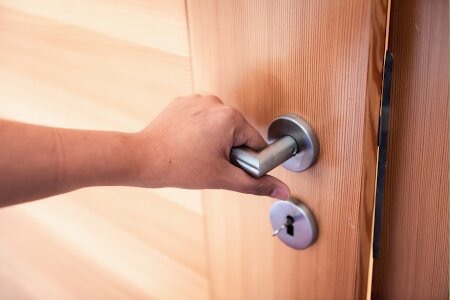
door

cái cửa


LessonViePicture
L008 8 P0726
cái cửa


VieDeuNorthern Pronunciation
cái cửa die Tür


VieDeu


ExpertThemeDeuEngSubthemeLevel
SAIGONESE

CEFR


Glossika
Phiền em đóng giùm tôi cái cửa được không?
Würdest du bitte die Tür schließen?
Would you mind closing the door, please?
Em mở cái cửa sổ này kiểu gì?
Wie macht man dieses Fenster auf?
How do you open this window?
Cái cửa không bị phá nên chắc chắn nó đã bị ai đó mở bằng chìa.
Die Tür ist nicht kaputt, also muss jemand einen Schlüssel gehabt haben.
The door's not broken, so it must have been opened by somebody with a key.
Từng có một cái ghế tay vịn ở góc nhà gần cái cửa.
In der Ecke bei der Tür stand ein Lehnstuhl.
There was an armchair in the corner near the door.
Rút chìa khóa ra khỏi ví, anh ấy mở cái cửa.
Er hat einen Schlüssel aus der Tasche gezogen und die Tür aufgemacht.
Taking a key out of his pocket, he unlocked the door.


3500ROMTopEngFrItEsPortVieDeu

Goethebuch Vietnamese
2000 Words

10000G


Oxford3000Ten
GLOSSIKA
Phiền em đóng giùm tôi cái cửa được không?
Would you mind closing the door, please?
Würdest du bitte die Tür schließen?
¿Te importaría cerrar la puerta?
Aurais-tu l'obligeance de fermer la porte, s'il te plaît ?
Ti dispiacerebbe chiudere la porta, per favore?
ช่วยปิดประตูหน่อยได้มั้ย
不好意思 , 你 介意 关 上 门 吗 ?
不好意思 , 你 介意 關 上 門 嗎 ?
Em mở cái cửa sổ này kiểu gì?
How do you open this window?
Wie macht man dieses Fenster auf?
¿Cómo abres esta ventana?
Comment ouvres-tu cette fenêtre ?
Come si apre questa finestra?
หน้าต่างนี้เปิดยังไง
这 扇 窗户 要 怎么 开 ?
這 扇 窗戶 要 怎麼 開 ?
Cái cửa không bị phá nên chắc chắn nó đã bị ai đó mở bằng chìa.
The door's not broken, so it must have been opened by somebody with a key.
Die Tür ist nicht kaputt, also muss jemand einen Schlüssel gehabt haben.
La puerta no está rota, así que debe de haber sido abierta por alguien con una llave.
La porte n’est pas cassée, alors elle doit avoir été ouverte par quelqu’un avec une clé.
La porta non è rotta, perciò deve essere stata aperta da qualcuno con una chiave.
ประตูไม่พังแสดงว่าต้องมีใครใช้กุญแจเปิดเข้ามา
门 没有 被 破坏 , 所以 一定 是 有 人 用 钥匙 打开 的 。
門 沒有 被 破壞 , 所以 一定 是 有 人 用 鑰匙 打開 的 。
Từng có một cái ghế tay vịn ở góc nhà gần cái cửa.
There was an armchair in the corner near the door.
In der Ecke bei der Tür stand ein Lehnstuhl.
Había un sillón en la esquina cerca de la puerta.
Il y avait un fauteuil dans le coin près de la porte.
C'era una poltrona nell'angolo vicino alla porta.
มีเก้าอี้เท้าแขนที่มุมตรงประตู
门 旁边 的 角落 本来 有 一 张 扶手椅 。
門 旁邊 的 角落 本來 有 一 張 扶手椅 。
Rút chìa khóa ra khỏi ví, anh ấy mở cái cửa.
Taking a key out of his pocket, he unlocked the door.
Er hat einen Schlüssel aus der Tasche gezogen und die Tür aufgemacht.
Sacando una llave de su bolsillo, él abrió la puerta.
Sortant une clé de sa poche, il déverrouilla la porte.
Estraendo una chiave dalla sua tasca, ha aperto la porta.
เขาเอากุญแจออกจากกระเป๋าแล้วไขประตู
他 把 钥匙 从 口袋 拿 出来 开门 。
他 把 鑰匙 從 口袋 拿 出來 開門 。
OXFORD 32000 Eng/Deu/Vie
low +
a window set low in the wall
ein tief in der Wand liegendes Fenster
một cái cửa sổ đặt thấp trên tường