你喝加柠檬的茶吗? Bạn uống chè / trà với chanh không? คุณ ดื่มชาใส่มะนาวไหม ครับ / คะ? ¿Bebes té con limón? Bois-tu du thé au citron ? Bevi il tè con il limone? Do you drink tea with lemon? Trinkst du Tee mit Zitrone?
我们需要鱼和一些肉排。 Chúng ta cần cá và thịt bít tết. เราต้องการปลาและสเต็ก Nosotros / nosotras necesitamos pescado y bistecs. Nous avons besoin de poissons et de steaks. Abbiamo bisogno di pesce e bistecche. We need fish and steaks. Wir brauchen Fisch und Steaks.
我要一杯加柠檬的茶。 Tôi muốn một ly trà với chanh. ผม / ดิฉัน ขอชาใส่มะนาว ครับ / คะ Querría un té con limón. Je désirerais un thé au citron. Vorrei un tè al limone. I’d like a tea with lemon. Ich möchte einen Tee mit Zitrone.
我要一杯加牛奶的茶。 Tôi muốn một ly trà với sữa. ผม / ดิฉัน ขอชาใส่นม ครับ / คะ Querría un té con leche. Je désirerais un thé au lait. Vorrei un tè con latte. I’d like a tea with milk. Ich möchte einen Tee mit Milch.
德国队对英国队。 Đội Đức đá với đội Anh. ทีมเยอรมันแข่งกับทีมอังกฤษอยู่ El equipo alemán está jugando contra el inglés. L’équipe allemande joue contre l’équipe anglaise. La squadra tedesca sta giocando contro quella inglese. The German team is playing against the English one. Die deutsche Mannschaft spielt gegen die englische.
您经常向老师提问吗? Bạn hỏi thầy giáo nhiều không? คุณถามคำถามคุณครูบ่อยไหม? ¿Hace (usted) preguntas a menudo al profesor? Posez-vous souvent des questions à votre instituteur ? Chiede spesso all’insegnante? Do you often ask the teacher questions? Fragen Sie oft den Lehrer?
您能听懂这个男老师(讲课)吗? Bạn hiểu thầy giáo không? คุณเข้าใจคุณครูไหม ครับ / คะ? ¿Entiende (usted) al profesor? Comprenez-vous l’instituteur ? Capisce l’insegnante? Do you understand the teacher? Verstehen Sie den Lehrer?
您能听懂这个女老师(讲课)吗? Bạn hiểu cô giáo không? คุณเข้าใจคุณครูไหม ครับ / คะ? ¿Entiende (usted) a la profesora? Est-ce que vous comprenez l’institutrice ? Capisce l’insegnante? Do you understand the teacher? Verstehen Sie die Lehrerin?
或者您更喜欢喝茶? Hay là bạn muốn một ly trà hơn? หรือว่าคุณจะรับชาดี ครับ / คะ? ¿O prefiere un té? Ou préférez-vous un thé ? O preferisce un tè? Or do you prefer a tea? Oder möchten Sie lieber einen Tee?
你为什么不喝这茶呢? Tại sao bạn không uống trà? ทำไมคุณไม่ดื่มชา ครับ / คะ? ¿Por qué no te tomas el té? Pourquoi ne bois-tu pas le thé ? Perché non bevi il tè? Why aren’t you drinking the tea? Warum trinkst du den Tee nicht?
您为什么当了教师? Tại sao bạn đã trở thành giáo viên? ทำไมคุณถึงเป็นครู? ¿Por qué se hizo (usted) maestro? Pourquoi êtes-vous devenu instituteur ? Perché è diventato insegnante? Why did you become a teacher? Warum sind Sie Lehrer geworden?
他不工作,而是躺在床上。 Anh ấy nằm trên giường thay cho làm việc. เขานอนบนเตียงแทนที่จะทำงาน (Él) está en la cama, en vez de trabajar. Il reste au lit au lieu de travailler. Sta a letto invece di lavorare. He lies in bed instead of working. Er liegt im Bett, anstatt dass er arbeitet.
她没有做饭,却在读报纸。 Chị ấy đọc báo thay cho nấu ăn. เธออ่านหนังสือพิมพ์แทนที่จะทำกับข้าว (Ella) lee el periódico, en lugar de cocinar. Elle lit le journal au lieu de faire la cuisine. Lei legge il giornale invece di cucinare. She reads the newspaper instead of cooking. Sie liest die Zeitung, anstatt dass sie kocht.
Hij zit in de kroeg in plaats van naar huis te gaan.
他没有回家,却坐在酒吧里。 Anh ấy ngồi trong quán bia thay cho đi về nhà. เขานั่งในผับแทนที่จะกลับบ้าน (Él) está en el bar, en lugar de irse a casa. Il est assis au bistrot au lieu d’aller à la maison. Lui sta al bar invece di andare a casa. He is at the bar instead of going home. Er sitzt in der Kneipe, anstatt dass er nach Hause geht.
你 想要 喝 茶 还是 咖啡 ? Em thích uống gì, trà hay cà phê? เอาชาหรือว่ากาแฟ ¿Cuál querrías, té o café? Vous préférez quoi, du thé ou du café ? Cosa preferisci, il tè o il caffè? Which would you like, tea or coffee? Was möchtest du lieber Tee oder Kaffee?
0072
Wil je wat thee?
想 喝 茶 吗 ? Em có muốn dùng trà không? เอาชามั้ย ¿Querrías un poco de té? Voudrais-tu du thé ? Desideri del tè? Would you like some tea? Willst du ein bisschen Tee?
0147
Ik ben (een) leraar.
我 是 老师 。 Tôi làm giáo viên. เป็นครู Yo soy profesor (♀profesora). Je suis ♂enseignant (♀enseignante). Faccio l'insegnante. I'm a teacher. Ich bin (ein) Lehrer.
0284
Bent u een leraar (♀ Leraar)? - Ja, dat ben ik wel.
你 是 老师 吗 ?— 对 , 我 是 。 Em làm giáo viên à? — Đúng. เป็นครูรึเปล่า--ใช่ เป็นครู ¿Eres profesor? — Sí, lo soy. Es-tu ♂enseignant (♀enseignante) ? — Oui, je le suis. Tu sei insegnante? — Sì, sono insegnante. Are you a teacher? — Yes, I am. Bist du Lehrer (♀ Lehrerin)? — Ja, das bin ich.
0312
Priscilla heeft twee zussen, die allebei lerares waren.
普莉希拉 有 两 个 姐姐 , 而且 她们 都 是 老师 。 Priscilla có hai chị gái mà cả hai đều là giáo viên. คุณพริสซิลล่ามีพี่สาวสองคนเป็นครูทั้งคู่ Priscilla tiene dos hermanas, las cuales ambas eran profesoras. Priscilla a deux sœurs qui étaient toutes deux enseignantes. Priscilla ha due sorelle, entrambe sono state insegnanti. Priscilla has two (2) sisters, both of whom were teachers. Priscilla hat zwei Schwestern, von denen beide Lehrer waren.
0690
Hoe lang geef je al les? > Hoe lang bent u al leraar (♀ Leraar)?
你 当 老师 多久 了 ? Cô ấy làm giáo viên được bao lâu rồi? เป็นครูมานานรึยัง ¿Cuánto tiempo hace que eres profesor (♀profesora)? Depuis quand es-tu enseignant ? Da quanto tempo sei insegnante? How long have you been a teacher? Seit wann unterrichtest du? > Wie lange bist du schon Lehrer (♀ Lehrerin)?
0804
Ik hou van koffie, maar niet van thee.
我 喜欢 咖啡 , 但 我 不 喜欢 茶 。 Tôi thích cà phê nhưng tôi không thích trà. ชอบดื่มกาแฟ ไม่ชอบดื่มชา Me gusta el café, pero no me gusta el té. J'aime le café, mais je n'aime pas le thé. Mi piace il caffè, ma non mi piace il tè. I like coffee, but I don't like tea. Ich trinke gerne Kaffee, aber ich mag keinen Tee.
1234
Zij houdt van thee, maar hij niet.
她 喜欢 喝 茶 , 但 他 不 喜欢 。 Cô ấy thích trà nhưng anh ấy thì không. เธอชอบชาแต่เขาไม่ชอบ A ella le gusta el té, pero a él no. Elle aime le thé, mais pas lui. A lei piace il tè, però a lui no. She likes tea, but he doesn't. Sie mag Tee, aber er nicht.
1235
Ik drink koffie, maar ik drink geen thee.
我 喝 咖啡 , 但 我 不 喝 茶 。 Tôi uống cà phê, nhưng tôi không uống trà. เราดื่มกาแฟ แต่ไม่ดื่มชา Bebo café, pero no bebo té. Je bois du café, mais je ne bois pas de thé. Io bevo il caffè, ma non il tè. I drink coffee, but I don't drink tea. Ich trinke Kaffee, aber ich trinke keinen Tee.
1243
Ze drinkt thee, maar ze drinkt geen koffie.
她 喝 茶 , 但 不 喝 咖啡 。 Cô ấy uống trà, nhưng cô ấy không uống cà phê. เธอดื่มชา แต่ไม่ดื่มกาแฟ Ella bebe té, pero no bebe café. Elle boit du thé, mais elle ne boit pas de café. Lei beve il tè, ma non beve il caffè. She drinks tea, but she doesn't like coffee. Sie trinkt Tee, aber sie trinkt keinen Kaffee.
1248
Ze geeft de voorkeur aan thee.
她 比较 喜欢 茶 。 Cô ấy thích trà hơn. เธอชอบดื่มชามากกว่า Prefiere el té. Elle préfère le thé. Preferisce il tè. She prefers tea. Sie trinkt lieber Tee.
1486
Bent u een leraar (♀ Leraar)? - Nee, ik ben een dokter.
你 是 老师 吗 ? — 不 是 , 我 是 医生 。 Em làm giáo viên đúng không? — Không, tôi làm bác sĩ. เป็นครูรึเปล่า--เปล่า เป็นหมอ ¿Eres profesor (♀profesora)? — No, soy médico. Es-tu ♂enseignant (♀enseignante) ? — Non, je suis médecin. Sei insegnante? — No, sono medico. Are you a teacher? — No, I'm a doctor. Bist du Lehrer (♀ Lehrerin)? — Nein, Arzt (♀ Ärztin).
1664
Is je vrouw een dokter? - Nee, een leraar.
你的 太太 是 医生 吗 ? — 不 是 , 她 是 老师 。 Vợ em làm bác sĩ phải không? — Không, cô ấy làm giáo viên. ภรรยาเป็นหมอรึเปล่า--เปล่า เธอเป็นครู ¿Tu mujer es médico? — No, ella es profesora. Ta femme est-elle médecin ? — Non, elle est enseignante. Tua moglie fa il medico? — No, fa l'insegnante. Is your wife a doctor? — No, she's a teacher. Ist deine Frau Ärztin? — Nein, Lehrerin.
1665
Ik stond heel vroeg op, maar mijn leraar stond nog eerder op.
我 很 早起 , 但 我的 老师 更 早起 。 Tôi dậy rất sớm nhưng giáo viên của tôi dậy còn sớm hơn. เราตื่นเช้าแล้วแต่คุณครูเราตื่นเช้ากว่า Me levanté muy temprano, pero mi profesor (♀profesora) se levantó incluso antes. Je me suis ♂levé (♀levée) très tôt, mais mon professeur s'est levé encore plus tôt. Mi sono svegliato davvero presto, ma il mio insegnante si è svegliato persino prima. I got up very early, but my teacher got up even earlier. Ich bin sehr früh aufgestanden, aber mein Lehrer stand sogar noch früher auf.
2150
Hoeveel spelers heeft een football team?
一 支 足球队 有 几个 球员 ? Có bao nhiêu cầu thủ trong một đội bóng đá? ทีมฟุตบอลมีนักกีฬากี่คน ¿Cuántos jugadores hay en un equipo de fútbol? Combien de joueurs y a-t-il dans une équipe de football ? Quanti giocatori ci sono in una squadra di calcio? How many players are there on a football team? Wieviele Spieler hat eine Fußballmannschaft?
2328
Er zijn elf spelers in een voetbalteam. > Er zijn elf spelers in een voetbalteam.
一 支 足球队 有 十一 个 球员 。 Có mười một cầu thủ trong một đội bóng đá. มีนักกีฬาสิบเอ็ดคนในทิมฟุตบอล Hay once (11) jugadores en un equipo de fútbol. Il y a onze joueurs dans une équipe de football. Ci sono undici (11) giocatori in una squadra di calcio. There are eleven (11) players on a football team. Eine Fußballmannschaft hat elf Spieler. > Es gibt elf Spieler in einer Fußballmannschaft.
2329
Een basketbalteam heeft vijf spelers.
一 支 篮球队 有 五 个 球员 。 Có năm cầu thủ trong một đội bóng rổ. มีนักกีฬาห้าคนในทีมบาส Hay cinco (5) jugadores (♀jugadoras) en un equipo de baloncesto. Il y a cinq joueurs dans une équipe de basketball. Ci sono cinque (5) giocatori in una squadra di pallacanestro. There are five (5) players on a basketball team. Eine Basketballmannschaft hat fünf Spieler.
2330
Heeft jouw team gisteren de honkbalwedstrijd gewonnen?
你们 棒球队 昨天 有 赢 吗 ? Đội của em có thắng trận bóng chày hôm qua không? เมื่อวานทีมคุณแข่งเบสบอลชนะรึเปล่า ¿Ganó tu equipo el partido de béisbol ayer? Est-ce que ton équipe a gagné la partie de baseball hier ? Ieri la tua squadra ha vinto la partita di baseball? Did your team win the baseball game yesterday? Hat deine Mannschaft gestern das Baseballspiel gewonnen?
2400
Ze is een lerares. Ze geeft wiskunde aan kinderen.
她 是 老师 。 她 教 小 朋友 数学 。 Cô ấy là giáo viên. Cô ấy dạy tóan cho bọn trẻ. เธอเป็นครู เธอสอนคณิตศาสตร์ให้เด็ก Ella es profesora. Enseña matemáticas a niños. Elle est enseignante. Elle enseigne les mathématiques aux enfants. Lei è insegnante. Insegna matematica ai bambini. She's a teacher. She teaches maths to children. Sie ist Lehrerin. Sie unterrichtet Kinder in Mathe.
2483
Inbrekers kwamen binnen, maar ze vonden niets waardevols om mee te nemen.
小偷 闯入 了 房子 , 但 没 什么 值钱 的 东西 。 Bọn trộm đã đột nhập vào nhà nhưng không có gì đáng trộm hết. ขโมยขึ้นบ้านแต่ไม่มีอะไรคุ้มที่จะขโมยเลย Los ladrones se metieron en la casa, pero no había nada que mereciera la pena robar. Des cambrioleurs se sont introduits dans la maison, mais il n'y avait rien qui méritait d'être volé. I ladri hanno fatto irruzione in casa, ma non c'era niente che valesse la pena di essere rubato. Thieves broke into the house, but there was nothing worth stealing. Einbrecher sind eingestiegen, aber sie fanden nichts Wertvolles zum Mitnehmen.
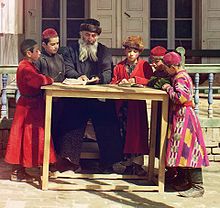
老师站在他身后。 Cô giáo đang đứng sau lưng anh. ครูยืนอยู่ข้างหลังเขา El profesor está de pie detrás de él. Le professeur se tient derrière lui. L'insegnante è in piedi dietro di lui. The teacher is standing behind him. Die Lehrerin steht hinter ihm.
她想当老师。 Cô ấy muốn trở thành một giáo viên. เธออยากเป็นครู Quiere ser profesora. Elle veut devenir professeur. Vuole diventare un'insegnante. She wants to become a teacher. Sie will Lehrerin werden.
老师教我们英文。 Cô giáo dạy tiếng Anh cho chúng tôi. ครูสอนภาษาอังกฤษให้เรา El profesor nos enseña inglés. Le professeur nous enseigne l'anglais. L'insegnante ci insegna l'inglese. The teacher teaches English to us. Der Lehrer bringt uns Englisch bei.
她是代课老师。 Cô ấy chỉ là một giáo viên dạy thay. เธอเป็นเพียงครูสอนแทน Sólo es una profesora sustituta. Elle n'est qu'un professeur remplaçant. È solo un'insegnante sostitutiva. She is just a substitute teacher. Sie ist nur eine Vertretungslehrerin.
老师教我们数学。 Cô giáo đang dạy toán cho chúng tôi. ครูกำลังสอนคณิตศาสตร์ให้เรา El profesor nos está enseñando matemáticas. Le professeur nous apprend les maths. L'insegnante ci sta insegnando la matematica. The teacher is teaching us math. Der Lehrer unterrichtet uns in Mathematik.
她是我们的老师。 Cô ấy là giáo viên của chúng tôi. เธอเป็นครูของเรา Es nuestra profesora. Elle est notre professeur. Lei è la nostra insegnante. She is our teacher. Sie ist unsere Lehrerin.
她们感动得流下了眼泪。 Họ cảm động rơi nước mắt. พวกเขาน้ำตาไหล Están conmovidos hasta las lágrimas. Ils sont émus aux larmes. Sono commossi fino alle lacrime. They are moved to tears. Sie sind zu Tränen gerührt.
这位老教师平易近人。 Giáo viên rất dễ tính. อาจารย์พูดง่ายมากๆ El profesor es muy fácil. Le professeur est très facile à vivre. L'insegnante è molto accomodante. The teacher is very easygoing. Der Lehrer ist sehr locker.
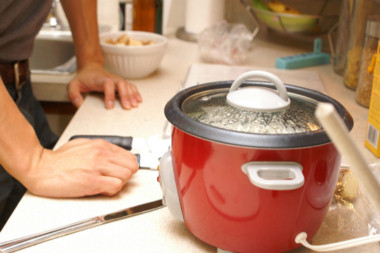
锅里冒着蒸汽。 Hơi nước bốc lên từ bên trong chảo. ไอน้ำกำลังเพิ่มขึ้นจากด้านในกระทะ El vapor está saliendo del interior de la sartén. La vapeur monte de l'intérieur de la casserole. Il vapore sale dall'interno della padella. Steam is rising from inside the pan. Dampf steigt aus der Pfanne auf.
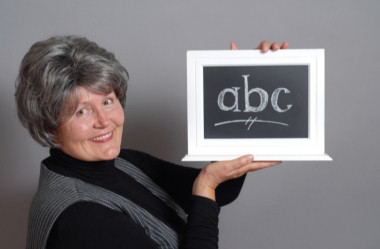
我在这所小学任教。 Tôi dạy ở trường tiểu học này. ฉันสอนที่โรงเรียนประถมแห่งนี้ Doy clases en esta escuela primaria. J'enseigne dans cette école primaire. Insegno in questa scuola elementare. I teach at this primary school. Ich unterrichte in dieser Grundschule.
他企图偷车。 Anh ta đang cố ăn trộm chiếc xe. เขาพยายามจะขโมยรถ Intenta robar el coche. Il essaie de voler la voiture. Sta cercando di rubare la macchina. He is trying to steal the car. Er versucht das Auto zu stehlen.
Ons team bestaat uit vijf mensen, inclusief mijzelf.
包括我在内,我们组有五个人。 Có năm người trong nhóm của chúng tôi bao gồm cả tôi. มีห้าคนในทีมของเรารวมทั้งฉันด้วย Hay cinco personas en nuestro equipo, incluyéndome a mí. Notre équipe compte cinq personnes, dont moi. Ci sono cinque persone nel nostro team, me compreso. There are five people in our team including me. Unser Team besteht aus fünf Personen, mich eingeschlossen.
他们是球队的支持者。 Họ là những người ủng hộ đội bóng đá này. พวกเขาเป็นผู้สนับสนุนทีมฟุตบอลนี้ Son seguidores de este equipo de fútbol. Ils sont supporters de cette équipe de football. Sono sostenitori di questa squadra di calcio. They are supporters of this soccer team. Sie sind Anhänger dieser Fußballmannschaft.
他们组成了一个团队。 Họ đã thành lập một đội. พวกเขาได้จัดตั้งทีม Han formado un equipo. Ils ont formé une équipe. Hanno formato una squadra. They have formed a team. Sie haben ein Team gebildet.
我们小组有六名成员。 Có sáu thành viên trong nhóm của chúng tôi. มีสมาชิกหกคนในทีมของเรา Hay seis miembros en nuestro equipo. Il y a six membres dans notre équipe. Ci sono sei membri nel nostro team. There are six members in our team. Unser Team besteht aus sechs Mitgliedern.
老师教我们背诵单词。 Cô giáo dạy chúng tôi đọc thuộc lòng các từ. ครูสอนให้เราท่องคำศัพท์ El profesor nos enseña a recitar las palabras. Le professeur nous apprend à réciter les mots. L'insegnante ci insegna a recitare le parole. The teacher teaches us to recite the words. Der Lehrer bringt uns bei, die Worte nachzusprechen.
De leraren en de leerlingen kunnen goed met elkaar opschieten.
老师和学生相处得很好。 Các giáo viên và học sinh rất tốt với nhau. ครูและนักเรียนเข้ากันได้ดี Los profesores y los alumnos se llevan bien. Les professeurs et les élèves s'entendent bien. Gli insegnanti e gli studenti vanno d'accordo tra loro. The teachers and students get on well with each other. Die Lehrer und Schüler verstehen sich gut miteinander.
我负责管理这个团队。 Tôi phụ trách đội này. ฉันอยู่ในความดูแลของทีมนี้ Yo estoy a cargo de este equipo. Je suis le responsable de cette équipe. Sono responsabile di questa squadra. I am in charge of this team. Ich bin verantwortlich für dieses Team.
我支持蓝队。 Tôi ủng hộ đội xanh. ผมเชียร์ทีมสีน้ำเงิน Apoyo al equipo azul. Je supporte l'équipe bleue. Supporto la squadra azzurra. I support the blue team. Ich unterstütze das blaue Team.
Iedereen oefent door de bewegingen van de leraar te imiteren.
大家仿效老师的动作来练习。 Mọi người đang sao chép các động tác của giáo viên. พวกเขาทั้งหมดกำลังเลียนแบบการเคลื่อนไหวของครู Todos están copiando los movimientos del maestro. Ils copient tous les mouvements du professeur. Stanno tutti copiando i movimenti dell'insegnante. Everyone is copying the teacher's movements. Alle üben, indem sie die Bewegungen des Lehrers nachahmen.
老师给孩子们上了一堂课。 Cô giáo đã dạy bọn trẻ một bài học. ครูสอนบทเรียนให้เด็กๆ El profesor dio una lección a los niños. Le professeur a donné une leçon aux enfants. L'insegnante ha dato una lezione ai bambini. The teacher taught the children one lesson. Der Lehrer brachte den Kindern eine Lektion bei.
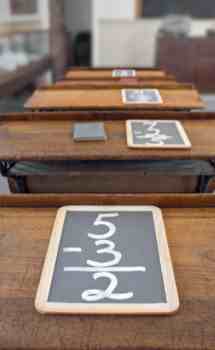
老师今天教我们减法。 Hôm nay cô giáo sẽ dạy chúng ta phép trừ. วันนี้ครูจะสอนการลบ El profesor nos enseñará hoy a restar. Le professeur va nous apprendre les soustractions aujourd'hui. L'insegnante ci insegnerà la sottrazione oggi. The teacher will teach us subtraction today. Der Lehrer wird uns heute Subtraktion beibringen.
他率领球队获胜了。 Anh ấy đã dẫn dắt đội đến chiến thắng. เขานำทีมไปสู่ชัยชนะ Llevó al equipo a la victoria. Il a mené l'équipe à la victoire. Ha guidato la squadra alla vittoria. He led the team to victory. Er führte das Team zum Sieg.
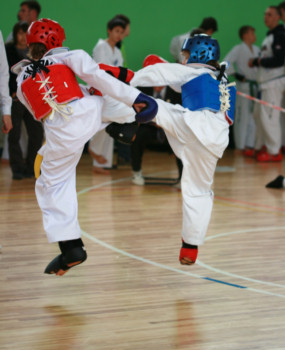
红队能打败蓝队吗? Đội đỏ có thể đánh bại đội xanh không? ทีมสีแดงสามารถเอาชนะทีมสีน้ำเงินได้หรือไม่? ¿Podrá el equipo rojo vencer al azul? L'équipe rouge peut-elle battre l'équipe bleue ? La squadra rossa può battere la squadra blu? Can the red team beat the blue team? Kann das rote Team das blaue Team schlagen?
De leerlingen halen een grap uit met hun leraar tijdens de les.
学生们在课堂上戏弄老师。 Các học sinh đã chơi một trò lừa giáo viên của họ trong giờ học. นักเรียนเล่นกลกับครูของพวกเขาระหว่างเรียน Los alumnos le han gastado una broma a su profesor durante la clase. Les élèves ont joué un tour à leur professeur pendant le cours. Gli studenti hanno giocato uno scherzo al loro insegnante durante le lezioni. The students play a trick on their teacher during class. Die Schüler spielen ihrem Lehrer während des Unterrichts einen Streich.
让我为你倒茶。 Để tôi rót trà cho bạn. ให้ฉันเทชาให้คุณ Deja que te sirva el té. Laissez-moi vous verser le thé. Lascia che ti versi il tè. Let me pour the tea for you. Ich werde dir einen Tee einschenken.
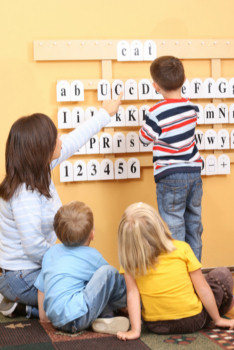
老师教我们新单词。 Giáo viên đang dạy chúng tôi một số từ mới. ครูกำลังสอนคำศัพท์ใหม่ให้เรา El profesor nos está enseñando algunas palabras nuevas. Le professeur nous apprend de nouveaux mots. L'insegnante ci sta insegnando alcune nuove parole. The teacher is teaching us some new words. Der Lehrer bringt uns einige neue Wörter bei.
她站得很稳。 Cô ấy đang đứng rất vững vàng. เธอยืนได้ดีมาก Ella está de pie muy estable. Elle se tient debout de façon très stable. Sta in piedi molto stabilmente. She is standing very steadily. Sie steht sehr ruhig.
老师在授课。 Cô giáo đang dạy một lớp học. ครูกำลังสอนชั้นเรียน El profesor está dando una clase. Le professeur enseigne à une classe. L'insegnante sta insegnando a una classe. The teacher is teaching a class. Die Lehrerin unterrichtet eine Klasse.
他在偷钱包。 Anh ta đang ăn trộm một chiếc ví. เขากำลังขโมยกระเป๋าสตางค์ Está robando una cartera. Il a volé un portefeuille. Sta rubando un portafoglio. He is stealing a wallet. Er stiehlt eine Brieftasche.
小偷在抢夺她的包。 Kẻ trộm đang lấy trộm túi xách của cô ấy. โจรกำลังขโมยกระเป๋าของเธอ El ladrón está robando su bolso. Le voleur a volé son sac. Il ladro le sta rubando la borsa. The thief is stealing her bag. Der Dieb stiehlt ihre Tasche.
她脸上挂着泪珠。 Những giọt nước mắt đang chảy dài trên má cô ấy. น้ำตากำลังไหลอาบแก้มของเธอ Las lágrimas corren por sus mejillas. Les larmes coulent sur ses joues. Le lacrime scendono lungo le sue guance. She has tears on her face. Sie hat Tränen im Gesicht.
学生要尊敬老师。 Học sinh nên tôn trọng giáo viên của mình. นักเรียนควรเคารพครูของตน Los alumnos deben respetar a sus profesores. Les élèves doivent respecter leurs professeurs. Gli studenti dovrebbero rispettare i loro insegnanti. Students should respect their teachers. Die Schüler sollten ihre Lehrer respektieren.
我去拜访老师。 Tôi sẽ đến thăm giáo viên của tôi. ฉันจะไปเยี่ยมอาจารย์ Voy a visitar a mi profesor. Je vais rendre visite à mon professeur. Vado a trovare la mia insegnante. I am going to visit my teacher. Ich werde meinen Lehrer besuchen.
老师为我进行钢琴伴奏。 Cô giáo đã đệm đàn piano cho tôi. ครูของฉันพาฉันเล่นเปียโน Mi profesor me acompaña al piano. Mon professeur m'a accompagné au piano. Il mio insegnante mi ha accompagnato al pianoforte. My teacher accompanied me on the piano. Mein Lehrer begleitete mich am Klavier.
学生对老师表示由衷的感谢。 Cô học trò bày tỏ sự cảm ơn chân thành đến cô giáo. นักเรียนแสดงความขอบคุณอย่างจริงใจต่อครู La alumna expresó su más sincero agradecimiento al profesor. L'étudiante a exprimé ses remerciements les plus sincères à son professeur. La studentessa ha espresso il suo sentito ringraziamento all'insegnante. The student expressed her heartfelt thanks to the teacher. Die Schülerin bedank sich herzlich bei der Lehrerin.
大家在模仿老师的动作。 Mọi người đều bắt chước hành động của cô giáo. ทุกคนเลียนแบบการกระทำของครู Todos imitan las acciones del maestro. Tout le monde imite les actions de l'enseignant. Tutti imitano le azioni dell'insegnante. Everyone imitates the movements of the teacher. Alle ahmen die Bewegungen des Lehrers nach.
她在抹眼泪。 Cô ấy đang lau nước mắt. เธอกำลังเช็ดน้ำตาของเธอ Se está limpiando las lágrimas. Elle essuie ses larmes. Si sta asciugando le lacrime. She is wiping her tears. Sie wischt sich die Tränen ab.
伯父教我学游泳。 Chú tôi đang dạy tôi bơi. ลุงกำลังสอนฉันว่ายน้ำ Mi tío me está enseñando a nadar. Mon oncle m'apprend à nager. Mio zio mi sta insegnando a nuotare. My uncle is teaching me to swim. Mein Onkel bringt mir das Schwimmen bei.
De leerlingen werken ijverig en de lerares is zeer tevreden.
学生很努力,老师很欣慰。 Giáo viên cảm thấy vui vì học sinh đang làm việc chăm chỉ. ครูรู้สึกมีความสุขที่นักเรียนทำงานหนัก El profesor se alegra de que los alumnos se esfuercen. Le professeur est heureux que les élèves travaillent dur. L'insegnante è felice che gli studenti stiano lavorando sodo. The teacher feels happy that the students are working hard. Die Schüler arbeiten fleißig, und der Lehrer ist sehr zufrieden.
企鹅是球队的吉祥物。 Chú chim cánh cụt là linh vật của đội. เพนกวินเป็นตัวนำโชคของทีม El pingüino es la mascota del equipo. Le pingouin est la mascotte de l'équipe. Il pinguino è la mascotte della squadra. The penguin is the mascot of the team. Der Pinguin ist das Maskottchen des Teams.
De leraar vraagt haar om haar opstel hardop voor te lezen.
老师要求她朗读她的作文。 Giáo viên yêu cầu trẻ đọc to tác phẩm của mình. ครูขอให้เธออ่านออกเสียงองค์ประกอบของเธอ El profesor le pide que lea su redacción en voz alta. L'enseignant lui demande de lire sa rédaction à haute voix. L'insegnante le chiede di leggere il suo saggio ad alta voce. The teacher asks her to read her composition aloud. Die Lehrerin bittet sie, ihren Aufsatz laut vorzulesen.
老师对我很严厉。 Giáo viên rất nghiêm khắc với tôi. อาจารย์เข้มงวดกับฉันมาก El profesor es muy estricto conmigo. Le professeur est très strict avec moi. L'insegnante è molto severo con me. The teacher is very strict with me. Der Lehrer ist sehr streng mit mir.
教徒遵循神父的教导。 Các tín đồ tuân theo lời dạy của linh mục. ผู้เชื่อปฏิบัติตามคำสอนของพระสงฆ์ Los creyentes siguen las enseñanzas del sacerdote. Les croyants suivent les enseignements du prêtre. I credenti seguono il sacerdote è insegnamenti. The believers follow the priest’s teachings. Die Gläubigen folgen den Lehren des Priesters.
Hij steelt de persoonlijke informatie van andere mensen.
他在盗取别人的隐私。 Anh ấy đang ăn cắp thông tin cá nhân của người khác. เขากำลังขโมยข้อมูลส่วนบุคคลของผู้อื่น Está robando información personal de otras personas. Il vole les informations personnelles d'autres personnes. Sta rubando le informazioni personali di altre persone. He is stealing other people's personal information. Er stiehlt die persönlichen Daten anderer Leute.
队员们斗志昂扬。 Các thành viên trong nhóm có tinh thần cao. สมาชิกในทีมมีขวัญกำลังใจสูง Los miembros del equipo tienen la moral alta. Les membres de l'équipe ont un bon moral. I membri del team hanno il morale alto. The team is in good spirits. Die Mannschaft ist in bester Laune.
老师对她的行为感到愤慨。 Giáo viên rất tức giận trước hành vi của em ấy. ครูไม่พอใจพฤติกรรมของเธอ La profesora está indignada por su comportamiento. Le professeur est indigné par son comportement. L'insegnante è indignata per il suo comportamento. The teacher is angry at her behavior. Der Lehrer ist empört über ihr Verhalten.
老鼠在偷吃面包。 Con chuột đang ăn trộm bánh mì. หนูกำลังขโมยขนมปัง El ratón está robando el pan. La souris vole le pain. Il topo sta rubando il pane. The mouse is stealing the bread. Die Maus stiehlt das Brot.
他眼泪汪汪地看着我。 Anh ấy nhìn tôi với đôi mắt ngấn lệ. เขามองมาที่ฉันด้วยน้ำตา Me miró con los ojos llorosos. Il m'a regardé avec des yeux pleins de larmes. Mi guardò con le lacrime agli occhi. He looked at me with teary eyes. Er sah mich mit Tränen in den Augen an.
水汽不停地在蒸发。 Hơi nước bốc hơi liên tục. ไอน้ำระเหยอย่างต่อเนื่อง El vapor se evapora constantemente. La vapeur s'évapore constamment. Il vapore evapora costantemente. The steam is constantly evaporating. Der Wasserdampf verdunstet ständig.
好学生受到老师的称赞。 Học sinh giỏi nhận được lời khen từ giáo viên của họ. นักเรียนดีได้รับคำชมจากอาจารย์ Los buenos estudiantes reciben elogios de su profesor. Les bons élèves reçoivent des éloges de leur professeur. I bravi studenti ricevono lodi dal loro insegnante. Good students receive praise from their teacher. Gute Schüler werden von ihrem Lehrer gelobt.
教师值得人们的歌颂。 Những người thầy đáng được khen ngợi. ครูสมควรได้รับการยกย่อง Los profesores merecen ser alabados. Les enseignants méritent d'être félicités. Gli insegnanti meritano di essere lodati. Teachers deserve praise and respect. Lehrern gebührt Lob und Respekt.
他在盗窃国家机密。 Anh ta đang đánh cắp bí mật quốc gia. เขากำลังขโมยความลับของชาติ Está robando secretos nacionales. Il vole des secrets nationaux. Sta rubando segreti nazionali. He is stealing national secrets. Er stiehlt Staatsgeheimnisse.
团队的气氛很和谐。 Toàn đội có một bầu không khí hài hòa. ทีมงานมีบรรยากาศที่กลมกลืนกัน El equipo tiene un ambiente armonioso. L'équipe a une atmosphère harmonieuse. La squadra ha un'atmosfera armoniosa. The team has a harmonious atmosphere. Das Team hat eine harmonische Atmosphäre.
他被朋友们嘲笑。 Anh bị bạn bè trêu chọc. เขาถูกเพื่อนล้อเลียน Sus amigos se burlan de él. Il a été taquiné par ses amis. È stato preso in giro dai suoi amici. He was teased by his friends. Er wurde von seinen Freunden gehänselt.
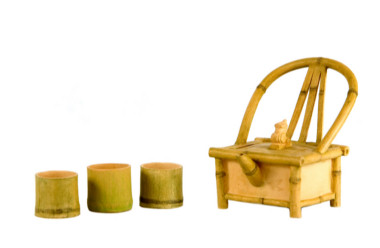
茶杯是用竹筒做的。 Chén trà được làm từ một ống tre. ถ้วยชาทำจากหลอดไม้ไผ่ La taza de té está hecha con un tubo de bambú. La tasse à thé est faite d'un tube de bambou. La tazza da tè è realizzata con un tubo di bambù. The tea cup is made from a bamboo tube. Die Teetasse besteht aus einer Bambusröhre.
老师在发脾气。 Cô giáo đang lên cơn. อาจารย์กำลังฟิตพอดี El profesor tiene un ataque. Le professeur fait une crise. L'insegnante sta avendo un attacco. The teacher is having a fit. Der Lehrer hat einen Anfall.
这杯茶很烫。 Tách trà này rất nóng. ชาถ้วยนี้ร้อนมาก Esta taza de té está muy caliente. Cette tasse de thé est très chaude. Questa tazza di tè è molto calda. This cup of tea is very hot. Diese Tasse Tee ist sehr heiß.
Dit doelpunt legde een sterke basis voor het blauwe team om te winnen.
这粒进球奠定了蓝队比赛的胜利。 Bàn thắng này đã tạo cơ sở vững chắc cho chiến thắng của đội bóng áo xanh. เป้าหมายนี้ได้วางรากฐานที่แข็งแกร่งสำหรับชัยชนะของทีมสีน้ำเงิน Este gol sentó bases sólidas para la victoria del equipo azul. Ce but a posé des bases solides pour la victoire de l'équipe bleue Questo obiettivo ha gettato solide basi per la vittoria della squadra azzurra. This goal has laid a strong foundation for the blue team's victory. Dieses Tor hat eine starke Grundlage für den Sieg des blauen Teams gelegt.
我们队包揽了这个项目的奖牌。 Đội của chúng tôi đã giành được tất cả các huy chương trong hạng mục này. ทีมของเราได้รับเหรียญรางวัลทั้งหมดในหมวดนี้ Nuestro equipo ha ganado todas las medallas en esta categoría. Notre équipe a remporté toutes les médailles dans cette catégorie. La nostra squadra ha vinto tutte le medaglie di questa categoria. Our team has won all the medals in this category. Unser Team hat alle Medaillen in dieser Kategorie gewonnen.
她给朋友斟茶。 Cô ấy đang rót một tách trà cho bạn mình. เธอกำลังรินชาให้เพื่อนของเธอ Ella está sirviendo una taza de té para su amiga. Elle verse une tasse de thé à son amie. Sta versando una tazza di tè per la sua amica. She is pouring a cup of tea for her friend. Sie gießt eine Tasse Tee für ihre Freundin ein.
小组成员正在斟酌案子。 Các thành viên trong nhóm đang cân nhắc vụ việc. สมาชิกในทีมกำลังพิจารณาคดี Los miembros del equipo están deliberando sobre el caso. Les membres de l'équipe délibèrent sur l'affaire. I membri del team stanno deliberando il caso. The team members are deliberating the case. Die Teammitglieder beraten den Fall.
De leraar leert de kinderen de verhalen achter de spreekwoorden.
老师在为孩子讲谚语故事。 Cô giáo đang dạy bọn trẻ những câu chuyện đằng sau những câu tục ngữ. ครูกำลังสอนเด็กถึงเรื่องราวเบื้องหลังสุภาษิต El maestro les está enseñando a los niños las historias detrás de los proverbios. L'enseignant enseigne aux enfants les histoires derrière les proverbes. L'insegnante sta insegnando ai bambini le storie dietro i proverbi. The teacher is teaching the children the stories behind proverbs. Der Lehrer bringt den Kindern die Geschichten hinter den Sprichwörtern bei.


 [EN]
[EN]  [DE]
[DE]  [NL]
[NL]  [ES]
[ES]  [FR]
[FR]  [IT]
[IT]  [TH]
[TH]  [VI]
[VI]  [ZH]
[ZH]