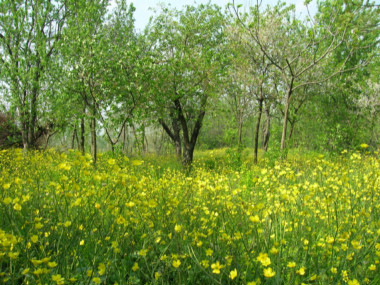
太阳是什么颜色的? 黄色。 Mặt trời màu gì? Màu vàng. พระอาทิตย์มีสีอะไร? สีเหลือง ¿De qué color es el sol? Amarillo. Quelle est la couleur du soleil ? Jaune. Di che colore è il sole? Giallo. What colour / color (am.) is the sun? Yellow. Welche Farbe hat die Sonne? Gelb.
下面是地下室。 Ở dưới là tầng hầm. ห้องใต้ดินอยู่ข้างล่าง Abajo está el sótano. La cave est en bas. Sotto c’è la cantina. The basement is below. Unten ist der Keller.
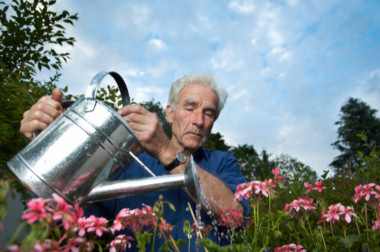
奶奶 / 姥姥浇花。 祖母 / 外祖母 Bà tưới hoa. คุณย่า / คุณยาย กำลังรดน้ำดอกไม้ La abuela riega las flores. Mamie arrose les fleurs. La nonna annaffia i fiori. Grandma is watering the flowers. Oma gießt die Blumen.
我喜欢这朵花。 Tôi thích bông hoa này. ผม / ดิฉัน ชอบดอกไม้นี้ Esta flor me gusta. Cette fleur me plaît. Questo fiore qui mi piace. I like this flower. Die Blume hier gefällt mir.
您有花菜吗? Bạn có xúp lơ không? คุณมีดอกกะหล่ำไหม ครับ / คะ? ¿Tiene (usted) coliflor? Avez-vous du chou-fleur ? Avete cavolfiore? Do you have cauliflower? Haben Sie Blumenkohl?
我能睡在下铺吗? Tôi ngủ ở tầng dưới đuợc không? ผม / ดิฉัน ขอนอนข้างล่างได้ไหม ครับ / คะ? ¿Puedo dormir abajo? Puis-je dormir en bas ? Posso dormire sotto? Can I sleep below? Kann ich unten schlafen?
请您开慢点儿。 Bạn làm ơn lái chậm hơn. กรุณาขับช้าลงได้ไหม ครับ / คะ Vaya (usted) más despacio, por favor. Allez plus lentement, s’il vous plaît. Vada più piano, per favore. Please drive slowly. Fahren Sie bitte langsamer.
您也可以跟着我走。 Bạn cũng có thể đi theo sau tôi. คุณขับรถตาม ผม / ดิฉัน ไปก็ได้ (Usted) también puede simplemente conducir / manejar (am.) detrás de mí. Vous pouvez aussi me suivre en voiture. Può anche seguirmi in macchina. You can also follow me with your car. Sie können auch einfach hinter mir herfahren.
在哪里可以买到鲜花? Ở đâu có thể mua hoa? ซื้อดอกไม้ได้ที่ไหน? ¿Dónde se pueden comprar flores? Où peut-on acheter des fleurs ? Dove si possono comprare dei fiori? Where can one buy flowers? Wo gibt es Blumen zu kaufen?
你已经被允许开车了吗? Bạn được phép lái xe chưa? คุณได้รับอนุญาติให้ขับรถได้แล้วหรือ? ¿Ya puedes conducir? Est-ce que tu peux déjà conduire une voiture ? Puoi già guidare? Are you already allowed to drive? Darfst du schon Auto fahren?
你已经可以喝酒了吗? Bạn được phép uống rượu chưa? คุณได้รับอนุญาติให้ดื่มแอลกอฮอล์ได้แล้วหรือ? ¿Ya puedes beber alcohol? Est-ce que tu peux déjà boire de l’alcool ? Puoi già bere alcol? Are you already allowed to drink alcohol? Darfst du schon Alkohol trinken?
你已经可以一个人出国了吗? Bạn được phép đi ra nước ngoài một mình chưa? คุณได้รับอนุญาติให้ไปต่างประเทศคนเดียวได้แล้วหรือ? ¿Ya puedes viajar solo /-a al extranjero? Est-ce que tu peux déjà aller seul à l’étranger ? Puoi già andare all’estero da solo? Are you already allowed to travel abroad alone? Darfst du schon allein ins Ausland fahren?
这里可以吸烟吗? Hút thuốc lá ở đây được không? ตรงนี้สูบบุหรี่ได้ไหม ครับ / คะ? ¿Se puede fumar aquí? A-t-on le droit de fumer ici ? E permesso fumare qui? Is smoking allowed here? Darf man hier rauchen?
他不可以在公园里睡觉。 Anh ấy không được phép ngủ trong công viên. เขานอนในสวนสาธารณะไม่ได้ Él no puede dormir en el parque. Il ne peut pas dormir dans le parc. Non può dormire al parco. He is not allowed to sleep in the park. Er darf nicht im Park schlafen.
他不可以在车里睡觉。 Anh ấy không được phép ngủ trong xe hơi. เขานอนในรถไม่ได้ Él no puede dormir en el coche. Il ne peut pas dormir dans la voiture. Non può dormire in auto / macchina. He is not allowed to sleep in the car. Er darf nicht im Auto schlafen.
他不可以在火车站睡觉。 Anh ấy không được phép ngủ trong nhà ga. เขานอนที่สถานีรถไฟไม่ได้ Él no puede dormir en la estación. Il ne peut pas dormir dans la gare. Non può dormire in stazione. He is not allowed to sleep at the train station. Er darf nicht im Bahnhof schlafen.
我没来,因为我不可以来。 Tôi đã không đến, bởi vì tôi đã không được phép. ผม / ดิฉัน ไม่มาเพราะไม่ได้รับอนุญาต No he ido porque no pude. Je ne suis pas venu parce que je ne le pouvais pas. Non sono venuto perché non potevo. I didn’t come because I was not allowed to. Ich bin nicht gekommen, weil ich nicht durfte.
那下面住着一位很好奇的女士。 Một người phụ nữ tò mò sống ở dưới đó. ผู้หญิงอยากรู้อยากเห็นอยู่ชั้นล่าง Allí abajo vive una mujer curiosa. En bas habite une femme curieuse. Laggiù abita una donna curiosa. A curious lady lives below. Da unten wohnt eine neugierige Frau.
我们当时必须得浇花。 Chúng tôi đã phải tưới hoa. เราต้องรดน้ำดอกไม้ (Nosotros / nosotras) Tuvimos que regar las plantas. Nous devions arroser les fleurs. Abbiamo dovuto innaffiare i fiori. We had to water the flowers. Wir mussten die Blumen gießen.
他那时不可以吃冰激淋。 Anh ấy đã không được phép ăn kem. เขาไม่ได้รับอนุญาตให้ทานไอศครีม Él no podía / debía comer helados. Il n’avait pas le droit de manger de glace. Lui non poteva mangiare il gelato. He was not allowed to eat ice cream. Er durfte kein Eis essen.
他那时不可以吃巧克力。 Anh ấy đã không được phép ăn sô cô la. เขาไม่ได้รับอนุญาตให้ทานช็อคโกแล็ต No podía / debía comer chocolate. Il n’avait pas le droit de manger de chocolat. Lui non poteva mangiare il cioccolato. He was not allowed to eat chocolate. Er durfte keine Schokolade essen.
他那时不可以吃糖。 Anh ấy đã không được phép ăn kẹo. เขาไม่ได้รับอนุญาตให้ทานของหวาน No podía / debía comer caramelos. Il n’avait pas le droit de manger de bonbons. Lui non poteva mangiare le caramelle. He was not allowed to eat sweets. Er durfte keine Bonbons essen.
我那时可以为自己许愿。 Tôi đã được phép ước điều gì đó. ผม / ดิฉัน ได้รับอนุญาตให้ขอพร Pude pedir un deseo. Je pouvais me souhaiter quelque chose. Ho potuto esprimere un desiderio. I was allowed to make a wish. Ich durfte mir etwas wünschen.
我那时可以给自己买条连衣裙。 Tôi đã được phép mua một cái váy cho mình. ผม / ดิฉัน ได้รับอนุญาตให้ซื้อชุดให้ตัวเองได้ หนึ่งชุด Pude comprar un vestido. Je pouvais m’acheter une robe. Ho potuto comprarmi un vestito. I was allowed to buy myself a dress. Ich durfte mir ein Kleid kaufen.
我那时可以拿块夹心巧克力吃。 Tôi đã được phép lấy cho tôi một kẹo sô cô la có nhân. ผม / ดิฉัน ได้รับอนุญาตให้หยิบช็อคโกแล็ต Pude coger un bombón. Je pouvais prendre un praliné. Ho potuto prendere un cioccolatino. I was allowed to take a chocolate. Ich durfte mir eine Praline nehmen.
你那时可以在飞机里吸烟吗? Bạn đã được phép hút thuốc lá ở trên máy bay chưa? คุณ สูบบุหรี่บนเครื่องบินได้หรือ? ¿Pudiste fumar en el avión? Est-ce que tu pouvais fumer dans l’avion ? Potevi fumare in aereo? Were you allowed to smoke in the airplane? Durftest du im Flugzeug rauchen?
你那时可以在医院喝啤酒吗? Bạn đã được phép uống bia ở trong bệnh viện chưa? คุณ ดื่มเบียร์ในโรงพยาบาลได้หรือ? ¿Pudiste beber cerveza en el hospital? Est-ce que tu pouvais boire de la bière à l’hôpital ? Potevi bere la birra in ospedale? Were you allowed to drink beer in the hospital? Durftest du im Krankenhaus Bier trinken?
你那时可以把狗带到宾馆里吗? Bạn đã được phép mang con chó vào khách sạn chưa? คุณ นำสุนัขเข้ามาในโรงแรมได้หรือ? ¿Pudiste llevar al perro contigo al hotel? Est-ce que tu pouvais amener le chien à l’hôtel ? Potevi portare il cane in albergo? Were you allowed to take the dog into the hotel? Durftest du den Hund ins Hotel mitnehmen?
In de vakantie mochten de kinderen lang buiten blijven.
孩子们那时可以在假期里在外面长时间逗留。 Trong kỳ nghỉ mấy đứa con tôi đã được phép ở ngoài lâu. ในช่วงพักร้อนเด็ก ๆ ไม่ต้องไปนอนตามเวลา Durante las vacaciones los niños podían estar afuera hasta tarde. Pendant les vacances, les enfants avaient la permission de rester longtemps dehors. Durante le vacanze i bambini potevano restare a lungo fuori. During the holidays the children were allowed to remain outside late. In den Ferien durften die Kinder lange draußen bleiben.
他们那时可以在院子里长时间玩儿 Mấy đứa ấy đã được phép chơi ở ngoài sân lâu. พวกเขาเล่นที่สนามได้นาน Ellos / ellas podían jugar durante mucho rato en el patio. Ils avaient la permission de jouer longtemps dans la cour. Loro potevano giocare a lungo nel cortile. They were allowed to play in the yard for a long time. Sie durften lange im Hof spielen.
他们那时可以长时间熬夜。 Mấy đứa ấy đã được phép thức khuya. พวกเขาได้รับอนุญาตให้นอนดึกได้ Ellos / ellas podían acostarse tarde. Ils avaient la permission de veiller tard. Loro potevano restare svegli fino a tardi. They were allowed to stay up late. Sie durften lange aufbleiben.
De bloemen zijn mooi, vind je niet? - Ja, wat zijn dat?
这 些 花 真 漂亮 , 你 觉得 呢 ?— 嗯 , 这 是 什么 花 ? Những bông hoa này đẹp phải không? — Phải, hoa gì vậy? ดอกนี้สวยดีนะ--ใช่แล้วเป็นดอกอะไร Estas flores son bonitas ¿verdad? — Sí, ¿de qué tipo son? Ces fleurs sont jolies, n'est-ce pas ? — Oui, de quelle sorte sont-elles ? Questi fiori sono belli, vero? — Sì, che tipo di fiori sono? These flowers are nice, aren't they? — Yes, what kind are they? Die Blumen sind hübsch, stimmt's? — Ja, was sind das für welche?
0381
We mochten het gebouw niet verlaten.
我们 没有 被 准许 离开 这 栋 大楼 。 Chúng tôi không được phép rời khỏi tòa nhà. พวกเราไม่ได้รับอนุญาตให้ออกจากตึก No teníamos permitido dejar el edificio. Nous n'étions pas ♂autorisés (♀autorisées) à quitter le bâtiment. Non ci era consentito lasciare l'edificio. We weren't allowed to leave the building. Es war uns nicht erlaubt, das Gebäude zu verlassen.
0394
Leerling-bestuurders mogen niet alleen rijden.
驾训班 学员 不 可以 自己 开车 上路 。 Những người lái xe cho học sinh không được phép tự lái xe cho mình. คนที่เรียนขับรถอยู่ห้ามขับรถคนเดียว Los estudiantes (♀Las estudiantes) de conducción no tienen permitido conducir solos (♀solas). Les ♂apprentis conducteurs (♀apprenties conductrices) ne sont pas ♂autorisés (♀autorisées) à conduire par ♂eux-mêmes (♀elles-mêmes). Coloro che studiano per la patente non possono guidare da soli. Student drivers are not allowed to drive by themselves. Fahrschülern ist es nicht erlaubt, allein zu fahren.
0397
Mogen we hier parkeren?
我们 可以 在 这里 停车 吗 ? Chúng tôi có được phép đỗ xe ở đây không? จอดรถที่นี่ได้มั้ย ¿Está permitido aparcar aquí? Est-il permis de se garer ici ? Possiamo parcheggiare qui? Are we allowed to park here? Dürfen wir hier parken?
0399
Ik heb deze bloemen nog nooit gezien.
我 没 看 过 这 些 花 。 Tôi chưa bao giờ thấy những bông hoa này trước đây. นี่ดอกอะไร Nunca he visto estas flores antes. Je n'ai jamais vu ces fleurs auparavant. Non ho mai visto questi fiori prima d'ora. I've never seen these flowers before. Ich habe diese Blumen noch nie zuvor gesehen.
1142
Ik remde af zodat de auto achter me me kon inhalen.
我 放慢 了 速度 让 后面 的 车子 可以 超车 。 Tôi đã đi chậm lại để chiếc xe đàng sau tôi vượt qua được. เราชะลอรถให้คันหลังแซงไปได้ Reduje la velocidad para que el coche de atrás pudiera pasarme. J'ai ralenti pour que la voiture derrière moi puisse me dépasser. Ho frenato, in modo tale che la macchina dietro di me potesse passare. I slowed down so that the car behind me could pass. Ich bin langsamer gefahren, damit mich das Auto hinter mir überholen konnte.
1435
Het is niet toegestaan om voor het gebouw te parkeren.
他们 不 允许 在 大楼 前 停车 。 Họ không cho phép đỗ xe trước mặt tòa nhà. เขาไม่ให้จอดรถหน้าตึก No permiten aparcar en frente del edificio. Ils interdisent qu'on se gare devant l'édifice. Non è consentito parcheggiare davanti all'edificio. They don't allow parking in front of the building. Es ist nicht erlaubt, vor dem Gebäude zu parken.
1614
Kunt u iets langzamer praten, alstublieft?
你 可以 说 慢 一点 吗 ? Em có thể nói chậm hơn không? พูดช้าๆหน่อยได้มั้ย ¿Puedes hablar más despacio? Peux-tu parler plus lentement ? Potrebbe parlare più lentamente? Can you speak more slowly? Könnten Sie bitte etwas langsamer sprechen?
1624
Ze staan niet toe dat mensen voor het gebouw parkeren.
他们 不 允许 人们 在 这 栋 大楼 前 停车 。 Họ không cho phép người ta đỗ xe trước mặt tòa nhà. เขาไม่ให้ใครจอดหน้าตึก No permiten a la gente aparcar en frente del edificio. Ils interdisent aux gens de se garer devant l'édifice. Non è permesso a nessuno di parcheggiare davanti all'edificio. They don't allow people to park in front of the building. Sie erlauben den Leuten nicht, vor dem Gebäude zu parken.
1712
Parkeren is niet toegestaan voor het gebouw.
这 栋 大楼 前 不 允许 停车 。 Việc đỗ xe trước mặt tòa nhà không được cho phép. จอดรถที่หน้าตึกไม่ได้ No está permitido aparcar en frente del edificio. Il est interdit de se garer devant l'édifice. È vietato parcheggiare davanti all'edificio. Parking isn't allowed in front of the building. Vor dem Gebäude ist das Parken nicht erlaubt.
1982
U mag niet voor het gebouw parkeren.
你 不 可以 在 这 栋 大楼 前 停车 。 Em không được phép đỗ xe trước mặt tòa nhà. คุณไม่ได้รับอนุญาตให้จอดรถที่หน้าตึก No tienes permitido aparcar en frente del edificio. Tu ne peux pas te garer devant l'édifice. Non sei autorizzato a parcheggiare davanti al palazzo. You aren't allowed to park in front of the building. Es ist Ihnen nicht erlaubt vor dem Gebäude zu parken.
1987
Kunt u wat langzamer praten, alstublieft?
你 可以 说 慢 一点 吗 ? Em nói chậm hơn một chút được không? ช่วยพูดช้าลงหน่อยได้มั้ย ¿Podrías hablar un poco más despacio? Pourrais-tu parler un peu plus lentement ? Potresti parlare un po' più lentamente? Could you speak a bit more slowly? Könntest du bitte etwas langsamer sprechen?
2052
Je moet langzaam met hem praten.
跟 他 说话 必须 说 很 慢 。 Em phải nói thật chậm với anh ấy. ต้องพูดช้าๆกับเขา Tienes que hablarle muy despacio. Tu dois lui parler très lentement. Devi parlare molto lentamente con lui. You have to speak very slowly to him. Du musst langsam mit ihm sprechen.
2067
Omdat hij zo slecht in de pers kwam, verdween de zaak niet zomaar in het niets.
因为 他 有 这么 多 负面 新闻 , 大家 不 会 那么 轻易 忘记 。 Vì anh ấy đã bị lên án trên báo chí quá nhiều nên chuyện sẽ không chỉ qua đi. เนื่องจากเขาถูกวิพากษ์วิจารณ์อย่างหนักเรื่องนี้จึงไม่เลือนหายไปง่ายๆ Como consiguió tan mala fama, el asunto no pudo simplemente olvidarse. Comme il a tellement eu mauvaise presse, ça ne pouvait pas tout simplement pas s'estomper. A causa della pessima pubblicità ricevuta a mezzo stampa, per lui le acque non si sarebbero calmate tanto presto. Since he got so much bad press, it wouldn't just blow over. Weil über ihn in der Presse so schlecht berichtet wurde, hat sich der Fall nicht einfach so in Wohlgefallen aufgelöst.
2272
Fietsers moeten zich aan dezelfde verkeersregels houden als automobilisten.
自行车 跟 车子 一样 都 必须 要 遵守 交通 规则 。 Người đạp xe đạp phải tuân thủ luật giao thông như người lái xe hơi. ผู้ใช้จักรยานต้องทำตามกฎเหมือนผู้ใช้รถยนตร์ Los ciclistas deben cumplir las mismas normas de tráfico que los conductores. Les cyclistes doivent suivre les mêmes règles de circulation que les automobilistes. I ciclisti devono seguire le stesse regole stradali degli automobilisti. Cyclists must follow the same traffic rules as drivers. Fahrradfahrer müssen die gleichen Verkehrsregeln beachten wie Autofahrer.
2389
Ze konden het niet zomaar onder het tapijt vegen en verwachten dat het niet naar buiten zou komen.
他们 不 能 不 处理 这个 案子 , 然后 期望 大家 会 忘记 这 件 事 。 Họ không thể quét nó xuống dưới thảm và nghĩ mọi thứ sẽ qua và rồi bỏ đi. พวกเขาไม่สามารถปิดเรื่องนี้เป็นความลับและคิดว่าเรื่องทุกอย่างจะซาลงและหายไปเอง No pudieron esconderlo debajo de la alfombra y esperar que todo se olvidara y desapareciera. Ils ne pouvaient tout simplement pas le balayer sous le tapis et attendre que tout s'envole et disparaisse. Non potevano semplicemente nascondere l'accaduto sotto il tappeto, aspettarsi che tutto scomparisse e andarsene via così. They couldn't just brush it under the carpet and expect everything to blow over and go away. Sie konnten es nicht einfach so unter den Teppich kehren, und erwarten, dass es nicht rauskommt.
歌迷在台下欢呼。 Các cổ động viên đang hò reo bên dưới sân khấu. แฟนๆ กองเชียร์อยู่ด้านล่างเวที Los fans están animando debajo del escenario. Les fans applaudissent sous la scène. I tifosi esultano sotto il palco. The fans are cheering below the stage. Die Fans jubeln unter der Bühne.
我喜欢黄颜色。 Tôi thích màu vàng. ฉันชอบสีเหลือง Me gusta el color amarillo. J'aime la couleur jaune. Mi piace il colore giallo. I like the color yellow. Mir gefällt die Farbe Gelb.
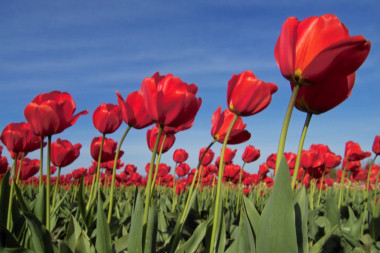
这些花很漂亮。 Những bông hoa này rất đẹp. ดอกไม้เหล่านี้สวยงามมาก Estas flores son muy bonitas. Ces fleurs sont très belles. Questi fiori sono molto belli. These flowers are very beautiful. Diese Blumen sind sehr schön.
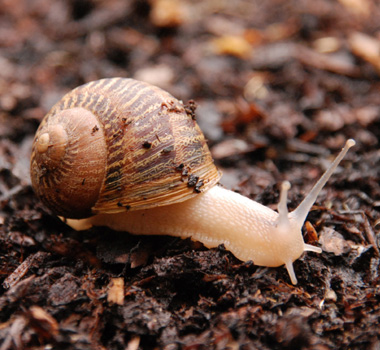
蜗牛慢慢地向前爬。 Con ốc sên bò về phía trước một cách chậm rãi. หอยทากคลานไปข้างหน้าอย่างช้าๆ El caracol avanza lentamente. L'escargot avance lentement. La lumaca striscia in avanti lentamente. The snail crawls forward slowly. Die Schnecke kriecht langsam vorwärts.
他们走得很慢。 Họ đi bộ rất chậm. พวกเขาเดินช้ามาก Caminan muy despacio. Ils marchent très lentement. Camminano molto lentamente. They walk very slowly. Sie gehen sehr langsam.
风把气球吹走了。 Gió đã thổi bay quả bóng bay. ลมพัดบอลลูนออกไป El viento ha hecho volar el globo. Le vent a emporté le ballon. Il vento ha spazzato via il pallone. The wind has blown the balloon away. Der Wind hat den Ballon weggeblasen.
叶子变黄了。 Những chiếc lá đã chuyển sang màu vàng. ใบไม้เปลี่ยนเป็นสีเหลือง Las hojas se han vuelto amarillas. Les feuilles sont devenues jaunes. Le foglie sono diventate gialle. The leaves have turned yellow. Die Blätter sind gelb geworden.
院子里种了很多花。 Có rất nhiều hoa trong sân. มีดอกไม้มากมายในสวน Hay muchas flores en el patio. Il y a beaucoup de fleurs dans la cour. Ci sono molti fiori nel cortile. There are a lot of flowers in the yard. Im Innenhof sind viele Blumen.
花很香。 Những bông hoa có mùi thơm. ดอกมีกลิ่นหอม Las flores son fragantes. Les fleurs sont parfumées. I fiori sono profumati. The flowers are fragrant. Die Blumen duften.
鸟飞得很低。 Con chim đang bay rất thấp. นกกำลังบินต่ำมาก El pájaro vuela muy bajo. L'oiseau vole très bas. L'uccello sta volando molto basso. The bird is flying very low. Der Vogel fliegt sehr tief.
妈妈准许他们吃冰淇淋。 Mẹ của họ cho phép họ ăn kem. แม่ของพวกเขาอนุญาตให้พวกเขากินไอศกรีม Su madre les permitió comer helado. Leur mère leur a permis de manger de la glace. La loro madre ha permesso loro di mangiare il gelato. Their mother allowed them to eat ice cream. Ihre Mutter erlaubte ihnen, Eiscreme zu essen.
水往下流。 Nước đang chảy xuống. น้ำกำลังไหลลงมา El agua está bajando. L'eau coule vers le bas. L'acqua scorre verso il basso. The water is flowing down. Das Wasser fließt nach unten.
她像花一般美丽。 Cô ấy đẹp như một bông hoa. เธอสวยเหมือนดอกไม้ Es tan hermosa como una flor. Elle est aussi belle qu'une fleur. È bella come un fiore. She is as beautiful as a flower. Sie ist so schön wie eine Blume.
男孩跟随着父亲。 Cậu bé đang đi theo bố. เด็กชายกำลังติดตามพ่อของเขา El niño sigue a su padre. Le garçon suit son père. Il ragazzo sta seguendo suo padre. The boy is following his father. Der Junge folgt seinem Vater.
人人都要遵守交通规则。 Mọi người nên tuân thủ các quy định về giao thông. ทุกคนควรปฏิบัติตามกฎจราจร Todo el mundo debería respetar las normas de tráfico. Tout le monde doit respecter le code de la route. Tutti dovrebbero seguire le regole del traffico. Everyone must follow the traffic regulations. Jeder muß die Verkehrsregeln befolgen.
这里花草兴旺。 Cỏ cây hoa lá nơi đây đều sinh sôi nảy nở. ดอกไม้และหญ้าที่นี่เบ่งบาน Las flores y la hierba de aquí están floreciendo. Les fleurs et l'herbe ici sont toutes deux florissantes. I fiori e l'erba qui stanno entrambi fiorendo. The flowers and the grass here are both flourishing. Hier wachsen und gedeihen Gräser und Blumen.
他仅有一朵花。 Anh ấy chỉ có một bông hoa. เขามีดอกเดียวเท่านั้น Sólo tiene una flor. Il n'a qu'une seule fleur. Ha solo un fiore. He only has one flower. Er hat nur eine Blume.
Ga te werk volgens de instructies van de computer.
请按电脑的显示操作。 Vui lòng vận hành nó theo hướng dẫn của máy tính. โปรดดำเนินการตามคำแนะนำของคอมพิวเตอร์ Por favor, opéralo según las instrucciones del ordenador. Veuillez le faire fonctionner selon les instructions de l'ordinateur. Si prega di utilizzarlo secondo le istruzioni del computer. Please follow the computer instructions. Bitte gehen Sie gemäß den Anweisungen des Computers vor.
她采了一些花。 Cô thu thập một số bông hoa. เธอเก็บดอกไม้ Ha recogido algunas flores. Elle a cueilli des fleurs. Ha raccolto dei fiori. She gathered some flowers. Sie pflückte einige Blumen.
De moeder en haar dochter houden van bloemen kweken.
母女俩都很喜欢养花。 Hai mẹ con cô đều rất thích trồng hoa. แม่และลูกสาวชอบปลูกดอกไม้ A la madre y a su hija les encanta cultivar flores. La mère et sa fille aiment toutes deux cultiver des fleurs. La madre e sua figlia adorano coltivare fiori. The mother and her daughter both love growing flowers. Die Mutter und ihre Tochter lieben es, Blumen zu züchten.
空气中夹杂着花儿的芳香。 Hương hoa quyện trong không khí. ผสมผสานกับอากาศเป็นกลิ่นหอมของดอกไม้ La fragancia de las flores está en el aire. Le parfum des fleurs est dans l'air. Il profumo dei fiori è nell'aria. The fragrance of flowers is in the air. Die Luft ist erfüllt vom Duft der Blumen.
大家都应该遵守法律条款。 Mọi người nên tuân theo pháp luật. ทุกคนควรปฏิบัติตามกฎหมาย Todo el mundo debería seguir la ley. Tout le monde devrait suivre la loi. Tutti dovrebbero seguire la legge. Everyone should follow the law. Jeder sollte dem Gesetz folgen.
天边布满了朝霞。 Chân trời đầy mây phát sáng. ขอบฟ้าเต็มไปด้วยเมฆที่ส่องแสง El horizonte está lleno de nubes brillantes. L'horizon est plein de nuages rougeoyants. L'orizzonte è pieno di nuvole luminose. The horizon is full of glowing clouds. Der Horizont ist voller leuchtender Wolken.
伊人在花丛中笑。 Cô ấy nở nụ cười giữa những bông hoa. เธอยิ้มท่ามกลางดอกไม้ Ella sonríe entre las flores. Elle sourit parmi les fleurs. Sorride tra i fiori. She smiles in the middle of the flowers. Sie lächelt inmitten der Blumen.
花在风中摇摆。 Đóa hoa chao liệng trong gió. ดอกไม้พลิ้วไหวตามสายลม Las flores se mecen con el viento. Les fleurs se balancent au vent. Il fiore sta ondeggiando nel vento. The flowers sway in the wind. Blumen wiegen sich im Wind.
他献花给妈妈。 Anh tặng hoa cho mẹ. เขามอบดอกไม้ให้แม่ของเขา Le regala flores a su madre. Il offre des fleurs à sa mère. Presenta dei fiori a sua madre. He presents flowers to his mother. Er schenkt seiner Mutter Blumen.
园丁正在浇花。 Người làm vườn đang tưới hoa. ชาวสวนกำลังรดน้ำดอกไม้ El jardinero está regando las flores. Le jardinier arrose les fleurs. Il giardiniere sta annaffiando i fiori. The gardener is watering the flowers. Der Gärtner gießt die Blumen.
栏杆把花和树圈起来了。 Các lan can bao quanh hoa và cây xanh. รางล้อมรอบดอกไม้และต้นไม้ Las barandillas rodean las flores y los árboles. Les balustrades entourent les fleurs et les arbres. Le ringhiere racchiudono fiori e alberi. The railings enclose the flowers and trees. Die Geländer umschließen die Blumen und Bäume.
小男孩在吹气球。 Cậu bé đang thổi một quả bóng bay. เด็กน้อยกำลังเป่าลูกโป่ง El niño está inflando un globo. Le petit garçon est en train de gonfler un ballon. Il ragazzino sta facendo esplodere un palloncino. The little boy is blowing up a balloon. Der kleine Junge bläst einen Luftballon auf..
枕头很软。 Gối rất mềm. หมอนนุ่มมาก. La almohada es muy suave. L'oreiller est très doux. Il cuscino è molto morbido. The pillow is very soft. Das Kissen ist sehr weich.
乌龟爬得很缓慢。 Rùa bò rất chậm. เต่าคลานช้ามาก Las tortugas se arrastran muy lentamente. Les tortues rampent très lentement. Le tartarughe strisciano molto lentamente. Tortoises crawl very slowly. Schildkröten kriechen sehr langsam.
这是我的生活补贴。 Đây là tiền sinh hoạt phí của tôi. นี่คือค่าครองชีพของฉัน Esta es mi asignación para vivir. C'est mon allocation de subsistance. Questa è la mia indennità di sussistenza. This is my living allowance. Das ist mein Lebensunterhalt.
她戴着一顶黄色的帽子。 Cô ấy đang đội một chiếc mũ màu vàng. เธอสวมหมวกสีเหลือง Lleva un sombrero amarillo. Elle porte un chapeau jaune. Indossa un cappello giallo. She is wearing a yellow hat. Sie trägt einen gelben Hut.
他腰痛。 Phần lưng dưới của anh ấy bị đau. หลังส่วนล่างของเขาเจ็บ Le duele la parte baja de la espalda. Il a mal au bas du dos. La parte bassa della schiena fa male. His lower back hurts. Sein unterer Rücken tut weh.
我们都是同胞。 Chúng tôi là đồng hương. เราเป็นเพื่อนร่วมชาติ Somos compatriotas. Nous sommes des compatriotes. Siamo connazionali. We are fellow countrymen. Wir sind alle Landsleute.
她不允许丈夫出门。 Cô ấy thắng không cho chồng đi chơi. เธอจะไม่ยอมให้สามีออกไป No permite que su marido salga. Elle n'autorise pas son mari à sortir. Non permetterà a suo marito di uscire. She won't allow her husband to go out. Sie lässt nicht zu, dass ihr Mann ausgeht.
台风刮得很猛。 Bão đang thổi dữ dội. พายุไต้ฝุ่นกำลังพัดอย่างรุนแรง El tifón sopla con fuerza. Le typhon souffle violemment. Il tifone soffia violentemente. The typhoon is blowing violently. Der Taifun bläst sehr stark.
他装扮成一个小丑。 Anh ấy ăn mặc như một chú hề. เขาแต่งตัวเป็นตัวตลก Se ha disfrazado de payaso. Il est déguisé en clown. È vestito da clown. He is dressed up as a clown. Er ist als Clown verkleidet.
妈妈把花苗挪到大花盆里。 Mẹ chuyển cây giống hoa sang một lọ hoa lớn. คุณแม่ย้ายที่ปลูกดอกไม้ไปที่กระถางดอกไม้ขนาดใหญ่ Mamá ha trasladado el plantón de flores a una gran maceta. Maman a déplacé le plant de fleur dans un grand pot de fleurs. La mamma ha spostato la piantina di fiori in un grande vaso di fiori. Mom moved the flower seedling to a big flowerpot. Mama pflanzt den Setzling in einen großen Blumentopf.
Het is zo winderig dat haar hoed er bijna af waaide.
风很大,差点儿把她的帽子刮跑了。 Trời quá gió, mũ của cô gần như bị thổi bay. ลมแรงมาก หมวกของเธอเกือบปลิว Hace tanto viento que casi se le vuela el sombrero. Il y a tellement de vent que son chapeau a failli s'envoler. È così ventoso, il suo cappello è stato quasi spazzato via. It is so windy, her hat was almost blown away. Es ist so windig, dass ihr Hut fast weggeblasen wurde.
小女孩在吹泡泡。 Cô bé đang thổi bong bóng. สาวน้อยกำลังเป่าฟองสบู่ La niña está haciendo burbujas. La petite fille fait des bulles. La bambina sta soffiando bolle. The little girl is blowing bubbles. Das kleine Mädchen bläst Blasen.
这里的水很浅。 Nước ở đây cạn. น้ำที่นี่ตื้น El agua aquí es poco profunda. L'eau ici est peu profonde. L'acqua qui è bassa. The water here is shallow. Das Wasser hier ist flach.
蜗牛爬得很慢。 Con ốc sên bò rất chậm. หอยทากคลานช้ามาก El caracol se arrastra muy lentamente. L'escargot rampe très lentement. La lumaca strisciava molto lentamente. The snail crawls very slowly. Die Schnecke krIecht sehr langsam.
她遵从医生的忠告。 Cô làm theo lời khuyên của bác sĩ. เธอทำตามคำแนะนำของแพทย์ Sigue el consejo del médico. Elle suit les conseils du médecin. Segue il consiglio del medico. She follows the doctor's advice. Sie folgt dem Rat des Arztes.
教徒遵循神父的教导。 Các tín đồ tuân theo lời dạy của linh mục. ผู้เชื่อปฏิบัติตามคำสอนของพระสงฆ์ Los creyentes siguen las enseñanzas del sacerdote. Les croyants suivent les enseignements du prêtre. I credenti seguono il sacerdote è insegnamenti. The believers follow the priest’s teachings. Die Gläubigen folgen den Lehren des Priesters.
气球被吹胀了。 Quả bóng bay đã được thổi lên. บอลลูนถูกเป่าขึ้น El globo se ha hinchado. Le ballon a été gonflé. Il pallone è stato fatto saltare in aria. The balloon has been blown up. Der Ballon ist aufgeblasen.
她把药丸吞下去。 Cô ấy nuốt viên thuốc. เธอกลืนยาเข้าไป Se ha tragado la pastilla. Elle a avalé le comprimé. Ha ingoiato la pillola. She swallowed the pill. Sie schluckt die Tablette.
弟弟站在花盆里。 Em trai đang đứng trong lọ hoa. น้องชายยืนอยู่ในกระถางดอกไม้ El hermano menor está parado en la maceta. Le jeune frère est debout dans le pot de fleurs. Il fratello minore è in piedi nel vaso di fiori. Younger brother is standing in the flowerpot. Der jüngere Bruder steht im Blumentopf.
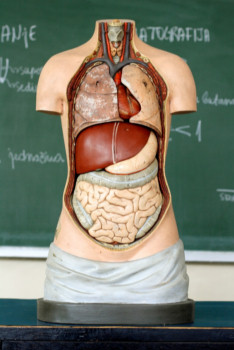
肠在胃的下面。 Ruột nằm dưới dạ dày. ลำไส้อยู่ด้านล่างท้อง Los intestinos están debajo del estómago. Les intestins sont sous l'estomac. Gli intestini sono sotto lo stomaco. The intestines are below the stomach. Der Darm befindet sich unter dem Magen.
我们在跟踪那条狗。 Chúng tôi đang theo dõi con chó đó. เรากำลังติดตามสุนัขตัวนั้น Estamos siguiendo a ese perro. Nous suivons ce chien. Stiamo seguendo quel cane. We are following that dog. Wir folgen diesem Hund.
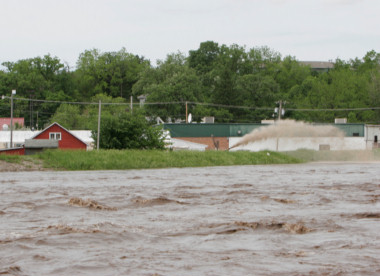
河水泛滥了。 Dòng sông ngập (hoặc tràn). แม่น้ำถูกน้ำท่วม (หรือล้น) El río se desbordó (o se desbordó). La rivière a débordé (ou débordé). Il fiume si allagò (o straripò). The river flooded (or overflowed). Der Fluss ist überschwemmt.
Kinderen vinden het leuk om clowns te zien optreden.
小孩喜欢看小丑表演。 Trẻ em thích xem chú hề biểu diễn. เด็กๆชอบดูการแสดงของตัวตลก A los niños les gusta ver actuar a los payasos. Les enfants aiment regarder les clowns faire leur spectacle. Ai bambini piace guardare i pagliacci che si esibiscono. Children like to watch clowns performing. Kinder sehen gerne Clowns beim Auftritt zu.
De zwaluwen hebben een nest gebouwd onder de dakrand.
燕子在屋簷下筑巢。 Chim én đã về xây tổ dưới mái hiên. นกนางแอ่นได้สร้างรังอยู่ใต้ชายคา Las golondrinas han construido un nido bajo el alero. Les hirondelles ont construit un nid sous l'avant-toit. Le rondini hanno costruito un nido sotto la grondaia. The swallows have built a nest under the eaves. Die Schwalben haben unter der Traufe ein Nest gebaut.
地球上的资源正在慢慢枯竭。 Các nguồn tài nguyên trên trái đất đang dần bị cạn kiệt. ทรัพยากรของโลกค่อยๆหมดลง Los recursos de la tierra se están agotando lentamente. Les ressources de la terre s'épuisent lentement. Le risorse della terra si stanno lentamente esaurendo. The earth's resources are slowly depleting. Die Ressourcen der Erde gehen langsam zur Neige.
我们一起来吹蜡烛。 Chúng tôi đang cùng nhau thổi tắt những ngọn nến. เราจะเป่าเทียนด้วยกัน Estamos soplando las velas juntos. Nous soufflons les bougies ensemble. Stiamo spegnendo le candeline insieme. We are blowing out the candles together. Wir blasen gemeinsam die Kerzen aus.
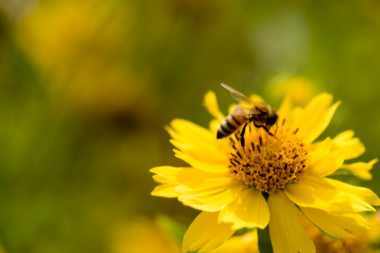
蜜蜂正在采花蜜。 Những con ong đang lấy mật từ những bông hoa. ผึ้งกำลังเก็บน้ำผึ้งจากดอกไม้ Las abejas están recogiendo miel de las flores. Les abeilles récoltent le miel des fleurs. Le api raccolgono il miele dai fiori. The bees are collecting honey from the flowers. Die Bienen sammeln Honig von den Blumen.
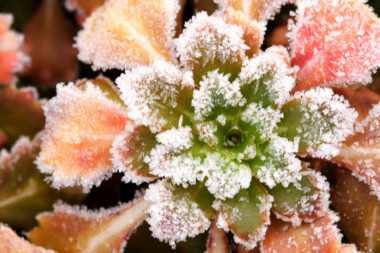
花上有霜。 Có sương giá trên những bông hoa. มีน้ำค้างแข็งบนดอกไม้ Hay escarcha en las flores. Il y a du givre sur les fleurs. C'è brina sui fiori. There is frost on the flowers. Es gibt Frost auf den Blumen.
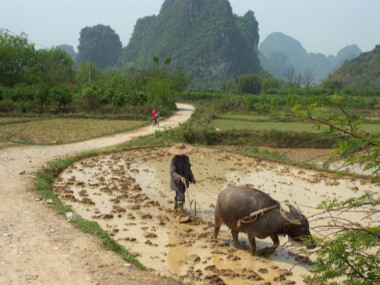
牛在地里耕田。 Con trâu nước đang cày ruộng. ควายกำลังวางแผนแปลงนา El búfalo de agua está arando el campo. Le buffle d'eau laboure le champ. Il bufalo d'acqua sta arando il campo. The water buffalo is plowing the field. Der Wasserbüffel pflügt das Feld.
Ze is klaar om de verjaardagskaarsjes uit te blazen.
她正准备吹生日蜡烛。 Cô ấy đã sẵn sàng để thổi nến sinh nhật. เธอพร้อมที่จะเป่าเทียนวันเกิด Está lista para soplar las velas de cumpleaños. Elle est prête à souffler les bougies d'anniversaire. È pronta a spegnere le candeline. She is ready to blow out the birthday candles. Sie ist bereit, die Geburtstagskerzen auszublasen.
罂粟花很美。 Những bông hoa anh túc rất đẹp. ดอกป๊อปปี้สวยมาก Las flores de amapola son muy hermosas. Les fleurs de pavot sont très belles. I fiori di papavero sono molto belli. The poppy flowers are very beautiful. Die Mohnblumen sind sehr schön.
竹竿里是空的。 Cọc tre được làm rỗng ở trung tâm. เสาไม้ไผ่เป็นโพรงตรงกลาง Las cañas de bambú están huecas en el centro. Les perches de bambou sont creuses au centre. I pali di bambù sono cavi al centro. Bamboo poles are hollow in the center. Bambusstangen sind in der Mitte hohl.
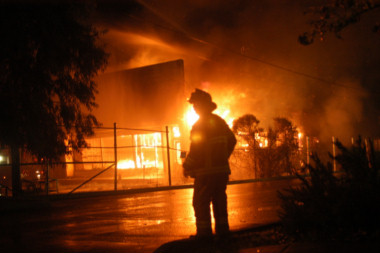
火焰吞没了整栋屋子。 Ngọn lửa đã nuốt chửng cả tòa nhà. เปลวเพลิงได้กลืนกินทั้งอาคาร Las llamas se han tragado todo el edificio. Les flammes ont englouti tout le bâtiment. Le fiamme hanno inghiottito l'intero edificio. The flames have swallowed the whole building. Die Flammen haben das ganze Gebäude verschluckt.
你真卑鄙! Bạn thật thấp kém / hèn hạ / đáng khinh! คุณมันต่ำต้อย/น่ารังเกียจ/ดูถูกเหยียดหยาม! ¡Eres tan bajo/despreciable/despreciable! Vous êtes si bas/despicable/contemplable ! Sei così basso / spregevole / spregevole! You are so low/despicable/contemptible! Du bist so niedrig / verabscheuungswürdig / verächtlich!
这个枕头太舒服了。 Chiếc gối này thực sự rất thoải mái. หมอนนี้สบายจริงๆ Esta almohada es realmente cómoda. Cet oreiller est vraiment confortable. Questo cuscino è davvero comodo. This pillow is really comfortable. Dieses Kissen ist sehr bequem.
流水形成了漩涡。 Nước chảy ra tạo thành xoáy nước. กระแสน้ำได้ก่อตัวเป็นอ่างน้ำวน El agua que fluye ha formado un remolino. L'eau qui coule a formé un tourbillon. L'acqua che scorre ha formato un vortice. The flowing water has formed a whirlpool. Das fließende Wasser hat einen Whirlpool gebildet.
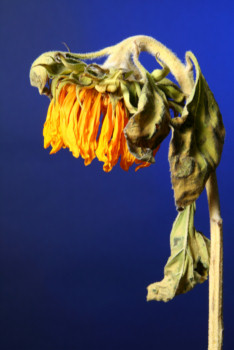
花枯萎了。 Hoa đã héo. ดอกไม้เหี่ยวเฉาไปแล้ว La flor se ha marchitado. La fleur est fanée. Il fiore è appassito. The flower has withered. Die Blume ist verdorrt.
她臀部的线条很漂亮。 Đường cong của thân dưới của cô ấy rất đẹp. ส่วนโค้งของลำตัวส่วนล่างของเธอนั้นสวยงามมาก La curva de su torso inferior es muy hermosa. La courbe du bas de son torse est très belle. La curva della parte inferiore del busto è molto bella. The curve of her lower torso is very beautiful. Die Krümmung ihres Unterleibs ist sehr schön.
柳树枝垂在水面上。 Những cành liễu rủ trên mặt nước. กิ่งวิลโลว์ห้อยอยู่เหนือน้ำ Las ramas de sauce cuelgan sobre el agua. Les branches de saule sont suspendues au-dessus de l'eau. I rami di salice sono sospesi sopra l'acqua. The willow branches are hanging above the water. Die Weidenzweige hängen über dem Wasser.


 [EN]
[EN]  [DE]
[DE]  [NL]
[NL]  [ES]
[ES]  [FR]
[FR]  [IT]
[IT]  [TH]
[TH]  [VI]
[VI]  [ZH]
[ZH]