下次你要打出租车! Lần sau lấy xe tắc xi đi nhé! ครั้งหน้านั่งแท็กซี่ นะครับ / นะคะ! ¡Toma un taxi la próxima vez! Prends un taxi la prochaine fois ! La prossima volta prendi un taxi! Take a taxi next time! Nimm das nächste Mal ein Taxi!
我需要一辆出租车。 Tôi cần một chiếc xe tắc xi. ผม / ดิฉัน ต้องการแท็กซี่ Yo necesito un taxi. J’ai besoin d’un taxi. Ho bisogno di un tassì. I need a taxi. Ich brauche ein Taxi.
这里有传真吗? Ở đây có máy fax không? ที่นี้มี เครื่องแฟกซ์ ไหมครับ / คะ? ¿Hay fax aquí? Y a-t-il un fax ici ? C’è un fax qui? Is there a fax machine here? Gibt es hier ein Fax?
请您叫一辆出租车。 Bạn làm ơn gọi tắc xi. ช่วยเรียกรถแท็กซี่ให้ด้วย ครับ / คะ Pida (usted) un taxi, por favor. Veuillez m’appeler un taxi, s’il vous plaît. Mi chiami un tassì, per favore. Please call a taxi. Rufen Sie bitte ein Taxi.
你们要打出租车吗? Các bạn muốn đi tắc xi không? คุณ ต้องการรถแท็กซี่ไหม? ¿Querríais un taxi? Désirez-vous prendre un taxi ? Vorreste un tassì? Do you want a taxi? Möchtet ihr ein Taxi?
你们必须等出租车。 Các bạn phải chờ tắc xi. พวกคุณ ต้องรอรถแท็กซี่ Debéis esperar por el taxi. Vous devez attendre le taxi. Dovete aspettare il tassì. You must wait for the taxi. Ihr müsst auf das Taxi warten.
我当时必须坐出租车。 Tôi đã phải đi tắc xi. ผม / ดิฉัน ต้องนั่งรถแท็กซี่ Tuve que coger un taxi. Je devais prendre un taxi. Ho dovuto prendere un tassi. I had to take a taxi. Ich musste ein Taxi nehmen.
整个文章我都懂了。 Tôi đã hiểu cả bài đọc. ผม / ดิฉัน เข้าใจข้อความทั้งหมดแล้ว He entendido todo el texto. J’ai compris tout le texte. Ho capito tutto il testo. I understood the whole text. Ich habe den ganzen Text verstanden.
您为什么坐了出租车? Tại sao bạn đã đi tắc xi? ทำไมคุณถึงนั่งรถแท็กซี่? ¿Por qué ha cogido / tomado (am.) (usted) un taxi? Pourquoi avez-vous pris un taxi ? Perché ha preso un tassì? Why did you take a taxi? Warum haben Sie ein Taxi genommen?
我那时想打辆出租车。 Tôi đã muốn gọi tắc xi. ผม / ดิฉัน แค่ต้องการเรียกแท็กซี่ Quería pedir un taxi. Je voulais commander un taxi. Volevo chiamare un tassì. I just wanted to call a taxi. Ich wollte ein Taxi bestellen.
恐怕我们得乘出租车。 Tôi sợ rằng chúng tôi phải lấy tắc xi. ผม / ดิฉัน เกรงว่าเราจะต้องไปโดยรถแท็กซี่ Me temo que tendremos que coger / tomar (am.) un taxi. Je crains que nous ne puissions prendre un taxi. Temo che dobbiamo prendere un tassi. I’m afraid we will have to take a taxi. Ich fürchte, dass wir ein Taxi nehmen müssen.
如果下雨,我们就乘出租车。 Chúng tôi đón tắc xi khi trời mưa. เราจะนั่งแท็กซี่ ถ้าฝนตก Si llueve, cogeremos / tomaremos (am.) un taxi. Nous prendrons un taxi s’il pleut. Se piove, prendiamo un tassì. We’ll take a taxi if it rains. Wir nehmen ein Taxi, wenn es regnet.
我是出租车司机。 Tôi làm lái xe taxi. เราเป็นคนขับรถแท็กซี่ Yo soy taxista. Je suis chauffeur de taxi. Io sono tassista. I'm a taxi driver. Ich bin Taxifahrer (♀ Taxifahrerin).
0269
Hoeveel kost een telefoontje naar Mexico?
打 电话 到 墨西哥 要 多少 钱 ? Gọi điện đến Mexico tốn bao nhiêu? โทรไปที่เม็กซิโกจะเสียเท่าไร ¿Cuánto cuesta llamar a México? Combien coûte un appel au Mexique ? Quanto costa chiamare in Messico? How much does it cost to call Mexico? Wieviel kostet ein Anruf nach Mexiko?
0365
Vanessa vloog afgelopen dinsdag van Los Angeles naar Mexico City.
凡妮莎 上个 礼拜二 从 洛杉矶 飞 到 墨西哥市 。 Thứ ba vừa rồi Vanessa đã bay từ Los Angeles đến Thành phố Mexico. เมื่อวันอังคารที่แล้ว วาเนสซ่าบินจากลอสแองเจลิสไปเม็กซิโกซิตี้ El martes pasado, Vanessa voló de Los Ángeles a Ciudad de México. Mardi dernier, Vanessa a pris l'avion de Los Angeles à Mexico. Martedì scorso, Vanessa ha volato da Los Angeles a Città del Messico. Last Tuesday, Vanessa flew from Los Angeles to Mexico City. Vanessa ist letzten Dienstag von Los Angeles nach Mexiko City geflogen.
0574
De taxi die ons naar het vliegveld bracht had pech.
载 我们 去 机场 的 出租车 坏掉 了 。 Chiếc taxi đưa chúng tôi đến sân bay đã bị hỏng. แท็กซี่ที่พาเราไปสนามบินเกิดเสีย El taxi que nos llevaba al aeropuerto se averió. Le taxi nous emmenant à l'aéroport est tombé en panne. Il taxi che ci stava portando all'aeroporto si è guastato. The taxi taking us to the airport broke down. Das Taxi das uns zum Flughafen brachte ist kaputt gegangen.
0675
Met de taxi?
搭 出租车 吗 ? Đi taxi à? แท็กซี่หรอ ¿En taxi? En taxi ? In taxi? By taxi? Mit dem Taxi?
1008
Zullen we met de taxi gaan?
我们 要 搭 出租车 吗 ? Chúng ta có nên bắt taxi không? นั่งแท็กซี่ดีมั้ย ¿Deberíamos coger un taxi? On prend un taxi ? Dovremmo prendere un taxi? Should we take a taxi? Wollen wir mit dem Taxi fahren?
1020
We kwamen thuis met de taxi.
我们 坐 出租车 回家 。 Chúng tôi về nhà bằng taxi. นั่งแท็กซี่กลับ Vinimos a casa en taxi. Nous sommes ♂rentrés (♀rentrées) en taxi. Siamo tornati a casa in taxi. We came home by taxi. Wir sind mit dem Taxi nach Hause gekommen.
1035
De VS ligt tussen Canada en Mexico.
美国 在 墨西哥 跟 加拿大 中间 。 Mỹ nằm giữa Canada và Mexico. สหรัฐอเมริกาอยู่ระหว่างแคนาดากับเม็กซิโก Los Estados Unidos están entre Canadá y México. Les États-Unis sont entre le Canada et le Mexique. Gli Stati Uniti sono situati fra il Canada e il Messico. The United States is between Canada and Mexico. Die USA liegen zwischen Kanada und Mexiko.
1038
Hij reed in een taxi.
他 以前 是 出租车 司机 。 Anh ấy từng là lái xe taxi. เขาเคยเป็นคนขับแท็กซี่ Él solía ser taxista. Il était chauffeur de taxi. Faceva il tassista. He used to be a taxi driver. Er war früher Taxifahrer.
1139
Ik ben nog niet in Mexico geweest, maar Zoe wel.
我 没 去 过 墨西哥 , 但 柔伊 去 过 。 Tôi chưa từng đến Mexico nhưng Joe đã đến rồi. เราไม่เคยไปเม็กซิโกแต่โซอีเคยไป No he estado en México, pero Zoe sí. Je ne suis pas ♂allé (♀allée) au Mexique, mais Zoë oui. Non sono stato in Messico, mentre Zoe ci è stata. I haven't been to Mexico, but Zoe has. Ich war noch nicht in Mexiko, aber Zoe war schon mal dort.
1247
Ik woon nu in New York, maar ik heb vele jaren in Mexico gewoond.
虽然 我 现在 住 在 纽约 , 但是 之前 住 墨西哥 好 几 年 。 Tôi hiện sống ở New York, nhưng tôi đã sống ở Mexico nhiều năm. ตอนนี้เราอยู่นิวยอร์ก แต่ก่อนหน้านี้เคยอยู่เม็กซิโกมาหลายปี Ahora vivo en Nueva York, pero he vivido en México muchos años. Je vis à New York maintenant, mais j'ai vécu au Mexique durant plusieurs années. Adesso vivo a New York, però ho vissuto in Messico molti anni. I live in New York now, but I've lived in Mexico for many years. Ich wohne jetzt in New York, aber ich habe viele Jahre in Mexiko gelebt.
1309
Mijn vader gaat soms met de taxi naar het werk en ik neem de bus.
我 爸爸 有时候 搭 出租车 去 上班 , 而 我 搭 公车 去 上班 。 Bố tôi thường đi làm bằng taxi còn tôi đi làm bằng xe buýt. บางครั้งพ่อเราก็นั่งแท็กซี่ไปทำงานส่วนเราขึ้นรถเมล์ Mi padre a veces va en taxi a trabajar y yo voy en autobús. Mon père va parfois travailler en taxi et je vais travailler en bus. Mio padre a volte va al lavoro in taxi, io ci vado in autobus. My father sometimes goes to work by taxi, and I go to work by bus. Mein Vater fährt manchmal mit dem Taxi zur Arbeit, und ich nehme den Bus.
1342
Het was laat, dus namen we een taxi naar huis.
那 时候 很 晚 了 , 所以 我们 决定 搭 出租车 回家 。 Lúc đó muộn rồi nên chúng tôi đã quyết định bắt taxi về nhà. ดึกแล้วก็เลยตัดสินใจนั่งแท็กซี่กลับ Era tarde, así que decidimos coger un taxi a casa. Il était tard, alors nous avons décidé de rentrer en taxi. Era tardi, così abbiamo deciso di prendere un taxi per tornare a casa. It was late, so we decided to take a taxi home. Es war spät, deswegen sind wir mit dem Taxi nach Hause.
1456
Xavier gaat overal heen met de bus.
哈维尔 到 哪里 都 搭 公车 。 Xavier đi đâu cũng bắt xe buýt. ฮาเวียร์นั่งรถเมลล์ตลอด Xavier va en autobús a todas partes. Xavier prend l'autobus pour aller partout. Xavier prende l'autobus ovunque si trovi. Xavier takes the bus everywhere. Xavier fährt überallhin mit dem Bus.
1963
Uiteindelijk nam ze een taxi van het vliegveld naar het hotel in het centrum van de stad.
最后 她 搭 了 出租车 从 机场 到 市中心 的 饭店 。 Cuối cùng cô ấy bắt taxi từ sân bay về khách sạn trung tâm. แล้วเธอก็นั่งแท็กซี่จากสนามบินไปโรงแรมในตัวเมือง Finalmente, ella cogió un taxi desde el aeropuerto hasta su hotel en el centro. Finalement, elle a pris un taxi de l'aéroport jusqu'à son hôtel, au centre-ville. Infine, ha preso un taxi dall'aeroporto al suo hotel in centro. Finally, she took a taxi from the airport to her city hotel. Schließlich hat sie ein Taxi vom Flughafen zum Hotel in der Innenstadt genommen.
1974
Mexico is onafhankelijk sinds achttienhonderd en eenentwintig.
墨西哥 自 一八二一 年 就是 独立 的 国家 了 。 Mexico đã trở thành một nước độc lập từ năm một nghìn tám trăm hai mươi mốt (1821). เม็กซิโกเป็นเอกราชตั้งแต่ปีหนึ่งแปดสองหนึ่ง México lleva siendo un país independiente desde mil ochocientos veintiuno. Le Mexique est un pays indépendant depuis mille huit cent vingt et un (1821). Il Messico è uno stato indipendente dal milleottocentoventuno. Mexico has been an independent country since eighteen twenty-one (1821). Mexiko ist seit achtzehnhundert einundzwanzig unabhängig.
2033
Zullen we naar huis lopen of neem je liever een taxi?
我们 要 走路 回家 , 还是 你 想要 搭 出租车 ? Chúng ta có nên đi bộ về nhà không, hay em muốn đi taxi hơn? อยากจะเดินกลับหรือว่าจะนั่งแท็กซี่ ¿Deberíamos ir andando a casa o preferirías coger un taxi? Devrions-nous rentrer à pied ou préférerais-tu prendre un taxi ? Dobbiamo andare a casa a piedi o preferisci prendere un taxi? Should we walk home, or would you rather take a taxi? Sollen wir nach Hause laufen oder würdest du lieber ein Taxi nehmen?
2188
Ik neem liever een taxi dan dat ik naar huis loop.
我 宁可 坐 出租车 也 不 要 走路 回家 。 Tôi muốn bắt taxi hơn là đi bộ về nhà. เราอยากนั่งแท็กซี่กลับบ้านมากกว่าเดินไป Preferiría coger un taxi que andar a casa. Je préférerais prendre un taxi plutôt que de rentrer à pied. Preferirei prendere un taxi al posto di andare a casa a piedi. I'd prefer to take a taxi rather than walk home. Ich würde lieber mit dem Taxi fahren anstatt nach Hause zu laufen.
2196
Ik woon dichtbij, dus het heeft geen zin om een taxi te nemen.
我 家 离 这 只有 几 步 路 的 距离 , 所以 不 值得 搭 出租车 。 Tôi sống cách đây chỉ một quãng ngắn đi bộ nên không cần phải bắt taxi. บ้านเราเดินไปไม่ไกลเท่าไรนั่งแท็กซี่ไม่คุ้ม Vivo a pocos pasos de aquí, así que no merece la pena coger un taxi. J'habite à seulement quelques pas d'ici, alors il est inutile de prendre un taxi. Vivo solamente a pochi passi da qui, perciò non vale la pena prendere un taxi. I live only a short walk from here, so it's not worth taking a taxi. Ich wohne ganz in der Nähe, deswegen macht es keinen Sinn, mit dem Taxi zu fahren.
2254
Woont Xenia bij jou in de buurt?
瑞娜亚 住 你 附近 吗 ? Xenia có sống gần chỗ em không? ซีเนียอยู่ใกล้คุณรึเปล่า ¿Vive Xenia cerca de ti? Xenia habite-t-elle près de chez toi ? Xenia vive vicino a te? Does Xenia live near you? Wohnt Xenia in deiner Nähe?
2279
Houdt niet van boksen.
他们 不 喜欢 拳击 。 Họ không thích quyền Anh. เขาไม่ชอบมวย A ellos (♀ellas) no les gusta el boxeo. ♂Ils (♀elles) n'aiment pas la boxe. A loro non piace il pugilato. They don't like boxing. Sie mögen kein Boxen.
2344
Xenia voelde plotseling iemand die haar aanraakte op de schouder.
瑞娜亚 突然 感觉 有 人 碰 她 的 肩膀 。 Xenia đột nhiên thấy có người chạm vào vai cô ấy. ซีเนียรู้สึกได้ทันทีว่ามีคนมาแตะที่ไหล่ Xenia de repente notó que alguien le tocaba en el hombro. Xenia a soudainement senti quelqu'un lui toucher l'épaule. Xenia, improvvisamente, ha sentito qualcuno che la toccava sulla spalla. Xenia suddenly felt somebody touch her on the shoulder. Xenia hat plötzlich gespürt, dass sie jemand an der Schulter berührt.
2439
Mengxuan kan TV kijken omdat ze haar huiswerk af heeft.
因为 孟璇 写 完 作业 了 , 所以 可以 看 电视 了 。 Mạnh Tuyền có thể xem vô tuyến vì cô ấy đã làm xong bài tập về nhà. เมงซ่วน--ดูทีวีได้แล้ว เพราะว่าเธอทำการบ้านเสร็จแล้ว Mengxuan puede ver la televisión porque ya ha hecho sus deberes. Mengxuan peut regarder la télé, parce qu'elle a déjà fini ses devoirs. Mengxuan può guardare le televisione perché ha già fatto i compiti. Mengxuan can watch TV because she's already done her homework. Mengxuan kann Fernsehen gucken, weil sie ihre Hausaufgaben fertig gemacht hat.
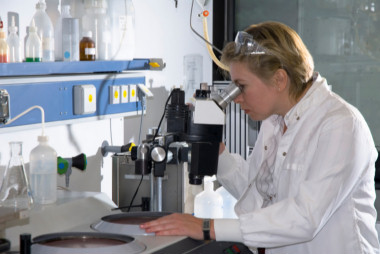
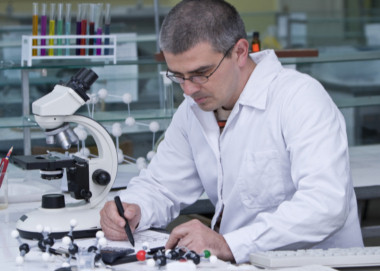
实验部分很重要。 Phần thí nghiệm rất quan trọng. ส่วนทดลองมีความสำคัญมาก La parte experimental es muy importante. La partie expérimentale est très importante. La parte sperimentale è molto importante. The experimental part is very important. Der experimentelle Teil ist sehr wichtig.
她在温习功课。 Cô ấy đang xem lại bài học của mình. เธอกำลังทบทวนบทเรียนของเธอ Está repasando sus lecciones. Elle révise ses leçons. Sta rivedendo le sue lezioni. She is reviewing her lessons. Sie wiederholt ihre Lektionstexte.
De wetenschappers concentreren zich op hun experimenten.
科学家专心研究。 Các nhà khoa học tập trung vào các thí nghiệm của họ. นักวิทยาศาสตร์จดจ่ออยู่กับการทดลองของพวกเขา Los científicos se concentran en sus experimentos. Les scientifiques se sont concentrés sur leurs expériences. Gli scienziati si sono concentrati sui loro esperimenti. The scientists concentrate on their experiments. Die Wissenschaftler konzentrieren sich auf ihre Experimente.
实验取得了突破。 Thử nghiệm đã tạo ra một bước đột phá. การทดลองทำให้เกิดความก้าวหน้า El experimento ha supuesto un gran avance. L'expérience a fait une percée. L'esperimento ha fatto una svolta. The experiment has made a breakthrough. Das Experiment hat einen Durchbruch geschafft.
她正在做实验。 Cô ấy đang tiến hành một cuộc thử nghiệm. เธอกำลังทำการทดลอง Está realizando un experimento. Elle mène une expérience. Sta conducendo un esperimento. She is conducting an experiment. Sie führt ein Experiment durch.
拳击是一种剧烈的运动。 Quyền anh là một môn thể thao khốc liệt. มวยเป็นกีฬาที่ดุเดือด El boxeo es un deporte feroz. La boxe est un sport féroce. La boxe è uno sport feroce. Boxing is a fierce sport. Boxen ist ein harter Sport.
她的舞蹈动作很标准。 Động tác vũ đạo của cô ấy khá chính xác. ท่าเต้นของเธอค่อนข้างถูกต้อง Sus movimientos de baile son muy correctos. Ses mouvements de danse sont tout à fait corrects. I suoi movimenti di danza sono abbastanza corretti. Her dance movements are quite correct. Ihre Tanzbewegungen sind ganz exakt.
他喜欢拳击打斗。 Anh ấy yêu quyền anh và chiến đấu. เขารักการชกมวยและการต่อสู้ Le encanta el boxeo y la lucha. Il aime la boxe et les combats. Ama la boxe e il combattimento. He loves boxing and fighting. Er boxt und kämpft gerne.
这道题很复杂。 Vấn đề [toán học] này rất phức tạp. ปัญหา [คณิตศาสตร์] นี้ซับซ้อนมาก Este problema [matemático] es muy complejo. Ce problème [mathématique] est très complexe. Questo problema [di matematica] è molto complesso. This [math] problem is very complex. Dieses [mathematische] Problem ist sehr komplex.
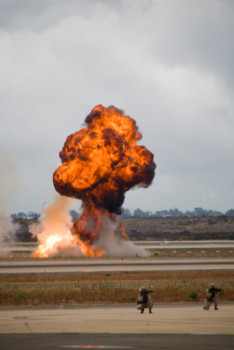
原子弹爆炸了。 Quả bom nguyên tử phát nổ. ระเบิดปรมาณูระเบิด La bomba atómica explotó. La bombe atomique a explosé. La bomba atomica è esplosa. The atomic bomb exploded. Die Atombombe explodierte.
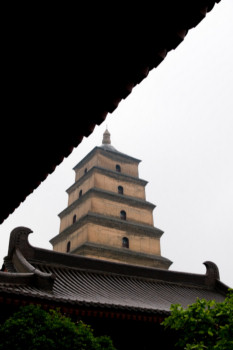
陕西有悠久的历史。 Thiểm Tây có lịch sử lâu đời. ส่านซีมีประวัติศาสตร์อันยาวนาน Shaanxi tiene una larga historia. Le Shaanxi a une longue histoire. Lo Shaanxi ha una lunga storia. Shaanxi has a long history. Shaanxi hat eine lange Geschichte.
Ze zijn het resultaat van het experiment aan het analyseren.
他们在分析实验的结果。 Họ đang phân tích kết quả của thí nghiệm. พวกเขากำลังวิเคราะห์ผลการทดลอง Están analizando el resultado del experimento. Ils analysent le résultat de l'expérience. Stanno analizzando il risultato dell'esperimento. They are analyzing the result of the experiment. Sie analysieren das Ergebnis des Experiments.
她正在用仪器做实验。 Cô ấy đang làm một cuộc thử nghiệm với nhạc cụ. เธอกำลังทำการทดลองกับครื่องมือ Está haciendo un experimento con el instrumento. Elle fait une expérience avec l'instrument. Sta facendo un esperimento con lo strumento. She is doing an experiment with the instrument. Sie macht ein Experiment mit dem Instrument.
他是这个领域的专家。 Anh ấy là một chuyên gia trong lĩnh vực này. เขาเป็นผู้เชี่ยวชาญในด้านนี้ Es un experto en esta área. C'est un expert dans ce domaine. È un esperto in questo settore. He is an expert in this area. Er ist ein Experte auf diesem Gebiet.
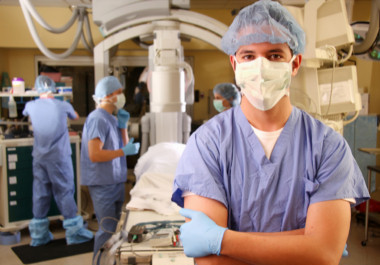
他是外科领域的专家。 Anh ấy là một chuyên gia về phẫu thuật. เขาเป็นผู้เชี่ยวชาญด้านศัลยกรรม Es un experto en cirugía. C'est un expert en chirurgie. È un esperto in chirurgia. He is an expert at surgery. Er ist ein Experte auf dem Gebiet der Chirurgie.
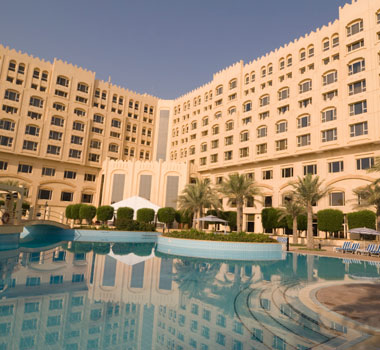
这间宾馆非常豪华。 Khách sạn này rất sang trọng. โรงแรมนี้หรูหรามาก Este hotel es muy lujoso. Cet hôtel est très luxueux. Questo hotel è molto lussuoso. This hotel is very luxurious. Das Hotel ist sehr luxuriös.
这座宫殿很豪华。 Cung điện này rất sang trọng. วังนี้หรูหรามาก Este palacio es muy lujoso. Ce palais est très luxueux. Questo palazzo è molto lussuoso. This palace is very luxurious. Dieser Palast ist sehr luxuriös.
Zij is een expert in het identificeren van edelstenen.
她是专家,会鉴定宝石。 Cô ấy là một chuyên gia. Cô ấy biết cách xác thực đá quý. เธอเป็นผู้เชี่ยวชาญ เธอรู้วิธีตรวจสอบอัญมณี Es una experta. Sabe cómo autentificar gemas. C'est une experte. Elle sait comment authentifier les pierres précieuses. Lei è un'esperta. Sa come autenticare le gemme. She is an expert. She knows how to authenticate gems. Sie ist Expertin für die Identifizierung von Edelsteinen.
凤凰是传说中的一种动物。 Phượng hoàng là một con vật huyền thoại. ฟีนิกซ์เป็นสัตว์ในตำนาน El fénix es un animal legendario. Le phénix est un animal légendaire. La fenice è un animale leggendario. The phoenix is a legendary animal. Der Phönix ist ein legendäres Tier.
厦门是一座美丽的城市。 Hạ Môn là một thành phố xinh đẹp. เซียะเหมินเป็นเมืองที่สวยงาม Xiamen es una ciudad hermosa. Xiamen est une belle ville. Xiamen è una bellissima città. Xiamen is a beautiful city. Xiamen ist eine wunderschöne Stadt.
他们参加探险队远征南极。 Họ đang thực hiện một chuyến thám hiểm khám phá Nam Cực. พวกเขากำลังเดินทางไปสำรวจขั้วโลกใต้ Van a realizar una expedición para explorar el Polo Sur. Ils partent en expédition pour explorer le pôle Sud. Stanno andando in spedizione per esplorare il Polo Sud. They are going on an expedition to explore the South Pole. Sie machen eine Expedition, um den Südpol zu erkunden.
宫廷很豪华。 Cung điện rất sang trọng. พระราชวังมีความหรูหรามาก El palacio es muy lujoso. Le palais est très luxueux. Il palazzo è molto lussuoso. The palace is very luxurious. Der Palast ist sehr luxuriös.
这辆轿车很豪华。 Chiếc xe này rất sang trọng. รถคันนี้หรูหรามาก Este coche es muy lujoso. Cette voiture est très luxueuse. Questa macchina è molto lussuosa. This car is very luxurious. Dieses Auto ist sehr luxuriös.
他的生活很奢侈。 Anh ấy sống một cuộc sống xa hoa. เขาใช้ชีวิตฟุ่มเฟือย Lleva una vida extravagante. Il mène une vie extravagante. Vive una vita stravagante. He lives an extravagant life. Er lebt ein extravagantes Leben
这面镜子是凸的。 Gương này là gương cầu lồi. กระจกนี้นูน Este espejo es convexo. Ce miroir est convexe. Questo specchio è convesso. This mirror is convex. Dieser Spiegel ist konvex.
 [EN]
[EN]  [DE]
[DE]  [NL]
[NL]  [ES]
[ES]  [FR]
[FR]  [IT]
[IT]  [TH]
[TH]  [VI]
[VI]  [ZH]
[ZH] 




 xe taxi