马德里和柏林也都是首都。 แมดริดและเบอร์ลินก็เป็นเมืองหลวง Madrid và Berlin cũng là thủ đô. Madrid und Berlin sind auch Hauptstädte. Madrid et Berlin sont aussi des capitales. Madrid y Berlín también son capitales. Madrid and Berlin are also capital cities. Madrid en Berlijn zijn ook hoofdsteden.
首都都是又大又吵的。 เมืองหลวง ใหญ่และเสียงดัง Các thủ đô vừa lớn vừa ồn. Die Hauptstädte sind groß und laut. Les capitales sont grandes et bruyantes. Las capitales son grandes y ruidosas. Capital cities are big and noisy. De hoofdsteden zijn groot en lawaaierig.
Non dimenticare le cravatte, le cinture e le giacche.
别忘了带领带,腰带,西服。 อย่าลืมเนคไท เข็มขัดและ เสื้อนอกนะ Nhớ đến ca vát, thắt lưng / dây lưng, áo khoác. Denk an die Krawatten, die Gürtel, die Sakkos. Pense aux cravates, aux ceintures et aux vestons. Que no se te olviden las corbatas, los cinturones, las americanas. Remember to take ties, belts and sports jackets. Vergeet de dassen, de riemen, en de colberts niet.
现在还没产生结果。 ตอนนี้เสมอกันอยู่ Hiện giờ hòa. Im Moment steht es unentschieden. Pour le moment, c’est match nul. En este momento están empatados. It is currently a tie. Momenteel spelen ze gelijk.
你带过的是哪条领带? คุณผูกเน็คไทเส้นไหน? Bạn đã đeo ca vát nào? Welche Krawatte hast du getragen? Quelle cravate as-tu porté ? ¿Qué corbata te pusiste? Which tie did you wear? Welke stropdas heb je gedragen?
我 喜欢 大 城市 。 เราชอบเมืองใหญ่ Tôi thích những thành phố lớn. Ich mag große Städte. J'aime les grandes villes. Me gustan las ciudades grandes. I like big cities. Ik hou van grote steden.
1049
Le piace sempre far festa.
她 一直 都 喜欢 派对 。 เขาชอบไปปาร์ตี้ตลอด Cô ấy thích tiệc tùng. Sie geht gerne zu Partys. Elle aime toujours les fêtes. Ella siempre disfruta de las fiestas. She always enjoys parties. Ze gaat graag naar feestjes.
1560
Non sono mai invitato alle feste.
我 都 没 被 邀请 去 派对 。 ไม่เคยมีใครชวนไปปาร์ตี้เลย Tôi chưa bao giờ được mời đi dự tiệc. Ich werde nie zu Partys eingeladen. Je ne suis jamais invité aux fêtes. Nunca me invitan a fiestas. I'm never invited to parties. Ik word nooit uitgenodigd op feestjes.
1979
Lui è la persona più paziente che io abbia mai incontrato.
他 是 我 见 过 最 有 耐心 的 人 。 เขาเป็นคนมีความอดทนสูงมากที่สุดที่เคยเจอ Anh ấy là người kiên nhẫn nhất mà tôi từng gặp. Er ist der geduldigste Mensch, den ich kenne. Il est la personne la plus patiente que j'aie jamais rencontrée. Él (♀Ella) es la persona más paciente que he conocido nunca. He's the most patient person I've ever met. Hij is de meest geduldige persoon die ik ken.
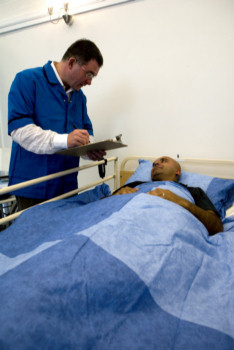
病人今天好多了。 วันนี้คนไข้ดีขึ้นมาก Bệnh nhân hôm nay đỡ nhiều. Dem Patienten geht es heute viel besser. Le patient va beaucoup mieux aujourd'hui. El paciente está mucho mejor hoy. The patient is much better today. De patiënt is vandaag veel beter.
铁路把城市连起来。 ทางรถไฟเชื่อมต่อเมืองต่างๆ Các tuyến đường sắt kết nối các thành phố. Die Eisenbahnen verbinden die Städte. Les chemins de fer relient les villes. Los ferrocarriles conectan las ciudades. Railroads connect cities. De spoorwegen verbinden de steden.
病人苏醒了。 ผู้ป่วยฟื้นคืนสติ Bệnh nhân đã tỉnh lại. Der Patient hat das Bewusstsein wiedererlangt. Le patient a repris conscience. El paciente ha recuperado la conciencia. The patient has regained consciousness. De patiënt is weer bij bewustzijn.
他在耐心地等待。 เขากำลังรออย่างอดทน Anh ấy đang kiên nhẫn chờ đợi. Er wartet geduldig. Il attend patiemment. Está esperando pacientemente. He is waiting patiently. Hij wacht geduldig.
病人的意识还没有清醒。 ผู้ป่วยยังไม่ฟื้นคืนสติ Bệnh nhân vẫn chưa tỉnh lại. Der Patient hat das Bewusstsein noch nicht wiedererlangt. Le patient n'a pas encore repris conscience. El paciente aún no ha recuperado la conciencia. The patient hasn not regained consciousness yet. De patiënt is nog niet bij bewustzijn gekomen.
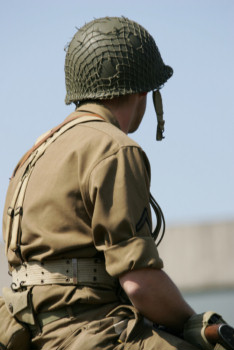
他在观察敌人的活动。 เขากำลังสังเกตกิจกรรมของศัตรู Anh ta đang quan sát các hoạt động của đối phương. Er beobachtet die Aktivitäten des Feindes. Il observe les activités de l'ennemi. Está observando las actividades del enemigo. He is observing the activities of the enemy. Hij observeert de activiteiten van de vijand.
她对孩子们有耐心。 เธออดทนกับลูกๆ Cô ấy kiên nhẫn với bọn trẻ. Sie ist geduldig mit den Kindern. Elle est patiente avec les enfants. Es paciente con los niños. She is patient with the children. Ze is geduldig met de kinderen.
士兵驻守在边境。 ทหารประจำการอยู่ที่ชายแดน Những người lính đang đóng quân ở biên giới. Die Soldaten sind an der Grenze stationiert. Les soldats sont stationnés à la frontière. Los soldados están apostados en la frontera. The soldiers are stationed at the frontier. De soldaten zijn gestationeerd aan de grens.
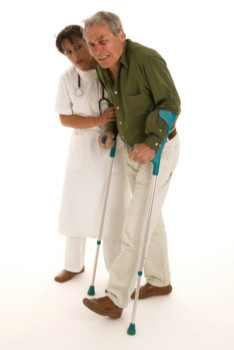
医生扶着病人往前走。 แพทย์กำลังช่วยผู้ป่วยให้เดิน Bác sĩ đang giúp bệnh nhân đi lại. Der Arzt hilft dem Patienten beim Gehen. Le médecin aide le patient à marcher. El médico está ayudando al paciente a caminar. The doctor is helping the patient to walk. De dokter helpt de patiënt om te lopen.
绳子绑在柱子上。 เชือกผูกติดกับเสา Sợi dây buộc vào cột nhà. Das Seil ist am Pfosten befestigt. La corde est attachée au pilier. La cuerda está atada al pilar. The rope is tied to the pillar. Het touw is aan de paal bevestigd.
我自己会系鞋带。 ฉันสามารถผูกเชือกรองเท้าด้วยตัวเอง Tôi có thể tự buộc dây giày của mình. Ich kann meine Schnürsenkel selbst binden. Je peux faire mes lacets tout seul. Puedo atarme los cordones yo solo. I can tie my shoelaces by myself. Ik kan mijn eigen veters strikken.
这个阿姨很漂亮。 'น้า' คนนี้สวยจัง 'Bà cô' này rất xinh. Diese 'Tante' ist sehr hübsch. Cette "tante" est très jolie. Esta "tía" es muy bonita. This 'auntie' is very pretty. Deze 'tante' is erg mooi.
Il dottore sta diagnosticando una malattia a un paziente.
医生在对病情做诊断。 แพทย์กำลังวินิจฉัยความเจ็บป่วยของผู้ป่วย Bác sĩ đang chẩn đoán bệnh cho bệnh nhân. Der Arzt diagnostiziert, dass ein Patient krank ist. Le médecin est en train de diagnostiquer la maladie d'un patient. El médico está diagnosticando una enfermedad al paciente. The doctor is diagnosing a patient's illness. De dokter stelt vast dat een patiënt ziek is.
别扯我的领带。 อย่าดึงเน็คไทของฉัน! Đừng kéo cà vạt của tôi! Zieh nicht an meiner Krawatte! Ne tire pas sur ma cravate ! ¡No me tires de la corbata! Don't pull my tie! Trek niet aan mijn das!
Il medico ha sollecitato / avvertito ripetutamente il paziente di assumere il medicinale negli orari indicati.
医生叮嘱病人按时吃药。 แพทย์/เตือนผู้ป่วยซ้ำๆ ให้กินยาตามเวลาที่กำหนด Bác sĩ thúc giục / cảnh báo bệnh nhân nhiều lần uống thuốc vào thời gian được chỉ địn Der Arzt forderte den Patienten wiederholt auf, das Arzneimittel zu den angegebenen Zeiten einzunehmen. Le médecin a insisté/avertit le patient à plusieurs reprises de prendre le médicament aux heures indiquées. El médico ha instado/advertido al paciente en repetidas ocasiones que tome la medicina a las horas indicadas. The doctor urged/warned the patient repeatedly to take the medicine at the times indicated. De arts heeft de patiënt herhaaldelijk gevraagd het geneesmiddel op de aangegeven tijdstippen in te nemen.
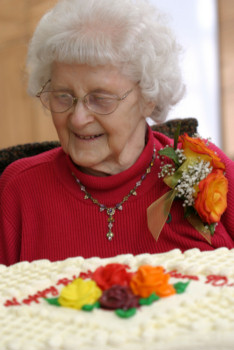
今天是奶奶的八十诞辰。 วันนี้เป็นวันเกิดปีที่แปดสิบของคุณยายของฉัน Hôm nay là sinh nhật lần thứ tám mươi của bà tôi. Heute ist der achtzigste Geburtstag meiner Oma. Aujourd'hui, c'est le quatre-vingtième anniversaire de ma grand-mère. Hoy es el octogésimo cumpleaños de mi abuela. Today is my Grandma's eightieth birthday. Vandaag is het de tachtigste verjaardag van mijn grootmoeder.
Prendendo un impulso, un medico può valutare le condizioni di un paziente.
医生通过把脉来揆度病情。 โดยการวัดชีพจร แพทย์สามารถวัดอาการของผู้ป่วยได้ Bằng cách bắt mạch, bác sĩ có thể đánh giá tình trạng của bệnh nhân. Durch einen Puls kann ein Arzt den Zustand eines Patienten beurteilen. En prenant un pouls, un médecin peut évaluer l'état d'un patient. Al tomar el pulso, un médico puede medir la condición de un paciente. By taking a pulse, a doctor can gauge a patient is condition. Door een polsslag te nemen, kan een dokter de toestand van een patiënt beoordelen.
 [EN] Polyglot Dict
  [DE]
[DE]  [NL]
[NL]  [ES]
[ES]  [FR]
[FR]  [IT]
[IT]  [TH]
[TH]  [VI]
[VI]  [ZH]
[ZH]