如果 有 人 想 参加 考试 要 在 礼拜五 前 跟 我 说 。 ใครอยากสอบก็ควรจะบอกเราภายในวันศุกร์ Ai muốn thi thì nên bảo tôi trước ngày Thứ sáu. Wer an der Prüfung teilnehmen will, der soll mir bitte bis Freitag Bescheid geben. Quiconque souhaite passer l'examen doit me le dire d'ici vendredi. Quien quiera hacer el examen debe decírmelo para el viernes. Anyone who wants to take the exam should tell me by Friday. Iedereen die het examen wil doen, laat het me vrijdag weten.
1920
Chiunque voglia fare domanda per il lavoro, deve farlo entro venerdì.
所有 想要 申请 这 份 工作 的 人 , 必须 在 週五 前 完成 。 ใครก็ตามที่อยากจะสมัครงานต้องสมัครภายในวันศุกร์ Bất kì ai muốn nộp đơn xin việc phải thực hiện trước ngày Thứ sáu. Jeder, der sich auf die Stelle bewerben will, muss das bis Freitag getan haben. Quiconque souhaitant postuler pour l'emploi doit le faire d'ici vendredi. Quien quiera solicitar el trabajo debe hacerlo para el viernes. Anyone who wants to apply for the job must do so by Friday. Iedereen die voor de baan wil solliciteren moet dat voor vrijdag doen.
2051
Non sono riuscito a contattare Davide in quanto era in viaggio d'affari in Giappone e il suo cellulare lì, non funziona.
我 没 办法 连络 上 大卫 , 因为 他 当时 在 日本 出差 , 手机 在 那边 也 不 能 用 。 ติดต่อเดวิดไม่ได้เพราะเขาไปธุรกิจที่ญี่ปุ่นโทรศัพท์มือถือใช้ไม่ได้ Tôi không thể liên lạc với David khi anh ấy đang đi công tác ở Nhật Bản và điện thoại di động của anh ấy không họat động ở đó. Ich konnte David nicht erreichen, weil er in Japan auf Geschäftsreise war und sein Handy dort nicht funktioniert. Je ne pouvais pas communiquer avec David parce qu'il était en voyage d'affaires au Japon et que son téléphone portable ne fonctionne pas là-bas. No pude ponerme en contacto con David porque estaba en un viaje de negocios en Japón y su teléfono móvil no funciona allí. I couldn't contact David as he was on a business trip in Japan and his mobile phone doesn't work there. Ik kon David niet bereiken omdat hij in Japan op zakenreis was en zijn mobiele telefoon daar niet werkt.
2271
Rashid è davvero arrabbiato riguardo a ciò che suo fratello ha detto.
拉希德 对 他 弟弟 说 的话 感到 很 生气 。 ราชิดโกรธมากที่น้องชายพูดแบบนั้น Rashid thực sự tức giận về những gì em trai anh ấy nói. Rashid ist wirklich sauer über das, was sein Bruder gesagt hat. Rashid est vraiment en colère à propos de ce que son frère a dit. Rashid está muy enfadado por lo que dijo su hermano. Rashid is really angry about what his brother said. Rashid is echt boos over wat zijn broer zei.
这个英文句子是什么意思? ประโยคภาษาอังกฤษนี้หมายความว่าอย่างไร Câu tiếng Anh này có nghĩa là gì? Was bedeutet dieser englische Ausdruck? Que signifie cette phrase en anglais ? ¿Qué significa esta frase en inglés? What does this English sentence mean? Wat betekent deze Engelse uitdrukking?
Le sue mosse di ginnastica sono all'altezza degli standard.
她的体操动作很标准。 การเคลื่อนไหวยิมนาสติกของเธอนั้นขึ้นอยู่กับมาตรฐาน Các động tác thể dục của cô đều đạt tiêu chuẩn. Ihre gymnastischen Bewegungen entsprechen dem Standard. Ses mouvements de gymnastique sont à la hauteur. Sus movimientos de gimnasia están a la altura. Her gymnastics moves are up to the standard. Haar gymnastiekbewegingen zijn naar behoren.
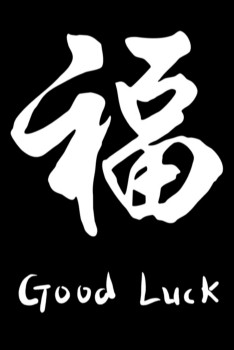
这个汉字有什么含义? ตัวอักษรจีนนี้หมายความว่าอย่างไร Chữ Hán này có nghĩa là gì? Was bedeutet dieses chinesische Schriftzeichen? Que signifie ce caractère chinois ? ¿Qué significa este carácter chino? What does this Chinese character mean? Wat betekent dit Chinese karakter?
他在批评员工。 เขากำลังวิพากษ์วิจารณ์พนักงานของเขา Anh ấy đang chỉ trích nhân viên của mình. Er kritisiert seine Mitarbeiter. Il critique son personnel. Está criticando a su personal. He is criticizing his staff. Hij bekritiseert zijn personeel.
他在说明自己的理论。 เขากำลังอธิบายทฤษฎีของเขา Anh ấy đang giải thích lý thuyết của mình. Er erklärt seine Theorie. Il explique sa théorie. Está explicando su teoría. He is explaining his theory. Hij legt zijn theorie uit.
Sebbene suo padre la confortasse, era ancora infelice.
爸爸安慰她,她却不开心。 แม้ว่าพ่อของเธอจะปลอบโยนเธอ แต่เธอก็ยังไม่มีความสุข Dù cha cô đã an ủi nhưng cô vẫn không hài lòng. Obwohl ihr Vater sie tröstet, ist sie immer noch unglücklich. Bien que son père la réconforte, elle est toujours malheureuse. Aunque su padre la consoló, ella seguía siendo infeliz. Although her father comforts her, she is still unhappy. Hoewel haar vader haar troost, is ze nog steeds ongelukkig.
何谓人造卫星? ดาวเทียมที่มนุษย์สร้างขึ้น หมายถึงอะไร? Vệ tinh nhân tạo nghĩa là gì? Was bedeutet "künstlicher Satellit"? Que signifie "satellite artificiel" ? ¿Qué significa "satélite artificial"? What does "man-made satellite" mean? Wat betekent "kunstmatige satelliet"?
È così ventoso, il suo cappello è stato quasi spazzato via.
风很大,差点儿把她的帽子刮跑了。 ลมแรงมาก หมวกของเธอเกือบปลิว Trời quá gió, mũ của cô gần như bị thổi bay. Es ist so windig, dass ihr Hut fast weggeblasen wurde. Il y a tellement de vent que son chapeau a failli s'envoler. Hace tanto viento que casi se le vuela el sombrero. It is so windy, her hat was almost blown away. Het is zo winderig dat haar hoed er bijna af waaide.
我喜欢看体育专栏。 ฉันชอบอ่านคอลัมน์กีฬา Tôi thích đọc chuyên mục thể thao. Ich lese gerne die Sportkolumne. J'aime lire la rubrique sportive. Me gusta leer la columna de deportes. I like reading the sports column. Ik lees graag de sportkolom.
Shenzhen è stata la prima zona economica speciale in Cina.
深圳是中国最早的经济特区。 เซินเจิ้นเป็นเขตเศรษฐกิจพิเศษแห่งแรกของจีน Thâm Quyến là Đặc khu kinh tế đầu tiên ở Trung Quốc. Shenzhen war die erste Sonderwirtschaftszone in China. Shenzhen a été la première zone économique spéciale de Chine. Shenzhen fue la primera Zona Económica Especial de China. Shenzhen was the first Special Economic Zone in China. Shenzhen was de eerste speciale economische zone in China.
Un palo della linea elettrica è in piedi sul ciglio della strada.
路边竖立着一根电线杆。 มีเสาไฟฟ้ายืนอยู่ริมถนน Một cột điện nằm bên vệ đường. Am Straßenrand steht ein Strommast. Un poteau électrique se trouve au bord de la route. Un poste del tendido eléctrico está al lado de la carretera. A power line pole is standing by the roadside. Er staat een hoogspanningsmast langs de kant van de weg.
她嫌妈妈太罗嗦。 เธอไม่ชอบที่แม่ของเธอจู้จี้ Cô không thích mẹ mình hay cằn nhằn. Sie mag es nicht, wenn ihre Mutter nörgelt. Elle n'aime pas que sa mère la harcèle. Le disgusta que su madre le regañe. She dislikes her mother is nagging. Ze houdt er niet van als haar moeder zeurt.
 [EN] Polyglot Dict
  [DE]
[DE]  [NL]
[NL]  [ES]
[ES]  [FR]
[FR]  [IT]
[IT]  [TH]
[TH]  [VI]
[VI]  [ZH]
[ZH]