我们需要面包和大米。 เราต้องการขนมปังและข้าว Chúng ta cần bánh mì và cơm. Wir brauchen Brot und Reis. Nosotros / nosotras necesitamos pan y arroz. Abbiamo bisogno di pane e riso. We need bread and rice. We hebben brood en rijst nodig.
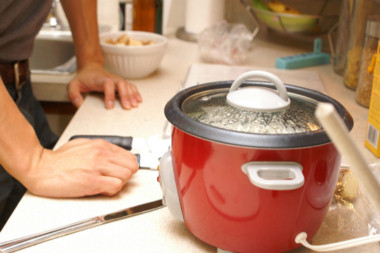
您的菜要加米饭吗? คุณต้องการทานกับข้าวสวยใช่ไหม ครับ / คะ? Bạn có muốn món đó với cơm không? Möchten Sie das mit Reis? ¿Lo querría (usted) con arroz? Lo vuole con il riso? Would you like that with rice? Wilt u dat met rijst?
Tu remarques que les prix au restaurant sont très élevés.
你 注意 到 餐厅 的 价格 很 高 。 เห็นว่าราคาที่ร้านอาหารแพงมาก Bạn để ý thấy giá cả của nhà hàng rất cao. Du stellst fest, dass die Preise im Restaurant sehr hoch sind. Te das cuenta de que los precios del restaurante son muy altos. Ti accorgi che i prezzi del ristorante sono molto alti. You notice the restaurant prices are very high. Je merkt dat de prijzen in het restaurant erg hoog zijn.
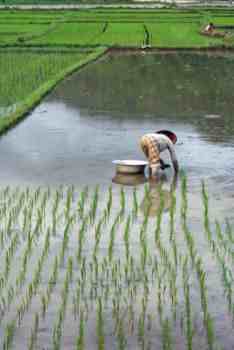
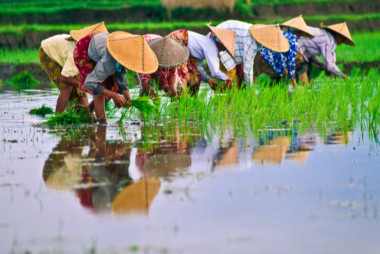
水稻是主要的农作物。 ข้าวเป็นพืชผลหลักของที่นี่ Ở đây cây lúa là cây trồng chính. Reis ist hier die Pflanze, die am meisten angebaut wird. El arroz es el principal cultivo aquí. Il riso è il raccolto principale qui. Rice is the main crop here. Rijst is het meest verbouwde gewas hier.
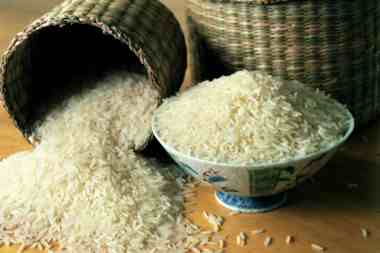
米是一种主食。 ข้าวเป็นอาหารหลัก Gạo là lương thực chính. Reis ist ein Grundnahrungsmittel. El arroz es un alimento básico. Il riso è un alimento base. Rice is a staple food. Rijst is een basisvoedsel.
今天的油价是多少? ราคาน้ำมันวันนี้คืออะไร? Giá dầu hôm nay là bao nhiêu? Wie hoch ist der Ölpreis heute? ¿Cuál es el precio del petróleo hoy? Qual è il prezzo del petrolio oggi? What is the oil price today? Wat is de prijs van olie vandaag?
这件古董价值连城。 โบราณวัตถุนี้ประเมินค่ามิได้ Đồ cổ này là vô giá. Diese Antiquität ist unbezahlbar. Esta antigüedad no tiene precio. Questo oggetto d'antiquariato non ha prezzo. This antique is priceless. Dit antiek is onbetaalbaar.
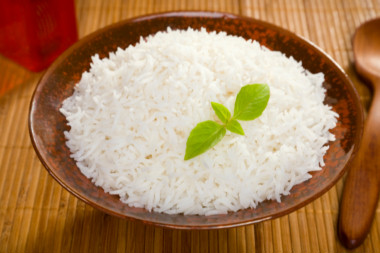
我吃了一碗饭。 ฉันกินข้าวไปหนึ่งชาม Tôi đã ăn hết một bát cơm. Ich habe eine Schüssel Reis gegessen. Me he comido un cuenco de arroz. Ho mangiato una ciotola di riso. I have eaten one bowl of rice. Ik heb een kom rijst gegeten.
Il y a une récolte exceptionnelle de riz cette année.
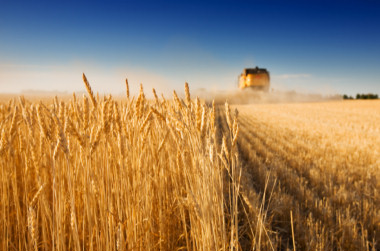
今年的稻谷丰收了。 การเก็บเกี่ยวข้าวในปีนี้ได้รับกันชน Vụ lúa năm nay bội thu. In diesem Jahr gibt es eine Rekordernte an Reis. Este año hay una gran cosecha de arroz. Quest'anno c'è un raccolto eccezionale di riso. There is a bumper crop of rice this year. Dit jaar is er een recordoogst aan rijst.
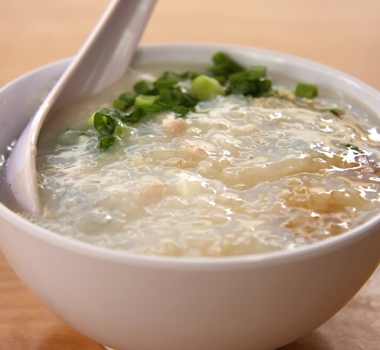
宝宝在吃稀饭。 ลูกกำลังกินข้าวต้ม Em bé đang ăn cháo. Das Baby isst den Reisbrei. El bebé está comiendo la papilla de arroz. Il bambino sta mangiando il porridge di riso. The baby is eating the rice porridge. De baby eet de rijstepap.
Elle s'est acheté un bol de riz. (Lit., "Elle a rempli un bol de riz.")
她盛了一碗饭。 เธอได้ชามข้าวให้ตัวเอง (ตัวอักษร "เธอใส่ข้าวเต็มชาม") Cô ấy kiếm cho mình một bát cơm. (Lit., "Cô ấy đổ đầy một cái bát với cơm.") Sie holte sich eine Schüssel Reis. (Lit. "Sie füllte eine Schüssel mit Reis.") Se ha comprado un cuenco de arroz. (Lit., "Ella llenó un tazón con arroz"). Si è procurata una ciotola di riso. (Lett. "Ha riempito una ciotola di riso.") She got herself a bowl of rice. (Lit., "She filled a bowl with rice.") Ze haalde een kom rijst. (Lit. "Ze vulde een kom met rijst.")
他在吃粥。 เขากำลังกินโจ๊ก [ข้าวต้ม] Anh ấy đang ăn cháo [cháo gạo]. Er isst Reisbrei. Está comiendo congee [gachas de arroz]. Sta mangiando congee [farina di riso]. He is eating congee [rice gruel]. Hij eet rijstepap.
她在看价目标籤。 เธอกำลังดูป้ายราคา Cô ấy đang nhìn vào thẻ giá. Sie schaut auf das Preisschild. Ella está mirando la etiqueta de precio. Sta guardando il cartellino del prezzo. She is looking at the price tag. Ze kijkt naar het prijskaartje.
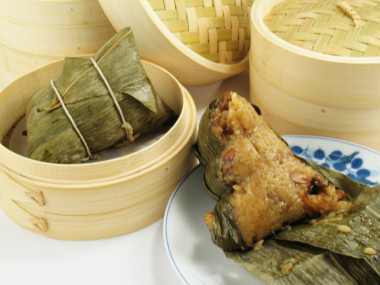
Manger des « zongzi » [boulettes de riz gluant enveloppées de feuilles] pendant le festival des bateaux-dragons est une coutume traditionnelle.
端午节吃粽子是一种传统习俗。 การรับประทาน "zongzi" [เกี๊ยวข้าวเหนียวห่อใบ] ในช่วงเทศกาลเรือมังกรเป็นประเพณีดั้งเดิม Ăn "zongzi" [bánh bao gạo nếp gói bằng lá] trong Lễ hội Thuyền rồng là một phong tục Das Essen von "Zongzi" (mit Blättern umwickelte Knödel aus klebrigem Reis) während des Drachenbootfestivals ist ein trad Comer "zongzi" [bolas de masa de arroz pegajosas envueltas en hojas] durante el Festival del Bote del Dragón es una costumbre tradicional. Mangiare "zongzi" [gnocchi di riso appiccicoso avvolti in foglie] durante il Dragon Boat Festival è un'usanza tradizionale. Eating "zongzi" [leaf-wrapped sticky rice dumplings] during the Dragon Boat Festival is a traditional custom . Het eten van "zongzi" (in bladeren gewikkelde dumplings van kleefrijst) tijdens het Drakenbootfestival is een traditioneel gebruik.
 [EN]
[EN]  [DE]
[DE]  [NL]
[NL]  [ES]
[ES]  [FR]
[FR]  [IT]
[IT]  [TH]
[TH]  [VI]
[VI]  [ZH]
[ZH]