你已经被允许开车了吗? คุณได้รับอนุญาติให้ขับรถได้แล้วหรือ? Bạn được phép lái xe chưa? Darfst du schon Auto fahren? ¿Ya puedes conducir? Puoi già guidare? Are you already allowed to drive? Mag jij al autorijden?
你已经可以喝酒了吗? คุณได้รับอนุญาติให้ดื่มแอลกอฮอล์ได้แล้วหรือ? Bạn được phép uống rượu chưa? Darfst du schon Alkohol trinken? ¿Ya puedes beber alcohol? Puoi già bere alcol? Are you already allowed to drink alcohol? Mag jij al alcohol drinken?
你已经可以一个人出国了吗? คุณได้รับอนุญาติให้ไปต่างประเทศคนเดียวได้แล้วหรือ? Bạn được phép đi ra nước ngoài một mình chưa? Darfst du schon allein ins Ausland fahren? ¿Ya puedes viajar solo /-a al extranjero? Puoi già andare all’estero da solo? Are you already allowed to travel abroad alone? Mag jij al alleen naar het buitenland?
这里可以吸烟吗? ตรงนี้สูบบุหรี่ได้ไหม ครับ / คะ? Hút thuốc lá ở đây được không? Darf man hier rauchen? ¿Se puede fumar aquí? E permesso fumare qui? Is smoking allowed here? Mag je hier roken?
他不可以在公园里睡觉。 เขานอนในสวนสาธารณะไม่ได้ Anh ấy không được phép ngủ trong công viên. Er darf nicht im Park schlafen. Él no puede dormir en el parque. Non può dormire al parco. He is not allowed to sleep in the park. Hij mag niet in het park slapen.
他不可以在车里睡觉。 เขานอนในรถไม่ได้ Anh ấy không được phép ngủ trong xe hơi. Er darf nicht im Auto schlafen. Él no puede dormir en el coche. Non può dormire in auto / macchina. He is not allowed to sleep in the car. Hij mag niet in de auto slapen.
他不可以在火车站睡觉。 เขานอนที่สถานีรถไฟไม่ได้ Anh ấy không được phép ngủ trong nhà ga. Er darf nicht im Bahnhof schlafen. Él no puede dormir en la estación. Non può dormire in stazione. He is not allowed to sleep at the train station. Hij mag niet in het station slapen.
Je ne suis pas venu parce que je ne le pouvais pas.
我没来,因为我不可以来。 ผม / ดิฉัน ไม่มาเพราะไม่ได้รับอนุญาต Tôi đã không đến, bởi vì tôi đã không được phép. Ich bin nicht gekommen, weil ich nicht durfte. No he ido porque no pude. Non sono venuto perché non potevo. I didn’t come because I was not allowed to. Ik ben niet gekomen, omdat ik niet mocht.
他那时不可以吃冰激淋。 เขาไม่ได้รับอนุญาตให้ทานไอศครีม Anh ấy đã không được phép ăn kem. Er durfte kein Eis essen. Él no podía / debía comer helados. Lui non poteva mangiare il gelato. He was not allowed to eat ice cream. Hij mocht geen ijs eten.
他那时不可以吃巧克力。 เขาไม่ได้รับอนุญาตให้ทานช็อคโกแล็ต Anh ấy đã không được phép ăn sô cô la. Er durfte keine Schokolade essen. No podía / debía comer chocolate. Lui non poteva mangiare il cioccolato. He was not allowed to eat chocolate. Hij mocht geen chocolade eten.
他那时不可以吃糖。 เขาไม่ได้รับอนุญาตให้ทานของหวาน Anh ấy đã không được phép ăn kẹo. Er durfte keine Bonbons essen. No podía / debía comer caramelos. Lui non poteva mangiare le caramelle. He was not allowed to eat sweets. Hij mocht geen snoepje eten.
我那时可以为自己许愿。 ผม / ดิฉัน ได้รับอนุญาตให้ขอพร Tôi đã được phép ước điều gì đó. Ich durfte mir etwas wünschen. Pude pedir un deseo. Ho potuto esprimere un desiderio. I was allowed to make a wish. Ik mocht een wens doen.
我那时可以给自己买条连衣裙。 ผม / ดิฉัน ได้รับอนุญาตให้ซื้อชุดให้ตัวเองได้ หนึ่งชุด Tôi đã được phép mua một cái váy cho mình. Ich durfte mir ein Kleid kaufen. Pude comprar un vestido. Ho potuto comprarmi un vestito. I was allowed to buy myself a dress. Ik mocht een jurk kopen.
我那时可以拿块夹心巧克力吃。 ผม / ดิฉัน ได้รับอนุญาตให้หยิบช็อคโกแล็ต Tôi đã được phép lấy cho tôi một kẹo sô cô la có nhân. Ich durfte mir eine Praline nehmen. Pude coger un bombón. Ho potuto prendere un cioccolatino. I was allowed to take a chocolate. Ik mocht een bonbon nemen.
你那时可以在飞机里吸烟吗? คุณ สูบบุหรี่บนเครื่องบินได้หรือ? Bạn đã được phép hút thuốc lá ở trên máy bay chưa? Durftest du im Flugzeug rauchen? ¿Pudiste fumar en el avión? Potevi fumare in aereo? Were you allowed to smoke in the airplane? Mocht je in het vliegtuig roken?
Est-ce que tu pouvais boire de la bière à l’hôpital ?
你那时可以在医院喝啤酒吗? คุณ ดื่มเบียร์ในโรงพยาบาลได้หรือ? Bạn đã được phép uống bia ở trong bệnh viện chưa? Durftest du im Krankenhaus Bier trinken? ¿Pudiste beber cerveza en el hospital? Potevi bere la birra in ospedale? Were you allowed to drink beer in the hospital? Mocht je in het ziekenhuis bier drinken?
你那时可以把狗带到宾馆里吗? คุณ นำสุนัขเข้ามาในโรงแรมได้หรือ? Bạn đã được phép mang con chó vào khách sạn chưa? Durftest du den Hund ins Hotel mitnehmen? ¿Pudiste llevar al perro contigo al hotel? Potevi portare il cane in albergo? Were you allowed to take the dog into the hotel? Mocht je de hond meenemen in het hotel?
Pendant les vacances, les enfants avaient la permission de rester longtemps dehors.
孩子们那时可以在假期里在外面长时间逗留。 ในช่วงพักร้อนเด็ก ๆ ไม่ต้องไปนอนตามเวลา Trong kỳ nghỉ mấy đứa con tôi đã được phép ở ngoài lâu. In den Ferien durften die Kinder lange draußen bleiben. Durante las vacaciones los niños podían estar afuera hasta tarde. Durante le vacanze i bambini potevano restare a lungo fuori. During the holidays the children were allowed to remain outside late. In de vakantie mochten de kinderen lang buiten blijven.
Ils avaient la permission de jouer longtemps dans la cour.
他们那时可以在院子里长时间玩儿 พวกเขาเล่นที่สนามได้นาน Mấy đứa ấy đã được phép chơi ở ngoài sân lâu. Sie durften lange im Hof spielen. Ellos / ellas podían jugar durante mucho rato en el patio. Loro potevano giocare a lungo nel cortile. They were allowed to play in the yard for a long time. Zij mochten lang op de binnenplaats spelen.
他们那时可以长时间熬夜。 พวกเขาได้รับอนุญาตให้นอนดึกได้ Mấy đứa ấy đã được phép thức khuya. Sie durften lange aufbleiben. Ellos / ellas podían acostarse tarde. Loro potevano restare svegli fino a tardi. They were allowed to stay up late. Zij mochten lang opblijven.
Nous n'étions pas ♂autorisés (♀autorisées) à quitter le bâtiment.
我们 没有 被 准许 离开 这 栋 大楼 。 พวกเราไม่ได้รับอนุญาตให้ออกจากตึก Chúng tôi không được phép rời khỏi tòa nhà. Es war uns nicht erlaubt, das Gebäude zu verlassen. No teníamos permitido dejar el edificio. Non ci era consentito lasciare l'edificio. We weren't allowed to leave the building. We mochten het gebouw niet verlaten.
0394
Les ♂apprentis conducteurs (♀apprenties conductrices) ne sont pas ♂autorisés (♀autorisées) à conduire par ♂eux-mêmes (♀elles-mêmes).
驾训班 学员 不 可以 自己 开车 上路 。 คนที่เรียนขับรถอยู่ห้ามขับรถคนเดียว Những người lái xe cho học sinh không được phép tự lái xe cho mình. Fahrschülern ist es nicht erlaubt, allein zu fahren. Los estudiantes (♀Las estudiantes) de conducción no tienen permitido conducir solos (♀solas). Coloro che studiano per la patente non possono guidare da soli. Student drivers are not allowed to drive by themselves. Leerling-bestuurders mogen niet alleen rijden.
0397
Est-il permis de se garer ici ?
我们 可以 在 这里 停车 吗 ? จอดรถที่นี่ได้มั้ย Chúng tôi có được phép đỗ xe ở đây không? Dürfen wir hier parken? ¿Está permitido aparcar aquí? Possiamo parcheggiare qui? Are we allowed to park here? Mogen we hier parkeren?
0399
Quel est le nom de l'homme à qui tu as emprunté la voiture ?
借 你 车 的 那 位 先生 叫 什么 名字 ? ผู้ชายคนที่คุณยืมรถชื่ออะไร Tên của người đàn ông em mượn xe là gì? Wie heißt der Mann, von dem du das Auto ausgeliehen hast? ¿Cómo se llama el hombre que te ha prestado el coche? Come si chiama l'uomo dal quale hai preso in prestito la macchina. What's the name of the man whose car you borrowed? Wat is de naam van de man van wie je de auto hebt geleend?
0665
Tu aurais dû faire comme je t'ai montré.
你 应该 照 我 的 做 。 เธอน่าจะทำอย่างที่เราทำให้ดู Lẽ ra em nên làm như tôi đã chỉ cho em. Du hättest das tun sollen, wie ich es dir gesagt habe. Deberías haberlo hecho como te lo enseñé. Avresti dovuto farlo come ti ho mostrato. You should have done it as I showed you. Je had moeten doen wat ik je gezegd heb.
1137
J'ai ralenti pour que la voiture derrière moi puisse me dépasser.
我 放慢 了 速度 让 后面 的 车子 可以 超车 。 เราชะลอรถให้คันหลังแซงไปได้ Tôi đã đi chậm lại để chiếc xe đàng sau tôi vượt qua được. Ich bin langsamer gefahren, damit mich das Auto hinter mir überholen konnte. Reduje la velocidad para que el coche de atrás pudiera pasarme. Ho frenato, in modo tale che la macchina dietro di me potesse passare. I slowed down so that the car behind me could pass. Ik remde af zodat de auto achter me me kon inhalen.
1435
Camila m'a montré une photo de son fils, qui est un agent de police.
卡米拉 让 我 看 了 她 儿子 的 照片 , 他 是 位 警察 。 คามิล่าเอารูปลูกชายให้ดูลูกชายเป็นตำรวจ Camilia đưa tôi bức ảnh của con cô ấy, người mà đang là cảnh sát. Camila hat mir ein Photo ihres Sohnes gezeigt, der Polizist ist. Camilas Sohn ist Polizist, sie hat mir ein Photo von ihm gezeigt. Camila me enseñó una foto de su hijo, que es policía. Camilla mi ha mostrato una foto di suo figlio, il quale, di mestiere, fa l'ufficiale di polizia. Camila showed me a picture of her son, who is a police officer. Camila liet me een foto zien van haar zoon, die een politieagent is. Camila's zoon is een politieagent, ze liet me een foto van hem zien.
1927
Il est interdit de se garer devant l'édifice.
这 栋 大楼 前 不 允许 停车 。 จอดรถที่หน้าตึกไม่ได้ Việc đỗ xe trước mặt tòa nhà không được cho phép. Vor dem Gebäude ist das Parken nicht erlaubt. No está permitido aparcar en frente del edificio. È vietato parcheggiare davanti all'edificio. Parking isn't allowed in front of the building. Parkeren is niet toegestaan voor het gebouw.
1982
Tu ne peux pas te garer devant l'édifice.
你 不 可以 在 这 栋 大楼 前 停车 。 คุณไม่ได้รับอนุญาตให้จอดรถที่หน้าตึก Em không được phép đỗ xe trước mặt tòa nhà. Es ist Ihnen nicht erlaubt vor dem Gebäude zu parken. No tienes permitido aparcar en frente del edificio. Non sei autorizzato a parcheggiare davanti al palazzo. You aren't allowed to park in front of the building. U mag niet voor het gebouw parkeren.
妈妈准许他们吃冰淇淋。 แม่ของพวกเขาอนุญาตให้พวกเขากินไอศกรีม Mẹ của họ cho phép họ ăn kem. Ihre Mutter erlaubte ihnen, Eiscreme zu essen. Su madre les permitió comer helado. La loro madre ha permesso loro di mangiare il gelato. Their mother allowed them to eat ice cream. Van hun moeder mochten ze ijs eten.
她把药丸吞下去。 เธอกลืนยาเข้าไป Cô ấy nuốt viên thuốc. Sie schluckt die Tablette. Se ha tragado la pastilla. Ha ingoiato la pillola. She swallowed the pill. Ze slikt de tablet door.
孩子露出仇视的表情。 เด็กแสดงความเกลียดชัง Đứa trẻ tỏ thái độ thù địch. Das Kind zeigte einen feindseligen Ausdruck. El niño mostró una expresión de hostilidad. Il bambino ha mostrato un'espressione di ostilità. The child showed an expression of hostiliy. Het kind toonde een vijandige uitdrukking.
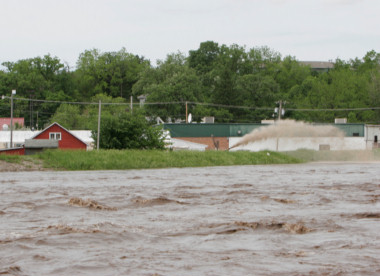
河水泛滥了。 แม่น้ำถูกน้ำท่วม (หรือล้น) Dòng sông ngập (hoặc tràn). Der Fluss ist überschwemmt. El río se desbordó (o se desbordó). Il fiume si allagò (o straripò). The river flooded (or overflowed). De rivier is overstroomd.
她缴付了欠款。 เธอจ่ายเงินที่เธอเป็นหนี้ Cô ấy đã trả số tiền mà cô ấy còn nợ. Sie bezahlte das Geld, das sie schuldete. Ha pagado el dinero que debía. Ha pagato i soldi che doveva. She paid the money she owed. Ze betaalde het geld dat ze verschuldigd was.
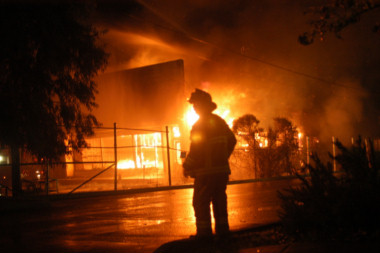
火焰吞没了整栋屋子。 เปลวเพลิงได้กลืนกินทั้งอาคาร Ngọn lửa đã nuốt chửng cả tòa nhà. Die Flammen haben das ganze Gebäude verschluckt. Las llamas se han tragado todo el edificio. Le fiamme hanno inghiottito l'intero edificio. The flames have swallowed the whole building. De vlammen hebben het hele gebouw verzwolgen.
 [EN]
[EN]  [DE]
[DE]  [NL]
[NL]  [ES]
[ES]  [FR]
[FR]  [IT]
[IT]  [TH]
[TH]  [VI]
[VI]  [ZH]
[ZH]