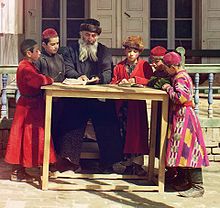
这些是学生。 นั่นคือนักเรียน Đây là các học sinh. Das sind die Schüler. Ce sont les élèves. Questi sono gli studenti. Those are the school children. Dat zijn de leerlingen.
对大学生有优惠吗? มีส่วนลดสำหรับ นักศึกษาไหม ครับ / คะ? Có giảm giá dành cho sinh viên không? Gibt es eine Ermäßigung für Studenten? Y a-t-il une réduction pour les étudiants ? C’è uno sconto per studenti? Is there a discount for students? Is er korting voor studenten?
(Tú) necesitas un peine, un cepillo de dientes y pasta de dientes.
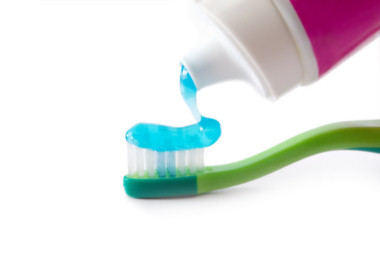
你需要一个梳子,一把牙刷和牙膏。 คุณ ต้องใช้หวี แปรงสีฟันและยาสีฟัน Bạn cần một cái lược, một bàn chải đánh răng và thuốc đánh răng. Du brauchst einen Kamm, eine Zahnbürste und Zahnpasta. Tu as besoin d’un peigne, d’une brosse à dents et du dentifrice. Hai bisogno di un pettine, uno spazzolino e del dentifricio. You need a comb, a toothbrush and toothpaste. Je hebt een kam, een tandenborstel, en tandpasta nodig.
这个 班级 有 几个 学生 ?— 二十 个 。 ห้องเรียนมีนักเรียนกี่คน--ยี่สิบคน Có bao nhiêu học sinh ở trong lớp? — Hai mươi. Wieviele Studenten sind in der Klasse? — Zwanzig. Combien d'étudiants y a-t-il dans la classe ? — Vingt. Quanti studenti ci sono a lezione? — Venti. How many students are there in the class? — Twenty. Hoeveel leerlingen zitten er in de klas? - Twintig.
0137
La mayoría de los estudiantes no la entendió.
大多数 的 学生 都 不 懂 。 นักเรียนส่วนใหญ่ไม่เข้าใจ Hầu hết học sinh không hiểu nó. Die meisten Schüler haben nichts verstanden. La plupart des étudiants ne l'ont pas comprise. La maggior parte degli studenti non l'ha capita. Most of the students didn't understand it. De meeste studenten begrepen er niets van.
0637
Yuliana va a ir al dentista el viernes.
尤里安娜 星期五 要 去 看 牙医 。 วันศุกร์นี้จูเลียน่าจะไปหาหมอฟัน Yuliana sẽ đi khám nha sĩ vào Thứ sáu. Yuliana geht nächsten Freitag zum Zahnarzt. Yuliana va chez le dentiste vendredi. Venerdì Giuliana andrà dal dentista. Yuliana's going to the dentist on Friday. Yuliana gaat volgende week vrijdag naar de tandarts.
1554
Hay muchos accidentes en esta carretera.
路 上 有 很 多 车祸 。 ถนนสายนี้เกิดอุบัติเหตุบ่อย Có nhiều vụ tai nạn xảy ra trên con đường này. Auf dieser Straße passieren viele Unfälle. > Es passieren viele Unfälle auf dieser Straße. Il y a beaucoup d'accidents sur cette route. Ci sono molti incidenti su questa strada. There are a lot of accidents on this road. Er gebeuren veel ongelukken op deze weg. > Er zijn veel ongelukken op deze weg.
1569
Ha habido muchos accidentes en ella.
发生 过 很 多 次 车祸 。 เกิดอุบัติเหตุบ่อย Có nhiều tai nạn đã xảy ra ở đây. Es gab schon viele Unfälle. Il y a eu beaucoup d'accidents sur cette route. Ci sono stati molti incidenti. There have been many accidents on it. Er zijn veel ongelukken gebeurd.
1572
Tengo que ir al dentista.
我 需要 去 看 牙医 。 ต้องไปหาหมอฟัน Tôi phải đi khám nha sĩ. Ich muss zum Zahnarzt. Je dois aller chez le dentiste. Devo andare dal dentista. I have to go to the dentist. Ik moet naar de tandarts.
1631
¿A qué hora tienes que ir al dentista mañana?
你 明天 几 点 要 去 看 牙医 ? พรุ่งนี้จะไปหาหมอฟันกี่โมง Mai mấy giờ em phải đi khám nha sĩ? Um wieviel Uhr musst du morgen zum Zahnarzt? À quelle heure dois-tu aller chez le dentiste demain ? A che ora devi andare dal dentista domani? What time do you have to go to the dentist tomorrow? Hoe laat moet je morgen naar de tandarts?
1633
Al final de la clase, todos los estudiantes tuvieron que hacer un test.
在 课程 要 结束 时 , 学生 必须 要 考试 。 พอจบคอร์สนักเรียนทุกคนต้องสอบ Cuối khóa học tất cả học sinh phải làm bài thi. Am Ende des Kurses mußten alle Studenten eine Prüfung machen. À la fin du cours, tous les étudiants devaient faire un examen. Alla fine del corso tutti gli studenti hanno dovuto sostenere un esame. At the end of the course all the students had to take a test. Aan het eind van de cursus moesten alle studenten een examen afleggen.
1638
Mi hermana es dentista.
我的 姐姐 就是 牙医 。 พี่สาวเราเป็นหมอฟัน Chị tôi là một nha sĩ. Meine Schwester ist Zahnärztin. Ma sœur est dentiste. Mia sorella è dentista. My sister's a dentist. Mijn zus is tandarts.
1652
¿Qué hace tu hermana? — Es dentista.
你的 姐姐 从事 什么 工作 ?— 她 是 牙医 。 พี่สาวทำงานอะไรหรือ--เธอเป็นหมอฟัน Chị em làm nghề gì? — Chị ấy làm nha sĩ. Was macht deine Schwester? — Sie ist Zahnärztin. Ta sœur fait quoi comme travail ? — Elle est dentiste. Che cosa fa nella vita tua sorella? — Lei è dentista. What does your sister do? — She's a dentist. Wat doet je zus? - Ze is een tandarts.
1673
Muchos accidentes son causados por gente conduciendo demasiado rápido.
许多 事故 都 是 因为 人们 驾驶 速度 过 快 所 造成 的 。 อุบัติเหตุหลายครั้งเกิดขึ้นเพราะคนขับรถเร็วเกิน Nhiều vụ tai nạn là do người ta lái xe quá nhanh. Viele Unfälle werden durch zu schnelles Fahren verursacht. Plusieurs accidents sont causés par des gens qui conduisent trop vite. Molti incidenti sono causati dalle persone che guidano troppo veloce. Many accidents are caused by people driving too fast. Veel ongelukken worden veroorzaakt door te hard rijden.
1702
No me gusta ir al dentista.
我 不 喜欢 去 看 牙医 。 เราไม่ชอบไปหาหมอฟัน Tôi không thích đi khám nha sĩ. Ich mag nicht zum Zahnarzt. Je n'aime pas aller chez le dentiste. Non mi piace andare dal dentista. I don't like going to the dentist. Ik ga niet graag naar de tandarts.
1705
Él no estaba yendo al dentista.
他 没有 要 去 看 牙医 。 เขาไม่ได้ไปหาหมอฟัน Anh ấy không đi khám nha sĩ. Er ist nicht zum Zahnarzt gegangen. Il n'allait pas chez le dentiste. Lui non stava andando dal dentista. He wasn't going to the dentist. Hij is niet naar de tandarts geweest.
1808
Tuve que ir al dentista.
我 昨天 需要 看 牙医 。 ต้องไปหาหมอ Tôi phải đi khám nha sĩ. Ich musste zum Zahnarzt. Je devais aller chez le dentiste. Sono dovuto andare dal dentista. I had to go to the dentist. Ik moest naar de tandarts.
1817
Si la gente condujese con más cuidado, no habría tantos accidentes.
如果 人们 开车 的 时候 更 小心 , 那 交通 意外 不 会 那么 多 。 ถ้าคนขับรถระวังให้มากขึ้นก็จะไม่มีอุบัติเหตุเยอะ Nếu mọi người lái xe chịu cẩn thận thì sẽ không có nhiều tai nạn đến thế. Wenn die Leute vorsichtiger fahren würden, gäbe es nicht so viele Unfälle. Si les gens conduisaient plus attentivement, il n'y aurait pas tant d'accidents. Se le persone guidassero più attentamente, non ci sarebbero così tanti incidenti. If people drove more carefully, there wouldn't be so many accidents. Als mensen voorzichtiger zouden rijden, zouden er niet zoveel ongelukken gebeuren.
2101
Esta mañana me lavé los dientes.
我 今早 有 刷牙 。 เช้านี้เราก็แปรงฟัน Sáng nay tôi có đánh răng. Heute morgen habe ich mir die Zähne geputzt. Ce matin, je me suis brossé les dents. Stamattina mi sono lavato i denti. This morning I brushed my teeth. Ik heb vanmorgen mijn tanden gepoetst.
2302
Hay siempre un aumento en el número de accidentes de tráfico hacia Fin de Año.
过年 时 交通 事故 比较 多 。 อุบัติเหตุบนท้องถนนมักจะเพิ่มขึ้นในช่วงปีใหม่ Luôn có một sự gia tăng về số vụ tai nạn giao thông dịp năm mới. Um Neujahr gibt es immer einen Anstieg von Unfällen. Il y a toujours une augmentation du nombre d'accidents de la route autour de la nouvelle année. C'è sempre un aumento nel numero degli incidenti stradali intorno a Capodanno. There's always an increase in the number of traffic accidents around New Year's. Er is altijd een toename van ongelukken rond Nieuwjaar.
2322
Me lavo los dientes cada mañana.
我 每天 早上 刷牙 。 เราแปรงฟันทุกเช้าเช้านี้ Tôi đánh răng hàng sáng. Ich putze mir jeden Morgen die Zähne. Je me brosse les dents tous les matins. Mi lavo i denti tutte le mattine. I brush my teeth every morning. Ik poets mijn tanden elke ochtend.
2393
No te has lavado los dientes todavía.
你 还没 刷牙 。 ต้องแปรงฟันก่อน Em chưa đánh răng. Du hast deine Zähne noch nicht geputzt. Tu ne t'es pas encore brossé les dents. Non ti sei ancora lavato i denti. You haven't brushed your teeth yet. Je hebt je tanden nog niet gepoetst.


 [EN]
[EN]  [DE]
[DE]  [NL]
[NL]  [ES]
[ES]  [FR]
[FR]  [IT]
[IT]  [TH]
[TH]  [VI]
[VI]  [ZH]
[ZH]