今天我们有时间。 วันนี้เรามีเวลา Hôm nay chúng tôi rảnh rỗi. Heute haben wir Zeit. Aujourd’hui, nous avons le temps. Oggi abbiamo tempo. We have time today. Vandaag hebben we tijd.
我也喜欢这里的自然风光 。 และผม / ดิฉัน ก็ชอบทัศนียภาพด้วยครับ / คะ Và tôi cũng thích quang cảnh ở đây. Und die Landschaft gefällt mir auch. Et le paysage me plaît aussi. Ed anche il paesaggio mi piace. And I like the scenery, too. En het landschap bevalt me ook.
很抱歉, 我明天不行。 ขอโทษครับ / ค่ะ พรุ่งนี้ไม่ได้ ครับ / คะ Xin lỗi nhé, ngày mai tôi không rảnh rỗi. Tut mir Leid, morgen geht es bei mir nicht. Je suis désolé(e), demain cela ne me convient pas. Mi dispiace, domani non posso. I’m sorry, I can’t make it tomorrow. Het spijt me, maar morgen lukt me niet.
¿Qué otros lugares de interés hay además de éstos?
除此之外还有什么名胜古迹? ยังมีที่เที่ยวที่อื่นที่น่าสนใจอีกไหม ครับ / คะ? Ngoài ra còn có cảnh đẹp nào nữa không? Welche Sehenswürdigkeiten gibt es außerdem noch? Quelles autres attractions touristiques y-a-t-il encore ? Quali attrazioni turistiche ci sono ancora? Are there any other places of interest? Welke andere bezienswaardigheden zijn er behalve deze?
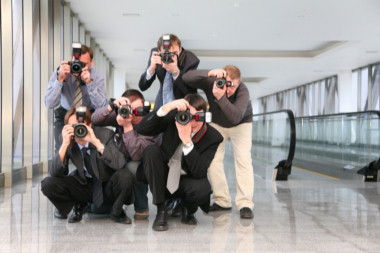
可以照相吗? สามารถถ่ายรูปได้ไหม ครับ / คะ? Được phép chụp ảnh không? Darf man fotografieren? Peut-on photographier ? È permesso fotografare? Can one take photographs? Mag men foto’s maken?
我有一台照相机。 ผม / ดิฉัน มีกล้องถ่ายรูป Tôi có một máy chụp ảnh. Ich habe einen Fotoapparat. J’ai un appareil photo. Io ho una macchina fotografica. I have a camera. Ik heb een fototoestel.
我找一家照相馆。 ผม / ดิฉัน กำลังมองหาร้านขายอุปกรณ์ถ่ายภาพ Tôi tìm một hiệu ảnh. Ich suche ein Fotogeschäft. Je cherche un magasin d’articles photographiques. Cerco un fotografo. I’m looking for a photo equipment store. Ik zoek een fotowinkel.
Estoy buscando una tienda de fotografía para comprar un carrete de fotos.
我找一家照相馆,买一个胶卷。 ผม / ดิฉัน กำลังมองหาร้านถ่ายภาพเพื่อซื้อฟิล์ม Tôi tìm một hiệu ảnh để mua một cuốn phim. Ich suche ein Fotogeschäft, um einen Film zu kaufen. Je cherche un photographe pour acheter une pellicule. Cerco un fotografo per comprare un rullino. I’m looking for a photo shop to buy a roll of film. Ik zoek een fotowinkel om een filmpje te kopen.
我需要一部照相机。 ผม / ดิฉัน ต้องการกล้องถ่ายรูป Tôi cần máy ảnh. Ich brauche eine Kamera. J’ai besoin d’une caméra. Ho bisogno di una macchina fotografica. I need a camera. Ik heb een camera nodig.
我要照相。 ผม / ดิฉัน อยากถ่ายรูป Tôi muốn chụp ảnh. Ich will fotografieren. Je veux prendre des photos. Voglio fotografare. I want to take photographs. Ik wil foto’s maken.
这儿有照相机吗? ที่นี่มีกล้องถ่ายรูปไหม? Ở đây có máy ảnh không? Gibt es hier eine Kamera? Y-a-t-il une caméra ici ? C’è una macchina fotografica qui? Is there a camera here? Is er hier een camera?
您能冲洗相片吗? ช่วยล้างรูปให้ได้ไหม ครับ / คะ? Bạn rửa ảnh được không? Können Sie die Bilder entwickeln? Pourriez-vous me développer les photos ? Può sviluppare le foto? Can you develop the pictures? Kunt u de foto’s ontwikkelen?
照片都在CD里面。 รูปอยู่ในซีดี ครับ / คะ Mấy bức / tấm ảnh ở trong đĩa CD. Die Fotos sind auf der CD. Les photos sont sur le CD. Le foto sono nel CD. The pictures are on the CD. De foto’s staan op CD.
照片都在照相机里。 รูปอยู่ในกล้อง ครับ / คะ Mấy bức / tấm ảnh ở trong máy ảnh. Die Fotos sind in der Kamera. Les photos sont dans l’appareil photo. Le foto sono nella macchina fotografica. The pictures are in the camera. De foto’s zitten in de camera.
你的 手机 有 拍照 功能 吗 ? มือถือคุณมีกล้องรึเปล่า Điện thoại của em có máy ảnh không? Hat dein Handy eine Kamera? Ton portable a-t-il une caméra ? Il tuo cellulare ha una fotocamera? Does your phone have a camera? Heeft uw mobiele telefoon een camera?
0030
La policía está buscando a un chico desaparecido.
警察 在 找 失踪 的 男孩 。 ตำรวจกำลังหาเด็กผู้ชายที่หายไป Cảnh sát đang tìm kiếm một em bé mất tích. Die Polizei sucht nach einem vermissten Jungen. La police recherche un garçon disparu. La polizia sta cercando un bambino scomparso. The police are looking for a missing boy. De politie is op zoek naar een vermiste jongen.
0099
¿Tienes cámara? — No, no tengo.
你 有 相机 吗 ?— 没有 , 我 没有 。 มีกล้องมั้ย--ไม่มี Em có máy ảnh không? — Không. Hast du eine Kamera? — Nein. As-tu une caméra ? — Non, je n'en ai pas. Possiedi una macchina fotografica? — No, non ne ho. Have you got a camera? — No, I don't. Heb je een camera? - Nee.
0177
¿Cómo utilizas esta cámara?
这 台 相机 怎么 用 ? กล้องนี้ต้องใช้ยังไง Em dùng cái máy ảnh này như thế nào? Wie benutzt man diese Kamera? Comment utilises-tu cette caméra ? Come si usa questa videocamera? How do you use this camera? Hoe gebruik je deze camera?
1120
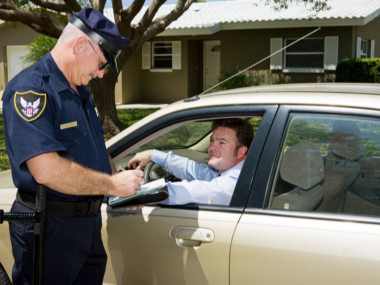
¿A qué velocidad estabas conduciendo cuando te paró la policía?
警察 拦下 你 的 时候 , 你 车 开 得 多快 ? ขับรถเร็วแค่ไหนตอนตำรวจเรียกให้จอด Em đang phóng nhanh cỡ nào lúc cảnh sát chặn em lại? Wie schnell bist du gefahren als dich die Polizei gestoppt hat? À quelle vitesse conduisais-tu quand la police t'a ♂arrêté (♀arrêtée) ? A che velocità stavi andando quando la polizia ti ha fermato? How fast were you driving when the police stopped you? Hoe hard reed je toen de politie je aanhield?
1171
Al hablar con la policía, no deberías inventarte historias ni mentir.
和 警察 交谈 时 , 你 不 应该 编造 故事 或 说谎 。 ตอนคุยกับตำรวจคุณไม่ควรแต่งเรื่องหรือโกหก Khi nói chuyện với cảnh sát, em không nên dựng chuyện hoặc nói dối. Wenn dich die Polizei befragt, dann sollst du keine Geschichten erfinden oder lügen. Lorsque tu parles à la police, tu ne devrais pas raconter d'histoires ou de mensonges. Quando parli con la polizia, non dovresti inventare storie o mentire. When talking with the police, you shouldn't make up stories or lie. Als de politie je ondervraagt, verzin dan geen verhalen en lieg niet.
1187
A sus amigos les gustan las películas, pero normalmente ven las películas en casa.
他 的 朋友 们 喜欢 看 电影 , 不过 通常 在 家 看 。 เพื่อนเขาขอบดูหนัง แต่ปกติจะดูที่บ้าน Bạn anh ấy thích xem phim điện ảnh nhưng họ thường xem ở nhà. Seine Freunde gucken zwar gerne Filme, aber meistens zu Hause. Ses ♂amis (♀amies) aiment aller au cinéma, mais ♂ils (♀elles) regardent généralement des films à la maison. Ai suoi amici piace andare al cinema, ma spesso guardano i film a casa. His friends like the movies, but they usually watch movies at home. Zijn vrienden kijken graag films, maar meestal thuis.
1269
¿Por qué hay policía fuera del banco?
为什么 银行 外面 有 警察 ? ทำไมมีตำรวจหน้าธนาคาร Tại sao cảnh sát lại ở bên ngoài ngân hàng? Warum steht die Polizei vor der Bank? Pourquoi la police est-elle en face de la banque ? Perchè la polizia è fuori dalla banca? Why are the police outside the bank? Waarom staat de politie buiten de bank?
1391
Los policías van a hacernos un montón de preguntas, así que necesitamos ayudarnos mutuamente.
警察 要 问 我们 很 多 问题 , 所以 我们 需要 互相 串通 好 。 ตำรวจจะถามคำถามเราเยอะแยะเพราะฉะนั้นเราต้องพูดให้ตรงกัน Cảnh sát sẽ hỏi chúng ta nhiều câu hỏi nên chúng ta phải tương trợ nhau. Die Polizei wird uns viele Fragen stellen, also müssen wir uns vorher genau absprechen, was wir sagen. La police va nous poser beaucoup de questions, donc nous avons besoin de nous soutenir les uns les autres. La polizia vorrà porci molte domande, perciò dobbiamo sostenerci l'uno con l'altro. The police are going to ask us a lot of questions, so we need to back each other up. De politie zal ons veel vragen stellen, dus we moeten van tevoren duidelijk zijn over wat we zeggen.
1457
¡Mira! ¡Hay una foto de tu hermano en el periódico!
快 看 ! 报纸 上 有 你 哥哥 的 照片 。 ดูสิมีรูปพี่ชายเธอในหนังสือพิมพ์ Nhìn kìa! Có ảnh của anh em trên mặt báo! Schau mal! In der Zeitung ist ein Photo von deinem Bruder! Regarde! Il y a une photo de ton frère dans le journal. Guarda! C'è una foto di tuo fratello sul giornale! Look! There's a photo of your brother in the newspaper! Kijk! Er staat een foto van je broer in de krant!
1523
¿Está haciendo él una foto?
他 在 拍照 吗 ? เขากำลังจะถ่ายรูปอยู่รึเปล่า Anh ấy có đang chụp ảnh không? Macht er ein Foto? Est-il en train de prendre une photo ? Lui sta scattando una foto? Is he taking a photograph? Neemt hij een foto?
1543
La policía está buscando el coche robado.
警察 正在 找 失窃 的 车 。 ตำรวจกำลังตามหารถที่ถูกขโมย Cảnh sát đang tìm kiếm chiếc xe hơi bị mất cắp. Die Polizei sucht nach dem gestohlenen Auto. Les policiers sont à la recherche de la voiture volée. La polizia sta cercando l'auto rubata. The police are looking for the stolen car. De politie is op zoek naar de gestolen auto.
1552
¿Hace él fotos?
他 有 在 拍照 吗 ? เขาถ่ายรูปรึเปล่า Anh ấy có chụp ảnh không? Macht er Fotos? Prend-il des photos ? Lui scatta fotografie? Does he take photographs? Neemt hij foto's?
1565
Tengo todas las fotos de mi familia en mi móvil.
我的 手机 里 有 所有 的 家庭 照 。 เรามีรูปทุกรูปของครอบครัวเราอยู่ในโทรศัพท์มือถือ Tôi có tất cả ảnh chụp gia đình tôi trong điện thoại di động. Ich habe alle Bilder meiner Familie in meinem Handy. J'ai toutes les photos de ma famille dans mon téléphone portable. Ho tutte le foto della mia famiglia nel mio cellulare. I have all the photos of my family in my mobile. Ik heb alle foto's van mijn familie in mijn mobiele telefoon.
1577
Esta cámara es muy cara.
这 台 相机 太 贵 了 。 กล้องนี้แพงเกิน Cái máy ảnh này quá đắt. Diese Kamera ist zu teuer. Cette caméra est trop chère. Questa fotocamera è troppo cara. This camera is too expensive. Deze camera is te duur.
1584
¿Quién es el hombre en esta foto? — Él es mi padre.
这 照片 里 的 男人 是 谁 ? — 是 我的 父亲 。 ผู้ชายในรูปคนนี้เป็นใคร--นั่นพ่อของเราเอง Người đàn ông trong ảnh này là ai thế? — Đó là bố tôi. Wer ist der Mann auf dem Photo? — Das ist mein Vater. Qui est l'homme sur cette photo ? — C'est mon père. Chi è l'uomo nella foto? — È mio padre. Who's the man in this photo? — That's my father. Wie is de man op de foto? - Dat is mijn vader.
1663
¿Acabó la policía encontrando al asesino?
警察 最后 找到 兇手 了 吗 ? ตำรวจหาตัวฆาตกรได้มั้ย Cảnh sát đã tìm xong hung thủ chưa? Hat die Polizei den Mörder gefunden? La police a-t-elle fini par trouver le tueur ? La polizia alla fine ha trovato l'assassino? Did the police end up finding the killer? Heeft de politie de moordenaar gevonden?
1772
¿Cómo se llamaba el hombre arrestado por la policía?
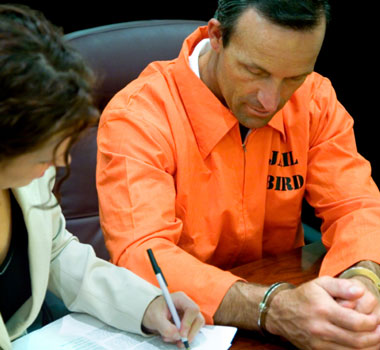
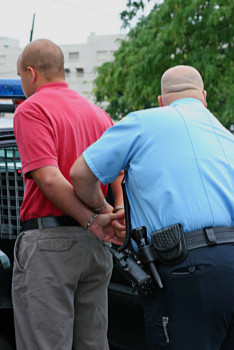
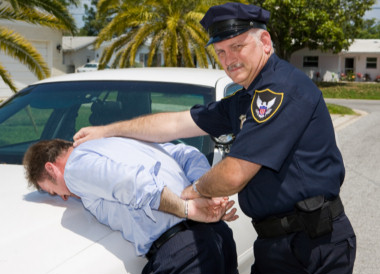
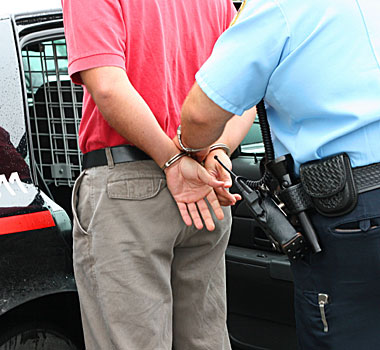
那 位 被 警方 逮捕 的 男人 叫 什么 名字 ? ผู้ชายคนที่ถูกตำรวจจับชื่ออะไร Tên người đàn ông bị cảnh sát bắt là gì? Was war noch mal der Name des Mannes, der von der Polizei verhaftet wurde? Quel était le nom de l'homme arrêté par la police ? Come si chiamava l'uomo arrestato dalla polizia? What was the name of the man arrested by the police? Wat was de naam van de man die weer door de politie is gearresteerd?
1827
Camila me enseñó una foto de su hijo, que es policía.
卡米拉 让 我 看 了 她 儿子 的 照片 , 他 是 位 警察 。 คามิล่าเอารูปลูกชายให้ดูลูกชายเป็นตำรวจ Camilia đưa tôi bức ảnh của con cô ấy, người mà đang là cảnh sát. Camila hat mir ein Photo ihres Sohnes gezeigt, der Polizist ist. Camilas Sohn ist Polizist, sie hat mir ein Photo von ihm gezeigt. Camila m'a montré une photo de son fils, qui est un agent de police. Camilla mi ha mostrato una foto di suo figlio, il quale, di mestiere, fa l'ufficiale di polizia. Camila showed me a picture of her son, who is a police officer. Camila liet me een foto zien van haar zoon, die een politieagent is. Camila's zoon is een politieagent, ze liet me een foto van hem zien.
1927
La policía fue a hablar con quienes vieron el accidente.
警察 希望 跟 每 一 个 交通 事故 目击者 交谈 。 ตำรวจต้องการคุยกับใครก็ได้ที่เห็นอุบัติเหตุ Cảnh sát muốn nói chuyện với bất kì ai nhìn thấy vụ tai nạn. Die Polizei möchte mit jemandem sprechen, der den Unfall beobachtet hat. La police veut parler à quiconque a vu l'accident. La polizia vuole parlare con chiunque abbia visto l'incidente. The police want to talk to anybody who saw the accident. De politie wil iemand spreken die getuige was van het ongeluk.
1960
Ésta es una fotografía muy vieja.
这 张 照片 很 老 了 。 รูปนี้เก่ามาก Đây là một bức ảnh rất cũ. Das ist ein sehr altes Photo. C'est une très vieille photo. Questa è una foto molto vecchia. This is a very old photograph. Dit is een heel oude foto.
2018
¿Sabe la policía cómo ocurrió el accidente?
警方 知道 车祸 是 如何 发生 的 吗 ? ตำรวจรู้มั้ยว่าเกิดอุบัติเหตุยังไง Cảnh sát có biết vụ tai nạn đã diễn ra như thế nào không? Weiß die Polizei wie der Unfall passiert ist? Les policiers savent-ils comment l'accident s'est produit ? La polizia sa come è avvenuto l'incidente? Do the police know how the accident happened? Weet de politie hoe het ongeluk is gebeurd?
2054
Mi coche fue robado la semana pasada, pero al día siguiente fue encontrado por la policía.
我的 车 上个 礼拜 被 偷 了 , 但 隔天 警察 就 找到 了 。 รถโดนขโมยเมื่ออาทิตย์ที่แล้ว ตำรวจหาเจอวันรุ่งขึ้น Xe hơi của tôi bị trộm tuần trước, nhưng ngày hôm sau nó đã được cảnh sát tìm thấy. Mein Auto wurde letzte Woche gestohlen, aber einen Tag später von der Polizei gefunden. Ma voiture a été volée la semaine dernière, mais elle a été retrouvée le lendemain par la police. La mia macchina è stata rubata settimana scorsa, ma il giorno seguente è stata ritrovata dalla polizia. My car was stolen last week, but the next day it was found by the police. Mijn auto is vorige week gestolen, maar de politie vond hem een dag later.
2139
No discutas con el policía o acabarás siendo arrestado.
不 要 和 警察 争辩 , 否则 最后 你 会 被 逮捕 。 อย่าเถียงเจ้าหน้าที่ตำรวจไม่อย่างนั้นคุณก็ต้องลงเอยด้วยการถูกจับ Đừng cãi nhau với cảnh sát nếu không kết quả chỉ có là em sẽ bị bắt thôi. Fang keinen Streit mit Polizisten an, ansonsten wirst du noch verhaftet. Ne discute pas avec l'agent de police ou tu finiras par te faire arrêter. Non discutere con l'ufficiale di polizia o finirai proprio per essere arrestato. Don't argue with the police officer, or you'll just end up getting arrested. Ga niet vechten met agenten of je wordt gearresteerd.
2181
Pero el hombre echó la mano a su bolsillo, y ahí es cuando la policía empezó a dispararle.
但 那个 男人 把 手 伸进 口袋 , 所以 警察 对 他 开枪 。 แต่ผู้ชายคนนั้นเอามือล้วงกระเป๋าและตอนนั้นตำรวจก็เริ่มยิงเขา Nhưng anh ta lại đưa tay vào túi và đó là lúc cảnh sát bắt đầu bắn anh ta. Aber der Mann hat in seine Tasche gegriffen, und das war der Moment als die Polizisten angefangen haben, auf ihn zu schießen. Mais l'homme a mis la main dans ses poches, et c'est à ce moment que la police a commencé à tirer sur lui. L'uomo, però, ha teso le mani verso le proprie tasche ed è in quel frangente che la polizia ha iniziato a sparargli. But the man reached for his pockets, and that's when the police started shooting at him. Maar de man reikte in zijn zak, en toen begonnen de agenten op hem te schieten.
2215
No me puedo imaginar a Theo montando en moto.
我 没 办法 想像 西奥 骑 摩托车 的 样子 。 นึกภาพทิโอขี่มอไซค์ไม่ออก Tôi không tưởng tượng nổi cảnh Theo đi xe máy. Ich kann mir nicht vorstellen, dass Theo Motorrad fährt. Je n'arrive pas à imaginer Theo conduisant une moto. Non riesco a immaginarmi Theo che guidi una moto. I can't imagine Theo riding a motorbike. Ik kan me niet voorstellen dat Theo op een motor rijdt.
2390
Su abogado se negó a contestar la pregunta del policía.
他 的 律师 拒绝 回答 警方 的 问题 。 ทนายของเขาปฏิเสธที่จะตอบคำถามของตำรวจ Luật sư của anh ấy từ chối trả lời câu hỏi của viên cảnh sát. Sein Anwalt hat sich geweigert, die Fragen des Polizisten zu beantworten. Son avocat a refusé de répondre à la question du policier. Il suo avvocato ha rifiutato di rispondere alle domande del poliziotto. His lawyer refused to answer the policeman's question. Zijn advocaat weigerde de vragen van de politieman te beantwoorden.
2442
Mi abogado dijo que no debía decir nada a la policía.
我的 律师 说 我 不 应该 对 警方 说 任何 事 。 ทนายบอกว่าเราไม่ควรพูดอะไรกับตำรวจ Luật sư của tôi nói tôi không nên nói gì với cảnh sát. Mein Anwalt hat gesagt, dass ich nichts der Polizei sagen soll. Mon avocat a dit que je ne devrais rien dire à la police. Il mio avvocato ha detto che non dovrei dire niente alla polizia. My lawyer said I shouldn't say anything to the police. Mijn advocaat zei het niet aan de politie te vertellen.
2490
La policía que investiga el crimen busca a tres hombres.
调查 这 起 犯罪 事件 的 警察 正在 寻找 三 位 男子 。 ตำรวจที่สืบคดีอาชญากรรมกำลังหาตัวผู้ชายสามคน Cảnh sát điều tra vụ án đang tìm kiếm ba người đàn ông. Die Polizei, die den Fall untersucht, sucht nach drei Männern. La police qui enquête sur le crime est à la recherche de trois hommes. La polizia che indaga il crimine sta cercando tre uomini. Police investigating the crime are looking for three (3) men. De politie die de zaak onderzoekt is op zoek naar drie mannen.
2676
La policía quiere interrogar a un sospechoso en conexión con el asesinato.
警方 想要 质问 一 名 与 谋杀犯 有关联 的 嫌疑犯 。 ตำรวจต้องการถามผู้ต้องสงสัยเกี่ยวกับการฆาตกรรม Cảnh sát muốn hỏi một người bị tình nghi liên quan đến vụ giết người. Die Polizei will einen Verdächtigen zum Mordfall befragen. La police veut interroger un suspect dans le cadre de l'assassinat. La polizia vuole interrogare la persona sospettata di essere collegata al crimine. The police want to question a suspect in connection with the murder. De politie wil een verdachte in de moordzaak ondervragen.


 [EN]
[EN]  [DE]
[DE]  [NL]
[NL]  [ES]
[ES]  [FR]
[FR]  [IT]
[IT]  [TH]
[TH]  [VI]
[VI]  [ZH]
[ZH]