我没有点这道菜。 ผม / ดิฉันไม่ได้สั่งจานนี้ Tôi đã không đặt / gọi món đó. Das habe ich nicht bestellt. Eso no lo he pedido. Ce n’est pas ce que j’ai commandé. Questo non l’ho ordinato io. Dit heb ik niet besteld.
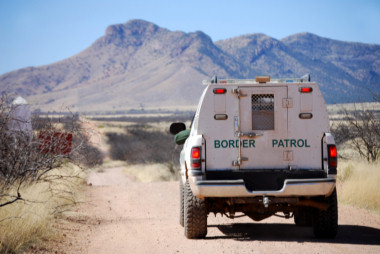
我们什么时候能到边境? เราจะถึงชายแดนเมื่อไหร่? Bao giờ chúng ta đến biên giới? Wann sind wir an der Grenze? ¿Cuándo llegamos a la frontera? Quand serons-nous à la frontière ? Quando arriveremo alla frontiera? Wanneer zijn we bij de grens?
我没有点它。 ผม / ดิฉัน ไม่ได้สั่ง ครับ / คะ Tôi đã không gọi món đó. Ich habe sie nicht bestellt. No la he pedido. Je ne l’ai pas commandée. Non l’ho ordinata. Ik heb die niet besteld.
我不喝 它(汤),因为我没有点它。 ผม / ดิฉัน ไม่ทานซุปเพราะว่าไม่ได้สั่ง ครับ / คะ Tôi không ăn, bởi vì tôi đã không gọi món đó. Ich esse sie nicht, weil ich sie nicht bestellt habe. No me la como porque no la he pedido. Je ne la mange pas parce que je ne l’ai pas commandée. Non la mangio perché non l’ho ordinata. Ik eet er niet van, omdat ik het niet besteld heb.
我当时以为,你要点一张比萨饼。 ผม / ดิฉัน คิดว่า คุณ อยากสั่งพิซซ่า Tôi đã nghĩ rằng, bạn đã muốn đặt một cái bánh pizza. Ich dachte, du wolltest eine Pizza bestellen. Pensaba que querías pedir una pizza. Je pensais que tu voulais commander une pizza. Pensavo che tu volessi ordinare una pizza. Ik dacht dat je een pizza wilde bestellen.
我叫了一份三明治。 Tôi gọi một chiếc bánh mì sandwich. ฉันสั่งแซนวิช I order a sandwich. Ich bestelle ein Sandwich. Pido un bocadillo. Je commande un sandwich. Ordino un panino. Ik bestel een sandwich.
这里是国家的边境。 Đây là biên giới của đất nước. นี่คือพรมแดนของประเทศ This is the country's border. Das ist die Landesgrenze. Esta es la frontera del país. C'est la frontière du pays. Questo è il confine del paese. Dit is de landsgrens.
员工要听从上司的指令。 Nhân viên nên tuân theo mệnh lệnh của cấp trên. พนักงานควรเชื่อฟังคำสั่งของผู้บังคับบัญชา Employees should obey their superior's orders. Die Mitarbeiter sollten den Anweisungen ihrer Vorgesetzten gehorchen. (Befehlen) Los empleados deben obedecer las órdenes de sus superiores. Les employés doivent obéir aux ordres de leur supérieur. I dipendenti dovrebbero obbedire ai loro ordini superiori. Werknemers moeten de bevelen van hun superieuren opvolgen. (Orders)
我点了一份比萨。 Tôi đã gọi một miếng bánh pizza. ฉันได้สั่งพิซซ่าชิ้นหนึ่ง I have ordered a piece of pizza. Ich habe ein Stück Pizza bestellt. He pedido un trozo de pizza. J'ai commandé un morceau de pizza. Ho ordinato un pezzo di pizza. Ik heb een stuk pizza besteld.
他们的生活很规律。 Họ sống một cuộc sống rất trật tự. พวกเขาใช้ชีวิตอย่างเป็นระเบียบ They live a very orderly life. Sie führen ein sehr geordnetes Leben. Llevan una vida muy ordenada. Ils ont une vie très ordonnée. Vivono una vita molto ordinata. Je leidt een zeer ordelijk leven.
The books on the shelf are arranged in good order.
书架上的书摆放得很整齐。 Sách trên kệ được sắp xếp ngăn nắp. หนังสือบนชั้นจัดวางอย่างเป็นระเบียบ The books on the shelf are arranged in good order. Die Bücher im Regal sind in guter Reihenfolge angeordnet. Los libros de la estantería están bien ordenados. Les livres sur l'étagère sont rangés en bon ordre. I libri sullo scaffale sono disposti in buon ordine. De boeken op de plank zijn in goede orde.
警察维持社会治安。 Cảnh sát duy trì trật tự xã hội. ตำรวจรักษาความสงบเรียบร้อยของสังคม The police maintain social order. Die Polizei hält die soziale Ordnung aufrecht La policía mantiene el orden social. La police maintient l'ordre social. La polizia mantiene l'ordine sociale. De politie handhaaft de sociale orde
请把蜡烛顺次排列。 Hãy sắp xếp những ngọn nến này theo thứ tự. กรุณาจัดเรียงเทียนเหล่านี้ตามลำดับ Please arrange these candles in order. Bitte ordnen Sie diese Kerzen in der richtigen Reihenfolge. Por favor, coloque estas velas en orden. S'il vous plaît, rangez ces bougies dans l'ordre. Si prega di disporre queste candele in ordine. Zet deze kaarsen in de juiste volgorde.
Traffic on the highway is proceeding in an orderly fashion.
公路上的交通次序良好。 Giao thông trên đường cao tốc đang diễn ra một cách trật tự. การจราจรบนทางหลวงเป็นไปอย่างเป็นระเบียบ Traffic on the highway is proceeding in an orderly fashion. Der Verkehr auf der Straße ist gut geregelt. El tráfico en la autopista avanza de forma ordenada. La circulation sur l'autoroute se déroule de manière ordonnée. Il traffico in autostrada procede in modo ordinato. Het verkeer op de weg is goed geregeld.
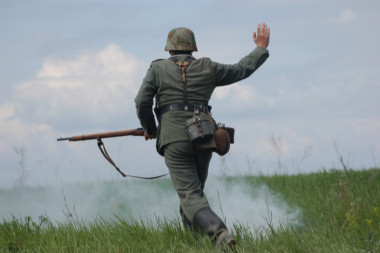
边境正在打仗。 Có một cuộc chiến tranh trên biên giới. มีสงครามที่ชายแดน There is a war on the border. Es gibt einen Krieg an der Grenze. Hay una guerra en la frontera. Il y a une guerre à la frontière. C'è una guerra al confine. Er is een oorlog aan de grens.
警察在现场维护秩序。 Cảnh sát đang duy trì trật tự tại hiện trường. ตำรวจรักษาความสงบเรียบร้อยในที่เกิดเหตุ The police are maintaining order on the scene. Die Polizei sorgt für Ordnung vor Ort. La policía mantiene el orden en el lugar. La police maintient l'ordre sur les lieux. La polizia sta mantenendo l'ordine sulla scena. De politie handhaaft de orde ter plaatse.
In ancient China, the emperor's order was a decree.
在古代中国,皇帝的命令就是旨令。 Ở Trung Quốc cổ đại, mệnh lệnh của hoàng đế là một sắc lệnh ในประเทศจีนโบราณ คำสั่งของจักรพรรดิเป็นพระราชกฤษฎีกา In ancient China, the emperor's order was a decree. Im alten China war der Befehl des Kaisers ein Dekret. En la antigua China, la orden del emperador era un decreto. Dans la Chine ancienne, l'ordre de l'empereur était un décret Nell'antica Cina, l'ordine dell'imperatore era un decreto. In het oude China was het bevel van de keizer een decreet.
我要一杯咖啡。 Tôi đã gọi một tách cà phê. ฉันสั่งกาแฟหนึ่งแก้ว I have ordered a cup of coffee. Ich habe eine Tasse Kaffee bestellt. He pedido una taza de café. J'ai commandé une tasse de café. Ho ordinato una tazza di caffè. Ik bestelde een kop koffie.
 [EN]
[EN]  [DE]
[DE]  [NL]
[NL]  [ES]
[ES]  [FR]
[FR]  [IT]
[IT]  [TH]
[TH]  [VI]
[VI]  [ZH]
[ZH]