Please don't stop telling your story, please go on.
请 继续 讲 故事 , 不 要 停 下来 。 ได้โปรดอย่าหยุดเล่าเรื่องของคุณโปรดเล่าต่อไป Làm ơn đừng dừng kể câu chuyện của em, hãy tiếp tục đi. Bitte lass dich nicht unterbrechen und erzähle deine Geschichte zu Ende. Por favor, no pares de contar tu historia, sigue por favor. S'il te plaît, n'arrête pas de raconter ton histoire, continue s'il te plaît. Ti prego, non smettere di raccontare la tua storia, vai avanti, per favore. Laat me je alsjeblieft niet onderbreken en je verhaal afmaken.
1149
As the film went on, it became more and more boring.
电影 的 剧情 越 来 越 无聊 。 พอหนังฉายไปเรื่อยๆมันก็เริ่มน่าเบื่อขึ้นเรื่อยๆ Khi bộ phim tiếp tục, nó càng ngày càng chán. Je länger der Film dauerte, desto langweiliger wurde er. Según avanzaba la película, se hizo más y más aburrida. Au fur et à mesure que le film progressait, il devenait de plus en plus ennuyant. Man mano che il film andava avanti, diventava sempre più noioso. Hoe langer de film duurde, hoe saaier hij werd.
1194
We can't go on living like this.
我们 不 能 再 用 这样 的 方式 生活 。 เราจะอยู่แบบนี้ต่อไปไม่ได้ Chúng tôi không thể tiếp tục sống như thế này được. Wir können nicht so weitermachen. No podemos seguir viviendo así. Nous ne pouvons pas continuer à vivre comme ça. Non possiamo continuare a vivere così. We kunnen zo niet doorgaan.
1195
The customs in their country are similar to ours.
他们 国家 的 习俗 跟 我们 的 很 像 。 ธรรมเนียมในประเทศของพวกเขาเหมือนกันกับของพวกเรา Phong tục nước họ giống với chúng tôi. Die Sitten in ihrem Land sind so ähnlich wie bei uns. Las costumbres en su país son similares a las nuestras. Les coutumes de leur pays sont semblables aux nôtres. Le tradizioni nel loro paese sono simili alle nostre. De gebruiken in haar land lijken zo op de onze.
1496
The president went on talking for hours.
总统 持续 讨论 了 好 几个 小时 。 ประธานธิบดีพูดเป็นชั่วโมงๆ Tổng thống tiếp tục nói chuyện trong nhiều giờ. Der Präsident hat weiter stundenlang gesprochen. El presidente siguió hablando durante horas. Le président a continué à parler pendant des heures. Il presidente ha continuato a parlare per ore. De president bleef urenlang praten.
2568
After discussing the economy, the president then went on to talk about foreign policy.
讨论 完 经济 议题 后 , 总统 继续 谈论 外交 政策 。 พอคุยเรื่องเศรษฐกิจเสร็จประธานธิบดีก็พูดเรื่องนโยบายต่างประเทศต่อ Sau khi thảo luận về kinh tế, tổng thống tiếp tục nói về chính sách đối ngoại. Nachdem er über die Wirtschaft gesprochen hat, fing der Präsident an, über Außenpolitik zu sprechen. Tras discutir la economía, el presidente pasó a hablar de política exterior. Après avoir discuté d'économie, le président a ensuite parlé de politique étrangère. Dopo aver discusso di economia, il presidente ha proseguito parlando di politica estera. Nadat hij over de economie had gesproken, begon de president over het buitenlands beleid.
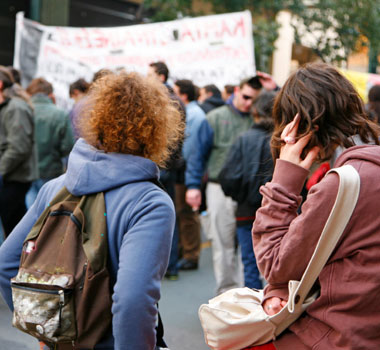
街上聚集了很多民众。 Nhiều người đã tụ tập trên đường phố. หลายคนมารวมตัวกันที่ถนน Many people have gathered in the street. Viele Menschen haben sich auf der Straße versammelt. Se ha reunido mucha gente en la calle. Beaucoup de gens se sont rassemblés dans la rue. Molte persone si sono radunate per strada. Veel mensen hebben zich verzameld in de straat.
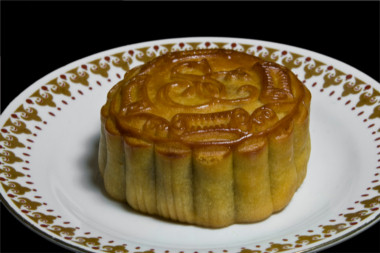
Eating moon cakes on Mid-Autumn Day is a custom in China.
中秋节吃月饼是中国的风俗。 Ăn bánh trung thu vào ngày Trung thu là một phong tục ở Trung Quốc. การรับประทานขนมไหว้พระจันทร์ในวันไหว้พระจันทร์เป็นประเพณีของจีน Eating moon cakes on Mid-Autumn Day is a custom in China. Das Essen von Mondkuchen am Mittherbsttag ist in China ein Brauch. Comer pasteles de luna en el Día del Medio Otoño es una costumbre en China. Manger des gâteaux de lune le jour de la mi-automne est une coutume en Chine. Mangiare le torte della luna nel giorno di metà autunno è un'usanza in Cina. Het eten van maankoeken op midzomerdag is een gebruik in China.
大众集聚到街上。 Đám đông tụ tập trên đường phố. ฝูงชนรวมตัวกันที่ถนน The crowd gathers in the street. Die Menge versammelt sich auf der Straße. La multitud se reunió en la calle. La foule s'est rassemblée dans la rue. La folla si è raccolta in strada. De menigte verzamelt zich in de straat.
请继续说。 Hãy tiếp tục nói. กรุณาพูดต่อ Please keep speaking. Bitte sprechen Sie weiter. Por favor, siga hablando. Continuez à parler, s'il vous plaît. Per favore continua a parlare. Ga alstublieft verder met spreken.
让我们继续工作吧。 Hãy tiếp tục làm việc. ทำงานกันต่อเถอะ Let's keep working. Lass uns weiterarbeiten. Sigamos trabajando. Continuons à travailler. Continuiamo a lavorare. Laten we blijven werken.
The Earth's environment is continually deteriorating.
地球环境在不断地恶化。 Môi trường của Trái đất đang tiếp tục xấu đi. สิ่งแวดล้อมของโลกเสื่อมโทรมลงเรื่อยๆ The Earth's environment is continually deteriorating. Die Umwelt der Erde verschlechtert sich ständig. El medio ambiente de la Tierra se deteriora continuamente. L'environnement de la Terre se détériore continuellement. L'ambiente della Terra è in continuo deterioramento. Het milieu op aarde verslechtert voortdurend.
The Chinese people practice the custom of ancestor worship.
中国人有拜祭祖宗的习俗。 Người Hoa có tục thờ cúng tổ tiên. คนจีนมีประเพณีบูชาบรรพบุรุษ The Chinese people practice the custom of ancestor worship. Das chinesische Volk praktiziert den Brauch der Ahnenverehrung. El pueblo chino practica la costumbre de adorar a los antepasados. Le peuple chinois pratique la coutume du culte des ancêtres. Il popolo cinese pratica l'usanza del culto degli antenati. Het Chinese volk houdt er een gewoonte op na om voorouders te vereren.
两条小河在这里汇合。 Hai con sông nhỏ hội tụ về đây. แม่น้ำสายเล็กสองสายมาบรรจบกันที่นี่ The two small rivers converge here. Hier laufen zwei kleine Flüsse zusammen. Los dos pequeños ríos convergen aquí. Les deux petites rivières convergent ici. I due piccoli fiumi convergono qui. Twee kleine rivieren komen hier samen.
Chinese traditionally eat "jiaozi" (dumplings) at the Chinese New Year.
中国人过年有吃饺子的风俗。 Người Trung Quốc có phong tục ăn bánh bao trong dịp năm mới. ความกลัวของจีนกิน "jiaozi" (เกี๊ยว) ในวันตรุษจีน Chinese traditionally eat "jiaozi" (dumplings) at the Chinese New Year. Chinesen essen traditionell eine bestimmte Art Knödel zum chinesischen Neujahr. Los chinos comen tradicionalmente "jiaozi" (albóndigas) en el Año Nuevo chino. Les Chinois mangent traditionnellement des "jiaozi" (boulettes de pâte) au Nouvel An chinois. I cinesi tradizionalmente mangiano "jiaozi" (gnocchi) durante il capodanno cinese. Chinezen eten traditioneel een bepaald soort dumpling voor Chinees Nieuwjaar.
他的穿着很俗气。 Anh ta ăn mặc một cách rất thô tục. เขาแต่งตัวหยาบคายมาก He is dressed in a tacky way. Er ist vulgär gekleidet. Se vestía de manera vulgar. Il est vêtu d'une manière vulgaire. È stato vestito in modo volgare. Hij is vulgair gekleed.
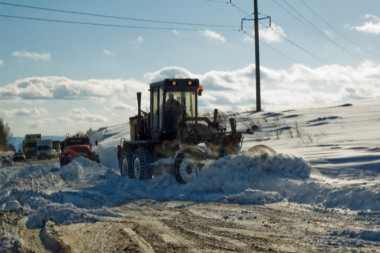
积雪阻碍了交通。 Việc tích tụ tuyết đã làm tắc nghẽn giao thông. การก่อตัวของหิมะได้กีดขวางการจราจร The buildup of snow has blocked traffic. Die Schneemassen blockieren den Verkehr. La acumulación de nieve ha bloqueado el tráfico. L'accumulation de neige a bloqué la circulation. L'accumulo di neve ha bloccato il traffico. De sneeuwmassa's blokkeren het verkeer.
She feels very depressed (by an accumulation of pent-up feelings).
她的内心很压抑。 Cô ấy cảm thấy rất chán nản (bởi sự tích tụ của những cảm xúc bị dồn nén). เธอรู้สึกหดหู่มาก She feels very depressed (by an accumulation of pent-up feelings). Sie fühlt sich sehr deprimiert. Se siente muy deprimida (por una acumulación de sentimientos reprimidos). Elle se sent très déprimée (par une accumulation de sentiments refoulés). Si sente molto depressa (a causa di un accumulo di sentimenti repressi). Ze voelt zich erg depressief.
水汽不停地在蒸发。 Hơi nước bốc hơi liên tục. ไอน้ำระเหยอย่างต่อเนื่อง The steam is constantly evaporating. Der Wasserdampf verdunstet ständig. El vapor se evapora constantemente. La vapeur s'évapore constamment. Il vapore evapora costantemente. De stoom is constant aan het verdampen.
他觉得电视节目的内容太庸俗。 Anh ấy cho rằng chương trình truyền hình quá thô tục. เขาคิดว่ารายการทีวีหยาบคายเกินไป He thinks the TV program is too vulgar. Er findet das Fernsehprogramm zu vulgär. Cree que el programa de televisión es demasiado vulgar. Il pense que le programme télé est trop vulgaire. Pensa che il programma televisivo sia troppo volgare. Hij vindt het televisieprogramma te vulgair.
他是诉讼律师。 Anh ta là một luật sư tranh tụng. เขาเป็นทนายความคดี He is a litigation lawyer. Er ist Prozessanwalt. Es abogado litigante. Il est avocat contentieux. È avvocato in contenzioso. Hij is een procesadvocaat.
The procedures for traveling abroad are very minute and complicated.
办理出国的手续很繁琐。 Các thủ tục đi du lịch nước ngoài rất đơn giản và phức tạp. ขั้นตอนการเดินทางไปต่างประเทศนั้นสั้นและซับซ้อนมาก The procedures for traveling abroad are very minute and complicated. Die Verfahren für Reisen ins Ausland sind sehr winzig und kompliziert. Los trámites para viajar al extranjero son muy minuciosos y complicados. Les procédures pour voyager à l'étranger sont très minutieuses et compliquées. Le procedure per viaggiare all'estero sono minuziose e complicate. De procedures om naar het buitenland te reizen zijn zeer klein en ingewikkeld.
The teacher is teaching the children the stories behind proverbs.
老师在为孩子讲谚语故事。 Cô giáo đang dạy bọn trẻ những câu chuyện đằng sau những câu tục ngữ. ครูกำลังสอนเด็กถึงเรื่องราวเบื้องหลังสุภาษิต The teacher is teaching the children the stories behind proverbs. Der Lehrer bringt den Kindern die Geschichten hinter den Sprichwörtern bei. El maestro les está enseñando a los niños las historias detrás de los proverbios. L'enseignant enseigne aux enfants les histoires derrière les proverbes. L'insegnante sta insegnando ai bambini le storie dietro i proverbi. De leraar leert de kinderen de verhalen achter de spreekwoorden.
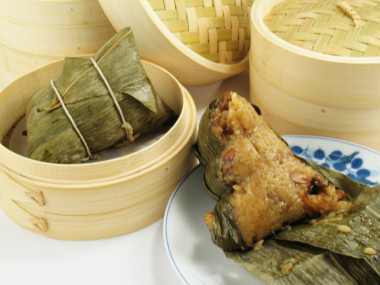
Eating "zongzi" [leaf-wrapped sticky rice dumplings] during the Dragon Boat Festival is a traditional custom .
端午节吃粽子是一种传统习俗。 Ăn "zongzi" [bánh bao gạo nếp gói bằng lá] trong Lễ hội Thuyền rồng là một phong tục การรับประทาน "zongzi" [เกี๊ยวข้าวเหนียวห่อใบ] ในช่วงเทศกาลเรือมังกรเป็นประเพณีดั้งเดิม Eating "zongzi" [leaf-wrapped sticky rice dumplings] during the Dragon Boat Festival is a traditional custom . Das Essen von "Zongzi" (mit Blättern umwickelte Knödel aus klebrigem Reis) während des Drachenbootfestivals ist ein trad Comer "zongzi" [bolas de masa de arroz pegajosas envueltas en hojas] durante el Festival del Bote del Dragón es una costumbre tradicional. Manger des « zongzi » [boulettes de riz gluant enveloppées de feuilles] pendant le festival des bateaux-dragons est une coutume traditionnelle. Mangiare "zongzi" [gnocchi di riso appiccicoso avvolti in foglie] durante il Dragon Boat Festival è un'usanza tradizionale. Het eten van "zongzi" (in bladeren gewikkelde dumplings van kleefrijst) tijdens het Drakenbootfestival is een traditioneel gebruik.
 [EN]
[EN]  [DE]
[DE]  [NL]
[NL]  [ES]
[ES]  [FR]
[FR]  [IT]
[IT]  [TH]
[TH]  [VI]
[VI]  [ZH]
[ZH]