[EN]
[EN]  [DE]
[DE]  [NL]
[NL]  [ES]
[ES]  [FR]
[FR]  [IT]
[IT]  [TH]
[TH]  [VI]
[VI]  [ZH]
[ZH] | 07 0316 der Partner, - đối tác ZH TH VI EN DE ES PT IT FR NL HR SR RU UK CS PL BS EL HI UR FA AR HE JA KO DA NO NN ID | partnerder Partner, - đối tác |  | |
| 07 0317 die Party, s buổi liên hoan ZH TH VI EN DE ES PT IT FR NL HR SR RU UK CS PL BS EL HI UR FA AR HE JA KO DA NO NN ID | partydie Party, s buổi liên hoan |  | |
| 12 0491 der Abflug, "e sự khởi hành ZH TH VI EN DE ES PT IT FR NL HR SR RU UK CS PL BS EL HI UR FA AR HE JA KO DA NO NN ID | departureder Abflug, "e sự khởi hành |  | |
| 19 0932 das Apartment, s căn hộ ZH TH VI EN DE ES PT IT FR NL HR SR RU UK CS PL BS EL HI UR FA AR HE JA KO DA NO NN ID | apartmentdas Apartment, s căn hộ |  | |
| 37 1706 das Wohnhaus, "er nhà chung cư ZH TH VI EN DE ES PT IT FR NL HR SR RU UK CS PL BS EL HI UR FA AR HE JA KO DA NO NN ID | apartment buildingdas Wohnhaus, "er nhà chung cư |  | |
| L015 038 P0671 | das Fest, die Party | party |  | ||||||||||||||||||||||||||||||||||||||||||||||||||||||||||||||||||||||||||||||||||||||||
| L017 003 P0718 | das Apartment | apartment |  | ||||||||||||||||||||||||||||||||||||||||||||||||||||||||||||||||||||||||||||||||||||||||
| L021 011 P0862 | der Abflug | departure |  | ||||||||||||||||||||||||||||||||||||||||||||||||||||||||||||||||||||||||||||||||||||||||
| L021 012 P0863 | die Abflughalle | departure hall |  | ||||||||||||||||||||||||||||||||||||||||||||||||||||||||||||||||||||||||||||||||||||||||
| L022 012 P0893 | das Kaufhaus | department store |  | ||||||||||||||||||||||||||||||||||||||||||||||||||||||||||||||||||||||||||||||||||||||||
| L027 001 P1016 | das Stadtviertel | district, part of town |  | ||||||||||||||||||||||||||||||||||||||||||||||||||||||||||||||||||||||||||||||||||||||||
| L031 010 P1117 | die Party | party |  | ||||||||||||||||||||||||||||||||||||||||||||||||||||||||||||||||||||||||||||||||||||||||
| L033 058 P1217 | das Fach | compartment |  | ||||||||||||||||||||||||||||||||||||||||||||||||||||||||||||||||||||||||||||||||||||||||
| L058 034 P2132 | außerdem | apart from |  | ||||||||||||||||||||||||||||||||||||||||||||||||||||||||||||||||||||||||||||||||||||||||
| L068 024 P2554 | die Abfahrt | departure |  | ||||||||||||||||||||||||||||||||||||||||||||||||||||||||||||||||||||||||||||||||||||||||
| L068 027 P2557 | das Teil | part |  | ||||||||||||||||||||||||||||||||||||||||||||||||||||||||||||||||||||||||||||||||||||||||
| L069 037 P2609 | aus zwei Teilen bestehen | to consist of two parts |  | ||||||||||||||||||||||||||||||||||||||||||||||||||||||||||||||||||||||||||||||||||||||||
| L081 007 P3163 | die Partei | party |  | ||||||||||||||||||||||||||||||||||||||||||||||||||||||||||||||||||||||||||||||||||||||||
| L086 028 P3412 | die Wortart | part of speech |  | ||||||||||||||||||||||||||||||||||||||||||||||||||||||||||||||||||||||||||||||||||||||||
| L092 005 P3729 | die Abteilung | department |  | ||||||||||||||||||||||||||||||||||||||||||||||||||||||||||||||||||||||||||||||||||||||||
| L093 025 P3803 | die Buchhaltung | accounts (department) |  | ||||||||||||||||||||||||||||||||||||||||||||||||||||||||||||||||||||||||||||||||||||||||
| L094 035 P3866 | die Maschine zerlegen | to take the machine apart, to dismantle the machine | 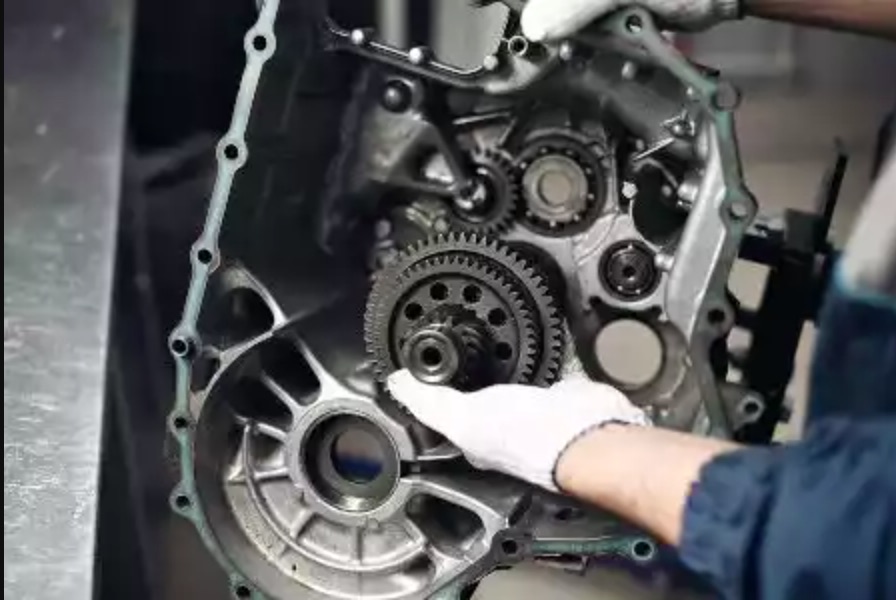 | ||||||||||||||||||||||||||||||||||||||||||||||||||||||||||||||||||||||||||||||||||||||||
| L106 012 P4414 | der Rußfilter | carbon-particulate filter |  | ||||||||||||||||||||||||||||||||||||||||||||||||||||||||||||||||||||||||||||||||||||||||
| |
| |
| |
| |
| |
| |
| |
| |
| |
We're having a party next weekend.我们 下个 週末 有 一 场 派对 。 อาทิตย์หน้าเราจะจัดปาร์ตี้ Chúng tôi sẽ có một bữa tiệc vào tuần sau. Nächstes Wochenende veranstalten wir eine Party. Tenemos una fiesta el fin de semana que viene. Nous faisons une fête le week-end prochain. Daremo una festa il prossimo fine settimana. We hebben een feestje volgend weekend. 0078 |
Should we have a party?我们 该 办 个 派对 吗 ? ควรจะจัดปาร์ตี้มั้ย Chúng ta tổ chức một bữa tiệc được không? Sollen wir eine Party machen? ¿Deberíamos organizar una fiesta? On organise une fête ? Dovremmo organizzare una festa? Zullen we een feestje bouwen? 0229 |
Do any of you want to go to a party tonight?你们 有 谁 今晚 也 想 一起 去 参加 派对 的 ? มีใครอยากไปปาร์ตี้คืนนี้บ้างมั้ย Có ai trong số các em muốn tới bữa tiệc tối nay không? Will jemand von euch heute Abend auf eine Party gehen? ¿Queréis ♂alguno de vosotros (♀alguna de vosotras) ir a una fiesta esta noche? Est-ce que l’un d’entre vous veut aller à une fête ce soir ? Qualcuno di voi vuole andare a una festa stasera? Wil iemand van jullie vanavond naar een feestje gaan? 0358 |
I met her at a party last week.我 上 礼拜 在 派对 认识 她 。 เจอเธอที่ปาร์ตี้อาทิตย์ก่อน Tôi đã gặp cô ấy bữa tiệc tuần trước. Ich habe sie letzte Woche auf einer Party getroffen. La conocí en una fiesta la semana pasada. Je l'ai rencontrée à une fête la semaine dernière. L'ho incontrata alla festa settimana scorsa. Ik heb haar vorige week op een feestje ontmoet. 0492 |
Were they at the party? — No, they weren't.他们 有 去 派对 吗 ?— 没有 , 他们 没 去 。 พวกเขาไปปาร์ตี้มั้ย--เปล่า เขาไม่ได้ไป Họ có trong bữa tiệc không? — Không. Waren sie auf der Party? — Nein. ¿Estaban ellos (♀ellas) en la fiesta? — No, no lo estaban. ♂Étaient-ils (♀Étaient-elles) à la fête ? — Non, ♂ils (♀elles) n'y étaient pas. Loro erano alla festa? — No, non c'erano. Waren ze op het feest? Nee. 0614 |
Were Anabel and Richard at the party?阿娜贝尔 和 理查德 有 去 派对 吗 ? อนาเบลกับริชาร์ดได้ไปปาร์ตีรึเปล่า Anabel và Richard có đến bữa tiệc không? Waren Anabel und Richard auf der Party? ¿Estaban Anabel y Richard en la fiesta? Est-ce qu'Anabel et Richard étaient à la fête ? Anabel e Richard erano alla festa? Waren Anabel en Richard op het feest? 0958 |
We didn't go to the party.我们 没有 去 派对 。 พวกเราไม่ได้ไปปาร์ตี้ Chúng tôi đã không đến dự tiệc. Wir sind nicht zur Party gegangen. No fuimos a la fiesta. Nous ne sommes pas ♂allés (♀allées) à la fête. Non siamo andati alla festa. We zijn niet naar het feest gegaan. 1040 |
Wilma isn't coming to the party next week.维尔玛 下 礼拜 不 会 去 派对 。 วิลมาจะไม่มางานอาทิตย์หน้านะ Wilma sẽ không tới bữa tiệc tuần sau. Wilma kommt nächste Woche nicht mit auf die Party. Wilma no viene a la fiesta la semana que viene. Wilma ne vient pas à la fête la semaine prochaine. Wilma non verrà alla festa settimana prossima. Wilma komt volgende week niet naar het feest. 1041 |
Did Eveline come to the party? — No, she didn't.艾弗林 有 去 派对 吗 ?— 没有 , 她 没 去 。 เอเวอลินได้ไปปาร์ตี้รึเปล่า--เปล่า เธอไม่ได้ไป Eveline có đến dự tiệc không? — Không cô ấy đã không đến. War Eveline auf der Party? — Nein. ¿Vino Eveline a la fiesta? — No, no vino. Est-ce qu'Eveline est venue à la fête ? — Non, elle n'est pas venue. Eveline è venuta alla festa? — No, non è venuta. Was Eveline op het feest? Nee. 1044 |
What are you going to wear to the party tonight?今天 晚上 的 派对 你 要 穿 什么 ? จะใส่อะไรไปปาร์ตี้คืนนี้ Em định mặc gì trong bữa tiệc tối nay? Was willst du heute Abend zur Party anziehen? ¿Qué te vas a poner para la fiesta de esta noche? Que vas-tu porter à la fête ce soir ? Che cosa indosserai stasera alla festa? Wat ga je vanavond aantrekken op het feest? 1045 |
Don't you want to go to the party?你 不 想 去 派对 吗 ? ไม่อยากไปปาร์ตี้เหรอ Em không muốn tới bữa tiệc à? Willst du nicht zur Party gehen? ¿No quieres ir a la fiesta? Ne veux-tu pas aller à la fête ? Non vuoi andare alla festa? Wil je niet naar het feest? 1046 |
We met a lot of interesting people at the party.我们 在 派对 上 认识 很 多 有趣 的 人 。 พวกเราเจอคนน่าสนใจเยอะแยะที่งานปาร์ตี้ Tôi đã gặp nhiều người trong bữa tiệc. Wir haben auf der Party eine Menge interessanter Leute kennengelernt. Conocimos a mucha gente interesante en la fiesta. Nous avons rencontré beaucoup de gens intéressants à la fête. Abbiamo incontrato molte persone interessanti alla festa. We hebben veel interessante mensen ontmoet op het feest. 1111 |
Do you think John will be at the party? — I hope not.你 觉得 约翰 会 在 派对 上 吗 ?— 希望 不 会 。 คิดว่าจอห์นจะไปปาร์ตี้มั้ย--หวังว่าไม่นะ Em có nghĩ là John sẽ có ở bữa tiệc không? — Tôi hi vọng là không. Denkst du, dass John zur Party kommt? — Ich hoffe nicht. ¿Crees que John estará en la fiesta? — Espero que no. Penses-tu que John sera à la fête ? — J'espère que non. Pensi che Giovanni verrà alla festa? — Spero di no. Denk je dat John naar het feest zal komen? - Ik hoop van niet. 1129 |
How are you getting home after the party tomorrow?明天 派对 结束 后 , 你 要 怎么 回家 ? แล้วพรุ่งนี้หลังปาร์ตี้จะกลับยังไง Em định về nhà bằng cách nào sau bữa tiệc ngày mai? Wie kommst du morgen nach der Party nach Hause? ¿Cómo te vas a casa después de la fiesta mañana? Comment rentres-tu à la maison après la fête demain ? Come tornerai a casa domani dopo la festa? Hoe kom je morgen thuis na het feest? 1185 |
It sounds like they're having a party.听 起来 他们 好像 在 开 派对 。 สงสัยพวกเขากำลังปาร์ตี้กัน Nghe giống như là họ đang có tiệc. Hört sich an, als ob sie eine Party machen. Parece que tienen una fiesta. On dirait qu'ils font une fête. Sembra stiano facendo una festa Klinkt alsof ze een feestje hebben. 1202 |
There's a party tomorrow night, but I'm not going.明天 晚上 有 一 个 派对 , 但 我 没有 要 去 。 พรุ่งนี้เย็นมีปาร์ตี้แต่เราไม่ไป Tối mai có một bữa tiệc nhưng tôi sẽ không dự. Morgen Abend gibt's eine Party, aber ich gehe nicht hin. Hay una fiesta mañana por la noche, pero yo no voy. Il y a une fête demain soir, mais je n'y vais pas. Domani sera c'è una festa, ma non ci andrò. Er is een feestje morgenavond, maar ik ga niet. 1244 |
I'm sorry, but we can't come to your party next weekend.不好意思 , 我们 下 礼拜 不 能 去 你的 派对 。 ขอโทษนะแต่ไปปาร์ตี้อาทิตย์หน้าไม่ได้ Tôi rất tiếc, chúng tôi không tới dự bữa tiệc tuần sau của em được. Entschuldigung, aber wir können nächstes Wochenende nicht auf deine Party kommen. Lo siento, pero no podemos venir a tu fiesta el fin de semana que viene. Je suis ♂désolé (♀désolée), mais nous ne pouvons pas venir à ta fête le week-end prochain. Mi dispiace ma non possiamo venire alla tua festa il prossimo fine-settimana. Sorry, maar we kunnen volgend weekend niet naar je feestje komen. 1253 |
There was a party at work last Friday, but I didn't go.上个 礼拜五 公司 有 举办 派对 , 但 我 没 去 。 ศุกร์ที่แล้วมีปาร์ตี้ที่ทำงานแต่ไม่ได้ไป Có một bữa tiệc ở cơ quan Thứ sáu vừa rồi nhưng tôi đã không dự. Letzten Freitag gab es auf der Arbeit eine Party, aber ich bin nicht hingegangen. Hubo una fiesta en el trabajo el viernes pasado, pero no fui. Il y avait une fête au travail vendredi dernier, mais je n'y suis pas ♂allé (♀allée). Venerdì scorso al lavoro c'è stata una festa, ma non ci sono andato. Afgelopen vrijdag was er een feestje op het werk, maar ik ben niet gegaan. 1295 |
I'd love to have gone to the party, but it was impossible.我 很 想 去 这个 派对 , 但 不 可能 。 ถ้าได้ไปงานปาร์ตี้ก็ดีสิแต่ไปไม่ได้ Tôi cũng muốn đến bữa tiệc nhưng chuyện đó không thể được. Ich wäre gerne zur Party gegangen, aber es war unmöglich. Me encantaría haber ido a la fiesta, pero era imposible. J'aurais aimé aller à la fête, mais c'était impossible. Mi sarebbe piaciuto molto essere andato alla festa, ma era impossibile. Ik had graag naar het feest gegaan, maar het was onmogelijk. 1345 |
Why did they have to leave the party early?他们 为什么 要 提早 离开 派对 ? ทำไมพวกเขาถึงต้องออกจากปาร์ตี้เร็ว Tại sao họ phải rời bữa tiệc sớm? Warum mussten sie die Party so früh verlassen? ¿Por qué tuvieron que irse de la fiesta temprano? Pourquoi ♂ont-ils (♀ont-elles) dû partir tôt de la fête ? Perchè sono dovuti andare via prima dalla festa? Waarom moest je zo vroeg weg van het feest? 1413 |
They needed help to clean up after the party, so everybody helped clean up.他们 需要 人 在 派对 后 帮忙 清理 , 所以 大家 都 来 帮忙 了 。 พวกเขาต้องการให้ช่วยเก็บกวาดหลังงานเลี้ยงทุกคนก็เลยช่วยกัน Họ cần sự giúp đỡ để dọn dẹp sau bữa tiệc nên mọi người đã giúp dọn dẹp. Sie brauchten nach der Party Hilfe beim Aufräumen und deshalb hat jeder mitgeholfen. Necesitaban ayuda para limpiar después de la fiesta, así que todo el mundo ayudó a limpiar. ♂Ils (♀elles) avaient besoin d'aide pour nettoyer après la fête, alors tout le monde a aidé à nettoyer. Avevano bisogno d'aiuto per fare le pulizie dopo la festa, perciò tutti hanno aiutato a pulire. Ze hadden hulp nodig bij het opruimen na het feest dus iedereen hielp. 1460 |
This part of town is dangerous.小镇 的 这个 地方 很 危险 。 แถวนี้อันตราย Khu này của thị trấn rất nguy hiểm. Dieser Teil der Stadt ist gefährlich. Esta parte de la ciudad es peligrosa. Cette partie de la ville est dangereuse. Questa parte della città è pericolosa. Dit deel van de stad is gevaarlijk. 1476 |
Our apartment is on the second floor of the building.我们的 公寓 在 这 栋 大楼 的 二 楼 。 อพาร์ทเมนท์ของเราอยู่ชั้นสองของตึก Căn hộ của chúng tôi nằm trên tầng hai của tòa nhà. Unsere Wohnung ist im zweiten Stock des Hauses. Nuestro departamento está en el segundo piso del edificio. Notre appartement est situé au deuxième étage de l'immeuble. Il nostro appartamento è al secondo piano dell'edificio. Onze flat is op de tweede verdieping van het huis. 1495 |
She always enjoys parties.她 一直 都 喜欢 派对 。 เขาชอบไปปาร์ตี้ตลอด Cô ấy thích tiệc tùng. Sie geht gerne zu Partys. Ella siempre disfruta de las fiestas. Elle aime toujours les fêtes. Le piace sempre far festa. Ze gaat graag naar feestjes. 1560 |
I enjoyed the party. How about you?我 觉得 派对 很 好玩 。 你 觉得 呢 ? ปาร์ตี้สนุกดี แล้วคุณล่ะ Tôi rất thích bữa tiệc. Em thì sao? Mir hat die Party gefallen. Und dir? Disfruté de la fiesta. ¿Y tú? J'ai aimé la fête. Et toi ? Mi sono divertito alla festa. E tu? Ik vond het feest leuk. En jij? 1733 |
All of us enjoyed the party.我们 都 很 享受 这 场 派对 。 พวกเราทุกคนสนุกกับงานปาร์ตี้ Tất cả chúng tôi đều vui với bữa tiệc. Wir alle hatten Spaß auf der Party. ♂Todos (♀todas) disfrutamos de la fiesta. Nous avons tous aimé la fête. Noi tutti, ci siamo divertiti alla festa. We hadden allemaal plezier op het feest. 1736 |
Did you enjoy the party?你 觉得 派对 好玩 吗 ? สนุกรึเปล่า Em có thấy thích bữa tiệc không? Hat dir die Party gefallen? ¿Disfrutaste de la fiesta? As-tu aimé la fête ? Ti sei divertito alla festa? Vond je het feest leuk? 1737 |
We enjoyed the party last night.我们 昨晚 的 派对 很 好玩 。 ปาร์ตี้เมื่อคืนสนุกดี Chúng tôi thích thú với bữa tiệc tối qua. Die Party gestern Abend hat uns gefallen. Disfrutamos de la fiesta anoche. Nous avons aimé la fête hier soir. Ci siamo divertiti ieri sera alla festa. We hebben genoten van het feest gisteravond. 1738 |
Leonardo's coming to the party tonight. — Is he?李奥纳多 今天 晚上 会 来 派对 。— 是 吗 ? คืนนี้ลีโอนาโดจะมาปาร์ตี้นะ--จริงหรอ Leonardo sẽ đến dự bữa tiệc tối nay. — Thế à? Leonardo kommt heute Abend zur Party. — Echt? Leonardo viene a la fiesta esta noche. — ¿Sí? Leonardo vient à la fête ce soir. — Ah oui ? Leonardo verrà alla festa stasera. — Verrà? Leonardo komt vanavond naar het feest. - Echt? 1976 |
Sabine's not coming to the party.莎宾娜 没有 要 来 派对 。 คุณซาบีนไม่มางานปาร์ตี้ Sabine sẽ không đến bữa tiệc. Sabine kommt nicht zur Party. Sabine no va a venir a la fiesta. Sabine ne vient pas à la fête. Sabina non verrà alla festa. Sabine komt niet naar het feest. 1978 |
I'm never invited to parties.我 都 没 被 邀请 去 派对 。 ไม่เคยมีใครชวนไปปาร์ตี้เลย Tôi chưa bao giờ được mời đi dự tiệc. Ich werde nie zu Partys eingeladen. Nunca me invitan a fiestas. Je ne suis jamais invité aux fêtes. Non sono mai invitato alle feste. Ik word nooit uitgenodigd op feestjes. 1979 |
We weren't invited to the party last week.我们 上 礼拜 没有 被 邀请 去 派对 。 ไม่มีใครชวนไปปาร์ตี้เมื่ออาทิตย์ที่แล้ว Chúng tôi không được mời tới bữa tiệc tuần trước. Wir wurden nicht zur Party letzte Woche eingeladen. No fuimos invitados a la fiesta la semana pasada. On n'a pas été ♂invités (♀invitées) à la fête de la semaine dernière. La settimana scorsa, non siamo stati invitati alla festa. We zijn vorige week niet uitgenodigd voor het feest. 1980 |
Were you invited to Adrian's party last week?你 上 礼拜 有 被 邀请 去 亚得里安 的 派对 吗 ? ถูกชวนไปปาร์ตี้ของเอเดรียนอาทิตย์ก่อนมั้ย Em có được mời đến bữa tiệc của Adrian tuần trước không? Wurdest du zu Adrians Party letzte Woche eingeladen? ¿Fuiste invitado a la fiesta de Adrián la semana pasada? As-tu été ♂invité (♀invitée) à la fête d'Adrian la semaine dernière ? Settimana scorsa, sei stato invitato alla festa di Adriano? Was je vorige week uitgenodigd op Adrian haar feestje? 1981 |
Shumei might not come to the party.淑美 可能 不 会 去 派对 。 ซูเหมยอาจจะไม่มาปาร์ตี้ Thục Mỹ có thể sẽ không đến dự tiệc. Shumei kommt vielleicht nicht zur Party. Puede que Shumei no venga a la fiesta. Shumei ne viendra peut-être pas à la fête. Shumei potrebbe non venire alla festa. Shumei komt misschien niet naar het feest. 1983 |
Nobody has invited me to the party.没有 人 邀请 我 去 派对 。 ไม่มีใครชวนเราไปปาร์ตี้เลย Chưa có ai mời tôi tới bữa tiệc. Niemand hat mich zur Party eingeladen. Nadie me ha invitado a la fiesta. Personne ne m'a ♂invité (♀invitée) à la fête. Nessuno mi ha invitato alla festa. Niemand heeft me uitgenodigd voor het feest. 1989 |
They've been invited to a party.他们 被 邀请 去 派对 。 เขาถูกชวนไปปาร์ตี้ Họ đã mời tôi tới một bữa tiệc. Sie wurden zu einer Party eingeladen. Ellos (♀Ellas) han sido invitados a una fiesta. On les a ♂invités (♀invitées) à la fête. Sono stati invitati alla festa. Je was uitgenodigd voor een feestje. 1990 |
They got invited to a party.他们 被 邀请 去 派对 。 เขาถูกชวนไปปาร์ตี้ Họ đã mời tôi tới một bữa tiệc. Sie wurden zu einer Party eingeladen. Ellos (♀Ellas) fueron invitados a una fiesta. ♂Ils (♀elles) ont été ♂invités (♀invitées) à la fête. Sono stati invitati alla festa. Je was uitgenodigd voor een feestje. 1992 |
Vitale and Rosetta are going to a party.维塔莱 和 罗赛塔 正 要 去 派对 。 วิตาเล่กับโรเซ็ตต้ากำลังไปปาร์ตี้ Vitale và Rosetta sẽ đi dự một bữa tiệc. Vitale und Rosetta gehen auf eine Party. Vitale y Rosetta van a una fiesta. Vitale et Rosetta vont à une fête. Vitale e Rosetta stanno andando a una festa. Vitale en Rosetta gaan naar een feestje. 1994 |
Are you going to invite Walter to your party?你 要 邀请 沃尔特 去 你的 派对 吗 ? จะชวนวอลเตอร์ไปปาร์ตี้รึเปล่า Em có định mời Walter tới bữa tiệc của em không? Willst du Walter auf deine Party einladen? ¿Vas a invitar a Walter a tu fiesta? Vas-tu inviter Walter à ta fête ? Inviterai Walter alla tua festa? Wil je Walter uitnodigen voor je feestje? 1995 |
I haven't been invited to the party.我 没 被 邀请 去 派对 。 เราไม่ชวนไปปาร์ตี้เลย Tôi chưa được mời tới bữa tiệc. Ich wurde nicht zur Party eingeladen. No he sido invitado (♀invitada) a la fiesta. Je n'ai pas été ♂invité (♀invitée) à la fête. Non sono ♂stato (♀stata) ♂invitato (♀invitata) alla festa. Ik was niet uitgenodigd op het feest. 1996 |
Our new apartment is on a very busy street.我们的 公寓 在 一 条 很 热闹 的 街 上 。 อพาร์ทเมนท์ใหม่ของพวกเราอยู่บนถนนที่พลุกพล่านมาก Căn hộ mới của chúng tôi nằm trên một con phố rất đông đúc. Unsere neue Wohnung ist an einer belebten Straße. Nuestro apartamento está en una calle muy concurrida. Notre nouvel appartement est sur une rue très passante. Il nostro nuovo appartamento dà su una strada molto trafficata. Onze nieuwe flat ligt aan een drukke straat. 2004 |
A question that has two (2) parts is a two-part question.有 两 个 部分 的 考题 叫做 「 两 部分 的 考题 」。 คำถามที่มีสองส่วนก็คือคำถามแบบสองส่วน Một câu hỏi mà có hai phần là một câu hỏi hai phần. Eine Frage, die zwei Teile hat, ist eine zweiteilige Frage. Una pregunta que tiene dos partes es una pregunta bipartita. Une question qui a deux parties est une question à deux parties. Una domanda che è composta di due parti è una domanda duplice. Een vraag die uit twee delen bestaat is een tweedelige vraag. 2022 |
I just started working in the sales department.我 刚 开始 在 业务 部 上班 。 เราเพิ่งเริ่มทำงานในฝ่ายขาย Tôi mới bắt đầu làm việc trong phòng kinh doanh. Ich habe gerade angefangen, im Verkaufsbereich zu arbeiten. Acabo de empezar a trabajar en el departamento de ventas. Je viens tout juste de commencer à travailler dans le département des ventes. Ho appena iniziato a lavorare all'ufficio vendite. Ik ben net begonnen met werken op de verkoopvloer. 2076 |
I didn't enjoy the party, but my friends did.我 在 派对 没有 玩 得 很 开心 , 但 我 朋友 都 很 开心 。 เราไม่สนุกเลยที่ปาร์ตี้แต่เพื่อนเราสนุก Tôi không thích bữa tiệc nhưng các bạn tôi thì thích. Mir hat die Party nicht gefallen, meinen Freunden schon. No disfruté de la fiesta, pero mis amigos (♀amigas) sí. Je n'ai pas aimé la fête, mais mes ♂amis (♀amies) si. Io non mi sono divertito alla festa, però i miei amici sì. Ik vond het feest niet leuk, maar mijn vrienden wel. 2155 |
Bernard was at the party, wasn't he? — Yes, but I didn't speak to him.伯纳德 有 在 派对 , 不 是 吗 ?— 对 , 但 我 没 跟 他 说话 。 เบอร์นาร์ดไปปาร์ตี้ใช่มั้ย--เขาไปแต่ไม่ได้คุยกับเขา Bernard có ở trong bữa tiệc phải không? — Phải, nhưng tôi không nói chuyện với anh ấy. Bernard war auf der Party, oder? — Ja, aber ich habe nicht mit ihm gesprochen. Bernard estaba en la fiesta ¿verdad? — Sí, pero no hablé con él. Bernard était à la fête, n'est-ce pas ? — Oui, mais je ne lui ai pas parlé. Bernardo era alla festa, giusto? — Sì, ma non ci ho parlato. Bernard was op het feest, nietwaar? - Ja, maar ik heb niet met hem gepraat. 2190 |
Flora has invited us to her party next week, but we're not going.芙萝拉 邀 我们 下个 礼拜 去 她的 派对 , 但 我们 没有 要 去 。 ฟลอร่าชวนพวกเราไปปาร์ตี้อาทิตย์หน้า แต่เราไม่ไป Flora đã mời chúng tôi tới dự bữa tiệc của cô ấy tuần sau, nhưng chúng tôi sẽ không tới. Flora hat uns zu ihrer Party nächste Woche eingeladen. Aber wir gehen nicht hin. Flora nos ha invitado a su fiesta la semana que viene, pero no vamos a ir. Flora nous a ♂invités (♀invitées) à sa fête la semaine prochaine, mais nous n'y allons pas. Flora ci ha invitato alla sua festa la settimana prossima, ma non ci andremo. Flora heeft ons uitgenodigd voor haar feestje volgende week. Maar we gaan niet. 2193 |
Valentina found a beautiful dress at the department store, but she wanted to try it on before she bought it.瓦伦蒂娜 在 百货公司 找到 了 一 件 漂亮 的 洋装 , 但 她 想 在 买 下 它 前 先 试穿 。 วาเลนติน่าเจอชุดสวยที่ห้างแต่เธออยากลองใส่ก่อนที่จะซื้อมัน Valentina đã thấy một chiếc áo váy đẹp trong cửa hàng bách hóa nhưng cô ấy muốn thử nó trước khi mua. Valentina hat im Kaufhaus ein hübsches Kleid gefunden, aber sie wollte es zuerst anprobieren, bevor sie es kauft. Valentina encontró un vestido precioso en la tienda, pero quería probárselo antes de comprarlo. Valentina a trouvé une belle robe au magasin, mais elle voulait l'essayer avant de l'acheter. Valentina ha trovato un vestito bellissimo all'emporio, ma ha voluto provarlo prima di comprarlo. Valentina vond een mooie jurk in de warenhuizen', maar ze wou ze eerst passen voor ze ze kocht. 2216 |
This book is divided into three (3) parts.这 本 书 被 分成 三 个 部份 。 หนังสือเล่มนี้แบ่งออกเป็นสามตอน Cuốn sách này được chia làm ba phần. Dieses Buch hat drei Teile. Este libro está dividido en tres partes. Ce livre est divisé en trois parties. Questo libro è diviso in tre parti. Dit boek bestaat uit drie delen. 2337 |
The party ended at midnight.派对 在 午夜 结束 。 ปาร์ตี้เลิกตอนเที่ยงคืน Bữa tiệc kết thúc lúc nửa đêm. Die Party hat um Mitternacht aufgehört. La fiesta terminó a medianoche. La fête a fini à minuit. La festa è finita a mezzanotte. Het feest brak op om middernacht. 2398 |
Jianhao may not come to the party.建豪 可能 不 会 去 派对 。 เจี๊ยนฮัวอาจจะไม่มาปาร์ตี้ Kiến Hào có thể sẽ không đến dự tiệc. Jianhao kommt vielleicht nicht zur Party. Puede que Jianhao no venga a la fiesta. Jianhao ne viendra peut-être pas à la fête. Jianhao potrebbe non venire alla festa. Jianhao komt misschien niet naar het feest. 2513 |
I'm having a party next week, but Hyeonyeong and Maengsuk can't come.我 下个 礼拜 要 办 派对 , 但是 Hyeonyeong (贤荣) 和 Maengsuk (孟淑) 不 能 来 。 อาทิตย์หน้าจะจัดปาร์ตี้แต่คุณเฮยยองกับคุณแมงสุกมาไม่ได้ Tuần sau tôi có một bữa tiệc nhưng Hiền Vinh và Mạnh Thục không đến được. Ich mache eine Party nächste Woche, aber Hyeonyeong und Maengsuk können nicht kommen. Voy a dar una fiesta la semana que viene, pero Hyeonyeong y Maengsuk no pueden venir. Je fais une fête la semaine prochaine, mais Hyeonyeong et Maengsuk ne peuvent pas venir. Darò una festa settimana prossima, ma Hyeonyeong e Maengsuk non possono venire. Ik geef volgende week een feestje, maar Hyeonyeong en Maengsuk kunnen niet komen. 2599 |
I had a party last week, but Imran and Latifa couldn't come.我 上 礼拜 有 举办 派对 , 但 伊姆兰 和 拉缇法 没 办法 来 。 อาทิตย์ที่แล้วมีปาร์ตี้แต่อิมรานกับลาติฟามาไม่ได้ Tuần trước tôi có một bữa tiệc nhưng Imran và Latifa đã không đến được. Ich hatte eine Party letzte Woche, aber Imran und Latifa konnten nicht kommen. Di una fiesta la semana pasada, pero Imran y Latifa no pudieron venir. J'ai fait une fête la semaine dernière, mais Imran et Latifa ne pouvaient pas venir. Ho fatto una festa settimana scorsa, ma Imran e Latifa non sono potuti venire. Ik had vorige week een feestje maar Imran en Latifa konden niet komen. 2600 |
|
|
|
|
|
|
|
|
|
|
|
|
|
|
|
|
|
|
|
|
|
|