孩子们擦自行车。 เด็กๆ กำลังทำความสะอาดรถจักรยาน Trẻ con lau xe đạp. Die Kinder putzen die Fahrräder. Los niños limpian las bicicletas. Les enfants nettoient les vélos. I bambini puliscono le biciclette. De kinderen maken de fietsen schoon.
这里有刀、叉和勺。 นี่คือมีด ส้อมและช้อน Đây là những con dao, dĩa và thìa. Hier sind die Messer, Gabeln und Löffel. Aquí están los cuchillos, los tenedores, y las cucharas. Voici les couteaux, les fourchettes et les cuillères. Ecco i coltelli, le forchette e i cucchiai. Hier zijn de messen, de vorken, en de lepels.
我的两个孩子在那里。 และนั่นเป็นลูกทั้งสองคนของ ผม / ดิฉัน Và đó là hai đứa con tôi. Und dort sind meine beiden Kinder. Y allí están mis dos hijos. Et voici mes deux enfants. E quelli sono i miei due figli. En daar zijn mijn twee kinderen.
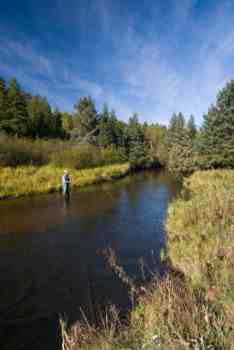
你看见那里的那条河了吗? คุณเห็นแม่น้ำตรงนั้นไหม ครับ / คะ? Bạn có thấy con sông ở đó không? Siehst du dort den Fluss? ¿Ves aquel río allá? Vois-tu la rivière ? Vedi quel fiume lì? Zie je die rivier daar?
我喜欢那只鸟。 ผม / ดิฉัน ชอบนกตัวนั้น Tôi thích con chim kia. Der Vogel da gefällt mir. Ese pájaro me gusta. Cet oiseau me plaît. Questo uccello qui mi piace. Die vogel vind ik mooi.
我缺少一把刀。 ผม / ดิฉัน ขาดมีด ครับ / คะ Tôi cần con dao. Mir fehlt ein Messer. Me falta un cuchillo. Je n’ai pas de couteau. Mi manca un coltello. Ik heb geen mes.
大象都在哪里? ช้างอยู่ที่ไหน? Nhũng con voi ở đâu? Wo sind die Elefanten? ¿Dónde están los elefantes? Où sont les éléphants ? Dove sono gli elefanti? Waar zijn de olifanten?
蛇都在哪里? งูอยู่ที่ไหน? Những con rắn ở đâu? Wo sind die Schlangen? ¿Dónde están las serpientes? Où sont les serpents ? Dove sono i serpenti? Waar zijn de slangen?
狮子都在哪里? สิงโตอยู่ที่ไหน? Những con sư tử ở đâu? Wo sind die Löwen? ¿Dónde están los leones? Où sont les lions ? Dove sono i leoni? Waar zijn de leeuwen?
袋鼠都在哪里? จิงโจ้อยู่ที่ไหน? Ở đâu có con chuột túi? Wo sind die Kängurus? ¿Dónde están los canguros? Où sont les kangourous ? Dove sono i canguri? Waar zijn de kangoeroes?
犀牛都在哪里? แรดอยู่ที่ไหน? Ở đâu có con tê giác? Wo sind die Nashörner? ¿Dónde están los rinocerontes? Où sont les rhinocéros ? Dove sono i rinoceronti? Waar zijn de neushoorns?
骆驼都在哪里? อูฐอยู่ที่ไหน? Nhũng con lạc đà ở đâu? Wo sind die Kamele? ¿Dónde están los camellos? Où sont les chameaux ? Dove sono i cammelli? Waar zijn de kamelen?
大猩猩和斑马都在哪里? กอริลล่าและม้าลายอยู่ที่ไหน? Nhũng con đười ươi và nhũng con ngựa vằn ở đâu? Wo sind die Gorillas und die Zebras? ¿Dónde están los gorilas y las cebras? Où sont les gorilles et les zèbres ? Dove sono i gorilla e le zebre? Waar zijn de gorilla’s en de zebra’s?
老虎和鳄鱼都在哪里? เสือและจระเข้อยู่ที่ไหน? Nhũng con hổ và nhũng con cá sấu ở đâu? Wo sind die Tiger und die Krokodile? ¿Dónde están los tigres y cocodrilos? Où sont les tigres et les crocodiles ? Dove sono le tigri ed i coccodrilli? Waar zijn de tijgers en de krokodillen?
我需要一个洋娃娃和一个玩具熊。 ผม / ดิฉัน ต้องการตุ๊กตาและตุ๊กตาหมี Tôi cần một con búp bê và một con gấu bông. Ich brauche eine Puppe und einen Teddybär. (Yo) necesito una muñeca y un oso de peluche. J’ai besoin d’une poupée et d’un ours en peluche. Ho bisogno di una bambola e un orsacchiotto. Ik heb een pop en een teddybeer nodig.
我有一把刀,一个叉子和一个勺子。 ผม / ดิฉัน มีมีด ส้อม และช้อน Tôi có một con dao, một cái dĩa và một cái thìa. Ich habe ein Messer, eine Gabel und einen Löffel. (Yo) tengo un cuchillo, un tenedor, y una cuchara. J’ai un couteau, une fourchette et une cuillère. Io ho un coltello, una forchetta e un cucchiaio. Ik heb een mes, een vork en een lepel.
您有一个女儿吗? คุณมีลูกสาวใช่ไหม? Bạn có con gái không? Haben Sie eine Tochter? ¿Tiene (usted) una hija? Avez-vous une fille ? Ha una figlia? Heeft u een dochter?
我有可爱的孩子。 ผม / ดิฉัน มีลูกที่น่ารัก Tôi có những đứa con đáng yêu. Ich habe liebe Kinder. Mis hijos son buenos. J’ai des enfants affectueux. Ho dei cari bambini. Ik heb lieve kinderen.
但是邻居有调皮的孩子。 แต่เพื่อนบ้านมีลูกซน Nhưng mà người hàng xóm có những đứa con hư đốn. Aber die Nachbarn haben freche Kinder. Pero los hijos de los vecinos son descarados. Mais, les voisins ont des enfants effrontés. Ma i vicini hanno dei bambini impertinenti. Maar de buren hebben brutale kinderen.
您的孩子乖吗? ลูก ๆของคุณเป็นเด็กดีไหม ครับ / คะ? Các con của bạn có ngoan không? Sind Ihre Kinder brav? ¿Sus niños son obedientes? Est-ce que vos enfants sont sages ? Sono buoni i Suoi bambini? Zijn uw kinderen braaf?
她有一条 / 只大狗。 เธอมีสุนัขตัวใหญ่หนึ่งตัว Chị ấy có một con chó to. Sie hat einen großen Hund. Ella tiene un perro grande. Elle a un grand chien. Lei ha un cane grande. Zij heeft een grote hond.
我的孩子那时不想去散步。 ลูก ๆของ ผม / ดิฉัน ไม่อยากไปเดินเล่น Mấy đứa con tôi đã không muốn đi dạo. Meine Kinder wollten keinen Spaziergang machen. Mis hijos no querían dar un paseo. Mes enfants ne voulaient pas faire de promenade. I miei figli non volevano fare una passeggiata. Mijn kinderen wilden geen wandeling maken.
你那时可以把狗带到宾馆里吗? คุณ นำสุนัขเข้ามาในโรงแรมได้หรือ? Bạn đã được phép mang con chó vào khách sạn chưa? Durftest du den Hund ins Hotel mitnehmen? ¿Pudiste llevar al perro contigo al hotel? Est-ce que tu pouvais amener le chien à l’hôtel ? Potevi portare il cane in albergo? Mocht je de hond meenemen in het hotel?
During the holidays the children were allowed to remain outside late.
孩子们那时可以在假期里在外面长时间逗留。 ในช่วงพักร้อนเด็ก ๆ ไม่ต้องไปนอนตามเวลา Trong kỳ nghỉ mấy đứa con tôi đã được phép ở ngoài lâu. In den Ferien durften die Kinder lange draußen bleiben. Durante las vacaciones los niños podían estar afuera hasta tarde. Pendant les vacances, les enfants avaient la permission de rester longtemps dehors. Durante le vacanze i bambini potevano restare a lungo fuori. In de vakantie mochten de kinderen lang buiten blijven.
我们希望,他娶我们的女儿。 เราหวังว่า เขาจะแต่งงานกับลูกสาวของเรา Chúng tôi hy vọng rằng anh ấy kết hôn với con gái của chúng tôi. Wir hoffen, dass er unsere Tochter heiratet. (Nosotros) esperamos que (él) se case con nuestra hija. Nous espérons que notre fille se mariera. Speriamo che sposi nostra figlia. Wij hopen dat hij met onze dochter trouwt.
自从他们有了孩子以后,他们就很少外出散步了。 ตั้งแต่พวกเขามีลูก พวกเขาแทบไม่ไปไหนเลย Từ khi họ có con, họ ít khi ra ngoài. Seitdem sie Kinder haben, gehen sie selten aus. Desde que tienen niños, salen poco. Depuis qu’ils ont des enfants, ils sortent rarement. Da quando hanno bambini, escono raramente. Sinds ze kinderen hebben, gaan ze zelden uit.
我孩子的玩具 ของเล่นของลูก ผม / ดิฉัน Đồ chơi của các con tôi. die Spielsachen meiner Kinder los juguetes de mis hijos les jouets de mes enfants i giocattoli dei miei bambini het speelgoed van mijn kinderen
What are the names of the neighbour’s / neighbor’s (am.) children?
邻居家的小孩子叫什么名字? ลูก ๆของเพื่อนบ้านชื่ออะไร? Những đứa con của người hàng xóm tên là gì? Wie heißen die Kinder von den Nachbarn? ¿Cómo se llaman los hijos de los vecinos? Comment s’appellent les enfants des voisins ? Come si chiamano i bambini dei vicini? Hoe heten de kinderen van de buren?
他们 没有 小孩 。 พวกเขายังไม่มีลูก Họ không có con. Sie haben keine Kinder. Ellos (♀ellas) no tienen ningún hijo. ♂Ils (♀elles) n'ont pas d'enfants. Loro non hanno figli. Je hebt geen kinderen.
0198
You must be careful with this knife.
你 用 这 把 刀 的 时候 一定 要 小心 。 ระวังมีด Em phải cẩn thận với con dao này. Mit dem Messer musst du vorsichtig sein. Debes tener cuidado con este cuchillo. Tu dois être ♂prudent (♀prudente) avec ce couteau. Devi fare attenzione con questo coltello. Je moet voorzichtig zijn met dat mes.
0211
They give their children everything they want.
他们 提供 他们 小孩 所 想要 的 一切 。 เด็กๆขออะไรพวกเขาให้หมดเลย Họ đưa cho con họ mọi thứ chúng muốn. Sie geben ihren Kindern alles, was sie wollen. Ellos (♀Ellas) dan a sus hijos todo lo que quieren. Ils donnent à leurs enfants tout ce qu'ils veulent. Danno ai loro bambini tutto quello che vogliono. Ze geven hun kinderen alles wat ze willen.
0901
We drove along the road, the sides of which were lined with trees.
我们 沿着 这 条 路 开 着 , 路 的 两旁 都 是 树 。 พวกเราขับรถไปตามถนนสองข้างทางเป็นแนวต้นไม้ Chúng tôi đã lái xe dọc con đường mà hai bên cây cối thành hàng. Wir fuhren die Straße entlang, entlang derer Bäume zu beiden Seiten standen. Condujimos a lo largo de la carretera, cuyos lados tenían árboles. Nous avons roulé le long de la route, dont les côtés étaient bordés d'arbres. Abbiamo guidato lungo una strada, i cui lati, erano alberati. We reden langs de weg met bomen aan weerszijden.
1047
Shakira got married to an American, and now she's married with two (2) children.
夏奇拉 嫁 给 一 个 美国 人 , 现在 她 已婚 而且 有 两 个 孩子 。 ชากีร่าแต่งงานกับคนอเมริกันตอนนี้เธอแต่งงานมีลูกสองคน Shakira đã cưới một người Mỹ và giờ cô ấy có chồng và có hai đứa con. Shakira hat einen Amerikaner geheiratet, und jetzt ist sie verheiratet mit zwei Kindern. Shakira se casó con un americano, y ahora está casada y con dos niños. Shakira s'est mariée à un Américain, et maintenant elle est mariée et a deux enfants. Shakira si è sposata con un americano e adesso è sposata con due figli. Shakira trouwde met een Amerikaan en nu is ze getrouwd en heeft twee kinderen.
1286
We moved to the city so that we could see our children more often.
我们 搬 到 城市 , 这样 我们 才能 更 常 看到 我们 的 孩子 。 พวกเราย้ายเข้ามาในเมืองจะได้เจอลูกๆบ่อยขึ้น Họ đã chuyển tới thành phố để họ có thể gặp con họ thường xuyên hơn. Wir sind in die Stadt gezogen, damit wir unsere Kinder häufiger sehen können. Nos mudamos a la ciudad para poder ver a nuestros hijos con más frecuencia. Nous avons déménagé en ville pour pouvoir voir nos enfants plus souvent. Ci siamo trasferiti in città, al fine di poter vedere i nostri bambini più spesso. We zijn naar de stad verhuisd zodat we onze kinderen vaker kunnen zien.
1434
I was afraid to go near the dog because I was afraid of getting bitten.
我 很 怕 附近 那 只 狗 , 因为 我 怕 被 咬到 。 ไม่กล้าเข้าใกล้หมาเพราะกลัวโดนกัด Tôi sợ hãi khi đi gần con chó vì tôi sợ bị cắn. Ich hatte Angst, in die Nähe von Hunden zu kommen, weil ich Angst hatte, gebissen zu werden. Tenía miedo de acercarme al perro porque tenía miedo de ser mordido (♀mordida). J'avais peur d'aller près du chien, parce que j'avais peur de me faire mordre. Avevo paura di avvicinarmi al cane perchè avevo paura di essere morso. Ik was bang om bij honden in de buurt te komen, omdat ik bang was gebeten te worden.
1462
I'd rather have a dog than a cat.
我 比较 想要 狗 , 不 想要 猫 。 อยากมีหมามากกว่าแมว Tôi thích có một con chó hơn là một con mèo. Ich hätte lieber einen Hund als eine Katze. Preferiría tener un perro que un gato. Je préférerais avoir un chien plutôt qu'un chat. Preferirei avere un cane al posto di un gatto. Ik heb liever een hond dan een kat.
1509
There are a lot of accidents on this road.
路 上 有 很 多 车祸 。 ถนนสายนี้เกิดอุบัติเหตุบ่อย Có nhiều vụ tai nạn xảy ra trên con đường này. Auf dieser Straße passieren viele Unfälle. > Es passieren viele Unfälle auf dieser Straße. Hay muchos accidentes en esta carretera. Il y a beaucoup d'accidents sur cette route. Ci sono molti incidenti su questa strada. Er gebeuren veel ongelukken op deze weg. > Er zijn veel ongelukken op deze weg.
1569
The Garcias have six (6) children and three (3) dogs.
贾西亚 家 有 六 个 小孩 和 三 只 狗 。 ครอบครัวกาเซียร์มีลูกหกคนแล้วก็หมาสามตัว Nhà Garcia có sáu đứa trẻ và ba con chó. Die Garcias haben sechs Kinder und drei Hunde. Los García tienen seis niños y tres perros. Les Garcia ont six enfants et trois chiens. I Garcia hanno sei (6) figli e tre (3) cani. De Garcia's hebben zes kinderen en drie honden.
1573
Neither of them want to have children.
他们 都 不 想要 有 孩子 。 พวกเขาไม่มีใครอยากมีลูก Cả hai người họ đều không muốn có con. Keiner von beiden will Kinder. ♂Ninguno de ellos (♀Ninguna de ellas) quiere tener hijos. Ni l'un ni l'autre ne veut avoir d'enfants. Nessuno dei due vuole avere bambini. Ze willen geen van beiden kinderen.
1674
She raises her children as a single mother on her own.
她 独自 扶养 小孩 , 是 一 个 单亲 妈妈 。 เธอเป็นแม่เลี้ยงเดียวเลี้ยงลูกเองคนเดียว Cô ấy tự nuôi con một mình kiểu bà mẹ đơn thân. Sie zieht ihre Kinder als alleinstehende Mutter alleine auf. Ella cría a sus hijos como madre soltera, ella sola. Elle élève ses enfants comme une mère célibataire par ses propres moyens. Ha cresciuto tutta da sola i suoi bambini, come unico genitore. Ze voedt haar kinderen alleen op als alleenstaande moeder.
1680
Camila showed me a picture of her son, who is a police officer.
卡米拉 让 我 看 了 她 儿子 的 照片 , 他 是 位 警察 。 คามิล่าเอารูปลูกชายให้ดูลูกชายเป็นตำรวจ Camilia đưa tôi bức ảnh của con cô ấy, người mà đang là cảnh sát. Camila hat mir ein Photo ihres Sohnes gezeigt, der Polizist ist. Camilas Sohn ist Polizist, sie hat mir ein Photo von ihm gezeigt. Camila me enseñó una foto de su hijo, que es policía. Camila m'a montré une photo de son fils, qui est un agent de police. Camilla mi ha mostrato una foto di suo figlio, il quale, di mestiere, fa l'ufficiale di polizia. Camila liet me een foto zien van haar zoon, die een politieagent is. Camila's zoon is een politieagent, ze liet me een foto van hem zien.
1927
Our new apartment is on a very busy street.
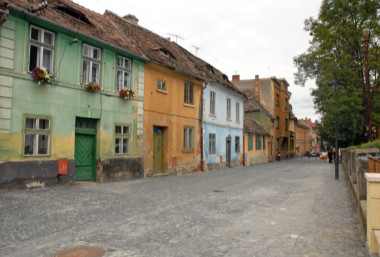
我们的 公寓 在 一 条 很 热闹 的 街 上 。 อพาร์ทเมนท์ใหม่ของพวกเราอยู่บนถนนที่พลุกพล่านมาก Căn hộ mới của chúng tôi nằm trên một con phố rất đông đúc. Unsere neue Wohnung ist an einer belebten Straße. Nuestro apartamento está en una calle muy concurrida. Notre nouvel appartement est sur une rue très passante. Il nostro nuovo appartamento dà su una strada molto trafficata. Onze nieuwe flat ligt aan een drukke straat.
2004
It's a long way from here to the nearest petrol station.
从 这里 到 最近 的 加油站 有 一大 段 距离 。 จากที่นี้ไปปั้มน้ำมันไกลมาก Từ đây đến nhà ga gần nhất là một con đường dài. Von hier bis zur nächsten Tankstelle ist es ein gutes Stückchen. Hay mucha distancia de aquí a la próxima gasolinera. La prochaine station-service est loin d'ici. È un bel po' di strada, da qui al più vicino distributore di benzina. Het is een flink stuk van hier tot het volgende benzinestation.
2013
A bird flew in through the open window while we were having our dinner.
我们 在 吃 晚餐 的 时候 , 一 只 鸟 从 开 着 的 窗户 飞 了 进来 。 นกบินเข้าหน้าต่างตอนกินข้าวกันอยู่ Một con chim đã bay qua cửa sổ khi chúng tôi đang ăn tối. Als wir Abendbrot gegessen haben, ist ein Vogel durchs offene Fenster reingeflogen. Un pájaro voló por la ventana abierta mientras estábamos cenando. Un oiseau est entré dans une fenêtre ouverte en volant alors que nous dînions. Un uccello è volato dentro dalla finestra mentre stavamo cenando. Terwijl we aan het eten waren, vloog er een vogel door het open raam naar binnen.
2110
Four of us got into a car and the others got onto a bus.
我们 四 个 人 坐车 , 其他 人 搭 公车 。 พวกเราสี่คนนั่งรถยนต์และคนอื่นๆขึ้นรถเมล์ Bốn người chúng tôi chui vào một chiếc xe con và những người khác leo lên một chiếc xe buýt. Vier von uns stiegen in ein Auto, und die anderen stiegen in den Bus. Cuatro de ♂nosotros (♀nosotras) nos metimos en el coche y ♂los otros (♀las otras) se subieron al autobús. Quatre d'entre nous sont ♂montés (♀montées) dans une voiture et les autres sont ♂monté (♀montées) dans un bus. Quattro di noi sono saliti su una macchina e gli altri sono saliti su di un autobus. Vier van ons stapten in een auto en de anderen stapten in de bus.
2151
My neighbour drives an SUV.
我 邻居 开 休旅车 。 เพื่อนบ้านเราขับเอสยูวี Hàng xóm của tôi lái một con xe thể thao đa dụng. Mein Nachbar fährt einen SUV. Mi vecino (♀vecina) lleva una camioneta. Mon voisin conduit un VUS. Il mio vicino guida un SUV. Mijn buurman rijdt in een SUV.
2326
The Amazon is a river in South America.
亚马逊 河 在 南美洲 。 แอมะซอนเป็นแม่น้ำในอเมริกาใต้ Amazon là một con sông ở Nam Mỹ. Der Amazonas ist ein Fluss in Südamerika. El Amazonas es un río en América del Sur. L'Amazone est un fleuve en Amérique du Sud. Il Rio delle Amazzoni è un fiume del Sud America. De Amazone is een rivier in Zuid-Amerika.
2364
The Rhine is a river in Europe.
莱茵 河 在 欧洲 。 ไรน์เป็นแม่น้ำในยุโรป Sông Rhine là một con sông ở châu Âu. Der Rhein ist ein Fluss in Europa. El Rin es un río en Europa. Le Rhin est un fleuve d'Europe. Il Reno è un fiume che scorre in Europa. De Rijn is een rivier in Europa.
2365
They live on a big street, so there must be a lot of noise from the traffic.
他们 住 在 大街 上 , 所以 一定 有 很 多 噪音 从 街 上 传来 。 พวกเขาอยู่ติดถนนใหญ่เสียงรถต้องดังแน่เลย Họ sống trên một con phố lớn nên chắc chắn có nhiều tiếng ồn của xe cộ. Sie wohnen an einer großen Straße, es muss ziemlich laut sein wegen des Verkehrs. Viven en una calle grande, así que debe haber mucho ruido del tráfico. Ils vivent sur une grande rue, alors il doit y avoir beaucoup de bruit provenant de la circulation. Vivono in una grande strada, deve esserci, quindi, molto rumore a causa del traffico. Je woont aan een grote weg, het moet nogal lawaaierig zijn door het verkeer.
她是我的女儿。 Con bé là con gái tôi. เธอเป็นลูกสาวของฉัน. She is my daughter. Das ist meine Tochter. Es mi hija. C'est ma fille. Lei è mia figlia. Dit is mijn dochter.
他是我的儿子。 Cậu ấy là con trai tôi. เขาเป็นลูกชายของฉัน. He is my son. Das ist mein Sohn. Él es mi hijo. C'est mon fils. Lui è mio figlio. Dit is mijn zoon.
他们有一个儿子。 Họ có một đứa con trai. พวกเขามีลูกชาย They have a son. Sie haben einen Sohn. Tienen un hijo. Ils ont un fils. Hanno un figlio. Je hebt een zoon.
这条街道很安静。 Đây là một con phố rất yên tĩnh. นี่เป็นถนนที่เงียบสงบมาก This is a very quiet street. Dies ist eine sehr ruhige Straße. Esta es una calle muy tranquila. C'est une rue très calme. Questa è una strada molto tranquilla. Dit is een erg rustige straat.
他们有两个孩子。 Họ có hai con. พวกเขามีลูกสองคน. They have two children. Sie haben zwei Kinder. Tienen dos hijos. Ils ont deux enfants. Loro hanno due bambini. Ze hebben twee kinderen.
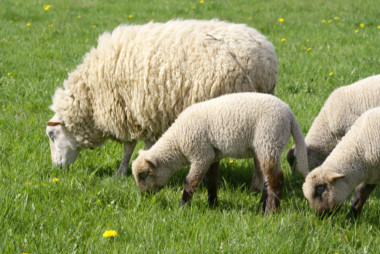
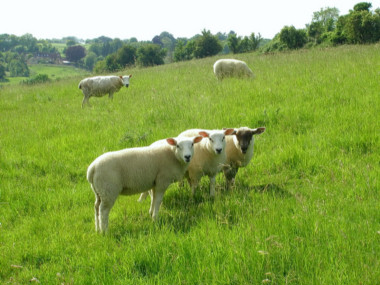
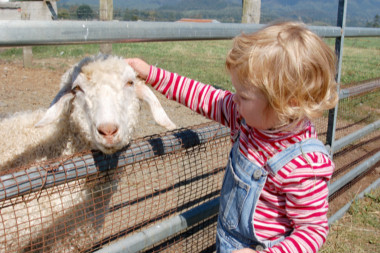
那里有几头羊。 Có vài con cừu ở đằng kia. มีแกะหลายตัวอยู่ที่นั่น There are several sheep over there. Es gibt viele Schafe dort drüben. Hay varias ovejas por allí. Il y a plusieurs moutons là-bas. Ci sono molte pecore laggiù. Er zijn daar veel schapen.
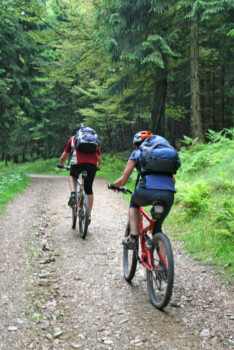
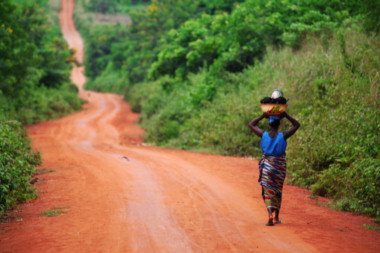
这条小路不平。 Bề mặt của con đường này không bằng phẳng. พื้นผิวของเส้นทางนี้ไม่สม่ำเสมอ The surface of this path is uneven. Die Oberfläche dieser Strecke ist uneben. La superficie de este camino es irregular. La surface de ce chemin est inégale. La superficie di questo percorso è irregolare. Het oppervlak van deze weg is oneffen.
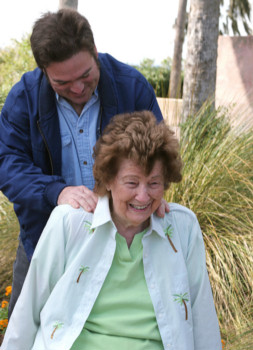
妈妈在和孩子道别。 Người mẹ đang từ biệt đứa con của mình. แม่กำลังบอกลาลูกของเธอ The mother is saying goodbye to her child. Die Mutter verabschiedet sich von ihrem Kind. La madre se despide de su hijo. La mère dit au revoir à son enfant. La madre sta salutando suo figlio. De moeder neemt afscheid van haar kind.
路边有很多树。 Có rất nhiều cây xanh dọc theo con đường. มีต้นไม้มากมายริมถนน There are many trees alongside the road. Es gibt viele Bäume entlang des Weges. Hay muchos árboles junto a la carretera. Il y a beaucoup d'arbres le long de la route. Ci sono molti alberi lungo la strada. Er staan veel bomen langs de weg.
这是我的儿子。 Đây là con trai tôi. นี่คือลูกชายของฉัน This is my son. Das ist mein Sohn. Este es mi hijo. C'est mon fils. Questo è mio figlio. Dat is mijn zoon.
这些衣服是女儿的。 Những bộ quần áo này thuộc về con gái tôi. เสื้อผ้าเหล่านี้เป็นของลูกสาวของฉัน These clothes belong to my daughter. Diese Kleider gehören meiner Tochter. Esta ropa es de mi hija. Ces vêtements appartiennent à ma fille. Questi vestiti appartengono a mia figlia. Deze kleren zijn van mijn dochter.
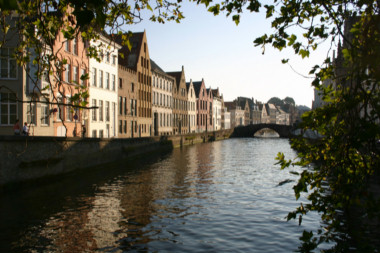
这条河很长。 Đây là một con sông rất dài. นี่เป็นแม่น้ำที่ยาวมาก This is a very long river. Dies ist ein sehr langer Fluss. Este es un río muy largo. C'est une très longue rivière. Questo è un fiume molto lungo. Dit is een erg lange rivier.
这里有条河。 Có một con sông ở đây. มีแม่น้ำอยู่ที่นี่ There is a river here. Hier gibt es einen Fluss. Aquí hay un río. Il y a une rivière ici. C'è un fiume qui. Er is hier een rivier.
我有一只小狗。 Tôi có một con chó nhỏ. ฉันมีหมาน้อย I have got a little dog. Ich habe einen kleinen Hund. Tengo un perrito. J'ai un petit chien. Ho un cagnolino. Ik heb een kleine hond.
他们总共有六个孩子。 Họ có tổng cộng sáu người con. พวกเขามีลูกทั้งหมดหกคน They have six children altogether. Sie haben insgesamt sechs Kinder. Tienen seis hijos en total. Ils ont six enfants en tout. Hanno sei figli in tutto. Ze hebben in totaal zes kinderen.
他在给大象洗澡。 Anh ấy đang tắm cho con voi. เขากำลังอาบน้ำให้ช้าง He is giving the elephant a bath. Er wäscht den Elefanten. Está bañando al elefante. Il donne un bain à l'éléphant. Sta facendo un bagno all'elefante. Hij wast de olifant.
他们带儿子去公园玩。 Họ đưa con trai đi chơi công viên. พวกเขาพาลูกชายไปที่สวนสาธารณะ They take their son to the park. Sie bringen ihren Sohn in den Park. Llevan a su hijo al parque. Ils emmènent leur fils au parc. Portano il figlio al parco. Ze nemen hun zoon mee naar het park.
我钓到一条鱼。 Tôi đã bắt được một con cá. ฉันจับปลาได้แล้ว I have caught a fish. Ich habe einen Fisch gefangen. He cogido un pez. J'ai attrapé un poisson. Ho preso un pesce. Ik heb een vis gevangen.
草地上有两匹马。 Có hai con ngựa trên đồng cỏ. มีม้าสองตัวอยู่ในทุ่งหญ้า There are two horses in the meadow. Auf der Wiese sind zwei Pferde. Hay dos caballos en el prado. Il y a deux chevaux dans le pré. Ci sono due cavalli nel prato. Er staan twee paarden in de wei.
她骑马越过了障碍。 Cô nhảy qua chướng ngại vật trên con ngựa của mình. เธอกระโดดข้ามสิ่งกีดขวางบนหลังม้าของเธอ She jumps over the barricade on her horse. Sie springt auf ihrem Pferd über die Barrikade. Ha saltado la barricada en su caballo. Elle a sauté par-dessus la barricade sur son cheval. Ha saltato la barricata sul suo cavallo. Ze springt over de barricade op haar paard.
湖边有一条小船。 Có một con tàu nhỏ bên hồ. มีเรือลำเล็กอยู่ริมทะเลสาบ There is a small ship by the side of the lake. Es gibt ein kleines Schiff am See. Hay un pequeño barco a la orilla del lago. Il y a un petit bateau au bord du lac. C'è una piccola nave in riva al lago. Er is een kleine boot bij het meer.
马跑得真快。 Những con ngựa đang chạy rất nhanh. ม้าวิ่งเร็วมาก The horses are running really fast. Die Pferde rennen sehr schnell. Los caballos corren muy rápido. Les chevaux courent très vite. I cavalli corrono davvero veloci. De paarden lopen heel hard.
妈妈和孩子们一起玩。 Người mẹ đang chơi với những đứa con của mình. แม่กำลังเล่นกับลูก ๆ ของเธอ The mother is playing with her children. Die Mutter spielt mit ihren Kindern. La madre está jugando con sus hijos. La mère joue avec ses enfants. La madre sta giocando con i suoi figli. De moeder speelt met haar kinderen.
他用右手拿餐刀。 Anh ta đang cầm một con dao ăn tối trên tay phải. เขาถือมีดอาหารค่ำในมือขวา He is holding a dinner knife in his right hand. Er hält ein Messer in der rechten Hand. Lleva un cuchillo de cocina en la mano derecha. Il tient un couteau de table dans sa main droite. Ha in mano un coltello da tavola nella mano destra. Hij houdt een mes in zijn rechterhand.
建筑工人正在修路。 Các công nhân đang xây dựng một con đường. คนงานก่อสร้างกำลังสร้างถนน The construction workers are building a road. Die Arbeiter bauen eine Straße. Los trabajadores de la construcción están construyendo una carretera. Les ouvriers construisent une route. Gli operai stanno costruendo una strada. De arbeiders bouwen een weg.
小猫受伤了。 Con mèo con bị thương. ลูกแมวได้รับบาดเจ็บ The kitten is injured. Das Kätzchen ist verletzt. El gatito está herido. Le chaton est blessé. Il gattino è ferito. Het katje is gewond.
她在观察昆虫。 Cô ấy đang quan sát những con côn trùng. เธอกำลังสังเกตแมลง She is observing the insects. Sie beobachtet Insekten. Está observando a los insectos. Elle observe les insectes. Sta osservando gli insetti. Ze kijkt naar insecten.
他们养育了三个孩子。 Họ đã nuôi dạy ba người con. พวกเขาเลี้ยงลูกสามคน They have raised three children. Sie haben drei Kinder großgezogen. Han criado a tres hijos. Ils ont élevé trois enfants. Hanno cresciuto tre figli. Je hebt drie kinderen opgevoed.
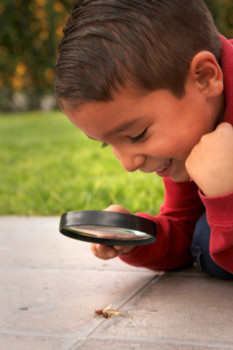
The little boy is lying on the ground observing an insect.
小男孩趴在地上观察昆虫。 Cậu bé đang nằm trên mặt đất quan sát một con côn trùng. เด็กน้อยนอนดูแมลงอยู่บนพื้น The little boy is lying on the ground observing an insect. Der kleine Junge liegt auf dem Boden und beobachtet ein Insekt. El niño está tumbado en el suelo observando un insecto. Le petit garçon est allongé sur le sol et observe un insecte. Il bambino è sdraiato a terra e osserva un insetto. De kleine jongen ligt op de grond en kijkt naar een insect.
动物都有保护子女的天性。 Đó là bản chất của động vật để bảo vệ con non của chúng. มันเป็นธรรมชาติของสัตว์ที่จะปกป้องลูกของพวกมัน It is in animals' nature to protect their young. Alle Tiere schützen ihr Junges, das ist ein Instinkt. Está en la naturaleza de los animales proteger a sus crías. C'est dans la nature des animaux de protéger leurs petits. È nella natura degli animali proteggere i loro piccoli. Alle dieren beschermen hun jongen, het is een instinct.
树苗长大了。 Cây con đã lớn. การปลูกต้นไม้ได้เติบโตขึ้น The tree seedling has grown. Der Baumsämling ist gewachsen. El árbol ha crecido. Le plant d'arbre a poussé. La piantina dell'albero è cresciuta. De zaailing van de boom is gegroeid.
It is the duty of children to care for their parents.
儿女有责任赡养父母。 Bổn phận của con cái là phải phụng dưỡng cha mẹ. เป็นหน้าที่ของลูกที่ต้องดูแลพ่อแม่ It is the duty of children to care for their parents. Es ist die Pflicht der Kinder, für ihre Eltern zu sorgen. El deber de los hijos es cuidar de sus padres. C'est le devoir des enfants de prendre soin de leurs parents. È dovere dei bambini prendersi cura dei propri genitori. Het is de plicht van kinderen om voor hun ouders te zorgen.
临终前,儿女都不在他身边。 Trước khi chết, các con của ông không ở bên cạnh ông. ลูก ๆ ของเขาไม่ได้อยู่กับเขาที่เตียงมรณะของเขา His children were not with him at his deathbed. Seine Kinder waren nicht bei ihm an seinem Sterbebett. Sus hijos no estaban con él en su lecho de muerte. Ses enfants n'étaient pas avec lui sur son lit de mort. I suoi figli non erano con lui sul letto di morte. Zijn kinderen waren niet bij hem op zijn sterfbed.
The mother and her daughter both love growing flowers.
母女俩都很喜欢养花。 Hai mẹ con cô đều rất thích trồng hoa. แม่และลูกสาวชอบปลูกดอกไม้ The mother and her daughter both love growing flowers. Die Mutter und ihre Tochter lieben es, Blumen zu züchten. A la madre y a su hija les encanta cultivar flores. La mère et sa fille aiment toutes deux cultiver des fleurs. La madre e sua figlia adorano coltivare fiori. De moeder en haar dochter houden van bloemen kweken.
这是一艘货船。 Đây là một con tàu chở hàng. นี่คือเรือสินค้า This is a cargo ship. Dies ist ein Frachtschiff. Este es un barco de carga. C'est un cargo. Questa è una nave da carico. Dit is een vrachtschip.
女儿的房间很杂乱。 Phòng con gái của tôi là một mớ hỗn độn. ห้องลูกสาวของฉันรก My daughter's room is a mess. Das Zimmer meiner Tochter ist ein Chaos. La habitación de mi hija es un desastre. La chambre de ma fille est en désordre. La stanza di mia figlia è un disastro. De kamer van mijn dochter is een puinhoop.
南极洲有企鹅。 Có những con chim cánh cụt ở Nam Cực. มีนกเพนกวินในแอนตาร์กติกา There are penguins in Antarctica. In der Antarktis gibt es Pinguine. Hay pingüinos en la Antártida. Il y a des pingouins en Antarctique. Ci sono pinguini in Antartide. Er zijn pinguïns op Antarctica.
信封上贴着两张邮票。 Có hai con tem được dán trên phong bì. มีตราประทับสองดวงติดบนซองจดหมาย There are two stamps pasted on the envelope. Auf dem Umschlag sind zwei Briefmarken aufgeklebt. Hay dos sellos pegados en el sobre. Il y a deux timbres collés sur l'enveloppe. Ci sono due francobolli incollati sulla busta. Er zitten twee postzegels op de envelop.
The color of the puppy is fur is as white as snow.
小狗的毛色雪白。 Màu lông chó con trắng như tuyết. สีของลูกสุนัขเป็นขนสีขาวเหมือนหิมะ The color of the puppy is fur is as white as snow. Das Fell des Welpen ist schneeweiß. El color del pelaje del cachorro es tan blanco como la nieve. La couleur de la fourrure du chiot est aussi blanche que la neige. Il colore del cucciolo è il pelo è bianco come la neve. De vacht van de puppy is sneeuwwit.
墙上画有一条龙。 Có một bức vẽ của một con rồng trên tường. มีภาพวาดมังกรอยู่บนผนัง There is a drawing of a dragon on the wall. An der Wand ist ein Drache gemalt. Hay un dibujo de un dragón en la pared. Il y a le dessin d'un dragon sur le mur. C'è un disegno di un drago sul muro. Er is een draak op de muur geschilderd.
她顺着路向前走。 Cô ấy đi trên con đường. เธอเดินไปตามถนน She walked on along the road. Sie geht die Straße entlang. Ella siguió caminando por la carretera. Elle a continué à marcher le long de la route. Ha camminato lungo la strada. Ze loopt op straat.
她在给小狗抓痒。 Cô ấy đang cào con chó nhỏ. เธอกำลังเกาสุนัขตัวน้อย She is scratching the little dog. Sie kratzt den kleinen Hund. Está arañando al perrito. Elle gratte le petit chien. Sta graffiando il cagnolino. Ze krabt de kleine hond.
两条小河在这里汇合。 Hai con sông nhỏ hội tụ về đây. แม่น้ำสายเล็กสองสายมาบรรจบกันที่นี่ The two small rivers converge here. Hier laufen zwei kleine Flüsse zusammen. Los dos pequeños ríos convergen aquí. Les deux petites rivières convergent ici. I due piccoli fiumi convergono qui. Twee kleine rivieren komen hier samen.
The mother and daughter look like each other very much.
母女俩长得很相似。 Hai mẹ con rất giống nhau. แม่กับลูกสาวหน้าเหมือนกันมาก The mother and daughter look like each other very much. Mutter und Tochter sehen sich sehr ähnlich. La madre y la hija se parecen mucho. La mère et la fille se ressemblent beaucoup. La madre e la figlia si assomigliano moltissimo. Moeder en dochter lijken erg op elkaar.
树枝上有一只虫。 Có một con côn trùng trên cành cây. มีแมลงอยู่บนกิ่งไม้ There is an insect on the tree branch. Auf dem Ast befindet sich ein Insekt. Hay un insecto en la rama del árbol. Il y a un insecte sur la branche de l'arbre. C'è un insetto sul ramo di un albero. Er zit een insect op de tak.
妈妈给孩子讲童话故事。 Người mẹ đang kể chuyện cổ tích cho con mình nghe. แม่กำลังเล่านิทานให้ลูกฟัง The mother is telling fairy tales to her child. Die Mutter erzählt ihrem Kind Märchen. La madre está contando cuentos a su hijo. La mère raconte des contes de fées à son enfant. La madre racconta favole a suo figlio. De moeder vertelt sprookjes aan haar kind.
他有一只大狗。 Anh ấy có một con chó lớn. เขามีสุนัขตัวใหญ่ He is got a big dog. Er hat einen großen Hund. Tiene un perro grande. Il a un gros chien. Ha un grosso cane. Hij heeft een grote hond.
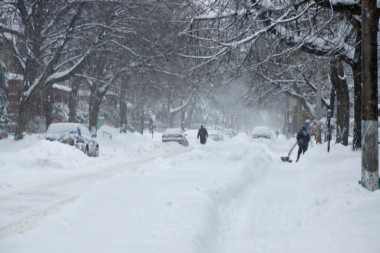
大雪掩盖着道路。 Tuyết rơi dày đặc đã phủ trắng các con đường. หิมะตกหนักปกคลุมถนน Heavy snow has covered the roads. Starker Schneefall hat die Straßen bedeckt. La nieve ha cubierto las carreteras. Une neige abondante a recouvert les routes. La neve pesante ha coperto le strade. Zware sneeuwval heeft de straten bedekt.
机器可以代替人工作。 Máy móc có thể làm việc thay cho con người. เครื่องจักรสามารถทำงานของมนุษย์ได้ Machines can do the work of humans. Maschinen können anstelle von Menschen arbeiten. Las máquinas pueden hacer el trabajo de los humanos. Les machines peuvent faire le travail des humains. Le macchine possono fare il lavoro degli esseri umani. Machines kunnen werken in plaats van mensen.
他沿着公路往前走。 Anh đang đi dọc theo con đường. เขากำลังเดินไปตามถนน He is proceeding along the road. Er geht die Straße entlang. Está avanzando por el camino. Il avance sur la route. Sta procedendo lungo la strada. Hij loopt door de straat.
妈妈在给宝宝餵奶。 Người mẹ đang cho con bú. แม่กำลังให้นมลูกของเธอ The mother is breastfeeding her baby. Die Mutter stillt ihr Baby. La madre está amamantando a su bebé. La mère allaite son bébé. La madre sta allattando il suo bambino. De moeder geeft haar baby borstvoeding.
他在培植树苗。 Anh ấy đang trồng cây con. เขากำลังปลูกต้นกล้า He is planting seedlings. Er pflanzt ein Bäumchen. Está plantando plantas de semillero. Il plante des semis. Sta piantando piantine. Hij plant een kleine boom.
妈妈培养孩子对音乐的兴趣。 Người mẹ nuôi dưỡng niềm yêu thích âm nhạc của con mình. แม่ส่งเสริมความสนใจในดนตรีของลูก The mother fosters her child's interest in music. Die Mutter fördert das Interesse ihres Kindes an der Musik. La madre está desarrollando el interés de su hijo por la música. La mère développe l'intérêt de son enfant pour la musique. La mamma promuove l'interesse di suo figlio per la musica. De moeder moedigt de interesse van haar kind in muziek aan.
女儿的裙子是粉色的。 Váy của con gái màu hồng. กระโปรงของลูกสาวเป็นสีชมพู The daughter's skirt is pink. Der Rock der Tochter ist rosa. La falda de la hija es rosa. La jupe de la fille est rose. La gonna della figlia è rosa. De rok van de dochter is roze.
他被儿女抛弃了。 Ông đã bị các con của mình bỏ rơi. เขาถูกทอดทิ้งโดยลูก ๆ ของเขา He has been deserted by his children. Er wurde von seinen Kindern verlassen. Sus hijos le han abandonado. Il a été abandonné par ses enfants. È stato abbandonato dai suoi figli. Hij werd verlaten door zijn kinderen.
湖里有两只鹅。 Có hai con ngỗng trên hồ. มีห่านสองตัวอยู่บนทะเลสาบ There are two geese on the lake. Es sind zwei Gänse im See. Hay dos gansos en el lago. Il y a deux oies sur le lac. Ci sono due oche sul lago. Er zitten twee ganzen in het meer.
他在检查硅片。 Anh ta đang kiểm tra con chip silicon. เขากำลังตรวจสอบชิปซิลิกอน He is examining the silicon chip. Er untersucht den Siliziumchip. Está examinando el chip de silicona. Il examine la puce de silicium. Sta esaminando il chip di silicio. Hij onderzoekt de silicium chip.
她把他当作自己的亲生儿子。 Cô coi anh như con ruột của mình. เธอปฏิบัติต่อเขาเหมือนลูกชายของเธอเอง She treats him as her own son. Sie behandelt ihn wie ihren eigenen Sohn. Lo trata como a su propio hijo. Elle le traite comme son propre fils. Lo tratta come suo figlio. Ze behandelt hem als haar eigen zoon.
马在奔跑。 Những con ngựa đang chạy. ม้ากำลังวิ่ง The horses are running. Die Pferde galoppieren. Los caballos están corriendo. Les chevaux courent. I cavalli stanno correndo. De paarden galopperen.
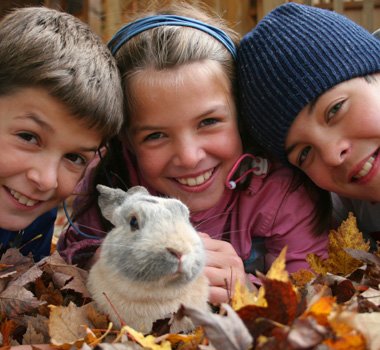
这儿有一只灰色的兔子。 Có một con thỏ xám ở đây. มีกระต่ายสีเทาอยู่ที่นี่ There is a grey rabbit here. Hier ist ein graues Kaninchen. Hay un conejo gris aquí. Il y a un lapin gris ici. C'è un coniglio grigio qui. Hier is een grijs konijn.
小孩子在扮鬼。 Đứa trẻ được hóa trang thành một con ma. เด็กแต่งตัวเป็นผี The child is dressed up as a ghost. Das Kind ist als Geist verkleidet. El niño se ha disfrazado de fantasma. L'enfant est déguisé en fantôme. Il bambino è vestito da fantasma. Het kind is verkleed als een spook.
这只小猪真可爱。 Chú heo con này thật dễ thương. หมูน้อยตัวนี้น่ารัก This little pig is cute. Dieses kleine Schwein ist süß. Este cerdito es muy bonito. Ce petit cochon est mignon. Questo maialino è carino. Dit kleine varkentje is schattig.
一尾鱼多少钱? Giá một con cá là bao nhiêu? ปลาหนึ่งตัวราคาเท่าไหร่? How much does one fish cost? Wie viel kostet ein Fisch? ¿Cuánto cuesta un pez? Combien coûte un poisson ? Quanto costa un pesce? Hoeveel kost een vis?
妈妈摸着她的头。 Người mẹ đang nhẹ nhàng chạm vào đầu con. แม่ลูบหัวเธอเบาๆ The mother is gently touching her head. Die Mutter streichelt ihren Kopf. La madre se toca suavemente la cabeza. La mère touche doucement sa tête. La madre le tocca delicatamente la testa. De moeder aait over haar hoofd.
人皆有一死。 Mỗi con người đều phải chết. มนุษย์ทุกคนต้องตาย Every human being has to die. Jeder Mensch muss sterben. Todo ser humano tiene que morir. Tout être humain doit mourir. Ogni essere umano deve morire. Iedereen moet sterven.
树林里有一条小径。 Có một con đường nhỏ trong rừng. มีตรอกเล็กๆในป่า There is a small lane in the forest. Es gibt einen Pfad durch den Wald. Hay un pequeño sendero en el bosque. Il y a un petit chemin dans la forêt. C'è un piccolo vicolo nella foresta. Er is een pad door het bos.
雨天的道路很湿。 Những con đường rất ướt trong mưa. ถนนเปียกมากในสายฝน On rainy days, the streets are very wet. An regnerischen Tagen sind die Straßen sehr nass. Las carreteras están muy mojadas por la lluvia. Les routes sont très mouillées par la pluie. Le strade sono molto bagnate sotto la pioggia. Op regenachtige dagen zijn de straten erg nat.
动物园里有一只老虎。 Có một con hổ trong vườn thú. มีเสืออยู่ในสวนสัตว์ There is a tiger in the zoo. Im Zoo ist ein Tiger. Hay un tigre en el zoo. Il y a un tigre dans le zoo. C'è una tigre nello zoo. Er is een tijger in de dierentuin.
她在责骂儿子。 Cô ấy đang mắng con trai mình. เธอกำลังดุลูกชายของเธอ She is scolding her son. Sie schimpft mit ihrem Sohn. Está regañando a su hijo. Elle gronde son fils. Sta rimproverando suo figlio. Ze scheldt haar zoon uit.
城市的道路纵横交错。 Những con đường cắt ngang toàn bộ thành phố. ถนนตัดผ่านทั้งเมือง Roads criss-cross the entire city. Straßen durchziehen die ganze Stadt. Las carreteras cruzan toda la ciudad. Des routes sillonnent toute la ville. Le strade attraversano l'intera città. Straten doorkruisen de hele stad.
他在草原上撞见一头大象。 Anh ta bắt gặp một con voi trên thảo nguyên. เขาเจอช้างตัวหนึ่งบนทุ่งหญ้าสะวันนา He came across an elephant on the savannah. In der Savanne stieß er auf einen Elefanten. Se encontró con un elefante en la sabana. Il a croisé un éléphant dans la savane. Si è imbattuto in un elefante nella savana. Hij kwam een olifant tegen op de savanne.
海面上漂着一条小船。 Một con tàu nhỏ đang lênh đênh trên biển. เรือลำน้อยลอยอยู่ในทะเล A small ship is floating on the sea. Auf dem Meer dümpelt ein kleines Boot. Un pequeño barco flota en el mar. Un petit bateau flotte sur la mer. Una piccola nave sta galleggiando sul mare. Een kleine boot dobbert op de zee.
幼苗长出来了。 Các cây con đã mọc lên. ต้นกล้ามาแล้ว. The seedlings are growing. Die Setzlinge wachsen. Las plantas han crecido. Les semis ont poussé. Le piantine sono spuntate. De zaailingen groeien.
草地上有一只乌鸦。 Có một con quạ trên bãi cỏ. มีอีกาอยู่บนพื้นหญ้า There is a crow on the grass. Auf der Wiese sitzt eine Krähe. Hay un cuervo en la hierba. Il y a un corbeau sur l'herbe. C'è un corvo sull'erba. Een kraai zit in de wei.
一只小鸟停在树枝上。 Một con chim đậu trên cành. นกบินอยู่บนกิ่งไม้ A bird alighted on the branch. Ein kleiner Vogel ruht sich auf einem Ast aus. Un pájaro se posó en la rama. Un oiseau s'est posé sur la branche. Un uccello si posò sul ramo. Een kleine vogel rust uit op een tak.
这条山路很弯曲。 Đây là một con đường núi quanh co. นี่คือถนนบนภูเขาที่คดเคี้ยว This is a winding mountain road. Dies ist eine kurvenreiche Bergstraße. Esta es una carretera sinuosa de montaña. C'est une route de montagne sinueuse. Questa è una tortuosa strada di montagna. Dit is een bochtige bergweg.
雪把树压弯了。 Cái cây bị uốn cong dưới sức nặng của tuyết. ต้นไม้งอภายใต้น้ำหนักของหิมะ The tree bent under the weight of the snow. Der Baum bog sich unter dem Gewicht des Schnees. El árbol se dobló bajo el peso de la nieve. L'arbre a plié sous le poids de la neige. L'albero si piegò sotto il peso della neve. De boom boog onder het gewicht van de sneeuw.
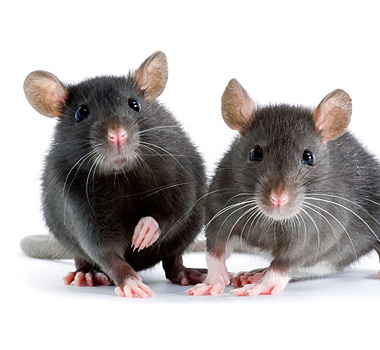
这里有两只耗子。 Có hai con chuột ở đây. มีหนูสองตัวอยู่ที่นี่ There are two mice here. Hier sind zwei Mäuse. Aquí hay dos ratones. Il y a deux souris ici. Ci sono due topi qui. Hier zijn twee muizen.
羊在草地上吃草。 Những con cừu đang gặm cỏ trên đồng cỏ. แกะกำลังเล็มหญ้าอยู่ในทุ่งหญ้า The sheep are grazing in the meadow. Die Schafe grasen auf der Wiese. Las ovejas están pastando en el prado. Les moutons paissent dans le pré. Le pecore pascolano nel prato. De schapen grazen in de wei.
树林里有条水沟。 Có một con mương trong rừng. มีคูน้ำอยู่ในป่า There is a ditch in the forest. Es gibt einen Graben im Wald. Hay una zanja en el bosque. Il y a un fossé dans la forêt. C'è un fosso nella foresta. Er is een greppel in het bos.
这条沟是新挖的。 Đây là một con mương mới đào. เป็นคูน้ำที่เพิ่งขุดใหม่ This is a newly-dug ditch. Dies ist ein neu gegrabener Graben. Es una zanja recién cavada. C'est un fossé nouvellement creusé. Questo è un fossato appena scavato. Dit is een pas gegraven loopgraaf.
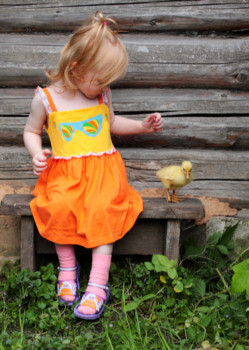
小女孩在和鸭子玩。 Cô bé đang chơi với con vịt. สาวน้อยกำลังเล่นกับเป็ด The little girl is playing with the duck. Das kleine Mädchen spielt mit der Ente. La niña está jugando con el pato. La petite fille joue avec le canard. La bambina sta giocando con l'anatra. Het kleine meisje speelt met de eend.
妈妈为孩子的自闭感到忧虑。 Mẹ lo lắng về chứng tự kỷ của con. แม่เป็นห่วงลูกเป็นออทิสติก The mother is worried about her son's autism. Die Mutter macht sich Sorgen über den Autismus des Kindes. La madre está preocupada por el autismo de su hijo. La mère s'inquiète de l'autisme de son fils. La madre è preoccupata per suo figlio è l'autismo. De moeder maakt zich zorgen over het autisme van het kind.
父母都疼爱自己的孩子。 Tất cả các bậc cha mẹ đều yêu thương con cái của họ. พ่อแม่ทุกคนรักลูก All parents love their children. Alle Eltern lieben ihre Kinder. Todos los padres quieren a sus hijos. Tous les parents aiment leurs enfants. Tutti i genitori amano i loro figli. Alle ouders houden van hun kinderen.
儿子喜欢小鸡仔。 Con trai tôi rất thích những chú gà con nhỏ. ลูกชายของฉันชอบลูกไก่ตัวน้อย My son loves little chicks. Mein Sohn liebt kleine Küken. A mi hijo le encantan los pollitos. Mon fils aime les petits poussins. Mio figlio ama i pulcini. Mijn zoon houdt van kuikentjes.
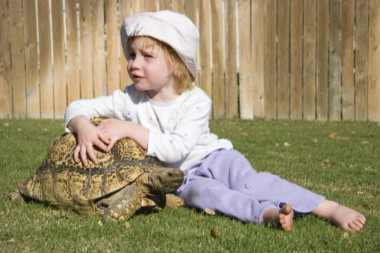
她的宠物是一只乌龟。 Thú cưng của cô ấy là một con rùa. สัตว์เลี้ยงของเธอคือเต่า Her pet is a tortoise. Ihr Haustier ist eine Schildkröte. Su mascota es una tortuga. Son animal de compagnie est une tortue. Il suo animale domestico è una tartaruga. Hun huisdier is een schildpad.
不要招惹这条狗,小心被咬! Đừng khiêu khích con chó này อย่ายั่วหมาตัวนี้ Don not provoke this dog Provoziere diesen Hund nicht. No provoques a este perro Ne provoquez pas ce chien Non provocare questo cane Provoceer deze hond niet.
斑马的全身都是黑白相间的。 Cơ thể của một con ngựa vằn được bao phủ bởi các sọc màu đen và trắng xen kẽ. ลำตัวของม้าลายมีลายสลับขาวดำ A zebra's body is striped black and white. Der Körper eines Zebras ist schwarz weiß gestreift. El cuerpo de una cebra está cubierto de rayas alternas blancas y negras. Le corps d'un zèbre est couvert de rayures noires et blanches alternées. Il corpo di una zebra è ricoperto da strisce alternate di bianco e nero. Het lichaam van een zebra is zwart-wit gestreept.
这里的道路很弯曲。 Con đường ở đây rất cong. ถนนโค้งมากที่นี่ The road is very curved here. Die Straße ist hier sehr kurvenreich. El camino es muy curvo aquí. La route est très sinueuse ici. La strada è molto curva qui. De weg is hier erg bochtig.
凤凰是传说中的一种动物。 Phượng hoàng là một con vật huyền thoại. ฟีนิกซ์เป็นสัตว์ในตำนาน The phoenix is a legendary animal. Der Phönix ist ein legendäres Tier. El fénix es un animal legendario. Le phénix est un animal légendaire. La fenice è un animale leggendario. De feniks is een legendarisch dier.
王位是世袭的。 Ngai vàng được truyền từ cha sang con trai. บัลลังก์สืบทอดจากพ่อสู่ลูก The throne is passed down from father to son. Der Thron wird vom Vater an den Sohn weitergegeben. El trono se transmite de padre a hijo. Le trône est transmis de père en fils. Il trono viene tramandato di padre in figlio. De troon wordt doorgegeven van vader op zoon.
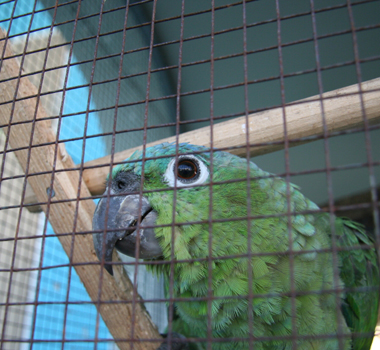
鸟笼里有一只鹦鹉。 Có một con vẹt trong lồng chim. มีนกแก้วอยู่ในกรงนก There is a parrot in the birdcage. Im Vogelkäfig befindet sich ein Papagei. Hay un loro en la jaula. Il y a un perroquet dans la cage à oiseaux. C'è un pappagallo nella gabbia per uccelli. Er zit een papegaai in de vogelkooi.
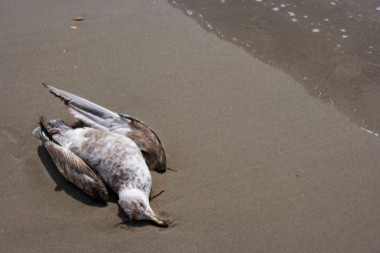
这里有一具动物的尸体。 Đây là xác của một con vật. มีซากสัตว์อยู่ที่นี่ There‘s the carcass of an animal here. Hier ist der Kadaver eines Tieres. Aquí está el cadáver de un animal. Il y a la carcasse d'un animal ici. Qui c'è la carcassa di un animale. Hier is het karkas van een dier.
这座城市的道路很畅通。 Các con đường ở thành phố này không bị ùn tắc. ถนนในเมืองนี้ปราศจากความแออัด The roads in this city are free from congestion. Die Straßen in dieser Stadt sind frei von Staus. Las carreteras de esta ciudad están libres de atascos. Les routes de cette ville ne sont pas encombrées. Le strade di questa città sono prive di congestione. De wegen in deze stad zijn vrij van files.
她在玩娃娃。 Cô ấy đang chơi với những con búp bê của mình. เธอกำลังเล่นกับตุ๊กตาของเธอ She is playing with her dolls. Sie spielt mit ihren Puppen. Está jugando con sus muñecas. Elle joue avec ses poupées. Sta giocando con le sue bambole. Ze speelt met haar poppen.
我们捉到了一只兔子。 Chúng tôi đã bắt được một con thỏ. เราจับกระต่ายได้แล้ว We have caught a rabbit. Wir haben einen Hasen gefangen. Hemos cazado un conejo. Nous avons attrapé un lapin. Abbiamo preso un coniglio. We hebben een konijn gevangen.
工人在挖水渠。 Các công nhân đang đào một con mương. คนงานกำลังขุดคูน้ำ The workers are digging a ditch. Die Arbeiter heben einen Graben aus. Los obreros están cavando una zanja. Les ouvriers creusent un fossé. Gli operai stanno scavando un fosso. De arbeiders graven een geul.
我们在跟踪那条狗。 Chúng tôi đang theo dõi con chó đó. เรากำลังติดตามสุนัขตัวนั้น We are following that dog. Wir folgen diesem Hund. Estamos siguiendo a ese perro. Nous suivons ce chien. Stiamo seguendo quel cane. We volgen deze hond.
小狗伸出舌头。 Con chó con thè lưỡi. ลูกสุนัขยื่นลิ้นออกมา The puppy sticks out its tongue. Der Welpe streckt die Zunge heraus. El cachorro saca la lengua. Le chiot tire la langue. Il cucciolo tira fuori la lingua. De pup steekt zijn tong uit.
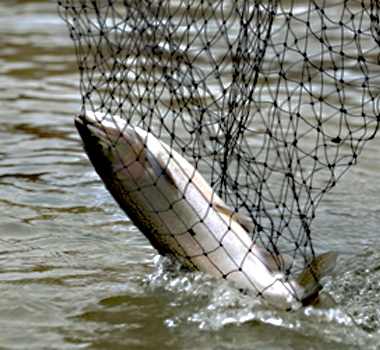
一条大鱼被捞上来了。 Một con cá lớn bị mắc vào lưới. ปลาตัวใหญ่ติดอวน A big fish was caught in a net. Ein großer Fisch ist gefangen worden. Se ha capturado un gran pez (en una red). Un gros poisson a été attrapé (dans un filet). Un grosso pesce è stato catturato (in una rete). Er is een grote vis gevangen.
幼苗长出来了。 Các cây con đã mọc lên. ต้นกล้ามาแล้ว. The seedlings have come up. Die Setzlinge wachsen. Las plántulas han crecido. Les semis ont poussé. Le piantine sono spuntate. De zaailingen groeien.
树苗长大了。 Cây con đã lớn. ต้นกล้าได้โตแล้ว The tree seedling has grown. Das Pflänzchen wächst heran. El plantón ha crecido. Le plant d'arbre a grandi. La piantina dell'albero è cresciuta. Het jonge boompje groeit op.
妈妈用毛巾把婴儿裹起来。 Người mẹ quấn khăn cho con. แม่ห่อทารกด้วยผ้าขนหนู The mother wraps the baby in the towel. Die Mutter wickelt das Baby in das Handtuch. La madre envuelve al bebé en la toalla. La mère enveloppe le bébé dans une serviette. La madre avvolge il bambino nell'asciugamano. De moeder wikkelt de baby in de handdoek.
金钱能诱惑人。 Tiền có sức quyến rũ con người. เงินมีอำนาจที่จะเกลี้ยกล่อมคน Money can tempt people. Geld kann Menschen in Versuchung führen. El dinero tiene el poder de seducir a la gente. L'argent a le pouvoir de séduire les gens. Il denaro ha il potere di sedurre le persone. Geld kan mensen verleiden.
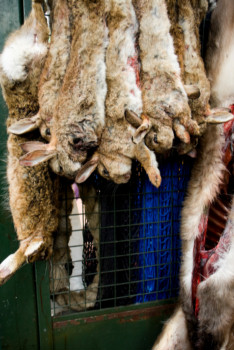
这些兔子被屠杀。 Những con thỏ này đã bị giết thịt. กระต่ายเหล่านี้ถูกฆ่า These rabbits were slaughtered. Diese Hasen wurden geschlachtet. Estos conejos fueron sacrificados. Ces lapins ont été abattus. Questi conigli sono stati massacrati. Deze konijnen zijn geslacht.
妈妈给宝宝唱童谣。 Người mẹ đang hát những bài hát mẫu giáo cho con mình nghe. แม่กำลังร้องเพลงกล่อมเด็กให้ลูกฟัง The mother is singing nursery rhymes to her baby. Die Mutter singt dem Baby Kinderreime vor. La madre está cantando canciones infantiles a su bebé. La mère chante des comptines à son bébé. La madre sta cantando filastrocche al suo bambino. De moeder zingt kinderliedjes voor de baby.
他很宠爱他的儿子。 Ông ấy yêu con trai của mình. เขารักลูกชายของเขามาก He is very fond of is son. Er ist vernarrt in seinen Sohn. Se desvive por su hijo. Il adore son fils. Adora suo figlio. Hij is smoorverliefd op zijn zoon.
The father and his son are resting on the river bank.
父子俩在河堤上休息。 Hai bố con nằm nghỉ bên bờ sông. พ่อและลูกชายกำลังพักผ่อนอยู่ริมฝั่งแม่น้ำ The father and his son are resting on the river bank. Vater und Sohn ruhen sich am Flussufer aus. El padre y su hijo están descansando en la orilla del río. Le père et son fils se reposent au bord de la rivière. Il padre e suo figlio stanno riposando sulla riva del fiume. Vader en zoon rusten uit op de oever van de rivier.
树林里有一条小溪。 Có một con suối trong rừng. มีลำธารอยู่ในป่า There is a stream in the wood. Es gibt einen Bach im Wald. Hay un arroyo en el bosque. Il y a un ruisseau dans le bois. C'è un ruscello nel bosco. Er is een beek in het bos.
Raising children is the responsibility of parents.
抚养子女是父母的职责。 Nuôi dạy con cái là trách nhiệm của cha mẹ. เลี้ยงลูกเป็นหน้าที่ของพ่อแม่ Raising children is the responsibility of parents. Kindererziehung liegt in der Verantwortung der Eltern. Criar a los niños es responsabilidad de los padres. Elever les enfants est la responsabilité des parents. Crescere i figli è responsabilità dei genitori. Kinderen opvoeden is de verantwoordelijkheid van de ouders.
海上有艘船。 Có một con tàu trên biển. มีเรืออยู่ในทะเล There is a ship on the sea. Es ist ein Schiff auf dem Meer. Hay un barco en el mar. Il y a un bateau sur la mer. C'è una nave sul mare. Het is een schip op de zee.
大海里掀起了巨浪。 Đại dương đang dâng tràn những con sóng lớn. มหาสมุทรกำลังพลุ่งพล่านด้วยคลื่นขนาดใหญ่ The ocean is surging with huge waves. Der Ozean schwankt mit riesigen Wellen. El océano se agita con enormes olas. L'océan déferle avec d'énormes vagues. L'oceano è pieno di onde enormi. De oceaan deint met enorme golven.
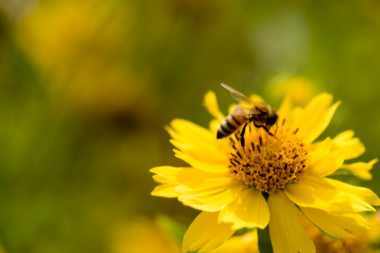
蜜蜂正在采花蜜。 Những con ong đang lấy mật từ những bông hoa. ผึ้งกำลังเก็บน้ำผึ้งจากดอกไม้ The bees are collecting honey from the flowers. Die Bienen sammeln Honig von den Blumen. Las abejas están recogiendo miel de las flores. Les abeilles récoltent le miel des fleurs. Le api raccolgono il miele dai fiori. De bijen verzamelen honing van de bloemen.
父亲嘱咐孩子要注意安全。 Người cha dặn con mình phải cẩn thận. พ่อบอกให้ลูกระวังตัว The father tells his child to be careful. Der Vater fordert sein Kind auf, vorsichtig zu sein. El padre le dice a su hijo que tenga cuidado. Le père dit à son enfant de faire attention. Il padre dice a suo figlio di stare attento. De vader vraagt zijn kind om voorzichtig te zijn.
妈妈给孩子讲寓言故事。 Người mẹ đang kể chuyện cổ tích cho con mình nghe. แม่กำลังเล่านิทานให้ลูกฟัง The mother is telling fairy tales to her child. Die Mutter erzählt ihrem Kind Märchen. La madre le está contando cuentos a su hijo. La mère raconte des contes de fées à son enfant. La madre racconta favole a suo figlio. De moeder vertelt sprookjes aan haar kind.
We often use bees as a metaphor for diligent people.
我们常用蜜蜂比喻勤劳的人。 Chúng ta thường sử dụng con ong như một hình ảnh ẩn dụ cho những người siêng năng. เรามักใช้ผึ้งเป็นอุปมาสำหรับคนขยัน We often use bees as a metaphor for diligent people. Wir verwenden Bienen oft als Metapher für fleißige Menschen. A menudo usamos las abejas como metáfora de la gente diligente. Nous utilisons souvent les abeilles comme métaphore pour les personnes diligentes. Spesso usiamo le api come metafora per le persone diligenti. We gebruiken bijen vaak als metafoor voor hardwerkende mensen.
在冬天大雁迁徙到南方。 Vào mùa đông, những con ngỗng hoang dã di cư về phía nam. ในฤดูหนาว ห่านป่าจะอพยพไปทางใต้ In winter, wild geese migrate to the south. Im Winter ziehen Wildgänse nach Süden. En invierno, los gansos salvajes emigran al sur. En hiver, les oies sauvages migrent vers le sud. In inverno, le oche selvatiche migrano verso sud. Wilde ganzen trekken in de winter naar het zuiden.
妈妈在给孩子喂奶。 Người mẹ đang cho con bú. แม่กำลังให้นมลูกของเธอ The mom is breastfeeding her child. Die Mutter stillt ihr Kind. La madre está amamantando a su hijo. La maman allaite son enfant. La mamma sta allattando suo figlio. De moeder geeft haar kind borstvoeding.
他手腕上有只蜘蛛。 Có một con nhện trên cổ tay của anh ấy. มีแมงมุมอยู่บนข้อมือของเขา There is a spider on his wrist. An seinem Handgelenk befindet sich eine Spinne. Tiene una araña en la muñeca. Il y a une araignée sur son poignet. C'è un ragno sul suo polso. Er zit een spin op zijn pols.
他是我的女婿。 Anh ấy là con rể của tôi. เขาเป็นลูกสะใภ้ของฉัน He is my son-in-law. Er ist mein Schwiegersohn. El es mi yerno. C'est mon gendre. È mio genero. Hij is mijn schoonzoon.
The parents are holding their children in their arms.
父母把孩子揽在怀里。 Các bậc cha mẹ đang ôm con của họ trong vòng tay của họ. พ่อแม่อุ้มลูกไว้ในอ้อมแขน The parents are holding their children in their arms. Die Eltern halten ihre Kinder in den Armen. Los padres tienen a sus hijos en brazos. Les parents tiennent leurs enfants dans leurs bras. I genitori tengono i figli in braccio. De ouders houden hun kinderen in hun armen.
他们在给狗洗澡。 Họ đang tắm cho con chó. พวกเขากำลังอาบน้ำให้สุนัข They are giving the dog a bath. Sie baden den Hund. Están bañando al perro. Ils donnent un bain au chien. Stanno facendo il bagno al cane. Ze doen de hond in bad.
羊被关在栅栏里。 Những con cừu được giữ bên trong hàng rào. แกะถูกเก็บไว้ในรั้ว The sheep is kept inside the fence. Das Schaf wird im Zaun gehalten. La oveja se mantiene dentro de la cerca. Les moutons sont gardés à l'intérieur de la clôture. La pecora è tenuta all'interno del recinto. Het schaap wordt binnen de omheining gehouden.
妈妈用母乳哺育婴儿。 Người mẹ đang cho con bú. แม่กำลังให้นมลูกของเธอ The mother is breastfeeding her child. Die Mutter stillt ihr Kind. La madre está amamantando a su hijo. La mère allaite son enfant. La madre sta allattando il suo bambino. De moeder geeft haar kind borstvoeding.
The husband of the emperor's daughter is called "fuma."
皇帝女儿的丈夫叫驸马。 Chồng của con gái hoàng đế được gọi là "fuma." สามีของธิดาของจักรพรรดิ์เรียกว่า "ฟูมะ" The husband of the emperor's daughter is called "fuma." Der Ehemann der Kaisertochter heißt "Fuma". El marido de la hija del emperador se llama "fuma". Le mari de la fille de l'empereur s'appelle "fuma" Il marito della figlia dell'imperatore si chiama "fuma". De echtgenoot van de dochter van de keizer heet "Fuma".
一只螳螂趴在树叶上。 Một con bọ ngựa đang cầu nguyện đang nằm trên chiếc lá. ตั๊กแตนตำข้าวกำลังนอนอยู่บนใบไม้ A praying mantis is lying on the leaf. Auf dem Blatt liegt eine Gottesanbeterin. Una mantis religiosa está acostada sobre la hoja. Une mante religieuse est allongée sur la feuille. Una mantide religiosa è sdraiata sulla foglia. Een bidsprinkhaan ligt op de pagina.
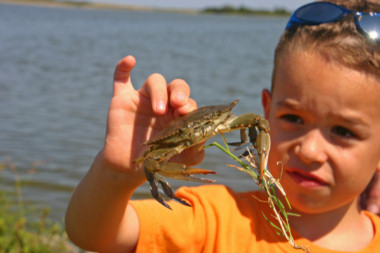
她抓了一只螃蟹。 Cô ấy bắt được một con cua. เธอจับปูได้แล้ว She's caught a crab. Sie hat einen Krebs gefangen. Ella atrapó un cangrejo. Elle a attrapé un crabe. Ha catturato un granchio. Ze heeft een kanker opgelopen.
赛马霎时跑过去了。 Những con ngựa đua lướt qua chúng tôi trong nháy mắt. ม้าแข่งวิ่งผ่านเราในพริบตา The race horses run past us in a flash. Die Rennpferde rennen blitzschnell an uns vorbei. Los caballos de carreras pasan corriendo junto a nosotros en un instante. Les chevaux de course passent devant nous en un éclair. I cavalli da corsa ci superano in un lampo. Renpaarden rennen razendsnel voorbij.
她臀部的线条很漂亮。 Đường cong của thân dưới của cô ấy rất đẹp. ส่วนโค้งของลำตัวส่วนล่างของเธอนั้นสวยงามมาก The curve of her lower torso is very beautiful. Die Krümmung ihres Unterleibs ist sehr schön. La curva de su torso inferior es muy hermosa. La courbe du bas de son torse est très belle. La curva della parte inferiore del busto è molto bella. De ronding van haar buik is erg mooi.
弟弟是家里的小幺。 Em trai tôi là con út trong gia đình tôi. น้องชายของฉันเป็นน้องคนสุดท้องในครอบครัวของฉัน My younger brother is the youngest in my family. Mein jüngerer Bruder ist der jüngste in meiner Familie. Mi hermano menor es el menor de mi familia. Mon petit frère est le plus jeune de ma famille. Mio fratello minore è il più giovane della mia famiglia. Mijn jongere broer is de jongste in mijn familie.
母女俩在挑拣水果。 Hai mẹ con đang chọn hoa quả. แม่และลูกสาวกำลังเลือกผลไม้ The mother and her daughter are selecting fruits. Die Mutter und ihre Tochter pflücken Früchte. La madre y su hija están seleccionando frutas. La mère et sa fille sélectionnent des fruits. La madre e la figlia stanno selezionando i frutti. De moeder en haar dochter plukken fruit.
猪养在猪圈里。 Những con lợn được nhốt trong chuồng lợn. หมูจะถูกเก็บไว้ในเล้าหมู The pigs are kept in the pigsty. Die Schweine werden im Schweinestall gehalten. Los cerdos se mantienen en la pocilga. Les porcs sont gardés dans la porcherie. I maiali vengono tenuti nel porcile. De varkens worden in de varkensstal gehouden.
 [EN]
[EN]  [DE]
[DE]  [NL]
[NL]  [ES]
[ES]  [FR]
[FR]  [IT]
[IT]  [TH]
[TH]  [VI]
[VI]  [ZH]
[ZH]