 [EN]
[EN]  [DE]
[DE]  [NL]
[NL]  [ES]
[ES]  [FR]
[FR]  [IT]
[IT]  [TH]
[TH]  [VI]
[VI]  [ZH]
[ZH] | 01 0042 das Lächeln nụ cười ZH TH VI EN DE ES PT IT FR NL HR SR RU UK CS PL BS EL HI UR FA AR HE JA KO DA NO NN ID | das Lächelnnụ cười smile |  | |
| 20 1043 der Reis cơm tẻ ZH TH VI EN DE ES PT IT FR NL HR SR RU UK CS PL BS EL HI UR FA AR HE JA KO DA NO NN ID | der Reiscơm tẻ rice |  | |
Wir brauchen Brot und Reis.我们需要面包和大米。 Chúng ta cần bánh mì và cơm. เราต้องการขนมปังและข้าว Nosotros / nosotras necesitamos pan y arroz. Nous avons besoin de pain et de riz. Abbiamo bisogno di pane e riso. We need bread and rice. We hebben brood en rijst nodig. 15 Fruits and food 15E 0265 | |
Möchten Sie das mit Reis?您的菜要加米饭吗? Bạn có muốn món đó với cơm không? คุณต้องการทานกับข้าวสวยใช่ไหม ครับ / คะ? ¿Lo querría (usted) con arroz? Voulez-vous du riz en accompagnement ? Lo vuole con il riso? Would you like that with rice? Wilt u dat met rijst? 30 At the restaurant 2 30E 0535 | |
Wir können fast alle Probleme selbst lösen.我们 能够 处理 大多数 我们 遇到 的 问题 。 Chúng tôi có thể giải quyết hầu hết những vấn đề của chúng tôi. พวกเราแก้ปัญหาที่มีได้เกือบทั้งหมด Somos capaces de resolver la mayoría de los problemas que tenemos. Nous sommes en mesure de résoudre la plupart des problèmes que nous avons. Siamo in grado di risolvere la maggior parte dei problemi che abbiamo. We're able to solve most of the problems we have. We kunnen bijna alle problemen zelf oplossen. 1619 |
Marisol kann Italienisch und Spanisch, aber kein Französisch.玛莉索尔 会 说 义大利 文 和 西班牙 文 , 但 她 不 会 说 法文 。 Marisol biết nói tiếng Ý và tiếng Tây Ban Nha nhưng cô ấy không biết nói tiếng Pháp. มาริโซลพูดภาษาอิตาลีกับสเปนเป็นแต่พูดภาษาฝรั่งเศสไม่เป็น Marisol puede hablar italiano y español, pero no puede hablar francés. Marisol peut parler italien et espagnol, mais elle ne peut pas parler français. Marisol parla l'italiano e lo spagnolo, ma non sa parlare il francese. Marisol can speak Italian and Spanish, but she can't speak French. Marisol kent Italiaans en Spaans, maar geen Frans. 2128 |
Wenn du ein Lächeln aufsetzt, lächeln bestimmt viele Leute zurück.把 微笑 挂 在 脸 上 , 你 一定 会 得到 更 多 回 应 的 笑容 。 Để nụ cười trên mặt em và chắc chắn em sẽ nhận lại nhiều nụ cười. ทำหน้าให้ยิ้มเข้าไว้แล้วจะได้รอยยิ้มมากมายกลับมาอย่างแน่นอน Pon una sonrisa en tu cara y seguro que te devolverán muchas sonrisas. Affichez un sourire sur votre visage et vous obtiendrez certainement beaucoup de sourires en retour. Stampati un bel sorriso sulla faccia e sicuramente riceverai molti sorrisi di ritorno. Put a smile on your face, and you'll certainly get lots of smiles back. Als je glimlacht, weet ik zeker dat veel mensen terug zullen glimlachen. 2187 |
Sie behaupten, das Problem gelöst zu haben.他们 声称 已经 解决 问题 了 。 Họ khẳng định là đã giải quyết xong vấn đề. พวกเขาอ้างว่าแก้ปัญหาแล้ว Aseguran haber resuelto el problema. Ils prétendent avoir résolu le problème. Sostengono di avere risolto il problema. They claim to have solved the problem. Zij beweren het probleem te hebben opgelost. 2379 |
水稻是主要的农作物。 Ở đây cây lúa là cây trồng chính. ข้าวเป็นพืชผลหลักของที่นี่ El arroz es el principal cultivo aquí. Le riz est la principale culture ici. Il riso è il raccolto principale qui. Rice is the main crop here. Rijst is het meest verbouwde gewas hier. 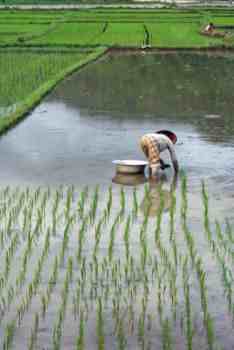 0322 |
他们笑得很开心。 Họ cười nói vui vẻ. พวกเขาหัวเราะอย่างมีความสุข Se ríen con alegría. Ils rient joyeusement. Hanno riso allegramente. They are laughing happily. Ze lachen blij.  0539 |
我喜欢吃米饭。 Tôi yêu gạo. ฉันรักข้าว Me encanta el arroz. J'aime le riz. Amo il riso. I love rice. Ik hou van rijst. 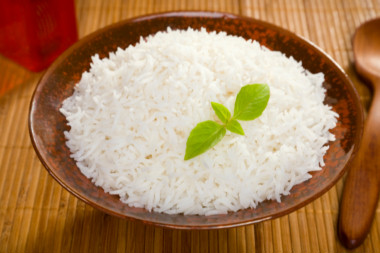 0597 |
米是一种主食。 Gạo là lương thực chính. ข้าวเป็นอาหารหลัก El arroz es un alimento básico. Le riz est un aliment de base. Il riso è un alimento base. Rice is a staple food. Rijst is een basisvoedsel. 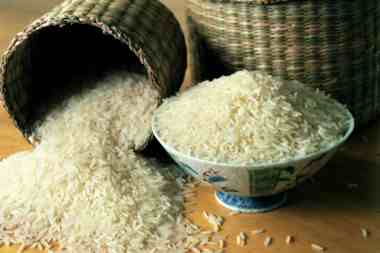 0625 |
他不知如何解决难题。 Anh ấy không biết làm thế nào để giải quyết vấn đề này. เขาไม่รู้วิธีแก้ปัญหานี้ No sabe cómo resolver este problema. Il ne sait pas comment résoudre ce problème. Non sa come risolvere questo problema. He doesn not know how to solve this problem. Hij weet niet hoe hij het moet repareren.  0694 |
问题解决了。 Vấn đề đã được giải quyết. ปัญหาได้รับการแก้ไขแล้ว El problema se ha resuelto. Le problème a été résolu. Il problema è stato risolto. The problem has been solved. Het probleem is opgelost.  0970 |
他们通过协商解决问题。 Họ đã giải quyết vấn đề thông qua thương lượng. พวกเขาแก้ปัญหาด้วยการเจรจา Resolvieron el problema mediante la negociación. Ils ont résolu le problème par la négociation. Hanno risolto il problema attraverso la negoziazione. They solved the problem through negotiation. Je hebt het probleem opgelost door te onderhandelen.  1107 |
我们应该保护好历史资源。 Chúng ta nên bảo vệ các nguồn tài nguyên lịch sử của chúng ta. เราควรปกป้องทรัพยากรทางประวัติศาสตร์ของเรา Debemos proteger nuestros recursos históricos. Nous devrions protéger nos ressources historiques. Dobbiamo proteggere le nostre risorse storiche. We should protect our historical resources. We moeten onze historische schatten bewaren.  1112 |
请不要浪费资源。 Xin đừng lãng phí tài nguyên. กรุณาอย่าเปลืองทรัพยากร Por favor, no malgastes los recursos. S'il vous plaît, ne gaspillez pas les ressources. Per favore, non sprecare risorse. Please don not waste resources. Verspil alsjeblieft geen middelen.  1470 |
我吃了一碗饭。 Tôi đã ăn hết một bát cơm. ฉันกินข้าวไปหนึ่งชาม Me he comido un cuenco de arroz. J'ai mangé un bol de riz. Ho mangiato una ciotola di riso. I have eaten one bowl of rice. Ik heb een kom rijst gegeten.  1943 |
今年的稻谷丰收了。 Vụ lúa năm nay bội thu. การเก็บเกี่ยวข้าวในปีนี้ได้รับกันชน Este año hay una gran cosecha de arroz. Il y a une récolte exceptionnelle de riz cette année. Quest'anno c'è un raccolto eccezionale di riso. There is a bumper crop of rice this year. Dit jaar is er een recordoogst aan rijst. 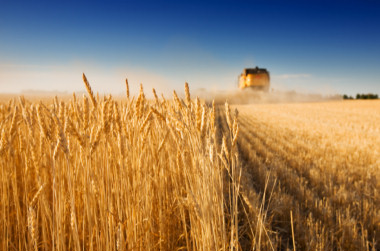 2134 |
宝宝在吃稀饭。 Em bé đang ăn cháo. ลูกกำลังกินข้าวต้ม El bebé está comiendo la papilla de arroz. Le bébé mange la bouillie de riz. Il bambino sta mangiando il porridge di riso. The baby is eating the rice porridge. De baby eet de rijstepap.  2194 |
破案的关键证人找到了。 Nhân chứng quan trọng để giải quyết vụ án đã được tìm thấy. พบพยานหลักในการคลี่คลายคดีแล้ว Se ha encontrado el testigo clave para resolver el caso. Le témoin clé pour résoudre l'affaire a été trouvé. Il testimone chiave per risolvere il caso è stato trovato. The key witness for solving the case has been found. De belangrijkste getuige voor de oplossing van de zaak is gevonden.  2269 |
她们正在种水稻。 Họ đang trồng lúa. พวกเขากำลังปลูกข้าว Están plantando arroz. Ils plantent du riz. Piantano riso. They are planting rice. Ze planten rijst. 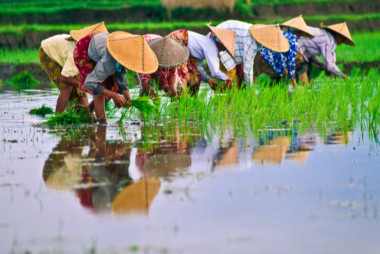 2603 |
事情已经办妥了。 Vấn đề đã được giải quyết. เรื่องนี้ได้รับการตัดสินแล้ว El asunto está resuelto. L'affaire a été réglée. La questione è stata risolta. The matter has been settled. De zaak is geregeld.  2666 |
他正在蒸饭。 Anh ấy đang nấu cơm. เขากำลังหุงข้าว Está cocinando arroz. Il fait cuire du riz. Sta cucinando il riso. He is steaming rice. Hij kookt rijst. 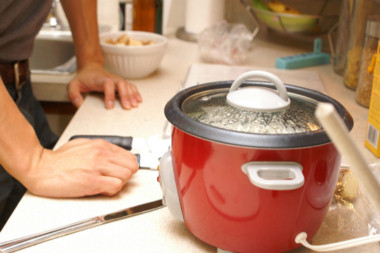 2762 |
地球上的资源正在慢慢枯竭。 Các nguồn tài nguyên trên trái đất đang dần bị cạn kiệt. ทรัพยากรของโลกค่อยๆหมดลง Los recursos de la tierra se están agotando lentamente. Les ressources de la terre s'épuisent lentement. Le risorse della terra si stanno lentamente esaurendo. The earth's resources are slowly depleting. De hulpbronnen van de aarde raken op.  2967 |
她在淘米。 Cô ấy đang vo gạo. เธอกำลังล้างข้าว Está lavando el arroz. Elle lave le riz. Sta lavando il riso. She is washing the rice. Ze wast de rijst.  3069 |
我们要遏止资源的浪费。 Chúng ta nên hạn chế sự lãng phí tài nguyên. เราควรลดการสิ้นเปลืองทรัพยากร Deberíamos frenar el despilfarro de recursos. Nous devrions limiter le gaspillage des ressources. Dobbiamo frenare lo spreco di risorse. We should curb the waste of resources. We moeten de verspilling van middelen tegengaan.  3123 |
她盛了一碗饭。 Cô ấy kiếm cho mình một bát cơm. (Lit., "Cô ấy đổ đầy một cái bát với cơm.") เธอได้ชามข้าวให้ตัวเอง (ตัวอักษร "เธอใส่ข้าวเต็มชาม") Se ha comprado un cuenco de arroz. (Lit., "Ella llenó un tazón con arroz"). Elle s'est acheté un bol de riz. (Lit., "Elle a rempli un bol de riz.") Si è procurata una ciotola di riso. (Lett. "Ha riempito una ciotola di riso.") She got herself a bowl of rice. (Lit., "She filled a bowl with rice.") Ze haalde een kom rijst. (Lit. "Ze vulde een kom met rijst.")  3192 |
他在吃粥。 Anh ấy đang ăn cháo [cháo gạo]. เขากำลังกินโจ๊ก [ข้าวต้ม] Está comiendo congee [gachas de arroz]. Il mange du congee [gruau de riz]. Sta mangiando congee [farina di riso]. He is eating congee [rice gruel]. Hij eet rijstepap. 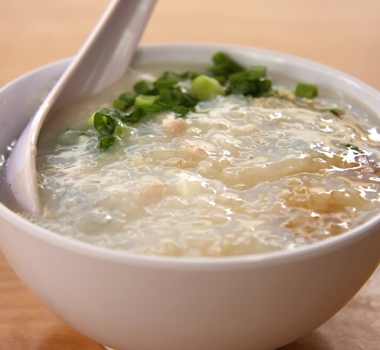 3218 |
端午节吃粽子是一种传统习俗。 Ăn "zongzi" [bánh bao gạo nếp gói bằng lá] trong Lễ hội Thuyền rồng là một phong tục การรับประทาน "zongzi" [เกี๊ยวข้าวเหนียวห่อใบ] ในช่วงเทศกาลเรือมังกรเป็นประเพณีดั้งเดิม Comer "zongzi" [bolas de masa de arroz pegajosas envueltas en hojas] durante el Festival del Bote del Dragón es una costumbre tradicional. Manger des « zongzi » [boulettes de riz gluant enveloppées de feuilles] pendant le festival des bateaux-dragons est une coutume traditionnelle. Mangiare "zongzi" [gnocchi di riso appiccicoso avvolti in foglie] durante il Dragon Boat Festival è un'usanza tradizionale. Eating "zongzi" [leaf-wrapped sticky rice dumplings] during the Dragon Boat Festival is a traditional custom . Het eten van "zongzi" (in bladeren gewikkelde dumplings van kleefrijst) tijdens het Drakenbootfestival is een traditioneel gebruik. 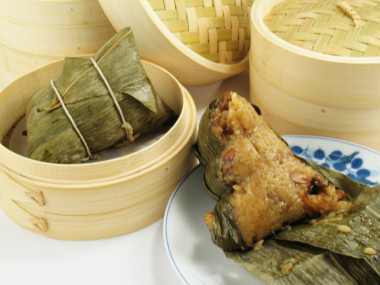 3521 |