Đứa trẻ nhỏ bị ốm .
(ZH) 小朋友得病了。 Xiǎopéngyou débìng le.
(JA) 子供は病気です。 Kodomo wa byōkidesu.
(KO)
(VI) Đứa trẻ nhỏ bị ốm .
(TH) เด็กน้อยป่วย.
(EN) The little child is ill.
(DE) Das Kind ist krank.
(NL) Het kind is ziek.
(ES) El niño está enfermo.
(FR) Le petit enfant est malade.
(IT) Il bambino è malato.

0076
Người mẹ đang kể chuyện cổ tích cho con mình nghe .
(ZH) 妈妈给孩子讲童话故事。 Māma gěi háizi jiǎng tónghuà gùshi.
(JA) 母は子供たちにおとぎ話を話します。 Haha wa kodomo-tachi ni otogibanashi o hanashimasu.
(KO)
(VI) Người mẹ đang kể chuyện cổ tích cho con mình nghe .
(TH) แม่กำลังเล่านิทานให้ลูกฟัง
(EN) The mother is telling fairy tales to her child.
(DE) Die Mutter erzählt ihrem Kind Märchen.
(NL) De moeder vertelt sprookjes aan haar kind.
(ES) La madre está contando cuentos a su hijo.
(FR) La mère raconte des contes de fées à son enfant.
(IT) La madre racconta favole a suo figlio.

1499
Đứa trẻ cho kem vào miệng .
(ZH) 小孩把冰淇淋含在嘴里。 xiǎohái bǎ bīngqílín
(JA) 子どもはアイスクリームを口に入れます。 Kodomo wa aisukurīmu o kuchi ni iremasu.
(KO)
(VI) Đứa trẻ cho kem vào miệng .
(TH) เด็กเอาไอศกรีมเข้าปาก
(EN) The child puts ice cream in his mouth.
(DE) Das Kind steckt sich Eis in den Mund.
(NL) Het kind stopt ijs in zijn mond.
(ES) El niño se lleva helado a la boca.
(FR) L'enfant met de la crème glacée dans sa bouche.
(IT) Il bambino mette il gelato in bocca.

1547
Đừng làm hư đứa trẻ .
(ZH) 别把孩子惯坏了。 Bié bǎ háizi guànhuài le.
(JA) 子供を甘やかさないでください。 Kodomo o amayakasanaide kudasai.
(KO)
(VI) Đừng làm hư đứa trẻ .
(TH) อย่าทำให้เด็กเสีย
(EN) Don't spoil the child.
(DE) Verwöhne das Kind nicht.
(NL) Verwen het kind niet.
(ES) No mimes al niño.
(FR) Ne gâtez pas l'enfant.
(IT) Non viziare il bambino.

1701
Đứa trẻ đã tốt nghiệp, và cha mẹ của nó hài lòng .
(ZH) 孩子毕业了,父母感到很欣喜。 Háizi bìyè le, fùmǔ gǎndào hěn xīnxǐ.
(JA) 両親は子供が卒業したことをとても喜んでいます。 Ryōshin wa kodomo ga sotsugyō shita koto o totemo yorokonde imasu.
(KO)
(VI) Đứa trẻ đã tốt nghiệp, và cha mẹ của nó hài lòng .
(TH) เด็กจบการศึกษาและพ่อแม่ของเขายินดี
(EN) The child has graduated, and his parents are pleased.
(DE) Das Kind hat seinen Abschluss gemacht und seine Eltern freuen sich.
(NL) Het kind is afgestudeerd en zijn ouders zijn gelukkig.
(ES) El niño se ha graduado y sus padres están contentos.
(FR) L'enfant a obtenu son diplôme, et ses parents sont contents.
(IT) Il bambino si è laureato ei suoi genitori sono contenti.

1738
Đứa trẻ được hóa trang thành một con ma .
(ZH) 小孩子在扮鬼。 Xiǎoháizi zài bàn guǐ.
(JA) 子供は幽霊のふりをしています。 Kodomo wa yūrei no furi o shite imasu.
(KO)
(VI) Đứa trẻ được hóa trang thành một con ma .
(TH) เด็กแต่งตัวเป็นผี
(EN) The child is dressed up as a ghost.
(DE) Das Kind ist als Geist verkleidet.
(NL) Het kind is verkleed als een spook.
(ES) El niño se ha disfrazado de fantasma.
(FR) L'enfant est déguisé en fantôme.
(IT) Il bambino è vestito da fantasma.

1915
Đứa trẻ dựa vào lan can . ((Đứa trẻ dựa vào lan can .))
(ZH) 小孩靠在栏杆上。 Xiǎohái kào zài lángān shàng.
(JA) 子供は手すりに寄りかかます。 Kodomo wa tesuri ni yori kakamasu.
(KO)
(VI) Đứa trẻ dựa vào lan can . ((Đứa trẻ dựa vào lan can .))
(TH) เด็กพิงราวบันได ((เด็กเอนกายบนราง))
(EN) The child leans against the railing. ((The child leans on the railing.))
(DE) Das Kind lehnt sich gegen das Geländer. ((Das Kind stützt sich auf das Geländer.))
(NL) Het kind leunt tegen de reling. ((Het kind leunt op de reling.))
(ES) El niño se apoya en la barandilla.
(FR) L'enfant s'appuie sur la balustrade.
(IT) Il bambino si appoggia alla ringhiera.

2187
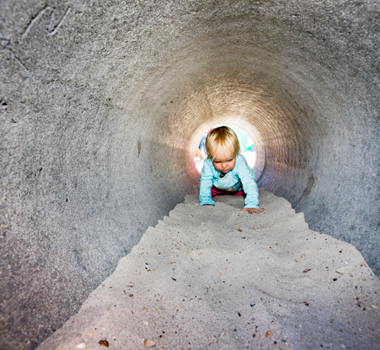
Đứa trẻ đang đi qua đường ống bê tông .
(ZH) 小孩儿在钻水泥管子。 Xiǎoháir zài zuān shuǐní guǎnzi.
(JA) 子供はセメントパイプを掘削しています。 Kodomo wa sementopaipu o kussaku shite imasu.
(KO)
(VI) Đứa trẻ đang đi qua đường ống bê tông .
(TH) เด็กกำลังเดินผ่านท่อคอนกรีต
(EN) The child is making his way through the concrete pipe.
(DE) Das Kind krabbelt durch das Betonrohr.
(NL) Het kind kruipt door de betonnen pijp.
(ES) El niño se está abriendo paso a través de la tubería de hormigón.
(FR) L'enfant se fraye un chemin dans le tuyau en béton.
(IT) Il bambino si sta facendo strada attraverso il tubo di cemento.
2255
Đứa trẻ đang khóc .
(ZH) 孩子流眼泪了。 Háizi liú yǎnlèi le.
(JA) 子供は涙を流します。 Kodomo wa namida o nagashimasu.
(KO)
(VI) Đứa trẻ đang khóc .
(TH) เด็กกำลังร้องไห้
(EN) The child is crying.
(DE) Das Kind weint.
(NL) Het kind huilt.
(ES) El niño está llorando.
(FR) L'enfant pleure.
(IT) Il bambino sta piangendo.

2538
Đứa trẻ này rất nghịch ngợm .
(ZH) 这孩子很顽皮。 Zhè háizi hěn wánpí.
(JA) この子供はとてもいたずらです。 Kono kodomo wa totemo itazuradesu.
(KO)
(VI) Đứa trẻ này rất nghịch ngợm .
(TH) เด็กคนนี้ซนมาก
(EN) This child is very naughty.
(DE) Dieses Kind ist sehr ungezogen.
(NL) Dit kind is erg ondeugend.
(ES) Este niño es muy travieso.
(FR) Cet enfant est très vilain.
(IT) Questo bambino è molto cattivo.

2630
Đứa trẻ tỏ thái độ thù địch .
(ZH) 孩子露出仇视的表情。 Háizi lùchu chóushì de biǎoqíng.
(JA) 子供は憎しみの表情を見せた。 Kodomo wa nikushimi no hyōjō o miseta.
(KO)
(VI) Đứa trẻ tỏ thái độ thù địch .
(TH) เด็กแสดงความเกลียดชัง
(EN) The child showed an expression of hostility.
(DE) Das Kind zeigte einen feindseligen Ausdruck.
(NL) Het kind toonde een vijandige uitdrukking.
(ES) El niño mostró una expresión de hostilidad.
(FR) L'enfant montra une expression d'hostilité.
(IT) Il bambino ha mostrato un'espressione di ostilità.

2639
Đứa trẻ đang học cách trượt băng .
(ZH) 小孩在学溜冰。 Xiǎohái zài xué liūbīng.
(JA) 子供はスケートを学んでいます。 Kodomo wa sukēto o manande imasu.
(KO)
(VI) Đứa trẻ đang học cách trượt băng .
(TH) เด็กกำลังเรียนรู้วิธีการเล่นสเก็ตน้ำแข็ง
(EN) The child is learning how to ice skate.
(DE) Das Kind lernt Schlittschuh laufen.
(NL) Het kind leert schaatsen.
(ES) El niño está aprendiendo a patinar sobre hielo.
(FR) L'enfant apprend à faire du patin à glace.
(IT) Il bambino sta imparando a pattinare sul ghiaccio.

2713