


CORE WORDS
COMPOUND WORDS
abortionist | {n} | (one who performs an illegal (backstreet) abortion) | adjustable spanner | {n} | (adjustable hand tool) | aforementioned | {adj} | (previously mentioned) | alignment | {n} | (alliance of factions) | alpaca | {n} | (camelid animal of the Andes) | alpenglow | {n} | (a reddish glow seen near sunset or sunrise on the summits of mountains) | American | {prop} | (American English) | American English | {prop} | (English of the United States) | amount | {n} | (quantity or volume) | amount | {n} | (total or sum of items) | angel | {n} | (in Christian angelology, the lowest order of angels) | angel | {n} | (messenger from a deity) | angel | {n} | (selfless person) | angelic | {adj} | (belonging to, proceeding from, or resembling an angel) | angelica | {n} | (plants of genus Angelica) | angel of death | {n} | (personification of death in fiction and in art) | angel shark | {n} | (a member of the unusual genus Squatina of sharks) | angel's trumpet | {n} | (Brugmansia or Datura) | Anglo- | {prefix} | (relating to England or English) | Anglophile | {n} | (person who loves or admires the country, culture or people of England) | Anglophilia | {n} | (the love of the country, culture or people of England) | Anglophobe | {n} | (person who hates or fears England, its people or anything English) | Anglophobia | {n} | (hatred or fear of England or anything English) | Anglophone | {adj} | (English-speaking) | Anglophone | {n} | (one who speaks English) | Angria | {prop} | (historical region) | annex | {n} | (addition or extension to a building) | antidote | {n} | (remedy to counteract a poison) | archangel | {n} | (angel who leads other angels) | arduous | {adj} | (needing or using up much energy) | asteroid belt | {n} | (region of the solar system) | at gunpoint | {prep} | (under coercion by someone with a firearm) | austerity | {n} | (severity of manners or life) | back street | {n} | (small and narrow street) | bandolier | {n} | (an ammunition belt) | bang | {interj} | (verbal percussive sound) | Bangalore | {prop} | (state capital of Karnataka, India) | banteng | {n} | (Bos javanicus) | barnacle goose | {n} | (Branta leucopsis) | barrel vault | {n} | (architecture) | battered | {adj} | (beaten repeatedly or consistently) | Bay of Bengal | {prop} | (Large bay in the northeastern Indian Ocean) | bedtime | {n} | (time when one goes to bed to sleep) | bell-gable | {n} | (an architectural element) | Bengal | {prop} | (region in South Asia) | Bengal fox | {n} | (Vulpes bengalensis) | Bengali | {adj} | (of or pertaining to Bengal) | Bengali | {n} | (person from Bengal) | Bengali | {prop} | (language) | Bengal light | {n} | (bright blue flare) | Benghazi | {prop} | (Benghazi, Libya) | bile duct | {n} | (structure carrying bile) | black vulture | {n} | (Coragyps atratus) | blow up | {v} | (to explode (transitive)) | blue wildebeest | {n} | (Connochaetes taurinus) | booby trap | {n} | (antipersonnel device deliberately hidden or disguised as a harmless object) | botched | {adj} | (clumsily made or repaired) | bottleneck | {n} | (any delay; part of a process that is too slow or cumbersome) | bottleneck | {n} | (narrowing of the road, especially resulting in a delay) | bottle shop | {n} | (liquor store, bottle shop) | break the bank | {v} | (win more money than is available to be paid) | brindled gnu | {n} | (Connochaetes taurinus) | British | {prop} | (the British English language) | British English | {prop} | (English language as in Britain, especially in England) | bulk carrier | {n} | (watercraft) | buster | {n} | (person or thing that breaks or overwhelms) | buzz | {n} | (audible friction of voice consonants) | Canadian | {adj} | (of or pertaining to Canadian (the language), Canadian English) | Canadian | {prop} | (Canadian English) | carrion crow | {n} | (Coragyps atratus) | cesspool | {n} | (place for sewage) | Challenger Deep | {prop} | (deepest point in the world) | char | {v} | (to burn slightly) | chengyu | {n} | (certain kind of Chinese set phrase) | Chinglish | {adj} | (resembling English influenced by Chinese) | Chinglish | {prop} | (English influenced by Chinese) | choir | {n} | (a rank or order of angels) | closely | {adv} | (in a close manner) | club | {n} | (weapon) | collared antshrike | {n} | (passerine bird) | collection | {n} | (multiple related objects) | colt | {n} | (young male horse) | commitment | {n} | (act or instance of committing, putting in charge, keeping, or trust) | commitment | {n} | (being bound emotionally/intellectually to course of action or to others) | commitment | {n} | (perpetration, in negative manner, as in crime or mistake) | commitment | {n} | (state of being pledged or engaged) | commitment | {n} | (trait of sincerity and focused purpose) | composite | {adj} | (not prime; having factors) | composite number | {n} | (number that is the product of at least two numbers other than itself and 1) | constrict | {v} | (to narrow) | cor anglais | {n} | (woodwind instrument) | corner | {v} | (trap in a position of great difficulty or hopeless embarrassment) | countable set | {n} | (set that is countable) | counterweight | {n} | (heavy mass reducing the amount of work which must be done to effect the raising and lowering of something) | cramped | {adj} | (overcrowded or congested) | cramped | {adj} | (uncomfortably restricted in size) | crook | {n} | (a staff with a hook at one end, particularly one used by shepherds) | cross | {adj} | (opposite, opposed to) | crosstalk | {n} | (traditional Chinese comedic performance) | crotch | {n} | (area of a person’s body) | curse | {v} | (to place a curse upon) | dawn | {n} | (rising of the sun) | dawn | {n} | (time) | dead load | {n} | (the weight of a structure itself) | deal | {n} | (large number or amount or extent) | death knell | {n} | (tolling of a bell announcing death) | defile | {n} | (narrow passage) | delicatessen | {n} | (shop selling prepared foods) | dengue fever | {n} | (disease) | diethylene glycol | {n} | (organic compound) | digitigrade | {n} | (digitigrade animal) | ding-a-ling | {n} | (sound of a small bell; of a fire engine) | diviner | {n} | (one who searches for underground water) | does anyone here speak English | {phrase} | (does anyone here speak English?) | doldrums | {n} | (part of the ocean near the equator, abounding in calms which prevent sailing progress) | dolmen | {n} | ( tomb consisting of a capstone supported by two or more upright stones) | downpour | {n} | (heavy rain) | dowser | {n} | (one who uses the dowser or divining rod) | dowsing | {n} | (water seeking practice) | do you have a menu in English | {phrase} | (phrase) | do you speak English | {phrase} | (do you speak English?) | drift | {v} | (to accumulate in heaps by the force of wind) | duckweed | {n} | (plant) | dynamite | {n} | (figuratively) | ebullient | {adj} | ( agitated) | effort | {n} | (the amount of work involved in achieving something) | elite | {n} | (group with higher status) | empty set | {n} | (the unique set that contains no elements) | endeavor | {n} | Bemühung | endeavor | {v} | (attempt through application of effort) | Engadin | {prop} | (long valley in the Swiss Alps) | Engels | {prop} | (surname) | engineering | {n} | (application of science to the needs of humanity) | engineering | {n} | (profession) | England | {prop} | (England) | English | {adj} | (of or pertaining to England) | English | {adj} | (of or pertaining to the English language) | English | {prop} | (person from England) | English | {prop} | (the English language) | English bond | {n} | (in bricklaying, an arrangement of bricks) | English-Canadian | {adj} | (anglophone Canadian, English-speaking Canadian, English-language Canadian) | English-Canadian | {adj} | (English-Canadian) | English Carrier | {n} | (English Carrier) | Englishman | {n} | (native or inhabitant of England) | Englishwoman | {n} | (a female native or inhabitant of England) | engram | {n} | (postulated change in neural tissue) | entresol | {n} | (an intermediate floor in a building) | exert | {v} | (to put in vigorous action) | exertion | {n} | (the action of exerting) | explode | {v} | (to destroy with an explosion) | explosive | {n} | (explosive substance) | eyeglass | {n} | (a monocle) | fallen angel | {n} | (angel who was exiled from heaven) | fare dodger | {n} | (a person who deliberately avoids payment for public transport) | firedamp | {n} | (an inflammable gas found in coal mines) | flare | {n} | (a type of pyrotechnic) | flare | {n} | (brightly burning light) | florist's | {n} | (a shop that sells flowers) | flowery | {adj} | (decorated with flowers) | fool's gold | {n} | (mineral or other substance often mistaken for gold) | giant forest genet | {n} | (Genetta victoriae) | Giant Mountains | {prop} | (the particular mountain range) | gravedigger | {n} | (a person employed to dig graves) | Groningen | {prop} | (city) | Groningen | {prop} | (province) | guardian angel | {n} | (spirit) | gunpoint | {n} | (threat or coercion by display or aiming a firearm or similar weapon) | gutter | {n} | (ditch along the side of road) | haberdashery | {n} | (a shop selling such goods) | Hail Mary | {n} | (prayer) | harsh | {adj} | (severe or cruel) | he-ass | {n} | (he-ass, male ass, male donkey) | heavy-handed | {adj} | (extreme, unnecessarily forceful) | hem | {v} | (to surround something or someone in a confining way) | holiday-maker | {n} | (somebody on holiday) | horse | {n} | (members of the species Equus ferus) | how do you say...in English | {phrase} | (request for translation into English) | I am English | {phrase} | (I am English) | I don't speak English | {phrase} | (I don't speak English) | illiberal | {adj} | (narrow-minded) | illiberal | {adj} | (restrictive to individual choice and freedom) | improvised explosive device | {n} | (explosive weapon) | Indian English | {prop} | (Indian dialect of English) | Ingram | {prop} | (male given name) | initial public offering | {n} | (first offering to members of the public of stock in a company) | inject | {v} | (to push or pump something in) | insecticide | {n} | (A substance used to kill insects) | inverse | {adj} | (opposite in effect or nature) | isthmus | {n} | (narrow strip of land) | joint-stock company | {n} | (company with transferable ownership and limited shareholder liability) | Kenyan English | {prop} | (English dialect of Kenya) | kidney stone | {n} | (calculus in the kidney) | lance | {n} | ((military) instrument which conveys the charge of a piece of ordinance) | latitude | {n} | (imaginary line parallel to the equator) | lemongrass | {n} | (species of grass of the genus Cymbopogon) | leopard cat | {n} | (wild cat) | liquor store | {n} | (liquor store, bottle shop) | lot | {n} | (informal: a number of people taken collectively) | lot | {n} | (number of things taken collectively) | luminous energy | {n} | (SI-unit for luminous flux) | machine gun | {n} | (type of firearm) | make an effort | {v} | (to try; to work towards a goal) | Mandelbrot set | {n} | (set of complex numbers c) | manmade | {adj} | (created by a human) | Mariana Trench | {prop} | (trench in the North Pacific Ocean) | mass grave | {n} | (a grave with many human corpses) | medalist | {n} | (one who has received a medal) | media-historical | {adj} | (of media history) | medical history | {n} | (details about patient's previous medical experiences) | microwave safe | {adj} | (Safe to use in microwave ovens) | Middle English | {prop} | (Middle English) | millinery | {n} | (A shop with women's hats.) | mingle | {v} | (To mix; to intermix; to combine or join) | mint | {n} | (large amount of money) | mix | {v} | (stir two or more substances together) | momentum | {n} | (product of mass and velocity) | monkey wrench | {n} | (adjustable wrench) | morning gift | {n} | (gift given by husband to wife upon first morning of marriage) | motley | {adj} | (comprising greatly varied elements) | multiset | {n} | (container) | multitude | {n} | (great amount or number, often of people) | myriad | {n} | (vast diversity or number) | narrow | {adj} | (having a small width) | narrow | {v} | (to reduce in width or extent) | narrowly | {adv} | (by a narrow margin; closely) | narrow-minded | {adj} | (having restricted or rigid views, and being unreceptive to new ideas) | narrow-minded | {adj} | (intolerant, bigoted or prejudiced) | narrowness | {n} | (state of being narrow) | nerve gas | {n} | (weapon of mass destruction) | New England | {prop} | (six states of the United States) | null set | {n} | (negligible set) | Old English | {prop} | (ancestor language of modern English) | Old English Sheepdog | {n} | (a breed of herding dog) | open set | {n} | (the set of all interior points) | opposite | {adj} | (facing the other way) | orthodoxy | {n} | (correctness in doctrine and belief) | ostracism | {n} | (in ancient Greece, the temporary banishment by popular vote) | outhouse | {n} | (outbuilding) | parallel | {n} | (line of latitude) | parochial | {adj} | (characterized by an unsophisticated focus on local concerns) | parochialism | {n} | (state of being parochial) | peevish | {adj} | (constantly complaining) | peptic ulcer | {n} | (ulcer) | phalanx | {n} | (finger or toe bone) | phase velocity | {n} | (propagation velocity of a pure sine wave) | pileated gibbon | {n} | (Hylobates pileatus) | pinstripe | {n} | (fabric with thin stripes) | plantigrade | {n} | (an animal that walks with the entire sole of the foot) | PLL | {initialism} | (Phase locked loop) | pocket money | {n} | (money given to a child) | poignant | {adj} | (piquant; pungent) | pokey | {adj} | (cramped) | power set | {n} | (set of all subsets of a set) | promiscuous | {adj} | (made up of various disparate elements mixed together) | proper subset | {n} | (a set that is a subset of but no equal to another set) | proselyte | {n} | (one who has converted to a religion) | Public Limited Liability Company | {n} | (publicly traded company) | quagga | {n} | (subspecies of zebra, Equus quagga quagga) | quantity | {n} | (considerable measure or amount) | quantity | {n} | (fundamental, generic term used when referring to the measurement) | range | {n} | (math: set of values of a function) | rare | {adj} | (cooked very lightly) | rascal | {n} | (someone who is naughty) | reciprocal | {adj} | (in the contrary or opposite way) | reverse engineering | {n} | (analyzing the construction and operation of a product in order to manufacture a similar one) | ribbed vault | {n} | (structure created by intersection of vaults) | rickets | {n} | (disorder of infancy) | rigorous | {adj} | (Manifesting, exercising, or favoring rigor; allowing no abatement or mitigation; scrupulously accurate) | rock | {v} | (slang: to be very favourable or skilful) | rose | {n} | (a plant or species in the rose family (Rosaceae)) | rose garden | {n} | (garden planted in roses) | sally | {n} | (a willow rod) | Schengen | {prop} | (city in Luxembourg) | scuffle | {n} | (rough disorderly fight or struggle at close quarters) | sear | {v} | (To char, scorch, or burn the surface of something with a hot instrument) | set | {n} | (set theory: collection of objects) | set theory | {n} | (mathematical theory of sets) | severe | {adj} | (strict or harsh) | severely | {adv} | (in a severe manner) | side street | {n} | (side street) | singe | {v} | (to burn slightly) | singleton | {n} | (math: set) | slack | {v} | (to refuse to exert effort) | slender-horned gazelle | {n} | (Gazella leptoceros) | snow angel | {n} | (design) | solar plexus | {n} | (a complex network of nerves and ganglia, located within the abdomen behind the stomach) | solid | {adj} | (typography: written as one word) | South African English | {prop} | (English dialect of South Africa) | sparkler | {n} | (hand-held firework) | squeeze | {n} | (a traversal a narrow passage) | squeeze | {n} | Druck | stallion | {n} | (male horse kept primarily as a stud) | stallion | {n} | (uncastrated male horse) | stallion | {n} | (very virile, sexy or horny man) | Standard English | {prop} | (the form of the English language widely accepted as the usual correct form) | stern | {adj} | (having a hardness and severity of nature or manner) | Stonehenge | {prop} | (ancient group of standing stones in England) | straggler | {n} | (one who straggles or departs from the direct or proper course) | strait | {n} | (narrow channel of water) | Strait of Gibraltar | {prop} | (Strait of Gibraltar) | strenuous | {adj} | (requiring great exertion) | strict | {adj} | (governed or governing by exact rules) | strict | {adj} | (severe in discipline) | stud | {n} | (male animal kept for breeding) | subset | {n} | (mathematics: of a set) | Sudetenland | {prop} | (region in Czechia) | superset | {n} | (set containing all elements of another set) | swan song | {n} | (a final performance) | sweepings | {n} | (That which is swept up.) | sweetshop | {n} | (shop selling predominantly confectionery) | systems engineering | {n} | (interdisciplinary field of engineering) | tan | {adj} | (dark skin) | tanned | {adj} | (having a suntan) | tear gas | {n} | (tear gas) | thick-tailed bushbaby | {n} | (primate of the genus Otolemur) | throng | {n} | (group of people) | tight | {adj} | (pushed/pulled together) | tinsmith | {n} | (a person who makes or repairs things with tin) | tobacconist | {n} | (a tobacconist's shop) | top secret | {adj} | (information classified at the highest level) | train of thought | {n} | (flow of thinking) | trouble | {n} | (effort) | tuition | {n} | (sum of money paid for instruction) | uncountable set | {n} | (infinite set that is not countable) | unemployment benefit | {n} | (money paid to the unemployed) | union | {n} | (in set theory) | urchin | {n} | (mischievous child) | Vientiane | {prop} | (capital of Laos) | walking | {n} | (gerund of walk) | warhead | {n} | (part of a missile, projectile, torpedo, rocket, or other munition) | wee small hours | {n} | (very early morning) | West Bengal | {prop} | (state) | wheezy | {adj} | (that wheezes) | whine | {v} | (to complain or protest with a whine or as if with a whine) | witherward | {adj} | (opposite, opposing; hostile) | yttrium iron garnet | {n} | (synthetic mineral) 5000 WORDS
| L025 16 P0950 | tiếng Anh | englisch
|  |
L025 17 P0949 | nước Anh | England
|  |
L087 17 P3446 | ôm chặt nhau nhảy | eng umschlungen tanzen
|  |
英格兰 P0949 英国的 P0950 挤的 P1631 挤 P1631 相拥起舞 P3446
ประเทศอังกฤษ P0949
อังกฤษ P0950
แคบ, แน่น P1631
แคบ, คับ P1631
แคบ, คับ P1999
แคบ, แน่น P1999
เต้นรำในอ้อมกอดอย่างใกล้ชิด P3446
nước Anh P0949 tiếng Anh P0950 ôm chặt nhau nhảy P3446
England P0949 englisch P0950 eng P1631 eng P1631 eng umschlungen tanzen P3446
England P0949 English P0950 narrow P1631 narrow P1999 P3446
Inglaterra P0949 inglés, inglesa P0950 estrecho P1631 estrecho P1999 bailar estrechamente P3446
Inghilterra P0949 inglese P0950 stretto P1631 stretto P1999 ballare avvinghiati P3446
Angleterre P0949 anglais P0950 serré P1631 serré P1999 danser étroitement enlacé P3446
PHRASES
Ik lees een Engels boek.

I am reading an English book .
(ENG )
(NL )
(0159)
|
De leraar leert ons Engels.
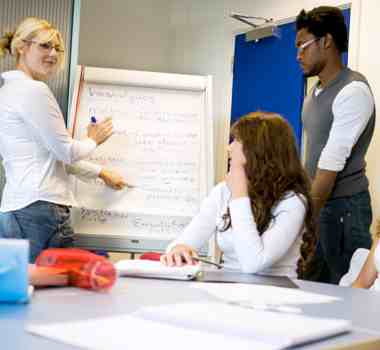
The teacher teaches English to us .
(ENG )
(NL )
(0228)
|
Ze hebben een hechte band.

They have a close relationship .
(ENG )
(NL )
(0363)
|
Hij nam een hoop foto's.

He has taken a large number of photos .
(ENG )
(NL )
(0430)
|
Deze broek zit te strak.

These trousers are too tight .
(ENG )
(NL )
(0588)
|
Wat betekent deze Engelse uitdrukking?
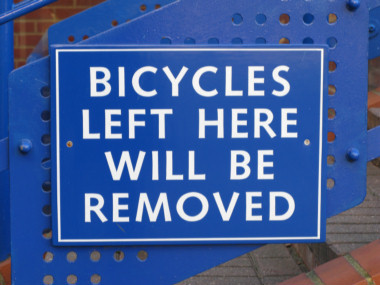
What does this English sentence mean ?
(ENG )
(NL )
(0609)
|
De baas is streng met mijn werk.

The boss is strict with my work .
(ENG )
(NL )
(0753)
|
Ik heb een groot bedrag aan vreemde valuta.

I have a large amount of foreign exchange .
(ENG )
(NL )
(0821)
|
De menigte verzamelt zich in de straat.

The crowd gathers in the street .
(ENG )
(NL )
(0904)
|
Het werk was erg vermoeiend vandaag.

Work was really tiring today .
(ENG )
(NL )
(0929)
|
Een ster valt op in de menigte.

A star stands out in the crowd .
(ENG )
(NL )
(1078)
|
Rozen behoren tot de rozenfamilie.

Roses belong to the Rosaceae family .
(ENG )
(NL )
(1084)
|
Vertaal deze zin in het Engels.

Please translate this sentence into English .
(ENG )
(NL )
(1217)
|
Het is een vermoeiende race.
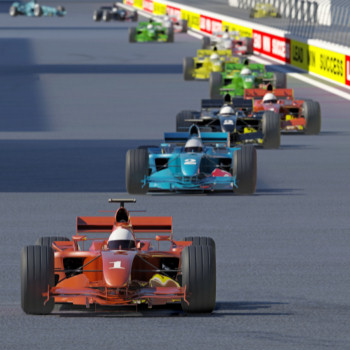
It was a gruelling race .
(ENG )
(NL )
(1372)
|
Dat is Mr Deng aan de rechterkant.

This is Mr . Deng on the right .
(ENG )
(NL )
(1383)
|
Vertaal deze zin in het Engels.

Please translate this sentence into English .
(ENG )
(NL )
(1690)
|
Het rampgebied heeft hulp nodig.
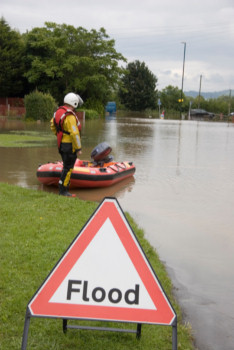
The disaster area needs assistance .
(ENG )
(NL )
(1883)
|
Ze doneert haar zakgeld.

She donates her pocket money .
(ENG )
(NL )
(1994)
|
De erewacht houdt een parade.
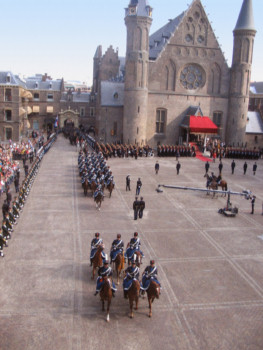
The guard of honor conducts a parade .
(ENG )
(NL )
(2051)
|
Hij is onze nieuwe werknemer, Mr Zheng.

He is our new coworker , Mr . Zheng .
(ENG )
(NL )
(2197)
|
We zamelen geld in voor het rampgebied.

We are trying to raise funds for the disaster area .
(ENG )
(NL )
(2233)
|
De kustgebieden worden getroffen door zware overstromingen.

The coastal areas are experiencing severe flooding .
(ENG )
(NL )
(2281)
|
De leraar is erg streng voor me.

The teacher is very strict with me .
(ENG )
(NL )
(2333)
|
Mr Meng repareert de computer.

Mr 0 Meng is repairing the computer .
(ENG )
(NL )
(2445)
|
Hij berispt me streng.

He scolds me severely .
(ENG )
(NL )
(2448)
|
Het zou geweldig zijn als ik een engel was.

It would be great if I were an angel .
(ENG )
(NL )
(2503)
|
De weg is erg smal.

The road is very narrow .
(ENG )
(NL )
(2772)
|
Ze is bekrompen en heeft geen tolerantie voor anderen.

She is narrow-minded and can not tolerate other people .
(ENG )
(NL )
(2773)
|
Hoeveel Engelse ponden heb je in je portemonnee?

How many English pounds do you have in your wallet ?
(ENG )
(NL )
(2812)
|
Hij besproeit het gazon.
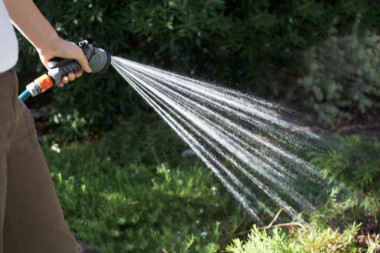
He is sprinkling the lawn .
(ENG )
(NL )
(2864)
|
Deze straat is erg smal.

This road is very narrow .
(ENG )
(NL )
(2957)
|
Dit steegje is erg smal.

The alley is very narrow .
(ENG )
(NL )
(2958)
|
De menigte haastte zich naar het station.

The crowd surged into the train station .
(ENG )
(NL )
(3175)
|
Het residu van de bereiding van bonengelei wordt ook gebruikt als ingrediënt in de keuken.

The residue from the process of making bean curd is also used as an ingredient in cooking .
(ENG )
(NL )
(3215)
|
Ginseng is zeer waardevol.

Ginseng is very valuable .
(ENG )
(NL )
(3222)
|
Keukengerei hangt aan alle haken.
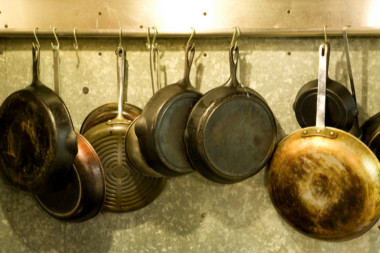
Kitchenware is hanging on all the hooks .
(ENG )
(NL )
(3244)
|
Zijn bedrijf is ingestort.

His company has collapsed .
(ENG )
(NL )
(3286)
|
De boom is omgevallen.

The tree has collapsed .
(ENG )
(NL )
(3307)
|
Het publiek heeft gul geld gedoneerd om de mensen in het rampgebied te helpen.

The public generously donated money to help the people in the disaster area .
(ENG )
(NL )
(3318)
|
Tokio ligt op 32 graden noorderbreedte.
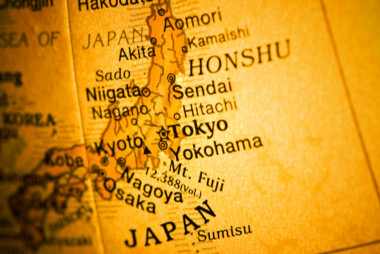
Tokyo is latitude is 32 degrees north .
(ENG )
(NL )
(3353)
|
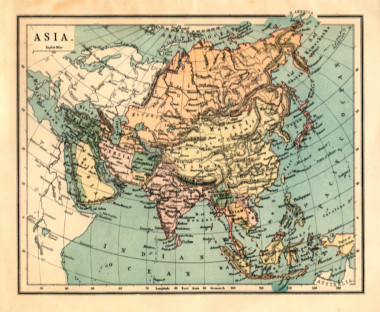
De lengte- en breedtegraad zijn op de kaart aangegeven.
The latitude and longitude are marked on the map .
(ENG )
(NL )
(3354)
|
Ze is in elkaar geslagen.

She is been beaten up .
(ENG )
(NL )
(3454)
|
We got to know each other in london . | We leerden elkaar kennen in Londen.
|
You have to make efforts if you are to succeed . | Je moet moeite doen om te slagen.
They made a great effort to settle the problem . | Ze hebben veel moeite gedaan om het probleem op te lossen.
He is english . | Hij is Engels .
We still have masses of work . | We hebben nog massa's werk.
He has any number of books . | Hij heeft een willekeurig aantal boeken.
He cannot write english without making mistakes . | Hij kan geen Engels schrijven zonder fouten te maken.
We speak english in class . | We spreken Engels in de klas.
She studied english as hard as she could . | Ze studeerde Engels zo hard als ze kon.
I'll get up your drive for english study . | Ik sta op je oprit voor Engelse studie.
He has any number of books . | Hij heeft een willekeurig aantal boeken.
Is it hard to speak english ? | Is het moeilijk om Engels te spreken?
She keeps her diary in english . | Ze houdt haar dagboek in het Engels bij.
Are you going to learn english ? | Ga je Engels leren?
I did not watch tv but studied english last night . | Ik heb geen tv gekeken maar gisteravond Engels gestudeerd.
For example , do you like english ? | Houd je bijvoorbeeld van Engels?
What's your purpose in studying english ? | Wat is je doel bij het studeren van Engels?
His english composition has few , if any , mistakes . | Zijn Engelse compositie bevat weinig of geen fouten.
I want to learn standard english . | Ik wil standaard Engels leren.
I want to be able to speak english . | Ik wil Engels kunnen spreken.
Is there an english speaker here ? | Is er hier een Engelse spreker?
They're a little tight . | Ze zitten een beetje strak.
He can speak both english and french . | Hij kan zowel Engels als Frans spreken.
He is a student who I am teaching english this year . | Hij is een student die ik dit jaar Engels geef.
You will be able to speak english . | U zult Engels kunnen spreken.
English is studied all over the world . | Engels wordt over de hele wereld gestudeerd.
An englishman would act in a different way . | Een Engelsman zou anders handelen.
The problem is whether you can follow her english . | Het probleem is of je haar Engels kunt volgen.
Can you speak english ? | Spreek je Engels ?
To speak english well is difficult . | Goed Engels spreken is moeilijk.
You will soon learn to speak english well . | U zult snel goed Engels leren spreken.
In england they have much rain at this time of the year . | In Engeland hebben ze veel regen in deze tijd van het jaar.
I was called upon to make a speech in english . | Ik werd opgeroepen om een toespraak in het Engels te houden.
He can speak not only english but also german . | Hij spreekt niet alleen Engels, maar ook Duits.
We have five english lessons a week . | We hebben vijf Engelse lessen per week.
The crowd made for the nearest door . | De menigte haastte zich naar de dichtstbijzijnde deur.
He acquired the ability to speak english . | Hij verwierf het vermogen om Engels te spreken.
Mr. Smith doesn't speak english , does he ? | Meneer Smith spreekt geen Engels, nietwaar?
We study english every day . | We leren elke dag Engels.
You are very trying to me sometimes . | Je probeert soms heel erg tegen me.
The english are a hardy people . | De Engelsen zijn een gehard volk.
Is english more difficult than japanese ? | Is Engels moeilijker dan Japans?
Now the school has a boy from england . | Nu heeft de school een jongen uit Engeland.
They made their way through the crowd . | Ze baanden zich een weg door de menigte.
The fact is that he is my close friend . | Het feit is dat hij mijn goede vriend is.
She speaks not only english but also french . | Ze spreekt niet alleen Engels maar ook Frans.
I usually take a bath before going to bed . | Ik neem meestal een bad voordat ik naar bed ga.
What do you call this insect in english ? | Hoe noem je dit insect in het Engels?
Let's sing the song in english . | Laten we het lied in het Engels zingen.
What do you call this flower in english ? | Hoe noem je deze bloem in het Engels?
He is not an english boy . | Hij is geen Engelse jongen.
English is studied in china , too . | Ook in China wordt Engels gestudeerd.
Miss march gave me an english dictionary . | Miss March gaf me een Engels woordenboek .
I'm fed up with english . | Ik ben het engels beu.
Say it in english . | Zeg het in het Engels .
I like english the best of all the subjects . | Ik vind Engels het leukst van alle vakken.
I have been teaching english these five years . | Ik geef deze vijf jaar Engelse les.
When did america become independent of england ? | Wanneer werd Amerika onafhankelijk van Engeland?
When I grow up , I want to be an english teacher . | Als ik later groot ben, wil ik leraar Engels worden.
I forgot to turn off the tv before going to bed . | Ik vergat de tv uit te zetten voordat ik naar bed ging.
I want a lot . | Ik wil veel .
I can speak english a little . | Ik kan een beetje Engels praten .
He can't speak much english . | Hij kan niet veel Engels spreken.
He knows no foreign language except english . | Hij kent geen vreemde taal behalve Engels.
Put this japanese into english . | Zet dit Japans in het Engels.
I was called on in english class . | Ik werd geroepen in de Engelse les.
The english of this composition is too good . | Het Engels van deze compositie is te goed.
That is how she learns english . | Zo leert ze Engels.
You must study english every day . | Je moet elke dag Engels studeren.
He passed among the crowd . | Hij ging tussen de menigte door.
She speaks english with a foreign accent . | Ze spreekt Engels met een buitenlands accent.
He can speak both english and french very well . | Hij kan zowel goed Engels als Frans spreken.
He can speak french , still more english . | Hij kan Frans spreken, nog meer Engels.
We have been studying english for three years . | We hebben drie jaar Engels gestudeerd.
You can speak english . | Je kunt Engels spreken.
He can speak french , and even more english . | Hij kan Frans spreken, en zelfs meer Engels.
We learned how to read english . | We leerden Engels lezen.
He can speak french , not to mention english . | Hij kan Frans spreken, om nog maar te zwijgen van Engels.
Study english every day . | Leer elke dag Engels.
She's every bit an english lady . | Ze is in alle opzichten een Engelse dame.
Mother is now involved in tennis . | Moeder tennist nu.
She is an english teacher fresh from college . | Ze is een lerares Engels, vers van de universiteit.
He can read english easily . | Hij kan gemakkelijk Engels lezen.
There was a large crowd there . | Er was daar een grote menigte.
I have had such a busy morning . | Ik heb zo'n drukke ochtend gehad.
If you learn english at all , learn it thoroughly . | Als je al Engels leert, leer het dan grondig.
As a rule , our english teacher gives a lot of homework . | Onze leraar Engels geeft in de regel veel huiswerk.
I'd like you to translate this book into english . | Ik zou graag willen dat je dit boek in het Engels vertaalt.
What he said about england is true . | Wat hij zei over Engeland is waar.
Who is going to put this into english ? | Wie gaat dit in het Engels zetten?
We lost sight of her in the crowd . | We verloren haar uit het oog in de menigte.
All the students are studying english . | Alle studenten studeren Engels.
We have five english classes a week . | We hebben vijf Engelse lessen per week.
He is very zealous in his study of english . | Hij is erg ijverig in zijn studie Engels.
If only I could speak english ! | Kon ik maar Engels spreken!
Who can speak english ? | Wie kan er Engels ?
Speaking english is useful . | Engels spreken is handig.
He has a knowledge of english . | Hij heeft kennis van het Engels.
If only we didn't have to take a test in english . | Als we maar geen test in het Engels hoefden te doen.
I met him just now . | Ik heb hem zojuist ontmoet .
He speaks french as well as english . | Hij spreekt zowel Frans als Engels.
You should persist in your efforts to learn english . | Je moet volharden in je inspanningen om Engels te leren.
Can you make yourself understood in english ? | Kunt u zich verstaanbaar maken in het Engels?
He doesn't know how to write a letter in english . | Hij weet niet hoe hij een brief in het Engels moet schrijven.
He went there to learn english . | Hij ging daarheen om Engels te leren.
I wish I could speak english like you . | Ik wou dat ik Engels kon spreken zoals jij.
I will study english hard from now on . | Ik zal vanaf nu hard Engels studeren.
My english is anything but good . | Mijn engels is allesbehalve goed.
In addition to english , he can speak french . | Naast Engels spreekt hij ook Frans.
I teach english . | Ik geef Engelse les .
Mr white teaches us english . | Mr White leert ons Engels.
I spoke to him in english , but I couldn't make myself understood . | Ik sprak met hem in het Engels, maar ik kon mezelf niet verstaanbaar maken.
Please speak to me in english . | Spreek me alsjeblieft in het Engels aan.
He speaks english better than I do . | Hij spreekt beter Engels dan ik.
How long do you study english every day ? | Hoe lang studeer je elke dag Engels?
You are an angel of a child . | Je bent een engel van een kind.
This is a story written in english . | Dit is een verhaal geschreven in het Engels.
Do you like english ? | Vind je Engels leuk ?
I was taught english by a foreigner . | Ik heb Engels geleerd van een buitenlander.
They speak english or french or both . | Ze spreken Engels of Frans of beide.
I study math as hard as english . | Ik studeer wiskunde net zo hard als Engels.
We have five english lessons a week . | We hebben vijf Engelse lessen per week.
What is the main purpose of your studying english ? | Wat is het belangrijkste doel van het studeren van Engels?
I have never been to england . | Ik ben nog nooit in Engeland geweest.
Speaking english is a lot of fun . | Engels spreken is erg leuk. |
|
|
|
|
|
|
|
|
|
|
|
|
|
|
|
|
|
|
|
|
|
|
|
|
|
|
|
|
|
|
|
|
|
|
|
|
|
|
|
|
|
|
|
|
|
|
|
|
|
|
|
|
|
|
|
|
|
|
|
|
|
|
|
|
|
|
|
|
|
|
|
|
|
|
|
|
|
|
|
|
|
|
|
|
|
|
|
|
|
|
|
|
|
|
|
|
|
|
|
|
|
|
|
|
|
|
|
|
|
|
|
|
|
|
|
|
|
|
|
|
|
|
|