| HSK 3.0 | Big5 | Gb | Pin | Eng |
|---|
| 1 | 吃 | 吃 | chī | feed, have, be subject to, absorb, chow, live on, eat, have one's meals, be a strain, exhaust, fare, take in, live off, annihilate, wipe out, partake, suffer, ingest, consume, graze, lunch, manducate, incur, take, get, use up, make, taste, soak up
|
| 1 | 吃飯 | 吃饭 | chī fàn | feed, dine, make a living, keep alive, have a meal, eat
|
| 1 | 放 | 放 | fàng | loose, bloom, make longer, set ... free, let sb. have his own way, show, readjust, free, make larger, put in, fly, etc., release, discharge, leave alone, bung, lay aside, put, expansion, make longer/larger/etc., fling, localize, lend (money) at interest, let go, set, pasture, pose, set free, blossom, lay, let off, put out to pasture, send away, play, expand, make larger/etc., readjus
|
| 1 | 放假 | 放假 | fàng jià | have a day off, have a vacation, have day off, have or be on vacation, have or be on holiday, have a holiday, vacation
|
| 1 | 放學 | 放学 | fàng xué | have winter holidays, classes are over, finish classes, have summer holidays, finish classes (for the day)
|
| 1 | 沒有 | 没有 | méiyou | not have, there is not, be without
|
| 1 | 沒事兒 | 没事儿 | méishìr | to have spare time, free from work, it's not important, it's nothing, never mind
|
| 1 | 玩兒 | 玩儿 | wánr | to play, to have fun, to hang out
|
| 1 | 休息 | 休息 | xiūxi | repose, have, lie dormant, respire, take time off, have a rest, take a rest, take off, relax, take_time_off, have/take a rest, rest
|
| 1 | 有 | 有 | yǒu | have, possess
|
| 1 | 知道 | 知道 | zhīdao | tell, have, ken, understand, infer, wis, learn, cognize, gather, know, be aware of, wise up, savvy, mind, realize
|
| 2 | 懂 | 懂 | dǒng | have, comprehend, understanding, understand, compass, grasp, get the picture, glom, know, apprehend, twig, savvy, follow, make out, dig
|
| 2 | 接受 | 接受 | jiēshòu | receive (honors, have, receive, acknowledge, sweep up, espouse, etc.), come to grips, adopt, embrace, greet, welcome, hook on, seize on, take up, accede, taken, entertain, latch on, buy, fasten on, swallow, imbibe, accept, receive (honors/etc.), undergo, get to grips, take, adapt, acceptance, thole
|
| 2 | 難過 | 难过 | nánguò | uncomfortable, feel bad, feel sorry, have hard time, bad, sad, have a hard time, be grieved, sorry
|
| 2 | 取 | 取 | qǔ | have, withdraw, choose, assume, take away, adopt, assumption, select, draw_out, withdrawal, obtain, remove, take, fetch, get, aim at, pick_up, sponge, adoption
|
| 2 | 少年 | 少年 | shàonián | nipper, covey, early youth (10-16), juvenility, adolescent, youngster, teens, gossoon, boy, boy or girl of early youth, spalpeen, juvenile, callan, callant, shaver, lad, laddie, juvenile person, teenager, stripling, young boy, early youth, younker
|
| 2 | 生 | 生 | shēng | give birth to, bear, grow, get, have, cause to happen, make (a fire), exist, live
|
| 2 | 同事 | 同事 | tóngshì | brother, coadjutor, workmate, friend, yokefellow, co-worker, fellow worker, confrere, colleague, stablemate, companion, crew, workfellow, staff, socius, coworker, bedfellow, fellow, haver, rival, comrade
|
| 2 | 洗澡 | 洗澡 | xǐ zǎo | have a bath, lave, take a bath, tub, bath, wash, bathing, bathe
|
| 2 | 相信 | 相信 | xiāngxìn | deem, believe, credit, esteem, accredit, feel, trow, count, have faith in, guess, lippen, buy, be convinced of, hold, think, trust, accept, know, hone, believe_in, favour, believe in, hope
|
| 2 | 休假 | 休假 | xiū jià | have holiday/vacation/leave
|
| 2 | 一路平安 | 一路平安 | yīlù-píngān | to have a pleasant journey, Bon voyage!
|
| 2 | 一路順風 | 一路顺风 | yīlùshùnfēng | to have a pleasant journey (idiom)
|
| 2 | 只能 | 只能 | zhǐnéng | can only, obliged to do sth, to have no other choice
|
| 3 | 保留 | 保留 | bǎoliú | continue to have, retain, hold back, reserve
|
| 3 | 不必 | 不必 | bùbì | need not, not have to
|
| 3 | 不得不 | 不得不 | bùdébù | cannot but, have to
|
| 3 | 吵架 | 吵架 | chǎo jià | quarrel, have a row/spat
|
| 3 | 從事 | 从事 | cóngshì | engross, have, join, treat, plow, handle, follow, embark, undertake, attend_to, attack, occupy, absorb, go_into, work, engage, prosecute, go_about, go in for, pursue, be, meddle, embark_on, perform, enter, cover, deal, address, be engaged in, deal with, place, wage
|
| 3 | 敢 | 敢 | gǎn | dare, make bold, have courage to, be sure, have confidence to, venture, have the confidence to, be certain
|
| 3 | 共有 | 共有 | gòngyǒu | to have altogether, in all
|
| 3 | 管 | 管 | guǎn | run, manage, administer, have charge of, subject to discipline, bother about
|
| 3 | 具有 | 具有 | jùyǒu | be provided with, have, have got, possess, hold, possession, carry, inhere, bear
|
| 3 | 領 | 领 | lǐng | receive, draw, get, have jurisdiction over, be in possession of
|
| 3 | 生 | 生 | shēng | give birth to, bear, grow, get, have, cause to happen, make (a fire), exist, live
|
| 3 | 信任 | 信任 | xìnrèn | trust, have confidence in
|
| 3 | 有的是 | 有的是 | yǒudeshì | have plenty of, there's no lack of
|
| 3 | 只好 | 只好 | zhǐhǎo | can only, have no choice but, have to, be forced to
|
| 3 | 只有 | 只有 | zhǐyǒu | can only, have no choice but, to be forced to
|
| 4 | 擦 | 擦 | cā | swab, shave, spread on, scrape, apply sth. on, spread sth. on, touch lightly, wipe, grate, rub, put/spread on, brush past, brush, obliterate, chafe, efface, sweep, scratch, fray, put on, apply, besmear, put, polish, scrape into shreds, fret, scrub, mop, erase
|
| 4 | 打針 | 打针 | dǎ zhēn | to give or have an injection
|
| 4 | 兒童 | 儿童 | értóng | kid, nipper, enfant, tyke, youngster, small fry, minor, shaver, nestling, tike, child, chit, fry, children, infant, tiddler, small-fry
|
| 4 | 發燒 | 发烧 | fāshāo | fever, kindle, feverish, temperature, run a temperature, run a fever, have a fever, have a temperature
|
| 4 | 含有 | 含有 | hányǒu | have, involve, infer, imply, tinge, include, number, carry, contain
|
| 4 | 具備 | 具备 | jùbèi | be provided with, supply, render, have, furnish, possess, provide, possession
|
| 4 | 老實 | 老实 | lǎoshi | honest, frank, well-behaved, good, simple-minded, naive
|
| 4 | 落 | 落 | luò | come down, have, remain where one is, go under, leave behind, lower, decline, stay behind, lag behind, dip, precipitate, go down, be missing, fall/leave/stay behind, belong to, set (of sun), drop, ebb (of tide), set, receive, set down, drop behind, light, rest with, obtain, fall, leave/stay behind, fall onto, turn over to, fall behind, sink, get, ebb, land, leave out
|
| 4 | 面臨 | 面临 | miànlín | have, face, confront, envisage, flank, present, be faced with, be up against, bide, meet
|
| 4 | 窮人 | 穷人 | qióngrén | pauper, poor people, prole, poor, poor man, the poor, beggar, have-not
|
| 4 | 閃 | 闪 | shǎn | sprain, get out of the way, wink, shine, leave behind, have mishap, twist, sparkle, dodge, flash
|
| 4 | 燒 | 烧 | shāo | oven broil, roast, burn, broil, run a fever, baking, stew ... in soy sauce, cook, heat, bake, burning, burnt, stew, grill, cooking, have a temperature
|
| 4 | 無 | 无 | wú | not have, there is not
|
| 4 | 做夢 | 做梦 | zuò mèng | to dream, to have a dream, fig. illusion, fantasy, pipe dream
|
| 5 | 必 | 必 | bì | surely, must, certainly, have to, necessarily
|
| 5 | 不能不 | 不能不 | bùnéngbù | have to, cannot but
|
| 5 | 帶有 | 带有 | dàiyǒu | have, partake of
|
| 5 | 可憐 | 可怜 | kělián | condole with, have pity on, sympathize with, abject, compassionate, lugubrious, feel for, pity
|
| 5 | 落 | 落 | luò | come down, have, remain where one is, go under, leave behind, lower, decline, stay behind, lag behind, dip, precipitate, go down, be missing, fall/leave/stay behind, belong to, set (of sun), drop, ebb (of tide), set, receive, set down, drop behind, light, rest with, obtain, fall, leave/stay behind, fall onto, turn over to, fall behind, sink, get, ebb, land, leave out
|
| 5 | 迷信 | 迷信 | míxìn | have blind faith in, make fetish of
|
| 5 | 忍 | 忍 | rěn | forbear, endure, put up with, be hardhearted enough to, hold back, bear, bide, toleration, tolerate, have the heart to, tolerance
|
| 5 | 設想 | 设想 | shèxiǎng | imagine, assume, have consideration for
|
| 5 | 熟悉 | 熟悉 | shúxi | know sth. well, know sb. well, get into, ken, have an intimate knowledge of, acquaint, know sth., know ... well, familiar, know sth./sb. well, be familiar with, sb. well
|
| 5 | 討厭 | 讨厌 | tǎo yàn | disincline, to loathe, be disgusted with, to have a dislike of, scunner, to dislike, despise, keck, to take an aversion to, loathe, loathing, disrelish, hate, detest, dislike, disgusting, disfavor
|
| 5 | 擁有 | 拥有 | yōngyǒu | occupy, have, receive, aught, hold back, keep, keep back, owe, retain, own, possess, possession, hold, seize, take, acquire, corral, hold on
|
| 5 | 用不著 | 用不着 | yòngbuzháo | not need, have no use for
|
| 5 | 有著 | 有着 | yǒuzhe | to have, to possess
|
| 5 | 占有 | 占有 | zhànyǒu | own, have, occupy, hold
|
| 5 | 掌握 | 掌握 | zhǎngwò | take ... into one's hands, know well, master, have in hand, grasp, command, possess, control
|
| 6 | 不見 | 不见 | bùjiàn | not to see, not to meet, to have disappeared, to be missing
|
| 6 | 出事 | 出事 | chū shì | to have an accident, to meet with a mishap
|
| 6 | 犯 | 犯 | fàn | violate, offend, attack, assail, work against, commit, have recurrence (of old illness), revert (to bad habit)
|
| 6 | 港口 | 港口 | gǎngkǒu | harbour, port, seaport, haven, harbor
|
| 6 | 敢於 | 敢于 | gǎnyú | to have the courage to do sth, to dare to, bold in
|
| 6 | 好容易 | 好容易 | hǎoróngyi | with great difficulty, to have a hard time (convincing sb, relinquishing sth etc)
|
| 6 | 認同 | 认同 | rèntóng | identify, have meeting of the minds
|
| 6 | 添 | 添 | tiān | add, fuel, appose, addition, increase, have a baby
|
| 6 | 無關 | 无关 | wúguān | have nothing to do with
|
| 6 | 用得著 | 用得着 | yòngdezháo | to be able to use, useable, to have a use for sth, (in interrogative sentence) to be necessary to
|
| 6 | 遊玩 | 游玩 | yóuwán | to amuse oneself, to have fun, to go sightseeing, to take a stroll
|
| 6 | 有沒有 | 有没有 | yǒuméiyǒu | have or not have
|
| 6 | 只得 | 只得 | zhǐdé | have to
|
| 7 | 保管 | 保管 | bǎoguǎn | to hold in safekeeping, to have in one's care, to guarantee, certainly, surely, custodian, curator
|
| 7 | 繃 | 绷 | běng | to stretch, taut, to tie, to bind, to have a taut face
|
| 7 | 比試 | 比试 | bǐshi | to have a competition, to measure with one's hand or arm, to make a gesture of measuring
|
| 7 | 不得已 | 不得已 | bùdéyǐ | to act against one's will, to have no alternative but to, to have to, to have no choice, must
|
| 7 | 不服 | 不服 | bùfú | not to accept sth, to want to have sth overruled or changed, to refuse to obey or comply, to refuse to accept as final, to remain unconvinced by, not to give in to
|
| 7 | 饞 | 馋 | chán | gluttonous, greedy, to have a craving
|
| 7 | 出血 | 出血 | chūxiě | shed blood, have a hemorrhage, bleeding, bleed, spend money, phlebotomize, hemorrhage, hemorrhagic, leech
|
| 7 | 出遊 | 出游 | chūyóu | to go on a tour, to have an outing
|
| 7 | 吹了 | 吹了 | chuīle | failed, busted, to have not succeeded, to have died, to have parted company, to have chilled (of a relationship)
|
| 7 | 打交道 | 打交道 | dǎ jiāodao | to come into contact with, to have dealings
|
| 7 | 大吃一驚 | 大吃一惊 | dàchī-yījīng | to have a surprise (idiom), shocked or startled, gobsmacked
|
| 7 | 倒霉 | 倒霉 | dǎo méi | to have bad luck, to be out of luck
|
| 7 | 得知 | 得知 | dézhī | find, hear, see, have, succeed, learn, get_onto, know, have learned of
|
| 7 | 定做 | 定做 | dìngzuò | to have something made to order
|
| 7 | 發熱 | 发热 | fā rè | to have a high temperature, feverish, unable to think calmly, to emit heat
|
| 7 | 發作 | 发作 | fāzuò | break out, flare up, explode, have fit of anger, get_into, have a fit of anger, show effect
|
| 7 | 峰迴路轉 | 峰回路转 | fēnghuí-lùzhuǎn | the mountain road twists around each new peak (idiom), (of a mountain road) twisting and turning, fig. an opportunity has come unexpectedly, things have taken a new turn
|
| 7 | 腹瀉 | 腹泻 | fùxiè | diarrhea, to have the runs
|
| 7 | 乖 | 乖 | guāi | be at variance, well-behaved, obedient, oppose
|
| 7 | 管轄 | 管辖 | guǎnxiá | to administer, to have jurisdiction (over)
|
| 7 | 過往 | 过往 | guòwǎng | to come and go, to have friendly relations with, in the past, previous
|
| 7 | 過硬 | 过硬 | guòyìng | to have perfect mastery of sth, to be up to the mark
|
| 7 | 獲悉 | 获悉 | huòxī | have, understand, get_onto, learn, learn (of an event)
|
| 7 | 見效 | 见效 | jiàn xiào | to have the desired effect
|
| 7 | 交鋒 | 交锋 | jiāo fēng | to cross swords, to have a confrontation (with sb)
|
| 7 | 交接 | 交接 | jiāojiē | (of two things) to come into contact, to meet, to hand over to, to take over from, to associate with, to have friendly relations with, to have sexual intercourse
|
| 7 | 較量 | 较量 | jiàoliàng | to have a contest with sb, to cross swords, to measure up against, to compete with, to haggle, to quibble
|
| 7 | 借用 | 借用 | jièyòng | use sth. for another purpose, have the loan of, use ... for another purpose, borrow
|
| 7 | 竟敢 | 竟敢 | jìng gǎn | to have the impertinence, to have the cheek to
|
| 7 | 久違 | 久违 | jiǔwéi | (haven't done sth) for a long time, a long time since we last met
|
| 7 | 絕緣 | 绝缘 | juéyuán | to have no contact with, to be cut off from, (electricity) to insulate
|
| 7 | 看中 | 看中 | kàn zhòng | to have a preference for, to fancy, to choose after consideration, to settle on
|
| 7 | 來電 | 来电 | láidiàn | incoming telegram or telephone call, your telegram, telephone call, or message, to send a telegram or make a telephone call here (i.e. to the speaker), to have instant attraction to sb, to have chemistry with sb, to come back (of electricity, after an outage)
|
| 7 | 理直氣壯 | 理直气壮 | lǐzhí-qìzhuàng | in the right and self-confident (idiom), bold and confident with justice on one's side, to have the courage of one's convictions, just and forceful
|
| 7 | 歷經 | 历经 | lìjīng | have experienced
|
| 7 | 立足 | 立足 | lì zú | to stand, to have a footing, to be established, to base oneself on
|
| 7 | 聯歡 | 联欢 | liánhuān | to have a get-together, celebration, party
|
| 7 | 領略 | 领略 | lǐnglüè | to have a taste of, to realize, to appreciate
|
| 7 | 留戀 | 留恋 | liúliàn | reluctant to leave, to hate to have to go, to recall fondly
|
| 7 | 麻 | 麻 | má | generic name for hemp, flax etc, hemp or flax fiber for textile materials, sesame, CL:縷|缕[lu:3], (of materials) rough or coarse, pocked, pitted, to have pins and needles or tingling, to feel numb, surname Ma
|
| 7 | 滿懷 | 满怀 | mǎnhuái | to have one's heart filled with, (to collide) full on, (of farm animals) heavy with young
|
| 7 | 沒勁 | 没劲 | méi jìn | to have no strength, to feel weak, exhausted, feeling listless, boring, of no interest
|
| 7 | 忍心 | 忍心 | rěn xīn | to have the heart to do sth, to steel oneself to a task
|
| 7 | 榮獲 | 荣获 | rónghuò | have the honor to win
|
| 7 | 榮幸 | 荣幸 | róngxìng | honored (to have the privilege of ...)
|
| 7 | 容納 | 容纳 | róngnà | have capacity for, receive, admit, take, accommodate, store, recipient, seat, hold, accept, carry, bear, contain, have a capacity of
|
| 7 | 容許 | 容许 | róngxǔ | let_in, have, receive, can, permission, permit, allow for, may, adhibit, might, admissive, provide for, admit, concede, cede, leave, suffer, tolerate, allow
|
| 7 | 如願以償 | 如愿以偿 | rúyuàn-yǐcháng | to have one's wish fulfilled
|
| 7 | 掃興 | 扫兴 | sǎo xìng | to have one's spirits dampened, to feel disappointed
|
| 7 | 奢望 | 奢望 | shēwàng | an extravagant hope, to have excessive expectations
|
| 7 | 誰知道 | 谁知道 | shuí zhīdào | God knows..., Who would have imagined...?
|
| 7 | 深入人心 | 深入人心 | shēnrù-rénxīn | to enter deeply into people's hearts, to have a real impact on the people (idiom)
|
| 7 | 收留 | 收留 | shōuliú | to offer shelter, to have sb in one's care
|
| 7 | 死心 | 死心 | sǐ xīn | to give up, to admit failure, to drop the matter, to reconcile oneself to loss, to have no more illusions about
|
| 7 | 討好 | 讨好 | tǎo hǎo | conciliate, have one's labor rewarded, blandish, accommodate, toady, oblige, toady to, curry favour with, grease, massage, propitiate, woo, fawn on, sugar, soft-soap, ingratiate, ingratiate oneself with
|
| 7 | 剃 | 剃 | tì | to shave, variant of 剃[ti4]
|
| 7 | 通車 | 通车 | tōng chē | be open to traffic, have transport service
|
| 7 | 同感 | 同感 | tónggǎn | (have the) same feeling, similar impression, common feeling
|
| 7 | 團聚 | 团聚 | tuánjù | to reunite, to have a reunion
|
| 7 | 團圓 | 团圆 | tuányuán | to have a reunion
|
| 7 | 未 | 未 | wèi | or not (at end of sentence), have not yet, or not, not
|
| 7 | 無話可說 | 无话可说 | wúhuàkěshuō | to have nothing to say (idiom)
|
| 7 | 無可奈何 | 无可奈何 | wúkě-nàihé | have no way out, have no alternative, abbr. to 無奈|无奈[wu2 nai4]
|
| 7 | 無所事事 | 无所事事 | wúsuǒshìshì | to have nothing to do, to idle one's time away (idiom)
|
| 7 | 無意 | 无意 | wúyì | have no intention, not be inclined to, have no intention to
|
| 7 | 無緣 | 无缘 | wúyuán | to have no opportunity, no way (of doing sth), no chance, no connection, not placed (in a competition), (in pop lyrics) no chance of love, no place to be together etc
|
| 7 | 享 | 享 | xiǎng | to enjoy, to benefit, to have the use of, old variant of 享[xiang3]
|
| 7 | 消 | 消 | xiāo | to disappear, to vanish, to eliminate, to spend (time), have to, need
|
| 7 | 心安理得 | 心安理得 | xīnān-lǐdé | to have a clear conscience, to have no qualms about sth
|
| 7 | 心腸 | 心肠 | xīncháng | heart, intention, one's inclination, state of mind, to have the heart for sth, mood
|
| 7 | 心想事成 | 心想事成 | xīnxiǎng-shìchéng | to have one's wishes come true, wish you the best!
|
| 7 | 信賴 | 信赖 | xìnlài | trust, count on, have faith in
|
| 7 | 須 | 须 | xū | must, have to
|
| 7 | 野餐 | 野餐 | yěcān | picnic, to have a picnic
|
| 7 | 一事無成 | 一事无成 | yīshì-wúchéng | to have achieved nothing, to be a total failure, to get nowhere
|
| 7 | 一帆風順 | 一帆风顺 | yīfān-fēngshùn | propitious wind throughout the journey (idiom), plain sailing, to go smoothly, have a nice trip!
|
| 7 | 應有盡有 | 应有尽有 | yīngyǒu-jìnyǒu | everything that should be here is here (idiom), all one can think of is on hand, to have all one needs
|
| 7 | 勇於 | 勇于 | yǒngyú | be bold in, have the courage to, have courage to, be brave in
|
| 7 | 有兩下子 | 有两下子 | yǒu liǎngxiàzi | to have real skill, to know one's stuff
|
| 7 | 有意 | 有意 | yǒuyì | have a mind to, be interested in
|
| 7 | 預感 | 预感 | yùgǎn | to have a premonition, premonition
|
| 7 | 針灸 | 针灸 | zhēnjiǔ | acupuncture and moxibustion, to give or have acupuncture and moxibustion
|
| 7 | 旨在 | 旨在 | zhǐzài | to have as its purpose, to be intended to, to aim to (do sth)
|
| 7 | 著眼 | 着眼 | zhuóyǎn | to have one's eyes on (a goal), having sth in mind, to concentrate
|
| 7 | 自卑 | 自卑 | zìbēi | feel oneself inferior, have low self-esteem
|
| 7 | 作弊 | 作弊 | zuò bì | indulge in corrupt practices, crib, cheat, fix, practice corruption, exam, misbehave, cheat on test, cheat on exam, corruption, practice fraud, practise fraud
|
| 당신은 여기 온 지 얼마나 됐어요?
How long have you been here for?
3 Getting to know others 03C 0044
|
| 죄송해요, 하지만 이미 계획이 있어요.
I am sorry, but I already have plans.
3 Getting to know others 03E 0051
|
| 저는 딸기가 있어요.
I have a strawberry.
15 Fruits and food 15A 0253
|
| 저는 키위와 멜론이 있어요.
I have a kiwi and a melon.
15 Fruits and food 15A 0254
|
| 저는 오렌지와 자몽이 있어요.
I have an orange and a grapefruit.
15 Fruits and food 15A 0255
|
| 저는 사과와 망고가 있어요.
I have an apple and a mango.
15 Fruits and food 15B 0256
|
| 저는 바나나와 파인애플이 있어요.
I have a banana and a pineapple.
15 Fruits and food 15B 0257
|
| 우리는 오늘 시간이 있어요.
We have time today.
18 House cleaning 18A 0308
|
| 당신은 새 부엌이 있어요?
Do you have a new kitchen?
19 In the kitchen 19A 0325
|
| 당신은 깡통따개가 있어요?
Do you have a tin opener / can opener (am.)?
19 In the kitchen 19D 0334
|
| 당신은 병 따개가 있어요?
Do you have a bottle opener?
19 In the kitchen 19D 0335
|
| 당신은 코르크 마개 따개가 있어요?
Do you have a corkscrew?
19 In the kitchen 19D 0336
|
| 아이들이 있어요?
Do you have children?
20 Small Talk 1 20D 0352
|
| 개가 있어요?
Do you have a dog?
20 Small Talk 1 20D 0353
|
| 고양이가 있어요?
Do you have a cat?
20 Small Talk 1 20D 0354
|
| 약간의 억양만 있어요.
You only have a slight accent.
23 Learning foreign languages 23D 0407
|
| 핸드폰을 안 가지고 있어요?
Don’t you have a mobile / cell phone (am.) with you?
24 Appointment 24A 0417
|
| 저 내일 쉬는 날이에요.
I have the day off tomorrow.
24 Appointment 24C 0421
|
| 이번 주말에 벌써 계획이 있어요?
Do you already have plans for this weekend?
24 Appointment 24D 0424
|
| 아니면 벌써 약속이 있어요?
Or do you already have an appointment?
24 Appointment 24D 0425
|
| 우리 소풍 갈까요?
Shall we have a picnic?
24 Appointment 24E 0427
|
| 빈 방이 있어요?
Do you have a vacant room?
27 In the hotel – Arrival 27A 0469
|
| 방을 예약했어요.
I have booked a room.
27 In the hotel – Arrival 27A 0470
|
| 더 싼 게 있어요?
Do you have anything cheaper?
28 In the hotel – Complaints 28E 0501
|
| 담배 있어요?
Do you have cigarettes?
29 At the restaurant 1 29E 0517
|
| 재떨이 있어요?
Do you have an ashtray?
29 At the restaurant 1 29E 0518
|
| 라이터 있어요?
Do you have a light?
29 At the restaurant 1 29E 0519
|
| 우리는 아침식사를 하고 싶어요.
We would like to have breakfast.
31 At the restaurant 3 31C 0547
|
| 우리는 점심식사를 하고 싶어요.
We would like to have lunch.
31 At the restaurant 3 31C 0548
|
| 우리는 저녁식사를 하고 싶어요.
We would like to have dinner.
31 At the restaurant 3 31C 0549
|
| 어떤 야채가 있어요?
What vegetables do you have?
32 At the restaurant 4 32B 0562
|
| 콩 있어요?
Do you have beans?
32 At the restaurant 4 32B 0563
|
| 콜리플라워 있어요?
Do you have cauliflower?
32 At the restaurant 4 32B 0564
|
| 기차를 갈아 타야 해요?
Do I have to change trains?
33 At the train station 33E 0589
|
| 기차에 침대칸이 있어요?
Does the train have sleepers?
33 At the train station 33E 0591
|
| 읽을 것이 있어요?
Do you have something to read?
34 On the train 34F 0610
|
| 아니요, 한 자리만 있어요.
No, we have only one seat available.
35 At the airport 35C 0621
|
| 어떤 버스를 타야 해요?
Which bus do I have to take?
36 Public transportation 36A 0633
|
| 갈아타야 해요?
Do I have to change?
36 Public transportation 36B 0634
|
| 어디서 갈아타야 해요?
Where do I have to change?
36 Public transportation 36B 0635
|
| 여기서 내리셔야 해요.
You have to get off here.
36 Public transportation 36C 0638
|
| 뒤로 내리셔야 해요.
You have to get off at the back.
36 Public transportation 36C 0639
|
| 표가 있어요?
Do you have a ticket?
36 Public transportation 36F 0646
|
| 표요? – 아니요, 없어요.
A ticket? – No, I don’t have one.
36 Public transportation 36F 0647
|
| 그럼 벌금을 내야 해요.
Then you have to pay a fine.
36 Public transportation 36F 0648
|
| 저는 시간이 있어요.
I have time.
38 In the taxi 38C 0674
|
| 잔돈이 없어요.
I have no change.
38 In the taxi 38E 0680
|
| 타이어가 펑크 났어요.
I have a flat tyre / tire (am.).
39 Car breakdown 39A 0686
|
| 기름이 떨어졌어요.
I have no more petrol / gas (am.).
39 Car breakdown 39B 0689
|
| 예비 기름통이 있나요?
Do you have a petrol can / jerry can / gas can (am.)?
39 Car breakdown 39B 0690
|
| 핸드폰 있어요?
Do you have a mobile / cell phone (am.) with you?
39 Car breakdown 39D 0696
|
| 도시 지도가 있어요?
Do you have a city map for me?
41 Where is ... ? 41A 0722
|
| 입장료를 지불해야 해요?
Does one have to pay an entrance fee?
42 City tour 42C 0746
|
| 저한테 사진기가 있어요.
I have a camera.
43 At the zoo 43C 0763
|
| 비디오 카메라도 있어요.
I also have a video camera.
43 At the zoo 43C 0764
|
| 당신이 우리 여행가방을 싸야 해요!
You have to pack our suitcase!
47 Preparing a trip 47A 0829
|
| 스키장비가 있어요?
Do you have skis?
48 Vacation activities 48F 0863
|
| 스키 신발이 있어요?
Do you have ski boots?
48 Vacation activities 48F 0864
|
| 잘 모르겠어요.
I have no idea.
49 Sports 49E 0878
|
| 수건 있어요?
Do you have a towel?
50 In the swimming pool 50B 0886
|
| 수영 바지 있어요?
Do you have swimming trunks?
50 In the swimming pool 50B 0887
|
| 수영복 있어요?
Do you have a bathing suit?
50 In the swimming pool 50B 0888
|
| 저는 쇼핑을 해야 해요.
I have to go shopping.
52 In the department store 52A 0920
|
| 저는 좋은 동료들이 있어요.
I have nice colleagues.
55 Working 55E 0986
|
| 저는 실업자가 된 지 이미 일 년 됐어요.
I have already been unemployed for a year.
55 Working 55F 0989
|
| 시간이 있어요
to have time
56 Feelings 56C 0997
|
| 저는 병원 예약이 있어요.
I have a doctor’s appointment.
57 At the doctor 57A 1009
|
| 저는 열 시에 예약이 있어요.
I have the appointment at ten o’clock.
57 At the doctor 57A 1010
|
| 통증이 있어요?
Do you have any pain?
57 At the doctor 57C 1016
|
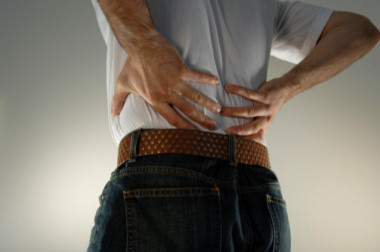
| 등이 항상 아파요.
I always have back pain.
57 At the doctor 57D 1018
|
| 머리가 자주 아파요.
I often have headaches.
57 At the doctor 57D 1019
|
| 배가 가끔 아파요.
I sometimes have stomach aches.
57 At the doctor 57D 1020
|
| 전화카드 있으세요?
Do you have calling cards?
59 At the post office 59D 1056
|
| 전화번호부 있으세요?
Do you have a telephone directory?
59 At the post office 59E 1057
|
| 먼저 영 번을 눌러야 해요!
You have to dial a zero first!
59 At the post office 59F 1062
|
| 저는 취미가 있어요.
I have a hobby.
63 Asking questions 2 63A 1117
|
| 취미가 있어요?
Do you have a hobby?
63 Asking questions 2 63B 1120
|
| 저는 자동차가 있어요.
I have a car / an automobile.
63 Asking questions 2 63D 1126
|
| 저는 오토바이도 있어요.
I also have a motorcycle.
63 Asking questions 2 63D 1127
|
| 저는 스웨터가 있어요.
I have a sweater.
63 Asking questions 2 63E 1129
|
| 저는 자켓과 청바지도 있어요.
I also have a jacket and a pair of jeans.
63 Asking questions 2 63E 1130
|
| 저는 접시가 있어요.
I have a plate.
63 Asking questions 2 63F 1132
|
| 저는 칼과, 포크와, 숟가락이 있어요.
I have a knife, a fork and a spoon.
63 Asking questions 2 63F 1133
|
| 당신은 여자친구가 있어요?
Do you have a girlfriend?
64 Negation 1 64E 1148
|
| 당신은 딸이 있어요?
Do you have a daughter?
64 Negation 1 64F 1151
|
| 하지만 저는 오십 유로밖에 없어요.
But I have only fifty.
65 Negation 2 65A 1155
|
| 여기서 오래 살았어요?
Have you lived here long?
65 Negation 2 65D 1162
|
| 당신의 열쇠를 찾았어요?
Have you found your key?
66 Possessive pronouns 1 66B 1175
|
| 당신의 표를 찾았어요?
Have you found your ticket?
66 Possessive pronouns 1 66B 1176
|
| 우리 메뉴를 봐도 돼요?
May we have the menu?
73 to be allowed to 73F 1313
|
| 불 있으세요?
Do you have a light?
74 asking for something 74E 1327
|
| 성냥이나 라이터 있으세요?
Do you have a match or a lighter?
74 asking for something 74E 1328
|
| 재떨이 있으세요?
Do you have an ashtray?
74 asking for something 74E 1329
|
| 저는 시간이 없어요.
I have no time.
75 giving reasons 1 75C 1340
|
| 저는 시간이 없어서 안 가요.
I am not coming because I have no time.
75 giving reasons 1 75C 1341
|
| 저는 아직 일해야 해요.
I still have to work.
75 giving reasons 1 75D 1343
|
| 저는 아직 일해야 해서 머무르지 않아요.
I am not staying because I still have to work.
75 giving reasons 1 75D 1344
|
| 저는 운전을 해야 해요.
I have to drive.
77 giving reasons 3 77B 1373
|
| 저는 운전을 해야 해서 안 마셔요.
I’m not drinking it because I have to drive.
77 giving reasons 3 77B 1374
|
| 저는 설탕이 없어요.
I have no sugar.
77 giving reasons 3 77D 1379
|
| 저는 설탕이 없어서 안 마셔요.
I’m not drinking it because I don’t have any sugar.
77 giving reasons 3 77D 1380
|
| 얌전한 아이들
well behaved children
78 Adjectives 1 78F 1404
|
| 저는 사랑스러운 아이들이 있어요.
I have lovely children.
79 Adjectives 2 79F 1420
|
| 하지만 이웃들은 건방진 아이들이 있어요.
But the neighbours have naughty children.
79 Adjectives 2 79F 1421
|
| 당신의 아이들은 얌전해요?
Are your children well behaved?
79 Adjectives 2 79F 1422
|
| 구급차를 불러야만 했어요?
Did you have to call an ambulance?
82 Past tense 2 82A 1459
|
| 의사를 불러야만 했어요?
Did you have to call the doctor?
82 Past tense 2 82A 1460
|
| 경찰을 불러야만 했어요?
Did you have to call the police?
82 Past tense 2 82A 1461
|
| 그 전화번호가 있어요? 방금 전에 있었어요.
Do you have the telephone number? I had it just now.
82 Past tense 2 82B 1462
|
| 그 주소가 있어요? 방금 전에 있었어요.
Do you have the address? I had it just now.
82 Past tense 2 82B 1463
|
| 그 도시 지도가 있어요? 방금 전에 있었어요.
Do you have the city map? I had it just now.
82 Past tense 2 82B 1464
|
| 당신은 청구서를 지불해야 했어요?
Did you have to pay the bill?
87 Past tense of modal verbs 1 87B 1552
|
| 당신은 입장료를 내야 했어요?
Did you have to pay an entrance fee?
87 Past tense of modal verbs 1 87B 1553
|
| 당신은 벌금을 내야 했어요?
Did you have to pay a fine?
87 Past tense of modal verbs 1 87B 1554
|
| 면도하세요!
Shave!
90 Imperative 2 90A 1603
|
| 우리는 택시를 잡아야할 것 같아요.
I’m afraid we will have to take a taxi.
92 Subordinate clauses: that 2 92F 1655
|
| 저는 돈이 더 이상 없는 것 같아요.
I’m afraid I have no more money.
92 Subordinate clauses: that 2 92F 1656
|
| 그들은 서로 만난 후부터, 행복해요.
Since they have met each other, they are happy.
95 Conjunctions 2 95B 1697
|
| 그들은 아이들이 생긴 후부터, 외출을 잘 안해요.
Since they have had children, they rarely go out.
95 Conjunctions 2 95B 1698
|
| 저는 안경이 없으면 아무 것도 못 봐요.
I can’t see anything when I don’t have glasses.
95 Conjunctions 2 95E 1705
|
| 저는 감기가 걸리면 아무 냄새도 못 맡아요.
I can’t smell anything when I have a cold.
95 Conjunctions 2 95E 1707
|
| 저는 공부를 하자마자 피곤해져요.
I become tired as soon as I have to study.
96 Conjunctions 3 96A 1712
|
| 시간이 나자마자요.
As soon as I have a moment.
96 Conjunctions 3 96B 1715
|
| 저는 늦잠을 잤어요; 안 그랬다면 제 시간에 왔을 거예요.
I overslept; otherwise I’d have been on time.
96 Conjunctions 3 96F 1726
|
| 저는 버스를 놓쳤어요; 안 그랬다면 제 시간에 왔을 거예요.
I missed the bus; otherwise I’d have been on time.
96 Conjunctions 3 96F 1727
|
| 저는 길을 잃었어요; 안 그랬다면 제 시간에 왔을 거예요.
I didn’t find the way / I got lost; otherwise I’d have been on time.
96 Conjunctions 3 96F 1728
|
| 당신은 이미 베를린에 가봤어요?
Have you already been to Berlin?
100 Adverbs 100A 1784
|
| 이미 뭐를 먹었어요?
Have you already eaten something?
100 Adverbs 100E 1796
|
| 아니요, 아직 아무 것도 안 먹었어요.
No, I haven’t eaten anything yet.
100 Adverbs 100E 1797
|
|

 [EN]
[EN]  [DE]
[DE]  [NL]
[NL]  [ES]
[ES]  [FR]
[FR]  [IT]
[IT]  [TH]
[TH]  [VI]
[VI]  [ZH]
[ZH]