| HSK 3.0 | Big5 | Gb | Pin | Eng |
|---|
| 1 | 白天 | 白天 | báitian | daytime, during the day, day, CL:個|个[ge4]
|
| 1 | 半天 | 半天 | bàntiān | half of the day, a long time, quite a while, midair, CL:個|个[ge4]
|
| 1 | 常常 | 常常 | chángcháng | oftentimes, ofttimes, commonly, ordinarily, oft, often, a great deal, normally, frequently, unremarkably, much, usually
|
| 1 | 老人 | 老人 | lǎoren | oldster, ancient, old woman, crock, one's aged parents or grandparents, old man/woman, one's aged parents/grandparents, Sir, old person, gaffer, pop, one's aged parents, the aged/old, old_man, senior_citizen, oldie, greybeard, old man, graybeard, old, grandparents, the old, the aged, senior citizen, old_boy, old boy, woman, old-timer, old man or woman, one's aged grandparents
|
| 1 | 馬上 | 马上 | mǎshàng | in a short time, at_once, instantaneously, promptly, at once, incontinent, in the same breath, directively, instantly, slapbang, pronto, right_away, immediately, shortly, without delay, right away, tout-de-suite, forthwith, presently, in_no_time, at a time, soon, hereupon, in a few seconds, before long, at one time, outright, straightaway, in a minute, directly, momently, in a f
|
| 1 | 沒事兒 | 没事儿 | méishìr | to have spare time, free from work, it's not important, it's nothing, never mind
|
| 1 | 上次 | 上次 | shàngcì | last time
|
| 1 | 時候 | 时候 | shíhou | day, moment, (a point in) time, (duration of) time, time
|
| 1 | 時間 | 时间 | shíjiān | moment, day, clock time, fourth_dimension, relativity, hour, duration, time, when, while, temporal, economy
|
| 1 | 晚 | 晚 | wǎn | far on in time, late
|
| 1 | 下次 | 下次 | xiàcì | next time
|
| 1 | 休息 | 休息 | xiūxi | repose, have, lie dormant, respire, take time off, have a rest, take a rest, take off, relax, take_time_off, have/take a rest, rest
|
| 1 | 一下兒 | 一下儿 | yīxiàr | (used after a verb) give it a go, to do (sth for a bit to give it a try), one time, once, in a while, all of a sudden, all at once, erhua variant of 一下[yi1 xia4]
|
| 1 | 一邊 | 一边 | yībiān | at the same time, simultaneously;on the one/other hand
|
| 1 | 有時候 | 有时候 | yǒushíhou | from time to time, on_occasion, occasionally, somewhile, otherwhile, now and again, sometimes, now and then, at times, on occasion, whiles, once in a while
|
| 2 | 打工 | 打工 | dǎ gōng | work part-time while studying in college, work as an employee, etc.
|
| 2 | 當時 | 当时 | dāngshí | then, at that time, while, at once, right away
|
| 2 | 觀點 | 观点 | guāndiǎn | view, aspect, stand, point_of_view, light, eyes, framework, sentiment, bet, standpoint, point of view, eye, viewpoint, slant, perspective, position, angle
|
| 2 | 那時候 | 那时候 | nà shíhou | at that time
|
| 2 | 難過 | 难过 | nánguò | uncomfortable, feel bad, feel sorry, have hard time, bad, sad, have a hard time, be grieved, sorry
|
| 2 | 平時 | 平时 | píngshí | ordinarily, in normal times, in peacetime
|
| 2 | 日子 | 日子 | rìzi | yom, day, a particular day, livelihood, life, date, days, time
|
| 2 | 隨時 | 随时 | suíshí | whenever, whene'er, always, readily, whenever necessary, at all times, as occasion demands, at any time
|
| 2 | 同時 | 同时 | tóngshí | at the same time, simultaneously
|
| 2 | 想法 | 想法 | xiǎngfa | view, stance, mentality, idea, notion, sentiment, judgment, construct, thought, opinion, conception, viewpoint, judgement, belief, mind-set, what one has in mind, persuasion, perspective, concept, mind, impression
|
| 2 | 夜裡 | 夜里 | yèli | during the night, at night, nighttime
|
| 2 | 一生 | 一生 | yīshēng | lifetime, all, existence, life, throughout one's life, all one's life, career, all/throughout one's life
|
| 2 | 意見 | 意见 | yìjian | latitude, point_of_view, estimation, sight, conceit, verdict, hypothesis, attitude, estimate, possibility, judgement, appraisal, ground, slant, differing opinion, ruling, complaint, thinking, suggestion, comment, advisement, mind, apprehension, say, vote, impression, deliverance, view, understanding, feeling, idea, notion, sentiment, judgment, advice, current, opinion, advert, theory, v
|
| 2 | 早就 | 早就 | zǎojiù | already at an earlier time
|
| 3 | 曾經 | 曾经 | céngjīng | in one case, , one time, formerly, syne, at one time, of all time, once, ever
|
| 3 | 長期 | 长期 | chángqī | long term, long time, long range (of a forecast)
|
| 3 | 從前 | 从前 | cóngqián | previously, formerly, once upon a time
|
| 3 | 從來 | 从来 | cónglái | all along, at all times, always
|
| 3 | 當初 | 当初 | dāngchū | at that time, originally
|
| 3 | 定期 | 定期 | dìngqī | fixed (of time), periodically, regularly
|
| 3 | 趕緊 | 赶紧 | gǎnjǐn | hasten, double-quick, losing no time, hurriedly
|
| 3 | 感受 | 感受 | gǎnshòu | perception, sentiment, mood
|
| 3 | 感情 | 感情 | gǎnqíng | warmheartedness, reticence, sensation, affection, susceptibility, feeling, feelings, heart, affective, withers, expression, tenderness, emotion, sentiment, fondness, soul, affectionateness, soulfulness, passion
|
| 3 | 古代 | 古代 | gǔdài | ancient times, olden times
|
| 3 | 及時 | 及时 | jíshí | timely, in time, promptly
|
| 3 | 近期 | 近期 | jìnqī | near in time, in the near future, very soon, recent
|
| 3 | 久 | 久 | jiǔ | for long time, of specified duration
|
| 3 | 舊 | 旧 | jiù | old, aged, onetime, bygone, used, worn, past, former
|
| 3 | 空 | 空 | kōng | free, with spare time
|
| 3 | 空兒 | 空儿 | kòngr5 | spare time, free time
|
| 3 | 立刻 | 立刻 | lìkè | in a short time, at_once, promptly, offhand, at once, anon, instantly, straightway, now, slapbang, pronto, right_away, immediately, without delay, right away, forthwith, presto, at a time, before long, in a minute, swith, directly, in no time, incontinent, subito, without_delay, in real time, shortly, tout-de-suite, away, soon, presently, in a few seconds, very fast, chop-chop, at o
|
| 3 | 目前 | 目前 | mùqián | at the present time, currently
|
| 3 | 情感 | 情感 | qínggǎn | affect, friendship, sensibility, bond, emotion, bosom, breast, sentiment, emotional, chasm, feeling, feelings
|
| 3 | 人生 | 人生 | rénshēng | lifetime, life, lifespan, human life, time of life
|
| 3 | 時 | 时 | shí | time (when), period, hour
|
| 3 | 時代 | 时代 | shídài | day, period, a period in one's life, epoch, present time, historical period, time, chapter, period in one's life, modern times, historic period, contemporary world, times, era, modern world, age
|
| 3 | 時刻 | 时刻 | shíkè | moment, occasion, juncture, sand, hour, time
|
| 3 | 始終 | 始终 | shǐzhōng | all_the_time, from beginning to end, from start to finish, always, all along, evermore, throughout
|
| 3 | 往往 | 往往 | wǎngwǎng | oftentimes, ofttimes, always, more often than not, frequently, oft, often
|
| 3 | 武術 | 武术 | wǔshù | military skill or technique (in former times), all kinds of martial art sports (some claiming spiritual development), self-defense, tradition of choreographed fights from opera and film (recent usage), also called kungfu 功夫, CL:種|种[zhong3]
|
| 3 | 鐘 | 钟 | zhōng | timekeeper, timepiece, ticker, carillon, Zhong, time, bell, handleless cup, chime, gong, carillon playing, bell ringing, clock, Surname
|
| 4 | 按時 | 按时 | ànshí | on time, before deadline, on schedule
|
| 4 | 倍 | 倍 | bèi | -fold, multiplication, diameter, double, times, twice as much
|
| 4 | 春季 | 春季 | chūnjì | springtime
|
| 4 | 度過 | 度过 | dùguò | pass, spend (time/etc.)
|
| 4 | 多次 | 多次 | duōcì | many times, repeatedly
|
| 4 | 即將 | 即将 | jíjiāng | in a short time, promptly, on the point of, at once, instantly, pronto, immediately, shortly, without delay, tout-de-suite, right away, forthwith, presently, soon, in a few seconds, before long, straightaway, in a minute, about to
|
| 4 | 加班 | 加班 | jiā bān | to work overtime
|
| 4 | 近代 | 近代 | jìndài | the not-very-distant past, modern times, excluding recent decades, (in the context of Chinese history) the period from the Opium Wars until the May 4th Movement (mid-19th century to 1919), capitalist times (pre-1949)
|
| 4 | 空 | 空 | kōng | free, with spare time
|
| 4 | 來得及 | 来得及 | láidejí | there's still time, able to do sth in time
|
| 4 | 釐米 | 厘米 | límǐ | centimeter
|
| 4 | 臨時 | 临时 | línshí | as the time draws near, at the last moment, temporary, interim, ad hoc
|
| 4 | 期間 | 期间 | qījiān | length, period, time period, amount of time, duration, course, interim, period of time, time, standing, chapter, tract, space, term, streak, efflux
|
| 4 | 期限 | 期限 | qīxiàn | time limit, allowed time, deadline, term
|
| 4 | 青春 | 青春 | qīngchūn | springtime, flower, prime, juvenility, youthfulness, one's youth, young adulthood, youth, prime of life, youthhood, juvenescence, may
|
| 4 | 事先 | 事先 | shìxiān | ahead, beforehand, in advance, in_advance, aforetime, aforehand
|
| 4 | 興趣 | 兴趣 | xìngqù | relish, appetite, zestfulness, dish, cup of tea, pastime, hobby, interest, gusto, bag, avocation, zest
|
| 4 | 一再 | 一再 | yīzài | repeatedly, again and again, time and again, over_and_over
|
| 4 | 再三 | 再三 | zàisān | repeatedly, again and again, over and over again, thrice, time and again
|
| 4 | 準時 | 准时 | zhǔnshí | on time, punctual, on schedule
|
| 5 | 輩 | 辈 | bèi | lifetime, generation, group of people, class, classifier for generations, (literary) classifier for people
|
| 5 | 不時 | 不时 | bùshí | betweentimes, every so often, frequently, somewhile, at any time, every now and then, often
|
| 5 | 當年 | 当年 | dāngnián | in those days, then, in those years, during that time, that very same year
|
| 5 | 感想 | 感想 | gǎnxiǎng | sentiment, reflections, feeling, thoughts, impressions, impression
|
| 5 | 近來 | 近来 | jìnlái | newly, of late, lately, fresh, new, latterly, in recent times, freshly, yesterday, late, recently
|
| 5 | 偶爾 | 偶尔 | ǒuěr | once in a blue moon, from time to time, hardly ever, every so often, now and again, seldom, infrequently, on occasion, rarely, betweenwhiles, scarcely, unusually, occasionally, sporadically, every now and then, at times, now and then, once in a while
|
| 5 | 時常 | 时常 | shícháng | now_and_again, always, frequently, from_time_to_time, somewhile, oft, often
|
| 5 | 時光 | 时光 | shíguāng | years, times, days, hour, time
|
| 5 | 時機 | 时机 | shíjī | moment, day, an occasion, occasion, go, an opportune moment, opportunity, conjunction, conjuncture, juncture, a suitable (or right) time, turn, opportune moment
|
| 5 | 歲月 | 岁月 | suìyuè | precession, years, days, time
|
| 5 | 停留 | 停留 | tíngliú | stay for a time or at a place
|
| 5 | 為期 | 为期 | wéiqī | by/lasting (a definite time)
|
| 5 | 閑 | 闲 | xián | variant of 閑|闲, idle, unoccupied, leisure, free time
|
| 5 | 夜間 | 夜间 | yèjian | nighttime, evening or night (e.g. classes)
|
| 5 | 一輩子 | 一辈子 | yībèizi | (for) a lifetime
|
| 5 | 一旦 | 一旦 | yīdàn | conj.: once, some time or other
|
| 5 | 一下兒 | 一下儿 | yīxiàr5 | (used after a verb) give it a go, to do (sth for a bit to give it a try), one time, once, in a while, all of a sudden, all at once, erhua variant of 一下[yi1 xia4]
|
| 5 | 再次 | 再次 | zàicì | once again, once_more, second time, again, a second time, over, third, once more/again, once more
|
| 5 | 暫停 | 暂停 | zàntíng | suspense, suspended, suspend, intermit, set aside, discontinue, remit, stop, suspension, pause, break, time-out
|
| 5 | 終身 | 终身 | zhōngshēn | lifetime, life, marriage, all one's life, lifelong
|
| 6 | 挨 | 挨 | āi | in order, in sequence, close to, adjacent to, to suffer, to endure, to pull through (hard times), to delay, to stall, to play for time, to dawdle
|
| 6 | 長久 | 长久 | chángjiǔ | permanently, long, for a long time
|
| 6 | 此次 | 此次 | cǐcì | this time
|
| 6 | 次數 | 次数 | cìshù | number of times, frequancy, frequency, absolute frequency, legal case, oftenness, lawsuit, time, frequence
|
| 6 | 打發 | 打发 | dǎfa | to dispatch sb to do sth, to make sb leave, to pass (the time), (old) to make arrangements, (old) to bestow (alms etc)
|
| 6 | 定時 | 定时 | dìngshí | to fix a time, fixed time, timed (of explosive etc)
|
| 6 | 趕上 | 赶上 | gǎn shàng | to keep up with, to catch up with, to overtake, to chance upon, in time for
|
| 6 | 高峰 | 高峰 | gāofēng | summit, apex, alp, vertex, acme, peak, height, pinnacle, high, all-time high
|
| 6 | 過時 | 过时 | guò shí | old-fashioned, out of date, to be later than the time stipulated or agreed upon
|
| 6 | 好容易 | 好容易 | hǎoróngyi | with great difficulty, to have a hard time (convincing sb, relinquishing sth etc)
|
| 6 | 截至 | 截至 | jiézhì | by (specified time), up to
|
| 6 | 恰好 | 恰好 | qiàhǎo | as it turns out, by lucky coincidence, (of number, time, size etc) just right
|
| 6 | 情緒 | 情绪 | qíngxù | form, pulse, humor, depression, temper, feeling, spirits, monkey, emotion, sentiment, humour, soulfulness, mood, heartbeat, heartstrings, sulks, chord, vein, feelings, emotional state, spirit, frame_of_mind, sentiments, moodiness, emotions, steam, tune, soul
|
| 6 | 聖誕節 | 圣诞节 | Shèngdàn Jié | Christmas time, Christmas season, Christmas
|
| 6 | 時節 | 时节 | shíjié | season, time
|
| 6 | 時期 | 时期 | shíqī | epoch, season, date, period_of_time, phase, day, occasion, estate, period, length, period (of time), phase angle, stage, conjuncture, chapter, times, era, leg, guardianship
|
| 6 | 時而 | 时而 | shíér | occasionally, from time to time
|
| 6 | 首次 | 首次 | shǒucì | first, first time, for the first time
|
| 6 | 同期 | 同期 | tóngqī | the corresponding time period (in a different year etc), concurrent, synchronous
|
| 6 | 往後 | 往后 | wǎnghòu | from now on, in the future, time to come
|
| 6 | 一次性 | 一次性 | yīcìxìng | one-off (offer), one-time, single-use, disposable (goods)
|
| 6 | 一時 | 一时 | yīshí | a period of time, a while, for a short while, temporary, momentary, at the same time
|
| 6 | 中期 | 中期 | zhōngqī | middle (of a period of time), medium-term (plan, forecast etc)
|
| 7 | 不假思索 | 不假思索 | bùjiǎ-sīsuǒ | to act without taking time to think (idiom), to react instantly, to fire from the hip
|
| 7 | 長期以來 | 长期以来 | chángqīyǐlái | ever since a long time ago
|
| 7 | 超前 | 超前 | chāoqián | to be ahead of one's time, to surpass or outdo one's predecessors, to be ahead of the pack, to take the lead, advanced
|
| 7 | 成天 | 成天 | chéngtiān | (coll.) all day long, all the time
|
| 7 | 初次 | 初次 | chūcì | for the first time, first (meeting, attempt etc)
|
| 7 | 創 | 创 | chuàng | initiate, create, start doing, achieve ... for the first time, initiate (sth.)
|
| 7 | 措手不及 | 措手不及 | cuòshǒu-bùjí | no time to deal with it (idiom), caught unprepared
|
| 7 | 耽誤 | 耽误 | dānwu | to delay, to hold up, to waste time, to interfere with
|
| 7 | 渡過 | 渡过 | dùguò | pass, spend (time/etc.)
|
| 7 | 段落 | 段落 | duànluò | phase, time interval, paragraph, (written) passage
|
| 7 | 翻番 | 翻番 | fān fān | to double, to increase by a certain number of times
|
| 7 | 沸騰 | 沸腾 | fèiténg | (of a liquid) to boil, (of sentiments etc) to boil over, to flare up, to be impassioned
|
| 7 | 風和日麗 | 风和日丽 | fēnghé-rìlì | moderate wind, beautiful sun (idiom), fine sunny weather, esp. in springtime
|
| 7 | 感觸 | 感触 | gǎnchù | feel, texture, sentiment, thoughts and feelings, feeling, tactile property
|
| 7 | 古今中外 | 古今中外 | gǔjīn-zhōngwài | at all times and in all places (idiom)
|
| 7 | 過期 | 过期 | guò qī | to be overdue, to exceed the time limit, to expire (as in expiration date)
|
| 7 | 過早 | 过早 | guòzǎo | premature, untimely
|
| 7 | 海域 | 海域 | hǎiyù | water, waters, maritime space, sea area
|
| 7 | 耗時 | 耗时 | hàoshí | time-consuming, to take a period of (x amount of time)
|
| 7 | 懷舊 | 怀旧 | huáijiù | fond remembrance of times past, nostalgia
|
| 7 | 計時 | 计时 | jìshí | to measure time, to time, to reckon by time
|
| 7 | 兼任 | 兼任 | jiānrèn | hold a concurrent post, part-time, hold concurrent post
|
| 7 | 見解 | 见解 | jiànjiě | eyeshot, view, horizon, understanding, outlook, light, eyes, spectacle, judgment, sentiment, eyesight, opinion, thought, sight, standpoint, bet, hypothesis, eye, viewpoint, theory, possibility, judgement, slant, doxy, purview, ruling, thinking, supposal, position, persuasion, mind
|
| 7 | 結識 | 结识 | jiéshí | to get to know sb, to meet sb for the first time
|
| 7 | 屆時 | 届时 | jièshí | at appointed time, on the occasion
|
| 7 | 久違 | 久违 | jiǔwéi | (haven't done sth) for a long time, a long time since we last met
|
| 7 | 空隙 | 空隙 | kòngxì | crack, gap between two objects, gap in time between two events
|
| 7 | 苦力 | 苦力 | kǔlì | bitter work, hard toil, (loanword) coolie, unskilled Chinese laborer in colonial times
|
| 7 | 歷來 | 历来 | lìlái | always, throughout (a period of time), (of) all-time
|
| 7 | 歷時 | 历时 | lìshí | to last, to take (time), period, diachronic
|
| 7 | 屢次 | 屡次 | lǚcì | repeatedly, time and again
|
| 7 | 屢 | 屡 | lǚ | time and again, repeatedly, frequently
|
| 7 | 慢慢來 | 慢慢来 | mànmànlái | take your time, take it easy
|
| 7 | 每當 | 每当 | měidāng | whenever, every time
|
| 7 | 每逢 | 每逢 | měiféng | every time, on each occasion, whenever
|
| 7 | 拍板 | 拍板 | pāibǎn | clapper-board, auctioneer's hammer, to beat time with clappers
|
| 7 | 其間 | 其间 | qíjiān | in between, within that interval, in the meantime
|
| 7 | 前臺 | 前台 | qiántái | stage, proscenium, foreground in politics etc (sometimes derog.), front desk, reception desk, (computing) front-end, foreground
|
| 7 | 勤工儉學 | 勤工俭学 | qíngōng-jiǎnxué | to work part time while studying, work-study program
|
| 7 | 情 | 情 | qíng | sensibility, soil moisture content, affection, feeling, state of affairs, circumstances, interest, emotion, sentiment, condition, mood, situation, kindness, love, inclination, favour, passion
|
| 7 | 情調 | 情调 | qíngdiào | sentiment, tone and mood, taste
|
| 7 | 人次 | 人次 | réncì | man-times, man-times (analogous to "man-hours")
|
| 7 | 瑞雪 | 瑞雪 | ruìxuě | timely snow
|
| 7 | 傷感 | 伤感 | shānggǎn | sad, emotional, sentimental, pathos
|
| 7 | 上頭 | 上头 | shàngtou | (of alcohol) to go to one's head, (old) (of a bride-to-be) to bind one's hair into a bun, (of a prostitute) to receive a patron for the first time, above, on top of, on the surface of
|
| 7 | 設定 | 设定 | shèdìng | frame, time
|
| 7 | 生前 | 生前 | shēngqián | during lifetime (of deceased)
|
| 7 | 生涯 | 生涯 | shēngyá | career, pilgrimage, profession, time
|
| 7 | 時段 | 时段 | shíduàn | slot, time slot, period of time
|
| 7 | 時不時 | 时不时 | shíbùshí | from time to time
|
| 7 | 時隔 | 时隔 | shígé | separated in time (usu. followed by a quantity of time)
|
| 7 | 時間表 | 时间表 | shíjiānbiǎo | time_sheet, schedule, timetable, time sheet
|
| 7 | 時好時壞 | 时好时坏 | shíhǎoshíhuài | sometimes good, sometimes bad
|
| 7 | 時空 | 时空 | shíkōng | time and space, space-time
|
| 7 | 適時 | 适时 | shìshí | at right moment, early, timely, betimes
|
| 7 | 暑期 | 暑期 | shǔqī | summer vacation time
|
| 7 | 似曾相識 | 似曾相识 | sìcéngxiāngshí | déjà vu (the experience of seeing exactly the same situation a second time), seemingly familiar, apparently already acquainted
|
| 7 | 隨時隨地 | 随时随地 | suíshí-suídì | anytime and anywhere
|
| 7 | 泰斗 | 泰斗 | tàidǒu | leading scholar of his time, magnate
|
| 7 | 提早 | 提早 | tízǎo | earlier than planned or expected, in advance, shift to an earlier time
|
| 7 | 推移 | 推移 | tuīyí | (of time) to elapse or pass, (of a situation) to develop or evolve
|
| 7 | 無所事事 | 无所事事 | wúsuǒshìshì | to have nothing to do, to idle one's time away (idiom)
|
| 7 | 下期 | 下期 | xiàqī | next time
|
| 7 | 消 | 消 | xiāo | to disappear, to vanish, to eliminate, to spend (time), have to, need
|
| 7 | 消遣 | 消遣 | xiāoqiǎn | to while the time away, amusement, pastime, recreation, to make sport of
|
| 7 | 丫頭 | 丫头 | yātou | girl, servant girl, (used deprecatingly, but sometimes also as a term of endearment)
|
| 7 | 一一 | 一一 | yīyī | one_by_one, one after another, one at a time, one by one
|
| 7 | 一剎那 | 一刹那 | yīchànà | a very short time, tick, trice, a moment, shake
|
| 7 | 一面 | 一面 | yīmiàn | at the same time, simultaneously
|
| 7 | 一晃 | 一晃 | yīhuǎng | (of passing time) in an instant, (of a sight) in a flash
|
| 7 | 一陣 | 一阵 | yīzhèn | a burst, a fit, a peal, a spell (period of time)
|
| 7 | 悠久 | 悠久 | yōujiǔ | long in time
|
| 7 | 有朝一日 | 有朝一日 | yǒuzhāo-yīrì | one day, sometime in the future
|
| 7 | 與此同時 | 与此同时 | yǔcǐtóngshí | at the same time, meanwhile
|
| 7 | 與時俱進 | 与时俱进 | yǔshí-jùjìn | abreast of modern developments, to keep up with the times, progressive, timely
|
| 7 | 再度 | 再度 | zàidù | once again, anew, eftsoons, second time, again, a second time, once more/again, once more
|
| 7 | 折騰 | 折腾 | zhēteng | to toss from side to side (e.g. sleeplessly), to repeat sth over and over again, to torment sb, to play crazy, to squander (time, money)
|
| 7 | 爭分奪秒 | 争分夺秒 | zhēngfēn-duómiǎo | lit. fight minutes, snatch seconds (idiom), a race against time, making every second count
|
| 7 | 專職 | 专职 | zhuānzhí | special duty, assigned full time to a task
|
| 7 | 茲 | 兹 | cí | now, here, this, time, year
|
| 7 | 縱深 | 纵深 | zòngshēn | depth (from front to rear), depth (into a territory), span (of time), (fig.) depth (of deployment, progress, development etc)
|
| 7 | 走彎路 | 走弯路 | zǒu wānlù | to take an indirect route, to waste one's time by using an inappropriate method
|
CORE WORDS
RANDOM
起床的时间到了。

It is time to get up .
Zeit zum Aufstehen 0
Đã đến lúc phải dậy .
起床 的 时间 到 了 。
Qǐchuáng de shíjiān dào le.
起きる時間だ。
Okiru jikanda.
일어날 시간이야.
il-eonal sigan-iya.
(VI)
(ZH)
(JA)
0061
 [EN] [EN]  [DE] [DE]  [NL] [NL]  [ES] [ES]  [FR] [FR]  [IT] [IT]  [TH] [TH]  [VI] [VI]  [ZH] [ZH]
|
RANDOM
该起床了!

It is time to get up .
Zeit zum Aufstehen 0
Đã đến lúc phải dậy .
该 起床 了 !
Gāi qǐchuáng le!
起きる時間!
Okiru jikan!
일어날 시간이야!
il-eonal sigan-iya!
(VI)
(ZH)
(JA)
0116
[EN] [DE] [NL] [ES] [FR] [IT] [TH] [VI] [ZH]
|
RANDOM
现在是几点?

What time is it now ?
Wie spät ist es jetzt ?
Bây giờ là mấy giờ ?
现在 是 几点 ?
Xiànzài shì jǐ diǎn?
今何時ですか?
Imananjidesuka?
지금 몇시입니까?
jigeum myeochsiibnikka?
(VI)
(ZH)
(JA)
0123
[EN] [DE] [NL] [ES] [FR] [IT] [TH] [VI] [ZH]
|
RANDOM
我每天定时起床。

I get up at a fixed time every day .
Ich stehe jeden Tag zu einer bestimmten Zeit auf 0
Tôi dậy vào một giờ cố định mỗi ngày .
我 每天 定时 起床 。
Wǒ měi tiān dìngshí qǐchuáng.
私は毎日同じ時間に起きます。
Watashi wa mainichi onaji-jikan ni okimasu.
나는 매일 같은 시간에 일어납니다.
naneun maeil gat-eun sigan-e il-eonabnida.
(VI)
(ZH)
(JA)
0175
[EN] [DE] [NL] [ES] [FR] [IT] [TH] [VI] [ZH]
|
RANDOM
我们等了很久。
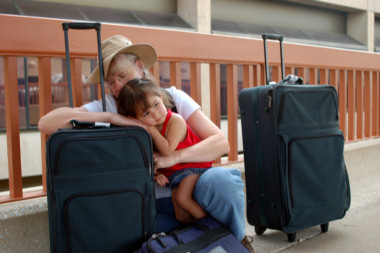
We have been waiting a long time .
Wir haben lange gewartet 0
Chúng tôi đã chờ đợi rất lâu .
我们 等 了 很 久 。
Wǒmen děngle hěn jiǔ.
長い間待ちました。
Nagaiai machimashita.
우리는 오랫동안 기다렸다.
ulineun olaesdong-an gidalyeossda.
(VI)
(ZH)
(JA)
0297
[EN] [DE] [NL] [ES] [FR] [IT] [TH] [VI] [ZH]
|
RANDOM
她空闲时喜欢看书。

She reads in her free time .
Sie liest in ihrer Freizeit 0
Cô ấy đọc trong thời gian rảnh .
她 空閒时 喜欢 看书 。
Tā kòngxián shí xǐhuan kànshū.
彼女は自由な時間に本を読むのが好きです。
Kanojo wa jiyūna jikan ni hon o yomu no ga sukidesu.
그녀는 여가 시간에 읽기를 좋아합니다.
geunyeoneun yeoga sigan-e ilg-gileul joh-ahabnida.
(VI)
(ZH)
(JA)
0344
[EN] [DE] [NL] [ES] [FR] [IT] [TH] [VI] [ZH]
|
RANDOM
他已经很久没有收到她的音信。

He hasn't heard from her for quite a long time .
Er hat schon lange nichts mehr von ihr gehört 0
Anh đã không nhận được tin tức từ cô trong một thời gian khá dài .
他 已经 很久没 有 收到 她 的 音信 。
Tā yǐjing hěn jiǔ méiyǒu shōudào tā de yīnxìn.
彼は長い間彼女から連絡がなかった。
Kare wa nagaiai kanojo kara renraku ga nakatta.
그는 오랫동안 그녀에게서 소식을 듣지 못했습니다.
geuneun olaesdong-an geunyeoegeseo sosig-eul deudji moshaessseubnida.
(VI)
(ZH)
(JA)
0532
[EN] [DE] [NL] [ES] [FR] [IT] [TH] [VI] [ZH]
|
RANDOM
我及时赶到了车站。
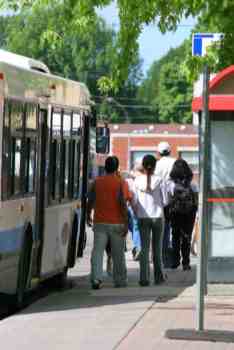
I made it to the station in time .
Ich war rechtzeitig am Bahnhof 0
Tôi đã đến nhà ga trong thời gian .
我 及时 赶到 了 车站 。
Wǒ jíshí gǎndàole chēzhàn.
間に合うように駅に着きました。
Maniau yō ni eki ni tsukimashita.
나는 시간에 맞춰 역에 도착했다.
naneun sigan-e majchwo yeog-e dochaghaessda.
(VI)
(ZH)
(JA)
0742
[EN] [DE] [NL] [ES] [FR] [IT] [TH] [VI] [ZH]
|
RANDOM
她在家看书消磨时间。

She is reading at home to pass the time .
Sie ist zuhause und liest , um die Zeit zu verbringen 0
Cô ấy đang đọc sách ở nhà để giết thời gian .
她 在家 看书 消磨 时间 。
Tā zài jiā kànshū xiāomó shíjiān.
彼女は家で読書をするのに時間を無駄にした。
Kanojo wa ie de dokusho o suru no ni jikan o muda ni shita.
그녀는 집에서 책을 읽는 데 시간을 낭비했습니다.
geunyeoneun jib-eseo chaeg-eul ilgneun de sigan-eul nangbihaessseubnida.
(VI)
(ZH)
(JA)
0873
[EN] [DE] [NL] [ES] [FR] [IT] [TH] [VI] [ZH]
|
RANDOM
她连续打喷嚏。

She sneezes several times in a row .
Sie niest mehrmals hintereinander 0
Cô ấy hắt hơi nhiều lần liên tiếp .
她 连续 打喷嚏 。
Tā liánxù dǎ pēntì.
彼女はくしゃみを続けた。
Kanojo wa kushami o tsudzuketa.
그녀는 계속해서 재채기를 했다.
geunyeoneun gyesoghaeseo jaechaegileul haessda.
(VI)
(ZH)
(JA)
0935
[EN] [DE] [NL] [ES] [FR] [IT] [TH] [VI] [ZH]
|
RANDOM
小女孩此时很开心。
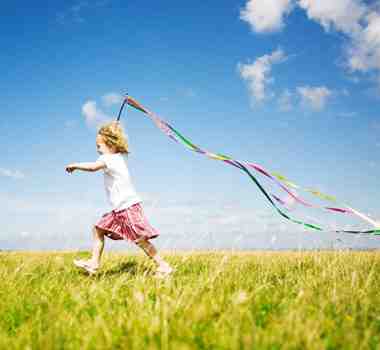
The little girl is very happy at this time .
Das kleine Mädchen ist in diesem Moment sehr glücklich 0
Cô gái nhỏ rất hạnh phúc vào lúc này .
小女孩 此时 很 开心 。
Xiǎo nǚhái cǐshí hěn kāixīn.
この時、少女はとても幸せです。
Kono toki, shōjo wa totemo shiawasedesu.
어린 소녀는 이때 매우 행복합니다.
eolin sonyeoneun ittae maeu haengboghabnida.
(VI)
(ZH)
(JA)
1051
[EN] [DE] [NL] [ES] [FR] [IT] [TH] [VI] [ZH]
|
RANDOM
她工作之余顺便在巴黎游玩。

She travels to Paris when she gets time off from work .
Sie reist nach Paris , wenn sie frei hat 0
Cô ấy đi du lịch đến Paris trong thời gian rảnh rỗi .
她 工作 之 余 顺便 在 巴黎 遊玩 。
Tā gōngzuò zhī yú shùnbiàn zài Bālí yóuwán.
彼女は仕事の後にパリに行きました。
Kanojo wa shigoto no nochi ni Pari ni ikimashita.
그녀는 일을 마치고 파리로 갔다.
geunyeoneun il-eul machigo palilo gassda.
(VI)
(ZH)
(JA)
1128
[EN] [DE] [NL] [ES] [FR] [IT] [TH] [VI] [ZH]
|
RANDOM
航海运输很重要。

Maritime transport is very important .
Der Seeverkehr ist sehr wichtig 0
Vận tải biển rất quan trọng 0
航海 运输 很 重要 。
Hánghǎi yùnshū hěn zhòngyào.
航海輸送は非常に重要です。
Kōkai yusō wa hijō ni jūyōdesu.
해상 운송은 매우 중요합니다.
haesang unsong-eun maeu jung-yohabnida.
(VI)
(ZH)
(JA)
1288
[EN] [DE] [NL] [ES] [FR] [IT] [TH] [VI] [ZH]
|
RANDOM
二的两倍是四。

Two times two is four .
Zwei mal zwei ist vier 0
Hai lần hai là bốn .
二 的 两倍 是 四 。
Èr de liǎngbèi shì sì.
2回2回は4回です。
2-Kai 2-kai wa 4-kaidesu.
두 번 두 번은 네 번입니다.
du beon du beon-eun ne beon-ibnida.
(VI)
(ZH)
(JA)
1374
[EN] [DE] [NL] [ES] [FR] [IT] [TH] [VI] [ZH]
|
RANDOM
空闲的时候他们去郊游。

They go on trips when they have free time .
Sie machen Ausflüge , wenn sie Freizeit haben 0
Họ đã đi chơi khi có thời gian rảnh .
空閒 的 时候 他们 去 郊遊 。
Kòngxián de shíhou tāmen qù jiāoyóu.
彼らは自由な時間に外出をします。
Karera wa jiyūna jikan ni gaishutsu o shimasu.
그들은 자유 시간에 나들이를 간다.
geudeul-eun jayu sigan-e nadeul-ileul ganda.
(VI)
(ZH)
(JA)
1755
[EN] [DE] [NL] [ES] [FR] [IT] [TH] [VI] [ZH]
|
RANDOM
这种药每次服一粒。

Take one pill of this medicine each time .
Nehmen Sie jedes Mal eine Pille dieses Arzneimittels ein 0
Uống một viên thuốc này mỗi lần .
这种 药 每次 服 一粒 。
Zhè zhǒng yào měi cì fú yī lì.
この薬を一度に1つずつ服用してください。
Kono kusuri o ichido ni 1tsu zutsu fukuyō shite kudasai.
이 약을 한 번에 하나씩 복용하십시오.
.i yag-eul han beon-e hanassig bog-yonghasibsio.
(VI)
(ZH)
(JA)
1801
[EN] [DE] [NL] [ES] [FR] [IT] [TH] [VI] [ZH]
|
RANDOM
他遇见了久违的朋友。

He met a friend whom he hasn't seen for a long time .
Er traf einen Freund , den er lange nicht mehr gesehen hatte 0
Anh gặp một người bạn mà anh đã lâu không gặp .
他 遇见 了 久违 的 朋友 。
Tā yùjiànle jiǔwéi de péngyou.
彼は長い間行方不明になった友人に会った。
Kare wa nagaiai yukue fumei ni natta yūjin ni atta.
그는 오랫동안 잃어버린 친구를 만났습니다.
geuneun olaesdong-an ilh-eobeolin chinguleul mannassseubnida.
(VI)
(ZH)
(JA)
1961
[EN] [DE] [NL] [ES] [FR] [IT] [TH] [VI] [ZH]
|
RANDOM
邮局营业到几点?

What time does the post office close ?
Wann schließt die Post ?
Bưu điện đóng cửa lúc mấy giờ ?
邮局 营业 到 几点 ?
Yóujú yíngyè dào jǐdiǎn?
郵便局は何時に開いていますか。
Yūbinkyoku wa nanji ni aiteimasu ka.
우체국은 몇 시에 문을 여나요?
uchegug-eun myeoch sie mun-eul yeonayo?
(VI)
(ZH)
(JA)
1973
[EN] [DE] [NL] [ES] [FR] [IT] [TH] [VI] [ZH]
|
RANDOM
她在餐厅兼职。

She has a part-time job in a restaurant .
Sie hat einen Teilzeitjob in einem Restaurant 0
Cô ấy có một công việc bán thời gian trong một nhà hàng .
她 在 餐厅 兼职 。
Tā zài cāntīng jiānzhí.
彼女はレストランでアルバイトをしています。
Kanojo wa resutoran de arubaito o shite imasu.
그녀는 레스토랑에서 아르바이트를 합니다.
geunyeoneun leseutolang-eseo aleubaiteuleul habnida.
(VI)
(ZH)
(JA)
2078
[EN] [DE] [NL] [ES] [FR] [IT] [TH] [VI] [ZH]
|
RANDOM
他们这辈子去过很多地方。

They have been to many places in their lifetime .
Sie waren in ihrem Leben an vielen Orten 0
Họ đã đến nhiều nơi trong đời .
他们 这辈子 去过 很多 地方 。
Tāmen zhèbèizi qùguò hěn duō dìfang.
彼らは人生の多くの場所に行ってきました。
Karera wa jinsei no ōku no basho ni ittekimashita.
그들은 인생에서 많은 장소를 방문했습니다.
geudeul-eun insaeng-eseo manh-eun jangsoleul bangmunhaessseubnida.
(VI)
(ZH)
(JA)
2083
[EN] [DE] [NL] [ES] [FR] [IT] [TH] [VI] [ZH]
|
RANDOM
夫妻双方应该同舟共济。

Husbands and wives should stand together in difficult times .
Ehepartner sollten in schwierigen Zeiten zusammenstehen 0
Vợ chồng nên sát cánh bên nhau lúc khó khăn .
夫妻 双方 应该 同舟共济 。
Fūqī shuāngfāng yīnggāi tóngzhōu-gòngjì.
両方の配偶者は同じボートで互いに助け合うべきです。
Ryōhō no haigūsha wa onaji bōto de tagaini tasukeaubekidesu.
두 배우자는 같은 배에서 서로를 도와야 합니다.
du baeujaneun gat-eun baeeseo seololeul dowaya habnida.
(VI)
(ZH)
(JA)
2165
[EN] [DE] [NL] [ES] [FR] [IT] [TH] [VI] [ZH]
|
RANDOM
他这是在耗费时间。

He is wasting time .
Er verschwendet Zeit 0
Anh ấy đang lãng phí thời gian .
他 这 是 在 耗费 时间 。
Tā zhè shì zài hàofèi shíjiān.
彼は時間を無駄にしている。
Kare wa jikan o muda ni shite iru.
그는 시간을 낭비하고 있다.
geuneun sigan-eul nangbihago issda.
(VI)
(ZH)
(JA)
2354
[EN] [DE] [NL] [ES] [FR] [IT] [TH] [VI] [ZH]
|
RANDOM
小猫一直在叫唤。
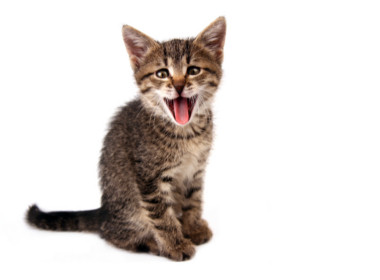
The little cat is meowing all the time .
Die kleine Katze miaut die ganze Zeit 0
Con mèo nhỏ lúc nào cũng kêu meo meo .
小猫 一直 在 叫唤 。
Xiǎomāo yīzhí zài jiàohuan.
子猫は呼び続けます。
Koneko wa yobitsudzukemasu.
새끼 고양이가 계속 부릅니다.
saekki goyang-iga gyesog buleubnida.
(VI)
(ZH)
(JA)
2393
[EN] [DE] [NL] [ES] [FR] [IT] [TH] [VI] [ZH]
|
RANDOM
他们在回忆过去的美好时光。

They are remembering happy times in their past .
Sie erinnern sich an glückliche Zeiten in ihrer Vergangenheit 0
Họ đang nhớ lại những khoảng thời gian hạnh phúc trong quá khứ của họ .
他们 在 回忆 过去 的 美好时光 。
Tāmen zài huíyì guòqù de měihǎo shíguāng.
彼らは古き良き時代を彷彿とさせます。
Karera wa furukiyokijidai o hōfutsu to sa semasu.
그들은 좋은 옛날을 회상하고 있습니다.
geudeul-eun joh-eun yesnal-eul hoesanghago issseubnida.
(VI)
(ZH)
(JA)
2530
[EN] [DE] [NL] [ES] [FR] [IT] [TH] [VI] [ZH]
|
RANDOM
你又长高了一厘米。

You have grown one centimenter taller .
Du bist einen Zentimeter größer geworden 0
Bạn đã cao thêm một centimet 0
你 又 长高 了 一 厘米 。
Nǐ yòu zhǎnggāole yī límǐ.
あなたはもう1センチ背が高いです。
Anata wa mō 1-senchi segatakaidesu.
당신은 키가 1센티미터 더 큽니다.
dangsin-eun kiga 1sentimiteo deo keubnida.
(VI)
(ZH)
(JA)
2556
[EN] [DE] [NL] [ES] [FR] [IT] [TH] [VI] [ZH]
|
RANDOM
地球围绕太阳转是永恒的真理。
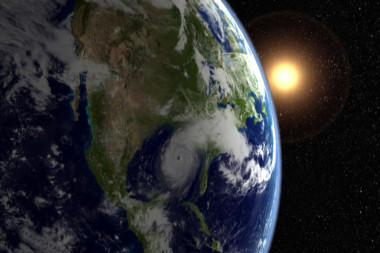
It is a timeless truth that the earth revolves around the sun .
Es ist eine ewige Wahrheit , dass sich die Erde um die Sonne dreht 0
Đó là một sự thật vượt thời gian rằng trái đất quay quanh mặt trời .
地球 围绕 太阳 转是 永恒 的 真理 。
Dìqiú wéirào tàiyáng zhuàn shì yǒnghéng de zhēnlǐ.
地球は太陽の周りを回っていますが、それは永遠の真実です。
Chikyū wa taiyō no mawari o mawatte imasuga, soreha eien no shinjitsudesu.
태양 주위를 도는 지구는 영원한 진리입니다.
taeyang juwileul doneun jiguneun yeong-wonhan jinliibnida.
(VI)
(ZH)
(JA)
2586
[EN] [DE] [NL] [ES] [FR] [IT] [TH] [VI] [ZH]
|
RANDOM
这是中国古代的花轿。

This is a Chinese bridal sedan as used in former times .
Dies ist die alte chinesische Sänfte 0
Đây là một chiếc sedan cô dâu của Trung Quốc được sử dụng trong thời gian trước đây .
这是 中国 古代 的 花轿 。
Zhè shì Zhōngguó gǔdài de huājiào.
これは古代中国のセダンの椅子です。
Kore wa kodaichūgoku no sedan no isudesu.
이것은 고대 중국 세단 의자입니다.
igeos-eun godae jung-gug sedan uijaibnida.
(VI)
(ZH)
(JA)
2981
[EN] [DE] [NL] [ES] [FR] [IT] [TH] [VI] [ZH]
|
RANDOM
医生叮嘱病人按时吃药。

The doctor urged/warned the patient repeatedly to take the medicine at the times indicated .
Der Arzt forderte den Patienten wiederholt auf , das Arzneimittel zu den angegebenen Zeiten einzunehmen 0
Bác sĩ thúc giục / cảnh báo bệnh nhân nhiều lần uống thuốc vào thời gian được chỉ định
医生 叮嘱 病人 按时 吃药 。
Yīshēng dīngzhǔ bìngrén ànshí chīyào.
医者は患者に時間通りに薬を飲むように言った。
Isha wa kanja ni jikandōrini kusuri o nomu yō ni itta.
의사는 환자에게 제 시간에 약을 먹으라고 말했습니다.
uisaneun hwanja-ege je sigan-e yag-eul meog-eulago malhaessseubnida.
(VI)
(ZH)
(JA)
3071
[EN] [DE] [NL] [ES] [FR] [IT] [TH] [VI] [ZH]
|
RANDOM
他曾是一代枭雄。
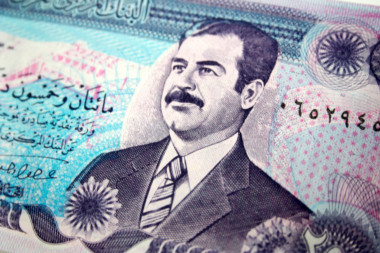
In his time , he was an ambitious and ruthless character .
Zu seiner Zeit war er ein ehrgeiziger und rücksichtsloser Charakter 0
Trong thời đại của mình , anh ta là một nhân vật đầy tham vọng và tàn nhẫn .
他 曾 是 一代 枭雄 。
Tā céng shì yīdài xiāoxióng.
彼はかつて世代の英雄でした。
Kare wa katsute sedai no eiyūdeshita.
그는 한때 한 세대의 영웅이었습니다.
geuneun hanttae han sedaeui yeong-ung-ieossseubnida.
(VI)
(ZH)
(JA)
3164
[EN] [DE] [NL] [ES] [FR] [IT] [TH] [VI] [ZH]
|
RANDOM
回忆不会随着时间而湮灭。
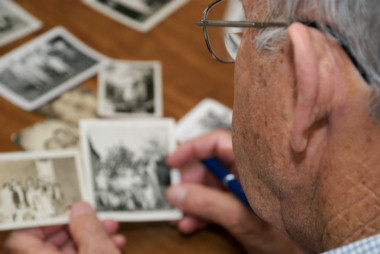
Memories do not fall into oblivion with the passage of time .
Erinnerungen geraten im Laufe der Zeit nicht in Vergessenheit 0
Kỉ niệm không rơi vào quên lãng theo thời gian .
回忆 不会 随着 时间 而 湮灭 。
Huíyì bù huì suízhe shíjiān ér yānmiè.
記憶は時間の経過とともに消滅することはありません。
Kioku wa jikan no keika to tomoni shōmetsu suru koto wa arimasen.
추억은 시간이 지나도 소멸되지 않습니다.
chueog-eun sigan-i jinado somyeoldoeji anhseubnida.
(VI)
(ZH)
(JA)
3508
[EN] [DE] [NL] [ES] [FR] [IT] [TH] [VI] [ZH]
|
|