| HSK 3.0 | Big5 | Gb | Pin | Eng |
|---|
| 1 | 別人 | 别人 | biéren | others, other people, another person
|
| 1 | 兒子 | 儿子 | érzi | viscount, man-child, boy, male offspring, son
|
| 1 | 歌 | 歌 | gē | song
|
| 1 | 工人 | 工人 | gōngren | navvy, hired man, operative, working person, laborer, shopworker, esne, working man, hired hand, worker, workpeople, workman, hand
|
| 1 | 孩子 | 孩子 | háizi | kid, issue, chap, daughter, children, sonny, son or daughter, child, spawn, boy, kipper, son
|
| 1 | 老人 | 老人 | lǎoren | oldster, ancient, old woman, crock, one's aged parents or grandparents, old man/woman, one's aged parents/grandparents, Sir, old person, gaffer, pop, one's aged parents, the aged/old, old_man, senior_citizen, oldie, greybeard, old man, graybeard, old, grandparents, the old, the aged, senior citizen, old_boy, old boy, woman, old-timer, old man or woman, one's aged grandparents
|
| 1 | 們 | 们 | men | pluralizer after pronouns and nouns of persons
|
| 1 | 男 | 男 | nán | baron, male, man, steady, mankind, male person, boy, chauvinism, creature, son
|
| 1 | 男生 | 男生 | nánshēng | brother, sonny boy, man, male, laddie, lad, boy student, male student, boy, schoolboy, sonny, cub, man student
|
| 1 | 女人 | 女人 | nǚren | jade, crumpet, female, female person, Gill, bitch, chick, fair, squaw, womenfolk, adult female, doll, momma, wench, skirt, womankind, girl, jill, wife, broad, petticoat, sister, woman, bimbo, bird, jane, she, hen, hairpin, dame, women
|
| 1 | 人 | 人 | rén | person, people
|
| 1 | 上課 | 上课 | shàng kè | attend class, go to class;give lesson/lecture
|
| 1 | 身體 | 身体 | shēntǐ | soma, system, physical structure, body, health, carcase, corpus, frame, person, somatic, organic structure, personage
|
| 1 | 子 | 子 | zi | son, child, seed, egg, small thing, 1st earthly branch: 11 p.m.-1 a.m., midnight, 11th solar month (7th December to 5th January), year of the Rat, Viscount, fourth of five orders of nobility 五等爵位[wu3 deng3 jue2 wei4], ancient Chinese compass point: 0° (north), (noun suffix)
|
| 2 | 春天 | 春天 | chūntiān | spring (season), CL:個|个[ge4]
|
| 2 | 道理 | 道理 | dàoli | thread, principle, the right way, theory, reason, argument, sense, order, truth, rationality
|
| 2 | 好人 | 好人 | hǎorén | a healthy person, good person, goodman, sb. who tries to get along with everyone, bawcock, good, agreeable individual, good egg, a person who tries to get along with everyone (oft
|
| 2 | 畫家 | 画家 | huàjiā | painterly, creative person, artist, painter, penman, artists
|
| 2 | 壞人 | 坏人 | huàirén | hellion, bad person, scoundrel, badman, baddie, villain, malefactor, evildoer
|
| 2 | 假期 | 假期 | jiàqī | season, holiday, leave, period of leave, vacation
|
| 2 | 交通 | 交通 | jiāotōng | intercourse, commutation, transportation, communication, commuting, traffic, traffic_light, liaison man, communications, dealings, liaison
|
| 2 | 酒 | 酒 | jiǔ | libation, bracer, plonk, wine, tipple, poison, pottle, spirits, creature, vin, cup, drink, hooch, arrack, medicine, alcohol, bottle, hootch, alcoholic drink, rum, bibble, potation, belly-wash, alcoholic beverage, Bacchus, booze, liquor, juice, fortifier, inebriant, lotion, intoxicant
|
| 2 | 明星 | 明星 | míngxīng | headliner, lucida, (movie/etc.) star, impersonator, (movie, famous performer, stardom, Venus, star, etc.) star, movie_star
|
| 2 | 青少年 | 青少年 | qīngshàonián | adolescent, stilyaga, teens, young person, teenager, teenagers, young people and teenagers, youths, youth, stripling, hobbledehoy, youngsters, younker
|
| 2 | 少年 | 少年 | shàonián | nipper, covey, early youth (10-16), juvenility, adolescent, youngster, teens, gossoon, boy, boy or girl of early youth, spalpeen, juvenile, callan, callant, shaver, lad, laddie, juvenile person, teenager, stripling, young boy, early youth, younker
|
| 2 | 聲音 | 声音 | shēngyīn | voice, vocal, language, huskiness, vox, vocalization, audio, noise, sonic, tone, sound, phone, audio frequency
|
| 2 | 姓名 | 姓名 | xìngmíng | surname and personal name, name, full name
|
| 2 | 原因 | 原因 | yuányīn | origin, causation, reason, wherefore, causal, breeder, spore, cause, causal agent, whence, causal agency, occasion, root, subject, causality, why, starter
|
| 2 | 咱 | 咱 | zán | I or me we (including both the speaker and the person spoken to) variant of 咱[zan2], see 咱[zan2]
|
| 2 | 做法 | 做法 | zuòfa | way of doing sth., modus_operandi, practice, manner, method, making sth., way of making sth., shtick, way, way of doing, way of doing/making sth., personal manner
|
| 3 | 調 | 调 | diào | to transfer, to move (troops or cadres), to investigate, to enquire into, accent, view, argument, key (in music), mode (music), tune, tone, melody, to harmonize, to reconcile, to blend, to suit well, to adjust, to regulate, to season (food), to provoke, to incite
|
| 3 | 歌聲 | 歌声 | gēshēng | voice, song, singing, sound of singing, singing voice
|
| 3 | 歌迷 | 歌迷 | gēmí | lover of song, fan of a singer
|
| 3 | 歌手 | 歌手 | gēshǒu | warbler, voice, vocalist, singer, bulbul, performer, lark, songster
|
| 3 | 個性 | 个性 | gèxìng | kidney, specific property, personalism, fibre, individuation, personhood, particularity, fiber, character, individual character, self-identity, mentality, idiosyncrasy, spirit, individuality, individualism, selfhood, personality
|
| 3 | 個人 | 个人 | gèrén | individual person, man_jack, personal, individual (person), man jack, individual, individuality, identity
|
| 3 | 功課 | 功课 | gōngkè | task, schoolwork, homework, preparation, prep, subject, lesson
|
| 3 | 合理 | 合理 | hélǐ | plausible, rational, reasonable, legitimate, equitable, sensible
|
| 3 | 記者 | 记者 | jìzhě | journalist, writer, correspondent, newspaperwoman, newspaperman, gazetteer, newswriter, reporter, pressman, newshound, newsman, newsperson
|
| 3 | 課程 | 课程 | kèchéng | course of instruction, lesson, course, course of lectures, course of study, curricular, class, curricula, syllabus, curriculum, program
|
| 3 | 理由 | 理由 | lǐyóu | excuse, reasoning, reason, wherefore, argument, meaning, account, cause, room, alibi, substance, warranty, matter, justification, occasion, score, warrant, ground, sake, why, grounds, consideration, self-justification, skill
|
| 3 | 親 | 亲 | qīn | parent, one's own (flesh and blood), relative, related, marriage, bride, close, intimate, in person, first-hand, in favor of, pro-, to kiss, (Internet slang) dear, parents-in-law of one's offspring
|
| 3 | 親自 | 亲自 | qīnzì | personally, in person, firsthand
|
| 3 | 人才 | 人才 | réncái | talent, capable person, a talented person, qualified personnel, a person of ability
|
| 3 | 人員 | 人员 | rényuán | strength, personnel, force, staff
|
| 3 | 相比 | 相比 | xiāngbǐ | liken, equate, compare, comparison
|
| 3 | 形象 | 形象 | xíngxiàng | imagery, figure, form, picture, persona, image
|
| 3 | 性格 | 性格 | xìnggé | fibre, make-up, mettle, humor, nature, complexion, capacity, mentality, mould, mold, being, streak, temperament, personality, character, fiber, disposition, strain, makeup, make
|
| 3 | 演員 | 演员 | yǎnyuán | actor or actress, playactor, imitator, stage manager, barnstormer, actor, performer, impersonator, cast, performing artist, dramatis personae, role player, histrionic, thespian, trouper, player, cast of characters, stager, histrion
|
| 3 | 員工 | 员工 | yuángōng | employee, personnel, reason, force, staff, cause
|
| 3 | 預習 | 预习 | yùxí | to prepare a lesson
|
| 3 | 專家 | 专家 | zhuānjiā | guru, pundit, adept, expertise, professional person, specializer, specialist, proficient, whiz, oner, expert, swami, savant, dab, professional, authority, stunner, technician
|
| 3 | 子女 | 子女 | zǐnǚ | sons and daughters, children
|
| 4 | 寶寶 | 宝宝 | bǎobao | pet, sonny, darling baby, precious baby, baby, precious, poppet, sweetie, precious/darling baby
|
| 4 | 常識 | 常识 | chángshí | nous, reason, mother_wit, general knowledge, common_sense, mother wit, horse sense, public knowledge, common sense, sense, good sense, gumption, commonsense, wisdom
|
| 4 | 骨頭 | 骨头 | gǔtou | os, strong character, bone, character, person of a certain character
|
| 4 | 季 | 季 | jì | surname Ji, season, the last month of a season, fourth or youngest amongst brothers, classifier for seasonal crop yields
|
| 4 | 季度 | 季度 | jìdù | quarter of a year, season (sports)
|
| 4 | 季節 | 季节 | jìjié | season
|
| 4 | 教訓 | 教训 | jiàoxun | lesson, moral
|
| 4 | 精力 | 精力 | jīnglì | stamina, get-up, birr, spirits, vigor, energy, cheer, vinegar, vim, whiz, pride, starch, get-up-and-go, mercury, zing, ginger, sap, verve, zip, git-up, pizazz, power, sinew, go, dynamism, oomph, vigour, foison, ambition, moxie, gimp, peppiness, pazazz, pep, pizzaz, snap, stingo, spirit, drive, pith, pizzazz, last, push, steam
|
| 4 | 角色 | 角色 | juésè | theatrical role, character, persona, part, function, office, fictional character, actor, fictitious character, personage, role
|
| 4 | 名人 | 名人 | míngrén | notability, luminary, celebrity, don, celeb, hotshot, lion, famous person, eminent peron, anybody, name, adept, star, figure, man of mark, proficient, performer, personality, social lion, nob, famous peron, guiding light, article, eminent person, boss, famous/eminent person, famous, toff, leading light, notable, swell, personage
|
| 4 | 胖子 | 胖子 | pàngzi | fat person, fatty
|
| 4 | 身高 | 身高 | shēngāo | height, stature, height (of person)
|
| 4 | 詩 | 诗 | shī | verse form, poem, canto, verse, rhyme, number, song, poesy, poetry
|
| 4 | 詩人 | 诗人 | shīrén | muse, rhymist, swan, lark, Parnassus, Maker, minstrel, harmonist, metrist, maker, bulbul, songster, versifier, poet, singer, eisteddfod, bard
|
| 4 | 售貨員 | 售货员 | shòuhuòyuán | salesperson, CL:個|个[ge4]
|
| 4 | 孫子 | 孙子 | sūnzi | son's son, grandson
|
| 4 | 孫女 | 孙女 | sūnnü | son's daughter, granddaughter
|
| 4 | 尾巴 | 尾巴 | wěiba | appendage, a person shadowing sb., stern, tail-like part, servile adherent, tail
|
| 4 | 主席 | 主席 | zhǔxí | chairwoman, presiding officer, president (of organization, chair, chair (of meeting), prolocutor, chairperson, subchairman, chairmanship, state), chairman, chair/president (of organization/state), moderator, president
|
| 5 | 本人 | 本人 | běnrén | myself, principal, in person, I, me, oneself, identity
|
| 5 | 調動 | 调动 | diàodòng | to transfer, to maneuver (troops etc), movement of personnel, to mobilize, to bring into play
|
| 5 | 動機 | 动机 | dòngjī | motif, need, reason, instance, ground, incentive, signal, intention, motive, motivation, inducement, cause
|
| 5 | 毒 | 毒 | dú | poison, toxin, narcotics
|
| 5 | 兒女 | 儿女 | érnǚ | sons and daughters, young man and woman, children, young males and females, child
|
| 5 | 放棄 | 放弃 | fàngqì | depart, chuck up the sponge, scuttle, dispense with, throw in the towel, abort, throw in, flunk, foreswear, abnegate, pass, free, lay_down, abandonment, disclaim, part_with, pass_up, abdicate, release, ditch, abjure, jettison, waive, surrender, leave, give, recant, desert, give up, divest, yield, forswear, break, abandon, unguard, back_down, yield up, demit, relinquish, break_with, drop
|
| 5 | 負責人 | 负责人 | fùzérén | sponsor, point man, leading cadre, person in charge, undertaker, keeper
|
| 5 | 歌曲 | 歌曲 | gēqǔ | melody, aria, song, madrigal, chant, lied, tune
|
| 5 | 國民 | 国民 | guómín | citizen, country, citizenry, a people, nationality, nation, folk, subject, people, nationals, national, commonwealth, son, land
|
| 5 | 機器人 | 机器人 | jīqìrén | mechanical person, robot, android
|
| 5 | 男性 | 男性 | nánxìng | brother, male, him, man, male sex, adult male, mankind, masculine, mother's son, masculinity
|
| 5 | 女性 | 女性 | nǚxìng | lady, female sex, womankind, feminie, female, sex, petticoat, femininity, female person, woman, she, patroness, womanhood, fair, feminine
|
| 5 | 前提 | 前提 | qiántí | precondition, prerequisite, reason, premiss, antecedent, stipulation, premise, presupposition, hypothesis, induction, condition
|
| 5 | 人士 | 人士 | rénshì | public figure, personage
|
| 5 | 人物 | 人物 | rénwù | character, persona, original, spirit, figure painting, character in literature, figure, person in literature, person, fish, personage, personality
|
| 5 | 神 | 神 | shén | god, supreme, architect, Thor, superpersonality, Providence, providence, Deus, immortal, energy, numen, Being, divine, being, Surname, maker, Allah, vitality, look, deity, spirit, gum, omnipotent, anthropomorphism, expression, mind, soul, omniscience, immortality, omniscient, kami, Elohim, divinity
|
| 5 | 私人 | 私人 | sīrén | one's own man, private, personal relative, personal friend/relative, personal friend, confidant
|
| 5 | 獻 | 献 | xiàn | to offer, to present, to dedicate, to donate, to show, to put on display, worthy person (old)
|
| 5 | 學者 | 学者 | xuézhě | academic, literate, pandit, letters, litterateur, learned person, literati, philomath, pundit, academician, faculty member, scholar, bookman, clerk, student, scholarly person, man of letters, man of learning, speleologist, doctor, clerisy, initiate, swami, punditry, savant, learned man, sophist
|
| 5 | 一身 | 一身 | yīshēn | whole body, from head to toe, single person, a suit of clothes
|
| 5 | 有毒 | 有毒 | yǒudú | poisonous
|
| 5 | 中毒 | 中毒 | zhòng dú | poison, taint, be poisoned
|
| 5 | 主管 | 主管 | zhǔguǎn | person in charge
|
| 6 | 白領 | 白领 | báilǐng | white collar, business person
|
| 6 | 補習 | 补习 | bǔxí | take lessons after school/work
|
| 6 | 補課 | 补课 | bǔ kè | to make up missed lesson, to reschedule a class
|
| 6 | 部隊 | 部队 | bùduì | military personnel, troops, troop, regular army, soldiery, army, party, company
|
| 6 | 殘疾 | 残疾 | cánji | disabled, handicapped, deformity on a person or animal
|
| 6 | 殘疾人 | 残疾人 | cánjírén | disabled person
|
| 6 | 出面 | 出面 | chū miàn | act in one's own capacity or on behalf o, act in one's own capacity or on behalf of an organization, act in one's own capacity or on behalf of an organ, appear personally
|
| 6 | 恩人 | 恩人 | ēnrén | a benefactor, a person who has significantly helped sb else
|
| 6 | 發言人 | 发言人 | fāyánrén | voice, spokesman, representative, interpreter, prophet, addresser, spokesperson, prolocutor, addressor, fugleman, coryphaeus
|
| 6 | 服 | 服 | fú | clothes, dress, garment, to serve (in the military, a prison sentence etc), to obey, to convince, to admire, to acclimatize, to take (medicine), mourning clothes, to wear mourning clothes, dose (measure word for medicine), Taiwan pr. [fu2]
|
| 6 | 父子 | 父子 | fùzǐ | father and son
|
| 6 | 歌詞 | 歌词 | gēcí | words of song, lyrics
|
| 6 | 橫 | 横 | héng | horizontal, across, (horizontal character stroke), harsh and unreasonable, unexpected
|
| 6 | 軍隊 | 军队 | jūnduì | military personnel, troops, armed forces, armament, military, soldiery, force, Sabaoth, array, army troops, military unit, host, military force, cohort, battalion, legion, troop, regular army, army, armed_forces, rank
|
| 6 | 牢 | 牢 | láo | firm, sturdy, fold (for animals), sacrifice, prison
|
| 6 | 理 | 理 | lǐ | texture, grain (in wood/etc.), reason, logic, truth, natural science (esp. physics), law, principle, doctrine, theory
|
| 6 | 理智 | 理智 | lǐzhì | reason, intellect, rationality, rational
|
| 6 | 盲人 | 盲人 | mángrén | blind person
|
| 6 | 民歌 | 民歌 | míngē | folk song, CL:支[zhi1],首[shou3]
|
| 6 | 親眼 | 亲眼 | qīnyǎn | with one's own eyes, personally
|
| 6 | 傷員 | 伤员 | shāngyuán | wounded person
|
| 6 | 聖誕節 | 圣诞节 | Shèngdàn Jié | Christmas time, Christmas season, Christmas
|
| 6 | 時節 | 时节 | shíjié | season, time
|
| 6 | 時期 | 时期 | shíqī | epoch, season, date, period_of_time, phase, day, occasion, estate, period, length, period (of time), phase angle, stage, conjuncture, chapter, times, era, leg, guardianship
|
| 6 | 收養 | 收养 | shōuyǎng | to take in and care for (an elderly person, a dog etc), to adopt (a child), adoption
|
| 6 | 順 | 顺 | shùn | to obey, to follow, to arrange, to make reasonable, along, favorable
|
| 6 | 同行 | 同行 | tóngháng | person of the same profession, of the same trade, occupation or industry, to journey together
|
| 6 | 王子 | 王子 | wángzǐ | king's son, prince
|
| 6 | 為此 | 为此 | wèicǐ | for this reason, with regards to this, in this respect, in order to do this, to this end
|
| 6 | 為何 | 为何 | wèihé | why, for what reason
|
| 6 | 一齊 | 一齐 | yīqí | simul, in unison, together, simultaneously
|
| 6 | 藝人 | 艺人 | yìrén | creative person, artiste, entertainer, artist, artisan, cackler, actor, handcraftsman, performer
|
| 6 | 緣故 | 缘故 | yuángù | score, grounds, reason, cause, sake
|
| 6 | 鎮 | 镇 | zhèn | town, garrison post, trading center
|
| 6 | 主持人 | 主持人 | zhǔchírén | anchor, emcee, host, symposiarch, anchorman, director, impresario, chair, chairperson, linkman, presenter, compere, master of ceremonies, moderator
|
| 6 | 鑽 | 钻 | zuān | an auger, diamond, to drill, to bore, to get into, to make one's way into, to enter (a hole), to thread one's way through, to study intensively, to dig into, to curry favor for personal gain
|
| 7 | 按理說 | 按理说 | ànlǐshuō | it is reasonable to say that...
|
| 7 | 備課 | 备课 | bèi kè | (of a teacher) to prepare lessons
|
| 7 | 不像話 | 不像话 | bù xiànghuà | unreasonable, shocking, outrageous
|
| 7 | 常理 | 常理 | chánglǐ | common sense, conventional reasoning and morals
|
| 7 | 常人 | 常人 | chángrén | ordinary person
|
| 7 | 成才 | 成才 | chéng cái | to make sth of oneself, to become a person who is worthy of respect
|
| 7 | 仇人 | 仇人 | chóurén | foe, one's personal enemy
|
| 7 | 傳奇 | 传奇 | chuánqí | legendry, romance, Tang and Song short stories, Ming and Qing poetic dramas, fable, short_story, legend
|
| 7 | 慈祥 | 慈祥 | cíxiáng | kindly, benevolent (often of older person)
|
| 7 | 打撈 | 打捞 | dǎlāo | to salvage, to dredge, to fish out (person or object from the sea)
|
| 7 | 大款 | 大款 | dàkuǎn | very wealthy person
|
| 7 | 大體 | 大体 | dàtǐ | in general, more or less, in rough terms, basically, on the whole, overall situation, the big picture, (Tw) remains (of a dead person)
|
| 7 | 代言人 | 代言人 | dàiyánrén | spokesperson
|
| 7 | 淡季 | 淡季 | dànjì | off season, slow business season, see also 旺季[wang4 ji4]
|
| 7 | 當事人 | 当事人 | dāngshìrén | interested parties, those directly involved, principal, client, the party concerned, privy, party, litigant, person concerned
|
| 7 | 低價 | 低价 | dījià | cheap, song, low, low price
|
| 7 | 棟梁 | 栋梁 | dòngliáng | ridgepole, ridgepole and beams, person able to bear heavy responsibility, mainstay (of organization), pillar (of state)
|
| 7 | 耳聞目睹 | 耳闻目睹 | ěrwén-mùdǔ | to witness personally
|
| 7 | 服飾 | 服饰 | fúshì | neckline, attire, furnishings, costume, dress, trappings, finery, rig-out, apparel, dress and personal adornment
|
| 7 | 俘獲 | 俘获 | fúhuò | to capture (enemy property or personnel), capture (physics: absorption of subatomic particle by an atom or nucleus)
|
| 7 | 富豪 | 富豪 | fùháo | rich and powerful person
|
| 7 | 富翁 | 富翁 | fùwēng | rich person, millionaire, billionaire
|
| 7 | 各奔前程 | 各奔前程 | gèbèn-qiánchéng | each goes his own way (idiom), each person has his own life to lead
|
| 7 | 公關 | 公关 | gōngguān | person in public relations
|
| 7 | 共鳴 | 共鸣 | gòngmíng | sympathy, fellow feeling, vibration, consonance, resonance, sympathetic response
|
| 7 | 怪物 | 怪物 | guàiwu | monster, freak, eccentric person
|
| 7 | 含蓄 | 含蓄 | hánxù | to contain, to hold, (of a person or style etc) reserved, restrained, (of words, writings) full of hidden meaning, implicit, veiled (criticism)
|
| 7 | 合情合理 | 合情合理 | héqíng-hélǐ | reasonable and fair (idiom)
|
| 7 | 橫 | 横 | héng | horizontal, across, (horizontal character stroke), harsh and unreasonable, unexpected
|
| 7 | 洪亮 | 洪亮 | hóngliàng | loud and clear, resonant
|
| 7 | 化身 | 化身 | huàshēn | incarnation, reincarnation, embodiment (of abstract idea), personification
|
| 7 | 禍害 | 祸害 | huòhai | disaster, harm, scourge, bad person, to damage, to harm, to wreck
|
| 7 | 假冒 | 假冒 | jiǎmào | to impersonate, to pose as (someone else), to counterfeit, to palm off (a fake as a genuine)
|
| 7 | 監獄 | 监狱 | jiānyù | prison, jail
|
| 7 | 見錢眼開 | 见钱眼开 | jiànqián-yǎnkāi | to open one's eyes wide at the sight of profit (idiom), thinking of nothing but personal gain, money-grubbing
|
| 7 | 叫板 | 叫板 | jiàobǎn | to signal the musicians (in Chinese opera, by prolonging a spoken word before attacking a song), (coll.) to challenge
|
| 7 | 拘留 | 拘留 | jūliú | to detain (a prisoner), to keep sb in custody
|
| 7 | 凱歌 | 凯歌 | kǎigē | triumphal hymn, victory song, paean
|
| 7 | 口味 | 口味 | kǒuwèi | a person's taste, flavor of food
|
| 7 | 狼 | 狼 | láng | wolf, greedy and cruel person
|
| 7 | 勞動力 | 劳动力 | láodònglì | labor force, labor, capacity for physical labor, able-bodied person
|
| 7 | 老化 | 老化 | lǎohuà | to age (of person or object), becoming old
|
| 7 | 老人家 | 老人家 | lǎorenjia | parent, parents, a respectful form of address for an old person, old person
|
| 7 | 理性 | 理性 | lǐxìng | reason
|
| 7 | 亮相 | 亮相 | liàng xiàng | to strike a pose (Chinese opera), (fig.) to make a public appearance, to come out in public (revealing one's true personality, opinions etc), (of a product) to appear on the market or at a trade show etc
|
| 7 | 麻醉 | 麻醉 | mázuì | anesthesize, poison, drug
|
| 7 | 魅力 | 魅力 | mèilì | personal appeal, allurement, charisma, fascination, spell, attractive feature, glitter, witchery, lure, appeal, grace, loveliness, attraction, allure, enticement, seduction, glamour, pazazz, charm, pishogue, prestige, enchantment, glamor, witchcraft, magnetism, attractiveness, appealingness, hypnotism, bewitchment, invitation, personal magnetism, captivation
|
| 7 | 內向 | 内向 | nèixiàng | reserved (personality), introverted, (economics etc) domestic-oriented
|
| 7 | 能人 | 能人 | néngrén | capable person, Homo habilis, extinct species of upright East African hominid
|
| 7 | 女婿 | 女婿 | nǚxu | daughter's husband, son-in-law
|
| 7 | 拋棄 | 抛弃 | pāoqì | dispose, cast aside, toss away, toss, lurch, throw out, put away, reject, abandonment, chuck, ditch, jettison, slough, renounce, flee, throw away, give up, desert, cast out, desolate, doff, chuck_out, fling, jilt, forgo, chuck out, discard, abandon, toss out, cast away, forsake
|
| 7 | 陪葬 | 陪葬 | péizàng | to be buried with or next to dead person (of deceased's partner, or of funerary objects)
|
| 7 | 平價 | 平价 | píngjià | reasonably priced, inexpensive, to keep prices down, (currency exchange) parity
|
| 7 | 平民 | 平民 | píngmín | vulgus, ragtag, commonality, third estate, plebe, populace, civvy, commoner, common people, rabble, the populace, multitude, ceorl, citizen, commonage, commonalty, common person, mister, roturier, plebeian, people, plebs, democracy, commons, the common people, mass, pleb, civilian, common man
|
| 7 | 菩薩 | 菩萨 | púsà | Buddhist idol, a term applied to a kindhearted person, kindhearted person, Bodhisattva, joss, Buddha, Boddhisatva
|
| 7 | 普通人 | 普通人 | pǔtōngrén | ordinary person, private citizen, people, the person in the street
|
| 7 | 切身 | 切身 | qièshēn | direct, concerning oneself, personal
|
| 7 | 親和力 | 亲和力 | qīnhélì | (personal) warmth, approachability, accessibility, (in a product) user friendliness, (chemistry) affinity
|
| 7 | 親身 | 亲身 | qīnshēn | in person, personally, first-hand
|
| 7 | 親手 | 亲手 | qīnshǒu | personally, with one's own hands
|
| 7 | 囚犯 | 囚犯 | qiúfàn | prisoner, convict
|
| 7 | 曲 | 曲 | qū | surname Qu, yeast, Aspergillus (includes many common molds), Taiwan pr. [qu2], tune, song, CL:支[zhi1]
|
| 7 | 權威 | 权威 | quánwēi | authoritativeness, sanction, pontiff, prince, pundit, a person of authority, authority, princedom, muscle, power, pope
|
| 7 | 人格 | 人格 | réngé | lot, fibre, fiber, character, spirit, selfhood, manhood, personality
|
| 7 | 人品 | 人品 | rénpǐn | moral standing, moral quality, character, personality, appearance, looks (colloquial), bearing
|
| 7 | 人氣 | 人气 | rénqì | popularity, personality, character
|
| 7 | 人身 | 人身 | rénshēn | person, personal, human body
|
| 7 | 人事 | 人事 | rénshì | personnel, ways of the world, what is humanly possible, human affairs, occurrences in human life, consciousness of the outside world, personnel matters
|
| 7 | 人選 | 人选 | rénxuǎn | choice among persons
|
| 7 | 人性 | 人性 | rénxing | reason, hypostasis, humanitarianism, normal human feelings, humanness, humanity, humanism, human nature, flesh, humanistic, manhood
|
| 7 | 社團 | 社团 | shètuán | gild, college, lodge, association, organization, club, body of persons, society, mass organization, order, league, guild, confraternity, corporation
|
| 7 | 身價 | 身价 | shēnjià | social status, price of a slave, price of a person (a sportsman etc), worth, value (of stocks, valuables etc)
|
| 7 | 神仙 | 神仙 | shénxian | Daoist immortal, supernatural entity, (in modern fiction) fairy, elf, leprechaun etc, fig. lighthearted person
|
| 7 | 師資 | 师资 | shīzī | persons qualifies to teach, teachers, person qualified to teach
|
| 7 | 事宜 | 事宜 | shìyí | arrangements, matters concerned, affairs, arrangement, personal business
|
| 7 | 私事 | 私事 | sīshì | personal matters
|
| 7 | 私自 | 私自 | sīzì | private, personal, secretly, without explicit approval
|
| 7 | 思前想後 | 思前想后 | sīqián-xiǎnghòu | to consider past cause and future effect (idiom), to think over the past and future, to ponder over reasons and connection
|
| 7 | 思路 | 思路 | sīlù | train of thought, thinking, reason, reasoning
|
| 7 | 四季 | 四季 | sìjì | four seasons, namely: spring 春, summer 夏, autumn 秋 and winter 冬
|
| 7 | 素養 | 素养 | sùyǎng | (personal) accomplishment, attainment in self-cultivation
|
| 7 | 隨身 | 随身 | suíshēn | to (carry) on one's person, to (take) with one
|
| 7 | 損人利己 | 损人利己 | sǔnrén-lìjǐ | harming others for one's personal benefit (idiom), personal gain to the detriment of others
|
| 7 | 他人 | 他人 | tārén | others, another person
|
| 7 | 特長 | 特长 | tècháng | personal strength, one's special ability or strong points
|
| 7 | 調料 | 调料 | tiáoliào | condiment, seasoning, flavoring
|
| 7 | 推理 | 推理 | tuīlǐ | reasoning, speculative, inference
|
| 7 | 旺季 | 旺季 | wàngjì | busy season, peak period, see also 淡季[dan4 ji4]
|
| 7 | 為人 | 为人 | wéirén | to conduct oneself, behavior, conduct, personal character, for sb, for others' interest
|
| 7 | 未成年人 | 未成年人 | wèichéngniánrén | minor (i.e. person under 18)
|
| 7 | 溫習 | 温习 | wēnxí | to review (a lesson etc)
|
| 7 | 無故 | 无故 | wúgù | without cause or reason
|
| 7 | 無理 | 无理 | wúlǐ | irrational, unreasonable
|
| 7 | 吸取 | 吸取 | xīqǔ | to absorb, to draw (a lesson, insight etc), to assimilate
|
| 7 | 媳婦 | 媳妇 | xífù | the wife of a relative of the younger generation's, wife of sb. of younger generation, daughter-in-law, son's wife
|
| 7 | 相比之下 | 相比之下 | xiāngbǐzhīxià | by comparison
|
| 7 | 小曲 | 小曲 | xiǎoqǔ | popular song, folk tune, ballad
|
| 7 | 小人 | 小人 | xiǎorén | person of low social status (old), I, me (used to refer humbly to oneself), nasty person, vile character
|
| 7 | 肖像 | 肖像 | xiàoxiàng | portrait (painting, photo etc), (in a general sense) representation of a person, likeness
|
| 7 | 學士 | 学士 | xuéshì | bachelor's degree, person holding a university degree
|
| 7 | 遺體 | 遗体 | yítǐ | remains (of a dead person)
|
| 7 | 屹立 | 屹立 | yìlì | to tower, to stand straight (of person's bearing)
|
| 7 | 異口同聲 | 异口同声 | yìkǒu-tóngshēng | different mouths, same voice, to speak in unison (idiom)
|
| 7 | 因人而異 | 因人而异 | yīnrénéryì | varying from person to person (idiom), different for each individual
|
| 7 | 隱身 | 隐身 | yǐnshēn | to hide oneself, invisible (person or online status)
|
| 7 | 用人 | 用人 | yòngren | make use of personnel, employ people
|
| 7 | 寓意 | 寓意 | yùyì | moral (of a story), lesson to be learned, implication, message, import, metaphorical meaning
|
| 7 | 噪音 | 噪音 | zàoyīn | dissonance, row, rumour, noise, discord, squeal, discordance, mush, racket
|
| 7 | 知識分子 | 知识分子 | zhīshifènzǐ | wig, intellectual, educated person, educated person (high school or college equivalent), intellect, intelligentsia, clerisy
|
| 7 | 職員 | 职员 | zhíyuán | employee, servant, official, staff member, retainer, functionary, operative, office employees, officeholder, personnel, officer, staff_member, office worker, clerk, staffer
|
| 7 | 中庸 | 中庸 | zhōngyōng | the Doctrine of the Mean, one of the Four Books 四書|四书[Si4 shu1], golden mean (Confucianism), (literary) (of person) mediocre, ordinary
|
| 7 | 主題歌 | 主题歌 | zhǔtígē | Theme song
|
| 7 | 主義 | 主义 | zhǔyì | tenet, principle, hang, system, ticket, creed, philosophy, school of thought, evangel, ism, gospel, masonry, maxim, doctrine, -ism
|
| 7 | 專人 | 专人 | zhuānrén | person specially assigned for a task/job
|
| 7 | 狀元 | 状元 | zhuàngyuan | top scorer in the palace examination (highest rank of the Imperial examination system), see 榜眼[bang3 yan3] and 探花[tan4 hua1], top scorer in college entrance examination 高考[gao1 kao3], (fig.) the most brilliantly talented person in the field, leading light
|
| 7 | 子弟 | 子弟 | zǐdì | sons and younger brothers, children, juniors
|
| 7 | 子孫 | 子孙 | zǐsūn | posterity, rod, scion, materialization, progeniture, offspring, descendant, children and grandchildren, spawn, son, generation, issue, increase, descendent, seed, child, descendants, fruit, get, progeny
|
| 7 | 佐料 | 佐料 | zuǒliào | condiments, seasoning
|
CORE WORDS
RANDOM
他是我的儿子。

He is my son .
Das ist mein Sohn 0
Cậu ấy là con trai tôi 0
他 是 我 的 儿子 。
Tā shì wǒ de érzi.
彼は私の息子です。
Kare wa watashi no musukodesu.
그는 내 아들이다.
geuneun nae adeul-ida.
(VI)
(ZH)
(JA)
0010
 [EN] [EN]  [DE] [DE]  [NL] [NL]  [ES] [ES]  [FR] [FR]  [IT] [IT]  [TH] [TH]  [VI] [VI]  [ZH] [ZH]
|
RANDOM
儿子能走路了!

My son can walk !
Mein Sohn kann gehen !
Con trai tôi có thể đi bộ !
儿子 能 走路 了 !
Érzi néng zǒulù le!
私の息子は歩くことができます!
Watashi no musuko wa aruku koto ga dekimasu!
우리 아들은 걸을 수 있어요!
uli adeul-eun geol-eul su iss-eoyo!
(VI)
(ZH)
(JA)
0087
[EN] [DE] [NL] [ES] [FR] [IT] [TH] [VI] [ZH]
|
RANDOM
他们有一个儿子。

They have a son .
Sie haben einen Sohn 0
Họ có một đứa con trai 0
他们 有 一个 儿子 。
Tāmen yǒu yī gè érzi.
彼らには息子がいます。
Karera ni wa musuko ga imasu.
그들에게는 아들이 있습니다.
geudeul-egeneun adeul-i issseubnida.
(VI)
(ZH)
(JA)
0109
[EN] [DE] [NL] [ES] [FR] [IT] [TH] [VI] [ZH]
|
RANDOM
儿子必须八点起床。

The son has to get up at eight .
Der Sohn muss um acht Uhr aufstehen 0
Con trai phải dậy lúc tám giờ .
儿子 必须 八点 起床 。
Érzi bìxū bā diǎn qǐchuáng.
息子は8時に起きなければなりません。
Musuko wa 8-ji ni okinakereba narimasen.
아들은 8시에 일어나야 합니다.
adeul-eun 8sie il-eonaya habnida.
(VI)
(ZH)
(JA)
0258
[EN] [DE] [NL] [ES] [FR] [IT] [TH] [VI] [ZH]
|
RANDOM
这是我的儿子。

This is my son .
Das ist mein Sohn 0
Đây là con trai tôi .
这 是 我 的 儿子 。
Zhè shì wǒ de érzi.
私の息子です。
Watashi no musukodesu.
이쪽은 내 아들이야.
ijjog-eun nae adeul-iya.
(VI)
(ZH)
(JA)
0265
[EN] [DE] [NL] [ES] [FR] [IT] [TH] [VI] [ZH]
|
RANDOM
我的儿子长高了。
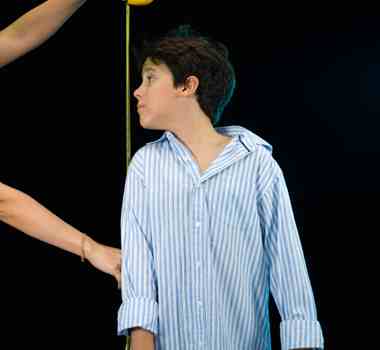
My son has grown tall .
Mein Sohn ist groß geworden 0
Con trai tôi đã cao lớn 0
我 的 儿子 长高 了 。
Wǒ de érzi zhǎng gāo le.
私の息子は背が高くなりました。
Watashi no musuko wa se ga takaku narimashita.
제 아들은 키가 커졌습니다.
je adeul-eun kiga keojyeossseubnida.
(VI)
(ZH)
(JA)
0314
[EN] [DE] [NL] [ES] [FR] [IT] [TH] [VI] [ZH]
|
RANDOM
儿子会自己洗衣服。

My son can do the laundry by himself .
Mein Sohn kann seine Wäsche selbst waschen 0
Con trai tôi có thể giặt giũ một mình .
儿子 会 自己 洗衣服 。
Érzi huì zìjǐ xǐ yīfu.
息子は一人で服を洗います。
Musuko wa hitori de fuku o araimasu.
아들은 스스로 옷을 빨 것이다.
adeul-eun seuseulo os-eul ppal geos-ida.
(VI)
(ZH)
(JA)
0324
[EN] [DE] [NL] [ES] [FR] [IT] [TH] [VI] [ZH]
|
RANDOM
他们是人事部门的员工。

They are working in the personnel department .
Sie arbeiten in der Personalabteilung 0
Họ đang làm việc trong bộ phận nhân sự .
他们 是 人事部门 的 员工 。
Tāmen shì rénshì bùmén de yuángōng.
彼らは人事部の従業員です。
Karera wa hitogotobu no jūgyōindesu.
인사부 직원들입니다.
insabu jig-wondeul-ibnida.
(VI)
(ZH)
(JA)
0348
[EN] [DE] [NL] [ES] [FR] [IT] [TH] [VI] [ZH]
|
RANDOM
他们带儿子去公园玩。

They take their son to the park .
Sie bringen ihren Sohn in den Park 0
Họ đưa con trai đi chơi công viên .
他们 带 儿子 去 公园 玩 。
Tāmen dài érzi qù gōngyuán wánr.
彼らは息子を連れて公園で遊んだ。
Karera wa musuko o tsurete kōen de asonda.
그들은 아들을 데리고 공원에서 놀았습니다.
geudeul-eun adeul-eul deligo gong-won-eseo nol-assseubnida.
(VI)
(ZH)
(JA)
0447
[EN] [DE] [NL] [ES] [FR] [IT] [TH] [VI] [ZH]
|
RANDOM
售货员请我输入卡号密码。

The salesperson asked me to enter my pin number .
Der Verkäufer bat mich , meine PIN-Nummer einzugeben 0
Nhân viên bán hàng yêu cầu tôi nhập số pin của mình .
售货员 请 我 输入 卡号 密码 。
Shòuhuòyuán qǐng wǒ shūrù kǎhào mìmǎ.
営業担当者から、カード番号とパスワードの入力を求められました。
Eigyō tantōsha kara, kādo bangō to pasuwādo no nyūryoku o motome raremashita.
판매원은 카드번호와 비밀번호를 입력하라고 했습니다.
panmaewon-eun kadeubeonhowa bimilbeonholeul iblyeoghalago haessseubnida.
(VI)
(ZH)
(JA)
0750
[EN] [DE] [NL] [ES] [FR] [IT] [TH] [VI] [ZH]
|
RANDOM
儿子每天存一块钱。

My son saves one yuan every day .
Mein Sohn spart jeden Tag einen Yuan 0
Con trai tôi tiết kiệm một nhân dân tệ mỗi ngày .
儿子 每天 存 一块钱 。
Érzi měi tiān cún yī kuài qián.
息子は毎日1ドル節約します。
Musuko wa mainichi 1-doru setsuyaku shimasu.
아들은 매일 1달러를 저축합니다.
adeul-eun maeil 1dalleoleul jeochughabnida.
(VI)
(ZH)
(JA)
0770
[EN] [DE] [NL] [ES] [FR] [IT] [TH] [VI] [ZH]
|
RANDOM
她在温习功课。

She is reviewing her lessons .
Sie wiederholt ihre Lektionstexte 0
Cô ấy đang xem lại bài học của mình .
她 在 温习功课 。
Tā zài wēnxí gōngkè.
彼女は宿題を見直しています。
Kanojo wa shukudai o minaoshite imasu.
그녀는 숙제를 검토하고 있습니다.
geunyeoneun sugjeleul geomtohago issseubnida.
(VI)
(ZH)
(JA)
0878
[EN] [DE] [NL] [ES] [FR] [IT] [TH] [VI] [ZH]
|
RANDOM
儿子独自一人在玩。

My son is playing by himself .
Mein Sohn spielt allein 0
Con trai tôi đang chơi một mình .
儿子 独自一人 在 玩 。
Érzi dúzì yīrén zài wán.
息子は一人で遊んでいます。
Musuko wa hitori de asonde imasu.
아들은 혼자 놀고 있습니다.
adeul-eun honja nolgo issseubnida.
(VI)
(ZH)
(JA)
0890
[EN] [DE] [NL] [ES] [FR] [IT] [TH] [VI] [ZH]
|
RANDOM
你有什么理由?

What is your reason ?
Was ist Ihr Grund ?
Lý do của bạn là gì ?
你 有 什么 理由 ?
Nǐ yǒu shénme lǐyóu?
どんな理由がありますか?
Don'na riyū ga arimasu ka?
어떤 이유가 있습니까?
eotteon iyuga issseubnikka?
(VI)
(ZH)
(JA)
0893
[EN] [DE] [NL] [ES] [FR] [IT] [TH] [VI] [ZH]
|
RANDOM
儿子得意地要胁妈妈。

The son smugly coerces his mother .
Der Sohn droht stolz seiner Mutter 0
Con trai tự mãn cưỡng bức mẹ mình .
儿子 得意 地 要胁 妈妈 。
Érzi déyì de yāoxié māma.
息子は誇らしげに母親を脅した。
Musuko wa hokorashige ni hahaoya o odoshita.
아들은 자랑스럽게 어머니를 위협했습니다.
adeul-eun jalangseuleobge eomeonileul wihyeobhaessseubnida.
(VI)
(ZH)
(JA)
0962
[EN] [DE] [NL] [ES] [FR] [IT] [TH] [VI] [ZH]
|
RANDOM
我被调到了人事部门。

I was transferred to personnel department .
Ich wurde in die Personalabteilung versetzt 0
Tôi được chuyển sang bộ phận nhân sự .
我 被 调到 了 人事部门 。
Wǒ bèi diào dào le rénshì bùmén.
人事部に異動しました。
Hitogotobu ni idō shimashita.
인사과로 옮겼습니다.
insagwalo olmgyeossseubnida.
(VI)
(ZH)
(JA)
0978
[EN] [DE] [NL] [ES] [FR] [IT] [TH] [VI] [ZH]
|
RANDOM
儿子喜欢玩沙子。

My son loves playing in the sand .
Mein Sohn liebt es , im Sand zu spielen 0
Con trai tôi thích chơi trên cát .
儿子 喜欢 玩 沙子 。
Érzi xǐhuan wán shāzi.
息子は砂で遊ぶのが好きです。
Musuko wa suna de asobu no ga sukidesu.
아들은 모래에서 노는 것을 좋아합니다.
adeul-eun molaeeseo noneun geos-eul joh-ahabnida.
(VI)
(ZH)
(JA)
1151
[EN] [DE] [NL] [ES] [FR] [IT] [TH] [VI] [ZH]
|
RANDOM
老师给孩子们上了一堂课。

The teacher taught the children one lesson .
Der Lehrer brachte den Kindern eine Lektion bei 0
Cô giáo đã dạy bọn trẻ một bài học .
老师 给 孩子 们 上 了 一堂课 。
Lǎoshī gěi háizimen shàngle yī táng kè.
先生は子供たちにレッスンをしました。
Sensei wa kodomo-tachi ni ressun o shimashita.
선생님은 아이들에게 교훈을 주었습니다.
seonsaengnim-eun aideul-ege gyohun-eul jueossseubnida.
(VI)
(ZH)
(JA)
1187
[EN] [DE] [NL] [ES] [FR] [IT] [TH] [VI] [ZH]
|
RANDOM
她有这家银行的私人帐户。

She has a personal account at this bank .
Sie hat ein Privatkonto bei dieser Bank 0
Cô ấy có một tài khoản cá nhân tại ngân hàng này .
她 有 这家 银行 的 私人帐户 。
Tā yǒu zhè jiā yínháng de sīrén zhànghù.
彼女はこの銀行に個人口座を持っています。
Kanojo wa kono ginkō ni kojin kōza o motte imasu.
그녀는 이 은행에 개인 계좌를 가지고 있습니다.
geunyeoneun i eunhaeng-e gaein gyejwaleul gajigo issseubnida.
(VI)
(ZH)
(JA)
1236
[EN] [DE] [NL] [ES] [FR] [IT] [TH] [VI] [ZH]
|
RANDOM
他告诉她一个私人秘密。

He is telling her a personal secret .
Er erzählt ihr ein persönliches Geheimnis 0
Anh ấy đang nói cho cô ấy một bí mật cá nhân .
他 告诉 她 一个 私人 秘密 。
Tā gàosu tā yī gè sīrén mìmì.
彼は彼女に秘密を告げた。
Kare wa kanojo ni himitsu o tsugeta.
그는 그녀에게 사적인 비밀을 말했다.
geuneun geunyeoege sajeog-in bimil-eul malhaessda.
(VI)
(ZH)
(JA)
1271
[EN] [DE] [NL] [ES] [FR] [IT] [TH] [VI] [ZH]
|
RANDOM
儿子很喜欢打鼓。

My son loves playing drums .
Mein Sohn spielt gerne Schlagzeug 0
Con trai tôi rất thích chơi trống .
儿子 很 喜欢 打鼓 。
Érzi hěn xǐhuan dǎgǔ.
私の息子はドラムを演奏するのがとても好きです。
Watashi no musuko wa doramu o ensō suru no ga totemo sukidesu.
제 아들은 드럼 치는 것을 아주 좋아합니다.
je adeul-eun deuleom chineun geos-eul aju joh-ahabnida.
(VI)
(ZH)
(JA)
1481
[EN] [DE] [NL] [ES] [FR] [IT] [TH] [VI] [ZH]
|
RANDOM
我的儿子尚未断奶。

My son hasn't yet been weaned .
Mein Sohn wurde noch nicht entwöhnt 0
Con trai tôi vẫn chưa được cai sữa .
我 的 儿子 尚未 断奶 。
Wǒ de érzi shàng wèi duànnǎi.
私の息子はまだ引き離されていません。
Watashi no musuko wa mada hikihanasa rete imasen.
우리 아들은 아직 젖을 떼지 않았습니다.
uli adeul-eun ajig jeoj-eul tteji anh-assseubnida.
(VI)
(ZH)
(JA)
1492
[EN] [DE] [NL] [ES] [FR] [IT] [TH] [VI] [ZH]
|
RANDOM
这是一只毒蜘蛛。
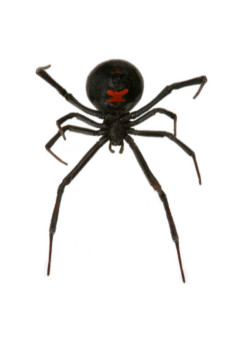
This is a poisonous spider .
Dies ist eine giftige Spinne 0
Đây là một loài nhện độc 0
这是 一只 毒蜘蛛 。
Zhè shì yī zhī dúzhīzhū.
これは有毒なクモです。
Kore wa yūdokuna kumodesu.
이것은 유독 한 거미입니다.
igeos-eun yudog han geomiibnida.
(VI)
(ZH)
(JA)
1514
[EN] [DE] [NL] [ES] [FR] [IT] [TH] [VI] [ZH]
|
RANDOM
瓶子里装着毒药。

Inside the bottle is poison .
In der Flasche ist Gift 0
Bên trong lọ là chất độc 0
瓶子 里 装 着 毒药 。
Píngzi lǐ zhuāngzhe dúyào.
瓶は毒でいっぱいです。
Bin wa doku de ippaidesu.
병에는 독이 들어 있습니다.
byeong-eneun dog-i deul-eo issseubnida.
(VI)
(ZH)
(JA)
1515
[EN] [DE] [NL] [ES] [FR] [IT] [TH] [VI] [ZH]
|
RANDOM
我是个平凡的人。
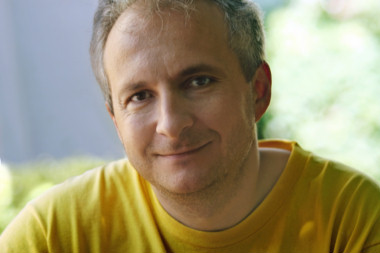
I am an ordinary person .
Ich bin ein gewöhnlicher Mensch 0
Tôi là một người bình thường 0
我 是 个 平凡 的 人 。
Wǒ shì gè píngfán de rén.
私は普通の人です。
Watashi wa futsūnohitodesu.
나는 평범한 사람입니다.
naneun pyeongbeomhan salam-ibnida.
(VI)
(ZH)
(JA)
1670
[EN] [DE] [NL] [ES] [FR] [IT] [TH] [VI] [ZH]
|
RANDOM
他被判处无期徒刑。

He is been sentenced to life imprisonment .
Er wurde zu lebenslanger Haft verurteilt 0
Anh ta bị kết án tù chung thân .
他 被 判处 无期徒刑 。
Tā bèi pànchǔ wúqī túxíng.
彼は終身刑を宣告されました。
Kare wa shūshin-kei o senkoku sa remashita.
그는 무기징역을 선고받았다.
geuneun mugijing-yeog-eul seongobad-assda.
(VI)
(ZH)
(JA)
1703
[EN] [DE] [NL] [ES] [FR] [IT] [TH] [VI] [ZH]
|
RANDOM
她把他当作自己的亲生儿子。

She treats him as her own son .
Sie behandelt ihn wie ihren eigenen Sohn 0
Cô coi anh như con ruột của mình .
她 把 他 当作 自己 的 亲生 儿子 。
Tā bǎ tā dàngzuò zìjǐ de qīnshēng érzi.
彼女は彼を自分の息子として扱っています。
Kanojo wa kare o jibun no musuko to shite atsukatte imasu.
그녀는 그를 자신의 아들로 여겼다.
geunyeoneun geuleul jasin-ui adeullo yeogyeossda.
(VI)
(ZH)
(JA)
1810
[EN] [DE] [NL] [ES] [FR] [IT] [TH] [VI] [ZH]
|
RANDOM
儿子很喜欢吃油炸食品。
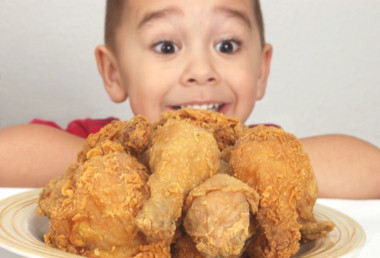
My son is very fond of fried food .
Mein Sohn liebt frittiertes Essen 0
Con trai tôi rất thích đồ chiên .
儿子 很 喜欢 吃 油炸 食品 。
Érzi hěn xǐhuan chī yóuzhá shípǐn.
私の息子は揚げ物がとても好きです。
Watashi no musuko wa agemono ga totemo sukidesu.
우리 아들은 튀긴 음식을 아주 좋아합니다.
uli adeul-eun twigin eumsig-eul aju joh-ahabnida.
(VI)
(ZH)
(JA)
1975
[EN] [DE] [NL] [ES] [FR] [IT] [TH] [VI] [ZH]
|
RANDOM
她在责骂儿子。

She is scolding her son .
Sie schimpft mit ihrem Sohn 0
Cô ấy đang mắng con trai mình .
她 在 责骂 儿子 。
Tā zài zémà érzi.
彼女は息子を叱っている。
Kanojo wa musuko o shikatte iru.
그녀는 그녀의 아들을 꾸짖고 있다.
geunyeoneun geunyeoui adeul-eul kkujijgo issda.
(VI)
(ZH)
(JA)
2054
[EN] [DE] [NL] [ES] [FR] [IT] [TH] [VI] [ZH]
|
RANDOM
蒙古人打败了宋朝,建立了元朝。

The Mongols defeated the Song dynasty and established the Yuan dynasty .
Die Mongolen besiegten die Song-Dynastie und gründeten die Yuan-Dynastie 0
Người Mông Cổ đánh bại nhà Tống và thành lập triều đại nhà Nguyên .
蒙古人 打败 了 宋朝 , 建立 了 元朝 。
Měnggǔ rén dǎbàile Sòngcháo, jiànlìle Yuáncháo.
モンゴルは宋王朝を打ち負かし、元王朝を樹立しました。
Mongoru wa sō ōchō o uchi makashi, moto ōchō o juritsu shimashita.
몽골은 송나라를 물리치고 원나라를 세웠다.
mong-gol-eun songnalaleul mullichigo wonnalaleul sewossda.
(VI)
(ZH)
(JA)
2167
[EN] [DE] [NL] [ES] [FR] [IT] [TH] [VI] [ZH]
|
RANDOM
南京曾经是南宋的首都。

Nanjing was once the capital of the Southern Song dynasty .
Nanjing war einst die Hauptstadt der südlichen Song-Dynastie 0
Nam Kinh từng là kinh đô của triều đại Nam Tống .
' 南京 曾经 是 南宋 的 首都 。
Nánjīng céngjīng shì Nánsòng de shǒudū.
「南京はかつて南宋の首都でした。
`Nankin wa katsute nansō no shutodeshita.
남경은 남송(南宋)나라의 수도였다.
namgyeong-eun namsong(namsong)nalaui sudoyeossda.
(VI)
(ZH)
(JA)
2168
[EN] [DE] [NL] [ES] [FR] [IT] [TH] [VI] [ZH]
|
RANDOM
我的儿子上幼稚园了。

My son is attending kindergarten now .
Mein Sohn besucht jetzt den Kindergarten 0
Con trai tôi bây giờ đang học mẫu giáo .
我 的 儿子 上 幼稚园 了 。
Wǒ de érzi shàng yòuzhìyuán le.
私の息子は幼稚園にいます。
Watashi no musuko wa yōchien ni imasu.
제 아들은 유치원에 다니고 있습니다.
je adeul-eun yuchiwon-e danigo issseubnida.
(VI)
(ZH)
(JA)
2211
[EN] [DE] [NL] [ES] [FR] [IT] [TH] [VI] [ZH]
|
RANDOM
罪犯被关进了监狱。

The criminal has been put in prison .
Der Straftäter wurde ins Gefängnis gesteckt 0
Tên tội phạm đã bị bỏ tù .
罪犯 被 关进 了 监狱 。
Zuìfàn bèi guānjìnle jiānyù.
犯人は刑務所に入れられました。
Han'nin wa keimusho ni haire raremashita.
범인은 감옥에 수감되었습니다.
beom-in-eun gam-og-e sugamdoeeossseubnida.
(VI)
(ZH)
(JA)
2241
[EN] [DE] [NL] [ES] [FR] [IT] [TH] [VI] [ZH]
|
RANDOM
雨季洪水泛滥。

During the rainy season , there are floods .
Während der Regenzeit gibt es Überschwemmungen 0
Trong mùa mưa lũ , lũ lụt .
雨季 洪水 泛 滥 。
Yǔjì hóngshuǐ fànlàn.
雨季には洪水があります。
Uki ni wa kōzui ga arimasu.
장마철 홍수.
jangmacheol hongsu.
(VI)
(ZH)
(JA)
2296
[EN] [DE] [NL] [ES] [FR] [IT] [TH] [VI] [ZH]
|
RANDOM
妈妈为孩子的自闭感到忧虑。

The mother is worried about her son's autism .
Die Mutter macht sich Sorgen über den Autismus des Kindes 0
Mẹ lo lắng về chứng tự kỷ của con .
妈妈 为 孩子 的 自闭 感到 忧虑 。
Māma wèi háizi de zìbì gǎndào yōulǜ.
母親は子供の自閉症を心配しています。
Hahaoya wa kodomo no jiheishō o shinpai shite imasu.
어머니는 아이의 자폐증에 대해 걱정하고 있습니다.
eomeonineun aiui japyejeung-e daehae geogjeonghago issseubnida.
(VI)
(ZH)
(JA)
2443
[EN] [DE] [NL] [ES] [FR] [IT] [TH] [VI] [ZH]
|
RANDOM
他在盗取别人的隐私。

He is stealing other people's personal information .
Er stiehlt die persönlichen Daten anderer Leute 0
Anh ấy đang ăn cắp thông tin cá nhân của người khác .
他 在 盗取 别人 的 隐私 。
Tā zài dàoqǔ biéren de yǐnsī.
彼は他人のプライバシーを盗んでいます。
Kare wa tanin no puraibashī o nusunde imasu.
그는 다른 사람들의 사생활을 훔치고 있습니다.
geuneun daleun salamdeul-ui sasaenghwal-eul humchigo issseubnida.
(VI)
(ZH)
(JA)
2455
[EN] [DE] [NL] [ES] [FR] [IT] [TH] [VI] [ZH]
|
RANDOM
儿子喜欢小鸡仔。

My son loves little chicks .
Mein Sohn liebt kleine Küken 0
Con trai tôi rất thích những chú gà con nhỏ .
儿子 喜欢 小 鸡仔 。
Érzi xǐhuan xiǎo jīzǎi.
私の息子は小さな鶏が好きです。
Watashi no musuko wa chīsana niwatori ga sukidesu.
아들은 작은 닭을 좋아합니다.
adeul-eun jag-eun dalg-eul joh-ahabnida.
(VI)
(ZH)
(JA)
2504
[EN] [DE] [NL] [ES] [FR] [IT] [TH] [VI] [ZH]
|
RANDOM
王位是世袭的。

The throne is passed down from father to son .
Der Thron wird vom Vater an den Sohn weitergegeben 0
Ngai vàng được truyền từ cha sang con trai .
王位 是 世袭 的 。
Wángwèi shì shìxí de.
王位は遺伝的です。
Ōi wa iden-tekidesu.
왕좌는 세습입니다.
wangjwaneun seseub-ibnida.
(VI)
(ZH)
(JA)
2578
[EN] [DE] [NL] [ES] [FR] [IT] [TH] [VI] [ZH]
|
RANDOM
奴隶没有人身自由。
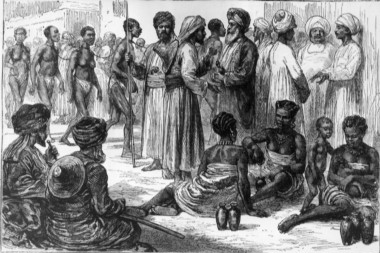
Slaves don't have personal freedom .
Sklaven haben keine persönliche Freiheit 0
Nô lệ không có tự do cá nhân .
奴隶 没有 人身自由 。
Núlì méiyǒu rénshēn zìyóu.
奴隷には個人の自由はありません。
Dorei ni wa kojin no jiyū wa arimasen.
노예는 개인의 자유가 없습니다.
noyeneun gaein-ui jayuga eobs-seubnida.
(VI)
(ZH)
(JA)
2689
[EN] [DE] [NL] [ES] [FR] [IT] [TH] [VI] [ZH]
|
RANDOM
这种蛇有毒。
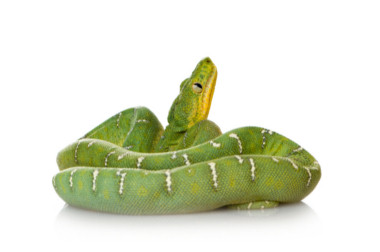
This type of snake is poisonous .
Diese Art von Schlange ist giftig 0
Đây là loại rắn độc .
这种 蛇 有毒 。
Zhèzhǒng shé yǒudú.
このヘビは有毒です。
Kono hebi wa yūdokudesu.
이 뱀은 유독합니다.
i baem-eun yudoghabnida.
(VI)
(ZH)
(JA)
2699
[EN] [DE] [NL] [ES] [FR] [IT] [TH] [VI] [ZH]
|
RANDOM
他很宠爱他的儿子。

He is very fond of his son .
Er ist vernarrt in seinen Sohn 0
Ông ấy yêu con trai của mình .
他 很 宠爱 他 的 儿子 。
Tā hěn chǒng'ài tā de érzi.
彼は息子をとても溺愛している。
Kare wa musuko o totemo dekiai shite iru.
그는 아들을 매우 아끼고 있습니다.
geuneun adeul-eul maeu akkigo issseubnida.
(VI)
(ZH)
(JA)
2801
[EN] [DE] [NL] [ES] [FR] [IT] [TH] [VI] [ZH]
|
RANDOM
他想贿赂主管。

He is trying to bribe the person in charge .
Er versucht , die verantwortliche Person zu bestechen 0
Anh ta đang cố mua chuộc người phụ trách .
他 想 贿赂 主管 。
Tā xiǎng huìlù zhǔguǎn.
彼は担当者に賄賂を贈ろうとしています。
Kare wa tantōsha ni wairo o okurou to shite imasu.
그는 감독관에게 뇌물을 주고 싶었다.
geuneun gamdoggwan-ege noemul-eul jugo sip-eossda.
(VI)
(ZH)
(JA)
2823
[EN] [DE] [NL] [ES] [FR] [IT] [TH] [VI] [ZH]
|
RANDOM
父子俩在河堤上休息。

The father and his son are resting on the river bank .
Vater und Sohn ruhen sich am Flussufer aus 0
Hai bố con nằm nghỉ bên bờ sông .
父子俩 在 河堤 上 休息 。
Fù-zǐ liǎ zài hédī shàng xiūxi.
父と息子は川岸で休んでいます。
Chichi to musuko wa kawagishi de yasunde imasu.
아버지와 아들은 제방에서 쉬고 있었습니다.
abeojiwa adeul-eun jebang-eseo swigo iss-eossseubnida.
(VI)
(ZH)
(JA)
2853
[EN] [DE] [NL] [ES] [FR] [IT] [TH] [VI] [ZH]
|
RANDOM
警官押着犯人。

The police officer is escorting the prisoner .
Der Polizist begleitet den Gefangenen 0
Viên cảnh sát đang áp giải tù nhân .
警官 押 着 犯人 。
Jǐngguān yāzhe fànrén.
警官が囚人を護送している。
Keikan ga shūjin o gosō shite iru.
경찰관이 죄수를 호위했습니다.
gyeongchalgwan-i joesuleul howihaessseubnida.
(VI)
(ZH)
(JA)
2926
[EN] [DE] [NL] [ES] [FR] [IT] [TH] [VI] [ZH]
|
RANDOM
现在是旅游旺季。

It is the busy season for tourism now .
Es ist Hochsaison für den Tourismus 0
Bây giờ đang là mùa bận rộn cho du lịch .
现在 是 旅遊 旺季 。
Xiànzài shì lǚyóu wàngjì.
今が観光シーズンのピークです。
Ima ga kankō shīzun no pīkudesu.
지금은 관광 성수기입니다.
jigeum-eun gwangwang seongsugiibnida.
(VI)
(ZH)
(JA)
2968
[EN] [DE] [NL] [ES] [FR] [IT] [TH] [VI] [ZH]
|
RANDOM
他让人感到敬畏。

He is the kind of person that people respect and hold in awe .
Er ist die Art von Person , die die Menschen respektieren und in Ehrfurcht versetzen 0
Anh ấy là loại người mà mọi người kính trọng và ngưỡng mộ .
他 让 人 感到 敬畏 。
Tā ràng rén gǎndào jìngwèi.
彼は畏敬の念を起こさせます。
Kare wa ikei no nen o okosa semasu.
그는 경외심을 불러일으키는 사람입니다.
geuneun gyeong-oesim-eul bulleoil-eukineun salam-ibnida.
(VI)
(ZH)
(JA)
3036
[EN] [DE] [NL] [ES] [FR] [IT] [TH] [VI] [ZH]
|
RANDOM
她是非常谦虚的人。

She is a very modest person .
Sie ist eine sehr bescheidene Person 0
Cô ấy là một người rất khiêm tốn .
她 是 非常 谦虚 的 人 。
Tā shì fēicháng qiānxū de rén.
彼女はとても謙虚な人です。
Kanojo wa totemo kenkyona hitodesu.
그녀는 매우 겸손한 사람입니다.
geunyeoneun maeu gyeomsonhan salam-ibnida.
(VI)
(ZH)
(JA)
3087
[EN] [DE] [NL] [ES] [FR] [IT] [TH] [VI] [ZH]
|
RANDOM
他是个囚犯。

He is a prisoner .
Er ist ein Gefangener 0
Anh ta là một tù nhân 0
他 是 个 囚犯 。
Tā shì ge qiúfàn.
彼は囚人です。
Kare wa shūjindesu.
그는 죄수입니다.
geuneun joesu-ibnida.
(VI)
(ZH)
(JA)
3099
[EN] [DE] [NL] [ES] [FR] [IT] [TH] [VI] [ZH]
|
RANDOM
这只蜘蛛有毒。

This spider is poisonous .
Diese Spinne ist giftig 0
Nhện này có độc .
这 只 蜘蛛 有毒 。
Zhè zhī zhīzhū yǒudú.
このクモは有毒です。
Kono kumo wa yūdokudesu.
이 거미는 유독합니다.
i geomineun yudoghabnida.
(VI)
(ZH)
(JA)
3314
[EN] [DE] [NL] [ES] [FR] [IT] [TH] [VI] [ZH]
|
RANDOM
他是我的女婿。
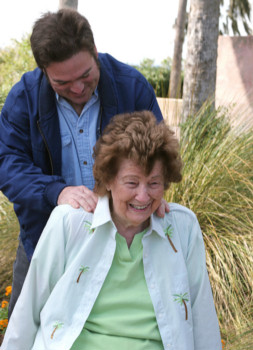
He is my son-in-law .
Er ist mein Schwiegersohn 0
Anh ấy là con rể của tôi .
他 是 我 的 女婿 。
Tā shì wǒ de nǚxu.
彼は私の義理の息子です。
Kare wa watashi no giri no musukodesu.
그는 내 사위입니다.
geuneun nae sawiibnida.
(VI)
(ZH)
(JA)
3319
[EN] [DE] [NL] [ES] [FR] [IT] [TH] [VI] [ZH]
|
RANDOM
他们隶属于人事部。

They belong to the personnel department .
Sie gehören zur Personalabteilung 0
Họ thuộc bộ phận nhân sự 0
他们 隶属于 人事部 。
Tāmen lìshǔ yú rénshìbù.
彼らは人事省に属しています。
Karera wa jinji-shō ni zokushite imasu.
인사부에 소속되어 있습니다.
insabue sosogdoeeo issseubnida.
(VI)
(ZH)
(JA)
3322
[EN] [DE] [NL] [ES] [FR] [IT] [TH] [VI] [ZH]
|
RANDOM
她快乐的哼着曲子。
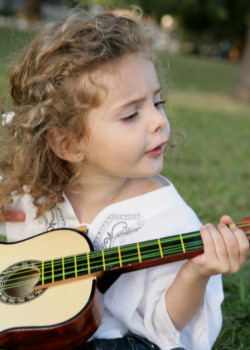
She is merrily humming a song .
Sie summt fröhlich ein Lied 0
Cô ấy đang vui vẻ ngâm nga một bài hát .
她 快乐 的 哼 着 曲子 。
Tā kuàilè de hēngzhe qǔzi.
彼女は楽しそうに歌を口ずさんでいます。
Kanojo wa tanoshi-sō ni uta o kuchizusande imasu.
그녀는 행복하게 콧노래를 흥얼거렸다.
geunyeoneun haengboghage kosnolaeleul heung-eolgeolyeossda.
(VI)
(ZH)
(JA)
3527
[EN] [DE] [NL] [ES] [FR] [IT] [TH] [VI] [ZH]
|
|