| HSK 3.0 | Big5 | Gb | Pin | Eng |
|---|
| 1 | 別人 | 别人 | biéren | others, other people, another person
|
| 1 | 吃 | 吃 | chī | feed, have, be subject to, absorb, chow, live on, eat, have one's meals, be a strain, exhaust, fare, take in, live off, annihilate, wipe out, partake, suffer, ingest, consume, graze, lunch, manducate, incur, take, get, use up, make, taste, soak up
|
| 1 | 等 | 等 | děng | conj.: and so on, etc
|
| 1 | 地 | 地 | de | the earth, land, soil, fields, ground, place, position, background, distance
|
| 1 | 地方 | 地方 | dìfang | country, soil, terrain, part, clime, way, territory, room, neighbourhood, tinderbox, locality (as distinct from the central administrat, child, tract, province, position, respect, where, region, space, place, local
|
| 1 | 電腦 | 电脑 | diànnǎo | electronic computer, computery, data processor, information processing system, computer
|
| 1 | 對不起 | 对不起 | duìbuqǐ | be unfair to, I'm sorry, let ... down, let sb. down, excuse me
|
| 1 | 兒子 | 儿子 | érzi | viscount, man-child, boy, male offspring, son
|
| 1 | 放 | 放 | fàng | loose, bloom, make longer, set ... free, let sb. have his own way, show, readjust, free, make larger, put in, fly, etc., release, discharge, leave alone, bung, lay aside, put, expansion, make longer/larger/etc., fling, localize, lend (money) at interest, let go, set, pasture, pose, set free, blossom, lay, let off, put out to pasture, send away, play, expand, make larger/etc., readjus
|
| 1 | 歌 | 歌 | gē | song
|
| 1 | 幹什麼 | 干什么 | gànshénme | do something
|
| 1 | 工人 | 工人 | gōngren | navvy, hired man, operative, working person, laborer, shopworker, esne, working man, hired hand, worker, workpeople, workman, hand
|
| 1 | 國家 | 国家 | guójiā | sirkar, state, country, patria, a people, nationality, nation, republic, soli, body politic, clime, national, civil order, polity, commonwealth, land, res publica
|
| 1 | 孩子 | 孩子 | háizi | kid, issue, chap, daughter, children, sonny, son or daughter, child, spawn, boy, kipper, son
|
| 1 | 還 | 还 | hái | still, yet, also, too, as well, besides
|
| 1 | 很 | 很 | hěn | pretty, thrice, monstrously, gey, quite, mighty, stinking, sopping, some, assai, full, most, clinking, much, thumping, awfully, fiendishly, thundering, very, real, really, bally, proper, grossly, powerful, so, rattling, well, considerably, greatly, terribly
|
| 1 | 幾 | 几 | jǐ | det.: how many, a few, several, some
|
| 1 | 老人 | 老人 | lǎoren | oldster, ancient, old woman, crock, one's aged parents or grandparents, old man/woman, one's aged parents/grandparents, Sir, old person, gaffer, pop, one's aged parents, the aged/old, old_man, senior_citizen, oldie, greybeard, old man, graybeard, old, grandparents, the old, the aged, senior citizen, old_boy, old boy, woman, old-timer, old man or woman, one's aged grandparents
|
| 1 | 老師 | 老师 | lǎoshī | rabbi, professor, swami, instructor, teacher, mast
|
| 1 | 兩 | 两 | liǎng | det.: two, both (sides), either (side), a few, some
|
| 1 | 路 | 路 | lù | road, path, way, journey, distance, means, sequence, logic, line, region, district, route, sort, grade, class
|
| 1 | 馬上 | 马上 | mǎshàng | in a short time, at_once, instantaneously, promptly, at once, incontinent, in the same breath, directively, instantly, slapbang, pronto, right_away, immediately, shortly, without delay, right away, tout-de-suite, forthwith, presently, in_no_time, at a time, soon, hereupon, in a few seconds, before long, at one time, outright, straightaway, in a minute, directly, momently, in a f
|
| 1 | 們 | 们 | men | pluralizer after pronouns and nouns of persons
|
| 1 | 男 | 男 | nán | baron, male, man, steady, mankind, male person, boy, chauvinism, creature, son
|
| 1 | 男生 | 男生 | nánshēng | brother, sonny boy, man, male, laddie, lad, boy student, male student, boy, schoolboy, sonny, cub, man student
|
| 1 | 南 | 南 | nán | Yugoslavia, South, Nan, south, Surname, S, due south, austral, southern
|
| 1 | 南邊 | 南边 | nánbian | south, south side, southern part, to the south of
|
| 1 | 難 | 难 | nán | make difficulties, take to task, put ... into a difficult position, disagreeable, make difficult, unpleasant, hard, difficult, troublesome, blame
|
| 1 | 女人 | 女人 | nǚren | jade, crumpet, female, female person, Gill, bitch, chick, fair, squaw, womenfolk, adult female, doll, momma, wench, skirt, womankind, girl, jill, wife, broad, petticoat, sister, woman, bimbo, bird, jane, she, hen, hairpin, dame, women
|
| 1 | 人 | 人 | rén | person, people
|
| 1 | 上課 | 上课 | shàng kè | attend class, go to class;give lesson/lecture
|
| 1 | 誰 | 谁 | shéi | who, someone, anyone
|
| 1 | 身體 | 身体 | shēntǐ | soma, system, physical structure, body, health, carcase, corpus, frame, person, somatic, organic structure, personage
|
| 1 | 說話 | 说话 | shuō huà | philosophize, thrum, talk, peach, babble out, speech, articulate, chat, speak, babble, gossip, blab out, sing, address, tattle, blab, mouth, say
|
| 1 | 睡覺 | 睡觉 | shuì jiào | turn_in, log Z's, doss, slumber, catch some Z's, go to bed, sleep, doss down, crash, go_to_sleep, hit_the_sack, kip
|
| 1 | 也 | 也 | yě | also, too, as well, either, even
|
| 1 | 一會兒 | 一会儿 | yīhuìr | a moment, a while, in a moment, now...now..., also pr. [yi1 hui3 r5]
|
| 1 | 一些 | 一些 | yīxiē | det.: some, a few, a little
|
| 1 | 有的 | 有的 | yǒude | det : some
|
| 1 | 有時候 | 有时候 | yǒushíhou | from time to time, on_occasion, occasionally, somewhile, otherwhile, now and again, sometimes, now and then, at times, on occasion, whiles, once in a while
|
| 1 | 有些 | 有些 | yǒuxiē | kind_of, rather, somewhat
|
| 1 | 知識 | 知识 | zhīshi | lear, know-how, understanding, ken, instruction, science, sophistication, consciousness, light, awareness, cognizance, knowledge, lore, mastery, know, cognition, acquaintanceship, mind, intellect, knowingness, equipment
|
| 1 | 子 | 子 | zi | son, child, seed, egg, small thing, 1st earthly branch: 11 p.m.-1 a.m., midnight, 11th solar month (7th December to 5th January), year of the Rat, Viscount, fourth of five orders of nobility 五等爵位[wu3 deng3 jue2 wei4], ancient Chinese compass point: 0° (north), (noun suffix)
|
| 2 | 愛情 | 爱情 | àiqíng | god, warmheartedness, affection, love_affair, heart, kindness, tenderness, bosom, love, fondness, romantic love, affectionateness
|
| 2 | 不久 | 不久 | bùjiǔ | not long (after), before too long, soon, soon after
|
| 2 | 草地 | 草地 | cǎodì | lawn, meadow, sod, turf, CL:片[pian4]
|
| 2 | 春天 | 春天 | chūntiān | spring (season), CL:個|个[ge4]
|
| 2 | 道理 | 道理 | dàoli | thread, principle, the right way, theory, reason, argument, sense, order, truth, rationality
|
| 2 | 等 | 等 | děng | conj.: and so on, etc
|
| 2 | 燈 | 灯 | dēng | blowlamp, lantern, light source, light, lamp, tube, valve, burner
|
| 2 | 東南 | 东南 | dōngnán | sou'-east, Southeast China, southeast, SE
|
| 2 | 方法 | 方法 | fāngfǎ | know-how, plan, attack, system, stepping-stone, manner, method, gateway, idea, measure, way, guise, key, wise, quomodo, plan of attack, tack, machinery, process, avenue, modus, how, means, channel, gate, approach, agency, gamesmanship, mode, medium, sort
|
| 2 | 分開 | 分开 | fēn kāi | rive, uncouple, unyoke, divaricate, detach, disjoint, cleave, shift, break_up, cut, segregate, isolate, divorce, severalize, unclasp, divide, dissever, disjoin, break, come off, demarcate, fork, sever, sequester, disconnect, part, come away, sunder, break up, keep apart, separate, diverge, branch, set_off, ramify, split, sequestrate, untwine, separation, set apart, parcel
|
| 2 | 好人 | 好人 | hǎorén | a healthy person, good person, goodman, sb. who tries to get along with everyone, bawcock, good, agreeable individual, good egg, a person who tries to get along with everyone (oft
|
| 2 | 好事 | 好事 | hǎoshì | good action, deed, thing or work (also sarcastic, 'a fine thing indeed'), charity, happy occasion, Daoist or Buddhist ceremony for the souls of the dead, to be meddlesome
|
| 2 | 畫家 | 画家 | huàjiā | painterly, creative person, artist, painter, penman, artists
|
| 2 | 壞人 | 坏人 | huàirén | hellion, bad person, scoundrel, badman, baddie, villain, malefactor, evildoer
|
| 2 | 假期 | 假期 | jiàqī | season, holiday, leave, period of leave, vacation
|
| 2 | 健康 | 健康 | jiànkāng | healthy, sound
|
| 2 | 交 | 交 | jiāo | associate with, make friends, fall in with, mate
|
| 2 | 交通 | 交通 | jiāotōng | intercourse, commutation, transportation, communication, commuting, traffic, traffic_light, liaison man, communications, dealings, liaison
|
| 2 | 教師 | 教师 | jiàoshī | beak, don, school teacher, schoolman, teacher, schoolmaster, preceptor, professor, pedagogue, schoolteacher, coach, master, instructor, educator, preceptorship
|
| 2 | 酒 | 酒 | jiǔ | libation, bracer, plonk, wine, tipple, poison, pottle, spirits, creature, vin, cup, drink, hooch, arrack, medicine, alcohol, bottle, hootch, alcoholic drink, rum, bibble, potation, belly-wash, alcoholic beverage, Bacchus, booze, liquor, juice, fortifier, inebriant, lotion, intoxicant
|
| 2 | 拉 | 拉 | lā | slit, press-gang, help, solicit, lend a helping hand, canvass, draw, zoom, transport by vehicle, pull, release, press, cut, schlep, play (bowed instruments), tote, tug, gash, tow, bend, snake, schlepp, move (troops), solicitation, haul, chat, solicit (business), give a helping hand, drag out, force, play, slash, drum_up, claw, implicate, overstretch, empty the bowels, drag, trail, drag
|
| 2 | 禮物 | 礼物 | lǐwù | tribute, giving, proffer, gift, compliment, box, benefice, acknowledgment, present, souvenir
|
| 2 | 兩 | 两 | liǎng | det.: two, both (sides), either (side), a few, some
|
| 2 | 那麼 | 那么 | nàme | so
|
| 2 | 明星 | 明星 | míngxīng | headliner, lucida, (movie/etc.) star, impersonator, (movie, famous performer, stardom, Venus, star, etc.) star, movie_star
|
| 2 | 南方 | 南方 | nánfāng | S, due south, the southern part of the country, South, south, southern part of country, the South, southern
|
| 2 | 難過 | 难过 | nánguò | uncomfortable, feel bad, feel sorry, have hard time, bad, sad, have a hard time, be grieved, sorry
|
| 2 | 平安 | 平安 | píngān | safe and sound, quiet and stable
|
| 2 | 平 | 平 | píng | flat, level, even, ordinary, common, uniform, safe and sound, peaceful, calm, fair, just, objective
|
| 2 | 漂亮 | 漂亮 | piàoliang | posh, handsome, brilliant, remarkable, splendid, beautiful, smart
|
| 2 | 青少年 | 青少年 | qīngshàonián | adolescent, stilyaga, teens, young person, teenager, teenagers, young people and teenagers, youths, youth, stripling, hobbledehoy, youngsters, younker
|
| 2 | 然後 | 然后 | ránhòu | therewith, and so, and_then, and then, thereupon, after that, so, then, with that
|
| 2 | 認為 | 认为 | rènwéi | find, treat, deem, suppose, look_on, repute, discount, esteem, accredit, feel, account, calculate, estimate, take to be, reckon, expect, think, hold, trust, recognise, opine, sound off, adjudge, consideration, consider, regard as, look upon, believe_in, disbelieve, allow, conceive, regard, call, imagine, view, forecast, believe, suspect, rate, animadvert, look on, listen, speak up, figure, c
|
| 2 | 少年 | 少年 | shàonián | nipper, covey, early youth (10-16), juvenility, adolescent, youngster, teens, gossoon, boy, boy or girl of early youth, spalpeen, juvenile, callan, callant, shaver, lad, laddie, juvenile person, teenager, stripling, young boy, early youth, younker
|
| 2 | 什麼樣 | 什么样 | shénmeyàng | what kind?, what sort?, what appearance?
|
| 2 | 聲音 | 声音 | shēngyīn | voice, vocal, language, huskiness, vox, vocalization, audio, noise, sonic, tone, sound, phone, audio frequency
|
| 2 | 所以 | 所以 | suǒyǐ | conj.: so, therefore, as a result
|
| 2 | 太陽 | 太阳 | tàiyáng | Apollo, luminary, daystar, digit, sunlight, solar, sunshine, Phoebus, lamp, sun, Sol, fireball
|
| 2 | 討論 | 讨论 | tǎolùn | to discuss, to take something up with someone, to talk about
|
| 2 | 態度 | 态度 | tàidu | stance, treatment, demeanor, dealing, deportment, pose, behavior, manner, demeanour, way, bearing, attitude, air, behaviour, front, mien, conduct, mental attitude, approach, posture, address, position, bedside_manner, movement, gesture, comportment, presence, sort
|
| 2 | 疼 | 疼 | téng | (it) hurts, sore, to love dearly
|
| 2 | 條件 | 条件 | tiáojiàn | mood, formula, conditional, precondition, prerequisite, requisition, factor, qualification, requirement, stipulation, proviso, circumstances, provision, term, reservation, if, condition
|
| 2 | 同事 | 同事 | tóngshì | brother, coadjutor, workmate, friend, yokefellow, co-worker, fellow worker, confrere, colleague, stablemate, companion, crew, workfellow, staff, socius, coworker, bedfellow, fellow, haver, rival, comrade
|
| 2 | 完全 | 完全 | wánquán | completely, fully, wholly, absolutely
|
| 2 | 晚會 | 晚会 | wǎnhuì | evening entertainment, soiree, evening party, social evening, party, evening, evening entertainment/party
|
| 2 | 味道 | 味道 | wèidao | gustatory perception, gust, tang, taste perception, feeling, savor, flavor, taste sensation, savour, streak, flavour, relish, sapidity, smatch, soupcon, tincture, tasting, smell, smack, gustatory sensation, suggestion, snack, taste
|
| 2 | 問路 | 问路 | wèn lù | to ask for directions, to ask the way (to some place)
|
| 2 | 西南 | 西南 | xīnán | southwest
|
| 2 | 響 | 响 | xiǎng | make a sound
|
| 2 | 姓名 | 姓名 | xìngmíng | surname and personal name, name, full name
|
| 2 | 樣子 | 样子 | yàngzi | tendency, pattern, form, manner, likelihood, way, resemblance, semblance, sample, guise, fashion, wise, model, air, mien, appearance, shape, suggestion, gesture, sort
|
| 2 | 一會兒 | 一会儿 | yīhuìr5 | a moment, a while, in a moment, now...now..., also pr. [yi1 hui3 r5]
|
| 2 | 以為 | 以为 | yǐwéi | imagine, think/believe/consider erroneously, treat, deem, believe, suspect, suppose, consider erroneously, repute, animadvert, esteem, trow, speak up, feel, count, believe/consider erroneously, calculate, view as, guess, ween, look, expect, think erroneously, think, hold, opine, interpret, sound off, take_for, consider, take for
|
| 2 | 有點兒 | 有点儿 | yǒudiǎnr5 | slightly, a little, somewhat
|
| 2 | 有人 | 有人 | yǒurén | someone, people, anyone, there is someone there, occupied (as in restroom)
|
| 2 | 原因 | 原因 | yuányīn | origin, causation, reason, wherefore, causal, breeder, spore, cause, causal agent, whence, causal agency, occasion, root, subject, causality, why, starter
|
| 2 | 咱 | 咱 | zán | I or me we (including both the speaker and the person spoken to) variant of 咱[zan2], see 咱[zan2]
|
| 2 | 怎麼辦 | 怎么办 | zěnmebàn | what should someone do?
|
| 2 | 這麼 | 这么 | zhème | so, such, this way, like this
|
| 2 | 這樣 | 这样 | zhèyàng | so, such, like this, this way
|
| 2 | 只要 | 只要 | zhǐyào | conj.: so long as, provided
|
| 2 | 自己 | 自己 | zìjǐ | lonesome, number_one, own, ego, self, oneself, name
|
| 2 | 最近 | 最近 | zuìjìn | recent, recently, these days, latest, soon, nearest (of locations), shortest (of routes)
|
| 2 | 做法 | 做法 | zuòfa | way of doing sth., modus_operandi, practice, manner, method, making sth., way of making sth., shtick, way, way of doing, way of doing/making sth., personal manner
|
| 3 | 保 | 保 | bǎo | keep, maintenance, preserve soil moisture, stand guarantor, defend, protection, ensure, stand guarantor for sb., preserve, preservation, warrant, bail, defence, protect, maintain, seek, guarantee
|
| 3 | 本事 | 本事 | běnshi | literary source material, know-how, proficiency, skill, prowess, this matter, ability, capability
|
| 3 | 表面 | 表面 | biǎomiàn | crust, superficial, facing, show, exterior, obverse, rind, face, superficies, top, outside, appearance, facade, surface, bosom, window dressing
|
| 3 | 場合 | 场合 | chǎnghé | conjuncture, situation, event, occasion, social occasion, affair
|
| 3 | 朝 | 朝 | cháo | abbr. for 朝鮮|朝鲜[Chao2 xian3] Korea, imperial or royal court, government, dynasty, reign of a sovereign or emperor, court or assembly held by a sovereign or emperor, to make a pilgrimage to, facing, towards, morning
|
| 3 | 吵 | 吵 | chǎo | shout for something
|
| 3 | 傳來 | 传来 | chuánlái | spread, arise, salute, deliver something to here
|
| 3 | 從事 | 从事 | cóngshì | engross, have, join, treat, plow, handle, follow, embark, undertake, attend_to, attack, occupy, absorb, go_into, work, engage, prosecute, go_about, go in for, pursue, be, meddle, embark_on, perform, enter, cover, deal, address, be engaged in, deal with, place, wage
|
| 3 | 打聽 | 打听 | dǎting | to ask about, to make some inquiries, to ask around
|
| 3 | 調 | 调 | diào | to transfer, to move (troops or cadres), to investigate, to enquire into, accent, view, argument, key (in music), mode (music), tune, tone, melody, to harmonize, to reconcile, to blend, to suit well, to adjust, to regulate, to season (food), to provoke, to incite
|
| 3 | 電視劇 | 电视剧 | diànshìjù | TV play, soap opera, CL:部[bu4]
|
| 3 | 發表 | 发表 | fābiǎo | voice, enounce, enunciate, publish, free, sound, announce, pronounce, deliver, circulation, put_out, release, issue, vend, circularize, give, give_out, denote, present, circulate, publicize, blazon, promulgate, mouth
|
| 3 | 發出 | 发出 | fā chū | voice, send_out, give_forth, send out, exhale, sound, fetch, pass off, shoot, effuse, issue, emanate, raise, give, shed, send/give out, utter, go, escape, proceed, send, give forth, give_off, give off, fall, eradiate, emit, flash, scintillate, issue_forth, give_out, give out, clank, reek, place, breathe
|
| 3 | 方式 | 方式 | fāngshì | path, plan, pattern, tenor, system, method, manner, style, way, guise, fashion, wise, means, shape, how, embodiment, agency, gate, mode, sort
|
| 3 | 否認 | 否认 | fǒurèn | deny, disavow, repudiation, naysay, denial, gainsay, reject, veto, negate, disclaim, disown, challenge, dispute, renounce, disaffirm, negative, contradict, contravene, repudiate
|
| 3 | 負責 | 负责 | fùzé | preside, be responsible for, see, entail, sponsor, be in charge of, blame, answer, undertake, liable, respond
|
| 3 | 感情 | 感情 | gǎnqíng | warmheartedness, reticence, sensation, affection, susceptibility, feeling, feelings, heart, affective, withers, expression, tenderness, emotion, sentiment, fondness, soul, affectionateness, soulfulness, passion
|
| 3 | 歌聲 | 歌声 | gēshēng | voice, song, singing, sound of singing, singing voice
|
| 3 | 歌迷 | 歌迷 | gēmí | lover of song, fan of a singer
|
| 3 | 歌手 | 歌手 | gēshǒu | warbler, voice, vocalist, singer, bulbul, performer, lark, songster
|
| 3 | 個性 | 个性 | gèxìng | kidney, specific property, personalism, fibre, individuation, personhood, particularity, fiber, character, individual character, self-identity, mentality, idiosyncrasy, spirit, individuality, individualism, selfhood, personality
|
| 3 | 個人 | 个人 | gèrén | individual person, man_jack, personal, individual (person), man jack, individual, individuality, identity
|
| 3 | 功課 | 功课 | gōngkè | task, schoolwork, homework, preparation, prep, subject, lesson
|
| 3 | 觀念 | 观念 | guānniàn | conception, intension, theory, philosophy, idolum, connotation, idea, sense, presentation, notion, concept, construct, intellection, presentment, thought, notional, conceit
|
| 3 | 哈哈 | 哈哈 | hāha | sound of laughter, haha
|
| 3 | 合理 | 合理 | hélǐ | plausible, rational, reasonable, legitimate, equitable, sensible
|
| 3 | 化 | 化 | huà | melt, dissolve, thaw, digest, remove, burn up, incinerate, disguise
|
| 3 | 會議 | 会议 | huìyì | synod, moot, conference, board, convocation, soviet, congress, talks, indaba, negotiation, junta, group discussion, convention, meeting place, session, council, rendezvous, colloquy, coming together, powwow, seance, meeting, forum, consultation, roll-up, get-together, assembly
|
| 3 | 記者 | 记者 | jìzhě | journalist, writer, correspondent, newspaperwoman, newspaperman, gazetteer, newswriter, reporter, pressman, newshound, newsman, newsperson
|
| 3 | 交往 | 交往 | jiāowǎng | associate, contact
|
| 3 | 解決 | 解决 | jiějué | solve, resolve, settle, dispose of, finish off
|
| 3 | 僅僅 | 仅仅 | jǐnjǐn | strictly, solely, exclusively, entirely, alone, merely, only, purely, simply, scantly, narrowly, barely, just
|
| 3 | 近期 | 近期 | jìnqī | near in time, in the near future, very soon, recent
|
| 3 | 精神 | 精神 | jīngshen | god, guts, heart, pneuma, consciousness, vigor, life, energy, vim, courage, esprit, moral, get-up-and-go, ginger, vitality, Psyche, psyche, spunk, gumption, juice, sand, mind, mental, mens, mickey, mettle, nature, grit, oomph, genius, vigour, substance, psychic, backbone, nous, nerve, pazazz, essence, pep, spirit, inward, drive, push, soul, gist
|
| 3 | 決定 | 决定 | juédìng | decide, resolve, make up one's mind, determine
|
| 3 | 絕對 | 绝对 | juéduì | absolutely, definitely
|
| 3 | 決心 | 决心 | juéxīn | determination, resolution
|
| 3 | 課程 | 课程 | kèchéng | course of instruction, lesson, course, course of lectures, course of study, curricular, class, curricula, syllabus, curriculum, program
|
| 3 | 理由 | 理由 | lǐyóu | excuse, reasoning, reason, wherefore, argument, meaning, account, cause, room, alibi, substance, warranty, matter, justification, occasion, score, warrant, ground, sake, why, grounds, consideration, self-justification, skill
|
| 3 | 立刻 | 立刻 | lìkè | in a short time, at_once, promptly, offhand, at once, anon, instantly, straightway, now, slapbang, pronto, right_away, immediately, without delay, right away, forthwith, presto, at a time, before long, in a minute, swith, directly, in no time, incontinent, subito, without_delay, in real time, shortly, tout-de-suite, away, soon, presently, in a few seconds, very fast, chop-chop, at o
|
| 3 | 錄音 | 录音 | lùyīn | record sound
|
| 3 | 亂 | 乱 | luàn | indiscriminate, riot, mix up, arbitrary, confused, throw into diorder, confuse, jumble, confusion, random, mishandle, in a turmoil, in a confused state of mind, snarl, in disorder, disturb
|
| 3 | 某 | 某 | mǒu | det.: some, certain
|
| 3 | 南部 | 南部 | nánbù | meridional, the southern part of the country, southern part, South, south, the south
|
| 3 | 內心 | 内心 | nèixīn | interior, inner being, conscience, inside, breast, bosom, innermost being, incenter, heart
|
| 3 | 能力 | 能力 | nénglì | department, potency, ability, acquisition, acquirement, capacity, performance, oomph, sufficiency, energy, competence, accomplishment, size, might, faculty, hand, coequal, efficiency, inner resources, capability, giftie, attainment, capableness, zip, skill, competency, power
|
| 3 | 千萬 | 千万 | qiānwàn | by all means; absolutely
|
| 3 | 親 | 亲 | qīn | parent, one's own (flesh and blood), relative, related, marriage, bride, close, intimate, in person, first-hand, in favor of, pro-, to kiss, (Internet slang) dear, parents-in-law of one's offspring
|
| 3 | 情感 | 情感 | qínggǎn | affect, friendship, sensibility, bond, emotion, bosom, breast, sentiment, emotional, chasm, feeling, feelings
|
| 3 | 親自 | 亲自 | qīnzì | personally, in person, firsthand
|
| 3 | 人才 | 人才 | réncái | talent, capable person, a talented person, qualified personnel, a person of ability
|
| 3 | 人員 | 人员 | rényuán | strength, personnel, force, staff
|
| 3 | 沙發 | 沙发 | shāfā | lounge, settee, sofa
|
| 3 | 社會 | 社会 | shèhuì | community, society, monde, social, public
|
| 3 | 事件 | 事件 | shìjiàn | fact, event, page, incidental, go, case, job, natural event, timing, proceedings, social occasion, happening, occurrence, matter, occasion, incident, shebang, affair, chapter, concernment
|
| 3 | 事實 | 事实 | shìshí | mood, circumstance, fact, factual, reality, verity, case, deed, sooth, troth, actuality, truth, matter, matter of fact
|
| 3 | 事實上 | 事实上 | shìshíshang | in fact, in reality, actually, as a matter of fact, de facto, ipso facto
|
| 3 | 湯 | 汤 | tāng | hot/boiling water, hot springs, soup, broth
|
| 3 | 土 | 土 | tǔ | soil, earth, clay, land
|
| 3 | 團體 | 团体 | tuántǐ | fraternity, sect, phalanx, collective, body, group, sodality, element, organisation, corporation, confession, college, establishment, brotherhood, community, organization, squad, union, administration, society, army, commonwealth, consort, company, lineup, combine, governance, clan, combination, fellowship, organizational, bloc, team, party, connection, family, brass, squadron
|
| 3 | 為了 | 为了 | wèile | in order to, for the purpose of, so as to
|
| 3 | 武術 | 武术 | wǔshù | military skill or technique (in former times), all kinds of martial art sports (some claiming spiritual development), self-defense, tradition of choreographed fights from opera and film (recent usage), also called kungfu 功夫, CL:種|种[zhong3]
|
| 3 | 相比 | 相比 | xiāngbǐ | liken, equate, compare, comparison
|
| 3 | 相關 | 相关 | xiāngguān | cognate, relational, interrelate, associated, be interrelated, relevant, related, be mutually related
|
| 3 | 消失 | 消失 | xiāoshī | disappear, vanish, dissolve
|
| 3 | 效果 | 效果 | xiàoguǒ | operation, execution, result, effect, background, sound effects, purpose, point, background signal, fruitage, outcome, force, punch
|
| 3 | 形式 | 形式 | xíngshì | circumstance, form, kind, modality, reading, interpretation, variety, shape, embodiment, species, mode, version, sort
|
| 3 | 形象 | 形象 | xíngxiàng | imagery, figure, form, picture, persona, image
|
| 3 | 性格 | 性格 | xìnggé | fibre, make-up, mettle, humor, nature, complexion, capacity, mentality, mould, mold, being, streak, temperament, personality, character, fiber, disposition, strain, makeup, make
|
| 3 | 壓力 | 压力 | yālì | force per unit area, P, strain, overwhelming force, pressure sensation, burdensomeness, oppressiveness, pressure, onerousness, stress, compulsion, constraint, muscle, lading
|
| 3 | 演員 | 演员 | yǎnyuán | actor or actress, playactor, imitator, stage manager, barnstormer, actor, performer, impersonator, cast, performing artist, dramatis personae, role player, histrionic, thespian, trouper, player, cast of characters, stager, histrion
|
| 3 | 印象 | 印象 | yìnxiàng | effect, mark, impress, embossment, impressional, image, imprint, engram, sound, intuition, impression
|
| 3 | 優勢 | 优势 | yōushì | ascendence, laterality, preponderancy, vantage, ascendancy, ascendent, transcendency, dominance, predominance, draw, gree, upper_hand, prevalence, advantage, mastery, ascendency, supremacy, advantageousness, control, preeminence, dominion, jump, edge, better, deadwood, overweight, superiority, domination, sovereignty, preponderance, ascendance, transcendence, prepotency, hank, asce
|
| 3 | 員工 | 员工 | yuángōng | employee, personnel, reason, force, staff, cause
|
| 3 | 預習 | 预习 | yùxí | to prepare a lesson
|
| 3 | 至今 | 至今 | zhìjīn | thus_far, up_to_now, until_now, so far, to this day, up to now, to date, hitherto, erenow
|
| 3 | 主持 | 主持 | zhǔchí | preside, head, care of, take care of, preside over, chair, minister, sponsor, direct, uphold, direction, take charge/care of, take charge of, moderate, emcee, celebrate, manage, host, mastermind, officiate, stand for, managment, run, take charge, compere
|
| 3 | 專家 | 专家 | zhuānjiā | guru, pundit, adept, expertise, professional person, specializer, specialist, proficient, whiz, oner, expert, swami, savant, dab, professional, authority, stunner, technician
|
| 3 | 子女 | 子女 | zǐnǚ | sons and daughters, children
|
| 3 | 縂 | 总 | zǒng | always, invariably, anyway, after all, inevitably, sooner or later
|
| 3 | 足球 | 足球 | zúqiú | soccer, football
|
| 4 | 寶寶 | 宝宝 | bǎobao | pet, sonny, darling baby, precious baby, baby, precious, poppet, sweetie, precious/darling baby
|
| 4 | 笨 | 笨 | bèn | dull, cumbersome, wooden-headed, clumsy, stupid, awkward
|
| 4 | 兵 | 兵 | bīng | fighter, troops, armed force, arms, dogface, pawn in Ch. chess, military, weapons, private, soldier, ranker, joe, army, pawn, rank-and-file soldier
|
| 4 | 常識 | 常识 | chángshí | nous, reason, mother_wit, general knowledge, common_sense, mother wit, horse sense, public knowledge, common sense, sense, good sense, gumption, commonsense, wisdom
|
| 4 | 答案 | 答案 | dáàn | result, script, resolution, solution, answer, key
|
| 4 | 大姐 | 大姐 | dàjiě | big sister, elder sister, older sister (also polite term of address for a girl or woman slightly older than the speaker)
|
| 4 | 戴 | 戴 | dài | wear, put on (of accessories)
|
| 4 | 單獨 | 单独 | dāndú | tete-a-tete, apart, unaccompanied, individually, singly, solely, alone, on one's own
|
| 4 | 地方 | 地方 | dìfang | country, soil, terrain, part, clime, way, territory, room, neighbourhood, tinderbox, locality (as distinct from the central administrat, child, tract, province, position, respect, where, region, space, place, local
|
| 4 | 電源 | 电源 | diànyuán | electric power source
|
| 4 | 獨自 | 独自 | dúzì | unaccompanied, solely, by oneself, alone
|
| 4 | 符合 | 符合 | fúhé | fulfil, conform, fit, tally with, fill, come_up_to, cohere, satisfy, accord, coincide, assort, equate, answer, tally, consist, meet, be in keeping with, chime_in, fulfill, look, accord/tally with, relate, chime, live up to, square, accord with, conform to, correspond
|
| 4 | 骨頭 | 骨头 | gǔtou | os, strong character, bone, character, person of a certain character
|
| 4 | 即將 | 即将 | jíjiāng | in a short time, promptly, on the point of, at once, instantly, pronto, immediately, shortly, without delay, tout-de-suite, right away, forthwith, presently, soon, in a few seconds, before long, straightaway, in a minute, about to
|
| 4 | 極其 | 极其 | jíqí | absolutely, extremely, very, parlous, heaps, utterly, entirely, miserably, goldarn, precious, exceedingly, passing, definitely, plaguily, passingly, totally, staving, goldurn, completely
|
| 4 | 季 | 季 | jì | surname Ji, season, the last month of a season, fourth or youngest amongst brothers, classifier for seasonal crop yields
|
| 4 | 季度 | 季度 | jìdù | quarter of a year, season (sports)
|
| 4 | 季節 | 季节 | jìjié | season
|
| 4 | 加油站 | 加油站 | jiāyóuzhàn | pit, petrol_station, filling station, gasoline station, filling_station, gas station, gas_station, petrol station
|
| 4 | 講座 | 讲座 | jiǎngzuò | lecture, professorship, cathedra, talk-in, course of lecture, chair, course of lectures
|
| 4 | 交際 | 交际 | jiāojì | communication, social intercourse
|
| 4 | 教授 | 教授 | jiàoshòu | professor
|
| 4 | 教訓 | 教训 | jiàoxun | lesson, moral
|
| 4 | 儘快 | 尽快 | jǐnkuài | as quickly/soon as possible
|
| 4 | 精力 | 精力 | jīnglì | stamina, get-up, birr, spirits, vigor, energy, cheer, vinegar, vim, whiz, pride, starch, get-up-and-go, mercury, zing, ginger, sap, verve, zip, git-up, pizazz, power, sinew, go, dynamism, oomph, vigour, foison, ambition, moxie, gimp, peppiness, pazazz, pep, pizzaz, snap, stingo, spirit, drive, pith, pizzazz, last, push, steam
|
| 4 | 角色 | 角色 | juésè | theatrical role, character, persona, part, function, office, fictional character, actor, fictitious character, personage, role
|
| 4 | 開花 | 开花 | kāi huā | burst forth, flower, bloom, split apart, explode, blossom, effloresce, unfold, feel elated, break apart, blow
|
| 4 | 捲 | 卷 | juǎn | volume, coil, furl, roll, spool, documents, m.[general], ,part, data file, tome, reel, book, examination paper, cylindrical mass of something, file, dossier
|
| 4 | 垃圾 | 垃圾 | lājī | leavings, crap, sordes, trumpery, culch, garbage, filth, debris, cultch, sweeping, trashery, raffle, slush, truck, detritus, rubbish, trash, dirt, muck, litter, offscouring, offal, rubble, recrement, dust, rejectamenta, refuse, junk, gook
|
| 4 | 來源 | 来源 | láiyuán | resource, wellspring, origin, provenance, quarter, root, source, beginning, springhead, fodder, fount, quarry, fountain, mint, parentage, whence, paternity
|
| 4 | 冷靜 | 冷静 | lěngjìng | sober, calm
|
| 4 | 倆 | 俩 | liǎ | two (colloquial equivalent of 兩個|两个), both, some
|
| 4 | 律師 | 律师 | lǜshī | scribe, counsellor, advocate, gown, avocat, solicitor, barrister, lawyer, counsel, jurist, counselor, counselor-at-law, attorney
|
| 4 | 輪船 | 轮船 | lúnchuán | steamship, steamer, ocean liner, ship, CL:艘[sou1]
|
| 4 | 名人 | 名人 | míngrén | notability, luminary, celebrity, don, celeb, hotshot, lion, famous person, eminent peron, anybody, name, adept, star, figure, man of mark, proficient, performer, personality, social lion, nob, famous peron, guiding light, article, eminent person, boss, famous/eminent person, famous, toff, leading light, notable, swell, personage
|
| 4 | 摸 | 摸 | mō | feel out, sound out, fumble, feel for, palpate, feel, stroke, finger, try to find out, touch, grope for, feel/sound out
|
| 4 | 內部 | 内部 | nèibù | entrails, bowel, interior, inner, within, bosom, inside, innards, internal, inward
|
| 4 | 牌 | 牌 | pái | dominoes, plate, prosodic pattern for ^1 ci2 ^ or ^3 qu3, card, cards, cards, dominoes, etc., brand, tablet, prosodic pattern for ^1ci2^ or ^3qu3^
|
| 4 | 胖子 | 胖子 | pàngzi | fat person, fatty
|
| 4 | 品質 | 品质 | pǐnzhì | calibre, appraisal, caliber, character, self, intrinsic, brew, quality, timber, sort
|
| 4 | 汽水 | 汽水 | qìshuǐ | soda, pop
|
| 4 | 汽油 | 汽油 | qìyóu | gasoline
|
| 4 | 清醒 | 清醒 | qīngxǐng | waken, wake up, sober up, be wide-awake, be clear-headed, wide-awake, wake, be sober, awaken, be sober/wide-awake, sober, come alive, awake, come to, regain consciousness, arouse, sober_up
|
| 4 | 然而 | 然而 | ránér | conj.: even so, but
|
| 4 | 曬 | 晒 | shài | air, cold-shoulder, soak up sun, sun-dry, shine on, sun upturned soil
|
| 4 | 燒 | 烧 | shāo | oven broil, roast, burn, broil, run a fever, baking, stew ... in soy sauce, cook, heat, bake, burning, burnt, stew, grill, cooking, have a temperature
|
| 4 | 深厚 | 深厚 | shēnhòu | deep, profound, solid, deep-seated
|
| 4 | 身高 | 身高 | shēngāo | height, stature, height (of person)
|
| 4 | 甚至 | 甚至 | shènzhì | even (to the point of), so much so that
|
| 4 | 詩 | 诗 | shī | verse form, poem, canto, verse, rhyme, number, song, poesy, poetry
|
| 4 | 詩人 | 诗人 | shīrén | muse, rhymist, swan, lark, Parnassus, Maker, minstrel, harmonist, metrist, maker, bulbul, songster, versifier, poet, singer, eisteddfod, bard
|
| 4 | 士兵 | 士兵 | shìbīng | rank-and-file soldiers
|
| 4 | 是否 | 是否 | shìfǒu | whether or not, is it so or not
|
| 4 | 售貨員 | 售货员 | shòuhuòyuán | salesperson, CL:個|个[ge4]
|
| 4 | 帥 | 帅 | shuài | surname Shuai, handsome, graceful, smart, commander in chief, (coll.) cool!, sweet!
|
| 4 | 帥哥 | 帅哥 | shuàigē | handsome guy, lady-killer, handsome (form of address)
|
| 4 | 松 | 松 | sōng | crisp, loose, light and flaky, slack, loosen, relax, unbend, soft, not hard up
|
| 4 | 孫子 | 孙子 | sūnzi | son's son, grandson
|
| 4 | 孫女 | 孙女 | sūnnü | son's daughter, granddaughter
|
| 4 | 提供 | 提供 | tígōng | feed, offer, put_up, afford, proffer, set_up, capitalize, bring_forward, sponsor, extend, ply, provision, sustain, equip, supply, cough_up, bear, render, furnish, cater, billet, provide
|
| 4 | 痛快 | 痛快 | tòngkuai | delighted, to one's heart's content, straightforward, also pr. [tong4 kuai5]
|
| 4 | 土地 | 土地 | tǔdi | country, acre, terra, soil, premise, realm, territory, dirt, local god of the land, farming, earth, ground, kingdom, holding, agrarian, solid ground, benefice, esplees, tract, village god, glebe, terra firma, land, dry land
|
| 4 | 襪子 | 袜子 | wàzi | socks, stockings, CL:隻|只[zhi1],對|对[dui4],雙|双[shuang1]
|
| 4 | 王 | 王 | wáng | Rex, ameer, king, prince, emeer, monarch, shah, emir, amir, Surname, sovereign, Wang
|
| 4 | 尾巴 | 尾巴 | wěiba | appendage, a person shadowing sb., stern, tail-like part, servile adherent, tail
|
| 4 | 吸 | 吸 | xī | drop, absorption, absorb, draw to oneself, sip, breathe in, attraction, suck, suck up, sup, draw_in, puff, drink, inhale, attract, inhaust
|
| 4 | 吸收 | 吸收 | xīshōu | absorb, suck up, assimilate, recruit
|
| 4 | 吸引 | 吸引 | xīyǐn | engross, arrest, appeal, fascinate, attraction, fetch, draw, transfix, pull in, entrance, pull, enamour, spellbind, enamor, capture, trance, captivate, call, grip, fascination, absorb, bewitch, tempt, becharm, speak_to, fix, engage, catch, rivet, enchant, beguile, charm, seduce, take, enwrap, magnetize, draw in, attract
|
| 4 | 細 | 细 | xì | fine, exquisite, minute, in small particles, meticulous, thin and soft, thin, careful, light, trifling, slender, delicate, detailed
|
| 4 | 下載 | 下载 | xiàzài | to download, also pr. [xia4 zai4]
|
| 4 | 醒 | 醒 | xǐng | waken, come to, wake up, sober up, be clear in mind, regain consciousness, wake, be awake, awaken, arouse, come alive, awake, be striking to the eye
|
| 4 | 性質 | 性质 | xìngzhì | kidney, attribute, fibre, description, affection, temper, nature, self, mold, temperament, property, composition, character, hair, bent, kind, disposition, habitude, meridian, dimension, quality, note, sort
|
| 4 | 一致 | 一致 | yīzhì | symphonize, coheiress, identical, quadrate, accord, coincide, equate, homologize, answer, comport, concur, consist, unanimous, chime_in, agree, jibe, unite, square, correspond, consort
|
| 4 | 依然 | 依然 | yīrán | notwithstanding, natheless, withal, even so, yet, nonetheless, nevertheless, all the same, however, still, as before
|
| 4 | 語音 | 语音 | yǔyīn | spoken pronunciation of characters, pronunciation, spoken (vs. written) pronunciation of characters, speech sounds, phonetic
|
| 4 | 戰士 | 战士 | zhànshì | fighter, soldier, warrior, CL:個|个[ge4]
|
| 4 | 徵求 | 征求 | zhēngqiú | ask_for, seek, solicit
|
| 4 | 種類 | 种类 | zhǒnglèi | kidney, description, race, form, nature, manner, variety, feather, ordering, ilk, style, class, order, stamp, type, genus, category, stripe, kind, strain, cast, shape, denomination, species, persuasion, league, classification, breed, sort
|
| 4 | 主席 | 主席 | zhǔxí | chairwoman, presiding officer, president (of organization, chair, chair (of meeting), prolocutor, chairperson, subchairman, chairmanship, state), chairman, chair/president (of organization/state), moderator, president
|
| 4 | 專心 | 专心 | zhuānxīn | occupy, immerge, pore, zoom in, concentrate, betake, dive, pay attention, concentrate effort, advert, give ear, center, rivet, concentrate one's attention, focus, hang, pay heed, devote, apply, be absorbed, be absorbed in, centre, attend
|
| 4 | 資料 | 资料 | zīliào | food, source, info, means, data, information, material, datum, data point, matter
|
| 4 | 資源 | 资源 | zīyuán | resource, natural resources, mine, resources
|
| 5 | 安慰 | 安慰 | ānwèi | comfort, console
|
| 5 | 白酒 | 白酒 | báijiǔ | spirit usually distilled from sorghum or maize, white spirit
|
| 5 | 報警 | 报警 | bào jǐng | to sound an alarm, to report sth to the police
|
| 5 | 悲傷 | 悲伤 | bēishāng | sad, sorrowful
|
| 5 | 抱怨 | 抱怨 | bàoyuan | croak, kvetch, scold, quarrel, bitch, squeal, complain, bellyache, plain, grumble, whimper, natter, grizzle, repine, nark, complaint, sound off, nag, whine, quetch, grouch, kick, yammer, backbite, squawk, crab, beef, yawp, rail, rabbit, gripe, inveigh, grouse, moan, holler
|
| 5 | 本人 | 本人 | běnrén | myself, principal, in person, I, me, oneself, identity
|
| 5 | 博士 | 博士 | bóshì | Ph.D, master of any trade/craft, master of any craft, Dr., holder of doctoral degree, master of any trade, Erudite, doctoral, Doctor_of_Philosophy, Ph.D., court academician, craft, erudite, Doctor of Philosophy, doctor
|
| 5 | 不時 | 不时 | bùshí | betweentimes, every so often, frequently, somewhile, at any time, every now and then, often
|
| 5 | 超越 | 超越 | chāoyuè | overpass, get_ahead, outdo, overshoot, outstrip, overstep, excel, outgo, outgrow, outmatch, overpeer, surpass, tower, exceed, overrun, outrun, transcend, cut_across, forerun, outclass, soar, transgress, antecede, beggar, break, outdistance, surmount
|
| 5 | 辭典 | 辞典 | cídiǎn | dictionary (of Chinese compound words), also written 詞典|词典[ci2 dian3], CL:本[ben3],部[bu4]
|
| 5 | 得以 | 得以 | déyǐ | can, so that...can(may)...
|
| 5 | 等級 | 等级 | děngjí | graduated table, rate, degree, graduation, gradation, ordering, magnitude, caste, grade, social status, ranking, order, class, gree, scale of measurement, step, stream, estate, station, rating, value, echelon, order and degree, ordered series, scale, rubric, notch, division, rank, order of magnitude
|
| 5 | 調動 | 调动 | diàodòng | to transfer, to maneuver (troops etc), movement of personnel, to mobilize, to bring into play
|
| 5 | 動機 | 动机 | dòngjī | motif, need, reason, instance, ground, incentive, signal, intention, motive, motivation, inducement, cause
|
| 5 | 毒 | 毒 | dú | poison, toxin, narcotics
|
| 5 | 兒女 | 儿女 | érnǚ | sons and daughters, young man and woman, children, young males and females, child
|
| 5 | 放棄 | 放弃 | fàngqì | depart, chuck up the sponge, scuttle, dispense with, throw in the towel, abort, throw in, flunk, foreswear, abnegate, pass, free, lay_down, abandonment, disclaim, part_with, pass_up, abdicate, release, ditch, abjure, jettison, waive, surrender, leave, give, recant, desert, give up, divest, yield, forswear, break, abandon, unguard, back_down, yield up, demit, relinquish, break_with, drop
|
| 5 | 分類 | 分类 | fēn lèi | sort
|
| 5 | 分解 | 分解 | fēnjiě | to resolve, to decompose, to break down
|
| 5 | 福利 | 福利 | fúlì | well-being, fringe_benefit, material benefits, social welfare, weal, welfare
|
| 5 | 負責人 | 负责人 | fùzérén | sponsor, point man, leading cadre, person in charge, undertaker, keeper
|
| 5 | 歌曲 | 歌曲 | gēqǔ | melody, aria, song, madrigal, chant, lied, tune
|
| 5 | 顧問 | 顾问 | gùwèn | counsellor, advisor, councillor, friend, consultant, counsellorship, counselorship, adviser, counselor
|
| 5 | 國民 | 国民 | guómín | citizen, country, citizenry, a people, nationality, nation, folk, subject, people, nationals, national, commonwealth, son, land
|
| 5 | 機器人 | 机器人 | jīqìrén | mechanical person, robot, android
|
| 5 | 剪 | 剪 | jiǎn | surname Jian, scissors, shears, clippers, CL:把[ba3], to cut with scissors, to trim, to wipe out or exterminate
|
| 5 | 剪刀 | 剪刀 | jiǎndāo | scissors, CL:把[ba3]
|
| 5 | 剪子 | 剪子 | jiǎnzi | clippers, scissors, shears, CL:把[ba3]
|
| 5 | 健全 | 健全 | jiànquán | sound, perfect
|
| 5 | 經費 | 经费 | jīngfèi | finances, monetary resource, expenses, expense, expenditure, pecuniary resource, fund, outlay, funds, outgo, cash in hand
|
| 5 | 居然 | 居然 | jūrán | unexpectedly, to one's surprise, go so far as to
|
| 5 | 俱樂部 | 俱乐部 | jùlèbù | club, (social) club, casino, Verein
|
| 5 | 軍人 | 军人 | jūnrén | soldiery, soldier, swordsman, buffcoat, armyman, serviceman, military
|
| 5 | 咳 | 咳 | hāi | sound of sighing, cough
|
| 5 | 爛 | 烂 | làn | rot, sodden, deteriorate, fester, mushy, mashed, dissolute, poor, worn-out, decayed, rotten
|
| 5 | 浪漫 | 浪漫 | làngmàn | dissolute, debauched, romantic
|
| 5 | 連接 | 连接 | liánjiē | associate, coupled, conjoin, join, cable, interface, tie_in, joint, tie in, couple up, connect, bring together, couple, relate, conjunct, unite, couple_on, tie, couple on, attach, link
|
| 5 | 聯想 | 联想 | liánxiǎng | abbr. for 聯想集團|联想集团[Lian2 xiang3 Ji2 tuan2], to associate (cognitively), to make an associative connection, mental association, word prediction and auto-complete functions of input method editing programs
|
| 5 | 摩擦 | 摩擦 | mócā | friction, rubbing, chafing, fig. disharmony, conflict, also written 磨擦
|
| 5 | 男性 | 男性 | nánxìng | brother, male, him, man, male sex, adult male, mankind, masculine, mother's son, masculinity
|
| 5 | 南北 | 南北 | nánběi | north and south, from east to west, north-south
|
| 5 | 南極 | 南极 | nánjí | south pole
|
| 5 | 女性 | 女性 | nǚxìng | lady, female sex, womankind, feminie, female, sex, petticoat, femininity, female person, woman, she, patroness, womanhood, fair, feminine
|
| 5 | 偶爾 | 偶尔 | ǒuěr | once in a blue moon, from time to time, hardly ever, every so often, now and again, seldom, infrequently, on occasion, rarely, betweenwhiles, scarcely, unusually, occasionally, sporadically, every now and then, at times, now and then, once in a while
|
| 5 | 齊全 | 齐全 | qíquán | all in readiness, assort, complete
|
| 5 | 氣象 | 气象 | qìxiàng | meteorologic, advection, isotherm, meteorology, cirrocumulus, meteorological, altostratus, atmosphere, prevailing spirit/atmosphere, scene, nimbus, prevailing atmosphere, climatic phenomenon, cirrostratus, cumulonimbus, prevailing spirit, meteorological phenomena, altocumulus
|
| 5 | 前提 | 前提 | qiántí | precondition, prerequisite, reason, premiss, antecedent, stipulation, premise, presupposition, hypothesis, induction, condition
|
| 5 | 強迫 | 强迫 | qiǎngpò | require, oust, press-gang, impose, obtrude, coerce, sandbag, coercion, force (sb. to do sth.), enforce, pressure, compel, force, compulsory, push out, hustle, constrain, blackmail, strain, starve, oblige, thrust out, thrust, bear, impel, bulldoze, dragoon, force-feed, blackjack, high-pressure
|
| 5 | 清理 | 清理 | qīnglǐ | settle (accounts/etc.), sort out affairs
|
| 5 | 群體 | 群体 | qúntǐ | population, community, society, grouping, group, colony, groups
|
| 5 | 人士 | 人士 | rénshì | public figure, personage
|
| 5 | 人物 | 人物 | rénwù | character, persona, original, spirit, figure painting, character in literature, figure, person in literature, person, fish, personage, personality
|
| 5 | 人力 | 人力 | rénlì | strength, manpower, resources, manual labor
|
| 5 | 忍不住 | 忍不住 | rěnbuzhù | unable to endure, can't help but do something, can't help but do sth., cannot help, unable to bear, can't bear
|
| 5 | 忍受 | 忍受 | rěnshòu | forbear, hack, dree, stomach, abide, hurt, aby, hold still for, stick, brave out, live on, ache, endure, cut, swallow, suffer, brave, brook, bide, thole, digest, receive, stand, absorb, go, put up, hold out, live, hold up, sustain, abye, support, stand_for, bear, stand for, survive, last, tolerate, weather
|
| 5 | 軟件 | 软件 | ruǎnjiàn | (computer) software
|
| 5 | 軟 | 软 | ruǎn | soft, weak, pliant, poor in quality
|
| 5 | 稍微 | 稍微 | shāowēi | kind_of, sort_of, a little bit, some, slightly, passably, somewhat, moderately, a little, ratherish, a bit
|
| 5 | 社 | 社 | shè | society, group, club, agency, (old) god of the land
|
| 5 | 神 | 神 | shén | god, supreme, architect, Thor, superpersonality, Providence, providence, Deus, immortal, energy, numen, Being, divine, being, Surname, maker, Allah, vitality, look, deity, spirit, gum, omnipotent, anthropomorphism, expression, mind, soul, omniscience, immortality, omniscient, kami, Elohim, divinity
|
| 5 | 昇高 | 升高 | shēnggāo | up, hike, ascend, come up, arise, move up, climb, go up, lift, wax, loft, soar, heighten, rise, mount, escalate
|
| 5 | 時常 | 时常 | shícháng | now_and_again, always, frequently, from_time_to_time, somewhile, oft, often
|
| 5 | 手段 | 手段 | shǒuduàn | resource, recourse, vehicle, wile, stratagem, gambit, artifice, instrument, twist, road, trick, ploy, shift, resort, polity, step, instrumentation, plan of attack, communication, artillery, finesse, means, channel, approach, implement, medium, gimmick, attack, device, refuge, method, instrumentality, stepping-stone, gateway, ministry, measure, way, tactic, expedient, quomodo, machinery, t
|
| 5 | 私人 | 私人 | sīrén | one's own man, private, personal relative, personal friend/relative, personal friend, confidant
|
| 5 | 酸甜苦辣 | 酸甜苦辣 | suān-tián-kǔ-là | sour, sweet, bitter and spicy hot, fig. the joys and sorrows of life
|
| 5 | 隨後 | 随后 | suíhòu | soon after
|
| 5 | 為難 | 为难 | wéinán | disoblige, feel awkward, make things difficult for, create difficulties, feel embarrassed, embarrass, create difficulties (for sb.), be in a quandary, snarl, torment, bewilder, ride, bewildering
|
| 5 | 唯一 | 唯一 | wéiyī | sole, one and only, only, unique
|
| 5 | 胃 | 胃 | wèi | ventriculus, solar_plexus, venter, kyte, gizzard, belly, tummy, paunch, stomach, craw, gastric, breadbasket, gut, tum, abomasum
|
| 5 | 慰問 | 慰问 | wèiwèn | to express sympathy, greetings, consolation etc
|
| 5 | 喜劇 | 喜剧 | xǐjù | Thalia, comedy, sock
|
| 5 | 獻 | 献 | xiàn | to offer, to present, to dedicate, to donate, to show, to put on display, worthy person (old)
|
| 5 | 心疼 | 心疼 | xīnténg | to love dearly, to feel sorry for sb, to regret, to grudge, to be distressed
|
| 5 | 學者 | 学者 | xuézhě | academic, literate, pandit, letters, litterateur, learned person, literati, philomath, pundit, academician, faculty member, scholar, bookman, clerk, student, scholarly person, man of letters, man of learning, speleologist, doctor, clerisy, initiate, swami, punditry, savant, learned man, sophist
|
| 5 | 嚴肅 | 严肃 | yánsù | serious, solemn
|
| 5 | 一旦 | 一旦 | yīdàn | conj.: once, some time or other
|
| 5 | 以便 | 以便 | yǐbiàn | conj.: so that, in order to, with the aim of
|
| 5 | 一身 | 一身 | yīshēn | whole body, from head to toe, single person, a suit of clothes
|
| 5 | 飲料 | 饮料 | yǐnliào | stuff, bibation, drinkable, beverage, belly-wash, potation, quencher, soft_drink, slop, brewage, potable, drink
|
| 5 | 用來 | 用来 | yònglái | in order to, so as to
|
| 5 | 猶豫 | 犹豫 | yóuyù | hesitant, fudge, oscillate, stagger, waver, be irresolute, scruple, irresolute, crane, pause, yo-yo, vacillate, hang, weaken, boggle, swither, dacker, balk, demur, swiver, hesitate
|
| 5 | 有毒 | 有毒 | yǒudú | poisonous
|
| 5 | 友誼 | 友谊 | yǒuyì | fellowship, comity, communion, attachment, companionship, friendly relationship, sodality, association, friendship, good-fellowship, friendliness, company, palship
|
| 5 | 雨水 | 雨水 | yǔshuǐ | rain, Rainwater, rainwater, Rainwater (second solar term), rainfall, Rain water (2nd solar term)
|
| 5 | 正版 | 正版 | zhèngbǎn | genuine, legal, see also 盜版|盗版[dao4 ban3]
|
| 5 | 中毒 | 中毒 | zhòng dú | poison, taint, be poisoned
|
| 5 | 主辦 | 主办 | zhǔbàn | sponsor, direct, direction, host, give
|
| 5 | 主管 | 主管 | zhǔguǎn | person in charge
|
| 5 | 轉化 | 转化 | zhuǎnhuà | to change, to transform, isomerization (chemistry)
|
| 5 | 資產 | 资产 | zīchǎn | resource, belongings, holding, material possession, asset, capital fund, competency, substance, property, capital, assets
|
| 6 | 白領 | 白领 | báilǐng | white collar, business person
|
| 6 | 罷了 | 罢了 | bàle | particle: elucidating a previous proposition so as to diminish its effect
|
| 6 | 抱歉 | 抱歉 | bàoqiàn | to be sorry, to feel apologetic, sorry!
|
| 6 | 便 | 便 | biàn | as early as, soon afterwards, little as, as early, and then, and so, so, as early/little as, as little as, then, in that case
|
| 6 | 播 | 播 | bō | to sow, to scatter, to spread, to broadcast, Taiwan pr. [bo4]
|
| 6 | 不至於 | 不至于 | bùzhìyú | unlikely to go so far as to, not as bad as
|
| 6 | 補習 | 补习 | bǔxí | take lessons after school/work
|
| 6 | 補課 | 补课 | bǔ kè | to make up missed lesson, to reschedule a class
|
| 6 | 部隊 | 部队 | bùduì | military personnel, troops, troop, regular army, soldiery, army, party, company
|
| 6 | 殘疾 | 残疾 | cánji | disabled, handicapped, deformity on a person or animal
|
| 6 | 殘疾人 | 残疾人 | cánjírén | disabled person
|
| 6 | 慘 | 惨 | cǎn | tragic, gloomy, savage, sorrowful, cruel, pitiful, miserable, dark
|
| 6 | 策略 | 策略 | cèlüè | coup, resource, enginery, wile, stratagem, gambit, practice, plant, diplomacy, artifice, trap, twist, tactical manoeuver, policy, game, mechanism, game plan, ambush, chicanery, finesse, lying in wait, maneuvering, joker, tactics, gimmick, manoeuvering, plan, device, art, tactical maneuver, maneuver, measure, play, tactic, manoeuvre, mechanics, tack, ambuscade, trickery, strategy, setup, r
|
| 6 | 出面 | 出面 | chū miàn | act in one's own capacity or on behalf o, act in one's own capacity or on behalf of an organization, act in one's own capacity or on behalf of an organ, appear personally
|
| 6 | 次數 | 次数 | cìshù | number of times, frequancy, frequency, absolute frequency, legal case, oftenness, lawsuit, time, frequence
|
| 6 | 盜版 | 盗版 | dào bǎn | pirated, illegal, see also 正版[zheng4 ban3]
|
| 6 | 地下室 | 地下室 | dìxiàshì | rumpus_room, soutane, undercroft, rooms built below ground, ground_floor, serdab, cellar, hypogeum, crypt, subterranean, silo, subterrane, souterrain, vault, cellarage, basement
|
| 6 | 恩人 | 恩人 | ēnrén | a benefactor, a person who has significantly helped sb else
|
| 6 | 發起 | 发起 | fāqǐ | initiate, commence, stage, instigate, sparkplug, sponsor, inauguraion, start, launch, promote, inaugurate, initiation
|
| 6 | 發言人 | 发言人 | fāyánrén | voice, spokesman, representative, interpreter, prophet, addresser, spokesperson, prolocutor, addressor, fugleman, coryphaeus
|
| 6 | 服 | 服 | fú | clothes, dress, garment, to serve (in the military, a prison sentence etc), to obey, to convince, to admire, to acclimatize, to take (medicine), mourning clothes, to wear mourning clothes, dose (measure word for medicine), Taiwan pr. [fu2]
|
| 6 | 父子 | 父子 | fùzǐ | father and son
|
| 6 | 歌詞 | 歌词 | gēcí | words of song, lyrics
|
| 6 | 鞏固 | 巩固 | gǒnggù | to consolidate, consolidation, to strengthen
|
| 6 | 孤獨 | 孤独 | gūdú | lonely, solitary
|
| 6 | 核心 | 核心 | héxīn | nub, nucleus, meat, heart, core group, substance, center, core, the center, crux, essence, root, kernel, nitty-gritty, inwardness, pith, sum, marrow, bosom, gist
|
| 6 | 橫 | 横 | héng | horizontal, across, (horizontal character stroke), harsh and unreasonable, unexpected
|
| 6 | 幻想 | 幻想 | huànxiǎng | imagine, daydream, reverie, stargaze, fantasticate, fancify, dream, visionary, fancy, illusion, fantasize, chimerical, woolgather, illusory, fantasy
|
| 6 | 會長 | 会长 | huìzhǎng | president (of club/society/etc.)
|
| 6 | 混合 | 混合 | hùnhé | associate, immingle, muddle, incorporate, mixed, meld, confect, amalgamate, blend in, fuse, interblend, hybrid, admix, mingle, wuzzle, mix, shuffle, mercurify, engraft, concoct, interlace, interweave, immix, go, interfuse, mix_up, sophisticate, marry, combine, mix in, conflate, merge, intermix, jumble, commingle, decompound, intermingle, knead, coalesce, interflow, compound, commix, blend,
|
| 6 | 醬 | 酱 | jiàng | thick paste of fermented soybean, marinated in soy paste, paste, jam
|
| 6 | 醬油 | 酱油 | jiàngyóu | soy sauce
|
| 6 | 解 | 解 | jiě | separate, divide, cut apart, untie, undo, explain, interpret, dissolve
|
| 6 | 借鑒 | 借鉴 | jièjiàn | to use other people's experience, to borrow from a source, to use as reference
|
| 6 | 井 | 井 | jǐng | Jing, well, Surname, something in the shape of a well
|
| 6 | 絕 | 绝 | jué | extremely, most, absolutely, in the least, by any means, on any account
|
| 6 | 軍艦 | 军舰 | jūnjiàn | warship, military naval vessel, CL:艘[sou1]
|
| 6 | 軍隊 | 军队 | jūnduì | military personnel, troops, armed forces, armament, military, soldiery, force, Sabaoth, array, army troops, military unit, host, military force, cohort, battalion, legion, troop, regular army, army, armed_forces, rank
|
| 6 | 看好 | 看好 | kànhǎo | believe something/someone will be worthy in the future
|
| 6 | 來往 | 来往 | láiwang | associate, contact
|
| 6 | 牢 | 牢 | láo | firm, sturdy, fold (for animals), sacrifice, prison
|
| 6 | 理 | 理 | lǐ | texture, grain (in wood/etc.), reason, logic, truth, natural science (esp. physics), law, principle, doctrine, theory
|
| 6 | 理智 | 理智 | lǐzhì | reason, intellect, rationality, rational
|
| 6 | 領袖 | 领袖 | lǐngxiù | foreman, leader, head, guru, cob, doyen, cacique, Duce, duce, gaffer, chief, boss, soul, sovereign, honcho
|
| 6 | 盲人 | 盲人 | mángrén | blind person
|
| 6 | 嘛 | 嘛 | ma | particle: used to persuade someone to do something; used to emphasize the obvious
|
| 6 | 梅花 | 梅花 | méihuā | plum blossom, clubs (on playing cards), wintersweet
|
| 6 | 免得 | 免得 | miǎnde | conj.: so as not to, so as to avoid
|
| 6 | 民歌 | 民歌 | míngē | folk song, CL:支[zhi1],首[shou3]
|
| 6 | 母 | 母 | mǔ | mother, elderly female relative, origin, source, (of animals) female
|
| 6 | 墓 | 墓 | mù | grave, tomb, mausoleum
|
| 6 | 泡 | 泡 | pào | steep, soak, immerse
|
| 6 | 強化 | 强化 | qiánghuà | strengthen, intensify, consolidate
|
| 6 | 茄子 | 茄子 | qiézi | eggplant (Solanum melongena L.), aubergine, brinjal, Guinea squash, phonetic 'cheese' (when being photographed), equivalent of 'say cheese'
|
| 6 | 親眼 | 亲眼 | qīnyǎn | with one's own eyes, personally
|
| 6 | 情緒 | 情绪 | qíngxù | form, pulse, humor, depression, temper, feeling, spirits, monkey, emotion, sentiment, humour, soulfulness, mood, heartbeat, heartstrings, sulks, chord, vein, feelings, emotional state, spirit, frame_of_mind, sentiments, moodiness, emotions, steam, tune, soul
|
| 6 | 區分 | 区分 | qūfēn | section, demarcate, compart, sectionalize, zone, screen, compartmentalize, individuate, differentiation, distinguish, mark off, secern, district, segment, separate, mark, sieve, differentiate, mark out, classify, divide, ramify, screen out, set apart, sort
|
| 6 | 權力 | 权力 | quánlì | influence, rod, authoritativeness, clutches, whip_hand, dominance, say-so, reins, force, emirate, might, pretension, station, commission, grasp, leverage, danger, authority, place, power, arm, disposal, puissance
|
| 6 | 傷員 | 伤员 | shāngyuán | wounded person
|
| 6 | 舌頭 | 舌头 | shétou | lingua, clack, tongue, clapper, ability to talk, glossa, enemy soldier captured to extract inform, enemy soldier captured to extract information, an enemy soldier captured for the purpose of extra
|
| 6 | 聖誕節 | 圣诞节 | Shèngdàn Jié | Christmas time, Christmas season, Christmas
|
| 6 | 時節 | 时节 | shíjié | season, time
|
| 6 | 時期 | 时期 | shíqī | epoch, season, date, period_of_time, phase, day, occasion, estate, period, length, period (of time), phase angle, stage, conjuncture, chapter, times, era, leg, guardianship
|
| 6 | 收養 | 收养 | shōuyǎng | to take in and care for (an elderly person, a dog etc), to adopt (a child), adoption
|
| 6 | 雙打 | 双打 | shuāngdǎ | foursome, doubles
|
| 6 | 順 | 顺 | shùn | to obey, to follow, to arrange, to make reasonable, along, favorable
|
| 6 | 送行 | 送行 | sòng xíng | to see someone off, to throw someone a send-off party
|
| 6 | 踏實 | 踏实 | tāshi | dependable, at ease, solid
|
| 6 | 太陽能 | 太阳能 | tàiyángnéng | solar energy
|
| 6 | 疼痛 | 疼痛 | téngtòng | pain, soreness, fester, suffer, hurt, ache, sore
|
| 6 | 同行 | 同行 | tóngháng | person of the same profession, of the same trade, occupation or industry, to journey together
|
| 6 | 透露 | 透露 | tòulù | expose, disclose, divulge, develop, impart, unrip, confide, sound, fall, disembosom, get around, reveal, let_on, disclosure, let on, leakage, divulgence, get out, discover, let out, leak, declare, break, give away, bring out
|
| 6 | 土 | 土 | tǔ | soil, earth, clay, land
|
| 6 | 王子 | 王子 | wángzǐ | king's son, prince
|
| 6 | 為此 | 为此 | wèicǐ | for this reason, with regards to this, in this respect, in order to do this, to this end
|
| 6 | 為何 | 为何 | wèihé | why, for what reason
|
| 6 | 協會 | 协会 | xiéhuì | an association, a society, CL:個|个[ge4],家[jia1]
|
| 6 | 心靈 | 心灵 | xīnlíng | psychical, mind, psyche, soul, spirit, mens, heart
|
| 6 | 懸 | 悬 | xuán | to hang or suspend, to worry, public announcement, unresolved, baseless, without foundation
|
| 6 | 學會 | 学会 | xué huì | learned society, (scholarly) association
|
| 6 | 研發 | 研发 | yánfā | research and develop, R&D, research and develop something, research and development
|
| 6 | 一番 | 一番 | yì fān | Some
|
| 6 | 一模一樣 | 一模一样 | yīmú-yīyàng | exactly the same (idiom), carbon copy, also pr. [yi1 mo2 yi1 yang4]
|
| 6 | 一齊 | 一齐 | yīqí | simul, in unison, together, simultaneously
|
| 6 | 藝人 | 艺人 | yìrén | creative person, artiste, entertainer, artist, artisan, cackler, actor, handcraftsman, performer
|
| 6 | 音量 | 音量 | yīnliàng | intensity, volume, quantity, loudness, volume of sound
|
| 6 | 緣故 | 缘故 | yuángù | score, grounds, reason, cause, sake
|
| 6 | 遭到 | 遭到 | zāodào | endure, encounter, meet with, run into, suffer, soak_up
|
| 6 | 早晚 | 早晚 | zǎowǎn | morning and evening, sooner or later
|
| 6 | 扎實 | 扎实 | zhāshi | strong, solid, sturdy, firm, practical, see 扎實|扎实[zha1 shi5]
|
| 6 | 哲學 | 哲学 | zhéxué | ism, philosophic, philosophical, philosophy, school of thought, doctrine
|
| 6 | 鎮 | 镇 | zhèn | town, garrison post, trading center
|
| 6 | 只顧 | 只顾 | zhǐgù | solely preoccupied (with one thing), engrossed, focusing (on sth), to look after only one aspect
|
| 6 | 只管 | 只管 | zhǐguǎn | solely engrossed in one thing, just (one thing, no need to worry about the rest), simply, by all means, please feel free, do not hesitate (to ask for sth)
|
| 6 | 智慧 | 智慧 | zhìhuì | lore, sapiency, sconce, wit, intelligence, gumption, savvy, wiseness, soundness, wisdom, grey_matter, sapience
|
| 6 | 主持人 | 主持人 | zhǔchírén | anchor, emcee, host, symposiarch, anchorman, director, impresario, chair, chairperson, linkman, presenter, compere, master of ceremonies, moderator
|
| 6 | 自言自語 | 自言自语 | zìyán-zìyǔ | to talk to oneself, to think aloud, to soliloquize
|
| 6 | 族 | 族 | zú | race, nationality, ethnicity, clan, by extension, social group (e.g. office workers 上班族)
|
| 6 | 鑽 | 钻 | zuān | an auger, diamond, to drill, to bore, to get into, to make one's way into, to enter (a hole), to thread one's way through, to study intensively, to dig into, to curry favor for personal gain
|
| 7 | 按理說 | 按理说 | ànlǐshuō | it is reasonable to say that...
|
| 7 | 半邊天 | 半边天 | bànbiāntiān | half the sky, women of the new society, womenfolk
|
| 7 | 悲哀 | 悲哀 | bēiāi | grieved, sorrowful
|
| 7 | 悲歡離合 | 悲欢离合 | bēihuān-líhé | joys and sorrows, partings and reunions, the vicissitudes of life
|
| 7 | 悲痛 | 悲痛 | bēitòng | grieved, sorrowful
|
| 7 | 備課 | 备课 | bèi kè | (of a teacher) to prepare lessons
|
| 7 | 笨重 | 笨重 | bènzhòng | heavy, cumbersome, unwieldy
|
| 7 | 必不可少 | 必不可少 | bìbùkěshǎo | absolutely necessary, indispensable, essential
|
| 7 | 避暑 | 避暑 | bì shǔ | to be away for the summer holidays, to spend a holiday at a summer resort, to prevent sunstroke
|
| 7 | 飆升 | 飙升 | biāoshēng | to rise rapidly, to soar
|
| 7 | 不像話 | 不像话 | bù xiànghuà | unreasonable, shocking, outrageous
|
| 7 | 不以為然 | 不以为然 | bùyǐwéirán | disagree, not approve of, acceptable, object to, consider sth. not so, take exception to, right
|
| 7 | 財力 | 财力 | cáilì | financial resources
|
| 7 | 參見 | 参见 | cānjiàn | to refer to, see also, confer (cf.), to pay respect to
|
| 7 | 產地 | 产地 | chǎndì | the source (of a product), place of origin, manufacturing location
|
| 7 | 常理 | 常理 | chánglǐ | common sense, conventional reasoning and morals
|
| 7 | 常人 | 常人 | chángrén | ordinary person
|
| 7 | 超前 | 超前 | chāoqián | to be ahead of one's time, to surpass or outdo one's predecessors, to be ahead of the pack, to take the lead, advanced
|
| 7 | 沉澱 | 沉淀 | chéndiàn | to settle, to precipitate (solid sediment out of a solution)
|
| 7 | 沉浸 | 沉浸 | chénjìn | to soak, to permeate, to immerse
|
| 7 | 沉悶 | 沉闷 | chénmèn | oppressive (of weather), heavy, depressed, not happy, (of sound) dull, muffled
|
| 7 | 沉迷 | 沉迷 | chénmí | to be engrossed, to be absorbed with, to lose oneself in, to be addicted to
|
| 7 | 趁早 | 趁早 | chènzǎo | as soon as possible, at the first opportunity, the sooner the better, before it's too late
|
| 7 | 成才 | 成才 | chéng cái | to make sth of oneself, to become a person who is worthy of respect
|
| 7 | 遲早 | 迟早 | chízǎo | sooner or later
|
| 7 | 仇人 | 仇人 | chóurén | foe, one's personal enemy
|
| 7 | 籌 | 筹 | chóu | chip (in gambling), token (for counting), ticket, to prepare, to plan, to raise (funds), resource, means
|
| 7 | 傳奇 | 传奇 | chuánqí | legendry, romance, Tang and Song short stories, Ming and Qing poetic dramas, fable, short_story, legend
|
| 7 | 純樸 | 纯朴 | chúnpǔ | simple and honest, unsophisticated, guileless, variant of 淳樸|淳朴[chun2 pu3]
|
| 7 | 蠢 | 蠢 | chǔn | stupid, sluggish, clumsy, to wiggle (of worms), to move in a disorderly fashion
|
| 7 | 慈祥 | 慈祥 | cíxiáng | kindly, benevolent (often of older person)
|
| 7 | 此起彼伏 | 此起彼伏 | cǐqǐ-bǐfú | up here, down there (idiom), to rise and fall in succession, no sooner one subsides, the next arises, repeating continuously, occurring again and again (of applause, fires, waves, protests, conflicts, uprisings etc)
|
| 7 | 粗略 | 粗略 | cūlüè | rough (not precise or accurate), cursory
|
| 7 | 打撈 | 打捞 | dǎlāo | to salvage, to dredge, to fish out (person or object from the sea)
|
| 7 | 大地 | 大地 | dàdì | terra_firma, mother earth, mold, earth, soli
|
| 7 | 大款 | 大款 | dàkuǎn | very wealthy person
|
| 7 | 大體 | 大体 | dàtǐ | in general, more or less, in rough terms, basically, on the whole, overall situation, the big picture, (Tw) remains (of a dead person)
|
| 7 | 代言人 | 代言人 | dàiyánrén | spokesperson
|
| 7 | 淡季 | 淡季 | dànjì | off season, slow business season, see also 旺季[wang4 ji4]
|
| 7 | 當事人 | 当事人 | dāngshìrén | interested parties, those directly involved, principal, client, the party concerned, privy, party, litigant, person concerned
|
| 7 | 導師 | 导师 | dǎoshī | don, guide of a great cause, hierophant, teacher, tutor, imam, supervisor, leader in a cause, preceptor, professor, preceptorship, adviser, teacher in charge of class, mentor, counselor
|
| 7 | 得罪 | 得罪 | dézui | disoblige, offend, displease, affront
|
| 7 | 燈泡 | 灯泡 | dēngpào | light bulb, see also 電燈泡|电灯泡[dian4 deng1 pao4], third-wheel or unwanted third party spoiling a couple's date (slang), CL:個|个[ge4]
|
| 7 | 低價 | 低价 | dījià | cheap, song, low, low price
|
| 7 | 提防 | 提防 | dīfang | to guard against, to be vigilant, watch you don't (slip), also pr. [ti2 fang2]
|
| 7 | 典範 | 典范 | diǎnfàn | quintessence, nonpareil, example, specimen, nonsuch, apotheosis, ideal, nonesuch, prototype, monument, paragon, role model, soul, saint, model
|
| 7 | 定做 | 定做 | dìngzuò | to have something made to order
|
| 7 | 東奔西走 | 东奔西走 | dōngbēnxīzǒu | to run this way and that (idiom), to rush about busily, to bustle about, to hopscotch, also 東跑西顛|东跑西颠[dong1 pao3 xi1 dian1]
|
| 7 | 動蕩 | 动荡 | dòngdàng | unrest (social or political), turmoil, upheaval, commotion
|
| 7 | 動靜 | 动静 | dòngjing | sound of activity or people talking, news of activity
|
| 7 | 棟梁 | 栋梁 | dòngliáng | ridgepole, ridgepole and beams, person able to bear heavy responsibility, mainstay (of organization), pillar (of state)
|
| 7 | 兜 | 兜 | dōu | pocket, bag, to wrap up or hold in a bag, to move in a circle, to canvas or solicit, to take responsibility for, to disclose in detail, combat armor (old), old variant of 兜[dou1]
|
| 7 | 兜兒 | 兜儿 | dōur5 | pocket, bag, to wrap up or hold in a bag, to move in a circle, to canvas or solicit, to take responsibility for, to disclose in detail, combat armor (old), erhua variant of 兜[dou1]
|
| 7 | 豆漿 | 豆浆 | dòujiāng | soy milk
|
| 7 | 逗 | 逗 | dòu | to stay, to stop, to tease (play with), amusing, short pause in reading aloud, equivalent to comma (also written 讀|读[dou4])
|
| 7 | 獨 | 独 | dú | by oneself, alone, in solitude, only
|
| 7 | 獨唱 | 独唱 | dúchàng | (in singing) solo, to solo
|
| 7 | 耳聞目睹 | 耳闻目睹 | ěrwén-mùdǔ | to witness personally
|
| 7 | 發源地 | 发源地 | fāyuándì | place of origin, birthplace, source
|
| 7 | 繁重 | 繁重 | fánzhòng | heavy, burdensome, heavy-duty, arduous, onerous
|
| 7 | 返還 | 返还 | fǎnhuán | restitution, return of something to its original owner, remittance
|
| 7 | 放置 | 放置 | fàngzhì | dispose, feed, set, locate, go, plant, pose, sit, lay, stick, shove, repose, bestow, sock, lay aside, perch, put, position, deposit, depose, get, lay up, mount, place, localize
|
| 7 | 飛翔 | 飞翔 | fēixiáng | to circle in the air, to soar
|
| 7 | 肥皂 | 肥皂 | féizào | soap, CL:塊|块[kuai4],條|条[tiao2]
|
| 7 | 廢物 | 废物 | fèiwu | crap, plug, wastage, dreg, crock, garbage, weed, riffraff, obsolete, ejecta, trashery, rubbish, trash, cur, chaff, offal, food waste, recrement, rejectamenta, waste matter, lumber, sullage, write-off, waste material, sordes, dud, good-for-nothing, black sheep, culch, ruck, wastefulness, slag, scapegrace, dissipation, cultch, raffle, flotsam, dreck, off-scum, no-account, waste, offscouring
|
| 7 | 糞便 | 粪便 | fènbiàn | excrement, feces, night soil
|
| 7 | 豐碩 | 丰硕 | fēngshuò | plentiful, substantial, rich (in resources etc)
|
| 7 | 風流 | 风流 | fēngliú | distinguished and accomplished, outstanding, talented in letters and unconventional in lifestyle, romantic, dissolute, loose
|
| 7 | 風味 | 风味 | fēngwèi | race, gust, special flavour, savor, flavor, savour, local color, relish, sapor, spice, tasting, local colour, smack, gusto, snack, savoriness, special flavor, flavorsomeness, zest, taste
|
| 7 | 服飾 | 服饰 | fúshì | neckline, attire, furnishings, costume, dress, trappings, finery, rig-out, apparel, dress and personal adornment
|
| 7 | 俘獲 | 俘获 | fúhuò | to capture (enemy property or personnel), capture (physics: absorption of subatomic particle by an atom or nucleus)
|
| 7 | 富豪 | 富豪 | fùháo | rich and powerful person
|
| 7 | 富翁 | 富翁 | fùwēng | rich person, millionaire, billionaire
|
| 7 | 改日 | 改日 | gǎirì | another day, some other day
|
| 7 | 趕往 | 赶往 | gǎnwǎng | to hurry to (somewhere)
|
| 7 | 剛毅 | 刚毅 | gāngyì | resolute, steadfast, stalwart
|
| 7 | 高調 | 高调 | gāodiào | high-sounding speech, bombast, high-profile
|
| 7 | 隔離 | 隔离 | gélí | keep apart, segregate, isolate
|
| 7 | 各奔前程 | 各奔前程 | gèbèn-qiánchéng | each goes his own way (idiom), each person has his own life to lead
|
| 7 | 各式各樣 | 各式各样 | gèshì-gèyàng | various, kinds, sundry, all sorts, assorted
|
| 7 | 根源 | 根源 | gēnyuán | rootage, parent, origin, spore, source, rootstock, germ, springhead, cradle, whence, paternity, spawn, mother, root, seed, fount, fountainhead
|
| 7 | 公關 | 公关 | gōngguān | person in public relations
|
| 7 | 共鳴 | 共鸣 | gòngmíng | sympathy, fellow feeling, vibration, consonance, resonance, sympathetic response
|
| 7 | 孤立 | 孤立 | gūlì | isolate, isolated
|
| 7 | 孤零零 | 孤零零 | gūlínglíng | lone, isolated and without help, all alone, solitary
|
| 7 | 故 | 故 | gù | conj.: hence, so, therefore, as a result
|
| 7 | 掛失 | 挂失 | guà shī | to report the loss of something
|
| 7 | 怪不得 | 怪不得 | guàibude | no wonder!, so that's why!
|
| 7 | 怪物 | 怪物 | guàiwu | monster, freak, eccentric person
|
| 7 | 灌 | 灌 | guàn | to irrigate, to pour, to install (software), to record (music)
|
| 7 | 國土 | 国土 | guótǔ | territorial dominion, state, country, colony, soil, nation, realm, soli, province, territory, mandate, dominion, land
|
| 7 | 海綿 | 海绵 | hǎimián | sponge (zoology), sponge (piece of absorbent material, either natural or made from plastic etc), foam rubber
|
| 7 | 海峽 | 海峡 | hǎixiá | narrow, channel, straits, gullet, sound, strait, gut
|
| 7 | 酣睡 | 酣睡 | hānshuì | to sleep soundly, to fall into a deep sleep
|
| 7 | 含蓄 | 含蓄 | hánxù | to contain, to hold, (of a person or style etc) reserved, restrained, (of words, writings) full of hidden meaning, implicit, veiled (criticism)
|
| 7 | 焊 | 焊 | hàn | to weld, to solder, variant of 焊[han4]
|
| 7 | 合情合理 | 合情合理 | héqíng-hélǐ | reasonable and fair (idiom)
|
| 7 | 和平共處 | 和平共处 | hépínggòngchǔ | peaceful coexistence of nations, societies etc
|
| 7 | 橫七豎八 | 横七竖八 | héngqī-shùbā | in disorder, at sixes and sevens (idiom)
|
| 7 | 橫 | 横 | héng | horizontal, across, (horizontal character stroke), harsh and unreasonable, unexpected
|
| 7 | 烘托 | 烘托 | hōngtuō | background (of a painting), backdrop, a foil (to set off something to advantage), to offset (something to advantage)
|
| 7 | 洪亮 | 洪亮 | hóngliàng | loud and clear, resonant
|
| 7 | 化身 | 化身 | huàshēn | incarnation, reincarnation, embodiment (of abstract idea), personification
|
| 7 | 懷裡 | 怀里 | huáilǐ | embrace, bosom
|
| 7 | 槐樹 | 槐树 | huáishù | locust tree (Sophora japonica)
|
| 7 | 歡聚 | 欢聚 | huānjù | to get together socially, to celebrate, party, celebration
|
| 7 | 荒 | 荒 | huāng | desolate, shortage, scarce, out of practice, absurd, uncultivated, to neglect
|
| 7 | 荒涼 | 荒凉 | huāngliáng | desolate
|
| 7 | 皇后 | 皇后 | huánghòu | kaiserin, queen consort, queen, empress, queen_consort, Kaiserin
|
| 7 | 會意 | 会意 | huìyì | combined ideogram (one of the Six Methods 六書|六书[liu4 shu1] of forming Chinese characters), Chinese character that combines the meanings of existing elements, also known as joint ideogram or associative compounds, to comprehend without being told explicitly, to cotton on, knowing (smile, glance etc)
|
| 7 | 魂 | 魂 | hún | soul, spirit, immortal soul, i.e. that can be detached from the body
|
| 7 | 昏迷 | 昏迷 | hūnmí | to lose consciousness, to be in a coma, stupor, coma, stunned, disoriented
|
| 7 | 禍害 | 祸害 | huòhai | disaster, harm, scourge, bad person, to damage, to harm, to wreck
|
| 7 | 機智 | 机智 | jīzhì | quick-witted, resourceful
|
| 7 | 及早 | 及早 | jízǎo | at an early date, as soon as possible
|
| 7 | 極為 | 极为 | jíwéi | all, absolutely, extremely, dead, utterly, entirely, eminently, exceedingly, vitally, helluva, definitely, superlatively, totally, completely
|
| 7 | 即可 | 即可 | jíkě | then could do something
|
| 7 | 假冒 | 假冒 | jiǎmào | to impersonate, to pose as (someone else), to counterfeit, to palm off (a fake as a genuine)
|
| 7 | 假定 | 假定 | jiǎdìng | to assume, to suppose, supposed, so-called, assumption, hypothesis
|
| 7 | 尖端 | 尖端 | jiānduān | sharp pointed end, the tip, the cusp, tip-top, most advanced and sophisticated, highest peak, the best
|
| 7 | 堅實 | 坚实 | jiānshí | firm and substantial, solid
|
| 7 | 堅硬 | 坚硬 | jiānyìng | hard, solid
|
| 7 | 監管 | 监管 | jiānguǎn | to oversee, to take charge of, to supervise, to administer, supervisory, supervision
|
| 7 | 監獄 | 监狱 | jiānyù | prison, jail
|
| 7 | 揀 | 拣 | jiǎn | to choose, to pick, to sort out, to pick up
|
| 7 | 簡易 | 简易 | jiǎnyì | simple and easy, simply constructed, unsophisticated
|
| 7 | 見錢眼開 | 见钱眼开 | jiànqián-yǎnkāi | to open one's eyes wide at the sight of profit (idiom), thinking of nothing but personal gain, money-grubbing
|
| 7 | 見外 | 见外 | jiànwài | to regard somebody as an outsider
|
| 7 | 交接 | 交接 | jiāojiē | (of two things) to come into contact, to meet, to hand over to, to take over from, to associate with, to have friendly relations with, to have sexual intercourse
|
| 7 | 嚼 | 嚼 | jué | to chew, also pr. [jue2]
|
| 7 | 叫板 | 叫板 | jiàobǎn | to signal the musicians (in Chinese opera, by prolonging a spoken word before attacking a song), (coll.) to challenge
|
| 7 | 較勁 | 较劲 | jiào jìn | to match one's strength with, to compete, more competitive, to set oneself against sb, disobliging, to make a special effort
|
| 7 | 階層 | 阶层 | jiēcéng | section, circle, degree, social stratum, stratum, echelon, hierarchical, walk in life, walk_of_life, rank
|
| 7 | 階級 | 阶级 | jiējí | state, social class, degree, people, gradation, echelon, persuasion, position, order, class, remove, social status, notch, parity, social rank, sort, step, condition, rank, social station
|
| 7 | 接班人 | 接班人 | jiēbān rén | successor
|
| 7 | 節氣 | 节气 | jiéqi | solar term
|
| 7 | 解散 | 解散 | jiěsàn | disperse, dismiss, separate, disband, disincorporate, demobilize, disbandment, dissolve, usher out, let, unmerge, dismissal, break_up, demob, dissolution, break up
|
| 7 | 解析 | 解析 | jiěxī | to analyze, to resolve, (math.) analysis, analytic
|
| 7 | 浸泡 | 浸泡 | jìnpào | to steep, to soak, to immerse
|
| 7 | 精華 | 精华 | jīnghuá | elite, prime, cream, plum, wale, goodness, distillation, substance, pink, quintessence, distillate, flower, extract, essence, gem, pick, marrow, soul, elixir
|
| 7 | 精神病 | 精神病 | jīngshénbìng | mental disorder, psychosis
|
| 7 | 拘留 | 拘留 | jūliú | to detain (a prisoner), to keep sb in custody
|
| 7 | 居高臨下 | 居高临下 | jūgāo-línxià | to live high and look down (idiom), to overlook, to tower above, to occupy the high ground, fig. arrogance based on one's social position
|
| 7 | 決議 | 决议 | juéyì | resolution
|
| 7 | 絕招 | 绝招 | juézhāo | unique skill, unexpected tricky move (as a last resort), masterstroke, finishing blow
|
| 7 | 君子 | 君子 | jūnzǐ | a man of noble character, man of noble character, gentleman, man of worth, sovereign
|
| 7 | 凱歌 | 凯歌 | kǎigē | triumphal hymn, victory song, paean
|
| 7 | 空蕩蕩 | 空荡荡 | kōngdàngdàng | absolutely empty (space), complete vacuum
|
| 7 | 口吃 | 口吃 | kǒuchī | to stammer, to stutter, also pr. [kou3 ji2]
|
| 7 | 口味 | 口味 | kǒuwèi | a person's taste, flavor of food
|
| 7 | 口音 | 口音 | kǒuyīn | oral speech sounds (linguistics), voice, accent
|
| 7 | 誇誇其談 | 夸夸其谈 | kuākuā-qítán | to talk big, to sound off, bombastic, grandiloquent
|
| 7 | 跨越 | 跨越 | kuàyuè | leap over, bestride, straddle, overstretch, span, stride, soar, spraddle, cut across, stride across
|
| 7 | 礦藏 | 矿藏 | kuàngcáng | mineral resources
|
| 7 | 困境 | 困境 | kùnjìng | hell, soup, muddle, hell on earth, kettle of fish, embarrassment, mess, straits, stymie, hot potato, jam, hole, swamp, howdo-you-do, dilemma, spot, inferno, corner, difficult position, adversity, scrape, lurch, the pits, mire, box, fix, hot_potato, hardship, squeeze, pickle, dire straits, extremity, bind, puzzledom, morass, difficulty, quagmire, predicament
|
| 7 | 狼 | 狼 | láng | wolf, greedy and cruel person
|
| 7 | 狼狽 | 狼狈 | lángbèi | in a difficult situation, to cut a sorry figure, scoundrel! (derog.)
|
| 7 | 勞動力 | 劳动力 | láodònglì | labor force, labor, capacity for physical labor, able-bodied person
|
| 7 | 老化 | 老化 | lǎohuà | to age (of person or object), becoming old
|
| 7 | 老人家 | 老人家 | lǎorenjia | parent, parents, a respectful form of address for an old person, old person
|
| 7 | 類別 | 类别 | lèibié | category, cubbyhole, categorization, race, kind, categorisation, reduction, persuasion, regimentation, rubric, classification, sort
|
| 7 | 冷落 | 冷落 | lěngluò | desolate, unfrequented, to treat sb coldly, to snub, to cold shoulder
|
| 7 | 理性 | 理性 | lǐxìng | reason
|
| 7 | 亮相 | 亮相 | liàng xiàng | to strike a pose (Chinese opera), (fig.) to make a public appearance, to come out in public (revealing one's true personality, opinions etc), (of a product) to appear on the market or at a trade show etc
|
| 7 | 了卻 | 了却 | liǎoquè | to resolve, to settle
|
| 7 | 靈 | 灵 | líng | quick, alert, efficacious, effective, to come true, spirit, departed soul, coffin
|
| 7 | 靈魂 | 灵魂 | línghún | god, anima, Psyche, psyche, spirit, pneuma, ghost, manes, soul
|
| 7 | 零件 | 零件 | língjiàn | section, part, components, spares, spare parts, parts, accessory
|
| 7 | 領土 | 领土 | lǐngtǔ | demesne, country, nation, realm, soli, landgrave, princedom, territory, emirate, domain, state, seigneury, estate, seignory, territoriality, acres, possession, signory, territorial, province, landed estate, dominion, land
|
| 7 | 瀏覽器 | 浏览器 | liúlǎnqì | browser (software)
|
| 7 | 留念 | 留念 | liúniàn | to keep as a souvenir, to recall fondly
|
| 7 | 隆重 | 隆重 | lóngzhòng | grand, prosperous, ceremonious, solemn
|
| 7 | 鹵味 | 卤味 | lǔwèi | food prepared by stewing in soy sauce and spices, variant of 滷味|卤味[lu3 wei4]
|
| 7 | 亂七八糟 | 乱七八糟 | luànqībāzāo | everything in disorder (idiom), in a hideous mess, at sixes and sevens
|
| 7 | 略 | 略 | lüè | a little bit, cursorily, any, something, slightly, somewhat, a little, poco, a bit
|
| 7 | 麻醉 | 麻醉 | mázuì | anesthesize, poison, drug
|
| 7 | 脈絡 | 脉络 | màiluò | arteries and veins, network of blood vessels, vascular system (of a plant or animal), (fig.) fabric (i.e. underlying structure, as in 'social fabric'), overall context
|
| 7 | 蠻 | 蛮 | mán | pretty, very, quite, more or less, pretty much, fairly, rather, somewhat, to some extent
|
| 7 | 魅力 | 魅力 | mèilì | personal appeal, allurement, charisma, fascination, spell, attractive feature, glitter, witchery, lure, appeal, grace, loveliness, attraction, allure, enticement, seduction, glamour, pazazz, charm, pishogue, prestige, enchantment, glamor, witchcraft, magnetism, attractiveness, appealingness, hypnotism, bewitchment, invitation, personal magnetism, captivation
|
| 7 | 門當戶對 | 门当户对 | méndāng-hùduì | the families are well-matched in terms of social status (idiom), (of a prospective marriage partner) an appropriate match
|
| 7 | 門路 | 门路 | ménlu | way of doing sth, the right social connection
|
| 7 | 苗 | 苗 | miáo | Hmong or Miao ethnic group of southwest China, surname Miao, sprout
|
| 7 | 名副其實 | 名副其实 | míngfùqíshí | not just in name only, but also in reality (idiom)
|
| 7 | 木板 | 木板 | mùbǎn | batten, deal, board, plank, planch, softwood
|
| 7 | 目中無人 | 目中无人 | mùzhōng-wúrén | to consider everyone else beneath one (idiom), so arrogant that no-one else matters, condescending, to go about with one's nose in the air
|
| 7 | 募捐 | 募捐 | mù juān | to solicit contributions, to collect donations
|
| 7 | 乃至 | 乃至 | nǎizhì | conj.: even, go so far as to
|
| 7 | 內向 | 内向 | nèixiàng | reserved (personality), introverted, (economics etc) domestic-oriented
|
| 7 | 能人 | 能人 | néngrén | capable person, Homo habilis, extinct species of upright East African hominid
|
| 7 | 能源 | 能源 | néngyuán | energy sources, energy, juice, power sources, energy resources, the sources of energy, sources of energy
|
| 7 | 泥土 | 泥土 | nítǔ | dirt, muck, earth, marl, soil, soli, clay, clart
|
| 7 | 釀造 | 酿造 | niàngzào | to brew, to make (wine, vinegar, soybean paste etc) by fermentation
|
| 7 | 凝固 | 凝固 | nínggù | to freeze, to solidify, to congeal, fig. with rapt attention
|
| 7 | 濃縮 | 浓缩 | nóngsuō | to concentrate (a liquid), concentration, espresso coffee, abbr. for 意式濃縮咖啡|意式浓缩咖啡
|
| 7 | 女婿 | 女婿 | nǚxu | daughter's husband, son-in-law
|
| 7 | 拋棄 | 抛弃 | pāoqì | dispose, cast aside, toss away, toss, lurch, throw out, put away, reject, abandonment, chuck, ditch, jettison, slough, renounce, flee, throw away, give up, desert, cast out, desolate, doff, chuck_out, fling, jilt, forgo, chuck out, discard, abandon, toss out, cast away, forsake
|
| 7 | 泡沫 | 泡沫 | pàomò | foam, (soap) bubble, (economic) bubble
|
| 7 | 陪葬 | 陪葬 | péizàng | to be buried with or next to dead person (of deceased's partner, or of funerary objects)
|
| 7 | 配件 | 配件 | pèijiàn | component, part, fitting, accessory, replacement part
|
| 7 | 偏僻 | 偏僻 | piānpì | remote, desolate, far from the city
|
| 7 | 平價 | 平价 | píngjià | reasonably priced, inexpensive, to keep prices down, (currency exchange) parity
|
| 7 | 平民 | 平民 | píngmín | vulgus, ragtag, commonality, third estate, plebe, populace, civvy, commoner, common people, rabble, the populace, multitude, ceorl, citizen, commonage, commonalty, common person, mister, roturier, plebeian, people, plebs, democracy, commons, the common people, mass, pleb, civilian, common man
|
| 7 | 破案 | 破案 | pò àn | to solve a case, shabby old table
|
| 7 | 魄力 | 魄力 | pòlì | courage, daring, boldness, resolution, drive
|
| 7 | 菩薩 | 菩萨 | púsà | Buddhist idol, a term applied to a kindhearted person, kindhearted person, Bodhisattva, joss, Buddha, Boddhisatva
|
| 7 | 普通人 | 普通人 | pǔtōngrén | ordinary person, private citizen, people, the person in the street
|
| 7 | 凄涼 | 凄凉 | qīliáng | desolate (place)
|
| 7 | 豈有此理 | 岂有此理 | qǐyǒu-cǐlǐ | how can this be so? (idiom), preposterous, ridiculous, absurd
|
| 7 | 迄今為止 | 迄今为止 | qìjīnwéizhǐ | so far, up to now, still (not)
|
| 7 | 迄今 | 迄今 | qìjīn | so far, to date, until now
|
| 7 | 前輩 | 前辈 | qiánbèi | senior, older generation, precursor
|
| 7 | 前任 | 前任 | qiánrèn | predecessor
|
| 7 | 前臺 | 前台 | qiántái | stage, proscenium, foreground in politics etc (sometimes derog.), front desk, reception desk, (computing) front-end, foreground
|
| 7 | 前者 | 前者 | qiánzhě | predecessor, the former, former
|
| 7 | 強制 | 强制 | qiángzhì | to enforce, enforcement, forcibly, compulsory
|
| 7 | 切身 | 切身 | qièshēn | direct, concerning oneself, personal
|
| 7 | 親和力 | 亲和力 | qīnhélì | (personal) warmth, approachability, accessibility, (in a product) user friendliness, (chemistry) affinity
|
| 7 | 親身 | 亲身 | qīnshēn | in person, personally, first-hand
|
| 7 | 親手 | 亲手 | qīnshǒu | personally, with one's own hands
|
| 7 | 清脆 | 清脆 | qīngcuì | sharp and clear, crisp, melodious, ringing, tinkling, silvery (of sound), fragile, frail, also written 輕脆|轻脆
|
| 7 | 清明 | 清明 | qīngmíng | Qingming or Pure Brightness, 5th of the 24 solar terms 二十四節氣|二十四节气[er4 shi2 si4 jie2 qi5] 5th-19th April, Pure Brightness Festival or Tomb Sweeping Day (in early April), clear and bright, sober and calm, (of a government or administration) well ordered
|
| 7 | 清晰 | 清晰 | qīngxī | distinct, clear (of sound/view)
|
| 7 | 情 | 情 | qíng | sensibility, soil moisture content, affection, feeling, state of affairs, circumstances, interest, emotion, sentiment, condition, mood, situation, kindness, love, inclination, favour, passion
|
| 7 | 情人 | 情人 | qíngrén | inamorato, steady, sweetie, Gill, jo, girlfriend, swain, valentine, paramour, turtledove, jill, girl, sweetling, mouse, heart-throb, lassie, truelove, soul mate, flame, ladybird, ladylove, lover, sweetheart, mistress, admirer, hon, lovey, inamorata, honeybunch, turtle, sweeting, bedmate
|
| 7 | 囚犯 | 囚犯 | qiúfàn | prisoner, convict
|
| 7 | 求助 | 求助 | qiúzhù | invoke, resort, seek help, recur, bring_in, turn to ... for help, appeal
|
| 7 | 曲 | 曲 | qū | surname Qu, yeast, Aspergillus (includes many common molds), Taiwan pr. [qu2], tune, song, CL:支[zhi1]
|
| 7 | 權威 | 权威 | quánwēi | authoritativeness, sanction, pontiff, prince, pundit, a person of authority, authority, princedom, muscle, power, pope
|
| 7 | 圈子 | 圈子 | quānzi | circle, ring, (social) circle
|
| 7 | 全心全意 | 全心全意 | quánxīn-quányì | heart and soul, wholeheartedly
|
| 7 | 確鑿 | 确凿 | quèzáo | definite, conclusive, undeniable, authentic, also pr. [que4 zuo4]
|
| 7 | 人格 | 人格 | réngé | lot, fibre, fiber, character, spirit, selfhood, manhood, personality
|
| 7 | 人品 | 人品 | rénpǐn | moral standing, moral quality, character, personality, appearance, looks (colloquial), bearing
|
| 7 | 人氣 | 人气 | rénqì | popularity, personality, character
|
| 7 | 人身 | 人身 | rénshēn | person, personal, human body
|
| 7 | 人事 | 人事 | rénshì | personnel, ways of the world, what is humanly possible, human affairs, occurrences in human life, consciousness of the outside world, personnel matters
|
| 7 | 人體 | 人体 | réntǐ | soma, form, body, build, human body, anatomy, figure, chassis, physique, bod, carcass, shape, frame, physical body, material body, flesh, anthropometry
|
| 7 | 人選 | 人选 | rénxuǎn | choice among persons
|
| 7 | 人性 | 人性 | rénxing | reason, hypostasis, humanitarianism, normal human feelings, humanness, humanity, humanism, human nature, flesh, humanistic, manhood
|
| 7 | 溶解 | 溶解 | róngjiě | to dissolve
|
| 7 | 融化 | 融化 | rónghuà | to melt, to thaw, to dissolve, to blend into, to combine, to fuse
|
| 7 | 柔和 | 柔和 | róuhé | gentle, soft
|
| 7 | 柔軟 | 柔软 | róuruǎn | lithe, whippy, soft
|
| 7 | 如醉如痴 | 如醉如痴 | rúzuì-rúchī | lit. as if drunk and stupefied (idiom), intoxicated by sth, obsessed with, mad about sth, also written 如癡如醉|如痴如醉[ru2 chi1 ru2 zui4]
|
| 7 | 軟實力 | 软实力 | ruǎnshílì | soft power (i.e. media influence, propaganda and cultural ties in lieu of military power)
|
| 7 | 弱點 | 弱点 | ruòdiǎn | Achilles' heel, soft spot, failing, weakness, underbelly, defect, foible, infirmity, weak_point, blot, frailty, drawback, Achilles'_heel, soft_spot, weak point, vulnerability
|
| 7 | 撒 | 撒 | sā | drop, throw off all restraint, strow, shower, spill, release, spread, sprinkle, let oneself go, asperse, cast, let out, bestrewn, dredge, sow, scatter, bescatter, let go
|
| 7 | 尚未 | 尚未 | shàngwèi | as yet, til now, heretofore, yet, thus far, so far, until now, up to now, hitherto, not_yet, not yet
|
| 7 | 稍稍 | 稍稍 | shāoshāo | somewhat, a little, slightly
|
| 7 | 少量 | 少量 | shǎoliàng | dribblet, morsel, modicum, scattering, a few, whit, inch, small, daub, det.: a few, slug, element, dash, haet, dearth, fleabite, sprinkle, little, shred, smidgen, soupcon, a little/few, bit, suspicion, mouthful, tot, littleness, trifle, snack, small quantity, spot, few, groat, paucity, nibble, smattering, small amount, ounce, rag, lick, spatter, tad, skerrick, pennyworth, small amount/quanti
|
| 7 | 少女 | 少女 | shàonǚ | signorina, tomato, puss, teens, Gill, bobbysocker, gill, trick, nymph, chick, pussy, missy, maiden, wench, bobbysoxer, demoiselle, girlish, damsel, girl, sheila, miss, jeune fille, squab, wren, pigeon, colleen, maid, burd, bud, lassie, virgin, girlishness, number, gal, skirt, fille, teenager, quean, lass, quail, shrimp, young girl, maidish
|
| 7 | 社交 | 社交 | shèjiāo | social_intercourse, converse, social interaction, social contact, interaction, social contact/interaction, coterie, sociality, commerce
|
| 7 | 社會主義 | 社会主义 | shèhuìzhǔyì | socialist, socialism
|
| 7 | 社團 | 社团 | shètuán | gild, college, lodge, association, organization, club, body of persons, society, mass organization, order, league, guild, confraternity, corporation
|
| 7 | 身價 | 身价 | shēnjià | social status, price of a slave, price of a person (a sportsman etc), worth, value (of stocks, valuables etc)
|
| 7 | 神仙 | 神仙 | shénxian | Daoist immortal, supernatural entity, (in modern fiction) fairy, elf, leprechaun etc, fig. lighthearted person
|
| 7 | 甚至於 | 甚至于 | shènzhìyú | even (to the point of), so much so that
|
| 7 | 生怕 | 生怕 | shēngpà | to fear, afraid, extremely nervous, for fear that, to avoid, so as not to
|
| 7 | 失眠 | 失眠 | shī mián | to suffer from insomnia
|
| 7 | 師資 | 师资 | shīzī | persons qualifies to teach, teachers, person qualified to teach
|
| 7 | 時好時壞 | 时好时坏 | shíhǎoshíhuài | sometimes good, sometimes bad
|
| 7 | 實質 | 实质 | shízhì | quintessence, substantial, essence, meat, parenchyma, kernel, substantiality, measure, being, quiddity, solidity, substance, matter
|
| 7 | 世故 | 世故 | shìgu | the ways of the world, sophisticated, worldly-wise
|
| 7 | 試探 | 试探 | shìtan | to sound out, to probe, to feel out, to try out
|
| 7 | 事宜 | 事宜 | shìyí | arrangements, matters concerned, affairs, arrangement, personal business
|
| 7 | 梳理 | 梳理 | shūlǐ | to comb, fig. to sort out
|
| 7 | 贖 | 赎 | shú | to redeem, to ransom
|
| 7 | 涮 | 涮 | shuàn | to rinse, to trick, to fool sb, to cook by dipping finely sliced ingredients briefly in boiling water or soup (generally done at the dining table)
|
| 7 | 水源 | 水源 | shuǐyuán | headwaters, waterhead, source of water
|
| 7 | 私事 | 私事 | sīshì | personal matters
|
| 7 | 私自 | 私自 | sīzì | private, personal, secretly, without explicit approval
|
| 7 | 思前想後 | 思前想后 | sīqián-xiǎnghòu | to consider past cause and future effect (idiom), to think over the past and future, to ponder over reasons and connection
|
| 7 | 思路 | 思路 | sīlù | train of thought, thinking, reason, reasoning
|
| 7 | 四季 | 四季 | sìjì | four seasons, namely: spring 春, summer 夏, autumn 秋 and winter 冬
|
| 7 | 酥 | 酥 | sū | flaky pastry, crunchy, limp, soft, silky
|
| 7 | 素材 | 素材 | sùcái | material, source material, medium
|
| 7 | 素養 | 素养 | sùyǎng | (personal) accomplishment, attainment in self-cultivation
|
| 7 | 隨即 | 随即 | suíjí | therewith, thereupon, presently, hereupon, soon after that, immediately
|
| 7 | 隨身 | 随身 | suíshēn | to (carry) on one's person, to (take) with one
|
| 7 | 損人利己 | 损人利己 | sǔnrén-lìjǐ | harming others for one's personal benefit (idiom), personal gain to the detriment of others
|
| 7 | 縮 | 缩 | suō | to withdraw, to pull back, to contract, to shrink, to reduce, abbreviation, also pr. [su4]
|
| 7 | 所謂 | 所谓 | suǒwèi | so-called
|
| 7 | 他人 | 他人 | tārén | others, another person
|
| 7 | 太極 | 太极 | tàijí | the Absolute or Supreme Ultimate, the source of all things according to some interpretations of Chinese mythology
|
| 7 | 探 | 探 | tàn | explore, stretch forward, visit, look for, call on, sound, stretch, stretch/pop forward, try to find out, survey, exploration, sounding, pop forward, pay a call on
|
| 7 | 討好 | 讨好 | tǎo hǎo | conciliate, have one's labor rewarded, blandish, accommodate, toady, oblige, toady to, curry favour with, grease, massage, propitiate, woo, fawn on, sugar, soft-soap, ingratiate, ingratiate oneself with
|
| 7 | 特長 | 特长 | tècháng | personal strength, one's special ability or strong points
|
| 7 | 特例 | 特例 | tèlì | special case, isolated example
|
| 7 | 騰 | 腾 | téng | to soar, to gallop, to prance, to turn over, to vacate, to clear
|
| 7 | 條款 | 条款 | tiáokuǎn | title, item, purview, detail, statute title, stipulation, proviso, point, article, provisions, provision, term, clause, condition
|
| 7 | 調料 | 调料 | tiáoliào | condiment, seasoning, flavoring
|
| 7 | 同伴 | 同伴 | tóngbàn | associate, friend, associator, chum, gentry, cully, familiar, fellow traveller, accompanist, fellow traveler, stablemate, companion, mate, compeer, peer, pard, bunkie, consociate, fellow, buddy, campmate, comrade
|
| 7 | 土壤 | 土壤 | tǔrǎng | soil
|
| 7 | 推理 | 推理 | tuīlǐ | reasoning, speculative, inference
|
| 7 | 屯 | 屯 | tún | to station (soldiers), to store up, village, difficult, stingy
|
| 7 | 惋惜 | 惋惜 | wǎnxī | to regret, to feel that it is a great pity, to feel sorry for sb
|
| 7 | 萬無一失 | 万无一失 | wànwúyīshī | surefire, absolutely safe (idiom)
|
| 7 | 萬萬 | 万万 | wànwàn | absolutely, wholly
|
| 7 | 旺季 | 旺季 | wàngjì | busy season, peak period, see also 淡季[dan4 ji4]
|
| 7 | 為人 | 为人 | wéirén | to conduct oneself, behavior, conduct, personal character, for sb, for others' interest
|
| 7 | 違背 | 违背 | wéibèi | violate, sin, go_against, infringe, go against, violation, belie, transgress, contravene, disobey, breach, break, run counter to
|
| 7 | 委婉 | 委婉 | wěiwǎn | tactful, euphemistic, (of voice etc) suave, soft
|
| 7 | 委員會 | 委员会 | wěiyuánhuì | board, soviet, commission, committee, court, citizens committee, mission, delegacy, deputation, delegation, council
|
| 7 | 未成年人 | 未成年人 | wèichéngniánrén | minor (i.e. person under 18)
|
| 7 | 味精 | 味精 | wèijīng | monosodium glutamate (MSG)
|
| 7 | 溫柔 | 温柔 | wēnróu | gentle and soft
|
| 7 | 溫習 | 温习 | wēnxí | to review (a lesson etc)
|
| 7 | 紊亂 | 紊乱 | wěnluàn | disorder, chaos
|
| 7 | 污穢 | 污秽 | wūhuì | nasty, sordid, filthy
|
| 7 | 巫婆 | 巫婆 | wūpó | witch, sorceress, female shaman
|
| 7 | 嗚咽 | 呜咽 | wūyè | to sob, to whimper
|
| 7 | 無故 | 无故 | wúgù | without cause or reason
|
| 7 | 無理 | 无理 | wúlǐ | irrational, unreasonable
|
| 7 | 五花八門 | 五花八门 | wǔhuā-bāmén | myriad, all kinds of, all sorts of
|
| 7 | 霧 | 雾 | wù | (soft) rime
|
| 7 | 吸納 | 吸纳 | xīnà | to take in, to absorb, to admit, to accept
|
| 7 | 吸取 | 吸取 | xīqǔ | to absorb, to draw (a lesson, insight etc), to assimilate
|
| 7 | 習俗 | 习俗 | xísú | mores, custom, form, consuetudinary, institute, social custom, Sunna, convention, convenance, consuetude, conventionalism, ways, respectability, usage, manners, consuetudinal, conventionality
|
| 7 | 媳婦 | 媳妇 | xífù | the wife of a relative of the younger generation's, wife of sb. of younger generation, daughter-in-law, son's wife
|
| 7 | 喜怒哀樂 | 喜怒哀乐 | xǐ-nù-āi-lè | four types of human emotions, namely: happiness 歡喜|欢喜[huan1 xi3], anger 憤怒|愤怒[fen4 nu4], sorrow 悲哀[bei1 ai1] and joy 快樂|快乐[kuai4 le4]
|
| 7 | 下場 | 下场 | xiàchang | to leave (the stage, an exam room, the playing field etc), to take part in some activity, to take an examination (in the imperial examination system), the end, to conclude
|
| 7 | 下決心 | 下决心 | xià juéxīn | to determine, to resolve
|
| 7 | 相比之下 | 相比之下 | xiāngbǐzhīxià | by comparison
|
| 7 | 響亮 | 响亮 | xiǎngliàng | loud and clear, resounding
|
| 7 | 響起 | 响起 | xiǎngqǐ | ring_out, ring out, speak, sound, start to ring
|
| 7 | 蕭條 | 萧条 | xiāotiáo | bleak, desolate, (economic) depression or slump
|
| 7 | 小康 | 小康 | xiǎokāng | Xiaokang, a Confucian near-ideal state of society, second only to Datong 大同[Da4 tong2], moderately affluent, well-off, a period of peace and prosperity
|
| 7 | 小曲 | 小曲 | xiǎoqǔ | popular song, folk tune, ballad
|
| 7 | 小人 | 小人 | xiǎorén | person of low social status (old), I, me (used to refer humbly to oneself), nasty person, vile character
|
| 7 | 小卒 | 小卒 | xiǎozú | foot soldier, minor figure, a nobody, (chess) pawn
|
| 7 | 肖像 | 肖像 | xiàoxiàng | portrait (painting, photo etc), (in a general sense) representation of a person, likeness
|
| 7 | 泄露 | 泄露 | xièlù | to leak (information), to divulge, also pr. [xie4 lou4]
|
| 7 | 心病 | 心病 | xīnbìng | anxiety, sore point, secret worry, mental disorder, heart disease (medicine)
|
| 7 | 形形色色 | 形形色色 | xíngxíng-sèsè | all kinds of, all sorts of, every (different) kind of
|
| 7 | 雄厚 | 雄厚 | xiónghòu | robust, strong and solid
|
| 7 | 虛幻 | 虚幻 | xūhuàn | imaginary, illusory
|
| 7 | 許 | 许 | xǔ | det.: or so
|
| 7 | 學士 | 学士 | xuéshì | bachelor's degree, person holding a university degree
|
| 7 | 學說 | 学说 | xuéshuō | theory, system, philosophy, school of thought, ism, doctrine, doctrinal, hypothesis
|
| 7 | 丫頭 | 丫头 | yātou | girl, servant girl, (used deprecatingly, but sometimes also as a term of endearment)
|
| 7 | 鴉雀無聲 | 鸦雀无声 | yāquè-wúshēng | lit. crow and peacock make no sound, absolute silence (idiom), not a single voice can be heard, absolute silence
|
| 7 | 啞 | 哑 | yǎ | (onom.) sound of cawing, sound of infant learning to talk, variant of 呀[ya1], dumb, mute, hoarse, husky, unexploded (of artillery shell etc)
|
| 7 | 遺物 | 遗物 | yíwù | hangover, legacy, survival, memento, survivor, things left behind by the deceased, holdover, souvenir, keepsake, reliquiae, things left by deceased, remnant
|
| 7 | 遺體 | 遗体 | yítǐ | remains (of a dead person)
|
| 7 | 以免 | 以免 | yǐmiǎn | conj.: in order to avoid, so as not to
|
| 7 | 以至於 | 以至于 | yǐzhìyú | conj.: down/up to, to such an extent as to..., so...that...
|
| 7 | 以致 | 以致 | yǐzhì | conj.: so that, with the result that
|
| 7 | 一籌莫展 | 一筹莫展 | yīchóu-mòzhǎn | to be unable to find a solution, to be at wits' end
|
| 7 | 一心 | 一心 | yīxīn | wholeheartedly, heart and soul
|
| 7 | 議員 | 议员 | yìyuán | councillor, member of legislative body, deputy, councilman, council member, legislator, solon, Congresswoman, Member of Parliament, assemblyman, Congressman
|
| 7 | 屹立 | 屹立 | yìlì | to tower, to stand straight (of person's bearing)
|
| 7 | 亦 | 亦 | yì | also, too
|
| 7 | 異性 | 异性 | yìxìng | metamerism, isomerism, heterosexual, opposite sex, different nature
|
| 7 | 異口同聲 | 异口同声 | yìkǒu-tóngshēng | different mouths, same voice, to speak in unison (idiom)
|
| 7 | 抑制 | 抑制 | yìzhì | forbear, chasten, last out, govern, forebear, help, baste, cumber, rein, hamshackle, damp, disable, harness, restrain, muffle, stay, rule, hold in, bottle_up, throttle, constrain, retard, moderate, cork, swallow, hold, mortify, smother, rebuke, withhold, refrain, soften, control, break, curb, oppress, inhibit, ride out, coerce, dominate, bridle, constrict, choke, inhibition, dampen, restraint
|
| 7 | 毅然 | 毅然 | yìrán | firmly, resolutely, without hesitation
|
| 7 | 陰暗 | 阴暗 | yīnàn | dim, dark, overcast, darkness, shadow, (fig.) dismal, gloomy, somber, murky, shadowy (side)
|
| 7 | 因人而異 | 因人而异 | yīnrénéryì | varying from person to person (idiom), different for each individual
|
| 7 | 音響 | 音响 | yīnxiǎng | clank, acoustics, music center, sound, hi-fi set, stereo, audio, hi-fi, acoustic, hi-fi stereo component system
|
| 7 | 殷勤 | 殷勤 | yīnqín | politely, solicitously, eagerly attentive
|
| 7 | 隱身 | 隐身 | yǐnshēn | to hide oneself, invisible (person or online status)
|
| 7 | 英俊 | 英俊 | yīngjùn | handsome
|
| 7 | 嬰兒 | 婴儿 | yīngér | babe, baby infant, wean, neonate, papoose, nestling, parvulus, baby, cheeper, child, bantling, nursling, bambino, infant, nurseling, infantile, suckling, chrisom
|
| 7 | 應酬 | 应酬 | yìngchou | social niceties, social interaction, a dinner party
|
| 7 | 用人 | 用人 | yòngren | make use of personnel, employ people
|
| 7 | 有聲有色 | 有声有色 | yǒushēng-yǒusè | having sound and color (idiom), vivid, dazzling
|
| 7 | 有所不同 | 有所不同 | yǒusuǒbùtóng | to differ to some extent (idiom)
|
| 7 | 有所 | 有所 | yǒusuǒ | somewhat, to some extent
|
| 7 | 有朝一日 | 有朝一日 | yǒuzhāo-yīrì | one day, sometime in the future
|
| 7 | 寓意 | 寓意 | yùyì | moral (of a story), lesson to be learned, implication, message, import, metaphorical meaning
|
| 7 | 淵源 | 渊源 | yuānyuán | origin, source
|
| 7 | 源泉 | 源泉 | yuánquán | fountainhead, well-spring, water source, fig. origin
|
| 7 | 源頭 | 源头 | yuántóu | source, fountainhead
|
| 7 | 悅耳 | 悦耳 | yuèěr | sweet-sounding, beautiful (of sound)
|
| 7 | 韻味 | 韵味 | yùnwèi | implicit charm in rhyme or sound, hinted appeal, interest
|
| 7 | 雜亂無章 | 杂乱无章 | záluàn-wúzhāng | disordered and in a mess (idiom), all mixed up and chaotic
|
| 7 | 再度 | 再度 | zàidù | once again, anew, eftsoons, second time, again, a second time, once more/again, once more
|
| 7 | 鑿 | 凿 | záo | chisel, to bore a hole, to chisel or dig, certain, authentic, irrefutable, also pr. [zuo4]
|
| 7 | 早日 | 早日 | zǎorì | at an early date, early, soon
|
| 7 | 噪音 | 噪音 | zàoyīn | dissonance, row, rumour, noise, discord, squeal, discordance, mush, racket
|
| 7 | 沾 | 沾 | zhān | moisten, daub, get ... out of association, soak, partake, profit from, touch, be stained with
|
| 7 | 沾光 | 沾光 | zhān guāng | to bask in the light, fig. to benefit from association with sb or sth, reflected glory
|
| 7 | 綻放 | 绽放 | zhànfàng | to blossom
|
| 7 | 這會兒 | 这会儿 | zhèhuìr5 | (coll.) now, this moment, also pr. [zhe4 hui3 r5]
|
| 7 | 爭氣 | 争气 | zhēng qì | to work hard for sth, to resolve on improvement, determined not to fall short
|
| 7 | 征 | 征 | zhēng | levy, impose, collect, solicit, call-up, ask for, draft, enrollenrol
|
| 7 | 鄭重 | 郑重 | zhèngzhòng | serious, solemn
|
| 7 | 知識分子 | 知识分子 | zhīshifènzǐ | wig, intellectual, educated person, educated person (high school or college equivalent), intellect, intelligentsia, clerisy
|
| 7 | 肢體 | 肢体 | zhītǐ | member, limbs and trunk, solid body substance, body, subfigure, limbs
|
| 7 | 職員 | 职员 | zhíyuán | employee, servant, official, staff member, retainer, functionary, operative, office employees, officeholder, personnel, officer, staff_member, office worker, clerk, staffer
|
| 7 | 至此 | 至此 | zhìcǐ | up until now, so far
|
| 7 | 志氣 | 志气 | zhìqi | ambition, resolve, backbone, drive, spirit
|
| 7 | 質樸 | 质朴 | zhìpǔ | simple, plain, unadorned, unaffected, unsophisticated, rustic, earthy
|
| 7 | 中庸 | 中庸 | zhōngyōng | the Doctrine of the Mean, one of the Four Books 四書|四书[Si4 shu1], golden mean (Confucianism), (literary) (of person) mediocre, ordinary
|
| 7 | 週到 | 周到 | zhōudào | thoughtful, considerate, attentive, thorough, also pr. [zhou1 dao5]
|
| 7 | 周旋 | 周旋 | zhōuxuán | to mix with others, to socialize, to deal with, to contend
|
| 7 | 諸如此類 | 诸如此类 | zhūrúcǐlèi | things like this (idiom), and so on, and the rest, etc
|
| 7 | 主題歌 | 主题歌 | zhǔtígē | Theme song
|
| 7 | 主權 | 主权 | zhǔquán | imperium, ascendance, reign, ascendency, ascendancy, possession, empire, majesty, signory, paramountcy, lordship, sovereign rights, sovereignty, raj, supremacy, dominion, ownership
|
| 7 | 主義 | 主义 | zhǔyì | tenet, principle, hang, system, ticket, creed, philosophy, school of thought, evangel, ism, gospel, masonry, maxim, doctrine, -ism
|
| 7 | 專人 | 专人 | zhuānrén | person specially assigned for a task/job
|
| 7 | 專注 | 专注 | zhuānzhù | be absorbed in
|
| 7 | 莊嚴 | 庄严 | zhuāngyán | solemn, dignified, stately
|
| 7 | 狀元 | 状元 | zhuàngyuan | top scorer in the palace examination (highest rank of the Imperial examination system), see 榜眼[bang3 yan3] and 探花[tan4 hua1], top scorer in college entrance examination 高考[gao1 kao3], (fig.) the most brilliantly talented person in the field, leading light
|
| 7 | 著落 | 着落 | zhuóluò | whereabouts, place to settle, reliable source (of funds etc), (of responsibility for a matter) to rest with sb, settlement, solution
|
| 7 | 著想 | 着想 | zhuóxiǎng | to give thought (to others), to consider (other people's needs), also pr. [zhao2 xiang3]
|
| 7 | 姿態 | 姿态 | zītài | mannerism, set, stance, pose, attitude, affectation, port, shadow, likeness, carriage, posture, position, movement, gesture, tournure, sort
|
| 7 | 子弟 | 子弟 | zǐdì | sons and younger brothers, children, juniors
|
| 7 | 子孫 | 子孙 | zǐsūn | posterity, rod, scion, materialization, progeniture, offspring, descendant, children and grandchildren, spawn, son, generation, issue, increase, descendent, seed, child, descendants, fruit, get, progeny
|
| 7 | 足智多謀 | 足智多谋 | zúzhì-duōmóu | resourceful, full of stratagems
|
| 7 | 佐料 | 佐料 | zuǒliào | condiments, seasoning
|
| 7 | 作客 | 作客 | zuò kè | to live somewhere as a visitor, to stay with sb as a guest, to sojourn
|
CORE WORDS
RANDOM
他是我的儿子。

He is my son .
Das ist mein Sohn 0
Cậu ấy là con trai tôi 0
他 是 我 的 儿子 。
Tā shì wǒ de érzi.
彼は私の息子です。
Kare wa watashi no musukodesu.
그는 내 아들이다.
geuneun nae adeul-ida.
(VI)
(ZH)
(JA)
0010
 [EN] [EN]  [DE] [DE]  [NL] [NL]  [ES] [ES]  [FR] [FR]  [IT] [IT]  [TH] [TH]  [VI] [VI]  [ZH] [ZH]
|
RANDOM
这是我的足球。

This is my soccer ball .
Das ist mein Fussball 0
Đây là bóng đá của tôi 0
这 是 我 的 足球 。
Zhè shì wǒ de zúqiú.
これは私のサッカーです。
Kore wa watashi no sakkādesu.
이것은 내 축구입니다.
igeos-eun nae chuggu-ibnida.
(VI)
(ZH)
(JA)
0032
[EN] [DE] [NL] [ES] [FR] [IT] [TH] [VI] [ZH]
|
RANDOM
在中国,医生也叫大夫。

In China , doctors are also called daifu .
In China werden Ärzte auch daifu genannt 0
Ở Trung Quốc , bác sĩ còn được gọi là daifu .
在 中国 , 医生 也 叫 大夫 。
Zài Zhōngguó, yīshēng yě jiào dàifu.
中国では、医師は医師とも呼ばれます。
Chūgokude wa, ishi wa ishi-tomo yoba remasu.
중국에서는 의사를 의사라고도 합니다.
jung-gug-eseoneun uisaleul uisalagodo habnida.
(VI)
(ZH)
(JA)
0062
[EN] [DE] [NL] [ES] [FR] [IT] [TH] [VI] [ZH]
|
RANDOM
儿子能走路了!

My son can walk !
Mein Sohn kann gehen !
Con trai tôi có thể đi bộ !
儿子 能 走路 了 !
Érzi néng zǒulù le!
私の息子は歩くことができます!
Watashi no musuko wa aruku koto ga dekimasu!
우리 아들은 걸을 수 있어요!
uli adeul-eun geol-eul su iss-eoyo!
(VI)
(ZH)
(JA)
0087
[EN] [DE] [NL] [ES] [FR] [IT] [TH] [VI] [ZH]
|
RANDOM
他们有一个儿子。

They have a son .
Sie haben einen Sohn 0
Họ có một đứa con trai 0
他们 有 一个 儿子 。
Tāmen yǒu yī gè érzi.
彼らには息子がいます。
Karera ni wa musuko ga imasu.
그들에게는 아들이 있습니다.
geudeul-egeneun adeul-i issseubnida.
(VI)
(ZH)
(JA)
0109
[EN] [DE] [NL] [ES] [FR] [IT] [TH] [VI] [ZH]
|
RANDOM
他买了一些苹果。

He bought some apples .
Er hat einige Äpfel gekauft 0
Anh ấy đã mua một số quả táo .
他 买 了 一些 苹果 。
Tā mǎile yīxiē píngguǒ.
彼はリンゴを買った。
Kare wa ringo o katta.
그는 사과를 몇 개 샀다.
geuneun sagwaleul myeoch gae sassda.
(VI)
(ZH)
(JA)
0150
[EN] [DE] [NL] [ES] [FR] [IT] [TH] [VI] [ZH]
|
RANDOM
因为太冷,她感冒了。

It is so cold that she caught a cold .
Es ist so kalt , dass sie sich erkältet hat 0
Trời lạnh quá khiến cô ấy bị cảm lạnh .
因为 太冷 , 她 感冒 了 。
Yīnwèi tài lěng, tā gǎnmào le.
寒すぎて風邪を引いた。
Samu sugite kaze o hiita.
그녀는 너무 추워서 감기에 걸렸다.
geunyeoneun neomu chuwoseo gamgie geollyeossda.
(VI)
(ZH)
(JA)
0169
[EN] [DE] [NL] [ES] [FR] [IT] [TH] [VI] [ZH]
|
RANDOM
南边有饭店。
There is a hotel at the south end .
Am südlichen Ende gibt es ein Hotel 0
Có một khách sạn ở cuối phía nam .
南边 有 饭店 。
Nánbiān yǒu fàndiàn.
南にレストランがあります。
Minami ni resutoran ga arimasu.
남쪽에 레스토랑이 있습니다.
namjjog-e leseutolang-i issseubnida.
(VI)
(ZH)
(JA)
0240
[EN] [DE] [NL] [ES] [FR] [IT] [TH] [VI] [ZH]
|
RANDOM
儿子必须八点起床。

The son has to get up at eight .
Der Sohn muss um acht Uhr aufstehen 0
Con trai phải dậy lúc tám giờ .
儿子 必须 八点 起床 。
Érzi bìxū bā diǎn qǐchuáng.
息子は8時に起きなければなりません。
Musuko wa 8-ji ni okinakereba narimasen.
아들은 8시에 일어나야 합니다.
adeul-eun 8sie il-eonaya habnida.
(VI)
(ZH)
(JA)
0258
[EN] [DE] [NL] [ES] [FR] [IT] [TH] [VI] [ZH]
|
RANDOM
这是我的儿子。

This is my son .
Das ist mein Sohn 0
Đây là con trai tôi .
这 是 我 的 儿子 。
Zhè shì wǒ de érzi.
私の息子です。
Watashi no musukodesu.
이쪽은 내 아들이야.
ijjog-eun nae adeul-iya.
(VI)
(ZH)
(JA)
0265
[EN] [DE] [NL] [ES] [FR] [IT] [TH] [VI] [ZH]
|
RANDOM
我们去踢球吧。

Let's go play soccer .
Lass uns Fussball spielen gehen 0
Hãy đi chơi bóng đá .
我们 去 踢球 吧 。
Wǒmen qù tīqiú ba.
サッカーに行きましょう。
Sakkā ni ikimashou.
축구하러 가자.
chugguhaleo gaja.
(VI)
(ZH)
(JA)
0294
[EN] [DE] [NL] [ES] [FR] [IT] [TH] [VI] [ZH]
|
RANDOM
我的儿子长高了。

My son has grown tall .
Mein Sohn ist groß geworden 0
Con trai tôi đã cao lớn 0
我 的 儿子 长高 了 。
Wǒ de érzi zhǎng gāo le.
私の息子は背が高くなりました。
Watashi no musuko wa se ga takaku narimashita.
제 아들은 키가 커졌습니다.
je adeul-eun kiga keojyeossseubnida.
(VI)
(ZH)
(JA)
0314
[EN] [DE] [NL] [ES] [FR] [IT] [TH] [VI] [ZH]
|
RANDOM
儿子会自己洗衣服。

My son can do the laundry by himself .
Mein Sohn kann seine Wäsche selbst waschen 0
Con trai tôi có thể giặt giũ một mình .
儿子 会 自己 洗衣服 。
Érzi huì zìjǐ xǐ yīfu.
息子は一人で服を洗います。
Musuko wa hitori de fuku o araimasu.
아들은 스스로 옷을 빨 것이다.
adeul-eun seuseulo os-eul ppal geos-ida.
(VI)
(ZH)
(JA)
0324
[EN] [DE] [NL] [ES] [FR] [IT] [TH] [VI] [ZH]
|
RANDOM
往咖啡里加点糖。

Add some sugar to the coffee .
Geben Sie etwas Zucker in den Kaffee 0
Thêm một ít đường vào cà phê .
往 咖啡 里 加点 糖 。
Wǎng kāfēi lǐ jiā diǎn táng.
コーヒーに砂糖を加えます。
Kōhī ni satō o kuwaemasu.
커피에 약간의 설탕을 넣으십시오.
keopie yaggan-ui seoltang-eul neoh-eusibsio.
(VI)
(ZH)
(JA)
0330
[EN] [DE] [NL] [ES] [FR] [IT] [TH] [VI] [ZH]
|
RANDOM
他往土里撒麦种。

He is sowing wheat seeds on the soil .
Er sät Weizensamen auf den Boden 0
Anh ấy đang gieo hạt lúa mì trên đất .
他 往土 里 撒 麦种 。
Tā wǎng tǔ lǐ sǎ màizhǒng.
彼は小麦の種を土にまきました。
Kare wa komugi no tane o tsuchi ni makimashita.
그는 밀씨를 땅에 뿌렸습니다.
geuneun milssileul ttang-e ppulyeossseubnida.
(VI)
(ZH)
(JA)
0335
[EN] [DE] [NL] [ES] [FR] [IT] [TH] [VI] [ZH]
|
RANDOM
他们是人事部门的员工。

They are working in the personnel department .
Sie arbeiten in der Personalabteilung 0
Họ đang làm việc trong bộ phận nhân sự .
他们 是 人事部门 的 员工 。
Tāmen shì rénshì bùmén de yuángōng.
彼らは人事部の従業員です。
Karera wa hitogotobu no jūgyōindesu.
인사부 직원들입니다.
insabu jig-wondeul-ibnida.
(VI)
(ZH)
(JA)
0348
[EN] [DE] [NL] [ES] [FR] [IT] [TH] [VI] [ZH]
|
RANDOM
有人进去了。

Someone went in .
Jemand ist hineingegangen 0 (oder; Jemand ist eingebrochen .)
Có người đã vào .
有人 进去 了 。
Yǒu rén jìnqù le.
誰かが入った。
Dareka ga haitta.
누군가 들어갔습니다.
nugunga deul-eogassseubnida.
(VI)
(ZH)
(JA)
0353
[EN] [DE] [NL] [ES] [FR] [IT] [TH] [VI] [ZH]
|
RANDOM
她跑得上气不接下气。

She is running so hard that she can hardly catch her breath .
Sie läuft so schnell , dass sie kaum Luft holen kann 0
Cô ấy đang chạy rất mạnh đến nỗi cô ấy khó có thể thở được .
她 跑 得 上气不接下气 。
Tā pǎo de shàngqì bù jiē xiàqì.
彼女は息を切らした。
Kanojo wa iki o kirashita.
그녀는 숨이 가빠졌다.
geunyeoneun sum-i gappajyeossda.
(VI)
(ZH)
(JA)
0368
[EN] [DE] [NL] [ES] [FR] [IT] [TH] [VI] [ZH]
|
RANDOM
工人为社会服务。
Workers serve society .
Die Arbeiter dienen der Gesellschaft 0
Người lao động phục vụ xã hội .
工人 为 社会 服务 。
Gōngrén wèi shèhuì fúwù.
労働者は社会に奉仕します。
Rōdō-sha wa shakai ni hōshi shimasu.
노동자는 사회에 봉사합니다.
nodongjaneun sahoee bongsahabnida.
(VI)
(ZH)
(JA)
0379
[EN] [DE] [NL] [ES] [FR] [IT] [TH] [VI] [ZH]
|
RANDOM
这里还有空位。

There are still some vacant seats here .
Hier gibt es noch einige freie Plätze 0
Vẫn còn một số ghế trống ở đây .
这 里 还有 空位 。
Zhèli hái yǒu kòngwèi.
ここにはまだ欠員があります。
Koko ni wa mada ketsuin ga arimasu.
여기 아직 공석이 있습니다.
yeogi ajig gongseog-i issseubnida.
(VI)
(ZH)
(JA)
0381
[EN] [DE] [NL] [ES] [FR] [IT] [TH] [VI] [ZH]
|
RANDOM
这把剪刀很利。

These scissors are very sharp .
Diese Schere ist sehr scharf 0
Những chiếc kéo này rất sắc bén .
这 把 剪刀 很利 。
Zhèi bǎ jiǎndāo hěn lì.
このはさみはとても便利です。
Kono hasami wa totemo benridesu.
이 가위는 매우 유용합니다.
i gawineun maeu yuyonghabnida.
(VI)
(ZH)
(JA)
0399
[EN] [DE] [NL] [ES] [FR] [IT] [TH] [VI] [ZH]
|
RANDOM
他们带儿子去公园玩。
They take their son to the park .
Sie bringen ihren Sohn in den Park 0
Họ đưa con trai đi chơi công viên .
他们 带 儿子 去 公园 玩 。
Tāmen dài érzi qù gōngyuán wánr.
彼らは息子を連れて公園で遊んだ。
Karera wa musuko o tsurete kōen de asonda.
그들은 아들을 데리고 공원에서 놀았습니다.
geudeul-eun adeul-eul deligo gong-won-eseo nol-assseubnida.
(VI)
(ZH)
(JA)
0447
[EN] [DE] [NL] [ES] [FR] [IT] [TH] [VI] [ZH]
|
RANDOM
我告诉你一件事。

Let me tell you something .
Ich will dir etwas erzählen 0
Để tôi nói cho bạn chuyện này .
我 告诉 你 一件 事 。
Wǒ gàosu nǐ yī jiàn shì.
私はあなたに一つのことを言います。
Watashi wa anata ni hitotsu no koto o iimasu.
한 가지 알려드립니다.
han gaji allyeodeulibnida.
(VI)
(ZH)
(JA)
0471
[EN] [DE] [NL] [ES] [FR] [IT] [TH] [VI] [ZH]
|
RANDOM
士兵们正在操练。

The soldiers are performing a drill .
Die Soldaten führen eine Übung durch 0
Các binh sĩ đang thực hiện một cuộc diễn tập .
士兵 们 正在 操练 。
Shìbīngmen zhèng zài cāoliàn.
兵士たちは訓練しています。
Heishi-tachi wa kunren shite imasu.
병사들이 훈련을 하고 있다.
byeongsadeul-i hunlyeon-eul hago issda.
(VI)
(ZH)
(JA)
0534
[EN] [DE] [NL] [ES] [FR] [IT] [TH] [VI] [ZH]
|
RANDOM
我去图书馆找资料。

I am going to the library to try to find some information/materials .
Ich gehe in die Bibliothek und versuche , einige Informationen/Materialien zu finden 0
Tôi đang đi đến thư viện để cố gắng tìm một số thông tin / tài liệu .
我 去 图书馆 找 资料 。
Wǒ qù túshūguǎn zhǎo zīliào.
資料を探すために図書館に行きました。
Shiryō o sagasu tame ni toshokan ni ikimashita.
나는 자료를 찾기 위해 도서관에 갔다.
naneun jalyoleul chajgi wihae doseogwan-e gassda.
(VI)
(ZH)
(JA)
0553
[EN] [DE] [NL] [ES] [FR] [IT] [TH] [VI] [ZH]
|
RANDOM
她睡得很香。

She is sleeping soundly .
Sie schläft tief und fest 0
Cô ấy đang ngủ rất ngon 0
她 睡 得 很 香 。
Tā shuì de hěn xiāng.
彼女はぐっすり眠った。
Kanojo wa gussuri nemutta.
그녀는 푹 잤다.
geunyeoneun pug jassda.
(VI)
(ZH)
(JA)
0571
[EN] [DE] [NL] [ES] [FR] [IT] [TH] [VI] [ZH]
|
RANDOM
长笛是很悦耳的乐器。
The flute sounds very beautiful .
Die Flöte klingt sehr gut 0
Tiếng sáo rất hay .
长笛 是 很 悦耳 的 乐器 。
Chángdí shì hěn yuè'ěr de yuèqì.
フルートはとても心地よい楽器です。
Furūto wa totemo kokochiyoi gakkidesu.
플루트는 매우 즐거운 악기입니다.
peulluteuneun maeu jeulgeoun aggiibnida.
(VI)
(ZH)
(JA)
0593
[EN] [DE] [NL] [ES] [FR] [IT] [TH] [VI] [ZH]
|
RANDOM
这里出了点差错。

There is something wrong here .
Hier stimmt etwas nicht 0
có một thứ sai ở đây 0
这 里 出 了 点 差错 。
Zhèli chūle diǎn chācuò.
ここで問題が発生しました。
Koko de mondai ga hassei shimashita.
문제가 발생했습니다.
munjega balsaenghaessseubnida.
(VI)
(ZH)
(JA)
0630
[EN] [DE] [NL] [ES] [FR] [IT] [TH] [VI] [ZH]
|
RANDOM
我赚了一笔钱。

I have made some money .
Ich habe etwas Geld verdient 0
Tôi đã kiếm được một số tiền .
我 赚 了 一笔 钱 。
Wǒ zhuàn le yī bǐ qián.
私は大金を稼いだ。
Watashi wa taikin o kaseida.
나는 돈을 벌었다.
naneun don-eul beol-eossda.
(VI)
(ZH)
(JA)
0634
[EN] [DE] [NL] [ES] [FR] [IT] [TH] [VI] [ZH]
|
RANDOM
军人服从命令。

Soldiers obey orders .
Soldaten gehorchen Befehlen 0
Binh lính tuân theo mệnh lệnh 0
军人 服从命令 。
Jūnrén fúcóng mìnglìng.
兵士たちは命令に従いました。
Heishi-tachi wa meirei ni shitagaimashita.
병사들은 명령을 따랐다.
byeongsadeul-eun myeonglyeong-eul ttalassda.
(VI)
(ZH)
(JA)
0687
[EN] [DE] [NL] [ES] [FR] [IT] [TH] [VI] [ZH]
|
RANDOM
他不知如何解决难题。

He doesn't know how to solve this problem .
Er weiß nicht , wie er das beheben soll 0
Anh ấy không biết làm thế nào để giải quyết vấn đề này .
他 不知 如何 解决 难题 。
Tā bùzhī rúhé jiějué nántí.
彼はその問題を解決する方法を知りません。
Kare wa sono mondai o kaiketsu suru hōhō o shirimasen.
그는 문제를 해결하는 방법을 모릅니다.
geuneun munjeleul haegyeolhaneun bangbeob-eul moleubnida.
(VI)
(ZH)
(JA)
0694
[EN] [DE] [NL] [ES] [FR] [IT] [TH] [VI] [ZH]
|
RANDOM
士兵保卫国家。

The soldiers are defending their country .
Die Soldaten verteidigen ihr Land 0
Những người lính đang bảo vệ đất nước của họ .
士兵 保卫国家 。
Shìbīng bǎowèi guójiā.
兵士たちは国を守ります。
Heishi-tachi wa kuni o ma
군인은 나라를 지킨다.
gun-in-eun nalaleul jikinda.
(VI)
(ZH)
(JA)
0699
[EN] [DE] [NL] [ES] [FR] [IT] [TH] [VI] [ZH]
|
RANDOM
他是一个好士兵。

He is a good soldier .
Er ist ein guter Soldat 0
Anh ấy là một người lính tốt .
他 是 一个 好 士兵 。
Tā shì yī gè hǎo shìbīng.
彼はいい兵士です。
Kare wa ī heishidesu.
그는 좋은 군인이다.
geuneun joh-eun gun-in-ida.
(VI)
(ZH)
(JA)
0719
[EN] [DE] [NL] [ES] [FR] [IT] [TH] [VI] [ZH]
|
RANDOM
售货员请我输入卡号密码。

The salesperson asked me to enter my pin number .
Der Verkäufer bat mich , meine PIN-Nummer einzugeben 0
Nhân viên bán hàng yêu cầu tôi nhập số pin của mình .
售货员 请 我 输入 卡号 密码 。
Shòuhuòyuán qǐng wǒ shūrù kǎhào mìmǎ.
営業担当者から、カード番号とパスワードの入力を求められました。
Eigyō tantōsha kara, kādo bangō to pasuwādo no nyūryoku o motome raremashita.
판매원은 카드번호와 비밀번호를 입력하라고 했습니다.
panmaewon-eun kadeubeonhowa bimilbeonholeul iblyeoghalago haessseubnida.
(VI)
(ZH)
(JA)
0750
[EN] [DE] [NL] [ES] [FR] [IT] [TH] [VI] [ZH]
|
RANDOM
儿子每天存一块钱。

My son saves one yuan every day .
Mein Sohn spart jeden Tag einen Yuan 0
Con trai tôi tiết kiệm một nhân dân tệ mỗi ngày .
儿子 每天 存 一块钱 。
Érzi měi tiān cún yī kuài qián.
息子は毎日1ドル節約します。
Musuko wa mainichi 1-doru setsuyaku shimasu.
아들은 매일 1달러를 저축합니다.
adeul-eun maeil 1dalleoleul jeochughabnida.
(VI)
(ZH)
(JA)
0770
[EN] [DE] [NL] [ES] [FR] [IT] [TH] [VI] [ZH]
|
RANDOM
这个铅球是实心的。

This lead ball is solid .
Diese Bleikugel ist massiv 0
Quả cầu chì này là chất rắn .
这个 铅球 是 实心 的 。
Zhège qiānqiú shì shíxīn de.
この砲丸投げはしっかりしています。
Kono hōgan'nage wa shikkari shite imasu.
이 투포환은 견고하다.
i tupohwan-eun gyeongohada.
(VI)
(ZH)
(JA)
0776
[EN] [DE] [NL] [ES] [FR] [IT] [TH] [VI] [ZH]
|
RANDOM
她听到了一个惊人的消息。

She's heard some shocking news .
Sie hat schockierende Neuigkeiten gehört 0
Cô ấy đã nghe một số tin tức gây sốc .
她 听到 了 一个 惊人 的 消息 。
Tā tīngdàole yī gè jīngrén de xiāoxi.
彼女は驚くべきニュースを聞いた。
Kanojo wa odorokubeki nyūsu o kiita.
그녀는 놀라운 소식을 들었다.
geunyeoneun nollaun sosig-eul deul-eossda.
(VI)
(ZH)
(JA)
0809
[EN] [DE] [NL] [ES] [FR] [IT] [TH] [VI] [ZH]
|
RANDOM
他们是球队的支持者。

They are supporters of this soccer team .
Sie sind Anhänger dieser Fußballmannschaft 0
Họ là những người ủng hộ đội bóng đá này .
他们 是 球队 的 支持者 。
Tāmen shì qiúduì de zhīchízhě.
彼らはチームのサポーターです。
Karera wa chīmu no sapōtādesu.
그들은 팀의 서포터입니다.
geudeul-eun tim-ui seopoteoibnida.
(VI)
(ZH)
(JA)
0832
[EN] [DE] [NL] [ES] [FR] [IT] [TH] [VI] [ZH]
|
RANDOM
政府即将推出新政策。

The government will put out a new policy soon .
Die Regierung wird demnächst eine neue politische Maßnahme in Kraft setzen 0
Chính phủ sẽ sớm đưa ra một chính sách mới .
政府 即将 推出 新 政策 。
Zhèngfǔ jíjiāng tuīchū xīn zhèngcè.
政府は新しい政策を導入しようとしています。
Seifu wa atarashī seisaku o dōnyū shiyou to shite imasu.
정부가 새로운 정책을 도입하려고 합니다.
jeongbuga saeloun jeongchaeg-eul doibhalyeogo habnida.
(VI)
(ZH)
(JA)
0835
[EN] [DE] [NL] [ES] [FR] [IT] [TH] [VI] [ZH]
|
RANDOM
他们在网上查资料。

They are looking for some information on the Internet .
Sie suchen einige Informationen im Internet 0
Họ đang tìm kiếm một số thông tin trên Internet .
他们 在 网上 查资料 。
Tāmen zài wǎngshàng chá zīliào.
彼らはインターネットで情報をチェックします。
Karera wa intānetto de jōhō o chekku shimasu.
그들은 인터넷에서 정보를 확인합니다.
geudeul-eun inteones-eseo jeongboleul hwag-inhabnida.
(VI)
(ZH)
(JA)
0851
[EN] [DE] [NL] [ES] [FR] [IT] [TH] [VI] [ZH]
|
RANDOM
她在温习功课。

She is reviewing her lessons .
Sie wiederholt ihre Lektionstexte 0
Cô ấy đang xem lại bài học của mình .
她 在 温习功课 。
Tā zài wēnxí gōngkè.
彼女は宿題を見直しています。
Kanojo wa shukudai o minaoshite imasu.
그녀는 숙제를 검토하고 있습니다.
geunyeoneun sugjeleul geomtohago issseubnida.
(VI)
(ZH)
(JA)
0878
[EN] [DE] [NL] [ES] [FR] [IT] [TH] [VI] [ZH]
|
RANDOM
儿子独自一人在玩。

My son is playing by himself .
Mein Sohn spielt allein 0
Con trai tôi đang chơi một mình .
儿子 独自一人 在 玩 。
Érzi dúzì yīrén zài wán.
息子は一人で遊んでいます。
Musuko wa hitori de asonde imasu.
아들은 혼자 놀고 있습니다.
adeul-eun honja nolgo issseubnida.
(VI)
(ZH)
(JA)
0890
[EN] [DE] [NL] [ES] [FR] [IT] [TH] [VI] [ZH]
|
RANDOM
他们在踢足球。

They are playing soccer .
Sie spielen Fußball 0
Họ đang chơi bóng đá .
他们 在 踢足球 。
Tāmen zài tī zúqiú.
彼等はサッカーをしています。
Karera wa sakkā o shite imasu.
그들은 축구를하고있다.
geudeul-eun chugguleulhagoissda.
(VI)
(ZH)
(JA)
0892
[EN] [DE] [NL] [ES] [FR] [IT] [TH] [VI] [ZH]
|
RANDOM
你有什么理由?

What is your reason ?
Was ist Ihr Grund ?
Lý do của bạn là gì ?
你 有 什么 理由 ?
Nǐ yǒu shénme lǐyóu?
どんな理由がありますか?
Don'na riyū ga arimasu ka?
어떤 이유가 있습니까?
eotteon iyuga issseubnikka?
(VI)
(ZH)
(JA)
0893
[EN] [DE] [NL] [ES] [FR] [IT] [TH] [VI] [ZH]
|
RANDOM
有事请给我留言。

Please leave me a note if something comes up .
Bitte hinterlassen Sie mir eine Nachricht , falls etwas passiert 0
Xin vui lòng để lại cho tôi một ghi chú nếu có điều gì đó xảy ra .
有事 请 给 我 留言 。
Yǒu shì qǐng gěi wǒ liúyán.
何かありましたらメッセージを残してください。
Nanika arimashitara messēji o nokoshite kudasai.
물건이 있으면 메시지를 남겨주세요.
mulgeon-i iss-eumyeon mesijileul namgyeojuseyo.
(VI)
(ZH)
(JA)
0897
[EN] [DE] [NL] [ES] [FR] [IT] [TH] [VI] [ZH]
|
RANDOM
警察维持社会治安。

The police maintain social order .
Die Polizei hält die soziale Ordnung aufrecht
Cảnh sát duy trì trật tự xã hội .
警察 维持 社会治安 。
Jǐngchá wéichí shèhuì zhì'ān.
警察は公序良俗を維持している。
Keisatsu wa kōjoryōzoku o iji shite iru.
경찰은 공공질서를 유지합니다.
gyeongchal-eun gong-gongjilseoleul yujihabnida.
(VI)
(ZH)
(JA)
0933
[EN] [DE] [NL] [ES] [FR] [IT] [TH] [VI] [ZH]
|
RANDOM
他的背很痛。

His back is very sore .
Sein Rücken ist sehr wund 0
Lưng của anh ấy rất đau 0
他 的 背 很 痛 。
Tā de bèi hěn tòng.
彼の背中が痛い。
Kare no senaka ga itai.
허리가 아파요.
heoliga apayo.
(VI)
(ZH)
(JA)
0944
[EN] [DE] [NL] [ES] [FR] [IT] [TH] [VI] [ZH]
|
RANDOM
他的球艺很好。

His soccer skills are excellent .
Seine Fußballfähigkeiten sind ausgezeichnet 0
Kỹ năng đá bóng của anh ấy là tuyệt vời .
他 的 球艺 很 好 。
Tā de qiúyì hěn hǎo.
彼のゲームはとても良いです。
Kare no gēmu wa totemo yoidesu.
그의 게임은 아주 좋습니다.
geuui geim-eun aju johseubnida.
(VI)
(ZH)
(JA)
0951
[EN] [DE] [NL] [ES] [FR] [IT] [TH] [VI] [ZH]
|
RANDOM
儿子得意地要胁妈妈。

The son smugly coerces his mother .
Der Sohn droht stolz seiner Mutter 0
Con trai tự mãn cưỡng bức mẹ mình .
儿子 得意 地 要胁 妈妈 。
Érzi déyì de yāoxié māma.
息子は誇らしげに母親を脅した。
Musuko wa hokorashige ni hahaoya o odoshita.
아들은 자랑스럽게 어머니를 위협했습니다.
adeul-eun jalangseuleobge eomeonileul wihyeobhaessseubnida.
(VI)
(ZH)
(JA)
0962
[EN] [DE] [NL] [ES] [FR] [IT] [TH] [VI] [ZH]
|
RANDOM
问题解决了。

The problem has been solved .
Das Problem ist gelöst worden 0
Vấn đề đã được giải quyết 0
问题 解决 了 。
Wèntí jiějué le.
問題は解決しました。
Mondai wa kaiketsu shimashita.
문제가 해결되었습니다.
munjega haegyeoldoeeossseubnida.
(VI)
(ZH)
(JA)
0970
[EN] [DE] [NL] [ES] [FR] [IT] [TH] [VI] [ZH]
|
RANDOM
我被调到了人事部门。

I was transferred to personnel department .
Ich wurde in die Personalabteilung versetzt 0
Tôi được chuyển sang bộ phận nhân sự .
我 被 调到 了 人事部门 。
Wǒ bèi diào dào le rénshì bùmén.
人事部に異動しました。
Hitogotobu ni idō shimashita.
인사과로 옮겼습니다.
insagwalo olmgyeossseubnida.
(VI)
(ZH)
(JA)
0978
[EN] [DE] [NL] [ES] [FR] [IT] [TH] [VI] [ZH]
|
RANDOM
他爱踢足球。

He loves playing soccer .
Er spielt gerne Fußball 0
Anh ấy thích chơi bóng đá 0
他 爱 踢足球 。
Tā ài tī zúqiú.
彼はサッカーをするのが大好きです。
Kare wa sakkā o suru no ga daisukidesu.
그는 축구하는 것을 좋아합니다.
geuneun chugguhaneun geos-eul joh-ahabnida.
(VI)
(ZH)
(JA)
0997
[EN] [DE] [NL] [ES] [FR] [IT] [TH] [VI] [ZH]
|
RANDOM
士兵在执行一项任务。

The soldiers are on a mission .
Die Soldaten sind auf einer Mission 0
Những người lính đang làm nhiệm vụ .
士兵 在 执行 一项 任务 。
Shìbīng zài zhíxíng yī xiàng rènwu.
兵士たちは使命を帯びています。
Heishi-tachi wa shimei o obite imasu.
군인들이 임무를 수행하고 있습니다.
gun-indeul-i immuleul suhaenghago issseubnida.
(VI)
(ZH)
(JA)
1038
[EN] [DE] [NL] [ES] [FR] [IT] [TH] [VI] [ZH]
|
RANDOM
士兵在列队操练。

The soldiers are training in formation .
Die Soldaten trainieren in Reih und Glied 0
Các chiến sĩ đang luyện tập theo đội hình .
士兵 在 列队 操练 。
Shìbīng zài lièduì cāoliàn.
兵士たちは養成訓練を行っています。
Heishi-tachi wa yōsei kunren o okonatte imasu.
병사들이 편대 훈련을 하고 있다.
byeongsadeul-i pyeondae hunlyeon-eul hago issda.
(VI)
(ZH)
(JA)
1083
[EN] [DE] [NL] [ES] [FR] [IT] [TH] [VI] [ZH]
|
RANDOM
她采了一些花。

She gathered some flowers .
Sie pflückte einige Blumen 0
Cô thu thập một số bông hoa .
她 采 了 一些 花 。
Tā cǎile yīxiē huā.
彼女はいくつかの花を選んだ。
Kanojo wa ikutsu ka no hana o eranda.
그녀는 꽃을 골랐다.
geunyeoneun kkoch-eul gollassda.
(VI)
(ZH)
(JA)
1087
[EN] [DE] [NL] [ES] [FR] [IT] [TH] [VI] [ZH]
|
RANDOM
他很激动,甚至连话都说不出来了。

He was so excited that he couldn't utter a word .
Er war so aufgeregt , dass er kein Wort sagen konnte 0
Anh ấy phấn khích đến mức không thể thốt nên lời .
他 很 激动 , 甚至 连话都 说不出来 了 。
Tā hěn jīdòng, shènzhì lián huà dōu shuō bu chūlái le.
彼はとても興奮していて、話すことさえできませんでした。
Kare wa totemo kōfun shite ite, hanasu koto sae dekimasendeshita.
그는 너무 흥분해서 말조차 할 수 없었다.
geuneun neomu heungbunhaeseo maljocha hal su eobs-eossda.
(VI)
(ZH)
(JA)
1096
[EN] [DE] [NL] [ES] [FR] [IT] [TH] [VI] [ZH]
|
RANDOM
他们通过协商解决问题。

They solved the problem through negotiation .
Sie haben das Problem durch Verhandlungen gelöst 0
Họ đã giải quyết vấn đề thông qua thương lượng .
他们 通过 协商 解决问题 。
Tāmen tōngguò xiéshāng jiějué wèntí.
彼らは交渉を通じて問題を解決します。
Karera wa kōshō o tsūjite mondai o kaiketsu shimasu.
그들은 협상을 통해 문제를 해결합니다.
geudeul-eun hyeobsang-eul tonghae munjeleul haegyeolhabnida.
(VI)
(ZH)
(JA)
1107
[EN] [DE] [NL] [ES] [FR] [IT] [TH] [VI] [ZH]
|
RANDOM
根是树的源头。
Roots are the trees' source .
Wurzeln sind der Ursprung der Bäume 0
Rễ là cội nguồn của cây 0
根是 树 的 源头 。
Gēn shì shù de yuántóu.
ルートはツリーのソースです。
Rūto wa tsurī no sōsudesu.
루트는 트리의 소스입니다.
luteuneun teuliui soseu-ibnida.
(VI)
(ZH)
(JA)
1111
[EN] [DE] [NL] [ES] [FR] [IT] [TH] [VI] [ZH]
|
RANDOM
我们应该保护好历史资源。

We should protect our historical resources .
Wir sollten unsere historischen Schätze bewahren 0
Chúng ta nên bảo vệ các nguồn tài nguyên lịch sử của chúng ta .
我们 应该 保护 好 历史 资源 。
Wǒmen yīnggāi bǎohù hǎo lìshǐ zīyuán.
歴史的資源を保護する必要があります。
Rekishi-teki shigenwohogosuru hitsuyō ga arimasu.
우리는 역사적 자원을 보호해야 합니다.
ulineun yeogsajeog jawon-eul bohohaeya habnida.
(VI)
(ZH)
(JA)
1112
[EN] [DE] [NL] [ES] [FR] [IT] [TH] [VI] [ZH]
|
RANDOM
海绵吸收水分。

The sponge absorbs water .
Der Schwamm nimmt Wasser auf 0
Miếng bọt biển hút nước .
海绵 吸收 水分 。
Hǎimián xīshōu shuǐfèn.
スポンジは水を吸収します。
Suponji wa mizu o kyūshū shimasu.
스펀지는 물을 흡수합니다.
seupeonjineun mul-eul heubsuhabnida.
(VI)
(ZH)
(JA)
1114
[EN] [DE] [NL] [ES] [FR] [IT] [TH] [VI] [ZH]
|
RANDOM
儿子喜欢玩沙子。

My son loves playing in the sand .
Mein Sohn liebt es , im Sand zu spielen 0
Con trai tôi thích chơi trên cát .
儿子 喜欢 玩 沙子 。
Érzi xǐhuan wán shāzi.
息子は砂で遊ぶのが好きです。
Musuko wa suna de asobu no ga sukidesu.
아들은 모래에서 노는 것을 좋아합니다.
adeul-eun molaeeseo noneun geos-eul joh-ahabnida.
(VI)
(ZH)
(JA)
1151
[EN] [DE] [NL] [ES] [FR] [IT] [TH] [VI] [ZH]
|
RANDOM
发达国家的社会福利很好。

Social benefits in the developed countries are very good .
Die Sozialleistungen in den Industrieländern sind sehr gut 0
Phúc lợi xã hội ở các nước phát triển rất tốt .
发达国家 的 社会福利 很 好 。
Fādá guójiā de shèhuì fúlì hěn hǎo.
先進国の社会福祉はとても良いです。
Senshinkoku no shakai fukushi wa totemo yoidesu.
선진국의 사회 복지는 매우 좋습니다.
seonjingug-ui sahoe bogjineun maeu johseubnida.
(VI)
(ZH)
(JA)
1153
[EN] [DE] [NL] [ES] [FR] [IT] [TH] [VI] [ZH]
|
RANDOM
我没有预料到来了这么多朋友。

I didn't expect that so many friends would come .
Ich hatte nicht erwartet , dass so viele Freunde kommen würden 0
Tôi không ngờ rằng có nhiều bạn bè đến như vậy .
我 没有 预料 到来 了 这么 多 朋友 。
Wǒ méiyǒu yùliào dào láile zhème duō péngyou.
こんなにたくさんの友達が来るとは思っていませんでした。
Kon'nani takusan no tomodachi ga kuru to wa omotte imasendeshita.
이렇게 많은 친구들이 올 줄 몰랐어요.
ileohge manh-eun chingudeul-i ol jul mollass-eoyo.
(VI)
(ZH)
(JA)
1174
[EN] [DE] [NL] [ES] [FR] [IT] [TH] [VI] [ZH]
|
RANDOM
老师给孩子们上了一堂课。

The teacher taught the children one lesson .
Der Lehrer brachte den Kindern eine Lektion bei 0
Cô giáo đã dạy bọn trẻ một bài học .
老师 给 孩子 们 上 了 一堂课 。
Lǎoshī gěi háizimen shàngle yī táng kè.
先生は子供たちにレッスンをしました。
Sensei wa kodomo-tachi ni ressun o shimashita.
선생님은 아이들에게 교훈을 주었습니다.
seonsaengnim-eun aideul-ege gyohun-eul jueossseubnida.
(VI)
(ZH)
(JA)
1187
[EN] [DE] [NL] [ES] [FR] [IT] [TH] [VI] [ZH]
|
RANDOM
他们在讨论问题。

They are discussing some questions .
Sie diskutieren einige Fragen 0
Họ đang thảo luận về một số câu hỏi .
他们 在 讨论 问题 。
Tāmen zài tǎolùn wèntí.
彼らは問題について話し合っています。
Karera wa mondai ni tsuite hanashiatte imasu.
그들은 문제를 논의하고 있습니다.
geudeul-eun munjeleul non-uihago issseubnida.
(VI)
(ZH)
(JA)
1229
[EN] [DE] [NL] [ES] [FR] [IT] [TH] [VI] [ZH]
|
RANDOM
她有这家银行的私人帐户。

She has a personal account at this bank .
Sie hat ein Privatkonto bei dieser Bank 0
Cô ấy có một tài khoản cá nhân tại ngân hàng này .
她 有 这家 银行 的 私人帐户 。
Tā yǒu zhè jiā yínháng de sīrén zhànghù.
彼女はこの銀行に個人口座を持っています。
Kanojo wa kono ginkō ni kojin kōza o motte imasu.
그녀는 이 은행에 개인 계좌를 가지고 있습니다.
geunyeoneun i eunhaeng-e gaein gyejwaleul gajigo issseubnida.
(VI)
(ZH)
(JA)
1236
[EN] [DE] [NL] [ES] [FR] [IT] [TH] [VI] [ZH]
|
RANDOM
他想招聘新员工。

He wants to recruit some new employees .
Er möchte neue Mitarbeiter einstellen 0
Anh ấy muốn tuyển một số nhân viên mới .
他 想 招聘 新 员工 。
Tā xiǎng zhāopìn xīn yuángōng.
彼は新入社員を採用したいと考えています。
Kare wa shin'nyū shain o saiyō shitai to kangaete imasu.
그는 새로운 직원을 모집하고 싶습니다.
geuneun saeloun jig-won-eul mojibhago sipseubnida.
(VI)
(ZH)
(JA)
1253
[EN] [DE] [NL] [ES] [FR] [IT] [TH] [VI] [ZH]
|
RANDOM
他告诉她一个私人秘密。

He is telling her a personal secret .
Er erzählt ihr ein persönliches Geheimnis 0
Anh ấy đang nói cho cô ấy một bí mật cá nhân .
他 告诉 她 一个 私人 秘密 。
Tā gàosu tā yī gè sīrén mìmì.
彼は彼女に秘密を告げた。
Kare wa kanojo ni himitsu o tsugeta.
그는 그녀에게 사적인 비밀을 말했다.
geuneun geunyeoege sajeog-in bimil-eul malhaessda.
(VI)
(ZH)
(JA)
1271
[EN] [DE] [NL] [ES] [FR] [IT] [TH] [VI] [ZH]
|
RANDOM
士兵在坚守阵地。

The soldiers are holding their ground .
Die Soldaten halten die Stellung 0
Những người lính đang giữ vững lập trường của họ .
士兵 在 坚守阵地 。
Shìbīng zài jiānshǒu zhèndì.
兵士たちは自分たちの立場を保持しています。
Heishi-tachi wa jibun-tachi no tachiba o hoji shite imasu.
군인들은 그들의 땅을 지키고 있습니다.
gun-indeul-eun geudeul-ui ttang-eul jikigo issseubnida.
(VI)
(ZH)
(JA)
1327
[EN] [DE] [NL] [ES] [FR] [IT] [TH] [VI] [ZH]
|
RANDOM
部分航班延误了。

Some flights are delayed .
Einige Flüge sind verspätet 0
Một số chuyến bay bị hoãn 0
部分 航班 延误 了 。
Bùfen hángbān yánwù le.
一部の便が遅れた。
Ichibu no ben ga okureta.
일부 항공편이 지연되었습니다.
ilbu hang-gongpyeon-i jiyeondoeeossseubnida.
(VI)
(ZH)
(JA)
1332
[EN] [DE] [NL] [ES] [FR] [IT] [TH] [VI] [ZH]
|
RANDOM
他怀疑事情出了问题。

He suspects something has gone wrong .
Er vermutet , dass etwas schief gelaufen ist 0
Anh ta nghi ngờ có điều gì đó không ổn .
他 怀疑 事情 出 了 问题 。
Tā huáiyí shìqing chūle wèntí.
彼は何かがうまくいかなかったのではないかと疑った。
Kare wa nanika ga umaku ikanakatta node wanai ka to utagatta.
그는 뭔가 잘못되었다고 의심했습니다.
geuneun mwonga jalmosdoeeossdago uisimhaessseubnida.
(VI)
(ZH)
(JA)
1355
[EN] [DE] [NL] [ES] [FR] [IT] [TH] [VI] [ZH]
|
RANDOM
他在田里播种。

He is sowing the fields .
Er sät die Felder 0
Anh ấy đang gieo hạt trên cánh đồng .
他 在 田 里 播种 。
Tā zài tián lǐ bōzhǒng.
彼は畑に種を蒔いた。
Kare wa hata ni tane o maita.
그는 밭에 씨를 뿌렸습니다.
geuneun bat-e ssileul ppulyeossseubnida.
(VI)
(ZH)
(JA)
1375
[EN] [DE] [NL] [ES] [FR] [IT] [TH] [VI] [ZH]
|
RANDOM
我去图书馆借书。

I am going to the library to borrow some books .
Ich gehe in die Bibliothek , um mir Bücher auszuleihen 0
Tôi đang đi đến thư viện để mượn một số cuốn sách .
我 去 图书馆 借书 。
Wǒ qù túshūguǎn jiè shū.
私は本を借りるために図書館に行きました。
Watashi wa hon o kariru tame ni toshokan ni ikimashita.
나는 책을 빌리러 도서관에 갔다.
naneun chaeg-eul billileo doseogwan-e gassda.
(VI)
(ZH)
(JA)
1378
[EN] [DE] [NL] [ES] [FR] [IT] [TH] [VI] [ZH]
|
RANDOM
他曾经是军人。

He was once a soldier .
Er war einmal Soldat 0
Anh ấy đã từng là một người lính .
他 曾经 是 军人 。
Tā céngjīng shì jūnrén.
彼はかつて兵士でした。
Kare wa katsute heishideshita.
그는 군인이었습니다.
geuneun gun-in-ieossseubnida.
(VI)
(ZH)
(JA)
1402
[EN] [DE] [NL] [ES] [FR] [IT] [TH] [VI] [ZH]
|
RANDOM
他去邮局给家里汇款。

He is going to the post office to remit some money to his family .
Er geht zur Post , um etwas Geld an seine Familie zu überweisen 0
Anh ấy sẽ đến bưu điện để chuyển một số tiền cho gia đình anh ấy .
他 去 邮局 给家 里 汇款 。
Tā qù yóujú gěi jiāli huìkuǎn.
彼は家族に送金するために郵便局へ行くところです。
Kare wa kazoku ni sōkin suru tame ni yūbinkyoku e iku tokorodesu.
그는 집으로 돈을 보내기 위해 우체국에 갔다.
geuneun jib-eulo don-eul bonaegi wihae uchegug-e gassda.
(VI)
(ZH)
(JA)
1408
[EN] [DE] [NL] [ES] [FR] [IT] [TH] [VI] [ZH]
|
RANDOM
请尽快修改这个地方。

Please revise this as soon as possible .
Bitte überarbeiten Sie diesen Bereich so schnell wie möglich 0
Vui lòng sửa đổi điều này càng sớm càng tốt .
请 尽快 修改 这个 地方 。
Qǐng jìnkuài xiūgǎi zhège dìfang.
この場所をできるだけ早く変更してください。
Kono basho o dekirudakehayaku henkō shite kudasai.
이 장소를 가능한 한 빨리 수정하십시오.
i jangsoleul ganeunghan han ppalli sujeonghasibsio.
(VI)
(ZH)
(JA)
1409
[EN] [DE] [NL] [ES] [FR] [IT] [TH] [VI] [ZH]
|
RANDOM
她交游甚广,朋友很多。

She is very sociable and has many friends .
Sie ist sehr kontaktfreudig und hat viele Freunde 0
Cô ấy rất hòa đồng và có nhiều bạn bè .
她 交遊 甚广 , 朋友 很多 。
Tā jiāoyóu shèn guǎng, péngyou hěn duō.
彼女はとても社交的で、多くの友人がいます。
Kanojo wa totemo shakō-tekide, ōku no yūjin ga imasu.
그녀는 많은 친구와 많은 친구가 있습니다.
geunyeoneun manh-eun chinguwa manh-eun chinguga issseubnida.
(VI)
(ZH)
(JA)
1413
[EN] [DE] [NL] [ES] [FR] [IT] [TH] [VI] [ZH]
|
RANDOM
地球是太阳系中的一颗行星。

The earth is a planet in the solar system .
Die Erde ist ein Planet im Sonnensystem 0
Trái đất là một hành tinh trong hệ mặt trời .
地球 是 太阳系 中 的 一颗 行星 。
Dìqiú shì Tàiyángxì zhōng de yī kē xíngxīng.
地球は太陽系の惑星です。
Chikyū wa taiyōkei no wakuseidesu.
지구는 태양계의 행성입니다.
jiguneun taeyang-gyeui haengseong-ibnida.
(VI)
(ZH)
(JA)
1426
[EN] [DE] [NL] [ES] [FR] [IT] [TH] [VI] [ZH]
|
RANDOM
他睡得很沉。

He is sleeping soundly .
Er schläft tief und fest 0
Anh ấy đang ngủ rất say 0
他 睡 得 很沉 。
Tā shuì de hěn chén.
彼はぐっすり眠っています。
Kare wa gussuri nemutte imasu.
그는 아주 깊이 잤다.
geuneun aju gip-i jassda.
(VI)
(ZH)
(JA)
1447
[EN] [DE] [NL] [ES] [FR] [IT] [TH] [VI] [ZH]
|
RANDOM
请不要浪费资源。

Please don't waste resources .
Bitte verschwenden Sie keine Ressourcen 0
Xin đừng lãng phí tài nguyên 0
请 不要 浪费资源 。
Qǐng bùyào làngfèi zīyuán.
資源を無駄にしないでください。
Shigen o muda ni shinaide kudasai.
자원을 낭비하지 마십시오.
jawon-eul nangbihaji masibsio.
(VI)
(ZH)
(JA)
1470
[EN] [DE] [NL] [ES] [FR] [IT] [TH] [VI] [ZH]
|
RANDOM
儿子很喜欢打鼓。

My son loves playing drums .
Mein Sohn spielt gerne Schlagzeug 0
Con trai tôi rất thích chơi trống .
儿子 很 喜欢 打鼓 。
Érzi hěn xǐhuan dǎgǔ.
私の息子はドラムを演奏するのがとても好きです。
Watashi no musuko wa doramu o ensō suru no ga totemo sukidesu.
제 아들은 드럼 치는 것을 아주 좋아합니다.
je adeul-eun deuleom chineun geos-eul aju joh-ahabnida.
(VI)
(ZH)
(JA)
1481
[EN] [DE] [NL] [ES] [FR] [IT] [TH] [VI] [ZH]
|
RANDOM
我的儿子尚未断奶。

My son hasn't yet been weaned .
Mein Sohn wurde noch nicht entwöhnt 0
Con trai tôi vẫn chưa được cai sữa .
我 的 儿子 尚未 断奶 。
Wǒ de érzi shàng wèi duànnǎi.
私の息子はまだ引き離されていません。
Watashi no musuko wa mada hikihanasa rete imasen.
우리 아들은 아직 젖을 떼지 않았습니다.
uli adeul-eun ajig jeoj-eul tteji anh-assseubnida.
(VI)
(ZH)
(JA)
1492
[EN] [DE] [NL] [ES] [FR] [IT] [TH] [VI] [ZH]
|
RANDOM
老师教我们新单词。
The teacher is teaching us some new words .
Der Lehrer bringt uns einige neue Wörter bei 0
Giáo viên đang dạy chúng tôi một số từ mới .
老师 教 我们 新 单词 。
Lǎoshī jiāo wǒmen xīn dāncí.
先生が新しい単語を教えてくれています。
Sensei ga atarashī tango o oshiete kurete imasu.
선생님은 우리에게 새로운 단어를 가르쳐 주셨습니다.
seonsaengnim-eun uliege saeloun dan-eoleul galeuchyeo jusyeossseubnida.
(VI)
(ZH)
(JA)
1512
[EN] [DE] [NL] [ES] [FR] [IT] [TH] [VI] [ZH]
|
RANDOM
这是一只毒蜘蛛。
This is a poisonous spider .
Dies ist eine giftige Spinne 0
Đây là một loài nhện độc 0
这是 一只 毒蜘蛛 。
Zhè shì yī zhī dúzhīzhū.
これは有毒なクモです。
Kore wa yūdokuna kumodesu.
이것은 유독 한 거미입니다.
igeos-eun yudog han geomiibnida.
(VI)
(ZH)
(JA)
1514
[EN] [DE] [NL] [ES] [FR] [IT] [TH] [VI] [ZH]
|
RANDOM
瓶子里装着毒药。

Inside the bottle is poison .
In der Flasche ist Gift 0
Bên trong lọ là chất độc 0
瓶子 里 装 着 毒药 。
Píngzi lǐ zhuāngzhe dúyào.
瓶は毒でいっぱいです。
Bin wa doku de ippaidesu.
병에는 독이 들어 있습니다.
byeong-eneun dog-i deul-eo issseubnida.
(VI)
(ZH)
(JA)
1515
[EN] [DE] [NL] [ES] [FR] [IT] [TH] [VI] [ZH]
|
RANDOM
祝您早日康复。

Get well soon !
Gute Besserung !
Sớm khỏe lại !
祝您 早日康复 。
Zhù nín zǎorì kāngfù.
早く良くなるように願っています。
Hayaku yoku naru yō ni negatte imasu.
빠른 쾌유를 빕니다.
ppaleun kwaeyuleul bibnida.
(VI)
(ZH)
(JA)
1517
[EN] [DE] [NL] [ES] [FR] [IT] [TH] [VI] [ZH]
|
RANDOM
士兵们正在进行军事训练。
The soldiers are in the midst of military drills .
Die Soldaten befinden sich in der militärischen Ausbildung 0
Các binh sĩ đang trong quá trình tập trận .
士兵 们 正在 进行 军事训练 。
Shìbīngmen zhèng zài jìnxíng jūnshì xùnliàn.
兵士たちは軍事訓練を受けています。
Heishi-tachi wa gunji kunren o ukete imasu.
군인들이 군사훈련을 받고 있다.
gun-indeul-i gunsahunlyeon-eul badgo issda.
(VI)
(ZH)
(JA)
1592
[EN] [DE] [NL] [ES] [FR] [IT] [TH] [VI] [ZH]
|
RANDOM
大家兴奋得欢呼起来。

Everyone got so excited they started to cheer .
Alle jubeln begeistert 0
Mọi người đều rất phấn khích và bắt đầu cổ vũ .
大家 兴奋 得 欢呼 起来 。
Dàjiā xīngfèn de huānhū qǐlái.
みんな興奮して歓声を上げました。
Min'na kōfun shite kansei o agemashita.
모두들 들뜬 마음으로 환호성을 질렀다.
modudeul deultteun ma-eum-eulo hwanhoseong-eul jilleossda.
(VI)
(ZH)
(JA)
1600
[EN] [DE] [NL] [ES] [FR] [IT] [TH] [VI] [ZH]
|
RANDOM
西藏位于中国的西南方。

Tibet is in the southwest of China .
Tibet liegt im Südwesten Chinas 0
Tây Tạng ở phía Tây Nam của Trung Quốc .
西藏 位于 中国 的 西南方 。
Xīzàng wèiyú Zhōngguó de xīnánfāng.
チベットは中国南西部にあります。
Chibetto wa Chūgoku minamiseibu ni arimasu.
티베트는 중국 남서부에 위치하고 있습니다.
tibeteuneun jung-gug namseobue wichihago issseubnida.
(VI)
(ZH)
(JA)
1612
[EN] [DE] [NL] [ES] [FR] [IT] [TH] [VI] [ZH]
|
RANDOM
千万不要挑拨夫妻关系。

Never sow discord between husband and wife .
Säe niemals Zwietracht zwischen Mann und Frau 0
Đừng bao giờ gieo rắc mối bất hòa giữa vợ và chồng .
千万 不要 挑拨 夫妻关系 。
Qiānwàn bùyào tiǎobō fūqī guānxi.
夫と妻の関係を決して扇動しないでください。
Otto to tsuma no kankei o kesshite sendō shinaide kudasai.
남편과 아내 사이의 관계를 자극하지 마십시오.
nampyeongwa anae saiui gwangyeleul jageughaji masibsio.
(VI)
(ZH)
(JA)
1649
[EN] [DE] [NL] [ES] [FR] [IT] [TH] [VI] [ZH]
|
RANDOM
她看起来很悲伤。
She looks so sad .
Sie sieht so traurig aus 0
Cô ấy trông rất buồn .
她 看起来 很 悲伤 。
Tā kànqilai hěn bēishāng.
彼女は悲しそうに見えた。
Kanojo wa kanashi-sō ni mieta.
그녀는 슬퍼 보였다.
geunyeoneun seulpeo boyeossda.
(VI)
(ZH)
(JA)
1665
[EN] [DE] [NL] [ES] [FR] [IT] [TH] [VI] [ZH]
|
RANDOM
我是个平凡的人。
I am an ordinary person .
Ich bin ein gewöhnlicher Mensch 0
Tôi là một người bình thường 0
我 是 个 平凡 的 人 。
Wǒ shì gè píngfán de rén.
私は普通の人です。
Watashi wa futsūnohitodesu.
나는 평범한 사람입니다.
naneun pyeongbeomhan salam-ibnida.
(VI)
(ZH)
(JA)
1670
[EN] [DE] [NL] [ES] [FR] [IT] [TH] [VI] [ZH]
|
RANDOM
很多人去公园赏樱花。
Many people go to the park to see the cherry blossoms .
Viele Menschen besuchen den Park , um die Kirschblüte zu genießen 0
Nhiều người đến công viên để ngắm hoa anh đào .
很多 人去 公园 赏 樱花 。
Hěn duō rén qù gōngyuán shǎng yīnghuā.
多くの人が桜を楽しむために公園に行きます。
Ōku no hito ga sakura o tanoshimu tame ni kōen ni ikimasu.
많은 사람들이 벚꽃을 즐기기 위해 공원을 찾습니다.
manh-eun salamdeul-i beojkkoch-eul jeulgigi wihae gong-won-eul chajseubnida.
(VI)
(ZH)
(JA)
1672
[EN] [DE] [NL] [ES] [FR] [IT] [TH] [VI] [ZH]
|
RANDOM
枕头很软。

The pillow is very soft .
Das Kissen ist sehr weich 0
Gối rất mềm .
枕头 很软 。
Zhěntou hěn ruǎn.
枕はとても柔らかいです。
Makura wa totemo yawarakaidesu.
베개는 매우 푹신합니다.
begaeneun maeu pugsinhabnida.
(VI)
(ZH)
(JA)
1683
[EN] [DE] [NL] [ES] [FR] [IT] [TH] [VI] [ZH]
|
RANDOM
出国旅行护照丢了会很麻烦。

It can be very troublesome if you lose your passport when traveling overseas .
Der Verlust des Reisepasses auf einer Auslandsreise kann sehr problematisch sein 0
Sẽ rất rắc rối nếu bạn bị mất hộ chiếu khi đi du lịch nước ngoài .
出国 旅行 护照 丢 了 会 很 麻烦 。
Chūguó lǚxíng hùzhào diūle huì hěn máfan.
海外旅行のためにパスポートを紛失すると、非常に面倒になります。
Gaigairyokō no tame ni pasupōto o funshitsu suru to, hijō ni mendō ni narimasu.
해외 여행을 위해 여권을 분실하는 것은 매우 번거로운 일입니다.
haeoe yeohaeng-eul wihae yeogwon-eul bunsilhaneun geos-eun maeu beongeoloun il-ibnida.
(VI)
(ZH)
(JA)
1696
[EN] [DE] [NL] [ES] [FR] [IT] [TH] [VI] [ZH]
|
RANDOM
他被判处无期徒刑。

He is been sentenced to life imprisonment .
Er wurde zu lebenslanger Haft verurteilt 0
Anh ta bị kết án tù chung thân .
他 被 判处 无期徒刑 。
Tā bèi pànchǔ wúqī túxíng.
彼は終身刑を宣告されました。
Kare wa shūshin-kei o senkoku sa remashita.
그는 무기징역을 선고받았다.
geuneun mugijing-yeog-eul seongobad-assda.
(VI)
(ZH)
(JA)
1703
[EN] [DE] [NL] [ES] [FR] [IT] [TH] [VI] [ZH]
|
RANDOM
市场里出售各种蔬菜。

All kinds of vegetables are sold in the market .
Alle Arten von Gemüse werden auf dem Markt verkauft 0
Tất cả các loại rau được bán trong chợ .
市场 里 出售 各种 蔬菜 。
Shìchǎng lǐ chūshòu gè zhǒng shūcài.
さまざまな野菜が市場で売られています。
Samazamana yasai ga ichiba de ura rete imasu.
다양한 야채가 시장에서 판매됩니다.
dayanghan yachaega sijang-eseo panmaedoebnida.
(VI)
(ZH)
(JA)
1736
[EN] [DE] [NL] [ES] [FR] [IT] [TH] [VI] [ZH]
|
RANDOM
她有一些硬币。

She's got some coins .
Sie hat ein paar Münzen 0
Cô ấy có một số đồng xu .
她 有 一些 硬币 。
Tā yǒu yīxiē yìngbì.
彼女はいくつかのコインを持っています。
Kanojo wa ikutsu ka no koin o motte imasu.
그녀는 동전을 가지고 있습니다.
geunyeoneun dongjeon-eul gajigo issseubnida.
(VI)
(ZH)
(JA)
1737
[EN] [DE] [NL] [ES] [FR] [IT] [TH] [VI] [ZH]
|
RANDOM
这张沙发是朱红色的。

This sofa is bright red .
Dieses Sofa ist knallrot 0
Ghế sofa này có màu đỏ tươi .
这张 沙发 是 朱红色 的 。
Zhè zhāng shāfā shì zhūhóngsè de.
このソファは朱色です。
Kono sofa wa shuirodesu.
이 소파는 주홍색입니다.
i sopaneun juhongsaeg-ibnida.
(VI)
(ZH)
(JA)
1765
[EN] [DE] [NL] [ES] [FR] [IT] [TH] [VI] [ZH]
|
RANDOM
这里很荒凉。

It is desolate here .
Es ist hier öde 0
Nơi đây thật hoang vắng .
这 里 很 荒凉 。
Zhèli hěn huāngliáng.
ここは荒れ果てています。
Koko wa arehatete imasu.
이곳은 황량합니다.
igos-eun hwanglyanghabnida.
(VI)
(ZH)
(JA)
1785
[EN] [DE] [NL] [ES] [FR] [IT] [TH] [VI] [ZH]
|
RANDOM
天气冷,小心别冻坏了。
It is cold , so be careful not to catch a cold .
Es ist kalt , achte also darauf , dich nicht zu erkälten 0
Trời lạnh , vì vậy hãy cẩn thận để không bị cảm lạnh .
天气 冷 , 小心 别 冻坏 了 。
Tiānqì lěng, xiǎoxīn bié dònghuài le.
寒いので凍らないように気をつけてください。
Samuinode kōranai yō ni kiwotsukete kudasai.
날씨가 쌀쌀하니 얼지 않게 조심하세요.
nalssiga ssalssalhani eolji anhge josimhaseyo.
(VI)
(ZH)
(JA)
1789
[EN] [DE] [NL] [ES] [FR] [IT] [TH] [VI] [ZH]
|
RANDOM
我今天去逛街购物。

I went strolling down the street and did some shopping today .
Ich war heute einkaufen 0
Hôm nay tôi đi dạo trên phố và mua sắm .
我 今天 去 逛街 购物 。
Wǒ jīntiān qù guàngjiē gòuwù.
今日は買い物に行きました。
Kyō wa kaimono ni ikimashita.
나는 오늘 쇼핑을 갔다.
naneun oneul syoping-eul gassda.
(VI)
(ZH)
(JA)
1794
[EN] [DE] [NL] [ES] [FR] [IT] [TH] [VI] [ZH]
|
RANDOM
她把他当作自己的亲生儿子。

She treats him as her own son .
Sie behandelt ihn wie ihren eigenen Sohn 0
Cô coi anh như con ruột của mình .
她 把 他 当作 自己 的 亲生 儿子 。
Tā bǎ tā dàngzuò zìjǐ de qīnshēng érzi.
彼女は彼を自分の息子として扱っています。
Kanojo wa kare o jibun no musuko to shite atsukatte imasu.
그녀는 그를 자신의 아들로 여겼다.
geunyeoneun geuleul jasin-ui adeullo yeogyeossda.
(VI)
(ZH)
(JA)
1810
[EN] [DE] [NL] [ES] [FR] [IT] [TH] [VI] [ZH]
|
RANDOM
路滑,请小心。

The road is slippery , so please be careful .
Die Straße ist rutschig , bitte sei vorsichtig 0
Đường trơn trượt nên các bạn cẩn thận nhé .
路滑 , 请 小心 。
Lù huá, qǐng xiǎoxīn.
滑りやすい道路ですのでご注意ください。
Suberi yasui dōrodesunode go chūi kudasai.
미끄러운 길, 조심하세요.
mikkeuleoun gil, josimhaseyo.
(VI)
(ZH)
(JA)
1859
[EN] [DE] [NL] [ES] [FR] [IT] [TH] [VI] [ZH]
|
RANDOM
士兵们拿着长矛。
The soldiers are holding long spears .
Die Soldaten halten lange Speere 0
Những người lính đang cầm những ngọn giáo dài .
士兵 们 拿 着 长矛 。
Shìbīngmen názhe chángmáo.
兵士たちは槍を持っています。
Heishi-tachi wa yari o motte imasu.
병사들이 창을 들고 있습니다.
byeongsadeul-i chang-eul deulgo issseubnida.
(VI)
(ZH)
(JA)
1867
[EN] [DE] [NL] [ES] [FR] [IT] [TH] [VI] [ZH]
|
RANDOM
沙发很舒服。

The sofa is quite comfortable .
Das Sofa ist sehr bequem 0
Ghế sofa khá thoải mái .
沙发 很 舒服 。
Shāfā hěn shūfu.
ソファはとても快適です。
Sofa wa totemo kaitekidesu.
소파는 매우 편안합니다.
sopaneun maeu pyeon-anhabnida.
(VI)
(ZH)
(JA)
1900
[EN] [DE] [NL] [ES] [FR] [IT] [TH] [VI] [ZH]
|
RANDOM
天气太热,他们出了很多汗。

It was so hot that they were sweating profusely .
Es war so heiß , dass sie sehr schwitzten 0
Trời quá nóng và họ đã đổ rất nhiều mồ hôi .
天气 太热 , 他们 出 了 很多 汗 。
Tiānqì tài rè, tāmen chūle hěn duō hàn.
天気が暑すぎて汗をかきます。
Tenki ga atsu sugite ase o kakimasu.
날씨가 너무 더워 땀을 많이 흘린다.
nalssiga neomu deowo ttam-eul manh-i heullinda.
(VI)
(ZH)
(JA)
1905
[EN] [DE] [NL] [ES] [FR] [IT] [TH] [VI] [ZH]
|
RANDOM
他是一名出色的哲学家。
He was an outstanding philosopher .
Er war ein herausragender Philosoph 0
Ông là một nhà triết học kiệt xuất .
他 是 一名 出色 的 哲学家 。
Tā shì yī míng chūsè de zhéxuéjiā.
彼は優れた哲学者です。
Kare wa sugureta tetsugakumonodesu.
그는 뛰어난 철학자입니다.
geuneun ttwieonan cheolhagjaibnida.
(VI)
(ZH)
(JA)
1908
[EN] [DE] [NL] [ES] [FR] [IT] [TH] [VI] [ZH]
|
RANDOM
这座桥贯穿了城市的南北。

This bridge runs across the city from north to south .
Diese Brücke führt von Norden nach Süden durch die Stadt 0
Cây cầu này chạy xuyên thành phố từ bắc vào nam .
这座 桥 贯穿 了 城市 的 南北 。
Zhè zuò qiáo guànchuānle chéngshì de nánběi.
橋は街の北と南を通ります。
Kyō wa machi no kita to minami o tōrimasu.
다리는 도시의 북쪽과 남쪽을 관통합니다.
dalineun dosiui bugjjoggwa namjjog-eul gwantonghabnida.
(VI)
(ZH)
(JA)
1954
[EN] [DE] [NL] [ES] [FR] [IT] [TH] [VI] [ZH]
|
RANDOM
儿子很喜欢吃油炸食品。
My son is very fond of fried food .
Mein Sohn liebt frittiertes Essen 0
Con trai tôi rất thích đồ chiên .
儿子 很 喜欢 吃 油炸 食品 。
Érzi hěn xǐhuan chī yóuzhá shípǐn.
私の息子は揚げ物がとても好きです。
Watashi no musuko wa agemono ga totemo sukidesu.
우리 아들은 튀긴 음식을 아주 좋아합니다.
uli adeul-eun twigin eumsig-eul aju joh-ahabnida.
(VI)
(ZH)
(JA)
1975
[EN] [DE] [NL] [ES] [FR] [IT] [TH] [VI] [ZH]
|
RANDOM
我喝浓咖啡。

I drink espresso .
Ich trinke Espresso 0
Tôi uống cà phê espresso .
我 喝 浓咖啡 。
Wǒ hē nóng kāfēi.
濃いコーヒーを飲みます。
Koi kōhī o nomimasu.
나는 강한 커피를 마신다.
naneun ganghan keopileul masinda.
(VI)
(ZH)
(JA)
1976
[EN] [DE] [NL] [ES] [FR] [IT] [TH] [VI] [ZH]
|
RANDOM
她端着一锅汤。

She is carrying a pot of soup .
Sie trägt einen Topf mit Suppe 0
Cô ấy đang bưng một nồi súp .
她 端 着 一 锅汤 。
Tā duānzhe yī guō tāng.
彼女はスープの鍋を持っています。
Kanojo wa sūpu no nabe o motte imasu.
그녀는 수프 냄비를 나른다.
geunyeoneun supeu naembileul naleunda.
(VI)
(ZH)
(JA)
1978
[EN] [DE] [NL] [ES] [FR] [IT] [TH] [VI] [ZH]
|
RANDOM
请在咖啡里加点糖。

Please put some sugar in the coffee .
Bitte geben Sie etwas Zucker in den Kaffee 0
Hãy cho một ít đường vào cà phê .
请 在 咖啡 里 加点 糖 。
Qǐng zài kāfēi lǐ jiā diǎn táng.
コーヒーに砂糖を加えてください。
Kōhī ni satō o kuwaete kudasai.
커피에 설탕을 조금 넣어주세요.
keopie seoltang-eul jogeum neoh-eojuseyo.
(VI)
(ZH)
(JA)
1986
[EN] [DE] [NL] [ES] [FR] [IT] [TH] [VI] [ZH]
|
RANDOM
他用剪刀裁纸。

He is cutting the paper with scissors .
Er schneidet das Papier mit einer Schere 0
Anh ấy đang cắt giấy bằng kéo .
他 用 剪刀 裁纸 。
Tā yòng jiǎndāo cái zhǐ.
彼はハサミで紙を切っているのです。
Kare wa hasamide-shi o kitte iru nodesu.
그는 가위로 종이를 잘랐다.
geuneun gawilo jong-ileul jallassda.
(VI)
(ZH)
(JA)
1990
[EN] [DE] [NL] [ES] [FR] [IT] [TH] [VI] [ZH]
|
RANDOM
我喜欢诸如果汁、汽水这样的饮料。

I like drinks like juice and soda .
Ich mag Getränke wie Saft und Soda 0
Tôi thích đồ uống như nước trái cây và soda .
我 喜欢 诸如 果汁 、 汽水 这样 的 饮料 。
Wǒ xǐhuan zhūrú guǒzhī、qìshuǐ zhèyàng de yǐnliào.
ジュースやソーダなどの飲み物が好きです。
Jūsu ya sōda nado no nomimono ga sukidesu.
나는 주스와 소다와 같은 음료를 좋아합니다.
naneun juseuwa sodawa gat-eun eumlyoleul joh-ahabnida.
(VI)
(ZH)
(JA)
2019
[EN] [DE] [NL] [ES] [FR] [IT] [TH] [VI] [ZH]
|
RANDOM
她在描图。

She traces something .
Sie zeichnet etwas nach 0
Cô ấy đang vẽ những bức tranh
她 在 描图 。
Tā zài miáotú.
彼女は絵をなぞっています。
Kanojo wa e o nazotte imasu.
그녀는 그림을 추적하고 있습니다.
geunyeoneun geulim-eul chujeoghago issseubnida.
(VI)
(ZH)
(JA)
2025
[EN] [DE] [NL] [ES] [FR] [IT] [TH] [VI] [ZH]
|
RANDOM
沙漠很荒凉。
The desert is very desolate .
Die Wüste ist sehr verlassen 0
Sa mạc rất hoang vắng .
沙漠 很 荒凉 。
Shāmò hěn huāngliáng.
砂漠は荒れ果てています。
Sabaku wa arehatete imasu.
사막은 황량합니다.
samag-eun hwanglyanghabnida.
(VI)
(ZH)
(JA)
2048
[EN] [DE] [NL] [ES] [FR] [IT] [TH] [VI] [ZH]
|
RANDOM
我喜欢喝南瓜汤。

I love pumpkin soup .
Ich liebe Kürbissuppe 0
Tôi thích súp bí ngô .
我 喜欢 喝 南瓜 汤 。
Wǒ xǐhuan hē nánguā tāng.
かぼちゃスープが好きです。
Kabocha sūpu ga sukidesu.
나는 호박 수프를 마시는 것을 좋아합니다.
naneun hobag supeuleul masineun geos-eul joh-ahabnida.
(VI)
(ZH)
(JA)
2049
[EN] [DE] [NL] [ES] [FR] [IT] [TH] [VI] [ZH]
|
RANDOM
棉花很柔软。

Cotton is very soft .
Baumwolle ist sehr weich 0
Chất cotton rất mềm .
棉花 很 柔软 。
Miánhua hěn róuruǎn.
綿はとても柔らかいです。
Wata wa totemo yawarakaidesu.
면은 매우 부드럽습니다.
myeon-eun maeu budeuleobseubnida.
(VI)
(ZH)
(JA)
2052
[EN] [DE] [NL] [ES] [FR] [IT] [TH] [VI] [ZH]
|
RANDOM
柠檬太酸了。

This lemon is too sour .
Diese Zitrone ist zu sauer 0
Chanh này chua quá .
柠檬 太酸 了 。
Níngméng tài suān le.
このレモンは酸っぱすぎる。
Kono remon wa suppa sugiru.
레몬이 너무 시네요.
lemon-i neomu sineyo.
(VI)
(ZH)
(JA)
2053
[EN] [DE] [NL] [ES] [FR] [IT] [TH] [VI] [ZH]
|
RANDOM
她在责骂儿子。

She is scolding her son .
Sie schimpft mit ihrem Sohn 0
Cô ấy đang mắng con trai mình .
她 在 责骂 儿子 。
Tā zài zémà érzi.
彼女は息子を叱っている。
Kanojo wa musuko o shikatte iru.
그녀는 그녀의 아들을 꾸짖고 있다.
geunyeoneun geunyeoui adeul-eul kkujijgo issda.
(VI)
(ZH)
(JA)
2054
[EN] [DE] [NL] [ES] [FR] [IT] [TH] [VI] [ZH]
|
RANDOM
她纵容自己吃甜食。

She indulged herself by eating some sweets .
Sie gönnte sich ein paar Süßigkeiten 0
Cô ấy dễ dãi với đồ ngọt của mình .
她 纵容 自己 吃 甜食 。
Tā zòngróng zìjǐ chī tiánshí.
彼女はお菓子で自分を甘やかします。
Kanojo wa okashi de jibun o amayakashimasu.
그녀는 과자로 자신을 애지중지합니다.
geunyeoneun gwajalo jasin-eul aejijungjihabnida.
(VI)
(ZH)
(JA)
2065
[EN] [DE] [NL] [ES] [FR] [IT] [TH] [VI] [ZH]
|
RANDOM
军人对国家是忠心的。
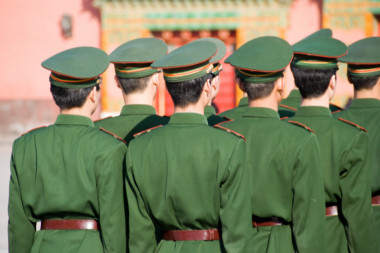
The soldiers are loyal to their country .
Die Soldaten sind ihrem Land treu 0
Những người lính trung thành với đất nước của họ .
军人 对 国家 是 忠心 的 。
Jūnrén duì guójiā shì zhōngxīn de.
兵士たちは国に忠実です。
Heishi-tachi wa kuni ni chūjitsudesu.
군인은 국가에 충성합니다.
gun-in-eun gugga-e chungseonghabnida.
(VI)
(ZH)
(JA)
2085
[EN] [DE] [NL] [ES] [FR] [IT] [TH] [VI] [ZH]
|
RANDOM
爸爸是一个忠厚正直的军人。

My father is an honest and upright soldier .
Mein Vater ist ein loyaler und ehrlicher Soldat 0
Cha tôi là một quân nhân trung thực và ngay thẳng .
爸爸 是 一个 忠厚 正直 的 军人 。
Bàba shì yī gè zhōnghòu zhèngzhí de jūnrén.
お父さんは忠実で直立した兵士です。
Otōsan wa chūjitsude chokuritsu shita heishidesu.
아버지는 충성스럽고 올바른 군인입니다.
abeojineun chungseongseuleobgo olbaleun gun-in-ibnida.
(VI)
(ZH)
(JA)
2086
[EN] [DE] [NL] [ES] [FR] [IT] [TH] [VI] [ZH]
|
RANDOM
新兵已经应征入伍。
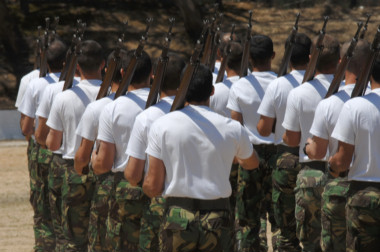
The new soldiers have been recruited .
Die neuen Soldaten wurden schon rekrutiert 0
Những người lính mới đã được tuyển chọn .
新兵 已经 应征入伍 。
Xīnbīng yǐjing yìngzhēngrùwǔ.
新兵は軍隊に引き込まれました。
Shinpei wa guntai ni hikikoma remashita.
신병들은 군대에 징집되었습니다.
sinbyeongdeul-eun gundaee jingjibdoeeossseubnida.
(VI)
(ZH)
(JA)
2142
[EN] [DE] [NL] [ES] [FR] [IT] [TH] [VI] [ZH]
|
RANDOM
蒙古人打败了宋朝,建立了元朝。

The Mongols defeated the Song dynasty and established the Yuan dynasty .
Die Mongolen besiegten die Song-Dynastie und gründeten die Yuan-Dynastie 0
Người Mông Cổ đánh bại nhà Tống và thành lập triều đại nhà Nguyên .
蒙古人 打败 了 宋朝 , 建立 了 元朝 。
Měnggǔ rén dǎbàile Sòngcháo, jiànlìle Yuáncháo.
モンゴルは宋王朝を打ち負かし、元王朝を樹立しました。
Mongoru wa sō ōchō o uchi makashi, moto ōchō o juritsu shimashita.
몽골은 송나라를 물리치고 원나라를 세웠다.
mong-gol-eun songnalaleul mullichigo wonnalaleul sewossda.
(VI)
(ZH)
(JA)
2167
[EN] [DE] [NL] [ES] [FR] [IT] [TH] [VI] [ZH]
|
RANDOM
南京曾经是南宋的首都。

Nanjing was once the capital of the Southern Song dynasty .
Nanjing war einst die Hauptstadt der südlichen Song-Dynastie 0
Nam Kinh từng là kinh đô của triều đại Nam Tống .
' 南京 曾经 是 南宋 的 首都 。
Nánjīng céngjīng shì Nánsòng de shǒudū.
「南京はかつて南宋の首都でした。
`Nankin wa katsute nansō no shutodeshita.
남경은 남송(南宋)나라의 수도였다.
namgyeong-eun namsong(namsong)nalaui sudoyeossda.
(VI)
(ZH)
(JA)
2168
[EN] [DE] [NL] [ES] [FR] [IT] [TH] [VI] [ZH]
|
RANDOM
风很大,差点儿把她的帽子刮跑了。

It is so windy , her hat was almost blown away .
Es ist so windig , dass ihr Hut fast weggeblasen wurde 0
Trời quá gió , mũ của cô gần như bị thổi bay .
风 很大 , 差点儿 把 她 的 帽子 刮 跑 了 。
Fēng hěn dà, chàdiǎnr bǎ tā de màozi guāpǎo le.
風が強すぎて帽子を吹き飛ばそうとした。
Kaze ga tsuyo sugite bōshi o fukitobasou to shita.
바람이 너무 강해서 모자가 날아갈 뻔했습니다.
balam-i neomu ganghaeseo mojaga nal-agal ppeonhaessseubnida.
(VI)
(ZH)
(JA)
2170
[EN] [DE] [NL] [ES] [FR] [IT] [TH] [VI] [ZH]
|
RANDOM
市长郑重宣布一项消息。

eine wichtige Ankündigung (wörtlich: feierlich / ernsthaft eine Information angekündigt) .
annoncé solennellement/sérieusement une information) 0 Der Bürgermeister machte
Thị trưởng đã đưa ra một thông báo quan trọng (lit . , trang trọng / nghiêm túc công
市长 郑重 宣 布 一项 消息 。
Shìzhǎng zhèngzhòng xuānbù yī xiàng xiāoxi.
市長は厳粛に発表を発表しました。
Shichō wa genshuku ni happyō o happyō shimashita.
시장은 엄숙하게 발표를 발표했다.
sijang-eun eomsughage balpyoleul balpyohaessda.
(VI)
(ZH)
(JA)
2198
[EN] [DE] [NL] [ES] [FR] [IT] [TH] [VI] [ZH]
|
RANDOM
妈妈在安慰孩子。

The mother is consoling the child .
Die Mutter tröstet das Kind 0
Người mẹ đang an ủi đứa trẻ .
妈妈 在 安慰 孩子 。
Māma zài ānwèi háizi.
母親は子供を慰めています。
Hahaoya wa kodomo o nagusamete imasu.
어머니가 아이를 위로하고 있습니다.
eomeoniga aileul wilohago issseubnida.
(VI)
(ZH)
(JA)
2207
[EN] [DE] [NL] [ES] [FR] [IT] [TH] [VI] [ZH]
|
RANDOM
我的儿子上幼稚园了。

My son is attending kindergarten now .
Mein Sohn besucht jetzt den Kindergarten 0
Con trai tôi bây giờ đang học mẫu giáo .
我 的 儿子 上 幼稚园 了 。
Wǒ de érzi shàng yòuzhìyuán le.
私の息子は幼稚園にいます。
Watashi no musuko wa yōchien ni imasu.
제 아들은 유치원에 다니고 있습니다.
je adeul-eun yuchiwon-e danigo issseubnida.
(VI)
(ZH)
(JA)
2211
[EN] [DE] [NL] [ES] [FR] [IT] [TH] [VI] [ZH]
|
RANDOM
士兵驻守在边境。

The soldiers are stationed at the frontier .
Die Soldaten sind an der Grenze stationiert 0
Những người lính đang đóng quân ở biên giới .
士兵 驻守 在 边境 。
Shìbīng zhùshǒu zài biānjìng.
兵士は国境に駐留しています。
Heishi wa kokkyō ni chūryū shite imasu.
국경에 군인들이 주둔하고 있다.
guggyeong-e gun-indeul-i judunhago issda.
(VI)
(ZH)
(JA)
2222
[EN] [DE] [NL] [ES] [FR] [IT] [TH] [VI] [ZH]
|
RANDOM
只有坚持,才能巩固健身效果。

Only through perseverance can we consolidate the training success .
Nur durch Ausdauer festigen wir den Trainingserfolg 0
Chỉ thông qua sự kiên trì , bạn mới có thể củng cố các tác dụng của việc tập
只有 坚持 , 才能 巩固 健身 效果 。
Zhǐyǒu jiānchí, cái néng gǒnggù jiànshēn xiàoguǒ.
持続することによってのみ、フィットネス効果を強化することができます。
Jizoku suru koto ni yotte nomi, fittonesu kōka o kyōka suru koto ga dekimasu.
지속해야만 피트니스 효과를 통합할 수 있습니다.
jisoghaeyaman piteuniseu hyogwaleul tonghabhal su issseubnida.
(VI)
(ZH)
(JA)
2224
[EN] [DE] [NL] [ES] [FR] [IT] [TH] [VI] [ZH]
|
RANDOM
肉燉得很烂。

The meat has been stewed till it is very soft .
Das Fleisch wird perfekt geschmort 0
Thịt đã được hầm cho đến khi nó rất mềm .
肉燉 得 很烂 。
Ròu dùn de hěn làn.
肉はひどく煮込んだ。
Niku wa hidoku nikonda.
고기가 겁나 잘 익었습니다.
gogiga geobna jal ig-eossseubnida.
(VI)
(ZH)
(JA)
2236
[EN] [DE] [NL] [ES] [FR] [IT] [TH] [VI] [ZH]
|
RANDOM
罪犯被关进了监狱。

The criminal has been put in prison .
Der Straftäter wurde ins Gefängnis gesteckt 0
Tên tội phạm đã bị bỏ tù .
罪犯 被 关进 了 监狱 。
Zuìfàn bèi guānjìnle jiānyù.
犯人は刑務所に入れられました。
Han'nin wa keimusho ni haire raremashita.
범인은 감옥에 수감되었습니다.
beom-in-eun gam-og-e sugamdoeeossseubnida.
(VI)
(ZH)
(JA)
2241
[EN] [DE] [NL] [ES] [FR] [IT] [TH] [VI] [ZH]
|
RANDOM
破案的关键证人找到了。

The key witness for solving the case has been found .
Der Hauptzeuge für die Lösung des Falls wurde gefunden 0
Nhân chứng quan trọng để giải quyết vụ án đã được tìm thấy .
破案 的 关键 证人 找到 了 。
Pò'àn de guānjiàn zhèngrén zhǎodào le.
事件を解決するための重要な証人が見つかりました。
Jiken o kaiketsu suru tame no jūyōna shōnin ga mitsukarimashita.
사건 해결의 핵심 증인이 발견됐다.
sageon haegyeol-ui haegsim jeung-in-i balgyeondwaessda.
(VI)
(ZH)
(JA)
2269
[EN] [DE] [NL] [ES] [FR] [IT] [TH] [VI] [ZH]
|
RANDOM
军人踏步向前走。

The soldiers are marching forward in step .
Die Soldaten marschieren im Gleichschritt vorwärts 0
Những người lính đang tiến từng bước .
军人 踏步 向前走 。
Jūnrén tàbù xiàngqián zǒu.
兵士たちは一歩一歩前進している。
Heishi-tachi wa ippo ippozenshin shite iru.
병사들이 앞으로 나섰다.
byeongsadeul-i ap-eulo naseossda.
(VI)
(ZH)
(JA)
2271
[EN] [DE] [NL] [ES] [FR] [IT] [TH] [VI] [ZH]
|
RANDOM
她踢球的动作很敏捷。
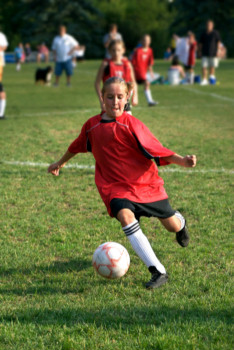
Her soccer moves are very nimble
Sie ist sehr beweglich in ihrem Fußballspiel 0
Cô ấy rất nhanh nhẹn khi chơi đá bóng
她 踢球 的 动作 很 敏捷 。
Tā tīqiú de dòngzuò hěn mǐnjié.
彼女は蹴るのにとても機敏です。
Kanojo wa keru no ni totemo kibindesu.
그녀는 발차기에 매우 민첩합니다.
geunyeoneun balchagie maeu mincheobhabnida.
(VI)
(ZH)
(JA)
2289
[EN] [DE] [NL] [ES] [FR] [IT] [TH] [VI] [ZH]
|
RANDOM
雨季洪水泛滥。

During the rainy season , there are floods .
Während der Regenzeit gibt es Überschwemmungen 0
Trong mùa mưa lũ , lũ lụt .
雨季 洪水 泛 滥 。
Yǔjì hóngshuǐ fànlàn.
雨季には洪水があります。
Uki ni wa kōzui ga arimasu.
장마철 홍수.
jangmacheol hongsu.
(VI)
(ZH)
(JA)
2296
[EN] [DE] [NL] [ES] [FR] [IT] [TH] [VI] [ZH]
|
RANDOM
军人为国牺牲。

The soldiers died for their country .
Die Soldaten starben für ihr Land 0
Những người lính đã chết vì đất nước của họ .
军人 为国牺牲 。
Jūnrén wèi guó xīshēng.
兵士たちは国のために犠牲になりました。
Heishi-tachi wa kuni no tame ni gisei ni narimashita.
나라를 위해 희생한 군인들.
nalaleul wihae huisaenghan gun-indeul.
(VI)
(ZH)
(JA)
2302
[EN] [DE] [NL] [ES] [FR] [IT] [TH] [VI] [ZH]
|
RANDOM
她睡得很甜。

She is sleeping soundly .
Sie schläft tief und fest 0
Cô ấy đang ngủ rất ngon 0
她 睡 得 很甜 。
Tā shuì de hěn tián.
彼女はとても甘く眠ます
Kanojo wa totemo amaku nemumasu.
그녀는 아주 달콤하게 잠을 잤다.
geunyeoneun aju dalkomhage jam-eul jassda.
(VI)
(ZH)
(JA)
2317
[EN] [DE] [NL] [ES] [FR] [IT] [TH] [VI] [ZH]
|
RANDOM
妈妈做了些薄饼。

Mom has made some crêpes .
Mama hat ein paar Crêpes gemacht 0
Mẹ đã làm một số bánh crêpes .
妈妈 做 了 些 薄饼 。
Māma zuòle xiē báobǐng.
ママはパンケーキを作った。
Mama wa pankēki o tsukutta.
엄마가 팬케이크를 만들었어요.
eommaga paenkeikeuleul mandeul-eoss-eoyo.
(VI)
(ZH)
(JA)
2385
[EN] [DE] [NL] [ES] [FR] [IT] [TH] [VI] [ZH]
|
RANDOM
心里还悬念着一件事。

There is still something on my mind that worries me .
Eine Sache ist mir noch im Hinterkopf geblieben 0
Vẫn còn điều gì đó trong tâm trí khiến tôi lo lắng .
心里 还 悬念 着 一件 事 。
Xīnli hái xuánniànzhe yī jiàn shì.
サスペンスにはまだ1つのことがあります。
Sasupensu ni wa mada 1tsu no koto ga arimasu.
아직 한 가지 불안한 것이 있습니다.
ajig han gaji bul-anhan geos-i issseubnida.
(VI)
(ZH)
(JA)
2406
[EN] [DE] [NL] [ES] [FR] [IT] [TH] [VI] [ZH]
|
RANDOM
我盼望梦想早日实现。

I long for my dream to come TRUE soon .
Ich sehne mich danach , dass mein Traum bald wahr wird 0
Tôi mong ước ước mơ của mình sớm thành hiện thực .
我 盼望 梦想 早日 实现 。
Wǒ pànwàng mèngxiǎng zǎorì shíxiàn.
夢の実現を楽しみにしています。
Yume no jitsugen o tanoshiminishiteimasu.
빨리 꿈이 이루어지길 기대해 봅니다.
ppalli kkum-i ilueojigil gidaehae bobnida.
(VI)
(ZH)
(JA)
2423
[EN] [DE] [NL] [ES] [FR] [IT] [TH] [VI] [ZH]
|
RANDOM
妈妈为孩子的自闭感到忧虑。

The mother is worried about her son's autism .
Die Mutter macht sich Sorgen über den Autismus des Kindes 0
Mẹ lo lắng về chứng tự kỷ của con .
妈妈 为 孩子 的 自闭 感到 忧虑 。
Māma wèi háizi de zìbì gǎndào yōulǜ.
母親は子供の自閉症を心配しています。
Hahaoya wa kodomo no jiheishō o shinpai shite imasu.
어머니는 아이의 자폐증에 대해 걱정하고 있습니다.
eomeonineun aiui japyejeung-e daehae geogjeonghago issseubnida.
(VI)
(ZH)
(JA)
2443
[EN] [DE] [NL] [ES] [FR] [IT] [TH] [VI] [ZH]
|
RANDOM
他在盗取别人的隐私。

He is stealing other people's personal information .
Er stiehlt die persönlichen Daten anderer Leute 0
Anh ấy đang ăn cắp thông tin cá nhân của người khác .
他 在 盗取 别人 的 隐私 。
Tā zài dàoqǔ biéren de yǐnsī.
彼は他人のプライバシーを盗んでいます。
Kare wa tanin no puraibashī o nusunde imasu.
그는 다른 사람들의 사생활을 훔치고 있습니다.
geuneun daleun salamdeul-ui sasaenghwal-eul humchigo issseubnida.
(VI)
(ZH)
(JA)
2455
[EN] [DE] [NL] [ES] [FR] [IT] [TH] [VI] [ZH]
|
RANDOM
打搅你一下。

Sorry to interrupt you .
Darf ich für einen Moment stören ?
Xin lỗi vì đã làm phiền bạn .
打搅 你 一下 。
Dǎjiǎo nǐ yīxià.
すみません。
Sumimasen.
실례합니다.
sillyehabnida.
(VI)
(ZH)
(JA)
2474
[EN] [DE] [NL] [ES] [FR] [IT] [TH] [VI] [ZH]
|
RANDOM
机器正在掘土。

The machine is digging the soil .
Die Maschine gräbt die Erde aus 0
Máy đang đào đất .
机器 正在 掘土 。
Jīqì zhèng zài juétǔ.
機械は掘っています。
Kikai wa hotte imasu.
기계가 파고 있습니다.
gigyega pago issseubnida.
(VI)
(ZH)
(JA)
2486
[EN] [DE] [NL] [ES] [FR] [IT] [TH] [VI] [ZH]
|
RANDOM
儿子喜欢小鸡仔。

My son loves little chicks .
Mein Sohn liebt kleine Küken 0
Con trai tôi rất thích những chú gà con nhỏ .
儿子 喜欢 小 鸡仔 。
Érzi xǐhuan xiǎo jīzǎi.
私の息子は小さな鶏が好きです。
Watashi no musuko wa chīsana niwatori ga sukidesu.
아들은 작은 닭을 좋아합니다.
adeul-eun jag-eun dalg-eul joh-ahabnida.
(VI)
(ZH)
(JA)
2504
[EN] [DE] [NL] [ES] [FR] [IT] [TH] [VI] [ZH]
|
RANDOM
他高兴得大声呐喊。

He is so happy that he shouted out loud .
Er ist so glücklich , dass er laut aufschreit 0
Anh ấy hạnh phúc đến mức hét lên thành tiếng .
他 高兴 得 大声 呐喊 。
Tā gāoxìng de dàshēng nàhǎn.
彼はとても幸せだったので大声で叫んだ。
Kare wa totemo shiawasedattanode ōgoe de sakenda.
그는 너무 기뻐서 큰 소리로 외쳤습니다.
geuneun neomu gippeoseo keun solilo oechyeossseubnida.
(VI)
(ZH)
(JA)
2522
[EN] [DE] [NL] [ES] [FR] [IT] [TH] [VI] [ZH]
|
RANDOM
这张沙发很柔软。

This sofa is soft .
Dieses Sofa ist weich 0
Ghế sofa này mềm mại .
这张 沙发 很 柔软 。
Zhè zhāng shāfā hěn róuruǎn.
このソファはとても柔らかいです。
Kono sofa wa totemo yawarakaidesu.
이 소파는 매우 푹신합니다.
i sopaneun maeu pugsinhabnida.
(VI)
(ZH)
(JA)
2548
[EN] [DE] [NL] [ES] [FR] [IT] [TH] [VI] [ZH]
|
RANDOM
我在抄笔记。

I am (re)copying some notes .
Ich kopiere die Notizen 0
Tôi đang (lại) sao chép một số ghi chú .
我 在 抄 笔记 。
Wǒ zài chāo bǐjì.
メモをコピーしています。
Memo o kopī shite imasu.
메모를 복사하고 있습니다.
memoleul bogsahago issseubnida.
(VI)
(ZH)
(JA)
2569
[EN] [DE] [NL] [ES] [FR] [IT] [TH] [VI] [ZH]
|
RANDOM
王位是世袭的。

The throne is passed down from father to son .
Der Thron wird vom Vater an den Sohn weitergegeben 0
Ngai vàng được truyền từ cha sang con trai .
王位 是 世袭 的 。
Wángwèi shì shìxí de.
王位は遺伝的です。
Ōi wa iden-tekidesu.
왕좌는 세습입니다.
wangjwaneun seseub-ibnida.
(VI)
(ZH)
(JA)
2578
[EN] [DE] [NL] [ES] [FR] [IT] [TH] [VI] [ZH]
|
RANDOM
秋日呈现出迷人的景色。

Autumn presents some stunning scenery .
Der Herbst bietet eine atemberaubende Farbenpracht 0
Mùa thu giới thiệu một số phong cảnh tuyệt đẹp .
秋日 呈现出 迷人 的 景色 。
Qiūrì chéngxiàn chū mírén de jǐngsè.
秋は魅力的な景色を見せてくれます。
Aki wa miryoku-tekina keshiki o misete kuremasu.
가을은 매혹적인 풍경을 선사합니다.
ga-eul-eun maehogjeog-in pung-gyeong-eul seonsahabnida.
(VI)
(ZH)
(JA)
2593
[EN] [DE] [NL] [ES] [FR] [IT] [TH] [VI] [ZH]
|
RANDOM
战士们为牺牲的战友送行。

The soldiers are paying their respects to their comrades who sacrificed their lives .
Soldaten trauern um ihre gefallenen Kameraden 0
Những người lính đang bày tỏ lòng kính trọng đối với những người đồng đội đã hy sinh mạng
战士 们 为 牺牲 的 战友 送行 。
Zhànshìmen wèi xīshēng de zhànyǒu sòngxíng.
兵士たちは犠牲になった仲間を見送ります。
Heishi-tachi wa gisei ni natta nakama o miokurimasu.
병사들은 희생된 동료들을 배신했다.
byeongsadeul-eun huisaengdoen donglyodeul-eul baesinhaessda.
(VI)
(ZH)
(JA)
2609
[EN] [DE] [NL] [ES] [FR] [IT] [TH] [VI] [ZH]
|
RANDOM
奴隶没有人身自由。
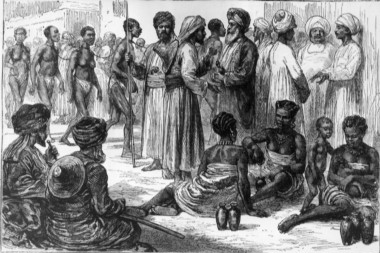
Slaves don't have personal freedom .
Sklaven haben keine persönliche Freiheit 0
Nô lệ không có tự do cá nhân .
奴隶 没有 人身自由 。
Núlì méiyǒu rénshēn zìyóu.
奴隷には個人の自由はありません。
Dorei ni wa kojin no jiyū wa arimasen.
노예는 개인의 자유가 없습니다.
noyeneun gaein-ui jayuga eobs-seubnida.
(VI)
(ZH)
(JA)
2689
[EN] [DE] [NL] [ES] [FR] [IT] [TH] [VI] [ZH]
|
RANDOM
这种蛇有毒。
This type of snake is poisonous .
Diese Art von Schlange ist giftig 0
Đây là loại rắn độc .
这种 蛇 有毒 。
Zhèzhǒng shé yǒudú.
このヘビは有毒です。
Kono hebi wa yūdokudesu.
이 뱀은 유독합니다.
i baem-eun yudoghabnida.
(VI)
(ZH)
(JA)
2699
[EN] [DE] [NL] [ES] [FR] [IT] [TH] [VI] [ZH]
|
RANDOM
这座堡垒很坚固。
This fortress is solid .
Diese Festung ist solide 0
Pháo đài này kiên cố .
这座 堡垒 很 坚固 。
Zhè zuò bǎolěi hěn jiāngù.
この要塞は強いです。
Kono yōsai wa tsuyoidesu.
이 요새는 매우 강력합니다.
i yosaeneun maeu ganglyeoghabnida.
(VI)
(ZH)
(JA)
2701
[EN] [DE] [NL] [ES] [FR] [IT] [TH] [VI] [ZH]
|
RANDOM
酱油是一种调味料。

Soy sauce is a flavoring .
Sojasauce ist ein Gewürz 0
Nước tương là một loại hương liệu .
酱油 是 一种 调味料 。
Jiàngyóu shì yī zhǒng tiáowèiliào.
醤油は調味料です。
Shōyu wa chōmiryōdesu.
간장은 일종의 조미료입니다.
ganjang-eun iljong-ui jomilyoibnida.
(VI)
(ZH)
(JA)
2759
[EN] [DE] [NL] [ES] [FR] [IT] [TH] [VI] [ZH]
|
RANDOM
新郎长得真帅。

The bridegroom is very handsome .
Der Bräutigam sieht sehr gut aus 0
Chàng rể rất đẹp trai .
新郎 长得 真帅 。
Xīnláng zhǎng de zhēn shuài.
新郎はとてもハンサムです。
Shinrō wa totemo hansamudesu.
신랑이 너무 잘생겼어요.
sinlang-i neomu jalsaeng-gyeoss-eoyo.
(VI)
(ZH)
(JA)
2779
[EN] [DE] [NL] [ES] [FR] [IT] [TH] [VI] [ZH]
|
RANDOM
在有些国家乌鸦是不详的象征。

In some countries , the crow is a symbol of uncertainty .
In einigen Ländern ist die Krähe ein Symbol der Ungewissheit 0
Quạ là một biểu tượng đáng ngại ở một số quốc gia .
在 有些 国家 乌鸦 是 不详 的 象征 。
Zài yǒuxiē guójiā wūyā shì bùxiáng de xiàngzhēng.
一部の国では、カラスは未知のシンボルです。
Ichibu no kunide wa, karasu wa michi no shinborudesu.
일부 국가에서는 까마귀가 알려지지 않은 상징입니다.
ilbu gugga-eseoneun kkamagwiga allyeojiji anh-eun sangjing-ibnida.
(VI)
(ZH)
(JA)
2794
[EN] [DE] [NL] [ES] [FR] [IT] [TH] [VI] [ZH]
|
RANDOM
日蚀很罕见。

A solar eclipse is rare .
Eine Sonnenfinsternis ist selten 0
Nhật thực rất hiếm .
日蚀 很 罕见 。
Rìshí hěn hǎnjiàn.
日食はまれです。
Nisshoku wa maredesu.
일식은 드뭅니다.
ilsig-eun deumubnida.
(VI)
(ZH)
(JA)
2800
[EN] [DE] [NL] [ES] [FR] [IT] [TH] [VI] [ZH]
|
RANDOM
他很宠爱他的儿子。

He is very fond of his son .
Er ist vernarrt in seinen Sohn 0
Ông ấy yêu con trai của mình .
他 很 宠爱 他 的 儿子 。
Tā hěn chǒng'ài tā de érzi.
彼は息子をとても溺愛している。
Kare wa musuko o totemo dekiai shite iru.
그는 아들을 매우 아끼고 있습니다.
geuneun adeul-eul maeu akkigo issseubnida.
(VI)
(ZH)
(JA)
2801
[EN] [DE] [NL] [ES] [FR] [IT] [TH] [VI] [ZH]
|
RANDOM
他想贿赂主管。

He is trying to bribe the person in charge .
Er versucht , die verantwortliche Person zu bestechen 0
Anh ta đang cố mua chuộc người phụ trách .
他 想 贿赂 主管 。
Tā xiǎng huìlù zhǔguǎn.
彼は担当者に賄賂を贈ろうとしています。
Kare wa tantōsha ni wairo o okurou to shite imasu.
그는 감독관에게 뇌물을 주고 싶었다.
geuneun gamdoggwan-ege noemul-eul jugo sip-eossda.
(VI)
(ZH)
(JA)
2823
[EN] [DE] [NL] [ES] [FR] [IT] [TH] [VI] [ZH]
|
RANDOM
爷爷即将奔六十了。
My grandfather is going to be sixty soon .
Mein Großvater wird bald sechzig 0
Ông tôi sắp sáu mươi sớm 0
爷爷 即将 奔 六十 了 。
Yéye jíjiāng bèn liùshí le.
おじいちゃんはもうすぐ60歳になります。
Ojīchan wa mōsugu 60-sai ni narimasu.
할아버지는 이제 곧 60일입니다.
hal-abeojineun ije god 60il-ibnida.
(VI)
(ZH)
(JA)
2847
[EN] [DE] [NL] [ES] [FR] [IT] [TH] [VI] [ZH]
|
RANDOM
父子俩在河堤上休息。

The father and his son are resting on the river bank .
Vater und Sohn ruhen sich am Flussufer aus 0
Hai bố con nằm nghỉ bên bờ sông .
父子俩 在 河堤 上 休息 。
Fù-zǐ liǎ zài hédī shàng xiūxi.
父と息子は川岸で休んでいます。
Chichi to musuko wa kawagishi de yasunde imasu.
아버지와 아들은 제방에서 쉬고 있었습니다.
abeojiwa adeul-eun jebang-eseo swigo iss-eossseubnida.
(VI)
(ZH)
(JA)
2853
[EN] [DE] [NL] [ES] [FR] [IT] [TH] [VI] [ZH]
|
RANDOM
她用剪刀帮我剪头发。

She cuts my hair with scissors .
Sie schneidet mir mit einer Schere die Haare 0
Cô ấy đã cắt tóc cho tôi bằng kéo .
她 用 剪刀 帮 我 剪头发 。
Tā yòng jiǎndāo bāng wǒ jiǎn tóufa.
彼女はハサミで私の髪をカットします。
Kanojo wa hasami de watashi no kami o katto shimasu.
그녀는 내 머리를 자르기 위해 가위를 사용했다.
geunyeoneun nae meolileul jaleugi wihae gawileul sayonghaessda.
(VI)
(ZH)
(JA)
2859
[EN] [DE] [NL] [ES] [FR] [IT] [TH] [VI] [ZH]
|
RANDOM
他们参加探险队远征南极。

They are going on an expedition to explore the South Pole .
Sie machen eine Expedition , um den Südpol zu erkunden 0
Họ đang thực hiện một chuyến thám hiểm khám phá Nam Cực .
他们 参加 探险队 远征 南极 。
Tāmen cānjiā tànxiǎnduì yuǎnzhēng Nánjí.
彼らは南極を探検する遠征に出かけます。
Karera wa Nankyoku o tanken suru ensei ni dekakemasu.
그들은 남극 탐험 원정대에 합류했습니다.
geudeul-eun namgeug tamheom wonjeongdaee hablyuhaessseubnida.
(VI)
(ZH)
(JA)
2879
[EN] [DE] [NL] [ES] [FR] [IT] [TH] [VI] [ZH]
|
RANDOM
这里很危险,他们必须谨慎。

It is dangerous here , so they need to be alert .
Es ist hier gefährlich , deshalb müssen sie wachsam sein 0
Ở đây rất nguy hiểm nên họ cần cảnh giác .
这 里 很 危险 , 他们 必须 谨慎 。
Zhèli hěn wēixiǎn, tāmen bìxū jǐnshèn.
ここは危険です、彼らは用心深いに違いありません。
Koko wa kikendesu, karera wa yōjinbukai ni chigai arimasen.
여기는 위험하니 조심해야 합니다.
yeogineun wiheomhani josimhaeya habnida.
(VI)
(ZH)
(JA)
2902
[EN] [DE] [NL] [ES] [FR] [IT] [TH] [VI] [ZH]
|
RANDOM
警官押着犯人。

The police officer is escorting the prisoner .
Der Polizist begleitet den Gefangenen 0
Viên cảnh sát đang áp giải tù nhân .
警官 押 着 犯人 。
Jǐngguān yāzhe fànrén.
警官が囚人を護送している。
Keikan ga shūjin o gosō shite iru.
경찰관이 죄수를 호위했습니다.
gyeongchalgwan-i joesuleul howihaessseubnida.
(VI)
(ZH)
(JA)
2926
[EN] [DE] [NL] [ES] [FR] [IT] [TH] [VI] [ZH]
|
RANDOM
士兵在巡逻。

The soldiers are on patrol .
Die Soldaten patrouillieren 0
Những người lính đang tuần tra 0
士兵 在 巡逻 。
Shìbīng zài xúnluó.
兵士たちはパトロールしています。
Heishi-tachi wa patorōru shite imasu.
군인들이 순찰하고 있습니다.
gun-indeul-i sunchalhago issseubnida.
(VI)
(ZH)
(JA)
2931
[EN] [DE] [NL] [ES] [FR] [IT] [TH] [VI] [ZH]
|
RANDOM
明天降温,请大家做好御寒的准备。
The temperature will drop tomorrow , so please be prepared for the cold .
Die Temperatur wird morgen sinken , seien Sie also bitte auf die Kälte vorbereitet 0
Nhiệt độ sẽ giảm vào ngày mai , vì vậy hãy chuẩn bị cho cái lạnh .
明天 降温 , 请 大家 做好 御寒 的 准备 。
Míngtiān jiàngwēn, qǐng dàjiā zuòhǎo yùhán de zhǔnbèi.
明日は気温が下がりますので、寒さに備えてください。
Ashita wa kion ga sagarimasunode, samu-sa ni sonaete kudasai.
내일도 더위를 식히려면 추위에 대비하시기 바랍니다.
naeildo deowileul sighilyeomyeon chuwie daebihasigi balabnida.
(VI)
(ZH)
(JA)
2950
[EN] [DE] [NL] [ES] [FR] [IT] [TH] [VI] [ZH]
|
RANDOM
地球上的资源正在慢慢枯竭。

The earth's resources are slowly depleting .
Die Ressourcen der Erde gehen langsam zur Neige 0
Các nguồn tài nguyên trên trái đất đang dần bị cạn kiệt .
地球 上 的 资源 正在 慢慢 枯竭 。
Dìqiú shàng de zīyuán zhèng zài mànmàn kūjié.
地球上の資源はゆっくりと枯渇しています。
Chikyū-jō no shigen wa yukkuri to kokatsu shite imasu.
지구상의 자원이 서서히 고갈되고 있습니다.
jigusang-ui jawon-i seoseohi gogaldoego issseubnida.
(VI)
(ZH)
(JA)
2967
[EN] [DE] [NL] [ES] [FR] [IT] [TH] [VI] [ZH]
|
RANDOM
现在是旅游旺季。

It is the busy season for tourism now .
Es ist Hochsaison für den Tourismus 0
Bây giờ đang là mùa bận rộn cho du lịch .
现在 是 旅遊 旺季 。
Xiànzài shì lǚyóu wàngjì.
今が観光シーズンのピークです。
Ima ga kankō shīzun no pīkudesu.
지금은 관광 성수기입니다.
jigeum-eun gwangwang seongsugiibnida.
(VI)
(ZH)
(JA)
2968
[EN] [DE] [NL] [ES] [FR] [IT] [TH] [VI] [ZH]
|
RANDOM
植物需要土壤。

Plants need soil .
Pflanzen brauchen Erde 0
Cây cần đất .
植物 需要 土壤 。
Zhíwù xūyào tǔrǎng.
植物には土が必要です。
Shokubutsu ni wa tsuchi ga hitsuyōdesu.
식물에는 흙이 필요합니다.
sigmul-eneun heulg-i pil-yohabnida.
(VI)
(ZH)
(JA)
2995
[EN] [DE] [NL] [ES] [FR] [IT] [TH] [VI] [ZH]
|
RANDOM
账本数目好像出错了。

It seems that something is wrong with the figures in the accounts book .
Es scheint , dass etwas mit den Zahlen im Geschäftsbuch nicht stimmt 0
Có vẻ như có điều gì đó không ổn với số liệu trong sổ tài khoản .
账本 数目 好像 出错 了 。
Zhàngběn shùmù hǎoxiàng chūcuò le.
本の数が間違っているようです。
Hon no kazu ga machigatte iru yōdesu.
책 수가 잘못된 것 같습니다.
chaeg suga jalmosdoen geos gatseubnida.
(VI)
(ZH)
(JA)
3010
[EN] [DE] [NL] [ES] [FR] [IT] [TH] [VI] [ZH]
|
RANDOM
他让人感到敬畏。

He is the kind of person that people respect and hold in awe .
Er ist die Art von Person , die die Menschen respektieren und in Ehrfurcht versetzen 0
Anh ấy là loại người mà mọi người kính trọng và ngưỡng mộ .
他 让 人 感到 敬畏 。
Tā ràng rén gǎndào jìngwèi.
彼は畏敬の念を起こさせます。
Kare wa ikei no nen o okosa semasu.
그는 경외심을 불러일으키는 사람입니다.
geuneun gyeong-oesim-eul bulleoil-eukineun salam-ibnida.
(VI)
(ZH)
(JA)
3036
[EN] [DE] [NL] [ES] [FR] [IT] [TH] [VI] [ZH]
|
RANDOM
她在抽泣。

She is convulsed with sobs .
Sie ist von Schluchzen erschüttert 0
Cô ấy bị co giật với những tiếng nức nở .
她 在 抽泣 。
Tā zài chōuqì.
彼女はすすり泣きで痙攣している。
Kanojo wa susurinaki de keiren shite iru.
그녀는 흐느끼고 있었다.
geunyeoneun heuneukkigo iss-eossda.
(VI)
(ZH)
(JA)
3068
[EN] [DE] [NL] [ES] [FR] [IT] [TH] [VI] [ZH]
|
RANDOM
这个婴儿太可爱了。

This baby is so cute .
Dieses Baby ist so süß 0
Em bé này thật dễ thương 0
这个 婴儿 太 可爱 了 。
Zhège yīng'ér tài kě'ài le.
この赤ちゃんはとてもかわいいです。
Kono akachan wa totemo kawaīdesu.
이 아기는 너무 귀엽다.
i agineun neomu gwiyeobda.
(VI)
(ZH)
(JA)
3079
[EN] [DE] [NL] [ES] [FR] [IT] [TH] [VI] [ZH]
|
RANDOM
有人放屁。

Someone farted .
Jemand furzte 0
Có người đánh rắm .
有人 放屁 。
Yǒu rén fàngpì.
誰かがおなら。
Darekaga onara.
누군가가 방귀를 뀌었다.
nugungaga bang-gwileul kkwieossda.
(VI)
(ZH)
(JA)
3080
[EN] [DE] [NL] [ES] [FR] [IT] [TH] [VI] [ZH]
|
RANDOM
他手上沾满了肥皂沫。

His hands are covered with soap foam .
Seine Hände sind mit Seifenschaum bedeckt 0
Tay anh ta dính đầy bọt xà phòng .
他 手上 沾满 了 肥皂沫 。
Tā shǒushang zhānmǎnle féizàomò.
彼の手は石鹸の泡で覆われています。
Kare no te wa sekken no awa de ōwa rete imasu.
그의 손은 비누 거품으로 덮여 있었다.
geuui son-eun binu geopum-eulo deop-yeo iss-eossda.
(VI)
(ZH)
(JA)
3082
[EN] [DE] [NL] [ES] [FR] [IT] [TH] [VI] [ZH]
|
RANDOM
姐弟俩为一些小事大动干戈。

Sister and brother are fighting over something trivial .
Schwester und Bruder streiten sich um etwas Triviales 0
Em gái và anh trai đang tranh giành một thứ gì đó tầm thường .
姐弟俩 为 一些 小事 大动干戈 。
Jiě-dì liǎ wèi yīxiē xiǎoshì dàdòng-gāngē.
妹と弟が些細なことでケンカしている。
Imōto to otōto ga sasainakoto de kenka shite iru.
형제 자매는 작은 일을 위해 싸웠습니다.
hyeongje jamaeneun jag-eun il-eul wihae ssawossseubnida.
(VI)
(ZH)
(JA)
3083
[EN] [DE] [NL] [ES] [FR] [IT] [TH] [VI] [ZH]
|
RANDOM
她是非常谦虚的人。

She is a very modest person .
Sie ist eine sehr bescheidene Person 0
Cô ấy là một người rất khiêm tốn .
她 是 非常 谦虚 的 人 。
Tā shì fēicháng qiānxū de rén.
彼女はとても謙虚な人です。
Kanojo wa totemo kenkyona hitodesu.
그녀는 매우 겸손한 사람입니다.
geunyeoneun maeu gyeomsonhan salam-ibnida.
(VI)
(ZH)
(JA)
3087
[EN] [DE] [NL] [ES] [FR] [IT] [TH] [VI] [ZH]
|
RANDOM
他是个囚犯。

He is a prisoner .
Er ist ein Gefangener 0
Anh ta là một tù nhân 0
他 是 个 囚犯 。
Tā shì ge qiúfàn.
彼は囚人です。
Kare wa shūjindesu.
그는 죄수입니다.
geuneun joesu-ibnida.
(VI)
(ZH)
(JA)
3099
[EN] [DE] [NL] [ES] [FR] [IT] [TH] [VI] [ZH]
|
RANDOM
这是糖醋排骨。

This is sweet and sour spareribs .
Das sind süß-saure Spareribs 0
Đây là món ngọt và chua 0
这是 糖醋排骨 。
Zhè shì tángcù páigǔ.
これは甘酸っぱいポークリブです。
Kore wa amazuppai pōkuribudesu.
새콤달콤한 돼지갈비입니다.
saekomdalkomhan dwaejigalbiibnida.
(VI)
(ZH)
(JA)
3116
[EN] [DE] [NL] [ES] [FR] [IT] [TH] [VI] [ZH]
|
RANDOM
我们要遏止资源的浪费。

We should curb the waste of resources .
Wir sollten die Verschwendung von Ressourcen eindämmen 0
Chúng ta nên hạn chế sự lãng phí tài nguyên .
我们 要 遏止 资源 的 浪费 。
Wǒmen yào èzhǐ zīyuán de làngfèi.
資源の浪費を抑えなければなりません。
Shigen no rōhi o osaenakereba narimasen.
자원 낭비를 줄여야 합니다.
jawon nangbileul jul-yeoya habnida.
(VI)
(ZH)
(JA)
3123
[EN] [DE] [NL] [ES] [FR] [IT] [TH] [VI] [ZH]
|
RANDOM
他在拷贝资料。
He is copying some material .
Er kopiert Material 0
Anh ta đang sao chép một số tài liệu .
他 在 拷贝 资料 。
Tā zài kǎobèi zīliào.
彼は情報をコピーしています。
Kare wa jōhō o kopī shite imasu.
그는 정보를 복사하고 있습니다.
geuneun jeongboleul bogsahago issseubnida.
(VI)
(ZH)
(JA)
3130
[EN] [DE] [NL] [ES] [FR] [IT] [TH] [VI] [ZH]
|
RANDOM
她害怕得蒙住眼睛。

She is so scared that she is covered her eyes .
Sie hat solche Angst , dass sie ihre Augen bedeckt 0
Cô ấy sợ đến mức bị che mắt .
她 害怕 得 蒙住 眼睛 。
Tā hàipà de méngzhù yǎnjing.
彼女はとても怖がって目を覆っている。
Kanojo wa totemo kowagatte me o ōtte iru.
그녀는 두려움에 눈가리개를 하고 있었다.
geunyeoneun dulyeoum-e nungaligaeleul hago iss-eossda.
(VI)
(ZH)
(JA)
3149
[EN] [DE] [NL] [ES] [FR] [IT] [TH] [VI] [ZH]
|
RANDOM
在冬天大雁迁徙到南方。

In winter , wild geese migrate to the south .
Im Winter ziehen Wildgänse nach Süden 0
Vào mùa đông , những con ngỗng hoang dã di cư về phía nam .
在 冬天 大雁 迁徙 到 南方 。
Zài dōngtiān dàyàn qiānxǐ dào nánfāng.
冬には、野生のガチョウが南に移動します。
Fuyu ni wa, yasei no gachō ga minami ni idō shimasu.
겨울에는 기러기가 남쪽으로 이동합니다.
gyeoul-eneun gileogiga namjjog-eulo idonghabnida.
(VI)
(ZH)
(JA)
3161
[EN] [DE] [NL] [ES] [FR] [IT] [TH] [VI] [ZH]
|
RANDOM
豆腐渣也是烹饪的原料。

The residue from the process of making bean curd is also used as an ingredient in cooking .
Der Rückstand aus dem Prozess der Herstellung von Bohnengallerte wird auch als Zutat beim Kochen verwendet 0
Phần bã từ quá trình làm váng đậu cũng được sử dụng như một nguyên liệu trong nấu ăn
豆腐渣 也 是 烹饪 的 原料 。
Dòufuzhā yě shì pēngrèn de yuánliào.
豆腐の残留物も調理の原料です。
Tōfu no zanryū-mono mo chōri no genryōdesu.
두부 찌꺼기는 요리의 원료이기도 합니다.
dubu jjikkeogineun yoliui wonlyoigido habnida.
(VI)
(ZH)
(JA)
3215
[EN] [DE] [NL] [ES] [FR] [IT] [TH] [VI] [ZH]
|
RANDOM
案板上有些面包渣。

There are some crumbs of bread on the chopping board .
Auf dem Schneidebrett liegen einige Semmelbrösel 0
Có một số vụn bánh mì trên thớt .
案板 上 有些 面包 渣 。
Ànbǎn shàng yǒu xiē miànbāozhā.
まな板の上にパン粉がいくつかあります。
Manaita no ue ni panko ga ikutsu ka arimasu.
도마에 빵 부스러기가 몇 개 있습니다.
doma-e ppang buseuleogiga myeoch gae issseubnida.
(VI)
(ZH)
(JA)
3216
[EN] [DE] [NL] [ES] [FR] [IT] [TH] [VI] [ZH]
|
RANDOM
桌子上有一些面包屑。

There are some bread crumbs on the table .
Es gibt einige Semmelbrösel auf dem Tisch 0
Có một số vụn bánh mì trên bàn .
桌子 上 有 一些 面包屑 。
Zhuōzi shàng yǒu yīxiē miànbāo xiè.
テーブルの上にいくつかのパン粉があります。
Tēburu no ue ni ikutsu ka no panko ga arimasu.
테이블에 부스러기가 있습니다.
teibeul-e buseuleogiga issseubnida.
(VI)
(ZH)
(JA)
3279
[EN] [DE] [NL] [ES] [FR] [IT] [TH] [VI] [ZH]
|
RANDOM
你真卑鄙!

You are so low/despicable/contemptible !
Du bist so niedrig / verabscheuungswürdig / verächtlich !
Bạn thật thấp kém / hèn hạ / đáng khinh !
你 真 卑鄙 !
Nǐ zhēn bēibǐ!
あなたはとても意地悪です!
Anata wa totemo ijiwarudesu!
당신은 너무 못된!
dangsin-eun neomu mosdoen!
(VI)
(ZH)
(JA)
3298
[EN] [DE] [NL] [ES] [FR] [IT] [TH] [VI] [ZH]
|
RANDOM
这只蜘蛛有毒。

This spider is poisonous .
Diese Spinne ist giftig 0
Nhện này có độc .
这 只 蜘蛛 有毒 。
Zhè zhī zhīzhū yǒudú.
このクモは有毒です。
Kono kumo wa yūdokudesu.
이 거미는 유독합니다.
i geomineun yudoghabnida.
(VI)
(ZH)
(JA)
3314
[EN] [DE] [NL] [ES] [FR] [IT] [TH] [VI] [ZH]
|
RANDOM
他是我的女婿。
He is my son-in-law .
Er ist mein Schwiegersohn 0
Anh ấy là con rể của tôi .
他 是 我 的 女婿 。
Tā shì wǒ de nǚxu.
彼は私の義理の息子です。
Kare wa watashi no giri no musukodesu.
그는 내 사위입니다.
geuneun nae sawiibnida.
(VI)
(ZH)
(JA)
3319
[EN] [DE] [NL] [ES] [FR] [IT] [TH] [VI] [ZH]
|
RANDOM
他们隶属于人事部。

They belong to the personnel department .
Sie gehören zur Personalabteilung 0
Họ thuộc bộ phận nhân sự 0
他们 隶属于 人事部 。
Tāmen lìshǔ yú rénshìbù.
彼らは人事省に属しています。
Karera wa jinji-shō ni zokushite imasu.
인사부에 소속되어 있습니다.
insabue sosogdoeeo issseubnida.
(VI)
(ZH)
(JA)
3322
[EN] [DE] [NL] [ES] [FR] [IT] [TH] [VI] [ZH]
|
RANDOM
爱滋病迄今还无法治癒。

So far , AIDS remains incurable .
Bisher bleibt AIDS unheilbar 0
Cho đến nay , bệnh AIDS vẫn không thể chữa khỏi .
爱滋病 迄今 还 无法 治 癒 。
Àizībìng qìjīn hái wúfǎ zhìyù.
これまでのところ、エイズの治療法はありません。
Kore made no tokoro, eizu no chiryō-hō wa arimasen.
아직까지 에이즈 치료법은 없습니다.
ajigkkaji eijeu chilyobeob-eun eobs-seubnida.
(VI)
(ZH)
(JA)
3346
[EN] [DE] [NL] [ES] [FR] [IT] [TH] [VI] [ZH]
|
RANDOM
士兵很警惕。

The soldier is very alert .
Der Soldat ist sehr wachsam 0
Người lính rất cảnh giác .
士兵 很 警惕 。
Shìbīng hěn jǐngtì.
兵士たちは非常に警戒しています。
Heishi-tachi wa hijō ni keikai shite imasu.
군인들은 매우 경계합니다.
gun-indeul-eun maeu gyeong-gyehabnida.
(VI)
(ZH)
(JA)
3370
[EN] [DE] [NL] [ES] [FR] [IT] [TH] [VI] [ZH]
|
RANDOM
他擅长足球运动。

He is good at soccer .
Er ist gut im Fußball 0
Anh ấy đá bóng giỏi .
他 擅长 足球运动 。
Tā shàncháng zúqiú yùndòng.
彼はサッカーが得意です。
Kare wa sakkā ga tokuidesu.
그는 축구를 잘한다.
geuneun chugguleul jalhanda.
(VI)
(ZH)
(JA)
3377
[EN] [DE] [NL] [ES] [FR] [IT] [TH] [VI] [ZH]
|
RANDOM
她穿着白色的袜子。

She is wearing white socks .
Sie trägt weiße Socken 0
Cô ấy đang đi tất trắng 0
她 穿着 白色 的 袜子 。
Tā chuānzhe báisè de wàzi.
彼女は白い靴下を履いています。
Kanojo wa shiroi kutsushita o haite imasu.
그녀는 흰색 양말을 신고 있습니다.
geunyeoneun huinsaeg yangmal-eul singo issseubnida.
(VI)
(ZH)
(JA)
3380
[EN] [DE] [NL] [ES] [FR] [IT] [TH] [VI] [ZH]
|
RANDOM
硫磺不溶于水。

Sulphur doesn not dissolve in water .
Schwefel löst sich nicht in Wasser 0
Lưu huỳnh không tan trong nước 0
硫磺 不 溶于 水 。
Liúhuáng bù róng yú shuǐ.
硫黄は水に溶けません。
Iō wa mizu ni tokemasen.
유황은 물에 녹지 않습니다.
yuhwang-eun mul-e nogji anhseubnida.
(VI)
(ZH)
(JA)
3407
[EN] [DE] [NL] [ES] [FR] [IT] [TH] [VI] [ZH]
|
RANDOM
士兵藏匿在树后面。

The soldiers are hiding behind the trees .
Die Soldaten verstecken sich hinter den Bäumen 0
Những người lính đang nấp sau những tán cây .
士兵 藏匿在 树 后面 。
Shìbīng cángnì zài shù hòumian.
兵士たちは木の陰に隠れています。
Heishi-tachi wa ki no in ni kakurete imasu.
군인은 나무 뒤에 숨었다.
gun-in-eun namu dwie sum-eossda.
(VI)
(ZH)
(JA)
3416
[EN] [DE] [NL] [ES] [FR] [IT] [TH] [VI] [ZH]
|
RANDOM
绑匪向我索取赎金。

The kidnapper demanded a ransom from me .
Der Entführer forderte von mir ein Lösegeld 0
Kẻ bắt cóc đòi tiền chuộc từ tôi .
绑匪 向 我 索取 赎金 。
Bǎngfěi xiàng wǒ suǒqǔ shújīn.
誘拐犯は私に身代金を要求した。
Yūkai-han wa watashi ni minoshirokin o yōkyū shita.
납치범은 나에게 몸값을 요구했습니다.
nabchibeom-eun na-ege momgabs-eul yoguhaessseubnida.
(VI)
(ZH)
(JA)
3440
[EN] [DE] [NL] [ES] [FR] [IT] [TH] [VI] [ZH]
|
RANDOM
锅底被熏黑了。

The bottom of the pan was blackened by soot .
Der Boden der Pfanne war von Ruß geschwärzt 0
Đáy chảo bị muội đen bám vào .
锅底 被 熏黑了 。
Guōdǐ bèi xūnhēi le.
鍋の底は黒くなっていました。
Nabe no soko wa kuroku natte imashita.
냄비 바닥이 검게 변했습니다.
naembi badag-i geomge byeonhaessseubnida.
(VI)
(ZH)
(JA)
3442
[EN] [DE] [NL] [ES] [FR] [IT] [TH] [VI] [ZH]
|
RANDOM
今天的菜肴很丰富。

Today there is a huge assortment of dishes .
Heute gibt es eine riesige Auswahl an Gerichten 0
Ngày nay có rất nhiều loại món ăn .
今天 的 菜肴 很 丰富 。
Jīntiān de càiyáo hěn fēngfù.
今日の料理はとても豊富です。
Kyō no ryōri wa totemo hōfudesu.
오늘의 요리는 매우 풍부합니다.
oneul-ui yolineun maeu pungbuhabnida.
(VI)
(ZH)
(JA)
3458
[EN] [DE] [NL] [ES] [FR] [IT] [TH] [VI] [ZH]
|
RANDOM
我用汤匙喝汤。
I am eating the soup with a spoon .
Ich esse die Suppe mit einem Löffel 0
Tôi đang ăn súp bằng thìa 0
我用 汤匙 喝汤 。
Wǒ yòng tāngchí hē tāng.
スプーンでスープを飲みます。
Supūn de sūpu o nomimasu.
나는 수프를 숟가락으로 마신다.
naneun supeuleul sudgalag-eulo masinda.
(VI)
(ZH)
(JA)
3464
[EN] [DE] [NL] [ES] [FR] [IT] [TH] [VI] [ZH]
|
RANDOM
她臀部的线条很漂亮。

The curve of her lower torso is very beautiful .
Die Krümmung ihres Unterleibs ist sehr schön 0
Đường cong của thân dưới của cô ấy rất đẹp .
她 臀部 的 线条 很漂亮 。
Tā túnbù de xiàntiáo hěn piàoliang.
彼女の腰のラインは美しいです。
Kanojo no koshi no rain wa utsukushīdesu.
그녀의 엉덩이 라인은 아름답습니다.
geunyeoui eongdeong-i lain-eun aleumdabseubnida.
(VI)
(ZH)
(JA)
3490
[EN] [DE] [NL] [ES] [FR] [IT] [TH] [VI] [ZH]
|
RANDOM
我用肥皂洗手。

I wash my hands with soap .
Ich wasche meine Hände mit Seife 0
Tôi rửa tay bằng xà phòng 0
我用 肥皂 洗手 。
Wǒ yòng féizào xǐshǒu.
石鹸で手を洗います。
Sekken de te o araimasu.
나는 비누로 손을 씻습니다.
naneun binulo son-eul ssis-seubnida.
(VI)
(ZH)
(JA)
3516
[EN] [DE] [NL] [ES] [FR] [IT] [TH] [VI] [ZH]
|
RANDOM
她快乐的哼着曲子。
She is merrily humming a song .
Sie summt fröhlich ein Lied 0
Cô ấy đang vui vẻ ngâm nga một bài hát .
她 快乐 的 哼 着 曲子 。
Tā kuàilè de hēngzhe qǔzi.
彼女は楽しそうに歌を口ずさんでいます。
Kanojo wa tanoshi-sō ni uta o kuchizusande imasu.
그녀는 행복하게 콧노래를 흥얼거렸다.
geunyeoneun haengboghage kosnolaeleul heung-eolgeolyeossda.
(VI)
(ZH)
(JA)
3527
[EN] [DE] [NL] [ES] [FR] [IT] [TH] [VI] [ZH]
|
|