| HSK 3.0 | Big5 | Gb | Pin | Eng |
|---|
| 1 | 杯 | 杯 | bēi | m.[container]
|
| 1 | 不用 | 不用 | bùyòng | need not
|
| 1 | 唱 | 唱 | chàng | cry, chant, chirm, tune, vocalize, call, sing
|
| 1 | 吃 | 吃 | chī | feed, have, be subject to, absorb, chow, live on, eat, have one's meals, be a strain, exhaust, fare, take in, live off, annihilate, wipe out, partake, suffer, ingest, consume, graze, lunch, manducate, incur, take, get, use up, make, taste, soak up
|
| 1 | 吃飯 | 吃饭 | chī fàn | feed, dine, make a living, keep alive, have a meal, eat
|
| 1 | 出來 | 出来 | chū lai | come forward, issue, come up, step up, step to the fore, out (toward one), come_out, pop out, come out, rise, come to the fore, step forward, emergence, come forth, emerge
|
| 1 | 次 | 次 | cì | order, sequence, next
|
| 1 | 穿 | 穿 | chuān | to wear, to put on, to dress, to bore through, to pierce, to perforate, to penetrate, to pass through, to thread
|
| 1 | 打 | 打 | dǎ | generalized verb of doing with specific meaning determined by its object, strike, hit, fight, construct, forge, mix
|
| 1 | 打電話 | 打电话 | dǎ diànhuà | make telephone call
|
| 1 | 地方 | 地方 | dìfang | country, soil, terrain, part, clime, way, territory, room, neighbourhood, tinderbox, locality (as distinct from the central administrat, child, tract, province, position, respect, where, region, space, place, local
|
| 1 | 電話 | 电话 | diànhuà | blower, phone call, headphone, earpiece, telephone, telephone_call, buzz, earphone, horn, telephone set, phone_call, telephony, phone
|
| 1 | 電影 | 电影 | diànyǐng | cinematography, moving_picture, pix, kinema, picture, film, movie, moving picture, flick, cinema, motion_picture, cinematic, celluloid, picture show, motion picture, flicker
|
| 1 | 電影院 | 电影院 | diànyǐng yuàn | cinema, movie (house)
|
| 1 | 動作 | 动作 | dòngzuò | demeanor, motion, behavior, performance, demeanour, play, turn, operation, operative, looseness, agency, gesticulation, movement, gesture, comportment, business, action, move
|
| 1 | 飯 | 饭 | fàn | food, meal, repast, cooked rice or other cereals, dinner
|
| 1 | 放 | 放 | fàng | loose, bloom, make longer, set ... free, let sb. have his own way, show, readjust, free, make larger, put in, fly, etc., release, discharge, leave alone, bung, lay aside, put, expansion, make longer/larger/etc., fling, localize, lend (money) at interest, let go, set, pasture, pose, set free, blossom, lay, let off, put out to pasture, send away, play, expand, make larger/etc., readjus
|
| 1 | 飛機 | 飞机 | fēijī | aerocraft, airplane, machine, craft, aeroplane, ship, aero, avion, aeronef, plane, aircraft
|
| 1 | 分 | 分 | fēn | m.[general]
|
| 1 | 風 | 风 | fēng | wind, common practice, custom, general mood, style, news, information
|
| 1 | 工人 | 工人 | gōngren | navvy, hired man, operative, working person, laborer, shopworker, esne, working man, hired hand, worker, workpeople, workman, hand
|
| 1 | 還是 | 还是 | háishi | still, nevertheless
|
| 1 | 漢語 | 汉语 | Hànyǔ | Chinese language, CL:門|门[men2]
|
| 1 | 漢字 | 汉字 | Hànzì | Chinese character, CL:個|个[ge4], Japanese: kanji, Korean: hanja, Vietnamese: hán tự
|
| 1 | 號 | 号 | hào | m.[general]
|
| 1 | 覺得 | 觉得 | juéde | imagine, guess, believe, reckon, suspect, suppose, think, listen, feel, consider, think_of, appear, conceive
|
| 1 | 九 | 九 | jiǔ | det.: nine
|
| 1 | 開 | 开 | kāi | open, open up, reclaim (land), open out, come loose, start, begin, operate, turn on (light), run (business), hold (meeting/etc.), divide into, reveal
|
| 1 | 口 | 口 | kǒu | m.[general]
|
| 1 | 塊 | 块 | kuài | m.[general]
|
| 1 | 老人 | 老人 | lǎoren | oldster, ancient, old woman, crock, one's aged parents or grandparents, old man/woman, one's aged parents/grandparents, Sir, old person, gaffer, pop, one's aged parents, the aged/old, old_man, senior_citizen, oldie, greybeard, old man, graybeard, old, grandparents, the old, the aged, senior citizen, old_boy, old boy, woman, old-timer, old man or woman, one's aged grandparents
|
| 1 | 冷 | 冷 | lěng | cool, rare, cold, unfrequented, feel cold, chill, frosty(in manner), shot from hiding, strange
|
| 1 | 路上 | 路上 | lùshang | on the road, on a journey, road surface
|
| 1 | 路 | 路 | lù | road, path, way, journey, distance, means, sequence, logic, line, region, district, route, sort, grade, class
|
| 1 | 馬上 | 马上 | mǎshàng | in a short time, at_once, instantaneously, promptly, at once, incontinent, in the same breath, directively, instantly, slapbang, pronto, right_away, immediately, shortly, without delay, right away, tout-de-suite, forthwith, presently, in_no_time, at a time, soon, hereupon, in a few seconds, before long, at one time, outright, straightaway, in a minute, directly, momently, in a f
|
| 1 | 慢 | 慢 | màn | tardy, rude, slow down, slow, slow up, retard, lose, defer, supercilious, postpone, decelerate
|
| 1 | 沒關係 | 没关系 | méiguānxi | it doesn't matter, never mind
|
| 1 | 沒什麼 | 没什么 | méishénme | nothing, it doesn't matter, it's nothing, never mind
|
| 1 | 沒事兒 | 没事儿 | méishìr | to have spare time, free from work, it's not important, it's nothing, never mind
|
| 1 | 門票 | 门票 | ménpiào | entrance/admission ticket, admission ticket, admission fee, admission price, entrance ticket, admission charge, cover_charge, admission, entrance fee, entrance money, pasteboard, price of admission, entrance
|
| 1 | 明年 | 明年 | míngnián | next year
|
| 1 | 呢 | 呢 | ne | particle: marking quesitons about subject already mentioned; indicating strong affirmation
|
| 1 | 女 | 女 | nǚ | girl, female, woman, neodymium, hen, daughter, beaver, creature
|
| 1 | 女朋友 | 女朋友 | nǚpéngyou | jane, girl, girl friend, lady friend, girlfriend, amie
|
| 1 | 旁邊 | 旁边 | pángbiān | by the side of, side, adjacency, near by
|
| 1 | 女人 | 女人 | nǚren | jade, crumpet, female, female person, Gill, bitch, chick, fair, squaw, womenfolk, adult female, doll, momma, wench, skirt, womankind, girl, jill, wife, broad, petticoat, sister, woman, bimbo, bird, jane, she, hen, hairpin, dame, women
|
| 1 | 朋友 | 朋友 | péngyou | amigo, connections, kith, friend, boy, crony, ami, boy/girl friend, companion, mate, boy friend or girl friend, compadre, boy friend, Mac, paisano, matey, old_boy, sport, folks, pard, hearty, Kamerad, cocker, cobber, girl friend, pardner, company
|
| 1 | 汽車 | 汽车 | qìchē | automotive vehicle, machine, wheels, motorcar, motor vehicle, car, automotive, auto, wheel, autocar, motor, automobile, hoot, mobile, bus
|
| 1 | 錢 | 钱 | qián | copper coin, cash, money, fund, sum
|
| 1 | 認真 | 认真 | rènzhēn | serious, earnest, take for real
|
| 1 | 山 | 山 | shān | Shan, jebel, pike, mountain, whitethorn, hump, anything resembling a mountain, gable, kop, chimney, hill, Surname, mount
|
| 1 | 商場 | 商场 | shāngchǎng | department store, bazar, line of business, field of operation, grocery store, emporium, bazaar, grocery, mall, commercial circle, field, market
|
| 1 | 商店 | 商店 | shāngdiàn | concern, hospital, business, store, shoppe, shop
|
| 1 | 上網 | 上网 | shàng wǎng | to go online, to connect to the Internet, (of a document etc) to be uploaded to the Internet, (tennis, volleyball etc) to move in close to the net
|
| 1 | 上邊 | 上边 | shàngbian | the top, above, overhead, upwards, the top margin, above-mentioned, those higher up
|
| 1 | 誰 | 谁 | shéi | who, someone, anyone
|
| 1 | 事 | 事 | shì | responsibility, trouble, event, thing, worry, accident, case, involvement, work, affair, job, concern, business, toast, matter
|
| 1 | 手機 | 手机 | shǒujī | cell phone, mobile phone, CL:部[bu4],支[zhi1]
|
| 1 | 水 | 水 | shuǐ | water, H2O, liquid, bubble, a general term for rivers, lakes, seas, etc., Shiu, waters, aqueous, Aquarius, river, Surname, blister, drink, eau, aqua
|
| 1 | 她 | 她 | tā | she, her, she (neologism for {1ta1}[2]), )
|
| 1 | 外邊 | 外边 | wàibian | outside, outer surface, abroad, place other than one's home
|
| 1 | 晚飯 | 晚饭 | wǎnfàn | evening meal, dinner, supper, CL:份[fen4],頓|顿[dun4],次[ci4],餐[can1]
|
| 1 | 網上 | 网上 | wǎngshàng | online
|
| 1 | 網友 | 网友 | wǎngyǒu | online friend, Internet user
|
| 1 | 忘記 | 忘记 | wàngjì | misremember, block, blank out, neglect, overlook, draw a blank, leave_out, disremember, fail, forget
|
| 1 | 忘 | 忘 | wàng | forget, overlook, neglect
|
| 1 | 問 | 问 | wèn | ask, examine, question, interrogate
|
| 1 | 下次 | 下次 | xiàcì | next time
|
| 1 | 先生 | 先生 | xiānsheng | doctor of Chinese medicine, Don, mulla, Ms., sir., teacher, gentleman, gospodin, Signor, signor, fortune-teller, babu, baboo, Herr, Mister, bey, mister, bwana, husband, siree, buckra, sirrah, senor, guv, sahib, Mr., rabbi, don, signore, Dan, sir, m'sieur, effendi, Tuan, baas, Monsieur, lording, monsieur, doctor, Mr, milord, Mynheer, signior, esquire, bookkeeper, Senor, rabboni, Senhor, sieur, sen
|
| 1 | 新 | 新 | xīn | new, fresh, up-to-date
|
| 1 | 新年 | 新年 | xīnnián | New Year, CL:個|个[ge4]
|
| 1 | 學生 | 学生 | xuésheng | academic, pupil, pup, tutee, follower, scholar, schoolchild, schoolboy, alumnus, disciple, learner, scholastic, student
|
| 1 | 要 | 要 | yào | want, need, must, should
|
| 1 | 頁 | 页 | yè | page, leaf, m.[general], ,sheet of paper, sheet, piece, piece of paper, folio
|
| 1 | 一 | 一 | yī | det.: one
|
| 1 | 一下兒 | 一下儿 | yīxiàr | (used after a verb) give it a go, to do (sth for a bit to give it a try), one time, once, in a while, all of a sudden, all at once, erhua variant of 一下[yi1 xia4]
|
| 1 | 一半 | 一半 | yībàn | det.: one half, in part, half
|
| 1 | 一邊 | 一边 | yībiān | at the same time, simultaneously;on the one/other hand
|
| 1 | 知識 | 知识 | zhīshi | lear, know-how, understanding, ken, instruction, science, sophistication, consciousness, light, awareness, cognizance, knowledge, lore, mastery, know, cognition, acquaintanceship, mind, intellect, knowingness, equipment
|
| 1 | 中文 | 中文 | Zhōngwén | Chinese, Ch. (written) language, Ch. language, Sinitic
|
| 1 | 子 | 子 | zi | son, child, seed, egg, small thing, 1st earthly branch: 11 p.m.-1 a.m., midnight, 11th solar month (7th December to 5th January), year of the Rat, Viscount, fourth of five orders of nobility 五等爵位[wu3 deng3 jue2 wei4], ancient Chinese compass point: 0° (north), (noun suffix)
|
| 2 | 啊 | 啊 | a | particle: used in direct address and exclamation; indicating obviousness/impatience/suggestion; used for confirmation
|
| 2 | 愛情 | 爱情 | àiqíng | god, warmheartedness, affection, love_affair, heart, kindness, tenderness, bosom, love, fondness, romantic love, affectionateness
|
| 2 | 白色 | 白色 | báisè | White, white, whiteness, White (as symbol of anticommunism), white (color)
|
| 2 | 報名 | 报名 | bào míng | register, inscribe, enter, enroll, enrol, enter one's name, sign up, recruit
|
| 2 | 報紙 | 报纸 | bàozhǐ | paper, headliner, newspaper publisher, tabloid, copyreader, newspaper, rag, courant, newsprint, sheet, gazette, dailies
|
| 2 | 北方 | 北方 | běifāng | norland, septentrion, compass north, northern part of country, northernness, northern, magnetic north, northward, north, the North, the northern part of the country
|
| 2 | 筆 | 笔 | bǐ | m.[general]
|
| 2 | 筆記本 | 笔记本 | bǐjìběn | notebook (stationery), CL:本[ben3], notebook (computing)
|
| 2 | 不要 | 不要 | bùyào | never, noway, don't want, don't (do sth.)
|
| 2 | 不如 | 不如 | bùrú | be unequal/inferior to
|
| 2 | 部分 | 部分 | bùfen | partial, department, section, partialness, slice, pars, part, det.: part, percent, partage, sphere, component, divvy, segment, portion, fraction, sector, chapter, share, percentage, piece, division, sectional, parcel
|
| 2 | 查 | 查 | chá | look into, consult, look up, search, investigate, consultation, audit, examination, investigation, check, examine
|
| 2 | 超過 | 超过 | chāo guò | overpass, overreach, outwalk, outstrip, overstep, outmarch, distance, pass, overstride, outpace, overtop, surpass, crown, exceed, overtake, preponderate, overrun, top, outrun, go_over, transcend, outrange, transgress, go past, break, excess, overhaul, overshine
|
| 2 | 重新 | 重新 | chóngxīn | over_again, newly, afresh, anew, again
|
| 2 | 成為 | 成为 | chéngwéi | find, join, comprise, turn to, commemorate, sample, entomb, come_up, commence, get hold, learn, add up, necessitate, run, make up, constitute, make, form, come, amount, represent, fall, presage, change, be, turn, turn into, become, line up, come up, shape, portend, foretell, get
|
| 2 | 出國 | 出国 | chū guó | go abroad (from one's own country)
|
| 2 | 出門 | 出门 | chū mén | go_out, go on journey, go out, go on a journey, be away from home
|
| 2 | 吹 | 吹 | chuī | fall through (of plans), wind, fall through, tout, play, gasconade, shoot a line, blow, break up, chuff, vaunt, boast, brag, gas, bluster, talk big, break off, toot, swash, play (wind instruments), huff, puff, land
|
| 2 | 春節 | 春节 | Chūn Jié | Spring Festival (Chinese New Year)
|
| 2 | 船 | 船 | chuán | bottom, body, ship, catcher, bow, bark, boat, shipboard, prow, watercraft, craft, drone, vessel, keel, sailer
|
| 2 | 詞 | 词 | cí | vocable, words, phrase, a kind of poetry originating in Tang dyn, statement, a form of classical poetry, part of speech, speech, Ci, Chinese poetry, term, word
|
| 2 | 詞語 | 词语 | cíyǔ | word (general term including monosyllables through to short phrases), term (e.g. technical term), expression
|
| 2 | 打算 | 打算 | dǎsuan | mean, specify, plan, think, intention, propose, design, purpose, contemplate, allot, destine, calculate, intend, designate, be after
|
| 2 | 大家 | 大家 | dàjiā | sundry, great master, rich and influential family, pontiff, all of us, everyone, authority, master, distinguished family
|
| 2 | 大人 | 大人 | dàren | grownup, adult, milord, respectful salutation for one's seniors/, grown-up, respectful salutation for one's parents, Your Excellency, panjandrum, Highness, respectful salutation for one's parents/seniors/etc., Tuan, Bahadur, bahadur, sahib
|
| 2 | 帶來 | 带来 | dài lái | bring, redound, impart, bring_on, bring on, express, fetch, lend, convey, contribute, bring about, bestow, carry, bring oneself, add, usher, incur, land
|
| 2 | 但 | 但 | dàn | conj.: but, yet, still, nevertheless, only, merely
|
| 2 | 到處 | 到处 | dàochù | universally, everywhere, everyplace, far and near, about, around, far and wide, all_over, high_and_low, all over, throughout, high and low, far_and_near, passim, abroad, at all places
|
| 2 | 得 | 得 | de | should be, need
|
| 2 | 燈 | 灯 | dēng | blowlamp, lantern, light source, light, lamp, tube, valve, burner
|
| 2 | 地球 | 地球 | dìqiú | the earth/globe, globe, world, Earth, ball, terrene, earth, the globe, the earth
|
| 2 | 點頭 | 点头 | diǎntóu | take a bow, nod one's head, noddle, nod
|
| 2 | 讀音 | 读音 | dúyīn | pronunciation, literary (rather than colloquial) pronunciation of a Chinese character
|
| 2 | 段 | 段 | duàn | m.[general]
|
| 2 | 隊 | 队 | duì | m.[general]
|
| 2 | 多數 | 多数 | duōshù | trillions, millions, mort, relative majority, throng, det : majority, prevalence, multitude, lac, Host, host, bulk, horde, raft, million, lakh, rimption, pack, skit, strength, acre, generality, ruck, chunk, number, shoal, multiplicity, billions, preponderance, jillions, zillions, grist, world, majority, meiny, regiment, legion, mass, plurality
|
| 2 | 方法 | 方法 | fāngfǎ | know-how, plan, attack, system, stepping-stone, manner, method, gateway, idea, measure, way, guise, key, wise, quomodo, plan of attack, tack, machinery, process, avenue, modus, how, means, channel, gate, approach, agency, gamesmanship, mode, medium, sort
|
| 2 | 方向 | 方向 | fāngxiang | path, set, directional, aspect, tenor, course, lay, exposure, way, range, aim, trend, direction, bearing, orientation, hand, tack, way of life, quarter, channel, line, heading
|
| 2 | 分 | 分 | fēn | m.[general]
|
| 2 | 分開 | 分开 | fēn kāi | rive, uncouple, unyoke, divaricate, detach, disjoint, cleave, shift, break_up, cut, segregate, isolate, divorce, severalize, unclasp, divide, dissever, disjoin, break, come off, demarcate, fork, sever, sequester, disconnect, part, come away, sunder, break up, keep apart, separate, diverge, branch, set_off, ramify, split, sequestrate, untwine, separation, set apart, parcel
|
| 2 | 放心 | 放心 | fàng xīn | disburden, set one's mind at rest, set one's mood at rest, be at ease, feel relieved, rest assured
|
| 2 | 份 | 份 | fèn | m.[general]
|
| 2 | 封 | 封 | fēng | m.[general]
|
| 2 | 感動 | 感动 | gǎndòng | be touched, be moved, affect, feel, stir, thrill, melt, magnetize, inspire, touch, reach, move
|
| 2 | 公司 | 公司 | gōngsī | place of business, business organization, incorporation, establishment, business concern, office, concern, business establishment, business, enterprise, company, corporation
|
| 2 | 顧客 | 顾客 | gùkè | chap, client, shopper, correspondent, constituency, patronage, trade, market, guest, clientele, newspaperman, newspaperwoman, newswriter, pressman, customer agent, customer, business
|
| 2 | 關機 | 关机 | guān jī | to turn off (a machine or device), to finish shooting a film
|
| 2 | 關心 | 关心 | guānxīn | be concerned about
|
| 2 | 過年 | 过年 | guònian | celebrate/spend New Year
|
| 2 | 海 | 海 | hǎi | water, foam, bottom, main, huge group of people, Surname, sea catfish, the sea, sea, mare, drink, fishpond, briny, great capacity, Neptune, billow, huge group of things, depth, waters, pond, wave, brine, big lake
|
| 2 | 好處 | 好处 | hǎochu | pull, profit, advantage, stead, benefit, virtu, welfare, virtue, good, behoof, goodness, gain, pap, beauty, beaut
|
| 2 | 好人 | 好人 | hǎorén | a healthy person, good person, goodman, sb. who tries to get along with everyone, bawcock, good, agreeable individual, good egg, a person who tries to get along with everyone (oft
|
| 2 | 好事 | 好事 | hǎoshì | good action, deed, thing or work (also sarcastic, 'a fine thing indeed'), charity, happy occasion, Daoist or Buddhist ceremony for the souls of the dead, to be meddlesome
|
| 2 | 湖 | 湖 | hú | water, waterfront, a name referring to the provinces of Hunan and Hub, lacustrine, loch, mere, lake, lough, Hunan and Hubei, laky
|
| 2 | 黃色 | 黄色 | huángsè | chrome, yellowness, yellow, salacity, or
|
| 2 | 回國 | 回国 | huí guó | return to one's country
|
| 2 | 活動 | 活动 | huódong | activity, maneuver, behavior
|
| 2 | 機會 | 机会 | jīhui | scouth, occasion, good luck, hap, liberty, fortune, opportunity, chance, joss, hazard, happy chance, probability, luck, scope, room, break, turn, opening
|
| 2 | 家庭 | 家庭 | jiātíng | hearthstone, background, fireside, establishment, household, hearth, domestic, hearthside, menage, home, family unit, family, house
|
| 2 | 家長 | 家长 | jiāzhǎng | masterman, housemaster, graybeard, patriarch, parent of schoolchildren, patriarchal, goodman, patriarchate, paterfamilias, the head of a family, genearch, patriarchy, householder, head of household, the parent or guadian of a child
|
| 2 | 檢查 | 检查 | jiǎnchá | check, inspect, examine
|
| 2 | 件 | 件 | jiàn | correspondence, paper, document, bit, m.[general], , single item, letter, piece
|
| 2 | 講 | 讲 | jiǎng | discourse, utter, talk, negotiation, make clear, negotiate, parley, pay attention to, speak, syllable, discuss, explain, tell, be particular about, explanation, interpretation, interpret, relate, discussion, stress, mouth, say, remark, verbalize
|
| 2 | 接下來 | 接下来 | jiēxiàlái | next, immediately after
|
| 2 | 接著 | 接着 | jiēzhe | next, immediately after
|
| 2 | 接 | 接 | jiē | to receive, to answer (the phone), to meet or welcome sb, to connect, to catch, to join, to extend, to take one's turn on duty, to take over for sb
|
| 2 | 進入 | 进入 | jìnrù | go_into, get_in, debouch, get in, go into, move into, come_into, pass, step_in, lapse, get_into, set in, go in, get into, kick in, penetrate, intromission, pierce, come_in, come in, enter, entry, sink, impenetrate
|
| 2 | 酒店 | 酒店 | jiǔdiàn | wineshop, public house
|
| 2 | 酒 | 酒 | jiǔ | libation, bracer, plonk, wine, tipple, poison, pottle, spirits, creature, vin, cup, drink, hooch, arrack, medicine, alcohol, bottle, hootch, alcoholic drink, rum, bibble, potation, belly-wash, alcoholic beverage, Bacchus, booze, liquor, juice, fortifier, inebriant, lotion, intoxicant
|
| 2 | 舉手 | 举手 | jǔ shǒu | raise one's hand, haul_off, raise one's hand(s), show, put up one's hand
|
| 2 | 卡 | 卡 | kǎ | to stop, to block, card, CL:張|张[zhang1],片[pian4], calorie, cassette, (computing) (coll.) slow, to block, to be stuck, to be wedged, customs station, a clip, a fastener, a checkpost, Taiwan pr. [ka3]
|
| 2 | 開機 | 开机 | kāi jī | to start an engine, to boot up (a computer), to press Ctrl-Alt-Delete, to begin shooting a film or TV show
|
| 2 | 句 | 句 | jù | sentence, m.[general],
|
| 2 | 考生 | 考生 | kǎoshēng | candidate for an entrance examination, examinee
|
| 2 | 快要 | 快要 | kuàiyào | almost, nearly, almost all
|
| 2 | 拉 | 拉 | lā | slit, press-gang, help, solicit, lend a helping hand, canvass, draw, zoom, transport by vehicle, pull, release, press, cut, schlep, play (bowed instruments), tote, tug, gash, tow, bend, snake, schlepp, move (troops), solicitation, haul, chat, solicit (business), give a helping hand, drag out, force, play, slash, drum_up, claw, implicate, overstretch, empty the bowels, drag, trail, drag
|
| 2 | 藍色 | 蓝色 | lánsè | blue, blue (color), blueness
|
| 2 | 老年 | 老年 | lǎonián | senescence, caducity, senility, old_age, agedness, hoariness, age, old age
|
| 2 | 禮物 | 礼物 | lǐwù | tribute, giving, proffer, gift, compliment, box, benefice, acknowledgment, present, souvenir
|
| 2 | 練 | 练 | liàn | practice, exercise, boil and scour raw silk, educate, reeducate, nurture, coach, hone, drill, school, lunge, break, breed, train
|
| 2 | 輛 | 辆 | liàng | m.[general]
|
| 2 | 留學生 | 留学生 | liúxuéshēng | student studying abroad, returned student
|
| 2 | 旅客 | 旅客 | lǚkè | journeyer, guest, hotel guest, traveler, traffic, wayfarer, viator, rider, traveller, passer, passenger
|
| 2 | 旅行 | 旅行 | lǚxíng | travel, journey, tour
|
| 2 | 綠色 | 绿色 | lǜsè | verdure, green, greenness, green color, verdancy, bice, virescence, vert, pistachio, viridity
|
| 2 | 賣 | 卖 | mài | bring, parade, prostitute, make living at, go, sell out, show off, negotiate, exert to the utmost, tout, not spare, deal, betray, make living by, at, sell, make living by/at, betrayal, trade, fetch, market, bring in
|
| 2 | 旅遊 | 旅游 | lǚyóu | trip, journey, tourism, travel, tour, to travel
|
| 2 | 貓 | 猫 | māo | pussycat, puss, malkin, cat, kitty, tabby, felid, feline, true cat, pussy
|
| 2 | 面 | 面 | miàn | m.[general]
|
| 2 | 名 | 名 | míng | m.[general]
|
| 2 | 目的 | 目的 | mùdì | view, pretence, objective, goal, purport, intention, bourn, object, motive, motivation, meaning, aim, end point, hent, target, scope, sense of purpose, errand, purposefulness, sake, function, end, purpose, quaesitum, intent
|
| 2 | 明星 | 明星 | míngxīng | headliner, lucida, (movie/etc.) star, impersonator, (movie, famous performer, stardom, Venus, star, etc.) star, movie_star
|
| 2 | 難題 | 难题 | nántí | problem, Gordian knot, grief, sticker, question, enigma, difficult problem, puzzler, spinosity, stickler, a hard nut to crack, puzzle, toughie, poser, difficulty, crux, nut, challenge, tickler, conundrum, knot, hump, knottiness, stinker, puzzlement, teaser, stumper, twister
|
| 2 | 爬山 | 爬山 | páshān | mountaineer, climb mountain, climb
|
| 2 | 排 | 排 | pái | stand in line, arrange, put in order, sequence
|
| 2 | 排隊 | 排队 | pái duì | stand in line, queue
|
| 2 | 碰 | 碰 | pèng | explore, stub, paw, encounter, knock against, partake, run into, take one's chance, knock, disturb, touch, meet, bump
|
| 2 | 碰見 | 碰见 | pèng jian | to run into, to meet (unexpectedly), to bump into
|
| 2 | 篇 | 篇 | piān | m.[general]
|
| 2 | 片 | 片 | piàn | m.[general]
|
| 2 | 瓶 | 瓶 | píng | cruse, flask, vase, bottle, ninepin, jug, jar, pot, ampulla, m.[container],
|
| 2 | 普通話 | 普通话 | pǔtōnghuà | Mandarin (common language), Putonghua (common speech of the Chinese language), ordinary speech
|
| 2 | 起飛 | 起飞 | qǐfēi | take off (of planes/etc.)
|
| 2 | 輕 | 轻 | qīng | light, agile, alert, easy, simple, rash, reckless, unimportant, frivolous, slight, neglect
|
| 2 | 請客 | 请客 | qǐng kè | to give a dinner party, to entertain guests, to invite to dinner
|
| 2 | 晴 | 晴 | qíng | clear, fine (weather)
|
| 2 | 全部 | 全部 | quánbù | lot, aggregate, all, gross, entirety, allness, shebang, caboodle, complete, bunch, sum, total, gamut, entire, det.: all, totality, whole, everything
|
| 2 | 全體 | 全体 | quántǐ | great, entirety, general, ensemble, altogether, collectivity, entire, totality, whole body, whole, all, pie, crew, be-all, plenary assembly, en_bloc, wholeness, gamut
|
| 2 | 認為 | 认为 | rènwéi | find, treat, deem, suppose, look_on, repute, discount, esteem, accredit, feel, account, calculate, estimate, take to be, reckon, expect, think, hold, trust, recognise, opine, sound off, adjudge, consideration, consider, regard as, look upon, believe_in, disbelieve, allow, conceive, regard, call, imagine, view, forecast, believe, suspect, rate, animadvert, look on, listen, speak up, figure, c
|
| 2 | 日報 | 日报 | rìbào | daily newspaper
|
| 2 | 商人 | 商人 | shāngrén | merchandiser, trader, businessman, merchant, monger, trafficker, chapman, dealer, cit, merchantman, tradespeople, merchantry, bargainer, man of affairs
|
| 2 | 身邊 | 身边 | shēnbiān | nearby, side, at hand
|
| 2 | 生詞 | 生词 | shēngcí | new word (in textbook), word that is unfamiliar or not yet studied, CL:組|组[zu3],個|个[ge4]
|
| 2 | 聲音 | 声音 | shēngyīn | voice, vocal, language, huskiness, vox, vocalization, audio, noise, sonic, tone, sound, phone, audio frequency
|
| 2 | 省 | 省 | shěng | to save, to economize, to do without, to omit, to leave out, province, CL:個|个[ge4], to inspect, to examine, to be aware, to pay a visit (to one's parents or elders)
|
| 2 | 實在 | 实在 | shízai | indeed, really, honestly, in fact, as a matter of fact
|
| 2 | 事情 | 事情 | shìqing | proposition, pie, shebang, thing, affair, occasions, undertaking, concern, question, business, schmear, matter
|
| 2 | 熟 | 熟 | shú | ripe, cooked, done, deep (sleep, thoughts, etc.)
|
| 2 | 隨便 | 随便 | suí biàn | informal, willful, do as one pleases, wanton, casual, random, careless
|
| 2 | 隨時 | 随时 | suíshí | whenever, whene'er, always, readily, whenever necessary, at all times, as occasion demands, at any time
|
| 2 | 它 | 它 | tā | they (neologism for {1ta1}[3] [4]), [4]), ), this, that, it
|
| 2 | 太太 | 太太 | tàitai | lady, memsahib, Dona, dona, Mrs, mum, Senora, senora, Mrs., mistress of a household, madam, Frau, goodwife, missus, senhora, married woman, wife, vrouw, Madame, madame, missis, wahine, Signora, signora
|
| 2 | 太陽 | 太阳 | tàiyáng | Apollo, luminary, daystar, digit, sunlight, solar, sunshine, Phoebus, lamp, sun, Sol, fireball
|
| 2 | 討論 | 讨论 | tǎolùn | to discuss, to take something up with someone, to talk about
|
| 2 | 態度 | 态度 | tàidu | stance, treatment, demeanor, dealing, deportment, pose, behavior, manner, demeanour, way, bearing, attitude, air, behaviour, front, mien, conduct, mental attitude, approach, posture, address, position, bedside_manner, movement, gesture, comportment, presence, sort
|
| 2 | 套 | 套 | tào | m.[general]
|
| 2 | 特點 | 特点 | tèdiǎn | distinctive feature, trait, point, flavor, singularity, flavour, distinction, characteristic, excellence, speciality, specialty, idiosyncrasy, salience, distinctiveness, specialness, feature, spot, peculiarity
|
| 2 | 題 | 题 | tí | m.[general]
|
| 2 | 條 | 条 | tiáo | bar, item, short note, a long narrow piece, streak, clause, stripe, sth. long and narrow, filet, m.[general], , article, strip, assize, twig, ingot, slip
|
| 2 | 同時 | 同时 | tóngshí | at the same time, simultaneously
|
| 2 | 頭髮 | 头发 | tóufa | barba, chevelure, lock, head of hair, hair, tress, mane, hair (on human head)
|
| 2 | 外地 | 外地 | wàidì | parts of the country other than where one is, place other than where one is
|
| 2 | 推 | 推 | tuī | push, decline, refuse, reject, put off, postpone, delay
|
| 2 | 晚報 | 晚报 | wǎnbào | evening newspaper, (in a newspaper's name) Evening News
|
| 2 | 晚餐 | 晚餐 | wǎncān | dinner, supper
|
| 2 | 碗 | 碗 | wǎn | m.[container]
|
| 2 | 網 | 网 | wǎng | net
|
| 2 | 網站 | 网站 | wǎngzhàn | website, network station, node
|
| 2 | 位 | 位 | wèi | location, digit, m.[general], , status, figure, throne, position, place, condition
|
| 2 | 問題 | 问题 | wèntí | problem, mishap, query, job, interface, question, inquiry, matter, enquiry, trouble, issue, worry, subject, topic, hang-up, business, quaere
|
| 2 | 西方 | 西方 | xīfāng | the Occident, West, New World, occidental, westward, west, the West, the west, Hesperian, occident, Western, sunset, western hemisphere, western
|
| 2 | 西醫 | 西医 | xīyī | Western medicine, a doctor trained in Western medicine
|
| 2 | 洗衣機 | 洗衣机 | xǐyījī | washer, washing machine, CL:臺|台[tai2]
|
| 2 | 下週 | 下周 | xiàzhōu | next week
|
| 2 | 相信 | 相信 | xiāngxìn | deem, believe, credit, esteem, accredit, feel, trow, count, have faith in, guess, lippen, buy, be convinced of, hold, think, trust, accept, know, hone, believe_in, favour, believe in, hope
|
| 2 | 想到 | 想到 | xiǎng dào | imagine, ideate, think, envisage, anticipate, bethink, dream, recollect, think_of, call to mind, think of, occur, conceive of
|
| 2 | 想法 | 想法 | xiǎngfa | view, stance, mentality, idea, notion, sentiment, judgment, construct, thought, opinion, conception, viewpoint, judgement, belief, mind-set, what one has in mind, persuasion, perspective, concept, mind, impression
|
| 2 | 小時候 | 小时候 | xiǎoshíhou | in one's childhood
|
| 2 | 小心 | 小心 | xiǎoxin | beware, watch_out, keep one's eyes skinned, keep one's eyes peeled, careful, cautious, be careful, see, watch, guard, ware, cautionary, keep one's eyes open, take care, look_out, look out
|
| 2 | 心情 | 心情 | xīnqíng | cognitive state, cue, frame of mind, form, stomach, pulse, humor, feeling, temper, state of mind, cheer, humour, frame/state of mind, mood, vein, spirit, feelings, frame, frame_of_mind, habit of mind, mind, tune
|
| 2 | 心中 | 心中 | xīnzhōng | central point, in one's thoughts, in one's heart
|
| 2 | 新聞 | 新闻 | xīnwén | unco, leak, intelligence, newsworthiness, witting, journalistic, information, journalism, courant, news
|
| 2 | 信心 | 信心 | xìnxīn | trustfulness, trustingness, confidence, belief, affiance, religion, feeling, fay, trust, positiveness, notion, reliance, religious belief, faith, hope, impression
|
| 2 | 信息 | 信息 | xìnxī | information, news, message
|
| 2 | 許多 | 许多 | xǔduō | lot, scores, lots, sight, pot, heap, quantity, plenty, slews, ton, battalion, many, scads, tidy sum, power, spate, chunk, pile, crowd, vastness, batch, lashings, whole lot, mint, mound, pocketful, large number, trunkful, ream, mickle, great deal, flock, mass, slew, heaps, a lot of, piles, whole slew, mess, raff, slue, gobs, much, lotta, multitude, volume, wad, store, raft, tons, satiety, rafts, doze
|
| 2 | 樣子 | 样子 | yàngzi | tendency, pattern, form, manner, likelihood, way, resemblance, semblance, sample, guise, fashion, wise, model, air, mien, appearance, shape, suggestion, gesture, sort
|
| 2 | 藥片 | 药片 | yàopiàn | a (medicine) pill or tablet, CL:片[pian4]
|
| 2 | 藥 | 药 | yào | healer, medicine, certain chemicals, drug, medicament, medicinal drug, aspirin, medication, remedy, physic
|
| 2 | 藥水 | 药水 | yàoshuǐ | Yaksu in North Korea, near the border with Liaoning and Jiling province, medicine in liquid form, bottled medicine, lotion
|
| 2 | 一路平安 | 一路平安 | yīlù-píngān | to have a pleasant journey, Bon voyage!
|
| 2 | 一路順風 | 一路顺风 | yīlùshùnfēng | to have a pleasant journey (idiom)
|
| 2 | 以前 | 以前 | yǐqián | langsyne, ago, in the past, formerly, prevenient, before, previously
|
| 2 | 以上 | 以上 | yǐshàng | the above/foregoing/above-mentioned
|
| 2 | 一般 | 一般 | yībān | general, ordinary, common
|
| 2 | 一生 | 一生 | yīshēng | lifetime, all, existence, life, throughout one's life, all one's life, career, all/throughout one's life
|
| 2 | 以為 | 以为 | yǐwéi | imagine, think/believe/consider erroneously, treat, deem, believe, suspect, suppose, consider erroneously, repute, animadvert, esteem, trow, speak up, feel, count, believe/consider erroneously, calculate, view as, guess, ween, look, expect, think erroneously, think, hold, opine, interpret, sound off, take_for, consider, take for
|
| 2 | 陰 | 阴 | yīn | overcast (weather), cloudy, shady, Yin (the negative principle of Yin and Yang), negative (electric.), feminine, moon, implicit, hidden, genitalia, surname Yin, variant of 陰|阴[yin1]
|
| 2 | 遊客 | 游客 | yóukè | traveler, tourist, (online gaming) guest player
|
| 2 | 有人 | 有人 | yǒurén | someone, people, anyone, there is someone there, occupied (as in restroom)
|
| 2 | 月亮 | 月亮 | yuèliang | moonlight, Cynthia, moon, lune, Phoebe, Diana, lunar
|
| 2 | 早餐 | 早餐 | zǎocān | breaker, petit dejeuner, brekker, dejeuner, breakfast, morning tea
|
| 2 | 怎麼辦 | 怎么办 | zěnmebàn | what should someone do?
|
| 2 | 找出 | 找出 | zhǎochū | rout out, find, unearth, rout up, rout, quest, observe, notice, grub, seek_out, dig_out, seek out, discover, find_out, root_out, spy, spot, detect, smoke out
|
| 2 | 照片 | 照片 | zhàopiàn | snapshot, shot, likeness, picture, photo, icon, image, caption, exposure, photograph, pic, ikon
|
| 2 | 中餐 | 中餐 | zhōngcān | Chinese meal, Chinese food, CL:份[fen4],頓|顿[dun4]
|
| 2 | 中醫 | 中医 | zhōngyī | trad. Ch. medicine, doctor of trad. Ch. medicine
|
| 2 | 重點 | 重点 | zhòngdiǎn | taproot, accent, emphasis, focal point, point, keystone, hinge, salient point, stress, gravity
|
| 2 | 主人 | 主人 | zhǔrén | lord, housemaster, host, symposiarch, marse, bwana, padrone, boss, master, baas, provider, mast, owner, landlord
|
| 2 | 自己 | 自己 | zìjǐ | lonesome, number_one, own, ego, self, oneself, name
|
| 2 | 自行車 | 自行车 | zìxíngchē | two-wheeler, roadster, machine, bicycle, wheel, push-bike, cycle, motorcycle, bike, velocipede
|
| 2 | 自由 | 自由 | zìyóu | free, unrestrained
|
| 2 | 組 | 组 | zǔ | m.[general]
|
| 2 | 嘴 | 嘴 | zuǐ | spigot, mug, rattletrap, kisser, trap, puss, visage, spile, nib, smiler, beak, countenance, snout, physiognomy, bill, cake-hole, bazoo, spout, anything shaped or functioning like a mouth, mouth, gob, neb
|
| 2 | 最近 | 最近 | zuìjìn | recent, recently, these days, latest, soon, nearest (of locations), shortest (of routes)
|
| 2 | 座 | 座 | zuò | fare, stand, base, constellation, footstall, pedestal, m.[general], , customer, Aquarius, seating, plinth, place, seat
|
| 2 | 做法 | 做法 | zuòfa | way of doing sth., modus_operandi, practice, manner, method, making sth., way of making sth., shtick, way, way of doing, way of doing/making sth., personal manner
|
| 3 | 愛心 | 爱心 | àixīn | liking, pity, love, benevolence, mercy, fondness, commitment
|
| 3 | 白菜 | 白菜 | báicài | Chinese cabbage, pak choi, CL:棵[ke1], 個|个[ge4]
|
| 3 | 報道 | 报道 | bàodào | to report (news), report, CL:篇[pian1],份[fen4]
|
| 3 | 報 | 报 | bào | newspaper, periodical, bulletin, telegram
|
| 3 | 必然 | 必然 | bìrán | surely, inevitably, pardi, certainly
|
| 3 | 必要 | 必要 | bìyào | necessary, indispensable
|
| 3 | 標題 | 标题 | biāotí | head, headline, title, superscription, statute title, header, headword, caption, cutline, rubric, heading
|
| 3 | 不必 | 不必 | bùbì | need not, not have to
|
| 3 | 并 | 并 | bìng | to be side by side, simultaneously, and
|
| 3 | 補充 | 补充 | bǔchōng | supply, supplement, augment, replenishment, complement, eke, fill again, accompany, add, renew, replenish, implement, stock, recruit, refill
|
| 3 | 不安 | 不安 | bùān | be anxious; be uneasy; be restless
|
| 3 | 不光 | 不光 | bùguāng | not the only one, not only
|
| 3 | 部 | 部 | bù | m.[general]
|
| 3 | 部長 | 部长 | bùzhǎng | commissar, manager, superintendent, cabinet minister, head of a section, minister, political commissar, ministerial, secretary, government minister, president, head of a department
|
| 3 | 曾經 | 曾经 | céngjīng | in one case, , one time, formerly, syne, at one time, of all time, once, ever
|
| 3 | 場所 | 场所 | chǎngsuǒ | site, digging, terrain, locality, point, arena, scene, room, locus, location, locale, stead, scene of action, lieu, amenity, meridian, where, spot, space, land site, place, seat
|
| 3 | 程度 | 程度 | chéngdù | latitude, rate, degree, point, measure, way, grade, gree, pitch, cut, length, plane, stage, level, extent, scale, notch
|
| 3 | 創新 | 创新 | chuàngxīn | bring forth new ideas, blaze new trails
|
| 3 | 創業 | 创业 | chuàngyè | start undertaking, do pioneering work
|
| 3 | 存 | 存 | cún | harbour, keep, deposit (money), gather, harbor, cherish, accumulate, existence, live, leave with, retain, reserve, save, consist, accumulation, preserve, survival, store, survive, check (luggage), collect, deposit, place, bank, check, exist, be in stock, remain on balance
|
| 3 | 代 | 代 | dài | period, generation
|
| 3 | 當地 | 当地 | dāngdì | locality, the place (named/mentioned/etc.)
|
| 3 | 底下 | 底下 | dǐxia | under, below, beneath
|
| 3 | 地區 | 地区 | dìqū | section, country, area, latitude, zone, terrain, parts, locality, sector, province, prefecture, region, district, faubourg
|
| 3 | 調 | 调 | diào | to transfer, to move (troops or cadres), to investigate, to enquire into, accent, view, argument, key (in music), mode (music), tune, tone, melody, to harmonize, to reconcile, to blend, to suit well, to adjust, to regulate, to season (food), to provoke, to incite
|
| 3 | 短處 | 短处 | duǎnchu | shortcoming, defect, fault, one's weak points
|
| 3 | 對手 | 对手 | duìshǒu | mate, competitor, opposite, antagonist, comparative, contender, adversary, opponent, opposition, counterpart, equal, counterworker, rival, match
|
| 3 | 範圍 | 范围 | fànwéi | demesne, latitude, shot, compass, extensity, panorama, parameter, boundary, arena, stretch, territory, radius, spectrum, scope, extension, sphere, orbit, circumscription, limits, purview, grasp, extent, region, space, limit, hemisphere, horizon, envelope, bounds, realm, terrain, tether, sphere of influence, range, circuit, domain, precinct, reach, area, length, spread, bailiwick, ambit, con
|
| 3 | 防止 | 防止 | fángzhǐ | estop, guard against, preclude, prevention, inhibit, avoidance, help, cumber, prevent, forbid, prohibit, obviate, restrain, deter, avoid, head_off, debar, guard, help oneself, ward_off, constrain, ward, encumber, avert, ward off, disenable, forfend, shield, countercheck, forestall, keep_from, foreclose
|
| 3 | 方式 | 方式 | fāngshì | path, plan, pattern, tenor, system, method, manner, style, way, guise, fashion, wise, means, shape, how, embodiment, agency, gate, mode, sort
|
| 3 | 房屋 | 房屋 | fángwū | casa, premises, buildings, digging, houses, housing, tenement, house
|
| 3 | 費用 | 费用 | fèiyong | tax, cost, expense, expenditure, due, rate, exes, outlay, outgo, fee, terms, toll, price, disbursement, fare, expenses, disbursal, retainer, pay, damage, charge, monetary value, consideration, outgoing
|
| 3 | 否定 | 否定 | fǒudìng | negate, deny
|
| 3 | 否認 | 否认 | fǒurèn | deny, disavow, repudiation, naysay, denial, gainsay, reject, veto, negate, disclaim, disown, challenge, dispute, renounce, disaffirm, negative, contradict, contravene, repudiate
|
| 3 | 福 | 福 | fú | felicity, happiness, blessing, good fortune
|
| 3 | 感情 | 感情 | gǎnqíng | warmheartedness, reticence, sensation, affection, susceptibility, feeling, feelings, heart, affective, withers, expression, tenderness, emotion, sentiment, fondness, soul, affectionateness, soulfulness, passion
|
| 3 | 個性 | 个性 | gèxìng | kidney, specific property, personalism, fibre, individuation, personhood, particularity, fiber, character, individual character, self-identity, mentality, idiosyncrasy, spirit, individuality, individualism, selfhood, personality
|
| 3 | 各自 | 各自 | gèzì | each, respective, severalty, oneself
|
| 3 | 工程師 | 工程师 | gōngchéngshī | technologist, engineer, applied scientist
|
| 3 | 工廠 | 工厂 | gōngchǎng | layout, mill, factory, remuneration, workshop, industrial plant, plant, hacienda, manufactory, works, shop
|
| 3 | 工資 | 工资 | gōngzī | earning, hire, remuneration, screw, laborage, pay, paycheck, wages, earnings, pay_packet, salary, wage_scale, differential, wage
|
| 3 | 姑娘 | 姑娘 | gūniang | quiff, cummer, gill, calico, girlie, missy, moll, damsel, fille, girl, jill, miss, judy, jeune fille, sheila, jane, lass, colleen, toots, daughter, young girl, lassie
|
| 3 | 關係 | 关系 | guānxi | relation, bearing, impact, membership credentials, backdoor connections
|
| 3 | 管 | 管 | guǎn | run, manage, administer, have charge of, subject to discipline, bother about
|
| 3 | 光 | 光 | guāng | light, ray, brightness, honor, glory, luster
|
| 3 | 規定 | 规定 | guīdìng | rules, disciplines, regulations
|
| 3 | 國內 | 国内 | guónèi | interior (of country), interior, home, intestine, internal, domestic
|
| 3 | 海關 | 海关 | hǎiguān | chophouse, customhouse, customshouse, custom, haikwan, customs, douane
|
| 3 | 害怕 | 害怕 | hàipà | dread, be afraid/scared, fearful, frighten, fear, frightened, shrink_from, be afraid, funk, scared, be scared, tremble
|
| 3 | 紅酒 | 红酒 | hóngjiǔ | Red wine
|
| 3 | 後年 | 后年 | hòunián | the year after next
|
| 3 | 互聯網 | 互联网 | hùliánwǎng | Internet
|
| 3 | 互相 | 互相 | hùxiāng | mutual, each other, mutually, one another, reciprocally
|
| 3 | 華人 | 华人 | huárén | Chinese, Ch. people
|
| 3 | 化 | 化 | huà | melt, dissolve, thaw, digest, remove, burn up, incinerate, disguise
|
| 3 | 會議 | 会议 | huìyì | synod, moot, conference, board, convocation, soviet, congress, talks, indaba, negotiation, junta, group discussion, convention, meeting place, session, council, rendezvous, colloquy, coming together, powwow, seance, meeting, forum, consultation, roll-up, get-together, assembly
|
| 3 | 機器 | 机器 | jīqì | enginery, life, machinery, machine, plant, apparatus, engine, gizmo
|
| 3 | 積極 | 积极 | jījí | positive, active, energetic, vigorous
|
| 3 | 記者 | 记者 | jìzhě | journalist, writer, correspondent, newspaperwoman, newspaperman, gazetteer, newswriter, reporter, pressman, newshound, newsman, newsperson
|
| 3 | 技術 | 技术 | jìshù | mechanics, know-how, prowess, science, Minerva, superior skill, art, competence, technology, craft, craftsmanship, skill, education, technique, artistry, engineering, technological, equipment, technical
|
| 3 | 價錢 | 价钱 | jiàqian | cost, monetary value, rate, price
|
| 3 | 架 | 架 | jià | m.[general]
|
| 3 | 堅決 | 坚决 | jiānjué | firm, determined
|
| 3 | 教練 | 教练 | jiàoliàn | training, drillmaster, wise man, tutor, drilling, handler, coacher, coach, instructor, private instructor, trainer, mentor
|
| 3 | 接近 | 接近 | jiējìn | approach, near, be close to
|
| 3 | 結合 | 结合 | jiéhé | combine, unite, integrate, link, be joined in wedlock
|
| 3 | 解開 | 解开 | jiě kāi | unknot, loose, uncouple, unbuckle, unyoke, reel off, disengage, unreel, unloosen, disentwine, detach, untie, unwreathe, unlock, ravel, disentangle, unbraid, unsnarl, unhook, unfasten, unwind, unroll, tease apart, loosen, unhitch, unlace, undone, tease, unwire, uncord, unwrap, unleash, unthread, undo, disassemble, ravel out, disconnect, unlink, sleave, untangle, unpack, puzzle_out, unbend, u
|
| 3 | 金 | 金 | jīn | metals, gold, money, ancient metal percussion instruments
|
| 3 | 盡量 | 尽量 | jǐnliàng | to the best of one's ability
|
| 3 | 僅 | 仅 | jǐn | scantily, simply, alone, merely, barely, only, but, just
|
| 3 | 僅僅 | 仅仅 | jǐnjǐn | strictly, solely, exclusively, entirely, alone, merely, only, purely, simply, scantly, narrowly, barely, just
|
| 3 | 緊張 | 紧张 | jǐnzhāng | be nervous
|
| 3 | 近期 | 近期 | jìnqī | near in time, in the near future, very soon, recent
|
| 3 | 精神 | 精神 | jīngshen | god, guts, heart, pneuma, consciousness, vigor, life, energy, vim, courage, esprit, moral, get-up-and-go, ginger, vitality, Psyche, psyche, spunk, gumption, juice, sand, mind, mental, mens, mickey, mettle, nature, grit, oomph, genius, vigour, substance, psychic, backbone, nous, nerve, pazazz, essence, pep, spirit, inward, drive, push, soul, gist
|
| 3 | 景色 | 景色 | jǐngsè | view, scenic, outlook, perspective, scene, scenery, prospect, landscape
|
| 3 | 警察 | 警察 | jǐngchá | police officer, cop, trooper, bluecoat, finest, jack, peon, policeman, police force, constable, policemen, flattie, fuzz, constabulary, shamus, bull, bobby, robert, copper, tipstaff, rozzer, flatfoot, john, peeler, Vopo, law, runner, officer, gumshoe, pig, police, the police, beetle-crusher, flic
|
| 3 | 舊 | 旧 | jiù | old, aged, onetime, bygone, used, worn, past, former
|
| 3 | 決定 | 决定 | juédìng | decide, resolve, make up one's mind, determine
|
| 3 | 開放 | 开放 | kāifàng | lift a ban/etc., be turned on, be in operation
|
| 3 | 開業 | 开业 | kāi yè | to open a business, to open a practice, open (for business)
|
| 3 | 科技 | 科技 | kējì | technology, tech, engineering science, applied science, science and technology, technological, engineering
|
| 3 | 空調 | 空调 | kōngtiáo | air conditioner, air-conditioning, air-conditioner
|
| 3 | 褲子 | 裤子 | kùzi | breeches, pant, unmentionables, britches, trouser, continuation, breeks, bags, unmentionable, inexpressible, pants, pantaloon, trousers
|
| 3 | 力量 | 力量 | lìliang | fibre, strength, potency, ability, guts, kick, cogency, point, dint, energy, mightiness, physical strength, demon, force, punch, whiz, tooth, might, forcefulness, exercise, fiber, powerfulness, lift, pith, leverage, agency, push, muscle, power
|
| 3 | 立刻 | 立刻 | lìkè | in a short time, at_once, promptly, offhand, at once, anon, instantly, straightway, now, slapbang, pronto, right_away, immediately, without delay, right away, forthwith, presto, at a time, before long, in a minute, swith, directly, in no time, incontinent, subito, without_delay, in real time, shortly, tout-de-suite, away, soon, presently, in a few seconds, very fast, chop-chop, at o
|
| 3 | 聯合國 | 联合国 | Liánhéguó | alignment, United Nations, United_Nations, alliance, confederation, coalition, confederate, alinement, UN
|
| 3 | 路線 | 路线 | lùxiàn | track, path, cart track, way of life, itinerary, route, cartroad, course, road, channel, line, way, routeway, pipeline, curriculum
|
| 3 | 毛病 | 毛病 | máobing | trouble, mishap, breakdown, defect, shortcoming, fault, mistake, illness
|
| 3 | 美好 | 美好 | měihǎo | fine, happy, glorious
|
| 3 | 美術 | 美术 | měishù | constructivism, beaux arts, beaux-arts, artistic production, artistic creation, painting, fineart, fine_art, cubism, art, fine arts
|
| 3 | 明確 | 明确 | míngquè | define, make clear/definite, make definite, definite, make clear
|
| 3 | 命運 | 命运 | mìngyùn | foredoom, lot, appointment, lottery, fortune, chance, dole, circumstances, allotment, predestination, cup, luck, fare, destiny, portion, kismet, fate, doom, line, fatality, weird, hazard, karma
|
| 3 | 內心 | 内心 | nèixīn | interior, inner being, conscience, inside, breast, bosom, innermost being, incenter, heart
|
| 3 | 能力 | 能力 | nénglì | department, potency, ability, acquisition, acquirement, capacity, performance, oomph, sufficiency, energy, competence, accomplishment, size, might, faculty, hand, coequal, efficiency, inner resources, capability, giftie, attainment, capableness, zip, skill, competency, power
|
| 3 | 排 | 排 | pái | stand in line, arrange, put in order, sequence
|
| 3 | 判斷 | 判断 | pànduàn | judge, determine
|
| 3 | 普遍 | 普遍 | pǔbiàn | universal, general, widespread, common
|
| 3 | 破 | 破 | pò | tear, split up, defeat, expose, eradicate, lay bare, cleave, expose the truth of, worn-out, break with, come apart, destroy, capture (city/etc.), defeat (enemy), broken, expose (lie/etc.), destruction, cut, separate, tattered, reveal truth, fall apart, beat, capture, split, not intact, rupture, get rid of, do away with, break
|
| 3 | 其次 | 其次 | qícì | conj.: next, second
|
| 3 | 強調 | 强调 | qiángdiào | underscore, spotlight, place emphasis on, point_up, highlight, point, point up, enforce, emphasise, urge, underline, overstress, give emphasis to, play up, keynote, insist, punctuate, accent, betone, foreground, emphasize, emphatic, stress, set off, overemphasize, accentuate, bring out
|
| 3 | 巧 | 巧 | qiǎo | clever, intelligent, skillful, ingenious, artful, deceiving, pretty, cute, opportune, fortuitous, coincidental
|
| 3 | 親人 | 亲人 | qīnrén | those dear to one, one's parents, spouse, children, etc., one's family members, dear ones, relative, close relatives, folks
|
| 3 | 親 | 亲 | qīn | parent, one's own (flesh and blood), relative, related, marriage, bride, close, intimate, in person, first-hand, in favor of, pro-, to kiss, (Internet slang) dear, parents-in-law of one's offspring
|
| 3 | 全場 | 全场 | quánchǎng | everyone present, the whole audience, across-the-board, unanimously, whole duration (of a competition or match)
|
| 3 | 缺點 | 缺点 | quēdiǎn | privilege, bug, failing, flaw, demerit, blemish, debit, limitation, mar, defect, glitch, foible, infirmity, blot, vice, drawback, disadvantage, imperfection, blemishment, weakness, tache, defection, shortcoming, malady, frailty, fault
|
| 3 | 確定 | 确定 | quèdìng | find, determination, make a point, pin down, narrow down, corroborate, prove, jell, settle, express, ensure, clench, assure, confirm, decide firmly, see, certain, define, clinch, nail_down, ascertain, determinate, guarantee, nail down, insure, fix, nail, peg, sustain, state, stipulate, secure, make_sure, seal, make sure, verify, find out, affirm, determine
|
| 3 | 群 | 群 | qún | m.[general]
|
| 3 | 人才 | 人才 | réncái | talent, capable person, a talented person, qualified personnel, a person of ability
|
| 3 | 人類 | 人类 | rénlèi | man, wight, human_being, human, human race, mankind, individual, human species, Homo_sapiens, populace, creature, hominid, world, mortality, microcosm, humans, humanitarianism, humanity, humanness, human beings/species, people, species, humankind, human beings, public, mortal
|
| 3 | 人員 | 人员 | rényuán | strength, personnel, force, staff
|
| 3 | 商業 | 商业 | shāngyè | business enterprise, commercial, people, mercantilism, commercial pursuit, commercial enterprise, business sector, merchantry, trade, mercantile pursuit, business, commerce
|
| 3 | 深 | 深 | shēn | deepen, penetrating, profound, deep, dark
|
| 3 | 生意 | 生意 | shēngyi | business enterprise, vocation, practice, merchant, dealing, patronage, deal, commercial enterprise, trade, biz, business, dealings, racket
|
| 3 | 石頭 | 石头 | shítou | stony, chimney, rock, lapis, stone
|
| 3 | 時代 | 时代 | shídài | day, period, a period in one's life, epoch, present time, historical period, time, chapter, period in one's life, modern times, historic period, contemporary world, times, era, modern world, age
|
| 3 | 食品 | 食品 | shípǐn | menu, vivers, viand, chow, eatable, provisions, tuck, foodstuff, viands, nourishment, comestible, tack, nutrient, victual, food, grocery, victualage, cuisine
|
| 3 | 使 | 使 | shǐ | rarefy, piss_off, germinate, drench, blow_out, leave, cut_up, refract, run, dress_up, compose, shed, frizz, put_off, trot, send, strike, send (as envoy), peal, alienate, pull_in, tone_up, bring around, astound, sublease, wither, cripple, bed_down, address, rehearse, usage, warm, smell_out, throw, inflect, get_down, skunk, capsize, congeal, bowl_over, bring_on, unseat, ensure, amalgamate, pro
|
| 3 | 世紀 | 世纪 | shìjì | one C, centred, C, century, age, hundred, 100
|
| 3 | 世界 | 世界 | shìjiè | mundane, creation, world, monde, orb, nature, domain
|
| 3 | 適用 | 适用 | shìyòng | applicable, lend oneself, apply, be applicable, suit
|
| 3 | 收看 | 收看 | shōukàn | watch, tune in, watch (e.g., receive, look in, watch (e.g., TV), tune into, TV)
|
| 3 | 室 | 室 | shì | surname Shi, room, work unit, grave, scabbard, family or clan, one of the 28 constellations of Chinese astronomy
|
| 3 | 雙 | 双 | shuāng | m.[general]
|
| 3 | 速度 | 速度 | sùdù | pacing, wings, rate, quickness, fastness, velocity, swiftness, lick, pace, rapidity, speed, career, tempo
|
| 3 | 談判 | 谈判 | tánpàn | negociate, treat, talks, negotiation, negotiate, talk terms, parley, palaver, negotiations, imparl
|
| 3 | 糖 | 糖 | táng | refined sugar, carob bar, negus, sugar, candy, carbohydrate, sweets
|
| 3 | 特色 | 特色 | tèsè | motif, a character, a characteristic, manner, trait, differentiation, flavor, colour, singularity, distinction, characteristic, hue, stripe, physiognomy, a distinguishing feature, idiom, specialty, character, difference, particular, distinguishing feature, distinguishing feature/quality, salience, coloration, distinguishing quality, specific, feature, peculiarity, artistic st
|
| 3 | 聽眾 | 听众 | tīngzhòng | auditor, listener, hearer, audience, auditory, gallery, listeners
|
| 3 | 通常 | 通常 | tōngcháng | normal, commonly, customarily, more often than not, general, usual, on average, as a rule, ordinarily, mostly, as usual, typically, generally, normally, by and large, unremarkably, on the average, usually
|
| 3 | 鐵路 | 铁路 | tiělù | rails, railroad track, loop-line, rail, Pullman, railway, road, couchette, chemmy, railroad
|
| 3 | 突然 | 突然 | tūrán | suddenly, presto, unexpectedly, abruptly, at once, all_at_once, all together, all of a sudden, all at once
|
| 3 | 團體 | 团体 | tuántǐ | fraternity, sect, phalanx, collective, body, group, sodality, element, organisation, corporation, confession, college, establishment, brotherhood, community, organization, squad, union, administration, society, army, commonwealth, consort, company, lineup, combine, governance, clan, combination, fellowship, organizational, bloc, team, party, connection, family, brass, squadron
|
| 3 | 推開 | 推开 | tuīkāi | to push open (a gate etc), to push away, to reject, to decline
|
| 3 | 退 | 退 | tuì | retreat, retire, decline, ebb
|
| 3 | 外交 | 外交 | wàijiāo | diplomatics, diplomatic negotiations, diplomacy, nonintervention, diplomatism, diplomatic, foreign affairs
|
| 3 | 衛生 | 卫生 | wèishēng | hygiene, health, sanitation
|
| 3 | 武器 | 武器 | wǔqì | enginery, steel, arming, armament, weapons system, hardware, armored, armature, munition, weaponry, artillery, implements of war, armory, arms, ammunition, armor, weapon, arm, armoring
|
| 3 | 文字 | 文字 | wénzì | writing, phraseology, writing style, language, endearment, script, written language, text, writing phraseology, writing style/phraseology, character, textual, characters, symbolic representation, version, word-sign, literal, letter, word, literalness
|
| 3 | 下面 | 下面 | xiàmian | next, lower level, underside, following, underneath, subordinate, undersurface
|
| 3 | 顯示 | 显示 | xiǎnshì | demonstrate, argue, exhibit, prove, display, show, illustrate, manifest, demonstration, announce, stamp, unroll, witness, write, give, evince, dangle, betray, bespeak, say, profess, develop, indicate, signal, flaunt, read, register, manifestation, speak, reveal, evidence, tell, shew, proclaim, discover, stage, bear, establish, record, prognosticate, betoken, note, signalize
|
| 3 | 現場 | 现场 | xiànchǎng | scene (of an incident), location, site, locale, scene of a crime, locality, live, scene, spot, field
|
| 3 | 現金 | 现金 | xiànjīn | quids, rhino, clink, ready, cash reserve in bank, dough, dust, ducat, kale, cash, blunt, till, ready money
|
| 3 | 相互 | 相互 | xiānghù | each other, mutually, one another, in return, reciprocally
|
| 3 | 消息 | 消息 | xiāoxi | communication, witting, message, item, news, peep, info, intelligence, notice, information, advertisement, tidings, advert, word
|
| 3 | 血 | 血 | xuè | claret, blood, hematic, lifeline, lifeblood, sap
|
| 3 | 修 | 修 | xiū | embellish, decorate, repair, mend, overhaul, build, construct, trim, prune
|
| 3 | 需求 | 需求 | xūqiú | need, requisition, demand, want, desiderative, requirement, call
|
| 3 | 需要 | 需要 | xūyào | need, want, require, demand
|
| 3 | 壓 | 压 | yā | weight_down, hold down, push down, compact, constrict, be getting near, suppress, squeeze, compress, risk money on, quell, bring pressure to, pull, press, keep under control, throttle, push/hold down, intimidate, scrunch, weigh down, scrouge, daunt, shelve, pigeonhole, contract, approach, keep under, push, stake, control
|
| 3 | 壓力 | 压力 | yālì | force per unit area, P, strain, overwhelming force, pressure sensation, burdensomeness, oppressiveness, pressure, onerousness, stress, compulsion, constraint, muscle, lading
|
| 3 | 眼前 | 眼前 | yǎnqián | before one's eyes
|
| 3 | 羊 | 羊 | yáng | kidney, drover, baa, trotter, argali, mutton, sheep, Surname
|
| 3 | 陽光 | 阳光 | yángguāng | sunray, shine, sun, sunlight, sunshine, sunbeam
|
| 3 | 一方面 | 一方面 | yīfāngmiàn | conj.: on one side, on the one hand..., on the other hand..., for one thing..., for another...
|
| 3 | 意義 | 意义 | yìyì | importance, significance, denotation, purport, drift, signality, emptiness, meaning, construction, bearing, substance, import, effect, insignificancy, hang, signification, sense
|
| 3 | 優點 | 优点 | yōudiǎn | strong, merit, vantage, excellency, perfection, assets, beaut, advantage, excellence, upside, strong_point, good point, virtue, desert, desirability, strong point, long_suit, beauty, strong/good point, desirableness
|
| 3 | 優勢 | 优势 | yōushì | ascendence, laterality, preponderancy, vantage, ascendancy, ascendent, transcendency, dominance, predominance, draw, gree, upper_hand, prevalence, advantage, mastery, ascendency, supremacy, advantageousness, control, preeminence, dominion, jump, edge, better, deadwood, overweight, superiority, domination, sovereignty, preponderance, ascendance, transcendence, prepotency, hank, asce
|
| 3 | 有利 | 有利 | yǒulì | be advantageous/beneficial
|
| 3 | 員 | 员 | yuán | m.[general]
|
| 3 | 員工 | 员工 | yuángōng | employee, personnel, reason, force, staff, cause
|
| 3 | 願望 | 愿望 | yuànwàng | wish, desire, pleasure, Eros, will, orexis, desirability, dream, wishfulness, mind, mirage, wistfulness, aspiration, ambition, hope
|
| 3 | 雜誌 | 杂志 | zázhì | journal, bulletin, mag, magazine, periodical
|
| 3 | 造成 | 造成 | zàochéng | make_for, give rise to, create, set_up, strike, creation, cause, contribute, bring_about, procure, give, bring about, cut_out, necessitate, shape, present, bring_forth, generate, yield, make, breed
|
| 3 | 責任 | 责任 | zérèn | need, care, encumbrance, buck, accountability, blame, obligation, turn, load, responsibleness, incumbrance, responsibility, onus, commission, burden, commitment, loading, trust, pigeon, charge, business, fault, place, liability, duty, guardianship
|
| 3 | 張 | 张 | zhāng | m.[general]
|
| 3 | 者 | 者 | zhě | nominal suffix, one who, -er
|
| 3 | 爭取 | 争取 | zhēngqǔ | strive for, fight for, wrangle, work hard for, contest, go for, strive/fight for, contend, try_for, woo, try for, strive, win over, scramble, do all one can to
|
| 3 | 整齊 | 整齐 | zhěngqí | in good order, neat, tidy, even, regular
|
| 3 | 整體 | 整体 | zhěngtǐ | integrity, allness, entirety, integer, integral, monolith, entireness, ensemble, wholeness, entire, tout ensemble, whole, totality, unity
|
| 3 | 證據 | 证据 | zhèngjù | support, telltale, testification, witness, case, testimonial, documentation, grounds, evidential, token, proof, earnest, testimony, cogent evidence, attestation, testament, evidence
|
| 3 | 支 | 支 | zhī | m.[general]
|
| 3 | 支付 | 支付 | zhīfù | pay (money), defray
|
| 3 | 直播 | 直播 | zhíbō | live broadcast (not recorded), direct Internet broadcasting, (agriculture) direct seeding
|
| 3 | 職業 | 职业 | zhíyè | metier, vocation, iceman, mystery, engagement, work, walk of life, employment, job, occupational group, ploy, craft, trade, avocation, employ, racket, pursuit, profession, situation, line, occupation, position, calling, walk_of_life, career, billet, duty, living, shop
|
| 3 | 制度 | 制度 | zhìdù | ism, organization, dispensation, regimen, machine, regulations, form, system, regime, organisation, economy, institutional, institution
|
| 3 | 製造 | 制造 | zhìzào | make, manufacture, engineer, create, fabricate
|
| 3 | 中華民族 | 中华民族 | Zhōnghuámínzú | the Chinese nation, Ch. people
|
| 3 | 豬 | 猪 | zhū | piggy, porcine, pig, porker, hoggery, Sus scrofa, piggish, hog, piggery, swine
|
| 3 | 主動 | 主动 | zhǔdòng | on one's own initiative
|
| 3 | 專家 | 专家 | zhuānjiā | guru, pundit, adept, expertise, professional person, specializer, specialist, proficient, whiz, oner, expert, swami, savant, dab, professional, authority, stunner, technician
|
| 3 | 狀況 | 状况 | zhuàngkuàng | repair, background, picture, state (of affairs), state of affairs, status, gear, scene, setting, scope, condition, state, circumstance, trimness, context, showing, trim, factor, condition/state (of affairs), situation, shoes, consideration, place
|
| 3 | 狀態 | 状态 | zhuàngtài | repair, form, lie, state (of affairs), state of affairs, fix, status, going, plight, phase, condition, state, trimness, attitude, trim, shape, situation, posture, position, fettle, mode, predicament
|
| 3 | 資格 | 资格 | zīge | claim, credential, prerequisite, character, capability, qualifications, requirement, qualification, capacity, root/basis part of a character, status, sufficiency, seniority, competence, fitness, competency, condition
|
| 3 | 自身 | 自身 | zìshēn | self, oneself
|
| 3 | 縂 | 总 | zǒng | always, invariably, anyway, after all, inevitably, sooner or later
|
| 3 | 自主 | 自主 | zìzhǔ | be one's own master, take initiative
|
| 4 | 阿姨 | 阿姨 | āyí | aunt, child's address to woman of similar age as parents, girl, babysitter, aunty, elderly unattached woman, cr#4 eche attendant, maiden aunt, family nurse, nursery/cr#4eche attendant, nurse, mother's sister, auntie, nursery eche attendant, child's address to woman of similar age, one's mother's sister
|
| 4 | 啊 | 啊 | a | particle: used in direct address and exclamation; indicating obviousness/impatience/suggestion; used for confirmation
|
| 4 | 愛國 | 爱国 | àiguó | love one's country, patriotic
|
| 4 | 按時 | 按时 | ànshí | on time, before deadline, on schedule
|
| 4 | 百貨 | 百货 | bǎihuò | general merchandise
|
| 4 | 擺脫 | 摆脱 | bǎi tuō | disembroil, free oneself, cast/shake off, fling_off, break away from, shake_off, disinvolve, disentangle, shake off, shift, wangle, cast off, extricate oneself from, shake, waste, free oneself from, disburden, ditch, manage, lose, cast, unload, extricate oneself, prescind, unship, slip, wriggle, shunt
|
| 4 | 寶石 | 宝石 | bǎoshí | precious stone, gem
|
| 4 | 背景 | 背景 | bèijǐng | context, circumstance, locale, background, ground, stage setting, mise en scene, groundwork, background knowledge, frame, milieu, backcloth, scene, setting, backdrop
|
| 4 | 避免 | 避免 | bìmiǎn | forbear, preclude, refrain_from, forebear, escape, help, elude, leapfrog, refrain from, stave_off, evite, shun, obviate, avoid, evade, waive, help oneself, ward_off, ward, miss, avert, ward off, balk, refrain
|
| 4 | 標志 | 标志 | biāozhì | earmark, banner, standing for, logo, symbol, marker, stamp, sign, symbolization, mark, emblem, seal, logotype, symbolizing, blip, marking, insignia
|
| 4 | 編 | 编 | biān | group, arrangement, arrange, invent, entwine, weave, organize, edit, compilation, write, invention, pleach, cook up, plait, make up, braid, raddle, fabricate, compose, compile, fabrication
|
| 4 | 表情 | 表情 | biǎoqíng | brow, air, countenance, glow, look, cast, visage, expression, facial expression, gesture, business, dramatics, facial gesture
|
| 4 | 并 | 并 | bìng | to be side by side, simultaneously, and
|
| 4 | 不要緊 | 不要紧 | bù yàojǐn | unimportant, not serious, it doesn't matter, never mind, it looks all right, but
|
| 4 | 財富 | 财富 | cáifù | opulence, pile, worth, fortune, moneybag, riches, mammon, substance, wealth, wealthy, gold, lucre, means, shekel, pelf, opulency, money, oof, nabobery
|
| 4 | 財產 | 财产 | cáichǎn | aught, belonging, fortune, material possession, cash, riches, substance, assets, property, wealth, belongings, estate, seizin, thing, holding, possession, means, goods, asset, pelf, money, propertied, seisin, res, having
|
| 4 | 採訪 | 采访 | cǎifǎng | cover, interview, gather news
|
| 4 | 唱片 | 唱片 | chàngpiàn | pressing, waxing, cut, disc, phonogram, phonograph record, record, disk, wax, phonorecord, platter, recording, gramophone record, phonograph recording
|
| 4 | 常識 | 常识 | chángshí | nous, reason, mother_wit, general knowledge, common_sense, mother wit, horse sense, public knowledge, common sense, sense, good sense, gumption, commonsense, wisdom
|
| 4 | 抄 | 抄 | chāo | to make a copy, to plagiarize, to search and seize, to raid, to grab, to go off with, to take a shortcut, to make a turning move, to fold one's arms
|
| 4 | 誠實 | 诚实 | chéngshi | honest
|
| 4 | 誠信 | 诚信 | chéngxìn | genuine, honest, in good faith, honesty, integrity
|
| 4 | 處 | 处 | chù | m.[general]
|
| 4 | 傳統 | 传统 | chuántǒng | rule, patrimony, legacy, custom, heritage, convention, conventionality, routine, normal practice, common practice, tradition
|
| 4 | 次 | 次 | cì | order, sequence, next
|
| 4 | 打 | 打 | dǎ | generalized verb of doing with specific meaning determined by its object, strike, hit, fight, construct, forge, mix
|
| 4 | 大方 | 大方 | dàfang | expert, scholar, mother earth, a type of green tea, generous, magnanimous, stylish, in good taste, easy-mannered, natural and relaxed
|
| 4 | 大型 | 大型 | dàxíng | large-size (machines/factories/etc.)
|
| 4 | 大眾 | 大众 | dàzhòng | the broad masses, roughscuff, the public, herd, concourse, commonality, riffraff, masses, commonness, the masses, throng, multitude, commonage, commonalty, plebeian, plebs, horde, the people/masses, community, the people, million, mass, public
|
| 4 | 單 | 单 | dān | singly, alone
|
| 4 | 單獨 | 单独 | dāndú | tete-a-tete, apart, unaccompanied, individually, singly, solely, alone, on one's own
|
| 4 | 得 | 得 | de | should be, need
|
| 4 | 敵人 | 敌人 | dírén | antagonist, enemy, enemy force, foeman, opponent, adversary, hostile force, foe, opposing force
|
| 4 | 地方 | 地方 | dìfang | country, soil, terrain, part, clime, way, territory, room, neighbourhood, tinderbox, locality (as distinct from the central administrat, child, tract, province, position, respect, where, region, space, place, local
|
| 4 | 地位 | 地位 | dìwèi | station, estate, importance, appointment, character, footing, capacity, chair, estate of the realm, level, situation, status, standing, position, spot, connection, space, sphere, quality, place, condition
|
| 4 | 地下 | 地下 | dìxia | subterranean, underground, secretly, subsurface, secret, secret activity
|
| 4 | 獨立 | 独立 | dúlì | stand alone
|
| 4 | 動搖 | 动摇 | dòngyáo | totter, unnerve, faze, fluctuate, jounce, falter, oscillate, enervate, seesaw, stagger, waver, depolarize, vibrate, shaken, ferment, wabble, shake, churn, teeter, vacillate, wobble, rock, weaken, agitate, unsettle, sway, vacillation, hesitate
|
| 4 | 獨自 | 独自 | dúzì | unaccompanied, solely, by oneself, alone
|
| 4 | 鍛煉 | 锻炼 | duànliàn | to toughen, to temper, to engage in physical exercise, to work out, (fig.) to develop one's skills, to train oneself
|
| 4 | 兒童 | 儿童 | értóng | kid, nipper, enfant, tyke, youngster, small fry, minor, shaver, nestling, tike, child, chit, fry, children, infant, tiddler, small-fry
|
| 4 | 耳機 | 耳机 | ěrjī | headphones, earphones, telephone receiver
|
| 4 | 法 | 法 | fǎ | law, method, way, mode, standard, model, legalists, Legalist School, Buddhist doctrine, dharma, magic arts
|
| 4 | 風格 | 风格 | fēnggé | plan, signature, idiom, kind, aroma, manner, idiosyncrasy, negligence, style, mode, tone, expressive style, artistic style, touch
|
| 4 | 風景 | 风景 | fēngjǐng | view, aspect, vista, panorama, scenery, prospect, scene, sight, landscape
|
| 4 | 紛紛 | 纷纷 | fēnfēn | in droves, one_after_another, numerous and in great confusion
|
| 4 | 封閉 | 封闭 | fēngbì | resistant to anything new
|
| 4 | 風俗 | 风俗 | fēngsú | mores, custom, public decency, manner, institution, ritual, Sunna, manners, rite, guise
|
| 4 | 附近 | 附近 | fùjìn | neighborship, neighborhood, precinct, vicinity, neighbourhood
|
| 4 | 概括 | 概括 | gàikuò | to summarize, to generalize, briefly, CL:個|个[ge4]
|
| 4 | 高尚 | 高尚 | gāoshàng | noble, lofty, refined, exquisite
|
| 4 | 個別 | 个别 | gèbié | specifically, very few, specific, one or two exceptional, individual, exceptional
|
| 4 | 各個 | 各个 | gègè | every, various, separately, one by one
|
| 4 | 根 | 根 | gēn | m.[general]
|
| 4 | 工程 | 工程 | gōngchéng | process, construction, engineering, engineering project, project
|
| 4 | 骨頭 | 骨头 | gǔtou | os, strong character, bone, character, person of a certain character
|
| 4 | 光臨 | 光临 | guānglín | (formal) to honor with one's presence, to attend
|
| 4 | 海水 | 海水 | hǎishuǐ | waters, seawater, salt water, sea, the sea, brine
|
| 4 | 含量 | 含量 | hánliàng | content, quantity contained
|
| 4 | 航班 | 航班 | hángbān | scheduled flight, flight number, plane, scheduled sailing, sailing number, passenger ship
|
| 4 | 行業 | 行业 | hángyè | metier, mystery, profession, line, game, craft, calling, trade, industry, biz, walk_of_life, racket, living
|
| 4 | 合同 | 合同 | hétong | (business) contract, CL:個|个[ge4]
|
| 4 | 紅包 | 红包 | hóngbāo | money wrapped in red as a gift, bonus payment, kickback, bribe
|
| 4 | 厚 | 厚 | hòu | thick, fat, magnanimous, favor, kind, generous, deep, strong in flavor, large, stress, profound, rich
|
| 4 | 忽視 | 忽视 | hūshì | ignore, overlook, neglect
|
| 4 | 戶 | 户 | hù | m.[general]
|
| 4 | 呼吸 | 呼吸 | hūxī | take a breather, respiratory, take a breath, respire, catch one's breath, inspire, breathe, rest, suspire, respiration
|
| 4 | 護士 | 护士 | hùshi | graduate nurse, nana, nurse, sister, trained nurse, (hospital) nurse
|
| 4 | 劃 | 划 | huà | to cut, to slash, to scratch (cut into the surface of sth), to strike (a match), to delimit, to transfer, to assign, to plan, to draw (a line), stroke of a Chinese character
|
| 4 | 伙 | 伙 | huǒ | companion, partner, group, classifier for groups of people, to combine, together
|
| 4 | 伙伴 | 伙伴 | huǒbàn | partner, companion, comrade
|
| 4 | 獲得 | 获得 | huòdé | find, cop, acquirement, come_into, gain, draw, pick_up, pull, achievement, score, procure, come_by, get hold, purchase, nab, come upon, derive, latch, incur, achieve, make, bring, receive, arrive, come_out, pocket, obtain, luck into, sack, win, enter upon, pick up, garner, harvest, attain, come up, line up, extract, secure, possess, earn, reap, accrue, cover, take, acquire, get, arrive_at
|
| 4 | 機構 | 机构 | jīgòu | internal structure of an organization, motion, gadget, instrumentality, institute, organ, mechanism, gear, representation, mechanics, machinery, apparatus, establishment, institution, means, organization, agency, setup, delegacy, outfit
|
| 4 | 貨 | 货 | huò | commodity, idiot, money, blockhead, loading, goods
|
| 4 | 幾乎 | 几乎 | jīhū | chiefly, anear, about, near, just_about, most, well-nigh, almost, closely, practically, intimately, all but, nearly, just about, virtually, much, nigh
|
| 4 | 技巧 | 技巧 | jìqiǎo | technics, artifice, superior skill, acquisition, acquirement, cunning, trick, dexterity, accomplishment, mechanism, craft, craftsmanship, technique, artistry, handiwork, mastery, handicraft, finesse, attainment, sleight, skill, implement, execution, prowess, ingenuity, art, method, dish, mechanics, knack, cup of tea, management, bag, proficiency, address, facility, virtuosity, workman
|
| 4 | 紀律 | 纪律 | jìlǜ | disciplinary, discipline, ferule, morale, regime, laws and regulations
|
| 4 | 寄 | 寄 | jì | attach oneself to, drop, transport, mail, ship, leave, entrust, post, get off, lodge at, depend on, send, entrustment, deposit, transmit, place, consign
|
| 4 | 加油站 | 加油站 | jiāyóuzhàn | pit, petrol_station, filling station, gasoline station, filling_station, gas station, gas_station, petrol station
|
| 4 | 獎金 | 奖金 | jiǎngjīn | pewter, gainings, money award, gratuity, bounty, stakes, subsidy, prix, premium, incentive, prize money, perquisite, purse, winnings, stake, prize, bonus, gratification
|
| 4 | 交換 | 交换 | jiāohuàn | reciprocate, switching, barter, exchange, commute, switch, communicate, interchange, bandy, shift, trade, batter, truck, swop, change, counterchange, swap, clear, buy, transpose, change over, commune, turn around
|
| 4 | 街道 | 街道 | jiēdào | neighborhood, mews, gate, residential district, neighbourhood, street
|
| 4 | 結構 | 结构 | jiégòu | constitution, configuration, framing, structural, design, underframe, framework, construction, structure, schematism, economy, fabric, mechanics, composition, machinery, contexture, texture, constellation, fable, ordonnance, skeleton, organization, frame, architecture, chemistry, make
|
| 4 | 降溫 | 降温 | jiàng wēn | to become cooler, to lower the temperature, cooling, (of interest, activity etc) to decline
|
| 4 | 盡力 | 尽力 | jìn lì | do_one's_best, do all one can, render, take pains, be at pains, take_pains, stretch, strain, strive, try one's best
|
| 4 | 禁止 | 禁止 | jìnzhǐ | estop, inhibit, bar, outlaw, banish, forbid, suppress, interdict, defend, taboo, veto, prohibit, enjoin, blackball, restrain, debar, proscribe, negative, disallow, relegate, nix, prohibition, ban
|
| 4 | 近代 | 近代 | jìndài | the not-very-distant past, modern times, excluding recent decades, (in the context of Chinese history) the period from the Opium Wars until the May 4th Movement (mid-19th century to 1919), capitalist times (pre-1949)
|
| 4 | 竟然 | 竟然 | jìngrán | unexpectedly, to one's surprise
|
| 4 | 鏡頭 | 镜头 | jìngtóu | training, lens, scene, shot, camera lens, vertex, optical lens
|
| 4 | 精力 | 精力 | jīnglì | stamina, get-up, birr, spirits, vigor, energy, cheer, vinegar, vim, whiz, pride, starch, get-up-and-go, mercury, zing, ginger, sap, verve, zip, git-up, pizazz, power, sinew, go, dynamism, oomph, vigour, foison, ambition, moxie, gimp, peppiness, pazazz, pep, pizzaz, snap, stingo, spirit, drive, pith, pizzazz, last, push, steam
|
| 4 | 捲 | 卷 | juǎn | volume, coil, furl, roll, spool, documents, m.[general], ,part, data file, tome, reel, book, examination paper, cylindrical mass of something, file, dossier
|
| 4 | 棵 | 棵 | kē | head, tuft, m.[general],
|
| 4 | 礦泉水 | 矿泉水 | kuàngquánshuǐ | mineral spring water, CL:瓶[ping2],杯[bei1]
|
| 4 | 寬 | 宽 | kuān | wide, broad, generous, lenient, comfortably off, well-off, relax, relieve, extend
|
| 4 | 老家 | 老家 | lǎojiā | native place, old home, one's original home
|
| 4 | 老實 | 老实 | lǎoshi | honest, frank, well-behaved, good, simple-minded, naive
|
| 4 | 淚 | 泪 | lèi | tear, lachrymal, teardrop, brine, eyewater
|
| 4 | 樂趣 | 乐趣 | lèqù | amusement, playfulness, fun, merriment, pleasure, sweet, delight, bang, entertainment, enjoyment, pleasance, joy
|
| 4 | 離不開 | 离不开 | lí bukāi | inseparable, inevitably linked to
|
| 4 | 利益 | 利益 | lìyì | privilege, profit, vantage, favor, interest, behoof, account, goodness, gain, increment, avail, boon, plus, commodity, lucre, advantage, stead, boot, benefit, welfare, good, asset, behalf, percentage, stake, favour
|
| 4 | 量 | 量 | liàng | to measure, capacity, quantity, amount, to estimate, abbr. for 量詞|量词[liang4 ci2], classifier (in Chinese grammar), measure word
|
| 4 | 了解 | 了解 | liǎojiě | understand, comprehend, find out, acquaint oneself with
|
| 4 | 列 | 列 | liè | arrange, line up, list, enter in a list
|
| 4 | 臨時 | 临时 | línshí | as the time draws near, at the last moment, temporary, interim, ad hoc
|
| 4 | 陸續 | 陆续 | lùxù | continuously, one after another, in succession
|
| 4 | 律師 | 律师 | lǜshī | scribe, counsellor, advocate, gown, avocat, solicitor, barrister, lawyer, counsel, jurist, counselor, counselor-at-law, attorney
|
| 4 | 輪船 | 轮船 | lúnchuán | steamship, steamer, ocean liner, ship, CL:艘[sou1]
|
| 4 | 落 | 落 | luò | come down, have, remain where one is, go under, leave behind, lower, decline, stay behind, lag behind, dip, precipitate, go down, be missing, fall/leave/stay behind, belong to, set (of sun), drop, ebb (of tide), set, receive, set down, drop behind, light, rest with, obtain, fall, leave/stay behind, fall onto, turn over to, fall behind, sink, get, ebb, land, leave out
|
| 4 | 毛巾 | 毛巾 | máojīn | washcloth, flannel, Turkish towel, face towel, face cloth, hand_towel, towel, washrag, napkin, terry towel, hand towel
|
| 4 | 沒想到 | 没想到 | méixiǎngdào | unexpectedly
|
| 4 | 美女 | 美女 | měinǚ | looker, bombshell, siren, cookie, peach, dish, sweetheart, peri, lulu, beautiful woman, charmer, smasher, belle, knockout, mantrap, Venus, stunner, beauty, lovely
|
| 4 | 名人 | 名人 | míngrén | notability, luminary, celebrity, don, celeb, hotshot, lion, famous person, eminent peron, anybody, name, adept, star, figure, man of mark, proficient, performer, personality, social lion, nob, famous peron, guiding light, article, eminent person, boss, famous/eminent person, famous, toff, leading light, notable, swell, personage
|
| 4 | 模型 | 模型 | móxíng | formula, pattern, mould, mold, modeling, construct, die, convention, exponent, plaything, former, modelling, model, simulation, normal, rule, moulding, molding, shape, matrix, clay sculpture, restoration, toy
|
| 4 | 內部 | 内部 | nèibù | entrails, bowel, interior, inner, within, bosom, inside, innards, internal, inward
|
| 4 | 內科 | 内科 | nèikē | internal medicine, general medicine
|
| 4 | 批 | 批 | pī | m.[general]
|
| 4 | 片面 | 片面 | piànmiàn | unilateral, one-sided
|
| 4 | 迫切 | 迫切 | pòqiè | imminent, imperative, pressing, urgent
|
| 4 | 期限 | 期限 | qīxiàn | time limit, allowed time, deadline, term
|
| 4 | 企業 | 企业 | qǐyè | proposition, business enterprise, business organization, business concern, concern, commercial enterprise, endeavour, endeavor, industry, business, project, corporation, enterprise
|
| 4 | 汽油 | 汽油 | qìyóu | gasoline
|
| 4 | 青春 | 青春 | qīngchūn | springtime, flower, prime, juvenility, youthfulness, one's youth, young adulthood, youth, prime of life, youthhood, juvenescence, may
|
| 4 | 清醒 | 清醒 | qīngxǐng | waken, wake up, sober up, be wide-awake, be clear-headed, wide-awake, wake, be sober, awaken, be sober/wide-awake, sober, come alive, awake, come to, regain consciousness, arouse, sober_up
|
| 4 | 情景 | 情景 | qíngjǐng | scene, sight, circumstances
|
| 4 | 閃 | 闪 | shǎn | sprain, get out of the way, wink, shine, leave behind, have mishap, twist, sparkle, dodge, flash
|
| 4 | 曬 | 晒 | shài | air, cold-shoulder, soak up sun, sun-dry, shine on, sun upturned soil
|
| 4 | 商務 | 商务 | shāngwù | commercial affairs, commercial, commerce, business
|
| 4 | 上門 | 上门 | shàng mén | to drop in, to visit, to lock a door, (of a shop) to close, to go and live with one's wife's family, in effect becoming a member of her family
|
| 4 | 失業 | 失业 | shī yè | lose one's job; be out of work
|
| 4 | 使勁 | 使劲 | shǐ jìn | to exert all one's strength
|
| 4 | 首 | 首 | shǒu | m.[general]
|
| 4 | 刷牙 | 刷牙 | shuā yá | to brush one's teeth
|
| 4 | 順序 | 顺序 | shùnxù | system, method, taxis, gradation, consecution, succession, order, ranking, rota, sequence, orderliness, turn
|
| 4 | 松樹 | 松树 | sōngshù | pine, pine tree, CL:棵[ke1]
|
| 4 | 套餐 | 套餐 | tàocān | set meal, product or service package (e.g. for a cell phone subscription)
|
| 4 | 躺 | 躺 | tǎng | couch, lie, lean back, recline
|
| 4 | 特徵 | 特征 | tèzhēng | impress, trait, hallmark, cachet, stamp, characteristic, speciality, cast, feature, characteristic marks, features, artistic style, touch, trademark, earmark, particularity, nature, genius, imprint, lineament, mold, shtick, distinction, specificity, physiognomy, idiom, signature, character, salience, diagnosis, syndrome, stigma, stylemark, signalment
|
| 4 | 替代 | 替代 | tìdài | replace, supervene upon, replacement, supersede, substitute for, alternate, substitute, supersession, displace, supplant
|
| 4 | 投 | 投 | tóu | heave, agree with, throw, drop, mail, join, toss, go to, cater to, lodge, send, put into, fit in with, flip, peck, pitch, hurtle, betoss, project, deliver, stay, sky, post, cast, delivery, throw into, throw oneself into, hurl, fling, poll, vote
|
| 4 | 痛快 | 痛快 | tòngkuai | delighted, to one's heart's content, straightforward, also pr. [tong4 kuai5]
|
| 4 | 透 | 透 | tòu | to penetrate, to pass through, thoroughly, completely, transparent, to appear, to show
|
| 4 | 推遲 | 推迟 | tuīchí | to postpone, to put off, to defer
|
| 4 | 土地 | 土地 | tǔdi | country, acre, terra, soil, premise, realm, territory, dirt, local god of the land, farming, earth, ground, kingdom, holding, agrarian, solid ground, benefice, esplees, tract, village god, glebe, terra firma, land, dry land
|
| 4 | 透明 | 透明 | tòumíng | diaphanous, see-through, crystalline, transparent
|
| 4 | 晚點 | 晚点 | wǎn diǎn | (of trains etc) late, delayed, behind schedule, light dinner
|
| 4 | 網絡 | 网络 | wǎngluò | Internet, network (computing, telecommunications, transport etc)
|
| 4 | 未必 | 未必 | wèibì | may_not, not necessarily, may not
|
| 4 | 位於 | 位于 | wèiyú | be situated, situated, locate, precede, lie, come, nestle, subsist, underlie, sit, be located, skirt, rank
|
| 4 | 問候 | 问候 | wènhòu | to give one's respects, to send a greeting
|
| 4 | 無數 | 无数 | wúshù | countlessness, thousand, limitlessness, infinitude, boundlessness, trillions, millions, myriad, innumerableness, unboundedness, billions, zillions, jillions, host, countless, legion, det.: innumerable, incalculability, million, infiniteness, innumerability, immensity, umpteen
|
| 4 | 吸 | 吸 | xī | drop, absorption, absorb, draw to oneself, sip, breathe in, attraction, suck, suck up, sup, draw_in, puff, drink, inhale, attract, inhaust
|
| 4 | 吸引 | 吸引 | xīyǐn | engross, arrest, appeal, fascinate, attraction, fetch, draw, transfix, pull in, entrance, pull, enamour, spellbind, enamor, capture, trance, captivate, call, grip, fascination, absorb, bewitch, tempt, becharm, speak_to, fix, engage, catch, rivet, enchant, beguile, charm, seduce, take, enwrap, magnetize, draw in, attract
|
| 4 | 系統 | 系统 | xìtǒng | lineage, filiation, scheme, pedigree, system, formation, superstructure, programme, organization, succession, tract, system of rules, organisation, program
|
| 4 | 細 | 细 | xì | fine, exquisite, minute, in small particles, meticulous, thin and soft, thin, careful, light, trifling, slender, delicate, detailed
|
| 4 | 下降 | 下降 | xiàjiàng | descend, go/come down, drop, fall, decline
|
| 4 | 下個月 | 下个月 | xiàgèyuè | next month
|
| 4 | 限制 | 限制 | xiànzhì | restrictiveness
|
| 4 | 相處 | 相处 | xiāngchǔ | get along (with one another)
|
| 4 | 箱 | 箱 | xiāng | m.[container]
|
| 4 | 想念 | 想念 | xiǎngniàn | imagine, long to see again, remember with longing, think_of, miss, yearn
|
| 4 | 想象 | 想象 | xiǎngxiàng | to imagine, to fancy, CL:個|个[ge4]
|
| 4 | 項 | 项 | xiàng | m.[general]
|
| 4 | 相片 | 相片 | xiàngpiàn | exposure, print, semblance, likeness, photo, photograph, photographic print
|
| 4 | 小型 | 小型 | xiǎoxíng | spyglass, miniature, small-sized, bar, small-scale, pettiness
|
| 4 | 效率 | 效率 | xiàolǜ | sufficiency, effectualness, effectuality, productiveness, usefulness, efficiency, effectivity, effectiveness
|
| 4 | 新鮮 | 新鲜 | xīnxian | freshen, novel, fresh, new, strange
|
| 4 | 新型 | 新型 | xīnxíng | pattern, novelty, of new type
|
| 4 | 醒 | 醒 | xǐng | waken, come to, wake up, sober up, be clear in mind, regain consciousness, wake, be awake, awaken, arouse, come alive, awake, be striking to the eye
|
| 4 | 興趣 | 兴趣 | xìngqù | relish, appetite, zestfulness, dish, cup of tea, pastime, hobby, interest, gusto, bag, avocation, zest
|
| 4 | 性質 | 性质 | xìngzhì | kidney, attribute, fibre, description, affection, temper, nature, self, mold, temperament, property, composition, character, hair, bent, kind, disposition, habitude, meridian, dimension, quality, note, sort
|
| 4 | 學問 | 学问 | xuéwen | lear, ology, lore, knowledge, learning, acquirement, learnedness, cognition, erudition, letter, eruditeness, scholarship
|
| 4 | 呀 | 呀 | ya | particle: replacing 啊 when preceding word ends in a, e, i, o, or (y)u; used in direct address and exclamation; indicating obviousness/impatience/suggestion; used for confirmation
|
| 4 | 延期 | 延期 | yán qī | to delay, to extend, to postpone, to defer
|
| 4 | 藥物 | 药物 | yàowù | healer, pharmic, medicine, druggery, curative, drug, pharmaceuticals, medicines, medicaments, medicinal, medicament, pharmaceutical, medication, remedy, drugs
|
| 4 | 要 | 要 | yào | want, need, must, should
|
| 4 | 醫學 | 医学 | yīxué | medicine, practice of medicine, medical science, leechcraft, physic, iatrology, medical
|
| 4 | 依然 | 依然 | yīrán | notwithstanding, natheless, withal, even so, yet, nonetheless, nevertheless, all the same, however, still, as before
|
| 4 | 遺傳 | 遗传 | yíchuán | bequeath, pass on to next generation
|
| 4 | 疑問 | 疑问 | yíwèn | interrogation, enquiry, question, interrogatory, demand, dubiousness, inquiry, interrogative, interrogative mood, doubtfulness, query, quaere, doubt
|
| 4 | 一般來說 | 一般来说 | yībānláishuō | generally speaking
|
| 4 | 引起 | 引起 | yǐnqǐ | elicit, beget, causation, give rise to, incite, pique, engender, bring_on, trigger, fire, compel, kick_up, superindividual, draw, spawn, invite, touch_off, occasion, lead, bring_about, procure, touch off, raise, enkindle, give, poke, produce, capture, generate, stir, arouse, excite, put forward, provoke, breed, bring, conjure up, grip, create, kindle, tempt, set_up, interest, give rise, enga
|
| 4 | 營業 | 营业 | yíngyè | do business
|
| 4 | 贏得 | 赢得 | yíngdé | nail down, rake_in, carry_off, nail, peg, conquer, try_for, gain, turn, win, garner, claim, earn, carry, capture, take, notch, nobble
|
| 4 | 優良 | 优良 | yōuliáng | fine, good
|
| 4 | 勇氣 | 勇气 | yǒngqì | gameness, pluck, guts, mettle, braveness, grit, heart, moxie, courage, backbone, boldness, pride, gutsiness, nerve, pecker, courageousness, valour, spirit, spunk, gallantry, valor, virtue, audacity, bravery, pluckiness, gumption, sand, gut, valiance
|
| 4 | 語音 | 语音 | yǔyīn | spoken pronunciation of characters, pronunciation, spoken (vs. written) pronunciation of characters, speech sounds, phonetic
|
| 4 | 運氣 | 运气 | yùnqi | fortune, luck
|
| 4 | 在於 | 在于 | zàiyú | be at, on, lie, in, depend on, lie_in, rest with, lie in, be determined by, consist_in, consist in
|
| 4 | 丈夫 | 丈夫 | zhàngfu | masterman, man, papa, manliness, mister, goodman, married man, husband, hub, hubby
|
| 4 | 召開 | 召开 | zhàokāi | convene, convoke
|
| 4 | 折 | 折 | zhé | m.[general]
|
| 4 | 針 | 针 | zhēn | needle, pin, stitch, injection, shot, acupuncture
|
| 4 | 針對 | 针对 | zhēnduì | in the light of, in connection with
|
| 4 | 之一 | 之一 | zhīyī | one of (sth), one out of a multitude, one (third, quarter, percent etc)
|
| 4 | 支 | 支 | zhī | m.[general]
|
| 4 | 治 | 治 | zhì | study, research, cure, govern, treat, government, eliminate, harness, rule, manage, wipe out, management, administration, administer, control, punish, treat (disease)
|
| 4 | 智能 | 智能 | zhìnéng | intelligent, able, smart (phone, system, bomb etc)
|
| 4 | 種類 | 种类 | zhǒnglèi | kidney, description, race, form, nature, manner, variety, feather, ordering, ilk, style, class, order, stamp, type, genus, category, stripe, kind, strain, cast, shape, denomination, species, persuasion, league, classification, breed, sort
|
| 4 | 重量 | 重量 | zhòngliàng | avoirdupois weight, weight, ponderousness, heaviness, loading, heft, ponderosity, avoirdupois, heftiness, massiveness, gravity, lading
|
| 4 | 祝福 | 祝福 | zhùfú | invoke blessing, wish happiness to
|
| 4 | 專心 | 专心 | zhuānxīn | occupy, immerge, pore, zoom in, concentrate, betake, dive, pay attention, concentrate effort, advert, give ear, center, rivet, concentrate one's attention, focus, hang, pay heed, devote, apply, be absorbed, be absorbed in, centre, attend
|
| 4 | 轉彎 | 转弯 | zhuǎn wān | to turn, to go around a corner
|
| 4 | 資源 | 资源 | zīyuán | resource, natural resources, mine, resources
|
| 5 | 棒 | 棒 | bàng | good, fine, strong
|
| 5 | 保養 | 保养 | bǎoyǎng | take good care of one's health, maintain, keep in good repair
|
| 5 | 抱怨 | 抱怨 | bàoyuan | croak, kvetch, scold, quarrel, bitch, squeal, complain, bellyache, plain, grumble, whimper, natter, grizzle, repine, nark, complaint, sound off, nag, whine, quetch, grouch, kick, yammer, backbite, squawk, crab, beef, yawp, rail, rabbit, gripe, inveigh, grouse, moan, holler
|
| 5 | 輩 | 辈 | bèi | lifetime, generation, group of people, class, classifier for generations, (literary) classifier for people
|
| 5 | 本人 | 本人 | běnrén | myself, principal, in person, I, me, oneself, identity
|
| 5 | 鼻子 | 鼻子 | bízi | nasal, hooter, nozzle, snoot, sneezer, boko, schnozzle, conk, smeller, snout, beezer, proboscis, olfactory organ, snitch, nose, olfactory
|
| 5 | 北極 | 北极 | běijí | the North Pole, the Arctic Pole, the north magnetic pole
|
| 5 | 必需 | 必需 | bìxū | need
|
| 5 | 畢竟 | 毕竟 | bìjìng | after all, when all is said and done
|
| 5 | 彼此 | 彼此 | bǐcǐ | each other, one another, I/me too
|
| 5 | 必 | 必 | bì | surely, must, certainly, have to, necessarily
|
| 5 | 玻璃 | 玻璃 | bōli | plastic, vitrum, putty, vitreous, nylon, window, windowpane, cutter, glass
|
| 5 | 不易 | 不易 | bùyì | uneasy
|
| 5 | 補貼 | 补贴 | bǔtiē | to subsidize, subsidy, allowance, to supplement (one's salary etc), benefit
|
| 5 | 餐廳 | 餐厅 | cāntīng | dining hall, restaurant, eating place, eating house, hall, dining_room, rathskeller, brasserie, dining room/hall, refectory, dining room, lunchroom, diner, inn
|
| 5 | 冊 | 册 | cè | m.[general]
|
| 5 | 差點兒 | 差点儿 | chàdiǎnr5 | not quite, not good enough, almost, barely, a bit different, just about to, nearly starting, on the verge of, erhua variant of 差點|差点[cha4 dian3]
|
| 5 | 長度 | 长度 | chángdù | long measure, extent, long_measure, measurement, length, yardage, longness, linear measure
|
| 5 | 腸 | 肠 | cháng | intestines, old variant of 腸|肠[chang2]
|
| 5 | 場面 | 场面 | chǎngmiàn | occasion, tableaux, locale, front, theatre, appearance, facade, theater, scene, spectacle, scope
|
| 5 | 倡導 | 倡导 | chàngdǎo | to advocate, to initiate, to propose, to be a proponent of (an idea or school of thought)
|
| 5 | 車主 | 车主 | chēzhǔ | vehicle owner
|
| 5 | 成語 | 成语 | chéngyǔ | Chinese set expression, typically of 4 characters, often alluding to a story or historical quotation, idiom, proverb, saying, adage, CL:條|条[tiao2],本[ben3],句[ju4]
|
| 5 | 出差 | 出差 | chū chāi | to go on an official or business trip
|
| 5 | 除夕 | 除夕 | chúxī | lunar New Year's Eve
|
| 5 | 闖 | 闯 | chuǎng | rush, temper oneself, charge, broke, cause, battle through, break, dash, temper oneself (by battling difficulties)
|
| 5 | 辭典 | 辞典 | cídiǎn | dictionary (of Chinese compound words), also written 詞典|词典[ci2 dian3], CL:本[ben3],部[bu4]
|
| 5 | 脆 | 脆 | cuì | brittle, fragile, crisp, crunchy, clear and loud voice, neat
|
| 5 | 打 | 打 | dǎ | generalized verb of doing with specific meaning determined by its object, strike, hit, fight, construct, forge, mix
|
| 5 | 大綱 | 大纲 | dàgāng | synopsis, outline, program, leading principles
|
| 5 | 大伙兒 | 大伙儿 | dàhuǒr5 | everybody, everyone, we all, erhua variant of 大伙[da4 huo3]
|
| 5 | 大事 | 大事 | dàshì | important matter, nevermind, capper, overall situation, important events, major event, significant national events, major issue
|
| 5 | 單一 | 单一 | dānyī | one, unitary, singular, monolithic, single
|
| 5 | 膽 | 胆 | dǎn | gall bladder, courage, guts, gall, inner container (e.g. bladder of a football, inner container of a thermos)
|
| 5 | 道德 | 道德 | dàodé | value orientation, value-system, moral, code, moral principle, morals, morale, ethical motive, ethic, virtue, morality_play, morality, ethics, virtuousness, moral excellence
|
| 5 | 地帶 | 地带 | dìdài | belt, side, corridor, zone, geographical zone, terrain, region, district
|
| 5 | 調動 | 调动 | diàodòng | to transfer, to maneuver (troops etc), movement of personnel, to mobilize, to bring into play
|
| 5 | 動機 | 动机 | dòngjī | motif, need, reason, instance, ground, incentive, signal, intention, motive, motivation, inducement, cause
|
| 5 | 洞 | 洞 | dòng | aperture, hole in the ground, kennel, puncture, excavation, perforation, bore, cave, howe, opening, gap, hole, orifice, scoop, hollow, cavity
|
| 5 | 朵 | 朵 | duǒ | m.[general]
|
| 5 | 噸 | 吨 | dūn | metric ton, acre, ton, m.[standard], ,A, MT, tonne, t
|
| 5 | 躲 | 躲 | duǒ | avoid, hide, hide oneself, dodge, hide (oneself)
|
| 5 | 罰款 | 罚款 | fákuǎn | to fine, penalty, fine (monetary)
|
| 5 | 放棄 | 放弃 | fàngqì | depart, chuck up the sponge, scuttle, dispense with, throw in the towel, abort, throw in, flunk, foreswear, abnegate, pass, free, lay_down, abandonment, disclaim, part_with, pass_up, abdicate, release, ditch, abjure, jettison, waive, surrender, leave, give, recant, desert, give up, divest, yield, forswear, break, abandon, unguard, back_down, yield up, demit, relinquish, break_with, drop
|
| 5 | 風光 | 风光 | fēngguang | scene, view, sight
|
| 5 | 封 | 封 | fēng | m.[general]
|
| 5 | 瘋狂 | 疯狂 | fēngkuáng | insane, frenzied, unbridled
|
| 5 | 瘋 | 疯 | fēng | insane, mad, wild
|
| 5 | 福利 | 福利 | fúlì | well-being, fringe_benefit, material benefits, social welfare, weal, welfare
|
| 5 | 幅 | 幅 | fú | vector, width of cloth, size, piece, m.[general],
|
| 5 | 干預 | 干预 | gānyù | intervene, interfere
|
| 5 | 搞 | 搞 | gǎo | work, set up, work out, organize, cause, etc., produce a certain effect, secure, manage, get hold of, carry, produce, organization, generalized doing: do, start, get, do, be engaged in, generalized doing: work/manage/etc., make, generalized doing: do/work/manage/etc.
|
| 5 | 歌曲 | 歌曲 | gēqǔ | melody, aria, song, madrigal, chant, lied, tune
|
| 5 | 隔壁 | 隔壁 | gébì | next door
|
| 5 | 跟前 | 跟前 | gēnqian | the front (of), (in) front, (in) sb's presence, just before (a date), (of children, parents etc) at one's side, living with one
|
| 5 | 更新 | 更新 | gēngxīn | renew, replace
|
| 5 | 溝 | 沟 | gōu | ditch, gutter, groove, gully, ravine, CL:道[dao4]
|
| 5 | 鼓掌 | 鼓掌 | gǔ zhǎng | clap one's hands; applaud
|
| 5 | 關鍵 | 关键 | guānjiàn | nub, turning_point, issue, crux, anchor, crux of the matter, juncture, hinge, mainstay, linchpin, lynchpin, key, backbone
|
| 5 | 櫃子 | 柜子 | guìzi | cupboard, cabinet
|
| 5 | 汗 | 汗 | hàn | see 可汗[ke4 han2], 汗國|汗国[han2 guo2], perspiration, sweat, CL:滴[di1],頭|头[tou2],身[shen1], to be speechless (out of helplessness, embarrassment etc) (Internet slang used as an interjection)
|
| 5 | 合成 | 合成 | héchéng | prefabricate, composition, compound, synthesis, synthesize, synthesise, synthetic, synergistic, composite, compose
|
| 5 | 盒飯 | 盒饭 | héfàn | meal in a partitioned box
|
| 5 | 華語 | 华语 | Huáyǔ | Chinese language
|
| 5 | 畫面 | 画面 | huàmiàn | frame, tableau, picture plane, picture, general appearance of a picture, picture_plane, appearance, TV screen, video
|
| 5 | 環節 | 环节 | huánjié | round segment, segment (of annelid worms), connection, link, sector, annular ring
|
| 5 | 慌 | 慌 | huāng | to get panicky, to lose one's head, (coll.) (after 得) unbearably, terribly
|
| 5 | 灰色 | 灰色 | huīsè | pessimistic, grey, ashy, grayness, ambiguous, grizzle, gloomy, gray, greyness, obscure
|
| 5 | 回頭 | 回头 | huítóu | turn one's head, turn round, repent
|
| 5 | 恢復 | 恢复 | huīfù | resume, renew, recover, regain, restore, reinstate, rehabilitate
|
| 5 | 匯款 | 汇款 | huìkuǎn | to remit money, remittance
|
| 5 | 活力 | 活力 | huólì | juvenility, sprightliness, pulse, youthfulness, stamina, bounciness, birr, sparkle, will, vigor, life, energy, vinegar, zap, vim, viridity, pride, livingness, vis, starch, get-up-and-go, mercury, vitality, zing, ginger, sap, pepper, zip, bang, verve, verdure, lifeblood, devilry, dynamism, nature, oomph, vigour, flush, punch, ambition, virility, life-blood, liveliness, pazazz, peppiness, pep, p
|
| 5 | 肌肉 | 肌肉 | jīròu | brawn, muscular, beef, flesh, muscle, thew, sinew
|
| 5 | 駕駛 | 驾驶 | jiàshǐ | drive (vehicle), pilot (ship/plane)
|
| 5 | 檢驗 | 检验 | jiǎnyàn | test, examine, inspect
|
| 5 | 交代 | 交代 | jiāodài | hand over, explain, make clear, brief, tell, account for, justify oneself, confess
|
| 5 | 儘可能 | 尽可能 | jǐnkěnéng | as far as possible, to do one's utmost
|
| 5 | 近來 | 近来 | jìnlái | newly, of late, lately, fresh, new, latterly, in recent times, freshly, yesterday, late, recently
|
| 5 | 經費 | 经费 | jīngfèi | finances, monetary resource, expenses, expense, expenditure, pecuniary resource, fund, outlay, funds, outgo, cash in hand
|
| 5 | 景象 | 景象 | jǐngxiàng | prospects, spectacle, scene, picture, sight, show
|
| 5 | 居然 | 居然 | jūrán | unexpectedly, to one's surprise, go so far as to
|
| 5 | 局長 | 局长 | júzhǎng | chief, head of bureau, director (of...), superintendent, commissioner, director
|
| 5 | 拒絕 | 拒绝 | jùjué | deny, rebut, bar, repel, naysay, scout, abnegate, overrule, reject, decline, disclaim, eliminate, refusal, deduct, turn away, snub, shut, thumb, debar, abjure, override, exclude, recant, turndown, withhold, renunciate, retract, repudiate, forswear, turn_down, turn down, nill, kick, brush_off, repulse, rule out, brush off, recoup, pass up, rebuff, rejection, renounce, refuse, nix, foreclose
|
| 5 | 決不 | 决不 | juébù | nohow, definitely not, anywise, scarcely, noway, nothing, never, in no way
|
| 5 | 考核 | 考核 | kǎohé | to examine, to check up on, to assess, to review, appraisal, review, evaluation
|
| 5 | 靠近 | 靠近 | kàojìn | come near, hug, stand_by, come on, nigh, snuggle, go up, be close to, near, be nearby, approach, draw near, cling, meet
|
| 5 | 顆 | 颗 | kē | grain, m.[general],
|
| 5 | 客戶 | 客户 | kèhù | clientage, custom, customer, client, business, patronage, clientele
|
| 5 | 落 | 落 | luò | come down, have, remain where one is, go under, leave behind, lower, decline, stay behind, lag behind, dip, precipitate, go down, be missing, fall/leave/stay behind, belong to, set (of sun), drop, ebb (of tide), set, receive, set down, drop behind, light, rest with, obtain, fall, leave/stay behind, fall onto, turn over to, fall behind, sink, get, ebb, land, leave out
|
| 5 | 禮貌 | 礼貌 | lǐmào | courtesy, politeness, manners
|
| 5 | 連接 | 连接 | liánjiē | associate, coupled, conjoin, join, cable, interface, tie_in, joint, tie in, couple up, connect, bring together, couple, relate, conjunct, unite, couple_on, tie, couple on, attach, link
|
| 5 | 聯想 | 联想 | liánxiǎng | abbr. for 聯想集團|联想集团[Lian2 xiang3 Ji2 tuan2], to associate (cognitively), to make an associative connection, mental association, word prediction and auto-complete functions of input method editing programs
|
| 5 | 兩岸 | 两岸 | liǎngàn | both sides of a river, both sides of the Taiwan Straits (I.e., Chinese Mainland and Taiwan)
|
| 5 | 鈴聲 | 铃声 | língshēng | ring, ringtone, bell stroke, tintinnabulation
|
| 5 | 鄰居 | 邻居 | línjū | neighbor
|
| 5 | 領帶 | 领带 | lǐngdài | necktie, CL:條|条[tiao2]
|
| 5 | 買賣 | 买卖 | mǎimai | buying and selling, business deal/transaction, (small) merchant enterprise
|
| 5 | 貿易 | 贸易 | màoyì | deal, carriage trade, trade, business, commerce
|
| 5 | 敏感 | 敏感 | mǐngǎn | subtle, susceptible, vulnerable, be sensitive, sensitive
|
| 5 | 模範 | 模范 | mófàn | model, fine example
|
| 5 | 男性 | 男性 | nánxìng | brother, male, him, man, male sex, adult male, mankind, masculine, mother's son, masculinity
|
| 5 | 耐心 | 耐心 | nàixīn | nerves, forbearance, longanimity, endurance, patience
|
| 5 | 能量 | 能量 | néngliàng | energy, capabilities
|
| 5 | 內在 | 内在 | nèizài | inhesion, intrinsic, internality, inherent, internal, immanence, inherence
|
| 5 | 女性 | 女性 | nǚxìng | lady, female sex, womankind, feminie, female, sex, petticoat, femininity, female person, woman, she, patroness, womanhood, fair, feminine
|
| 5 | 偶像 | 偶像 | ǒuxiàng | mammet, god, Baal, hoodoo, icon, idol, image, effigy, fetich, fetish, model, graven image, matinee idol, swami, iconology, voodoo, joss, obeah, pagod, juju
|
| 5 | 披 | 披 | pī | to drape over one's shoulders, to open, to unroll, to split open, to spread out
|
| 5 | 皮膚 | 皮肤 | pífū | leather, chap, integument, hide, cutis, complexion, brunet, cutaneous, bark, fell, derma, brunette, skin, transplant
|
| 5 | 脾氣 | 脾气 | píqi | kidney, dispose, irritation, surliness, behavior, temper, pique, habit, mould, irritability, bile, bad temper, biliousness, temperament, characteristic, dander, pettishness, disposition, stubborn disposition, blood, snappishness, proclivity, peevishness, grain
|
| 5 | 騙 | 骗 | piàn | chisel, cozen, palter, green, cheat, slang, put one over, defraud, befool, trick, jockey, victimize, outjockey, take in, leap on a horse, gum, put on, pigeon, humbug, betray, fob, flimflam, dupe, gyp, illude, mulct, deceit, put one across, rook, gull, bunco, hoodwink, beguile, diddle, fox, bilk, swindle, cod, fool, do, nobble, sting, deceive, con
|
| 5 | 頻道 | 频道 | píndào | channel, transmission channel, frequency channel
|
| 5 | 拼 | 拼 | pīn | to piece together, to join together, to stake all, adventurous, at the risk of one's life, to spell
|
| 5 | 匹 | 匹 | pǐ | m.[general]
|
| 5 | 葡萄酒 | 葡萄酒 | pútaojiǔ | (grape) wine
|
| 5 | 齊全 | 齐全 | qíquán | all in readiness, assort, complete
|
| 5 | 啟事 | 启事 | qǐshì | announcement (written, on billboard, letter, newspaper or website), to post information, a notice
|
| 5 | 氣象 | 气象 | qìxiàng | meteorologic, advection, isotherm, meteorology, cirrocumulus, meteorological, altostratus, atmosphere, prevailing spirit/atmosphere, scene, nimbus, prevailing atmosphere, climatic phenomenon, cirrostratus, cumulonimbus, prevailing spirit, meteorological phenomena, altocumulus
|
| 5 | 簽名 | 签名 | qiānmíng | sign one's name, autograph
|
| 5 | 簽字 | 签字 | qiān zì | to sign (one's name), signature
|
| 5 | 氣體 | 气体 | qìtǐ | exhaust, fume, gaseous, gas, exhaust fumes, pneumatic, gaseity, mofette, fumes
|
| 5 | 強度 | 强度 | qiángdù | strength, intension, kick, degree, emphasis, intensity, depth, intensiveness
|
| 5 | 琴 | 琴 | qín | qin, a seven-stringed plucked instrument, general name for stringed instruments, zither-like instrument, general name for certain musical instruments
|
| 5 | 情形 | 情形 | qíngxing | circumstance, trimness, event, trim, instance, state of affairs, case, circumstances, status, situation, condition
|
| 5 | 群眾 | 群众 | qúnzhòng | swarm, posse, herd, huddle, ruck, concourse, crowd, varletry, the masses/People, lineup, throng, the masses, mob, multitude, press, mobility, clamjamfry, People, crush, jam, horde, the People, confluence, army, flock, mass
|
| 5 | 繞 | 绕 | rào | circle, revolution, coil, wind, revolve around sth., entwine, weave, baffle, go around, confuse, go round, thread, move round, revolve, confusion, meander, make a detour, bypass, reel, be fuddled, detour, become entangled
|
| 5 | 認定 | 认定 | rèndìng | firmly believe, set one's mind on sth.
|
| 5 | 殺 | 杀 | shā | abatement, fight at close quarters, killing, go into battle, burn, reduction, slaughter, burn (of medicine), fight, smite, abate, massacre, diddle, reduce, weaken, liquidate, smash, kill, slay, smart
|
| 5 | 傻 | 傻 | shǎ | stupid, muddleheaded, stunned, silly
|
| 5 | 扇 | 扇 | shàn | m.[general]
|
| 5 | 設想 | 设想 | shèxiǎng | imagine, assume, have consideration for
|
| 5 | 深度 | 深度 | shēndù | measurement, fullness, profundity, depth, level, deepness, fulness, profoundness
|
| 5 | 神 | 神 | shén | god, supreme, architect, Thor, superpersonality, Providence, providence, Deus, immortal, energy, numen, Being, divine, being, Surname, maker, Allah, vitality, look, deity, spirit, gum, omnipotent, anthropomorphism, expression, mind, soul, omniscience, immortality, omniscient, kami, Elohim, divinity
|
| 5 | 神經 | 神经 | shénjīng | nervus, nerve
|
| 5 | 神情 | 神情 | shénqíng | patina, way, expression, facial_expression, look, patine
|
| 5 | 生成 | 生成 | shēngchéng | to generate, to produce, generated, produced
|
| 5 | 師傅 | 师傅 | shīfu | emperor, tutor of king, tutor of emperor, professional, address for service workers, master, general term of address in late 7 0 s an, general term of address in late 70s and 80s, master worker, tutor of king/emperor
|
| 5 | 時機 | 时机 | shíjī | moment, day, an occasion, occasion, go, an opportune moment, opportunity, conjunction, conjuncture, juncture, a suitable (or right) time, turn, opportune moment
|
| 5 | 實惠 | 实惠 | shíhuì | tangible benefit, material advantages, cheap, economical, advantageous (deal), substantial (discount)
|
| 5 | 手段 | 手段 | shǒuduàn | resource, recourse, vehicle, wile, stratagem, gambit, artifice, instrument, twist, road, trick, ploy, shift, resort, polity, step, instrumentation, plan of attack, communication, artillery, finesse, means, channel, approach, implement, medium, gimmick, attack, device, refuge, method, instrumentality, stepping-stone, gateway, ministry, measure, way, tactic, expedient, quomodo, machinery, t
|
| 5 | 手法 | 手法 | shǒufǎ | manoeuvering, artifice, manner, hanky-panky, legerdemain, tactical manoeuver, trick, tactical maneuver, maneuver, technique, play, tactic, manoeuvre, modus_operandi, prestidigitation, stroke, tact, skill, maneuvering, sleight, implement, touch, gimmick
|
| 5 | 摔 | 摔 | shuāi | throw, cast/throw down/off, drop, plunge, lose one's balance, off, swing, fall, tumble, throw down, cause to fall and break, cast down, cast, hurtle down, throw off, move backward and forward, fling, break
|
| 5 | 碩士 | 硕士 | shuòshì | Master (of Arts), M.A., eminent scholar
|
| 5 | 私人 | 私人 | sīrén | one's own man, private, personal relative, personal friend/relative, personal friend, confidant
|
| 5 | 隨意 | 随意 | suí yì | as one pleases
|
| 5 | 抬頭 | 抬头 | tái tóu | raise one's head, gain ground, improve, go up (in price)
|
| 5 | 討厭 | 讨厌 | tǎo yàn | disincline, to loathe, be disgusted with, to have a dislike of, scunner, to dislike, despise, keck, to take an aversion to, loathe, loathing, disrelish, hate, detest, dislike, disgusting, disfavor
|
| 5 | 特性 | 特性 | tèxìng | attribute, distinctive feature, tang, a character, appanage, a characteristic, nature, trait, differentiation, data, habit, lineament, shtick, tone, distinction, identity, property, characteristic, specificity, ring, specialty, hair, character, cast, idiosyncrasy, specific, diagnosis, chemistry, feature, peculiarity, quality
|
| 5 | 體力 | 体力 | tǐlì | breath, brawn, strength, bottom, main, thews, stamina, vigor, energy, physical strength, vigour, vim, physical power, strength of body, vitality, physical power/strength, thew, muscle, sinew
|
| 5 | 團長 | 团长 | tuánzhǎng | head of delegation, regimental commander, head of troupe/etc., chief of a delegation, head of a troupe, troupe, head of delegation/troupe/etc., chairman of a delegation, chief of a troupe, colonel, head of a delegation, etc.
|
| 5 | 脫離 | 脱离 | tuōlí | depart, disaffiliate, sever, wander, disengage, renegade, defect, secede, splinter, break away, drop_out, free, opt, extricate, bolt, separate oneself from, break up, be divorced from, separate, deviate, swerve, break_loose, prescind, escape_from, pervert
|
| 5 | 完了 | 完了 | wánliǎo | to be finished, to be done for, ruined, gone to the dogs, oh no
|
| 5 | 違反 | 违反 | wéifǎn | outrage, depart, offend, violate, go_against, deviate, infringe, diverge, vary, go against, violation, contravene, transgress, infringement, infract, breach, break, run counter to
|
| 5 | 唯一 | 唯一 | wéiyī | sole, one and only, only, unique
|
| 5 | 先後 | 先后 | xiānhòu | early or late, priority, in succession, one after another
|
| 5 | 相應 | 相应 | xiāngying | to correspond, answering (one another), to agree (among the part), corresponding, relevant, appropriate, (modify) accordingly
|
| 5 | 向上 | 向上 | xiàngshàng | upward, up, to advance, to try to improve oneself, to make progress
|
| 5 | 消除 | 消除 | xiāochú | smooth, lull, removal, cancel, eradicate, rase, to clear up, turn back, counteract, iron_out, wipe, drive off, abate, die, eliminate, drive away, obviate, avoid, exorcise, chase away, wipe out, annihilate, run off, unblock, drive out, stamp out, kill, lift, disarm, get rid of, slake, rid of, decimate, to remove, demagnetize, undo, to clear, sublate, carry off, blue-pencil, exterminate, sa
|
| 5 | 消極 | 消极 | xiāojí | negative, passive, inactive
|
| 5 | 斜 | 斜 | xié | oblique, inclined, tilted
|
| 5 | 信念 | 信念 | xìnniàn | confession, tenet, strong belief, belief, creed, persuasion, conviction, opinion, faith
|
| 5 | 性能 | 性能 | xìngnéng | operation, function (of machine, functioning, natural capacity, etc.), capability, behavior, capacity, performance, function, funtion, property, function (of machine/etc.)
|
| 5 | 熊 | 熊 | xióng | ursine, Xiong, Surname, bear
|
| 5 | 學科 | 学科 | xuékē | study, area, school subject, science, subject field, subject, course, subject area, discipline, branch of learning, course of study, field of study, branch of knowledge, field
|
| 5 | 學者 | 学者 | xuézhě | academic, literate, pandit, letters, litterateur, learned person, literati, philomath, pundit, academician, faculty member, scholar, bookman, clerk, student, scholarly person, man of letters, man of learning, speleologist, doctor, clerisy, initiate, swami, punditry, savant, learned man, sophist
|
| 5 | 亞軍 | 亚军 | yàjūn | second place (in a sports contest), runner-up
|
| 5 | 眼光 | 眼光 | yǎnguāng | brainstorm, eye, penetration, view, brainwave, way of looking at things, foresight, discernment, insight, vision, judgment, sight, taste
|
| 5 | 搖頭 | 摇头 | yáo tóu | shake one's head
|
| 5 | 業務 | 业务 | yèwù | service, practice, vocational work, line of work, affair, line, occupation, professional work, business, transaction
|
| 5 | 一帶 | 一带 | yīdài | neighborhood, area, region, district
|
| 5 | 一下兒 | 一下儿 | yīxiàr5 | (used after a verb) give it a go, to do (sth for a bit to give it a try), one time, once, in a while, all of a sudden, all at once, erhua variant of 一下[yi1 xia4]
|
| 5 | 一路 | 一路 | yīlù | taking the same route, throughtout the journey, all the way, all along, going the same way, through
|
| 5 | 一口氣 | 一口气 | yīkǒuqì | without a break, at one go, in one breath, holus-bolus
|
| 5 | 意識 | 意识 | yìshi | consciousness, witting, sensibility, conscious, conscience, ideology, awareness, subconscious, mentality
|
| 5 | 用不著 | 用不着 | yòngbuzháo | not need, have no use for
|
| 5 | 猶豫 | 犹豫 | yóuyù | hesitant, fudge, oscillate, stagger, waver, be irresolute, scruple, irresolute, crane, pause, yo-yo, vacillate, hang, weaken, boggle, swither, dacker, balk, demur, swiver, hesitate
|
| 5 | 友誼 | 友谊 | yǒuyì | fellowship, comity, communion, attachment, companionship, friendly relationship, sodality, association, friendship, good-fellowship, friendliness, company, palship
|
| 5 | 有利於 | 有利于 | yǒulìyú | beneficial to
|
| 5 | 預備 | 预备 | yùbèi | get ready, dight, set, ready, busk, preparation, store, set up, prepare, line, gear up, provide_for, provide, equip, outfit
|
| 5 | 元旦 | 元旦 | Yuándàn | New Year's Day
|
| 5 | 原理 | 原理 | yuánlǐ | principle, tenet
|
| 5 | 運行 | 运行 | yùnxíng | to move along one's course (of celestial bodies etc), (fig.) to function, to be in operation, (of a train service etc) to operate, to run, (of a computer) to run
|
| 5 | 災難 | 灾难 | zāinàn | affliction, tragedy, adversity, catastrophe, wo, misadventure, calamitous, mishap, bad luck, tribulation, smashup, cataclysm, trouble, mischance, disaster, mucker, fate, calamity, scourge, plague, infliction, visitation, misfortune, casualty, suffering, melt-down
|
| 5 | 在場 | 在场 | zàichǎng | present, be present, be on the spot, stand_by, spot, be on the scene
|
| 5 | 展現 | 展现 | zhǎnxiàn | unfold before one's eyes
|
| 5 | 掌握 | 掌握 | zhǎngwò | take ... into one's hands, know well, master, have in hand, grasp, command, possess, control
|
| 5 | 真誠 | 真诚 | zhēnchéng | sincere, genuine, true
|
| 5 | 正版 | 正版 | zhèngbǎn | genuine, legal, see also 盜版|盗版[dao4 ban3]
|
| 5 | 掙錢 | 挣钱 | zhèng qián | to make money
|
| 5 | 掙 | 挣 | zhēng | see 掙扎|挣扎[zheng1 zha2], to struggle to get free, to strive to acquire, to make (money)
|
| 5 | 之下 | 之下 | zhīxià | under the condition of, under, beneath, below
|
| 5 | 直線 | 直线 | zhíxiàn | straight line, sharply (rise or fall)
|
| 5 | 指標 | 指标 | zhǐbiāo | directive, characteristic, guideline, quota, index, norm, indication, fingerboard, indicant, loadstar, guiding principle, target, needle, fingerpost, pointer, indicator
|
| 5 | 職務 | 职务 | zhíwù | engagement, job, part, office, line of duty, contribution, ministration, task, responsibility, commission, post, line of work, affair, hat, function, situation, occupation, line, province, share, duties, business, duty
|
| 5 | 中藥 | 中药 | zhōngyào | trad. Ch. medicine
|
| 5 | 終點 | 终点 | zhōngdiǎn | terminal point, destination, finish line
|
| 5 | 終身 | 终身 | zhōngshēn | lifetime, life, marriage, all one's life, lifelong
|
| 5 | 中毒 | 中毒 | zhòng dú | poison, taint, be poisoned
|
| 5 | 轉向 | 转向 | zhuǎn xiàng | to change direction, fig. to change one's stance, to get lost, to lose one's way
|
| 5 | 紫 | 紫 | zǐ | purple, violet, amethyst, Lithospermum erythrorhizon (flowering plant whose root provides red purple dye), Japanese: murasaki
|
| 5 | 自豪 | 自豪 | zìháo | pride, pride oneself on
|
| 5 | 總裁 | 总裁 | zǒngcái | head examiner, director-general, president, governor
|
| 5 | 總數 | 总数 | zǒngshù | result, all, amount of money, aggregate, sum total, summation, amount, number, sum, total, tale, sum of money, totality, capita, quantity
|
| 5 | 組織 | 组织 | zǔzhī | tissue, nerve, weave, organization, organized system
|
| 6 | 挨著 | 挨着 | āizhe | near
|
| 6 | 白領 | 白领 | báilǐng | white collar, business person
|
| 6 | 辦公 | 办公 | bàn gōng | work (usu. in an office), transact, work, handle official business
|
| 6 | 保健 | 保健 | bǎojiàn | health care, health protection, care for one's health
|
| 6 | 報刊 | 报刊 | bàokān | newspapers and periodicals, the press
|
| 6 | 暴露 | 暴露 | bàolù | unmask, divulge, expose, develop, bewray, unhood, unhusk, uncover, lay bare, show_up, reveal, flash, uncase, debunk, discover, unkennel, revelation, betray, give_away, unveil
|
| 6 | 報考 | 报考 | bàokǎo | enter oneself for an examination
|
| 6 | 本身 | 本身 | běnshēn | per se, self, oneself, identity, itself
|
| 6 | 本質 | 本质 | běnzhì | suchness, basic nature, intrinsic quality, substantial, essentiality, innate character, entity, essential quality, basics, inbeing, essential, nature, self, feather, intrinsic, quiddity, being, substance, metal, quintessence, principle, kind, hypostasis, essence, fiber, internal, spirit, inwardness, woof, basis, gist
|
| 6 | 本土 | 本土 | běntǔ | mainland, native, one's native country, metropolitan territory, continent
|
| 6 | 必將 | 必将 | bìjiāng | inevitably
|
| 6 | 邊緣 | 边缘 | biānyuán | margin, brink, periphery, bead, brim, borderline, skirt, lip, fringe, delimitation, flange, threshold, boundary line, perimeter, rand, outer boundary, hem, line, border, verge, marginality, marge, skirting, edging, edge, corner, rim
|
| 6 | 不料 | 不料 | bùliào | unexpectedly
|
| 6 | 部隊 | 部队 | bùduì | military personnel, troops, troop, regular army, soldiery, army, party, company
|
| 6 | 側 | 侧 | cè | the side, to incline towards, to lean, inclined, lateral, side, lean on one side
|
| 6 | 廁所 | 厕所 | cèsuǒ | john, W.C., can, jakes, lavatory, lav, cloaca, crapper, privy, water closet, bathroom, bog, washroom, closet, convenience, stool, rear, latrine, loo, facility, toilet, John, cloakroom
|
| 6 | 策劃 | 策划 | cèhuà | to plot, to scheme, to bring about, to engineer, planning, producer, planner
|
| 6 | 策略 | 策略 | cèlüè | coup, resource, enginery, wile, stratagem, gambit, practice, plant, diplomacy, artifice, trap, twist, tactical manoeuver, policy, game, mechanism, game plan, ambush, chicanery, finesse, lying in wait, maneuvering, joker, tactics, gimmick, manoeuvering, plan, device, art, tactical maneuver, maneuver, measure, play, tactic, manoeuvre, mechanics, tack, ambuscade, trickery, strategy, setup, r
|
| 6 | 查出 | 查出 | cháchū | find, look_up, smell, investigate, find_out, find out, smoke_out, detect, track_down, smoke out, examine
|
| 6 | 查看 | 查看 | chákàn | to look over, to examine, to check up, to ferret out
|
| 6 | 長假 | 长假 | chángjià | long vacation, refers to one week national holiday in PRC starting 1st May and 1st Oct
|
| 6 | 常規 | 常规 | chángguī | code of conduct, conventions, common practice, routine (medical procedure etc)
|
| 6 | 長久 | 长久 | chángjiǔ | permanently, long, for a long time
|
| 6 | 廠商 | 厂商 | chǎngshāng | factory owner, factories and stores, firm, maker, business organization, business concern, manufacturing business, concern, manufacturer, business
|
| 6 | 場景 | 场景 | chǎngjǐng | stage set, set, scenery, spectacle, scene, setting, set decoration
|
| 6 | 成分 | 成分 | chéngfen | constitution, class/economic status, composition, economic status, component_part, ingredient, one's profession or economic status, profession, component part, grammatical constituent, class, constituent, one's class status, class status, element, component, metal
|
| 6 | 重組 | 重组 | chóngzǔ | to reorganize, to recombine, recombination
|
| 6 | 出訪 | 出访 | chūfǎng | to travel on business, to visit (a foreign country), same as 外出訪問|外出访问[wai4 chu1 fang3 wen4]
|
| 6 | 出面 | 出面 | chū miàn | act in one's own capacity or on behalf o, act in one's own capacity or on behalf of an organization, act in one's own capacity or on behalf of an organ, appear personally
|
| 6 | 出名 | 出名 | chū míng | lend one's name, out, fame, become well-known, become famous, famous, use the name of, be famous, well-known
|
| 6 | 出行 | 出行 | chūxíng | to set out on a long journey, to travel afar
|
| 6 | 處長 | 处长 | chùzhǎng | department, section chief, commissioner, department/office head, department head, head of a department, office head
|
| 6 | 傳出 | 传出 | chuánchū | to transmit outwards, to disseminate, efferent (nerve)
|
| 6 | 船員 | 船员 | chuányuán | crew, sailorman, sailor, shipmate, crewman, tarpaulin, old salt, seaman, bargeman, tar, boatman, Jack-tar, mariner, sea dog, gob, waister, seafarer
|
| 6 | 船隻 | 船只 | chuánzhī | boat, watercraft, marine, ship, vessel
|
| 6 | 串 | 串 | chuàn | to string together, to skewer, to connect wrongly, to gang up, to rove, string, bunch, skewer, classifier for things that are strung together, or in a bunch, or in a row: string of, bunch of, series of, to make a swift or abrupt linear movement (like a bead on an abacus), to move across
|
| 6 | 創意 | 创意 | chuàngyì | create new meanings, get-up-and-go, unique idea, new idea
|
| 6 | 次數 | 次数 | cìshù | number of times, frequancy, frequency, absolute frequency, legal case, oftenness, lawsuit, time, frequence
|
| 6 | 從不 | 从不 | cóngbù | ne'er, never
|
| 6 | 從沒 | 从没 | cóngméi | never (in the past), never did
|
| 6 | 醋 | 醋 | cù | vinegar, jealousy (in love rivalry)
|
| 6 | 搭 | 搭 | dā | put up, construct, join together, add (money/etc.)
|
| 6 | 搭檔 | 搭档 | dādàng | to cooperate, partner
|
| 6 | 打斷 | 打断 | dǎ duàn | to interrupt, to break off, to break (a bone)
|
| 6 | 大力 | 大力 | dàlì | vigorously, energetically
|
| 6 | 單打 | 单打 | dāndǎ | play by oneself
|
| 6 | 道教 | 道教 | Dàojiào | Taoism, Daoism (Chinese system of beliefs)
|
| 6 | 低頭 | 低头 | dī tóu | submission, surrender, submit, bow/hang one's head, bow, crouch, lower, yield, hang one's head, bow one's head, lower one's head
|
| 6 | 地下室 | 地下室 | dìxiàshì | rumpus_room, soutane, undercroft, rooms built below ground, ground_floor, serdab, cellar, hypogeum, crypt, subterranean, silo, subterrane, souterrain, vault, cellarage, basement
|
| 6 | 電力 | 电力 | diànlì | electrical line of force, electrical energy, power, electricity, potential, electric power
|
| 6 | 奪 | 夺 | duó | to seize, to take away forcibly, to wrest control of, to compete or strive for, to force one's way through, to leave out, to lose
|
| 6 | 恩人 | 恩人 | ēnrén | a benefactor, a person who has significantly helped sb else
|
| 6 | 發電 | 发电 | fā diàn | electricity generation, generate electricity
|
| 6 | 犯 | 犯 | fàn | violate, offend, attack, assail, work against, commit, have recurrence (of old illness), revert (to bad habit)
|
| 6 | 風暴 | 风暴 | fēngbào | tempest, roughness, firestorm, windstorm, squall, blow, tempestuousness, storm
|
| 6 | 服 | 服 | fú | clothes, dress, garment, to serve (in the military, a prison sentence etc), to obey, to convince, to admire, to acclimatize, to take (medicine), mourning clothes, to wear mourning clothes, dose (measure word for medicine), Taiwan pr. [fu2]
|
| 6 | 婦女 | 妇女 | fùnǚ | feme, womankind, female, femininity, cummer, woman, femme, quean, bevy, matron, toots, womanhood, feminine, womenfolk, women
|
| 6 | 副 | 副 | fù | m.[general]
|
| 6 | 改裝 | 改装 | gǎizhuāng | to change one's costume, to repackage, to remodel, to refit, to modify, to convert
|
| 6 | 干涉 | 干涉 | gānshè | interfere, intervene, meddle
|
| 6 | 工商 | 工商 | gōngshāng | industrial and commercial circles, business circles, industry and commerce
|
| 6 | 公 | 公 | gōng | public, collectively owned, common, international (e.g. high seas, metric system, calendar), make public, fair, just, Duke, highest of five orders of nobility 五等爵位[wu3 deng3 jue2 wei4], honorable (gentlemen), father-in-law, male (animal)
|
| 6 | 孤獨 | 孤独 | gūdú | lonely, solitary
|
| 6 | 股 | 股 | gǔ | m.[general]
|
| 6 | 拐 | 拐 | guǎi | to turn (a corner etc), to kidnap, to swindle, to misappropriate, walking stick, crutch, seven (used as a substitute for 七[qi1])
|
| 6 | 觀光 | 观光 | guānguāng | rubberneck, take in, visit, sightsee, travel to, go sightseeing, tour
|
| 6 | 管道 | 管道 | guǎndào | pipeline, conduit, piping, channel (for communication/etc.)
|
| 6 | 股東 | 股东 | gǔdōng | raider, shareholder, interest, old fogy, shareowner, curio, antique, partner, stockholder, interest group
|
| 6 | 光輝 | 光辉 | guānghuī | radiancy, irradiancy, blaze, sparkle, fire, shininess, shine, resplendency, glory, glare, magnificence, sheen, lustre, grandeur, splendor, lucidity, coruscation, refulgence, grandness, burnish, brilliance, flame, glow, luminosity, glitter, luster, refulgency, radiance, irradiance, glowing, halo, resplendence, splendour, effulgence
|
| 6 | 跪 | 跪 | guì | to kneel
|
| 6 | 國王 | 国王 | guówáng | regal, crowned_head, Rex, crown, kingdom, Pharaoh, male monarch, roi, king
|
| 6 | 過時 | 过时 | guò shí | old-fashioned, out of date, to be later than the time stipulated or agreed upon
|
| 6 | 海軍 | 海军 | hǎijūn | marine, naval, admiralty, jolly, navy
|
| 6 | 海洋 | 海洋 | hǎiyáng | briny, profound, main, deep, sea, oceanic, Neptune, brine, nautical, ocean, seas and oceans
|
| 6 | 核心 | 核心 | héxīn | nub, nucleus, meat, heart, core group, substance, center, core, the center, crux, essence, root, kernel, nitty-gritty, inwardness, pith, sum, marrow, bosom, gist
|
| 6 | 橫 | 横 | héng | horizontal, across, (horizontal character stroke), harsh and unreasonable, unexpected
|
| 6 | 忽略 | 忽略 | hūlüè | overpass, fail, pretermit, outlook, pass, overlook, neglectful, snub, cut, neglect, marginalize, miss, lose sight of, disregard, slur, ignore, forget
|
| 6 | 幻想 | 幻想 | huànxiǎng | imagine, daydream, reverie, stargaze, fantasticate, fancify, dream, visionary, fancy, illusion, fantasize, chimerical, woolgather, illusory, fantasy
|
| 6 | 混合 | 混合 | hùnhé | associate, immingle, muddle, incorporate, mixed, meld, confect, amalgamate, blend in, fuse, interblend, hybrid, admix, mingle, wuzzle, mix, shuffle, mercurify, engraft, concoct, interlace, interweave, immix, go, interfuse, mix_up, sophisticate, marry, combine, mix in, conflate, merge, intermix, jumble, commingle, decompound, intermingle, knead, coalesce, interflow, compound, commix, blend,
|
| 6 | 活躍 | 活跃 | huóyuè | animate, kick around, active, invigoration, knock_about, cavort, enliven, vitalize, knock about, energize, flourish, invigorate, brighten, kick about, vitalization, vivify, move
|
| 6 | 昏 | 昏 | hūn | muddle-headed, twilight, to faint, to lose consciousness, old variant of 昏[hun1]
|
| 6 | 機械 | 机械 | jīxiè | mechanics, enginery, rig, machinery, mechanism, machine, appliance, mechanical
|
| 6 | 疾病 | 疾病 | jíbìng | trouble, attack, evil, ailment, affection, misery, malfunction, complaint, infirmity, disease, ill, illness, malady, decline, sickness, condition
|
| 6 | 吉利 | 吉利 | jílì | Geely, Chinese car make, auspicious, lucky, propitious
|
| 6 | 劍 | 剑 | jiàn | sword, skewer, fox, sabre, steel, snickersnee, brand, bilbo, saber, blade, glaive, falchion
|
| 6 | 將軍 | 将军 | jiāngjūn | problem, mate, general, high-rank officer, marshal, full general, shogun, aga, warlord, tycoon, check
|
| 6 | 教堂 | 教堂 | jiàotáng | tabernacle, kirk, house_of_God, church, temple, fane, cathedral, church building, bema
|
| 6 | 街頭 | 街头 | jiētóu | street corner, street_corner, street (corner), street
|
| 6 | 覺 | 觉 | jué | sense, feel, wake (up), become aware/awakened, discover
|
| 6 | 節能 | 节能 | jié néng | to save energy, energy-saving
|
| 6 | 傑出 | 杰出 | jiéchū | excel at, exceed, shine at, outstanding, stand_out
|
| 6 | 金額 | 金额 | jīné | amount of money, sum_of_money, sum, money, penny, amount/sum of money, sum of money, amount
|
| 6 | 節奏 | 节奏 | jiézòu | pacing, cadency, musical rhythm, pulse, speech rhythm, rhythm, regular recurrence, pulsation, beat, pace, movement, tune, cadence, clip, tempo
|
| 6 | 金錢 | 金钱 | jīnqián | pewter, splosh, green, Oscar, siller, gelt, tin, coin, roll, dollar sign, funds, dollar mark, shekels, wealth, lucre, pecuniary, dinero, bankroll, dough, scratch, bread, means, moolah, shekel, shiner, cabbage, kale, spondulicks, pelf, oof, money, loot, wampum, brass, dollar
|
| 6 | 儘 | 尽 | jǐn | use up, exhaust, try one's best, put to best use, end
|
| 6 | 近視 | 近视 | jìnshì | shortsighted, nearsighted, myopia
|
| 6 | 精 | 精 | jīng | essence, extract, vitality, energy, semen, sperm, mythical goblin spirit, highly perfected, elite, the pick of sth, proficient (refined ability), extremely (fine), selected rice (archaic)
|
| 6 | 精品 | 精品 | jīngpǐn | plum, showpiece, fine work, quality goods, top quality article, article of fine quality
|
| 6 | 糾紛 | 纠纷 | jiūfēn | entanglement, embarrassment, cobweb, skein, embroilment, dissension, complication, issue, conflict, confusion, dispute, shindig, knottiness, dustup, aggro, tangle, betanglement, maze, imbroglio, strife
|
| 6 | 淨 | 净 | jìng | clean, completely, only, net (income, exports etc), (Chinese opera) painted face male role
|
| 6 | 景 | 景 | jǐng | view, Jing, shot, routine, bit, act, number, situation, scene, scenery, Surname, turn, condition
|
| 6 | 捐款 | 捐款 | juānkuǎn | to donate money, to contribute funds, donation, contribution (of money)
|
| 6 | 覺悟 | 觉悟 | juéwù | to come to understand, to realize, consciousness, awareness, Buddhist enlightenment (Sanskrit: cittotpāda)
|
| 6 | 軍隊 | 军队 | jūnduì | military personnel, troops, armed forces, armament, military, soldiery, force, Sabaoth, array, army troops, military unit, host, military force, cohort, battalion, legion, troop, regular army, army, armed_forces, rank
|
| 6 | 看好 | 看好 | kànhǎo | believe something/someone will be worthy in the future
|
| 6 | 酷 | 酷 | kù | ruthless, strong (e.g. of wine), (loanword) cool, hip
|
| 6 | 礦 | 矿 | kuàng | ore, minevariant of 礦|矿[kuang4]
|
| 6 | 寬闊 | 宽阔 | kuānkuò | expansive, wide, width, thickness
|
| 6 | 賴 | 赖 | lài | to depend on, to hang on in a place, bad, to renege (on promise), to disclaim, to rat (on debts), rascally, to blame, to put the blame on, surname Lai, variant of 賴|赖[lai4]
|
| 6 | 理 | 理 | lǐ | texture, grain (in wood/etc.), reason, logic, truth, natural science (esp. physics), law, principle, doctrine, theory
|
| 6 | 利 | 利 | lì | profit, interest, advantage, benefit
|
| 6 | 留言 | 留言 | liúyán | to leave a message, to leave one's comments, message
|
| 6 | 錄音機 | 录音机 | lùyīnjī | (tape) recording machine, tape recorder, CL:臺|台[tai2]
|
| 6 | 嘛 | 嘛 | ma | particle: used to persuade someone to do something; used to emphasize the obvious
|
| 6 | 蒙 | 蒙 | méng | to cover, ignorant, to suffer (misfortune), to receive (a favor), to cheat, (knocked) unconscious, dazed, stunned, surname Meng, Mongol ethnic group, abbr. for Mongolia 蒙古國|蒙古国[Meng3 gu3 guo2], Taiwan pr. [Meng2]
|
| 6 | 棉 | 棉 | mián | generic term for cotton or kapok, cotton, padded or quilted with cotton
|
| 6 | 面嚮 | 面向 | miànxiàng | to face, to turn towards, to incline to, geared towards, catering for, -oriented, facial feature, appearance, aspect, facet
|
| 6 | 妙 | 妙 | miào | wonderful, excellent, fine, ingenious, clever, subtle
|
| 6 | 名勝 | 名胜 | míngshèng | a place famous for its scenery or historical relics, scenic spot, CL:處|处[chu4]
|
| 6 | 膜 | 膜 | mó | membrane, film
|
| 6 | 內地 | 内地 | nèidì | mainland China (PRC excluding Hong Kong and Macau, but including islands such as Hainan), Japan (used in Taiwan during Japanese colonization), inland, interior, hinterland
|
| 6 | 泥 | 泥 | ní | mud, clay, paste, pulp, restrained
|
| 6 | 扭 | 扭 | niǔ | to turn, to twist, to wring, to sprain, to swing one's hips
|
| 6 | 炮 | 炮 | pào | to sauté, to fry, to dry by heating, to prepare herbal medicine by roasting or parching (in a pan), variant of 炮[pao4]
|
| 6 | 撲 | 扑 | pū | pat, attack, throw oneself at, rush at, tap, beat, dab, bend over, pounce on, lie_down, throw oneself on, flap, flutter, fling self at
|
| 6 | 氣氛 | 气氛 | qìfēn | mood, air, look, feeling, aura, aurae, spirit, smell, genius loci, feel, flavor, atmosphere, tone, karma, ambiance, ambience
|
| 6 | 強盜 | 强盗 | qiángdào | hijacker, ravener, robber, rifler, freebooter, housebreaker, mugger, stickup, highwayman, brigand, ripoff, robbery, bandit, dacoit
|
| 6 | 潛力 | 潜力 | qiánlì | bottom, possibility, ability, potency, capability, capableness, potentiality, potential, potential(ity), latent capacity
|
| 6 | 橋梁 | 桥梁 | qiáoliáng | bridge, fig. connection between two areas
|
| 6 | 切實 | 切实 | qièshí | feasible, realistic, practical, earnestly, conscientiously
|
| 6 | 茄子 | 茄子 | qiézi | eggplant (Solanum melongena L.), aubergine, brinjal, Guinea squash, phonetic 'cheese' (when being photographed), equivalent of 'say cheese'
|
| 6 | 清 | 清 | qīng | pure, clean, fresh, cool, lonely, poor
|
| 6 | 清潔工 | 清洁工 | qīngjié gōng | cleaner, janitor, garbage collector
|
| 6 | 親眼 | 亲眼 | qīnyǎn | with one's own eyes, personally
|
| 6 | 清明節 | 清明节 | Qīngmíngjié | Qingming or Pure Brightness Festival or Tomb Sweeping Day, celebration for the dead (in early April)
|
| 6 | 情緒 | 情绪 | qíngxù | form, pulse, humor, depression, temper, feeling, spirits, monkey, emotion, sentiment, humour, soulfulness, mood, heartbeat, heartstrings, sulks, chord, vein, feelings, emotional state, spirit, frame_of_mind, sentiments, moodiness, emotions, steam, tune, soul
|
| 6 | 渠道 | 渠道 | qúdào | irrigation ditch, (fig.) channel, means
|
| 6 | 取款 | 取款 | qǔ kuǎn | to withdraw money from a bank
|
| 6 | 區分 | 区分 | qūfēn | section, demarcate, compart, sectionalize, zone, screen, compartmentalize, individuate, differentiation, distinguish, mark off, secern, district, segment, separate, mark, sieve, differentiate, mark out, classify, divide, ramify, screen out, set apart, sort
|
| 6 | 全力 | 全力 | quánlì | all one's strength, wholehearted dedication
|
| 6 | 權力 | 权力 | quánlì | influence, rod, authoritativeness, clutches, whip_hand, dominance, say-so, reins, force, emirate, might, pretension, station, commission, grasp, leverage, danger, authority, place, power, arm, disposal, puissance
|
| 6 | 全新 | 全新 | quánxīn | all new, completely new
|
| 6 | 券 | 券 | quàn | bond (esp. document split in two, with each party holding one half), contract, deed (i.e. title deeds), ticket, voucher, certificate, variant of 券[quan4]
|
| 6 | 讓座 | 让座 | ràng zuò | to give up one's seat for sb
|
| 6 | 熱線 | 热线 | rèxiàn | hotline (communications link)
|
| 6 | 卻是 | 却是 | quèshì | nevertheless, actually, the fact is ...
|
| 6 | 日語 | 日语 | Rìyǔ | Japanese language
|
| 6 | 如一 | 如一 | rúyī | As one
|
| 6 | 塞 | 塞 | sāi | fill in, stuff in, stuff, fill, squeeze in, bung, spile, squeeze, line, stick, fill/stuff in
|
| 6 | 上帝 | 上帝 | Shàngdì | Creator, god, Yahveh, Almighty, almighty, Godhead, Jehovah, Being, Supreme_Being, God Almighty, Maker, Allah, deity, omnipotent, king, abba, Omniscience, omniscient, God, creator, Providence, Omnipotence, Deus, providence, Divine, lording, Lord, lord, maker, Supreme Being, judge, Dominus, Heaven, All-father, Adonai, Father-God, divinity, Father
|
| 6 | 舌頭 | 舌头 | shétou | lingua, clack, tongue, clapper, ability to talk, glossa, enemy soldier captured to extract inform, enemy soldier captured to extract information, an enemy soldier captured for the purpose of extra
|
| 6 | 設計師 | 设计师 | shèjìshī | architect, designer, stylist
|
| 6 | 審查 | 审查 | shěnchá | examine, investigate
|
| 6 | 省錢 | 省钱 | shěngqián | to save money
|
| 6 | 市民 | 市民 | shìmín | citizen, burgess, citizenry, metropolitan, townsman, townsfolk, town, towner, civic, residents of a city, townee, burgher, townspeople
|
| 6 | 首 | 首 | shǒu | m.[general]
|
| 6 | 送行 | 送行 | sòng xíng | to see someone off, to throw someone a send-off party
|
| 6 | 太陽能 | 太阳能 | tàiyángnéng | solar energy
|
| 6 | 疼痛 | 疼痛 | téngtòng | pain, soreness, fester, suffer, hurt, ache, sore
|
| 6 | 聽取 | 听取 | tīngqǔ | to hear (news), to listen to
|
| 6 | 通行 | 通行 | tōngxíng | pass/go through, be current or of general use
|
| 6 | 通話 | 通话 | tōnghuà | converse, communicate by telephone
|
| 6 | 同胞 | 同胞 | tóngbāo | offspring of same parents, paisano, neighbour, countrymen, countryfolk, fellow countryman, neighbor, compatriot, countryman, cousin
|
| 6 | 通訊 | 通讯 | tōngxùn | communication, news report, newsletter
|
| 6 | 同行 | 同行 | tóngháng | person of the same profession, of the same trade, occupation or industry, to journey together
|
| 6 | 銅牌 | 铜牌 | tóngpái | bronze medal, bronze plaque bearing a business name or logo etc, CL:枚[mei2]
|
| 6 | 途徑 | 途径 | tújìng | track, path, pathway, footpath, avenue, gateway, channel, road, way, pipeline, curriculum
|
| 6 | 外觀 | 外观 | wàiguān | shell, outward appearance, show, externality, visual aspect, exterior, effect, superficies, look, likeness, appearance, facade, surface, presentment, apparel, impression, facies, aspect, complexion, resemblance, semblance, guise, frontage, outwardness, rind, garb, showing, face, veneer, outside, garment, getup
|
| 6 | 網吧 | 网吧 | wǎngbā | Internet café
|
| 6 | 危機 | 危机 | wēijī | ambush, clutch, climacteric, crisis, precipice, hump, conjuncture, juncture, sharpness, gravity, edge
|
| 6 | 誤 | 误 | wù | mistake, error, to miss, to harm, to delay, to neglect, mistakenly
|
| 6 | 犧牲 | 牺牲 | xīshēng | sacrifice oneself, die martyr's death, do sth. at the expense of self or sb. else
|
| 6 | 先鋒 | 先锋 | xiānfēng | vanguard, pioneer
|
| 6 | 陷入 | 陷入 | xiànrù | plunge, be immersed in, land oneself in, slump, be caught in, lapse, launch, get_into, fall_in, invaginate, be deep in, engulf, run_into, fall_into, be lost/immersed in, be lost, sink into, tangle, fall into, immerse, sink, be lost in, bed, immersed in, get bogged down in, land, sink/fall into
|
| 6 | 線路 | 线路 | xiànlù | wiring, line, route, circuit
|
| 6 | 協調 | 协调 | xiétiáo | coordinate, harmonize, bring into line
|
| 6 | 新人 | 新人 | xīnrén | newlywed
|
| 6 | 新興 | 新兴 | xīnxīng | burgeoning, new and developing, newly_arisen, rising
|
| 6 | 薪水 | 薪水 | xīnshui | stipend, emolument, remuneration, screw, pay, wages, earnings, fee, compensation, pay_packet, salary, wage, living
|
| 6 | 信用 | 信用 | xìnyòng | honour, trustfulness, confidence, trustingness, trustworthiness, repute, affiance, credit, reposal, trust, tick, reputation, credence, jawbone, honor
|
| 6 | 行程 | 行程 | xíngchéng | throw, travel, tenor, itinerary, route, journey, route/distance of travel, distance of travel, stroke, route of travel
|
| 6 | 凶 | 凶 | xiōng | vicious, fierce, ominous, inauspicious, famine, variant of 兇|凶[xiong1]
|
| 6 | 學會 | 学会 | xué huì | learned society, (scholarly) association
|
| 6 | 學員 | 学员 | xuéyuán | trainee, member of institution of learning, student
|
| 6 | 宴會 | 宴会 | yànhuì | banquet, feast, dinner party, CL:席[xi2],個|个[ge4]
|
| 6 | 藥品 | 药品 | yàopǐn | pharmaceutical, medicines and chemical reagents, drug, restorative
|
| 6 | 要麼 | 要么 | yàome | or, either one or the other
|
| 6 | 醫藥 | 医药 | yīyào | medicament, medicine, curative, medication, remedy, physic
|
| 6 | 一次性 | 一次性 | yīcìxìng | one-off (offer), one-time, single-use, disposable (goods)
|
| 6 | 一代 | 一代 | yīdài | generation
|
| 6 | 儀式 | 仪式 | yíshì | religious rite, ceremonial occasion, deeds, practice, form, rituality, office, formality, ritual, circumstance, ceremony, formalness, exercise, powwow, observance, ceremonial, rite, works
|
| 6 | 一齊 | 一齐 | yīqí | simul, in unison, together, simultaneously
|
| 6 | 藝人 | 艺人 | yìrén | creative person, artiste, entertainer, artist, artisan, cackler, actor, handcraftsman, performer
|
| 6 | 意想不到 | 意想不到 | yìxiǎngbùdào | unexpected, previously unimagined
|
| 6 | 因素 | 因素 | yīnsù | consideration, ingredient, constituent, factor, strand, component, element
|
| 6 | 音量 | 音量 | yīnliàng | intensity, volume, quantity, loudness, volume of sound
|
| 6 | 陰影 | 阴影 | yīnyǐng | umbrage, shadow, shadiness, hatching, spectre, hatch, blight, umbra, penumbra, cloud, umber, shade, shadowiness
|
| 6 | 隱私 | 隐私 | yǐnsī | secrets, private business, privacy
|
| 6 | 用處 | 用处 | yòngchu | use, value, practical application, function, purpose, point, usefulness, mileage, role
|
| 6 | 用得著 | 用得着 | yòngdezháo | to be able to use, useable, to have a use for sth, (in interrogative sentence) to be necessary to
|
| 6 | 用品 | 用品 | yòngpǐn | succedaneum, articles for use, replacer, substitute
|
| 6 | 遊玩 | 游玩 | yóuwán | to amuse oneself, to have fun, to go sightseeing, to take a stroll
|
| 6 | 遊戲機 | 游戏机 | yóuxìjī | video game, game machine
|
| 6 | 遠方 | 远方 | yuǎnfāng | distance, beyond, beyondness, distant place, corner
|
| 6 | 暈 | 晕 | yūn | confused, dizzy, giddy, to faint, to swoon, to lose consciousness, to pass out, dizzy, halo, ring around moon or sun
|
| 6 | 雜 | 杂 | zá | mixed, miscellaneous, various, to mix
|
| 6 | 再生 | 再生 | zàishēng | be reborn, regenerate
|
| 6 | 早晚 | 早晚 | zǎowǎn | morning and evening, sooner or later
|
| 6 | 扎 | 扎 | zhā | variant of 紮|扎[zha1], penetrating (as of cold), struggle, to tie, to bind, classifier for flowers, banknotes etc: bundle, Taiwan pr. [zha2]
|
| 6 | 章 | 章 | zhāng | m.[general]
|
| 6 | 賬戶 | 账户 | zhànghù | bank account, online account
|
| 6 | 招 | 招 | zhāo | m.[general]
|
| 6 | 障礙 | 障碍 | zhàngài | discouragement, bottleneck, clog, bar, encumbrance, embarrassment, malfunction, jam-up, baffle, impediment, obstruction, rub, roadblock, stay, rubber, disturbance, balk, holdback, bunker, stymy, remora, obstacle, barrier, stumbling_block, hitch, handicap, lesion, hedge, snag, drawback, let, wall, crab, difficulty, penalty, hang-up, facer, hindrance, hurdle
|
| 6 | 照樣 | 照样 | zhàoyàng | as before, (same) as usual, in the same manner, still, nevertheless
|
| 6 | 照耀 | 照耀 | zhàoyào | to shine, to illuminate
|
| 6 | 哲學 | 哲学 | zhéxué | ism, philosophic, philosophical, philosophy, school of thought, doctrine
|
| 6 | 整治 | 整治 | zhěngzhì | renovate, repair, dredge (river/etc.), punish, discipline, do, work at, prepare, make ready, arrange, regulate, deal with problem or adversary
|
| 6 | 政策 | 政策 | zhèngcè | statism, tack, line, policy, statecraft
|
| 6 | 枝 | 枝 | zhī | m.[general]
|
| 6 | 只顧 | 只顾 | zhǐgù | solely preoccupied (with one thing), engrossed, focusing (on sth), to look after only one aspect
|
| 6 | 只管 | 只管 | zhǐguǎn | solely engrossed in one thing, just (one thing, no need to worry about the rest), simply, by all means, please feel free, do not hesitate (to ask for sth)
|
| 6 | 指數 | 指数 | zhǐshù | exponential, index, index number, index (number), indicant, exponential function, exponent, power, index_number, indicator
|
| 6 | 指定 | 指定 | zhǐdìng | earmark, appointed, specify, set, domicile, appointment, ticket, fix, name, delegate, specified, express, named, consign, designate, assignment, state, depute, appoint, nominate, dictate, assign, destine, determine
|
| 6 | 智慧 | 智慧 | zhìhuì | lore, sapiency, sconce, wit, intelligence, gumption, savvy, wiseness, soundness, wisdom, grey_matter, sapience
|
| 6 | 治病 | 治病 | zhìbìng | to treat an illness
|
| 6 | 中華 | 中华 | Zhōnghuá | the Chinese nation, China
|
| 6 | 珠寶 | 珠宝 | zhūbǎo | pearls, jewels, precious stones
|
| 6 | 諸位 | 诸位 | zhūwèi | (pron) everyone, Ladies and Gentlemen, Sirs
|
| 6 | 住宅 | 住宅 | zhùzhái | shebang, dwelling_house, dwelling, roof, abode, residential, home, toft, howff, housing, habitation, homesite, tenement, place, residence, house, property
|
| 6 | 駐 | 驻 | zhù | halt, stay, be stationed at
|
| 6 | 賺錢 | 赚钱 | zhuàn qián | profit, gain, make profit, cash in on, earn money, make money
|
| 6 | 賺 | 赚 | zhuàn | knock_up, garner, take in, clear, make profit, earn, gain, draw, realize, make a profit, do, bring_in, get, pull_in, make, bring in, pick_up, pull in
|
| 6 | 自我 | 自我 | zìwǒ | self, oneself
|
| 6 | 自學 | 自学 | zìxué | self-study, to study on one's own
|
| 6 | 自言自語 | 自言自语 | zìyán-zìyǔ | to talk to oneself, to think aloud, to soliloquize
|
| 6 | 自在 | 自在 | zìzai | comfortable, unrestrained, at_ease, free
|
| 6 | 總經理 | 总经理 | zǒngjīnglǐ | CEO, general_manager, chief executive officer, chief operating officer, executive, managing director, general manager, president
|
| 6 | 總監 | 总监 | zǒngjiān | head, director (of an organizational unit), (police) commissioner, inspector-general, rank of local governor in Tang dynasty administration
|
| 6 | 祖國 | 祖国 | zǔguó | country, China (used only by Chinese), mother_country, China, old_country, fatherland, home, country of origin, mother country, old country, homeland, native land, motherland, metropolis
|
| 6 | 鑽 | 钻 | zuān | an auger, diamond, to drill, to bore, to get into, to make one's way into, to enter (a hole), to thread one's way through, to study intensively, to dig into, to curry favor for personal gain
|
| 6 | 座談會 | 座谈会 | zuòtánhuì | colloquium, symposiac, panel_discussion, an informal discussion meeting, symposium, teach-in, forum, symposia, conversazione, panel discussion
|
| 7 | 癌 | 癌 | ái | tumor, sarcoma, leukemia, cancerous, melanoma, malignant tumor, cancer, malignancy, neoplasm, carcinoma
|
| 7 | 愛面子 | 爱面子 | ài miànzi | to save face, to worry about losing face, proud of one's reputation, sensitive about losing prestige, sense of propriety
|
| 7 | 礙事 | 碍事 | ài shì | (usu used in the negative) to be of importance or to matter, to be in the way, to be a hindrance
|
| 7 | 安心 | 安心 | ānxīn | reassured, disburden, set one's mind at rest, feel at ease, reassuring, keep one's mind on sth., be relieved
|
| 7 | 凹 | 凹 | āo | depressed, sunken, indented, concave, female (connector etc), variant of 窪|洼[wa1], (used in names)
|
| 7 | 扒 | 扒 | bā | to peel, to skin, to tear, to pull down, to cling to (sth on which one is climbing), to dig, to rake up, to steal, to braise, to crawl
|
| 7 | 掰 | 掰 | bāi | to break off or break open sth with one's hands, (fig.) to break off (a relationship)
|
| 7 | 拜年 | 拜年 | bài nián | to pay a New Year call, to wish sb a Happy New Year
|
| 7 | 拜見 | 拜见 | bàijiàn | to pay a formal visit, to call to pay respects, to meet one's senior or superior
|
| 7 | 辦不到 | 办不到 | bànbudào | impossible, can't be done, no can do, unable to accomplish
|
| 7 | 半邊天 | 半边天 | bànbiāntiān | half the sky, women of the new society, womenfolk
|
| 7 | 板塊 | 板块 | bǎnkuài | block, slab, tectonic plate, continental plate
|
| 7 | 扮 | 扮 | bàn | to disguise oneself as, to dress up, to play (a role), to put on (an expression)
|
| 7 | 伴侶 | 伴侣 | bànlǚ | companion, mate, helpmate, coachfellow, familiar, partner, fere, company
|
| 7 | 包袱 | 包袱 | bāofu | cloth wrapper, bundle wrapped in cloth, burden, millstone round one's neck, punch line (in cross-talk)
|
| 7 | 寶藏 | 宝藏 | bǎozàng | precious (mineral) deposits, (budd.) the treasure of Buddha's law
|
| 7 | 保管 | 保管 | bǎoguǎn | to hold in safekeeping, to have in one's care, to guarantee, certainly, surely, custodian, curator
|
| 7 | 保重 | 保重 | bǎozhòng | to take care of oneself
|
| 7 | 報 | 报 | bào | newspaper, periodical, bulletin, telegram
|
| 7 | 報酬 | 报酬 | bàochou | emolument, reward, fee, recompense, earnings, gratuity, requital, retribution, price, harvest, remuneration, quittance, pay, consideration, salary, compensation, honorarium, payment, meed, gratification, wage, guerdon
|
| 7 | 報社 | 报社 | bàoshè | newspaper (i.e. a company), CL:家[jia1]
|
| 7 | 報亭 | 报亭 | bàotíng | kiosk, newsstand
|
| 7 | 暴風驟雨 | 暴风骤雨 | bàofēng-zhòuyǔ | violent wind and rainstorm, hurricane, tempest
|
| 7 | 爆冷門 | 爆冷门 | bàolěngmén | an upset (esp. in sports), unexpected turn of events, to pull off a coup, a breakthrough
|
| 7 | 碑 | 碑 | bēi | a monument, an upright stone tablet, stele, CL:塊|块[kuai4],面[mian4]
|
| 7 | 本分 | 本分 | běnfèn | (to play) one's part, one's role, one's duty, (to stay within) one's bounds, dutiful, keeping to one's role
|
| 7 | 本著 | 本着 | běnzhe | based on..., in conformance with.., taking as one's main principle
|
| 7 | 比試 | 比试 | bǐshi | to have a competition, to measure with one's hand or arm, to make a gesture of measuring
|
| 7 | 必不可少 | 必不可少 | bìbùkěshǎo | absolutely necessary, indispensable, essential
|
| 7 | 必定 | 必定 | bìdìng | inevitably, sure, for sure, by all means, needs, necessarily, sure enough, sure as shooting, be sure to, surely, certainly, of necessity, for certain
|
| 7 | 邊界 | 边界 | biānjiè | confine, margin, bounds, marchland, boundary, demarcation line, demarcation, borderline, precinct, skirt, frontier, list, borderland, delimitation, butting, bound, boundary line, perimeter, outskirts, coast, march, line, border, mete, limit, skirting, edge
|
| 7 | 變質 | 变质 | biànzhì | to degenerate, to go bad, to deteriorate, metamorphosis
|
| 7 | 辮子 | 辫子 | biànzi | plait, braid, pigtail, a mistake or shortcoming that may be exploited by an opponent, handle, CL:根[gen1],條|条[tiao2]
|
| 7 | 辯解 | 辩解 | biànjiě | to explain, to justify, to defend (a point of view etc), to provide an explanation, to try to defend oneself
|
| 7 | 表白 | 表白 | biǎobái | to explain oneself, to express, to reveal one's thoughts or feelings, declaration, confession
|
| 7 | 憋 | 憋 | biē | to choke, to stifle, to restrain, to hold back, to hold in (urine), to hold (one's breath)
|
| 7 | 表態 | 表态 | biǎo tài | to declare one's position, to say where one stands
|
| 7 | 彬彬有禮 | 彬彬有礼 | bīnbīn-yǒulǐ | refined and courteous, urbane
|
| 7 | 濱海 | 滨海 | bīnhǎi | Binhai (place name), Binhai New District, subprovincial district of Tianjin, Binhai county in Yancheng 鹽城|盐城[Yan2 cheng2], Jiangsu, fictitious city Binhai in political satire, coastal, bordering the sea
|
| 7 | 丙 | 丙 | bǐng | third of the ten Heavenly Stems 十天干[shi2 tian1 gan1], third in order, letter 'C' or roman 'III' in list 'A, B, C', or 'I, II, III' etc, ancient Chinese compass point: 165°, propyl
|
| 7 | 病癥 | 病症 | bìngzhèng | disease, illness
|
| 7 | 伯母 | 伯母 | bómǔ | wife of father's elder brother, aunt, (polite form of address for a woman who is about the age of one's mother), CL:個|个[ge4]
|
| 7 | 脖子 | 脖子 | bózi | cervix, neck
|
| 7 | 不見得 | 不见得 | bùjiànde | not likely, not necessarily/likely, likely, unlikely, not necessarily
|
| 7 | 不定 | 不定 | bùdìng | uncertain, indeterminate, indefinite, undetermined
|
| 7 | 不屑 | 不屑 | bùxiè | to disdain to do sth, to think sth not worth doing, to feel it beneath one's dignity
|
| 7 | 不用說 | 不用说 | bùyòngshuō | Needless to say
|
| 7 | 不恥下問 | 不耻下问 | bùchǐ-xiàwèn | not feel ashamed to ask and learn from one's subordinates
|
| 7 | 不得已 | 不得已 | bùdéyǐ | to act against one's will, to have no alternative but to, to have to, to have no choice, must
|
| 7 | 不為人知 | 不为人知 | bùwéirénzhī | not known to anyone, secret, unknown
|
| 7 | 不知 | 不知 | bùzhī | not to know, unaware, unknowingly, fig. not to admit (defeat, hardships, tiredness etc)
|
| 7 | 部件 | 部件 | bùjiàn | part, component
|
| 7 | 餐桌 | 餐桌 | cānzhuō | dining table, dinner table
|
| 7 | 艙 | 舱 | cāng | cabin, the hold of a ship or airplane
|
| 7 | 槽 | 槽 | cáo | trough, manger, groove, channel, (Tw) (computing) hard drive
|
| 7 | 草案 | 草案 | cǎoàn | ground plan, plan, blueprint, a protocol, skeleton, a draft plan, a draft, sketch, rough, an outline, draft
|
| 7 | 茶道 | 茶道 | chádào | Japanese tea ceremony, sado
|
| 7 | 長征 | 长征 | chángzhēng | Long March (retreat of the Red Army 1934-1935), expedition, long journey
|
| 7 | 嫦娥 | 嫦娥 | Chángé | Chang'e, the lady in the moon (Chinese mythology), one of the Chang'e series of PRC lunar spacecraft
|
| 7 | 廠家 | 厂家 | chǎngjiā | factory, factory owners
|
| 7 | 暢談 | 畅谈 | chàngtán | to chat, a long talk, verbose, to talk freely to one's heart's content
|
| 7 | 抄襲 | 抄袭 | chāoxí | to plagiarize, to copy, to attack the flank or rear of an enemy
|
| 7 | 鈔票 | 钞票 | chāopiào | bank note, paper money, bill
|
| 7 | 超前 | 超前 | chāoqián | to be ahead of one's time, to surpass or outdo one's predecessors, to be ahead of the pack, to take the lead, advanced
|
| 7 | 車道 | 车道 | chēdào | traffic lane, driveway
|
| 7 | 沉迷 | 沉迷 | chénmí | to be engrossed, to be absorbed with, to lose oneself in, to be addicted to
|
| 7 | 沉著 | 沉着 | chénzhuó | steady, calm and collected, not nervous
|
| 7 | 陳舊 | 陈旧 | chénjiù | old-fashioned
|
| 7 | 趁早 | 趁早 | chènzǎo | as soon as possible, at the first opportunity, the sooner the better, before it's too late
|
| 7 | 成才 | 成才 | chéng cái | to make sth of oneself, to become a person who is worthy of respect
|
| 7 | 誠心誠意 | 诚心诚意 | chéngxīn-chéngyì | earnestly and sincerely (idiom), with all sincerity
|
| 7 | 誠意 | 诚意 | chéngyì | candour, singleness, sincerity, good faith, candor
|
| 7 | 盛 | 盛 | shèng | flourishing, prosperous, vigorous, energetic, magnificent, grand, abundant, plentiful, popular, widespread
|
| 7 | 逞能 | 逞能 | chěng néng | to show off one's ability, to boast one's merits
|
| 7 | 吃喝玩樂 | 吃喝玩乐 | chīhē-wánlè | to eat, drink and be merry (idiom), to abandon oneself to a life of pleasure
|
| 7 | 遲早 | 迟早 | chízǎo | sooner or later
|
| 7 | 持久 | 持久 | chíjiǔ | lasting, enduring, persistent, permanent, protracted, endurance, persistence, to last long
|
| 7 | 恥笑 | 耻笑 | chǐxiào | to sneer at sb, to ridicule
|
| 7 | 翅膀 | 翅膀 | chìbǎng | pinion, vane, plumage, pennon, flier, wing
|
| 7 | 仇 | 仇 | chóu | surname Qiu, hatred, animosity, enmity, foe, enemy, to feel animosity toward (the wealthy, foreigners etc), spouse, companion
|
| 7 | 仇人 | 仇人 | chóurén | foe, one's personal enemy
|
| 7 | 籌措 | 筹措 | chóucuò | to raise (money)
|
| 7 | 籌集 | 筹集 | chóují | to collect money, to raise funds
|
| 7 | 出醜 | 出丑 | chū chǒu | shameful, scandalous, to be humiliated, to make a fool of sb or oneself, to make sb lose face
|
| 7 | 出道 | 出道 | chū dào | to make one's first public performance (of an entertainer etc), to start one's career
|
| 7 | 出風頭 | 出风头 | chū fēngtou | to push oneself forward, to seek fame, to be in the limelight, same as 出鋒頭|出锋头[chu1 feng1 tou5]
|
| 7 | 出人意料 | 出人意料 | chūrényìliào | unexpected (idiom), surprising
|
| 7 | 出身 | 出身 | chūshēn | class origin, family background;one's previous experience/occupation
|
| 7 | 出手 | 出手 | chū shǒu | to dispose of, to spend (money), to undertake a task
|
| 7 | 出土 | 出土 | chū tǔ | be unearthed, come out of the ground
|
| 7 | 出血 | 出血 | chūxiě | shed blood, have a hemorrhage, bleeding, bleed, spend money, phlebotomize, hemorrhage, hemorrhagic, leech
|
| 7 | 出洋相 | 出洋相 | chū yángxiàng | to make a fool of oneself
|
| 7 | 出資 | 出资 | chū zī | to fund, to put money into sth, to invest
|
| 7 | 儲蓄 | 储蓄 | chǔxù | to deposit money, to save, savings
|
| 7 | 揣 | 揣 | chuāi | to put into (one's pockets, clothes), Taiwan pr. [chuai3], to estimate, to guess, to figure, to surmise
|
| 7 | 川流不息 | 川流不息 | chuānliú-bùxī | the stream flows without stopping (idiom), unending flow
|
| 7 | 穿過 | 穿过 | chuān guò | thread, pass through, traverse, penetrate, hook, go through, riddle, pierce, twist, go across, cleave, pass, lace, put_through, lace up, cut_through, cut across, cross, break, shoot
|
| 7 | 傳承 | 传承 | chuánchéng | pass down through generations
|
| 7 | 吹牛 | 吹牛 | chuī niú | to talk big, to shoot off one's mouth, to chat (dialect)
|
| 7 | 垂 | 垂 | chuí | to hang (down), droop, dangle, bend down, hand down, bequeath, nearly, almost, to approach
|
| 7 | 垂頭喪氣 | 垂头丧气 | chuítóu-sàngqì | hanging one's head dispiritedly (idiom), dejected, crestfallen
|
| 7 | 純潔 | 纯洁 | chúnjié | pure, clean and honest, to purify
|
| 7 | 純樸 | 纯朴 | chúnpǔ | simple and honest, unsophisticated, guileless, variant of 淳樸|淳朴[chun2 pu3]
|
| 7 | 辭 | 辞 | cí | to resign, to dismiss, to decline, to take leave, ballad (archaic poetic genre), variant of 詞|词[ci2]
|
| 7 | 慈善 | 慈善 | císhàn | benevolent, charitable, philanthropic, benevolently
|
| 7 | 慈祥 | 慈祥 | cíxiáng | kindly, benevolent (often of older person)
|
| 7 | 磁帶 | 磁带 | cídài | magnetic tape, CL:盤|盘[pan2],盒[he2]
|
| 7 | 磁卡 | 磁卡 | cíkǎ | magnetic card, IC Card (telephone)
|
| 7 | 此起彼伏 | 此起彼伏 | cǐqǐ-bǐfú | up here, down there (idiom), to rise and fall in succession, no sooner one subsides, the next arises, repeating continuously, occurring again and again (of applause, fires, waves, protests, conflicts, uprisings etc)
|
| 7 | 次日 | 次日 | cìrì | next day, the morrow
|
| 7 | 刺骨 | 刺骨 | cìgǔ | piercing, cutting, bone-chilling, penetrating (cold)
|
| 7 | 從來不 | 从来不 | cóngláibù | never
|
| 7 | 從頭 | 从头 | cóngtóu | anew, from the start
|
| 7 | 從未 | 从未 | cóngwèi | ne'er, never
|
| 7 | 粗魯 | 粗鲁 | cūlu | coarse, crude (in one's manner), boorish
|
| 7 | 粗心大意 | 粗心大意 | cūxīn-dàyì | negligent, careless, inadvertent
|
| 7 | 存放 | 存放 | cúnfàng | leave with, leave in sb.'s care, deposit (money)
|
| 7 | 磋商 | 磋商 | cuōshāng | to consult, to discuss seriously, to negotiate, to confer, negotiations, consultations
|
| 7 | 錯位 | 错位 | cuò wèi | to misplace, displacement (e.g. of broken bones), out of alignment, faulty contact, erroneous judgment, inversion (medical, e.g. breach delivery)
|
| 7 | 答辯 | 答辩 | dábiàn | to reply (to an accusation), to defend one's dissertation
|
| 7 | 打通 | 打通 | dǎ tōng | to open access, to establish contact, to remove a block, to put through (a phone connection)
|
| 7 | 大臣 | 大臣 | dàchén | courtier, court, secretary, referendary, vizier, government minister, viziership, high officials, cabinet ministers, president, chancellor, minister
|
| 7 | 大局 | 大局 | dàjú | general situation, present conditions
|
| 7 | 大名鼎鼎 | 大名鼎鼎 | dàmíng-dǐngdǐng | grand reputation, renowned, famous
|
| 7 | 大肆 | 大肆 | dàsì | wantonly, without restraint (of enemy or malefactor), unbridled
|
| 7 | 大體 | 大体 | dàtǐ | in general, more or less, in rough terms, basically, on the whole, overall situation, the big picture, (Tw) remains (of a dead person)
|
| 7 | 大體上 | 大体上 | dàtǐshàng | overall, in general terms
|
| 7 | 大選 | 大选 | dàxuǎn | general election
|
| 7 | 大意 | 大意 | dàyi | general idea, main idea, careless
|
| 7 | 怠工 | 怠工 | dài gōng | to slacken off in one's work, to go slow (as a form of strike)
|
| 7 | 怠慢 | 怠慢 | dàimàn | to slight, to neglect
|
| 7 | 擔當 | 担当 | dāndāng | to take upon oneself, to assume
|
| 7 | 膽子 | 胆子 | dǎnzi | courage, nerve, guts
|
| 7 | 淡季 | 淡季 | dànjì | off season, slow business season, see also 旺季[wang4 ji4]
|
| 7 | 當面 | 当面 | dāng miàn | directly, face_to_face, face to face, in one's presence
|
| 7 | 當事人 | 当事人 | dāngshìrén | interested parties, those directly involved, principal, client, the party concerned, privy, party, litigant, person concerned
|
| 7 | 到位 | 到位 | dàowèi | to get to the intended location, to be in place, to be in position, precise, well (done)
|
| 7 | 倒數 | 倒数 | dàoshǔ | to count backwards (from 10 down to 0), to count down, from the bottom (lines on a page), from the back (rows of seats), inverse number, reciprocal (math.)
|
| 7 | 得益於 | 得益于 | déyìyú | Benefited from
|
| 7 | 得意揚揚 | 得意扬扬 | déyì-yángyáng | joyfully satisfied, to be immensely proud of oneself, proudly, an air of complacency, variant of 得意洋洋[de2 yi4 yang2 yang2]
|
| 7 | 得知 | 得知 | dézhī | find, hear, see, have, succeed, learn, get_onto, know, have learned of
|
| 7 | 登機 | 登机 | dēng jī | to board a plane
|
| 7 | 瞪 | 瞪 | dèng | open wide, glom, stare, open (one's eyes) wide, stare at, glower, open one's eyes wide, glare
|
| 7 | 低谷 | 低谷 | dīgǔ | valley, trough (as opposed to peaks), fig. low point, lowest ebb, nadir of one's fortunes
|
| 7 | 低下 | 低下 | dīxià | low status, lowly, to lower (one's head)
|
| 7 | 底線 | 底线 | dǐxiàn | to underline, bottom line, base line (in sports), baseline, minimum, spy, plant
|
| 7 | 地道 | 地道 | dìdao | tunnel, causeway, authentic, genuine, typical, from a place known for the product, thorough, conscientious
|
| 7 | 地獄 | 地狱 | dìyù | the pit, hell, infernal, pandemonium, abyss, underworld, ballyhack, Hades, hades, blaze, Sheol, infernal region, Gehenna, Tartarus, Avernus, Topheth, Tophet, heck, nether region, Scheol, Acheron, perdition, the lower regions, Abaddon, netherworld, Hel, Inferno, inferno, Hell
|
| 7 | 第一線 | 第一线 | dìyīxiàn | forefront, front/first line
|
| 7 | 巔峰 | 巅峰 | diānfēng | summit, apex, pinnacle (of one's career etc), peak (of a civilization etc)
|
| 7 | 點火 | 点火 | diǎn huǒ | to ignite, to light a fire, to agitate, to start an engine, ignition, fig. to stir up trouble
|
| 7 | 點擊率 | 点击率 | diǎnjīlǜ | click-through rate (CTR) (Internet)
|
| 7 | 典範 | 典范 | diǎnfàn | quintessence, nonpareil, example, specimen, nonsuch, apotheosis, ideal, nonesuch, prototype, monument, paragon, role model, soul, saint, model
|
| 7 | 點心 | 点心 | diǎnxin | light refreshments, pastry, dimsum (in Cantonese cooking), dessert
|
| 7 | 電網 | 电网 | diànwǎng | electrical network
|
| 7 | 墊 | 垫 | diàn | pad, cushion, mat, to pad out, to fill a gap, to pay for sb, to advance (money)
|
| 7 | 惦記 | 惦记 | diànji | to think of, to keep thinking about, to be concerned about
|
| 7 | 叼 | 叼 | diāo | to hold with one's mouth (as a smoker with a cigarette or a dog with a bone)
|
| 7 | 掉頭 | 掉头 | diào tóu | to turn one's head, to turn round, to turn about
|
| 7 | 丁 | 丁 | dīng | surname Ding, fourth of the ten Heavenly Stems 十天干[shi2 tian1 gan1], fourth in order, letter 'D' or roman 'IV' in list 'A, B, C', or 'I, II, III' etc, ancient Chinese compass point: 195°, butyl, cubes (of food)
|
| 7 | 盯 | 盯 | dīng | to watch attentively, to fix one's attention on, to stare at, to gaze at
|
| 7 | 釘 | 钉 | dīng | nail, to follow closely, to keep at sb (to do sth), variant of 盯[ding1], to join things together by fixing them in place at one or more points, to nail, to pin, to staple, to sew on
|
| 7 | 定心丸 | 定心丸 | dìngxīnwán | tranquilizer, sth that sets one's mind at ease
|
| 7 | 動不動 | 动不动 | dòngbudòng | apt to happen (usually of sth undesirable), frequently, happening easily (e.g. accident or illness)
|
| 7 | 動感 | 动感 | dònggǎn | innervation, dynamism
|
| 7 | 動靜 | 动静 | dòngjing | sound of activity or people talking, news of activity
|
| 7 | 動身 | 动身 | dòng shēn | to go on a journey, to leave
|
| 7 | 棟 | 栋 | dòng | ridgepole, m.[general],
|
| 7 | 陡 | 陡 | dǒu | steep, precipitous, abrubtly, suddenly, unexpectedly
|
| 7 | 鬥 | 斗 | dòu | abbr. for the Big Dipper constellation 北斗星[Bei3 dou3 xing1], dry measure for grain equal to ten 升[sheng1] or one-tenth of a 石[dan4], decaliter, peck, cup or dipper shaped object, old variant of 陡[dou3], variant of 鬥|斗[dou4]
|
| 7 | 獨 | 独 | dú | by oneself, alone, in solitude, only
|
| 7 | 獨立自主 | 独立自主 | dúlì-zìzhǔ | independent and autonomous (idiom), self-determination, to act independently, to maintain control over one's own affairs
|
| 7 | 度假 | 度假 | dù jià | spend one's holidays
|
| 7 | 斷定 | 断定 | duàndìng | to conclude, to determine, to come to a judgment
|
| 7 | 對聯 | 对联 | duìlián | rhyming couplet, pair of lines of verse written vertically down the sides of a doorway, CL:副[fu4],幅[fu2]
|
| 7 | 對準 | 对准 | duì zhǔn | to aim at, to target, to point at, to be directed at, registration, alignment (mechanical engineering)
|
| 7 | 敦厚 | 敦厚 | dūnhòu | genuine, honest and sincere
|
| 7 | 多元 | 多元 | duōyuán | multiplex, multicomponent, multivariate, poly-
|
| 7 | 多餘 | 多余 | duōyú | spare, redundant, unnecessary, superfluous, uncalled-for, surplus
|
| 7 | 躲藏 | 躲藏 | duǒcáng | to conceal oneself, to go into hiding, to take cover
|
| 7 | 躲避 | 躲避 | duǒbì | hide (oneself), elude, dodge
|
| 7 | 墮落 | 堕落 | duòluò | degenerate, sink low
|
| 7 | 厄運 | 厄运 | èyùn | bad luck, misfortune, adversity
|
| 7 | 惡性 | 恶性 | èxìng | malignant, pernicious, vicious, deadly, malignancy, viciousness, lethal, venomous, fatal, virulent
|
| 7 | 恩情 | 恩情 | ēnqíng | kindness, affection, grace, favor
|
| 7 | 耳聞目睹 | 耳闻目睹 | ěrwén-mùdǔ | to witness personally
|
| 7 | 發佈會 | 发布会 | fābùhuì | news conference, briefing
|
| 7 | 發電機 | 发电机 | fādiànjī | electricity generator, dynamo
|
| 7 | 發光 | 发光 | fāguāng | to shine
|
| 7 | 發憤圖強 | 发愤图强 | fāfèn-túqiáng | to be strongly determined to succeed (idiom)
|
| 7 | 發掘 | 发掘 | fājué | excavate, unearth, explore
|
| 7 | 發泄 | 发泄 | fāxiè | to give vent to (one's feelings)
|
| 7 | 翻天覆地 | 翻天覆地 | fāntiān-fùdì | sky and the earth turning upside down (idiom), fig. complete confusion, everything turned on its head
|
| 7 | 繁體字 | 繁体字 | fántǐzì | traditional Chinese character
|
| 7 | 繁重 | 繁重 | fánzhòng | heavy, burdensome, heavy-duty, arduous, onerous
|
| 7 | 反駁 | 反驳 | fǎnbó | refute, retort, negate
|
| 7 | 反面 | 反面 | fǎnmiàn | reverse side, backside, the other side (of a problem etc), negative, bad
|
| 7 | 返還 | 返还 | fǎnhuán | restitution, return of something to its original owner, remittance
|
| 7 | 方言 | 方言 | fāngyán | the first Chinese dialect dictionary, edited by Yang Xiong 揚雄|扬雄[Yang2 Xiong2] in 1st century, containing over 9000 characters, topolect, dialect
|
| 7 | 妨礙 | 妨碍 | fángài | preclude, clog, set_back, prevent, trammel, arrest, counteract, set back, impede, foul, hamper, discourage, thwart, obstruction, impediment, stymie, hinder, deter, debar, halter, intercept, interfere, retard, jam, detain, spoke, hobble, resist, balk, countercheck, stymy, blockade, stonewall, stop, beset, embarrass, hamstring, forbid, kibosh, handicap, block, prohibit, snag, fox, cramp, encumb
|
| 7 | 放縱 | 放纵 | fàngzòng | to indulge, to pamper, to connive at, permissive, indulgent, self-indulgent, unrestrained, undisciplined, uncultured, boorish
|
| 7 | 非法 | 非法 | fēifǎ | illegal, wrongfully, wrongful, unlawful, illegitimately, illicitly, unlawfully, lawlessly, nefariously, nefarious, illegally, illegitimate, lawless, illicit
|
| 7 | 廢寢忘食 | 废寝忘食 | fèiqǐn-wàngshí | to neglect sleep and forget about food (idiom), to skip one's sleep and meals, to be completely wrapped up in one's work
|
| 7 | 廢物 | 废物 | fèiwu | crap, plug, wastage, dreg, crock, garbage, weed, riffraff, obsolete, ejecta, trashery, rubbish, trash, cur, chaff, offal, food waste, recrement, rejectamenta, waste matter, lumber, sullage, write-off, waste material, sordes, dud, good-for-nothing, black sheep, culch, ruck, wastefulness, slag, scapegrace, dissipation, cultch, raffle, flotsam, dreck, off-scum, no-account, waste, offscouring
|
| 7 | 沸騰 | 沸腾 | fèiténg | (of a liquid) to boil, (of sentiments etc) to boil over, to flare up, to be impassioned
|
| 7 | 粉絲 | 粉丝 | fěnsī | bean vermicelli, mung bean starch noodles, Chinese vermicelli, cellophane noodles, CL:把[ba3], fan (loanword), enthusiast for sb or sth
|
| 7 | 分量 | 分量 | fènliang | (vector) component, quantity, weight, measure
|
| 7 | 分外 | 分外 | fènwài | exceptionally, not one's responsibility or job
|
| 7 | 奮力 | 奋力 | fènlì | to do everything one can, to spare no effort, to strive
|
| 7 | 豐厚 | 丰厚 | fēnghòu | generous, ample
|
| 7 | 風和日麗 | 风和日丽 | fēnghé-rìlì | moderate wind, beautiful sun (idiom), fine sunny weather, esp. in springtime
|
| 7 | 風範 | 风范 | fēngfàn | air, manner, model, paragon, demeanor
|
| 7 | 風貌 | 风貌 | fēngmào | view, scene, elegant appearance and bearing, appearance, style and features, style and feature
|
| 7 | 風氣 | 风气 | fēngqì | mores, ethos, order_of_the_day, climate, established practice, genius, genius loci, atmosphere, tone, general mood, common practice, fashion
|
| 7 | 風味 | 风味 | fēngwèi | race, gust, special flavour, savor, flavor, savour, local color, relish, sapor, spice, tasting, local colour, smack, gusto, snack, savoriness, special flavor, flavorsomeness, zest, taste
|
| 7 | 峰迴路轉 | 峰回路转 | fēnghuí-lùzhuǎn | the mountain road twists around each new peak (idiom), (of a mountain road) twisting and turning, fig. an opportunity has come unexpectedly, things have taken a new turn
|
| 7 | 蜂蜜 | 蜂蜜 | fēngmì | honey
|
| 7 | 服飾 | 服饰 | fúshì | neckline, attire, furnishings, costume, dress, trappings, finery, rig-out, apparel, dress and personal adornment
|
| 7 | 服用 | 服用 | fúyòng | take, use, take (medicine)
|
| 7 | 俘獲 | 俘获 | fúhuò | to capture (enemy property or personnel), capture (physics: absorption of subatomic particle by an atom or nucleus)
|
| 7 | 浮現 | 浮现 | fúxiàn | appear before one's eyes, float, suggest, come up, rise up, surface, ray, rise, appear, emerge
|
| 7 | 浮躁 | 浮躁 | fúzào | fickle and impatient, restless, giddy, scatterbrained
|
| 7 | 福氣 | 福气 | fúqi | good fortune, a blessing
|
| 7 | 俯首 | 俯首 | fǔshǒu | to bend one's head
|
| 7 | 腐朽 | 腐朽 | fǔxiǔ | rotten, decayed, decadent, degenerate
|
| 7 | 負面 | 负面 | fùmiàn | negative, negativeness, reverse (side), reverse
|
| 7 | 付款 | 付款 | fù kuǎn | ante_up, ante up, foot, pay out, pay up, pay, shell_out, cash, pay a sum of money, disburse
|
| 7 | 附 | 附 | fù | comply with, agree to, appose, attachment, enclose, get close to, enclosure, depend on, add, be near, rely on, attach
|
| 7 | 附加 | 附加 | fùjiā | hang on, supervene, suffix, additional, affix, superimpose, inset, tack on, tack, attachment, tag on, append, add, subjoin, annex, engraft, attach
|
| 7 | 復原 | 复原 | fù yuán | to restore (sth) to (its) former condition, to recover from illness, recovery
|
| 7 | 改名 | 改名 | gǎimíng | to change one's name
|
| 7 | 改邪歸正 | 改邪归正 | gǎixié-guīzhèng | to mend one's ways (idiom), to turn over a new leaf
|
| 7 | 概況 | 概况 | gàikuàng | general situation, summary
|
| 7 | 概論 | 概论 | gàilùn | outline, introduction, survey, general discussion
|
| 7 | 甘心 | 甘心 | gānxīn | be reconciled, be willing, pleased, resigned to, be content with, be reconciled to, be reconciled/resigned to, be resigned to, resign oneself to
|
| 7 | 綱領 | 纲领 | gānglǐng | summary, creed, programme, political program, political platform, guiding principle, digest, outline, program, platform
|
| 7 | 綱要 | 纲要 | gāngyào | outline, essential points
|
| 7 | 告辭 | 告辞 | gàocí | to say goodbye, to take one's leave
|
| 7 | 根治 | 根治 | gēnzhì | to bring under permanent control, to effect a radical cure
|
| 7 | 耿直 | 耿直 | gěngzhí | honest, frank, candid
|
| 7 | 工科 | 工科 | gōngkē | engineering as an academic subject
|
| 7 | 工整 | 工整 | gōngzhěng | fine work, carefully and neatly done
|
| 7 | 公道 | 公道 | gōngdao | justice, fairness, public highway, fair, equitable
|
| 7 | 弓 | 弓 | gōng | surname Gong, a bow (weapon), CL:張|张[zhang1], to bend, to arch (one's back etc)
|
| 7 | 公款 | 公款 | gōngkuǎn | public money
|
| 7 | 公務 | 公务 | gōngwù | official business
|
| 7 | 公立 | 公立 | gōnglì | public, established and maintained by the government
|
| 7 | 拱 | 拱 | gǒng | to cup one's hands in salute, to surround, to arch, to dig earth with the snout, arched
|
| 7 | 供奉 | 供奉 | gòngfèng | to consecrate, to enshrine and worship, an offering (to one's ancestors), a sacrifice (to a God)
|
| 7 | 勾畫 | 勾画 | gōuhuà | to sketch out, to delineate
|
| 7 | 勾 | 勾 | gōu | surname Gou, to attract, to arouse, to tick, to strike out, to delineate, to collude, variant of 鉤|钩[gou1], hook, see 勾當|勾当[gou4 dang4]
|
| 7 | 孤單 | 孤单 | gūdān | lone, lonely, loneliness
|
| 7 | 孤零零 | 孤零零 | gūlínglíng | lone, isolated and without help, all alone, solitary
|
| 7 | 孤陋寡聞 | 孤陋寡闻 | gūlòu-guǎwén | ignorant and inexperienced, ill-informed and narrow-minded
|
| 7 | 古董 | 古董 | gǔdǒng | old fogey, curio, antique, virtu, vertu, bygone, bric-a-brac
|
| 7 | 古樸 | 古朴 | gǔpǔ | simple and unadorned (of art, architecture etc)
|
| 7 | 骨幹 | 骨干 | gǔgàn | diaphysis (long segment of a bone), fig. backbone
|
| 7 | 骨折 | 骨折 | gǔzhé | to suffer a fracture, (of a bone) to break, fracture
|
| 7 | 骨氣 | 骨气 | gǔqì | unyielding character, courageous spirit, integrity, moral backbone
|
| 7 | 顧全大局 | 顾全大局 | gùquándàjú | to take the big picture into consideration (idiom), to work for the benefits of all
|
| 7 | 掛念 | 挂念 | guàniàn | concerned
|
| 7 | 拐彎 | 拐弯 | guǎiwān | to go round a curve, to turn a corner, fig. a new direction
|
| 7 | 觀感 | 观感 | guāngǎn | one's impressions, observations
|
| 7 | 觀望 | 观望 | guānwàng | straddle, pussyfoot, look on (from sidelines), swiver, hesitate, waver, look on, wait and see
|
| 7 | 管家 | 管家 | guǎnjiā | housekeeper, butler, manage one's household
|
| 7 | 管教 | 管教 | guǎnjiào | subject sb. to discipline, restrain and instruct
|
| 7 | 貫穿 | 贯穿 | guànchuān | to run through, a connecting thread from beginning to end, to link
|
| 7 | 慣例 | 惯例 | guànlì | custom, pattern, practice, manner, tradition, routine, law, wont, habit, codex, ritual, convention, convenance, consuetude, usual practice, rule, use, observance, institution, modus operandi, precedent, conventionality, rite, praxis, natural law
|
| 7 | 慣性 | 惯性 | guànxìng | inertia
|
| 7 | 灌輸 | 灌输 | guànshū | to imbue with, to inculcate, to instill into, to teach, to impart, to channel water to another place
|
| 7 | 罐頭 | 罐头 | guàntou | tin, can, canned goods
|
| 7 | 規格 | 规格 | guīgé | quality requirements, requirement, specification, standard, spec, criterion, measure, touchstone, specifications
|
| 7 | 櫃檯 | 柜台 | guìtái | sales counter, front desk, bar, (of markets, medicines etc) OTC (over-the-counter), variant of 櫃檯|柜台[gui4 tai2]
|
| 7 | 國學 | 国学 | guóxué | Chinese national culture, studies of ancient Chinese civilization, the Imperial College (history)
|
| 7 | 國有 | 国有 | guóyǒu | belong to the state, nationalized, state-owned
|
| 7 | 過失 | 过失 | guòshī | error, fault, (law) negligence, delinquency
|
| 7 | 過頭 | 过头 | guòtóu | to overdo it, to overstep the limit, excessively, above one's head, overhead
|
| 7 | 海峽 | 海峡 | hǎixiá | narrow, channel, straits, gullet, sound, strait, gut
|
| 7 | 海藻 | 海藻 | hǎizǎo | seaweed, marine alga, kelp
|
| 7 | 酣暢 | 酣畅 | hānchàng | unrestrained, cheerful lack of inhibition, esp. for drinking or sleeping, to drink with abandon
|
| 7 | 含蓄 | 含蓄 | hánxù | to contain, to hold, (of a person or style etc) reserved, restrained, (of words, writings) full of hidden meaning, implicit, veiled (criticism)
|
| 7 | 行列 | 行列 | hángliè | parade, procession, ranks, waiting line, cortege, promenade, row, single file, Indian file, column, queue, lineup, file, rank
|
| 7 | 毫不 | 毫不 | hàobù | nohow, not at all, no, no more, none, nowise, nothing
|
| 7 | 好比 | 好比 | hǎobǐ | like, may be likened to, be just like, can be compared to
|
| 7 | 好心 | 好心 | hǎoxīn | kindness, good intentions
|
| 7 | 好意 | 好意 | hǎoyì | good intention, kindness
|
| 7 | 耗 | 耗 | hào | to waste, to spend, to consume, to squander, news, (coll.) to delay, to dilly-dally
|
| 7 | 合伙 | 合伙 | héhuǒ | to act jointly, to form a partnership
|
| 7 | 合資 | 合资 | hézī | joint venture, collect money, pool capital, raise funds, enter into partnership
|
| 7 | 何必 | 何必 | hébì | why must...?, there is no need
|
| 7 | 何況 | 何况 | hékuàng | conj.: much less, let alone, all the more
|
| 7 | 核 | 核 | hé | pit, nuclear, nucleus, nut, sth. resembling a fruit stone, stone, core, nucleolus, hilum, kernel
|
| 7 | 核對 | 核对 | héduì | to check, to verify, to audit, to examine
|
| 7 | 核能 | 核能 | hénéng | nuclear energy
|
| 7 | 鶴立雞群 | 鹤立鸡群 | hèlì-jīqún | a crane in a flock of chicken (idiom), way above the common, manifestly superior
|
| 7 | 黑馬 | 黑马 | hēimǎ | dark horse, fig. unexpected winner
|
| 7 | 恨不得 | 恨不得 | hènbude | wishing one could do sth, to hate to be unable, itching to do sth
|
| 7 | 橫 | 横 | héng | horizontal, across, (horizontal character stroke), harsh and unreasonable, unexpected
|
| 7 | 後代 | 后代 | hòudài | descendant, posterity, descendants, later generations, ages, limb, later ages, get, descendent, later periods, offspring, later periods in history, progeny
|
| 7 | 後顧之憂 | 后顾之忧 | hòugùzhīyōu | fears of trouble in the rear (idiom), family worries (obstructing freedom of action), worries about the future consequences, often in negative expressions, meaning 'no worries about anything'
|
| 7 | 後人 | 后人 | hòurén | posperity, descendants, posterity, later generations
|
| 7 | 後臺 | 后台 | hòutái | backstage area, behind-the-scenes supporter, (computing) back-end, background
|
| 7 | 厚道 | 厚道 | hòudao | kind and honest, generous, sincere
|
| 7 | 厚度 | 厚度 | hòudù | thickness
|
| 7 | 候選人 | 候选人 | hòuxuǎnrén | aspirant, nominee, campaigner, candidate, candidate (for election)
|
| 7 | 胡鬧 | 胡闹 | húnào | to act willfully and make a scene, to make trouble
|
| 7 | 胡思亂想 | 胡思乱想 | húsī-luànxiǎng | to indulge in flights of fancy (idiom), to let one's imagination run wild
|
| 7 | 划算 | 划算 | huásuàn | to calculate, to weigh (pros and cons), to view as profitable, worthwhile, value for money, cost-effective
|
| 7 | 華僑 | 华侨 | huáqiáo | overseas Chinese
|
| 7 | 話筒 | 话筒 | huàtǒng | microphone, (telephone) receiver, handset
|
| 7 | 還款 | 还款 | huán kuǎn | repayment, to pay back money
|
| 7 | 緩 | 缓 | huǎn | slow, unhurried, sluggish, gradual, not tense, relaxed, to postpone, to defer, to stall, to stave off, to revive, to recuperate
|
| 7 | 緩緩 | 缓缓 | huǎnhuǎn | postpone, postponement, little by little, slowly, put off, gradually, delay
|
| 7 | 幻覺 | 幻觉 | huànjué | illusion, hallucination, figment of one's imagination
|
| 7 | 患 | 患 | huàn | contract (an illness)
|
| 7 | 患有 | 患有 | huànyǒu | to contract (an illness), to be afflicted with, to suffer from
|
| 7 | 煥發 | 焕发 | huànfā | to shine, to glow, to irradiate, to flash
|
| 7 | 荒 | 荒 | huāng | desolate, shortage, scarce, out of practice, absurd, uncultivated, to neglect
|
| 7 | 慌亂 | 慌乱 | huāngluàn | frenetic, hurried
|
| 7 | 皇室 | 皇室 | huángshì | imperial family/house, royalty, imperial house, royal_family, imperial family, royal house, royal line, house, royal family
|
| 7 | 會意 | 会意 | huìyì | combined ideogram (one of the Six Methods 六書|六书[liu4 shu1] of forming Chinese characters), Chinese character that combines the meanings of existing elements, also known as joint ideogram or associative compounds, to comprehend without being told explicitly, to cotton on, knowing (smile, glance etc)
|
| 7 | 昏迷 | 昏迷 | hūnmí | to lose consciousness, to be in a coma, stupor, coma, stunned, disoriented
|
| 7 | 豁 | 豁 | huō | to play Chinese finger-guessing game, opening, stake all, sacrifice, crack, slit, clear, open, exempt (from), liberal-minded
|
| 7 | 豁出去 | 豁出去 | huō chuqu | to throw caution to the wind, to press one's luck, to go for broke
|
| 7 | 貨幣 | 货币 | huòbì | coinage, mintage, tin, coin, currency, specie, monetary, money, metal money, piece
|
| 7 | 豁達 | 豁达 | huòdá | optimistic, sanguine, generous, magnanimous, open-minded
|
| 7 | 譏笑 | 讥笑 | jīxiào | to sneer
|
| 7 | 飢餓 | 饥饿 | jīè | hunger, starvation, famine
|
| 7 | 機艙 | 机舱 | jīcāng | cabin of a plane
|
| 7 | 基因 | 基因 | jīyīn | gene
|
| 7 | 基準 | 基准 | jīzhǔn | guideline, foundation, base, norm, standard, criterion, postulate, fundament, principle, groundwork, modulus, yardstick, benchmark, standard criterion, module, cornerstone, touchstone, datum, basis, fiducial
|
| 7 | 激發 | 激发 | jīfā | spark, incite, suggest, explode, excitation, foster, motivate, arouse, stir, draw on, set off, energize, excite, stimulation, stimulate
|
| 7 | 激素 | 激素 | jīsù | hormone
|
| 7 | 極力 | 极力 | jílì | sparing no effort, spare no effort, doing one's utmost, do one's utmost to
|
| 7 | 極為 | 极为 | jíwéi | all, absolutely, extremely, dead, utterly, entirely, eminently, exceedingly, vitally, helluva, definitely, superlatively, totally, completely
|
| 7 | 急需 | 急需 | jíxū | to urgently need, urgent need
|
| 7 | 集裝箱 | 集装箱 | jízhuāngxiāng | container (for shipping)
|
| 7 | 脊梁 | 脊梁 | jǐliang | backbone, spine
|
| 7 | 集資 | 集资 | jízī | to raise money, to accumulate funds
|
| 7 | 記憶猶新 | 记忆犹新 | jìyì-yóuxīn | to remain fresh in one's memory (idiom)
|
| 7 | 紀錄片 | 纪录片 | jìlùpiàn | newsreel, documentary (film or TV program), CL:部[bu4]
|
| 7 | 劑 | 剂 | jì | dose (medicine)
|
| 7 | 祭奠 | 祭奠 | jìdiàn | to offer sacrifices (to one's ancestors), to hold or attend a memorial service
|
| 7 | 寄託 | 寄托 | jìtuō | to entrust (to sb), to place (one's hope, energy etc) in, a thing in which you invest (your hope, energy etc)
|
| 7 | 寂寞 | 寂寞 | jìmò | be lonely
|
| 7 | 家喻戶曉 | 家喻户晓 | jiāyù-hùxiǎo | understood by everyone (idiom), well known, a household name
|
| 7 | 家族 | 家族 | jiāzú | tribe, covey, family line, race, household, menage, ilk, kinfolk, kin, clan, kinsfolk, phratry, kinship group, kindred, folk, people, kin group, sept, family
|
| 7 | 假冒 | 假冒 | jiǎmào | to impersonate, to pose as (someone else), to counterfeit, to palm off (a fake as a genuine)
|
| 7 | 駕 | 驾 | jià | harness, draw (cart/etc.), drive, pilot, sail
|
| 7 | 尖銳 | 尖锐 | jiānruì | sharp-pointed, sharpen, penetrate, acuminate, shrill, sharp, sharpened, intense, penetrating, piercing, incisive, acute
|
| 7 | 簡體字 | 简体字 | jiǎntǐzì | simplified Chinese character, as opposed to traditional Chinese character 繁體字|繁体字[fan2 ti3 zi4]
|
| 7 | 見錢眼開 | 见钱眼开 | jiànqián-yǎnkāi | to open one's eyes wide at the sight of profit (idiom), thinking of nothing but personal gain, money-grubbing
|
| 7 | 見識 | 见识 | jiànshi | knowledge and experience, to increase one's knowledge
|
| 7 | 見證 | 见证 | jiànzhèng | to be witness to, witness, evidence
|
| 7 | 間斷 | 间断 | jiànduàn | disconnected, interrupted, suspended
|
| 7 | 建築物 | 建筑物 | jiànzhùwù | foundation, shebang, erection, superstructure, buildup, architecture, construct, construction, edifice, building, structure, place, tenement, property, house, fabric
|
| 7 | 健美 | 健美 | jiànměi | healthy and beautiful, to do fitness exercises, abbr. for 健美運動|健美运动[jian4 mei3 yun4 dong4]
|
| 7 | 賤 | 贱 | jiàn | inexpensive, lowly
|
| 7 | 交涉 | 交涉 | jiāoshè | to negotiate, relating to
|
| 7 | 交頭接耳 | 交头接耳 | jiāotóu-jiēěr | to whisper to one another's ear
|
| 7 | 絞 | 绞 | jiǎo | to twist (strands into a thread), to entangle, to wring, to hang (by the neck), to turn, to wind, classifier for skeins of yarn
|
| 7 | 角落 | 角落 | jiǎoluò | nook, quoin, angle, corner
|
| 7 | 叫板 | 叫板 | jiàobǎn | to signal the musicians (in Chinese opera, by prolonging a spoken word before attacking a song), (coll.) to challenge
|
| 7 | 轎車 | 轿车 | jiàochē | (horse-drawn) carriage, saloon, passenger car, car, limousine, carriage, coach, bus, sedan
|
| 7 | 較勁 | 较劲 | jiào jìn | to match one's strength with, to compete, more competitive, to set oneself against sb, disobliging, to make a special effort
|
| 7 | 教條 | 教条 | jiàotiáo | creed, doctrine, religious dogma
|
| 7 | 皆 | 皆 | jiē | all, everyone
|
| 7 | 階梯 | 阶梯 | jiētī | flight of steps, (fig.) a means of advancement, stepping stone
|
| 7 | 接軌 | 接轨 | jiē guǐ | railtrack connection, to integrate into sth, to dock, to connect, to be in step with, to bring into line with, to align
|
| 7 | 接二連三 | 接二连三 | jiēèr-liánsān | one after another (idiom), in quick succession
|
| 7 | 接聽 | 接听 | jiētīng | to answer the phone
|
| 7 | 接通 | 接通 | jiē tōng | to connect, to put through
|
| 7 | 結晶 | 结晶 | jiéjīng | to crystallize, crystallization, crystal, crystalline, (fig.) the fruit (of labor etc)
|
| 7 | 竭盡全力 | 竭尽全力 | jiéjìn-quánlì | to spare no effort (idiom), to do one's utmost
|
| 7 | 竭力 | 竭力 | jiélì | to do one's utmost
|
| 7 | 解脫 | 解脱 | jiětuō | free (extricate) oneself, release from worldly cares
|
| 7 | 解體 | 解体 | jiě tǐ | to break up into components, to disintegrate, to collapse, to crumble
|
| 7 | 介入 | 介入 | jièrù | intervene, interpose, get involved
|
| 7 | 界定 | 界定 | jièdìng | define
|
| 7 | 界線 | 界线 | jièxiàn | limits, bounds, dividing line
|
| 7 | 界限 | 界限 | jièxiàn | compass, ceiling, bounds, demarcation line, boundary, bourn, tether, purlieu, demarcation, precinct, pale, circumscription, borderland, limits, bound, ambit, butting, Rubicon, terminus, terminal point, confines, end, dividing line, extent, verge, terminus ad quem, limit, division, marge
|
| 7 | 金屬 | 金属 | jīnshǔ | spangle, metallic, metalline, tincture, malleability, metal, metals in general
|
| 7 | 金子 | 金子 | jīnzi | Kaneko (Japanese surname), gold
|
| 7 | 儘 | 尽 | jǐn | use up, exhaust, try one's best, put to best use, end
|
| 7 | 錦旗 | 锦旗 | jǐnqí | Banner
|
| 7 | 盡情 | 尽情 | jìnqíng | fully, as much as one likes
|
| 7 | 進度 | 进度 | jìndù | pace, rate of advance, schedule, rate, planned speed, gradation, tempo
|
| 7 | 進而 | 进而 | jìnér | conj.: proceeding to the next step
|
| 7 | 經商 | 经商 | jīng shāng | to trade, to carry out commercial activities, in business
|
| 7 | 驚 | 惊 | jīng | to start, to be frightened, to be scared, alarm
|
| 7 | 驚詫 | 惊诧 | jīngchà | to be surprised, to be amazed, to be stunned
|
| 7 | 驚慌失措 | 惊慌失措 | jīnghuāng-shīcuò | to lose one's head out of fear (idiom)
|
| 7 | 驚心動魄 | 惊心动魄 | jīngxīn-dòngpò | shaking one to the core, extremely disturbing, hair-raising (idiom)
|
| 7 | 精華 | 精华 | jīnghuá | elite, prime, cream, plum, wale, goodness, distillation, substance, pink, quintessence, distillate, flower, extract, essence, gem, pick, marrow, soul, elixir
|
| 7 | 精妙 | 精妙 | jīngmiào | exquisite, fine and delicate (usu. of works of art)
|
| 7 | 精疲力竭 | 精疲力竭 | jīngpí-lìjié | spirit weary, strength exhausted (idiom), spent, drained, washed out
|
| 7 | 精細 | 精细 | jīngxì | fine, meticulous, careful
|
| 7 | 精心 | 精心 | jīngxīn | with utmost care, fine, meticulous, detailed
|
| 7 | 精緻 | 精致 | jīngzhì | fine, exquisite, delicate
|
| 7 | 景觀 | 景观 | jǐngguān | view, perspective, aspect, scene, prospect, vista, panorama, landscape
|
| 7 | 頸部 | 颈部 | jǐngbù | neck
|
| 7 | 竟敢 | 竟敢 | jìng gǎn | to have the impertinence, to have the cheek to
|
| 7 | 竟 | 竟 | jìng | unexpectedly
|
| 7 | 敬 | 敬 | jìng | to respect, to venerate, to salute, to offer
|
| 7 | 敬業 | 敬业 | jìngyè | to be dedicated to one's work, to respect one's work
|
| 7 | 境界 | 境界 | jìngjiè | confine, state, delimitation, extent reached, ambit, bourne, realm, hem, boundary, bourn, plane attained, region, precinct, mete, division
|
| 7 | 久違 | 久违 | jiǔwéi | (haven't done sth) for a long time, a long time since we last met
|
| 7 | 酒精 | 酒精 | jiǔjīng | ethanol, alcoholic, spirits of wine, alcohol, ardent spirits, ethyl alcohol, spirit, aqua vitae
|
| 7 | 救濟 | 救济 | jiùjì | emergency relief, to help the needy with cash or goods
|
| 7 | 就餐 | 就餐 | jiù cān | to dine
|
| 7 | 就近 | 就近 | jiùjìn | nearby, in a close neighborhood
|
| 7 | 拘留 | 拘留 | jūliú | to detain (a prisoner), to keep sb in custody
|
| 7 | 拘束 | 拘束 | jūshù | to restrict, to restrain, constrained, awkward, ill at ease, uncomfortable, reticent
|
| 7 | 居高臨下 | 居高临下 | jūgāo-línxià | to live high and look down (idiom), to overlook, to tower above, to occupy the high ground, fig. arrogance based on one's social position
|
| 7 | 局限 | 局限 | júxiàn | to limit, to confine, to restrict sth within set boundaries
|
| 7 | 橘子 | 橘子 | júzi | tangerine, CL:個|个[ge4],瓣[ban4]
|
| 7 | 沮喪 | 沮丧 | jǔsàng | depressed, disheartened
|
| 7 | 舉措 | 举措 | jǔcuò | to move, to act, action, decision, conduct, manner
|
| 7 | 舉世無雙 | 举世无双 | jǔshì-wúshuāng | unrivaled (idiom), world number one, unique, unequaled
|
| 7 | 舉一反三 | 举一反三 | jǔyī-fǎnsān | to raise one and infer three, to deduce many things from one case (idiom)
|
| 7 | 舉止 | 举止 | jǔzhǐ | bearing, manner, mien
|
| 7 | 巨額 | 巨额 | jùé | large sum (of money), a huge amount
|
| 7 | 劇情 | 剧情 | jùqíng | story line, story, plot, gut
|
| 7 | 聚精會神 | 聚精会神 | jùjīng-huìshén | to concentrate one's attention (idiom)
|
| 7 | 覺醒 | 觉醒 | juéxǐng | to awaken, to come to realize, awakened to the truth, the truth dawns upon one, scales fall from the eyes, to become aware
|
| 7 | 絕招 | 绝招 | juézhāo | unique skill, unexpected tricky move (as a last resort), masterstroke, finishing blow
|
| 7 | 均勻 | 均匀 | jūnyún | even, well-distributed, homogeneous, well-proportioned (figure, body etc)
|
| 7 | 俊 | 俊 | jùn | variant of 俊[jun4], (dialectal pronunciation of 俊[jun4]), cool, neat
|
| 7 | 駿馬 | 骏马 | jùnmǎ | fine horse, steed
|
| 7 | 開辦 | 开办 | kāibàn | open, set up, start (business/etc.)
|
| 7 | 開采 | 开采 | kāicǎi | mine, extract, exploit
|
| 7 | 開發區 | 开发区 | kāifāqū | development zone
|
| 7 | 開工 | 开工 | kāi gōng | to begin work (of a factory or engineering operation), to start a construction job
|
| 7 | 開口 | 开口 | kāi kǒu | uncork, open one's mouth, sharpen knife, vent, put the first edge on a knife, broach, speak_up, laugh out loudly, breach a dam, speak, start to talk
|
| 7 | 開張 | 开张 | kāi zhāng | to open a business, first transaction of a business day
|
| 7 | 開支 | 开支 | kāizhī | expenditures, expenses, CL:筆|笔[bi3], 項|项[xiang4], to spend money, (coll.) to pay wages
|
| 7 | 看熱鬧 | 看热闹 | kàn rènao | to enjoy watching a bustling scene, to go where the crowds are
|
| 7 | 慷慨 | 慷慨 | kāngkǎi | vehement, fervent, generous, giving, liberal
|
| 7 | 烤 | 烤 | kǎo | oven broil, warm (hands, bake, feet) near fire, torrefy, roast, scallop, warm (hands/feet) near fire, parch, crisp, grill, warm near fire, broil, toast
|
| 7 | 科目 | 科目 | kēmù | discipline, headings in account book, school subject, school course, school subject/course, subject, category of subjects, course
|
| 7 | 可想而知 | 可想而知 | kěxiǎngérzhī | it is obvious that..., as one can well imagine...
|
| 7 | 克隆 | 克隆 | kèlóng | clone (loanword)
|
| 7 | 客機 | 客机 | kèjī | passenger plane
|
| 7 | 空虛 | 空虚 | kōngxū | hollow, emptiness, meaningless
|
| 7 | 摳 | 抠 | kōu | to dig out, to pick out (with one's fingers), to carve, to cut, to study meticulously, to lift one's clothes, stingy, miserly
|
| 7 | 口氣 | 口气 | kǒuqi | tone, note, manner of speaking, tone of voice, implication
|
| 7 | 苦力 | 苦力 | kǔlì | bitter work, hard toil, (loanword) coolie, unskilled Chinese laborer in colonial times
|
| 7 | 寬厚 | 宽厚 | kuānhòu | tolerant, generous, magnanimous, thick and broad (build), thick and deep (voice)
|
| 7 | 寬恕 | 宽恕 | kuānshù | to forgive, forgiveness
|
| 7 | 款項 | 款项 | kuǎnxiàng | a sum of money, fund
|
| 7 | 礦藏 | 矿藏 | kuàngcáng | mineral resources
|
| 7 | 框架 | 框架 | kuàngjià | frame, framework, fig. pattern, outline, organizing plan
|
| 7 | 困境 | 困境 | kùnjìng | hell, soup, muddle, hell on earth, kettle of fish, embarrassment, mess, straits, stymie, hot potato, jam, hole, swamp, howdo-you-do, dilemma, spot, inferno, corner, difficult position, adversity, scrape, lurch, the pits, mire, box, fix, hot_potato, hardship, squeeze, pickle, dire straits, extremity, bind, puzzledom, morass, difficulty, quagmire, predicament
|
| 7 | 擴建 | 扩建 | kuòjiàn | extend (factory/mine/etc.)
|
| 7 | 闊綽 | 阔绰 | kuòchuò | ostentatious, extravagant, liberal with money
|
| 7 | 來電 | 来电 | láidiàn | incoming telegram or telephone call, your telegram, telephone call, or message, to send a telegram or make a telephone call here (i.e. to the speaker), to have instant attraction to sb, to have chemistry with sb, to come back (of electricity, after an outage)
|
| 7 | 來回 | 来回 | láihuí | go to a place and come back, make a round trip, make a return journey, move to and fro, move back and forth, go to and fro
|
| 7 | 來年 | 来年 | láinián | next year, the coming year
|
| 7 | 藍圖 | 蓝图 | lántú | pattern, blueprint, cyanotype, design, project outline
|
| 7 | 攬 | 揽 | lǎn | to monopolize, to seize, to take into one's arms, to embrace, to fasten (with a rope etc), to take on (responsibility etc), to canvass
|
| 7 | 懶得 | 懒得 | lǎnde | not to feel like (doing sth), disinclined to
|
| 7 | 浪 | 浪 | làng | wave, breaker, unrestrained, dissipated
|
| 7 | 勞務 | 劳务 | láowù | service (work done for money), services (as in 'goods and services')
|
| 7 | 老實說 | 老实说 | lǎoshíshuō | honestly
|
| 7 | 棱角 | 棱角 | léngjiǎo | edge and corner, protrusion, sharpness (of a protrusion), craggy, ridge corner
|
| 7 | 冷門 | 冷门 | lěngmén | a neglected branch (of arts, science, sports etc), fig. a complete unknown who wins a competition
|
| 7 | 冷漠 | 冷漠 | lěngmò | cold and detached, unconcerned, indifferent
|
| 7 | 冷笑 | 冷笑 | lěngxiào | to sneer, to laugh grimly, grin of dissatisfaction (bitterness, helplessness, indignation etc), bitter, grim, sarcastic or angry smile
|
| 7 | 愣 | 愣 | lèng | to look distracted, to stare blankly, distracted, blank, (coll.) unexpectedly, rash, rashly
|
| 7 | 禮服 | 礼服 | lǐfú | ceremonial robe, plumage, trappings, ceremonial dress, tux, robe, full_dress, black tie, full dress, gown, ceremonial robe or dress, dress, ball gown, dinner jacket, vestment, ceremonial robe/dress, formal attire, tuxedo, full-dress
|
| 7 | 禮品 | 礼品 | lǐpǐn | present, beneficence, gift
|
| 7 | 里程碑 | 里程碑 | lǐchéngbēi | milestone
|
| 7 | 理直氣壯 | 理直气壮 | lǐzhí-qìzhuàng | in the right and self-confident (idiom), bold and confident with justice on one's side, to have the courage of one's convictions, just and forceful
|
| 7 | 力不從心 | 力不从心 | lìbùcóngxīn | less capable than desirable (idiom), not as strong as one would wish, the spirit is willing but the flesh is weak
|
| 7 | 力求 | 力求 | lìqiú | strive for, make every effort to, do one's best to, strive to
|
| 7 | 力所能及 | 力所能及 | lìsuǒnéngjí | as far as one's capabilities extend (idiom), to the best of one's ability, within one's powers
|
| 7 | 力爭 | 力争 | lìzhēng | to work hard for, to do all one can, to contend strongly
|
| 7 | 歷程 | 历程 | lìchéng | appendage, kinetics, process, journey, course, outgrowth
|
| 7 | 立足 | 立足 | lì zú | to stand, to have a footing, to be established, to base oneself on
|
| 7 | 粒 | 粒 | lì | granule, grain, kernel, pellet, m.[general],
|
| 7 | 憐惜 | 怜惜 | liánxī | to take pity on, to feel tenderness toward
|
| 7 | 聯網 | 联网 | lián wǎng | network, cyber-
|
| 7 | 廉潔 | 廉洁 | liánjié | honest, not coercive, honesty, integrity, incorruptible
|
| 7 | 廉政 | 廉政 | liánzhèng | honest or clean politics
|
| 7 | 良心 | 良心 | liángxīn | sense of right and wrong, conscientiousness, conscience, moral sense, scruples
|
| 7 | 兩棲 | 两栖 | liǎngqī | amphibious, dual-talented, able to work in two different lines
|
| 7 | 亮相 | 亮相 | liàng xiàng | to strike a pose (Chinese opera), (fig.) to make a public appearance, to come out in public (revealing one's true personality, opinions etc), (of a product) to appear on the market or at a trade show etc
|
| 7 | 料理 | 料理 | liàolǐ | to arrange, to handle, to cook, cuisine, art of cooking
|
| 7 | 獵人 | 猎人 | lièrén | shikaree, nimrod, yager, chasseur, chaser, jager, huntsman, jaeger, venerer, hunter
|
| 7 | 鄰國 | 邻国 | línguó | bordering country, neighbor country, neighboring countries, surrounding countries
|
| 7 | 拎 | 拎 | līn | to lift, to carry in one's hand, Taiwan pr. [ling1]
|
| 7 | 靈魂 | 灵魂 | línghún | god, anima, Psyche, psyche, spirit, pneuma, ghost, manes, soul
|
| 7 | 零花錢 | 零花钱 | línghuāqián | pocket money, allowance
|
| 7 | 零件 | 零件 | língjiàn | section, part, components, spares, spare parts, parts, accessory
|
| 7 | 零錢 | 零钱 | língqián | change (of money), small change, pocket money
|
| 7 | 靈通 | 灵通 | língtōng | fast and abundant (news), clever, effective
|
| 7 | 領土 | 领土 | lǐngtǔ | demesne, country, nation, realm, soli, landgrave, princedom, territory, emirate, domain, state, seigneury, estate, seignory, territoriality, acres, possession, signory, territorial, province, landed estate, dominion, land
|
| 7 | 領域 | 领域 | lǐngyù | demesne, line of business, field of operation, country, background, terrain, realm, part, arena, sphere of influence, setting, territory, precinct, radius, scope, domain, sphere, frontier, orbit, preserve, area, world, kingdom, ambit, signory, province, region, field, universe, hemisphere
|
| 7 | 留意 | 留意 | liú yì | be careful, watch, see, insure, see to it, pay attention to, keep one's eyes open, take notice, listen, heed, mind, ensure, advert, assure, control, look out, check, ascertain, regard
|
| 7 | 流量 | 流量 | liúliàng | flow rate, rate, throughput, site traffic (Internet)
|
| 7 | 流氓 | 流氓 | liúmáng | roughscuff, rip, yobbo, badmash, swashbuckler, rascal, riffraff, scamp, raff, rapscallion, rogue, rowdy, hooliganism, cur, picaroon, varmint, yobo, ruffian, hector, roughneck, gaolbird, scalawag, gorilla, no-good, scallywag, hoodlum, limmer, tearaway, blackguard, picaro, hooligan, hessian, bullyboy, rascallion, indecency, bully, plug-ugly, shoulder-hitter, dingbat, caird, tough, varlet, sc
|
| 7 | 流水 | 流水 | liúshuǐ | presto, turnover, flowing water, turnover (in business), flowing/running water, flowing, running water
|
| 7 | 籠子 | 笼子 | lóngzi | cage, coop, basket, container
|
| 7 | 籠統 | 笼统 | lǒngtǒng | general, broad, sweeping, lacking in detail, vague
|
| 7 | 摟 | 搂 | lǒu | to draw towards oneself, to gather, to gather up (one's gown, sleeves etc), to grab (money), to extort, to hug, to embrace, to hold in one's arms
|
| 7 | 露面 | 露面 | lòu miàn | to show one's face, to appear (in public)
|
| 7 | 路程 | 路程 | lùchéng | distance travelled, journey
|
| 7 | 鹿 | 鹿 | lù | cervine, deer, European elk, elk, moose, Alces alces, cervid
|
| 7 | 旅程 | 旅程 | lǚchéng | travel plan, journeying, itinerary, route, stage, peregrination, journey
|
| 7 | 旅途 | 旅途 | lǚtú | way, travel, route, traveling, travelling, trip, journey
|
| 7 | 履行 | 履行 | lǚxíng | to fulfill (one's obligations), to carry out (a task), to implement (an agreement), to perform
|
| 7 | 綠地 | 绿地 | lǜdì | greenness, greenery patches, meadow, grassland
|
| 7 | 掄 | 抡 | lūn | to swing (one's arms, a heavy object), to wave (a sword, one's fists), to fling (money), to select
|
| 7 | 輪胎 | 轮胎 | lúntāi | tire, pneumatic tire
|
| 7 | 輪廓 | 轮廓 | lúnkuò | outline, contour, rough sketch
|
| 7 | 麻 | 麻 | má | generic name for hemp, flax etc, hemp or flax fiber for textile materials, sesame, CL:縷|缕[lu:3], (of materials) rough or coarse, pocked, pitted, to have pins and needles or tingling, to feel numb, surname Ma
|
| 7 | 麻痹 | 麻痹 | mábì | paralysis, palsy, numbness, to benumb, (fig.) to lull, negligent, apathetic
|
| 7 | 麻醉 | 麻醉 | mázuì | anesthesize, poison, drug
|
| 7 | 馬虎 | 马虎 | mǎhu | careless, sloppy, negligent, skimpy
|
| 7 | 埋沒 | 埋没 | máimò | to engulf, to bury, to overlook, to stifle, to neglect, to fall into oblivion
|
| 7 | 脈絡 | 脉络 | màiluò | arteries and veins, network of blood vessels, vascular system (of a plant or animal), (fig.) fabric (i.e. underlying structure, as in 'social fabric'), overall context
|
| 7 | 滿懷 | 满怀 | mǎnhuái | to have one's heart filled with, (to collide) full on, (of farm animals) heavy with young
|
| 7 | 漫 | 漫 | màn | free, unrestrained, to inundate
|
| 7 | 忙活 | 忙活 | mánghuo | to be really busy, pressing business
|
| 7 | 冒充 | 冒充 | màochōng | to feign, to pretend to be, to pass oneself off as
|
| 7 | 沒轍 | 没辙 | méizhé | at one's wit's end, unable to find a way out
|
| 7 | 枚 | 枚 | méi | enzyme, flare, ferment, school, mine, Surname, stick used as mouth gag, piece, rocket, m.[general],
|
| 7 | 煤礦 | 煤矿 | méikuàng | coal mine, coal seam
|
| 7 | 每當 | 每当 | měidāng | whenever, every time
|
| 7 | 每逢 | 每逢 | měiféng | every time, on each occasion, whenever
|
| 7 | 美德 | 美德 | měidé | good, virtue, merit, goodness, virture, moral excellence, excellency
|
| 7 | 美景 | 美景 | měijǐng | vision, beauty_spot, beautiful sight, beautiful scenery
|
| 7 | 美中不足 | 美中不足 | měizhōng-bùzú | everything is fine except for one small defect (idiom), the fly in the ointment
|
| 7 | 魅力 | 魅力 | mèilì | personal appeal, allurement, charisma, fascination, spell, attractive feature, glitter, witchery, lure, appeal, grace, loveliness, attraction, allure, enticement, seduction, glamour, pazazz, charm, pishogue, prestige, enchantment, glamor, witchcraft, magnetism, attractiveness, appealingness, hypnotism, bewitchment, invitation, personal magnetism, captivation
|
| 7 | 門當戶對 | 门当户对 | méndāng-hùduì | the families are well-matched in terms of social status (idiom), (of a prospective marriage partner) an appropriate match
|
| 7 | 門路 | 门路 | ménlu | way of doing sth, the right social connection
|
| 7 | 彌補 | 弥补 | míbǔ | supply, atone, make_up, renew, make up, remedy, redeem, make good, compensate, recuperate, counterbalance
|
| 7 | 迷路 | 迷路 | mí lù | to lose the way, lost, labyrinth, labyrinthus vestibularis (of the inner ear)
|
| 7 | 迷失 | 迷失 | míshī | to lose (one's bearings), to get lost
|
| 7 | 祕訣 | 秘诀 | mìjué | secret know-how, key (to longevity), secret (of happiness), recipe (for success)
|
| 7 | 密不可分 | 密不可分 | mìbùkěfēn | inextricably linked (idiom), inseparable
|
| 7 | 密度 | 密度 | mìdù | density, texture, thickness, consistency, compactness, concentration, denseness
|
| 7 | 蜜蜂 | 蜜蜂 | mìfēng | bee, honeybee, CL:隻|只[zhi1],群[qun2]
|
| 7 | 蜜 | 蜜 | mì | honey
|
| 7 | 蜜月 | 蜜月 | mìyuè | honeymoon
|
| 7 | 免疫 | 免疫 | miǎnyì | immunize, immune
|
| 7 | 廟 | 庙 | miào | shrine, sanctorium, joss house, temple fair, temple
|
| 7 | 渺小 | 渺小 | miǎoxiǎo | minute, tiny, negligible, insignificant
|
| 7 | 銘記 | 铭记 | míngjì | to engrave in one's memory
|
| 7 | 沒落 | 没落 | mòluò | to decline, to wane
|
| 7 | 莫名其妙 | 莫名其妙 | mòmíng-qímiào | unfathomable mystery (idiom), subtle and ineffable, unable to make head or tail of it, boring (e.g. movie)
|
| 7 | 墨 | 墨 | mò | learning, Chinese ink, ink stick, Mohist School, Mexico, Mohism, ink, handwriting, ink cake, Surname, China ink
|
| 7 | 謀生 | 谋生 | móushēng | to seek one's livelihood, to work to support oneself, to earn a living
|
| 7 | 木材 | 木材 | mùcái | patina, heartwood, wood, stuff, lumber, cabinet wood, timber
|
| 7 | 目不轉睛 | 目不转睛 | mùbùzhuǎnjīng | unable to take one's eyes off (idiom), to gaze steadily, to stare
|
| 7 | 目瞪口呆 | 目瞪口呆 | mùdèng-kǒudāi | dumbstruck (idiom), stupefied, stunned
|
| 7 | 目睹 | 目睹 | mùdǔ | behold, see with one's own eyes, witness
|
| 7 | 目的地 | 目的地 | mùdìdì | bourn, goal, destination, terminus, bourne
|
| 7 | 目中無人 | 目中无人 | mùzhōng-wúrén | to consider everyone else beneath one (idiom), so arrogant that no-one else matters, condescending, to go about with one's nose in the air
|
| 7 | 墓碑 | 墓碑 | mùbēi | gravestone, tombstone
|
| 7 | 幕後 | 幕后 | mùhòu | behind the scenes
|
| 7 | 納入 | 纳入 | nàrù | take_in, bring ... into, to intake, integrate, to subsume, channel ... into, incorporate, channel into, bring into, to bring into, to fit into
|
| 7 | 內閣 | 内阁 | nèigé | cabinet
|
| 7 | 內幕 | 内幕 | nèimù | inside story, non-public information, behind the scenes, internal
|
| 7 | 嫩 | 嫩 | nèn | old variant of 嫩[nen4], tender, delicate
|
| 7 | 能耗 | 能耗 | nénghào | Energy consumption
|
| 7 | 能源 | 能源 | néngyuán | energy sources, energy, juice, power sources, energy resources, the sources of energy, sources of energy
|
| 7 | 年畫 | 年画 | niánhuà | New Year picture, New Year pictures
|
| 7 | 年夜飯 | 年夜饭 | niányèfàn | New Year's Eve family dinner
|
| 7 | 釀造 | 酿造 | niàngzào | to brew, to make (wine, vinegar, soybean paste etc) by fermentation
|
| 7 | 鳥巢 | 鸟巢 | niǎocháo | bird's nest, nickname for Beijing 2008 Olympic stadium
|
| 7 | 捏 | 捏 | niē | to hold between the thumb and fingers, to pinch, to mold (using the fingers), to hold (lit. in one's hand and fig.), to join together, to fabricate (a story, a report, etc), variant of 捏[nie1]
|
| 7 | 尿 | 尿 | niào | to urinate, urine, CL:泡[pao1], see 尿[niao4]
|
| 7 | 扭頭 | 扭头 | niǔ tóu | to turn one's head, to turn around
|
| 7 | 拍板 | 拍板 | pāibǎn | clapper-board, auctioneer's hammer, to beat time with clappers
|
| 7 | 趴 | 趴 | pā | to lie on one's stomach, to lean forward, resting one's upper body (on a desktop etc), (Taiwan) percent
|
| 7 | 牌照 | 牌照 | páizhào | (business) licence, vehicle licence, car registration, licence plate
|
| 7 | 跑道 | 跑道 | pǎodào | track, lane, starting-rail, runway, course, chicane, tract, racetrack, racecourse, raceway
|
| 7 | 陪葬 | 陪葬 | péizàng | to be buried with or next to dead person (of deceased's partner, or of funerary objects)
|
| 7 | 賠錢 | 赔钱 | péi qián | to lose money, to pay for damages
|
| 7 | 配件 | 配件 | pèijiàn | component, part, fitting, accessory, replacement part
|
| 7 | 鵬程萬里 | 鹏程万里 | péngchéng-wànlǐ | the fabled roc flies ten thousand miles (idiom), one's future prospects are brilliant
|
| 7 | 疲勞 | 疲劳 | píláo | fatigue, wearily, weariness, weary
|
| 7 | 僻靜 | 僻静 | pìjìng | lonely, secluded
|
| 7 | 偏向 | 偏向 | piānxiàng | partial towards sth, to prefer, to incline, erroneous tendencies (Leftist or Revisionist deviation)
|
| 7 | 拼命 | 拼命 | pīn mìng | go all out regardless of danger to one's life, fight desperately, exerting the utmost strength, risk life, make death-defying effort, defy death, risk one's life, with all one's might
|
| 7 | 貧窮 | 贫穷 | pínqióng | poor, needy
|
| 7 | 平價 | 平价 | píngjià | reasonably priced, inexpensive, to keep prices down, (currency exchange) parity
|
| 7 | 平面 | 平面 | píngmiàn | smooth, planar, planeness, plane, tabulate, level, flatness, two-dimensionality, table, sheet, horizontal surface, flat
|
| 7 | 平民 | 平民 | píngmín | vulgus, ragtag, commonality, third estate, plebe, populace, civvy, commoner, common people, rabble, the populace, multitude, ceorl, citizen, commonage, commonalty, common person, mister, roturier, plebeian, people, plebs, democracy, commons, the common people, mass, pleb, civilian, common man
|
| 7 | 評定 | 评定 | píngdìng | to evaluate, to make one's judgment
|
| 7 | 憑借 | 凭借 | píngjiè | to rely on, to depend on, by means of, thanks to, sth that one relies on
|
| 7 | 評委 | 评委 | píngwěi | evaluation committee, judging panel, judging panel member, adjudicator, abbr. for 評選委員會委員|评选委员会委员[ping2 xuan3 wei3 yuan2 hui4 wei3 yuan2]
|
| 7 | 瓶頸 | 瓶颈 | píngjǐng | bottleneck
|
| 7 | 潑冷水 | 泼冷水 | pō lěngshuǐ | lit. to pour cold water on, fig. to dampen one's enthusiasm
|
| 7 | 迫使 | 迫使 | pòshǐ | distress, obligate, intrude, exact, haze, enforce, feeze, pressure, tie_down, force, compel, enjoin, flog, insist, condemn, oblige, thrust, impel, necessitate, drive, hurl, sell_up, nail_down, make, corner
|
| 7 | 魄力 | 魄力 | pòlì | courage, daring, boldness, resolution, drive
|
| 7 | 撲面而來 | 扑面而来 | pūmiànérlái | lit. sth hits one in the face, directly in one's face, sth assaults the senses, blatant (advertising), eye catching, (a smell) assaults the nostrils
|
| 7 | 鋪路 | 铺路 | pū lù | to pave (with paving stones), to lay a road, to give a present to sb to ensure success
|
| 7 | 樸實 | 朴实 | pǔshí | plain, simple, guileless, down-to-earth, sincere and honest
|
| 7 | 樸素 | 朴素 | pǔsù | plain and simple, unadorned, simple living, not frivolous
|
| 7 | 齊心協力 | 齐心协力 | qíxīn-xiélì | to work with a common purpose (idiom), to make concerted efforts, to pull together, to work as one
|
| 7 | 其後 | 其后 | qíhòu | next, later, after that
|
| 7 | 旗袍 | 旗袍 | qípáo | Chinese-style dress, cheongsam
|
| 7 | 旗幟 | 旗帜 | qízhì | flag, stand, banner, colors, standard, colours, pennon, ensign, streamer, national flag, rallying point, signal flag
|
| 7 | 啟蒙 | 启蒙 | qǐ méng | to instruct the young, to initiate, to awake sb from ignorance, to free sb from prejudice or superstition, primer, enlightened, the Enlightenment, Western learning from the late Qing dynasty
|
| 7 | 起勁 | 起劲 | qǐjìn | vigorously, energetically, enthusiastically
|
| 7 | 起跑線 | 起跑线 | qǐpǎoxiàn | the starting line (of a race), scratch line (in a relay race)
|
| 7 | 氣派 | 气派 | qìpài | imposing manner or style
|
| 7 | 氣勢 | 气势 | qìshì | air, powder, imposing manner, aura, manner, pith, vigor, atmosphere, vigour, verve, vehemence, fervor, momentum
|
| 7 | 氣息 | 气息 | qìxī | breath, flatus, look, feeling, spirit, smell, snuff, feel, breathing, flavor, tone, taste, flavour
|
| 7 | 氣魄 | 气魄 | qìpò | spirit, boldness, positive outlook, imposing attitude
|
| 7 | 氣質 | 气质 | qìzhì | kidney, fibre, charisma, crasis, mettle, humor, temper, predisposition, habit, mould, colour, class, streak, metal, temperament, disposition, strain, habitude, sensitivity, blood, proclivity, karma, gaseity, grain, makings, presence
|
| 7 | 卡 | 卡 | kǎ | to stop, to block, card, CL:張|张[zhang1],片[pian4], calorie, cassette, (computing) (coll.) slow, to block, to be stuck, to be wedged, customs station, a clip, a fastener, a checkpost, Taiwan pr. [ka3]
|
| 7 | 洽談 | 洽谈 | qiàtán | hold trade talk, negotiate
|
| 7 | 卡子 | 卡子 | qiǎzi | clip, hair fastener, checkpoint
|
| 7 | 恰巧 | 恰巧 | qiàqiǎo | fortunately, unexpectedly, by coincidence
|
| 7 | 千鈞一髮 | 千钧一发 | qiānjūn-yīfà | a thousand pounds hangs by a thread (idiom), imminent peril, a matter of life or death
|
| 7 | 牽掛 | 牵挂 | qiānguà | to worry about, to be concerned about
|
| 7 | 牽頭 | 牵头 | qiān tóu | to lead (an animal by the head), to take the lead, to coordinate (a combined operation), to mediate, a go-between (e.g. marriage broker)
|
| 7 | 牽制 | 牵制 | qiānzhì | to control, to curb, to restrict, to impede, to pin down (enemy troops)
|
| 7 | 前輩 | 前辈 | qiánbèi | senior, older generation, precursor
|
| 7 | 前線 | 前线 | qiánxiàn | front line, military front, workface, cutting edge
|
| 7 | 前沿 | 前沿 | qiányán | front-line, forward position, outpost, extending ahead, frontier (of science, technology etc)
|
| 7 | 錢財 | 钱财 | qiáncái | wealth, money
|
| 7 | 潛能 | 潜能 | qiánnéng | latent, possibility, latent energy, potency, ability, latent ability, ergal, potentiality, latent energy/ability, potential
|
| 7 | 潛艇 | 潜艇 | qiántǐng | submarine
|
| 7 | 欠條 | 欠条 | qiàntiáo | IOU, certificate of indebtedness
|
| 7 | 強硬 | 强硬 | qiángyìng | tough, unyielding, hard-line
|
| 7 | 腔 | 腔 | qiāng | cavity of body, barrel (e.g. engine cylinder), compartment, tune, accent of speech
|
| 7 | 敲邊鼓 | 敲边鼓 | qiāo biāngǔ | to back sb up, to support sb in an argument, (lit. to beat nearby drum)
|
| 7 | 敲詐 | 敲诈 | qiāozhà | to rip off, to extort (money), extortion, blackmail
|
| 7 | 喬裝 | 乔装 | qiáozhuāng | to pretend, to feign, to disguise oneself
|
| 7 | 翹 | 翘 | qiào | outstanding, to raise, to stick up, to rise on one end, to tilt
|
| 7 | 切斷 | 切断 | qiē duàn | sever, shut_off, amputate, disconnect, cut_off, joint, cut off, mutilate, cutting_off, lop, hang_up, interrupt, hang up, guillotine
|
| 7 | 切身 | 切身 | qièshēn | direct, concerning oneself, personal
|
| 7 | 親和力 | 亲和力 | qīnhélì | (personal) warmth, approachability, accessibility, (in a product) user friendliness, (chemistry) affinity
|
| 7 | 親戚 | 亲戚 | qīnqi | belongings, relation, kinswoman, kinsman, kith, kindred, cousinry, sib, ally, relative, relatives, kin, connection, kinsfolk, cousin
|
| 7 | 親手 | 亲手 | qīnshǒu | personally, with one's own hands
|
| 7 | 親生 | 亲生 | qīnshēng | one's own (child) (i.e. one's child by birth), biological (parents), birth (parents)
|
| 7 | 輕型 | 轻型 | qīngxíng | light (machinery, aircraft etc)
|
| 7 | 傾家蕩產 | 倾家荡产 | qīngjiā-dàngchǎn | to lose a family fortune (idiom)
|
| 7 | 傾訴 | 倾诉 | qīngsù | to say everything (that is on one's mind)
|
| 7 | 傾斜 | 倾斜 | qīngxié | to incline, to lean, to slant, to slope, to tilt
|
| 7 | 清明 | 清明 | qīngmíng | Qingming or Pure Brightness, 5th of the 24 solar terms 二十四節氣|二十四节气[er4 shi2 si4 jie2 qi5] 5th-19th April, Pure Brightness Festival or Tomb Sweeping Day (in early April), clear and bright, sober and calm, (of a government or administration) well ordered
|
| 7 | 情 | 情 | qíng | sensibility, soil moisture content, affection, feeling, state of affairs, circumstances, interest, emotion, sentiment, condition, mood, situation, kindness, love, inclination, favour, passion
|
| 7 | 情調 | 情调 | qíngdiào | sentiment, tone and mood, taste
|
| 7 | 情人 | 情人 | qíngrén | inamorato, steady, sweetie, Gill, jo, girlfriend, swain, valentine, paramour, turtledove, jill, girl, sweetling, mouse, heart-throb, lassie, truelove, soul mate, flame, ladybird, ladylove, lover, sweetheart, mistress, admirer, hon, lovey, inamorata, honeybunch, turtle, sweeting, bedmate
|
| 7 | 情願 | 情愿 | qíngyuàn | willingness, would rather (agree to X than Y)
|
| 7 | 囚犯 | 囚犯 | qiúfàn | prisoner, convict
|
| 7 | 曲線 | 曲线 | qūxiàn | curve, curved line, indirect, in a roundabout way
|
| 7 | 曲 | 曲 | qū | surname Qu, yeast, Aspergillus (includes many common molds), Taiwan pr. [qu2], tune, song, CL:支[zhi1]
|
| 7 | 趨於 | 趋于 | qūyú | incline to, trend, tend towards, tend
|
| 7 | 取經 | 取经 | qǔ jīng | to journey to India on a quest for the Buddhist scriptures, to learn by studying another's experience
|
| 7 | 取暖 | 取暖 | qǔ nuǎn | to warm oneself (by a fire etc)
|
| 7 | 取勝 | 取胜 | qǔshèng | to score a victory, to prevail over one's opponents
|
| 7 | 趣味 | 趣味 | qùwèi | playfulness, merriment, savor, camp, interest, salt, delight, savour, liking, fun, gout, preference, spice, lust, gusto, palate, taste, delectation
|
| 7 | 權威 | 权威 | quánwēi | authoritativeness, sanction, pontiff, prince, pundit, a person of authority, authority, princedom, muscle, power, pope
|
| 7 | 確信 | 确信 | quèxìn | to be convinced, to be sure, to firmly believe, to be positive that, definite news
|
| 7 | 熱帶 | 热带 | rèdài | tropical zone, Torrid Zone, savanna, torrid, the tropics, the torrid zone, tropical_zone, tropical, tropic, tropics
|
| 7 | 人事 | 人事 | rénshì | personnel, ways of the world, what is humanly possible, human affairs, occurrences in human life, consciousness of the outside world, personnel matters
|
| 7 | 人性 | 人性 | rénxing | reason, hypostasis, humanitarianism, normal human feelings, humanness, humanity, humanism, human nature, flesh, humanistic, manhood
|
| 7 | 仁慈 | 仁慈 | réncí | benevolent, charitable, kind, kindly, kindness, merciful
|
| 7 | 忍耐 | 忍耐 | rěnnài | forbear, stand, go, stomach, abide, put up, hold_out, suppress, sustain, brave out, persevere, remain, support, endure, put up with, exercise restraint, suffer, restrain oneself, brave, bear, brook, resist, exercise patience, tolerate, thole, weather
|
| 7 | 忍心 | 忍心 | rěn xīn | to have the heart to do sth, to steel oneself to a task
|
| 7 | 認錯 | 认错 | rèn cuò | to admit an error, to acknowledge one's mistake
|
| 7 | 韌性 | 韧性 | rènxìng | toughness
|
| 7 | 日程 | 日程 | rìchéng | schedule, itinerary, CL:個|个[ge4]
|
| 7 | 日新月異 | 日新月异 | rìxīn-yuèyì | daily renewal, monthly change (idiom), every day sees new developments, rapid progress
|
| 7 | 容忍 | 容忍 | róngrěn | tolerate, condone
|
| 7 | 容量 | 容量 | róngliàng | volume, measure of capacity, can, capability, capacity (of container), capacity, bulk, volumetric, canful, content
|
| 7 | 融化 | 融化 | rónghuà | to melt, to thaw, to dissolve, to blend into, to combine, to fuse
|
| 7 | 融洽 | 融洽 | róngqià | harmonious, friendly relations, on good terms with one another
|
| 7 | 揉 | 揉 | róu | to knead, to massage, to rub
|
| 7 | 如意 | 如意 | rú yì | as one wishes
|
| 7 | 如願以償 | 如愿以偿 | rúyuàn-yǐcháng | to have one's wish fulfilled
|
| 7 | 弱點 | 弱点 | ruòdiǎn | Achilles' heel, soft spot, failing, weakness, underbelly, defect, foible, infirmity, weak_point, blot, frailty, drawback, Achilles'_heel, soft_spot, weak point, vulnerability
|
| 7 | 撒 | 撒 | sā | drop, throw off all restraint, strow, shower, spill, release, spread, sprinkle, let oneself go, asperse, cast, let out, bestrewn, dredge, sow, scatter, bescatter, let go
|
| 7 | 喪生 | 丧生 | sàng shēng | to die, to lose one's life
|
| 7 | 掃興 | 扫兴 | sǎo xìng | to have one's spirits dampened, to feel disappointed
|
| 7 | 掃墓 | 扫墓 | sǎo mù | to sweep the tombs (of one's ancestors), the Qingming festival
|
| 7 | 山路 | 山路 | shānlù | nek, pass, mountain road, mountain trail, ghaut, ghat
|
| 7 | 善意 | 善意 | shànyì | good_faith, grace, good intention, benevolence, love, goodwill, good will
|
| 7 | 善 | 善 | shàn | good (virtuous), benevolent, well-disposed, good at sth, to improve or perfect
|
| 7 | 擅自 | 擅自 | shànzì | without permission, of one's own initiative
|
| 7 | 傷腦筋 | 伤脑筋 | shāng nǎojīn | to be a real headache, to find sth a real headache, to beat one's brains
|
| 7 | 上報 | 上报 | shàng bào | to report to one's superiors, to appear in the news, to reply to a letter
|
| 7 | 上崗 | 上岗 | shàng gǎng | to take up one's post, to be given a job
|
| 7 | 上述 | 上述 | shàngshù | above-mentioned
|
| 7 | 上頭 | 上头 | shàngtou | (of alcohol) to go to one's head, (old) (of a bride-to-be) to bind one's hair into a bun, (of a prostitute) to receive a patron for the first time, above, on top of, on the surface of
|
| 7 | 少量 | 少量 | shǎoliàng | dribblet, morsel, modicum, scattering, a few, whit, inch, small, daub, det.: a few, slug, element, dash, haet, dearth, fleabite, sprinkle, little, shred, smidgen, soupcon, a little/few, bit, suspicion, mouthful, tot, littleness, trifle, snack, small quantity, spot, few, groat, paucity, nibble, smattering, small amount, ounce, rag, lick, spatter, tad, skerrick, pennyworth, small amount/quanti
|
| 7 | 少女 | 少女 | shàonǚ | signorina, tomato, puss, teens, Gill, bobbysocker, gill, trick, nymph, chick, pussy, missy, maiden, wench, bobbysoxer, demoiselle, girlish, damsel, girl, sheila, miss, jeune fille, squab, wren, pigeon, colleen, maid, burd, bud, lassie, virgin, girlishness, number, gal, skirt, fille, teenager, quean, lass, quail, shrimp, young girl, maidish
|
| 7 | 社論 | 社论 | shèlùn | editorial (in a newspaper), CL:篇[pian1]
|
| 7 | 誰知道 | 谁知道 | shuí zhīdào | God knows..., Who would have imagined...?
|
| 7 | 伸手 | 伸手 | shēn shǒu | ask for help, stretch one's hand, meddle in, stretch, hold out one's hand, stretch out one's hand, reach
|
| 7 | 身不由己 | 身不由己 | shēnbùyóujǐ | without the freedom to act independently (idiom), involuntary, not of one's own volition, in spite of oneself
|
| 7 | 神氣 | 神气 | shénqì | expression, manner, vigorous, impressive, lofty, pretentious
|
| 7 | 神態 | 神态 | shéntài | appearance, manner, bearing, deportment, look, expression, mien
|
| 7 | 審定 | 审定 | shěndìng | to examine and approve, to finalize
|
| 7 | 審核 | 审核 | shěnhé | examine and verify
|
| 7 | 審批 | 审批 | shěnpī | to examine and approve, to endorse
|
| 7 | 腎 | 肾 | shèn | kidney
|
| 7 | 審視 | 审视 | shěnshì | to look closely at, to examine
|
| 7 | 生機 | 生机 | shēngjī | animation, verdure, vitality, vital_force, viability, life, verve, lease of life, new lease on life
|
| 7 | 生命線 | 生命线 | shēngmìngxiàn | lifeline
|
| 7 | 生平 | 生平 | shēngpíng | life, all one's life, all one's life (of deceased)
|
| 7 | 生怕 | 生怕 | shēngpà | to fear, afraid, extremely nervous, for fear that, to avoid, so as not to
|
| 7 | 聲望 | 声望 | shēngwàng | mana, celebrity, character, prestige, odour, repute, fame, name, prestigiousness, caste, renown, reputation, popularity
|
| 7 | 聖賢 | 圣贤 | shèngxián | a sage, wise and holy man, virtuous ruler, Buddhist lama, wine
|
| 7 | 屍體 | 尸体 | shītǐ | remains, body, corps, corpus, mort, cadaver, stiff, cadaverine, deader, carcass, corpse, ashes, dust, clay, ash, dead body, corse, bones
|
| 7 | 失戀 | 失恋 | shī liàn | to lose one's love, to break up (in a romantic relationship), to feel jilted
|
| 7 | 失靈 | 失灵 | shī líng | out of order (of machine), not working properly, a failing (of a system)
|
| 7 | 失明 | 失明 | shī míng | to lose one's eyesight, to become blind, blindness
|
| 7 | 失效 | 失效 | shī xiào | to fail, to lose effectiveness
|
| 7 | 失業率 | 失业率 | shīyèlǜ | unemployment rate
|
| 7 | 獅子 | 狮子 | shīzi | leonine, Panthera leo, king of beasts, lion
|
| 7 | 實體 | 实体 | shítǐ | essence, reality, entity, substantive, substantiality, substantialness, existence, substratum, noumenon, substance, materiality
|
| 7 | 實質 | 实质 | shízhì | quintessence, substantial, essence, meat, parenchyma, kernel, substantiality, measure, being, quiddity, solidity, substance, matter
|
| 7 | 世代 | 世代 | shìdài | generation, period, epoch
|
| 7 | 事務 | 事务 | shìwù | pursuit, shebang, routine, affair, work, concern, general affairs, desk, business, matter, transaction
|
| 7 | 事務所 | 事务所 | shìwùsuǒ | office, business office, business premises
|
| 7 | 事宜 | 事宜 | shìyí | arrangements, matters concerned, affairs, arrangement, personal business
|
| 7 | 視線 | 视线 | shìxiàn | line of sight
|
| 7 | 視力 | 视力 | shìlì | eyeshot, eye, seeing, visual sense, view, beholding, visual perception, vision, visual modality, light, visual sensation, eyesight, sight, sightedness
|
| 7 | 收斂 | 收敛 | shōuliǎn | to vanish, to moderate, to exercise restraint, to curb (one's mirth, arrogance etc), to astringe, (math.) to converge
|
| 7 | 收留 | 收留 | shōuliú | to offer shelter, to have sb in one's care
|
| 7 | 受益 | 受益 | shòu yì | to benefit from, profit
|
| 7 | 書記 | 书记 | shūji | scribe, penpusher, clerkship, amanuensis, secretarial assistant, pencil pusher, actuary, recorder, secretary, secretariat, clerk, scrivener
|
| 7 | 樞紐 | 枢纽 | shūniǔ | hub (e.g. of traffic network), hinge, pivot, fulcrum
|
| 7 | 疏忽 | 疏忽 | shūhu | ignore, neglect
|
| 7 | 曙光 | 曙光 | shǔguāng | dawn, fig. the dawn of a new era
|
| 7 | 竪 | 竖 | shù | to erect, vertical, vertical stroke (in Chinese characters)
|
| 7 | 刷新 | 刷新 | shuāxīn | to renovate, to refurbish, to refresh (computer window), to write a new page (in history), to break (a record)
|
| 7 | 耍 | 耍 | shuǎ | surname Shua, to play with, to wield, to act (cool etc), to display (a skill, one's temper etc)
|
| 7 | 數額 | 数额 | shùé | amount, sum of money, fixed number
|
| 7 | 耍賴 | 耍赖 | shuǎlài | to act shamelessly, to refuse to acknowledge that one has lost the game, or made a promise etc, to act dumb, to act as if sth never happened
|
| 7 | 衰竭 | 衰竭 | shuāijié | organ failure, exhaustion, prostration (medicine)
|
| 7 | 衰退 | 衰退 | shuāituì | fail, decline
|
| 7 | 涮 | 涮 | shuàn | to rinse, to trick, to fool sb, to cook by dipping finely sliced ingredients briefly in boiling water or soup (generally done at the dining table)
|
| 7 | 水晶 | 水晶 | shuǐjīng | quartz, rock crystal, rock_crystal, rhinestone, crystal, pebble
|
| 7 | 水手 | 水手 | shuǐshǒu | mariner, sailor, seaman
|
| 7 | 水準 | 水准 | shuǐzhǔn | level, plane, standard
|
| 7 | 順手 | 顺手 | shùnshǒu | easily, without trouble, while one is at it, in passing, handy
|
| 7 | 順應 | 顺应 | shùnyìng | to comply, to conform to, in tune with, adapting to, to adjust to
|
| 7 | 說真的 | 说真的 | shuōzhēnde | honestly
|
| 7 | 私房錢 | 私房钱 | sīfangqián | secret purse, secret stash of money
|
| 7 | 私營 | 私营 | sīyíng | privately-owned, private
|
| 7 | 私有 | 私有 | sīyǒu | private, privately-owned
|
| 7 | 思前想後 | 思前想后 | sīqián-xiǎnghòu | to consider past cause and future effect (idiom), to think over the past and future, to ponder over reasons and connection
|
| 7 | 死心 | 死心 | sǐ xīn | to give up, to admit failure, to drop the matter, to reconcile oneself to loss, to have no more illusions about
|
| 7 | 四合院 | 四合院 | sìhéyuàn | courtyard house (type of Chinese residence)
|
| 7 | 四面八方 | 四面八方 | sìmiàn-bāfāng | in all directions, all around, far and near
|
| 7 | 寺廟 | 寺庙 | sìmiào | temple, monastery, shrine
|
| 7 | 伺機 | 伺机 | sìjī | to wait for an opportunity, to watch for one's chance
|
| 7 | 艘 | 艘 | sōu | m.[general]
|
| 7 | 蘇醒 | 苏醒 | sūxǐng | to come to, to awaken, to regain consciousness
|
| 7 | 素 | 素 | sù | raw silk, white, plain, unadorned, vegetarian (food), essence, nature, element, constituent, usually, always, ever
|
| 7 | 隨身 | 随身 | suíshēn | to (carry) on one's person, to (take) with one
|
| 7 | 隨心所欲 | 随心所欲 | suíxīnsuǒyù | to follow one's heart's desires, to do as one pleases (idiom)
|
| 7 | 遂心 | 遂心 | suì xīn | to one's liking
|
| 7 | 隧道 | 隧道 | suìdào | tube, tunnel
|
| 7 | 損人利己 | 损人利己 | sǔnrén-lìjǐ | harming others for one's personal benefit (idiom), personal gain to the detriment of others
|
| 7 | 損 | 损 | sǔn | to decrease, to lose, to damage, to harm, (coll.) to speak sarcastically, to deride, caustic, mean, one of the 64 trigrams of the Book of Changes (old)
|
| 7 | 所作所為 | 所作所为 | suǒzuò-suǒwéi | one's conduct and deeds
|
| 7 | 太極 | 太极 | tàijí | the Absolute or Supreme Ultimate, the source of all things according to some interpretations of Chinese mythology
|
| 7 | 探親 | 探亲 | tàn qīn | go home to visit one's family, visit family, go to visit one's relatives
|
| 7 | 掏錢 | 掏钱 | tāoqián | Save money
|
| 7 | 逃生 | 逃生 | táoshēng | to flee for one's life
|
| 7 | 討好 | 讨好 | tǎo hǎo | conciliate, have one's labor rewarded, blandish, accommodate, toady, oblige, toady to, curry favour with, grease, massage, propitiate, woo, fawn on, sugar, soft-soap, ingratiate, ingratiate oneself with
|
| 7 | 特長 | 特长 | tècháng | personal strength, one's special ability or strong points
|
| 7 | 特質 | 特质 | tèzhì | attribute, distinctive feature, make-up, particularity, ethos, a speciality, point, lineament, colour, identification, property, distinction, thing, speciality, difference, specialty, character, idiosyncrasy, feeling of identity, distinctiveness, specialness, makeup, spot, dimension, peculiarity, quality
|
| 7 | 提煉 | 提炼 | tíliàn | to extract (ore, minerals etc), to refine, to purify, to process
|
| 7 | 提早 | 提早 | tízǎo | earlier than planned or expected, in advance, shift to an earlier time
|
| 7 | 天線 | 天线 | tiānxiàn | antenna, mast, connection with high-ranking officials
|
| 7 | 甜頭 | 甜头 | tiántou | sweet taste (of power, success etc), benefit
|
| 7 | 調試 | 调试 | tiáoshì | to debug, to adjust components during testing, debugging
|
| 7 | 聽話 | 听话 | tīng huà | to do what one is told, obedient
|
| 7 | 停業 | 停业 | tíng yè | to cease trading (temporarily or permanently), to close down
|
| 7 | 通行證 | 通行证 | tōngxíngzhèng | a pass (authorization through a checkpoint), a laissez-passer or safe conduct, to authenticate, to confirm name and password on a website, fig. a condition giving access to benefits (e.g. a diploma as a pass to a career)
|
| 7 | 痛心 | 痛心 | tòngxīn | lacerate, pained, harrowing, grieved, distressed, deplore
|
| 7 | 頭號 | 头号 | tóuhào | first rate, top rank, number one
|
| 7 | 頭條 | 头条 | tóutiáo | lead story (on the news)
|
| 7 | 投身 | 投身 | tóushēn | to throw oneself into sth
|
| 7 | 透徹 | 透彻 | tòuchè | penetrating, thorough, incisive
|
| 7 | 凸 | 凸 | tū | to stick out, protruding, convex, male (connector etc), Taiwan pr. [tu2]
|
| 7 | 凸顯 | 凸显 | tūxiǎn | relieve, to make prominent or effective by contrast
|
| 7 | 圖形 | 图形 | túxíng | motif, delineation, pattern, picture, fig, icon, graphical, graph, design, figure, sketch, construct, diagram, drawing
|
| 7 | 推辭 | 推辞 | tuīcí | to decline (an appointment, invitation etc)
|
| 7 | 拖欠 | 拖欠 | tuōqiàn | in arrears, behind in payments, to default on one's debts
|
| 7 | 脫身 | 脱身 | tuō shēn | to get away, to escape (from obligations), to free oneself, to disengage
|
| 7 | 馱 | 驮 | tuó | to carry on one's back, load carried by a pack animal
|
| 7 | 挖掘 | 挖掘 | wājué | excavate, unearth
|
| 7 | 歪 | 歪 | wāi | askew, at a crooked angle, devious, noxious, (coll.) to lie on one's side, to sprain (one's ankle) (Tw)
|
| 7 | 外表 | 外表 | wàibiǎo | shell, outward appearance, outwall, mess, presentation, resemblance, externality, semblance, guise, visual aspect, outwardness, exterior, rind, showing, look, superficies, likeness, mien, appearance, vizard, surface, garment, external, getup
|
| 7 | 完蛋 | 完蛋 | wán dàn | (coll.) to be done for
|
| 7 | 玩耍 | 玩耍 | wánshuǎ | to play (as children do), to amuse oneself
|
| 7 | 萬分 | 万分 | wànfēn | very much, extremely, one ten thousandth part
|
| 7 | 晚年 | 晚年 | wǎnnián | one's later years
|
| 7 | 亡羊補牢 | 亡羊补牢 | wángyáng-bǔláo | lit. to mend the pen after sheep are lost (idiom), fig. to act belatedly, better late than never, to lock the stable door after the horse has bolted
|
| 7 | 網點 | 网点 | wǎngdiǎn | node in a network, branch, website
|
| 7 | 網民 | 网民 | wǎngmín | web user, netizen
|
| 7 | 往常 | 往常 | wǎngcháng | habitually (in the past), as one used to do formerly, as it used to be
|
| 7 | 微不足道 | 微不足道 | wēibùzúdào | negligible, insignificant
|
| 7 | 為人 | 为人 | wéirén | to conduct oneself, behavior, conduct, personal character, for sb, for others' interest
|
| 7 | 違背 | 违背 | wéibèi | violate, sin, go_against, infringe, go against, violation, belie, transgress, contravene, disobey, breach, break, run counter to
|
| 7 | 唯 | 唯 | wéi | only, alone, but
|
| 7 | 偽裝 | 伪装 | wěizhuāng | to pretend to be (asleep etc), to disguise oneself as, pretense, disguise, (military) to camouflage, camouflage
|
| 7 | 尾氣 | 尾气 | wěiqì | exhaust (i.e. waste gas from engine), emissions
|
| 7 | 委員 | 委员 | wěiyuán | commissar, committee man, committee, committee member, commissioner, committeeman, delegate, board member, commissary
|
| 7 | 未經 | 未经 | wèijīng | not having undergone, without (having gone though a certain process)
|
| 7 | 文具 | 文具 | wénjù | stationery, item of stationery (pen, pencil, eraser, pencil sharpener etc)
|
| 7 | 文雅 | 文雅 | wényǎ | elegant, refined
|
| 7 | 蚊帳 | 蚊帐 | wénzhàng | mosquito net, CL:頂|顶[ding3]
|
| 7 | 吻合 | 吻合 | wěnhé | to be a good fit, to be identical with, to adjust oneself to, to fit in
|
| 7 | 穩重 | 稳重 | wěnzhòng | steady, earnest, staid
|
| 7 | 窩 | 窝 | wō | nest, pit or hollow on the human body, lair, den, place, to harbor or shelter, to hold in check, to bend, classifier for litters and broods
|
| 7 | 無敵 | 无敌 | wúdí | unequalled, without rival, a paragon
|
| 7 | 無窮 | 无穷 | wúqióng | infinite, endless, inexhaustible
|
| 7 | 無所事事 | 无所事事 | wúsuǒshìshì | to have nothing to do, to idle one's time away (idiom)
|
| 7 | 無須 | 无须 | wúxū | need not, not obliged to, not necessarily
|
| 7 | 無意 | 无意 | wúyì | have no intention, not be inclined to, have no intention to
|
| 7 | 無緣 | 无缘 | wúyuán | to have no opportunity, no way (of doing sth), no chance, no connection, not placed (in a competition), (in pop lyrics) no chance of love, no place to be together etc
|
| 7 | 武力 | 武力 | wǔlì | military unit, armory, armoury, armed force, saber, arsenal, military force, armed strength, armed might, force, bayonet, force of arms
|
| 7 | 捂 | 捂 | wǔ | to enclose, to cover with the hand (one's eyes, nose or ears), to cover up (an affair), contrary, to contradict
|
| 7 | 物流 | 物流 | wùliú | distribution (business), logistics
|
| 7 | 誤區 | 误区 | wùqū | mistaken ideas, misconceptions, the error of one's ways
|
| 7 | 膝蓋 | 膝盖 | xīgài | knee
|
| 7 | 習俗 | 习俗 | xísú | mores, custom, form, consuetudinary, institute, social custom, Sunna, convention, convenance, consuetude, conventionalism, ways, respectability, usage, manners, consuetudinal, conventionality
|
| 7 | 席 | 席 | xí | m.[general]
|
| 7 | 媳婦 | 媳妇 | xífù | the wife of a relative of the younger generation's, wife of sb. of younger generation, daughter-in-law, son's wife
|
| 7 | 喜出望外 | 喜出望外 | xǐchūwàngwài | to be pleased beyond one's expectations (idiom), overjoyed at the turn of events
|
| 7 | 喜好 | 喜好 | xǐhào | to like, fond of, to prefer, to love, one's tastes, preference
|
| 7 | 喜怒哀樂 | 喜怒哀乐 | xǐ-nù-āi-lè | four types of human emotions, namely: happiness 歡喜|欢喜[huan1 xi3], anger 憤怒|愤怒[fen4 nu4], sorrow 悲哀[bei1 ai1] and joy 快樂|快乐[kuai4 le4]
|
| 7 | 細微 | 细微 | xìwēi | tiny, minute, fine, subtle, sensitive (instruments)
|
| 7 | 細膩 | 细腻 | xìnì | fine and smooth, exquisite, minute
|
| 7 | 峽谷 | 峡谷 | xiágǔ | canyon, gill, ravine
|
| 7 | 狹窄 | 狭窄 | xiázhǎi | narrow, bottleneck, narrow and limited, cramped
|
| 7 | 下跌 | 下跌 | xiàdiē | fall, decline, decrease
|
| 7 | 下決心 | 下决心 | xià juéxīn | to determine, to resolve
|
| 7 | 下手 | 下手 | xià shǒu | to start, to put one's hand to, to set about, the seat to the right of the main guest
|
| 7 | 下期 | 下期 | xiàqī | next time
|
| 7 | 下一代 | 下一代 | xiàyīdài | the next generation
|
| 7 | 仙鶴 | 仙鹤 | xiānhè | red-crowned crane (Grus japonensis)
|
| 7 | 銜接 | 衔接 | xiánjiē | to join together, to combine
|
| 7 | 嫌棄 | 嫌弃 | xiánqì | to avoid sb (out of dislike), to turn one's back on sb, to ignore
|
| 7 | 顯現 | 显现 | xiǎnxiàn | demonstrate, come on, show, uncover, show_up, express, come out, manifest oneself, show up, turn up, appear, reveal, reveal oneself, emerge, show_off, appearance, run, evince, surface, kithe, take_on, unveil, break, bring out
|
| 7 | 限定 | 限定 | xiàndìng | prescribe limit to, demarcate, specify, qualify, restrict, restriction, set limit to, specialize, prescribe a limit to, prescribe, prescribe/set limit to, set a limit to, restrain, delimitate, define, terminate, ration, determine, limit, delineate, delimit
|
| 7 | 線條 | 线条 | xiàntiáo | line (in drawing, bar, etc.), printing, line (in drawing/printing/etc.), contour, lines, striation, stria, line, trace, streak, tracing
|
| 7 | 陷 | 陷 | xiàn | pitfall, trap, to get stuck, to sink, to cave in, to frame (false charge), to capture (a city in battle), to fall (to the enemy), defect
|
| 7 | 限於 | 限于 | xiànyú | be confined, restrict, be limited to, be confined to, limited to
|
| 7 | 陷阱 | 陷阱 | xiànjǐng | sweetener, pit, pitfall, hook, lure, trap, cobweb, shoal, trapan, booby_trap, noose, come-on, booby-trap, fall-trap, ambush, net, snare, quicksand, springe, decoy, trepan, mesh, bait, gin
|
| 7 | 相傳 | 相传 | xiāngchuán | tradition has it that..., according to legend, pass on from one to another, hand down from one to another, hand down or pass on from one to another
|
| 7 | 相輔相成 | 相辅相成 | xiāngfǔ-xiāngchéng | to complement one another (idiom)
|
| 7 | 相連 | 相连 | xiānglián | communicate, be joined, interconnect, be linked together, intercommunicate, interlink, meet, attach
|
| 7 | 相繼 | 相继 | xiāngjì | about, one_after_another, one after another, in succession
|
| 7 | 相提並論 | 相提并论 | xiāngtí-bìnglùn | to discuss two disparate things together (idiom), to mention on equal terms, to place on a par with, (often with negatives: impossible to mention X in the same breath as Y)
|
| 7 | 相依為命 | 相依为命 | xiāngyī-wéimìng | mutually dependent for life (idiom), to rely upon one another for survival, interdependent
|
| 7 | 相通 | 相通 | xiāngtōng | interlinked, connected, communicating, in communication, accommodating
|
| 7 | 香水 | 香水 | xiāngshuǐ | perfumery, cologne, aroma, perfume, fragrance, scent, rosewood, fragrancy
|
| 7 | 香味 | 香味 | xiāngwèi | spicery, incense, redolence, odor, aroma, spiciness, sweetness, fragrance, flavor, bouquet, sapidness, flavour, sapidity, perfume, spice, smell, snuff, scent, fragrancy, balm, nose, zest
|
| 7 | 享 | 享 | xiǎng | to enjoy, to benefit, to have the use of, old variant of 享[xiang3]
|
| 7 | 項鏈 | 项链 | xiàngliàn | necklace, CL:條|条[tiao2]
|
| 7 | 消 | 消 | xiāo | to disappear, to vanish, to eliminate, to spend (time), have to, need
|
| 7 | 小康 | 小康 | xiǎokāng | Xiaokang, a Confucian near-ideal state of society, second only to Datong 大同[Da4 tong2], moderately affluent, well-off, a period of peace and prosperity
|
| 7 | 小路 | 小路 | xiǎolù | minor road, lane, pathway, trail
|
| 7 | 小區 | 小区 | xiǎoqū | neighborhood, district
|
| 7 | 小曲 | 小曲 | xiǎoqǔ | popular song, folk tune, ballad
|
| 7 | 小人 | 小人 | xiǎorén | person of low social status (old), I, me (used to refer humbly to oneself), nasty person, vile character
|
| 7 | 孝敬 | 孝敬 | xiàojìng | to show filial respect, to give presents (to one's elders or superiors), to support one's aged parents
|
| 7 | 肖像 | 肖像 | xiàoxiàng | portrait (painting, photo etc), (in a general sense) representation of a person, likeness
|
| 7 | 效益 | 效益 | xiàoyì | beneficial result, benefit
|
| 7 | 邪 | 邪 | xié | demonic, iniquitous, nefarious, evil, unhealthy influences that cause disease (Chinese medicine)
|
| 7 | 泄氣 | 泄气 | xièqì | to leak (gas), to be discouraged, to despair, (disparaging) pathetic, to vent one's anger, (of a tire) to be flat
|
| 7 | 心病 | 心病 | xīnbìng | anxiety, sore point, secret worry, mental disorder, heart disease (medicine)
|
| 7 | 心腸 | 心肠 | xīncháng | heart, intention, one's inclination, state of mind, to have the heart for sth, mood
|
| 7 | 心得 | 心得 | xīndé | what one has learned from work/study/etc., study, what one has learned from work, insight, acquaintanceship, what one has learned from study/etc., etc., what one has learned from work, study, etc.
|
| 7 | 心裡話 | 心里话 | xīnlihuà | (to express one's) true feelings, what is on one's mind, secret mind
|
| 7 | 心事 | 心事 | xīnshi | weight on one's mind, worry
|
| 7 | 心想事成 | 心想事成 | xīnxiǎng-shìchéng | to have one's wishes come true, wish you the best!
|
| 7 | 心眼兒 | 心眼儿 | xīnyǎnr5 | one's thoughts, mind, intention, willingness to accept new ideas, baseless suspicions
|
| 7 | 新陳代謝 | 新陈代谢 | xīnchén-dàixiè | metabolism (biology), the new replaces the old (idiom)
|
| 7 | 新款 | 新款 | xīnkuǎn | new style, latest fashion, new model
|
| 7 | 新房 | 新房 | xīnfáng | brand new house, bridal chamber
|
| 7 | 新奇 | 新奇 | xīnqí | novelty, new and odd
|
| 7 | 新生 | 新生 | xīnshēng | new student
|
| 7 | 新手 | 新手 | xīnshǒu | new hand, novice, raw recruit
|
| 7 | 新穎 | 新颖 | xīnyǐng | new and original, novel
|
| 7 | 新式 | 新式 | xīnshì | new style, latest type
|
| 7 | 信貸 | 信贷 | xìndài | credit, borrowed money
|
| 7 | 醒悟 | 醒悟 | xǐngwù | to come to oneself, to come to realize, to come to see the truth, to wake up to reality
|
| 7 | 醒目 | 醒目 | xǐngmù | eye-grabbing (headline), striking (illustration)
|
| 7 | 性情 | 性情 | xìngqíng | constitution, fibre, aptness, acerbity, fiber, affection, temper, disposition, individuality, blood, streak, temperament
|
| 7 | 胸有成竹 | 胸有成竹 | xiōngyǒuchéngzhú | to plan in advance (idiom), a card up one's sleeve, forewarned is forearmed
|
| 7 | 休想 | 休想 | xiūxiǎng | don't think (that), don't imagine (that)
|
| 7 | 虛 | 虚 | xū | emptiness, void, abstract theory or guiding principles, empty or unoccupied, diffident or timid, false, humble or modest, (of health) weak, virtual, in vain
|
| 7 | 需 | 需 | xū | need
|
| 7 | 宣泄 | 宣泄 | xuānxiè | to drain (by leading off water), to unburden oneself, to divulge, to leak a secret
|
| 7 | 旋律 | 旋律 | xuánlǜ | air, chant, canto, melodic line, rhythm, strain, melodic phrase, melodic, melody, line, aria, movement, cantus, tonal pattern, tune, descant, note
|
| 7 | 學說 | 学说 | xuéshuō | theory, system, philosophy, school of thought, ism, doctrine, doctrinal, hypothesis
|
| 7 | 學業 | 学业 | xuéyè | one's studies, schoolwork
|
| 7 | 雪上加霜 | 雪上加霜 | xuěshàng-jiāshuāng | to add hail to snow (idiom), one disaster on top of another, to make things worse in a bad situation
|
| 7 | 血緣 | 血缘 | xuèyuán | bloodline
|
| 7 | 啞 | 哑 | yǎ | (onom.) sound of cawing, sound of infant learning to talk, variant of 呀[ya1], dumb, mute, hoarse, husky, unexploded (of artillery shell etc)
|
| 7 | 煙囪 | 烟囱 | yāncōng | chimney
|
| 7 | 延緩 | 延缓 | yánhuǎn | to defer, to postpone, to put off, to retard, to slow sth down
|
| 7 | 言辭 | 言辞 | yáncí | words, expression, what one says
|
| 7 | 岩石 | 岩石 | yánshí | muck, chimney, rock, petrous, stone
|
| 7 | 沿途 | 沿途 | yántú | on the way, throughout a journey
|
| 7 | 沿線 | 沿线 | yánxiàn | along the line (e.g. railway), the region near the line
|
| 7 | 眼色 | 眼色 | yǎnsè | signal made with one's eyes, meaningful glance
|
| 7 | 眼神 | 眼神 | yǎnshén | eye, expression in one's eyes, sight, eyesight
|
| 7 | 眼下 | 眼下 | yǎnxià | now, at present, subocular (medicine)
|
| 7 | 演習 | 演习 | yǎnxí | maneuver, exercise, practice, to maneuver
|
| 7 | 演藝圈 | 演艺圈 | yǎnyìquān | show business
|
| 7 | 驗 | 验 | yàn | to examine, to test, to check
|
| 7 | 陽性 | 阳性 | yángxìng | positive, masculine
|
| 7 | 養活 | 养活 | yǎnghuo | to provide for, to keep (animals, a family etc), to raise animals, to feed and clothe, support, the necessities of life, to give birth
|
| 7 | 要點 | 要点 | yàodiǎn | nub, head, essentials, highlight, core, effect, message, issue, detail, key strongpoint, kernel, hinge, upshot, best, capitulation, item, essential, point, salient point, substance, outline, main points, crux, essence, burden, knot, salience, pith, pivot, sum, marrow, gist
|
| 7 | 野心 | 野心 | yěxīn | greed, careerism, ambition, ambitiousness, wild ambition
|
| 7 | 業 | 业 | yè | surname Ye, line of business, industry, occupation, job, employment, school studies, enterprise, property, (Buddhism) karma, deed, to engage in, already
|
| 7 | 一線 | 一线 | yīxiàn | front line
|
| 7 | 一一 | 一一 | yīyī | one_by_one, one after another, one at a time, one by one
|
| 7 | 衣食住行 | 衣食住行 | yī-shí-zhù-xíng | clothing, food, housing and transport (idiom), people's basic needs
|
| 7 | 一面 | 一面 | yīmiàn | at the same time, simultaneously
|
| 7 | 遺忘 | 遗忘 | yíwàng | misplace, bury, neglect, leave behind, escape, leave, elude, mislay, leave_behind, forget
|
| 7 | 矣 | 矣 | yǐ | particle: used in classical Chinese to express exclamation
|
| 7 | 一長一短 | 一长一短 | yī cháng yī duǎn | A long one
|
| 7 | 一帆風順 | 一帆风顺 | yīfān-fēngshùn | propitious wind throughout the journey (idiom), plain sailing, to go smoothly, have a nice trip!
|
| 7 | 一乾二淨 | 一干二净 | yīgān-èrjìng | thoroughly (idiom), completely, one and all, very clean
|
| 7 | 一鼓作氣 | 一鼓作气 | yīgǔ-zuòqì | in a spurt of energy
|
| 7 | 一回事 | 一回事 | yīhuíshì | one thing, the same as
|
| 7 | 一舉 | 一举 | yījǔ | a move, an action, in one move, at a stroke, in one go
|
| 7 | 一體 | 一体 | yītǐ | an organic/integral whole, all concerned
|
| 7 | 一手 | 一手 | yīshǒu | a skill, mastery of a trade, by oneself, without outside help
|
| 7 | 一頭 | 一头 | yītóu | one head, a head full of sth, one end (of a stick), one side, headlong, directly, rapidly, simultaneously
|
| 7 | 一心一意 | 一心一意 | yīxīn-yīyì | concentrating one's thoughts and efforts, single-minded, bent on, intently
|
| 7 | 一應俱全 | 一应俱全 | yīyīng-jùquán | with everything needed available
|
| 7 | 議會 | 议会 | yìhuì | Sanhedrin, general assembly, Cortes, Knesset, diet, senate, Majlis, duma, law-makers, forum, junta, parliament, legislature, meeting place, parliamentary, assembly, president, house, legislative assembly
|
| 7 | 異想天開 | 异想天开 | yìxiǎng-tiānkāi | to imagine the wildest thing, to indulge in fantasy
|
| 7 | 抑制 | 抑制 | yìzhì | forbear, chasten, last out, govern, forebear, help, baste, cumber, rein, hamshackle, damp, disable, harness, restrain, muffle, stay, rule, hold in, bottle_up, throttle, constrain, retard, moderate, cork, swallow, hold, mortify, smother, rebuke, withhold, refrain, soften, control, break, curb, oppress, inhibit, ride out, coerce, dominate, bridle, constrict, choke, inhibition, dampen, restraint
|
| 7 | 疫苗 | 疫苗 | yìmiáo | vaccine
|
| 7 | 意料之外 | 意料之外 | yìliàozhīwài | contrary to expectation, unexpected
|
| 7 | 益處 | 益处 | yìchu | benefit
|
| 7 | 陰暗 | 阴暗 | yīnàn | dim, dark, overcast, darkness, shadow, (fig.) dismal, gloomy, somber, murky, shadowy (side)
|
| 7 | 音響 | 音响 | yīnxiǎng | clank, acoustics, music center, sound, hi-fi set, stereo, audio, hi-fi, acoustic, hi-fi stereo component system
|
| 7 | 陰性 | 阴性 | yīnxìng | negative, feminine
|
| 7 | 引擎 | 引擎 | yǐnqíng | engine
|
| 7 | 引領 | 引领 | yǐnlǐng | to crane one's neck, to await eagerly, to lead, to show the way
|
| 7 | 隱患 | 隐患 | yǐnhuàn | a danger concealed within sth, hidden damage, misfortune not visible from the surface
|
| 7 | 隱情 | 隐情 | yǐnqíng | sth one wishes to keep secret, ulterior motive, a subject best avoided
|
| 7 | 隱身 | 隐身 | yǐnshēn | to hide oneself, invisible (person or online status)
|
| 7 | 隱性 | 隐性 | yǐnxìng | hidden, crypto-, recessive (gene)
|
| 7 | 印章 | 印章 | yìnzhāng | seal, signet, chop, stamp, CL:方[fang1]
|
| 7 | 應有盡有 | 应有尽有 | yīngyǒu-jìnyǒu | everything that should be here is here (idiom), all one can think of is on hand, to have all one needs
|
| 7 | 嬰兒 | 婴儿 | yīngér | babe, baby infant, wean, neonate, papoose, nestling, parvulus, baby, cheeper, child, bantling, nursling, bambino, infant, nurseling, infantile, suckling, chrisom
|
| 7 | 贏家 | 赢家 | yíngjia | winner
|
| 7 | 應酬 | 应酬 | yìngchou | social niceties, social interaction, a dinner party
|
| 7 | 映 | 映 | yìng | to reflect (light), to shine, to project (an image onto a screen etc., old variant of 映[ying4]
|
| 7 | 永久 | 永久 | yǒngjiǔ | everlasting, perpetual, lasting, forever, permanent
|
| 7 | 永不 | 永不 | yǒngbù | never, will never
|
| 7 | 涌現 | 涌现 | yǒngxiàn | to emerge in large numbers, to spring up, to emerge prominently
|
| 7 | 用人 | 用人 | yòngren | make use of personnel, employ people
|
| 7 | 用力 | 用力 | yòng lì | exert self, exert oneself, put forth one's strenght, exert self (physically)
|
| 7 | 由衷 | 由衷 | yóuzhōng | heartfelt, sincere, unfeigned
|
| 7 | 有待 | 有待 | yǒudài | be pending, await, remain (to be done), remain
|
| 7 | 有兩下子 | 有两下子 | yǒu liǎngxiàzi | to have real skill, to know one's stuff
|
| 7 | 有益 | 有益 | yǒuyì | profit, benefit, conduce, advantageous, be helpful, conducive, subserve, avail, suit
|
| 7 | 有朝一日 | 有朝一日 | yǒuzhāo-yīrì | one day, sometime in the future
|
| 7 | 逾期 | 逾期 | yú qī | to be overdue, to fail to meet a deadline, to be behind in doing sth
|
| 7 | 浴室 | 浴室 | yùshì | W.C., bathroom, shower room, balneary, water closet, loo, toilet, closet, bath
|
| 7 | 預定 | 预定 | yùdìng | predetermination, predetermine, forespeak, preordain, engage, budget, reserve, phase, slate, fix in advance, predestine, state, preconcert, prearrange, take, schedule, destine, bespeak, foreordain, predestinate
|
| 7 | 語氣 | 语气 | yǔqì | mood, tenor, strain, modality, manner of speaking, tone, mode, tone of voice, note
|
| 7 | 寓意 | 寓意 | yùyì | moral (of a story), lesson to be learned, implication, message, import, metaphorical meaning
|
| 7 | 原地 | 原地 | yuándì | (in) the original place, the place where one currently is, place of origin, local (product)
|
| 7 | 原裝 | 原装 | yuánzhuāng | genuine, intact in original packaging (not locally assembled and packaged)
|
| 7 | 緣分 | 缘分 | yuánfen | fate or chance that brings people together, predestined affinity or relationship, (Budd.) destiny
|
| 7 | 源源不斷 | 源源不断 | yuányuánbùduàn | a steady flow (idiom), an unending stream
|
| 7 | 運營 | 运营 | yùnyíng | to be in operation, to do business, (of train, bus etc) to be in service, operation, service
|
| 7 | 再度 | 再度 | zàidù | once again, anew, eftsoons, second time, again, a second time, once more/again, once more
|
| 7 | 在線 | 在线 | zàixiàn | online
|
| 7 | 葬禮 | 葬礼 | zànglǐ | burial, funeral
|
| 7 | 造假 | 造假 | zàojiǎ | to counterfeit, to pass off a fake as genuine
|
| 7 | 造福 | 造福 | zàofú | to benefit (e.g. the people)
|
| 7 | 沾 | 沾 | zhān | moisten, daub, get ... out of association, soak, partake, profit from, touch, be stained with
|
| 7 | 占卜 | 占卜 | zhānbǔ | to divine
|
| 7 | 沾光 | 沾光 | zhān guāng | to bask in the light, fig. to benefit from association with sb or sth, reflected glory
|
| 7 | 盞 | 盏 | zhǎn | m.[general]
|
| 7 | 嶄新 | 崭新 | zhǎnxīn | newly, bran-new, spick-and-span, spic-and-span, brand-new, spick and span, completely new
|
| 7 | 站立 | 站立 | zhànlì | to stand, standing, on one's feet
|
| 7 | 張燈結彩 | 张灯结彩 | zhāngdēng-jiécǎi | to be decorated with lanterns and colored banners (idiom)
|
| 7 | 長輩 | 长辈 | zhǎngbèi | seniority, better, elder, superior, senior, elder member of family, eldership, elder generation, superordinate, higher-up
|
| 7 | 帳子 | 帐子 | zhàngzi | mosquito net, CL:頂|顶[ding3]
|
| 7 | 朝氣蓬勃 | 朝气蓬勃 | zhāoqì-péngbó | full of youthful energy (idiom), vigorous, energetic, a bright spark
|
| 7 | 召集 | 召集 | zhàojí | call together, convene
|
| 7 | 折騰 | 折腾 | zhēteng | to toss from side to side (e.g. sleeplessly), to repeat sth over and over again, to torment sb, to play crazy, to squander (time, money)
|
| 7 | 遮蓋 | 遮盖 | zhēgài | to hide, to cover (one's tracks)
|
| 7 | 針鋒相對 | 针锋相对 | zhēnfēng-xiāngduì | to oppose each other with equal harshness (idiom), tit for tat, measure for measure
|
| 7 | 真假 | 真假 | zhēnjiǎ | genuine or fake, true or false
|
| 7 | 真心 | 真心 | zhēnxīn | sincere, genuine, true
|
| 7 | 陣容 | 阵容 | zhènróng | troop arrangement, battle formation, lineup (of a sports team etc)
|
| 7 | 振興 | 振兴 | zhènxīng | Zhengxing district of Dandong city 丹東市|丹东市[Dan1 dong1 shi4], Liaoning, to revive, to revitalize, to invigorate, to re-energize
|
| 7 | 振作 | 振作 | zhènzuò | to bestir oneself, to pull oneself together, to cheer up, to uplift, to stimulate
|
| 7 | 振奮 | 振奋 | zhènfèn | to stir oneself up, to raise one's spirits, to inspire
|
| 7 | 震 | 震 | zhèn | to shake, to vibrate, to jolt, to quake, excited, shocked, one of the Eight Trigrams 八卦[ba1 gua4], symbolizing thunder, ☳
|
| 7 | 爭氣 | 争气 | zhēng qì | to work hard for sth, to resolve on improvement, determined not to fall short
|
| 7 | 爭先恐後 | 争先恐后 | zhēngxiān-kǒnghòu | striving to be first and fearing to be last (idiom), outdoing one another
|
| 7 | 癥結 | 症结 | zhēngjié | hard lump in the abdomen (in Chinese medicine), crux of an issue, main point in an argument, sticking point, deadlock in negotiations
|
| 7 | 蒸 | 蒸 | zhēng | to evaporate, (of cooking) to steam, torch made from hemp stalks or bamboo (old), finely chopped firewood (old)
|
| 7 | 整潔 | 整洁 | zhěngjié | neatly, tidy
|
| 7 | 正能量 | 正能量 | zhèngnéngliàng | positive energy
|
| 7 | 正直 | 正直 | zhèngzhí | upright, upstanding, honest
|
| 7 | 正宗 | 正宗 | zhèngzōng | orthodox school, fig. traditional, old school, authentic, genuine
|
| 7 | 證人 | 证人 | zhèngren | witness
|
| 7 | 支柱 | 支柱 | zhīzhù | mainstay, pillar, prop, backbone
|
| 7 | 知覺 | 知觉 | zhījué | perception, consciousness
|
| 7 | 知己 | 知己 | zhījǐ | to know oneself, to be intimate or close, intimate friend
|
| 7 | 知足 | 知足 | zhīzú | content with one's situation, to know contentment (hence happiness)
|
| 7 | 脂肪 | 脂肪 | zhīfáng | grease, fat, axunge, adipose, fatness, avoirdupois, fattiness, adipose tissue, fatty tissue
|
| 7 | 直奔 | 直奔 | zhíbèn | to go straight to, to make a beeline for
|
| 7 | 職員 | 职员 | zhíyuán | employee, servant, official, staff member, retainer, functionary, operative, office employees, officeholder, personnel, officer, staff_member, office worker, clerk, staffer
|
| 7 | 指手畫腳 | 指手画脚 | zhǐshǒu-huàjiǎo | to gesticulate while talking (idiom), to explain by waving one's hands, to criticize or give orders summarily
|
| 7 | 指向 | 指向 | zhǐxiàng | head, point to, hold, point, maneuver, direct, steer, gear, pitch, manouevre, guide
|
| 7 | 指引 | 指引 | zhǐyǐn | to guide, to show, to point (the way), directions, guidance, guidelines
|
| 7 | 志氣 | 志气 | zhìqi | ambition, resolve, backbone, drive, spirit
|
| 7 | 質樸 | 质朴 | zhìpǔ | simple, plain, unadorned, unaffected, unsophisticated, rustic, earthy
|
| 7 | 致辭 | 致辞 | zhì cí | to express in words or writing, to make a speech (esp. short introduction, vote of thanks, afterword, funeral homily etc), to address (an audience), same as 致詞|致词
|
| 7 | 中國畫 | 中国画 | Zhōngguóhuà | Chinese painting
|
| 7 | 中立 | 中立 | zhōnglì | neutral
|
| 7 | 中性 | 中性 | zhōngxìng | neutral
|
| 7 | 中庸 | 中庸 | zhōngyōng | the Doctrine of the Mean, one of the Four Books 四書|四书[Si4 shu1], golden mean (Confucianism), (literary) (of person) mediocre, ordinary
|
| 7 | 終生 | 终生 | zhōngshēng | all one's life
|
| 7 | 周密 | 周密 | zhōumì | careful, thorough, meticulous, dense, impenetrable
|
| 7 | 株 | 株 | zhū | stub, individual plant, stem of a plant, plant, trunk of tree, stem of plant, trunk of a tree, m.[general],
|
| 7 | 主 | 主 | zhǔ | owner, master, host, individual or party concerned, God, Lord, main, to indicate or signify, trump card (in card games)
|
| 7 | 主力 | 主力 | zhǔlì | brunt, main force, backbone
|
| 7 | 主權 | 主权 | zhǔquán | imperium, ascendance, reign, ascendency, ascendancy, possession, empire, majesty, signory, paramountcy, lordship, sovereign rights, sovereignty, raj, supremacy, dominion, ownership
|
| 7 | 主義 | 主义 | zhǔyì | tenet, principle, hang, system, ticket, creed, philosophy, school of thought, evangel, ism, gospel, masonry, maxim, doctrine, -ism
|
| 7 | 註定 | 注定 | zhùdìng | to foreordain, to be bound to, to be destined to, to be doomed to, inevitably
|
| 7 | 注入 | 注入 | zhùrù | inject, mainline, infuse, teem, impregnate, inflood, implant, pump, pour, funnel, pour into, inspire, pour/empty into, influx, empty into, breathe, empty, immit
|
| 7 | 專人 | 专人 | zhuānrén | person specially assigned for a task/job
|
| 7 | 專職 | 专职 | zhuānzhí | special duty, assigned full time to a task
|
| 7 | 裝扮 | 装扮 | zhuāngbàn | to decorate, to adorn, to dress up, to disguise oneself
|
| 7 | 幢 | 幢 | chuáng | Buddhist stone pillar, ancient streamer, ancient pennant, ancient pennant/streamer, m.[general],
|
| 7 | 追悼會 | 追悼会 | zhuīdàohuì | a memorial service, a funeral service
|
| 7 | 追問 | 追问 | zhuīwèn | to question closely, to investigate in detail, to examine minutely, to get to the heart of the matter
|
| 7 | 樁 | 桩 | zhuāng | m.[general]
|
| 7 | 準則 | 准则 | zhǔnzé | guideline, formula, principle, practice, norm, rule of thumb, standard, verity, criterion, canon, touchstone, basis, guidepost, maxim
|
| 7 | 酌情 | 酌情 | zhuóqíng | to use discretion, to take circumstances into account, to make allowances pertinent to a situation
|
| 7 | 著手 | 着手 | zhuóshǒu | put hand to, initiatory, begin, set to, set_out, institute, proceed, start up, turn_to, fall, spring-clean, embark, go_about, undertake, accede to, enter upon, get to work, set about, commence, enter, put one's hand to, start
|
| 7 | 著想 | 着想 | zhuóxiǎng | to give thought (to others), to consider (other people's needs), also pr. [zhao2 xiang3]
|
| 7 | 著眼 | 着眼 | zhuóyǎn | to have one's eyes on (a goal), having sth in mind, to concentrate
|
| 7 | 著重 | 着重 | zhuózhòng | underscore, accent, concentrate, emphasize, attach importance, stress, set off, underline, accentuate, bring out
|
| 7 | 姿態 | 姿态 | zītài | mannerism, set, stance, pose, attitude, affectation, port, shadow, likeness, carriage, posture, position, movement, gesture, tournure, sort
|
| 7 | 姿勢 | 姿势 | zīshì | mannerism, plant, poise, motion, pose, attitude, sign, affectation, port, likeness, carriage, posture, position, setup, gesticulation, gesture, seat
|
| 7 | 卓越 | 卓越 | zhuóyuè | excel, excel at, brilliant, shine, surpassing, paramount, shine at, outstanding
|
| 7 | 滋味 | 滋味 | zīwèi | relish, richness, tang, sapidity, sapor, tinge, mouthful, savor, tasting, smack, flavor, savour, zest, taste, flavour
|
| 7 | 子孫 | 子孙 | zǐsūn | posterity, rod, scion, materialization, progeniture, offspring, descendant, children and grandchildren, spawn, son, generation, issue, increase, descendent, seed, child, descendants, fruit, get, progeny
|
| 7 | 自稱 | 自称 | zìchēng | purport, claim to be, give_out, profess, call oneself
|
| 7 | 自卑 | 自卑 | zìbēi | feel oneself inferior, have low self-esteem
|
| 7 | 資訊 | 资讯 | zīxùn | stuff, message, information, news, info
|
| 7 | 自費 | 自费 | zìfèi | at one's own expense, be at one's own expense
|
| 7 | 自發 | 自发 | zìfā | spontaneous
|
| 7 | 自理 | 自理 | zìlǐ | to take care of oneself, to provide for oneself
|
| 7 | 自力更生 | 自力更生 | zìlì-gēngshēng | regeneration through one's own effort (idiom), self-reliance
|
| 7 | 自立 | 自立 | zìlì | independent, self-reliant, self-sustaining, to stand on one's own feet, to support oneself
|
| 7 | 自如 | 自如 | zìrú | freedom of action, unobstructed, unconstrained, smoothly, with ease, freely
|
| 7 | 自相矛盾 | 自相矛盾 | zìxiāng-máodùn | to contradict oneself, self-contradictory, inconsistent
|
| 7 | 自行 | 自行 | zìxíng | voluntary, autonomous, by oneself, self-
|
| 7 | 自以為是 | 自以为是 | zìyǐwéishì | to believe oneself infallible (idiom), to be opinionated
|
| 7 | 自責 | 自责 | zìzé | to blame oneself
|
| 7 | 自尊 | 自尊 | zìzūn | self-worth, self-regard, pridefulness, pride, self-pride, self-respect, self-importance, self-esteem
|
| 7 | 宗 | 宗 | zōng | m.[general]
|
| 7 | 總的來說 | 总的来说 | zǒngdeláishuō | generally speaking, to sum up, in summary, in short
|
| 7 | 走投無路 | 走投无路 | zǒutóu-wúlù | to be at an impasse (idiom), in a tight spot, at the end of one's rope, desperate
|
| 7 | 走彎路 | 走弯路 | zǒu wānlù | to take an indirect route, to waste one's time by using an inappropriate method
|
| 7 | 走後門 | 走后门 | zǒu hòumén | lit. to enter by the back door, fig. to gain influence by pull or unofficial channels, back door or under the counter connections
|
| 7 | 祖傳 | 祖传 | zǔchuán | passed on from ancestors, handed down from generation to generation
|
| 7 | 祖先 | 祖先 | zǔxiān | parent, father, forbear, forefathers, origin, progenitor, propositus, pedigree, forebear, forefather, antecedent, ascendent, grandfather, ancestor, forerunner, grandsire, stirp, root, ancestry, grandmother, antecedents, forbears, stirps, ascendant, primogenitor, ancestral, ancestors, sire, stock, forebears
|
| 7 | 尊嚴 | 尊严 | zūnyán | honour, dignity, loftiness, face, worship, self-regard, majesty, sanctity, self-respect, dignified, stateliness, self-esteem, honor
|
| 7 | 琢磨 | 琢磨 | zhuómó | to carve and polish (jade), to polish and refine a literary work, to ponder, to mull over, to think through, Taiwan pr. [zhuo2 mo2]
|
| 7 | 作對 | 作对 | zuò duì | to set oneself against, to oppose, to make a pair
|
| 7 | 做生意 | 做生意 | zuò shēngyi | merchandise, deal, trade, sell, do business
|
| 7 | 做證 | 做证 | zuò zhèng | Do one
|
CORE WORDS
RANDOM
你做得很好。

You have done great .
Sie haben das großartig gemacht 0
Bạn đã làm rất tốt .
你 做 得 很 好 。
Nǐ zuò de hěn hǎo.
あなたはとてもよくやった。
Anata wa totemo yoku yatta.
당신은 아주 잘했다.
dangsin-eun aju jalhaessda.
(VI)
(ZH)
(JA)
0004
 [EN] [EN]  [DE] [DE]  [NL] [NL]  [ES] [ES]  [FR] [FR]  [IT] [IT]  [TH] [TH]  [VI] [VI]  [ZH] [ZH]
|
RANDOM
我不懂中文。

I don't understand Chinese .
Ich verstehe kein Chinesisch 0
Tôi không biết tiếng Trung Quốc 0
我 不 懂 中文 。
Wǒ bù dǒng Zhōngwén.
中国語は分かりません。
Chūgokugo wa wakarimasen.
중국어를 모릅니다.
jung-gug-eoleul moleubnida.
(VI)
(ZH)
(JA)
0006
[EN] [DE] [NL] [ES] [FR] [IT] [TH] [VI] [ZH]
|
RANDOM
请给我一杯酒。

Please give me a glass of wine .
Geben Sie mir bitte ein Glas Wein 0
Làm ơn cho tôi một ly rượu .
请 给 我 一 杯酒 。
Qǐng gěi wǒ yī bēi jiǔ.
ワインを一杯下さい。
Wain o ippai kudasai.
와인 한 잔 주세요.
wain han jan juseyo.
(VI)
(ZH)
(JA)
0013
[EN] [DE] [NL] [ES] [FR] [IT] [TH] [VI] [ZH]
|
RANDOM
你做对了。

You have done the right thing .
Sie haben das Richtige getan 0
Bạn đã làm điều đúng .
你 做 对 了 。
Nǐ zuòduì le.
正解です。
Seikaidesu.
당신은 그것을 했어.
dangsin-eun geugeos-eul haess-eo.
(VI)
(ZH)
(JA)
0024
[EN] [DE] [NL] [ES] [FR] [IT] [TH] [VI] [ZH]
|
RANDOM
那本书是我的。

That book is mine .
Das Buch gehört mir 0
Cuốn sách đó là của tôi 0
那本书 是 我 的 。
Nà běn shū shì wǒ de.
その本は私のものです。
Sono Moto wa watashi no monodesu.
그 책은 내 것이다.
geu chaeg-eun nae geos-ida.
(VI)
(ZH)
(JA)
0027
[EN] [DE] [NL] [ES] [FR] [IT] [TH] [VI] [ZH]
|
RANDOM
大家在吃午饭。
Everyone is eating lunch .
Alle essen zu Mittag 0
Mọi người đang ăn trưa .
大家 在 吃 午饭 。
Dàjiā zài chī wǔfàn.
みんな昼食をとっています。
Min'na chūshoku o totte imasu.
모두가 점심을 먹고 있습니다.
moduga jeomsim-eul meoggo issseubnida.
(VI)
(ZH)
(JA)
0034
[EN] [DE] [NL] [ES] [FR] [IT] [TH] [VI] [ZH]
|
RANDOM
这部手机可以拨打国际电话。

This cell phone can make international calls .
Mit diesem Mobiltelefon können internationale Anrufe getätigt werden 0
Điện thoại di động này có thể thực hiện các cuộc gọi quốc tế .
这 部手机 可以 拨打 国际 电话 。
Zhè bù shǒujī kěyǐ bōdǎ guójì diànhuà.
この携帯電話は国際電話をかけることができます。
Kono geitaidenwa wa kokusai denwa o kakeru koto ga dekimasu.
이 휴대 전화는 국제 전화를 걸 수 있습니다.
i hyudae jeonhwaneun gugje jeonhwaleul geol su issseubnida.
(VI)
(ZH)
(JA)
0042
[EN] [DE] [NL] [ES] [FR] [IT] [TH] [VI] [ZH]
|
RANDOM
我开车去纽约。

I am driving to New York .
Ich fahre nach New York 0
Tôi đang lái xe đến New York .
我 开车 去 纽约 。
Wǒ kāichē qù Niǔyuē.
私はニューヨークに車で行きました。
Watashi wa nyūyōku ni kuruma de ikimashita.
나는 뉴욕으로 차를 몰았다.
naneun nyuyog-eulo chaleul mol-assda.
(VI)
(ZH)
(JA)
0047
[EN] [DE] [NL] [ES] [FR] [IT] [TH] [VI] [ZH]
|
RANDOM
我们要爱护地球。

We should love and protect our planet .
Wir müssen unseren Planeten lieben und schützen 0
Chúng ta nên yêu và bảo vệ hành tinh của chúng ta .
我们 要 爱护 地球 。
Wǒmen yào àihù dìqiú.
私たちは地球を愛さなければなりません。
Watashitachiha chikyū o aisanakereba narimasen.
우리는 지구를 사랑해야 합니다.
ulineun jiguleul salanghaeya habnida.
(VI)
(ZH)
(JA)
0060
[EN] [DE] [NL] [ES] [FR] [IT] [TH] [VI] [ZH]
|
RANDOM
新年快乐!

Happy New Year !
Frohes neues Jahr !
Chúc mừng năm mới !
新年快乐 !
Xīnnián kuàilè!
あけましておめでとう!
Akemashite omedetō!
새해 복 많이 받으세요!
saehae bog manh-i bad-euseyo!
(VI)
(ZH)
(JA)
0063
[EN] [DE] [NL] [ES] [FR] [IT] [TH] [VI] [ZH]
|
RANDOM
她下个月生孩子。

Her baby is due next month .
Ihr Baby ist im nächsten Monat fällig 0
Em bé của cô ấy sẽ được sinh vào tháng tới .
她 下个月 生 孩子 。
Tā xià gè yuè shēng háizi.
彼女は来月赤ちゃんを産むでしょう。
Kanojo wa raigetsu akachan o umudeshou.
그녀는 다음 달에 아기를 가질 것이다.
geunyeoneun da-eum dal-e agileul gajil geos-ida.
(VI)
(ZH)
(JA)
0064
[EN] [DE] [NL] [ES] [FR] [IT] [TH] [VI] [ZH]
|
RANDOM
长城是七大奇迹之一。

The Great Wall is one of the seven wonders of the world .
Die Große Mauer ist eines der Sieben Weltwunder 0
Vạn Lý Trường Thành là một trong bảy kỳ quan của thế giới .
长城 是 七大 奇迹 之一 。
Chángchéng shì qī dà qíjì zhī yī.
万里の長城は7つの驚異の1つです。
Banrinochōjō wa 7tsu no kyōi no 1tsudesu.
만리장성은 7대 불가사의 중 하나입니다.
manlijangseong-eun 7dae bulgasaui jung hanaibnida.
(VI)
(ZH)
(JA)
0083
[EN] [DE] [NL] [ES] [FR] [IT] [TH] [VI] [ZH]
|
RANDOM
我经常去外地出差。

I frequently go on business trips to other places .
Ich unternehme oft Geschäftsreisen an andere Orte 0
Tôi thường xuyên đi công tác đến những nơi khác .
我 经常 去 外地 出差 。
Wǒ jīngcháng qù wàidì chūchāi.
私はよく町の外に出張します。
Watashi wa yoku machi no soto ni shutchō shimasu.
나는 종종 도시에서 출장을 갑니다.
naneun jongjong dosieseo chuljang-eul gabnida.
(VI)
(ZH)
(JA)
0111
[EN] [DE] [NL] [ES] [FR] [IT] [TH] [VI] [ZH]
|
RANDOM
发生了什么事?

What happened ?
Was ist passiert ?
Chuyện gì đã xảy ra thế ?
发生 了 什么 事 ?
Fāshēngle shénme shì?
どうしたの?
Dō shita no?
무슨 일이에요?
museun il-ieyo?
(VI)
(ZH)
(JA)
0122
[EN] [DE] [NL] [ES] [FR] [IT] [TH] [VI] [ZH]
|
RANDOM
海边的风景真美。

The scenery by the seaside is really beautiful .
Die Landschaft am Meer ist wirklich wunderschön 0
Phong cảnh bên bờ biển thực sự rất đẹp .
海边 的 风景 真 美 。
Hǎibiān de fēngjǐng zhēn měi.
海沿いの景色はとても美しいです。
Umizoi no keshiki wa totemo utsukushīdesu.
바다가 보이는 풍경이 너무 아름답습니다.
badaga boineun pung-gyeong-i neomu aleumdabseubnida.
(VI)
(ZH)
(JA)
0130
[EN] [DE] [NL] [ES] [FR] [IT] [TH] [VI] [ZH]
|
RANDOM
下个月是二月。

Next month is February .
Nächster Monat ist Februar 0
Tháng sau là tháng hai .
下个月 是 二月 。
Xià gè yuè shì Èryuè.
来月は2月です。
Raigetsu wa 2 tsukidesu.
다음 달은 2월입니다.
da-eum dal-eun 2wol-ibnida.
(VI)
(ZH)
(JA)
0133
[EN] [DE] [NL] [ES] [FR] [IT] [TH] [VI] [ZH]
|
RANDOM
现在是九点。

It is nine o'clock now .
Jetzt ist es neun 0
Bây giờ là chín giờ .
现在 是 九点 。
Xiànzài shì jiǔ diǎn.
それは9時です。
Sore wa 9-jidesu.
아홉시입니다.
ahobsiibnida.
(VI)
(ZH)
(JA)
0140
[EN] [DE] [NL] [ES] [FR] [IT] [TH] [VI] [ZH]
|
RANDOM
下个月是几月?

What month is next month ?
Welcher Monat ist der nächste Monat ?
Tháng sau là tháng mấy ?
下个月 是 几月 ?
Xià gè yuè shì jǐ yuè?
来月は何月ですか?
Raigetsu wa nangatsudesu ka?
다음 달은 몇 월입니까?
da-eum dal-eun myeoch wol-ibnikka?
(VI)
(ZH)
(JA)
0154
[EN] [DE] [NL] [ES] [FR] [IT] [TH] [VI] [ZH]
|
RANDOM
他在修理机器。
He is repairing the machine .
Er repariert das Auto 0
Anh ấy đang sửa máy .
他 在 修理 机器 。
Tā zài xiūlǐ jīqì.
彼は機械を修理している。
Kare wa kikai o shūri shite iru.
그는 기계를 수리하고 있습니다.
geuneun gigyeleul sulihago issseubnida.
(VI)
(ZH)
(JA)
0161
[EN] [DE] [NL] [ES] [FR] [IT] [TH] [VI] [ZH]
|
RANDOM
他出门总带一把伞。

Whenever he leaves home , he always takes an umbrella with him .
Wenn er das Haus verlässt , hat er immer einen Regenschirm dabei 0
Bất cứ khi nào anh ấy rời khỏi nhà , anh ấy luôn mang theo một chiếc ô bên
他 出门 总带 一把 伞 。
Tā chūmén zǒng dài yī bǎ sǎn.
外出するときはいつも傘を持っています。
Gaishutsu suru toki wa itsumo kasa o motte imasu.
그는 외출할 때 항상 우산을 가지고 간다.
geuneun oechulhal ttae hangsang usan-eul gajigo ganda.
(VI)
(ZH)
(JA)
0162
[EN] [DE] [NL] [ES] [FR] [IT] [TH] [VI] [ZH]
|
RANDOM
要把握每次面试的机会。

One must seize the chance of each interview .
Man muss jedes Gespräch als Gelegenheit nutzen 0
Người ta phải nắm bắt cơ hội của mỗi cuộc phỏng vấn .
要 把握 每次 面试 的 机会 。
Yào bǎwò měi cì miànshì de jīhuì.
すべての面接の機会をつかみます。
Subete no mensetsu no kikai o tsukamimasu.
모든 인터뷰의 기회를 잡으십시오.
modeun inteobyuui gihoeleul jab-eusibsio.
(VI)
(ZH)
(JA)
0163
[EN] [DE] [NL] [ES] [FR] [IT] [TH] [VI] [ZH]
|
RANDOM
这是他们的新房子。

This is their new house .
Dies ist ihre neue Heimat 0
Đây là ngôi nhà mới của họ .
这是 他们 的 新房子 。
Zhè shì tāmen de xīn fángzi.
これは彼らの新しい家です。
Kore wa karera no atarashī iedesu.
이것은 그들의 새 집입니다.
igeos-eun geudeul-ui sae jib-ibnida.
(VI)
(ZH)
(JA)
0172
[EN] [DE] [NL] [ES] [FR] [IT] [TH] [VI] [ZH]
|
RANDOM
他在看报纸的最新消息。

He is reading the latest news in the paper .
Er liest die neuesten Nachrichten in der Zeitung 0
Anh ấy đang đọc tin tức mới nhất trên báo .
他 在 看 报纸 的 最新消息 。
Tā zài kàn bàozhǐ de zuìxīn xiāoxi.
彼は新聞の最新ニュースを読んでいます。
Kare wa shinbun no saishin nyūsu o yonde imasu.
그는 신문에서 최신 뉴스를 읽고 있습니다.
geuneun sinmun-eseo choesin nyuseuleul ilg-go issseubnida.
(VI)
(ZH)
(JA)
0173
[EN] [DE] [NL] [ES] [FR] [IT] [TH] [VI] [ZH]
|
RANDOM
她回头看我。

She turned her head and looked at me .
Sie drehte ihren Kopf und sah mich an 0
Cô ấy quay đầu lại và nhìn tôi .
她 回头 看 我 。
Tā huítóu kàn wǒ.
彼女は私を振り返った。
Kanojo wa watashi o furikaetta.
그녀는 나를 돌아보았다.
geunyeoneun naleul dol-aboassda.
(VI)
(ZH)
(JA)
0177
[EN] [DE] [NL] [ES] [FR] [IT] [TH] [VI] [ZH]
|
RANDOM
我们回家了。

We have returned home .
Wir kehrten heim 0
Chúng tôi đã trở về nhà 0
我们 回家 了 。
Wǒmen huíjiā le.
私たちは家に帰りました。
Watashitachi wa ie ni kaerimashita.
우리는 집에 있습니다.
ulineun jib-e issseubnida.
(VI)
(ZH)
(JA)
0178
[EN] [DE] [NL] [ES] [FR] [IT] [TH] [VI] [ZH]
|
RANDOM
中华人民共和国简称中国。

The People's Republic of China is shortened to China .
Volksrepublik China wird mit China abgekürzt 0
Cộng hòa Nhân dân Trung Hoa được viết tắt là Trung Quốc .
中华人民共和国 简称 中国 。
Zhōnghuá Rénmín Gònghéguó jiǎnchēng Zhōngguó.
中華人民共和国は中国と呼ばれています。
Chūkajinminkyōwakoku wa Chūgoku to yoba rete imasu.
중화인민공화국을 중국이라고 합니다.
junghwainmingonghwagug-eul jung-gug-ilago habnida.
(VI)
(ZH)
(JA)
0186
[EN] [DE] [NL] [ES] [FR] [IT] [TH] [VI] [ZH]
|
RANDOM
这条小路不平。
The surface of this path is uneven .
Die Oberfläche dieser Strecke ist uneben 0
Bề mặt của con đường này không bằng phẳng .
这 条 小路 不平 。
Zhèi tiáo xiǎolù bùpíng.
トレイルは不均一です。
Toreiru wa fu kin'itsudesu.
길이 고르지 않습니다.
gil-i goleuji anhseubnida.
(VI)
(ZH)
(JA)
0187
[EN] [DE] [NL] [ES] [FR] [IT] [TH] [VI] [ZH]
|
RANDOM
小朋友们依次排队上车。

The children line up to board the school bus .
Die Kinder stehen Schlange , um in den Schulbus zu gelangen 0
Các em nhỏ xếp hàng dài để lên xe buýt đi học .
小朋友 们 依次 排队 上车 。
Xiǎo péngyǒumen yīcì páiduì shàngchē.
子供たちは一人ずつバスに乗るために並んでいました。
Kodomo-tachi wa hitorizutsu basu ni noru tame ni narande imashita.
아이들은 버스를 타기 위해 하나둘 줄을 섰다.
aideul-eun beoseuleul tagi wihae hanadul jul-eul seossda.
(VI)
(ZH)
(JA)
0201
[EN] [DE] [NL] [ES] [FR] [IT] [TH] [VI] [ZH]
|
RANDOM
新学期开始了。

The new semester has started .
Das neue Semester hat begonnen 0
Học kỳ mới đã bắt đầu 0
新 学期开始 了 。
Xīn xuéqī kāishǐ le.
新学期が始まりました。
Shin gakki ga hajimarimashita.
새 학기가 시작되었습니다.
sae haggiga sijagdoeeossseubnida.
(VI)
(ZH)
(JA)
0202
[EN] [DE] [NL] [ES] [FR] [IT] [TH] [VI] [ZH]
|
RANDOM
他在看报纸。

He is reading a newspaper .
Er liest eine Zeitung 0
Anh ấy đang đọc báo .
他 在 看 报纸 。
Tā zài kàn bàozhǐ.
彼は新聞を読んでいます。
Kare wa shinbun o yonde imasu.
그는 신문을 읽고 있다.
geuneun sinmun-eul ilg-go issda.
(VI)
(ZH)
(JA)
0206
[EN] [DE] [NL] [ES] [FR] [IT] [TH] [VI] [ZH]
|
RANDOM
他在报道新闻。

He is reporting the news .
Er berichtet über die Neuigkeiten 0
Anh ấy đang báo cáo tin tức .
他 在 报道 新闻 。
Tā zài bàodào xīnwén.
彼はそのニュースを報告している。
Kare wa sono nyūsu o hōkoku shite iru.
그는 뉴스를 보고하고 있습니다.
geuneun nyuseuleul bogohago issseubnida.
(VI)
(ZH)
(JA)
0207
[EN] [DE] [NL] [ES] [FR] [IT] [TH] [VI] [ZH]
|
RANDOM
纽约市很大。

New York City is very large .
New York City ist sehr groß 0
Thành phố New York rất rộng lớn .
纽约市 很大 。
Niǔyuē Shì hěn dà.
ニューヨーク市は巨大です。
Nyūyōku ichi wa kyodaidesu.
뉴욕시는 거대합니다.
nyuyogsineun geodaehabnida.
(VI)
(ZH)
(JA)
0219
[EN] [DE] [NL] [ES] [FR] [IT] [TH] [VI] [ZH]
|
RANDOM
我有一百块钱。

I have got one hundred RMB .
Ich habe hundert RMB 0
Tôi có một trăm RMB .
我 有 一百块 钱 。
Wǒ yǒu yībǎi kuài qián.
私は百ドル持っています。
Watashi wa hyaku-doru motte imasu.
100달러가 있습니다.
100dalleoga issseubnida.
(VI)
(ZH)
(JA)
0221
[EN] [DE] [NL] [ES] [FR] [IT] [TH] [VI] [ZH]
|
RANDOM
我有一千美金。

I have got one thousand U .S . dollars .
Ich habe tausend amerikanische Dollar 0
Tôi có một nghìn đô la Mỹ .
我 有 一千 美金 。
Wǒ yǒu yīqiān Měijīn.
私は千ドル持っています。
Watashi wa sen-doru motte imasu.
나는 천 달러가 있습니다.
naneun cheon dalleoga issseubnida.
(VI)
(ZH)
(JA)
0222
[EN] [DE] [NL] [ES] [FR] [IT] [TH] [VI] [ZH]
|
RANDOM
她做了健身教练。

She has become a fitness coach .
Sie ist Fitnesstrainerin geworden 0
Cô ấy đã trở thành một huấn luyện viên thể dục .
她 做 了 健身 教练 。
Tā zuòle jiànshēn jiàoliàn.
彼女はフィットネストレーナーとして働いていました。
Kanojo wa fittonesutorēnā to shite hataraite imashita.
그녀는 피트니스 트레이너로 일했습니다.
geunyeoneun piteuniseu teuleineolo ilhaessseubnida.
(VI)
(ZH)
(JA)
0232
[EN] [DE] [NL] [ES] [FR] [IT] [TH] [VI] [ZH]
|
RANDOM
她的双目很有神。

Her eyes are bright and penetrating .
Ihre Augen sind hell und durchdringend 0
Đôi mắt của cô ấy sáng và nhìn xuyên thấu .
她 的 双目 很 有神 。
Tā de shuāngmù hěn yǒushén.
彼女の目は素晴らしいです。
Kanojo no me wa subarashīdesu.
그녀의 눈은 매우 활력이 넘칩니다.
geunyeoui nun-eun maeu hwallyeog-i neomchibnida.
(VI)
(ZH)
(JA)
0243
[EN] [DE] [NL] [ES] [FR] [IT] [TH] [VI] [ZH]
|
RANDOM
我今天花了很多钱。

I spent a lot of money today .
Ich habe heute sehr viel Geld ausgegeben 0
Tôi đã tiêu rất nhiều tiền trong ngày hôm nay .
我 今天 花 了 很多 钱 。
Wǒ jīntiān huāle hěn duō qián.
今日はたくさんのお金を使いました。
Kyō wa takusan no okane o tsukaimashita.
나는 오늘 많은 돈을 썼다.
naneun oneul manh-eun don-eul sseossda.
(VI)
(ZH)
(JA)
0256
[EN] [DE] [NL] [ES] [FR] [IT] [TH] [VI] [ZH]
|
RANDOM
我们在吃晚餐。
We are eating dinner .
Wir sind beim Abendessen 0
Chúng tôi đang ăn tối .
我们 在 吃 晚餐 。
Wǒmen zài chī wǎncān.
私たちは夕食を食べています。
Watashitachiha yūshoku o tabete imasu.
우리는 저녁을 먹고 있습니다.
ulineun jeonyeog-eul meoggo issseubnida.
(VI)
(ZH)
(JA)
0270
[EN] [DE] [NL] [ES] [FR] [IT] [TH] [VI] [ZH]
|
RANDOM
这有很多钱。

There is a lot of money here .
Hier ist sehr viel Geld 0
Có rất nhiều tiền ở đây 0
这有 很多 钱 。
Zhè yǒu hěn duō qián.
これはたくさんのお金です。
Kore wa takusan no okanedesu.
이것은 많은 돈입니다.
igeos-eun manh-eun don-ibnida.
(VI)
(ZH)
(JA)
0277
[EN] [DE] [NL] [ES] [FR] [IT] [TH] [VI] [ZH]
|
RANDOM
我认识这个汉字。

I know this Chinese character .
Ich kenne dieses chinesische Zeichen 0
Tôi biết chữ Hán này .
我 认识 这个 汉字 。
Wǒ rènshi zhège Hànzì.
私はこの漢字を知っています。
Watashi wa kono kanji o shitte imasu.
나는 이 한자를 압니다.
naneun i hanjaleul abnida.
(VI)
(ZH)
(JA)
0278
[EN] [DE] [NL] [ES] [FR] [IT] [TH] [VI] [ZH]
|
RANDOM
这是我的电话号码。

This is my telephone number .
Dies ist meine Telefonnummer 0
Đây là số điện thoại của tôi .
这 是 我 的 电话号码 。
Zhè shì wǒ de diànhuà hàomǎ.
これは私の電話番号です。
Kore wa watashi no tenwabangōdesu.
제 전화번호입니다.
je jeonhwabeonhoibnida.
(VI)
(ZH)
(JA)
0282
[EN] [DE] [NL] [ES] [FR] [IT] [TH] [VI] [ZH]
|
RANDOM
一加一等于二。

One plus one equals two .
Eins plus eins ist zwei 0
Một cộng một bằng hai .
一加 一 等于 二 。
Yī jiā yī děngyú èr.
1プラス1は2に等しい。
1 Purasu 1 wa 2 ni hitoshī.
1 더하기 1은 2와 같습니다.
1 deohagi 1eun 2wa gatseubnida.
(VI)
(ZH)
(JA)
0329
[EN] [DE] [NL] [ES] [FR] [IT] [TH] [VI] [ZH]
|
RANDOM
请大家面对镜头。

Everyone please face the camera .
Bitte schauen Sie alle in die Kamera 0
Mọi người hãy quay mặt về phía máy ảnh .
请 大家 面对 镜头 。
Qǐng dàjiā miànduì jìngtóu.
カメラに向かってください。
Kamera ni mukatte kudasai.
카메라를 향해주세요.
kamelaleul hyanghaejuseyo.
(VI)
(ZH)
(JA)
0331
[EN] [DE] [NL] [ES] [FR] [IT] [TH] [VI] [ZH]
|
RANDOM
其中的高个子就是我哥哥。

The tall one of the group is my older brother .
Der Größte in der Gruppe ist mein älterer Bruder 0
Người cao nhất trong nhóm là anh trai tôi .
其中 的 高个子 就是 我 哥哥 。
Qízhōng de gāogèzi jiù shì wǒ gēge.
その中の背の高い男は私の兄です。
Sono Chū no senotakai otoko wa watashi no anidesu.
그 중 키가 큰 사람은 내 동생이다.
geu jung kiga keun salam-eun nae dongsaeng-ida.
(VI)
(ZH)
(JA)
0341
[EN] [DE] [NL] [ES] [FR] [IT] [TH] [VI] [ZH]
|
RANDOM
他们是人事部门的员工。

They are working in the personnel department .
Sie arbeiten in der Personalabteilung 0
Họ đang làm việc trong bộ phận nhân sự .
他们 是 人事部门 的 员工 。
Tāmen shì rénshì bùmén de yuángōng.
彼らは人事部の従業員です。
Karera wa hitogotobu no jūgyōindesu.
인사부 직원들입니다.
insabu jig-wondeul-ibnida.
(VI)
(ZH)
(JA)
0348
[EN] [DE] [NL] [ES] [FR] [IT] [TH] [VI] [ZH]
|
RANDOM
她在看地毯的新样品。

She is looking at the new carpet samples .
Sie sieht sich die neuen Teppichmuster an 0
Cô ấy đang xem các mẫu thảm mới .
她 在 看 地毯 的 新 样品 。
Tā zài kàn dìtǎn de xīn yàngpǐn.
彼女はカーペットの新しいサンプルを見ています。
Kanojo wa kāpetto no atarashī sanpuru o mite imasu.
그녀는 카펫의 새 샘플을 보고 있습니다.
geunyeoneun kapes-ui sae saempeul-eul bogo issseubnida.
(VI)
(ZH)
(JA)
0351
[EN] [DE] [NL] [ES] [FR] [IT] [TH] [VI] [ZH]
|
RANDOM
有人进去了。

Someone went in .
Jemand ist hineingegangen 0 (oder; Jemand ist eingebrochen .)
Có người đã vào .
有人 进去 了 。
Yǒu rén jìnqù le.
誰かが入った。
Dareka ga haitta.
누군가 들어갔습니다.
nugunga deul-eogassseubnida.
(VI)
(ZH)
(JA)
0353
[EN] [DE] [NL] [ES] [FR] [IT] [TH] [VI] [ZH]
|
RANDOM
附近有公共汽车站。

There is a bus stop nearby .
In der Nähe gibt es eine Bushaltestelle 0
Có một trạm xe buýt gần đó .
附近 有 公共汽车 站 。
Fùjìn yǒu gōnggòng qìchēzhàn.
近くにバス停があります。
Chikaku ni basutei ga arimasu.
근처에 버스 정류장이 있습니다.
geuncheoe beoseu jeonglyujang-i issseubnida.
(VI)
(ZH)
(JA)
0356
[EN] [DE] [NL] [ES] [FR] [IT] [TH] [VI] [ZH]
|
RANDOM
他是公司的总经理。

He is the general manager at the company .
Er ist der Generaldirektor des Unternehmens 0
Anh ấy là tổng giám đốc ở công ty .
他 是 公司 的 总经理 。
Tā shì gōngsī de zǒngjīnglǐ.
彼は会社の総支配人です。
Kare wa kaisha no sō shihainindesu.
그는 회사의 총책임자입니다.
geuneun hoesaui chongchaeg-imjaibnida.
(VI)
(ZH)
(JA)
0391
[EN] [DE] [NL] [ES] [FR] [IT] [TH] [VI] [ZH]
|
RANDOM
开车要注意安全。

We need to be cautious when driving .
Wir müssen beim Fahren vorsichtig sein 0
Chúng ta cần thận trong khi lái xe .
开车 要 注意安全 。
kāichē yào zhùyì ānquán.
運転するときは安全に注意してください。
Unten suru toki wa anzen ni chūi shite kudasai.
운전 시 안전에 유의하십시오.
unjeon si anjeon-e yuuihasibsio.
(VI)
(ZH)
(JA)
0422
[EN] [DE] [NL] [ES] [FR] [IT] [TH] [VI] [ZH]
|
RANDOM
办公室里安装了电话。

A phone has been installed in the office .
Im Büro wurde ein Telefon installiert 0
Một điện thoại đã được cài đặt trong văn phòng .
办公室 里 安装 了 电话 。
Bàngōngshì lǐ ānzhuāngle diànhuà.
電話はオフィスに設置されています。
Denwa wa ofisu ni setchi sa rete imasu.
전화기는 사무실에 설치되어 있습니다.
jeonhwagineun samusil-e seolchidoeeo issseubnida.
(VI)
(ZH)
(JA)
0423
[EN] [DE] [NL] [ES] [FR] [IT] [TH] [VI] [ZH]
|
RANDOM
明天就是元旦了。

It is New Year tomorrow .
Morgen ist das neue Jahr 0
Ngày mai là Tết .
明天 就是 元旦 了 。
Míngtiān jiù shì Yuándàn le.
明日は元日です。
Ashita wa Ganjitsudesu.
내일은 설날입니다.
naeil-eun seolnal-ibnida.
(VI)
(ZH)
(JA)
0428
[EN] [DE] [NL] [ES] [FR] [IT] [TH] [VI] [ZH]
|
RANDOM
请接一下电话。

Please answer the phone .
Bitte gehen Sie ans Telefon 0
Vui lòng trả lời điện thoại 0
请接 一下 电话 。
Qǐng jiē yīxià diànhuà.
電話に出てください。
Denwa ni dete kudasai.
전화를 받으십시오.
jeonhwaleul bad-eusibsio.
(VI)
(ZH)
(JA)
0432
[EN] [DE] [NL] [ES] [FR] [IT] [TH] [VI] [ZH]
|
RANDOM
快接近终点了。

They are nearing the finish line .
Sie nähern sich der Ziellinie 0
Họ đang gần về đích .
快 接近 终点 了 。
Kuài jiējìn zhōngdiǎn le.
もうすぐ終わりです。
Mōsugu owaridesu.
거의 끝입니다.
geoui kkeut-ibnida.
(VI)
(ZH)
(JA)
0433
[EN] [DE] [NL] [ES] [FR] [IT] [TH] [VI] [ZH]
|
RANDOM
叶子变黄了。

The leaves have turned yellow .
Die Blätter sind gelb geworden 0
Những chiếc lá đã chuyển sang màu vàng .
叶子 变黄 了 。
Yèzi biànhuáng le.
葉が黄色くなった。
Ha ga kiiroku natta.
잎이 노랗게 변했습니다.
ip-i nolahge byeonhaessseubnida.
(VI)
(ZH)
(JA)
0439
[EN] [DE] [NL] [ES] [FR] [IT] [TH] [VI] [ZH]
|
RANDOM
这个地区风景很美。

The scenery in this area is very beautiful .
Die Landschaft in diesem Gebiet ist sehr schön 0
Phong cảnh ở khu vực này rất đẹp .
这个 地区 风景 很 美 。
Zhège dìqū fēngjǐng hěn měi.
この地域の景色は美しいです。
Kono chiiki no keshiki wa utsukushīdesu.
이 지역의 풍경은 아름답습니다.
i jiyeog-ui pung-gyeong-eun aleumdabseubnida.
(VI)
(ZH)
(JA)
0442
[EN] [DE] [NL] [ES] [FR] [IT] [TH] [VI] [ZH]
|
RANDOM
我喜欢看政治新闻。

I like to read political news .
Ich lese gerne politische Nachrichten 0
Tôi thích đọc tin tức chính trị .
我 喜欢 看 政治 新闻 。
Wǒ xǐhuan kàn zhèngzhì xīnwén.
私は政治ニュースを見るのが好きです。
Watashi wa seiji nyūsu o miru no ga sukidesu.
나는 정치 뉴스를 보는 것을 좋아합니다.
naneun jeongchi nyuseuleul boneun geos-eul joh-ahabnida.
(VI)
(ZH)
(JA)
0454
[EN] [DE] [NL] [ES] [FR] [IT] [TH] [VI] [ZH]
|
RANDOM
我能从一数到十。

I can count from one to ten .
Ich kann von eins bis zehn zählen 0
Tôi có thể đếm từ một đến mười .
我能 从 一数 到 十 。
Wǒ néng cóng yī shǔ dào shí.
私は1から10まで数えることができます。
Watashi wa 1 kara 10 made kazoeru koto ga dekimasu.
나는 하나에서 열까지 셀 수 있습니다.
naneun hana-eseo yeolkkaji sel su issseubnida.
(VI)
(ZH)
(JA)
0456
[EN] [DE] [NL] [ES] [FR] [IT] [TH] [VI] [ZH]
|
RANDOM
大家在月台上等候上车。
Everyone is waiting on the platform to board the train .
Alle warten auf dem Bahnsteig , um in den Zug einzusteigen 0
Mọi người đang đợi trên sân ga để lên tàu .
大家 在 月 台上 等候 上车 。
Dàjiā zài yuètái shàng děnghòu shàngchē.
みんながホームで電車に乗るのを待っていました。
Min'na ga hōmu de denshaninoru no o matte imashita.
모두가 플랫폼에서 기차를 타기 위해 기다리고 있었습니다.
moduga peullaespom-eseo gichaleul tagi wihae gidaligo iss-eossseubnida.
(VI)
(ZH)
(JA)
0468
[EN] [DE] [NL] [ES] [FR] [IT] [TH] [VI] [ZH]
|
RANDOM
作业做完了。

Homework is done !
Die Hausaufgaben sind erledigt !
Bài tập về nhà đã xong !
作业 做 完 了 。
Zuòyè zuòwán le.
宿題は終わりました。
Shukudai wa owarimashita.
숙제가 끝났습니다.
sugjega kkeutnassseubnida.
(VI)
(ZH)
(JA)
0472
[EN] [DE] [NL] [ES] [FR] [IT] [TH] [VI] [ZH]
|
RANDOM
我去ATM取款。

I go to withdraw money from an ATM .
Ich gehe zum Geldautomaten und hebe Geld ab 0
Tôi đi rút tiền từ máy ATM .
我 去 ATM 取款 。
Wǒ qù ATM qǔkuǎn.
お金を引き出すためにATMに行きます。
Okane o hikidasu tame ni ATM ni ikimasu.
나는 돈을 인출하기 위해 ATM에 간다.
naneun don-eul inchulhagi wihae ATMe ganda.
(VI)
(ZH)
(JA)
0484
[EN] [DE] [NL] [ES] [FR] [IT] [TH] [VI] [ZH]
|
RANDOM
他的膝关节有点疼。
His knee joints ache a little .
Seine Kniegelenke schmerzen ein wenig 0
Khớp gối của anh hơi đau 0
他 的 膝关节 有点 疼 。
Tā de xīguānjié yǒudiǎnr téng.
彼の膝関節は少し痛い。
Kare no hizakansetsu wa sukoshi itai.
무릎 관절이 조금 아프다.
muleup gwanjeol-i jogeum apeuda.
(VI)
(ZH)
(JA)
0489
[EN] [DE] [NL] [ES] [FR] [IT] [TH] [VI] [ZH]
|
RANDOM
酒瓶空了。

The wine bottles are empty .
Die Weinflaschen sind leer 0
Các chai rượu đã cạn .
酒瓶 空 了 。
Jiǔpíng kōng le.
ワインボトルは空です。
Wain botoru wa soradesu.
병이 비어 있습니다.
byeong-i bieo issseubnida.
(VI)
(ZH)
(JA)
0493
[EN] [DE] [NL] [ES] [FR] [IT] [TH] [VI] [ZH]
|
RANDOM
他们在商量新工作。

They are discussing the new job .
Sie diskutieren über die neue Aufgabe 0
Họ đang thảo luận về công việc mới .
他们 在 商量 新 工作 。
Tāmen zài shāngliang xīn gōngzuò.
彼らは新しい仕事について話し合っています。
Karera wa atarashī shigoto ni tsuite hanashiatte imasu.
그들은 새로운 직업에 대해 논의하고 있습니다.
geudeul-eun saeloun jig-eob-e daehae non-uihago issseubnida.
(VI)
(ZH)
(JA)
0505
[EN] [DE] [NL] [ES] [FR] [IT] [TH] [VI] [ZH]
|
RANDOM
妹妹去海边捡石头。
My younger sister has gone to the seashore to collect stones .
Meine jüngere Schwester ging an die Meeresküste , um Steine zu sammeln 0
Em gái tôi đã ra bờ biển để nhặt đá .
妹妹 去 海边 捡 石头 。
Mèimei qù hǎibiān jiǎn shítou.
姉は岩を拾うためにビーチに行きました。
Ane wa iwa o hirou tame ni bīchi ni ikimashita.
내 여동생은 돌을 주우러 해변에 갔다.
nae yeodongsaeng-eun dol-eul juuleo haebyeon-e gassda.
(VI)
(ZH)
(JA)
0509
[EN] [DE] [NL] [ES] [FR] [IT] [TH] [VI] [ZH]
|
RANDOM
铁路把城市连起来。

Railroads connect cities .
Die Eisenbahnen verbinden die Städte 0
Các tuyến đường sắt kết nối các thành phố .
铁路 把 城市 连 起来 。
Tiělù bǎ chéngshì liánqǐlái.
鉄道は都市を接続します。
Tetsudō wa toshi o setsuzoku shimasu.
철도는 도시를 연결합니다.
cheoldoneun dosileul yeongyeolhabnida.
(VI)
(ZH)
(JA)
0510
[EN] [DE] [NL] [ES] [FR] [IT] [TH] [VI] [ZH]
|
RANDOM
她需要帮助。

She needs help .
Sie braucht Hilfe 0
Cô ấy cần giúp đỡ .
她 需要 帮助 。
Tā xūyào bāngzhù.
彼女は助けが必要です。
Kanojo wa tasuke ga hitsuyōdesu.
그녀는 도움이 필요합니다.
geunyeoneun doum-i pil-yohabnida.
(VI)
(ZH)
(JA)
0551
[EN] [DE] [NL] [ES] [FR] [IT] [TH] [VI] [ZH]
|
RANDOM
店主给我找零钱。
The shop owner gives me the change .
Der Ladenbesitzer gibt mir das Wechselgeld 0
Chủ cửa hàng đưa tiền lẻ cho tôi .
店主 给 我 找 零钱 。
Diànzhǔ gěi wǒ zhǎo língqián.
店主は私に変化を与えた。
Tenshu wa watashi ni henka o ataeta.
점원이 잔돈을 주었습니다.
jeom-won-i jandon-eul jueossseubnida.
(VI)
(ZH)
(JA)
0552
[EN] [DE] [NL] [ES] [FR] [IT] [TH] [VI] [ZH]
|
RANDOM
他们一个在做,另一个在看。
One of them is doing and the other is watching .
Einer von ihnen macht es , der andere schaut zu 0
Một trong số họ đang làm và người kia đang xem .
他们 一个 在 做 , 另 一个 在 看 。
Tāmen yī gè zài zuò, lìng yī gè zài kàn.
そのうちの1人はそれをやっていて、もう1人は見ています。
Sonōchi no 1-ri wa sore o yatte ite, mō 1-ri wa mite imasu.
그들 중 하나는 그것을 하고 있고 다른 하나는 지켜보고 있습니다.
geudeul jung hananeun geugeos-eul hago issgo daleun hananeun jikyeobogo issseubnida.
(VI)
(ZH)
(JA)
0566
[EN] [DE] [NL] [ES] [FR] [IT] [TH] [VI] [ZH]
|
RANDOM
她们提供电话服务。

They provide telephone service .
Sie bieten einen Telefondienst an 0
Họ cung cấp dịch vụ điện thoại .
她们 提供 电话 服务 。
Tāmen tígōng diànhuà fúwù.
彼らは電話サービスを提供します。
Karera wa denwa sābisu o teikyō shimasu.
그들은 전화 서비스를 제공합니다.
geudeul-eun jeonhwa seobiseuleul jegonghabnida.
(VI)
(ZH)
(JA)
0577
[EN] [DE] [NL] [ES] [FR] [IT] [TH] [VI] [ZH]
|
RANDOM
大家都站着。

Everyone is standing .
Alle stehen 0
Mọi người đang đứng .
大家 都 站 着 。
Dàjiā dōu zhànzhe.
みんな立っている。
Min'na tatte iru.
모두가 서 있다.
moduga seo issda.
(VI)
(ZH)
(JA)
0595
[EN] [DE] [NL] [ES] [FR] [IT] [TH] [VI] [ZH]
|
RANDOM
一人说一句。

Each of you say one sentence .
Jeder von euch sagt einen Satz 0
Mỗi bạn nói một câu .
一人 说 一句 。
Yī rén shuō yī jù.
一人が一文言った。
Hitori ga ichimon itta.
한 사람이 한 문장을 말했습니다.
han salam-i han munjang-eul malhaessseubnida.
(VI)
(ZH)
(JA)
0608
[EN] [DE] [NL] [ES] [FR] [IT] [TH] [VI] [ZH]
|
RANDOM
前面路口往右走。

Turn right at the next intersection .
Biegen Sie an der nächsten Kreuzung rechts ab 0
Rẽ phải tại giao lộ tiếp theo .
前面 路口 往右 走 。
Qiánmian lùkǒu wǎng yòu zǒu.
前方の交差点を右折します。
Zenpō no kōsaten o usetsu shimasu.
앞에 있는 교차로에서 오른쪽으로 가세요.
ap-e issneun gyochalo-eseo oleunjjog-eulo gaseyo.
(VI)
(ZH)
(JA)
0613
[EN] [DE] [NL] [ES] [FR] [IT] [TH] [VI] [ZH]
|
RANDOM
这是我的机票。

This is my plane ticket .
Das ist mein Flugticket 0
Đây là vé máy bay của tôi .
这 是 我 的 机票 。
Zhè shì wǒ de jīpiào.
これが私のチケットです。
Kore ga watashi no chikettodesu.
이것은 내 티켓입니다.
igeos-eun nae tikes-ibnida.
(VI)
(ZH)
(JA)
0615
[EN] [DE] [NL] [ES] [FR] [IT] [TH] [VI] [ZH]
|
RANDOM
请告诉我电话号码。

Please tell me the telephone number .
Bitte teilen Sie mir die Telefonnummer mit 0
Xin vui lòng cho tôi biết số điện thoại .
请 告诉 我 电话号码 。
Qǐng gàosù wǒ diànhuà hàomǎ.
電話番号を教えてください。
Tenwabangō o oshietekudasai.
전화번호를 알려주세요.
jeonhwabeonholeul allyeojuseyo.
(VI)
(ZH)
(JA)
0622
[EN] [DE] [NL] [ES] [FR] [IT] [TH] [VI] [ZH]
|
RANDOM
你有一米高了。

You are already one meter tall .
Du bist schon einen Meter groß 0
Bạn đã cao một mét .
你 有 一米 高 了 。
Nǐ yǒu yī mǐ gāo le.
あなたの身長は1メートルです。
Anata no shinchō wa 1 mētorudesu.
키가 1미터입니다.
kiga 1miteoibnida.
(VI)
(ZH)
(JA)
0624
[EN] [DE] [NL] [ES] [FR] [IT] [TH] [VI] [ZH]
|
RANDOM
现在是九点一刻。

It is a quarter past nine .
Es ist Viertel nach neun 0
Bây giờ là chín giờ mười lăm .
现在 是 九点 一刻 。
Xiànzài shì jiǔ diǎn yī kè.
9時15分です。
9-Ji 15-budesu.
아홉시 사분의 일입니다.
ahobsi sabun-ui il-ibnida.
(VI)
(ZH)
(JA)
0626
[EN] [DE] [NL] [ES] [FR] [IT] [TH] [VI] [ZH]
|
RANDOM
我赚了一笔钱。

I have made some money .
Ich habe etwas Geld verdient 0
Tôi đã kiếm được một số tiền .
我 赚 了 一笔 钱 。
Wǒ zhuàn le yī bǐ qián.
私は大金を稼いだ。
Watashi wa taikin o kaseida.
나는 돈을 벌었다.
naneun don-eul beol-eossda.
(VI)
(ZH)
(JA)
0634
[EN] [DE] [NL] [ES] [FR] [IT] [TH] [VI] [ZH]
|
RANDOM
她靠这些钱生活。

She lives off this money .
Sie lebt von diesem Geld 0
Cô ấy sống nhờ số tiền này .
她 靠 这些 钱 生活 。
Tā kào zhèxiē qián shēnghuó.
彼女はお金で暮らしています。
Kanojo wa okane de kurashite imasu.
그녀는 돈으로 산다.
geunyeoneun don-eulo sanda.
(VI)
(ZH)
(JA)
0644
[EN] [DE] [NL] [ES] [FR] [IT] [TH] [VI] [ZH]
|
RANDOM
我们需要互相帮助。
We need to help one another .
Wir müssen uns gegenseitig helfen 0
Chúng ta cần giúp đỡ lẫn nhau .
我们 需要 互相帮助 。
Wǒmen xūyào hùxiāng bāngzhù.
私たちは互いに助け合う必要があります。
Watashitachi wa tagaini tasukeau hitsuyō ga arimasu.
우리는 서로를 도와야 합니다.
ulineun seololeul dowaya habnida.
(VI)
(ZH)
(JA)
0654
[EN] [DE] [NL] [ES] [FR] [IT] [TH] [VI] [ZH]
|
RANDOM
我的新家装修完毕。

The interior of my new house has been completed .
Die Innenausstattung meines neuen Hauses wurde fertiggestellt 0
Nội thất của ngôi nhà mới của tôi đã được hoàn thiện .
我 的 新家 装修 完毕 。
Wǒ de xīn jiā zhuāngxiū wánbì.
私の新しい家は改装されました。
Watashi no atarashī ie wa kaisō sa remashita.
내 새 집이 개조되었습니다.
nae sae jib-i gaejodoeeossseubnida.
(VI)
(ZH)
(JA)
0657
[EN] [DE] [NL] [ES] [FR] [IT] [TH] [VI] [ZH]
|
RANDOM
她在练毛笔字。

She is practicing Chinese brush calligraphy .
Sie übt die chinesische Kalligraphie mit dem Pinsel 0
Cô ấy đang thực hành thư pháp bút lông của Trung Quốc .
她 在 练 毛笔字 。
Tā zài liàn máobǐzì.
彼女は書道を練習しています。
Kanojo wa shodō o renshū shite imasu.
그녀는 서예를 연습하고 있습니다.
geunyeoneun seoyeleul yeonseubhago issseubnida.
(VI)
(ZH)
(JA)
0662
[EN] [DE] [NL] [ES] [FR] [IT] [TH] [VI] [ZH]
|
RANDOM
大家坐在桌子旁边。

Everyone is sitting at the table .
Jeder sitzt am Tisch 0
Mọi người đang ngồi vào bàn 0
大家 坐在 桌子 旁边 。
Dàjiā zuò zài zhuōzi pángbiān.
誰もがテーブルに座っています。
Daremoga tēburu ni suwatte imasu.
모두가 테이블에 앉아 있습니다.
moduga teibeul-e anj-a issseubnida.
(VI)
(ZH)
(JA)
0671
[EN] [DE] [NL] [ES] [FR] [IT] [TH] [VI] [ZH]
|
RANDOM
他用右手拿餐刀。

He is holding a dinner knife in his right hand .
Er hält ein Messer in der rechten Hand 0
Anh ta đang cầm một con dao ăn tối trên tay phải .
他 用 右手 拿 餐刀 。
Tā yòng yòushǒu ná cāndāo.
彼は右手にナイフを持っていた。
Kare wa migite ni naifu o motte ita.
그는 오른손에 칼을 들고 있었다.
geuneun oleunson-e kal-eul deulgo iss-eossda.
(VI)
(ZH)
(JA)
0674
[EN] [DE] [NL] [ES] [FR] [IT] [TH] [VI] [ZH]
|
RANDOM
中国古代周朝比秦朝早几百年。
The ancient Chinese Zhou dynasty was several hundred years earlier than the Qin dynasty .
Die alte chinesische Zhou-Dynastie war mehrere hundert Jahre vor der Qin-Dynastie 0
Nhà Chu của Trung Quốc cổ đại sớm hơn nhà Tần vài trăm năm .
中国 古代 周朝 比 秦朝 早 几百年 。
Zhōngguó gǔdài Zhōucháo bǐ Qíncháo zǎo jǐ bǎi nián.
古代中国の周王朝は秦王朝より数百年前でした。
Kodaichūgoku no shū ōchō wa Hata ōchō yori sū hyaku-nen maedeshita.
고대 중국의 주(周)나라는 진(秦)나라보다 수백년 앞선다.
godae jung-gug-ui ju(ju)nalaneun jin(jin)nalaboda subaegnyeon apseonda.
(VI)
(ZH)
(JA)
0681
[EN] [DE] [NL] [ES] [FR] [IT] [TH] [VI] [ZH]
|
RANDOM
可以使用自动售票机买车票。
Train tickets may be purchased using the automatic vending machine .
Bahntickets können am Automaten gekauft werden 0
Có thể mua vé tàu bằng máy bán hàng tự động .
可以 使用 自动 售票机 买 车票 。
Kěyǐ shǐyòng zìdòng shòupiàojī mǎi chēpiào.
自動券売機でチケットを購入できます。
Jidō kenbaiki de chiketto o kōnyū dekimasu.
자동 매표기를 이용하여 승차권을 구입할 수 있습니다.
jadong maepyogileul iyonghayeo seungchagwon-eul gu-ibhal su issseubnida.
(VI)
(ZH)
(JA)
0695
[EN] [DE] [NL] [ES] [FR] [IT] [TH] [VI] [ZH]
|
RANDOM
他在修理空调机。
He is repairing the air-conditioner .
Er repariert die Klimaanlage 0
Anh ấy đang sửa máy lạnh 0
他 在 修理 空调机 。
Tā zài xiūlǐ kōngtiáojī.
彼はエアコンを修理している。
Kare wa eakon o shūri shite iru.
그는 에어컨을 수리하고 있다
geuneun eeokeon-eul sulihago issda.
(VI)
(ZH)
(JA)
0700
[EN] [DE] [NL] [ES] [FR] [IT] [TH] [VI] [ZH]
|
RANDOM
手机在充电。
The mobile phone is being charged .
Das Mobiltelefon wird gerade aufgeladen 0
Điện thoại di động đang được sạc .
手机 在 充电 。
Shǒujī zài chōngdiàn.
電話は充電中です。
Denwa wa jūden-chūdesu.
전화가 충전 중입니다.
jeonhwaga chungjeon jung-ibnida.
(VI)
(ZH)
(JA)
0715
[EN] [DE] [NL] [ES] [FR] [IT] [TH] [VI] [ZH]
|
RANDOM
他们制定了一个新计画。

They have made a new plan .
Sie haben einen neuen Plan ausgearbeitet 0
Họ đã lập một kế hoạch mới .
他们 制定 了 一个 新计画 。
Tāmen zhìdìngle yī gè xīn jìhuà.
彼らは新しい計画を立てました。
Karera wa atarashī keikaku o tatemashita.
그들은 새로운 계획을 세웠다.
geudeul-eun saeloun gyehoeg-eul sewossda.
(VI)
(ZH)
(JA)
0728
[EN] [DE] [NL] [ES] [FR] [IT] [TH] [VI] [ZH]
|
RANDOM
他创造了新纪录。

He has set a new record .
Er hat einen neuen Rekord aufgestellt 0
Anh ấy đã thiết lập một kỷ lục mới .
他 创造 了 新纪录 。
Tā chuàngzàole xīn jìlù.
彼は新記録を樹立した。
Kare wa shin kiroku o juritsu shita.
그는 새로운 기록을 세웠다.
geuneun saeloun gilog-eul sewossda.
(VI)
(ZH)
(JA)
0732
[EN] [DE] [NL] [ES] [FR] [IT] [TH] [VI] [ZH]
|
RANDOM
双方的业务开展顺利。

Business for both sides is going well .
Die Geschäfte laufen gut für beide Seiten 0
Công việc kinh doanh của cả hai bên đều diễn ra tốt đẹp .
双方 的 业务 开展 顺利 。
Shuāngfāng de yèwù kāizhǎn shùnlì.
両社の事業は順調に進みました。
Ryōsha no jigyō wa junchō ni susumimashita.
양 당사자의 사업은 순조롭게 진행되었습니다.
yang dangsajaui sa-eob-eun sunjolobge jinhaengdoeeossseubnida.
(VI)
(ZH)
(JA)
0733
[EN] [DE] [NL] [ES] [FR] [IT] [TH] [VI] [ZH]
|
RANDOM
报纸印刷好了。

The newspapers have been printed .
Die Zeitungen sind gedruckt worden 0
Các tờ báo đã được in 0
报纸 印刷 好 了 。
Bàozhǐ yìnshuā hǎo le.
新聞が印刷されます。
Shinbun ga insatsu sa remasu.
신문이 인쇄됩니다.
sinmun-i inswaedoebnida.
(VI)
(ZH)
(JA)
0738
[EN] [DE] [NL] [ES] [FR] [IT] [TH] [VI] [ZH]
|
RANDOM
他在维修机器。

He is repairing the machine .
Er repariert die Maschine 0
Anh ấy đang sửa máy .
他 在 维修 机器 。
Tā zài wéixiū jīqì.
彼は機械を修理している。
Kare wa kikai o shūri shite iru.
그는 기계를 수리하고 있습니다.
geuneun gigyeleul sulihago issseubnida.
(VI)
(ZH)
(JA)
0751
[EN] [DE] [NL] [ES] [FR] [IT] [TH] [VI] [ZH]
|
RANDOM
这条河是国境线。

This river is the boundary line between the two countries .
Dieser Fluss bildet die Grenzlinie zwischen den beiden Ländern 0
Con sông này là đường ranh giới giữa hai quốc gia .
这条 河 是 国境线 。
Zhè tiáo hé shì guójìngxiàn.
この川は国の国境です。
Kono kawa wa kuni no kokkyōdesu.
이 강은 국가의 국경입니다.
i gang-eun guggaui guggyeong-ibnida.
(VI)
(ZH)
(JA)
0762
[EN] [DE] [NL] [ES] [FR] [IT] [TH] [VI] [ZH]
|
RANDOM
儿子每天存一块钱。

My son saves one yuan every day .
Mein Sohn spart jeden Tag einen Yuan 0
Con trai tôi tiết kiệm một nhân dân tệ mỗi ngày .
儿子 每天 存 一块钱 。
Érzi měi tiān cún yī kuài qián.
息子は毎日1ドル節約します。
Musuko wa mainichi 1-doru setsuyaku shimasu.
아들은 매일 1달러를 저축합니다.
adeul-eun maeil 1dalleoleul jeochughabnida.
(VI)
(ZH)
(JA)
0770
[EN] [DE] [NL] [ES] [FR] [IT] [TH] [VI] [ZH]
|
RANDOM
飞机将要起飞。

The plane is about to take off .
Das Flugzeug steht kurz vor dem Abflug 0
Máy bay chuẩn bị cất cánh 0
飞机 将要 起飞 。
Fēijī jiāngyào qǐfēi.
飛行機は離陸しようとしています。
Hikōki wa ririku shiyou to shite imasu.
비행기가 이륙하려고 합니다.
bihaeng-giga ilyughalyeogo habnida.
(VI)
(ZH)
(JA)
0777
[EN] [DE] [NL] [ES] [FR] [IT] [TH] [VI] [ZH]
|
RANDOM
我居住在纽约。

I live in New York .
Ich lebe in New York 0
Tôi sống ở New York .
我 居住 在 纽约 。
Wǒ jūzhù zài Niǔyuē.
私はニューヨークに住んでいます。
Watashi wa nyūyōku ni sunde imasu.
나는 뉴욕에 산다.
naneun nyuyog-e sanda.
(VI)
(ZH)
(JA)
0782
[EN] [DE] [NL] [ES] [FR] [IT] [TH] [VI] [ZH]
|
RANDOM
我在纽约待了半年。

I have lived in New York for half a year .
Ich lebe seit sechs Monaten in New York 0
Tôi đã sống ở New York được nửa năm .
我 在 纽约 待 了 半年 。
Wǒ zài Niǔyuē dāile bànnián.
私はニューヨークに半年間滞在しました。
Watashi wa nyūyōku ni han-nenkan taizai shimashita.
나는 반년 동안 뉴욕에 머물렀다.
naneun bannyeon dong-an nyuyog-e meomulleossda.
(VI)
(ZH)
(JA)
0799
[EN] [DE] [NL] [ES] [FR] [IT] [TH] [VI] [ZH]
|
RANDOM
喜欢玩游戏是孩子的天性。

A fondness for playing games is in the nature of children .
Die Leidenschaft für Spiele liegt in der Natur der Kinder 0
Thích chơi game là bản chất của trẻ em .
喜欢 玩遊戏 是 孩子 的 天性 。
Xǐhuan wánr yóuxì shì háizi de tiānxìng.
ゲームをするのが好きなのは子供の性質です。
Gēmu o suru no ga sukina no wa kodomo no seishitsudesu.
게임을 좋아하는 것은 아이의 본성입니다.
geim-eul joh-ahaneun geos-eun aiui bonseong-ibnida.
(VI)
(ZH)
(JA)
0806
[EN] [DE] [NL] [ES] [FR] [IT] [TH] [VI] [ZH]
|
RANDOM
她听到了一个惊人的消息。

She's heard some shocking news .
Sie hat schockierende Neuigkeiten gehört 0
Cô ấy đã nghe một số tin tức gây sốc .
她 听到 了 一个 惊人 的 消息 。
Tā tīngdàole yī gè jīngrén de xiāoxi.
彼女は驚くべきニュースを聞いた。
Kanojo wa odorokubeki nyūsu o kiita.
그녀는 놀라운 소식을 들었다.
geunyeoneun nollaun sosig-eul deul-eossda.
(VI)
(ZH)
(JA)
0809
[EN] [DE] [NL] [ES] [FR] [IT] [TH] [VI] [ZH]
|
RANDOM
她指着远处的风景。

She is pointing at the scene in the distance .
Sie zeigt auf die Szene in der Ferne 0
Cô ấy đang chỉ vào khung cảnh đằng xa .
她 指着 远处 的 风景 。
Tā zhǐzhe yuǎnchù de fēngjǐng.
彼女は遠くの風景を指さした。
Kanojo wa tōku no fūkei o yubisashita.
그녀는 먼 풍경을 가리켰다.
geunyeoneun meon pung-gyeong-eul galikyeossda.
(VI)
(ZH)
(JA)
0822
[EN] [DE] [NL] [ES] [FR] [IT] [TH] [VI] [ZH]
|
RANDOM
请排队上车。

Please line up to board the bus .
Bitte stellen Sie sich zum Einsteigen in den Bus an 0
Vui lòng xếp hàng để lên xe .
请 排队 上车 。
Qǐng páiduì shàngchē.
バスに乗るには並んでください。
Basuninoru ni wa narande kudasai.
버스를 타기 위해 줄을 서십시오.
beoseuleul tagi wihae jul-eul seosibsio.
(VI)
(ZH)
(JA)
0824
[EN] [DE] [NL] [ES] [FR] [IT] [TH] [VI] [ZH]
|
RANDOM
我们根据合同来办事。

We conduct our business in accordance with the contract .
Wir führen unsere Geschäfte in Übereinstimmung mit dem Vertrag 0
Chúng tôi tiến hành công việc kinh doanh của mình phù hợp với hợp đồng .
我们 根据 合同 来 办事 。
Wǒmen gēnjù hétong lái bànshì.
私たちは契約に従って行動します。
Watashitachiha keiyaku ni shitagatte kōdō shimasu.
우리는 계약에 따라 행동합니다.
ulineun gyeyag-e ttala haengdonghabnida.
(VI)
(ZH)
(JA)
0831
[EN] [DE] [NL] [ES] [FR] [IT] [TH] [VI] [ZH]
|
RANDOM
政府即将推出新政策。

The government will put out a new policy soon .
Die Regierung wird demnächst eine neue politische Maßnahme in Kraft setzen 0
Chính phủ sẽ sớm đưa ra một chính sách mới .
政府 即将 推出 新 政策 。
Zhèngfǔ jíjiāng tuīchū xīn zhèngcè.
政府は新しい政策を導入しようとしています。
Seifu wa atarashī seisaku o dōnyū shiyou to shite imasu.
정부가 새로운 정책을 도입하려고 합니다.
jeongbuga saeloun jeongchaeg-eul doibhalyeogo habnida.
(VI)
(ZH)
(JA)
0835
[EN] [DE] [NL] [ES] [FR] [IT] [TH] [VI] [ZH]
|
RANDOM
纽约的夜景很美。

The view of New York at night is very beautiful .
Der Blick auf New York bei Nacht ist sehr schön 0
Khung cảnh New York về đêm rất đẹp .
纽约 的 夜景 很 美 。
Niǔyuē de yèjǐng hěn měi.
ニューヨークの夜景は美しいです。
Nyūyōku no yakei wa utsukushīdesu.
뉴욕의 야경은 아름답습니다.
nyuyog-ui yagyeong-eun aleumdabseubnida.
(VI)
(ZH)
(JA)
0846
[EN] [DE] [NL] [ES] [FR] [IT] [TH] [VI] [ZH]
|
RANDOM
她未必能够戒烟。

She'll never give up smoking .
Er wird nie mit dem Rauchen aufhören 0
Cô ấy sẽ không bao giờ từ bỏ thuốc lá .
她 未必 能够 戒烟 。
Tā wèibì nénggòu jièyān.
彼女は禁煙できないかもしれません。
Kanojo wa kin'en dekinai kamo shiremasen.
그녀는 담배를 끊지 못할 수도 있습니다.
geunyeoneun dambaeleul kkeunhji moshal sudo issseubnida.
(VI)
(ZH)
(JA)
0848
[EN] [DE] [NL] [ES] [FR] [IT] [TH] [VI] [ZH]
|
RANDOM
附近有一个小村庄。
There is a small village nearby .
Es gibt ein kleines Dorf in der Nähe 0
Có một ngôi làng nhỏ gần đó .
附近 有 一个 小 村庄 。
Fùjìn yǒu yī gè xiǎo cūnzhuāng.
近くに小さな村があります。
Chikaku ni chīsana mura ga arimasu.
근처에 작은 마을이 있습니다.
geuncheoe jag-eun ma-eul-i issseubnida.
(VI)
(ZH)
(JA)
0849
[EN] [DE] [NL] [ES] [FR] [IT] [TH] [VI] [ZH]
|
RANDOM
我认识他们之中的某一个人。

I know one of those people .
Ich kenne eine dieser Personen 0
Tôi biết một trong những người đó .
我 认识 他们 之中 的 某 一个 人 。
Wǒ rènshi tāmen zhī zhōng de mǒu yī gè rén.
私はそれらの1つを知っています。
Watashi wa sorera no 1tsu o shitte imasu.
나는 그들 중 하나를 알고 있습니다.
naneun geudeul jung hanaleul algo issseubnida.
(VI)
(ZH)
(JA)
0850
[EN] [DE] [NL] [ES] [FR] [IT] [TH] [VI] [ZH]
|
RANDOM
他们在网上查资料。

They are looking for some information on the Internet .
Sie suchen einige Informationen im Internet 0
Họ đang tìm kiếm một số thông tin trên Internet .
他们 在 网上 查资料 。
Tāmen zài wǎngshàng chá zīliào.
彼らはインターネットで情報をチェックします。
Karera wa intānetto de jōhō o chekku shimasu.
그들은 인터넷에서 정보를 확인합니다.
geudeul-eun inteones-eseo jeongboleul hwag-inhabnida.
(VI)
(ZH)
(JA)
0851
[EN] [DE] [NL] [ES] [FR] [IT] [TH] [VI] [ZH]
|
RANDOM
他是公司的当权者。

In the company he is the one with the power .
Er ist derjenige mit der Macht in der Firma 0
Trong công ty anh ấy là người có quyền lực .
他 是 公司 的 当权者 。
Tā shì gōngsī de dāngquánzhě.
彼は会社の責任者です。
Kare wa kaisha no sekininshadesu.
그는 회사의 책임자입니다.
geuneun hoesaui chaeg-imjaibnida.
(VI)
(ZH)
(JA)
0857
[EN] [DE] [NL] [ES] [FR] [IT] [TH] [VI] [ZH]
|
RANDOM
她会中国武术。

She can do Chinese Wushu .
Er beherrscht chinesisches Wushu 0
Cô ấy có thể tập Wushu Trung Quốc .
她 会 中国武术 。
Tā huì Zhōngguó wǔshù.
彼女は中国武術を知っています。
Kanojo wa Chūgoku bujutsu o shitte imasu.
그녀는 중국 무술을 알고 있습니다.
geunyeoneun jung-gug musul-eul algo issseubnida.
(VI)
(ZH)
(JA)
0861
[EN] [DE] [NL] [ES] [FR] [IT] [TH] [VI] [ZH]
|
RANDOM
作文只写了一段。

Only one paragraph of the composition has been written .
Von dem Aufsatz ist nur ein Absatz geschrieben worden 0
Chỉ có một đoạn của bố cục đã được viết .
作文 只 写 了 一段 。
Zuòwén zhǐ xiěle yī duàn.
作曲には1段落しか書かれていませんでした。
Sakkyoku ni wa 1 danraku shika kaka rete imasendeshita.
작문에는 단 한 단락만 작성되었습니다.
jagmun-eneun dan han danlagman jagseongdoeeossseubnida.
(VI)
(ZH)
(JA)
0864
[EN] [DE] [NL] [ES] [FR] [IT] [TH] [VI] [ZH]
|
RANDOM
她跑了一段路。
She's running one section of road .
Sie läuft einen Abschnitt der Straße 0
Cô ấy đang chạy một đoạn đường .
她 跑 了 一段路 。
Tā pǎole yī duàn lù.
彼女はしばらく走った。
Kanojo wa shibaraku hashitta.
그녀는 잠시 달렸다.
geunyeoneun jamsi dallyeossda.
(VI)
(ZH)
(JA)
0865
[EN] [DE] [NL] [ES] [FR] [IT] [TH] [VI] [ZH]
|
RANDOM
很多人都追求金钱。

Many people pursue money .
Viele Menschen sind auf der Suche nach Geld 0
Nhiều người theo đuổi tiền bạc 0
很多 人 都 追求 金钱 。
Hěn duō rén dōu zhuīqiú jīnqián.
多くの人がお金を求めています。
Ōku no hito ga okane o motomete imasu.
많은 사람들이 돈을 쫓습니다.
manh-eun salamdeul-i don-eul jjochseubnida.
(VI)
(ZH)
(JA)
0866
[EN] [DE] [NL] [ES] [FR] [IT] [TH] [VI] [ZH]
|
RANDOM
摇滚乐是西洋音乐的一种。

Rock and roll is one form of Western music .
Rock and Roll ist ein westlicher Musikstil 0
Rock and roll là một trong những hình thức âm nhạc phương Tây .
摇滚乐 是 西洋 音乐 的 一种 。
Yáogǔnyuè shì Xīyáng yīnyuè de yī zhǒng.
ロックミュージックは西洋音楽の一種です。
Rokkumyūjikku wa seiyō ongaku no isshudesu.
록 음악은 서양 음악의 일종입니다.
log eum-ag-eun seoyang eum-ag-ui iljong-ibnida.
(VI)
(ZH)
(JA)
0869
[EN] [DE] [NL] [ES] [FR] [IT] [TH] [VI] [ZH]
|
RANDOM
中国的官方语言是汉语。

The official language of China is the Han language (Chinese) .
Die offizielle Sprache Chinas ist die Han-Sprache (Chinesisch) 0
Ngôn ngữ chính thức của Trung Quốc là ngôn ngữ Hán (Trung Quốc) .
中国 的 官方语言 是 汉语 。
Zhōngguó de guānfāng yǔyán shì Hànyǔ.
中国の公用語は中国語です。
Chūgoku no kō yōgo wa chūgokugodesu.
중국의 공식 언어는 중국어입니다.
jung-gug-ui gongsig eon-eoneun jung-gug-eoibnida.
(VI)
(ZH)
(JA)
0882
[EN] [DE] [NL] [ES] [FR] [IT] [TH] [VI] [ZH]
|
RANDOM
我们发财了。

We have made a fortune .
Wir haben ein Vermögen gemacht 0
Chúng tôi đã kiếm được một tài sản .
我们 发财 了 。
Wǒmen fācái le.
私達はリッチ。
Watashitachi wa ritchi.
우리는 부자입니다.
ulineun bujaibnida.
(VI)
(ZH)
(JA)
0901
[EN] [DE] [NL] [ES] [FR] [IT] [TH] [VI] [ZH]
|
RANDOM
他们在研究新的计策。

They are devising a new plan/strategy .
Sie entwickeln einen neuen Plan / eine neue Strategie 0
Họ đang đề ra một kế hoạch / chiến lược mới .
他们 在 研究 新 的 计策 。
Tāmen zài yánjiū xīn de jìcè.
彼らは新しい戦略を研究しています。
Karera wa atarashī senryaku o kenkyū shite imasu.
그들은 새로운 전략을 연구하고 있습니다.
geudeul-eun saeloun jeonlyag-eul yeonguhago issseubnida.
(VI)
(ZH)
(JA)
0919
[EN] [DE] [NL] [ES] [FR] [IT] [TH] [VI] [ZH]
|
RANDOM
他精力充沛。

He is full of energy .
Er ist voller Energie 0
Anh ấy tràn đầy năng lượng 0
他 精力充沛 。
Tā jīnglìchōngpèi.
彼は元気いっぱいです。
Kare wa genki ippaidesu.
그는 에너지로 가득 차 있습니다.
geuneun eneojilo gadeug cha issseubnida.
(VI)
(ZH)
(JA)
0920
[EN] [DE] [NL] [ES] [FR] [IT] [TH] [VI] [ZH]
|
RANDOM
这支队伍很有纪律。

This army is very disciplined .
Diese Armee ist sehr diszipliniert 0
Đội quân này rất kỷ luật 0
这支 队伍 很 有 纪律 。
Zhè zhī duìwu hěn yǒu jìlǜ.
このチームは非常に規律があります。
Kono chīmu wa hijō ni kiritsu ga arimasu.
이 팀은 매우 훈련되어 있습니다.
i tim-eun maeu hunlyeondoeeo issseubnida.
(VI)
(ZH)
(JA)
0923
[EN] [DE] [NL] [ES] [FR] [IT] [TH] [VI] [ZH]
|
RANDOM
她连续打喷嚏。

She sneezes several times in a row .
Sie niest mehrmals hintereinander 0
Cô ấy hắt hơi nhiều lần liên tiếp .
她 连续 打喷嚏 。
Tā liánxù dǎ pēntì.
彼女はくしゃみを続けた。
Kanojo wa kushami o tsudzuketa.
그녀는 계속해서 재채기를 했다.
geunyeoneun gyesoghaeseo jaechaegileul haessda.
(VI)
(ZH)
(JA)
0935
[EN] [DE] [NL] [ES] [FR] [IT] [TH] [VI] [ZH]
|
RANDOM
这个汉字有什么含义?
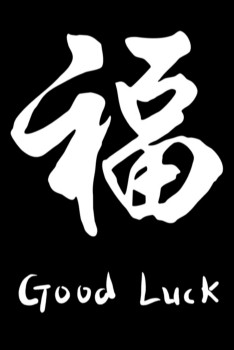
What does this Chinese character mean ?
Was bedeutet dieses chinesische Schriftzeichen ?
Chữ Hán này có nghĩa là gì ?
这个 汉字 有 什么 含义 ?
Zhège Hànzì yǒu shénme hányì?
この漢字の意味は何ですか?
Kono kanji no imi wa nanidesu ka?
이 한자의 의미는 무엇입니까?
i hanjaui uimineun mueos-ibnikka?
(VI)
(ZH)
(JA)
0939
[EN] [DE] [NL] [ES] [FR] [IT] [TH] [VI] [ZH]
|
RANDOM
这是他们的新住处。

This is their new place .
Dies ist ihr neues Zuhause 0
Đây là nơi ở mới của họ .
这是 他们 的 新 住处 。
Zhè shì tāmen de xīn zhùchù.
これは彼らの新しい住居です。
Kore wa karera no atarashī jūkyodesu.
이것은 그들의 새로운 거주지입니다.
igeos-eun geudeul-ui saeloun geojujiibnida.
(VI)
(ZH)
(JA)
0953
[EN] [DE] [NL] [ES] [FR] [IT] [TH] [VI] [ZH]
|
RANDOM
工程师使用圆规画图。

The engineer is using a compass to draw .
Der Ingenieur zeichnet mit einem Zirkel 0
Kỹ sư sử dụng compa để vẽ hình ảnh .
工程师 使用 圆规 画图 。
Gōngchéngshī shǐyòng yuánguī huàtú.
エンジニアはコンパスを使用して絵を描きます。
Enjinia wa konpasu o shiyō shite e o kakimasu.
엔지니어는 나침반을 사용하여 그림을 그립니다.
enjinieoneun nachimban-eul sayonghayeo geulim-eul geulibnida.
(VI)
(ZH)
(JA)
0963
[EN] [DE] [NL] [ES] [FR] [IT] [TH] [VI] [ZH]
|
RANDOM
拐角处有一个电话亭。

There is a telephone booth at the corner .
Es gibt eine Telefonzelle an der Ecke 0
Có một bốt điện thoại ở góc .
拐角处 有 一个 电话亭 。
Guǎijiǎochù yǒu yī gè diànhuàtíng.
角を曲がったところに電話ブースがあります。
Tsuno o magatta tokoro ni denwa būsu ga arimasu.
모퉁이를 돌면 전화 부스가 있습니다.
motung-ileul dolmyeon jeonhwa buseuga issseubnida.
(VI)
(ZH)
(JA)
0968
[EN] [DE] [NL] [ES] [FR] [IT] [TH] [VI] [ZH]
|
RANDOM
直角等于90度。
A right angle is ninety degrees .
Ein rechter Winkel beträgt neunzig Grad 0
Góc vuông là 9. độ .
直角 等于 90 度 。
Zhíjiǎo děngyú jiǔshí dù.
直角は90度に等しいです。
Chokkaku wa 90-do ni hitoshīdesu.
직각은 90도와 같습니다.
jiggag-eun 90dowa gatseubnida.
(VI)
(ZH)
(JA)
0969
[EN] [DE] [NL] [ES] [FR] [IT] [TH] [VI] [ZH]
|
RANDOM
他们签订了合同。

They have signed the contract .
Sie haben den Vertrag unterschrieben 0
Họ đã ký hợp đồng .
他们 签订 了 合同 。
Tāmen qiāndìngle hétong.
彼らは契約を結んだ。
Karera wa keiyaku o musunda.
그들은 계약에 서명했습니다.
geudeul-eun gyeyag-e seomyeonghaessseubnida.
(VI)
(ZH)
(JA)
0971
[EN] [DE] [NL] [ES] [FR] [IT] [TH] [VI] [ZH]
|
RANDOM
我在网上订了一张机票。
I have booked a plane ticket on the internet .
Ich habe ein Flugticket im Internet gebucht 0
Tôi đã đặt vé máy bay trên mạng .
我 在 网上 订 了 一张 机票 。
Wǒ zài wǎngshàng dìngle yī zhāng jīpiào.
オンラインでチケットを予約しました。
Onrain de chiketto o yoyaku shimashita.
나는 온라인으로 티켓을 예매했다.
naneun onlain-eulo tikes-eul yemaehaessda.
(VI)
(ZH)
(JA)
0972
[EN] [DE] [NL] [ES] [FR] [IT] [TH] [VI] [ZH]
|
RANDOM
我被调到了人事部门。

I was transferred to personnel department .
Ich wurde in die Personalabteilung versetzt 0
Tôi được chuyển sang bộ phận nhân sự .
我 被 调到 了 人事部门 。
Wǒ bèi diào dào le rénshì bùmén.
人事部に異動しました。
Hitogotobu ni idō shimashita.
인사과로 옮겼습니다.
insagwalo olmgyeossseubnida.
(VI)
(ZH)
(JA)
0978
[EN] [DE] [NL] [ES] [FR] [IT] [TH] [VI] [ZH]
|
RANDOM
合同还需再商议一下。

This contract needs to be discussed again .
Dieser Vertrag muss erneut besprochen werden 0
Hợp đồng này cần được thảo luận lại .
合同 还 需 再 商议 一下 。
Hétong hái xū zài shāngyì yīxià.
契約はまだ交渉する必要があります。
Keiyaku wa mada kōshō suru hitsuyō ga arimasu.
계약은 여전히 협상해야합니다.
gyeyag-eun yeojeonhi hyeobsanghaeyahabnida.
(VI)
(ZH)
(JA)
0984
[EN] [DE] [NL] [ES] [FR] [IT] [TH] [VI] [ZH]
|
RANDOM
他拥有很多财富。

He's got a lot of money .
Er hat viel Geld 0
Anh ta có rất nhiều tiền 0
他 拥有 很多 财富 。
Tā yōngyǒu hěn duō cáifù.
彼はたくさんの富を持っています。
Kare wa takusan no tomi o motte imasu.
그는 많은 재산을 가지고 있습니다.
geuneun manh-eun jaesan-eul gajigo issseubnida.
(VI)
(ZH)
(JA)
0989
[EN] [DE] [NL] [ES] [FR] [IT] [TH] [VI] [ZH]
|
RANDOM
飞机抵达了机场。
The plane has arrived at the airport .
Das Flugzeug ist am Flughafen angekommen 0
Máy bay đã đến sân bay 0
飞机 抵达 了 机场 。
Fēijī dǐdále jīchǎng.
飛行機は空港に到着した。
Hikōki wa kūkō ni tōchaku shita.
비행기가 공항에 도착했습니다.
bihaeng-giga gonghang-e dochaghaessseubnida.
(VI)
(ZH)
(JA)
1008
[EN] [DE] [NL] [ES] [FR] [IT] [TH] [VI] [ZH]
|
RANDOM
我在排队买票。
I am in line to buy a ticket .
Ich stehe Schlange , um ein Ticket zu kaufen 0
Tôi đang xếp hàng để mua vé .
我 在 排队 买票 。
Wǒ zài páiduì mǎipiào.
切符を買うために列を作っています。
Kippu o kau tame ni retsu o tsukutte imasu.
표를 사기 위해 줄을 서 있습니다.
pyoleul sagi wihae jul-eul seo issseubnida.
(VI)
(ZH)
(JA)
1020
[EN] [DE] [NL] [ES] [FR] [IT] [TH] [VI] [ZH]
|
RANDOM
大家聚集在一起。

Everyone gathered together .
Alle kommen zusammen 0
Mọi người tập trung đông đủ 0
大家 聚集 在 一起 。
Dàjiā jùjí zài yīqǐ.
みんなが集まる。
Min'na ga atsumaru.
모두가 함께 모입니다.
moduga hamkke moibnida.
(VI)
(ZH)
(JA)
1025
[EN] [DE] [NL] [ES] [FR] [IT] [TH] [VI] [ZH]
|
RANDOM
人人都要遵守交通规则。

Everyone must follow the traffic regulations .
Jeder muß die Verkehrsregeln befolgen 0
Mọi người nên tuân thủ các quy định về giao thông .
人人 都 要 遵守 交通规则 。
Rénrén dōu yào zūnshǒu jiāotōng guīzé.
誰もが交通規則に従わなければなりません。
Daremoga kōtsū kisoku ni shitagawanakereba narimasen.
모든 사람은 교통 규칙을 준수해야 합니다.
modeun salam-eun gyotong gyuchig-eul junsuhaeya habnida.
(VI)
(ZH)
(JA)
1057
[EN] [DE] [NL] [ES] [FR] [IT] [TH] [VI] [ZH]
|
RANDOM
他仅有一朵花。

He only has one flower .
Er hat nur eine Blume 0
Anh ấy chỉ có một bông hoa .
他 仅 有 一朵花 。
Tā jǐn yǒu yī duǒ huā.
彼は花を一本しか持っていません。
Kare wa hana o ichi-pon shika motte imasen.
그는 단 하나의 꽃을 가지고 있습니다.
geuneun dan hanaui kkoch-eul gajigo issseubnida.
(VI)
(ZH)
(JA)
1070
[EN] [DE] [NL] [ES] [FR] [IT] [TH] [VI] [ZH]
|
RANDOM
新杂志出版了。

The new magazine has been published .
Das neue Magazin wurde veröffentlicht 0
Tạp chí mới đã được xuất bản .
新 杂志 出版 了 。
Xīn zázhì chūbǎn le.
新しい雑誌が発行されました。
Atarashī zasshi ga hakkō sa remashita.
새로운 잡지가 발간되었습니다.
saeloun jabjiga balgandoeeossseubnida.
(VI)
(ZH)
(JA)
1076
[EN] [DE] [NL] [ES] [FR] [IT] [TH] [VI] [ZH]
|
RANDOM
球场上划有白线。

The playing field is marked with white lines .
Das Spielfeld ist mit weißen Linien markiert 0
Có những đường kẻ màu trắng được vẽ trên sân .
球场上 划有 白线 。
Qiúchǎng shàng huà yǒu bái xiàn.
コートには白い線が引かれています。
Kōto ni wa shiroi sen ga hika rete imasu.
코트에 흰색 선이 그려집니다.
koteue huinsaeg seon-i geulyeojibnida.
(VI)
(ZH)
(JA)
1077
[EN] [DE] [NL] [ES] [FR] [IT] [TH] [VI] [ZH]
|
RANDOM
病人苏醒了。
The patient has regained consciousness .
Der Patient hat das Bewusstsein wiedererlangt 0
Bệnh nhân đã tỉnh lại .
病人 苏醒 了 。
Bìngrén sūxǐng le.
患者は目を覚ました。
Kanja wa me o samashita.
환자가 깨어났습니다.
hwanjaga kkaeeonassseubnida.
(VI)
(ZH)
(JA)
1080
[EN] [DE] [NL] [ES] [FR] [IT] [TH] [VI] [ZH]
|
RANDOM
他选择了否定的答案。

He's chosen the negative response .
Er hat die negative Antwort gewählt 0
Anh ấy đã chọn phản ứng tiêu cực .
他 选择 了 否定 的 答案 。
Tā xuǎnzéle fǒudìng de dá'àn.
彼は否定的な答えを選びました。
Kare wa hitei-tekina kotae o erabimashita.
그는 부정적인 대답을 선택했습니다.
geuneun bujeongjeog-in daedab-eul seontaeghaessseubnida.
(VI)
(ZH)
(JA)
1082
[EN] [DE] [NL] [ES] [FR] [IT] [TH] [VI] [ZH]
|
RANDOM
报纸上刊登了最新的旅游资讯。

The newspaper has printed the latest travel information .
Die Zeitung hat die neuesten Reiseinformationen veröffentliicht 0
Tờ báo đã in những thông tin du lịch mới nhất .
报纸 上 刊登 了 最新 的 旅遊 资讯 。
Bàozhǐ shàng kāndēngle zuìxīn de lǚyóu zīxùn.
最新の旅行情報が新聞に掲載されました。
Saishin no ryokō jōhō ga shinbun ni keisai sa remashita.
최신 여행 정보가 신문에 게재되었습니다.
choesin yeohaeng jeongboga sinmun-e gejaedoeeossseubnida.
(VI)
(ZH)
(JA)
1093
[EN] [DE] [NL] [ES] [FR] [IT] [TH] [VI] [ZH]
|
RANDOM
体力用尽了。

They have run out of energy .
Die Kräfte sind erschöpft 0
Họ đã cạn kiệt năng lượng 0
体力 用尽 了 。
Tǐlì yòngjìn le.
疲れた。
Tsukareta.
난 지쳤어.
nan jichyeoss-eo.
(VI)
(ZH)
(JA)
1095
[EN] [DE] [NL] [ES] [FR] [IT] [TH] [VI] [ZH]
|
RANDOM
他做了一个飞机模型。

He's made a model plane .
Er hat ein Modellflugzeug gebaut 0
Anh ấy đã làm một chiếc máy bay mô hình .
他 做 了 一个 飞机 模型 。
Tā zuòle yī gè fēijī móxíng.
彼は模型飛行機を作った。
Kare wa mokei hikōki o tsukutta.
그는 모형 비행기를 만들었습니다.
geuneun mohyeong bihaeng-gileul mandeul-eossseubnida.
(VI)
(ZH)
(JA)
1099
[EN] [DE] [NL] [ES] [FR] [IT] [TH] [VI] [ZH]
|
RANDOM
大家仿效老师的动作来练习。

Everyone is copying the teacher's movements .
Alle üben , indem sie die Bewegungen des Lehrers nachahmen 0
Mọi người đang sao chép các động tác của giáo viên .
大家 仿效 老师 的 动作 来 练习 。
Dàjiā fǎngxiào lǎoshī de dòngzuò lái liànxí.
誰もが練習する教師の動きを模倣します。
Daremoga renshū suru kyōshi no ugoki o mohō shimasu.
모두 선생님의 동작을 따라 연습합니다.
modu seonsaengnim-ui dongjag-eul ttala yeonseubhabnida.
(VI)
(ZH)
(JA)
1101
[EN] [DE] [NL] [ES] [FR] [IT] [TH] [VI] [ZH]
|
RANDOM
他跑到终点了。
He ran to the finish line .
Er rannte bis zur Ziellinie 0
Anh đã chạy về đích .
他 跑 到 终点 了 。
Tā pǎo dào zhōngdiǎn le.
彼はフィニッシュラインに走った。
Kare wa finisshurain ni hashitta.
그는 결승선을 향해 달렸다.
geuneun gyeolseungseon-eul hyanghae dallyeossda.
(VI)
(ZH)
(JA)
1103
[EN] [DE] [NL] [ES] [FR] [IT] [TH] [VI] [ZH]
|
RANDOM
他们通过协商解决问题。

They solved the problem through negotiation .
Sie haben das Problem durch Verhandlungen gelöst 0
Họ đã giải quyết vấn đề thông qua thương lượng .
他们 通过 协商 解决问题 。
Tāmen tōngguò xiéshāng jiějué wèntí.
彼らは交渉を通じて問題を解決します。
Karera wa kōshō o tsūjite mondai o kaiketsu shimasu.
그들은 협상을 통해 문제를 해결합니다.
geudeul-eun hyeobsang-eul tonghae munjeleul haegyeolhabnida.
(VI)
(ZH)
(JA)
1107
[EN] [DE] [NL] [ES] [FR] [IT] [TH] [VI] [ZH]
|
RANDOM
这家商店正在营业中。

This shop is now open for business .
Dieses Geschäft ist jetzt geöffnet 0
Cửa hàng này hiện đã mở cửa .
这家 商店 正在 营业 中 。
Zhè jiā shāngdiàn zhèng zài yíngyè zhōng.
このお店は現在オープンしています。
Kono o-ten wa genzai ōpun shite imasu.
이 가게는 지금 열려 있습니다.
i gageneun jigeum yeollyeo issseubnida.
(VI)
(ZH)
(JA)
1115
[EN] [DE] [NL] [ES] [FR] [IT] [TH] [VI] [ZH]
|
RANDOM
现场的营救工作很困难。
On-the-scene rescue work is very difficult .
Die Rettungsarbeiten vor Ort sind sehr schwierig 0
Công tác cứu hộ tại hiện trường gặp rất nhiều khó khăn .
现场 的 营救 工作 很 困难 。
Xiànchǎng de yíngjiù gōngzuò hěn kùnnan.
現場での救助作業は非常に困難です。
Genba de no kyūjo sagyō wa hijō ni kon'nandesu.
현장에서 구조 작업은 매우 어렵습니다.
hyeonjang-eseo gujo jag-eob-eun maeu eolyeobseubnida.
(VI)
(ZH)
(JA)
1116
[EN] [DE] [NL] [ES] [FR] [IT] [TH] [VI] [ZH]
|
RANDOM
爸爸赚钱养家。

Dad earns money to support the family .
Der Vater verdient Geld , um die Familie zu unterstützen 0
Bố kiếm tiền nuôi gia đình 0
爸爸 赚钱 养家 。
Bàba zhuànqián yǎngjiā.
お父さんは家族を養うためにお金を稼ぎます。
Otōsan wa kazoku o yashinau tame ni okane o kasegimasu.
아빠는 가족을 부양하기 위해 돈을 번다.
appaneun gajog-eul buyanghagi wihae don-eul beonda.
(VI)
(ZH)
(JA)
1117
[EN] [DE] [NL] [ES] [FR] [IT] [TH] [VI] [ZH]
|
RANDOM
烈火熊熊地燃烧着。
The fire burned fiercely .
Das Feuer brannte heftig 0
Ngọn lửa bùng cháy dữ dội 0
烈火 熊熊 地 燃烧 着 。
Lièhuǒ xióngxióng de ránshāozhe.
火が燃えていました。
Hi ga moete imashita.
불이 타오르고 있었다.
bul-i taoleugo iss-eossda.
(VI)
(ZH)
(JA)
1119
[EN] [DE] [NL] [ES] [FR] [IT] [TH] [VI] [ZH]
|
RANDOM
他在央求妻子的原谅。

He is begging his wife for forgiveness .
Er bittet seine Frau um Vergebung 0
Anh ta đang cầu xin vợ tha thứ .
他 在 央求 妻子 的 原谅 。
Tā zài yāngqiú qīzi de yuánliàng.
彼は妻の許しを乞っていた。
Kare wa tsuma no yurushi o 乞 Tte ita.
그는 아내의 용서를 구하고 있었다.
geuneun anaeui yongseoleul guhago iss-eossda.
(VI)
(ZH)
(JA)
1121
[EN] [DE] [NL] [ES] [FR] [IT] [TH] [VI] [ZH]
|
RANDOM
他在给顾客介绍新车。

He is showing a new car to his client .
Er zeigt seinem Kunden ein neues Auto 0
Anh ta đang cho khách hàng xem một chiếc xe hơi mới .
他 在 给 顾客 介绍 新车 。
Tā zài gěi gùkè jièshào xīn chē.
彼は顧客に新車を紹介しています。
Kare wa kokyaku ni shinsha o shōkai shite imasu.
그는 고객에게 새 차를 소개하고 있습니다.
geuneun gogaeg-ege sae chaleul sogaehago issseubnida.
(VI)
(ZH)
(JA)
1123
[EN] [DE] [NL] [ES] [FR] [IT] [TH] [VI] [ZH]
|
RANDOM
她是杂志编辑。

She is a magazine editor .
Sie ist Redakteurin einer Zeitschrift 0
Cô ấy là một biên tập viên tạp chí .
她 是 杂志 编辑 。
Tā shì zázhì biānjí.
彼女は雑誌の編集者です。
Kanojo wa zasshi no henshū-shadesu.
그녀는 잡지 편집자입니다.
geunyeoneun jabji pyeonjibjaibnida.
(VI)
(ZH)
(JA)
1126
[EN] [DE] [NL] [ES] [FR] [IT] [TH] [VI] [ZH]
|
RANDOM
这个月的薪水还有剩余。

There is still money left over from this month's salary .
Es ist noch Geld vom Monatsgehalt übrig 0
Tiền lương tháng này chưa tiêu hết .
这个 月 的 薪水 还有 剩余 。
Zhège yuè de xīnshui hái yǒu shèngyú.
今月の給料はまだ残っています。
Kongetsu no kyūryō wa mada nokotte imasu.
이번달 월급이 아직 남아있습니다.
ibeondal wolgeub-i ajig nam-aissseubnida.
(VI)
(ZH)
(JA)
1127
[EN] [DE] [NL] [ES] [FR] [IT] [TH] [VI] [ZH]
|
RANDOM
瓢虫是益虫。

The ladybug is a beneficial insect .
Der Marienkäfer ist ein nützliches Insekt 0
Bọ rùa là một loài côn trùng có ích . .
瓢虫 是 益虫 。
Piáochóng shì yìchóng.
てんとう虫は益虫です。
Tentōchū wa ekichūdesu.
무당벌레는 유익한 곤충입니다.
mudangbeolleneun yuighan gonchung-ibnida.
(VI)
(ZH)
(JA)
1131
[EN] [DE] [NL] [ES] [FR] [IT] [TH] [VI] [ZH]
|
RANDOM
我们一家人永远不分离。

Our family will never be separated .
Unsere Familie wird niemals getrennt werden 0
Gia đình chúng ta sẽ không bao giờ bị chia cắt .
我们 一家人 永远 不 分离 。
Wǒmen yījiārén yǒngyuǎn bù fēnlí.
私たちの家族は決して離れることはありません。
Watashitachi no kazoku wa kesshite hanareru koto wa arimasen.
우리 가족은 결코 헤어지지 않을 것입니다.
uli gajog-eun gyeolko heeojiji anh-eul geos-ibnida.
(VI)
(ZH)
(JA)
1138
[EN] [DE] [NL] [ES] [FR] [IT] [TH] [VI] [ZH]
|
RANDOM
中国人普遍都爱吃包子。

Most Chinese love to eat baozi .
Die meisten Chinesen lieben gefüllte Teigtaschen .
Hầu hết người Trung Quốc thích ăn bánh bao .
中国 人 普遍 都 爱 吃 包子 。
Zhōngguórén pǔbiàn dōu ài chī bāozi.
中国人は一般的に蒸し饅頭を食べるのが好きです。
Chūgokujin wa ippantekini mushimanjū o taberu no ga sukidesu.
중국인들은 일반적으로 찐빵을 즐겨 먹는다.
jung-gug-indeul-eun ilbanjeog-eulo jjinppang-eul jeulgyeo meogneunda.
(VI)
(ZH)
(JA)
1144
[EN] [DE] [NL] [ES] [FR] [IT] [TH] [VI] [ZH]
|
RANDOM
大家的表现都很优秀。

Everyone's performance was excellent .
Wir haben alle sehr gut gearbeitet 0
Mọi người đều thực hiện rất xuất sắc .
大家 的 表现 都 很 优秀 。
Dàjiā de biǎoxiàn dōu hěn yōuxiù.
誰もが非常にうまくいった。
Daremoga hijō ni umaku itta.
모두 아주 잘 수행했습니다.
modu aju jal suhaenghaessseubnida.
(VI)
(ZH)
(JA)
1145
[EN] [DE] [NL] [ES] [FR] [IT] [TH] [VI] [ZH]
|
RANDOM
一升油多少钱?

How much does one liter of oil cost ?
Wie viel kostet ein Liter Öl ?
Giá một lít dầu là bao nhiêu ?
一升油 多少 钱 ?
Yī shēng yóu duōshaoqián?
オイル1リットルはいくらですか?
Oiru 1-rittoru wa ikuradesu ka?
기름 1리터는 얼마인가요?
gileum 1liteoneun eolmaingayo?
(VI)
(ZH)
(JA)
1149
[EN] [DE] [NL] [ES] [FR] [IT] [TH] [VI] [ZH]
|
RANDOM
发达国家的社会福利很好。

Social benefits in the developed countries are very good .
Die Sozialleistungen in den Industrieländern sind sehr gut 0
Phúc lợi xã hội ở các nước phát triển rất tốt .
发达国家 的 社会福利 很 好 。
Fādá guójiā de shèhuì fúlì hěn hǎo.
先進国の社会福祉はとても良いです。
Senshinkoku no shakai fukushi wa totemo yoidesu.
선진국의 사회 복지는 매우 좋습니다.
seonjingug-ui sahoe bogjineun maeu johseubnida.
(VI)
(ZH)
(JA)
1153
[EN] [DE] [NL] [ES] [FR] [IT] [TH] [VI] [ZH]
|
RANDOM
大家都应该遵守法律条款。

Everyone should follow the law .
Jeder sollte dem Gesetz folgen 0
Mọi người nên tuân theo pháp luật .
大家 都 应该 遵守 法律 条款 。
Dàjiā dōu yīnggāi zūnshǒu fǎlǜ tiáokuǎn.
誰もが法的条件を遵守する必要があります。
Daremoga hōteki jōken o junshu suru hitsuyō ga arimasu.
모든 사람은 법적 조건을 준수해야 합니다.
modeun salam-eun beobjeog jogeon-eul junsuhaeya habnida.
(VI)
(ZH)
(JA)
1160
[EN] [DE] [NL] [ES] [FR] [IT] [TH] [VI] [ZH]
|
RANDOM
他朝着终点跑去。
He is running toward the finish line .
Er rennt zur Ziellinie 0
Anh ấy đang chạy về đích 0
他 朝着 终点 跑 去 。
Tā cháozhe zhōngdiǎn pǎoqù.
彼はフィニッシュラインに向かって走った。
Kare wa finisshurain ni mukatte hashitta.
그는 결승선을 향해 달렸다.
geuneun gyeolseungseon-eul hyanghae dallyeossda.
(VI)
(ZH)
(JA)
1165
[EN] [DE] [NL] [ES] [FR] [IT] [TH] [VI] [ZH]
|
RANDOM
老师给孩子们上了一堂课。

The teacher taught the children one lesson .
Der Lehrer brachte den Kindern eine Lektion bei 0
Cô giáo đã dạy bọn trẻ một bài học .
老师 给 孩子 们 上 了 一堂课 。
Lǎoshī gěi háizimen shàngle yī táng kè.
先生は子供たちにレッスンをしました。
Sensei wa kodomo-tachi ni ressun o shimashita.
선생님은 아이들에게 교훈을 주었습니다.
seonsaengnim-eun aideul-ege gyohun-eul jueossseubnida.
(VI)
(ZH)
(JA)
1187
[EN] [DE] [NL] [ES] [FR] [IT] [TH] [VI] [ZH]
|
RANDOM
他在制作飞机模型。

He is making a model plane .
Er macht ein Modellflugzeug 0
Anh ấy đang làm một chiếc máy bay mô hình .
他 在 制作 飞机 模型 。
Tā zài zhìzuò fēijī móxíng.
彼は飛行機のモデルを作っています。
Kare wa hikōki no moderu o tsukutte imasu.
그는 비행기 모형을 만들고 있다.
geuneun bihaeng-gi mohyeong-eul mandeulgo issda.
(VI)
(ZH)
(JA)
1193
[EN] [DE] [NL] [ES] [FR] [IT] [TH] [VI] [ZH]
|
RANDOM
这些石头的形状不同。

These stones differ in shape .
Diese Steine unterscheiden sich in der Form 0
Những viên đá này khác nhau về hình dạng .
这些 石头 的 形状 不同 。
Zhèxiē shítou de xíngzhuàng bùtóng.
これらの石の形は異なります。
Korera no ishi no katachi wa kotonarimasu.
이 돌의 모양은 다릅니다.
i dol-ui moyang-eun daleubnida.
(VI)
(ZH)
(JA)
1194
[EN] [DE] [NL] [ES] [FR] [IT] [TH] [VI] [ZH]
|
RANDOM
她去药店买药。

She went to a drugstore to buy medicine .
Sie ging in eine Apotheke , um Medikamente zu kaufen 0
Cô đến một hiệu thuốc để mua thuốc .
她 去 药店 买药 。
Tā qù yàodiàn mǎi yào.
彼女は薬を買うためにドラッグストアに行きました。
Kanojo wa kusuri o kau tame ni doraggusutoa ni ikimashita.
그녀는 약을 사러 약국에 갔다.
geunyeoneun yag-eul saleo yaggug-e gassda.
(VI)
(ZH)
(JA)
1201
[EN] [DE] [NL] [ES] [FR] [IT] [TH] [VI] [ZH]
|
RANDOM
他把书翻到下一页。

He turns to the next page .
Er schlägt die nächste Seite auf 0
Anh lật sang trang tiếp theo 0
他 把 书 翻到 下 一页 。
Tā bǎ shū fān dào xià yī yè.
彼はその本を次のページに向けた。
Kare wa sono hon/moto wo tsugi no peji ni muketa.
그는 책을 다음 페이지로 넘겼다.
geuneun chaeg-eul da-eum peijilo neomgyeossda.
(VI)
(ZH)
(JA)
1216
[EN] [DE] [NL] [ES] [FR] [IT] [TH] [VI] [ZH]
|
RANDOM
新法案已经实施了。

The new bill has been enacted .
Die neue Gesetzesvorlage wurde verabschiedet 0
Dự luật mới đã được ban hành .
新法案 已经 实施 了 。
Xīn fǎ'àn yǐjing shíshī le.
新しい法案が実施されました。
Atarashī hōan ga jisshi sa remashita.
새 법안이 시행되었습니다.
sae beob-an-i sihaengdoeeossseubnida.
(VI)
(ZH)
(JA)
1222
[EN] [DE] [NL] [ES] [FR] [IT] [TH] [VI] [ZH]
|
RANDOM
他大略说明了自己的想法。

He briefly explained his idea .
Er erklärte kurz seine Idee 0
Anh ấy giải thích ngắn gọn ý tưởng của mình .
他 大略 说明 了 自己 的 想法 。
Tā dàlüè shuōmíngle zìjǐ de xiǎngfa.
彼は自分の考えを大まかに説明した。
Kare wa jibun no kangae o ōmaka ni setsumei shita.
그는 자신의 생각을 대충 설명했다.
geuneun jasin-ui saeng-gag-eul daechung seolmyeonghaessda.
(VI)
(ZH)
(JA)
1227
[EN] [DE] [NL] [ES] [FR] [IT] [TH] [VI] [ZH]
|
RANDOM
他们准备向敌人发起攻击。

They are ready to attack the enemy .
Sie sind bereit , den Feind anzugreifen 0
Họ sẵn sàng tấn công kẻ thù .
他们 准备 向 敌人 发起 攻击 。
Tāmen zhǔnbèi xiàng dírén fāqǐ gōngjī.
彼らは敵を攻撃する準備ができています。
Karera wa teki o kōgeki suru junbi ga dekite imasu.
그들은 적을 공격할 준비가 되어 있습니다.
geudeul-eun jeog-eul gong-gyeoghal junbiga doeeo issseubnida.
(VI)
(ZH)
(JA)
1240
[EN] [DE] [NL] [ES] [FR] [IT] [TH] [VI] [ZH]
|
RANDOM
他想招聘新员工。

He wants to recruit some new employees .
Er möchte neue Mitarbeiter einstellen 0
Anh ấy muốn tuyển một số nhân viên mới .
他 想 招聘 新 员工 。
Tā xiǎng zhāopìn xīn yuángōng.
彼は新入社員を採用したいと考えています。
Kare wa shin'nyū shain o saiyō shitai to kangaete imasu.
그는 새로운 직원을 모집하고 싶습니다.
geuneun saeloun jig-won-eul mojibhago sipseubnida.
(VI)
(ZH)
(JA)
1253
[EN] [DE] [NL] [ES] [FR] [IT] [TH] [VI] [ZH]
|
RANDOM
飞机降落了。

The plane has landed .
Das Flugzeug ist gelandet 0
Máy bay đã hạ cánh .
飞机 降落 了 。
Fēijī jiàngluò le.
その飛行機は着陸した。
Sono hikōki wa chakuriku shita.
비행기가 착륙했습니다.
bihaeng-giga chaglyughaessseubnida.
(VI)
(ZH)
(JA)
1254
[EN] [DE] [NL] [ES] [FR] [IT] [TH] [VI] [ZH]
|
RANDOM
新书的序言由他执笔。
The preface of the new book is written by him .
Das Vorwort des neuen Buches stammt von ihm 0
Lời tựa của cuốn sách mới do anh viết .
新书 的 序言 由 他 执笔 。
Xīnshū de xùyán yóu tā zhíbǐ.
彼は新しい本の序文を書いた。
Kare wa atarashī hon no jobun o kaita.
그는 새 책의 서문을 썼다.
geuneun sae chaeg-ui seomun-eul sseossda.
(VI)
(ZH)
(JA)
1290
[EN] [DE] [NL] [ES] [FR] [IT] [TH] [VI] [ZH]
|
RANDOM
飞机着陆了。

The plane has touched down .
Das Flugzeug ist gelandet 0
Máy bay đã hạ cánh .
飞机 着陆 了 。
Fēijī zhuólù le.
その飛行機は着陸した。
Sono hikōki wa chakuriku shita.
비행기가 착륙했습니다.
bihaeng-giga chaglyughaessseubnida.
(VI)
(ZH)
(JA)
1294
[EN] [DE] [NL] [ES] [FR] [IT] [TH] [VI] [ZH]
|
RANDOM
她的穿着很整齐。

She is dressed neatly .
Sie ist ordentlich gekleidet 0
Cô ấy ăn mặc chỉnh tề 0
她 的 穿着 很 整齐 。
Tā de chuānzhuó hěn zhěngqí.
彼女はきちんと服を着ている。
Kanojo wa kichinto fuku o kite iru.
그녀는 깔끔하게 차려입었다.
geunyeoneun kkalkkeumhage chalyeoib-eossda.
(VI)
(ZH)
(JA)
1295
[EN] [DE] [NL] [ES] [FR] [IT] [TH] [VI] [ZH]
|
RANDOM
我的爸爸是工程师。

My father is an engineer .
Mein Vater ist Ingenieur 0
Cha tôi là một kỹ sư 0
我 的 爸爸 是 工程师 。
Wǒ de bàba shì gōngchéngshī.
私の父はエンジニアです。
Watashinochichi wa enjiniadesu.
아버지는 엔지니어입니다.
abeojineun enjinieoibnida.
(VI)
(ZH)
(JA)
1300
[EN] [DE] [NL] [ES] [FR] [IT] [TH] [VI] [ZH]
|
RANDOM
山顶的风景很美。
The scene on the mountain top is very beautiful .
Die Aussicht auf dem Berggipfel ist sehr schön 0
Cảnh trên đỉnh núi rất đẹp 0
山顶 的 风景 很 美 。
Shāndǐng de fēngjǐng hěn měi.
山頂の景色は美しいです。
Sanchō no keshiki wa utsukushīdesu.
산 정상에서 바라보는 풍경이 아름답다.
san jeongsang-eseo balaboneun pung-gyeong-i aleumdabda.
(VI)
(ZH)
(JA)
1320
[EN] [DE] [NL] [ES] [FR] [IT] [TH] [VI] [ZH]
|
RANDOM
刚刚下了一阵雨。

It has just rained .
Es hat gerade geregnet 0
Trời vừa mưa .
刚刚 下 了 一阵雨 。
Gānggāng xiàle yī zhèn yǔ.
雨が降った。
Ame ga futta.
방금 비가 내렸다.
bang-geum biga naelyeossda.
(VI)
(ZH)
(JA)
1328
[EN] [DE] [NL] [ES] [FR] [IT] [TH] [VI] [ZH]
|
RANDOM
大家拍手表示赞同。

Everyone applauds in agreement .
Alle applaudieren zustimmend 0
Mọi người đều vỗ tay đồng tình .
大家 拍手 表示 赞同 。
Dàjiā pāishǒu biǎoshì zàntóng.
全員が同意して手をたたいた。
Zen'in ga dōi shite te o tataita.
모두 손뼉을 쳤다.
modu sonppyeog-eul chyeossda.
(VI)
(ZH)
(JA)
1329
[EN] [DE] [NL] [ES] [FR] [IT] [TH] [VI] [ZH]
|
RANDOM
今天风和日丽。

It is a beautiful day today , with gentle breezes and bright sunshine .
Es ist heute ein wunderschöner Tag mit einer leichten Brise und strahlendem Sonnenschein 0
Hôm nay là một ngày đẹp trời , với những cơn gió nhẹ và ánh nắng chói chang .
今天 风和日丽 。
Jīntiān fēnghé-rìlì.
今日は晴れです。
Kyō wa haredesu.
오늘은 화창합니다.
oneul-eun hwachanghabnida.
(VI)
(ZH)
(JA)
1339
[EN] [DE] [NL] [ES] [FR] [IT] [TH] [VI] [ZH]
|
RANDOM
中国人有拜祭祖宗的习俗。

The Chinese people practice the custom of ancestor worship .
Das chinesische Volk praktiziert den Brauch der Ahnenverehrung 0
Người Hoa có tục thờ cúng tổ tiên .
中国 人有 拜祭 祖宗 的 习俗 。
Zhōngguórén yǒu bàijì zǔzōng de xísú.
中国人は彼らの先祖を崇拝する習慣があります。
Chūgokujin wa karera no senzo o sūhai suru shūkan ga arimasu.
중국인들은 조상을 숭배하는 풍습이 있습니다.
jung-gug-indeul-eun josang-eul sungbaehaneun pungseub-i issseubnida.
(VI)
(ZH)
(JA)
1352
[EN] [DE] [NL] [ES] [FR] [IT] [TH] [VI] [ZH]
|
RANDOM
他怀疑事情出了问题。

He suspects something has gone wrong .
Er vermutet , dass etwas schief gelaufen ist 0
Anh ta nghi ngờ có điều gì đó không ổn .
他 怀疑 事情 出 了 问题 。
Tā huáiyí shìqing chūle wèntí.
彼は何かがうまくいかなかったのではないかと疑った。
Kare wa nanika ga umaku ikanakatta node wanai ka to utagatta.
그는 뭔가 잘못되었다고 의심했습니다.
geuneun mwonga jalmosdoeeossdago uisimhaessseubnida.
(VI)
(ZH)
(JA)
1355
[EN] [DE] [NL] [ES] [FR] [IT] [TH] [VI] [ZH]
|
RANDOM
我站在悬崖上感到很恐慌。

Standing on the cliff , I become very frightened .
Wenn ich auf der Klippe stehe , bekomme ich große Angst 0
Đứng trên vách đá , tôi trở nên rất sợ hãi .
我 站 在 悬崖 上 感到 很 恐慌 。
Wǒ zhàn zài xuányá shàng gǎndào hěn kǒnghuāng.
私は崖の上に立ってパニックに陥っていました。
Watashi wa gake no ue ni tatte panikku ni ochītte imashita.
나는 절벽에 섰을 때 패닉에 빠졌다.
naneun jeolbyeog-e seoss-eul ttae paenig-e ppajyeossda.
(VI)
(ZH)
(JA)
1369
[EN] [DE] [NL] [ES] [FR] [IT] [TH] [VI] [ZH]
|
RANDOM
快到月末了。

It is near the end of the month .
Es ist gegen Ende des Monats 0
Bây giờ là gần cuối tháng 0
快到 月末 了 。
Kuài dào yuèmò le.
もうすぐ月末です。
Mōsugu getsumatsudesu.
거의 이달의 끝자락입니다.
geoui idal-ui kkeutjalag-ibnida.
(VI)
(ZH)
(JA)
1379
[EN] [DE] [NL] [ES] [FR] [IT] [TH] [VI] [ZH]
|
RANDOM
报纸上公布了这个消息。

This news has been published in the newspaper .
Diese Nachricht wurde in der Zeitung veröffentlicht 0
Tin tức này đã được đăng trên báo .
报纸 上公 布 了 这个 消息 。
Bàozhǐ shàng gōngbùle zhège xiāoxi.
そのニュースは新聞に掲載されました。
Sono nyūsu wa shinbun ni keisai sa remashita.
그 소식이 신문에 실렸습니다.
geu sosig-i sinmun-e sillyeossseubnida.
(VI)
(ZH)
(JA)
1400
[EN] [DE] [NL] [ES] [FR] [IT] [TH] [VI] [ZH]
|
RANDOM
他去邮局给家里汇款。
He is going to the post office to remit some money to his family .
Er geht zur Post , um etwas Geld an seine Familie zu überweisen 0
Anh ấy sẽ đến bưu điện để chuyển một số tiền cho gia đình anh ấy .
他 去 邮局 给家 里 汇款 。
Tā qù yóujú gěi jiāli huìkuǎn.
彼は家族に送金するために郵便局へ行くところです。
Kare wa kazoku ni sōkin suru tame ni yūbinkyoku e iku tokorodesu.
그는 집으로 돈을 보내기 위해 우체국에 갔다.
geuneun jib-eulo don-eul bonaegi wihae uchegug-e gassda.
(VI)
(ZH)
(JA)
1408
[EN] [DE] [NL] [ES] [FR] [IT] [TH] [VI] [ZH]
|
RANDOM
地球是太阳系中的一颗行星。

The earth is a planet in the solar system .
Die Erde ist ein Planet im Sonnensystem 0
Trái đất là một hành tinh trong hệ mặt trời .
地球 是 太阳系 中 的 一颗 行星 。
Dìqiú shì Tàiyángxì zhōng de yī kē xíngxīng.
地球は太陽系の惑星です。
Chikyū wa taiyōkei no wakuseidesu.
지구는 태양계의 행성입니다.
jiguneun taeyang-gyeui haengseong-ibnida.
(VI)
(ZH)
(JA)
1426
[EN] [DE] [NL] [ES] [FR] [IT] [TH] [VI] [ZH]
|
RANDOM
她看起来很斯文。

She looks very refined .
Sie sieht sehr kultiviert aus 0
Cô ấy trông rất tinh tế 0
她 看起来 很 斯文 。
Tā kànqilai hěn sīwén.
彼女はとても優しく見えます。
Kanojo wa totemo yasashiku miemasu.
그녀는 매우 온화해 보인다.
geunyeoneun maeu onhwahae boinda.
(VI)
(ZH)
(JA)
1431
[EN] [DE] [NL] [ES] [FR] [IT] [TH] [VI] [ZH]
|
RANDOM
每个人都热烈地参与讨论。

Everyone is participating actively in the discussion .
Jeder nimmt aktiv an der Diskussion teil 0
Mọi người đều đang tham gia thảo luận rất sôi nổi .
每个 人 都 热烈 地 参与 讨论 。
Měi gè rén dōu rèliè de cānyù tǎolùn.
皆さん、積極的に議論に参加されています。
Minasan, sekkyokutekini giron ni sanka sa rete imasu.
모두가 열정적으로 토론에 참여했습니다.
moduga yeoljeongjeog-eulo tolon-e cham-yeohaessseubnida.
(VI)
(ZH)
(JA)
1433
[EN] [DE] [NL] [ES] [FR] [IT] [TH] [VI] [ZH]
|
RANDOM
要节省用钱。

Be frugal with your money .
Sei sparsam mit deinem Geld 0
Bạn nên tiết kiệm
要 节省 用钱 。
Yào jiéshěng yòng qián.
お金には倹約を
Okane ni wa ken'yaku o.
돈을 절약하기 위해.
don-eul jeol-yaghagi wihae.
(VI)
(ZH)
(JA)
1442
[EN] [DE] [NL] [ES] [FR] [IT] [TH] [VI] [ZH]
|
RANDOM
她是这部戏的女主角。

She is the heroine in this drama .
Sie ist die Hauptdarstellerin in diesem Film 0
Cô ấy là nhân vật nữ chính trong bộ phim này .
她 是 这部 戏 的 女主角 。
Tā shì zhè bù xì de nǚzhǔjué.
彼女は劇のヒロインです。
Kanojo wa geki no hiroindesu.
그녀는 이 연극의 여주인공이다.
geunyeoneun i yeongeug-ui yeoju-ingong-ida.
(VI)
(ZH)
(JA)
1443
[EN] [DE] [NL] [ES] [FR] [IT] [TH] [VI] [ZH]
|
RANDOM
他受到了威胁。
He was threatened .
Er wurde bedroht 0
Anh ta đã bị đe dọa 0
他 受到 了 威胁 。
Tā shòudàole wēixié.
彼は脅された。
Kare wa odosa reta.
그는 위협을 받았다.
geuneun wihyeob-eul bad-assda.
(VI)
(ZH)
(JA)
1456
[EN] [DE] [NL] [ES] [FR] [IT] [TH] [VI] [ZH]
|
RANDOM
消息登出来了。

The news has been published .
Die Nachricht wurde veröffentlicht 0
Tin tức đã được xuất bản 0
消息 登出来 了 。
Xiāoxi dēng chūlái le.
ニュースが投稿されました。
Nyūsu ga tōkō sa remashita.
소식이 게재되었습니다.
sosig-i gejaedoeeossseubnida.
(VI)
(ZH)
(JA)
1459
[EN] [DE] [NL] [ES] [FR] [IT] [TH] [VI] [ZH]
|
RANDOM
大家高兴地扬手欢呼。

Everyone is happily waving their hands and shouting .
Alle heben die Hände und jubeln fröhlich 0
Mọi người đều vui vẻ vẫy tay và hò hét .
大家 高兴 地 扬手 欢呼 。
Dàjiā gāoxìng de yángshǒu huānhū.
皆さん、楽しそうに手を振って、声を出しています。
Minasan, tanoshi-sō ni te o futte,-goe o dashite imasu.
모두들 손을 들고 환호성을 질렀다.
modudeul son-eul deulgo hwanhoseong-eul jilleossda.
(VI)
(ZH)
(JA)
1465
[EN] [DE] [NL] [ES] [FR] [IT] [TH] [VI] [ZH]
|
RANDOM
这是我的电话号码。

This is my telephone number .
Hier ist meine Telefonnummer 0
Đây là số điện thoại của tôi .
这 是 我 的 电话号码 。
Zhè shì wǒ de diànhuà hàomǎ.
これは私の電話番号です。
Kore wa watashi no tenwabangōdesu.
제 전화번호입니다.
je jeonhwabeonhoibnida.
(VI)
(ZH)
(JA)
1474
[EN] [DE] [NL] [ES] [FR] [IT] [TH] [VI] [ZH]
|
RANDOM
她在弹奏新曲子。
She is playing a new tune/piece .
Sie spielt eine neue Melodie 0
Cô ấy đang chơi một giai điệu / bản nhạc mới .
她 在 弹奏 新 曲子 。
Tā zài tánzòu xīn qǔzi.
彼女は新しい曲を演奏しています。
Kanojo wa atarashī kyoku o ensō shite imasu.
그녀는 새로운 곡을 연주하고 있습니다.
geunyeoneun saeloun gog-eul yeonjuhago issseubnida.
(VI)
(ZH)
(JA)
1484
[EN] [DE] [NL] [ES] [FR] [IT] [TH] [VI] [ZH]
|
RANDOM
我的儿子尚未断奶。

My son hasn't yet been weaned .
Mein Sohn wurde noch nicht entwöhnt 0
Con trai tôi vẫn chưa được cai sữa .
我 的 儿子 尚未 断奶 。
Wǒ de érzi shàng wèi duànnǎi.
私の息子はまだ引き離されていません。
Watashi no musuko wa mada hikihanasa rete imasen.
우리 아들은 아직 젖을 떼지 않았습니다.
uli adeul-eun ajig jeoj-eul tteji anh-assseubnida.
(VI)
(ZH)
(JA)
1492
[EN] [DE] [NL] [ES] [FR] [IT] [TH] [VI] [ZH]
|
RANDOM
他们的谈判圆满成功。

Their negotiations are successful .
Ihre Verhandlungen sind erfolgreich 0
Cuộc đàm phán của họ thành công .
他们 的 谈判 圆满成功 。
Tāmen de tánpàn yuánmǎn chénggōng.
彼らの交渉は完全な成功でした。
Karera no kōshō wa kanzen'na seikōdeshita.
그들의 협상은 완전한 성공이었습니다.
geudeul-ui hyeobsang-eun wanjeonhan seong-gong-ieossseubnida.
(VI)
(ZH)
(JA)
1496
[EN] [DE] [NL] [ES] [FR] [IT] [TH] [VI] [ZH]
|
RANDOM
小麦成熟了。

The wheat has ripened .
Der Weizen ist gereift 0
Lúa mì đã chín .
小麦 成熟 了 。
Xiǎomài chéngshú le.
小麦は熟しています。
Komugi wa juku shite imasu.
밀이 익었습니다.
mil-i ig-eossseubnida.
(VI)
(ZH)
(JA)
1508
[EN] [DE] [NL] [ES] [FR] [IT] [TH] [VI] [ZH]
|
RANDOM
老师教我们新单词。
The teacher is teaching us some new words .
Der Lehrer bringt uns einige neue Wörter bei 0
Giáo viên đang dạy chúng tôi một số từ mới .
老师 教 我们 新 单词 。
Lǎoshī jiāo wǒmen xīn dāncí.
先生が新しい単語を教えてくれています。
Sensei ga atarashī tango o oshiete kurete imasu.
선생님은 우리에게 새로운 단어를 가르쳐 주셨습니다.
seonsaengnim-eun uliege saeloun dan-eoleul galeuchyeo jusyeossseubnida.
(VI)
(ZH)
(JA)
1512
[EN] [DE] [NL] [ES] [FR] [IT] [TH] [VI] [ZH]
|
RANDOM
他解释了自己的方案。

He explained his plan .
Er erklärte seinen Plan 0
Anh ấy giải thích kế hoạch của mình .
他 解释 了 自己 的 方案 。
Tā jiěshìle zìjǐ de fāng'àn.
彼は自分の計画を説明した。
Kare wa jibun no keikaku o setsumei shita.
그는 자신의 계획을 설명했다.
geuneun jasin-ui gyehoeg-eul seolmyeonghaessda.
(VI)
(ZH)
(JA)
1523
[EN] [DE] [NL] [ES] [FR] [IT] [TH] [VI] [ZH]
|
RANDOM
病人的意识还没有清醒。

The patient hasn't regained consciousness yet .
Der Patient hat das Bewusstsein noch nicht wiedererlangt 0
Bệnh nhân vẫn chưa tỉnh lại 0
病人 的 意识 还 没有 清醒 。
Bìngrén de yìshi hái méiyǒu qīngxǐng.
患者の意識はまだはっきりしていません。
Kanja no ishiki wa mada hakkiri shite imasen.
환자의 의식은 아직 명확하지 않습니다.
hwanjaui uisig-eun ajig myeonghwaghaji anhseubnida.
(VI)
(ZH)
(JA)
1525
[EN] [DE] [NL] [ES] [FR] [IT] [TH] [VI] [ZH]
|
RANDOM
纸币散开了。

The paper money is scattered .
Die Geldscheine sind verstreut 0
Tiền giấy nằm rải rác .
纸币 散开 了 。
Zhǐbì sànkāi le.
紙幣はバラバラになりました。
Shihei wa barabara ni narimashita.
지폐가 무너졌습니다.
jipyega muneojyeossseubnida.
(VI)
(ZH)
(JA)
1534
[EN] [DE] [NL] [ES] [FR] [IT] [TH] [VI] [ZH]
|
RANDOM
这里的树剪得很整齐。

The trees here are neatly trimmed .
Die Bäume sind hier sauber geschnitten 0
Cây cối ở đây được cắt tỉa gọn gàng .
这 里 的 树 剪 得 很 整齐 。
Zhèli de shù jiǎn de hěn zhěngqí.
ここの木はきれいに伐採されています。
Koko no ki wa kirei ni bassai sa rete imasu.
이곳의 나무들은 가지런히 잘려져 있습니다.
igos-ui namudeul-eun gajileonhi jallyeojyeo issseubnida.
(VI)
(ZH)
(JA)
1537
[EN] [DE] [NL] [ES] [FR] [IT] [TH] [VI] [ZH]
|
RANDOM
附近有一家咖啡馆。
There is a café nearby .
In der Nähe gibt es ein Café 0
Có một quán cà phê gần đó .
附近 有 一家 咖啡馆 。
Fùjìn yǒu yī jiā kāfēiguǎn.
近くにカフェがあります。
Chikaku ni kafe ga arimasu.
근처에 카페가 있습니다.
geuncheoe kapega issseubnida.
(VI)
(ZH)
(JA)
1540
[EN] [DE] [NL] [ES] [FR] [IT] [TH] [VI] [ZH]
|
RANDOM
大家被召集到这里开会。

Everyone has been gathered for a meeting here .
Alle wurden zu einem Treffen hier versammelt 0
Tất cả mọi người đã được tập trung cho một cuộc họp ở đây .
大家 被 召集 到 这 里 开会 。
Dàjiā bèi zhàojí dào zhèli kāihuì.
全員がここに会議のために呼ばれました。
Zen'in ga koko ni kaigi no tame ni yoba remashita.
모두가 회의를 위해 여기로 부름을 받았습니다.
moduga hoeuileul wihae yeogilo buleum-eul bad-assseubnida.
(VI)
(ZH)
(JA)
1549
[EN] [DE] [NL] [ES] [FR] [IT] [TH] [VI] [ZH]
|
RANDOM
公司召开了新品发布会。

The company held a news conference to introduce its new product .
Das Unternehmen hielt eine Pressekonferenz ab , um sein neues Produkt vorzustellen 0
Công ty đã tổ chức một cuộc họp báo để giới thiệu sản phẩm mới của mình .
公司 召开 了 新品 发 布 会 。
Gōngsī zhàokāile xīnpǐn fābùhuì.
同社は新製品発売会議を開催した。
Dōsha wa shinseihin hatsubai kaigi o kaisai shita.
회사는 신제품 출시 컨퍼런스를 개최했습니다.
hoesaneun sinjepum chulsi keonpeoleonseuleul gaechoehaessseubnida.
(VI)
(ZH)
(JA)
1550
[EN] [DE] [NL] [ES] [FR] [IT] [TH] [VI] [ZH]
|
RANDOM
她戴着耳机听音乐。

She wears headphones to listen to music .
Zum Musikhören trägt sie Kopfhörer 0
Cô ấy nghe nhạc bằng tai nghe .
她 戴 着 耳机 听 音乐 。
Tā dài zhe ěrjī tīng yīnyuè.
彼女はヘッドホンで音楽を聴いています。
Kanojo wa heddohon de ongaku o kiite imasu.
그녀는 헤드폰으로 음악을 듣고 있습니다.
geunyeoneun hedeupon-eulo eum-ag-eul deudgo issseubnida.
(VI)
(ZH)
(JA)
1555
[EN] [DE] [NL] [ES] [FR] [IT] [TH] [VI] [ZH]
|
RANDOM
园丁正在浇花。
The gardener is watering the flowers .
Der Gärtner gießt die Blumen 0
Người làm vườn đang tưới hoa 0
园丁 正在 浇花 。
Yuándīng zhèng zài jiāohuā.
庭師は花に水をやっています。
Niwashi wa hana ni mizu o yatte imasu.
정원사가 꽃에 물을 주고 있습니다.
jeong-wonsaga kkoch-e mul-eul jugo issseubnida.
(VI)
(ZH)
(JA)
1565
[EN] [DE] [NL] [ES] [FR] [IT] [TH] [VI] [ZH]
|
RANDOM
他把电话挂上了。

He hung up the phone .
Er legte auf 0
Anh ta cúp máy .
他 把 电话 挂 上 了 。
Tā bǎ diànhuà guàshang le.
彼は電話を切った。
Kare wa denwa o kitta.
그는 전화를 끊었다.
geuneun jeonhwaleul kkeunh-eossda.
(VI)
(ZH)
(JA)
1591
[EN] [DE] [NL] [ES] [FR] [IT] [TH] [VI] [ZH]
|
RANDOM
机器运行稳定。

The machine is running stably .
Die Maschine läuft stabil 0
Máy đang chạy ổn định .
机器运行 稳定 。
Jīqì yùnxíng wěndìng.
機械は安定して動作します。
Kikai wa antei shite dōsa shimasu.
기계가 안정적으로 작동합니다.
gigyega anjeongjeog-eulo jagdonghabnida.
(VI)
(ZH)
(JA)
1599
[EN] [DE] [NL] [ES] [FR] [IT] [TH] [VI] [ZH]
|
RANDOM
大家兴奋得欢呼起来。

Everyone got so excited they started to cheer .
Alle jubeln begeistert 0
Mọi người đều rất phấn khích và bắt đầu cổ vũ .
大家 兴奋 得 欢呼 起来 。
Dàjiā xīngfèn de huānhū qǐlái.
みんな興奮して歓声を上げました。
Min'na kōfun shite kansei o agemashita.
모두들 들뜬 마음으로 환호성을 질렀다.
modudeul deultteun ma-eum-eulo hwanhoseong-eul jilleossda.
(VI)
(ZH)
(JA)
1600
[EN] [DE] [NL] [ES] [FR] [IT] [TH] [VI] [ZH]
|
RANDOM
机器可以代替人工作。
Machines can do the work of humans .
Maschinen können anstelle von Menschen arbeiten 0
Máy móc có thể làm việc thay cho con người .
机器 可以 代替 人 工作 。
Jīqì kěyǐ dàitì rén gōngzuò.
機械は人の代わりに働くことができます。
Kikai wa hito no kawari ni hataraku koto ga dekimasu.
기계가 사람을 대신할 수 있습니다.
gigyega salam-eul daesinhal su issseubnida.
(VI)
(ZH)
(JA)
1604
[EN] [DE] [NL] [ES] [FR] [IT] [TH] [VI] [ZH]
|
RANDOM
飞机延迟起飞。

The takeoff of the plane was delayed .
Der Start des Flugzeugs verzögerte sich 0
Việc cất cánh của máy bay đã bị trì hoãn .
飞机 延迟 起飞 。
Fēijī yánchí qǐfēi.
飛行機は離陸が遅れた。
Hikōki wa ririku ga okureta.
비행기는 이륙이 늦어졌다.
bihaeng-gineun ilyug-i neuj-eojyeossda.
(VI)
(ZH)
(JA)
1608
[EN] [DE] [NL] [ES] [FR] [IT] [TH] [VI] [ZH]
|
RANDOM
人有强烈的金钱欲望。

People have a strong desire for money .
Die Menschen haben ein starkes Verlangen nach Geld 0
Con người có ham muốn tiền bạc mạnh mẽ .
人有 强烈 的 金钱 欲望 。
Rén yǒu qiángliè de jīnqián yùwàng.
人々はお金に対する強い欲求を持っています。
Hitobito wa okane ni taisuru tsuyoi yokkyū o motte imasu.
사람들은 돈에 대한 강한 욕망을 가지고 있습니다.
salamdeul-eun don-e daehan ganghan yogmang-eul gajigo issseubnida.
(VI)
(ZH)
(JA)
1614
[EN] [DE] [NL] [ES] [FR] [IT] [TH] [VI] [ZH]
|
RANDOM
小狗喜欢吃骨头。

The little dog loves bones .
Der kleine Hund liebt Knochen 0
Con chó nhỏ yêu xương .
小狗 喜欢 吃 骨头 。
Xiǎogǒu xǐhuan chī gǔtou.
子犬は骨を食べるのが好きです。
Koinu wa hone o taberu no ga sukidesu.
강아지는 뼈를 먹는 것을 좋아합니다.
gang-ajineun ppyeoleul meogneun geos-eul joh-ahabnida.
(VI)
(ZH)
(JA)
1616
[EN] [DE] [NL] [ES] [FR] [IT] [TH] [VI] [ZH]
|
RANDOM
过马路要走人行横道。

To cross the street , one should use the crosswalk .
Um die Straße zu überqueren , sollte man den Zebrastreifen benutzen 0
Để sang đường , người ta nên sử dụng lối đi dành cho người đi bộ .
过 马路 要 走 人行横道 。
Guò mǎlù yào zǒu rénxíng héngdào.
道路を横断するには、横断歩道を利用します。
Dōro o ōdan suru ni wa, ōdan hodō o riyō shimasu.
길을 건너려면 횡단보도를 이용하세요.
gil-eul geonneolyeomyeon hoengdanbodoleul iyonghaseyo.
(VI)
(ZH)
(JA)
1624
[EN] [DE] [NL] [ES] [FR] [IT] [TH] [VI] [ZH]
|
RANDOM
我喜欢吃日本菜,尤其是寿司。

I love Japanese food , especially sushi .
Ich liebe japanisches Essen , besonders Sushi 0
Tôi thích đồ ăn Nhật Bản , đặc biệt là sushi .
我 喜欢 吃 日本 菜 , 尤其 是 寿司 。
Wǒ xǐhuan chī Rìběncài, yóuqíshì shòusī.
私は日本食、特に寿司を食べるのが好きです。
Watashi wa nipponshoku, tokuni sushi o taberu no ga sukidesu.
나는 일본 음식, 특히 초밥을 먹는 것을 좋아합니다.
naneun ilbon eumsig, teughi chobab-eul meogneun geos-eul joh-ahabnida.
(VI)
(ZH)
(JA)
1625
[EN] [DE] [NL] [ES] [FR] [IT] [TH] [VI] [ZH]
|
RANDOM
他在观察敌人的活动。
He is observing the activities of the enemy .
Er beobachtet die Aktivitäten des Feindes 0
Anh ta đang quan sát các hoạt động của đối phương .
他 在 观察 敌人 的 活动 。
Tā zài guānchá dírén de huódòng.
彼は敵の活動を観察しています。
Kare wa teki no katsudō o kansatsu shite imasu.
그는 적의 활동을 관찰하고 있습니다.
geuneun jeog-ui hwaldong-eul gwanchalhago issseubnida.
(VI)
(ZH)
(JA)
1626
[EN] [DE] [NL] [ES] [FR] [IT] [TH] [VI] [ZH]
|
RANDOM
美国和加拿大是邻邦。

The U .S . and Canada are neighbors .
Die USA und Kanada sind Nachbarn 0
Hoa Kỳ và Canada là láng giềng của nhau .
美国 和 加拿大 是 邻邦 。
Měiguó hé Jiānádà shì línbāng.
アメリカとカナダは隣国です。
Amerika to Kanada wa ringokudesu.
미국과 캐나다는 이웃입니다.
miguggwa kaenadaneun ius-ibnida.
(VI)
(ZH)
(JA)
1642
[EN] [DE] [NL] [ES] [FR] [IT] [TH] [VI] [ZH]
|
RANDOM
桌上摆有一卷书。

One volume of the set of books is on the desk .
Ein Band der Bücher liegt auf dem Schreibtisch 0
Có một cuốn sách trên bàn 0
桌上 摆有 一卷 书 。
Zhuō shàng bǎiyǒu yī juàn shū.
テーブルに本があります。
Tēburu ni hon ga arimasu.
탁자 위에 책이 있다.
tagja wie chaeg-i issda.
(VI)
(ZH)
(JA)
1646
[EN] [DE] [NL] [ES] [FR] [IT] [TH] [VI] [ZH]
|
RANDOM
千万不要挑拨夫妻关系。

Never sow discord between husband and wife .
Säe niemals Zwietracht zwischen Mann und Frau 0
Đừng bao giờ gieo rắc mối bất hòa giữa vợ và chồng .
千万 不要 挑拨 夫妻关系 。
Qiānwàn bùyào tiǎobō fūqī guānxi.
夫と妻の関係を決して扇動しないでください。
Otto to tsuma no kankei o kesshite sendō shinaide kudasai.
남편과 아내 사이의 관계를 자극하지 마십시오.
nampyeongwa anae saiui gwangyeleul jageughaji masibsio.
(VI)
(ZH)
(JA)
1649
[EN] [DE] [NL] [ES] [FR] [IT] [TH] [VI] [ZH]
|
RANDOM
联合国大会开幕了。

The UN General Assembly is open .
Die UN-Generalversammlung ist eröffnet 0
Đại hội đồng Liên hợp quốc đã khai mạc kỳ họp mới .
联合国大会 开幕 了 。
Liánhéguó Dàhuì kāimù le.
国連総会が開かれています。
Kokuren sōkai ga aka rete imasu.
유엔 총회가 열렸습니다.
yuen chonghoega yeollyeossseubnida.
(VI)
(ZH)
(JA)
1655
[EN] [DE] [NL] [ES] [FR] [IT] [TH] [VI] [ZH]
|
RANDOM
她住在隔壁。

She lives next door .
Sie wohnt nebenan 0
Cô ấy sống bên cạnh .
她 住 在 隔壁 。
Tā zhù zài gébì.
彼女は隣に住んでいます。
Kanojo wa tonari ni sunde imasu.
그녀는 옆집에 산다.
geunyeoneun yeopjib-e sanda.
(VI)
(ZH)
(JA)
1657
[EN] [DE] [NL] [ES] [FR] [IT] [TH] [VI] [ZH]
|
RANDOM
他很诚实,从来不说谎。

He is very honest , and never lies .
Er ist sehr ehrlich und lügt nie 0
Anh ấy rất trung thực , và không bao giờ nói dối .
他 很 诚实 , 从来不 说谎 。
Tā hěn chéngshí, cónglái bù shuōhuǎng.
彼はとても正直で、決して嘘をつきません。
Kare wa totemo shōjikide, kesshite uso o tsukimasen.
그는 매우 정직하고 결코 거짓말을 하지 않습니다.
geuneun maeu jeongjighago gyeolko geojismal-eul haji anhseubnida.
(VI)
(ZH)
(JA)
1660
[EN] [DE] [NL] [ES] [FR] [IT] [TH] [VI] [ZH]
|
RANDOM
酒的味道有点淡。

The taste of the wine is a little weak .
Der Geschmack des Weins ist etwas schwach 0
Vị rượu hơi yếu .
酒 的 味道 有点 淡 。
Jiǔ de wèidao yǒudiǎn dàn.
ワインの味は少し弱いです。
Wain no aji wa sukoshi yowaidesu.
와인맛이 좀 약해요.
wainmas-i jom yaghaeyo.
(VI)
(ZH)
(JA)
1663
[EN] [DE] [NL] [ES] [FR] [IT] [TH] [VI] [ZH]
|
RANDOM
小心针尖。
Be careful of the point of the needle .
Achte auf die Nadelspitze 0
Hãy cẩn thận với các mũi kim .
小心 针尖 。
Xiǎoxīn zhēnjiān.
針先にご注意ください。
Hari-saki ni go chūi kudasai.
바늘 끝을 조심하십시오.
baneul kkeut-eul josimhasibsio.
(VI)
(ZH)
(JA)
1678
[EN] [DE] [NL] [ES] [FR] [IT] [TH] [VI] [ZH]
|
RANDOM
甲类似于英文里的“A”。

Chinese 甲 (jia) is analogous to A in English .
Das bedeutet A 0
甲 (jia) trong tiếng Trung tương tự như A trong tiếng Anh .
甲 类似 于 英文 里 的 “ A ” 。
Jiǎ lèisì yú Yīngwén lǐ de “A”.
中国語の「甲」は英語の「A」に相当します。
Chūgokugo no `kō' wa eigo no `A ' ni sōtō shimasu.
A는 영어의 "A"와 비슷합니다.
Aneun yeong-eoui "A"wa biseushabnida.
(VI)
(ZH)
(JA)
1680
[EN] [DE] [NL] [ES] [FR] [IT] [TH] [VI] [ZH]
|
RANDOM
仁慈是爱的表现。
Kindness is an expression of love .
Güte ist ein Ausdruck der Liebe 0
Nhân từ là biểu hiện của tình yêu .
仁慈 是 爱 的 表现 。
Réncí shì ài de biǎoxiàn.
優しさは愛の表現です。
Yasashi-sa wa ai no hyōgendesu.
친절은 사랑의 표현입니다.
chinjeol-eun salang-ui pyohyeon-ibnida.
(VI)
(ZH)
(JA)
1709
[EN] [DE] [NL] [ES] [FR] [IT] [TH] [VI] [ZH]
|
RANDOM
腰围缩小了。

The waistline has shrunk .
Der Taillenumfang hat sich verkleinert 0
Vòng eo đã thu nhỏ lại 0
腰围 缩小 了 。
Yāowéi suōxiǎo le.
ウエストラインが縮んでいます。
Uesuto rain ga chidjinde imasu.
허리둘레가 줄어들었습니다.
heolidullega jul-eodeul-eossseubnida.
(VI)
(ZH)
(JA)
1712
[EN] [DE] [NL] [ES] [FR] [IT] [TH] [VI] [ZH]
|
RANDOM
中国人过年有吃饺子的风俗。

Chinese traditionally eat jiaozi (dumplings) at the Chinese New Year .
Chinesen essen traditionell eine bestimmte Art Knödel zum chinesischen Neujahr 0
Người Trung Quốc có phong tục ăn bánh bao trong dịp năm mới .
中国 人 过年 有 吃饺子 的 风俗 。
Zhōngguórén guònián yǒu chī jiǎozi de fēngsú.
中国人は正月に餃子を食べる習慣があります。
Chūgokujin wa shōgatsu ni gyōza o taberu shūkan ga arimasu.
중국인들은 새해에 만두를 먹는 풍습이 있습니다.
jung-gug-indeul-eun saehaee manduleul meogneun pungseub-i issseubnida.
(VI)
(ZH)
(JA)
1714
[EN] [DE] [NL] [ES] [FR] [IT] [TH] [VI] [ZH]
|
RANDOM
这几个汉字是繁体字。
These are traditional Chinese characters .
Dies sind traditionelle chinesische Schriftzeichen 0
Đây là những ký tự truyền thống của Trung Quốc .
这 几个 汉字 是 繁体字 。
Zhè jǐ gè Hànzì shì fántǐzì.
これらの漢字は繁体字です。
Korera no kanji wa hantaijidesu.
이 한자는 전통적인 문자입니다.
i hanjaneun jeontongjeog-in munjaibnida.
(VI)
(ZH)
(JA)
1716
[EN] [DE] [NL] [ES] [FR] [IT] [TH] [VI] [ZH]
|
RANDOM
渔民在收渔网。
The fisherman is drawing in the fishing net .
Der Fischer zieht das Fangnetz ein 0
Ngư dân đang thu lưới đánh cá .
渔民 在 收 渔网 。
Yúmín zài shōu yúwǎng.
漁師たちは網を収穫しています。
Ryōshi-tachi wa ami o shūkaku shite imasu.
어부들이 그물을 모으고 있습니다.
eobudeul-i geumul-eul mo-eugo issseubnida.
(VI)
(ZH)
(JA)
1720
[EN] [DE] [NL] [ES] [FR] [IT] [TH] [VI] [ZH]
|
RANDOM
东京的铁路网很发达。
Tokyo's railway network is very advanced .
Tokios Eisenbahnnetz ist sehr fortschrittlich 0
Mạng lưới đường sắt của Tokyo rất tiên tiến .
东京 的 铁路网 很 发达 。
Dōngjīng de tiělùwǎng hěn fādá.
東京の鉄道網は非常に発達しています。
Tōkyō no tetsudō-mō wa hijō ni hattatsu shite imasu.
도쿄의 철도망은 매우 발전되어 있습니다.
dokyoui cheoldomang-eun maeu baljeondoeeo issseubnida.
(VI)
(ZH)
(JA)
1721
[EN] [DE] [NL] [ES] [FR] [IT] [TH] [VI] [ZH]
|
RANDOM
这是一座矿山。

This is a mine .
Dies ist ein Bergwerk 0
Đây là một cái mỏ .
这是 一座 矿山 。
Zhè shì yī zuò kuàngshān.
これは鉱山です。
Kore wa kōzandesu.
이것은 광산입니다.
igeos-eun gwangsan-ibnida.
(VI)
(ZH)
(JA)
1728
[EN] [DE] [NL] [ES] [FR] [IT] [TH] [VI] [ZH]
|
RANDOM
她戴着一串珍珠项链。

She wears a pearl necklace .
Sie trägt eine Perlenkette 0
Cô ấy đeo một chiếc vòng ngọc trai .
她 戴 着 一串 珍珠项链 。
Tā dàizhe yī chuàn zhēnzhū xiàngliàn.
彼女は真珠のネックレスを着ています。
Kanojo wa shinju no nekkuresu o kite imasu.
그녀는 진주 목걸이를 착용하고 있습니다.
geunyeoneun jinju moggeol-ileul chag-yonghago issseubnida.
(VI)
(ZH)
(JA)
1746
[EN] [DE] [NL] [ES] [FR] [IT] [TH] [VI] [ZH]
|
RANDOM
我不小心闪了腰。

I have hip pain from my carelessness .
Ich habe durch meine Unvorsichtigkeit Schmerzen in der Hüfte 0
Tôi vô tình bị thương ở lưng dưới .
我 不 小心 闪 了 腰 。
Wǒ bùxiǎoxīn shǎnle yāo.
誤って腰をフラッシュしました。
Ayamatte koshi o furasshu shimashita.
나는 실수로 허리를 깜박였다.
naneun silsulo heolileul kkambag-yeossda.
(VI)
(ZH)
(JA)
1748
[EN] [DE] [NL] [ES] [FR] [IT] [TH] [VI] [ZH]
|
RANDOM
学习不能半途而废。

One mustn't give up halfway in one's studies .
Man darf sein Studium nicht auf halbem Wege aufgeben 0
Việc học không thể bỏ dở giữa chừng .
学习 不能 半途而废 。
Xuéxí bù néng bàntú'érfèi.
学習を途中でやめることはできません。
Gakushū o tochū de yameru koto wa dekimasen.
배움은 중간에 남길 수 없습니다.
baeum-eun jung-gan-e namgil su eobs-seubnida.
(VI)
(ZH)
(JA)
1751
[EN] [DE] [NL] [ES] [FR] [IT] [TH] [VI] [ZH]
|
RANDOM
报纸是一种媒介。

Newspapers are a form of media .
Zeitungen sind ein Medium 0
Báo chí là một dạng phương tiện truyền thông .
报纸 是 一种 媒介 。
Bàozhǐ shì yī zhǒng méijiè.
新聞は媒体です。
Shinbun wa baitaidesu.
신문은 매체입니다.
sinmun-eun maecheibnida.
(VI)
(ZH)
(JA)
1776
[EN] [DE] [NL] [ES] [FR] [IT] [TH] [VI] [ZH]
|
RANDOM
她跪在雪地上。

She kneels on the snow-covered ground .
Sie saß auf den Knien im Schnee 0
Cô quỳ trên mặt đất phủ đầy tuyết .
她 跪 在 雪地 上 。
Tā guì zài xuědì shàng.
彼女は雪に覆われた地面にひざまずきます。
Kanojo wa yuki ni ōwa reta jimen ni hizamazukimasu.
그녀는 눈 위에 무릎을 꿇었다.
geunyeoneun nun wie muleup-eul kkulh-eossda.
(VI)
(ZH)
(JA)
1795
[EN] [DE] [NL] [ES] [FR] [IT] [TH] [VI] [ZH]
|
RANDOM
这种药每次服一粒。

Take one pill of this medicine each time .
Nehmen Sie jedes Mal eine Pille dieses Arzneimittels ein 0
Uống một viên thuốc này mỗi lần .
这种 药 每次 服 一粒 。
Zhè zhǒng yào měi cì fú yī lì.
この薬を一度に1つずつ服用してください。
Kono kusuri o ichido ni 1tsu zutsu fukuyō shite kudasai.
이 약을 한 번에 하나씩 복용하십시오.
.i yag-eul han beon-e hanassig bog-yonghasibsio.
(VI)
(ZH)
(JA)
1801
[EN] [DE] [NL] [ES] [FR] [IT] [TH] [VI] [ZH]
|
RANDOM
他几乎累坏了。

He is nearly exhausted .
Er ist am Rande der Erschöpfung 0
Anh ấy gần như kiệt sức 0
他 几乎 累坏 了 。
Tā jīhū lèihuài le.
彼はほとんど疲れ果てています。
Kare wa hotondo tsukare hatete imasu.
그는 거의 지쳤습니다.
geuneun geoui jichyeossseubnida.
(VI)
(ZH)
(JA)
1811
[EN] [DE] [NL] [ES] [FR] [IT] [TH] [VI] [ZH]
|
RANDOM
沙子很细。

The sand is very fine .
Der Sand ist sehr fein 0
Cát rất mịn .
沙子 很 细 。
Shāzi hěn xì.
砂はとても細かいです。
Suna wa totemo komakaidesu.
모래가 아주 곱습니다.
molaega aju gobseubnida.
(VI)
(ZH)
(JA)
1817
[EN] [DE] [NL] [ES] [FR] [IT] [TH] [VI] [ZH]
|
RANDOM
纺纱机在纺线。

The spinning machine is making thread .
Die Spinnerei-Maschine spinnt Garne 0
Máy kéo sợi đang tạo sợi 0
纺纱机 在 纺线 。
Fǎngshājī zài fǎngxiàn.
紡績機が回転しています。
Bōseki-ki ga kaiten shite imasu.
방적기가 돌고 있습니다.
bangjeoggiga dolgo issseubnida.
(VI)
(ZH)
(JA)
1833
[EN] [DE] [NL] [ES] [FR] [IT] [TH] [VI] [ZH]
|
RANDOM
桂林的山水很秀丽。

The scenery in Guilin is beautiful .
Die Landschaft in Guilin ist wunderschön 0
Phong cảnh ở Quế Lâm thật đẹp .
桂林 的 山水 很 秀丽 。
Guìlín de shānshuǐ hěn xiùlì.
桂林の風景はとても美しいです。
Kei rin no fūkei wa totemo utsukushīdesu.
구이린의 풍경은 매우 아름답습니다.
gu-ilin-ui pung-gyeong-eun maeu aleumdabseubnida.
(VI)
(ZH)
(JA)
1835
[EN] [DE] [NL] [ES] [FR] [IT] [TH] [VI] [ZH]
|
RANDOM
太阳发出耀眼的光辉。

The sun shines brightly .
Die Sonne scheint hell 0
Mặt trời tỏa sáng rực rỡ 0
太阳 发出 耀眼 的 光辉 。
Tàiyáng fāchū yàoyǎn de guānghuī.
太陽が明るく輝いています。
Taiyō ga akaruku kagayaite imasu.
태양이 밝게 빛난다.
taeyang-i balg-ge bichnanda.
(VI)
(ZH)
(JA)
1848
[EN] [DE] [NL] [ES] [FR] [IT] [TH] [VI] [ZH]
|
RANDOM
ATM凭卡取钱。

One can withdraw cash from an ATM machine using a card .
Mit der ATM-Karte kann man Geld abheben 0
Người ta có thể rút tiền mặt từ máy ATM bằng thẻ .
ATM 凭卡取 钱 。
ATM píng kǎ qǔqián.
ATMはカードでお金を引き出します。
ATM wa kādo de okane o hikidashimasu.
ATM은 카드로 돈을 인출합니다.
ATMeun kadeulo don-eul inchulhabnida.
(VI)
(ZH)
(JA)
1855
[EN] [DE] [NL] [ES] [FR] [IT] [TH] [VI] [ZH]
|
RANDOM
飞机抵达了目的地。
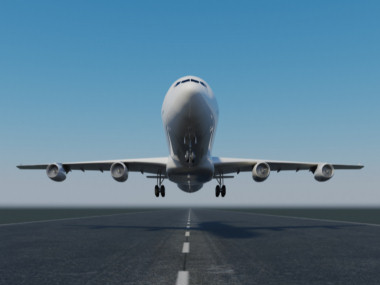
The plane has arrived at its destination .
Das Flugzeug ist am Ziel angekommen 0
Máy bay đã đến đích .
飞机 抵达 了 目的地 。
Fēijī dǐdále mùdìdì.
飛行機は目的地に到着した。
Hikōki wa mokutekichi ni tōchaku shita.
비행기가 목적지에 도착했습니다.
bihaeng-giga mogjeogjie dochaghaessseubnida.
(VI)
(ZH)
(JA)
1861
[EN] [DE] [NL] [ES] [FR] [IT] [TH] [VI] [ZH]
|
RANDOM
烟囱正在冒烟。

The chimney is giving off smoke .
Der Schornstein gibt Rauch ab 0
Ống khói đang tỏa khói .
烟囱 正在 冒烟 。
Yāncōng zhèng zài màoyān.
煙突は喫煙しています。
Entotsu wa kitsuen shite imasu.
굴뚝이 담배를 피우고 있습니다.
gulttug-i dambaeleul piugo issseubnida.
(VI)
(ZH)
(JA)
1877
[EN] [DE] [NL] [ES] [FR] [IT] [TH] [VI] [ZH]
|
RANDOM
灾区需要支援。
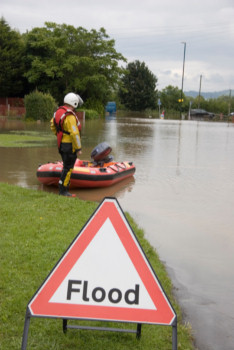
The disaster area needs assistance .
Das Katastrophengebiet braucht Hilfe 0
Khu vực thiên tai cần được hỗ trợ .
灾区 需要 支援 。
Zāiqū xūyào zhīyuán.
被災地は支援が必要です。
Hisai-chi wa shien ga hitsuyōdesu.
재난 지역은 지원이 필요합니다.
jaenan jiyeog-eun jiwon-i pil-yohabnida.
(VI)
(ZH)
(JA)
1883
[EN] [DE] [NL] [ES] [FR] [IT] [TH] [VI] [ZH]
|
RANDOM
净利润上升很快。

The net profit is increasing fast .
Der Nettogewinn steigt schnell 0
Lợi nhuận ròng đang tăng nhanh 0
淨 利润 上升 很快 。
Jìnglìrùn shàngshēng hěn kuài.
純利益は急増しています。
Jun rieki wa kyūzō shite imasu.
순이익이 빠르게 증가했습니다.
sun-iig-i ppaleuge jeung-gahaessseubnida.
(VI)
(ZH)
(JA)
1887
[EN] [DE] [NL] [ES] [FR] [IT] [TH] [VI] [ZH]
|
RANDOM
队伍很整齐。
The troops are very neat .
Das Team ist sehr ordentlich und aufgeräumt 0
Cuộc rước rất trật tự .
队伍 很 整齐 。
Duìwǔ hěn zhěngqí.
チームはとてもきちんとしています。
Chīmu wa totemo kichinto shite imasu.
팀은 매우 깔끔합니다.
tim-eun maeu kkalkkeumhabnida.
(VI)
(ZH)
(JA)
1911
[EN] [DE] [NL] [ES] [FR] [IT] [TH] [VI] [ZH]
|
RANDOM
我喝了半瓶酒。

I have drunk half a bottle of wine .
Ich habe eine halbe Flasche Wein getrunken 0
Tôi đã uống hết nửa chai rượu .
我 喝 了 半瓶 酒 。
Wǒ hēle bàn píng jiǔ.
私はワインの半分のボトルを飲みました。
Watashi wa wain no hanbun no botoru o nomimashita.
와인을 반병 마셨습니다.
wain-eul banbyeong masyeossseubnida.
(VI)
(ZH)
(JA)
1927
[EN] [DE] [NL] [ES] [FR] [IT] [TH] [VI] [ZH]
|
RANDOM
1月1日是元旦。

January 1 is New Year's day .
Der 1 0 Januar ist der Neujahrstag 0
Ngày 1 tháng 1 là ngày đầu năm mới .
1 月 1 日 是 元旦 。
Yīyuè yīrì shì Yuándàn.
1月1日は元日です。
1 Tsuki 1-nichi wa Ganjitsudesu.
1월 1일은 설날입니다.
1wol 1il-eun seolnal-ibnida.
(VI)
(ZH)
(JA)
1928
[EN] [DE] [NL] [ES] [FR] [IT] [TH] [VI] [ZH]
|
RANDOM
我一个人呆在家里。

I am at home alone .
Ich bin alleine zu hause
Tôi ở nhà một mình .
我 一个 人 呆 在家 里 。
Wǒ yī gè rén dāi zài jiāli.
私は一人で家にいます。
Watashi wa hitori de ie ni imasu.
집에 혼자 있어요.
jib-e honja iss-eoyo.
(VI)
(ZH)
(JA)
1937
[EN] [DE] [NL] [ES] [FR] [IT] [TH] [VI] [ZH]
|
RANDOM
我吃了一碗饭。

I have eaten one bowl of rice .
Ich habe eine Schüssel Reis gegessen 0
Tôi đã ăn hết một bát cơm .
我 吃 了 一碗 饭 。
Wǒ chīle yī wǎn fàn.
ご飯を一杯いただきました。
Gohan o ippai itadakimashita.
밥 한그릇 먹었습니다.
bab hangeuleus meog-eossseubnida.
(VI)
(ZH)
(JA)
1943
[EN] [DE] [NL] [ES] [FR] [IT] [TH] [VI] [ZH]
|
RANDOM
我家距离车站1公里。

My home is one kilometer away from the station .
Mein Zuhause ist einen Kilometer vom Bahnhof entfernt 0
Nhà tôi cách ga một kí lô mét .
我家 距离 车站 1 公里 。
Wǒ jiā jùlí chēzhàn yī gōnglǐ.
私の家は駅から1キロです。
Watashinoie wa eki kara 1-kirodesu.
우리 집은 역에서 1km 떨어져 있습니다.
uli jib-eun yeog-eseo 1km tteol-eojyeo issseubnida.
(VI)
(ZH)
(JA)
1945
[EN] [DE] [NL] [ES] [FR] [IT] [TH] [VI] [ZH]
|
RANDOM
一尾鱼多少钱?
How much does one fish cost ?
Wie viel kostet ein Fisch ?
Giá một con cá là bao nhiêu ?
一尾 鱼 多少 钱 ?
Yī wěi yú duōshaoqián?
1匹の魚はいくらですか?
1-Biki no sakana wa ikuradesu ka?
물고기는 얼마입니까?
mulgogineun eolmaibnikka?
(VI)
(ZH)
(JA)
1949
[EN] [DE] [NL] [ES] [FR] [IT] [TH] [VI] [ZH]
|
RANDOM
房子被烧毁了。

The house was burned down .
Das Haus brannte ab 0
Căn nhà bị thiêu rụi .
房子 被 烧毁 了 。
Fángzi bèi shāohuǐ le.
その家は全焼した。
Sono-ka wa zenshō shita.
집이 불탔습니다.
jib-i bultassseubnida.
(VI)
(ZH)
(JA)
1957
[EN] [DE] [NL] [ES] [FR] [IT] [TH] [VI] [ZH]
|
RANDOM
他们争吵的缘由是钱。

The cause of their quarreling is money . [OR They are arguing over money .]
Die Ursache für ihren Streit ist Geld 0 [ODER Sie streiten sich um Geld .]
Lý do cho cuộc cãi vã của họ là tiền .
他们 争吵 的 缘由 是 钱 。
Tāmen zhēngchǎo de yuányóu shì qián.
彼らの喧嘩の理由はお金です。
Karera no kenka no riyū wa okanedesu.
그들의 싸움의 이유는 돈입니다.
geudeul-ui ssaum-ui iyuneun don-ibnida.
(VI)
(ZH)
(JA)
1969
[EN] [DE] [NL] [ES] [FR] [IT] [TH] [VI] [ZH]
|
RANDOM
她捐出自己的零用钱。

She donates her pocket money .
Sie spendet ihr Taschengeld 0
Cô ấy đã quyên góp tiền tiêu vặt của mình .
她 捐出 自己 的 零用钱 。
Tā juānchū zìjǐ de língyòngqián.
彼女はポケットマネーを寄付した。
Kanojo wa pokettomanē o kifu shita.
그녀는 용돈을 기부했습니다.
geunyeoneun yongdon-eul gibuhaessseubnida.
(VI)
(ZH)
(JA)
1994
[EN] [DE] [NL] [ES] [FR] [IT] [TH] [VI] [ZH]
|
RANDOM
医生向他询问病情。

The doctor asks him about his illness .
Der Arzt befragt ihn zu seiner Krankheit 0
Bác sĩ hỏi anh ấy cảm thấy thế nào .
医生 向 他 询问 病情 。
Yīshēng xiàng tā xúnwèn bìngqíng.
医師は彼の病気について尋ねます。
Ishi wa kare no byōki ni tsuite tazunemasu.
의사는 그의 상태에 대해 물었다.
uisaneun geuui sangtaee daehae mul-eossda.
(VI)
(ZH)
(JA)
1996
[EN] [DE] [NL] [ES] [FR] [IT] [TH] [VI] [ZH]
|
RANDOM
她们对彼此很熟悉。

They know one another very well .
Sie kennen sich sehr gut 0
Họ biết nhau rất rõ .
她们 对 彼此 很 熟悉 。
Tāmen duì bǐcǐ hěn shúxī.
彼らはお互いにとてもよく知っています。
Karera wa otagai ni totemo yoku shitte imasu.
그들은 서로에게 매우 친숙합니다.
geudeul-eun seolo-ege maeu chinsughabnida.
(VI)
(ZH)
(JA)
1997
[EN] [DE] [NL] [ES] [FR] [IT] [TH] [VI] [ZH]
|
RANDOM
假装受伤是他惯用的伎俩。

Pretending to be injured is one of his old tricks .
Die Vortäuschung einer Verletzung ist einer seiner alten Tricks 0
Giả vờ bị thương là một trong những chiêu trò cũ của anh ta .
假装 受伤 是 他 惯用 的 伎俩 。
Jiǎzhuāng shòushāng shì tā guànyòng de jìliǎng.
怪我をしたふりをするのが彼の通常の戦術です。
Kega o shita furi o suru no ga kare no tsūjō no senjutsudesu.
다친 척하는 것이 그의 평소 수법이다.
dachin cheoghaneun geos-i geuui pyeongso subeob-ida.
(VI)
(ZH)
(JA)
1999
[EN] [DE] [NL] [ES] [FR] [IT] [TH] [VI] [ZH]
|
RANDOM
桃核不能吃。
The peach pit is inedible .
Pfirsichkerne können nicht gegessen werden 0
Chúng ta không thể ăn hạt đào .
桃核 不能 吃 。
Táohé bù néng chī.
桃の実は食べられません。
Momo no mi wa tabe raremasen.
복숭아 씨는 먹을 수 없습니다.
bogsung-a ssineun meog-eul su eobs-seubnida.
(VI)
(ZH)
(JA)
2002
[EN] [DE] [NL] [ES] [FR] [IT] [TH] [VI] [ZH]
|
RANDOM
树林里有一条小径。

There is a small lane in the forest .
Es gibt einen Pfad durch den Wald 0
Có một con đường nhỏ trong rừng .
树林 里 有 一条 小径 。
Shùlín lǐ yǒu yī tiáo xiǎojìng.
森の中に小道があります。
Mori no naka ni komichi ga arimasu.
숲속에 길이 있습니다.
supsog-e gil-i issseubnida.
(VI)
(ZH)
(JA)
2005
[EN] [DE] [NL] [ES] [FR] [IT] [TH] [VI] [ZH]
|
RANDOM
鸡有点烤焦了。
The chicken is a bit burned .
Das Huhn ist etwas verbrannt 0
Gà hơi bị cháy .
鸡 有点 烤焦 了 。
Jī yǒudiǎn kǎojiāo le.
鶏肉は少し焦げています。
Toriniku wa sukoshi kogete imasu.
닭고기가 약간 탄다.
dalg-gogiga yaggan tanda.
(VI)
(ZH)
(JA)
2029
[EN] [DE] [NL] [ES] [FR] [IT] [TH] [VI] [ZH]
|
RANDOM
这里是韩国的著名景点之一。

This is one of Korea is famous scenic spots .
Dies ist einer der berühmtesten Orte Koreas 0
Đây là một trong những danh lam thắng cảnh nổi tiếng của Hàn Quốc .
这 里 是 韩国 的 著名景点 之一 。
Zhèli shì Hánguó de zhùmíng jǐngdiǎn zhī yī.
これは韓国で有名なアトラクションの1つです。
Kore wa kankoku de yūmei na atorakushon no hitotsu desu.
이것은 한국의 유명한 명소 중 하나입니다.
igeos-eun hangug-ui yumyeonghan myeongso jung hanaibnida.
(VI)
(ZH)
(JA)
2032
[EN] [DE] [NL] [ES] [FR] [IT] [TH] [VI] [ZH]
|
RANDOM
大家躺在地上仰望天空。

Everyone is lying on the ground and looking up at the sky .
Alle liegen auf dem Boden und schauen zum Himmel hoch 0
Tất cả mọi người đang nằm trên mặt đất và nhìn lên bầu trời .
大家 躺 在 地上 仰望 天空 。
Dàjiā tǎng zài dìshang yǎngwàng tiānkōng.
みんな地面に寝転んで空を見上げています。
Min'na jimen ni nekoronde sorawomiagete imasu.
모두 땅바닥에 누워 하늘을 쳐다보았다.
modu ttangbadag-e nuwo haneul-eul chyeodaboassda.
(VI)
(ZH)
(JA)
2042
[EN] [DE] [NL] [ES] [FR] [IT] [TH] [VI] [ZH]
|
RANDOM
她每天都阅读报纸。

She reads the newspaper everyday .
Sie liest jeden Tag die Zeitung 0
Cô ấy đọc báo hàng ngày 0
她 每天 都 阅读 报纸 。
Tā měi tiān dōu yuèdú bàozhǐ.
彼女は毎日新聞を読んでいます。
Kanojo wa mainichishinbun o yonde imasu.
그녀는 매일 신문을 읽습니다.
geunyeoneun maeil sinmun-eul ilgseubnida.
(VI)
(ZH)
(JA)
2050
[EN] [DE] [NL] [ES] [FR] [IT] [TH] [VI] [ZH]
|
RANDOM
这个消息太令人振奋了。

This news is very exciting .
Das ist eine sehr aufregende Nachricht 0
Tin tức này là rất thú vị .
这个 消息 太 令人振奋 了 。
Zhège xiāoxi tài lìngrén zhènfèn le.
ニュースはとてもエキサイティングです。
Nyūsu wa totemo ekisaitingudesu.
소식이 너무 흥미진진합니다.
sosig-i neomu heungmijinjinhabnida.
(VI)
(ZH)
(JA)
2075
[EN] [DE] [NL] [ES] [FR] [IT] [TH] [VI] [ZH]
|
RANDOM
我们是同辈。

We are in the same generation of the family .
Wir sind aus der gleichen Generation 0
Chúng tôi thuộc cùng một thế hệ của gia đình .
我们 是 同辈 。
Wǒmen shì tóngbèi.
私たちは仲間です。
Watashitachiha nakamadesu.
우리는 동료입니다.
ulineun donglyoibnida.
(VI)
(ZH)
(JA)
2082
[EN] [DE] [NL] [ES] [FR] [IT] [TH] [VI] [ZH]
|
RANDOM
爸爸是一个忠厚正直的军人。

My father is an honest and upright soldier .
Mein Vater ist ein loyaler und ehrlicher Soldat 0
Cha tôi là một quân nhân trung thực và ngay thẳng .
爸爸 是 一个 忠厚 正直 的 军人 。
Bàba shì yī gè zhōnghòu zhèngzhí de jūnrén.
お父さんは忠実で直立した兵士です。
Otōsan wa chūjitsude chokuritsu shita heishidesu.
아버지는 충성스럽고 올바른 군인입니다.
abeojineun chungseongseuleobgo olbaleun gun-in-ibnida.
(VI)
(ZH)
(JA)
2086
[EN] [DE] [NL] [ES] [FR] [IT] [TH] [VI] [ZH]
|
RANDOM
他最近频繁地出差。

Recently , he is been going on business trips frequently .
In letzter Zeit unternimmt er häufig Geschäftsreisen 0
Gần đây , anh ấy thường xuyên đi công tác xa .
他 最近 频繁 地 出差 。
Tā zuìjìn pínfán de chūchāi.
彼は最近頻繁に旅行します。
Kare wa saikin hinpan ni ryokō shimasu.
그는 최근에 자주 여행을 갑니다.
geuneun choegeun-e jaju yeohaeng-eul gabnida.
(VI)
(ZH)
(JA)
2087
[EN] [DE] [NL] [ES] [FR] [IT] [TH] [VI] [ZH]
|
RANDOM
他在换电视频道。

He is changing the TV channel .
Er wechselt den Fernsehkanal 0
Anh ấy đang thay đổi kênh truyền hình .
他 在 换 电视频道 。
Tā zài huàn diànshì píndào.
彼はテレビのチャンネルを変えています。
Kare wa terebinochan'neru o kaete imasu.
그는 TV 채널을 바꾸고 있다.
geuneun TV chaeneol-eul bakkugo issda.
(VI)
(ZH)
(JA)
2088
[EN] [DE] [NL] [ES] [FR] [IT] [TH] [VI] [ZH]
|
RANDOM
他觉得很孤单。

He feels very lonely .
Er fühlt sich sehr einsam 0
Anh ấy cảm thấy rất cô đơn .
他 觉得 很 孤单 。
Tā juéde hěn gūdān.
彼はとても孤独を感じています。
Kare wa totemo kodoku o kanjite imasu.
그는 매우 외롭다고 느꼈다.
geuneun maeu oelobdago neukkyeossda.
(VI)
(ZH)
(JA)
2093
[EN] [DE] [NL] [ES] [FR] [IT] [TH] [VI] [ZH]
|
RANDOM
他在拨一个电话号码。

He is dialing a telephone number .
Er wählt eine Telefonnummer 0
Anh ấy đang gọi một số điện thoại .
他 在 拨 一个 电话号码 。
Tā zài bō yī gè diànhuà hàomǎ.
彼は電話番号をダイヤルしています。
Kare wa tenwabangō o daiyaru shite imasu.
그는 전화번호로 전화를 걸고 있다.
geuneun jeonhwabeonholo jeonhwaleul geolgo issda.
(VI)
(ZH)
(JA)
2095
[EN] [DE] [NL] [ES] [FR] [IT] [TH] [VI] [ZH]
|
RANDOM
政府拨钱建学校。

The government has allocated money to build a school .
Die Regierung hat Geld für den Bau einer Schule bereitgestellt 0
Chính phủ đã cấp tiền để xây dựng trường học .
政府 拨钱建 学校 。
Zhèngfǔ bōqián jiàn xuéxiào.
政府は学校を建てるためにお金を割り当てます。
Seifu wa gakkō o tateru tame ni okane o wariatemasu.
정부는 학교 건설에 자금을 할당합니다.
jeongbuneun haggyo geonseol-e jageum-eul haldanghabnida.
(VI)
(ZH)
(JA)
2096
[EN] [DE] [NL] [ES] [FR] [IT] [TH] [VI] [ZH]
|
RANDOM
她是我的邻居。
She is my neighbor .
Sie ist meine Nachbarin 0
Cô ấy là hàng xóm của tôi .
她 是 我 的 邻居 。
Tā shì wǒ de línjū.
彼女は私の隣人です。
Kanojo wa watashi no rinjindesu.
그녀는 내 이웃입니다.
geunyeoneun nae ius-ibnida.
(VI)
(ZH)
(JA)
2102
[EN] [DE] [NL] [ES] [FR] [IT] [TH] [VI] [ZH]
|
RANDOM
他们在旅途中短暂的休息。

They are taking a brief rest in the middle of their journey .
Während der Fahrt machen sie eine kurze Pause 0
Họ đang nghỉ ngơi ngắn ngủi ở giữa hành trình của họ .
他们 在 旅途 中 短暂 的 休息 。
Tāmen zài lǚtú zhōng duǎnzàn de xiūxi.
彼らは旅の途中で少し休憩します。
Karera wa tabi no tochū de sukoshi kyūkei shimasu.
그들은 여행 중에 잠시 휴식을 취했습니다.
geudeul-eun yeohaeng jung-e jamsi hyusig-eul chwihaessseubnida.
(VI)
(ZH)
(JA)
2112
[EN] [DE] [NL] [ES] [FR] [IT] [TH] [VI] [ZH]
|
RANDOM
她把书翻到下一页。

She turned to the next page of the book .
Sie schlug die nächste Seite des Buches auf 0
Cô lật sang trang tiếp theo của cuốn sách .
她 把 书 翻到 下 一页 。
Tā bǎ shū fān dào xià yī yè.
彼女はその本を次のページに向けた。
Kanojo wa sono-pon o tsugi no pēji ni muketa.
그녀는 책을 다음 페이지로 넘겼다.
geunyeoneun chaeg-eul da-eum peijilo neomgyeossda.
(VI)
(ZH)
(JA)
2116
[EN] [DE] [NL] [ES] [FR] [IT] [TH] [VI] [ZH]
|
RANDOM
吃喜酒送红包是老规矩。

It is an old tradition to give a red envelope when one attends a wedding banquet .
Es ist eine alte Tradition , einen roten Umschlag zu geben , wenn man an einem Hochzeitsbankett teilnimmt 0
Truyền thống cũ để tặng một phong bì đỏ khi một người tham dự tiệc cưới .
吃 喜酒 送 红包 是 老规矩 。
Chī xǐjiǔ sòng hóngbāo shì lǎoguīju.
結婚式のワインを持って赤い封筒を与えることは古い規則です。
Kekkonshiki no wain o motte akai fūtō o ataeru koto wa furui kisokudesu.
결혼식 포도주를 마시고 빨간 봉투를 주는 것은 오래된 규칙입니다.
gyeolhonsig podojuleul masigo ppalgan bongtuleul juneun geos-eun olaedoen gyuchig-ibnida.
(VI)
(ZH)
(JA)
2123
[EN] [DE] [NL] [ES] [FR] [IT] [TH] [VI] [ZH]
|
RANDOM
大家衷心地祝福新娘和新郎。

Everyone gave their sincere congratulations to the bride and groom .
Alle wünschen der Braut und dem Bräutigam alles Gute 0
Mọi người đều dành những lời chúc mừng chân thành đến cô dâu chú rể .
大家 衷心 地 祝福 新娘 和 新郎 。
Dàjiā zhōngxīn de zhùfú xīnniáng hé xīnláng.
皆、新郎新婦の幸せを願っていた
Mina, shinrō shinpu no shiawase o negatte ita.
모두가 신랑 신부를 진심으로 기원합니다.
moduga sinlang sinbuleul jinsim-eulo giwonhabnida.
(VI)
(ZH)
(JA)
2124
[EN] [DE] [NL] [ES] [FR] [IT] [TH] [VI] [ZH]
|
RANDOM
大家在模仿老师的动作。

Everyone imitates the movements of the teacher .
Alle ahmen die Bewegungen des Lehrers nach 0
Mọi người đều bắt chước hành động của cô giáo .
大家 在 模仿 老师 的 动作 。
Dàjiā zài mófǎng lǎoshī de dòngzuò.
誰もが先生の行動をまねています。
Daremoga sensei no kōdō o manete imasu.
모두가 선생님의 행동을 모방하고 있습니다.
moduga seonsaengnim-ui haengdong-eul mobanghago issseubnida.
(VI)
(ZH)
(JA)
2131
[EN] [DE] [NL] [ES] [FR] [IT] [TH] [VI] [ZH]
|
RANDOM
他们相互干涉对方的业务。

They are interfering with each other's business .
Sie stören sich gegenseitig in ihren Geschäften 0
Họ đang can thiệp vào công việc kinh doanh của nhau .
他们 相互 干涉 对方 的 业务 。
Tāmen xiānghù gānshè duìfāng de yèwù.
彼らはお互いのビジネスを妨害します。
Karera wa otagai no bijinesu o bōgai shimasu.
그들은 서로의 일을 방해합니다.
geudeul-eun seoloui il-eul banghaehabnida.
(VI)
(ZH)
(JA)
2133
[EN] [DE] [NL] [ES] [FR] [IT] [TH] [VI] [ZH]
|
RANDOM
他需要别人的施舍。

He needs charity from others .
Er braucht Wohltätigkeit von anderen 0
Anh ấy cần sự từ thiện từ những người khác .
他 需要 别人 的 施舍 。
Tā xūyào biéren de shīshě.
彼は他人からの慈善を必要としています。
Kare wa tanin kara no jizen o hitsuyō to shite imasu.
그는 다른 사람들의 자선이 필요합니다.
geuneun daleun salamdeul-ui jaseon-i pil-yohabnida.
(VI)
(ZH)
(JA)
2138
[EN] [DE] [NL] [ES] [FR] [IT] [TH] [VI] [ZH]
|
RANDOM
新兵已经应征入伍。
The new soldiers have been recruited .
Die neuen Soldaten wurden schon rekrutiert 0
Những người lính mới đã được tuyển chọn .
新兵 已经 应征入伍 。
Xīnbīng yǐjing yìngzhēngrùwǔ.
新兵は軍隊に引き込まれました。
Shinpei wa guntai ni hikikoma remashita.
신병들은 군대에 징집되었습니다.
sinbyeongdeul-eun gundaee jingjibdoeeossseubnida.
(VI)
(ZH)
(JA)
2142
[EN] [DE] [NL] [ES] [FR] [IT] [TH] [VI] [ZH]
|
RANDOM
中国人称呼自己的父母为爹娘。
The Chinese call their father and mother Diē and Niáng .
Die Chinesen nennen ihren Vater und ihre Mutter Diē und Niáng 0
Người Trung Quốc gọi cha và mẹ của họ là Diē và Niáng .
中国 人 称呼 自己 的 父母 为 爹娘 。
Zhōngguórén chēnghu zìjǐ de fùmǔ wéi diēniáng.
中国人は両親を"Diē" と"Niáng"と呼んでいます。
Chūgokujin wa ryōshin o" Diē" to" Niáng" to yonde imasu.
중국인들은 부모를 아버지, 어머니라고 부른다.
jung-gug-indeul-eun bumoleul abeoji, eomeonilago buleunda.
(VI)
(ZH)
(JA)
2147
[EN] [DE] [NL] [ES] [FR] [IT] [TH] [VI] [ZH]
|
RANDOM
我喜欢吃罐头食品。

I like eating canned foods .
Ich esse gerne Lebensmittel aus der Dose 0
Tôi thích ăn đồ hộp .
我 喜欢 吃 罐头食品 。
Wǒ xǐhuan chī guàntou shípǐn.
私は缶詰を食べるのが好きです。
Watashi wa kandzume o taberu no ga sukidesu.
저는 통조림을 먹는 것을 좋아합니다.
jeoneun tongjolim-eul meogneun geos-eul joh-ahabnida.
(VI)
(ZH)
(JA)
2152
[EN] [DE] [NL] [ES] [FR] [IT] [TH] [VI] [ZH]
|
RANDOM
新发芽的树叶是嫩绿色的。

The newly sprouting leaves are tender green .
Die frisch gekeimten Blätter sind zartgrün 0
Những chiếc lá mới nhú có màu xanh dịu .
新 发芽 的 树叶 是 嫩绿色 的 。
Xīn fāyá de shùyè shì nènlǜsè de.
新しく芽生えた葉はやわらかい緑色です。
Atarashiku mebaeta ha wa yawarakai midoriirodesu.
새로 돋아난 잎은 연한 녹색입니다.
saelo dod-anan ip-eun yeonhan nogsaeg-ibnida.
(VI)
(ZH)
(JA)
2158
[EN] [DE] [NL] [ES] [FR] [IT] [TH] [VI] [ZH]
|
RANDOM
矿泉水的味道很甘甜。

The mineral water tastes very sweet .
Das Mineralwasser schmeckt sehr süß 0
Nước khoáng có vị rất ngọt 0
矿泉水 的 味道 很 甘甜 。
Kuàngquánshuǐ de wèidao hěn gāntián.
ミネラルウォーターの味はとても甘いです。
Mineraruu~ōtā no aji wa totemo amaidesu.
미네랄 워터의 맛은 매우 달콤합니다.
minelal woteoui mas-eun maeu dalkomhabnida.
(VI)
(ZH)
(JA)
2180
[EN] [DE] [NL] [ES] [FR] [IT] [TH] [VI] [ZH]
|
RANDOM
窗玻璃被打碎了。
The window pane was broken .
Die Fensterscheibe war zerbrochen 0
Cửa sổ bị vỡ .
窗玻璃 被 打碎 了 。
Chuāngbōli bèi dǎsuì le.
窓ガラスが粉々になった。
Mado garasu ga konagona ni natta.
유리창이 깨졌습니다.
yulichang-i kkaejyeossseubnida.
(VI)
(ZH)
(JA)
2184
[EN] [DE] [NL] [ES] [FR] [IT] [TH] [VI] [ZH]
|
RANDOM
服药要掌握好剂量。

Make sure that you have the correct dosage when taking medicine .
Nehmen Sie die richtige Dosis an Medikamenten 0
Đảm bảo rằng bạn có liều lượng chính xác khi dùng thuốc .
服药 要 掌握 好 剂量 。
Fúyào yào zhǎngwò hǎo jìliàng.
薬を服用するときは、投与量をマスターする必要があります。
Kusuri o fukuyō suru toki wa, tōyo-ryō o masutā suru hitsuyō ga arimasu.
약을 복용할 때 복용량을 마스터하십시오.
yag-eul bog-yonghal ttae bog-yonglyang-eul maseuteohasibsio.
(VI)
(ZH)
(JA)
2185
[EN] [DE] [NL] [ES] [FR] [IT] [TH] [VI] [ZH]
|
RANDOM
他是新同事郑先生。

He is our new coworker , Mr . Zheng .
Er ist unser neuer Mitarbeiter , Herr Zheng 0
Anh ấy là đồng nghiệp mới của chúng tôi , anh Zheng .
他 是 新 同事 郑先生 。
Tā shì xīn tóngshì Zhèng xiānsheng.
彼は新しい同僚の鄭さんです。
Kare wa atarashī dōryō no Tei-sandesu.
그는 새로운 동료 Mr. Zheng입니다.
geuneun saeloun donglyo Mr. Zheng-ibnida.
(VI)
(ZH)
(JA)
2197
[EN] [DE] [NL] [ES] [FR] [IT] [TH] [VI] [ZH]
|
RANDOM
他们把柜子抬上车。
They lift the cabinet onto the vehicle . .
Sie heben den Schrank auf das Fahrzeug 0
Họ mang cái tủ lên xe 0
他们 把 柜子 抬 上车 。
Tāmen bǎ guìzi táishàng chē.
彼らはキャビネットを車に運んでいます。
Karera wa kyabinetto o kuruma ni hakonde imasu.
그들은 캐비닛을 차에 실었습니다.
geudeul-eun kaebinis-eul cha-e sil-eossseubnida.
(VI)
(ZH)
(JA)
2201
[EN] [DE] [NL] [ES] [FR] [IT] [TH] [VI] [ZH]
|
RANDOM
他在恐吓人。

He threatened people .
Er hat die Leute bedroht 0
Anh ta đang đe dọa ai đó .
他 在 恐吓 人 。
Tā zài kǒnghè rén.
彼は威圧的です。
Kare wa iatsu-tekidesu.
그는 위협적이다.
geuneun wihyeobjeog-ida.
(VI)
(ZH)
(JA)
2215
[EN] [DE] [NL] [ES] [FR] [IT] [TH] [VI] [ZH]
|
RANDOM
他觉得很寂寞。

He feels very lonely .
Er fühlt sich sehr einsam 0
Anh ấy cảm thấy rất cô đơn .
他 觉得 很 寂寞 。
Tā juéde hěn jìmò.
彼はとても孤独を感じまします。
Kare wa totemo kodoku o kanjimashimasu.
그는 매우 외롭다고 느꼈다.
geuneun maeu oelobdago neukkyeossda.
(VI)
(ZH)
(JA)
2218
[EN] [DE] [NL] [ES] [FR] [IT] [TH] [VI] [ZH]
|
RANDOM
他在列提纲。

He is making an outline .
Er macht eine Skizze 0
Anh ấy đang lập dàn ý 0
他 在 列 提纲 。
Tā zài liè tígāng.
彼はアウトラインを作っています。
Kare wa autorain o tsukutte imasu.
그는 윤곽을 만들고 있다.
geuneun yungwag-eul mandeulgo issda.
(VI)
(ZH)
(JA)
2220
[EN] [DE] [NL] [ES] [FR] [IT] [TH] [VI] [ZH]
|
RANDOM
士兵驻守在边境。

The soldiers are stationed at the frontier .
Die Soldaten sind an der Grenze stationiert 0
Những người lính đang đóng quân ở biên giới .
士兵 驻守 在 边境 。
Shìbīng zhùshǒu zài biānjìng.
兵士は国境に駐留しています。
Heishi wa kokkyō ni chūryū shite imasu.
국경에 군인들이 주둔하고 있다.
guggyeong-e gun-indeul-i judunhago issda.
(VI)
(ZH)
(JA)
2222
[EN] [DE] [NL] [ES] [FR] [IT] [TH] [VI] [ZH]
|
RANDOM
纽约有很多摩天大楼。
There are many skyscrapers in New York .
Es gibt viele Wolkenkratzer in New York 0
Có rất nhiều tòa nhà chọc trời ở New York .
纽约 有 很多 摩天大楼 。
Niǔyuē yǒu hěn duō mótiān dàlóu.
ニューヨークには高層ビルがたくさんあります。
Nyūyōku ni wa kōsō biru ga takusan arimasu.
뉴욕에는 고층 빌딩이 많다.
nyuyog-eneun gocheung bilding-i manhda.
(VI)
(ZH)
(JA)
2229
[EN] [DE] [NL] [ES] [FR] [IT] [TH] [VI] [ZH]
|
RANDOM
磁铁互相吸引。

The magnets attract each other .
Die Magnete ziehen sich an 0
Các nam châm hút nhau .
磁铁 互相 吸引 。
Cítiě hùxiāng xīyǐn.
磁石は互いに引き付け合います。
Jishaku wa tagaini hikitsuke aimasu.
자석은 서로를 끌어당깁니다.
jaseog-eun seololeul kkeul-eodang-gibnida.
(VI)
(ZH)
(JA)
2230
[EN] [DE] [NL] [ES] [FR] [IT] [TH] [VI] [ZH]
|
RANDOM
他们吓坏了。

They are very frightened .
Sie sind sehr erschrocken 0
Họ rất sợ hãi .
他们 吓坏 了 。
Tāmen xiàhuài le.
彼らはおびえていまします。
Karera wa obiete imashimasu.
그들은 겁에 질려 있었습니다.
geudeul-eun geob-e jillyeo iss-eossseubnida.
(VI)
(ZH)
(JA)
2231
[EN] [DE] [NL] [ES] [FR] [IT] [TH] [VI] [ZH]
|
RANDOM
生意给我带来了巨大的利润。

Business brought me great profits .
Das Geschäft brachte mir große Gewinne 0
Công việc kinh doanh đã mang lại cho tôi những khoản lợi nhuận lớn .
生意 给 我 带来 了 巨大 的 利润 。
Shēngyì gěi wǒ dàilái jùdà de lìrùn.
その事業は私に莫大な利益をもたらしました。
Sono jigyō wa watashi ni bakudaina rieki o motarashimashita.
그 사업은 나에게 엄청난 이익을 가져다 주었다.
geu sa-eob-eun na-ege eomcheongnan iig-eul gajyeoda jueossda.
(VI)
(ZH)
(JA)
2235
[EN] [DE] [NL] [ES] [FR] [IT] [TH] [VI] [ZH]
|
RANDOM
这是一所综合性医院。

This is a general hospital .
Dies ist ein allgemeines Krankenhaus 0
Đây là một bệnh viện đa khoa .
这是 一所 综合性 医院 。
Zhè shì yī suǒ zōnghéxìng yīyuàn.
これは総合病院です。
Kore wa sōgō byōindesu.
종합병원입니다.
jonghabbyeong-won-ibnida.
(VI)
(ZH)
(JA)
2257
[EN] [DE] [NL] [ES] [FR] [IT] [TH] [VI] [ZH]
|
RANDOM
破案的关键证人找到了。
The key witness for solving the case has been found .
Der Hauptzeuge für die Lösung des Falls wurde gefunden 0
Nhân chứng quan trọng để giải quyết vụ án đã được tìm thấy .
破案 的 关键 证人 找到 了 。
Pò'àn de guānjiàn zhèngrén zhǎodào le.
事件を解決するための重要な証人が見つかりました。
Jiken o kaiketsu suru tame no jūyōna shōnin ga mitsukarimashita.
사건 해결의 핵심 증인이 발견됐다.
sageon haegyeol-ui haegsim jeung-in-i balgyeondwaessda.
(VI)
(ZH)
(JA)
2269
[EN] [DE] [NL] [ES] [FR] [IT] [TH] [VI] [ZH]
|
RANDOM
这里储藏着很多酒。
There is a lot of wine stored here .
Hier wird viel Wein gelagert 0
Ở đây cất giữ rất nhiều rượu .
这 里 储藏 着 很多 酒 。
Zhèli chǔcángzhe hěn duō jiǔ.
ここにはたくさんのワインが保管されています。
Koko ni wa takusan no wain ga hokan sa rete imasu.
이곳에는 많은 양의 와인이 보관되어 있습니다.
igos-eneun manh-eun yang-ui wain-i bogwandoeeo issseubnida.
(VI)
(ZH)
(JA)
2270
[EN] [DE] [NL] [ES] [FR] [IT] [TH] [VI] [ZH]
|
RANDOM
学校5号截止报名。

The deadline for enrolling in the school is on the 5th .
Die Anmeldefrist für die Schule endet am 5 0 0
Hạn cuối để đăng ký vào trường là ngày 5 .
学校 5 号 截止 报名 。
Xuéxiào wǔ hào jiézhǐ bàomíng.
5日の学校登録締切。
Itsuka no gakkō tōroku shimekiri.
학교 등록 마감은 5일입니다.
haggyo deunglog magam-eun 5il-ibnida.
(VI)
(ZH)
(JA)
2275
[EN] [DE] [NL] [ES] [FR] [IT] [TH] [VI] [ZH]
|
RANDOM
他欠了许多钱。

He owes a lot of money .
Er schuldet viel Geld 0
Anh ta nợ rất nhiều tiền 0
他 欠 了 许多 钱 。
Tā qiànle xǔduō qián.
彼はたくさんのお金を借りている。
Kare wa takusan no okane o karite iru.
그는 많은 돈을 빚지고 있습니다.
geuneun manh-eun don-eul bij-jigo issseubnida.
(VI)
(ZH)
(JA)
2286
[EN] [DE] [NL] [ES] [FR] [IT] [TH] [VI] [ZH]
|
RANDOM
她打了一个哈欠。

She yawned .
Sie gähnte 0
Cô ấy ngáp dài .
她 打 了 一个 哈欠 。
Tā dǎle yī gè hāqian.
彼女はあくびをした。
Kanojo wa akubi o shita.
그녀는 하품했다.
geunyeoneun hapumhaessda.
(VI)
(ZH)
(JA)
2287
[EN] [DE] [NL] [ES] [FR] [IT] [TH] [VI] [ZH]
|
RANDOM
他涂掉了一行字。

He's erased one line of words .
Er hat eine Zeile gelöscht 0
Anh ấy đã xóa một dòng 0
他 涂掉 了 一行 字 。
Tā túdiào le yī háng zì.
彼は一行の言葉を消した。
Kare wa ikkō no kotoba o keshita.
그는 한 줄의 말을 지웠다.
geuneun han jul-ui mal-eul jiwossda.
(VI)
(ZH)
(JA)
2291
[EN] [DE] [NL] [ES] [FR] [IT] [TH] [VI] [ZH]
|
RANDOM
肥胖容易引起各种疾病。

Obesity can bring about a range of illnesses .
Fettleibigkeit kann zu einer Vielzahl von Krankheiten führen 0
Béo phì có thể gây ra hàng loạt bệnh tật .
肥胖 容易 引起 各种 疾病 。
Féipàng róngyì yǐnqǐ gè zhǒng jíbìng.
肥満は簡単にさまざまな病気を引き起こす可能性があります。
Himan wa kantan ni samazamana byōki o hikiokosu kanōsei ga arimasu.
비만은 다양한 질병을 쉽게 일으킬 수 있습니다.
biman-eun dayanghan jilbyeong-eul swibge il-eukil su issseubnida.
(VI)
(ZH)
(JA)
2307
[EN] [DE] [NL] [ES] [FR] [IT] [TH] [VI] [ZH]
|
RANDOM
每个人都应该遵守法律。

Everyone should obey the law .
Jeder sollte das Gesetz befolgen 0
Mọi người nên tuân thủ luật pháp .
每个 人 都 应该 遵守 法律 。
Měi gè rén dōu yīnggāi zūnshǒu fǎlǜ.
誰もが法律を遵守する必要があります。
Daremoga hōritsu o junshu suru hitsuyō ga arimasu.
모든 사람은 법을 준수해야 합니다.
modeun salam-eun beob-eul junsuhaeya habnida.
(VI)
(ZH)
(JA)
2318
[EN] [DE] [NL] [ES] [FR] [IT] [TH] [VI] [ZH]
|
RANDOM
他在这里撒网打鱼。
He is casting his net here to fish .
Er wirft hier sein Netz , um zu fischen 0
Anh ta quăng lưới và đánh cá ở đây .
他 在 这 里 撒网 打鱼 。
Tā zài zhèli sāwǎng dǎyú.
彼はここで網と魚を投げます。
Kare wa koko de ami to sakana o nagemasu.
그는 여기서 그물을 던지고 고기를 잡는다.
geuneun yeogiseo geumul-eul deonjigo gogileul jabneunda.
(VI)
(ZH)
(JA)
2321
[EN] [DE] [NL] [ES] [FR] [IT] [TH] [VI] [ZH]
|
RANDOM
你做错了不要赖别人。

Don't blame others unfairly for things that you have done wrong .
Geben Sie nicht anderen die Schuld , wenn Sie etwas falsch machen 0
Đừng đổ lỗi bất công cho người khác về những điều bạn đã làm sai .
你 做 错 了 不要 赖 别人 。
Nǐ zuòcuòle bùyào lài biérén.
間違えても他人に頼らないでください。
Machigaete mo tanin ni tayoranaide kudasai.
실수를 해도 다른 사람에게 의존하지 마십시오.
silsuleul haedo daleun salam-ege uijonhaji masibsio.
(VI)
(ZH)
(JA)
2325
[EN] [DE] [NL] [ES] [FR] [IT] [TH] [VI] [ZH]
|
RANDOM
他获得了大家的赞誉。

He was praised by everyone .
Er wurde von allen gelobt 0
Anh được mọi người khen ngợi 0
他 获得 了 大家 的 赞 誉 。
Tā huòdéle dàjiā de zànyù.
彼はみんなの賞賛を勝ち取った。
Kare wa min'na no shōsan o kachitotta.
그는 모든 사람의 찬사를 받았습니다.
geuneun modeun salam-ui chansaleul bad-assseubnida.
(VI)
(ZH)
(JA)
2339
[EN] [DE] [NL] [ES] [FR] [IT] [TH] [VI] [ZH]
|
RANDOM
这条沟是新挖的。

This is a newly-dug ditch .
Dies ist ein neu gegrabener Graben 0
Đây là một con mương mới đào .
这条 沟 是 新 挖 的 。
Zhè tiáo gōu shì xīn wā de.
新しく掘った溝です。
Atarashiku hotta mizodesu.
이 도랑은 새로 팠습니다.
i dolang-eun saelo passseubnida.
(VI)
(ZH)
(JA)
2374
[EN] [DE] [NL] [ES] [FR] [IT] [TH] [VI] [ZH]
|
RANDOM
他疯了。

He is gone mad .
Er ist verrückt 0
Anh ấy đã phát điên .
他 疯 了 。
Tā fēng le.
彼は頭がおかしい。
Kare wa atamagaokashī.
그는 정상이 아니다.
geuneun jeongsang-i anida.
(VI)
(ZH)
(JA)
2382
[EN] [DE] [NL] [ES] [FR] [IT] [TH] [VI] [ZH]
|
RANDOM
她的脚扭伤了。

She sprained her ankle .
Sie hat sich den Knöchel verstaucht 0
Cô ấy bị bong gân mắt cá chân .
她 的 脚扭伤 了 。
Tā de jiǎo niǔshāng le.
彼女は足を捻挫した。
Kanojo wa ashi o nenza shita.
그녀는 발을 삐었다.
geunyeoneun bal-eul ppieossda.
(VI)
(ZH)
(JA)
2388
[EN] [DE] [NL] [ES] [FR] [IT] [TH] [VI] [ZH]
|
RANDOM
他们在教堂里办丧事。

They are holding the funeral ceremony in the church .
Sie halten die Trauerfeier in der Kirche ab 0
Họ đang tổ chức lễ an táng trong nhà thờ .
他们 在 教堂 里 办 丧事 。
Tāmen zài jiàotáng lǐ bàn sāngshì.
彼らは教会で葬式を行います。
Karera wa kyōkai de sōshiki o okonaimasu.
그들은 교회에서 장례를 치렀다.
geudeul-eun gyohoeeseo janglyeleul chileossda.
(VI)
(ZH)
(JA)
2395
[EN] [DE] [NL] [ES] [FR] [IT] [TH] [VI] [ZH]
|
RANDOM
你太瘦了,该多吃点。

You need to eat more , you are too slim .
Du musst mehr essen , du bist zu dünn 0
Bạn cần ăn nhiều hơn , bạn quá mảnh mai .
你 太 瘦 了 , 该 多 吃 点 。
Nǐ tài shòu le, gāi duō chī diǎnr.
あなたは痩せすぎているので、もっと食べるべきです。
Anata wa yase sugite irunode, motto taberubekidesu.
당신은 너무 마른, 당신은 더 많이 먹어야합니다.
dangsin-eun neomu maleun, dangsin-eun deo manh-i meog-eoyahabnida.
(VI)
(ZH)
(JA)
2398
[EN] [DE] [NL] [ES] [FR] [IT] [TH] [VI] [ZH]
|
RANDOM
他们在会上签署了协定。

They signed an agreement at the meeting .
Sie unterzeichneten auf dem Treffen eine Vereinbarung 0
Họ đã ký một thỏa thuận tại cuộc họp .
他们 在 会上 签署 了 协定 。
Tāmen zài huìshàng qiānshǔle xiédìng.
彼らは会議で合意に署名した。
Karera wa kaigi de gōi ni shomei shita.
그들은 회의에서 합의서에 서명했습니다.
geudeul-eun hoeuieseo hab-uiseoe seomyeonghaessseubnida.
(VI)
(ZH)
(JA)
2413
[EN] [DE] [NL] [ES] [FR] [IT] [TH] [VI] [ZH]
|
RANDOM
警察在附近巡逻。
The police are patrolling the neighborhood .
Die Polizei patrouilliert in der Nachbarschaft 0
Cảnh sát đang tuần tra khu vực lân cận .
警察 在 附近 巡逻 。
Jǐngchá zài fùjìn xúnluó.
警察は近所をパトロールしています。
Keisatsu wa kinjo o patorōru shite imasu.
경찰이 동네를 순찰하고 있다.
gyeongchal-i dongneleul sunchalhago issda.
(VI)
(ZH)
(JA)
2432
[EN] [DE] [NL] [ES] [FR] [IT] [TH] [VI] [ZH]
|
RANDOM
他做错了事,很后悔。

He has done wrong and regrets it very much .
Er hat sich falsch verhalten und bedauert es sehr 0
Anh ấy đã làm sai và hối hận về điều đó rất nhiều .
他 做 错 了 事 , 很 后悔 。
Tā zuòcuòle shì, hěn hòuhuǐ.
彼彼は何か間違ったことをして後悔します。
Kare kare wa nani ka machigatta koto o shite kōkai shimasu.
그는 잘못을 저질렀고 후회했습니다.
geuneun jalmos-eul jeojilleossgo huhoehaessseubnida.
(VI)
(ZH)
(JA)
2437
[EN] [DE] [NL] [ES] [FR] [IT] [TH] [VI] [ZH]
|
RANDOM
她被派遣出差。

She's been sent on a business trip .
Sie wurde auf eine Geschäftsreise geschickt 0
Cô ấy được cử đi công tác .
她 被 派遣 出差 。
Tā bèi pàiqiǎn chūchāi.
彼女は出張で派遣された。
Kanojo wa shutchō de haken sa reta.
그녀는 출장으로 파견되었습니다.
geunyeoneun chuljang-eulo pagyeondoeeossseubnida.
(VI)
(ZH)
(JA)
2458
[EN] [DE] [NL] [ES] [FR] [IT] [TH] [VI] [ZH]
|
RANDOM
中国菜要趁热吃。

Chinese food should be eaten hot .
Chinesisches Essen sollte heiß gegessen werden 0
Đồ ăn Trung Quốc nên ăn nóng .
中国 菜要 趁热 吃 。
Zhōngguó cài yào chènrè chī.
中華料理は暑いうちに食べるべきです。
Chūkaryōri wa atsui uchi ni taberubekidesu.
중국 음식은 뜨거울 때 먹어야 합니다.
jung-gug eumsig-eun tteugeoul ttae meog-eoya habnida.
(VI)
(ZH)
(JA)
2465
[EN] [DE] [NL] [ES] [FR] [IT] [TH] [VI] [ZH]
|
RANDOM
他请求女朋友的原谅。

He asks his girlfriend for forgiveness .
Er bittet seine Freundin um Vergebung 0
Anh ấy cầu xin bạn gái tha thứ .
他 请求 女朋友 的 原谅 。
Tā qǐngqiú nǚpéngyou de yuánliàng.
彼はガールフレンドに許しを請う。
Kare wa gārufurendo ni yurushi o kou.
그는 여자친구에게 용서를 빌었다.
geuneun yeojachinguege yongseoleul bil-eossda.
(VI)
(ZH)
(JA)
2466
[EN] [DE] [NL] [ES] [FR] [IT] [TH] [VI] [ZH]
|
RANDOM
恭喜发财!

Wish you good fortune !
Wünsche dir viel Glück !
Chúc bạn may mắn !
恭喜发财 !
Gōngxǐ fācái!
あなたが幸せで繁栄しますように!
Anata ga shiawasede han'ei shimasu yō ni!
행복하고 번창하시길!
haengboghago beonchanghasigil!
(VI)
(ZH)
(JA)
2471
[EN] [DE] [NL] [ES] [FR] [IT] [TH] [VI] [ZH]
|
RANDOM
他们在开拓新土地。
They are opening up new land .
Sie erschließen neues Land 0
Họ đang mở ra vùng đất mới .
他们 在 开拓 新 土地 。
Tāmen zài kāituò xīn tǔdì.
彼らは新しい土地を開いています。
Karera wa atarashii tochi wo hiraiteimasu/aiteimasu.
그들은 새로운 땅을 개척하고 있습니다.
geudeul-eun saeloun ttang-eul gaecheoghago issseubnida.
(VI)
(ZH)
(JA)
2472
[EN] [DE] [NL] [ES] [FR] [IT] [TH] [VI] [ZH]
|
RANDOM
到了仲夏,雨下个不停。

In mid-summer , the rain never stops .
Im Hochsommer hört der Regen nie auf 0
Giữa mùa hè , mưa không ngớt .
到 了 仲夏 , 雨下个 不停 。
Dàole zhòngxià, yǔ xià ge bùtíng.
真夏には、止まることなく雨が降りします。
Manatsu niwa, tomaru koto naku ame ga furi/ori shimasu.
한여름에, 그치지 않고 비가 내렸다.
han-yeoleum-e, geuchiji anhgo biga naelyeossda.
(VI)
(ZH)
(JA)
2477
[EN] [DE] [NL] [ES] [FR] [IT] [TH] [VI] [ZH]
|
RANDOM
他狠狠地挫败了对手。

He defeated his opponent severely .
Er besiegte seinen Gegner vernichtend 0
Anh ta đã đánh bại đối thủ của mình một cách tròn trịa .
他 狠狠 地 挫败 了 对手 。
Tā hěnhěn de cuòbàile duìshǒu.
彼は相手をひどく打ち負かした。
Kare wa aite o hidoku uchi makashita.
그는 상대를 심하게 물리쳤다.
geuneun sangdaeleul simhage mullichyeossda.
(VI)
(ZH)
(JA)
2478
[EN] [DE] [NL] [ES] [FR] [IT] [TH] [VI] [ZH]
|
RANDOM
新电影进了排行榜的前十名。

The new movie has moved into the top ten list .
Der neue Film ist in die Top-Ten-Liste eingezogen 0
Bộ phim mới đã lọt vào danh sách top 10 .
新 电影 进 了 排行榜 的 前十名 。
Xīn diànyǐng jìnle páihángbǎng de qián shí míng.
新しい映画はチャートのトップ10に入った。
Atarashī eiga wa chāto no toppu 10 ni haitta.
새 영화가 차트 10위권에 진입했습니다.
sae yeonghwaga chateu 10wigwon-e jin-ibhaessseubnida.
(VI)
(ZH)
(JA)
2479
[EN] [DE] [NL] [ES] [FR] [IT] [TH] [VI] [ZH]
|
RANDOM
国家颁布了新法令。

The government has enacted a new law .
Die Regierung hat ein neues Gesetz erlassen 0
Chính phủ đã ban hành một luật mới .
国家 颁 布 了 新 法令 。
Guójiā bānbùle xīn fǎlìng.
国は新しい法律を発行しました。
Kuni wa atarashī hōritsu o hakkō shimashita.
국가는 새로운 법률을 발표했습니다.
gugganeun saeloun beoblyul-eul balpyohaessseubnida.
(VI)
(ZH)
(JA)
2483
[EN] [DE] [NL] [ES] [FR] [IT] [TH] [VI] [ZH]
|
RANDOM
机器正在掘土。

The machine is digging the soil .
Die Maschine gräbt die Erde aus 0
Máy đang đào đất .
机器 正在 掘土 。
Jīqì zhèng zài juétǔ.
機械は掘っています。
Kikai wa hotte imasu.
기계가 파고 있습니다.
gigyega pago issseubnida.
(VI)
(ZH)
(JA)
2486
[EN] [DE] [NL] [ES] [FR] [IT] [TH] [VI] [ZH]
|
RANDOM
他们是工作伙伴。

They are workmates/working partners .
Sie sind Arbeitskollegen 0
Họ là đồng nghiệp / đối tác làm việc .
他们 是 工作 伙伴 。
Tāmen shì gōngzuò huǒbàn.
彼らはワーキングパートナーです。
Karera wa wākingupātonādesu.
그들은 일하는 파트너입니다.
geudeul-eun ilhaneun pateuneoibnida.
(VI)
(ZH)
(JA)
2500
[EN] [DE] [NL] [ES] [FR] [IT] [TH] [VI] [ZH]
|
RANDOM
她用显微镜观察细胞膜。

She is observing cell membranes with a microscope .
Sie beobachtet Zellmembranen mit einem Mikroskop 0
Cô ấy đang quan sát màng tế bào bằng kính hiển vi .
她 用 显微镜 观察 细胞膜 。
Tā yòng xiǎnwēijìng guānchá xìbāomó.
彼女は顕微鏡を使って細胞膜を観察します。
Kanojo wa kenbikyō o tsukatte saibō maku o kansatsu shimasu.
그녀는 현미경을 사용하여 세포막을 관찰했습니다.
geunyeoneun hyeonmigyeong-eul sayonghayeo sepomag-eul gwanchalhaessseubnida.
(VI)
(ZH)
(JA)
2521
[EN] [DE] [NL] [ES] [FR] [IT] [TH] [VI] [ZH]
|
RANDOM
她在收拾餐具。

She is putting away the dinnerware .
Sie räumt das Geschirr weg 0
Cô ấy đang cất bộ đồ ăn .
她 在 收拾 餐具 。
Tā zài shōushi cānjù.
彼女は皿を片付けています。
Kanojo wa sara o katadzukete imasu.
그녀는 접시를 집어 들고 있다.
geunyeoneun jeobsileul jib-eo deulgo issda.
(VI)
(ZH)
(JA)
2527
[EN] [DE] [NL] [ES] [FR] [IT] [TH] [VI] [ZH]
|
RANDOM
新议员首次公开露面。

The new legislators made their first public appearance .
Die neuen Gesetzgeber traten erstmals öffentlich auf 0
Các nhà lập pháp mới lần đầu tiên xuất hiện trước công chúng .
新 议员 首次 公开 露面 。
Xīn yìyuán shǒucì gōngkāi lòumiàn.
新しい下院議員は初めて彼の公の場に現れた。
Atarashī Kain giin wa hajimete kare no kōnoba ni arawareta.
새 국회의원이 처음으로 대중 앞에 모습을 드러냈습니다.
sae gughoeuiwon-i cheoeum-eulo daejung ap-e moseub-eul deuleonaessseubnida.
(VI)
(ZH)
(JA)
2537
[EN] [DE] [NL] [ES] [FR] [IT] [TH] [VI] [ZH]
|
RANDOM
他乃是一名将军。

He is a general .
Er ist ein General 0
Ông ấy là một vị tướng 0
他 乃是 一名 将军 。
Tā nǎi shì yī míng jiāngjūn.
彼は将軍です。
Kare wa shōgundesu.
그는 장군입니다.
geuneun jang-gun-ibnida.
(VI)
(ZH)
(JA)
2541
[EN] [DE] [NL] [ES] [FR] [IT] [TH] [VI] [ZH]
|
RANDOM
他挣了很多钱。

He made a lot of money .
Er hat viel Geld verdient 0
Anh ấy đã kiếm được rất nhiều tiền .
他 挣 了 很多 钱 。
Tā zhèngle hěn duō qián.
彼はたくさんのお金を稼いだ。
Kare wa takusan no okane o kaseida.
그는 많은 돈을 벌었습니다.
geuneun manh-eun don-eul beol-eossseubnida.
(VI)
(ZH)
(JA)
2550
[EN] [DE] [NL] [ES] [FR] [IT] [TH] [VI] [ZH]
|
RANDOM
机器正在浇灌农田。

The machine is watering the fields .
Die Maschine bewässert die Felder 0
Máy đang tưới ruộng .
机器 正在 浇灌 农田 。
Jīqì zhèng zài jiāoguàn nóngtián.
機械は農地に水をまきます。
Kikai wa nōchi ni mizu o makimasu.
기계가 농지에 물을 주고 있습니다.
gigyega nongjie mul-eul jugo issseubnida.
(VI)
(ZH)
(JA)
2551
[EN] [DE] [NL] [ES] [FR] [IT] [TH] [VI] [ZH]
|
RANDOM
她们正在灌唱片。

They are recording a new album .
Sie nehmen ein neues Album auf 0
Họ đang thu âm một album mới .
她们 正在 灌唱片 。
Tāmen zhèng zài guàn chàngpiàn.
彼らは記録を記録しています。
Karera wa kiroku o kiroku shite imasu.
기록을 기록하고 있습니다.
gilog-eul giloghago issseubnida.
(VI)
(ZH)
(JA)
2552
[EN] [DE] [NL] [ES] [FR] [IT] [TH] [VI] [ZH]
|
RANDOM
树上有一个鸟窝。
There is a bird's nest on the tree .
Auf dem Baum befindet sich ein Vogelnest 0
Có một tổ chim trên cây 0
树上 有 一个 鸟窝 。
Shù shàng yǒu yī gè niǎowō.
木の上に鳥の巣があります。
Ki no ue ni tori no su ga arimasu.
나무에 새 둥지가 있습니다.
namue sae dungjiga issseubnida.
(VI)
(ZH)
(JA)
2554
[EN] [DE] [NL] [ES] [FR] [IT] [TH] [VI] [ZH]
|
RANDOM
你又长高了一厘米。

You have grown one centimenter taller .
Du bist einen Zentimeter größer geworden 0
Bạn đã cao thêm một centimet 0
你 又 长高 了 一 厘米 。
Nǐ yòu zhǎnggāole yī límǐ.
あなたはもう1センチ背が高いです。
Anata wa mō 1-senchi segatakaidesu.
당신은 키가 1센티미터 더 큽니다.
dangsin-eun kiga 1sentimiteo deo keubnida.
(VI)
(ZH)
(JA)
2556
[EN] [DE] [NL] [ES] [FR] [IT] [TH] [VI] [ZH]
|
RANDOM
离下一个出口还有十英哩。

There is still ten miles until the next exit .
Bis zur nächsten Ausfahrt sind es noch zehn Meilen 0
Vẫn còn mười dặm cho đến lối ra tiếp theo .
离下 一个 出口 还有 十 英哩 。
Lí xià yī gè chūkǒu hái yǒu shí yīnglǐ.
次の出口から10マイル離れています。
Tsugi no deguchi kara 10-mairu hanarete imasu.
다음 출구에서 10마일 떨어져 있습니다.
da-eum chulgueseo 10mail tteol-eojyeo issseubnida.
(VI)
(ZH)
(JA)
2574
[EN] [DE] [NL] [ES] [FR] [IT] [TH] [VI] [ZH]
|
RANDOM
王位是世袭的。

The throne is passed down from father to son .
Der Thron wird vom Vater an den Sohn weitergegeben 0
Ngai vàng được truyền từ cha sang con trai .
王位 是 世袭 的 。
Wángwèi shì shìxí de.
王位は遺伝的です。
Ōi wa iden-tekidesu.
왕좌는 세습입니다.
wangjwaneun seseub-ibnida.
(VI)
(ZH)
(JA)
2578
[EN] [DE] [NL] [ES] [FR] [IT] [TH] [VI] [ZH]
|
RANDOM
他又添了一杯酒。

He had another glass of wine .
Er hatte noch ein Glas Wein 0
Anh ta uống thêm một ly rượu .
他 又 添 了 一 杯酒 。
Tā yòu tiānle yī bēi jiǔ.
彼はもう一杯のワインを加えた。
Kare wa mōippai no wain o kuwaeta.
그는 와인 한 잔을 더 추가했다.
geuneun wain han jan-eul deo chugahaessda.
(VI)
(ZH)
(JA)
2579
[EN] [DE] [NL] [ES] [FR] [IT] [TH] [VI] [ZH]
|
RANDOM
飞机的机翼很大。

The wings of the plane are very big .
Die Tragflächen des Flugzeugs sind sehr groß 0
Cánh của máy bay rất lớn 0
飞机 的 机翼 很大 。
Fēijī de jīyì hěn dà.
飛行機の翼は非常に大きいです。
Hikōki no tsubasa wa hijō ni ōkīdesu.
비행기의 날개는 매우 큽니다.
bihaeng-giui nalgaeneun maeu keubnida.
(VI)
(ZH)
(JA)
2589
[EN] [DE] [NL] [ES] [FR] [IT] [TH] [VI] [ZH]
|
RANDOM
秋日呈现出迷人的景色。

Autumn presents some stunning scenery .
Der Herbst bietet eine atemberaubende Farbenpracht 0
Mùa thu giới thiệu một số phong cảnh tuyệt đẹp .
秋日 呈现出 迷人 的 景色 。
Qiūrì chéngxiàn chū mírén de jǐngsè.
秋は魅力的な景色を見せてくれます。
Aki wa miryoku-tekina keshiki o misete kuremasu.
가을은 매혹적인 풍경을 선사합니다.
ga-eul-eun maehogjeog-in pung-gyeong-eul seonsahabnida.
(VI)
(ZH)
(JA)
2593
[EN] [DE] [NL] [ES] [FR] [IT] [TH] [VI] [ZH]
|
RANDOM
在中国,除夕会放烟火。

In China , fireworks will be set off on New Year's Eve .
In China wird am Silvesterabend ein Feuerwerk gezündet 0
Ở Trung Quốc , pháo hoa sẽ được bắn vào đêm giao thừa
在 中国 , 除夕 会 放烟火 。
Zài Zhōngguó, chúxī huì fàng yānhuǒ.
中国では、大晦日に花火が打ち上げられます。
Chūgokude wa, ōmisoka ni hanabi ga uchiage raremasu.
중국에서는 새해 전날 불꽃놀이가 시작됩니다.
jung-gug-eseoneun saehae jeonnal bulkkochnol-iga sijagdoebnida.
(VI)
(ZH)
(JA)
2595
[EN] [DE] [NL] [ES] [FR] [IT] [TH] [VI] [ZH]
|
RANDOM
经济萧条导致失业问题。

The economic recession leads to unemployment .
Die wirtschaftliche Rezession führte zu Arbeitslosigkeit 0
Suy thoái kinh tế đã dẫn đến vấn đề thất nghiệp .
经济 萧条 导致 失业问题 。
Jīngjì xiāotiáo dǎozhì shīyè wèntí.
経済不況は失業を引き越します。
Keizai fukyō wa shitsugyō o hiki koshimasu.
경제 불황은 실업을 초래했다.
gyeongje bulhwang-eun sil-eob-eul cholaehaessda.
(VI)
(ZH)
(JA)
2613
[EN] [DE] [NL] [ES] [FR] [IT] [TH] [VI] [ZH]
|
RANDOM
我买的股票赚钱了。

I have earned money from my stocks .
Ich habe Geld mit meinen Aktien verdient 0
Tôi đã kiếm được tiền từ cổ phiếu của mình .
我 买 的 股票 赚钱 了 。
Wǒ mǎi de gǔpiào zhuànqián le.
私が買った株はお金を稼いだ。
Watashi ga katta kabu wa okane o kaseida.
내가 산 주식은 돈을 벌었다.
naega san jusig-eun don-eul beol-eossda.
(VI)
(ZH)
(JA)
2615
[EN] [DE] [NL] [ES] [FR] [IT] [TH] [VI] [ZH]
|
RANDOM
政府在改选内阁。

The government is selecting a new cabinet .
Die Regierung wählt ein neues Kabinett 0
Chính phủ đang lựa chọn một nội các mới .
政府 在 改选 内阁 。
Zhèngfǔ zài gǎixuǎn nèigé.
政府は内閣を再選している。
Seifu wa naikaku o saisen shite iru.
정부가 내각을 재선출하고 있다.
jeongbuga naegag-eul jaeseonchulhago issda.
(VI)
(ZH)
(JA)
2617
[EN] [DE] [NL] [ES] [FR] [IT] [TH] [VI] [ZH]
|
RANDOM
街边有报刊亭。

There is a newspaper stand by the side of the street .
Es gibt einen Zeitungskiosk am Straßenrand 0
Có một quầy báo bên đường 0
街边 有 报刊亭 。
Jiēbiān yǒu bàokāntíng.
通りにニューススタンドがあります。
Tōri ni nyūsusutando ga arimasu.
거리에 신문 가판대가 있습니다.
geolie sinmun gapandaega issseubnida.
(VI)
(ZH)
(JA)
2619
[EN] [DE] [NL] [ES] [FR] [IT] [TH] [VI] [ZH]
|
RANDOM
能源的供给依仗石油的开采。

The supply of energy depends on the mining of oil .
Die Energieversorgung hängt von der Förderung von Erdöl ab 0
Việc cung cấp năng lượng phụ thuộc vào việc khai thác dầu .
能源 的 供给 依仗 石油 的 开采 。
hans能源的供给依仗石油的开採。
エネルギーの供給は、石油の抽出に依存します。
Enerugī no kyōkyū wa, sekiyu no chūshutsu ni izon shimasu.
에너지 공급은 석유 추출에 달려 있습니다.
eneoji gong-geub-eun seog-yu chuchul-e dallyeo issseubnida.
(VI)
(ZH)
(JA)
2634
[EN] [DE] [NL] [ES] [FR] [IT] [TH] [VI] [ZH]
|
RANDOM
警方在现场展开了侦查。

The police launched an investigation at the scene .
Die Polizei leitete am Tatort Ermittlungen ein 0
Cảnh sát đã mở một cuộc điều tra tại hiện trường .
警方 在 现场 展开 了 侦查 。
Jǐngfāng zài xiànchǎng zhǎnkāile zhēnchá.
警察は現場で捜査を開始した。
Keisatsu wa genba de sōsa o kaishi shita.
경찰은 현장에서 수사에 착수했다.
gyeongchal-eun hyeonjang-eseo susa-e chagsuhaessda.
(VI)
(ZH)
(JA)
2644
[EN] [DE] [NL] [ES] [FR] [IT] [TH] [VI] [ZH]
|
RANDOM
他在品尝酒的滋味。

He tastes the wine .
Er probiert den Wein 0
Anh ấy đang nếm rượu / thưởng thức hương vị của rượu .
他 在 品尝 酒 的 滋味 。
Tā zài pǐncháng jiǔ de zīwèi.
彼はワインの味を味わっています。
Kare wa wain no aji o ajiwatte imasu.
그는 와인의 맛을 맛보고 있다.
geuneun wain-ui mas-eul masbogo issda.
(VI)
(ZH)
(JA)
2647
[EN] [DE] [NL] [ES] [FR] [IT] [TH] [VI] [ZH]
|
RANDOM
这是中国的寺庙。

This is a Chinese temple .
Dies ist ein chinesischer Tempel 0
Đây là một ngôi chùa của Trung Quốc .
这是 中国 的 寺庙 。
Zhè shì Zhōngguó de sìmiào.
これは中国の寺院です。
Kore wa Chūgoku no jiindesu.
이것은 중국 사원입니다.
igeos-eun jung-gug sawon-ibnida.
(VI)
(ZH)
(JA)
2648
[EN] [DE] [NL] [ES] [FR] [IT] [TH] [VI] [ZH]
|
RANDOM
肠在胃的下面。
The intestines are below the stomach .
Der Darm befindet sich unter dem Magen 0
Ruột nằm dưới dạ dày .
肠 在 胃 的 下面 。
Cháng zài wèi de xiàmiàn.
腸は胃の下にあります。
Chō wa i no shita ni arimasu.
창자는 위 아래에 있습니다.
changjaneun wi alaee issseubnida.
(VI)
(ZH)
(JA)
2651
[EN] [DE] [NL] [ES] [FR] [IT] [TH] [VI] [ZH]
|
RANDOM
这是一家健身俱乐部。

This is a fitness club .
Dies ist ein Fitnessclub 0
Đây là một câu lạc bộ thể dục .
这是 一家 健身 俱乐部 。
Zhè shì yī jiā jiànshēn jùlèbù.
これはフィットネスクラブです。
Kore wa fittonesukurabudesu.
피트니스 클럽입니다.
piteuniseu keulleob-ibnida.
(VI)
(ZH)
(JA)
2662
[EN] [DE] [NL] [ES] [FR] [IT] [TH] [VI] [ZH]
|
RANDOM
她总是随身携带手机。

She always carries her mobile phone with her .
Sie trägt immer ihr Handy bei sich 0
Cô ấy luôn mang theo điện thoại di động bên mình .
她 总是 随身携带 手机 。
Tā zǒngshì suíshēn xiédài shǒujī.
彼女はいつも携帯電話を持っている。
Kanojo wa itsumo geitaidenwa o motte iru.
그녀는 항상 휴대 전화를 휴대합니다.
geunyeoneun hangsang hyudae jeonhwaleul hyudaehabnida.
(VI)
(ZH)
(JA)
2664
[EN] [DE] [NL] [ES] [FR] [IT] [TH] [VI] [ZH]
|
RANDOM
这条巷子很安静。
This lane is very quiet .
Diese Gasse ist sehr ruhig 0
Ngõ này rất yên tĩnh .
这 条 巷子 很 安静 。
Zhè tiáo xiàngzi hěn ānjìng.
この路地はとても静かです。
Kono roji wa totemo shizukadesu.
이 골목은 아주 조용합니다.
i golmog-eun aju joyonghabnida.
(VI)
(ZH)
(JA)
2672
[EN] [DE] [NL] [ES] [FR] [IT] [TH] [VI] [ZH]
|
RANDOM
她决心戒烟。

She is determined to give up smoking .
Sie ist entschlossen , das Rauchen aufzugeben 0
Cô ấy quyết tâm từ bỏ thuốc lá .
她 决心 戒烟 。
Tā juéxīn jièyān.
彼女は禁煙を決意している。
Kanojo wa kin'en o ketsui shite iru.
그녀는 담배를 끊기로 결심합니다.
geunyeoneun dambaeleul kkeunhgilo gyeolsimhabnida.
(VI)
(ZH)
(JA)
2687
[EN] [DE] [NL] [ES] [FR] [IT] [TH] [VI] [ZH]
|
RANDOM
她病逝了。
She died from an illness .
Sie starb an einer Krankheit 0
Cô ấy chết vì bạo bệnh 0
她 病逝 了 。
Tā bìngshì le.
彼女は病気で亡くなりました。
Kanojo wa byōki de nakunarimashita.
그녀는 질병으로 사망했습니다.
geunyeoneun jilbyeong-eulo samanghaessseubnida.
(VI)
(ZH)
(JA)
2698
[EN] [DE] [NL] [ES] [FR] [IT] [TH] [VI] [ZH]
|
RANDOM
一条大鱼被捞上来了。
A big fish was caught in a net .
Ein großer Fisch ist gefangen worden 0
Một con cá lớn bị mắc vào lưới .
一条 大鱼 被 捞 上来 了 。
Yī tiáo dà yú bèi lāo shànglái le.
大きな魚が釣れた。
Ōkina sakana ga tsureta.
큰 물고기가 잡혔습니다.
keun mulgogiga jabhyeossseubnida.
(VI)
(ZH)
(JA)
2714
[EN] [DE] [NL] [ES] [FR] [IT] [TH] [VI] [ZH]
|
RANDOM
爸爸开了一家牙医诊所。

Dad opened a dental clinic .
Vater eröffnete eine Zahnklinik 0
Bố mở văn phòng nha sĩ 0
爸爸 开 了 一家 牙医 诊所 。
Bàba kāile yī jiā yáyī zhěnsuǒ.
お父さんは歯科医院を開設しました。
Otōsan wa shika iin o kaisetsu shimashita.
아빠가 치과를 열었어요.
appaga chigwaleul yeol-eoss-eoyo.
(VI)
(ZH)
(JA)
2722
[EN] [DE] [NL] [ES] [FR] [IT] [TH] [VI] [ZH]
|
RANDOM
医生在对病情做诊断。

The doctor is diagnosing a patient's illness .
Der Arzt diagnostiziert , dass ein Patient krank ist 0
Bác sĩ đang chẩn đoán bệnh cho bệnh nhân .
医生 在 对 病情 做 诊断 。
Yīshēng zài duì bìngqíng zuò zhěnduàn.
医者は状態を診断しています。
Isha wa jōtai o shindan shite imasu.
의사가 상태를 진단하고 있습니다.
uisaga sangtaeleul jindanhago issseubnida.
(VI)
(ZH)
(JA)
2723
[EN] [DE] [NL] [ES] [FR] [IT] [TH] [VI] [ZH]
|
RANDOM
这里发生了车祸。

A traffic accident happened here .
Hier ist ein Verkehrsunfall passiert 0
Tại đây đã xảy ra một vụ tai nạn giao thông .
这 里 发生 了 车祸 。
Zhèli fāshēngle chēhuò.
ここで自動車事故がありました。
Koko de jidōsha jiko ga arimashita.
여기서 교통사고가 났어요.
yeogiseo gyotongsagoga nass-eoyo.
(VI)
(ZH)
(JA)
2731
[EN] [DE] [NL] [ES] [FR] [IT] [TH] [VI] [ZH]
|
RANDOM
他为官廉洁。

He is a very honest official .
Er ist ein sehr ehrlicher Beamter 0
Ông ấy là một quan chức rất trung thực .
他 为官 廉洁 。
Tā wéiguān liánjié.
彼はきれいな政府の役人です。
Kare wa kireina seifu no yakunindesu.
그는 깨끗한 공무원입니다.
geuneun kkaekkeushan gongmuwon-ibnida.
(VI)
(ZH)
(JA)
2734
[EN] [DE] [NL] [ES] [FR] [IT] [TH] [VI] [ZH]
|
RANDOM
这些蔬菜物美价廉。

This vegetable is good value for money .
Dieses Gemüse hat ein gutes Preis-Leistungs-Verhältnis 0
Những loại rau này tốt , và chúng cũng rẻ .
这些 蔬菜 物美价廉 。
Zhèxiē shūcài wùměi-jiàlián.
これらの野菜は品質が良く、安価です。
Korera no yasai wa hinshitsu ga yoku, ankadesu.
이 야채는 품질이 좋고 저렴합니다.
i yachaeneun pumjil-i johgo jeolyeomhabnida.
(VI)
(ZH)
(JA)
2735
[EN] [DE] [NL] [ES] [FR] [IT] [TH] [VI] [ZH]
|
RANDOM
人类对宇宙从未停止探索。

Humanity never stops exploring the universe .
Die Menschheit hört nie auf , das Universum zu erforschen 0
Con người chưa bao giờ ngừng khám phá vũ trụ .
人类 对 宇宙 从未 停止 探索 。
Rénlèi duì yǔzhòu cóngwèi tíngzhǐ tànsuǒ.
人間は宇宙の探検をやめたことはありません。
Ningen wa uchū no tanken o yameta koto wa arimasen.
인간은 우주 탐험을 멈추지 않았습니다.
ingan-eun uju tamheom-eul meomchuji anh-assseubnida.
(VI)
(ZH)
(JA)
2741
[EN] [DE] [NL] [ES] [FR] [IT] [TH] [VI] [ZH]
|
RANDOM
她是华侨。

She is an overseas Chinese .
Sie ist eine Chinesin aus Übersee 0
Cô ấy là Hoa kiều .
她 是 华侨 。
Tā shì Huáqiáo.
彼女は華僑です。
Kanojo wa kakyōdesu.
그녀는 화교입니다.
geunyeoneun hwagyoibnida.
(VI)
(ZH)
(JA)
2746
[EN] [DE] [NL] [ES] [FR] [IT] [TH] [VI] [ZH]
|
RANDOM
我在准备煮晚餐。

I'm preparing dinner .
Ich bereite das Abendessen vor 0
Tôi đang chuẩn bị bữa tối 0
我 在 准备 煮 晚餐 。
Wǒ zài zhǔnbèi zhǔ wǎncān.
私は夕食を作る準備をしています。
Watashi wa yūshoku o tsukuru junbi o shite imasu.
저녁을 준비하고 있습니다.
jeonyeog-eul junbihago issseubnida.
(VI)
(ZH)
(JA)
2749
[EN] [DE] [NL] [ES] [FR] [IT] [TH] [VI] [ZH]
|
RANDOM
这里是新建的住宅区。

This is a newly-built residential complex .
Dies ist ein neu gebautes Wohngebiet 0
Đây là một khu dân cư phức hợp mới được xây dựng .
这 里 是 新建 的 住宅区 。
Zhèli shì xīnjiàn de zhùzháiqū.
これは新築の住宅街です。
Kore wa shinchiku no jūtakugaidesu.
새로 지어진 주거지역입니다.
saelo jieojin jugeojiyeog-ibnida.
(VI)
(ZH)
(JA)
2751
[EN] [DE] [NL] [ES] [FR] [IT] [TH] [VI] [ZH]
|
RANDOM
金钱能诱惑人。

Money can tempt people .
Geld kann Menschen in Versuchung führen 0
Tiền có sức quyến rũ con người .
金钱 能 诱惑 人 。
Jīnqián néng yòuhuò rén.
お金は人々を誘惑することができます。
Okane wa hitobito o yūwaku suru koto ga dekimasu.
돈은 사람을 유혹할 수 있습니다.
don-eun salam-eul yuhoghal su issseubnida.
(VI)
(ZH)
(JA)
2758
[EN] [DE] [NL] [ES] [FR] [IT] [TH] [VI] [ZH]
|
RANDOM
深圳是中国最早的经济特区。
Shenzhen was the first Special Economic Zone in China .
Shenzhen war die erste Sonderwirtschaftszone in China 0
Thâm Quyến là Đặc khu kinh tế đầu tiên ở Trung Quốc .
深圳 是 中国 最早 的 经济特区 。
Shēnzhèn shì Zhōngguó zuì zǎo de jīngjì tèqū.
深センは中国で最も初期の経済特区でした。
Shinsen wa Chūgoku de mottomo shoki no keizai tokkudeshita.
선전은 중국 최초의 경제특구입니다.
seonjeon-eun jung-gug choechoui gyeongjeteuggu-ibnida.
(VI)
(ZH)
(JA)
2808
[EN] [DE] [NL] [ES] [FR] [IT] [TH] [VI] [ZH]
|
RANDOM
水坝可以用来发电。

The dam can be used to generate electricity .
Der Damm kann zur Stromerzeugung genutzt werden 0
Đập có thể được sử dụng để tạo ra điện .
水坝 可以 用来 发电 。
Shuǐbà kěyǐ yònglái fādiàn.
ダムは発電に使用できます。
Damu wa hatsuden ni shiyō dekimasu.
댐은 전기를 생산하는 데 사용할 수 있습니다.
daem-eun jeongileul saengsanhaneun de sayonghal su issseubnida.
(VI)
(ZH)
(JA)
2809
[EN] [DE] [NL] [ES] [FR] [IT] [TH] [VI] [ZH]
|
RANDOM
她正在纽约出差。

She is in New York on business .
Sie ist geschäftlich in New York 0
Cô ấy đang ở New York đi công tác .
她 正在 纽约 出差 。
Tā zhèng zài Niǔyuē chūchāi.
彼女はニューヨークに出張中です。
Kanojo wa nyuyoku ni shutchō chū desu.
그녀는 뉴욕으로 출장 중입니다.
geunyeoneun nyuyog-eulo chuljang jung-ibnida.
(VI)
(ZH)
(JA)
2813
[EN] [DE] [NL] [ES] [FR] [IT] [TH] [VI] [ZH]
|
RANDOM
他是军队的高级将领。

He is a high-ranking general in the army .
Er ist ein ranghoher General in der Armee 0
Ông là một vị tướng cấp cao trong quân đội .
他 是 军队 的 高级将领 。
Tā shì jūnduì de gāojí jiànglǐng.
彼は陸軍の上級将軍です。
Kare wa rikugun no jōkyū shōgundesu.
그는 육군의 고위 장군이다.
geuneun yuggun-ui gowi jang-gun-ida.
(VI)
(ZH)
(JA)
2819
[EN] [DE] [NL] [ES] [FR] [IT] [TH] [VI] [ZH]
|
RANDOM
桌上放着新的日历。

There is a new calendar on the desk .
Auf dem Schreibtisch liegt ein neuer Kalender 0
Có một tờ lịch mới trên bàn làm việc .
桌上 放着 新 的 日历 。
Zhuō shàng fàngzhe xīn de rìlì.
テーブルに新しいカレンダーがあります。
Tēburu ni atarashī karendā ga arimasu.
테이블에 새 달력이 있습니다.
teibeul-e sae dallyeog-i issseubnida.
(VI)
(ZH)
(JA)
2822
[EN] [DE] [NL] [ES] [FR] [IT] [TH] [VI] [ZH]
|
RANDOM
他在练习新曲子。
He is practicing a new tune .
Er übt eine neue Melodie 0
Anh ấy đang tập một giai điệu mới .
他 在 练习 新 曲子 。
Tā zài liànxí xīn qǔzi.
彼は新しい歌を練習しています。
Kare wa atarashī uta o renshū shite imasu.
그는 신곡을 연습하고 있다.
geuneun singog-eul yeonseubhago issda.
(VI)
(ZH)
(JA)
2830
[EN] [DE] [NL] [ES] [FR] [IT] [TH] [VI] [ZH]
|
RANDOM
湖边有片松树林。

There is a pine forest by the lake .
Es gibt einen Kiefernwald am See 0
Có một rừng thông bên hồ 0
湖边 有片 松树 林 。
Húbiān yǒu piàn sōngshù lín.
湖のほとりに松林があります。
Mizūminohotori ni matsubayashi ga arimasu.
호수 옆에는 소나무 숲이 있습니다.
hosu yeop-eneun sonamu sup-i issseubnida.
(VI)
(ZH)
(JA)
2832
[EN] [DE] [NL] [ES] [FR] [IT] [TH] [VI] [ZH]
|
RANDOM
她博得了大家的掌声和赞美。

She won everyone's applause and praise .
Sie erntete den Applaus und das Lob aller 0
Cô đã giành được những tràng pháo tay và lời khen ngợi của mọi người .
她 博得 了 大家 的 掌声 和 赞 美 。
Tā bódéle dàjiā de zhǎngshēng hé zànměi.
彼女はみんなの拍手と賞賛を勝ち取りました。
Kanojo wa min'na no hakushu to shōsan o kachitorimashita.
그녀는 모두의 박수와 찬사를 받았습니다.
geunyeoneun moduui bagsuwa chansaleul bad-assseubnida.
(VI)
(ZH)
(JA)
2838
[EN] [DE] [NL] [ES] [FR] [IT] [TH] [VI] [ZH]
|
RANDOM
节约能源关系到全人类的福祉。

Energy conservation touches on the welfare of all mankind .
Energieeinsparung berührt das Wohl der gesamten Menschheit 0
Bảo tồn năng lượng liên quan đến phúc lợi của tất cả nhân loại .
节约能源 关系 到 全人类 的 福祉 。
Jiéyuē néngyuán guānxidào quán rénlèi de fúzhǐ.
省エネは全人類の幸福に関係しています。
Shōene wa zen jinrui no kōfuku ni kankei shite imasu.
에너지 절약은 모든 인류의 웰빙과 관련이 있습니다.
eneoji jeol-yag-eun modeun inlyuui welbing-gwa gwanlyeon-i issseubnida.
(VI)
(ZH)
(JA)
2843
[EN] [DE] [NL] [ES] [FR] [IT] [TH] [VI] [ZH]
|
RANDOM
燕子在屋簷下筑巢。

The swallows have built a nest under the eaves .
Die Schwalben haben unter der Traufe ein Nest gebaut 0
Chim én đã về xây tổ dưới mái hiên .
燕子 在 屋簷 下 筑巢 。
Yànzi zài wūyán xià zhù cháo.
ツバメは軒下に巣を作ります。
Tsubame wa nokishita ni su o tsukurimasu.
제비는 처마 아래에 둥지를 만듭니다.
jebineun cheoma alaee dungjileul mandeubnida.
(VI)
(ZH)
(JA)
2844
[EN] [DE] [NL] [ES] [FR] [IT] [TH] [VI] [ZH]
|
RANDOM
路边竖立着一根电线杆。
A power line pole is standing by the roadside .
Am Straßenrand steht ein Strommast 0
Một cột điện nằm bên vệ đường .
路边 竖立 着 一根 电线杆 。
Lùbiān shùlìzhe yī gēn diànxiàngān.
道端に電柱が立っています。
Michibata ni denchū ga tatte imasu.
길가에 전신주가 서 있었다.
gilga-e jeonsinjuga seo iss-eossda.
(VI)
(ZH)
(JA)
2867
[EN] [DE] [NL] [ES] [FR] [IT] [TH] [VI] [ZH]
|
RANDOM
她睁开了双眼。

She opened her eyes .
Sie öffnete die Augen 0
Cô ấy đã mở mắt .
她 睁开 了 双眼 。
Tā zhēngkāile shuāngyǎn.
彼女は目を開けた。
Kanojo wa me o aketa.
그녀는 눈을 떴다.
geunyeoneun nun-eul tteossda.
(VI)
(ZH)
(JA)
2873
[EN] [DE] [NL] [ES] [FR] [IT] [TH] [VI] [ZH]
|
RANDOM
满怀信心,他们踏上了征程。
With great confidence , they set out on their journey .
Mit großer Zuversicht machten sie sich auf den Weg 0
Với sự tự tin cao độ , họ lên đường .
满怀信心 , 他们 踏上 了 征程 。
Mǎnhuái xìnxīn, tāmen tàshangle zhēngchéng.
自信に満ちて、彼らは旅に出ました。
Jishin ni michite, karera wa tabi ni demashita.
그들은 자신감에 가득 차 여행을 시작했습니다.
geudeul-eun jasingam-e gadeug cha yeohaeng-eul sijaghaessseubnida.
(VI)
(ZH)
(JA)
2878
[EN] [DE] [NL] [ES] [FR] [IT] [TH] [VI] [ZH]
|
RANDOM
塞外风光优美。
The scenery north of the Great Wall is beautiful .
Die Landschaft nördlich der Chinesischen Mauer ist wunderschön 0
Phong cảnh phía bắc Vạn Lý Trường Thành thật đẹp .
塞外风光 优美 。
Sàiwài fēngguāng yōuměi.
万里の長城の外の景色は美しいです。
Banrinochōjō no soto no keshiki wa utsukushīdesu.
만리장성 밖 풍경이 아름답습니다.
manlijangseong bakk pung-gyeong-i aleumdabseubnida.
(VI)
(ZH)
(JA)
2883
[EN] [DE] [NL] [ES] [FR] [IT] [TH] [VI] [ZH]
|
RANDOM
这里的景色好像仙境。

The scenery here looks like a fairyland .
Die Landschaft hier sieht aus wie ein Märchenland 0
Khung cảnh nơi đây tựa như chốn thần tiên .
这 里 的 景色 好像 仙境 。
Zhèli de jǐngsè hǎoxiàng xiānjìng.
ここの景色はおとぎの国のようです。
Koko no keshiki wa otoginokuni no yōdesu.
이곳의 풍경은 마치 동화나라 같다.
igos-ui pung-gyeong-eun machi donghwanala gatda.
(VI)
(ZH)
(JA)
2891
[EN] [DE] [NL] [ES] [FR] [IT] [TH] [VI] [ZH]
|
RANDOM
卧室里有一组柜子。

There is a cabinet in the living-room .
Im Wohnzimmer steht ein Schrank 0
Có một cái tủ trong phòng khách .
卧室 里 有 一组 柜子 。
Wòshì lǐ yǒu yī zǔ guìzi.
寝室には一組のキャビネットがあります。
Shinshitsu ni wa ichi-kumi no kyabinetto ga arimasu.
침실에 캐비닛 세트가 있습니다.
chimsil-e kaebinis seteuga issseubnida.
(VI)
(ZH)
(JA)
2898
[EN] [DE] [NL] [ES] [FR] [IT] [TH] [VI] [ZH]
|
RANDOM
这里很危险,他们必须谨慎。

It is dangerous here , so they need to be alert .
Es ist hier gefährlich , deshalb müssen sie wachsam sein 0
Ở đây rất nguy hiểm nên họ cần cảnh giác .
这 里 很 危险 , 他们 必须 谨慎 。
Zhèli hěn wēixiǎn, tāmen bìxū jǐnshèn.
ここは危険です、彼らは用心深いに違いありません。
Koko wa kikendesu, karera wa yōjinbukai ni chigai arimasen.
여기는 위험하니 조심해야 합니다.
yeogineun wiheomhani josimhaeya habnida.
(VI)
(ZH)
(JA)
2902
[EN] [DE] [NL] [ES] [FR] [IT] [TH] [VI] [ZH]
|
RANDOM
我每天存一枚硬币。

I save one coin every day .
Ich spare jeden Tag eine Münze 0
Tôi tiết kiệm một xu mỗi ngày .
我 每天 存 一枚 硬币 。
Wǒ měi tiān cún yī méi yìngbì.
私は毎日コインを預けます。
Watashi wa mainichi koin wo azukemasu.
나는 매일 동전을 입금합니다.
naneun maeil dongjeon-eul ibgeumhabnida.
(VI)
(ZH)
(JA)
2920
[EN] [DE] [NL] [ES] [FR] [IT] [TH] [VI] [ZH]
|
RANDOM
毕业了大家都充满了成功的喜悦。

Upon graduating , everyone was filled with the joy of success .
Nach dem Abschluss waren alle von der Freude am Erfolg erfüllt 0
Khi tốt nghiệp , tất cả mọi người đều tràn ngập niềm vui thành công .
毕业 了 大家 都 充满 了 成功 的 喜悦 。
Bìyèle dàjiā dōu chōngmǎnle chénggōng de xǐyuè.
卒業すると、誰もが成功の喜びに満ちていました。
Sotsugyō suru to, daremoga seikō no yorokobi ni michite imashita.
졸업 후에는 모두가 성공의 기쁨으로 가득 차 있습니다.
jol-eob hueneun moduga seong-gong-ui gippeum-eulo gadeug cha issseubnida.
(VI)
(ZH)
(JA)
2923
[EN] [DE] [NL] [ES] [FR] [IT] [TH] [VI] [ZH]
|
RANDOM
警官押着犯人。

The police officer is escorting the prisoner .
Der Polizist begleitet den Gefangenen 0
Viên cảnh sát đang áp giải tù nhân .
警官 押 着 犯人 。
Jǐngguān yāzhe fànrén.
警官が囚人を護送している。
Keikan ga shūjin o gosō shite iru.
경찰관이 죄수를 호위했습니다.
gyeongchalgwan-i joesuleul howihaessseubnida.
(VI)
(ZH)
(JA)
2926
[EN] [DE] [NL] [ES] [FR] [IT] [TH] [VI] [ZH]
|
RANDOM
警察把他拘留了。

The police detained him .
Die Polizei hielt ihn fest 0
Cảnh sát đã giam giữ anh ta .
警察 把 他 拘留 了 。
Jǐngchá bǎ tā jūliú le.
警察は彼を拘束した。
Keisatsu wa kare o kōsoku shita.
경찰은 그를 구금했다.
gyeongchal-eun geuleul gugeumhaessda.
(VI)
(ZH)
(JA)
2938
[EN] [DE] [NL] [ES] [FR] [IT] [TH] [VI] [ZH]
|
RANDOM
他很敦厚老实。

He is very honest and sincere .
Er ist sehr ehrlich und großzügig 0
Anh ấy rất trung thực và chân thành .
他 很 敦厚 老实 。
Tā hěn dūnhòu lǎoshi.
彼はとても正直で誠実です。
Kare wa totemo shōjikide seijitsudesu.
그는 매우 정직하고 정직합니다.
geuneun maeu jeongjighago jeongjighabnida.
(VI)
(ZH)
(JA)
2943
[EN] [DE] [NL] [ES] [FR] [IT] [TH] [VI] [ZH]
|
RANDOM
葡萄可以用来酿酒。
Grapes can be made into wine .
Trauben können zu Wein verarbeitet werden 0
Nho có thể được làm thành rượu .
葡萄 可以 用来 酿酒 。
Pútao kěyǐ yònglái niàngjiǔ.
ブドウはワインを作るのに使用できます。
Budō wa wain o tsukuru no ni shiyō dekimasu.
포도는 와인을 만드는 데 사용할 수 있습니다.
podoneun wain-eul mandeuneun de sayonghal su issseubnida.
(VI)
(ZH)
(JA)
2946
[EN] [DE] [NL] [ES] [FR] [IT] [TH] [VI] [ZH]
|
RANDOM
他吃饭时滴酒不沾。

He never drinks when eating meals .
Er trinkt nie beim Essen 0
Anh ấy không bao giờ uống khi dùng bữa .
他 吃饭 时滴 酒 不 沾 。
Tā chīfàn shí dī jiǔ bùzhān.
彼は食事中にアルコールを飲みません。
Kare wa shokuji-chū ni arukōru o nomimasen.
그는 식사 중에 술을 전혀 마시지 않습니다.
geuneun sigsa jung-e sul-eul jeonhyeo masiji anhseubnida.
(VI)
(ZH)
(JA)
2948
[EN] [DE] [NL] [ES] [FR] [IT] [TH] [VI] [ZH]
|
RANDOM
攀岩需要毅力。

To do rock-climbing , you need tenacity .
Klettern erfordert Ausdauer 0
Để leo núi , bạn cần có sự kiên trì .
攀岩 需要 毅力 。
Pānyán xūyào yìlì.
ロッククライミングには忍耐力が必要です。
Rokkukuraimingu ni wa nintai-ryoku ga hitsuyōdesu.
암벽 등반은 인내가 필요합니다.
ambyeog deungban-eun innaega pil-yohabnida.
(VI)
(ZH)
(JA)
2952
[EN] [DE] [NL] [ES] [FR] [IT] [TH] [VI] [ZH]
|
RANDOM
警察在现场维护秩序。

The police are maintaining order on the scene .
Die Polizei sorgt für Ordnung vor Ort 0
Cảnh sát đang duy trì trật tự tại hiện trường .
警察 在 现场 维护 秩序 。
Jǐngchá zài xiànchǎng wéihù zhìxù.
警察は現場の秩序を維持しています。
Keisatsu wa genba no chitsujo o iji shite imasu.
경찰은 현장에서 질서를 유지했다.
gyeongchal-eun hyeonjang-eseo jilseoleul yujihaessda.
(VI)
(ZH)
(JA)
2953
[EN] [DE] [NL] [ES] [FR] [IT] [TH] [VI] [ZH]
|
RANDOM
葡萄可以酿酒。

Grapes can be used to make wine .
Aus Trauben kann Wein hergestellt werden 0
Nho có thể được sử dụng để làm rượu .
葡萄 可以 酿酒 。
Pútao kěyǐ niàngjiǔ.
ブドウはワインを作ることができます。
Budō wa wain o tsukuru koto ga dekimasu.
포도는 포도주를 만들 수 있습니다.
podoneun podojuleul mandeul su issseubnida.
(VI)
(ZH)
(JA)
2954
[EN] [DE] [NL] [ES] [FR] [IT] [TH] [VI] [ZH]
|
RANDOM
桌上有一叠报纸。

There is a pile of newspapers on the table .
Auf dem Tisch liegt ein Stapel Zeitungen 0
Có một chồng báo trên bàn 0
桌上 有 一叠 报纸 。
Zhuō shàng yǒu yī dié bàozhǐ.
テーブルの上に新聞の山があります。
Tēburu no ue ni shinbun no yama ga arimasu.
테이블에 신문 더미가 있습니다.
teibeul-e sinmun deomiga issseubnida.
(VI)
(ZH)
(JA)
2961
[EN] [DE] [NL] [ES] [FR] [IT] [TH] [VI] [ZH]
|
RANDOM
她的精力很旺盛。

She has a lot of energy .
Sie hat sehr viel Energie 0
Cô ấy tràn đầy năng lượng 0
她 的 精力 很 旺盛 。
Tā de jīnglì hěn wàngshèng.
彼女は素晴らしいエネルギーを持っています。
Kanojo wa subarashī enerugī o motte imasu.
그녀는 큰 에너지를 가지고 있습니다.
geunyeoneun keun eneojileul gajigo issseubnida.
(VI)
(ZH)
(JA)
2969
[EN] [DE] [NL] [ES] [FR] [IT] [TH] [VI] [ZH]
|
RANDOM
他们为亲人举行了葬礼。

They held a funeral for their family member .
Sie hielten eine Beerdigung für ihr Familienmitglied ab 0
Họ đã tổ chức tang lễ cho thành viên trong gia đình mình .
他们 为 亲人 举行 了 葬礼 。
Tāmen wèi qīnrén jǔxíngle zànglǐ.
彼らは愛する人のために葬式を行いました。
Karera wa aisuruhito no tame ni sōshiki o okonaimashita.
그들은 사랑하는 사람들을 위해 장례를 치렀습니다.
geudeul-eun salanghaneun salamdeul-eul wihae janglyeleul chileossseubnida.
(VI)
(ZH)
(JA)
2974
[EN] [DE] [NL] [ES] [FR] [IT] [TH] [VI] [ZH]
|
RANDOM
这是中国古代的花轿。

This is a Chinese bridal sedan as used in former times .
Dies ist die alte chinesische Sänfte 0
Đây là một chiếc sedan cô dâu của Trung Quốc được sử dụng trong thời gian trước đây .
这是 中国 古代 的 花轿 。
Zhè shì Zhōngguó gǔdài de huājiào.
これは古代中国のセダンの椅子です。
Kore wa kodaichūgoku no sedan no isudesu.
이것은 고대 중국 세단 의자입니다.
igeos-eun godae jung-gug sedan uijaibnida.
(VI)
(ZH)
(JA)
2981
[EN] [DE] [NL] [ES] [FR] [IT] [TH] [VI] [ZH]
|
RANDOM
植物需要土壤。

Plants need soil .
Pflanzen brauchen Erde 0
Cây cần đất .
植物 需要 土壤 。
Zhíwù xūyào tǔrǎng.
植物には土が必要です。
Shokubutsu ni wa tsuchi ga hitsuyōdesu.
식물에는 흙이 필요합니다.
sigmul-eneun heulg-i pil-yohabnida.
(VI)
(ZH)
(JA)
2995
[EN] [DE] [NL] [ES] [FR] [IT] [TH] [VI] [ZH]
|
RANDOM
我在网上申请了一个新账号。

I applied online for a new account .
Ich habe online ein neues Konto beantragt 0
Tôi đã đăng ký trực tuyến cho một tài khoản mới .
我 在 网上 申请 了 一个 新 账号 。
Wǒ zài wǎngshàng shēnqǐngle yī gè xīn zhànghào.
オンラインで新しいアカウントを申請しました。
Onrain de atarashī akaunto o shinsei shimashita.
온라인으로 새 계정을 신청했습니다.
onlain-eulo sae gyejeong-eul sincheonghaessseubnida.
(VI)
(ZH)
(JA)
3009
[EN] [DE] [NL] [ES] [FR] [IT] [TH] [VI] [ZH]
|
RANDOM
蜜蜂正在采花蜜。
The bees are collecting honey from the flowers .
Die Bienen sammeln Honig von den Blumen 0
Những con ong đang lấy mật từ những bông hoa .
蜜蜂 正在 采花 蜜 。
Mìfēng zhèng zài cǎi huāmì.
ミツバチは蜜から蜜を集めています。
Mitsubachi wa mitsu kara mitsu o atsumete imasu.
벌이 꿀에서 꿀을 모으고 있습니다.
beol-i kkul-eseo kkul-eul mo-eugo issseubnida.
(VI)
(ZH)
(JA)
3013
[EN] [DE] [NL] [ES] [FR] [IT] [TH] [VI] [ZH]
|
RANDOM
我不想和你有任何瓜葛。

I don not want any connections with you .
Ich will keine Verbindungen zu dir 0
Tôi không muốn có bất kỳ mối liên hệ nào với bạn .
我 不想 和 你 有 任何 瓜葛 。
Wǒ bù xiǎng hé nǐ yǒu rènhé guāgé.
私はあなたとは何の関係も持ちたくない。
Watashi wa anata to wa nani no kankei mo mochitakunai.
나는 당신과 아무 관련이 없습니다.
naneun dangsingwa amu gwanlyeon-i eobs-seubnida.
(VI)
(ZH)
(JA)
3016
[EN] [DE] [NL] [ES] [FR] [IT] [TH] [VI] [ZH]
|
RANDOM
请勿使用手机。

Please do not use your cell phone .
Bitte benutzen Sie Ihr Handy nicht 0
Vui lòng không sử dụng điện thoại di động của bạn .
请勿 使用 手机 。
Qǐngwù shǐyòng shǒujī.
携帯電話は使用しないでください。
Geitaidenwa wa shiyō shinaide kudasai.
휴대 전화를 사용하지 마십시오.
hyudae jeonhwaleul sayonghaji masibsio.
(VI)
(ZH)
(JA)
3029
[EN] [DE] [NL] [ES] [FR] [IT] [TH] [VI] [ZH]
|
RANDOM
蜂蜜很甜。

The honey is very sweet .
Der Honig ist sehr süß 0
Mật rất ngọt .
蜂蜜 很甜 。
Fēngmì hěn tián.
はちみつはとても甘いです。
Hachimitsu wa totemo amaidesu.
꿀은 매우 달콤합니다.
kkul-eun maeu dalkomhabnida.
(VI)
(ZH)
(JA)
3031
[EN] [DE] [NL] [ES] [FR] [IT] [TH] [VI] [ZH]
|
RANDOM
医生在帮我按摩颈椎。

The doctor is massaging the vertebrae of my neck .
Der Arzt massiert die Wirbel meines Halses 0
Bác sĩ đang xoa bóp đốt sống cổ cho tôi .
医生 在 帮 我 按摩 颈椎 。
Yīshēng zài bāng wǒ ànmó jǐngzhuī.
医者は私が頸椎をマッサージするのを手伝ってくれています。
Isha wa watashi ga keitsui o massāji suru no o tetsudatte kurete imasu.
의사가 내 경추 마사지를 도와주고 있습니다.
uisaga nae gyeongchu masajileul dowajugo issseubnida.
(VI)
(ZH)
(JA)
3042
[EN] [DE] [NL] [ES] [FR] [IT] [TH] [VI] [ZH]
|
RANDOM
她缴付了欠款。

She paid the money she owed .
Sie bezahlte das Geld , das sie schuldete 0
Cô ấy đã trả số tiền mà cô ấy còn nợ .
她 缴付 了 欠款 。
Tā jiǎofùle qiànkuǎn.
彼女は借金を返済した。
Kanojo wa shakkin o hensai shita.
그녀는 빚을 갚았다.
geunyeoneun bij-eul gap-assda.
(VI)
(ZH)
(JA)
3055
[EN] [DE] [NL] [ES] [FR] [IT] [TH] [VI] [ZH]
|
RANDOM
伞可以遮挡阳光。

Umbrellas can block the sunshine .
Regenschirme können den Sonnenschein blockieren 0
Ô dù có thể cản nắng 0
伞 可以 遮挡 阳光 。
Sǎn kěyǐ zhēdǎng yángguāng.
傘は太陽を遮ることができます。
Kasa wa taiyō o saegiru koto ga dekimasu.
우산은 태양을 차단할 수 있습니다.
usan-eun taeyang-eul chadanhal su issseubnida.
(VI)
(ZH)
(JA)
3064
[EN] [DE] [NL] [ES] [FR] [IT] [TH] [VI] [ZH]
|
RANDOM
药物装在胶囊里。

The medicine is inside the capsules .
Das Medikament befindet sich in den Kapseln 0
Thuốc nằm bên trong viên nang 0
药物 装在 胶囊 里 。
Yàowù zhuāng zài jiāonáng lǐ.
薬はカプセルに入っています。
Kusuri wa kapuseru ni haitte imasu.
약은 캡슐에 포장되어 있습니다.
yag-eun kaebsyul-e pojangdoeeo issseubnida.
(VI)
(ZH)
(JA)
3066
[EN] [DE] [NL] [ES] [FR] [IT] [TH] [VI] [ZH]
|
RANDOM
医生叮嘱病人按时吃药。

The doctor urged/warned the patient repeatedly to take the medicine at the times indicated .
Der Arzt forderte den Patienten wiederholt auf , das Arzneimittel zu den angegebenen Zeiten einzunehmen 0
Bác sĩ thúc giục / cảnh báo bệnh nhân nhiều lần uống thuốc vào thời gian được chỉ định
医生 叮嘱 病人 按时 吃药 。
Yīshēng dīngzhǔ bìngrén ànshí chīyào.
医者は患者に時間通りに薬を飲むように言った。
Isha wa kanja ni jikandōrini kusuri o nomu yō ni itta.
의사는 환자에게 제 시간에 약을 먹으라고 말했습니다.
uisaneun hwanja-ege je sigan-e yag-eul meog-eulago malhaessseubnida.
(VI)
(ZH)
(JA)
3071
[EN] [DE] [NL] [ES] [FR] [IT] [TH] [VI] [ZH]
|
RANDOM
不要用喇叭对着我说话!

Don not speak with the megaphone aimed at me .
Sprich nicht mit dem Megaphon , das auf mich gerichtet ist 0
Đừng nói chuyện với cái loa nhằm vào tôi .
不要 用 喇叭 对 着 我 说话 !
Bùyào yòng lǎba duìzhe wǒ shuōhuà!
ホーンを使って私に話しかけないでください!
Hōn o tsukatte watashi ni hanashikakenaide kudasai!
나에게 말을 걸기 위해 경적을 사용하지 마십시오!
na-ege mal-eul geolgi wihae gyeongjeog-eul sayonghaji masibsio!
(VI)
(ZH)
(JA)
3076
[EN] [DE] [NL] [ES] [FR] [IT] [TH] [VI] [ZH]
|
RANDOM
有人放屁。

Someone farted .
Jemand furzte 0
Có người đánh rắm .
有人 放屁 。
Yǒu rén fàngpì.
誰かがおなら。
Darekaga onara.
누군가가 방귀를 뀌었다.
nugungaga bang-gwileul kkwieossda.
(VI)
(ZH)
(JA)
3080
[EN] [DE] [NL] [ES] [FR] [IT] [TH] [VI] [ZH]
|
RANDOM
我很寂寞。

I am very lonely .
Ich bin sehr einsam 0
Tôi rất cô đơn .
我 很 寂寞 。
Wǒ hěn jìmò.
とても寂しいです。
Totemo sabishīdesu.
나는 매우 외롭다.
naneun maeu oelobda.
(VI)
(ZH)
(JA)
3084
[EN] [DE] [NL] [ES] [FR] [IT] [TH] [VI] [ZH]
|
RANDOM
祝您新的一年万事亨通!
I hope everything goes smoothly for you in the new year .
Ich hoffe , dass im neuen Jahr alles für Sie reibungslos verläuft 0
Tôi hy vọng mọi thứ suôn sẻ cho bạn trong năm mới .
祝您 新 的 一年 万事亨通 !
Zhù nín xīn de yī nián wànshì-hēngtōng!
新年のご多幸をお祈り申し上げます。
Shin'nen no go takō o oinori mōshiagemasu.
나는 당신에게 번영하는 새해를 기원합니다!
naneun dangsin-ege beon-yeonghaneun saehaeleul giwonhabnida!
(VI)
(ZH)
(JA)
3085
[EN] [DE] [NL] [ES] [FR] [IT] [TH] [VI] [ZH]
|
RANDOM
京剧是中国的国粹。
Beijing opera is the quintessence of Chinese culture .
Die Peking-Oper ist die Quintessenz der chinesischen Kultur 0
Kinh kịch Bắc Kinh là tinh hoa của văn hóa Trung Hoa .
京剧 是 中国 的 国粹 。
Jīngjù shì Zhōngguó de guócuì.
京劇は中国の真髄です。
Kyōgeki wa Chūgoku no shinzuidesu.
경극은 중국의 정수입니다.
gyeong-geug-eun jung-gug-ui jeongsu-ibnida.
(VI)
(ZH)
(JA)
3090
[EN] [DE] [NL] [ES] [FR] [IT] [TH] [VI] [ZH]
|
RANDOM
他是个囚犯。

He is a prisoner .
Er ist ein Gefangener 0
Anh ta là một tù nhân 0
他 是 个 囚犯 。
Tā shì ge qiúfàn.
彼は囚人です。
Kare wa shūjindesu.
그는 죄수입니다.
geuneun joesu-ibnida.
(VI)
(ZH)
(JA)
3099
[EN] [DE] [NL] [ES] [FR] [IT] [TH] [VI] [ZH]
|
RANDOM
飞机快要坠落了。
The plane is about to crash .
Das Flugzeug ist kurz vor dem Absturz 0
Máy bay sắp bị rơi .
飞机 快要 坠落 了 。
Fēijī kuàiyào zhuìluò le.
飛行機が墜落しようとしています。
Hikōki ga tsuiraku shiyou to shite imasu.
비행기가 추락하려고 합니다.
bihaeng-giga chulaghalyeogo habnida.
(VI)
(ZH)
(JA)
3100
[EN] [DE] [NL] [ES] [FR] [IT] [TH] [VI] [ZH]
|
RANDOM
我们搬进了新公寓。

We have moved into the new apartment .
Wir sind in die neue Wohnung gezogen 0
Chúng tôi đã chuyển đến căn hộ mới .
我们 搬进 了 新 公寓 。
Wǒmen bānjìnle xīn gōngyù.
私たちは新しいアパートに引っ越しました。
Watashitachi wa atarashī apāto ni hikkoshimashita.
우리는 새 아파트로 이사했습니다.
ulineun sae apateulo isahaessseubnida.
(VI)
(ZH)
(JA)
3105
[EN] [DE] [NL] [ES] [FR] [IT] [TH] [VI] [ZH]
|
RANDOM
手机可能会放出轻微的辐射。

Cell phones may emit a little radiation .
Handys können etwas Strahlung abgeben 0
Điện thoại di động có thể phát ra một ít bức xạ .
手机 可能 会 放出 轻微 的 辐射 。
Shǒujī kěnéng huì fàngchū qīngwēi de fúshè.
携帯電話はわずかな放射線を放出する可能性があります。
Geitaidenwa wa wazukana hōshasen o hōshutsu suru kanōsei ga arimasu.
휴대폰은 약간의 방사선을 방출할 수 있습니다.
hyudaepon-eun yaggan-ui bangsaseon-eul bangchulhal su issseubnida.
(VI)
(ZH)
(JA)
3109
[EN] [DE] [NL] [ES] [FR] [IT] [TH] [VI] [ZH]
|
RANDOM
美国人民悼念林肯总统。

The American people mourned President Lincoln .
Das amerikanische Volk trauerte um Präsident Lincoln 0
Người dân Mỹ thương tiếc Tổng thống Lincoln .
美国 人民 悼念 林肯 总统 。
Měiguó rénmín dàoniàn Línkěn zǒngtǒng.
アメリカ人はリンカーン大統領を悼む。
Amerikajin wa rin kan daitōryō wo itamu.
미국인들은 링컨 대통령을 애도합니다.
migug-indeul-eun lingkeon daetonglyeong-eul aedohabnida.
(VI)
(ZH)
(JA)
3110
[EN] [DE] [NL] [ES] [FR] [IT] [TH] [VI] [ZH]
|
RANDOM
他参加募捐。

He joined in the fundraising .
Er beteiligte sich an der Spendenaktion 0
Anh ấy đã tham gia gây quỹ .
他 参加 募捐 。
Tā cānjiā mùjuān.
彼は募金活動に参加しました。
Kare wa bokin katsudō ni sanka shimashita.
그는 기금 마련에 참여했습니다.
geuneun gigeum malyeon-e cham-yeohaessseubnida.
(VI)
(ZH)
(JA)
3114
[EN] [DE] [NL] [ES] [FR] [IT] [TH] [VI] [ZH]
|
RANDOM
他的生活很堕落。

He is very degenerate .
Er ist sehr entartet 0
Anh ấy rất thoái hóa .
他 的 生活 很 堕落 。
Tā de shēnghuó hěn duòluò.
彼の人生は堕落している。
Kare no jinsei wa daraku shite iru.
그의 삶은 타락했습니다.
geuui salm-eun talaghaessseubnida.
(VI)
(ZH)
(JA)
3120
[EN] [DE] [NL] [ES] [FR] [IT] [TH] [VI] [ZH]
|
RANDOM
她是美籍华裔。

She is a Chinese American (or an American of Chinese ancestry) .
Sie ist eine chinesische Amerikanerin (oder eine Amerikanerin chinesischer Abstammung) 0
Cô ấy là người Mỹ gốc Hoa (hay người Mỹ gốc Hoa) .
她 是 美籍 华裔 。
Tā shì Měijí Huáyì.
彼女は中国系アメリカ人の子孫です。
Kanojo wa Chūgoku-kei amerikahito no shisondesu.
그녀는 중국계 미국인입니다.
geunyeoneun jung-guggye migug-in-ibnida.
(VI)
(ZH)
(JA)
3122
[EN] [DE] [NL] [ES] [FR] [IT] [TH] [VI] [ZH]
|
RANDOM
艺妓是日本的一种传统文化。
Geishas are a part of traditional Japanese culture .
Geishas sind Teil der traditionellen japanischen Kultur 0
Geishas là một phần của văn hóa truyền thống Nhật Bản .
艺妓 是 日本 的 一种 传统 文化 。
Yìjì shì Rìběn de yī zhǒng chuántǒng wénhuà.
芸者は日本の伝統文化です。
Geisha wa Nihon no dentō bunkadesu.
게이샤는 일본의 전통 문화입니다.
geisyaneun ilbon-ui jeontong munhwaibnida.
(VI)
(ZH)
(JA)
3127
[EN] [DE] [NL] [ES] [FR] [IT] [TH] [VI] [ZH]
|
RANDOM
新总理因犯罪遭到罢黜。

The new prime minister was dismissed from office for breaking the law .
Der neue Premierminister wurde wegen Gesetzesverstoßes aus dem Amt entlassen 0
Thủ tướng mới bị cách chức vì vi phạm pháp luật .
新 总理 因 犯罪 遭到 罢黜 。
Xīn Zǒnglǐ yīn fànzuì zāodào bàchù.
新首相は犯罪で証言録取された。
Shin shushō wa hanzai de shōgen rokushu sa reta.
새 총리는 범죄로 해임됐다.
sae chonglineun beomjoelo haeimdwaessda.
(VI)
(ZH)
(JA)
3134
[EN] [DE] [NL] [ES] [FR] [IT] [TH] [VI] [ZH]
|
RANDOM
厄运降临了。

Misfortune has struck .
Das Unglück hat geschlagen 0
Bất hạnh đã ập đến .
厄运 降临 了 。
Èyùn jiànglín le.
運命が来ました。
Unmei ga kimashita.
운명이 왔습니다.
unmyeong-i wassseubnida.
(VI)
(ZH)
(JA)
3138
[EN] [DE] [NL] [ES] [FR] [IT] [TH] [VI] [ZH]
|
RANDOM
医生针灸给我治病。

The doctor is treating my illness with acupuncture .
Der Arzt behandelt meine Krankheit mit Akupunktur 0
Bác sĩ đang điều trị bệnh cho tôi bằng phương pháp châm cứu .
医生 针灸 给 我 治病 。
Yīshēng zhēnjiǔ gěi wǒ zhìbìng.
医者は私の病気を鍼治療で治療しています。
Isha wa watashi no byōki o hari chiryō de chiryō shite imasu.
의사는 침술로 나를 치료했다.
uisaneun chimsullo naleul chilyohaessda.
(VI)
(ZH)
(JA)
3141
[EN] [DE] [NL] [ES] [FR] [IT] [TH] [VI] [ZH]
|
RANDOM
火车驶出了隧道。
The train emerged from the tunnel .
Der Zug kam aus dem Tunnel 0
Đoàn tàu trồi lên khỏi đường hầm .
火车 驶出 了 隧道 。
Huǒchē shǐchūle suìdào.
列車はトンネルから引き出された。
Ressha wa ton'neru kara hikidasa reta.
기차는 터널에서 빠져나왔다.
gichaneun teoneol-eseo ppajyeonawassda.
(VI)
(ZH)
(JA)
3157
[EN] [DE] [NL] [ES] [FR] [IT] [TH] [VI] [ZH]
|
RANDOM
他们对谈判进行斡旋。

They are mediating the negotiation .
Sie vermitteln die Verhandlungen 0
Họ đang làm trung gian cho cuộc thương lượng .
他们 对 谈判 进行 斡旋 。
Tāmen duì tánpàn jìnxíng wòxuán.
彼らは交渉を仲介します。
Karera wa kōshō o chūkai shimasu.
그들은 협상을 중재합니다.
geudeul-eun hyeobsang-eul jungjaehabnida.
(VI)
(ZH)
(JA)
3160
[EN] [DE] [NL] [ES] [FR] [IT] [TH] [VI] [ZH]
|
RANDOM
他向殉职的同伴敬礼。

He saluted his companion who died in the line of duty .
Er begrüßte seinen Begleiter , der im Dienst starb 0
Anh chào người bạn đồng hành đã hy sinh trong lúc làm nhiệm vụ .
他 向 殉职 的 同伴 敬礼 。
Tā xiàng xùnzhí de tóngbàn jìnglǐ.
彼は列で死んだ彼の仲間に敬意を表した。
Kare wa retsu de shinda kare no nakama ni keii o arawashita.
그는 줄에서 죽은 동료에게 경의를 표했다.
geuneun jul-eseo jug-eun donglyoege gyeong-uileul pyohaessda.
(VI)
(ZH)
(JA)
3167
[EN] [DE] [NL] [ES] [FR] [IT] [TH] [VI] [ZH]
|
RANDOM
天然的石灰岩洞非常壮观。

The natural limestone caverns are very spectacular .
Die natürlichen Kalksteinhöhlen sind sehr spektakulär 0
Các hang động đá vôi tự nhiên rất ngoạn mục .
天然 的 石灰岩 洞 非常 壮观 。
Tiānrán de shíhuī yándòng fēicháng zhuàngguān.
天然の石灰岩の洞窟はとても壮観です。
Ten'nen no sekkaigan no dōkutsu wa totemo sōkandesu.
천연 석회암 동굴이 장관입니다.
cheon-yeon seoghoeam dong-gul-i jang-gwan-ibnida.
(VI)
(ZH)
(JA)
3169
[EN] [DE] [NL] [ES] [FR] [IT] [TH] [VI] [ZH]
|
RANDOM
大家在会上踊跃地举手发言。

At the meeting , everyone raised their hands enthusiastically to comment .
Bei dem Treffen hoben alle begeistert die Hände , um Kommentare abzugeben 0
Tại cuộc họp , mọi người đều nhiệt tình giơ tay phát biểu ý kiến .
大家 在 会上 踊跃 地 举手发言 。
Dàjiā zài huìshàng yǒngyuè de jǔshǒu fāyán.
みんな熱心に手を挙げて会議で話しました。
Min'na nesshin ni te o agete kaigi de hanashimashita.
회의에서 모두가 열성적으로 손을 들고 연설했습니다.
hoeuieseo moduga yeolseongjeog-eulo son-eul deulgo yeonseolhaessseubnida.
(VI)
(ZH)
(JA)
3176
[EN] [DE] [NL] [ES] [FR] [IT] [TH] [VI] [ZH]
|
RANDOM
对于酒她都是浅尝辄止。

With wine , she drinks only enough to get a taste of it , not to get drunk .
Mit Wein trinkt sie nur genug , um einen Vorgeschmack darauf zu bekommen , nicht um sich zu betrinken
Với rượu , cô chỉ uống vừa đủ để cảm nhận chứ không say .
对于 酒 她 都 是 浅尝辄止 。
Duìyú jiǔ tā dōu shì qiǎnchángzhézhǐ.
ワインの場合、彼女は酔わないように、味わう程度に飲みます。
Wain no baai, kanojo wa yowanai yō ni, ajiwau teido ni nomimasu.
그녀는 와인에 대한 미각이 있습니다.
geunyeoneun wain-e daehan migag-i issseubnida.
(VI)
(ZH)
(JA)
3184
[EN] [DE] [NL] [ES] [FR] [IT] [TH] [VI] [ZH]
|
RANDOM
农民正在收割甘蔗。

The farmers are harvesting the sugar cane .
Die Bauern ernten das Zuckerrohr 0
Những người nông dân đang thu hoạch mía .
农民 正在 收割 甘蔗 。
Nóngmín zhèng zài shōugē gānzhe.
農家はサトウキビを収穫しています。
Nōka wa satōkibi o shūkaku shite imasu.
농부들이 사탕수수를 수확하고 있습니다.
nongbudeul-i satangsusuleul suhwaghago issseubnida.
(VI)
(ZH)
(JA)
3185
[EN] [DE] [NL] [ES] [FR] [IT] [TH] [VI] [ZH]
|
RANDOM
棉花糖是用蔗糖制作的。

Cotton candy is made from cane sugar .
Zuckerwatte wird aus Rohrzucker hergestellt 0
Kẹo bông gòn được làm từ đường mía .
棉花 糖 是 用 蔗糖 制作 的 。
Miánhuatáng shì yòng zhètáng zhìzuò de.
マシュマロはサトウキビから作られています。
Mashumaro wa satōkibi kara tsukura rete imasu.
마시멜로는 사탕수수 설탕으로 만듭니다.
masimelloneun satangsusu seoltang-eulo mandeubnida.
(VI)
(ZH)
(JA)
3186
[EN] [DE] [NL] [ES] [FR] [IT] [TH] [VI] [ZH]
|
RANDOM
自由女神像是纽约的标志。

The Statue of Liberty is a symbol of New York .
Die Freiheitsstatue ist ein Symbol von New York 0
Tượng Nữ thần Tự do là biểu tượng của New York .
自由女神 像是 纽约 的 标志 。
Zìyóu Nǚshén Xiàng shì Niǔyuē de biāozhì.
自由の女神はニューヨークのシンボルです。
Jiyūnomegami wa nyūyōku no shinborudesu.
자유의 여신상은 뉴욕의 상징입니다.
jayuui yeosinsang-eun nyuyog-ui sangjing-ibnida.
(VI)
(ZH)
(JA)
3188
[EN] [DE] [NL] [ES] [FR] [IT] [TH] [VI] [ZH]
|
RANDOM
他们只有一根钓鱼竿。

They only have one fishing pole .
Sie haben nur eine Angelrute 0
Họ chỉ có một cần câu 0
他们 只有 一根 钓鱼竿 。
Tāmen zhǐyǒu yī gēn diàoyúgān.
彼らは1本の釣り竿しか持っていません。
Karera wa 1-pon no tsurizao shika motte imasen.
그들은 낚싯대를 하나만 가지고 있습니다.
geudeul-eun nakksisdaeleul hanaman gajigo issseubnida.
(VI)
(ZH)
(JA)
3197
[EN] [DE] [NL] [ES] [FR] [IT] [TH] [VI] [ZH]
|
RANDOM
笔筒里有许多笔。

There are many pens in the pen container .
Im Stiftbehälter befinden sich viele Stifte 0
Có nhiều bút trong hộp đựng bút .
笔筒 里 有 许多 笔 。
Bǐtǒng lǐ yǒu xǔduō bǐ.
ペンホルダーにはたくさんのペンがあります。
Penhorudā ni wa takusan no pen ga arimasu.
펜 홀더에는 많은 펜이 있습니다.
pen holdeoeneun manh-eun pen-i issseubnida.
(VI)
(ZH)
(JA)
3210
[EN] [DE] [NL] [ES] [FR] [IT] [TH] [VI] [ZH]
|
RANDOM
这句古诗很有韵味。
This line from an ancient poem is very thought-provoking .
Diese Zeile aus einem alten Gedicht regt zum Nachdenken an 0
Dòng này từ một bài thơ cổ rất gợi cảm .
这句 古诗 很 有 韵味 。
Zhè jù gǔshī hěn yǒu yùnwèi.
この古代の詩はとても魅力的です。
Kono kodai no uta wa totemo mirikitekidesu.
이 고대 시는 매우 매력적입니다.
i godae sineun maeu maelyeogjeog-ibnida.
(VI)
(ZH)
(JA)
3229
[EN] [DE] [NL] [ES] [FR] [IT] [TH] [VI] [ZH]
|
RANDOM
你吃过中国的腊肠吗?
Have you ever tried Chinese sausage ?
Haben Sie schon einmal chinesische Wurst probiert ?
Bạn đã bao giờ thử món lạp xưởng Trung Quốc chưa ?
你 吃 过 中国 的 腊肠 吗 ?
Nǐ chīguò Zhōngguó de làcháng ma?
中国ソーセージを食べましたか?
Chūgoku sōsēji o tabemashita ka?
중국 소세지 먹어봤어?
jung-gug soseji meog-eobwass-eo?
(VI)
(ZH)
(JA)
3231
[EN] [DE] [NL] [ES] [FR] [IT] [TH] [VI] [ZH]
|
RANDOM
大家挥舞着旗帜。

Everyone is waving flags .
Jeder schwenkt Fahnen 0
Mọi người đang vẫy cờ .
大家 挥舞 着 旗帜 。
Dàjiā huīwǔzhe qízhì.
誰もが旗を振っています。
Daremoga hata o futte imasu.
모두가 깃발을 흔들고 있습니다.
moduga gisbal-eul heundeulgo issseubnida.
(VI)
(ZH)
(JA)
3233
[EN] [DE] [NL] [ES] [FR] [IT] [TH] [VI] [ZH]
|
RANDOM
华山是五嶽之一。

Hua Shan is one of the five renowned mountains of China .
Hua Shan ist einer der fünf bekanntesten Berge Chinas 0
Hua Shan là một trong năm ngọn núi nổi tiếng của Trung Quốc .
华山 是 五 嶽 之一 。
Huà Shān shì Wǔyuè zhī yī.
華山は5つの神聖な山の1つです。
Kazan wa itsutsu no shinseina yama no 1tsudesu.
화산은 5개의 신성한 산 중 하나입니다.
hwasan-eun 5gaeui sinseonghan san jung hanaibnida.
(VI)
(ZH)
(JA)
3234
[EN] [DE] [NL] [ES] [FR] [IT] [TH] [VI] [ZH]
|
RANDOM
敌军溃败撤出了这座城市。

The enemy was routed and withdrew from the city .
Der Feind wurde vertrieben und zog sich aus der Stadt zurück 0
Kẻ thù đã bị đánh tan và rút khỏi thành phố .
敌军 溃败 撤出 了 这座 城市 。
Díjūn kuìbài chèchūle zhè zuò chéngshì.
敵軍は敗北し、都市から撤退しました。
Tekigun wa haiboku shi, toshi kara tettai shimashita.
적군은 패배하고 도시에서 철수했습니다.
jeoggun-eun paebaehago dosieseo cheolsuhaessseubnida.
(VI)
(ZH)
(JA)
3241
[EN] [DE] [NL] [ES] [FR] [IT] [TH] [VI] [ZH]
|
RANDOM
侍者服侍他们用餐。

The waiters serve them as they dine .
Die Kellner servieren ihnen beim Essen 0
Những người phục vụ phục vụ họ khi họ dùng bữa .
侍者 服侍 他们 用餐 。
Shìzhě fúshi tāmen yòngcān.
ウェイターは食事をしながら彼らにサービスを提供します。
U~eitā wa shokuji o shinagara karera ni sābisu o teikyō shimasu.
웨이터는 그들에게 저녁 식사를 제공했습니다.
weiteoneun geudeul-ege jeonyeog sigsaleul jegonghaessseubnida.
(VI)
(ZH)
(JA)
3242
[EN] [DE] [NL] [ES] [FR] [IT] [TH] [VI] [ZH]
|
RANDOM
他们在做餐前祈祷。

They are saying a prayer before dinner .
Sie sprechen vor dem Abendessen ein Gebet 0
Họ đang cầu nguyện trước bữa tối .
他们 在 做 餐前 祈祷 。
Tāmen zài zuò cānqián qídǎo.
彼らは料理の前に祈る。
Karera wa ryōri no mae ni inoru.
그들은 요리하기 전에 기도합니다.
geudeul-eun yolihagi jeon-e gidohabnida.
(VI)
(ZH)
(JA)
3259
[EN] [DE] [NL] [ES] [FR] [IT] [TH] [VI] [ZH]
|
RANDOM
大家站拢点,要拍照了!

Everyone stand closer together , we are about to take a picture !
Alle stehen näher beieinander , wir machen gleich ein Foto !
Mọi người đứng gần nhau hơn , chúng ta chuẩn bị chụp một bức ảnh !
大家 站拢 点 , 要 拍照 了 !
Dàjiā zhànlǒng diǎn, yào pāizhào le!
みなさん、立ち上がって写真を撮りましょう!
Minasan, tachiagatte shashin o torimashou!
모두 일어서서 사진을 찍어주세요!
modu il-eoseoseo sajin-eul jjig-eojuseyo!
(VI)
(ZH)
(JA)
3266
[EN] [DE] [NL] [ES] [FR] [IT] [TH] [VI] [ZH]
|
RANDOM
他在会上阐述了自己的观点。

At the meeting , he explained his view .
Bei dem Treffen erklärte er seine Ansicht 0
Tại cuộc họp , ông giải thích quan điểm của mình .
他 在 会上 阐述 了 自己 的 观点 。
Tā zài huìshàng chǎnshùle zìjǐ de guāndiǎn.
彼は会議で彼の見解を説明した。
Kare wa kaigi de kare no kenkai o setsumei shita.
그는 회의에서 자신의 견해를 밝혔다.
geuneun hoeuieseo jasin-ui gyeonhaeleul balghyeossda.
(VI)
(ZH)
(JA)
3273
[EN] [DE] [NL] [ES] [FR] [IT] [TH] [VI] [ZH]
|
RANDOM
不要打电话骚扰我。

Don not harass me with telephone calls .
Belästige mich nicht mit Telefonanrufen 0
Đừng quấy rối tôi bằng các cuộc điện thoại .
不要 打电话 骚扰 我 。
Bùyào dǎ diànhuà sāorǎo wǒ.
電話をかけたり、嫌がらせをしたりしないでください。
Denwa o kake tari, iyagarase o shi tari shinaide kudasai.
전화해서 괴롭히지 마세요.
jeonhwahaeseo goelobhiji maseyo.
(VI)
(ZH)
(JA)
3278
[EN] [DE] [NL] [ES] [FR] [IT] [TH] [VI] [ZH]
|
RANDOM
他的膝盖受伤了。

He is hurt his knees .
Er ist an den Knien verletzt 0
Anh ấy bị đau đầu gối 0
他 的 膝盖 受伤 了 。
Tā de xīgài shòushāng le.
彼は膝を痛めています。
Kare wa hiza o itamete imasu.
그는 무릎을 다쳤다.
geuneun muleup-eul dachyeossda.
(VI)
(ZH)
(JA)
3287
[EN] [DE] [NL] [ES] [FR] [IT] [TH] [VI] [ZH]
|
RANDOM
不学习就会愚昧无知。

Without studying , one will end up stupid and ignorant .
Ohne zu studieren , wird man dumm und unwissend enden 0
Nếu không học , người ta sẽ trở nên ngu ngốc và dốt nát .
不 学习 就 会 愚昧无知 。
Bù xuéxí jiù huì yúmèi-wúzhī.
勉強しないと無知になります。
Benkyō shinaito muchi ni narimasu.
공부하지 않으면 무지합니다.
gongbuhaji anh-eumyeon mujihabnida.
(VI)
(ZH)
(JA)
3288
[EN] [DE] [NL] [ES] [FR] [IT] [TH] [VI] [ZH]
|
RANDOM
节俭是一种美德。

Thriftiness is a virtue .
Sparsamkeit ist eine Tugend 0
Tiết kiệm là một đức tính tốt .
节俭 是 一种 美德 。
Jiéjiǎn shì yī zhǒng měidé.
倹約は美徳です。
Ken'yaku wa bitokudesu.
절약은 미덕입니다.
jeol-yag-eun mideog-ibnida.
(VI)
(ZH)
(JA)
3302
[EN] [DE] [NL] [ES] [FR] [IT] [TH] [VI] [ZH]
|
RANDOM
群众慷慨地为灾区捐款。

The public generously donated money to help the people in the disaster area .
Die Öffentlichkeit spendete großzügig Geld , um den Menschen im Katastrophengebiet zu helfen 0
Công chúng hảo tâm quyên góp giúp đỡ đồng bào vùng thiên tai .
群众 慷慨 地为 灾区 捐款 。
Qúnzhòng kāngkǎi de wèi zāiqū juānkuǎn.
人々は惜しみなく被災地にお金を寄付しました。
Hitobito wa oshiminaku hisai-chi ni okane o kifu shimashita.
사람들은 재난 지역에 아낌없이 돈을 기부했습니다.
salamdeul-eun jaenan jiyeog-e akkim-eobs-i don-eul gibuhaessseubnida.
(VI)
(ZH)
(JA)
3318
[EN] [DE] [NL] [ES] [FR] [IT] [TH] [VI] [ZH]
|
RANDOM
他们隶属于人事部。

They belong to the personnel department .
Sie gehören zur Personalabteilung 0
Họ thuộc bộ phận nhân sự 0
他们 隶属于 人事部 。
Tāmen lìshǔ yú rénshìbù.
彼らは人事省に属しています。
Karera wa jinji-shō ni zokushite imasu.
인사부에 소속되어 있습니다.
insabue sosogdoeeo issseubnida.
(VI)
(ZH)
(JA)
3322
[EN] [DE] [NL] [ES] [FR] [IT] [TH] [VI] [ZH]
|
RANDOM
我爱吃中国菜,譬如北京烤鸭。
I love eating Chinese dishes , like Beijing roast duck , for instance .
Ich liebe es , chinesische Gerichte zu essen , wie zum Beispiel Entenbraten aus Peking 0
Tôi thích ăn các món ăn Trung Quốc , chẳng hạn như vịt quay Bắc Kinh .
我 爱 吃 中国 菜 , 譬如 北京烤鸭 。
Wǒ ài chī Zhōngguócài, pìrú Běijīng kǎoyā.
北京ダックなどの中華料理が大好きです。
Pekin dakku nado no chūkaryōri ga daisukidesu.
나는 북경 오리구이 같은 중국 음식을 좋아합니다.
naneun buggyeong oligu-i gat-eun jung-gug eumsig-eul joh-ahabnida.
(VI)
(ZH)
(JA)
3325
[EN] [DE] [NL] [ES] [FR] [IT] [TH] [VI] [ZH]
|
RANDOM
医生给他受伤的脚敷药。
The doctor is applying medicine to his injured leg .
Der Arzt wendet Medikamente auf sein verletztes Bein an 0
Bác sĩ đang bôi thuốc vào chân bị thương của anh .
医生 给 他 受伤 的 脚 敷药 。
Yīshēng gěi tā shòushāng de jiǎo fūyào.
医者は彼のけがをした足に薬を塗っている.
Isha wa kare no kega o shita ashi ni kusuri o nutte iru.
의사는 다친 발에 약을 바릅니다.
uisaneun dachin bal-e yag-eul baleubnida.
(VI)
(ZH)
(JA)
3337
[EN] [DE] [NL] [ES] [FR] [IT] [TH] [VI] [ZH]
|
RANDOM
她穿了一条崭新的裙子。

She is wearing a brand-new skirt .
Sie trägt einen brandneuen Rock 0
Cô ấy đang mặc một chiếc váy mới tinh .
她 穿 了 一条 崭新 的 裙子 。
Tā chuānle yī tiáo zhǎnxīn de qúnzi.
彼女は真新しいスカートをはいている.
Kanojo wa maatarashī sukāto o haite iru.
그녀는 새로운 드레스를 입었습니다.
geunyeoneun saeloun deuleseuleul ib-eossseubnida.
(VI)
(ZH)
(JA)
3341
[EN] [DE] [NL] [ES] [FR] [IT] [TH] [VI] [ZH]
|
RANDOM
他们在山里徘徊,欣赏风景。
They are wandering in the mountain , appreciating the scenery .
Sie wandern in den Bergen und schätzen die Landschaft 0
Họ đang lang thang trên núi , đánh giá cao phong cảnh .
他们 在 山 里 徘徊 , 欣赏 风景 。
Tāmen zài shān lǐ páihuái, xīnshǎng fēngjǐng.
彼らは景色を楽しみながら山をさまよっています。
Karera wa keshiki o tanoshiminagara yama o samayotte imasu.
그들은 산을 헤매며 경치를 감상했습니다.
geudeul-eun san-eul hemaemyeo gyeongchileul gamsanghaessseubnida.
(VI)
(ZH)
(JA)
3364
[EN] [DE] [NL] [ES] [FR] [IT] [TH] [VI] [ZH]
|
RANDOM
汽车的引擎损坏了。
The car' s engine has been damaged .
Der Motor des Autos wurde beschädigt 0
Động cơ của xe đã bị hư hỏng .
汽车 的 引擎 损坏 了 。
Qìchē de yǐnqíng sǔnhuài le.
車のエンジンが破損しています。
Kuruma no enjin ga hason shite imasu.
자동차 엔진이 손상되었습니다.
jadongcha enjin-i sonsangdoeeossseubnida.
(VI)
(ZH)
(JA)
3369
[EN] [DE] [NL] [ES] [FR] [IT] [TH] [VI] [ZH]
|
RANDOM
他们的关系很融洽。

They are on very friendly terms with one another .
Sie sind sehr freundlich miteinander 0
Họ có những điều khoản rất thân thiện với nhau .
他们 的 关系 很 融洽 。
Tāmen de guānxi hěn róngqià.
彼らの関係は非常に調和しています。
Karera no kankei wa hijō ni chōwa shite imasu.
그들의 관계는 매우 조화롭습니다.
geudeul-ui gwangyeneun maeu johwalobseubnida.
(VI)
(ZH)
(JA)
3373
[EN] [DE] [NL] [ES] [FR] [IT] [TH] [VI] [ZH]
|
RANDOM
这田地有一公顷。

This field is one hectare .
Dieses Feld ist ein Hektar groß 0
Cánh đồng này rộng một ha 0
这 田地 有 一公顷 。
Zhè tiándì yǒu yī gōngqǐng.
この畑は1ヘクタールあります。
Kono hata wa 1 hekutāru arimasu.
이 밭은 1헥타르입니다.
i bat-eun 1hegtaleu-ibnida.
(VI)
(ZH)
(JA)
3376
[EN] [DE] [NL] [ES] [FR] [IT] [TH] [VI] [ZH]
|
RANDOM
人人都应当捍卫世界和平。

It is everyone is duty to defend world peace .
Es ist jedermanns Pflicht , den Weltfrieden zu verteidigen 0
Mọi người có nhiệm vụ bảo vệ hòa bình thế giới .
人人 都 应当 捍卫 世界 和平 。
Rénrén dōu yīngdāng hànwèi shìjiè hépíng.
誰もが世界平和を守るべきです。
Daremoga sekai heiwa o mamorubekidesu.
모두가 세계 평화를 지켜야 합니다.
moduga segye pyeonghwaleul jikyeoya habnida.
(VI)
(ZH)
(JA)
3393
[EN] [DE] [NL] [ES] [FR] [IT] [TH] [VI] [ZH]
|
RANDOM
他在检查肾脏。

He is examining a kidney .
Er untersucht eine Niere 0
Anh ta đang kiểm tra một quả thận .
他 在 检查 肾脏 。
Tā zài jiǎnchá shènzàng.
彼は腎臓をチェックしています。
Kare wa jinzō o chekku shite imasu.
그는 신장을 검사하고 있다.
geuneun sinjang-eul geomsahago issda.
(VI)
(ZH)
(JA)
3408
[EN] [DE] [NL] [ES] [FR] [IT] [TH] [VI] [ZH]
|
RANDOM
他把其他对手淘汰了。

He knocked his opponents out of the race .
Er warf seine Gegner aus dem Rennen 0
Anh ấy đã đánh bật các đối thủ của mình ra khỏi cuộc đua .
他 把 其他 对手 淘汰 了 。
Tā bǎ qítā duìshǒu táotài le.
彼は他の敵を排除した。
Kare wa hoka no teki o haijo shita.
그는 다른 상대를 제거했습니다.
geuneun daleun sangdaeleul jegeohaessseubnida.
(VI)
(ZH)
(JA)
3412
[EN] [DE] [NL] [ES] [FR] [IT] [TH] [VI] [ZH]
|
RANDOM
这条新闻真让人惊骇。

The news is really terrifying .
Die Nachrichten sind wirklich erschreckend 0
Tin tức thực sự kinh hoàng 0
这 条 新闻 真让人 惊骇 。
Zhè tiáo xīnwén zhēn ràng rén jīnghài.
このニュースは本当に衝撃的です。
Kono nyūsu wa hontōni shōgeki-tekidesu.
이 소식은 정말 충격적입니다.
i sosig-eun jeongmal chung-gyeogjeog-ibnida.
(VI)
(ZH)
(JA)
3422
[EN] [DE] [NL] [ES] [FR] [IT] [TH] [VI] [ZH]
|
RANDOM
她在看红酒的贮藏年份。

She is checking the wine' s vintage .
Sie überprüft den Jahrgang des Weins 0
Cô ấy đang kiểm tra đồ cũ của rượu .
她 在 看 红酒 的 贮藏 年份 。
Tā zài kàn hóngjiǔ de zhùcáng niánfèn.
彼女は赤ワインの貯蔵年を見ています。
Kanojo wa akawain no chozō-toshi o mite imasu.
그녀는 와인의 빈티지를 확인하고 있습니다.
geunyeoneun wain-ui bintijileul hwag-inhago issseubnida.
(VI)
(ZH)
(JA)
3425
[EN] [DE] [NL] [ES] [FR] [IT] [TH] [VI] [ZH]
|
RANDOM
枣是一种健康食品。
Chinese dates are a healthy food .
Chinesische Datteln sind ein gesundes Essen 0
Quả chà là Trung Quốc là một loại thực phẩm tốt cho sức khỏe .
枣是 一种 健康 食品 。
Zǎo shì yī zhǒng jiànkāng shípǐn.
ナツメは健康食品です。
Natsume wa kenkō shokuhindesu.
대추는 건강에 좋은 음식입니다.
daechuneun geongang-e joh-eun eumsig-ibnida.
(VI)
(ZH)
(JA)
3432
[EN] [DE] [NL] [ES] [FR] [IT] [TH] [VI] [ZH]
|
RANDOM
列宁像被制成雕像供人们瞻仰。
Lenin' s likeness has been made into a statue to enable people to pay tribute to him .
Lenins Konterfei wurde zu einer Statue gemacht , damit die Menschen ihm Tribut zollen können 0
Hình ảnh của Lenin đã được tạc thành một bức tượng để mọi người có thể tưởng nhớ đến
列宁 像 被 制成 雕像 供 人们 瞻仰 。
Lièníng xiàng bèi zhìchéng diāoxiàng gōng rénmen zhānyǎng.
レーニンの像は、人々が賞賛するための像になりました。
Rēnin no zō wa, hitobito ga shōsan suru tame no zō ni narimashita.
레닌의 초상은 사람들이 그를 추모할 수 있도록 동상으로 만들어졌습니다.
lenin-ui chosang-eun salamdeul-i geuleul chumohal su issdolog dongsang-eulo mandeul-eojyeossseubnida.
(VI)
(ZH)
(JA)
3437
[EN] [DE] [NL] [ES] [FR] [IT] [TH] [VI] [ZH]
|
RANDOM
他祈求神的宽恕。

He is pleading for God' s forgiveness .
Er bittet um Gottes Vergebung 0
Anh ta đang cầu xin sự tha thứ của Chúa .
他 祈求 神 的 宽恕 。
Tā qíqiú shén de kuānshù.
彼は神の許しを嘆願しています。
Kare wa kami no yurushi o tangan shite imasu.
그는 하나님께 용서를 구하고 있습니다.
geuneun hananimkke yongseoleul guhago issseubnida.
(VI)
(ZH)
(JA)
3441
[EN] [DE] [NL] [ES] [FR] [IT] [TH] [VI] [ZH]
|
RANDOM
锅底被熏黑了。

The bottom of the pan was blackened by soot .
Der Boden der Pfanne war von Ruß geschwärzt 0
Đáy chảo bị muội đen bám vào .
锅底 被 熏黑了 。
Guōdǐ bèi xūnhēi le.
鍋の底は黒くなっていました。
Nabe no soko wa kuroku natte imashita.
냄비 바닥이 검게 변했습니다.
naembi badag-i geomge byeonhaessseubnida.
(VI)
(ZH)
(JA)
3442
[EN] [DE] [NL] [ES] [FR] [IT] [TH] [VI] [ZH]
|
RANDOM
赃款全部被缴获了。

All the stolen money has been intercepted .
Das gesamte gestohlene Geld wurde abgefangen 0
Tất cả số tiền bị đánh cắp đã được ăn chặn .
赃款 全部 被 缴获 了 。
Zāngkuǎn quánbù bèi jiǎohuò le.
盗まれたお金はすべて押収されました。
Nusuma reta okane wa subete ōshū sa remashita.
훔친 돈은 모두 압수됐다.
humchin don-eun modu absudwaessda.
(VI)
(ZH)
(JA)
3452
[EN] [DE] [NL] [ES] [FR] [IT] [TH] [VI] [ZH]
|
RANDOM
经过烈日的曝晒,他的皮肤变黑了。

After being exposed to the strong sun , his skin turned dark .
Nachdem er der starken Sonne ausgesetzt war , wurde seine Haut dunkel 0
Sau khi tiếp xúc với ánh nắng mặt trời gay gắt , làn da của anh trở nên đen
经过 烈日 的 曝晒 , 他 的 皮肤 变黑 了 。
Jīngguò lièrì de pùshài, tā de pífū biànhēi le.
灼熱の太陽の後、彼の肌は黒くなった。
Shakunetsu no taiyō no ato, kare no hada wa kuroku natta.
뜨거운 태양 후 그의 피부는 까맣게 변했습니다.
tteugeoun taeyang hu geuui pibuneun kkamahge byeonhaessseubnida.
(VI)
(ZH)
(JA)
3456
[EN] [DE] [NL] [ES] [FR] [IT] [TH] [VI] [ZH]
|
RANDOM
机器在剷土。

The machine is digging .
Die Maschine gräbt 0
Máy đang đào .
机器 在 剷 土 。
Jīqì zài chǎn tǔ.
機械は土をかき集めています。
Kikai wa tsuchi o kakiatsumete imasu.
기계가 흙을 퍼내고 있습니다.
gigyega heulg-eul peonaego issseubnida.
(VI)
(ZH)
(JA)
3463
[EN] [DE] [NL] [ES] [FR] [IT] [TH] [VI] [ZH]
|
RANDOM
酒杯里有一根牙籤。

There is a toothpick in the wineglass .
Im Weinglas befindet sich ein Zahnstocher 0
Có một cây tăm trong ly rượu .
酒杯 里 有 一根 牙 籤 。
Jiǔbēi lǐ yǒu yī gēn yáqiān.
ワイングラスにはつまようじがあります。
Wain gurasuni wa tsuma yōji ga arimasu.
와인잔에 이쑤시개가 있습니다.
wainjan-e issusigaega issseubnida.
(VI)
(ZH)
(JA)
3476
[EN] [DE] [NL] [ES] [FR] [IT] [TH] [VI] [ZH]
|
RANDOM
帑在古语中是钱财的意思。

Nu meant money in ancient Chinese .
Nu bedeutete Geld im alten Chinesisch 0
Nu có nghĩa là tiền trong tiếng Trung cổ .
帑 在 古语 中是 钱财 的 意思 。
Tǎng zài gǔyǔ zhōng shì qiáncái de yìsi.
Nu は古代中国で「お金」を意味しました。
Nu wa kodaichūgoku de `okane' o imi shimashita.
푸는 옛말로 돈을 의미합니다.
puneun yesmallo don-eul uimihabnida.
(VI)
(ZH)
(JA)
3485
[EN] [DE] [NL] [ES] [FR] [IT] [TH] [VI] [ZH]
|
RANDOM
她打了一个喷嚏。

She sneezed once .
Sie nieste einmal 0
Cô ấy đã hắt hơi một lần .
她 打 了 一个 喷嚏 。
Tā dǎle yī gè pēntì.
彼女は一度くしゃみをした。
Kanojo wa ichido kushami o shita.
그녀는 재채기를 했다.
geunyeoneun jaechaegileul haessda.
(VI)
(ZH)
(JA)
3486
[EN] [DE] [NL] [ES] [FR] [IT] [TH] [VI] [ZH]
|
RANDOM
火灾过后,只剩下頽垣断壁。
Only ruined walls remained after the fire .
Nach dem Brand blieben nur zerstörte Mauern übrig 0
Chỉ còn lại những bức tường đổ nát sau trận hỏa hoạn .
火灾 过后 , 只 剩下 頽 垣 断壁 。
Huǒzāi guòhòu, zhǐ shèngxia tuíyuánduànbì.
火事の後、廃墟だけが残った。
Kaji no ato, haikyo dake ga nokotta.
화재 후 잔해만 남았습니다.
hwajae hu janhaeman nam-assseubnida.
(VI)
(ZH)
(JA)
3487
[EN] [DE] [NL] [ES] [FR] [IT] [TH] [VI] [ZH]
|
RANDOM
这个村庄屋舍俨然。

The houses in this village are laid out neatly .
Die Häuser in diesem Dorf sind ordentlich angelegt 0
Những ngôi nhà trong ngôi làng này được bày biện ngăn nắp .
这个 村庄 屋舍 俨然 。
Zhège cūnzhuāng wūshè-yǎnrán.
この村の家はまるで同じです。
Kono mura no ie wa marude onajidesu.
이 마을 집은 그대로입니다.
i ma-eul jib-eun geudaeloibnida.
(VI)
(ZH)
(JA)
3507
[EN] [DE] [NL] [ES] [FR] [IT] [TH] [VI] [ZH]
|
RANDOM
海边生长了大量的水藻。
A lot of algae is growing near the shore .
In Ufernähe wachsen viele Algen 0
Gần bờ có rất nhiều tảo đang phát triển .
海边 生长 了 大量 的 水藻 。
Hǎibiān shēngzhǎngle dàliàng de shuǐzǎo.
海岸にはたくさんの藻が生えています。
Kaigan ni wa takusan no mo ga haete imasu.
많은 양의 조류가 바다에서 자랍니다.
manh-eun yang-ui jolyuga bada-eseo jalabnida.
(VI)
(ZH)
(JA)
3517
[EN] [DE] [NL] [ES] [FR] [IT] [TH] [VI] [ZH]
|
RANDOM
医生帮他清除耳屎。

The doctor cleaned out his earwax for him .
Der Arzt räumte sein Ohrenschmalz für ihn aus 0
Bác sĩ đã lấy sạch ráy tai cho anh .
医生 帮 他 清除 耳屎 。
Yīshēng bāng tā qīngchú ěrshǐ.
医者は彼が耳垢を取り除くのを手伝った。
Isha wa kare ga mimiaka o torinozoku no o tetsudatta.
의사는 그가 귀지를 제거하는 것을 도왔습니다.
uisaneun geuga gwijileul jegeohaneun geos-eul dowassseubnida.
(VI)
(ZH)
(JA)
3538
[EN] [DE] [NL] [ES] [FR] [IT] [TH] [VI] [ZH]
|
|