| HSK 3.0 | Big5 | Gb | Pin | Eng |
|---|
| 1 | 爸爸 | 爸爸 | bàba | old man, father, papa, pappa, daddy, pa, begetter, pop, dada, dad, male parent, pater, pappy, pops, poppa
|
| 1 | 菜 | 菜 | cài | vegetable, greens, dish, course, food
|
| 1 | 吃 | 吃 | chī | feed, have, be subject to, absorb, chow, live on, eat, have one's meals, be a strain, exhaust, fare, take in, live off, annihilate, wipe out, partake, suffer, ingest, consume, graze, lunch, manducate, incur, take, get, use up, make, taste, soak up
|
| 1 | 出去 | 出去 | chū qu | go_out, go/get out, get_out, go out, get out, go, exit
|
| 1 | 得到 | 得到 | dé dào | to get, to obtain, to receive
|
| 1 | 動 | 动 | dòng | concuss, get moving, travel, go, use, eat or drink, act, arouse, stir, disturb, alter, touch, change, dynamic, locomote, move
|
| 1 | 回來 | 回来 | huí lai | come back, get_back, recur, revisit, come, return, be back, come_back
|
| 1 | 進去 | 进去 | jìn qu | enter, entry, go_in, get in, go in
|
| 1 | 買 | 买 | mǎi | pick up, invest, hire, buy, purchase, put_down, trade, get
|
| 1 | 明白 | 明白 | míngbai | clarify, downright, recognize, agnize, tumble, follow, make out, catch, understand, discern, think, know, seize, agnise, twig, realize, get, realization
|
| 1 | 起床 | 起床 | qǐ chuáng | uprise, get up from bed, arise, get out of bed, turn out, rise, deck, get_up, awake, get up
|
| 1 | 上車 | 上车 | shàngchē | to get on or into (a bus, train, car etc)
|
| 1 | 生氣 | 生气 | shēng qì | get angry, be angry
|
| 1 | 忘記 | 忘记 | wàngjì | misremember, block, blank out, neglect, overlook, draw a blank, leave_out, disremember, fail, forget
|
| 1 | 忘 | 忘 | wàng | forget, overlook, neglect
|
| 1 | 下班 | 下班 | xià bān | get_off
|
| 1 | 下車 | 下车 | xiàchē | get off/out of vehicle
|
| 1 | 下課 | 下课 | xià kè | finish class, get out of class
|
| 1 | 一塊兒 | 一块儿 | yīkuàir | together
|
| 1 | 一起 | 一起 | yīqǐ | in_chorus, together, in all, in the same place, holus-bolus, altogether, in company
|
| 1 | 找到 | 找到 | zhǎodào | light upon, find, discover, run_down, founded, regain, strike, come upon, come across, run down, trace, turn_up, happen upon, get, chance on, chance upon
|
| 1 | 準備 | 准备 | zhǔnbèi | prepare, get ready
|
| 1 | 走 | 走 | zǒu | scram, travel, foot, go away, evaporate, ankle, waltz, step, bugger off, etc., go through, leave, leak, run, buzz off, leg, pad, fork, visit, go, escape, lose flavor, work, call on, strike, sashay, trace, pursue, gang, lose shape/etc., get_along, come_along, walk, hoof it, lose flavor/shape/etc., leg it, let out, shape, drive, cover, take, get, hoof, move
|
| 2 | 辦 | 办 | bàn | punish (by law), manage, get ... ready, set_up, buy a fair amount of, set up, run, management, handle, tackle, attend to, do, punish, bring ... to justice
|
| 2 | 變成 | 变成 | biàn chéng | grow_into, change into, go, form, grow into, change state, develop into, turn to, fall, turn_into, be, turn, become, turn into, grow, run, get
|
| 2 | 出發 | 出发 | chūfā | depart, get_off, proceed, take_the_road, part, set out, start from, start out, sidetrack, start/proceed from, stray, take the road, sally out, sally_forth, proceed from, set_off, sally forth, take off, start, set forth, set off, digress, straggle, start off, move
|
| 2 | 成為 | 成为 | chéngwéi | find, join, comprise, turn to, commemorate, sample, entomb, come_up, commence, get hold, learn, add up, necessitate, run, make up, constitute, make, form, come, amount, represent, fall, presage, change, be, turn, turn into, become, line up, come up, shape, portend, foretell, get
|
| 2 | 懂 | 懂 | dǒng | have, comprehend, understanding, understand, compass, grasp, get the picture, glom, know, apprehend, twig, savvy, follow, make out, dig
|
| 2 | 好人 | 好人 | hǎorén | a healthy person, good person, goodman, sb. who tries to get along with everyone, bawcock, good, agreeable individual, good egg, a person who tries to get along with everyone (oft
|
| 2 | 接受 | 接受 | jiēshòu | receive (honors, have, receive, acknowledge, sweep up, espouse, etc.), come to grips, adopt, embrace, greet, welcome, hook on, seize on, take up, accede, taken, entertain, latch on, buy, fasten on, swallow, imbibe, accept, receive (honors/etc.), undergo, get to grips, take, adapt, acceptance, thole
|
| 2 | 進入 | 进入 | jìnrù | go_into, get_in, debouch, get in, go into, move into, come_into, pass, step_in, lapse, get_into, set in, go in, get into, kick in, penetrate, intromission, pierce, come_in, come in, enter, entry, sink, impenetrate
|
| 2 | 目的 | 目的 | mùdì | view, pretence, objective, goal, purport, intention, bourn, object, motive, motivation, meaning, aim, end point, hent, target, scope, sense of purpose, errand, purposefulness, sake, function, end, purpose, quaesitum, intent
|
| 2 | 拿到 | 拿到 | nádào | take, get_hold_of, get
|
| 2 | 拿出 | 拿出 | náchū | ante, produce, take_out, get out, pose, take out, bring forth, take away, bring out
|
| 2 | 弄 | 弄 | nòng | play with, make, do, handle, engage in, obtain, get, fetch, play tricks
|
| 2 | 騎 | 骑 | qí | ride/sit astride, ride astride, override, get_onto, sit on the back of, sit, stride, ride_on, ride, mount, pedal, sit astride, bestraddle
|
| 2 | 取 | 取 | qǔ | have, withdraw, choose, assume, take away, adopt, assumption, select, draw_out, withdrawal, obtain, remove, take, fetch, get, aim at, pick_up, sponge, adoption
|
| 2 | 全體 | 全体 | quántǐ | great, entirety, general, ensemble, altogether, collectivity, entire, totality, whole body, whole, all, pie, crew, be-all, plenary assembly, en_bloc, wholeness, gamut
|
| 2 | 生 | 生 | shēng | give birth to, bear, grow, get, have, cause to happen, make (a fire), exist, live
|
| 2 | 收到 | 收到 | shōu dào | hear, find, achievement, receive, receipt, obtain, achieve, incur, get, come_to
|
| 2 | 一共 | 一共 | yīgòng | altogether, in all, all told
|
| 2 | 長大 | 长大 | zhǎng dà | vegetate, be brought up, grow_up, maturate, grow, grow up, bulk, age, mature
|
| 3 | 達到 | 达到 | dá dào | extend to, find, fulfil, compass, encompass, extend, gain, answer, achievement, succeed, fulfill, live_up_to, attainment, strain, bring_up, achieve, get to, touch, strive, make, accomplish, progress to, come, hit, come_out, obtain, reach, attain, clock_up, suffice, do, get, arrive_at
|
| 3 | 到達 | 到达 | dàodá | find, arrive at, go_into, get_in, go, come, show, hit, strike, arrive, fetch_up, range, show_up, gain, come_to, win, reach, come to, attain, lead, go_down, come_in, arrival, get_at, get to, get, touch, make, come_through, arrive_at, land
|
| 3 | 訂 | 订 | dìng | subscribe to, agree on, revise, draw up, staple together, book (seats), conclude, order, book, subscribe, make corrections
|
| 3 | 對象 | 对象 | duìxiàng | boy/girl friend, mate, fair game, boy friend, prey, boy, object, quarry, target, girl friend, catch, match
|
| 3 | 服裝 | 服装 | fúzhuāng | turnout, wearing_apparel, clothing, investiture, rigging, costuming, toggery, habilimentation, habiliment, drapery, garb, attire, toilette, frock, costume, dress, investment, garmenture, rig, garment, setout, implement, garniture, getup, outfit
|
| 3 | 父親 | 父亲 | fùqin | parent, father, pere, Pa, begetter, governor, abba, male parent, pater, guv
|
| 3 | 共有 | 共有 | gòngyǒu | to have altogether, in all
|
| 3 | 合作 | 合作 | hézuò | cooperate, collaborate, work together
|
| 3 | 會議 | 会议 | huìyì | synod, moot, conference, board, convocation, soviet, congress, talks, indaba, negotiation, junta, group discussion, convention, meeting place, session, council, rendezvous, colloquy, coming together, powwow, seance, meeting, forum, consultation, roll-up, get-together, assembly
|
| 3 | 積極 | 积极 | jījí | positive, active, energetic, vigorous
|
| 3 | 集中 | 集中 | jízhōng | concentrate, centralize, focus, put together
|
| 3 | 繼續 | 继续 | jìxù | go, resume, keep_on, abide, come on, persist in, extend, run_on, run on, carry_on, stretch, sustain, pursue, keep going, continuance, get_along, get_on, remain, continue, keep_up, go ahead, keep up, come up, continuation, hold, carry, run, go_on, maintain, go on, bide, plow ahead, hold_on, piece, restart
|
| 3 | 結婚 | 结婚 | jié hūn | middle-aisle, intermarry, mate, conjoin, get married, couple, married, espouse, pair, marry, unite, get_married, get hitched with, spouse, splice, hook up with, wed
|
| 3 | 精神 | 精神 | jīngshen | god, guts, heart, pneuma, consciousness, vigor, life, energy, vim, courage, esprit, moral, get-up-and-go, ginger, vitality, Psyche, psyche, spunk, gumption, juice, sand, mind, mental, mens, mickey, mettle, nature, grit, oomph, genius, vigour, substance, psychic, backbone, nous, nerve, pazazz, essence, pep, spirit, inward, drive, push, soul, gist
|
| 3 | 就業 | 就业 | jiù yè | get or take up a job
|
| 3 | 聯繫 | 联系 | liánxì | integrate, relate, link, get in touch with
|
| 3 | 領 | 领 | lǐng | receive, draw, get, have jurisdiction over, be in possession of
|
| 3 | 領先 | 领先 | lǐng xiān | lead, lead (in competition), precede, lead_up, be in lead, show, be in the lead, get the jump
|
| 3 | 目標 | 目标 | mùbiāo | polestar, objective, goal, bourn, object, meaning, aim, end point, target, cause, landmark, butt, lodestar, bull's eye, mark, tee, cynosure, end, bell ringer, loadstar, quaesitum, destination
|
| 3 | 破 | 破 | pò | tear, split up, defeat, expose, eradicate, lay bare, cleave, expose the truth of, worn-out, break with, come apart, destroy, capture (city/etc.), defeat (enemy), broken, expose (lie/etc.), destruction, cut, separate, tattered, reveal truth, fall apart, beat, capture, split, not intact, rupture, get rid of, do away with, break
|
| 3 | 齊 | 齐 | qí | complete, prepared, together
|
| 3 | 前後 | 前后 | qiánhòu | front and rear, around or about, altogether
|
| 3 | 生 | 生 | shēng | give birth to, bear, grow, get, have, cause to happen, make (a fire), exist, live
|
| 3 | 勝 | 胜 | shèng | be superior to, surpass, succeed, win victory, be victorious, get the better of, can bear, carry, excel, be successful, win
|
| 3 | 使 | 使 | shǐ | rarefy, piss_off, germinate, drench, blow_out, leave, cut_up, refract, run, dress_up, compose, shed, frizz, put_off, trot, send, strike, send (as envoy), peal, alienate, pull_in, tone_up, bring around, astound, sublease, wither, cripple, bed_down, address, rehearse, usage, warm, smell_out, throw, inflect, get_down, skunk, capsize, congeal, bowl_over, bring_on, unseat, ensure, amalgamate, pro
|
| 3 | 適應 | 适应 | shìyìng | be accustomed to, conform, be used to, fit, humor, gear, orient, phase, adjust, accommodate, be accustomed, be inure to, get used to, adaptation, adapt, suit
|
| 3 | 突然 | 突然 | tūrán | suddenly, presto, unexpectedly, abruptly, at once, all_at_once, all together, all of a sudden, all at once
|
| 3 | 壓 | 压 | yā | weight_down, hold down, push down, compact, constrict, be getting near, suppress, squeeze, compress, risk money on, quell, bring pressure to, pull, press, keep under control, throttle, push/hold down, intimidate, scrunch, weigh down, scrouge, daunt, shelve, pigeonhole, contract, approach, keep under, push, stake, control
|
| 3 | 抓住 | 抓住 | zhuā zhù | clutch, grip, grab, kep, nail, grapple, get_hold_of, catch, seize hold of, take_hold_of, grip sb.'s attention, cleek, grasp, hold, nab, seize, tackle, capture, snatch, take, take hold of, prehend, catch hold of, glaum, hold on
|
| 3 | 追 | 追 | zhuī | reminiscence, to pursue, course, reminisce, trace, chase after, recall, follow, chase, pursue, go after, to chase after, look into, pursuit, heel, chevy, find out, get to the bottom of, seek, run after
|
| 4 | 促使 | 促使 | cùshǐ | incite, prod, prompt, spur, send, motive, induce, trigger, urge, bring on, cause, propel, shame, instigate, impel, actuate, motivate, bear on, push, get, move
|
| 4 | 共 | 共 | gòng | totally, together, in all, in company, altogether
|
| 4 | 歸 | 归 | guī | return ... to, put in sb.'s charge, take refuge, turn over to, return sth. to, come together, belong, give back to, marry, converge, return, take refuge (in Buddha/etc.), go back to
|
| 4 | 伙 | 伙 | huǒ | companion, partner, group, classifier for groups of people, to combine, together
|
| 4 | 獲 | 获 | huò | harvest, capture, obtain, get, catch, poll, be able to, reap, gather in, win
|
| 4 | 獲得 | 获得 | huòdé | find, cop, acquirement, come_into, gain, draw, pick_up, pull, achievement, score, procure, come_by, get hold, purchase, nab, come upon, derive, latch, incur, achieve, make, bring, receive, arrive, come_out, pocket, obtain, luck into, sack, win, enter upon, pick up, garner, harvest, attain, come up, line up, extract, secure, possess, earn, reap, accrue, cover, take, acquire, get, arrive_at
|
| 4 | 獲取 | 获取 | huòqǔ | to gain, to get, to acquire
|
| 4 | 機構 | 机构 | jīgòu | internal structure of an organization, motion, gadget, instrumentality, institute, organ, mechanism, gear, representation, mechanics, machinery, apparatus, establishment, institution, means, organization, agency, setup, delegacy, outfit
|
| 4 | 寄 | 寄 | jì | attach oneself to, drop, transport, mail, ship, leave, entrust, post, get off, lodge at, depend on, send, entrustment, deposit, transmit, place, consign
|
| 4 | 緊密 | 紧密 | jǐnmì | settle, close together, rapid and intense, compact, inseparable, close
|
| 4 | 精力 | 精力 | jīnglì | stamina, get-up, birr, spirits, vigor, energy, cheer, vinegar, vim, whiz, pride, starch, get-up-and-go, mercury, zing, ginger, sap, verve, zip, git-up, pizazz, power, sinew, go, dynamism, oomph, vigour, foison, ambition, moxie, gimp, peppiness, pazazz, pep, pizzaz, snap, stingo, spirit, drive, pith, pizzazz, last, push, steam
|
| 4 | 聚會 | 聚会 | jùhuì | get-together, gathering
|
| 4 | 聚 | 聚 | jù | get together, assemble, forgather, gather
|
| 4 | 療養 | 疗养 | liáoyǎng | to get well, to heal, to recuperate, to convalesce, convalescence, to nurse
|
| 4 | 落 | 落 | luò | come down, have, remain where one is, go under, leave behind, lower, decline, stay behind, lag behind, dip, precipitate, go down, be missing, fall/leave/stay behind, belong to, set (of sun), drop, ebb (of tide), set, receive, set down, drop behind, light, rest with, obtain, fall, leave/stay behind, fall onto, turn over to, fall behind, sink, get, ebb, land, leave out
|
| 4 | 閃 | 闪 | shǎn | sprain, get out of the way, wink, shine, leave behind, have mishap, twist, sparkle, dodge, flash
|
| 4 | 相處 | 相处 | xiāngchǔ | get along (with one another)
|
| 4 | 引起 | 引起 | yǐnqǐ | elicit, beget, causation, give rise to, incite, pique, engender, bring_on, trigger, fire, compel, kick_up, superindividual, draw, spawn, invite, touch_off, occasion, lead, bring_about, procure, touch off, raise, enkindle, give, poke, produce, capture, generate, stir, arouse, excite, put forward, provoke, breed, bring, conjure up, grip, create, kindle, tempt, set_up, interest, give rise, enga
|
| 4 | 招呼 | 招呼 | zhāohu | take care lest, receive, yoo-hoo, notify, take care of, recognize, say hello to, greet, halloo, speak, notification, come up to, hail, work hard, tell, beckon, get into a fight, address, accost, mind, ask, call
|
| 4 | 植物 | 植物 | zhíwù | vegetal, flora, herb, plant, grower, vegetable, plant life, vegetation, botanical, vegetive, dwarf, vegetative
|
| 4 | 總共 | 总共 | zǒnggòng | in all, all told, altogether
|
| 4 | 總之 | 总之 | zǒngzhī | in a word, tout ensemble, on the whole, all in all, altogether, in short
|
| 5 | 拔 | 拔 | bá | bare, tear, pluck, choose, take out, stand out among, displume, uproot, pull up, tweak, draw, pull off, deplumate, deplume, pull, surpass, get out, raise, suck out, select, seize, seizure, cool in water, lift, pull_out, pick, capture, yank, pull out, pick off
|
| 5 | 插 | 插 | chā | stuff, plug, get_in, insertion, insert, poke, thrust, tip, interposition, squeeze, stick, interpose, stick_in, stick in, shove
|
| 5 | 超越 | 超越 | chāoyuè | overpass, get_ahead, outdo, overshoot, outstrip, overstep, excel, outgo, outgrow, outmatch, overpeer, surpass, tower, exceed, overrun, outrun, transcend, cut_across, forerun, outclass, soar, transgress, antecede, beggar, break, outdistance, surmount
|
| 5 | 衝動 | 冲动 | chōngdòng | get excited, be impetuous
|
| 5 | 當選 | 当选 | dāngxuǎn | get elected
|
| 5 | 擋 | 挡 | dǎng | ward off, block, get in the way of
|
| 5 | 動手 | 动手 | dòng shǒu | attack, get to work, hit out, begin, strike, hit, start work, handle, raise a hand to strike, fall, start action, touch
|
| 5 | 搞 | 搞 | gǎo | work, set up, work out, organize, cause, etc., produce a certain effect, secure, manage, get hold of, carry, produce, organization, generalized doing: do, start, get, do, be engaged in, generalized doing: work/manage/etc., make, generalized doing: do/work/manage/etc.
|
| 5 | 共享 | 共享 | gòngxiǎng | enjoy together, share
|
| 5 | 滾 | 滚 | gǔn | to boil, to roll, to take a hike, Get lost!
|
| 5 | 慌 | 慌 | huāng | to get panicky, to lose one's head, (coll.) (after 得) unbearably, terribly
|
| 5 | 活力 | 活力 | huólì | juvenility, sprightliness, pulse, youthfulness, stamina, bounciness, birr, sparkle, will, vigor, life, energy, vinegar, zap, vim, viridity, pride, livingness, vis, starch, get-up-and-go, mercury, vitality, zing, ginger, sap, pepper, zip, bang, verve, verdure, lifeblood, devilry, dynamism, nature, oomph, vigour, flush, punch, ambition, virility, life-blood, liveliness, pazazz, peppiness, pep, p
|
| 5 | 解除 | 解除 | jiěchú | remove, relieve, get rid of
|
| 5 | 接觸 | 接触 | jiēchù | come into contact with, get in touch with, engage, contact
|
| 5 | 落 | 落 | luò | come down, have, remain where one is, go under, leave behind, lower, decline, stay behind, lag behind, dip, precipitate, go down, be missing, fall/leave/stay behind, belong to, set (of sun), drop, ebb (of tide), set, receive, set down, drop behind, light, rest with, obtain, fall, leave/stay behind, fall onto, turn over to, fall behind, sink, get, ebb, land, leave out
|
| 5 | 連接 | 连接 | liánjiē | associate, coupled, conjoin, join, cable, interface, tie_in, joint, tie in, couple up, connect, bring together, couple, relate, conjunct, unite, couple_on, tie, couple on, attach, link
|
| 5 | 排除 | 排除 | páichú | get rid of, remove, eliminate
|
| 5 | 拼 | 拼 | pīn | to piece together, to join together, to stake all, adventurous, at the risk of one's life, to spell
|
| 5 | 蔬菜 | 蔬菜 | shūcài | vegetal, kale, greenstuff, veggie, greengrocery, kail, greens, vegetables, truck, veg, sass, vegetable, vegetative
|
| 5 | 熟悉 | 熟悉 | shúxi | know sth. well, know sb. well, get into, ken, have an intimate knowledge of, acquaint, know sth., know ... well, familiar, know sth./sb. well, be familiar with, sb. well
|
| 5 | 抬 | 抬 | tái | lift, betray, carry (together), raise, carry, argue for the sake of arguing
|
| 5 | 消除 | 消除 | xiāochú | smooth, lull, removal, cancel, eradicate, rase, to clear up, turn back, counteract, iron_out, wipe, drive off, abate, die, eliminate, drive away, obviate, avoid, exorcise, chase away, wipe out, annihilate, run off, unblock, drive out, stamp out, kill, lift, disarm, get rid of, slake, rid of, decimate, to remove, demagnetize, undo, to clear, sublate, carry off, blue-pencil, exterminate, sa
|
| 5 | 預備 | 预备 | yùbèi | get ready, dight, set, ready, busk, preparation, store, set up, prepare, line, gear up, provide_for, provide, equip, outfit
|
| 5 | 掙 | 挣 | zhēng | see 掙扎|挣扎[zheng1 zha2], to struggle to get free, to strive to acquire, to make (money)
|
| 5 | 支配 | 支配 | zhīpèi | arrange, allocate, budget, control, dominate, govern
|
| 5 | 指標 | 指标 | zhǐbiāo | directive, characteristic, guideline, quota, index, norm, indication, fingerboard, indicant, loadstar, guiding principle, target, needle, fingerpost, pointer, indicator
|
| 5 | 轉向 | 转向 | zhuǎn xiàng | to change direction, fig. to change one's stance, to get lost, to lose one's way
|
| 6 | 挨打 | 挨打 | ái dǎ | to take a beating, to get thrashed, to come under attack
|
| 6 | 抱歉 | 抱歉 | bàoqiàn | to be sorry, to feel apologetic, sorry!
|
| 6 | 串 | 串 | chuàn | to string together, to skewer, to connect wrongly, to gang up, to rove, string, bunch, skewer, classifier for things that are strung together, or in a bunch, or in a row: string of, bunch of, series of, to make a swift or abrupt linear movement (like a bead on an abacus), to move across
|
| 6 | 創意 | 创意 | chuàngyì | create new meanings, get-up-and-go, unique idea, new idea
|
| 6 | 搭 | 搭 | dā | put up, construct, join together, add (money/etc.)
|
| 6 | 大力 | 大力 | dàlì | vigorously, energetically
|
| 6 | 發怒 | 发怒 | fā nù | to get angry
|
| 6 | 忽略 | 忽略 | hūlüè | overpass, fail, pretermit, outlook, pass, overlook, neglectful, snub, cut, neglect, marginalize, miss, lose sight of, disregard, slur, ignore, forget
|
| 6 | 混 | 混 | hùn | fool/play around together
|
| 6 | 聯手 | 联手 | liánshǒu | lit. to join hands, to act together
|
| 6 | 難忘 | 难忘 | nánwàng | unforgettable, memorable
|
| 6 | 去掉 | 去掉 | qùdiào | to get rid of, to exclude, to eliminate, to remove, to delete, to strip out, to extract
|
| 6 | 融合 | 融合 | rónghé | mix together, fuse, stick together
|
| 6 | 上當 | 上当 | shàng dàng | be duped, be taken in, get_stuck, be fooled, be tricked
|
| 6 | 算了 | 算了 | suànle | Forget about it., That's enough!
|
| 6 | 同行 | 同行 | tóngháng | person of the same profession, of the same trade, occupation or industry, to journey together
|
| 6 | 透露 | 透露 | tòulù | expose, disclose, divulge, develop, impart, unrip, confide, sound, fall, disembosom, get around, reveal, let_on, disclosure, let on, leakage, divulgence, get out, discover, let out, leak, declare, break, give away, bring out
|
| 6 | 外觀 | 外观 | wàiguān | shell, outward appearance, show, externality, visual aspect, exterior, effect, superficies, look, likeness, appearance, facade, surface, presentment, apparel, impression, facies, aspect, complexion, resemblance, semblance, guise, frontage, outwardness, rind, garb, showing, face, veneer, outside, garment, getup
|
| 6 | 陷入 | 陷入 | xiànrù | plunge, be immersed in, land oneself in, slump, be caught in, lapse, launch, get_into, fall_in, invaginate, be deep in, engulf, run_into, fall_into, be lost/immersed in, be lost, sink into, tangle, fall into, immerse, sink, be lost in, bed, immersed in, get bogged down in, land, sink/fall into
|
| 6 | 一道 | 一道 | yīdào | together
|
| 6 | 一同 | 一同 | yītóng | together
|
| 6 | 一齊 | 一齐 | yīqí | simul, in unison, together, simultaneously
|
| 6 | 與 | 与 | yǔ | and, together with, to give
|
| 6 | 賺 | 赚 | zhuàn | knock_up, garner, take in, clear, make profit, earn, gain, draw, realize, make a profit, do, bring_in, get, pull_in, make, bring in, pick_up, pull in
|
| 6 | 鑽 | 钻 | zuān | an auger, diamond, to drill, to bore, to get into, to make one's way into, to enter (a hole), to thread one's way through, to study intensively, to dig into, to curry favor for personal gain
|
| 7 | 靶子 | 靶子 | bǎzi | target
|
| 7 | 罷休 | 罢休 | bàxiū | to give up, to abandon (a goal etc), to let sth go, forget it, let the matter drop
|
| 7 | 奔 | 奔 | bēn | hurry, rush, be getting on for, head for, flee, run, run quickly, approach, hasten, be getting close to, go straight towards
|
| 7 | 標 | 标 | biāo | mark, sign, label, to mark with a symbol, label, lettering etc, to bear (a brand name, registration number etc), prize, award, bid, target, quota, (old) the topmost branches of a tree, visible symptom, classifier for military units
|
| 7 | 捕捉 | 捕捉 | bǔzhuō | seizure, seize, tackle, capture, snare, nobble, get, catch
|
| 7 | 採集 | 采集 | cǎijí | oyster, collect, gather, pick up and put together
|
| 7 | 插手 | 插手 | chā shǒu | to get involved in, to meddle, interference
|
| 7 | 成家 | 成家 | chéng jiā | to settle down and get married (of a man), to become a recognized expert
|
| 7 | 盛 | 盛 | shèng | flourishing, prosperous, vigorous, energetic, magnificent, grand, abundant, plentiful, popular, widespread
|
| 7 | 吃不上 | 吃不上 | chībushàng | unable to get anything to eat, to miss a meal
|
| 7 | 吃虧 | 吃亏 | chī kuī | get the worst of it, come to grief, suffer loss, suffer losses
|
| 7 | 出頭 | 出头 | chū tóu | to get out of a predicament, to stick out, to take the initiative, remaining odd fraction after a division, a little more than
|
| 7 | 湊 | 凑 | còu | to gather together, pool or collect, to happen by chance, to move close to, to exploit an opportunity
|
| 7 | 湊合 | 凑合 | còuhe | to bring together, to make do in a bad situation, to just get by, to improvise, passable, not too bad
|
| 7 | 搭乘 | 搭乘 | dāchéng | travel by, travel, travel (by a conveyance), jet, take, fly, hitching, get_on
|
| 7 | 搭建 | 搭建 | dājiàn | to build (esp. with simple materials), to knock together (a temporary shed), to rig up
|
| 7 | 到位 | 到位 | dàowèi | to get to the intended location, to be in place, to be in position, precise, well (done)
|
| 7 | 得知 | 得知 | dézhī | find, hear, see, have, succeed, learn, get_onto, know, have learned of
|
| 7 | 訂婚 | 订婚 | dìng hūn | to get engaged
|
| 7 | 釘 | 钉 | dīng | nail, to follow closely, to keep at sb (to do sth), variant of 盯[ding1], to join things together by fixing them in place at one or more points, to nail, to pin, to staple, to sew on
|
| 7 | 對準 | 对准 | duì zhǔn | to aim at, to target, to point at, to be directed at, registration, alignment (mechanical engineering)
|
| 7 | 多勞多得 | 多劳多得 | duōláo-duōdé | work more and get more
|
| 7 | 發財 | 发财 | fācái | to get rich
|
| 7 | 發火 | 发火 | fā huǒ | to catch fire, to ignite, to detonate, to get angry
|
| 7 | 發脾氣 | 发脾气 | fā píqi | to get angry
|
| 7 | 發作 | 发作 | fāzuò | break out, flare up, explode, have fit of anger, get_into, have a fit of anger, show effect
|
| 7 | 煩躁 | 烦躁 | fánzào | jittery, twitchy, fidgety
|
| 7 | 放置 | 放置 | fàngzhì | dispose, feed, set, locate, go, plant, pose, sit, lay, stick, shove, repose, bestow, sock, lay aside, perch, put, position, deposit, depose, get, lay up, mount, place, localize
|
| 7 | 廢寢忘食 | 废寝忘食 | fèiqǐn-wàngshí | to neglect sleep and forget about food (idiom), to skip one's sleep and meals, to be completely wrapped up in one's work
|
| 7 | 縫合 | 缝合 | fénghé | to sew together, suture (in surgery), to sew up (a wound)
|
| 7 | 附 | 附 | fù | comply with, agree to, appose, attachment, enclose, get close to, enclosure, depend on, add, be near, rely on, attach
|
| 7 | 掛鉤 | 挂钩 | guàgōu | hook (on which to hang sth), to couple, to link together, to establish contact with, hook, coupling links (e.g. between two railway coaches)
|
| 7 | 貫通 | 贯通 | guàntōng | to link up, to thread together
|
| 7 | 過日子 | 过日子 | guò rìzi | live, get along, practice economy
|
| 7 | 過意不去 | 过意不去 | guòyìbùqù | to feel very apologetic
|
| 7 | 過癮 | 过瘾 | guò yǐn | to satisfy a craving, to get a kick out of sth, gratifying, immensely enjoyable, satisfying, fulfilling
|
| 7 | 後代 | 后代 | hòudài | descendant, posterity, descendants, later generations, ages, limb, later ages, get, descendent, later periods, offspring, later periods in history, progeny
|
| 7 | 歡聚 | 欢聚 | huānjù | to get together socially, to celebrate, party, celebration
|
| 7 | 換取 | 换取 | huànqǔ | get in return, buy, exchange ... for, barter ... for, exchange sth. for, exchange
|
| 7 | 會聚 | 汇聚 | huìjù | convergence, to come together
|
| 7 | 獲悉 | 获悉 | huòxī | have, understand, get_onto, learn, learn (of an event)
|
| 7 | 結識 | 结识 | jiéshí | to get to know sb, to meet sb for the first time
|
| 7 | 介入 | 介入 | jièrù | intervene, interpose, get involved
|
| 7 | 扛 | 扛 | káng | carry on the shoulder, carry on shoulder, carry together, lift with both hands, shoulder
|
| 7 | 捆 | 捆 | kǔn | a bunch, to tie together, bundle, variant of 捆[kun3]
|
| 7 | 聯歡 | 联欢 | liánhuān | to have a get-together, celebration, party
|
| 7 | 門檻 | 门槛 | ménkǎn | doorstep, sill, threshold, fig. knack or trick (esp. scheme to get sth cheaper)
|
| 7 | 迷失 | 迷失 | míshī | to lose (one's bearings), to get lost
|
| 7 | 密集 | 密集 | mìjí | concentrated, crowded together
|
| 7 | 瞄準 | 瞄准 | miáo zhǔn | to take aim at, to target
|
| 7 | 捏 | 捏 | niē | to hold between the thumb and fingers, to pinch, to mold (using the fingers), to hold (lit. in one's hand and fig.), to join together, to fabricate (a story, a report, etc), variant of 捏[nie1]
|
| 7 | 拋開 | 抛开 | pāokāi | to throw out, to get rid of
|
| 7 | 萍水相逢 | 萍水相逢 | píngshuǐ-xiāngféng | strangers coming together by chance (idiom)
|
| 7 | 破除 | 破除 | pòchú | to eliminate, to do away with, to get rid of
|
| 7 | 齊心協力 | 齐心协力 | qíxīn-xiélì | to work with a common purpose (idiom), to make concerted efforts, to pull together, to work as one
|
| 7 | 起勁 | 起劲 | qǐjìn | vigorously, energetically, enthusiastically
|
| 7 | 槍斃 | 枪毙 | qiāngbì | to execute by firing squad, to shoot dead, fig. to discard, to get rid of
|
| 7 | 親熱 | 亲热 | qīnrè | affectionate, intimate, warmhearted, to get intimate with sb
|
| 7 | 清除 | 清除 | qīngchú | eliminate, get rid of
|
| 7 | 娶 | 娶 | qǔ | get married, conjoin, espouse, wive, take to wife, marry, get hitched with, hook up with, wed, take a wife
|
| 7 | 任人宰割 | 任人宰割 | rènrén-zǎigē | to get trampled on (idiom), to be taken advantage of
|
| 7 | 上火 | 上火 | shàng huǒ | to get angry, to suffer from excessive internal heat (TCM)
|
| 7 | 上癮 | 上瘾 | shàng yǐn | to get into a habit, to become addicted
|
| 7 | 升溫 | 升温 | shēng wēn | to become hot, temperature rise, (fig.) to intensify, to hot up, to escalate, to get a boost
|
| 7 | 疏通 | 疏通 | shūtōng | to unblock, to dredge, to clear the way, to get things flowing, to facilitate, to mediate, to lobby, to explicate (a text)
|
| 7 | 輸液 | 输液 | shū yè | intravenous infusion, to get put on an IV
|
| 7 | 順差 | 顺差 | shùnchā | (trade or budget) surplus
|
| 7 | 素 | 素 | sù | raw silk, white, plain, unadorned, vegetarian (food), essence, nature, element, constituent, usually, always, ever
|
| 7 | 素食 | 素食 | sùshí | vegetables, vegetarian food
|
| 7 | 鎖定 | 锁定 | suǒdìng | to lock (a door), to close with a latch, to lock into place, a lock, a latch, to lock a computer file (to prevent it being overwritten), to lock (denying access to a computer system or device or files, e.g. by password-protection), to focus attention on, to target
|
| 7 | 逃避 | 逃避 | táobì | get by, sidestep, get_around, weasel, fly, avoid, evade, ditch, shirk, evasive, fudge, escape, retreat, elude, put off, get off, skive, hedge, welsh, circumvent, wangle, duck, skirt, get away, get out, bilk, hide, ware, evasion, flee, parry, dodge
|
| 7 | 剔除 | 剔除 | tīchú | to reject, to discard, to get rid of
|
| 7 | 退讓 | 退让 | tuìràng | to move aside, to get out of the way, to back down, to concede
|
| 7 | 脫身 | 脱身 | tuō shēn | to get away, to escape (from obligations), to free oneself, to disengage
|
| 7 | 外表 | 外表 | wàibiǎo | shell, outward appearance, outwall, mess, presentation, resemblance, externality, semblance, guise, visual aspect, outwardness, exterior, rind, showing, look, superficies, likeness, mien, appearance, vizard, surface, garment, external, getup
|
| 7 | 忘掉 | 忘掉 | wàng diào | to forget
|
| 7 | 忘不了 | 忘不了 | wàngbùliǎo | cannot forget
|
| 7 | 無緣 | 无缘 | wúyuán | to have no opportunity, no way (of doing sth), no chance, no connection, not placed (in a competition), (in pop lyrics) no chance of love, no place to be together etc
|
| 7 | 銜接 | 衔接 | xiánjiē | to join together, to combine
|
| 7 | 陷 | 陷 | xiàn | pitfall, trap, to get stuck, to sink, to cave in, to frame (false charge), to capture (a city in battle), to fall (to the enemy), defect
|
| 7 | 相連 | 相连 | xiānglián | communicate, be joined, interconnect, be linked together, intercommunicate, interlink, meet, attach
|
| 7 | 相識 | 相识 | xiāngshí | to get to know each other, acquaintance
|
| 7 | 相提並論 | 相提并论 | xiāngtí-bìnglùn | to discuss two disparate things together (idiom), to mention on equal terms, to place on a par with, (often with negatives: impossible to mention X in the same breath as Y)
|
| 7 | 卸 | 卸 | xiè | to unload, to unhitch, to remove or strip, to get rid of
|
| 7 | 酗酒 | 酗酒 | xùjiǔ | heavy drinking, to get drunk, to drink to excess
|
| 7 | 絮叨 | 絮叨 | xùdao | long-winded, garrulous, to talk endlessly without getting to the point
|
| 7 | 壓縮 | 压缩 | yāsuō | reduce, pack together, compact, encapsulate, cut down, compressed, constrict, reduction, shrink, condensation, compress, condense, strangulate, compression
|
| 7 | 要強 | 要强 | yàoqiáng | eager to excel, eager to get ahead in life, strong-minded
|
| 7 | 一概而論 | 一概而论 | yīgàiérlùn | to lump different matters together (idiom)
|
| 7 | 一事無成 | 一事无成 | yīshì-wúchéng | to have achieved nothing, to be a total failure, to get nowhere
|
| 7 | 遺忘 | 遗忘 | yíwàng | misplace, bury, neglect, leave behind, escape, leave, elude, mislay, leave_behind, forget
|
| 7 | 一無所有 | 一无所有 | yīwú-suǒyǒu | not having anything at all (idiom), utterly lacking, without two sticks to rub together
|
| 7 | 擁擠 | 拥挤 | yōngjǐ | crowded, pushed and squeezed together
|
| 7 | 預定 | 预定 | yùdìng | predetermination, predetermine, forespeak, preordain, engage, budget, reserve, phase, slate, fix in advance, predestine, state, preconcert, prearrange, take, schedule, destine, bespeak, foreordain, predestinate
|
| 7 | 預算 | 预算 | yùsuàn | estimate, forethought, budget, estimation, budgetary
|
| 7 | 遇險 | 遇险 | yù xiǎn | to get into difficulties, to meet with danger
|
| 7 | 愈演愈烈 | 愈演愈烈 | yùyǎn-yùliè | ever more critical, problems get more and more intense
|
| 7 | 緣分 | 缘分 | yuánfen | fate or chance that brings people together, predestined affinity or relationship, (Budd.) destiny
|
| 7 | 攢 | 攒 | zǎn | to bring together, to collect, to hoard, to accumulate, to save
|
| 7 | 沾 | 沾 | zhān | moisten, daub, get ... out of association, soak, partake, profit from, touch, be stained with
|
| 7 | 朝氣蓬勃 | 朝气蓬勃 | zhāoqì-péngbó | full of youthful energy (idiom), vigorous, energetic, a bright spark
|
| 7 | 朝夕相處 | 朝夕相处 | zhāoxīxiāngchǔ | Get along the eve
|
| 7 | 召集 | 召集 | zhàojí | call together, convene
|
| 7 | 振作 | 振作 | zhènzuò | to bestir oneself, to pull oneself together, to cheer up, to uplift, to stimulate
|
| 7 | 致使 | 致使 | zhìshǐ | become, render, go, get, result in, cause, make
|
| 7 | 住宿 | 住宿 | zhùsù | stay, put up, get accommodations
|
| 7 | 追問 | 追问 | zhuīwèn | to question closely, to investigate in detail, to examine minutely, to get to the heart of the matter
|
| 7 | 著手 | 着手 | zhuóshǒu | put hand to, initiatory, begin, set to, set_out, institute, proceed, start up, turn_to, fall, spring-clean, embark, go_about, undertake, accede to, enter upon, get to work, set about, commence, enter, put one's hand to, start
|
| 7 | 子孫 | 子孙 | zǐsūn | posterity, rod, scion, materialization, progeniture, offspring, descendant, children and grandchildren, spawn, son, generation, issue, increase, descendent, seed, child, descendants, fruit, get, progeny
|
CORE WORDS
RANDOM
起床的时间到了。

It is time to get up .
Zeit zum Aufstehen 0
Đã đến lúc phải dậy .
起床 的 时间 到 了 。
Qǐchuáng de shíjiān dào le.
起きる時間だ。
Okiru jikanda.
일어날 시간이야.
il-eonal sigan-iya.
(VI)
(ZH)
(JA)
0061
 [EN] [EN]  [DE] [DE]  [NL] [NL]  [ES] [ES]  [FR] [FR]  [IT] [IT]  [TH] [TH]  [VI] [VI]  [ZH] [ZH]
|
RANDOM
男朋友同我一起去旅行。

My boyfriend and I travel together .
Mein Freund und ich reisen zusammen 0
Tôi và bạn trai đi du lịch cùng nhau .
男朋友 同 我 一起 去 旅行 。
Nánpéngyou tóng wǒ yīqǐ qù lǚxíng.
彼氏は私と一緒に旅行に行きました。
Kareshi wa watashitoisshoni ryokō ni ikimashita.
남자친구는 저와 여행을 갔습니다.
namjachinguneun jeowa yeohaeng-eul gassseubnida.
(VI)
(ZH)
(JA)
0114
[EN] [DE] [NL] [ES] [FR] [IT] [TH] [VI] [ZH]
|
RANDOM
该起床了!

It is time to get up .
Zeit zum Aufstehen 0
Đã đến lúc phải dậy .
该 起床 了 !
Gāi qǐchuáng le!
起きる時間!
Okiru jikan!
일어날 시간이야!
il-eonal sigan-iya!
(VI)
(ZH)
(JA)
0116
[EN] [DE] [NL] [ES] [FR] [IT] [TH] [VI] [ZH]
|
RANDOM
我七点起床。

I get up at seven in the morning .
Ich stehe um sieben Uhr morgens auf 0
Tôi thức dậy lúc bảy giờ sáng .
我 七点 起床 。
Wǒ qī diǎn qǐchuáng.
私は7時に起きます。
Watashi wa 7-ji ni okimasu.
나는 7시에 일어난다.
naneun 7sie il-eonanda.
(VI)
(ZH)
(JA)
0138
[EN] [DE] [NL] [ES] [FR] [IT] [TH] [VI] [ZH]
|
RANDOM
我买了蔬菜、水果等等。
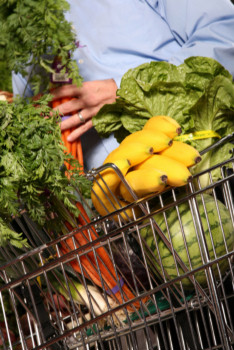
I bought vegetables , fruits , etc .
Ich habe Gemüse , Obst usw 0 gekauft 0
Tôi mua rau , trái cây , v .v .
我 买 了 蔬菜 、 水果 等等 。
Wǒ mǎile shūcài、shuǐguǒ děngděng.
野菜や果物などを買いました。
Yasai ya kudamono nado o kaimashita.
나는 야채, 과일 등을 샀다.
naneun yachae, gwail deung-eul sassda.
(VI)
(ZH)
(JA)
0171
[EN] [DE] [NL] [ES] [FR] [IT] [TH] [VI] [ZH]
|
RANDOM
我每天定时起床。

I get up at a fixed time every day .
Ich stehe jeden Tag zu einer bestimmten Zeit auf 0
Tôi dậy vào một giờ cố định mỗi ngày .
我 每天 定时 起床 。
Wǒ měi tiān dìngshí qǐchuáng.
私は毎日同じ時間に起きます。
Watashi wa mainichi onaji-jikan ni okimasu.
나는 매일 같은 시간에 일어납니다.
naneun maeil gat-eun sigan-e il-eonabnida.
(VI)
(ZH)
(JA)
0175
[EN] [DE] [NL] [ES] [FR] [IT] [TH] [VI] [ZH]
|
RANDOM
小女孩先上车。

The little girl gets on the bus first .
Das Mädchen steigt zuerst in den Bus ein 0
Cô gái nhỏ lên xe buýt trước .
小女孩 先 上车 。
Xiǎo nǚhái xiān shàngchē.
少女は最初に車に乗ります。
Shōjo wa saisho ni kuruma ni norimasu.
어린 소녀가 먼저 차에 탔습니다.
eolin sonyeoga meonjeo cha-e tassseubnida.
(VI)
(ZH)
(JA)
0225
[EN] [DE] [NL] [ES] [FR] [IT] [TH] [VI] [ZH]
|
RANDOM
儿子必须八点起床。

The son has to get up at eight .
Der Sohn muss um acht Uhr aufstehen 0
Con trai phải dậy lúc tám giờ .
儿子 必须 八点 起床 。
Érzi bìxū bā diǎn qǐchuáng.
息子は8時に起きなければなりません。
Musuko wa 8-ji ni okinakereba narimasen.
아들은 8시에 일어나야 합니다.
adeul-eun 8sie il-eonaya habnida.
(VI)
(ZH)
(JA)
0258
[EN] [DE] [NL] [ES] [FR] [IT] [TH] [VI] [ZH]
|
RANDOM
他每天都起得晚。

He gets up late every day .
Er steht jeden Tag spät auf 0
Anh ấy dậy muộn mỗi ngày 0
他 每天 都 起 得 晚 。
Tā měi tiān dōu qǐ de wǎn.
彼は毎日遅く起きます。
Kare wa mainichi osoku okimasu.
그는 매일 늦게 일어납니다.
geuneun maeil neujge il-eonabnida.
(VI)
(ZH)
(JA)
0271
[EN] [DE] [NL] [ES] [FR] [IT] [TH] [VI] [ZH]
|
RANDOM
我得起床了。

I have got to get up .
Ich muss aufstehen 0
Tôi phải đứng dậy .
我 得 起床 了 。
Wǒ děi qǐchuáng le.
私は起きなければいけません。
Watashi wa okinakereba ikemasen.
일어나야 해요.
il-eonaya haeyo.
(VI)
(ZH)
(JA)
0288
[EN] [DE] [NL] [ES] [FR] [IT] [TH] [VI] [ZH]
|
RANDOM
我们去超市买菜。

We go to the supermarket to buy vegetables .
Wir gehen in den Supermarkt , um Gemüse zu kaufen 0
Chúng tôi đi siêu thị để mua rau .
我们 去 超市 买菜 。
Wǒmen qù chāoshì mǎicài.
野菜を買いにスーパーに行きます。
Yasai o kai ni sūpā ni ikimasu.
우리는 식료품을 사러 슈퍼마켓에 갑니다.
ulineun siglyopum-eul saleo syupeomakes-e gabnida.
(VI)
(ZH)
(JA)
0310
[EN] [DE] [NL] [ES] [FR] [IT] [TH] [VI] [ZH]
|
RANDOM
小摊上摆着很多种蔬菜。

Many vegetables are on display at the stall .
Viele Gemüse sind am Stand ausgestellt 0
Nhiều loại rau được trưng bày tại quầy hàng .
小摊 上 摆 着 很 多种 蔬菜 。
Xiǎo tān shàng bǎizhe hěn duō zhǒng shūcài.
屋台にはたくさんの種類の野菜があります。
Yatai ni wa takusan no shurui no yasai ga arimasu.
매점에는 많은 종류의 야채가 있습니다.
maejeom-eneun manh-eun jonglyuui yachaega issseubnida.
(VI)
(ZH)
(JA)
0336
[EN] [DE] [NL] [ES] [FR] [IT] [TH] [VI] [ZH]
|
RANDOM
他们总共有六个孩子。

They have six children altogether .
Sie haben insgesamt sechs Kinder 0
Họ có tổng cộng sáu người con .
他们 总共 有 六个 孩子 。
Tāmen zǒnggòng yǒu liù gè háizi.
彼らには全部で6人の子供がいます。
Karera ni wa zenbu de 6-ri no kodomo ga imasu.
그들에게는 총 6명의 자녀가 있습니다.
geudeul-egeneun chong 6myeong-ui janyeoga issseubnida.
(VI)
(ZH)
(JA)
0392
[EN] [DE] [NL] [ES] [FR] [IT] [TH] [VI] [ZH]
|
RANDOM
各个成员很团结。

All the members get along well together .
Alle Mitglieder verstehen sich gut 0
Tất cả các thành viên hòa thuận với nhau .
各个 成员 很 团结 。
Gègè chéngyuán hěn tuánjié.
メンバーは団結しています。
Menbā wa danketsu shite imasu.
회원들이 뭉쳤습니다.
hoewondeul-i mungchyeossseubnida.
(VI)
(ZH)
(JA)
0393
[EN] [DE] [NL] [ES] [FR] [IT] [TH] [VI] [ZH]
|
RANDOM
火车该来了。

The train should be getting in now .
Der Zug sollte jetzt eintreffen 0
Xe lửa sẽ vào ngay bây giờ .
火车 该来 了 。
Huǒchē gāi lái le.
電車が来る時間です。
Densha ga kuru jikandesu.
기차가 올 시간입니다.
gichaga ol sigan-ibnida.
(VI)
(ZH)
(JA)
0481
[EN] [DE] [NL] [ES] [FR] [IT] [TH] [VI] [ZH]
|
RANDOM
她越来越苗条了。

She is getting slimmer .
Sie wird immer dünner 0
Cô ấy ngày càng mảnh mai 0
她 越来越 苗条 了 。
Tā yuè lái yuè miáotiao le.
彼女はスリムになっています。
Kanojo wa surimu ni natte imasu.
그녀는 점점 날씬해지고 있다.
geunyeoneun jeomjeom nalssinhaejigo issda.
(VI)
(ZH)
(JA)
0502
[EN] [DE] [NL] [ES] [FR] [IT] [TH] [VI] [ZH]
|
RANDOM
朋友们在一起照相。

The friends are taking a picture together .
Die Freunde machen gemeinsam ein Foto 0
Những người bạn đang chụp ảnh cùng nhau .
朋友 们 在 一起 照相 。
Péngyoumen zài yīqǐ zhàoxiàng.
友達が一緒に写真を撮ります。
Tomodachi ga issho ni shashin o torimasu.
친구들은 함께 사진을 찍습니다.
chingudeul-eun hamkke sajin-eul jjigseubnida.
(VI)
(ZH)
(JA)
0519
[EN] [DE] [NL] [ES] [FR] [IT] [TH] [VI] [ZH]
|
RANDOM
亚洲一共有几个国家?
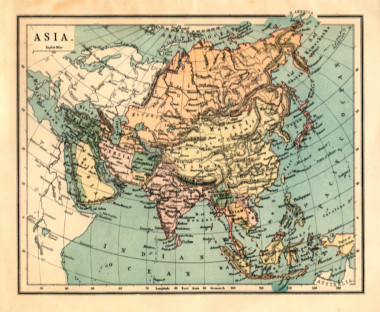
How many countries are there in Asia altogether ?
Wie viele Länder gibt es insgesamt in Asien ?
Có bao nhiêu quốc gia ở Châu Á ?
亚洲 一共 有 几个 国家 ?
Yàzhōu yīgòng yǒu jǐ gè guójiā?
アジアにはいくつの国がありますか?
Ajia ni wa ikutsu no kuni ga arimasu ka?
아시아에는 몇 개의 국가가 있습니까?
asia-eneun myeoch gaeui guggaga issseubnikka?
(VI)
(ZH)
(JA)
0558
[EN] [DE] [NL] [ES] [FR] [IT] [TH] [VI] [ZH]
|
RANDOM
我去英国大使馆办签证。

I am going to the British embassy to get a visa .
Ich gehe zur britischen Botschaft , um ein Visum zu bekommen 0
Tôi sẽ đến đại sứ quán Anh để xin thị thực .
我 去 英国 大使馆 办 签证 。
Wǒ qù Yīngguó dàshǐguǎn bàn qiānzhèng.
私は英国大使館にビザを申請するために行きました。
Watashi wa Igirisu taishikan ni biza o shinsei suru tame ni ikimashita.
나는 비자를 신청하기 위해 영국 대사관에 갔다.
naneun bijaleul sincheonghagi wihae yeong-gug daesagwan-e gassda.
(VI)
(ZH)
(JA)
0665
[EN] [DE] [NL] [ES] [FR] [IT] [TH] [VI] [ZH]
|
RANDOM
我准备给朋友发邮件。

I am getting ready to send e-mails to my friends .
Ich bereite mich darauf vor , meinen Freunden eine E-Mail zu schicken 0
Tôi đã sẵn sàng để gửi e-mail cho bạn bè của mình .
我 准备 给 朋友 发邮件 。
Wǒ zhǔnbèi gěi péngyou fā yóujiàn.
友達にメールを送ります。
Tomodachi ni mēru o okurimasu.
친구에게 이메일을 보내려고 합니다.
chinguege imeil-eul bonaelyeogo habnida.
(VI)
(ZH)
(JA)
0900
[EN] [DE] [NL] [ES] [FR] [IT] [TH] [VI] [ZH]
|
RANDOM
老师和学生相处得很好。

The teachers and students get on well with each other .
Die Lehrer und Schüler verstehen sich gut miteinander 0
Các giáo viên và học sinh rất tốt với nhau .
老师 和 学生 相处 得 很 好 。
Lǎoshī hé xuésheng xiāngchǔ de hěn hǎo.
先生と生徒は仲良くしています。
Sensei to seito wa nakayoku shite imasu.
선생님과 학생들이 아주 잘 어울립니다.
seonsaengnimgwa hagsaengdeul-i aju jal eoullibnida.
(VI)
(ZH)
(JA)
0954
[EN] [DE] [NL] [ES] [FR] [IT] [TH] [VI] [ZH]
|
RANDOM
大家聚集在一起。

Everyone gathered together .
Alle kommen zusammen 0
Mọi người tập trung đông đủ 0
大家 聚集 在 一起 。
Dàjiā jùjí zài yīqǐ.
みんなが集まる。
Min'na ga atsumaru.
모두가 함께 모입니다.
moduga hamkke moibnida.
(VI)
(ZH)
(JA)
1025
[EN] [DE] [NL] [ES] [FR] [IT] [TH] [VI] [ZH]
|
RANDOM
辣椒、洋葱和胡萝卜都属于蔬菜类。

Peppers , onions and carrots are all vegetables .
Paprika , Zwiebeln und Karotten sind alles Gemüse 0
Ớt , hành tây và cà rốt là tất cả các loại rau .
辣椒 、 洋葱 和 胡萝 蔔 都 属于 蔬菜类 。
Làjiāo、yángcōng hé húluóbo dōu shǔyú shūcàilèi.
ピーマン、玉ねぎ、にんじんはすべて野菜です。
Pīman, tamanegi, ninjin wa subete yasaidesu.
고추, 양파, 당근은 모두 야채입니다.
gochu, yangpa, dang-geun-eun modu yachaeibnida.
(VI)
(ZH)
(JA)
1042
[EN] [DE] [NL] [ES] [FR] [IT] [TH] [VI] [ZH]
|
RANDOM
我们立即出发吧。

Let's get going right away .
Lass uns sofort loslegen 0
Hãy bắt tay vào ngay lập tức .
我们 立即 出发 吧 。
Wǒmen lìjí chūfā ba.
さあ、行きましょう。
Sā, ikimashou.
이제 가자.
ije gaja.
(VI)
(ZH)
(JA)
1059
[EN] [DE] [NL] [ES] [FR] [IT] [TH] [VI] [ZH]
|
RANDOM
她工作之余顺便在巴黎游玩。

She travels to Paris when she gets time off from work .
Sie reist nach Paris , wenn sie frei hat 0
Cô ấy đi du lịch đến Paris trong thời gian rảnh rỗi .
她 工作 之 余 顺便 在 巴黎 遊玩 。
Tā gōngzuò zhī yú shùnbiàn zài Bālí yóuwán.
彼女は仕事の後にパリに行きました。
Kanojo wa shigoto no nochi ni Pari ni ikimashita.
그녀는 일을 마치고 파리로 갔다.
geunyeoneun il-eul machigo palilo gassda.
(VI)
(ZH)
(JA)
1128
[EN] [DE] [NL] [ES] [FR] [IT] [TH] [VI] [ZH]
|
RANDOM
天渐渐黑了。

It is getting dark .
Es wird langsam dunkel 0
Trời sắp tối .
天 渐渐 黑 了 。
Tiān jiànjiàn hēi le.
暗くなってきた。
Kuraku natte kita.
어두워지고 있었다.
eoduwojigo iss-eossda.
(VI)
(ZH)
(JA)
1188
[EN] [DE] [NL] [ES] [FR] [IT] [TH] [VI] [ZH]
|
RANDOM
闹钟响了,她还不想起床。

The alarm clock is ringing , but she doesn not want to get up .
Der Wecker klingelt , aber sie will nicht aufstehen 0
Đồng hồ báo thức đang đổ chuông , nhưng cô không muốn thức dậy .
闹钟 响 了 , 她 还 不想 起床 。
Nàozhōng xiǎng le, tā hái bù xiǎng qǐchuáng.
目覚まし時計が鳴ったが、彼女はまだ起きたくなかった。
Mezamashidokei ga nattaga, kanojo wa mada okitakunakatta.
알람 시계가 울렸지만 그녀는 아직 일어나고 싶지 않았다.
allam sigyega ullyeossjiman geunyeoneun ajig il-eonago sipji anh-assda.
(VI)
(ZH)
(JA)
1206
[EN] [DE] [NL] [ES] [FR] [IT] [TH] [VI] [ZH]
|
RANDOM
我急切地盼望着回家。

I am eagerly looking forward to getting home .
Ich kann es kaum erwarten , nach Hause zu kommen 0
Tôi đang háo hức mong được về nhà .
我 急切 地 盼望着 回家 。
Wǒ jíqiè de pànwàngzhe huíjiā.
家に帰るのをとても楽しみにしています。
Ie ni kaeru no o totemo tanoshiminishiteimasu.
집에 갈 날을 간절히 고대하고 있습니다.
jib-e gal nal-eul ganjeolhi godaehago issseubnida.
(VI)
(ZH)
(JA)
1439
[EN] [DE] [NL] [ES] [FR] [IT] [TH] [VI] [ZH]
|
RANDOM
她喜欢吃素。

She loves eating vegetarian food .
Sie isst gerne vegetarisch 0
Cô ấy thích ăn đồ chay 0
她 喜欢 吃素 。
Tā xǐhuan chīsù.
彼女は菜食主義者になるのが好きです。
Kanojo wa saishoku shugi-sha ni naru no ga sukidesu.
그녀는 채식주의자를 좋아합니다.
geunyeoneun chaesigjuuijaleul joh-ahabnida.
(VI)
(ZH)
(JA)
1452
[EN] [DE] [NL] [ES] [FR] [IT] [TH] [VI] [ZH]
|
RANDOM
祝您早日康复。

Get well soon !
Gute Besserung !
Sớm khỏe lại !
祝您 早日康复 。
Zhù nín zǎorì kāngfù.
早く良くなるように願っています。
Hayaku yoku naru yō ni negatte imasu.
빠른 쾌유를 빕니다.
ppaleun kwaeyuleul bibnida.
(VI)
(ZH)
(JA)
1517
[EN] [DE] [NL] [ES] [FR] [IT] [TH] [VI] [ZH]
|
RANDOM
鸡蛋和面粉混在一起。

Eggs and flour are mixed together .
Eier und Mehl werden miteinander vermischt 0
Trứng và bột mì trộn đều với nhau .
鸡蛋 和 面粉 混在 一起 。
Jīdàn hé miànfěn hùn zài yīqǐ.
卵と小麦粉を混ぜ合わせます。
Tamago to komugiko o mazeawa semasu.
계란과 밀가루는 함께 섞입니다.
gyelangwa milgaluneun hamkke seokk-ibnida.
(VI)
(ZH)
(JA)
1569
[EN] [DE] [NL] [ES] [FR] [IT] [TH] [VI] [ZH]
|
RANDOM
她想避开他。

She wants to get away from him .
Sie will sich von ihm trennen 0
Cô ấy muốn thoát khỏi anh ta .
她 想 避开 他 。
Tā xiǎng bìkāi tā.
彼女は彼を避けたかった。
Kanojo wa kare o saketakatta.
그녀는 그를 피하고 싶었다.
geunyeoneun geuleul pihago sip-eossda.
(VI)
(ZH)
(JA)
1586
[EN] [DE] [NL] [ES] [FR] [IT] [TH] [VI] [ZH]
|
RANDOM
朋友们聚在一起。

Friends have gathered together .
Freunde treffen sich 0
Bạn bè tập hợp lại với nhau .
朋友 们 聚在一起 。
Péngyoumen jù zài yīqǐ.
友達が集まります。
Tomodachi ga atsumarimasu.
친구들이 모입니다.
chingudeul-i moibnida.
(VI)
(ZH)
(JA)
1647
[EN] [DE] [NL] [ES] [FR] [IT] [TH] [VI] [ZH]
|
RANDOM
他们两人愈来愈恩爱。

They are getting more and more affectionate .
Sie werden immer liebevoller 0
Họ ngày càng quý mến nhau hơn .
他们 两人 愈来愈 恩爱 。
Tāmen liǎng rén yùláiyù ēn'ài.
彼らはますます愛情深くなっています。
Karera wa masumasu aijō fukaku natte imasu.
두 사람은 점점 더 애정을 갖게 됐다.
du salam-eun jeomjeom deo aejeong-eul gajge dwaessda.
(VI)
(ZH)
(JA)
1685
[EN] [DE] [NL] [ES] [FR] [IT] [TH] [VI] [ZH]
|
RANDOM
市场里出售各种蔬菜。

All kinds of vegetables are sold in the market .
Alle Arten von Gemüse werden auf dem Markt verkauft 0
Tất cả các loại rau được bán trong chợ .
市场 里 出售 各种 蔬菜 。
Shìchǎng lǐ chūshòu gè zhǒng shūcài.
さまざまな野菜が市場で売られています。
Samazamana yasai ga ichiba de ura rete imasu.
다양한 야채가 시장에서 판매됩니다.
dayanghan yachaega sijang-eseo panmaedoebnida.
(VI)
(ZH)
(JA)
1736
[EN] [DE] [NL] [ES] [FR] [IT] [TH] [VI] [ZH]
|
RANDOM
她在染头发。

She is getting her hair dyed .
Sie bekommt ihre Haare gefärbt 0
Cô ấy đang nhuộm tóc .
她 在 染 头发 。
Tā zài rǎn tóufa.
彼女は髪を染めています。
Kanojo wa kami o somete imasu.
그녀는 머리를 염색하고 있다.
geunyeoneun meolileul yeomsaeghago issda.
(VI)
(ZH)
(JA)
1768
[EN] [DE] [NL] [ES] [FR] [IT] [TH] [VI] [ZH]
|
RANDOM
河边有很多小贩在卖菜。

There are many peddlers selling vegetables by the riverside .
Am Fluss gibt es viele Händler , die Gemüse verkaufen 0
Có nhiều gánh hàng rong bán rau ven sông .
河边 有 很多 小贩 在 卖菜 。
Hébiān yǒu hěn duō xiǎofàn zài mài cài.
川沿いで野菜を売っている業者はたくさんあります。
Kawa-zoi de yasai o utte iru gyōsha wa takusan arimasu.
강가에는 야채를 파는 노점상들이 많이 있습니다.
gang-ga-eneun yachaeleul paneun nojeomsangdeul-i manh-i issseubnida.
(VI)
(ZH)
(JA)
1775
[EN] [DE] [NL] [ES] [FR] [IT] [TH] [VI] [ZH]
|
RANDOM
袋子里有很多蔬菜。

There are a lot of vegetables in the bag .
In der Tüte befindet sich viel Gemüse 0
Có rất nhiều loại rau trong túi .
袋子 里 有 很多 蔬菜 。
Dàizi lǐ yǒu hěn duō shūcài.
袋の中には野菜がたくさん入っています。
Fukuro no nakaniha yasai ga takusan haitte imasu.
가방에 야채가 많이 들어있습니다.
gabang-e yachaega manh-i deul-eoissseubnida.
(VI)
(ZH)
(JA)
1873
[EN] [DE] [NL] [ES] [FR] [IT] [TH] [VI] [ZH]
|
RANDOM
他对工作没有头绪。

He can not get a handle on his work .
Er hat keine Ahnung , was er tun soll 0
Anh ấy không thể xử lý công việc của mình .
他 对 工作 没有 头绪 。
Tā duì gōngzuò méiyǒu tóuxù.
彼はその仕事について何の手がかりも持っていない。
Kare wa sono shigoto ni tsuite nani no tegakari mo motteinai.
그는 일에 대한 단서가 없습니다.
geuneun il-e daehan danseoga eobs-seubnida.
(VI)
(ZH)
(JA)
2034
[EN] [DE] [NL] [ES] [FR] [IT] [TH] [VI] [ZH]
|
RANDOM
夫妻双方应该同舟共济。

Husbands and wives should stand together in difficult times .
Ehepartner sollten in schwierigen Zeiten zusammenstehen 0
Vợ chồng nên sát cánh bên nhau lúc khó khăn .
夫妻 双方 应该 同舟共济 。
Fūqī shuāngfāng yīnggāi tóngzhōu-gòngjì.
両方の配偶者は同じボートで互いに助け合うべきです。
Ryōhō no haigūsha wa onaji bōto de tagaini tasukeaubekidesu.
두 배우자는 같은 배에서 서로를 도와야 합니다.
du baeujaneun gat-eun baeeseo seololeul dowaya habnida.
(VI)
(ZH)
(JA)
2165
[EN] [DE] [NL] [ES] [FR] [IT] [TH] [VI] [ZH]
|
RANDOM
财政大臣发表了今年的预算报告。

The financial minister has delivered this year's budget report .
Der Finanzminister hat in diesem Jahr einen Haushaltsbericht vorgelegt 0
Bộ trưởng Tài chính đã công bố báo cáo ngân sách năm nay
财政 大臣 发表 了 今年 的 预算 报告 。
Cáizhèng dàchén fābiǎole jīnnián de yùsuàn bàogào.
大蔵大臣は今年の予算報告書を発行しました。
Ōkura daijin wa kotoshi no yosan hōkoku-sho o hakkō shimashita.
재무장관은 올해 예산 보고서를 발표했습니다.
jaemujang-gwan-eun olhae yesan bogoseoleul balpyohaessseubnida.
(VI)
(ZH)
(JA)
2284
[EN] [DE] [NL] [ES] [FR] [IT] [TH] [VI] [ZH]
|
RANDOM
两条绳子纠缠在一起。

The two ropes are twisted together .
Die beiden Seile sind miteinander verdreht 0
Hai sợi dây được xoắn vào nhau .
两条 绳子 纠缠 在 一起 。
Liǎng tiáo shéngzi jiūchán zài yīqǐ.
2本のロープが絡み合っています。
Nihon/futamoto no ropu ga karamiatteimasu.
두 개의 밧줄이 얽혀 있습니다.
du gaeui basjul-i eolghyeo issseubnida.
(VI)
(ZH)
(JA)
2350
[EN] [DE] [NL] [ES] [FR] [IT] [TH] [VI] [ZH]
|
RANDOM
他们相处得很愉快。

They get along well with each other .
Sie verstehen sich gut miteinander 0
Họ hòa thuận với nhau .
他们 相处 得 很 愉快 。
Tāmen xiāngchǔ de hěn yúkuài.
彼らはとても幸せに仲良くしています。
Karera wa totemo shiawase ni nakayoku shite imasu.
그들은 매우 행복하게 지냅니다.
geudeul-eun maeu haengboghage jinaebnida.
(VI)
(ZH)
(JA)
2409
[EN] [DE] [NL] [ES] [FR] [IT] [TH] [VI] [ZH]
|
RANDOM
她爱吃蔬菜。

She loves vegetables .
Sie liebt Gemüse 0
Cô ấy yêu rau .
她 爱 吃 蔬菜 。
Tā ài chī shūcài.
彼女は野菜を食べるのが好きです。
Kanojo wa yasai o taberu no ga sukidesu.
그녀는 야채를 먹는 것을 좋아합니다.
geunyeoneun yachaeleul meogneun geos-eul joh-ahabnida.
(VI)
(ZH)
(JA)
2494
[EN] [DE] [NL] [ES] [FR] [IT] [TH] [VI] [ZH]
|
RANDOM
我匆忙地去上班。

I was in a hurry to get to work .
Ich habe es eilig , zur Arbeit zu kommen 0
Tôi đang vội vàng để làm việc .
我 匆忙 地去 上班 。
Wǒ cōngmáng de qù shàngbān.
急いで出勤しました。
Isoide shukkin shimashita.
나는 서둘러 일하러 갔다.
naneun seodulleo ilhaleo gassda.
(VI)
(ZH)
(JA)
2543
[EN] [DE] [NL] [ES] [FR] [IT] [TH] [VI] [ZH]
|
RANDOM
别生气嘛。

Come on , don't get angry .
Sei nicht wütend 0
Thôi nào , đừng tức giận 0
别生气 嘛 。
Bié shēngqì ma.
怒ってはいけません。
Okotte wa ikemasen.
화내지 마세요.
hwanaeji maseyo.
(VI)
(ZH)
(JA)
2565
[EN] [DE] [NL] [ES] [FR] [IT] [TH] [VI] [ZH]
|
RANDOM
他们在一起叙家常。

They are chatting about family life together .
Sie tauschen sich über Familienangelegenheiten aus 0
Họ đang cùng nhau trò chuyện về cuộc sống gia đình .
他们 在 一起 叙家常 。
Tāmen zài yīqǐ xù jiācháng.
彼らは一緒に家庭的なことを語かたる。
Karera wa issho ni kateitekina koto o go kataru.
그들은 그들의 가정적인 이야기를 함께 했습니다.
geudeul-eun geudeul-ui gajeongjeog-in iyagileul hamkke haessseubnida.
(VI)
(ZH)
(JA)
2591
[EN] [DE] [NL] [ES] [FR] [IT] [TH] [VI] [ZH]
|
RANDOM
她今天出嫁。

She is getting married today .
Sie heiratet heute 0
Hôm nay cô ấy sẽ kết hôn .
她 今天 出嫁 。
Tā jīntiān chūjià.
彼女は今日結婚しています。
Kanojo wa kyō kekkon shite imasu.
그녀는 오늘 결혼했다.
geunyeoneun oneul gyeolhonhaessda.
(VI)
(ZH)
(JA)
2592
[EN] [DE] [NL] [ES] [FR] [IT] [TH] [VI] [ZH]
|
RANDOM
妈妈催我起床。
Mother urges me to get up .
Meine Mutter drängt mich , aufzustehen 0
Mẹ giục tôi dậy .
妈妈 催 我 起床 。
Māma cuī wǒ qǐchuáng.
母は私に起き上がるよう促します。
Haha wa watashi ni okiagaru yō unagashimasu.
어머니는 나에게 일어나라고 재촉했다.
eomeonineun na-ege il-eonalago jaechoghaessda.
(VI)
(ZH)
(JA)
2729
[EN] [DE] [NL] [ES] [FR] [IT] [TH] [VI] [ZH]
|
RANDOM
这些蔬菜物美价廉。

This vegetable is good value for money .
Dieses Gemüse hat ein gutes Preis-Leistungs-Verhältnis 0
Những loại rau này tốt , và chúng cũng rẻ .
这些 蔬菜 物美价廉 。
Zhèxiē shūcài wùměi-jiàlián.
これらの野菜は品質が良く、安価です。
Korera no yasai wa hinshitsu ga yoku, ankadesu.
이 야채는 품질이 좋고 저렴합니다.
i yachaeneun pumjil-i johgo jeolyeomhabnida.
(VI)
(ZH)
(JA)
2735
[EN] [DE] [NL] [ES] [FR] [IT] [TH] [VI] [ZH]
|
RANDOM
孩子们凑在一起玩耍。
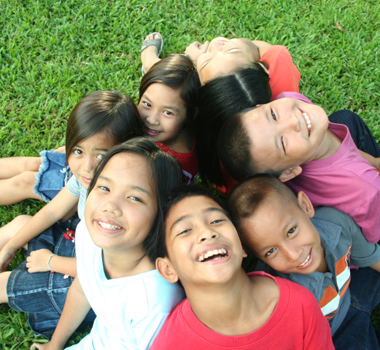
The children get together to play .
Die Kinder kommen zusammen , um zu spielen 0
Bọn trẻ rủ nhau đi chơi 0
孩子 们 凑在一起 玩耍 。
Háizimen còu zài yīqǐ wánshuǎ.
子どもたちが集まって遊びます。
Kodomo-tachi ga atsumatte asobimasu.
아이들이 모여서 놀았습니다.
aideul-i moyeoseo nol-assseubnida.
(VI)
(ZH)
(JA)
2852
[EN] [DE] [NL] [ES] [FR] [IT] [TH] [VI] [ZH]
|
RANDOM
购买指定商品还有赠品。

If you purchase the designated items , you'll get a free gift .
Wenn Sie die angegebenen Artikel kaufen , erhalten Sie ein kostenloses Geschenk 0
Nếu bạn mua các vật phẩm được chỉ định , bạn sẽ nhận được một món quà miễn phí
购买 指定 商品 还有 赠品 。
Gòumǎi zhǐdìng shāngpǐn hái yǒu zèngpǐn.
指定商品の購入には無料プレゼントがあります。
Shitei shōhin no kōnyū ni wa muryō purezento ga arimasu.
지정상품 구매시 사은품이 있습니다.
jijeongsangpum gumaesi sa-eunpum-i issseubnida.
(VI)
(ZH)
(JA)
2917
[EN] [DE] [NL] [ES] [FR] [IT] [TH] [VI] [ZH]
|
RANDOM
她在检查肺部。

She is getting her lungs checked .
Sie lässt ihre Lungen untersuchen 0
Cô ấy đang được kiểm tra phổi .
她 在 检查 肺部 。
Tā zài jiǎnchá fèibù.
彼女は自分の肺をチェックしています。
Kanojo wa jibun no hai o chekku shite imasu.
그녀는 그녀의 폐를 확인하고 있습니다.
geunyeoneun geunyeoui pyeleul hwag-inhago issseubnida.
(VI)
(ZH)
(JA)
2951
[EN] [DE] [NL] [ES] [FR] [IT] [TH] [VI] [ZH]
|
RANDOM
我们一起来吹蜡烛。
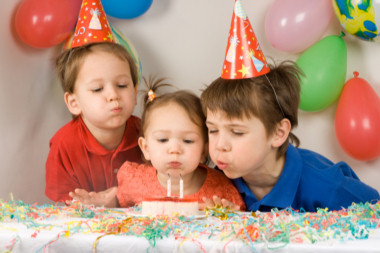
We are blowing out the candles together .
Wir blasen gemeinsam die Kerzen aus 0
Chúng tôi đang cùng nhau thổi tắt những ngọn nến .
我们 一 起来 吹 蜡烛 。
Wǒmen yīqǐ lái chuī làzhú.
一緒にろうそくを吹きましょう。
Issho ni rōsoku o fukimashou.
함께 촛불을 불자.
hamkke chosbul-eul bulja.
(VI)
(ZH)
(JA)
3011
[EN] [DE] [NL] [ES] [FR] [IT] [TH] [VI] [ZH]
|
RANDOM
朋友们一起来拜祭故人。
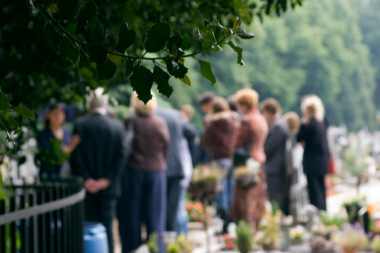
Together , the friends paid their respects to their deceased friends .
Gemeinsam haben die Freunde ihren verstorbenen Freunden ihren Respekt gezollt 0
Cùng nhau , những người bạn đã bày tỏ lòng thành kính đến những người bạn đã khuất của
朋友 们 一 起来 拜祭 故人 。
Péngyoumen yīqǐ lái bàijì gùrén.
友人が集まって故人を崇拝します。
Yūjin ga atsumatte kojin o sūhai shimasu.
친구들이 모여서 고인을 경배합니다.
chingudeul-i moyeoseo goin-eul gyeongbaehabnida.
(VI)
(ZH)
(JA)
3097
[EN] [DE] [NL] [ES] [FR] [IT] [TH] [VI] [ZH]
|
RANDOM
他瞄准了目标。

He is aiming at the target .
Er zielt auf das Ziel 0
Anh ta đang nhắm vào mục tiêu .
他 瞄准 了 目标 。
Tā miáozhǔnle mùbiāo.
彼は的を狙っている。
Kare wa mato o neratte iru.
그는 목표물을 겨냥했다.
geuneun mogpyomul-eul gyeonyanghaessda.
(VI)
(ZH)
(JA)
3129
[EN] [DE] [NL] [ES] [FR] [IT] [TH] [VI] [ZH]
|
RANDOM
他们偕同妻子参加了聚会。

They went to the get-together with their wives .
Sie gingen mit ihren Frauen zum Treffen 0
Họ đã đi đến đám cưới với vợ của họ .
他们 偕同 妻子 参加 了 聚会 。
Tāmen xiétóng qīzi cānjiāle jùhuì.
彼らは妻と一緒にパーティーに出席した。
Karera wa tsuma to issho ni pātī ni shusseki shita.
그들은 아내와 함께 파티에 참석했습니다.
geudeul-eun anaewa hamkke patie chamseoghaessseubnida.
(VI)
(ZH)
(JA)
3165
[EN] [DE] [NL] [ES] [FR] [IT] [TH] [VI] [ZH]
|
RANDOM
他经常酗酒。

He often gets drunk .
Er betrinkt sich oft 0
Anh ấy thường xuyên say xỉn 0
他 经常 酗酒 。
Tā jīngcháng xùjiǔ.
彼はよく飲み過ぎます。
Kare wa yoku nomi sugimasu.
그는 종종 너무 많이 마신다.
geuneun jongjong neomu manh-i masinda.
(VI)
(ZH)
(JA)
3166
[EN] [DE] [NL] [ES] [FR] [IT] [TH] [VI] [ZH]
|
RANDOM
对于酒她都是浅尝辄止。

With wine , she drinks only enough to get a taste of it , not to get drunk .
Mit Wein trinkt sie nur genug , um einen Vorgeschmack darauf zu bekommen , nicht um sich zu betrinken
Với rượu , cô chỉ uống vừa đủ để cảm nhận chứ không say .
对于 酒 她 都 是 浅尝辄止 。
Duìyú jiǔ tā dōu shì qiǎnchángzhézhǐ.
ワインの場合、彼女は酔わないように、味わう程度に飲みます。
Wain no baai, kanojo wa yowanai yō ni, ajiwau teido ni nomimasu.
그녀는 와인에 대한 미각이 있습니다.
geunyeoneun wain-e daehan migag-i issseubnida.
(VI)
(ZH)
(JA)
3184
[EN] [DE] [NL] [ES] [FR] [IT] [TH] [VI] [ZH]
|
RANDOM
他在用胶水粘纸。

He is gluing the paper together .
Er klebt das Papier zusammen 0
Anh ấy đang dán giấy lại với nhau .
他 在 用 胶水 粘纸 。
Tā zài yòng jiāoshuǐ zhān zhǐ.
彼は接着剤で紙を貼り付けています。
Kare wa setchaku-zai de kami o hari tsukete imasu.
그는 접착제로 종이를 붙이고 있다.
geuneun jeobchagjelo jong-ileul but-igo issda.
(VI)
(ZH)
(JA)
3200
[EN] [DE] [NL] [ES] [FR] [IT] [TH] [VI] [ZH]
|
RANDOM
大家站拢点,要拍照了!

Everyone stand closer together , we are about to take a picture !
Alle stehen näher beieinander , wir machen gleich ein Foto !
Mọi người đứng gần nhau hơn , chúng ta chuẩn bị chụp một bức ảnh !
大家 站拢 点 , 要 拍照 了 !
Dàjiā zhànlǒng diǎn, yào pāizhào le!
みなさん、立ち上がって写真を撮りましょう!
Minasan, tachiagatte shashin o torimashou!
모두 일어서서 사진을 찍어주세요!
modu il-eoseoseo sajin-eul jjig-eojuseyo!
(VI)
(ZH)
(JA)
3266
[EN] [DE] [NL] [ES] [FR] [IT] [TH] [VI] [ZH]
|
RANDOM
注射疫苗,防止瘟疫。

Get vaccinated to prevent the spread of the epidemic .
Lassen Sie sich impfen , um die Ausbreitung der Epidemie zu verhindern 0
Tiêm vắc xin để ngăn chặn sự lây lan của dịch .
注射 疫苗 , 防止 瘟疫 。
Zhùshè yìmiáo, fángzhǐ wēnyì.
ペストを防ぐためにワクチンを入手してください。
Pesuto o fusegu tame ni wakuchin o nyūshu shite kudasai.
전염병을 예방하기 위해 백신을 맞으십시오.
jeon-yeombyeong-eul yebanghagi wihae baegsin-eul maj-eusibsio.
(VI)
(ZH)
(JA)
3492
[EN] [DE] [NL] [ES] [FR] [IT] [TH] [VI] [ZH]
|
|