| HSK 3.0 | Big5 | Gb | Pin | Eng |
|---|
| 1 | 從 | 从 | cóng | from, since, through
|
| 1 | 地方 | 地方 | dìfang | country, soil, terrain, part, clime, way, territory, room, neighbourhood, tinderbox, locality (as distinct from the central administrat, child, tract, province, position, respect, where, region, space, place, local
|
| 1 | 跟 | 跟 | gēn | with, to, from
|
| 1 | 冷 | 冷 | lěng | cool, rare, cold, unfrequented, feel cold, chill, frosty(in manner), shot from hiding, strange
|
| 1 | 沒事兒 | 没事儿 | méishìr | to have spare time, free from work, it's not important, it's nothing, never mind
|
| 1 | 起床 | 起床 | qǐ chuáng | uprise, get up from bed, arise, get out of bed, turn out, rise, deck, get_up, awake, get up
|
| 1 | 有時候 | 有时候 | yǒushíhou | from time to time, on_occasion, occasionally, somewhile, otherwhile, now and again, sometimes, now and then, at times, on occasion, whiles, once in a while
|
| 2 | 背 | 背 | bèi | learn by heart, recite from memory
|
| 2 | 出發 | 出发 | chūfā | depart, get_off, proceed, take_the_road, part, set out, start from, start out, sidetrack, start/proceed from, stray, take the road, sally out, sally_forth, proceed from, set_off, sally forth, take off, start, set forth, set off, digress, straggle, start off, move
|
| 2 | 出國 | 出国 | chū guó | go abroad (from one's own country)
|
| 2 | 出門 | 出门 | chū mén | go_out, go on journey, go out, go on a journey, be away from home
|
| 2 | 出院 | 出院 | chū yuàn | to leave hospital, to be discharged from hospital
|
| 2 | 從小 | 从小 | cóngxiǎo | from childhood, as a child
|
| 2 | 今後 | 今后 | jīnhòu | hereafter, henceforth, in the future, from now on
|
| 2 | 克 | 克 | kè | to be able to, to subdue, to restrain, to overcome, gram, variant of 剋|克[ke4], Ke (c. 2000 BC), seventh of the legendary Flame Emperors, 炎帝[Yan2 di4] descended from Shennong 神農|神农[Shen2 nong2] Farmer God, to scold, to beat
|
| 2 | 來自 | 来自 | láizì | come from, originate from, come, stem/originate from, attach_to, stem, come/stem/originate from, hail
|
| 2 | 離 | 离 | lí | distant/apart from
|
| 2 | 離開 | 离开 | lí kāi | leave, depart/deviate from
|
| 3 | 背 | 背 | bèi | learn by heart, recite from memory
|
| 3 | 斷 | 断 | duàn | give up, cut off, break off, stop, abstain from, judge, snap, break, decide
|
| 3 | 防止 | 防止 | fángzhǐ | estop, guard against, preclude, prevention, inhibit, avoidance, help, cumber, prevent, forbid, prohibit, obviate, restrain, deter, avoid, head_off, debar, guard, help oneself, ward_off, constrain, ward, encumber, avert, ward off, disenable, forfend, shield, countercheck, forestall, keep_from, foreclose
|
| 3 | 告別 | 告别 | gàobié | valedictory, take_leave, part from, leave, parting, say good-bye to, bid farewell to
|
| 3 | 害怕 | 害怕 | hàipà | dread, be afraid/scared, fearful, frighten, fear, frightened, shrink_from, be afraid, funk, scared, be scared, tremble
|
| 3 | 傷 | 伤 | shāng | injure, wound, fall ill from, damage, harm
|
| 3 | 始終 | 始终 | shǐzhōng | all_the_time, from beginning to end, from start to finish, always, all along, evermore, throughout
|
| 3 | 體會 | 体会 | tǐhuì | know/learn from experience, realize
|
| 3 | 退出 | 退出 | tuì chū | withdraw from, quit
|
| 3 | 武術 | 武术 | wǔshù | military skill or technique (in former times), all kinds of martial art sports (some claiming spiritual development), self-defense, tradition of choreographed fights from opera and film (recent usage), also called kungfu 功夫, CL:種|种[zhong3]
|
| 3 | 下來 | 下来 | xià lai | come down from a higher place
|
| 3 | 由 | 由 | yóu | from, via, by, through, owing/due to
|
| 4 | 擺脫 | 摆脱 | bǎi tuō | disembroil, free oneself, cast/shake off, fling_off, break away from, shake_off, disinvolve, disentangle, shake off, shift, wangle, cast off, extricate oneself from, shake, waste, free oneself from, disburden, ditch, manage, lose, cast, unload, extricate oneself, prescind, unship, slip, wriggle, shunt
|
| 4 | 避 | 避 | bì | avoid, preclude, evade, repel, prevent, forbid, ward off, shun, keep away, forestall, foreclose, stay away from
|
| 4 | 避免 | 避免 | bìmiǎn | forbear, preclude, refrain_from, forebear, escape, help, elude, leapfrog, refrain from, stave_off, evite, shun, obviate, avoid, evade, waive, help oneself, ward_off, ward, miss, avert, ward off, balk, refrain
|
| 4 | 從此 | 从此 | cóngcǐ | hereon, hence, henceforth, thereupon, therefrom, from now on, from then on
|
| 4 | 地方 | 地方 | dìfang | country, soil, terrain, part, clime, way, territory, room, neighbourhood, tinderbox, locality (as distinct from the central administrat, child, tract, province, position, respect, where, region, space, place, local
|
| 4 | 近代 | 近代 | jìndài | the not-very-distant past, modern times, excluding recent decades, (in the context of Chinese history) the period from the Opium Wars until the May 4th Movement (mid-19th century to 1919), capitalist times (pre-1949)
|
| 4 | 苦 | 苦 | kǔ | be troubled by, suffer from, cause sb. suffering, bitter
|
| 4 | 鬧 | 闹 | nào | give vent, be troubled by, give vent to anger, suffer from, make a noise, do, stir up trouble, make, go in for
|
| 4 | 刷 | 刷 | shuā | to brush, to paint, to daub, to paste up, to skip class (of students), to fire from a job, to select
|
| 4 | 脫 | 脱 | tuō | cast/come off, shed, take off, escape from
|
| 4 | 引進 | 引进 | yǐnjìn | recommend, introduce from elsewhere
|
| 4 | 自 | 自 | zì | from, since
|
| 5 | 白酒 | 白酒 | báijiǔ | spirit usually distilled from sorghum or maize, white spirit
|
| 5 | 出於 | 出于 | chūyú | proceed from, start from, stem from, start, proceed
|
| 5 | 從中 | 从中 | cóngzhōng | out of, from among, therefrom
|
| 5 | 夾 | 夹 | jiā | press from both sides, place in between, mix, mingle, intersperse, carry secretly
|
| 5 | 戒 | 戒 | jiè | keep off, guard against, drop, keep from, stop, refrain from, desist from, forbear from, abstain from, exhort, avoid, admonition, give up, admonish, exhortation, warn
|
| 5 | 流動 | 流动 | liúdòng | flow, go from place to place
|
| 5 | 南北 | 南北 | nánběi | north and south, from east to west, north-south
|
| 5 | 偶爾 | 偶尔 | ǒuěr | once in a blue moon, from time to time, hardly ever, every so often, now and again, seldom, infrequently, on occasion, rarely, betweenwhiles, scarcely, unusually, occasionally, sporadically, every now and then, at times, now and then, once in a while
|
| 5 | 時常 | 时常 | shícháng | now_and_again, always, frequently, from_time_to_time, somewhile, oft, often
|
| 5 | 逃跑 | 逃跑 | táopǎo | to flee from sth, to run away, to escape
|
| 5 | 逃 | 逃 | táo | guy, escape, egress, scarper, break away, shrink from, fly, take flight, evade, run away, evasion, flee, run, shirk, turn tail, bunk, lam, dodge
|
| 5 | 脫離 | 脱离 | tuōlí | depart, disaffiliate, sever, wander, disengage, renegade, defect, secede, splinter, break away, drop_out, free, opt, extricate, bolt, separate oneself from, break up, be divorced from, separate, deviate, swerve, break_loose, prescind, escape_from, pervert
|
| 5 | 一身 | 一身 | yīshēn | whole body, from head to toe, single person, a suit of clothes
|
| 5 | 由此 | 由此 | yóucǐ | hereby, from this
|
| 5 | 之外 | 之外 | zhīwài | beyond, apart from, excluding
|
| 6 | 撤離 | 撤离 | chèlí | to withdraw from, to evacuate
|
| 6 | 借鑒 | 借鉴 | jièjiàn | to use other people's experience, to borrow from a source, to use as reference
|
| 6 | 老鄉 | 老乡 | lǎoxiāng | fellow townsman, fellow villager, sb from the same hometown
|
| 6 | 取款 | 取款 | qǔ kuǎn | to withdraw money from a bank
|
| 6 | 時而 | 时而 | shíér | occasionally, from time to time
|
| 6 | 掏 | 掏 | tāo | to fish out (from pocket), to scoop, variant of 掏[tao1]
|
| 6 | 托 | 托 | tuō | hold in palm, support from under, serve as foil, set off, plead, give as a pretext, rely on, entrust, put lining in
|
| 6 | 往後 | 往后 | wǎnghòu | from now on, in the future, time to come
|
| 6 | 於 | 于 | yú | in, at, to, from, out of, by
|
| 7 | 挨家挨戶 | 挨家挨户 | āijiā-āihù | to go from house to house, house-to-house (search)
|
| 7 | 安寧 | 安宁 | ānníng | peaceful, tranquil, calm, composed, free from worry
|
| 7 | 罷免 | 罢免 | bàmiǎn | to remove sb from their post, to dismiss
|
| 7 | 背誦 | 背诵 | bèisòng | to recite, to repeat from memory
|
| 7 | 邊遠 | 边远 | biānyuǎn | far from the center, remote, outlying
|
| 7 | 不亦樂乎 | 不亦乐乎 | bùyìlèhū | lit. isn't that a joy? (quote from Confucius), fig. (jocularly) extremely, awfully
|
| 7 | 不恥下問 | 不耻下问 | bùchǐ-xiàwèn | not feel ashamed to ask and learn from one's subordinates
|
| 7 | 不假思索 | 不假思索 | bùjiǎ-sīsuǒ | to act without taking time to think (idiom), to react instantly, to fire from the hip
|
| 7 | 出自 | 出自 | chūzì | come from, be out of
|
| 7 | 從今以後 | 从今以后 | cóngjīnyǐhòu | From now on
|
| 7 | 從頭 | 从头 | cóngtóu | anew, from the start
|
| 7 | 從早到晚 | 从早到晚 | cóngzǎodàowǎn | From early as late
|
| 7 | 打撈 | 打捞 | dǎlāo | to salvage, to dredge, to fish out (person or object from the sea)
|
| 7 | 倒數 | 倒数 | dàoshǔ | to count backwards (from 10 down to 0), to count down, from the bottom (lines on a page), from the back (rows of seats), inverse number, reciprocal (math.)
|
| 7 | 得益於 | 得益于 | déyìyú | Benefited from
|
| 7 | 地道 | 地道 | dìdao | tunnel, causeway, authentic, genuine, typical, from a place known for the product, thorough, conscientious
|
| 7 | 粉 | 粉 | fěn | powder, cosmetic face powder, food prepared from starch, noodles or pasta made from any kind of flour, whitewash, white, pink
|
| 7 | 復原 | 复原 | fù yuán | to restore (sth) to (its) former condition, to recover from illness, recovery
|
| 7 | 改革開放 | 改革开放 | gǎigé-kāifàng | to reform and open to the outside world, refers to Deng Xiaoping's policies from around 1980
|
| 7 | 觀望 | 观望 | guānwàng | straddle, pussyfoot, look on (from sidelines), swiver, hesitate, waver, look on, wait and see
|
| 7 | 貫穿 | 贯穿 | guànchuān | to run through, a connecting thread from beginning to end, to link
|
| 7 | 海綿 | 海绵 | hǎimián | sponge (zoology), sponge (piece of absorbent material, either natural or made from plastic etc), foam rubber
|
| 7 | 患有 | 患有 | huànyǒu | to contract (an illness), to be afflicted with, to suffer from
|
| 7 | 渾身 | 浑身 | húnshēn | all over, from head to foot
|
| 7 | 魂 | 魂 | hún | soul, spirit, immortal soul, i.e. that can be detached from the body
|
| 7 | 豁 | 豁 | huō | to play Chinese finger-guessing game, opening, stake all, sacrifice, crack, slit, clear, open, exempt (from), liberal-minded
|
| 7 | 忌 | 忌 | jì | to be jealous of, fear, dread, scruple, to avoid or abstain from, to quit, to give up sth
|
| 7 | 忌諱 | 忌讳 | jìhui | taboo, to avoid as taboo, to abstain from
|
| 7 | 忌口 | 忌口 | jì kǒu | abstain from certain food (as when ill), avoid certain foods, be on a diet
|
| 7 | 見義勇為 | 见义勇为 | jiànyì-yǒngwéi | to see what is right and act courageously (idiom, from Analects), to stand up bravely for the truth, acting heroically in a just cause
|
| 7 | 交接 | 交接 | jiāojiē | (of two things) to come into contact, to meet, to hand over to, to take over from, to associate with, to have friendly relations with, to have sexual intercourse
|
| 7 | 接班 | 接班 | jiē bān | to take over (from those working the previous shift), to take over (in a leadership role etc), to succeed sb
|
| 7 | 解脫 | 解脱 | jiětuō | free (extricate) oneself, release from worldly cares
|
| 7 | 借助 | 借助 | jièzhù | to draw support from, with the help of
|
| 7 | 敬而遠之 | 敬而远之 | jìngéryuǎnzhī | to show respect from a distance (idiom), to remain at a respectful distance
|
| 7 | 舉一反三 | 举一反三 | jǔyī-fǎnsān | to raise one and infer three, to deduce many things from one case (idiom)
|
| 7 | 距 | 距 | jù | be apart/away from
|
| 7 | 覺醒 | 觉醒 | juéxǐng | to awaken, to come to realize, awakened to the truth, the truth dawns upon one, scales fall from the eyes, to become aware
|
| 7 | 絕緣 | 绝缘 | juéyuán | to have no contact with, to be cut off from, (electricity) to insulate
|
| 7 | 磕 | 磕 | kē | to tap, to knock (against sth hard), to knock (mud from boots, ashes from a pipe etc), variant of 嗑[ke4]
|
| 7 | 瞞 | 瞒 | mán | to conceal from, to keep (sb) in the dark
|
| 7 | 偏僻 | 偏僻 | piānpì | remote, desolate, far from the city
|
| 7 | 啟蒙 | 启蒙 | qǐ méng | to instruct the young, to initiate, to awake sb from ignorance, to free sb from prejudice or superstition, primer, enlightened, the Enlightenment, Western learning from the late Qing dynasty
|
| 7 | 全程 | 全程 | quánchéng | the whole distance, from beginning to end
|
| 7 | 缺席 | 缺席 | quē xí | be absent (from meeting/etc.)
|
| 7 | 上火 | 上火 | shàng huǒ | to get angry, to suffer from excessive internal heat (TCM)
|
| 7 | 失眠 | 失眠 | shī mián | to suffer from insomnia
|
| 7 | 時不時 | 时不时 | shíbùshí | from time to time
|
| 7 | 實事求是 | 实事求是 | shíshì-qiúshì | to seek truth from facts (idiom), to be practical and realistic
|
| 7 | 受益 | 受益 | shòu yì | to benefit from, profit
|
| 7 | 舒暢 | 舒畅 | shūchàng | happy, entirely free from worry
|
| 7 | 逃亡 | 逃亡 | táowáng | to flee, flight (from danger), fugitive
|
| 7 | 退役 | 退役 | tuì yì | to retire from the military, sport etc, to demobilize, to decommission, retired from use
|
| 7 | 脫身 | 脱身 | tuō shēn | to get away, to escape (from obligations), to free oneself, to disengage
|
| 7 | 外企 | 外企 | wàiqǐ | foreign enterprise, company established in mainland China with direct investment from foreign entities or from investors in Taiwan, Macao or Hong Kong, abbr. for 外資企業|外资企业
|
| 7 | 尾氣 | 尾气 | wěiqì | exhaust (i.e. waste gas from engine), emissions
|
| 7 | 無惡不作 | 无恶不作 | wúè-bùzuò | not to shrink from any crime (idiom), to commit any imaginable misdeed
|
| 7 | 下臺 | 下台 | xià tái | fall out of power, leave office, step down from the stage/platform
|
| 7 | 鄉親 | 乡亲 | xiāngqīn | fellow countryman (from the same village), local people, villager, the folks back home
|
| 7 | 相傳 | 相传 | xiāngchuán | tradition has it that..., according to legend, pass on from one to another, hand down from one to another, hand down or pass on from one to another
|
| 7 | 心得 | 心得 | xīndé | what one has learned from work/study/etc., study, what one has learned from work, insight, acquaintanceship, what one has learned from study/etc., etc., what one has learned from work, study, etc.
|
| 7 | 訓 | 训 | xùn | to teach, to train, to admonish, instruction (from superiors), teachings, rule
|
| 7 | 以 | 以 | yǐ | using, taking, from a point on, because of
|
| 7 | 因人而異 | 因人而异 | yīnrénéryì | varying from person to person (idiom), different for each individual
|
| 7 | 隱患 | 隐患 | yǐnhuàn | a danger concealed within sth, hidden damage, misfortune not visible from the surface
|
| 7 | 由此可見 | 由此可见 | yóucǐ-kějiàn | from this, it can be seen that...
|
| 7 | 與眾不同 | 与众不同 | yǔzhòng-bùtóng | to stand out from the masses (idiom)
|
| 7 | 沾 | 沾 | zhān | moisten, daub, get ... out of association, soak, partake, profit from, touch, be stained with
|
| 7 | 沾光 | 沾光 | zhān guāng | to bask in the light, fig. to benefit from association with sb or sth, reflected glory
|
| 7 | 折騰 | 折腾 | zhēteng | to toss from side to side (e.g. sleeplessly), to repeat sth over and over again, to torment sb, to play crazy, to squander (time, money)
|
| 7 | 蒸 | 蒸 | zhēng | to evaporate, (of cooking) to steam, torch made from hemp stalks or bamboo (old), finely chopped firewood (old)
|
| 7 | 追溯 | 追溯 | zhuīsù | lit. to go upstream, to trace sth back to, to date from
|
| 7 | 自始至終 | 自始至终 | zìshǐ-zhìzhōng | from start to finish (idiom)
|
| 7 | 縱深 | 纵深 | zòngshēn | depth (from front to rear), depth (into a territory), span (of time), (fig.) depth (of deployment, progress, development etc)
|
| 7 | 祖傳 | 祖传 | zǔchuán | passed on from ancestors, handed down from generation to generation
|
CORE WORDS
RANDOM
我从美国来。
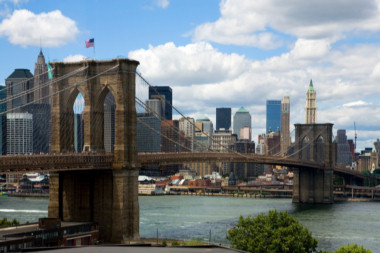
I am from America .
Ich komme aus Amerika 0
Tôi đến từ Mỹ .
我 从 美国 来 。
Wǒ cóng Měiguó lái.
私はアメリカからです。
Watashi wa amerikakaradesu.
저는 미국에서 왔습니다.
jeoneun migug-eseo wassseubnida.
(VI)
(ZH)
(JA)
0048
 [EN] [EN]  [DE] [DE]  [NL] [NL]  [ES] [ES]  [FR] [FR]  [IT] [IT]  [TH] [TH]  [VI] [VI]  [ZH] [ZH]
|
RANDOM
我们来自东方。
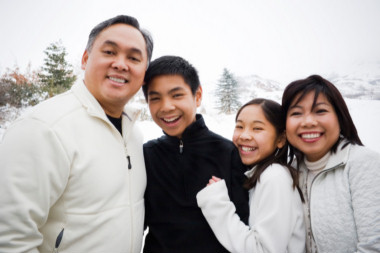
We are from the East .
Wir kommen aus dem Osten 0
Chúng tôi đến từ phương Đông 0
我们 来自 东方 。
Wǒmen lái zì dōngfāng.
私たちは東から来ました。
Watashitachiha azuma kara kimashita.
우리는 동쪽에서 왔습니다.
ulineun dongjjog-eseo wassseubnida.
(VI)
(ZH)
(JA)
0238
[EN] [DE] [NL] [ES] [FR] [IT] [TH] [VI] [ZH]
|
RANDOM
学校离我家很远。
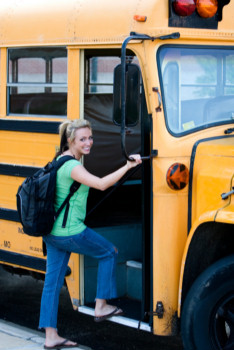
The school is far away from my home .
Die Schule ist weit von meinem Haus entfernt 0
Trường học cách xa nhà tôi 0
学校 离 我家 很 远 。
Xuéxiào lí wǒ jiā hěn yuǎn.
学校は私の家から遠く離れています。
Gakkō wa watashinoie kara tōkuhanarete imasu.
학교는 집에서 멀리 떨어져 있습니다.
haggyoneun jib-eseo meolli tteol-eojyeo issseubnida.
(VI)
(ZH)
(JA)
0260
[EN] [DE] [NL] [ES] [FR] [IT] [TH] [VI] [ZH]
|
RANDOM
我来自英国。

I am from the U .K .
Ich komme aus Grossbritannien 0
Tôi đến từ Vương quốc Anh 0
我 来自 英国 。
Wǒ lái zì Yīngguó.
私はイギリスから来ました。
Watashi wa Igirisu kara kimashita.
나는 영국에서 왔습니다.
naneun yeong-gug-eseo wassseubnida.
(VI)
(ZH)
(JA)
0323
[EN] [DE] [NL] [ES] [FR] [IT] [TH] [VI] [ZH]
|
RANDOM
今年我的股票获利了。

I made a profit from my stock this year .
Ich habe dieses Jahr einen Gewinn aus meinen Aktien gemacht 0
Tôi đã kiếm được lợi nhuận từ cổ phiếu của mình trong năm nay .
今年 我 的 股票 获利 了 。
Jīnnián wǒ de gǔpiào huòlì le.
私の株は今年利益を上げました。
Watashi no kabu wa kotoshi rieki o agemashita.
제 주식은 올해 이익을 냈습니다.
je jusig-eun olhae iig-eul naessseubnida.
(VI)
(ZH)
(JA)
0400
[EN] [DE] [NL] [ES] [FR] [IT] [TH] [VI] [ZH]
|
RANDOM
我能从一数到十。

I can count from one to ten .
Ich kann von eins bis zehn zählen 0
Tôi có thể đếm từ một đến mười .
我能 从 一数 到 十 。
Wǒ néng cóng yī shǔ dào shí.
私は1から10まで数えることができます。
Watashi wa 1 kara 10 made kazoeru koto ga dekimasu.
나는 하나에서 열까지 셀 수 있습니다.
naneun hana-eseo yeolkkaji sel su issseubnida.
(VI)
(ZH)
(JA)
0456
[EN] [DE] [NL] [ES] [FR] [IT] [TH] [VI] [ZH]
|
RANDOM
我去ATM取款。

I go to withdraw money from an ATM .
Ich gehe zum Geldautomaten und hebe Geld ab 0
Tôi đi rút tiền từ máy ATM .
我 去 ATM 取款 。
Wǒ qù ATM qǔkuǎn.
お金を引き出すためにATMに行きます。
Okane o hikidasu tame ni ATM ni ikimasu.
나는 돈을 인출하기 위해 ATM에 간다.
naneun don-eul inchulhagi wihae ATMe ganda.
(VI)
(ZH)
(JA)
0484
[EN] [DE] [NL] [ES] [FR] [IT] [TH] [VI] [ZH]
|
RANDOM
车站离这儿只有几步路。
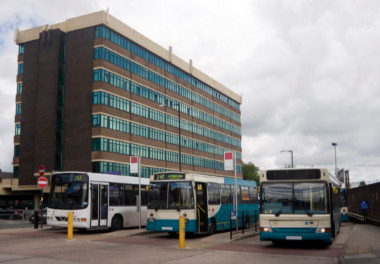
The bus stop is just a few steps away from here .
Die Bushaltestelle ist nur einige Schritte von hier entfernt 0
Bến xe buýt chỉ cách đây vài bước chân .
车站 离 这儿 只有 几步 路 。
Chēzhàn lí zhèr zhǐ yǒu jǐ bù lù.
駅はここからほんの数歩のところにあります。
Eki wa koko kara hon'no sū-po no tokoro ni arimasu.
역은 여기서 불과 몇 걸음 거리에 있습니다.
yeog-eun yeogiseo bulgwa myeoch geol-eum geolie issseubnida.
(VI)
(ZH)
(JA)
0499
[EN] [DE] [NL] [ES] [FR] [IT] [TH] [VI] [ZH]
|
RANDOM
这座大桥连接起两岸的交通。

This bridge links traffic from both sides .
Diese Brücke verbindet den Verkehr auf beiden Seiten 0
Cây cầu này liên kết giao thông hai bên .
这座 大桥 连接 起 两岸 的 交通 。
Zhèi zuò dàqiáo liánjiē qǐ Liǎng'àn de jiāotōng.
この橋は海峡の両側の交通を接続します。
Kono hashi wa kaikyō no ryōsoku no kōtsū o setsuzoku shimasu.
이 다리는 해협 양쪽의 교통량을 연결합니다.
i dalineun haehyeob yangjjog-ui gyotonglyang-eul yeongyeolhabnida.
(VI)
(ZH)
(JA)
0511
[EN] [DE] [NL] [ES] [FR] [IT] [TH] [VI] [ZH]
|
RANDOM
他已经很久没有收到她的音信。

He hasn't heard from her for quite a long time .
Er hat schon lange nichts mehr von ihr gehört 0
Anh đã không nhận được tin tức từ cô trong một thời gian khá dài .
他 已经 很久没 有 收到 她 的 音信 。
Tā yǐjing hěn jiǔ méiyǒu shōudào tā de yīnxìn.
彼は長い間彼女から連絡がなかった。
Kare wa nagaiai kanojo kara renraku ga nakatta.
그는 오랫동안 그녀에게서 소식을 듣지 못했습니다.
geuneun olaesdong-an geunyeoegeseo sosig-eul deudji moshaessseubnida.
(VI)
(ZH)
(JA)
0532
[EN] [DE] [NL] [ES] [FR] [IT] [TH] [VI] [ZH]
|
RANDOM
虽然跑得很累,但是很多人都没有放弃。

Though exhausted from running , many refuse to give up .
Obwohl erschöpft von dem Rennen , weigern sich viele , aufzugeben 0
Mặc dù kiệt sức vì chạy , nhiều người không chịu bỏ cuộc .
虽然 跑 得 很 累 , 但是 很多 人 都 没有 放弃 。
Suīrán pǎo de hěn lèi, dànshì hěn duō rén dōu méiyǒu fàngqì.
走るのはとても疲れましたが、多くの人が諦めませんでした。
Hashiru no wa totemo tsukaremashita ga, ōku no hito ga akiramemasendeshita.
달리는 것이 너무 피곤했지만 많은 사람들이 포기하지 않았습니다.
dallineun geos-i neomu pigonhaessjiman manh-eun salamdeul-i pogihaji anh-assseubnida.
(VI)
(ZH)
(JA)
0585
[EN] [DE] [NL] [ES] [FR] [IT] [TH] [VI] [ZH]
|
RANDOM
锅里冒着蒸汽。

Steam is rising from inside the pan .
Dampf steigt aus der Pfanne auf 0
Hơi nước bốc lên từ bên trong chảo .
锅 里 冒 着 蒸汽 。
Guō lǐ màozhe zhēngqì.
鍋に蒸気が入っていた。
Nabe ni jōki ga haitte ita.
냄비에 증기가 있었습니다.
naembie jeung-giga iss-eossseubnida.
(VI)
(ZH)
(JA)
0633
[EN] [DE] [NL] [ES] [FR] [IT] [TH] [VI] [ZH]
|
RANDOM
这个月的薪水还有剩余。

There is still money left over from this month's salary .
Es ist noch Geld vom Monatsgehalt übrig 0
Tiền lương tháng này chưa tiêu hết .
这个 月 的 薪水 还有 剩余 。
Zhège yuè de xīnshui hái yǒu shèngyú.
今月の給料はまだ残っています。
Kongetsu no kyūryō wa mada nokotte imasu.
이번달 월급이 아직 남아있습니다.
ibeondal wolgeub-i ajig nam-aissseubnida.
(VI)
(ZH)
(JA)
1127
[EN] [DE] [NL] [ES] [FR] [IT] [TH] [VI] [ZH]
|
RANDOM
她工作之余顺便在巴黎游玩。

She travels to Paris when she gets time off from work .
Sie reist nach Paris , wenn sie frei hat 0
Cô ấy đi du lịch đến Paris trong thời gian rảnh rỗi .
她 工作 之 余 顺便 在 巴黎 遊玩 。
Tā gōngzuò zhī yú shùnbiàn zài Bālí yóuwán.
彼女は仕事の後にパリに行きました。
Kanojo wa shigoto no nochi ni Pari ni ikimashita.
그녀는 일을 마치고 파리로 갔다.
geunyeoneun il-eul machigo palilo gassda.
(VI)
(ZH)
(JA)
1128
[EN] [DE] [NL] [ES] [FR] [IT] [TH] [VI] [ZH]
|
RANDOM
这里延伸出一大片沙洲。
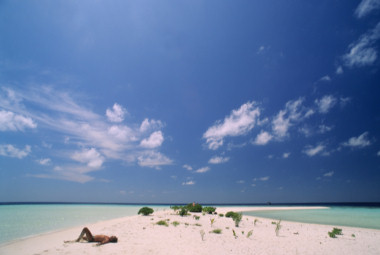
A large sandbar stretches out from here .
Von hier aus erstreckt sich eine große Sandbank 0
Một bãi cát lớn trải dài từ đây .
这 里 延伸 出一 大片 沙洲 。
Zhèli yánshēn chū yī dà piàn shāzhōu.
ここには大きな砂州が広がっています。
Koko ni wa ōkina sasu ga hirogatte imasu.
이곳에는 거대한 모래톱이 펼쳐져 있습니다.
igos-eneun geodaehan molaetob-i pyeolchyeojyeo issseubnida.
(VI)
(ZH)
(JA)
1170
[EN] [DE] [NL] [ES] [FR] [IT] [TH] [VI] [ZH]
|
RANDOM
妈妈给我讲述书里的故事。

My mother reads me stories from the book .
Meine Mutter liest mir Geschichten aus dem Buch vor 0
Mẹ tôi đọc cho tôi những câu chuyện trong cuốn sách .
妈妈 给 我 讲述 书 里 的 故事 。
Māma gěi wǒ jiǎngshù shū lǐ de gùshi.
母はその本の中でその話をしてくれました。
Haha wa sono hon no chū de sono hanashiwoshite kuremashita
엄마는 책에 담긴 이야기를 들려주었다.
eommaneun chaeg-e damgin iyagileul deullyeojueossda.
(VI)
(ZH)
(JA)
1221
[EN] [DE] [NL] [ES] [FR] [IT] [TH] [VI] [ZH]
|
RANDOM
他要求退职。

He asks for a retirement from his post .
Er bittet um einen Rücktritt von seinem Posten 0
Anh ấy yêu cầu nghỉ hưu từ chức vụ của mình .
他 要求 退职 。
Tā yāoqiú tuìzhí.
彼は引退を求めた。
Kare wa intai o motometa.
그는 은퇴를 요청했다.
geuneun euntoeleul yocheonghaessda.
(VI)
(ZH)
(JA)
1297
[EN] [DE] [NL] [ES] [FR] [IT] [TH] [VI] [ZH]
|
RANDOM
她被驱逐出境。

She's been deported from the country .
Sie wurde aus dem Land deportiert 0
Cô ấy đã bị trục xuất khỏi đất nước .
她 被 驱逐出境 。
Tā bèi qūzhú chūjìng.
彼女は国外追放された。
Kanojo wa kokugai tsuihō sa reta.
그녀는 추방되었습니다.
geunyeoneun chubangdoeeossseubnida.
(VI)
(ZH)
(JA)
1308
[EN] [DE] [NL] [ES] [FR] [IT] [TH] [VI] [ZH]
|
RANDOM
她想避开他。

She wants to get away from him .
Sie will sich von ihm trennen 0
Cô ấy muốn thoát khỏi anh ta .
她 想 避开 他 。
Tā xiǎng bìkāi tā.
彼女は彼を避けたかった。
Kanojo wa kare o saketakatta.
그녀는 그를 피하고 싶었다.
geunyeoneun geuleul pihago sip-eossda.
(VI)
(ZH)
(JA)
1586
[EN] [DE] [NL] [ES] [FR] [IT] [TH] [VI] [ZH]
|
RANDOM
我继承了父亲的遗产。

I inherited property from my father .
Ich habe das Vermögen meines Vaters geerbt 0
Tôi được thừa kế tài sản từ cha tôi .
我 继承 了 父亲 的 遗产 。
Wǒ jìchéng le fùqin de yíchǎn.
私は父の財産を相続しました。
Watashi wa chichi no zaisan o sōzoku shimashita.
아버지의 재산을 상속받았습니다.
abeojiui jaesan-eul sangsogbad-assseubnida.
(VI)
(ZH)
(JA)
1602
[EN] [DE] [NL] [ES] [FR] [IT] [TH] [VI] [ZH]
|
RANDOM
这些咖啡豆来自巴西。

These coffee beans are from Brazil .
Diese Kaffeebohnen kommen aus Brasilien 0
Những hạt cà phê này đến từ Brazil .
这些 咖啡豆 来自 巴西 。
Zhèxiē kāfēi dòu lái zì Bāxī.
これらのコーヒー豆はブラジルから来ています。
Korera no kōhī mame wa Burajiru kara kite imasu.
이 커피 콩은 브라질에서 왔습니다.
i keopi kong-eun beulajil-eseo wassseubnida.
(VI)
(ZH)
(JA)
1644
[EN] [DE] [NL] [ES] [FR] [IT] [TH] [VI] [ZH]
|
RANDOM
他们的家境很贫寒。
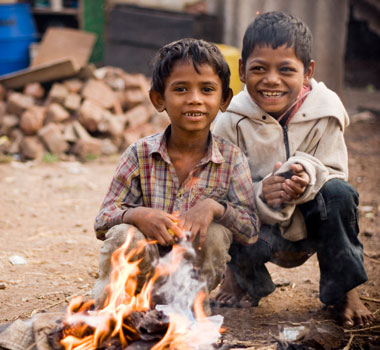
They are from a very poor family .
Sie stammen aus einer sehr armen Familie 0
Họ đến từ một gia đình rất nghèo .
他们 的 家境 很 贫寒 。
Tāmen de jiājìng hěn pínhán.
彼らの家族はとても貧しいです。
Karera no kazoku wa totemo mazushīdesu.
그들의 가족은 매우 가난합니다.
geudeul-ui gajog-eun maeu gananhabnida.
(VI)
(ZH)
(JA)
1676
[EN] [DE] [NL] [ES] [FR] [IT] [TH] [VI] [ZH]
|
RANDOM
我不小心闪了腰。

I have hip pain from my carelessness .
Ich habe durch meine Unvorsichtigkeit Schmerzen in der Hüfte 0
Tôi vô tình bị thương ở lưng dưới .
我 不 小心 闪 了 腰 。
Wǒ bùxiǎoxīn shǎnle yāo.
誤って腰をフラッシュしました。
Ayamatte koshi o furasshu shimashita.
나는 실수로 허리를 깜박였다.
naneun silsulo heolileul kkambag-yeossda.
(VI)
(ZH)
(JA)
1748
[EN] [DE] [NL] [ES] [FR] [IT] [TH] [VI] [ZH]
|
RANDOM
城市里的废气污染严重。
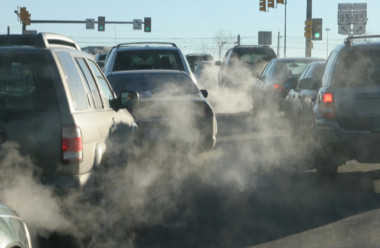
In the city , there is heavy pollution from exhaust fumes .
Die Abgasbelastung in der Stadt ist hoch 0
Trong thành phố , ô nhiễm nặng từ khói thải .
城市 里 的 废气 污染 严重 。
Chéngshì lǐ de fèiqì wūrǎn yánzhòng.
市内の排気ガス汚染は深刻です。
Shinai no haiki gasu osen wa shinkokudesu.
도시의 폐가스 오염은 심각합니다.
dosiui pyegaseu oyeom-eun simgaghabnida.
(VI)
(ZH)
(JA)
1769
[EN] [DE] [NL] [ES] [FR] [IT] [TH] [VI] [ZH]
|
RANDOM
他得到了公司的奖励。

He has received a reward from the company .
Er erhielt von dem Unternehmen eine Auszeichnung 0
Anh ấy đã nhận được phần thưởng từ công ty .
他 得到 了 公司 的 奖励 。
Tā dédàole gōngsī de jiǎnglì.
彼は会社から報われた。
Kare wa kaisha kara mukuwa reta.
그는 회사에서 보상을 받았습니다.
geuneun hoesa-eseo bosang-eul bad-assseubnida.
(VI)
(ZH)
(JA)
1770
[EN] [DE] [NL] [ES] [FR] [IT] [TH] [VI] [ZH]
|
RANDOM
ATM凭卡取钱。

One can withdraw cash from an ATM machine using a card .
Mit der ATM-Karte kann man Geld abheben 0
Người ta có thể rút tiền mặt từ máy ATM bằng thẻ .
ATM 凭卡取 钱 。
ATM píng kǎ qǔqián.
ATMはカードでお金を引き出します。
ATM wa kādo de okane o hikidashimasu.
ATM은 카드로 돈을 인출합니다.
ATMeun kadeulo don-eul inchulhabnida.
(VI)
(ZH)
(JA)
1855
[EN] [DE] [NL] [ES] [FR] [IT] [TH] [VI] [ZH]
|
RANDOM
我家距离车站1公里。

My home is one kilometer away from the station .
Mein Zuhause ist einen Kilometer vom Bahnhof entfernt 0
Nhà tôi cách ga một kí lô mét .
我家 距离 车站 1 公里 。
Wǒ jiā jùlí chēzhàn yī gōnglǐ.
私の家は駅から1キロです。
Watashinoie wa eki kara 1-kirodesu.
우리 집은 역에서 1km 떨어져 있습니다.
uli jib-eun yeog-eseo 1km tteol-eojyeo issseubnida.
(VI)
(ZH)
(JA)
1945
[EN] [DE] [NL] [ES] [FR] [IT] [TH] [VI] [ZH]
|
RANDOM
这座桥贯穿了城市的南北。

This bridge runs across the city from north to south .
Diese Brücke führt von Norden nach Süden durch die Stadt 0
Cây cầu này chạy xuyên thành phố từ bắc vào nam .
这座 桥 贯穿 了 城市 的 南北 。
Zhè zuò qiáo guànchuānle chéngshì de nánběi.
橋は街の北と南を通ります。
Kyō wa machi no kita to minami o tōrimasu.
다리는 도시의 북쪽과 남쪽을 관통합니다.
dalineun dosiui bugjjoggwa namjjog-eul gwantonghabnida.
(VI)
(ZH)
(JA)
1954
[EN] [DE] [NL] [ES] [FR] [IT] [TH] [VI] [ZH]
|
RANDOM
他需要别人的施舍。
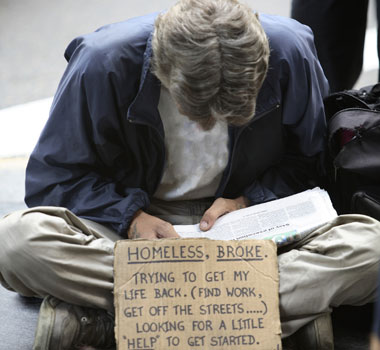
He needs charity from others .
Er braucht Wohltätigkeit von anderen 0
Anh ấy cần sự từ thiện từ những người khác .
他 需要 别人 的 施舍 。
Tā xūyào biéren de shīshě.
彼は他人からの慈善を必要としています。
Kare wa tanin kara no jizen o hitsuyō to shite imasu.
그는 다른 사람들의 자선이 필요합니다.
geuneun daleun salamdeul-ui jaseon-i pil-yohabnida.
(VI)
(ZH)
(JA)
2138
[EN] [DE] [NL] [ES] [FR] [IT] [TH] [VI] [ZH]
|
RANDOM
参赛队员将从他们当中选拔。

The players for the match will be selected from among these .
Die Spieler werden aus ihrer Mitte ausgewählt 0
Các cầu thủ cho trận đấu sẽ được chọn trong số này .
参赛 队员 将 从 他们 当中 选拔 。
Cānsài duìyuán jiāng cóng tāmen dāngzhōng xuǎnbá.
参加者はその中から選ばれます。
Sankasha wa sono Chū kara eraba remasu.
그 중에서 참가자를 선발합니다.
geu jung-eseo chamgajaleul seonbalhabnida.
(VI)
(ZH)
(JA)
2248
[EN] [DE] [NL] [ES] [FR] [IT] [TH] [VI] [ZH]
|
RANDOM
王位是世袭的。

The throne is passed down from father to son .
Der Thron wird vom Vater an den Sohn weitergegeben 0
Ngai vàng được truyền từ cha sang con trai .
王位 是 世袭 的 。
Wángwèi shì shìxí de.
王位は遺伝的です。
Ōi wa iden-tekidesu.
왕좌는 세습입니다.
wangjwaneun seseub-ibnida.
(VI)
(ZH)
(JA)
2578
[EN] [DE] [NL] [ES] [FR] [IT] [TH] [VI] [ZH]
|
RANDOM
火星离地球很遥远。

Mars is far away from the Earth .
Der Mars ist weit von der Erde entfernt 0
Sao Hỏa ở rất xa Trái đất .
火星 离 地球 很 遥远 。
Huǒxīng lí dìqiú hěn yáoyuǎn.
火星は地球から非常に遠く離れています。
Kasei wa chikyū kara hijō ni tōkuhanarete imasu.
화성은 지구에서 아주 멀리 떨어져 있습니다.
hwaseong-eun jigueseo aju meolli tteol-eojyeo issseubnida.
(VI)
(ZH)
(JA)
2588
[EN] [DE] [NL] [ES] [FR] [IT] [TH] [VI] [ZH]
|
RANDOM
这座城市的道路很畅通。

The roads in this city are free from congestion .
Die Straßen in dieser Stadt sind frei von Staus 0
Các con đường ở thành phố này không bị ùn tắc .
这座 城市 的 道路 很 畅通 。
Zhè zuò chéngshì de dàolù hěn chàngtōng.
この街の道路は滑らかです。
Kono machi no dōro wa namerakadesu.
이 도시의 도로는 평탄합니다.
i dosiui doloneun pyeongtanhabnida.
(VI)
(ZH)
(JA)
2602
[EN] [DE] [NL] [ES] [FR] [IT] [TH] [VI] [ZH]
|
RANDOM
我买的股票赚钱了。

I have earned money from my stocks .
Ich habe Geld mit meinen Aktien verdient 0
Tôi đã kiếm được tiền từ cổ phiếu của mình .
我 买 的 股票 赚钱 了 。
Wǒ mǎi de gǔpiào zhuànqián le.
私が買った株はお金を稼いだ。
Watashi ga katta kabu wa okane o kaseida.
내가 산 주식은 돈을 벌었다.
naega san jusig-eun don-eul beol-eossda.
(VI)
(ZH)
(JA)
2615
[EN] [DE] [NL] [ES] [FR] [IT] [TH] [VI] [ZH]
|
RANDOM
她病逝了。
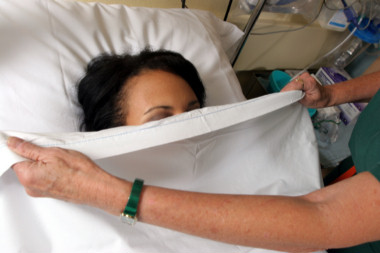
She died from an illness .
Sie starb an einer Krankheit 0
Cô ấy chết vì bạo bệnh 0
她 病逝 了 。
Tā bìngshì le.
彼女は病気で亡くなりました。
Kanojo wa byōki de nakunarimashita.
그녀는 질병으로 사망했습니다.
geunyeoneun jilbyeong-eulo samanghaessseubnida.
(VI)
(ZH)
(JA)
2698
[EN] [DE] [NL] [ES] [FR] [IT] [TH] [VI] [ZH]
|
RANDOM
好学生受到老师的称赞。

Good students receive praise from their teacher .
Gute Schüler werden von ihrem Lehrer gelobt 0
Học sinh giỏi nhận được lời khen từ giáo viên của họ .
好 学生 受到 老师 的 称 赞 。
Hǎo xuésheng shòudào lǎoshī de chēngzàn.
良い生徒は先生から賞賛されます。
Yoi seito wa sensei kara shōsan sa remasu.
좋은 학생은 교사로부터 칭찬을 받습니다.
joh-eun hagsaeng-eun gyosalobuteo chingchan-eul badseubnida.
(VI)
(ZH)
(JA)
2837
[EN] [DE] [NL] [ES] [FR] [IT] [TH] [VI] [ZH]
|
RANDOM
农业的收益已达兆亿美金。

The profits from the agricultural industry have reached mega-million US dollars .
Die Gewinne der Agrarindustrie haben Millionen US-Dollar erreicht 0
Lợi nhuận từ ngành nông nghiệp đã lên tới hàng triệu đô la Mỹ .
农业 的 收益 已达 兆 亿美金 。
Nóngyè de shōuyì yǐ dá zhàoyì Měijīn.
農業の収入は数兆ドルに達しています。
Nōgyō no shūnyū wa sū chō-doru ni tasshite imasu.
농업 수입은 수조 달러에 이르렀습니다.
nong-eob su-ib-eun sujo dalleoe ileuleossseubnida.
(VI)
(ZH)
(JA)
2937
[EN] [DE] [NL] [ES] [FR] [IT] [TH] [VI] [ZH]
|
RANDOM
蜜蜂正在采花蜜。
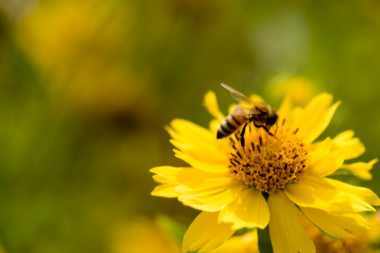
The bees are collecting honey from the flowers .
Die Bienen sammeln Honig von den Blumen 0
Những con ong đang lấy mật từ những bông hoa .
蜜蜂 正在 采花 蜜 。
Mìfēng zhèng zài cǎi huāmì.
ミツバチは蜜から蜜を集めています。
Mitsubachi wa mitsu kara mitsu o atsumete imasu.
벌이 꿀에서 꿀을 모으고 있습니다.
beol-i kkul-eseo kkul-eul mo-eugo issseubnida.
(VI)
(ZH)
(JA)
3013
[EN] [DE] [NL] [ES] [FR] [IT] [TH] [VI] [ZH]
|
RANDOM
纸遮住了她的脸。

The paper is covering her face (and blocking it from sight) .
Das Papier bedeckt ihr Gesicht (und blockiert es vor den Augen) 0
Tờ giấy đang che đi khuôn mặt của cô ấy (và che khuất tầm nhìn của nó) .
纸 遮住 了 她 的 脸 。
Zhǐ zhēzhùle tā de liǎn.
紙が彼女の顔を覆っている。
Kami ga kanojo no kao o ōtte iru.
종이가 그녀의 얼굴을 덮었다.
jong-iga geunyeoui eolgul-eul deop-eossda.
(VI)
(ZH)
(JA)
3063
[EN] [DE] [NL] [ES] [FR] [IT] [TH] [VI] [ZH]
|
RANDOM
希望人类远离瘟疫。
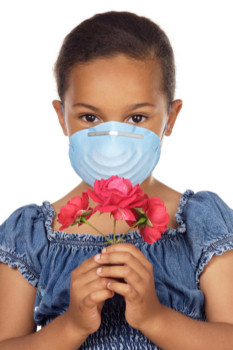
I hope that mankind will stay free from from plagues .
Ich hoffe , dass die Menschheit frei von Seuchen bleibt 0
Tôi hy vọng rằng nhân loại sẽ không có bệnh dịch .
希望 人类 远离 瘟疫 。
Xīwàng rénlèi yuǎnlí wēnyì.
人類が疫病から遠ざかることを願っています。
Jinrui ga ekibyō kara tōzakaru koto o negatte imasu.
인류가 전염병에서 멀어지기를 바랍니다.
inlyuga jeon-yeombyeong-eseo meol-eojigileul balabnida.
(VI)
(ZH)
(JA)
3111
[EN] [DE] [NL] [ES] [FR] [IT] [TH] [VI] [ZH]
|
RANDOM
新总理因犯罪遭到罢黜。

The new prime minister was dismissed from office for breaking the law .
Der neue Premierminister wurde wegen Gesetzesverstoßes aus dem Amt entlassen 0
Thủ tướng mới bị cách chức vì vi phạm pháp luật .
新 总理 因 犯罪 遭到 罢黜 。
Xīn Zǒnglǐ yīn fànzuì zāodào bàchù.
新首相は犯罪で証言録取された。
Shin shushō wa hanzai de shōgen rokushu sa reta.
새 총리는 범죄로 해임됐다.
sae chonglineun beomjoelo haeimdwaessda.
(VI)
(ZH)
(JA)
3134
[EN] [DE] [NL] [ES] [FR] [IT] [TH] [VI] [ZH]
|
RANDOM
火车驶出了隧道。
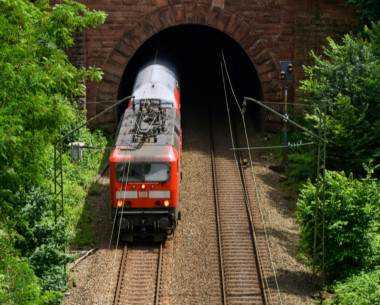
The train emerged from the tunnel .
Der Zug kam aus dem Tunnel 0
Đoàn tàu trồi lên khỏi đường hầm .
火车 驶出 了 隧道 。
Huǒchē shǐchūle suìdào.
列車はトンネルから引き出された。
Ressha wa ton'neru kara hikidasa reta.
기차는 터널에서 빠져나왔다.
gichaneun teoneol-eseo ppajyeonawassda.
(VI)
(ZH)
(JA)
3157
[EN] [DE] [NL] [ES] [FR] [IT] [TH] [VI] [ZH]
|
RANDOM
棉花糖是用蔗糖制作的。

Cotton candy is made from cane sugar .
Zuckerwatte wird aus Rohrzucker hergestellt 0
Kẹo bông gòn được làm từ đường mía .
棉花 糖 是 用 蔗糖 制作 的 。
Miánhuatáng shì yòng zhètáng zhìzuò de.
マシュマロはサトウキビから作られています。
Mashumaro wa satōkibi kara tsukura rete imasu.
마시멜로는 사탕수수 설탕으로 만듭니다.
masimelloneun satangsusu seoltang-eulo mandeubnida.
(VI)
(ZH)
(JA)
3186
[EN] [DE] [NL] [ES] [FR] [IT] [TH] [VI] [ZH]
|
RANDOM
茶杯是用竹筒做的。
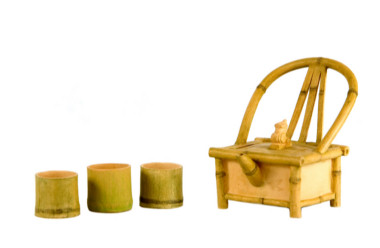
The tea cup is made from a bamboo tube .
Die Teetasse besteht aus einer Bambusröhre 0
Chén trà được làm từ một ống tre .
茶杯 是 用 竹筒 做 的 。
Chábēi shì yòng zhútǒng zuò de.
茶碗は竹管でできています。
Chawan wa takekuda de dekite imasu.
찻잔은 대나무 관으로 만들어졌습니다.
chasjan-eun daenamu gwan-eulo mandeul-eojyeossseubnida.
(VI)
(ZH)
(JA)
3209
[EN] [DE] [NL] [ES] [FR] [IT] [TH] [VI] [ZH]
|
RANDOM
豆腐渣也是烹饪的原料。

The residue from the process of making bean curd is also used as an ingredient in cooking .
Der Rückstand aus dem Prozess der Herstellung von Bohnengallerte wird auch als Zutat beim Kochen verwendet 0
Phần bã từ quá trình làm váng đậu cũng được sử dụng như một nguyên liệu trong nấu ăn
豆腐渣 也 是 烹饪 的 原料 。
Dòufuzhā yě shì pēngrèn de yuánliào.
豆腐の残留物も調理の原料です。
Tōfu no zanryū-mono mo chōri no genryōdesu.
두부 찌꺼기는 요리의 원료이기도 합니다.
dubu jjikkeogineun yoliui wonlyoigido habnida.
(VI)
(ZH)
(JA)
3215
[EN] [DE] [NL] [ES] [FR] [IT] [TH] [VI] [ZH]
|
RANDOM
他从口袋里掏出一把枪。

He drew a gun from his pocket .
Er zog eine Waffe aus der Tasche 0
Anh ta rút một khẩu súng trong túi .
他 从 口袋 里 掏出 一把 枪 。
Tā cóng kǒudai lǐ tāochū yī bǎ qiāng.
彼はポケットから銃を取り出した。
Kare wa poketto kara jū o toridashita.
그는 주머니에서 총을 꺼냈다.
geuneun jumeonieseo chong-eul kkeonaessda.
(VI)
(ZH)
(JA)
3227
[EN] [DE] [NL] [ES] [FR] [IT] [TH] [VI] [ZH]
|
RANDOM
这句古诗很有韵味。
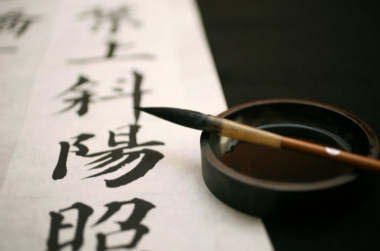
This line from an ancient poem is very thought-provoking .
Diese Zeile aus einem alten Gedicht regt zum Nachdenken an 0
Dòng này từ một bài thơ cổ rất gợi cảm .
这句 古诗 很 有 韵味 。
Zhè jù gǔshī hěn yǒu yùnwèi.
この古代の詩はとても魅力的です。
Kono kodai no uta wa totemo mirikitekidesu.
이 고대 시는 매우 매력적입니다.
i godae sineun maeu maelyeogjeog-ibnida.
(VI)
(ZH)
(JA)
3229
[EN] [DE] [NL] [ES] [FR] [IT] [TH] [VI] [ZH]
|
RANDOM
敌军溃败撤出了这座城市。

The enemy was routed and withdrew from the city .
Der Feind wurde vertrieben und zog sich aus der Stadt zurück 0
Kẻ thù đã bị đánh tan và rút khỏi thành phố .
敌军 溃败 撤出 了 这座 城市 。
Díjūn kuìbài chèchūle zhè zuò chéngshì.
敵軍は敗北し、都市から撤退しました。
Tekigun wa haiboku shi, toshi kara tettai shimashita.
적군은 패배하고 도시에서 철수했습니다.
jeoggun-eun paebaehago dosieseo cheolsuhaessseubnida.
(VI)
(ZH)
(JA)
3241
[EN] [DE] [NL] [ES] [FR] [IT] [TH] [VI] [ZH]
|
RANDOM
不要再瞒我了。

Don't hide this from me . .
Verstecke das nicht vor mir 0
Đừng giấu tôi điều này .
不要 再 瞒 我 了 。
Bùyào zài mán wǒ le.
これを私に隠さないでください。
Kore o watashi ni kakusanaide kudasai.
나에게 더 이상 거짓말하지 마십시오.
na-ege deo isang geojismalhaji masibsio.
(VI)
(ZH)
(JA)
3390
[EN] [DE] [NL] [ES] [FR] [IT] [TH] [VI] [ZH]
|
RANDOM
绑匪向我索取赎金。

The kidnapper demanded a ransom from me .
Der Entführer forderte von mir ein Lösegeld 0
Kẻ bắt cóc đòi tiền chuộc từ tôi .
绑匪 向 我 索取 赎金 。
Bǎngfěi xiàng wǒ suǒqǔ shújīn.
誘拐犯は私に身代金を要求した。
Yūkai-han wa watashi ni minoshirokin o yōkyū shita.
납치범은 나에게 몸값을 요구했습니다.
nabchibeom-eun na-ege momgabs-eul yoguhaessseubnida.
(VI)
(ZH)
(JA)
3440
[EN] [DE] [NL] [ES] [FR] [IT] [TH] [VI] [ZH]
|
|