| HSK 3.0 | Big5 | Gb | Pin | Eng |
|---|
| 2 | 家庭 | 家庭 | jiātíng | hearthstone, background, fireside, establishment, household, hearth, domestic, hearthside, menage, home, family unit, family, house
|
| 2 | 生 | 生 | shēng | give birth to, bear, grow, get, have, cause to happen, make (a fire), exist, live
|
| 2 | 太陽 | 太阳 | tàiyáng | Apollo, luminary, daystar, digit, sunlight, solar, sunshine, Phoebus, lamp, sun, Sol, fireball
|
| 2 | 信號 | 信号 | xìnhào | sign, cue, beacon, code, beacon fire, messenger, signal, semaphore, signaling, waft
|
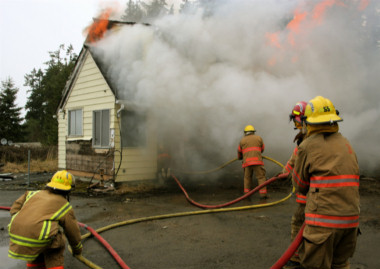
| 3 | 火 | 火 | huǒ | fire;internal heat, anger, temper;firearms, ammunition
|
| 3 | 生 | 生 | shēng | give birth to, bear, grow, get, have, cause to happen, make (a fire), exist, live
|
| 4 | 火 | 火 | huǒ | fire;internal heat, anger, temper;firearms, ammunition
|
| 4 | 激動 | 激动 | jīdòng | boil, tingle, kindle, seethe, toss, inflammatory, tizz, excited, fire, throb, carry_away, ferment, effervesce, stirred, bespirit, heat, agitation, hound, agitate, invigorate, burnt, actuate, inflame, stir, agitated, excite, move, impassion
|
| 4 | 刷 | 刷 | shuā | to brush, to paint, to daub, to paste up, to skip class (of students), to fire from a job, to select
|
| 4 | 引起 | 引起 | yǐnqǐ | elicit, beget, causation, give rise to, incite, pique, engender, bring_on, trigger, fire, compel, kick_up, superindividual, draw, spawn, invite, touch_off, occasion, lead, bring_about, procure, touch off, raise, enkindle, give, poke, produce, capture, generate, stir, arouse, excite, put forward, provoke, breed, bring, conjure up, grip, create, kindle, tempt, set_up, interest, give rise, enga
|
| 5 | 點燃 | 点燃 | diǎnrán | light_up, light up, kindle, enkindle, burn, tind, light, inflame, ignition, set fire to, ignite, emblaze
|
| 5 | 火柴 | 火柴 | huǒchái | match (for lighting fire), CL:根[gen1],盒[he2]
|
| 5 | 火災 | 火灾 | huǒzāi | fire disaster, conflagration
|
| 5 | 射 | 射 | shè | loose, discharge in a jet, insinuate, go off, allude to, discharge, send out, fire, firing, shooting, emit, deliver, shoot
|
| 5 | 射擊 | 射击 | shèjī | shoot, fire
|
| 5 | 消防 | 消防 | xiāofáng | fight/prevent fire
|
| 6 | 炒 | 炒 | chǎo | saute, stir-fry, roast, speculate, parch, fry, saut#2e, fire, saut#2 e, sack, scramble
|
| 6 | 風暴 | 风暴 | fēngbào | tempest, roughness, firestorm, windstorm, squall, blow, tempestuousness, storm
|
| 6 | 光輝 | 光辉 | guānghuī | radiancy, irradiancy, blaze, sparkle, fire, shininess, shine, resplendency, glory, glare, magnificence, sheen, lustre, grandeur, splendor, lucidity, coruscation, refulgence, grandness, burnish, brilliance, flame, glow, luminosity, glitter, luster, refulgency, radiance, irradiance, glowing, halo, resplendence, splendour, effulgence
|
| 6 | 煙花 | 烟花 | yānhuā | fireworks, prostitute (esp. in Yuan theater)
|
| 7 | 熬 | 熬 | áo | to boil, to simmer, to cook on a slow fire, to extract by heating, to decoct, to endure
|
| 7 | 爆竹 | 爆竹 | bàozhú | firecracker
|
| 7 | 鞭炮 | 鞭炮 | biānpào | firecrackers, string of small firecrackers, CL:枚[mei2]
|
| 7 | 不翼而飛 | 不翼而飞 | bùyìérfēi | to disappear without trace, to vanish all of a sudden, to spread fast, to spread like wildfire
|
| 7 | 不假思索 | 不假思索 | bùjiǎ-sīsuǒ | to act without taking time to think (idiom), to react instantly, to fire from the hip
|
| 7 | 辭退 | 辞退 | cítuì | to dismiss, to discharge, to fire
|
| 7 | 此起彼伏 | 此起彼伏 | cǐqǐ-bǐfú | up here, down there (idiom), to rise and fall in succession, no sooner one subsides, the next arises, repeating continuously, occurring again and again (of applause, fires, waves, protests, conflicts, uprisings etc)
|
| 7 | 點火 | 点火 | diǎn huǒ | to ignite, to light a fire, to agitate, to start an engine, ignition, fig. to stir up trouble
|
| 7 | 發火 | 发火 | fā huǒ | to catch fire, to ignite, to detonate, to get angry
|
| 7 | 防火牆 | 防火墙 | fánghuǒqiáng | firewall, CL:堵[du3]
|
| 7 | 焚燒 | 焚烧 | fénshāo | to burn, to set on fire
|
| 7 | 貴賓 | 贵宾 | guìbīn | honored guest, VIP, visiting fireman, visitant, honoured guest, distinguished guest, visiting_fireman, honored/distinguished guest, honored
|
| 7 | 激起 | 激起 | jī qǐ | elicit, feed, animate, stir up, arise, pique, enliven, fire, fan, inspire, galvanize, raise, enkindle, stir, arouse, wind up, excite, turn on, provoke, spark, kindle, sex, prompt, evoke, uprouse, ferment, whip_up, awake, rouse, evocation, invigorate, exalt
|
| 7 | 解雇 | 解雇 | jiěgù | to fire, to sack, to dismiss, to terminate employment
|
| 7 | 開槍 | 开枪 | kāi qiāng | to open fire, to shoot a gun
|
| 7 | 烤 | 烤 | kǎo | oven broil, warm (hands, bake, feet) near fire, torrefy, roast, scallop, warm (hands/feet) near fire, parch, crisp, grill, warm near fire, broil, toast
|
| 7 | 取暖 | 取暖 | qǔ nuǎn | to warm oneself (by a fire etc)
|
| 7 | 燃放 | 燃放 | ránfàng | to light, to set off (firecrackers etc)
|
| 7 | 萬無一失 | 万无一失 | wànwúyīshī | surefire, absolutely safe (idiom)
|
| 7 | 旺 | 旺 | wàng | prosperous, flourishing, (of flowers) blooming, (of fire) roaring
|
| 7 | 熄火 | 熄火 | xī huǒ | (of fire, lamp etc) to go out, to put out (fire), (fig.) to die down, (of a vehicle) to stall
|
| 7 | 煙火 | 烟火 | yānhuo | smoke and fire, fireworks
|
| 7 | 焰火 | 焰火 | yànhuǒ | fireworks
|
| 7 | 野外 | 野外 | yěwài | air, out-of-doors, open, outdoors, open air, open country, balefire, field
|
| 7 | 蒸 | 蒸 | zhēng | to evaporate, (of cooking) to steam, torch made from hemp stalks or bamboo (old), finely chopped firewood (old)
|
CORE WORDS
|
 [EN]
[EN]  [DE]
[DE]  [NL]
[NL]  [ES]
[ES]  [FR]
[FR]  [IT]
[IT]  [TH]
[TH]  [VI]
[VI]  [ZH]
[ZH]