3600 Sentences in 36 Units Quiz Listen to Stories

1 (wiktionary) 3 (glosbe) 11


CORE WORDS


HSK 3.0Big5GbPinEng
1 衣服 衣服 yīfu clothes, wearing apparel, toggery, gear, tog, wear, bib-and-tucker, drapery, thing, dress, duds, vestment, wardrobe, clout, apparel, clothing, dud, wrapping, vesture, clobber, habit, robe, togs, livery, habilimentation, array, hull, garb, attire, attirement, stitch, rig, garment, raiment, wearable, dressing
2 重複 重复 chóngfù repeat, duplicate
2 服務 服务 fúwù be in the service of, serve
2 複習 复习 fùxí to review, revision, variant of 復習|复习[fu4 xi2]
2 舒服 舒服 shūfu comfortable
3 大夫 大夫 dàfū a senior official in feudal China, physician, senior official, doctor
3 反復 反复 fǎnfù repeatedly, backward_and_forward
3 豐富 丰富 fēngfù rich, abundant, plentiful
3 服裝 服装 fúzhuāng turnout, wearing_apparel, clothing, investiture, rigging, costuming, toggery, habilimentation, habiliment, drapery, garb, attire, toilette, frock, costume, dress, investment, garmenture, rig, garment, setout, implement, garniture, getup, outfit
3 父母 父母 fùmǔ parental, parents, father and mother, folks
3 felicity, happiness, blessing, good fortune
3 父親 父亲 fùqin parent, father, pere, Pa, begetter, governor, abba, male parent, pater, guv
3 負責 负责 fùzé preside, be responsible for, see, entail, sponsor, be in charge of, blame, answer, undertake, liable, respond
3 複印 复印 fùyìn to photocopy, to duplicate a document
3 hand/turn over to, commit to, pay
3 複雜 复杂 fùzá complicated, complex
3 be rich in, be full of
3 工夫 工夫 gōngfu workmanship, skill, art
3 功夫 功夫 gōngfu workmanship, skill, art
3 克服 克服 kèfú surmount, conquer, put up with (hardship/etc.)
3 幸福 幸福 xìngfú happy
3 支付 支付 zhīfù pay (money), defray
4 財富 财富 cáifù opulence, pile, worth, fortune, moneybag, riches, mammon, substance, wealth, wealthy, gold, lucre, means, shekel, pelf, opulency, money, oof, nabobery
4 豆腐 豆腐 dòufu tofu, bean curd
4 對付 对付 duìfu counter, deal/cope with, face, confront, cope with, fix, make do, handle, deal, tackle, deal with
4 夫妻 夫妻 fūqī couple, spouse, pair, man and wife, husband and wife
4 夫人 夫人 fūren Lady, lady, memsahib, milady, Dona, Mistress, dona, grande dame, donna, Mrs, mum, Senora, grace, senora, Mrs., madam, Frau, miladi, missus, senhora, wife, ma'am, Madame, madame, missis, Ladyship, Signora, signora
4 夫婦 夫妇 fūfù conjugality, couple, man_and_wife, husband and wife
4 符合 符合 fúhé fulfil, conform, fit, tally with, fill, come_up_to, cohere, satisfy, accord, coincide, assort, equate, answer, tally, consist, meet, be in keeping with, chime_in, fulfill, look, accord/tally with, relate, chime, live up to, square, accord with, conform to, correspond
4 付出 付出 fùchū pay, expend
4 符號 符号 fúhào sign, denotation, mark, icon, symbolical, symbol, notation, token, insignia, note, symbolic
4 附近 附近 fùjìn neighborship, neighborhood, precinct, vicinity, neighbourhood
4 負擔 负担 fùdān burden, load, encumbrance
4 複製 复制 fùzhì duplicate, reproduce
4 回復 回复 huífù to reply, to recover, to return (to a previous condition), Re: in reply to (email)
4 說服 说服 shuō fú persuade, talk sb. over
4 丈夫 丈夫 zhàngfu masterman, man, papa, manliness, mister, goodman, married man, husband, hub, hubby
4 征服 征服 zhēngfú to conquer, to subdue, to vanquish
4 政府 政府 zhèngfǔ sirkar, state, country, nation, governmental, body politic, government, administration, civil order, polity, commonwealth, regime, res publica, land
4 祝福 祝福 zhùfú invoke blessing, wish happiness to
5 答復 答复 dáfu answer, reply
5 support, straighten ... up, support with the hand, place a hand on, help sb. up, relief, relieve, straighten sth. up, help ... up, help, support with hand
5 服從 服从 fúcóng to obey (an order), to comply, to defer
5 幅度 幅度 fúdù amplitude, breadth, extent, spread, range, spectrum, scope
5 福利 福利 fúlì well-being, fringe_benefit, material benefits, social welfare, weal, welfare
5 vector, width of cloth, size, piece, m.[general],
5 輔助 辅助 fǔzhù assist
5 負責人 负责人 fùzérén sponsor, point man, leading cadre, person in charge, undertaker, keeper
5 附件 附件 fùjiàn enclosure, attachment (email), appendix
5 恢復 恢复 huīfù resume, renew, recover, regain, restore, reinstate, rehabilitate
5 皮膚 皮肤 pífū leather, chap, integument, hide, cutis, complexion, brunet, cutaneous, bark, fell, derma, brunette, skin, transplant
5 勝負 胜负 shèng-fù victory or defeat, the outcome of a battle
5 師傅 师傅 shīfu emperor, tutor of king, tutor of emperor, professional, address for service workers, master, general term of address in late 7 0 s an, general term of address in late 70s and 80s, master worker, tutor of king/emperor
5 修復 修复 xiūfù to restore, to renovate, restoration, (computing) to fix (a bug)
5 羽絨服 羽绒服 yǔróngfú down-filled garment
6 仿佛 仿佛 fǎngfú to seem, as if, alike, similar
6 Buddha, Buddhism, image of Buddha
6 clothes, dress, garment, to serve (in the military, a prison sentence etc), to obey, to convince, to admire, to acclimatize, to take (medicine), mourning clothes, to wear mourning clothes, dose (measure word for medicine), Taiwan pr. [fu2]
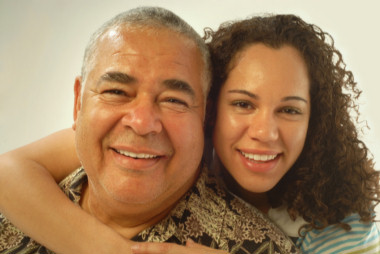
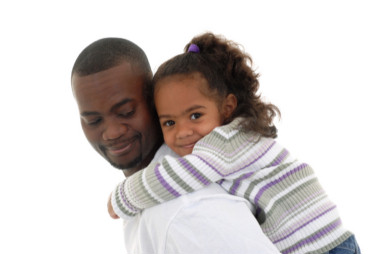
6 父女 父女 fùnǚ father and daughter
6 父子 父子 fùzǐ father and son
6 betray, abandon, go against
6 to float, superficial, floating, unstable, movable, provisional, temporary, transient, impetuous, hollow, inflated, to exceed, superfluous, excessive, surplus
6 婦女 妇女 fùnǚ feme, womankind, female, femininity, cummer, woman, femme, quean, bevy, matron, toots, womanhood, feminine, womenfolk, women
6 m.[general]
6 復蘇 复苏 fùsū variant of 復甦|复苏[fu4 su1], to recover (health, economic), to resuscitate, anabiosis
6 富人 富人 fùrén rich man
6 富有 富有 fùyǒu be rich/wealthy
6 康復 康复 kāngfù to recuperate, to recover (health), to convalesce
6 欺負 欺负 qīfu browbeat, take advantage of, pick on
6 師父 师父 shīfu guru, address for nun/etc., teacher, tutor, address for monk, professional, master, nun, a polite form of address to a monk or nun, address for monk/nun/etc., etc.
6 祖父 祖父 zǔfù grandad, gramps, grandfather, grandsire, (paternal) grandfather, granddad, grandpa, granddaddy
7 安撫 安抚 ānfǔ to placate, to pacify, to appease
7 包袱 包袱 bāofu cloth wrapper, bundle wrapped in cloth, burden, millstone round one's neck, punch line (in cross-talk)
7 報復 报复 bàofu to make reprisals, to retaliate, revenge, retaliation
7 抱負 抱负 bàofù aspiration, ambition
7 奔赴 奔赴 bēnfù to rush to, to hurry to
7 伯父 伯父 bófù father's elder brother, term of respect for older man, CL:個|个[ge4]
7 不服氣 不服气 bùfúqì Uncomfortable
7 不服 不服 bùfú not to accept sth, to want to have sth overruled or changed, to refuse to obey or comply, to refuse to accept as final, to remain unconvinced by, not to give in to
7 此起彼伏 此起彼伏 cǐqǐ-bǐfú up here, down there (idiom), to rise and fall in succession, no sooner one subsides, the next arises, repeating continuously, occurring again and again (of applause, fires, waves, protests, conflicts, uprisings etc)
7 錯綜複雜 错综复杂 cuòzōng-fùzá tangled and complicated (idiom)
7 大幅度 大幅度 dàfúdù by a wide margin, substantial
7 擔負 担负 dānfù bear, shoulder, take on, be charged with
7 顛覆 颠覆 diānfù overturn, subvert
7 翻來覆去 翻来覆去 fānlái-fùqù to toss and turn (sleeplessly), again and again
7 翻天覆地 翻天覆地 fāntiān-fùdì sky and the earth turning upside down (idiom), fig. complete confusion, everything turned on its head
7 吩咐 吩咐 fēnfu to tell, to instruct, to command
7 豐富多彩 丰富多彩 fēngfù-duōcǎi richly colorful
7 孵化 孵化 fūhuà breeding, to incubate, innovation (esp. in commerce and marketing)
7 扶持 扶持 fúchí to help, to assist
7 to spread, to lay out, to apply (powder, ointment etc), sufficient (to cover), enough
7 服飾 服饰 fúshì neckline, attire, furnishings, costume, dress, trappings, finery, rig-out, apparel, dress and personal adornment
7 服務器 服务器 fúwùqì server (computer), CL:臺|台[tai2]
7 服用 服用 fúyòng take, use, take (medicine)
7 俘獲 俘获 fúhuò to capture (enemy property or personnel), capture (physics: absorption of subatomic particle by an atom or nucleus)
7 俘虜 俘虏 fúlǔ captive
7 浮力 浮力 fúlì buoyancy
7 浮現 浮现 fúxiàn appear before one's eyes, float, suggest, come up, rise up, surface, ray, rise, appear, emerge
7 浮躁 浮躁 fúzào fickle and impatient, restless, giddy, scatterbrained
7 輻射 辐射 fúshè radiancy, Geigers, radiation, radiant
7 福氣 福气 fúqi good fortune, a blessing
7 撫摸 抚摸 fǔmō to gently caress and stroke, to pet, to fondle
7 撫恤 抚恤 fǔxù (of an organization that has a duty of care) to give financial support to relatives of sb who has died or suffered serious injury
7 撫養 抚养 fǔyǎng to foster, to bring up, to raise
7 撫養費 抚养费 fǔyǎngfèi child support payment (after a divorce)
7 斧子 斧子 fǔzi axe, hatchet, CL:把[ba3]
7 俯首 俯首 fǔshǒu to bend one's head
7 輔導 辅导 fǔdǎo coach, tutor
7 腐敗 腐败 fǔbài rotten, putrid, decayed, corrupt
7 腐化 腐化 fǔhuà to rot, to decay, to become corrupt
7 腐爛 腐烂 fǔlàn to rot, to putrefy, (fig.) corrupt
7 腐蝕 腐蚀 fǔshí corrosion, to corrode (degrade chemically), to rot, corruption
7 腐朽 腐朽 fǔxiǔ rotten, decayed, decadent, degenerate
7 付費 付费 fù fèi fee, expense, pay
7 負面 负面 fùmiàn negative, negativeness, reverse (side), reverse
7 付款 付款 fù kuǎn ante_up, ante up, foot, pay out, pay up, pay, shell_out, cash, pay a sum of money, disburse
7 負有 负有 fùyǒu to be responsible for
7 comply with, agree to, appose, attachment, enclose, get close to, enclosure, depend on, add, be near, rely on, attach
7 附帶 附带 fùdài supplementary, incidentally, in parentheses, by chance, in passing, additionally, secondary, subsidiary, to attach
7 附和 附和 fùhè to agree, to go along with, to echo (what sb says)
7 附加 附加 fùjiā hang on, supervene, suffix, additional, affix, superimpose, inset, tack on, tack, attachment, tag on, append, add, subjoin, annex, engraft, attach
7 附屬 附属 fùshǔ adjunct, belong, pertain, appertain, affiliated, be attached, attached, adjective, auxiliary, be affiliated, subsidiary
7 復查 复查 fùchá rechecking, re-inspection, reexamination
7 repair, attendance, go, go to, come, seek, attend, betake
7 復發 复发 fùfā to recur (of a disease), to reappear, to relapse (into a former bad state)
7 複合 复合 fùhé complex, compound, composite, hybrid
7 復活 复活 fùhuó resurrection
7 復興 复兴 fùxīng Fuxing district of Handan city 邯鄲市|邯郸市[Han2 dan1 shi4], Hebei, Fuxing or Fuhsing township in Taoyuan county 桃園縣|桃园县[Tao2 yuan2 xian4], north Taiwan, to revive, to rejuvenate
7 復原 复原 fù yuán to restore (sth) to (its) former condition, to recover from illness, recovery
7 副作用 副作用 fùzuòyòng side-effect
7 富含 富含 fùhán Rich
7 賦予 赋予 fùyǔ indue, endow, lend, girt, gift, endue, entrust, inspire, give, impart, confer, grant
7 富豪 富豪 fùháo rich and powerful person
7 富強 富强 fùqiáng rich and powerful
7 富翁 富翁 fùwēng rich person, millionaire, billionaire
7 富裕 富裕 fùyù plentiful, abundant, rich
7 腹部 腹部 fùbù abdomen, belly, flank
7 腹瀉 腹泻 fùxiè diarrhea, to have the runs
7 富足 富足 fùzú rich, plentiful
7 覆蓋 覆盖 fùgài to cover
7 趕赴 赶赴 gǎnfù to hurry, to rush
7 高爾夫球 高尔夫球 gāoěrfūqiú golf ball
7 辜負 辜负 gūfù to fail to live up (to expectations), unworthy (of trust), to let down, to betray (hopes), to disappoint
7 寡婦 寡妇 guǎfu widow
7 肌膚 肌肤 jīfū skin
7 繼父 继父 jìfù stepfather
7 肩負 肩负 jiānfù to shoulder (a burden), to bear, to suffer (a disadvantage)
7 交付 交付 jiāofù to hand over, to deliver
7 禮服 礼服 lǐfú ceremonial robe, plumage, trappings, ceremonial dress, tux, robe, full_dress, black tie, full dress, gown, ceremonial robe or dress, dress, ball gown, dinner jacket, vestment, ceremonial robe/dress, formal attire, tuxedo, full-dress
7 埋伏 埋伏 máifu to ambush, to lie in wait for, to lie low, ambush
7 名副其實 名副其实 míngfùqíshí not just in name only, but also in reality (idiom)
7 佩服 佩服 pèifu admire
7 篇幅 篇幅 piānfu length (of a piece of writing), space occupied on a printed page
7 貧富 贫富 pínfù poor and rich
7 起伏 起伏 qǐfú rise and fall, undulate
7 前赴後繼 前赴后继 qiánfù-hòujì to advance dauntlessly in wave upon wave (idiom)
7 屈服 屈服 qūfú to surrender, to yield
7 全力以赴 全力以赴 quánlìyǐfù to do at all costs, to make an all-out effort
7 日復一日 日复一日 rìfùyīrì day after day
7 收復 收复 shōufù to recover (lost territory etc), to recapture
7 首府 首府 shǒufǔ capital city of an autonomous region
7 束縛 束缚 shùfù tie up, fetter
7 天賦 天赋 tiānfù gift, innate skill
7 託付 托付 tuōfù to entrust
7 媳婦 媳妇 xífù the wife of a relative of the younger generation's, wife of sb. of younger generation, daughter-in-law, son's wife
7 下功夫 下功夫 xià gōngfu see 下工夫[xia4 gong1 fu5]
7 相輔相成 相辅相成 xiāngfǔ-xiāngchéng to complement one another (idiom)
7 應付 应付 yīngfù hack, cope_with, treat, stand, bridge_over, come_on, do sth. perfunctorily, cope with, handle, cope, do ... perfunctorily, deal/cope with, cut, make do, deal, deal with, respond
7 岳父 岳父 yuèfù wife's father, father-in-law
7 孕婦 孕妇 yùnfù pregnant woman
7 造福 造福 zàofú to benefit (e.g. the people)
7 制服 制服 zhìfú uniform
7 致富 致富 zhìfù to become rich
7 主婦 主妇 zhǔfù housewife, hostess
7 囑咐 嘱咐 zhǔfu to tell, to exhort, injunction
7 自負 自负 zìfù conceited, to take responsibility

RANDOM
这是我的父亲。


This is my father .
Das ist mein Vater 0
Đây bố tôi .
父亲
Zhè shì wǒ de fùqin.
これは私の父です。
Kore wa watashinochichidesu.
우리 아빠 야.
uli appa ya.

(VI)
(ZH)
(JA)

0028


[EN] [DE] [NL] [ES] [FR] [IT] [TH] [VI] [ZH]

RANDOM
孩子都很信任父母。


Children trust their parents very much .
Kinder vertrauen ihren Eltern sehr 0
Con cái rất tin tưởng cha mẹ .
孩子 信任 父母
Háizi dōu hěn xìnrèn fùmǔ.
子供たちは両親を信頼します。
Kodomo-tachi wa ryōshin o shinrai shimasu.
아이들은 부모를 신뢰합니다.
aideul-eun bumoleul sinloehabnida.

(VI)
(ZH)
(JA)

0218


[EN] [DE] [NL] [ES] [FR] [IT] [TH] [VI] [ZH]

RANDOM
这是附近最高的山。


This is the highest mountain in the vicinity .
Dies ist der höchste Berg in der Nähe 0
Đây ngọn núi cao nhất trong vùng lân cận .
这是 附近 最高
Zhè shì fùjìn zuìgāo de shān.
これは近くで最も高い山です。
Kore wa chikaku de mottomo takai yamadesu.
이것은 근처에서 가장 높은 산입니다.
igeos-eun geuncheoeseo gajang nop-eun san-ibnida.

(VI)
(ZH)
(JA)

0349


[EN] [DE] [NL] [ES] [FR] [IT] [TH] [VI] [ZH]

RANDOM
附近有公共汽车站。


There is a bus stop nearby .
In der Nähe gibt es eine Bushaltestelle 0
một trạm xe buýt gần đó .
附近 公共汽车
Fùjìn yǒu gōnggòng qìchēzhàn.
近くにバス停があります。
Chikaku ni basutei ga arimasu.
근처에 버스 정류장이 있습니다.
geuncheoe beoseu jeonglyujang-i issseubnida.

(VI)
(ZH)
(JA)

0356


[EN] [DE] [NL] [ES] [FR] [IT] [TH] [VI] [ZH]

RANDOM
她漂亮且富有。


She is pretty and wealthy .
Sie ist hübsch und reich 0
ấy xinh đẹp giàu .
漂亮 富有
Tā piàoliang qiě fùyǒu.
彼女は美しくて金持ちです。
Kanojo wa utsukushikute kanemochidesu.
그녀는 아름답고 부자입니다.
geunyeoneun aleumdabgo bujaibnida.

(VI)
(ZH)
(JA)

0486


[EN] [DE] [NL] [ES] [FR] [IT] [TH] [VI] [ZH]
RANDOM
她去收银台付钱。


She goes to the cashier to pay .
Sie geht zur Kasse , um zu bezahlen 0
đến quầy thu ngân thanh toán .
收银台 付钱
Tā qù shōuyíntái fùqián.
彼女はレジに行って支払いました。
Kanojo wa reji ni itte shiharaimashita.
그녀는 지불하기 위해 금전 등록기로 갔다.
geunyeoneun jibulhagi wihae geumjeon deungloggilo gassda.

(VI)
(ZH)
(JA)

0686


[EN] [DE] [NL] [ES] [FR] [IT] [TH] [VI] [ZH]

RANDOM
他是我们公司的副经理。


He is the deputy manager of our company .
Er ist der stellvertretende Direktor unseres Unternehmens 0
Anh ấy phó giám đốc của công ty chúng tôi .
我们 公司 副经理
Tā shì wǒmen gōngsī de fùjīnglǐ.
彼は当社の副マネージャーです。
Kare wa tōsha no fuku manējādesu.
그는 우리 회사의 차장입니다.
geuneun uli hoesaui chajang-ibnida.

(VI)
(ZH)
(JA)

0730


[EN] [DE] [NL] [ES] [FR] [IT] [TH] [VI] [ZH]

RANDOM
她戴着一副眼镜。


She is wearing a pair of glasses .
Sie trägt eine Brille 0
ấy đang đeo một cặp kính .
一副 眼镜
Tā dàizhe yī fù yǎnjìng.
彼女は眼鏡をかけています。
Kanojo wa megane o kakete imasu.
그녀는 안경을 쓰고 있다.
geunyeoneun angyeong-eul sseugo issda.

(VI)
(ZH)
(JA)

0731


[EN] [DE] [NL] [ES] [FR] [IT] [TH] [VI] [ZH]

RANDOM
他很富有。


He is very rich .
Er ist sehr reich 0
Anh ấy rất giàu .
富有
Tā hěn fùyǒu.
彼はとても金持ちです。
Kare wa totemo kanemochidesu.
그는 매우 부자입니다.
geuneun maeu bujaibnida.

(VI)
(ZH)
(JA)

0774


[EN] [DE] [NL] [ES] [FR] [IT] [TH] [VI] [ZH]

RANDOM
她在等朋友的答复。


She is waiting for her friend's reply .
Sie wartet auf die Antwort ihres Freundes 0
ấy đang đợi câu trả lời của bạn mình .
朋友 答复
Tā zài děng péngyou de dáfù.
彼女は友達からの返事を待っています。
Kanojo wa tomodachi kara no henji o matteimasu.
그녀는 친구의 답장을 기다리고 있습니다.
geunyeoneun chinguui dabjang-eul gidaligo issseubnida.

(VI)
(ZH)
(JA)

0801


[EN] [DE] [NL] [ES] [FR] [IT] [TH] [VI] [ZH]

RANDOM
他的身体康复了。


His health has recovered .
Er ist wieder gesund 0
Sức khỏe của anh ấy đã hồi phục .
身体 康复
Tā de shēntǐ kāngfù le.
彼の体は回復した。
Kare no karada wa kaifuku shita.
그의 몸이 회복되었습니다.
geuui mom-i hoebogdoeeossseubnida.

(VI)
(ZH)
(JA)

0802


[EN] [DE] [NL] [ES] [FR] [IT] [TH] [VI] [ZH]

RANDOM
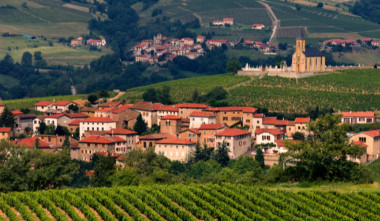
附近有一个小村庄。


There is a small village nearby .
Es gibt ein kleines Dorf in der Nähe 0
một ngôi làng nhỏ gần đó .
附近 一个 村庄
Fùjìn yǒu yī gè xiǎo cūnzhuāng.
近くに小さな村があります。
Chikaku ni chīsana mura ga arimasu.
근처에 작은 마을이 있습니다.
geuncheoe jag-eun ma-eul-i issseubnida.

(VI)
(ZH)
(JA)

0849


[EN] [DE] [NL] [ES] [FR] [IT] [TH] [VI] [ZH]

RANDOM
他的工作经历很丰富。


He has a wealth of work experience .
Er verfügt über eine reiche Berufserfahrung 0
Anh ấy nhiều kinh nghiệm làm việc .
工作 经历 丰富
Tā de gōngzuò jīnglì hěn fēngfù.
彼の仕事の経験はとても豊富です。
Kare no shigoto no keiken wa totemo hōfudesu.
그의 업무 경험은 매우 풍부합니다.
geuui eobmu gyeongheom-eun maeu pungbuhabnida.

(VI)
(ZH)
(JA)

0862


[EN] [DE] [NL] [ES] [FR] [IT] [TH] [VI] [ZH]

RANDOM
门卫很负责。


The doorman is very responsible .
Der Portier ist sehr verantwortlich 0
Người gác cửa rất trách nhiệm .
门卫 负责
Ménwèi hěn fùzé.
ドアマンは非常に責任があります。
Doa man wa hijō ni sekinin ga arimasu.
도어맨은 매우 책임감이 있습니다.
do-eomaen-eun maeu chaeg-imgam-i issseubnida.

(VI)
(ZH)
(JA)

0957


[EN] [DE] [NL] [ES] [FR] [IT] [TH] [VI] [ZH]

RANDOM
我负责管理这个团队。


I am in charge of this team .
Ich bin verantwortlich für dieses Team 0
Tôi phụ trách đội này .
负责管理 这个 团队
Wǒ fùzé guǎnlǐ zhège tuánduì.
私はこのチームを管理する責任があります。
Watashi wa kono chīmu o kanri suru sekinin ga arimasu.
저는 이 팀을 관리하는 책임이 있습니다.
jeoneun i tim-eul gwanlihaneun chaeg-im-i issseubnida.

(VI)
(ZH)
(JA)

0988


[EN] [DE] [NL] [ES] [FR] [IT] [TH] [VI] [ZH]

RANDOM
他拥有很多财富。


He's got a lot of money .
Er hat viel Geld 0
Anh ta rất nhiều tiền 0
拥有 很多 财富
Tā yōngyǒu hěn duō cáifù.
彼はたくさんの富を持っています。
Kare wa takusan no tomi o motte imasu.
그는 많은 재산을 가지고 있습니다.
geuneun manh-eun jaesan-eul gajigo issseubnida.

(VI)
(ZH)
(JA)

0989


[EN] [DE] [NL] [ES] [FR] [IT] [TH] [VI] [ZH]

RANDOM
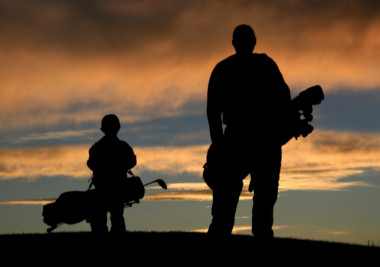
男孩跟随着父亲。


The boy is following his father .
Der Junge folgt seinem Vater 0
Cậu đang đi theo bố 0
男孩 随着 父亲
Nánhái gēnsuízhe fùqin.
その少年は父親に従った。
Sono shōnen wa chichioya ni shitagatta.
소년은 아버지를 따랐다.
sonyeon-eun abeojileul ttalassda.

(VI)
(ZH)
(JA)

1023


[EN] [DE] [NL] [ES] [FR] [IT] [TH] [VI] [ZH]

RANDOM
儿女有责任赡养父母。


It is the duty of children to care for their parents .
Es ist die Pflicht der Kinder , für ihre Eltern zu sorgen 0
Bổn phận của con cái phải phụng dưỡng cha mẹ .
儿女 责任 赡养父母
Érnǚ yǒu zérèn shànyǎng fùmǔ.
子供たちは両親をサポートする責任があります。
Kodomo-tachi wa ryōshin o sapōto suru sekinin ga arimasu.
아이들은 부모를 부양할 책임이 있습니다.
aideul-eun bumoleul buyanghal chaeg-im-i issseubnida.

(VI)
(ZH)
(JA)

1091


[EN] [DE] [NL] [ES] [FR] [IT] [TH] [VI] [ZH]

RANDOM
我是家庭主妇。


I am a housewife .
Ich bin eine Hausfrau 0
Tôi nội trợ .
家庭主妇
Wǒ shì jiātíng zhǔfù.
私は主婦です。
Watashi wa shufudesu.
나는 주부입니다.
naneun jubu-ibnida.

(VI)
(ZH)
(JA)

1218


[EN] [DE] [NL] [ES] [FR] [IT] [TH] [VI] [ZH]

RANDOM
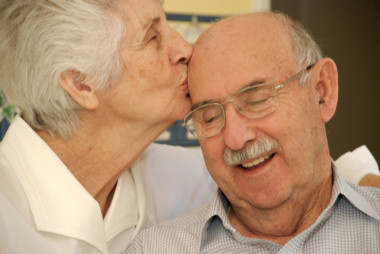
这对老夫妇很恩爱。


The old couple love each other very much .
Das alte Ehepaar liebt sich sehr 0
Đôi vợ chồng già rất yêu nhau .
夫妇 恩爱
Zhè duì lǎo fūfù hěn ēn'ài.
老夫婦はとても愛情深いです。
Rōfūfu wa totemo aijōbukaidesu.
노부부는 매우 다정합니다.
nobubuneun maeu dajeonghabnida.

(VI)
(ZH)
(JA)

1219


[EN] [DE] [NL] [ES] [FR] [IT] [TH] [VI] [ZH]

RANDOM
这是我的祖父母。


These are my grandfather and grandmother .
Das sind mein Großvater und meine Großmutter 0
Đây ông của tôi .
祖父母
Zhè shì wǒ de zǔfùmǔ.
これは私の祖父母です。
Kore wa watashi no sofubodesu.
제 조부모님입니다.
je jobumonim-ibnida.

(VI)
(ZH)
(JA)

1259


[EN] [DE] [NL] [ES] [FR] [IT] [TH] [VI] [ZH]

RANDOM
超市里水果的品种很丰富。


There is a tremendous variety of fruits in the supermarket .
Im Supermarkt gibt es eine enorme Auswahl an Früchten 0
rất nhiều loại trái cây trong siêu thị .
超市 水果 品种 丰富
Chāoshì lǐ shuǐguǒ de pǐnzhǒng hěn fēngfù.
スーパーマーケットにはたくさんの種類の果物があります。
Sūpāmāketto ni wa takusan no shurui no kudamono ga arimasu.
슈퍼마켓에는 많은 종류의 과일이 있습니다.
syupeomakes-eneun manh-eun jonglyuui gwail-i issseubnida.

(VI)
(ZH)
(JA)

1266


[EN] [DE] [NL] [ES] [FR] [IT] [TH] [VI] [ZH]

RANDOM
这道题很复杂。


This [math] problem is very complex .
Dieses [mathematische] Problem ist sehr komplex 0
Vấn đề [toán học] này rất phức tạp .
这道题 复杂
Zhè dào tí hěn fùzá.
この質問は非常に複雑です。
Kono shitsumon wa hijō ni fukuzatsudesu.
이 질문은 매우 복잡합니다.
i jilmun-eun maeu bogjabhabnida.

(VI)
(ZH)
(JA)

1405


[EN] [DE] [NL] [ES] [FR] [IT] [TH] [VI] [ZH]

RANDOM
帐单逾期不付要罚利息的。


Interest is charged as a penalty for overdue bills .
Zinsen werden als Strafe für überfällige Rechnungen berechnet 0
Lãi suất được tính như một khoản phạt cho các hóa đơn quá hạn .
帐单 逾期 不付 利息
Zhàngdān yúqī bù fù yào fá lìxī de.
請求が遅れた場合、利息は罰金になります。
Seikyū ga okureta baai, risoku wa bakkin ni narimasu.
청구서가 연체되면 이자가 부과됩니다.
cheong-guseoga yeonchedoemyeon ijaga bugwadoebnida.

(VI)
(ZH)
(JA)

1414


[EN] [DE] [NL] [ES] [FR] [IT] [TH] [VI] [ZH]

RANDOM
父母给予我极大的支持。


My parents have given me enormous support .
Meine Eltern haben mich enorm unterstützt 0
Cha mẹ tôi đã ủng hộ tôi rất nhiều .
父母 给予 极大 支持
Fùmǔ jǐyǔ wǒ jídà de zhīchí.
私の両親は私に大きな支援をしてくれました。
Watashi no ryōshin wa watashi ni ōkina shien o shite kuremashita.
부모님은 저에게 큰 도움을 주셨습니다.
bumonim-eun jeoege keun doum-eul jusyeossseubnida.

(VI)
(ZH)
(JA)

1436


[EN] [DE] [NL] [ES] [FR] [IT] [TH] [VI] [ZH]

RANDOM
她戴着一副手套。


She is wearing a pair of gloves .
Sie trägt ein Paar Handschuhe 0
ấy đang đeo một đôi găng tay .
一副 手套
Tā dàizhe yī fù shǒutào.
彼女は手袋をはめています。
Kanojo wa tebukuro o hamete imasu.
그녀는 한 켤레의 장갑을 끼고 있습니다.
geunyeoneun han kyeolle-ui jang-gab-eul kkigo issseubnida.

(VI)
(ZH)
(JA)

1467


[EN] [DE] [NL] [ES] [FR] [IT] [TH] [VI] [ZH]

RANDOM
祝您早日康复。


Get well soon !
Gute Besserung !
Sớm khỏe lại !
祝您 早日康复
Zhù nín zǎorì kāngfù.
早く良くなるように願っています。
Hayaku yoku naru yō ni negatte imasu.
빠른 쾌유를 빕니다.
ppaleun kwaeyuleul bibnida.

(VI)
(ZH)
(JA)

1517


[EN] [DE] [NL] [ES] [FR] [IT] [TH] [VI] [ZH]

RANDOM
她在查看邮箱的附件。


She is checking an attachment in her e-mail .
Sie überprüft einen Anhang in ihrer E-Mail 0
ấy đang kiểm tra tệp đính kèm trong e-mail của mình .
查看 邮箱 附件
Tā zài chákàn yóuxiāng de fùjiàn.
彼女はメールボックスの添付ファイルをチェックしています。
Kanojo wa mērubokkusu no tenpu fairu o chekku shite imasu.
그녀는 우편함에서 첨부 파일을 확인하고 있습니다.
geunyeoneun upyeonham-eseo cheombu pail-eul hwag-inhago issseubnida.

(VI)
(ZH)
(JA)

1539


[EN] [DE] [NL] [ES] [FR] [IT] [TH] [VI] [ZH]

RANDOM
附近有一家咖啡馆。


There is a café nearby .
In der Nähe gibt es ein Café 0
một quán phê gần đó .
附近 一家 咖啡馆
Fùjìn yǒu yī jiā kāfēiguǎn.
近くにカフェがあります。
Chikaku ni kafe ga arimasu.
근처에 카페가 있습니다.
geuncheoe kapega issseubnida.

(VI)
(ZH)
(JA)

1540


[EN] [DE] [NL] [ES] [FR] [IT] [TH] [VI] [ZH]

RANDOM
我继承了父亲的遗产。


I inherited property from my father .
Ich habe das Vermögen meines Vaters geerbt 0
Tôi được thừa kế tài sản từ cha tôi .
继承 父亲 遗产
Wǒ jìchéng le fùqin de yíchǎn.
私は父の財産を相続しました。
Watashi wa chichi no zaisan o sōzoku shimashita.
아버지의 재산을 상속받았습니다.
abeojiui jaesan-eul sangsogbad-assseubnida.

(VI)
(ZH)
(JA)

1602


[EN] [DE] [NL] [ES] [FR] [IT] [TH] [VI] [ZH]

RANDOM
他戴着一副眼镜。


He is wearing a pair of glasses .
Er trägt eine Brille 0
Anh ấy đang đeo một cặp kính .
一副 眼镜
Tā dàizhe yī fù yǎnjìng.
彼は眼鏡をかけている。
Kare wa megane o kakete iru.
그는 안경을 쓰고 있습니다.
geuneun angyeong-eul sseugo issseubnida.

(VI)
(ZH)
(JA)

1669


[EN] [DE] [NL] [ES] [FR] [IT] [TH] [VI] [ZH]

RANDOM
孩子毕业了,父母感到很欣喜。


The child has graduated , and his parents are pleased .
Das Kind hat seinen Abschluss gemacht und seine Eltern freuen sich 0
Đứa trẻ đã tốt nghiệp , cha mẹ của hài lòng .
孩子 毕业 , 父母 感到 欣喜
Háizi bìyè le, fùmǔ gǎndào hěn xīnxǐ.
両親は子供が卒業したことをとても喜んでいます。
Ryōshin wa kodomo ga sotsugyō shita koto o totemo yorokonde imasu.
부모는 아이가 졸업한 것을 매우 기쁘게 생각합니다.
bumoneun aiga jol-eobhan geos-eul maeu gippeuge saeng-gaghabnida.

(VI)
(ZH)
(JA)

1738


[EN] [DE] [NL] [ES] [FR] [IT] [TH] [VI] [ZH]

RANDOM
他背负着沉重的房屋贷款。


He has a home mortgage loan that is a heavy burden .
Er ist mit einer schweren Hypothek belastet 0
Anh ta một khoản vay thế chấp nhà một gánh nặng .
背负着 沉重 房屋贷款
Tā bēifùzhe chénzhòng de fángwū dàikuǎn.
彼は重い住宅ローンを抱えています。
Kare wa omoi jūtaku rōn o kakaete imasu.
그는 무거운 담보 대출을 짊어지고 있습니다.
geuneun mugeoun dambo daechul-eul jilm-eojigo issseubnida.

(VI)
(ZH)
(JA)

1787


[EN] [DE] [NL] [ES] [FR] [IT] [TH] [VI] [ZH]

RANDOM
他向父亲反省了自己的错误。


He told his father of his remorse for his mistakes .
Er erzählte seinem Vater von seiner Reue für seine Fehler 0
Anh nói với cha mình về sự hối hận những sai lầm của mình .
父亲 反省 自己 错误
Tā xiàng fùqin fǎnxǐngle zìjǐ de cuòwù.
彼は自分の過ちを父親に振り返った。
Kare wa jibun no ayamachi o chichioya ni furikaetta.
그는 아버지에 대한 자신의 실수를 반성했습니다.
geuneun abeojie daehan jasin-ui silsuleul banseonghaessseubnida.

(VI)
(ZH)
(JA)

1813


[EN] [DE] [NL] [ES] [FR] [IT] [TH] [VI] [ZH]

RANDOM
她支付了汽车的租金。


She paid the rent for her car .
Sie bezahlte die Miete für ihr Auto 0
ấy đã trả tiền thuê xe hơi của mình .
支付 汽车 租金
Tā zhīfùle qìchē de zūjīn.
彼女は車の家賃を払った。
Kanojo wa kuruma no yachin o haratta.
그녀는 차 렌트비를 지불했습니다.
geunyeoneun cha lenteubileul jibulhaessseubnida.

(VI)
(ZH)
(JA)

1951


[EN] [DE] [NL] [ES] [FR] [IT] [TH] [VI] [ZH]

RANDOM
他的身体恢复得很好。


He is recovering very well .
Er erholt sich sehr gut 0
Anh ấy đang hồi phục rất tốt .
身体 恢复
Tā de shēntǐ huīfù de hěn hǎo.
彼の体はよく回復しています。
Kare no karada wa yoku kaifuku shite imasu.
그의 몸은 잘 회복되고 있다.
geuui mom-eun jal hoebogdoego issda.

(VI)
(ZH)
(JA)

2059


[EN] [DE] [NL] [ES] [FR] [IT] [TH] [VI] [ZH]

RANDOM
父母允诺带我们去野餐。


My parents have promised to take us on a picnic .
Meine Eltern haben versprochen , uns zu einem Picknick mitzunehmen 0
Bố mẹ tôi đã hứa sẽ đưa chúng tôi đi ngoại .
父母 允诺 我们 野餐
Fùmǔ yǔnnuò dài wǒmen qù yěcān.
両親は私たちをピクニックに連れて行くと約束しました。
Ryōshin wa watashitachi o pikunikku ni tsureteiku to yakusoku shimashita.
부모님은 우리를 소풍에 데려가겠다고 약속하셨습니다.
bumonim-eun ulileul sopung-e delyeogagessdago yagsoghasyeossseubnida.

(VI)
(ZH)
(JA)

2069


[EN] [DE] [NL] [ES] [FR] [IT] [TH] [VI] [ZH]

RANDOM
孕妇要常到户外走走。


Pregnant women should often take walks outside .
Schwangere sollten oft draußen spazieren gehen 0
Phụ nữ mang thai nên thường xuyên đi dạo bên ngoài .
孕妇 要常到 户外 走走
Yùnfù yào cháng dào hùwài zǒuzou.
妊娠中の女性はしばしば屋外に行くべきです。
Ninshin-chū no josei wa shibashiba okugai ni ikubekidesu.
임산부는 야외 활동을 자주 해야 합니다.
imsanbuneun yaoe hwaldong-eul jaju haeya habnida.

(VI)
(ZH)
(JA)

2128


[EN] [DE] [NL] [ES] [FR] [IT] [TH] [VI] [ZH]

RANDOM
中国人称呼自己的父母为爹娘。


The Chinese call their father and mother Diē and Niáng .
Die Chinesen nennen ihren Vater und ihre Mutter Diē und Niáng 0
Người Trung Quốc gọi cha mẹ của họ Diē Niáng .
中国 称呼 自己 父母 爹娘
Zhōngguórén chēnghu zìjǐ de fùmǔ wéi diēniáng.
中国人は両親を"Diē" と"Niáng"と呼んでいます。
Chūgokujin wa ryōshin o" Diē" to" Niáng" to yonde imasu.
중국인들은 부모를 아버지, 어머니라고 부른다.
jung-gug-indeul-eun bumoleul abeoji, eomeonilago buleunda.

(VI)
(ZH)
(JA)

2147


[EN] [DE] [NL] [ES] [FR] [IT] [TH] [VI] [ZH]

RANDOM
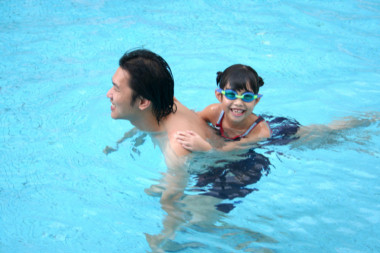
伯父教我学游泳。


My uncle is teaching me to swim .
Mein Onkel bringt mir das Schwimmen bei 0
Chú tôi đang dạy tôi bơi 0
伯父 我学 游泳
Bófù jiāo wǒ xué yóuyǒng.
おじは私に泳ぎ方を教えてくれます。
Oji wa watashi ni oyogikata o oshiete kuremasu.
삼촌은 나에게 수영하는 법을 가르쳐 주었다.
samchon-eun na-ege suyeonghaneun beob-eul galeuchyeo jueossda.

(VI)
(ZH)
(JA)

2175


[EN] [DE] [NL] [ES] [FR] [IT] [TH] [VI] [ZH]

RANDOM
她准备赴约。


She is ready to go to her appointment .
Sie ist bereit , zu ihrem Termin zu gehen 0
ấy đã sẵn sàng để đi đến cuộc hẹn của mình .
准备 赴约
Tā zhǔnbèi fùyuē.
彼女は約束に行きます。
Kanojo wa yakusoku ni ikimasu.
그녀는 약속 장소에 갈 것입니다.
geunyeoneun yagsog jangso-e gal geos-ibnida.

(VI)
(ZH)
(JA)

2293


[EN] [DE] [NL] [ES] [FR] [IT] [TH] [VI] [ZH]

RANDOM
孩子很依赖父母。


Children are very dependent on their parents .
Kinder sind sehr abhängig von ihren Eltern 0
Con cái rất phụ thuộc vào cha mẹ .
孩子 依赖 父母
Háizi hěn yīlài fùmǔ.
子供たちは両親に非常に依存しています。
Kodomo-tachi wa ryōshin ni hijō ni izon shite imasu.
아이들은 부모에게 매우 의존적입니다.
aideul-eun bumo-ege maeu uijonjeog-ibnida.

(VI)
(ZH)
(JA)

2324


[EN] [DE] [NL] [ES] [FR] [IT] [TH] [VI] [ZH]

RANDOM
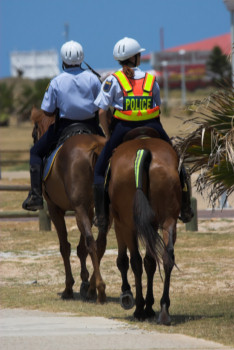
警察在附近巡逻。


The police are patrolling the neighborhood .
Die Polizei patrouilliert in der Nachbarschaft 0
Cảnh sát đang tuần tra khu vực lân cận .
警察 附近 巡逻
Jǐngchá zài fùjìn xúnluó.
警察は近所をパトロールしています。
Keisatsu wa kinjo o patorōru shite imasu.
경찰이 동네를 순찰하고 있다.
gyeongchal-i dongneleul sunchalhago issda.

(VI)
(ZH)
(JA)

2432


[EN] [DE] [NL] [ES] [FR] [IT] [TH] [VI] [ZH]

RANDOM
父母都疼爱自己的孩子。


All parents love their children .
Alle Eltern lieben ihre Kinder 0
Tất cả các bậc cha mẹ đều yêu thương con cái của họ .
父母 疼爱 自己 孩子
Fùmǔ dōu téng'ài zìjǐ de háizi.
親は子供が大好きです。
Oya wa kodomo ga daisukidesu.
부모는 자녀를 사랑합니다.
bumoneun janyeoleul salanghabnida.

(VI)
(ZH)
(JA)

2452


[EN] [DE] [NL] [ES] [FR] [IT] [TH] [VI] [ZH]

RANDOM
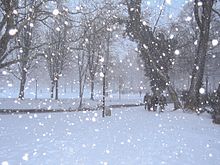
大雪覆盖着大地。


Heavy snow covered the ground .
Der Schnee bedeckt die Erde 0
Tuyết rơi dày đặc mặt đất 0
大雪 覆盖 大地
Dàxuě fùgàizhe dàdì.
大雪が地球を覆った。
Taisetsu ga chikyū o ōtta.
폭설이 지구를 덮었습니다.
pogseol-i jiguleul deop-eossseubnida.

(VI)
(ZH)
(JA)

2607


[EN] [DE] [NL] [ES] [FR] [IT] [TH] [VI] [ZH]

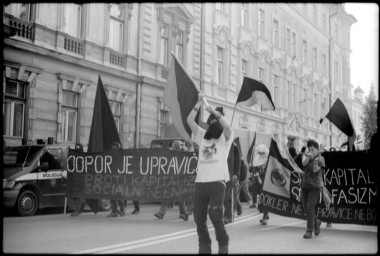
RANDOM
他想要颠覆政府。


He wants to overthrow the government
Er will die Regierung stürzen 0
Anh ta muốn lật đổ chính phủ .
想要 颠覆 政府
Tā xiǎngyào diānfù zhèngfǔ.
彼は政府を破壊したいと思っています。
Kare wa seifu o hakai shitai to omotte imasu.
그는 정부를 전복시키려 합니다.
geuneun jeongbuleul jeonbogsikilyeo habnida.

(VI)
(ZH)
(JA)

2608


[EN] [DE] [NL] [ES] [FR] [IT] [TH] [VI] [ZH]

RANDOM
父母为他的成功感到骄傲。


His parents are proud of his success .
Seine Eltern sind stolz auf seinen Erfolg 0
Cha mẹ cua anh ấy tự hào về thành công của anh ấy .
父母 成功 感到 骄傲
Fùmǔ wèi tā de chénggōng gǎndào jiāo'ào.
彼の両親は彼の成功を誇りに思っています。
Kare no ryōshin wa kare no seikō o hokori ni omotte imasu.
그의 부모는 그의 성공을 자랑스러워합니다.
geuui bumoneun geuui seong-gong-eul jalangseuleowohabnida.

(VI)
(ZH)
(JA)

2711


[EN] [DE] [NL] [ES] [FR] [IT] [TH] [VI] [ZH]

RANDOM
儿女应该孝敬父母。


Children should show respect to their parents .
Kinder sollten ihren Eltern gegenüber Respekt zeigen 0
Con cái nên hiếu kính cha mẹ .
儿女 应该 孝敬父母
Érnǚ yīnggāi xiàojìng fùmǔ.
子供は両親を尊重する必要があります。
Kodomo wa ryōshin o sonchō suru hitsuyō ga arimasu.
자녀는 부모를 공경해야 합니다.
janyeoneun bumoleul gong-gyeonghaeya habnida.

(VI)
(ZH)
(JA)

2768


[EN] [DE] [NL] [ES] [FR] [IT] [TH] [VI] [ZH]

RANDOM
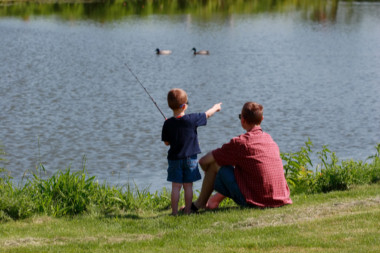
父子俩在河堤上休息。


The father and his son are resting on the river bank .
Vater und Sohn ruhen sich am Flussufer aus 0
Hai bố con nằm nghỉ bên bờ sông .
父子俩 河堤 休息
Fù-zǐ liǎ zài hédī shàng xiūxi.
父と息子は川岸で休んでいます。
Chichi to musuko wa kawagishi de yasunde imasu.
아버지와 아들은 제방에서 쉬고 있었습니다.
abeojiwa adeul-eun jebang-eseo swigo iss-eossseubnida.

(VI)
(ZH)
(JA)

2853


[EN] [DE] [NL] [ES] [FR] [IT] [TH] [VI] [ZH]

RANDOM
抚养子女是父母的职责。


Raising children is the responsibility of parents .
Kindererziehung liegt in der Verantwortung der Eltern 0
Nuôi dạy con cái trách nhiệm của cha mẹ .
抚养 子女 父母 职责
Fǔyǎng zǐnǚ shì fùmǔ de zhízé.
子育ては親の責任です。
Kosodate wa oya no sekinindesu.
자녀를 양육하는 것은 부모의 책임입니다.
janyeoleul yang-yughaneun geos-eun bumoui chaeg-im-ibnida.

(VI)
(ZH)
(JA)

2893


[EN] [DE] [NL] [ES] [FR] [IT] [TH] [VI] [ZH]

RANDOM
我去柜台付款。


I am going to the counter to pay .
Ich gehe zum Schalter , um zu bezahlen 0
Tôi đến quầy thanh toán .
柜台 付款
Wǒ qù guìtái fùkuǎn.
カウンターでお支払いします。
Kauntā de o shiharai shimasu.
카운터에서 지불하겠습니다.
kaunteoeseo jibulhagessseubnida.

(VI)
(ZH)
(JA)

2899


[EN] [DE] [NL] [ES] [FR] [IT] [TH] [VI] [ZH]

RANDOM
公司赋予他很大的权力。


The company has given him a lot of power .
Das Unternehmen hat ihm sehr viel Macht gegeben 0
Công ty đã trao cho anh ta rất nhiều quyền lực .
公司 赋予 很大 权力
Gōngsī fùyǔ tā hěn dà de quánlì.
会社は彼に多くの力を与えた。
Kaisha wa kare ni ōku no chikara o ataeta.
회사는 그에게 많은 권한을 주었다.
hoesaneun geuege manh-eun gwonhan-eul jueossda.

(VI)
(ZH)
(JA)

2964


[EN] [DE] [NL] [ES] [FR] [IT] [TH] [VI] [ZH]

RANDOM
她家境富裕。


Her family is rich .
Ihre Familie ist reich 0
Gia đình ấy giàu 0
家境 富裕
Tā jiājìng fùyù.
彼女には裕福な家族がいます。
Kanojo ni wa yūfukuna kazoku ga imasu.
그녀의 가족은 부자입니다.
geunyeoui gajog-eun bujaibnida.

(VI)
(ZH)
(JA)

3003


[EN] [DE] [NL] [ES] [FR] [IT] [TH] [VI] [ZH]

RANDOM
她是我的媳妇。


She is my wife .
Sie ist meine Frau 0
ấy vợ tôi .
媳妇
Tā shì wǒ de xífù.
彼女は私の義理の娘です。
Kanojo wa watashi no giri no musumedesu.
그녀는 내 며느리입니다.
geunyeoneun nae myeoneuliibnida.

(VI)
(ZH)
(JA)

3038


[EN] [DE] [NL] [ES] [FR] [IT] [TH] [VI] [ZH]

RANDOM
她缴付了欠款。


She paid the money she owed .
Sie bezahlte das Geld , das sie schuldete 0
ấy đã trả số tiền ấy còn nợ .
缴付 欠款
Tā jiǎofùle qiànkuǎn.
彼女は借金を返済した。
Kanojo wa shakkin o hensai shita.
그녀는 빚을 갚았다.
geunyeoneun bij-eul gap-assda.

(VI)
(ZH)
(JA)

3055


[EN] [DE] [NL] [ES] [FR] [IT] [TH] [VI] [ZH]

RANDOM
父亲嘱咐孩子要注意安全。


The father tells his child to be careful .
Der Vater fordert sein Kind auf , vorsichtig zu sein 0
Người cha dặn con mình phải cẩn thận .
父亲 嘱咐 孩子 注意安全
Fùqin zhǔfù háizi yào zhùyì ānquán.
父親は子供に注意するように言います。
Chichioya wa kodomo ni chūi suru yō ni iimasu.
아버지는 아이들에게 안전에 주의하라고 말했습니다.
abeojineun aideul-ege anjeon-e juuihalago malhaessseubnida.

(VI)
(ZH)
(JA)

3072


[EN] [DE] [NL] [ES] [FR] [IT] [TH] [VI] [ZH]

RANDOM
孩子受到父母的庇护。


Children are protected by their parents .
Kinder werden von ihren Eltern geschützt 0
Trẻ em được cha mẹ bảo vệ .
孩子 受到 父母 庇护
Háizi shòudào fùmǔ de bìhù.
子供は両親に守られています。
Kodomo wa ryōshin ni mamora rete imasu.
아이들은 부모의 보호를 받습니다.
aideul-eun bumoui boholeul badseubnida.

(VI)
(ZH)
(JA)

3132


[EN] [DE] [NL] [ES] [FR] [IT] [TH] [VI] [ZH]

RANDOM
新郎新娘和岳父母合影。


The bride and groom are having a picture taken with the parents of the bride .
Braut und Bräutigam lassen sich mit den Eltern der Braut fotografieren 0
dâu chú rể nhí nhảnh chụp ảnh kỷ niệm cùng bố mẹ dâu .
新郎新娘 岳父母 合影
Xīnláng xīnniáng hé yuèfùmǔ héyǐng.
新郎新婦は義理の両親と一緒に写真を撮ります。
Shinrō shinpu wa giri no ryōshin to issho ni shashin o torimasu.
신랑 신부가 시부모님과 함께 사진을 찍고 있습니다.
sinlang sinbuga sibumonimgwa hamkke sajin-eul jjiggo issseubnida.

(VI)
(ZH)
(JA)

3179


[EN] [DE] [NL] [ES] [FR] [IT] [TH] [VI] [ZH]

RANDOM
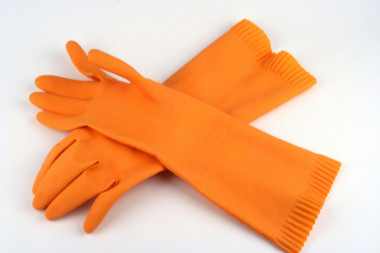
这里有一副橡胶手套。


There is a pair of rubber gloves here .
Hier gibt es ein Paar Gummihandschuhe 0
một đôi găng tay cao su đây .
一副 橡胶 手套
Zhèli yǒu yī fù xiàngjiāo shǒutào.
こちらがゴム手袋です。
Kochira ga gomu tebukurodesu.
여기 고무장갑 한 켤레가 있습니다.
yeogi gomujang-gab han kyeollega issseubnida.

(VI)
(ZH)
(JA)

3237


[EN] [DE] [NL] [ES] [FR] [IT] [TH] [VI] [ZH]

RANDOM
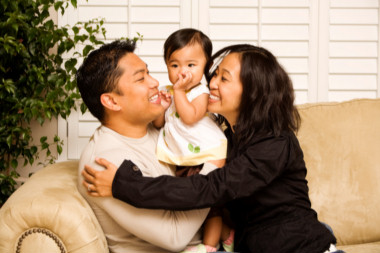
父母把孩子揽在怀里。


The parents are holding their children in their arms .
Die Eltern halten ihre Kinder in den Armen 0
Các bậc cha mẹ đang ôm con của họ trong vòng tay của họ .
父母 孩子 怀
Fùmǔ bǎ háizi lǎn zài huái lǐ.
両親は子供たちを腕に抱いています。
Ryōshin wa kodomo-tachi o ude ni daite imasu.
부모는 아이들을 품에 안았다.
bumoneun aideul-eul pum-e an-assda.

(VI)
(ZH)
(JA)

3371


[EN] [DE] [NL] [ES] [FR] [IT] [TH] [VI] [ZH]

RANDOM
他很体恤自己的父亲。


He feels for his father very much .
Er fühlt sehr viel für seinen Vater 0
Anh ấy dành tình cảm cho cha mình rất nhiều .
体恤 自己 父亲
Tā hěn tǐxù zìjǐ de fùqin.
彼は父親に同情している。
Kare wa chichioya ni dōjō shite iru.
그는 그의 아버지에게 동정적이다.
geuneun geuui abeojiege dongjeongjeog-ida.

(VI)
(ZH)
(JA)

3451


[EN] [DE] [NL] [ES] [FR] [IT] [TH] [VI] [ZH]

RANDOM
今天的菜肴很丰富。


Today there is a huge assortment of dishes .
Heute gibt es eine riesige Auswahl an Gerichten 0
Ngày nay rất nhiều loại món ăn .
今天 菜肴 丰富
Jīntiān de càiyáo hěn fēngfù.
今日の料理はとても豊富です。
Kyō no ryōri wa totemo hōfudesu.
오늘의 요리는 매우 풍부합니다.
oneul-ui yolineun maeu pungbuhabnida.

(VI)
(ZH)
(JA)

3458


[EN] [DE] [NL] [ES] [FR] [IT] [TH] [VI] [ZH]

RANDOM
皇帝女儿的丈夫叫驸马。


The husband of the emperor' s daughter is called fuma .
Der Ehemann der Kaisertochter heißt Fuma 0
Chồng của con gái hoàng đế được gọi fuma .
皇帝 女儿 丈夫 驸马
Huángdì nǚ'ér de zhàngfu jiào fùmǎ.
天皇の娘の夫は「風魔」と呼ばれる。
Tennō no musume no otto wa " kaze/fū ma" to yobareru.
황제의 딸의 남편은 "후마"라고 불립니다.
hwangje-ui ttal-ui nampyeon-eun "huma"lago bullibnida.

(VI)
(ZH)
(JA)

3466


[EN] [DE] [NL] [ES] [FR] [IT] [TH] [VI] [ZH]

RANDOM
她赡养父母。


She supports her parents [financially] .
Sie unterstützt ihre Eltern [finanziell] 0
ấy hỗ trợ cha mẹ mình [về mặt tài chính] .
赡养父母
Tā shànyǎng fùmǔ.
彼女は両親を支えています。
Kanojo wa ryōshin o sasaete imasu.
그녀는 부모님을 지원합니다.
geunyeoneun bumonim-eul jiwonhabnida.

(VI)
(ZH)
(JA)

3482


[EN] [DE] [NL] [ES] [FR] [IT] [TH] [VI] [ZH]