| HSK 3.0 | Big5 | Gb | Pin | Eng |
|---|
| 1 | 幫忙 | 帮忙 | bāng máng | assist, aid, smile, lend a hand, do a favour, help, oblige, give a hand, do favor, do a good turn
|
| 1 | 別 | 别 | bié | don't
|
| 1 | 不客氣 | 不客气 | bù kèqì | you're welcome, don't mention it, impolite, rude, blunt
|
| 1 | 不 | 不 | bù | non, do not, no, nowise, not, nope, nae, no more, nix
|
| 1 | 打 | 打 | dǎ | generalized verb of doing with specific meaning determined by its object, strike, hit, fight, construct, forge, mix
|
| 1 | 打開 | 打开 | dǎ kāi | unscrew, undo, break_out, open up, unbar, unpack, unwind, shoot, turn, switch_on, open, switch on, unroll, turn/switch on, unclose, straighten, unfold, crack, unwrap, ope, turn_on, turn on, chop
|
| 1 | 對不起 | 对不起 | duìbuqǐ | be unfair to, I'm sorry, let ... down, let sb. down, excuse me
|
| 1 | 幹 | 干 | gàn | do, work, fight
|
| 1 | 幹什麼 | 干什么 | gànshénme | do something
|
| 1 | 關 | 关 | guān | shut, close, turn off, lock up, close down
|
| 1 | 關上 | 关上 | guānshàng | to close (a door), to turn off (light, electrical equipment etc)
|
| 1 | 記 | 记 | jì | write down, record
|
| 1 | 看病 | 看病 | kàn bìng | to visit a doctor, to see a patient
|
| 1 | 樓下 | 楼下 | lóuxià | downstairs
|
| 1 | 買 | 买 | mǎi | pick up, invest, hire, buy, purchase, put_down, trade, get
|
| 1 | 慢 | 慢 | màn | tardy, rude, slow down, slow, slow up, retard, lose, defer, supercilious, postpone, decelerate
|
| 1 | 毛 | 毛 | máo | Mao, wool, bristle, nap, pilus, down, feather, mold, mildew, Surname, hair, 1 1 0 th yuan, 1 0 th yuan, dime, silk, cent, fur, marking
|
| 1 | 沒關係 | 没关系 | méiguānxi | it doesn't matter, never mind
|
| 1 | 沒什麼 | 没什么 | méishénme | nothing, it doesn't matter, it's nothing, never mind
|
| 1 | 門 | 门 | mén | door, gate
|
| 1 | 門口 | 门口 | ménkǒu | porch, portal, doorway, gateway, threshold, room access, door, entering, entrance
|
| 1 | 明白 | 明白 | míngbai | clarify, downright, recognize, agnize, tumble, follow, make out, catch, understand, discern, think, know, seize, agnise, twig, realize, get, realization
|
| 1 | 男人 | 男人 | nánren | male, man, chap, mankind, buck, bastard, gentleman, jack, gent, men, blighter, cuss, hombre, lad, adult male, groom, husband, bimbo, dog, fellow, mon, menfolk, fella
|
| 1 | 跑 | 跑 | pǎo | travel, race, be away, escape, course, run errands, skirr, double, walk, be away/off, run away, be off, run about doing sth., run, drive, paw the earth, run about doing ..., ride, leg
|
| 1 | 女人 | 女人 | nǚren | jade, crumpet, female, female person, Gill, bitch, chick, fair, squaw, womenfolk, adult female, doll, momma, wench, skirt, womankind, girl, jill, wife, broad, petticoat, sister, woman, bimbo, bird, jane, she, hen, hairpin, dame, women
|
| 1 | 上網 | 上网 | shàng wǎng | to go online, to connect to the Internet, (of a document etc) to be uploaded to the Internet, (tennis, volleyball etc) to move in close to the net
|
| 1 | 生病 | 生病 | shēng bìng | come down, ail, fall ill, traik, sick, sicken
|
| 1 | 書 | 书 | shū | volume, document, style of calligraphy, book, script, letter
|
| 1 | 睡覺 | 睡觉 | shuì jiào | turn_in, log Z's, doss, slumber, catch some Z's, go to bed, sleep, doss down, crash, go_to_sleep, hit_the_sack, kip
|
| 1 | 先生 | 先生 | xiānsheng | doctor of Chinese medicine, Don, mulla, Ms., sir., teacher, gentleman, gospodin, Signor, signor, fortune-teller, babu, baboo, Herr, Mister, bey, mister, bwana, husband, siree, buckra, sirrah, senor, guv, sahib, Mr., rabbi, don, signore, Dan, sir, m'sieur, effendi, Tuan, baas, Monsieur, lording, monsieur, doctor, Mr, milord, Mynheer, signior, esquire, bookkeeper, Senor, rabboni, Senhor, sieur, sen
|
| 1 | 想 | 想 | xiǎng | think, suppose, reckon, consider, want to, would like to, feel like (doing sth.)
|
| 1 | 小姐 | 小姐 | xiǎojiě | Signorina, Senorita, senorita, signorina, young_lady, damosel, Dona, mum, young lady, damoiselle, missy, tootsy, demoiselle, damsel, Miss, Fraulein, miss, sheila, sister, toots, senhorita, damozel, Ladyship, ladyship, Mademoiselle, mademoiselle
|
| 1 | 休息 | 休息 | xiūxi | repose, have, lie dormant, respire, take time off, have a rest, take a rest, take off, relax, take_time_off, have/take a rest, rest
|
| 1 | 醫生 | 医生 | yīshēng | Galen, MD, physician, Dr., medic, doc, hakeem, medico, Aesculapius, medical man, surgeon, leech, doctor
|
| 1 | 一下兒 | 一下儿 | yīxiàr | (used after a verb) give it a go, to do (sth for a bit to give it a try), one time, once, in a while, all of a sudden, all at once, erhua variant of 一下[yi1 xia4]
|
| 1 | 再 | 再 | zài | again, once more, further(more), in a higher degree, and then, not (do sth.) before
|
| 1 | 找到 | 找到 | zhǎodào | light upon, find, discover, run_down, founded, regain, strike, come upon, come across, run down, trace, turn_up, happen upon, get, chance on, chance upon
|
| 1 | 坐下 | 坐下 | zuòxià | subside, sit, sit down, sink, sit_down
|
| 1 | 做 | 做 | zuò | make, do
|
| 2 | 安靜 | 安静 | ānjìng | lull, quieten, quiesce, dummy, quiet down, quiet, hush, pipe down, peaceful
|
| 2 | 辦 | 办 | bàn | punish (by law), manage, get ... ready, set_up, buy a fair amount of, set up, run, management, handle, tackle, attend to, do, punish, bring ... to justice
|
| 2 | 不要 | 不要 | bùyào | never, noway, don't want, don't (do sth.)
|
| 2 | 不行 | 不行 | bù xíng | won't do, be out of the question, be no good, not work, not be capable
|
| 2 | 草地 | 草地 | cǎodì | lawn, meadow, sod, turf, CL:片[pian4]
|
| 2 | 成績 | 成绩 | chéngjì | execution, carrying into action, achievement, result, showing, carrying out, performance, grade, success, doing, batting average
|
| 2 | 大門 | 大门 | dàmén | barndoor, portal, main entrance, front_door, gate, door, entry, main door/gate, front door, main entrance/door/gate, entrance
|
| 2 | 帶來 | 带来 | dài lái | bring, redound, impart, bring_on, bring on, express, fetch, lend, convey, contribute, bring about, bestow, carry, bring oneself, add, usher, incur, land
|
| 2 | 低 | 低 | dī | let droop, hang down, lower
|
| 2 | 東方 | 东方 | dōngfāng | oriental, dawning, northeast, eastward, E, Orient, orient, orientation, the Orient, Surname, sunrise, eastern, eastern hemisphere, Dongfang, due east, East, the East, east, the east
|
| 2 | 方法 | 方法 | fāngfǎ | know-how, plan, attack, system, stepping-stone, manner, method, gateway, idea, measure, way, guise, key, wise, quomodo, plan of attack, tack, machinery, process, avenue, modus, how, means, channel, gate, approach, agency, gamesmanship, mode, medium, sort
|
| 2 | 放下 | 放下 | fàngxià | set_down, set down, lay/put down, lay, lower, lay_down, draw, lay down, dismount, put_down, plank, drop_away, deposit, digress, drop_off, depose, put down, place down
|
| 2 | 狗 | 狗 | gǒu | dog
|
| 2 | 壞人 | 坏人 | huàirén | hellion, bad person, scoundrel, badman, baddie, villain, malefactor, evildoer
|
| 2 | 家庭 | 家庭 | jiātíng | hearthstone, background, fireside, establishment, household, hearth, domestic, hearthside, menage, home, family unit, family, house
|
| 2 | 件 | 件 | jiàn | correspondence, paper, document, bit, m.[general], , single item, letter, piece
|
| 2 | 教師 | 教师 | jiàoshī | beak, don, school teacher, schoolman, teacher, schoolmaster, preceptor, professor, pedagogue, schoolteacher, coach, master, instructor, educator, preceptorship
|
| 2 | 接受 | 接受 | jiēshòu | receive (honors, have, receive, acknowledge, sweep up, espouse, etc.), come to grips, adopt, embrace, greet, welcome, hook on, seize on, take up, accede, taken, entertain, latch on, buy, fasten on, swallow, imbibe, accept, receive (honors/etc.), undergo, get to grips, take, adapt, acceptance, thole
|
| 2 | 快點兒 | 快点儿 | kuàidiǎnr5 | to do sth more quickly, erhua variant of 快點|快点[kuai4 dian3]
|
| 2 | 明星 | 明星 | míngxīng | headliner, lucida, (movie/etc.) star, impersonator, (movie, famous performer, stardom, Venus, star, etc.) star, movie_star
|
| 2 | 弄 | 弄 | nòng | play with, make, do, handle, engage in, obtain, get, fetch, play tricks
|
| 2 | 青少年 | 青少年 | qīngshàonián | adolescent, stilyaga, teens, young person, teenager, teenagers, young people and teenagers, youths, youth, stripling, hobbledehoy, youngsters, younker
|
| 2 | 青年 | 青年 | qīngnián | young people, adolescent, youngster, springal, boy, youth, youths, stripling, young, hobbledehoy, younker
|
| 2 | 取 | 取 | qǔ | have, withdraw, choose, assume, take away, adopt, assumption, select, draw_out, withdrawal, obtain, remove, take, fetch, get, aim at, pick_up, sponge, adoption
|
| 2 | 讓 | 让 | ràng | allow, induce sb. to do sth.
|
| 2 | 入口 | 入口 | rù kǒu | adit, window, gateway, propylaeum, entranceway, entree, entrance, portal, in door, threshold, inlet, approach, door, entry, entering, access, entryway, intake, ingress
|
| 2 | 少年 | 少年 | shàonián | nipper, covey, early youth (10-16), juvenility, adolescent, youngster, teens, gossoon, boy, boy or girl of early youth, spalpeen, juvenile, callan, callant, shaver, lad, laddie, juvenile person, teenager, stripling, young boy, early youth, younker
|
| 2 | 實習 | 实习 | shíxí | practice, do fieldwork
|
| 2 | 省 | 省 | shěng | to save, to economize, to do without, to omit, to leave out, province, CL:個|个[ge4], to inspect, to examine, to be aware, to pay a visit (to one's parents or elders)
|
| 2 | 熟 | 熟 | shú | ripe, cooked, done, deep (sleep, thoughts, etc.)
|
| 2 | 隨便 | 随便 | suí biàn | informal, willful, do as one pleases, wanton, casual, random, careless
|
| 2 | 太太 | 太太 | tàitai | lady, memsahib, Dona, dona, Mrs, mum, Senora, senora, Mrs., mistress of a household, madam, Frau, goodwife, missus, senhora, married woman, wife, vrouw, Madame, madame, missis, wahine, Signora, signora
|
| 2 | 通過 | 通过 | tōngguò | adopt, pass, carry (motion/legislation)
|
| 2 | 西醫 | 西医 | xīyī | Western medicine, a doctor trained in Western medicine
|
| 2 | 行為 | 行为 | xíngwéi | fact, demeanor, form, deportment, dealing, behavior, doings, course, act, point, goings-on, demeanour, procedure, lapse, going, bearing, turn, behaviour, activity, ongoing, thing, human action, conduct, commitment, human activity, behavioral, agency, deed, comportment, action
|
| 2 | 許多 | 许多 | xǔduō | lot, scores, lots, sight, pot, heap, quantity, plenty, slews, ton, battalion, many, scads, tidy sum, power, spate, chunk, pile, crowd, vastness, batch, lashings, whole lot, mint, mound, pocketful, large number, trunkful, ream, mickle, great deal, flock, mass, slew, heaps, a lot of, piles, whole slew, mess, raff, slue, gobs, much, lotta, multitude, volume, wad, store, raft, tons, satiety, rafts, doze
|
| 2 | 也許 | 也许 | yěxǔ | possibly, peradventure, conceivably, assumedly, mayhap, doubtless, ablings, perhaps, perchance, potentially, probably, maybe, presumably, ablins, just
|
| 2 | 怎麼辦 | 怎么办 | zěnmebàn | what should someone do?
|
| 2 | 只能 | 只能 | zhǐnéng | can only, obliged to do sth, to have no other choice
|
| 2 | 中醫 | 中医 | zhōngyī | trad. Ch. medicine, doctor of trad. Ch. medicine
|
| 2 | 做法 | 做法 | zuòfa | way of doing sth., modus_operandi, practice, manner, method, making sth., way of making sth., shtick, way, way of doing, way of doing/making sth., personal manner
|
| 2 | 做飯 | 做饭 | zuò fàn | do the cooking, prepare a meal, prepare meal
|
| 3 | 板 | 板 | bǎn | see 老闆|老板, boss, to catch sight of in a doorway (old)
|
| 3 | 表面 | 表面 | biǎomiàn | crust, superficial, facing, show, exterior, obverse, rind, face, superficies, top, outside, appearance, facade, surface, bosom, window dressing
|
| 3 | 採取 | 采取 | cǎiqǔ | operate, assume, adopt, accept, strike, take, take up, take over, borrow
|
| 3 | 採用 | 采用 | cǎiyòng | invoke, admit, assume, adoptive, use, adopt, select for use, embrace, accept, employment, take, introduce, take up, take_on, take over, take on, borrow, employ, adoption
|
| 3 | 傳 | 传 | chuán | pass (on), hand down, impart, teach, spread, transmit
|
| 3 | 創業 | 创业 | chuàngyè | start undertaking, do pioneering work
|
| 3 | 達到 | 达到 | dá dào | extend to, find, fulfil, compass, encompass, extend, gain, answer, achievement, succeed, fulfill, live_up_to, attainment, strain, bring_up, achieve, get to, touch, strive, make, accomplish, progress to, come, hit, come_out, obtain, reach, attain, clock_up, suffice, do, get, arrive_at
|
| 3 | 大夫 | 大夫 | dàfū | a senior official in feudal China, physician, senior official, doctor
|
| 3 | 到達 | 到达 | dàodá | find, arrive at, go_into, get_in, go, come, show, hit, strike, arrive, fetch_up, range, show_up, gain, come_to, win, reach, come to, attain, lead, go_down, come_in, arrival, get_at, get to, get, touch, make, come_through, arrive_at, land
|
| 3 | 發送 | 发送 | fāsong | to transmit, to dispatch, to issue (an official document or credential)
|
| 3 | 範圍 | 范围 | fànwéi | demesne, latitude, shot, compass, extensity, panorama, parameter, boundary, arena, stretch, territory, radius, spectrum, scope, extension, sphere, orbit, circumscription, limits, purview, grasp, extent, region, space, limit, hemisphere, horizon, envelope, bounds, realm, terrain, tether, sphere of influence, range, circuit, domain, precinct, reach, area, length, spread, bailiwick, ambit, con
|
| 3 | 複印 | 复印 | fùyìn | to photocopy, to duplicate a document
|
| 3 | 改造 | 改造 | gǎizào | recast, rebuild, re-form, reconstruct, remake, transformation, remould, transmake, reform, transform, remodel, reorganize, retread, remold, remodify, reshape, remoulding, redo, alter, recreate, transmute, make over, refashion, revamp
|
| 3 | 概念 | 概念 | gàiniàn | estimate, conception, view, intention, image, estimation, idea, notion, concept, construct, paradox, approximation, impression
|
| 3 | 趕緊 | 赶紧 | gǎnjǐn | hasten, double-quick, losing no time, hurriedly
|
| 3 | 公務員 | 公务员 | gōngwùyuán | jobholder, servant, public_servant, official, government official worker, functionary, government employee, public servant, officeholder, officialdom, officer, orderly, civil servant, government officials
|
| 3 | 關係 | 关系 | guānxi | relation, bearing, impact, membership credentials, backdoor connections
|
| 3 | 觀念 | 观念 | guānniàn | conception, intension, theory, philosophy, idolum, connotation, idea, sense, presentation, notion, concept, construct, intellection, presentment, thought, notional, conceit
|
| 3 | 國內 | 国内 | guónèi | interior (of country), interior, home, intestine, internal, domestic
|
| 3 | 海關 | 海关 | hǎiguān | chophouse, customhouse, customshouse, custom, haikwan, customs, douane
|
| 3 | 解開 | 解开 | jiě kāi | unknot, loose, uncouple, unbuckle, unyoke, reel off, disengage, unreel, unloosen, disentwine, detach, untie, unwreathe, unlock, ravel, disentangle, unbraid, unsnarl, unhook, unfasten, unwind, unroll, tease apart, loosen, unhitch, unlace, undone, tease, unwire, uncord, unwrap, unleash, unthread, undo, disassemble, ravel out, disconnect, unlink, sleave, untangle, unpack, puzzle_out, unbend, u
|
| 3 | 亂 | 乱 | luàn | indiscriminate, riot, mix up, arbitrary, confused, throw into diorder, confuse, jumble, confusion, random, mishandle, in a turmoil, in a confused state of mind, snarl, in disorder, disturb
|
| 3 | 毛 | 毛 | máo | Mao, wool, bristle, nap, pilus, down, feather, mold, mildew, Surname, hair, 1 1 0 th yuan, 1 0 th yuan, dime, silk, cent, fur, marking
|
| 3 | 毛病 | 毛病 | máobing | trouble, mishap, breakdown, defect, shortcoming, fault, mistake, illness
|
| 3 | 命運 | 命运 | mìngyùn | foredoom, lot, appointment, lottery, fortune, chance, dole, circumstances, allotment, predestination, cup, luck, fare, destiny, portion, kismet, fate, doom, line, fatality, weird, hazard, karma
|
| 3 | 難道 | 难道 | nándào | Do you really mean to say that...
|
| 3 | 跑步 | 跑步 | pǎo bù | to run, to jog, (military) to march at the double
|
| 3 | 破 | 破 | pò | tear, split up, defeat, expose, eradicate, lay bare, cleave, expose the truth of, worn-out, break with, come apart, destroy, capture (city/etc.), defeat (enemy), broken, expose (lie/etc.), destruction, cut, separate, tattered, reveal truth, fall apart, beat, capture, split, not intact, rupture, get rid of, do away with, break
|
| 3 | 確定 | 确定 | quèdìng | find, determination, make a point, pin down, narrow down, corroborate, prove, jell, settle, express, ensure, clench, assure, confirm, decide firmly, see, certain, define, clinch, nail_down, ascertain, determinate, guarantee, nail down, insure, fix, nail, peg, sustain, state, stipulate, secure, make_sure, seal, make sure, verify, find out, affirm, determine
|
| 3 | 實行 | 实行 | shíxíng | put into effect, fulfil, put ... into practice, practise, practice, put into practice/effect, live, pass, obtain, prosecute, cause, phase, meet, carry_out, pull, effect, operate, carry out, actualize, use, effectuate, put ... into effect, perform, apply, put into practice, run, implement, execute, do, make, wage, implementation
|
| 3 | 使 | 使 | shǐ | rarefy, piss_off, germinate, drench, blow_out, leave, cut_up, refract, run, dress_up, compose, shed, frizz, put_off, trot, send, strike, send (as envoy), peal, alienate, pull_in, tone_up, bring around, astound, sublease, wither, cripple, bed_down, address, rehearse, usage, warm, smell_out, throw, inflect, get_down, skunk, capsize, congeal, bowl_over, bring_on, unseat, ensure, amalgamate, pro
|
| 3 | 世界 | 世界 | shìjiè | mundane, creation, world, monde, orb, nature, domain
|
| 3 | 跳 | 跳 | tiào | ricochet, make omissions, sell grain, vault, hop, bounce, bound, omission, omit, palpitate, move up and down, skip over, beat, take, spring, skip, dance, hurdle, skip (over), jump, leap
|
| 3 | 停止 | 停止 | tíngzhǐ | cease, flunk, desist, pass, suspend, stint, pass_off, break_up, stash, cut, stay, cessation, adjourn, rain_out, give, detain, blow_over, seize, give up, balk, cheese, abstain, refrain, knock_off, rest, abandon, break, knock off, drop, go, tie_up, stop, interdict, strike, lay_off, stow, cut off, discontinue, pause, leave_off, leave off, set aside, give_out, cut_out, give_up, delay, quit, cut out
|
| 3 | 退休 | 退休 | tuìxiū | to retire, to go into retirement, to step down
|
| 3 | 文件 | 文件 | wénjiàn | page, documental, archive, writ, documents, data file, paper, document, judicial writ, literature, circular, documentation, portfolio, archives, file, written document, papers
|
| 3 | 下來 | 下来 | xià lai | come down from a higher place
|
| 3 | 下去 | 下去 | xià qu | go on, continue, go down, descend, take_up, descent
|
| 3 | 現金 | 现金 | xiànjīn | quids, rhino, clink, ready, cash reserve in bank, dough, dust, ducat, kale, cash, blunt, till, ready money
|
| 3 | 壓 | 压 | yā | weight_down, hold down, push down, compact, constrict, be getting near, suppress, squeeze, compress, risk money on, quell, bring pressure to, pull, press, keep under control, throttle, push/hold down, intimidate, scrunch, weigh down, scrouge, daunt, shelve, pigeonhole, contract, approach, keep under, push, stake, control
|
| 3 | 優勢 | 优势 | yōushì | ascendence, laterality, preponderancy, vantage, ascendancy, ascendent, transcendency, dominance, predominance, draw, gree, upper_hand, prevalence, advantage, mastery, ascendency, supremacy, advantageousness, control, preeminence, dominion, jump, edge, better, deadwood, overweight, superiority, domination, sovereignty, preponderance, ascendance, transcendence, prepotency, hank, asce
|
| 3 | 爭取 | 争取 | zhēngqǔ | strive for, fight for, wrangle, work hard for, contest, go for, strive/fight for, contend, try_for, woo, try for, strive, win over, scramble, do all one can to
|
| 3 | 證據 | 证据 | zhèngjù | support, telltale, testification, witness, case, testimonial, documentation, grounds, evidential, token, proof, earnest, testimony, cogent evidence, attestation, testament, evidence
|
| 3 | 證件 | 证件 | zhèngjiàn | certificate, papers, credentials, document, ID
|
| 4 | 安置 | 安置 | ānzhì | find place for, help settle down, arrange for
|
| 4 | 抱 | 抱 | bào | hold/carry in arms, adopt, hatch, brood
|
| 4 | 倍 | 倍 | bèi | -fold, multiplication, diameter, double, times, twice as much
|
| 4 | 別 | 别 | bié | don't
|
| 4 | 兵 | 兵 | bīng | fighter, troops, armed force, arms, dogface, pawn in Ch. chess, military, weapons, private, soldier, ranker, joe, army, pawn, rank-and-file soldier
|
| 4 | 不要緊 | 不要紧 | bù yàojǐn | unimportant, not serious, it doesn't matter, never mind, it looks all right, but
|
| 4 | 常識 | 常识 | chángshí | nous, reason, mother_wit, general knowledge, common_sense, mother wit, horse sense, public knowledge, common sense, sense, good sense, gumption, commonsense, wisdom
|
| 4 | 沉 | 沉 | chén | see 黑沉沉[hei1 chen1 chen1], to submerge, to immerse, to sink, to keep down, to lower, to drop, deep, profound, heavy
|
| 4 | 承認 | 承认 | chéngrèn | receive, acknowledge, okay, approbate, validate, recognize, avow, admittance, count, confess, sanctify, grant, countersign, avouch, admit, acknowledgement, reckon, own, sanction, give diplomatic recognition, concede, cede, give, ratify, agree, recognise, accept, recognition, yield, allow, endorse, profess
|
| 4 | 窗戶 | 窗户 | chuānghu | window, casement
|
| 4 | 窗臺 | 窗台 | chuāngtái | window sill, window ledge
|
| 4 | 窗子 | 窗子 | chuāngzi | window
|
| 4 | 打 | 打 | dǎ | generalized verb of doing with specific meaning determined by its object, strike, hit, fight, construct, forge, mix
|
| 4 | 促進 | 促进 | cùjìn | rush, help, step_up, advancement, progress, acceleration, subserve, encourage, facilitate, anticipate, accelerate, assist, fillip, expedite, advance, promotive, boost, further, provoke, hurry, redound, cultivate, induce, hasten, catalyze, speed, promote, contribute, impel, promotion, push, forward, stimulate, whet
|
| 4 | 擔任 | 担任 | dānrèn | hold the post of, take charge of, assume, take_charge, fill, shoulder, adopt, skipper, assume the office of, assume office of, act_as, take, act as, play, undertake, take over, take on
|
| 4 | 倒閉 | 倒闭 | dǎobì | to go bankrupt, to close down
|
| 4 | 登 | 登 | dēng | to scale (a height), to ascend, to mount, to publish or record, to enter (e.g. in a register), to press down with the foot, to step or tread on, to put on (shoes or trousers) (dialect), to be gathered and taken to the threshing ground (old)
|
| 4 | 地址 | 地址 | dìzhǐ | location, domicile, street address, address, name and address, destination
|
| 4 | 肚子 | 肚子 | dǔzi | kyte, venter, womb, tummy, belly, stomach, paunch, abdomen, breadbasket, wame, tripe
|
| 4 | 對付 | 对付 | duìfu | counter, deal/cope with, face, confront, cope with, fix, make do, handle, deal, tackle, deal with
|
| 4 | 法 | 法 | fǎ | law, method, way, mode, standard, model, legalists, Legalist School, Buddhist doctrine, dharma, magic arts
|
| 4 | 翻 | 翻 | fān | to turn over, to flip over, to overturn, to rummage through, to translate, to decode, to double, to climb over or into, to cross, variant of 翻[fan1]
|
| 4 | 夫人 | 夫人 | fūren | Lady, lady, memsahib, milady, Dona, Mistress, dona, grande dame, donna, Mrs, mum, Senora, grace, senora, Mrs., madam, Frau, miladi, missus, senhora, wife, ma'am, Madame, madame, missis, Ladyship, Signora, signora
|
| 4 | 高潮 | 高潮 | gāocháo | water, high_tide, crescendo, coming, high tide/water, high tide, climax, upsurge, eagre, springtide, tidemark, sexual climax, blowoff, orgasm, culmination, payoff, wave, high, high water
|
| 4 | 公元 | 公元 | gōngyuán | CE (Common Era), Christian Era, AD (Anno Domini)
|
| 4 | 固定 | 固定 | gùdìng | set, plant, imbed, fix, strap, jell, fixed, affix, peg, stick, clench, rivet, regularization, rigidify, embed, infix, anchor, fixate, hold, regularize, implant, stitch, stabile, engraft, fasten, immobilize, moor, peg down, flat
|
| 4 | 關 | 关 | guān | shut, close, turn off, lock up, close down
|
| 4 | 關閉 | 关闭 | guānbì | close, shut (down)
|
| 4 | 懷疑 | 怀疑 | huáiyí | suspect, doubt
|
| 4 | 記載 | 记载 | jìzǎi | put down in writing, record
|
| 4 | 減 | 减 | jiǎn | knock_down, derogate, cut, lessen, reduce, subtraction, diminish, reduction, decrease, dwindle, subtract, minus, deduct
|
| 4 | 降低 | 降低 | jiàngdī | reduce, cut down, drop, lower
|
| 4 | 節省 | 节省 | jiéshěng | saving, to save, to use sparingly, to cut down on
|
| 4 | 結構 | 结构 | jiégòu | constitution, configuration, framing, structural, design, underframe, framework, construction, structure, schematism, economy, fabric, mechanics, composition, machinery, contexture, texture, constellation, fable, ordonnance, skeleton, organization, frame, architecture, chemistry, make
|
| 4 | 盡力 | 尽力 | jìn lì | do_one's_best, do all one can, render, take pains, be at pains, take_pains, stretch, strain, strive, try one's best
|
| 4 | 居住 | 居住 | jūzhù | inhabit, occupy, shack_up, locate, domicile, shack, abide, subsist, settle, live, howff, reside, indwell, populate, lodge in, quarter, dwell, people, belong, bide, hang_out, house, residence
|
| 4 | 捲 | 卷 | juǎn | volume, coil, furl, roll, spool, documents, m.[general], ,part, data file, tome, reel, book, examination paper, cylindrical mass of something, file, dossier
|
| 4 | 看不起 | 看不起 | kànbuqǐ | to look down upon, to despise
|
| 4 | 來不及 | 来不及 | láibují | be too late to do sth.,
|
| 4 | 來得及 | 来得及 | láidejí | there's still time, able to do sth in time
|
| 4 | 立即 | 立即 | lìjí | at_once, off-hand, promptly, at once, down, instantly, directively, straightway, herewith, thereupon, ex tempore, without_delay, pronto, right_away, instant, straight, immediately, in_short_order, right away, instanter, straightaway, in short order, off-the-cuff
|
| 4 | 流傳 | 流传 | liúchuán | spread, circulate, hand down
|
| 4 | 落 | 落 | luò | come down, have, remain where one is, go under, leave behind, lower, decline, stay behind, lag behind, dip, precipitate, go down, be missing, fall/leave/stay behind, belong to, set (of sun), drop, ebb (of tide), set, receive, set down, drop behind, light, rest with, obtain, fall, leave/stay behind, fall onto, turn over to, fall behind, sink, get, ebb, land, leave out
|
| 4 | 美金 | 美金 | měijīn | buck, dollar, U.S. dollar
|
| 4 | 名人 | 名人 | míngrén | notability, luminary, celebrity, don, celeb, hotshot, lion, famous person, eminent peron, anybody, name, adept, star, figure, man of mark, proficient, performer, personality, social lion, nob, famous peron, guiding light, article, eminent person, boss, famous/eminent person, famous, toff, leading light, notable, swell, personage
|
| 4 | 鬧 | 闹 | nào | give vent, be troubled by, give vent to anger, suffer from, make a noise, do, stir up trouble, make, go in for
|
| 4 | 女士 | 女士 | nǚshì | senorita, lady, Ms., mum, Senora, educated girl, educated woman, madonna, madam, Miss, woman, ma'am, Madame, madame, gentlewoman, senhorita, dame, mademoiselle
|
| 4 | 牌 | 牌 | pái | dominoes, plate, prosodic pattern for ^1 ci2 ^ or ^3 qu3, card, cards, cards, dominoes, etc., brand, tablet, prosodic pattern for ^1ci2^ or ^3qu3^
|
| 4 | 閃 | 闪 | shǎn | sprain, get out of the way, wink, shine, leave behind, have mishap, twist, sparkle, dodge, flash
|
| 4 | 上門 | 上门 | shàng mén | to drop in, to visit, to lock a door, (of a shop) to close, to go and live with one's wife's family, in effect becoming a member of her family
|
| 4 | 身份 | 身份 | shēnfen | state, dignity, station, estate, body, estate of the realm, capacity, status, standing, caste, doctorate, place, identity, condition
|
| 4 | 市區 | 市区 | shìqū | urban area, city proper, row, urban district, downtown, urban_area
|
| 4 | 睡著 | 睡着 | shuìzháo | asleep, fall_asleep, go_off, nod off, drift off, doze off, fall asleep, dope off, flake, drowse off, conk, dormant, flake out, drop off
|
| 4 | 隨手 | 随手 | suíshǒu | conveniently, without extra trouble, while doing it, in passing
|
| 4 | 縮短 | 缩短 | suō duǎn | shorten, curtail, cut down
|
| 4 | 縮小 | 缩小 | suō xiǎo | recede, dwindle away, narrow, foreshorten, shrinkage, narrow down, abridge, minify, reduction, puncture, compress, specialize, scale down, dwindle, deflate, minish, take in, reduce, lessen, shorten, diminish, dwindle down, shrink, subside, deescalate, retract
|
| 4 | 土地 | 土地 | tǔdi | country, acre, terra, soil, premise, realm, territory, dirt, local god of the land, farming, earth, ground, kingdom, holding, agrarian, solid ground, benefice, esplees, tract, village god, glebe, terra firma, land, dry land
|
| 4 | 尾巴 | 尾巴 | wěiba | appendage, a person shadowing sb., stern, tail-like part, servile adherent, tail
|
| 4 | 下降 | 下降 | xiàjiàng | descend, go/come down, drop, fall, decline
|
| 4 | 下樓 | 下楼 | xiàlóu | Go downstairs
|
| 4 | 下載 | 下载 | xiàzài | to download, also pr. [xia4 zai4]
|
| 4 | 研究生 | 研究生 | yánjiūshēng | don, postgraduate, grad student, grad, graduate student, student, graduate_student
|
| 4 | 陽臺 | 阳台 | yángtái | veranda, pergola, patio, terrace, mirador, trysting place, balcony, gallery, piazza, gazebo, deck, verandah
|
| 4 | 疑問 | 疑问 | yíwèn | interrogation, enquiry, question, interrogatory, demand, dubiousness, inquiry, interrogative, interrogative mood, doubtfulness, query, quaere, doubt
|
| 4 | 營業 | 营业 | yíngyè | do business
|
| 4 | 影子 | 影子 | yǐngzi | umbra, sign, silhouette, reflection, trace, shadow, vague impression
|
| 4 | 贏得 | 赢得 | yíngdé | nail down, rake_in, carry_off, nail, peg, conquer, try_for, gain, turn, win, garner, claim, earn, carry, capture, take, notch, nobble
|
| 4 | 贊成 | 赞成 | zànchéng | endorsement, agree with, stand, assent, favor, cotton, uphold, subscribe, support, see, clear, approve, agree, sympathize, second, approve of, jibe, assist, indorse, optional, plump_for, favour, endorse
|
| 5 | 畢竟 | 毕竟 | bìjìng | after all, when all is said and done
|
| 5 | 玻璃 | 玻璃 | bōli | plastic, vitrum, putty, vitreous, nylon, window, windowpane, cutter, glass
|
| 5 | 博士 | 博士 | bóshì | Ph.D, master of any trade/craft, master of any craft, Dr., holder of doctoral degree, master of any trade, Erudite, doctoral, Doctor_of_Philosophy, Ph.D., court academician, craft, erudite, Doctor of Philosophy, doctor
|
| 5 | 不敢當 | 不敢当 | bù gǎndāng | lit. I dare not (accept the honor), fig. I don't deserve your praise, you flatter me
|
| 5 | 不足 | 不足 | bùzú | not be enough, not be worth (doing sth.), cannot, should not
|
| 5 | 拆 | 拆 | chāi | section, disaffiliate, unseal, rip, dismantle, dismantlement, unweave, pull down, take apart, tear open
|
| 5 | 產業 | 产业 | chǎnyè | estate, manufacture, industry, domain, manufacturing, property
|
| 5 | 超越 | 超越 | chāoyuè | overpass, get_ahead, outdo, overshoot, outstrip, overstep, excel, outgo, outgrow, outmatch, overpeer, surpass, tower, exceed, overrun, outrun, transcend, cut_across, forerun, outclass, soar, transgress, antecede, beggar, break, outdistance, surmount
|
| 5 | 臭 | 臭 | chòu | whiff, foul, malodorous, disgraceful, stinking, odorous, disgusting
|
| 5 | 窗簾 | 窗帘 | chuānglián | window curtains
|
| 5 | 打 | 打 | dǎ | generalized verb of doing with specific meaning determined by its object, strike, hit, fight, construct, forge, mix
|
| 5 | 打包 | 打包 | dǎ bāo | to wrap, to pack, to put leftovers in a doggy bag for take-out
|
| 5 | 代價 | 代价 | dàijià | reward, cost, cost (of doing sth.), forfeit, expense, damage, wages, payoff, terms, toll, price, wage
|
| 5 | 地帶 | 地带 | dìdài | belt, side, corridor, zone, geographical zone, terrain, region, district
|
| 5 | 躲 | 躲 | duǒ | avoid, hide, hide oneself, dodge, hide (oneself)
|
| 5 | 放棄 | 放弃 | fàngqì | depart, chuck up the sponge, scuttle, dispense with, throw in the towel, abort, throw in, flunk, foreswear, abnegate, pass, free, lay_down, abandonment, disclaim, part_with, pass_up, abdicate, release, ditch, abjure, jettison, waive, surrender, leave, give, recant, desert, give up, divest, yield, forswear, break, abandon, unguard, back_down, yield up, demit, relinquish, break_with, drop
|
| 5 | 分解 | 分解 | fēnjiě | to resolve, to decompose, to break down
|
| 5 | 搞好 | 搞好 | gǎo hǎo | to do well at, to do a good job
|
| 5 | 搞 | 搞 | gǎo | work, set up, work out, organize, cause, etc., produce a certain effect, secure, manage, get hold of, carry, produce, organization, generalized doing: do, start, get, do, be engaged in, generalized doing: work/manage/etc., make, generalized doing: do/work/manage/etc.
|
| 5 | 隔壁 | 隔壁 | gébì | next door
|
| 5 | 基金 | 基金 | jījīn | finances, endowment fund, foundation, fundation, treasury, fund, corpus, endowment, exchequer, investment firm, investment trust, investment company
|
| 5 | 儘可能 | 尽可能 | jǐnkěnéng | as far as possible, to do one's utmost
|
| 5 | 拒絕 | 拒绝 | jùjué | deny, rebut, bar, repel, naysay, scout, abnegate, overrule, reject, decline, disclaim, eliminate, refusal, deduct, turn away, snub, shut, thumb, debar, abjure, override, exclude, recant, turndown, withhold, renunciate, retract, repudiate, forswear, turn_down, turn down, nill, kick, brush_off, repulse, rule out, brush off, recoup, pass up, rebuff, rejection, renounce, refuse, nix, foreclose
|
| 5 | 可憐 | 可怜 | kělián | condole with, have pity on, sympathize with, abject, compassionate, lugubrious, feel for, pity
|
| 5 | 控制 | 控制 | kòngzhì | control, dominate, command
|
| 5 | 落 | 落 | luò | come down, have, remain where one is, go under, leave behind, lower, decline, stay behind, lag behind, dip, precipitate, go down, be missing, fall/leave/stay behind, belong to, set (of sun), drop, ebb (of tide), set, receive, set down, drop behind, light, rest with, obtain, fall, leave/stay behind, fall onto, turn over to, fall behind, sink, get, ebb, land, leave out
|
| 5 | 碼頭 | 码头 | mǎtou | commercial/transportation center, port city, landing, pier, marina, commercial center, quay, wharf, levee, landing place, jetty, commercial, stage, commercial and transportation center, transportation center, wharfage, staith, dock
|
| 5 | 難得 | 难得 | nándé | hard to come by, rare, seldom
|
| 5 | 偶像 | 偶像 | ǒuxiàng | mammet, god, Baal, hoodoo, icon, idol, image, effigy, fetich, fetish, model, graven image, matinee idol, swami, iconology, voodoo, joss, obeah, pagod, juju
|
| 5 | 偶爾 | 偶尔 | ǒuěr | once in a blue moon, from time to time, hardly ever, every so often, now and again, seldom, infrequently, on occasion, rarely, betweenwhiles, scarcely, unusually, occasionally, sporadically, every now and then, at times, now and then, once in a while
|
| 5 | 騙 | 骗 | piàn | chisel, cozen, palter, green, cheat, slang, put one over, defraud, befool, trick, jockey, victimize, outjockey, take in, leap on a horse, gum, put on, pigeon, humbug, betray, fob, flimflam, dupe, gyp, illude, mulct, deceit, put one across, rook, gull, bunco, hoodwink, beguile, diddle, fox, bilk, swindle, cod, fool, do, nobble, sting, deceive, con
|
| 5 | 強迫 | 强迫 | qiǎngpò | require, oust, press-gang, impose, obtrude, coerce, sandbag, coercion, force (sb. to do sth.), enforce, pressure, compel, force, compulsory, push out, hustle, constrain, blackmail, strain, starve, oblige, thrust out, thrust, bear, impel, bulldoze, dragoon, force-feed, blackjack, high-pressure
|
| 5 | 敲門 | 敲门 | qiāo mén | to knock on a door
|
| 5 | 忍不住 | 忍不住 | rěnbuzhù | unable to endure, can't help but do something, can't help but do sth., cannot help, unable to bear, can't bear
|
| 5 | 入門 | 入门 | rùmén | entrance door, to enter a door, introduction (to a subject)
|
| 5 | 上下 | 上下 | shàngxià | above and below, up and down, high and low, superior and inferior, senior and junior, old and young, ruler and subject, heaven and earth
|
| 5 | 捨不得 | 舍不得 | shěbude | be grudge doing sth., spare, begrudge, loathe to part with
|
| 5 | 十足 | 十足 | shízú | 1 0 0 percent;out-and-out;downright
|
| 5 | 手段 | 手段 | shǒuduàn | resource, recourse, vehicle, wile, stratagem, gambit, artifice, instrument, twist, road, trick, ploy, shift, resort, polity, step, instrumentation, plan of attack, communication, artillery, finesse, means, channel, approach, implement, medium, gimmick, attack, device, refuge, method, instrumentality, stepping-stone, gateway, ministry, measure, way, tactic, expedient, quomodo, machinery, t
|
| 5 | 摔倒 | 摔倒 | shuāidǎo | to fall down, to slip and fall, to throw sb to the ground
|
| 5 | 摔 | 摔 | shuāi | throw, cast/throw down/off, drop, plunge, lose one's balance, off, swing, fall, tumble, throw down, cause to fall and break, cast down, cast, hurtle down, throw off, move backward and forward, fling, break
|
| 5 | 宿舍 | 宿舍 | sùshè | berth, serai, hall, dorm room, lodging_house, dormitory room, dorm, hostel, billet, dormitory, living quarters, house
|
| 5 | 逃 | 逃 | táo | guy, escape, egress, scarper, break away, shrink from, fly, take flight, evade, run away, evasion, flee, run, shirk, turn tail, bunk, lam, dodge
|
| 5 | 完了 | 完了 | wánliǎo | to be finished, to be done for, ruined, gone to the dogs, oh no
|
| 5 | 握 | 握 | wò | take hold of, agitate, grasp, double, bite, shake, hold
|
| 5 | 無疑 | 无疑 | wúyí | surely, undoubtedly, beyond doubt, certainty, pardi, certainly, easily
|
| 5 | 獻 | 献 | xiàn | to offer, to present, to dedicate, to donate, to show, to put on display, worthy person (old)
|
| 5 | 消除 | 消除 | xiāochú | smooth, lull, removal, cancel, eradicate, rase, to clear up, turn back, counteract, iron_out, wipe, drive off, abate, die, eliminate, drive away, obviate, avoid, exorcise, chase away, wipe out, annihilate, run off, unblock, drive out, stamp out, kill, lift, disarm, get rid of, slake, rid of, decimate, to remove, demagnetize, undo, to clear, sublate, carry off, blue-pencil, exterminate, sa
|
| 5 | 學者 | 学者 | xuézhě | academic, literate, pandit, letters, litterateur, learned person, literati, philomath, pundit, academician, faculty member, scholar, bookman, clerk, student, scholarly person, man of letters, man of learning, speleologist, doctor, clerisy, initiate, swami, punditry, savant, learned man, sophist
|
| 5 | 押金 | 押金 | yājīn | deposit, down payment
|
| 5 | 一下兒 | 一下儿 | yīxiàr5 | (used after a verb) give it a go, to do (sth for a bit to give it a try), one time, once, in a while, all of a sudden, all at once, erhua variant of 一下[yi1 xia4]
|
| 5 | 羽絨服 | 羽绒服 | yǔróngfú | down-filled garment
|
| 5 | 災難 | 灾难 | zāinàn | affliction, tragedy, adversity, catastrophe, wo, misadventure, calamitous, mishap, bad luck, tribulation, smashup, cataclysm, trouble, mischance, disaster, mucker, fate, calamity, scourge, plague, infliction, visitation, misfortune, casualty, suffering, melt-down
|
| 5 | 贈送 | 赠送 | zèngsòng | present, complimentary, ladle, give_away, present ... as a gift, proffer, gift, give, present as gift, donate, compliment, give ... as a present
|
| 5 | 真相 | 真相 | zhēnxiàng | fact, bottom, low-down, the real facts, dinkum, truth, real/true situation, size, score, real, lowdown, real situation, the real facts/truth, verity, the actual state of affairs, true situation, the real truth, the real situation
|
| 5 | 支配 | 支配 | zhīpèi | arrange, allocate, budget, control, dominate, govern
|
| 5 | 主導 | 主导 | zhǔdǎo | leading, dominant, guiding
|
| 6 | 不成 | 不成 | bùchéng | won't do, unable to, (at the end of a rhetorical question) can that be?
|
| 6 | 不禁 | 不禁 | bùjīn | can't help (doing sth.)
|
| 6 | 採納 | 采纳 | cǎinà | to accept, to adopt
|
| 6 | 查出 | 查出 | cháchū | find, look_up, smell, investigate, find_out, find out, smoke_out, detect, track_down, smoke out, examine
|
| 6 | 崇拜 | 崇拜 | chóngbài | worship, adore
|
| 6 | 船員 | 船员 | chuányuán | crew, sailorman, sailor, shipmate, crewman, tarpaulin, old salt, seaman, bargeman, tar, boatman, Jack-tar, mariner, sea dog, gob, waister, seafarer
|
| 6 | 窗口 | 窗口 | chuāngkǒu | window, wicket, ticket window
|
| 6 | 打發 | 打发 | dǎfa | to dispatch sb to do sth, to make sb leave, to pass (the time), (old) to make arrangements, (old) to bestow (alms etc)
|
| 6 | 大使 | 大使 | dàshǐ | elchee, embassador, ambassadorial, nuncio, ambassadorship, ambassador
|
| 6 | 檔案 | 档案 | dàngàn | data file, documentation, record, archive, archives, file, dossier
|
| 6 | 吊 | 吊 | diào | a string of 100 cash (arch.), to lament, to condole with, variant of 吊[diao4]
|
| 6 | 對抗 | 对抗 | duìkàng | baulk, pit, combat, antagonise, encounter, counterwork, countervail, counteract, opposition, resistance, cope, breast, defend, fight, stem, play, battle, fight down, meet, fight back, antagonize, face, confront, front, oppose, contradict, controvert, balk, resist, jib, countercheck, take on, counterbalance, match
|
| 6 | 服 | 服 | fú | clothes, dress, garment, to serve (in the military, a prison sentence etc), to obey, to convince, to admire, to acclimatize, to take (medicine), mourning clothes, to wear mourning clothes, dose (measure word for medicine), Taiwan pr. [fu2]
|
| 6 | 負 | 负 | fù | betray, abandon, go against
|
| 6 | 敢於 | 敢于 | gǎnyú | to have the courage to do sth, to dare to, bold in
|
| 6 | 稿子 | 稿子 | gǎozi | draft of a document, script, manuscript, mental plan, precedent
|
| 6 | 光輝 | 光辉 | guānghuī | radiancy, irradiancy, blaze, sparkle, fire, shininess, shine, resplendency, glory, glare, magnificence, sheen, lustre, grandeur, splendor, lucidity, coruscation, refulgence, grandness, burnish, brilliance, flame, glow, luminosity, glitter, luster, refulgency, radiance, irradiance, glowing, halo, resplendence, splendour, effulgence
|
| 6 | 軌道 | 轨道 | guǐdào | circle, path, trajectory, railroad track, orbital, course, proper way of doing things, trackage, track, orbit, flight, rail, railway, trackway, tramroad, career, orb
|
| 6 | 國產 | 国产 | guóchǎn | made in China, made in our country, make domestically
|
| 6 | 國王 | 国王 | guówáng | regal, crowned_head, Rex, crown, kingdom, Pharaoh, male monarch, roi, king
|
| 6 | 戶外 | 户外 | hùwài | air, outdoor, open_air, out-of-doors, open, outdoors, open air, open-air
|
| 6 | 基督教 | 基督教 | Jīdūjiào | Christian religion, Christianity, Christendom, Christianism, Christian
|
| 6 | 解 | 解 | jiě | separate, divide, cut apart, untie, undo, explain, interpret, dissolve
|
| 6 | 界 | 界 | jiè | boundary, scope, extent, circles, group, kingdom (taxonomy)
|
| 6 | 金錢 | 金钱 | jīnqián | pewter, splosh, green, Oscar, siller, gelt, tin, coin, roll, dollar sign, funds, dollar mark, shekels, wealth, lucre, pecuniary, dinero, bankroll, dough, scratch, bread, means, moolah, shekel, shiner, cabbage, kale, spondulicks, pelf, oof, money, loot, wampum, brass, dollar
|
| 6 | 捐 | 捐 | juān | donation, subscription, relinquish, abandonment, subscribe, contribution, donate, abandon, contribute
|
| 6 | 捐款 | 捐款 | juānkuǎn | to donate money, to contribute funds, donation, contribution (of money)
|
| 6 | 捐贈 | 捐赠 | juānzèng | contribute (as gift), donate, present
|
| 6 | 捐助 | 捐助 | juānzhù | to donate, to offer (aid), contribution, donation
|
| 6 | 開通 | 开通 | kāitong | to open up (windows for air, ideas for discussion, transport routes etc), open-minded
|
| 6 | 啦 | 啦 | la | particle: used when informing sb. of st.; indicating excitement/doubt/comfort/etc.
|
| 6 | 理 | 理 | lǐ | texture, grain (in wood/etc.), reason, logic, truth, natural science (esp. physics), law, principle, doctrine, theory
|
| 6 | 領袖 | 领袖 | lǐngxiù | foreman, leader, head, guru, cob, doyen, cacique, Duce, duce, gaffer, chief, boss, soul, sovereign, honcho
|
| 6 | 樓道 | 楼道 | lóudào | corridor, passageway (in storied building)
|
| 6 | 樓房 | 楼房 | lóufáng | a building of two or more stories, CL:棟|栋[dong4],幢[zhuang4],座[zuo4]
|
| 6 | 嘛 | 嘛 | ma | particle: used to persuade someone to do something; used to emphasize the obvious
|
| 6 | 名譽 | 名誉 | míngyù | honour, laurel, celebrity, worship, character, odor, credit, repute, fame, name, rep, reputation, honorary, distinction, regard, honor
|
| 6 | 內外 | 内外 | nèiwài | inside and outside, domestic and foreign
|
| 6 | 撲 | 扑 | pū | pat, attack, throw oneself at, rush at, tap, beat, dab, bend over, pounce on, lie_down, throw oneself on, flap, flutter, fling self at
|
| 6 | 權力 | 权力 | quánlì | influence, rod, authoritativeness, clutches, whip_hand, dominance, say-so, reins, force, emirate, might, pretension, station, commission, grasp, leverage, danger, authority, place, power, arm, disposal, puissance
|
| 6 | 券 | 券 | quàn | bond (esp. document split in two, with each party holding one half), contract, deed (i.e. title deeds), ticket, voucher, certificate, variant of 券[quan4]
|
| 6 | 上帝 | 上帝 | Shàngdì | Creator, god, Yahveh, Almighty, almighty, Godhead, Jehovah, Being, Supreme_Being, God Almighty, Maker, Allah, deity, omnipotent, king, abba, Omniscience, omniscient, God, creator, Providence, Omnipotence, Deus, providence, Divine, lording, Lord, lord, maker, Supreme Being, judge, Dominus, Heaven, All-father, Adonai, Father-God, divinity, Father
|
| 6 | 收養 | 收养 | shōuyǎng | to take in and care for (an elderly person, a dog etc), to adopt (a child), adoption
|
| 6 | 雙打 | 双打 | shuāngdǎ | foursome, doubles
|
| 6 | 死亡 | 死亡 | sǐwáng | be dead/doomed
|
| 6 | 天下 | 天下 | tiānxià | rule, world, China, domination, everywhere under heaven
|
| 6 | 通道 | 通道 | tōngdào | path, scuttle, headway, corridor, passageway, gateway, gallery, close, walkway, areaway, hatchway, thoroughfare, lobby, winze, passage, aisle, opening, gangway, gap, passage(way), clearance, passing, headroom, enterclose, inlet, jackladder, access, byway
|
| 6 | 娃娃 | 娃娃 | wáwa | mammet, baby, doll, child
|
| 6 | 為此 | 为此 | wèicǐ | for this reason, with regards to this, in this respect, in order to do this, to this end
|
| 6 | 無關 | 无关 | wúguān | have nothing to do with
|
| 6 | 犧牲 | 牺牲 | xīshēng | sacrifice oneself, die martyr's death, do sth. at the expense of self or sb. else
|
| 6 | 陷入 | 陷入 | xiànrù | plunge, be immersed in, land oneself in, slump, be caught in, lapse, launch, get_into, fall_in, invaginate, be deep in, engulf, run_into, fall_into, be lost/immersed in, be lost, sink into, tangle, fall into, immerse, sink, be lost in, bed, immersed in, get bogged down in, land, sink/fall into
|
| 6 | 洋 | 洋 | yáng | ocean, vast, foreign, silver dollar or coin
|
| 6 | 野 | 野 | yě | wild, undomesticated
|
| 6 | 陰影 | 阴影 | yīnyǐng | umbrage, shadow, shadiness, hatching, spectre, hatch, blight, umbra, penumbra, cloud, umber, shade, shadowiness
|
| 6 | 原諒 | 原谅 | yuánliàng | excuse, pardon
|
| 6 | 哲學 | 哲学 | zhéxué | ism, philosophic, philosophical, philosophy, school of thought, doctrine
|
| 6 | 整治 | 整治 | zhěngzhì | renovate, repair, dredge (river/etc.), punish, discipline, do, work at, prepare, make ready, arrange, regulate, deal with problem or adversary
|
| 6 | 只管 | 只管 | zhǐguǎn | solely engrossed in one thing, just (one thing, no need to worry about the rest), simply, by all means, please feel free, do not hesitate (to ask for sth)
|
| 6 | 指定 | 指定 | zhǐdìng | earmark, appointed, specify, set, domicile, appointment, ticket, fix, name, delegate, specified, express, named, consign, designate, assignment, state, depute, appoint, nominate, dictate, assign, destine, determine
|
| 6 | 智慧 | 智慧 | zhìhuì | lore, sapiency, sconce, wit, intelligence, gumption, savvy, wiseness, soundness, wisdom, grey_matter, sapience
|
| 6 | 賺 | 赚 | zhuàn | knock_up, garner, take in, clear, make profit, earn, gain, draw, realize, make a profit, do, bring_in, get, pull_in, make, bring in, pick_up, pull in
|
| 6 | 作 | 作 | zuò | do, make, rise, write, compose, pretend, affect, feign
|
| 6 | 作戰 | 作战 | zuò zhàn | do battle, war, fight, battle, conduct operations
|
| 7 | 愛理不理 | 爱理不理 | àilǐbùlǐ | to look cold and indifferent, standoffish
|
| 7 | 扒 | 扒 | bā | to peel, to skin, to tear, to pull down, to cling to (sth on which one is climbing), to dig, to rake up, to steal, to braise, to crawl
|
| 7 | 罷休 | 罢休 | bàxiū | to give up, to abandon (a goal etc), to let sth go, forget it, let the matter drop
|
| 7 | 霸占 | 霸占 | bàzhàn | to occupy by force, to seize, to dominate
|
| 7 | 拜託 | 拜托 | bàituō | to request sb to do sth, please!
|
| 7 | 辦不到 | 办不到 | bànbudào | impossible, can't be done, no can do, unable to accomplish
|
| 7 | 半信半疑 | 半信半疑 | bànxìn-bànyí | half doubting, dubious, skeptical
|
| 7 | 包容 | 包容 | bāoróng | forgive, pardon, contain
|
| 7 | 寶庫 | 宝库 | bǎokù | treasure-house, treasury, treasure-trove (often fig., book of treasured wisdom)
|
| 7 | 報酬 | 报酬 | bàochou | emolument, reward, fee, recompense, earnings, gratuity, requital, retribution, price, harvest, remuneration, quittance, pay, consideration, salary, compensation, honorarium, payment, meed, gratification, wage, guerdon
|
| 7 | 鄙視 | 鄙视 | bǐshì | to despise, to disdain, to look down upon
|
| 7 | 別看 | 别看 | biékàn | Don't look at
|
| 7 | 別說 | 别说 | biéshuō | Don't say
|
| 7 | 別提了 | 别提了 | biétíle | say no more, don't bring it up, drop the subject
|
| 7 | 駁回 | 驳回 | bóhuí | to reject, to turn down, to overrule
|
| 7 | 不屑 | 不屑 | bùxiè | to disdain to do sth, to think sth not worth doing, to feel it beneath one's dignity
|
| 7 | 不惜 | 不惜 | bùxī | not stint, not hesitate (to do sth.)
|
| 7 | 不約而同 | 不约而同 | bùyuēértóng | happen to coincide, coincidentally do sth.
|
| 7 | 參照 | 参照 | cānzhào | to consult a reference, to refer to (another document)
|
| 7 | 茶道 | 茶道 | chádào | Japanese tea ceremony, sado
|
| 7 | 超前 | 超前 | chāoqián | to be ahead of one's time, to surpass or outdo one's predecessors, to be ahead of the pack, to take the lead, advanced
|
| 7 | 成家 | 成家 | chéng jiā | to settle down and get married (of a man), to become a recognized expert
|
| 7 | 誠意 | 诚意 | chéngyì | candour, singleness, sincerity, good faith, candor
|
| 7 | 吃喝玩樂 | 吃喝玩乐 | chīhē-wánlè | to eat, drink and be merry (idiom), to abandon oneself to a life of pleasure
|
| 7 | 寵愛 | 宠爱 | chǒngài | to dote on sb
|
| 7 | 出具 | 出具 | chūjù | to issue (document, certificate etc), to provide
|
| 7 | 出賣 | 出卖 | chūmài | sell_out, traffic, sell out, barter_away, peach, sell sb. down the river, lead astray, betray, sell, betrayal, go_back_on, offer for sale, double-cross, deceive
|
| 7 | 出毛病 | 出毛病 | chū máobing | a problem appears, to break down
|
| 7 | 傳承 | 传承 | chuánchéng | pass down through generations
|
| 7 | 創 | 创 | chuàng | initiate, create, start doing, achieve ... for the first time, initiate (sth.)
|
| 7 | 垂 | 垂 | chuí | to hang (down), droop, dangle, bend down, hand down, bequeath, nearly, almost, to approach
|
| 7 | 此起彼伏 | 此起彼伏 | cǐqǐ-bǐfú | up here, down there (idiom), to rise and fall in succession, no sooner one subsides, the next arises, repeating continuously, occurring again and again (of applause, fires, waves, protests, conflicts, uprisings etc)
|
| 7 | 湊合 | 凑合 | còuhe | to bring together, to make do in a bad situation, to just get by, to improvise, passable, not too bad
|
| 7 | 摧毀 | 摧毁 | cuīhuǐ | take_out, blot_out, bang up, blast, devastate, mow_down, zap, tobreak, wreck, smash up, bust up, smite, destroy, bust, demolish, knock_down, destruction, ravage, unbuild, liquidate, smash, deflower, knock_off, break, wrack
|
| 7 | 挫折 | 挫折 | cuòzhé | frustratio, rebuff, defeat, founder, frustration, reverse, breakdown, blight, setback, throwback, abortion, backset, flivver, dash, cross
|
| 7 | 打倒 | 打倒 | dǎ dǎo | to overthrow, to knock down, Down with ... !
|
| 7 | 打盹兒 | 打盹儿 | dǎ dǔnr5 | to doze off, erhua variant of 打盹[da3 dun3]
|
| 7 | 打量 | 打量 | dǎliang | estimate, conjecture, size up, reckon, look up and down, suppose, give the once over, think, look ... up and down, measure with the eye, give the eye, calculate
|
| 7 | 大有可為 | 大有可为 | dàyǒu-kěwéi | with great prospects for the future (idiom), well worth doing
|
| 7 | 歹徒 | 歹徒 | dǎitú | evildoer, ruffian, scoundrel
|
| 7 | 導師 | 导师 | dǎoshī | don, guide of a great cause, hierophant, teacher, tutor, imam, supervisor, leader in a cause, preceptor, professor, preceptorship, adviser, teacher in charge of class, mentor, counselor
|
| 7 | 到位 | 到位 | dàowèi | to get to the intended location, to be in place, to be in position, precise, well (done)
|
| 7 | 倒計時 | 倒计时 | dàojìshí | to count down, countdown
|
| 7 | 倒數 | 倒数 | dàoshǔ | to count backwards (from 10 down to 0), to count down, from the bottom (lines on a page), from the back (rows of seats), inverse number, reciprocal (math.)
|
| 7 | 得不償失 | 得不偿失 | débùchángshī | the gains do not make up for the losses (idiom)
|
| 7 | 提防 | 提防 | dīfang | to guard against, to be vigilant, watch you don't (slip), also pr. [ti2 fang2]
|
| 7 | 地獄 | 地狱 | dìyù | the pit, hell, infernal, pandemonium, abyss, underworld, ballyhack, Hades, hades, blaze, Sheol, infernal region, Gehenna, Tartarus, Avernus, Topheth, Tophet, heck, nether region, Scheol, Acheron, perdition, the lower regions, Abaddon, netherworld, Hel, Inferno, inferno, Hell
|
| 7 | 顛倒 | 颠倒 | diāndǎo | to turn upside down, to reverse, back to front, confused, deranged, crazy
|
| 7 | 點綴 | 点缀 | diǎnzhuì | to decorate, to adorn, sprinkled, studded, only for show
|
| 7 | 點子 | 点子 | diǎnzi | drop (of liquid), drop, idea, hint, dot, beat (of percussion instruments), beat, spot, key point, speck, pointer
|
| 7 | 叼 | 叼 | diāo | to hold with one's mouth (as a smoker with a cigarette or a dog with a bone)
|
| 7 | 釘 | 钉 | dīng | nail, to follow closely, to keep at sb (to do sth), variant of 盯[ding1], to join things together by fixing them in place at one or more points, to nail, to pin, to staple, to sew on
|
| 7 | 定金 | 定金 | dìngjīn | down payment, advance payment
|
| 7 | 定居 | 定居 | dìng jū | settle down
|
| 7 | 丟棄 | 丢弃 | diūqì | to discard, to abandon
|
| 7 | 東奔西走 | 东奔西走 | dōngbēnxīzǒu | to run this way and that (idiom), to rush about busily, to bustle about, to hopscotch, also 東跑西顛|东跑西颠[dong1 pao3 xi1 dian1]
|
| 7 | 兜 | 兜 | dōu | pocket, bag, to wrap up or hold in a bag, to move in a circle, to canvas or solicit, to take responsibility for, to disclose in detail, combat armor (old), old variant of 兜[dou1]
|
| 7 | 兜兒 | 兜儿 | dōur5 | pocket, bag, to wrap up or hold in a bag, to move in a circle, to canvas or solicit, to take responsibility for, to disclose in detail, combat armor (old), erhua variant of 兜[dou1]
|
| 7 | 鬥 | 斗 | dòu | abbr. for the Big Dipper constellation 北斗星[Bei3 dou3 xing1], dry measure for grain equal to ten 升[sheng1] or one-tenth of a 石[dan4], decaliter, peck, cup or dipper shaped object, old variant of 陡[dou3], variant of 鬥|斗[dou4]
|
| 7 | 逗 | 逗 | dòu | to stay, to stop, to tease (play with), amusing, short pause in reading aloud, equivalent to comma (also written 讀|读[dou4])
|
| 7 | 對策 | 对策 | duìcè | expedient, cure, countermeasure, antidote, way to deal with a situation, countermove
|
| 7 | 對得起 | 对得起 | duìdeqǐ | not to let sb down, to treat sb fairly, be worthy of
|
| 7 | 對聯 | 对联 | duìlián | rhyming couplet, pair of lines of verse written vertically down the sides of a doorway, CL:副[fu4],幅[fu2]
|
| 7 | 躲避 | 躲避 | duǒbì | hide (oneself), elude, dodge
|
| 7 | 髮型 | 发型 | fàxíng | hairstyle, coiffure, hairdo
|
| 7 | 翻番 | 翻番 | fān fān | to double, to increase by a certain number of times
|
| 7 | 翻天覆地 | 翻天覆地 | fāntiān-fùdì | sky and the earth turning upside down (idiom), fig. complete confusion, everything turned on its head
|
| 7 | 防盜門 | 防盗门 | fángdàomén | entrance door (for apartment)
|
| 7 | 廢話 | 废话 | fèihuà | nonsense, rubbish, superfluous words, You don't say!, No kidding! (gently sarcastic)
|
| 7 | 奮力 | 奋力 | fènlì | to do everything one can, to spare no effort, to strive
|
| 7 | 風尚 | 风尚 | fēngshàng | current custom, current way of doing things
|
| 7 | 服飾 | 服饰 | fúshì | neckline, attire, furnishings, costume, dress, trappings, finery, rig-out, apparel, dress and personal adornment
|
| 7 | 賦予 | 赋予 | fùyǔ | indue, endow, lend, girt, gift, endue, entrust, inspire, give, impart, confer, grant
|
| 7 | 腹部 | 腹部 | fùbù | abdomen, belly, flank
|
| 7 | 高低 | 高低 | gāodī | height, altitude (aviation), pitch (music), ups and downs (success or failure), whether sth is right or wrong, comparative strength, weight, depth, stature, (spoken interjection) anyway, whatever, eventually, in the end
|
| 7 | 鴿子 | 鸽子 | gēzi | pigeon, dove, various birds of the family Columbidae
|
| 7 | 割 | 割 | gē | hack, cut, fissure, slit, crop, slice, mow, carbonado
|
| 7 | 工整 | 工整 | gōngzhěng | fine work, carefully and neatly done
|
| 7 | 供不應求 | 供不应求 | gōngbùyìngqiú | supply does not meet demand
|
| 7 | 宮殿 | 宫殿 | gōngdiàn | palatium, dome, alcazar, palace
|
| 7 | 鉤 | 钩 | gōu | to hook, to sew, to crochet, hook, check mark or tick, window catch
|
| 7 | 辜負 | 辜负 | gūfù | to fail to live up (to expectations), unworthy (of trust), to let down, to betray (hopes), to disappoint
|
| 7 | 古樸 | 古朴 | gǔpǔ | simple and unadorned (of art, architecture etc)
|
| 7 | 寡婦 | 寡妇 | guǎfu | widow
|
| 7 | 官員 | 官员 | guānyuán | beg, official, mandarinate, administrative official, office-bearer, officer, bureaucrat, placeman, federal agent, government officials, agent, officialism, functionary, director, officeholder, officialdom, myrmidon
|
| 7 | 光彩 | 光彩 | guāngcǎi | luster, splendor, radiance, brilliance
|
| 7 | 滾動 | 滚动 | gǔndòng | to roll, (to do sth) in a loop, to scroll (computing), to progressively expand (economics), to rumble (of thunder)
|
| 7 | 國土 | 国土 | guótǔ | territorial dominion, state, country, colony, soil, nation, realm, soli, province, territory, mandate, dominion, land
|
| 7 | 過道 | 过道 | guòdào | passageway, corridor, aisle
|
| 7 | 過頭 | 过头 | guòtóu | to overdo it, to overstep the limit, excessively, above one's head, overhead
|
| 7 | 海內外 | 海内外 | hǎinèiwài | domestic and international, at home and abroad
|
| 7 | 酣暢 | 酣畅 | hānchàng | unrestrained, cheerful lack of inhibition, esp. for drinking or sleeping, to drink with abandon
|
| 7 | 合唱 | 合唱 | héchàng | choir, do a chorus, sing in a chorus, chorus, descant
|
| 7 | 恨不得 | 恨不得 | hènbude | wishing one could do sth, to hate to be unable, itching to do sth
|
| 7 | 後顧之憂 | 后顾之忧 | hòugùzhīyōu | fears of trouble in the rear (idiom), family worries (obstructing freedom of action), worries about the future consequences, often in negative expressions, meaning 'no worries about anything'
|
| 7 | 呼吁 | 呼吁 | hūyù | to call on (sb to do sth), to appeal (to), an appeal
|
| 7 | 忽悠 | 忽悠 | hūyou | to rock, to sway, to flicker (e.g. of lights reflected on water), to flutter (e.g. of a flag), to trick sb into doing sth, to dupe, to con
|
| 7 | 互助 | 互助 | hùzhù | Huzhu Tuzu autonomous county in Haidong prefecture 海東地區|海东地区[Hai3 dong1 di4 qu1], Qinghai, to help each other
|
| 7 | 畫龍點睛 | 画龙点睛 | huàlóng-diǎnjīng | to paint a dragon and dot in the eyes (idiom), fig. to add the vital finishing touch, the crucial point that brings the subject to life, a few words to clinch the point
|
| 7 | 畫蛇添足 | 画蛇添足 | huàshé-tiānzú | lit. draw legs on a snake (idiom), fig. to ruin the effect by adding sth superfluous, to overdo it
|
| 7 | 壞事 | 坏事 | huàishì | rascality, evildoing, misdoing, villainy, roguery, bad thing, malfeasance, evil deed, caper
|
| 7 | 活兒 | 活儿 | huór5 | work, (lots of) things to do
|
| 7 | 火速 | 火速 | huǒsù | at top speed, at a tremendous lick
|
| 7 | 積澱 | 积淀 | jīdiàn | deposits accumulated over long periods, fig. valuable experience, accumulated wisdom
|
| 7 | 極力 | 极力 | jílì | sparing no effort, spare no effort, doing one's utmost, do one's utmost to
|
| 7 | 即可 | 即可 | jíkě | then could do something
|
| 7 | 急於 | 急于 | jíyú | anxious, anxious to (do sth.), eager, desperate
|
| 7 | 紀錄片 | 纪录片 | jìlùpiàn | newsreel, documentary (film or TV program), CL:部[bu4]
|
| 7 | 紀實 | 纪实 | jìshí | record of actual events, documentary (factual rather than fictional)
|
| 7 | 劑 | 剂 | jì | dose (medicine)
|
| 7 | 跡象 | 迹象 | jìxiàng | breath, gleam, spark, intimation, indication, trace, vestige, glint, evidence, sign, showing, mark, shadow, glimmer, appearance, relic, hint, phenomenon, augury
|
| 7 | 家伙 | 家伙 | jiāhuo | household dish, implement or furniture, domestic animal, (coll.) guy, chap, weapon
|
| 7 | 家禽 | 家禽 | jiāqín | poultry, domestic fowl
|
| 7 | 駕馭 | 驾驭 | jiàyù | to urge on (of horse), to drive, to steer, to handle, to manage, to master, to dominate
|
| 7 | 嫁妝 | 嫁妆 | jiàzhuang | dowry
|
| 7 | 堅信 | 坚信 | jiānxìn | to believe firmly, without any doubt
|
| 7 | 兼 | 兼 | jiān | hold two or more jobs concurrently, do concurrently
|
| 7 | 減速 | 减速 | jiǎn sù | to reduce speed, to slow down, to take it easy
|
| 7 | 見解 | 见解 | jiànjiě | eyeshot, view, horizon, understanding, outlook, light, eyes, spectacle, judgment, sentiment, eyesight, opinion, thought, sight, standpoint, bet, hypothesis, eye, viewpoint, theory, possibility, judgement, slant, doxy, purview, ruling, thinking, supposal, position, persuasion, mind
|
| 7 | 健美 | 健美 | jiànměi | healthy and beautiful, to do fitness exercises, abbr. for 健美運動|健美运动[jian4 mei3 yun4 dong4]
|
| 7 | 教條 | 教条 | jiàotiáo | creed, doctrine, religious dogma
|
| 7 | 接軌 | 接轨 | jiē guǐ | railtrack connection, to integrate into sth, to dock, to connect, to be in step with, to bring into line with, to align
|
| 7 | 竭盡全力 | 竭尽全力 | jiéjìn-quánlì | to spare no effort (idiom), to do one's utmost
|
| 7 | 竭力 | 竭力 | jiélì | to do one's utmost
|
| 7 | 筋 | 筋 | jīn | muscle, tendon
|
| 7 | 敬請 | 敬请 | jìngqǐng | please (do sth) (deferential form)
|
| 7 | 境內 | 境内 | jìngnèi | within the borders, internal (to a country, province, city etc), domestic
|
| 7 | 久違 | 久违 | jiǔwéi | (haven't done sth) for a long time, a long time since we last met
|
| 7 | 就診 | 就诊 | jiù zhěn | to see a doctor, to seek medical advice
|
| 7 | 居高臨下 | 居高临下 | jūgāo-línxià | to live high and look down (idiom), to overlook, to tower above, to occupy the high ground, fig. arrogance based on one's social position
|
| 7 | 鞠躬 | 鞠躬 | jūgōng | to bow, (literary) to bend down
|
| 7 | 捐獻 | 捐献 | juānxiàn | to donate, to contribute, donation, contribution
|
| 7 | 砍 | 砍 | kǎn | ax, hack, cut, shear, hew, chop_down, whack, carbonado, throw sth. at, hag, fall, chop
|
| 7 | 誇張 | 夸张 | kuāzhāng | overpitch, overact, vapor, overpaint, overcolor, overstate, overplay, overdraw, overblow, hyperbolize, overcharge, stretch, amplify, enhance, aggrandize, ham, highfalutin, vaunt, magnify, boast, dilate, overdo, exaggerate
|
| 7 | 垮 | 垮 | kuǎ | to collapse, to break or wear down, to defeat
|
| 7 | 框 | 框 | kuàng | frame (e.g. door frame), casing, fig. framework, template, to circle (i.e. draw a circle around sth), to frame, to restrict, Taiwan pr. [kuang1]
|
| 7 | 昆蟲 | 昆虫 | kūnchóng | bug, creeper, hexapod, coreid, insect, dor, coreid bug
|
| 7 | 困境 | 困境 | kùnjìng | hell, soup, muddle, hell on earth, kettle of fish, embarrassment, mess, straits, stymie, hot potato, jam, hole, swamp, howdo-you-do, dilemma, spot, inferno, corner, difficult position, adversity, scrape, lurch, the pits, mire, box, fix, hot_potato, hardship, squeeze, pickle, dire straits, extremity, bind, puzzledom, morass, difficulty, quagmire, predicament
|
| 7 | 攔 | 拦 | lán | to block sb's path, to obstruct, to flag down (a taxi)
|
| 7 | 懶得 | 懒得 | lǎnde | not to feel like (doing sth), disinclined to
|
| 7 | 勞務 | 劳务 | láowù | service (work done for money), services (as in 'goods and services')
|
| 7 | 樂意 | 乐意 | lèyì | to be willing to do sth, to be ready to do sth, to be happy to do sth, content, satisfied
|
| 7 | 禮服 | 礼服 | lǐfú | ceremonial robe, plumage, trappings, ceremonial dress, tux, robe, full_dress, black tie, full dress, gown, ceremonial robe or dress, dress, ball gown, dinner jacket, vestment, ceremonial robe/dress, formal attire, tuxedo, full-dress
|
| 7 | 力求 | 力求 | lìqiú | strive for, make every effort to, do one's best to, strive to
|
| 7 | 力爭 | 力争 | lìzhēng | to work hard for, to do all one can, to contend strongly
|
| 7 | 獵犬 | 猎犬 | lièquǎn | hound, hunting dog
|
| 7 | 領土 | 领土 | lǐngtǔ | demesne, country, nation, realm, soli, landgrave, princedom, territory, emirate, domain, state, seigneury, estate, seignory, territoriality, acres, possession, signory, territorial, province, landed estate, dominion, land
|
| 7 | 領養 | 领养 | lǐngyǎng | adoption, to adopt (a child)
|
| 7 | 領域 | 领域 | lǐngyù | demesne, line of business, field of operation, country, background, terrain, realm, part, arena, sphere of influence, setting, territory, precinct, radius, scope, domain, sphere, frontier, orbit, preserve, area, world, kingdom, ambit, signory, province, region, field, universe, hemisphere
|
| 7 | 露天 | 露天 | lùtiān | in the open air, outdoors
|
| 7 | 綠地 | 绿地 | lǜdì | greenness, greenery patches, meadow, grassland
|
| 7 | 門檻 | 门槛 | ménkǎn | doorstep, sill, threshold, fig. knack or trick (esp. scheme to get sth cheaper)
|
| 7 | 門鈴 | 门铃 | ménlíng | doorbell
|
| 7 | 悶 | 闷 | mèn | stuffy, shut indoors, to smother, to cover tightly, bored, depressed, melancholy, sealed, airtight, tightly closed
|
| 7 | 門路 | 门路 | ménlu | way of doing sth, the right social connection
|
| 7 | 勉強 | 勉强 | miǎnqiǎng | do with difficulty
|
| 7 | 末日 | 末日 | mòrì | Judgment Day (in Christian eschatology), last day, end, final days, doomsday
|
| 7 | 牡丹 | 牡丹 | mǔdan | Mudan District of Heze City 菏澤市|菏泽市[He2 ze2 Shi4], Shandong, Mutan township in Pingtung County 屏東縣|屏东县[Ping2 dong1 Xian4], Taiwan, tree peony (Paeonia suffruticosa)
|
| 7 | 目錄 | 目录 | mùlù | beadroll, docket, catalog, contents, listing, catalogue, directory, muster, list, table of contents, bill, inventory, tabulation, cataloguer, table, cataloger, tabular matter, schedule
|
| 7 | 募捐 | 募捐 | mù juān | to solicit contributions, to collect donations
|
| 7 | 內存 | 内存 | nèicún | internal storage, computer memory, random access memory (RAM)
|
| 7 | 內向 | 内向 | nèixiàng | reserved (personality), introverted, (economics etc) domestic-oriented
|
| 7 | 內需 | 内需 | nèixū | domestic demand
|
| 7 | 徘徊 | 徘徊 | páihuái | perambulate, fluctuate, roll, hesitation, mosey, pace up and down, tarry, divagate, peripatetic, roam, stray, vacillate, linger, hover, rove, cast, pace back and forth, cruise, stravage, dally, maunder, wander, loiter, stroll, stooge, waver, drift, on the prowl, range, swan, hang_around, prowl, vagabond, fluctuation, ramble, hesitate, traik, skulk
|
| 7 | 拋 | 抛 | pāo | to throw, to toss, to fling, to cast, to abandon
|
| 7 | 拋棄 | 抛弃 | pāoqì | dispose, cast aside, toss away, toss, lurch, throw out, put away, reject, abandonment, chuck, ditch, jettison, slough, renounce, flee, throw away, give up, desert, cast out, desolate, doff, chuck_out, fling, jilt, forgo, chuck out, discard, abandon, toss out, cast away, forsake
|
| 7 | 撇 | 撇 | piē | to cast away, to fling aside, to throw, to cast, left-slanting downward brush stroke (calligraphy)
|
| 7 | 平價 | 平价 | píngjià | reasonably priced, inexpensive, to keep prices down, (currency exchange) parity
|
| 7 | 平息 | 平息 | píngxī | to settle (a dispute), to quieten down, to suppress
|
| 7 | 破除 | 破除 | pòchú | to eliminate, to do away with, to get rid of
|
| 7 | 迫使 | 迫使 | pòshǐ | distress, obligate, intrude, exact, haze, enforce, feeze, pressure, tie_down, force, compel, enjoin, flog, insist, condemn, oblige, thrust, impel, necessitate, drive, hurl, sell_up, nail_down, make, corner
|
| 7 | 破裂 | 破裂 | pòliè | split up, flaw, rip, rend, splinter, part, break away, come_apart, chip off, come apart, bust, broken, break up, separate, chip, fracture, fall apart, split, break_down, crack, rupture, break off, come off, check, break, burst
|
| 7 | 樸實 | 朴实 | pǔshí | plain, simple, guileless, down-to-earth, sincere and honest
|
| 7 | 菩薩 | 菩萨 | púsà | Buddhist idol, a term applied to a kindhearted person, kindhearted person, Bodhisattva, joss, Buddha, Boddhisatva
|
| 7 | 樸素 | 朴素 | pǔsù | plain and simple, unadorned, simple living, not frivolous
|
| 7 | 氣味 | 气味 | qìwèi | tang, wind, odor, savor, aurae, tint, flavor, leavening, savour, flavour, leaven, odour, aura, smatch, tinge, smell, smack, scent, taste
|
| 7 | 契約 | 契约 | qìyuē | legal instrument, charter, bond, bargain, covenant, legal document, compact, stipulation, agreement, instrument, bargaining, pact, obligation, clause, paction, booking, affiance, indenture, promise, article, contract, concordat, official document, deed, handfast
|
| 7 | 恰如其分 | 恰如其分 | qiàrú-qífèn | to say or do sth appropriate (idiom)
|
| 7 | 牽制 | 牵制 | qiānzhì | to control, to curb, to restrict, to impede, to pin down (enemy troops)
|
| 7 | 簽署 | 签署 | qiānshǔ | sign/initial (a document)
|
| 7 | 瞧不起 | 瞧不起 | qiáobuqǐ | to look down upon, to hold in contempt
|
| 7 | 竅門 | 窍门 | qiàomén | a trick, an ingenious method, know-how, the knack (of doing sth)
|
| 7 | 寢室 | 寝室 | qǐnshì | bedchamber, sleeping room, roost, chamber, dormitory, bower, lying, bedroom
|
| 7 | 青春期 | 青春期 | qīngchūnqī | puberty, adolescence
|
| 7 | 情報 | 情报 | qíngbào | poop, intelligence, intelligencer, tip-off, information, info, gen, dope
|
| 7 | 情人 | 情人 | qíngrén | inamorato, steady, sweetie, Gill, jo, girlfriend, swain, valentine, paramour, turtledove, jill, girl, sweetling, mouse, heart-throb, lassie, truelove, soul mate, flame, ladybird, ladylove, lover, sweetheart, mistress, admirer, hon, lovey, inamorata, honeybunch, turtle, sweeting, bedmate
|
| 7 | 求醫 | 求医 | qiúyī | to seek medical treatment, to see a doctor
|
| 7 | 權威 | 权威 | quánwēi | authoritativeness, sanction, pontiff, prince, pundit, a person of authority, authority, princedom, muscle, power, pope
|
| 7 | 全力以赴 | 全力以赴 | quánlìyǐfù | to do at all costs, to make an all-out effort
|
| 7 | 饒恕 | 饶恕 | ráoshù | to forgive, to pardon, to spare
|
| 7 | 忍心 | 忍心 | rěn xīn | to have the heart to do sth, to steel oneself to a task
|
| 7 | 榮譽 | 荣誉 | róngyù | honour, accolade, palm, commendation, credit, lustre, kudos, luster, bay, garland, izzat, laurels, glorification, glory, distinction, honor
|
| 7 | 容忍 | 容忍 | róngrěn | tolerate, condone
|
| 7 | 殺害 | 杀害 | shāhài | cut_down, liquidate, killing, kill, slay, cut_off, grease, remove, murder, destroy, do in, waste, ice, knock off
|
| 7 | 燒毀 | 烧毁 | shāohuǐ | to burn, to burn down
|
| 7 | 少見 | 少见 | shǎojiàn | rare, seldom seen, unique
|
| 7 | 少不了 | 少不了 | shǎobuliǎo | cannot do without, to be unavoidable, are bound to be many
|
| 7 | 身不由己 | 身不由己 | shēnbùyóujǐ | without the freedom to act independently (idiom), involuntary, not of one's own volition, in spite of oneself
|
| 7 | 審批 | 审批 | shěnpī | to examine and approve, to endorse
|
| 7 | 生理 | 生理 | shēnglǐ | physiological, peristalsis, autacoid, endocrinology, chyle, diastole, chyme, physiology, phagocyte
|
| 7 | 聲望 | 声望 | shēngwàng | mana, celebrity, character, prestige, odour, repute, fame, name, prestigiousness, caste, renown, reputation, popularity
|
| 7 | 牲畜 | 牲畜 | shēngchù | domesticated animals, livestock
|
| 7 | 首創 | 首创 | shǒuchuàng | to create, original creation, to be the first to do sth
|
| 7 | 刷新 | 刷新 | shuāxīn | to renovate, to refurbish, to refresh (computer window), to write a new page (in history), to break (a record)
|
| 7 | 涮 | 涮 | shuàn | to rinse, to trick, to fool sb, to cook by dipping finely sliced ingredients briefly in boiling water or soup (generally done at the dining table)
|
| 7 | 雙重 | 双重 | shuāngchóng | twofold, dual, diploid, double
|
| 7 | 雙向 | 双向 | shuāngxiàng | bipartite, double-edged, two-sided, bidirectional, double-faced
|
| 7 | 順路 | 顺路 | shùnlù | by the way, while out doing sth else, conveniently
|
| 7 | 絲毫 | 丝毫 | sīháo | scintilla, shred, shadow, vestige, det.: in the slightest amount, degree
|
| 7 | 素 | 素 | sù | raw silk, white, plain, unadorned, vegetarian (food), essence, nature, element, constituent, usually, always, ever
|
| 7 | 隨機 | 随机 | suíjī | according to the situation, pragmatic, random
|
| 7 | 隨心所欲 | 随心所欲 | suíxīnsuǒyù | to follow one's heart's desires, to do as one pleases (idiom)
|
| 7 | 索性 | 索性 | suǒxìng | you might as well (do it), simply, just
|
| 7 | 鎖定 | 锁定 | suǒdìng | to lock (a door), to close with a latch, to lock into place, a lock, a latch, to lock a computer file (to prevent it being overwritten), to lock (denying access to a computer system or device or files, e.g. by password-protection), to focus attention on, to target
|
| 7 | 塌 | 塌 | tā | to collapse, to droop, to settle down
|
| 7 | 太極拳 | 太极拳 | tàijíquán | shadowboxing or Taiji, T'aichi or T'aichichuan, traditional form of physical exercise or relaxation, a martial art
|
| 7 | 攤 | 摊 | tān | to spread out, vendor's stand
|
| 7 | 滔滔不絕 | 滔滔不绝 | tāotāo-bùjué | unceasing torrent (idiom), talking non-stop, gabbling forty to the dozen
|
| 7 | 逃避 | 逃避 | táobì | get by, sidestep, get_around, weasel, fly, avoid, evade, ditch, shirk, evasive, fudge, escape, retreat, elude, put off, get off, skive, hedge, welsh, circumvent, wangle, duck, skirt, get away, get out, bilk, hide, ware, evasion, flee, parry, dodge
|
| 7 | 特權 | 特权 | tèquán | regalia, privilege, charter, freedom, vested interest, exclusive right, franchise, perquisite, liberty, peculiar, exclusive, prerogative, vested_interest, faculty, indulgence
|
| 7 | 替身 | 替身 | tìshēn | stand-in, substitute, body double, stuntman, scapegoat, fall guy, to stand in for sb else
|
| 7 | 天橋 | 天桥 | tiānqiáo | Tianqiao district of Ji'nan city 濟南市|济南市[Ji3 nan2 shi4], Shandong, Tianqiao district in Beijing, formerly a center of folk culture, overhead walkway, pedestrian bridge
|
| 7 | 條例 | 条例 | tiáolì | rules, regulation, enactment, regulations, ordonnance, ordinance, statute, act, prescription, ordinances
|
| 7 | 聽話 | 听话 | tīng huà | to do what one is told, obedient
|
| 7 | 停業 | 停业 | tíng yè | to cease trading (temporarily or permanently), to close down
|
| 7 | 統治 | 统治 | tǒngzhì | dominate, rule
|
| 7 | 退讓 | 退让 | tuìràng | to move aside, to get out of the way, to back down, to concede
|
| 7 | 完蛋 | 完蛋 | wán dàn | (coll.) to be done for
|
| 7 | 玩耍 | 玩耍 | wánshuǎ | to play (as children do), to amuse oneself
|
| 7 | 亡羊補牢 | 亡羊补牢 | wángyáng-bǔláo | lit. to mend the pen after sheep are lost (idiom), fig. to act belatedly, better late than never, to lock the stable door after the horse has bolted
|
| 7 | 王國 | 王国 | wángguó | kingdom, realm, domain
|
| 7 | 往常 | 往常 | wǎngcháng | habitually (in the past), as one used to do formerly, as it used to be
|
| 7 | 喂養 | 喂养 | wèiyǎng | to feed (a child, domestic animal etc), to keep, to raise (an animal)
|
| 7 | 文獻 | 文献 | wénxiàn | document, bibliography, data related to a country's history, bibliographic, literature, data, data/documents related to a country's history/culture/etc., documents related to a country's culture, documents related to a country's history, culture, etc.
|
| 7 | 無精打採 | 无精打采 | wújīng-dǎcǎi | dispirited and downcast (idiom), listless, in low spirits, washed out
|
| 7 | 無所事事 | 无所事事 | wúsuǒshìshì | to have nothing to do, to idle one's time away (idiom)
|
| 7 | 無緣 | 无缘 | wúyuán | to have no opportunity, no way (of doing sth), no chance, no connection, not placed (in a competition), (in pop lyrics) no chance of love, no place to be together etc
|
| 7 | 勿 | 勿 | wù | do not
|
| 7 | 熄火 | 熄火 | xī huǒ | (of fire, lamp etc) to go out, to put out (fire), (fig.) to die down, (of a vehicle) to stall
|
| 7 | 下臺 | 下台 | xià tái | fall out of power, leave office, step down from the stage/platform
|
| 7 | 下調 | 下调 | xiàdiào | to demote, to pass down to a lower unit, to adjust downwards, to lower (prices, wages etc)
|
| 7 | 獻血 | 献血 | xiàn xiě | to donate blood
|
| 7 | 相傳 | 相传 | xiāngchuán | tradition has it that..., according to legend, pass on from one to another, hand down from one to another, hand down or pass on from one to another
|
| 7 | 香味 | 香味 | xiāngwèi | spicery, incense, redolence, odor, aroma, spiciness, sweetness, fragrance, flavor, bouquet, sapidness, flavour, sapidity, perfume, spice, smell, snuff, scent, fragrancy, balm, nose, zest
|
| 7 | 小看 | 小看 | xiǎokàn | to look down on, to underestimate
|
| 7 | 興奮劑 | 兴奋剂 | xīngfènjì | stimulant, doping (in athletics)
|
| 7 | 形影不離 | 形影不离 | xíngyǐng-bùlí | inseparable (as form and shadow)
|
| 7 | 休眠 | 休眠 | xiūmián | to be dormant (biology), inactive (volcano), to hibernate (computing)
|
| 7 | 休想 | 休想 | xiūxiǎng | don't think (that), don't imagine (that)
|
| 7 | 虛擬 | 虚拟 | xūnǐ | conjecture, fictitious, pseudo, suppositional, fantasy
|
| 7 | 宣稱 | 宣称 | xuānchēng | predicate, enounce, vouch, avow, make_out, lay_down, uphold, assert, declaration, make out, swan, pronounce, aver, swear, assertion, proclaim, certify, give_out, profession, declare, affirm, put forward, profess
|
| 7 | 學說 | 学说 | xuéshuō | theory, system, philosophy, school of thought, ism, doctrine, doctrinal, hypothesis
|
| 7 | 壓縮 | 压缩 | yāsuō | reduce, pack together, compact, encapsulate, cut down, compressed, constrict, reduction, shrink, condensation, compress, condense, strangulate, compression
|
| 7 | 延緩 | 延缓 | yánhuǎn | to defer, to postpone, to put off, to retard, to slow sth down
|
| 7 | 野外 | 野外 | yěwài | air, out-of-doors, open, outdoors, open air, open country, balefire, field
|
| 7 | 遺留 | 遗留 | yíliú | to leave behind, to hand down
|
| 7 | 遺棄 | 遗弃 | yíqì | to leave, to abandon
|
| 7 | 遺物 | 遗物 | yíwù | hangover, legacy, survival, memento, survivor, things left behind by the deceased, holdover, souvenir, keepsake, reliquiae, things left by deceased, remnant
|
| 7 | 疑點 | 疑点 | yídiǎn | a doubtful point
|
| 7 | 疑慮 | 疑虑 | yílǜ | misgivings, doubts
|
| 7 | 以至於 | 以至于 | yǐzhìyú | conj.: down/up to, to such an extent as to..., so...that...
|
| 7 | 抑制 | 抑制 | yìzhì | forbear, chasten, last out, govern, forebear, help, baste, cumber, rein, hamshackle, damp, disable, harness, restrain, muffle, stay, rule, hold in, bottle_up, throttle, constrain, retard, moderate, cork, swallow, hold, mortify, smother, rebuke, withhold, refrain, soften, control, break, curb, oppress, inhibit, ride out, coerce, dominate, bridle, constrict, choke, inhibition, dampen, restraint
|
| 7 | 陰暗 | 阴暗 | yīnàn | dim, dark, overcast, darkness, shadow, (fig.) dismal, gloomy, somber, murky, shadowy (side)
|
| 7 | 應付 | 应付 | yīngfù | hack, cope_with, treat, stand, bridge_over, come_on, do sth. perfunctorily, cope with, handle, cope, do ... perfunctorily, deal/cope with, cut, make do, deal, deal with, respond
|
| 7 | 擁護 | 拥护 | yōnghù | to endorse, to support
|
| 7 | 有待 | 有待 | yǒudài | be pending, await, remain (to be done), remain
|
| 7 | 有助於 | 有助于 | yǒuzhùyú | helpful to, lead, advantage, redound, be conducive, conduce, be conducive to, conduce to, sell, contribute to, subserve, avail, contribute
|
| 7 | 逾期 | 逾期 | yú qī | to be overdue, to fail to meet a deadline, to be behind in doing sth
|
| 7 | 預兆 | 预兆 | yùzhào | omen, sign (of sth yet to occur), prior indication, to foreshadow
|
| 7 | 元老 | 元老 | yuánlǎo | senior figure, elder, doyen
|
| 7 | 運營 | 运营 | yùnyíng | to be in operation, to do business, (of train, bus etc) to be in service, operation, service
|
| 7 | 贊同 | 赞同 | zàntóng | approve of, endorse
|
| 7 | 早年 | 早年 | zǎonián | early years, adolescence
|
| 7 | 照辦 | 照办 | zhào bàn | to follow the rules, to do as instructed, to play by the book, to comply with a request
|
| 7 | 振興 | 振兴 | zhènxīng | Zhengxing district of Dandong city 丹東市|丹东市[Dan1 dong1 shi4], Liaoning, to revive, to revitalize, to invigorate, to re-energize
|
| 7 | 爭先恐後 | 争先恐后 | zhēngxiān-kǒnghòu | striving to be first and fearing to be last (idiom), outdoing one another
|
| 7 | 癥結 | 症结 | zhēngjié | hard lump in the abdomen (in Chinese medicine), crux of an issue, main point in an argument, sticking point, deadlock in negotiations
|
| 7 | 正宗 | 正宗 | zhèngzōng | orthodox school, fig. traditional, old school, authentic, genuine
|
| 7 | 執照 | 执照 | zhízhào | endorsement, charter, countenance, imprimatur, permit, warrant, sanction, qualification, certificate, licence, license
|
| 7 | 旨在 | 旨在 | zhǐzài | to have as its purpose, to be intended to, to aim to (do sth)
|
| 7 | 指點 | 指点 | zhǐdiǎn | to point out, to indicate, to give directions, to show how (to do sth), to censure, to pick at
|
| 7 | 質樸 | 质朴 | zhìpǔ | simple, plain, unadorned, unaffected, unsophisticated, rustic, earthy
|
| 7 | 治學 | 治学 | zhìxué | scholarship, high-level study, to do scholarly research, to pursue a high level of study
|
| 7 | 中庸 | 中庸 | zhōngyōng | the Doctrine of the Mean, one of the Four Books 四書|四书[Si4 shu1], golden mean (Confucianism), (literary) (of person) mediocre, ordinary
|
| 7 | 主權 | 主权 | zhǔquán | imperium, ascendance, reign, ascendency, ascendancy, possession, empire, majesty, signory, paramountcy, lordship, sovereign rights, sovereignty, raj, supremacy, dominion, ownership
|
| 7 | 主義 | 主义 | zhǔyì | tenet, principle, hang, system, ticket, creed, philosophy, school of thought, evangel, ism, gospel, masonry, maxim, doctrine, -ism
|
| 7 | 主宰 | 主宰 | zhǔzǎi | dominate, dictate, decide
|
| 7 | 住處 | 住处 | zhùchu | domicile, hangout, dwelling, lodging, residency, domiciliation, diggings, abode, digs, quarters, habitation, lodgings, roost, living quarters, pad, residence
|
| 7 | 註定 | 注定 | zhùdìng | to foreordain, to be bound to, to be destined to, to be doomed to, inevitably
|
| 7 | 傳 | 传 | chuán | pass (on), hand down, impart, teach, spread, transmit
|
| 7 | 裝扮 | 装扮 | zhuāngbàn | to decorate, to adorn, to dress up, to disguise oneself
|
| 7 | 墜 | 坠 | zhuì | to fall, to drop, to weigh down
|
| 7 | 姿態 | 姿态 | zītài | mannerism, set, stance, pose, attitude, affectation, port, shadow, likeness, carriage, posture, position, movement, gesture, tournure, sort
|
| 7 | 自如 | 自如 | zìrú | freedom of action, unobstructed, unconstrained, smoothly, with ease, freely
|
| 7 | 走廊 | 走廊 | zǒuláng | slype, porch, hallway, foyer, corridor, hall, passageway, gallery, walkway, piazza, vestibule, ambulatory, verandah, alure, passage, aisle
|
| 7 | 走後門 | 走后门 | zǒu hòumén | lit. to enter by the back door, fig. to gain influence by pull or unofficial channels, back door or under the counter connections
|
| 7 | 祖傳 | 祖传 | zǔchuán | passed on from ancestors, handed down from generation to generation
|
| 7 | 祖籍 | 祖籍 | zǔjí | ancestral hometown, original domicile (and civil registration)
|
| 7 | 鑽空子 | 钻空子 | zuān kòngzi | lit. to drill a hole, to take advantage of a loophole, to exploit an advantage, to seize the opportunity (esp. to do sth bad)
|
| 7 | 做生意 | 做生意 | zuò shēngyi | merchandise, deal, trade, sell, do business
|
| 7 | 做證 | 做证 | zuò zhèng | Do one
|
CORE WORDS
RANDOM
你做得很好。

You have done great .
Sie haben das großartig gemacht 0
Bạn đã làm rất tốt .
你 做 得 很 好 。
Nǐ zuò de hěn hǎo.
あなたはとてもよくやった。
Anata wa totemo yoku yatta.
당신은 아주 잘했다.
dangsin-eun aju jalhaessda.
(VI)
(ZH)
(JA)
0004
 [EN] [EN]  [DE] [DE]  [NL] [NL]  [ES] [ES]  [FR] [FR]  [IT] [IT]  [TH] [TH]  [VI] [VI]  [ZH] [ZH]
|
RANDOM
我不懂中文。

I don't understand Chinese .
Ich verstehe kein Chinesisch 0
Tôi không biết tiếng Trung Quốc 0
我 不 懂 中文 。
Wǒ bù dǒng Zhōngwén.
中国語は分かりません。
Chūgokugo wa wakarimasen.
중국어를 모릅니다.
jung-gug-eoleul moleubnida.
(VI)
(ZH)
(JA)
0006
[EN] [DE] [NL] [ES] [FR] [IT] [TH] [VI] [ZH]
|
RANDOM
你做对了。

You have done the right thing .
Sie haben das Richtige getan 0
Bạn đã làm điều đúng .
你 做 对 了 。
Nǐ zuòduì le.
正解です。
Seikaidesu.
당신은 그것을 했어.
dangsin-eun geugeos-eul haess-eo.
(VI)
(ZH)
(JA)
0024
[EN] [DE] [NL] [ES] [FR] [IT] [TH] [VI] [ZH]
|
RANDOM
这两只小狗真可爱。

These two little dogs are really cute .
Diese beiden kleinen Hunde sind wirklich süß 0
Hai chú chó nhỏ này thực sự rất dễ thương .
这 两只 小狗 真 可爱 。
Zhè liǎng zhī xiǎogǒu zhēn kě'ài.
この2匹の子犬はとてもかわいいです。
Kono 2-biki no koinu wa totemo kawaīdesu.
이 두 강아지는 너무 귀엽습니다.
i du gang-ajineun neomu gwiyeobseubnida.
(VI)
(ZH)
(JA)
0038
[EN] [DE] [NL] [ES] [FR] [IT] [TH] [VI] [ZH]
|
RANDOM
他们从山坡上滑下来了。

They are sliding down the slope .
Sie rutschen den Hang hinunter 0
Họ đang trượt xuống đồi .
他们 从 山坡 上 滑下来 了 。
Tāmen cóng shānpō shàng huá xiàlái le.
彼らは丘の中腹を滑り降りた。
Karera wa oka no chūfuku o suberiorita.
그들은 언덕 아래로 미끄러졌다.
geudeul-eun eondeog alaelo mikkeuleojyeossda.
(VI)
(ZH)
(JA)
0046
[EN] [DE] [NL] [ES] [FR] [IT] [TH] [VI] [ZH]
|
RANDOM
她喜欢小狗。

She loves little dogs .
Sie liebt kleine Hunde 0
Cô ấy yêu những chú chó nhỏ .
她 喜欢 小狗 。
Tā xǐhuan xiǎogǒu.
彼女は子犬が好きです。
Kanojo wa koinu ga sukidesu.
그녀는 강아지를 좋아합니다.
geunyeoneun gang-ajileul joh-ahabnida.
(VI)
(ZH)
(JA)
0053
[EN] [DE] [NL] [ES] [FR] [IT] [TH] [VI] [ZH]
|
RANDOM
鸽子象征和平。

Doves are a symbol of peace .
Die Tauben sind ein Symbol des Friedens 0
Chim bồ câu là biểu tượng của hòa bình .
鸽子 象征 和平 。
Gēzi xiàngzhēng hépíng.
鳩は平和を象徴しています。
Hato wa heiwa o shōchō shite imasu.
비둘기는 평화를 상징합니다.
bidulgineun pyeonghwaleul sangjinghabnida.
(VI)
(ZH)
(JA)
0057
[EN] [DE] [NL] [ES] [FR] [IT] [TH] [VI] [ZH]
|
RANDOM
小狗趴在地上。

The little dog is lying on the ground .
Der kleine Hund liegt auf dem Boden 0
Con chó nhỏ đang nằm trên mặt đất .
小狗 趴在 地上 。
Xiǎogǒu pā zài dìshang.
子犬は地面に横たわっていました。
Koinu wa jimen ni yokotawatte imashita.
강아지는 바닥에 누워있었습니다.
gang-ajineun badag-e nuwoiss-eossseubnida.
(VI)
(ZH)
(JA)
0059
[EN] [DE] [NL] [ES] [FR] [IT] [TH] [VI] [ZH]
|
RANDOM
在中国,医生也叫大夫。

In China , doctors are also called daifu .
In China werden Ärzte auch daifu genannt 0
Ở Trung Quốc , bác sĩ còn được gọi là daifu .
在 中国 , 医生 也 叫 大夫 。
Zài Zhōngguó, yīshēng yě jiào dàifu.
中国では、医師は医師とも呼ばれます。
Chūgokude wa, ishi wa ishi-tomo yoba remasu.
중국에서는 의사를 의사라고도 합니다.
jung-gug-eseoneun uisaleul uisalagodo habnida.
(VI)
(ZH)
(JA)
0062
[EN] [DE] [NL] [ES] [FR] [IT] [TH] [VI] [ZH]
|
RANDOM
要是你不来,我就跟你分手。

If you do not come , I am going to break up with you .
Wenn Du nicht kommst , verlasse ich dich 0
Nếu bạn không đến , tôi sẽ chia tay với bạn .
要是 你 不来 , 我 就 跟 你 分手 。
Yàoshi nǐ bù lái, wǒ jiù gēn nǐ fēnshǒu.
あなたが来なければ、私はあなたと別れます。
Anata ga konakereba, watashi wa anata to wakaremasu.
안 오면 헤어지겠다.
an omyeon heeojigessda.
(VI)
(ZH)
(JA)
0070
[EN] [DE] [NL] [ES] [FR] [IT] [TH] [VI] [ZH]
|
RANDOM
开车不可以喝酒。

Do not drink and drive .
Trinken Sie nicht und fahren dann Auto 0
Không uống rượu và lái xe 0
开车 不 可以 喝酒 。
Kāichē bù kěyǐ hējiǔ.
運転中は飲まないでください。
Unten-chū wa nomanaide kudasai.
운전 중 음주를 하지 마십시오.
unjeon jung eumjuleul haji masibsio.
(VI)
(ZH)
(JA)
0073
[EN] [DE] [NL] [ES] [FR] [IT] [TH] [VI] [ZH]
|
RANDOM
红灯不要过马路。

Don't cross the road when the light is red .
Überqueren Sie die Straße nicht , wenn die Ampel rot ist 0
Không sang đường khi đèn đỏ 0
红灯 不要 过 马路 。
Hóngdēng bùyào guò mǎlù.
赤信号で道路を横断しないでください。
Akashingō de dōro o ōdan shinaide kudasai.
빨간불에서 길을 건너지 마세요.
ppalganbul-eseo gil-eul geonneoji maseyo.
(VI)
(ZH)
(JA)
0079
[EN] [DE] [NL] [ES] [FR] [IT] [TH] [VI] [ZH]
|
RANDOM
妳在干什么?
What are you doing ?
Was machst du da ?
Bạn đang làm gì đấy ?
妳在 干什么 ?
Nǐ zài gàn shénme?
何してるの?
Nanishiteruno?
뭐하세요?
mwohaseyo?
(VI)
(ZH)
(JA)
0080
[EN] [DE] [NL] [ES] [FR] [IT] [TH] [VI] [ZH]
|
RANDOM
这件衣服多少钱?

How much does the suit cost ?
Was kostet das Kleid ?
Bộ đồ giá bao nhiêu ?
这件 衣服 多少 钱 ?
Zhè jiàn yīfu duōshao qián?
このシャツはいくらですか?
Kono shatsu wa ikuradesu ka?
이 셔츠는 얼마입니까?
i syeocheuneun eolmaibnikka?
(VI)
(ZH)
(JA)
0094
[EN] [DE] [NL] [ES] [FR] [IT] [TH] [VI] [ZH]
|
RANDOM
开门看看。

Open the door and take a look .
Öffnen Sie die Tür und werfen Sie einen Blick hinein 0
Mở cửa và xem qua .
开门 看看 。
Kāimén kànkan.
ドアを開けて見てください。
Doa o akete mite kudasai.
문을 열고 보세요.
mun-eul yeolgo boseyo.
(VI)
(ZH)
(JA)
0127
[EN] [DE] [NL] [ES] [FR] [IT] [TH] [VI] [ZH]
|
RANDOM
我有十美元。
I have got ten U .S . dollars .
Ich habe zehn US Dollar 0
Tôi có mười đô la Mỹ 0
我 有 十美元 。
Wǒ yǒu shí Měiyuán.
私は10ドル持っています。
Watashi wa 10-doru motte imasu.
10달러가 있습니다.
10dalleoga issseubnida.
(VI)
(ZH)
(JA)
0141
[EN] [DE] [NL] [ES] [FR] [IT] [TH] [VI] [ZH]
|
RANDOM
你明白了吗?

Do you understand ?
Hast du das verstanden ?
Bạn hiểu không ?
你 明白 了 吗 ?
Nǐ míngbai le ma?
理解していますか?
Rikai shite imasu ka?
당신은 그것을 이해합니까?
dangsin-eun geugeos-eul ihaehabnikka?
(VI)
(ZH)
(JA)
0180
[EN] [DE] [NL] [ES] [FR] [IT] [TH] [VI] [ZH]
|
RANDOM
他去过一次伦敦。

He is been to London once .
Er war einmal in London 0
Anh ấy đã đến London một lần .
他 去过 一次 伦敦 。
Tā qùguò yī cì Lúndūn.
彼は一度ロンドンに行ったことがあります。
Kare wa ichido Rondon ni itta koto ga arimasu.
그는 런던에 한 번 가본 적이 있다.
geuneun leondeon-e han beon gabon jeog-i issda.
(VI)
(ZH)
(JA)
0200
[EN] [DE] [NL] [ES] [FR] [IT] [TH] [VI] [ZH]
|
RANDOM
别担心。

Do not worry !
Machen Sie sich keine Sorgen !
Đừng lo lắng !
别 担心 。
Bié dānxīn.
心配するな。
Shinpai suru na.
괜찮아요.
gwaenchanh-ayo.
(VI)
(ZH)
(JA)
0212
[EN] [DE] [NL] [ES] [FR] [IT] [TH] [VI] [ZH]
|
RANDOM
我有一千美金。

I have got one thousand U .S . dollars .
Ich habe tausend amerikanische Dollar 0
Tôi có một nghìn đô la Mỹ .
我 有 一千 美金 。
Wǒ yǒu yīqiān Měijīn.
私は千ドル持っています。
Watashi wa sen-doru motte imasu.
나는 천 달러가 있습니다.
naneun cheon dalleoga issseubnida.
(VI)
(ZH)
(JA)
0222
[EN] [DE] [NL] [ES] [FR] [IT] [TH] [VI] [ZH]
|
RANDOM
我有一万美金。

I have got ten thousand U .S . dollars .
Ich habe zehntausend amerikanische Dollar 0
Tôi có mười nghìn đô la Mỹ .
我 有 一 万美金 。
Wǒ yǒu yīwàn Měijīn.
私は一万ドル持っています。
Watashi wa ichi man-doru motte imasu.
만 달러가 있습니다.
man dalleoga issseubnida.
(VI)
(ZH)
(JA)
0223
[EN] [DE] [NL] [ES] [FR] [IT] [TH] [VI] [ZH]
|
RANDOM
我在做作业。

I am doing my homework .
Ich mache meine Hausaufgaben 0
Tôi đang làm bài tập về nhà của tôi .
我 在 做作业 。
Wǒ zài zuò zuòyè.
私は宿題をしています。
Watashi wa shukudai o shite imasu.
나는 숙제를하고있어.
naneun sugjeleulhagoiss-eo.
(VI)
(ZH)
(JA)
0231
[EN] [DE] [NL] [ES] [FR] [IT] [TH] [VI] [ZH]
|
RANDOM
你喜欢什么颜色的气球?

What color balloons do you like ?
In welcher Farbe gefallen Ihnen die Luftballons ?
Bạn thích bóng bay màu gì ?
你 喜欢 什么 颜色 的 气球 ?
Nǐ xǐhuan shénme yánsè de qìqiú?
どんな色の風船が好きですか?
Don'na iro no fūsen ga sukidesu ka?
무슨 색 풍선을 좋아하세요?
museun saeg pungseon-eul joh-ahaseyo?
(VI)
(ZH)
(JA)
0247
[EN] [DE] [NL] [ES] [FR] [IT] [TH] [VI] [ZH]
|
RANDOM
伦敦是英国的首都。

London is the capital of the UK .
London ist die Hauptstadt des Vereinigten Königreichs 0
London là thủ đô của Vương quốc Anh .
伦敦 是 英国 的 首都 。
Lúndūn shì Yīngguó de shǒudū.
ロンドンはイギリスの首都です。
Rondon wa Igirisu no shutodesu.
런던은 영국의 수도이다.
leondeon-eun yeong-gug-ui sudoida.
(VI)
(ZH)
(JA)
0273
[EN] [DE] [NL] [ES] [FR] [IT] [TH] [VI] [ZH]
|
RANDOM
你认为怎么样?

What do you think ?
Was meinen Sie dazu ?
Bạn nghĩ sao ?
你 认为 怎么样 ?
Nǐ rènwéi zěnmeyàng?
どう思いますか?
Dōomoimasuka?
어떻게 생각하나요?
eotteohge saeng-gaghanayo?
(VI)
(ZH)
(JA)
0319
[EN] [DE] [NL] [ES] [FR] [IT] [TH] [VI] [ZH]
|
RANDOM
儿子会自己洗衣服。

My son can do the laundry by himself .
Mein Sohn kann seine Wäsche selbst waschen 0
Con trai tôi có thể giặt giũ một mình .
儿子 会 自己 洗衣服 。
Érzi huì zìjǐ xǐ yīfu.
息子は一人で服を洗います。
Musuko wa hitori de fuku o araimasu.
아들은 스스로 옷을 빨 것이다.
adeul-eun seuseulo os-eul ppal geos-ida.
(VI)
(ZH)
(JA)
0324
[EN] [DE] [NL] [ES] [FR] [IT] [TH] [VI] [ZH]
|
RANDOM
我有一只小狗。

I have got a little dog .
Ich habe einen kleinen Hund 0
Tôi có một con chó nhỏ 0
我 有 一只 小狗 。
Wǒ yǒu yī zhī xiǎogǒu.
私は子犬を飼っています。
Watashi wa koinu o katte imasu.
강아지가 있어요.
gang-ajiga iss-eoyo.
(VI)
(ZH)
(JA)
0342
[EN] [DE] [NL] [ES] [FR] [IT] [TH] [VI] [ZH]
|
RANDOM
你们明白我的意思了吗?

Do you understand what I mean ?
Verstehst du , was ich sagen will ?
Bạn hiểu ý tôi muốn nói gì không ?
你们 明白 我 的 意思 了 吗 ?
Nǐmen míngbai wǒ de yìsi le ma?
私の言いたいことが分かりますか?
Watashi no iitai koto ga wakarimasu ka?
내 말을 이해합니까?
nae mal-eul ihaehabnikka?
(VI)
(ZH)
(JA)
0352
[EN] [DE] [NL] [ES] [FR] [IT] [TH] [VI] [ZH]
|
RANDOM
请跟我重做一遍。

Please do it again along with me .
Bitte , machen Sie es noch einmal mit mir 0
Hãy làm điều đó một lần nữa cùng với tôi .
请 跟 我 重 做 一遍 。
Qǐng gēn wǒ chóng zuò yī biàn.
もう一度やり直してください。
Mōichido yarinaoshite kudasai.
저와 함께 다시 해주세요.
jeowa hamkke dasi haejuseyo.
(VI)
(ZH)
(JA)
0369
[EN] [DE] [NL] [ES] [FR] [IT] [TH] [VI] [ZH]
|
RANDOM
我并不喜欢吃汉堡。

I don't actually like hamburgers .
Ich mag eigentlich keine Hamburger 0
Tôi không thực sự thích bánh mì kẹp thịt .
我 并 不 喜欢 吃 汉堡 。
Wǒ bìng bù xǐhuan chī hànbǎo.
私はハンバーガーが好きではありません。
Watashi wa hanbāgā ga sukide wa arimasen.
나는 햄버거를 좋아하지 않는다.
naneun haembeogeoleul joh-ahaji anhneunda.
(VI)
(ZH)
(JA)
0384
[EN] [DE] [NL] [ES] [FR] [IT] [TH] [VI] [ZH]
|
RANDOM
还不知道选举的结果。

We don't know the election results yet .
Wir kennen das Ergebnis der Wahl noch nicht 0
Chúng tôi chưa biết kết quả bầu cử .
还 不 知道 选举 的 结果 。
Hái bù zhīdào xuǎnjǔ de jiéguǒ.
選挙の結果はまだわかっていません。
Senkyo no kekka wa mada wakatte imasen.
선거 결과는 아직 알려지지 않았다.
seongeo gyeolgwaneun ajig allyeojiji anh-assda.
(VI)
(ZH)
(JA)
0402
[EN] [DE] [NL] [ES] [FR] [IT] [TH] [VI] [ZH]
|
RANDOM
警察设了分界线。

The police put up a cordon .
Die Polizei hat eine Absperrung errichtet 0
Cảnh sát đã dựng một hàng rào .
警察 设 了 分界线 。
Jǐngchá shèle fēnjièxiàn.
警察は境界線を設定しました。
Keisatsu wa kyōkai-sen o settei shimashita.
경찰은 경계선을 설정했다.
gyeongchal-eun gyeong-gyeseon-eul seoljeonghaessda.
(VI)
(ZH)
(JA)
0419
[EN] [DE] [NL] [ES] [FR] [IT] [TH] [VI] [ZH]
|
RANDOM
医生在治疗她的牙病。

The doctor is treating her dental problem .
Der Arzt behandelt Ihr Zahnproblem 0
Bác sĩ đang điều trị vấn đề răng miệng cho cô ấy .
医生 在 治疗 她 的 牙病 。
Yīshēng zài zhìliáo tā de yá bìng.
医者は彼女の歯の病気を治療しています。
Isha wa kanojo no ha no byōki o chiryō shite imasu.
의사는 그녀의 치과 질환을 치료하고 있습니다.
uisaneun geunyeoui chigwa jilhwan-eul chilyohago issseubnida.
(VI)
(ZH)
(JA)
0455
[EN] [DE] [NL] [ES] [FR] [IT] [TH] [VI] [ZH]
|
RANDOM
怎么办?

What shall I do ?
Was soll ich tun ?
Tôi nên làm gì ?
怎么办 ?
Zěnme bàn?
何をすべきか?
Nani o subeki ka?
수행하는 방법?
suhaenghaneun bangbeob?
(VI)
(ZH)
(JA)
0464
[EN] [DE] [NL] [ES] [FR] [IT] [TH] [VI] [ZH]
|
RANDOM
作业做完了。

Homework is done !
Die Hausaufgaben sind erledigt !
Bài tập về nhà đã xong !
作业 做 完 了 。
Zuòyè zuòwán le.
宿題は終わりました。
Shukudai wa owarimashita.
숙제가 끝났습니다.
sugjega kkeutnassseubnida.
(VI)
(ZH)
(JA)
0472
[EN] [DE] [NL] [ES] [FR] [IT] [TH] [VI] [ZH]
|
RANDOM
草地上有两匹马。
There are two horses in the meadow .
Auf der Wiese sind zwei Pferde 0
Có hai con ngựa trên đồng cỏ .
草地 上 有 两匹马 。
Cǎodì shàng yǒu liǎng pǐ mǎ.
芝生の上に2頭の馬がいます。
Shibafu no ue ni 2-tō no uma ga imasu.
잔디에 두 마리의 말이 있습니다.
jandie du maliui mal-i issseubnida.
(VI)
(ZH)
(JA)
0480
[EN] [DE] [NL] [ES] [FR] [IT] [TH] [VI] [ZH]
|
RANDOM
他在算数学。

He is doing math .
Er macht Mathe 0
Anh ấy đang làm toán .
他 在 算 数学 。
Tā zài suàn shùxué.
彼は数学をやっています。
Kare wa sūgaku o yatte imasu.
그는 수학을 하고 있다.
geuneun suhag-eul hago issda.
(VI)
(ZH)
(JA)
0500
[EN] [DE] [NL] [ES] [FR] [IT] [TH] [VI] [ZH]
|
RANDOM
你会说几种语言?

How many languages do you speak ?
Wie viele Sprachen sprechen Sie ?
Bạn có thể nói bao nhiêu thứ tiếng ?
你 会 说 几种 语言 ?
Nǐ huì shuō jǐ zhǒng yǔyán?
あなたはいくつの言語を話すことができますか?
Anata wa ikutsu no gengo o hanasu koto ga dekimasu ka?
얼마나 많은 언어를 말할 수 있습니까?
eolmana manh-eun eon-eoleul malhal su issseubnikka?
(VI)
(ZH)
(JA)
0508
[EN] [DE] [NL] [ES] [FR] [IT] [TH] [VI] [ZH]
|
RANDOM
广州是广东省的首府。
Guangzhou is the capital city of Guangdong province .
Guangzhou ist die Hauptstadt der Provinz Guangdong 0
Quảng Châu là thành phố thủ phủ của tỉnh Quảng Đông .
广州 是 广东省 的 首府 。
Guǎngzhōu shì Guǎngdōng Shěng de shǒufǔ.
広州は広東省の首都です。
Kōshū wa kōtōshō no shutodesu.
광저우는 광둥성의 성도입니다.
gwangjeouneun gwangdungseong-ui seongdoibnida.
(VI)
(ZH)
(JA)
0517
[EN] [DE] [NL] [ES] [FR] [IT] [TH] [VI] [ZH]
|
RANDOM
这只小狗的毛很长。

This dog has very long fur .
Dieser Hund hat sehr langes Haar 0
Con chó này có bộ lông rất dài .
这 只 小狗 的 毛 很长 。
Zhèi zhī xiǎogǒu de máo hěn cháng.
この子犬はとても長い髪をしています。
Kono koinu wa totemo nagai kami o shite imasu.
이 강아지는 매우 긴 머리를 가지고 있습니다.
i gang-ajineun maeu gin meolileul gajigo issseubnida.
(VI)
(ZH)
(JA)
0533
[EN] [DE] [NL] [ES] [FR] [IT] [TH] [VI] [ZH]
|
RANDOM
请拉开门。
Please open the door .
Bitte öffnen Sie die Tür 0
Xin hãy mở cửa .
请 拉开 门 。
Qǐng lākāi mén.
ドアを開けて下さい。
Doa o akete kudasai.
문을 열어주십시오.
mun-eul yeol-eojusibsio.
(VI)
(ZH)
(JA)
0543
[EN] [DE] [NL] [ES] [FR] [IT] [TH] [VI] [ZH]
|
RANDOM
他们一个在做,另一个在看。
One of them is doing and the other is watching .
Einer von ihnen macht es , der andere schaut zu 0
Một trong số họ đang làm và người kia đang xem .
他们 一个 在 做 , 另 一个 在 看 。
Tāmen yī gè zài zuò, lìng yī gè zài kàn.
そのうちの1人はそれをやっていて、もう1人は見ています。
Sonōchi no 1-ri wa sore o yatte ite, mō 1-ri wa mite imasu.
그들 중 하나는 그것을 하고 있고 다른 하나는 지켜보고 있습니다.
geudeul jung hananeun geugeos-eul hago issgo daleun hananeun jikyeobogo issseubnida.
(VI)
(ZH)
(JA)
0566
[EN] [DE] [NL] [ES] [FR] [IT] [TH] [VI] [ZH]
|
RANDOM
鸽子在空中飞。
The dove is flying in the sky .
Die Taube fliegt am Himmel 0
Con chim bồ câu đang bay trên bầu trời .
鸽子 在 空中 飞 。
Gēzi zài kōngzhōng fēi.
鳩は空を飛ぶ。
Hato wa sorawotobu.
비둘기는 공중에 날아갑니다.
bidulgineun gongjung-e nal-agabnida.
(VI)
(ZH)
(JA)
0580
[EN] [DE] [NL] [ES] [FR] [IT] [TH] [VI] [ZH]
|
RANDOM
这个英文句子是什么意思?
What does this English sentence mean ?
Was bedeutet dieser englische Ausdruck ?
Câu tiếng Anh này có nghĩa là gì ?
这个 英文 句子 是 什么 意思 ?
Zhège Yīngwén jùzi shì shénme yìsi?
この英語の文章はどういう意味ですか?
Kono eigo no bunshō wa dōiu imidesu ka?
이 영어 문장은 무엇을 의미합니까?
i yeong-eo munjang-eun mueos-eul uimihabnikka?
(VI)
(ZH)
(JA)
0609
[EN] [DE] [NL] [ES] [FR] [IT] [TH] [VI] [ZH]
|
RANDOM
她在按门铃。

She is pressing the doorbell .
Sie drückt auf den Klingelknopf 0
Cô ấy đang bấm chuông cửa 0
她 在 按 门铃 。
Tā zài àn ménlíng.
彼女はドアベルを鳴らしています。
Kanojo wa doaberu o narashite imasu.
그녀는 초인종을 울리고 있습니다.
geunyeoneun choinjong-eul ulligo issseubnida.
(VI)
(ZH)
(JA)
0621
[EN] [DE] [NL] [ES] [FR] [IT] [TH] [VI] [ZH]
|
RANDOM
它们的外表有什么差别?
How does their external appearance differ ?
Wie unterscheidet sich ihr äußeres Erscheinungsbild ?
Hình dáng bên ngoài của chúng khác nhau như thế nào ?
它们 的 外表 有 什么 差别 ?
Tāmen de wàibiǎo yǒu shénme chābié?
それらの外観の違いは何ですか?
Sorera no gaikan no chigai wa nanidesu ka?
이들외모의 차이점은 무엇인가요?
ideul-oemoui chaijeom-eun mueos-ingayo?
(VI)
(ZH)
(JA)
0631
[EN] [DE] [NL] [ES] [FR] [IT] [TH] [VI] [ZH]
|
RANDOM
医生在给我打预防针。

The doctor is giving me a vaccination .
Der Arzt impft mich 0
Bác sĩ đang cho tôi tiêm vaccine .
医生 在 给 我 打预防针 。
Yīshēng zài gěi wǒ dǎ yùfángzhēn.
医者は私に予防接種をしています。
Isha wa watashi ni yobō sesshu o shite imasu.
의사가 예방접종을 하고 있습니다.
uisaga yebangjeobjong-eul hago issseubnida.
(VI)
(ZH)
(JA)
0646
[EN] [DE] [NL] [ES] [FR] [IT] [TH] [VI] [ZH]
|
RANDOM
他不知如何解决难题。

He doesn't know how to solve this problem .
Er weiß nicht , wie er das beheben soll 0
Anh ấy không biết làm thế nào để giải quyết vấn đề này .
他 不知 如何 解决 难题 。
Tā bùzhī rúhé jiějué nántí.
彼はその問題を解決する方法を知りません。
Kare wa sono mondai o kaiketsu suru hōhō o shirimasen.
그는 문제를 해결하는 방법을 모릅니다.
geuneun munjeleul haegyeolhaneun bangbeob-eul moleubnida.
(VI)
(ZH)
(JA)
0694
[EN] [DE] [NL] [ES] [FR] [IT] [TH] [VI] [ZH]
|
RANDOM
妈妈把门关严了。
Mom has shut the door tightly .
Mama hat die Tür fest verschlossen 0
Mẹ đã đóng chặt cửa .
妈妈 把门 关严 了 。
Māma bǎ mén guānyán le.
母はしっかりとドアを閉めた。
Haha wa shikkari to doa o shimeta.
엄마는 문을 꼭 닫았다.
eommaneun mun-eul kkog dad-assda.
(VI)
(ZH)
(JA)
0752
[EN] [DE] [NL] [ES] [FR] [IT] [TH] [VI] [ZH]
|
RANDOM
房子周围是草地。

The house is in a meadow .
Das Haus steht auf einer Wiese 0
Ngôi nhà nằm trên một đồng cỏ .
房子 周围 是 草地 。
Fángzi zhōuwéi shì cǎodì.
家は草に囲まれています。
Ie wa kusa ni kakoma rete imasu.
집은 잔디로 둘러싸여 있습니다.
jib-eun jandilo dulleossayeo issseubnida.
(VI)
(ZH)
(JA)
0755
[EN] [DE] [NL] [ES] [FR] [IT] [TH] [VI] [ZH]
|
RANDOM
那个小朋友在弄什么?

What is that small child doing ?
Was macht der kleine Junge ?
Con nhỏ đó đang làm gì vậy ?
那个 小朋友 在 弄 什么 ?
Nàge xiǎopéngyou zài nòng shénme?
あの子は何をしているの?
Ano ko wa nani o shite iru no?
그 아이는 무엇을 하고 있습니까?
geu aineun mueos-eul hago issseubnikka?
(VI)
(ZH)
(JA)
0795
[EN] [DE] [NL] [ES] [FR] [IT] [TH] [VI] [ZH]
|
RANDOM
她的影子印在沙滩上。

Her shadow stretched out across the beach .
Ihr Schatten erstreckte sich über den Strand 0
Bóng của cô ấy trải đầy trên bãi biển
她 的 影子 印在 沙滩 上 。
Tā de yǐngzi yìn zài shātān shàng.
彼女の影はビーチにプリントされていました。
Kanojo no kage wa bīchi ni purinto sa rete imashita.
그녀의 그림자는 해변에 인쇄되었습니다.
geunyeoui geulimjaneun haebyeon-e inswaedoeeossseubnida.
(VI)
(ZH)
(JA)
0797
[EN] [DE] [NL] [ES] [FR] [IT] [TH] [VI] [ZH]
|
RANDOM
她会中国武术。

She can do Chinese Wushu .
Er beherrscht chinesisches Wushu 0
Cô ấy có thể tập Wushu Trung Quốc .
她 会 中国武术 。
Tā huì Zhōngguó wǔshù.
彼女は中国武術を知っています。
Kanojo wa Chūgoku bujutsu o shitte imasu.
그녀는 중국 무술을 알고 있습니다.
geunyeoneun jung-gug musul-eul algo issseubnida.
(VI)
(ZH)
(JA)
0861
[EN] [DE] [NL] [ES] [FR] [IT] [TH] [VI] [ZH]
|
RANDOM
水往下流。

The water is flowing down .
Das Wasser fließt nach unten 0
Nước đang chảy xuống .
水 往下流 。
Shuǐ wǎng xià liú.
水が流れ落ちる。
Mizu ga nagareochiru.
물이 아래로 흐릅니다.
mul-i alaelo heuleubnida.
(VI)
(ZH)
(JA)
0871
[EN] [DE] [NL] [ES] [FR] [IT] [TH] [VI] [ZH]
|
RANDOM
他突然摔倒了。

All of a sudden , he fell down .
Plötzlich fiel er hin 0
Đột nhiên , anh ta ngã xuống .
他 突然 摔倒 了 。
Tā tūrán shuāidǎo le.
彼は突然倒れた。
Kare wa totsuzen taoreta.
그는 갑자기 쓰러졌다.
geuneun gabjagi sseuleojyeossda.
(VI)
(ZH)
(JA)
0915
[EN] [DE] [NL] [ES] [FR] [IT] [TH] [VI] [ZH]
|
RANDOM
草地上有一群牛。
There is a herd of cows in the meadow .
Auf der Wiese steht eine Herde Kühe 0
Có một đàn bò trên đồng cỏ .
草地 上 有 一群 牛 。
Cǎodì shàng yǒu yī qún niú.
草の上に牛の群れがいます。
Kusa no ue ni ushinomure ga imasu.
잔디에 소 떼가 있습니다.
jandie so ttega issseubnida.
(VI)
(ZH)
(JA)
0937
[EN] [DE] [NL] [ES] [FR] [IT] [TH] [VI] [ZH]
|
RANDOM
这个汉字有什么含义?
What does this Chinese character mean ?
Was bedeutet dieses chinesische Schriftzeichen ?
Chữ Hán này có nghĩa là gì ?
这个 汉字 有 什么 含义 ?
Zhège Hànzì yǒu shénme hányì?
この漢字の意味は何ですか?
Kono kanji no imi wa nanidesu ka?
이 한자의 의미는 무엇입니까?
i hanjaui uimineun mueos-ibnikka?
(VI)
(ZH)
(JA)
0939
[EN] [DE] [NL] [ES] [FR] [IT] [TH] [VI] [ZH]
|
RANDOM
医生在研究人的大脑。
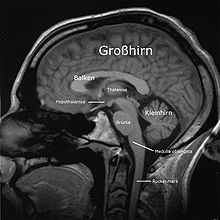
The doctor is studying the human brain .
Der Arzt untersucht das menschliche Gehirn 0
Bác sĩ đang nghiên cứu não người .
医生 在 研究 人 的 大脑 。
Yīshēng zài yánjiū rén de dànǎo.
医者は人間の脳を研究しています。
Isha wa ningen no nō o kenkyū shite imasu.
의사는 인간의 뇌를 연구하고 있습니다.
uisaneun ingan-ui noeleul yeonguhago issseubnida.
(VI)
(ZH)
(JA)
0946
[EN] [DE] [NL] [ES] [FR] [IT] [TH] [VI] [ZH]
|
RANDOM
门卫很负责。

The doorman is very responsible .
Der Portier ist sehr verantwortlich 0
Người gác cửa rất có trách nhiệm .
门卫 很 负责 。
Ménwèi hěn fùzé.
ドアマンは非常に責任があります。
Doa man wa hijō ni sekinin ga arimasu.
도어맨은 매우 책임감이 있습니다.
do-eomaen-eun maeu chaeg-imgam-i issseubnida.
(VI)
(ZH)
(JA)
0957
[EN] [DE] [NL] [ES] [FR] [IT] [TH] [VI] [ZH]
|
RANDOM
不能浪费食物。
Don't waste your food .
Verschwende kein Essen !
Đừng lãng phí thức ăn của bạn .
不能 浪费 食物 。
Bù néng làngfèi shíwù.
食べ物を無駄にすることはできません。
Tabemono o muda ni suru koto wa dekimasen.
어떤 음식도 낭비될 수 없습니다.
eotteon eumsigdo nangbidoel su eobs-seubnida.
(VI)
(ZH)
(JA)
0991
[EN] [DE] [NL] [ES] [FR] [IT] [TH] [VI] [ZH]
|
RANDOM
他们信仰什么宗教。

What religion do they believe in ?
Welche Religionszugehörigkeit haben sie ?
Họ tin vào tôn giáo nào ?
他们 信仰 什么 宗教 。
Tāmen xìnyǎng shénme zōngjiào.
彼らはどの宗教を信じていますか。
Karera wa dono shūkyō o shinjite imasu ka.
그들은 어떤 종교를 믿습니까?
geudeul-eun eotteon jong-gyoleul midseubnikka?
(VI)
(ZH)
(JA)
1055
[EN] [DE] [NL] [ES] [FR] [IT] [TH] [VI] [ZH]
|
RANDOM
她在做深呼吸。

She is doing deep breathing .
Sie macht tiefe Atemzüge 0
Cô ấy đang thở sâu .
她 在 做 深呼吸 。
Tā zài zuò shēnhūxī.
彼女は深呼吸をしている。
Kanojo wa shinkokyū o shite iru.
그녀는 심호흡을 하고 있었다.
geunyeoneun simhoheub-eul hago iss-eossda.
(VI)
(ZH)
(JA)
1097
[EN] [DE] [NL] [ES] [FR] [IT] [TH] [VI] [ZH]
|
RANDOM
运动减肥的效果很好。

Doing exercise is an effective way to lose weight .
Sport machent ist ein effektiver Weg , um Gewicht zu verlieren 0
Tập thể dục là một cách hiệu quả để giảm cân .
运动 减肥 的 效果 很 好 。
Yùndòng jiǎnféi de xiàoguǒ hěn hǎo.
体重を減らすための運動の効果は非常に良いです。
Taijū o herasu tame no undō no kōka wa hijō ni yoidesu.
체중 감량을 위한 운동의 효과는 매우 좋습니다.
chejung gamlyang-eul wihan undong-ui hyogwaneun maeu johseubnida.
(VI)
(ZH)
(JA)
1100
[EN] [DE] [NL] [ES] [FR] [IT] [TH] [VI] [ZH]
|
RANDOM
车子坏了,他很急。
The car has broken down and he is very anxious .
Das Auto ist kaputt gegangen und er ist sehr besorgt 0
Xe bị hỏng khiến anh rất lo lắng .
车子 坏 了 , 他 很 急 。
Chēzi huàile, tā hěn jí.
車が故障し、彼は急いでいた。
Kuruma ga koshō shi, kare wa isoide ita.
차가 고장났고 그는 급했다.
chaga gojangnassgo geuneun geubhaessda.
(VI)
(ZH)
(JA)
1140
[EN] [DE] [NL] [ES] [FR] [IT] [TH] [VI] [ZH]
|
RANDOM
一升油多少钱?

How much does one liter of oil cost ?
Wie viel kostet ein Liter Öl ?
Giá một lít dầu là bao nhiêu ?
一升油 多少 钱 ?
Yī shēng yóu duōshaoqián?
オイル1リットルはいくらですか?
Oiru 1-rittoru wa ikuradesu ka?
기름 1리터는 얼마인가요?
gileum 1liteoneun eolmaingayo?
(VI)
(ZH)
(JA)
1149
[EN] [DE] [NL] [ES] [FR] [IT] [TH] [VI] [ZH]
|
RANDOM
这件衣服的颜色和我不配。

This color doesn't suit me .
Diese Farbe steht mir nicht 0
Màu này không hợp với tôi 0
这件 衣服 的 颜色 和 我 不配 。
Zhè jiàn yīfu de yánsè hé wǒ búpèi.
このドレスの色は私と一致しません。
Kono doresu no iro wa watashi to itchi shimasen.
이 드레스의 색상은 나와 어울리지 않습니다.
i deuleseuui saegsang-eun nawa eoulliji anhseubnida.
(VI)
(ZH)
(JA)
1156
[EN] [DE] [NL] [ES] [FR] [IT] [TH] [VI] [ZH]
|
RANDOM
闹钟响了,她还不想起床。

The alarm clock is ringing , but she doesn not want to get up .
Der Wecker klingelt , aber sie will nicht aufstehen 0
Đồng hồ báo thức đang đổ chuông , nhưng cô không muốn thức dậy .
闹钟 响 了 , 她 还 不想 起床 。
Nàozhōng xiǎng le, tā hái bù xiǎng qǐchuáng.
目覚まし時計が鳴ったが、彼女はまだ起きたくなかった。
Mezamashidokei ga nattaga, kanojo wa mada okitakunakatta.
알람 시계가 울렸지만 그녀는 아직 일어나고 싶지 않았다.
allam sigyega ullyeossjiman geunyeoneun ajig il-eonago sipji anh-assda.
(VI)
(ZH)
(JA)
1206
[EN] [DE] [NL] [ES] [FR] [IT] [TH] [VI] [ZH]
|
RANDOM
请不要怪罪我。

Please don't blame me .
Bitte beschuldigen Sie mich nicht 0
Xin đừng trách tôi .
请 不要 怪罪 我 。
Qǐng bùyào guàizuì wǒ.
私を責めないでください。
Watashi o semenaide kudasai.
저를 탓하지 마세요.
jeoleul tashaji maseyo.
(VI)
(ZH)
(JA)
1211
[EN] [DE] [NL] [ES] [FR] [IT] [TH] [VI] [ZH]
|
RANDOM
你相信有上帝吗?
Do you believe there is a God ?
Glaubst du , dass es einen Gott gibt ?
Bạn có tin rằng có một vị thần ?
你 相信 有 上帝 吗 ?
Nǐ xiāngxìn yǒu Shàngdì ma?
神の存在を信じますか?
Kami no sonzai o shinjimasu ka?
당신은 하나님을 믿습니까?
dangsin-eun hananim-eul midseubnikka?
(VI)
(ZH)
(JA)
1220
[EN] [DE] [NL] [ES] [FR] [IT] [TH] [VI] [ZH]
|
RANDOM
猫狗的身上有不少寄生虫。

There are many parasites on the bodies of cats and dogs .
Es gibt viele Parasiten auf den Körpern von Katzen und Hunden 0
Trên cơ thể chó mèo có rất nhiều ký sinh trùng .
猫 狗 的 身上 有 不少 寄生虫 。
Māo gǒu de shēnshang yǒu bùshǎo jìshēngchóng.
猫や犬にはたくさんの寄生虫がいます。
Neko ya inu ni wa takusan no kiseichū ga imasu.
고양이와 개에는 많은 기생충이 있습니다.
goyang-iwa gaeeneun manh-eun gisaengchung-i issseubnida.
(VI)
(ZH)
(JA)
1226
[EN] [DE] [NL] [ES] [FR] [IT] [TH] [VI] [ZH]
|
RANDOM
超市里水果的品种很丰富。

There is a tremendous variety of fruits in the supermarket .
Im Supermarkt gibt es eine enorme Auswahl an Früchten 0
Có rất nhiều loại trái cây trong siêu thị .
超市 里 水果 的 品种 很 丰富 。
Chāoshì lǐ shuǐguǒ de pǐnzhǒng hěn fēngfù.
スーパーマーケットにはたくさんの種類の果物があります。
Sūpāmāketto ni wa takusan no shurui no kudamono ga arimasu.
슈퍼마켓에는 많은 종류의 과일이 있습니다.
syupeomakes-eneun manh-eun jonglyuui gwail-i issseubnida.
(VI)
(ZH)
(JA)
1266
[EN] [DE] [NL] [ES] [FR] [IT] [TH] [VI] [ZH]
|
RANDOM
何谓人造卫星?

What does man-made satellite mean ?
Was bedeutet künstlicher Satellit ?
Vệ tinh nhân tạo nghĩa là gì ?
何谓 人造卫星 ?
Héwèi rénzào wèixīng?
人工衛星とは?
Jinkō eisei to wa?
인공위성이란?
ingong-wiseong-ilan?
(VI)
(ZH)
(JA)
1286
[EN] [DE] [NL] [ES] [FR] [IT] [TH] [VI] [ZH]
|
RANDOM
我无所谓。

I don't care .
Ist mir egal 0
Tôi không quan tâm .
我 无所谓 。
Wǒ wúsuǒwèi.
私は気にしません。
Watashi wa ki ni shimasen.
난 상관 없어.
nan sang-gwan eobs-eo.
(VI)
(ZH)
(JA)
1287
[EN] [DE] [NL] [ES] [FR] [IT] [TH] [VI] [ZH]
|
RANDOM
飞机着陆了。

The plane has touched down .
Das Flugzeug ist gelandet 0
Máy bay đã hạ cánh .
飞机 着陆 了 。
Fēijī zhuólù le.
その飛行機は着陸した。
Sono hikōki wa chakuriku shita.
비행기가 착륙했습니다.
bihaeng-giga chaglyughaessseubnida.
(VI)
(ZH)
(JA)
1294
[EN] [DE] [NL] [ES] [FR] [IT] [TH] [VI] [ZH]
|
RANDOM
孩子们在草地上互相追逐。

The children are chasing each other in the meadow .
Die Kinder jagen sich gegenseitig auf der Wiese 0
Những đứa trẻ đang rượt đuổi nhau trên đồng cỏ .
孩子 们 在 草地 上 互相 追逐 。
Háizimen zài cǎodì shàng hùxiāng zhuīzhú.
子供たちは芝生の上でお互いを追いかけ合った。
Kodomo-tachi wa shibafu no ue de otagai o oikake atta.
아이들은 풀밭에서 서로를 쫓았습니다.
aideul-eun pulbat-eseo seololeul jjoch-assseubnida.
(VI)
(ZH)
(JA)
1307
[EN] [DE] [NL] [ES] [FR] [IT] [TH] [VI] [ZH]
|
RANDOM
狗的鼻子很灵。

Dogs have very sensitive noses .
Hunde haben sehr empfindliche Nasen 0
Chó có chiếc mũi rất nhạy cảm .
狗 的 鼻子 很灵 。
Gǒu de bízi hěn líng.
犬の鼻はとても良いです。
Inu no hana wa totemo yoidesu.
강아지의 코는 아주 좋습니다.
gang-ajiui koneun aju johseubnida.
(VI)
(ZH)
(JA)
1318
[EN] [DE] [NL] [ES] [FR] [IT] [TH] [VI] [ZH]
|
RANDOM
法官对证词有疑问。

The judge has doubts about the testimony .
Der Richter hat Zweifel an der Zeugenaussage 0
Thẩm phán nghi ngờ về lời khai .
法官 对 证词 有 疑问 。
Fǎguān duì zhèngcí yǒu yíwèn.
裁判官は証言について質問があります。
Saibankan wa shōgen ni tsuite shitsumon ga arimasu.
판사는 증언에 대해 질문이 있습니다.
pansaneun jeung-eon-e daehae jilmun-i issseubnida.
(VI)
(ZH)
(JA)
1356
[EN] [DE] [NL] [ES] [FR] [IT] [TH] [VI] [ZH]
|
RANDOM
她在给小狗抓痒。

She is scratching the little dog .
Sie kratzt den kleinen Hund 0
Cô ấy đang cào con chó nhỏ .
她 在 给 小狗 抓痒 。
Tā zài gěi xiǎogǒu zhuāyǎng.
彼女は子犬を引っ掻いている。
Kanojo wa koinu o hikkaite iru.
그녀는 강아지를 긁고 있습니다.
geunyeoneun gang-ajileul geulg-go issseubnida.
(VI)
(ZH)
(JA)
1358
[EN] [DE] [NL] [ES] [FR] [IT] [TH] [VI] [ZH]
|
RANDOM
商店休业了。

The shop has closed down .
Der Laden hat geschlossen 0
Cửa hàng đã đóng cửa .
商店 休业 了 。
Shāngdiàn xiūyè le.
お店は休業です。
Omise wa kyūgyō desu.
가게가 문을 닫았습니다.
gagega mun-eul dad-assseubnida.
(VI)
(ZH)
(JA)
1386
[EN] [DE] [NL] [ES] [FR] [IT] [TH] [VI] [ZH]
|
RANDOM
运动员们努力地往前冲。

The athletes are doing their best to charge forward .
Die Athleten stürmen mit aller Kraft vorwärts 0
Các vận động viên đang cố gắng hết sức để tiến về phía trước .
运动员 们 努力 地 往前 冲 。
Yùndòngyuánmen nǔlì de wǎngqián chōng.
選手たちは一生懸命前に進んだ。
Senshu-tachi wa isshōkenmei mae ni susunda.
선수들은 힘차게 앞으로 나아갔다.
seonsudeul-eun himchage ap-eulo naagassda.
(VI)
(ZH)
(JA)
1403
[EN] [DE] [NL] [ES] [FR] [IT] [TH] [VI] [ZH]
|
RANDOM
她们在干什么?

What are they doing ?
Was tun sie ?
Họ đang làm gì ?
她们 在 干什么 ?
Tāmen zài gàn shénme?
彼らは何をしていますか?
Karera wa nani o shite imasu ka?
그들은 무엇을하고 있습니까?
geudeul-eun mueos-eulhago issseubnikka?
(VI)
(ZH)
(JA)
1406
[EN] [DE] [NL] [ES] [FR] [IT] [TH] [VI] [ZH]
|
RANDOM
今天美元兑人民币的汇率是多少?

What is the exchange rate between US dollar and RMB today ?
Wie ist der Wechselkurs zwischen US-Dollar und RMB heute ?
Tỷ giá hối đoái giữa đô la Mỹ và nhân dân tệ hôm nay là bao nhiêu ?
今天 美元兑 人民币 的 汇率 是 多少 ?
Jīntiān Měiyuán duì Rénmínbì de huìlǜ shì duōshao?
今日の米ドルと人民元の為替レートはいくらですか?
Kyō no beidoru to jimmingen no kawasereto wa ikura desu ka?
오늘 USD와 RMB의 환율은 얼마입니까?
oneul USDwa RMBui hwan-yul-eun eolmaibnikka?
(VI)
(ZH)
(JA)
1424
[EN] [DE] [NL] [ES] [FR] [IT] [TH] [VI] [ZH]
|
RANDOM
如果不想吃,就不要勉强。

If you don't want to eat , don not force yourself .
Wenn du nicht essen willst , zwinge dich nicht 0
Nếu bạn không muốn ăn , đừng ép bản thân .
如果 不想 吃 , 就 不要 勉强 。
Rúguǒ bù xiǎng chī, jiù bùyào miǎnqiǎng.
食べたくない場合は、無理に食べないでください。
Tabetakunai baai wa, muri ni tabenaide kudasai.
먹기 싫으면 억지로 하지 마세요.
meoggi silh-eumyeon eogjilo haji maseyo.
(VI)
(ZH)
(JA)
1438
[EN] [DE] [NL] [ES] [FR] [IT] [TH] [VI] [ZH]
|
RANDOM
请不要浪费资源。

Please don't waste resources .
Bitte verschwenden Sie keine Ressourcen 0
Xin đừng lãng phí tài nguyên 0
请 不要 浪费资源 。
Qǐng bùyào làngfèi zīyuán.
資源を無駄にしないでください。
Shigen o muda ni shinaide kudasai.
자원을 낭비하지 마십시오.
jawon-eul nangbihaji masibsio.
(VI)
(ZH)
(JA)
1470
[EN] [DE] [NL] [ES] [FR] [IT] [TH] [VI] [ZH]
|
RANDOM
他有一只大狗。
He's got a big dog .
Er hat einen großen Hund 0
Anh ấy có một con chó lớn .
他 有 一只 大狗 。
Tā yǒu yī zhī dà gǒu.
彼は大きな犬を飼っている。
Kare wa ōkina inu o katte iru.
그는 큰 개가 있습니다.
geuneun keun gaega issseubnida.
(VI)
(ZH)
(JA)
1532
[EN] [DE] [NL] [ES] [FR] [IT] [TH] [VI] [ZH]
|
RANDOM
她不知如何选择。

She doesn't know how to choose .
Sie weiß nicht , wie sie wählen soll 0
Cô ấy không biết làm thế nào để lựa chọn .
她 不知 如何 选择 。
Tā bùzhī rúhé xuǎnzé.
彼女は選び方がわからない。
Kanojo wa erabikata ga wakaranai.
그녀는 선택하는 방법을 모릅니다.
geunyeoneun seontaeghaneun bangbeob-eul moleubnida.
(VI)
(ZH)
(JA)
1552
[EN] [DE] [NL] [ES] [FR] [IT] [TH] [VI] [ZH]
|
RANDOM
医生在给我检查耳朵。

The doctor is checking my ear .
Der Arzt untersucht meine Ohren 0
Bác sĩ đang kiểm tra tai của tôi .
医生 在 给 我 检查 耳朵 。
Yīshēng zài gěi wǒ jiǎnchá ěrduo.
医者は私の耳をチェックしています。
Isha wa watashi no mimi o chekku shite imasu.
의사가 내 귀를 검사하고 있습니다.
uisaga nae gwileul geomsahago issseubnida.
(VI)
(ZH)
(JA)
1554
[EN] [DE] [NL] [ES] [FR] [IT] [TH] [VI] [ZH]
|
RANDOM
刚出门,忽然下起了大雨。

It started to rain heavily just when I stepped out the door .
Es begann heftig zu regnen , als ich aus der Tür trat 0
Trời bắt đầu đổ mưa to ngay khi tôi bước ra khỏi cửa .
刚 出门 , 忽然 下起 了 大雨 。
Gāng chūmén, hūrán xiàqǐle dàyǔ.
外出すると突然大雨が降った。
Gaishutsu suruto totsuzen ōame ga futta.
집을 나서자마자 갑자기 많은 비가 내렸다.
jib-eul naseojamaja gabjagi manh-eun biga naelyeossda.
(VI)
(ZH)
(JA)
1589
[EN] [DE] [NL] [ES] [FR] [IT] [TH] [VI] [ZH]
|
RANDOM
机器可以代替人工作。
Machines can do the work of humans .
Maschinen können anstelle von Menschen arbeiten 0
Máy móc có thể làm việc thay cho con người .
机器 可以 代替 人 工作 。
Jīqì kěyǐ dàitì rén gōngzuò.
機械は人の代わりに働くことができます。
Kikai wa hito no kawari ni hataraku koto ga dekimasu.
기계가 사람을 대신할 수 있습니다.
gigyega salam-eul daesinhal su issseubnida.
(VI)
(ZH)
(JA)
1604
[EN] [DE] [NL] [ES] [FR] [IT] [TH] [VI] [ZH]
|
RANDOM
残疾并不是不幸的遭遇。
Disability does not have to be an unfortunate circumstance .
Eine Behinderung muss kein unglücklicher Umstand sein 0
Khuyết tật không phải lúc nào cũng là bất lợi .
残疾 并 不是 不幸 的 遭遇 。
Cánjí bìng bùshì bùxìng de zāoyù.
障害は不幸な経験ではありません。
Shōgai wa fukōna keikende wa arimasen.
장애는 불행한 경험이 아닙니다.
jang-aeneun bulhaenghan gyeongheom-i anibnida.
(VI)
(ZH)
(JA)
1610
[EN] [DE] [NL] [ES] [FR] [IT] [TH] [VI] [ZH]
|
RANDOM
小狗喜欢吃骨头。
The little dog loves bones .
Der kleine Hund liebt Knochen 0
Con chó nhỏ yêu xương .
小狗 喜欢 吃 骨头 。
Xiǎogǒu xǐhuan chī gǔtou.
子犬は骨を食べるのが好きです。
Koinu wa hone o taberu no ga sukidesu.
강아지는 뼈를 먹는 것을 좋아합니다.
gang-ajineun ppyeoleul meogneun geos-eul joh-ahabnida.
(VI)
(ZH)
(JA)
1616
[EN] [DE] [NL] [ES] [FR] [IT] [TH] [VI] [ZH]
|
RANDOM
她住在隔壁。

She lives next door .
Sie wohnt nebenan 0
Cô ấy sống bên cạnh .
她 住 在 隔壁 。
Tā zhù zài gébì.
彼女は隣に住んでいます。
Kanojo wa tonari ni sunde imasu.
그녀는 옆집에 산다.
geunyeoneun yeopjib-e sanda.
(VI)
(ZH)
(JA)
1657
[EN] [DE] [NL] [ES] [FR] [IT] [TH] [VI] [ZH]
|
RANDOM
医生在给他打针。

The doctor is giving him an injection .
Der Arzt gibt ihm eine Spritze 0
Bác sĩ đang tiêm cho anh ấy .
医生 在 给 他 打针 。
Yīshēng zài gěi tā dǎzhēn.
医者は彼に注射をしている。
Isha wa kare ni chūsha o shite iru.
의사가 그에게 주사를 주고 있습니다.
uisaga geuege jusaleul jugo issseubnida.
(VI)
(ZH)
(JA)
1667
[EN] [DE] [NL] [ES] [FR] [IT] [TH] [VI] [ZH]
|
RANDOM
别把孩子惯坏了。

Don't spoil the child .
Verwöhne das Kind nicht 0
Đừng làm hư đứa trẻ .
别 把 孩子 惯坏 了 。
Bié bǎ háizi guànhuài le.
子供を甘やかさないでください。
Kodomo o amayakasanaide kudasai.
아이를 망치지 마십시오.
aileul mangchiji masibsio.
(VI)
(ZH)
(JA)
1701
[EN] [DE] [NL] [ES] [FR] [IT] [TH] [VI] [ZH]
|
RANDOM
我今天去逛街购物。

I went strolling down the street and did some shopping today .
Ich war heute einkaufen 0
Hôm nay tôi đi dạo trên phố và mua sắm .
我 今天 去 逛街 购物 。
Wǒ jīntiān qù guàngjiē gòuwù.
今日は買い物に行きました。
Kyō wa kaimono ni ikimashita.
나는 오늘 쇼핑을 갔다.
naneun oneul syoping-eul gassda.
(VI)
(ZH)
(JA)
1794
[EN] [DE] [NL] [ES] [FR] [IT] [TH] [VI] [ZH]
|
RANDOM
她坐在窗边。

She is sitting beside the window .
Sie sitzt neben dem Fenster 0
Cô ấy đang ngồi bên cửa sổ .
她 坐在 窗边 。
Tā zuò zài chuāng biān.
彼女は窓際に座っています。
Kanojo wa madogiwa ni suwatte imasu.
그녀는 창가에 앉아 있다.
geunyeoneun chang-ga-e anj-a issda.
(VI)
(ZH)
(JA)
1821
[EN] [DE] [NL] [ES] [FR] [IT] [TH] [VI] [ZH]
|
RANDOM
莫要太伤心!
Don't grieve too much .
Trauere nicht zu sehr 0
Đừng đau buồn quá nhiều .
莫要 太 伤心 !
Mò yào tài shāngxīn!
悲しすぎないでください!
Kanashi suginaide kudasai!
너무 슬퍼하지 마세요!
neomu seulpeohaji maseyo!
(VI)
(ZH)
(JA)
1825
[EN] [DE] [NL] [ES] [FR] [IT] [TH] [VI] [ZH]
|
RANDOM
饭店里设有自动旋转门。
The hotel is equipped with an automatic revolving door .
Das Hotel ist mit automatischen Drehtüren ausgestattet 0
Khách sạn được trang bị cửa quay tự động .
饭店 里 设有 自动 旋转门 。
Fàndiàn lǐ shèyǒu zìdòng xuánzhuǎnmén.
ホテルには自動回転ドアがあります。
Hoteru ni wa jidō kaiten doa ga arimasu.
호텔에는 자동 회전문이 있습니다.
hotel-eneun jadong hoejeonmun-i issseubnida.
(VI)
(ZH)
(JA)
1846
[EN] [DE] [NL] [ES] [FR] [IT] [TH] [VI] [ZH]
|
RANDOM
这道题目太深奥,我不会做。

The topic is too complicated , I can't do it .
Das Thema ist zu kompliziert , das schaffe ich nicht 0
Đề tài phức tạp quá , tôi không làm được .
这道 题目 太 深奥 , 我 不会 做 。
Zhè dào tímù tài shēn'ào, wǒ bù huì zuò.
この主題はあまりにも深遠です、私はそれをしません。
Kono shudai wa amarini mo shin'endesu, watashi wa sore o shimasen.
이 주제는 너무 심오해서 하지 않겠습니다.
i jujeneun neomu sim-ohaeseo haji anhgessseubnida.
(VI)
(ZH)
(JA)
1851
[EN] [DE] [NL] [ES] [FR] [IT] [TH] [VI] [ZH]
|
RANDOM
不能插队。

Do not cut in front !
Nicht vordrängeln !
Em nên xếp hàng .
不能 插队 。
Bù néng chāduì.
キューにジャンプできません。
Kyū ni janpu dekimasen.
대기열에 들어갈 수 없습니다.
daegiyeol-e deul-eogal su eobs-seubnida.
(VI)
(ZH)
(JA)
1896
[EN] [DE] [NL] [ES] [FR] [IT] [TH] [VI] [ZH]
|
RANDOM
她们在进行彻底的大扫除。

They are doing a thorough cleaning .
Sie machen eine gründliche Reinigung 0
Họ đang làm sạch kỹ lưỡng 0
她们 在 进行 彻底 的 大扫除 。
Tāmen zài jìnxíng chèdǐ de dàsǎochú.
彼らは徹底的な掃除をしています。
Karera wa tetteitekina sōji o shite imasu.
철저한 청소를 하고 있습니다.
cheoljeohan cheongsoleul hago issseubnida.
(VI)
(ZH)
(JA)
1897
[EN] [DE] [NL] [ES] [FR] [IT] [TH] [VI] [ZH]
|
RANDOM
我很崇拜他。

I adore him .
Ich bewundere ihn 0
Tôi rất ngưỡng mộ anh ấy 0
我 很 崇拜 他 。
Wǒ hěn chóngbài tā.
私は彼をとても尊敬しています。
Watashi wa kare o totemo sonkei shite imasu.
나는 그를 매우 존경합니다.
naneun geuleul maeu jongyeonghabnida.
(VI)
(ZH)
(JA)
1901
[EN] [DE] [NL] [ES] [FR] [IT] [TH] [VI] [ZH]
|
RANDOM
我搬进了学生宿舍。

I have moved into the students' dormitory .
Ich bin in das Studentenwohnheim gezogen 0
Tôi đã chuyển vào ký túc xá của sinh viên .
我 搬进 了 学生宿舍 。
Wǒ bānjìnle xuésheng sùshè.
学生寮に引っ越しました。
Gakusei ryō ni hikkoshimashita.
학생 기숙사로 이사했습니다.
hagsaeng gisugsalo isahaessseubnida.
(VI)
(ZH)
(JA)
1903
[EN] [DE] [NL] [ES] [FR] [IT] [TH] [VI] [ZH]
|
RANDOM
他们的结婚仪式在户外举行。

Their wedding ceremony was held outdoors .
Ihre Hochzeitszeremonie fand im Freien statt 0
Lễ cưới của họ được tổ chức ngoài trời .
他们 的 结婚仪式 在 户外 举行 。
Tāmen de jiéhūn yíshì zài hùwài jǔxíng.
彼らの結婚式は屋外で行われました。
Karera no kekkonshiki wa okugai de okonawa remashita.
그들의 결혼식은 야외에서 진행되었습니다.
geudeul-ui gyeolhonsig-eun yaoeeseo jinhaengdoeeossseubnida.
(VI)
(ZH)
(JA)
1917
[EN] [DE] [NL] [ES] [FR] [IT] [TH] [VI] [ZH]
|
RANDOM
她正在用仪器做实验。

She is doing an experiment with the instrument .
Sie macht ein Experiment mit dem Instrument 0
Cô ấy đang làm một cuộc thử nghiệm với nhạc cụ .
她 正在 用 仪器 做 实验 。
Tā zhèng zài yòng yíqì zuò shíyàn.
彼女は機器を実験しています。
Kanojo wa kiki o jikken shite imasu.
그녀는 장비를 실험하고 있습니다.
geunyeoneun jangbileul silheomhago issseubnida.
(VI)
(ZH)
(JA)
1918
[EN] [DE] [NL] [ES] [FR] [IT] [TH] [VI] [ZH]
|
RANDOM
你喜欢什么颜色的笔?

What color pen do you prefer ?
Welchen Farbstift bevorzugen Sie ?
Bạn thích bút màu nào hơn ?
你 喜欢 什么 颜色 的 笔 ?
Nǐ xǐhuan shénme yánsè de bǐ?
どんな色のペンが好きですか?
Don'na iro no pen ga sukidesu ka?
어떤 색 펜을 좋아하세요?
eotteon saeg pen-eul joh-ahaseyo?
(VI)
(ZH)
(JA)
1924
[EN] [DE] [NL] [ES] [FR] [IT] [TH] [VI] [ZH]
|
RANDOM
家庭暴力是伦理问题。

Domestic violence is an ethical issue .
Häusliche Gewalt ist ein ethisches Problem 0
Bạo lực gia đình là một vấn đề đạo đức .
家庭暴力 是 伦理 问题 。
Jiātíng bàolì shì lúnlǐ wèntí.
家庭内暴力は倫理的な問題です。
Kateinaibōryoku wa rinri-tekina mondaidesu.
가정 폭력은 윤리적인 문제입니다.
gajeong poglyeog-eun yunlijeog-in munjeibnida.
(VI)
(ZH)
(JA)
1926
[EN] [DE] [NL] [ES] [FR] [IT] [TH] [VI] [ZH]
|
RANDOM
不要拖延时间!

Don't delay !
Zögere nicht !
Đừng dừng lại trong thời gian 0
不要 拖延时间 !
Bùyào tuōyán shíjiān!
遅れないでください!
Okurenaide kudasai!
미루지 마세요!
miluji maseyo!
(VI)
(ZH)
(JA)
1930
[EN] [DE] [NL] [ES] [FR] [IT] [TH] [VI] [ZH]
|
RANDOM
机械出故障了。
There is been a mechanical breakdown .
Es liegt ein mechanischer Defekt vor 0
Có một sự cố cơ học 0
机械 出 故障 了 。
Jīxiè chū gùzhàng le.
機械が故障しています。
Kikai ga koshō shite imasu.
기계가 고장났습니다.
gigyega gojangnassseubnida.
(VI)
(ZH)
(JA)
1931
[EN] [DE] [NL] [ES] [FR] [IT] [TH] [VI] [ZH]
|
RANDOM
医生受人尊敬。

Doctors are respected .
Ärzte werden respektiert 0
Các bác sĩ được tôn trọng 0
医生 受人 尊敬 。
Yīshēng shòu rén zūnjìng.
医者は尊敬されています。
Isha wa sonkei sa rete imasu.
의사들은 존경합니다.
uisadeul-eun jongyeonghabnida.
(VI)
(ZH)
(JA)
1939
[EN] [DE] [NL] [ES] [FR] [IT] [TH] [VI] [ZH]
|
RANDOM
医生在给他进行腿部治疗。

The doctor is treating his legs .
Der Arzt behandelt seine Beine 0
Bác sĩ đang điều trị chân cho anh ta .
医生 在 给 他 进行 腿部 治疗 。
Yīshēng zài gěi tā jìnxíng tuǐbù zhìliáo.
医者は彼に足の治療をしている。
Isha wa kare ni ashi no chiryō o shite iru.
의사가 그에게 다리 치료를 하고 있습니다.
uisaga geuege dali chilyoleul hago issseubnida.
(VI)
(ZH)
(JA)
1946
[EN] [DE] [NL] [ES] [FR] [IT] [TH] [VI] [ZH]
|
RANDOM
小狗对我摇头摆尾。

The little dog is shaking its head and wagging its tail at me .
Der kleine Hund schüttelt den Kopf und wedelt mit dem Schwanz 0
Con chó nhỏ đang lắc đầu và vẫy đuôi với tôi .
小狗 对 我 摇头摆尾 。
Xiǎogǒu duì wǒ yáotóu-bǎiwěi.
小犬が首を振りながら、私に尻尾を振っているのです。
Koinu ga kubi o furinagara, watashi ni shippo o futte iru nodesu.
강아지는 나에게 고개를 저었다.
gang-ajineun na-ege gogaeleul jeoeossda.
(VI)
(ZH)
(JA)
1948
[EN] [DE] [NL] [ES] [FR] [IT] [TH] [VI] [ZH]
|
RANDOM
一尾鱼多少钱?
How much does one fish cost ?
Wie viel kostet ein Fisch ?
Giá một con cá là bao nhiêu ?
一尾 鱼 多少 钱 ?
Yī wěi yú duōshaoqián?
1匹の魚はいくらですか?
1-Biki no sakana wa ikuradesu ka?
물고기는 얼마입니까?
mulgogineun eolmaibnikka?
(VI)
(ZH)
(JA)
1949
[EN] [DE] [NL] [ES] [FR] [IT] [TH] [VI] [ZH]
|
RANDOM
房子被烧毁了。

The house was burned down .
Das Haus brannte ab 0
Căn nhà bị thiêu rụi .
房子 被 烧毁 了 。
Fángzi bèi shāohuǐ le.
その家は全焼した。
Sono-ka wa zenshō shita.
집이 불탔습니다.
jib-i bultassseubnida.
(VI)
(ZH)
(JA)
1957
[EN] [DE] [NL] [ES] [FR] [IT] [TH] [VI] [ZH]
|
RANDOM
邮局营业到几点?

What time does the post office close ?
Wann schließt die Post ?
Bưu điện đóng cửa lúc mấy giờ ?
邮局 营业 到 几点 ?
Yóujú yíngyè dào jǐdiǎn?
郵便局は何時に開いていますか。
Yūbinkyoku wa nanji ni aiteimasu ka.
우체국은 몇 시에 문을 여나요?
uchegug-eun myeoch sie mun-eul yeonayo?
(VI)
(ZH)
(JA)
1973
[EN] [DE] [NL] [ES] [FR] [IT] [TH] [VI] [ZH]
|
RANDOM
钱包里只剩几块钱了。
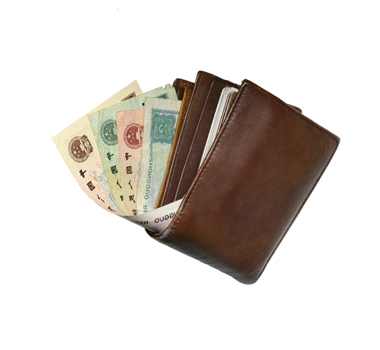
There are only a few dollars left in my wallet .
In meiner Brieftasche sind nur noch ein paar Dollar 0
Chỉ còn một vài đô la trong ví của tôi .
钱包 里 只 剩 几块钱 了 。
Qiánbāo lǐ zhǐ shèng jǐ kuài qián le.
財布に残っているのはほんの数ドルです。
Saifu ni nokotte iru no wa hon'no sū-dorudesu.
지갑에는 몇 달러만 남아 있습니다.
jigab-eneun myeoch dalleoman nam-a issseubnida.
(VI)
(ZH)
(JA)
1979
[EN] [DE] [NL] [ES] [FR] [IT] [TH] [VI] [ZH]
|
RANDOM
她捐出自己的零用钱。

She donates her pocket money .
Sie spendet ihr Taschengeld 0
Cô ấy đã quyên góp tiền tiêu vặt của mình .
她 捐出 自己 的 零用钱 。
Tā juānchū zìjǐ de língyòngqián.
彼女はポケットマネーを寄付した。
Kanojo wa pokettomanē o kifu shita.
그녀는 용돈을 기부했습니다.
geunyeoneun yongdon-eul gibuhaessseubnida.
(VI)
(ZH)
(JA)
1994
[EN] [DE] [NL] [ES] [FR] [IT] [TH] [VI] [ZH]
|
RANDOM
医生向他询问病情。

The doctor asks him about his illness .
Der Arzt befragt ihn zu seiner Krankheit 0
Bác sĩ hỏi anh ấy cảm thấy thế nào .
医生 向 他 询问 病情 。
Yīshēng xiàng tā xúnwèn bìngqíng.
医師は彼の病気について尋ねます。
Ishi wa kare no byōki ni tsuite tazunemasu.
의사는 그의 상태에 대해 물었다.
uisaneun geuui sangtaee daehae mul-eossda.
(VI)
(ZH)
(JA)
1996
[EN] [DE] [NL] [ES] [FR] [IT] [TH] [VI] [ZH]
|
RANDOM
她忙得不知所措。

She was too busy to know what to do .
Sie war zu beschäftigt , um zu wissen , was sie tun sollte 0
Cô ấy quá bận rộn nên không biết phải làm gì .
她 忙 得 不知所措 。
Tā máng de bùzhīsuǒcuò.
彼女は忙しすぎて何をすべきかわからなかった。
Kanojo wa isogashi sugite nani o subeki ka wakaranakatta.
그녀는 너무 바빠 무엇을 해야 할지 몰랐습니다.
geunyeoneun neomu bappa mueos-eul haeya halji mollassseubnida.
(VI)
(ZH)
(JA)
2006
[EN] [DE] [NL] [ES] [FR] [IT] [TH] [VI] [ZH]
|
RANDOM
他在拼图。

He is doing a jigsaw puzzle .
Er macht ein Puzzle 0
Anh ấy đang chơi trò chơi ghép hình .
他 在 拼图 。
Tā zài pīntú.
彼はジグソーパズルです。
Kare wa jigusōpazurudesu.
그는 직소 퍼즐입니다.
geuneun jigso peojeul-ibnida.
(VI)
(ZH)
(JA)
2018
[EN] [DE] [NL] [ES] [FR] [IT] [TH] [VI] [ZH]
|
RANDOM
我不晓得该做什么!

I don't know what to do .
Ich weiß nicht , was ich tun soll 0
Tôi không biết phải làm gì 0
我 不 晓得 该 做 什么 !
Wǒ bù xiǎode gāi zuò shénme!
どうしたらいいのかわからない!
Dōshitaraii noka wakaranai!
어떻게 해야할지 모르겠어!
eotteohge haeyahalji moleugess-eo!
(VI)
(ZH)
(JA)
2061
[EN] [DE] [NL] [ES] [FR] [IT] [TH] [VI] [ZH]
|
RANDOM
她在扮医生。

She is playing doctor .
Sie spielt Doktor 0
Cô ấy đang đóng vai bác sĩ .
她 在 扮 医生 。
Tā zài bàn yīshēng.
彼女は医者のふりをしている。
Kanojo wa isha no furi o shite iru.
그녀는 의사인 척하고 있다.
geunyeoneun uisain cheoghago issda.
(VI)
(ZH)
(JA)
2120
[EN] [DE] [NL] [ES] [FR] [IT] [TH] [VI] [ZH]
|
RANDOM
不要为你的迟到找藉口。

Don't make excuses for being late .
Erfinden Sie keine Ausreden für Ihr Zuspätkommen 0
Đừng bao biện cho việc đến muộn .
不要 为 你 的 迟到 找 藉口 。
Bùyào wèi nǐ de chídào zhǎo jièkǒu.
遅刻の言い訳をしないでください。
Chikoku no iiwake o shinaide kudasai.
늦었다고 변명하지 마세요.
neuj-eossdago byeonmyeonghaji maseyo.
(VI)
(ZH)
(JA)
2130
[EN] [DE] [NL] [ES] [FR] [IT] [TH] [VI] [ZH]
|
RANDOM
下雨了,水滴落到车窗上。

It is raining and the raindrops are falling on the car windows .
Es regnet und das Wasser prasselt auf die Fenster 0
Trời mưa và những hạt mưa rơi trên cửa kính xe .
下雨 了 , 水滴 落到 车窗 上 。
Xiàyǔ le, shuǐdī luòdào chēchuāng shàng.
雨が降っていて、車の窓に水が滴っています。
Ame ga futteite, kuruma no mado ni mizu ga shitatatteimasu.
비가 와서 차창에 물방울이 떨어집니다.
biga waseo chachang-e mulbang-ul-i tteol-eojibnida.
(VI)
(ZH)
(JA)
2146
[EN] [DE] [NL] [ES] [FR] [IT] [TH] [VI] [ZH]
|
RANDOM
别出去,外头正刮着台风!
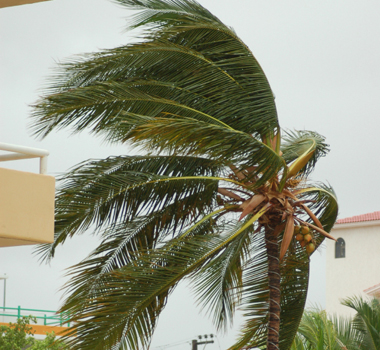
Don't go out , it's a typhoon outside !
Geh nicht raus , draußen tobt ein Taifun !
Đừng đi ra ngoài , có một cơn bão !
' 别出去 , 外头 正 刮 着 台风 !
Bié chūqu, wàitou zhèng guāzhe táifēng!
「外に出ないで、台風が外に吹いています!
`Soto ni denaide, taifū ga soto ni fuite imasu!
밖에 나가지 마, 밖에 태풍이 불고 있어!
bakk-e nagaji ma, bakk-e taepung-i bulgo iss-eo!
(VI)
(ZH)
(JA)
2169
[EN] [DE] [NL] [ES] [FR] [IT] [TH] [VI] [ZH]
|
RANDOM
窗玻璃被打碎了。
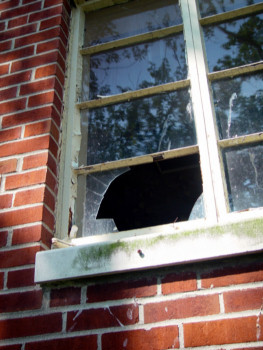
The window pane was broken .
Die Fensterscheibe war zerbrochen 0
Cửa sổ bị vỡ .
窗玻璃 被 打碎 了 。
Chuāngbōli bèi dǎsuì le.
窓ガラスが粉々になった。
Mado garasu ga konagona ni natta.
유리창이 깨졌습니다.
yulichang-i kkaejyeossseubnida.
(VI)
(ZH)
(JA)
2184
[EN] [DE] [NL] [ES] [FR] [IT] [TH] [VI] [ZH]
|
RANDOM
服药要掌握好剂量。

Make sure that you have the correct dosage when taking medicine .
Nehmen Sie die richtige Dosis an Medikamenten 0
Đảm bảo rằng bạn có liều lượng chính xác khi dùng thuốc .
服药 要 掌握 好 剂量 。
Fúyào yào zhǎngwò hǎo jìliàng.
薬を服用するときは、投与量をマスターする必要があります。
Kusuri o fukuyō suru toki wa, tōyo-ryō o masutā suru hitsuyō ga arimasu.
약을 복용할 때 복용량을 마스터하십시오.
yag-eul bog-yonghal ttae bog-yonglyang-eul maseuteohasibsio.
(VI)
(ZH)
(JA)
2185
[EN] [DE] [NL] [ES] [FR] [IT] [TH] [VI] [ZH]
|
RANDOM
医生给我开了一剂药。

The doctor has written a prescription for me .
Der Arzt hat mir ein Rezept verschrieben 0
Bác sĩ đã viết đơn thuốc cho tôi .
医生 给 我 开 了 一剂 药 。
Yīshēng gěi wǒ kāile yī jì yào.
医者は私に薬を処方した。
Isha wa watashi ni kusuri o shohō shita.
의사는 나에게 약을 처방해 주었다.
uisaneun na-ege yag-eul cheobanghae jueossda.
(VI)
(ZH)
(JA)
2186
[EN] [DE] [NL] [ES] [FR] [IT] [TH] [VI] [ZH]
|
RANDOM
他扎进泳池里去了。

He dove into the swimming pool .
Er tauchte in den Pool 0
Anh ta lặn xuống bể bơi 0
他 扎进 泳池 里 去 了 。
Tā zhājìn yǒngchí lǐ qù le.
彼はプールに飛び込んだ。
Kare wa pūru ni tobikonda.
그는 수영장에 뛰어들었다.
geuneun suyeongjang-e ttwieodeul-eossda.
(VI)
(ZH)
(JA)
2200
[EN] [DE] [NL] [ES] [FR] [IT] [TH] [VI] [ZH]
|
RANDOM
这头象重几吨?

How many tons does this elephant weigh ?
Wie viele Tonnen wiegt dieser Elefant ?
Con voi này nặng bao nhiêu tấn ?
这头 象重 几吨 ?
Zhè tóu xiàng zhòng jǐ dūn?
この象の体重は何トンですか?
Kono zō no taijū wa nan-tondesu ka?
이 코끼리의 무게는 몇 톤입니까?
i kokkiliui mugeneun myeoch ton-ibnikka?
(VI)
(ZH)
(JA)
2206
[EN] [DE] [NL] [ES] [FR] [IT] [TH] [VI] [ZH]
|
RANDOM
请把那份文件递给我。

Please pass me that document .
Bitte geben Sie mir das Dokument 0
Vui lòng chuyển cho tôi tài liệu đó .
请 把 那 份文件 递给 我 。
Qǐng bǎ nà fèn wénjiàn dì gěi wǒ.
その書類を渡してください。
Sono shorui o watashite kudasai.
그 문서를 저에게 전달해 주십시오.
geu munseoleul jeoege jeondalhae jusibsio.
(VI)
(ZH)
(JA)
2212
[EN] [DE] [NL] [ES] [FR] [IT] [TH] [VI] [ZH]
|
RANDOM
她躲在门后。
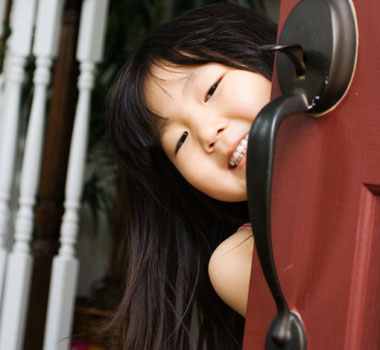
She is hiding behind the door .
Sie versteckt sich hinter der Tür 0
Cô ấy đang trốn sau cánh cửa .
她 躲 在 门 后 。
Tā duǒ zài mén hòu.
彼女はドアの後ろに隠れています。
Kanojo wa doa no ushiro ni kakurete imasu.
그녀는 문 뒤에 숨어 있습니다.
geunyeoneun mun dwie sum-eo issseubnida.
(VI)
(ZH)
(JA)
2251
[EN] [DE] [NL] [ES] [FR] [IT] [TH] [VI] [ZH]
|
RANDOM
他在记帐。

He is doing the accounts .
Er führt die Bücher 0
Anh ấy đang làm các tài khoản .
他 在 记帐 。
Tā zài jìzhàng.
彼は会計を取っている。
Kare wa kaikei o totte iru.
그는 계정을 유지하고 있습니다.
geuneun gyejeong-eul yujihago issseubnida.
(VI)
(ZH)
(JA)
2299
[EN] [DE] [NL] [ES] [FR] [IT] [TH] [VI] [ZH]
|
RANDOM
他在敲门。

He is knocking at the door .
Er klopft an die Tür 0
Anh ấy đang gõ cửa .
他 在 敲门 。
Tā zài qiāomén.
彼はドアをノックしている。
Kare wa doa o nokku shite iru.
그는 문을 두드리고 있다.
geuneun mun-eul dudeuligo issda.
(VI)
(ZH)
(JA)
2314
[EN] [DE] [NL] [ES] [FR] [IT] [TH] [VI] [ZH]
|
RANDOM
她遵从医生的忠告。

She follows the doctor's advice .
Sie folgt dem Rat des Arztes 0
Cô làm theo lời khuyên của bác sĩ .
她 遵从 医生 的 忠告 。
Tā zūncóng yīshēng de zhōnggào.
彼女は医者のアドバイスに従います。
Kanojo wa isha no adobaisu ni shitagaimasu.
그녀는 의사의 조언을 따랐다.
geunyeoneun uisaui jo-eon-eul ttalassda.
(VI)
(ZH)
(JA)
2319
[EN] [DE] [NL] [ES] [FR] [IT] [TH] [VI] [ZH]
|
RANDOM
你做错了不要赖别人。

Don't blame others unfairly for things that you have done wrong .
Geben Sie nicht anderen die Schuld , wenn Sie etwas falsch machen 0
Đừng đổ lỗi bất công cho người khác về những điều bạn đã làm sai .
你 做 错 了 不要 赖 别人 。
Nǐ zuòcuòle bùyào lài biérén.
間違えても他人に頼らないでください。
Machigaete mo tanin ni tayoranaide kudasai.
실수를 해도 다른 사람에게 의존하지 마십시오.
silsuleul haedo daleun salam-ege uijonhaji masibsio.
(VI)
(ZH)
(JA)
2325
[EN] [DE] [NL] [ES] [FR] [IT] [TH] [VI] [ZH]
|
RANDOM
她牵着狗去慢跑。

She goes jogging with her dog .
Sie geht mit ihrem Hund joggen 0
Cô ấy dắt chó đi chạy bộ .
她 牵 着 狗 去 慢跑 。
Tā qiānzhe gǒu qù mànpǎo.
彼女は愛犬とジョギングをしています。
Kanojo wa aiken to jogingu o shite imasu.
그녀는 개를 조깅하도록 이끌었다.
geunyeoneun gaeleul joginghadolog ikkeul-eossda.
(VI)
(ZH)
(JA)
2327
[EN] [DE] [NL] [ES] [FR] [IT] [TH] [VI] [ZH]
|
RANDOM
医生仔细检查她的身体。

The doctor is checking her health carefully .
Der Arzt untersucht ihren Körper sorgfältig 0
Bác sĩ đang kiểm tra sức khỏe của cô ấy một cách cẩn thận .
医生 仔细检查 她 的 身体 。
Yīshēng zǐxì jiǎnchá tā de shēntǐ.
医師は彼女の健康状態を注意深くチェックしています
Ishi wa kanojo no kenkōjōtai wo chūibukaku chekku shiteimasu
의사는 그녀의 몸을 주의 깊게 살펴보았다.
uisaneun geunyeoui mom-eul juui gipge salpyeoboassda.
(VI)
(ZH)
(JA)
2332
[EN] [DE] [NL] [ES] [FR] [IT] [TH] [VI] [ZH]
|
RANDOM
门被锁住了。

The door has been locked .
Die Tür wurde verschlossen 0
Cửa đã bị khóa .
门 被 锁住 了 。
Mén bèi suǒzhù le.
ドアがロックされていました。
Doa ga rokku sa rete imashita.
문이 잠겨 있었다.
mun-i jamgyeo iss-eossda.
(VI)
(ZH)
(JA)
2342
[EN] [DE] [NL] [ES] [FR] [IT] [TH] [VI] [ZH]
|
RANDOM
他高兴地把文件往上抛。

He tossed the document up happily .
Er wirft die Papiere genüsslich in die Höhe 0
Anh vui vẻ tung đống tài liệu lên .
他 高兴 地 把 文件 往上 抛 。
Tā gāoxìng de bǎ wénjiàn wǎng shàng pāo.
彼はその紙を喜んで投げ上げた。
Kare wa sono kami o yorokonde nage ageta.
그는 행복하게 종이를 던졌다.
geuneun haengboghage jong-ileul deonjyeossda.
(VI)
(ZH)
(JA)
2368
[EN] [DE] [NL] [ES] [FR] [IT] [TH] [VI] [ZH]
|
RANDOM
羊在草地上吃草。
The sheep are grazing in the meadow .
Die Schafe grasen auf der Wiese 0
Những con cừu đang gặm cỏ trên đồng cỏ .
羊 在 草地 上 吃 草 。
Yáng zài cǎodì shàng chī cǎo.
彼女は箱を開けます。
Kanojo wa hako o akemasu.
초원에서 풀을 뜯는 양.
chowon-eseo pul-eul tteudneun yang.
(VI)
(ZH)
(JA)
2371
[EN] [DE] [NL] [ES] [FR] [IT] [TH] [VI] [ZH]
|
RANDOM
不要打扰我工作!

Don't disturb my work !
Störe mich nicht bei der Arbeit !
Đừng làm phiền công việc của tôi !
不要 打扰 我 工作 !
Bùyào dǎrǎo wǒ gōngzuò!
私の仕事を邪魔しないでください!
Watashi no shigoto o jama shinaide kudasai!
내 일을 방해하지 마!
nae il-eul banghaehaji ma!
(VI)
(ZH)
(JA)
2416
[EN] [DE] [NL] [ES] [FR] [IT] [TH] [VI] [ZH]
|
RANDOM
他做错了事,很后悔。

He has done wrong and regrets it very much .
Er hat sich falsch verhalten und bedauert es sehr 0
Anh ấy đã làm sai và hối hận về điều đó rất nhiều .
他 做 错 了 事 , 很 后悔 。
Tā zuòcuòle shì, hěn hòuhuǐ.
彼彼は何か間違ったことをして後悔します。
Kare kare wa nani ka machigatta koto o shite kōkai shimasu.
그는 잘못을 저질렀고 후회했습니다.
geuneun jalmos-eul jeojilleossgo huhoehaessseubnida.
(VI)
(ZH)
(JA)
2437
[EN] [DE] [NL] [ES] [FR] [IT] [TH] [VI] [ZH]
|
RANDOM
我不相信,他在骗我。

I don't believe it , he's lying to me .
Ich glaube es nicht , er lügt mich an 0
Tôi không tin điều đó
我 不 相信 , 他 在 骗 我 。
Wǒ bù xiāngxìn, tā zài piàn wǒ.
私はそれを信じていません、彼は私に嘘をついています。
Watashi wa sore o shinjite imasen, kare wa watashi ni uso o tsuite imasu.
나는 그것을 믿지 않는다, 그는 나에게 거짓말을 한다.
naneun geugeos-eul midji anhneunda, geuneun na-ege geojismal-eul handa.
(VI)
(ZH)
(JA)
2438
[EN] [DE] [NL] [ES] [FR] [IT] [TH] [VI] [ZH]
|
RANDOM
医生扶着病人往前走。
The doctor is helping the patient to walk .
Der Arzt hilft dem Patienten beim Gehen 0
Bác sĩ đang giúp bệnh nhân đi lại .
医生 扶 着 病人 往前走 。
Yīshēng fúzhe bìngrén wǎng qián zǒu.
医者は患者が前進するのを手伝いです。
Isha wa kanja ga zenshin suru no o tetsudaidesu.
의사는 환자가 앞으로 나아가도록 도왔습니다.
uisaneun hwanjaga ap-eulo naagadolog dowassseubnida.
(VI)
(ZH)
(JA)
2446
[EN] [DE] [NL] [ES] [FR] [IT] [TH] [VI] [ZH]
|
RANDOM
要是你不爱吃,就不要勉强了。

Don't force yourself if you don't like it .
Wenn du es nicht magst , zwinge dich nicht , es zu essen 0
Đừng ép buộc bản thân nếu bạn không thích nó .
要是 你 不 爱 吃 , 就 不要 勉强 了 。
Yàoshi nǐ bù ài chī, jiù bùyào miǎnqiǎng le.
食べたくない場合は、無理に食べないでください。
Tabetakunai baai wa, muri ni tabenaide kudasai.
먹기 싫으면 강요하지 마세요.
meoggi silh-eumyeon gang-yohaji maseyo.
(VI)
(ZH)
(JA)
2482
[EN] [DE] [NL] [ES] [FR] [IT] [TH] [VI] [ZH]
|
RANDOM
她在擦窗上的玻璃。

She is cleaning the window .
Sie putzt das Fenster 0
Cô ấy đang lau cửa sổ 0
她 在 擦 窗上 的 玻璃 。
Tā zài cā chuāng shàng de bōli.
彼女は窓のガラスを掃除していた。
Kanojo wa mado no garasu o sōji shite ita.
그녀는 창문의 유리를 닦고 있었다.
geunyeoneun changmun-ui yulileul dakkgo iss-eossda.
(VI)
(ZH)
(JA)
2499
[EN] [DE] [NL] [ES] [FR] [IT] [TH] [VI] [ZH]
|
RANDOM
她用左手按门铃。

She rang the doorbell with her left hand .
Sie klingelte mit der linken Hand an der Tür 0
Cô bấm chuông cửa bằng tay trái .
她 用 左手 按 门铃 。
Tā yòng zuǒshǒu àn ménlíng.
彼女は左手でドアベルを鳴らした。
Kanojo wa hidarite de doaberu o narashita.
그녀는 왼손으로 초인종을 눌렀다.
geunyeoneun oenson-eulo choinjong-eul nulleossda.
(VI)
(ZH)
(JA)
2518
[EN] [DE] [NL] [ES] [FR] [IT] [TH] [VI] [ZH]
|
RANDOM
这只鹿很温顺。
This deer is docile .
Dieser Hirsch ist fügsam 0
Con nai này ngoan ngoãn .
这 只 鹿 很 温顺 。
Zhè zhī lù hěn wēnshùn.
この鹿はとても従順です。
Kono shika wa totemo jūjundesu.
이 사슴은 매우 온순합니다.
i saseum-eun maeu onsunhabnida.
(VI)
(ZH)
(JA)
2519
[EN] [DE] [NL] [ES] [FR] [IT] [TH] [VI] [ZH]
|
RANDOM
不要招惹这条狗,小心被咬!

Don't provoke this dog !
Provoziere diesen Hund nicht !
Đừng khiêu khích con chó này
不要 招惹 这条 狗 , 小心 被 咬 !
Bùyào zhāore zhè tiáo gǒu, xiǎoxīn bèi yǎo!
この犬を挑発しないでください!
Kono inu o chōhatsu shinaide kudasai!
이 개를 자극하지 마세요, 물림 조심하세요!
i gaeleul jageughaji maseyo, mullim josimhaseyo!
(VI)
(ZH)
(JA)
2525
[EN] [DE] [NL] [ES] [FR] [IT] [TH] [VI] [ZH]
|
RANDOM
他没胆量做领导。

He doesn't have the guts to become a leader .
Er hat nicht den Mut , ein Führer zu werden 0
Anh ấy không có đủ can đảm để trở thành một nhà lãnh đạo .
他 没 胆量 做 领导 。
Tā méi dǎnliàng zuò lǐngdǎo.
彼には率先する勇気がありません。
Kare ni wa sossen suru yūki ga arimasen.
그는 이끌 용기가 없습니다.
geuneun ikkeul yong-giga eobs-seubnida.
(VI)
(ZH)
(JA)
2542
[EN] [DE] [NL] [ES] [FR] [IT] [TH] [VI] [ZH]
|
RANDOM
别生气嘛。

Come on , don't get angry .
Sei nicht wütend 0
Thôi nào , đừng tức giận 0
别生气 嘛 。
Bié shēngqì ma.
怒ってはいけません。
Okotte wa ikemasen.
화내지 마세요.
hwanaeji maseyo.
(VI)
(ZH)
(JA)
2565
[EN] [DE] [NL] [ES] [FR] [IT] [TH] [VI] [ZH]
|
RANDOM
古埃及人民的智慧创造了金字塔。

The wisdom of the ancient Egyptians created the pyramids .
Die Weisheit der alten Ägypter schuf die Pyramiden 0
Người Ai Cập cổ đại đã sử dụng trí thông minh của mình để xây dựng các kim tự
古埃及 人民 的 智慧 创造 了 金字塔 。
Gǔ Āijí rénmín de zhìhuì chuàngzàole jīnzìtǎ.
古代エジプトの人々の知恵がピラミッドを生み出しました。
Kodaiejiputo no hitobito no chie ga piramiddo o umidashimashita.
고대 이집트인의 지혜가 피라미드를 만들었습니다.
godae ijibteu-in-ui jihyega pilamideuleul mandeul-eossseubnida.
(VI)
(ZH)
(JA)
2568
[EN] [DE] [NL] [ES] [FR] [IT] [TH] [VI] [ZH]
|
RANDOM
王位是世袭的。

The throne is passed down from father to son .
Der Thron wird vom Vater an den Sohn weitergegeben 0
Ngai vàng được truyền từ cha sang con trai .
王位 是 世袭 的 。
Wángwèi shì shìxí de.
王位は遺伝的です。
Ōi wa iden-tekidesu.
왕좌는 세습입니다.
wangjwaneun seseub-ibnida.
(VI)
(ZH)
(JA)
2578
[EN] [DE] [NL] [ES] [FR] [IT] [TH] [VI] [ZH]
|
RANDOM
她在玩娃娃。

She is playing with her dolls .
Sie spielt mit ihren Puppen 0
Cô ấy đang chơi với những con búp bê của mình .
她 在 玩 娃娃 。
Tā zài wán wáwa.
彼女は人形で遊んでいます。
Kanojo wa ningyō de asonde imasu.
그녀는 인형을 가지고 놀고 있다.
geunyeoneun inhyeong-eul gajigo nolgo issda.
(VI)
(ZH)
(JA)
2604
[EN] [DE] [NL] [ES] [FR] [IT] [TH] [VI] [ZH]
|
RANDOM
沙滩上有狗的踪迹。

There are trails of dogs on the beach .
Am Strand gibt es Hundespuren 0
Có dấu vết chó trên bờ 0
沙滩 上 有 狗 的 踪迹 。
Shātān shàng yǒu gǒu de zōngjì.
ビーチには犬の小道があります。
Bīchi ni wa inu no komichi ga arimasu.
해변에는 개의 흔적이 있습니다.
haebyeon-eneun gaeui heunjeog-i issseubnida.
(VI)
(ZH)
(JA)
2669
[EN] [DE] [NL] [ES] [FR] [IT] [TH] [VI] [ZH]
|
RANDOM
我们在跟踪那条狗。
We are following that dog .
Wir folgen diesem Hund 0
Chúng tôi đang theo dõi con chó đó .
我们 在 跟踪 那条 狗 。
Wǒmen zài gēnzōng nà tiáo gǒu.
私たちはその犬を追いかけています。
Watashitachi wa sono inu o oikakete imasu.
우리는 그 개를 따라가고 있습니다.
ulineun geu gaeleul ttalagago issseubnida.
(VI)
(ZH)
(JA)
2670
[EN] [DE] [NL] [ES] [FR] [IT] [TH] [VI] [ZH]
|
RANDOM
他跌倒了。

He fell down .
Er ist hingefallen 0
Anh ây ngã xuống .
他 跌倒 了 。
Tā diēdǎo le.
彼が倒れました。
Kare ga taoremashita.
그는 쓰러졌다.
geuneun sseuleojyeossda.
(VI)
(ZH)
(JA)
2682
[EN] [DE] [NL] [ES] [FR] [IT] [TH] [VI] [ZH]
|
RANDOM
奴隶没有人身自由。
Slaves don't have personal freedom .
Sklaven haben keine persönliche Freiheit 0
Nô lệ không có tự do cá nhân .
奴隶 没有 人身自由 。
Núlì méiyǒu rénshēn zìyóu.
奴隷には個人の自由はありません。
Dorei ni wa kojin no jiyū wa arimasen.
노예는 개인의 자유가 없습니다.
noyeneun gaein-ui jayuga eobs-seubnida.
(VI)
(ZH)
(JA)
2689
[EN] [DE] [NL] [ES] [FR] [IT] [TH] [VI] [ZH]
|
RANDOM
我们在草地上踢球。
We play football on the meadow .
Wir spielen Fußball auf der Wiese 0
Chúng tôi chơi bóng trên đồng cỏ .
我们 在 草地 上 踢球 。
Wǒmen zài cǎodì shang tīqiú.
私たちは芝生でサッカーをします。
Watashitachiha shibafu de sakkā o shimasu.
우리는 잔디에서 축구를 합니다.
ulineun jandieseo chugguleul habnida.
(VI)
(ZH)
(JA)
2694
[EN] [DE] [NL] [ES] [FR] [IT] [TH] [VI] [ZH]
|
RANDOM
他们砍了一棵树。
They have cut down a tree .
Sie haben einen Baum gefällt 0
Họ đã chặt một cái cây 0
他们 砍 了 一棵树 。
Tāmen kǎnle yī kē shù.
彼らは木を切り倒した。
Karera wa ki o kiritaoshita.
그들은 나무를 베었습니다.
geudeul-eun namuleul beeossseubnida.
(VI)
(ZH)
(JA)
2717
[EN] [DE] [NL] [ES] [FR] [IT] [TH] [VI] [ZH]
|
RANDOM
医生在对病情做诊断。

The doctor is diagnosing a patient's illness .
Der Arzt diagnostiziert , dass ein Patient krank ist 0
Bác sĩ đang chẩn đoán bệnh cho bệnh nhân .
医生 在 对 病情 做 诊断 。
Yīshēng zài duì bìngqíng zuò zhěnduàn.
医者は状態を診断しています。
Isha wa jōtai o shindan shite imasu.
의사가 상태를 진단하고 있습니다.
uisaga sangtaeleul jindanhago issseubnida.
(VI)
(ZH)
(JA)
2723
[EN] [DE] [NL] [ES] [FR] [IT] [TH] [VI] [ZH]
|
RANDOM
别扯我的领带。

Don't pull my tie !
Zieh nicht an meiner Krawatte !
Đừng kéo cà vạt của tôi !
别扯 我 的 领带 。
Bié chě wǒ de lǐngdài.
ネクタイを引っ張らないでください。
Nekutai o hipparanaide kudasai.
내 넥타이 잡아 당기지 마세요.
nae negtai jab-a dang-giji maseyo.
(VI)
(ZH)
(JA)
2724
[EN] [DE] [NL] [ES] [FR] [IT] [TH] [VI] [ZH]
|
RANDOM
你不要冤枉我!

Don't blame me unjustly .
Beschuldige mich nicht zu Unrecht 0
Đừng nhầm tôi !
你 不要 冤枉 我 !
Nǐ bùyào yuānwang wǒ!
私を間違えないでください!
Watashi o machigaenaide kudasai!
날 틀리지 마!
nal teulliji ma!
(VI)
(ZH)
(JA)
2754
[EN] [DE] [NL] [ES] [FR] [IT] [TH] [VI] [ZH]
|
RANDOM
你钱包里有几英镑?
How many English pounds do you have in your wallet ?
Wie viele englische Pfund hast du in deiner Brieftasche ?
Bạn có bao nhiêu bảng Anh trong ví ?
你 钱包 里 有 几 英镑 ?
Nǐ qiánbāo lǐ yǒu jǐ Yīngbàng?
財布には何ポンドありますか?
Saifu ni wa nan-pondo arimasu ka?
지갑에 몇 파운드가 있습니까?
jigab-e myeoch paundeuga issseubnikka?
(VI)
(ZH)
(JA)
2812
[EN] [DE] [NL] [ES] [FR] [IT] [TH] [VI] [ZH]
|
RANDOM
我像不像仙女?

Do I look like a fairy ?
Sehe ich aus wie eine Fee ?
Trông tôi có giống một nàng tiên không ?
我 像不像 仙女 ?
Wǒ xiàng bù xiàng xiānnǚ?
私は妖精のように見えますか?
Watashi wa yōsei no yō ni miemasu ka?
내가 요정처럼 보이니?
naega yojeongcheoleom boini?
(VI)
(ZH)
(JA)
2890
[EN] [DE] [NL] [ES] [FR] [IT] [TH] [VI] [ZH]
|
RANDOM
这扇门很破旧。
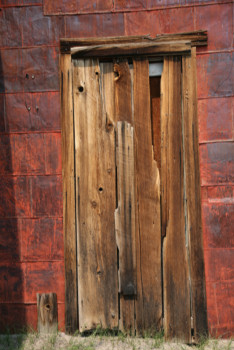
This door is very shabby .
Diese Tür ist sehr schäbig 0
Cửa này rất tồi tàn .
这 扇门 很 破旧 。
Zhè shàn mén hěn pòjiù.
このドアはとてもぼろぼろです。
Kono doa wa totemo boroborodesu.
이 문은 매우 초라합니다.
i mun-eun maeu cholahabnida.
(VI)
(ZH)
(JA)
2912
[EN] [DE] [NL] [ES] [FR] [IT] [TH] [VI] [ZH]
|
RANDOM
请不要妨碍比赛。

Do not interfere with the game .
Beeinträchtige das Spiel nicht 0
Xin đừng cản trở trò chơi 0
请 不要 妨碍 比赛 。
Qǐng bùyào fáng'ài bǐsài.
ゲームの邪魔をしないでください。
Gēmu no jama o shinaide kudasai.
게임을 방해하지 마십시오.
geim-eul banghaehaji masibsio.
(VI)
(ZH)
(JA)
2918
[EN] [DE] [NL] [ES] [FR] [IT] [TH] [VI] [ZH]
|
RANDOM
他摔倒了。

He fell down .
Er ist hingefallen 0
Anh ây ngã xuống .
他 摔倒 了 。
Tā shuāidǎo le.
彼が倒れました。
Kare ga taoremashita.
그는 쓰러졌다.
geuneun sseuleojyeossda.
(VI)
(ZH)
(JA)
2921
[EN] [DE] [NL] [ES] [FR] [IT] [TH] [VI] [ZH]
|
RANDOM
农业的收益已达兆亿美金。

The profits from the agricultural industry have reached mega-million US dollars .
Die Gewinne der Agrarindustrie haben Millionen US-Dollar erreicht 0
Lợi nhuận từ ngành nông nghiệp đã lên tới hàng triệu đô la Mỹ .
农业 的 收益 已达 兆 亿美金 。
Nóngyè de shōuyì yǐ dá zhàoyì Měijīn.
農業の収入は数兆ドルに達しています。
Nōgyō no shūnyū wa sū chō-doru ni tasshite imasu.
농업 수입은 수조 달러에 이르렀습니다.
nong-eob su-ib-eun sujo dalleoe ileuleossseubnida.
(VI)
(ZH)
(JA)
2937
[EN] [DE] [NL] [ES] [FR] [IT] [TH] [VI] [ZH]
|
RANDOM
攀岩需要毅力。

To do rock-climbing , you need tenacity .
Klettern erfordert Ausdauer 0
Để leo núi , bạn cần có sự kiên trì .
攀岩 需要 毅力 。
Pānyán xūyào yìlì.
ロッククライミングには忍耐力が必要です。
Rokkukuraimingu ni wa nintai-ryoku ga hitsuyōdesu.
암벽 등반은 인내가 필요합니다.
ambyeog deungban-eun innaega pil-yohabnida.
(VI)
(ZH)
(JA)
2952
[EN] [DE] [NL] [ES] [FR] [IT] [TH] [VI] [ZH]
|
RANDOM
我不爱吃猪肝。
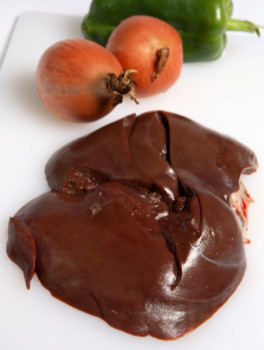
I don't like to eat pork liver .
Ich esse nicht gerne Schweineleber 0
Tôi không thích ăn gan lợn 0
我 不 爱 吃 猪肝 。
Wǒ bù ài chī zhūgān.
豚レバーは食べたくないです。
Buta rebā wa tabetakunaidesu.
나는 돼지 간을 먹는 것을 좋아하지 않습니다.
naneun dwaeji gan-eul meogneun geos-eul joh-ahaji anhseubnida.
(VI)
(ZH)
(JA)
2972
[EN] [DE] [NL] [ES] [FR] [IT] [TH] [VI] [ZH]
|
RANDOM
我不想和你有任何瓜葛。

I don not want any connections with you .
Ich will keine Verbindungen zu dir 0
Tôi không muốn có bất kỳ mối liên hệ nào với bạn .
我 不想 和 你 有 任何 瓜葛 。
Wǒ bù xiǎng hé nǐ yǒu rènhé guāgé.
私はあなたとは何の関係も持ちたくない。
Watashi wa anata to wa nani no kankei mo mochitakunai.
나는 당신과 아무 관련이 없습니다.
naneun dangsingwa amu gwanlyeon-i eobs-seubnida.
(VI)
(ZH)
(JA)
3016
[EN] [DE] [NL] [ES] [FR] [IT] [TH] [VI] [ZH]
|
RANDOM
惟独数学他学不好。

Math is the only subject in which he can not do well .
Mathe ist das einzige Fach , in dem er nicht gut kann 0
Toán là môn học duy nhất mà cậu ấy không thể làm tốt .
惟独 数学 他学 不好 。
Wéidú shùxué tā xuébuhǎo.
彼は数学を上手に学ぶことしかできない。
Kare wa sūgaku o jōzu ni manabu koto shika dekinai.
그는 수학을 잘 배울 수 없습니다.
geuneun suhag-eul jal baeul su eobs-seubnida.
(VI)
(ZH)
(JA)
3019
[EN] [DE] [NL] [ES] [FR] [IT] [TH] [VI] [ZH]
|
RANDOM
请勿使用手机。

Please do not use your cell phone .
Bitte benutzen Sie Ihr Handy nicht 0
Vui lòng không sử dụng điện thoại di động của bạn .
请勿 使用 手机 。
Qǐngwù shǐyòng shǒujī.
携帯電話は使用しないでください。
Geitaidenwa wa shiyō shinaide kudasai.
휴대 전화를 사용하지 마십시오.
hyudae jeonhwaleul sayonghaji masibsio.
(VI)
(ZH)
(JA)
3029
[EN] [DE] [NL] [ES] [FR] [IT] [TH] [VI] [ZH]
|
RANDOM
他从楼梯上栽倒下来。

He fell down the stairs .
Er ist die Treppe runter gefallen 0
Anh ấy ngã cầu thang .
他 从 楼梯 上 栽倒 下来 。
Tā cóng lóutī shàng zāidǎo xiàlai.
彼は階段から落ちた。
Kare wa kaidan kara ochita.
그는 계단에서 떨어졌다.
geuneun gyedan-eseo tteol-eojyeossda.
(VI)
(ZH)
(JA)
3034
[EN] [DE] [NL] [ES] [FR] [IT] [TH] [VI] [ZH]
|
RANDOM
医生在帮我按摩颈椎。

The doctor is massaging the vertebrae of my neck .
Der Arzt massiert die Wirbel meines Halses 0
Bác sĩ đang xoa bóp đốt sống cổ cho tôi .
医生 在 帮 我 按摩 颈椎 。
Yīshēng zài bāng wǒ ànmó jǐngzhuī.
医者は私が頸椎をマッサージするのを手伝ってくれています。
Isha wa watashi ga keitsui o massāji suru no o tetsudatte kurete imasu.
의사가 내 경추 마사지를 도와주고 있습니다.
uisaga nae gyeongchu masajileul dowajugo issseubnida.
(VI)
(ZH)
(JA)
3042
[EN] [DE] [NL] [ES] [FR] [IT] [TH] [VI] [ZH]
|
RANDOM
医生叮嘱病人按时吃药。

The doctor urged/warned the patient repeatedly to take the medicine at the times indicated .
Der Arzt forderte den Patienten wiederholt auf , das Arzneimittel zu den angegebenen Zeiten einzunehmen 0
Bác sĩ thúc giục / cảnh báo bệnh nhân nhiều lần uống thuốc vào thời gian được chỉ định
医生 叮嘱 病人 按时 吃药 。
Yīshēng dīngzhǔ bìngrén ànshí chīyào.
医者は患者に時間通りに薬を飲むように言った。
Isha wa kanja ni jikandōrini kusuri o nomu yō ni itta.
의사는 환자에게 제 시간에 약을 먹으라고 말했습니다.
uisaneun hwanja-ege je sigan-e yag-eul meog-eulago malhaessseubnida.
(VI)
(ZH)
(JA)
3071
[EN] [DE] [NL] [ES] [FR] [IT] [TH] [VI] [ZH]
|
RANDOM
不要用喇叭对着我说话!

Don not speak with the megaphone aimed at me .
Sprich nicht mit dem Megaphon , das auf mich gerichtet ist 0
Đừng nói chuyện với cái loa nhằm vào tôi .
不要 用 喇叭 对 着 我 说话 !
Bùyào yòng lǎba duìzhe wǒ shuōhuà!
ホーンを使って私に話しかけないでください!
Hōn o tsukatte watashi ni hanashikakenaide kudasai!
나에게 말을 걸기 위해 경적을 사용하지 마십시오!
na-ege mal-eul geolgi wihae gyeongjeog-eul sayonghaji masibsio!
(VI)
(ZH)
(JA)
3076
[EN] [DE] [NL] [ES] [FR] [IT] [TH] [VI] [ZH]
|
RANDOM
医生在为她打防疫针。

The doctor is giving her a vaccination .
Der Arzt gibt ihr eine Impfung 0
Bác sĩ đang cho cô ấy đi tiêm phòng .
医生 在 为 她 打 防疫针 。
Yīshēng zài wèi tā dǎ fángyìzhēn.
医者は彼女に予防接種のショットを与えています。
Isha wa kanojo ni yobō sesshu no shotto o ataete imasu.
의사가 그녀에게 예방 접종을 하고 있습니다.
uisaga geunyeoege yebang jeobjong-eul hago issseubnida.
(VI)
(ZH)
(JA)
3112
[EN] [DE] [NL] [ES] [FR] [IT] [TH] [VI] [ZH]
|
RANDOM
医生针灸给我治病。

The doctor is treating my illness with acupuncture .
Der Arzt behandelt meine Krankheit mit Akupunktur 0
Bác sĩ đang điều trị bệnh cho tôi bằng phương pháp châm cứu .
医生 针灸 给 我 治病 。
Yīshēng zhēnjiǔ gěi wǒ zhìbìng.
医者は私の病気を鍼治療で治療しています。
Isha wa watashi no byōki o hari chiryō de chiryō shite imasu.
의사는 침술로 나를 치료했다.
uisaneun chimsullo naleul chilyohaessda.
(VI)
(ZH)
(JA)
3141
[EN] [DE] [NL] [ES] [FR] [IT] [TH] [VI] [ZH]
|
RANDOM
请不要欺凌弱者。

Don not bully the weak .
Schikaniere die Schwachen nicht 0
Đừng bắt nạt kẻ yếu .
请 不要 欺凌 弱者 。
Qǐng bùyào qīlíng ruòzhě.
弱者をいじめないでください。
Jakusha o ijimenaide kudasai.
약자를 괴롭히지 말아주세요.
yagjaleul goelobhiji mal-ajuseyo.
(VI)
(ZH)
(JA)
3148
[EN] [DE] [NL] [ES] [FR] [IT] [TH] [VI] [ZH]
|
RANDOM
船在汹湧的海浪中颠簸。

The ship is being tossed up and down on the rough sea .
Das Schiff wird auf der rauen See auf und ab geworfen 0
Con tàu đang bị lật tung trên biển động .
船 在 汹湧 的 海浪 中 颠簸 。
Chuán zài xiōngyǒng de hǎilàng zhōng diānbǒ.
船は荒れた海にぶつかった。
Fune wa areta umi ni butsukatta.
배는 거친 바다에 부딪쳤다.
baeneun geochin bada-e budijchyeossda.
(VI)
(ZH)
(JA)
3174
[EN] [DE] [NL] [ES] [FR] [IT] [TH] [VI] [ZH]
|
RANDOM
走廊里没人。

The corridor is empty .
Der Korridor ist leer 0
Hành lang vắng tanh .
走廊 里 没人 。
Zǒuláng lǐ méi rén.
廊下には誰もいません。
Rōka ni wa dare mo imasen.
복도에 아무도 없습니다.
bogdo-e amudo eobs-seubnida.
(VI)
(ZH)
(JA)
3238
[EN] [DE] [NL] [ES] [FR] [IT] [TH] [VI] [ZH]
|
RANDOM
他做什么事情都很有气魄。

Whatever he does , he does boldly and in grand style .
Was auch immer er tut , er tut es kühn und großartig 0
Bất cứ điều gì anh ấy làm , anh ấy đều làm một cách táo bạo và phong cách
他 做 什么 事情 都 很 有 气魄 。
Tā zuò shénme shìqing dōu hěn yǒu qìpò.
彼は彼がするすべてにおいて大胆です。
Kare wa kare ga suru subete ni oite daitandesu.
그는 모든 일에 담대합니다.
geuneun modeun il-e damdaehabnida.
(VI)
(ZH)
(JA)
3253
[EN] [DE] [NL] [ES] [FR] [IT] [TH] [VI] [ZH]
|
RANDOM
不要打电话骚扰我。

Don not harass me with telephone calls .
Belästige mich nicht mit Telefonanrufen 0
Đừng quấy rối tôi bằng các cuộc điện thoại .
不要 打电话 骚扰 我 。
Bùyào dǎ diànhuà sāorǎo wǒ.
電話をかけたり、嫌がらせをしたりしないでください。
Denwa o kake tari, iyagarase o shi tari shinaide kudasai.
전화해서 괴롭히지 마세요.
jeonhwahaeseo goelobhiji maseyo.
(VI)
(ZH)
(JA)
3278
[EN] [DE] [NL] [ES] [FR] [IT] [TH] [VI] [ZH]
|
RANDOM
我们谴责家庭暴力。

We denounce domestic violence .
Wir prangern häusliche Gewalt an 0
Chúng tôi tố cáo bạo lực gia đình .
我们 谴责 家庭暴力 。
Wǒmen qiǎnzé jiātíng bàolì.
私たちは家庭内暴力を非難します。
Watashitachiha kateinaibōryoku o hinan shimasu.
우리는 가정 폭력을 규탄합니다.
ulineun gajeong poglyeog-eul gyutanhabnida.
(VI)
(ZH)
(JA)
3296
[EN] [DE] [NL] [ES] [FR] [IT] [TH] [VI] [ZH]
|
RANDOM
我用铅笔写作业。

I do my homework in pencil .
Ich mache meine Hausaufgaben mit Bleistift 0
Tôi làm bài tập về nhà bằng bút chì .
我用 铅笔 写 作业 。
Wǒ yòng qiānbǐ xiě zuòyè.
私は鉛筆を使って宿題を書きます。
Watashi wa enpitsu o tsukatte shukudai o kakimasu.
나는 연필을 사용하여 숙제를 씁니다.
naneun yeonpil-eul sayonghayeo sugjeleul sseubnida.
(VI)
(ZH)
(JA)
3299
[EN] [DE] [NL] [ES] [FR] [IT] [TH] [VI] [ZH]
|
RANDOM
群众慷慨地为灾区捐款。

The public generously donated money to help the people in the disaster area .
Die Öffentlichkeit spendete großzügig Geld , um den Menschen im Katastrophengebiet zu helfen 0
Công chúng hảo tâm quyên góp giúp đỡ đồng bào vùng thiên tai .
群众 慷慨 地为 灾区 捐款 。
Qúnzhòng kāngkǎi de wèi zāiqū juānkuǎn.
人々は惜しみなく被災地にお金を寄付しました。
Hitobito wa oshiminaku hisai-chi ni okane o kifu shimashita.
사람들은 재난 지역에 아낌없이 돈을 기부했습니다.
salamdeul-eun jaenan jiyeog-e akkim-eobs-i don-eul gibuhaessseubnida.
(VI)
(ZH)
(JA)
3318
[EN] [DE] [NL] [ES] [FR] [IT] [TH] [VI] [ZH]
|
RANDOM
毒品让他沉沦。

Drugs brought about his downfall .
Drogen verursachten seinen Untergang 0
Ma túy đã làm cho anh ta sa sút .
毒品 让 他 沉沦 。
Dúpǐn ràng tā chénlún.
麻薬が彼を沈めさせた。
Mayaku ga kare o shizume saseta.
마약은 그를 가라앉게 했다.
mayag-eun geuleul galaanjge haessda.
(VI)
(ZH)
(JA)
3333
[EN] [DE] [NL] [ES] [FR] [IT] [TH] [VI] [ZH]
|
RANDOM
医生给他受伤的脚敷药。
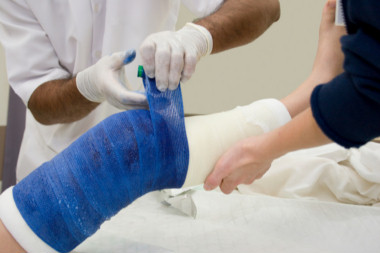
The doctor is applying medicine to his injured leg .
Der Arzt wendet Medikamente auf sein verletztes Bein an 0
Bác sĩ đang bôi thuốc vào chân bị thương của anh .
医生 给 他 受伤 的 脚 敷药 。
Yīshēng gěi tā shòushāng de jiǎo fūyào.
医者は彼のけがをした足に薬を塗っている.
Isha wa kare no kega o shita ashi ni kusuri o nutte iru.
의사는 다친 발에 약을 바릅니다.
uisaneun dachin bal-e yag-eul baleubnida.
(VI)
(ZH)
(JA)
3337
[EN] [DE] [NL] [ES] [FR] [IT] [TH] [VI] [ZH]
|
RANDOM
妈妈说话很罗嗦。

My mother just doesn' t stop talking .
Meine Mutter hört einfach nicht auf zu reden 0
Mẹ tôi không ngừng nói .
妈妈 说话 很 囉 嗦 。
Māma shuōhuà hěn luōsuo.
お母さんはとても長蛇の列です。
Okāsan wa totemo chōdanoretsudesu.
어머니는 아주 오랜만입니다.
eomeonineun aju olaenman-ibnida.
(VI)
(ZH)
(JA)
3343
[EN] [DE] [NL] [ES] [FR] [IT] [TH] [VI] [ZH]
|
RANDOM
她打扮得很妖艳。

She is dolled up gorgeously but coquettishly .
Sie ist prächtig , aber kokett 0
Cô ấy được trang điểm lộng lẫy nhưng quyến rũ .
她 打扮 得 很 妖 豔 。
Tā dǎban de hěn yāoyàn.
彼女はとてもコケティッシュな服を着ています。
Kanojo wa totemo koketisshuna fuku o kite imasu.
그녀는 매우 교묘하게 옷을 입습니다.
geunyeoneun maeu gyomyohage os-eul ibseubnida.
(VI)
(ZH)
(JA)
3348
[EN] [DE] [NL] [ES] [FR] [IT] [TH] [VI] [ZH]
|
RANDOM
广州市归广东省管辖。
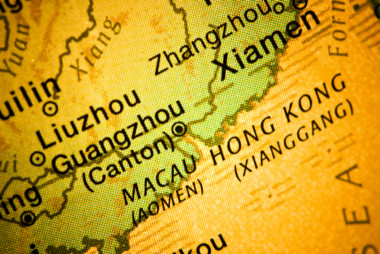
Guangzhou is under the jurisdiction of Guangdong province .
Guangzhou unterliegt der Gerichtsbarkeit der Provinz Guangdong 0
Quảng Châu thuộc quyền quản lý của tỉnh Quảng Đông .
广州市 归 广东省 管辖 。
Guǎngzhōu Shì guī Guǎngdōng Shěng guǎnxiá.
広州市は広東省の管轄下にあります。
Kōshū-shi wa kōtōshō no kankatsu-ka ni arimasu.
광저우시는 광둥성 관할입니다.
gwangjeousineun gwangdungseong gwanhal-ibnida.
(VI)
(ZH)
(JA)
3356
[EN] [DE] [NL] [ES] [FR] [IT] [TH] [VI] [ZH]
|
RANDOM
你不要诬告我!
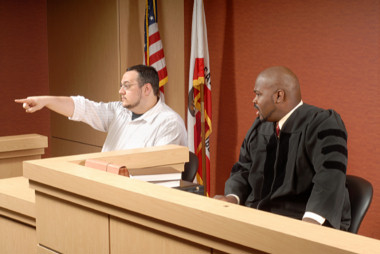
Don' t falsely accuse me .
Beschuldige mich nicht fälschlicherweise 0
Đừng buộc tội tôi .
你 不要 诬告 我 !
Nǐ bùyào wūgào wǒ!
私を誤って非難しないでください!
Watashi o ayamatte hinan shinaide kudasai!
나를 거짓으로 비난하지 마십시오!
naleul geojis-eulo binanhaji masibsio!
(VI)
(ZH)
(JA)
3357
[EN] [DE] [NL] [ES] [FR] [IT] [TH] [VI] [ZH]
|
RANDOM
警官在训练警犬。
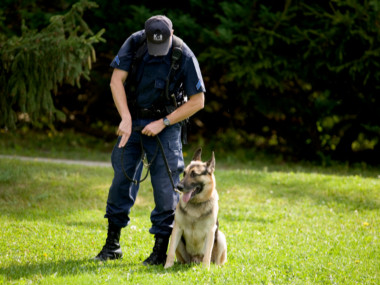
The police officer is training the police dog .
Der Polizist trainiert den Polizeihund 0
Anh cảnh sát đang huấn luyện chó cảnh sát .
警官 在 训练 警犬 。
Jǐngguān zài xùnliàn jǐngquǎn.
警察官は警察犬を訓練しています。
Keisatsukan wa keisatsu inu o kunren shite imasu.
경찰관이 경찰견을 훈련시키고 있습니다.
gyeongchalgwan-i gyeongchalgyeon-eul hunlyeonsikigo issseubnida.
(VI)
(ZH)
(JA)
3382
[EN] [DE] [NL] [ES] [FR] [IT] [TH] [VI] [ZH]
|
RANDOM
我不喜欢吃大蒜。
I don not like garlic .
Ich mag keinen Knoblauch 0
Tôi không thích tỏi .
我 不 喜欢 吃 大蒜 。
Wǒ bù xǐhuan chī dàsuàn.
にんにくは嫌いです。
Nin'niku wa kiraidesu.
나는 마늘을 좋아하지 않는다.
naneun maneul-eul joh-ahaji anhneunda.
(VI)
(ZH)
(JA)
3383
[EN] [DE] [NL] [ES] [FR] [IT] [TH] [VI] [ZH]
|
RANDOM
不要再瞒我了。

Don't hide this from me . .
Verstecke das nicht vor mir 0
Đừng giấu tôi điều này .
不要 再 瞒 我 了 。
Bùyào zài mán wǒ le.
これを私に隠さないでください。
Kore o watashi ni kakusanaide kudasai.
나에게 더 이상 거짓말하지 마십시오.
na-ege deo isang geojismalhaji masibsio.
(VI)
(ZH)
(JA)
3390
[EN] [DE] [NL] [ES] [FR] [IT] [TH] [VI] [ZH]
|
RANDOM
医生做事一丝不苟。

The doctor is scrupulous about every detail .
Der Arzt achtet genau auf jedes Detail 0
Bác sĩ tỉ mỉ đến từng chi tiết .
医生 做事 一丝不苟 。
Yīshēng zuòshì yīsī-bùgǒu.
医者は彼の仕事に細心の注意を払っている。
Isha wa kare no shigoto ni saishin no chūi o haratte iru.
의사는 그의 일에 세심합니다.
uisaneun geuui il-e sesimhabnida.
(VI)
(ZH)
(JA)
3392
[EN] [DE] [NL] [ES] [FR] [IT] [TH] [VI] [ZH]
|
RANDOM
我的婶婶是一名医生。

My aunt [father' s younger brother' s wife] is a doctor .
Meine Tante [die Frau des jüngeren Bruders meines Vaters] ist Ärztin 0
Dì tôi [vợ em trai của bố] là một bác sĩ .
我 的 婶婶 是 一名 医生 。
Wǒ de shěnshen shì yī míng yīshēng.
私の叔母は医者です。
Watashi no oba wa ishadesu.
이모[아버지의 동생의 아내]는 의사입니다.
imo[abeojiui dongsaeng-ui anae]neun uisaibnida.
(VI)
(ZH)
(JA)
3405
[EN] [DE] [NL] [ES] [FR] [IT] [TH] [VI] [ZH]
|
RANDOM
硫磺不溶于水。

Sulphur doesn not dissolve in water .
Schwefel löst sich nicht in Wasser 0
Lưu huỳnh không tan trong nước 0
硫磺 不 溶于 水 。
Liúhuáng bù róng yú shuǐ.
硫黄は水に溶けません。
Iō wa mizu ni tokemasen.
유황은 물에 녹지 않습니다.
yuhwang-eun mul-e nogji anhseubnida.
(VI)
(ZH)
(JA)
3407
[EN] [DE] [NL] [ES] [FR] [IT] [TH] [VI] [ZH]
|
RANDOM
他做事很挑剔。

He is very particular about the work he is doing .
Er ist sehr speziell in Bezug auf die Arbeit , die er leistet 0
Anh ấy rất đặc biệt về công việc anh ấy đang làm .
他 做事 很 挑剔 。
Tā zuòshì hěn tiāoti.
彼はとてもうるさいです。
Kare wa totemo urusaidesu.
그는 매우 까다 롭습니다.
geuneun maeu kkada lobseubnida.
(VI)
(ZH)
(JA)
3420
[EN] [DE] [NL] [ES] [FR] [IT] [TH] [VI] [ZH]
|
RANDOM
他们在给狗洗澡。

They are giving the dog a bath .
Sie baden den Hund 0
Họ đang tắm cho con chó 0
他们 在 给 狗 洗澡 。
Tāmen zài gěi gǒu xǐzǎo.
彼らは犬を入浴させています。
Karera wa inu o nyūyoku sa sete imasu.
그들은 개를 목욕시키고 있습니다.
geudeul-eun gaeleul mog-yogsikigo issseubnida.
(VI)
(ZH)
(JA)
3429
[EN] [DE] [NL] [ES] [FR] [IT] [TH] [VI] [ZH]
|
RANDOM
毋庸置疑,她是班里最好的学生。

She is undoubtedly the best student in the class .
Sie ist zweifellos die beste Schülerin in der Klasse 0
Cô ấy chắc chắn là học sinh giỏi nhất lớp .
毋庸置疑 , 她 是 班 里 最好 的 学生 。
Wúyōng zhìyí, tā shì bān lǐ zuì hǎo de xuésheng.
彼女がクラスで最高の生徒であることは間違いありません。
Kanojo ga kurasu de saikō no seitodearu koto wa machigai arimasen.
그녀가 반에서 최고의 학생임에는 의심의 여지가 없습니다.
geunyeoga ban-eseo choegoui hagsaeng-im-eneun uisim-ui yeojiga eobs-seubnida.
(VI)
(ZH)
(JA)
3447
[EN] [DE] [NL] [ES] [FR] [IT] [TH] [VI] [ZH]
|
RANDOM
车门被撞凹了。
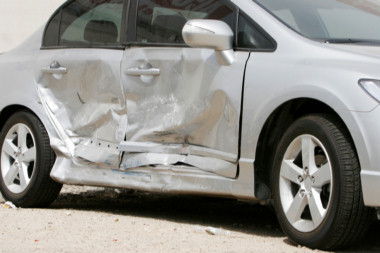
The car door has been dented .
Die Autotür wurde verbeult 0
Cửa xe đã bị móp .
车门 被 撞 凹 了 。
Chēmén bèi zhuàng'āo le.
車のドアがへこんでいた。
Kuruma no doa ga hekonde ita.
자동차 문이 찌그러졌습니다.
jadongcha mun-i jjigeuleojyeossseubnida.
(VI)
(ZH)
(JA)
3460
[EN] [DE] [NL] [ES] [FR] [IT] [TH] [VI] [ZH]
|
RANDOM
医生通过把脉来揆度病情。

By taking a pulse , a doctor can gauge a patient is condition .
Durch einen Puls kann ein Arzt den Zustand eines Patienten beurteilen 0
Bằng cách bắt mạch , bác sĩ có thể đánh giá tình trạng của bệnh nhân .
医生 通过 把脉 来揆度 病情 。
Yīshēng tōngguò bǎmài lái kuíduó bìngqíng.
医師は脈をとることによって状態を推定します。
Ishi wa myaku o toru koto ni yotte jōtai o suitei shimasu.
의사는 맥박을 측정하여 상태를 추정합니다.
uisaneun maegbag-eul cheugjeonghayeo sangtaeleul chujeonghabnida.
(VI)
(ZH)
(JA)
3469
[EN] [DE] [NL] [ES] [FR] [IT] [TH] [VI] [ZH]
|
RANDOM
回忆不会随着时间而湮灭。
Memories do not fall into oblivion with the passage of time .
Erinnerungen geraten im Laufe der Zeit nicht in Vergessenheit 0
Kỉ niệm không rơi vào quên lãng theo thời gian .
回忆 不会 随着 时间 而 湮灭 。
Huíyì bù huì suízhe shíjiān ér yānmiè.
記憶は時間の経過とともに消滅することはありません。
Kioku wa jikan no keika to tomoni shōmetsu suru koto wa arimasen.
추억은 시간이 지나도 소멸되지 않습니다.
chueog-eun sigan-i jinado somyeoldoeji anhseubnida.
(VI)
(ZH)
(JA)
3508
[EN] [DE] [NL] [ES] [FR] [IT] [TH] [VI] [ZH]
|
RANDOM
他们扒着车窗向外看。

They are hanging onto the car window and looking out .
Sie hängen am Autofenster und schauen hinaus 0
Họ đang bám vào cửa kính ô tô và nhìn ra ngoài .
他们 扒 着 车窗 向外看 。
Tāmen bāzhe chēchuāng xiàngwài kàn.
彼らは車の窓にぶら下がって外を見ています。
Karera wa kuruma no mado ni burasagatte soto o mite imasu.
그들은 차 창밖을 내다보았다.
geudeul-eun cha changbakk-eul naedaboassda.
(VI)
(ZH)
(JA)
3522
[EN] [DE] [NL] [ES] [FR] [IT] [TH] [VI] [ZH]
|
RANDOM
小狗在地上拉屎。

The dog is pooping on the ground .
Der Hund kackt auf dem Boden 0
Con chó đang ị trên mặt đất .
小狗 在 地上 拉屎 。
Xiǎogǒu zài dìshang lāshǐ.
犬が地面にうんちをしている。
Inu ga jimen ni unchi o shite iru.
땅에 떨어진 강아지 똥.
ttang-e tteol-eojin gang-aji ttong.
(VI)
(ZH)
(JA)
3537
[EN] [DE] [NL] [ES] [FR] [IT] [TH] [VI] [ZH]
|
RANDOM
医生帮他清除耳屎。

The doctor cleaned out his earwax for him .
Der Arzt räumte sein Ohrenschmalz für ihn aus 0
Bác sĩ đã lấy sạch ráy tai cho anh .
医生 帮 他 清除 耳屎 。
Yīshēng bāng tā qīngchú ěrshǐ.
医者は彼が耳垢を取り除くのを手伝った。
Isha wa kare ga mimiaka o torinozoku no o tetsudatta.
의사는 그가 귀지를 제거하는 것을 도왔습니다.
uisaneun geuga gwijileul jegeohaneun geos-eul dowassseubnida.
(VI)
(ZH)
(JA)
3538
[EN] [DE] [NL] [ES] [FR] [IT] [TH] [VI] [ZH]
|
|