3600 Sentences in 36 Units Quiz Listen to Stories

1 (wiktionary) 3 (glosbe) 11


CORE WORDS


HSK 3.0Big5GbPinEng
1 cài vegetable, greens, dish, course, food
2 菜單 菜单 càidān menu, CL:份[fen4],張|张[zhang1]
2 cái then and only then, just now, only (before a number)
2 剛纔 刚才 gāngcái (just) a moment ago
3 白菜 白菜 báicài Chinese cabbage, pak choi, CL:棵[ke1], 個|个[ge4]
3 才能 才能 cáinéng ability, talent
3 採取 采取 cǎiqǔ operate, assume, adopt, accept, strike, take, take up, take over, borrow
3 彩色 彩色 cǎisè colour, chromatic, multicolour, colorful
3 採用 采用 cǎiyòng invoke, admit, assume, adoptive, use, adopt, select for use, embrace, accept, employment, take, introduce, take up, take_on, take over, take on, borrow, employ, adoption
3 教材 教材 jiàocái textbook, teaching material
3 精彩 精彩 jīngcǎi brilliant, splendid
3 人才 人才 réncái talent, capable person, a talented person, qualified personnel, a person of ability
4 cái then and only then, just now, only (before a number)
4 材料 材料 cáiliào making, aggregate, stuff, ingredients, food, ingredient, data, fodder, material, datum, stock, makings, data point, timber
4 財富 财富 cáifù opulence, pile, worth, fortune, moneybag, riches, mammon, substance, wealth, wealthy, gold, lucre, means, shekel, pelf, opulency, money, oof, nabobery
4 財產 财产 cáichǎn aught, belonging, fortune, material possession, cash, riches, substance, assets, property, wealth, belongings, estate, seizin, thing, holding, possession, means, goods, asset, pelf, money, propertied, seisin, res, having
4 採訪 采访 cǎifǎng cover, interview, gather news
4 色彩 色彩 sècǎi hue, tincture, palette, tint, blazonry, leavening, tinct, grain, color, shade
4 身材 身材 shēncái stature, figure
5 猜測 猜测 cāicè guess, surmise
5 採購 采购 cǎigòu choose and purchase
5 裁判 裁判 cáipàn judge, referee, umpire
5 cāi guess, conjecture, speculation, suspect, put_on, speculate
5 彩票 彩票 cǎipiào lottery ticket
5 蔬菜 蔬菜 shūcài vegetal, kale, greenstuff, veggie, greengrocery, kail, greens, vegetables, truck, veg, sass, vegetable, vegetative
5 題材 题材 tícái subject_matter, theme, material, content, subject, subject matter, depicted object
5 天才 天才 tiāncái genius, talent, gift
5 總裁 总裁 zǒngcái head examiner, director-general, president, governor
6 採納 采纳 cǎinà to accept, to adopt
6 cǎi tread, tramp, tromp, scrunch, trample, walk, step, step on
6 理財 理财 lǐ cái financial management, finance
7 猜謎 猜谜 cāi mí Guess
7 猜想 猜想 cāixiǎng to guess, to conjecture, to suppose, to suspect
7 財經 财经 cáijīng finance and economics
7 財力 财力 cáilì financial resources
7 財務 财务 cáiwù finance, financial affairs, financial
7 才華 才华 cáihuá literary talent, artistic talent, literary, literacy, flair, literary/artistic talent
7 財政 财政 cáizhèng finance
7 cái to cut out (as a dress), to cut, to trim, to reduce, to diminish, to cut back (e.g. on staff), decision, judgment
7 財物 财物 cáiwù property, belongings
7 裁定 裁定 cáidìng ruling
7 cǎi pick, gather
7 裁決 裁决 cáijué ruling, adjudication
7 採礦 采矿 cǎi kuàng mining
7 彩虹 彩虹 cǎihóng rainbow, CL:道[dao4]
7 彩電 彩电 cǎidiàn color TV
7 彩霞 彩霞 cǎixiá clouds tinged with sunset hues
7 菜市場 菜市场 càishìchǎng food market
7 採集 采集 cǎijí oyster, collect, gather, pick up and put together
7 成才 成才 chéng cái to make sth of oneself, to become a person who is worthy of respect
7 發財 发财 fācái to get rich
7 豐富多彩 丰富多彩 fēngfù-duōcǎi richly colorful
7 風采 风采 fēngcǎi carriage, graceful bearing, colour, mien, elegant demeanour, literary grace, elegant demeanor
7 棺材 棺材 guāncai coffin, CL:具[ju4],口[kou3]
7 光彩 光彩 guāngcǎi luster, splendor, radiance, brilliance
7 喝彩 喝彩 hè cǎi to acclaim, to cheer
7 開采 开采 kāicǎi mine, extract, exploit
7 口才 口才 kǒucái eloquence
7 理睬 理睬 lǐcǎi to heed, to pay attention to
7 木材 木材 mùcái patina, heartwood, wood, stuff, lumber, cabinet wood, timber
7 器材 器材 qìcái materials, materiel, equipment
7 錢財 钱财 qiáncái wealth, money
7 素材 素材 sùcái material, source material, medium
7 無精打採 无精打采 wújīng-dǎcǎi dispirited and downcast (idiom), listless, in low spirits, washed out
7 興高采烈 兴高采烈 xìnggāo-cǎiliè happy and excited (idiom), in high spirits, in great delight
7 藥材 药材 yàocái drug ingredients
7 原材料 原材料 yuáncáiliào raw materials, unprocessed materials
7 張燈結彩 张灯结彩 zhāngdēng-jiécǎi to be decorated with lanterns and colored banners (idiom)
7 制裁 制裁 zhìcái sanction, punish
7 仲裁 仲裁 zhòngcái arbitration

RANDOM
我买了蔬菜、水果等等。


I bought vegetables , fruits , etc .
Ich habe Gemüse , Obst usw 0 gekauft 0
Tôi mua rau , trái cây , v .v .
蔬菜 水果 等等
Wǒ mǎile shūcài、shuǐguǒ děngděng.
野菜や果物などを買いました。
Yasai ya kudamono nado o kaimashita.
나는 야채, 과일 등을 샀다.
naneun yachae, gwail deung-eul sassda.

(VI)
(ZH)
(JA)

0171


[EN] [DE] [NL] [ES] [FR] [IT] [TH] [VI] [ZH]

RANDOM
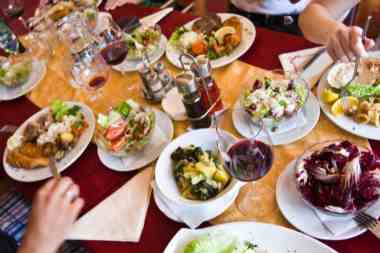
桌上摆了很多菜。


There are a lot of dishes on the table .
Es sind viele Gerichte auf dem Tisch 0
rất nhiều món ăn trên bàn .
桌上 很多
Zhuō shàng bǎile hěn duō cài.
テーブルの上にはたくさんの料理があります。
Tēburu no ue ni wa takusan no ryōri ga arimasu.
테이블에 많은 요리가 있습니다.
teibeul-e manh-eun yoliga issseubnida.

(VI)
(ZH)
(JA)

0309


[EN] [DE] [NL] [ES] [FR] [IT] [TH] [VI] [ZH]

RANDOM
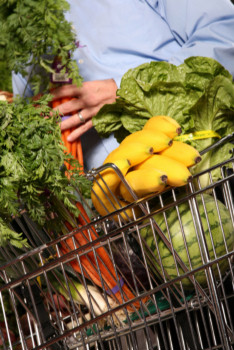
我们去超市买菜。


We go to the supermarket to buy vegetables .
Wir gehen in den Supermarkt , um Gemüse zu kaufen 0
Chúng tôi đi siêu thị để mua rau .
我们 超市 买菜
Wǒmen qù chāoshì mǎicài.
野菜を買いにスーパーに行きます。
Yasai o kai ni sūpā ni ikimasu.
우리는 식료품을 사러 슈퍼마켓에 갑니다.
ulineun siglyopum-eul saleo syupeomakes-e gabnida.

(VI)
(ZH)
(JA)

0310


[EN] [DE] [NL] [ES] [FR] [IT] [TH] [VI] [ZH]

RANDOM
小摊上摆着很多种蔬菜。


Many vegetables are on display at the stall .
Viele Gemüse sind am Stand ausgestellt 0
Nhiều loại rau được trưng bày tại quầy hàng .
小摊 多种 蔬菜
Xiǎo tān shàng bǎizhe hěn duō zhǒng shūcài.
屋台にはたくさんの種類の野菜があります。
Yatai ni wa takusan no shurui no yasai ga arimasu.
매점에는 많은 종류의 야채가 있습니다.
maejeom-eneun manh-eun jonglyuui yachaega issseubnida.

(VI)
(ZH)
(JA)

0336


[EN] [DE] [NL] [ES] [FR] [IT] [TH] [VI] [ZH]

RANDOM
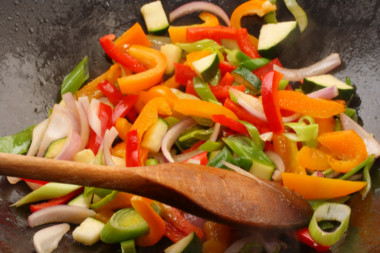
辣椒、洋葱和胡萝卜都属于蔬菜类。


Peppers , onions and carrots are all vegetables .
Paprika , Zwiebeln und Karotten sind alles Gemüse 0
Ớt , hành tây rốt tất cả các loại rau .
辣椒 洋葱 胡萝 属于 蔬菜类
Làjiāo、yángcōng hé húluóbo dōu shǔyú shūcàilèi.
ピーマン、玉ねぎ、にんじんはすべて野菜です。
Pīman, tamanegi, ninjin wa subete yasaidesu.
고추, 양파, 당근은 모두 야채입니다.
gochu, yangpa, dang-geun-eun modu yachaeibnida.

(VI)
(ZH)
(JA)

1042


[EN] [DE] [NL] [ES] [FR] [IT] [TH] [VI] [ZH]

RANDOM
菜搞好了。


The food is ready .
Das Essen ist fertig 0
Món ăn đã sẵn sàng .
搞好
Cài gǎohǎo le.
お皿が出来上がりました。
O sara ga dekiagarimashita.
요리가 완성되었습니다.
yoliga wanseongdoeeossseubnida.

(VI)
(ZH)
(JA)

1157


[EN] [DE] [NL] [ES] [FR] [IT] [TH] [VI] [ZH]

RANDOM
我喜欢吃日本菜,尤其是寿司。


I love Japanese food , especially sushi .
Ich liebe japanisches Essen , besonders Sushi 0
Tôi thích đồ ăn Nhật Bản , đặc biệt sushi .
喜欢 日本 , 尤其 寿司
Wǒ xǐhuan chī Rìběncài, yóuqíshì shòusī.
私は日本食、特に寿司を食べるのが好きです。
Watashi wa nipponshoku, tokuni sushi o taberu no ga sukidesu.
나는 일본 음식, 특히 초밥을 먹는 것을 좋아합니다.
naneun ilbon eumsig, teughi chobab-eul meogneun geos-eul joh-ahabnida.

(VI)
(ZH)
(JA)

1625


[EN] [DE] [NL] [ES] [FR] [IT] [TH] [VI] [ZH]

RANDOM
这一桌菜很丰盛。


On this table are many different foods .
Auf diesem Tisch sind viele verschiedene Speisen 0
Trên bàn này nhiều món ăn khác nhau .
一桌 丰盛
Zhè yī zhuō cài hěn fēngshèng.
このテーブルの料理はとても豊富です。
Kono tēburu no ryōri wa totemo hōfudesu.
이 테이블의 요리는 매우 풍부합니다.
i teibeul-ui yolineun maeu pungbuhabnida.

(VI)
(ZH)
(JA)

1633


[EN] [DE] [NL] [ES] [FR] [IT] [TH] [VI] [ZH]

RANDOM
市场里出售各种蔬菜。


All kinds of vegetables are sold in the market .
Alle Arten von Gemüse werden auf dem Markt verkauft 0
Tất cả các loại rau được bán trong chợ .
市场 出售 各种 蔬菜
Shìchǎng lǐ chūshòu gè zhǒng shūcài.
さまざまな野菜が市場で売られています。
Samazamana yasai ga ichiba de ura rete imasu.
다양한 야채가 시장에서 판매됩니다.
dayanghan yachaega sijang-eseo panmaedoebnida.

(VI)
(ZH)
(JA)

1736


[EN] [DE] [NL] [ES] [FR] [IT] [TH] [VI] [ZH]

RANDOM
河边有很多小贩在卖菜。


There are many peddlers selling vegetables by the riverside .
Am Fluss gibt es viele Händler , die Gemüse verkaufen 0
nhiều gánh hàng rong bán rau ven sông .
河边 很多 小贩 卖菜
Hébiān yǒu hěn duō xiǎofàn zài mài cài.
川沿いで野菜を売っている業者はたくさんあります。
Kawa-zoi de yasai o utte iru gyōsha wa takusan arimasu.
강가에는 야채를 파는 노점상들이 많이 있습니다.
gang-ga-eneun yachaeleul paneun nojeomsangdeul-i manh-i issseubnida.

(VI)
(ZH)
(JA)

1775


[EN] [DE] [NL] [ES] [FR] [IT] [TH] [VI] [ZH]

RANDOM
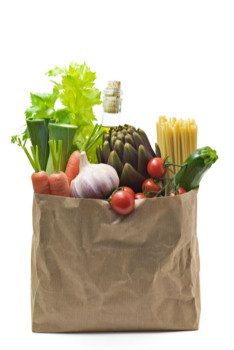
袋子里有很多蔬菜。


There are a lot of vegetables in the bag .
In der Tüte befindet sich viel Gemüse 0
rất nhiều loại rau trong túi .
袋子 很多 蔬菜
Dàizi lǐ yǒu hěn duō shūcài.
袋の中には野菜がたくさん入っています。
Fukuro no nakaniha yasai ga takusan haitte imasu.
가방에 야채가 많이 들어있습니다.
gabang-e yachaega manh-i deul-eoissseubnida.

(VI)
(ZH)
(JA)

1873


[EN] [DE] [NL] [ES] [FR] [IT] [TH] [VI] [ZH]

RANDOM
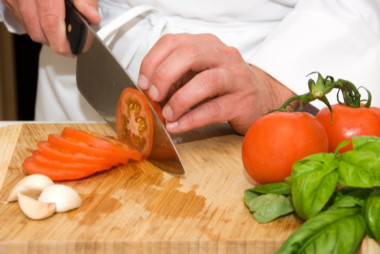
这把菜刀很锋利。


The kitchen knife is very sharp .
Das Küchenmesser ist sehr scharf 0
Con dao làm bếp rất sắc bén .
菜刀 锋利
Zhè bǎ càidāo hěn fēnglì.
この包丁はとても鋭いです。
Kono hōchō wa totemo surudoidesu.
이 부엌칼은 매우 날카롭습니다.
i bueok-kal-eun maeu nalkalobseubnida.

(VI)
(ZH)
(JA)

1935


[EN] [DE] [NL] [ES] [FR] [IT] [TH] [VI] [ZH]

RANDOM
我想买一个炒菜锅。


I want to buy a frying pan .
Ich möchte eine Pfanne kaufen 0
Tôi muốn mua một cái chảo 0
一个 炒菜锅
Wǒ xiǎng mǎi yī gè chǎocàiguō.
中華鍋を買いたいです。
Chūkanabe o kaitaidesu.
웍을 사고 싶어요.
wog-eul sago sip-eoyo.

(VI)
(ZH)
(JA)

1977


[EN] [DE] [NL] [ES] [FR] [IT] [TH] [VI] [ZH]

RANDOM
我正在炒菜。


I am stir-frying a dish .
Ich brate ein Gericht an 0
Tôi đang xào một món ăn 0
正在 炒菜
Wǒ zhèng zài chǎocài.
私は料理を炒めています。
Watashi wa ryōri o itamete imasu.
나는 요리하고 있다.
naneun yolihago issda.

(VI)
(ZH)
(JA)

2396


[EN] [DE] [NL] [ES] [FR] [IT] [TH] [VI] [ZH]

RANDOM
中国菜要趁热吃。


Chinese food should be eaten hot .
Chinesisches Essen sollte heiß gegessen werden 0
Đồ ăn Trung Quốc nên ăn nóng .
中国 菜要 趁热
Zhōngguó cài yào chènrè chī.
中華料理は暑いうちに食べるべきです。
Chūkaryōri wa atsui uchi ni taberubekidesu.
중국 음식은 뜨거울 때 먹어야 합니다.
jung-gug eumsig-eun tteugeoul ttae meog-eoya habnida.

(VI)
(ZH)
(JA)

2465


[EN] [DE] [NL] [ES] [FR] [IT] [TH] [VI] [ZH]

RANDOM
她爱吃蔬菜。


She loves vegetables .
Sie liebt Gemüse 0
ấy yêu rau .
蔬菜
Tā ài chī shūcài.
彼女は野菜を食べるのが好きです。
Kanojo wa yasai o taberu no ga sukidesu.
그녀는 야채를 먹는 것을 좋아합니다.
geunyeoneun yachaeleul meogneun geos-eul joh-ahabnida.

(VI)
(ZH)
(JA)

2494


[EN] [DE] [NL] [ES] [FR] [IT] [TH] [VI] [ZH]

RANDOM
他用微波炉热菜。


He heats the food in a microwave .
Er erhitzt das Essen in einer Mikrowelle 0
Anh ấy hâm nóng thức ăn trong vi sóng .
微波炉 热菜
Tā yòng wēibōlú rè cài.
彼は電子レンジで皿を加熱します。
Kare wa denjirenji de sara o kanetsu shimasu.
그는 전자레인지를 사용하여 접시를 데웁니다.
geuneun jeonjaleinjileul sayonghayeo jeobsileul de-ubnida.

(VI)
(ZH)
(JA)

2570


[EN] [DE] [NL] [ES] [FR] [IT] [TH] [VI] [ZH]

RANDOM
他很讨厌吃椰菜花。


He hates broccoli .
Er hasst Brokkoli 0
Anh ấy ghét bông cải xanh 0
讨厌 椰菜
Tā hěn tǎoyàn chī yēcàihuā.
彼はブロッコリーが嫌いです。
Kare wa burokkorī ga kiraidesu.
그는 브로콜리를 싫어합니다.
geuneun beulokollileul silh-eohabnida.

(VI)
(ZH)
(JA)

2641


[EN] [DE] [NL] [ES] [FR] [IT] [TH] [VI] [ZH]

RANDOM
这些蔬菜物美价廉。


This vegetable is good value for money .
Dieses Gemüse hat ein gutes Preis-Leistungs-Verhältnis 0
Những loại rau này tốt , chúng cũng rẻ .
这些 蔬菜 物美价廉
Zhèxiē shūcài wùměi-jiàlián.
これらの野菜は品質が良く、安価です。
Korera no yasai wa hinshitsu ga yoku, ankadesu.
이 야채는 품질이 좋고 저렴합니다.
i yachaeneun pumjil-i johgo jeolyeomhabnida.

(VI)
(ZH)
(JA)

2735


[EN] [DE] [NL] [ES] [FR] [IT] [TH] [VI] [ZH]

RANDOM
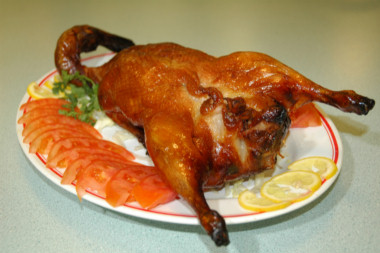
我爱吃中国菜,譬如北京烤鸭。


I love eating Chinese dishes , like Beijing roast duck , for instance .
Ich liebe es , chinesische Gerichte zu essen , wie zum Beispiel Entenbraten aus Peking 0
Tôi thích ăn các món ăn Trung Quốc , chẳng hạn như vịt quay Bắc Kinh .
中国 , 譬如 北京烤鸭
Wǒ ài chī Zhōngguócài, pìrú Běijīng kǎoyā.
北京ダックなどの中華料理が大好きです。
Pekin dakku nado no chūkaryōri ga daisukidesu.
나는 북경 오리구이 같은 중국 음식을 좋아합니다.
naneun buggyeong oligu-i gat-eun jung-gug eumsig-eul joh-ahabnida.

(VI)
(ZH)
(JA)

3325


[EN] [DE] [NL] [ES] [FR] [IT] [TH] [VI] [ZH]

RANDOM
今天的菜肴很丰富。


Today there is a huge assortment of dishes .
Heute gibt es eine riesige Auswahl an Gerichten 0
Ngày nay rất nhiều loại món ăn .
今天 菜肴 丰富
Jīntiān de càiyáo hěn fēngfù.
今日の料理はとても豊富です。
Kyō no ryōri wa totemo hōfudesu.
오늘의 요리는 매우 풍부합니다.
oneul-ui yolineun maeu pungbuhabnida.

(VI)
(ZH)
(JA)

3458


[EN] [DE] [NL] [ES] [FR] [IT] [TH] [VI] [ZH]

RANDOM
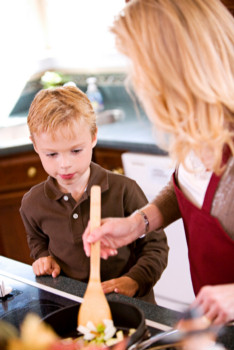
妈妈用煎锅做菜。


My mom is cooking with a frying pan .
Meine Mutter kocht mit einer Pfanne 0
Mẹ tôi đang nấu ăn bằng chảo .
妈妈 煎锅 做菜
Māma yòng jiānguō zuòcài.
ママはフライパンで料理をします。
Mama wa furaipan de ryōri o shimasu.
어머니는 프라이팬을 사용하여 요리합니다.
eomeonineun peulaipaen-eul sayonghayeo yolihabnida.

(VI)
(ZH)
(JA)

3532


[EN] [DE] [NL] [ES] [FR] [IT] [TH] [VI] [ZH]