3600 Sentences in 36 Units Quiz Listen to Stories

1 (wiktionary) 3 (glosbe) 11


CORE WORDS


baby n. by prep. bye exclam. goodbye exclam./n. hobby n. lobby n. v. nearby adj. adv. rugby n. thereby adv. whereby adv.


HSK 3.0Big5GbPinEng
1 generalized verb of doing with specific meaning determined by its object, strike, hit, fight, construct, forge, mix
1 記住 记住 jì zhu to remember, to bear in mind, to learn by heart
1 lèi tire, build by piling up, pile up, strain, weary, toil, accumulate, involve, tired, burthen, work hard, accumulation, fatigued, wear out
1 馬路 马路 mǎlù drive, road, driveway, riding, a road, carriageway, avenue, street, a street used by vehicular traffic
1 旁邊 旁边 pángbiān by the side of, side, adjacency, near by
1 再見 再见 zàijiàn good-bye, see you again
2 bàn punish (by law), manage, get ... ready, set_up, buy a fair amount of, set up, run, management, handle, tackle, attend to, do, punish, bring ... to justice
2 bèi learn by heart, recite from memory
2 道路 道路 dàolù track, path, runway, steps, route, course, toby, road, thoroughfare, way
2 過去 过去 guò qu go over, pass by
2 jiē county fair, fair, place, market, toby, street
2 看法 看法 kànfa side, view, mentality, idea, outlook, a way of looking at a thing, opinion, thought, sight, standpoint, hypothesis, attitude, hobbyhorse, viewpoint, possibility, theory, slant, pronouncement, way of looking at sth., thinking, supposition, supposal
2 slit, press-gang, help, solicit, lend a helping hand, canvass, draw, zoom, transport by vehicle, pull, release, press, cut, schlep, play (bowed instruments), tote, tug, gash, tow, bend, snake, schlepp, move (troops), solicitation, haul, chat, solicit (business), give a helping hand, drag out, force, play, slash, drum_up, claw, implicate, overstretch, empty the bowels, drag, trail, drag
2 mài bring, parade, prostitute, make living at, go, sell out, show off, negotiate, exert to the utmost, tout, not spare, deal, betray, make living by, at, sell, make living by/at, betrayal, trade, fetch, market, bring in
2 māo pussycat, puss, malkin, cat, kitty, tabby, felid, feline, true cat, pussy
2 身邊 身边 shēnbiān nearby, side, at hand
2 wèi by
2 行人 行人 xíngrén foot traffic, passerby, goer, pedestrian, pedestrian traffic, passenger
2 走過 走过 zǒuguò to walk past, to pass by
3 indicating pre-verbal object as thing dealt with by the action
3 bèi learn by heart, recite from memory
3 bèi by
3 bìng to be side by side, simultaneously, and
3 cháo abbr. for 朝鮮|朝鲜[Chao2 xian3] Korea, imperial or royal court, government, dynasty, reign of a sovereign or emperor, court or assembly held by a sovereign or emperor, to make a pilgrimage to, facing, towards, morning
3 告別 告别 gàobié valedictory, take_leave, part from, leave, parting, say good-bye to, bid farewell to
3 過去 过去 guò qu go over, pass by
3 警察 警察 jǐngchá police officer, cop, trooper, bluecoat, finest, jack, peon, policeman, police force, constable, policemen, flattie, fuzz, constabulary, shamus, bull, bobby, robert, copper, tipstaff, rozzer, flatfoot, john, peeler, Vopo, law, runner, officer, gumshoe, pig, police, the police, beetle-crusher, flic
3 jiù old, aged, onetime, bygone, used, worn, past, former
3 千萬 千万 qiānwàn by all means; absolutely
3 通常 通常 tōngcháng normal, commonly, customarily, more often than not, general, usual, on average, as a rule, ordinarily, mostly, as usual, typically, generally, normally, by and large, unremarkably, on the average, usually
3 通信 通信 tōngxìn communicate by letter, correspond
3 wèi by
3 wéi surname Wei, to encircle, to surround, all around, to wear by wrapping around (scarf, shawl)
3 yóu from, via, by, through, owing/due to
3 支持 支持 zhīchí sustain, hold out, bear;support, back, stand by
4 阿姨 阿姨 āyí aunt, child's address to woman of similar age as parents, girl, babysitter, aunty, elderly unattached woman, cr#4 eche attendant, maiden aunt, family nurse, nursery/cr#4eche attendant, nurse, mother's sister, auntie, nursery eche attendant, child's address to woman of similar age, one's mother's sister
4 寶寶 宝宝 bǎobao pet, sonny, darling baby, precious baby, baby, precious, poppet, sweetie, precious/darling baby
4 寶貝 宝贝 bǎobèi treasured object, treasure, darling, baby, cowry, good-for-nothing, odd character
4 bìng to be side by side, simultaneously, and
4 產品 产品 chǎnpǐn baby, brand, output, product, produce, end product, merchandise, fruitage, growth, manufacture, wares, production
4 generalized verb of doing with specific meaning determined by its object, strike, hit, fight, construct, forge, mix
4 點名 点名 diǎn míng roll call, to mention sb by name, (to call or praise or criticize sb) by name
4 獨自 独自 dúzì unaccompanied, solely, by oneself, alone
4 féi fat, fertile, loose-fitting or large, to fertilize, to become rich by illegal means, fertilizer, manure
4 分手 分手 fēn shǒu part, part company, separate, say good-bye, break up
4 各個 各个 gègè every, various, separately, one by one
4 獲得 获得 huòdé find, cop, acquirement, come_into, gain, draw, pick_up, pull, achievement, score, procure, come_by, get hold, purchase, nab, come upon, derive, latch, incur, achieve, make, bring, receive, arrive, come_out, pocket, obtain, luck into, sack, win, enter upon, pick up, garner, harvest, attain, come up, line up, extract, secure, possess, earn, reap, accrue, cover, take, acquire, get, arrive_at
4 漸漸 渐渐 jiànjiàn gradually, by degrees, little by little
4 be troubled by, suffer from, cause sb. suffering, bitter
4 老公 老公 lǎogong old man, eunuch, married man, hubby, husband
4 nào give vent, be troubled by, give vent to anger, suffer from, make a noise, do, stir up trouble, make, go in for
4 人家 人家 rénjia I (used by females), dwelling, I, sb. else, sb. else's house, family, household
4 萬一 万一 wànyī conj.: just in case, if by any chance
4 微信 微信 Wēixìn Weixin or WeChat (mobile text and voice messaging service developed by Tencent 騰訊|腾讯[Teng2 xun4])
4 興趣 兴趣 xìngqù relish, appetite, zestfulness, dish, cup of tea, pastime, hobby, interest, gusto, bag, avocation, zest
4 在於 在于 zàiyú be at, on, lie, in, depend on, lie_in, rest with, lie in, be determined by, consist_in, consist in
4 丈夫 丈夫 zhàngfu masterman, man, papa, manliness, mister, goodman, married man, husband, hub, hubby
4 逐漸 逐渐 zhújiàn step_by_step, by degrees, gradually
4 逐步 逐步 zhúbù step by step, progressively
5 chuǎng rush, temper oneself, charge, broke, cause, battle through, break, dash, temper oneself (by battling difficulties)
5 從而 从而 cóngér conj.: thus, thereby
5 generalized verb of doing with specific meaning determined by its object, strike, hit, fight, construct, forge, mix
5 靠近 靠近 kàojìn come near, hug, stand_by, come on, nigh, snuggle, go up, be close to, near, be nearby, approach, draw near, cling, meet
5 lòu to leak, to divulge, to leave out by mistake, waterclock or hourglass (old)
5 難得 难得 nándé hard to come by, rare, seldom
5 páng side, by the side of, other
5 rào circle, revolution, coil, wind, revolve around sth., entwine, weave, baffle, go around, confuse, go round, thread, move round, revolve, confusion, meander, make a detour, bypass, reel, be fuddled, detour, become entangled
5 忍受 忍受 rěnshòu forbear, hack, dree, stomach, abide, hurt, aby, hold still for, stick, brave out, live on, ache, endure, cut, swallow, suffer, brave, brook, bide, thole, digest, receive, stand, absorb, go, put up, hold out, live, hold up, sustain, abye, support, stand_for, bear, stand for, survive, last, tolerate, weather
5 深處 深处 shēnchù depth, bowel, recesses, profound, oceanic abyss, depths, deep, recess
5 受災 受灾 shòu zāi disaster-stricken, to be hit by a natural calamity
5 suì break to pieces, break ... to pieces, garrulous, smash, knap, crumble, gabby, fragmentary, batter, broken
5 tīng department, provincial government department, office, lobby, salle, hall
5 為期 为期 wéiqī by/lasting (a definite time)
5 依據 依据 yījù according to, on the basis of, judging by
5 由此 由此 yóucǐ hereby, from this
5 在場 在场 zàichǎng present, be present, be on the spot, stand_by, spot, be on the scene
5 zhuàng to knock against, to bump into, to run into, to meet by accident
5 遵守 遵守 zūnshǒu honour, comply with, obey, keep, hold back, abide, keep back, comply, observe, abide_by, observance, abide by, respect, restrain, honor
6 cáng lay by, concealment, conceal, hide, store
6 單打 单打 dāndǎ play by oneself
6 過渡 过渡 guòdù to cross over (by ferry), transition, interim, caretaker (administration)
6 截至 截至 jiézhì by (specified time), up to
6 jué extremely, most, absolutely, in the least, by any means, on any account
6 路過 路过 lùguò to pass by or through
6 pào to sauté, to fry, to dry by heating, to prepare herbal medicine by roasting or parching (in a pan), variant of 炮[pao4]
6 píng to discuss, to comment, to criticize, to judge, to choose (by public appraisal)
6 恰好 恰好 qiàhǎo as it turns out, by lucky coincidence, (of number, time, size etc) just right
6 qiān lead along (by holding hand/halter/etc.), pull, involve, implicate
6 tiān add, fuel, appose, addition, increase, have a baby
6 通道 通道 tōngdào path, scuttle, headway, corridor, passageway, gateway, gallery, close, walkway, areaway, hatchway, thoroughfare, lobby, winze, passage, aisle, opening, gangway, gap, passage(way), clearance, passing, headroom, enterclose, inlet, jackladder, access, byway
6 通話 通话 tōnghuà converse, communicate by telephone
6 娃娃 娃娃 wáwa mammet, baby, doll, child
6 in, at, to, from, out of, by
6 支援 支援 zhīyuán backstop, support, side, help, patronize, root, stand by, bear, angel, hold out, back, see through, assist, assistance, sustain, back up
6 只管 只管 zhǐguǎn solely engrossed in one thing, just (one thing, no need to worry about the rest), simply, by all means, please feel free, do not hesitate (to ask for sth)
6 race, nationality, ethnicity, clan, by extension, social group (e.g. office workers 上班族)
6 祖國 祖国 zǔguó country, China (used only by Chinese), mother_country, China, old_country, fatherland, home, country of origin, mother country, old country, homeland, native land, motherland, metropolis
7 áo to boil, to simmer, to cook on a slow fire, to extract by heating, to decoct, to endure
7 霸占 霸占 bàzhàn to occupy by force, to seize, to dominate
7 必定 必定 bìdìng inevitably, sure, for sure, by all means, needs, necessarily, sure enough, sure as shooting, be sure to, surely, certainly, of necessity, for certain
7 辮子 辫子 biànzi plait, braid, pigtail, a mistake or shortcoming that may be exploited by an opponent, handle, CL:根[gen1],條|条[tiao2]
7 表決 表决 biǎojué (decide by) vote
7 並列 并列 bìngliè appose, collocate, stand side by side, be juxtaposed, juxtapose
7 並行 并行 bìngxíng to proceed in parallel, side by side (of two processes, developments, thoughts etc)
7 不辭而別 不辞而别 bùcíérbié to leave without saying good-bye
7 不經意 不经意 bùjīngyì not paying attention, carelessly, by accident
7 不服 不服 bùfú not to accept sth, to want to have sth overruled or changed, to refuse to obey or comply, to refuse to accept as final, to remain unconvinced by, not to give in to
7 不了了之 不了了之 bùliǎo-liǎozhī to settle a matter by leaving it unsettled, to end up with nothing definite
7 chān to take by the arm and assist, to mix, to blend, to dilute, to adulterate
7 成千上萬 成千上万 chéngqiān-shàngwàn lit. by the thousands and tens of thousands (idiom), untold numbers, innumerable, thousands upon thousands
7 còu to gather together, pool or collect, to happen by chance, to move close to, to exploit an opportunity
7 湊合 凑合 còuhe to bring together, to make do in a bad situation, to just get by, to improvise, passable, not too bad
7 搭乘 搭乘 dāchéng travel by, travel, travel (by a conveyance), jet, take, fly, hitching, get_on
7 打招呼 打招呼 dǎ zhāohu to greet sb by word or action, to give prior notice
7 大幅度 大幅度 dàfúdù by a wide margin, substantial
7 得天獨厚 得天独厚 détiān-dúhòu blessed by heaven (idiom), enjoying exceptional advantages, favored by nature
7 地獄 地狱 dìyù the pit, hell, infernal, pandemonium, abyss, underworld, ballyhack, Hades, hades, blaze, Sheol, infernal region, Gehenna, Tartarus, Avernus, Topheth, Tophet, heck, nether region, Scheol, Acheron, perdition, the lower regions, Abaddon, netherworld, Hel, Inferno, inferno, Hell
7 點評 点评 diǎnpíng to comment, a point by point commentary
7 dīng nail, to follow closely, to keep at sb (to do sth), variant of 盯[ding1], to join things together by fixing them in place at one or more points, to nail, to pin, to staple, to sew on
7 by oneself, alone, in solitude, only
7 翻番 翻番 fān fān to double, to increase by a certain number of times
7 方言 方言 fāngyán the first Chinese dialect dictionary, edited by Yang Xiong 揚雄|扬雄[Yang2 Xiong2] in 1st century, containing over 9000 characters, topolect, dialect
7 仿製 仿制 fǎngzhì to copy, to imitate, to make by imitating a model
7 非得 非得 fēiděi (followed by a verb phrase, then – optionally – 不可, or 不行 etc) must
7 風沙 风沙 fēngshā sand blown by wind, sandstorm
7 俘獲 俘获 fúhuò to capture (enemy property or personnel), capture (physics: absorption of subatomic particle by an atom or nucleus)
7 附帶 附带 fùdài supplementary, incidentally, in parentheses, by chance, in passing, additionally, secondary, subsidiary, to attach
7 gǎn feel, sense, move, touch, be affected (by cold)
7 告辭 告辞 gàocí to say goodbye, to take one's leave
7 公車 公车 gōngchē bus, cars provided by an organization
7 公立 公立 gōnglì public, established and maintained by the government
7 古董 古董 gǔdǒng old fogey, curio, antique, virtu, vertu, bygone, bric-a-brac
7 掛號 挂号 guà hào to register (at a hospital etc), to send by registered mail
7 函授 函授 hánshòu to teach by correspondence
7 航海 航海 hánghǎi sailing, navigation, voyage by sea
7 呼聲 呼声 hūshēng a shout, fig. opinion or demand, esp. expressed by a group
7 畫蛇添足 画蛇添足 huàshé-tiānzú lit. draw legs on a snake (idiom), fig. to ruin the effect by adding sth superfluous, to overdo it
7 緩緩 缓缓 huǎnhuǎn postpone, postponement, little by little, slowly, put off, gradually, delay
7 會診 会诊 huì zhěn consultation (medical), to meet for diagnosis, (by extension) consultation of different specialists
7 計時 计时 jìshí to measure time, to time, to reckon by time
7 家喻戶曉 家喻户晓 jiāyù-hùxiǎo understood by everyone (idiom), well known, a household name
7 jiǎo to twist (strands into a thread), to entangle, to wring, to hang (by the neck), to turn, to wind, classifier for skeins of yarn
7 叫板 叫板 jiàobǎn to signal the musicians (in Chinese opera, by prolonging a spoken word before attacking a song), (coll.) to challenge
7 jié to rob, to plunder, to seize by force, to coerce, calamity, abbr. for kalpa 劫波[jie2 bo1]
7 僅次於 仅次于 jǐn cìyú second only to..., (in second place) preceded only by...
7 驚醒 惊醒 jīngxing to rouse, to be woken by sth, to wake with a start, to sleep lightly
7 就近 就近 jiùjìn nearby, in a close neighborhood
7 jué crabby, tough
7 刻舟求劍 刻舟求剑 kèzhōu-qiújiàn lit. a notch on the side of a boat to locate a sword dropped overboard (idiom), fig. an action made pointless by changed circumstances
7 口令 口令 kǒulìng oral command, a word of command (used in drilling troops or gymnasts), password (used by sentry)
7 類別 类别 lèibié category, cubbyhole, categorization, race, kind, categorisation, reduction, persuasion, regimentation, rubric, classification, sort
7 列舉 列举 lièjǔ chronicle, cite item by item, specify, list, marshal, number, enumeration, article, particularize, rehearse, count, recite, enumerate, itemize
7 靈機一動 灵机一动 língjī yī dòng a bright idea suddenly occurs (idiom), to hit upon an inspiration, to be struck by a brainwave
7 鹵味 卤味 lǔwèi food prepared by stewing in soy sauce and spices, variant of 滷味|卤味[lu3 wei4]
7 路人 路人 lùrén passer-by, stranger
7 輪流 轮流 lúnliú by turns, in turn
7 埋藏 埋藏 máicáng to bury, to hide by burying, hidden
7 彌漫 弥漫 mímàn to pervade, to fill the air, diffuse, everywhere present, about to inundate (water), permeated by (smoke), filled with (dust), to saturate (the air with fog, smoke etc), variant of 彌漫|弥漫[mi2 man4]
7 迷路 迷路 mí lù to lose the way, lost, labyrinth, labyrinthus vestibularis (of the inner ear)
7 民辦 民办 mínbàn run by the local people, privately operated
7 釀造 酿造 niàngzào to brew, to make (wine, vinegar, soybean paste etc) by fermentation
7 弄虛作假 弄虚作假 nòngxū-zuòjiǎ to practice fraud (idiom), by trickery
7 碰巧 碰巧 pèngqiǎo by chance, by coincidence, to happen to
7 憑借 凭借 píngjiè to rely on, to depend on, by means of, thanks to, sth that one relies on
7 萍水相逢 萍水相逢 píngshuǐ-xiāngféng strangers coming together by chance (idiom)
7 破案 破案 pò àn to solve a case, shabby old table
7 破舊 破旧 pòjiù shabby
7 恰巧 恰巧 qiàqiǎo fortunately, unexpectedly, by coincidence
7 千方百計 千方百计 qiānfāng-bǎijì lit. thousand ways, a hundred plans (idiom), by every possible means
7 千鈞一髮 千钧一发 qiānjūn-yīfà a thousand pounds hangs by a thread (idiom), imminent peril, a matter of life or death
7 牽頭 牵头 qiān tóu to lead (an animal by the head), to take the lead, to coordinate (a combined operation), to mediate, a go-between (e.g. marriage broker)
7 槍斃 枪毙 qiāngbì to execute by firing squad, to shoot dead, fig. to discard, to get rid of
7 強占 强占 qiángzhàn to occupy by force
7 敲邊鼓 敲边鼓 qiāo biāngǔ to back sb up, to support sb in an argument, (lit. to beat nearby drum)
7 親生 亲生 qīnshēng one's own (child) (i.e. one's child by birth), biological (parents), birth (parents)
7 取經 取经 qǔ jīng to journey to India on a quest for the Buddhist scriptures, to learn by studying another's experience
7 取暖 取暖 qǔ nuǎn to warm oneself (by a fire etc)
7 日趨 日趋 rìqū gradually, day_by_day
7 如醉如痴 如醉如痴 rúzuì-rúchī lit. as if drunk and stupefied (idiom), intoxicated by sth, obsessed with, mad about sth, also written 如癡如醉|如痴如醉[ru2 chi1 ru2 zui4]
7 軟弱 软弱 ruǎnruò weak, feeble, flabby
7 少女 少女 shàonǚ signorina, tomato, puss, teens, Gill, bobbysocker, gill, trick, nymph, chick, pussy, missy, maiden, wench, bobbysoxer, demoiselle, girlish, damsel, girl, sheila, miss, jeune fille, squab, wren, pigeon, colleen, maid, burd, bud, lassie, virgin, girlishness, number, gal, skirt, fille, teenager, quean, lass, quail, shrimp, young girl, maidish
7 時隔 时隔 shígé separated in time (usu. followed by a quantity of time)
7 嗜好 嗜好 shìhào hobby, indulgence, habit, addiction
7 疏通 疏通 shūtōng to unblock, to dredge, to clear the way, to get things flowing, to facilitate, to mediate, to lobby, to explicate (a text)
7 shuàn to rinse, to trick, to fool sb, to cook by dipping finely sliced ingredients briefly in boiling water or soup (generally done at the dining table)
7 順路 顺路 shùnlù by the way, while out doing sth else, conveniently
7 鎖定 锁定 suǒdìng to lock (a door), to close with a latch, to lock into place, a lock, a latch, to lock a computer file (to prevent it being overwritten), to lock (denying access to a computer system or device or files, e.g. by password-protection), to focus attention on, to target
7 tàng to scald, to burn (by scalding), to blanch (cooking), to heat (sth) up in hot water, to perm, to iron, scalding hot
7 逃避 逃避 táobì get by, sidestep, get_around, weasel, fly, avoid, evade, ditch, shirk, evasive, fudge, escape, retreat, elude, put off, get off, skive, hedge, welsh, circumvent, wangle, duck, skirt, get away, get out, bilk, hide, ware, evasion, flee, parry, dodge
7 凸顯 凸显 tūxiǎn relieve, to make prominent or effective by contrast
7 tuó to carry on one's back, load carried by a pack animal
7 威懾 威慑 wēishè to cower by military force, deterrence
7 慰勞 慰劳 wèiláo to show appreciation (by kind words, small gifts etc), to comfort
7 聞名 闻名 wénmíng known, famous, know sb. by repute, be familiar with sb.'s name, well-known, famed
7 務必 务必 wùbì by_any_means, always, must, should, be
7 陷阱 陷阱 xiànjǐng sweetener, pit, pitfall, hook, lure, trap, cobweb, shoal, trapan, booby_trap, noose, come-on, booby-trap, fall-trap, ambush, net, snare, quicksand, springe, decoy, trepan, mesh, bait, gin
7 相比之下 相比之下 xiāngbǐzhīxià by comparison
7 銷毀 销毁 xiāohuǐ to destroy (by melting or burning), to obliterate
7 信件 信件 xìnjiàn letter (sent by mail)
7 宣泄 宣泄 xuānxiè to drain (by leading off water), to unburden oneself, to divulge, to leak a secret
7 循序漸進 循序渐进 xúnxù-jiànjìn in sequence, step by step (idiom), to make steady progress incrementally
7 一一 一一 yīyī one_by_one, one after another, one at a time, one by one
7 according to, judging by
7 遺物 遗物 yíwù hangover, legacy, survival, memento, survivor, things left behind by the deceased, holdover, souvenir, keepsake, reliquiae, things left by deceased, remnant
7 一手 一手 yīshǒu a skill, mastery of a trade, by oneself, without outside help
7 嬰兒 婴儿 yīngér babe, baby infant, wean, neonate, papoose, nestling, parvulus, baby, cheeper, child, bantling, nursling, bambino, infant, nurseling, infantile, suckling, chrisom
7 有效期 有效期 yǒuxiàoqī period of validity, sell-by date
7 約定俗成 约定俗成 yuēdìng-súchéng established by popular usage (idiom), common usage agreement, customary convention
7 照辦 照办 zhào bàn to follow the rules, to do as instructed, to play by the book, to comply with a request
7 指手畫腳 指手画脚 zhǐshǒu-huàjiǎo to gesticulate while talking (idiom), to explain by waving one's hands, to criticize or give orders summarily
7 自行 自行 zìxíng voluntary, autonomous, by oneself, self-
7 走彎路 走弯路 zǒu wānlù to take an indirect route, to waste one's time by using an inappropriate method
7 走後門 走后门 zǒu hòumén lit. to enter by the back door, fig. to gain influence by pull or unofficial channels, back door or under the counter connections
7 遵循 遵循 zūnxún track, abide by, follow, conform to, adhere to

RANDOM
她下个月生孩子。


Her baby is due next month .
Ihr Baby ist im nächsten Monat fällig 0
Em của ấy sẽ được sinh vào tháng tới .
下个月 孩子
Tā xià gè yuè shēng háizi.
彼女は来月赤ちゃんを産むでしょう。
Kanojo wa raigetsu akachan o umudeshou.
그녀는 다음 달에 아기를 가질 것이다.
geunyeoneun da-eum dal-e agileul gajil geos-ida.

(VI)
(ZH)
(JA)

0064


[EN] [DE] [NL] [ES] [FR] [IT] [TH] [VI] [ZH]

RANDOM
我每天经过这家店。


I pass by this shop every day .
Ich gehe jeden Tag an diesem Geschäft vorbei 0
Tôi đi ngang qua cửa hàng này mỗi ngày .
每天 经过 这家
Wǒ měitiān jīngguò zhè jiā diàn.
私は毎日この店を通り過ぎます。
Watashi wa mainichi kono mise o tōrisugimasu.
나는 매일 이 가게를 지나간다.
naneun maeil i gageleul jinaganda.

(VI)
(ZH)
(JA)

0112


[EN] [DE] [NL] [ES] [FR] [IT] [TH] [VI] [ZH]

RANDOM
海边的风景真美。


The scenery by the seaside is really beautiful .
Die Landschaft am Meer ist wirklich wunderschön 0
Phong cảnh bên bờ biển thực sự rất đẹp .
海边 风景
Hǎibiān de fēngjǐng zhēn měi.
海沿いの景色はとても美しいです。
Umizoi no keshiki wa totemo utsukushīdesu.
바다가 보이는 풍경이 너무 아름답습니다.
badaga boineun pung-gyeong-i neomu aleumdabseubnida.

(VI)
(ZH)
(JA)

0130


[EN] [DE] [NL] [ES] [FR] [IT] [TH] [VI] [ZH]

RANDOM
她一个人去旅行。


She is traveling by herself .
Sie reist allein 0
ấy đang đi du lịch một mình .
一个 人去 旅行
Tā yī gè rén qù lǚxíng.
彼女は一人で旅行します。
Kanojo wa hitori de ryokō shimasu.
그녀는 혼자 여행한다.
geunyeoneun honja yeohaenghanda.

(VI)
(ZH)
(JA)

0132


[EN] [DE] [NL] [ES] [FR] [IT] [TH] [VI] [ZH]

RANDOM
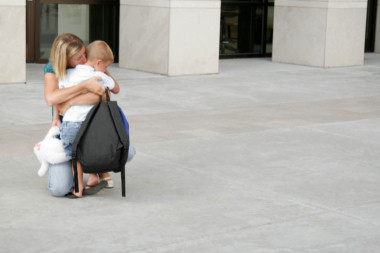
妈妈在和孩子道别。


The mother is saying goodbye to her child .
Die Mutter verabschiedet sich von ihrem Kind 0
Người mẹ đang từ biệt đứa con của mình .
妈妈 孩子 道别
Māma zài hé háizi dàobié.
お母さんは子供に別れを告げています。
Okāsan wa kodomo ni wakare o tsugete imasu.
엄마는 아이에게 작별 인사를 합니다.
eommaneun aiege jagbyeol insaleul habnida.

(VI)
(ZH)
(JA)

0213


[EN] [DE] [NL] [ES] [FR] [IT] [TH] [VI] [ZH]

RANDOM
儿子会自己洗衣服。


My son can do the laundry by himself .
Mein Sohn kann seine Wäsche selbst waschen 0
Con trai tôi thể giặt giũ một mình .
儿子 自己 洗衣服
Érzi huì zìjǐ xǐ yīfu.
息子は一人で服を洗います。
Musuko wa hitori de fuku o araimasu.
아들은 스스로 옷을 빨 것이다.
adeul-eun seuseulo os-eul ppal geos-ida.

(VI)
(ZH)
(JA)

0324


[EN] [DE] [NL] [ES] [FR] [IT] [TH] [VI] [ZH]

RANDOM
附近有公共汽车站。


There is a bus stop nearby .
In der Nähe gibt es eine Bushaltestelle 0
một trạm xe buýt gần đó .
附近 公共汽车
Fùjìn yǒu gōnggòng qìchēzhàn.
近くにバス停があります。
Chikaku ni basutei ga arimasu.
근처에 버스 정류장이 있습니다.
geuncheoe beoseu jeonglyujang-i issseubnida.

(VI)
(ZH)
(JA)

0356


[EN] [DE] [NL] [ES] [FR] [IT] [TH] [VI] [ZH]

RANDOM
我自己会刷牙。


I can brush my teeth by myself .
Ich kann mir selbst die Zähne putzen 0
Tôi thể tự đánh răng của mình .
自己 刷牙
Wǒ zìjǐ huì shuāyá.
自分で歯を磨くことができます。
Jibun de ha o migaku koto ga dekimasu.
스스로 이를 닦을 수 있어요.
seuseulo ileul dakk-eul su iss-eoyo.

(VI)
(ZH)
(JA)

0359


[EN] [DE] [NL] [ES] [FR] [IT] [TH] [VI] [ZH]

RANDOM
知识要靠阅读来积累。


Knowledge is accumulated by reading .
Wissen sammelt sich beim Lesen an 0
Kiến thức được tích lũy bằng cách đọc .
知识 阅读 积累
Zhīshi yào kào yuèdú lái jīlěi.
知識は読むことによって蓄積されなければなりません。
Chishiki wa yomu koto ni yotte chikuseki sa renakereba narimasen.
지식은 독서를 통해 축적되어야 합니다.
jisig-eun dogseoleul tonghae chugjeogdoeeoya habnida.

(VI)
(ZH)
(JA)

0362


[EN] [DE] [NL] [ES] [FR] [IT] [TH] [VI] [ZH]

RANDOM
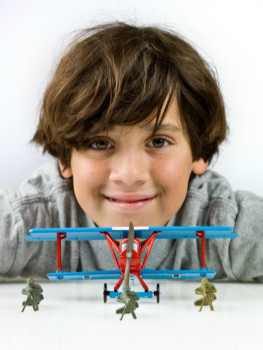
他爱好收集模型。


His hobby is collecting models .
Sein Hobby ist das Sammeln von Modellen 0
Sở thích của anh ấy sưu tập hình .
爱好 收集 模型
Tā àihào shōují móxíng.
彼はモデルを集めるのが好きです。
Kare wa moderu o atsumeru no ga sukidesu.
그는 모델 수집을 좋아합니다.
geuneun model sujib-eul joh-ahabnida.

(VI)
(ZH)
(JA)

0449


[EN] [DE] [NL] [ES] [FR] [IT] [TH] [VI] [ZH]

RANDOM
湖边有一条小船。


There is a small ship by the side of the lake .
Es gibt ein kleines Schiff am See 0
một con tàu nhỏ bên hồ .
湖边 一条 小船
Húbiān yǒu yī tiáo xiǎochuán.
湖のほとりに小さなボートがあります。
Mizūminohotori ni chīsana bōto ga arimasu.
호수 옆에 작은 배가 있습니다.
hosu yeop-e jag-eun baega issseubnida.

(VI)
(ZH)
(JA)

0605


[EN] [DE] [NL] [ES] [FR] [IT] [TH] [VI] [ZH]

RANDOM
她的车停在路边。


Her car is parked by the road .
Sein Auto steht an der Straße 0
Xe của ấy đang đậu bên đường .
路边
Tā de chē tíng zài lùbiān.
彼女の車は道路脇に停車していた。
Kanojo no kuruma wa dōro waki ni teisha shite ita.
그녀의 차는 길가에 세워져 있었다.
geunyeoui chaneun gilga-e sewojyeo iss-eossda.

(VI)
(ZH)
(JA)

0617


[EN] [DE] [NL] [ES] [FR] [IT] [TH] [VI] [ZH]

RANDOM
我们开车去旅行。


We are vacationing by car .
Wir sind im Urlaub mit dem Auto 0
Chúng tôi đang đi nghỉ bằng xe hơi .
我们 开车 旅行
Wǒmen kāichē qù lǚxíng.
私たちは旅行にドライブします。
Watashitachiha ryokō ni doraibu shimasu.
우리는 여행을 하기 위해 차를 몰았다.
ulineun yeohaeng-eul hagi wihae chaleul mol-assda.

(VI)
(ZH)
(JA)

0655


[EN] [DE] [NL] [ES] [FR] [IT] [TH] [VI] [ZH]

RANDOM
房子的周围是一片草地。


The house is surrounded by lawn .
Das Haus ist von einer Wiese umgeben 0
Ngôi nhà được bao quanh bởi bãi cỏ .
房子 周围 一片 草地
Fángzi de zhōuwéi shì yī piàn cǎodì.
家の周りには牧草地があります。
Ienomawari ni wa bokusō-chi ga arimasu.
집 주변에 초원이 있습니다.
jib jubyeon-e chowon-i issseubnida.

(VI)
(ZH)
(JA)

0680


[EN] [DE] [NL] [ES] [FR] [IT] [TH] [VI] [ZH]

RANDOM
他以务农为生。


He makes a living by farming .
Er verdient seinen Lebensunterhalt mit Landwirtschaft 0
Anh ấy kiếm sống bằng nghề nông .
务农 为生
Tā yǐ wùnóng wéishēng.
彼は農業で暮らしています。
Kare wa nōgyō de kurashite imasu.
그는 농사를 지으며 산다.
geuneun nongsaleul jieumyeo sanda.

(VI)
(ZH)
(JA)

0734


[EN] [DE] [NL] [ES] [FR] [IT] [TH] [VI] [ZH]

RANDOM
婴儿喜欢妈妈的气息。


The baby likes its mother's smell .
Das Baby mag den Geruch seiner Mutter 0
Đứa thích mùi của mẹ .
婴儿 喜欢 妈妈 气息
Yīng'ér xǐhuan māma de qìxī.
赤ちゃんは母親の息が好きです。
Akachan wa hahaoya no iki ga sukidesu.
엄마의 숨결 같은 아기.
eommaui sumgyeol gat-eun agi.

(VI)
(ZH)
(JA)

0808


[EN] [DE] [NL] [ES] [FR] [IT] [TH] [VI] [ZH]

RANDOM
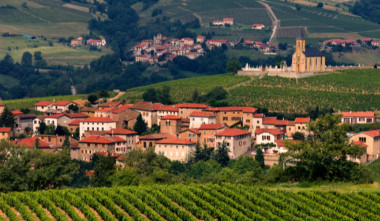
附近有一个小村庄。


There is a small village nearby .
Es gibt ein kleines Dorf in der Nähe 0
một ngôi làng nhỏ gần đó .
附近 一个 村庄
Fùjìn yǒu yī gè xiǎo cūnzhuāng.
近くに小さな村があります。
Chikaku ni chīsana mura ga arimasu.
근처에 작은 마을이 있습니다.
geuncheoe jag-eun ma-eul-i issseubnida.

(VI)
(ZH)
(JA)

0849


[EN] [DE] [NL] [ES] [FR] [IT] [TH] [VI] [ZH]

RANDOM
儿子独自一人在玩。


My son is playing by himself .
Mein Sohn spielt allein 0
Con trai tôi đang chơi một mình .
儿子 独自一人
Érzi dúzì yīrén zài wán.
息子は一人で遊んでいます。
Musuko wa hitori de asonde imasu.
아들은 혼자 놀고 있습니다.
adeul-eun honja nolgo issseubnida.

(VI)
(ZH)
(JA)

0890


[EN] [DE] [NL] [ES] [FR] [IT] [TH] [VI] [ZH]

RANDOM
她转身与我道别。


She turns and says goodbye to me
Sie dreht sich um und verabschiedet sich von mir 0
ấy quay lại chào tạm biệt tôi .
转身 道别
Tā zhuǎnshēn yǔ wǒ dàobié.
彼女は私に別れを告げるようになりました。
Kanojo wa watashi ni wakare o tsugeru yō ni narimashita.
그녀는 나에게 작별 인사를 하기 위해 몸을 돌렸다.
geunyeoneun na-ege jagbyeol insaleul hagi wihae mom-eul dollyeossda.

(VI)
(ZH)
(JA)

1000


[EN] [DE] [NL] [ES] [FR] [IT] [TH] [VI] [ZH]

RANDOM
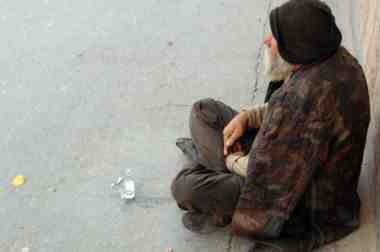
他靠乞讨生活。


He makes a living by begging .
Er lebt vom Betteln 0
Anh ta kiếm sống bằng cách ăn xin .
乞讨 生活
Tā kào qǐtǎo shēnghuó.
彼は物乞いで生きています。
Kare wa monogoi de ikite imasu.
그는 구걸하며 산다.
geuneun gugeolhamyeo sanda.

(VI)
(ZH)
(JA)

1228


[EN] [DE] [NL] [ES] [FR] [IT] [TH] [VI] [ZH]

RANDOM
他们接受了记者的访问。


They were interviewed by reporters .
Sie wurden von Journalisten interviewt 0
Họ đã được phỏng vấn bởi các phóng viên .
他们 接受 记者 访问
Tāmen jiēshòule jìzhě de fǎngwèn.
彼らは記者からのインタビューを受け入れた。
Karera wa kisha kara no intabyū o ukeireta.
그들은 기자의 인터뷰를 수락했습니다.
geudeul-eun gijaui inteobyuleul sulaghaessseubnida.

(VI)
(ZH)
(JA)

1243


[EN] [DE] [NL] [ES] [FR] [IT] [TH] [VI] [ZH]

RANDOM
这里遍地都是落叶。


The ground is completely covered by fallen leaves .
Der Boden ist vollständig mit Laub bedeckt 0
Mặt đất hoàn toàn bị bao phủ bởi rụng .
遍地 落叶
Zhèli biàndì dōu shì luòyè.
あちこちに落ち葉があります。
Achikochi ni ochiba ga arimasu.
여기저기 떨어진 낙엽들이 있습니다.
yeogijeogi tteol-eojin nag-yeobdeul-i issseubnida.

(VI)
(ZH)
(JA)

1261


[EN] [DE] [NL] [ES] [FR] [IT] [TH] [VI] [ZH]

RANDOM
新书的序言由他执笔。


The preface of the new book is written by him .
Das Vorwort des neuen Buches stammt von ihm 0
Lời tựa của cuốn sách mới do anh viết .
新书 序言 执笔
Xīnshū de xùyán yóu tā zhíbǐ.
彼は新しい本の序文を書いた。
Kare wa atarashī hon no jobun o kaita.
그는 새 책의 서문을 썼다.
geuneun sae chaeg-ui seomun-eul sseossda.

(VI)
(ZH)
(JA)

1290


[EN] [DE] [NL] [ES] [FR] [IT] [TH] [VI] [ZH]

RANDOM
宝宝在睡觉。


The baby is sleeping .
Das Baby schläft 0
Em đang ngủ .
宝宝 睡觉
Bǎobao zài shuìjiào.
赤ちゃんは寝ている。
Akachan wa nete iru.
아기가 자고 있습니다.
agiga jago issseubnida.

(VI)
(ZH)
(JA)

1421


[EN] [DE] [NL] [ES] [FR] [IT] [TH] [VI] [ZH]

RANDOM
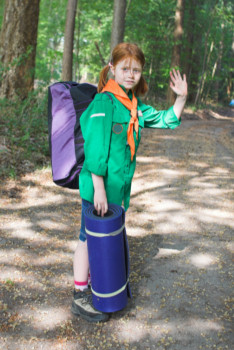
她挥手向我告别。


She waves goodbye to me .
Sie winkt mir zum Abschied zu 0
ấy vẫy tay chào tạm biệt tôi .
挥手 告别
Tā huīshǒu xiàng wǒ gàobié.
彼女は私に手を振って別れを告げます。
Kanojo wa watashi ni te o futte wakare o tsugemasu.
그녀는 나에게 작별 인사를 했다.
geunyeoneun na-ege jagbyeol insaleul haessda.

(VI)
(ZH)
(JA)

1464


[EN] [DE] [NL] [ES] [FR] [IT] [TH] [VI] [ZH]

RANDOM
她被闹钟吵醒了。


She was woken up by the alarm clock .
Sie wurde vom Wecker geweckt 0
bị đánh thức bởi đồng hồ báo thức .
闹钟 吵醒
Tā bèi nàozhōng chǎoxǐng le.
彼女は目覚まし時計で目が覚めた。
Kanojo wa mezamashidokei de megasameta.
그녀는 알람 시계에 의해 잠에서 깼다.
geunyeoneun allam sigyee uihae jam-eseo kkaessda.

(VI)
(ZH)
(JA)

1526


[EN] [DE] [NL] [ES] [FR] [IT] [TH] [VI] [ZH]

RANDOM
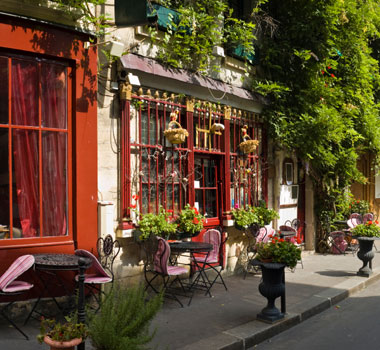
附近有一家咖啡馆。


There is a café nearby .
In der Nähe gibt es ein Café 0
một quán phê gần đó .
附近 一家 咖啡馆
Fùjìn yǒu yī jiā kāfēiguǎn.
近くにカフェがあります。
Chikaku ni kafe ga arimasu.
근처에 카페가 있습니다.
geuncheoe kapega issseubnida.

(VI)
(ZH)
(JA)

1540


[EN] [DE] [NL] [ES] [FR] [IT] [TH] [VI] [ZH]

RANDOM
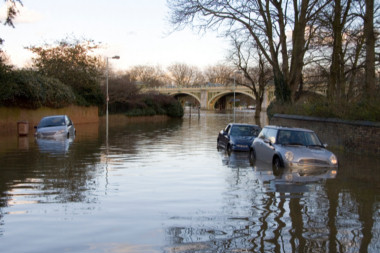
这里遭受了水灾。


This area has been hit by a flood .
Das Gebiet wurde überflutet 0
Khu vực này đã bị ảnh hưởng bởi một trận lụt .
遭受 水灾
Zhèli zāoshòule shuǐzāi.
ここで洪水がありました。
Koko de kōzui ga arimashita.
여기에 홍수가 났어요.
yeogie hongsuga nass-eoyo.

(VI)
(ZH)
(JA)

1609


[EN] [DE] [NL] [ES] [FR] [IT] [TH] [VI] [ZH]

RANDOM
这套首饰是珠宝商赞助的。


This set of jewelry is provided by the jeweler .
Das Schmuckset wurde von dem Juwelier gesponsert 0
Bộ trang sức này do nhà kim hoàn cung cấp .
这套 首饰 珠宝商 赞助
Zhè tào shǒushi shì zhūbǎoshāng zànzhù de.
このジュエリーのセットは、宝石商によって後援されています。
Kono juerī no setto wa, hōsekishō ni yotte kōen sa rete imasu.
이 보석 세트는 보석상이 후원합니다.
i boseog seteuneun boseogsang-i huwonhabnida.

(VI)
(ZH)
(JA)

1636


[EN] [DE] [NL] [ES] [FR] [IT] [TH] [VI] [ZH]

RANDOM
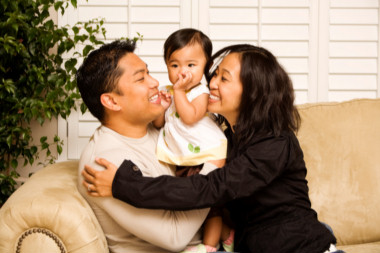
妈妈在给宝宝餵奶。


The mother is breastfeeding her baby .
Die Mutter stillt ihr Baby 0
Người mẹ đang cho con 0
妈妈 宝宝 餵奶
Māma zài gěi bǎobǎo wèinǎi.
母親は赤ちゃんに母乳を与えています。
Hahaoya wa akachan ni bonyū o ataete imasu.
어머니가 아기에게 모유 수유를 하고 있습니다.
eomeoniga agiege moyu suyuleul hago issseubnida.

(VI)
(ZH)
(JA)

1688


[EN] [DE] [NL] [ES] [FR] [IT] [TH] [VI] [ZH]

RANDOM
2乘以3等于6。


Two multiplied by three equals six .
2 multipliziert mit 3 ergibt 6 0
Hai nhân với ba bằng sáu 0
2 乘以 3 等于 6
Èr chéng yǐ sān děngyú liù.
2 x3は6に等しい。
2 X 3 wa 6 ni hitoshī.
2 곱하기 3은 6과 같습니다.
2 gobhagi 3eun 6gwa gatseubnida.

(VI)
(ZH)
(JA)

1730


[EN] [DE] [NL] [ES] [FR] [IT] [TH] [VI] [ZH]

RANDOM
他被儿女抛弃了。


He has been deserted by his children .
Er wurde von seinen Kindern verlassen 0
Ông đã bị các con của mình bỏ rơi .
儿女 抛弃
Tā bèi érnǚ pāoqì le.
彼は子供たちに見捨てられた。
Kare wa kodomo-tachi ni misute rareta.
그는 자녀들에게 버림받았습니다.
geuneun janyeodeul-ege beolimbad-assseubnida.

(VI)
(ZH)
(JA)

1761


[EN] [DE] [NL] [ES] [FR] [IT] [TH] [VI] [ZH]

RANDOM
河边有很多小贩在卖菜。


There are many peddlers selling vegetables by the riverside .
Am Fluss gibt es viele Händler , die Gemüse verkaufen 0
nhiều gánh hàng rong bán rau ven sông .
河边 很多 小贩 卖菜
Hébiān yǒu hěn duō xiǎofàn zài mài cài.
川沿いで野菜を売っている業者はたくさんあります。
Kawa-zoi de yasai o utte iru gyōsha wa takusan arimasu.
강가에는 야채를 파는 노점상들이 많이 있습니다.
gang-ga-eneun yachaeleul paneun nojeomsangdeul-i manh-i issseubnida.

(VI)
(ZH)
(JA)

1775


[EN] [DE] [NL] [ES] [FR] [IT] [TH] [VI] [ZH]

RANDOM
他援用生动的案例来讲解。


He explains by citing vivid cases .
Zur Verdeutlichung verwendet er anschauliche Beispiele 0
Anh ấy giải thích bằng cách dẫn chứng những trường hợp sinh động .
援用 生动 案例 讲解
Tā yuányòng shēngdòng de ànlì lái jiǎngjiě.
彼は鮮やかな事例を引用して説明します。
Kare wa azayakana jirei o in'yō shite setsumei shimasu.
그는 생생한 사례를 인용해 설명했다.
geuneun saengsaenghan salyeleul in-yonghae seolmyeonghaessda.

(VI)
(ZH)
(JA)

1882


[EN] [DE] [NL] [ES] [FR] [IT] [TH] [VI] [ZH]

RANDOM
她恰巧遇到了朋友。


She ran into her friend by chance .
Sie traf zufällig ihren Freund 0
tình cờ gặp người bạn của mình .
恰巧 遇到 朋友
Tā qiàqiǎo yùdàole péngyou.
彼女はたまたま友達に会った。
Kanojo wa tamatama tomodachi ni atta
그녀는 우연히 친구를 만났습니다.
geunyeoneun uyeonhi chinguleul mannassseubnida.

(VI)
(ZH)
(JA)

2000


[EN] [DE] [NL] [ES] [FR] [IT] [TH] [VI] [ZH]

RANDOM
河边有两座宝塔。


There are two pagodas by the river bank .
Es gibt zwei Pagoden am Flussufer 0
hai ngôi chùa bên bờ sông .
河边 两座 宝塔
Hébiān yǒu liǎng zuò bǎotǎ.
川沿いには2つの塔があります。
Kawazoi ni wa futatsu no tō ga arimasu.
강가에는 두 개의 탑이 있습니다.
gang-ga-eneun du gaeui tab-i issseubnida.

(VI)
(ZH)
(JA)

2056


[EN] [DE] [NL] [ES] [FR] [IT] [TH] [VI] [ZH]

RANDOM
她纵容自己吃甜食。


She indulged herself by eating some sweets .
Sie gönnte sich ein paar Süßigkeiten 0
ấy dễ dãi với đồ ngọt của mình .
纵容 自己 甜食
Tā zòngróng zìjǐ chī tiánshí.
彼女はお菓子で自分を甘やかします。
Kanojo wa okashi de jibun o amayakashimasu.
그녀는 과자로 자신을 애지중지합니다.
geunyeoneun gwajalo jasin-eul aejijungjihabnida.

(VI)
(ZH)
(JA)

2065


[EN] [DE] [NL] [ES] [FR] [IT] [TH] [VI] [ZH]

RANDOM
我被坏人勒索钱财。


I'm being blackmailed by a crook .
Ich werde von einem Gauner erpresst 0
Tôi đã bị một kẻ gian tống tiền .
坏人 勒索钱财
Wǒ bèi huàirén lèsuǒ qiáncái.
私はお金のために悪者から脅迫されました。
Watashi wa okane no tame ni warumono kara kyōhaku sa remashita.
나는 돈 때문에 나쁜 놈들에게 협박을 당했다.
naneun don ttaemun-e nappeun nomdeul-ege hyeobbag-eul danghaessda.

(VI)
(ZH)
(JA)

2104


[EN] [DE] [NL] [ES] [FR] [IT] [TH] [VI] [ZH]

RANDOM
婴儿的皮肤很娇嫩。


The baby's skin is very tender .
Die Haut des Babys ist sehr zart 0
Da của em rất mềm 0
婴儿 皮肤 娇嫩
Yīng'ér de pífū hěn jiāonèn.
赤ちゃんの肌はとてもデリケートです。
Akachan no hada wa totemo derikētodesu.
아기의 피부는 매우 연약합니다.
agiui pibuneun maeu yeon-yaghabnida.

(VI)
(ZH)
(JA)

2157


[EN] [DE] [NL] [ES] [FR] [IT] [TH] [VI] [ZH]

RANDOM
她帮朋友看孩子。


She takes care of the baby for her friend .
Sie passt für ihre Freundin auf das Baby auf 0
chăm sóc em cho người bạn của mình .
朋友 孩子
Tā bāng péngyou kān háizi.
彼女は友達が子供の世話をするのを手伝っています。
Kanojo wa tomodachi ga kodomo no sewa o suru no o tetsudatte imasu.
그녀는 친구들이 아이들을 돌보는 것을 돕습니다.
geunyeoneun chingudeul-i aideul-eul dolboneun geos-eul dobseubnida.

(VI)
(ZH)
(JA)

2172


[EN] [DE] [NL] [ES] [FR] [IT] [TH] [VI] [ZH]

RANDOM
宝宝在吃稀饭。


The baby is eating the rice porridge .
Das Baby isst den Reisbrei 0
Em đang ăn cháo .
宝宝 稀饭
Bǎobao zài chī xīfàn.
赤ちゃんはお粥を食べています。
Akachan wa o kayu o tabete imasu.
아기가 죽을 먹고 있습니다.
agiga jug-eul meoggo issseubnida.

(VI)
(ZH)
(JA)

2194


[EN] [DE] [NL] [ES] [FR] [IT] [TH] [VI] [ZH]

RANDOM
天空布满了乌云。


The sky is covered by dark clouds .
Der Himmel ist mit dunklen Wolken bedeckt 0
Bầu trời bị mây đen bao phủ .
天空 乌云
Tiānkōng bùmǎnle wūyún.
空は暗い雲に覆われています。
Sora wa kurai kumo ni ōwa rete imasu.
하늘은 어두운 구름으로 덮여 있습니다.
haneul-eun eoduun guleum-eulo deop-yeo issseubnida.

(VI)
(ZH)
(JA)

2244


[EN] [DE] [NL] [ES] [FR] [IT] [TH] [VI] [ZH]

RANDOM
他跟女朋友辞别。


He is saying goodbye to his girlfriend .
Er verabschiedet sich von seiner Freundin 0
Anh ấy đang nói lời chia tay với bạn gái của mình .
女朋友 辞别
Tā gēn nǚpéngyǒu cíbié.
彼はガールフレンドに別れを告げします。
Kare wa gārufurendo ni wakare o tsuge shimasu.
그는 여자친구에게 작별인사를 했다.
geuneun yeojachinguege jagbyeol-insaleul haessda.

(VI)
(ZH)
(JA)

2278


[EN] [DE] [NL] [ES] [FR] [IT] [TH] [VI] [ZH]

RANDOM
他获得了大家的赞誉。


He was praised by everyone .
Er wurde von allen gelobt 0
Anh được mọi người khen ngợi 0
获得 大家
Tā huòdéle dàjiā de zànyù.
彼はみんなの賞賛を勝ち取った。
Kare wa min'na no shōsan o kachitotta.
그는 모든 사람의 찬사를 받았습니다.
geuneun modeun salam-ui chansaleul bad-assseubnida.

(VI)
(ZH)
(JA)

2339


[EN] [DE] [NL] [ES] [FR] [IT] [TH] [VI] [ZH]

RANDOM
他被这个问题所困扰。


He was perplexed by this problem .
Dieses Problem bereitete ihm Kopfzerbrechen 0
Anh ấy đã bối rối trước vấn đề này .
这个 问题 困扰
Tā bèi zhège wèntí suǒ kùnrǎo.
この問題に戸惑ったのだ。
Kono mondai ni tomadotta noda.
그는 이 문제로 고민합니다.
geuneun i munjelo gominhabnida.

(VI)
(ZH)
(JA)

2417


[EN] [DE] [NL] [ES] [FR] [IT] [TH] [VI] [ZH]

RANDOM
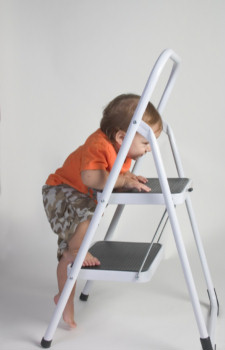
宝宝踩在梯子上。


The baby is standing on a ladder .
Das Baby steht auf einer Leiter 0
Em đang đứng trên một cái thang .
宝宝 梯子
Bǎobao cǎi zài tīzi shàng.
赤ちゃんははしごを踏みます。
Akachan wa hashigo o fumimasu.
아기가 사다리를 밟았습니다.
agiga sadalileul balb-assseubnida.

(VI)
(ZH)
(JA)

2509


[EN] [DE] [NL] [ES] [FR] [IT] [TH] [VI] [ZH]

RANDOM
她在给宝宝换尿片。


She changes the baby's diaper .
Sie wechselt die Windel des Babys 0
ấy đang thay cho em .
宝宝 尿片
Tā zài gěi bǎobao huàn niàopiàn.
彼女は赤ちゃんのおむつを交換しています。
Kanojo wa akachan no omutsu o kōkan shite imasu.
그녀는 아기의 기저귀를 갈아주고 있습니다.
geunyeoneun agiui gijeogwileul gal-ajugo issseubnida.

(VI)
(ZH)
(JA)

2523


[EN] [DE] [NL] [ES] [FR] [IT] [TH] [VI] [ZH]

RANDOM
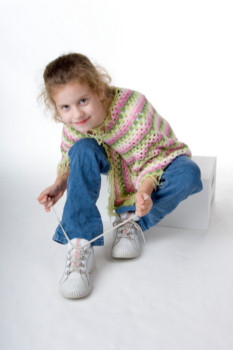
我自己会系鞋带。


I can tie my shoelaces by myself .
Ich kann meine Schnürsenkel selbst binden 0
Tôi thể tự buộc dây giày của mình .
自己 系鞋带
Wǒ zìjǐ huì jì xiédài.
自分で靴を結ぶことができます。
Jibun de kutsu o musubu koto ga dekimasu.
나는 내 신발을 스스로 묶을 수 있다.
naneun nae sinbal-eul seuseulo mukk-eul su issda.

(VI)
(ZH)
(JA)

2533


[EN] [DE] [NL] [ES] [FR] [IT] [TH] [VI] [ZH]

RANDOM
她的内心很压抑。


She feels very depressed (by an accumulation of pent-up feelings) .
Sie fühlt sich sehr deprimiert 0
ấy cảm thấy rất chán nản (bởi sự tích tụ của những cảm xúc bị dồn nén) .
内心 压抑
Tā de nèixīn hěn yāyì.
彼女の心はとても落ち込んでいます。
Kanojo no kokoro wa totemo ochikonde imasu.
그녀의 마음은 매우 우울합니다.
geunyeoui ma-eum-eun maeu uulhabnida.

(VI)
(ZH)
(JA)

2563


[EN] [DE] [NL] [ES] [FR] [IT] [TH] [VI] [ZH]

RANDOM
这里经常受到台风的袭击。


This place is frequently hit by typhoons .
Dieser Ort wird häufig von Taifunen heimgesucht 0
Nơi này thường xuyên bị bão 0
经常 受到 台风 袭击
Zhèli jīngcháng shòudào táifēng de xíjī.
台風に襲われることがよくあります。
Taifū ni osowa reru koto ga yoku arimasu.
태풍의 영향을 받는 경우가 많습니다.
taepung-ui yeonghyang-eul badneun gyeong-uga manhseubnida.

(VI)
(ZH)
(JA)

2577


[EN] [DE] [NL] [ES] [FR] [IT] [TH] [VI] [ZH]

RANDOM
街边有报刊亭。


There is a newspaper stand by the side of the street .
Es gibt einen Zeitungskiosk am Straßenrand 0
một quầy báo bên đường 0
街边 报刊亭
Jiēbiān yǒu bàokāntíng.
通りにニューススタンドがあります。
Tōri ni nyūsusutando ga arimasu.
거리에 신문 가판대가 있습니다.
geolie sinmun gapandaega issseubnida.

(VI)
(ZH)
(JA)

2619


[EN] [DE] [NL] [ES] [FR] [IT] [TH] [VI] [ZH]

RANDOM
他们在海边晒太阳。


They sunbathe by the sea .
Sie nehmen ein Sonnenbad am Meer 0
Họ đang phơi nắng trên bờ biển .
他们 海边 晒太阳
Tāmen zài hǎibiān shài tàiyáng.
彼らは海のそばで日光浴をしています。
Karera wa umi no soba de nikkōyoku o shite imasu.
그들은 바다 옆에서 햇볕을 쬐고 있습니다.
geudeul-eun bada yeop-eseo haesbyeot-eul jjoego issseubnida.

(VI)
(ZH)
(JA)

2736


[EN] [DE] [NL] [ES] [FR] [IT] [TH] [VI] [ZH]

RANDOM
她受到了同学的羞辱。


She is been humiliated by her classmates .
Sie wurde von ihren Klassenkameraden gedemütigt 0
ấy bị làm nhục bởi các bạn cùng lớp của mình .
受到 同学 羞辱
Tā shòudàole tóngxué de xiūrǔ.
彼女はクラスメートに屈辱を与えられた。
Kanojo wa kurasumēto ni kutsujoku o atae rareta.
그녀는 급우들에게 굴욕을 당했습니다.
geunyeoneun geub-udeul-ege gul-yog-eul danghaessseubnida.

(VI)
(ZH)
(JA)

2750


[EN] [DE] [NL] [ES] [FR] [IT] [TH] [VI] [ZH]

RANDOM
妈妈用毛巾把婴儿裹起来。


The mother wraps the baby in the towel .
Die Mutter wickelt das Baby in das Handtuch 0
Người mẹ quấn khăn cho con 0
妈妈 毛巾 婴儿 裹起来
Māma yòng máojīn bǎ yīng'ér guǒ qǐlái.
母親は赤ちゃんをタオルで包みます。
Hahaoya wa akachan o taoru de tsutsumimasu.
어머니는 아기를 수건으로 감쌌습니다.
eomeonineun agileul sugeon-eulo gamssassseubnida.

(VI)
(ZH)
(JA)

2756


[EN] [DE] [NL] [ES] [FR] [IT] [TH] [VI] [ZH]

RANDOM
妈妈给宝宝唱童谣。


The mother is singing nursery rhymes to her baby .
Die Mutter singt dem Baby Kinderreime vor 0
Người mẹ đang hát những bài hát mẫu giáo cho con mình nghe .
妈妈 宝宝 童谣
Māma gěi bǎobao chàng tóngyáo.
母親は赤ちゃんに童謡を歌います。
Hahaoya wa akachan ni dōyō o utaimasu.
엄마는 아기에게 동요를 불러줍니다.
eommaneun agiege dong-yoleul bulleojubnida.

(VI)
(ZH)
(JA)

2795


[EN] [DE] [NL] [ES] [FR] [IT] [TH] [VI] [ZH]

RANDOM
这个甜点是经理推荐的。


This dessert is recommended by the manager .
Dieses Dessert wird von dem Geschäftsführer empfohlen 0
Món tráng miệng này đã được người quản giới thiệu .
这个 甜点 经理 推荐
Zhège tiándiǎn shì jīnglǐ tuījiàn de.
このデザートは店長さんがすすめています。
Kono dezāto wa tenchō-san ga susumete imasu.
사장님이 추천하는 디저트입니다.
sajangnim-i chucheonhaneun dijeoteu-ibnida.

(VI)
(ZH)
(JA)

2799


[EN] [DE] [NL] [ES] [FR] [IT] [TH] [VI] [ZH]

RANDOM
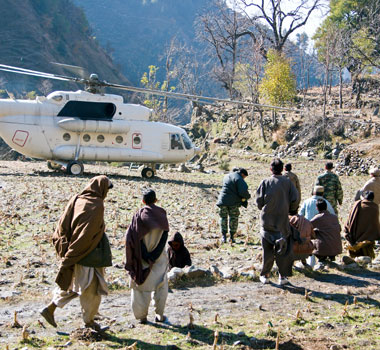
直升机听候政府的差遣。


The helicopters are awaiting assignment by the government .
Die Hubschrauber warten auf den Einsatz durch die Regierung 0
Các máy bay trực thăng đang chờ chính phủ chỉ định .
直升机 听候 政府 差遣
Zhíshēngjī tīnghòu zhèngfǔ de chāiqiǎn.
ヘリコプターは政府の派遣を待っています。
Herikoputā wa seifu no haken o matteimasu.
헬리콥터는 정부의 파견을 기다리고 있다.
hellikobteoneun jeongbuui pagyeon-eul gidaligo issda.

(VI)
(ZH)
(JA)

2814


[EN] [DE] [NL] [ES] [FR] [IT] [TH] [VI] [ZH]

RANDOM
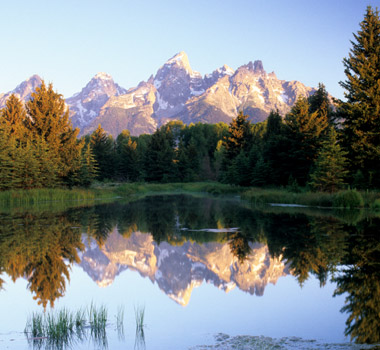
湖边有片松树林。


There is a pine forest by the lake .
Es gibt einen Kiefernwald am See 0
một rừng thông bên hồ 0
湖边 有片 松树
Húbiān yǒu piàn sōngshù lín.
湖のほとりに松林があります。
Mizūminohotori ni matsubayashi ga arimasu.
호수 옆에는 소나무 숲이 있습니다.
hosu yeop-eneun sonamu sup-i issseubnida.

(VI)
(ZH)
(JA)

2832


[EN] [DE] [NL] [ES] [FR] [IT] [TH] [VI] [ZH]

RANDOM
政府提供了赈灾援助。


The government has offered aid to relieve the people affected by the disaster .
Die Regierung hat Hilfe angeboten , um die von der Katastrophe betroffenen Menschen zu entlasten 0
Chính phủ đã đề nghị viện trợ để giải tỏa những người dân bị ảnh hưởng bởi thảm họa
政府 提供 赈灾 援助
Zhèngfǔ tígōngle zhènzāi yuánzhù.
政府は救援援助を提供しました。
Seifu wa kyūen enjo o teikyō shimashita.
정부는 구호 지원을 제공했습니다.
jeongbuneun guho jiwon-eul jegonghaessseubnida.

(VI)
(ZH)
(JA)

2839


[EN] [DE] [NL] [ES] [FR] [IT] [TH] [VI] [ZH]

RANDOM
神庙由柱子支撑着。


The temple is supported by pillars .
Der Tempel wird von Säulen getragen 0
Ngôi chùa được chống đỡ bởi những cây cột .
神庙 柱子 支撑
Shénmiào yóu zhùzi zhīchēngzhe.
寺院は柱で支えられています。
Jiin wa hashira de sasae rarete imasu.
사원은 기둥으로 지지됩니다.
sawon-eun gidung-eulo jijidoebnida.

(VI)
(ZH)
(JA)

2850


[EN] [DE] [NL] [ES] [FR] [IT] [TH] [VI] [ZH]

RANDOM
妈妈在哄孩子。


The mother tries to comfort the baby .
Die Mutter versucht das Baby zu trösten 0
Người mẹ cố gắng an ủi đứa trẻ .
妈妈 孩子
Māma zài hǒng háizi.
母親は子供をなだめています。
Hahaoya wa kodomo o nadamete imasu.
어머니는 아이를 달래고 있습니다.
eomeonineun aileul dallaego issseubnida.

(VI)
(ZH)
(JA)

2857


[EN] [DE] [NL] [ES] [FR] [IT] [TH] [VI] [ZH]

RANDOM
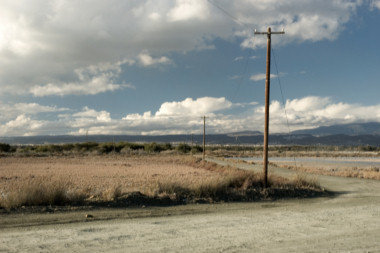
路边竖立着一根电线杆。


A power line pole is standing by the roadside .
Am Straßenrand steht ein Strommast 0
Một cột điện nằm bên vệ đường .
路边 竖立 一根 电线杆
Lùbiān shùlìzhe yī gēn diànxiàngān.
道端に電柱が立っています。
Michibata ni denchū ga tatte imasu.
길가에 전신주가 서 있었다.
gilga-e jeonsinjuga seo iss-eossda.

(VI)
(ZH)
(JA)

2867


[EN] [DE] [NL] [ES] [FR] [IT] [TH] [VI] [ZH]

RANDOM
《论语》是孔子的学生写的。


The Analects was written by students of Confucius .
The Analects wurde von Konfuzius-Schülern geschrieben 0
Analects được viết bởi các học trò của Khổng Tử .
论语 孔子 学生
«Lúnyǔ» shì Kǒngzǐ de xuésheng xiě de.
「論語」は孔子の学生によって書かれました。
`Rongo' wa Kōshi no gakusei ni yotte kaka remashita.
논어는 공자의 제자가 썼습니다.
non-eoneun gongjaui jejaga sseossseubnida.

(VI)
(ZH)
(JA)

2874


[EN] [DE] [NL] [ES] [FR] [IT] [TH] [VI] [ZH]

RANDOM
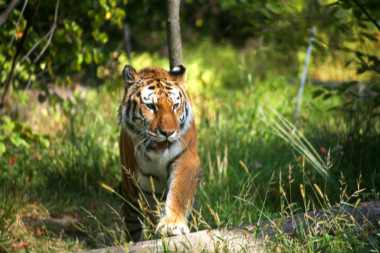
老虎悄悄地走过来。


The tiger walks by quietly .
Der Tiger geht leise vorbei 0
Con hổ lặng lẽ bước tới 0
老虎 悄悄地 过来
Lǎohǔ qiāoqiāo de zǒu guòlái.
虎は静かに通り過ぎます。
Tora wa shizuka ni tōrisugimasu.
호랑이는 조용히 다가왔다.
holang-ineun joyonghi dagawassda.

(VI)
(ZH)
(JA)

2881


[EN] [DE] [NL] [ES] [FR] [IT] [TH] [VI] [ZH]

RANDOM
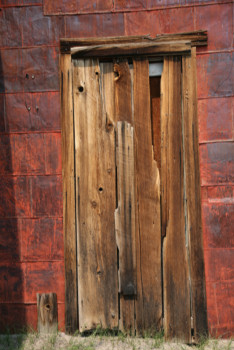
这扇门很破旧。


This door is very shabby .
Diese Tür ist sehr schäbig 0
Cửa này rất tồi tàn .
扇门 破旧
Zhè shàn mén hěn pòjiù.
このドアはとてもぼろぼろです。
Kono doa wa totemo boroborodesu.
이 문은 매우 초라합니다.
i mun-eun maeu cholahabnida.

(VI)
(ZH)
(JA)

2912


[EN] [DE] [NL] [ES] [FR] [IT] [TH] [VI] [ZH]

RANDOM
婴儿的头发很蓬松。


The baby has fluffy hair .
Das Baby hat flauschige Haare 0
Em mái tóc bông .
婴儿 头发 蓬松
Yīng'ér de tóufa hěn péngsōng.
赤ちゃんの髪はとてもふわふわです。
Akachan no kami wa totemo fuwafuwadesu.
아기의 머리카락은 매우 푹신합니다.
agiui meolikalag-eun maeu pugsinhabnida.

(VI)
(ZH)
(JA)

2933


[EN] [DE] [NL] [ES] [FR] [IT] [TH] [VI] [ZH]

RANDOM
路边有一棵树。


There is a tree by the road .
Am Straßenrand steht ein Baum 0
một cái cây bên đường 0
路边 一棵树
Lùbiān yǒu yī kē shù.
道端に木があります。
Michibata ni ki ga arimasu.
길가에 나무가 있습니다.
gilga-e namuga issseubnida.

(VI)
(ZH)
(JA)

2940


[EN] [DE] [NL] [ES] [FR] [IT] [TH] [VI] [ZH]

RANDOM
民众容易被舆论影响。


People are easily influenced by public opinion .
Menschen werden leicht von der öffentlichen Meinung beeinflusst 0
Con người dễ bị ảnh hưởng bởi luận .
民众 容易 舆论 影响
Mínzhòng róngyì bèi yúlùn yǐngxiǎng.
世論は世論の影響を受けやすい。
Yoron wa yoron no eikyōwoukeyasui.
사람들은 여론에 쉽게 영향을 받습니다.
salamdeul-eun yeolon-e swibge yeonghyang-eul badseubnida.

(VI)
(ZH)
(JA)

2971


[EN] [DE] [NL] [ES] [FR] [IT] [TH] [VI] [ZH]

RANDOM
他被朋友们嘲笑。


He was teased by his friends .
Er wurde von seinen Freunden gehänselt 0
Anh bị bạn trêu chọc 0
朋友 嘲笑
Tā bèi péngyoumen cháoxiào.
彼は友達に笑われた。
Kare wa tomodachi ni warawa reta.
그는 친구들에게 비웃음을 받았다.
geuneun chingudeul-ege bius-eum-eul bad-assda.

(VI)
(ZH)
(JA)

3060


[EN] [DE] [NL] [ES] [FR] [IT] [TH] [VI] [ZH]

RANDOM
这个婴儿太可爱了。


This baby is so cute .
Dieses Baby ist so süß 0
Em này thật dễ thương 0
这个 婴儿 可爱
Zhège yīng'ér tài kě'ài le.
この赤ちゃんはとてもかわいいです。
Kono akachan wa totemo kawaīdesu.
이 아기는 너무 귀엽다.
i agineun neomu gwiyeobda.

(VI)
(ZH)
(JA)

3079


[EN] [DE] [NL] [ES] [FR] [IT] [TH] [VI] [ZH]

RANDOM
孩子受到父母的庇护。


Children are protected by their parents .
Kinder werden von ihren Eltern geschützt 0
Trẻ em được cha mẹ bảo vệ .
孩子 受到 父母 庇护
Háizi shòudào fùmǔ de bìhù.
子供は両親に守られています。
Kodomo wa ryōshin ni mamora rete imasu.
아이들은 부모의 보호를 받습니다.
aideul-eun bumoui boholeul badseubnida.

(VI)
(ZH)
(JA)

3132


[EN] [DE] [NL] [ES] [FR] [IT] [TH] [VI] [ZH]

RANDOM
他对于公式混淆不清。


He is confused by the formula .
Er ist verwirrt von der Formel 0
Anh ta bối rối bởi công thức .
对于 公式 混淆不清
Tā duìyú gōngshì hùnxiáo bùqīng.
彼はその公式について混乱している。
Kare wa sono kōshiki ni tsuite konran shite iru.
그는 공식에 대해 혼란스러워합니다.
geuneun gongsig-e daehae honlanseuleowohabnida.

(VI)
(ZH)
(JA)

3163


[EN] [DE] [NL] [ES] [FR] [IT] [TH] [VI] [ZH]

RANDOM
这条裂缝是由地壳运动形成的。


This crack has been formed by the movement of the earth is crust .
Dieser Riss wurde durch die Bewegung der Erdkruste gebildet 0
Vết nứt này được hình thành do chuyển động của vỏ trái đất .
裂缝 地壳运动 形成
Zhè tiáo lièfèng shì yóu dìqiào yùndòng xíngchéng de.
この亀裂は、地殻の動きによって形成されます。
Kono kiretsu wa, chikaku no ugoki ni yotte keisei sa remasu.
이 균열은 지각의 움직임에 의해 형성됩니다.
i gyun-yeol-eun jigag-ui umjig-im-e uihae hyeongseongdoebnida.

(VI)
(ZH)
(JA)

3202


[EN] [DE] [NL] [ES] [FR] [IT] [TH] [VI] [ZH]

RANDOM
他快被水淹没了。


He was about to be inundated by the water .
Er war im Begriff , vom Wasser überschwemmt zu werden 0
Anh ấy sắp bị ngập trong nước .
淹没
Tā kuài bèi shuǐ yānmò le.
彼はほとんど水に沈んでいた。
Kare wa hotondo mizu ni shizunde ita.
그는 거의 물에 잠겼습니다.
geuneun geoui mul-e jamgyeossseubnida.

(VI)
(ZH)
(JA)

3268


[EN] [DE] [NL] [ES] [FR] [IT] [TH] [VI] [ZH]

RANDOM
我被这家公司雇佣了。


I have been hired by this company .
Ich wurde von dieser Firma eingestellt 0
Tôi đã được thuê bởi công ty này .
这家 公司 雇佣
Wǒ bèi zhè jiā gōngsī gùyōng le.
私はこの会社に雇われました。
Watashi wa kono kaisha ni yatowa remashita.
나는 이 회사에 고용되었다.
naneun i hoesa-e goyongdoeeossda.

(VI)
(ZH)
(JA)

3315


[EN] [DE] [NL] [ES] [FR] [IT] [TH] [VI] [ZH]

RANDOM
他被蚊子咬了。


He is been bitten by a mosquito .
Er wurde von einer Mücke gebissen 0
Anh ấy bị muỗi đốt .
蚊子
Tā bèi wénzi yǎo le.
彼は蚊に刺された。
Kare wa kanisasareta.
그는 모기에 물렸다.
geuneun mogie mullyeossda.

(VI)
(ZH)
(JA)

3378


[EN] [DE] [NL] [ES] [FR] [IT] [TH] [VI] [ZH]

RANDOM
锅底被熏黑了。


The bottom of the pan was blackened by soot .
Der Boden der Pfanne war von Ruß geschwärzt 0
Đáy chảo bị muội đen bám vào .
锅底 熏黑了
Guōdǐ bèi xūnhēi le.
鍋の底は黒くなっていました。
Nabe no soko wa kuroku natte imashita.
냄비 바닥이 검게 변했습니다.
naembi badag-i geomge byeonhaessseubnida.

(VI)
(ZH)
(JA)

3442


[EN] [DE] [NL] [ES] [FR] [IT] [TH] [VI] [ZH]

RANDOM
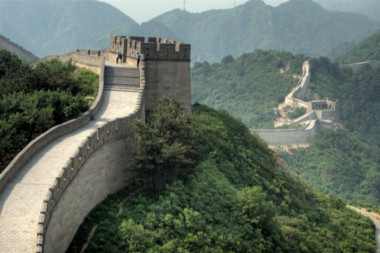
长城可以用来防止外寇入侵。


The Great Wall was used to defend against incursions by foreign invaders .
Die Große Mauer wurde benutzt , um sich gegen Einfälle ausländischer Invasoren zu verteidigen 0
Vạn Trường Thành được sử dụng để bảo vệ chống lại sự xâm lược của những kẻ xâm
长城 可以 用来 防止 外寇 入侵
Chángchéng kěyǐ yònglái fángzhǐ wàikòu rùqīn.
万里の長城は、外国人の侵入を防ぐために使用できます。
Banrinochōjō wa, gaikokujin no shinnyū wo fusegu tameni shiyō·dekimasu.
만리장성은 외부 침입자를 방지하는 데 사용할 수 있습니다.
manlijangseong-eun oebu chim-ibjaleul bangjihaneun de sayonghal su issseubnida.

(VI)
(ZH)
(JA)

3468


[EN] [DE] [NL] [ES] [FR] [IT] [TH] [VI] [ZH]

RANDOM
医生通过把脉来揆度病情。


By taking a pulse , a doctor can gauge a patient is condition .
Durch einen Puls kann ein Arzt den Zustand eines Patienten beurteilen 0
Bằng cách bắt mạch , bác thể đánh giá tình trạng của bệnh nhân .
医生 通过 把脉 来揆度 病情
Yīshēng tōngguò bǎmài lái kuíduó bìngqíng.
医師は脈をとることによって状態を推定します。
Ishi wa myaku o toru koto ni yotte jōtai o suitei shimasu.
의사는 맥박을 측정하여 상태를 추정합니다.
uisaneun maegbag-eul cheugjeonghayeo sangtaeleul chujeonghabnida.

(VI)
(ZH)
(JA)

3469


[EN] [DE] [NL] [ES] [FR] [IT] [TH] [VI] [ZH]

RANDOM
他们是亲家。


They are relatives by marriage .
Sie sind Verwandte aus der Ehe 0
Họ họ hàng của nhau bằng hôn nhân .
他们 亲家
Tāmen shì qìngjia.
彼らは義理です。
Karera wa giridesu.
그들은 사위입니다.
geudeul-eun sawiibnida.

(VI)
(ZH)
(JA)

3478


[EN] [DE] [NL] [ES] [FR] [IT] [TH] [VI] [ZH]