3600 Sentences in 36 Units Quiz Listen to Stories

1 (wiktionary) 3 (glosbe) 11


CORE WORDS


HSK 3.0Big5GbPinEng
2 biǎo table, form, list
2 手錶 手表 shǒubiǎo wristwatch
3 表達 表达 biǎodá express, convey, voice
3 標準 标准 biāozhǔn standard, criterion
3 標題 标题 biāotí head, headline, title, superscription, statute title, header, headword, caption, cutline, rubric, heading
3 表格 表格 biǎogé tabular array, tabulation, table, form, blank, tabular matter
3 表面 表面 biǎomiàn crust, superficial, facing, show, exterior, obverse, rind, face, superficies, top, outside, appearance, facade, surface, bosom, window dressing
3 表明 表明 biǎomíng argue, utter, disclose, enunciate, indicate, speak_for, make clear, indication, prove, point, express, manifest, tell, state clearly, give, denote, evince, unfold, portend, declare, kithe, make known, signalize
3 表演 表演 biǎoyǎn perform, act, play, demonstrate
3 表現 表现 biǎoxiàn manifestation, expression
3 代表 代表 dàibiǎo representative, delegate
3 代表團 代表团 dàibiǎotuán contingent, delegacy, mission, deputation, delegation
3 發表 发表 fābiǎo voice, enounce, enunciate, publish, free, sound, announce, pronounce, deliver, circulation, put_out, release, issue, vend, circularize, give, give_out, denote, present, circulate, publicize, blazon, promulgate, mouth
3 目標 目标 mùbiāo polestar, objective, goal, bourn, object, meaning, aim, end point, target, cause, landmark, butt, lodestar, bull's eye, mark, tee, cynosure, end, bell ringer, loadstar, quaesitum, destination
4 標志 标志 biāozhì earmark, banner, standing for, logo, symbol, marker, stamp, sign, symbolization, mark, emblem, seal, logotype, symbolizing, blip, marking, insignia
4 表情 表情 biǎoqíng brow, air, countenance, glow, look, cast, visage, expression, facial expression, gesture, business, dramatics, facial gesture
4 表揚 表扬 biǎoyáng praise, commend
5 商標 商标 shāngbiāo marque, mark, trade name, brand, logotype, monotype, nameplate, label, idiograph, trademark
5 鼠標 鼠标 shǔbiāo mouse (computing)
5 指標 指标 zhǐbiāo directive, characteristic, guideline, quota, index, norm, indication, fingerboard, indicant, loadstar, guiding principle, target, needle, fingerpost, pointer, indicator
6 表面上 表面上 biǎomiànshang Surface on the surface
7 標榜 标榜 biāobǎng excessively praise, parade, glorify, advertisement, boast, boost, advertise, flaunt
7 biāo mark, sign, label, to mark with a symbol, label, lettering etc, to bear (a brand name, registration number etc), prize, award, bid, target, quota, (old) the topmost branches of a tree, visible symptom, classifier for military units
7 標本 标本 biāoběn example, representative, pattern, specimen, root cause and symptoms of disease, sample, model
7 標簽 标签 biāoqiān mark, ticket, gummed label, tab, markup, sticker, label, tally, tag
7 標示 标示 biāoshì label
7 標語 标语 biāoyǔ written slogan, placard, CL:幅[fu2],張|张[zhang1],條|条[tiao2]
7 飆升 飙升 biāoshēng to rise rapidly, to soar
7 標致 标致 biāozhi Peugeot, beautiful (of woman), pretty
7 表白 表白 biǎobái to explain oneself, to express, to reveal one's thoughts or feelings, declaration, confession
7 表決 表决 biǎojué (decide by) vote
7 表述 表述 biǎoshù to formulate, enunciation, to explain sth precisely
7 表率 表率 biǎoshuài example, model
7 表彰 表彰 biǎozhāng to honor, to commend, to cite (in dispatches)
7 表態 表态 biǎo tài to declare one's position, to say where one stands
7 超標 超标 chāo biāo to cross the limit, to be over the accepted norm, excessive
7 達標 达标 dábiāo to reach a set standard
7 時間表 时间表 shíjiānbiǎo time_sheet, schedule, timetable, time sheet
7 圖表 图表 túbiǎo chart, diagram
7 外表 外表 wàibiǎo shell, outward appearance, outwall, mess, presentation, resemblance, externality, semblance, guise, visual aspect, outwardness, exterior, rind, showing, look, superficies, likeness, mien, appearance, vizard, surface, garment, external, getup
7 儀表 仪表 yíbiǎo appearance, bearing, meter (i.e. measuring instrument)
7 招標 招标 zhāo biāo invite tenders/bids

RANDOM
他在讲台上发表演讲。


He is standing at the dais making a speech .
Er steht auf der Bühne und hält eine Rede 0
Anh ấy đang đứng sân khấu phát biểu .
讲台 发表 演讲
Tā zài jiǎngtái shàng fābiǎo yǎnjiǎng.
彼は表彰台でスピーチをしました。
Kare wa hyōshōdai de supīchi o shimashita.
그는 연단에서 연설을 했습니다.
geuneun yeondan-eseo yeonseol-eul haessseubnida.

(VI)
(ZH)
(JA)

0211


[EN] [DE] [NL] [ES] [FR] [IT] [TH] [VI] [ZH]

RANDOM
请填写申请表。


Please fill in the application form .
Bitte füllen Sie das Antragsformular aus 0
Vui lòng điền vào đơn đăng .
填写 申请表
Qǐng tiánxiě shēnqǐngbiǎo.
申込書にご記入ください。
Mōshikomisho ni go kinyū kudasai.
신청서를 작성해 주십시오.
sincheongseoleul jagseonghae jusibsio.

(VI)
(ZH)
(JA)

0370


[EN] [DE] [NL] [ES] [FR] [IT] [TH] [VI] [ZH]

RANDOM
这是地球的表面。


This is the surface of the earth .
Dies ist die Oberfläche der Erde 0
Đây bề mặt của trái đất .
这是 地球 表面
Zhè shì dìqiú de biǎomiàn.
これが地球の表面です。
Kore ga chikyū no hyōmendesu.
이것은 지구의 표면입니다.
igeos-eun jiguui pyomyeon-ibnida.

(VI)
(ZH)
(JA)

0371


[EN] [DE] [NL] [ES] [FR] [IT] [TH] [VI] [ZH]

RANDOM
奖杯代表了胜利。


The trophy signifies victory .
Die Trophäe bedeutet Sieg 0
Chiếc cúp biểu thị chiến thắng 0
代表 胜利
Jiǎngbēi dàibiǎole shènglì.
トロフィーは勝利を表しています。
Torofī wa shōri o arawashite imasu.
트로피는 승리를 나타냅니다.
teulopineun seunglileul natanaebnida.

(VI)
(ZH)
(JA)

0376


[EN] [DE] [NL] [ES] [FR] [IT] [TH] [VI] [ZH]

RANDOM
它们的外表有什么差别?


How does their external appearance differ ?
Wie unterscheidet sich ihr äußeres Erscheinungsbild ?
Hình dáng bên ngoài của chúng khác nhau như thế nào ?
它们 外表 什么 差别
Tāmen de wàibiǎo yǒu shénme chābié?
それらの外観の違いは何ですか?
Sorera no gaikan no chigai wa nanidesu ka?
이들외모의 차이점은 무엇인가요?
ideul-oemoui chaijeom-eun mueos-ingayo?

(VI)
(ZH)
(JA)

0631


[EN] [DE] [NL] [ES] [FR] [IT] [TH] [VI] [ZH]

RANDOM
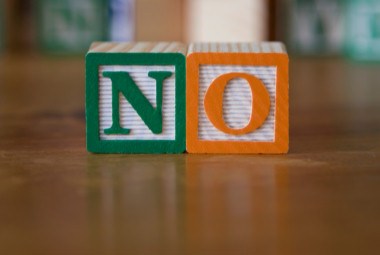
NO表示反对。


No means opposition .
Nein bedeutet Widerspruch 0
Không nghĩa đối lập 0
NO 表示 反对
NO biǎoshì fǎnduì.
異議はありません。
Igi wa arimasen.
아니 이의가 없습니다.
ani iuiga eobs-seubnida.

(VI)
(ZH)
(JA)

0743


[EN] [DE] [NL] [ES] [FR] [IT] [TH] [VI] [ZH]

RANDOM
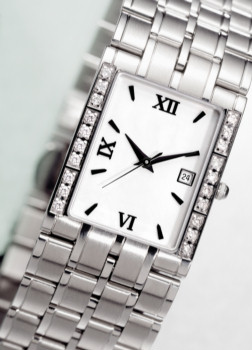
这只表很准。


This watch is very accurate .
Diese Uhr ist sehr genau 0
Đồng hồ này rất chính xác 0
只表 很准
Zhè zhī biǎo hěn zhǔn.
この時計は非常に正確です。
Kono tokei wa hijō ni seikakudesu.
이 시계는 매우 정확합니다.
i sigyeneun maeu jeonghwaghabnida.

(VI)
(ZH)
(JA)

0876


[EN] [DE] [NL] [ES] [FR] [IT] [TH] [VI] [ZH]

RANDOM
他更改了他的计画表。


He is changed his schedule .
Er hat seinen Zeitplan geändert 0
Anh ấy được thay đổi lịch trình của mình .
更改 画表
Tā gēnggǎile tā de jìhuà biǎo.
彼はスケジュールを変更した。
Kare wa sukejūru o henkō shita.
그는 일정을 바꿨다.
geuneun iljeong-eul bakkwossda.

(VI)
(ZH)
(JA)

1052


[EN] [DE] [NL] [ES] [FR] [IT] [TH] [VI] [ZH]

RANDOM
钻石代表着永恒的爱。


Diamonds represents eternal love .
Diamanten stehen für ewige Liebe 0
Kim cương tượng trưng cho tình yêu vĩnh cửu .
钻石 代表 永恒
Zuànshí dàibiǎozhe yǒnghéng de ài.
ダイヤモンドは永遠の愛を表しています。
Daiyamondo wa eien no ai o arawashite imasu.
다이아몬드는 영원한 사랑을 나타냅니다.
daiamondeuneun yeong-wonhan salang-eul natanaebnida.

(VI)
(ZH)
(JA)

1139


[EN] [DE] [NL] [ES] [FR] [IT] [TH] [VI] [ZH]

RANDOM
大家的表现都很优秀。


Everyone's performance was excellent .
Wir haben alle sehr gut gearbeitet 0
Mọi người đều thực hiện rất xuất sắc .
大家 表现 优秀
Dàjiā de biǎoxiàn dōu hěn yōuxiù.
誰もが非常にうまくいった。
Daremoga hijō ni umaku itta.
모두 아주 잘 수행했습니다.
modu aju jal suhaenghaessseubnida.

(VI)
(ZH)
(JA)

1145


[EN] [DE] [NL] [ES] [FR] [IT] [TH] [VI] [ZH]

RANDOM
小朋友都很喜欢看马戏表演。


All children love watching a circus performance .
Alle Kinder lieben es , eine Zirkusvorstellung zu sehen 0
Tất cả trẻ em đều thích xem biểu diễn xiếc .
小朋友 喜欢 马戏表演
Xiǎopéngyou dōu hěn xǐhuan kàn mǎxì biǎoyǎn.
子供たちはサーカスのパフォーマンスを見るのが好きです。
Kodomo-tachi wa sākasu no pafōmansu o miru no ga sukidesu.
아이들은 서커스 공연 관람을 좋아합니다.
aideul-eun seokeoseu gong-yeon gwanlam-eul joh-ahabnida.

(VI)
(ZH)
(JA)

1313


[EN] [DE] [NL] [ES] [FR] [IT] [TH] [VI] [ZH]

RANDOM
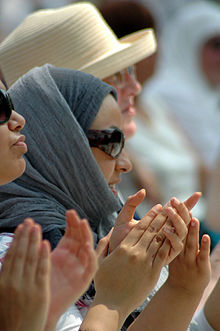
大家拍手表示赞同。


Everyone applauds in agreement .
Alle applaudieren zustimmend 0
Mọi người đều vỗ tay đồng tình .
大家 拍手 表示 赞同
Dàjiā pāishǒu biǎoshì zàntóng.
全員が同意して手をたたいた。
Zen'in ga dōi shite te o tataita.
모두 손뼉을 쳤다.
modu sonppyeog-eul chyeossda.

(VI)
(ZH)
(JA)

1329


[EN] [DE] [NL] [ES] [FR] [IT] [TH] [VI] [ZH]

RANDOM
仁慈是爱的表现。


Kindness is an expression of love .
Güte ist ein Ausdruck der Liebe 0
Nhân từ biểu hiện của tình yêu .
仁慈 表现
Réncí shì ài de biǎoxiàn.
優しさは愛の表現です。
Yasashi-sa wa ai no hyōgendesu.
친절은 사랑의 표현입니다.
chinjeol-eun salang-ui pyohyeon-ibnida.

(VI)
(ZH)
(JA)

1709


[EN] [DE] [NL] [ES] [FR] [IT] [TH] [VI] [ZH]

RANDOM
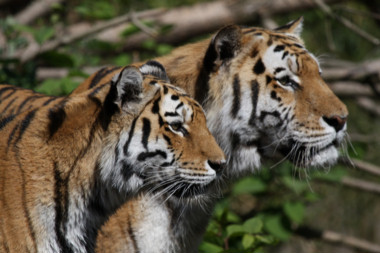
他们的表情很严肃。


They look serious .
Sie sehen ernst aus 0
Họ trông nghiêm túc .
他们 表情 严肃
Tāmen de biǎoqíng hěn yánsù.
彼らの表現は真面目です。
Karera no hyōgen wa majimedesu.
그들의 표정은 진지하다.
geudeul-ui pyojeong-eun jinjihada.

(VI)
(ZH)
(JA)

2084


[EN] [DE] [NL] [ES] [FR] [IT] [TH] [VI] [ZH]

RANDOM
学生对老师表示由衷的感谢。


The student expressed her heartfelt thanks to the teacher .
Die Schülerin bedank sich herzlich bei der Lehrerin 0
học trò bày tỏ sự cảm ơn chân thành đến giáo .
学生 老师 表示 由衷 感谢
Xuésheng duì lǎoshī biǎoshì yóuzhōng de gǎnxiè.
生徒たちは先生に心からの感謝を表明しました。
Seito-tachi wa sensei ni kokorokara no kansha o hyōmei shimashita.
학생들은 선생님께 감사의 마음을 전했습니다.
hagsaengdeul-eun seonsaengnimkke gamsaui ma-eum-eul jeonhaessseubnida.

(VI)
(ZH)
(JA)

2125


[EN] [DE] [NL] [ES] [FR] [IT] [TH] [VI] [ZH]

RANDOM
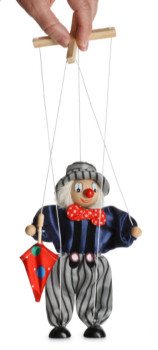
我喜欢看木偶表演。


I like watching puppet shows .
Ich liebe es , Puppentheater zu sehen 0
Tôi thích xem các buổi biểu diễn múa rối .
喜欢 木偶 表演
Wǒ xǐhuan kàn mù'ǒu biǎoyǎn.
私は人形劇を見るのが好きです。
Watashi wa ningyō geki o miru no ga sukidesu.
나는 인형극을 보는 것을 좋아합니다.
naneun inhyeong-geug-eul boneun geos-eul joh-ahabnida.

(VI)
(ZH)
(JA)

2226


[EN] [DE] [NL] [ES] [FR] [IT] [TH] [VI] [ZH]

RANDOM
财政大臣发表了今年的预算报告。


The financial minister has delivered this year's budget report .
Der Finanzminister hat in diesem Jahr einen Haushaltsbericht vorgelegt 0
Bộ trưởng Tài chính đã công bố báo cáo ngân sách năm nay
财政 大臣 发表 今年 预算 报告
Cáizhèng dàchén fābiǎole jīnnián de yùsuàn bàogào.
大蔵大臣は今年の予算報告書を発行しました。
Ōkura daijin wa kotoshi no yosan hōkoku-sho o hakkō shimashita.
재무장관은 올해 예산 보고서를 발표했습니다.
jaemujang-gwan-eun olhae yesan bogoseoleul balpyohaessseubnida.

(VI)
(ZH)
(JA)

2284


[EN] [DE] [NL] [ES] [FR] [IT] [TH] [VI] [ZH]

RANDOM
孩子露出仇视的表情。


The child showed an expression of hostility .
Das Kind zeigte einen feindseligen Ausdruck 0
Đứa trẻ tỏ thái độ thù địch .
孩子 露出 仇视 表情
Háizi lùchu chóushì de biǎoqíng.
子供は憎しみの表情を見せた。
Kodomo wa nikushimi no hyōjō o miseta.
아이는 증오의 표정을 보였다.
aineun jeung-oui pyojeong-eul boyeossda.

(VI)
(ZH)
(JA)

2639


[EN] [DE] [NL] [ES] [FR] [IT] [TH] [VI] [ZH]

RANDOM
丙表示“第三”的意思。


The character ("bing") denotes the idea of Number 3 .
Das Zeichen ("bing") bezeichnet die Idee von Nummer 3 0
tự ("bing") biểu thị ý tưởng của Số 3
表示 第三 意思
Bǐng biǎoshì “dì-sān” de yìsi.
Cは「3番目」を意味します。
C wa `3-banme' o imi shimasu.
C는 "세 번째"를 의미합니다.
Cneun "se beonjjae"leul uimihabnida.

(VI)
(ZH)
(JA)

2728


[EN] [DE] [NL] [ES] [FR] [IT] [TH] [VI] [ZH]

RANDOM
请在表格上打勾。


Please check the boxes on the form .
Bitte kreuzen Sie die Kästchen im Formular an 0
Vui lòng đánh dấu vào các ô trên biểu mẫu .
表格 打勾
Qǐng zài biǎogé shàng dǎgōu.
フォームにチェックを入れてください。
Fōmu ni chekku o irete kudasai.
양식에 체크해 주십시오.
yangsig-e chekeuhae jusibsio.

(VI)
(ZH)
(JA)

2763


[EN] [DE] [NL] [ES] [FR] [IT] [TH] [VI] [ZH]

RANDOM
他对我表示轻蔑。


He treats me with contempt .
Er behandelte mich mit Verachtung 0
Anh ấy tỏ ra khinh thường tôi .
表示 轻蔑
Tā duì wǒ biǎoshì qīngmiè.
彼は私を軽蔑して扱います。
Kare wa watashi o keibetsu shite atsukaimasu.
그는 나를 경멸했다.
geuneun naleul gyeongmyeolhaessda.

(VI)
(ZH)
(JA)

2797


[EN] [DE] [NL] [ES] [FR] [IT] [TH] [VI] [ZH]

RANDOM
他的表情很僵硬。


His expression is very stiff .
Seine Miene ist sehr steif 0
Biểu cảm của anh ấy rất cứng .
表情 僵硬
Tā de biǎoqíng hěn jiāngyìng.
彼の表情は固い。
Kare no hyōjō wa katai.
그의 표정은 딱딱하다.
geuui pyojeong-eun ttagttaghada.

(VI)
(ZH)
(JA)

2803


[EN] [DE] [NL] [ES] [FR] [IT] [TH] [VI] [ZH]

RANDOM
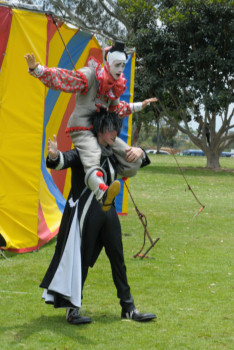
小孩喜欢看小丑表演。


Children like to watch clowns performing .
Kinder sehen gerne Clowns beim Auftritt zu 0
Trẻ em thích xem chú hề biểu diễn .
小孩 喜欢 小丑 表演
Xiǎohái xǐhuan kàn xiǎochǒu biǎoyǎn.
子供たちはピエロのショーを見るのが好きです。
Kodomo-tachi wa piero no shō o miru no ga sukidesu.
아이들은 광대 쇼를 보는 것을 좋아합니다.
aideul-eun gwangdae syoleul boneun geos-eul joh-ahabnida.

(VI)
(ZH)
(JA)

2815


[EN] [DE] [NL] [ES] [FR] [IT] [TH] [VI] [ZH]

RANDOM
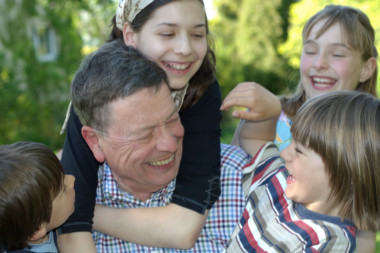
他笑嘻嘻的表情很可爱。


His smiling expression is very cute .
Sein lächelnder Ausdruck ist sehr süß 0
Biểu cảm cười của anh ấy rất dễ thương .
笑嘻嘻 表情 可爱
Tā xiàoxīxī de biǎoqíng hěn kě'ài.
彼の笑顔の表情はとてもかわいいです。
Kare no egao no hyōjō wa totemo kawaīdesu.
웃는 표정이 참 귀엽습니다.
usneun pyojeong-i cham gwiyeobseubnida.

(VI)
(ZH)
(JA)

3258


[EN] [DE] [NL] [ES] [FR] [IT] [TH] [VI] [ZH]

RANDOM
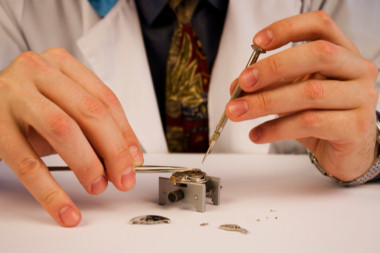
他在拆卸手表。


He is disassembling the watch .
Er zerlegt die Uhr 0
Anh ta đang tháo rời chiếc đồng hồ .
拆卸 手表
Tā zài chāixiè shǒubiǎo.
彼は時計を分解しています。
Kare wa tokei o bunkai shite imasu.
그는 시계를 분해하고 있다.
geuneun sigyeleul bunhaehago issda.

(VI)
(ZH)
(JA)

3283


[EN] [DE] [NL] [ES] [FR] [IT] [TH] [VI] [ZH]

RANDOM
他得到了表彰。


He is received commendation (for his brave deeds) .
Er wird gelobt (für seine tapferen Taten) 0
Anh ấy được khen thưởng (vì những việc làm dũng cảm của mình) .
得到 表彰
Tā dédàole biǎozhāng.
彼は表彰された。
Kare wa hyōshō sa reta.
그는 칭찬받았다.
geuneun chingchanbad-assda.

(VI)
(ZH)
(JA)

3345


[EN] [DE] [NL] [ES] [FR] [IT] [TH] [VI] [ZH]