| HSK 3.0 | Big5 | Gb | Pin | Eng |
|---|
| 1 | 愛 | 爱 | ài | love, like, be fond of, be keen on, cherish, be apt to
|
| 1 | 愛好 | 爱好 | àihào | love, like, be fond of, be keen on
|
| 1 | 爸爸 | 爸爸 | bàba | old man, father, papa, pappa, daddy, pa, begetter, pop, dada, dad, male parent, pater, pappy, pops, poppa
|
| 1 | 北京 | 北京 | Běijīng | capital of Red China, Beijing, Peking, Beijing (Peking), Peiping
|
| 1 | 北 | 北 | běi | atomic number 97, northward, north, berkelium, Bk, northern
|
| 1 | 本子 | 本子 | běnzi | book, notebook, edition, CL:本[ben3]
|
| 1 | 差 | 差 | chà | be short, lack
|
| 1 | 吃 | 吃 | chī | feed, have, be subject to, absorb, chow, live on, eat, have one's meals, be a strain, exhaust, fare, take in, live off, annihilate, wipe out, partake, suffer, ingest, consume, graze, lunch, manducate, incur, take, get, use up, make, taste, soak up
|
| 1 | 床 | 床 | chuáng | bed
|
| 1 | 電視機 | 电视机 | diànshìjī | set, idiot_box, tv, goggle-box, idiot box, television receiver/set, teleset, television set, television receiver, TV set, goggle_box, tv set, goggle box, boob tube, receiver, telly, television
|
| 1 | 動作 | 动作 | dòngzuò | demeanor, motion, behavior, performance, demeanour, play, turn, operation, operative, looseness, agency, gesticulation, movement, gesture, comportment, business, action, move
|
| 1 | 對不起 | 对不起 | duìbuqǐ | be unfair to, I'm sorry, let ... down, let sb. down, excuse me
|
| 1 | 多 | 多 | duō | many, much, more, more than the correct/required number, excessive, too much, much/far more
|
| 1 | 房間 | 房间 | fángjiān | apartment, aspect, houseroom, room, chamber, bedroom
|
| 1 | 放假 | 放假 | fàng jià | have a day off, have a vacation, have day off, have or be on vacation, have or be on holiday, have a holiday, vacation
|
| 1 | 還 | 还 | hái | still, yet, also, too, as well, besides
|
| 1 | 後 | 后 | hòu | rear, back, behind
|
| 1 | 後邊 | 后边 | hòubian | back, rear, behind
|
| 1 | 回去 | 回去 | huí qu | go_home, go_back, retrocede, go back, be back, go, return
|
| 1 | 回來 | 回来 | huí lai | come back, get_back, recur, revisit, come, return, be back, come_back
|
| 1 | 會 | 会 | huì | to be able, can, will, to meet
|
| 1 | 記得 | 记得 | jì de | come to mind, think back, remember, recollect, recall, rememberance, mind, retain, place, spring to mind, bear in mind
|
| 1 | 記住 | 记住 | jì zhu | to remember, to bear in mind, to learn by heart
|
| 1 | 家人 | 家人 | jiārén | relation, homefolk, inmate, kindred, household, relative, people, folks, kin, family members, family, kinsfolk, house
|
| 1 | 見 | 见 | jiàn | see, be exposed to, become visible, call on, refer to, meet with, appear to be, appear, vide, catch sight of, meet
|
| 1 | 叫 | 叫 | jiào | to be called
|
| 1 | 覺得 | 觉得 | juéde | imagine, guess, believe, reckon, suspect, suppose, think, listen, feel, consider, think_of, appear, conceive
|
| 1 | 開 | 开 | kāi | open, open up, reclaim (land), open out, come loose, start, begin, operate, turn on (light), run (business), hold (meeting/etc.), divide into, reveal
|
| 1 | 看見 | 看见 | kàn jian | seeing, behold, see, descry, show, perceive, lay eyes on, lamp, spy, show up, sight, catch sight of, catch sight of
|
| 1 | 老人 | 老人 | lǎoren | oldster, ancient, old woman, crock, one's aged parents or grandparents, old man/woman, one's aged parents/grandparents, Sir, old person, gaffer, pop, one's aged parents, the aged/old, old_man, senior_citizen, oldie, greybeard, old man, graybeard, old, grandparents, the old, the aged, senior citizen, old_boy, old boy, woman, old-timer, old man or woman, one's aged grandparents
|
| 1 | 馬上 | 马上 | mǎshàng | in a short time, at_once, instantaneously, promptly, at once, incontinent, in the same breath, directively, instantly, slapbang, pronto, right_away, immediately, shortly, without delay, right away, tout-de-suite, forthwith, presently, in_no_time, at a time, soon, hereupon, in a few seconds, before long, at one time, outright, straightaway, in a minute, directly, momently, in a f
|
| 1 | 沒有 | 没有 | méiyou | not have, there is not, be without
|
| 1 | 那邊 | 那边 | nàbian | beyond, that side, there
|
| 1 | 能 | 能 | néng | can or to be capable of
|
| 1 | 女 | 女 | nǚ | girl, female, woman, neodymium, hen, daughter, beaver, creature
|
| 1 | 跑 | 跑 | pǎo | travel, race, be away, escape, course, run errands, skirr, double, walk, be away/off, run away, be off, run about doing sth., run, drive, paw the earth, run about doing ..., ride, leg
|
| 1 | 朋友 | 朋友 | péngyou | amigo, connections, kith, friend, boy, crony, ami, boy/girl friend, companion, mate, boy friend or girl friend, compadre, boy friend, Mac, paisano, matey, old_boy, sport, folks, pard, hearty, Kamerad, cocker, cobber, girl friend, pardner, company
|
| 1 | 起床 | 起床 | qǐ chuáng | uprise, get up from bed, arise, get out of bed, turn out, rise, deck, get_up, awake, get up
|
| 1 | 前天 | 前天 | qiántiān | the day before yesterday
|
| 1 | 山 | 山 | shān | Shan, jebel, pike, mountain, whitethorn, hump, anything resembling a mountain, gable, kop, chimney, hill, Surname, mount
|
| 1 | 上班 | 上班 | shàng bān | start work, go to work, be on duty
|
| 1 | 上網 | 上网 | shàng wǎng | to go online, to connect to the Internet, (of a document etc) to be uploaded to the Internet, (tennis, volleyball etc) to move in close to the net
|
| 1 | 上學 | 上学 | shàng xué | attend school, be at school
|
| 1 | 少 | 少 | shǎo | lack, be deficient, lose, be missing
|
| 1 | 生氣 | 生气 | shēng qì | get angry, be angry
|
| 1 | 是 | 是 | shì | is, are, am, yes, to be, variant of 是[shi4], (used in given names)
|
| 1 | 睡覺 | 睡觉 | shuì jiào | turn_in, log Z's, doss, slumber, catch some Z's, go to bed, sleep, doss down, crash, go_to_sleep, hit_the_sack, kip
|
| 1 | 聽 | 听 | tīng | hear, list, hearken, obey, obedience, listen, heed, administer, let, allow, hark
|
| 1 | 忘記 | 忘记 | wàngjì | misremember, block, blank out, neglect, overlook, draw a blank, leave_out, disremember, fail, forget
|
| 1 | 喜歡 | 喜欢 | xǐhuan | like, love, be fond of, be happy/elated
|
| 1 | 下邊 | 下边 | xiàbian | under, the underside, below
|
| 1 | 先 | 先 | xiān | earlier, in advance, before
|
| 1 | 先生 | 先生 | xiānsheng | doctor of Chinese medicine, Don, mulla, Ms., sir., teacher, gentleman, gospodin, Signor, signor, fortune-teller, babu, baboo, Herr, Mister, bey, mister, bwana, husband, siree, buckra, sirrah, senor, guv, sahib, Mr., rabbi, don, signore, Dan, sir, m'sieur, effendi, Tuan, baas, Monsieur, lording, monsieur, doctor, Mr, milord, Mynheer, signior, esquire, bookkeeper, Senor, rabboni, Senhor, sieur, sen
|
| 1 | 寫 | 写 | xiě | description, bewrite, direct, describe, pencil, draw, paint, inscribe, write, depiction, write_out, throw_off, depict, address, author, screeve, word, compose
|
| 1 | 行 | 行 | xíng | go, travel, prevail, circulate, be current
|
| 1 | 衣服 | 衣服 | yīfu | clothes, wearing apparel, toggery, gear, tog, wear, bib-and-tucker, drapery, thing, dress, duds, vestment, wardrobe, clout, apparel, clothing, dud, wrapping, vesture, clobber, habit, robe, togs, livery, habilimentation, array, hull, garb, attire, attirement, stitch, rig, garment, raiment, wearable, dressing
|
| 1 | 有用 | 有用 | yǒuyòng | belong, profit, count, useful, avail, powerful
|
| 1 | 再 | 再 | zài | again, once more, further(more), in a higher degree, and then, not (do sth.) before
|
| 1 | 早 | 早 | zǎo | early, long ago, in advance, beforehand, prematurely
|
| 1 | 正在 | 正在 | zhèngzài | course of, be, be in process
|
| 1 | 知道 | 知道 | zhīdao | tell, have, ken, understand, infer, wis, learn, cognize, gather, know, be aware of, wise up, savvy, mind, realize
|
| 1 | 子 | 子 | zi | son, child, seed, egg, small thing, 1st earthly branch: 11 p.m.-1 a.m., midnight, 11th solar month (7th December to 5th January), year of the Rat, Viscount, fourth of five orders of nobility 五等爵位[wu3 deng3 jue2 wei4], ancient Chinese compass point: 0° (north), (noun suffix)
|
| 1 | 最好 | 最好 | zuìhǎo | had better, it would be best
|
| 2 | 幫助 | 帮助 | bāngzhù | aid, bridge_over, help, bestead, bring_on, tide_over, serve, support, facilitate, accommodate, carry_through, assist, administer, attend_to, assistance, befriend, further, favour
|
| 2 | 報名 | 报名 | bào míng | register, inscribe, enter, enroll, enrol, enter one's name, sign up, recruit
|
| 2 | 筆記本 | 笔记本 | bǐjìběn | notebook (stationery), CL:本[ben3], notebook (computing)
|
| 2 | 變成 | 变成 | biàn chéng | grow_into, change into, go, form, grow into, change state, develop into, turn to, fall, turn_into, be, turn, become, turn into, grow, run, get
|
| 2 | 不好意思 | 不好意思 | bù hǎoyìsi | embarrassed, be ill at ease, find it embarrassing, feel embarrassed
|
| 2 | 不如 | 不如 | bùrú | be unequal/inferior to
|
| 2 | 不久 | 不久 | bùjiǔ | not long (after), before too long, soon, soon after
|
| 2 | 不行 | 不行 | bù xíng | won't do, be out of the question, be no good, not work, not be capable
|
| 2 | 不一定 | 不一定 | bùyīdìng | not sure, maybe
|
| 2 | 才 | 才 | cái | then and only then, just now, only (before a number)
|
| 2 | 長 | 长 | zhǎng | long, be strong/good (in/at)
|
| 2 | 成為 | 成为 | chéngwéi | find, join, comprise, turn to, commemorate, sample, entomb, come_up, commence, get hold, learn, add up, necessitate, run, make up, constitute, make, form, come, amount, represent, fall, presage, change, be, turn, turn into, become, line up, come up, shape, portend, foretell, get
|
| 2 | 成 | 成 | chéng | become, turn into
|
| 2 | 出門 | 出门 | chū mén | go_out, go on journey, go out, go on a journey, be away from home
|
| 2 | 出生 | 出生 | chūshēng | be born
|
| 2 | 出院 | 出院 | chū yuàn | to leave hospital, to be discharged from hospital
|
| 2 | 打算 | 打算 | dǎsuan | mean, specify, plan, think, intention, propose, design, purpose, contemplate, allot, destine, calculate, intend, designate, be after
|
| 2 | 帶來 | 带来 | dài lái | bring, redound, impart, bring_on, bring on, express, fetch, lend, convey, contribute, bring about, bestow, carry, bring oneself, add, usher, incur, land
|
| 2 | 得 | 得 | de | should be, need
|
| 2 | 燈 | 灯 | dēng | blowlamp, lantern, light source, light, lamp, tube, valve, burner
|
| 2 | 等於 | 等于 | děngyú | be equal to, tantamount to, equal, be equal, amount, reach, be, be equivalent to
|
| 2 | 地球 | 地球 | dìqiú | the earth/globe, globe, world, Earth, ball, terrene, earth, the globe, the earth
|
| 2 | 掉 | 掉 | diào | drop, reduce, exchange, lose, fall behind, be missing, fall, knock, come off, change, shed, turn
|
| 2 | 動物 | 动物 | dòngwù | thing, critter, crittur, zoic, anthropomorphism, animal, deer, animate being, beast, creature, burrow, sire, worker, fauna, brute
|
| 2 | 多 | 多 | duō | many, much, more, more than the correct/required number, excessive, too much, much/far more
|
| 2 | 多數 | 多数 | duōshù | trillions, millions, mort, relative majority, throng, det : majority, prevalence, multitude, lac, Host, host, bulk, horde, raft, million, lakh, rimption, pack, skit, strength, acre, generality, ruck, chunk, number, shoal, multiplicity, billions, preponderance, jillions, zillions, grist, world, majority, meiny, regiment, legion, mass, plurality
|
| 2 | 方面 | 方面 | fāngmiàn | side, aspect, sector, part, light, facet, behalf, way, respect, direction, bearing, field, phase, sphere, angle, hand
|
| 2 | 方向 | 方向 | fāngxiang | path, set, directional, aspect, tenor, course, lay, exposure, way, range, aim, trend, direction, bearing, orientation, hand, tack, way of life, quarter, channel, line, heading
|
| 2 | 放心 | 放心 | fàng xīn | disburden, set one's mind at rest, set one's mood at rest, be at ease, feel relieved, rest assured
|
| 2 | 服務 | 服务 | fúwù | be in the service of, serve
|
| 2 | 改 | 改 | gǎi | alteration, rectification, transformation, change, correct, put ... right, transform, rectify, revision, switch over to, ameliorate, revise, put right, amend, correction, gybe, alter
|
| 2 | 感動 | 感动 | gǎndòng | be touched, be moved, affect, feel, stir, thrill, melt, magnetize, inspire, touch, reach, move
|
| 2 | 感謝 | 感谢 | gǎnxiè | thank, be grateful
|
| 2 | 夠 | 够 | gòu | be enough/sufficient/adequate
|
| 2 | 故意 | 故意 | gùyì | purposive, deliberate, willful, intentional
|
| 2 | 關心 | 关心 | guānxīn | be concerned about
|
| 2 | 觀點 | 观点 | guāndiǎn | view, aspect, stand, point_of_view, light, eyes, framework, sentiment, bet, standpoint, point of view, eye, viewpoint, slant, perspective, position, angle
|
| 2 | 海邊 | 海边 | hǎibiān | coast, seaside, seashore, beach
|
| 2 | 好處 | 好处 | hǎochu | pull, profit, advantage, stead, benefit, virtu, welfare, virtue, good, behoof, goodness, gain, pap, beauty, beaut
|
| 2 | 好事 | 好事 | hǎoshì | good action, deed, thing or work (also sarcastic, 'a fine thing indeed'), charity, happy occasion, Daoist or Buddhist ceremony for the souls of the dead, to be meddlesome
|
| 2 | 好像 | 好像 | hǎoxiàng | seem, be like
|
| 2 | 合適 | 合适 | héshì | set, fit, accommodate, befit, suitable, right, appropriate, belong, beseem, becoming, suit
|
| 2 | 黑 | 黑 | hēi | black, dark, wicked, sinister, vicious, be greedy, extort
|
| 2 | 湖 | 湖 | hú | water, waterfront, a name referring to the provinces of Hunan and Hub, lacustrine, loch, mere, lake, lough, Hunan and Hubei, laky
|
| 2 | 會 | 会 | huì | to be able, can, will, to meet
|
| 2 | 活動 | 活动 | huódong | activity, maneuver, behavior
|
| 2 | 機會 | 机会 | jīhui | scouth, occasion, good luck, hap, liberty, fortune, opportunity, chance, joss, hazard, happy chance, probability, luck, scope, room, break, turn, opening
|
| 2 | 加 | 加 | jiā | dramatise, plant, embroider, intercalate, lard, put in, blow up, inflict, deliver, aggrandize, plus, dramatize, increase, augment, embellish, augmentation, confer, append, add, pad, summate
|
| 2 | 家長 | 家长 | jiāzhǎng | masterman, housemaster, graybeard, patriarch, parent of schoolchildren, patriarchal, goodman, patriarchate, paterfamilias, the head of a family, genearch, patriarchy, householder, head of household, the parent or guadian of a child
|
| 2 | 講 | 讲 | jiǎng | discourse, utter, talk, negotiation, make clear, negotiate, parley, pay attention to, speak, syllable, discuss, explain, tell, be particular about, explanation, interpretation, interpret, relate, discussion, stress, mouth, say, remark, verbalize
|
| 2 | 叫作 | 叫作 | jiàozuò | to call, to be called
|
| 2 | 教師 | 教师 | jiàoshī | beak, don, school teacher, schoolman, teacher, schoolmaster, preceptor, professor, pedagogue, schoolteacher, coach, master, instructor, educator, preceptorship
|
| 2 | 接受 | 接受 | jiēshòu | receive (honors, have, receive, acknowledge, sweep up, espouse, etc.), come to grips, adopt, embrace, greet, welcome, hook on, seize on, take up, accede, taken, entertain, latch on, buy, fasten on, swallow, imbibe, accept, receive (honors/etc.), undergo, get to grips, take, adapt, acceptance, thole
|
| 2 | 節目 | 节目 | jiémù | item, item (on program), programme, act, telecast, number, program
|
| 2 | 進行 | 进行 | jìnxíng | be in progress, go on, carry on/out
|
| 2 | 就要 | 就要 | jiùyào | will, shall, to be going to
|
| 2 | 酒 | 酒 | jiǔ | libation, bracer, plonk, wine, tipple, poison, pottle, spirits, creature, vin, cup, drink, hooch, arrack, medicine, alcohol, bottle, hootch, alcoholic drink, rum, bibble, potation, belly-wash, alcoholic beverage, Bacchus, booze, liquor, juice, fortifier, inebriant, lotion, intoxicant
|
| 2 | 卡 | 卡 | kǎ | to stop, to block, card, CL:張|张[zhang1],片[pian4], calorie, cassette, (computing) (coll.) slow, to block, to be stuck, to be wedged, customs station, a clip, a fastener, a checkpost, Taiwan pr. [ka3]
|
| 2 | 開機 | 开机 | kāi jī | to start an engine, to boot up (a computer), to press Ctrl-Alt-Delete, to begin shooting a film or TV show
|
| 2 | 開學 | 开学 | kāi xué | start school, begin term
|
| 2 | 可能 | 可能 | kěnéng | probably, maybe
|
| 2 | 克 | 克 | kè | to be able to, to subdue, to restrain, to overcome, gram, variant of 剋|克[ke4], Ke (c. 2000 BC), seventh of the legendary Flame Emperors, 炎帝[Yan2 di4] descended from Shennong 神農|神农[Shen2 nong2] Farmer God, to scold, to beat
|
| 2 | 拉 | 拉 | lā | slit, press-gang, help, solicit, lend a helping hand, canvass, draw, zoom, transport by vehicle, pull, release, press, cut, schlep, play (bowed instruments), tote, tug, gash, tow, bend, snake, schlepp, move (troops), solicitation, haul, chat, solicit (business), give a helping hand, drag out, force, play, slash, drum_up, claw, implicate, overstretch, empty the bowels, drag, trail, drag
|
| 2 | 禮物 | 礼物 | lǐwù | tribute, giving, proffer, gift, compliment, box, benefice, acknowledgment, present, souvenir
|
| 2 | 零下 | 零下 | língxià | below zero
|
| 2 | 留下 | 留下 | liú xià | stay, leave behind, leave, allocate, devote, entail, stick, stay behind, leave_behind, stay put, stick around, remain
|
| 2 | 留 | 留 | liú | continue, stay, keep, leave behind, leave, grow, accept, (let) grow, leave (sth.), let grow, ask ... to stay, take, bide, wear, study in a foreign country, save, reserve, reservation, ask sb. to stay, remain
|
| 2 | 賣 | 卖 | mài | bring, parade, prostitute, make living at, go, sell out, show off, negotiate, exert to the utmost, tout, not spare, deal, betray, make living by, at, sell, make living by/at, betrayal, trade, fetch, market, bring in
|
| 2 | 面前 | 面前 | miànqián | in_front, in front of, in the front of, in the face of, front, presence, before
|
| 2 | 難過 | 难过 | nánguò | uncomfortable, feel bad, feel sorry, have hard time, bad, sad, have a hard time, be grieved, sorry
|
| 2 | 難受 | 难受 | nánshòu | to feel unwell, to suffer pain, to be difficult to bear
|
| 2 | 鳥 | 鸟 | niǎo | beak, caprimulgiform bird, jay, carinate bird, birdie, bird, carinate, chaffinch, flying bird, fowl
|
| 2 | 怕 | 怕 | pà | I'm afraid, dread, funk, I suppose, be afraid of, fear
|
| 2 | 爬 | 爬 | pá | swarm, creep, shin, grabble, crawl, climb, go up, trail, climb up, mount, clamber, scramble
|
| 2 | 漂亮 | 漂亮 | piàoliang | posh, handsome, brilliant, remarkable, splendid, beautiful, smart
|
| 2 | 騎 | 骑 | qí | ride/sit astride, ride astride, override, get_onto, sit on the back of, sit, stride, ride_on, ride, mount, pedal, sit astride, bestraddle
|
| 2 | 前年 | 前年 | qiánnián | the year before last
|
| 2 | 全體 | 全体 | quántǐ | great, entirety, general, ensemble, altogether, collectivity, entire, totality, whole body, whole, all, pie, crew, be-all, plenary assembly, en_bloc, wholeness, gamut
|
| 2 | 人數 | 人数 | rénshù | number of people
|
| 2 | 認為 | 认为 | rènwéi | find, treat, deem, suppose, look_on, repute, discount, esteem, accredit, feel, account, calculate, estimate, take to be, reckon, expect, think, hold, trust, recognise, opine, sound off, adjudge, consideration, consider, regard as, look upon, believe_in, disbelieve, allow, conceive, regard, call, imagine, view, forecast, believe, suspect, rate, animadvert, look on, listen, speak up, figure, c
|
| 2 | 生 | 生 | shēng | give birth to, bear, grow, get, have, cause to happen, make (a fire), exist, live
|
| 2 | 省 | 省 | shěng | to save, to economize, to do without, to omit, to leave out, province, CL:個|个[ge4], to inspect, to examine, to be aware, to pay a visit (to one's parents or elders)
|
| 2 | 受到 | 受到 | shòudào | experience, receive, come in for, suffer, undergo, come_in_for, be given, come_to, be subjected to
|
| 2 | 數字 | 数字 | shùzì | numeral, numerical, digit, amount, number, numeric, figure, digital, quantity
|
| 2 | 態度 | 态度 | tàidu | stance, treatment, demeanor, dealing, deportment, pose, behavior, manner, demeanour, way, bearing, attitude, air, behaviour, front, mien, conduct, mental attitude, approach, posture, address, position, bedside_manner, movement, gesture, comportment, presence, sort
|
| 2 | 聽說 | 听说 | tīngshuō | hear, understand, learn, rumor, hear that..., hear/understand that..., be told, understand that..., hear of
|
| 2 | 同事 | 同事 | tóngshì | brother, coadjutor, workmate, friend, yokefellow, co-worker, fellow worker, confrere, colleague, stablemate, companion, crew, workfellow, staff, socius, coworker, bedfellow, fellow, haver, rival, comrade
|
| 2 | 完 | 完 | wán | exhaust, run_out, wipe_out, run out, pay, complete, completion, finish, be through, be over, use_up, wind up, payment, use up, pay (taxes), end up
|
| 2 | 相同 | 相同 | xiāngtóng | be identical/alike, uniform, be identical, overlap, alike, identical, be alike
|
| 2 | 相信 | 相信 | xiāngxìn | deem, believe, credit, esteem, accredit, feel, trow, count, have faith in, guess, lippen, buy, be convinced of, hold, think, trust, accept, know, hone, believe_in, favour, believe in, hope
|
| 2 | 想到 | 想到 | xiǎng dào | imagine, ideate, think, envisage, anticipate, bethink, dream, recollect, think_of, call to mind, think of, occur, conceive of
|
| 2 | 想法 | 想法 | xiǎngfa | view, stance, mentality, idea, notion, sentiment, judgment, construct, thought, opinion, conception, viewpoint, judgement, belief, mind-set, what one has in mind, persuasion, perspective, concept, mind, impression
|
| 2 | 想起 | 想起 | xiǎng qǐ | retrieve, think back, envisage, hit, echo, remember, think_of, call to mind, recall, recollect, think of
|
| 2 | 像 | 像 | xiàng | be like
|
| 2 | 小心 | 小心 | xiǎoxin | beware, watch_out, keep one's eyes skinned, keep one's eyes peeled, careful, cautious, be careful, see, watch, guard, ware, cautionary, keep one's eyes open, take care, look_out, look out
|
| 2 | 校長 | 校长 | xiàozhǎng | prexy, head, principal, headteacher, schoolmaster, master, warden, president, beak, rector, superintendent, director, head teacher, preceptor, headmaster, chancellor, school principal
|
| 2 | 信號 | 信号 | xìnhào | sign, cue, beacon, code, beacon fire, messenger, signal, semaphore, signaling, waft
|
| 2 | 信心 | 信心 | xìnxīn | trustfulness, trustingness, confidence, belief, affiance, religion, feeling, fay, trust, positiveness, notion, reliance, religious belief, faith, hope, impression
|
| 2 | 行為 | 行为 | xíngwéi | fact, demeanor, form, deportment, dealing, behavior, doings, course, act, point, goings-on, demeanour, procedure, lapse, going, bearing, turn, behaviour, activity, ongoing, thing, human action, conduct, commitment, human activity, behavioral, agency, deed, comportment, action
|
| 2 | 許多 | 许多 | xǔduō | lot, scores, lots, sight, pot, heap, quantity, plenty, slews, ton, battalion, many, scads, tidy sum, power, spate, chunk, pile, crowd, vastness, batch, lashings, whole lot, mint, mound, pocketful, large number, trunkful, ream, mickle, great deal, flock, mass, slew, heaps, a lot of, piles, whole slew, mess, raff, slue, gobs, much, lotta, multitude, volume, wad, store, raft, tons, satiety, rafts, doze
|
| 2 | 也許 | 也许 | yěxǔ | possibly, peradventure, conceivably, assumedly, mayhap, doubtless, ablings, perhaps, perchance, potentially, probably, maybe, presumably, ablins, just
|
| 2 | 以前 | 以前 | yǐqián | langsyne, ago, in the past, formerly, prevenient, before, previously
|
| 2 | 以外 | 以外 | yǐwài | other than, except, beyond, outside
|
| 2 | 以為 | 以为 | yǐwéi | imagine, think/believe/consider erroneously, treat, deem, believe, suspect, suppose, consider erroneously, repute, animadvert, esteem, trow, speak up, feel, count, believe/consider erroneously, calculate, view as, guess, ween, look, expect, think erroneously, think, hold, opine, interpret, sound off, take_for, consider, take for
|
| 2 | 因為 | 因为 | yīnwei | conj.: because, for, on account of
|
| 2 | 院 | 院 | yuàn | public facility, college, courtyard, designation for certain government offices and pub, hospital, clinic, branch of government, university, institutes, compound, abbey, academy, institute, yard, educational institution, faculty
|
| 2 | 願意 | 愿意 | yuànyi | will, be willing, please, wish, like, care
|
| 2 | 月亮 | 月亮 | yuèliang | moonlight, Cynthia, moon, lune, Phoebe, Diana, lunar
|
| 2 | 長大 | 长大 | zhǎng dà | vegetate, be brought up, grow_up, maturate, grow, grow up, bulk, age, mature
|
| 2 | 住院 | 住院 | zhù yuàn | be hospitalized
|
| 2 | 自己 | 自己 | zìjǐ | lonesome, number_one, own, ego, self, oneself, name
|
| 2 | 走開 | 走开 | zǒukāi | to leave, to walk away, to beat it, to move aside
|
| 2 | 嘴 | 嘴 | zuǐ | spigot, mug, rattletrap, kisser, trap, puss, visage, spile, nib, smiler, beak, countenance, snout, physiognomy, bill, cake-hole, bazoo, spout, anything shaped or functioning like a mouth, mouth, gob, neb
|
| 2 | 作家 | 作家 | zuòjiā | penster, scribe, ink-slinger, pen, inkslinger, writer, wright, novelist, litterateur, literator, tragedian, composer, author, penman, biobibliography, bookman
|
| 3 | 愛心 | 爱心 | àixīn | liking, pity, love, benevolence, mercy, fondness, commitment
|
| 3 | 背後 | 背后 | bèihòu | rear, in the rear, behind, rearward, at the back, backside, back end
|
| 3 | 變為 | 变为 | biànwéi | change to, become
|
| 3 | 並且 | 并且 | bìngqiě | conj.: and, besides, moreover
|
| 3 | 并 | 并 | bìng | to be side by side, simultaneously, and
|
| 3 | 不安 | 不安 | bùān | be anxious; be uneasy; be restless
|
| 3 | 產生 | 产生 | chǎnshēng | come into being, produce, engender, emerge
|
| 3 | 成立 | 成立 | chénglì | found, establish, be tenable, hold water
|
| 3 | 成員 | 成员 | chéngyuán | member
|
| 3 | 初 | 初 | chū | at the beginning of, in the early part of
|
| 3 | 充滿 | 充满 | chōngmǎn | swarm, be brimming, inhabit, be brimming with, teem, crawl, fill, lard, pullulate with, brim, be permeated with, bathe, be filled with, permeated with, abound in, implement, exuberate, fill up, flow, abound, burst, perfuse, foam, bristle, crackle, inform, pervade, be imbued with, simmer, glut, teem in, permeate, congest, be full of, reek, charge, suffuse, pullulate, overfill, swell
|
| 3 | 除了 | 除了 | chúle | except, besides
|
| 3 | 從事 | 从事 | cóngshì | engross, have, join, treat, plow, handle, follow, embark, undertake, attend_to, attack, occupy, absorb, go_into, work, engage, prosecute, go_about, go in for, pursue, be, meddle, embark_on, perform, enter, cover, deal, address, be engaged in, deal with, place, wage
|
| 3 | 存 | 存 | cún | harbour, keep, deposit (money), gather, harbor, cherish, accumulate, existence, live, leave with, retain, reserve, save, consist, accumulation, preserve, survival, store, survive, check (luggage), collect, deposit, place, bank, check, exist, be in stock, remain on balance
|
| 3 | 存在 | 存在 | cúnzài | exist, be
|
| 3 | 打破 | 打破 | dǎpo | shiver, better, explode, smash, crush, fall apart, discomfit, part, shatter, force, murder, wear, break, bust, drub, wear out
|
| 3 | 大概 | 大概 | dàgài | chiefly, if not, perchance, approximately, believably, maybe, presumably, plausibly, almost, conceivably, most likely, assumedly, ablings, likely, perhaps, probably, supposedly, ablins, credibly, assumably, belike
|
| 3 | 底下 | 底下 | dǐxia | under, below, beneath
|
| 3 | 訂 | 订 | dìng | subscribe to, agree on, revise, draw up, staple together, book (seats), conclude, order, book, subscribe, make corrections
|
| 3 | 讀者 | 读者 | dúzhě | audience, subscriber, reader
|
| 3 | 隊員 | 队员 | duìyuán | team member
|
| 3 | 反對 | 反对 | fǎnduì | to fight against, to oppose, to be opposed to, opposition
|
| 3 | 防止 | 防止 | fángzhǐ | estop, guard against, preclude, prevention, inhibit, avoidance, help, cumber, prevent, forbid, prohibit, obviate, restrain, deter, avoid, head_off, debar, guard, help oneself, ward_off, constrain, ward, encumber, avert, ward off, disenable, forfend, shield, countercheck, forestall, keep_from, foreclose
|
| 3 | 父親 | 父亲 | fùqin | parent, father, pere, Pa, begetter, governor, abba, male parent, pater, guv
|
| 3 | 負責 | 负责 | fùzé | preside, be responsible for, see, entail, sponsor, be in charge of, blame, answer, undertake, liable, respond
|
| 3 | 富 | 富 | fù | be rich in, be full of
|
| 3 | 敢 | 敢 | gǎn | dare, make bold, have courage to, be sure, have confidence to, venture, have the confidence to, be certain
|
| 3 | 個性 | 个性 | gèxìng | kidney, specific property, personalism, fibre, individuation, personhood, particularity, fiber, character, individual character, self-identity, mentality, idiosyncrasy, spirit, individuality, individualism, selfhood, personality
|
| 3 | 關係 | 关系 | guānxi | relation, bearing, impact, membership credentials, backdoor connections
|
| 3 | 害怕 | 害怕 | hàipà | dread, be afraid/scared, fearful, frighten, fear, frightened, shrink_from, be afraid, funk, scared, be scared, tremble
|
| 3 | 行 | 行 | xíng | go, travel, prevail, circulate, be current
|
| 3 | 合 | 合 | hé | be equal to, amount to
|
| 3 | 後面 | 后面 | hòumian | rear, back, in the rear, latter, behind, rearward, at the back
|
| 3 | 會員 | 会员 | huìyuán | member
|
| 3 | 活 | 活 | huó | alive, live, vivid, save (sb.'s life), activate, save, be
|
| 3 | 家屬 | 家属 | jiāshǔ | blood relative, kinswoman, kinsman, household, kinfolk, kin, dependent, kinsfolk, family members, family dependents, cognate, folk, sib, people, dependents, blood relation, family members/dependents
|
| 3 | 結實 | 结实 | jiēshi | to bear fruit, rugged, sturdy, strong, durable, buff (physique)
|
| 3 | 接近 | 接近 | jiējìn | approach, near, be close to
|
| 3 | 結合 | 结合 | jiéhé | combine, unite, integrate, link, be joined in wedlock
|
| 3 | 叫 | 叫 | jiào | to be called
|
| 3 | 解開 | 解开 | jiě kāi | unknot, loose, uncouple, unbuckle, unyoke, reel off, disengage, unreel, unloosen, disentwine, detach, untie, unwreathe, unlock, ravel, disentangle, unbraid, unsnarl, unhook, unfasten, unwind, unroll, tease apart, loosen, unhitch, unlace, undone, tease, unwire, uncord, unwrap, unleash, unthread, undo, disassemble, ravel out, disconnect, unlink, sleave, untangle, unpack, puzzle_out, unbend, u
|
| 3 | 盡量 | 尽量 | jǐnliàng | to the best of one's ability
|
| 3 | 緊張 | 紧张 | jǐnzhāng | be nervous
|
| 3 | 京劇 | 京剧 | jīngjù | Beijing opera, CL:場|场[chang3],出[chu1]
|
| 3 | 警察 | 警察 | jǐngchá | police officer, cop, trooper, bluecoat, finest, jack, peon, policeman, police force, constable, policemen, flattie, fuzz, constabulary, shamus, bull, bobby, robert, copper, tipstaff, rozzer, flatfoot, john, peeler, Vopo, law, runner, officer, gumshoe, pig, police, the police, beetle-crusher, flic
|
| 3 | 具有 | 具有 | jùyǒu | be provided with, have, have got, possess, hold, possession, carry, inhere, bear
|
| 3 | 開放 | 开放 | kāifàng | lift a ban/etc., be turned on, be in operation
|
| 3 | 開始 | 开始 | kāishǐ | begin, start
|
| 3 | 老百姓 | 老百姓 | lǎobǎixìng | plebe, populace, mister, civilians, roturier, ordinary people, common people
|
| 3 | 樂 | 乐 | lè | happy, cheerful, be glad to, enjoy, be amused
|
| 3 | 樂觀 | 乐观 | lèguān | be optimistic; be hopeful
|
| 3 | 類似 | 类似 | lèisì | analogize, conform, analogic, be similar to, resemble, similar, analogous
|
| 3 | 理髮 | 理发 | lǐ fà | a barber, hairdressing
|
| 3 | 力量 | 力量 | lìliang | fibre, strength, potency, ability, guts, kick, cogency, point, dint, energy, mightiness, physical strength, demon, force, punch, whiz, tooth, might, forcefulness, exercise, fiber, powerfulness, lift, pith, leverage, agency, push, muscle, power
|
| 3 | 立刻 | 立刻 | lìkè | in a short time, at_once, promptly, offhand, at once, anon, instantly, straightway, now, slapbang, pronto, right_away, immediately, without delay, right away, forthwith, presto, at a time, before long, in a minute, swith, directly, in no time, incontinent, subito, without_delay, in real time, shortly, tout-de-suite, away, soon, presently, in a few seconds, very fast, chop-chop, at o
|
| 3 | 領 | 领 | lǐng | receive, draw, get, have jurisdiction over, be in possession of
|
| 3 | 領先 | 领先 | lǐng xiān | lead, lead (in competition), precede, lead_up, be in lead, show, be in the lead, get the jump
|
| 3 | 另外 | 另外 | lìngwài | conj.: in addition, besides, moreover
|
| 3 | 落後 | 落后 | luò hòu | fall/lay behind
|
| 3 | 滿足 | 满足 | mǎnzú | fulfill, fit, cope with, fill, be satisfied/contented, gloat, contented, arrive, be satisfied, satisfy, sate, gratify, serve, meet, appease, replete, supply, satisfied, fulfill, suffice, assuage, satiate, content, be contented, conform to, suit, match
|
| 3 | 美 | 美 | měi | beautiful, pretty
|
| 3 | 美麗 | 美丽 | měilì | beautiful
|
| 3 | 美術 | 美术 | měishù | constructivism, beaux arts, beaux-arts, artistic production, artistic creation, painting, fineart, fine_art, cubism, art, fine arts
|
| 3 | 迷 | 迷 | mí | to bewilder, crazy about, fan, enthusiast, lost, confused
|
| 3 | 民族 | 民族 | mínzú | tribe, citizenry, ethnos, ethnic minority/group, race, nationality, group, Volk, nation, folk, people, ethnic group, ethnographer, family, ethnic minority
|
| 3 | 目標 | 目标 | mùbiāo | polestar, objective, goal, bourn, object, meaning, aim, end point, target, cause, landmark, butt, lodestar, bull's eye, mark, tee, cynosure, end, bell ringer, loadstar, quaesitum, destination
|
| 3 | 木頭 | 木头 | mùtou | slow-witted, blockhead, log (of wood, timber etc), CL:塊|块[kuai4],根[gen1]
|
| 3 | 內心 | 内心 | nèixīn | interior, inner being, conscience, inside, breast, bosom, innermost being, incenter, heart
|
| 3 | 年初 | 年初 | niánchū | beginning of year
|
| 3 | 怕 | 怕 | pà | I'm afraid, dread, funk, I suppose, be afraid of, fear
|
| 3 | 配 | 配 | pèi | match, find sth. to fit/replace sth. else, deserve, be worthy of, be qualified, compound, mix
|
| 3 | 皮 | 皮 | pí | skin, leather, hide, wrapper, surface, thin/flat pieces/sheets, rubber
|
| 3 | 啤酒 | 啤酒 | píjiǔ | malt liquor, malt, suds, nappy, wallop, beery, malt_liquor, stout, barley-bree, brewage, beer
|
| 3 | 破 | 破 | pò | tear, split up, defeat, expose, eradicate, lay bare, cleave, expose the truth of, worn-out, break with, come apart, destroy, capture (city/etc.), defeat (enemy), broken, expose (lie/etc.), destruction, cut, separate, tattered, reveal truth, fall apart, beat, capture, split, not intact, rupture, get rid of, do away with, break
|
| 3 | 強 | 强 | qiáng | strong, powerful, vigorous, better, slightly more than, plus
|
| 3 | 強調 | 强调 | qiángdiào | underscore, spotlight, place emphasis on, point_up, highlight, point, point up, enforce, emphasise, urge, underline, overstress, give emphasis to, play up, keynote, insist, punctuate, accent, betone, foreground, emphasize, emphatic, stress, set off, overemphasize, accentuate, bring out
|
| 3 | 橋 | 桥 | qiáo | backbend, fret, span, pons, pier arch, bridge, spar
|
| 3 | 親人 | 亲人 | qīnrén | those dear to one, one's parents, spouse, children, etc., one's family members, dear ones, relative, close relatives, folks
|
| 3 | 缺少 | 缺少 | quēshǎo | lack, be short of
|
| 3 | 缺 | 缺 | quē | be short of, lack
|
| 3 | 人類 | 人类 | rénlèi | man, wight, human_being, human, human race, mankind, individual, human species, Homo_sapiens, populace, creature, hominid, world, mortality, microcosm, humans, humanitarianism, humanity, humanness, human beings/species, people, species, humankind, human beings, public, mortal
|
| 3 | 認得 | 认得 | rèn de | to recognize, to remember sth (or sb) on seeing it, to know
|
| 3 | 傷心 | 伤心 | shāng xīn | injure, offend, broken-hearted, be sad, pierce, hurt, grieved, sad, spite, aggrieve, grieve, be grieved, sadden, smart, wound
|
| 3 | 生命 | 生命 | shēngmìng | breath, god, head, anima, days, organism, blood, life, living thing, skin, longevity, being, vital, life form
|
| 3 | 生 | 生 | shēng | give birth to, bear, grow, get, have, cause to happen, make (a fire), exist, live
|
| 3 | 勝 | 胜 | shèng | be superior to, surpass, succeed, win victory, be victorious, get the better of, can bear, carry, excel, be successful, win
|
| 3 | 始終 | 始终 | shǐzhōng | all_the_time, from beginning to end, from start to finish, always, all along, evermore, throughout
|
| 3 | 使 | 使 | shǐ | rarefy, piss_off, germinate, drench, blow_out, leave, cut_up, refract, run, dress_up, compose, shed, frizz, put_off, trot, send, strike, send (as envoy), peal, alienate, pull_in, tone_up, bring around, astound, sublease, wither, cripple, bed_down, address, rehearse, usage, warm, smell_out, throw, inflect, get_down, skunk, capsize, congeal, bowl_over, bring_on, unseat, ensure, amalgamate, pro
|
| 3 | 適合 | 适合 | shìhé | qualify, conform, fit, go, befit, quadrate, will, accord, tailor, beseem, serve, comport, gee, answer, become, fit_in, service, pertain, like, accommodate, agree, belong, characterize, make, suit, match
|
| 3 | 適用 | 适用 | shìyòng | applicable, lend oneself, apply, be applicable, suit
|
| 3 | 適應 | 适应 | shìyìng | be accustomed to, conform, be used to, fit, humor, gear, orient, phase, adjust, accommodate, be accustomed, be inure to, get used to, adaptation, adapt, suit
|
| 3 | 受傷 | 受伤 | shòu shāng | injure, bruise, injured, be wounded, crush, hurt, sustain an injury, be injured, wounded, maimed, wound
|
| 3 | 輸 | 输 | shū | lose, be defeated
|
| 3 | 屬 | 属 | shǔ | belong, be born in the year of, belong to, be subordinate to, be
|
| 3 | 束 | 束 | shù | surname Shu, to bind, bunch, bundle, classifier for bunches, bundles, beams of light etc, to control
|
| 3 | 屬於 | 属于 | shǔyú | fall under, be part of, pertain, appertain, belong, relegate, fall into, belong_to, fall_under, reside, belong to, attach
|
| 3 | 數量 | 数量 | shùliàng | magnitude, scalar, aggregate, deal, measure, numerical quantity, measurement, sum, worth, amount, quantity, number
|
| 3 | 跳 | 跳 | tiào | ricochet, make omissions, sell grain, vault, hop, bounce, bound, omission, omit, palpitate, move up and down, skip over, beat, take, spring, skip, dance, hurdle, skip (over), jump, leap
|
| 3 | 痛苦 | 痛苦 | tòngkǔ | be painful; pain
|
| 3 | 頭腦 | 头脑 | tóunǎo | pericranium, leader, head, noggin, brain, brains, main threads, clue, nous, loaf, bean, psyche, headpiece, mind, pate, skull
|
| 3 | 系 | 系 | xì | be
|
| 3 | 顯示 | 显示 | xiǎnshì | demonstrate, argue, exhibit, prove, display, show, illustrate, manifest, demonstration, announce, stamp, unroll, witness, write, give, evince, dangle, betray, bespeak, say, profess, develop, indicate, signal, flaunt, read, register, manifestation, speak, reveal, evidence, tell, shew, proclaim, discover, stage, bear, establish, record, prognosticate, betoken, note, signalize
|
| 3 | 相關 | 相关 | xiāngguān | cognate, relational, interrelate, associated, be interrelated, relevant, related, be mutually related
|
| 3 | 相似 | 相似 | xiāngsì | resemblance, alike, be alike, be similar/alike, match, be similar, resemble
|
| 3 | 行李 | 行李 | xíngli | clobber, impedimenta, dunnage, luggage, baggage
|
| 3 | 性格 | 性格 | xìnggé | fibre, make-up, mettle, humor, nature, complexion, capacity, mentality, mould, mold, being, streak, temperament, personality, character, fiber, disposition, strain, makeup, make
|
| 3 | 修 | 修 | xiū | embellish, decorate, repair, mend, overhaul, build, construct, trim, prune
|
| 3 | 壓 | 压 | yā | weight_down, hold down, push down, compact, constrict, be getting near, suppress, squeeze, compress, risk money on, quell, bring pressure to, pull, press, keep under control, throttle, push/hold down, intimidate, scrunch, weigh down, scrouge, daunt, shelve, pigeonhole, contract, approach, keep under, push, stake, control
|
| 3 | 眼前 | 眼前 | yǎnqián | before one's eyes
|
| 3 | 陽光 | 阳光 | yángguāng | sunray, shine, sun, sunlight, sunshine, sunbeam
|
| 3 | 藝術 | 艺术 | yìshù | beaux-arts, aesthetical, artistic production, artistic, ars, art, academy, aesthetic, artistic creation, skill, craft, artistry, esthetic
|
| 3 | 意義 | 意义 | yìyì | importance, significance, denotation, purport, drift, signality, emptiness, meaning, construction, bearing, substance, import, effect, insignificancy, hang, signification, sense
|
| 3 | 贏 | 赢 | yíng | lick, beat, whip, gain, capot, win
|
| 3 | 優點 | 优点 | yōudiǎn | strong, merit, vantage, excellency, perfection, assets, beaut, advantage, excellence, upside, strong_point, good point, virtue, desert, desirability, strong point, long_suit, beauty, strong/good point, desirableness
|
| 3 | 優勢 | 优势 | yōushì | ascendence, laterality, preponderancy, vantage, ascendancy, ascendent, transcendency, dominance, predominance, draw, gree, upper_hand, prevalence, advantage, mastery, ascendency, supremacy, advantageousness, control, preeminence, dominion, jump, edge, better, deadwood, overweight, superiority, domination, sovereignty, preponderance, ascendance, transcendence, prepotency, hank, asce
|
| 3 | 郵票 | 邮票 | yóupiào | postage_stamp, album, label, stamp, postage, postage stamp, stickies
|
| 3 | 有利 | 有利 | yǒulì | be advantageous/beneficial
|
| 3 | 爭 | 争 | zhēng | be short of, disagree, argue, duel, arguement, compete, vie, dispute, contest, fence, be wanting, contend, debate, disputation, strive
|
| 3 | 支持 | 支持 | zhīchí | sustain, hold out, bear;support, back, stand by
|
| 3 | 證明 | 证明 | zhèngmíng | prove, testify, bear out
|
| 3 | 值得 | 值得 | zhí de | be worth, merit, pay, rate, behove, worthwhile, worth, worthy, deserve, call_for, command
|
| 3 | 值 | 值 | zhí | be worth
|
| 3 | 只好 | 只好 | zhǐhǎo | can only, have no choice but, have to, be forced to
|
| 3 | 只有 | 只有 | zhǐyǒu | can only, have no choice but, to be forced to
|
| 3 | 只是 | 只是 | zhǐshì | merely, only, just, simply be
|
| 3 | 指出 | 指出 | zhǐchū | point, point_out, catch_out, bespeak, indicate, denote, point out (that), note, show, designate, point out
|
| 3 | 鐘 | 钟 | zhōng | timekeeper, timepiece, ticker, carillon, Zhong, time, bell, handleless cup, chime, gong, carillon playing, bell ringing, clock, Surname
|
| 3 | 種子 | 种子 | zhǒngzi | pippin, berry, pip, edible seed, key, spore, seed, canary seed
|
| 3 | 抓 | 抓 | zhuā | clutch, cop, grab, press-gang, scrape, arrest, hent, catch, pay special attention to, be responsible for, scratch up, take charge of, paw, grasp, scratch, claw, nab, clapperclaw, glom, seize, capture, snatch, prehend, stress
|
| 3 | 自覺 | 自觉 | zìjué | be conscious/aware
|
| 3 | 自主 | 自主 | zìzhǔ | be one's own master, take initiative
|
| 3 | 做客 | 做客 | zuò kè | to be a guest or visitor
|
| 4 | 按時 | 按时 | ànshí | on time, before deadline, on schedule
|
| 4 | 敗 | 败 | bài | defeat, fail, lose, counteract, be defeated, beat, spoil, decay, wither
|
| 4 | 包含 | 包含 | bāohán | comprehend, consist of, subtend, imply, boast, go, colligate, include, hold, encompass, embrace, bear, carry, comprise, incorporate, cover, embody, connote, consist in, house, subsume, contain
|
| 4 | 笨 | 笨 | bèn | dull, cumbersome, wooden-headed, clumsy, stupid, awkward
|
| 4 | 避免 | 避免 | bìmiǎn | forbear, preclude, refrain_from, forebear, escape, help, elude, leapfrog, refrain from, stave_off, evite, shun, obviate, avoid, evade, waive, help oneself, ward_off, ward, miss, avert, ward off, balk, refrain
|
| 4 | 被迫 | 被迫 | bèipò | forced, be forced, be compelled/forced, be compelled
|
| 4 | 并 | 并 | bìng | to be side by side, simultaneously, and
|
| 4 | 布置 | 布置 | bùzhì | dispose, embellish, arrange, set up, lay, assign, fix up, upholster
|
| 4 | 才 | 才 | cái | then and only then, just now, only (before a number)
|
| 4 | 擦 | 擦 | cā | swab, shave, spread on, scrape, apply sth. on, spread sth. on, touch lightly, wipe, grate, rub, put/spread on, brush past, brush, obliterate, chafe, efface, sweep, scratch, fray, put on, apply, besmear, put, polish, scrape into shreds, fret, scrub, mop, erase
|
| 4 | 材料 | 材料 | cáiliào | making, aggregate, stuff, ingredients, food, ingredient, data, fodder, material, datum, stock, makings, data point, timber
|
| 4 | 財富 | 财富 | cáifù | opulence, pile, worth, fortune, moneybag, riches, mammon, substance, wealth, wealthy, gold, lucre, means, shekel, pelf, opulency, money, oof, nabobery
|
| 4 | 財產 | 财产 | cáichǎn | aught, belonging, fortune, material possession, cash, riches, substance, assets, property, wealth, belongings, estate, seizin, thing, holding, possession, means, goods, asset, pelf, money, propertied, seisin, res, having
|
| 4 | 曾 | 曾 | céng | once, ever, before
|
| 4 | 抄寫 | 抄写 | chāoxiě | to copy, to transcribe
|
| 4 | 承擔 | 承担 | chéngdān | bear, undertake, assume
|
| 4 | 吃驚 | 吃惊 | chī jīng | to be startled, to be shocked, to be amazed
|
| 4 | 承受 | 承受 | chéngshòu | bear, support, endure, inherit (legacy/etc.)
|
| 4 | 遲到 | 迟到 | chí dào | tardy, be late, arrive late, be/come/arrive late, come, late, come/arrive late, be
|
| 4 | 出席 | 出席 | chū xí | attend, be present
|
| 4 | 處於 | 处于 | chǔyú | go, be in, be (in a certain condition)
|
| 4 | 此外 | 此外 | cǐwài | conj.: besides, in addition, moreover
|
| 4 | 促使 | 促使 | cùshǐ | incite, prod, prompt, spur, send, motive, induce, trigger, urge, bring on, cause, propel, shame, instigate, impel, actuate, motivate, bear on, push, get, move
|
| 4 | 打敗 | 打败 | dǎ bài | rout, outplay, whip, scupper, wallop, mop up, finish, suffer a defeat, overrule, overwhelm, flog, rack up, whop, be beaten, overpower, subdue, overmatch, snooker, be defeated, larrup, outfight, overmaster, floor, whup, knock_off, best, drub, defeat, euchre, confound, lick, fall, outrival, worst, overthrow, convince, vanquish, beat, pip
|
| 4 | 大眾 | 大众 | dàzhòng | the broad masses, roughscuff, the public, herd, concourse, commonality, riffraff, masses, commonness, the masses, throng, multitude, commonage, commonalty, plebeian, plebs, horde, the people/masses, community, the people, million, mass, public
|
| 4 | 得意 | 得意 | déyì | be proud of; be exalted; be complacent
|
| 4 | 得 | 得 | de | should be, need
|
| 4 | 登 | 登 | dēng | to scale (a height), to ascend, to mount, to publish or record, to enter (e.g. in a register), to press down with the foot, to step or tread on, to put on (shoes or trousers) (dialect), to be gathered and taken to the threshing ground (old)
|
| 4 | 豆腐 | 豆腐 | dòufu | tofu, bean curd
|
| 4 | 肚子 | 肚子 | dǔzi | kyte, venter, womb, tummy, belly, stomach, paunch, abdomen, breadbasket, wame, tripe
|
| 4 | 惡心 | 恶心 | ěxin | nausea, to feel sick, disgust, nauseating, to embarrass (deliberately), bad habit, vicious habit, vice
|
| 4 | 法官 | 法官 | fǎguān | sentencer, Bench, judiciary, judgeship, bench, tippet, wig, justice, judicature, magistrate, court, judge, jurist, recorder, hakim, justicer, judgship
|
| 4 | 反 | 反 | fǎn | counter, revolt, rebel, oppose, combat
|
| 4 | 肥 | 肥 | féi | fat, fertile, loose-fitting or large, to fertilize, to become rich by illegal means, fertilizer, manure
|
| 4 | 分布 | 分布 | fēnbù | be distributed (over an area), be scattered
|
| 4 | 符合 | 符合 | fúhé | fulfil, conform, fit, tally with, fill, come_up_to, cohere, satisfy, accord, coincide, assort, equate, answer, tally, consist, meet, be in keeping with, chime_in, fulfill, look, accord/tally with, relate, chime, live up to, square, accord with, conform to, correspond
|
| 4 | 感興趣 | 感兴趣 | gǎn xìngqù | be interested, be interested in
|
| 4 | 固定 | 固定 | gùdìng | set, plant, imbed, fix, strap, jell, fixed, affix, peg, stick, clench, rivet, regularization, rigidify, embed, infix, anchor, fixate, hold, regularize, implant, stitch, stabile, engraft, fasten, immobilize, moor, peg down, flat
|
| 4 | 歸 | 归 | guī | return ... to, put in sb.'s charge, take refuge, turn over to, return sth. to, come together, belong, give back to, marry, converge, return, take refuge (in Buddha/etc.), go back to
|
| 4 | 含有 | 含有 | hányǒu | have, involve, infer, imply, tinge, include, number, carry, contain
|
| 4 | 航班 | 航班 | hángbān | scheduled flight, flight number, plane, scheduled sailing, sailing number, passenger ship
|
| 4 | 號碼 | 号码 | hàomǎ | pressmark, call mark, identification number, (serial) number, call number, no., number
|
| 4 | 紅包 | 红包 | hóngbāo | money wrapped in red as a gift, bonus payment, kickback, bribe
|
| 4 | 後頭 | 后头 | hòutou | behind, in the back, the rear side, later, in future
|
| 4 | 黃瓜 | 黄瓜 | huánggua | cucumber, CL:條|条[tiao2]
|
| 4 | 或許 | 或许 | huòxǔ | possibly, in all probability, peradventure, conceivably, mayhap, likely, perhaps, perchance, probably, maybe, haply, in all likelihood, belike
|
| 4 | 獲 | 获 | huò | harvest, capture, obtain, get, catch, poll, be able to, reap, gather in, win
|
| 4 | 激動 | 激动 | jīdòng | boil, tingle, kindle, seethe, toss, inflammatory, tizz, excited, fire, throb, carry_away, ferment, effervesce, stirred, bespirit, heat, agitation, hound, agitate, invigorate, burnt, actuate, inflame, stir, agitated, excite, move, impassion
|
| 4 | 即將 | 即将 | jíjiāng | in a short time, promptly, on the point of, at once, instantly, pronto, immediately, shortly, without delay, tout-de-suite, right away, forthwith, presently, soon, in a few seconds, before long, straightaway, in a minute, about to
|
| 4 | 系 | 系 | xì | be
|
| 4 | 講究 | 讲究 | jiǎngjiu | be particular about, pay attention to, stress, strive for, backbite
|
| 4 | 降溫 | 降温 | jiàng wēn | to become cooler, to lower the temperature, cooling, (of interest, activity etc) to decline
|
| 4 | 盡力 | 尽力 | jìn lì | do_one's_best, do all one can, render, take pains, be at pains, take_pains, stretch, strain, strive, try one's best
|
| 4 | 禁止 | 禁止 | jìnzhǐ | estop, inhibit, bar, outlaw, banish, forbid, suppress, interdict, defend, taboo, veto, prohibit, enjoin, blackball, restrain, debar, proscribe, negative, disallow, relegate, nix, prohibition, ban
|
| 4 | 居住 | 居住 | jūzhù | inhabit, occupy, shack_up, locate, domicile, shack, abide, subsist, settle, live, howff, reside, indwell, populate, lodge in, quarter, dwell, people, belong, bide, hang_out, house, residence
|
| 4 | 具備 | 具备 | jùbèi | be provided with, supply, render, have, furnish, possess, provide, possession
|
| 4 | 苦 | 苦 | kǔ | be troubled by, suffer from, cause sb. suffering, bitter
|
| 4 | 礦泉水 | 矿泉水 | kuàngquánshuǐ | mineral spring water, CL:瓶[ping2],杯[bei1]
|
| 4 | 來不及 | 来不及 | láibují | be too late to do sth.,
|
| 4 | 來源 | 来源 | láiyuán | resource, wellspring, origin, provenance, quarter, root, source, beginning, springhead, fodder, fount, quarry, fountain, mint, parentage, whence, paternity
|
| 4 | 老實 | 老实 | lǎoshi | honest, frank, well-behaved, good, simple-minded, naive
|
| 4 | 冷靜 | 冷静 | lěngjìng | sober, calm
|
| 4 | 利益 | 利益 | lìyì | privilege, profit, vantage, favor, interest, behoof, account, goodness, gain, increment, avail, boon, plus, commodity, lucre, advantage, stead, boot, benefit, welfare, good, asset, behalf, percentage, stake, favour
|
| 4 | 列入 | 列入 | lièrù | be listed, be listed/placed, placed, be placed, rank
|
| 4 | 列為 | 列为 | lièwéi | be classified as
|
| 4 | 零食 | 零食 | língshí | between-meal nibbles, snacks
|
| 4 | 律師 | 律师 | lǜshī | scribe, counsellor, advocate, gown, avocat, solicitor, barrister, lawyer, counsel, jurist, counselor, counselor-at-law, attorney
|
| 4 | 落 | 落 | luò | come down, have, remain where one is, go under, leave behind, lower, decline, stay behind, lag behind, dip, precipitate, go down, be missing, fall/leave/stay behind, belong to, set (of sun), drop, ebb (of tide), set, receive, set down, drop behind, light, rest with, obtain, fall, leave/stay behind, fall onto, turn over to, fall behind, sink, get, ebb, land, leave out
|
| 4 | 帽子 | 帽子 | màozi | castor, lid, cap, brand, headgear, chapeau, titfer, hat, headpiece, label, amice, tag
|
| 4 | 美女 | 美女 | měinǚ | looker, bombshell, siren, cookie, peach, dish, sweetheart, peri, lulu, beautiful woman, charmer, smasher, belle, knockout, mantrap, Venus, stunner, beauty, lovely
|
| 4 | 密碼 | 密码 | mìmǎ | code, secret code, password, pin number
|
| 4 | 面臨 | 面临 | miànlín | have, face, confront, envisage, flank, present, be faced with, be up against, bide, meet
|
| 4 | 免費 | 免费 | miǎn fèi | be free of charge, free_of_charge, gratuitous, gratis
|
| 4 | 面試 | 面试 | miànshì | to be interviewed (as a candidate), interview
|
| 4 | 描寫 | 描写 | miáoxiě | describe, depict, portray
|
| 4 | 描述 | 描述 | miáoshù | describe
|
| 4 | 鬧 | 闹 | nào | give vent, be troubled by, give vent to anger, suffer from, make a noise, do, stir up trouble, make, go in for
|
| 4 | 品質 | 品质 | pǐnzhì | calibre, appraisal, caliber, character, self, intrinsic, brew, quality, timber, sort
|
| 4 | 器官 | 器官 | qìguān | appendage, member, variety meat, penis, apparatus, organs, organ, transplant, phallus, extremity
|
| 4 | 親愛 | 亲爱 | qīnài | dear, beloved, darling
|
| 4 | 清醒 | 清醒 | qīngxǐng | waken, wake up, sober up, be wide-awake, be clear-headed, wide-awake, wake, be sober, awaken, be sober/wide-awake, sober, come alive, awake, come to, regain consciousness, arouse, sober_up
|
| 4 | 窮人 | 穷人 | qióngrén | pauper, poor people, prole, poor, poor man, the poor, beggar, have-not
|
| 4 | 熱心 | 热心 | rèxīn | be enthusiastic about
|
| 4 | 日曆 | 日历 | rìlì | calendar, CL:張|张[zhang1],本[ben3]
|
| 4 | 傘 | 伞 | sǎn | fimbria, brolly, sth. shaped like an umbrella, umbrella, mush, gamp, bumbershoot
|
| 4 | 閃 | 闪 | shǎn | sprain, get out of the way, wink, shine, leave behind, have mishap, twist, sparkle, dodge, flash
|
| 4 | 善於 | 善于 | shànyú | excel, surpass, stand out, be adept in, be good at
|
| 4 | 上門 | 上门 | shàng mén | to drop in, to visit, to lock a door, (of a shop) to close, to go and live with one's wife's family, in effect becoming a member of her family
|
| 4 | 失敗 | 失败 | shībài | be defeated, fail, lose
|
| 4 | 失業 | 失业 | shī yè | lose one's job; be out of work
|
| 4 | 詩 | 诗 | shī | verse form, poem, canto, verse, rhyme, number, song, poesy, poetry
|
| 4 | 失望 | 失望 | shīwàng | become disappointed, lose (hope/faith)
|
| 4 | 事先 | 事先 | shìxiān | ahead, beforehand, in advance, in_advance, aforetime, aforehand
|
| 4 | 受不了 | 受不了 | shòubuliǎo | unbearable, unable to endure, can't stand
|
| 4 | 樹林 | 树林 | shùlín | forest, motte, woods, wood, planting, grove, timberland, woodland, hurst, timber
|
| 4 | 數碼 | 数码 | shùmǎ | number, numerals, figures, digital, amount, numerical code
|
| 4 | 說不定 | 说不定 | shuōbudìng | perhaps, maybe
|
| 4 | 松 | 松 | sōng | crisp, loose, light and flaky, slack, loosen, relax, unbend, soft, not hard up
|
| 4 | 臺階 | 台阶 | táijiē | steps, flight of steps, step (over obstacle), fig. way out of an embarrassing situation, bench (geology)
|
| 4 | 提供 | 提供 | tígōng | feed, offer, put_up, afford, proffer, set_up, capitalize, bring_forward, sponsor, extend, ply, provision, sustain, equip, supply, cough_up, bear, render, furnish, cater, billet, provide
|
| 4 | 體重 | 体重 | tǐzhòng | body weight, beef, (body) weight, avoirdupois, weight
|
| 4 | 替 | 替 | tì | for, on behalf of
|
| 4 | 投 | 投 | tóu | heave, agree with, throw, drop, mail, join, toss, go to, cater to, lodge, send, put into, fit in with, flip, peck, pitch, hurtle, betoss, project, deliver, stay, sky, post, cast, delivery, throw into, throw oneself into, hurl, fling, poll, vote
|
| 4 | 土地 | 土地 | tǔdi | country, acre, terra, soil, premise, realm, territory, dirt, local god of the land, farming, earth, ground, kingdom, holding, agrarian, solid ground, benefice, esplees, tract, village god, glebe, terra firma, land, dry land
|
| 4 | 外套 | 外套 | wàitào | stragulum, overclothes, outerwear, pall, surcoat, overcoat, loose coat, greatcoat, manta, outer garment, topcoat, coat, bolero, lagging, benny
|
| 4 | 晚點 | 晚点 | wǎn diǎn | (of trains etc) late, delayed, behind schedule, light dinner
|
| 4 | 彎 | 弯 | wān | to bend, bent, a bend, a turn (in the road etc), CL:道[dao4]
|
| 4 | 位於 | 位于 | wèiyú | be situated, situated, locate, precede, lie, come, nestle, subsist, underlie, sit, be located, skirt, rank
|
| 4 | 無所謂 | 无所谓 | wúsuǒwèi | not deserve the name of, be indifferent, cannot be designated as, not matter, can't be considered as
|
| 4 | 吸引 | 吸引 | xīyǐn | engross, arrest, appeal, fascinate, attraction, fetch, draw, transfix, pull in, entrance, pull, enamour, spellbind, enamor, capture, trance, captivate, call, grip, fascination, absorb, bewitch, tempt, becharm, speak_to, fix, engage, catch, rivet, enchant, beguile, charm, seduce, take, enwrap, magnetize, draw in, attract
|
| 4 | 喜愛 | 喜爱 | xǐài | like, love, be fond of
|
| 4 | 想念 | 想念 | xiǎngniàn | imagine, long to see again, remember with longing, think_of, miss, yearn
|
| 4 | 形容 | 形容 | xíngróng | characterize, description, describe
|
| 4 | 型號 | 型号 | xínghào | model number
|
| 4 | 醒 | 醒 | xǐng | waken, come to, wake up, sober up, be clear in mind, regain consciousness, wake, be awake, awaken, arouse, come alive, awake, be striking to the eye
|
| 4 | 性質 | 性质 | xìngzhì | kidney, attribute, fibre, description, affection, temper, nature, self, mold, temperament, property, composition, character, hair, bent, kind, disposition, habitude, meridian, dimension, quality, note, sort
|
| 4 | 腰 | 腰 | yāo | isthmus, bend, haunch, middle, strategic pass, cingulum, reins, loin, pocket, small of the back, strait, waist of a garment, middle part, waist
|
| 4 | 一致 | 一致 | yīzhì | symphonize, coheiress, identical, quadrate, accord, coincide, equate, homologize, answer, comport, concur, consist, unanimous, chime_in, agree, jibe, unite, square, correspond, consort
|
| 4 | 依然 | 依然 | yīrán | notwithstanding, natheless, withal, even so, yet, nonetheless, nevertheless, all the same, however, still, as before
|
| 4 | 遺產 | 遗产 | yíchǎn | heritage, legacy, inheritance, bequest, CL:筆|笔[bi3]
|
| 4 | 遺傳 | 遗传 | yíchuán | bequeath, pass on to next generation
|
| 4 | 引起 | 引起 | yǐnqǐ | elicit, beget, causation, give rise to, incite, pique, engender, bring_on, trigger, fire, compel, kick_up, superindividual, draw, spawn, invite, touch_off, occasion, lead, bring_about, procure, touch off, raise, enkindle, give, poke, produce, capture, generate, stir, arouse, excite, put forward, provoke, breed, bring, conjure up, grip, create, kindle, tempt, set_up, interest, give rise, enga
|
| 4 | 遇到 | 遇到 | yù dào | come across, run_into, receive, meet with, encounter, run into, meet, befall
|
| 4 | 贊成 | 赞成 | zànchéng | endorsement, agree with, stand, assent, favor, cotton, uphold, subscribe, support, see, clear, approve, agree, sympathize, second, approve of, jibe, assist, indorse, optional, plump_for, favour, endorse
|
| 4 | 在於 | 在于 | zàiyú | be at, on, lie, in, depend on, lie_in, rest with, lie in, be determined by, consist_in, consist in
|
| 4 | 招呼 | 招呼 | zhāohu | take care lest, receive, yoo-hoo, notify, take care of, recognize, say hello to, greet, halloo, speak, notification, come up to, hail, work hard, tell, beckon, get into a fight, address, accost, mind, ask, call
|
| 4 | 之前 | 之前 | zhīqián | before, prior to, ago
|
| 4 | 之後 | 之后 | zhīhòu | later, behind, at the back of, after
|
| 4 | 之間 | 之间 | zhījiān | among, between
|
| 4 | 專心 | 专心 | zhuānxīn | occupy, immerge, pore, zoom in, concentrate, betake, dive, pay attention, concentrate effort, advert, give ear, center, rivet, concentrate one's attention, focus, hang, pay heed, devote, apply, be absorbed, be absorbed in, centre, attend
|
| 4 | 字母 | 字母 | zìmǔ | letter (of the alphabet), CL:個|个[ge4]
|
| 5 | 岸 | 岸 | àn | bank, shore, beach, coast, CL:個|个[ge4]
|
| 5 | 抱怨 | 抱怨 | bàoyuan | croak, kvetch, scold, quarrel, bitch, squeal, complain, bellyache, plain, grumble, whimper, natter, grizzle, repine, nark, complaint, sound off, nag, whine, quetch, grouch, kick, yammer, backbite, squawk, crab, beef, yawp, rail, rabbit, gripe, inveigh, grouse, moan, holler
|
| 5 | 鼻子 | 鼻子 | bízi | nasal, hooter, nozzle, snoot, sneezer, boko, schnozzle, conk, smeller, snout, beezer, proboscis, olfactory organ, snitch, nose, olfactory
|
| 5 | 補貼 | 补贴 | bǔtiē | to subsidize, subsidy, allowance, to supplement (one's salary etc), benefit
|
| 5 | 不時 | 不时 | bùshí | betweentimes, every so often, frequently, somewhile, at any time, every now and then, often
|
| 5 | 不足 | 不足 | bùzú | not be enough, not be worth (doing sth.), cannot, should not
|
| 5 | 叉 | 叉 | chā | fork, pitchfork, prong, pick, cross, intersect, 'X', to cross, be stuck, to diverge, to open (as legs)
|
| 5 | 超越 | 超越 | chāoyuè | overpass, get_ahead, outdo, overshoot, outstrip, overstep, excel, outgo, outgrow, outmatch, overpeer, surpass, tower, exceed, overrun, outrun, transcend, cut_across, forerun, outclass, soar, transgress, antecede, beggar, break, outdistance, surmount
|
| 5 | 倡導 | 倡导 | chàngdǎo | to advocate, to initiate, to propose, to be a proponent of (an idea or school of thought)
|
| 5 | 成語 | 成语 | chéngyǔ | Chinese set expression, typically of 4 characters, often alluding to a story or historical quotation, idiom, proverb, saying, adage, CL:條|条[tiao2],本[ben3],句[ju4]
|
| 5 | 衝動 | 冲动 | chōngdòng | get excited, be impetuous
|
| 5 | 初期 | 初期 | chūqī | initial stage, beginning period
|
| 5 | 處在 | 处在 | chǔzài | be in, be (in a certain condition), be
|
| 5 | 辭典 | 辞典 | cídiǎn | dictionary (of Chinese compound words), also written 詞典|词典[ci2 dian3], CL:本[ben3],部[bu4]
|
| 5 | 當前 | 当前 | dāngqián | current, today's, modern, present, to be facing (us)
|
| 5 | 地帶 | 地带 | dìdài | belt, side, corridor, zone, geographical zone, terrain, region, district
|
| 5 | 低于 | 低于 | dīyú | be lower than
|
| 5 | 動手 | 动手 | dòng shǒu | attack, get to work, hit out, begin, strike, hit, start work, handle, raise a hand to strike, fall, start action, touch
|
| 5 | 豆製品 | 豆制品 | dòuzhìpǐn | Bean products
|
| 5 | 對立 | 对立 | duìlì | oppose, set sth. against, be antagonist to
|
| 5 | 耳朵 | 耳朵 | ěrduo | auricle, lobe, lobule, ear, auditory, lap, lug, lappet
|
| 5 | 服從 | 服从 | fúcóng | to obey (an order), to comply, to defer
|
| 5 | 福利 | 福利 | fúlì | well-being, fringe_benefit, material benefits, social welfare, weal, welfare
|
| 5 | 搞 | 搞 | gǎo | work, set up, work out, organize, cause, etc., produce a certain effect, secure, manage, get hold of, carry, produce, organization, generalized doing: do, start, get, do, be engaged in, generalized doing: work/manage/etc., make, generalized doing: do/work/manage/etc.
|
| 5 | 跟前 | 跟前 | gēnqian | the front (of), (in) front, (in) sb's presence, just before (a date), (of children, parents etc) at one's side, living with one
|
| 5 | 公認 | 公认 | gōngrèn | publicly known (to be), accepted (as)
|
| 5 | 光線 | 光线 | guāngxiàn | ray_of_light, shaft, beam, beam of light, radiation, light beam, sunray, light, lighting, ray, ray of light, shaft of light
|
| 5 | 汗 | 汗 | hàn | see 可汗[ke4 han2], 汗國|汗国[han2 guo2], perspiration, sweat, CL:滴[di1],頭|头[tou2],身[shen1], to be speechless (out of helplessness, embarrassment etc) (Internet slang used as an interjection)
|
| 5 | 恨 | 恨 | hèn | regret, hate, detest, be exasperated
|
| 5 | 鬍子 | 胡子 | húzi | beard, mustache or whiskers, facial hair, CL:撮[zuo3],根[gen1], (coll.) bandit
|
| 5 | 慌 | 慌 | huāng | to get panicky, to lose one's head, (coll.) (after 得) unbearably, terribly
|
| 5 | 肌肉 | 肌肉 | jīròu | brawn, muscular, beef, flesh, muscle, thew, sinew
|
| 5 | 夾 | 夹 | jiā | press from both sides, place in between, mix, mingle, intersperse, carry secretly
|
| 5 | 加以 | 加以 | jiāyǐ | handle; treat (used before polysyllabic verbs or verbal nouns)
|
| 5 | 將 | 将 | jiāng | be about to
|
| 5 | 將要 | 将要 | jiāngyào | will, shall, to be going to
|
| 5 | 膠帶 | 胶带 | jiāodài | adhesive tape, rubber belt, recording tape
|
| 5 | 解放 | 解放 | jiěfàng | liberate, emancipate
|
| 5 | 戒 | 戒 | jiè | keep off, guard against, drop, keep from, stop, refrain from, desist from, forbear from, abstain from, exhort, avoid, admonition, give up, admonish, exhortation, warn
|
| 5 | 舉動 | 举动 | jǔdòng | behaviour, demeanor, dealing, deportment, motion, proceeding, conduct, behavior, demeanour, movement, comportment, action, move
|
| 5 | 烤肉 | 烤肉 | kǎoròu | barbecue (lit. roast meat)
|
| 5 | 靠近 | 靠近 | kàojìn | come near, hug, stand_by, come on, nigh, snuggle, go up, be close to, near, be nearby, approach, draw near, cling, meet
|
| 5 | 客氣 | 客气 | kèqi | be polite, stand on ceremony
|
| 5 | 落 | 落 | luò | come down, have, remain where one is, go under, leave behind, lower, decline, stay behind, lag behind, dip, precipitate, go down, be missing, fall/leave/stay behind, belong to, set (of sun), drop, ebb (of tide), set, receive, set down, drop behind, light, rest with, obtain, fall, leave/stay behind, fall onto, turn over to, fall behind, sink, get, ebb, land, leave out
|
| 5 | 鈴聲 | 铃声 | língshēng | ring, ringtone, bell stroke, tintinnabulation
|
| 5 | 鈴 | 铃 | líng | (small) bell, CL:隻|只[zhi1]
|
| 5 | 迷人 | 迷人 | mírén | beguile, enamor, charm, becharm, enchanting, charming, enwrap, attractive
|
| 5 | 敏感 | 敏感 | mǐngǎn | subtle, susceptible, vulnerable, be sensitive, sensitive
|
| 5 | 模糊 | 模糊 | móhu | dim, fade, befog, blur, mix up, slur, fade out, blear, confuse, obscure
|
| 5 | 耐心 | 耐心 | nàixīn | nerves, forbearance, longanimity, endurance, patience
|
| 5 | 難以 | 难以 | nányǐ | be difficult to
|
| 5 | 偶像 | 偶像 | ǒuxiàng | mammet, god, Baal, hoodoo, icon, idol, image, effigy, fetich, fetish, model, graven image, matinee idol, swami, iconology, voodoo, joss, obeah, pagod, juju
|
| 5 | 偶爾 | 偶尔 | ǒuěr | once in a blue moon, from time to time, hardly ever, every so often, now and again, seldom, infrequently, on occasion, rarely, betweenwhiles, scarcely, unusually, occasionally, sporadically, every now and then, at times, now and then, once in a while
|
| 5 | 脾氣 | 脾气 | píqi | kidney, dispose, irritation, surliness, behavior, temper, pique, habit, mould, irritability, bile, bad temper, biliousness, temperament, characteristic, dander, pettishness, disposition, stubborn disposition, blood, snappishness, proclivity, peevishness, grain
|
| 5 | 騙 | 骗 | piàn | chisel, cozen, palter, green, cheat, slang, put one over, defraud, befool, trick, jockey, victimize, outjockey, take in, leap on a horse, gum, put on, pigeon, humbug, betray, fob, flimflam, dupe, gyp, illude, mulct, deceit, put one across, rook, gull, bunco, hoodwink, beguile, diddle, fox, bilk, swindle, cod, fool, do, nobble, sting, deceive, con
|
| 5 | 強迫 | 强迫 | qiǎngpò | require, oust, press-gang, impose, obtrude, coerce, sandbag, coercion, force (sb. to do sth.), enforce, pressure, compel, force, compulsory, push out, hustle, constrain, blackmail, strain, starve, oblige, thrust out, thrust, bear, impel, bulldoze, dragoon, force-feed, blackjack, high-pressure
|
| 5 | 瞧 | 瞧 | qiáo | look at, lay eyes on, behold, see, look, glaum, regard
|
| 5 | 缺乏 | 缺乏 | quēfá | be short of, lack
|
| 5 | 忍 | 忍 | rěn | forbear, endure, put up with, be hardhearted enough to, hold back, bear, bide, toleration, tolerate, have the heart to, tolerance
|
| 5 | 忍不住 | 忍不住 | rěnbuzhù | unable to endure, can't help but do something, can't help but do sth., cannot help, unable to bear, can't bear
|
| 5 | 繞 | 绕 | rào | circle, revolution, coil, wind, revolve around sth., entwine, weave, baffle, go around, confuse, go round, thread, move round, revolve, confusion, meander, make a detour, bypass, reel, be fuddled, detour, become entangled
|
| 5 | 認定 | 认定 | rèndìng | firmly believe, set one's mind on sth.
|
| 5 | 忍受 | 忍受 | rěnshòu | forbear, hack, dree, stomach, abide, hurt, aby, hold still for, stick, brave out, live on, ache, endure, cut, swallow, suffer, brave, brook, bide, thole, digest, receive, stand, absorb, go, put up, hold out, live, hold up, sustain, abye, support, stand_for, bear, stand for, survive, last, tolerate, weather
|
| 5 | 仍舊 | 仍旧 | réngjiù | still, as before
|
| 5 | 商標 | 商标 | shāngbiāo | marque, mark, trade name, brand, logotype, monotype, nameplate, label, idiograph, trademark
|
| 5 | 上下 | 上下 | shàngxià | above and below, up and down, high and low, superior and inferior, senior and junior, old and young, ruler and subject, heaven and earth
|
| 5 | 捨不得 | 舍不得 | shěbude | be grudge doing sth., spare, begrudge, loathe to part with
|
| 5 | 捨得 | 舍得 | shě de | to be willing to part with sth
|
| 5 | 神 | 神 | shén | god, supreme, architect, Thor, superpersonality, Providence, providence, Deus, immortal, energy, numen, Being, divine, being, Surname, maker, Allah, vitality, look, deity, spirit, gum, omnipotent, anthropomorphism, expression, mind, soul, omniscience, immortality, omniscient, kami, Elohim, divinity
|
| 5 | 剩 | 剩 | shèng | leave, be left (over), surplus, remnant, be left, remain
|
| 5 | 剩下 | 剩下 | shèng xia | be left over, leave, be left (over), be left, remain
|
| 5 | 詩歌 | 诗歌 | shīgē | poem, CL:本[ben3],首[shou3],段[duan4]
|
| 5 | 實惠 | 实惠 | shíhuì | tangible benefit, material advantages, cheap, economical, advantageous (deal), substantial (discount)
|
| 5 | 受災 | 受灾 | shòu zāi | disaster-stricken, to be hit by a natural calamity
|
| 5 | 熟悉 | 熟悉 | shúxi | know sth. well, know sb. well, get into, ken, have an intimate knowledge of, acquaint, know sth., know ... well, familiar, know sth./sb. well, be familiar with, sb. well
|
| 5 | 數目 | 数目 | shùmù | figure, count, amount, number
|
| 5 | 宿舍 | 宿舍 | sùshè | berth, serai, hall, dorm room, lodging_house, dormitory room, dorm, hostel, billet, dormitory, living quarters, house
|
| 5 | 抬 | 抬 | tái | lift, betray, carry (together), raise, carry, argue for the sake of arguing
|
| 5 | 討厭 | 讨厌 | tǎo yàn | disincline, to loathe, be disgusted with, to have a dislike of, scunner, to dislike, despise, keck, to take an aversion to, loathe, loathing, disrelish, hate, detest, dislike, disgusting, disfavor
|
| 5 | 脫離 | 脱离 | tuōlí | depart, disaffiliate, sever, wander, disengage, renegade, defect, secede, splinter, break away, drop_out, free, opt, extricate, bolt, separate oneself from, break up, be divorced from, separate, deviate, swerve, break_loose, prescind, escape_from, pervert
|
| 5 | 完了 | 完了 | wánliǎo | to be finished, to be done for, ruined, gone to the dogs, oh no
|
| 5 | 為難 | 为难 | wéinán | disoblige, feel awkward, make things difficult for, create difficulties, feel embarrassed, embarrass, create difficulties (for sb.), be in a quandary, snarl, torment, bewilder, ride, bewildering
|
| 5 | 違法 | 违法 | wéi fǎ | illegal, be illegal, offend, violate, violate law, transgress, illegitimate, break the law
|
| 5 | 胃 | 胃 | wèi | ventriculus, solar_plexus, venter, kyte, gizzard, belly, tummy, paunch, stomach, craw, gastric, breadbasket, gut, tum, abomasum
|
| 5 | 臥室 | 卧室 | wòshì | bedroom, CL:間|间[jian1]
|
| 5 | 無奈 | 无奈 | wúnài | be helpless
|
| 5 | 無疑 | 无疑 | wúyí | surely, undoubtedly, beyond doubt, certainty, pardi, certainly, easily
|
| 5 | 先前 | 先前 | xiānqián | before, previously
|
| 5 | 顯 | 显 | xiǎn | demonstrate, be obvious, manifest, appear, display, show
|
| 5 | 心疼 | 心疼 | xīnténg | to love dearly, to feel sorry for sb, to regret, to grudge, to be distressed
|
| 5 | 信念 | 信念 | xìnniàn | confession, tenet, strong belief, belief, creed, persuasion, conviction, opinion, faith
|
| 5 | 性能 | 性能 | xìngnéng | operation, function (of machine, functioning, natural capacity, etc.), capability, behavior, capacity, performance, function, funtion, property, function (of machine/etc.)
|
| 5 | 熊 | 熊 | xióng | ursine, Xiong, Surname, bear
|
| 5 | 學者 | 学者 | xuézhě | academic, literate, pandit, letters, litterateur, learned person, literati, philomath, pundit, academician, faculty member, scholar, bookman, clerk, student, scholarly person, man of letters, man of learning, speleologist, doctor, clerisy, initiate, swami, punditry, savant, learned man, sophist
|
| 5 | 咬 | 咬 | yǎo | incriminate, grip, articulation, incriminate sb. else (usu. falsely), be nitpicking (about use of words), incrimination, articulate, bark, snap at, squeak, crunch, gnaw, tooth, pronounce, gnaw_at, prick, snap, knap, nip, bite off, begnaw, pronounce distinctly, pronunciation, be nitpicking, take, bite, seize with teeth, sting, incriminate sb. else
|
| 5 | 依舊 | 依旧 | yījiù | as_usual, as was common, as usual, still, as before
|
| 5 | 飲料 | 饮料 | yǐnliào | stuff, bibation, drinkable, beverage, belly-wash, potation, quencher, soft_drink, slop, brewage, potable, drink
|
| 5 | 用戶 | 用户 | yònghù | customer, subscriber, enjoyer, user, consumer
|
| 5 | 猶豫 | 犹豫 | yóuyù | hesitant, fudge, oscillate, stagger, waver, be irresolute, scruple, irresolute, crane, pause, yo-yo, vacillate, hang, weaken, boggle, swither, dacker, balk, demur, swiver, hesitate
|
| 5 | 有利於 | 有利于 | yǒulìyú | beneficial to
|
| 5 | 原先 | 原先 | yuánxiān | ab initio, at_first, initially, at the start, in_the_beginning, at first, originally
|
| 5 | 運行 | 运行 | yùnxíng | to move along one's course (of celestial bodies etc), (fig.) to function, to be in operation, (of a train service etc) to operate, to run, (of a computer) to run
|
| 5 | 運 | 运 | yùn | transportation, wield, transport, revolve, utilize, use, dribble, bear, carry, utilization
|
| 5 | 在場 | 在场 | zàichǎng | present, be present, be on the spot, stand_by, spot, be on the scene
|
| 5 | 增多 | 增多 | zēngduō | increase (in number/quantity)
|
| 5 | 贈 | 赠 | zèng | to give as a present, to repel, to bestow an honorary title after death (old)
|
| 5 | 展現 | 展现 | zhǎnxiàn | unfold before one's eyes
|
| 5 | 招手 | 招手 | zhāo shǒu | to wave, to beckon
|
| 5 | 之外 | 之外 | zhīwài | beyond, apart from, excluding
|
| 5 | 之下 | 之下 | zhīxià | under the condition of, under, beneath, below
|
| 5 | 職位 | 职位 | zhíwèi | slot, appointment, character, berth, post, archbishopric, job, ministry, situation, office, position, spot, billet, place, posting
|
| 5 | 中毒 | 中毒 | zhòng dú | poison, taint, be poisoned
|
| 5 | 資產 | 资产 | zīchǎn | resource, belongings, holding, material possession, asset, capital fund, competency, substance, property, capital, assets
|
| 5 | 仔細 | 仔细 | zǐxì | careful, be careful, look out
|
| 5 | 總數 | 总数 | zǒngshù | result, all, amount of money, aggregate, sum total, summation, amount, number, sum, total, tale, sum of money, totality, capita, quantity
|
| 5 | 遵守 | 遵守 | zūnshǒu | honour, comply with, obey, keep, hold back, abide, keep back, comply, observe, abide_by, observance, abide by, respect, restrain, honor
|
| 6 | 挨打 | 挨打 | ái dǎ | to take a beating, to get thrashed, to come under attack
|
| 6 | 抱歉 | 抱歉 | bàoqiàn | to be sorry, to feel apologetic, sorry!
|
| 6 | 暴露 | 暴露 | bàolù | unmask, divulge, expose, develop, bewray, unhood, unhusk, uncover, lay bare, show_up, reveal, flash, uncase, debunk, discover, unkennel, revelation, betray, give_away, unveil
|
| 6 | 本質 | 本质 | běnzhì | suchness, basic nature, intrinsic quality, substantial, essentiality, innate character, entity, essential quality, basics, inbeing, essential, nature, self, feather, intrinsic, quiddity, being, substance, metal, quintessence, principle, kind, hypostasis, essence, fiber, internal, spirit, inwardness, woof, basis, gist
|
| 6 | 邊緣 | 边缘 | biānyuán | margin, brink, periphery, bead, brim, borderline, skirt, lip, fringe, delimitation, flange, threshold, boundary line, perimeter, rand, outer boundary, hem, line, border, verge, marginality, marge, skirting, edging, edge, corner, rim
|
| 6 | 扁 | 扁 | biǎn | surname Pian, flat, (coll.) to beat (sb) up, old variant of 匾[bian3], small boat
|
| 6 | 變形 | 变形 | biàn xíng | deformation, to become deformed, to change shape, to morph
|
| 6 | 不見 | 不见 | bùjiàn | not to see, not to meet, to have disappeared, to be missing
|
| 6 | 不成 | 不成 | bùchéng | won't do, unable to, (at the end of a rhetorical question) can that be?
|
| 6 | 不通 | 不通 | bùtōng | to be obstructed, to be blocked up, to be impassable, to make no sense, to be illogical
|
| 6 | 不怎麼樣 | 不怎么样 | bù zěnmeyàng | not up to much, very indifferent, nothing great about it, nothing good to be said about it
|
| 6 | 布滿 | 布满 | bùmǎn | to be covered with, to be filled with
|
| 6 | 車號 | 车号 | chēhào | Car number
|
| 6 | 成 | 成 | chéng | become, turn into
|
| 6 | 出面 | 出面 | chū miàn | act in one's own capacity or on behalf o, act in one's own capacity or on behalf of an organization, act in one's own capacity or on behalf of an organ, appear personally
|
| 6 | 出名 | 出名 | chū míng | lend one's name, out, fame, become well-known, become famous, famous, use the name of, be famous, well-known
|
| 6 | 串 | 串 | chuàn | to string together, to skewer, to connect wrongly, to gang up, to rove, string, bunch, skewer, classifier for things that are strung together, or in a bunch, or in a row: string of, bunch of, series of, to make a swift or abrupt linear movement (like a bead on an abacus), to move across
|
| 6 | 此前 | 此前 | cǐqián | before this, before then, previously
|
| 6 | 次數 | 次数 | cìshù | number of times, frequancy, frequency, absolute frequency, legal case, oftenness, lawsuit, time, frequence
|
| 6 | 打發 | 打发 | dǎfa | to dispatch sb to do sth, to make sb leave, to pass (the time), (old) to make arrangements, (old) to bestow (alms etc)
|
| 6 | 擔憂 | 担忧 | dānyōu | be apprehensive
|
| 6 | 誕生 | 诞生 | dànshēng | be born, come into being, emerge
|
| 6 | 道教 | 道教 | Dàojiào | Taoism, Daoism (Chinese system of beliefs)
|
| 6 | 地下室 | 地下室 | dìxiàshì | rumpus_room, soutane, undercroft, rooms built below ground, ground_floor, serdab, cellar, hypogeum, crypt, subterranean, silo, subterrane, souterrain, vault, cellarage, basement
|
| 6 | 賭 | 赌 | dǔ | gamble, bet
|
| 6 | 恩人 | 恩人 | ēnrén | a benefactor, a person who has significantly helped sb else
|
| 6 | 防範 | 防范 | fángfàn | be on guard, keep lookout
|
| 6 | 服 | 服 | fú | clothes, dress, garment, to serve (in the military, a prison sentence etc), to obey, to convince, to admire, to acclimatize, to take (medicine), mourning clothes, to wear mourning clothes, dose (measure word for medicine), Taiwan pr. [fu2]
|
| 6 | 負 | 负 | fù | betray, abandon, go against
|
| 6 | 婦女 | 妇女 | fùnǚ | feme, womankind, female, femininity, cummer, woman, femme, quean, bevy, matron, toots, womanhood, feminine, womenfolk, women
|
| 6 | 富有 | 富有 | fùyǒu | be rich/wealthy
|
| 6 | 觀光 | 观光 | guānguāng | rubberneck, take in, visit, sightsee, travel to, go sightseeing, tour
|
| 6 | 過時 | 过时 | guò shí | old-fashioned, out of date, to be later than the time stipulated or agreed upon
|
| 6 | 海底 | 海底 | hǎidǐ | seabed, seafloor, bottom of the ocean
|
| 6 | 好轉 | 好转 | hǎozhuǎn | to improve, to take a turn for the better, improvement
|
| 6 | 好似 | 好似 | hǎosì | to seem, to be like
|
| 6 | 給予 | 给予 | jǐyǔ | bring, feed, offer, afford, hold_out, impart, adduce, lend, grant, contribute, given, concede, give to, give, bestow, add, put, render, deal, ladle, administer, assign, give_in, allow
|
| 6 | 劍 | 剑 | jiàn | sword, skewer, fox, sabre, steel, snickersnee, brand, bilbo, saber, blade, glaive, falchion
|
| 6 | 醬 | 酱 | jiàng | thick paste of fermented soybean, marinated in soy paste, paste, jam
|
| 6 | 驕傲 | 骄傲 | jiāoào | be proud, take pride in
|
| 6 | 教堂 | 教堂 | jiàotáng | tabernacle, kirk, house_of_God, church, temple, fane, cathedral, church building, bema
|
| 6 | 覺 | 觉 | jué | sense, feel, wake (up), become aware/awakened, discover
|
| 6 | 節奏 | 节奏 | jiézòu | pacing, cadency, musical rhythm, pulse, speech rhythm, rhythm, regular recurrence, pulsation, beat, pace, movement, tune, cadence, clip, tempo
|
| 6 | 儘 | 尽 | jǐn | use up, exhaust, try one's best, put to best use, end
|
| 6 | 驚喜 | 惊喜 | jīngxǐ | nice surprise, to be pleasantly surprised
|
| 6 | 糾紛 | 纠纷 | jiūfēn | entanglement, embarrassment, cobweb, skein, embroilment, dissension, complication, issue, conflict, confusion, dispute, shindig, knottiness, dustup, aggro, tangle, betanglement, maze, imbroglio, strife
|
| 6 | 酒水 | 酒水 | jiǔshuǐ | beverage, a drink
|
| 6 | 景 | 景 | jǐng | view, Jing, shot, routine, bit, act, number, situation, scene, scenery, Surname, turn, condition
|
| 6 | 捐 | 捐 | juān | donation, subscription, relinquish, abandonment, subscribe, contribution, donate, abandon, contribute
|
| 6 | 開頭 | 开头 | kāitóu | beginning, to start
|
| 6 | 看好 | 看好 | kànhǎo | believe something/someone will be worthy in the future
|
| 6 | 肯 | 肯 | kěn | be willing/ready to
|
| 6 | 跨 | 跨 | kuà | lead, go, bestride, straddle, go beyond, run, pass, extend, stride, ride, cut across, step
|
| 6 | 利 | 利 | lì | profit, interest, advantage, benefit
|
| 6 | 露 | 露 | lù | betray, betrayal, appear, reveal, show
|
| 6 | 名額 | 名额 | míngé | number of people allowed, quota of people
|
| 6 | 皮球 | 皮球 | píqiú | ball (made of rubber, leather etc)
|
| 6 | 撲 | 扑 | pū | pat, attack, throw oneself at, rush at, tap, beat, dab, bend over, pounce on, lie_down, throw oneself on, flap, flutter, fling self at
|
| 6 | 鋪 | 铺 | pù | pave, spread, overlay, extend, unfold, lay, surface, set in order, bespread
|
| 6 | 欺負 | 欺负 | qīfu | browbeat, take advantage of, pick on
|
| 6 | 恰好 | 恰好 | qiàhǎo | as it turns out, by lucky coincidence, (of number, time, size etc) just right
|
| 6 | 強盜 | 强盗 | qiángdào | hijacker, ravener, robber, rifler, freebooter, housebreaker, mugger, stickup, highwayman, brigand, ripoff, robbery, bandit, dacoit
|
| 6 | 橋梁 | 桥梁 | qiáoliáng | bridge, fig. connection between two areas
|
| 6 | 茄子 | 茄子 | qiézi | eggplant (Solanum melongena L.), aubergine, brinjal, Guinea squash, phonetic 'cheese' (when being photographed), equivalent of 'say cheese'
|
| 6 | 情緒 | 情绪 | qíngxù | form, pulse, humor, depression, temper, feeling, spirits, monkey, emotion, sentiment, humour, soulfulness, mood, heartbeat, heartstrings, sulks, chord, vein, feelings, emotional state, spirit, frame_of_mind, sentiments, moodiness, emotions, steam, tune, soul
|
| 6 | 球員 | 球员 | qiúyuán | ballplayer, player, ball team member
|
| 6 | 入 | 入 | rù | agree with, set (of sun), set, take in, join, receive, be admitted into, become a member of, enter, descend, infiltrate, conform with, conform to, interlard
|
| 6 | 賽 | 赛 | sài | to compete, competition, match, to surpass, better than, superior to, to excel
|
| 6 | 喪失 | 丧失 | sàngshī | cost, forfeiture, forfeit, give_away, lapse, loss, bereaved, lose, jump
|
| 6 | 上當 | 上当 | shàng dàng | be duped, be taken in, get_stuck, be fooled, be tricked
|
| 6 | 上帝 | 上帝 | Shàngdì | Creator, god, Yahveh, Almighty, almighty, Godhead, Jehovah, Being, Supreme_Being, God Almighty, Maker, Allah, deity, omnipotent, king, abba, Omniscience, omniscient, God, creator, Providence, Omnipotence, Deus, providence, Divine, lording, Lord, lord, maker, Supreme Being, judge, Dominus, Heaven, All-father, Adonai, Father-God, divinity, Father
|
| 6 | 涉及 | 涉及 | shèjí | come to, pertain, involvement, implicate, entail, relate, cover, deal, concern, bear on, run_on, involve, touch on, refer, touch upon, deal with, touch, come_to, relate to
|
| 6 | 盛行 | 盛行 | shèngxíng | be current, be in vogue
|
| 6 | 適當 | 适当 | shìdàng | beseem, proper, suitable, suit
|
| 6 | 稅 | 税 | shuì | droit, tax, geld, due, scot, exaction, capital levy, gabelle, duty, taxation, revenue enhancement
|
| 6 | 順 | 顺 | shùn | to obey, to follow, to arrange, to make reasonable, along, favorable
|
| 6 | 死亡 | 死亡 | sǐwáng | be dead/doomed
|
| 6 | 素質 | 素质 | sùzhì | calibre, fibre, stuff, vocation, diathesis, caliber, character, strain, predisposition, quality, timber
|
| 6 | 算是 | 算是 | suànshì | regard_as, considered to be
|
| 6 | 歲數 | 岁数 | suìshu | age (number of years old)
|
| 6 | 探索 | 探索 | tànsuǒ | explore, probe
|
| 6 | 田 | 田 | tián | farmland, glebe, cropland, Surname, field, plow, Tian
|
| 6 | 通行 | 通行 | tōngxíng | pass/go through, be current or of general use
|
| 6 | 銅牌 | 铜牌 | tóngpái | bronze medal, bronze plaque bearing a business name or logo etc, CL:枚[mei2]
|
| 6 | 臥鋪 | 卧铺 | wòpù | a bed (on a train), a couchette
|
| 6 | 細菌 | 细菌 | xìjūn | bacillus, bacilli, bacteria, B, bacteriological, microbe, contaminant, bacterium, clump, germ, microphyte, bacterial
|
| 6 | 陷入 | 陷入 | xiànrù | plunge, be immersed in, land oneself in, slump, be caught in, lapse, launch, get_into, fall_in, invaginate, be deep in, engulf, run_into, fall_into, be lost/immersed in, be lost, sink into, tangle, fall into, immerse, sink, be lost in, bed, immersed in, get bogged down in, land, sink/fall into
|
| 6 | 信仰 | 信仰 | xìnyǎng | belief
|
| 6 | 選拔 | 选拔 | xuǎnbá | to select the best
|
| 6 | 學員 | 学员 | xuéyuán | trainee, member of institution of learning, student
|
| 6 | 養老 | 养老 | yǎng lǎo | to provide for the elderly (family members), to enjoy a life in retirement
|
| 6 | 氧氣 | 氧气 | yǎngqì | O, atomic number 8, oxygen
|
| 6 | 要好 | 要好 | yàohǎo | to be on good terms, to be close friends, striving for self-improvement
|
| 6 | 因 | 因 | yīn | conj.: because, as
|
| 6 | 陰影 | 阴影 | yīnyǐng | umbrage, shadow, shadiness, hatching, spectre, hatch, blight, umbra, penumbra, cloud, umber, shade, shadowiness
|
| 6 | 用得著 | 用得着 | yòngdezháo | to be able to use, useable, to have a use for sth, (in interrogative sentence) to be necessary to
|
| 6 | 用心 | 用心 | yòng xīn | be diligent/attentive
|
| 6 | 有關 | 有关 | yǒuguān | be related
|
| 6 | 有事 | 有事 | yǒushì | be occupied/busy, if problems arise
|
| 6 | 愉快 | 愉快 | yúkuài | be happy, be cheerful
|
| 6 | 遠離 | 远离 | yuǎnlí | be far away, stand aloof, be far off (the mark/etc.)
|
| 6 | 遠方 | 远方 | yuǎnfāng | distance, beyond, beyondness, distant place, corner
|
| 6 | 樂曲 | 乐曲 | yuèqǔ | composition, piece of music, music, musical composition, piece, number, opus
|
| 6 | 暈車 | 晕车 | yùn chē | to be carsick
|
| 6 | 再生 | 再生 | zàishēng | be reborn, regenerate
|
| 6 | 再說 | 再说 | zàishuō | furthermore, besides
|
| 6 | 長 | 长 | zhǎng | long, be strong/good (in/at)
|
| 6 | 賬 | 账 | zhàng | account, bill, debt, CL:本[ben3],筆|笔[bi3]
|
| 6 | 障礙 | 障碍 | zhàngài | discouragement, bottleneck, clog, bar, encumbrance, embarrassment, malfunction, jam-up, baffle, impediment, obstruction, rub, roadblock, stay, rubber, disturbance, balk, holdback, bunker, stymy, remora, obstacle, barrier, stumbling_block, hitch, handicap, lesion, hedge, snag, drawback, let, wall, crab, difficulty, penalty, hang-up, facer, hindrance, hurdle
|
| 6 | 照樣 | 照样 | zhàoyàng | as before, (same) as usual, in the same manner, still, nevertheless
|
| 6 | 支援 | 支援 | zhīyuán | backstop, support, side, help, patronize, root, stand by, bear, angel, hold out, back, see through, assist, assistance, sustain, back up
|
| 6 | 止 | 止 | zhǐ | demeanor, bearing
|
| 6 | 指數 | 指数 | zhǐshù | exponential, index, index number, index (number), indicant, exponential function, exponent, power, index_number, indicator
|
| 6 | 駐 | 驻 | zhù | halt, stay, be stationed at
|
| 6 | 足 | 足 | zú | excessive, foot, to be sufficient, ample
|
| 6 | 最佳 | 最佳 | zuìjiā | first-rate, best, superlative, optimum
|
| 6 | 作廢 | 作废 | zuòfèi | to become invalid, to cancel, to delete, to nullify
|
| 7 | 礙事 | 碍事 | ài shì | (usu used in the negative) to be of importance or to matter, to be in the way, to be a hindrance
|
| 7 | 安心 | 安心 | ānxīn | reassured, disburden, set one's mind at rest, feel at ease, reassuring, keep one's mind on sth., be relieved
|
| 7 | 巴不得 | 巴不得 | bābude | (coll.) to be eager for, to long for, to look forward to
|
| 7 | 把柄 | 把柄 | bǎbǐng | handle, (fig.) information that can be used against sb
|
| 7 | 百科全書 | 百科全书 | bǎikēquánshū | encyclopedia, CL:本[ben3],集[ji2]
|
| 7 | 擺平 | 摆平 | bǎi píng | to be fair, to be impartial, to settle (a matter etc)
|
| 7 | 辦不到 | 办不到 | bànbudào | impossible, can't be done, no can do, unable to accomplish
|
| 7 | 半數 | 半数 | bànshù | half, half (the number), det.: half
|
| 7 | 綁 | 绑 | bǎng | bind, tie, bind sb.'s hands behind him, truss up
|
| 7 | 保質期 | 保质期 | bǎozhìqī | date of use (on foodstuffs), best before date
|
| 7 | 報廢 | 报废 | bào fèi | to scrap, to be written off
|
| 7 | 背叛 | 背叛 | bèipàn | to betray
|
| 7 | 被捕 | 被捕 | bèibǔ | to be arrested, under arrest
|
| 7 | 奔波 | 奔波 | bēnbō | rush about, be busy running about
|
| 7 | 奔 | 奔 | bēn | hurry, rush, be getting on for, head for, flee, run, run quickly, approach, hasten, be getting close to, go straight towards
|
| 7 | 笨重 | 笨重 | bènzhòng | heavy, cumbersome, unwieldy
|
| 7 | 比比皆是 | 比比皆是 | bǐbǐ-jiēshì | can be found everywhere
|
| 7 | 必定 | 必定 | bìdìng | inevitably, sure, for sure, by all means, needs, necessarily, sure enough, sure as shooting, be sure to, surely, certainly, of necessity, for certain
|
| 7 | 避暑 | 避暑 | bì shǔ | to be away for the summer holidays, to spend a holiday at a summer resort, to prevent sunstroke
|
| 7 | 編號 | 编号 | biānhào | to number, numbering, serial number
|
| 7 | 貶值 | 贬值 | biǎn zhí | to become devaluated, to devaluate, to depreciate
|
| 7 | 遍布 | 遍布 | biànbù | to cover the whole (area), to be found throughout
|
| 7 | 辮子 | 辫子 | biànzi | plait, braid, pigtail, a mistake or shortcoming that may be exploited by an opponent, handle, CL:根[gen1],條|条[tiao2]
|
| 7 | 標 | 标 | biāo | mark, sign, label, to mark with a symbol, label, lettering etc, to bear (a brand name, registration number etc), prize, award, bid, target, quota, (old) the topmost branches of a tree, visible symptom, classifier for military units
|
| 7 | 標簽 | 标签 | biāoqiān | mark, ticket, gummed label, tab, markup, sticker, label, tally, tag
|
| 7 | 標示 | 标示 | biāoshì | label
|
| 7 | 標致 | 标致 | biāozhi | Peugeot, beautiful (of woman), pretty
|
| 7 | 冰山 | 冰山 | bīngshān | iceberg, CL:座[zuo4]
|
| 7 | 並列 | 并列 | bìngliè | appose, collocate, stand side by side, be juxtaposed, juxtapose
|
| 7 | 病床 | 病床 | bìngchuáng | hospital bed, sickbed
|
| 7 | 不屑 | 不屑 | bùxiè | to disdain to do sth, to think sth not worth doing, to feel it beneath one's dignity
|
| 7 | 不堪 | 不堪 | bùkān | can't bear/stand
|
| 7 | 不服 | 不服 | bùfú | not to accept sth, to want to have sth overruled or changed, to refuse to obey or comply, to refuse to accept as final, to remain unconvinced by, not to give in to
|
| 7 | 不宜 | 不宜 | bùyí | be unsuitable
|
| 7 | 財物 | 财物 | cáiwù | property, belongings
|
| 7 | 察覺 | 察觉 | chájué | realize, be aware
|
| 7 | 詫異 | 诧异 | chàyì | flabbergasted, astonished
|
| 7 | 產 | 产 | chǎn | give birth to, be delivered of, produce
|
| 7 | 長效 | 长效 | chángxiào | to be effective over an extended period
|
| 7 | 常態 | 常态 | chángtài | normal, normalcy, normal conditions, normality, order, conditions, normal behavior/conditions, normal behavior
|
| 7 | 超標 | 超标 | chāo biāo | to cross the limit, to be over the accepted norm, excessive
|
| 7 | 超前 | 超前 | chāoqián | to be ahead of one's time, to surpass or outdo one's predecessors, to be ahead of the pack, to take the lead, advanced
|
| 7 | 沉迷 | 沉迷 | chénmí | to be engrossed, to be absorbed with, to lose oneself in, to be addicted to
|
| 7 | 趁早 | 趁早 | chènzǎo | as soon as possible, at the first opportunity, the sooner the better, before it's too late
|
| 7 | 稱作 | 称作 | chēngzuò | to be called, to be known as
|
| 7 | 成才 | 成才 | chéng cái | to make sth of oneself, to become a person who is worthy of respect
|
| 7 | 成家 | 成家 | chéng jiā | to settle down and get married (of a man), to become a recognized expert
|
| 7 | 成千上萬 | 成千上万 | chéngqiān-shàngwàn | lit. by the thousands and tens of thousands (idiom), untold numbers, innumerable, thousands upon thousands
|
| 7 | 成群結隊 | 成群结队 | chéngqún-jiéduì | making up a group, forming a troupe (idiom), in large numbers, as a large crowd
|
| 7 | 成型 | 成型 | chéngxíng | to become shaped, to become formed
|
| 7 | 承載 | 承载 | chéngzài | to bear the weight, to sustain
|
| 7 | 橙汁 | 橙汁 | chéngzhī | orange juice, CL:瓶[ping2],杯[bei1],罐[guan4],盒[he2]
|
| 7 | 逞強 | 逞强 | chěng qiáng | to show off, to try to be brave
|
| 7 | 吃喝玩樂 | 吃喝玩乐 | chīhē-wánlè | to eat, drink and be merry (idiom), to abandon oneself to a life of pleasure
|
| 7 | 吃苦 | 吃苦 | chī kǔ | to bear hardships
|
| 7 | 痴呆 | 痴呆 | chīdāi | imbecility, dementia
|
| 7 | 出醜 | 出丑 | chū chǒu | shameful, scandalous, to be humiliated, to make a fool of sb or oneself, to make sb lose face
|
| 7 | 出發點 | 出发点 | chūfādiǎn | terminus a quo, base, takeoff, starting_point, start, starting_post, beachhead, springboard, starting, starting point, starting post
|
| 7 | 出風頭 | 出风头 | chū fēngtou | to push oneself forward, to seek fame, to be in the limelight, same as 出鋒頭|出锋头[chu1 feng1 tou5]
|
| 7 | 出賣 | 出卖 | chūmài | sell_out, traffic, sell out, barter_away, peach, sell sb. down the river, lead astray, betray, sell, betrayal, go_back_on, offer for sale, double-cross, deceive
|
| 7 | 出土 | 出土 | chū tǔ | be unearthed, come out of the ground
|
| 7 | 出自 | 出自 | chūzì | come from, be out of
|
| 7 | 傳染 | 传染 | chuánrǎn | infect, be contagious
|
| 7 | 床位 | 床位 | chuángwèi | bed (in hospital, hotel, train etc), berth, bunk
|
| 7 | 垂 | 垂 | chuí | to hang (down), droop, dangle, bend down, hand down, bequeath, nearly, almost, to approach
|
| 7 | 捶 | 捶 | chuí | to beat with the fist, to hammer, to cudgel, variant of 捶[chui2]
|
| 7 | 慈善 | 慈善 | císhàn | benevolent, charitable, philanthropic, benevolently
|
| 7 | 慈祥 | 慈祥 | cíxiáng | kindly, benevolent (often of older person)
|
| 7 | 存心 | 存心 | cúnxīn | deliberately
|
| 7 | 搓 | 搓 | cuō | to rub or roll between the hands or fingers, to twist
|
| 7 | 大隊 | 大队 | dàduì | a military group, production brigade, a large number (of)
|
| 7 | 帶頭 | 带头 | dài tóu | to take the lead, to be the first, to set an example
|
| 7 | 擔負 | 担负 | dānfù | bear, shoulder, take on, be charged with
|
| 7 | 倒霉 | 倒霉 | dǎo méi | to have bad luck, to be out of luck
|
| 7 | 到位 | 到位 | dàowèi | to get to the intended location, to be in place, to be in position, precise, well (done)
|
| 7 | 倒數 | 倒数 | dàoshǔ | to count backwards (from 10 down to 0), to count down, from the bottom (lines on a page), from the back (rows of seats), inverse number, reciprocal (math.)
|
| 7 | 盜 | 盗 | dào | to steal, to rob, to plunder, thief, bandit, robber
|
| 7 | 得益於 | 得益于 | déyìyú | Benefited from
|
| 7 | 得意揚揚 | 得意扬扬 | déyì-yángyáng | joyfully satisfied, to be immensely proud of oneself, proudly, an air of complacency, variant of 得意洋洋[de2 yi4 yang2 yang2]
|
| 7 | 提防 | 提防 | dīfang | to guard against, to be vigilant, watch you don't (slip), also pr. [ti2 fang2]
|
| 7 | 遞交 | 递交 | dìjiāo | to present, to give, to hand over, to hand in, to lay before
|
| 7 | 點子 | 点子 | diǎnzi | drop (of liquid), drop, idea, hint, dot, beat (of percussion instruments), beat, spot, key point, speck, pointer
|
| 7 | 電鈴 | 电铃 | diànlíng | electric bell
|
| 7 | 惦記 | 惦记 | diànji | to think of, to keep thinking about, to be concerned about
|
| 7 | 刁難 | 刁难 | diāonàn | to be hard on sb, to deliberately make things difficult
|
| 7 | 掉隊 | 掉队 | diào duì | to fall behind, to drop out
|
| 7 | 丁 | 丁 | dīng | surname Ding, fourth of the ten Heavenly Stems 十天干[shi2 tian1 gan1], fourth in order, letter 'D' or roman 'IV' in list 'A, B, C', or 'I, II, III' etc, ancient Chinese compass point: 195°, butyl, cubes (of food)
|
| 7 | 頂多 | 顶多 | dǐngduō | at most, at best
|
| 7 | 訂購 | 订购 | dìnggòu | to place an order, to subscribe
|
| 7 | 動工 | 动工 | dòng gōng | begin construction
|
| 7 | 棟梁 | 栋梁 | dòngliáng | ridgepole, ridgepole and beams, person able to bear heavy responsibility, mainstay (of organization), pillar (of state)
|
| 7 | 鬥 | 斗 | dòu | abbr. for the Big Dipper constellation 北斗星[Bei3 dou3 xing1], dry measure for grain equal to ten 升[sheng1] or one-tenth of a 石[dan4], decaliter, peck, cup or dipper shaped object, old variant of 陡[dou3], variant of 鬥|斗[dou4]
|
| 7 | 豆子 | 豆子 | dòuzi | bean, pea, CL:顆|颗[ke1]
|
| 7 | 妒忌 | 妒忌 | dùjì | to be jealous of (sb's achievements etc), to be envious, envy
|
| 7 | 對得起 | 对得起 | duìdeqǐ | not to let sb down, to treat sb fairly, be worthy of
|
| 7 | 對準 | 对准 | duì zhǔn | to aim at, to target, to point at, to be directed at, registration, alignment (mechanical engineering)
|
| 7 | 耳熟能詳 | 耳熟能详 | ěrshú-néngxiáng | what's frequently heard can be repeated in detail (idiom)
|
| 7 | 發愁 | 发愁 | fā chóu | to worry, to fret, to be anxious, to become sad
|
| 7 | 發憤圖強 | 发愤图强 | fāfèn-túqiáng | to be strongly determined to succeed (idiom)
|
| 7 | 發起人 | 发起人 | fāqǐrén | proposer, initiator, founding member
|
| 7 | 翻番 | 翻番 | fān fān | to double, to increase by a certain number of times
|
| 7 | 反感 | 反感 | fǎngǎn | to be disgusted with, to dislike, bad reaction, antipathy
|
| 7 | 反擊 | 反击 | fǎnjī | to strike back, to beat back, to counterattack
|
| 7 | 犯愁 | 犯愁 | fàn chóu | to worry, to be anxious
|
| 7 | 泛濫 | 泛滥 | fànlàn | to be in flood, to overflow (the banks), to inundate, to spread unchecked
|
| 7 | 妨礙 | 妨碍 | fángài | preclude, clog, set_back, prevent, trammel, arrest, counteract, set back, impede, foul, hamper, discourage, thwart, obstruction, impediment, stymie, hinder, deter, debar, halter, intercept, interfere, retard, jam, detain, spoke, hobble, resist, balk, countercheck, stymy, blockade, stonewall, stop, beset, embarrass, hamstring, forbid, kibosh, handicap, block, prohibit, snag, fox, cramp, encumb
|
| 7 | 妨害 | 妨害 | fánghài | traverse, impair, bar, cumber, be harmful to, trammel, encumber, sabotage, molest, obstruct, blanket, impairment, disturb, jeopardize, annoy, put in jeopardy
|
| 7 | 放置 | 放置 | fàngzhì | dispose, feed, set, locate, go, plant, pose, sit, lay, stick, shove, repose, bestow, sock, lay aside, perch, put, position, deposit, depose, get, lay up, mount, place, localize
|
| 7 | 誹謗 | 诽谤 | fěibàng | to slander, to libel
|
| 7 | 廢寢忘食 | 废寝忘食 | fèiqǐn-wàngshí | to neglect sleep and forget about food (idiom), to skip one's sleep and meals, to be completely wrapped up in one's work
|
| 7 | 廢物 | 废物 | fèiwu | crap, plug, wastage, dreg, crock, garbage, weed, riffraff, obsolete, ejecta, trashery, rubbish, trash, cur, chaff, offal, food waste, recrement, rejectamenta, waste matter, lumber, sullage, write-off, waste material, sordes, dud, good-for-nothing, black sheep, culch, ruck, wastefulness, slag, scapegrace, dissipation, cultch, raffle, flotsam, dreck, off-scum, no-account, waste, offscouring
|
| 7 | 沸騰 | 沸腾 | fèiténg | (of a liquid) to boil, (of sentiments etc) to boil over, to flare up, to be impassioned
|
| 7 | 分寸 | 分寸 | fēncun | propriety, appropriate behavior, proper speech or action, within the norms
|
| 7 | 粉絲 | 粉丝 | fěnsī | bean vermicelli, mung bean starch noodles, Chinese vermicelli, cellophane noodles, CL:把[ba3], fan (loanword), enthusiast for sb or sth
|
| 7 | 風采 | 风采 | fēngcǎi | carriage, graceful bearing, colour, mien, elegant demeanour, literary grace, elegant demeanor
|
| 7 | 風和日麗 | 风和日丽 | fēnghé-rìlì | moderate wind, beautiful sun (idiom), fine sunny weather, esp. in springtime
|
| 7 | 風貌 | 风貌 | fēngmào | view, scene, elegant appearance and bearing, appearance, style and features, style and feature
|
| 7 | 風情 | 风情 | fēngqíng | demeanour, flavor, information about wind, local customs, bearing, feelings, flirtatious expressions, amorous feelings
|
| 7 | 浮現 | 浮现 | fúxiàn | appear before one's eyes, float, suggest, come up, rise up, surface, ray, rise, appear, emerge
|
| 7 | 俯首 | 俯首 | fǔshǒu | to bend one's head
|
| 7 | 腐化 | 腐化 | fǔhuà | to rot, to decay, to become corrupt
|
| 7 | 負有 | 负有 | fùyǒu | to be responsible for
|
| 7 | 附 | 附 | fù | comply with, agree to, appose, attachment, enclose, get close to, enclosure, depend on, add, be near, rely on, attach
|
| 7 | 附屬 | 附属 | fùshǔ | adjunct, belong, pertain, appertain, affiliated, be attached, attached, adjective, auxiliary, be affiliated, subsidiary
|
| 7 | 赴 | 赴 | fù | repair, attendance, go, go to, come, seek, attend, betake
|
| 7 | 復興 | 复兴 | fùxīng | Fuxing district of Handan city 邯鄲市|邯郸市[Han2 dan1 shi4], Hebei, Fuxing or Fuhsing township in Taoyuan county 桃園縣|桃园县[Tao2 yuan2 xian4], north Taiwan, to revive, to rejuvenate
|
| 7 | 腹部 | 腹部 | fùbù | abdomen, belly, flank
|
| 7 | 鈣 | 钙 | gài | atomic number 20, calcium, Ca, calcic
|
| 7 | 甘心 | 甘心 | gānxīn | be reconciled, be willing, pleased, resigned to, be content with, be reconciled to, be reconciled/resigned to, be resigned to, resign oneself to
|
| 7 | 感 | 感 | gǎn | feel, sense, move, touch, be affected (by cold)
|
| 7 | 感恩 | 感恩 | gǎn ēn | to be grateful
|
| 7 | 杠鈴 | 杠铃 | gànglíng | barbell
|
| 7 | 高山 | 高山 | gāoshān | jebel, high mountain, mountain, alp, mount, ben
|
| 7 | 擱 | 搁 | gē | to place, to put aside, to shelve, to bear, to stand, to endure
|
| 7 | 擱淺 | 搁浅 | gē qiǎn | to be stranded (of ship), to run aground, fig. to run into difficulties and stop
|
| 7 | 弓 | 弓 | gōng | surname Gong, a bow (weapon), CL:張|张[zhang1], to bend, to arch (one's back etc)
|
| 7 | 公用 | 公用 | gōngyòng | be for public use
|
| 7 | 供 | 供 | gōng | supply, feed, be for (the use/convenience of)
|
| 7 | 宮廷 | 宫廷 | gōngtíng | royal, royal/imperial court, cupbearer, court, royal or imperial court, royal court, imperial court, palace
|
| 7 | 夠嗆 | 够呛 | gòuqiàng | unbearable, terrible, enough, unlikely
|
| 7 | 辜負 | 辜负 | gūfù | to fail to live up (to expectations), unworthy (of trust), to let down, to betray (hopes), to disappoint
|
| 7 | 顧全大局 | 顾全大局 | gùquándàjú | to take the big picture into consideration (idiom), to work for the benefits of all
|
| 7 | 雇主 | 雇主 | gùzhǔ | gaffer, beanfeast, master, governor, boss, employer, hirer
|
| 7 | 颳風 | 刮风 | guāfēng | to be windy
|
| 7 | 掛鉤 | 挂钩 | guàgōu | hook (on which to hang sth), to couple, to link together, to establish contact with, hook, coupling links (e.g. between two railway coaches)
|
| 7 | 乖 | 乖 | guāi | be at variance, well-behaved, obedient, oppose
|
| 7 | 官員 | 官员 | guānyuán | beg, official, mandarinate, administrative official, office-bearer, officer, bureaucrat, placeman, federal agent, government officials, agent, officialism, functionary, director, officeholder, officialdom, myrmidon
|
| 7 | 管子 | 管子 | guǎnzi | Guanzi or Guan Zhong 管仲 (-645 BC), famous politician of Qi 齊國|齐国 of Spring and Autumn period, Guanzi, classical book containing writings of Guan Zhong and his school, tube, pipe, drinking straw, CL:根[gen1]
|
| 7 | 貫穿 | 贯穿 | guànchuān | to run through, a connecting thread from beginning to end, to link
|
| 7 | 歸來 | 归来 | guīlái | come back, be back, return, go back to
|
| 7 | 歸屬 | 归属 | guīshǔ | belong to
|
| 7 | 國有 | 国有 | guóyǒu | belong to the state, nationalized, state-owned
|
| 7 | 過期 | 过期 | guò qī | to be overdue, to exceed the time limit, to expire (as in expiration date)
|
| 7 | 過硬 | 过硬 | guòyìng | to have perfect mastery of sth, to be up to the mark
|
| 7 | 海岸 | 海岸 | hǎiàn | seashore, coastal, seaside, tidewater, seacoast, shore, coast, staith, rivage, seaboard, sea, beach
|
| 7 | 海綿 | 海绵 | hǎimián | sponge (zoology), sponge (piece of absorbent material, either natural or made from plastic etc), foam rubber
|
| 7 | 海灘 | 海滩 | hǎitān | seabeach, seaside, sea beach, foreshore, beach
|
| 7 | 害臊 | 害臊 | hài sào | to be bashful, to feel ashamed
|
| 7 | 害羞 | 害羞 | hài xiū | be shy, bashful, coy, be bashful, shy, blush
|
| 7 | 好比 | 好比 | hǎobǐ | like, may be likened to, be just like, can be compared to
|
| 7 | 號稱 | 号称 | hàochēng | be known as, claim to be
|
| 7 | 和解 | 和解 | héjiě | become reconciled
|
| 7 | 恨不得 | 恨不得 | hènbude | wishing one could do sth, to hate to be unable, itching to do sth
|
| 7 | 吼 | 吼 | hǒu | to roar, to howl, to shriek, roar or howl of an animal, bellow of rage
|
| 7 | 後臺 | 后台 | hòutái | backstage area, behind-the-scenes supporter, (computing) back-end, background
|
| 7 | 嘩變 | 哗变 | huábiàn | mutiny, rebellion
|
| 7 | 化纖 | 化纤 | huàxiān | synthetic fiber
|
| 7 | 化妝 | 化妆 | huà zhuāng | make_up, bepaint, masquerade, put on make-up, make up, apply makeup, titivate
|
| 7 | 懷孕 | 怀孕 | huái yùn | gravid, expect, in a family way, with child, pregnant, be pregnant, gestate, impregnate, carry, bear, carry to term, be expecting, conceive
|
| 7 | 懷著 | 怀着 | huáizhe | Be with
|
| 7 | 患有 | 患有 | huànyǒu | to contract (an illness), to be afflicted with, to suffer from
|
| 7 | 荒誕 | 荒诞 | huāngdàn | beyond belief, incredible, preposterous, fantastic
|
| 7 | 灰心 | 灰心 | huī xīn | to lose heart, to be discouraged
|
| 7 | 回扣 | 回扣 | huíkòu | brokerage, a commission paid to a middleman, euphemism for a bribe, a kickback
|
| 7 | 回想 | 回想 | huíxiǎng | look_back, retrospect, recur, recollection, cut back, think back, echo, remember, reflect, recollect, recall, recapture, go back, flash_back, commemorate, retroject, retrace, flash back
|
| 7 | 會意 | 会意 | huìyì | combined ideogram (one of the Six Methods 六書|六书[liu4 shu1] of forming Chinese characters), Chinese character that combines the meanings of existing elements, also known as joint ideogram or associative compounds, to comprehend without being told explicitly, to cotton on, knowing (smile, glance etc)
|
| 7 | 賄賂 | 贿赂 | huìlù | to bribe, a bribe
|
| 7 | 魂 | 魂 | hún | soul, spirit, immortal soul, i.e. that can be detached from the body
|
| 7 | 昏迷 | 昏迷 | hūnmí | to lose consciousness, to be in a coma, stupor, coma, stunned, disoriented
|
| 7 | 豁 | 豁 | huō | to play Chinese finger-guessing game, opening, stake all, sacrifice, crack, slit, clear, open, exempt (from), liberal-minded
|
| 7 | 獲勝 | 获胜 | huò shèng | triumphant, triumph, beat, win victory, be victorious, conquer, gain, prevail, win
|
| 7 | 基準 | 基准 | jīzhǔn | guideline, foundation, base, norm, standard, criterion, postulate, fundament, principle, groundwork, modulus, yardstick, benchmark, standard criterion, module, cornerstone, touchstone, datum, basis, fiducial
|
| 7 | 基於 | 基于 | jīyú | on the basis of, in view of, because of
|
| 7 | 極限 | 极限 | jíxiàn | breaking point, level best, utmost, limit/maximum, maximum, bounds, extreme, limitation, outside, boundary, uttermost, breaking_point, extremity, upper limit, limit
|
| 7 | 嫉妒 | 嫉妒 | jídù | to be jealous, to envy, to hate
|
| 7 | 忌 | 忌 | jì | to be jealous of, fear, dread, scruple, to avoid or abstain from, to quit, to give up sth
|
| 7 | 忌口 | 忌口 | jì kǒu | abstain from certain food (as when ill), avoid certain foods, be on a diet
|
| 7 | 寂寞 | 寂寞 | jìmò | be lonely
|
| 7 | 加重 | 加重 | jiāzhòng | make heavier, punctuate, increase, make or become more serious, weight, become more serious, exacerbate, aggravate, exasperate, make more serious, become heavier, increase the weight of, make
|
| 7 | 家族 | 家族 | jiāzú | tribe, covey, family line, race, household, menage, ilk, kinfolk, kin, clan, kinsfolk, phratry, kinship group, kindred, folk, people, kin group, sept, family
|
| 7 | 尖端 | 尖端 | jiānduān | sharp pointed end, the tip, the cusp, tip-top, most advanced and sophisticated, highest peak, the best
|
| 7 | 堅信 | 坚信 | jiānxìn | to believe firmly, without any doubt
|
| 7 | 肩負 | 肩负 | jiānfù | to shoulder (a burden), to bear, to suffer (a disadvantage)
|
| 7 | 簡稱 | 简称 | jiǎnchēng | be called sth. for short
|
| 7 | 見解 | 见解 | jiànjiě | eyeshot, view, horizon, understanding, outlook, light, eyes, spectacle, judgment, sentiment, eyesight, opinion, thought, sight, standpoint, bet, hypothesis, eye, viewpoint, theory, possibility, judgement, slant, doxy, purview, ruling, thinking, supposal, position, persuasion, mind
|
| 7 | 見證 | 见证 | jiànzhèng | to be witness to, witness, evidence
|
| 7 | 健美 | 健美 | jiànměi | healthy and beautiful, to do fitness exercises, abbr. for 健美運動|健美运动[jian4 mei3 yun4 dong4]
|
| 7 | 僵化 | 僵化 | jiānghuà | to become rigid
|
| 7 | 叫板 | 叫板 | jiàobǎn | to signal the musicians (in Chinese opera, by prolonging a spoken word before attacking a song), (coll.) to challenge
|
| 7 | 接軌 | 接轨 | jiē guǐ | railtrack connection, to integrate into sth, to dock, to connect, to be in step with, to bring into line with, to align
|
| 7 | 介於 | 介于 | jièyú | between, intermediate, to lie between
|
| 7 | 禁不住 | 禁不住 | jīnbuzhù | can't help it, can't bear it
|
| 7 | 儘 | 尽 | jǐn | use up, exhaust, try one's best, put to best use, end
|
| 7 | 緊接著 | 紧接着 | jǐnjiēzhe | follow close behind
|
| 7 | 驚 | 惊 | jīng | to start, to be frightened, to be scared, alarm
|
| 7 | 驚詫 | 惊诧 | jīngchà | to be surprised, to be amazed, to be stunned
|
| 7 | 驚慌 | 惊慌 | jīnghuāng | to panic, to be alarmed
|
| 7 | 驚奇 | 惊奇 | jīngqí | wonder, be surprised/amazed
|
| 7 | 驚醒 | 惊醒 | jīngxing | to rouse, to be woken by sth, to wake with a start, to sleep lightly
|
| 7 | 精通 | 精通 | jīngtōng | to be proficient in, to master (a subject)
|
| 7 | 警惕 | 警惕 | jǐngtì | to be on the alert, vigilant, alert, on guard, to warn
|
| 7 | 警鐘 | 警钟 | jǐngzhōng | alarm bell
|
| 7 | 敬業 | 敬业 | jìngyè | to be dedicated to one's work, to respect one's work
|
| 7 | 糾纏 | 纠缠 | jiūchán | to be in a tangle, to nag
|
| 7 | 鞠躬 | 鞠躬 | jūgōng | to bow, (literary) to bend down
|
| 7 | 舉世無雙 | 举世无双 | jǔshì-wúshuāng | unrivaled (idiom), world number one, unique, unequaled
|
| 7 | 舉止 | 举止 | jǔzhǐ | bearing, manner, mien
|
| 7 | 巨人 | 巨人 | jùrén | colossus, whale, Titan, Goliath, titan, bouncer, darb, goliath, Brobdingnagian, heavyweight, monster, behemoth, giant, Heracles, hulk
|
| 7 | 距 | 距 | jù | be apart/away from
|
| 7 | 捲入 | 卷入 | juǎnrù | be drawn into, be involved in
|
| 7 | 覺醒 | 觉醒 | juéxǐng | to awaken, to come to realize, awakened to the truth, the truth dawns upon one, scales fall from the eyes, to become aware
|
| 7 | 絕緣 | 绝缘 | juéyuán | to have no contact with, to be cut off from, (electricity) to insulate
|
| 7 | 倔強 | 倔强 | juéjiàng | stubborn, obstinate, unbending
|
| 7 | 開場 | 开场 | kāi chǎng | to begin, to open, to start, beginning of an event
|
| 7 | 開工 | 开工 | kāi gōng | to begin work (of a factory or engineering operation), to start a construction job
|
| 7 | 堪稱 | 堪称 | kānchēng | may be rated as, can be rated as...
|
| 7 | 慷慨 | 慷慨 | kāngkǎi | vehement, fervent, generous, giving, liberal
|
| 7 | 可謂 | 可谓 | kěwèi | it could even be said
|
| 7 | 懇求 | 恳求 | kěnqiú | to beg, to beseech, to entreat, entreaty
|
| 7 | 空隙 | 空隙 | kòngxì | crack, gap between two objects, gap in time between two events
|
| 7 | 口徑 | 口径 | kǒujìng | caliber, diameter of opening
|
| 7 | 口水 | 口水 | kǒushuǐ | spit, slobber, drivel, spittle, saliva, slaver, drool, dribble
|
| 7 | 口子 | 口子 | kǒuzi | hole, opening, cut, gap, gash, my husband or wife, classifier for people (used for indicating the number of people in a family etc), precedent
|
| 7 | 哭笑不得 | 哭笑不得 | kūxiào-bùdé | lit. not to know whether to laugh or cry (idiom), both funny and extremely embarrassing, between laughter and tears
|
| 7 | 跨越 | 跨越 | kuàyuè | leap over, bestride, straddle, overstretch, span, stride, soar, spraddle, cut across, stride across
|
| 7 | 況且 | 况且 | kuàngqiě | conj.: moreover, besides, in addition
|
| 7 | 闊綽 | 阔绰 | kuòchuò | ostentatious, extravagant, liberal with money
|
| 7 | 牢記 | 牢记 | láojì | to keep in mind, to remember
|
| 7 | 老化 | 老化 | lǎohuà | to age (of person or object), becoming old
|
| 7 | 樂意 | 乐意 | lèyì | to be willing to do sth, to be ready to do sth, to be happy to do sth, content, satisfied
|
| 7 | 禮服 | 礼服 | lǐfú | ceremonial robe, plumage, trappings, ceremonial dress, tux, robe, full_dress, black tie, full dress, gown, ceremonial robe or dress, dress, ball gown, dinner jacket, vestment, ceremonial robe/dress, formal attire, tuxedo, full-dress
|
| 7 | 禮品 | 礼品 | lǐpǐn | present, beneficence, gift
|
| 7 | 理事 | 理事 | lǐshì | member of council
|
| 7 | 力求 | 力求 | lìqiú | strive for, make every effort to, do one's best to, strive to
|
| 7 | 力所能及 | 力所能及 | lìsuǒnéngjí | as far as one's capabilities extend (idiom), to the best of one's ability, within one's powers
|
| 7 | 立方 | 立方 | lìfāng | cube (math.), abbr. for 立方體|立方体[li4 fang1 ti3], abbr. for 立方米[li4 fang1 mi3]
|
| 7 | 立足 | 立足 | lì zú | to stand, to have a footing, to be established, to base oneself on
|
| 7 | 連鎖 | 连锁 | liánsuǒ | to interlock, to be linked, chain (store etc)
|
| 7 | 聯網 | 联网 | lián wǎng | network, cyber-
|
| 7 | 良性 | 良性 | liángxìng | plus, benign, positive
|
| 7 | 亮麗 | 亮丽 | liànglì | beautiful, remarkable, brilliant, splendid, smart
|
| 7 | 寥寥無幾 | 寥寥无几 | liáoliáo-wújǐ | just a very few (idiom), tiny number, not many at all, You count them on your fingers.
|
| 7 | 列舉 | 列举 | lièjǔ | chronicle, cite item by item, specify, list, marshal, number, enumeration, article, particularize, rehearse, count, recite, enumerate, itemize
|
| 7 | 靈機一動 | 灵机一动 | língjī yī dòng | a bright idea suddenly occurs (idiom), to hit upon an inspiration, to be struck by a brainwave
|
| 7 | 留心 | 留心 | liú xīn | to be careful, to pay attention to
|
| 7 | 留神 | 留神 | liú shén | to take care, to be careful
|
| 7 | 留意 | 留意 | liú yì | be careful, watch, see, insure, see to it, pay attention to, keep one's eyes open, take notice, listen, heed, mind, ensure, advert, assure, control, look out, check, ascertain, regard
|
| 7 | 流露 | 流露 | liúlù | betray/reveal unintentionally
|
| 7 | 流失 | 流失 | liúshī | run off, be washed away
|
| 7 | 流轉 | 流转 | liúzhuǎn | to be on the move, to roam or wander, to circulate (of goods or capital)
|
| 7 | 落地 | 落地 | luò dì | be born (of babies), born, fail, fall to the ground, be born
|
| 7 | 落下 | 落下 | luòxià | fall/lag behind
|
| 7 | 麻 | 麻 | má | generic name for hemp, flax etc, hemp or flax fiber for textile materials, sesame, CL:縷|缕[lu:3], (of materials) rough or coarse, pocked, pitted, to have pins and needles or tingling, to feel numb, surname Ma
|
| 7 | 麻痹 | 麻痹 | mábì | paralysis, palsy, numbness, to benumb, (fig.) to lull, negligent, apathetic
|
| 7 | 馬後炮 | 马后炮 | mǎhòupào | lit. firing after the horse, fig. belated action, giving advice in hindsight
|
| 7 | 馬桶 | 马桶 | mǎtǒng | chamber pot, wooden pan used as toilet, toilet bowl
|
| 7 | 忙碌 | 忙碌 | mánglù | be busy, bustle about
|
| 7 | 忙活 | 忙活 | mánghuo | to be really busy, pressing business
|
| 7 | 冒充 | 冒充 | màochōng | to feign, to pretend to be, to pass oneself off as
|
| 7 | 冒昧 | 冒昧 | màomèi | bold, presumptuous, to take the liberty of
|
| 7 | 沒準兒 | 没准儿 | méizhǔnr5 | not sure, maybe
|
| 7 | 眉開眼笑 | 眉开眼笑 | méikāi-yǎnxiào | brows raised in delight, eyes laughing (idiom), beaming with joy, all smiles
|
| 7 | 美化 | 美化 | měihuà | beautify, embellish
|
| 7 | 美景 | 美景 | měijǐng | vision, beauty_spot, beautiful sight, beautiful scenery
|
| 7 | 美人 | 美人 | měirén | beauty, belle
|
| 7 | 美妙 | 美妙 | měimiào | beautiful, wonderful, splendid
|
| 7 | 魅力 | 魅力 | mèilì | personal appeal, allurement, charisma, fascination, spell, attractive feature, glitter, witchery, lure, appeal, grace, loveliness, attraction, allure, enticement, seduction, glamour, pazazz, charm, pishogue, prestige, enchantment, glamor, witchcraft, magnetism, attractiveness, appealingness, hypnotism, bewitchment, invitation, personal magnetism, captivation
|
| 7 | 門鈴 | 门铃 | ménlíng | doorbell
|
| 7 | 迷戀 | 迷恋 | míliàn | to be infatuated with, to indulge in
|
| 7 | 迷失 | 迷失 | míshī | to lose (one's bearings), to get lost
|
| 7 | 蜜蜂 | 蜜蜂 | mìfēng | bee, honeybee, CL:隻|只[zhi1],群[qun2]
|
| 7 | 免 | 免 | miǎn | duty-free, be not allowed
|
| 7 | 面目全非 | 面目全非 | miànmù-quánfēi | nothing remains the same (idiom), change beyond recognition
|
| 7 | 描繪 | 描绘 | miáohuì | depict, describe, portray
|
| 7 | 滅亡 | 灭亡 | mièwáng | to be destroyed, to become extinct, to perish, to die out, to destroy, to exterminate
|
| 7 | 滅絕 | 灭绝 | mièjué | to extinguish, to become extinct, to die out
|
| 7 | 明媚 | 明媚 | míngmèi | bright and beautiful
|
| 7 | 磨難 | 磨难 | mónàn | a torment, a trial, tribulation, a cross (to bear), well-tried
|
| 7 | 莫非 | 莫非 | mòfēi | can it be possible that, could it be
|
| 7 | 謀求 | 谋求 | móuqiú | go for, be in quest of, seek to gain, strive for, endeavor, try for, seek
|
| 7 | 木材 | 木材 | mùcái | patina, heartwood, wood, stuff, lumber, cabinet wood, timber
|
| 7 | 目睹 | 目睹 | mùdǔ | behold, see with one's own eyes, witness
|
| 7 | 目錄 | 目录 | mùlù | beadroll, docket, catalog, contents, listing, catalogue, directory, muster, list, table of contents, bill, inventory, tabulation, cataloguer, table, cataloger, tabular matter, schedule
|
| 7 | 目中無人 | 目中无人 | mùzhōng-wúrén | to consider everyone else beneath one (idiom), so arrogant that no-one else matters, condescending, to go about with one's nose in the air
|
| 7 | 幕後 | 幕后 | mùhòu | behind the scenes
|
| 7 | 納悶兒 | 纳闷儿 | nàmènr5 | puzzled, bewildered, erhua variant of 納悶|纳闷[na4 men4]
|
| 7 | 耐 | 耐 | nài | endure, durable, stand, withstand, be able to bear or endure, bear, resistance, resist
|
| 7 | 難以置信 | 难以置信 | nányǐzhìxìn | hard to believe, incredible
|
| 7 | 惱羞成怒 | 恼羞成怒 | nǎoxiū-chéngnù | to fly into a rage out of humiliation, to be ashamed into anger (idiom)
|
| 7 | 內幕 | 内幕 | nèimù | inside story, non-public information, behind the scenes, internal
|
| 7 | 逆 | 逆 | nì | contrary, opposite, backwards, to go against, to oppose, to betray, to rebel
|
| 7 | 年限 | 年限 | niánxiàn | age limit, fixed number of years
|
| 7 | 釀造 | 酿造 | niàngzào | to brew, to make (wine, vinegar, soybean paste etc) by fermentation
|
| 7 | 鳥巢 | 鸟巢 | niǎocháo | bird's nest, nickname for Beijing 2008 Olympic stadium
|
| 7 | 捏 | 捏 | niē | to hold between the thumb and fingers, to pinch, to mold (using the fingers), to hold (lit. in one's hand and fig.), to join together, to fabricate (a story, a report, etc), variant of 捏[nie1]
|
| 7 | 寧可 | 宁可 | nìngkě | (would) rather, better
|
| 7 | 寧願 | 宁愿 | nìngyuàn | prefer, (would) rather, better, choose
|
| 7 | 毆打 | 殴打 | ōudǎ | beat up, come to blows
|
| 7 | 嘔吐 | 呕吐 | ǒutù | heave, barf, sick, puke, gag, vomit, cat, upchuck, reject, spew, vomitive, disgorge, bring_up, be sick, regorge, heave_up, throw up
|
| 7 | 拍板 | 拍板 | pāibǎn | clapper-board, auctioneer's hammer, to beat time with clappers
|
| 7 | 攀昇 | 攀升 | pānshēng | to clamber up, (of prices etc) to rise
|
| 7 | 叛逆 | 叛逆 | pànnì | to rebel, to revolt, a rebel
|
| 7 | 陪葬 | 陪葬 | péizàng | to be buried with or next to dead person (of deceased's partner, or of funerary objects)
|
| 7 | 皮帶 | 皮带 | pídài | strap, leather belt, CL:條|条[tiao2],根[gen1]
|
| 7 | 疲憊 | 疲惫 | píbèi | beaten, exhausted, tired
|
| 7 | 品行 | 品行 | pǐnxíng | behavior, moral conduct
|
| 7 | 平民 | 平民 | píngmín | vulgus, ragtag, commonality, third estate, plebe, populace, civvy, commoner, common people, rabble, the populace, multitude, ceorl, citizen, commonage, commonalty, common person, mister, roturier, plebeian, people, plebs, democracy, commons, the common people, mass, pleb, civilian, common man
|
| 7 | 評委 | 评委 | píngwěi | evaluation committee, judging panel, judging panel member, adjudicator, abbr. for 評選委員會委員|评选委员会委员[ping2 xuan3 wei3 yuan2 hui4 wei3 yuan2]
|
| 7 | 破滅 | 破灭 | pòmiè | to be shattered, to be annihilated (of hope, illusions etc)
|
| 7 | 其間 | 其间 | qíjiān | in between, within that interval, in the meantime
|
| 7 | 乞丐 | 乞丐 | qǐgài | beggar
|
| 7 | 乞討 | 乞讨 | qǐtǎo | to beg, to go begging
|
| 7 | 豈有此理 | 岂有此理 | qǐyǒu-cǐlǐ | how can this be so? (idiom), preposterous, ridiculous, absurd
|
| 7 | 乞求 | 乞求 | qǐqiú | to beg
|
| 7 | 起初 | 起初 | qǐchū | initio, ab initio, first, primarily, early, in_the_beginning, originally, at_first, in the beginning, initially, at the start, at first, early on
|
| 7 | 氣餒 | 气馁 | qìněi | to be discouraged
|
| 7 | 氣泡 | 气泡 | qìpào | bubble, blister (in metal), (of beverages) sparkling, carbonated
|
| 7 | 卡 | 卡 | kǎ | to stop, to block, card, CL:張|张[zhang1],片[pian4], calorie, cassette, (computing) (coll.) slow, to block, to be stuck, to be wedged, customs station, a clip, a fastener, a checkpost, Taiwan pr. [ka3]
|
| 7 | 牽掛 | 牵挂 | qiānguà | to worry about, to be concerned about
|
| 7 | 牽頭 | 牵头 | qiān tóu | to lead (an animal by the head), to take the lead, to coordinate (a combined operation), to mediate, a go-between (e.g. marriage broker)
|
| 7 | 前不久 | 前不久 | qiánbùjiǔ | not long ago, not long before
|
| 7 | 前無古人 | 前无古人 | qiánwúgǔrén | Before no ancient people
|
| 7 | 前夕 | 前夕 | qiánxī | eve, the day before
|
| 7 | 欠缺 | 欠缺 | qiànquē | lack, be deficient, be short of
|
| 7 | 嗆 | 呛 | qiāng | to choke (because of swallowing the wrong way), to irritate the nose, to choke (of smoke, smell etc), pungent, (coll.) (Tw) to shout at sb, to scold, to speak out against sb
|
| 7 | 敲邊鼓 | 敲边鼓 | qiāo biāngǔ | to back sb up, to support sb in an argument, (lit. to beat nearby drum)
|
| 7 | 親近 | 亲近 | qīnjìn | hobnob, hang out, affiliate, close, be close to, know, be on intimate terms with, intimate
|
| 7 | 親戚 | 亲戚 | qīnqi | belongings, relation, kinswoman, kinsman, kith, kindred, cousinry, sib, ally, relative, relatives, kin, connection, kinsfolk, cousin
|
| 7 | 親情 | 亲情 | qīnqíng | affection, family love, love, esp. within a married couple or between parents and children
|
| 7 | 寢室 | 寝室 | qǐnshì | bedchamber, sleeping room, roost, chamber, dormitory, bower, lying, bedroom
|
| 7 | 青春期 | 青春期 | qīngchūnqī | puberty, adolescence
|
| 7 | 清明 | 清明 | qīngmíng | Qingming or Pure Brightness, 5th of the 24 solar terms 二十四節氣|二十四节气[er4 shi2 si4 jie2 qi5] 5th-19th April, Pure Brightness Festival or Tomb Sweeping Day (in early April), clear and bright, sober and calm, (of a government or administration) well ordered
|
| 7 | 情人 | 情人 | qíngrén | inamorato, steady, sweetie, Gill, jo, girlfriend, swain, valentine, paramour, turtledove, jill, girl, sweetling, mouse, heart-throb, lassie, truelove, soul mate, flame, ladybird, ladylove, lover, sweetheart, mistress, admirer, hon, lovey, inamorata, honeybunch, turtle, sweeting, bedmate
|
| 7 | 全程 | 全程 | quánchéng | the whole distance, from beginning to end
|
| 7 | 確信 | 确信 | quèxìn | to be convinced, to be sure, to firmly believe, to be positive that, definite news
|
| 7 | 缺席 | 缺席 | quē xí | be absent (from meeting/etc.)
|
| 7 | 饒 | 饶 | ráo | surname Rao, rich, abundant, exuberant, to add for free, to throw in as bonus, to spare, to forgive, despite, although
|
| 7 | 熱衷 | 热衷 | rèzhōng | to feel strongly about, to be fond of, obsession, deep commitment
|
| 7 | 人格 | 人格 | réngé | lot, fibre, fiber, character, spirit, selfhood, manhood, personality
|
| 7 | 人品 | 人品 | rénpǐn | moral standing, moral quality, character, personality, appearance, looks (colloquial), bearing
|
| 7 | 仁慈 | 仁慈 | réncí | benevolent, charitable, kind, kindly, kindness, merciful
|
| 7 | 忍耐 | 忍耐 | rěnnài | forbear, stand, go, stomach, abide, put up, hold_out, suppress, sustain, brave out, persevere, remain, support, endure, put up with, exercise restraint, suffer, restrain oneself, brave, bear, brook, resist, exercise patience, tolerate, thole, weather
|
| 7 | 任人宰割 | 任人宰割 | rènrén-zǎigē | to get trampled on (idiom), to be taken advantage of
|
| 7 | 任職 | 任职 | rèn zhí | assignment, be in office, serve, hold a position, hold a post
|
| 7 | 容納 | 容纳 | róngnà | have capacity for, receive, admit, take, accommodate, store, recipient, seat, hold, accept, carry, bear, contain, have a capacity of
|
| 7 | 融 | 融 | róng | to melt, to thaw, to blend, to merge, to be in harmony, old variant of 融[rong2]
|
| 7 | 入選 | 入选 | rù xuǎn | select, be selected, be chosen
|
| 7 | 潤 | 润 | rùn | to moisten, to lubricate, to embellish, moist, glossy, sleek
|
| 7 | 若干 | 若干 | ruògān | det.: a certain number, how many
|
| 7 | 弱點 | 弱点 | ruòdiǎn | Achilles' heel, soft spot, failing, weakness, underbelly, defect, foible, infirmity, weak_point, blot, frailty, drawback, Achilles'_heel, soft_spot, weak point, vulnerability
|
| 7 | 撒 | 撒 | sā | drop, throw off all restraint, strow, shower, spill, release, spread, sprinkle, let oneself go, asperse, cast, let out, bestrewn, dredge, sow, scatter, bescatter, let go
|
| 7 | 沙灘 | 沙滩 | shātān | sandy beach
|
| 7 | 善意 | 善意 | shànyì | good_faith, grace, good intention, benevolence, love, goodwill, good will
|
| 7 | 善 | 善 | shàn | good (virtuous), benevolent, well-disposed, good at sth, to improve or perfect
|
| 7 | 擅長 | 擅长 | shàncháng | excel, surpass, stand out, be good at, be skilled in, be expert in
|
| 7 | 傷腦筋 | 伤脑筋 | shāng nǎojīn | to be a real headache, to find sth a real headache, to beat one's brains
|
| 7 | 商討 | 商讨 | shāngtǎo | to discuss, to deliberate
|
| 7 | 上崗 | 上岗 | shàng gǎng | to take up one's post, to be given a job
|
| 7 | 上頭 | 上头 | shàngtou | (of alcohol) to go to one's head, (old) (of a bride-to-be) to bind one's hair into a bun, (of a prostitute) to receive a patron for the first time, above, on top of, on the surface of
|
| 7 | 上癮 | 上瘾 | shàng yǐn | to get into a habit, to become addicted
|
| 7 | 燒烤 | 烧烤 | shāokǎo | barbecue, to roast
|
| 7 | 少不了 | 少不了 | shǎobuliǎo | cannot do without, to be unavoidable, are bound to be many
|
| 7 | 少女 | 少女 | shàonǚ | signorina, tomato, puss, teens, Gill, bobbysocker, gill, trick, nymph, chick, pussy, missy, maiden, wench, bobbysoxer, demoiselle, girlish, damsel, girl, sheila, miss, jeune fille, squab, wren, pigeon, colleen, maid, burd, bud, lassie, virgin, girlishness, number, gal, skirt, fille, teenager, quean, lass, quail, shrimp, young girl, maidish
|
| 7 | 涉嫌 | 涉嫌 | shèxián | alleged, be a suspect, be suspected of being involved
|
| 7 | 深信 | 深信 | shēnxìn | to believe firmly
|
| 7 | 深思 | 深思 | shēnsī | ruminate, politic, chew, ponder deeply, consider carefully, speculate, bethink, rumination, chew the cud, perpend
|
| 7 | 神態 | 神态 | shéntài | appearance, manner, bearing, deportment, look, expression, mien
|
| 7 | 升溫 | 升温 | shēng wēn | to become hot, temperature rise, (fig.) to intensify, to hot up, to escalate, to get a boost
|
| 7 | 生育 | 生育 | shēngyù | to bear, to give birth, to grow, to rear, to bring up (children)
|
| 7 | 勝任 | 胜任 | shèngrèn | qualified, competent (professionally), to be up to a task
|
| 7 | 盛氣凌人 | 盛气凌人 | shèngqì-língrén | overbearing, arrogant bully
|
| 7 | 失明 | 失明 | shī míng | to lose one's eyesight, to become blind, blindness
|
| 7 | 失蹤 | 失踪 | shī zōng | be missing
|
| 7 | 獅子 | 狮子 | shīzi | leonine, Panthera leo, king of beasts, lion
|
| 7 | 實事求是 | 实事求是 | shíshì-qiúshì | to seek truth from facts (idiom), to be practical and realistic
|
| 7 | 實質 | 实质 | shízhì | quintessence, substantial, essence, meat, parenchyma, kernel, substantiality, measure, being, quiddity, solidity, substance, matter
|
| 7 | 勢必 | 势必 | shìbì | certainly will, be bound to
|
| 7 | 試探 | 试探 | shìtan | to sound out, to probe, to feel out, to try out
|
| 7 | 視力 | 视力 | shìlì | eyeshot, eye, seeing, visual sense, view, beholding, visual perception, vision, visual modality, light, visual sensation, eyesight, sight, sightedness
|
| 7 | 適時 | 适时 | shìshí | at right moment, early, timely, betimes
|
| 7 | 收買 | 收买 | shōumǎi | to purchase, to bribe
|
| 7 | 首創 | 首创 | shǒuchuàng | to create, original creation, to be the first to do sth
|
| 7 | 受害 | 受害 | shòu hài | suffer injury, suffer loss, fall victim, loss, suffer, be affected, victimize, be victimized
|
| 7 | 受賄 | 受贿 | shòu huì | to accept a bribe, bribery
|
| 7 | 受益 | 受益 | shòu yì | to benefit from, profit
|
| 7 | 受騙 | 受骗 | shòu piàn | be taken in, be fooled, be cheated, be deceived, bite
|
| 7 | 書記 | 书记 | shūji | scribe, penpusher, clerkship, amanuensis, secretarial assistant, pencil pusher, actuary, recorder, secretary, secretariat, clerk, scrivener
|
| 7 | 數額 | 数额 | shùé | amount, sum of money, fixed number
|
| 7 | 甩 | 甩 | shuǎi | to throw, to fling, to swing, to leave behind, to throw off, to dump (sb)
|
| 7 | 順從 | 顺从 | shùncóng | obedient, to comply, to submit, to defer
|
| 7 | 順理成章 | 顺理成章 | shùnlǐ-chéngzhāng | logical, only to be expected, rational and clearly structured (of text)
|
| 7 | 說不上 | 说不上 | shuōbushàng | to be unable to say or tell, to not be worth mentioning
|
| 7 | 思索 | 思索 | sīsuǒ | study, puzzle, deliberate, cogitate, devise, think deeply, speculate, consider, contemplate, meditate, ponder
|
| 7 | 死心塌地 | 死心塌地 | sǐxīn-tādì | to be hell-bent on, dead set on sth, unswerving
|
| 7 | 素不相識 | 素不相识 | sùbùxiāngshí | to be total strangers (idiom)
|
| 7 | 隧道 | 隧道 | suìdào | tube, tunnel
|
| 7 | 損人利己 | 损人利己 | sǔnrén-lìjǐ | harming others for one's personal benefit (idiom), personal gain to the detriment of others
|
| 7 | 鎖定 | 锁定 | suǒdìng | to lock (a door), to close with a latch, to lock into place, a lock, a latch, to lock a computer file (to prevent it being overwritten), to lock (denying access to a computer system or device or files, e.g. by password-protection), to focus attention on, to target
|
| 7 | 貪 | 贪 | tān | be corrupt, practice graft, covet, hanker after
|
| 7 | 癱瘓 | 瘫痪 | tānhuàn | paralysis, be paralyzed (body, transportation, etc)
|
| 7 | 談不上 | 谈不上 | tánbushàng | to be out of the question
|
| 7 | 坦然 | 坦然 | tǎnrán | calm, undisturbed
|
| 7 | 探測 | 探测 | tàncè | to probe, to take readings, to explore, exploration
|
| 7 | 糖尿病 | 糖尿病 | tángniàobìng | diabetic, diabetes, glycosuria
|
| 7 | 陶醉 | 陶醉 | táozuì | to be infatuated with, to be drunk with, to be enchanted with, to revel in
|
| 7 | 特權 | 特权 | tèquán | regalia, privilege, charter, freedom, vested interest, exclusive right, franchise, perquisite, liberty, peculiar, exclusive, prerogative, vested_interest, faculty, indulgence
|
| 7 | 提心吊膽 | 提心吊胆 | tíxīn-diàodǎn | (saying) to be very scared and on edge
|
| 7 | 體貼 | 体贴 | tǐtiē | be considerate, be thoughtful
|
| 7 | 天橋 | 天桥 | tiānqiáo | Tianqiao district of Ji'nan city 濟南市|济南市[Ji3 nan2 shi4], Shandong, Tianqiao district in Beijing, formerly a center of folk culture, overhead walkway, pedestrian bridge
|
| 7 | 甜頭 | 甜头 | tiántou | sweet taste (of power, success etc), benefit
|
| 7 | 聽從 | 听从 | tīngcóng | to listen and obey, to comply with, to heed, to hearken
|
| 7 | 聽話 | 听话 | tīng huà | to do what one is told, obedient
|
| 7 | 通車 | 通车 | tōng chē | be open to traffic, have transport service
|
| 7 | 通行證 | 通行证 | tōngxíngzhèng | a pass (authorization through a checkpoint), a laissez-passer or safe conduct, to authenticate, to confirm name and password on a website, fig. a condition giving access to benefits (e.g. a diploma as a pass to a career)
|
| 7 | 銅 | 铜 | tóng | Cu, cuprum, atomic number 29, copper, verdigris
|
| 7 | 筒 | 筒 | tǒng | tube, cylinder, to encase in sth cylindrical (such as hands in sleeves etc), variant of 筒[tong3]
|
| 7 | 偷懶 | 偷懒 | tōu lǎn | to goof off, to be lazy
|
| 7 | 頭號 | 头号 | tóuhào | first rate, top rank, number one
|
| 7 | 投機 | 投机 | tóujī | speculate, be opportunistic
|
| 7 | 徒步 | 徒步 | túbù | to be on foot
|
| 7 | 團伙 | 团伙 | tuánhuǒ | (criminal) gang, gang member, accomplice, crony
|
| 7 | 團員 | 团员 | tuányuán | member (of delegation/organization/etc.)
|
| 7 | 拖累 | 拖累 | tuōlěi | to encumber, to be a burden on, to implicate
|
| 7 | 拖欠 | 拖欠 | tuōqiàn | in arrears, behind in payments, to default on one's debts
|
| 7 | 完蛋 | 完蛋 | wán dàn | (coll.) to be done for
|
| 7 | 亡羊補牢 | 亡羊补牢 | wángyáng-bǔláo | lit. to mend the pen after sheep are lost (idiom), fig. to act belatedly, better late than never, to lock the stable door after the horse has bolted
|
| 7 | 往常 | 往常 | wǎngcháng | habitually (in the past), as one used to do formerly, as it used to be
|
| 7 | 旺盛 | 旺盛 | wàngshèng | vigorous, prosperous, exuberant
|
| 7 | 為人 | 为人 | wéirén | to conduct oneself, behavior, conduct, personal character, for sb, for others' interest
|
| 7 | 違背 | 违背 | wéibèi | violate, sin, go_against, infringe, go against, violation, belie, transgress, contravene, disobey, breach, break, run counter to
|
| 7 | 偽裝 | 伪装 | wěizhuāng | to pretend to be (asleep etc), to disguise oneself as, pretense, disguise, (military) to camouflage, camouflage
|
| 7 | 委屈 | 委屈 | wěiqu | feel wronged, be obstructed (in career), inconvenience (sb.)
|
| 7 | 委員 | 委员 | wěiyuán | commissar, committee man, committee, committee member, commissioner, committeeman, delegate, board member, commissary
|
| 7 | 文科 | 文科 | wénkē | liberal arts, humanities
|
| 7 | 聞名 | 闻名 | wénmíng | known, famous, know sb. by repute, be familiar with sb.'s name, well-known, famed
|
| 7 | 吻合 | 吻合 | wěnhé | to be a good fit, to be identical with, to adjust oneself to, to fit in
|
| 7 | 窩 | 窝 | wō | nest, pit or hollow on the human body, lair, den, place, to harbor or shelter, to hold in check, to bend, classifier for litters and broods
|
| 7 | 問世 | 问世 | wènshì | to be published, to come out
|
| 7 | 無意 | 无意 | wúyì | have no intention, not be inclined to, have no intention to
|
| 7 | 無緣 | 无缘 | wúyuán | to have no opportunity, no way (of doing sth), no chance, no connection, not placed (in a competition), (in pop lyrics) no chance of love, no place to be together etc
|
| 7 | 武力 | 武力 | wǔlì | military unit, armory, armoury, armed force, saber, arsenal, military force, armed strength, armed might, force, bayonet, force of arms
|
| 7 | 務必 | 务必 | wùbì | by_any_means, always, must, should, be
|
| 7 | 務實 | 务实 | wùshí | deal with concrete matters relating to work, try to be practical/pragmatic, pragmatic, try to be pragmatic, try to be practical, deal with concrete matters
|
| 7 | 息息相關 | 息息相关 | xīxī-xiāngguān | be closely linked, be closely bound up
|
| 7 | 錫 | 锡 | xī | tin (chemistry), to bestow, to confer, to grant, Taiwan pr. [xi2]
|
| 7 | 嬉笑 | 嬉笑 | xīxiào | to be laughing and playing, to giggle
|
| 7 | 喜出望外 | 喜出望外 | xǐchūwàngwài | to be pleased beyond one's expectations (idiom), overjoyed at the turn of events
|
| 7 | 喜怒哀樂 | 喜怒哀乐 | xǐ-nù-āi-lè | four types of human emotions, namely: happiness 歡喜|欢喜[huan1 xi3], anger 憤怒|愤怒[fen4 nu4], sorrow 悲哀[bei1 ai1] and joy 快樂|快乐[kuai4 le4]
|
| 7 | 下令 | 下令 | xià lìng | give orders, order, give order, call_out, appoint, prescribe, call out, dictate
|
| 7 | 纖維 | 纤维 | xiānwéi | fiber, staple
|
| 7 | 現任 | 现任 | xiànrèn | be incumbent, be currently in office
|
| 7 | 限定 | 限定 | xiàndìng | prescribe limit to, demarcate, specify, qualify, restrict, restriction, set limit to, specialize, prescribe a limit to, prescribe, prescribe/set limit to, set a limit to, restrain, delimitate, define, terminate, ration, determine, limit, delineate, delimit
|
| 7 | 限於 | 限于 | xiànyú | be confined, restrict, be limited to, be confined to, limited to
|
| 7 | 相當於 | 相当于 | xiāngdāngyú | muster, be equal to, equivalent, amount
|
| 7 | 相對 | 相对 | xiāngduì | be opposite, be face to face
|
| 7 | 相連 | 相连 | xiānglián | communicate, be joined, interconnect, be linked together, intercommunicate, interlink, meet, attach
|
| 7 | 鑲 | 镶 | xiāng | to inlay, to embed, ridge, border
|
| 7 | 鑲嵌 | 镶嵌 | xiāngqiàn | to inlay, to embed, to set (e.g. a jewel in a ring), tiling, tesselation
|
| 7 | 享 | 享 | xiǎng | to enjoy, to benefit, to have the use of, old variant of 享[xiang3]
|
| 7 | 像 | 像 | xiàng | be like
|
| 7 | 橡皮 | 橡皮 | xiàngpí | rubber, an eraser, CL:塊|块[kuai4]
|
| 7 | 橡膠 | 橡胶 | xiàngjiāo | rubber, caoutchouc
|
| 7 | 孝順 | 孝顺 | xiàoshun | filial, show filial obedience
|
| 7 | 效益 | 效益 | xiàoyì | beneficial result, benefit
|
| 7 | 泄氣 | 泄气 | xièqì | to leak (gas), to be discouraged, to despair, (disparaging) pathetic, to vent one's anger, (of a tire) to be flat
|
| 7 | 心慌 | 心慌 | xīn huāng | to be flustered, (dialect) irregular heart-beat
|
| 7 | 心想事成 | 心想事成 | xīnxiǎng-shìchéng | to have one's wishes come true, wish you the best!
|
| 7 | 欣慰 | 欣慰 | xīnwèi | delighted, be gratified
|
| 7 | 新房 | 新房 | xīnfáng | brand new house, bridal chamber
|
| 7 | 興起 | 兴起 | xīngqǐ | rise, spring up, be on the upgrade
|
| 7 | 性情 | 性情 | xìngqíng | constitution, fibre, aptness, acerbity, fiber, affection, temper, disposition, individuality, blood, streak, temperament
|
| 7 | 休眠 | 休眠 | xiūmián | to be dormant (biology), inactive (volcano), to hibernate (computing)
|
| 7 | 秀麗 | 秀丽 | xiùlì | pretty, beautiful
|
| 7 | 選項 | 选项 | xuǎnxiàng | to make a choice (between several alternatives), a choice, an option, an alternative
|
| 7 | 鴉雀無聲 | 鸦雀无声 | yāquè-wúshēng | lit. crow and peacock make no sound, absolute silence (idiom), not a single voice can be heard, absolute silence
|
| 7 | 延誤 | 延误 | yánwù | to delay, to be held up, to miss (an opportunity), delay, holdup
|
| 7 | 研討 | 研讨 | yántǎo | deliberate, discuss
|
| 7 | 掩蓋 | 掩盖 | yǎngài | to conceal, to hide behind, to cover up
|
| 7 | 厭倦 | 厌倦 | yànjuàn | to be weary of, to be fed up with, tedious
|
| 7 | 艷麗 | 艳丽 | yànlì | gorgeous, garish and beautiful
|
| 7 | 洋溢 | 洋溢 | yángyì | reek, brim with, be permeated with, overflow
|
| 7 | 要點 | 要点 | yàodiǎn | nub, head, essentials, highlight, core, effect, message, issue, detail, key strongpoint, kernel, hinge, upshot, best, capitulation, item, essential, point, salient point, substance, outline, main points, crux, essence, burden, knot, salience, pith, pivot, sum, marrow, gist
|
| 7 | 野獸 | 野兽 | yěshòu | beast, wild animal
|
| 7 | 一把手 | 一把手 | yībǎshǒu | working hand, member of a work team, participant
|
| 7 | 一事無成 | 一事无成 | yīshì-wúchéng | to have achieved nothing, to be a total failure, to get nowhere
|
| 7 | 儀表 | 仪表 | yíbiǎo | appearance, bearing, meter (i.e. measuring instrument)
|
| 7 | 遺留 | 遗留 | yíliú | to leave behind, to hand down
|
| 7 | 遺忘 | 遗忘 | yíwàng | misplace, bury, neglect, leave behind, escape, leave, elude, mislay, leave_behind, forget
|
| 7 | 遺物 | 遗物 | yíwù | hangover, legacy, survival, memento, survivor, things left behind by the deceased, holdover, souvenir, keepsake, reliquiae, things left by deceased, remnant
|
| 7 | 疑惑 | 疑惑 | yíhuò | be perplexed, be uncertain
|
| 7 | 以 | 以 | yǐ | using, taking, from a point on, because of
|
| 7 | 一籌莫展 | 一筹莫展 | yīchóu-mòzhǎn | to be unable to find a solution, to be at wits' end
|
| 7 | 一卡通 | 一卡通 | yīkǎtōng | Yikatong (Beijing public transport smart card)
|
| 7 | 一如既往 | 一如既往 | yīrú-jìwǎng | just as in the past (idiom), as before, continuing as always
|
| 7 | 一心一意 | 一心一意 | yīxīn-yīyì | concentrating one's thoughts and efforts, single-minded, bent on, intently
|
| 7 | 議員 | 议员 | yìyuán | councillor, member of legislative body, deputy, councilman, council member, legislator, solon, Congresswoman, Member of Parliament, assemblyman, Congressman
|
| 7 | 屹立 | 屹立 | yìlì | to tower, to stand straight (of person's bearing)
|
| 7 | 抑制 | 抑制 | yìzhì | forbear, chasten, last out, govern, forebear, help, baste, cumber, rein, hamshackle, damp, disable, harness, restrain, muffle, stay, rule, hold in, bottle_up, throttle, constrain, retard, moderate, cork, swallow, hold, mortify, smother, rebuke, withhold, refrain, soften, control, break, curb, oppress, inhibit, ride out, coerce, dominate, bridle, constrict, choke, inhibition, dampen, restraint
|
| 7 | 益處 | 益处 | yìchu | benefit
|
| 7 | 陰暗 | 阴暗 | yīnàn | dim, dark, overcast, darkness, shadow, (fig.) dismal, gloomy, somber, murky, shadowy (side)
|
| 7 | 隱情 | 隐情 | yǐnqíng | sth one wishes to keep secret, ulterior motive, a subject best avoided
|
| 7 | 應有盡有 | 应有尽有 | yīngyǒu-jìnyǒu | everything that should be here is here (idiom), all one can think of is on hand, to have all one needs
|
| 7 | 嬰兒 | 婴儿 | yīngér | babe, baby infant, wean, neonate, papoose, nestling, parvulus, baby, cheeper, child, bantling, nursling, bambino, infant, nurseling, infantile, suckling, chrisom
|
| 7 | 勇於 | 勇于 | yǒngyú | be bold in, have the courage to, have courage to, be brave in
|
| 7 | 涌現 | 涌现 | yǒngxiàn | to emerge in large numbers, to spring up, to emerge prominently
|
| 7 | 憂愁 | 忧愁 | yōuchóu | to be worried
|
| 7 | 由此可見 | 由此可见 | yóucǐ-kějiàn | from this, it can be seen that...
|
| 7 | 猶如 | 犹如 | yóurú | like, as, just as, be just as, be just like/as, be just like
|
| 7 | 有待 | 有待 | yǒudài | be pending, await, remain (to be done), remain
|
| 7 | 有益 | 有益 | yǒuyì | profit, benefit, conduce, advantageous, be helpful, conducive, subserve, avail, suit
|
| 7 | 有意 | 有意 | yǒuyì | have a mind to, be interested in
|
| 7 | 有助於 | 有助于 | yǒuzhùyú | helpful to, lead, advantage, redound, be conducive, conduce, be conducive to, conduce to, sell, contribute to, subserve, avail, contribute
|
| 7 | 餘額 | 余额 | yúé | vacancies yet to be filled, remains, balance, remaining sum
|
| 7 | 逾期 | 逾期 | yú qī | to be overdue, to fail to meet a deadline, to be behind in doing sth
|
| 7 | 預定 | 预定 | yùdìng | predetermination, predetermine, forespeak, preordain, engage, budget, reserve, phase, slate, fix in advance, predestine, state, preconcert, prearrange, take, schedule, destine, bespeak, foreordain, predestinate
|
| 7 | 預示 | 预示 | yùshì | to indicate, to foretell, to forebode, to betoken
|
| 7 | 預先 | 预先 | yùxiān | beforehand, in advance
|
| 7 | 遇難 | 遇难 | yù nàn | to perish, to be killed
|
| 7 | 寓意 | 寓意 | yùyì | moral (of a story), lesson to be learned, implication, message, import, metaphorical meaning
|
| 7 | 悅耳 | 悦耳 | yuèěr | sweet-sounding, beautiful (of sound)
|
| 7 | 暈倒 | 晕倒 | yūndǎo | to faint, to swoon, to black out, to become unconscious
|
| 7 | 孕育 | 孕育 | yùnyù | to be pregnant, to produce offspring, to nurture (a development, school of thought, artwork etc), fig. replete with (culture etc)
|
| 7 | 運營 | 运营 | yùnyíng | to be in operation, to do business, (of train, bus etc) to be in service, operation, service
|
| 7 | 醞釀 | 酝酿 | yùnniàng | (of alcohol) to ferment, (of a crisis) to be brewing, to mull over (an issue), to hold exploratory discussions
|
| 7 | 砸 | 砸 | zá | tamp, bungle, failure, fall through, smash, pound, fail, break, be bungled, ram
|
| 7 | 在職 | 在职 | zàizhí | be on the job
|
| 7 | 贊嘆不已 | 赞叹不已 | Zàntànbùyǐ | to be full of praise (idiom)
|
| 7 | 棗 | 枣 | zǎo | jujube, dates
|
| 7 | 造福 | 造福 | zàofú | to benefit (e.g. the people)
|
| 7 | 沾 | 沾 | zhān | moisten, daub, get ... out of association, soak, partake, profit from, touch, be stained with
|
| 7 | 沾光 | 沾光 | zhān guāng | to bask in the light, fig. to benefit from association with sb or sth, reflected glory
|
| 7 | 斬 | 斩 | zhǎn | to behead (as form of capital punishment), to chop
|
| 7 | 張燈結彩 | 张灯结彩 | zhāngdēng-jiécǎi | to be decorated with lanterns and colored banners (idiom)
|
| 7 | 長輩 | 长辈 | zhǎngbèi | seniority, better, elder, superior, senior, elder member of family, eldership, elder generation, superordinate, higher-up
|
| 7 | 脹 | 胀 | zhàng | dropsical, swollen, to swell, to be bloated
|
| 7 | 著迷 | 着迷 | zháo mí | to be fascinated, to be captivated
|
| 7 | 折合 | 折合 | zhéhé | to convert into, to amount to, to be equivalent to
|
| 7 | 折疊 | 折叠 | zhédié | to fold, collapsible, folding (bicycle, antenna, bed etc)
|
| 7 | 振作 | 振作 | zhènzuò | to bestir oneself, to pull oneself together, to cheer up, to uplift, to stimulate
|
| 7 | 鎮定 | 镇定 | zhèndìng | calm, unperturbed, cool
|
| 7 | 爭先恐後 | 争先恐后 | zhēngxiān-kǒnghòu | striving to be first and fearing to be last (idiom), outdoing one another
|
| 7 | 整數 | 整数 | zhěngshù | whole number, integer (math.), round figure
|
| 7 | 支票 | 支票 | zhīpiào | check (bank), cheque, CL:本[ben3]
|
| 7 | 知己 | 知己 | zhījǐ | to know oneself, to be intimate or close, intimate friend
|
| 7 | 肢體 | 肢体 | zhītǐ | member, limbs and trunk, solid body substance, body, subfigure, limbs
|
| 7 | 執意 | 执意 | zhíyì | insist on, be bent on
|
| 7 | 直奔 | 直奔 | zhíbèn | to go straight to, to make a beeline for
|
| 7 | 職員 | 职员 | zhíyuán | employee, servant, official, staff member, retainer, functionary, operative, office employees, officeholder, personnel, officer, staff_member, office worker, clerk, staffer
|
| 7 | 旨在 | 旨在 | zhǐzài | to have as its purpose, to be intended to, to aim to (do sth)
|
| 7 | 制止 | 制止 | zhìzhǐ | forbear, restrict, oppress, prevention, hold back, inhibit, allay, stop, prevent, staunch, turn back, arrest, stanch, suppress, interdict, discourage, pull_up, abate, blink, quell, restrain, deter, repress, crush, omit, shush, countercheck, check, curb, contain
|
| 7 | 致富 | 致富 | zhìfù | to become rich
|
| 7 | 致使 | 致使 | zhìshǐ | become, render, go, get, result in, cause, make
|
| 7 | 滯後 | 滞后 | zhìhòu | to lag behind
|
| 7 | 忠於 | 忠于 | zhōngyú | to be loyal to
|
| 7 | 種族 | 种族 | zhǒngzú | tribe, citizenry, race, nation, phyle, stem, stirp, phylon, ethnos, nationality, ethnic, folk, people, stirps, racial, ethnic group, family
|
| 7 | 重型 | 重型 | zhòngxíng | heavy, heavy duty, large caliber
|
| 7 | 註定 | 注定 | zhùdìng | to foreordain, to be bound to, to be destined to, to be doomed to, inevitably
|
| 7 | 專注 | 专注 | zhuānzhù | be absorbed in
|
| 7 | 轉機 | 转机 | zhuǎnjī | turn for better
|
| 7 | 壯 | 壮 | zhuàng | strong, make better, sturdy, magnificent, robust, make stronger, strengthen, make better/stronger
|
| 7 | 著手 | 着手 | zhuóshǒu | put hand to, initiatory, begin, set to, set_out, institute, proceed, start up, turn_to, fall, spring-clean, embark, go_about, undertake, accede to, enter upon, get to work, set about, commence, enter, put one's hand to, start
|
| 7 | 自稱 | 自称 | zìchēng | purport, claim to be, give_out, profess, call oneself
|
| 7 | 自費 | 自费 | zìfèi | at one's own expense, be at one's own expense
|
| 7 | 自以為是 | 自以为是 | zìyǐwéishì | to believe oneself infallible (idiom), to be opinionated
|
| 7 | 宗旨 | 宗旨 | zōngzhǐ | animus, object, purpose, aim, religion, bearing
|
| 7 | 走投無路 | 走投无路 | zǒutóu-wúlù | to be at an impasse (idiom), in a tight spot, at the end of one's rope, desperate
|
| 7 | 揍 | 揍 | zòu | to beat up, to break to pieces
|
| 7 | 祖先 | 祖先 | zǔxiān | parent, father, forbear, forefathers, origin, progenitor, propositus, pedigree, forebear, forefather, antecedent, ascendent, grandfather, ancestor, forerunner, grandsire, stirp, root, ancestry, grandmother, antecedents, forbears, stirps, ascendant, primogenitor, ancestral, ancestors, sire, stock, forebears
|
| 7 | 祖宗 | 祖宗 | zǔzong | ancestor, forebear
|
| 7 | 坐落 | 坐落 | zuòluò | to be situated, to be located (of a building)
|
| 7 | 作弊 | 作弊 | zuò bì | indulge in corrupt practices, crib, cheat, fix, practice corruption, exam, misbehave, cheat on test, cheat on exam, corruption, practice fraud, practise fraud
|
CORE WORDS
RANDOM
她把我当作好朋友。

She thinks of me as her best friend .
Sie betrachtet mich als ihre beste Freundin 0
Cô ấy coi tôi như một người bạn thân nhất của cô ấy .
她 把 我 当作 好 朋友 。
Tā bǎ wǒ dàngzuò hǎo péngyou.
彼女は私を良い友達として扱ってくれます。
Kanojo wa watashi o yoi tomodachi to shite atsukatte kuremasu.
그녀는 나를 좋은 친구로 대해준다.
geunyeoneun naleul joh-eun chingulo daehaejunda.
(VI)
(ZH)
(JA)
0022
 [EN] [EN]  [DE] [DE]  [NL] [NL]  [ES] [ES]  [FR] [FR]  [IT] [IT]  [TH] [TH]  [VI] [VI]  [ZH] [ZH]
|
RANDOM
天安门广场位于北京市中心。

Tiananmen Square is in the center of Beijing .
Der Platz des Himmlischen Friedens liegt in der Innenstadt von Peking 0
Quảng trường Thiên An Môn nằm ở trung tâm thủ đô Bắc Kinh .
天安门广场 位于 北京市 中心 。
Tiān'ānmén Guǎngchǎng wèiyú Běijīng Shì zhōngxīn.
天安門広場は北京の中心部にあります。
Ten'anmon hiroba wa Pekin no chūshin-bu ni arimasu.
천안문 광장은 베이징의 중심에 위치하고 있습니다.
cheon-anmun gwangjang-eun beijing-ui jungsim-e wichihago issseubnida.
(VI)
(ZH)
(JA)
0039
[EN] [DE] [NL] [ES] [FR] [IT] [TH] [VI] [ZH]
|
RANDOM
歌迷在台下欢呼。

The fans are cheering below the stage .
Die Fans jubeln unter der Bühne 0
Các cổ động viên đang hò reo bên dưới sân khấu .
歌迷 在 台下 欢呼 。
Gēmí zài táixià huānhū.
ファンは観客を応援しました。
Fan wa kankyaku o ōen shimashita.
팬들은 관중석에서 환호성을 질렀다.
paendeul-eun gwanjungseog-eseo hwanhoseong-eul jilleossda.
(VI)
(ZH)
(JA)
0056
[EN] [DE] [NL] [ES] [FR] [IT] [TH] [VI] [ZH]
|
RANDOM
她在记事本上做记录,以便记忆。

She taking notes in her notebook to help her remember .
Sie macht sich Notizen in ihrem Notizbuch , damit sie sich besser erinnern kann 0
Cô ghi chép vào vở để trẻ ghi nhớ .
她 在 记事本 上 做 记录 , 以便 记忆 。
Tā zài jìshìběn shàng zuò jìlù, yǐbiàn jìyì.
彼女はメモ帳にメモを残して、思い出せるようにしています。
Kanojo wa memochō ni memo o nokoshite, omoidaseru yō ni shite imasu.
그녀는 기억할 수 있도록 메모장에 메모를 보관합니다.
geunyeoneun gieoghal su issdolog memojang-e memoleul bogwanhabnida.
(VI)
(ZH)
(JA)
0074
[EN] [DE] [NL] [ES] [FR] [IT] [TH] [VI] [ZH]
|
RANDOM
老师站在他身后。

The teacher is standing behind him .
Die Lehrerin steht hinter ihm 0
Cô giáo đang đứng sau lưng anh .
老师 站 在 他 身后 。
Lǎoshī zhàn zài tā shēnhòu.
先生は彼の後ろに立っていた。
Sensei wa kare no ushiro ni tatte ita.
선생님은 그의 뒤에 서 있었다.
seonsaengnim-eun geuui dwie seo iss-eossda.
(VI)
(ZH)
(JA)
0085
[EN] [DE] [NL] [ES] [FR] [IT] [TH] [VI] [ZH]
|
RANDOM
病人今天好多了。

The patient is much better today .
Dem Patienten geht es heute viel besser 0
Bệnh nhân hôm nay đỡ nhiều 0
病人 今天 好多 了 。
Bìngrén jīntiān hǎoduō le.
患者は今日ずっと良くなっています。
Kanja wa kyō zutto yoku natte imasu.
환자는 오늘 훨씬 나아졌습니다.
hwanjaneun oneul hwolssin naajyeossseubnida.
(VI)
(ZH)
(JA)
0092
[EN] [DE] [NL] [ES] [FR] [IT] [TH] [VI] [ZH]
|
RANDOM
我们去海边看日出。

We are going to the beach to see the sunrise .
Wir gehen an den Strand , um den Sonnenaufgang zu beobachten 0
Chúng tôi ra bãi biển để ngắm bình minh .
我们 去 海边 看 日出 。
Wǒmen qù hǎibiān kàn rìchū.
私たちは日の出を見にビーチに行きました。
Watashitachiha hinode o mi ni bīchi ni ikimashita.
우리는 일출을 보기 위해 해변으로 갔다.
ulineun ilchul-eul bogi wihae haebyeon-eulo gassda.
(VI)
(ZH)
(JA)
0108
[EN] [DE] [NL] [ES] [FR] [IT] [TH] [VI] [ZH]
|
RANDOM
你的心跳很正常。

Your heartbeat is quite normal .
Ihr Herzschlag ist ganz normal 0
Nhịp tim của bạn khá bình thường .
你 的 心跳 很 正常 。
Nǐ de xīntiào hěn zhèngcháng.
あなたの心拍は正常です。
Anata no shinpaku wa seijōdesu.
심장 박동은 정상입니다.
simjang bagdong-eun jeongsang-ibnida.
(VI)
(ZH)
(JA)
0120
[EN] [DE] [NL] [ES] [FR] [IT] [TH] [VI] [ZH]
|
RANDOM
她想当老师。

She wants to become a teacher .
Sie will Lehrerin werden 0
Cô ấy muốn trở thành một giáo viên .
她 想 当 老师 。
Tā xiǎng dāng lǎoshī.
彼女は先生になりたいと思っています。
Kanojo wa sensei ni naritai to omotte imasu.
그녀는 교사가 되고 싶어합니다.
geunyeoneun gyosaga doego sip-eohabnida.
(VI)
(ZH)
(JA)
0129
[EN] [DE] [NL] [ES] [FR] [IT] [TH] [VI] [ZH]
|
RANDOM
海边的风景真美。

The scenery by the seaside is really beautiful .
Die Landschaft am Meer ist wirklich wunderschön 0
Phong cảnh bên bờ biển thực sự rất đẹp .
海边 的 风景 真 美 。
Hǎibiān de fēngjǐng zhēn měi.
海沿いの景色はとても美しいです。
Umizoi no keshiki wa totemo utsukushīdesu.
바다가 보이는 풍경이 너무 아름답습니다.
badaga boineun pung-gyeong-i neomu aleumdabseubnida.
(VI)
(ZH)
(JA)
0130
[EN] [DE] [NL] [ES] [FR] [IT] [TH] [VI] [ZH]
|
RANDOM
我们必须遵守法律。

We must obey the law .
Wir müssen dem Gesetz gehorchen 0
Chúng ta phải tuân thủ luật pháp .
我们 必须 遵守 法律 。
Wǒmen bìxū zūnshǒu fǎlǜ.
私たちは法律に従わなければなりません。
Watashitachiha hōritsu ni shitagawanakereba narimasen.
우리는 법을 준수해야 합니다.
ulineun beob-eul junsuhaeya habnida.
(VI)
(ZH)
(JA)
0147
[EN] [DE] [NL] [ES] [FR] [IT] [TH] [VI] [ZH]
|
RANDOM
吃饭前要洗手。

We have to wash our hands before eating .
Wir müssen uns die Hände waschen , bevor wir essen 0
Chúng ta phải rửa tay trước khi ăn .
吃饭 前要 洗手 。
Chīfàn qián yào xǐshǒu.
食べる前に手を洗ってください。
Taberu mae ni te o aratte kudasai.
먹기 전에 손을 씻으십시오.
meoggi jeon-e son-eul ssis-eusibsio.
(VI)
(ZH)
(JA)
0182
[EN] [DE] [NL] [ES] [FR] [IT] [TH] [VI] [ZH]
|
RANDOM
他去过一次伦敦。

He is been to London once .
Er war einmal in London 0
Anh ấy đã đến London một lần .
他 去过 一次 伦敦 。
Tā qùguò yī cì Lúndūn.
彼は一度ロンドンに行ったことがあります。
Kare wa ichido Rondon ni itta koto ga arimasu.
그는 런던에 한 번 가본 적이 있다.
geuneun leondeon-e han beon gabon jeog-i issda.
(VI)
(ZH)
(JA)
0200
[EN] [DE] [NL] [ES] [FR] [IT] [TH] [VI] [ZH]
|
RANDOM
她做了健身教练。

She has become a fitness coach .
Sie ist Fitnesstrainerin geworden 0
Cô ấy đã trở thành một huấn luyện viên thể dục .
她 做 了 健身 教练 。
Tā zuòle jiànshēn jiàoliàn.
彼女はフィットネストレーナーとして働いていました。
Kanojo wa fittonesutorēnā to shite hataraite imashita.
그녀는 피트니스 트레이너로 일했습니다.
geunyeoneun piteuniseu teuleineolo ilhaessseubnida.
(VI)
(ZH)
(JA)
0232
[EN] [DE] [NL] [ES] [FR] [IT] [TH] [VI] [ZH]
|
RANDOM
北京是中国的首都。
Beijing is China's capital .
Peking ist die Hauptstadt Chinas 0
Bắc Kinh là thủ đô của Trung Quốc .
北京 是 中国 的 首都 。
Běijīng shì Zhōngguó de shǒudū.
北京は中国の首都です。
Pekin wa Chūgoku no shutodesu.
베이징은 중국의 수도입니다.
beijing-eun jung-gug-ui sudoibnida.
(VI)
(ZH)
(JA)
0253
[EN] [DE] [NL] [ES] [FR] [IT] [TH] [VI] [ZH]
|
RANDOM
这些花很漂亮。

These flowers are very beautiful .
Diese Blumen sind sehr schön 0
Những bông hoa này rất đẹp 0
这些 花 很漂亮 。
Zhèxiē huā hěn piàoliang.
これらの花はとても美しいです。
Korera no hana wa totemo utsukushīdesu.
이 꽃들은 매우 아름답습니다.
i kkochdeul-eun maeu aleumdabseubnida.
(VI)
(ZH)
(JA)
0255
[EN] [DE] [NL] [ES] [FR] [IT] [TH] [VI] [ZH]
|
RANDOM
我去过北京。

I have been to Beijing .
Ich war in Peking 0
Tôi đã đến Bắc Kinh .
我 去过 北京 。
Wǒ qùguò Běijīng.
私は北京に行ったことがあります。
Watashi wa Pekin ni itta koto ga arimasu.
나는 베이징에 가본 적이 있다.
naneun beijing-e gabon jeog-i issda.
(VI)
(ZH)
(JA)
0259
[EN] [DE] [NL] [ES] [FR] [IT] [TH] [VI] [ZH]
|
RANDOM
这些衣服是女儿的。
These clothes belong to my daughter .
Diese Kleider gehören meiner Tochter 0
Những bộ quần áo này thuộc về con gái tôi .
这些 衣服 是 女儿 的 。
Zhèxiē yīfu shì nǚ'ér de.
これらの服は娘のものです。
Korera no fuku wa musume no monodesu.
이 옷은 딸의 것입니다.
i os-eun ttal-ui geos-ibnida.
(VI)
(ZH)
(JA)
0276
[EN] [DE] [NL] [ES] [FR] [IT] [TH] [VI] [ZH]
|
RANDOM
这是我的电话号码。

This is my telephone number .
Dies ist meine Telefonnummer 0
Đây là số điện thoại của tôi .
这 是 我 的 电话号码 。
Zhè shì wǒ de diànhuà hàomǎ.
これは私の電話番号です。
Kore wa watashi no tenwabangōdesu.
제 전화번호입니다.
je jeonhwabeonhoibnida.
(VI)
(ZH)
(JA)
0282
[EN] [DE] [NL] [ES] [FR] [IT] [TH] [VI] [ZH]
|
RANDOM
我们等了很久。
We have been waiting a long time .
Wir haben lange gewartet 0
Chúng tôi đã chờ đợi rất lâu .
我们 等 了 很 久 。
Wǒmen děngle hěn jiǔ.
長い間待ちました。
Nagaiai machimashita.
우리는 오랫동안 기다렸다.
ulineun olaesdong-an gidalyeossda.
(VI)
(ZH)
(JA)
0297
[EN] [DE] [NL] [ES] [FR] [IT] [TH] [VI] [ZH]
|
RANDOM
冰块融化了。

The ice cube is melting .
Der Eiswürfel schmilzt 0
Khối nước đá đang tan chảy 0
冰块 融化 了 。
Bīngkuài rónghuà le.
角氷が溶けた。
Kakugōri ga toketa.
얼음 조각이 녹았습니다.
eol-eum jogag-i nog-assseubnida.
(VI)
(ZH)
(JA)
0303
[EN] [DE] [NL] [ES] [FR] [IT] [TH] [VI] [ZH]
|
RANDOM
这片田野真美。
This field is very beautiful .
Dieses Feld ist sehr schön 0
Cánh đồng này rất đẹp .
这片 田野 真 美 。
Zhè piàn tiányě zhēn měi.
このフィールドはとても美しいです。
Kono fīrudo wa totemo utsukushīdesu.
이 필드는 너무 아름답습니다.
i pildeuneun neomu aleumdabseubnida.
(VI)
(ZH)
(JA)
0305
[EN] [DE] [NL] [ES] [FR] [IT] [TH] [VI] [ZH]
|
RANDOM
这些草莓真贵。

These strawberries are really expensive .
Diese Erdbeeren sind wirklich teuer 0
Những quả dâu tây này thực sự rất đắt .
这些 草莓 真贵 。
Zhèxiē cǎoméi zhēn guì.
これらのイチゴはとても高価です。
Korera no ichigo wa totemo kōkadesu.
이 딸기는 정말 비싸다.
i ttalgineun jeongmal bissada.
(VI)
(ZH)
(JA)
0308
[EN] [DE] [NL] [ES] [FR] [IT] [TH] [VI] [ZH]
|
RANDOM
她成为一名护士。

She's become a nurse .
Sie wurde Krankenschwester 0
Cô ấy đã trở thành một y tá .
她 成为 一名 护士 。
Tā chéngwéi yī míng hùshi.
彼女は看護師になりました。
Kanojo wa kankoshi ni narimashita.
그녀는 간호사가 되었습니다.
geunyeoneun ganhosaga doeeossseubnida.
(VI)
(ZH)
(JA)
0325
[EN] [DE] [NL] [ES] [FR] [IT] [TH] [VI] [ZH]
|
RANDOM
如果我是超人就好了。

It would be great if I were superhuman .
Es wäre toll , wenn ich Supermann wäre 0
Thật tuyệt nếu tôi là siêu nhân .
如果 我 是 超人 就 好 了 。
Rúguǒ wǒ shì chāorén jiù hǎo le.
私がスーパーマンだったらいいのに。
Watashi ga sūpāmandattara īnoni.
내가 슈퍼맨이었다면 좋았을 텐데.
naega syupeomaen-ieossdamyeon joh-ass-eul tende.
(VI)
(ZH)
(JA)
0326
[EN] [DE] [NL] [ES] [FR] [IT] [TH] [VI] [ZH]
|
RANDOM
她失业了。

She is been laid off .
Sie ist entlassen worden 0
Cô ấy đã bị cho nghỉ việc .
她 失业 了 。
Tā shīyè le.
彼女は失業中です。
Kanojo wa shitsugyō-chūdesu.
그녀는 실업자입니다.
geunyeoneun sil-eobjaibnida.
(VI)
(ZH)
(JA)
0338
[EN] [DE] [NL] [ES] [FR] [IT] [TH] [VI] [ZH]
|
RANDOM
她年轻而美丽。

She is young and beautiful .
Sie ist jung und schön 0
Cô ấy trẻ và đẹp .
她 年轻 而 美丽 。
Tā niánqīng ér měilì.
彼女は若くて美しい。
Kanojo wa wakakute utsukushī.
그녀는 젊고 아름답습니다.
geunyeoneun jeolmgo aleumdabseubnida.
(VI)
(ZH)
(JA)
0354
[EN] [DE] [NL] [ES] [FR] [IT] [TH] [VI] [ZH]
|
RANDOM
由于下雨,比赛取消了。
Due to the rain , the game has been canceled .
Wegen des Regens ist das Spiel abgesagt worden 0
Do trời mưa , trò chơi đã bị hủy .
由于 下雨 , 比赛 取消 了 。
Yóuyú xiàyǔ, bǐsài qǔxiāo le.
雨のため試合は中止となった。
Ame no tame shiai wa chūshi to natta.
우천으로 인해 경기가 취소되었습니다.
ucheon-eulo inhae gyeong-giga chwisodoeeossseubnida.
(VI)
(ZH)
(JA)
0372
[EN] [DE] [NL] [ES] [FR] [IT] [TH] [VI] [ZH]
|
RANDOM
冰雪开始融化了。

The ice and snow are beginning to melt .
Das Eis und der Schnee beginnen zu schmelzen 0
Băng và tuyết đang bắt đầu tan .
冰雪 开始 融化 了 。
Bīngxuě kāishǐ rónghuà le.
氷と雪が溶け始めた。
Kōri to yuki ga toke hajimeta.
얼음과 눈이 녹기 시작했습니다.
eol-eumgwa nun-i noggi sijaghaessseubnida.
(VI)
(ZH)
(JA)
0373
[EN] [DE] [NL] [ES] [FR] [IT] [TH] [VI] [ZH]
|
RANDOM
各个成员很团结。

All the members get along well together .
Alle Mitglieder verstehen sich gut 0
Tất cả các thành viên hòa thuận với nhau .
各个 成员 很 团结 。
Gègè chéngyuán hěn tuánjié.
メンバーは団結しています。
Menbā wa danketsu shite imasu.
회원들이 뭉쳤습니다.
hoewondeul-i mungchyeossseubnida.
(VI)
(ZH)
(JA)
0393
[EN] [DE] [NL] [ES] [FR] [IT] [TH] [VI] [ZH]
|
RANDOM
开车要注意安全。

We need to be cautious when driving .
Wir müssen beim Fahren vorsichtig sein 0
Chúng ta cần thận trong khi lái xe .
开车 要 注意安全 。
kāichē yào zhùyì ānquán.
運転するときは安全に注意してください。
Unten suru toki wa anzen ni chūi shite kudasai.
운전 시 안전에 유의하십시오.
unjeon si anjeon-e yuuihasibsio.
(VI)
(ZH)
(JA)
0422
[EN] [DE] [NL] [ES] [FR] [IT] [TH] [VI] [ZH]
|
RANDOM
办公室里安装了电话。

A phone has been installed in the office .
Im Büro wurde ein Telefon installiert 0
Một điện thoại đã được cài đặt trong văn phòng .
办公室 里 安装 了 电话 。
Bàngōngshì lǐ ānzhuāngle diànhuà.
電話はオフィスに設置されています。
Denwa wa ofisu ni setchi sa rete imasu.
전화기는 사무실에 설치되어 있습니다.
jeonhwagineun samusil-e seolchidoeeo issseubnida.
(VI)
(ZH)
(JA)
0423
[EN] [DE] [NL] [ES] [FR] [IT] [TH] [VI] [ZH]
|
RANDOM
午餐全吃光了。

The lunch has been eaten up .
Das Mittagessen ist aufgegessen 0
Bữa trưa đã được ăn hết 0
午餐 全 吃光 了 。
Wǔcān quán chīguāng le.
私たちはすべての昼食を食べました。
Watashitachiha subete no chūshoku o tabemashita.
우리는 모든 점심을 먹었다.
ulineun modeun jeomsim-eul meog-eossda.
(VI)
(ZH)
(JA)
0426
[EN] [DE] [NL] [ES] [FR] [IT] [TH] [VI] [ZH]
|
RANDOM
今晚的月光真美。

The moon is very beautiful tonight .
Der Mond ist heute Nacht sehr schön 0
Đêm nay trăng rất đẹp .
今晚 的 月光 真 美 。
Jīnwǎn de yuèguāng zhēn měi.
今夜は月明かりがとても美しいです。
Kon'ya wa tsukiakari ga totemo utsukushīdesu.
오늘 밤 달빛이 너무 아름답습니다.
oneul bam dalbich-i neomu aleumdabseubnida.
(VI)
(ZH)
(JA)
0427
[EN] [DE] [NL] [ES] [FR] [IT] [TH] [VI] [ZH]
|
RANDOM
他拍了大量的照片。

He has taken a large number of photos .
Er hat eine Menge Fotos gemacht 0
Anh ấy đã chụp một số lượng lớn các bức ảnh .
他 拍 了 大量 的 照片 。
Tā pāile dàliàng de zhàopiàn.
彼はたくさんの写真を撮りました。
Kare wa takusan no shashin o torimashita.
그는 사진을 많이 찍었다.
geuneun sajin-eul manh-i jjig-eossda.
(VI)
(ZH)
(JA)
0430
[EN] [DE] [NL] [ES] [FR] [IT] [TH] [VI] [ZH]
|
RANDOM
我直接走向卧室。

I go straight toward the bedroom .
Ich gehe direkt ins Schlafzimmer 0
Tôi đi thẳng về phía phòng ngủ .
我 直接 走向 卧室 。
Wǒ zhíjiē zǒuxiàng wòshì.
私は寝室に直接歩いた。
Watashi wa shinshitsu ni chokusetsu aruita.
나는 곧바로 침실로 걸어갔다.
naneun godbalo chimsillo geol-eogassda.
(VI)
(ZH)
(JA)
0441
[EN] [DE] [NL] [ES] [FR] [IT] [TH] [VI] [ZH]
|
RANDOM
这个地区风景很美。

The scenery in this area is very beautiful .
Die Landschaft in diesem Gebiet ist sehr schön 0
Phong cảnh ở khu vực này rất đẹp .
这个 地区 风景 很 美 。
Zhège dìqū fēngjǐng hěn měi.
この地域の景色は美しいです。
Kono chiiki no keshiki wa utsukushīdesu.
이 지역의 풍경은 아름답습니다.
i jiyeog-ui pung-gyeong-eun aleumdabseubnida.
(VI)
(ZH)
(JA)
0442
[EN] [DE] [NL] [ES] [FR] [IT] [TH] [VI] [ZH]
|
RANDOM
她的眼睛很漂亮。

Her eyes are beautiful .
Ihre Augen sind wunderschön 0
Đôi mắt của cô ấy thật đẹp .
她 的 眼睛 很漂亮 。
Tāde yǎnjing hěn piàoliang.
彼女の目はとても美しいです。
Kanojo no me wa totemo utsukushīdesu.
그녀의 눈은 매우 아름답습니다.
geunyeoui nun-eun maeu aleumdabseubnida.
(VI)
(ZH)
(JA)
0443
[EN] [DE] [NL] [ES] [FR] [IT] [TH] [VI] [ZH]
|
RANDOM
我想买一根皮带。
I want to buy a leather belt .
Ich möchte einen Ledergürtel kaufen 0
Tôi muốn mua một chiếc thắt lưng da .
我 想 买 一根 皮带 。
Wǒ xiǎng mǎi yī gēn pídài.
ベルトを買いたいです。
Beruto o kaitaidesu.
가죽 벨트를 사고 싶어요.
gajug belteuleul sago sip-eoyo.
(VI)
(ZH)
(JA)
0446
[EN] [DE] [NL] [ES] [FR] [IT] [TH] [VI] [ZH]
|
RANDOM
员工要听从上司的指令。

Employees should obey their superior's orders .
Die Mitarbeiter sollten den Anweisungen ihrer Vorgesetzten gehorchen 0 (Befehlen)
Nhân viên nên tuân theo mệnh lệnh của cấp trên .
员工 要 听从 上司 的 指令 。
Yuángōng yào tīngcóng shàngsi de zhǐlìng.
従業員は上司の指示に従う必要があります。
Jūgyōin wa jōshi no shijinishitagau hitsuyō ga arimasu.
직원은 상사의 지시에 따라야 합니다.
jig-won-eun sangsaui jisie ttalaya habnida.
(VI)
(ZH)
(JA)
0451
[EN] [DE] [NL] [ES] [FR] [IT] [TH] [VI] [ZH]
|
RANDOM
火车该来了。

The train should be getting in now .
Der Zug sollte jetzt eintreffen 0
Xe lửa sẽ vào ngay bây giờ .
火车 该来 了 。
Huǒchē gāi lái le.
電車が来る時間です。
Densha ga kuru jikandesu.
기차가 올 시간입니다.
gichaga ol sigan-ibnida.
(VI)
(ZH)
(JA)
0481
[EN] [DE] [NL] [ES] [FR] [IT] [TH] [VI] [ZH]
|
RANDOM
桌子上有很多试管。

There are a lot of test tubes on the table .
Es stehen viele Reagenzgläser auf dem Tisch 0
Có rất nhiều ống nghiệm trên bàn .
桌子 上 有 很多 试管 。
Zhuōzi shàng yǒu hěn duō shìguǎn.
テーブルの上にはたくさんの試験管があります。
Tēburu no ue ni wa takusan no shikenkan ga arimasu.
테이블에는 많은 시험관이 있습니다.
teibeul-eneun manh-eun siheomgwan-i issseubnida.
(VI)
(ZH)
(JA)
0491
[EN] [DE] [NL] [ES] [FR] [IT] [TH] [VI] [ZH]
|
RANDOM
卧室里有一张单人床。

There is a single bed in the bedroom .
Im Schlafzimmer gibt es ein Einzelbett 0
Có một giường đơn trong phòng ngủ .
卧室 里 有 一张 单人床 。
Wòshì lǐ yǒu yī zhāng dānrénchuáng.
ベッドルームにはシングルベッドがあります。
Beddorūmu ni wa shinguru beddo ga arimasu.
침실에 싱글침대가 있습니다.
chimsil-e sing-geulchimdaega issseubnida.
(VI)
(ZH)
(JA)
0514
[EN] [DE] [NL] [ES] [FR] [IT] [TH] [VI] [ZH]
|
RANDOM
北极熊生活在北极。
Polar bears live at the North Pole .
Eisbären leben am Nordpol 0
Gấu Bắc Cực sống ở Bắc Cực .
北极熊 生活 在 北极 。
Běijíxióng shēnghuó zài Běijí.
ホッキョクグマは北極に住んでいます。
Hokkyokuguma wa Hokkyoku ni sunde imasu.
북극곰은 북극에 산다.
buggeuggom-eun buggeug-e sanda.
(VI)
(ZH)
(JA)
0521
[EN] [DE] [NL] [ES] [FR] [IT] [TH] [VI] [ZH]
|
RANDOM
这些布很漂亮。

The cloth is very beautiful .
Der Stoff ist sehr schön 0
Chất vải rất đẹp .
这些 布 很漂亮 。
Zhèixiē bù hěn piàoliang.
これらの布はとても美しいです。
Korera no nuno wa totemo utsukushīdesu.
이 옷들은 매우 아름답습니다.
i osdeul-eun maeu aleumdabseubnida.
(VI)
(ZH)
(JA)
0536
[EN] [DE] [NL] [ES] [FR] [IT] [TH] [VI] [ZH]
|
RANDOM
这栋房子很漂亮。

This house is beautiful .
Dieses Haus ist wunderschön 0
Ngôi nhà này thật đẹp .
这栋 房子 很漂亮 。
Zhè dòng fángzi hěn piàoliang.
この家はとても美しいです。
Kono-ka wa totemo utsukushīdesu.
이 집은 매우 아름답습니다.
i jib-eun maeu aleumdabseubnida.
(VI)
(ZH)
(JA)
0545
[EN] [DE] [NL] [ES] [FR] [IT] [TH] [VI] [ZH]
|
RANDOM
比赛开始了。

The game has begun .
Das Spiel hat begonnen 0
Trò chơi đã bắt đầu .
比赛 开始 了 。
Bǐsài kāishǐ le.
ゲームが始まりました。
Gēmu ga hajimarimashita.
게임이 시작되었습니다.
geim-i sijagdoeeossseubnida.
(VI)
(ZH)
(JA)
0548
[EN] [DE] [NL] [ES] [FR] [IT] [TH] [VI] [ZH]
|
RANDOM
这是一个美丽的海湾。

This is a beautiful bay .
Dies ist eine wunderschöne Bucht 0
Đây là một vịnh đẹp .
这是 一个 美丽 的 海湾 。
Zhè shì yī gè měilì de hǎiwān.
これは美しい湾です。
Kore wa utsukushī-wandesu.
이것은 아름다운 만입니다.
igeos-eun aleumdaun man-ibnida.
(VI)
(ZH)
(JA)
0569
[EN] [DE] [NL] [ES] [FR] [IT] [TH] [VI] [ZH]
|
RANDOM
前方施工,请注意!
Be careful of the construction ahead .
Achten Sie auf die Baustelle vor Ihnen 0
Hãy cẩn thận với việc xây dựng phía trước .
前方 施工 , 请 注意 !
Qiánfāng shīgōng, qǐng zhùyì!
先の工事にご注意ください!
Saki no kōji ni go chūi kudasai!
공사진행에 많은 관심 부탁드립니다!
gongsajinhaeng-e manh-eun gwansim butagdeulibnida!
(VI)
(ZH)
(JA)
0574
[EN] [DE] [NL] [ES] [FR] [IT] [TH] [VI] [ZH]
|
RANDOM
长笛是很悦耳的乐器。
The flute sounds very beautiful .
Die Flöte klingt sehr gut 0
Tiếng sáo rất hay .
长笛 是 很 悦耳 的 乐器 。
Chángdí shì hěn yuè'ěr de yuèqì.
フルートはとても心地よい楽器です。
Furūto wa totemo kokochiyoi gakkidesu.
플루트는 매우 즐거운 악기입니다.
peulluteuneun maeu jeulgeoun aggiibnida.
(VI)
(ZH)
(JA)
0593
[EN] [DE] [NL] [ES] [FR] [IT] [TH] [VI] [ZH]
|
RANDOM
请坐。

Please be seated .
Bitte hinsetzen 0
Xin hãy ngồi xuống .
请 坐 。
Qǐng zuò.
座ってください。
Suwatte kudasai.
앉으세요.
anj-euseyo.
(VI)
(ZH)
(JA)
0602
[EN] [DE] [NL] [ES] [FR] [IT] [TH] [VI] [ZH]
|
RANDOM
她在按门铃。

She is pressing the doorbell .
Sie drückt auf den Klingelknopf 0
Cô ấy đang bấm chuông cửa 0
她 在 按 门铃 。
Tā zài àn ménlíng.
彼女はドアベルを鳴らしています。
Kanojo wa doaberu o narashite imasu.
그녀는 초인종을 울리고 있습니다.
geunyeoneun choinjong-eul ulligo issseubnida.
(VI)
(ZH)
(JA)
0621
[EN] [DE] [NL] [ES] [FR] [IT] [TH] [VI] [ZH]
|
RANDOM
请告诉我电话号码。

Please tell me the telephone number .
Bitte teilen Sie mir die Telefonnummer mit 0
Xin vui lòng cho tôi biết số điện thoại .
请 告诉 我 电话号码 。
Qǐng gàosù wǒ diànhuà hàomǎ.
電話番号を教えてください。
Tenwabangō o oshietekudasai.
전화번호를 알려주세요.
jeonhwabeonholeul allyeojuseyo.
(VI)
(ZH)
(JA)
0622
[EN] [DE] [NL] [ES] [FR] [IT] [TH] [VI] [ZH]
|
RANDOM
最近怎么样啊?

How have you been lately ?
Wie geht es dir in letzter Zeit ?
Dạo này em thế nào ?
最近 怎么样 啊 ?
Zuìjìn zěnmeyàng a?
最近はどうですか?
Saikin wa dōdesu ka?
최근에 어떻게 지내셨어요?
choegeun-e eotteohge jinaesyeoss-eoyo?
(VI)
(ZH)
(JA)
0650
[EN] [DE] [NL] [ES] [FR] [IT] [TH] [VI] [ZH]
|
RANDOM
我的新家装修完毕。

The interior of my new house has been completed .
Die Innenausstattung meines neuen Hauses wurde fertiggestellt 0
Nội thất của ngôi nhà mới của tôi đã được hoàn thiện .
我 的 新家 装修 完毕 。
Wǒ de xīn jiā zhuāngxiū wánbì.
私の新しい家は改装されました。
Watashi no atarashī ie wa kaisō sa remashita.
내 새 집이 개조되었습니다.
nae sae jib-i gaejodoeeossseubnida.
(VI)
(ZH)
(JA)
0657
[EN] [DE] [NL] [ES] [FR] [IT] [TH] [VI] [ZH]
|
RANDOM
这几个茶杯很漂亮。
These cups are very beautiful .
Diese Tassen sind sehr schön 0
Những chiếc cốc này rất đẹp 0
这 几个 茶杯 很漂亮 。
Zhèi jǐ gè chábēi hěn piàoliang.
これらのティーカップはとても美しいです。
Korera no tīkappu wa totemo utsukushīdesu.
이 찻잔은 매우 아름답습니다.
i chasjan-eun maeu aleumdabseubnida.
(VI)
(ZH)
(JA)
0678
[EN] [DE] [NL] [ES] [FR] [IT] [TH] [VI] [ZH]
|
RANDOM
可以和你交个朋友吗?

Can I be friends with you ?
Kann ich dein Freund sein ?
Tôi có thể làm bạn với bạn được không ?
可以 和 你 交个 朋友 吗 ?
Kěyǐ hé nǐ jiāo ge péngyou ma?
友達になってくれませんか?
Tomodachi ni natte kuremasen ka?
제 친구가 되어주시겠습니까?
je chinguga doeeojusigessseubnikka?
(VI)
(ZH)
(JA)
0685
[EN] [DE] [NL] [ES] [FR] [IT] [TH] [VI] [ZH]
|
RANDOM
军人服从命令。

Soldiers obey orders .
Soldaten gehorchen Befehlen 0
Binh lính tuân theo mệnh lệnh 0
军人 服从命令 。
Jūnrén fúcóng mìnglìng.
兵士たちは命令に従いました。
Heishi-tachi wa meirei ni shitagaimashita.
병사들은 명령을 따랐다.
byeongsadeul-eun myeonglyeong-eul ttalassda.
(VI)
(ZH)
(JA)
0687
[EN] [DE] [NL] [ES] [FR] [IT] [TH] [VI] [ZH]
|
RANDOM
可以使用自动售票机买车票。
Train tickets may be purchased using the automatic vending machine .
Bahntickets können am Automaten gekauft werden 0
Có thể mua vé tàu bằng máy bán hàng tự động .
可以 使用 自动 售票机 买 车票 。
Kěyǐ shǐyòng zìdòng shòupiàojī mǎi chēpiào.
自動券売機でチケットを購入できます。
Jidō kenbaiki de chiketto o kōnyū dekimasu.
자동 매표기를 이용하여 승차권을 구입할 수 있습니다.
jadong maepyogileul iyonghayeo seungchagwon-eul gu-ibhal su issseubnida.
(VI)
(ZH)
(JA)
0695
[EN] [DE] [NL] [ES] [FR] [IT] [TH] [VI] [ZH]
|
RANDOM
你们俩是什么关系?

What is the relationship between you ?
Wie ist die Beziehung zwischen Ihnen ?
Mối quan hệ giữa bạn là gì ?
你们 俩 是 什么 关系 ?
Nǐmen liǎ shì shénme guānxi?
二人の関係は?
Futari no kankei wa?
두 분의 관계는 어떤가요?
du bun-ui gwangyeneun eotteongayo?
(VI)
(ZH)
(JA)
0698
[EN] [DE] [NL] [ES] [FR] [IT] [TH] [VI] [ZH]
|
RANDOM
手机在充电。
The mobile phone is being charged .
Das Mobiltelefon wird gerade aufgeladen 0
Điện thoại di động đang được sạc .
手机 在 充电 。
Shǒujī zài chōngdiàn.
電話は充電中です。
Denwa wa jūden-chūdesu.
전화가 충전 중입니다.
jeonhwaga chungjeon jung-ibnida.
(VI)
(ZH)
(JA)
0715
[EN] [DE] [NL] [ES] [FR] [IT] [TH] [VI] [ZH]
|
RANDOM
她在沙滩上留下了一串脚印。

She left a trail of footprints on the beach .
Sie hinterließ eine Spur von Fußabdrücken am Strand 0
Cô đã để lại dấu chân trên bãi biển .
她 在 沙滩 上 留下 了 一串 脚印 。
Tā zài shātān shàng liúxiale yī chuàn jiǎoyìn.
彼女は浜辺に足跡を残した。
Kanojo wa hamabe ni ashiato o nokoshita.
그녀는 해변에 발자국을 남겼습니다.
geunyeoneun haebyeon-e baljagug-eul namgyeossseubnida.
(VI)
(ZH)
(JA)
0737
[EN] [DE] [NL] [ES] [FR] [IT] [TH] [VI] [ZH]
|
RANDOM
报纸印刷好了。

The newspapers have been printed .
Die Zeitungen sind gedruckt worden 0
Các tờ báo đã được in 0
报纸 印刷 好 了 。
Bàozhǐ yìnshuā hǎo le.
新聞が印刷されます。
Shinbun ga insatsu sa remasu.
신문이 인쇄됩니다.
sinmun-i inswaedoebnida.
(VI)
(ZH)
(JA)
0738
[EN] [DE] [NL] [ES] [FR] [IT] [TH] [VI] [ZH]
|
RANDOM
她是这家俱乐部的会员。

She is a member of this club .
Sie ist ein Mitglied dieses Clubs 0
Cô ấy là một thành viên của câu lạc bộ này .
她 是 这家 俱乐部 的 会员 。
Tā shì zhè jiā jùlèbù de huìyuán.
彼女はこのクラブの会員です。
Kanojo wa kono kurabu no kaiindesu.
그녀는 이 클럽의 회원입니다.
geunyeoneun i keulleob-ui hoewon-ibnida.
(VI)
(ZH)
(JA)
0749
[EN] [DE] [NL] [ES] [FR] [IT] [TH] [VI] [ZH]
|
RANDOM
售货员请我输入卡号密码。

The salesperson asked me to enter my pin number .
Der Verkäufer bat mich , meine PIN-Nummer einzugeben 0
Nhân viên bán hàng yêu cầu tôi nhập số pin của mình .
售货员 请 我 输入 卡号 密码 。
Shòuhuòyuán qǐng wǒ shūrù kǎhào mìmǎ.
営業担当者から、カード番号とパスワードの入力を求められました。
Eigyō tantōsha kara, kādo bangō to pasuwādo no nyūryoku o motome raremashita.
판매원은 카드번호와 비밀번호를 입력하라고 했습니다.
panmaewon-eun kadeubeonhowa bimilbeonholeul iblyeoghalago haessseubnida.
(VI)
(ZH)
(JA)
0750
[EN] [DE] [NL] [ES] [FR] [IT] [TH] [VI] [ZH]
|
RANDOM
我们从基础开始学习。

We'll begin our studies with the basics .
Wir werden unsere Studien mit den Grundlagen beginnen 0
Chúng tôi sẽ bắt đầu nghiên cứu của chúng tôi với những điều cơ bản .
我们 从 基础 开始 学习 。
Wǒmen cóng jīchǔ kāishǐ xuéxí.
基本から学び始めます。
Kihon kara manabi hajimemasu.
우리는 기초부터 배우기 시작합니다.
ulineun gichobuteo baeugi sijaghabnida.
(VI)
(ZH)
(JA)
0760
[EN] [DE] [NL] [ES] [FR] [IT] [TH] [VI] [ZH]
|
RANDOM
这条河是国境线。

This river is the boundary line between the two countries .
Dieser Fluss bildet die Grenzlinie zwischen den beiden Ländern 0
Con sông này là đường ranh giới giữa hai quốc gia .
这条 河 是 国境线 。
Zhè tiáo hé shì guójìngxiàn.
この川は国の国境です。
Kono kawa wa kuni no kokkyōdesu.
이 강은 국가의 국경입니다.
i gang-eun guggaui guggyeong-ibnida.
(VI)
(ZH)
(JA)
0762
[EN] [DE] [NL] [ES] [FR] [IT] [TH] [VI] [ZH]
|
RANDOM
他的钱包遗失在板凳上。
He left his wallet on the bench .
Er ließ seine Brieftasche auf der Bank liegen 0
Anh ta để quên chiếc ví của mình trên băng ghế .
他 的 钱包 遗失在 板凳 上 。
Tā de qiánbāo yíshī zài bǎndèng shàng.
彼の財布はベンチで紛失した。
Kare no saifu wa benchi de funshitsu shita.
그의 지갑은 벤치에서 분실되었습니다.
geuui jigab-eun benchieseo bunsildoeeossseubnida.
(VI)
(ZH)
(JA)
0766
[EN] [DE] [NL] [ES] [FR] [IT] [TH] [VI] [ZH]
|
RANDOM
它们之间存在明显的差别。
There is an obvious difference between them .
Es gibt einen offensichtlichen Unterschied zwischen ihnen 0
Có một sự khác biệt rõ ràng giữa chúng .
它们 之间 存在 明显 的 差别 。
Tāmen zhī jiān cúnzài míngxiǎn de chābié.
それらの間には明らかな違いがあります。
Sorera no ma ni wa akirakana chigai ga arimasu.
그들 사이에는 분명한 차이점이 있습니다.
geudeul saieneun bunmyeonghan chaijeom-i issseubnida.
(VI)
(ZH)
(JA)
0769
[EN] [DE] [NL] [ES] [FR] [IT] [TH] [VI] [ZH]
|
RANDOM
海底真美。

It is really beautiful under the sea .
Es ist wirklich schön unter Wasser 0
Dưới biển thực sự rất đẹp
海底 真 美 。
Hǎidǐ zhēn měi.
海底はとても美しいです。
Kaitei wa totemo utsukushīdesu.
해저가 너무 아름답습니다.
haejeoga neomu aleumdabseubnida.
(VI)
(ZH)
(JA)
0786
[EN] [DE] [NL] [ES] [FR] [IT] [TH] [VI] [ZH]
|
RANDOM
他的庭院很漂亮。

His courtyard is beautiful .
Sein Hof ist wunderschön 0
Sân của anh ấy thật đẹp 0
他 的 庭院 很漂亮 。
tā de
彼の中庭はとても美しいです。
Kare no nakaniwa wa totemo utsukushīdesu.
그의 안뜰은 매우 아름답습니다.
geuui antteul-eun maeu aleumdabseubnida.
(VI)
(ZH)
(JA)
0791
[EN] [DE] [NL] [ES] [FR] [IT] [TH] [VI] [ZH]
|
RANDOM
她的影子印在沙滩上。

Her shadow stretched out across the beach .
Ihr Schatten erstreckte sich über den Strand 0
Bóng của cô ấy trải đầy trên bãi biển
她 的 影子 印在 沙滩 上 。
Tā de yǐngzi yìn zài shātān shàng.
彼女の影はビーチにプリントされていました。
Kanojo no kage wa bīchi ni purinto sa rete imashita.
그녀의 그림자는 해변에 인쇄되었습니다.
geunyeoui geulimjaneun haebyeon-e inswaedoeeossseubnida.
(VI)
(ZH)
(JA)
0797
[EN] [DE] [NL] [ES] [FR] [IT] [TH] [VI] [ZH]
|
RANDOM
我去过德国。

I have been to Germany .
Ich war in Deutschland 0
Tôi đã từng đến Đức .
我 去过 德国 。
Wǒ qùguò Déguó.
私はドイツに行ったことがあります。
Watashi wa Doitsu ni itta koto ga arimasu.
나는 독일에 갔다.
naneun dog-il-e gassda.
(VI)
(ZH)
(JA)
0804
[EN] [DE] [NL] [ES] [FR] [IT] [TH] [VI] [ZH]
|
RANDOM
这批产品包装好了。

This batch of products has been packed .
Diese Charge wurde verpackt 0
Lô sản phẩm này đã được đóng gói .
这批 产品包装 好 了 。
Zhè pī chǎnpǐn bāozhuāng hǎo le.
このバッチの製品は梱包されています。
Kono batchi no seihin wa konpō sa rete imasu.
이 제품 배치는 포장됩니다.
i jepum baechineun pojangdoebnida.
(VI)
(ZH)
(JA)
0815
[EN] [DE] [NL] [ES] [FR] [IT] [TH] [VI] [ZH]
|
RANDOM
她的手指很漂亮。

Her fingers are very beautiful .
Ihre Finger sind sehr hübsch 0
Những ngón tay của cô ấy rất đẹp .
她 的 手指 很漂亮 。
Tā de shǒuzhǐ hěn piàoliang.
彼女の指は美しい。
Kanojo no yubi wa utsukushī.
그녀의 손가락은 아름답습니다.
geunyeoui songalag-eun aleumdabseubnida.
(VI)
(ZH)
(JA)
0823
[EN] [DE] [NL] [ES] [FR] [IT] [TH] [VI] [ZH]
|
RANDOM
房间为您安排好了。

The room has been arranged for you .
Der Raum ist für Sie vorbereitet 0
Căn phòng đã được sắp xếp cho bạn .
房间 为 您 安排 好 了 。
Fángjiān wèi nín ānpái hǎo le.
部屋はあなたのために手配されます。
Heya wa anata no tame ni tehai sa remasu.
방은 당신을 위해 마련되었습니다.
bang-eun dangsin-eul wihae malyeondoeeossseubnida.
(VI)
(ZH)
(JA)
0825
[EN] [DE] [NL] [ES] [FR] [IT] [TH] [VI] [ZH]
|
RANDOM
由于下雨比赛中断了。
The game has been suspended due to rain .
Das Spiel wurde aufgrund von Regen unterbrochen 0
Trò chơi đã bị tạm dừng do trời mưa .
由于 下雨 比赛 中断 了 。
Yóuyú xiàyǔ bǐsài zhōngduàn le.
雨のため試合が中断された。
Ame no tame shiai ga chūdan sa reta.
우천으로 인해 경기가 중단되었습니다.
ucheon-eulo inhae gyeong-giga jungdandoeeossseubnida.
(VI)
(ZH)
(JA)
0839
[EN] [DE] [NL] [ES] [FR] [IT] [TH] [VI] [ZH]
|
RANDOM
纽约的夜景很美。

The view of New York at night is very beautiful .
Der Blick auf New York bei Nacht ist sehr schön 0
Khung cảnh New York về đêm rất đẹp .
纽约 的 夜景 很 美 。
Niǔyuē de yèjǐng hěn měi.
ニューヨークの夜景は美しいです。
Nyūyōku no yakei wa utsukushīdesu.
뉴욕의 야경은 아름답습니다.
nyuyog-ui yagyeong-eun aleumdabseubnida.
(VI)
(ZH)
(JA)
0846
[EN] [DE] [NL] [ES] [FR] [IT] [TH] [VI] [ZH]
|
RANDOM
到目前为止,我还没去过北京。
Up to now , I haven't been to Beijing .
Bislang war ich noch nicht in Peking 0
Cho đến nay , tôi vẫn chưa đến Bắc Kinh .
到 目前为止 , 我 还 没 去过 北京 。
Dào mùqián wéizhǐ, wǒ hái méi qùguò Běijīng.
これまでのところ、私は北京に行ったことがありません。
Kore made no tokoro, watashi wa Pekin ni itta koto ga arimasen.
지금까지 나는 베이징에 가본 적이 없다.
jigeumkkaji naneun beijing-e gabon jeog-i eobsda.
(VI)
(ZH)
(JA)
0859
[EN] [DE] [NL] [ES] [FR] [IT] [TH] [VI] [ZH]
|
RANDOM
作文只写了一段。

Only one paragraph of the composition has been written .
Von dem Aufsatz ist nur ein Absatz geschrieben worden 0
Chỉ có một đoạn của bố cục đã được viết .
作文 只 写 了 一段 。
Zuòwén zhǐ xiěle yī duàn.
作曲には1段落しか書かれていませんでした。
Sakkyoku ni wa 1 danraku shika kaka rete imasendeshita.
작문에는 단 한 단락만 작성되었습니다.
jagmun-eneun dan han danlagman jagseongdoeeossseubnida.
(VI)
(ZH)
(JA)
0864
[EN] [DE] [NL] [ES] [FR] [IT] [TH] [VI] [ZH]
|
RANDOM
太阳消失在云层后面。

The sun is disappearing behind the clouds .
Die Sonne verschwindet hinter den Wolken 0
Mặt trời khuất sau những đám mây .
太阳 消失 在 云层 后面 。
Tàiyáng xiāoshī zài yúncéng hòumian.
太陽は雲の後ろに消えました。
Taiyō wa kumo no ushiro ni kiemashita.
태양은 구름 뒤로 사라졌다.
taeyang-eun guleum dwilo salajyeossda.
(VI)
(ZH)
(JA)
0872
[EN] [DE] [NL] [ES] [FR] [IT] [TH] [VI] [ZH]
|
RANDOM
这对耳环真漂亮。

This pair of earrings is really beautiful .
Dieses Paar Ohrringe ist wirklich schön 0
Đôi bông tai này thực sự rất đẹp .
这 对 耳环 真 漂亮 。
Zhè duì ěrhuán zhēn piàoliang.
これらのイヤリングはとても美しいです。
Korera no iyaringu wa totemo utsukushīdesu.
이 귀걸이는 너무 아름답습니다.
i gwigeol-ineun neomu aleumdabseubnida.
(VI)
(ZH)
(JA)
0895
[EN] [DE] [NL] [ES] [FR] [IT] [TH] [VI] [ZH]
|
RANDOM
她把咖啡豆研磨成粉。

She grinds the coffee beans into powder .
Sie mahlt die Kaffeebohnen zu Pulver 0
Cô ấy xay hạt cà phê thành bột .
她 把 咖啡豆 研磨成粉 。
Tā bǎ kāfēidòu yánmó chéng fěn.
彼女はコーヒー豆を粉砕して粉末にします。
Kanojo wa kōhī mame o funsai shite funmatsu ni shimasu.
그녀는 커피콩을 갈아서 가루로 만든다.
geunyeoneun keopikong-eul gal-aseo galulo mandeunda.
(VI)
(ZH)
(JA)
0906
[EN] [DE] [NL] [ES] [FR] [IT] [TH] [VI] [ZH]
|
RANDOM
我们小组有六名成员。

There are six members in our team .
Unser Team besteht aus sechs Mitgliedern 0
Có sáu thành viên trong nhóm của chúng tôi .
我们 小组 有 六名 成员 。
Wǒmen xiǎozǔ yǒu liù míng chéngyuán.
私たちのグループには6人のメンバーがいます。
Watashitachi no gurūpu ni wa 6-ri no menbā ga imasu.
우리 그룹에는 6명의 구성원이 있습니다.
uli geulub-eneun 6myeong-ui guseong-won-i issseubnida.
(VI)
(ZH)
(JA)
0931
[EN] [DE] [NL] [ES] [FR] [IT] [TH] [VI] [ZH]
|
RANDOM
她像花一般美丽。

She is as beautiful as a flower .
Sie ist so schön wie eine Blume 0
Cô ấy đẹp như một bông hoa .
她 像 花 一般 美丽 。
Tā xiàng huā yībān měilì.
彼女は花のように美しい。
Kanojo wa hana no yō ni utsukushī.
그녀는 꽃처럼 아름답습니다.
geunyeoneun kkochcheoleom aleumdabseubnida.
(VI)
(ZH)
(JA)
0948
[EN] [DE] [NL] [ES] [FR] [IT] [TH] [VI] [ZH]
|
RANDOM
过马路要遵守交通规则。

When crossing the road , we have to obey the traffic regulations .
Beim Überqueren der Straße müssen wir die Verkehrsregeln beachten 0
Khi sang đường , chúng ta phải tuân thủ các quy định về giao thông .
过 马路 要 遵守 交通规则 。
Guò mǎlù yào zūnshǒu jiāotōng guīzé.
道路を横断するときは、交通規則に従ってください。
Dōro o ōdan suru toki wa, kōtsū kisoku ni shitagatte kudasai.
길을 건널 때는 교통법규를 지킨다.
gil-eul geonneol ttaeneun gyotongbeobgyuleul jikinda.
(VI)
(ZH)
(JA)
0964
[EN] [DE] [NL] [ES] [FR] [IT] [TH] [VI] [ZH]
|
RANDOM
问题解决了。

The problem has been solved .
Das Problem ist gelöst worden 0
Vấn đề đã được giải quyết 0
问题 解决 了 。
Wèntí jiějué le.
問題は解決しました。
Mondai wa kaiketsu shimashita.
문제가 해결되었습니다.
munjega haegyeoldoeeossseubnida.
(VI)
(ZH)
(JA)
0970
[EN] [DE] [NL] [ES] [FR] [IT] [TH] [VI] [ZH]
|
RANDOM
合同还需再商议一下。

This contract needs to be discussed again .
Dieser Vertrag muss erneut besprochen werden 0
Hợp đồng này cần được thảo luận lại .
合同 还 需 再 商议 一下 。
Hétong hái xū zài shāngyì yīxià.
契約はまだ交渉する必要があります。
Keiyaku wa mada kōshō suru hitsuyō ga arimasu.
계약은 여전히 협상해야합니다.
gyeyag-eun yeojeonhi hyeobsanghaeyahabnida.
(VI)
(ZH)
(JA)
0984
[EN] [DE] [NL] [ES] [FR] [IT] [TH] [VI] [ZH]
|
RANDOM
这两种葡萄本质上没有差别。

There is no essential difference between the two kinds of grapes .
Es gibt keinen wesentlichen Unterschied zwischen den beiden Traubensorten 0
Không có sự khác biệt cơ bản giữa hai loại nho .
这 两种 葡萄 本质 上 没有 差别 。
Zhè liǎng zhǒng pútao běnzhì shàng méiyǒu chābié.
2つのブドウの間に本質的に違いはありません。
2Tsu no budō no ma ni honshitsu-teki ni chigai wa arimasen.
본질적으로 두 포도 사이에는 차이가 없습니다.
bonjiljeog-eulo du podo saieneun chaiga eobs-seubnida.
(VI)
(ZH)
(JA)
0995
[EN] [DE] [NL] [ES] [FR] [IT] [TH] [VI] [ZH]
|
RANDOM
她参加了选美比赛。

She is in a beauty contest .
Sie hat an einem Schönheitswettbewerb teilgenommen 0
Cô ấy đang trong một cuộc thi sắc đẹp .
她 参加 了 选美 比赛 。
Tā cānjiāle xuǎnměi bǐsài.
彼女は美人コンテストに参加した。
Kanojo wa bijin kontesuto ni sanka shita.
그녀는 미인 대회에 참가했습니다.
geunyeoneun miin daehoee chamgahaessseubnida.
(VI)
(ZH)
(JA)
1011
[EN] [DE] [NL] [ES] [FR] [IT] [TH] [VI] [ZH]
|
RANDOM
他们信仰什么宗教。

What religion do they believe in ?
Welche Religionszugehörigkeit haben sie ?
Họ tin vào tôn giáo nào ?
他们 信仰 什么 宗教 。
Tāmen xìnyǎng shénme zōngjiào.
彼らはどの宗教を信じていますか。
Karera wa dono shūkyō o shinjite imasu ka.
그들은 어떤 종교를 믿습니까?
geudeul-eun eotteon jong-gyoleul midseubnikka?
(VI)
(ZH)
(JA)
1055
[EN] [DE] [NL] [ES] [FR] [IT] [TH] [VI] [ZH]
|
RANDOM
她立志要成为一名建筑师。

She aspires to become an architect .
Sie strebt danach , Architektin zu werden
Cô khao khát trở thành một kiến trúc sư .
她 立志 要 成为 一名 建筑师 。
Tā lìzhì yào chéngwéi yī míng jiànzhùshī.
彼女は建築家になることを目指しています。
Kanojo wa kenchikka ni naru koto o mezashite imasu.
그녀는 건축가가 되기를 열망한다.
geunyeoneun geonchuggaga doegileul yeolmanghanda.
(VI)
(ZH)
(JA)
1065
[EN] [DE] [NL] [ES] [FR] [IT] [TH] [VI] [ZH]
|
RANDOM
现在时兴染发。

Dying hair has become fashionable now .
Haare zu färben ist jetzt Mode 0
Tóc nhuộm đã trở thành mốt bây giờ .
现在 时兴 染发 。
Xiànzài shíxīng rǎnfà.
髪がおしゃれになりました。
Kami ga oshare ni narimashita.
이제 머리를 염색하는 것이 유행입니다.
ije meolileul yeomsaeghaneun geos-i yuhaeng-ibnida.
(VI)
(ZH)
(JA)
1067
[EN] [DE] [NL] [ES] [FR] [IT] [TH] [VI] [ZH]
|
RANDOM
新杂志出版了。

The new magazine has been published .
Das neue Magazin wurde veröffentlicht 0
Tạp chí mới đã được xuất bản .
新 杂志 出版 了 。
Xīn zázhì chūbǎn le.
新しい雑誌が発行されました。
Atarashī zasshi ga hakkō sa remashita.
새로운 잡지가 발간되었습니다.
saeloun jabjiga balgandoeeossseubnida.
(VI)
(ZH)
(JA)
1076
[EN] [DE] [NL] [ES] [FR] [IT] [TH] [VI] [ZH]
|
RANDOM
玫瑰属于蔷薇科植物。

Roses belong to the Rosaceae family .
Rosen gehören zur Familie der Rosengewächse 0
Hoa hồng thuộc họ Hoa hồng (Rosaceae) .
玫瑰 属于 蔷薇科 植物 。
Méigui shǔyú qiángwēikē zhíwù.
バラはバラ科に属しています。
Bara wa bara-ka ni zokushite imasu.
장미는 장미과에 속합니다.
jangmineun jangmigwa-e soghabnida.
(VI)
(ZH)
(JA)
1084
[EN] [DE] [NL] [ES] [FR] [IT] [TH] [VI] [ZH]
|
RANDOM
核桃被压碎了。
The walnuts have been crushed to pieces .
Die Walnüsse wurden zerkleinert 0
Quả óc chó đã được nghiền nhỏ .
核桃 被 压碎 了 。
Hétao bèi yāsuì le.
くるみはつぶされました。
Kurumi wa tsubusa remashita.
호두는 으깨졌습니다.
hoduneun eukkaejyeossseubnida.
(VI)
(ZH)
(JA)
1088
[EN] [DE] [NL] [ES] [FR] [IT] [TH] [VI] [ZH]
|
RANDOM
她尽力往前跑。
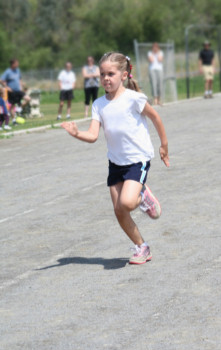
She is running on ahead as best she can .
Sie rennt , so schnell sie kann 0
Cô ấy đang chạy về phía trước hết sức có thể .
她 尽力 往前 跑 。
Tā jìnlì wǎng qián pǎo.
彼女は前に進むために最善を尽くした。
Kanojo wa mae ni susumu tame ni saizen o tsukushita.
그녀는 앞으로 뛰기 위해 최선을 다했습니다.
geunyeoneun ap-eulo ttwigi wihae choeseon-eul dahaessseubnida.
(VI)
(ZH)
(JA)
1094
[EN] [DE] [NL] [ES] [FR] [IT] [TH] [VI] [ZH]
|
RANDOM
临终前,儿女都不在他身边。
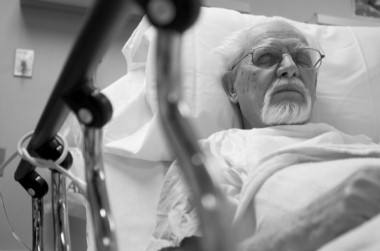
His children were not with him at his deathbed .
Seine Kinder waren nicht bei ihm an seinem Sterbebett 0
Trước khi chết , các con của ông không ở bên cạnh ông .
临终前 , 儿女 都 不 在 他 身边 。
Línzhōng qián, érnǚ dōu bù zài tā shēnbiān.
彼が死ぬ前、彼の子供たちは彼のそばにいませんでした。
Kare ga shinu mae, kare no kodomo-tachi wa kare no soba ni imasendeshita.
그가 죽기 전 그의 곁에는 아이들이 없었다.
geuga juggi jeon geuui gyeot-eneun aideul-i eobs-eossda.
(VI)
(ZH)
(JA)
1104
[EN] [DE] [NL] [ES] [FR] [IT] [TH] [VI] [ZH]
|
RANDOM
他在央求妻子的原谅。

He is begging his wife for forgiveness .
Er bittet seine Frau um Vergebung 0
Anh ta đang cầu xin vợ tha thứ .
他 在 央求 妻子 的 原谅 。
Tā zài yāngqiú qīzi de yuánliàng.
彼は妻の許しを乞っていた。
Kare wa tsuma no yurushi o 乞 Tte ita.
그는 아내의 용서를 구하고 있었다.
geuneun anaeui yongseoleul guhago iss-eossda.
(VI)
(ZH)
(JA)
1121
[EN] [DE] [NL] [ES] [FR] [IT] [TH] [VI] [ZH]
|
RANDOM
瓢虫是益虫。
The ladybug is a beneficial insect .
Der Marienkäfer ist ein nützliches Insekt 0
Bọ rùa là một loài côn trùng có ích . .
瓢虫 是 益虫 。
Piáochóng shì yìchóng.
てんとう虫は益虫です。
Tentōchū wa ekichūdesu.
무당벌레는 유익한 곤충입니다.
mudangbeolleneun yuighan gonchung-ibnida.
(VI)
(ZH)
(JA)
1131
[EN] [DE] [NL] [ES] [FR] [IT] [TH] [VI] [ZH]
|
RANDOM
考试开始了。

The examination has begun .
Die Prüfung hat begonnen 0
Cuộc kiểm tra đã bắt đầu 0
考试 开始 了 。
Kǎoshì kāishǐ le.
試験が始まりました。
Shiken ga hajimarimashita.
시험이 시작되었습니다.
siheom-i sijagdoeeossseubnida.
(VI)
(ZH)
(JA)
1135
[EN] [DE] [NL] [ES] [FR] [IT] [TH] [VI] [ZH]
|
RANDOM
我们一家人永远不分离。

Our family will never be separated .
Unsere Familie wird niemals getrennt werden 0
Gia đình chúng ta sẽ không bao giờ bị chia cắt .
我们 一家人 永远 不 分离 。
Wǒmen yījiārén yǒngyuǎn bù fēnlí.
私たちの家族は決して離れることはありません。
Watashitachi no kazoku wa kesshite hanareru koto wa arimasen.
우리 가족은 결코 헤어지지 않을 것입니다.
uli gajog-eun gyeolko heeojiji anh-eul geos-ibnida.
(VI)
(ZH)
(JA)
1138
[EN] [DE] [NL] [ES] [FR] [IT] [TH] [VI] [ZH]
|
RANDOM
国旗升起来了。

The national flag has been raised .
Die Nationalflagge wurde gehisst 0
Quốc kỳ đã được kéo lên 0
国旗 升 起来 了 。
Guóqí shēng qǐlái le.
国旗が掲げられています。
Kokki ga kakage rarete imasu.
국기가 게양됩니다.
guggiga geyangdoebnida.
(VI)
(ZH)
(JA)
1148
[EN] [DE] [NL] [ES] [FR] [IT] [TH] [VI] [ZH]
|
RANDOM
发达国家的社会福利很好。

Social benefits in the developed countries are very good .
Die Sozialleistungen in den Industrieländern sind sehr gut 0
Phúc lợi xã hội ở các nước phát triển rất tốt .
发达国家 的 社会福利 很 好 。
Fādá guójiā de shèhuì fúlì hěn hǎo.
先進国の社会福祉はとても良いです。
Senshinkoku no shakai fukushi wa totemo yoidesu.
선진국의 사회 복지는 매우 좋습니다.
seonjingug-ui sahoe bogjineun maeu johseubnida.
(VI)
(ZH)
(JA)
1153
[EN] [DE] [NL] [ES] [FR] [IT] [TH] [VI] [ZH]
|
RANDOM
这件礼服的款式很漂亮。
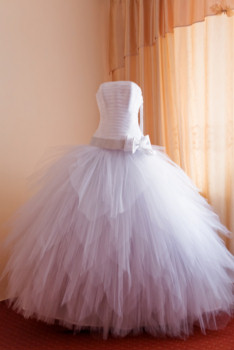
The style of this dress is very beautiful .
Der Stil dieses Kleides ist sehr schön 0
Kiểu váy này rất đẹp .
这件 礼服 的 款式 很漂亮 。
Zhè jiàn lǐfú de kuǎnshì hěn piàoliang.
このドレスのスタイルはとても美しいです。
Kono doresu no sutairu wa totemo utsukushīdesu.
이 드레스의 스타일은 매우 아름답습니다.
i deuleseuui seutail-eun maeu aleumdabseubnida.
(VI)
(ZH)
(JA)
1161
[EN] [DE] [NL] [ES] [FR] [IT] [TH] [VI] [ZH]
|
RANDOM
她的脚受伤了。
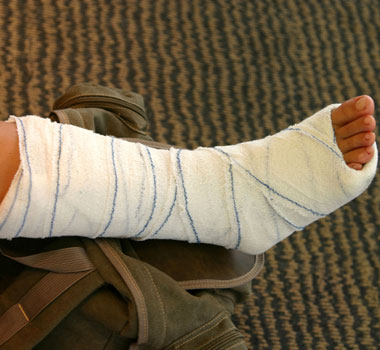
Her foot has been injured .
Ihr Fuß wurde verletzt 0
Chân của cô ấy đã bị thương .
她 的 脚 受伤 了 。
Tā de jiǎo shòushāng le.
彼女は足を痛めた。
Kanojo wa ashi o itameta.
그녀는 발을 다쳤다.
geunyeoneun bal-eul dachyeossda.
(VI)
(ZH)
(JA)
1171
[EN] [DE] [NL] [ES] [FR] [IT] [TH] [VI] [ZH]
|
RANDOM
根据天气预报显示,今天晴间多云。

According to the weather forecast , it will be partially cloudy today .
Laut Wettervorhersage wird es heute teilweise bewölkt sein 0
Theo dự báo thời tiết hôm nay trời sẽ có mây vài nơi .
根据 天气预报 显示 , 今天 晴间多云 。
Gēnjù tiānqì yùbào xiǎnshì, jīntiān qíngjiànduōyún.
天気予報によると、今日は部分的に曇りです。
Tenkeyohō ni yoru to, kyō wa bubun-teki ni kumoridesu.
일기예보에 따르면 오늘은 대체로 흐리다.
ilgiyebo-e ttaleumyeon oneul-eun daechelo heulida.
(VI)
(ZH)
(JA)
1175
[EN] [DE] [NL] [ES] [FR] [IT] [TH] [VI] [ZH]
|
RANDOM
你相信有上帝吗?
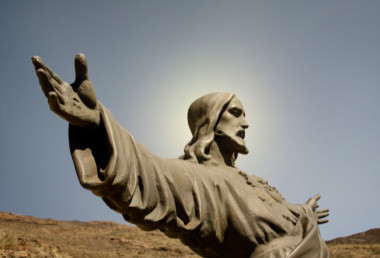
Do you believe there is a God ?
Glaubst du , dass es einen Gott gibt ?
Bạn có tin rằng có một vị thần ?
你 相信 有 上帝 吗 ?
Nǐ xiāngxìn yǒu Shàngdì ma?
神の存在を信じますか?
Kami no sonzai o shinjimasu ka?
당신은 하나님을 믿습니까?
dangsin-eun hananim-eul midseubnikka?
(VI)
(ZH)
(JA)
1220
[EN] [DE] [NL] [ES] [FR] [IT] [TH] [VI] [ZH]
|
RANDOM
新法案已经实施了。

The new bill has been enacted .
Die neue Gesetzesvorlage wurde verabschiedet 0
Dự luật mới đã được ban hành .
新法案 已经 实施 了 。
Xīn fǎ'àn yǐjing shíshī le.
新しい法案が実施されました。
Atarashī hōan ga jisshi sa remashita.
새 법안이 시행되었습니다.
sae beob-an-i sihaengdoeeossseubnida.
(VI)
(ZH)
(JA)
1222
[EN] [DE] [NL] [ES] [FR] [IT] [TH] [VI] [ZH]
|
RANDOM
木头可以做建筑材料。
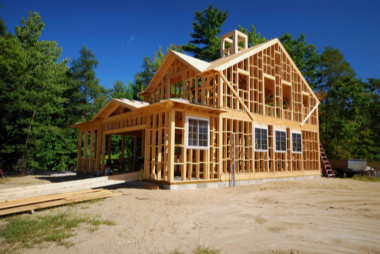
Wood can be used as a construction material .
Holz kann als Baumaterial verwendet werden 0
Gỗ có thể được sử dụng làm vật liệu xây dựng .
木头 可以 做 建筑材料 。
Mùtou kěyǐ zuò jiànzhù cáiliào.
木材は建材として使用できます。
Mokuzai wa kenzai to shite shiyō dekimasu.
목재는 건축 자재로 사용할 수 있습니다.
mogjaeneun geonchug jajaelo sayonghal su issseubnida.
(VI)
(ZH)
(JA)
1223
[EN] [DE] [NL] [ES] [FR] [IT] [TH] [VI] [ZH]
|
RANDOM
这是一个木材厂。

This is a timber factory .
Dies ist eine Holzfabrik 0
Đây là một nhà máy gỗ .
这是 一个 木材厂 。
Zhè shì yī gè mùcáichǎng.
これは製材工場です。
Kore wa seizai kōjōdesu.
목재공장입니다.
mogjaegongjang-ibnida.
(VI)
(ZH)
(JA)
1224
[EN] [DE] [NL] [ES] [FR] [IT] [TH] [VI] [ZH]
|
RANDOM
他靠乞讨生活。
He makes a living by begging .
Er lebt vom Betteln 0
Anh ta kiếm sống bằng cách ăn xin .
他 靠 乞讨 生活 。
Tā kào qǐtǎo shēnghuó.
彼は物乞いで生きています。
Kare wa monogoi de ikite imasu.
그는 구걸하며 산다.
geuneun gugeolhamyeo sanda.
(VI)
(ZH)
(JA)
1228
[EN] [DE] [NL] [ES] [FR] [IT] [TH] [VI] [ZH]
|
RANDOM
这是个美丽的县城。

This is a beautiful city .
Dies ist eine wunderschöne Stadt 0
Đây là một thành phố xinh đẹp .
这 是 个 美丽 的 县城 。
Zhè shì gè měilì de xiànchéng.
これは美しい郡の町です。
Kore wa utsukushī gun no machidesu.
이것은 아름다운 카운티 타운입니다.
igeos-eun aleumdaun kaunti taun-ibnida.
(VI)
(ZH)
(JA)
1280
[EN] [DE] [NL] [ES] [FR] [IT] [TH] [VI] [ZH]
|
RANDOM
红队能打败蓝队吗?
Can the red team beat the blue team ?
Kann das rote Team das blaue Team schlagen ?
Đội đỏ có thể đánh bại đội xanh không ?
红队 能 打败 蓝队 吗 ?
Hóng duì néng dǎbài lán duì ma?
赤いチームは青いチームを打ち負かすことができますか?
Akai chīmu wa aoi chīmu o uchi makasu koto ga dekimasu ka?
레드팀이 블루팀을 이길 수 있을까?
ledeutim-i beullutim-eul igil su iss-eulkka?
(VI)
(ZH)
(JA)
1305
[EN] [DE] [NL] [ES] [FR] [IT] [TH] [VI] [ZH]
|
RANDOM
她被驱逐出境。

She's been deported from the country .
Sie wurde aus dem Land deportiert 0
Cô ấy đã bị trục xuất khỏi đất nước .
她 被 驱逐出境 。
Tā bèi qūzhú chūjìng.
彼女は国外追放された。
Kanojo wa kokugai tsuihō sa reta.
그녀는 추방되었습니다.
geunyeoneun chubangdoeeossseubnida.
(VI)
(ZH)
(JA)
1308
[EN] [DE] [NL] [ES] [FR] [IT] [TH] [VI] [ZH]
|
RANDOM
山顶的风景很美。
The scene on the mountain top is very beautiful .
Die Aussicht auf dem Berggipfel ist sehr schön 0
Cảnh trên đỉnh núi rất đẹp 0
山顶 的 风景 很 美 。
Shāndǐng de fēngjǐng hěn měi.
山頂の景色は美しいです。
Sanchō no keshiki wa utsukushīdesu.
산 정상에서 바라보는 풍경이 아름답다.
san jeongsang-eseo balaboneun pung-gyeong-i aleumdabda.
(VI)
(ZH)
(JA)
1320
[EN] [DE] [NL] [ES] [FR] [IT] [TH] [VI] [ZH]
|
RANDOM
今天风和日丽。

It is a beautiful day today , with gentle breezes and bright sunshine .
Es ist heute ein wunderschöner Tag mit einer leichten Brise und strahlendem Sonnenschein 0
Hôm nay là một ngày đẹp trời , với những cơn gió nhẹ và ánh nắng chói chang .
今天 风和日丽 。
Jīntiān fēnghé-rìlì.
今日は晴れです。
Kyō wa haredesu.
오늘은 화창합니다.
oneul-eun hwachanghabnida.
(VI)
(ZH)
(JA)
1339
[EN] [DE] [NL] [ES] [FR] [IT] [TH] [VI] [ZH]
|
RANDOM
我站在悬崖上感到很恐慌。

Standing on the cliff , I become very frightened .
Wenn ich auf der Klippe stehe , bekomme ich große Angst 0
Đứng trên vách đá , tôi trở nên rất sợ hãi .
我 站 在 悬崖 上 感到 很 恐慌 。
Wǒ zhàn zài xuányá shàng gǎndào hěn kǒnghuāng.
私は崖の上に立ってパニックに陥っていました。
Watashi wa gake no ue ni tatte panikku ni ochītte imashita.
나는 절벽에 섰을 때 패닉에 빠졌다.
naneun jeolbyeog-e seoss-eul ttae paenig-e ppajyeossda.
(VI)
(ZH)
(JA)
1369
[EN] [DE] [NL] [ES] [FR] [IT] [TH] [VI] [ZH]
|
RANDOM
每个月的收入都要交税。

Every month's income has to be taxed .
Das monatliche Einkommen muss versteuert werden 0
Thu nhập hàng tháng đều phải đóng thuế .
每个 月 的 收入 都 要 交税 。
Měi gè yuè de shōurù dōu yào jiāoshuì.
毎月の所得は課税されます。
Maitsuki no shotoku wa kazei sa remasu.
매월 소득이 과세됩니다.
maewol sodeug-i gwasedoebnida.
(VI)
(ZH)
(JA)
1370
[EN] [DE] [NL] [ES] [FR] [IT] [TH] [VI] [ZH]
|
RANDOM
她身材修长,亭亭玉立。

She is slender and beautiful .
Sie ist schlank und schön 0
Cô ấy mảnh mai và xinh đẹp .
她 身材修长 , 亭亭玉立 。
Tā shēncái xiūcháng, tíngtíng yùlì.
彼女は細身でスリムです。
Kanojo wa hosomi de surimudesu.
그녀는 날씬하고 날씬합니다.
geunyeoneun nalssinhago nalssinhabnida.
(VI)
(ZH)
(JA)
1381
[EN] [DE] [NL] [ES] [FR] [IT] [TH] [VI] [ZH]
|
RANDOM
他端着啤酒走过来。

He came over , carrying a tray of beer .
Er kam mit einem Tablett Bier herüber 0
Anh bước tới , mang theo một khay bia .
他端 着 啤酒 走 过来 。
Tā duānzhe píjiǔ zǒu guòlái.
彼はビールを持ってやって来た。
Kare wa bīru o motte yattekita.
그는 맥주를 가지고 왔다.
geuneun maegjuleul gajigo wassda.
(VI)
(ZH)
(JA)
1393
[EN] [DE] [NL] [ES] [FR] [IT] [TH] [VI] [ZH]
|
RANDOM
中国有很多漂亮的山川河流。

There are many beautiful mountains and rivers in China .
Es gibt viele schöne Berge und Flüsse in China 0
Có rất nhiều núi và sông đẹp ở Trung Quốc .
中国 有 很多 漂亮 的 山川 河流 。
Zhōngguó yǒu hěn duō piàoliang de shānchuān héliú.
中国には美しい山や川がたくさんあります。
Chūgoku ni wa utsukushī yama ya kawa ga takusan arimasu.
중국에는 아름다운 산과 강이 많습니다.
jung-gug-eneun aleumdaun sangwa gang-i manhseubnida.
(VI)
(ZH)
(JA)
1397
[EN] [DE] [NL] [ES] [FR] [IT] [TH] [VI] [ZH]
|
RANDOM
报纸上公布了这个消息。

This news has been published in the newspaper .
Diese Nachricht wurde in der Zeitung veröffentlicht 0
Tin tức này đã được đăng trên báo .
报纸 上公 布 了 这个 消息 。
Bàozhǐ shàng gōngbùle zhège xiāoxi.
そのニュースは新聞に掲載されました。
Sono nyūsu wa shinbun ni keisai sa remashita.
그 소식이 신문에 실렸습니다.
geu sosig-i sinmun-e sillyeossseubnida.
(VI)
(ZH)
(JA)
1400
[EN] [DE] [NL] [ES] [FR] [IT] [TH] [VI] [ZH]
|
RANDOM
运动员们努力地往前冲。
The athletes are doing their best to charge forward .
Die Athleten stürmen mit aller Kraft vorwärts 0
Các vận động viên đang cố gắng hết sức để tiến về phía trước .
运动员 们 努力 地 往前 冲 。
Yùndòngyuánmen nǔlì de wǎngqián chōng.
選手たちは一生懸命前に進んだ。
Senshu-tachi wa isshōkenmei mae ni susunda.
선수들은 힘차게 앞으로 나아갔다.
seonsudeul-eun himchage ap-eulo naagassda.
(VI)
(ZH)
(JA)
1403
[EN] [DE] [NL] [ES] [FR] [IT] [TH] [VI] [ZH]
|
RANDOM
今天美元兑人民币的汇率是多少?

What is the exchange rate between US dollar and RMB today ?
Wie ist der Wechselkurs zwischen US-Dollar und RMB heute ?
Tỷ giá hối đoái giữa đô la Mỹ và nhân dân tệ hôm nay là bao nhiêu ?
今天 美元兑 人民币 的 汇率 是 多少 ?
Jīntiān Měiyuán duì Rénmínbì de huìlǜ shì duōshao?
今日の米ドルと人民元の為替レートはいくらですか?
Kyō no beidoru to jimmingen no kawasereto wa ikura desu ka?
오늘 USD와 RMB의 환율은 얼마입니까?
oneul USDwa RMBui hwan-yul-eun eolmaibnikka?
(VI)
(ZH)
(JA)
1424
[EN] [DE] [NL] [ES] [FR] [IT] [TH] [VI] [ZH]
|
RANDOM
我去过俄罗斯。
I have been to Russia before .
Ich war schon einmal in Russland 0
Tôi đã từng đến Nga trước đây .
我 去过 俄罗斯 。
Wǒ qùguò Éluósī.
私はロシアに行ったことがあります。
Watashi wa Roshia ni itta koto ga arimasu.
나는 러시아에 갔다.
naneun leosia-e gassda.
(VI)
(ZH)
(JA)
1430
[EN] [DE] [NL] [ES] [FR] [IT] [TH] [VI] [ZH]
|
RANDOM
要节省用钱。

Be frugal with your money .
Sei sparsam mit deinem Geld 0
Bạn nên tiết kiệm
要 节省 用钱 。
Yào jiéshěng yòng qián.
お金には倹約を
Okane ni wa ken'yaku o.
돈을 절약하기 위해.
don-eul jeol-yaghagi wihae.
(VI)
(ZH)
(JA)
1442
[EN] [DE] [NL] [ES] [FR] [IT] [TH] [VI] [ZH]
|
RANDOM
消息登出来了。

The news has been published .
Die Nachricht wurde veröffentlicht 0
Tin tức đã được xuất bản 0
消息 登出来 了 。
Xiāoxi dēng chūlái le.
ニュースが投稿されました。
Nyūsu ga tōkō sa remashita.
소식이 게재되었습니다.
sosig-i gejaedoeeossseubnida.
(VI)
(ZH)
(JA)
1459
[EN] [DE] [NL] [ES] [FR] [IT] [TH] [VI] [ZH]
|
RANDOM
这是我的电话号码。

This is my telephone number .
Hier ist meine Telefonnummer 0
Đây là số điện thoại của tôi .
这 是 我 的 电话号码 。
Zhè shì wǒ de diànhuà hàomǎ.
これは私の電話番号です。
Kore wa watashi no tenwabangōdesu.
제 전화번호입니다.
je jeonhwabeonhoibnida.
(VI)
(ZH)
(JA)
1474
[EN] [DE] [NL] [ES] [FR] [IT] [TH] [VI] [ZH]
|
RANDOM
这个小岛很美。

This island is very beautiful .
Diese Insel ist sehr schön 0
Hòn đảo này rất đẹp .
这个 小岛 很 美 。
Zhège xiǎodǎo hěn měi.
この島は美しいです。
Kono shima wa utsukushīdesu.
이 섬은 아름답습니다.
i seom-eun aleumdabseubnida.
(VI)
(ZH)
(JA)
1486
[EN] [DE] [NL] [ES] [FR] [IT] [TH] [VI] [ZH]
|
RANDOM
她的头发光泽亮丽。

Her hair is shiny and beautiful .
Ihr Haar ist glänzend und schön 0
Tóc cô ấy bóng và đẹp 0
她 的 头发 光泽 亮丽 。
Tā de tóufa guāngzé liànglì.
彼女の髪はピカピカでピカピカです。
Kanojo no kami wa pikapikade pikapikadesu.
그녀의 머리카락은 빛나고 반짝입니다.
geunyeoui meolikalag-eun bichnago banjjag-ibnida.
(VI)
(ZH)
(JA)
1488
[EN] [DE] [NL] [ES] [FR] [IT] [TH] [VI] [ZH]
|
RANDOM
我的儿子尚未断奶。

My son hasn't yet been weaned .
Mein Sohn wurde noch nicht entwöhnt 0
Con trai tôi vẫn chưa được cai sữa .
我 的 儿子 尚未 断奶 。
Wǒ de érzi shàng wèi duànnǎi.
私の息子はまだ引き離されていません。
Watashi no musuko wa mada hikihanasa rete imasen.
우리 아들은 아직 젖을 떼지 않았습니다.
uli adeul-eun ajig jeoj-eul tteji anh-assseubnida.
(VI)
(ZH)
(JA)
1492
[EN] [DE] [NL] [ES] [FR] [IT] [TH] [VI] [ZH]
|
RANDOM
年轻人追求时尚。

zu sein (wörtlich die aktuelle Mode verfolgen) . Young people
mode actuelle) 0 Junge Leute versuchen , trendy
Những người trẻ cố gắng trở nên hợp thời trang (thắp sáng , theo đuổi thời trang hiện tại)
年轻人 追求 时尚 。
Niánqīngrén zhuīqiú shíshàng.
若い人たちはファッションを追求します。
Wakai hito-tachi wa fasshon o tsuikyū shimasu.
젊은이들은 패션을 추구합니다.
jeolm-eun-ideul-eun paesyeon-eul chuguhabnida.
(VI)
(ZH)
(JA)
1493
[EN] [DE] [NL] [ES] [FR] [IT] [TH] [VI] [ZH]
|
RANDOM
他躺在床上睡着了。

He fell asleep in his bed .
Er schlief in seinem Bett ein 0
Anh ngủ quên trên giường của mình .
他 躺 在 床上 睡着 了 。
Tā tǎng zài chuáng shàng shuìzháo le.
彼はベッドで眠りに落ちた。
Kare wa beddo de nemuri ni ochita.
그는 침대에서 잠들었다.
geuneun chimdaeeseo jamdeul-eossda.
(VI)
(ZH)
(JA)
1516
[EN] [DE] [NL] [ES] [FR] [IT] [TH] [VI] [ZH]
|
RANDOM
她藏在树后。

She is hiding behind a tree .
Sie versteckt sich hinter einem Baum 0
Cô ấy đang trốn sau một cái cây .
她 藏 在 树后 。
Tā cáng zài shù hòu.
彼女は木の後ろに隠れています。
Kanojo wa ki no ushiro ni kakurete imasu.
그녀는 나무 뒤에 숨었다.
geunyeoneun namu dwie sum-eossda.
(VI)
(ZH)
(JA)
1520
[EN] [DE] [NL] [ES] [FR] [IT] [TH] [VI] [ZH]
|
RANDOM
大家被召集到这里开会。

Everyone has been gathered for a meeting here .
Alle wurden zu einem Treffen hier versammelt 0
Tất cả mọi người đã được tập trung cho một cuộc họp ở đây .
大家 被 召集 到 这 里 开会 。
Dàjiā bèi zhàojí dào zhèli kāihuì.
全員がここに会議のために呼ばれました。
Zen'in ga koko ni kaigi no tame ni yoba remashita.
모두가 회의를 위해 여기로 부름을 받았습니다.
moduga hoeuileul wihae yeogilo buleum-eul bad-assseubnida.
(VI)
(ZH)
(JA)
1549
[EN] [DE] [NL] [ES] [FR] [IT] [TH] [VI] [ZH]
|
RANDOM
她在沙滩上画圆圈。
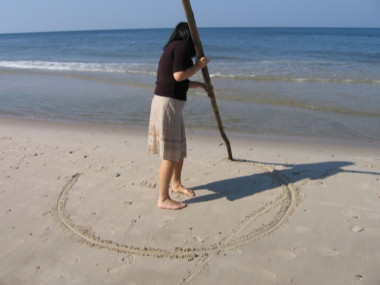
She is drawing a circle on the beach .
Sie zeichnet einen Kreis am Strand 0
Cô ấy đang vẽ một vòng tròn trên bãi biển .
她 在 沙滩 上画 圆圈 。
Tā zài shātān shàng huà yuánquān.
彼女は浜辺に円を描います。
Kanojo wa hamabe ni en o kaimasu.
그녀는 해변에서 원을 그렸습니다.
geunyeoneun haebyeon-eseo won-eul geulyeossseubnida.
(VI)
(ZH)
(JA)
1576
[EN] [DE] [NL] [ES] [FR] [IT] [TH] [VI] [ZH]
|
RANDOM
谁的钱包遗失了?

Whose wallet has been lost ?
Wer hat seine Brieftasche verloren ?
Ai đã bỏ lại ví của họ ?
谁 的 钱包 遗失 了 ?
Shéi de qiánbāo yíshī le?
誰の財布をなくしましたか?
Dare no saifu o nakushimashita ka?
누구의 지갑을 잃어버렸습니까?
nuguui jigab-eul ilh-eobeolyeossseubnikka?
(VI)
(ZH)
(JA)
1601
[EN] [DE] [NL] [ES] [FR] [IT] [TH] [VI] [ZH]
|
RANDOM
会议时间延长了。

The meeting has been extended .
Die Dauer der Sitzung wurde verlängert 0
Cuộc họp đã được kéo dài 0
会议 时间 延长 了 。
Huìyì shíjiān yáncháng le.
会議時間が延長されました。
Kaigi jikan ga enchō sa remashita.
회의 시간이 연장되었습니다.
hoeui sigan-i yeonjangdoeeossseubnida.
(VI)
(ZH)
(JA)
1607
[EN] [DE] [NL] [ES] [FR] [IT] [TH] [VI] [ZH]
|
RANDOM
这里遭受了水灾。
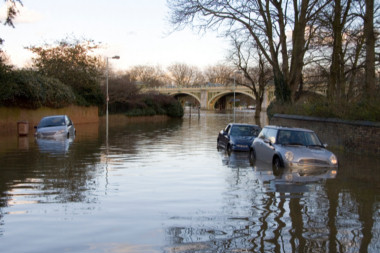
This area has been hit by a flood .
Das Gebiet wurde überflutet 0
Khu vực này đã bị ảnh hưởng bởi một trận lũ lụt .
这 里 遭受 了 水灾 。
Zhèli zāoshòule shuǐzāi.
ここで洪水がありました。
Koko de kōzui ga arimashita.
여기에 홍수가 났어요.
yeogie hongsuga nass-eoyo.
(VI)
(ZH)
(JA)
1609
[EN] [DE] [NL] [ES] [FR] [IT] [TH] [VI] [ZH]
|
RANDOM
残疾并不是不幸的遭遇。
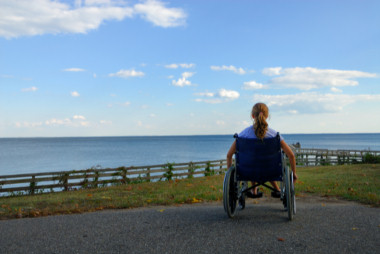
Disability does not have to be an unfortunate circumstance .
Eine Behinderung muss kein unglücklicher Umstand sein 0
Khuyết tật không phải lúc nào cũng là bất lợi .
残疾 并 不是 不幸 的 遭遇 。
Cánjí bìng bùshì bùxìng de zāoyù.
障害は不幸な経験ではありません。
Shōgai wa fukōna keikende wa arimasen.
장애는 불행한 경험이 아닙니다.
jang-aeneun bulhaenghan gyeongheom-i anibnida.
(VI)
(ZH)
(JA)
1610
[EN] [DE] [NL] [ES] [FR] [IT] [TH] [VI] [ZH]
|
RANDOM
西藏位于中国的西南方。

Tibet is in the southwest of China .
Tibet liegt im Südwesten Chinas 0
Tây Tạng ở phía Tây Nam của Trung Quốc .
西藏 位于 中国 的 西南方 。
Xīzàng wèiyú Zhōngguó de xīnánfāng.
チベットは中国南西部にあります。
Chibetto wa Chūgoku minamiseibu ni arimasu.
티베트는 중국 남서부에 위치하고 있습니다.
tibeteuneun jung-gug namseobue wichihago issseubnida.
(VI)
(ZH)
(JA)
1612
[EN] [DE] [NL] [ES] [FR] [IT] [TH] [VI] [ZH]
|
RANDOM
刚下了一场暴雨。

There has just been a heavy rain .
Gerade hat es heftig geregnet 0
Trời vừa mưa to .
刚下 了 一场 暴雨 。
Gāng xiàle yī cháng bàoyǔ.
大雨が降ったばかりです。
Ōame ga futta bakaridesu.
방금 폭우가 쏟아졌습니다.
bang-geum pog-uga ssod-ajyeossseubnida.
(VI)
(ZH)
(JA)
1618
[EN] [DE] [NL] [ES] [FR] [IT] [TH] [VI] [ZH]
|
RANDOM
核扩散了。
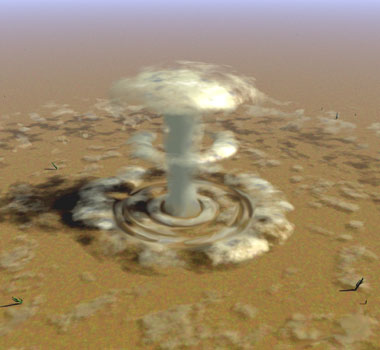
There has been nuclear proliferation .
Es hat eine Verbreitung von Atomwaffen gegeben 0
Đã có phổ biến vũ khí hạt nhân .
核扩散 了 。
Hé kuòsàn le.
核拡散があった。
Kaku kakusan ga atta.
핵확산.
haeghwagsan.
(VI)
(ZH)
(JA)
1631
[EN] [DE] [NL] [ES] [FR] [IT] [TH] [VI] [ZH]
|
RANDOM
这些咖啡豆来自巴西。

These coffee beans are from Brazil .
Diese Kaffeebohnen kommen aus Brasilien 0
Những hạt cà phê này đến từ Brazil .
这些 咖啡豆 来自 巴西 。
Zhèxiē kāfēi dòu lái zì Bāxī.
これらのコーヒー豆はブラジルから来ています。
Korera no kōhī mame wa Burajiru kara kite imasu.
이 커피 콩은 브라질에서 왔습니다.
i keopi kong-eun beulajil-eseo wassseubnida.
(VI)
(ZH)
(JA)
1644
[EN] [DE] [NL] [ES] [FR] [IT] [TH] [VI] [ZH]
|
RANDOM
千万不要挑拨夫妻关系。

Never sow discord between husband and wife .
Säe niemals Zwietracht zwischen Mann und Frau 0
Đừng bao giờ gieo rắc mối bất hòa giữa vợ và chồng .
千万 不要 挑拨 夫妻关系 。
Qiānwàn bùyào tiǎobō fūqī guānxi.
夫と妻の関係を決して扇動しないでください。
Otto to tsuma no kankei o kesshite sendō shinaide kudasai.
남편과 아내 사이의 관계를 자극하지 마십시오.
nampyeongwa anae saiui gwangyeleul jageughaji masibsio.
(VI)
(ZH)
(JA)
1649
[EN] [DE] [NL] [ES] [FR] [IT] [TH] [VI] [ZH]
|
RANDOM
办公室被分隔成几小块。

The office has been separated into several small spaces .
Das Büro wurde in mehrere kleine Räume unterteilt 0
Văn phòng đã được ngăn thành nhiều gian nhỏ .
办公室 被 分隔 成几小块 。
Bàngōngshì bèi fēngé chéng jǐ xiǎo kuài.
オフィスはいくつかの小さなブロックに分かれています。
Ofisu wa ikutsu ka no chīsana burokku ni wakarete imasu.
사무실은 작은 블록으로 나뉩니다.
samusil-eun jag-eun beullog-eulo nanwibnida.
(VI)
(ZH)
(JA)
1656
[EN] [DE] [NL] [ES] [FR] [IT] [TH] [VI] [ZH]
|
RANDOM
祝您万事大吉。
Wish you all the best .
Ich wünsche Ihnen alles Gute 0
Chúc các bạn những điều tốt đẹp nhất .
祝您 万事大吉 。
Zhù nín wànshì-dàjí.
あなたの人生に幸あれ。
Anata no jinsei ni kōare.
나는 당신에게 모든 최고를 기원합니다.
naneun dangsin-ege modeun choegoleul giwonhabnida.
(VI)
(ZH)
(JA)
1658
[EN] [DE] [NL] [ES] [FR] [IT] [TH] [VI] [ZH]
|
RANDOM
小心针尖。
Be careful of the point of the needle .
Achte auf die Nadelspitze 0
Hãy cẩn thận với các mũi kim .
小心 针尖 。
Xiǎoxīn zhēnjiān.
針先にご注意ください。
Hari-saki ni go chūi kudasai.
바늘 끝을 조심하십시오.
baneul kkeut-eul josimhasibsio.
(VI)
(ZH)
(JA)
1678
[EN] [DE] [NL] [ES] [FR] [IT] [TH] [VI] [ZH]
|
RANDOM
他想变得强壮。

He wants to be strong .
Er will stark sein 0
Anh ấy muốn trở nên mạnh mẽ .
他 想 变得 强壮 。
Tā xiǎng biàn de qiángzhuàng.
彼は強くなりたいと思っています。
Kare wa tsuyoku naritai to omotte imasu.
그는 강해지고 싶어한다.
geuneun ganghaejigo sip-eohanda.
(VI)
(ZH)
(JA)
1692
[EN] [DE] [NL] [ES] [FR] [IT] [TH] [VI] [ZH]
|
RANDOM
出国旅行护照丢了会很麻烦。
It can be very troublesome if you lose your passport when traveling overseas .
Der Verlust des Reisepasses auf einer Auslandsreise kann sehr problematisch sein 0
Sẽ rất rắc rối nếu bạn bị mất hộ chiếu khi đi du lịch nước ngoài .
出国 旅行 护照 丢 了 会 很 麻烦 。
Chūguó lǚxíng hùzhào diūle huì hěn máfan.
海外旅行のためにパスポートを紛失すると、非常に面倒になります。
Gaigairyokō no tame ni pasupōto o funshitsu suru to, hijō ni mendō ni narimasu.
해외 여행을 위해 여권을 분실하는 것은 매우 번거로운 일입니다.
haeoe yeohaeng-eul wihae yeogwon-eul bunsilhaneun geos-eun maeu beongeoloun il-ibnida.
(VI)
(ZH)
(JA)
1696
[EN] [DE] [NL] [ES] [FR] [IT] [TH] [VI] [ZH]
|
RANDOM
他被判处无期徒刑。

He is been sentenced to life imprisonment .
Er wurde zu lebenslanger Haft verurteilt 0
Anh ta bị kết án tù chung thân .
他 被 判处 无期徒刑 。
Tā bèi pànchǔ wúqī túxíng.
彼は終身刑を宣告されました。
Kare wa shūshin-kei o senkoku sa remashita.
그는 무기징역을 선고받았다.
geuneun mugijing-yeog-eul seongobad-assda.
(VI)
(ZH)
(JA)
1703
[EN] [DE] [NL] [ES] [FR] [IT] [TH] [VI] [ZH]
|
RANDOM
沙滩上留下了她的足迹。

Her footprints were left on the beach .
Ihre Fußspuren waren am Strand noch zu sehen 0
Dấu chân của cô đã để lại trên bãi biển .
沙滩 上 留下 了 她 的 足迹 。
Shātān shàng liúxiale tā de zújì.
彼女の足跡は浜辺に残された。
Kanojo no ashiato wa hamabe ni nokosa reta.
해변에 그녀의 발자국이 남았습니다.
haebyeon-e geunyeoui baljagug-i nam-assseubnida.
(VI)
(ZH)
(JA)
1718
[EN] [DE] [NL] [ES] [FR] [IT] [TH] [VI] [ZH]
|
RANDOM
他被逮捕了。

He has been arrested .
Er wurde verhaftet 0
Anh ta bị quản thúc .
他 被 逮捕 了 。
Tā bèi dàibǔ le.
彼が逮捕されました。
Kare ga taiho sa remashita.
그는 체포되었다.
geuneun chepodoeeossda.
(VI)
(ZH)
(JA)
1753
[EN] [DE] [NL] [ES] [FR] [IT] [TH] [VI] [ZH]
|
RANDOM
他被儿女抛弃了。

He has been deserted by his children .
Er wurde von seinen Kindern verlassen 0
Ông đã bị các con của mình bỏ rơi .
他 被 儿女 抛弃 了 。
Tā bèi érnǚ pāoqì le.
彼は子供たちに見捨てられた。
Kare wa kodomo-tachi ni misute rareta.
그는 자녀들에게 버림받았습니다.
geuneun janyeodeul-ege beolimbad-assseubnida.
(VI)
(ZH)
(JA)
1761
[EN] [DE] [NL] [ES] [FR] [IT] [TH] [VI] [ZH]
|
RANDOM
这朵玫瑰真漂亮。

This rose is really beautiful .
Diese Rose ist wirklich wunderschön 0
Bông hồng này thực sự rất đẹp .
这 朵玫瑰 真 漂亮 。
Zhèi duǒ méigui zhēn piàoliang.
このバラはとても美しいです。
Kono bara wa totemo utsukushīdesu.
이 장미는 너무 아름답습니다.
i jangmineun neomu aleumdabseubnida.
(VI)
(ZH)
(JA)
1777
[EN] [DE] [NL] [ES] [FR] [IT] [TH] [VI] [ZH]
|
RANDOM
空气被汙染了。

The air has been polluted .
Die Luft ist verschmutzt 0
Không khí đã bị ô nhiễm 0
空气 被 汙染 了 。
Kōngqì bèi wūrǎn le.
空気が汚染されています。
Kūki ga osen sa rete imasu.
공기가 오염되었습니다.
gong-giga oyeomdoeeossseubnida.
(VI)
(ZH)
(JA)
1781
[EN] [DE] [NL] [ES] [FR] [IT] [TH] [VI] [ZH]
|
RANDOM
天气冷,小心别冻坏了。
It is cold , so be careful not to catch a cold .
Es ist kalt , achte also darauf , dich nicht zu erkälten 0
Trời lạnh , vì vậy hãy cẩn thận để không bị cảm lạnh .
天气 冷 , 小心 别 冻坏 了 。
Tiānqì lěng, xiǎoxīn bié dònghuài le.
寒いので凍らないように気をつけてください。
Samuinode kōranai yō ni kiwotsukete kudasai.
날씨가 쌀쌀하니 얼지 않게 조심하세요.
nalssiga ssalssalhani eolji anhge josimhaseyo.
(VI)
(ZH)
(JA)
1789
[EN] [DE] [NL] [ES] [FR] [IT] [TH] [VI] [ZH]
|
RANDOM
她的家人葬在这个坟墓里。

Her family members are buried in this tomb .
Ihre Familie ist in diesem Grab begraben 0
Các thành viên trong gia đình cô được chôn cất trong ngôi mộ này .
她 的 家人 葬 在 这个 坟墓 里 。
Tā de jiārén zàng zài zhège fénmù lǐ.
彼女の家族はこの墓に埋葬されています。
Kanojo no kazoku wa kono haka ni maisō sa rete imasu.
그녀의 가족은 이 무덤에 묻혔습니다.
geunyeoui gajog-eun i mudeom-e mudhyeossseubnida.
(VI)
(ZH)
(JA)
1793
[EN] [DE] [NL] [ES] [FR] [IT] [TH] [VI] [ZH]
|
RANDOM
他们回家省亲。

They are going home to visit their family members .
Sie fahren nach Hause , um ihre Familienmitglieder zu besuchen 0
Họ đang về quê thăm người thân trong gia đình .
他们 回家 省亲 。
Tāmen huíjiā xǐngqīn.
彼らは家族を訪問するために家に帰ります。
Karera wa kazoku o hōmon suru tame ni ie ni kaerimasu.
그들은 친척을 구하기 위해 집으로 갔다.
geudeul-eun chincheog-eul guhagi wihae jib-eulo gassda.
(VI)
(ZH)
(JA)
1814
[EN] [DE] [NL] [ES] [FR] [IT] [TH] [VI] [ZH]
|
RANDOM
她坐在窗边。

She is sitting beside the window .
Sie sitzt neben dem Fenster 0
Cô ấy đang ngồi bên cửa sổ .
她 坐在 窗边 。
Tā zuò zài chuāng biān.
彼女は窓際に座っています。
Kanojo wa madogiwa ni suwatte imasu.
그녀는 창가에 앉아 있다.
geunyeoneun chang-ga-e anj-a issda.
(VI)
(ZH)
(JA)
1821
[EN] [DE] [NL] [ES] [FR] [IT] [TH] [VI] [ZH]
|
RANDOM
这是一个漂亮的山谷。

This is a beautiful valley .
Dies ist ein wunderschönes Tal 0
Đây là một thung lũng tuyệt đẹp .
这是 一个 漂亮 的 山谷 。
Zhè shì yī gè piàoliang de shāngǔ.
これは美しい谷です。
Kore wa utsukushī tanidesu.
아름다운 계곡입니다.
aleumdaun gyegog-ibnida.
(VI)
(ZH)
(JA)
1829
[EN] [DE] [NL] [ES] [FR] [IT] [TH] [VI] [ZH]
|
RANDOM
桂林的山水很秀丽。

The scenery in Guilin is beautiful .
Die Landschaft in Guilin ist wunderschön 0
Phong cảnh ở Quế Lâm thật đẹp .
桂林 的 山水 很 秀丽 。
Guìlín de shānshuǐ hěn xiùlì.
桂林の風景はとても美しいです。
Kei rin no fūkei wa totemo utsukushīdesu.
구이린의 풍경은 매우 아름답습니다.
gu-ilin-ui pung-gyeong-eun maeu aleumdabseubnida.
(VI)
(ZH)
(JA)
1835
[EN] [DE] [NL] [ES] [FR] [IT] [TH] [VI] [ZH]
|
RANDOM
2008年的奥运会在北京举行。

The 2008 Olympic Games were held in Beijing .
Die Olympischen Spiele 2008 fanden in Peking statt 0
Thế vận hội Olympic 2008 được tổ chức tại Bắc Kinh .
2008 年 的 奥运会 在 北京 举行 。
Èr líng líng bā nián de Àoyùnhuì zài Běijīng jǔxíng.
2008年のオリンピックは北京で開催されました。
2008-Nen no orinpikku wa Pekin de kaisai sa remashita.
2008년 베이징 올림픽이 개최되었습니다.
2008nyeon beijing ollimpig-i gaechoedoeeossseubnida.
(VI)
(ZH)
(JA)
1852
[EN] [DE] [NL] [ES] [FR] [IT] [TH] [VI] [ZH]
|
RANDOM
路滑,请小心。

The road is slippery , so please be careful .
Die Straße ist rutschig , bitte sei vorsichtig 0
Đường trơn trượt nên các bạn cẩn thận nhé .
路滑 , 请 小心 。
Lù huá, qǐng xiǎoxīn.
滑りやすい道路ですのでご注意ください。
Suberi yasui dōrodesunode go chūi kudasai.
미끄러운 길, 조심하세요.
mikkeuleoun gil, josimhaseyo.
(VI)
(ZH)
(JA)
1859
[EN] [DE] [NL] [ES] [FR] [IT] [TH] [VI] [ZH]
|
RANDOM
这里在进行自行车竞赛。
A bicycle race is being held here .
Hier findet ein Radrennen statt 0
Một cuộc đua xe đạp đang được tổ chức ở đây .
这 里 在 进行 自行车 竞赛 。
Zhèli zài jìnxíng zìxíngchē jìngsài.
これが自転車レースです。
Kore ga jitensha rēsudesu.
다음은 자전거 경주입니다.
da-eum-eun jajeongeo gyeongju-ibnida.
(VI)
(ZH)
(JA)
1870
[EN] [DE] [NL] [ES] [FR] [IT] [TH] [VI] [ZH]
|
RANDOM
床已经铺好了。

The bed is already made .
Das Bett ist schon gemacht 0
Giường đã được dọn sẵn .
床 已经 铺 好 了 。
Chuáng yǐjing pūhǎo le.
ベッドができました。
Beddo ga dekimashita.
침대는 이미 만들어졌습니다.
chimdaeneun imi mandeul-eojyeossseubnida.
(VI)
(ZH)
(JA)
1876
[EN] [DE] [NL] [ES] [FR] [IT] [TH] [VI] [ZH]
|
RANDOM
机械出故障了。
There is been a mechanical breakdown .
Es liegt ein mechanischer Defekt vor 0
Có một sự cố cơ học 0
机械 出 故障 了 。
Jīxiè chū gùzhàng le.
機械が故障しています。
Kikai ga koshō shite imasu.
기계가 고장났습니다.
gigyega gojangnassseubnida.
(VI)
(ZH)
(JA)
1931
[EN] [DE] [NL] [ES] [FR] [IT] [TH] [VI] [ZH]
|
RANDOM
丝瓜络可以用来洗澡。

A loofah can be used to bathe with .
Luffa kann beim Baden verwendet werden 0
Có thể dùng mướp để tắm 0
丝瓜络 可以 用来 洗澡 。
Sīguāluò kěyǐ yònglái xǐzǎo.
ヘチマは入浴に使用できます。
Hechima wa nyūyoku ni shiyō dekimasu.
수세미는 목욕에 사용할 수 있습니다.
susemineun mog-yog-e sayonghal su issseubnida.
(VI)
(ZH)
(JA)
1944
[EN] [DE] [NL] [ES] [FR] [IT] [TH] [VI] [ZH]
|
RANDOM
美好的爱情是令人珍惜的。

A beautiful love is worth treasuring .
Eine echte Liebe ist eine kostbare Sache 0
Một tình yêu đẹp rất đáng trân trọng .
美好 的 爱情 是 令人 珍惜 的 。
Měihǎo de àiqíng shì lìngrén zhēnxī de.
美しい愛が大切にされています。
Utsukushī ai ga taisetsu ni sa rete imasu.
아름다운 사랑은 소중합니다.
aleumdaun salang-eun sojunghabnida.
(VI)
(ZH)
(JA)
1956
[EN] [DE] [NL] [ES] [FR] [IT] [TH] [VI] [ZH]
|
RANDOM
人皆有一死。

Every human being has to die .
Jeder Mensch muss sterben 0
Mỗi con người đều phải chết 0
人皆有 一死 。
Rén jiē yǒu yī sǐ.
誰もが致命的です。
Daremoga chimei-tekidesu.
모든 사람은 죽습니다.
modeun salam-eun jugseubnida.
(VI)
(ZH)
(JA)
1983
[EN] [DE] [NL] [ES] [FR] [IT] [TH] [VI] [ZH]
|
RANDOM
假装受伤是他惯用的伎俩。

Pretending to be injured is one of his old tricks .
Die Vortäuschung einer Verletzung ist einer seiner alten Tricks 0
Giả vờ bị thương là một trong những chiêu trò cũ của anh ta .
假装 受伤 是 他 惯用 的 伎俩 。
Jiǎzhuāng shòushāng shì tā guànyòng de jìliǎng.
怪我をしたふりをするのが彼の通常の戦術です。
Kega o shita furi o suru no ga kare no tsūjō no senjutsudesu.
다친 척하는 것이 그의 평소 수법이다.
dachin cheoghaneun geos-i geuui pyeongso subeob-ida.
(VI)
(ZH)
(JA)
1999
[EN] [DE] [NL] [ES] [FR] [IT] [TH] [VI] [ZH]
|
RANDOM
自由女神像挺立在港口。

The Statue of Liberty stands tall in the harbor .
Die Freiheitsstatue steht im Hafen 0
Tượng Nữ thần Tự do sừng sững giữa bến cảng .
自由 女神像 挺立 在 港口 。
Zìyóu nǚshén xiàng tǐnglì zài gǎngkǒu.
自由の女神は港に直立しています。
Jiyūnomegami wa minato ni chokuritsu shite imasu.
자유의 여신상은 항구에 우뚝 섰다.
jayuui yeosinsang-eun hang-gue uttug seossda.
(VI)
(ZH)
(JA)
2004
[EN] [DE] [NL] [ES] [FR] [IT] [TH] [VI] [ZH]
|
RANDOM
同事被裁员了,她幸灾乐祸。

She took delight in seeing her colleagues being laid off .
Sie war erfreut , als ihr Kollege entlassen wurde 0
Cô vui mừng khi thấy các đồng nghiệp của mình bị cho nghỉ việc .
同事 被 裁员 了 , 她 幸灾乐祸 。
Tóngshì bèi cáiyuán le, tā xìngzāi-lèhuò.
彼女の同僚は解雇され、彼女は不幸にうっとりした。
Kanojo no dōryō wa kaiko sa re, kanojo wa fukō ni uttori shita.
그녀의 동료는 해고되었고 그녀는 불행을 기뻐했습니다.
geunyeoui donglyoneun haegodoeeossgo geunyeoneun bulhaeng-eul gippeohaessseubnida.
(VI)
(ZH)
(JA)
2028
[EN] [DE] [NL] [ES] [FR] [IT] [TH] [VI] [ZH]
|
RANDOM
沙滩上有很多贝壳。

There are many shells on the beach .
Am Strand gibt es viele Muscheln 0
Có rất nhiều vỏ sò trên bờ .
沙滩 上 有 很多 贝壳 。
Shātān shàng yǒu hěn duō bèiké.
ビーチにはたくさんの貝殻があります。
Bīchi ni wa takusan no kaigara ga arimasu.
해변에는 많은 조개껍데기가 있습니다.
haebyeon-eneun manh-eun jogaekkeobdegiga issseubnida.
(VI)
(ZH)
(JA)
2047
[EN] [DE] [NL] [ES] [FR] [IT] [TH] [VI] [ZH]
|
RANDOM
天刚破晓,景色很美。

It's just after sunrise and the view is beautiful .
Es ist kurz nach Sonnenaufgang und die Aussicht ist wunderschön 0
Khung cảnh lúc bình minh rất đẹp .
天刚 破晓 , 景色 很 美 。
Tiān gāng pòxiǎo, jǐngsè hěn měi.
夜明けが明けたばかりで、景色は美しいです。
Yoake ga aketa bakari de, keshiki wa utsukushīdesu.
새벽이 밝았고 풍경이 아름답습니다.
saebyeog-i balg-assgo pung-gyeong-i aleumdabseubnida.
(VI)
(ZH)
(JA)
2060
[EN] [DE] [NL] [ES] [FR] [IT] [TH] [VI] [ZH]
|
RANDOM
他们这辈子去过很多地方。

They have been to many places in their lifetime .
Sie waren in ihrem Leben an vielen Orten 0
Họ đã đến nhiều nơi trong đời .
他们 这辈子 去过 很多 地方 。
Tāmen zhèbèizi qùguò hěn duō dìfang.
彼らは人生の多くの場所に行ってきました。
Karera wa jinsei no ōku no basho ni ittekimashita.
그들은 인생에서 많은 장소를 방문했습니다.
geudeul-eun insaeng-eseo manh-eun jangsoleul bangmunhaessseubnida.
(VI)
(ZH)
(JA)
2083
[EN] [DE] [NL] [ES] [FR] [IT] [TH] [VI] [ZH]
|
RANDOM
他最近频繁地出差。

Recently , he is been going on business trips frequently .
In letzter Zeit unternimmt er häufig Geschäftsreisen 0
Gần đây , anh ấy thường xuyên đi công tác xa .
他 最近 频繁 地 出差 。
Tā zuìjìn pínfán de chūchāi.
彼は最近頻繁に旅行します。
Kare wa saikin hinpan ni ryokō shimasu.
그는 최근에 자주 여행을 갑니다.
geuneun choegeun-e jaju yeohaeng-eul gabnida.
(VI)
(ZH)
(JA)
2087
[EN] [DE] [NL] [ES] [FR] [IT] [TH] [VI] [ZH]
|
RANDOM
他在拨一个电话号码。

He is dialing a telephone number .
Er wählt eine Telefonnummer 0
Anh ấy đang gọi một số điện thoại .
他 在 拨 一个 电话号码 。
Tā zài bō yī gè diànhuà hàomǎ.
彼は電話番号をダイヤルしています。
Kare wa tenwabangō o daiyaru shite imasu.
그는 전화번호로 전화를 걸고 있다.
geuneun jeonhwabeonholo jeonhwaleul geolgo issda.
(VI)
(ZH)
(JA)
2095
[EN] [DE] [NL] [ES] [FR] [IT] [TH] [VI] [ZH]
|
RANDOM
我被坏人勒索钱财。

I'm being blackmailed by a crook .
Ich werde von einem Gauner erpresst 0
Tôi đã bị một kẻ gian tống tiền .
我 被 坏人 勒索钱财 。
Wǒ bèi huàirén lèsuǒ qiáncái.
私はお金のために悪者から脅迫されました。
Watashi wa okane no tame ni warumono kara kyōhaku sa remashita.
나는 돈 때문에 나쁜 놈들에게 협박을 당했다.
naneun don ttaemun-e nappeun nomdeul-ege hyeobbag-eul danghaessda.
(VI)
(ZH)
(JA)
2104
[EN] [DE] [NL] [ES] [FR] [IT] [TH] [VI] [ZH]
|
RANDOM
他是今年的最佳运动员。

He is this year's best athlete .
Er ist dieses Jahr der beste Athlet 0
Anh ấy năm nay là vận động viên xuất sắc nhất .
他 是 今年 的 最佳 运动员 。
Tā shì jīnnián de zuìjiā yùndòngyuán.
彼はその年の最高のアスリートです。
Kare wa sono-nen no saikō no asurītodesu.
그는 올해 최고의 선수입니다.
geuneun olhae choegoui seonsu-ibnida.
(VI)
(ZH)
(JA)
2105
[EN] [DE] [NL] [ES] [FR] [IT] [TH] [VI] [ZH]
|
RANDOM
这是上佳的苹果。

These apples are of the best quality .
Diese Äpfel sind von bester Qualität 0
Những quả táo này có chất lượng tốt nhất .
这是 上佳 的 苹果 。
Zhè shì shàng jiā de píngguǒ.
これは最高のリンゴです。
Kore wa saikō no ringodesu.
최고의 사과입니다.
choegoui sagwaibnida.
(VI)
(ZH)
(JA)
2106
[EN] [DE] [NL] [ES] [FR] [IT] [TH] [VI] [ZH]
|
RANDOM
这座峡谷很美。
The canyon is very beautiful .
Diese Schlucht ist wunderschön 0
Hẻm núi rất đẹp .
这座 峡谷 很 美 。
Zhè zuò xiágǔ hěn měi.
この峡谷は美しいです。
Kono kyōkoku wa utsukushīdesu.
이 협곡은 아름답습니다.
i hyeobgog-eun aleumdabseubnida.
(VI)
(ZH)
(JA)
2118
[EN] [DE] [NL] [ES] [FR] [IT] [TH] [VI] [ZH]
|
RANDOM
不要为你的迟到找藉口。

Don't make excuses for being late .
Erfinden Sie keine Ausreden für Ihr Zuspätkommen 0
Đừng bao biện cho việc đến muộn .
不要 为 你 的 迟到 找 藉口 。
Bùyào wèi nǐ de chídào zhǎo jièkǒu.
遅刻の言い訳をしないでください。
Chikoku no iiwake o shinaide kudasai.
늦었다고 변명하지 마세요.
neuj-eossdago byeonmyeonghaji maseyo.
(VI)
(ZH)
(JA)
2130
[EN] [DE] [NL] [ES] [FR] [IT] [TH] [VI] [ZH]
|
RANDOM
这匹马真乖。

This horse is very well-behaved .
Dieses Pferd ist sehr brav 0
Con ngựa này rất ngoan .
这匹马 真乖 。
Zhè pǐ mǎ zhēn guāi.
この馬はとても良いです。
Kono uma wa totemo yoidesu.
이 말이 너무 좋다.
i mal-i neomu johda.
(VI)
(ZH)
(JA)
2137
[EN] [DE] [NL] [ES] [FR] [IT] [TH] [VI] [ZH]
|
RANDOM
新兵已经应征入伍。
The new soldiers have been recruited .
Die neuen Soldaten wurden schon rekrutiert 0
Những người lính mới đã được tuyển chọn .
新兵 已经 应征入伍 。
Xīnbīng yǐjing yìngzhēngrùwǔ.
新兵は軍隊に引き込まれました。
Shinpei wa guntai ni hikikoma remashita.
신병들은 군대에 징집되었습니다.
sinbyeongdeul-eun gundaee jingjibdoeeossseubnida.
(VI)
(ZH)
(JA)
2142
[EN] [DE] [NL] [ES] [FR] [IT] [TH] [VI] [ZH]
|
RANDOM
我的女儿很乖。

My daughter is very well-behaved .
Meine Tochter ist sehr brav 0
Con gái tôi là một cô gái rất ngoan .
我 的 女儿 很乖 。
Wǒ de nǚ'ér hěn guāi.
私の娘はとても良いです。
Watashi no musume wa totemo yoidesu.
내 딸은 아주 좋다.
nae ttal-eun aju johda.
(VI)
(ZH)
(JA)
2151
[EN] [DE] [NL] [ES] [FR] [IT] [TH] [VI] [ZH]
|
RANDOM
经过百年的变迁,香港成为国际化大都市。
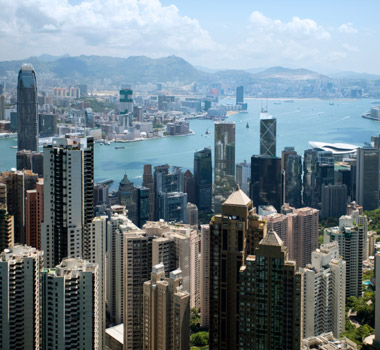
After a century of changes , Hong Kong has become an international metropolis .
Nach einem Jahrhundert des Wandels ist Hongkong eine internationale Metropole geworden 0
Sau một thế kỷ thay đổi , Hồng Kông đã trở thành một đô thị quốc tế .
经过 百年 的 变迁 , 香港 成为 国际化 大都市 。
Jīngguò bǎinián de biànqiān, Xiānggǎng chéngwéi guójìhuà dàdūshì.
1世紀の変化の後、香港は国際的な大都市になりました。
Isseiki no henka no ato, honkon wa kokusaiteki na daitoshi ni narimashita.
100년의 변화 끝에 홍콩은 국제 대도시가 되었습니다.
100nyeon-ui byeonhwa kkeut-e hongkong-eun gugje daedosiga doeeossseubnida.
(VI)
(ZH)
(JA)
2162
[EN] [DE] [NL] [ES] [FR] [IT] [TH] [VI] [ZH]
|
RANDOM
他甘愿做义工。

He is willing to be a volunteer worker .
Er ist bereit , ehrenamtlich zu arbeiten 0
Anh ấy sẵn sàng trở thành một nhân viên tình nguyện .
他 甘愿 做 义工 。
Tā gānyuàn zuò yìgōng.
彼はボランティアになりたいと思っています。
Kare wa borantia ni naritai to omotte imasu.
그는 기꺼이 자원 봉사자입니다.
geuneun gikkeoi jawon bongsajaibnida.
(VI)
(ZH)
(JA)
2181
[EN] [DE] [NL] [ES] [FR] [IT] [TH] [VI] [ZH]
|
RANDOM
我去过澳门。

I have been to Macau .
Ich war schon in Macau 0
Tôi đã đến Ma Cao .
我 去过 澳门 。
Wǒ qùguò Àomén.
私はマカオに行ったことがあります。
Watashi wa Makao ni itta koto ga arimasu.
마카오에 다녀왔습니다.
makao-e danyeowassseubnida.
(VI)
(ZH)
(JA)
2204
[EN] [DE] [NL] [ES] [FR] [IT] [TH] [VI] [ZH]
|
RANDOM
饮酒要适量。

Alcoholic beverages should be consumed in moderation .
Trinken Sie Alkohol in Maßen 0
Đồ uống có cồn nên được tiêu thụ vừa phải .
饮酒 要 适量 。
Yǐnjiǔ yào shìliàng.
適度に飲む。
Tekido ni nomu.
적당히 마신다.
jeogdanghi masinda.
(VI)
(ZH)
(JA)
2205
[EN] [DE] [NL] [ES] [FR] [IT] [TH] [VI] [ZH]
|
RANDOM
肉燉得很烂。

The meat has been stewed till it is very soft .
Das Fleisch wird perfekt geschmort 0
Thịt đã được hầm cho đến khi nó rất mềm .
肉燉 得 很烂 。
Ròu dùn de hěn làn.
肉はひどく煮込んだ。
Niku wa hidoku nikonda.
고기가 겁나 잘 익었습니다.
gogiga geobna jal ig-eossseubnida.
(VI)
(ZH)
(JA)
2236
[EN] [DE] [NL] [ES] [FR] [IT] [TH] [VI] [ZH]
|
RANDOM
罪犯被关进了监狱。

The criminal has been put in prison .
Der Straftäter wurde ins Gefängnis gesteckt 0
Tên tội phạm đã bị bỏ tù .
罪犯 被 关进 了 监狱 。
Zuìfàn bèi guānjìnle jiānyù.
犯人は刑務所に入れられました。
Han'nin wa keimusho ni haire raremashita.
범인은 감옥에 수감되었습니다.
beom-in-eun gam-og-e sugamdoeeossseubnida.
(VI)
(ZH)
(JA)
2241
[EN] [DE] [NL] [ES] [FR] [IT] [TH] [VI] [ZH]
|
RANDOM
参赛队员将从他们当中选拔。

The players for the match will be selected from among these .
Die Spieler werden aus ihrer Mitte ausgewählt 0
Các cầu thủ cho trận đấu sẽ được chọn trong số này .
参赛 队员 将 从 他们 当中 选拔 。
Cānsài duìyuán jiāng cóng tāmen dāngzhōng xuǎnbá.
参加者はその中から選ばれます。
Sankasha wa sono Chū kara eraba remasu.
그 중에서 참가자를 선발합니다.
geu jung-eseo chamgajaleul seonbalhabnida.
(VI)
(ZH)
(JA)
2248
[EN] [DE] [NL] [ES] [FR] [IT] [TH] [VI] [ZH]
|
RANDOM
她躲在门后。
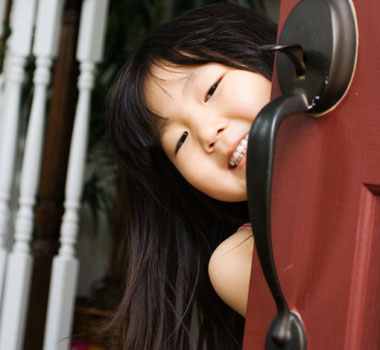
She is hiding behind the door .
Sie versteckt sich hinter der Tür 0
Cô ấy đang trốn sau cánh cửa .
她 躲 在 门 后 。
Tā duǒ zài mén hòu.
彼女はドアの後ろに隠れています。
Kanojo wa doa no ushiro ni kakurete imasu.
그녀는 문 뒤에 숨어 있습니다.
geunyeoneun mun dwie sum-eo issseubnida.
(VI)
(ZH)
(JA)
2251
[EN] [DE] [NL] [ES] [FR] [IT] [TH] [VI] [ZH]
|
RANDOM
破案的关键证人找到了。
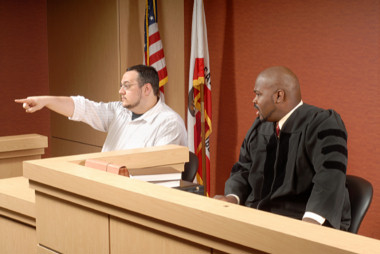
The key witness for solving the case has been found .
Der Hauptzeuge für die Lösung des Falls wurde gefunden 0
Nhân chứng quan trọng để giải quyết vụ án đã được tìm thấy .
破案 的 关键 证人 找到 了 。
Pò'àn de guānjiàn zhèngrén zhǎodào le.
事件を解決するための重要な証人が見つかりました。
Jiken o kaiketsu suru tame no jūyōna shōnin ga mitsukarimashita.
사건 해결의 핵심 증인이 발견됐다.
sageon haegyeol-ui haegsim jeung-in-i balgyeondwaessda.
(VI)
(ZH)
(JA)
2269
[EN] [DE] [NL] [ES] [FR] [IT] [TH] [VI] [ZH]
|
RANDOM
大树被截成两段。
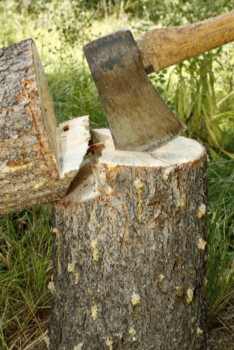
The large tree has been cut into two sections .
Der große Baum wird in zwei Teile zerlegt 0
Cây lớn đã bị chặt thành hai đoạn .
大树 被 截成 两段 。
Dà shù bèi jiéchéng liǎngduàn.
大きな木は2つに切り分けられました。
ōkina ki wa futatsu ni kiri wakeraremashita.
큰 나무는 두 조각으로 잘렸습니다.
keun namuneun du jogag-eulo jallyeossseubnida.
(VI)
(ZH)
(JA)
2274
[EN] [DE] [NL] [ES] [FR] [IT] [TH] [VI] [ZH]
|
RANDOM
房间里的家俱都被撤掉了。

All the furniture in the room has been removed .
Alle Möbel im Raum wurden entfernt 0
Tất cả đồ đạc trong phòng đã được dọn đi .
房间 里 的 家 俱 都 被 撤掉 了 。
Fángjiān lǐ de jiāju dōu bèi chèdiào le.
部屋の家具は取り外されました。
Heya no kagu wa torihazusa remashita.
방의 가구가 제거되었습니다.
bang-ui gaguga jegeodoeeossseubnida.
(VI)
(ZH)
(JA)
2285
[EN] [DE] [NL] [ES] [FR] [IT] [TH] [VI] [ZH]
|
RANDOM
他受到了惩罚。

He has been punished .
Er wurde bestraft 0
Anh ta bị trừng phạt .
他 受到 了 惩罚 。
Tā shòudàole chéngfá.
彼は罰せられた。
Kare wa basse rareta.
그는 벌을 받았다.
geuneun beol-eul bad-assda.
(VI)
(ZH)
(JA)
2294
[EN] [DE] [NL] [ES] [FR] [IT] [TH] [VI] [ZH]
|
RANDOM
笔夹在记事本里。

The pen is between the pages of the notebook .
Der Stift befindet sich zwischen den Seiten des Notizbuchs 0
Cây bút nằm giữa các trang của cuốn sổ .
笔 夹 在 记事本 里 。
Bǐ jiā zài jìshìběn lǐ.
ペンはメモ帳にあります。
Pen wa memochō ni arimasu.
펜은 메모장에 있습니다.
pen-eun memojang-e issseubnida.
(VI)
(ZH)
(JA)
2303
[EN] [DE] [NL] [ES] [FR] [IT] [TH] [VI] [ZH]
|
RANDOM
肥胖容易引起各种疾病。

Obesity can bring about a range of illnesses .
Fettleibigkeit kann zu einer Vielzahl von Krankheiten führen 0
Béo phì có thể gây ra hàng loạt bệnh tật .
肥胖 容易 引起 各种 疾病 。
Féipàng róngyì yǐnqǐ gè zhǒng jíbìng.
肥満は簡単にさまざまな病気を引き起こす可能性があります。
Himan wa kantan ni samazamana byōki o hikiokosu kanōsei ga arimasu.
비만은 다양한 질병을 쉽게 일으킬 수 있습니다.
biman-eun dayanghan jilbyeong-eul swibge il-eukil su issseubnida.
(VI)
(ZH)
(JA)
2307
[EN] [DE] [NL] [ES] [FR] [IT] [TH] [VI] [ZH]
|
RANDOM
每个人都应该遵守法律。

Everyone should obey the law .
Jeder sollte das Gesetz befolgen 0
Mọi người nên tuân thủ luật pháp .
每个 人 都 应该 遵守 法律 。
Měi gè rén dōu yīnggāi zūnshǒu fǎlǜ.
誰もが法律を遵守する必要があります。
Daremoga hōritsu o junshu suru hitsuyō ga arimasu.
모든 사람은 법을 준수해야 합니다.
modeun salam-eun beob-eul junsuhaeya habnida.
(VI)
(ZH)
(JA)
2318
[EN] [DE] [NL] [ES] [FR] [IT] [TH] [VI] [ZH]
|
RANDOM
喷泉很好看。

The fountain is very beautiful .
Der Springbrunnen ist sehr schön 0
Đài phun nước rất đẹp .
喷泉 很 好看 。
Pēnquán hěn hǎokàn.
噴水は美しいです。
Funsui wa utsukushīdesu.
분수가 아름답습니다.
bunsuga aleumdabseubnida.
(VI)
(ZH)
(JA)
2341
[EN] [DE] [NL] [ES] [FR] [IT] [TH] [VI] [ZH]
|
RANDOM
门被锁住了。
The door has been locked .
Die Tür wurde verschlossen 0
Cửa đã bị khóa .
门 被 锁住 了 。
Mén bèi suǒzhù le.
ドアがロックされていました。
Doa ga rokku sa rete imashita.
문이 잠겨 있었다.
mun-i jamgyeo iss-eossda.
(VI)
(ZH)
(JA)
2342
[EN] [DE] [NL] [ES] [FR] [IT] [TH] [VI] [ZH]
|
RANDOM
雪把树压弯了。

The tree bent under the weight of the snow .
Der Baum bog sich unter dem Gewicht des Schnees 0
Cái cây bị uốn cong dưới sức nặng của tuyết .
雪 把 树 压弯 了 。
Xuě bǎ shù yāwān le.
雪が木を曲げます。
Yuki ga ki o magemasu.
눈이 나무를 구부립니다.
nun-i namuleul gubulibnida.
(VI)
(ZH)
(JA)
2346
[EN] [DE] [NL] [ES] [FR] [IT] [TH] [VI] [ZH]
|
RANDOM
他们信奉基督教。

They believe in Christianity .
Sie glauben an das Christentum 0
Họ tin vào Cơ đốc giáo 0
他们 信奉 基督教 。
Tāmen xìnfèng Jīdūjiào.
彼らはキリスト教を信じています。
Karera wa kirisutokyō o shinjite imasu.
그들은 기독교를 믿습니다.
geudeul-eun gidoggyoleul midseubnida.
(VI)
(ZH)
(JA)
2367
[EN] [DE] [NL] [ES] [FR] [IT] [TH] [VI] [ZH]
|
RANDOM
抢劫是一种犯罪。

Robbery is a crime .
Raub ist ein Verbrechen 0
Ăn cướp là một tội ác 0
抢劫 是 一种 犯罪 。
Qiǎngjié shì yī zhǒng fànzuì.
強盗は犯罪です。
Gōtō wa hanzaidesu.
강도는 범죄입니다.
gangdoneun beomjoeibnida.
(VI)
(ZH)
(JA)
2369
[EN] [DE] [NL] [ES] [FR] [IT] [TH] [VI] [ZH]
|
RANDOM
海滩上有很多人。

There are a lot of people on the beach .
Es sind viele Leute am Strand 0
Có rất nhiều người trên bãi biển .
海滩 上 有 很多 人 。
Hǎitān shàng yǒu hěn duō rén.
ビーチにはたくさんの人がいます。
Bīchi ni wa takusan no hito ga imasu.
해변에는 많은 사람들이 있습니다.
haebyeon-eneun manh-eun salamdeul-i issseubnida.
(VI)
(ZH)
(JA)
2407
[EN] [DE] [NL] [ES] [FR] [IT] [TH] [VI] [ZH]
|
RANDOM
教徒遵循神父的教导。

The believers follow the priest’s teachings .
Die Gläubigen folgen den Lehren des Priesters 0
Các tín đồ tuân theo lời dạy của linh mục .
教徒 遵循 神父 的 教导 。
Jiàotú zūnxún shénfu de jiàodǎo.
信者たちは司祭の教えに従います。
Shinja-tachi wa shisai no oshie ni shitagaimasu.
신자들은 사제의 가르침을 따른다.
sinjadeul-eun saje-ui galeuchim-eul ttaleunda.
(VI)
(ZH)
(JA)
2418
[EN] [DE] [NL] [ES] [FR] [IT] [TH] [VI] [ZH]
|
RANDOM
我不相信,他在骗我。

I don't believe it , he's lying to me .
Ich glaube es nicht , er lügt mich an 0
Tôi không tin điều đó
我 不 相信 , 他 在 骗 我 。
Wǒ bù xiāngxìn, tā zài piàn wǒ.
私はそれを信じていません、彼は私に嘘をついています。
Watashi wa sore o shinjite imasen, kare wa watashi ni uso o tsuite imasu.
나는 그것을 믿지 않는다, 그는 나에게 거짓말을 한다.
naneun geugeos-eul midji anhneunda, geuneun na-ege geojismal-eul handa.
(VI)
(ZH)
(JA)
2438
[EN] [DE] [NL] [ES] [FR] [IT] [TH] [VI] [ZH]
|
RANDOM
气球被吹胀了。

The balloon has been blown up .
Der Ballon ist aufgeblasen 0
Quả bóng bay đã được thổi lên .
气球 被 吹胀 了 。
Qìqiú bèi chuīzhàng le.
風船が膨らんだ。
Fūsen ga fukuranda.
풍선이 부풀어 올랐다.
pungseon-i bupul-eo ollassda.
(VI)
(ZH)
(JA)
2453
[EN] [DE] [NL] [ES] [FR] [IT] [TH] [VI] [ZH]
|
RANDOM
她被派遣出差。

She's been sent on a business trip .
Sie wurde auf eine Geschäftsreise geschickt 0
Cô ấy được cử đi công tác .
她 被 派遣 出差 。
Tā bèi pàiqiǎn chūchāi.
彼女は出張で派遣された。
Kanojo wa shutchō de haken sa reta.
그녀는 출장으로 파견되었습니다.
geunyeoneun chuljang-eulo pagyeondoeeossseubnida.
(VI)
(ZH)
(JA)
2458
[EN] [DE] [NL] [ES] [FR] [IT] [TH] [VI] [ZH]
|
RANDOM
她被绳子捆住了。

She is been bound with a rope .
Sie ist mit einem Seil gefesselt 0
Cô ấy bị trói bằng dây thừng .
她 被 绳子 捆住 了 。
Tā bèi shéngzi kǔnzhù le.
彼女はロープで縛られています。
Kanojo wa rōpu de shibara rete imasu.
그녀는 밧줄로 묶여 있었다.
geunyeoneun basjullo mukk-yeo iss-eossda.
(VI)
(ZH)
(JA)
2460
[EN] [DE] [NL] [ES] [FR] [IT] [TH] [VI] [ZH]
|
RANDOM
她美得让人忌妒。

Her beauty is enviable .
Ihre Schönheit ist beneidenswert 0
Vẻ đẹp của cô ấy thật đáng ghen tị .
她 美得 让 人 忌妒 。
Tā měi de ràng rén jìdu.
彼女はとても美しいので嫉妬します。
Kanojo wa totemo utsukushīnode shitto shimasu.
그녀는 너무 아름다워 질투합니다.
geunyeoneun neomu aleumdawo jiltuhabnida.
(VI)
(ZH)
(JA)
2461
[EN] [DE] [NL] [ES] [FR] [IT] [TH] [VI] [ZH]
|
RANDOM
这是不能说的禁忌。

This is a taboo which can not be discussed .
Dies ist ein Tabu , über das nicht gesprochen werden kann 0
Đây là điều tối kỵ không thể bàn cãi .
这是 不能 说 的 禁忌 。
Zhè shì bù néng shuō de jìnjì.
これは言えないタブーです。
Kore wa ienai tabūdesu.
이것은 말할 수 없는 금기 사항입니다.
igeos-eun malhal su eobsneun geumgi sahang-ibnida.
(VI)
(ZH)
(JA)
2462
[EN] [DE] [NL] [ES] [FR] [IT] [TH] [VI] [ZH]
|
RANDOM
中国菜要趁热吃。

Chinese food should be eaten hot .
Chinesisches Essen sollte heiß gegessen werden 0
Đồ ăn Trung Quốc nên ăn nóng .
中国 菜要 趁热 吃 。
Zhōngguó cài yào chènrè chī.
中華料理は暑いうちに食べるべきです。
Chūkaryōri wa atsui uchi ni taberubekidesu.
중국 음식은 뜨거울 때 먹어야 합니다.
jung-gug eumsig-eun tteugeoul ttae meog-eoya habnida.
(VI)
(ZH)
(JA)
2465
[EN] [DE] [NL] [ES] [FR] [IT] [TH] [VI] [ZH]
|
RANDOM
他的性格很叛逆。

He is very rebellious .
Er ist sehr rebellisch 0
Anh ấy rất nổi loạn .
他 的 性格 很 叛逆 。
Tā de xìnggé hěn pànnì.
彼の性格は非常に反抗的です。
Kare no seikaku wa hijō ni hankō-tekidesu.
그의 성격은 매우 반항적이다.
geuui seong-gyeog-eun maeu banhangjeog-ida.
(VI)
(ZH)
(JA)
2476
[EN] [DE] [NL] [ES] [FR] [IT] [TH] [VI] [ZH]
|
RANDOM
他在懊恼自己愚蠢的行为。

He is angry with himself for his stupid behavior .
Er ist wütend auf sich selbst für sein dummes Verhalten 0
Anh ấy tức giận với chính mình vì hành vi ngu ngốc của mình .
他 在 懊恼 自己 愚蠢 的 行为 。
Tā zài àonǎo zìjǐ yúchǔn de xíngwéi.
彼は彼の愚かな行動に悩まされた。
Kare wa kare no orokana kōdō ni nayamasa reta.
그는 자신의 어리석은 행동에 화가 났습니다.
geuneun jasin-ui eoliseog-eun haengdong-e hwaga nassseubnida.
(VI)
(ZH)
(JA)
2480
[EN] [DE] [NL] [ES] [FR] [IT] [TH] [VI] [ZH]
|
RANDOM
天气骤然变冷了。

The weather has become suddenly cold .
Das Wetter ist plötzlich kalt geworden 0
Thời tiết trở nên lạnh đột ngột .
天气 骤然 变冷 了 。
Tiānqì zhòurán biànlěng le.
天気が急に寒くなった。
Tenki ga kyū ni samuku natta.
날씨가 갑자기 추워졌습니다.
nalssiga gabjagi chuwojyeossseubnida.
(VI)
(ZH)
(JA)
2489
[EN] [DE] [NL] [ES] [FR] [IT] [TH] [VI] [ZH]
|
RANDOM
货币贬值了。

The currency has been devalued .
Die Währung wurde abgewertet 0
Đồng tiền đã bị mất giá 0
货币贬值 了 。
Huòbì biǎnzhí le.
通貨は切り下げられました。
Tsūka wa kirisage raremashita.
통화가치가 평가절하되었습니다.
tonghwagachiga pyeong-gajeolhadoeeossseubnida.
(VI)
(ZH)
(JA)
2496
[EN] [DE] [NL] [ES] [FR] [IT] [TH] [VI] [ZH]
|
RANDOM
不能逼孩子学习。

Children shouldn't be forced to study .
Kinder sollten nicht zum Lernen gezwungen werden 0
Không nên ép buộc trẻ em học tập .
不能 逼 孩子 学习 。
Bù néng bī háizi xuéxí.
子供たちに学ばせないでください。
Kodomo-tachi ni manaba senaide kudasai.
아이들에게 배우도록 강요하지 마십시오.
aideul-ege baeudolog gang-yohaji masibsio.
(VI)
(ZH)
(JA)
2497
[EN] [DE] [NL] [ES] [FR] [IT] [TH] [VI] [ZH]
|
RANDOM
倘若我是天使就好了。

It would be great if I were an angel .
Es wäre großartig , wenn ich ein Engel wäre 0
Thật tuyệt nếu tôi là một thiên thần .
倘若 我 是 天使 就 好 了 。
Tǎngruò wǒ shì tiānshǐ jiù hǎole.
私が天使なら最高なんですけどね。
Watashi ga tenshi nara saikō nandesu kedo ne.
내가 천사라면.
naega cheonsalamyeon.
(VI)
(ZH)
(JA)
2503
[EN] [DE] [NL] [ES] [FR] [IT] [TH] [VI] [ZH]
|
RANDOM
她用左手按门铃。

She rang the doorbell with her left hand .
Sie klingelte mit der linken Hand an der Tür 0
Cô bấm chuông cửa bằng tay trái .
她 用 左手 按 门铃 。
Tā yòng zuǒshǒu àn ménlíng.
彼女は左手でドアベルを鳴らした。
Kanojo wa hidarite de doaberu o narashita.
그녀는 왼손으로 초인종을 눌렀다.
geunyeoneun oenson-eulo choinjong-eul nulleossda.
(VI)
(ZH)
(JA)
2518
[EN] [DE] [NL] [ES] [FR] [IT] [TH] [VI] [ZH]
|
RANDOM
他们在回忆过去的美好时光。

They are remembering happy times in their past .
Sie erinnern sich an glückliche Zeiten in ihrer Vergangenheit 0
Họ đang nhớ lại những khoảng thời gian hạnh phúc trong quá khứ của họ .
他们 在 回忆 过去 的 美好时光 。
Tāmen zài huíyì guòqù de měihǎo shíguāng.
彼らは古き良き時代を彷彿とさせます。
Karera wa furukiyokijidai o hōfutsu to sa semasu.
그들은 좋은 옛날을 회상하고 있습니다.
geudeul-eun joh-eun yesnal-eul hoesanghago issseubnida.
(VI)
(ZH)
(JA)
2530
[EN] [DE] [NL] [ES] [FR] [IT] [TH] [VI] [ZH]
|
RANDOM
我在磨咖啡豆。

I am grinding coffee beans .
Ich mahle Kaffeebohnen 0
Tôi đang xay hạt cà phê 0
我 在 磨 咖啡豆 。
Wǒ zài mó kāfēidòu.
私はコーヒー豆を挽いています。
Watashi wa kōhī mame o hiite imasu.
커피콩을 갈아내고 있습니다.
keopikong-eul gal-anaego issseubnida.
(VI)
(ZH)
(JA)
2540
[EN] [DE] [NL] [ES] [FR] [IT] [TH] [VI] [ZH]
|
RANDOM
他没胆量做领导。

He doesn't have the guts to become a leader .
Er hat nicht den Mut , ein Führer zu werden 0
Anh ấy không có đủ can đảm để trở thành một nhà lãnh đạo .
他 没 胆量 做 领导 。
Tā méi dǎnliàng zuò lǐngdǎo.
彼には率先する勇気がありません。
Kare ni wa sossen suru yūki ga arimasen.
그는 이끌 용기가 없습니다.
geuneun ikkeul yong-giga eobs-seubnida.
(VI)
(ZH)
(JA)
2542
[EN] [DE] [NL] [ES] [FR] [IT] [TH] [VI] [ZH]
|
RANDOM
玩具熊很可爱。

The toy bear is very cute .
Der Spielzeugbär ist sehr süß 0
Con gấu đồ chơi rất dễ thương .
玩具 熊 很 可爱 。
Wánjù xióng hěn kě'ài.
テディベアはとてもかわいいです。
Tedibea wa totemo kawaīdesu.
테디베어들이 아주 귀엽습니다.
tedibeeodeul-i aju gwiyeobseubnida.
(VI)
(ZH)
(JA)
2555
[EN] [DE] [NL] [ES] [FR] [IT] [TH] [VI] [ZH]
|
RANDOM
海边的夕阳很美。

The sun setting on the sea is very beautiful .
Der Sonnenuntergang am Meer ist sehr schön 0
Mặt trời lặn trên biển rất đẹp .
海边 的 夕阳 很 美 。
Hǎibiān de xīyáng hěn měi.
海に沈む夕日は美しいです。
Umi ni shizumu yūhi wa utsukushīdesu.
바다의 석양이 아름답습니다.
badaui seog-yang-i aleumdabseubnida.
(VI)
(ZH)
(JA)
2594
[EN] [DE] [NL] [ES] [FR] [IT] [TH] [VI] [ZH]
|
RANDOM
在中国,除夕会放烟火。

In China , fireworks will be set off on New Year's Eve .
In China wird am Silvesterabend ein Feuerwerk gezündet 0
Ở Trung Quốc , pháo hoa sẽ được bắn vào đêm giao thừa
在 中国 , 除夕 会 放烟火 。
Zài Zhōngguó, chúxī huì fàng yānhuǒ.
中国では、大晦日に花火が打ち上げられます。
Chūgokude wa, ōmisoka ni hanabi ga uchiage raremasu.
중국에서는 새해 전날 불꽃놀이가 시작됩니다.
jung-gug-eseoneun saehae jeonnal bulkkochnol-iga sijagdoebnida.
(VI)
(ZH)
(JA)
2595
[EN] [DE] [NL] [ES] [FR] [IT] [TH] [VI] [ZH]
|
RANDOM
我想偷懒。

I want to be lazy .
Ich möchte faul sein 0
Tôi muốn được lười biếng .
我 想 偷懒 。
Wǒ xiǎng tōulǎn.
怠け者になりたい。
Namakemono ni naritai.
나는 게으르고 싶다.
naneun geeuleugo sipda.
(VI)
(ZH)
(JA)
2625
[EN] [DE] [NL] [ES] [FR] [IT] [TH] [VI] [ZH]
|
RANDOM
老师对她的行为感到愤慨。

The teacher is angry at her behavior .
Der Lehrer ist empört über ihr Verhalten 0
Giáo viên rất tức giận trước hành vi của em ấy .
老师 对 她 的 行为 感到 愤慨 。
Lǎoshī duì tā de xíngwéi gǎndào fènkǎi.
先生は彼女の行動に怒っています。
Sensei wa kanojo no kōdō ni okotte imasu.
선생님은 그녀의 행동에 분개했습니다.
seonsaengnim-eun geunyeoui haengdong-e bungaehaessseubnida.
(VI)
(ZH)
(JA)
2645
[EN] [DE] [NL] [ES] [FR] [IT] [TH] [VI] [ZH]
|
RANDOM
肠在胃的下面。
The intestines are below the stomach .
Der Darm befindet sich unter dem Magen 0
Ruột nằm dưới dạ dày .
肠 在 胃 的 下面 。
Cháng zài wèi de xiàmiàn.
腸は胃の下にあります。
Chō wa i no shita ni arimasu.
창자는 위 아래에 있습니다.
changjaneun wi alaee issseubnida.
(VI)
(ZH)
(JA)
2651
[EN] [DE] [NL] [ES] [FR] [IT] [TH] [VI] [ZH]
|
RANDOM
事情已经办妥了。

The matter has been settled .
Die Angelegenheit wurde geklärt 0
Vấn đề đã được giải quyết 0
事情 已经 办妥 了 。
Shìqing yǐjing bàntuǒ le.
問題は解決しました。
Mondai wa kaiketsu shimashita.
문제가 해결되었습니다.
munjega haegyeoldoeeossseubnida.
(VI)
(ZH)
(JA)
2666
[EN] [DE] [NL] [ES] [FR] [IT] [TH] [VI] [ZH]
|
RANDOM
他被称为贤人。

He is considered to be a man of great virtue .
Er gilt als ein Mann von großer Tugend 0
Ông được coi là người có đức độ .
他 被 称为 贤人 。
Tā bèi chēngwéi xiánrén.
彼は賢者と呼ばれています。
Kare wa kenja to yoba rete imasu.
그는 지혜로운 사람이라고 합니다.
geuneun jihyeloun salam-ilago habnida.
(VI)
(ZH)
(JA)
2668
[EN] [DE] [NL] [ES] [FR] [IT] [TH] [VI] [ZH]
|
RANDOM
沙滩上有狗的踪迹。

There are trails of dogs on the beach .
Am Strand gibt es Hundespuren 0
Có dấu vết chó trên bờ 0
沙滩 上 有 狗 的 踪迹 。
Shātān shàng yǒu gǒu de zōngjì.
ビーチには犬の小道があります。
Bīchi ni wa inu no komichi ga arimasu.
해변에는 개의 흔적이 있습니다.
haebyeon-eneun gaeui heunjeog-i issseubnida.
(VI)
(ZH)
(JA)
2669
[EN] [DE] [NL] [ES] [FR] [IT] [TH] [VI] [ZH]
|
RANDOM
厦门是一座美丽的城市。
Xiamen is a beautiful city .
Xiamen ist eine wunderschöne Stadt 0
Hạ Môn là một thành phố xinh đẹp .
厦门 是 一座 美丽 的 城市 。
Xiàmén shì yī zuò měilì de chéngshì.
厦門は美しい街です。
Amoi wa utsukushī machi desu.
샤먼은 아름다운 도시입니다.
syameon-eun aleumdaun dosiibnida.
(VI)
(ZH)
(JA)
2686
[EN] [DE] [NL] [ES] [FR] [IT] [TH] [VI] [ZH]
|
RANDOM
香港回归前曾是英国的殖民地。

Before its return to China , Hong Kong was a colony of the UK .
Hongkong war vor der Wiedervereinigung eine britische Kolonie 0
Trước khi được trao trả cho Trung Quốc , Hồng Kông là thuộc địa của Vương quốc Anh .
香港回归 前 曾 是 英国 的 殖民地 。
Xiānggǎng huíguī qián céng shì Yīngguó de zhímíndì.
香港は帰国前はイギリスの植民地でした。
Honkon wa kikoku mae wa Igirisu no shokuminchideshita.
홍콩은 반환 이전에 영국의 식민지였습니다.
hongkong-eun banhwan ijeon-e yeong-gug-ui sigminjiyeossseubnida.
(VI)
(ZH)
(JA)
2692
[EN] [DE] [NL] [ES] [FR] [IT] [TH] [VI] [ZH]
|
RANDOM
他的性格很叛逆。

He is very rebellious .
Er ist sehr rebellisch 0
Anh ấy rất nổi loạn .
他 的 性格 很 叛逆 。
Tā de xìnggé hěn pànnì.
彼の性格は非常に反抗的です。
Kare no seikaku wa hijō ni hankō-tekidesu.
그의 성격은 매우 반항적이다.
geuui seong-gyeog-eun maeu banhangjeog-ida.
(VI)
(ZH)
(JA)
2702
[EN] [DE] [NL] [ES] [FR] [IT] [TH] [VI] [ZH]
|
RANDOM
橡皮筏在河里颠簸着。

The rubber raft tossed about on the river .
Das Schlauchboot schaukelt im Fluss hin und her 0
Chiếc bè cao su tung tăng trên sông .
橡皮筏 在 河 里 颠簸 着 。
Xiàngpífá zài hé lǐ diānbǒzhe.
ゴム製のいかだが川にぶつかった。
Gomu-sei no ikada ga kawa ni butsukatta.
고무 뗏목이 강에 부딪쳤습니다.
gomu ttesmog-i gang-e budijchyeossseubnida.
(VI)
(ZH)
(JA)
2703
[EN] [DE] [NL] [ES] [FR] [IT] [TH] [VI] [ZH]
|
RANDOM
他是个伐木工。
He is a lumberjack .
Er ist ein Holzfäller 0
Anh ta là một thợ rừng 0
他 是 个 伐木工 。
Tā shì gè fámùgōng.
彼は木こりです。
Kare wa kikoridesu.
그는 나무꾼입니다.
geuneun namukkun-ibnida.
(VI)
(ZH)
(JA)
2719
[EN] [DE] [NL] [ES] [FR] [IT] [TH] [VI] [ZH]
|
RANDOM
丙表示“第三”的意思。

The character 丙 ("bing") denotes the idea of Number 3 .
Das Zeichen 丙 ("bing") bezeichnet die Idee von Nummer 3 0
Ký tự 丙 ("bing") biểu thị ý tưởng của Số 3
丙 表示 “ 第三 ” 的 意思 。
Bǐng biǎoshì “dì-sān” de yìsi.
Cは「3番目」を意味します。
C wa `3-banme' o imi shimasu.
C는 "세 번째"를 의미합니다.
Cneun "se beonjjae"leul uimihabnida.
(VI)
(ZH)
(JA)
2728
[EN] [DE] [NL] [ES] [FR] [IT] [TH] [VI] [ZH]
|
RANDOM
孔雀的羽毛很漂亮。
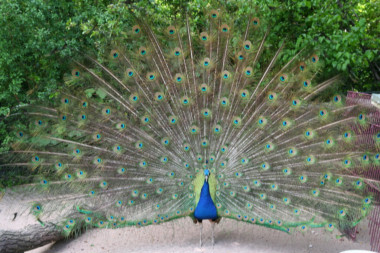
The feathers of the peacock are very beautiful .
Die Federn des Pfaus sind sehr schön 0
Bộ lông của chim công rất đẹp .
孔雀 的 羽毛 很漂亮 。
Kǒngquè de yǔmáo hěn piàoliang.
孔雀の羽はとても美しいです。
Kujaku no hane wa totemo utsukushīdesu.
공작의 깃털은 매우 아름답습니다.
gongjag-ui gisteol-eun maeu aleumdabseubnida.
(VI)
(ZH)
(JA)
2732
[EN] [DE] [NL] [ES] [FR] [IT] [TH] [VI] [ZH]
|
RANDOM
幼鸟的羽翼渐渐丰满了。
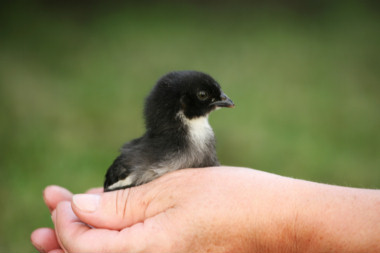
The wings of the young birds have gradually become stronger .
Die Flügel des Jungvogels werden allmählich kräftiger 0
Đôi cánh của những chú chim non đã dần cứng cáp hơn .
幼鸟 的 羽翼 渐渐 丰满 了 。
Yòuniǎo de yǔyì jiànjiàn fēngmǎn le.
赤ちゃんの鳥の羽は徐々にふっくらしました。
Akachan no tori no hane wa jojoni fukkura shimashita.
아기 새의 날개가 점차 부풀어 올랐다.
agi saeui nalgaega jeomcha bupul-eo ollassda.
(VI)
(ZH)
(JA)
2733
[EN] [DE] [NL] [ES] [FR] [IT] [TH] [VI] [ZH]
|
RANDOM
她受到了同学的羞辱。

She is been humiliated by her classmates .
Sie wurde von ihren Klassenkameraden gedemütigt 0
Cô ấy bị làm nhục bởi các bạn cùng lớp của mình .
她 受到 了 同学 的 羞辱 。
Tā shòudàole tóngxué de xiūrǔ.
彼女はクラスメートに屈辱を与えられた。
Kanojo wa kurasumēto ni kutsujoku o atae rareta.
그녀는 급우들에게 굴욕을 당했습니다.
geunyeoneun geub-udeul-ege gul-yog-eul danghaessseubnida.
(VI)
(ZH)
(JA)
2750
[EN] [DE] [NL] [ES] [FR] [IT] [TH] [VI] [ZH]
|
RANDOM
他感到很困惑。

He feels bewildered .
Er ist verwirrt 0
Anh ấy cảm thấy hoang mang 0
他 感到 很 困惑 。
Tā gǎndào hěn kùnhuò.
彼は当惑しています。
Kare wa tōwaku shite imasu.
그는 매우 혼란스러웠다.
geuneun maeu honlanseuleowossda.
(VI)
(ZH)
(JA)
2765
[EN] [DE] [NL] [ES] [FR] [IT] [TH] [VI] [ZH]
|
RANDOM
肉没保存好,已经臭了。
The meat hasn't been properly preserved and already stinks .
Das Fleisch ist nicht richtig konserviert worden und stinkt bereits 0
Thịt không được bảo quản tốt và có mùi hôi .
肉 没 保存 好 , 已经 臭 了 。
Ròu méi bǎocún hǎo, yǐjing chòu le.
肉は適切に保存されておらず、すでに臭くなっています
Niku wa tekisetsu ni hozon sa rete orazu, sudeni kusaku natte imasu.
고기가 잘 보존되지 않았고 냄새가났습니다.
gogiga jal bojondoeji anh-assgo naemsaeganassseubnida.
(VI)
(ZH)
(JA)
2767
[EN] [DE] [NL] [ES] [FR] [IT] [TH] [VI] [ZH]
|
RANDOM
匪徒打劫了一家银行。

The bandit robbed a bank .
Der Bandit hat eine Bank ausgeraubt 0
Tên cướp cướp ngân hàng .
匪徒 打劫 了 一家 银行 。
Fěitú dǎjiéle yī jiā yínháng.
ギャングは銀行強盗をした。
Gyangu wa ginkō gōtō o shita.
갱스터가 은행을 털었습니다.
gaengseuteoga eunhaeng-eul teol-eossseubnida.
(VI)
(ZH)
(JA)
2788
[EN] [DE] [NL] [ES] [FR] [IT] [TH] [VI] [ZH]
|
RANDOM
水坝可以用来发电。

The dam can be used to generate electricity .
Der Damm kann zur Stromerzeugung genutzt werden 0
Đập có thể được sử dụng để tạo ra điện .
水坝 可以 用来 发电 。
Shuǐbà kěyǐ yònglái fādiàn.
ダムは発電に使用できます。
Damu wa hatsuden ni shiyō dekimasu.
댐은 전기를 생산하는 데 사용할 수 있습니다.
daem-eun jeongileul saengsanhaneun de sayonghal su issseubnida.
(VI)
(ZH)
(JA)
2809
[EN] [DE] [NL] [ES] [FR] [IT] [TH] [VI] [ZH]
|
RANDOM
他想贿赂主管。

He is trying to bribe the person in charge .
Er versucht , die verantwortliche Person zu bestechen 0
Anh ta đang cố mua chuộc người phụ trách .
他 想 贿赂 主管 。
Tā xiǎng huìlù zhǔguǎn.
彼は担当者に賄賂を贈ろうとしています。
Kare wa tantōsha ni wairo o okurou to shite imasu.
그는 감독관에게 뇌물을 주고 싶었다.
geuneun gamdoggwan-ege noemul-eul jugo sip-eossda.
(VI)
(ZH)
(JA)
2823
[EN] [DE] [NL] [ES] [FR] [IT] [TH] [VI] [ZH]
|
RANDOM
爷爷即将奔六十了。
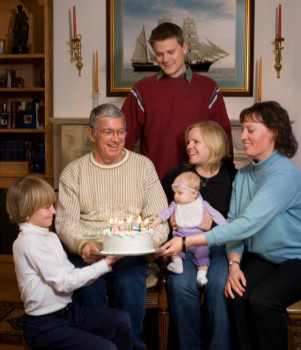
My grandfather is going to be sixty soon .
Mein Großvater wird bald sechzig 0
Ông tôi sắp sáu mươi sớm 0
爷爷 即将 奔 六十 了 。
Yéye jíjiāng bèn liùshí le.
おじいちゃんはもうすぐ60歳になります。
Ojīchan wa mōsugu 60-sai ni narimasu.
할아버지는 이제 곧 60일입니다.
hal-abeojineun ije god 60il-ibnida.
(VI)
(ZH)
(JA)
2847
[EN] [DE] [NL] [ES] [FR] [IT] [TH] [VI] [ZH]
|
RANDOM
蚕虫吃桑叶。
Silkworms eat mulberry leaves .
Seidenraupen fressen Maulbeerblätter 0
Con tằm ăn lá dâu .
蚕虫 吃 桑叶 。
Cánchóng chī sāngyè.
カイコは桑の葉を食べます。
Kaiko wa kuwa no ha o tabemasu.
누에는 뽕나무 잎을 먹습니다.
nueneun ppongnamu ip-eul meogseubnida.
(VI)
(ZH)
(JA)
2848
[EN] [DE] [NL] [ES] [FR] [IT] [TH] [VI] [ZH]
|
RANDOM
水缸盛满水了。
The water urn has been filled with water .
Die Wasserurne wurde mit Wasser gefüllt 0
Bình đựng nước đã được đổ đầy nước .
水缸 盛满水 了 。
Shuǐgāng chéngmǎn shuǐ le.
水タンクは水でいっぱいです。
Mizu tanku wa mizu de ippaidesu.
물탱크에 물이 가득 차 있습니다.
multaengkeue mul-i gadeug cha issseubnida.
(VI)
(ZH)
(JA)
2854
[EN] [DE] [NL] [ES] [FR] [IT] [TH] [VI] [ZH]
|
RANDOM
塞外风光优美。
The scenery north of the Great Wall is beautiful .
Die Landschaft nördlich der Chinesischen Mauer ist wunderschön 0
Phong cảnh phía bắc Vạn Lý Trường Thành thật đẹp .
塞外风光 优美 。
Sàiwài fēngguāng yōuměi.
万里の長城の外の景色は美しいです。
Banrinochōjō no soto no keshiki wa utsukushīdesu.
만리장성 밖 풍경이 아름답습니다.
manlijangseong bakk pung-gyeong-i aleumdabseubnida.
(VI)
(ZH)
(JA)
2883
[EN] [DE] [NL] [ES] [FR] [IT] [TH] [VI] [ZH]
|
RANDOM
脂肪减少了。

Fat has been reduced .
Fett wurde reduziert 0
Chất béo đã được giảm bớt 0
脂肪 减少 了 。
Zhīfáng jiǎnshǎo le.
脂肪が減ります。
Shibō ga herimasu.
지방이 감소합니다.
jibang-i gamsohabnida.
(VI)
(ZH)
(JA)
2894
[EN] [DE] [NL] [ES] [FR] [IT] [TH] [VI] [ZH]
|
RANDOM
这里很危险,他们必须谨慎。

It is dangerous here , so they need to be alert .
Es ist hier gefährlich , deshalb müssen sie wachsam sein 0
Ở đây rất nguy hiểm nên họ cần cảnh giác .
这 里 很 危险 , 他们 必须 谨慎 。
Zhèli hěn wēixiǎn, tāmen bìxū jǐnshèn.
ここは危険です、彼らは用心深いに違いありません。
Koko wa kikendesu, karera wa yōjinbukai ni chigai arimasen.
여기는 위험하니 조심해야 합니다.
yeogineun wiheomhani josimhaeya habnida.
(VI)
(ZH)
(JA)
2902
[EN] [DE] [NL] [ES] [FR] [IT] [TH] [VI] [ZH]
|
RANDOM
我和奶奶卧在床上看书。

My grandma and I are lying in bed reading .
Meine Oma und ich liegen im Bett und lesen 0
Tôi và bà của tôi đang nằm trên giường đọc sách .
我 和 奶奶 卧 在 床上 看书 。
Wǒ hé nǎinai wò zài chuáng shàng kànshū.
おばあちゃんと私はベッドに横になって本を読みます。
O bāchan to watashi wa beddo ni yoko ni natte hon o yomimasu.
할머니와 나는 침대에 누워 책을 읽습니다.
halmeoniwa naneun chimdaee nuwo chaeg-eul ilgseubnida.
(VI)
(ZH)
(JA)
2903
[EN] [DE] [NL] [ES] [FR] [IT] [TH] [VI] [ZH]
|
RANDOM
卧室很舒适。

The bedroom is comfortable .
Das Schlafzimmer ist komfortabel 0
Phòng ngủ thoải mái .
卧室 很 舒适 。
Wòshì hěn shūshì.
ベッドルームはとても快適です。
Beddorūmu wa totemo kaitekidesu.
침실은 매우 편안합니다.
chimsil-eun maeu pyeon-anhabnida.
(VI)
(ZH)
(JA)
2904
[EN] [DE] [NL] [ES] [FR] [IT] [TH] [VI] [ZH]
|
RANDOM
我们今年盈利状况很好。

Our profits have been good this year .
Unsere Gewinne waren in diesem Jahr gut 0
Lợi nhuận của chúng tôi đã tốt trong năm nay .
我们 今年 盈利 状况 很 好 。
Wǒmen jīnnián yínglì zhuàngkuàng hěn hǎo.
今年は儲かっています。
Kotoshi wa mōkatte imasu.
올해 우리의 수익성은 매우 좋습니다.
olhae uliui su-igseong-eun maeu johseubnida.
(VI)
(ZH)
(JA)
2905
[EN] [DE] [NL] [ES] [FR] [IT] [TH] [VI] [ZH]
|
RANDOM
这里是北京天坛。
This is the Temple of Heaven in Beijing .
Dies ist der Himmelstempel in Peking 0
Đây là Đền Thiên Đường ở Bắc Kinh .
这 里 是 北京 天坛 。
Zhèli shì Běijīng Tiāntán.
これは北京の天壇です。
Kore wa Pekin no Tendandesu.
베이징에 있는 천단공원입니다.
beijing-e issneun cheondangong-won-ibnida.
(VI)
(ZH)
(JA)
2930
[EN] [DE] [NL] [ES] [FR] [IT] [TH] [VI] [ZH]
|
RANDOM
葡萄可以用来酿酒。
Grapes can be made into wine .
Trauben können zu Wein verarbeitet werden 0
Nho có thể được làm thành rượu .
葡萄 可以 用来 酿酒 。
Pútao kěyǐ yònglái niàngjiǔ.
ブドウはワインを作るのに使用できます。
Budō wa wain o tsukuru no ni shiyō dekimasu.
포도는 와인을 만드는 데 사용할 수 있습니다.
podoneun wain-eul mandeuneun de sayonghal su issseubnida.
(VI)
(ZH)
(JA)
2946
[EN] [DE] [NL] [ES] [FR] [IT] [TH] [VI] [ZH]
|
RANDOM
明天降温,请大家做好御寒的准备。
The temperature will drop tomorrow , so please be prepared for the cold .
Die Temperatur wird morgen sinken , seien Sie also bitte auf die Kälte vorbereitet 0
Nhiệt độ sẽ giảm vào ngày mai , vì vậy hãy chuẩn bị cho cái lạnh .
明天 降温 , 请 大家 做好 御寒 的 准备 。
Míngtiān jiàngwēn, qǐng dàjiā zuòhǎo yùhán de zhǔnbèi.
明日は気温が下がりますので、寒さに備えてください。
Ashita wa kion ga sagarimasunode, samu-sa ni sonaete kudasai.
내일도 더위를 식히려면 추위에 대비하시기 바랍니다.
naeildo deowileul sighilyeomyeon chuwie daebihasigi balabnida.
(VI)
(ZH)
(JA)
2950
[EN] [DE] [NL] [ES] [FR] [IT] [TH] [VI] [ZH]
|
RANDOM
葡萄可以酿酒。

Grapes can be used to make wine .
Aus Trauben kann Wein hergestellt werden 0
Nho có thể được sử dụng để làm rượu .
葡萄 可以 酿酒 。
Pútao kěyǐ niàngjiǔ.
ブドウはワインを作ることができます。
Budō wa wain o tsukuru koto ga dekimasu.
포도는 포도주를 만들 수 있습니다.
podoneun podojuleul mandeul su issseubnida.
(VI)
(ZH)
(JA)
2954
[EN] [DE] [NL] [ES] [FR] [IT] [TH] [VI] [ZH]
|
RANDOM
他们为亲人举行了葬礼。

They held a funeral for their family member .
Sie hielten eine Beerdigung für ihr Familienmitglied ab 0
Họ đã tổ chức tang lễ cho thành viên trong gia đình mình .
他们 为 亲人 举行 了 葬礼 。
Tāmen wèi qīnrén jǔxíngle zànglǐ.
彼らは愛する人のために葬式を行いました。
Karera wa aisuruhito no tame ni sōshiki o okonaimashita.
그들은 사랑하는 사람들을 위해 장례를 치렀습니다.
geudeul-eun salanghaneun salamdeul-eul wihae janglyeleul chileossseubnida.
(VI)
(ZH)
(JA)
2974
[EN] [DE] [NL] [ES] [FR] [IT] [TH] [VI] [ZH]
|
RANDOM
契约成立了。

The contract has come into being .
Der Vertrag ist zustande gekommen 0
Hợp đồng đã ra đời .
契约 成立 了 。
Qìyuē chénglì le.
契約が成立しました。
Keiyaku ga seiritsu shimashita.
계약이 성립됩니다.
gyeyag-i seonglibdoebnida.
(VI)
(ZH)
(JA)
2978
[EN] [DE] [NL] [ES] [FR] [IT] [TH] [VI] [ZH]
|
RANDOM
我打赌今天不会下雨。

I bet it won't rain today .
Ich wette , es wird heute nicht regnen 0
Tôi cá là hôm nay trời sẽ không mưa .
我 打赌 今天 不会 下雨 。
Wǒ dǎdǔ jīntiān bù huì xiàyǔ.
今日は雨が降らないに違いない。
Kyō wa ame ga furanai ni chigainai.
오늘은 비가 오지 않을 거라 장담합니다.
oneul-eun biga oji anh-eul geola jangdamhabnida.
(VI)
(ZH)
(JA)
2980
[EN] [DE] [NL] [ES] [FR] [IT] [TH] [VI] [ZH]
|
RANDOM
这里可以兑换外币。

Foreign currency can be exchanged here .
Hier kann Fremdwährung umgetauscht werden 0
Có thể đổi ngoại tệ tại đây .
这 里 可以 兑换 外币 。
Zhèli kěyǐ duìhuàn wàibì.
ここで外貨を両替できます。
Koko de gaika o ryōgae dekimasu.
여기서 외화 환전이 가능합니다.
yeogiseo oehwa hwanjeon-i ganeunghabnida.
(VI)
(ZH)
(JA)
2985
[EN] [DE] [NL] [ES] [FR] [IT] [TH] [VI] [ZH]
|
RANDOM
傍晚的景色真美。

The view at dusk is really beautiful .
Die Aussicht am Abend ist wunderschön 0
Khung cảnh lúc hoàng hôn thực sự rất đẹp .
傍晚 的 景色 真 美 。
Bàngwǎn de jǐngsè zhēn měi.
夕方の景色はとても美しいです。
Yūgata no keshiki wa totemo utsukushīdesu.
저녁 풍경이 너무 아름답습니다.
jeonyeog pung-gyeong-i neomu aleumdabseubnida.
(VI)
(ZH)
(JA)
2999
[EN] [DE] [NL] [ES] [FR] [IT] [TH] [VI] [ZH]
|
RANDOM
他受到了惩罚。

He is been punished .
Er wurde bestraft 0
Anh ta bị trừng phạt .
他 受到 了 惩罚 。
Tā shòudàole chéngfá.
彼は罰せられた。
Kare wa basse rareta.
그는 벌을 받았다.
geuneun beol-eul bad-assda.
(VI)
(ZH)
(JA)
3005
[EN] [DE] [NL] [ES] [FR] [IT] [TH] [VI] [ZH]
|
RANDOM
蜜蜂正在采花蜜。
The bees are collecting honey from the flowers .
Die Bienen sammeln Honig von den Blumen 0
Những con ong đang lấy mật từ những bông hoa .
蜜蜂 正在 采花 蜜 。
Mìfēng zhèng zài cǎi huāmì.
ミツバチは蜜から蜜を集めています。
Mitsubachi wa mitsu kara mitsu o atsumete imasu.
벌이 꿀에서 꿀을 모으고 있습니다.
beol-i kkul-eseo kkul-eul mo-eugo issseubnida.
(VI)
(ZH)
(JA)
3013
[EN] [DE] [NL] [ES] [FR] [IT] [TH] [VI] [ZH]
|
RANDOM
我的脚肿了。
My foot has become swollen .
Mein Fuß ist geschwollen 0
Bàn chân của tôi đã trở nên sưng tấy .
我 的 脚肿 了 。
Wǒ de jiǎo zhǒng le.
足が腫れています。
Ashi ga harete imasu.
발이 붓습니다.
bal-i bus-seubnida.
(VI)
(ZH)
(JA)
3014
[EN] [DE] [NL] [ES] [FR] [IT] [TH] [VI] [ZH]
|
RANDOM
他们之间发生了一点纠葛。

There was a quarrel between them .
Es gab einen Streit zwischen ihnen 0
Giữa họ đã xảy ra một cuộc cãi vã .
他们 之间 发生 了 一点 纠葛 。
Tāmen zhījiān fāshēngle yīdiǎn jiūgé.
それらの間に少し絡みがありました。
Sorera no ma ni sukoshi karami ga arimashita.
그들 사이에는 약간의 얽힘이 있었다.
geudeul saieneun yaggan-ui eolghim-i iss-eossda.
(VI)
(ZH)
(JA)
3017
[EN] [DE] [NL] [ES] [FR] [IT] [TH] [VI] [ZH]
|
RANDOM
我去了一趟柏林。

I made a trip to Berlin .
Ich habe eine Reise nach Berlin gemacht 0
Tôi đã thực hiện một chuyến đi đến Berlin .
我 去 了 一趟 柏林 。
Wǒ qùle yī tàng Bólín.
ベルリンに行きました。
Berurin ni ikimashita.
나는 베를린에 갔다.
naneun beleullin-e gassda.
(VI)
(ZH)
(JA)
3027
[EN] [DE] [NL] [ES] [FR] [IT] [TH] [VI] [ZH]
|
RANDOM
纸被撕开了。

The paper is been torn apart .
Das Papier wurde auseinandergerissen 0
Tờ giấy bị xé toạc .
纸 被 撕开 了 。
Zhǐ bèi sīkāi le.
紙が引き裂かれました。
Kami ga hikisaka remashita.
종이가 찢어졌습니다.
jong-iga jjij-eojyeossseubnida.
(VI)
(ZH)
(JA)
3043
[EN] [DE] [NL] [ES] [FR] [IT] [TH] [VI] [ZH]
|
RANDOM
父亲嘱咐孩子要注意安全。

The father tells his child to be careful .
Der Vater fordert sein Kind auf , vorsichtig zu sein 0
Người cha dặn con mình phải cẩn thận .
父亲 嘱咐 孩子 要 注意安全 。
Fùqin zhǔfù háizi yào zhùyì ānquán.
父親は子供に注意するように言います。
Chichioya wa kodomo ni chūi suru yō ni iimasu.
아버지는 아이들에게 안전에 주의하라고 말했습니다.
abeojineun aideul-ege anjeon-e juuihalago malhaessseubnida.
(VI)
(ZH)
(JA)
3072
[EN] [DE] [NL] [ES] [FR] [IT] [TH] [VI] [ZH]
|
RANDOM
京剧是中国的国粹。
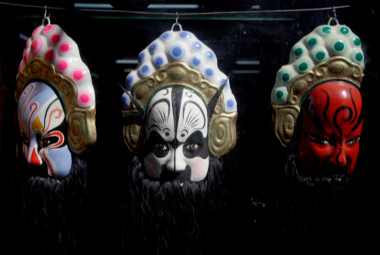
Beijing opera is the quintessence of Chinese culture .
Die Peking-Oper ist die Quintessenz der chinesischen Kultur 0
Kinh kịch Bắc Kinh là tinh hoa của văn hóa Trung Hoa .
京剧 是 中国 的 国粹 。
Jīngjù shì Zhōngguó de guócuì.
京劇は中国の真髄です。
Kyōgeki wa Chūgoku no shinzuidesu.
경극은 중국의 정수입니다.
gyeong-geug-eun jung-gug-ui jeongsu-ibnida.
(VI)
(ZH)
(JA)
3090
[EN] [DE] [NL] [ES] [FR] [IT] [TH] [VI] [ZH]
|
RANDOM
雪把树枝坠弯了。

The branches are bending under the snow .
Die Äste biegen sich unter dem Schnee 0
Những cành cây đang uốn mình dưới tuyết .
雪 把 树枝 坠 弯 了 。
Xuě bǎ shùzhī zhuì wān le.
雪が枝を曲げます。
Yuki ga eda o magemasu.
눈이 가지를 구부립니다.
nun-i gajileul gubulibnida.
(VI)
(ZH)
(JA)
3101
[EN] [DE] [NL] [ES] [FR] [IT] [TH] [VI] [ZH]
|
RANDOM
我要主宰自己的命运。

I want to be master of my own destiny .
Ich möchte Herr meines eigenen Schicksals sein 0
Tôi muốn làm chủ vận mệnh của chính mình .
我要 主宰 自己 的 命运 。
Wǒ yào zhǔzǎi zìjǐ de mìngyùn.
自分の運命をコントロールしたい。
Jibun no unmei o kontorōru shitai.
나는 내 운명을 통제하고 싶다.
naneun nae unmyeong-eul tongjehago sipda.
(VI)
(ZH)
(JA)
3103
[EN] [DE] [NL] [ES] [FR] [IT] [TH] [VI] [ZH]
|
RANDOM
我们常用蜜蜂比喻勤劳的人。
We often use bees as a metaphor for diligent people .
Wir verwenden Bienen oft als Metapher für fleißige Menschen 0
Chúng ta thường sử dụng con ong như một hình ảnh ẩn dụ cho những người siêng năng .
我们 常用 蜜蜂 比喻 勤劳 的 人 。
Wǒmen cháng yòng mìfēng bǐyù qínláo de rén.
私たちはよく勤勉な人々の比喩としてミツバチを使います。
Watashitachi wa yoku kinben'na hitobito no hiyu to shite mitsubachi o tsukaimasu.
우리는 근면한 사람들에 대한 은유로 꿀벌을 자주 사용합니다.
ulineun geunmyeonhan salamdeul-e daehan eun-yulo kkulbeol-eul jaju sayonghabnida.
(VI)
(ZH)
(JA)
3118
[EN] [DE] [NL] [ES] [FR] [IT] [TH] [VI] [ZH]
|
RANDOM
他们玩游戏玩上瘾了。

They have become addicted to playing games .
Sie sind süchtig nach Spielen geworden 0
Họ đã trở nên nghiện chơi game .
他们 玩遊戏 玩 上瘾 了 。
Tāmen wán yóuxì wán shàngyǐn le.
彼らはゲームをすることに夢中になっています。
Karera wa gēmu o suru koto ni muchū ni natte imasu.
그들은 게임에 중독되어 있습니다.
geudeul-eun geim-e jungdogdoeeo issseubnida.
(VI)
(ZH)
(JA)
3126
[EN] [DE] [NL] [ES] [FR] [IT] [TH] [VI] [ZH]
|
RANDOM
她是选美小皇后。

She has been selected Princess of the beauty pageant .
Sie wurde zur Prinzessin des Schönheitswettbewerbs gewählt 0
Cô đã được chọn là Công chúa của cuộc thi sắc đẹp .
她 是 选美 小 皇后 。
Tā shì xuǎnměi xiǎo Huánghòu.
彼女は美人コンテストの小さな女王です。
Kanojo wa bijin kontesuto no chīsana joōdesu.
그녀는 미인 대회의 작은 여왕입니다.
geunyeoneun miin daehoeui jag-eun yeowang-ibnida.
(VI)
(ZH)
(JA)
3140
[EN] [DE] [NL] [ES] [FR] [IT] [TH] [VI] [ZH]
|
RANDOM
这栋房子竣工了。

This house has been completed .
Dieses Haus wurde fertiggestellt 0
Ngôi nhà này đã được hoàn thành .
这栋 房子 竣工 了 。
Zhè dòng fángzi jùngōng le.
家が完成しました。
Ie ga kansei shimashita.
집이 완성되었습니다.
jib-i wanseongdoeeossseubnida.
(VI)
(ZH)
(JA)
3143
[EN] [DE] [NL] [ES] [FR] [IT] [TH] [VI] [ZH]
|
RANDOM
她信仰耶稣基督。

She believes in Jesus Christ .
Sie glaubt an Jesus Christus 0
Cô ấy tin vào Chúa Jêsus Christ .
她 信仰 耶稣基督 。
Tā xìnyǎng Yēsū Jīdū.
彼女はイエス・キリストを信じています。
Kanojo wa iesu Kirisuto o shinjite imasu.
그녀는 예수 그리스도를 믿습니다.
geunyeoneun yesu geuliseudoleul midseubnida.
(VI)
(ZH)
(JA)
3156
[EN] [DE] [NL] [ES] [FR] [IT] [TH] [VI] [ZH]
|
RANDOM
罂粟花很美。

The poppy flowers are very beautiful .
Die Mohnblumen sind sehr schön 0
Những bông hoa anh túc rất đẹp .
罂粟花 很 美 。
Yīngsùhuā hěn měi.
ポピーは美しいです。
Popī wa utsukushīdesu.
양귀비꽃이 아름답습니다.
yang-gwibikkoch-i aleumdabseubnida.
(VI)
(ZH)
(JA)
3173
[EN] [DE] [NL] [ES] [FR] [IT] [TH] [VI] [ZH]
|
RANDOM
船在汹湧的海浪中颠簸。

The ship is being tossed up and down on the rough sea .
Das Schiff wird auf der rauen See auf und ab geworfen 0
Con tàu đang bị lật tung trên biển động .
船 在 汹湧 的 海浪 中 颠簸 。
Chuán zài xiōngyǒng de hǎilàng zhōng diānbǒ.
船は荒れた海にぶつかった。
Fune wa areta umi ni butsukatta.
배는 거친 바다에 부딪쳤다.
baeneun geochin bada-e budijchyeossda.
(VI)
(ZH)
(JA)
3174
[EN] [DE] [NL] [ES] [FR] [IT] [TH] [VI] [ZH]
|
RANDOM
雪地上留下了一道车辙。
A track has been left on the snow-covered ground .
Auf dem schneebedeckten Boden wurde eine Spur hinterlassen 0
Một đường đua đã bị bỏ lại trên mặt đất phủ đầy tuyết .
雪地 上 留下 了 一道 车辙 。
Xuědì shàng liúxiale yī dào chēzhé.
雪の上に轍が残った。
Yuki no ue ni wadachi ga nokotta.
눈에 상처가 남았습니다.
nun-e sangcheoga nam-assseubnida.
(VI)
(ZH)
(JA)
3183
[EN] [DE] [NL] [ES] [FR] [IT] [TH] [VI] [ZH]
|
RANDOM
自由女神像是纽约的标志。

The Statue of Liberty is a symbol of New York .
Die Freiheitsstatue ist ein Symbol von New York 0
Tượng Nữ thần Tự do là biểu tượng của New York .
自由女神 像是 纽约 的 标志 。
Zìyóu Nǚshén Xiàng shì Niǔyuē de biāozhì.
自由の女神はニューヨークのシンボルです。
Jiyūnomegami wa nyūyōku no shinborudesu.
자유의 여신상은 뉴욕의 상징입니다.
jayuui yeosinsang-eun nyuyog-ui sangjing-ibnida.
(VI)
(ZH)
(JA)
3188
[EN] [DE] [NL] [ES] [FR] [IT] [TH] [VI] [ZH]
|
RANDOM
她们在沙滩上捡东西。

They are gathering things on the beach .
Sie sammeln Dinge am Strand 0
Họ đang thu thập mọi thứ trên bãi biển .
她们 在 沙滩 上 捡 东西 。
Tāmen zài shātān shàng jiǎn dōngxi.
彼らはビーチで物を拾っています。
Karera wa bīchi de mono o hirotte imasu.
그들은 해변에서 물건을 줍고 있습니다.
geudeul-eun haebyeon-eseo mulgeon-eul jubgo issseubnida.
(VI)
(ZH)
(JA)
3199
[EN] [DE] [NL] [ES] [FR] [IT] [TH] [VI] [ZH]
|
RANDOM
轮胎是用橡胶做的。

Tires are made of rubber .
Reifen bestehen aus Gummi 0
Lốp xe được làm bằng cao su .
轮胎 是 用 橡胶 做 的 。
Lúntāi shì yòng xiàngjiāo zuò de.
タイヤはゴム製です。
Taiya wa gomu-seidesu.
타이어는 고무로 되어 있습니다.
taieoneun gomulo doeeo issseubnida.
(VI)
(ZH)
(JA)
3201
[EN] [DE] [NL] [ES] [FR] [IT] [TH] [VI] [ZH]
|
RANDOM
这条裂缝是由地壳运动形成的。

This crack has been formed by the movement of the earth is crust .
Dieser Riss wurde durch die Bewegung der Erdkruste gebildet 0
Vết nứt này được hình thành do chuyển động của vỏ trái đất .
这 条 裂缝 是 由 地壳运动 形成 的 。
Zhè tiáo lièfèng shì yóu dìqiào yùndòng xíngchéng de.
この亀裂は、地殻の動きによって形成されます。
Kono kiretsu wa, chikaku no ugoki ni yotte keisei sa remasu.
이 균열은 지각의 움직임에 의해 형성됩니다.
i gyun-yeol-eun jigag-ui umjig-im-e uihae hyeongseongdoebnida.
(VI)
(ZH)
(JA)
3202
[EN] [DE] [NL] [ES] [FR] [IT] [TH] [VI] [ZH]
|
RANDOM
小心把蛋壳掉到面粉里。

Be careful not to let any eggshell drop into the flour .
Achten Sie darauf , dass keine Eierschalen in das Mehl fallen 0
Hãy cẩn thận không để bất kỳ vỏ trứng nào rơi vào bột .
小心 把 蛋壳 掉 到 面粉 里 。
Xiǎoxīn bǎ dànké diào dào miànfěn lǐ.
卵殻を小麦粉に落とすように注意してください。
Rankaku o komugiko ni otosu yō ni chūi shite kudasai.
달걀 껍질이 밀가루에 떨어지지 않도록 주의하십시오.
dalgyal kkeobjil-i milgalue tteol-eojiji anhdolog juuihasibsio.
(VI)
(ZH)
(JA)
3203
[EN] [DE] [NL] [ES] [FR] [IT] [TH] [VI] [ZH]
|
RANDOM
茶杯是用竹筒做的。
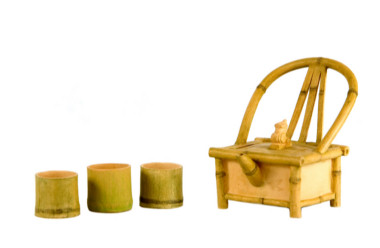
The tea cup is made from a bamboo tube .
Die Teetasse besteht aus einer Bambusröhre 0
Chén trà được làm từ một ống tre .
茶杯 是 用 竹筒 做 的 。
Chábēi shì yòng zhútǒng zuò de.
茶碗は竹管でできています。
Chawan wa takekuda de dekite imasu.
찻잔은 대나무 관으로 만들어졌습니다.
chasjan-eun daenamu gwan-eulo mandeul-eojyeossseubnida.
(VI)
(ZH)
(JA)
3209
[EN] [DE] [NL] [ES] [FR] [IT] [TH] [VI] [ZH]
|
RANDOM
豆腐渣也是烹饪的原料。

The residue from the process of making bean curd is also used as an ingredient in cooking .
Der Rückstand aus dem Prozess der Herstellung von Bohnengallerte wird auch als Zutat beim Kochen verwendet 0
Phần bã từ quá trình làm váng đậu cũng được sử dụng như một nguyên liệu trong nấu ăn
豆腐渣 也 是 烹饪 的 原料 。
Dòufuzhā yě shì pēngrèn de yuánliào.
豆腐の残留物も調理の原料です。
Tōfu no zanryū-mono mo chōri no genryōdesu.
두부 찌꺼기는 요리의 원료이기도 합니다.
dubu jjikkeogineun yoliui wonlyoigido habnida.
(VI)
(ZH)
(JA)
3215
[EN] [DE] [NL] [ES] [FR] [IT] [TH] [VI] [ZH]
|
RANDOM
这张地图被弄皱了。

The map became wrinkled .
Die Karte wurde faltig 0
Bản đồ trở nên nhăn nheo 0
这张 地图 被 弄皱 了 。
Zhè zhāng dìtú bèi nòngzhòu le.
地図がしわになりました。
Chizu ga shiwa ni narimashita.
이 지도는 구겨져 있습니다.
i jidoneun gugyeojyeo issseubnida.
(VI)
(ZH)
(JA)
3225
[EN] [DE] [NL] [ES] [FR] [IT] [TH] [VI] [ZH]
|
RANDOM
小提琴的韵律十分动听。

The rhythm of this violin piece is beautiful .
Der Rhythmus dieses Geigenstücks ist wunderschön 0
Tiết tấu của bản nhạc vĩ cầm này thật đẹp .
小提琴 的 韵律 十分 动听 。
Xiǎotíqín de yùnlǜ shífēn dòngtīng.
バイオリンのリズムはとても心地よいです。
Baiorin no rizumu wa totemo kokochiyoidesu.
바이올린의 리듬이 매우 아름답습니다.
baiollin-ui lideum-i maeu aleumdabseubnida.
(VI)
(ZH)
(JA)
3228
[EN] [DE] [NL] [ES] [FR] [IT] [TH] [VI] [ZH]
|
RANDOM
政客因受贿被捕弄得臭名昭著。

The politician arrested for corruption has become notorious .
Der wegen Korruption festgenommene Politiker ist berüchtigt 0
Chính trị gia bị bắt vì tội tham nhũng đã trở nên khét tiếng .
政客 因 受贿 被捕 弄 得 臭名昭著 。
Zhèngkè yīn shòuhuì bèibǔ nòngde chòumíng-zhāozhù.
政治家は賄賂を受け取ったとして逮捕されることで有名です。
Seijika wa wairo o uketotta to shite taiho sa reru koto de yūmeidesu.
정치인들은 뇌물을 받은 혐의로 체포되는 것으로 악명이 높다.
jeongchiindeul-eun noemul-eul bad-eun hyeom-uilo chepodoeneun geos-eulo agmyeong-i nopda.
(VI)
(ZH)
(JA)
3232
[EN] [DE] [NL] [ES] [FR] [IT] [TH] [VI] [ZH]
|
RANDOM
这里有一副橡胶手套。

There is a pair of rubber gloves here .
Hier gibt es ein Paar Gummihandschuhe 0
Có một đôi găng tay cao su ở đây .
这 里 有 一副 橡胶 手套 。
Zhèli yǒu yī fù xiàngjiāo shǒutào.
こちらがゴム手袋です。
Kochira ga gomu tebukurodesu.
여기 고무장갑 한 켤레가 있습니다.
yeogi gomujang-gab han kyeollega issseubnida.
(VI)
(ZH)
(JA)
3237
[EN] [DE] [NL] [ES] [FR] [IT] [TH] [VI] [ZH]
|
RANDOM
他们在做餐前祈祷。

They are saying a prayer before dinner .
Sie sprechen vor dem Abendessen ein Gebet 0
Họ đang cầu nguyện trước bữa tối .
他们 在 做 餐前 祈祷 。
Tāmen zài zuò cānqián qídǎo.
彼らは料理の前に祈る。
Karera wa ryōri no mae ni inoru.
그들은 요리하기 전에 기도합니다.
geudeul-eun yolihagi jeon-e gidohabnida.
(VI)
(ZH)
(JA)
3259
[EN] [DE] [NL] [ES] [FR] [IT] [TH] [VI] [ZH]
|
RANDOM
他快被水淹没了。

He was about to be inundated by the water .
Er war im Begriff , vom Wasser überschwemmt zu werden 0
Anh ấy sắp bị ngập trong nước .
他 快 被 水 淹没 了 。
Tā kuài bèi shuǐ yānmò le.
彼はほとんど水に沈んでいた。
Kare wa hotondo mizu ni shizunde ita.
그는 거의 물에 잠겼습니다.
geuneun geoui mul-e jamgyeossseubnida.
(VI)
(ZH)
(JA)
3268
[EN] [DE] [NL] [ES] [FR] [IT] [TH] [VI] [ZH]
|
RANDOM
救人一分钟都不能耽搁。

Even a single minute can not be wasted when saving a life .
Selbst eine Minute kann nicht verschwendet werden , um ein Leben zu retten 0
Dù chỉ một phút cũng không thể lãng phí khi cứu một mạng người .
救人 一分钟 都 不能 耽搁 。
Jiù rén yī fēnzhōng dōu bù néng dānge.
人を救うことは1分間遅れることはできません。
Hito o sukuu koto wa 1-funkan okureru koto wa dekimasen.
사람을 구하는 것은 1분도 미룰 수 없습니다.
salam-eul guhaneun geos-eun 1bundo milul su eobs-seubnida.
(VI)
(ZH)
(JA)
3291
[EN] [DE] [NL] [ES] [FR] [IT] [TH] [VI] [ZH]
|
RANDOM
海里的珊瑚很美。

The coral in the sea is very beautiful .
Die Koralle im Meer ist sehr schön 0
San hô ở biển rất đẹp 0
海 里 的 珊瑚 很 美 。
Hǎi lǐ de shānhú hěn měi.
海の珊瑚は美しいです。
Umi no sango wa utsukushīdesu.
바다의 산호는 아름답습니다.
badaui sanhoneun aleumdabseubnida.
(VI)
(ZH)
(JA)
3297
[EN] [DE] [NL] [ES] [FR] [IT] [TH] [VI] [ZH]
|
RANDOM
枉法者被抓获了。

The man who broke the law has been captured .
Der Mann , der gegen das Gesetz verstoßen hat , wurde gefangen genommen 0
Người đàn ông vi phạm pháp luật đã bị bắt .
枉法 者 被 抓获 了 。
Wǎngfǎzhě bèi zhuāhuò le.
犯人は捕らえられました。
Han'nin wa torae raremashita.
범인은 잡혔습니다.
beom-in-eun jabhyeossseubnida.
(VI)
(ZH)
(JA)
3312
[EN] [DE] [NL] [ES] [FR] [IT] [TH] [VI] [ZH]
|
RANDOM
我被这家公司雇佣了。

I have been hired by this company .
Ich wurde von dieser Firma eingestellt 0
Tôi đã được thuê bởi công ty này .
我 被 这家 公司 雇佣 了 。
Wǒ bèi zhè jiā gōngsī gùyōng le.
私はこの会社に雇われました。
Watashi wa kono kaisha ni yatowa remashita.
나는 이 회사에 고용되었다.
naneun i hoesa-e goyongdoeeossda.
(VI)
(ZH)
(JA)
3315
[EN] [DE] [NL] [ES] [FR] [IT] [TH] [VI] [ZH]
|
RANDOM
他在街边乞讨。
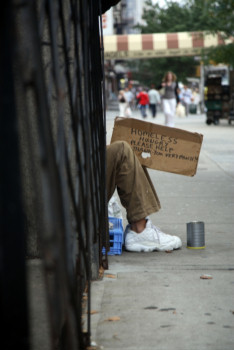
He is begging in the street .
Er bettelt auf der Straße 0
Anh ta đang ăn xin trên đường phố .
他 在 街边 乞讨 。
Tā zài jiēbiān qǐtǎo.
彼は通りで物乞いをしている。
Kare wa tōri de monogoi o shite iru.
그는 거리에서 구걸하고 있었다.
geuneun geolieseo gugeolhago iss-eossda.
(VI)
(ZH)
(JA)
3317
[EN] [DE] [NL] [ES] [FR] [IT] [TH] [VI] [ZH]
|
RANDOM
他们隶属于人事部。

They belong to the personnel department .
Sie gehören zur Personalabteilung 0
Họ thuộc bộ phận nhân sự 0
他们 隶属于 人事部 。
Tāmen lìshǔ yú rénshìbù.
彼らは人事省に属しています。
Karera wa jinji-shō ni zokushite imasu.
인사부에 소속되어 있습니다.
insabue sosogdoeeo issseubnida.
(VI)
(ZH)
(JA)
3322
[EN] [DE] [NL] [ES] [FR] [IT] [TH] [VI] [ZH]
|
RANDOM
我爱吃中国菜,譬如北京烤鸭。
I love eating Chinese dishes , like Beijing roast duck , for instance .
Ich liebe es , chinesische Gerichte zu essen , wie zum Beispiel Entenbraten aus Peking 0
Tôi thích ăn các món ăn Trung Quốc , chẳng hạn như vịt quay Bắc Kinh .
我 爱 吃 中国 菜 , 譬如 北京烤鸭 。
Wǒ ài chī Zhōngguócài, pìrú Běijīng kǎoyā.
北京ダックなどの中華料理が大好きです。
Pekin dakku nado no chūkaryōri ga daisukidesu.
나는 북경 오리구이 같은 중국 음식을 좋아합니다.
naneun buggyeong oligu-i gat-eun jung-gug eumsig-eul joh-ahabnida.
(VI)
(ZH)
(JA)
3325
[EN] [DE] [NL] [ES] [FR] [IT] [TH] [VI] [ZH]
|
RANDOM
我去过尼亚加拉大瀑布。

I have been to Niagara Falls .
Ich war in den Niagarafällen 0
Tôi đã từng đến thác Niagara 0
我 去过 尼亚加拉大瀑布 。
Wǒ qùguò Níyàjiālā Dàpùbù.
私はナイアガラの滝に行ったことがあります。
Watashi wa naiagaranotaki ni itta koto ga arimasu.
나이아가라 폭포에 다녀왔습니다.
naiagala pogpo-e danyeowassseubnida.
(VI)
(ZH)
(JA)
3327
[EN] [DE] [NL] [ES] [FR] [IT] [TH] [VI] [ZH]
|
RANDOM
他很爱喝啤酒。

He is a beer lover .
Er ist ein Bierliebhaber 0
Anh ấy là một người thích uống bia .
他 很 爱 喝啤酒 。
Tā hěn ài hē píjiǔ.
彼はビールが大好きです。
Kare wa bīru ga daisukidesu.
그는 맥주를 매우 좋아합니다.
geuneun maegjuleul maeu joh-ahabnida.
(VI)
(ZH)
(JA)
3328
[EN] [DE] [NL] [ES] [FR] [IT] [TH] [VI] [ZH]
|
RANDOM
这个岛屿真美。

This island is really beautiful .
Diese Insel ist wirklich wunderschön 0
Hòn đảo này thực sự rất đẹp .
这个 岛屿 真 美 。
Zhège dǎoyǔ zhēn měi.
この島はとても美しいです。
Kono shima wa totemo utsukushīdesu.
이 섬은 너무 아름답습니다.
i seom-eun neomu aleumdabseubnida.
(VI)
(ZH)
(JA)
3336
[EN] [DE] [NL] [ES] [FR] [IT] [TH] [VI] [ZH]
|
RANDOM
孩子觉得自己很无辜。

The child felt he had been being wronged .
Das Kind hatte das Gefühl , Unrecht zu haben 0
Đứa trẻ cảm thấy mình bị làm sai .
孩子 觉得 自己 很 无辜 。
Háizi juéde zìjǐ hěn wúgū.
子供はとても無邪気に感じます。
Kodomo wa totemo mujaki ni kanjimasu.
아이는 매우 순수하다고 느낍니다.
aineun maeu sunsuhadago neukkibnida.
(VI)
(ZH)
(JA)
3340
[EN] [DE] [NL] [ES] [FR] [IT] [TH] [VI] [ZH]
|
RANDOM
草坪很漂亮。

The lawn is very beautiful .
Der Rasen ist sehr schön 0
Bãi cỏ rất đẹp .
草坪 很漂亮 。
Cǎopíng hěn piàoliang.
芝生は美しいです。
Shibafu wa utsukushīdesu.
잔디가 아름답습니다.
jandiga aleumdabseubnida.
(VI)
(ZH)
(JA)
3344
[EN] [DE] [NL] [ES] [FR] [IT] [TH] [VI] [ZH]
|
RANDOM
她在扮演一个小妖精。

She is pretending to be an evil spirit .
Sie gibt vor , ein böser Geist zu sein 0
Cô ấy đang giả vờ là một linh hồn xấu xa .
她 在 扮演 一个 小妖精 。
Tā zài bànyǎn yī gè xiǎo yāojing.
彼女は小さな妖精を演じています。
Kanojo wa chīsana yōsei o enjite imasu.
그녀는 작은 요정을하고 있습니다.
geunyeoneun jag-eun yojeong-eulhago issseubnida.
(VI)
(ZH)
(JA)
3347
[EN] [DE] [NL] [ES] [FR] [IT] [TH] [VI] [ZH]
|
RANDOM
双方开始正式的会晤。

Both sides begin to meet officially .
Beide Seiten beginnen sich offiziell zu treffen 0
Cả hai bên bắt đầu gặp gỡ chính thức .
双方 开始 正式 的 会晤 。
Shuāngfāng kāishǐ zhèngshì de huìwù.
両者は正式に会い始めます。
Ryōsha wa seishiki ni ai hajimemasu.
양측은 정식 회담을 시작했다.
yangcheug-eun jeongsig hoedam-eul sijaghaessda.
(VI)
(ZH)
(JA)
3359
[EN] [DE] [NL] [ES] [FR] [IT] [TH] [VI] [ZH]
|
RANDOM
没钱让我很尴尬。

Being poor embarrasses me .
Arm zu sein bringt mich in Verlegenheit 0
Việc nghèo khiến tôi xấu hổ 0
没钱 让 我 很 尴尬 。
Méi qián ràng wǒ hěn gāngà.
お金がないので困惑します。
Okane ga nainode konwaku shimasu.
돈이 없다는 것은 나를 부끄럽게 만든다.
don-i eobsdaneun geos-eun naleul bukkeuleobge mandeunda.
(VI)
(ZH)
(JA)
3360
[EN] [DE] [NL] [ES] [FR] [IT] [TH] [VI] [ZH]
|
RANDOM
她很尴尬,不知道说什么。

She became embarrassed and didn not know what to say .
Sie wurde verlegen und wusste nicht , was sie sagen sollte 0
Cô trở nên xấu hổ và không biết phải nói gì .
她 很 尴尬 , 不 知道 说 什么 。
Tā hěn gāngà, bù zhīdào shuō shénme.
彼女は恥ずかしくて何を言うべきかわからなかった。
Kanojo wa hazukashikute nani o iubeki ka wakaranakatta.
그녀는 부끄러워 무슨 말을 해야 할지 몰랐다.
geunyeoneun bukkeuleowo museun mal-eul haeya halji mollassda.
(VI)
(ZH)
(JA)
3361
[EN] [DE] [NL] [ES] [FR] [IT] [TH] [VI] [ZH]
|
RANDOM
汽车的引擎损坏了。
The car' s engine has been damaged .
Der Motor des Autos wurde beschädigt 0
Động cơ của xe đã bị hư hỏng .
汽车 的 引擎 损坏 了 。
Qìchē de yǐnqíng sǔnhuài le.
車のエンジンが破損しています。
Kuruma no enjin ga hason shite imasu.
자동차 엔진이 손상되었습니다.
jadongcha enjin-i sonsangdoeeossseubnida.
(VI)
(ZH)
(JA)
3369
[EN] [DE] [NL] [ES] [FR] [IT] [TH] [VI] [ZH]
|
RANDOM
他被蚊子咬了。

He is been bitten by a mosquito .
Er wurde von einer Mücke gebissen 0
Anh ấy bị muỗi đốt .
他 被 蚊子 咬 了 。
Tā bèi wénzi yǎo le.
彼は蚊に刺された。
Kare wa kanisasareta.
그는 모기에 물렸다.
geuneun mogie mullyeossda.
(VI)
(ZH)
(JA)
3378
[EN] [DE] [NL] [ES] [FR] [IT] [TH] [VI] [ZH]
|
RANDOM
小组成员正在斟酌案子。

The team members are deliberating the case .
Die Teammitglieder beraten den Fall 0
Các thành viên trong nhóm đang cân nhắc vụ việc .
小组 成员 正在 斟酌 案子 。
Xiǎozǔ chéngyuán zhèng zài zhēnzhuó ànzi.
チームメンバーはケースを検討しています。
Chīmumenbā wa kēsu o kentō shite imasu.
팀원들은 사건을 검토하고 있다.
tim-wondeul-eun sageon-eul geomtohago issda.geunyeoneun
(VI)
(ZH)
(JA)
3400
[EN] [DE] [NL] [ES] [FR] [IT] [TH] [VI] [ZH]
|
RANDOM
法官对案件酌情判决。

The judge considers the circumstances of the case before rendering a decision .
Der Richter prüft die Umstände des Falles , bevor er eine Entscheidung trifft 0
Thẩm phán xem xét các tình tiết của vụ án trước khi đưa ra quyết định .
法官 对 案件 酌情 判决 。
Fǎguān duì ànjiàn zhuóqíng pànjué.
裁判官は彼の裁量で事件を決定します。
Saibankan wa kare no sairyō de jiken o kettei shimasu.
판사는 재량에 따라 사건을 결정합니다.
pansaneun jaelyang-e ttala sageon-eul gyeoljeonghabnida.
(VI)
(ZH)
(JA)
3414
[EN] [DE] [NL] [ES] [FR] [IT] [TH] [VI] [ZH]
|
RANDOM
士兵藏匿在树后面。

The soldiers are hiding behind the trees .
Die Soldaten verstecken sich hinter den Bäumen 0
Những người lính đang nấp sau những tán cây .
士兵 藏匿在 树 后面 。
Shìbīng cángnì zài shù hòumian.
兵士たちは木の陰に隠れています。
Heishi-tachi wa ki no in ni kakurete imasu.
군인은 나무 뒤에 숨었다.
gun-in-eun namu dwie sum-eossda.
(VI)
(ZH)
(JA)
3416
[EN] [DE] [NL] [ES] [FR] [IT] [TH] [VI] [ZH]
|
RANDOM
她笃信佛教。

She sincerely believes in Buddhism .
Sie glaubt aufrichtig an den Buddhismus 0
Cô thành tâm tin vào đạo Phật .
她 笃信 佛教 。
Tā dǔxìn Fójiào.
彼女は仏教を深く信じています。
Kanojo wa bukkyō o fukaku shinjite imasu.
그녀는 진심으로 불교에 있습니다.
geunyeoneun jinsim-eulo bulgyoe issseubnida.
(VI)
(ZH)
(JA)
3423
[EN] [DE] [NL] [ES] [FR] [IT] [TH] [VI] [ZH]
|
RANDOM
列宁像被制成雕像供人们瞻仰。
Lenin' s likeness has been made into a statue to enable people to pay tribute to him .
Lenins Konterfei wurde zu einer Statue gemacht , damit die Menschen ihm Tribut zollen können 0
Hình ảnh của Lenin đã được tạc thành một bức tượng để mọi người có thể tưởng nhớ đến
列宁 像 被 制成 雕像 供 人们 瞻仰 。
Lièníng xiàng bèi zhìchéng diāoxiàng gōng rénmen zhānyǎng.
レーニンの像は、人々が賞賛するための像になりました。
Rēnin no zō wa, hitobito ga shōsan suru tame no zō ni narimashita.
레닌의 초상은 사람들이 그를 추모할 수 있도록 동상으로 만들어졌습니다.
lenin-ui chosang-eun salamdeul-i geuleul chumohal su issdolog dongsang-eulo mandeul-eojyeossseubnida.
(VI)
(ZH)
(JA)
3437
[EN] [DE] [NL] [ES] [FR] [IT] [TH] [VI] [ZH]
|
RANDOM
毋庸置疑,她是班里最好的学生。

She is undoubtedly the best student in the class .
Sie ist zweifellos die beste Schülerin in der Klasse 0
Cô ấy chắc chắn là học sinh giỏi nhất lớp .
毋庸置疑 , 她 是 班 里 最好 的 学生 。
Wúyōng zhìyí, tā shì bān lǐ zuì hǎo de xuésheng.
彼女がクラスで最高の生徒であることは間違いありません。
Kanojo ga kurasu de saikō no seitodearu koto wa machigai arimasen.
그녀가 반에서 최고의 학생임에는 의심의 여지가 없습니다.
geunyeoga ban-eseo choegoui hagsaeng-im-eneun uisim-ui yeojiga eobs-seubnida.
(VI)
(ZH)
(JA)
3447
[EN] [DE] [NL] [ES] [FR] [IT] [TH] [VI] [ZH]
|
RANDOM
赃款全部被缴获了。

All the stolen money has been intercepted .
Das gesamte gestohlene Geld wurde abgefangen 0
Tất cả số tiền bị đánh cắp đã được ăn chặn .
赃款 全部 被 缴获 了 。
Zāngkuǎn quánbù bèi jiǎohuò le.
盗まれたお金はすべて押収されました。
Nusuma reta okane wa subete ōshū sa remashita.
훔친 돈은 모두 압수됐다.
humchin don-eun modu absudwaessda.
(VI)
(ZH)
(JA)
3452
[EN] [DE] [NL] [ES] [FR] [IT] [TH] [VI] [ZH]
|
RANDOM
她遭到了殴打。

She is been beaten up .
Sie wurde zusammengeschlagen 0
Cô ấy bị đánh đập .
她 遭到 了 殴打 。
Tā zāodàole ōudǎ.
彼女は殴られた。
Kanojo wa nagura reta.
그녀는 맞았다.
geunyeoneun maj-assda.
(VI)
(ZH)
(JA)
3454
[EN] [DE] [NL] [ES] [FR] [IT] [TH] [VI] [ZH]
|
RANDOM
经过烈日的曝晒,他的皮肤变黑了。

After being exposed to the strong sun , his skin turned dark .
Nachdem er der starken Sonne ausgesetzt war , wurde seine Haut dunkel 0
Sau khi tiếp xúc với ánh nắng mặt trời gay gắt , làn da của anh trở nên đen
经过 烈日 的 曝晒 , 他 的 皮肤 变黑 了 。
Jīngguò lièrì de pùshài, tā de pífū biànhēi le.
灼熱の太陽の後、彼の肌は黒くなった。
Shakunetsu no taiyō no ato, kare no hada wa kuroku natta.
뜨거운 태양 후 그의 피부는 까맣게 변했습니다.
tteugeoun taeyang hu geuui pibuneun kkamahge byeonhaessseubnida.
(VI)
(ZH)
(JA)
3456
[EN] [DE] [NL] [ES] [FR] [IT] [TH] [VI] [ZH]
|
RANDOM
车门被撞凹了。

The car door has been dented .
Die Autotür wurde verbeult 0
Cửa xe đã bị móp .
车门 被 撞 凹 了 。
Chēmén bèi zhuàng'āo le.
車のドアがへこんでいた。
Kuruma no doa ga hekonde ita.
자동차 문이 찌그러졌습니다.
jadongcha mun-i jjigeuleojyeossseubnida.
(VI)
(ZH)
(JA)
3460
[EN] [DE] [NL] [ES] [FR] [IT] [TH] [VI] [ZH]
|
RANDOM
她臀部的线条很漂亮。

The curve of her lower torso is very beautiful .
Die Krümmung ihres Unterleibs ist sehr schön 0
Đường cong của thân dưới của cô ấy rất đẹp .
她 臀部 的 线条 很漂亮 。
Tā túnbù de xiàntiáo hěn piàoliang.
彼女の腰のラインは美しいです。
Kanojo no koshi no rain wa utsukushīdesu.
그녀의 엉덩이 라인은 아름답습니다.
geunyeoui eongdeong-i lain-eun aleumdabseubnida.
(VI)
(ZH)
(JA)
3490
[EN] [DE] [NL] [ES] [FR] [IT] [TH] [VI] [ZH]
|
RANDOM
他在刮胡须。

He is shaving his beard .
Er rasiert sich den Bart 0
Anh ấy đang cạo râu .
他 在 刮 胡须 。
Tā zài guā húxū.
彼はあごひげを剃っている。
Kare wa agohige o sutte iru.
그는 수염을 면도하고 있습니다.
geuneun suyeom-eul myeondohago issseubnida.
(VI)
(ZH)
(JA)
3503
[EN] [DE] [NL] [ES] [FR] [IT] [TH] [VI] [ZH]
|
RANDOM
老师在为孩子讲谚语故事。

The teacher is teaching the children the stories behind proverbs .
Der Lehrer bringt den Kindern die Geschichten hinter den Sprichwörtern bei 0
Cô giáo đang dạy bọn trẻ những câu chuyện đằng sau những câu tục ngữ .
老师 在 为 孩子 讲 谚语 故事 。
Lǎoshī zài wèi háizi jiǎng yànyǔ gùshi.
先生は子供たちにことわざの話をしています。
Sensei wa kodomo-tachi ni kotowaza no hanashi o shite imasu.
선생님은 아이들에게 속담을 들려주고 있습니다.
seonsaengnim-eun aideul-ege sogdam-eul deullyeojugo issseubnida.
(VI)
(ZH)
(JA)
3506
[EN] [DE] [NL] [ES] [FR] [IT] [TH] [VI] [ZH]
|
RANDOM
摩托车在汽车中迂回前进。
The motorcycles zigzag between the cars .
Die Motorräder bewegen sich im Zickzack zwischen den Autos 0
Những chiếc xe máy lạng lách giữa dòng ô tô .
摩托车 在 汽车 中 迂回前进 。
Mótuōchē zài qìchē zhōng yūhuí qiánjìn.
オートバイは車の間をジグザグに走っています。
Ōtobai wa kuruma no ma o jiguzagu ni hashitte imasu.
차에 오토바이 로터리.
cha-e otobai loteoli.
(VI)
(ZH)
(JA)
3511
[EN] [DE] [NL] [ES] [FR] [IT] [TH] [VI] [ZH]
|
RANDOM
他责备他的迂腐和固执。

He criticized him for being pedantic and stubborn .
Er kritisierte ihn als pedantisch und stur 0
Anh ta chỉ trích anh ta là người lớn và cứng đầu .
他 责备 他 的 迂腐 和 固执 。
Tā zébèi tā de yūfǔ hé gùzhí.
彼は彼の衒学的で頑固さを非難した。
Kare wa kare no gengaku-tekide ganko-sa o hinan shita.
그는 그의 현학적이고 완고함을 비난했습니다.
geuneun geuui hyeonhagjeog-igo wangoham-eul binanhaessseubnida.
(VI)
(ZH)
(JA)
3512
[EN] [DE] [NL] [ES] [FR] [IT] [TH] [VI] [ZH]
|
RANDOM
彗星陨落的瞬间很美。

The moment when a comet falls is beautiful .
Der Moment , in dem ein Komet fällt , ist wunderschön 0
Khoảnh khắc sao chổi rơi thật đẹp .
彗星 陨落 的 瞬间 很 美 。
Huìxīng yǔnluò de shùnjiān hěn měi.
彗星が落ちた瞬間は美しいです。
Suisei ga ochita shunkan wa utsukushīdesu.
혜성이 떨어지는 순간은 아름답다.
hyeseong-i tteol-eojineun sungan-eun aleumdabda.
(VI)
(ZH)
(JA)
3514
[EN] [DE] [NL] [ES] [FR] [IT] [TH] [VI] [ZH]
|
|