| HSK 3.0 | Big5 | Gb | Pin | Eng |
|---|
| 1 | 吧 | 吧 | ba | particle: used to show mild imperative or uncertainty
|
| 1 | 常常 | 常常 | chángcháng | oftentimes, ofttimes, commonly, ordinarily, oft, often, a great deal, normally, frequently, unremarkably, much, usually
|
| 1 | 常 | 常 | cháng | often, usually, frequently
|
| 1 | 車票 | 车票 | chēpiào | ticket (for train/bus)
|
| 1 | 吃 | 吃 | chī | feed, have, be subject to, absorb, chow, live on, eat, have one's meals, be a strain, exhaust, fare, take in, live off, annihilate, wipe out, partake, suffer, ingest, consume, graze, lunch, manducate, incur, take, get, use up, make, taste, soak up
|
| 1 | 錯 | 错 | cuò | wrong, mistaken, bad, poor, confused, complex
|
| 1 | 打球 | 打球 | dǎqiú | play a ball game using arms/hands
|
| 1 | 地點 | 地点 | dìdiǎn | location, site, locale, locality, topographic point, point, venue, spot, situs, land site, place, locus
|
| 1 | 電影院 | 电影院 | diànyǐng yuàn | cinema, movie (house)
|
| 1 | 動 | 动 | dòng | concuss, get moving, travel, go, use, eat or drink, act, arouse, stir, disturb, alter, touch, change, dynamic, locomote, move
|
| 1 | 動作 | 动作 | dòngzuò | demeanor, motion, behavior, performance, demeanour, play, turn, operation, operative, looseness, agency, gesticulation, movement, gesture, comportment, business, action, move
|
| 1 | 讀 | 读 | dú | study, read, attend school, take, read aloud, read (aloud), peruse
|
| 1 | 對不起 | 对不起 | duìbuqǐ | be unfair to, I'm sorry, let ... down, let sb. down, excuse me
|
| 1 | 房間 | 房间 | fángjiān | apartment, aspect, houseroom, room, chamber, bedroom
|
| 1 | 房子 | 房子 | fángzi | building (of less than three stories), room, building, property, house
|
| 1 | 放 | 放 | fàng | loose, bloom, make longer, set ... free, let sb. have his own way, show, readjust, free, make larger, put in, fly, etc., release, discharge, leave alone, bung, lay aside, put, expansion, make longer/larger/etc., fling, localize, lend (money) at interest, let go, set, pasture, pose, set free, blossom, lay, let off, put out to pasture, send away, play, expand, make larger/etc., readjus
|
| 1 | 非常 | 非常 | fēicháng | extraordinary, unusual, special, very, extremely, highly
|
| 1 | 風 | 风 | fēng | wind, common practice, custom, general mood, style, news, information
|
| 1 | 好吃 | 好吃 | hǎochī | delicious, good to eat, tasty, enjoy eating good food, gluttonous
|
| 1 | 好玩兒 | 好玩儿 | hǎowánr | interesting, delightful, amusing
|
| 1 | 很 | 很 | hěn | pretty, thrice, monstrously, gey, quite, mighty, stinking, sopping, some, assai, full, most, clinking, much, thumping, awfully, fiendishly, thundering, very, real, really, bally, proper, grossly, powerful, so, rattling, well, considerably, greatly, terribly
|
| 1 | 家 | 家 | jiā | family, household, home, house
|
| 1 | 家人 | 家人 | jiārén | relation, homefolk, inmate, kindred, household, relative, people, folks, kin, family members, family, kinsfolk, house
|
| 1 | 覺得 | 觉得 | juéde | imagine, guess, believe, reckon, suspect, suppose, think, listen, feel, consider, think_of, appear, conceive
|
| 1 | 開 | 开 | kāi | open, open up, reclaim (land), open out, come loose, start, begin, operate, turn on (light), run (business), hold (meeting/etc.), divide into, reveal
|
| 1 | 快 | 快 | kuài | fast, quick, quick-witted, ingenious, sharp (of knives), straightforward
|
| 1 | 馬路 | 马路 | mǎlù | drive, road, driveway, riding, a road, carriageway, avenue, street, a street used by vehicular traffic
|
| 1 | 馬上 | 马上 | mǎshàng | in a short time, at_once, instantaneously, promptly, at once, incontinent, in the same breath, directively, instantly, slapbang, pronto, right_away, immediately, shortly, without delay, right away, tout-de-suite, forthwith, presently, in_no_time, at a time, soon, hereupon, in a few seconds, before long, at one time, outright, straightaway, in a minute, directly, momently, in a f
|
| 1 | 慢 | 慢 | màn | tardy, rude, slow down, slow, slow up, retard, lose, defer, supercilious, postpone, decelerate
|
| 1 | 毛 | 毛 | máo | Mao, wool, bristle, nap, pilus, down, feather, mold, mildew, Surname, hair, 1 1 0 th yuan, 1 0 th yuan, dime, silk, cent, fur, marking
|
| 1 | 南 | 南 | nán | Yugoslavia, South, Nan, south, Surname, S, due south, austral, southern
|
| 1 | 男人 | 男人 | nánren | male, man, chap, mankind, buck, bastard, gentleman, jack, gent, men, blighter, cuss, hombre, lad, adult male, groom, husband, bimbo, dog, fellow, mon, menfolk, fella
|
| 1 | 汽車 | 汽车 | qìchē | automotive vehicle, machine, wheels, motorcar, motor vehicle, car, automotive, auto, wheel, autocar, motor, automobile, hoot, mobile, bus
|
| 1 | 請問 | 请问 | qǐngwèn | Excuse me, may I ask...?
|
| 1 | 認真 | 认真 | rènzhēn | serious, earnest, take for real
|
| 1 | 肉 | 肉 | ròu | pulp, chilli, cabobs, meat, lobscouse, paella, meaty, fleshy, flesh, marmite
|
| 1 | 商場 | 商场 | shāngchǎng | department store, bazar, line of business, field of operation, grocery store, emporium, bazaar, grocery, mall, commercial circle, field, market
|
| 1 | 商店 | 商店 | shāngdiàn | concern, hospital, business, store, shoppe, shop
|
| 1 | 上車 | 上车 | shàngchē | to get on or into (a bus, train, car etc)
|
| 1 | 身體 | 身体 | shēntǐ | soma, system, physical structure, body, health, carcase, corpus, frame, person, somatic, organic structure, personage
|
| 1 | 事 | 事 | shì | responsibility, trouble, event, thing, worry, accident, case, involvement, work, affair, job, concern, business, toast, matter
|
| 1 | 是 | 是 | shì | is, are, am, yes, to be, variant of 是[shi4], (used in given names)
|
| 1 | 水 | 水 | shuǐ | water, H2O, liquid, bubble, a general term for rivers, lakes, seas, etc., Shiu, waters, aqueous, Aquarius, river, Surname, blister, drink, eau, aqua
|
| 1 | 同學 | 同学 | tóngxué | class fellow, fellow student, condisciple, classmate, schoolmate, schoolfellow, form of address used in speaking to a student
|
| 1 | 網友 | 网友 | wǎngyǒu | online friend, Internet user
|
| 1 | 先生 | 先生 | xiānsheng | doctor of Chinese medicine, Don, mulla, Ms., sir., teacher, gentleman, gospodin, Signor, signor, fortune-teller, babu, baboo, Herr, Mister, bey, mister, bwana, husband, siree, buckra, sirrah, senor, guv, sahib, Mr., rabbi, don, signore, Dan, sir, m'sieur, effendi, Tuan, baas, Monsieur, lording, monsieur, doctor, Mr, milord, Mynheer, signior, esquire, bookkeeper, Senor, rabboni, Senhor, sieur, sen
|
| 1 | 學生 | 学生 | xuésheng | academic, pupil, pup, tutee, follower, scholar, schoolchild, schoolboy, alumnus, disciple, learner, scholastic, student
|
| 1 | 學校 | 学校 | xuéxiào | seminary, schoolhouse, educational institution, school, institution
|
| 1 | 要 | 要 | yào | want, need, must, should
|
| 1 | 醫生 | 医生 | yīshēng | Galen, MD, physician, Dr., medic, doc, hakeem, medico, Aesculapius, medical man, surgeon, leech, doctor
|
| 1 | 一下兒 | 一下儿 | yīxiàr | (used after a verb) give it a go, to do (sth for a bit to give it a try), one time, once, in a while, all of a sudden, all at once, erhua variant of 一下[yi1 xia4]
|
| 1 | 一邊 | 一边 | yībiān | at the same time, simultaneously;on the one/other hand
|
| 1 | 一起 | 一起 | yīqǐ | in_chorus, together, in all, in the same place, holus-bolus, altogether, in company
|
| 1 | 有名 | 有名 | yǒu míng | well-known, famous
|
| 1 | 有用 | 有用 | yǒuyòng | belong, profit, count, useful, avail, powerful
|
| 1 | 知識 | 知识 | zhīshi | lear, know-how, understanding, ken, instruction, science, sophistication, consciousness, light, awareness, cognizance, knowledge, lore, mastery, know, cognition, acquaintanceship, mind, intellect, knowingness, equipment
|
| 2 | 啊 | 啊 | a | particle: used in direct address and exclamation; indicating obviousness/impatience/suggestion; used for confirmation
|
| 2 | 安靜 | 安静 | ānjìng | lull, quieten, quiesce, dummy, quiet down, quiet, hush, pipe down, peaceful
|
| 2 | 愛人 | 爱人 | àiren | spouse (PRC), lover (non-PRC), CL:個|个[ge4]
|
| 2 | 辦 | 办 | bàn | punish (by law), manage, get ... ready, set_up, buy a fair amount of, set up, run, management, handle, tackle, attend to, do, punish, bring ... to justice
|
| 2 | 必須 | 必须 | bìxū | must
|
| 2 | 才 | 才 | cái | then and only then, just now, only (before a number)
|
| 2 | 常用 | 常用 | chángyòng | in common usage
|
| 2 | 吹 | 吹 | chuī | fall through (of plans), wind, fall through, tout, play, gasconade, shoot a line, blow, break up, chuff, vaunt, boast, brag, gas, bluster, talk big, break off, toot, swash, play (wind instruments), huff, puff, land
|
| 2 | 大大 | 大大 | dàda | greatly, enormously, (dialect) dad, uncle
|
| 2 | 大家 | 大家 | dàjiā | sundry, great master, rich and influential family, pontiff, all of us, everyone, authority, master, distinguished family
|
| 2 | 帶來 | 带来 | dài lái | bring, redound, impart, bring_on, bring on, express, fetch, lend, convey, contribute, bring about, bestow, carry, bring oneself, add, usher, incur, land
|
| 2 | 得出 | 得出 | dé chū | to obtain (results), to arrive at (a conclusion)
|
| 2 | 方法 | 方法 | fāngfǎ | know-how, plan, attack, system, stepping-stone, manner, method, gateway, idea, measure, way, guise, key, wise, quomodo, plan of attack, tack, machinery, process, avenue, modus, how, means, channel, gate, approach, agency, gamesmanship, mode, medium, sort
|
| 2 | 剛 | 刚 | gāng | exactly, only a short while ago, just now, barely, only just, just
|
| 2 | 剛纔 | 刚才 | gāngcái | (just) a moment ago
|
| 2 | 剛剛 | 刚刚 | gānggāng | just now, scarcely, fresh, only, exactly, a moment ago, hardly, but, just
|
| 2 | 公共汽車 | 公共汽车 | gōnggòng qìchē | bus, CL:輛|辆[liang4],班[ban1]
|
| 2 | 公交車 | 公交车 | gōngjiāochē | public transport vehicle, town bus, CL:輛|辆[liang4]
|
| 2 | 公路 | 公路 | gōnglù | trunk road, calzada, route, main road, highroad, highway, road, thoroughfare, causeway, chaussee
|
| 2 | 公平 | 公平 | gōngpíng | fair, just, impartial
|
| 2 | 公司 | 公司 | gōngsī | place of business, business organization, incorporation, establishment, business concern, office, concern, business establishment, business, enterprise, company, corporation
|
| 2 | 顧客 | 顾客 | gùkè | chap, client, shopper, correspondent, constituency, patronage, trade, market, guest, clientele, newspaperman, newspaperwoman, newswriter, pressman, customer agent, customer, business
|
| 2 | 廣場 | 广场 | guǎngchǎng | mews, agora, public square, concourse, carrefour, piazza, plaza, square, campus, place
|
| 2 | 黑 | 黑 | hēi | black, dark, wicked, sinister, vicious, be greedy, extort
|
| 2 | 紅 | 红 | hóng | in vogue, famous, redden, red, popular
|
| 2 | 湖 | 湖 | hú | water, waterfront, a name referring to the provinces of Hunan and Hub, lacustrine, loch, mere, lake, lough, Hunan and Hubei, laky
|
| 2 | 鷄 | 鸡 | jī | capercailzie, Gallus gallus, giblets, chook, horse of the wood, capercaillie, gallinaceous, Tetrao urogallus, sultan, chicken
|
| 2 | 加 | 加 | jiā | dramatise, plant, embroider, intercalate, lard, put in, blow up, inflict, deliver, aggrandize, plus, dramatize, increase, augment, embellish, augmentation, confer, append, add, pad, summate
|
| 2 | 家 | 家 | jiā | family, household, home, house
|
| 2 | 家庭 | 家庭 | jiātíng | hearthstone, background, fireside, establishment, household, hearth, domestic, hearthside, menage, home, family unit, family, house
|
| 2 | 家長 | 家长 | jiāzhǎng | masterman, housemaster, graybeard, patriarch, parent of schoolchildren, patriarchal, goodman, patriarchate, paterfamilias, the head of a family, genearch, patriarchy, householder, head of household, the parent or guadian of a child
|
| 2 | 講 | 讲 | jiǎng | discourse, utter, talk, negotiation, make clear, negotiate, parley, pay attention to, speak, syllable, discuss, explain, tell, be particular about, explanation, interpretation, interpret, relate, discussion, stress, mouth, say, remark, verbalize
|
| 2 | 接受 | 接受 | jiēshòu | receive (honors, have, receive, acknowledge, sweep up, espouse, etc.), come to grips, adopt, embrace, greet, welcome, hook on, seize on, take up, accede, taken, entertain, latch on, buy, fasten on, swallow, imbibe, accept, receive (honors/etc.), undergo, get to grips, take, adapt, acceptance, thole
|
| 2 | 酒店 | 酒店 | jiǔdiàn | wineshop, public house
|
| 2 | 酒 | 酒 | jiǔ | libation, bracer, plonk, wine, tipple, poison, pottle, spirits, creature, vin, cup, drink, hooch, arrack, medicine, alcohol, bottle, hootch, alcoholic drink, rum, bibble, potation, belly-wash, alcoholic beverage, Bacchus, booze, liquor, juice, fortifier, inebriant, lotion, intoxicant
|
| 2 | 卡 | 卡 | kǎ | to stop, to block, card, CL:張|张[zhang1],片[pian4], calorie, cassette, (computing) (coll.) slow, to block, to be stuck, to be wedged, customs station, a clip, a fastener, a checkpost, Taiwan pr. [ka3]
|
| 2 | 拉 | 拉 | lā | slit, press-gang, help, solicit, lend a helping hand, canvass, draw, zoom, transport by vehicle, pull, release, press, cut, schlep, play (bowed instruments), tote, tug, gash, tow, bend, snake, schlepp, move (troops), solicitation, haul, chat, solicit (business), give a helping hand, drag out, force, play, slash, drum_up, claw, implicate, overstretch, empty the bowels, drag, trail, drag
|
| 2 | 例子 | 例子 | lìzi | exemplification, example, representative, illustration, instance, piece, case
|
| 2 | 臉 | 脸 | liǎn | map, mug, kisser, puss, visage, snoot, frontispiece, pan, smiler, mazzard, mush, facial, countenance, phiz, figurehead, face, physiognomy, front, human face
|
| 2 | 流行 | 流行 | liúxíng | prevalent, popular, fashionable, in vogue, spread, rage (of contagious disease)
|
| 2 | 貓 | 猫 | māo | pussycat, puss, malkin, cat, kitty, tabby, felid, feline, true cat, pussy
|
| 2 | 米 | 米 | mǐ | rice, shelled/husked seed
|
| 2 | 明星 | 明星 | míngxīng | headliner, lucida, (movie/etc.) star, impersonator, (movie, famous performer, stardom, Venus, star, etc.) star, movie_star
|
| 2 | 平 | 平 | píng | flat, level, even, ordinary, common, uniform, safe and sound, peaceful, calm, fair, just, objective
|
| 2 | 瓶 | 瓶 | píng | cruse, flask, vase, bottle, ninepin, jug, jar, pot, ampulla, m.[container],
|
| 2 | 千 | 千 | qiān | det.: thousand
|
| 2 | 輕 | 轻 | qīng | light, agile, alert, easy, simple, rash, reckless, unimportant, frivolous, slight, neglect
|
| 2 | 熱情 | 热情 | rèqíng | enthusiastic
|
| 2 | 認為 | 认为 | rènwéi | find, treat, deem, suppose, look_on, repute, discount, esteem, accredit, feel, account, calculate, estimate, take to be, reckon, expect, think, hold, trust, recognise, opine, sound off, adjudge, consideration, consider, regard as, look upon, believe_in, disbelieve, allow, conceive, regard, call, imagine, view, forecast, believe, suspect, rate, animadvert, look on, listen, speak up, figure, c
|
| 2 | 商量 | 商量 | shāngliang | talk, consult, arrange, confer, talk over, discussion, advise, discuss, concert
|
| 2 | 商人 | 商人 | shāngrén | merchandiser, trader, businessman, merchant, monger, trafficker, chapman, dealer, cit, merchantman, tradespeople, merchantry, bargainer, man of affairs
|
| 2 | 生 | 生 | shēng | give birth to, bear, grow, get, have, cause to happen, make (a fire), exist, live
|
| 2 | 聲音 | 声音 | shēngyīn | voice, vocal, language, huskiness, vox, vocalization, audio, noise, sonic, tone, sound, phone, audio frequency
|
| 2 | 食物 | 食物 | shíwù | scran, board, ingesta, sustentation, provender, viand, chow, aliment, pabulum, edibles, prog, nurture, cheer, eatable, edible, alimentary, eatables, chowchow, nutrient, diet, bread, trencher, sustenance, nutriment, nosh, nutrition, victuals, cib., vivers, eating, toke, meat, cib, grub, peck, viands, comestible, nourishment, fare, victual, food, commons, fodder, scoff, victualage, muckamuck, ta
|
| 2 | 使用 | 使用 | shǐyòng | use, employ, apply
|
| 2 | 事情 | 事情 | shìqing | proposition, pie, shebang, thing, affair, occasions, undertaking, concern, question, business, schmear, matter
|
| 2 | 說明 | 说明 | shuōmíng | explain, illustrate, show
|
| 2 | 太太 | 太太 | tàitai | lady, memsahib, Dona, dona, Mrs, mum, Senora, senora, Mrs., mistress of a household, madam, Frau, goodwife, missus, senhora, married woman, wife, vrouw, Madame, madame, missis, wahine, Signora, signora
|
| 2 | 太陽 | 太阳 | tàiyáng | Apollo, luminary, daystar, digit, sunlight, solar, sunshine, Phoebus, lamp, sun, Sol, fireball
|
| 2 | 討論 | 讨论 | tǎolùn | to discuss, to take something up with someone, to talk about
|
| 2 | 特別 | 特别 | tèbié | unusual, specially
|
| 2 | 條 | 条 | tiáo | bar, item, short note, a long narrow piece, streak, clause, stripe, sth. long and narrow, filet, m.[general], , article, strip, assize, twig, ingot, slip
|
| 2 | 停 | 停 | tíng | stay, cease, put_off, cessation, stop, switch off, cheese, stop over, cut off, halt, turn off, lie at anchor, pause, park
|
| 2 | 同時 | 同时 | tóngshí | at the same time, simultaneously
|
| 2 | 同事 | 同事 | tóngshì | brother, coadjutor, workmate, friend, yokefellow, co-worker, fellow worker, confrere, colleague, stablemate, companion, crew, workfellow, staff, socius, coworker, bedfellow, fellow, haver, rival, comrade
|
| 2 | 完 | 完 | wán | exhaust, run_out, wipe_out, run out, pay, complete, completion, finish, be through, be over, use_up, wind up, payment, use up, pay (taxes), end up
|
| 2 | 推 | 推 | tuī | push, decline, refuse, reject, put off, postpone, delay
|
| 2 | 萬 | 万 | wàn | det.: ten thousand, myriad, multitudinous
|
| 2 | 位 | 位 | wèi | location, digit, m.[general], , status, figure, throne, position, place, condition
|
| 2 | 味道 | 味道 | wèidao | gustatory perception, gust, tang, taste perception, feeling, savor, flavor, taste sensation, savour, streak, flavour, relish, sapidity, smatch, soupcon, tincture, tasting, smell, smack, gustatory sensation, suggestion, snack, taste
|
| 2 | 問題 | 问题 | wèntí | problem, mishap, query, job, interface, question, inquiry, matter, enquiry, trouble, issue, worry, subject, topic, hang-up, business, quaere
|
| 2 | 習慣 | 习惯 | xíguàn | habit, custom
|
| 2 | 相信 | 相信 | xiāngxìn | deem, believe, credit, esteem, accredit, feel, trow, count, have faith in, guess, lippen, buy, be convinced of, hold, think, trust, accept, know, hone, believe_in, favour, believe in, hope
|
| 2 | 小心 | 小心 | xiǎoxin | beware, watch_out, keep one's eyes skinned, keep one's eyes peeled, careful, cautious, be careful, see, watch, guard, ware, cautionary, keep one's eyes open, take care, look_out, look out
|
| 2 | 校園 | 校园 | xiàoyuán | schoolyard, campus
|
| 2 | 信心 | 信心 | xìnxīn | trustfulness, trustingness, confidence, belief, affiance, religion, feeling, fay, trust, positiveness, notion, reliance, religious belief, faith, hope, impression
|
| 2 | 養 | 养 | yǎng | keep in good repair, keep, cultivate, cultivation, form, maintenance, foster, give birth to, convalesce, sustain, nourish, support, provide for, convalescence, grow, raise, maintain, acquire, rest, recuperate
|
| 2 | 也許 | 也许 | yěxǔ | possibly, peradventure, conceivably, assumedly, mayhap, doubtless, ablings, perhaps, perchance, potentially, probably, maybe, presumably, ablins, just
|
| 2 | 一定 | 一定 | yīdìng | must
|
| 2 | 以前 | 以前 | yǐqián | langsyne, ago, in the past, formerly, prevenient, before, previously
|
| 2 | 一直 | 一直 | yīzhí | e'er, away, continuously, all the way, right, forever, all_along, always, the whole way, all along, straight, slap, through, ever, evermore
|
| 2 | 以為 | 以为 | yǐwéi | imagine, think/believe/consider erroneously, treat, deem, believe, suspect, suppose, consider erroneously, repute, animadvert, esteem, trow, speak up, feel, count, believe/consider erroneously, calculate, view as, guess, ween, look, expect, think erroneously, think, hold, opine, interpret, sound off, take_for, consider, take for
|
| 2 | 因為 | 因为 | yīnwei | conj.: because, for, on account of
|
| 2 | 音樂 | 音乐 | yīnyuè | music
|
| 2 | 音樂會 | 音乐会 | yīnyuèhuì | musicale, philharmonic, concert
|
| 2 | 英語 | 英语 | Yīngyǔ | English, English (language), profit, surplus
|
| 2 | 原因 | 原因 | yuányīn | origin, causation, reason, wherefore, causal, breeder, spore, cause, causal agent, whence, causal agency, occasion, root, subject, causality, why, starter
|
| 2 | 院長 | 院长 | yuànzhǎng | director/president (of museum/institute/etc.), head of branch of government
|
| 2 | 照顧 | 照顾 | zhàogu | look after, care for, attend to, patronize (as customer)
|
| 2 | 正是 | 正是 | zhèngshì | (emphasizes that sth is precisely or exactly as stated), precisely, exactly, even, if, just like, in the same way as
|
| 2 | 正好 | 正好 | zhènghǎo | just, exactly
|
| 2 | 重視 | 重视 | zhòngshì | attach importance to, take sth. seriously, value
|
| 2 | 住房 | 住房 | zhùfáng | housing
|
| 2 | 主人 | 主人 | zhǔrén | lord, housemaster, host, symposiarch, marse, bwana, padrone, boss, master, baas, provider, mast, owner, landlord
|
| 2 | 自行車 | 自行车 | zìxíngchē | two-wheeler, roadster, machine, bicycle, wheel, push-bike, cycle, motorcycle, bike, velocipede
|
| 2 | 字典 | 字典 | zìdiǎn | lexicon, wordbook, lexical, thesaurus, chararter dictionary, dictionary
|
| 2 | 嘴 | 嘴 | zuǐ | spigot, mug, rattletrap, kisser, trap, puss, visage, spile, nib, smiler, beak, countenance, snout, physiognomy, bill, cake-hole, bazoo, spout, anything shaped or functioning like a mouth, mouth, gob, neb
|
| 2 | 座 | 座 | zuò | fare, stand, base, constellation, footstall, pedestal, m.[general], , customer, Aquarius, seating, plinth, place, seat
|
| 2 | 做法 | 做法 | zuòfa | way of doing sth., modus_operandi, practice, manner, method, making sth., way of making sth., shtick, way, way of doing, way of doing/making sth., personal manner
|
| 3 | 搬 | 搬 | bān | copy mechanically, remove, apply indiscriminately, take away, transfer, move, move (house)
|
| 3 | 搬家 | 搬家 | bān jiā | to move house, removal
|
| 3 | 表面 | 表面 | biǎomiàn | crust, superficial, facing, show, exterior, obverse, rind, face, superficies, top, outside, appearance, facade, surface, bosom, window dressing
|
| 3 | 并 | 并 | bìng | to be side by side, simultaneously, and
|
| 3 | 不斷 | 不断 | bùduàn | unceasingly, continuously
|
| 3 | 不安 | 不安 | bùān | be anxious; be uneasy; be restless
|
| 3 | 採用 | 采用 | cǎiyòng | invoke, admit, assume, adoptive, use, adopt, select for use, embrace, accept, employment, take, introduce, take up, take_on, take over, take on, borrow, employ, adoption
|
| 3 | 場所 | 场所 | chǎngsuǒ | site, digging, terrain, locality, point, arena, scene, room, locus, location, locale, stead, scene of action, lieu, amenity, meridian, where, spot, space, land site, place, seat
|
| 3 | 襯衫 | 衬衫 | chènshān | shirt, blouse, CL:件[jian4]
|
| 3 | 持續 | 持续 | chíxù | perennate, hang on, carry_over, persist, steady, keep, carry over, keep on, proceed, stretch, carry_on, retain, sustain, persevere, continuity, endure, stay, continue, hang in, hold, maintain, run, span, go on, run for, last, go along, exist, hold on
|
| 3 | 充滿 | 充满 | chōngmǎn | swarm, be brimming, inhabit, be brimming with, teem, crawl, fill, lard, pullulate with, brim, be permeated with, bathe, be filled with, permeated with, abound in, implement, exuberate, fill up, flow, abound, burst, perfuse, foam, bristle, crackle, inform, pervade, be imbued with, simmer, glut, teem in, permeate, congest, be full of, reek, charge, suffuse, pullulate, overfill, swell
|
| 3 | 從前 | 从前 | cóngqián | previously, formerly, once upon a time
|
| 3 | 打破 | 打破 | dǎpo | shiver, better, explode, smash, crush, fall apart, discomfit, part, shatter, force, murder, wear, break, bust, drub, wear out
|
| 3 | 大概 | 大概 | dàgài | chiefly, if not, perchance, approximately, believably, maybe, presumably, plausibly, almost, conceivably, most likely, assumedly, ablings, likely, perhaps, probably, supposedly, ablins, credibly, assumably, belike
|
| 3 | 調 | 调 | diào | to transfer, to move (troops or cadres), to investigate, to enquire into, accent, view, argument, key (in music), mode (music), tune, tone, melody, to harmonize, to reconcile, to blend, to suit well, to adjust, to regulate, to season (food), to provoke, to incite
|
| 3 | 動力 | 动力 | dònglì | driving force, impetus, motivity, (motive) power, wheel, (motive) power/force, agency, vector, dynamics, force, motive_power, momentum, power
|
| 3 | 發出 | 发出 | fā chū | voice, send_out, give_forth, send out, exhale, sound, fetch, pass off, shoot, effuse, issue, emanate, raise, give, shed, send/give out, utter, go, escape, proceed, send, give forth, give_off, give off, fall, eradiate, emit, flash, scintillate, issue_forth, give_out, give out, clank, reek, place, breathe
|
| 3 | 發動 | 发动 | fādòng | start, launch, mobilize, arouse
|
| 3 | 反應 | 反应 | fǎnyìng | reaction, response, repercussion
|
| 3 | 範圍 | 范围 | fànwéi | demesne, latitude, shot, compass, extensity, panorama, parameter, boundary, arena, stretch, territory, radius, spectrum, scope, extension, sphere, orbit, circumscription, limits, purview, grasp, extent, region, space, limit, hemisphere, horizon, envelope, bounds, realm, terrain, tether, sphere of influence, range, circuit, domain, precinct, reach, area, length, spread, bailiwick, ambit, con
|
| 3 | 房屋 | 房屋 | fángwū | casa, premises, buildings, digging, houses, housing, tenement, house
|
| 3 | 房租 | 房租 | fángzū | rent for a room or house
|
| 3 | 感情 | 感情 | gǎnqíng | warmheartedness, reticence, sensation, affection, susceptibility, feeling, feelings, heart, affective, withers, expression, tenderness, emotion, sentiment, fondness, soul, affectionateness, soulfulness, passion
|
| 3 | 各地 | 各地 | gèdì | in all parts of (a country), various regions
|
| 3 | 各種 | 各种 | gèzhǒng | every kind of, all kinds of, various kinds
|
| 3 | 工具 | 工具 | gōngjù | stock-in-trade, instrumentality, instrument, ministry, hand_tool, escalator, creature, utensil, material, gear, pawn, lobster-joint, cat's-paw, kit, apparatus, tool, appurtenances, paraphernalia, means, wood, tackle, implement, medium, lever, outfit
|
| 3 | 工業 | 工业 | gōngyè | industrial, industry
|
| 3 | 工廠 | 工厂 | gōngchǎng | layout, mill, factory, remuneration, workshop, industrial plant, plant, hacienda, manufactory, works, shop
|
| 3 | 古 | 古 | gǔ | ancient, age-old;not following current customs/practice
|
| 3 | 觀眾 | 观众 | guānzhòng | onlooker, TV audience, attendance, audience, spectator, viewers, followers, crowd, gallery, viewer, following, house, viewing audience
|
| 3 | 光 | 光 | guāng | light, ray, brightness, honor, glory, luster
|
| 3 | 廣大 | 广大 | guǎngdà | large, wide, vast, ample, large-scale, numerous, wide-spread
|
| 3 | 過程 | 过程 | guòchéng | unconscious process, mechanism, process, act, round, course
|
| 3 | 海關 | 海关 | hǎiguān | chophouse, customhouse, customshouse, custom, haikwan, customs, douane
|
| 3 | 好奇 | 好奇 | hàoqí | curious, full of curiosity
|
| 3 | 合理 | 合理 | hélǐ | plausible, rational, reasonable, legitimate, equitable, sensible
|
| 3 | 歡樂 | 欢乐 | huānlè | happy, joyous, gay
|
| 3 | 會議 | 会议 | huìyì | synod, moot, conference, board, convocation, soviet, congress, talks, indaba, negotiation, junta, group discussion, convention, meeting place, session, council, rendezvous, colloquy, coming together, powwow, seance, meeting, forum, consultation, roll-up, get-together, assembly
|
| 3 | 機器 | 机器 | jīqì | enginery, life, machinery, machine, plant, apparatus, engine, gizmo
|
| 3 | 積極 | 积极 | jījí | positive, active, energetic, vigorous
|
| 3 | 集中 | 集中 | jízhōng | concentrate, centralize, focus, put together
|
| 3 | 繼續 | 继续 | jìxù | go, resume, keep_on, abide, come on, persist in, extend, run_on, run on, carry_on, stretch, sustain, pursue, keep going, continuance, get_along, get_on, remain, continue, keep_up, go ahead, keep up, come up, continuation, hold, carry, run, go_on, maintain, go on, bide, plow ahead, hold_on, piece, restart
|
| 3 | 家具 | 家具 | jiāju | household goods, movable, furnishings, furniture, home furnishings, household stuff, implement, household furnishings, fitment
|
| 3 | 家屬 | 家属 | jiāshǔ | blood relative, kinswoman, kinsman, household, kinfolk, kin, dependent, kinsfolk, family members, family dependents, cognate, folk, sib, people, dependents, blood relation, family members/dependents
|
| 3 | 接待 | 接待 | jiēdài | receive (guests), serve (customers)
|
| 3 | 結婚 | 结婚 | jié hūn | middle-aisle, intermarry, mate, conjoin, get married, couple, married, espouse, pair, marry, unite, get_married, get hitched with, spouse, splice, hook up with, wed
|
| 3 | 金 | 金 | jīn | metals, gold, money, ancient metal percussion instruments
|
| 3 | 僅 | 仅 | jǐn | scantily, simply, alone, merely, barely, only, but, just
|
| 3 | 僅僅 | 仅仅 | jǐnjǐn | strictly, solely, exclusively, entirely, alone, merely, only, purely, simply, scantly, narrowly, barely, just
|
| 3 | 緊張 | 紧张 | jǐnzhāng | be nervous
|
| 3 | 精神 | 精神 | jīngshen | god, guts, heart, pneuma, consciousness, vigor, life, energy, vim, courage, esprit, moral, get-up-and-go, ginger, vitality, Psyche, psyche, spunk, gumption, juice, sand, mind, mental, mens, mickey, mettle, nature, grit, oomph, genius, vigour, substance, psychic, backbone, nous, nerve, pazazz, essence, pep, spirit, inward, drive, push, soul, gist
|
| 3 | 警察 | 警察 | jǐngchá | police officer, cop, trooper, bluecoat, finest, jack, peon, policeman, police force, constable, policemen, flattie, fuzz, constabulary, shamus, bull, bobby, robert, copper, tipstaff, rozzer, flatfoot, john, peeler, Vopo, law, runner, officer, gumshoe, pig, police, the police, beetle-crusher, flic
|
| 3 | 舊 | 旧 | jiù | old, aged, onetime, bygone, used, worn, past, former
|
| 3 | 開業 | 开业 | kāi yè | to open a business, to open a practice, open (for business)
|
| 3 | 可樂 | 可乐 | kělè | amusing, entertaining, (loanword) cola
|
| 3 | 課程 | 课程 | kèchéng | course of instruction, lesson, course, course of lectures, course of study, curricular, class, curricula, syllabus, curriculum, program
|
| 3 | 褲子 | 裤子 | kùzi | breeches, pant, unmentionables, britches, trouser, continuation, breeks, bags, unmentionable, inexpressible, pants, pantaloon, trousers
|
| 3 | 快速 | 快速 | kuàisù | expeditious, high-speed, fast, rapid, clip
|
| 3 | 樂 | 乐 | lè | happy, cheerful, be glad to, enjoy, be amused
|
| 3 | 類似 | 类似 | lèisì | analogize, conform, analogic, be similar to, resemble, similar, analogous
|
| 3 | 理由 | 理由 | lǐyóu | excuse, reasoning, reason, wherefore, argument, meaning, account, cause, room, alibi, substance, warranty, matter, justification, occasion, score, warrant, ground, sake, why, grounds, consideration, self-justification, skill
|
| 3 | 力量 | 力量 | lìliang | fibre, strength, potency, ability, guts, kick, cogency, point, dint, energy, mightiness, physical strength, demon, force, punch, whiz, tooth, might, forcefulness, exercise, fiber, powerfulness, lift, pith, leverage, agency, push, muscle, power
|
| 3 | 利用 | 利用 | lìyòng | use, utilize, take advantage of, exploit
|
| 3 | 連續 | 连续 | liánxù | continuously, successively
|
| 3 | 旅館 | 旅馆 | lǚguǎn | gasthaus, caravanserai, nonresident, roadhouse, hotel, lodge, hostler, hostel, fonda, ordinary, inn, hostelry
|
| 3 | 亂 | 乱 | luàn | indiscriminate, riot, mix up, arbitrary, confused, throw into diorder, confuse, jumble, confusion, random, mishandle, in a turmoil, in a confused state of mind, snarl, in disorder, disturb
|
| 3 | 毛 | 毛 | máo | Mao, wool, bristle, nap, pilus, down, feather, mold, mildew, Surname, hair, 1 1 0 th yuan, 1 0 th yuan, dime, silk, cent, fur, marking
|
| 3 | 沒用 | 没用 | méiyòng | useless
|
| 3 | 美好 | 美好 | měihǎo | fine, happy, glorious
|
| 3 | 米 | 米 | mǐ | rice, shelled/husked seed
|
| 3 | 美食 | 美食 | měishí | cate, luxury, good food, delicious food, fleshpot
|
| 3 | 迷 | 迷 | mí | to bewilder, crazy about, fan, enthusiast, lost, confused
|
| 3 | 明顯 | 明显 | míngxiǎn | clear, obvious
|
| 3 | 目標 | 目标 | mùbiāo | polestar, objective, goal, bourn, object, meaning, aim, end point, target, cause, landmark, butt, lodestar, bull's eye, mark, tee, cynosure, end, bell ringer, loadstar, quaesitum, destination
|
| 3 | 農民 | 农民 | nóngmín | mujik, farmhand, granger, boor, farm worker, peasantry, countrymen, farmer, agriculture, husbandman, muzhik, peasant, fieldhand, moujik, fellah, muzjik
|
| 3 | 農業 | 农业 | nóngyè | farm, farming, geoponics, husbandry, agricultural, plow, agriculture
|
| 3 | 強 | 强 | qiáng | strong, powerful, vigorous, better, slightly more than, plus
|
| 3 | 巧 | 巧 | qiǎo | clever, intelligent, skillful, ingenious, artful, deceiving, pretty, cute, opportune, fortuitous, coincidental
|
| 3 | 親人 | 亲人 | qīnrén | those dear to one, one's parents, spouse, children, etc., one's family members, dear ones, relative, close relatives, folks
|
| 3 | 全場 | 全场 | quánchǎng | everyone present, the whole audience, across-the-board, unanimously, whole duration (of a competition or match)
|
| 3 | 確定 | 确定 | quèdìng | find, determination, make a point, pin down, narrow down, corroborate, prove, jell, settle, express, ensure, clench, assure, confirm, decide firmly, see, certain, define, clinch, nail_down, ascertain, determinate, guarantee, nail down, insure, fix, nail, peg, sustain, state, stipulate, secure, make_sure, seal, make sure, verify, find out, affirm, determine
|
| 3 | 商業 | 商业 | shāngyè | business enterprise, commercial, people, mercantilism, commercial pursuit, commercial enterprise, business sector, merchantry, trade, mercantile pursuit, business, commerce
|
| 3 | 生意 | 生意 | shēngyi | business enterprise, vocation, practice, merchant, dealing, patronage, deal, commercial enterprise, trade, biz, business, dealings, racket
|
| 3 | 生 | 生 | shēng | give birth to, bear, grow, get, have, cause to happen, make (a fire), exist, live
|
| 3 | 勝 | 胜 | shèng | be superior to, surpass, succeed, win victory, be victorious, get the better of, can bear, carry, excel, be successful, win
|
| 3 | 實行 | 实行 | shíxíng | put into effect, fulfil, put ... into practice, practise, practice, put into practice/effect, live, pass, obtain, prosecute, cause, phase, meet, carry_out, pull, effect, operate, carry out, actualize, use, effectuate, put ... into effect, perform, apply, put into practice, run, implement, execute, do, make, wage, implementation
|
| 3 | 使 | 使 | shǐ | rarefy, piss_off, germinate, drench, blow_out, leave, cut_up, refract, run, dress_up, compose, shed, frizz, put_off, trot, send, strike, send (as envoy), peal, alienate, pull_in, tone_up, bring around, astound, sublease, wither, cripple, bed_down, address, rehearse, usage, warm, smell_out, throw, inflect, get_down, skunk, capsize, congeal, bowl_over, bring_on, unseat, ensure, amalgamate, pro
|
| 3 | 市場 | 市场 | shìchǎng | bourse, bazar, marketplace, grocery store, agora, bazaar, securities industry, grocery, piazza, plaza, rialto, mart, pitch, market
|
| 3 | 事業 | 事业 | shìyè | proposition, task, pidgin, institution, undertaking, deed, facilities, life history, endeavour, endeavor, cause, career, project, action, enterprise
|
| 3 | 適應 | 适应 | shìyìng | be accustomed to, conform, be used to, fit, humor, gear, orient, phase, adjust, accommodate, be accustomed, be inure to, get used to, adaptation, adapt, suit
|
| 3 | 受傷 | 受伤 | shòu shāng | injure, bruise, injured, be wounded, crush, hurt, sustain an injury, be injured, wounded, maimed, wound
|
| 3 | 糖 | 糖 | táng | refined sugar, carob bar, negus, sugar, candy, carbohydrate, sweets
|
| 3 | 調整 | 调整 | tiáozhěng | adjust, readjust, regulate, restructure, balance
|
| 3 | 鐵 | 铁 | tiě | shovel, smoothing iron, iron, ferrous, arms, Surname, Fe, ferrum, spade, weapon
|
| 3 | 通常 | 通常 | tōngcháng | normal, commonly, customarily, more often than not, general, usual, on average, as a rule, ordinarily, mostly, as usual, typically, generally, normally, by and large, unremarkably, on the average, usually
|
| 3 | 停止 | 停止 | tíngzhǐ | cease, flunk, desist, pass, suspend, stint, pass_off, break_up, stash, cut, stay, cessation, adjourn, rain_out, give, detain, blow_over, seize, give up, balk, cheese, abstain, refrain, knock_off, rest, abandon, break, knock off, drop, go, tie_up, stop, interdict, strike, lay_off, stow, cut off, discontinue, pause, leave_off, leave off, set aside, give_out, cut_out, give_up, delay, quit, cut out
|
| 3 | 頭腦 | 头脑 | tóunǎo | pericranium, leader, head, noggin, brain, brains, main threads, clue, nous, loaf, bean, psyche, headpiece, mind, pate, skull
|
| 3 | 推動 | 推动 | tuī dòng | push forward, promote
|
| 3 | 推進 | 推进 | tuījìn | to impel, to carry forward, to push on, to advance, to drive forward
|
| 3 | 推開 | 推开 | tuīkāi | to push open (a gate etc), to push away, to reject, to decline
|
| 3 | 危險 | 危险 | wēixiǎn | dangerous, perilous
|
| 3 | 屋子 | 屋子 | wūzi | room, house
|
| 3 | 武術 | 武术 | wǔshù | military skill or technique (in former times), all kinds of martial art sports (some claiming spiritual development), self-defense, tradition of choreographed fights from opera and film (recent usage), also called kungfu 功夫, CL:種|种[zhong3]
|
| 3 | 顯然 | 显然 | xiǎnrán | evidently, manifestly, clear, visibly, plainly, plain, distinctly, clearly, patently, apparently, obviously
|
| 3 | 顯示 | 显示 | xiǎnshì | demonstrate, argue, exhibit, prove, display, show, illustrate, manifest, demonstration, announce, stamp, unroll, witness, write, give, evince, dangle, betray, bespeak, say, profess, develop, indicate, signal, flaunt, read, register, manifestation, speak, reveal, evidence, tell, shew, proclaim, discover, stage, bear, establish, record, prognosticate, betoken, note, signalize
|
| 3 | 現金 | 现金 | xiànjīn | quids, rhino, clink, ready, cash reserve in bank, dough, dust, ducat, kale, cash, blunt, till, ready money
|
| 3 | 信任 | 信任 | xìnrèn | trust, have confidence in
|
| 3 | 壓 | 压 | yā | weight_down, hold down, push down, compact, constrict, be getting near, suppress, squeeze, compress, risk money on, quell, bring pressure to, pull, press, keep under control, throttle, push/hold down, intimidate, scrunch, weigh down, scrouge, daunt, shelve, pigeonhole, contract, approach, keep under, push, stake, control
|
| 3 | 壓力 | 压力 | yālì | force per unit area, P, strain, overwhelming force, pressure sensation, burdensomeness, oppressiveness, pressure, onerousness, stress, compulsion, constraint, muscle, lading
|
| 3 | 應用 | 应用 | yìngyòng | application, use
|
| 3 | 優勢 | 优势 | yōushì | ascendence, laterality, preponderancy, vantage, ascendancy, ascendent, transcendency, dominance, predominance, draw, gree, upper_hand, prevalence, advantage, mastery, ascendency, supremacy, advantageousness, control, preeminence, dominion, jump, edge, better, deadwood, overweight, superiority, domination, sovereignty, preponderance, ascendance, transcendence, prepotency, hank, asce
|
| 3 | 有利 | 有利 | yǒulì | be advantageous/beneficial
|
| 3 | 有效 | 有效 | yǒuxiào | run, stand, valid, effective, efficacious, avail, make, hold
|
| 3 | 員工 | 员工 | yuángōng | employee, personnel, reason, force, staff, cause
|
| 3 | 造成 | 造成 | zàochéng | make_for, give rise to, create, set_up, strike, creation, cause, contribute, bring_about, procure, give, bring about, cut_out, necessitate, shape, present, bring_forth, generate, yield, make, breed
|
| 3 | 責任 | 责任 | zérèn | need, care, encumbrance, buck, accountability, blame, obligation, turn, load, responsibleness, incumbrance, responsibility, onus, commission, burden, commitment, loading, trust, pigeon, charge, business, fault, place, liability, duty, guardianship
|
| 3 | 支持 | 支持 | zhīchí | sustain, hold out, bear;support, back, stand by
|
| 3 | 直 | 直 | zhí | directly, straight, continuously, just, simply
|
| 3 | 只是 | 只是 | zhǐshì | merely, only, just, simply be
|
| 3 | 至今 | 至今 | zhìjīn | thus_far, up_to_now, until_now, so far, to this day, up to now, to date, hitherto, erenow
|
| 3 | 豬 | 猪 | zhū | piggy, porcine, pig, porker, hoggery, Sus scrofa, piggish, hog, piggery, swine
|
| 3 | 狀況 | 状况 | zhuàngkuàng | repair, background, picture, state (of affairs), state of affairs, status, gear, scene, setting, scope, condition, state, circumstance, trimness, context, showing, trim, factor, condition/state (of affairs), situation, shoes, consideration, place
|
| 3 | 狀態 | 状态 | zhuàngtài | repair, form, lie, state (of affairs), state of affairs, fix, status, going, plight, phase, condition, state, trimness, attitude, trim, shape, situation, posture, position, fettle, mode, predicament
|
| 3 | 資格 | 资格 | zīge | claim, credential, prerequisite, character, capability, qualifications, requirement, qualification, capacity, root/basis part of a character, status, sufficiency, seniority, competence, fitness, competency, condition
|
| 3 | 自覺 | 自觉 | zìjué | be conscious/aware
|
| 3 | 作品 | 作品 | zuòpǐn | writing, musical composition, whole kit and caboodle, works (of literature, artwork, kit and caboodle, product, whole works, creation, full treatment, kit and boodle, whole kit and boodle, works (of literature/art), composition, thing, piece of music, workpiece, output, art), written material, opus, whole shebang, whole caboodle, production, whole kit, piece, workmanship, wo
|
| 4 | 啊 | 啊 | a | particle: used in direct address and exclamation; indicating obviousness/impatience/suggestion; used for confirmation
|
| 4 | 暗 | 暗 | àn | unclear, dull, hidden, dim, dusk, secret, dark
|
| 4 | 巴士 | 巴士 | bāshì | bus
|
| 4 | 包含 | 包含 | bāohán | comprehend, consist of, subtend, imply, boast, go, colligate, include, hold, encompass, embrace, bear, carry, comprise, incorporate, cover, embody, connote, consist in, house, subsume, contain
|
| 4 | 寶寶 | 宝宝 | bǎobao | pet, sonny, darling baby, precious baby, baby, precious, poppet, sweetie, precious/darling baby
|
| 4 | 寶貴 | 宝贵 | bǎoguì | valuable, precious
|
| 4 | 寶石 | 宝石 | bǎoshí | precious stone, gem
|
| 4 | 畢業生 | 毕业生 | bìyèshēng | alumnus, postgraduate, grad, alum, alumna, graduating class, graduate
|
| 4 | 表情 | 表情 | biǎoqíng | brow, air, countenance, glow, look, cast, visage, expression, facial expression, gesture, business, dramatics, facial gesture
|
| 4 | 并 | 并 | bìng | to be side by side, simultaneously, and
|
| 4 | 不要緊 | 不要紧 | bù yàojǐn | unimportant, not serious, it doesn't matter, never mind, it looks all right, but
|
| 4 | 才 | 才 | cái | then and only then, just now, only (before a number)
|
| 4 | 擦 | 擦 | cā | swab, shave, spread on, scrape, apply sth. on, spread sth. on, touch lightly, wipe, grate, rub, put/spread on, brush past, brush, obliterate, chafe, efface, sweep, scratch, fray, put on, apply, besmear, put, polish, scrape into shreds, fret, scrub, mop, erase
|
| 4 | 常識 | 常识 | chángshí | nous, reason, mother_wit, general knowledge, common_sense, mother wit, horse sense, public knowledge, common sense, sense, good sense, gumption, commonsense, wisdom
|
| 4 | 徹底 | 彻底 | chèdǐ | thorough, drastic, exhaustive, outright, complete
|
| 4 | 沉重 | 沉重 | chénzhòng | heavy, hard, serious, critical
|
| 4 | 沖 | 冲 | chōng | charge, rush, dash
|
| 4 | 傳統 | 传统 | chuántǒng | rule, patrimony, legacy, custom, heritage, convention, conventionality, routine, normal practice, common practice, tradition
|
| 4 | 促使 | 促使 | cùshǐ | incite, prod, prompt, spur, send, motive, induce, trigger, urge, bring on, cause, propel, shame, instigate, impel, actuate, motivate, bear on, push, get, move
|
| 4 | 促進 | 促进 | cùjìn | rush, help, step_up, advancement, progress, acceleration, subserve, encourage, facilitate, anticipate, accelerate, assist, fillip, expedite, advance, promotive, boost, further, provoke, hurry, redound, cultivate, induce, hasten, catalyze, speed, promote, contribute, impel, promotion, push, forward, stimulate, whet
|
| 4 | 大巴 | 大巴 | dàbā | a big coach, tourist bus
|
| 4 | 大方 | 大方 | dàfang | expert, scholar, mother earth, a type of green tea, generous, magnanimous, stylish, in good taste, easy-mannered, natural and relaxed
|
| 4 | 大樓 | 大楼 | dàlóu | mansion, massif, hall, block, manse, edifice, building, multi-storied building, residence, mansion house
|
| 4 | 代替 | 代替 | dàitì | fill in, replace, supply, supersede, replacement, substitute for, surrogate, oust, substitute, stand_in, stand in, cover, supplant, take the place of, fill_in, sub
|
| 4 | 擔心 | 担心 | dān xīn | worry, feel anxious
|
| 4 | 單調 | 单调 | dāndiào | monotonous
|
| 4 | 倒車 | 倒车 | dǎo chē | to change buses, trains etc, to reverse (a vehicle), to drive backwards
|
| 4 | 導致 | 导致 | dǎozhì | bring, lead, bring_about, lead to, incite, result in, conduce, bring about, produce, bring_on, render, set off, spark_off, inspire, inflict, cause, land
|
| 4 | 登 | 登 | dēng | to scale (a height), to ascend, to mount, to publish or record, to enter (e.g. in a register), to press down with the foot, to step or tread on, to put on (shoes or trousers) (dialect), to be gathered and taken to the threshing ground (old)
|
| 4 | 地位 | 地位 | dìwèi | station, estate, importance, appointment, character, footing, capacity, chair, estate of the realm, level, situation, status, standing, position, spot, connection, space, sphere, quality, place, condition
|
| 4 | 惡心 | 恶心 | ěxin | nausea, to feel sick, disgust, nauseating, to embarrass (deliberately), bad habit, vicious habit, vice
|
| 4 | 多樣 | 多样 | duōyàng | diverse, multiform, various
|
| 4 | 法官 | 法官 | fǎguān | sentencer, Bench, judiciary, judgeship, bench, tippet, wig, justice, judicature, magistrate, court, judge, jurist, recorder, hakim, justicer, judgship
|
| 4 | 法律 | 法律 | fǎlǜ | constitution, juridical, legal, jus, judiciary, statute law, law, codex, legislation, jurisprudence, lex, code, Themis, statute, judicial, practice of law, prescript, forensic, natural law
|
| 4 | 法院 | 法院 | fǎyuàn | judicature, (law) court, judicatory, bar, courthouse, law court, court, tribunal, judiciary, banc, court of justice, jug, banco, forensic
|
| 4 | 煩 | 烦 | fán | to feel vexed, to bother, to trouble, superfluous and confusing, edgy
|
| 4 | 方 | 方 | fāng | just, only just/then
|
| 4 | 紛紛 | 纷纷 | fēnfēn | in droves, one_after_another, numerous and in great confusion
|
| 4 | 風俗 | 风俗 | fēngsú | mores, custom, public decency, manner, institution, ritual, Sunna, manners, rite, guise
|
| 4 | 夫妻 | 夫妻 | fūqī | couple, spouse, pair, man and wife, husband and wife
|
| 4 | 夫人 | 夫人 | fūren | Lady, lady, memsahib, milady, Dona, Mistress, dona, grande dame, donna, Mrs, mum, Senora, grace, senora, Mrs., madam, Frau, miladi, missus, senhora, wife, ma'am, Madame, madame, missis, Ladyship, Signora, signora
|
| 4 | 夫婦 | 夫妇 | fūfù | conjugality, couple, man_and_wife, husband and wife
|
| 4 | 各個 | 各个 | gègè | every, various, separately, one by one
|
| 4 | 構造 | 构造 | gòuzào | constitution, configuration, make-up, build, anatomy, construction, structure, tectonic, fabric, compages, making, contexture, texture, conformation, apparatus, formation, architecture, makeup
|
| 4 | 行業 | 行业 | hángyè | metier, mystery, profession, line, game, craft, calling, trade, industry, biz, walk_of_life, racket, living
|
| 4 | 合同 | 合同 | hétong | (business) contract, CL:個|个[ge4]
|
| 4 | 紅包 | 红包 | hóngbāo | money wrapped in red as a gift, bonus payment, kickback, bribe
|
| 4 | 厚 | 厚 | hòu | thick, fat, magnanimous, favor, kind, generous, deep, strong in flavor, large, stress, profound, rich
|
| 4 | 呼吸 | 呼吸 | hūxī | take a breather, respiratory, take a breath, respire, catch one's breath, inspire, breathe, rest, suspire, respiration
|
| 4 | 懷疑 | 怀疑 | huáiyí | suspect, doubt
|
| 4 | 回復 | 回复 | huífù | to reply, to recover, to return (to a previous condition), Re: in reply to (email)
|
| 4 | 機構 | 机构 | jīgòu | internal structure of an organization, motion, gadget, instrumentality, institute, organ, mechanism, gear, representation, mechanics, machinery, apparatus, establishment, institution, means, organization, agency, setup, delegacy, outfit
|
| 4 | 幾乎 | 几乎 | jīhū | chiefly, anear, about, near, just_about, most, well-nigh, almost, closely, practically, intimately, all but, nearly, just about, virtually, much, nigh
|
| 4 | 極 | 极 | jí | extraordinary, unusual, special, very, extremely, highly
|
| 4 | 極其 | 极其 | jíqí | absolutely, extremely, very, parlous, heaps, utterly, entirely, miserably, goldarn, precious, exceedingly, passing, definitely, plaguily, passingly, totally, staving, goldurn, completely
|
| 4 | 集合 | 集合 | jíhé | gather, assemble, muster
|
| 4 | 寄 | 寄 | jì | attach oneself to, drop, transport, mail, ship, leave, entrust, post, get off, lodge at, depend on, send, entrustment, deposit, transmit, place, consign
|
| 4 | 家務 | 家务 | jiāwù | household duties, housework
|
| 4 | 減 | 减 | jiǎn | knock_down, derogate, cut, lessen, reduce, subtraction, diminish, reduction, decrease, dwindle, subtract, minus, deduct
|
| 4 | 獎金 | 奖金 | jiǎngjīn | pewter, gainings, money award, gratuity, bounty, stakes, subsidy, prix, premium, incentive, prize money, perquisite, purse, winnings, stake, prize, bonus, gratification
|
| 4 | 節省 | 节省 | jiéshěng | saving, to save, to use sparingly, to cut down on
|
| 4 | 結論 | 结论 | jiélùn | ultimate, sequitur, consequent, ending, close, inference, closing, end matter, afterword, consequence, verdict, finality, back matter, conclusion, peroration, summation, summing-up, end, upshot, illation, outcome, conclusion (of a syllogism)
|
| 4 | 精力 | 精力 | jīnglì | stamina, get-up, birr, spirits, vigor, energy, cheer, vinegar, vim, whiz, pride, starch, get-up-and-go, mercury, zing, ginger, sap, verve, zip, git-up, pizazz, power, sinew, go, dynamism, oomph, vigour, foison, ambition, moxie, gimp, peppiness, pazazz, pep, pizzaz, snap, stingo, spirit, drive, pith, pizzazz, last, push, steam
|
| 4 | 居住 | 居住 | jūzhù | inhabit, occupy, shack_up, locate, domicile, shack, abide, subsist, settle, live, howff, reside, indwell, populate, lodge in, quarter, dwell, people, belong, bide, hang_out, house, residence
|
| 4 | 角色 | 角色 | juésè | theatrical role, character, persona, part, function, office, fictional character, actor, fictitious character, personage, role
|
| 4 | 苦 | 苦 | kǔ | be troubled by, suffer from, cause sb. suffering, bitter
|
| 4 | 寬 | 宽 | kuān | wide, broad, generous, lenient, comfortably off, well-off, relax, relieve, extend
|
| 4 | 垃圾 | 垃圾 | lājī | leavings, crap, sordes, trumpery, culch, garbage, filth, debris, cultch, sweeping, trashery, raffle, slush, truck, detritus, rubbish, trash, dirt, muck, litter, offscouring, offal, rubble, recrement, dust, rejectamenta, refuse, junk, gook
|
| 4 | 老婆 | 老婆 | lǎopo | old lady, broomstick, missis, missus, married woman, squaw, old_lady, wife
|
| 4 | 老公 | 老公 | lǎogong | old man, eunuch, married man, hubby, husband
|
| 4 | 樂趣 | 乐趣 | lèqù | amusement, playfulness, fun, merriment, pleasure, sweet, delight, bang, entertainment, enjoyment, pleasance, joy
|
| 4 | 利益 | 利益 | lìyì | privilege, profit, vantage, favor, interest, behoof, account, goodness, gain, increment, avail, boon, plus, commodity, lucre, advantage, stead, boot, benefit, welfare, good, asset, behalf, percentage, stake, favour
|
| 4 | 利息 | 利息 | lìxī | premium, usury, accrual, interest
|
| 4 | 糧食 | 粮食 | liángshi | victuals, victualage, provisions, nutrient, ration, sustentation, provision, provender, food, purveyance, sustenance, foodstuff, commissariat, cereals, bread, viands, grain
|
| 4 | 陸續 | 陆续 | lùxù | continuously, one after another, in succession
|
| 4 | 美女 | 美女 | měinǚ | looker, bombshell, siren, cookie, peach, dish, sweetheart, peri, lulu, beautiful woman, charmer, smasher, belle, knockout, mantrap, Venus, stunner, beauty, lovely
|
| 4 | 免費 | 免费 | miǎn fèi | be free of charge, free_of_charge, gratuitous, gratis
|
| 4 | 名牌兒 | 名牌儿 | míngpáir5 | Famous brand
|
| 4 | 名人 | 名人 | míngrén | notability, luminary, celebrity, don, celeb, hotshot, lion, famous person, eminent peron, anybody, name, adept, star, figure, man of mark, proficient, performer, personality, social lion, nob, famous peron, guiding light, article, eminent person, boss, famous/eminent person, famous, toff, leading light, notable, swell, personage
|
| 4 | 企業 | 企业 | qǐyè | proposition, business enterprise, business organization, business concern, concern, commercial enterprise, endeavour, endeavor, industry, business, project, corporation, enterprise
|
| 4 | 器官 | 器官 | qìguān | appendage, member, variety meat, penis, apparatus, organs, organ, transplant, phallus, extremity
|
| 4 | 清醒 | 清醒 | qīngxǐng | waken, wake up, sober up, be wide-awake, be clear-headed, wide-awake, wake, be sober, awaken, be sober/wide-awake, sober, come alive, awake, come to, regain consciousness, arouse, sober_up
|
| 4 | 窮 | 穷 | qióng | exhaust, exhausted, impoverished, hard-pressed, pursue to limit, poor
|
| 4 | 熱心 | 热心 | rèxīn | be enthusiastic about
|
| 4 | 人家 | 人家 | rénjia | I (used by females), dwelling, I, sb. else, sb. else's house, family, household
|
| 4 | 傘 | 伞 | sǎn | fimbria, brolly, sth. shaped like an umbrella, umbrella, mush, gamp, bumbershoot
|
| 4 | 商務 | 商务 | shāngwù | commercial affairs, commercial, commerce, business
|
| 4 | 身份 | 身份 | shēnfen | state, dignity, station, estate, body, estate of the realm, capacity, status, standing, caste, doctorate, place, identity, condition
|
| 4 | 神祕 | 神秘 | shénmì | mysterious, mystical
|
| 4 | 詩人 | 诗人 | shīrén | muse, rhymist, swan, lark, Parnassus, Maker, minstrel, harmonist, metrist, maker, bulbul, songster, versifier, poet, singer, eisteddfod, bard
|
| 4 | 刷 | 刷 | shuā | to brush, to paint, to daub, to paste up, to skip class (of students), to fire from a job, to select
|
| 4 | 刷牙 | 刷牙 | shuā yá | to brush one's teeth
|
| 4 | 刷子 | 刷子 | shuāzi | brush, scrub, CL:把[ba3]
|
| 4 | 特徵 | 特征 | tèzhēng | impress, trait, hallmark, cachet, stamp, characteristic, speciality, cast, feature, characteristic marks, features, artistic style, touch, trademark, earmark, particularity, nature, genius, imprint, lineament, mold, shtick, distinction, specificity, physiognomy, idiom, signature, character, salience, diagnosis, syndrome, stigma, stylemark, signalment
|
| 4 | 提供 | 提供 | tígōng | feed, offer, put_up, afford, proffer, set_up, capitalize, bring_forward, sponsor, extend, ply, provision, sustain, equip, supply, cough_up, bear, render, furnish, cater, billet, provide
|
| 4 | 挑 | 挑 | tiāo | pluck, provoking, stir up, choose, incite, instigation, lance, shoulder, push sth. up, selection, carry on both ends of shoulder pole, push ... up with a pole or stick, choice, defy, prick, raise, instigate, poke, provocation, plunk, select, carry on the shoulder with a pole, push/poke sth. up, poke sth. up, pick, push, provoke
|
| 4 | 調皮 | 调皮 | tiáopí | naughty, mischievous, unruly
|
| 4 | 投訴 | 投诉 | tóusù | complaint, to complain, to register a complaint (esp. as a customer)
|
| 4 | 透明 | 透明 | tòumíng | diaphanous, see-through, crystalline, transparent
|
| 4 | 萬一 | 万一 | wànyī | conj.: just in case, if by any chance
|
| 4 | 位置 | 位置 | wèizhi | positioning, site, stand, stance, about-face, lie, locality, spatial relation, setting, situs, locus, slot, ubiety, station, location, emplacement, ubication, situation, niche, positional, position, place, seat
|
| 4 | 無數 | 无数 | wúshù | countlessness, thousand, limitlessness, infinitude, boundlessness, trillions, millions, myriad, innumerableness, unboundedness, billions, zillions, jillions, host, countless, legion, det.: innumerable, incalculability, million, infiniteness, innumerability, immensity, umpteen
|
| 4 | 吸 | 吸 | xī | drop, absorption, absorb, draw to oneself, sip, breathe in, attraction, suck, suck up, sup, draw_in, puff, drink, inhale, attract, inhaust
|
| 4 | 細 | 细 | xì | fine, exquisite, minute, in small particles, meticulous, thin and soft, thin, careful, light, trifling, slender, delicate, detailed
|
| 4 | 細緻 | 细致 | xìzhì | careful, meticulous, painstaking
|
| 4 | 項目 | 项目 | xiàngmù | event, head, item, particular, article, point, specific, entry, listing, clause, project
|
| 4 | 效率 | 效率 | xiàolǜ | sufficiency, effectualness, effectuality, productiveness, usefulness, efficiency, effectivity, effectiveness
|
| 4 | 醒 | 醒 | xǐng | waken, come to, wake up, sober up, be clear in mind, regain consciousness, wake, be awake, awaken, arouse, come alive, awake, be striking to the eye
|
| 4 | 興趣 | 兴趣 | xìngqù | relish, appetite, zestfulness, dish, cup of tea, pastime, hobby, interest, gusto, bag, avocation, zest
|
| 4 | 牙 | 牙 | yá | ivory, cuspid, fang, broker, tooth-like thing, tusk, tooth
|
| 4 | 牙刷 | 牙刷 | yáshuā | toothbrush, CL:把[ba3]
|
| 4 | 呀 | 呀 | ya | particle: replacing 啊 when preceding word ends in a, e, i, o, or (y)u; used in direct address and exclamation; indicating obviousness/impatience/suggestion; used for confirmation
|
| 4 | 嚴格 | 严格 | yángé | rigorously enforce, rigorous, tight, grim, strict
|
| 4 | 嚴 | 严 | yán | surname Yan, tight (closely sealed), stern, strict, rigorous, severe, father
|
| 4 | 嚴重 | 严重 | yánzhòng | serious, significant, acute, critical, severe, grave
|
| 4 | 腰 | 腰 | yāo | isthmus, bend, haunch, middle, strategic pass, cingulum, reins, loin, pocket, small of the back, strait, waist of a garment, middle part, waist
|
| 4 | 要 | 要 | yào | want, need, must, should
|
| 4 | 一致 | 一致 | yīzhì | symphonize, coheiress, identical, quadrate, accord, coincide, equate, homologize, answer, comport, concur, consist, unanimous, chime_in, agree, jibe, unite, square, correspond, consort
|
| 4 | 疑問 | 疑问 | yíwèn | interrogation, enquiry, question, interrogatory, demand, dubiousness, inquiry, interrogative, interrogative mood, doubtfulness, query, quaere, doubt
|
| 4 | 議論 | 议论 | yìlùn | debate, discuss
|
| 4 | 引起 | 引起 | yǐnqǐ | elicit, beget, causation, give rise to, incite, pique, engender, bring_on, trigger, fire, compel, kick_up, superindividual, draw, spawn, invite, touch_off, occasion, lead, bring_about, procure, touch off, raise, enkindle, give, poke, produce, capture, generate, stir, arouse, excite, put forward, provoke, breed, bring, conjure up, grip, create, kindle, tempt, set_up, interest, give rise, enga
|
| 4 | 營業 | 营业 | yíngyè | do business
|
| 4 | 勇敢 | 勇敢 | yǒnggǎn | brave, courageous
|
| 4 | 用途 | 用途 | yòngtú | purpose, service, help, use, value, mileage, avail
|
| 4 | 勇氣 | 勇气 | yǒngqì | gameness, pluck, guts, mettle, braveness, grit, heart, moxie, courage, backbone, boldness, pride, gutsiness, nerve, pecker, courageousness, valour, spirit, spunk, gallantry, valor, virtue, audacity, bravery, pluckiness, gumption, sand, gut, valiance
|
| 4 | 有趣 | 有趣 | yǒuqù | merry, fascinating, interesting, fun, amusive, comic, amusing
|
| 4 | 閱讀 | 阅读 | yuèdú | study, read, peruse
|
| 4 | 丈夫 | 丈夫 | zhàngfu | masterman, man, papa, manliness, mister, goodman, married man, husband, hub, hubby
|
| 4 | 著急 | 着急 | zháo jí | worry, feel anxious
|
| 4 | 種類 | 种类 | zhǒnglèi | kidney, description, race, form, nature, manner, variety, feather, ordering, ilk, style, class, order, stamp, type, genus, category, stripe, kind, strain, cast, shape, denomination, species, persuasion, league, classification, breed, sort
|
| 4 | 重量 | 重量 | zhòngliàng | avoirdupois weight, weight, ponderousness, heaviness, loading, heft, ponderosity, avoirdupois, heftiness, massiveness, gravity, lading
|
| 4 | 主題 | 主题 | zhǔtí | motif, lemma, musical theme, theme, thesis, idea, literary argument, argument, motive, leitmotiv, matter, subject_matter, keynote, issue, subject, topic, mythos, melodic theme
|
| 4 | 著名 | 著名 | zhùmíng | famous, noted, well-known, celebrated
|
| 4 | 抓緊 | 抓紧 | zhuā jǐn | to grasp firmly, to pay special attention to, to rush in, to make the most of
|
| 4 | 專心 | 专心 | zhuānxīn | occupy, immerge, pore, zoom in, concentrate, betake, dive, pay attention, concentrate effort, advert, give ear, center, rivet, concentrate one's attention, focus, hang, pay heed, devote, apply, be absorbed, be absorbed in, centre, attend
|
| 4 | 著作 | 著作 | zhùzuò | composition, writing, composing, oeuvre, work, opus, literature, writings, book, production, bookmaking, body of work
|
| 4 | 裝修 | 装修 | zhuāngxiū | repair, renovate (house/etc.), decorate, renovate (house, etc.), renovate, furnish, renovation, fit up
|
| 4 | 做夢 | 做梦 | zuò mèng | to dream, to have a dream, fig. illusion, fantasy, pipe dream
|
| 5 | 白酒 | 白酒 | báijiǔ | spirit usually distilled from sorghum or maize, white spirit
|
| 5 | 抱怨 | 抱怨 | bàoyuan | croak, kvetch, scold, quarrel, bitch, squeal, complain, bellyache, plain, grumble, whimper, natter, grizzle, repine, nark, complaint, sound off, nag, whine, quetch, grouch, kick, yammer, backbite, squawk, crab, beef, yawp, rail, rabbit, gripe, inveigh, grouse, moan, holler
|
| 5 | 必 | 必 | bì | surely, must, certainly, have to, necessarily
|
| 5 | 賓館 | 宾馆 | bīnguǎn | guesthouse, lodge, hotel, CL:個|个[ge4],家[jia1]
|
| 5 | 病毒 | 病毒 | bìngdú | worm, viral, virus
|
| 5 | 玻璃 | 玻璃 | bōli | plastic, vitrum, putty, vitreous, nylon, window, windowpane, cutter, glass
|
| 5 | 博物館 | 博物馆 | bówùguǎn | museum
|
| 5 | 不得了 | 不得了 | bù déliǎo | desperately serious, disastrous, extremely, exceedingly
|
| 5 | 部位 | 部位 | bùwèi | segment, part, capsule, aspect, position, region, situs, place
|
| 5 | 猜 | 猜 | cāi | guess, conjecture, speculation, suspect, put_on, speculate
|
| 5 | 餐館 | 餐馆 | cānguǎn | chophouse, restaurant, porterhouse, osteria, cafe, caff
|
| 5 | 餐廳 | 餐厅 | cāntīng | dining hall, restaurant, eating place, eating house, hall, dining_room, rathskeller, brasserie, dining room/hall, refectory, dining room, lunchroom, diner, inn
|
| 5 | 插 | 插 | chā | stuff, plug, get_in, insertion, insert, poke, thrust, tip, interposition, squeeze, stick, interpose, stick_in, stick in, shove
|
| 5 | 差點兒 | 差点儿 | chàdiǎnr5 | not quite, not good enough, almost, barely, a bit different, just about to, nearly starting, on the verge of, erhua variant of 差點|差点[cha4 dian3]
|
| 5 | 產業 | 产业 | chǎnyè | estate, manufacture, industry, domain, manufacturing, property
|
| 5 | 吃力 | 吃力 | chīlì | to entail strenuous effort, to toil at a task, strenuous, laborious, strain
|
| 5 | 池子 | 池子 | chízi | pond, bathhouse pool, dance floor of a ballroom, (old) stalls (front rows in a theater)
|
| 5 | 衝動 | 冲动 | chōngdòng | get excited, be impetuous
|
| 5 | 臭 | 臭 | chòu | whiff, foul, malodorous, disgraceful, stinking, odorous, disgusting
|
| 5 | 出差 | 出差 | chū chāi | to go on an official or business trip
|
| 5 | 廚房 | 厨房 | chúfáng | office, cookery, cookhouse, kitchen, cookroom, but, caboose
|
| 5 | 闖 | 闯 | chuǎng | rush, temper oneself, charge, broke, cause, battle through, break, dash, temper oneself (by battling difficulties)
|
| 5 | 從而 | 从而 | cóngér | conj.: thus, thereby
|
| 5 | 打擊 | 打击 | dǎjī | stun, frustration, blow
|
| 5 | 大膽 | 大胆 | dàdǎn | courageous, audacious, venture
|
| 5 | 當前 | 当前 | dāngqián | current, today's, modern, present, to be facing (us)
|
| 5 | 道德 | 道德 | dàodé | value orientation, value-system, moral, code, moral principle, morals, morale, ethical motive, ethic, virtue, morality_play, morality, ethics, virtuousness, moral excellence
|
| 5 | 等級 | 等级 | děngjí | graduated table, rate, degree, graduation, gradation, ordering, magnitude, caste, grade, social status, ranking, order, class, gree, scale of measurement, step, stream, estate, station, rating, value, echelon, order and degree, ordered series, scale, rubric, notch, division, rank, order of magnitude
|
| 5 | 典禮 | 典礼 | diǎnlǐ | religious rite, celebration, ceremony, ceremonial occasion, exercise, observance, function, ceremonial, ritual, order, rite
|
| 5 | 動機 | 动机 | dòngjī | motif, need, reason, instance, ground, incentive, signal, intention, motive, motivation, inducement, cause
|
| 5 | 動員 | 动员 | dòngyuán | mobilize, arouse
|
| 5 | 對應 | 对应 | duìyìng | correspondence, harmonize, map, homologous, corresponding, mapping, agree, reciprocal, counterpart, represent, stand for, accord, equate, homologize, correspond
|
| 5 | 繁榮 | 繁荣 | fánróng | flourishing, prosperous, booming
|
| 5 | 分成 | 分成 | fēn chéng | divide, split a bonus, divide into, divide (into)
|
| 5 | 搞 | 搞 | gǎo | work, set up, work out, organize, cause, etc., produce a certain effect, secure, manage, get hold of, carry, produce, organization, generalized doing: do, start, get, do, be engaged in, generalized doing: work/manage/etc., make, generalized doing: do/work/manage/etc.
|
| 5 | 跟前 | 跟前 | gēnqian | the front (of), (in) front, (in) sb's presence, just before (a date), (of children, parents etc) at one's side, living with one
|
| 5 | 鼓 | 鼓 | gǔ | drum, CL:通[tong4],面[mian4], to drum, to strike, to rouse, to bulge, to swell
|
| 5 | 廣 | 广 | guǎng | wide, spread, vast, expand, numerous
|
| 5 | 汗 | 汗 | hàn | see 可汗[ke4 han2], 汗國|汗国[han2 guo2], perspiration, sweat, CL:滴[di1],頭|头[tou2],身[shen1], to be speechless (out of helplessness, embarrassment etc) (Internet slang used as an interjection)
|
| 5 | 鬍子 | 胡子 | húzi | beard, mustache or whiskers, facial hair, CL:撮[zuo3],根[gen1], (coll.) bandit
|
| 5 | 慌忙 | 慌忙 | huāngmáng | in a great rush, in a flurry
|
| 5 | 灰色 | 灰色 | huīsè | pessimistic, grey, ashy, grayness, ambiguous, grizzle, gloomy, gray, greyness, obscure
|
| 5 | 迴避 | 回避 | huíbì | to shun, to avoid (sb), to skirt, to evade (an issue), to step back, to withdraw, to recuse (a judge etc)
|
| 5 | 活力 | 活力 | huólì | juvenility, sprightliness, pulse, youthfulness, stamina, bounciness, birr, sparkle, will, vigor, life, energy, vinegar, zap, vim, viridity, pride, livingness, vis, starch, get-up-and-go, mercury, vitality, zing, ginger, sap, pepper, zip, bang, verve, verdure, lifeblood, devilry, dynamism, nature, oomph, vigour, flush, punch, ambition, virility, life-blood, liveliness, pazazz, peppiness, pep, p
|
| 5 | 活潑 | 活泼 | huópo | lively, vivacious, vivid
|
| 5 | 肌肉 | 肌肉 | jīròu | brawn, muscular, beef, flesh, muscle, thew, sinew
|
| 5 | 基金 | 基金 | jījīn | finances, endowment fund, foundation, fundation, treasury, fund, corpus, endowment, exchequer, investment firm, investment trust, investment company
|
| 5 | 加以 | 加以 | jiāyǐ | handle; treat (used before polysyllabic verbs or verbal nouns)
|
| 5 | 艱苦 | 艰苦 | jiānkǔ | arduous
|
| 5 | 鍵 | 键 | jiàn | key (on a piano or computer keyboard), button (on a mouse or other device), chemical bond, linchpin
|
| 5 | 交代 | 交代 | jiāodài | hand over, explain, make clear, brief, tell, account for, justify oneself, confess
|
| 5 | 拒絕 | 拒绝 | jùjué | deny, rebut, bar, repel, naysay, scout, abnegate, overrule, reject, decline, disclaim, eliminate, refusal, deduct, turn away, snub, shut, thumb, debar, abjure, override, exclude, recant, turndown, withhold, renunciate, retract, repudiate, forswear, turn_down, turn down, nill, kick, brush_off, repulse, rule out, brush off, recoup, pass up, rebuff, rejection, renounce, refuse, nix, foreclose
|
| 5 | 可憐 | 可怜 | kělián | condole with, have pity on, sympathize with, abject, compassionate, lugubrious, feel for, pity
|
| 5 | 客戶 | 客户 | kèhù | clientage, custom, customer, client, business, patronage, clientele
|
| 5 | 課題 | 课题 | kètí | task, problem, question for study, subject, topic, question for discussion, discussion, topical, question for study/discussion
|
| 5 | 庫 | 库 | kù | warehouse, storehouse, (file) library
|
| 5 | 爛 | 烂 | làn | rot, sodden, deteriorate, fester, mushy, mashed, dissolute, poor, worn-out, decayed, rotten
|
| 5 | 令 | 令 | lìng | make, cause
|
| 5 | 買賣 | 买卖 | mǎimai | buying and selling, business deal/transaction, (small) merchant enterprise
|
| 5 | 毛筆 | 毛笔 | máobǐ | writing brush, CL:枝[zhi1],管[guan3]
|
| 5 | 罵 | 骂 | mà | chew_out, vituperate, dispraise, condemnation, condemn, baste, scold, rate, curse, tear_apart, chide, call names, abuse, reprove, rebuke, fling, thunder, reproof, swear
|
| 5 | 貿易 | 贸易 | màoyì | deal, carriage trade, trade, business, commerce
|
| 5 | 敏感 | 敏感 | mǐngǎn | subtle, susceptible, vulnerable, be sensitive, sensitive
|
| 5 | 明明 | 明明 | míngmíng | obviously, plainly
|
| 5 | 模糊 | 模糊 | móhu | dim, fade, befog, blur, mix up, slur, fade out, blear, confuse, obscure
|
| 5 | 偶爾 | 偶尔 | ǒuěr | once in a blue moon, from time to time, hardly ever, every so often, now and again, seldom, infrequently, on occasion, rarely, betweenwhiles, scarcely, unusually, occasionally, sporadically, every now and then, at times, now and then, once in a while
|
| 5 | 噴 | 喷 | pēn | splosh, spray, sprinkle, spout, puff, gush, splash, spurt
|
| 5 | 皮膚 | 皮肤 | pífū | leather, chap, integument, hide, cutis, complexion, brunet, cutaneous, bark, fell, derma, brunette, skin, transplant
|
| 5 | 脾氣 | 脾气 | píqi | kidney, dispose, irritation, surliness, behavior, temper, pique, habit, mould, irritability, bile, bad temper, biliousness, temperament, characteristic, dander, pettishness, disposition, stubborn disposition, blood, snappishness, proclivity, peevishness, grain
|
| 5 | 拼 | 拼 | pīn | to piece together, to join together, to stake all, adventurous, at the risk of one's life, to spell
|
| 5 | 氣象 | 气象 | qìxiàng | meteorologic, advection, isotherm, meteorology, cirrocumulus, meteorological, altostratus, atmosphere, prevailing spirit/atmosphere, scene, nimbus, prevailing atmosphere, climatic phenomenon, cirrostratus, cumulonimbus, prevailing spirit, meteorological phenomena, altocumulus
|
| 5 | 氣體 | 气体 | qìtǐ | exhaust, fume, gaseous, gas, exhaust fumes, pneumatic, gaseity, mofette, fumes
|
| 5 | 搶救 | 抢救 | qiǎngjiù | rush to save
|
| 5 | 強迫 | 强迫 | qiǎngpò | require, oust, press-gang, impose, obtrude, coerce, sandbag, coercion, force (sb. to do sth.), enforce, pressure, compel, force, compulsory, push out, hustle, constrain, blackmail, strain, starve, oblige, thrust out, thrust, bear, impel, bulldoze, dragoon, force-feed, blackjack, high-pressure
|
| 5 | 琴 | 琴 | qín | qin, a seven-stringed plucked instrument, general name for stringed instruments, zither-like instrument, general name for certain musical instruments
|
| 5 | 情形 | 情形 | qíngxing | circumstance, trimness, event, trim, instance, state of affairs, case, circumstances, status, situation, condition
|
| 5 | 群眾 | 群众 | qúnzhòng | swarm, posse, herd, huddle, ruck, concourse, crowd, varletry, the masses/People, lineup, throng, the masses, mob, multitude, press, mobility, clamjamfry, People, crush, jam, horde, the People, confluence, army, flock, mass
|
| 5 | 繞 | 绕 | rào | circle, revolution, coil, wind, revolve around sth., entwine, weave, baffle, go around, confuse, go round, thread, move round, revolve, confusion, meander, make a detour, bypass, reel, be fuddled, detour, become entangled
|
| 5 | 忍受 | 忍受 | rěnshòu | forbear, hack, dree, stomach, abide, hurt, aby, hold still for, stick, brave out, live on, ache, endure, cut, swallow, suffer, brave, brook, bide, thole, digest, receive, stand, absorb, go, put up, hold out, live, hold up, sustain, abye, support, stand_for, bear, stand for, survive, last, tolerate, weather
|
| 5 | 如此 | 如此 | rúcǐ | thus, like this, such
|
| 5 | 殺毒 | 杀毒 | shā dú | Antivirus
|
| 5 | 蛇 | 蛇 | shé | ophidian, serpent, Indian python, snake, Python molurus, viper
|
| 5 | 神 | 神 | shén | god, supreme, architect, Thor, superpersonality, Providence, providence, Deus, immortal, energy, numen, Being, divine, being, Surname, maker, Allah, vitality, look, deity, spirit, gum, omnipotent, anthropomorphism, expression, mind, soul, omniscience, immortality, omniscient, kami, Elohim, divinity
|
| 5 | 神經 | 神经 | shénjīng | nervus, nerve
|
| 5 | 神奇 | 神奇 | shénqí | magical, mystical, miraculous
|
| 5 | 剩 | 剩 | shèng | leave, be left (over), surplus, remnant, be left, remain
|
| 5 | 實惠 | 实惠 | shíhuì | tangible benefit, material advantages, cheap, economical, advantageous (deal), substantial (discount)
|
| 5 | 使得 | 使得 | shǐde | render, wreck, compel, cause, make
|
| 5 | 壽司 | 寿司 | shòusī | sushi
|
| 5 | 手法 | 手法 | shǒufǎ | manoeuvering, artifice, manner, hanky-panky, legerdemain, tactical manoeuver, trick, tactical maneuver, maneuver, technique, play, tactic, manoeuvre, modus_operandi, prestidigitation, stroke, tact, skill, maneuvering, sleight, implement, touch, gimmick
|
| 5 | 鼠 | 鼠 | shǔ | rat, mouse, CL:隻|只[zhi1]
|
| 5 | 鼠標 | 鼠标 | shǔbiāo | mouse (computing)
|
| 5 | 摔 | 摔 | shuāi | throw, cast/throw down/off, drop, plunge, lose one's balance, off, swing, fall, tumble, throw down, cause to fall and break, cast down, cast, hurtle down, throw off, move backward and forward, fling, break
|
| 5 | 宿舍 | 宿舍 | sùshè | berth, serai, hall, dorm room, lodging_house, dormitory room, dorm, hostel, billet, dormitory, living quarters, house
|
| 5 | 碎 | 碎 | suì | break to pieces, break ... to pieces, garrulous, smash, knap, crumble, gabby, fragmentary, batter, broken
|
| 5 | 彈 | 弹 | dàn | pluck/play (musical instrument)
|
| 5 | 討厭 | 讨厌 | tǎo yàn | disincline, to loathe, be disgusted with, to have a dislike of, scunner, to dislike, despise, keck, to take an aversion to, loathe, loathing, disrelish, hate, detest, dislike, disgusting, disfavor
|
| 5 | 天才 | 天才 | tiāncái | genius, talent, gift
|
| 5 | 體力 | 体力 | tǐlì | breath, brawn, strength, bottom, main, thews, stamina, vigor, energy, physical strength, vigour, vim, physical power, strength of body, vitality, physical power/strength, thew, muscle, sinew
|
| 5 | 通用 | 通用 | tōngyòng | common (use), interchangeable
|
| 5 | 調節 | 调节 | tiáojié | regulate, adjust
|
| 5 | 為止 | 为止 | wéizhǐ | until, (used in combination with words like 到[dao4] or 至[zhi4] in constructs of the form 到...為止|到...为止)
|
| 5 | 委託 | 委托 | wěituō | to entrust, to trust, to commission
|
| 5 | 胃 | 胃 | wèi | ventriculus, solar_plexus, venter, kyte, gizzard, belly, tummy, paunch, stomach, craw, gastric, breadbasket, gut, tum, abomasum
|
| 5 | 屋 | 屋 | wū | house, room, CL:間|间[jian1],個|个[ge4]
|
| 5 | 嚇 | 吓 | xià | bounce, intimidate, frighten, daunt, bludgeon, scare, cow, bluster, horrify, huff, threaten
|
| 5 | 先前 | 先前 | xiānqián | before, previously
|
| 5 | 顯 | 显 | xiǎn | demonstrate, be obvious, manifest, appear, display, show
|
| 5 | 現狀 | 现状 | xiànzhuàng | circumstance, present conditions, actuality, current status, present situation, status_quo, status quo
|
| 5 | 香腸 | 香肠 | xiāngcháng | sausage, CL:根[gen1]
|
| 5 | 消費者 | 消费者 | xiāofèizhě | customer, buyer, consumer
|
| 5 | 嚴肅 | 严肃 | yánsù | serious, solemn
|
| 5 | 咬 | 咬 | yǎo | incriminate, grip, articulation, incriminate sb. else (usu. falsely), be nitpicking (about use of words), incrimination, articulate, bark, snap at, squeak, crunch, gnaw, tooth, pronounce, gnaw_at, prick, snap, knap, nip, bite off, begnaw, pronounce distinctly, pronunciation, be nitpicking, take, bite, seize with teeth, sting, incriminate sb. else
|
| 5 | 業務 | 业务 | yèwù | service, practice, vocational work, line of work, affair, line, occupation, professional work, business, transaction
|
| 5 | 依舊 | 依旧 | yījiù | as_usual, as was common, as usual, still, as before
|
| 5 | 一下兒 | 一下儿 | yīxiàr5 | (used after a verb) give it a go, to do (sth for a bit to give it a try), one time, once, in a while, all of a sudden, all at once, erhua variant of 一下[yi1 xia4]
|
| 5 | 一向 | 一向 | yīxiàng | typically, all_along, up to now, always, consistently, all along, usually, forever
|
| 5 | 一口氣 | 一口气 | yīkǒuqì | without a break, at one go, in one breath, holus-bolus
|
| 5 | 意識 | 意识 | yìshi | consciousness, witting, sensibility, conscious, conscience, ideology, awareness, subconscious, mentality
|
| 5 | 用不著 | 用不着 | yòngbuzháo | not need, have no use for
|
| 5 | 用戶 | 用户 | yònghù | customer, subscriber, enjoyer, user, consumer
|
| 5 | 用于 | 用于 | yòngyú | use in, use on, use for
|
| 5 | 猶豫 | 犹豫 | yóuyù | hesitant, fudge, oscillate, stagger, waver, be irresolute, scruple, irresolute, crane, pause, yo-yo, vacillate, hang, weaken, boggle, swither, dacker, balk, demur, swiver, hesitate
|
| 5 | 有毒 | 有毒 | yǒudú | poisonous
|
| 5 | 預備 | 预备 | yùbèi | get ready, dight, set, ready, busk, preparation, store, set up, prepare, line, gear up, provide_for, provide, equip, outfit
|
| 5 | 原有 | 原有 | yuányǒu | originally possess, previously exist
|
| 5 | 運 | 运 | yùn | transportation, wield, transport, revolve, utilize, use, dribble, bear, carry, utilization
|
| 5 | 災難 | 灾难 | zāinàn | affliction, tragedy, adversity, catastrophe, wo, misadventure, calamitous, mishap, bad luck, tribulation, smashup, cataclysm, trouble, mischance, disaster, mucker, fate, calamity, scourge, plague, infliction, visitation, misfortune, casualty, suffering, melt-down
|
| 5 | 暫停 | 暂停 | zàntíng | suspense, suspended, suspend, intermit, set aside, discontinue, remit, stop, suspension, pause, break, time-out
|
| 5 | 珍貴 | 珍贵 | zhēnguì | valuable, precious
|
| 5 | 正如 | 正如 | zhèngrú | just as, precisely as
|
| 5 | 正義 | 正义 | zhèngyì | justice
|
| 5 | 只不過 | 只不过 | zhǐbuguò | only, merely, nothing but, no more than, it's just that ...
|
| 5 | 職務 | 职务 | zhíwù | engagement, job, part, office, line of duty, contribution, ministration, task, responsibility, commission, post, line of work, affair, hat, function, situation, occupation, line, province, share, duties, business, duty
|
| 5 | 眾多 | 众多 | zhòngduō | multitudinous, numerous
|
| 5 | 主體 | 主体 | zhǔtǐ | main body, body, hypostasis, main body/part, subject, principal part, corpus, main part, part
|
| 5 | 資本 | 资本 | zīběn | capitalization, principal, principal sum, finance, sth. capitalized on, corpus, working capital, capital
|
| 6 | 白領 | 白领 | báilǐng | white collar, business person
|
| 6 | 辦公 | 办公 | bàn gōng | work (usu. in an office), transact, work, handle official business
|
| 6 | 罷了 | 罢了 | bàle | particle: elucidating a previous proposition so as to diminish its effect
|
| 6 | 傍晚 | 傍晚 | bàngwǎn | in the evening, when night falls, towards evening, at night fall, at dusk
|
| 6 | 暴露 | 暴露 | bàolù | unmask, divulge, expose, develop, bewray, unhood, unhusk, uncover, lay bare, show_up, reveal, flash, uncase, debunk, discover, unkennel, revelation, betray, give_away, unveil
|
| 6 | 被告 | 被告 | bèigào | tenant, indictee, accused, respondent, defendant, suspect, the accused, appellee
|
| 6 | 本期 | 本期 | běnqī | the current period, this term (usually in finance)
|
| 6 | 倉庫 | 仓库 | cāngkù | depot, storehouse, warehouse
|
| 6 | 策略 | 策略 | cèlüè | coup, resource, enginery, wile, stratagem, gambit, practice, plant, diplomacy, artifice, trap, twist, tactical manoeuver, policy, game, mechanism, game plan, ambush, chicanery, finesse, lying in wait, maneuvering, joker, tactics, gimmick, manoeuvering, plan, device, art, tactical maneuver, maneuver, measure, play, tactic, manoeuvre, mechanics, tack, ambuscade, trickery, strategy, setup, r
|
| 6 | 昌盛 | 昌盛 | chāngshèng | prosperous
|
| 6 | 廠商 | 厂商 | chǎngshāng | factory owner, factories and stores, firm, maker, business organization, business concern, manufacturing business, concern, manufacturer, business
|
| 6 | 撐 | 撑 | chēng | prop up, brace, push/move with a pole, maintain, keep up
|
| 6 | 成分 | 成分 | chéngfen | constitution, class/economic status, composition, economic status, component_part, ingredient, one's profession or economic status, profession, component part, grammatical constituent, class, constituent, one's class status, class status, element, component, metal
|
| 6 | 沖 | 冲 | chōng | charge, rush, dash
|
| 6 | 出訪 | 出访 | chūfǎng | to travel on business, to visit (a foreign country), same as 外出訪問|外出访问[wai4 chu1 fang3 wen4]
|
| 6 | 出名 | 出名 | chū míng | lend one's name, out, fame, become well-known, become famous, famous, use the name of, be famous, well-known
|
| 6 | 串 | 串 | chuàn | to string together, to skewer, to connect wrongly, to gang up, to rove, string, bunch, skewer, classifier for things that are strung together, or in a bunch, or in a row: string of, bunch of, series of, to make a swift or abrupt linear movement (like a bead on an abacus), to move across
|
| 6 | 此前 | 此前 | cǐqián | before this, before then, previously
|
| 6 | 此致 | 此致 | cǐzhì | (used at the end of a letter to introduce a polite salutation)
|
| 6 | 醋 | 醋 | cù | vinegar, jealousy (in love rivalry)
|
| 6 | 打動 | 打动 | dǎdòng | to move (to pity), arousing (sympathy), touching
|
| 6 | 大道 | 大道 | dàdào | wide road, the way of virtue and justice
|
| 6 | 大米 | 大米 | dàmǐ | (husked) rice
|
| 6 | 大力 | 大力 | dàlì | vigorously, energetically
|
| 6 | 地下室 | 地下室 | dìxiàshì | rumpus_room, soutane, undercroft, rooms built below ground, ground_floor, serdab, cellar, hypogeum, crypt, subterranean, silo, subterrane, souterrain, vault, cellarage, basement
|
| 6 | 電車 | 电车 | diànchē | trolleybus, CL:輛|辆[liang4]
|
| 6 | 發言人 | 发言人 | fāyánrén | voice, spokesman, representative, interpreter, prophet, addresser, spokesperson, prolocutor, addressor, fugleman, coryphaeus
|
| 6 | 反響 | 反响 | fǎnxiǎng | repercussions, reaction, echo
|
| 6 | 房價 | 房价 | fángjià | house/apartment purchase price, house purchase price, apartment purchase price, house
|
| 6 | 風暴 | 风暴 | fēngbào | tempest, roughness, firestorm, windstorm, squall, blow, tempestuousness, storm
|
| 6 | 浮 | 浮 | fú | to float, superficial, floating, unstable, movable, provisional, temporary, transient, impetuous, hollow, inflated, to exceed, superfluous, excessive, surplus
|
| 6 | 復蘇 | 复苏 | fùsū | variant of 復甦|复苏[fu4 su1], to recover (health, economic), to resuscitate, anabiosis
|
| 6 | 剛好 | 刚好 | gānghǎo | exact, just right
|
| 6 | 稿子 | 稿子 | gǎozi | draft of a document, script, manuscript, mental plan, precedent
|
| 6 | 工商 | 工商 | gōngshāng | industrial and commercial circles, business circles, industry and commerce
|
| 6 | 公 | 公 | gōng | public, collectively owned, common, international (e.g. high seas, metric system, calendar), make public, fair, just, Duke, highest of five orders of nobility 五等爵位[wu3 deng3 jue2 wei4], honorable (gentlemen), father-in-law, male (animal)
|
| 6 | 攻擊 | 攻击 | gōngjī | attack, assault, accuse, vilify
|
| 6 | 拐 | 拐 | guǎi | to turn (a corner etc), to kidnap, to swindle, to misappropriate, walking stick, crutch, seven (used as a substitute for 七[qi1])
|
| 6 | 光輝 | 光辉 | guānghuī | radiancy, irradiancy, blaze, sparkle, fire, shininess, shine, resplendency, glory, glare, magnificence, sheen, lustre, grandeur, splendor, lucidity, coruscation, refulgence, grandness, burnish, brilliance, flame, glow, luminosity, glitter, luster, refulgency, radiance, irradiance, glowing, halo, resplendence, splendour, effulgence
|
| 6 | 國會 | 国会 | guóhuì | Storthing, Oireachtas, Cortes, Congress, congress, diet, the Diet, duma, congressional, Capitol, parliament, house
|
| 6 | 好學 | 好学 | hàoxué | eager to study, studious, erudite
|
| 6 | 核心 | 核心 | héxīn | nub, nucleus, meat, heart, core group, substance, center, core, the center, crux, essence, root, kernel, nitty-gritty, inwardness, pith, sum, marrow, bosom, gist
|
| 6 | 和諧 | 和谐 | héxié | harmonious, concordant
|
| 6 | 花瓶 | 花瓶 | huāpíng | flower vase, fig. just a pretty face, CL:對|对[dui4]
|
| 6 | 幻想 | 幻想 | huànxiǎng | imagine, daydream, reverie, stargaze, fantasticate, fancify, dream, visionary, fancy, illusion, fantasize, chimerical, woolgather, illusory, fantasy
|
| 6 | 混亂 | 混乱 | hùnluàn | confused, chaotic
|
| 6 | 混合 | 混合 | hùnhé | associate, immingle, muddle, incorporate, mixed, meld, confect, amalgamate, blend in, fuse, interblend, hybrid, admix, mingle, wuzzle, mix, shuffle, mercurify, engraft, concoct, interlace, interweave, immix, go, interfuse, mix_up, sophisticate, marry, combine, mix in, conflate, merge, intermix, jumble, commingle, decompound, intermingle, knead, coalesce, interflow, compound, commix, blend,
|
| 6 | 昏 | 昏 | hūn | muddle-headed, twilight, to faint, to lose consciousness, old variant of 昏[hun1]
|
| 6 | 激情 | 激情 | jīqíng | passion, fervor, enthusiasm, strong emotion
|
| 6 | 吉祥 | 吉祥 | jíxiáng | lucky, auspicious, propitious
|
| 6 | 吉利 | 吉利 | jílì | Geely, Chinese car make, auspicious, lucky, propitious
|
| 6 | 家電 | 家电 | jiādiàn | electrical household appliance, electrical home appliance, household electrical appliances
|
| 6 | 焦點 | 焦点 | jiāodiǎn | focal point, point at issue, focal, focus, focal_point, central issue
|
| 6 | 尖 | 尖 | jiān | sharp-pointed, piercing, cuspidal, shrill, sharp
|
| 6 | 教堂 | 教堂 | jiàotáng | tabernacle, kirk, house_of_God, church, temple, fane, cathedral, church building, bema
|
| 6 | 節奏 | 节奏 | jiézòu | pacing, cadency, musical rhythm, pulse, speech rhythm, rhythm, regular recurrence, pulsation, beat, pace, movement, tune, cadence, clip, tempo
|
| 6 | 借鑒 | 借鉴 | jièjiàn | to use other people's experience, to borrow from a source, to use as reference
|
| 6 | 儘 | 尽 | jǐn | use up, exhaust, try one's best, put to best use, end
|
| 6 | 糾紛 | 纠纷 | jiūfēn | entanglement, embarrassment, cobweb, skein, embroilment, dissension, complication, issue, conflict, confusion, dispute, shindig, knottiness, dustup, aggro, tangle, betanglement, maze, imbroglio, strife
|
| 6 | 覺悟 | 觉悟 | juéwù | to come to understand, to realize, consciousness, awareness, Buddhist enlightenment (Sanskrit: cittotpāda)
|
| 6 | 開通 | 开通 | kāitong | to open up (windows for air, ideas for discussion, transport routes etc), open-minded
|
| 6 | 客車 | 客车 | kèchē | coach, bus, passenger train
|
| 6 | 快車 | 快车 | kuàichē | express (train, bus etc)
|
| 6 | 啦 | 啦 | la | particle: used when informing sb. of st.; indicating excitement/doubt/comfort/etc.
|
| 6 | 慢車 | 慢车 | mànchē | local bus or train, slow train with many stops
|
| 6 | 嘛 | 嘛 | ma | particle: used to persuade someone to do something; used to emphasize the obvious
|
| 6 | 蒙 | 蒙 | méng | to cover, ignorant, to suffer (misfortune), to receive (a favor), to cheat, (knocked) unconscious, dazed, stunned, surname Meng, Mongol ethnic group, abbr. for Mongolia 蒙古國|蒙古国[Meng3 gu3 guo2], Taiwan pr. [Meng2]
|
| 6 | 妙 | 妙 | miào | wonderful, excellent, fine, ingenious, clever, subtle
|
| 6 | 名勝 | 名胜 | míngshèng | a place famous for its scenery or historical relics, scenic spot, CL:處|处[chu4]
|
| 6 | 墓 | 墓 | mù | grave, tomb, mausoleum
|
| 6 | 內地 | 内地 | nèidì | mainland China (PRC excluding Hong Kong and Macau, but including islands such as Hainan), Japan (used in Taiwan during Japanese colonization), inland, interior, hinterland
|
| 6 | 判 | 判 | pàn | to judge, to sentence, to discriminate, to discern, obviously (different)
|
| 6 | 評 | 评 | píng | to discuss, to comment, to criticize, to judge, to choose (by public appraisal)
|
| 6 | 評選 | 评选 | píngxuǎn | to select on the basis of a vote or consensus
|
| 6 | 撲 | 扑 | pū | pat, attack, throw oneself at, rush at, tap, beat, dab, bend over, pounce on, lie_down, throw oneself on, flap, flutter, fling self at
|
| 6 | 奇妙 | 奇妙 | qímiào | wonderful, marvelous
|
| 6 | 氣氛 | 气氛 | qìfēn | mood, air, look, feeling, aura, aurae, spirit, smell, genius loci, feel, flavor, atmosphere, tone, karma, ambiance, ambience
|
| 6 | 恰好 | 恰好 | qiàhǎo | as it turns out, by lucky coincidence, (of number, time, size etc) just right
|
| 6 | 恰恰 | 恰恰 | qiàqià | exactly, just, precisely
|
| 6 | 強盜 | 强盗 | qiángdào | hijacker, ravener, robber, rifler, freebooter, housebreaker, mugger, stickup, highwayman, brigand, ripoff, robbery, bandit, dacoit
|
| 6 | 強壯 | 强壮 | qiángzhuàng | strong, sturdy, robust
|
| 6 | 巧妙 | 巧妙 | qiǎomiào | felicitous, skillful, ingenious, clever, shrewd
|
| 6 | 切實 | 切实 | qièshí | feasible, realistic, practical, earnestly, conscientiously
|
| 6 | 融合 | 融合 | rónghé | mix together, fuse, stick together
|
| 6 | 上帝 | 上帝 | Shàngdì | Creator, god, Yahveh, Almighty, almighty, Godhead, Jehovah, Being, Supreme_Being, God Almighty, Maker, Allah, deity, omnipotent, king, abba, Omniscience, omniscient, God, creator, Providence, Omnipotence, Deus, providence, Divine, lording, Lord, lord, maker, Supreme Being, judge, Dominus, Heaven, All-father, Adonai, Father-God, divinity, Father
|
| 6 | 特 | 特 | tè | unusual, special, extraordinarily
|
| 6 | 通紅 | 通红 | tōnghóng | very red, red through and through, to blush (deep red)
|
| 6 | 通行 | 通行 | tōngxíng | pass/go through, be current or of general use
|
| 6 | 同胞 | 同胞 | tóngbāo | offspring of same parents, paisano, neighbour, countrymen, countryfolk, fellow countryman, neighbor, compatriot, countryman, cousin
|
| 6 | 同期 | 同期 | tóngqī | the corresponding time period (in a different year etc), concurrent, synchronous
|
| 6 | 同行 | 同行 | tóngháng | person of the same profession, of the same trade, occupation or industry, to journey together
|
| 6 | 銅牌 | 铜牌 | tóngpái | bronze medal, bronze plaque bearing a business name or logo etc, CL:枚[mei2]
|
| 6 | 托 | 托 | tuō | hold in palm, support from under, serve as foil, set off, plead, give as a pretext, rely on, entrust, put lining in
|
| 6 | 頑強 | 顽强 | wánqiáng | tenacious, hard to defeat
|
| 6 | 往年 | 往年 | wǎngnián | in former years, in previous years
|
| 6 | 危機 | 危机 | wēijī | ambush, clutch, climacteric, crisis, precipice, hump, conjuncture, juncture, sharpness, gravity, edge
|
| 6 | 細菌 | 细菌 | xìjūn | bacillus, bacilli, bacteria, B, bacteriological, microbe, contaminant, bacterium, clump, germ, microphyte, bacterial
|
| 6 | 險 | 险 | xiǎn | danger, dangerous, rugged
|
| 6 | 消耗 | 消耗 | xiāohào | consume, use up, deplete
|
| 6 | 信用 | 信用 | xìnyòng | honour, trustfulness, confidence, trustingness, trustworthiness, repute, affiance, credit, reposal, trust, tick, reputation, credence, jawbone, honor
|
| 6 | 興旺 | 兴旺 | xīngwàng | prosperous, thriving, to prosper, to flourish
|
| 6 | 凶 | 凶 | xiōng | vicious, fierce, ominous, inauspicious, famine, variant of 兇|凶[xiong1]
|
| 6 | 懸 | 悬 | xuán | to hang or suspend, to worry, public announcement, unresolved, baseless, without foundation
|
| 6 | 一次性 | 一次性 | yīcìxìng | one-off (offer), one-time, single-use, disposable (goods)
|
| 6 | 儀器 | 仪器 | yíqì | instrumentation, device, setup, apparatus, instrumental, instrument, armamentarium
|
| 6 | 儀式 | 仪式 | yíshì | religious rite, ceremonial occasion, deeds, practice, form, rituality, office, formality, ritual, circumstance, ceremony, formalness, exercise, powwow, observance, ceremonial, rite, works
|
| 6 | 一齊 | 一齐 | yīqí | simul, in unison, together, simultaneously
|
| 6 | 議題 | 议题 | yìtí | item on the agenda, head, question, topic for discussion, topic for/under discussion, topic under discussion, subject under discussion, under discussion, topic for
|
| 6 | 異常 | 异常 | yìcháng | unusual, extraordinary, abnormal
|
| 6 | 意想不到 | 意想不到 | yìxiǎngbùdào | unexpected, previously unimagined
|
| 6 | 因 | 因 | yīn | conj.: because, as
|
| 6 | 隱私 | 隐私 | yǐnsī | secrets, private business, privacy
|
| 6 | 迎來 | 迎来 | yínglái | Ushered
|
| 6 | 影迷 | 影迷 | yǐngmí | film enthusiast, movie fan, CL:個|个[ge4]
|
| 6 | 用處 | 用处 | yòngchu | use, value, practical application, function, purpose, point, usefulness, mileage, role
|
| 6 | 用法 | 用法 | yòngfǎ | hang, usage, use
|
| 6 | 用得著 | 用得着 | yòngdezháo | to be able to use, useable, to have a use for sth, (in interrogative sentence) to be necessary to
|
| 6 | 用品 | 用品 | yòngpǐn | succedaneum, articles for use, replacer, substitute
|
| 6 | 遊玩 | 游玩 | yóuwán | to amuse oneself, to have fun, to go sightseeing, to take a stroll
|
| 6 | 有事 | 有事 | yǒushì | be occupied/busy, if problems arise
|
| 6 | 娛樂 | 娱乐 | yúlè | amusement, entertainment, recreation
|
| 6 | 園 | 园 | yuán | surname Yuan, land used for growing plants, site used for public recreation
|
| 6 | 原諒 | 原谅 | yuánliàng | excuse, pardon
|
| 6 | 緣故 | 缘故 | yuángù | score, grounds, reason, cause, sake
|
| 6 | 暈 | 晕 | yūn | confused, dizzy, giddy, to faint, to swoon, to lose consciousness, to pass out, dizzy, halo, ring around moon or sun
|
| 6 | 樂曲 | 乐曲 | yuèqǔ | composition, piece of music, music, musical composition, piece, number, opus
|
| 6 | 雜 | 杂 | zá | mixed, miscellaneous, various, to mix
|
| 6 | 掌聲 | 掌声 | zhǎngshēng | clapping, applause
|
| 6 | 照樣 | 照样 | zhàoyàng | as before, (same) as usual, in the same manner, still, nevertheless
|
| 6 | 支援 | 支援 | zhīyuán | backstop, support, side, help, patronize, root, stand by, bear, angel, hold out, back, see through, assist, assistance, sustain, back up
|
| 6 | 支撐 | 支撑 | zhīcheng | prop up, sustain, support
|
| 6 | 知名 | 知名 | zhīmíng | noted, famous
|
| 6 | 只顧 | 只顾 | zhǐgù | solely preoccupied (with one thing), engrossed, focusing (on sth), to look after only one aspect
|
| 6 | 只管 | 只管 | zhǐguǎn | solely engrossed in one thing, just (one thing, no need to worry about the rest), simply, by all means, please feel free, do not hesitate (to ask for sth)
|
| 6 | 珠寶 | 珠宝 | zhūbǎo | pearls, jewels, precious stones
|
| 6 | 住宅 | 住宅 | zhùzhái | shebang, dwelling_house, dwelling, roof, abode, residential, home, toft, howff, housing, habitation, homesite, tenement, place, residence, house, property
|
| 6 | 專用 | 专用 | zhuānyòng | use for special purpose
|
| 6 | 宗教 | 宗教 | zōngjiào | theology, community, religious, cult, creed, faith, religion
|
| 6 | 奏 | 奏 | zòu | to play music, to achieve, to present a memorial to the emperor (old)
|
| 6 | 祖國 | 祖国 | zǔguó | country, China (used only by Chinese), mother_country, China, old_country, fatherland, home, country of origin, mother country, old country, homeland, native land, motherland, metropolis
|
| 6 | 座談會 | 座谈会 | zuòtánhuì | colloquium, symposiac, panel_discussion, an informal discussion meeting, symposium, teach-in, forum, symposia, conversazione, panel discussion
|
| 7 | 挨家挨戶 | 挨家挨户 | āijiā-āihù | to go from house to house, house-to-house (search)
|
| 7 | 癌 | 癌 | ái | tumor, sarcoma, leukemia, cancerous, melanoma, malignant tumor, cancer, malignancy, neoplasm, carcinoma
|
| 7 | 礙事 | 碍事 | ài shì | (usu used in the negative) to be of importance or to matter, to be in the way, to be a hindrance
|
| 7 | 暗中 | 暗中 | ànzhōng | in the dark, in secret, on the sly, surreptitiously
|
| 7 | 凹 | 凹 | āo | depressed, sunken, indented, concave, female (connector etc), variant of 窪|洼[wa1], (used in names)
|
| 7 | 把柄 | 把柄 | bǎbǐng | handle, (fig.) information that can be used against sb
|
| 7 | 半信半疑 | 半信半疑 | bànxìn-bànyí | half doubting, dubious, skeptical
|
| 7 | 伴奏 | 伴奏 | bànzòu | accompany (with musical instruments)
|
| 7 | 綁 | 绑 | bǎng | bind, tie, bind sb.'s hands behind him, truss up
|
| 7 | 寶藏 | 宝藏 | bǎozàng | precious (mineral) deposits, (budd.) the treasure of Buddha's law
|
| 7 | 保管 | 保管 | bǎoguǎn | to hold in safekeeping, to have in one's care, to guarantee, certainly, surely, custodian, curator
|
| 7 | 保姆 | 保姆 | bǎomǔ | nanny, housekeeper
|
| 7 | 寶庫 | 宝库 | bǎokù | treasure-house, treasury, treasure-trove (often fig., book of treasured wisdom)
|
| 7 | 保質期 | 保质期 | bǎozhìqī | date of use (on foodstuffs), best before date
|
| 7 | 奔赴 | 奔赴 | bēnfù | to rush to, to hurry to
|
| 7 | 奔波 | 奔波 | bēnbō | rush about, be busy running about
|
| 7 | 奔 | 奔 | bēn | hurry, rush, be getting on for, head for, flee, run, run quickly, approach, hasten, be getting close to, go straight towards
|
| 7 | 鼻涕 | 鼻涕 | bítì | nasal mucus, snivel
|
| 7 | 弊端 | 弊端 | bìduān | malpractice, abuse, corrupt practice
|
| 7 | 變幻莫測 | 变幻莫测 | biànhuànmòcè | to change unpredictably, unpredictable, erratic, treacherous
|
| 7 | 辯 | 辩 | biàn | to dispute, to debate, to argue, to discuss
|
| 7 | 辯解 | 辩解 | biànjiě | to explain, to justify, to defend (a point of view etc), to provide an explanation, to try to defend oneself
|
| 7 | 標本 | 标本 | biāoběn | example, representative, pattern, specimen, root cause and symptoms of disease, sample, model
|
| 7 | 別致 | 别致 | biézhì | unusual, unique, variant of 別緻|别致[bie2 zhi4]
|
| 7 | 彬彬有禮 | 彬彬有礼 | bīnbīn-yǒulǐ | refined and courteous, urbane
|
| 7 | 繽紛 | 缤纷 | bīnfēn | vast and various, rich and diverse
|
| 7 | 濱海 | 滨海 | bīnhǎi | Binhai (place name), Binhai New District, subprovincial district of Tianjin, Binhai county in Yancheng 鹽城|盐城[Yan2 cheng2], Jiangsu, fictitious city Binhai in political satire, coastal, bordering the sea
|
| 7 | 不慎 | 不慎 | bùshèn | incautious, inattentive
|
| 7 | 不像話 | 不像话 | bù xiànghuà | unreasonable, shocking, outrageous
|
| 7 | 不亦樂乎 | 不亦乐乎 | bùyìlèhū | lit. isn't that a joy? (quote from Confucius), fig. (jocularly) extremely, awfully
|
| 7 | 不得已 | 不得已 | bùdéyǐ | to act against one's will, to have no alternative but to, to have to, to have no choice, must
|
| 7 | 不服 | 不服 | bùfú | not to accept sth, to want to have sth overruled or changed, to refuse to obey or comply, to refuse to accept as final, to remain unconvinced by, not to give in to
|
| 7 | 不肯 | 不肯 | bù kěn | Refuse
|
| 7 | 不理 | 不理 | bùlǐ | to refuse to acknowledge, to pay no attention to, to take no notice of, to ignore
|
| 7 | 不同尋常 | 不同寻常 | bùtóngxúncháng | unusual
|
| 7 | 不容 | 不容 | bùróng | must not, cannot, to not allow, cannot tolerate
|
| 7 | 不予 | 不予 | bùyǔ | to withhold, to refuse
|
| 7 | 不知不覺 | 不知不觉 | bùzhī-bùjué | unconsciously, unaware
|
| 7 | 猜想 | 猜想 | cāixiǎng | to guess, to conjecture, to suppose, to suspect
|
| 7 | 殘留 | 残留 | cánliú | to remain, left over, surplus, remnant
|
| 7 | 殘 | 残 | cán | to destroy, to spoil, to ruin, to injure, cruel, oppressive, savage, brutal, incomplete, disabled, to remain, to survive, remnant, surplus
|
| 7 | 慘重 | 惨重 | cǎnzhòng | disastrous
|
| 7 | 蒼蠅 | 苍蝇 | cāngying | housefly, CL:隻|只[zhi1]
|
| 7 | 藏品 | 藏品 | cángpǐn | museum piece, collector's item, precious object
|
| 7 | 插圖 | 插图 | chātú | illustration
|
| 7 | 饞 | 馋 | chán | gluttonous, greedy, to have a craving
|
| 7 | 猖狂 | 猖狂 | chāngkuáng | savage, furious
|
| 7 | 沉穩 | 沉稳 | chénwěn | steady, calm, unflustered
|
| 7 | 沉著 | 沉着 | chénzhuó | steady, calm and collected, not nervous
|
| 7 | 成千上萬 | 成千上万 | chéngqiān-shàngwàn | lit. by the thousands and tens of thousands (idiom), untold numbers, innumerable, thousands upon thousands
|
| 7 | 承載 | 承载 | chéngzài | to bear the weight, to sustain
|
| 7 | 乘人之危 | 乘人之危 | chéngrénzhīwēi | to take advantage of sb's precarious position
|
| 7 | 盛 | 盛 | shèng | flourishing, prosperous, vigorous, energetic, magnificent, grand, abundant, plentiful, popular, widespread
|
| 7 | 懲處 | 惩处 | chéngchǔ | to punish, to administer justice
|
| 7 | 馳名 | 驰名 | chímíng | famous
|
| 7 | 充沛 | 充沛 | chōngpèi | abundant, plentiful, vigorous
|
| 7 | 仇 | 仇 | chóu | surname Qiu, hatred, animosity, enmity, foe, enemy, to feel animosity toward (the wealthy, foreigners etc), spouse, companion
|
| 7 | 愁眉苦臉 | 愁眉苦脸 | chóuméi-kǔliǎn | to look anxious (idiom), to look miserable
|
| 7 | 出醜 | 出丑 | chū chǒu | shameful, scandalous, to be humiliated, to make a fool of sb or oneself, to make sb lose face
|
| 7 | 出發點 | 出发点 | chūfādiǎn | terminus a quo, base, takeoff, starting_point, start, starting_post, beachhead, springboard, starting, starting point, starting post
|
| 7 | 出風頭 | 出风头 | chū fēngtou | to push oneself forward, to seek fame, to be in the limelight, same as 出鋒頭|出锋头[chu1 feng1 tou5]
|
| 7 | 出身 | 出身 | chūshēn | class origin, family background;one's previous experience/occupation
|
| 7 | 處境 | 处境 | chǔjìng | situation, site, plight, situation (usu. unfavorable), predicament, circumstances
|
| 7 | 傳染 | 传染 | chuánrǎn | infect, be contagious
|
| 7 | 傳染病 | 传染病 | chuánrǎnbìng | infectious disease, contagious disease, pestilence
|
| 7 | 吹了 | 吹了 | chuīle | failed, busted, to have not succeeded, to have died, to have parted company, to have chilled (of a relationship)
|
| 7 | 此起彼伏 | 此起彼伏 | cǐqǐ-bǐfú | up here, down there (idiom), to rise and fall in succession, no sooner one subsides, the next arises, repeating continuously, occurring again and again (of applause, fires, waves, protests, conflicts, uprisings etc)
|
| 7 | 叢林 | 丛林 | cónglín | underbrush, chaparral, bosquet, brake, bosk, jungle, forest, copse, jungly, brushwood, grove, thickset, underwood, thicket, mott, Budd. monastery
|
| 7 | 湊合 | 凑合 | còuhe | to bring together, to make do in a bad situation, to just get by, to improvise, passable, not too bad
|
| 7 | 湊巧 | 凑巧 | còuqiǎo | fortuitously, luckily, as chance has it
|
| 7 | 摧毀 | 摧毁 | cuīhuǐ | take_out, blot_out, bang up, blast, devastate, mow_down, zap, tobreak, wreck, smash up, bust up, smite, destroy, bust, demolish, knock_down, destruction, ravage, unbuild, liquidate, smash, deflower, knock_off, break, wrack
|
| 7 | 磋商 | 磋商 | cuōshāng | to consult, to discuss seriously, to negotiate, to confer, negotiations, consultations
|
| 7 | 挫折 | 挫折 | cuòzhé | frustratio, rebuff, defeat, founder, frustration, reverse, breakdown, blight, setback, throwback, abortion, backset, flivver, dash, cross
|
| 7 | 錯覺 | 错觉 | cuòjué | misconception, illusion, misperception
|
| 7 | 錯位 | 错位 | cuò wèi | to misplace, displacement (e.g. of broken bones), out of alignment, faulty contact, erroneous judgment, inversion (medical, e.g. breach delivery)
|
| 7 | 答辯 | 答辩 | dábiàn | to reply (to an accusation), to defend one's dissertation
|
| 7 | 大驚小怪 | 大惊小怪 | dàjīng-xiǎoguài | to make a fuss about nothing (idiom)
|
| 7 | 大名鼎鼎 | 大名鼎鼎 | dàmíng-dǐngdǐng | grand reputation, renowned, famous
|
| 7 | 大棚 | 大棚 | dàpéng | Greenhouse
|
| 7 | 大片 | 大片 | dàpiàn | wide expanse, large area, vast stretch, extending widely, blockbuster movie
|
| 7 | 淡季 | 淡季 | dànjì | off season, slow business season, see also 旺季[wang4 ji4]
|
| 7 | 當真 | 当真 | dàngzhēn | to take seriously, serious, No joking, really!
|
| 7 | 導火索 | 导火索 | dǎohuǒsuǒ | a fuse (for explosive)
|
| 7 | 導師 | 导师 | dǎoshī | don, guide of a great cause, hierophant, teacher, tutor, imam, supervisor, leader in a cause, preceptor, professor, preceptorship, adviser, teacher in charge of class, mentor, counselor
|
| 7 | 低下 | 低下 | dīxià | low status, lowly, to lower (one's head)
|
| 7 | 地道 | 地道 | dìdao | tunnel, causeway, authentic, genuine, typical, from a place known for the product, thorough, conscientious
|
| 7 | 地獄 | 地狱 | dìyù | the pit, hell, infernal, pandemonium, abyss, underworld, ballyhack, Hades, hades, blaze, Sheol, infernal region, Gehenna, Tartarus, Avernus, Topheth, Tophet, heck, nether region, Scheol, Acheron, perdition, the lower regions, Abaddon, netherworld, Hel, Inferno, inferno, Hell
|
| 7 | 顛倒 | 颠倒 | diāndǎo | to turn upside down, to reverse, back to front, confused, deranged, crazy
|
| 7 | 點子 | 点子 | diǎnzi | drop (of liquid), drop, idea, hint, dot, beat (of percussion instruments), beat, spot, key point, speck, pointer
|
| 7 | 墊 | 垫 | diàn | pad, cushion, mat, to pad out, to fill a gap, to pay for sb, to advance (money)
|
| 7 | 墊子 | 垫子 | diànzi | cushion, mat, pad
|
| 7 | 殿堂 | 殿堂 | diàntáng | mansion, manse, hall, palace, temple, residence, mansion house
|
| 7 | 吊銷 | 吊销 | diàoxiāo | to suspend (an agreement), to revoke
|
| 7 | 迭起 | 迭起 | diéqǐ | continuously arising, to arise repeatedly
|
| 7 | 定論 | 定论 | dìnglùn | final conclusion, accepted argument
|
| 7 | 東奔西走 | 东奔西走 | dōngbēnxīzǒu | to run this way and that (idiom), to rush about busily, to bustle about, to hopscotch, also 東跑西顛|东跑西颠[dong1 pao3 xi1 dian1]
|
| 7 | 董事 | 董事 | dǒngshì | director, trustee
|
| 7 | 董事會 | 董事会 | dǒngshìhuì | board, board of directors, board of administration, syndicate, directorate, board of regents, board of trustees, board_of_directors, directory
|
| 7 | 動不動 | 动不动 | dòngbudòng | apt to happen (usually of sth undesirable), frequently, happening easily (e.g. accident or illness)
|
| 7 | 動用 | 动用 | dòngyòng | put to use, draw on, put ... to use, use, employ, employment
|
| 7 | 陡 | 陡 | dǒu | steep, precipitous, abrubtly, suddenly, unexpectedly
|
| 7 | 逗 | 逗 | dòu | to stay, to stop, to tease (play with), amusing, short pause in reading aloud, equivalent to comma (also written 讀|读[dou4])
|
| 7 | 獨家 | 独家 | dújiā | exclusive
|
| 7 | 獨立自主 | 独立自主 | dúlì-zìzhǔ | independent and autonomous (idiom), self-determination, to act independently, to maintain control over one's own affairs
|
| 7 | 妒忌 | 妒忌 | dùjì | to be jealous of (sb's achievements etc), to be envious, envy
|
| 7 | 斷斷續續 | 断断续续 | duànduàn-xùxù | intermittent, off and on, discontinuous, stop-go, stammering, disjointed, inarticulate
|
| 7 | 多心 | 多心 | duōxīn | oversensitive, suspicious
|
| 7 | 多餘 | 多余 | duōyú | spare, redundant, unnecessary, superfluous, uncalled-for, surplus
|
| 7 | 俄語 | 俄语 | Éyǔ | Russian (language)
|
| 7 | 惡 | 恶 | è | evil, wicked, vicious
|
| 7 | 惡性 | 恶性 | èxìng | malignant, pernicious, vicious, deadly, malignancy, viciousness, lethal, venomous, fatal, virulent
|
| 7 | 發愁 | 发愁 | fā chóu | to worry, to fret, to be anxious, to become sad
|
| 7 | 發揚 | 发扬 | fāyáng | to develop, to make full use of
|
| 7 | 翻天覆地 | 翻天覆地 | fāntiān-fùdì | sky and the earth turning upside down (idiom), fig. complete confusion, everything turned on its head
|
| 7 | 繁華 | 繁华 | fánhuá | flourishing, bustling, busy
|
| 7 | 繁忙 | 繁忙 | fánmáng | busy
|
| 7 | 繁重 | 繁重 | fánzhòng | heavy, burdensome, heavy-duty, arduous, onerous
|
| 7 | 反常 | 反常 | fǎncháng | unusual, abnormal
|
| 7 | 反感 | 反感 | fǎngǎn | to be disgusted with, to dislike, bad reaction, antipathy
|
| 7 | 犯愁 | 犯愁 | fàn chóu | to worry, to be anxious
|
| 7 | 房地產 | 房地产 | fángdìchǎn | blockbuster, real estate, realty, real_estate, real property, property
|
| 7 | 放肆 | 放肆 | fàngsì | wanton, unbridled, presumptuous, impudent
|
| 7 | 非得 | 非得 | fēiděi | (followed by a verb phrase, then – optionally – 不可, or 不行 etc) must
|
| 7 | 非法 | 非法 | fēifǎ | illegal, wrongfully, wrongful, unlawful, illegitimately, illicitly, unlawfully, lawlessly, nefariously, nefarious, illegally, illegitimate, lawless, illicit
|
| 7 | 非凡 | 非凡 | fēifán | out of the ordinary, unusually (good, talented etc)
|
| 7 | 廢話 | 废话 | fèihuà | nonsense, rubbish, superfluous words, You don't say!, No kidding! (gently sarcastic)
|
| 7 | 費勁 | 费劲 | fèi jìn | to require effort, strenuous
|
| 7 | 分紅 | 分红 | fēn hóng | dividend, to award a bonus
|
| 7 | 粉絲 | 粉丝 | fěnsī | bean vermicelli, mung bean starch noodles, Chinese vermicelli, cellophane noodles, CL:把[ba3], fan (loanword), enthusiast for sb or sth
|
| 7 | 粉碎 | 粉碎 | fěnsuì | to crush, to smash, to shatter
|
| 7 | 奮勇 | 奋勇 | fènyǒng | dauntless, to summon up courage and determination, using extreme force of will
|
| 7 | 豐厚 | 丰厚 | fēnghòu | generous, ample
|
| 7 | 豐盛 | 丰盛 | fēngshèng | rich, sumptuous
|
| 7 | 風氣 | 风气 | fēngqì | mores, ethos, order_of_the_day, climate, established practice, genius, genius loci, atmosphere, tone, general mood, common practice, fashion
|
| 7 | 風情 | 风情 | fēngqíng | demeanour, flavor, information about wind, local customs, bearing, feelings, flirtatious expressions, amorous feelings
|
| 7 | 風尚 | 风尚 | fēngshàng | current custom, current way of doing things
|
| 7 | 風趣 | 风趣 | fēngqù | charm, humor, wit, humorous, witty
|
| 7 | 風味 | 风味 | fēngwèi | race, gust, special flavour, savor, flavor, savour, local color, relish, sapor, spice, tasting, local colour, smack, gusto, snack, savoriness, special flavor, flavorsomeness, zest, taste
|
| 7 | 鳳凰 | 凤凰 | fènghuáng | Fenghuang county in Xiangxi Tujia and Miao autonomous prefecture 湘西土家族苗族自治州[Xiang1 xi1 Tu3 jia1 zu2 Miao2 zu2 zi4 zhi4 zhou1], phoenix
|
| 7 | 服用 | 服用 | fúyòng | take, use, take (medicine)
|
| 7 | 俘獲 | 俘获 | fúhuò | to capture (enemy property or personnel), capture (physics: absorption of subatomic particle by an atom or nucleus)
|
| 7 | 撫恤 | 抚恤 | fǔxù | (of an organization that has a duty of care) to give financial support to relatives of sb who has died or suffered serious injury
|
| 7 | 賦予 | 赋予 | fùyǔ | indue, endow, lend, girt, gift, endue, entrust, inspire, give, impart, confer, grant
|
| 7 | 概論 | 概论 | gàilùn | outline, introduction, survey, general discussion
|
| 7 | 趕赴 | 赶赴 | gǎnfù | to hurry, to rush
|
| 7 | 感染力 | 感染力 | gǎnrǎnlì | inspiration, infectious (enthusiasm)
|
| 7 | 高低 | 高低 | gāodī | height, altitude (aviation), pitch (music), ups and downs (success or failure), whether sth is right or wrong, comparative strength, weight, depth, stature, (spoken interjection) anyway, whatever, eventually, in the end
|
| 7 | 高峰期 | 高峰期 | gāofēngqī | peak period, rush hour
|
| 7 | 搞笑 | 搞笑 | gǎoxiào | funny, hilarious
|
| 7 | 告 | 告 | gào | accuse, go to law against
|
| 7 | 鴿子 | 鸽子 | gēzi | pigeon, dove, various birds of the family Columbidae
|
| 7 | 歌劇 | 歌剧 | gējù | revue, melodrama, opus, operatic, opera
|
| 7 | 格格不入 | 格格不入 | gégé-bùrù | (idiom) inharmonious, incompatible
|
| 7 | 各式各樣 | 各式各样 | gèshì-gèyàng | various, kinds, sundry, all sorts, assorted
|
| 7 | 工商界 | 工商界 | gōngshāngjiè | industrial and commercial circles
|
| 7 | 公車 | 公车 | gōngchē | bus, cars provided by an organization
|
| 7 | 公道 | 公道 | gōngdao | justice, fairness, public highway, fair, equitable
|
| 7 | 公務 | 公务 | gōngwù | official business
|
| 7 | 公寓 | 公寓 | gōngyù | flats, apartment house, public housing
|
| 7 | 公用 | 公用 | gōngyòng | be for public use
|
| 7 | 功 | 功 | gōng | meritorious service, exploit, achievement, result, effect, skill
|
| 7 | 功勞 | 功劳 | gōngláo | contribution, meritorious service, credit
|
| 7 | 攻 | 攻 | gōng | assault, attack, censure, accuse
|
| 7 | 供 | 供 | gōng | supply, feed, be for (the use/convenience of)
|
| 7 | 共識 | 共识 | gòngshí | wavelength, common understanding, consensus
|
| 7 | 勾 | 勾 | gōu | surname Gou, to attract, to arouse, to tick, to strike out, to delineate, to collude, variant of 鉤|钩[gou1], hook, see 勾當|勾当[gou4 dang4]
|
| 7 | 辜負 | 辜负 | gūfù | to fail to live up (to expectations), unworthy (of trust), to let down, to betray (hopes), to disappoint
|
| 7 | 骨氣 | 骨气 | gǔqì | unyielding character, courageous spirit, integrity, moral backbone
|
| 7 | 鼓動 | 鼓动 | gǔdòng | to agitate, to arouse, to instigate, to encite
|
| 7 | 怪異 | 怪异 | guàiyì | monstrous, strange, strange phenomenon
|
| 7 | 關稅 | 关税 | guānshuì | customs duty, tariff
|
| 7 | 觀望 | 观望 | guānwàng | straddle, pussyfoot, look on (from sidelines), swiver, hesitate, waver, look on, wait and see
|
| 7 | 管家 | 管家 | guǎnjiā | housekeeper, butler, manage one's household
|
| 7 | 管用 | 管用 | guǎn yòng | efficacious, useful
|
| 7 | 管子 | 管子 | guǎnzi | Guanzi or Guan Zhong 管仲 (-645 BC), famous politician of Qi 齊國|齐国 of Spring and Autumn period, Guanzi, classical book containing writings of Guan Zhong and his school, tube, pipe, drinking straw, CL:根[gen1]
|
| 7 | 慣 | 惯 | guàn | accustomed to, used to, indulge, to spoil (a child)
|
| 7 | 慣例 | 惯例 | guànlì | custom, pattern, practice, manner, tradition, routine, law, wont, habit, codex, ritual, convention, convenance, consuetude, usual practice, rule, use, observance, institution, modus operandi, precedent, conventionality, rite, praxis, natural law
|
| 7 | 灌 | 灌 | guàn | to irrigate, to pour, to install (software), to record (music)
|
| 7 | 光彩 | 光彩 | guāngcǎi | luster, splendor, radiance, brilliance
|
| 7 | 光顧 | 光顾 | guānggù | to visit (as a customer)
|
| 7 | 光澤 | 光泽 | guāngzé | Guangze county in Nanping 南平[Nan2 ping2] Fujian, luster, gloss
|
| 7 | 規矩 | 规矩 | guīju | rule, custom
|
| 7 | 軌跡 | 轨迹 | guǐjì | track, orbit, trail, locus
|
| 7 | 貴重 | 贵重 | guìzhòng | precious
|
| 7 | 桂花 | 桂花 | guìhuā | osmanthus flowers, Osmanthus fragrans
|
| 7 | 國情 | 国情 | guóqíng | current state of a country, national conditions, (US) State of the Union
|
| 7 | 過剩 | 过剩 | guòshèng | surplus, excess
|
| 7 | 過往 | 过往 | guòwǎng | to come and go, to have friendly relations with, in the past, previous
|
| 7 | 駭人聽聞 | 骇人听闻 | hàirén-tīngwén | shocking, horrifying, atrocious, terrible
|
| 7 | 害蟲 | 害虫 | hàichóng | injurious insect, pest
|
| 7 | 害羞 | 害羞 | hài xiū | be shy, bashful, coy, be bashful, shy, blush
|
| 7 | 含糊 | 含糊 | hánhu | ambiguous, vague, careless, perfunctory
|
| 7 | 豪華 | 豪华 | háohuá | luxurious, sumptuous
|
| 7 | 好比 | 好比 | hǎobǐ | like, may be likened to, be just like, can be compared to
|
| 7 | 合唱 | 合唱 | héchàng | choir, do a chorus, sing in a chorus, chorus, descant
|
| 7 | 何必 | 何必 | hébì | why must...?, there is no need
|
| 7 | 和睦 | 和睦 | hémù | peaceful relations, harmonious
|
| 7 | 荷花 | 荷花 | héhuā | lotus
|
| 7 | 核 | 核 | hé | pit, nuclear, nucleus, nut, sth. resembling a fruit stone, stone, core, nucleolus, hilum, kernel
|
| 7 | 赫然 | 赫然 | hèrán | with astonishment, with a shock, awe-inspiringly, impressively, furiously (angry)
|
| 7 | 黑心 | 黑心 | hēixīn | ruthless and lacking in conscience, vicious mind full of hatred and jealousy, black core (flaw in pottery)
|
| 7 | 轟動 | 轰动 | hōngdòng | to cause a sensation, to create a stir in (a place), commotion, controversy
|
| 7 | 哄 | 哄 | hōng | roar of laughter (onom.), hubbub, to roar (as a crowd), to deceive, to coax, to amuse (a child), tumult, uproar, commotion, disturbance
|
| 7 | 紅火 | 红火 | hónghuo | prosperous
|
| 7 | 紅撲撲 | 红扑扑 | hóngpūpū | red, rosy, flushed
|
| 7 | 厚道 | 厚道 | hòudao | kind and honest, generous, sincere
|
| 7 | 糊塗 | 糊涂 | hútu | muddled, silly, confused
|
| 7 | 互信 | 互信 | hùxìn | mutual trust
|
| 7 | 互助 | 互助 | hùzhù | Huzhu Tuzu autonomous county in Haidong prefecture 海東地區|海东地区[Hai3 dong1 di4 qu1], Qinghai, to help each other
|
| 7 | 華麗 | 华丽 | huálì | magnificent, gorgeous
|
| 7 | 嘩然 | 哗然 | huárán | in uproar, commotion, causing a storm of protest, tumultuous, variant of 嘩然|哗然[hua2 ran2]
|
| 7 | 滑稽 | 滑稽 | huáji | comical, funny, amusing, old pr. [gu3 ji1], huaji, a form of comedy performance popular in Shanghai, Jiangsu and Zhejiang
|
| 7 | 畫蛇添足 | 画蛇添足 | huàshé-tiānzú | lit. draw legs on a snake (idiom), fig. to ruin the effect by adding sth superfluous, to overdo it
|
| 7 | 槐樹 | 槐树 | huáishù | locust tree (Sophora japonica)
|
| 7 | 幻覺 | 幻觉 | huànjué | illusion, hallucination, figment of one's imagination
|
| 7 | 喚起 | 唤起 | huànqǐ | arouse, call, recall
|
| 7 | 荒誕 | 荒诞 | huāngdàn | beyond belief, incredible, preposterous, fantastic
|
| 7 | 荒謬 | 荒谬 | huāngmiù | absurd, preposterous
|
| 7 | 慌張 | 慌张 | huāngzhang | confused, flustered
|
| 7 | 皇室 | 皇室 | huángshì | imperial family/house, royalty, imperial house, royal_family, imperial family, royal house, royal line, house, royal family
|
| 7 | 黃昏 | 黄昏 | huánghūn | dusk, evening, nightfall
|
| 7 | 灰 | 灰 | huī | ash, dust
|
| 7 | 灰塵 | 灰尘 | huīchén | dust
|
| 7 | 輝煌 | 辉煌 | huīhuáng | glorious, effulgent, brilliant
|
| 7 | 匯合 | 汇合 | huìhé | confluence, to converge, to join, to fuse, fusion
|
| 7 | 會場 | 会场 | huìchǎng | assembly_hall, fraternity house, conference, assembly hall, conference/assembly hall, theater, meeting-place, chapterhouse, meeting place, venue, conference hall, frat house
|
| 7 | 昏迷 | 昏迷 | hūnmí | to lose consciousness, to be in a coma, stupor, coma, stunned, disoriented
|
| 7 | 混淆 | 混淆 | hùnxiáo | to obscure, to confuse, to mix up, to blur, to mislead
|
| 7 | 火暴 | 火暴 | huǒbào | fiery (temper), popular, flourishing, prosperous, lively, variant of 火爆[huo3 bao4]
|
| 7 | 火速 | 火速 | huǒsù | at top speed, at a tremendous lick
|
| 7 | 獲勝 | 获胜 | huò shèng | triumphant, triumph, beat, win victory, be victorious, conquer, gain, prevail, win
|
| 7 | 豁達 | 豁达 | huòdá | optimistic, sanguine, generous, magnanimous, open-minded
|
| 7 | 機動 | 机动 | jīdòng | locomotive, motorized, power-driven, adaptable, flexible (use, treatment, timing etc)
|
| 7 | 基準 | 基准 | jīzhǔn | guideline, foundation, base, norm, standard, criterion, postulate, fundament, principle, groundwork, modulus, yardstick, benchmark, standard criterion, module, cornerstone, touchstone, datum, basis, fiducial
|
| 7 | 基於 | 基于 | jīyú | on the basis of, in view of, because of
|
| 7 | 激發 | 激发 | jīfā | spark, incite, suggest, explode, excitation, foster, motivate, arouse, stir, draw on, set off, energize, excite, stimulation, stimulate
|
| 7 | 激起 | 激起 | jī qǐ | elicit, feed, animate, stir up, arise, pique, enliven, fire, fan, inspire, galvanize, raise, enkindle, stir, arouse, wind up, excite, turn on, provoke, spark, kindle, sex, prompt, evoke, uprouse, ferment, whip_up, awake, rouse, evocation, invigorate, exalt
|
| 7 | 急於 | 急于 | jíyú | anxious, anxious to (do sth.), eager, desperate
|
| 7 | 嫉妒 | 嫉妒 | jídù | to be jealous, to envy, to hate
|
| 7 | 計 | 计 | jì | surname Ji, to calculate, to compute, to count, to regard as important, to plan, ruse, meter, gauge
|
| 7 | 計較 | 计较 | jìjiào | argue, arguement, wrangle, care, dispute, think over, haggle over, haggling over, mind, fuss about, discuss in minute detail
|
| 7 | 紀念館 | 纪念馆 | jìniànguǎn | memorial museum, museum in memory of sb., memorial hall, monument, memorial hall/museum, museum, memorial
|
| 7 | 忌 | 忌 | jì | to be jealous of, fear, dread, scruple, to avoid or abstain from, to quit, to give up sth
|
| 7 | 寄託 | 寄托 | jìtuō | to entrust (to sb), to place (one's hope, energy etc) in, a thing in which you invest (your hope, energy etc)
|
| 7 | 加重 | 加重 | jiāzhòng | make heavier, punctuate, increase, make or become more serious, weight, become more serious, exacerbate, aggravate, exasperate, make more serious, become heavier, increase the weight of, make
|
| 7 | 家伙 | 家伙 | jiāhuo | household dish, implement or furniture, domestic animal, (coll.) guy, chap, weapon
|
| 7 | 家家戶戶 | 家家户户 | jiājiā-hùhù | each and every family (idiom), every household
|
| 7 | 家用 | 家用 | jiāyòng | family used
|
| 7 | 家喻戶曉 | 家喻户晓 | jiāyù-hùxiǎo | understood by everyone (idiom), well known, a household name
|
| 7 | 家政 | 家政 | jiāzhèng | housekeeping
|
| 7 | 家族 | 家族 | jiāzú | tribe, covey, family line, race, household, menage, ilk, kinfolk, kin, clan, kinsfolk, phratry, kinship group, kindred, folk, people, kin group, sept, family
|
| 7 | 尖端 | 尖端 | jiānduān | sharp pointed end, the tip, the cusp, tip-top, most advanced and sophisticated, highest peak, the best
|
| 7 | 奸詐 | 奸诈 | jiānzhà | treachery, devious, a rogue
|
| 7 | 堅韌 | 坚韧 | jiānrèn | tough and durable, tenacious
|
| 7 | 殲滅 | 歼灭 | jiānmiè | to wipe out, to crush, to annihilate
|
| 7 | 艱巨 | 艰巨 | jiānjù | arduous, terrible (task), very difficult, formidable
|
| 7 | 艱苦奮鬥 | 艰苦奋斗 | jiānkǔ-fèndòu | to struggle arduously
|
| 7 | 艱險 | 艰险 | jiānxiǎn | difficult and dangerous, hardships and perils
|
| 7 | 艱辛 | 艰辛 | jiānxīn | hardships, arduous, difficult
|
| 7 | 檢討 | 检讨 | jiǎntǎo | discuss thoroughly, self-criticize
|
| 7 | 見義勇為 | 见义勇为 | jiànyì-yǒngwéi | to see what is right and act courageously (idiom, from Analects), to stand up bravely for the truth, acting heroically in a just cause
|
| 7 | 間斷 | 间断 | jiànduàn | disconnected, interrupted, suspended
|
| 7 | 建築物 | 建筑物 | jiànzhùwù | foundation, shebang, erection, superstructure, buildup, architecture, construct, construction, edifice, building, structure, place, tenement, property, house, fabric
|
| 7 | 健壯 | 健壮 | jiànzhuàng | robust, healthy, sturdy
|
| 7 | 交叉 | 交叉 | jiāochā | cut, alternate, intercross, stagger, decussate, intersect, overlap, overlapping, intersection, cross, crisscross
|
| 7 | 澆 | 浇 | jiāo | to pour liquid, to irrigate (using waterwheel), to water, to cast (molten metal), to mold
|
| 7 | 焦 | 焦 | jiāo | surname Jiao, burnt, scorched, charred, worried, anxious, coke
|
| 7 | 焦急 | 焦急 | jiāojí | anxiety, anxious
|
| 7 | 焦慮 | 焦虑 | jiāolǜ | anxious, apprehensive
|
| 7 | 叫板 | 叫板 | jiàobǎn | to signal the musicians (in Chinese opera, by prolonging a spoken word before attacking a song), (coll.) to challenge
|
| 7 | 轎車 | 轿车 | jiàochē | (horse-drawn) carriage, saloon, passenger car, car, limousine, carriage, coach, bus, sedan
|
| 7 | 教條 | 教条 | jiàotiáo | creed, doctrine, religious dogma
|
| 7 | 階級 | 阶级 | jiējí | state, social class, degree, people, gradation, echelon, persuasion, position, order, class, remove, social status, notch, parity, social rank, sort, step, condition, rank, social station
|
| 7 | 接班 | 接班 | jiē bān | to take over (from those working the previous shift), to take over (in a leadership role etc), to succeed sb
|
| 7 | 解散 | 解散 | jiěsàn | disperse, dismiss, separate, disband, disincorporate, demobilize, disbandment, dissolve, usher out, let, unmerge, dismissal, break_up, demob, dissolution, break up
|
| 7 | 藉口 | 借口 | jièkǒu | to use as an excuse, on the pretext, excuse, pretext
|
| 7 | 界限 | 界限 | jièxiàn | compass, ceiling, bounds, demarcation line, boundary, bourn, tether, purlieu, demarcation, precinct, pale, circumscription, borderland, limits, bound, ambit, butting, Rubicon, terminus, terminal point, confines, end, dividing line, extent, verge, terminus ad quem, limit, division, marge
|
| 7 | 借用 | 借用 | jièyòng | use sth. for another purpose, have the loan of, use ... for another purpose, borrow
|
| 7 | 津津有味 | 津津有味 | jīnjīn-yǒuwèi | with keen interest pleasure (idiom), with gusto, to relish, eagerly, with great interest
|
| 7 | 筋 | 筋 | jīn | muscle, tendon
|
| 7 | 儘 | 尽 | jǐn | use up, exhaust, try one's best, put to best use, end
|
| 7 | 緊縮 | 紧缩 | jǐnsuō | (economics) to reduce, to curtail, to cut back, to tighten, austerity, tightening, crunch
|
| 7 | 謹慎 | 谨慎 | jǐnshèn | cautious, circumspect
|
| 7 | 勁頭 | 劲头 | jìntóu | enthusiasm, zeal, vigor, strength
|
| 7 | 經商 | 经商 | jīng shāng | to trade, to carry out commercial activities, in business
|
| 7 | 驚醒 | 惊醒 | jīngxing | to rouse, to be woken by sth, to wake with a start, to sleep lightly
|
| 7 | 兢兢業業 | 兢兢业业 | jīngjīng-yèyè | cautious and conscientious
|
| 7 | 精打細算 | 精打细算 | jīngdǎ-xìsuàn | meticulous planning and careful accounting (idiom)
|
| 7 | 精妙 | 精妙 | jīngmiào | exquisite, fine and delicate (usu. of works of art)
|
| 7 | 精疲力竭 | 精疲力竭 | jīngpí-lìjié | spirit weary, strength exhausted (idiom), spent, drained, washed out
|
| 7 | 精細 | 精细 | jīngxì | fine, meticulous, careful
|
| 7 | 精心 | 精心 | jīngxīn | with utmost care, fine, meticulous, detailed
|
| 7 | 精英 | 精英 | jīngyīng | quintessence, flower, broth of a boy, elite, broth of a man, aristocracy, essence, cream, powerhouse
|
| 7 | 拘留 | 拘留 | jūliú | to detain (a prisoner), to keep sb in custody
|
| 7 | 菊花 | 菊花 | júhuā | chrysanthemum, (slang) anus
|
| 7 | 舉世聞名 | 举世闻名 | jǔshì-wénmíng | world-famous (idiom)
|
| 7 | 巨人 | 巨人 | jùrén | colossus, whale, Titan, Goliath, titan, bouncer, darb, goliath, Brobdingnagian, heavyweight, monster, behemoth, giant, Heracles, hulk
|
| 7 | 巨型 | 巨型 | jùxíng | giant, enormous
|
| 7 | 訣別 | 诀别 | juébié | to bid farewell, to part (usually with little hope of meeting again)
|
| 7 | 角逐 | 角逐 | juézhú | contend, tussle
|
| 7 | 均勻 | 均匀 | jūnyún | even, well-distributed, homogeneous, well-proportioned (figure, body etc)
|
| 7 | 開辦 | 开办 | kāibàn | open, set up, start (business/etc.)
|
| 7 | 開張 | 开张 | kāi zhāng | to open a business, first transaction of a business day
|
| 7 | 看熱鬧 | 看热闹 | kàn rènao | to enjoy watching a bustling scene, to go where the crowds are
|
| 7 | 慷慨 | 慷慨 | kāngkǎi | vehement, fervent, generous, giving, liberal
|
| 7 | 殼 | 壳 | ké | plate, crust, shell, case, test, theca, hard surface, exuviae, eggshell, hull, rind, casing, cod, valve, scale, housing, husk, shuck
|
| 7 | 可不是 | 可不是 | kěbushì | that's just the way it is, exactly!
|
| 7 | 可恥 | 可耻 | kěchǐ | shameful, disgraceful, ignominious
|
| 7 | 可想而知 | 可想而知 | kěxiǎngérzhī | it is obvious that..., as one can well imagine...
|
| 7 | 可笑 | 可笑 | kěxiào | funny, ridiculous
|
| 7 | 可信 | 可信 | kěxìn | trustworthy
|
| 7 | 可疑 | 可疑 | kěyí | suspicious, dubious
|
| 7 | 刻意 | 刻意 | kèyì | fastidiously, sedulously, conscious, purposely, painstakingly
|
| 7 | 刻苦 | 刻苦 | kèkǔ | hardworking, assiduous
|
| 7 | 客運 | 客运 | kèyùn | passenger traffic, (Tw) intercity bus
|
| 7 | 恐龍 | 恐龙 | kǒnglóng | carnosaur, tyrannosaurus, Titanosaurus, dinosaur, dinosaurian
|
| 7 | 控告 | 控告 | kònggào | charge, accuse
|
| 7 | 摳 | 抠 | kōu | to dig out, to pick out (with one's fingers), to carve, to cut, to study meticulously, to lift one's clothes, stingy, miserly
|
| 7 | 口令 | 口令 | kǒulìng | oral command, a word of command (used in drilling troops or gymnasts), password (used by sentry)
|
| 7 | 口子 | 口子 | kǒuzi | hole, opening, cut, gap, gash, my husband or wife, classifier for people (used for indicating the number of people in a family etc), precedent
|
| 7 | 扣押 | 扣押 | kòuyā | to detain, to hold in custody, to distrain, to seize property
|
| 7 | 枯燥 | 枯燥 | kūzào | dry and dull, uninteresting, dry-as-dust
|
| 7 | 苦心 | 苦心 | kǔxīn | painstaking effort, to take a lot of trouble, laborious at pains
|
| 7 | 寬敞 | 宽敞 | kuānchang | spacious, wide
|
| 7 | 寬厚 | 宽厚 | kuānhòu | tolerant, generous, magnanimous, thick and broad (build), thick and deep (voice)
|
| 7 | 狂歡 | 狂欢 | kuánghuān | party, carousal, hilarity, merriment, whoopee, to carouse
|
| 7 | 擴散 | 扩散 | kuòsàn | to spread, to proliferate, to diffuse, spread, proliferation, diffusion
|
| 7 | 闊綽 | 阔绰 | kuòchuò | ostentatious, extravagant, liberal with money
|
| 7 | 來龍去脈 | 来龙去脉 | láilóng-qùmài | the rise and fall of the terrain (idiom), (fig.) the whole sequence of events, causes and effects
|
| 7 | 濫用 | 滥用 | lànyòng | abuse, misuse
|
| 7 | 勞累 | 劳累 | láolèi | tired, exhausted, worn out, to toil
|
| 7 | 嘮叨 | 唠叨 | láodao | to prattle, to chatter away, to nag, garrulous, nagging
|
| 7 | 老伴兒 | 老伴儿 | lǎobànr5 | (of an elderly couple) husband or wife, erhua variant of 老伴[lao3 ban4]
|
| 7 | 棱角 | 棱角 | léngjiǎo | edge and corner, protrusion, sharpness (of a protrusion), craggy, ridge corner
|
| 7 | 冷酷 | 冷酷 | lěngkù | grim, unfeeling, callous
|
| 7 | 冷酷無情 | 冷酷无情 | lěngkù-wúqíng | cold-hearted, unfeeling, callous
|
| 7 | 理直氣壯 | 理直气壮 | lǐzhí-qìzhuàng | in the right and self-confident (idiom), bold and confident with justice on one's side, to have the courage of one's convictions, just and forceful
|
| 7 | 力度 | 力度 | lìdù | strength, vigor, efforts, (music) dynamics
|
| 7 | 歷屆 | 历届 | lìjiè | all previous (meetings, sessions etc)
|
| 7 | 利害 | 利害 | lìhai | pros and cons, advantages and disadvantages, gains and losses, terrible, formidable, serious, devastating, tough, capable, sharp, severe, fierce
|
| 7 | 連綿 | 连绵 | liánmián | continuous, unbroken, uninterrupted, extending forever into the distance (of mountain range, river etc)
|
| 7 | 蓮子 | 莲子 | liánzǐ | lotus seed
|
| 7 | 良心 | 良心 | liángxīn | sense of right and wrong, conscientiousness, conscience, moral sense, scruples
|
| 7 | 良性 | 良性 | liángxìng | plus, benign, positive
|
| 7 | 兩口子 | 两口子 | liǎngkǒuzi | husband and wife
|
| 7 | 兩棲 | 两栖 | liǎngqī | amphibious, dual-talented, able to work in two different lines
|
| 7 | 寥寥無幾 | 寥寥无几 | liáoliáo-wújǐ | just a very few (idiom), tiny number, not many at all, You count them on your fingers.
|
| 7 | 靈 | 灵 | líng | quick, alert, efficacious, effective, to come true, spirit, departed soul, coffin
|
| 7 | 靈感 | 灵感 | línggǎn | motive, afflatus, rage, breathing, brainwave, muse, inspiration, brainchild
|
| 7 | 靈巧 | 灵巧 | língqiǎo | deft, nimble, ingenious
|
| 7 | 領域 | 领域 | lǐngyù | demesne, line of business, field of operation, country, background, terrain, realm, part, arena, sphere of influence, setting, territory, precinct, radius, scope, domain, sphere, frontier, orbit, preserve, area, world, kingdom, ambit, signory, province, region, field, universe, hemisphere
|
| 7 | 瀏覽 | 浏览 | liúlǎn | thumb, glance, riff, scan, riffle, leaf, riffle through, pass over, browse, dip_into, skim, skim through, run_through, flick, flip, dip into, glance over, peruse
|
| 7 | 流水 | 流水 | liúshuǐ | presto, turnover, flowing water, turnover (in business), flowing/running water, flowing, running water
|
| 7 | 隆重 | 隆重 | lóngzhòng | grand, prosperous, ceremonious, solemn
|
| 7 | 亂七八糟 | 乱七八糟 | luànqībāzāo | everything in disorder (idiom), in a hideous mess, at sixes and sevens
|
| 7 | 論壇 | 论坛 | lùntán | forum (for discussion)
|
| 7 | 蘿卜 | 萝卜 | luóbo | radish (Raphanus sativus), esp. white radish 白蘿蔔|白萝卜[bai2 luo2 bo5], CL:條|条[tiao2]
|
| 7 | 絡繹不絕 | 络绎不绝 | luòyì-bùjué | continuously, in an endless stream (idiom)
|
| 7 | 馬桶 | 马桶 | mǎtǒng | chamber pot, wooden pan used as toilet, toilet bowl
|
| 7 | 馬戲 | 马戏 | mǎxì | circus
|
| 7 | 埋伏 | 埋伏 | máifu | to ambush, to lie in wait for, to lie low, ambush
|
| 7 | 忙碌 | 忙碌 | mánglù | be busy, bustle about
|
| 7 | 忙亂 | 忙乱 | mángluàn | rushed and muddled
|
| 7 | 忙活 | 忙活 | mánghuo | to be really busy, pressing business
|
| 7 | 茂密 | 茂密 | màomì | dense (of plant growth), lush
|
| 7 | 茂盛 | 茂盛 | màoshèng | lush
|
| 7 | 冒昧 | 冒昧 | màomèi | bold, presumptuous, to take the liberty of
|
| 7 | 沒勁 | 没劲 | méi jìn | to have no strength, to feel weak, exhausted, feeling listless, boring, of no interest
|
| 7 | 玫瑰 | 玫瑰 | méigui | rosebush, rose
|
| 7 | 枚 | 枚 | méi | enzyme, flare, ferment, school, mine, Surname, stick used as mouth gag, piece, rocket, m.[general],
|
| 7 | 美味 | 美味 | měiwèi | delicious, dainty
|
| 7 | 門當戶對 | 门当户对 | méndāng-hùduì | the families are well-matched in terms of social status (idiom), (of a prospective marriage partner) an appropriate match
|
| 7 | 夢幻 | 梦幻 | mènghuàn | dream, illusion, reverie
|
| 7 | 彌漫 | 弥漫 | mímàn | to pervade, to fill the air, diffuse, everywhere present, about to inundate (water), permeated by (smoke), filled with (dust), to saturate (the air with fog, smoke etc), variant of 彌漫|弥漫[mi2 man4]
|
| 7 | 迷惑 | 迷惑 | míhuo | puzzle, confuse, baffle
|
| 7 | 迷路 | 迷路 | mí lù | to lose the way, lost, labyrinth, labyrinthus vestibularis (of the inner ear)
|
| 7 | 謎 | 谜 | mèi | puzzler, puzzle, rebus, crux, brain-teaser, mystery, conundrum, riddle, puzzlement, sticker, enigma, parable
|
| 7 | 謎團 | 谜团 | mítuán | riddle, enigma, unpredictable situation, elusive matters
|
| 7 | 免除 | 免除 | miǎnchú | to prevent, to avoid, to excuse, to exempt, to relieve, (of a debt) to remit
|
| 7 | 面紅耳赤 | 面红耳赤 | miànhóng-ěrchì | flushed with anger (or excitement)
|
| 7 | 廟 | 庙 | miào | shrine, sanctorium, joss house, temple fair, temple
|
| 7 | 民俗 | 民俗 | mínsú | folklore, folk, folk custom, folkways
|
| 7 | 民用 | 民用 | mínyòng | (for) civilian use
|
| 7 | 名副其實 | 名副其实 | míngfùqíshí | not just in name only, but also in reality (idiom)
|
| 7 | 名貴 | 名贵 | míngguì | famous and valuable, rare, precious
|
| 7 | 名言 | 名言 | míngyán | saying, famous remark
|
| 7 | 明朗 | 明朗 | mínglǎng | bright, clear, obvious, forthright, open-minded, bright and cheerful
|
| 7 | 明智 | 明智 | míngzhì | sensible, wise, judicious, sagacious
|
| 7 | 蘑菇 | 蘑菇 | mógu | mushroom, to pester, to dawdle
|
| 7 | 抹 | 抹 | mǒ | brush/wipe off, exclude
|
| 7 | 目的地 | 目的地 | mùdìdì | bourn, goal, destination, terminus, bourne
|
| 7 | 目錄 | 目录 | mùlù | beadroll, docket, catalog, contents, listing, catalogue, directory, muster, list, table of contents, bill, inventory, tabulation, cataloguer, table, cataloger, tabular matter, schedule
|
| 7 | 穆斯林 | 穆斯林 | Mùsīlín | Muslim
|
| 7 | 鬧事 | 闹事 | nào shì | to cause trouble, to create a disturbance
|
| 7 | 匿名 | 匿名 | nìmíng | anonymous
|
| 7 | 黏 | 黏 | nián | sticky, glutinous, to adhere, to stick
|
| 7 | 捏 | 捏 | niē | to hold between the thumb and fingers, to pinch, to mold (using the fingers), to hold (lit. in one's hand and fig.), to join together, to fabricate (a story, a report, etc), variant of 捏[nie1]
|
| 7 | 虐待 | 虐待 | nüèdài | to mistreat, to maltreat, to abuse, mistreatment, maltreatment
|
| 7 | 女婿 | 女婿 | nǚxu | daughter's husband, son-in-law
|
| 7 | 哦 | 哦 | ó | particle: used when informing sb. of st. (to draw people's attention); indicating mild imperative/suggestion/exclamation/guess/etc.
|
| 7 | 牌照 | 牌照 | páizhào | (business) licence, vehicle licence, car registration, licence plate
|
| 7 | 配偶 | 配偶 | pèiǒu | spouse
|
| 7 | 鵬程萬里 | 鹏程万里 | péngchéng-wànlǐ | the fabled roc flies ten thousand miles (idiom), one's future prospects are brilliant
|
| 7 | 蓬勃 | 蓬勃 | péngbó | full of vitality, vigorous, rising, flourishing
|
| 7 | 疲憊不堪 | 疲惫不堪 | píbèibùkān | Exhausted
|
| 7 | 疲憊 | 疲惫 | píbèi | beaten, exhausted, tired
|
| 7 | 偏偏 | 偏偏 | piānpiān | just, but, only
|
| 7 | 偏向 | 偏向 | piānxiàng | partial towards sth, to prefer, to incline, erroneous tendencies (Leftist or Revisionist deviation)
|
| 7 | 撇 | 撇 | piē | to cast away, to fling aside, to throw, to cast, left-slanting downward brush stroke (calligraphy)
|
| 7 | 平民 | 平民 | píngmín | vulgus, ragtag, commonality, third estate, plebe, populace, civvy, commoner, common people, rabble, the populace, multitude, ceorl, citizen, commonage, commonalty, common person, mister, roturier, plebeian, people, plebs, democracy, commons, the common people, mass, pleb, civilian, common man
|
| 7 | 平日 | 平日 | píngrì | ordinary day, everyday, ordinarily, usually
|
| 7 | 潑冷水 | 泼冷水 | pō lěngshuǐ | lit. to pour cold water on, fig. to dampen one's enthusiasm
|
| 7 | 迫使 | 迫使 | pòshǐ | distress, obligate, intrude, exact, haze, enforce, feeze, pressure, tie_down, force, compel, enjoin, flog, insist, condemn, oblige, thrust, impel, necessitate, drive, hurl, sell_up, nail_down, make, corner
|
| 7 | 破裂 | 破裂 | pòliè | split up, flaw, rip, rend, splinter, part, break away, come_apart, chip off, come apart, bust, broken, break up, separate, chip, fracture, fall apart, split, break_down, crack, rupture, break off, come off, check, break, burst
|
| 7 | 破滅 | 破灭 | pòmiè | to be shattered, to be annihilated (of hope, illusions etc)
|
| 7 | 樸素 | 朴素 | pǔsù | plain and simple, unadorned, simple living, not frivolous
|
| 7 | 譜 | 谱 | pǔ | musical notation, table, chart, design, guide
|
| 7 | 七嘴八舌 | 七嘴八舌 | qīzuǐ-bāshé | lively discussion with everybody talking at once
|
| 7 | 奇花異草 | 奇花异草 | qíhuāyìcǎo | very rarely seen, unusual (idiom)
|
| 7 | 奇跡 | 奇迹 | qíjì | miracle, miraculous, wonder, marvel
|
| 7 | 奇特 | 奇特 | qítè | unusual, geezer, queer, exotic, peculiar
|
| 7 | 豈有此理 | 岂有此理 | qǐyǒu-cǐlǐ | how can this be so? (idiom), preposterous, ridiculous, absurd
|
| 7 | 起勁 | 起劲 | qǐjìn | vigorously, energetically, enthusiastically
|
| 7 | 氣憤 | 气愤 | qìfèn | indignant, furious
|
| 7 | 氣息 | 气息 | qìxī | breath, flatus, look, feeling, spirit, smell, snuff, feel, breathing, flavor, tone, taste, flavour
|
| 7 | 契約 | 契约 | qìyuē | legal instrument, charter, bond, bargain, covenant, legal document, compact, stipulation, agreement, instrument, bargaining, pact, obligation, clause, paction, booking, affiance, indenture, promise, article, contract, concordat, official document, deed, handfast
|
| 7 | 器械 | 器械 | qìxiè | apparatus, instrument, equipment, weapon
|
| 7 | 卡 | 卡 | kǎ | to stop, to block, card, CL:張|张[zhang1],片[pian4], calorie, cassette, (computing) (coll.) slow, to block, to be stuck, to be wedged, customs station, a clip, a fastener, a checkpost, Taiwan pr. [ka3]
|
| 7 | 恰到好處 | 恰到好处 | qiàdào-hǎochù | it's just perfect, it's just right
|
| 7 | 千方百計 | 千方百计 | qiānfāng-bǎijì | lit. thousand ways, a hundred plans (idiom), by every possible means
|
| 7 | 千鈞一髮 | 千钧一发 | qiānjūn-yīfà | a thousand pounds hangs by a thread (idiom), imminent peril, a matter of life or death
|
| 7 | 千軍萬馬 | 千军万马 | qiānjūn-wànmǎ | magnificent army with thousands of men and horses (idiom), impressive display of manpower, all the King's horses and all the King's men
|
| 7 | 謙遜 | 谦逊 | qiānxùn | humble, modest, unpretentious, modesty
|
| 7 | 虔誠 | 虔诚 | qiánchéng | pious, devout, sincere
|
| 7 | 嗆 | 呛 | qiāng | to choke (because of swallowing the wrong way), to irritate the nose, to choke (of smoke, smell etc), pungent, (coll.) (Tw) to shout at sb, to scold, to speak out against sb
|
| 7 | 竅門 | 窍门 | qiàomén | a trick, an ingenious method, know-how, the knack (of doing sth)
|
| 7 | 親和力 | 亲和力 | qīnhélì | (personal) warmth, approachability, accessibility, (in a product) user friendliness, (chemistry) affinity
|
| 7 | 親戚 | 亲戚 | qīnqi | belongings, relation, kinswoman, kinsman, kith, kindred, cousinry, sib, ally, relative, relatives, kin, connection, kinsfolk, cousin
|
| 7 | 勤勞 | 勤劳 | qínláo | hardworking, ply, industrious
|
| 7 | 清脆 | 清脆 | qīngcuì | sharp and clear, crisp, melodious, ringing, tinkling, silvery (of sound), fragile, frail, also written 輕脆|轻脆
|
| 7 | 情人 | 情人 | qíngrén | inamorato, steady, sweetie, Gill, jo, girlfriend, swain, valentine, paramour, turtledove, jill, girl, sweetling, mouse, heart-throb, lassie, truelove, soul mate, flame, ladybird, ladylove, lover, sweetheart, mistress, admirer, hon, lovey, inamorata, honeybunch, turtle, sweeting, bedmate
|
| 7 | 曲折 | 曲折 | qūzhé | tortuous, winding, complicated
|
| 7 | 曲 | 曲 | qū | surname Qu, yeast, Aspergillus (includes many common molds), Taiwan pr. [qu2], tune, song, CL:支[zhi1]
|
| 7 | 取締 | 取缔 | qǔdì | ban (publication old custom etc.), punish violator
|
| 7 | 娶 | 娶 | qǔ | get married, conjoin, espouse, wive, take to wife, marry, get hitched with, hook up with, wed, take a wife
|
| 7 | 趣味 | 趣味 | qùwèi | playfulness, merriment, savor, camp, interest, salt, delight, savour, liking, fun, gout, preference, spice, lust, gusto, palate, taste, delectation
|
| 7 | 權威 | 权威 | quánwēi | authoritativeness, sanction, pontiff, prince, pundit, a person of authority, authority, princedom, muscle, power, pope
|
| 7 | 確切 | 确切 | quèqiè | correct, accurate, clear and unambiguous, precise, exact, definite, tangible
|
| 7 | 確鑿 | 确凿 | quèzáo | definite, conclusive, undeniable, authentic, also pr. [que4 zuo4]
|
| 7 | 饒 | 饶 | ráo | surname Rao, rich, abundant, exuberant, to add for free, to throw in as bonus, to spare, to forgive, despite, although
|
| 7 | 熱潮 | 热潮 | rècháo | rush, surge, spate, upsurge
|
| 7 | 人次 | 人次 | réncì | man-times, man-times (analogous to "man-hours")
|
| 7 | 人事 | 人事 | rénshì | personnel, ways of the world, what is humanly possible, human affairs, occurrences in human life, consciousness of the outside world, personnel matters
|
| 7 | 忍耐 | 忍耐 | rěnnài | forbear, stand, go, stomach, abide, put up, hold_out, suppress, sustain, brave out, persevere, remain, support, endure, put up with, exercise restraint, suffer, restrain oneself, brave, bear, brook, resist, exercise patience, tolerate, thole, weather
|
| 7 | 榮譽 | 荣誉 | róngyù | honour, accolade, palm, commendation, credit, lustre, kudos, luster, bay, garland, izzat, laurels, glorification, glory, distinction, honor
|
| 7 | 融化 | 融化 | rónghuà | to melt, to thaw, to dissolve, to blend into, to combine, to fuse
|
| 7 | 冗長 | 冗长 | rǒngcháng | long and tedious, redundant, superfluous, supernumerary, verbose (of writing)
|
| 7 | 融洽 | 融洽 | róngqià | harmonious, friendly relations, on good terms with one another
|
| 7 | 散發 | 散发 | sànfā | spray, radiate, emission, send out, give forth, exhale, distribution, diffuse, distribute, emit, issue, diffusion, emanate, send forth, sent out, give out, reek, furnace
|
| 7 | 掃除 | 扫除 | sǎochú | to sweep, to clean with a brush, to sweep away (often fig.)
|
| 7 | 紗 | 纱 | shā | cotton yarn, muslin
|
| 7 | 山川 | 山川 | shānchuān | Mountainous
|
| 7 | 善 | 善 | shàn | good (virtuous), benevolent, well-disposed, good at sth, to improve or perfect
|
| 7 | 商討 | 商讨 | shāngtǎo | to discuss, to deliberate
|
| 7 | 上期 | 上期 | shàngqī | Previous period
|
| 7 | 上調 | 上调 | shàngdiào | to raise (prices), to adjust upwards
|
| 7 | 尚未 | 尚未 | shàngwèi | as yet, til now, heretofore, yet, thus far, so far, until now, up to now, hitherto, not_yet, not yet
|
| 7 | 少量 | 少量 | shǎoliàng | dribblet, morsel, modicum, scattering, a few, whit, inch, small, daub, det.: a few, slug, element, dash, haet, dearth, fleabite, sprinkle, little, shred, smidgen, soupcon, a little/few, bit, suspicion, mouthful, tot, littleness, trifle, snack, small quantity, spot, few, groat, paucity, nibble, smattering, small amount, ounce, rag, lick, spatter, tad, skerrick, pennyworth, small amount/quanti
|
| 7 | 少林寺 | 少林寺 | Shàolínsì | Shaolin Temple, Buddhist monastery famous for its kung fu monks
|
| 7 | 奢侈 | 奢侈 | shēchǐ | luxurious, extravagant
|
| 7 | 少女 | 少女 | shàonǚ | signorina, tomato, puss, teens, Gill, bobbysocker, gill, trick, nymph, chick, pussy, missy, maiden, wench, bobbysoxer, demoiselle, girlish, damsel, girl, sheila, miss, jeune fille, squab, wren, pigeon, colleen, maid, burd, bud, lassie, virgin, girlishness, number, gal, skirt, fille, teenager, quean, lass, quail, shrimp, young girl, maidish
|
| 7 | 涉嫌 | 涉嫌 | shèxián | alleged, be a suspect, be suspected of being involved
|
| 7 | 伸縮 | 伸缩 | shēnsuō | to lengthen and shorten, flexible, adjustable, retractable, extensible, telescoping (collapsible)
|
| 7 | 伸張 | 伸张 | shēnzhāng | to uphold (e.g. justice or virtue), to promote
|
| 7 | 身價 | 身价 | shēnjià | social status, price of a slave, price of a person (a sportsman etc), worth, value (of stocks, valuables etc)
|
| 7 | 深奧 | 深奥 | shēnào | profound, abstruse, recondite, profoundly
|
| 7 | 神氣 | 神气 | shénqì | expression, manner, vigorous, impressive, lofty, pretentious
|
| 7 | 慎重 | 慎重 | shènzhòng | careful, cautious, serious, discreet
|
| 7 | 生怕 | 生怕 | shēngpà | to fear, afraid, extremely nervous, for fear that, to avoid, so as not to
|
| 7 | 聲望 | 声望 | shēngwàng | mana, celebrity, character, prestige, odour, repute, fame, name, prestigiousness, caste, renown, reputation, popularity
|
| 7 | 聖賢 | 圣贤 | shèngxián | a sage, wise and holy man, virtuous ruler, Buddhist lama, wine
|
| 7 | 剩餘 | 剩余 | shèngyú | remainder, surplus
|
| 7 | 屍體 | 尸体 | shītǐ | remains, body, corps, corpus, mort, cadaver, stiff, cadaverine, deader, carcass, corpse, ashes, dust, clay, ash, dead body, corse, bones
|
| 7 | 時隔 | 时隔 | shígé | separated in time (usu. followed by a quantity of time)
|
| 7 | 實物 | 实物 | shíwù | material object, concrete object, original object, in kind, object for practical use, definite thing, reality, matter (physics)
|
| 7 | 食用 | 食用 | shíyòng | food product, to use as food, edible
|
| 7 | 使喚 | 使唤 | shǐhuan | to order sb about, to use sb
|
| 7 | 勢頭 | 势头 | shìtou | power, momentum, tendency, impetus, situation, the look of things
|
| 7 | 事務 | 事务 | shìwù | pursuit, shebang, routine, affair, work, concern, general affairs, desk, business, matter, transaction
|
| 7 | 事務所 | 事务所 | shìwùsuǒ | office, business office, business premises
|
| 7 | 事宜 | 事宜 | shìyí | arrangements, matters concerned, affairs, arrangement, personal business
|
| 7 | 守株待兔 | 守株待兔 | shǒuzhū-dàitù | lit. to guard a tree-stump, waiting for rabbits (idiom), to wait idly for opportunities, to trust to chance rather than show initiative
|
| 7 | 首府 | 首府 | shǒufǔ | capital city of an autonomous region
|
| 7 | 書記 | 书记 | shūji | scribe, penpusher, clerkship, amanuensis, secretarial assistant, pencil pusher, actuary, recorder, secretary, secretariat, clerk, scrivener
|
| 7 | 輸血 | 输血 | shū xuè | to transfuse blood, to give aid and support
|
| 7 | 輸液 | 输液 | shū yè | intravenous infusion, to get put on an IV
|
| 7 | 耍賴 | 耍赖 | shuǎlài | to act shamelessly, to refuse to acknowledge that one has lost the game, or made a promise etc, to act dumb, to act as if sth never happened
|
| 7 | 衰竭 | 衰竭 | shuāijié | organ failure, exhaustion, prostration (medicine)
|
| 7 | 順差 | 顺差 | shùnchā | (trade or budget) surplus
|
| 7 | 順應 | 顺应 | shùnyìng | to comply, to conform to, in tune with, adapting to, to adjust to
|
| 7 | 司法 | 司法 | sīfǎ | justice, judicature, administration of justice, judicatory, judiciary, judgeship, judicial, judgship
|
| 7 | 思前想後 | 思前想后 | sīqián-xiǎnghòu | to consider past cause and future effect (idiom), to think over the past and future, to ponder over reasons and connection
|
| 7 | 死心 | 死心 | sǐ xīn | to give up, to admit failure, to drop the matter, to reconcile oneself to loss, to have no more illusions about
|
| 7 | 四合院 | 四合院 | sìhéyuàn | courtyard house (type of Chinese residence)
|
| 7 | 似是而非 | 似是而非 | sìshìérfēi | apparently right but actually wrong, specious (idiom)
|
| 7 | 蘇醒 | 苏醒 | sūxǐng | to come to, to awaken, to regain consciousness
|
| 7 | 俗 | 俗 | sú | custom, convention, popular, common, coarse, vulgar, secular
|
| 7 | 素 | 素 | sù | raw silk, white, plain, unadorned, vegetarian (food), essence, nature, element, constituent, usually, always, ever
|
| 7 | 算盤 | 算盘 | suànpan | abacus, CL:把[ba3], plan, scheme
|
| 7 | 損 | 损 | sǔn | to decrease, to lose, to damage, to harm, (coll.) to speak sarcastically, to deride, caustic, mean, one of the 64 trigrams of the Book of Changes (old)
|
| 7 | 索性 | 索性 | suǒxìng | you might as well (do it), simply, just
|
| 7 | 鎖定 | 锁定 | suǒdìng | to lock (a door), to close with a latch, to lock into place, a lock, a latch, to lock a computer file (to prevent it being overwritten), to lock (denying access to a computer system or device or files, e.g. by password-protection), to focus attention on, to target
|
| 7 | 胎 | 胎 | tāi | fetus, litter, tire, abbr. of 輪胎|轮胎
|
| 7 | 胎兒 | 胎儿 | tāiér | unborn child, fetus, embryo
|
| 7 | 貪婪 | 贪婪 | tānlán | avaricious, greedy, rapacious, insatiable, avid
|
| 7 | 談論 | 谈论 | tánlùn | discuss
|
| 7 | 坦率 | 坦率 | tǎnshuài | frank (discussion), blunt, open
|
| 7 | 湯圓 | 汤圆 | tāngyuán | boiled balls of glutinous rice flour, eaten during the Lantern Festival
|
| 7 | 淘氣 | 淘气 | táo qì | naughty, mischievous
|
| 7 | 淘汰 | 淘汰 | táotài | weed out, competition, eliminate through selection, supersede, superannuate, weed, eliminate through selection or competition, screen_out, eliminate through competition, eliminate through selection/competition, fall into disuse, die out, eliminate, comb out, weed_out, selective
|
| 7 | 特權 | 特权 | tèquán | regalia, privilege, charter, freedom, vested interest, exclusive right, franchise, perquisite, liberty, peculiar, exclusive, prerogative, vested_interest, faculty, indulgence
|
| 7 | 體制 | 体制 | tǐzhì | frame, organization, system of organization, framework, system, apparatus, framing, organisation
|
| 7 | 體質 | 体质 | tǐzhì | habit, constitution, crasis, habitus, health, habitude, physique
|
| 7 | 挑剔 | 挑剔 | tiāoti | picky, fussy
|
| 7 | 條款 | 条款 | tiáokuǎn | title, item, purview, detail, statute title, stipulation, proviso, point, article, provisions, provision, term, clause, condition
|
| 7 | 調試 | 调试 | tiáoshì | to debug, to adjust components during testing, debugging
|
| 7 | 停頓 | 停顿 | tíngdùn | to halt, to break off, pause (in speech)
|
| 7 | 同等 | 同等 | tóngděng | coequal, status, of same rank/status, on an equal footing, on an equal basis, of same class/rank/status, of same class, rank
|
| 7 | 突擊 | 突击 | tūjī | sudden and violent attack, assault, fig. rushed job, concentrated effort to finish a job quickly
|
| 7 | 土生土長 | 土生土长 | tǔshēng-tǔzhǎng | locally born and bred, indigenous, home-grown
|
| 7 | 退役 | 退役 | tuì yì | to retire from the military, sport etc, to demobilize, to decommission, retired from use
|
| 7 | 託付 | 托付 | tuōfù | to entrust
|
| 7 | 歪 | 歪 | wāi | askew, at a crooked angle, devious, noxious, (coll.) to lie on one's side, to sprain (one's ankle) (Tw)
|
| 7 | 玩耍 | 玩耍 | wánshuǎ | to play (as children do), to amuse oneself
|
| 7 | 萬分 | 万分 | wànfēn | very much, extremely, one ten thousandth part
|
| 7 | 網民 | 网民 | wǎngmín | web user, netizen
|
| 7 | 往常 | 往常 | wǎngcháng | habitually (in the past), as one used to do formerly, as it used to be
|
| 7 | 妄想 | 妄想 | wàngxiǎng | to attempt vainly, a vain attempt, delusion
|
| 7 | 旺季 | 旺季 | wàngjì | busy season, peak period, see also 淡季[dan4 ji4]
|
| 7 | 旺盛 | 旺盛 | wàngshèng | vigorous, prosperous, exuberant
|
| 7 | 旺 | 旺 | wàng | prosperous, flourishing, (of flowers) blooming, (of fire) roaring
|
| 7 | 威信 | 威信 | wēixìn | Weixin county in Zhaotong 昭通[Zhao1 tong1], Yunnan, prestige, reputation, trust, credit with the people
|
| 7 | 唯獨 | 唯独 | wéidú | only, just (i.e. it is only that...), all except, unique
|
| 7 | 尾氣 | 尾气 | wěiqì | exhaust (i.e. waste gas from engine), emissions
|
| 7 | 溫室 | 温室 | wēnshì | greenhouse
|
| 7 | 聞名 | 闻名 | wénmíng | known, famous, know sb. by repute, be familiar with sb.'s name, well-known, famed
|
| 7 | 吻合 | 吻合 | wěnhé | to be a good fit, to be identical with, to adjust oneself to, to fit in
|
| 7 | 屋頂 | 屋顶 | wūdǐng | roofing, rigging, rooftree, cap, roof top, house top, rooftop, attic, roof, housetop
|
| 7 | 無故 | 无故 | wúgù | without cause or reason
|
| 7 | 無濟於事 | 无济于事 | wújì-yúshì | to no avail, of no use
|
| 7 | 無情無義 | 无情无义 | wúqíngwúyì | completely lacking any feeling or sense of justice (idiom), cold and ruthless
|
| 7 | 無窮 | 无穷 | wúqióng | infinite, endless, inexhaustible
|
| 7 | 無微不至 | 无微不至 | wúwēi-bùzhì | in every possible way (idiom), meticulous
|
| 7 | 務必 | 务必 | wùbì | by_any_means, always, must, should, be
|
| 7 | 物流 | 物流 | wùliú | distribution (business), logistics
|
| 7 | 物體 | 物体 | wùtǐ | object, body, thrust, substance, matter, physical object
|
| 7 | 熙熙攘攘 | 熙熙攘攘 | xīxī-rǎngrǎng | bustling with activity (idiom)
|
| 7 | 習俗 | 习俗 | xísú | mores, custom, form, consuetudinary, institute, social custom, Sunna, convention, convenance, consuetude, conventionalism, ways, respectability, usage, manners, consuetudinal, conventionality
|
| 7 | 喜悅 | 喜悦 | xǐyuè | happy, joyous
|
| 7 | 俠義 | 侠义 | xiáyì | chivalrous, chivalry, knight-errantry
|
| 7 | 下調 | 下调 | xiàdiào | to demote, to pass down to a lower unit, to adjust downwards, to lower (prices, wages etc)
|
| 7 | 下意識 | 下意识 | xiàyìshi | subconscious mind
|
| 7 | 仙鶴 | 仙鹤 | xiānhè | red-crowned crane (Grus japonensis)
|
| 7 | 掀起 | 掀起 | xiānqǐ | lift, raise, surge, cause to surge, start (movement/etc.)
|
| 7 | 鮮美 | 鲜美 | xiānměi | delicious, tasty
|
| 7 | 弦 | 弦 | xián | bow string, string of musical instrument, watchspring, chord (segment of curve), hypotenuse, CL:根[gen1]
|
| 7 | 顯而易見 | 显而易见 | xiǎnéryìjiàn | clearly and easy to see (idiom), obviously, clearly, it goes without saying
|
| 7 | 嫌疑 | 嫌疑 | xiányí | cloud, suspicion
|
| 7 | 顯赫 | 显赫 | xiǎnhè | illustrious, celebrated
|
| 7 | 顯眼 | 显眼 | xiǎnyǎn | conspicuous, eye-catching, glamorous
|
| 7 | 陷阱 | 陷阱 | xiànjǐng | sweetener, pit, pitfall, hook, lure, trap, cobweb, shoal, trapan, booby_trap, noose, come-on, booby-trap, fall-trap, ambush, net, snare, quicksand, springe, decoy, trepan, mesh, bait, gin
|
| 7 | 鄉下 | 乡下 | xiāngxia | country, countryside, rural, village, province, country(side), mofussil, back_country
|
| 7 | 相當於 | 相当于 | xiāngdāngyú | muster, be equal to, equivalent, amount
|
| 7 | 相提並論 | 相提并论 | xiāngtí-bìnglùn | to discuss two disparate things together (idiom), to mention on equal terms, to place on a par with, (often with negatives: impossible to mention X in the same breath as Y)
|
| 7 | 享 | 享 | xiǎng | to enjoy, to benefit, to have the use of, old variant of 享[xiang3]
|
| 7 | 詳盡 | 详尽 | xiángjìn | thorough and detailed, exhaustive, the tedious details in full
|
| 7 | 祥和 | 祥和 | xiánghé | auspicious and peaceful
|
| 7 | 消遣 | 消遣 | xiāoqiǎn | to while the time away, amusement, pastime, recreation, to make sport of
|
| 7 | 小人 | 小人 | xiǎorén | person of low social status (old), I, me (used to refer humbly to oneself), nasty person, vile character
|
| 7 | 小心翼翼 | 小心翼翼 | xiǎoxīn-yìyì | with great care, cautiously
|
| 7 | 邪 | 邪 | xié | demonic, iniquitous, nefarious, evil, unhealthy influences that cause disease (Chinese medicine)
|
| 7 | 邪惡 | 邪恶 | xiéè | sinister, vicious, wicked, evil
|
| 7 | 心急如焚 | 心急如焚 | xīnjí-rúfén | Anxious
|
| 7 | 心慌 | 心慌 | xīn huāng | to be flustered, (dialect) irregular heart-beat
|
| 7 | 心靈手巧 | 心灵手巧 | xīnlíngshǒuqiǎo | capable, clever, dexterous
|
| 7 | 心眼兒 | 心眼儿 | xīnyǎnr5 | one's thoughts, mind, intention, willingness to accept new ideas, baseless suspicions
|
| 7 | 辛勤 | 辛勤 | xīnqín | hardworking, industrious
|
| 7 | 新房 | 新房 | xīnfáng | brand new house, bridal chamber
|
| 7 | 信譽 | 信誉 | xìnyù | prestige, distinction, reputation, trust
|
| 7 | 信賴 | 信赖 | xìnlài | trust, count on, have faith in
|
| 7 | 醒來 | 醒来 | xǐnglái | waken, awaken, rouse, wake up, wake
|
| 7 | 醒目 | 醒目 | xǐngmù | eye-grabbing (headline), striking (illustration)
|
| 7 | 凶惡 | 凶恶 | xiōngè | variant of 兇惡|凶恶, fierce, ferocious, fiendish, frightening
|
| 7 | 凶猛 | 凶猛 | xiōngměng | fierce, violent, ferocious
|
| 7 | 凶狠 | 凶狠 | xiōnghěn | cruel, vicious, fierce and malicious, vengeful
|
| 7 | 雄厚 | 雄厚 | xiónghòu | robust, strong and solid
|
| 7 | 鏽 | 锈 | xiù | to corrode, to rust
|
| 7 | 須 | 须 | xū | must, have to
|
| 7 | 虛幻 | 虚幻 | xūhuàn | imaginary, illusory
|
| 7 | 虛擬 | 虚拟 | xūnǐ | conjecture, fictitious, pseudo, suppositional, fantasy
|
| 7 | 絮叨 | 絮叨 | xùdao | long-winded, garrulous, to talk endlessly without getting to the point
|
| 7 | 玄 | 玄 | xuán | black, mysterious
|
| 7 | 玄機 | 玄机 | xuánjī | profound theory (in Daoism and Buddhism), mysterious principles
|
| 7 | 懸掛 | 悬挂 | xuánguà | to suspend, to hang, (vehicle) suspension
|
| 7 | 懸念 | 悬念 | xuánniàn | suspense in a movie, play etc, concern for sb's welfare
|
| 7 | 旋律 | 旋律 | xuánlǜ | air, chant, canto, melodic line, rhythm, strain, melodic phrase, melodic, melody, line, aria, movement, cantus, tonal pattern, tune, descant, note
|
| 7 | 選用 | 选用 | xuǎnyòng | select and use/apply
|
| 7 | 尋常 | 寻常 | xúncháng | usual, common, ordinary
|
| 7 | 丫頭 | 丫头 | yātou | girl, servant girl, (used deprecatingly, but sometimes also as a term of endearment)
|
| 7 | 押 | 押 | yā | to mortgage, to pawn, to detain in custody, to escort and protect, (literary) to sign
|
| 7 | 啞 | 哑 | yǎ | (onom.) sound of cawing, sound of infant learning to talk, variant of 呀[ya1], dumb, mute, hoarse, husky, unexploded (of artillery shell etc)
|
| 7 | 嚴謹 | 严谨 | yánjǐn | rigorous, strict, compact, well-knit
|
| 7 | 嚴峻 | 严峻 | yánjùn | grim, severe, rigorous
|
| 7 | 言論 | 言论 | yánlùn | lecture, open discussion, talking to, speech
|
| 7 | 岩石 | 岩石 | yánshí | muck, chimney, rock, petrous, stone
|
| 7 | 研討 | 研讨 | yántǎo | deliberate, discuss
|
| 7 | 眼紅 | 眼红 | yǎnhóng | to covet, envious, jealous, green with envy, infuriated, furious
|
| 7 | 演藝圈 | 演艺圈 | yǎnyìquān | show business
|
| 7 | 厭倦 | 厌倦 | yànjuàn | to be weary of, to be fed up with, tedious
|
| 7 | 艷麗 | 艳丽 | yànlì | gorgeous, garish and beautiful
|
| 7 | 楊樹 | 杨树 | yángshù | poplar tree, various trees of genus Populus
|
| 7 | 搖滾 | 摇滚 | yáogǔn | rock 'n' roll (music), to rock, to fall off
|
| 7 | 要命 | 要命 | yàomìng | to cause sb's death, very, extremely, frightening, annoying
|
| 7 | 野蠻 | 野蛮 | yěmán | barbarous, uncivilized
|
| 7 | 野心 | 野心 | yěxīn | greed, careerism, ambition, ambitiousness, wild ambition
|
| 7 | 業 | 业 | yè | surname Ye, line of business, industry, occupation, job, employment, school studies, enterprise, property, (Buddhism) karma, deed, to engage in, already
|
| 7 | 夜以繼日 | 夜以继日 | yèyǐjìrì | night and day (idiom), continuous strenuous effort
|
| 7 | 衣食住行 | 衣食住行 | yī-shí-zhù-xíng | clothing, food, housing and transport (idiom), people's basic needs
|
| 7 | 一個勁兒 | 一个劲儿 | yīgejìnr5 | continuously, persistently, incessantly, erhua variant of 一個勁|一个劲[yi1 ge4 jin4]
|
| 7 | 一面 | 一面 | yīmiàn | at the same time, simultaneously
|
| 7 | 一目了然 | 一目了然 | yīmù-liǎorán | obvious at a glance (idiom)
|
| 7 | 以 | 以 | yǐ | using, taking, from a point on, because of
|
| 7 | 矣 | 矣 | yǐ | particle: used in classical Chinese to express exclamation
|
| 7 | 一帆風順 | 一帆风顺 | yīfān-fēngshùn | propitious wind throughout the journey (idiom), plain sailing, to go smoothly, have a nice trip!
|
| 7 | 一家人 | 一家人 | yījiārén | house
|
| 7 | 一攬子 | 一揽子 | yīlǎnzi | all-inclusive, undiscriminating
|
| 7 | 一如既往 | 一如既往 | yīrú-jìwǎng | just as in the past (idiom), as before, continuing as always
|
| 7 | 一頭 | 一头 | yītóu | one head, a head full of sth, one end (of a stick), one side, headlong, directly, rapidly, simultaneously
|
| 7 | 議會 | 议会 | yìhuì | Sanhedrin, general assembly, Cortes, Knesset, diet, senate, Majlis, duma, law-makers, forum, junta, parliament, legislature, meeting place, parliamentary, assembly, president, house, legislative assembly
|
| 7 | 議 | 议 | yì | to comment on, to discuss, to suggest
|
| 7 | 音響 | 音响 | yīnxiǎng | clank, acoustics, music center, sound, hi-fi set, stereo, audio, hi-fi, acoustic, hi-fi stereo component system
|
| 7 | 殷勤 | 殷勤 | yīnqín | politely, solicitously, eagerly attentive
|
| 7 | 引人注目 | 引人注目 | yǐnrén-zhùmù | to attract attention, eye-catching, conspicuous
|
| 7 | 隱身 | 隐身 | yǐnshēn | to hide oneself, invisible (person or online status)
|
| 7 | 嬰兒 | 婴儿 | yīngér | babe, baby infant, wean, neonate, papoose, nestling, parvulus, baby, cheeper, child, bantling, nursling, bambino, infant, nurseling, infantile, suckling, chrisom
|
| 7 | 擁擠 | 拥挤 | yōngjǐ | crowded, pushed and squeezed together
|
| 7 | 硬朗 | 硬朗 | yìnglang | robust, healthy
|
| 7 | 涌 | 涌 | yǒng | (used in place names), to bubble up, to rush forth
|
| 7 | 踴躍 | 踊跃 | yǒngyuè | enthusiastical, leap, jump, eager
|
| 7 | 用人 | 用人 | yòngren | make use of personnel, employ people
|
| 7 | 用功 | 用功 | yònggōng | study, studious, hardworking, niggle, grind
|
| 7 | 優雅 | 优雅 | yōuyǎ | graceful, elegant, gracious
|
| 7 | 猶如 | 犹如 | yóurú | like, as, just as, be just as, be just like/as, be just like
|
| 7 | 有益 | 有益 | yǒuyì | profit, benefit, conduce, advantageous, be helpful, conducive, subserve, avail, suit
|
| 7 | 誘發 | 诱发 | yòufā | to induce, to cause, to elicit, to trigger
|
| 7 | 余 | 余 | yú | det.: odd, plus
|
| 7 | 輿論 | 舆论 | yúlùn | sense, vox_populi, popular opinion, public opinion, opinion, public_opinion, consensus, vox populi
|
| 7 | 癒合 | 愈合 | yùhé | to heal, to fuse
|
| 7 | 冤 | 冤 | yuān | injustice, grievance, wrong, old variant of 冤[yuan1]
|
| 7 | 冤枉 | 冤枉 | yuānwang | to accuse wrongly, to treat unjustly, injustice, wronged, not worthwhile
|
| 7 | 約定俗成 | 约定俗成 | yuēdìng-súchéng | established by popular usage (idiom), common usage agreement, customary convention
|
| 7 | 樂器 | 乐器 | yuèqì | chime, axe, musical instrument, instrument
|
| 7 | 暈倒 | 晕倒 | yūndǎo | to faint, to swoon, to black out, to become unconscious
|
| 7 | 運營 | 运营 | yùnyíng | to be in operation, to do business, (of train, bus etc) to be in service, operation, service
|
| 7 | 醞釀 | 酝酿 | yùnniàng | (of alcohol) to ferment, (of a crisis) to be brewing, to mull over (an issue), to hold exploratory discussions
|
| 7 | 宰 | 宰 | zǎi | to slaughter livestock, to govern or rule, to cheat customers, imperial official in dynastic China
|
| 7 | 噪音 | 噪音 | zàoyīn | dissonance, row, rumour, noise, discord, squeal, discordance, mush, racket
|
| 7 | 粘 | 粘 | zhān | glutinous, sticky, to stick, to adhere, variant of 黏[nian2], to glue, to stick, to paste
|
| 7 | 張揚 | 张扬 | zhāngyáng | Zhang Yang (1967-), PRC film director and screenwriter, to display ostentatiously, to bring out into the open, to make public, to spread around, flamboyant, brash
|
| 7 | 賬號 | 账号 | zhànghào | account, username
|
| 7 | 招待 | 招待 | zhāodài | receive (guests), serve (customers)
|
| 7 | 招攬 | 招揽 | zhāolǎn | to attract (customers), to drum up (trade)
|
| 7 | 朝氣蓬勃 | 朝气蓬勃 | zhāoqì-péngbó | full of youthful energy (idiom), vigorous, energetic, a bright spark
|
| 7 | 照常 | 照常 | zhàocháng | as usual
|
| 7 | 照例 | 照例 | zhàolì | as a rule, as usual, usually
|
| 7 | 肇事 | 肇事 | zhàoshì | to cause trouble, to provoke a disturbance
|
| 7 | 這樣一來 | 这样一来 | zhèyàngyīlái | thus
|
| 7 | 針灸 | 针灸 | zhēnjiǔ | acupuncture and moxibustion, to give or have acupuncture and moxibustion
|
| 7 | 珍重 | 珍重 | zhēnzhòng | precious, extremely valuable, (honorific) Please take good care of yourself!
|
| 7 | 真是的 | 真是的 | zhēnshide | Really! (interj. of annoyance or frustration)
|
| 7 | 掙扎 | 挣扎 | zhēngzhá | pull, buffet, flounder, labour, scrabble, struggle, worry, twist, grapple, tug, baffle, touse, wallow, flounce, writhe, welter, agonize
|
| 7 | 鄭重 | 郑重 | zhèngzhòng | serious, solemn
|
| 7 | 知覺 | 知觉 | zhījué | perception, consciousness
|
| 7 | 執著 | 执着 | zhízhuó | rigid, punctilious
|
| 7 | 制止 | 制止 | zhìzhǐ | forbear, restrict, oppress, prevention, hold back, inhibit, allay, stop, prevent, staunch, turn back, arrest, stanch, suppress, interdict, discourage, pull_up, abate, blink, quell, restrain, deter, repress, crush, omit, shush, countercheck, check, curb, contain
|
| 7 | 質樸 | 质朴 | zhìpǔ | simple, plain, unadorned, unaffected, unsophisticated, rustic, earthy
|
| 7 | 致 | 致 | zhì | incur, cause
|
| 7 | 致使 | 致使 | zhìshǐ | become, render, go, get, result in, cause, make
|
| 7 | 中止 | 中止 | zhōngzhǐ | to cease, to suspend, to break off, to stop, to discontinue
|
| 7 | 終結 | 终结 | zhōngjié | end, conclusion, to come to an end, to terminate (sth)
|
| 7 | 重創 | 重创 | zhòngchuāng | to inflict heavy losses, to inflict serious damage
|
| 7 | 重傷 | 重伤 | zhòngshāng | seriously hurt, serious injury
|
| 7 | 重心 | 重心 | zhòngxīn | focus, fulcrum, heart, focusing, focussing, barycenter, centroid, centre of gravity, centering, centre_of_gravity, center of gravity, center_of_gravity, core
|
| 7 | 周密 | 周密 | zhōumì | careful, thorough, meticulous, dense, impenetrable
|
| 7 | 晝夜 | 昼夜 | zhòuyè | day and night, period of 24 hours, continuously, without stop
|
| 7 | 主婦 | 主妇 | zhǔfù | housewife, hostess
|
| 7 | 住戶 | 住户 | zhùhù | denizen, resident, inhabitant, building, household, dweller
|
| 7 | 注入 | 注入 | zhùrù | inject, mainline, infuse, teem, impregnate, inflood, implant, pump, pour, funnel, pour into, inspire, pour/empty into, influx, empty into, breathe, empty, immit
|
| 7 | 壯 | 壮 | zhuàng | strong, make better, sturdy, magnificent, robust, make stronger, strengthen, make better/stronger
|
| 7 | 壯膽 | 壮胆 | zhuàng dǎn | Vigorous
|
| 7 | 壯麗 | 壮丽 | zhuànglì | magnificence, magnificent, majestic, glorious
|
| 7 | 壯實 | 壮实 | zhuàngshi | robust, sturdy
|
| 7 | 酌情 | 酌情 | zhuóqíng | to use discretion, to take circumstances into account, to make allowances pertinent to a situation
|
| 7 | 著眼於 | 着眼于 | zhuóyǎn yú | Focus on
|
| 7 | 自發 | 自发 | zìfā | spontaneous
|
| 7 | 自立 | 自立 | zìlì | independent, self-reliant, self-sustaining, to stand on one's own feet, to support oneself
|
| 7 | 自行 | 自行 | zìxíng | voluntary, autonomous, by oneself, self-
|
| 7 | 宗旨 | 宗旨 | zōngzhǐ | animus, object, purpose, aim, religion, bearing
|
| 7 | 粽子 | 粽子 | zòngzi | glutinous rice and choice of filling wrapped in leaves and boiled
|
| 7 | 走彎路 | 走弯路 | zǒu wānlù | to take an indirect route, to waste one's time by using an inappropriate method
|
| 7 | 祖先 | 祖先 | zǔxiān | parent, father, forbear, forefathers, origin, progenitor, propositus, pedigree, forebear, forefather, antecedent, ascendent, grandfather, ancestor, forerunner, grandsire, stirp, root, ancestry, grandmother, antecedents, forbears, stirps, ascendant, primogenitor, ancestral, ancestors, sire, stock, forebears
|
| 7 | 鑽研 | 钻研 | zuānyán | to study meticulously, to delve into
|
| 7 | 罪魁禍首 | 罪魁祸首 | zuìkuí-huòshǒu | criminal ringleader, main offender (idiom), main culprit, fig. main cause of a disaster
|
| 7 | 做生意 | 做生意 | zuò shēngyi | merchandise, deal, trade, sell, do business
|
CORE WORDS
RANDOM
她用筷子吃寿司。

She is eating her sushi with chopsticks .
Sie isst ihre Sushi mit Stäbchen 0
Cô ấy đang ăn sushi bằng đũa .
她 用 筷子 吃 寿司 。
Tā yòng kuàizi chī shòusī.
彼女は箸で寿司を食べます。
Kanojo wa hashi de sushi o tabemasu.
그녀는 젓가락으로 초밥을 먹습니다.
geunyeoneun jeosgalag-eulo chobab-eul meogseubnida.
(VI)
(ZH)
(JA)
0019
 [EN] [EN]  [DE] [DE]  [NL] [NL]  [ES] [ES]  [FR] [FR]  [IT] [IT]  [TH] [TH]  [VI] [VI]  [ZH] [ZH]
|
RANDOM
这是我家。

This is my house .
Dies ist mein Zuhause 0
Đây là nhà của tôi .
这是 我家 。
Zhè shì wǒ jiā.
これが私の家です。
Kore ga watashinoiedesu.
이 내 집.
i nae jib.
(VI)
(ZH)
(JA)
0026
[EN] [DE] [NL] [ES] [FR] [IT] [TH] [VI] [ZH]
|
RANDOM
房子前面有一辆车。
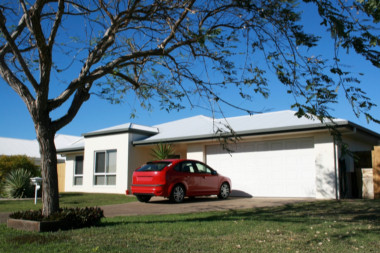
There is a car in front of the house .
Vor dem Haus steht ein Auto 0
Có ô tô trước nhà .
房子 前面 有 一辆车 。
Fángzi qiánmian yǒu yī liàng chē.
家の前に車があります。
Ie no mae ni kuruma ga arimasu.
집 앞에 차가 있습니다.
jib ap-e chaga issseubnida.
(VI)
(ZH)
(JA)
0084
[EN] [DE] [NL] [ES] [FR] [IT] [TH] [VI] [ZH]
|
RANDOM
这里的人民很热情。

The people here are very enthusiastic .
Die Menschen hier sind sehr enthusiastisch 0
Người dân ở đây rất nhiệt tình .
这里 的 人民 很 热情 。
Zhèli de rénmín hěn rèqíng.
ここの人々はとても熱心です。
Koko no hitobito wa totemo nesshindesu.
여기 사람들은 매우 열정적입니다.
yeogi salamdeul-eun maeu yeoljeongjeog-ibnida.
(VI)
(ZH)
(JA)
0105
[EN] [DE] [NL] [ES] [FR] [IT] [TH] [VI] [ZH]
|
RANDOM
我经常去外地出差。

I frequently go on business trips to other places .
Ich unternehme oft Geschäftsreisen an andere Orte 0
Tôi thường xuyên đi công tác đến những nơi khác .
我 经常 去 外地 出差 。
Wǒ jīngcháng qù wàidì chūchāi.
私はよく町の外に出張します。
Watashi wa yoku machi no soto ni shutchō shimasu.
나는 종종 도시에서 출장을 갑니다.
naneun jongjong dosieseo chuljang-eul gabnida.
(VI)
(ZH)
(JA)
0111
[EN] [DE] [NL] [ES] [FR] [IT] [TH] [VI] [ZH]
|
RANDOM
我们必须遵守法律。

We must obey the law .
Wir müssen dem Gesetz gehorchen 0
Chúng ta phải tuân thủ luật pháp .
我们 必须 遵守 法律 。
Wǒmen bìxū zūnshǒu fǎlǜ.
私たちは法律に従わなければなりません。
Watashitachiha hōritsu ni shitagawanakereba narimasen.
우리는 법을 준수해야 합니다.
ulineun beob-eul junsuhaeya habnida.
(VI)
(ZH)
(JA)
0147
[EN] [DE] [NL] [ES] [FR] [IT] [TH] [VI] [ZH]
|
RANDOM
要把握每次面试的机会。

One must seize the chance of each interview .
Man muss jedes Gespräch als Gelegenheit nutzen 0
Người ta phải nắm bắt cơ hội của mỗi cuộc phỏng vấn .
要 把握 每次 面试 的 机会 。
Yào bǎwò měi cì miànshì de jīhuì.
すべての面接の機会をつかみます。
Subete no mensetsu no kikai o tsukamimasu.
모든 인터뷰의 기회를 잡으십시오.
modeun inteobyuui gihoeleul jab-eusibsio.
(VI)
(ZH)
(JA)
0163
[EN] [DE] [NL] [ES] [FR] [IT] [TH] [VI] [ZH]
|
RANDOM
大家在等公车。

People are waiting for the bus .
Die Menschen warten auf den Bus 0
Mọi người đang đợi xe buýt 0
大家 在 等 公车 。
Dàjiā zài děng gōngchē.
みんなバスを待っています。
Min'na basu o matteimasu.
모두가 버스를 기다리고 있습니다.
moduga beoseuleul gidaligo issseubnida.
(VI)
(ZH)
(JA)
0170
[EN] [DE] [NL] [ES] [FR] [IT] [TH] [VI] [ZH]
|
RANDOM
这是他们的新房子。

This is their new house .
Dies ist ihre neue Heimat 0
Đây là ngôi nhà mới của họ .
这是 他们 的 新房子 。
Zhè shì tāmen de xīn fángzi.
これは彼らの新しい家です。
Kore wa karera no atarashī iedesu.
이것은 그들의 새 집입니다.
igeos-eun geudeul-ui sae jib-ibnida.
(VI)
(ZH)
(JA)
0172
[EN] [DE] [NL] [ES] [FR] [IT] [TH] [VI] [ZH]
|
RANDOM
小朋友们依次排队上车。

The children line up to board the school bus .
Die Kinder stehen Schlange , um in den Schulbus zu gelangen 0
Các em nhỏ xếp hàng dài để lên xe buýt đi học .
小朋友 们 依次 排队 上车 。
Xiǎo péngyǒumen yīcì páiduì shàngchē.
子供たちは一人ずつバスに乗るために並んでいました。
Kodomo-tachi wa hitorizutsu basu ni noru tame ni narande imashita.
아이들은 버스를 타기 위해 하나둘 줄을 섰다.
aideul-eun beoseuleul tagi wihae hanadul jul-eul seossda.
(VI)
(ZH)
(JA)
0201
[EN] [DE] [NL] [ES] [FR] [IT] [TH] [VI] [ZH]
|
RANDOM
孩子都很信任父母。

Children trust their parents very much .
Kinder vertrauen ihren Eltern sehr 0
Con cái rất tin tưởng cha mẹ .
孩子 都 很 信任 父母 。
Háizi dōu hěn xìnrèn fùmǔ.
子供たちは両親を信頼します。
Kodomo-tachi wa ryōshin o shinrai shimasu.
아이들은 부모를 신뢰합니다.
aideul-eun bumoleul sinloehabnida.
(VI)
(ZH)
(JA)
0218
[EN] [DE] [NL] [ES] [FR] [IT] [TH] [VI] [ZH]
|
RANDOM
我有一千美金。

I have got one thousand U .S . dollars .
Ich habe tausend amerikanische Dollar 0
Tôi có một nghìn đô la Mỹ .
我 有 一千 美金 。
Wǒ yǒu yīqiān Měijīn.
私は千ドル持っています。
Watashi wa sen-doru motte imasu.
나는 천 달러가 있습니다.
naneun cheon dalleoga issseubnida.
(VI)
(ZH)
(JA)
0222
[EN] [DE] [NL] [ES] [FR] [IT] [TH] [VI] [ZH]
|
RANDOM
我有一万美金。

I have got ten thousand U .S . dollars .
Ich habe zehntausend amerikanische Dollar 0
Tôi có mười nghìn đô la Mỹ .
我 有 一 万美金 。
Wǒ yǒu yīwàn Měijīn.
私は一万ドル持っています。
Watashi wa ichi man-doru motte imasu.
만 달러가 있습니다.
man dalleoga issseubnida.
(VI)
(ZH)
(JA)
0223
[EN] [DE] [NL] [ES] [FR] [IT] [TH] [VI] [ZH]
|
RANDOM
小女孩先上车。
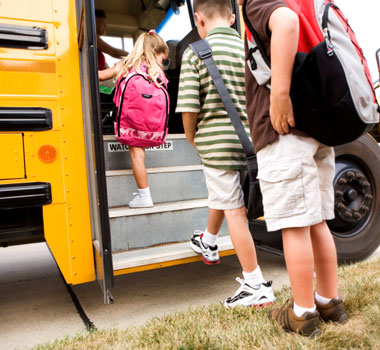
The little girl gets on the bus first .
Das Mädchen steigt zuerst in den Bus ein 0
Cô gái nhỏ lên xe buýt trước .
小女孩 先 上车 。
Xiǎo nǚhái xiān shàngchē.
少女は最初に車に乗ります。
Shōjo wa saisho ni kuruma ni norimasu.
어린 소녀가 먼저 차에 탔습니다.
eolin sonyeoga meonjeo cha-e tassseubnida.
(VI)
(ZH)
(JA)
0225
[EN] [DE] [NL] [ES] [FR] [IT] [TH] [VI] [ZH]
|
RANDOM
老师教我们英文。

The teacher teaches English to us .
Der Lehrer bringt uns Englisch bei 0
Cô giáo dạy tiếng Anh cho chúng tôi .
老师 教 我们 英文 。
Lǎoshī jiāo wǒmen Yīngwén.
先生は私たちに英語を教えてくれます。
Sensei wa watashitachi ni eigo o oshiete kuremasu.
선생님은 우리에게 영어를 가르쳐 주십니다.
seonsaengnim-eun uliege yeong-eoleul galeuchyeo jusibnida.
(VI)
(ZH)
(JA)
0228
[EN] [DE] [NL] [ES] [FR] [IT] [TH] [VI] [ZH]
|
RANDOM
电脑的用途很广。

Computers have many uses .
Computer haben viele Einsatzmöglichkeiten 0
Máy tính có rất nhiều công dụng .
电脑 的 用途 很广 。
Diànnǎo de yòngtú hěn guǎng.
コンピューターは非常に用途が広い。
Konpyūtā wa hijō ni yōto ga hiroi.
컴퓨터는 매우 다양합니다.
keompyuteoneun maeu dayanghabnida.
(VI)
(ZH)
(JA)
0263
[EN] [DE] [NL] [ES] [FR] [IT] [TH] [VI] [ZH]
|
RANDOM
他是我的丈夫。

He is my husband .
Das ist mein Ehemann 0
Anh ấy là chồng tôi .
他 是 我 的 丈夫 。
Tā shì wǒ de zhàngfu.
彼は私の夫です。
Kare wa watashi no ottodesu.
그는 나의 남편이야.
geuneun naui nampyeon-iya.
(VI)
(ZH)
(JA)
0283
[EN] [DE] [NL] [ES] [FR] [IT] [TH] [VI] [ZH]
|
RANDOM
她是有名的电影明星。

She is a famous movie star .
Sie ist ein berühmter Filmstar 0
Cô ấy là một ngôi sao điện ảnh nổi tiếng .
她 是 有名 的 电影明星 。
Tā shì yǒumíng de diànyǐng míngxīng.
彼女は有名な映画スターです。
Kanojo wa yūmeina eiga sutādesu.
그녀는 유명한 영화 배우입니다.
geunyeoneun yumyeonghan yeonghwa baeu-ibnida.
(VI)
(ZH)
(JA)
0286
[EN] [DE] [NL] [ES] [FR] [IT] [TH] [VI] [ZH]
|
RANDOM
地上有很多土。

There is too much dust on the ground .
Es ist zu viel Staub auf dem Boden 0
Có quá nhiều bụi trên mặt đất .
地上 有 很多 土 。
Dìshang yǒu hěn duō tǔ.
地面にはたくさんの土があります。
Jimen ni wa takusan no tsuchi ga arimasu.
땅에 흙이 많이 있습니다.
ttang-e heulg-i manh-i issseubnida.
(VI)
(ZH)
(JA)
0291
[EN] [DE] [NL] [ES] [FR] [IT] [TH] [VI] [ZH]
|
RANDOM
妈妈很忙。

My mother is very busy .
Meine Mutter ist sehr beschäftigt 0
Mẹ tôi rất bận .
妈妈 很 忙 。
Māma hěn máng.
お母さんはとても忙しいです。
Okāsan wa totemo isogashīdesu.
엄마는 매우 바쁘다.
eommaneun maeu bappeuda.
(VI)
(ZH)
(JA)
0311
[EN] [DE] [NL] [ES] [FR] [IT] [TH] [VI] [ZH]
|
RANDOM
房屋着火了。
The house is on fire .
Das Haus steht in Flammen 0
Ngôi nhà đang cháy .
房屋 着火 了 。
Fángwū zháohuǒ le.
その家は燃えている。
Sono-ka wa moete iru.
집에 불이 났어요.
jib-e bul-i nass-eoyo.
(VI)
(ZH)
(JA)
0321
[EN] [DE] [NL] [ES] [FR] [IT] [TH] [VI] [ZH]
|
RANDOM
一加一等于二。

One plus one equals two .
Eins plus eins ist zwei 0
Một cộng một bằng hai .
一加 一 等于 二 。
Yī jiā yī děngyú èr.
1プラス1は2に等しい。
1 Purasu 1 wa 2 ni hitoshī.
1 더하기 1은 2와 같습니다.
1 deohagi 1eun 2wa gatseubnida.
(VI)
(ZH)
(JA)
0329
[EN] [DE] [NL] [ES] [FR] [IT] [TH] [VI] [ZH]
|
RANDOM
这座城市的工业很发达。

This city is highly industrialized .
Diese Stadt ist hoch industrialisiert 0
Thành phố này được công nghiệp hóa cao .
这座 城市 的 工业 很 发达 。
Zhè zuò chéngshì de gōngyè hěn fādá.
この都市の産業は非常に発達しています。
Kono toshi no sangyō wa hijō ni hattatsu shite imasu.
이 도시의 산업은 매우 발달되어 있습니다.
i dosiui san-eob-eun maeu baldaldoeeo issseubnida.
(VI)
(ZH)
(JA)
0339
[EN] [DE] [NL] [ES] [FR] [IT] [TH] [VI] [ZH]
|
RANDOM
这些房子的样式相同。

These houses are all of the same design .
Diese Häuser haben alle das gleiche Design 0
Những ngôi nhà này đều có thiết kế giống nhau .
这些 房子 的 样式 相同 。
Zhèxiē fángzi de yàngshì xiāngtóng.
これらの家のスタイルは同じです。
Korera no ie no sutairu wa onajidesu.
이 집의 스타일은 동일합니다.
i jib-ui seutail-eun dong-ilhabnida.
(VI)
(ZH)
(JA)
0350
[EN] [DE] [NL] [ES] [FR] [IT] [TH] [VI] [ZH]
|
RANDOM
附近有公共汽车站。

There is a bus stop nearby .
In der Nähe gibt es eine Bushaltestelle 0
Có một trạm xe buýt gần đó .
附近 有 公共汽车 站 。
Fùjìn yǒu gōnggòng qìchēzhàn.
近くにバス停があります。
Chikaku ni basutei ga arimasu.
근처에 버스 정류장이 있습니다.
geuncheoe beoseu jeonglyujang-i issseubnida.
(VI)
(ZH)
(JA)
0356
[EN] [DE] [NL] [ES] [FR] [IT] [TH] [VI] [ZH]
|
RANDOM
我自己会刷牙。

I can brush my teeth by myself .
Ich kann mir selbst die Zähne putzen 0
Tôi có thể tự đánh răng của mình .
我 自己 会 刷牙 。
Wǒ zìjǐ huì shuāyá.
自分で歯を磨くことができます。
Jibun de ha o migaku koto ga dekimasu.
스스로 이를 닦을 수 있어요.
seuseulo ileul dakk-eul su iss-eoyo.
(VI)
(ZH)
(JA)
0359
[EN] [DE] [NL] [ES] [FR] [IT] [TH] [VI] [ZH]
|
RANDOM
车站在正前方。
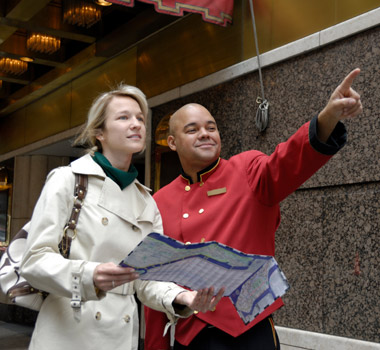
The bus stop is straight ahead .
Die Bushaltestelle befindet sich direkt vor Ihnen 0
Bến xe buýt là thẳng phía trước .
车站 在 正前方 。
Chēzhàn zài zhèngqiánfāng.
駅はまっすぐ進んでいます。
Eki wa massugu susunde imasu.
역이 바로 앞에 있습니다.
yeog-i balo ap-e issseubnida.
(VI)
(ZH)
(JA)
0360
[EN] [DE] [NL] [ES] [FR] [IT] [TH] [VI] [ZH]
|
RANDOM
她是代课老师。

She is just a substitute teacher .
Sie ist nur eine Vertretungslehrerin 0
Cô ấy chỉ là một giáo viên dạy thay .
她 是 代课老师 。
Tā shì dàikè lǎoshī.
彼女は代用教師です。
Kanojo wa daiyō kyōshidesu.
그녀는 대체 교사입니다.
geunyeoneun daeche gyosaibnida.
(VI)
(ZH)
(JA)
0375
[EN] [DE] [NL] [ES] [FR] [IT] [TH] [VI] [ZH]
|
RANDOM
屋内很暖。
It is warm inside the house .
Es ist warm im Haus 0
Bên trong nhà thật ấm áp 0
屋内 很 暖 。
Wūnèi hěn nuǎn.
家はとても暖かいです。
Ie wa totemo attakaidesu.
집이 매우 따뜻합니다.
jib-i maeu ttatteushabnida.
(VI)
(ZH)
(JA)
0380
[EN] [DE] [NL] [ES] [FR] [IT] [TH] [VI] [ZH]
|
RANDOM
办公室很宽敞,并且很明亮。

The office is very spacious and bright .
Das Büro ist sehr geräumig und hell 0
Văn phòng rất rộng rãi và sáng sủa .
办公室 很 宽敞 , 并且 很 明亮 。
Bàngōngshì hěn kuānchang, bìngqiě hěn míngliàng.
オフィスは広々として明るいです。
Ofisu wa hirobiro to shite akaruidesu.
사무실이 넓고 밝습니다.
samusil-i neolbgo balgseubnida.
(VI)
(ZH)
(JA)
0385
[EN] [DE] [NL] [ES] [FR] [IT] [TH] [VI] [ZH]
|
RANDOM
蛋糕真好吃。

The cake is delicious .
Der Kuchen ist köstlich 0
Cái bánh ngon quá .
蛋糕 真 好吃 。
Dàngāo zhēn hǎochī.
ケーキはとても美味しいです。
Kēki wa totemo oishīdesu.
케이크가 너무 맛있습니다.
keikeuga neomu mas-issseubnida.
(VI)
(ZH)
(JA)
0403
[EN] [DE] [NL] [ES] [FR] [IT] [TH] [VI] [ZH]
|
RANDOM
老师教我们数学。

The teacher is teaching us math .
Der Lehrer unterrichtet uns in Mathematik 0
Cô giáo đang dạy toán cho chúng tôi .
老师 教 我们 数学 。
Lǎoshī jiāo wǒmen shùxué.
先生は私たちに数学を教えてくれます。
Sensei wa watashitachi ni sūgaku o oshiete kuremasu.
선생님은 우리에게 수학을 가르칩니다.
seonsaengnim-eun uliege suhag-eul galeuchibnida.
(VI)
(ZH)
(JA)
0409
[EN] [DE] [NL] [ES] [FR] [IT] [TH] [VI] [ZH]
|
RANDOM
开车要注意安全。

We need to be cautious when driving .
Wir müssen beim Fahren vorsichtig sein 0
Chúng ta cần thận trong khi lái xe .
开车 要 注意安全 。
kāichē yào zhùyì ānquán.
運転するときは安全に注意してください。
Unten suru toki wa anzen ni chūi shite kudasai.
운전 시 안전에 유의하십시오.
unjeon si anjeon-e yuuihasibsio.
(VI)
(ZH)
(JA)
0422
[EN] [DE] [NL] [ES] [FR] [IT] [TH] [VI] [ZH]
|
RANDOM
中秋节吃月饼是中国的风俗。
Eating moon cakes on Mid-Autumn Day is a custom in China .
Das Essen von Mondkuchen am Mittherbsttag ist in China ein Brauch 0
Ăn bánh trung thu vào ngày Trung thu là một phong tục ở Trung Quốc .
中秋节 吃 月饼 是 中国 的 风俗 。
Zhōngqiūjié chī yuèbing shì Zhōngguó de fēngsú.
中秋節の間に月餅を食べるのは中国の習慣です。
Chūshū-bushi no ma ni geppei o taberu no wa Chūgoku no shūkandesu.
중추절에 월병을 먹는 것은 중국의 풍습입니다.
jungchujeol-e wolbyeong-eul meogneun geos-eun jung-gug-ui pungseub-ibnida.
(VI)
(ZH)
(JA)
0438
[EN] [DE] [NL] [ES] [FR] [IT] [TH] [VI] [ZH]
|
RANDOM
她正在听音乐。

She is listening to music .
Sie hört Musik 0
Cô ấy đang nghe nhạc .
她 正在 听 音乐 。
Tā zhèng zài tīng yīnyuè.
彼女は音楽を聴いています。
Kanojo wa ongaku o kiite imasu.
그녀는 음악을 듣고 있다.
geunyeoneun eum-ag-eul deudgo issda.
(VI)
(ZH)
(JA)
0450
[EN] [DE] [NL] [ES] [FR] [IT] [TH] [VI] [ZH]
|
RANDOM
警方控告他犯罪。

The police accuses him of committing a crime .
Die Polizei beschuldigt ihn , ein Verbrechen begangen zu haben 0
Cảnh sát buộc tội anh ta phạm tội .
警方 控告 他 犯罪 。
Jǐngfāng kònggào tā fànzuì.
警察は彼を犯罪で起訴した。
Keisatsu wa kare o hanzai de kiso shita.
경찰은 그를 범죄 혐의로 기소했다.
gyeongchal-eun geuleul beomjoe hyeom-uilo gisohaessda.
(VI)
(ZH)
(JA)
0470
[EN] [DE] [NL] [ES] [FR] [IT] [TH] [VI] [ZH]
|
RANDOM
车站离这儿只有几步路。
The bus stop is just a few steps away from here .
Die Bushaltestelle ist nur einige Schritte von hier entfernt 0
Bến xe buýt chỉ cách đây vài bước chân .
车站 离 这儿 只有 几步 路 。
Chēzhàn lí zhèr zhǐ yǒu jǐ bù lù.
駅はここからほんの数歩のところにあります。
Eki wa koko kara hon'no sū-po no tokoro ni arimasu.
역은 여기서 불과 몇 걸음 거리에 있습니다.
yeog-eun yeogiseo bulgwa myeoch geol-eum geolie issseubnida.
(VI)
(ZH)
(JA)
0499
[EN] [DE] [NL] [ES] [FR] [IT] [TH] [VI] [ZH]
|
RANDOM
他们在商量新工作。

They are discussing the new job .
Sie diskutieren über die neue Aufgabe 0
Họ đang thảo luận về công việc mới .
他们 在 商量 新 工作 。
Tāmen zài shāngliang xīn gōngzuò.
彼らは新しい仕事について話し合っています。
Karera wa atarashī shigoto ni tsuite hanashiatte imasu.
그들은 새로운 직업에 대해 논의하고 있습니다.
geudeul-eun saeloun jig-eob-e daehae non-uihago issseubnida.
(VI)
(ZH)
(JA)
0505
[EN] [DE] [NL] [ES] [FR] [IT] [TH] [VI] [ZH]
|
RANDOM
这週我很忙。

I am very busy this week .
Ich bin diese Woche sehr beschäftigt 0
Tôi rất bận trong tuần này 0
这週 我 很 忙 。
Zhè zhōu wǒ hěn máng.
今週はとても忙しいです。
Konshū wa totemo isogashīdesu.
나는 이번 주에 매우 바쁩니다.
naneun ibeon jue maeu bappeubnida.
(VI)
(ZH)
(JA)
0515
[EN] [DE] [NL] [ES] [FR] [IT] [TH] [VI] [ZH]
|
RANDOM
这个球场可以容纳几万人。
This stadium can hold a few thousand people .
Dieses Stadion bietet Platz für mehrere tausend Menschen 0
Sân vận động này có thể chứa vài nghìn người .
这个 球场 可以 容纳 几万人 。
Zhège qiúchǎng kěyǐ róngnà jǐ wàn rén.
このスタジアムは何万人もの人々を収容することができます。
Kono sutajiamu wa nanman'nin mo no hitobito o shūyō suru koto ga dekimasu.
이 경기장은 수만 명을 수용할 수 있습니다.
i gyeong-gijang-eun suman myeong-eul suyonghal su issseubnida.
(VI)
(ZH)
(JA)
0524
[EN] [DE] [NL] [ES] [FR] [IT] [TH] [VI] [ZH]
|
RANDOM
她爱听音乐。

She loves listening to music .
Sie liebt es , Musik zu hören 0
Cô ấy thích nghe nhạc .
她 爱 听 音乐 。
Tā ài tīng yīnyuè.
彼女は音楽を聴くのが大好きです。
Kanojo wa ongaku o kiku no ga daisukidesu.
그녀는 음악 듣기를 좋아합니다.
geunyeoneun eum-ag deudgileul joh-ahabnida.
(VI)
(ZH)
(JA)
0531
[EN] [DE] [NL] [ES] [FR] [IT] [TH] [VI] [ZH]
|
RANDOM
这栋房子很漂亮。

This house is beautiful .
Dieses Haus ist wunderschön 0
Ngôi nhà này thật đẹp .
这栋 房子 很漂亮 。
Zhè dòng fángzi hěn piàoliang.
この家はとても美しいです。
Kono-ka wa totemo utsukushīdesu.
이 집은 매우 아름답습니다.
i jib-eun maeu aleumdabseubnida.
(VI)
(ZH)
(JA)
0545
[EN] [DE] [NL] [ES] [FR] [IT] [TH] [VI] [ZH]
|
RANDOM
他发火了。

He is furious .
Er ist wütend 0
Anh ấy rất tức giận .
他 发火 了 。
Tā fāhuǒ le.
彼は怒った。
Kare wa okotta.
그는 화가 났었 다.
geuneun hwaga nass-eoss da.
(VI)
(ZH)
(JA)
0555
[EN] [DE] [NL] [ES] [FR] [IT] [TH] [VI] [ZH]
|
RANDOM
这座城市很有名。

This city is very famous .
Diese Stadt ist sehr berühmt 0
Thành phố này rất nổi tiếng 0
这座 城市 很 有名 。
Zhèi zuò chéngshì hěn yǒumíng.
この街はとても有名です。
Kono machi wa totemo yūmeidesu.
이 도시는 매우 유명합니다.
i dosineun maeu yumyeonghabnida.
(VI)
(ZH)
(JA)
0567
[EN] [DE] [NL] [ES] [FR] [IT] [TH] [VI] [ZH]
|
RANDOM
虽然跑得很累,但是很多人都没有放弃。

Though exhausted from running , many refuse to give up .
Obwohl erschöpft von dem Rennen , weigern sich viele , aufzugeben 0
Mặc dù kiệt sức vì chạy , nhiều người không chịu bỏ cuộc .
虽然 跑 得 很 累 , 但是 很多 人 都 没有 放弃 。
Suīrán pǎo de hěn lèi, dànshì hěn duō rén dōu méiyǒu fàngqì.
走るのはとても疲れましたが、多くの人が諦めませんでした。
Hashiru no wa totemo tsukaremashita ga, ōku no hito ga akiramemasendeshita.
달리는 것이 너무 피곤했지만 많은 사람들이 포기하지 않았습니다.
dallineun geos-i neomu pigonhaessjiman manh-eun salamdeul-i pogihaji anh-assseubnida.
(VI)
(ZH)
(JA)
0585
[EN] [DE] [NL] [ES] [FR] [IT] [TH] [VI] [ZH]
|
RANDOM
裤子太紧了。

These trousers are too tight .
Diese Hose ist zu eng 0
Cái quần này quá chật .
裤子 太紧 了 。
Kùzi tài jǐn le.
ズボンがきつすぎる。
Zubon ga kitsu sugiru.
바지가 너무 조입니다.
bajiga neomu joibnida.
(VI)
(ZH)
(JA)
0588
[EN] [DE] [NL] [ES] [FR] [IT] [TH] [VI] [ZH]
|
RANDOM
音乐很好听。

The music is very good .
Die Musik ist sehr gut 0
Âm nhạc rất hay .
音乐 很 好听 。
Yīnyuè hěn hǎotīng.
音楽はいいです。
Ongaku wa īdesu.
음악은 좋다.
eum-ag-eun johda.
(VI)
(ZH)
(JA)
0592
[EN] [DE] [NL] [ES] [FR] [IT] [TH] [VI] [ZH]
|
RANDOM
她习惯去晨跑。

She is used to running in the morning
Sie ist es gewohnt , morgens zu laufen 0
Cô ấy đã quen với việc chạy vào buổi sáng
她 习惯 去晨 跑 。
Tā xíguàn qù chénpǎo.
彼女は朝のジョギングに慣れています。
Kanojo wa asa no jogingu ni narete imasu.
그녀는 아침 조깅을 하는 데 익숙합니다.
geunyeoneun achim joging-eul haneun de igsughabnida.
(VI)
(ZH)
(JA)
0600
[EN] [DE] [NL] [ES] [FR] [IT] [TH] [VI] [ZH]
|
RANDOM
铁塔是巴黎有名的地标。

The iron tower [Eiffel Tower] is a famous landmark of Paris .
Der Eiffeltur ist ein berühmtes Wahrzeichen von Paris 0
Tháp sắt [Tháp Eiffel] là một thắng cảnh nổi tiếng của Paris .
铁塔 是 巴黎 有名 的 地标 。
Tiětǎ shì Bālí yǒumíng de dìbiāo.
エッフェル塔はパリの有名なランドマークです。
Efferutō wa Pari no yūmeina randomākudesu.
에펠탑은 파리의 유명한 랜드마크입니다.
epeltab-eun paliui yumyeonghan laendeumakeu-ibnida.
(VI)
(ZH)
(JA)
0612
[EN] [DE] [NL] [ES] [FR] [IT] [TH] [VI] [ZH]
|
RANDOM
这些房子的结构很简单。

The structure of these houses is very simple .
Die Bauweise dieser Häuser ist sehr einfach 0
Cấu trúc của những ngôi nhà này rất đơn giản .
这些 房子 的 结构 很 简单 。
Zhèixiē fángzi de jiégòu hěn jiǎndān.
これらの家の構造は単純です。
Korera no ie no kōzō wa tanjundesu.
이 집의 구조는 간단합니다.
i jib-ui gujoneun gandanhabnida.
(VI)
(ZH)
(JA)
0620
[EN] [DE] [NL] [ES] [FR] [IT] [TH] [VI] [ZH]
|
RANDOM
我的新家装修完毕。

The interior of my new house has been completed .
Die Innenausstattung meines neuen Hauses wurde fertiggestellt 0
Nội thất của ngôi nhà mới của tôi đã được hoàn thiện .
我 的 新家 装修 完毕 。
Wǒ de xīn jiā zhuāngxiū wánbì.
私の新しい家は改装されました。
Watashi no atarashī ie wa kaisō sa remashita.
내 새 집이 개조되었습니다.
nae sae jib-i gaejodoeeossseubnida.
(VI)
(ZH)
(JA)
0657
[EN] [DE] [NL] [ES] [FR] [IT] [TH] [VI] [ZH]
|
RANDOM
她在练毛笔字。

She is practicing Chinese brush calligraphy .
Sie übt die chinesische Kalligraphie mit dem Pinsel 0
Cô ấy đang thực hành thư pháp bút lông của Trung Quốc .
她 在 练 毛笔字 。
Tā zài liàn máobǐzì.
彼女は書道を練習しています。
Kanojo wa shodō o renshū shite imasu.
그녀는 서예를 연습하고 있습니다.
geunyeoneun seoyeleul yeonseubhago issseubnida.
(VI)
(ZH)
(JA)
0662
[EN] [DE] [NL] [ES] [FR] [IT] [TH] [VI] [ZH]
|
RANDOM
房子的周围是一片草地。

The house is surrounded by lawn .
Das Haus ist von einer Wiese umgeben 0
Ngôi nhà được bao quanh bởi bãi cỏ .
房子 的 周围 是 一片 草地 。
Fángzi de zhōuwéi shì yī piàn cǎodì.
家の周りには牧草地があります。
Ienomawari ni wa bokusō-chi ga arimasu.
집 주변에 초원이 있습니다.
jib jubyeon-e chowon-i issseubnida.
(VI)
(ZH)
(JA)
0680
[EN] [DE] [NL] [ES] [FR] [IT] [TH] [VI] [ZH]
|
RANDOM
超市里的食品可以任顾客挑选。

Customers can choose any food they want in the supermarket .
Kunden können im gewünschten Supermarkt jedes Lebensmittel auswählen 0
Khách hàng có thể chọn bất kỳ loại thực phẩm nào trong siêu thị mà họ muốn .
超市 里 的 食品 可以 任 顾客 挑选 。
Chāoshì lǐ de shípǐn kěyǐ rèn gùkè tiāoxuǎn.
スーパーマーケットの食べ物は顧客が選ぶことができます。
Sūpāmāketto no tabemono wa kokyaku ga erabu koto ga dekimasu.
슈퍼마켓의 음식은 고객이 선택할 수 있습니다.
syupeomakes-ui eumsig-eun gogaeg-i seontaeghal su issseubnida.
(VI)
(ZH)
(JA)
0689
[EN] [DE] [NL] [ES] [FR] [IT] [TH] [VI] [ZH]
|
RANDOM
可以使用自动售票机买车票。
Train tickets may be purchased using the automatic vending machine .
Bahntickets können am Automaten gekauft werden 0
Có thể mua vé tàu bằng máy bán hàng tự động .
可以 使用 自动 售票机 买 车票 。
Kěyǐ shǐyòng zìdòng shòupiàojī mǎi chēpiào.
自動券売機でチケットを購入できます。
Jidō kenbaiki de chiketto o kōnyū dekimasu.
자동 매표기를 이용하여 승차권을 구입할 수 있습니다.
jadong maepyogileul iyonghayeo seungchagwon-eul gu-ibhal su issseubnida.
(VI)
(ZH)
(JA)
0695
[EN] [DE] [NL] [ES] [FR] [IT] [TH] [VI] [ZH]
|
RANDOM
他刚离开公司。

He has just left the office .
Er hat gerade das Büro verlassen 0
Anh ấy vừa rời văn phòng 0
他 刚 离开 公司 。
Tā gāng líkāi gōngsī.
彼はちょうど会社を辞めた。
Kare wa chōdo kaisha o yameta.
그는 방금 회사를 떠났습니다.
geuneun bang-geum hoesaleul tteonassseubnida.
(VI)
(ZH)
(JA)
0729
[EN] [DE] [NL] [ES] [FR] [IT] [TH] [VI] [ZH]
|
RANDOM
双方的业务开展顺利。

Business for both sides is going well .
Die Geschäfte laufen gut für beide Seiten 0
Công việc kinh doanh của cả hai bên đều diễn ra tốt đẹp .
双方 的 业务 开展 顺利 。
Shuāngfāng de yèwù kāizhǎn shùnlì.
両社の事業は順調に進みました。
Ryōsha no jigyō wa junchō ni susumimashita.
양 당사자의 사업은 순조롭게 진행되었습니다.
yang dangsajaui sa-eob-eun sunjolobge jinhaengdoeeossseubnida.
(VI)
(ZH)
(JA)
0733
[EN] [DE] [NL] [ES] [FR] [IT] [TH] [VI] [ZH]
|
RANDOM
祝我们合作愉快!

I wish us a happy cooperation !
Auf eine angenehme Zusammenarbeit !
Để hợp tác vui vẻ !
祝 我们 合作愉快 !
Zhù wǒmen hézuò yúkuài!
どうぞよろしくお願いいたします。
Dōzo yoroshikuonegaītashimasu.
나는 우리에게 행복한 협력을 기원합니다!
naneun uliege haengboghan hyeoblyeog-eul giwonhabnida!
(VI)
(ZH)
(JA)
0747
[EN] [DE] [NL] [ES] [FR] [IT] [TH] [VI] [ZH]
|
RANDOM
房子周围是草地。

The house is in a meadow .
Das Haus steht auf einer Wiese 0
Ngôi nhà nằm trên một đồng cỏ .
房子 周围 是 草地 。
Fángzi zhōuwéi shì cǎodì.
家は草に囲まれています。
Ie wa kusa ni kakoma rete imasu.
집은 잔디로 둘러싸여 있습니다.
jib-eun jandilo dulleossayeo issseubnida.
(VI)
(ZH)
(JA)
0755
[EN] [DE] [NL] [ES] [FR] [IT] [TH] [VI] [ZH]
|
RANDOM
它们之间存在明显的差别。
There is an obvious difference between them .
Es gibt einen offensichtlichen Unterschied zwischen ihnen 0
Có một sự khác biệt rõ ràng giữa chúng .
它们 之间 存在 明显 的 差别 。
Tāmen zhī jiān cúnzài míngxiǎn de chābié.
それらの間には明らかな違いがあります。
Sorera no ma ni wa akirakana chigai ga arimasu.
그들 사이에는 분명한 차이점이 있습니다.
geudeul saieneun bunmyeonghan chaijeom-i issseubnida.
(VI)
(ZH)
(JA)
0769
[EN] [DE] [NL] [ES] [FR] [IT] [TH] [VI] [ZH]
|
RANDOM
导游在前面带路。
The guide is in front of us leading the way .
Der Führer steht vor uns und weist uns den Weg 0
Người dẫn đường ở phía trước dẫn đường cho chúng ta .
导遊 在 前面 带路 。
Dǎoyóu zài qiánmian dàilù.
ガイドが先導します。
Gaido ga sendō shimasu.
가이드가 길을 안내합니다.
gaideuga gil-eul annaehabnida.
(VI)
(ZH)
(JA)
0779
[EN] [DE] [NL] [ES] [FR] [IT] [TH] [VI] [ZH]
|
RANDOM
他们正在建造房子。

They are building a house .
Sie bauen ein Haus 0
Họ đang xây dựng một ngôi nhà .
他们 正在 建造 房子 。
Tāmen zhèng zài jiànzào fángzi.
彼らは家を建てています。
Karera wa ie o tatete imasu.
그들은 집을 짓고 있습니다.
geudeul-eun jib-eul jisgo issseubnida.
(VI)
(ZH)
(JA)
0793
[EN] [DE] [NL] [ES] [FR] [IT] [TH] [VI] [ZH]
|
RANDOM
请排队上车。

Please line up to board the bus .
Bitte stellen Sie sich zum Einsteigen in den Bus an 0
Vui lòng xếp hàng để lên xe .
请 排队 上车 。
Qǐng páiduì shàngchē.
バスに乗るには並んでください。
Basuninoru ni wa narande kudasai.
버스를 타기 위해 줄을 서십시오.
beoseuleul tagi wihae jul-eul seosibsio.
(VI)
(ZH)
(JA)
0824
[EN] [DE] [NL] [ES] [FR] [IT] [TH] [VI] [ZH]
|
RANDOM
他在推车。

He is pushing the car .
Er schiebt den Wagen 0
Anh ấy đang đẩy xe .
他 在 推车 。
Tā zài tuīchē.
彼はカートを押しています。
Kare wa kāto o oshite imasu.
그는 카트를 밀고 있다.
geuneun kateuleul milgo issda.
(VI)
(ZH)
(JA)
0826
[EN] [DE] [NL] [ES] [FR] [IT] [TH] [VI] [ZH]
|
RANDOM
他在向我们推销保险。

He is selling insurance to us .
Er verkauft uns Versicherungen 0
Anh ấy đang bán bảo hiểm cho chúng tôi .
他 在 向 我们 推销 保险 。
Tā zài xiàng wǒmen tuīxiāo bǎoxiǎn.
彼は私たちに保険を売っています。
Kare wa watashitachi ni hoken o utte imasu.
그는 우리에게 보험을 팔고 있습니다.
geuneun uliege boheom-eul palgo issseubnida.
(VI)
(ZH)
(JA)
0827
[EN] [DE] [NL] [ES] [FR] [IT] [TH] [VI] [ZH]
|
RANDOM
我们根据合同来办事。

We conduct our business in accordance with the contract .
Wir führen unsere Geschäfte in Übereinstimmung mit dem Vertrag 0
Chúng tôi tiến hành công việc kinh doanh của mình phù hợp với hợp đồng .
我们 根据 合同 来 办事 。
Wǒmen gēnjù hétong lái bànshì.
私たちは契約に従って行動します。
Watashitachiha keiyaku ni shitagatte kōdō shimasu.
우리는 계약에 따라 행동합니다.
ulineun gyeyag-e ttala haengdonghabnida.
(VI)
(ZH)
(JA)
0831
[EN] [DE] [NL] [ES] [FR] [IT] [TH] [VI] [ZH]
|
RANDOM
由于下雨比赛中断了。
The game has been suspended due to rain .
Das Spiel wurde aufgrund von Regen unterbrochen 0
Trò chơi đã bị tạm dừng do trời mưa .
由于 下雨 比赛 中断 了 。
Yóuyú xiàyǔ bǐsài zhōngduàn le.
雨のため試合が中断された。
Ame no tame shiai ga chūdan sa reta.
우천으로 인해 경기가 중단되었습니다.
ucheon-eulo inhae gyeong-giga jungdandoeeossseubnida.
(VI)
(ZH)
(JA)
0839
[EN] [DE] [NL] [ES] [FR] [IT] [TH] [VI] [ZH]
|
RANDOM
哥伦布于1492年发现了美洲。

Columbus discovered America in 1492 .
Kolumbus entdeckte Amerika im Jahre 1492 0
Columbus phát hiện ra châu Mỹ vào năm 1492 .
哥伦布 于 1492 年 发现 了 美洲 。
Gēlúnbù yú yī sì jiǔ èr nián fāxiànle Měizhōu.
コロンバスは1492年にアメリカを発見しました。
Koron basu wa 1492-nen ni Amerika o hakken shimashita.
콜럼버스는 1492년 아메리카 대륙을 발견했습니다.
kolleombeoseuneun 1492nyeon amelika daelyug-eul balgyeonhaessseubnida.
(VI)
(ZH)
(JA)
0842
[EN] [DE] [NL] [ES] [FR] [IT] [TH] [VI] [ZH]
|
RANDOM
他们在讨论这个案子。

They are discussing the case .
Sie diskutieren den Fall 0
Họ đang thảo luận về vụ việc .
他们 在 讨论 这个 案子 。
Tāmen zài tǎolùn zhège ànzi.
彼らはこの事件について話し合っています。
Karera wa kono jiken ni tsuite hanashiatte imasu.
그들은 이 사건을 논의하고 있습니다.
geudeul-eun i sageon-eul non-uihago issseubnida.
(VI)
(ZH)
(JA)
0854
[EN] [DE] [NL] [ES] [FR] [IT] [TH] [VI] [ZH]
|
RANDOM
她会中国武术。

She can do Chinese Wushu .
Er beherrscht chinesisches Wushu 0
Cô ấy có thể tập Wushu Trung Quốc .
她 会 中国武术 。
Tā huì Zhōngguó wǔshù.
彼女は中国武術を知っています。
Kanojo wa Chūgoku bujutsu o shitte imasu.
그녀는 중국 무술을 알고 있습니다.
geunyeoneun jung-gug musul-eul algo issseubnida.
(VI)
(ZH)
(JA)
0861
[EN] [DE] [NL] [ES] [FR] [IT] [TH] [VI] [ZH]
|
RANDOM
摇滚乐是西洋音乐的一种。

Rock and roll is one form of Western music .
Rock and Roll ist ein westlicher Musikstil 0
Rock and roll là một trong những hình thức âm nhạc phương Tây .
摇滚乐 是 西洋 音乐 的 一种 。
Yáogǔnyuè shì Xīyáng yīnyuè de yī zhǒng.
ロックミュージックは西洋音楽の一種です。
Rokkumyūjikku wa seiyō ongaku no isshudesu.
록 음악은 서양 음악의 일종입니다.
log eum-ag-eun seoyang eum-ag-ui iljong-ibnida.
(VI)
(ZH)
(JA)
0869
[EN] [DE] [NL] [ES] [FR] [IT] [TH] [VI] [ZH]
|
RANDOM
拿破崙是著名的历史人物。

Napoleon is a famous historical figure .
Napoleon ist eine berühmte historische Figur 0
Napoléon là một nhân vật lịch sử nổi tiếng .
拿破崙 是 著名 的 历史 人物 。
Nápòlún shì zhùmíng de lìshǐ rénwù.
ナポレオンは有名な歴史上の人物です。
Naporeon wa yūmeina rekishijōnojinbutsudesu.
나폴레옹은 유명한 역사적 인물입니다.
napolle-ong-eun yumyeonghan yeogsajeog inmul-ibnida.
(VI)
(ZH)
(JA)
0888
[EN] [DE] [NL] [ES] [FR] [IT] [TH] [VI] [ZH]
|
RANDOM
法律维护正义。

The law upholds justice .
Das Gesetz hält die Gerechtigkeit aufrecht 0
Luật pháp đề cao công lý 0
法律 维护正义 。
Fǎlǜ wéihù zhèngyì.
法律は正義を維持しています。
Hōritsu wa seigi o iji shite imasu.
법은 정의를 유지합니다.
beob-eun jeong-uileul yujihabnida.
(VI)
(ZH)
(JA)
0938
[EN] [DE] [NL] [ES] [FR] [IT] [TH] [VI] [ZH]
|
RANDOM
老师教我们背诵单词。

The teacher teaches us to recite the words .
Der Lehrer bringt uns bei , die Worte nachzusprechen 0
Cô giáo dạy chúng tôi đọc thuộc lòng các từ .
老师 教 我们 背诵 单词 。
Lǎoshī jiāo wǒmen bèisòng dāncí.
先生は私たちに言葉を暗唱するように教えてくれました。
Sensei wa watashitachi ni kotoba o anshō suru yō ni oshiete kuremashita.
선생님은 우리에게 단어 암송을 가르쳤습니다.
seonsaengnim-eun uliege dan-eo amsong-eul galeuchyeossseubnida.
(VI)
(ZH)
(JA)
0945
[EN] [DE] [NL] [ES] [FR] [IT] [TH] [VI] [ZH]
|
RANDOM
工程师使用圆规画图。

The engineer is using a compass to draw .
Der Ingenieur zeichnet mit einem Zirkel 0
Kỹ sư sử dụng compa để vẽ hình ảnh .
工程师 使用 圆规 画图 。
Gōngchéngshī shǐyòng yuánguī huàtú.
エンジニアはコンパスを使用して絵を描きます。
Enjinia wa konpasu o shiyō shite e o kakimasu.
엔지니어는 나침반을 사용하여 그림을 그립니다.
enjinieoneun nachimban-eul sayonghayeo geulim-eul geulibnida.
(VI)
(ZH)
(JA)
0963
[EN] [DE] [NL] [ES] [FR] [IT] [TH] [VI] [ZH]
|
RANDOM
同事们在讨论方案。

The colleagues are discussing a project .
Die Kollegen diskutieren ein Projekt 0
Các đồng nghiệp đang thảo luận về một dự án .
同事 们 在 讨论 方案 。
Tóngshìmen zài tǎolùn fāng'àn.
同僚が計画について話し合っています。
Dōryō ga keikaku ni tsuite hanashiatte imasu.
동료들이 계획을 논의하고 있습니다.
donglyodeul-i gyehoeg-eul non-uihago issseubnida.
(VI)
(ZH)
(JA)
0979
[EN] [DE] [NL] [ES] [FR] [IT] [TH] [VI] [ZH]
|
RANDOM
合同还需再商议一下。

This contract needs to be discussed again .
Dieser Vertrag muss erneut besprochen werden 0
Hợp đồng này cần được thảo luận lại .
合同 还 需 再 商议 一下 。
Hétong hái xū zài shāngyì yīxià.
契約はまだ交渉する必要があります。
Keiyaku wa mada kōshō suru hitsuyō ga arimasu.
계약은 여전히 협상해야합니다.
gyeyag-eun yeojeonhi hyeobsanghaeyahabnida.
(VI)
(ZH)
(JA)
0984
[EN] [DE] [NL] [ES] [FR] [IT] [TH] [VI] [ZH]
|
RANDOM
他把车钥匙转交给我们。

He passed the car key to us .
Er gab uns den Autoschlüssel 0
Anh ta đưa chìa khóa xe cho chúng tôi .
他 把 车 钥匙 转 交给 我们 。
Tā bǎ chē yàoshi zhuǎnjiāo gěi wǒmen.
彼は車の鍵を私たちに手渡した。
Kare wa kuruma no kagi o watashitachi ni tewatashita.
그는 우리에게 차 열쇠를 건네주었다.
geuneun uliege cha yeolsoeleul geonnejueossda.
(VI)
(ZH)
(JA)
1001
[EN] [DE] [NL] [ES] [FR] [IT] [TH] [VI] [ZH]
|
RANDOM
卡车用来运送货物。

The truck is used to carry goods .
Der LKW dient zum Transport von Waren 0
Xe tải được sử dụng để chở hàng hóa .
卡车 用来 运送 货物 。
Kǎchē yònglái yùnsòng huòwù.
トラックは商品の輸送に使用されます。
Torakku wa shōhin no yusō ni shiyō sa remasu.
트럭은 상품을 운송하는 데 사용됩니다.
teuleog-eun sangpum-eul unsonghaneun de sayongdoebnida.
(VI)
(ZH)
(JA)
1007
[EN] [DE] [NL] [ES] [FR] [IT] [TH] [VI] [ZH]
|
RANDOM
这栋房子太陈旧了。

This house is too old .
Dieses Haus ist zu veraltet 0
Ngôi nhà này đã quá cũ 0
这栋 房子 太 陈旧 了 。
Zhè dòng fángzi tài chénjiù le.
この家は古すぎる。
Kono-ka wa furu sugiru.
이 집은 너무 오래되었습니다.
i jib-eun neomu olaedoeeossseubnida.
(VI)
(ZH)
(JA)
1018
[EN] [DE] [NL] [ES] [FR] [IT] [TH] [VI] [ZH]
|
RANDOM
今天零下十度。
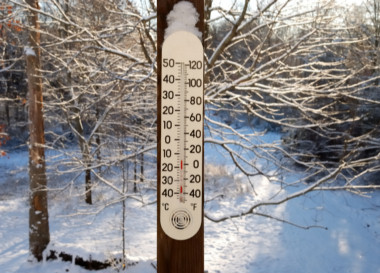
It is minus ten degrees today .
Es ist heute minus zehn Grad 0
Hôm nay là âm 10 độ 0
今天 零下 十度 。
Jīntiān língxià shí dù.
今日はゼロより10度下。
Kyō wa zero yori 10-do-ka.
오늘 영하 10도.
oneul yeongha 10do.
(VI)
(ZH)
(JA)
1030
[EN] [DE] [NL] [ES] [FR] [IT] [TH] [VI] [ZH]
|
RANDOM
他们在讨论一个项目。
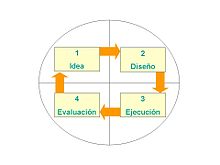
They are discussing a project .
Sie diskutieren ein Projekt 0
Họ đang thảo luận về một dự án .
他们 在 讨论 一个 项目 。
Tāmen zài tǎolùn yī gè xiàngmù.
彼らはプロジェクトについて話し合っています。
Karera wa purojekuto ni tsuite hanashiatte imasu.
그들은 프로젝트에 대해 논의하고 있습니다.
geudeul-eun peulojegteue daehae non-uihago issseubnida.
(VI)
(ZH)
(JA)
1037
[EN] [DE] [NL] [ES] [FR] [IT] [TH] [VI] [ZH]
|
RANDOM
导游领着我们往前走。

The tour guide takes us ahead .
Der Reiseleiter führt uns an 0
Hướng dẫn viên đưa chúng tôi đi trước .
导遊领 着 我们 往前走 。
Dǎoyóu lǐngzhe wǒmen wǎng qián zǒu.
ガイドが私たちを前進させました。
Gaido ga watashitachi o zenshin sa semashita.
가이드는 우리를 앞으로 이끌었습니다.
gaideuneun ulileul ap-eulo ikkeul-eossseubnida.
(VI)
(ZH)
(JA)
1041
[EN] [DE] [NL] [ES] [FR] [IT] [TH] [VI] [ZH]
|
RANDOM
人人都要遵守交通规则。

Everyone must follow the traffic regulations .
Jeder muß die Verkehrsregeln befolgen 0
Mọi người nên tuân thủ các quy định về giao thông .
人人 都 要 遵守 交通规则 。
Rénrén dōu yào zūnshǒu jiāotōng guīzé.
誰もが交通規則に従わなければなりません。
Daremoga kōtsū kisoku ni shitagawanakereba narimasen.
모든 사람은 교통 규칙을 준수해야 합니다.
modeun salam-eun gyotong gyuchig-eul junsuhaeya habnida.
(VI)
(ZH)
(JA)
1057
[EN] [DE] [NL] [ES] [FR] [IT] [TH] [VI] [ZH]
|
RANDOM
他在调节音频设备。

He is adjusting the audio equipment .
Er stellt das Soundsystem ein 0
Anh ấy đang điều chỉnh thiết bị âm thanh .
他 在 调节 音频设备 。
Tā zài tiáojié yīnpín shèbèi.
彼はオーディオ機器を調整しています。
Kare wa ōdio kiki o chōsei shite imasu.
그는 오디오 장비를 조정하고 있습니다.
geuneun odio jangbileul jojeonghago issseubnida.
(VI)
(ZH)
(JA)
1061
[EN] [DE] [NL] [ES] [FR] [IT] [TH] [VI] [ZH]
|
RANDOM
她给我们引路。

She is guiding us .
Sie führt uns 0
Cô ấy đang hướng dẫn chúng tôi .
她 给 我们 引路 。
Tā gěi wǒmen yǐnlù.
彼女は私たちに道を教えてくれた。
Kanojo wa watashitachi ni michi o oshiete kureta.
그녀는 우리에게 길을 보여주었습니다.
geunyeoneun uliege gil-eul boyeojueossseubnida.
(VI)
(ZH)
(JA)
1073
[EN] [DE] [NL] [ES] [FR] [IT] [TH] [VI] [ZH]
|
RANDOM
病人苏醒了。

The patient has regained consciousness .
Der Patient hat das Bewusstsein wiedererlangt 0
Bệnh nhân đã tỉnh lại .
病人 苏醒 了 。
Bìngrén sūxǐng le.
患者は目を覚ました。
Kanja wa me o samashita.
환자가 깨어났습니다.
hwanjaga kkaeeonassseubnida.
(VI)
(ZH)
(JA)
1080
[EN] [DE] [NL] [ES] [FR] [IT] [TH] [VI] [ZH]
|
RANDOM
交通事故导致塞车。

The traffic accident has caused a traffic jam .
Der Verkehrsunfall hat einen Stau verursacht 0
Vụ tai nạn giao thông đã gây ách tắc giao thông .
交通事故 导致 塞车 。
Jiāotōng shìgù dǎozhì sāichē.
交通事故は交通渋滞を引き起こした。
Kōtsū jiko wa kōtsū jūtai o hikiokoshita.
교통 사고로 교통 체증이 발생했습니다.
gyotong sagolo gyotong chejeung-i balsaenghaessseubnida.
(VI)
(ZH)
(JA)
1085
[EN] [DE] [NL] [ES] [FR] [IT] [TH] [VI] [ZH]
|
RANDOM
核桃被压碎了。
The walnuts have been crushed to pieces .
Die Walnüsse wurden zerkleinert 0
Quả óc chó đã được nghiền nhỏ .
核桃 被 压碎 了 。
Hétao bèi yāsuì le.
くるみはつぶされました。
Kurumi wa tsubusa remashita.
호두는 으깨졌습니다.
hoduneun eukkaejyeossseubnida.
(VI)
(ZH)
(JA)
1088
[EN] [DE] [NL] [ES] [FR] [IT] [TH] [VI] [ZH]
|
RANDOM
这家商店正在营业中。

This shop is now open for business .
Dieses Geschäft ist jetzt geöffnet 0
Cửa hàng này hiện đã mở cửa .
这家 商店 正在 营业 中 。
Zhè jiā shāngdiàn zhèng zài yíngyè zhōng.
このお店は現在オープンしています。
Kono o-ten wa genzai ōpun shite imasu.
이 가게는 지금 열려 있습니다.
i gageneun jigeum yeollyeo issseubnida.
(VI)
(ZH)
(JA)
1115
[EN] [DE] [NL] [ES] [FR] [IT] [TH] [VI] [ZH]
|
RANDOM
这栋房子是木造结构。

This is a wood-frame house .
Dies ist ein Holzhaus 0
Đây là một ngôi nhà khung gỗ .
这栋 房子 是 木造 结构 。
Zhè dòng fángzi shì mùzào jiégòu.
家は木でできています。
Ie wa ki de dekite imasu.
집은 나무로 되어 있습니다.
jib-eun namulo doeeo issseubnida.
(VI)
(ZH)
(JA)
1129
[EN] [DE] [NL] [ES] [FR] [IT] [TH] [VI] [ZH]
|
RANDOM
车子坏了,他很急。

The car has broken down and he is very anxious .
Das Auto ist kaputt gegangen und er ist sehr besorgt 0
Xe bị hỏng khiến anh rất lo lắng .
车子 坏 了 , 他 很 急 。
Chēzi huàile, tā hěn jí.
車が故障し、彼は急いでいた。
Kuruma ga koshō shi, kare wa isoide ita.
차가 고장났고 그는 급했다.
chaga gojangnassgo geuneun geubhaessda.
(VI)
(ZH)
(JA)
1140
[EN] [DE] [NL] [ES] [FR] [IT] [TH] [VI] [ZH]
|
RANDOM
我家里有很多铁锅。
There are many iron pots and pans in my house .
In meinem Haus gibt es viele Töpfe und Pfannen aus Eisen 0
Có rất nhiều xoong nồi bằng sắt trong nhà tôi .
我家 里 有 很多 铁锅 。
Wǒ jiāli yǒu hěn duō tiěguō.
私の家にはたくさんの鉄鍋があります。
Watashi no ie ni wa takusan no tennabe ga arimasu.
우리 집에는 철 냄비가 많다.
uli jib-eneun cheol naembiga manhda.
(VI)
(ZH)
(JA)
1168
[EN] [DE] [NL] [ES] [FR] [IT] [TH] [VI] [ZH]
|
RANDOM
我刷卡买东西。

I use a credit card to purchase things .
Ich benutze eine Kreditkarte , um etwas zu kaufen 0
Tôi sử dụng thẻ tín dụng để mua đồ .
我 刷卡 买 东西 。
Wǒ shuākǎ mǎi dōngxi.
カードをスワイプして物を購入します。
Kādo o suwaipu shite mono o kōnyū shimasu.
나는 물건을 사기 위해 카드를 긁는다.
naneun mulgeon-eul sagi wihae kadeuleul geulgneunda.
(VI)
(ZH)
(JA)
1173
[EN] [DE] [NL] [ES] [FR] [IT] [TH] [VI] [ZH]
|
RANDOM
她到一家著名的公司应聘。

She is applying for a position in a famous company .
Sie bewirbt sich um eine Stelle in einem berühmten Unternehmen 0
Cô ấy đang ứng tuyển vào một công ty nổi tiếng .
她 到 一家 著名 的 公司 应聘 。
Tā dào yī jiā zhùmíng de gōngsī yìngpìn.
彼女は有名な会社に就職した。
Kanojo wa yūmeina kaisha ni shūshoku shita.
그녀는 유명한 회사에 지원했습니다.
geunyeoneun yumyeonghan hoesa-e jiwonhaessseubnida.
(VI)
(ZH)
(JA)
1184
[EN] [DE] [NL] [ES] [FR] [IT] [TH] [VI] [ZH]
|
RANDOM
老师今天教我们减法。
The teacher will teach us subtraction today .
Der Lehrer wird uns heute Subtraktion beibringen 0
Hôm nay cô giáo sẽ dạy chúng ta phép trừ .
老师 今天 教 我们 减法 。
Lǎoshī jīntiān jiāo wǒmen jiǎnfǎ.
今日、先生は私たちに引き算を教えてくれました。
Kyō, sensei wa watashitachi ni hikizan o oshiete kuremashita.
선생님은 오늘 우리에게 뺄셈을 가르쳤습니다.
seonsaengnim-eun oneul uliege ppaelsem-eul galeuchyeossseubnida.
(VI)
(ZH)
(JA)
1199
[EN] [DE] [NL] [ES] [FR] [IT] [TH] [VI] [ZH]
|
RANDOM
他既是音乐家也是指挥家。

He is both a musician and a conductor .
Er ist sowohl Musiker als auch Dirigent 0
Anh vừa là nhạc sĩ vừa là nhạc trưởng .
他 既 是 音乐家 也 是 指挥家 。
Tā jì shì yīnyuèjiā yě shì zhǐhuījiā.
彼はミュージシャンであり指揮者でもあります。
Kare wa myūjishandeari shiki-shade mo arimasu.
그는 음악가이자 지휘자이기도 하다.
geuneun eum-aggaija jihwijaigido hada.
(VI)
(ZH)
(JA)
1205
[EN] [DE] [NL] [ES] [FR] [IT] [TH] [VI] [ZH]
|
RANDOM
我是家庭主妇。

I am a housewife .
Ich bin eine Hausfrau 0
Tôi là nội trợ .
我 是 家庭主妇 。
Wǒ shì jiātíng zhǔfù.
私は主婦です。
Watashi wa shufudesu.
나는 주부입니다.
naneun jubu-ibnida.
(VI)
(ZH)
(JA)
1218
[EN] [DE] [NL] [ES] [FR] [IT] [TH] [VI] [ZH]
|
RANDOM
木头可以做建筑材料。
Wood can be used as a construction material .
Holz kann als Baumaterial verwendet werden 0
Gỗ có thể được sử dụng làm vật liệu xây dựng .
木头 可以 做 建筑材料 。
Mùtou kěyǐ zuò jiànzhù cáiliào.
木材は建材として使用できます。
Mokuzai wa kenzai to shite shiyō dekimasu.
목재는 건축 자재로 사용할 수 있습니다.
mogjaeneun geonchug jajaelo sayonghal su issseubnida.
(VI)
(ZH)
(JA)
1223
[EN] [DE] [NL] [ES] [FR] [IT] [TH] [VI] [ZH]
|
RANDOM
他们在讨论问题。

They are discussing some questions .
Sie diskutieren einige Fragen 0
Họ đang thảo luận về một số câu hỏi .
他们 在 讨论 问题 。
Tāmen zài tǎolùn wèntí.
彼らは問題について話し合っています。
Karera wa mondai ni tsuite hanashiatte imasu.
그들은 문제를 논의하고 있습니다.
geudeul-eun munjeleul non-uihago issseubnida.
(VI)
(ZH)
(JA)
1229
[EN] [DE] [NL] [ES] [FR] [IT] [TH] [VI] [ZH]
|
RANDOM
这里没有异常事故发生。
No unusual things ever happen here .
Hier passieren nie ungewöhnliche Dinge 0
Không có điều gì bất thường từng xảy ra ở đây .
这 里 没有 异常 事故 发生 。
Zhèli méiyǒu yìcháng shìgù fāshēng.
ここでは異常な事故は発生していません。
Kokode wa ijōna jiko wa hassei shite imasen.
이곳에서는 특별한 사고가 발생하지 않았습니다.
igos-eseoneun teugbyeolhan sagoga balsaenghaji anh-assseubnida.
(VI)
(ZH)
(JA)
1235
[EN] [DE] [NL] [ES] [FR] [IT] [TH] [VI] [ZH]
|
RANDOM
这里有几户人家。

There are a few households here .
Es gibt mehrere Familien in der Gegend 0
Có một vài hộ gia đình ở đây .
这 里 有 几户 人家 。
Zhèli yǒu jǐ hù rénjiā.
ここにはいくつかの家族がいます。
Koko ni wa ikutsu ka no kazoku ga imasu.
여기에 여러 가족이 있습니다.
yeogie yeoleo gajog-i issseubnida.
(VI)
(ZH)
(JA)
1237
[EN] [DE] [NL] [ES] [FR] [IT] [TH] [VI] [ZH]
|
RANDOM
他将货物移到仓库。

He will move the goods to the warehouse .
Er wird die Ware in das Lagerhaus bringen 0
Anh ta sẽ chuyển hàng vào kho .
他 将 货物 移 到 仓库 。
Tā jiāng huòwù yí dào cāngkù.
彼は商品を倉庫に移しました。
Kare wa shōhin o sōko ni utsushimashita.
그는 물건을 창고로 옮겼다.
geuneun mulgeon-eul chang-golo olmgyeossda.
(VI)
(ZH)
(JA)
1250
[EN] [DE] [NL] [ES] [FR] [IT] [TH] [VI] [ZH]
|
RANDOM
超市里水果的品种很丰富。

There is a tremendous variety of fruits in the supermarket .
Im Supermarkt gibt es eine enorme Auswahl an Früchten 0
Có rất nhiều loại trái cây trong siêu thị .
超市 里 水果 的 品种 很 丰富 。
Chāoshì lǐ shuǐguǒ de pǐnzhǒng hěn fēngfù.
スーパーマーケットにはたくさんの種類の果物があります。
Sūpāmāketto ni wa takusan no shurui no kudamono ga arimasu.
슈퍼마켓에는 많은 종류의 과일이 있습니다.
syupeomakes-eneun manh-eun jonglyuui gwail-i issseubnida.
(VI)
(ZH)
(JA)
1266
[EN] [DE] [NL] [ES] [FR] [IT] [TH] [VI] [ZH]
|
RANDOM
骑摩托车很危险。

Riding a motorbike is very dangerous .
Motorradfahren ist sehr gefährlich 0
Đi xe máy rất nguy hiểm 0
骑 摩托车 很 危险 。
Qí mótuōchē hěn wēixiǎn.
バイクに乗るのは危険です。
Baiku ni noru no wa kikendesu.
오토바이를 타는 것은 위험합니다.
otobaileul taneun geos-eun wiheomhabnida.
(VI)
(ZH)
(JA)
1275
[EN] [DE] [NL] [ES] [FR] [IT] [TH] [VI] [ZH]
|
RANDOM
小朋友都很喜欢看马戏表演。
All children love watching a circus performance .
Alle Kinder lieben es , eine Zirkusvorstellung zu sehen 0
Tất cả trẻ em đều thích xem biểu diễn xiếc .
小朋友 都 很 喜欢 看 马戏表演 。
Xiǎopéngyou dōu hěn xǐhuan kàn mǎxì biǎoyǎn.
子供たちはサーカスのパフォーマンスを見るのが好きです。
Kodomo-tachi wa sākasu no pafōmansu o miru no ga sukidesu.
아이들은 서커스 공연 관람을 좋아합니다.
aideul-eun seokeoseu gong-yeon gwanlam-eul joh-ahabnida.
(VI)
(ZH)
(JA)
1313
[EN] [DE] [NL] [ES] [FR] [IT] [TH] [VI] [ZH]
|
RANDOM
他们坐在屋子前面。

They are sitting in front of the house .
Sie sitzen vor dem Haus 0
Họ đang ngồi trước cửa nhà 0
他们 坐在 屋子 前面 。
Tāmen zuò zài wūzi qiánmian.
彼らは家の前に座っています。
Karera wa ie no mae ni suwatte imasu.
그들은 집 앞에 앉아 있습니다.
geudeul-eun jib ap-e anj-a issseubnida.
(VI)
(ZH)
(JA)
1315
[EN] [DE] [NL] [ES] [FR] [IT] [TH] [VI] [ZH]
|
RANDOM
刚刚下了一阵雨。

It has just rained .
Es hat gerade geregnet 0
Trời vừa mưa .
刚刚 下 了 一阵雨 。
Gānggāng xiàle yī zhèn yǔ.
雨が降った。
Ame ga futta.
방금 비가 내렸다.
bang-geum biga naelyeossda.
(VI)
(ZH)
(JA)
1328
[EN] [DE] [NL] [ES] [FR] [IT] [TH] [VI] [ZH]
|
RANDOM
大英博物馆是世界上最宏伟的博物馆。

The British Museum is the most majestic museum in the world .
Das British Museum ist das majestätischste Museum der Welt 0
Bảo tàng Anh là bảo tàng hùng vĩ nhất trên thế giới .
大英博物馆 是 世界 上 最 宏伟 的 博物馆 。
Dà Yīng Bówùguǎn shì shìjiè shàng zuì hóngwěi de bówùguǎn.
大英博物館は世界で最も壮大な博物館です。
Daieihakubutsukan wa sekai de mottomo sōdaina hakubutsukandesu.
대영 박물관은 세계에서 가장 웅장한 박물관입니다.
daeyeong bagmulgwan-eun segyeeseo gajang ungjanghan bagmulgwan-ibnida.
(VI)
(ZH)
(JA)
1341
[EN] [DE] [NL] [ES] [FR] [IT] [TH] [VI] [ZH]
|
RANDOM
火灾很危险。
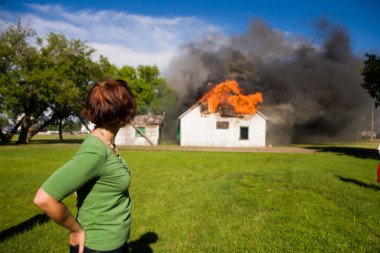
Fires are very dangerous .
Brände sind sehr gefährlich 0
Hỏa hoạn rất nguy hiểm .
火灾 很 危险 。
Huǒzāi hěn wēixiǎn.
火事は非常に危険です。
Kaji wa hijō ni kikendesu.
화재는 매우 위험합니다.
hwajaeneun maeu wiheomhabnida.
(VI)
(ZH)
(JA)
1342
[EN] [DE] [NL] [ES] [FR] [IT] [TH] [VI] [ZH]
|
RANDOM
中国人有拜祭祖宗的习俗。

The Chinese people practice the custom of ancestor worship .
Das chinesische Volk praktiziert den Brauch der Ahnenverehrung 0
Người Hoa có tục thờ cúng tổ tiên .
中国 人有 拜祭 祖宗 的 习俗 。
Zhōngguórén yǒu bàijì zǔzōng de xísú.
中国人は彼らの先祖を崇拝する習慣があります。
Chūgokujin wa karera no senzo o sūhai suru shūkan ga arimasu.
중국인들은 조상을 숭배하는 풍습이 있습니다.
jung-gug-indeul-eun josang-eul sungbaehaneun pungseub-i issseubnida.
(VI)
(ZH)
(JA)
1352
[EN] [DE] [NL] [ES] [FR] [IT] [TH] [VI] [ZH]
|
RANDOM
寿司的味道很正宗。

The taste of the sushi is very authentic .
Der Geschmack des Sushi ist sehr authentisch 0
Hương vị của sushi rất chân thực .
寿司 的 味道 很 正宗 。
Shòusī de wèidao hěn zhèngzōng.
寿司の味は本物です。
Sushi no aji wa honmonodesu.
초밥의 맛이 일품입니다.
chobab-ui mas-i ilpum-ibnida.
(VI)
(ZH)
(JA)
1353
[EN] [DE] [NL] [ES] [FR] [IT] [TH] [VI] [ZH]
|
RANDOM
他怀疑事情出了问题。

He suspects something has gone wrong .
Er vermutet , dass etwas schief gelaufen ist 0
Anh ta nghi ngờ có điều gì đó không ổn .
他 怀疑 事情 出 了 问题 。
Tā huáiyí shìqing chūle wèntí.
彼は何かがうまくいかなかったのではないかと疑った。
Kare wa nanika ga umaku ikanakatta node wanai ka to utagatta.
그는 뭔가 잘못되었다고 의심했습니다.
geuneun mwonga jalmosdoeeossdago uisimhaessseubnida.
(VI)
(ZH)
(JA)
1355
[EN] [DE] [NL] [ES] [FR] [IT] [TH] [VI] [ZH]
|
RANDOM
今天美元兑人民币的汇率是多少?

What is the exchange rate between US dollar and RMB today ?
Wie ist der Wechselkurs zwischen US-Dollar und RMB heute ?
Tỷ giá hối đoái giữa đô la Mỹ và nhân dân tệ hôm nay là bao nhiêu ?
今天 美元兑 人民币 的 汇率 是 多少 ?
Jīntiān Měiyuán duì Rénmínbì de huìlǜ shì duōshao?
今日の米ドルと人民元の為替レートはいくらですか?
Kyō no beidoru to jimmingen no kawasereto wa ikura desu ka?
오늘 USD와 RMB의 환율은 얼마입니까?
oneul USDwa RMBui hwan-yul-eun eolmaibnikka?
(VI)
(ZH)
(JA)
1424
[EN] [DE] [NL] [ES] [FR] [IT] [TH] [VI] [ZH]
|
RANDOM
我去过俄罗斯。
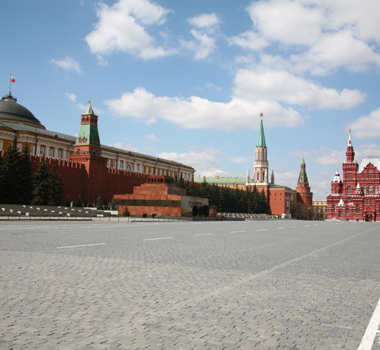
I have been to Russia before .
Ich war schon einmal in Russland 0
Tôi đã từng đến Nga trước đây .
我 去过 俄罗斯 。
Wǒ qùguò Éluósī.
私はロシアに行ったことがあります。
Watashi wa Roshia ni itta koto ga arimasu.
나는 러시아에 갔다.
naneun leosia-e gassda.
(VI)
(ZH)
(JA)
1430
[EN] [DE] [NL] [ES] [FR] [IT] [TH] [VI] [ZH]
|
RANDOM
每个人都热烈地参与讨论。

Everyone is participating actively in the discussion .
Jeder nimmt aktiv an der Diskussion teil 0
Mọi người đều đang tham gia thảo luận rất sôi nổi .
每个 人 都 热烈 地 参与 讨论 。
Měi gè rén dōu rèliè de cānyù tǎolùn.
皆さん、積極的に議論に参加されています。
Minasan, sekkyokutekini giron ni sanka sa rete imasu.
모두가 열정적으로 토론에 참여했습니다.
moduga yeoljeongjeog-eulo tolon-e cham-yeohaessseubnida.
(VI)
(ZH)
(JA)
1433
[EN] [DE] [NL] [ES] [FR] [IT] [TH] [VI] [ZH]
|
RANDOM
他的长相很兇恶。

His appearance is very ferocious .
Er hat einen grimmigen Blick 0
Vẻ ngoài của anh ta rất hung dữ .
他 的 长相 很 兇恶 。
Tā de zhǎngxiàng hěn xiōng'è.
彼は激しい外見をしている。
Kare wa hageshī gaiken o shite iru.
그는 사나운 외모를 가지고 있다.
geuneun sanaun oemoleul gajigo issda.
(VI)
(ZH)
(JA)
1434
[EN] [DE] [NL] [ES] [FR] [IT] [TH] [VI] [ZH]
|
RANDOM
父母给予我极大的支持。

My parents have given me enormous support .
Meine Eltern haben mich enorm unterstützt 0
Cha mẹ tôi đã ủng hộ tôi rất nhiều .
父母 给予 我 极大 的 支持 。
Fùmǔ jǐyǔ wǒ jídà de zhīchí.
私の両親は私に大きな支援をしてくれました。
Watashi no ryōshin wa watashi ni ōkina shien o shite kuremashita.
부모님은 저에게 큰 도움을 주셨습니다.
bumonim-eun jeoege keun doum-eul jusyeossseubnida.
(VI)
(ZH)
(JA)
1436
[EN] [DE] [NL] [ES] [FR] [IT] [TH] [VI] [ZH]
|
RANDOM
他们买了这套房子。

They have bought this house .
Sie haben dieses Haus gekauft 0
Họ đã mua căn nhà này 0
他们 买 了 这套 房子 。
Tāmen mǎile zhè tào fángzi.
彼らはこの家を買いました。
Karera wa kono-ka o kaimashita.
그들은 이 집을 샀다.
geudeul-eun i jib-eul sassda.
(VI)
(ZH)
(JA)
1466
[EN] [DE] [NL] [ES] [FR] [IT] [TH] [VI] [ZH]
|
RANDOM
老师教我们新单词。
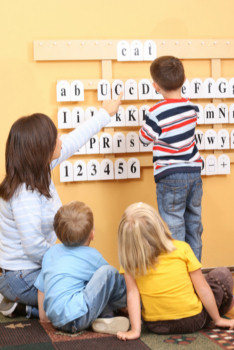
The teacher is teaching us some new words .
Der Lehrer bringt uns einige neue Wörter bei 0
Giáo viên đang dạy chúng tôi một số từ mới .
老师 教 我们 新 单词 。
Lǎoshī jiāo wǒmen xīn dāncí.
先生が新しい単語を教えてくれています。
Sensei ga atarashī tango o oshiete kurete imasu.
선생님은 우리에게 새로운 단어를 가르쳐 주셨습니다.
seonsaengnim-eun uliege saeloun dan-eoleul galeuchyeo jusyeossseubnida.
(VI)
(ZH)
(JA)
1512
[EN] [DE] [NL] [ES] [FR] [IT] [TH] [VI] [ZH]
|
RANDOM
这是一只毒蜘蛛。
This is a poisonous spider .
Dies ist eine giftige Spinne 0
Đây là một loài nhện độc 0
这是 一只 毒蜘蛛 。
Zhè shì yī zhī dúzhīzhū.
これは有毒なクモです。
Kore wa yūdokuna kumodesu.
이것은 유독 한 거미입니다.
igeos-eun yudog han geomiibnida.
(VI)
(ZH)
(JA)
1514
[EN] [DE] [NL] [ES] [FR] [IT] [TH] [VI] [ZH]
|
RANDOM
病人的意识还没有清醒。

The patient hasn't regained consciousness yet .
Der Patient hat das Bewusstsein noch nicht wiedererlangt 0
Bệnh nhân vẫn chưa tỉnh lại 0
病人 的 意识 还 没有 清醒 。
Bìngrén de yìshi hái méiyǒu qīngxǐng.
患者の意識はまだはっきりしていません。
Kanja no ishiki wa mada hakkiri shite imasen.
환자의 의식은 아직 명확하지 않습니다.
hwanjaui uisig-eun ajig myeonghwaghaji anhseubnida.
(VI)
(ZH)
(JA)
1525
[EN] [DE] [NL] [ES] [FR] [IT] [TH] [VI] [ZH]
|
RANDOM
她向客人推销商品。

She is pitching products to customers .
Sie stellt Kunden Produkte vor 0
Cô ấy đang giới thiệu sản phẩm cho khách hàng .
她 向 客人 推销 商品 。
Tā xiàng kèren tuīxiāo shāngpǐn.
彼女は顧客に商品を販売しています。
Kanojo wa kokyaku ni shōhin o hanbai shite imasu.
그녀는 고객에게 상품을 판매합니다.
geunyeoneun gogaeg-ege sangpum-eul panmaehabnida.
(VI)
(ZH)
(JA)
1531
[EN] [DE] [NL] [ES] [FR] [IT] [TH] [VI] [ZH]
|
RANDOM
她用绳索保护自己。

She uses a rope to protect herself .
Sie benutzt ein Seil , um sich zu schützen 0
Cô ấy sử dụng một sợi dây để bảo vệ mình .
她 用 绳索 保护 自己 。
Tā yòng shéngsuǒ bǎohù zìjǐ.
彼女はロープで身を守ります。
Kanojo wa rōpu de mi o mamorimasu.
그녀는 밧줄로 자신을 보호합니다.
geunyeoneun basjullo jasin-eul bohohabnida.
(VI)
(ZH)
(JA)
1535
[EN] [DE] [NL] [ES] [FR] [IT] [TH] [VI] [ZH]
|
RANDOM
他的发言博得一片掌声。

His speech was received with applause .
Seine Rede wurde mit Applaus aufgenommen 0
Bài phát biểu của ông đã được đón nhận bằng những tràng pháo tay .
他 的 发言 博得 一片 掌声 。
Tā de fāyán bódé yī piàn zhǎngshēng.
彼のスピーチは拍手喝采を浴びた。
Kare no supīchi wa hakujukassai o abita.
그의 연설은 박수를 받았다.
geuui yeonseol-eun bagsuleul bad-assda.
(VI)
(ZH)
(JA)
1553
[EN] [DE] [NL] [ES] [FR] [IT] [TH] [VI] [ZH]
|
RANDOM
她戴着耳机听音乐。

She wears headphones to listen to music .
Zum Musikhören trägt sie Kopfhörer 0
Cô ấy nghe nhạc bằng tai nghe .
她 戴 着 耳机 听 音乐 。
Tā dài zhe ěrjī tīng yīnyuè.
彼女はヘッドホンで音楽を聴いています。
Kanojo wa heddohon de ongaku o kiite imasu.
그녀는 헤드폰으로 음악을 듣고 있습니다.
geunyeoneun hedeupon-eulo eum-ag-eul deudgo issseubnida.
(VI)
(ZH)
(JA)
1555
[EN] [DE] [NL] [ES] [FR] [IT] [TH] [VI] [ZH]
|
RANDOM
他们在盖房子。

They are building a house .
Sie bauen ein Haus 0
Họ đang xây dựng một ngôi nhà .
他们 在 盖房子 。
Tāmen zài gài fángzi.
彼らは家を建てています。
Karera wa ie o tatete imasu.
그들은 집을 짓고 있습니다.
geudeul-eun jib-eul jisgo issseubnida.
(VI)
(ZH)
(JA)
1562
[EN] [DE] [NL] [ES] [FR] [IT] [TH] [VI] [ZH]
|
RANDOM
这片树林很茂盛。
This forest is very lush .
Dieser Wald ist sehr üppig 0
Khu rừng này rất tươi tốt 0
这片 树林 很 茂盛 。
Zhè piàn shùlín hěn màoshèng.
この森はとても緑豊かです。
Kono mori wa totemo midori yutakadesu.
이 숲은 매우 무성합니다.
i sup-eun maeu museonghabnida.
(VI)
(ZH)
(JA)
1571
[EN] [DE] [NL] [ES] [FR] [IT] [TH] [VI] [ZH]
|
RANDOM
房屋的火势很盛。
The fire in the house is very strong .
Das Feuer im Haus ist sehr stark 0
Ngọn lửa căn nhà đang bùng cháy dữ dội .
房屋 的 火势 很盛 。
Fángwū de huǒshì hěn shèng.
家の中の火はとても強いです。
ie/uchi no naka no hi wa totemo tsuyoidesu.
집에 불이 아주 거세다.
jib-e bul-i aju geoseda.
(VI)
(ZH)
(JA)
1572
[EN] [DE] [NL] [ES] [FR] [IT] [TH] [VI] [ZH]
|
RANDOM
夫妻应该避免争吵。

Husbands and wives should avoid quarrelling .
Ehepaare sollten Streit vermeiden 0
Vợ chồng nên tránh cãi vã 0
夫妻 应该 避免 争吵 。
Fūqī yīnggāi bìmiǎn zhēngchǎo.
カップルは喧嘩を避けるべきです。
Kappuru wa kenka o yokerubekidesu.
부부는 다툼을 피해야 합니다.
bubuneun datum-eul pihaeya habnida.
(VI)
(ZH)
(JA)
1585
[EN] [DE] [NL] [ES] [FR] [IT] [TH] [VI] [ZH]
|
RANDOM
刚出门,忽然下起了大雨。

It started to rain heavily just when I stepped out the door .
Es begann heftig zu regnen , als ich aus der Tür trat 0
Trời bắt đầu đổ mưa to ngay khi tôi bước ra khỏi cửa .
刚 出门 , 忽然 下起 了 大雨 。
Gāng chūmén, hūrán xiàqǐle dàyǔ.
外出すると突然大雨が降った。
Gaishutsu suruto totsuzen ōame ga futta.
집을 나서자마자 갑자기 많은 비가 내렸다.
jib-eul naseojamaja gabjagi manh-eun biga naelyeossda.
(VI)
(ZH)
(JA)
1589
[EN] [DE] [NL] [ES] [FR] [IT] [TH] [VI] [ZH]
|
RANDOM
刚下了一场暴雨。

There has just been a heavy rain .
Gerade hat es heftig geregnet 0
Trời vừa mưa to .
刚下 了 一场 暴雨 。
Gāng xiàle yī cháng bàoyǔ.
大雨が降ったばかりです。
Ōame ga futta bakaridesu.
방금 폭우가 쏟아졌습니다.
bang-geum pog-uga ssod-ajyeossseubnida.
(VI)
(ZH)
(JA)
1618
[EN] [DE] [NL] [ES] [FR] [IT] [TH] [VI] [ZH]
|
RANDOM
过马路要走人行横道。

To cross the street , one should use the crosswalk .
Um die Straße zu überqueren , sollte man den Zebrastreifen benutzen 0
Để sang đường , người ta nên sử dụng lối đi dành cho người đi bộ .
过 马路 要 走 人行横道 。
Guò mǎlù yào zǒu rénxíng héngdào.
道路を横断するには、横断歩道を利用します。
Dōro o ōdan suru ni wa, ōdan hodō o riyō shimasu.
길을 건너려면 횡단보도를 이용하세요.
gil-eul geonneolyeomyeon hoengdanbodoleul iyonghaseyo.
(VI)
(ZH)
(JA)
1624
[EN] [DE] [NL] [ES] [FR] [IT] [TH] [VI] [ZH]
|
RANDOM
我喜欢吃日本菜,尤其是寿司。

I love Japanese food , especially sushi .
Ich liebe japanisches Essen , besonders Sushi 0
Tôi thích đồ ăn Nhật Bản , đặc biệt là sushi .
我 喜欢 吃 日本 菜 , 尤其 是 寿司 。
Wǒ xǐhuan chī Rìběncài, yóuqíshì shòusī.
私は日本食、特に寿司を食べるのが好きです。
Watashi wa nipponshoku, tokuni sushi o taberu no ga sukidesu.
나는 일본 음식, 특히 초밥을 먹는 것을 좋아합니다.
naneun ilbon eumsig, teughi chobab-eul meogneun geos-eul joh-ahabnida.
(VI)
(ZH)
(JA)
1625
[EN] [DE] [NL] [ES] [FR] [IT] [TH] [VI] [ZH]
|
RANDOM
火灾造成的损失严重。
The fire caused a lot of damage .
Der durch das Feuer verursachte Schaden war schwerwiegend 0
Vụ cháy gây nhiều thiệt hại 0
火灾 造成 的 损失 严重 。
Huǒzāi zàochéng de sǔnshī yánzhòng.
火災による被害は甚大でした。
Kasai ni yoru higai wa jindaideshita.
화재로 인한 피해는 심각했습니다.
hwajaelo inhan pihaeneun simgaghaessseubnida.
(VI)
(ZH)
(JA)
1634
[EN] [DE] [NL] [ES] [FR] [IT] [TH] [VI] [ZH]
|
RANDOM
千万不要挑拨夫妻关系。

Never sow discord between husband and wife .
Säe niemals Zwietracht zwischen Mann und Frau 0
Đừng bao giờ gieo rắc mối bất hòa giữa vợ và chồng .
千万 不要 挑拨 夫妻关系 。
Qiānwàn bùyào tiǎobō fūqī guānxi.
夫と妻の関係を決して扇動しないでください。
Otto to tsuma no kankei o kesshite sendō shinaide kudasai.
남편과 아내 사이의 관계를 자극하지 마십시오.
nampyeongwa anae saiui gwangyeleul jageughaji masibsio.
(VI)
(ZH)
(JA)
1649
[EN] [DE] [NL] [ES] [FR] [IT] [TH] [VI] [ZH]
|
RANDOM
唐人街很热闹。

Chinatown is bustling .
Chinatown ist sehr lebendig 0
Khu phố Tàu rất sôi động 0
唐人街 很 热闹 。
Tángrénjiē hěn rènao.
チャイナタウンはとても活気があります。
Chaina taun wa totemo kakki ga arimasu.
차이나타운은 활기가 넘칩니다.
chainataun-eun hwalgiga neomchibnida.
(VI)
(ZH)
(JA)
1654
[EN] [DE] [NL] [ES] [FR] [IT] [TH] [VI] [ZH]
|
RANDOM
甲类似于英文里的“A”。

Chinese 甲 (jia) is analogous to A in English .
Das bedeutet A 0
甲 (jia) trong tiếng Trung tương tự như A trong tiếng Anh .
甲 类似 于 英文 里 的 “ A ” 。
Jiǎ lèisì yú Yīngwén lǐ de “A”.
中国語の「甲」は英語の「A」に相当します。
Chūgokugo no `kō' wa eigo no `A ' ni sōtō shimasu.
A는 영어의 "A"와 비슷합니다.
Aneun yeong-eoui "A"wa biseushabnida.
(VI)
(ZH)
(JA)
1680
[EN] [DE] [NL] [ES] [FR] [IT] [TH] [VI] [ZH]
|
RANDOM
大街上很热闹。

It is busy in the street .
Es ist viel los auf der Straße 0
Nó đang nhộn nhịp trên phố 0
大街 上 很 热闹 。
Dàjiēshàng hěn rènao.
通りはとても賑やかです。
Tōri wa totemo nigiyakadesu.
거리는 매우 활기차다.
geolineun maeu hwalgichada.
(VI)
(ZH)
(JA)
1686
[EN] [DE] [NL] [ES] [FR] [IT] [TH] [VI] [ZH]
|
RANDOM
小男孩很勇敢。

The small boy is very courageous .
Der kleine Junge ist sehr mutig 0
Cậu nhỏ rất can đảm .
小男孩 很 勇敢 。
Xiǎo nánhái hěn yǒnggǎn.
その少年はとても勇敢です。
Sono shōnen wa totemo yūkandesu.
어린 소년은 매우 용감합니다.
eolin sonyeon-eun maeu yong-gamhabnida.
(VI)
(ZH)
(JA)
1699
[EN] [DE] [NL] [ES] [FR] [IT] [TH] [VI] [ZH]
|
RANDOM
她习惯每天晨跑。

She is used to running in the morning every day .
Sie ist es gewohnt , jeden Tag morgens zu laufen 0
Cô có thói quen chạy bộ vào mỗi buổi sáng .
她 习惯 每天 晨跑 。
Tā xíguàn měi tiān chénpǎo.
彼女は毎朝走ることに慣れている。
Kanojo wa maiasa hashiru koto ni narete iru.
그녀는 매일 아침 달리기에 익숙합니다.
geunyeoneun maeil achim dalligie igsughabnida.
(VI)
(ZH)
(JA)
1700
[EN] [DE] [NL] [ES] [FR] [IT] [TH] [VI] [ZH]
|
RANDOM
丈夫向妻子道歉。

The husband apologizes to his wife .
Der Ehemann entschuldigt sich bei seiner Frau 0
Chồng xin lỗi vợ .
丈夫 向 妻子 道歉 。
Zhàngfu xiàng qīzi dàoqiàn.
夫は妻に謝罪します。
Otto wa tsuma ni shazai shimasu.
남편은 아내에게 사과했다.
nampyeon-eun anaeege sagwahaessda.
(VI)
(ZH)
(JA)
1707
[EN] [DE] [NL] [ES] [FR] [IT] [TH] [VI] [ZH]
|
RANDOM
这条街很繁华。
This street is bustling .
Diese Straße ist belebt 0
Phố này thật nhộn nhịp .
这条 街 很 繁华 。
Zhè tiáo jiē hěn fánhuá.
この通りはにぎやかです。
Kono tōri wa nigiyakadesu.
이 거리는 매우 바쁘다.
i geolineun maeu bappeuda.
(VI)
(ZH)
(JA)
1717
[EN] [DE] [NL] [ES] [FR] [IT] [TH] [VI] [ZH]
|
RANDOM
她刚买了一辆车。

She is just bought a car .
Sie hat gerade ein Auto gekauft 0
Cô ấy vừa mới mua một chiếc xe hơi .
她 刚 买 了 一辆车 。
Tā gāng mǎile yī liàng chē.
彼女は車を買ったばかりです。
Kanojo wa kuruma o katta bakaridesu.
그녀는 방금 차를 샀다.
geunyeoneun bang-geum chaleul sassda.
(VI)
(ZH)
(JA)
1722
[EN] [DE] [NL] [ES] [FR] [IT] [TH] [VI] [ZH]
|
RANDOM
妈妈培养孩子对音乐的兴趣。

The mother fosters her child's interest in music .
Die Mutter fördert das Interesse ihres Kindes an der Musik 0
Người mẹ nuôi dưỡng niềm yêu thích âm nhạc của con mình .
妈妈 培养 孩子 对 音乐 的 兴趣 。
Māma péiyǎng háizi duì yīnyuè de xìngqù.
母は子供たちの音楽への興味を育みます。
Haha wa kodomo-tachi no ongaku e no kyōmi o hagukumimasu.
어머니는 음악에 대한 자녀의 관심을 촉진합니다.
eomeonineun eum-ag-e daehan janyeoui gwansim-eul chogjinhabnida.
(VI)
(ZH)
(JA)
1724
[EN] [DE] [NL] [ES] [FR] [IT] [TH] [VI] [ZH]
|
RANDOM
她在乘公共汽车。

She is taking a bus .
Sie nimmt einen Bus 0
Cô ấy đang đi xe buýt 0
她 在 乘 公共汽车 。
Tā zài chéng gōnggòng qìchē.
彼女はバスに乗っている。
Kanojo wa basu ni notte iru.
그녀는 버스를 타고 있습니다.
geunyeoneun beoseuleul tago issseubnida.
(VI)
(ZH)
(JA)
1729
[EN] [DE] [NL] [ES] [FR] [IT] [TH] [VI] [ZH]
|
RANDOM
法官在审讯犯人。

The judge interrogates the accused .
Der Richter verhört den Angeklagten 0
Thẩm phán đang thẩm vấn tên tội phạm .
法官 在 审讯 犯人 。
Fǎguān zài shěnxùn fànrén.
裁判官は囚人に尋問しています。
Saibankan wa shūjin ni jinmon shite imasu.
판사가 죄수를 심문하고 있습니다.
pansaga joesuleul simmunhago issseubnida.
(VI)
(ZH)
(JA)
1742
[EN] [DE] [NL] [ES] [FR] [IT] [TH] [VI] [ZH]
|
RANDOM
学习不能半途而废。

One mustn't give up halfway in one's studies .
Man darf sein Studium nicht auf halbem Wege aufgeben 0
Việc học không thể bỏ dở giữa chừng .
学习 不能 半途而废 。
Xuéxí bù néng bàntú'érfèi.
学習を途中でやめることはできません。
Gakushū o tochū de yameru koto wa dekimasen.
배움은 중간에 남길 수 없습니다.
baeum-eun jung-gan-e namgil su eobs-seubnida.
(VI)
(ZH)
(JA)
1751
[EN] [DE] [NL] [ES] [FR] [IT] [TH] [VI] [ZH]
|
RANDOM
城市里的废气污染严重。
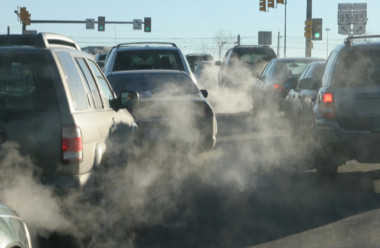
In the city , there is heavy pollution from exhaust fumes .
Die Abgasbelastung in der Stadt ist hoch 0
Trong thành phố , ô nhiễm nặng từ khói thải .
城市 里 的 废气 污染 严重 。
Chéngshì lǐ de fèiqì wūrǎn yánzhòng.
市内の排気ガス汚染は深刻です。
Shinai no haiki gasu osen wa shinkokudesu.
도시의 폐가스 오염은 심각합니다.
dosiui pyegaseu oyeom-eun simgaghabnida.
(VI)
(ZH)
(JA)
1769
[EN] [DE] [NL] [ES] [FR] [IT] [TH] [VI] [ZH]
|
RANDOM
她很好学。

She is very studious .
Sie ist sehr fleißig 0
Cô ấy rất chăm học .
她 很 好学 。
Tā hěn hàoxué.
彼女は学ぶのが簡単です。
Kanojo wa manabu no ga kantandesu.
그녀는 배우기 쉽습니다.
geunyeoneun baeugi swibseubnida.
(VI)
(ZH)
(JA)
1809
[EN] [DE] [NL] [ES] [FR] [IT] [TH] [VI] [ZH]
|
RANDOM
他几乎累坏了。

He is nearly exhausted .
Er ist am Rande der Erschöpfung 0
Anh ấy gần như kiệt sức 0
他 几乎 累坏 了 。
Tā jīhū lèihuài le.
彼はほとんど疲れ果てています。
Kare wa hotondo tsukare hatete imasu.
그는 거의 지쳤습니다.
geuneun geoui jichyeossseubnida.
(VI)
(ZH)
(JA)
1811
[EN] [DE] [NL] [ES] [FR] [IT] [TH] [VI] [ZH]
|
RANDOM
家人给予我极大的支持。

My family has given me enormous support .
Meine Familie hat mich enorm unterstützt 0
Gia đình tôi đã ủng hộ tôi rất nhiều .
家人 给予 我 极大 的 支持 。
Jiārén jǐyǔ wǒ jídà de zhīchí.
私の家族は私に大きな支援をしてくれました。
Watashi no kazoku wa watashi ni ōkina shien o shite kuremashita.
가족들은 저에게 큰 도움을 주었습니다.
gajogdeul-eun jeoege keun doum-eul jueossseubnida.
(VI)
(ZH)
(JA)
1828
[EN] [DE] [NL] [ES] [FR] [IT] [TH] [VI] [ZH]
|
RANDOM
他用尺子来画图。

She uses a ruler to draw the design .
Er benutzt ein Lineal , um das Schaubild zu zeichnen 0
Cô ấy dùng thước kẻ để vẽ thiết kế .
他 用 尺子 来 画图 。
Tā yòng chǐzi lái huàtú.
彼は定規を使って絵を描きます。
Kare wa jōgi o tsukatte e o kakimasu.
그는 자를 사용하여 그림을 그립니다.
geuneun jaleul sayonghayeo geulim-eul geulibnida.
(VI)
(ZH)
(JA)
1831
[EN] [DE] [NL] [ES] [FR] [IT] [TH] [VI] [ZH]
|
RANDOM
这份是原稿。
This is the original manuscript .
Dies ist das Originalmanuskript 0
Đây là bản thảo gốc .
这份 是 原稿 。
Zhè fèn shì yuángǎo.
これがオリジナル原稿です。
Kore ga orijinaru genkōdesu.
이것은 원고입니다.
igeos-eun wongoibnida.
(VI)
(ZH)
(JA)
1832
[EN] [DE] [NL] [ES] [FR] [IT] [TH] [VI] [ZH]
|
RANDOM
ATM凭卡取钱。

One can withdraw cash from an ATM machine using a card .
Mit der ATM-Karte kann man Geld abheben 0
Người ta có thể rút tiền mặt từ máy ATM bằng thẻ .
ATM 凭卡取 钱 。
ATM píng kǎ qǔqián.
ATMはカードでお金を引き出します。
ATM wa kādo de okane o hikidashimasu.
ATM은 카드로 돈을 인출합니다.
ATMeun kadeulo don-eul inchulhabnida.
(VI)
(ZH)
(JA)
1855
[EN] [DE] [NL] [ES] [FR] [IT] [TH] [VI] [ZH]
|
RANDOM
我用房产来抵押贷款。

I use real estate as a mortgage .
Ich benutze die Immobilie , um einen Kredit zu sichern 0
Tôi sử dụng bất động sản để thế chấp .
我用 房产 来 抵押 贷款 。
Wǒ yòng fángchǎn lái dǐyā dàikuǎn.
私は不動産を住宅ローンとして利用しています。
Watashi wa fudōsan o jūtaku rōn to shite riyō shite imasu.
부동산을 담보로 사용하고 있습니다.
budongsan-eul dambolo sayonghago issseubnida.
(VI)
(ZH)
(JA)
1862
[EN] [DE] [NL] [ES] [FR] [IT] [TH] [VI] [ZH]
|
RANDOM
日本京都的庙宇很出名。
The temples of Kyoto , Japan , are very famous .
Die Tempel von Kyoto , Japan , sind sehr berühmt 0
Những ngôi đền ở Kyoto , Nhật Bản , rất nổi tiếng .
日本 京都 的 庙宇 很 出名 。
Rìběn Jīngdū de miàoyǔ hěn chūmíng.
日本の京都の寺院はとても有名です。
Nihon no Kyōto no jiin wa totemo yūmeidesu.
일본 교토의 사찰은 매우 유명합니다.
ilbon gyotoui sachal-eun maeu yumyeonghabnida.
(VI)
(ZH)
(JA)
1865
[EN] [DE] [NL] [ES] [FR] [IT] [TH] [VI] [ZH]
|
RANDOM
这个仓库很大。
This warehouse is very big .
Dieses Lager ist sehr groß 0
Nhà kho này rất lớn .
这个 仓库 很大 。
Zhège cāngkù hěn dà.
この倉庫は巨大です。
Kono sōko wa kyodaidesu.
이 창고는 거대합니다.
i chang-goneun geodaehabnida.
(VI)
(ZH)
(JA)
1884
[EN] [DE] [NL] [ES] [FR] [IT] [TH] [VI] [ZH]
|
RANDOM
我明天要去俄罗斯。
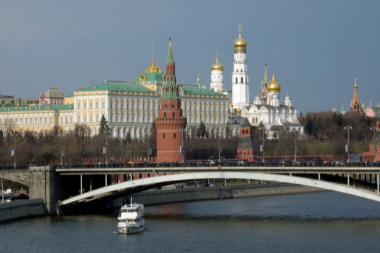
I am going to Russia tomorrow .
Ich fahre morgen nach Russland 0
Tôi sẽ đi Nga vào ngày mai .
我 明天 要 去 俄罗斯 。
Wǒ míngtiān yào qù Éluósī.
私は明日ロシアに行きます。
Watashi wa ashita Roshia ni ikimasu.
나는 내일 러시아에 갑니다.
naneun naeil leosia-e gabnida.
(VI)
(ZH)
(JA)
1885
[EN] [DE] [NL] [ES] [FR] [IT] [TH] [VI] [ZH]
|
RANDOM
我们俩是好朋友。

The two of us are good friends .
Wir sind gute Freunde 0
Hai chúng tôi là bạn tốt của nhau .
我们 俩 是 好 朋友 。
Wǒmen liǎ shì hǎo péngyou.
二人は仲良しです。
Futari wa nakayoshidesu.
우리 둘은 좋은 친구입니다.
uli dul-eun joh-eun chingu-ibnida.
(VI)
(ZH)
(JA)
1889
[EN] [DE] [NL] [ES] [FR] [IT] [TH] [VI] [ZH]
|
RANDOM
房间里积满了灰尘。

Everything in the room is dusty .
Alles im Raum ist staubig 0
Mọi thứ trong phòng đều bám đầy bụi .
房间 里 积满 了 灰尘 。
Fángjiān lǐ jīmǎnle huīchén.
部屋にほこりがたまっています。
Heya ni hokori ga tamatte imasu.
방에 쌓인 먼지.
bang-e ssah-in meonji.
(VI)
(ZH)
(JA)
1894
[EN] [DE] [NL] [ES] [FR] [IT] [TH] [VI] [ZH]
|
RANDOM
天气太热,他们出了很多汗。

It was so hot that they were sweating profusely .
Es war so heiß , dass sie sehr schwitzten 0
Trời quá nóng và họ đã đổ rất nhiều mồ hôi .
天气 太热 , 他们 出 了 很多 汗 。
Tiānqì tài rè, tāmen chūle hěn duō hàn.
天気が暑すぎて汗をかきます。
Tenki ga atsu sugite ase o kakimasu.
날씨가 너무 더워 땀을 많이 흘린다.
nalssiga neomu deowo ttam-eul manh-i heullinda.
(VI)
(ZH)
(JA)
1905
[EN] [DE] [NL] [ES] [FR] [IT] [TH] [VI] [ZH]
|
RANDOM
这鬼天气,又下雨了。

What lousy weather !
Was für ein schlechtes Wetter !
Thời tiết thật tồi tệ !
这 鬼天气 , 又 下雨 了 。
Zhè guǐ tiānqì, yòu xiàyǔ le.
この不気味な天気でまた雨が降っています。
Kono bukimina tenki de mata ame ga futte imasu.
이 으스스한 날씨에 또 비가 내립니다.
i euseuseuhan nalssie tto biga naelibnida.
(VI)
(ZH)
(JA)
1916
[EN] [DE] [NL] [ES] [FR] [IT] [TH] [VI] [ZH]
|
RANDOM
这间宾馆非常豪华。
This hotel is very luxurious .
Das Hotel ist sehr luxuriös 0
Khách sạn này rất sang trọng 0
这 间 宾馆 非常 豪华 。
Zhè jiān bīnguǎn fēicháng háohuá.
このホテルはとても豪華です。
Kono hoteru wa totemo gōkadesu.
이 호텔은 매우 고급스럽습니다.
i hotel-eun maeu gogeubseuleobseubnida.
(VI)
(ZH)
(JA)
1922
[EN] [DE] [NL] [ES] [FR] [IT] [TH] [VI] [ZH]
|
RANDOM
她在用力地拖绳子。

She is dragging the rope vigorously .
Sie zieht mit aller Kraft an dem Seil 0
Cô ấy đang kéo mạnh sợi dây .
她 在 用力 地 拖 绳子 。
Tā zài yònglì de tuō shéngzi.
彼女は勢いよくロープを引きずっていきます。
Kanojo wa ikioi yoku rōpu o hikizutte ikimasu.
그녀는 힘차게 밧줄을 당기고 있었다.
geunyeoneun himchage basjul-eul dang-gigo iss-eossda.
(VI)
(ZH)
(JA)
1929
[EN] [DE] [NL] [ES] [FR] [IT] [TH] [VI] [ZH]
|
RANDOM
他的工作很辛苦。

His job is very arduous .
Sein Job ist sehr beschwerlich 0
Công việc của anh ấy rất gian khổ .
他 的 工作 很 辛苦 。
Tā de gōngzuò hěn xīnkǔ.
彼の仕事はとても大変です。
Kare no shigoto wa totemo taihendesu.
그의 일은 매우 어렵다.
geuui il-eun maeu eolyeobda.
(VI)
(ZH)
(JA)
1933
[EN] [DE] [NL] [ES] [FR] [IT] [TH] [VI] [ZH]
|
RANDOM
丝瓜络可以用来洗澡。

A loofah can be used to bathe with .
Luffa kann beim Baden verwendet werden 0
Có thể dùng mướp để tắm 0
丝瓜络 可以 用来 洗澡 。
Sīguāluò kěyǐ yònglái xǐzǎo.
ヘチマは入浴に使用できます。
Hechima wa nyūyoku ni shiyō dekimasu.
수세미는 목욕에 사용할 수 있습니다.
susemineun mog-yog-e sayonghal su issseubnida.
(VI)
(ZH)
(JA)
1944
[EN] [DE] [NL] [ES] [FR] [IT] [TH] [VI] [ZH]
|
RANDOM
熊猫是珍贵的动物。

Pandas are precious animals .
Pandas sind kostbare Tiere 0
Gấu trúc là loài động vật quý .
熊猫 是 珍贵 的 动物 。
Xióngmāo shì zhēnguì de dòngwù.
パンダは貴重な動物です。
Panda wa kichōna dōbutsudesu.
팬더는 소중한 동물입니다.
paendeoneun sojunghan dongmul-ibnida.
(VI)
(ZH)
(JA)
1955
[EN] [DE] [NL] [ES] [FR] [IT] [TH] [VI] [ZH]
|
RANDOM
房子被烧毁了。

The house was burned down .
Das Haus brannte ab 0
Căn nhà bị thiêu rụi .
房子 被 烧毁 了 。
Fángzi bèi shāohuǐ le.
その家は全焼した。
Sono-ka wa zenshō shita.
집이 불탔습니다.
jib-i bultassseubnida.
(VI)
(ZH)
(JA)
1957
[EN] [DE] [NL] [ES] [FR] [IT] [TH] [VI] [ZH]
|
RANDOM
他们争吵的缘由是钱。

The cause of their quarreling is money . [OR They are arguing over money .]
Die Ursache für ihren Streit ist Geld 0 [ODER Sie streiten sich um Geld .]
Lý do cho cuộc cãi vã của họ là tiền .
他们 争吵 的 缘由 是 钱 。
Tāmen zhēngchǎo de yuányóu shì qián.
彼らの喧嘩の理由はお金です。
Karera no kenka no riyū wa okanedesu.
그들의 싸움의 이유는 돈입니다.
geudeul-ui ssaum-ui iyuneun don-ibnida.
(VI)
(ZH)
(JA)
1969
[EN] [DE] [NL] [ES] [FR] [IT] [TH] [VI] [ZH]
|
RANDOM
她刚刚收到一大堆邮件。

She just received a big stack of mail .
Sie hat gerade einen großen Stapel Post erhalten 0
Cô ấy vừa nhận được một chồng thư lớn .
她 刚刚 收到 一大堆 邮件 。
Tā gānggāng shōudào yīdàduī yóujiàn.
彼女はちょうどたくさんのメールを受け取りました。
Kanojo wa chōdo takusan no mēru o uketorimashita.
그녀는 방금 많은 메일을 받았습니다.
geunyeoneun bang-geum manh-eun meil-eul bad-assseubnida.
(VI)
(ZH)
(JA)
1972
[EN] [DE] [NL] [ES] [FR] [IT] [TH] [VI] [ZH]
|
RANDOM
她忙得不知所措。

She was too busy to know what to do .
Sie war zu beschäftigt , um zu wissen , was sie tun sollte 0
Cô ấy quá bận rộn nên không biết phải làm gì .
她 忙 得 不知所措 。
Tā máng de bùzhīsuǒcuò.
彼女は忙しすぎて何をすべきかわからなかった。
Kanojo wa isogashi sugite nani o subeki ka wakaranakatta.
그녀는 너무 바빠 무엇을 해야 할지 몰랐습니다.
geunyeoneun neomu bappa mueos-eul haeya halji mollassseubnida.
(VI)
(ZH)
(JA)
2006
[EN] [DE] [NL] [ES] [FR] [IT] [TH] [VI] [ZH]
|
RANDOM
他是出版社的编辑。

He is the publisher of the publishing house .
Er ist der Herausgeber des Verlags 0
Anh ấy là biên tập viên của một nhà xuất bản .
他 是 出版社 的 编辑 。
Tā shì chūbǎnshè de biānjí.
彼は出版社の編集者です。
Kare wa shubbansha no henshū-shadesu.
출판사 편집장입니다.
chulpansa pyeonjibjang-ibnida.
(VI)
(ZH)
(JA)
2020
[EN] [DE] [NL] [ES] [FR] [IT] [TH] [VI] [ZH]
|
RANDOM
他们拒绝和好。

They refuse to reconcile .
Sie weigern sich , sich zu versöhnen 0
Họ từ chối hòa giải .
他们 拒绝 和 好 。
Tāmen jùjué héhǎo.
彼らは和解することを拒否します。
Karera wa wakai suru koto o kyohi shimasu.
그들은 화해를 거부합니다.
geudeul-eun hwahaeleul geobuhabnida.
(VI)
(ZH)
(JA)
2031
[EN] [DE] [NL] [ES] [FR] [IT] [TH] [VI] [ZH]
|
RANDOM
这里是韩国的著名景点之一。

This is one of Korea is famous scenic spots .
Dies ist einer der berühmtesten Orte Koreas 0
Đây là một trong những danh lam thắng cảnh nổi tiếng của Hàn Quốc .
这 里 是 韩国 的 著名景点 之一 。
Zhèli shì Hánguó de zhùmíng jǐngdiǎn zhī yī.
これは韓国で有名なアトラクションの1つです。
Kore wa kankoku de yūmei na atorakushon no hitotsu desu.
이것은 한국의 유명한 명소 중 하나입니다.
igeos-eun hangug-ui yumyeonghan myeongso jung hanaibnida.
(VI)
(ZH)
(JA)
2032
[EN] [DE] [NL] [ES] [FR] [IT] [TH] [VI] [ZH]
|
RANDOM
这座宫殿很豪华。
This palace is very luxurious .
Dieser Palast ist sehr luxuriös 0
Cung điện này rất sang trọng 0
这座 宫殿 很 豪华 。
Zhè zuò gōngdiàn hěn háohuá.
この宮殿はとても豪華です。
Kono kyūden wa totemo gōkadesu.
이 궁전은 매우 고급스럽습니다.
i gungjeon-eun maeu gogeubseuleobseubnida.
(VI)
(ZH)
(JA)
2057
[EN] [DE] [NL] [ES] [FR] [IT] [TH] [VI] [ZH]
|
RANDOM
天刚破晓,景色很美。

It's just after sunrise and the view is beautiful .
Es ist kurz nach Sonnenaufgang und die Aussicht ist wunderschön 0
Khung cảnh lúc bình minh rất đẹp .
天刚 破晓 , 景色 很 美 。
Tiān gāng pòxiǎo, jǐngsè hěn měi.
夜明けが明けたばかりで、景色は美しいです。
Yoake ga aketa bakari de, keshiki wa utsukushīdesu.
새벽이 밝았고 풍경이 아름답습니다.
saebyeog-i balg-assgo pung-gyeong-i aleumdabseubnida.
(VI)
(ZH)
(JA)
2060
[EN] [DE] [NL] [ES] [FR] [IT] [TH] [VI] [ZH]
|
RANDOM
她不允许丈夫出门。

She won't allow her husband to go out .
Sie lässt nicht zu , dass ihr Mann ausgeht 0
Cô ấy thắng không cho chồng đi chơi .
她 不 允许 丈夫 出门 。
Tā bù yǔnxǔ zhàngfu chūmén.
彼女は夫が外出することを許可していません。
Kanojo wa otto ga gaishutsu suru koto o kyoka shite imasen.
그녀는 남편의 외출을 허락하지 않습니다.
geunyeoneun nampyeon-ui oechul-eul heolaghaji anhseubnida.
(VI)
(ZH)
(JA)
2068
[EN] [DE] [NL] [ES] [FR] [IT] [TH] [VI] [ZH]
|
RANDOM
父母允诺带我们去野餐。

My parents have promised to take us on a picnic .
Meine Eltern haben versprochen , uns zu einem Picknick mitzunehmen 0
Bố mẹ tôi đã hứa sẽ đưa chúng tôi đi dã ngoại .
父母 允诺 带 我们 去 野餐 。
Fùmǔ yǔnnuò dài wǒmen qù yěcān.
両親は私たちをピクニックに連れて行くと約束しました。
Ryōshin wa watashitachi o pikunikku ni tsureteiku to yakusoku shimashita.
부모님은 우리를 소풍에 데려가겠다고 약속하셨습니다.
bumonim-eun ulileul sopung-e delyeogagessdago yagsoghasyeossseubnida.
(VI)
(ZH)
(JA)
2069
[EN] [DE] [NL] [ES] [FR] [IT] [TH] [VI] [ZH]
|
RANDOM
这座雕塑很有名。

This sculpture is very famous .
Diese Skulptur ist sehr berühmt 0
Tác phẩm điêu khắc này rất nổi tiếng .
这座 雕塑 很 有名 。
Zhè zuò diāosù hěn yǒumíng.
この彫刻はとても有名です。
Kono chōkoku wa totemo yūmeidesu.
이 조각상은 매우 유명합니다.
i jogagsang-eun maeu yumyeonghabnida.
(VI)
(ZH)
(JA)
2081
[EN] [DE] [NL] [ES] [FR] [IT] [TH] [VI] [ZH]
|
RANDOM
他们的表情很严肃。

They look serious .
Sie sehen ernst aus 0
Họ trông nghiêm túc .
他们 的 表情 很 严肃 。
Tāmen de biǎoqíng hěn yánsù.
彼らの表現は真面目です。
Karera no hyōgen wa majimedesu.
그들의 표정은 진지하다.
geudeul-ui pyojeong-eun jinjihada.
(VI)
(ZH)
(JA)
2084
[EN] [DE] [NL] [ES] [FR] [IT] [TH] [VI] [ZH]
|
RANDOM
他最近频繁地出差。

Recently , he is been going on business trips frequently .
In letzter Zeit unternimmt er häufig Geschäftsreisen 0
Gần đây , anh ấy thường xuyên đi công tác xa .
他 最近 频繁 地 出差 。
Tā zuìjìn pínfán de chūchāi.
彼は最近頻繁に旅行します。
Kare wa saikin hinpan ni ryokō shimasu.
그는 최근에 자주 여행을 갑니다.
geuneun choegeun-e jaju yeohaeng-eul gabnida.
(VI)
(ZH)
(JA)
2087
[EN] [DE] [NL] [ES] [FR] [IT] [TH] [VI] [ZH]
|
RANDOM
爸爸只是暂时离开。

My father has just left temporarily .
Papa geht nur für eine Weile weg 0
Cha tôi vừa mới tạm rời đi .
爸爸 只是 暂时 离开 。
Bàba zhǐshì zànshí líkāi.
お父さんは一時的に去りました。
Otōsan wa ichijitekini sarimashita.
아빠는 그냥 임시로 떠났다.
appaneun geunyang imsilo tteonassda.
(VI)
(ZH)
(JA)
2113
[EN] [DE] [NL] [ES] [FR] [IT] [TH] [VI] [ZH]
|
RANDOM
他显得很气愤。

He looks furious .
Er sieht wütend aus 0
Anh ta trông rất tức giận 0
他 显得 很 气愤 。
Tā xiǎnde hěn qìfèn.
彼はとても怒っているように見えます
Kare wa totemo okotte iru yō ni miemasu.
그는 매우 화난 것처럼 보였다.
geuneun maeu hwanan geoscheoleom boyeossda.
(VI)
(ZH)
(JA)
2117
[EN] [DE] [NL] [ES] [FR] [IT] [TH] [VI] [ZH]
|
RANDOM
他指出房子结构的弊端。

He points out flaws in the construction of the house .
Er weist auf Mängel beim Bau des Hauses hin 0
Anh ấy chỉ ra những sai sót trong quá trình xây dựng ngôi nhà .
他 指出 房子 结构 的 弊端 。
Tā zhǐchū fángzi jiégòu de bìduān.
彼は家の構造の欠点を指摘します。
Kare wa ie no kōzō no ketten o shiteki shimasu.
그는 집 구조의 단점을 지적했다.
geuneun jib gujoui danjeom-eul jijeoghaessda.
(VI)
(ZH)
(JA)
2126
[EN] [DE] [NL] [ES] [FR] [IT] [TH] [VI] [ZH]
|
RANDOM
不要为你的迟到找藉口。

Don't make excuses for being late .
Erfinden Sie keine Ausreden für Ihr Zuspätkommen 0
Đừng bao biện cho việc đến muộn .
不要 为 你 的 迟到 找 藉口 。
Bùyào wèi nǐ de chídào zhǎo jièkǒu.
遅刻の言い訳をしないでください。
Chikoku no iiwake o shinaide kudasai.
늦었다고 변명하지 마세요.
neuj-eossdago byeonmyeonghaji maseyo.
(VI)
(ZH)
(JA)
2130
[EN] [DE] [NL] [ES] [FR] [IT] [TH] [VI] [ZH]
|
RANDOM
他们相互干涉对方的业务。

They are interfering with each other's business .
Sie stören sich gegenseitig in ihren Geschäften 0
Họ đang can thiệp vào công việc kinh doanh của nhau .
他们 相互 干涉 对方 的 业务 。
Tāmen xiānghù gānshè duìfāng de yèwù.
彼らはお互いのビジネスを妨害します。
Karera wa otagai no bijinesu o bōgai shimasu.
그들은 서로의 일을 방해합니다.
geudeul-eun seoloui il-eul banghaehabnida.
(VI)
(ZH)
(JA)
2133
[EN] [DE] [NL] [ES] [FR] [IT] [TH] [VI] [ZH]
|
RANDOM
夫妻双方应该同舟共济。

Husbands and wives should stand together in difficult times .
Ehepartner sollten in schwierigen Zeiten zusammenstehen 0
Vợ chồng nên sát cánh bên nhau lúc khó khăn .
夫妻 双方 应该 同舟共济 。
Fūqī shuāngfāng yīnggāi tóngzhōu-gòngjì.
両方の配偶者は同じボートで互いに助け合うべきです。
Ryōhō no haigūsha wa onaji bōto de tagaini tasukeaubekidesu.
두 배우자는 같은 배에서 서로를 도와야 합니다.
du baeujaneun gat-eun baeeseo seololeul dowaya habnida.
(VI)
(ZH)
(JA)
2165
[EN] [DE] [NL] [ES] [FR] [IT] [TH] [VI] [ZH]
|
RANDOM
我在挤牙膏准备刷牙。

I am squeezing toothpaste in preparation to brush my teeth .
Ich drücke Zahnpasta aus , um meine Zähne zu putzen 0
Tôi đang bóp kem đánh răng để chuẩn bị đánh răng .
我 在 挤牙膏 准备 刷牙 。
Wǒ zài jǐ yágāo zhǔnbèi shuāyá.
歯磨き粉を絞って歯を磨いています。
Hamigakiko o shibotte ha o migaite imasu.
나는 이를 닦기 위해 치약을 짜고 있다.
naneun ileul dakkgi wihae chiyag-eul jjago issda.
(VI)
(ZH)
(JA)
2182
[EN] [DE] [NL] [ES] [FR] [IT] [TH] [VI] [ZH]
|
RANDOM
二手车的价格很优惠。

Used cars are greatly discounted .
Gebrauchtwagen sind zu sehr guten Preisen erhältlich 0
Xe cũ được giảm giá mạnh 0
二手车 的 价格 很 优惠 。
Èrshǒuchē de jiàgé hěn yōuhuì.
中古車の値段はとてもお得です。
Chūko-sha no nedan wa totemo o tokudesu.
중고차 가격은 매우 유리합니다.
jung-gocha gagyeog-eun maeu yulihabnida.
(VI)
(ZH)
(JA)
2191
[EN] [DE] [NL] [ES] [FR] [IT] [TH] [VI] [ZH]
|
RANDOM
市长郑重宣布一项消息。

eine wichtige Ankündigung (wörtlich: feierlich / ernsthaft eine Information angekündigt) .
annoncé solennellement/sérieusement une information) 0 Der Bürgermeister machte
Thị trưởng đã đưa ra một thông báo quan trọng (lit . , trang trọng / nghiêm túc công
市长 郑重 宣 布 一项 消息 。
Shìzhǎng zhèngzhòng xuānbù yī xiàng xiāoxi.
市長は厳粛に発表を発表しました。
Shichō wa genshuku ni happyō o happyō shimashita.
시장은 엄숙하게 발표를 발표했다.
sijang-eun eomsughage balpyoleul balpyohaessda.
(VI)
(ZH)
(JA)
2198
[EN] [DE] [NL] [ES] [FR] [IT] [TH] [VI] [ZH]
|
RANDOM
生意给我带来了巨大的利润。

Business brought me great profits .
Das Geschäft brachte mir große Gewinne 0
Công việc kinh doanh đã mang lại cho tôi những khoản lợi nhuận lớn .
生意 给 我 带来 了 巨大 的 利润 。
Shēngyì gěi wǒ dàilái jùdà de lìrùn.
その事業は私に莫大な利益をもたらしました。
Sono jigyō wa watashi ni bakudaina rieki o motarashimashita.
그 사업은 나에게 엄청난 이익을 가져다 주었다.
geu sa-eob-eun na-ege eomcheongnan iig-eul gajyeoda jueossda.
(VI)
(ZH)
(JA)
2235
[EN] [DE] [NL] [ES] [FR] [IT] [TH] [VI] [ZH]
|
RANDOM
国家越来越繁荣昌盛。

The country is growing more and more prosperous .
Das Land wird immer mehr zu einer wohlhabenden Nation 0
Đất nước ngày càng phát triển phồn vinh .
国家 越来越 繁荣昌盛 。
Guójiā yuè lái yuè fánróng-chāngshèng.
国はますます繁栄している。
Kuni wa masumasu han'ei shite iru.
나라는 점점 더 번영하고 있습니다.
nalaneun jeomjeom deo beon-yeonghago issseubnida.
(VI)
(ZH)
(JA)
2242
[EN] [DE] [NL] [ES] [FR] [IT] [TH] [VI] [ZH]
|
RANDOM
泰式房屋很有特色。

Thai houses are very distinctive .
Thailändische Häuser sind sehr charakteristisch 0
Những ngôi nhà của người Thái rất đặc biệt .
泰式 房屋 很 有 特色 。
Tàishì fángwū hěn yǒu tèsè.
タイ風の家はとても特徴的です。
Tai kaze no ie wa totemo tokuchō-tekidesu.
태국 스타일의 집은 매우 독특합니다.
taegug seutail-ui jib-eun maeu dogteughabnida.
(VI)
(ZH)
(JA)
2246
[EN] [DE] [NL] [ES] [FR] [IT] [TH] [VI] [ZH]
|
RANDOM
他们想贷款买房。

They want a loan to buy a house .
Sie wollen einen Kredit , um ein Haus zu kaufen 0
Họ muốn có một khoản vay để mua nhà .
他们 想 贷款 买房 。
Tāmen xiǎng dàikuǎn mǎi fáng.
彼らは家を買うためにお金を借りたいと思っています。
Karera wa ie o kau tame ni okane o karitai to omotte imasu.
그들은 집을 사기 위해 돈을 빌리고 싶어합니다.
geudeul-eun jib-eul sagi wihae don-eul billigo sip-eohabnida.
(VI)
(ZH)
(JA)
2351
[EN] [DE] [NL] [ES] [FR] [IT] [TH] [VI] [ZH]
|
RANDOM
石油污染海岸,造成环境浩劫。

The oil is polluting the coast and causing an environmental disaster .
Das Öl verschmutzt die Küste und verursacht eine Umweltkatastrophe 0
Dầu đang gây ô nhiễm bờ biển và gây ra thảm họa môi trường .
石油 污染 海岸 , 造成 环境 浩劫 。
Shíyóu wūrǎn hǎi'àn, zàochéng huánjìng hàojié.
石油は海岸を汚染し、環境災害を引き起こします。
Sekiyu wa kaigan o osen shi, kankyō saigai o hikiokoshimasu.
석유는 해안을 오염시키고 환경 재앙을 일으킵니다.
seog-yuneun haean-eul oyeomsikigo hwangyeong jaeang-eul il-eukibnida.
(VI)
(ZH)
(JA)
2370
[EN] [DE] [NL] [ES] [FR] [IT] [TH] [VI] [ZH]
|
RANDOM
她感到很沮丧。

She feels frustrated .
Sie ist frustriert 0
Cô ấy cảm thấy thất vọng 0
她 感到 很 沮丧 。
Tā gǎndào hěn jǔsàng.
彼女はとても落ち込んでいます。
Kanojo wa totemo ochikonde imasu.
그녀는 매우 우울함을 느꼈다.
geunyeoneun maeu uulham-eul neukkyeossda.
(VI)
(ZH)
(JA)
2394
[EN] [DE] [NL] [ES] [FR] [IT] [TH] [VI] [ZH]
|
RANDOM
她陶醉在音乐中。

She was entranced with the music .
Sie war von der Musik fasziniert 0
Cô ấy đã bị mê hoặc với âm nhạc .
她 陶醉 在 音乐 中 。
Tā táozuì zài yīnyuè zhōng.
彼女は音楽に夢中になっていた。
Kanojo wa ongaku ni muchū ni natte ita.
그녀는 음악에 취해 있습니다.
geunyeoneun eum-ag-e chwihae issseubnida.
(VI)
(ZH)
(JA)
2421
[EN] [DE] [NL] [ES] [FR] [IT] [TH] [VI] [ZH]
|
RANDOM
她被派遣出差。

She's been sent on a business trip .
Sie wurde auf eine Geschäftsreise geschickt 0
Cô ấy được cử đi công tác .
她 被 派遣 出差 。
Tā bèi pàiqiǎn chūchāi.
彼女は出張で派遣された。
Kanojo wa shutchō de haken sa reta.
그녀는 출장으로 파견되었습니다.
geunyeoneun chuljang-eulo pagyeondoeeossseubnida.
(VI)
(ZH)
(JA)
2458
[EN] [DE] [NL] [ES] [FR] [IT] [TH] [VI] [ZH]
|
RANDOM
这是不能说的禁忌。

This is a taboo which can not be discussed .
Dies ist ein Tabu , über das nicht gesprochen werden kann 0
Đây là điều tối kỵ không thể bàn cãi .
这是 不能 说 的 禁忌 。
Zhè shì bù néng shuō de jìnjì.
これは言えないタブーです。
Kore wa ienai tabūdesu.
이것은 말할 수 없는 금기 사항입니다.
igeos-eun malhal su eobsneun geumgi sahang-ibnida.
(VI)
(ZH)
(JA)
2462
[EN] [DE] [NL] [ES] [FR] [IT] [TH] [VI] [ZH]
|
RANDOM
他从事畜牧业。
He is in animal husbandry .
Er ist in der Tierzucht tätig 0
Anh ấy làm nghề chăn nuôi 0
他 从事 畜牧业 。
Tā cóngshì xùmùyè.
彼は畜産に従事しています。
Kare wa chikusan ni jūji shite imasu.
그는 축산업에 종사하고 있습니다.
geuneun chugsan-eob-e jongsahago issseubnida.
(VI)
(ZH)
(JA)
2470
[EN] [DE] [NL] [ES] [FR] [IT] [TH] [VI] [ZH]
|
RANDOM
他的性格很叛逆。

He is very rebellious .
Er ist sehr rebellisch 0
Anh ấy rất nổi loạn .
他 的 性格 很 叛逆 。
Tā de xìnggé hěn pànnì.
彼の性格は非常に反抗的です。
Kare no seikaku wa hijō ni hankō-tekidesu.
그의 성격은 매우 반항적이다.
geuui seong-gyeog-eun maeu banhangjeog-ida.
(VI)
(ZH)
(JA)
2476
[EN] [DE] [NL] [ES] [FR] [IT] [TH] [VI] [ZH]
|
RANDOM
这个计画暂时停滞下来了。

This plan is temporarily suspended .
Dieser Plan wird vorübergehend ausgesetzt 0
Kế hoạch này tạm thời bị đình chỉ .
这个 计画 暂时 停滞 下来 了 。
Zhège jìhuà zànshí tíngzhì xiàlái le.
計画は一時的に行き詰まりました。
Keikaku wa ichijitekini ikidzumarimashita.
계획이 일시적으로 중단되었습니다.
gyehoeg-i ilsijeog-eulo jungdandoeeossseubnida.
(VI)
(ZH)
(JA)
2491
[EN] [DE] [NL] [ES] [FR] [IT] [TH] [VI] [ZH]
|
RANDOM
丈夫向妻子道歉。
The husband apologizes to his wife .
Der Ehemann entschuldigt sich bei seiner Frau 0
Chồng xin lỗi vợ .
丈夫 向 妻子 道歉 。
Zhàngfu xiàng qīzi dàoqiàn.
夫は妻に謝罪した。
Otto wa tsuma ni shazai shita.
남편은 아내에게 사과했다.
nampyeon-eun anaeege sagwahaessda.
(VI)
(ZH)
(JA)
2493
[EN] [DE] [NL] [ES] [FR] [IT] [TH] [VI] [ZH]
|
RANDOM
天色逼近黄昏。

Dusk is approaching .
Die Dämmerung setzt ein 0
Chạng vạng đang đến gần .
天色 逼近 黄昏 。
Tiānsè bījìn huánghūn.
空が夕暮れに近づいています。
Sora ga yūgure ni chikadzuite imasu.
하늘이 황혼에 가까워지고 있습니다.
haneul-i hwanghon-e gakkawojigo issseubnida.
(VI)
(ZH)
(JA)
2498
[EN] [DE] [NL] [ES] [FR] [IT] [TH] [VI] [ZH]
|
RANDOM
公园里有一个荷花池。

There is a lotus pond in the park .
Es gibt einen Lotusteich im Park 0
Có một hồ sen trong công viên .
公园 里 有 一个 荷花池 。
Gōngyuán lǐ yǒu yī gè héhuāchí.
公園には蓮の池があります。
Kōen ni wa hasu no ike ga arimasu.
공원에 연꽃 연못이 있습니다.
gong-won-e yeonkkoch yeonmos-i issseubnida.
(VI)
(ZH)
(JA)
2511
[EN] [DE] [NL] [ES] [FR] [IT] [TH] [VI] [ZH]
|
RANDOM
她很贪吃。

She is a voracious eater .
Sie ist unersättlich 0
Cô ấy là một kẻ phàm ăn .
她 很 贪吃 。
Tā hěn tānchī.
彼女は非常に貪欲です。
Kanojo wa hijō ni don'yokudesu.
그녀는 매우 탐식합니다.
geunyeoneun maeu tamsighabnida.
(VI)
(ZH)
(JA)
2557
[EN] [DE] [NL] [ES] [FR] [IT] [TH] [VI] [ZH]
|
RANDOM
这个仓库很大。

This warehouse is very big .
Dieses Lager ist sehr groß 0
Nhà kho này rất lớn .
这个 仓库 很大 。
Zhège cāngkù hěn dà.
この倉庫は巨大です。
Kono sōko wa kyodaidesu.
이 창고는 거대합니다.
i chang-goneun geodaehabnida.
(VI)
(ZH)
(JA)
2612
[EN] [DE] [NL] [ES] [FR] [IT] [TH] [VI] [ZH]
|
RANDOM
不卫生的习惯会滋生病菌。

Unsanitary habits can cause germs to multiply .
Unhygienische Gewohnheiten können dazu führen , dass sich Keime vermehren 0
Những thói quen không đảm bảo vệ sinh có thể khiến vi trùng sinh sôi .
不 卫生 的 习惯 会 滋生 病菌 。
Bù wèishēng de xíguàn huì zīshēng bìngjūn.
非衛生的な習慣は細菌を繁殖させる可能性があります。
Hi eisei-tekina shūkan wa saikin o hanshoku sa seru kanōsei ga arimasu.
비위생적인 습관은 세균을 번식시킬 수 있습니다.
biwisaengjeog-in seubgwan-eun segyun-eul beonsigsikil su issseubnida.
(VI)
(ZH)
(JA)
2646
[EN] [DE] [NL] [ES] [FR] [IT] [TH] [VI] [ZH]
|
RANDOM
这里的树木郁郁葱葱。

The trees here are lush and green .
Die Bäume hier sind üppig und grün 0
Cây cối nơi này xanh tươi , rậm rạp .
这 里 的 树木 郁郁葱葱 。
Zhèli de shùmù yùyùcōngcōng.
ここの木々は青々と茂っています。
Koko no kigi wa aoao to shigette imasu.
이곳의 나무들은 무성하고 무성하다.
igos-ui namudeul-eun museonghago museonghada.
(VI)
(ZH)
(JA)
2657
[EN] [DE] [NL] [ES] [FR] [IT] [TH] [VI] [ZH]
|
RANDOM
老鼠在偷吃面包。

The mouse is stealing the bread .
Die Maus stiehlt das Brot 0
Con chuột đang ăn trộm bánh mì .
老鼠 在 偷吃 面包 。
Lǎoshǔ zài tōuchī miànbāo.
マウスがパンを盗んでいます。
Mausu ga pan o nusunde imasu.
쥐가 빵을 훔치고 있습니다.
jwiga ppang-eul humchigo issseubnida.
(VI)
(ZH)
(JA)
2659
[EN] [DE] [NL] [ES] [FR] [IT] [TH] [VI] [ZH]
|
RANDOM
她看着乐谱弹琴。
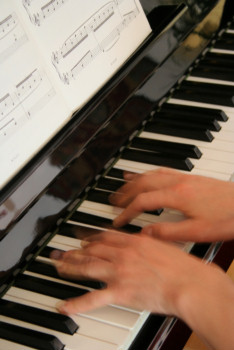
She looked at the sheet music and played the piano .
Sie sah sich die Noten an und spielte Klavier 0
Cô ấy nhìn vào bản nhạc và chơi piano .
她 看着 乐谱 弹琴 。
Tā kànzhe yuèpǔ tánqín.
彼女は楽譜を見てピアノを弾きます。
Kanojo wa gakufu o mite piano o hikimasu.
그녀는 악보를 보고 피아노를 쳤다.
geunyeoneun agboleul bogo pianoleul chyeossda.
(VI)
(ZH)
(JA)
2660
[EN] [DE] [NL] [ES] [FR] [IT] [TH] [VI] [ZH]
|
RANDOM
她很慌张。

She is very flustered .
Sie ist sehr nervös 0
Cô ấy rất bối rối .
她 很 慌张 。
Tā hěn huāngzhāng.
彼女はとても慌てています。
Kanojo wa totemo awatete imasu.
그녀는 당황했다.
geunyeoneun danghwanghaessda.
(VI)
(ZH)
(JA)
2681
[EN] [DE] [NL] [ES] [FR] [IT] [TH] [VI] [ZH]
|
RANDOM
这种蛇有毒。
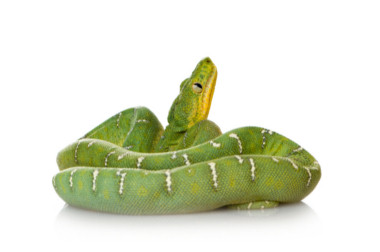
This type of snake is poisonous .
Diese Art von Schlange ist giftig 0
Đây là loại rắn độc .
这种 蛇 有毒 。
Zhèzhǒng shé yǒudú.
このヘビは有毒です。
Kono hebi wa yūdokudesu.
이 뱀은 유독합니다.
i baem-eun yudoghabnida.
(VI)
(ZH)
(JA)
2699
[EN] [DE] [NL] [ES] [FR] [IT] [TH] [VI] [ZH]
|
RANDOM
他的性格很叛逆。

He is very rebellious .
Er ist sehr rebellisch 0
Anh ấy rất nổi loạn .
他 的 性格 很 叛逆 。
Tā de xìnggé hěn pànnì.
彼の性格は非常に反抗的です。
Kare no seikaku wa hijō ni hankō-tekidesu.
그의 성격은 매우 반항적이다.
geuui seong-gyeog-eun maeu banhangjeog-ida.
(VI)
(ZH)
(JA)
2702
[EN] [DE] [NL] [ES] [FR] [IT] [TH] [VI] [ZH]
|
RANDOM
莲藕是很有营养的食物。
Lotus roots are a very nutritious food .
Lotuswurzeln sind ein sehr nahrhaftes Lebensmittel 0
Củ sen là một loại thực phẩm rất bổ dưỡng .
莲藕 是 很 有 营养 的 食物 。
Lián'ǒu shì hěn yǒu yíngyǎng de shíwù.
レンコンはとても栄養価の高い食べ物です。
Renkon wa totemo eiyōka no takai tabemonodesu.
연근은 매우 영양가가 높은 음식입니다.
yeongeun-eun maeu yeong-yang-gaga nop-eun eumsig-ibnida.
(VI)
(ZH)
(JA)
2704
[EN] [DE] [NL] [ES] [FR] [IT] [TH] [VI] [ZH]
|
RANDOM
你不要冤枉我!

Don't blame me unjustly .
Beschuldige mich nicht zu Unrecht 0
Đừng nhầm tôi !
你 不要 冤枉 我 !
Nǐ bùyào yuānwang wǒ!
私を間違えないでください!
Watashi o machigaenaide kudasai!
날 틀리지 마!
nal teulliji ma!
(VI)
(ZH)
(JA)
2754
[EN] [DE] [NL] [ES] [FR] [IT] [TH] [VI] [ZH]
|
RANDOM
他疲惫不堪。

He is utterly exhausted .
Er ist völlig erschöpft 0
Anh ấy hoàn toàn kiệt sức 0
他 疲惫不堪 。
Tā píbèi-bùkān.
彼はすっかり疲れ果てています。
Kare wa sukkari tsukare hatete imasu.
그는 지쳤다.
geuneun jichyeossda.
(VI)
(ZH)
(JA)
2769
[EN] [DE] [NL] [ES] [FR] [IT] [TH] [VI] [ZH]
|
RANDOM
他的服务态度很诚恳。

He is very customer friendly .
Er ist sehr kundenfreundlich 0
Mong muốn được phục vụ của anh ấy là chân thành .
他 的 服务态度 很 诚恳 。
Tā de fúwù tàidù hěn chéngkěn.
彼の奉仕態度は非常に誠実です。
Kare no hōshi taido wa hijō ni seijitsudesu.
그의 서비스 태도는 매우 성실합니다.
geuui seobiseu taedoneun maeu seongsilhabnida.
(VI)
(ZH)
(JA)
2798
[EN] [DE] [NL] [ES] [FR] [IT] [TH] [VI] [ZH]
|
RANDOM
水坝可以用来发电。

The dam can be used to generate electricity .
Der Damm kann zur Stromerzeugung genutzt werden 0
Đập có thể được sử dụng để tạo ra điện .
水坝 可以 用来 发电 。
Shuǐbà kěyǐ yònglái fādiàn.
ダムは発電に使用できます。
Damu wa hatsuden ni shiyō dekimasu.
댐은 전기를 생산하는 데 사용할 수 있습니다.
daem-eun jeongileul saengsanhaneun de sayonghal su issseubnida.
(VI)
(ZH)
(JA)
2809
[EN] [DE] [NL] [ES] [FR] [IT] [TH] [VI] [ZH]
|
RANDOM
他虐待幼儿。

He abuses children .
Er missbraucht Kinder 0
Anh ta ngược đãi trẻ em 0
他 虐待 幼儿 。
Tā nüèdài yòu'ér.
彼は子供を虐待します。
Kare wa kodomo o gyakutai shimasu.
그는 어린 아이들을 학대했습니다.
geuneun eolin aideul-eul hagdaehaessseubnida.
(VI)
(ZH)
(JA)
2811
[EN] [DE] [NL] [ES] [FR] [IT] [TH] [VI] [ZH]
|
RANDOM
她正在纽约出差。

She is in New York on business .
Sie ist geschäftlich in New York 0
Cô ấy đang ở New York đi công tác .
她 正在 纽约 出差 。
Tā zhèng zài Niǔyuē chūchāi.
彼女はニューヨークに出張中です。
Kanojo wa nyuyoku ni shutchō chū desu.
그녀는 뉴욕으로 출장 중입니다.
geunyeoneun nyuyog-eulo chuljang jung-ibnida.
(VI)
(ZH)
(JA)
2813
[EN] [DE] [NL] [ES] [FR] [IT] [TH] [VI] [ZH]
|
RANDOM
他们的家庭很和睦。

They have a very harmonious family .
Ihre Familie ist sehr harmonisch 0
Họ có một gia đình rất hòa thuận .
他们 的 家庭 很 和睦 。
Tāmen de jiātíng hěn hémù.
彼らの家族はとても調和しています。
Karera no kazoku wa totemo chōwa shite imasu.
그들의 가족은 매우 조화롭습니다.
geudeul-ui gajog-eun maeu johwalobseubnida.
(VI)
(ZH)
(JA)
2826
[EN] [DE] [NL] [ES] [FR] [IT] [TH] [VI] [ZH]
|
RANDOM
她用水晶球来占卜吉凶。

She uses a crystal ball to tell whether the omens are good or bad .
Sie benutzt eine Kristallkugel , um festzustellen , ob die Vorzeichen gut oder schlecht sind 0
Cô ấy sử dụng một quả cầu pha lê để cho biết điềm báo là tốt hay xấu .
她 用 水晶球 来 占卜 吉凶 。
Tā yòng shuǐjīngqiú lái zhānbǔ jíxiōng.
彼女は水晶玉を使って前兆が良いか悪いかを判断します。
Kanojo wa suishō-dama o tsukatte zenchō ga yoi ka warui ka o handan shimasu.
그녀는 수정 구슬을 사용하여 행운과 불운을 예언했습니다.
geunyeoneun sujeong guseul-eul sayonghayeo haeng-ungwa bul-un-eul yeeonhaessseubnida.
(VI)
(ZH)
(JA)
2836
[EN] [DE] [NL] [ES] [FR] [IT] [TH] [VI] [ZH]
|
RANDOM
她博得了大家的掌声和赞美。

She won everyone's applause and praise .
Sie erntete den Applaus und das Lob aller 0
Cô đã giành được những tràng pháo tay và lời khen ngợi của mọi người .
她 博得 了 大家 的 掌声 和 赞 美 。
Tā bódéle dàjiā de zhǎngshēng hé zànměi.
彼女はみんなの拍手と賞賛を勝ち取りました。
Kanojo wa min'na no hakushu to shōsan o kachitorimashita.
그녀는 모두의 박수와 찬사를 받았습니다.
geunyeoneun moduui bagsuwa chansaleul bad-assseubnida.
(VI)
(ZH)
(JA)
2838
[EN] [DE] [NL] [ES] [FR] [IT] [TH] [VI] [ZH]
|
RANDOM
这里是燕京大学的校园旧址。

This is the old campus of Yenching University .
Dies ist der alte Campus der Yenching University 0
Đây là cơ sở cũ của Đại học Yenching .
这里 是 燕京大学 的 校园 旧址 。
Zhèli shì Yānjīng Dàxué de xiàoyuán jiùzhǐ.
これは燕京大学の古いキャンパスです。
Kore wa enkyō daigaku no furui kyanpasudesu.
이것은 Yenching University의 구 캠퍼스입니다.
igeos-eun Yenching Universityui gu kaempeoseu-ibnida.
(VI)
(ZH)
(JA)
2845
[EN] [DE] [NL] [ES] [FR] [IT] [TH] [VI] [ZH]
|
RANDOM
他们直奔球门而去。

They are rushing towards the goal .
Sie laufen auf das Tor zu 0
Họ đang lao về phía mục tiêu .
他们 直奔 球门 而 去 。
Tāmen zhíbèn qiúmén ér qù.
彼らはまっすぐゴールに向かう。
Karera wa massugu gōru ni mukau.
그들은 목표를 향해 직진했습니다.
geudeul-eun mogpyoleul hyanghae jigjinhaessseubnida.
(VI)
(ZH)
(JA)
2846
[EN] [DE] [NL] [ES] [FR] [IT] [TH] [VI] [ZH]
|
RANDOM
她竖着写毛笔字。

She writes vertically with a brush .
Sie schreibt vertikal mit einem Pinsel 0
Cô ấy viết thư pháp thẳng đứng bằng bút lông .
她 竖 着 写毛笔字 。
Tā shùzhe xiě máobǐzì.
彼女は筆で縦に書いています。
Kanojo wa fude de tate ni kaite imasu.
그녀는 서예를 똑바로 썼다.
geunyeoneun seoyeleul ttogbalo sseossda.
(VI)
(ZH)
(JA)
2866
[EN] [DE] [NL] [ES] [FR] [IT] [TH] [VI] [ZH]
|
RANDOM
《论语》是孔子的学生写的。

The Analects was written by students of Confucius .
The Analects wurde von Konfuzius-Schülern geschrieben 0
Analects được viết bởi các học trò của Khổng Tử .
《 论语 》 是 孔子 的 学生 写 的 。
«Lúnyǔ» shì Kǒngzǐ de xuésheng xiě de.
「論語」は孔子の学生によって書かれました。
`Rongo' wa Kōshi no gakusei ni yotte kaka remashita.
논어는 공자의 제자가 썼습니다.
non-eoneun gongjaui jejaga sseossseubnida.
(VI)
(ZH)
(JA)
2874
[EN] [DE] [NL] [ES] [FR] [IT] [TH] [VI] [ZH]
|
RANDOM
蟑螂让人厌恶。

Cockroaches are disgusting .
Kakerlaken sind ekelhaft 0
Gián thật kinh tởm .
蟑螂 让 人 厌恶 。
Zhāngláng ràng rén yànwù.
ゴキブリは嫌です。
Gokiburi wa iyadesu.
바퀴벌레는 역겹습니다.
bakwibeolleneun yeoggyeobseubnida.
(VI)
(ZH)
(JA)
2877
[EN] [DE] [NL] [ES] [FR] [IT] [TH] [VI] [ZH]
|
RANDOM
她用纱布帮我包紮伤口。

She uses a gauze bandage to dress my wound .
Sie benutzt einen Verband aus Mull , um meine Wunde zu verbinden 0
Cô ấy buộc vết thương của tôi bằng băng gạc .
她 用 纱布 帮 我 包 紮 伤口 。
Tā yòng shābù bāng wǒ bāozā shāngkǒu.
彼女はガーゼの包帯を使って私の傷を覆っています。
Kanojo wa gāze no hōtai o tsukatte watashi no kizu o ōtte imasu.
그녀는 거즈로 내 상처를 붕대로 감았다.
geunyeoneun geojeulo nae sangcheoleul bungdaelo gam-assda.
(VI)
(ZH)
(JA)
2886
[EN] [DE] [NL] [ES] [FR] [IT] [TH] [VI] [ZH]
|
RANDOM
她很羡慕好朋友的幸福婚姻。

She is envious of the happy marriage of her good friend .
Sie ist neidisch auf die glückliche Ehe ihrer guten Freundin 0
Cô ghen tị với cuộc hôn nhân hạnh phúc của người bạn tốt của mình .
她 很 羡慕 好 朋友 的 幸福 婚姻 。
Tā hěn xiànmù hǎo péngyou de xìngfú hūnyīn.
彼女は親友の幸せな結婚をうらやましく思っている.
Kanojo wa shin'yū no shiawasena kekkon o urayamashiku omotte iru.
그녀는 좋은 친구들의 행복한 결혼 생활을 부러워했습니다.
geunyeoneun joh-eun chingudeul-ui haengboghan gyeolhon saenghwal-eul buleowohaessseubnida.
(VI)
(ZH)
(JA)
2896
[EN] [DE] [NL] [ES] [FR] [IT] [TH] [VI] [ZH]
|
RANDOM
这里很危险,他们必须谨慎。

It is dangerous here , so they need to be alert .
Es ist hier gefährlich , deshalb müssen sie wachsam sein 0
Ở đây rất nguy hiểm nên họ cần cảnh giác .
这 里 很 危险 , 他们 必须 谨慎 。
Zhèli hěn wēixiǎn, tāmen bìxū jǐnshèn.
ここは危険です、彼らは用心深いに違いありません。
Koko wa kikendesu, karera wa yōjinbukai ni chigai arimasen.
여기는 위험하니 조심해야 합니다.
yeogineun wiheomhani josimhaeya habnida.
(VI)
(ZH)
(JA)
2902
[EN] [DE] [NL] [ES] [FR] [IT] [TH] [VI] [ZH]
|
RANDOM
这是我的房屋抵押合同。

This is the loan agreement for my house .
Dies ist der Kreditvertrag für mein Haus 0
Đây là hợp đồng vay thế chấp nhà của tôi .
这 是 我 的 房屋 抵押 合同 。
Zhè shì wǒ de fángwū dǐyā hétong.
これは私の住宅ローン契約です。
Kore wa watashi no jūtaku rōn keiyakudesu.
제 모기지 계약서입니다.
je mogiji gyeyagseoibnida.
(VI)
(ZH)
(JA)
2925
[EN] [DE] [NL] [ES] [FR] [IT] [TH] [VI] [ZH]
|
RANDOM
警察认为他有嫌疑。

The police consider him suspicious .
Die Polizei hält ihn für verdächtig 0
Cảnh sát coi anh ta là người khả nghi .
警察 认为 他 有 嫌疑 。
Jǐngchá rènwéi tā yǒu xiányí.
警察は彼が疑わしいと考えています。
Keisatsu wa kare ga utagawashī to kangaete imasu.
경찰은 그가 용의자라고 생각했다.
gyeongchal-eun geuga yong-uijalago saeng-gaghaessda.
(VI)
(ZH)
(JA)
2929
[EN] [DE] [NL] [ES] [FR] [IT] [TH] [VI] [ZH]
|
RANDOM
农业的收益已达兆亿美金。

The profits from the agricultural industry have reached mega-million US dollars .
Die Gewinne der Agrarindustrie haben Millionen US-Dollar erreicht 0
Lợi nhuận từ ngành nông nghiệp đã lên tới hàng triệu đô la Mỹ .
农业 的 收益 已达 兆 亿美金 。
Nóngyè de shōuyì yǐ dá zhàoyì Měijīn.
農業の収入は数兆ドルに達しています。
Nōgyō no shūnyū wa sū chō-doru ni tasshite imasu.
농업 수입은 수조 달러에 이르렀습니다.
nong-eob su-ib-eun sujo dalleoe ileuleossseubnida.
(VI)
(ZH)
(JA)
2937
[EN] [DE] [NL] [ES] [FR] [IT] [TH] [VI] [ZH]
|
RANDOM
宫廷很豪华。

The palace is very luxurious .
Der Palast ist sehr luxuriös 0
Cung điện rất sang trọng .
宫廷 很 豪华 。
Gōngtíng hěn háohuá.
宮殿は豪華です。
Kyūden wa gōkadesu.
궁전은 고급스럽습니다.
gungjeon-eun gogeubseuleobseubnida.
(VI)
(ZH)
(JA)
2941
[EN] [DE] [NL] [ES] [FR] [IT] [TH] [VI] [ZH]
|
RANDOM
葡萄可以酿酒。

Grapes can be used to make wine .
Aus Trauben kann Wein hergestellt werden 0
Nho có thể được sử dụng để làm rượu .
葡萄 可以 酿酒 。
Pútao kěyǐ niàngjiǔ.
ブドウはワインを作ることができます。
Budō wa wain o tsukuru koto ga dekimasu.
포도는 포도주를 만들 수 있습니다.
podoneun podojuleul mandeul su issseubnida.
(VI)
(ZH)
(JA)
2954
[EN] [DE] [NL] [ES] [FR] [IT] [TH] [VI] [ZH]
|
RANDOM
服务的宗旨是顾客第一。

Kunde steht an erster Stelle . The
Das Motto der Dienstleistungsbranche lautet Der
Phương châm của ngành dịch vụ là khách hàng đến trên hết .
服务 的 宗旨 是 顾客 第一 。
Fúwù de zōngzhǐ shì gùkè dì-yī.
サービスの信条は顧客第一です。
Sābisu no shinjō wa kokyaku daiichidesu.
서비스의 신조는 고객 우선입니다.
seobiseuui sinjoneun gogaeg useon-ibnida.
(VI)
(ZH)
(JA)
2955
[EN] [DE] [NL] [ES] [FR] [IT] [TH] [VI] [ZH]
|
RANDOM
车厢里很宽敞。
The carriage is very spacious .
Das Abteil ist sehr geräumig 0
Cỗ xe rất rộng rãi .
车厢 里 很 宽敞 。
Chēxiāng lǐ hěn kuānchang.
コンパートメントはとても広々としています。
Konpātomento wa totemo hirobiro to shite imasu.
수납공간이 매우 넓습니다.
sunabgong-gan-i maeu neolbseubnida.
(VI)
(ZH)
(JA)
2965
[EN] [DE] [NL] [ES] [FR] [IT] [TH] [VI] [ZH]
|
RANDOM
现在是旅游旺季。

It is the busy season for tourism now .
Es ist Hochsaison für den Tourismus 0
Bây giờ đang là mùa bận rộn cho du lịch .
现在 是 旅遊 旺季 。
Xiànzài shì lǚyóu wàngjì.
今が観光シーズンのピークです。
Ima ga kankō shīzun no pīkudesu.
지금은 관광 성수기입니다.
jigeum-eun gwangwang seongsugiibnida.
(VI)
(ZH)
(JA)
2968
[EN] [DE] [NL] [ES] [FR] [IT] [TH] [VI] [ZH]
|
RANDOM
这是中国古代的花轿。

This is a Chinese bridal sedan as used in former times .
Dies ist die alte chinesische Sänfte 0
Đây là một chiếc sedan cô dâu của Trung Quốc được sử dụng trong thời gian trước đây .
这是 中国 古代 的 花轿 。
Zhè shì Zhōngguó gǔdài de huājiào.
これは古代中国のセダンの椅子です。
Kore wa kodaichūgoku no sedan no isudesu.
이것은 고대 중국 세단 의자입니다.
igeos-eun godae jung-gug sedan uijaibnida.
(VI)
(ZH)
(JA)
2981
[EN] [DE] [NL] [ES] [FR] [IT] [TH] [VI] [ZH]
|
RANDOM
这辆轿车很豪华。

This car is very luxurious .
Dieses Auto ist sehr luxuriös 0
Chiếc xe này rất sang trọng 0
这辆 轿车 很 豪华 。
Zhè liàng jiàochē hěn háohuá.
この車はとても豪華です。
Kono kuruma wa totemo gōkadesu.
이 차는 매우 고급스럽습니다.
i chaneun maeu gogeubseuleobseubnida.
(VI)
(ZH)
(JA)
2982
[EN] [DE] [NL] [ES] [FR] [IT] [TH] [VI] [ZH]
|
RANDOM
傍晚的景色真美。

The view at dusk is really beautiful .
Die Aussicht am Abend ist wunderschön 0
Khung cảnh lúc hoàng hôn thực sự rất đẹp .
傍晚 的 景色 真 美 。
Bàngwǎn de jǐngsè zhēn měi.
夕方の景色はとても美しいです。
Yūgata no keshiki wa totemo utsukushīdesu.
저녁 풍경이 너무 아름답습니다.
jeonyeog pung-gyeong-i neomu aleumdabseubnida.
(VI)
(ZH)
(JA)
2999
[EN] [DE] [NL] [ES] [FR] [IT] [TH] [VI] [ZH]
|
RANDOM
他一直在瞎忙。

He is always busy with many petty matters without much result .
Er ist immer mit vielen Kleinigkeiten beschäftigt , ohne viel Ergebnis 0
Anh ấy luôn bận rộn với nhiều việc vụn vặt mà không có kết quả .
他 一直 在 瞎忙 。
Tā yīzhí zài xiāmáng.
彼はいじり回している。
Kare wa ijiri mawashite iru.
그는 장난을 쳤다.
geuneun jangnan-eul chyeossda.
(VI)
(ZH)
(JA)
3023
[EN] [DE] [NL] [ES] [FR] [IT] [TH] [VI] [ZH]
|
RANDOM
请勿使用手机。

Please do not use your cell phone .
Bitte benutzen Sie Ihr Handy nicht 0
Vui lòng không sử dụng điện thoại di động của bạn .
请勿 使用 手机 。
Qǐngwù shǐyòng shǒujī.
携帯電話は使用しないでください。
Geitaidenwa wa shiyō shinaide kudasai.
휴대 전화를 사용하지 마십시오.
hyudae jeonhwaleul sayonghaji masibsio.
(VI)
(ZH)
(JA)
3029
[EN] [DE] [NL] [ES] [FR] [IT] [TH] [VI] [ZH]
|
RANDOM
我家的浴室很大。
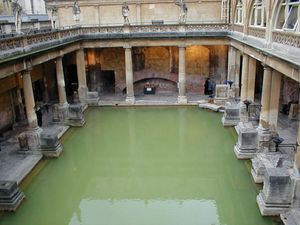
The bathroom in my house is very big .
Das Badezimmer in meinem Haus ist sehr groß 0
Phòng tắm trong nhà tôi rất lớn .
我家 的 浴室 很大 。
Wǒ jiā de yùshì hěn dà.
私のバスルームはとても広いです。
Watashi no basurūmu wa totemo hiroidesu.
내 욕실은 매우 큽니다.
nae yogsil-eun maeu keubnida.
(VI)
(ZH)
(JA)
3052
[EN] [DE] [NL] [ES] [FR] [IT] [TH] [VI] [ZH]
|
RANDOM
耶稣是基督徒的救世主。

Jesus is the Christian savior .
Jesus ist der christliche Retter 0
Chúa Giê-xu là vị cứu tinh của Cơ đốc nhân .
耶稣 是 基督徒 的 救世主 。
Yēsū shì Jīdūtú de Jiùshìzhǔ.
イエスはクリスチャンの救い主です。
Iesu wa kurisuchan no sukuinushidesu.
예수님은 그리스도인의 구원자이십니다.
yesunim-eun geuliseudoin-ui guwonjaisibnida.
(VI)
(ZH)
(JA)
3053
[EN] [DE] [NL] [ES] [FR] [IT] [TH] [VI] [ZH]
|
RANDOM
团队的气氛很和谐。

The team has a harmonious atmosphere .
Das Team hat eine harmonische Atmosphäre 0
Toàn đội có một bầu không khí hài hòa .
团队 的 气氛 很 和谐 。
Tuánduì de qìfēn hěn héxié.
チームの雰囲気は調和しています。
Chīmu no fun'iki wa chōwa shite imasu.
팀 분위기가 화기애애하다.
tim bun-wigiga hwagiaeaehada.
(VI)
(ZH)
(JA)
3058
[EN] [DE] [NL] [ES] [FR] [IT] [TH] [VI] [ZH]
|
RANDOM
他们的谈吐很诙谐。

They are talking humorously .
Sie reden humorvoll 0
Họ đang nói chuyện một cách hài hước .
他们 的 谈吐 很 诙谐 。
Tāmen de tántǔ hěn huīxié.
彼らの会話はとても機知に富んでいます。
Karera no kaiwa wa totemo kichi ni tonde imasu.
그들의 대화는 매우 재치 있습니다.
geudeul-ui daehwaneun maeu jaechi issseubnida.
(VI)
(ZH)
(JA)
3059
[EN] [DE] [NL] [ES] [FR] [IT] [TH] [VI] [ZH]
|
RANDOM
邱吉尔在英国家喻户晓。

Churchill is a household name in the UK .
Churchill ist in Großbritannien ein bekannter Name 0
Churchill là một tên hộ gia đình ở Anh .
邱吉尔 在 英国 家喻户晓 。
Qiūjí'ěr zài Yīngguó jiāyù-hùxiǎo.
チャーチルはイギリスでは一般的な名前です。
Chāchiru wa igirisude wa ippantekina namaedesu.
처칠은 영국의 가명입니다.
cheochil-eun yeong-gug-ui gamyeong-ibnida.
(VI)
(ZH)
(JA)
3117
[EN] [DE] [NL] [ES] [FR] [IT] [TH] [VI] [ZH]
|
RANDOM
我们常用蜜蜂比喻勤劳的人。
We often use bees as a metaphor for diligent people .
Wir verwenden Bienen oft als Metapher für fleißige Menschen 0
Chúng ta thường sử dụng con ong như một hình ảnh ẩn dụ cho những người siêng năng .
我们 常用 蜜蜂 比喻 勤劳 的 人 。
Wǒmen cháng yòng mìfēng bǐyù qínláo de rén.
私たちはよく勤勉な人々の比喩としてミツバチを使います。
Watashitachi wa yoku kinben'na hitobito no hiyu to shite mitsubachi o tsukaimasu.
우리는 근면한 사람들에 대한 은유로 꿀벌을 자주 사용합니다.
ulineun geunmyeonhan salamdeul-e daehan eun-yulo kkulbeol-eul jaju sayonghabnida.
(VI)
(ZH)
(JA)
3118
[EN] [DE] [NL] [ES] [FR] [IT] [TH] [VI] [ZH]
|
RANDOM
这是我的家门钥匙。

This is the key to my house .
Dies ist der Schlüssel zu meinem Haus 0
Đây là chìa khóa vào nhà của tôi .
这 是 我 的 家门 钥匙 。
Zhè shì wǒ de jiāmén yàoshi.
これが私の家の鍵です。
Kore ga watashinoie no kagidesu.
이것은 내 집의 열쇠입니다.
igeos-eun nae jib-ui yeolsoeibnida.
(VI)
(ZH)
(JA)
3128
[EN] [DE] [NL] [ES] [FR] [IT] [TH] [VI] [ZH]
|
RANDOM
这栋房子竣工了。

This house has been completed .
Dieses Haus wurde fertiggestellt 0
Ngôi nhà này đã được hoàn thành .
这栋 房子 竣工 了 。
Zhè dòng fángzi jùngōng le.
家が完成しました。
Ie ga kansei shimashita.
집이 완성되었습니다.
jib-i wanseongdoeeossseubnida.
(VI)
(ZH)
(JA)
3143
[EN] [DE] [NL] [ES] [FR] [IT] [TH] [VI] [ZH]
|
RANDOM
她信仰耶稣基督。

She believes in Jesus Christ .
Sie glaubt an Jesus Christus 0
Cô ấy tin vào Chúa Jêsus Christ .
她 信仰 耶稣基督 。
Tā xìnyǎng Yēsū Jīdū.
彼女はイエス・キリストを信じています。
Kanojo wa iesu Kirisuto o shinjite imasu.
그녀는 예수 그리스도를 믿습니다.
geunyeoneun yesu geuliseudoleul midseubnida.
(VI)
(ZH)
(JA)
3156
[EN] [DE] [NL] [ES] [FR] [IT] [TH] [VI] [ZH]
|
RANDOM
嚮导带领我们参观灯塔。

The guide led us on a tour of the lighthouse .
Der Führer führte uns auf eine Tour durch den Leuchtturm 0
Hướng dẫn viên đã dẫn chúng tôi đi tham quan ngọn hải đăng .
嚮 导 带领 我们 参观 灯塔 。
Xiàngdǎo dàilǐng wǒmen cānguān dēngtǎ.
ガイドが灯台を訪ねてくれました。
Gaido ga tōdai o tazunete kuremashita.
가이드는 우리를 등대를 방문하도록 안내했습니다.
gaideuneun ulileul deungdaeleul bangmunhadolog annaehaessseubnida.
(VI)
(ZH)
(JA)
3162
[EN] [DE] [NL] [ES] [FR] [IT] [TH] [VI] [ZH]
|
RANDOM
他对于公式混淆不清。
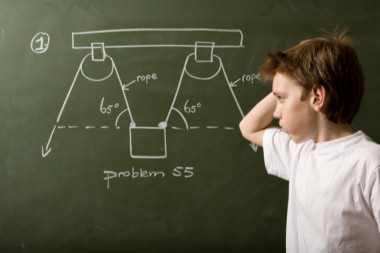
He is confused by the formula .
Er ist verwirrt von der Formel 0
Anh ta bối rối bởi công thức .
他 对于 公式 混淆不清 。
Tā duìyú gōngshì hùnxiáo bùqīng.
彼はその公式について混乱している。
Kare wa sono kōshiki ni tsuite konran shite iru.
그는 공식에 대해 혼란스러워합니다.
geuneun gongsig-e daehae honlanseuleowohabnida.
(VI)
(ZH)
(JA)
3163
[EN] [DE] [NL] [ES] [FR] [IT] [TH] [VI] [ZH]
|
RANDOM
他曾是一代枭雄。
In his time , he was an ambitious and ruthless character .
Zu seiner Zeit war er ein ehrgeiziger und rücksichtsloser Charakter 0
Trong thời đại của mình , anh ta là một nhân vật đầy tham vọng và tàn nhẫn .
他 曾 是 一代 枭雄 。
Tā céng shì yīdài xiāoxióng.
彼はかつて世代の英雄でした。
Kare wa katsute sedai no eiyūdeshita.
그는 한때 한 세대의 영웅이었습니다.
geuneun hanttae han sedaeui yeong-ung-ieossseubnida.
(VI)
(ZH)
(JA)
3164
[EN] [DE] [NL] [ES] [FR] [IT] [TH] [VI] [ZH]
|
RANDOM
山火令村庄遭殃。

The brush fire brought disaster to the village .
Das Buschfeuer brachte eine Katastrophe ins Dorf 0
Ngọn lửa cọ đã mang đến tai họa cho ngôi làng .
山火 令 村庄 遭殃 。
Shānhuǒ lìng cūnzhuāng zāoyāng.
山火事は村を苦しめました。
Yama kaji wa mura o kurushimemashita.
산불은 마을을 고통스럽게 했습니다.
sanbul-eun ma-eul-eul gotongseuleobge haessseubnida.
(VI)
(ZH)
(JA)
3170
[EN] [DE] [NL] [ES] [FR] [IT] [TH] [VI] [ZH]
|
RANDOM
大家在会上踊跃地举手发言。

At the meeting , everyone raised their hands enthusiastically to comment .
Bei dem Treffen hoben alle begeistert die Hände , um Kommentare abzugeben 0
Tại cuộc họp , mọi người đều nhiệt tình giơ tay phát biểu ý kiến .
大家 在 会上 踊跃 地 举手发言 。
Dàjiā zài huìshàng yǒngyuè de jǔshǒu fāyán.
みんな熱心に手を挙げて会議で話しました。
Min'na nesshin ni te o agete kaigi de hanashimashita.
회의에서 모두가 열성적으로 손을 들고 연설했습니다.
hoeuieseo moduga yeolseongjeog-eulo son-eul deulgo yeonseolhaessseubnida.
(VI)
(ZH)
(JA)
3176
[EN] [DE] [NL] [ES] [FR] [IT] [TH] [VI] [ZH]
|
RANDOM
这条裂缝是由地壳运动形成的。

This crack has been formed by the movement of the earth is crust .
Dieser Riss wurde durch die Bewegung der Erdkruste gebildet 0
Vết nứt này được hình thành do chuyển động của vỏ trái đất .
这 条 裂缝 是 由 地壳运动 形成 的 。
Zhè tiáo lièfèng shì yóu dìqiào yùndòng xíngchéng de.
この亀裂は、地殻の動きによって形成されます。
Kono kiretsu wa, chikaku no ugoki ni yotte keisei sa remasu.
이 균열은 지각의 움직임에 의해 형성됩니다.
i gyun-yeol-eun jigag-ui umjig-im-e uihae hyeongseongdoebnida.
(VI)
(ZH)
(JA)
3202
[EN] [DE] [NL] [ES] [FR] [IT] [TH] [VI] [ZH]
|
RANDOM
这辆车生锈了。
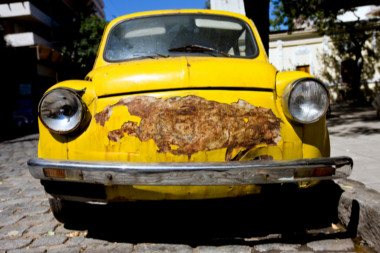
The car has rusted .
Das Auto ist verrostet 0
Xe đã rỉ sét .
这辆 车 生锈 了 。
Zhè liàng chē shēngxiù le.
車は錆びています。
Kuruma wa sabite imasu.
이 차는 녹슨다.
i chaneun nogseunda.
(VI)
(ZH)
(JA)
3212
[EN] [DE] [NL] [ES] [FR] [IT] [TH] [VI] [ZH]
|
RANDOM
豆腐渣也是烹饪的原料。

The residue from the process of making bean curd is also used as an ingredient in cooking .
Der Rückstand aus dem Prozess der Herstellung von Bohnengallerte wird auch als Zutat beim Kochen verwendet 0
Phần bã từ quá trình làm váng đậu cũng được sử dụng như một nguyên liệu trong nấu ăn
豆腐渣 也 是 烹饪 的 原料 。
Dòufuzhā yě shì pēngrèn de yuánliào.
豆腐の残留物も調理の原料です。
Tōfu no zanryū-mono mo chōri no genryōdesu.
두부 찌꺼기는 요리의 원료이기도 합니다.
dubu jjikkeogineun yoliui wonlyoigido habnida.
(VI)
(ZH)
(JA)
3215
[EN] [DE] [NL] [ES] [FR] [IT] [TH] [VI] [ZH]
|
RANDOM
他们每天都很忙碌。

They are very busy every day .
Sie sind jeden Tag sehr beschäftigt 0
Họ rất bận rộn mỗi ngày 0
他们 每天 都 很 忙碌 。
Tāmen měi tiān dōu hěn mánglù.
彼らは毎日とても忙しいです。
Karera wa mainichi totemo isogashīdesu.
그들은 매일 매우 바쁩니다.
geudeul-eun maeil maeu bappeubnida.
(VI)
(ZH)
(JA)
3226
[EN] [DE] [NL] [ES] [FR] [IT] [TH] [VI] [ZH]
|
RANDOM
你吃过中国的腊肠吗?
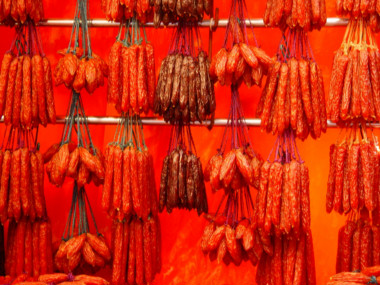
Have you ever tried Chinese sausage ?
Haben Sie schon einmal chinesische Wurst probiert ?
Bạn đã bao giờ thử món lạp xưởng Trung Quốc chưa ?
你 吃 过 中国 的 腊肠 吗 ?
Nǐ chīguò Zhōngguó de làcháng ma?
中国ソーセージを食べましたか?
Chūgoku sōsēji o tabemashita ka?
중국 소세지 먹어봤어?
jung-gug soseji meog-eobwass-eo?
(VI)
(ZH)
(JA)
3231
[EN] [DE] [NL] [ES] [FR] [IT] [TH] [VI] [ZH]
|
RANDOM
政客因受贿被捕弄得臭名昭著。

The politician arrested for corruption has become notorious .
Der wegen Korruption festgenommene Politiker ist berüchtigt 0
Chính trị gia bị bắt vì tội tham nhũng đã trở nên khét tiếng .
政客 因 受贿 被捕 弄 得 臭名昭著 。
Zhèngkè yīn shòuhuì bèibǔ nòngde chòumíng-zhāozhù.
政治家は賄賂を受け取ったとして逮捕されることで有名です。
Seijika wa wairo o uketotta to shite taiho sa reru koto de yūmeidesu.
정치인들은 뇌물을 받은 혐의로 체포되는 것으로 악명이 높다.
jeongchiindeul-eun noemul-eul bad-eun hyeom-uilo chepodoeneun geos-eulo agmyeong-i nopda.
(VI)
(ZH)
(JA)
3232
[EN] [DE] [NL] [ES] [FR] [IT] [TH] [VI] [ZH]
|
RANDOM
一刹那,赛车就冲过来了。

In an instant , the race cars came speeding towards us .
Sofort rasten die Rennwagen auf uns zu 0
Ngay lập tức , những chiếc xe đua lao nhanh về phía chúng tôi .
一刹那 , 赛车 就 冲过来 了 。
Yīchànà, sàichē jiù chōng guòlái le.
あっという間に車が駆け寄った。
Attoiumani kuruma ga kakeyotta.
순간 차가 달려왔다.
sungan chaga dallyeowassda.
(VI)
(ZH)
(JA)
3246
[EN] [DE] [NL] [ES] [FR] [IT] [TH] [VI] [ZH]
|
RANDOM
她拢了拢头发。

She brushed her hair with her hand .
Sie strich sich mit der Hand über die Haare 0
Cô ấy lấy tay chải tóc 0
她 拢 了 拢 头发 。
Tā lǒngle lǒng tóufa.
彼女は一緒に髪を描いた。
Kanojo wa issho ni kami o kaita.
그녀는 머리카락을 함께 그렸습니다.
geunyeoneun meolikalag-eul hamkke geulyeossseubnida.
(VI)
(ZH)
(JA)
3267
[EN] [DE] [NL] [ES] [FR] [IT] [TH] [VI] [ZH]
|
RANDOM
这只蜘蛛有毒。

This spider is poisonous .
Diese Spinne ist giftig 0
Nhện này có độc .
这 只 蜘蛛 有毒 。
Zhè zhī zhīzhū yǒudú.
このクモは有毒です。
Kono kumo wa yūdokudesu.
이 거미는 유독합니다.
i geomineun yudoghabnida.
(VI)
(ZH)
(JA)
3314
[EN] [DE] [NL] [ES] [FR] [IT] [TH] [VI] [ZH]
|
RANDOM
群众慷慨地为灾区捐款。

The public generously donated money to help the people in the disaster area .
Die Öffentlichkeit spendete großzügig Geld , um den Menschen im Katastrophengebiet zu helfen 0
Công chúng hảo tâm quyên góp giúp đỡ đồng bào vùng thiên tai .
群众 慷慨 地为 灾区 捐款 。
Qúnzhòng kāngkǎi de wèi zāiqū juānkuǎn.
人々は惜しみなく被災地にお金を寄付しました。
Hitobito wa oshiminaku hisai-chi ni okane o kifu shimashita.
사람들은 재난 지역에 아낌없이 돈을 기부했습니다.
salamdeul-eun jaenan jiyeog-e akkim-eobs-i don-eul gibuhaessseubnida.
(VI)
(ZH)
(JA)
3318
[EN] [DE] [NL] [ES] [FR] [IT] [TH] [VI] [ZH]
|
RANDOM
汛情很严峻。

The flood situation is serious .
Die Hochwassersituation ist ernst 0
Tình hình lũ lụt nghiêm trọng 0
汛情 很 严峻 。
Xùnqíng hěn yánjùn.
洪水の状況は深刻です。
Kōzui no jōkyō wa shinkokudesu.
홍수 상황이 심각합니다.
hongsu sanghwang-i simgaghabnida.
(VI)
(ZH)
(JA)
3329
[EN] [DE] [NL] [ES] [FR] [IT] [TH] [VI] [ZH]
|
RANDOM
赛车呼啸而过。

The racing cars whizzed past us .
Die Rennwagen sausten an uns vorbei 0
Những chiếc xe đua lao vút qua chúng tôi .
赛车 呼啸而过 。
Sàichē hūxiào ér guò.
レーシングカーが私たちのそばを通り過ぎました。
Rēshingukā ga watashitachi no soba o tōrisugimashita.
차가 휙 지나갔습니다.
chaga hwig jinagassseubnida.
(VI)
(ZH)
(JA)
3330
[EN] [DE] [NL] [ES] [FR] [IT] [TH] [VI] [ZH]
|
RANDOM
海啸的破坏力很大。
The destructive power of a tsunami is enormous .
Die zerstörerische Kraft eines Tsunamis ist enorm 0
Sức tàn phá của sóng thần là rất lớn .
海啸 的 破坏力 很大 。
Hǎixiào de pòhuàilì hěn dà.
津波は非常に破壊的です。
Tsunami wa hijō ni hakai-tekidesu.
쓰나미는 매우 파괴적입니다.
sseunamineun maeu pagoejeog-ibnida.
(VI)
(ZH)
(JA)
3331
[EN] [DE] [NL] [ES] [FR] [IT] [TH] [VI] [ZH]
|
RANDOM
我们照顾不周,请您包涵。

Please forgive us if we haven not taken good care of you .
Bitte verzeihen Sie uns , wenn wir uns nicht gut um Sie gekümmert haben 0
Xin hãy tha thứ cho chúng tôi nếu chúng tôi đã không chăm sóc bạn tốt .
我们 照顾 不周 , 请 您 包涵 。
Wǒmen zhàogù bùzhōu, qǐng nín bāohán.
うまく対応できていませんので、ご容赦ください。
Umaku taiō dekite imasen'node, go yōsha kudasai.
우리가 잘 돌보지 않았으니 용서해 주십시오.
uliga jal dolboji anh-ass-euni yongseohae jusibsio.
(VI)
(ZH)
(JA)
3334
[EN] [DE] [NL] [ES] [FR] [IT] [TH] [VI] [ZH]
|
RANDOM
大火焚烧了房屋。

A big fire has destroyed the house .
Ein großes Feuer hat das Haus zerstört 0
Một đám cháy lớn đã thiêu rụi căn nhà .
大火 焚烧 了 房屋 。
Dàhuǒ fénshāole fángwū.
火事で家が全焼した。
Kaji de ie ga zenshō shita.
불은 집을 태웠다.
bul-eun jib-eul taewossda.
(VI)
(ZH)
(JA)
3342
[EN] [DE] [NL] [ES] [FR] [IT] [TH] [VI] [ZH]
|
RANDOM
妈妈说话很罗嗦。

My mother just doesn' t stop talking .
Meine Mutter hört einfach nicht auf zu reden 0
Mẹ tôi không ngừng nói .
妈妈 说话 很 囉 嗦 。
Māma shuōhuà hěn luōsuo.
お母さんはとても長蛇の列です。
Okāsan wa totemo chōdanoretsudesu.
어머니는 아주 오랜만입니다.
eomeonineun aju olaenman-ibnida.
(VI)
(ZH)
(JA)
3343
[EN] [DE] [NL] [ES] [FR] [IT] [TH] [VI] [ZH]
|
RANDOM
她打扮得很妖艳。

She is dolled up gorgeously but coquettishly .
Sie ist prächtig , aber kokett 0
Cô ấy được trang điểm lộng lẫy nhưng quyến rũ .
她 打扮 得 很 妖 豔 。
Tā dǎban de hěn yāoyàn.
彼女はとてもコケティッシュな服を着ています。
Kanojo wa totemo koketisshuna fuku o kite imasu.
그녀는 매우 교묘하게 옷을 입습니다.
geunyeoneun maeu gyomyohage os-eul ibseubnida.
(VI)
(ZH)
(JA)
3348
[EN] [DE] [NL] [ES] [FR] [IT] [TH] [VI] [ZH]
|
RANDOM
你不要诬告我!
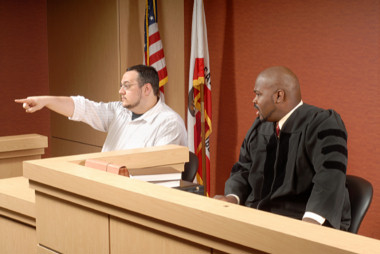
Don' t falsely accuse me .
Beschuldige mich nicht fälschlicherweise 0
Đừng buộc tội tôi .
你 不要 诬告 我 !
Nǐ bùyào wūgào wǒ!
私を誤って非難しないでください!
Watashi o ayamatte hinan shinaide kudasai!
나를 거짓으로 비난하지 마십시오!
naleul geojis-eulo binanhaji masibsio!
(VI)
(ZH)
(JA)
3357
[EN] [DE] [NL] [ES] [FR] [IT] [TH] [VI] [ZH]
|
RANDOM
潜水需要氧气罐。

Diving requires the use of an oxygen tank .
Tauchen erfordert die Verwendung eines Sauerstofftanks 0
Lặn biển cần sử dụng bình dưỡng khí .
潜水 需要 氧气罐 。
Qiánshuǐ xūyào yǎngqìguàn.
ダイビングには酸素ボンベが必要です。
Daibingu ni wa sanzobonbe ga hitsuyōdesu.
다이빙에는 산소 탱크가 필요합니다.
daibing-eneun sanso taengkeuga pil-yohabnida.
(VI)
(ZH)
(JA)
3374
[EN] [DE] [NL] [ES] [FR] [IT] [TH] [VI] [ZH]
|
RANDOM
他的生活很淫乱。

He is promiscuous .
Er ist promiskuitiv 0
Anh ta lăng nhăng .
他 的 生活 很 淫乱 。
Tā de shēnghuó hěn yínluàn.
彼の人生は非常に寛大です。
Kare no jinsei wa hijō ni kandaidesu.
그의 삶은 매우 방탕합니다.
geuui salm-eun maeu bangtanghabnida.
(VI)
(ZH)
(JA)
3386
[EN] [DE] [NL] [ES] [FR] [IT] [TH] [VI] [ZH]
|
RANDOM
医生做事一丝不苟。

The doctor is scrupulous about every detail .
Der Arzt achtet genau auf jedes Detail 0
Bác sĩ tỉ mỉ đến từng chi tiết .
医生 做事 一丝不苟 。
Yīshēng zuòshì yīsī-bùgǒu.
医者は彼の仕事に細心の注意を払っている。
Isha wa kare no shigoto ni saishin no chūi o haratte iru.
의사는 그의 일에 세심합니다.
uisaneun geuui il-e sesimhabnida.
(VI)
(ZH)
(JA)
3392
[EN] [DE] [NL] [ES] [FR] [IT] [TH] [VI] [ZH]
|
RANDOM
冬天我喜欢去澡堂洗澡。

In the winter , I like going to a bathhouse to have a bath .
Im Winter gehe ich gerne in ein Badehaus , um ein Bad zu nehmen 0
Vào mùa đông , tôi thích vào nhà tắm để tắm .
冬天 我 喜欢 去 澡堂 洗澡 。
Dōngtiān wǒ xǐhuan qù zǎotáng xǐzǎo.
冬は銭湯でお風呂が好きです。
Fuyu wa sentō de o furo ga sukidesu.
나는 겨울에 목욕탕에서 목욕하는 것을 좋아합니다.
naneun gyeoul-e mog-yogtang-eseo mog-yoghaneun geos-eul joh-ahabnida.
(VI)
(ZH)
(JA)
3430
[EN] [DE] [NL] [ES] [FR] [IT] [TH] [VI] [ZH]
|
RANDOM
他们正准备分赃。

They were just planning to divide the spoils .
Sie hatten nur vor , die Beute aufzuteilen 0
Họ chỉ định chia chiến lợi phẩm .
他们 正 准备 分赃 。
Tāmen zhèng zhǔnbèi fēnzāng.
彼らは戦利品を分割することを計画していた.
Karera wa senri-hin o bunkatsu suru koto o keikaku shite ita.
그들은 전리품을 나눌 준비를 하고 있습니다.
geudeul-eun jeonlipum-eul nanul junbileul hago issseubnida.
(VI)
(ZH)
(JA)
3453
[EN] [DE] [NL] [ES] [FR] [IT] [TH] [VI] [ZH]
|
RANDOM
皇帝女儿的丈夫叫驸马。
The husband of the emperor' s daughter is called fuma .
Der Ehemann der Kaisertochter heißt Fuma 0
Chồng của con gái hoàng đế được gọi là fuma .
皇帝 女儿 的 丈夫 叫 驸马 。
Huángdì nǚ'ér de zhàngfu jiào fùmǎ.
天皇の娘の夫は「風魔」と呼ばれる。
Tennō no musume no otto wa " kaze/fū ma" to yobareru.
황제의 딸의 남편은 "후마"라고 불립니다.
hwangje-ui ttal-ui nampyeon-eun "huma"lago bullibnida.
(VI)
(ZH)
(JA)
3466
[EN] [DE] [NL] [ES] [FR] [IT] [TH] [VI] [ZH]
|
RANDOM
长城可以用来防止外寇入侵。
The Great Wall was used to defend against incursions by foreign invaders .
Die Große Mauer wurde benutzt , um sich gegen Einfälle ausländischer Invasoren zu verteidigen 0
Vạn Lý Trường Thành được sử dụng để bảo vệ chống lại sự xâm lược của những kẻ xâm
长城 可以 用来 防止 外寇 入侵 。
Chángchéng kěyǐ yònglái fángzhǐ wàikòu rùqīn.
万里の長城は、外国人の侵入を防ぐために使用できます。
Banrinochōjō wa, gaikokujin no shinnyū wo fusegu tameni shiyō·dekimasu.
만리장성은 외부 침입자를 방지하는 데 사용할 수 있습니다.
manlijangseong-eun oebu chim-ibjaleul bangjihaneun de sayonghal su issseubnida.
(VI)
(ZH)
(JA)
3468
[EN] [DE] [NL] [ES] [FR] [IT] [TH] [VI] [ZH]
|
RANDOM
他感觉很气馁。

He feels very frustrated .
Er ist sehr frustriert 0
Anh ấy cảm thấy rất bực bội .
他 感觉 很 气馁 。
Tā gǎnjué hěn qìněi.
彼は非常に落胆した。
Kare wa hijō ni rakutan shita.
그는 매우 낙담했습니다.
geuneun maeu nagdamhaessseubnida.
(VI)
(ZH)
(JA)
3472
[EN] [DE] [NL] [ES] [FR] [IT] [TH] [VI] [ZH]
|
RANDOM
赛马霎时跑过去了。

The race horses run past us in a flash .
Die Rennpferde rennen blitzschnell an uns vorbei 0
Những con ngựa đua lướt qua chúng tôi trong nháy mắt .
赛马 霎时 跑 过去 了 。
Sàimǎ shàshí pǎo guòqu le.
競走馬があっという間に私たちの前を通り過ぎていきます。
Kyōsō-ba ga attoiumani watashitachi no mae o tōrisugite ikimasu.
순식간에 경마가 달려왔다.
sunsiggan-e gyeongmaga dallyeowassda.
(VI)
(ZH)
(JA)
3480
[EN] [DE] [NL] [ES] [FR] [IT] [TH] [VI] [ZH]
|
RANDOM
鲨鱼很兇猛。

Sharks are ferocious .
Haie sind wild 0
Cá mập rất hung dữ .
鲨鱼 很 兇猛 。
Shāyú hěn xiōngměng.
サメは激しいです。
Same wa hageshīdesu.
상어는 사납습니다.
sang-eoneun sanabseubnida.
(VI)
(ZH)
(JA)
3481
[EN] [DE] [NL] [ES] [FR] [IT] [TH] [VI] [ZH]
|
RANDOM
这个小丫头很喜欢听音乐。

The little girl enjoys listening to music .
Das kleine Mädchen hört gerne Musik 0
Cô gái nhỏ thích nghe nhạc 0
这个 小丫头 很 喜欢 听 音乐 。
Zhège xiǎoyātou hěn xǐhuan tīng yīnyuè.
この小さな女の子は音楽を聴くのがとても好きです。
Kono chīsana on'nanoko wa ongaku o kiku no ga totemo sukidesu.
이 어린 소녀는 음악 듣기를 좋아합니다.
i eolin sonyeoneun eum-ag deudgileul joh-ahabnida.
(VI)
(ZH)
(JA)
3505
[EN] [DE] [NL] [ES] [FR] [IT] [TH] [VI] [ZH]
|
RANDOM
这个村庄屋舍俨然。

The houses in this village are laid out neatly .
Die Häuser in diesem Dorf sind ordentlich angelegt 0
Những ngôi nhà trong ngôi làng này được bày biện ngăn nắp .
这个 村庄 屋舍 俨然 。
Zhège cūnzhuāng wūshè-yǎnrán.
この村の家はまるで同じです。
Kono mura no ie wa marude onajidesu.
이 마을 집은 그대로입니다.
i ma-eul jib-eun geudaeloibnida.
(VI)
(ZH)
(JA)
3507
[EN] [DE] [NL] [ES] [FR] [IT] [TH] [VI] [ZH]
|
RANDOM
谣言传得纷纷纭纭。

As the rumor spread , it developed into a jumble of numerous versions .
Als sich das Gerücht verbreitete , entwickelte es sich zu einem Durcheinander zahlreicher Versionen 0
Khi tin đồn lan rộng , nó phát triển thành một mớ bòng bong với nhiều phiên bản .
谣言 传 得 纷纷 纭 纭 。
Yáoyán chuán de fēnfēnyúnyún.
噂が広まるにつれて、それは多数のバージョンの寄せ集めに発展しました.
Uwasa ga hiromaru ni tsurete, sore wa tasū no bājon no yose atsume ni hatten shimashita.
소문이 퍼졌다.
somun-i peojyeossda.
(VI)
(ZH)
(JA)
3513
[EN] [DE] [NL] [ES] [FR] [IT] [TH] [VI] [ZH]
|
RANDOM
蟑螂真令人讨厌。
Cockroaches are really disgusting .
Kakerlaken sind wirklich ekelhaft 0
Gián thực sự rất kinh tởm 0
蟑螂 真 令人讨厌 。
Zhāngláng zhēn lìngrén tǎoyàn.
ゴキブリは本当に迷惑です。
Gokiburi wa hontōni meiwakudesu.
바퀴벌레는 정말 짜증납니다.
bakwibeolleneun jeongmal jjajeungnabnida.
(VI)
(ZH)
(JA)
3519
[EN] [DE] [NL] [ES] [FR] [IT] [TH] [VI] [ZH]
|
RANDOM
她拿着扫帚扫地。

She is using a broom to sweep the floor .
Sie benutzt einen Besen , um den Boden zu fegen 0
Cô ấy đang dùng chổi để quét sàn nhà .
她 拿 着 扫帚 扫地 。
Tā názhe sàozhou sǎodì.
彼女はほうきを使って床を掃除しています。
Kanojo wa hōki o tsukatte yuka o sōji shite imasu.
그녀는 빗자루로 바닥을 쓸었다.
geunyeoneun bisjalulo badag-eul sseul-eossda.
(VI)
(ZH)
(JA)
3520
[EN] [DE] [NL] [ES] [FR] [IT] [TH] [VI] [ZH]
|
RANDOM
端午节吃粽子是一种传统习俗。
Eating zongzi [leaf-wrapped sticky rice dumplings] during the Dragon Boat Festival is a traditional custom .
Das Essen von Zongzi (mit Blättern umwickelte Knödel aus klebrigem Reis) während des Drachenbootfestivals ist ein traditioneller Brauch 0
Ăn zongzi [bánh bao gạo nếp gói bằng lá] trong Lễ hội Thuyền rồng là một phong tục truyền
端午节 吃 粽子 是 一种 传统习俗 。
Duānwǔjié chī zòngzi shì yī zhǒng chuántǒng xísú.
ドラゴンボートフェスティバルでちまきを食べるのは伝統的な習慣です。
Doragonbōtofesutibaru de chimaki o taberu no wa dentō-tekina shūkandesu.
드래곤 보트 축제에서 zongzi를 먹는 것은 전통적인 관습입니다.
deulaegon boteu chugjeeseo zongzileul meogneun geos-eun jeontongjeog-in gwanseub-ibnida.
(VI)
(ZH)
(JA)
3521
[EN] [DE] [NL] [ES] [FR] [IT] [TH] [VI] [ZH]
|
|