| HSK 3.0 | Big5 | Gb | Pin | Eng |
|---|
| 1 | 我 | 我 | wǒ | I, me, ego, self
|
| 2 | 帶來 | 带来 | dài lái | bring, redound, impart, bring_on, bring on, express, fetch, lend, convey, contribute, bring about, bestow, carry, bring oneself, add, usher, incur, land
|
| 2 | 自己 | 自己 | zìjǐ | lonesome, number_one, own, ego, self, oneself, name
|
| 3 | 防止 | 防止 | fángzhǐ | estop, guard against, preclude, prevention, inhibit, avoidance, help, cumber, prevent, forbid, prohibit, obviate, restrain, deter, avoid, head_off, debar, guard, help oneself, ward_off, constrain, ward, encumber, avert, ward off, disenable, forfend, shield, countercheck, forestall, keep_from, foreclose
|
| 3 | 個性 | 个性 | gèxìng | kidney, specific property, personalism, fibre, individuation, personhood, particularity, fiber, character, individual character, self-identity, mentality, idiosyncrasy, spirit, individuality, individualism, selfhood, personality
|
| 3 | 各自 | 各自 | gèzì | each, respective, severalty, oneself
|
| 3 | 理由 | 理由 | lǐyóu | excuse, reasoning, reason, wherefore, argument, meaning, account, cause, room, alibi, substance, warranty, matter, justification, occasion, score, warrant, ground, sake, why, grounds, consideration, self-justification, skill
|
| 3 | 適用 | 适用 | shìyòng | applicable, lend oneself, apply, be applicable, suit
|
| 3 | 武術 | 武术 | wǔshù | military skill or technique (in former times), all kinds of martial art sports (some claiming spiritual development), self-defense, tradition of choreographed fights from opera and film (recent usage), also called kungfu 功夫, CL:種|种[zhong3]
|
| 3 | 自身 | 自身 | zìshēn | self, oneself
|
| 4 | 擺脫 | 摆脱 | bǎi tuō | disembroil, free oneself, cast/shake off, fling_off, break away from, shake_off, disinvolve, disentangle, shake off, shift, wangle, cast off, extricate oneself from, shake, waste, free oneself from, disburden, ditch, manage, lose, cast, unload, extricate oneself, prescind, unship, slip, wriggle, shunt
|
| 4 | 避免 | 避免 | bìmiǎn | forbear, preclude, refrain_from, forebear, escape, help, elude, leapfrog, refrain from, stave_off, evite, shun, obviate, avoid, evade, waive, help oneself, ward_off, ward, miss, avert, ward off, balk, refrain
|
| 4 | 大爺 | 大爷 | dàye | arrogant idler, self-centered show-off, (coll.) father's older brother, uncle, term of respect for older man
|
| 4 | 獨自 | 独自 | dúzì | unaccompanied, solely, by oneself, alone
|
| 4 | 鍛煉 | 锻炼 | duànliàn | to toughen, to temper, to engage in physical exercise, to work out, (fig.) to develop one's skills, to train oneself
|
| 4 | 寄 | 寄 | jì | attach oneself to, drop, transport, mail, ship, leave, entrust, post, get off, lodge at, depend on, send, entrustment, deposit, transmit, place, consign
|
| 4 | 了解 | 了解 | liǎojiě | understand, comprehend, find out, acquaint oneself with
|
| 4 | 品質 | 品质 | pǐnzhì | calibre, appraisal, caliber, character, self, intrinsic, brew, quality, timber, sort
|
| 4 | 投 | 投 | tóu | heave, agree with, throw, drop, mail, join, toss, go to, cater to, lodge, send, put into, fit in with, flip, peck, pitch, hurtle, betoss, project, deliver, stay, sky, post, cast, delivery, throw into, throw oneself into, hurl, fling, poll, vote
|
| 4 | 吸 | 吸 | xī | drop, absorption, absorb, draw to oneself, sip, breathe in, attraction, suck, suck up, sup, draw_in, puff, drink, inhale, attract, inhaust
|
| 4 | 性質 | 性质 | xìngzhì | kidney, attribute, fibre, description, affection, temper, nature, self, mold, temperament, property, composition, character, hair, bent, kind, disposition, habitude, meridian, dimension, quality, note, sort
|
| 4 | 自信 | 自信 | zìxìn | self-confidence
|
| 5 | 本人 | 本人 | běnrén | myself, principal, in person, I, me, oneself, identity
|
| 5 | 闖 | 闯 | chuǎng | rush, temper oneself, charge, broke, cause, battle through, break, dash, temper oneself (by battling difficulties)
|
| 5 | 躲 | 躲 | duǒ | avoid, hide, hide oneself, dodge, hide (oneself)
|
| 5 | 交代 | 交代 | jiāodài | hand over, explain, make clear, brief, tell, account for, justify oneself, confess
|
| 5 | 脫離 | 脱离 | tuōlí | depart, disaffiliate, sever, wander, disengage, renegade, defect, secede, splinter, break away, drop_out, free, opt, extricate, bolt, separate oneself from, break up, be divorced from, separate, deviate, swerve, break_loose, prescind, escape_from, pervert
|
| 5 | 向上 | 向上 | xiàngshàng | upward, up, to advance, to try to improve oneself, to make progress
|
| 5 | 修養 | 修养 | xiūyǎng | accomplishment, training, mastery, self-cultivation
|
| 5 | 自豪 | 自豪 | zìháo | pride, pride oneself on
|
| 6 | 報考 | 报考 | bàokǎo | enter oneself for an examination
|
| 6 | 本身 | 本身 | běnshēn | per se, self, oneself, identity, itself
|
| 6 | 本質 | 本质 | běnzhì | suchness, basic nature, intrinsic quality, substantial, essentiality, innate character, entity, essential quality, basics, inbeing, essential, nature, self, feather, intrinsic, quiddity, being, substance, metal, quintessence, principle, kind, hypostasis, essence, fiber, internal, spirit, inwardness, woof, basis, gist
|
| 6 | 單打 | 单打 | dāndǎ | play by oneself
|
| 6 | 撲 | 扑 | pū | pat, attack, throw oneself at, rush at, tap, beat, dab, bend over, pounce on, lie_down, throw oneself on, flap, flutter, fling self at
|
| 6 | 犧牲 | 牺牲 | xīshēng | sacrifice oneself, die martyr's death, do sth. at the expense of self or sb. else
|
| 6 | 陷入 | 陷入 | xiànrù | plunge, be immersed in, land oneself in, slump, be caught in, lapse, launch, get_into, fall_in, invaginate, be deep in, engulf, run_into, fall_into, be lost/immersed in, be lost, sink into, tangle, fall into, immerse, sink, be lost in, bed, immersed in, get bogged down in, land, sink/fall into
|
| 6 | 要好 | 要好 | yàohǎo | to be on good terms, to be close friends, striving for self-improvement
|
| 6 | 遊玩 | 游玩 | yóuwán | to amuse oneself, to have fun, to go sightseeing, to take a stroll
|
| 6 | 自我 | 自我 | zìwǒ | self, oneself
|
| 6 | 自學 | 自学 | zìxué | self-study, to study on one's own
|
| 6 | 自言自語 | 自言自语 | zìyán-zìyǔ | to talk to oneself, to think aloud, to soliloquize
|
| 7 | 扮 | 扮 | bàn | to disguise oneself as, to dress up, to play (a role), to put on (an expression)
|
| 7 | 保重 | 保重 | bǎozhòng | to take care of oneself
|
| 7 | 辯解 | 辩解 | biànjiě | to explain, to justify, to defend (a point of view etc), to provide an explanation, to try to defend oneself
|
| 7 | 表白 | 表白 | biǎobái | to explain oneself, to express, to reveal one's thoughts or feelings, declaration, confession
|
| 7 | 沉迷 | 沉迷 | chénmí | to be engrossed, to be absorbed with, to lose oneself in, to be addicted to
|
| 7 | 成才 | 成才 | chéng cái | to make sth of oneself, to become a person who is worthy of respect
|
| 7 | 吃喝玩樂 | 吃喝玩乐 | chīhē-wánlè | to eat, drink and be merry (idiom), to abandon oneself to a life of pleasure
|
| 7 | 出醜 | 出丑 | chū chǒu | shameful, scandalous, to be humiliated, to make a fool of sb or oneself, to make sb lose face
|
| 7 | 出風頭 | 出风头 | chū fēngtou | to push oneself forward, to seek fame, to be in the limelight, same as 出鋒頭|出锋头[chu1 feng1 tou5]
|
| 7 | 出洋相 | 出洋相 | chū yángxiàng | to make a fool of oneself
|
| 7 | 大公無私 | 大公无私 | dàgōng-wúsī | selfless, impartial
|
| 7 | 擔當 | 担当 | dāndāng | to take upon oneself, to assume
|
| 7 | 得意揚揚 | 得意扬扬 | déyì-yángyáng | joyfully satisfied, to be immensely proud of oneself, proudly, an air of complacency, variant of 得意洋洋[de2 yi4 yang2 yang2]
|
| 7 | 獨 | 独 | dú | by oneself, alone, in solitude, only
|
| 7 | 獨立自主 | 独立自主 | dúlì-zìzhǔ | independent and autonomous (idiom), self-determination, to act independently, to maintain control over one's own affairs
|
| 7 | 躲藏 | 躲藏 | duǒcáng | to conceal oneself, to go into hiding, to take cover
|
| 7 | 躲避 | 躲避 | duǒbì | hide (oneself), elude, dodge
|
| 7 | 反省 | 反省 | fǎnxǐng | introspect, self-questioning
|
| 7 | 放縱 | 放纵 | fàngzòng | to indulge, to pamper, to connive at, permissive, indulgent, self-indulgent, unrestrained, undisciplined, uncultured, boorish
|
| 7 | 甘心 | 甘心 | gānxīn | be reconciled, be willing, pleased, resigned to, be content with, be reconciled to, be reconciled/resigned to, be resigned to, resign oneself to
|
| 7 | 檢討 | 检讨 | jiǎntǎo | discuss thoroughly, self-criticize
|
| 7 | 較勁 | 较劲 | jiào jìn | to match one's strength with, to compete, more competitive, to set oneself against sb, disobliging, to make a special effort
|
| 7 | 解脫 | 解脱 | jiětuō | free (extricate) oneself, release from worldly cares
|
| 7 | 克制 | 克制 | kèzhì | to restrain, to control, restraint, self-control
|
| 7 | 老漢 | 老汉 | lǎohàn | old man, I (an old man referring to himself)
|
| 7 | 理直氣壯 | 理直气壮 | lǐzhí-qìzhuàng | in the right and self-confident (idiom), bold and confident with justice on one's side, to have the courage of one's convictions, just and forceful
|
| 7 | 立足 | 立足 | lì zú | to stand, to have a footing, to be established, to base oneself on
|
| 7 | 摟 | 搂 | lǒu | to draw towards oneself, to gather, to gather up (one's gown, sleeves etc), to grab (money), to extort, to hug, to embrace, to hold in one's arms
|
| 7 | 冒充 | 冒充 | màochōng | to feign, to pretend to be, to pass oneself off as
|
| 7 | 謀生 | 谋生 | móushēng | to seek one's livelihood, to work to support oneself, to earn a living
|
| 7 | 喬裝 | 乔装 | qiáozhuāng | to pretend, to feign, to disguise oneself
|
| 7 | 切身 | 切身 | qièshēn | direct, concerning oneself, personal
|
| 7 | 取暖 | 取暖 | qǔ nuǎn | to warm oneself (by a fire etc)
|
| 7 | 人格 | 人格 | réngé | lot, fibre, fiber, character, spirit, selfhood, manhood, personality
|
| 7 | 忍耐 | 忍耐 | rěnnài | forbear, stand, go, stomach, abide, put up, hold_out, suppress, sustain, brave out, persevere, remain, support, endure, put up with, exercise restraint, suffer, restrain oneself, brave, bear, brook, resist, exercise patience, tolerate, thole, weather
|
| 7 | 忍心 | 忍心 | rěn xīn | to have the heart to do sth, to steel oneself to a task
|
| 7 | 撒 | 撒 | sā | drop, throw off all restraint, strow, shower, spill, release, spread, sprinkle, let oneself go, asperse, cast, let out, bestrewn, dredge, sow, scatter, bescatter, let go
|
| 7 | 身不由己 | 身不由己 | shēnbùyóujǐ | without the freedom to act independently (idiom), involuntary, not of one's own volition, in spite of oneself
|
| 7 | 死心 | 死心 | sǐ xīn | to give up, to admit failure, to drop the matter, to reconcile oneself to loss, to have no more illusions about
|
| 7 | 素養 | 素养 | sùyǎng | (personal) accomplishment, attainment in self-cultivation
|
| 7 | 討好 | 讨好 | tǎo hǎo | conciliate, have one's labor rewarded, blandish, accommodate, toady, oblige, toady to, curry favour with, grease, massage, propitiate, woo, fawn on, sugar, soft-soap, ingratiate, ingratiate oneself with
|
| 7 | 投身 | 投身 | tóushēn | to throw oneself into sth
|
| 7 | 脫身 | 脱身 | tuō shēn | to get away, to escape (from obligations), to free oneself, to disengage
|
| 7 | 脫穎而出 | 脱颖而出 | tuōyǐngérchū | stand out, leap out, come to the fore, jump out, jump, show itself
|
| 7 | 玩耍 | 玩耍 | wánshuǎ | to play (as children do), to amuse oneself
|
| 7 | 為人 | 为人 | wéirén | to conduct oneself, behavior, conduct, personal character, for sb, for others' interest
|
| 7 | 偽裝 | 伪装 | wěizhuāng | to pretend to be (asleep etc), to disguise oneself as, pretense, disguise, (military) to camouflage, camouflage
|
| 7 | 吻合 | 吻合 | wěnhé | to be a good fit, to be identical with, to adjust oneself to, to fit in
|
| 7 | 無私 | 无私 | wúsī | selfless, unselfish, disinterested, altruistic
|
| 7 | 顯現 | 显现 | xiǎnxiàn | demonstrate, come on, show, uncover, show_up, express, come out, manifest oneself, show up, turn up, appear, reveal, reveal oneself, emerge, show_off, appearance, run, evince, surface, kithe, take_on, unveil, break, bring out
|
| 7 | 小人 | 小人 | xiǎorén | person of low social status (old), I, me (used to refer humbly to oneself), nasty person, vile character
|
| 7 | 醒悟 | 醒悟 | xǐngwù | to come to oneself, to come to realize, to come to see the truth, to wake up to reality
|
| 7 | 宣泄 | 宣泄 | xuānxiè | to drain (by leading off water), to unburden oneself, to divulge, to leak a secret
|
| 7 | 一手 | 一手 | yīshǒu | a skill, mastery of a trade, by oneself, without outside help
|
| 7 | 隱身 | 隐身 | yǐnshēn | to hide oneself, invisible (person or online status)
|
| 7 | 用力 | 用力 | yòng lì | exert self, exert oneself, put forth one's strenght, exert self (physically)
|
| 7 | 珍重 | 珍重 | zhēnzhòng | precious, extremely valuable, (honorific) Please take good care of yourself!
|
| 7 | 振作 | 振作 | zhènzuò | to bestir oneself, to pull oneself together, to cheer up, to uplift, to stimulate
|
| 7 | 振奮 | 振奋 | zhènfèn | to stir oneself up, to raise one's spirits, to inspire
|
| 7 | 知己 | 知己 | zhījǐ | to know oneself, to be intimate or close, intimate friend
|
| 7 | 裝扮 | 装扮 | zhuāngbàn | to decorate, to adorn, to dress up, to disguise oneself
|
| 7 | 自稱 | 自称 | zìchēng | purport, claim to be, give_out, profess, call oneself
|
| 7 | 自卑 | 自卑 | zìbēi | feel oneself inferior, have low self-esteem
|
| 7 | 自理 | 自理 | zìlǐ | to take care of oneself, to provide for oneself
|
| 7 | 自力更生 | 自力更生 | zìlì-gēngshēng | regeneration through one's own effort (idiom), self-reliance
|
| 7 | 自強不息 | 自强不息 | zìqiáng-bùxī | to strive unremittingly, self-improvement
|
| 7 | 自立 | 自立 | zìlì | independent, self-reliant, self-sustaining, to stand on one's own feet, to support oneself
|
| 7 | 自衛 | 自卫 | zìwèi | self-defense
|
| 7 | 自相矛盾 | 自相矛盾 | zìxiāng-máodùn | to contradict oneself, self-contradictory, inconsistent
|
| 7 | 自私自利 | 自私自利 | zìsī-zìlì | everything for self and selfish profit (idiom), with no regard for others, selfish, mercenary
|
| 7 | 自信心 | 自信心 | zìxìnxīn | self-confidence
|
| 7 | 自行 | 自行 | zìxíng | voluntary, autonomous, by oneself, self-
|
| 7 | 自以為是 | 自以为是 | zìyǐwéishì | to believe oneself infallible (idiom), to be opinionated
|
| 7 | 自責 | 自责 | zìzé | to blame oneself
|
| 7 | 自助 | 自助 | zìzhù | bootstrap, self-service, self-helf
|
| 7 | 自尊 | 自尊 | zìzūn | self-worth, self-regard, pridefulness, pride, self-pride, self-respect, self-importance, self-esteem
|
| 7 | 自尊心 | 自尊心 | zìzūnxīn | self-respect, self-esteem, ego
|
| 7 | 自私 | 自私 | zìsī | selfish, self-centered
|
| 7 | 尊嚴 | 尊严 | zūnyán | honour, dignity, loftiness, face, worship, self-regard, majesty, sanctity, self-respect, dignified, stateliness, self-esteem, honor
|
| 7 | 作對 | 作对 | zuò duì | to set oneself against, to oppose, to make a pair
|
CORE WORDS
RANDOM
她一个人去旅行。

She is traveling by herself .
Sie reist allein 0
Cô ấy đang đi du lịch một mình .
她 一个 人去 旅行 。
Tā yī gè rén qù lǚxíng.
彼女は一人で旅行します。
Kanojo wa hitori de ryokō shimasu.
그녀는 혼자 여행한다.
geunyeoneun honja yeohaenghanda.
(VI)
(ZH)
(JA)
0132
 [EN] [EN]  [DE] [DE]  [NL] [NL]  [ES] [ES]  [FR] [FR]  [IT] [IT]  [TH] [TH]  [VI] [VI]  [ZH] [ZH]
|
RANDOM
机会来了。
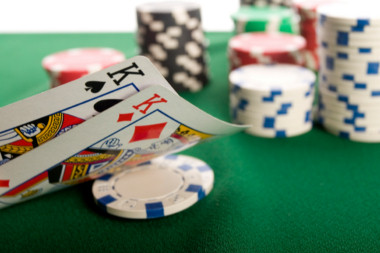
A good opportunity presented itself .
Es hat sich eine gute Gelegenheit geboten 0
Một cơ hội tốt đã tự xuất hiện .
机会 来 了 。
Jīhuì lái le.
機会はここにあります。
Kikai wa koko ni arimasu.
기회가 여기에 있습니다.
gihoega yeogie issseubnida.
(VI)
(ZH)
(JA)
0160
[EN] [DE] [NL] [ES] [FR] [IT] [TH] [VI] [ZH]
|
RANDOM
儿子会自己洗衣服。

My son can do the laundry by himself .
Mein Sohn kann seine Wäsche selbst waschen 0
Con trai tôi có thể giặt giũ một mình .
儿子 会 自己 洗衣服 。
Érzi huì zìjǐ xǐ yīfu.
息子は一人で服を洗います。
Musuko wa hitori de fuku o araimasu.
아들은 스스로 옷을 빨 것이다.
adeul-eun seuseulo os-eul ppal geos-ida.
(VI)
(ZH)
(JA)
0324
[EN] [DE] [NL] [ES] [FR] [IT] [TH] [VI] [ZH]
|
RANDOM
我自己会刷牙。

I can brush my teeth by myself .
Ich kann mir selbst die Zähne putzen 0
Tôi có thể tự đánh răng của mình .
我 自己 会 刷牙 。
Wǒ zìjǐ huì shuāyá.
自分で歯を磨くことができます。
Jibun de ha o migaku koto ga dekimasu.
스스로 이를 닦을 수 있어요.
seuseulo ileul dakk-eul su iss-eoyo.
(VI)
(ZH)
(JA)
0359
[EN] [DE] [NL] [ES] [FR] [IT] [TH] [VI] [ZH]
|
RANDOM
儿子独自一人在玩。

My son is playing by himself .
Mein Sohn spielt allein 0
Con trai tôi đang chơi một mình .
儿子 独自一人 在 玩 。
Érzi dúzì yīrén zài wán.
息子は一人で遊んでいます。
Musuko wa hitori de asonde imasu.
아들은 혼자 놀고 있습니다.
adeul-eun honja nolgo issseubnida.
(VI)
(ZH)
(JA)
0890
[EN] [DE] [NL] [ES] [FR] [IT] [TH] [VI] [ZH]
|
RANDOM
她在称体重。

She is weighing herself .
Sie wiegt sich 0
Cô ấy đang cân nhắc chính mình .
她 在 称 体重 。
Tā zài chēng tǐzhòng.
彼女は体重を量っています。
Kanojo wa taijū o hakatte imasu.
그녀는 무게입니다.
geunyeoneun mugeibnida.
(VI)
(ZH)
(JA)
0913
[EN] [DE] [NL] [ES] [FR] [IT] [TH] [VI] [ZH]
|
RANDOM
如果不想吃,就不要勉强。

If you don't want to eat , don not force yourself .
Wenn du nicht essen willst , zwinge dich nicht 0
Nếu bạn không muốn ăn , đừng ép bản thân .
如果 不想 吃 , 就 不要 勉强 。
Rúguǒ bù xiǎng chī, jiù bùyào miǎnqiǎng.
食べたくない場合は、無理に食べないでください。
Tabetakunai baai wa, muri ni tabenaide kudasai.
먹기 싫으면 억지로 하지 마세요.
meoggi silh-eumyeon eogjilo haji maseyo.
(VI)
(ZH)
(JA)
1438
[EN] [DE] [NL] [ES] [FR] [IT] [TH] [VI] [ZH]
|
RANDOM
她用绳索保护自己。

She uses a rope to protect herself .
Sie benutzt ein Seil , um sich zu schützen 0
Cô ấy sử dụng một sợi dây để bảo vệ mình .
她 用 绳索 保护 自己 。
Tā yòng shéngsuǒ bǎohù zìjǐ.
彼女はロープで身を守ります。
Kanojo wa rōpu de mi o mamorimasu.
그녀는 밧줄로 자신을 보호합니다.
geunyeoneun basjullo jasin-eul bohohabnida.
(VI)
(ZH)
(JA)
1535
[EN] [DE] [NL] [ES] [FR] [IT] [TH] [VI] [ZH]
|
RANDOM
他把自己隐藏在箱子里。

He hides himself in the suitcase .
Er versteckt sich im Koffer 0
Anh ta giấu mình trong vali 0
他 把 自己 隐藏 在 箱子 里 。
Tā bǎ zìjǐ yǐncáng zài xiāngzi lǐ.
彼はスーツケースに身を隠す
Kare wa sūtsukēsu ni miwokakusu
그는 상자에 몸을 숨겼다.
geuneun sangja-e mom-eul sumgyeossda.
(VI)
(ZH)
(JA)
1635
[EN] [DE] [NL] [ES] [FR] [IT] [TH] [VI] [ZH]
|
RANDOM
她纵容自己吃甜食。

She indulged herself by eating some sweets .
Sie gönnte sich ein paar Süßigkeiten 0
Cô ấy dễ dãi với đồ ngọt của mình .
她 纵容 自己 吃 甜食 。
Tā zòngróng zìjǐ chī tiánshí.
彼女はお菓子で自分を甘やかします。
Kanojo wa okashi de jibun o amayakashimasu.
그녀는 과자로 자신을 애지중지합니다.
geunyeoneun gwajalo jasin-eul aejijungjihabnida.
(VI)
(ZH)
(JA)
2065
[EN] [DE] [NL] [ES] [FR] [IT] [TH] [VI] [ZH]
|
RANDOM
他在懊恼自己愚蠢的行为。

He is angry with himself for his stupid behavior .
Er ist wütend auf sich selbst für sein dummes Verhalten 0
Anh ấy tức giận với chính mình vì hành vi ngu ngốc của mình .
他 在 懊恼 自己 愚蠢 的 行为 。
Tā zài àonǎo zìjǐ yúchǔn de xíngwéi.
彼は彼の愚かな行動に悩まされた。
Kare wa kare no orokana kōdō ni nayamasa reta.
그는 자신의 어리석은 행동에 화가 났습니다.
geuneun jasin-ui eoliseog-eun haengdong-e hwaga nassseubnida.
(VI)
(ZH)
(JA)
2480
[EN] [DE] [NL] [ES] [FR] [IT] [TH] [VI] [ZH]
|
RANDOM
要是你不爱吃,就不要勉强了。

Don't force yourself if you don't like it .
Wenn du es nicht magst , zwinge dich nicht , es zu essen 0
Đừng ép buộc bản thân nếu bạn không thích nó .
要是 你 不 爱 吃 , 就 不要 勉强 了 。
Yàoshi nǐ bù ài chī, jiù bùyào miǎnqiǎng le.
食べたくない場合は、無理に食べないでください。
Tabetakunai baai wa, muri ni tabenaide kudasai.
먹기 싫으면 강요하지 마세요.
meoggi silh-eumyeon gang-yohaji maseyo.
(VI)
(ZH)
(JA)
2482
[EN] [DE] [NL] [ES] [FR] [IT] [TH] [VI] [ZH]
|
RANDOM
我自己会系鞋带。
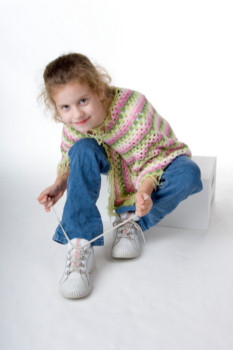
I can tie my shoelaces by myself .
Ich kann meine Schnürsenkel selbst binden 0
Tôi có thể tự buộc dây giày của mình .
我 自己 会 系鞋带 。
Wǒ zìjǐ huì jì xiédài.
自分で靴を結ぶことができます。
Jibun de kutsu o musubu koto ga dekimasu.
나는 내 신발을 스스로 묶을 수 있다.
naneun nae sinbal-eul seuseulo mukk-eul su issda.
(VI)
(ZH)
(JA)
2533
[EN] [DE] [NL] [ES] [FR] [IT] [TH] [VI] [ZH]
|
RANDOM
唱K是自我娱乐的方式。

Singing karaoke is a way to entertain yourself .
Karaoke zu singen ist eine Möglichkeit , sich selbst zu unterhalten 0
Hát karaoke là một cách để bạn giải trí .
唱 K 是 自我 娱乐 的 方式 。
ChàngKshì zìwǒ yúlè de fāngshì.
Kを歌うことは自己娯楽の方法です。
K o utau koto wa jiko goraku no hōhōdesu.
노래 K는 자기 오락의 방법입니다.
nolae Kneun jagi olag-ui bangbeob-ibnida.
(VI)
(ZH)
(JA)
2915
[EN] [DE] [NL] [ES] [FR] [IT] [TH] [VI] [ZH]
|
RANDOM
她盛了一碗饭。
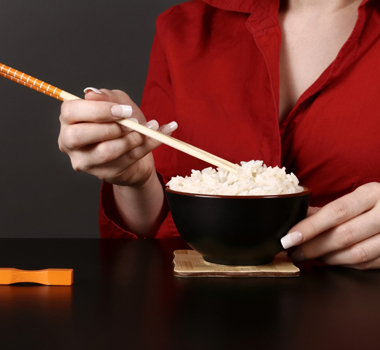
Sie holte sich eine Schüssel Reis . (Lit . Sie füllte
acheté un bol de riz 0 (Lit 0 , Elle a rempli un bol de riz .)
Cô ấy kiếm cho mình một bát cơm . (Lit . , Cô ấy đổ đầy một cái bát
她 盛 了 一碗 饭 。
Tā chéngle yī wǎn fàn.
彼女は一杯のご飯を出しました。
Kanojo wa ippai no gohan o dashimashita.
그녀는 밥 한 그릇을 대접했다.
geunyeoneun bab han geuleus-eul daejeobhaessda.
(VI)
(ZH)
(JA)
3192
[EN] [DE] [NL] [ES] [FR] [IT] [TH] [VI] [ZH]
|
|