| HSK 3.0 | Big5 | Gb | Pin | Eng |
|---|
| 1 | 爸爸 | 爸爸 | bàba | old man, father, papa, pappa, daddy, pa, begetter, pop, dada, dad, male parent, pater, pappy, pops, poppa
|
| 1 | 不客氣 | 不客气 | bù kèqì | you're welcome, don't mention it, impolite, rude, blunt
|
| 1 | 出來 | 出来 | chū lai | come forward, issue, come up, step up, step to the fore, out (toward one), come_out, pop out, come out, rise, come to the fore, step forward, emergence, come forth, emerge
|
| 1 | 錯 | 错 | cuò | wrong, mistaken, bad, poor, confused, complex
|
| 1 | 地點 | 地点 | dìdiǎn | location, site, locale, locality, topographic point, point, venue, spot, situs, land site, place, locus
|
| 1 | 地 | 地 | de | the earth, land, soil, fields, ground, place, position, background, distance
|
| 1 | 地方 | 地方 | dìfang | country, soil, terrain, part, clime, way, territory, room, neighbourhood, tinderbox, locality (as distinct from the central administrat, child, tract, province, position, respect, where, region, space, place, local
|
| 1 | 動作 | 动作 | dòngzuò | demeanor, motion, behavior, performance, demeanour, play, turn, operation, operative, looseness, agency, gesticulation, movement, gesture, comportment, business, action, move
|
| 1 | 放 | 放 | fàng | loose, bloom, make longer, set ... free, let sb. have his own way, show, readjust, free, make larger, put in, fly, etc., release, discharge, leave alone, bung, lay aside, put, expansion, make longer/larger/etc., fling, localize, lend (money) at interest, let go, set, pasture, pose, set free, blossom, lay, let off, put out to pasture, send away, play, expand, make larger/etc., readjus
|
| 1 | 國家 | 国家 | guójiā | sirkar, state, country, patria, a people, nationality, nation, republic, soli, body politic, clime, national, civil order, polity, commonwealth, land, res publica
|
| 1 | 很 | 很 | hěn | pretty, thrice, monstrously, gey, quite, mighty, stinking, sopping, some, assai, full, most, clinking, much, thumping, awfully, fiendishly, thundering, very, real, really, bally, proper, grossly, powerful, so, rattling, well, considerably, greatly, terribly
|
| 1 | 話 | 话 | huà | words, thing, language, tongue, talk, speech, spoken_language, conversation, utterance, expression, story, tale, saying, natural language, sayings, word
|
| 1 | 後天 | 后天 | hòutiān | the day after tomorrow, post-natal, acquired (not innate), a posteriori
|
| 1 | 壞 | 坏 | huài | spoiled
|
| 1 | 機場 | 机场 | jīchǎng | landing field, flying field, airfield, airport, airdrome, field, aerodrome
|
| 1 | 見 | 见 | jiàn | see, be exposed to, become visible, call on, refer to, meet with, appear to be, appear, vide, catch sight of, meet
|
| 1 | 覺得 | 觉得 | juéde | imagine, guess, believe, reckon, suspect, suppose, think, listen, feel, consider, think_of, appear, conceive
|
| 1 | 開玩笑 | 开玩笑 | kāi wánxiào | kid, spoof, jive, gag, make fun of, josh, daff, rot, quip, chaff, rib, banter, jolly, fun, sport, put_on, clown, fool, droll, jape, joke, skylark, jest, jocose, crack a joke
|
| 1 | 看 | 看 | kàn | see, look at, watch, read, look upon, regard, look after, call on, visit
|
| 1 | 老人 | 老人 | lǎoren | oldster, ancient, old woman, crock, one's aged parents or grandparents, old man/woman, one's aged parents/grandparents, Sir, old person, gaffer, pop, one's aged parents, the aged/old, old_man, senior_citizen, oldie, greybeard, old man, graybeard, old, grandparents, the old, the aged, senior citizen, old_boy, old boy, woman, old-timer, old man or woman, one's aged grandparents
|
| 1 | 馬上 | 马上 | mǎshàng | in a short time, at_once, instantaneously, promptly, at once, incontinent, in the same breath, directively, instantly, slapbang, pronto, right_away, immediately, shortly, without delay, right away, tout-de-suite, forthwith, presently, in_no_time, at a time, soon, hereupon, in a few seconds, before long, at one time, outright, straightaway, in a minute, directly, momently, in a f
|
| 1 | 慢 | 慢 | màn | tardy, rude, slow down, slow, slow up, retard, lose, defer, supercilious, postpone, decelerate
|
| 1 | 沒事兒 | 没事儿 | méishìr | to have spare time, free from work, it's not important, it's nothing, never mind
|
| 1 | 門口 | 门口 | ménkǒu | porch, portal, doorway, gateway, threshold, room access, door, entering, entrance
|
| 1 | 難 | 难 | nán | make difficulties, take to task, put ... into a difficult position, disagreeable, make difficult, unpleasant, hard, difficult, troublesome, blame
|
| 1 | 朋友 | 朋友 | péngyou | amigo, connections, kith, friend, boy, crony, ami, boy/girl friend, companion, mate, boy friend or girl friend, compadre, boy friend, Mac, paisano, matey, old_boy, sport, folks, pard, hearty, Kamerad, cocker, cobber, girl friend, pardner, company
|
| 1 | 商場 | 商场 | shāngchǎng | department store, bazar, line of business, field of operation, grocery store, emporium, bazaar, grocery, mall, commercial circle, field, market
|
| 1 | 時候 | 时候 | shíhou | day, moment, (a point in) time, (duration of) time, time
|
| 1 | 時間 | 时间 | shíjiān | moment, day, clock time, fourth_dimension, relativity, hour, duration, time, when, while, temporal, economy
|
| 1 | 事 | 事 | shì | responsibility, trouble, event, thing, worry, accident, case, involvement, work, affair, job, concern, business, toast, matter
|
| 1 | 樹 | 树 | shù | wood, Ruptiliocarpon caracolito, tree, arbor, Surname, caracolito
|
| 1 | 他 | 他 | tā | he, she, it, they (referring to inanimate things in object position)
|
| 1 | 先生 | 先生 | xiānsheng | doctor of Chinese medicine, Don, mulla, Ms., sir., teacher, gentleman, gospodin, Signor, signor, fortune-teller, babu, baboo, Herr, Mister, bey, mister, bwana, husband, siree, buckra, sirrah, senor, guv, sahib, Mr., rabbi, don, signore, Dan, sir, m'sieur, effendi, Tuan, baas, Monsieur, lording, monsieur, doctor, Mr, milord, Mynheer, signior, esquire, bookkeeper, Senor, rabboni, Senhor, sieur, sen
|
| 1 | 想 | 想 | xiǎng | think, suppose, reckon, consider, want to, would like to, feel like (doing sth.)
|
| 1 | 寫 | 写 | xiě | description, bewrite, direct, describe, pencil, draw, paint, inscribe, write, depiction, write_out, throw_off, depict, address, author, screeve, word, compose
|
| 1 | 休息 | 休息 | xiūxi | repose, have, lie dormant, respire, take time off, have a rest, take a rest, take off, relax, take_time_off, have/take a rest, rest
|
| 1 | 有 | 有 | yǒu | have, possess
|
| 1 | 有用 | 有用 | yǒuyòng | belong, profit, count, useful, avail, powerful
|
| 1 | 找到 | 找到 | zhǎodào | light upon, find, discover, run_down, founded, regain, strike, come upon, come across, run down, trace, turn_up, happen upon, get, chance on, chance upon
|
| 1 | 重 | 重 | zhòng | heavy, weighty, important, considerable in amount/value
|
| 1 | 重要 | 重要 | zhòngyào | important, significant, major
|
| 1 | 住 | 住 | zhù | inhabit, cease, stay, visit, shack, dwell, stop, people, live, reside, populate, dig
|
| 1 | 子 | 子 | zi | son, child, seed, egg, small thing, 1st earthly branch: 11 p.m.-1 a.m., midnight, 11th solar month (7th December to 5th January), year of the Rat, Viscount, fourth of five orders of nobility 五等爵位[wu3 deng3 jue2 wei4], ancient Chinese compass point: 0° (north), (noun suffix)
|
| 1 | 走 | 走 | zǒu | scram, travel, foot, go away, evaporate, ankle, waltz, step, bugger off, etc., go through, leave, leak, run, buzz off, leg, pad, fork, visit, go, escape, lose flavor, work, call on, strike, sashay, trace, pursue, gang, lose shape/etc., get_along, come_along, walk, hoof it, lose flavor/shape/etc., leg it, let out, shape, drive, cover, take, get, hoof, move
|
| 2 | 愛人 | 爱人 | àiren | spouse (PRC), lover (non-PRC), CL:個|个[ge4]
|
| 2 | 辦法 | 办法 | bànfǎ | road, expedient, policy, agency, measure, way, method, means
|
| 2 | 幫助 | 帮助 | bāngzhù | aid, bridge_over, help, bestead, bring_on, tide_over, serve, support, facilitate, accommodate, carry_through, assist, administer, attend_to, assistance, befriend, further, favour
|
| 2 | 部分 | 部分 | bùfen | partial, department, section, partialness, slice, pars, part, det.: part, percent, partage, sphere, component, divvy, segment, portion, fraction, sector, chapter, share, percentage, piece, division, sectional, parcel
|
| 2 | 超過 | 超过 | chāo guò | overpass, overreach, outwalk, outstrip, overstep, outmarch, distance, pass, overstride, outpace, overtop, surpass, crown, exceed, overtake, preponderate, overrun, top, outrun, go_over, transcend, outrange, transgress, go past, break, excess, overhaul, overshine
|
| 2 | 成為 | 成为 | chéngwéi | find, join, comprise, turn to, commemorate, sample, entomb, come_up, commence, get hold, learn, add up, necessitate, run, make up, constitute, make, form, come, amount, represent, fall, presage, change, be, turn, turn into, become, line up, come up, shape, portend, foretell, get
|
| 2 | 出口 | 出口 | chū kǒu | export
|
| 2 | 詞 | 词 | cí | vocable, words, phrase, a kind of poetry originating in Tang dyn, statement, a form of classical poetry, part of speech, speech, Ci, Chinese poetry, term, word
|
| 2 | 打算 | 打算 | dǎsuan | mean, specify, plan, think, intention, propose, design, purpose, contemplate, allot, destine, calculate, intend, designate, be after
|
| 2 | 大家 | 大家 | dàjiā | sundry, great master, rich and influential family, pontiff, all of us, everyone, authority, master, distinguished family
|
| 2 | 大門 | 大门 | dàmén | barndoor, portal, main entrance, front_door, gate, door, entry, main door/gate, front door, main entrance/door/gate, entrance
|
| 2 | 大小 | 大小 | dàxiǎo | calibre, measurement, admeasurement, bulk, proportion, magnitude, extent, degree of seniority, dimension, girth, size, adults and children
|
| 2 | 道 | 道 | dào | say, speak, talk, think, suppose
|
| 2 | 動物 | 动物 | dòngwù | thing, critter, crittur, zoic, anthropomorphism, animal, deer, animate being, beast, creature, burrow, sire, worker, fauna, brute
|
| 2 | 隊長 | 队长 | duìzhǎng | captain, chieftain, skipper, police chief, header, headman, commandant, police captain, sirdar, team leader
|
| 2 | 對面 | 对面 | duìmiàn | opposite
|
| 2 | 多數 | 多数 | duōshù | trillions, millions, mort, relative majority, throng, det : majority, prevalence, multitude, lac, Host, host, bulk, horde, raft, million, lakh, rimption, pack, skit, strength, acre, generality, ruck, chunk, number, shoal, multiplicity, billions, preponderance, jillions, zillions, grist, world, majority, meiny, regiment, legion, mass, plurality
|
| 2 | 放下 | 放下 | fàngxià | set_down, set down, lay/put down, lay, lower, lay_down, draw, lay down, dismount, put_down, plank, drop_away, deposit, digress, drop_off, depose, put down, place down
|
| 2 | 方向 | 方向 | fāngxiang | path, set, directional, aspect, tenor, course, lay, exposure, way, range, aim, trend, direction, bearing, orientation, hand, tack, way of life, quarter, channel, line, heading
|
| 2 | 分數 | 分数 | fēnshù | point, score, mark, grade, fraction, football score, numeric
|
| 2 | 乾杯 | 干杯 | gān bēi | to drink a toast, Cheers! (proposing a toast), Here's to you!, Bottoms up!, lit. dry cup
|
| 2 | 公交車 | 公交车 | gōngjiāochē | public transport vehicle, town bus, CL:輛|辆[liang4]
|
| 2 | 公司 | 公司 | gōngsī | place of business, business organization, incorporation, establishment, business concern, office, concern, business establishment, business, enterprise, company, corporation
|
| 2 | 故意 | 故意 | gùyì | purposive, deliberate, willful, intentional
|
| 2 | 顧客 | 顾客 | gùkè | chap, client, shopper, correspondent, constituency, patronage, trade, market, guest, clientele, newspaperman, newspaperwoman, newswriter, pressman, customer agent, customer, business
|
| 2 | 觀點 | 观点 | guāndiǎn | view, aspect, stand, point_of_view, light, eyes, framework, sentiment, bet, standpoint, point of view, eye, viewpoint, slant, perspective, position, angle
|
| 2 | 海 | 海 | hǎi | water, foam, bottom, main, huge group of people, Surname, sea catfish, the sea, sea, mare, drink, fishpond, briny, great capacity, Neptune, billow, huge group of things, depth, waters, pond, wave, brine, big lake
|
| 2 | 紅 | 红 | hóng | in vogue, famous, redden, red, popular
|
| 2 | 護照 | 护照 | hùzhào | passport
|
| 2 | 機會 | 机会 | jīhui | scouth, occasion, good luck, hap, liberty, fortune, opportunity, chance, joss, hazard, happy chance, probability, luck, scope, room, break, turn, opening
|
| 2 | 件 | 件 | jiàn | correspondence, paper, document, bit, m.[general], , single item, letter, piece
|
| 2 | 交通 | 交通 | jiāotōng | intercourse, commutation, transportation, communication, commuting, traffic, traffic_light, liaison man, communications, dealings, liaison
|
| 2 | 角度 | 角度 | jiǎodù | aspect, perspective, degree, arcdegree, point of view, angle
|
| 2 | 餃子 | 饺子 | jiǎozi | dumpling, pot-sticker, CL:個|个[ge4],隻|只[zhi1]
|
| 2 | 接受 | 接受 | jiēshòu | receive (honors, have, receive, acknowledge, sweep up, espouse, etc.), come to grips, adopt, embrace, greet, welcome, hook on, seize on, take up, accede, taken, entertain, latch on, buy, fasten on, swallow, imbibe, accept, receive (honors/etc.), undergo, get to grips, take, adapt, acceptance, thole
|
| 2 | 酒 | 酒 | jiǔ | libation, bracer, plonk, wine, tipple, poison, pottle, spirits, creature, vin, cup, drink, hooch, arrack, medicine, alcohol, bottle, hootch, alcoholic drink, rum, bibble, potation, belly-wash, alcoholic beverage, Bacchus, booze, liquor, juice, fortifier, inebriant, lotion, intoxicant
|
| 2 | 舉 | 举 | jǔ | lift, raise, hold up, cite, propose
|
| 2 | 卡 | 卡 | kǎ | to stop, to block, card, CL:張|张[zhang1],片[pian4], calorie, cassette, (computing) (coll.) slow, to block, to be stuck, to be wedged, customs station, a clip, a fastener, a checkpost, Taiwan pr. [ka3]
|
| 2 | 看法 | 看法 | kànfa | side, view, mentality, idea, outlook, a way of looking at a thing, opinion, thought, sight, standpoint, hypothesis, attitude, hobbyhorse, viewpoint, possibility, theory, slant, pronouncement, way of looking at sth., thinking, supposition, supposal
|
| 2 | 拉 | 拉 | lā | slit, press-gang, help, solicit, lend a helping hand, canvass, draw, zoom, transport by vehicle, pull, release, press, cut, schlep, play (bowed instruments), tote, tug, gash, tow, bend, snake, schlepp, move (troops), solicitation, haul, chat, solicit (business), give a helping hand, drag out, force, play, slash, drum_up, claw, implicate, overstretch, empty the bowels, drag, trail, drag
|
| 2 | 涼 | 凉 | liáng | cool, cold, discouraged, disappointed
|
| 2 | 流行 | 流行 | liúxíng | prevalent, popular, fashionable, in vogue, spread, rage (of contagious disease)
|
| 2 | 目的 | 目的 | mùdì | view, pretence, objective, goal, purport, intention, bourn, object, motive, motivation, meaning, aim, end point, hent, target, scope, sense of purpose, errand, purposefulness, sake, function, end, purpose, quaesitum, intent
|
| 2 | 拿出 | 拿出 | náchū | ante, produce, take_out, get out, pose, take out, bring forth, take away, bring out
|
| 2 | 難題 | 难题 | nántí | problem, Gordian knot, grief, sticker, question, enigma, difficult problem, puzzler, spinosity, stickler, a hard nut to crack, puzzle, toughie, poser, difficulty, crux, nut, challenge, tickler, conundrum, knot, hump, knottiness, stinker, puzzlement, teaser, stumper, twister
|
| 2 | 怕 | 怕 | pà | I'm afraid, dread, funk, I suppose, be afraid of, fear
|
| 2 | 漂亮 | 漂亮 | piàoliang | posh, handsome, brilliant, remarkable, splendid, beautiful, smart
|
| 2 | 瓶 | 瓶 | píng | cruse, flask, vase, bottle, ninepin, jug, jar, pot, ampulla, m.[container],
|
| 2 | 輕 | 轻 | qīng | light, agile, alert, easy, simple, rash, reckless, unimportant, frivolous, slight, neglect
|
| 2 | 取 | 取 | qǔ | have, withdraw, choose, assume, take away, adopt, assumption, select, draw_out, withdrawal, obtain, remove, take, fetch, get, aim at, pick_up, sponge, adoption
|
| 2 | 人們 | 人们 | rénmen | workforce, hands, work force, folk, people, they, the people, men, manpower, common people
|
| 2 | 人口 | 人口 | rénkǒu | population
|
| 2 | 然後 | 然后 | ránhòu | therewith, and so, and_then, and then, thereupon, after that, so, then, with that
|
| 2 | 認為 | 认为 | rènwéi | find, treat, deem, suppose, look_on, repute, discount, esteem, accredit, feel, account, calculate, estimate, take to be, reckon, expect, think, hold, trust, recognise, opine, sound off, adjudge, consideration, consider, regard as, look upon, believe_in, disbelieve, allow, conceive, regard, call, imagine, view, forecast, believe, suspect, rate, animadvert, look on, listen, speak up, figure, c
|
| 2 | 入口 | 入口 | rù kǒu | adit, window, gateway, propylaeum, entranceway, entree, entrance, portal, in door, threshold, inlet, approach, door, entry, entering, access, entryway, intake, ingress
|
| 2 | 市長 | 市长 | shìzhǎng | alcalde, city manager, mayor, portreeve, mayoral, civic leader, provost, civil leader, burgomaster
|
| 2 | 事情 | 事情 | shìqing | proposition, pie, shebang, thing, affair, occasions, undertaking, concern, question, business, schmear, matter
|
| 2 | 收入 | 收入 | shōurù | earning, incoming, gainings, finance, ingathering, proceed, receipts, income, coming-in, taking, pocket, earnings, fruit, revenue, proceeds, living
|
| 2 | 太陽 | 太阳 | tàiyáng | Apollo, luminary, daystar, digit, sunlight, solar, sunshine, Phoebus, lamp, sun, Sol, fireball
|
| 2 | 態度 | 态度 | tàidu | stance, treatment, demeanor, dealing, deportment, pose, behavior, manner, demeanour, way, bearing, attitude, air, behaviour, front, mien, conduct, mental attitude, approach, posture, address, position, bedside_manner, movement, gesture, comportment, presence, sort
|
| 2 | 特點 | 特点 | tèdiǎn | distinctive feature, trait, point, flavor, singularity, flavour, distinction, characteristic, excellence, speciality, specialty, idiosyncrasy, salience, distinctiveness, specialness, feature, spot, peculiarity
|
| 2 | 提出 | 提出 | tí chū | put forward, pose, raise
|
| 2 | 體育 | 体育 | tǐyù | training, physical education, athletics, sports, gymnastic, physical_education, physical training, physical culture, physical education/training, gym
|
| 2 | 腿 | 腿 | tuǐ | ham, a leg-like support, underpinning, thigh, gamb, shank, supporter, leg
|
| 2 | 推 | 推 | tuī | push, decline, refuse, reject, put off, postpone, delay
|
| 2 | 位 | 位 | wèi | location, digit, m.[general], , status, figure, throne, position, place, condition
|
| 2 | 想法 | 想法 | xiǎngfa | view, stance, mentality, idea, notion, sentiment, judgment, construct, thought, opinion, conception, viewpoint, judgement, belief, mind-set, what one has in mind, persuasion, perspective, concept, mind, impression
|
| 2 | 心中 | 心中 | xīnzhōng | central point, in one's thoughts, in one's heart
|
| 2 | 信心 | 信心 | xìnxīn | trustfulness, trustingness, confidence, belief, affiance, religion, feeling, fay, trust, positiveness, notion, reliance, religious belief, faith, hope, impression
|
| 2 | 行為 | 行为 | xíngwéi | fact, demeanor, form, deportment, dealing, behavior, doings, course, act, point, goings-on, demeanour, procedure, lapse, going, bearing, turn, behaviour, activity, ongoing, thing, human action, conduct, commitment, human activity, behavioral, agency, deed, comportment, action
|
| 2 | 許多 | 许多 | xǔduō | lot, scores, lots, sight, pot, heap, quantity, plenty, slews, ton, battalion, many, scads, tidy sum, power, spate, chunk, pile, crowd, vastness, batch, lashings, whole lot, mint, mound, pocketful, large number, trunkful, ream, mickle, great deal, flock, mass, slew, heaps, a lot of, piles, whole slew, mess, raff, slue, gobs, much, lotta, multitude, volume, wad, store, raft, tons, satiety, rafts, doze
|
| 2 | 眼 | 眼 | yǎn | eye, small hole, aperture, salient/weighted point, salient/weighted point
|
| 2 | 養 | 养 | yǎng | keep in good repair, keep, cultivate, cultivation, form, maintenance, foster, give birth to, convalesce, sustain, nourish, support, provide for, convalescence, grow, raise, maintain, acquire, rest, recuperate
|
| 2 | 也許 | 也许 | yěxǔ | possibly, peradventure, conceivably, assumedly, mayhap, doubtless, ablings, perhaps, perchance, potentially, probably, maybe, presumably, ablins, just
|
| 2 | 一部分 | 一部分 | yībùfen | portion, part of, subset
|
| 2 | 以為 | 以为 | yǐwéi | imagine, think/believe/consider erroneously, treat, deem, believe, suspect, suppose, consider erroneously, repute, animadvert, esteem, trow, speak up, feel, count, believe/consider erroneously, calculate, view as, guess, ween, look, expect, think erroneously, think, hold, opine, interpret, sound off, take_for, consider, take for
|
| 2 | 意見 | 意见 | yìjian | latitude, point_of_view, estimation, sight, conceit, verdict, hypothesis, attitude, estimate, possibility, judgement, appraisal, ground, slant, differing opinion, ruling, complaint, thinking, suggestion, comment, advisement, mind, apprehension, say, vote, impression, deliverance, view, understanding, feeling, idea, notion, sentiment, judgment, advice, current, opinion, advert, theory, v
|
| 2 | 意思 | 意思 | yìsi | significance, token of infection, intention, interest, idea, trace, meaning, thought, opinion, substance, etc., import, a token of appreciation/etc., indirect request, wish, a token of affection, desire, appreciation, fun, signification, gratitude, sense, hint, a token of affection/appreciation/etc., suggestion, mind, intent
|
| 2 | 銀行 | 银行 | yínháng | jug, depository financial institution, bank building, banking company, banking concern, bank
|
| 2 | 語言 | 语言 | yǔyán | linguistic communication, lingual, language, idiom, tongue, oral communication, speech, perspicuity, lingo, contumely, Fortran, parole, natural language, spoken language, linguistic process
|
| 2 | 原因 | 原因 | yuányīn | origin, causation, reason, wherefore, causal, breeder, spore, cause, causal agent, whence, causal agency, occasion, root, subject, causality, why, starter
|
| 2 | 院 | 院 | yuàn | public facility, college, courtyard, designation for certain government offices and pub, hospital, clinic, branch of government, university, institutes, compound, abbey, academy, institute, yard, educational institution, faculty
|
| 2 | 運動 | 运动 | yùndong | sports, athletics, exercise, movement, campaign
|
| 2 | 咱 | 咱 | zán | I or me we (including both the speaker and the person spoken to) variant of 咱[zan2], see 咱[zan2]
|
| 2 | 院子 | 院子 | yuànzi | patio, court, courtyard, yard, compound
|
| 2 | 找出 | 找出 | zhǎochū | rout out, find, unearth, rout up, rout, quest, observe, notice, grub, seek_out, dig_out, seek out, discover, find_out, root_out, spy, spot, detect, smoke out
|
| 2 | 照片 | 照片 | zhàopiàn | snapshot, shot, likeness, picture, photo, icon, image, caption, exposure, photograph, pic, ikon
|
| 2 | 重視 | 重视 | zhòngshì | attach importance to, take sth. seriously, value
|
| 2 | 重點 | 重点 | zhòngdiǎn | taproot, accent, emphasis, focal point, point, keystone, hinge, salient point, stress, gravity
|
| 2 | 主人 | 主人 | zhǔrén | lord, housemaster, host, symposiarch, marse, bwana, padrone, boss, master, baas, provider, mast, owner, landlord
|
| 2 | 組成 | 组成 | zǔ chéng | form, make up (into), compose
|
| 2 | 嘴 | 嘴 | zuǐ | spigot, mug, rattletrap, kisser, trap, puss, visage, spile, nib, smiler, beak, countenance, snout, physiognomy, bill, cake-hole, bazoo, spout, anything shaped or functioning like a mouth, mouth, gob, neb
|
| 2 | 作家 | 作家 | zuòjiā | penster, scribe, ink-slinger, pen, inkslinger, writer, wright, novelist, litterateur, literator, tragedian, composer, author, penman, biobibliography, bookman
|
| 2 | 作文 | 作文 | zuòwén | composition
|
| 3 | 報到 | 报到 | bào dào | check in, register, registration, report for duty, appear, report, check_in
|
| 3 | 報道 | 报道 | bàodào | to report (news), report, CL:篇[pian1],份[fen4]
|
| 3 | 報告 | 报告 | bàogào | report, speech, (student) term paper
|
| 3 | 比例 | 比例 | bǐlì | proportional, rate, proportionality, quotient, proportion, proportionment, scale, ratio, balance
|
| 3 | 表明 | 表明 | biǎomíng | argue, utter, disclose, enunciate, indicate, speak_for, make clear, indication, prove, point, express, manifest, tell, state clearly, give, denote, evince, unfold, portend, declare, kithe, make known, signalize
|
| 3 | 部長 | 部长 | bùzhǎng | commissar, manager, superintendent, cabinet minister, head of a section, minister, political commissar, ministerial, secretary, government minister, president, head of a department
|
| 3 | 長處 | 长处 | chángchu | good aspects, strong points
|
| 3 | 厰 | 厂 | chǎng | factory, mill, plant, works, yard, depot
|
| 3 | 場所 | 场所 | chǎngsuǒ | site, digging, terrain, locality, point, arena, scene, room, locus, location, locale, stead, scene of action, lieu, amenity, meridian, where, spot, space, land site, place, seat
|
| 3 | 成果 | 成果 | chéngguǒ | product, achievement, outcome, gain, production, fruit, positive result, progeny, job
|
| 3 | 程度 | 程度 | chéngdù | latitude, rate, degree, point, measure, way, grade, gree, pitch, cut, length, plane, stage, level, extent, scale, notch
|
| 3 | 重 | 重 | zhòng | heavy, weighty, important, considerable in amount/value
|
| 3 | 處理 | 处理 | chǔlǐ | handle, deal with, dispose of, process
|
| 3 | 從前 | 从前 | cóngqián | previously, formerly, once upon a time
|
| 3 | 存 | 存 | cún | harbour, keep, deposit (money), gather, harbor, cherish, accumulate, existence, live, leave with, retain, reserve, save, consist, accumulation, preserve, survival, store, survive, check (luggage), collect, deposit, place, bank, check, exist, be in stock, remain on balance
|
| 3 | 大概 | 大概 | dàgài | chiefly, if not, perchance, approximately, believably, maybe, presumably, plausibly, almost, conceivably, most likely, assumedly, ablings, likely, perhaps, probably, supposedly, ablins, credibly, assumably, belike
|
| 3 | 動力 | 动力 | dònglì | driving force, impetus, motivity, (motive) power, wheel, (motive) power/force, agency, vector, dynamics, force, motive_power, momentum, power
|
| 3 | 短處 | 短处 | duǎnchu | shortcoming, defect, fault, one's weak points
|
| 3 | 對手 | 对手 | duìshǒu | mate, competitor, opposite, antagonist, comparative, contender, adversary, opponent, opposition, counterpart, equal, counterworker, rival, match
|
| 3 | 反應 | 反应 | fǎnyìng | reaction, response, repercussion
|
| 3 | 反對 | 反对 | fǎnduì | to fight against, to oppose, to be opposed to, opposition
|
| 3 | 負責 | 负责 | fùzé | preside, be responsible for, see, entail, sponsor, be in charge of, blame, answer, undertake, liable, respond
|
| 3 | 話題 | 话题 | huàtí | talking_point, theme, gambit, subject of a talk, ground, talk, talking point, topic, chapter, topic of conversation
|
| 3 | 會議 | 会议 | huìyì | synod, moot, conference, board, convocation, soviet, congress, talks, indaba, negotiation, junta, group discussion, convention, meeting place, session, council, rendezvous, colloquy, coming together, powwow, seance, meeting, forum, consultation, roll-up, get-together, assembly
|
| 3 | 積極 | 积极 | jījí | positive, active, energetic, vigorous
|
| 3 | 記者 | 记者 | jìzhě | journalist, writer, correspondent, newspaperwoman, newspaperman, gazetteer, newswriter, reporter, pressman, newshound, newsman, newsperson
|
| 3 | 建 | 建 | jiàn | establishment, erection, build, proposal, propose, set up, establish, found, advocate, erect, construction, construct
|
| 3 | 建議 | 建议 | jiànyì | propose, suggest, recommend
|
| 3 | 交警 | 交警 | jiāojǐng | traffic police, abbr. for 交通警察
|
| 3 | 結婚 | 结婚 | jié hūn | middle-aisle, intermarry, mate, conjoin, get married, couple, married, espouse, pair, marry, unite, get_married, get hitched with, spouse, splice, hook up with, wed
|
| 3 | 解決 | 解决 | jiějué | solve, resolve, settle, dispose of, finish off
|
| 3 | 警察 | 警察 | jǐngchá | police officer, cop, trooper, bluecoat, finest, jack, peon, policeman, police force, constable, policemen, flattie, fuzz, constabulary, shamus, bull, bobby, robert, copper, tipstaff, rozzer, flatfoot, john, peeler, Vopo, law, runner, officer, gumshoe, pig, police, the police, beetle-crusher, flic
|
| 3 | 具有 | 具有 | jùyǒu | be provided with, have, have got, possess, hold, possession, carry, inhere, bear
|
| 3 | 老百姓 | 老百姓 | lǎobǎixìng | plebe, populace, mister, civilians, roturier, ordinary people, common people
|
| 3 | 力量 | 力量 | lìliang | fibre, strength, potency, ability, guts, kick, cogency, point, dint, energy, mightiness, physical strength, demon, force, punch, whiz, tooth, might, forcefulness, exercise, fiber, powerfulness, lift, pith, leverage, agency, push, muscle, power
|
| 3 | 力 | 力 | lì | power, strength, ability, force, physical strength
|
| 3 | 領 | 领 | lǐng | receive, draw, get, have jurisdiction over, be in possession of
|
| 3 | 美食 | 美食 | měishí | cate, luxury, good food, delicious food, fleshpot
|
| 3 | 民間 | 民间 | mínjiān | grass roots, people-to-people, nongovernmental, among the people, folk, popular
|
| 3 | 命運 | 命运 | mìngyùn | foredoom, lot, appointment, lottery, fortune, chance, dole, circumstances, allotment, predestination, cup, luck, fare, destiny, portion, kismet, fate, doom, line, fatality, weird, hazard, karma
|
| 3 | 目標 | 目标 | mùbiāo | polestar, objective, goal, bourn, object, meaning, aim, end point, target, cause, landmark, butt, lodestar, bull's eye, mark, tee, cynosure, end, bell ringer, loadstar, quaesitum, destination
|
| 3 | 能力 | 能力 | nénglì | department, potency, ability, acquisition, acquirement, capacity, performance, oomph, sufficiency, energy, competence, accomplishment, size, might, faculty, hand, coequal, efficiency, inner resources, capability, giftie, attainment, capableness, zip, skill, competency, power
|
| 3 | 農業 | 农业 | nóngyè | farm, farming, geoponics, husbandry, agricultural, plow, agriculture
|
| 3 | 怕 | 怕 | pà | I'm afraid, dread, funk, I suppose, be afraid of, fear
|
| 3 | 派 | 派 | pài | send, dispatch, assign, appoint
|
| 3 | 配 | 配 | pèi | match, find sth. to fit/replace sth. else, deserve, be worthy of, be qualified, compound, mix
|
| 3 | 蘋果 | 苹果 | píngguǒ | mincemeat, pome, apple, Empire
|
| 3 | 普及 | 普及 | pǔjí | popularize, disseminate, spread
|
| 3 | 破 | 破 | pò | tear, split up, defeat, expose, eradicate, lay bare, cleave, expose the truth of, worn-out, break with, come apart, destroy, capture (city/etc.), defeat (enemy), broken, expose (lie/etc.), destruction, cut, separate, tattered, reveal truth, fall apart, beat, capture, split, not intact, rupture, get rid of, do away with, break
|
| 3 | 強 | 强 | qiáng | strong, powerful, vigorous, better, slightly more than, plus
|
| 3 | 強大 | 强大 | qiángdà | big and powerful, formidable
|
| 3 | 強調 | 强调 | qiángdiào | underscore, spotlight, place emphasis on, point_up, highlight, point, point up, enforce, emphasise, urge, underline, overstress, give emphasis to, play up, keynote, insist, punctuate, accent, betone, foreground, emphasize, emphatic, stress, set off, overemphasize, accentuate, bring out
|
| 3 | 巧 | 巧 | qiǎo | clever, intelligent, skillful, ingenious, artful, deceiving, pretty, cute, opportune, fortuitous, coincidental
|
| 3 | 橋 | 桥 | qiáo | backbend, fret, span, pons, pier arch, bridge, spar
|
| 3 | 親人 | 亲人 | qīnrén | those dear to one, one's parents, spouse, children, etc., one's family members, dear ones, relative, close relatives, folks
|
| 3 | 球迷 | 球迷 | qiúmí | fan (ball sports), CL:個|个[ge4]
|
| 3 | 確定 | 确定 | quèdìng | find, determination, make a point, pin down, narrow down, corroborate, prove, jell, settle, express, ensure, clench, assure, confirm, decide firmly, see, certain, define, clinch, nail_down, ascertain, determinate, guarantee, nail down, insure, fix, nail, peg, sustain, state, stipulate, secure, make_sure, seal, make sure, verify, find out, affirm, determine
|
| 3 | 人類 | 人类 | rénlèi | man, wight, human_being, human, human race, mankind, individual, human species, Homo_sapiens, populace, creature, hominid, world, mortality, microcosm, humans, humanitarianism, humanity, humanness, human beings/species, people, species, humankind, human beings, public, mortal
|
| 3 | 人工 | 人工 | réngōng | man-made, artificiality, manual work, manpower, art, labor
|
| 3 | 人民 | 人民 | rénmín | multitude, citizen, quarter, Volk, hoi polloi, subject, people, nationals, masses, the people, mass, demotic
|
| 3 | 任 | 任 | rèn | serve in a position, appoint to a position
|
| 3 | 設備 | 设备 | shèbèi | installation, set, device, appointment, plant, fixing, system, appliance, fixture, fitting, accommodation, fitment, finishing, unit, furnishings, materiel, contrivance, paraphernalia, facilities, rig, equipage, setout, facility, fixings, equipment
|
| 3 | 時代 | 时代 | shídài | day, period, a period in one's life, epoch, present time, historical period, time, chapter, period in one's life, modern times, historic period, contemporary world, times, era, modern world, age
|
| 3 | 使 | 使 | shǐ | rarefy, piss_off, germinate, drench, blow_out, leave, cut_up, refract, run, dress_up, compose, shed, frizz, put_off, trot, send, strike, send (as envoy), peal, alienate, pull_in, tone_up, bring around, astound, sublease, wither, cripple, bed_down, address, rehearse, usage, warm, smell_out, throw, inflect, get_down, skunk, capsize, congeal, bowl_over, bring_on, unseat, ensure, amalgamate, pro
|
| 3 | 事業 | 事业 | shìyè | proposition, task, pidgin, institution, undertaking, deed, facilities, life history, endeavour, endeavor, cause, career, project, action, enterprise
|
| 3 | 適合 | 适合 | shìhé | qualify, conform, fit, go, befit, quadrate, will, accord, tailor, beseem, serve, comport, gee, answer, become, fit_in, service, pertain, like, accommodate, agree, belong, characterize, make, suit, match
|
| 3 | 輸入 | 输入 | shūrù | import, input
|
| 3 | 速度 | 速度 | sùdù | pacing, wings, rate, quickness, fastness, velocity, swiftness, lick, pace, rapidity, speed, career, tempo
|
| 3 | 鐵 | 铁 | tiě | shovel, smoothing iron, iron, ferrous, arms, Surname, Fe, ferrum, spade, weapon
|
| 3 | 通信 | 通信 | tōngxìn | communicate by letter, correspond
|
| 3 | 團體 | 团体 | tuántǐ | fraternity, sect, phalanx, collective, body, group, sodality, element, organisation, corporation, confession, college, establishment, brotherhood, community, organization, squad, union, administration, society, army, commonwealth, consort, company, lineup, combine, governance, clan, combination, fellowship, organizational, bloc, team, party, connection, family, brass, squadron
|
| 3 | 推廣 | 推广 | tuīguǎng | popularize, spread, extend
|
| 3 | 為了 | 为了 | wèile | in order to, for the purpose of, so as to
|
| 3 | 文件 | 文件 | wénjiàn | page, documental, archive, writ, documents, data file, paper, document, judicial writ, literature, circular, documentation, portfolio, archives, file, written document, papers
|
| 3 | 武器 | 武器 | wǔqì | enginery, steel, arming, armament, weapons system, hardware, armored, armature, munition, weaponry, artillery, implements of war, armory, arms, ammunition, armor, weapon, arm, armoring
|
| 3 | 武術 | 武术 | wǔshù | military skill or technique (in former times), all kinds of martial art sports (some claiming spiritual development), self-defense, tradition of choreographed fights from opera and film (recent usage), also called kungfu 功夫, CL:種|种[zhong3]
|
| 3 | 現場 | 现场 | xiànchǎng | scene (of an incident), location, site, locale, scene of a crime, locality, live, scene, spot, field
|
| 3 | 香 | 香 | xiāng | fragrant, scented, savory, appetizing, popular, welcome
|
| 3 | 效果 | 效果 | xiàoguǒ | operation, execution, result, effect, background, sound effects, purpose, point, background signal, fruitage, outcome, force, punch
|
| 3 | 性格 | 性格 | xìnggé | fibre, make-up, mettle, humor, nature, complexion, capacity, mentality, mould, mold, being, streak, temperament, personality, character, fiber, disposition, strain, makeup, make
|
| 3 | 選手 | 选手 | xuǎnshǒu | participant, basketeer, athlete selected for a sports meet, basketball player, jock, contestant, cap, cager, athlete, player, champ, performer, player selected as contestant
|
| 3 | 煙 | 烟 | yān | smoke, mist, vapor
|
| 3 | 要是 | 要是 | yàoshi | conj.: if, suppose, in case
|
| 3 | 意義 | 意义 | yìyì | importance, significance, denotation, purport, drift, signality, emptiness, meaning, construction, bearing, substance, import, effect, insignificancy, hang, signification, sense
|
| 3 | 贏 | 赢 | yíng | lick, beat, whip, gain, capot, win
|
| 3 | 優點 | 优点 | yōudiǎn | strong, merit, vantage, excellency, perfection, assets, beaut, advantage, excellence, upside, strong_point, good point, virtue, desert, desirability, strong point, long_suit, beauty, strong/good point, desirableness
|
| 3 | 優勢 | 优势 | yōushì | ascendence, laterality, preponderancy, vantage, ascendancy, ascendent, transcendency, dominance, predominance, draw, gree, upper_hand, prevalence, advantage, mastery, ascendency, supremacy, advantageousness, control, preeminence, dominion, jump, edge, better, deadwood, overweight, superiority, domination, sovereignty, preponderance, ascendance, transcendence, prepotency, hank, asce
|
| 3 | 郵件 | 邮件 | yóujiàn | mail, postal items, V-mail, mailing, postal matter, post, postbag, posting
|
| 3 | 郵票 | 邮票 | yóupiào | postage_stamp, album, label, stamp, postage, postage stamp, stickies
|
| 3 | 郵箱 | 邮箱 | yóuxiāng | mailbox, post office box
|
| 3 | 運輸 | 运输 | yùnshū | transport
|
| 3 | 責任 | 责任 | zérèn | need, care, encumbrance, buck, accountability, blame, obligation, turn, load, responsibleness, incumbrance, responsibility, onus, commission, burden, commitment, loading, trust, pigeon, charge, business, fault, place, liability, duty, guardianship
|
| 3 | 證據 | 证据 | zhèngjù | support, telltale, testification, witness, case, testimonial, documentation, grounds, evidential, token, proof, earnest, testimony, cogent evidence, attestation, testament, evidence
|
| 3 | 支持 | 支持 | zhīchí | sustain, hold out, bear;support, back, stand by
|
| 3 | 職業 | 职业 | zhíyè | metier, vocation, iceman, mystery, engagement, work, walk of life, employment, job, occupational group, ploy, craft, trade, avocation, employ, racket, pursuit, profession, situation, line, occupation, position, calling, walk_of_life, career, billet, duty, living, shop
|
| 3 | 指出 | 指出 | zhǐchū | point, point_out, catch_out, bespeak, indicate, denote, point out (that), note, show, designate, point out
|
| 3 | 種子 | 种子 | zhǒngzi | pippin, berry, pip, edible seed, key, spore, seed, canary seed
|
| 3 | 豬 | 猪 | zhū | piggy, porcine, pig, porker, hoggery, Sus scrofa, piggish, hog, piggery, swine
|
| 3 | 主持 | 主持 | zhǔchí | preside, head, care of, take care of, preside over, chair, minister, sponsor, direct, uphold, direction, take charge/care of, take charge of, moderate, emcee, celebrate, manage, host, mastermind, officiate, stand for, managment, run, take charge, compere
|
| 3 | 抓 | 抓 | zhuā | clutch, cop, grab, press-gang, scrape, arrest, hent, catch, pay special attention to, be responsible for, scratch up, take charge of, paw, grasp, scratch, claw, nab, clapperclaw, glom, seize, capture, snatch, prehend, stress
|
| 3 | 狀態 | 状态 | zhuàngtài | repair, form, lie, state (of affairs), state of affairs, fix, status, going, plight, phase, condition, state, trimness, attitude, trim, shape, situation, posture, position, fettle, mode, predicament
|
| 3 | 組合 | 组合 | zǔhé | make up, compose, unite
|
| 3 | 作品 | 作品 | zuòpǐn | writing, musical composition, whole kit and caboodle, works (of literature, artwork, kit and caboodle, product, whole works, creation, full treatment, kit and boodle, whole kit and boodle, works (of literature/art), composition, thing, piece of music, workpiece, output, art), written material, opus, whole shebang, whole caboodle, production, whole kit, piece, workmanship, wo
|
| 3 | 作者 | 作者 | zuòzhě | composer, author, writer, wright, paragrapher, auteur, paternity
|
| 4 | 辦事 | 办事 | bàn shì | dispose, handle affairs, work
|
| 4 | 敗 | 败 | bài | defeat, fail, lose, counteract, be defeated, beat, spoil, decay, wither
|
| 4 | 包括 | 包括 | bāokuò | consist_of, consist of, subtend, embrace, comprise, incorporate, embody, involve, count, subsume, take_in, comprehend, incorporation, include, comprize, run, cover, package, consist in
|
| 4 | 包含 | 包含 | bāohán | comprehend, consist of, subtend, imply, boast, go, colligate, include, hold, encompass, embrace, bear, carry, comprise, incorporate, cover, embody, connote, consist in, house, subsume, contain
|
| 4 | 寶寶 | 宝宝 | bǎobao | pet, sonny, darling baby, precious baby, baby, precious, poppet, sweetie, precious/darling baby
|
| 4 | 畢業生 | 毕业生 | bìyèshēng | alumnus, postgraduate, grad, alum, alumna, graduating class, graduate
|
| 4 | 編 | 编 | biān | group, arrangement, arrange, invent, entwine, weave, organize, edit, compilation, write, invention, pleach, cook up, plait, make up, braid, raddle, fabricate, compose, compile, fabrication
|
| 4 | 兵 | 兵 | bīng | fighter, troops, armed force, arms, dogface, pawn in Ch. chess, military, weapons, private, soldier, ranker, joe, army, pawn, rank-and-file soldier
|
| 4 | 不要緊 | 不要紧 | bù yàojǐn | unimportant, not serious, it doesn't matter, never mind, it looks all right, but
|
| 4 | 布置 | 布置 | bùzhì | dispose, embellish, arrange, set up, lay, assign, fix up, upholster
|
| 4 | 擦 | 擦 | cā | swab, shave, spread on, scrape, apply sth. on, spread sth. on, touch lightly, wipe, grate, rub, put/spread on, brush past, brush, obliterate, chafe, efface, sweep, scratch, fray, put on, apply, besmear, put, polish, scrape into shreds, fret, scrub, mop, erase
|
| 4 | 材料 | 材料 | cáiliào | making, aggregate, stuff, ingredients, food, ingredient, data, fodder, material, datum, stock, makings, data point, timber
|
| 4 | 財產 | 财产 | cáichǎn | aught, belonging, fortune, material possession, cash, riches, substance, assets, property, wealth, belongings, estate, seizin, thing, holding, possession, means, goods, asset, pelf, money, propertied, seisin, res, having
|
| 4 | 操場 | 操场 | cāochǎng | schoolyard, school ground, school yard, drill ground, sportsground, playing field, playground, sports ground
|
| 4 | 承受 | 承受 | chéngshòu | bear, support, endure, inherit (legacy/etc.)
|
| 4 | 出口 | 出口 | chū kǒu | export
|
| 4 | 從此 | 从此 | cóngcǐ | hereon, hence, henceforth, thereupon, therefrom, from now on, from then on
|
| 4 | 打敗 | 打败 | dǎ bài | rout, outplay, whip, scupper, wallop, mop up, finish, suffer a defeat, overrule, overwhelm, flog, rack up, whop, be beaten, overpower, subdue, overmatch, snooker, be defeated, larrup, outfight, overmaster, floor, whup, knock_off, best, drub, defeat, euchre, confound, lick, fall, outrival, worst, overthrow, convince, vanquish, beat, pip
|
| 4 | 大姐 | 大姐 | dàjiě | big sister, elder sister, older sister (also polite term of address for a girl or woman slightly older than the speaker)
|
| 4 | 袋 | 袋 | dài | pouch, bag, sack, pocket
|
| 4 | 擔任 | 担任 | dānrèn | hold the post of, take charge of, assume, take_charge, fill, shoulder, adopt, skipper, assume the office of, assume office of, act_as, take, act as, play, undertake, take over, take on
|
| 4 | 登山 | 登山 | dēng shān | engage in mountain-climbing, sport
|
| 4 | 敵人 | 敌人 | dírén | antagonist, enemy, enemy force, foeman, opponent, adversary, hostile force, foe, opposing force
|
| 4 | 地方 | 地方 | dìfang | country, soil, terrain, part, clime, way, territory, room, neighbourhood, tinderbox, locality (as distinct from the central administrat, child, tract, province, position, respect, where, region, space, place, local
|
| 4 | 地位 | 地位 | dìwèi | station, estate, importance, appointment, character, footing, capacity, chair, estate of the realm, level, situation, status, standing, position, spot, connection, space, sphere, quality, place, condition
|
| 4 | 電源 | 电源 | diànyuán | electric power source
|
| 4 | 動搖 | 动摇 | dòngyáo | totter, unnerve, faze, fluctuate, jounce, falter, oscillate, enervate, seesaw, stagger, waver, depolarize, vibrate, shaken, ferment, wabble, shake, churn, teeter, vacillate, wobble, rock, weaken, agitate, unsettle, sway, vacillation, hesitate
|
| 4 | 反 | 反 | fǎn | counter, revolt, rebel, oppose, combat
|
| 4 | 方案 | 方案 | fāngàn | formula, plan, scheme, projection, programme, proposal, schema, strategy, project, design, program
|
| 4 | 方針 | 方针 | fāngzhēn | policy, guiding principle
|
| 4 | 夫妻 | 夫妻 | fūqī | couple, spouse, pair, man and wife, husband and wife
|
| 4 | 符合 | 符合 | fúhé | fulfil, conform, fit, tally with, fill, come_up_to, cohere, satisfy, accord, coincide, assort, equate, answer, tally, consist, meet, be in keeping with, chime_in, fulfill, look, accord/tally with, relate, chime, live up to, square, accord with, conform to, correspond
|
| 4 | 構成 | 构成 | gòu chéng | constitute, form, compose, make up
|
| 4 | 航空 | 航空 | hángkōng | air, aerospace, aerial, air travel, air power, aeronautical, navigation, voyage, aviation, aeronautic
|
| 4 | 彙報 | 汇报 | huìbào | to report, to give an account of, report
|
| 4 | 或許 | 或许 | huòxǔ | possibly, in all probability, peradventure, conceivably, mayhap, likely, perhaps, perchance, probably, maybe, haply, in all likelihood, belike
|
| 4 | 獲 | 获 | huò | harvest, capture, obtain, get, catch, poll, be able to, reap, gather in, win
|
| 4 | 獲得 | 获得 | huòdé | find, cop, acquirement, come_into, gain, draw, pick_up, pull, achievement, score, procure, come_by, get hold, purchase, nab, come upon, derive, latch, incur, achieve, make, bring, receive, arrive, come_out, pocket, obtain, luck into, sack, win, enter upon, pick up, garner, harvest, attain, come up, line up, extract, secure, possess, earn, reap, accrue, cover, take, acquire, get, arrive_at
|
| 4 | 機遇 | 机遇 | jīyù | opportunity, favorable circumstance, stroke of luck
|
| 4 | 即將 | 即将 | jíjiāng | in a short time, promptly, on the point of, at once, instantly, pronto, immediately, shortly, without delay, tout-de-suite, right away, forthwith, presently, soon, in a few seconds, before long, straightaway, in a minute, about to
|
| 4 | 季度 | 季度 | jìdù | quarter of a year, season (sports)
|
| 4 | 寄 | 寄 | jì | attach oneself to, drop, transport, mail, ship, leave, entrust, post, get off, lodge at, depend on, send, entrustment, deposit, transmit, place, consign
|
| 4 | 假如 | 假如 | jiǎrú | conj.: if, supposing, in case
|
| 4 | 交換 | 交换 | jiāohuàn | reciprocate, switching, barter, exchange, commute, switch, communicate, interchange, bandy, shift, trade, batter, truck, swop, change, counterchange, swap, clear, buy, transpose, change over, commune, turn around
|
| 4 | 結構 | 结构 | jiégòu | constitution, configuration, framing, structural, design, underframe, framework, construction, structure, schematism, economy, fabric, mechanics, composition, machinery, contexture, texture, constellation, fable, ordonnance, skeleton, organization, frame, architecture, chemistry, make
|
| 4 | 儘快 | 尽快 | jǐnkuài | as quickly/soon as possible
|
| 4 | 進口 | 进口 | jìn kǒu | import
|
| 4 | 精力 | 精力 | jīnglì | stamina, get-up, birr, spirits, vigor, energy, cheer, vinegar, vim, whiz, pride, starch, get-up-and-go, mercury, zing, ginger, sap, verve, zip, git-up, pizazz, power, sinew, go, dynamism, oomph, vigour, foison, ambition, moxie, gimp, peppiness, pazazz, pep, pizzaz, snap, stingo, spirit, drive, pith, pizzazz, last, push, steam
|
| 4 | 居民 | 居民 | jūmín | municipality, population, citizen, denizen, townie, people, dweller, populace, residenter, resident, towny, inhabitant, habitant, liver
|
| 4 | 居住 | 居住 | jūzhù | inhabit, occupy, shack_up, locate, domicile, shack, abide, subsist, settle, live, howff, reside, indwell, populate, lodge in, quarter, dwell, people, belong, bide, hang_out, house, residence
|
| 4 | 具備 | 具备 | jùbèi | be provided with, supply, render, have, furnish, possess, provide, possession
|
| 4 | 捲 | 卷 | juǎn | volume, coil, furl, roll, spool, documents, m.[general], ,part, data file, tome, reel, book, examination paper, cylindrical mass of something, file, dossier
|
| 4 | 看不起 | 看不起 | kànbuqǐ | to look down upon, to despise
|
| 4 | 考察 | 考察 | kǎochá | inspect, make on-the-spot investigation, observe and study
|
| 4 | 口袋 | 口袋 | kǒudai | pocket
|
| 4 | 口語 | 口语 | kǒuyǔ | colloquial speech, spoken language, vernacular language, slander, gossip, CL:門|门[men2]
|
| 4 | 類型 | 类型 | lèixíng | category, species, genre, portrait, nature, stamp, cast, type
|
| 4 | 立即 | 立即 | lìjí | at_once, off-hand, promptly, at once, down, instantly, directively, straightway, herewith, thereupon, ex tempore, without_delay, pronto, right_away, instant, straight, immediately, in_short_order, right away, instanter, straightaway, in short order, off-the-cuff
|
| 4 | 臨時 | 临时 | línshí | as the time draws near, at the last moment, temporary, interim, ad hoc
|
| 4 | 陸地 | 陆地 | lùdì | dry land (as opposed to the sea)
|
| 4 | 描寫 | 描写 | miáoxiě | describe, depict, portray
|
| 4 | 模特兒 | 模特儿 | mótèr5 | poser, artist's model, model
|
| 4 | 模型 | 模型 | móxíng | formula, pattern, mould, mold, modeling, construct, die, convention, exponent, plaything, former, modelling, model, simulation, normal, rule, moulding, molding, shape, matrix, clay sculpture, restoration, toy
|
| 4 | 企業 | 企业 | qǐyè | proposition, business enterprise, business organization, business concern, concern, commercial enterprise, endeavour, endeavor, industry, business, project, corporation, enterprise
|
| 4 | 汽水 | 汽水 | qìshuǐ | soda, pop
|
| 4 | 窮 | 穷 | qióng | exhaust, exhausted, impoverished, hard-pressed, pursue to limit, poor
|
| 4 | 窮人 | 穷人 | qióngrén | pauper, poor people, prole, poor, poor man, the poor, beggar, have-not
|
| 4 | 甚至 | 甚至 | shènzhì | even (to the point of), so much so that
|
| 4 | 詩 | 诗 | shī | verse form, poem, canto, verse, rhyme, number, song, poesy, poetry
|
| 4 | 詩人 | 诗人 | shīrén | muse, rhymist, swan, lark, Parnassus, Maker, minstrel, harmonist, metrist, maker, bulbul, songster, versifier, poet, singer, eisteddfod, bard
|
| 4 | 失望 | 失望 | shīwàng | become disappointed, lose (hope/faith)
|
| 4 | 事物 | 事物 | shìwù | proposition, pigeon, object, thing, affair, un
|
| 4 | 思考 | 思考 | sīkǎo | ponder over, reflect on
|
| 4 | 提供 | 提供 | tígōng | feed, offer, put_up, afford, proffer, set_up, capitalize, bring_forward, sponsor, extend, ply, provision, sustain, equip, supply, cough_up, bear, render, furnish, cater, billet, provide
|
| 4 | 體重 | 体重 | tǐzhòng | body weight, beef, (body) weight, avoirdupois, weight
|
| 4 | 替代 | 替代 | tìdài | replace, supervene upon, replacement, supersede, substitute for, alternate, substitute, supersession, displace, supplant
|
| 4 | 挑 | 挑 | tiāo | pluck, provoking, stir up, choose, incite, instigation, lance, shoulder, push sth. up, selection, carry on both ends of shoulder pole, push ... up with a pole or stick, choice, defy, prick, raise, instigate, poke, provocation, plunk, select, carry on the shoulder with a pole, push/poke sth. up, poke sth. up, pick, push, provoke
|
| 4 | 投 | 投 | tóu | heave, agree with, throw, drop, mail, join, toss, go to, cater to, lodge, send, put into, fit in with, flip, peck, pitch, hurtle, betoss, project, deliver, stay, sky, post, cast, delivery, throw into, throw oneself into, hurl, fling, poll, vote
|
| 4 | 推遲 | 推迟 | tuīchí | to postpone, to put off, to defer
|
| 4 | 網絡 | 网络 | wǎngluò | Internet, network (computing, telecommunications, transport etc)
|
| 4 | 位置 | 位置 | wèizhi | positioning, site, stand, stance, about-face, lie, locality, spatial relation, setting, situs, locus, slot, ubiety, station, location, emplacement, ubication, situation, niche, positional, position, place, seat
|
| 4 | 細節 | 细节 | xìjié | circumstance, minutiae, nicety, minutia, speciality, item, detail, particulars, punctilio, particular, point, specific, respect, regard, details
|
| 4 | 相反 | 相反 | xiāngfǎn | offending, adverse, opposite, converse, opposite, contrary, oppose, reverse
|
| 4 | 項目 | 项目 | xiàngmù | event, head, item, particular, article, point, specific, entry, listing, clause, project
|
| 4 | 相片 | 相片 | xiàngpiàn | exposure, print, semblance, likeness, photo, photograph, photographic print
|
| 4 | 性質 | 性质 | xìngzhì | kidney, attribute, fibre, description, affection, temper, nature, self, mold, temperament, property, composition, character, hair, bent, kind, disposition, habitude, meridian, dimension, quality, note, sort
|
| 4 | 學分 | 学分 | xuéfēn | point, semester hour, course credit, credit
|
| 4 | 延期 | 延期 | yán qī | to delay, to extend, to postpone, to defer
|
| 4 | 研究生 | 研究生 | yánjiūshēng | don, postgraduate, grad student, grad, graduate student, student, graduate_student
|
| 4 | 腰 | 腰 | yāo | isthmus, bend, haunch, middle, strategic pass, cingulum, reins, loin, pocket, small of the back, strait, waist of a garment, middle part, waist
|
| 4 | 一致 | 一致 | yīzhì | symphonize, coheiress, identical, quadrate, accord, coincide, equate, homologize, answer, comport, concur, consist, unanimous, chime_in, agree, jibe, unite, square, correspond, consort
|
| 4 | 引起 | 引起 | yǐnqǐ | elicit, beget, causation, give rise to, incite, pique, engender, bring_on, trigger, fire, compel, kick_up, superindividual, draw, spawn, invite, touch_off, occasion, lead, bring_about, procure, touch off, raise, enkindle, give, poke, produce, capture, generate, stir, arouse, excite, put forward, provoke, breed, bring, conjure up, grip, create, kindle, tempt, set_up, interest, give rise, enga
|
| 4 | 用途 | 用途 | yòngtú | purpose, service, help, use, value, mileage, avail
|
| 4 | 郵局 | 邮局 | yóujú | post office
|
| 4 | 於是 | 于是 | yúshì | conj.: thereupon, hence, consequently, as a result
|
| 4 | 語音 | 语音 | yǔyīn | spoken pronunciation of characters, pronunciation, spoken (vs. written) pronunciation of characters, speech sounds, phonetic
|
| 4 | 約會 | 约会 | yuēhui | appointment, engagement, date, CL:次[ci4],個|个[ge4], to arrange to meet
|
| 4 | 運動會 | 运动会 | yùndònghuì | sports meeting, sport, gymkhana, athletic meeting, fixture, gate, game, sports meet, games, sports_meeting, meet
|
| 4 | 贊成 | 赞成 | zànchéng | endorsement, agree with, stand, assent, favor, cotton, uphold, subscribe, support, see, clear, approve, agree, sympathize, second, approve of, jibe, assist, indorse, optional, plump_for, favour, endorse
|
| 4 | 贊助 | 赞助 | zànzhù | support, assist
|
| 4 | 政府 | 政府 | zhèngfǔ | sirkar, state, country, nation, governmental, body politic, government, administration, civil order, polity, commonwealth, regime, res publica, land
|
| 4 | 政治 | 政治 | zhèngzhì | paternalism, trouble, government, policy, political relation, political science, polity, politics, political affairs, political
|
| 4 | 重量 | 重量 | zhòngliàng | avoirdupois weight, weight, ponderousness, heaviness, loading, heft, ponderosity, avoirdupois, heftiness, massiveness, gravity, lading
|
| 4 | 專心 | 专心 | zhuānxīn | occupy, immerge, pore, zoom in, concentrate, betake, dive, pay attention, concentrate effort, advert, give ear, center, rivet, concentrate one's attention, focus, hang, pay heed, devote, apply, be absorbed, be absorbed in, centre, attend
|
| 4 | 著作 | 著作 | zhùzuò | composition, writing, composing, oeuvre, work, opus, literature, writings, book, production, bookmaking, body of work
|
| 4 | 資料 | 资料 | zīliào | food, source, info, means, data, information, material, datum, data point, matter
|
| 4 | 綜合 | 综合 | zōnghé | synthetical, comprehensive, multiple, composite
|
| 5 | 報警 | 报警 | bào jǐng | to sound an alarm, to report sth to the police
|
| 5 | 比重 | 比重 | bǐzhòng | proportion, specific gravity
|
| 5 | 北極 | 北极 | běijí | the North Pole, the Arctic Pole, the north magnetic pole
|
| 5 | 博覽會 | 博览会 | bólǎnhuì | expo, trade fair, exhibition, exposition, fair, Expo
|
| 5 | 部位 | 部位 | bùwèi | segment, part, capsule, aspect, position, region, situs, place
|
| 5 | 餐館 | 餐馆 | cānguǎn | chophouse, restaurant, porterhouse, osteria, cafe, caff
|
| 5 | 草原 | 草原 | cǎoyuán | veld, ley, steppe, plain, pastureland, pasture, grassland, lea, grass, campo, prairie, grazing land, grasslands
|
| 5 | 插 | 插 | chā | stuff, plug, get_in, insertion, insert, poke, thrust, tip, interposition, squeeze, stick, interpose, stick_in, stick in, shove
|
| 5 | 倡導 | 倡导 | chàngdǎo | to advocate, to initiate, to propose, to be a proponent of (an idea or school of thought)
|
| 5 | 池子 | 池子 | chízi | pond, bathhouse pool, dance floor of a ballroom, (old) stalls (front rows in a theater)
|
| 5 | 傳真 | 传真 | chuánzhēn | portraiture, facsimile, fax
|
| 5 | 辭典 | 辞典 | cídiǎn | dictionary (of Chinese compound words), also written 詞典|词典[ci2 dian3], CL:本[ben3],部[bu4]
|
| 5 | 存款 | 存款 | cúnkuǎn | deposit, bank saving
|
| 5 | 打扮 | 打扮 | dǎban | dress/make up, deck out, pose as
|
| 5 | 大事 | 大事 | dàshì | important matter, nevermind, capper, overall situation, important events, major event, significant national events, major issue
|
| 5 | 大熊貓 | 大熊猫 | dàxióngmāo | giant panda (Ailuropoda melanoleuca)
|
| 5 | 當場 | 当场 | dāngchǎng | on the spot, then and there
|
| 5 | 當代 | 当代 | dāngdài | the present age, the contemporary era
|
| 5 | 得了 | 得了 | déle | all right!, that's enough!, (emphatically, in rhetorical questions) possible
|
| 5 | 地形 | 地形 | dìxíng | topography, physique, landscape, terrain, chorography, landform
|
| 5 | 毒 | 毒 | dú | poison, toxin, narcotics
|
| 5 | 對立 | 对立 | duìlì | oppose, set sth. against, be antagonist to
|
| 5 | 對應 | 对应 | duìyìng | correspondence, harmonize, map, homologous, corresponding, mapping, agree, reciprocal, counterpart, represent, stand for, accord, equate, homologize, correspond
|
| 5 | 發覺 | 发觉 | fājué | light upon, discovery, find, see, espy, discover, perceive, strike, come upon, detection, come across, happen upon, detect, chance upon, chance on
|
| 5 | 放棄 | 放弃 | fàngqì | depart, chuck up the sponge, scuttle, dispense with, throw in the towel, abort, throw in, flunk, foreswear, abnegate, pass, free, lay_down, abandonment, disclaim, part_with, pass_up, abdicate, release, ditch, abjure, jettison, waive, surrender, leave, give, recant, desert, give up, divest, yield, forswear, break, abandon, unguard, back_down, yield up, demit, relinquish, break_with, drop
|
| 5 | 分解 | 分解 | fēnjiě | to resolve, to decompose, to break down
|
| 5 | 風度 | 风度 | fēngdù | elegance (for men), elegant demeanor, grace, poise
|
| 5 | 扶 | 扶 | fú | support, straighten ... up, support with the hand, place a hand on, help sb. up, relief, relieve, straighten sth. up, help ... up, help, support with hand
|
| 5 | 負責人 | 负责人 | fùzérén | sponsor, point man, leading cadre, person in charge, undertaker, keeper
|
| 5 | 關鍵 | 关键 | guānjiàn | nub, turning_point, issue, crux, anchor, crux of the matter, juncture, hinge, mainstay, linchpin, lynchpin, key, backbone
|
| 5 | 鬼 | 鬼 | guǐ | sinister plot, apparition, dirty trick, sprite, spook, spectre, revenant, spirit, wraith, genie, bogle, specter, ghost
|
| 5 | 鍋 | 锅 | guō | pot, pan, boiler, CL:口[kou3],隻|只[zhi1]
|
| 5 | 過於 | 过于 | guòyú | to a fault, unduly, too_much, troppo, over-, excessively, too, too much
|
| 5 | 號召 | 号召 | hàozhào | call, appeal (for supporters)
|
| 5 | 合成 | 合成 | héchéng | prefabricate, composition, compound, synthesis, synthesize, synthesise, synthetic, synergistic, composite, compose
|
| 5 | 集團 | 集团 | jítuán | population, aggregate, circle, clique, grouping, bloc, phalanx, group, knot, aggregation
|
| 5 | 加以 | 加以 | jiāyǐ | handle; treat (used before polysyllabic verbs or verbal nouns)
|
| 5 | 儘可能 | 尽可能 | jǐnkěnéng | as far as possible, to do one's utmost
|
| 5 | 局面 | 局面 | júmiàn | aspect, picture, state of affairs, situation, conjuncture, facet, position, phase
|
| 5 | 舉動 | 举动 | jǔdòng | behaviour, demeanor, dealing, deportment, motion, proceeding, conduct, behavior, demeanour, movement, comportment, action, move
|
| 5 | 看成 | 看成 | kànchéng | take for/as, as, look upon .. as, take for, take as, regard ... as
|
| 5 | 看待 | 看待 | kàndài | apprehend, treatment, treat, look upon, regard
|
| 5 | 客氣 | 客气 | kèqi | be polite, stand on ceremony
|
| 5 | 肯定 | 肯定 | kěndìng | affirm, approve, regard as positive
|
| 5 | 爛 | 烂 | làn | rot, sodden, deteriorate, fester, mushy, mashed, dissolute, poor, worn-out, decayed, rotten
|
| 5 | 禮貌 | 礼貌 | lǐmào | courtesy, politeness, manners
|
| 5 | 立場 | 立场 | lìchǎng | view, stance, language, stand, ground, capacity, standing, situation, position, perspective, standpoint, stand(point)
|
| 5 | 碼頭 | 码头 | mǎtou | commercial/transportation center, port city, landing, pier, marina, commercial center, quay, wharf, levee, landing place, jetty, commercial, stage, commercial and transportation center, transportation center, wharfage, staith, dock
|
| 5 | 南極 | 南极 | nánjí | south pole
|
| 5 | 偶爾 | 偶尔 | ǒuěr | once in a blue moon, from time to time, hardly ever, every so often, now and again, seldom, infrequently, on occasion, rarely, betweenwhiles, scarcely, unusually, occasionally, sporadically, every now and then, at times, now and then, once in a while
|
| 5 | 噴 | 喷 | pēn | splosh, spray, sprinkle, spout, puff, gush, splash, spurt
|
| 5 | 盆 | 盆 | pén | basin, flower pot, unit of volume equal to 12 斗 and 8 升, approx 128 liters, CL:個|个[ge4]
|
| 5 | 脾氣 | 脾气 | píqi | kidney, dispose, irritation, surliness, behavior, temper, pique, habit, mould, irritability, bile, bad temper, biliousness, temperament, characteristic, dander, pettishness, disposition, stubborn disposition, blood, snappishness, proclivity, peevishness, grain
|
| 5 | 品 | 品 | pǐn | article, commodity, product, goods, kind, grade, rank, character, disposition, nature, temperament, variety, to taste sth, to sample, to criticize, to comment, to judge, to size up
|
| 5 | 啟事 | 启事 | qǐshì | announcement (written, on billboard, letter, newspaper or website), to post information, a notice
|
| 5 | 前提 | 前提 | qiántí | precondition, prerequisite, reason, premiss, antecedent, stipulation, premise, presupposition, hypothesis, induction, condition
|
| 5 | 強迫 | 强迫 | qiǎngpò | require, oust, press-gang, impose, obtrude, coerce, sandbag, coercion, force (sb. to do sth.), enforce, pressure, compel, force, compulsory, push out, hustle, constrain, blackmail, strain, starve, oblige, thrust out, thrust, bear, impel, bulldoze, dragoon, force-feed, blackjack, high-pressure
|
| 5 | 群眾 | 群众 | qúnzhòng | swarm, posse, herd, huddle, ruck, concourse, crowd, varletry, the masses/People, lineup, throng, the masses, mob, multitude, press, mobility, clamjamfry, People, crush, jam, horde, the People, confluence, army, flock, mass
|
| 5 | 群體 | 群体 | qúntǐ | population, community, society, grouping, group, colony, groups
|
| 5 | 熱門 | 热门 | rèmén | favorite, in great demand, popular
|
| 5 | 人力 | 人力 | rénlì | strength, manpower, resources, manual labor
|
| 5 | 忍受 | 忍受 | rěnshòu | forbear, hack, dree, stomach, abide, hurt, aby, hold still for, stick, brave out, live on, ache, endure, cut, swallow, suffer, brave, brook, bide, thole, digest, receive, stand, absorb, go, put up, hold out, live, hold up, sustain, abye, support, stand_for, bear, stand for, survive, last, tolerate, weather
|
| 5 | 軟 | 软 | ruǎn | soft, weak, pliant, poor in quality
|
| 5 | 稍 | 稍 | shāo | a little bit, any, slightly, a little, mezzo, poco, a bit
|
| 5 | 神 | 神 | shén | god, supreme, architect, Thor, superpersonality, Providence, providence, Deus, immortal, energy, numen, Being, divine, being, Surname, maker, Allah, vitality, look, deity, spirit, gum, omnipotent, anthropomorphism, expression, mind, soul, omniscience, immortality, omniscient, kami, Elohim, divinity
|
| 5 | 詩歌 | 诗歌 | shīgē | poem, CL:本[ben3],首[shou3],段[duan4]
|
| 5 | 時機 | 时机 | shíjī | moment, day, an occasion, occasion, go, an opportune moment, opportunity, conjunction, conjuncture, juncture, a suitable (or right) time, turn, opportune moment
|
| 5 | 勢力 | 势力 | shìli | strength, influence, potency, weight, hold, leverage, yoke, sway, force, steam, presence, power, puissance
|
| 5 | 手段 | 手段 | shǒuduàn | resource, recourse, vehicle, wile, stratagem, gambit, artifice, instrument, twist, road, trick, ploy, shift, resort, polity, step, instrumentation, plan of attack, communication, artillery, finesse, means, channel, approach, implement, medium, gimmick, attack, device, refuge, method, instrumentality, stepping-stone, gateway, ministry, measure, way, tactic, expedient, quomodo, machinery, t
|
| 5 | 輸出 | 输出 | shūchū | export
|
| 5 | 提示 | 提示 | tíshì | to point out, to remind (sb of sth), to suggest, suggestion, tip, reminder, notice
|
| 5 | 體力 | 体力 | tǐlì | breath, brawn, strength, bottom, main, thews, stamina, vigor, energy, physical strength, vigour, vim, physical power, strength of body, vitality, physical power/strength, thew, muscle, sinew
|
| 5 | 土豆 | 土豆 | tǔdòu | potato, CL:個|个[ge4], (Tw) peanut, CL:顆|颗[ke1]
|
| 5 | 污水 | 污水 | wūshuǐ | slops, sewage, wastewater, sewerage, waste water, drainage, sewer water, slop, foul water, polluted water, waste, effluent
|
| 5 | 污染 | 污染 | wūrǎn | pollute, contaminate
|
| 5 | 戲劇 | 戏剧 | xìjù | dramatic_work, dramatic composition, theatricals, dramatic work, stage, theatre, theater, drama, dramaturgy, play, dramatic art, boards, dramatics
|
| 5 | 線索 | 线索 | xiànsuǒ | track, thread, cue, lead, handhold, purchase, scent, train of thought, clue, trail, key, clew, pointer
|
| 5 | 鄉村 | 乡村 | xiāngcūn | country, countryside, campong, rural, rural area, village, Kampong, hamlet
|
| 5 | 相應 | 相应 | xiāngying | to correspond, answering (one another), to agree (among the part), corresponding, relevant, appropriate, (modify) accordingly
|
| 5 | 信箱 | 信箱 | xìnxiāng | post-office box, mailbox, letter_box, letter box, postbox, box
|
| 5 | 雄偉 | 雄伟 | xióngwěi | grand, imposing, magnificent, majestic
|
| 5 | 押金 | 押金 | yājīn | deposit, down payment
|
| 5 | 亞軍 | 亚军 | yàjūn | second place (in a sports contest), runner-up
|
| 5 | 言語 | 言语 | yányu | spoken language, speech
|
| 5 | 意志 | 意志 | yìzhì | volition, will, zap, determination, pleasure, heart, willpower
|
| 5 | 飲料 | 饮料 | yǐnliào | stuff, bibation, drinkable, beverage, belly-wash, potation, quencher, soft_drink, slop, brewage, potable, drink
|
| 5 | 擁有 | 拥有 | yōngyǒu | occupy, have, receive, aught, hold back, keep, keep back, owe, retain, own, possess, possession, hold, seize, take, acquire, corral, hold on
|
| 5 | 游泳池 | 游泳池 | yóuyǒngchí | swimming pool, CL:場|场[chang3]
|
| 5 | 有毒 | 有毒 | yǒudú | poisonous
|
| 5 | 有力 | 有力 | yǒulì | forceful, strong, potent, powerful
|
| 5 | 有著 | 有着 | yǒuzhe | to have, to possess
|
| 5 | 原有 | 原有 | yuányǒu | originally possess, previously exist
|
| 5 | 遠處 | 远处 | yuǎnchù | distance, bottom, distant place, distant point
|
| 5 | 運 | 运 | yùn | transportation, wield, transport, revolve, utilize, use, dribble, bear, carry, utilization
|
| 5 | 在場 | 在场 | zàichǎng | present, be present, be on the spot, stand_by, spot, be on the scene
|
| 5 | 暫時 | 暂时 | zànshí | temporarily
|
| 5 | 糟 | 糟 | zāo | massacre, muddle, spoiled (lit., flub, fig.), pickle, goof, bumble, rotten
|
| 5 | 掌握 | 掌握 | zhǎngwò | take ... into one's hands, know well, master, have in hand, grasp, command, possess, control
|
| 5 | 職位 | 职位 | zhíwèi | slot, appointment, character, berth, post, archbishopric, job, ministry, situation, office, position, spot, billet, place, posting
|
| 5 | 指標 | 指标 | zhǐbiāo | directive, characteristic, guideline, quota, index, norm, indication, fingerboard, indicant, loadstar, guiding principle, target, needle, fingerpost, pointer, indicator
|
| 5 | 職務 | 职务 | zhíwù | engagement, job, part, office, line of duty, contribution, ministration, task, responsibility, commission, post, line of work, affair, hat, function, situation, occupation, line, province, share, duties, business, duty
|
| 5 | 指示 | 指示 | zhǐshì | indicate, point out, instruct
|
| 5 | 治安 | 治安 | zhìān | peace, order, public security, police, public order, security, public order/security
|
| 5 | 終點 | 终点 | zhōngdiǎn | terminal point, destination, finish line
|
| 5 | 中毒 | 中毒 | zhòng dú | poison, taint, be poisoned
|
| 5 | 主辦 | 主办 | zhǔbàn | sponsor, direct, direction, host, give
|
| 5 | 主體 | 主体 | zhǔtǐ | main body, body, hypostasis, main body/part, subject, principal part, corpus, main part, part
|
| 5 | 資產 | 资产 | zīchǎn | resource, belongings, holding, material possession, asset, capital fund, competency, substance, property, capital, assets
|
| 5 | 總體 | 总体 | zǒngtǐ | completely, totally, total, entire, overall, population (statistics)
|
| 6 | 百分點 | 百分点 | bǎifēndiǎn | percentage point
|
| 6 | 罷了 | 罢了 | bàle | particle: elucidating a previous proposition so as to diminish its effect
|
| 6 | 抱歉 | 抱歉 | bàoqiàn | to be sorry, to feel apologetic, sorry!
|
| 6 | 暴露 | 暴露 | bàolù | unmask, divulge, expose, develop, bewray, unhood, unhusk, uncover, lay bare, show_up, reveal, flash, uncase, debunk, discover, unkennel, revelation, betray, give_away, unveil
|
| 6 | 被告 | 被告 | bèigào | tenant, indictee, accused, respondent, defendant, suspect, the accused, appellee
|
| 6 | 本質 | 本质 | běnzhì | suchness, basic nature, intrinsic quality, substantial, essentiality, innate character, entity, essential quality, basics, inbeing, essential, nature, self, feather, intrinsic, quiddity, being, substance, metal, quintessence, principle, kind, hypostasis, essence, fiber, internal, spirit, inwardness, woof, basis, gist
|
| 6 | 本土 | 本土 | běntǔ | mainland, native, one's native country, metropolitan territory, continent
|
| 6 | 倉庫 | 仓库 | cāngkù | depot, storehouse, warehouse
|
| 6 | 策略 | 策略 | cèlüè | coup, resource, enginery, wile, stratagem, gambit, practice, plant, diplomacy, artifice, trap, twist, tactical manoeuver, policy, game, mechanism, game plan, ambush, chicanery, finesse, lying in wait, maneuvering, joker, tactics, gimmick, manoeuvering, plan, device, art, tactical maneuver, maneuver, measure, play, tactic, manoeuvre, mechanics, tack, ambuscade, trickery, strategy, setup, r
|
| 6 | 場館 | 场馆 | chǎngguǎn | sporting venue, arena
|
| 6 | 撐 | 撑 | chēng | prop up, brace, push/move with a pole, maintain, keep up
|
| 6 | 成分 | 成分 | chéngfen | constitution, class/economic status, composition, economic status, component_part, ingredient, one's profession or economic status, profession, component part, grammatical constituent, class, constituent, one's class status, class status, element, component, metal
|
| 6 | 衝擊 | 冲击 | chōngjī | lash, pound, charge, assault
|
| 6 | 持有 | 持有 | chíyǒu | boast, take, possess, hold, carry
|
| 6 | 出路 | 出路 | chūlù | way out, outlet, employment opportunities
|
| 6 | 出臺 | 出台 | chū tái | to officially launch (a policy, program etc), to appear on stage, to appear publicly, (of a bar girl) to leave with a client
|
| 6 | 此致 | 此致 | cǐzhì | (used at the end of a letter to introduce a polite salutation)
|
| 6 | 黨 | 党 | dǎng | section, Dang, political party, CCP, KMT, Ku_Klux_Klan, clique, The Party, party, tong, kinsfolk, the Party, faction, gang
|
| 6 | 當作 | 当作 | dàngzuò | regard_as, regard as, look upon as, treat as, presume
|
| 6 | 道歉 | 道歉 | dào qiàn | apologize
|
| 6 | 地名 | 地名 | dìmíng | place name, toponym
|
| 6 | 地下室 | 地下室 | dìxiàshì | rumpus_room, soutane, undercroft, rooms built below ground, ground_floor, serdab, cellar, hypogeum, crypt, subterranean, silo, subterrane, souterrain, vault, cellarage, basement
|
| 6 | 電力 | 电力 | diànlì | electrical line of force, electrical energy, power, electricity, potential, electric power
|
| 6 | 定位 | 定位 | dìngwèi | fixed position
|
| 6 | 都市 | 都市 | dūshì | city, metropolis
|
| 6 | 對抗 | 对抗 | duìkàng | baulk, pit, combat, antagonise, encounter, counterwork, countervail, counteract, opposition, resistance, cope, breast, defend, fight, stem, play, battle, fight down, meet, fight back, antagonize, face, confront, front, oppose, contradict, controvert, balk, resist, jib, countercheck, take on, counterbalance, match
|
| 6 | 發起 | 发起 | fāqǐ | initiate, commence, stage, instigate, sparkplug, sponsor, inauguraion, start, launch, promote, inaugurate, initiation
|
| 6 | 發言人 | 发言人 | fāyánrén | voice, spokesman, representative, interpreter, prophet, addresser, spokesperson, prolocutor, addressor, fugleman, coryphaeus
|
| 6 | 浮 | 浮 | fú | to float, superficial, floating, unstable, movable, provisional, temporary, transient, impetuous, hollow, inflated, to exceed, superfluous, excessive, surplus
|
| 6 | 杆 | 杆 | gān | pole, CL:條|条[tiao2],根[gen1], stick, pole, lever, classifier for long objects such as guns
|
| 6 | 趕上 | 赶上 | gǎn shàng | to keep up with, to catch up with, to overtake, to chance upon, in time for
|
| 6 | 崗位 | 岗位 | gǎngwèi | post, station
|
| 6 | 港口 | 港口 | gǎngkǒu | harbour, port, seaport, haven, harbor
|
| 6 | 高考 | 高考 | gāokǎo | college entrance exam (especially as abbr. for 普通高等學校招生全國統一考試|普通高等学校招生全国统一考试[Pu3 tong1 Gao1 deng3 Xue2 xiao4 Zhao1 sheng1 Quan2 guo2 Tong3 yi1 Kao3 shi4]), entrance exam for senior government service posts (Taiwan)
|
| 6 | 宮 | 宫 | gōng | surname Gong, palace, temple, castration (as corporal punishment), first note in pentatonic scale
|
| 6 | 海報 | 海报 | hǎibào | throwaway, poster, bill, flier, flyer, broadside, a playbill, a placard, circular, playbill, placard, broadsheet, handbill, a poster
|
| 6 | 過時 | 过时 | guò shí | old-fashioned, out of date, to be later than the time stipulated or agreed upon
|
| 6 | 壺 | 壶 | hú | pot, classifier for bottled liquid
|
| 6 | 回應 | 回应 | huíyìng | echo, react, answer, respond
|
| 6 | 毀 | 毁 | huǐ | destruction, ruin, slay, damage, slander, spoil, bugger up, burn up, refashion, make over, destroy, defame, demolish
|
| 6 | 混合 | 混合 | hùnhé | associate, immingle, muddle, incorporate, mixed, meld, confect, amalgamate, blend in, fuse, interblend, hybrid, admix, mingle, wuzzle, mix, shuffle, mercurify, engraft, concoct, interlace, interweave, immix, go, interfuse, mix_up, sophisticate, marry, combine, mix in, conflate, merge, intermix, jumble, commingle, decompound, intermingle, knead, coalesce, interflow, compound, commix, blend,
|
| 6 | 焦點 | 焦点 | jiāodiǎn | focal point, point at issue, focal, focus, focal_point, central issue
|
| 6 | 尖 | 尖 | jiān | sharp-pointed, piercing, cuspidal, shrill, sharp
|
| 6 | 揭 | 揭 | jiē | to take the lid off, to expose, to unmask
|
| 6 | 節奏 | 节奏 | jiézòu | pacing, cadency, musical rhythm, pulse, speech rhythm, rhythm, regular recurrence, pulsation, beat, pace, movement, tune, cadence, clip, tempo
|
| 6 | 金錢 | 金钱 | jīnqián | pewter, splosh, green, Oscar, siller, gelt, tin, coin, roll, dollar sign, funds, dollar mark, shekels, wealth, lucre, pecuniary, dinero, bankroll, dough, scratch, bread, means, moolah, shekel, shiner, cabbage, kale, spondulicks, pelf, oof, money, loot, wampum, brass, dollar
|
| 6 | 景點 | 景点 | jǐngdiǎn | scenic spot, place of interest (tourism)
|
| 6 | 淨 | 净 | jìng | clean, completely, only, net (income, exports etc), (Chinese opera) painted face male role
|
| 6 | 救援 | 救援 | jiùyuán | to save, to support, to help, to assist
|
| 6 | 決策 | 决策 | juécè | policy decision
|
| 6 | 開關 | 开关 | kāiguān | power switch, to open a gate
|
| 6 | 開通 | 开通 | kāitong | to open up (windows for air, ideas for discussion, transport routes etc), open-minded
|
| 6 | 看 | 看 | kàn | see, look at, watch, read, look upon, regard, look after, call on, visit
|
| 6 | 看作 | 看作 | kànzuò | to look upon as, to regard as
|
| 6 | 力 | 力 | lì | power, strength, ability, force, physical strength
|
| 6 | 棉 | 棉 | mián | generic term for cotton or kapok, cotton, padded or quilted with cotton
|
| 6 | 民工 | 民工 | míngōng | migrant worker, temporary worker enlisted on a public project
|
| 6 | 民警 | 民警 | mínjǐng | civil police, PRC police, abbr. for 人民警察
|
| 6 | 名勝 | 名胜 | míngshèng | a place famous for its scenery or historical relics, scenic spot, CL:處|处[chu4]
|
| 6 | 民意 | 民意 | mínyì | public_opinion, popular will
|
| 6 | 奶粉 | 奶粉 | nǎifěn | powdered milk
|
| 6 | 配置 | 配置 | pèizhì | dispose (troops/etc.), deploy
|
| 6 | 貧困 | 贫困 | pínkùn | impoverished, poverty
|
| 6 | 撲 | 扑 | pū | pat, attack, throw oneself at, rush at, tap, beat, dab, bend over, pounce on, lie_down, throw oneself on, flap, flutter, fling self at
|
| 6 | 起點 | 起点 | qǐdiǎn | starting point
|
| 6 | 強盜 | 强盗 | qiángdào | hijacker, ravener, robber, rifler, freebooter, housebreaker, mugger, stickup, highwayman, brigand, ripoff, robbery, bandit, dacoit
|
| 6 | 潛力 | 潜力 | qiánlì | bottom, possibility, ability, potency, capability, capableness, potentiality, potential, potential(ity), latent capacity
|
| 6 | 強勢 | 强势 | qiángshì | powerful influence
|
| 6 | 清 | 清 | qīng | pure, clean, fresh, cool, lonely, poor
|
| 6 | 球星 | 球星 | qiúxīng | sports star (ball sport)
|
| 6 | 權 | 权 | quán | surname Quan, authority, power, right, (literary) to weigh, expedient, temporary
|
| 6 | 權力 | 权力 | quánlì | influence, rod, authoritativeness, clutches, whip_hand, dominance, say-so, reins, force, emirate, might, pretension, station, commission, grasp, leverage, danger, authority, place, power, arm, disposal, puissance
|
| 6 | 熱點 | 热点 | rèdiǎn | hot spot, point of special interest
|
| 6 | 上帝 | 上帝 | Shàngdì | Creator, god, Yahveh, Almighty, almighty, Godhead, Jehovah, Being, Supreme_Being, God Almighty, Maker, Allah, deity, omnipotent, king, abba, Omniscience, omniscient, God, creator, Providence, Omnipotence, Deus, providence, Divine, lording, Lord, lord, maker, Supreme Being, judge, Dominus, Heaven, All-father, Adonai, Father-God, divinity, Father
|
| 6 | 勺 | 勺 | sháo | spoon, ladle, CL:把[ba3], abbr. for 公勺[gong1 shao2], centiliter (unit of volume)
|
| 6 | 舌頭 | 舌头 | shétou | lingua, clack, tongue, clapper, ability to talk, glossa, enemy soldier captured to extract inform, enemy soldier captured to extract information, an enemy soldier captured for the purpose of extra
|
| 6 | 涉及 | 涉及 | shèjí | come to, pertain, involvement, implicate, entail, relate, cover, deal, concern, bear on, run_on, involve, touch on, refer, touch upon, deal with, touch, come_to, relate to
|
| 6 | 師父 | 师父 | shīfu | guru, address for nun/etc., teacher, tutor, address for monk, professional, master, nun, a polite form of address to a monk or nun, address for monk/nun/etc., etc.
|
| 6 | 時期 | 时期 | shíqī | epoch, season, date, period_of_time, phase, day, occasion, estate, period, length, period (of time), phase angle, stage, conjuncture, chapter, times, era, leg, guardianship
|
| 6 | 市民 | 市民 | shìmín | citizen, burgess, citizenry, metropolitan, townsman, townsfolk, town, towner, civic, residents of a city, townee, burgher, townspeople
|
| 6 | 試點 | 试点 | shìdiǎn | test point, to carry out trial, pilot scheme
|
| 6 | 首席 | 首席 | shǒuxí | chief (representative, correspondent etc)
|
| 6 | 薯片 | 薯片 | shǔpiàn | fried potato chips
|
| 6 | 薯條 | 薯条 | shǔtiáo | french fries, french fried potatoes, chips
|
| 6 | 素質 | 素质 | sùzhì | calibre, fibre, stuff, vocation, diathesis, caliber, character, strain, predisposition, quality, timber
|
| 6 | 掏 | 掏 | tāo | to fish out (from pocket), to scoop, variant of 掏[tao1]
|
| 6 | 特地 | 特地 | tèdì | purposely, specially, on purpose
|
| 6 | 提交 | 提交 | tíjiāo | to submit (a report etc), to refer (a problem) to sb
|
| 6 | 添 | 添 | tiān | add, fuel, appose, addition, increase, have a baby
|
| 6 | 田徑 | 田径 | tiánjìng | track and field, track-and-field, athlete, athletics, sport
|
| 6 | 同期 | 同期 | tóngqī | the corresponding time period (in a different year etc), concurrent, synchronous
|
| 6 | 通訊 | 通讯 | tōngxùn | communication, news report, newsletter
|
| 6 | 投票 | 投票 | tóu piào | ballot, tender, bid, poll, cast, cast a vote, vote
|
| 6 | 透露 | 透露 | tòulù | expose, disclose, divulge, develop, impart, unrip, confide, sound, fall, disembosom, get around, reveal, let_on, disclosure, let on, leakage, divulgence, get out, discover, let out, leak, declare, break, give away, bring out
|
| 6 | 托 | 托 | tuō | hold in palm, support from under, serve as foil, set off, plead, give as a pretext, rely on, entrust, put lining in
|
| 6 | 望見 | 望见 | wàngjiàn | to espy, to spot
|
| 6 | 洗衣粉 | 洗衣粉 | xǐyīfěn | laundry detergent, washing powder
|
| 6 | 信用 | 信用 | xìnyòng | honour, trustfulness, confidence, trustingness, trustworthiness, repute, affiance, credit, reposal, trust, tick, reputation, credence, jawbone, honor
|
| 6 | 袖珍 | 袖珍 | xiùzhēn | pocket-sized, pocket (book etc)
|
| 6 | 一次性 | 一次性 | yīcìxìng | one-off (offer), one-time, single-use, disposable (goods)
|
| 6 | 儀式 | 仪式 | yíshì | religious rite, ceremonial occasion, deeds, practice, form, rituality, office, formality, ritual, circumstance, ceremony, formalness, exercise, powwow, observance, ceremonial, rite, works
|
| 6 | 一時 | 一时 | yīshí | a period of time, a while, for a short while, temporary, momentary, at the same time
|
| 6 | 因素 | 因素 | yīnsù | consideration, ingredient, constituent, factor, strand, component, element
|
| 6 | 用處 | 用处 | yòngchu | use, value, practical application, function, purpose, point, usefulness, mileage, role
|
| 6 | 應急 | 应急 | yìng jí | to respond to an emergency, to meet a contingency, (attributive) emergency
|
| 6 | 預約 | 预约 | yùyuē | make an appointment
|
| 6 | 圓珠筆 | 圆珠笔 | yuánzhūbǐ | ballpoint pen, CL:支[zhi1],枝[zhi1]
|
| 6 | 援助 | 援助 | yuánzhù | support, aid
|
| 6 | 約定 | 约定 | yuēdìng | agree upon
|
| 6 | 樂曲 | 乐曲 | yuèqǔ | composition, piece of music, music, musical composition, piece, number, opus
|
| 6 | 鎮 | 镇 | zhèn | town, garrison post, trading center
|
| 6 | 政策 | 政策 | zhèngcè | statism, tack, line, policy, statecraft
|
| 6 | 政權 | 政权 | zhèngquán | rein, political power, political/state power, state power, power, regime, political
|
| 6 | 政黨 | 政党 | zhèngdǎng | political party
|
| 6 | 支援 | 支援 | zhīyuán | backstop, support, side, help, patronize, root, stand by, bear, angel, hold out, back, see through, assist, assistance, sustain, back up
|
| 6 | 支撐 | 支撑 | zhīcheng | prop up, sustain, support
|
| 6 | 職責 | 职责 | zhízé | duty, responsibility, obligation
|
| 6 | 指數 | 指数 | zhǐshù | exponential, index, index number, index (number), indicant, exponential function, exponent, power, index_number, indicator
|
| 6 | 指定 | 指定 | zhǐdìng | earmark, appointed, specify, set, domicile, appointment, ticket, fix, name, delegate, specified, express, named, consign, designate, assignment, state, depute, appoint, nominate, dictate, assign, destine, determine
|
| 6 | 指著 | 指着 | zhǐzhe | Poke
|
| 6 | 主持人 | 主持人 | zhǔchírén | anchor, emcee, host, symposiarch, anchorman, director, impresario, chair, chairperson, linkman, presenter, compere, master of ceremonies, moderator
|
| 6 | 粥 | 粥 | zhōu | see 葷粥|荤粥[Xun1 yu4], congee, gruel, porridge, CL:碗[wan3]
|
| 6 | 煮 | 煮 | zhǔ | boil, scald, seethe, poach, cook
|
| 6 | 專用 | 专用 | zhuānyòng | use for special purpose
|
| 6 | 總監 | 总监 | zǒngjiān | head, director (of an organizational unit), (police) commissioner, inspector-general, rank of local governor in Tang dynasty administration
|
| 6 | 祖國 | 祖国 | zǔguó | country, China (used only by Chinese), mother_country, China, old_country, fatherland, home, country of origin, mother country, old country, homeland, native land, motherland, metropolis
|
| 6 | 作 | 作 | zuò | do, make, rise, write, compose, pretend, affect, feign
|
| 6 | 座談會 | 座谈会 | zuòtánhuì | colloquium, symposiac, panel_discussion, an informal discussion meeting, symposium, teach-in, forum, symposia, conversazione, panel discussion
|
| 7 | 礙事 | 碍事 | ài shì | (usu used in the negative) to be of importance or to matter, to be in the way, to be a hindrance
|
| 7 | 安寧 | 安宁 | ānníng | peaceful, tranquil, calm, composed, free from worry
|
| 7 | 案件 | 案件 | ànjiàn | a police case, law case, case (of law/etc.), a legal case, case
|
| 7 | 罷免 | 罢免 | bàmiǎn | to remove sb from their post, to dismiss
|
| 7 | 白白 | 白白 | báibái | in vain, to no purpose, for nothing, white
|
| 7 | 斑點 | 斑点 | bāndiǎn | spot, stain, speckle
|
| 7 | 辦不到 | 办不到 | bànbudào | impossible, can't be done, no can do, unable to accomplish
|
| 7 | 磅 | 磅 | bàng | see 磅秤 scale, platform balance, (loanword) pound (unit of weight, about 454 grams)
|
| 7 | 煲 | 煲 | bāo | to cook slowly over a low flame, pot, saucepan
|
| 7 | 寶藏 | 宝藏 | bǎozàng | precious (mineral) deposits, (budd.) the treasure of Buddha's law
|
| 7 | 曝光 | 曝光 | bào guāng | expose
|
| 7 | 爆冷門 | 爆冷门 | bàolěngmén | an upset (esp. in sports), unexpected turn of events, to pull off a coup, a breakthrough
|
| 7 | 鄙視 | 鄙视 | bǐshì | to despise, to disdain, to look down upon
|
| 7 | 避難 | 避难 | bì nàn | refuge, to take refuge, to seek asylum (political etc)
|
| 7 | 辮子 | 辫子 | biànzi | plait, braid, pigtail, a mistake or shortcoming that may be exploited by an opponent, handle, CL:根[gen1],條|条[tiao2]
|
| 7 | 辯解 | 辩解 | biànjiě | to explain, to justify, to defend (a point of view etc), to provide an explanation, to try to defend oneself
|
| 7 | 表態 | 表态 | biǎo tài | to declare one's position, to say where one stands
|
| 7 | 冰棍兒 | 冰棍儿 | bīnggùnr5 | ice lolly, popsicle
|
| 7 | 濱海 | 滨海 | bīnhǎi | Binhai (place name), Binhai New District, subprovincial district of Tianjin, Binhai county in Yancheng 鹽城|盐城[Yan2 cheng2], Jiangsu, fictitious city Binhai in political satire, coastal, bordering the sea
|
| 7 | 丙 | 丙 | bǐng | third of the ten Heavenly Stems 十天干[shi2 tian1 gan1], third in order, letter 'C' or roman 'III' in list 'A, B, C', or 'I, II, III' etc, ancient Chinese compass point: 165°, propyl
|
| 7 | 並列 | 并列 | bìngliè | appose, collocate, stand side by side, be juxtaposed, juxtapose
|
| 7 | 撥 | 拨 | bō | move with hand/foot/stick/etc., turn, stir, poke
|
| 7 | 伯母 | 伯母 | bómǔ | wife of father's elder brother, aunt, (polite form of address for a woman who is about the age of one's mother), CL:個|个[ge4]
|
| 7 | 不適 | 不适 | bùshì | unwell, indisposed
|
| 7 | 布局 | 布局 | bùjú | arrangement, composition, layout, opening (chess jargon)
|
| 7 | 部件 | 部件 | bùjiàn | part, component
|
| 7 | 部署 | 部署 | bùshǔ | dispose, deploy
|
| 7 | 猜想 | 猜想 | cāixiǎng | to guess, to conjecture, to suppose, to suspect
|
| 7 | 殘 | 残 | cán | to destroy, to spoil, to ruin, to injure, cruel, oppressive, savage, brutal, incomplete, disabled, to remain, to survive, remnant, surplus
|
| 7 | 闡述 | 阐述 | chǎnshù | to expound (a position), to elaborate (on a topic), to treat (a subject)
|
| 7 | 倡議 | 倡议 | chàngyì | to suggest, to initiate, proposal, initiative
|
| 7 | 嘲弄 | 嘲弄 | cháonòng | to tease, to poke fun at, to make fun of
|
| 7 | 車位 | 车位 | chēwèi | parking spot, unloading point, garage place, stand for taxi
|
| 7 | 沉思 | 沉思 | chénsī | to contemplate, to ponder, contemplation, meditation
|
| 7 | 趁早 | 趁早 | chènzǎo | as soon as possible, at the first opportunity, the sooner the better, before it's too late
|
| 7 | 成千上萬 | 成千上万 | chéngqiān-shàngwàn | lit. by the thousands and tens of thousands (idiom), untold numbers, innumerable, thousands upon thousands
|
| 7 | 乘人之危 | 乘人之危 | chéngrénzhīwēi | to take advantage of sb's precarious position
|
| 7 | 盛 | 盛 | shèng | flourishing, prosperous, vigorous, energetic, magnificent, grand, abundant, plentiful, popular, widespread
|
| 7 | 池塘 | 池塘 | chítáng | pool, pond
|
| 7 | 重疊 | 重叠 | chóngdié | telescope, duplicate, superpose, overlap, repeated, lap
|
| 7 | 寵 | 宠 | chǒng | to love, to pamper, to spoil, to favor
|
| 7 | 仇 | 仇 | chóu | surname Qiu, hatred, animosity, enmity, foe, enemy, to feel animosity toward (the wealthy, foreigners etc), spouse, companion
|
| 7 | 籌碼 | 筹码 | chóumǎ | counter, jetton, dib, poker chip, chip, bargaining chip, medium_of_exchange
|
| 7 | 出發點 | 出发点 | chūfādiǎn | terminus a quo, base, takeoff, starting_point, start, starting_post, beachhead, springboard, starting, starting point, starting post
|
| 7 | 出任 | 出任 | chūrèn | take up the post of
|
| 7 | 出山 | 出山 | chū shān | to leave the mountain (of a hermit), to come out of obscurity to a government job, to take a leading position
|
| 7 | 出手 | 出手 | chū shǒu | to dispose of, to spend (money), to undertake a task
|
| 7 | 處置 | 处置 | chǔzhì | deal with, manage, dispose of, punish
|
| 7 | 儲蓄 | 储蓄 | chǔxù | to deposit money, to save, savings
|
| 7 | 揣 | 揣 | chuāi | to put into (one's pockets, clothes), Taiwan pr. [chuai3], to estimate, to guess, to figure, to surmise
|
| 7 | 傳奇 | 传奇 | chuánqí | legendry, romance, Tang and Song short stories, Ming and Qing poetic dramas, fable, short_story, legend
|
| 7 | 戳 | 戳 | chuō | to jab, to poke, to stab, to sprain, to blunt, to fuck (vulgar), to stand sth upright
|
| 7 | 瓷 | 瓷 | cí | chinaware, porcelain, china
|
| 7 | 瓷器 | 瓷器 | cíqì | porcelain, chinaware
|
| 7 | 辭 | 辞 | cí | to resign, to dismiss, to decline, to take leave, ballad (archaic poetic genre), variant of 詞|词[ci2]
|
| 7 | 伺候 | 伺候 | cìhou | to serve, to wait upon
|
| 7 | 湊 | 凑 | còu | to gather together, pool or collect, to happen by chance, to move close to, to exploit an opportunity
|
| 7 | 存放 | 存放 | cúnfàng | leave with, leave in sb.'s care, deposit (money)
|
| 7 | 搭建 | 搭建 | dājiàn | to build (esp. with simple materials), to knock together (a temporary shed), to rig up
|
| 7 | 打量 | 打量 | dǎliang | estimate, conjecture, size up, reckon, look up and down, suppose, give the once over, think, look ... up and down, measure with the eye, give the eye, calculate
|
| 7 | 打磨 | 打磨 | dǎmo | polish, grind
|
| 7 | 大同小異 | 大同小异 | dàtóng-xiǎoyì | virtually the same, differing only on small points
|
| 7 | 代言人 | 代言人 | dàiyánrén | spokesperson
|
| 7 | 擔 | 担 | dān | to undertake, to carry, to shoulder, to take responsibility, picul (100 catties, 50 kg), two buckets full, carrying pole and its load, classifier for loads carried on a shoulder pole
|
| 7 | 擔當 | 担当 | dāndāng | to take upon oneself, to assume
|
| 7 | 擔子 | 担子 | dànzi | carrying pole and the loads on it, burden, task, responsibility, CL:副[fu4]
|
| 7 | 當即 | 当即 | dāngjí | at once, on the spot
|
| 7 | 當務之急 | 当务之急 | dāngwùzhījí | top priority job, matter of vital importance
|
| 7 | 到位 | 到位 | dàowèi | to get to the intended location, to be in place, to be in position, precise, well (done)
|
| 7 | 燈泡 | 灯泡 | dēngpào | light bulb, see also 電燈泡|电灯泡[dian4 deng1 pao4], third-wheel or unwanted third party spoiling a couple's date (slang), CL:個|个[ge4]
|
| 7 | 低谷 | 低谷 | dīgǔ | valley, trough (as opposed to peaks), fig. low point, lowest ebb, nadir of one's fortunes
|
| 7 | 底線 | 底线 | dǐxiàn | to underline, bottom line, base line (in sports), baseline, minimum, spy, plant
|
| 7 | 典範 | 典范 | diǎnfàn | quintessence, nonpareil, example, specimen, nonsuch, apotheosis, ideal, nonesuch, prototype, monument, paragon, role model, soul, saint, model
|
| 7 | 點評 | 点评 | diǎnpíng | to comment, a point by point commentary
|
| 7 | 點子 | 点子 | diǎnzi | drop (of liquid), drop, idea, hint, dot, beat (of percussion instruments), beat, spot, key point, speck, pointer
|
| 7 | 電線 | 电线 | diànxiàn | wire, power cord, CL:根[gen1]
|
| 7 | 爹 | 爹 | diē | old man, father, papa, pappa, daddy, pa, pop, dada, dad, pater
|
| 7 | 丁 | 丁 | dīng | surname Ding, fourth of the ten Heavenly Stems 十天干[shi2 tian1 gan1], fourth in order, letter 'D' or roman 'IV' in list 'A, B, C', or 'I, II, III' etc, ancient Chinese compass point: 195°, butyl, cubes (of food)
|
| 7 | 釘 | 钉 | dīng | nail, to follow closely, to keep at sb (to do sth), variant of 盯[ding1], to join things together by fixing them in place at one or more points, to nail, to pin, to staple, to sew on
|
| 7 | 動蕩 | 动荡 | dòngdàng | unrest (social or political), turmoil, upheaval, commotion
|
| 7 | 棟 | 栋 | dòng | ridgepole, m.[general],
|
| 7 | 棟梁 | 栋梁 | dòngliáng | ridgepole, ridgepole and beams, person able to bear heavy responsibility, mainstay (of organization), pillar (of state)
|
| 7 | 兜 | 兜 | dōu | pocket, bag, to wrap up or hold in a bag, to move in a circle, to canvas or solicit, to take responsibility for, to disclose in detail, combat armor (old), old variant of 兜[dou1]
|
| 7 | 兜兒 | 兜儿 | dōur5 | pocket, bag, to wrap up or hold in a bag, to move in a circle, to canvas or solicit, to take responsibility for, to disclose in detail, combat armor (old), erhua variant of 兜[dou1]
|
| 7 | 都會 | 都会 | dūhuì | big city, city, metropolis
|
| 7 | 對峙 | 对峙 | duìzhì | to stand opposite, to confront, confrontation
|
| 7 | 對準 | 对准 | duì zhǔn | to aim at, to target, to point at, to be directed at, registration, alignment (mechanical engineering)
|
| 7 | 多元 | 多元 | duōyuán | multiplex, multicomponent, multivariate, poly-
|
| 7 | 發起人 | 发起人 | fāqǐrén | proposer, initiator, founding member
|
| 7 | 反過來 | 反过来 | fǎnguolai | conversely, in reverse order, in an opposite direction
|
| 7 | 方言 | 方言 | fāngyán | the first Chinese dialect dictionary, edited by Yang Xiong 揚雄|扬雄[Yang2 Xiong2] in 1st century, containing over 9000 characters, topolect, dialect
|
| 7 | 妨礙 | 妨碍 | fángài | preclude, clog, set_back, prevent, trammel, arrest, counteract, set back, impede, foul, hamper, discourage, thwart, obstruction, impediment, stymie, hinder, deter, debar, halter, intercept, interfere, retard, jam, detain, spoke, hobble, resist, balk, countercheck, stymy, blockade, stonewall, stop, beset, embarrass, hamstring, forbid, kibosh, handicap, block, prohibit, snag, fox, cramp, encumb
|
| 7 | 放水 | 放水 | fàng shuǐ | to turn on the water, to let water out, to throw a game (sports)
|
| 7 | 放置 | 放置 | fàngzhì | dispose, feed, set, locate, go, plant, pose, sit, lay, stick, shove, repose, bestow, sock, lay aside, perch, put, position, deposit, depose, get, lay up, mount, place, localize
|
| 7 | 分擔 | 分担 | fēndān | to share (a burden, a cost, a responsibility)
|
| 7 | 分歧 | 分歧 | fēnqí | divergent, difference (of opinion, position), disagreement, bifurcation (math.)
|
| 7 | 粉 | 粉 | fěn | powder, cosmetic face powder, food prepared from starch, noodles or pasta made from any kind of flour, whitewash, white, pink
|
| 7 | 分量 | 分量 | fènliang | (vector) component, quantity, weight, measure
|
| 7 | 分外 | 分外 | fènwài | exceptionally, not one's responsibility or job
|
| 7 | 份額 | 份额 | fèné | share, portion
|
| 7 | 風力 | 风力 | fēnglì | wind force, wind power
|
| 7 | 風味 | 风味 | fēngwèi | race, gust, special flavour, savor, flavor, savour, local color, relish, sapor, spice, tasting, local colour, smack, gusto, snack, savoriness, special flavor, flavorsomeness, zest, taste
|
| 7 | 封頂 | 封顶 | fēng dǐng | to put a roof (on a building), to cap the roof (finishing a building project), fig. to put a ceiling (on spending, prize, ambition etc), to top off, fig. to reach the highest point (of growth, profit, interest rates), to stop growing (of plant bud or branch)
|
| 7 | 峰迴路轉 | 峰回路转 | fēnghuí-lùzhuǎn | the mountain road twists around each new peak (idiom), (of a mountain road) twisting and turning, fig. an opportunity has come unexpectedly, things have taken a new turn
|
| 7 | 逢 | 逢 | féng | meet, come upon
|
| 7 | 敷 | 敷 | fū | to spread, to lay out, to apply (powder, ointment etc), sufficient (to cover), enough
|
| 7 | 撫恤 | 抚恤 | fǔxù | (of an organization that has a duty of care) to give financial support to relatives of sb who has died or suffered serious injury
|
| 7 | 撫養費 | 抚养费 | fǔyǎngfèi | child support payment (after a divorce)
|
| 7 | 負有 | 负有 | fùyǒu | to be responsible for
|
| 7 | 附 | 附 | fù | comply with, agree to, appose, attachment, enclose, get close to, enclosure, depend on, add, be near, rely on, attach
|
| 7 | 附加 | 附加 | fùjiā | hang on, supervene, suffix, additional, affix, superimpose, inset, tack on, tack, attachment, tag on, append, add, subjoin, annex, engraft, attach
|
| 7 | 複合 | 复合 | fùhé | complex, compound, composite, hybrid
|
| 7 | 富豪 | 富豪 | fùháo | rich and powerful person
|
| 7 | 富強 | 富强 | fùqiáng | rich and powerful
|
| 7 | 改革開放 | 改革开放 | gǎigé-kāifàng | to reform and open to the outside world, refers to Deng Xiaoping's policies from around 1980
|
| 7 | 干戈 | 干戈 | gāngē | weapons of war, arms
|
| 7 | 綱領 | 纲领 | gānglǐng | summary, creed, programme, political program, political platform, guiding principle, digest, outline, program, platform
|
| 7 | 綱要 | 纲要 | gāngyào | outline, essential points
|
| 7 | 高低 | 高低 | gāodī | height, altitude (aviation), pitch (music), ups and downs (success or failure), whether sth is right or wrong, comparative strength, weight, depth, stature, (spoken interjection) anyway, whatever, eventually, in the end
|
| 7 | 告知 | 告知 | gàozhī | acknowledge, expose, divulge, disclose, intimation, notify, impart, inform, communicate, apprize, notification, advise, give notice, assure, reveal, let on, tell, discover, acquaint, let out, send word, declare, instruct, apprise, break, give away, bring out
|
| 7 | 根源 | 根源 | gēnyuán | rootage, parent, origin, spore, source, rootstock, germ, springhead, cradle, whence, paternity, spawn, mother, root, seed, fount, fountainhead
|
| 7 | 公安局 | 公安局 | gōngānjú | public security bureau (government office similar in function to a police station)
|
| 7 | 弓 | 弓 | gōng | surname Gong, a bow (weapon), CL:張|张[zhang1], to bend, to arch (one's back etc)
|
| 7 | 功率 | 功率 | gōnglǜ | rate of work, power (output)
|
| 7 | 共鳴 | 共鸣 | gòngmíng | sympathy, fellow feeling, vibration, consonance, resonance, sympathetic response
|
| 7 | 構思 | 构思 | gòusī | to design, to plot, to plan out, to compose, to draw a mental sketch, conception, plan, idea, composition
|
| 7 | 構想 | 构想 | gòuxiǎng | proposition
|
| 7 | 辜負 | 辜负 | gūfù | to fail to live up (to expectations), unworthy (of trust), to let down, to betray (hopes), to disappoint
|
| 7 | 掛失 | 挂失 | guà shī | to report the loss of something
|
| 7 | 乖 | 乖 | guāi | be at variance, well-behaved, obedient, oppose
|
| 7 | 管子 | 管子 | guǎnzi | Guanzi or Guan Zhong 管仲 (-645 BC), famous politician of Qi 齊國|齐国 of Spring and Autumn period, Guanzi, classical book containing writings of Guan Zhong and his school, tube, pipe, drinking straw, CL:根[gen1]
|
| 7 | 慣 | 惯 | guàn | accustomed to, used to, indulge, to spoil (a child)
|
| 7 | 灌 | 灌 | guàn | to irrigate, to pour, to install (software), to record (music)
|
| 7 | 罐 | 罐 | guàn | can, jar, pot, variant of 罐[guan4]
|
| 7 | 過錯 | 过错 | guòcuò | mistake, fault, responsibility (for a fault)
|
| 7 | 過意不去 | 过意不去 | guòyìbùqù | to feel very apologetic
|
| 7 | 海綿 | 海绵 | hǎimián | sponge (zoology), sponge (piece of absorbent material, either natural or made from plastic etc), foam rubber
|
| 7 | 海運 | 海运 | hǎiyùn | sea transportation, ocean shipping
|
| 7 | 函授 | 函授 | hánshòu | to teach by correspondence
|
| 7 | 航運 | 航运 | hángyùn | shipping, transport
|
| 7 | 好說 | 好说 | hǎoshuō | easy to deal with, not a problem, (polite answer) you flatter me
|
| 7 | 浩劫 | 浩劫 | hàojié | calamity, catastrophe, apocalypse
|
| 7 | 合乎 | 合乎 | héhū | conform with/to, accord, tally with, correspond to, accord with, conform_to, conform with, conform to, accord/tally with, to
|
| 7 | 合資 | 合资 | hézī | joint venture, collect money, pool capital, raise funds, enter into partnership
|
| 7 | 和氣 | 和气 | héqi | friendly, polite, amiable
|
| 7 | 和尚 | 和尚 | héshang | bonze, talapoin, monk, Bhikku, Buddhist monk
|
| 7 | 核電站 | 核电站 | hédiànzhàn | nuclear power plant
|
| 7 | 核武器 | 核武器 | héwǔqì | nuclear weapon
|
| 7 | 黑心 | 黑心 | hēixīn | ruthless and lacking in conscience, vicious mind full of hatred and jealousy, black core (flaw in pottery)
|
| 7 | 痕跡 | 痕迹 | hénjì | spark, taint, scrape, show, imprint, trace, vestige, spoor, sign, track, nick, mark, print, scar, scratch, scent, ash, vestigial, trail, impression
|
| 7 | 紅薯 | 红薯 | hóngshǔ | sweet potato
|
| 7 | 宏偉 | 宏伟 | hóngwěi | grand, imposing, magnificent
|
| 7 | 後代 | 后代 | hòudài | descendant, posterity, descendants, later generations, ages, limb, later ages, get, descendent, later periods, offspring, later periods in history, progeny
|
| 7 | 後盾 | 后盾 | hòudùn | support, backing
|
| 7 | 後人 | 后人 | hòurén | posperity, descendants, posterity, later generations
|
| 7 | 後臺 | 后台 | hòutái | backstage area, behind-the-scenes supporter, (computing) back-end, background
|
| 7 | 呼風喚雨 | 呼风唤雨 | hūfēng-huànyǔ | to call the wind and summon the rain (idiom), to exercise magical powers, fig. to stir up troubles
|
| 7 | 滑稽 | 滑稽 | huáji | comical, funny, amusing, old pr. [gu3 ji1], huaji, a form of comedy performance popular in Shanghai, Jiangsu and Zhejiang
|
| 7 | 劃時代 | 划时代 | huàshídài | epoch-marking
|
| 7 | 畫龍點睛 | 画龙点睛 | huàlóng-diǎnjīng | to paint a dragon and dot in the eyes (idiom), fig. to add the vital finishing touch, the crucial point that brings the subject to life, a few words to clinch the point
|
| 7 | 話語 | 话语 | huàyǔ | utterance, discourse, word, speech, spoken language, endearment, remark
|
| 7 | 槐樹 | 槐树 | huáishù | locust tree (Sophora japonica)
|
| 7 | 緩 | 缓 | huǎn | slow, unhurried, sluggish, gradual, not tense, relaxed, to postpone, to defer, to stall, to stave off, to revive, to recuperate
|
| 7 | 緩緩 | 缓缓 | huǎnhuǎn | postpone, postponement, little by little, slowly, put off, gradually, delay
|
| 7 | 換位 | 换位 | huàn wèi | transposition
|
| 7 | 荒誕 | 荒诞 | huāngdàn | beyond belief, incredible, preposterous, fantastic
|
| 7 | 荒謬 | 荒谬 | huāngmiù | absurd, preposterous
|
| 7 | 回味 | 回味 | huíwèi | to reflect on, to ponder over, aftertaste
|
| 7 | 會意 | 会意 | huìyì | combined ideogram (one of the Six Methods 六書|六书[liu4 shu1] of forming Chinese characters), Chinese character that combines the meanings of existing elements, also known as joint ideogram or associative compounds, to comprehend without being told explicitly, to cotton on, knowing (smile, glance etc)
|
| 7 | 昏迷 | 昏迷 | hūnmí | to lose consciousness, to be in a coma, stupor, coma, stunned, disoriented
|
| 7 | 活期 | 活期 | huóqī | (banking) current (account), checking (account), demand (deposit etc)
|
| 7 | 火暴 | 火暴 | huǒbào | fiery (temper), popular, flourishing, prosperous, lively, variant of 火爆[huo3 bao4]
|
| 7 | 火鍋 | 火锅 | huǒguō | hotpot
|
| 7 | 火藥 | 火药 | huǒyào | gunpowder
|
| 7 | 貨物 | 货物 | huòwù | portage, freight, hotshot, shipment, transit, payload, lading, load, commodity, traffic, salework, shipload, bale, consignment, ware, store, cargo, goods, loading, article, merchandise, invoice, charge, freightage
|
| 7 | 貨運 | 货运 | huòyùn | freight transport, cargo, transported goods
|
| 7 | 機動 | 机动 | jīdòng | locomotive, motorized, power-driven, adaptable, flexible (use, treatment, timing etc)
|
| 7 | 積澱 | 积淀 | jīdiàn | deposits accumulated over long periods, fig. valuable experience, accumulated wisdom
|
| 7 | 基準 | 基准 | jīzhǔn | guideline, foundation, base, norm, standard, criterion, postulate, fundament, principle, groundwork, modulus, yardstick, benchmark, standard criterion, module, cornerstone, touchstone, datum, basis, fiducial
|
| 7 | 及早 | 及早 | jízǎo | at an early date, as soon as possible
|
| 7 | 極限 | 极限 | jíxiàn | breaking point, level best, utmost, limit/maximum, maximum, bounds, extreme, limitation, outside, boundary, uttermost, breaking_point, extremity, upper limit, limit
|
| 7 | 計 | 计 | jì | surname Ji, to calculate, to compute, to count, to regard as important, to plan, ruse, meter, gauge
|
| 7 | 家伙 | 家伙 | jiāhuo | household dish, implement or furniture, domestic animal, (coll.) guy, chap, weapon
|
| 7 | 家禽 | 家禽 | jiāqín | poultry, domestic fowl
|
| 7 | 假冒 | 假冒 | jiǎmào | to impersonate, to pose as (someone else), to counterfeit, to palm off (a fake as a genuine)
|
| 7 | 假設 | 假设 | jiǎshè | suppose, assume, presume
|
| 7 | 假定 | 假定 | jiǎdìng | to assume, to suppose, supposed, so-called, assumption, hypothesis
|
| 7 | 架勢 | 架势 | jiàshi | attitude, position (on an issue etc)
|
| 7 | 尖端 | 尖端 | jiānduān | sharp pointed end, the tip, the cusp, tip-top, most advanced and sophisticated, highest peak, the best
|
| 7 | 尖銳 | 尖锐 | jiānruì | sharp-pointed, sharpen, penetrate, acuminate, shrill, sharp, sharpened, intense, penetrating, piercing, incisive, acute
|
| 7 | 兼任 | 兼任 | jiānrèn | hold a concurrent post, part-time, hold concurrent post
|
| 7 | 兼職 | 兼职 | jiānzhí | to hold concurrent posts, concurrent job, moonlighting
|
| 7 | 簡體字 | 简体字 | jiǎntǐzì | simplified Chinese character, as opposed to traditional Chinese character 繁體字|繁体字[fan2 ti3 zi4]
|
| 7 | 見解 | 见解 | jiànjiě | eyeshot, view, horizon, understanding, outlook, light, eyes, spectacle, judgment, sentiment, eyesight, opinion, thought, sight, standpoint, bet, hypothesis, eye, viewpoint, theory, possibility, judgement, slant, doxy, purview, ruling, thinking, supposal, position, persuasion, mind
|
| 7 | 澆 | 浇 | jiāo | to pour liquid, to irrigate (using waterwheel), to water, to cast (molten metal), to mold
|
| 7 | 嬌慣 | 娇惯 | jiāoguàn | to pamper, to coddle, to spoil
|
| 7 | 叫板 | 叫板 | jiàobǎn | to signal the musicians (in Chinese opera, by prolonging a spoken word before attacking a song), (coll.) to challenge
|
| 7 | 階級 | 阶级 | jiējí | state, social class, degree, people, gradation, echelon, persuasion, position, order, class, remove, social status, notch, parity, social rank, sort, step, condition, rank, social station
|
| 7 | 接送 | 接送 | jiēsòng | picking up and dropping off, greeting and sending off, shuttle (transport service)
|
| 7 | 揭發 | 揭发 | jiēfā | to expose, to bring to light, to disclose, revelation
|
| 7 | 接替 | 接替 | jiētì | to replace, to take over (a position or post)
|
| 7 | 揭露 | 揭露 | jiēlù | to expose, to unmask, to ferret out, to disclose, disclosure
|
| 7 | 解散 | 解散 | jiěsàn | disperse, dismiss, separate, disband, disincorporate, demobilize, disbandment, dissolve, usher out, let, unmerge, dismissal, break_up, demob, dissolution, break up
|
| 7 | 解體 | 解体 | jiě tǐ | to break up into components, to disintegrate, to collapse, to crumble
|
| 7 | 介入 | 介入 | jièrù | intervene, interpose, get involved
|
| 7 | 屆時 | 届时 | jièshí | at appointed time, on the occasion
|
| 7 | 界限 | 界限 | jièxiàn | compass, ceiling, bounds, demarcation line, boundary, bourn, tether, purlieu, demarcation, precinct, pale, circumscription, borderland, limits, bound, ambit, butting, Rubicon, terminus, terminal point, confines, end, dividing line, extent, verge, terminus ad quem, limit, division, marge
|
| 7 | 借助 | 借助 | jièzhù | to draw support from, with the help of
|
| 7 | 借用 | 借用 | jièyòng | use sth. for another purpose, have the loan of, use ... for another purpose, borrow
|
| 7 | 盡早 | 尽早 | jǐnzǎo | as early as possible
|
| 7 | 進度 | 进度 | jìndù | pace, rate of advance, schedule, rate, planned speed, gradation, tempo
|
| 7 | 進出口 | 进出口 | jìnchūkǒu | import and export
|
| 7 | 晉升 | 晋升 | jìnshēng | to promote to a higher position
|
| 7 | 精英 | 精英 | jīngyīng | quintessence, flower, broth of a boy, elite, broth of a man, aristocracy, essence, cream, powerhouse
|
| 7 | 警車 | 警车 | jǐngchē | police car
|
| 7 | 警官 | 警官 | jǐngguān | constable, police officer
|
| 7 | 競技 | 竞技 | jìngjì | competition of skill (e.g. sports), athletics tournament
|
| 7 | 敬酒 | 敬酒 | jìng jiǔ | to toast, to propose a toast
|
| 7 | 窘迫 | 窘迫 | jiǒngpò | poverty-stricken, very poor, hard-pressed, in a predicament, embarrassed
|
| 7 | 就地 | 就地 | jiùdì | locally, on the spot
|
| 7 | 就任 | 就任 | jiùrèn | to take office, to assume a post
|
| 7 | 就職 | 就职 | jiù zhí | to take office, to assume a post
|
| 7 | 居高臨下 | 居高临下 | jūgāo-línxià | to live high and look down (idiom), to overlook, to tower above, to occupy the high ground, fig. arrogance based on one's social position
|
| 7 | 局部 | 局部 | júbù | partial, department, section, parts, part, det.: part, maculation, region, spot, dapple, fleck, patch, division, speckle
|
| 7 | 舉報 | 举报 | jǔbào | to report (malefactors to the police), to denounce
|
| 7 | 舉重 | 举重 | jǔzhòng | to lift weights, weight-lifting (sports)
|
| 7 | 據此 | 据此 | jùcǐ | according to this, on the ground of the above, (formally introduces reported speech in writing)
|
| 7 | 據悉 | 据悉 | jùxī | according to reports, it is reported (that)
|
| 7 | 覺醒 | 觉醒 | juéxǐng | to awaken, to come to realize, awakened to the truth, the truth dawns upon one, scales fall from the eyes, to become aware
|
| 7 | 崛起 | 崛起 | juéqǐ | to rise abruptly (to a towering position), to tower over, to spring up, to emerge suddenly, the emergence (e.g. of a power)
|
| 7 | 均勻 | 均匀 | jūnyún | even, well-distributed, homogeneous, well-proportioned (figure, body etc)
|
| 7 | 看重 | 看重 | kàn zhòng | to regard as important, to care about
|
| 7 | 抗爭 | 抗争 | kàngzhēng | resistance, struggle, resist, contend, make a stand against, make stand against, oppose
|
| 7 | 科普 | 科普 | kēpǔ | popular science, popularization of science, abbr. of 科學普及|科学普及
|
| 7 | 刻意 | 刻意 | kèyì | fastidiously, sedulously, conscious, purposely, painstakingly
|
| 7 | 刻舟求劍 | 刻舟求剑 | kèzhōu-qiújiàn | lit. a notch on the side of a boat to locate a sword dropped overboard (idiom), fig. an action made pointless by changed circumstances
|
| 7 | 窟窿 | 窟窿 | kūlong | hole, pocket, cavity, loophole, debt
|
| 7 | 誇張 | 夸张 | kuāzhāng | overpitch, overact, vapor, overpaint, overcolor, overstate, overplay, overdraw, overblow, hyperbolize, overcharge, stretch, amplify, enhance, aggrandize, ham, highfalutin, vaunt, magnify, boast, dilate, overdo, exaggerate
|
| 7 | 寬鬆 | 宽松 | kuānsong | to relax (policy), relaxed
|
| 7 | 昆蟲 | 昆虫 | kūnchóng | bug, creeper, hexapod, coreid, insect, dor, coreid bug
|
| 7 | 困境 | 困境 | kùnjìng | hell, soup, muddle, hell on earth, kettle of fish, embarrassment, mess, straits, stymie, hot potato, jam, hole, swamp, howdo-you-do, dilemma, spot, inferno, corner, difficult position, adversity, scrape, lurch, the pits, mire, box, fix, hot_potato, hardship, squeeze, pickle, dire straits, extremity, bind, puzzledom, morass, difficulty, quagmire, predicament
|
| 7 | 啦啦隊 | 啦啦队 | lālāduì | support team, cheering squad, cheerleader
|
| 7 | 攬 | 揽 | lǎn | to monopolize, to seize, to take into one's arms, to embrace, to fasten (with a rope etc), to take on (responsibility etc), to canvass
|
| 7 | 冷門 | 冷门 | lěngmén | a neglected branch (of arts, science, sports etc), fig. a complete unknown who wins a competition
|
| 7 | 理科 | 理科 | lǐkē | the sciences (as opposed to the humanities 文科[wen2 ke1])
|
| 7 | 力所能及 | 力所能及 | lìsuǒnéngjí | as far as one's capabilities extend (idiom), to the best of one's ability, within one's powers
|
| 7 | 連任 | 连任 | lián rèn | to continue in (a political) office, to serve for another term of office
|
| 7 | 廉政 | 廉政 | liánzhèng | honest or clean politics
|
| 7 | 良性 | 良性 | liángxìng | plus, benign, positive
|
| 7 | 亮點 | 亮点 | liàngdiǎn | highlight, bright spot
|
| 7 | 亮相 | 亮相 | liàng xiàng | to strike a pose (Chinese opera), (fig.) to make a public appearance, to come out in public (revealing one's true personality, opinions etc), (of a product) to appear on the market or at a trade show etc
|
| 7 | 劣質 | 劣质 | lièzhì | shoddy, of poor quality
|
| 7 | 淋 | 淋 | lín | to sprinkle, to drip, to pour, to drench, to filter, to strain, to drain, gonorrhea, (TCM) strangury
|
| 7 | 靈機一動 | 灵机一动 | língjī yī dòng | a bright idea suddenly occurs (idiom), to hit upon an inspiration, to be struck by a brainwave
|
| 7 | 零花錢 | 零花钱 | línghuāqián | pocket money, allowance
|
| 7 | 零件 | 零件 | língjiàn | section, part, components, spares, spare parts, parts, accessory
|
| 7 | 零錢 | 零钱 | língqián | change (of money), small change, pocket money
|
| 7 | 領土 | 领土 | lǐngtǔ | demesne, country, nation, realm, soli, landgrave, princedom, territory, emirate, domain, state, seigneury, estate, seignory, territoriality, acres, possession, signory, territorial, province, landed estate, dominion, land
|
| 7 | 壟斷 | 垄断 | lǒngduàn | monopolize
|
| 7 | 縷 | 缕 | lǚ | strand, thread, detailed, in detail, classifier for wisps (of smoke, mist or vapor), strands, locks (of hair)
|
| 7 | 略 | 略 | lüè | a little bit, cursorily, any, something, slightly, somewhat, a little, poco, a bit
|
| 7 | 論證 | 论证 | lùnzhèng | to prove a point, to expound on, to demonstrate or prove (through argument), proof
|
| 7 | 論述 | 论述 | lùnshù | exposition and argumentation
|
| 7 | 裸露 | 裸露 | luǒlù | naked, bare, uncovered, exposed
|
| 7 | 麻 | 麻 | má | generic name for hemp, flax etc, hemp or flax fiber for textile materials, sesame, CL:縷|缕[lu:3], (of materials) rough or coarse, pocked, pitted, to have pins and needles or tingling, to feel numb, surname Ma
|
| 7 | 麻醉 | 麻醉 | mázuì | anesthesize, poison, drug
|
| 7 | 馬力 | 马力 | mǎlì | horsepower
|
| 7 | 馬桶 | 马桶 | mǎtǒng | chamber pot, wooden pan used as toilet, toilet bowl
|
| 7 | 美景 | 美景 | měijǐng | vision, beauty_spot, beautiful sight, beautiful scenery
|
| 7 | 免職 | 免职 | miǎn zhí | to relieve sb of his post, to sack, to demote, dismissal, sacking
|
| 7 | 描繪 | 描绘 | miáohuì | depict, describe, portray
|
| 7 | 民眾 | 民众 | mínzhòng | civil, crowd, masses, populace, rank_and_file, the masses, the masses of the people, the populace, demos, mob, multitude, plebs, commons, the common people, the people, million, public
|
| 7 | 命題 | 命题 | mìng tí | proposition (logic, math.), to assign an essay topic
|
| 7 | 莫非 | 莫非 | mòfēi | can it be possible that, could it be
|
| 7 | 謀生 | 谋生 | móushēng | to seek one's livelihood, to work to support oneself, to earn a living
|
| 7 | 納入 | 纳入 | nàrù | take_in, bring ... into, to intake, integrate, to subsume, channel ... into, incorporate, channel into, bring into, to bring into, to fit into
|
| 7 | 能源 | 能源 | néngyuán | energy sources, energy, juice, power sources, energy resources, the sources of energy, sources of energy
|
| 7 | 逆 | 逆 | nì | contrary, opposite, backwards, to go against, to oppose, to betray, to rebel
|
| 7 | 念頭 | 念头 | niàntou | thing, purport, spirit, intention, idea, vision, notion, thought, train, intent
|
| 7 | 捏 | 捏 | niē | to hold between the thumb and fingers, to pinch, to mold (using the fingers), to hold (lit. in one's hand and fig.), to join together, to fabricate (a story, a report, etc), variant of 捏[nie1]
|
| 7 | 凝聚 | 凝聚 | níngjù | condense (of vapor), coalesce, concentrate
|
| 7 | 拋棄 | 抛弃 | pāoqì | dispose, cast aside, toss away, toss, lurch, throw out, put away, reject, abandonment, chuck, ditch, jettison, slough, renounce, flee, throw away, give up, desert, cast out, desolate, doff, chuck_out, fling, jilt, forgo, chuck out, discard, abandon, toss out, cast away, forsake
|
| 7 | 跑車 | 跑车 | pǎochē | racing bicycle, sporting bicycle, sports car, logging truck, on the job (of a train conductor)
|
| 7 | 配件 | 配件 | pèijiàn | component, part, fitting, accessory, replacement part
|
| 7 | 配偶 | 配偶 | pèiǒu | spouse
|
| 7 | 碰上 | 碰上 | pèngshàng | to run into, to come upon, to meet
|
| 7 | 漂 | 漂 | piào | to float, to drift, to bleach, elegant, polished
|
| 7 | 貧富 | 贫富 | pínfù | poor and rich
|
| 7 | 貧窮 | 贫穷 | pínqióng | poor, needy
|
| 7 | 乒乓球 | 乒乓球 | pīngpāngqiú | table tennis, ping-pong, table tennis ball, CL:個|个[ge4]
|
| 7 | 聘任 | 聘任 | pìnrèn | to appoint (to a position), appointed
|
| 7 | 平和 | 平和 | pínghé | calm, pacify, composed, moderate, gentle
|
| 7 | 平民 | 平民 | píngmín | vulgus, ragtag, commonality, third estate, plebe, populace, civvy, commoner, common people, rabble, the populace, multitude, ceorl, citizen, commonage, commonalty, common person, mister, roturier, plebeian, people, plebs, democracy, commons, the common people, mass, pleb, civilian, common man
|
| 7 | 潑冷水 | 泼冷水 | pō lěngshuǐ | lit. to pour cold water on, fig. to dampen one's enthusiasm
|
| 7 | 撲克 | 扑克 | pūkè | poker (game) (loanword), deck of playing cards
|
| 7 | 齊心協力 | 齐心协力 | qíxīn-xiélì | to work with a common purpose (idiom), to make concerted efforts, to pull together, to work as one
|
| 7 | 旗幟 | 旗帜 | qízhì | flag, stand, banner, colors, standard, colours, pennon, ensign, streamer, national flag, rallying point, signal flag
|
| 7 | 豈有此理 | 岂有此理 | qǐyǒu-cǐlǐ | how can this be so? (idiom), preposterous, ridiculous, absurd
|
| 7 | 啟示 | 启示 | qǐshì | apocalypse, illumination, revelation
|
| 7 | 氣派 | 气派 | qìpài | imposing manner or style
|
| 7 | 氣勢 | 气势 | qìshì | air, powder, imposing manner, aura, manner, pith, vigor, atmosphere, vigour, verve, vehemence, fervor, momentum
|
| 7 | 氣魄 | 气魄 | qìpò | spirit, boldness, positive outlook, imposing attitude
|
| 7 | 氣質 | 气质 | qìzhì | kidney, fibre, charisma, crasis, mettle, humor, temper, predisposition, habit, mould, colour, class, streak, metal, temperament, disposition, strain, habitude, sensitivity, blood, proclivity, karma, gaseity, grain, makings, presence
|
| 7 | 契機 | 契机 | qìjī | moment, critical point, turning, turning point, juncture, moment o turning point, turning/critical point, momentum
|
| 7 | 器械 | 器械 | qìxiè | apparatus, instrument, equipment, weapon
|
| 7 | 卡 | 卡 | kǎ | to stop, to block, card, CL:張|张[zhang1],片[pian4], calorie, cassette, (computing) (coll.) slow, to block, to be stuck, to be wedged, customs station, a clip, a fastener, a checkpost, Taiwan pr. [ka3]
|
| 7 | 卡子 | 卡子 | qiǎzi | clip, hair fastener, checkpoint
|
| 7 | 千方百計 | 千方百计 | qiānfāng-bǎijì | lit. thousand ways, a hundred plans (idiom), by every possible means
|
| 7 | 千鈞一髮 | 千钧一发 | qiānjūn-yīfà | a thousand pounds hangs by a thread (idiom), imminent peril, a matter of life or death
|
| 7 | 千軍萬馬 | 千军万马 | qiānjūn-wànmǎ | magnificent army with thousands of men and horses (idiom), impressive display of manpower, all the King's horses and all the King's men
|
| 7 | 前赴後繼 | 前赴后继 | qiánfù-hòujì | to advance dauntlessly in wave upon wave (idiom)
|
| 7 | 前臺 | 前台 | qiántái | stage, proscenium, foreground in politics etc (sometimes derog.), front desk, reception desk, (computing) front-end, foreground
|
| 7 | 前沿 | 前沿 | qiányán | front-line, forward position, outpost, extending ahead, frontier (of science, technology etc)
|
| 7 | 潛能 | 潜能 | qiánnéng | latent, possibility, latent energy, potency, ability, latent ability, ergal, potentiality, latent energy/ability, potential
|
| 7 | 潛在 | 潜在 | qiánzài | potential, latent
|
| 7 | 歉意 | 歉意 | qiànyì | apology, regret
|
| 7 | 強加 | 强加 | qiángjiā | to impose, to force upon
|
| 7 | 強勁 | 强劲 | qiángjìng | strong, forceful, sturdy, powerful
|
| 7 | 敲邊鼓 | 敲边鼓 | qiāo biāngǔ | to back sb up, to support sb in an argument, (lit. to beat nearby drum)
|
| 7 | 瞧不起 | 瞧不起 | qiáobuqǐ | to look down upon, to hold in contempt
|
| 7 | 情報 | 情报 | qíngbào | poop, intelligence, intelligencer, tip-off, information, info, gen, dope
|
| 7 | 求婚 | 求婚 | qiú hūn | to propose marriage
|
| 7 | 驅逐 | 驱逐 | qūzhú | to expel, to deport, banishment
|
| 7 | 取勝 | 取胜 | qǔshèng | to score a victory, to prevail over one's opponents
|
| 7 | 娶 | 娶 | qǔ | get married, conjoin, espouse, wive, take to wife, marry, get hitched with, hook up with, wed, take a wife
|
| 7 | 去向 | 去向 | qùxiàng | the position of sth, whereabouts
|
| 7 | 權威 | 权威 | quánwēi | authoritativeness, sanction, pontiff, prince, pundit, a person of authority, authority, princedom, muscle, power, pope
|
| 7 | 全能 | 全能 | quánnéng | omnipotent, all-round, strong in every area
|
| 7 | 確信 | 确信 | quèxìn | to be convinced, to be sure, to firmly believe, to be positive that, definite news
|
| 7 | 人氣 | 人气 | rénqì | popularity, personality, character
|
| 7 | 人事 | 人事 | rénshì | personnel, ways of the world, what is humanly possible, human affairs, occurrences in human life, consciousness of the outside world, personnel matters
|
| 7 | 人手 | 人手 | rénshǒu | manpower, staff, human hand
|
| 7 | 人體 | 人体 | réntǐ | soma, form, body, build, human body, anatomy, figure, chassis, physique, bod, carcass, shape, frame, physical body, material body, flesh, anthropometry
|
| 7 | 人性 | 人性 | rénxing | reason, hypostasis, humanitarianism, normal human feelings, humanness, humanity, humanism, human nature, flesh, humanistic, manhood
|
| 7 | 忍耐 | 忍耐 | rěnnài | forbear, stand, go, stomach, abide, put up, hold_out, suppress, sustain, brave out, persevere, remain, support, endure, put up with, exercise restraint, suffer, restrain oneself, brave, bear, brook, resist, exercise patience, tolerate, thole, weather
|
| 7 | 任命 | 任命 | rènmìng | to appoint and nominate, (job) appointment, CL:紙|纸[zhi3]
|
| 7 | 任職 | 任职 | rèn zhí | assignment, be in office, serve, hold a position, hold a post
|
| 7 | 軟實力 | 软实力 | ruǎnshílì | soft power (i.e. media influence, propaganda and cultural ties in lieu of military power)
|
| 7 | 弱點 | 弱点 | ruòdiǎn | Achilles' heel, soft spot, failing, weakness, underbelly, defect, foible, infirmity, weak_point, blot, frailty, drawback, Achilles'_heel, soft_spot, weak point, vulnerability
|
| 7 | 掃興 | 扫兴 | sǎo xìng | to have one's spirits dampened, to feel disappointed
|
| 7 | 殺手 | 杀手 | shāshǒu | killer, murderer, hit man, (sports) formidable player
|
| 7 | 善 | 善 | shàn | good (virtuous), benevolent, well-disposed, good at sth, to improve or perfect
|
| 7 | 贍養 | 赡养 | shànyǎng | to support, to provide support for, to maintain
|
| 7 | 上報 | 上报 | shàng bào | to report to one's superiors, to appear in the news, to reply to a letter
|
| 7 | 上崗 | 上岗 | shàng gǎng | to take up one's post, to be given a job
|
| 7 | 上任 | 上任 | shàng rèn | take up an official post, assume post, incept, assume office
|
| 7 | 上游 | 上游 | shàngyóu | upper reaches of river, advanced position
|
| 7 | 少量 | 少量 | shǎoliàng | dribblet, morsel, modicum, scattering, a few, whit, inch, small, daub, det.: a few, slug, element, dash, haet, dearth, fleabite, sprinkle, little, shred, smidgen, soupcon, a little/few, bit, suspicion, mouthful, tot, littleness, trifle, snack, small quantity, spot, few, groat, paucity, nibble, smattering, small amount, ounce, rag, lick, spatter, tad, skerrick, pennyworth, small amount/quanti
|
| 7 | 社團 | 社团 | shètuán | gild, college, lodge, association, organization, club, body of persons, society, mass organization, order, league, guild, confraternity, corporation
|
| 7 | 申報 | 申报 | shēnbào | report to higher body, declare (dutiable goods)
|
| 7 | 身價 | 身价 | shēnjià | social status, price of a slave, price of a person (a sportsman etc), worth, value (of stocks, valuables etc)
|
| 7 | 深思 | 深思 | shēnsī | ruminate, politic, chew, ponder deeply, consider carefully, speculate, bethink, rumination, chew the cud, perpend
|
| 7 | 神態 | 神态 | shéntài | appearance, manner, bearing, deportment, look, expression, mien
|
| 7 | 甚至於 | 甚至于 | shènzhìyú | even (to the point of), so much so that
|
| 7 | 聲望 | 声望 | shēngwàng | mana, celebrity, character, prestige, odour, repute, fame, name, prestigiousness, caste, renown, reputation, popularity
|
| 7 | 實地 | 实地 | shídì | concretely, on the ground, on the ground/spot, spot, on the spot
|
| 7 | 世代 | 世代 | shìdài | generation, period, epoch
|
| 7 | 勢頭 | 势头 | shìtou | power, momentum, tendency, impetus, situation, the look of things
|
| 7 | 勢不可當 | 势不可当 | shìbùkědāng | impossible to resist (idiom), an irresistible force
|
| 7 | 事跡 | 事迹 | shìjì | deed, past achievement, important event of the past
|
| 7 | 侍候 | 侍候 | shìhòu | to serve, to wait upon
|
| 7 | 視角 | 视角 | shìjiǎo | viewpoint, angle on sth, perspective
|
| 7 | 守株待兔 | 守株待兔 | shǒuzhū-dàitù | lit. to guard a tree-stump, waiting for rabbits (idiom), to wait idly for opportunities, to trust to chance rather than show initiative
|
| 7 | 首要 | 首要 | shǒuyào | chief, paramountcy, premiership, primacy, of first importance
|
| 7 | 授權 | 授权 | shòuquán | empower, authorize
|
| 7 | 輸送 | 输送 | shūsòng | to transport, to convey, to deliver
|
| 7 | 輸血 | 输血 | shū xuè | to transfuse blood, to give aid and support
|
| 7 | 摔跤 | 摔跤 | shuāi jiāo | to trip and fall, to wrestle, wrestling (sports)
|
| 7 | 霜 | 霜 | shuāng | frost, white powder or cream spread over a surface, frosting, (skin) cream
|
| 7 | 順便 | 顺便 | shùnbiàn | incidentally, conveniently, en passant, obiter, apropos, in passing, handily
|
| 7 | 順勢 | 顺势 | shùnshì | to take advantage, to seize an opportunity, in passing, without taking extra trouble, conveniently
|
| 7 | 思前想後 | 思前想后 | sīqián-xiǎnghòu | to consider past cause and future effect (idiom), to think over the past and future, to ponder over reasons and connection
|
| 7 | 思索 | 思索 | sīsuǒ | study, puzzle, deliberate, cogitate, devise, think deeply, speculate, consider, contemplate, meditate, ponder
|
| 7 | 伺機 | 伺机 | sìjī | to wait for an opportunity, to watch for one's chance
|
| 7 | 俗 | 俗 | sú | custom, convention, popular, common, coarse, vulgar, secular
|
| 7 | 塑造 | 塑造 | sùzào | model, mold, portray
|
| 7 | 隨即 | 随即 | suíjí | therewith, thereupon, presently, hereupon, soon after that, immediately
|
| 7 | 索取 | 索取 | suǒqǔ | scrounge, extort, subpoena, obtain, charge, demand, exact, ask for
|
| 7 | 癱瘓 | 瘫痪 | tānhuàn | paralysis, be paralyzed (body, transportation, etc)
|
| 7 | 探 | 探 | tàn | explore, stretch forward, visit, look for, call on, sound, stretch, stretch/pop forward, try to find out, survey, exploration, sounding, pop forward, pay a call on
|
| 7 | 倘若 | 倘若 | tǎngruò | conj.: if, supposing, in case
|
| 7 | 陶瓷 | 陶瓷 | táocí | pottery and porcelain, ceramic, ceramics, china
|
| 7 | 特長 | 特长 | tècháng | personal strength, one's special ability or strong points
|
| 7 | 特質 | 特质 | tèzhì | attribute, distinctive feature, make-up, particularity, ethos, a speciality, point, lineament, colour, identification, property, distinction, thing, speciality, difference, specialty, character, idiosyncrasy, feeling of identity, distinctiveness, specialness, makeup, spot, dimension, peculiarity, quality
|
| 7 | 提議 | 提议 | tíyì | propose, suggest
|
| 7 | 甜頭 | 甜头 | tiántou | sweet taste (of power, success etc), benefit
|
| 7 | 條款 | 条款 | tiáokuǎn | title, item, purview, detail, statute title, stipulation, proviso, point, article, provisions, provision, term, clause, condition
|
| 7 | 調試 | 调试 | tiáoshì | to debug, to adjust components during testing, debugging
|
| 7 | 帖子 | 帖子 | tiězi | card, invitation, message, (forum) post
|
| 7 | 停電 | 停电 | tíng diàn | power cut
|
| 7 | 停車位 | 停车位 | tíngchēwèi | parking spot
|
| 7 | 停業 | 停业 | tíng yè | to cease trading (temporarily or permanently), to close down
|
| 7 | 通車 | 通车 | tōng chē | be open to traffic, have transport service
|
| 7 | 通俗 | 通俗 | tōngsú | pop, common, popular
|
| 7 | 通行證 | 通行证 | tōngxíngzhèng | a pass (authorization through a checkpoint), a laissez-passer or safe conduct, to authenticate, to confirm name and password on a website, fig. a condition giving access to benefits (e.g. a diploma as a pass to a career)
|
| 7 | 捅 | 捅 | tǒng | to stab, to poke, to prod, to nudge, to disclose
|
| 7 | 頭頂 | 头顶 | tóudǐng | crown of head, head, crown, top/crown of head, top of head, top, vertex, calvaria, pate, poll
|
| 7 | 投機 | 投机 | tóujī | speculate, be opportunistic
|
| 7 | 推斷 | 推断 | tuīduàn | to infer, to deduce, to predict, to extrapolate
|
| 7 | 推辭 | 推辞 | tuīcí | to decline (an appointment, invitation etc)
|
| 7 | 推卸 | 推卸 | tuīxiè | to avoid (esp. responsibility), to shift (the blame), to pass the buck
|
| 7 | 推算 | 推算 | tuīsuàn | to calculate, to reckon, to extrapolate (in calculation)
|
| 7 | 退役 | 退役 | tuì yì | to retire from the military, sport etc, to demobilize, to decommission, retired from use
|
| 7 | 萬能 | 万能 | wànnéng | omnipotent, all-purpose, universal
|
| 7 | 威力 | 威力 | wēilì | world power, superpower, major power, rod, great power, prowess, tooth, might, power
|
| 7 | 無力 | 无力 | wúlì | powerless, feel weak, lack strength, incapable
|
| 7 | 無能為力 | 无能为力 | wúnéngwéilì | impotent (idiom), powerless, helpless
|
| 7 | 無微不至 | 无微不至 | wúwēi-bùzhì | in every possible way (idiom), meticulous
|
| 7 | 無緣 | 无缘 | wúyuán | to have no opportunity, no way (of doing sth), no chance, no connection, not placed (in a competition), (in pop lyrics) no chance of love, no place to be together etc
|
| 7 | 瞎 | 瞎 | xiā | blind, groundlessly, foolishly, to no purpose
|
| 7 | 下令 | 下令 | xià lìng | give orders, order, give order, call_out, appoint, prescribe, call out, dictate
|
| 7 | 下臺 | 下台 | xià tái | fall out of power, leave office, step down from the stage/platform
|
| 7 | 仙鶴 | 仙鹤 | xiānhè | red-crowned crane (Grus japonensis)
|
| 7 | 弦 | 弦 | xián | bow string, string of musical instrument, watchspring, chord (segment of curve), hypotenuse, CL:根[gen1]
|
| 7 | 相對 | 相对 | xiāngduì | be opposite, be face to face
|
| 7 | 相提並論 | 相提并论 | xiāngtí-bìnglùn | to discuss two disparate things together (idiom), to mention on equal terms, to place on a par with, (often with negatives: impossible to mention X in the same breath as Y)
|
| 7 | 相依為命 | 相依为命 | xiāngyī-wéimìng | mutually dependent for life (idiom), to rely upon one another for survival, interdependent
|
| 7 | 相約 | 相约 | xiāngyuē | to agree (on a meeting place, date etc), to reach agreement, to make an appointment
|
| 7 | 響應 | 响应 | xiǎngyìng | to respond to, answer, CL:個|个[ge4]
|
| 7 | 想方設法 | 想方设法 | xiǎngfāng-shèfǎ | to think up every possible method (idiom), to devise ways and means, to try this, that and the other
|
| 7 | 消遣 | 消遣 | xiāoqiǎn | to while the time away, amusement, pastime, recreation, to make sport of
|
| 7 | 小曲 | 小曲 | xiǎoqǔ | popular song, folk tune, ballad
|
| 7 | 孝敬 | 孝敬 | xiàojìng | to show filial respect, to give presents (to one's elders or superiors), to support one's aged parents
|
| 7 | 肖像 | 肖像 | xiàoxiàng | portrait (painting, photo etc), (in a general sense) representation of a person, likeness
|
| 7 | 寫照 | 写照 | xiězhào | portrayal
|
| 7 | 心病 | 心病 | xīnbìng | anxiety, sore point, secret worry, mental disorder, heart disease (medicine)
|
| 7 | 心意 | 心意 | xīnyì | regard, kindly feeling, intention, purpose
|
| 7 | 性情 | 性情 | xìngqíng | constitution, fibre, aptness, acerbity, fiber, affection, temper, disposition, individuality, blood, streak, temperament
|
| 7 | 虛擬 | 虚拟 | xūnǐ | conjecture, fictitious, pseudo, suppositional, fantasy
|
| 7 | 虛弱 | 虚弱 | xūruò | weak, in poor health
|
| 7 | 虛偽 | 虚伪 | xūwěi | false, hypocritical, artificial, sham
|
| 7 | 絮叨 | 絮叨 | xùdao | long-winded, garrulous, to talk endlessly without getting to the point
|
| 7 | 旋渦 | 旋涡 | xuánwō | spiral, whirlpool, eddy, vortex
|
| 7 | 炫耀 | 炫耀 | xuànyào | show_off, prank, flourish, boast, show off, strut, sport, splurge, swank, flaunt, make a display of, feature, brandish, flash
|
| 7 | 穴位 | 穴位 | xuéwèi | acupuncture point
|
| 7 | 學說 | 学说 | xuéshuō | theory, system, philosophy, school of thought, ism, doctrine, doctrinal, hypothesis
|
| 7 | 壓倒 | 压倒 | yā dǎo | to overwhelm, to overpower, overwhelming
|
| 7 | 延緩 | 延缓 | yánhuǎn | to defer, to postpone, to put off, to retard, to slow sth down
|
| 7 | 延誤 | 延误 | yánwù | to delay, to be held up, to miss (an opportunity), delay, holdup
|
| 7 | 秧歌 | 秧歌 | yāngge | Yangge, a popular rural folk dance
|
| 7 | 陽性 | 阳性 | yángxìng | positive, masculine
|
| 7 | 楊樹 | 杨树 | yángshù | poplar tree, various trees of genus Populus
|
| 7 | 養活 | 养活 | yǎnghuo | to provide for, to keep (animals, a family etc), to raise animals, to feed and clothe, support, the necessities of life, to give birth
|
| 7 | 要點 | 要点 | yàodiǎn | nub, head, essentials, highlight, core, effect, message, issue, detail, key strongpoint, kernel, hinge, upshot, best, capitulation, item, essential, point, salient point, substance, outline, main points, crux, essence, burden, knot, salience, pith, pivot, sum, marrow, gist
|
| 7 | 要害 | 要害 | yàohài | vital part, (fig.) key point, crucial
|
| 7 | 要緊 | 要紧 | yàojǐn | important, urgent
|
| 7 | 夜總會 | 夜总会 | yèzǒnghuì | nightclub, nightspot
|
| 7 | 衣食住行 | 衣食住行 | yī-shí-zhù-xíng | clothing, food, housing and transport (idiom), people's basic needs
|
| 7 | 疑點 | 疑点 | yídiǎn | a doubtful point
|
| 7 | 以 | 以 | yǐ | using, taking, from a point on, because of
|
| 7 | 倚 | 倚 | yǐ | to lean on, to rely upon
|
| 7 | 一鍋粥 | 一锅粥 | yīguōzhōu | (lit.) a pot of porridge, (fig.) a complete mess
|
| 7 | 一卡通 | 一卡通 | yīkǎtōng | Yikatong (Beijing public transport smart card)
|
| 7 | 異性 | 异性 | yìxìng | metamerism, isomerism, heterosexual, opposite sex, different nature
|
| 7 | 異議 | 异议 | yìyì | remonstrance, dissent, expostulation, exception, dissidence, protestation, demur, objection, demurrer
|
| 7 | 抑鬱 | 抑郁 | yìyù | depressed, despondent, gloomy, depression
|
| 7 | 意向 | 意向 | yìxiàng | intention, purpose, intent, inclination, disposition
|
| 7 | 毅力 | 毅力 | yìlì | perseverance, willpower
|
| 7 | 音響 | 音响 | yīnxiǎng | clank, acoustics, music center, sound, hi-fi set, stereo, audio, hi-fi, acoustic, hi-fi stereo component system
|
| 7 | 殷勤 | 殷勤 | yīnqín | politely, solicitously, eagerly attentive
|
| 7 | 引用 | 引用 | yǐnyòng | quote, cite, recommend, appoint
|
| 7 | 飲用水 | 饮用水 | yǐnyòngshuǐ | drinking water, potable water
|
| 7 | 英鎊 | 英镑 | yīngbàng | pound sterling
|
| 7 | 嬰兒 | 婴儿 | yīngér | babe, baby infant, wean, neonate, papoose, nestling, parvulus, baby, cheeper, child, bantling, nursling, bambino, infant, nurseling, infantile, suckling, chrisom
|
| 7 | 影像 | 影像 | yǐngxiàng | simulacrum, blip, mental image, picture, portrait, video, image
|
| 7 | 應付 | 应付 | yīngfù | hack, cope_with, treat, stand, bridge_over, come_on, do sth. perfunctorily, cope with, handle, cope, do ... perfunctorily, deal/cope with, cut, make do, deal, deal with, respond
|
| 7 | 應聘 | 应聘 | yìngpìn | to accept a job offer, to apply for an advertised position
|
| 7 | 擁護 | 拥护 | yōnghù | to endorse, to support
|
| 7 | 用意 | 用意 | yòngyì | intention, purpose
|
| 7 | 郵編 | 邮编 | yóubiān | postal code, zip code
|
| 7 | 郵政 | 邮政 | yóuzhèng | postal service, postal
|
| 7 | 輿論 | 舆论 | yúlùn | sense, vox_populi, popular opinion, public opinion, opinion, public_opinion, consensus, vox populi
|
| 7 | 寓意 | 寓意 | yùyì | moral (of a story), lesson to be learned, implication, message, import, metaphorical meaning
|
| 7 | 約定俗成 | 约定俗成 | yuēdìng-súchéng | established by popular usage (idiom), common usage agreement, customary convention
|
| 7 | 運送 | 运送 | yùnsòng | transport, convey
|
| 7 | 砸 | 砸 | zá | tamp, bungle, failure, fall through, smash, pound, fail, break, be bungled, ram
|
| 7 | 增添 | 增添 | zēngtiān | increase, accession, throw in, point_up, add, subjoin, addition, lend
|
| 7 | 張貼 | 张贴 | zhāngtiē | to post (a notice), to advertise
|
| 7 | 朝三暮四 | 朝三暮四 | zhāosān-mùsì | lit. say three in the morning but four in the evening (idiom), to change sth that is already settled upon, indecisive, to blow hot and cold
|
| 7 | 兆頭 | 兆头 | zhàotou | omen, portent, sign
|
| 7 | 針鋒相對 | 针锋相对 | zhēnfēng-xiāngduì | to oppose each other with equal harshness (idiom), tit for tat, measure for measure
|
| 7 | 珍視 | 珍视 | zhēnshì | to place great importance on, to treasure
|
| 7 | 陣容 | 阵容 | zhènróng | troop arrangement, battle formation, lineup (of a sports team etc)
|
| 7 | 征 | 征 | zhēng | levy, impose, collect, solicit, call-up, ask for, draft, enrollenrol
|
| 7 | 癥結 | 症结 | zhēngjié | hard lump in the abdomen (in Chinese medicine), crux of an issue, main point in an argument, sticking point, deadlock in negotiations
|
| 7 | 蒸 | 蒸 | zhēng | to evaporate, (of cooking) to steam, torch made from hemp stalks or bamboo (old), finely chopped firewood (old)
|
| 7 | 正能量 | 正能量 | zhèngnéngliàng | positive energy
|
| 7 | 脂肪 | 脂肪 | zhīfáng | grease, fat, axunge, adipose, fatness, avoirdupois, fattiness, adipose tissue, fatty tissue
|
| 7 | 職權 | 职权 | zhíquán | authority, power over others
|
| 7 | 旨在 | 旨在 | zhǐzài | to have as its purpose, to be intended to, to aim to (do sth)
|
| 7 | 指點 | 指点 | zhǐdiǎn | to point out, to indicate, to give directions, to show how (to do sth), to censure, to pick at
|
| 7 | 指向 | 指向 | zhǐxiàng | head, point to, hold, point, maneuver, direct, steer, gear, pitch, manouevre, guide
|
| 7 | 指引 | 指引 | zhǐyǐn | to guide, to show, to point (the way), directions, guidance, guidelines
|
| 7 | 至關重要 | 至关重要 | zhìguānzhòngyào | extremely important, vital, crucial, essential
|
| 7 | 質地 | 质地 | zhìdì | texture, background (texture), grain, quality, character, disposition
|
| 7 | 質問 | 质问 | zhìwèn | interrogate, bombard, pose, heckle, call to account, inquire, interrogation, oppugn, question, quiz, ask
|
| 7 | 重任 | 重任 | zhòngrèn | heavy responsibility
|
| 7 | 重中之重 | 重中之重 | zhòngzhōngzhīzhòng | of the utmost importance, of highest priority
|
| 7 | 主權 | 主权 | zhǔquán | imperium, ascendance, reign, ascendency, ascendancy, possession, empire, majesty, signory, paramountcy, lordship, sovereign rights, sovereignty, raj, supremacy, dominion, ownership
|
| 7 | 貯藏 | 贮藏 | zhùcáng | to store up, to hoard, deposits
|
| 7 | 鑄造 | 铸造 | zhùzào | to cast (pour metal into a mold)
|
| 7 | 注入 | 注入 | zhùrù | inject, mainline, infuse, teem, impregnate, inflood, implant, pump, pour, funnel, pour into, inspire, pour/empty into, influx, empty into, breathe, empty, immit
|
| 7 | 專欄 | 专栏 | zhuānlán | column, special column, spot, feature, feature article, columnar
|
| 7 | 轉折點 | 转折点 | zhuǎnzhédiǎn | turning point, breaking point
|
| 7 | 準則 | 准则 | zhǔnzé | guideline, formula, principle, practice, norm, rule of thumb, standard, verity, criterion, canon, touchstone, basis, guidepost, maxim
|
| 7 | 著落 | 着落 | zhuóluò | whereabouts, place to settle, reliable source (of funds etc), (of responsibility for a matter) to rest with sb, settlement, solution
|
| 7 | 著手 | 着手 | zhuóshǒu | put hand to, initiatory, begin, set to, set_out, institute, proceed, start up, turn_to, fall, spring-clean, embark, go_about, undertake, accede to, enter upon, get to work, set about, commence, enter, put one's hand to, start
|
| 7 | 著重 | 着重 | zhuózhòng | underscore, accent, concentrate, emphasize, attach importance, stress, set off, underline, accentuate, bring out
|
| 7 | 姿態 | 姿态 | zītài | mannerism, set, stance, pose, attitude, affectation, port, shadow, likeness, carriage, posture, position, movement, gesture, tournure, sort
|
| 7 | 姿勢 | 姿势 | zīshì | mannerism, plant, poise, motion, pose, attitude, sign, affectation, port, likeness, carriage, posture, position, setup, gesticulation, gesture, seat
|
| 7 | 滋味 | 滋味 | zīwèi | relish, richness, tang, sapidity, sapor, tinge, mouthful, savor, tasting, smack, flavor, savour, zest, taste, flavour
|
| 7 | 子孫 | 子孙 | zǐsūn | posterity, rod, scion, materialization, progeniture, offspring, descendant, children and grandchildren, spawn, son, generation, issue, increase, descendent, seed, child, descendants, fruit, get, progeny
|
| 7 | 自稱 | 自称 | zìchēng | purport, claim to be, give_out, profess, call oneself
|
| 7 | 自發 | 自发 | zìfā | spontaneous
|
| 7 | 自負 | 自负 | zìfù | conceited, to take responsibility
|
| 7 | 自立 | 自立 | zìlì | independent, self-reliant, self-sustaining, to stand on one's own feet, to support oneself
|
| 7 | 自尊 | 自尊 | zìzūn | self-worth, self-regard, pridefulness, pride, self-pride, self-respect, self-importance, self-esteem
|
| 7 | 宗旨 | 宗旨 | zōngzhǐ | animus, object, purpose, aim, religion, bearing
|
| 7 | 走廊 | 走廊 | zǒuláng | slype, porch, hallway, foyer, corridor, hall, passageway, gallery, walkway, piazza, vestibule, ambulatory, verandah, alure, passage, aisle
|
| 7 | 走投無路 | 走投无路 | zǒutóu-wúlù | to be at an impasse (idiom), in a tight spot, at the end of one's rope, desperate
|
| 7 | 祖先 | 祖先 | zǔxiān | parent, father, forbear, forefathers, origin, progenitor, propositus, pedigree, forebear, forefather, antecedent, ascendent, grandfather, ancestor, forerunner, grandsire, stirp, root, ancestry, grandmother, antecedents, forbears, stirps, ascendant, primogenitor, ancestral, ancestors, sire, stock, forebears
|
| 7 | 鑽空子 | 钻空子 | zuān kòngzi | lit. to drill a hole, to take advantage of a loophole, to exploit an advantage, to seize the opportunity (esp. to do sth bad)
|
| 7 | 足跡 | 足迹 | zújì | slot, track, footprint, footstep, wake, footmark, trace, trail, spoor, step
|
| 7 | 琢磨 | 琢磨 | zhuómó | to carve and polish (jade), to polish and refine a literary work, to ponder, to mull over, to think through, Taiwan pr. [zhuo2 mo2]
|
| 7 | 作對 | 作对 | zuò duì | to set oneself against, to oppose, to make a pair
|
| 7 | 座談 | 座谈 | zuòtán | forum, symposium
|
CORE WORDS
RANDOM
他在写报告。

He is writing a report .
Er schreibt einen Bericht 0
Anh ấy đang viết báo cáo 0
他 在 写 报告 。
Tā zài xiě bàogào.
彼はレポートを書いています。
Kare wa repōto o kaite imasu.
그는 보고서를 쓰고 있다.
geuneun bogoseoleul sseugo issda.
(VI)
(ZH)
(JA)
0035
 [EN] [EN]  [DE] [DE]  [NL] [NL]  [ES] [ES]  [FR] [FR]  [IT] [IT]  [TH] [TH]  [VI] [VI]  [ZH] [ZH]
|
RANDOM
花园中有一个游泳池。
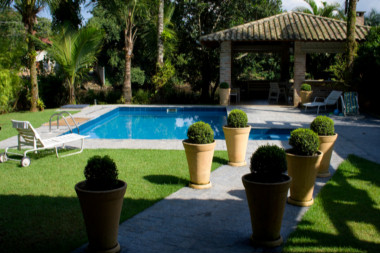
There is a swimming pool in the garden .
Im Garten gibt es einen Swimmingpool 0
Có bể bơi trong vườn .
花园 中有 一个 游泳池 。
Huāyuán zhōng yǒu yī gè yóuyǒngchí.
庭にはプールがあります。
Niwa ni wa pūru ga arimasu.
정원에 수영장이 있습니다.
jeong-won-e suyeongjang-i issseubnida.
(VI)
(ZH)
(JA)
0040
[EN] [DE] [NL] [ES] [FR] [IT] [TH] [VI] [ZH]
|
RANDOM
她在写作文。

She is writing a composition .
Sie schreibt eine Komposition 0
Cô ấy đang viết một sáng tác .
她 在 写作文 。
Tā zài xiě zuòwén.
彼女はエッセイを書いています。
Kanojo wa essei o kaite imasu.
그녀는 에세이를 쓰고 있습니다.
geunyeoneun eseileul sseugo issseubnida.
(VI)
(ZH)
(JA)
0158
[EN] [DE] [NL] [ES] [FR] [IT] [TH] [VI] [ZH]
|
RANDOM
机会来了。

A good opportunity presented itself .
Es hat sich eine gute Gelegenheit geboten 0
Một cơ hội tốt đã tự xuất hiện .
机会 来 了 。
Jīhuì lái le.
機会はここにあります。
Kikai wa koko ni arimasu.
기회가 여기에 있습니다.
gihoega yeogie issseubnida.
(VI)
(ZH)
(JA)
0160
[EN] [DE] [NL] [ES] [FR] [IT] [TH] [VI] [ZH]
|
RANDOM
这个小镇的人口不多。
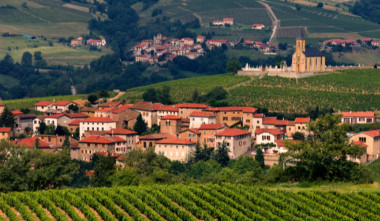
This town has a small population .
Diese Stadt hat eine kleine Bevölkerung 0
Thị trấn này có một dân số nhỏ .
这个 小镇 的 人口 不 多 。
Zhège xiǎozhèn de rénkǒu bù duō.
この小さな町の人口は少ないです。
Kono chīsana machi no jinkō wa sukunaidesu.
이 작은 마을의 인구는 적습니다.
i jag-eun ma-eul-ui inguneun jeogseubnida.
(VI)
(ZH)
(JA)
0204
[EN] [DE] [NL] [ES] [FR] [IT] [TH] [VI] [ZH]
|
RANDOM
他在报道新闻。

He is reporting the news .
Er berichtet über die Neuigkeiten 0
Anh ấy đang báo cáo tin tức .
他 在 报道 新闻 。
Tā zài bàodào xīnwén.
彼はそのニュースを報告している。
Kare wa sono nyūsu o hōkoku shite iru.
그는 뉴스를 보고하고 있습니다.
geuneun nyuseuleul bogohago issseubnida.
(VI)
(ZH)
(JA)
0207
[EN] [DE] [NL] [ES] [FR] [IT] [TH] [VI] [ZH]
|
RANDOM
香港是一个国际大都市。

Hong Kong is an international metropolis .
Hongkong ist eine internationale Metropole 0
Hồng Kông là một đô thị quốc tế .
香港 是 一个 国际 大都市 。
Xiānggǎng shì yī gè guójì dàdūshì.
香港は国際的な大都市です。
Honkon wa kokusai-tekina daitoshidesu.
홍콩은 국제 대도시입니다.
hongkong-eun gugje daedosiibnida.
(VI)
(ZH)
(JA)
0254
[EN] [DE] [NL] [ES] [FR] [IT] [TH] [VI] [ZH]
|
RANDOM
实验部分很重要。

The experimental part is very important .
Der experimentelle Teil ist sehr wichtig 0
Phần thí nghiệm rất quan trọng 0
实验 部分 很 重要 。
Shíyàn bùfen hěn zhòngyào.
実験的な部分は非常に重要です。
Jikken-tekina bubun wa hijō ni jūyōdesu.
실험적인 부분은 매우 중요합니다.
silheomjeog-in bubun-eun maeu jung-yohabnida.
(VI)
(ZH)
(JA)
0347
[EN] [DE] [NL] [ES] [FR] [IT] [TH] [VI] [ZH]
|
RANDOM
警察设了分界线。

The police put up a cordon .
Die Polizei hat eine Absperrung errichtet 0
Cảnh sát đã dựng một hàng rào .
警察 设 了 分界线 。
Jǐngchá shèle fēnjièxiàn.
警察は境界線を設定しました。
Keisatsu wa kyōkai-sen o settei shimashita.
경찰은 경계선을 설정했다.
gyeongchal-eun gyeong-gyeseon-eul seoljeonghaessda.
(VI)
(ZH)
(JA)
0419
[EN] [DE] [NL] [ES] [FR] [IT] [TH] [VI] [ZH]
|
RANDOM
我喜欢看政治新闻。

I like to read political news .
Ich lese gerne politische Nachrichten 0
Tôi thích đọc tin tức chính trị .
我 喜欢 看 政治 新闻 。
Wǒ xǐhuan kàn zhèngzhì xīnwén.
私は政治ニュースを見るのが好きです。
Watashi wa seiji nyūsu o miru no ga sukidesu.
나는 정치 뉴스를 보는 것을 좋아합니다.
naneun jeongchi nyuseuleul boneun geos-eul joh-ahabnida.
(VI)
(ZH)
(JA)
0454
[EN] [DE] [NL] [ES] [FR] [IT] [TH] [VI] [ZH]
|
RANDOM
警方控告他犯罪。
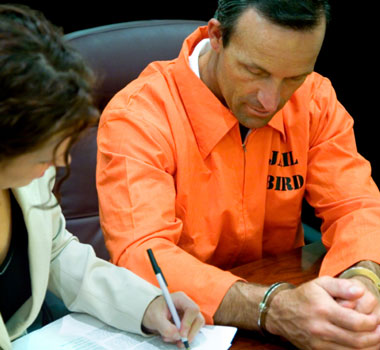
The police accuses him of committing a crime .
Die Polizei beschuldigt ihn , ein Verbrechen begangen zu haben 0
Cảnh sát buộc tội anh ta phạm tội .
警方 控告 他 犯罪 。
Jǐngfāng kònggào tā fànzuì.
警察は彼を犯罪で起訴した。
Keisatsu wa kare o hanzai de kiso shita.
경찰은 그를 범죄 혐의로 기소했다.
gyeongchal-eun geuleul beomjoe hyeom-uilo gisohaessda.
(VI)
(ZH)
(JA)
0470
[EN] [DE] [NL] [ES] [FR] [IT] [TH] [VI] [ZH]
|
RANDOM
北极熊生活在北极。
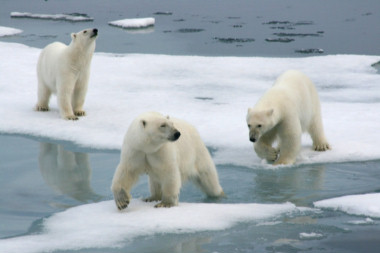
Polar bears live at the North Pole .
Eisbären leben am Nordpol 0
Gấu Bắc Cực sống ở Bắc Cực .
北极熊 生活 在 北极 。
Běijíxióng shēnghuó zài Běijí.
ホッキョクグマは北極に住んでいます。
Hokkyokuguma wa Hokkyoku ni sunde imasu.
북극곰은 북극에 산다.
buggeuggom-eun buggeug-e sanda.
(VI)
(ZH)
(JA)
0521
[EN] [DE] [NL] [ES] [FR] [IT] [TH] [VI] [ZH]
|
RANDOM
她们看的故事书很热门。

The story books they read are very popular .
Die Geschichtenbücher , die sie lesen , sind sehr beliebt 0
Những cuốn truyện họ đọc rất nổi tiếng .
她们 看 的 故事书 很 热门 。
Tāmen kàn de gùshishū hěn rèmén.
彼らが読んだ物語の本はとても人気があります。
Karera ga yonda monogatari no hon wa totemo ninki ga arimasu.
그들이 읽는 동화책은 매우 인기가 있습니다.
geudeul-i ilgneun donghwachaeg-eun maeu ingiga issseubnida.
(VI)
(ZH)
(JA)
0527
[EN] [DE] [NL] [ES] [FR] [IT] [TH] [VI] [ZH]
|
RANDOM
请出示您的护照。

Please show your passport .
Bitte zeigen Sie Ihren Reisepass vor 0
Vui lòng xuất trình hộ chiếu của bạn .
请 出示 您 的 护照 。
Qǐng chūshì nín de hùzhào.
パスポートを提示してください。
Pasupōto o teiji shite kudasai.
여권을 보여주세요.
yeogwon-eul boyeojuseyo.
(VI)
(ZH)
(JA)
0557
[EN] [DE] [NL] [ES] [FR] [IT] [TH] [VI] [ZH]
|
RANDOM
港口上停了很多船。

A lot of boats are moored at the port .
Viele Boote liegen im Hafen vor Anker 0
Rất nhiều tàu thuyền được neo đậu tại cảng .
港口 上 停 了 很多 船 。
Gǎngkǒu shàng tíngle hěn duō chuán.
多くの船が港に停泊しています。
Ōku no fune ga minato ni teihaku shite imasu.
많은 배들이 항구에 정박했습니다.
manh-eun baedeul-i hang-gue jeongbaghaessseubnida.
(VI)
(ZH)
(JA)
0618
[EN] [DE] [NL] [ES] [FR] [IT] [TH] [VI] [ZH]
|
RANDOM
同意这个方案的人还是佔了大多数。

The majority agrees to this proposal .
Die Mehrheit stimmt diesem Vorschlag zu 0
Đa số đồng ý với đề xuất này .
同意 这个 方案 的 人 还是 佔 了 大多数 。
Tóngyì zhège fāng'àn de rén háishi zhànle dàduōshù.
この計画に同意した人々は依然として過半数を占めました。
Kono keikaku ni dōi shita hitobito wa izentoshite kahansū o shimemashita.
이 계획에 동의한 사람들이 여전히 대다수를 차지했습니다.
i gyehoeg-e dong-uihan salamdeul-i yeojeonhi daedasuleul chajihaessseubnida.
(VI)
(ZH)
(JA)
0693
[EN] [DE] [NL] [ES] [FR] [IT] [TH] [VI] [ZH]
|
RANDOM
池子里充满了水。

The pool is filled to the brim .
Der Pool ist randvoll 0
Hồ bơi được lấp đầy đến vành .
池子 里 充满 了 水 。
Chízi lǐ chōngmǎnle shuǐ.
プールは水でいっぱいです。
Pūru wa mizu de ippaidesu.
수영장에 물이 가득 차 있습니다.
suyeongjang-e mul-i gadeug cha issseubnida.
(VI)
(ZH)
(JA)
0714
[EN] [DE] [NL] [ES] [FR] [IT] [TH] [VI] [ZH]
|
RANDOM
NO表示反对。

No means opposition .
Nein bedeutet Widerspruch 0
Không có nghĩa là đối lập 0
NO 表示 反对 。
NO biǎoshì fǎnduì.
異議はありません。
Igi wa arimasen.
아니 이의가 없습니다.
ani iuiga eobs-seubnida.
(VI)
(ZH)
(JA)
0743
[EN] [DE] [NL] [ES] [FR] [IT] [TH] [VI] [ZH]
|
RANDOM
他在报告上做批示。

He is writing comments and instructions on the report .
Er schreibt Kommentare und Anweisungen zu dem Bericht 0
Anh ấy đang viết bình luận và hướng dẫn trên báo cáo .
他 在 报告 上 做 批示 。
Tā zài bàogào shàng zuò pīshì.
彼はその報告について指示を与えた。
Kare wa sono hōkoku ni tsuite shiji o ataeta.
그는 보고서에 대한 지시를 내렸다.
geuneun bogoseoe daehan jisileul naelyeossda.
(VI)
(ZH)
(JA)
0816
[EN] [DE] [NL] [ES] [FR] [IT] [TH] [VI] [ZH]
|
RANDOM
她指着远处的风景。

She is pointing at the scene in the distance .
Sie zeigt auf die Szene in der Ferne 0
Cô ấy đang chỉ vào khung cảnh đằng xa .
她 指着 远处 的 风景 。
Tā zhǐzhe yuǎnchù de fēngjǐng.
彼女は遠くの風景を指さした。
Kanojo wa tōku no fūkei o yubisashita.
그녀는 먼 풍경을 가리켰다.
geunyeoneun meon pung-gyeong-eul galikyeossda.
(VI)
(ZH)
(JA)
0822
[EN] [DE] [NL] [ES] [FR] [IT] [TH] [VI] [ZH]
|
RANDOM
他们是球队的支持者。

They are supporters of this soccer team .
Sie sind Anhänger dieser Fußballmannschaft 0
Họ là những người ủng hộ đội bóng đá này .
他们 是 球队 的 支持者 。
Tāmen shì qiúduì de zhīchízhě.
彼らはチームのサポーターです。
Karera wa chīmu no sapōtādesu.
그들은 팀의 서포터입니다.
geudeul-eun tim-ui seopoteoibnida.
(VI)
(ZH)
(JA)
0832
[EN] [DE] [NL] [ES] [FR] [IT] [TH] [VI] [ZH]
|
RANDOM
华盛顿是美国的政治中心。

Washington is the political center of America .
Washington ist das politische Zentrum Amerikas 0
Washington là trung tâm chính trị của Mỹ .
华盛顿 是 美国 的 政治 中心 。
Huáshèngdùn shì Měiguó de zhèngzhì zhōngxīn.
ワシントンは米国の政治の中心地です。
Washinton wa Beikoku no seiji no chūshinchidesu.
워싱턴은 미국의 정치 중심지입니다.
wosingteon-eun migug-ui jeongchi jungsimjiibnida.
(VI)
(ZH)
(JA)
0834
[EN] [DE] [NL] [ES] [FR] [IT] [TH] [VI] [ZH]
|
RANDOM
政府即将推出新政策。

The government will put out a new policy soon .
Die Regierung wird demnächst eine neue politische Maßnahme in Kraft setzen 0
Chính phủ sẽ sớm đưa ra một chính sách mới .
政府 即将 推出 新 政策 。
Zhèngfǔ jíjiāng tuīchū xīn zhèngcè.
政府は新しい政策を導入しようとしています。
Seifu wa atarashī seisaku o dōnyū shiyou to shite imasu.
정부가 새로운 정책을 도입하려고 합니다.
jeongbuga saeloun jeongchaeg-eul doibhalyeogo habnida.
(VI)
(ZH)
(JA)
0835
[EN] [DE] [NL] [ES] [FR] [IT] [TH] [VI] [ZH]
|
RANDOM
她同意了我们的提案。

She agreed to our proposal .
Sie hat unseren Vorschlag angenommen 0
Cô ấy đã đồng ý lời cầu hôn của chúng tôi .
她 同意 了 我们 的 提案 。
Tā tóngyìle wǒmen de tí'àn.
彼女は私たちの提案に同意した。
Kanojo wa watashitachi no teian ni dōi shita.
그녀는 우리의 제안에 동의했습니다.
geunyeoneun uliui jean-e dong-uihaessseubnida.
(VI)
(ZH)
(JA)
0855
[EN] [DE] [NL] [ES] [FR] [IT] [TH] [VI] [ZH]
|
RANDOM
他是公司的当权者。

In the company he is the one with the power .
Er ist derjenige mit der Macht in der Firma 0
Trong công ty anh ấy là người có quyền lực .
他 是 公司 的 当权者 。
Tā shì gōngsī de dāngquánzhě.
彼は会社の責任者です。
Kare wa kaisha no sekininshadesu.
그는 회사의 책임자입니다.
geuneun hoesaui chaeg-imjaibnida.
(VI)
(ZH)
(JA)
0857
[EN] [DE] [NL] [ES] [FR] [IT] [TH] [VI] [ZH]
|
RANDOM
他拿着武器。

He is carrying a weapon .
Er hält eine Waffe 0
Anh ta đang mang một vũ khí .
他 拿 着 武器 。
Tā názhe wǔqì.
彼は武器を持っています。
Kare wa buki o motte imasu.
그는 무기를 들고 있다.
geuneun mugileul deulgo issda.
(VI)
(ZH)
(JA)
0860
[EN] [DE] [NL] [ES] [FR] [IT] [TH] [VI] [ZH]
|
RANDOM
作文只写了一段。

Only one paragraph of the composition has been written .
Von dem Aufsatz ist nur ein Absatz geschrieben worden 0
Chỉ có một đoạn của bố cục đã được viết .
作文 只 写 了 一段 。
Zuòwén zhǐ xiěle yī duàn.
作曲には1段落しか書かれていませんでした。
Sakkyoku ni wa 1 danraku shika kaka rete imasendeshita.
작문에는 단 한 단락만 작성되었습니다.
jagmun-eneun dan han danlagman jagseongdoeeossseubnida.
(VI)
(ZH)
(JA)
0864
[EN] [DE] [NL] [ES] [FR] [IT] [TH] [VI] [ZH]
|
RANDOM
拿破崙是著名的历史人物。

Napoleon is a famous historical figure .
Napoleon ist eine berühmte historische Figur 0
Napoléon là một nhân vật lịch sử nổi tiếng .
拿破崙 是 著名 的 历史 人物 。
Nápòlún shì zhùmíng de lìshǐ rénwù.
ナポレオンは有名な歴史上の人物です。
Naporeon wa yūmeina rekishijōnojinbutsudesu.
나폴레옹은 유명한 역사적 인물입니다.
napolle-ong-eun yumyeonghan yeogsajeog inmul-ibnida.
(VI)
(ZH)
(JA)
0888
[EN] [DE] [NL] [ES] [FR] [IT] [TH] [VI] [ZH]
|
RANDOM
她把咖啡豆研磨成粉。

She grinds the coffee beans into powder .
Sie mahlt die Kaffeebohnen zu Pulver 0
Cô ấy xay hạt cà phê thành bột .
她 把 咖啡豆 研磨成粉 。
Tā bǎ kāfēidòu yánmó chéng fěn.
彼女はコーヒー豆を粉砕して粉末にします。
Kanojo wa kōhī mame o funsai shite funmatsu ni shimasu.
그녀는 커피콩을 갈아서 가루로 만든다.
geunyeoneun keopikong-eul gal-aseo galulo mandeunda.
(VI)
(ZH)
(JA)
0906
[EN] [DE] [NL] [ES] [FR] [IT] [TH] [VI] [ZH]
|
RANDOM
警察维持社会治安。
The police maintain social order .
Die Polizei hält die soziale Ordnung aufrecht
Cảnh sát duy trì trật tự xã hội .
警察 维持 社会治安 。
Jǐngchá wéichí shèhuì zhì'ān.
警察は公序良俗を維持している。
Keisatsu wa kōjoryōzoku o iji shite iru.
경찰은 공공질서를 유지합니다.
gyeongchal-eun gong-gongjilseoleul yujihabnida.
(VI)
(ZH)
(JA)
0933
[EN] [DE] [NL] [ES] [FR] [IT] [TH] [VI] [ZH]
|
RANDOM
她的职务是部门主管。

Her position is division manager .
Ihre Position ist Abteilungsleiterin 0
Vị trí của cô ấy là quản lý bộ phận .
她 的 职务 是 部门 主管 。
Tā de zhíwù shì bùmén zhǔguǎn.
彼女の役職は部門長です。
Kanojo no yakushoku wa bumon-chōdesu.
그녀의 직위는 부서장이다.
geunyeoui jig-wineun buseojang-ida.
(VI)
(ZH)
(JA)
0941
[EN] [DE] [NL] [ES] [FR] [IT] [TH] [VI] [ZH]
|
RANDOM
门卫很负责。

The doorman is very responsible .
Der Portier ist sehr verantwortlich 0
Người gác cửa rất có trách nhiệm .
门卫 很 负责 。
Ménwèi hěn fùzé.
ドアマンは非常に責任があります。
Doa man wa hijō ni sekinin ga arimasu.
도어맨은 매우 책임감이 있습니다.
do-eomaen-eun maeu chaeg-imgam-i issseubnida.
(VI)
(ZH)
(JA)
0957
[EN] [DE] [NL] [ES] [FR] [IT] [TH] [VI] [ZH]
|
RANDOM
她要求他道歉。

She demanded he apologize .
Sie forderte ihn auf , sich zu entschuldigen 0
Cô yêu cầu anh xin lỗi 0
她 要求 他 道歉 。
Tā yāoqiú tā dàoqiàn.
彼女は彼に謝罪するように頼んだ。
Kanojo wa kare ni shazai suru yō ni tanonda.
그녀는 그에게 사과를 부탁했다.
geunyeoneun geuege sagwaleul butaghaessda.
(VI)
(ZH)
(JA)
0961
[EN] [DE] [NL] [ES] [FR] [IT] [TH] [VI] [ZH]
|
RANDOM
农业很重要。

Agriculture is very important .
Die Landwirtschaft ist sehr wichtig 0
Nông nghiệp rất quan trọng .
农业 很 重要 。
Nóngyè hěn zhòngyào.
農業は非常に重要です。
Nōgyō wa hijō ni jūyōdesu.
농업은 매우 중요합니다.
nong-eob-eun maeu jung-yohabnida.
(VI)
(ZH)
(JA)
1002
[EN] [DE] [NL] [ES] [FR] [IT] [TH] [VI] [ZH]
|
RANDOM
我坚持每天运动。

I make a point of exercising every day .
Ich lege Wert darauf , jeden Tag zu trainieren 0
Tôi quan tâm đến việc tập thể dục mỗi ngày .
我 坚持 每天 运动 。
Wǒ jiānchí měi tiān yùndòng.
私は毎日運動することを主張します。
Watashi wa mainichi undō suru koto o shuchō shimasu.
나는 매일 운동을 고집한다.
naneun maeil undong-eul gojibhanda.
(VI)
(ZH)
(JA)
1006
[EN] [DE] [NL] [ES] [FR] [IT] [TH] [VI] [ZH]
|
RANDOM
飞机抵达了机场。
The plane has arrived at the airport .
Das Flugzeug ist am Flughafen angekommen 0
Máy bay đã đến sân bay 0
飞机 抵达 了 机场 。
Fēijī dǐdále jīchǎng.
飛行機は空港に到着した。
Hikōki wa kūkō ni tōchaku shita.
비행기가 공항에 도착했습니다.
bihaeng-giga gonghang-e dochaghaessseubnida.
(VI)
(ZH)
(JA)
1008
[EN] [DE] [NL] [ES] [FR] [IT] [TH] [VI] [ZH]
|
RANDOM
我支持蓝队。

I support the blue team .
Ich unterstütze das blaue Team 0
Tôi ủng hộ đội xanh .
我 支持 蓝队 。
Wǒ zhīchí lánduì.
ブルーチームを応援します。
Burūchīmu o ōen shimasu.
블루팀을 응원합니다.
beullutim-eul eung-wonhabnida.
(VI)
(ZH)
(JA)
1021
[EN] [DE] [NL] [ES] [FR] [IT] [TH] [VI] [ZH]
|
RANDOM
他选择了否定的答案。

He's chosen the negative response .
Er hat die negative Antwort gewählt 0
Anh ấy đã chọn phản ứng tiêu cực .
他 选择 了 否定 的 答案 。
Tā xuǎnzéle fǒudìng de dá'àn.
彼は否定的な答えを選びました。
Kare wa hitei-tekina kotae o erabimashita.
그는 부정적인 대답을 선택했습니다.
geuneun bujeongjeog-in daedab-eul seontaeghaessseubnida.
(VI)
(ZH)
(JA)
1082
[EN] [DE] [NL] [ES] [FR] [IT] [TH] [VI] [ZH]
|
RANDOM
海绵吸收水分。

The sponge absorbs water .
Der Schwamm nimmt Wasser auf 0
Miếng bọt biển hút nước .
海绵 吸收 水分 。
Hǎimián xīshōu shuǐfèn.
スポンジは水を吸収します。
Suponji wa mizu o kyūshū shimasu.
스펀지는 물을 흡수합니다.
seupeonjineun mul-eul heubsuhabnida.
(VI)
(ZH)
(JA)
1114
[EN] [DE] [NL] [ES] [FR] [IT] [TH] [VI] [ZH]
|
RANDOM
爸爸赚钱养家。

Dad earns money to support the family .
Der Vater verdient Geld , um die Familie zu unterstützen 0
Bố kiếm tiền nuôi gia đình 0
爸爸 赚钱 养家 。
Bàba zhuànqián yǎngjiā.
お父さんは家族を養うためにお金を稼ぎます。
Otōsan wa kazoku o yashinau tame ni okane o kasegimasu.
아빠는 가족을 부양하기 위해 돈을 번다.
appaneun gajog-eul buyanghagi wihae don-eul beonda.
(VI)
(ZH)
(JA)
1117
[EN] [DE] [NL] [ES] [FR] [IT] [TH] [VI] [ZH]
|
RANDOM
不守时是他的短处。

Punctuality is his weak point .
Pünktlichkeit ist seine Schwachstelle 0
Không đúng giờ là điểm yếu của anh ấy .
不 守时 是 他 的 短处 。
Bù shǒushí shì tā de duǎnchu.
時間厳守でないことは彼の欠点です。
Jikan genshudenai koto wa kare no kettendesu.
시간을 엄수하지 않는 것이 그의 단점입니다.
sigan-eul eomsuhaji anhneun geos-i geuui danjeom-ibnida.
(VI)
(ZH)
(JA)
1155
[EN] [DE] [NL] [ES] [FR] [IT] [TH] [VI] [ZH]
|
RANDOM
我家里有很多铁锅。
There are many iron pots and pans in my house .
In meinem Haus gibt es viele Töpfe und Pfannen aus Eisen 0
Có rất nhiều xoong nồi bằng sắt trong nhà tôi .
我家 里 有 很多 铁锅 。
Wǒ jiāli yǒu hěn duō tiěguō.
私の家にはたくさんの鉄鍋があります。
Watashi no ie ni wa takusan no tennabe ga arimasu.
우리 집에는 철 냄비가 많다.
uli jib-eneun cheol naembiga manhda.
(VI)
(ZH)
(JA)
1168
[EN] [DE] [NL] [ES] [FR] [IT] [TH] [VI] [ZH]
|
RANDOM
拳击是一种剧烈的运动。

Boxing is a fierce sport .
Boxen ist ein harter Sport 0
Quyền anh là một môn thể thao khốc liệt .
拳击 是 一种 剧烈 的 运动 。
Quánjī shì yī zhǒng jùliè de yùndòng.
ボクシングは激しいスポーツです。
Bokushingu wa hageshī supōtsudesu.
복싱은 격렬한 스포츠입니다.
bogsing-eun gyeoglyeolhan seupocheu-ibnida.
(VI)
(ZH)
(JA)
1182
[EN] [DE] [NL] [ES] [FR] [IT] [TH] [VI] [ZH]
|
RANDOM
她到一家著名的公司应聘。

She is applying for a position in a famous company .
Sie bewirbt sich um eine Stelle in einem berühmten Unternehmen 0
Cô ấy đang ứng tuyển vào một công ty nổi tiếng .
她 到 一家 著名 的 公司 应聘 。
Tā dào yī jiā zhùmíng de gōngsī yìngpìn.
彼女は有名な会社に就職した。
Kanojo wa yūmeina kaisha ni shūshoku shita.
그녀는 유명한 회사에 지원했습니다.
geunyeoneun yumyeonghan hoesa-e jiwonhaessseubnida.
(VI)
(ZH)
(JA)
1184
[EN] [DE] [NL] [ES] [FR] [IT] [TH] [VI] [ZH]
|
RANDOM
警方在街上设置了路障。

The police have set up barricades in the street .
Die Polizei hat auf der Straße Barrikaden errichtet 0
Cảnh sát đã dựng rào chắn trên đường phố .
警方 在 街上 设置 了 路障 。
Jǐngfāng zài jiēshang shèzhìle lùzhàng.
警察は通りにバリケードを設置した。
Keisatsu wa tōri ni barikēdo o setchi shita.
경찰은 거리에 바리케이드를 설치했다.
gyeongchal-eun geolie balikeideuleul seolchihaessda.
(VI)
(ZH)
(JA)
1215
[EN] [DE] [NL] [ES] [FR] [IT] [TH] [VI] [ZH]
|
RANDOM
我去邮局寄信。

I am going to the post office to mail a letter .
Ich gehe zur Post , um einen Brief zu verschicken 0
Tôi đến bưu điện để gửi thư .
我 去 邮局 寄信 。
Wǒ qù yóujú jìxìn.
私は郵便局に手紙を送るために行きます。
Watashi wa yūbinkyoku ni tegami o okuru tame ni ikimasu.
편지를 보내러 우체국에 갑니다.
pyeonjileul bonaeleo uchegug-e gabnida.
(VI)
(ZH)
(JA)
1225
[EN] [DE] [NL] [ES] [FR] [IT] [TH] [VI] [ZH]
|
RANDOM
他们接受了记者的访问。

They were interviewed by reporters .
Sie wurden von Journalisten interviewt 0
Họ đã được phỏng vấn bởi các phóng viên .
他们 接受 了 记者 的 访问 。
Tāmen jiēshòule jìzhě de fǎngwèn.
彼らは記者からのインタビューを受け入れた。
Karera wa kisha kara no intabyū o ukeireta.
그들은 기자의 인터뷰를 수락했습니다.
geudeul-eun gijaui inteobyuleul sulaghaessseubnida.
(VI)
(ZH)
(JA)
1243
[EN] [DE] [NL] [ES] [FR] [IT] [TH] [VI] [ZH]
|
RANDOM
那里有个警察。

There is a policeman over there .
Da drüben ist ein Polizist 0
Có một cảnh sát ở đó 0
那 里 有 个 警察 。
Nàli yǒu ge jǐngchá.
そこに警官がいます。
Soko ni keikan ga imasu.
거기 경찰관이 있습니다.
geogi gyeongchalgwan-i issseubnida.
(VI)
(ZH)
(JA)
1279
[EN] [DE] [NL] [ES] [FR] [IT] [TH] [VI] [ZH]
|
RANDOM
航海运输很重要。

Maritime transport is very important .
Der Seeverkehr ist sehr wichtig 0
Vận tải biển rất quan trọng 0
航海 运输 很 重要 。
Hánghǎi yùnshū hěn zhòngyào.
航海輸送は非常に重要です。
Kōkai yusō wa hijō ni jūyōdesu.
해상 운송은 매우 중요합니다.
haesang unsong-eun maeu jung-yohabnida.
(VI)
(ZH)
(JA)
1288
[EN] [DE] [NL] [ES] [FR] [IT] [TH] [VI] [ZH]
|
RANDOM
他要求退职。

He asks for a retirement from his post .
Er bittet um einen Rücktritt von seinem Posten 0
Anh ấy yêu cầu nghỉ hưu từ chức vụ của mình .
他 要求 退职 。
Tā yāoqiú tuìzhí.
彼は引退を求めた。
Kare wa intai o motometa.
그는 은퇴를 요청했다.
geuneun euntoeleul yocheonghaessda.
(VI)
(ZH)
(JA)
1297
[EN] [DE] [NL] [ES] [FR] [IT] [TH] [VI] [ZH]
|
RANDOM
她被驱逐出境。

She's been deported from the country .
Sie wurde aus dem Land deportiert 0
Cô ấy đã bị trục xuất khỏi đất nước .
她 被 驱逐出境 。
Tā bèi qūzhú chūjìng.
彼女は国外追放された。
Kanojo wa kokugai tsuihō sa reta.
그녀는 추방되었습니다.
geunyeoneun chubangdoeeossseubnida.
(VI)
(ZH)
(JA)
1308
[EN] [DE] [NL] [ES] [FR] [IT] [TH] [VI] [ZH]
|
RANDOM
他掌握着公司的大权。

He holds the power in the company .
Er hat die Macht in der Firma 0
Anh ta nắm giữ quyền lực trong công ty .
他 掌握 着 公司 的 大权 。
Tā zhǎngwòzhe gōngsī de dàquán.
彼は会社の力を持っています。
Kare wa kaisha no chikara o motte imasu.
그는 회사의 권력을 쥐고 있다.
geuneun hoesaui gwonlyeog-eul jwigo issda.
(VI)
(ZH)
(JA)
1366
[EN] [DE] [NL] [ES] [FR] [IT] [TH] [VI] [ZH]
|
RANDOM
他去邮局给家里汇款。
He is going to the post office to remit some money to his family .
Er geht zur Post , um etwas Geld an seine Familie zu überweisen 0
Anh ấy sẽ đến bưu điện để chuyển một số tiền cho gia đình anh ấy .
他 去 邮局 给家 里 汇款 。
Tā qù yóujú gěi jiāli huìkuǎn.
彼は家族に送金するために郵便局へ行くところです。
Kare wa kazoku ni sōkin suru tame ni yūbinkyoku e iku tokorodesu.
그는 집으로 돈을 보내기 위해 우체국에 갔다.
geuneun jib-eulo don-eul bonaegi wihae uchegug-e gassda.
(VI)
(ZH)
(JA)
1408
[EN] [DE] [NL] [ES] [FR] [IT] [TH] [VI] [ZH]
|
RANDOM
请尽快修改这个地方。

Please revise this as soon as possible .
Bitte überarbeiten Sie diesen Bereich so schnell wie möglich 0
Vui lòng sửa đổi điều này càng sớm càng tốt .
请 尽快 修改 这个 地方 。
Qǐng jìnkuài xiūgǎi zhège dìfang.
この場所をできるだけ早く変更してください。
Kono basho o dekirudakehayaku henkō shite kudasai.
이 장소를 가능한 한 빨리 수정하십시오.
i jangsoleul ganeunghan han ppalli sujeonghasibsio.
(VI)
(ZH)
(JA)
1409
[EN] [DE] [NL] [ES] [FR] [IT] [TH] [VI] [ZH]
|
RANDOM
让我为你倒茶。

Let me pour the tea for you .
Ich werde dir einen Tee einschenken 0
Để tôi rót trà cho bạn 0
让 我 为 你 倒 茶 。
Ràng wǒ wèi nǐ dàochá.
お茶を入れさせてください。
Ocha o haire sasete kudasai.
내가 당신을 위해 차를 따르게 해주세요.
naega dangsin-eul wihae chaleul ttaleuge haejuseyo.
(VI)
(ZH)
(JA)
1420
[EN] [DE] [NL] [ES] [FR] [IT] [TH] [VI] [ZH]
|
RANDOM
父母给予我极大的支持。

My parents have given me enormous support .
Meine Eltern haben mich enorm unterstützt 0
Cha mẹ tôi đã ủng hộ tôi rất nhiều .
父母 给予 我 极大 的 支持 。
Fùmǔ jǐyǔ wǒ jídà de zhīchí.
私の両親は私に大きな支援をしてくれました。
Watashi no ryōshin wa watashi ni ōkina shien o shite kuremashita.
부모님은 저에게 큰 도움을 주셨습니다.
bumonim-eun jeoege keun doum-eul jusyeossseubnida.
(VI)
(ZH)
(JA)
1436
[EN] [DE] [NL] [ES] [FR] [IT] [TH] [VI] [ZH]
|
RANDOM
他在写诗。

He is composing a poem .
Er verfasst ein Gedicht 0
Anh ấy đang sáng tác một bài thơ .
他 在 写诗 。
Tā zài xiěshī.
彼は詩を書いています。
Kare wa uta o kaite imasu.
그는 시를 쓰고 있다.
geuneun sileul sseugo issda.
(VI)
(ZH)
(JA)
1451
[EN] [DE] [NL] [ES] [FR] [IT] [TH] [VI] [ZH]
|
RANDOM
他向警方投降了。

He has surrendered to the police .
Er hat sich der Polizei ergeben 0
Anh ta đã đầu hàng cảnh sát .
他 向 警方 投降 了 。
Tā xiàng jǐngfāng tóuxiáng le.
彼は警察に降伏した。
Kare wa keisatsu ni kōfuku shita.
그는 경찰에 항복했다.
geuneun gyeongchal-e hangboghaessda.
(VI)
(ZH)
(JA)
1461
[EN] [DE] [NL] [ES] [FR] [IT] [TH] [VI] [ZH]
|
RANDOM
这是一只毒蜘蛛。
This is a poisonous spider .
Dies ist eine giftige Spinne 0
Đây là một loài nhện độc 0
这是 一只 毒蜘蛛 。
Zhè shì yī zhī dúzhīzhū.
これは有毒なクモです。
Kore wa yūdokuna kumodesu.
이것은 유독 한 거미입니다.
igeos-eun yudog han geomiibnida.
(VI)
(ZH)
(JA)
1514
[EN] [DE] [NL] [ES] [FR] [IT] [TH] [VI] [ZH]
|
RANDOM
瓶子里装着毒药。

Inside the bottle is poison .
In der Flasche ist Gift 0
Bên trong lọ là chất độc 0
瓶子 里 装 着 毒药 。
Píngzi lǐ zhuāngzhe dúyào.
瓶は毒でいっぱいです。
Bin wa doku de ippaidesu.
병에는 독이 들어 있습니다.
byeong-eneun dog-i deul-eo issseubnida.
(VI)
(ZH)
(JA)
1515
[EN] [DE] [NL] [ES] [FR] [IT] [TH] [VI] [ZH]
|
RANDOM
警察在搜索逃犯。

The police are searching for an escaped criminal .
Die Polizei sucht nach einem Flüchtigen 0
Cảnh sát đang truy lùng tên tội phạm bỏ trốn .
警察 在 搜索 逃犯 。
Jǐngchá zài sōusuǒ táofàn.
警察は逃亡者を捜している。
Keisatsu wa tōbō-sha o sagashite iru.
경찰은 도망자를 찾고 있습니다.
gyeongchal-eun domangjaleul chajgo issseubnida.
(VI)
(ZH)
(JA)
1536
[EN] [DE] [NL] [ES] [FR] [IT] [TH] [VI] [ZH]
|
RANDOM
在会议上大家都畅所欲言。

Everybody spoke out freely at the meeting .
Alle sprachen sich bei dem Treffen frei aus 0
Mọi người đều phát biểu ý kiến tự do tại cuộc họp .
在 会议 上 大家 都 畅所欲言 。
Zài huìyì shàng dàjiā dōu chàng suǒ yù yán.
会議では誰もが自由に話しました。
Kaigide wa daremoga jiyū ni hanashimashita.
모두가 회의에서 자유롭게 이야기했습니다.
moduga hoeuieseo jayulobge iyagihaessseubnida.
(VI)
(ZH)
(JA)
1615
[EN] [DE] [NL] [ES] [FR] [IT] [TH] [VI] [ZH]
|
RANDOM
他们很穷。
They are very poor .
Sie sind sehr arm 0
Họ rất nghèo .
他们 很穷 。
Tāmen hěn qióng.
彼らは非常に貧しいです。
Karera wa hijō ni mazushīdesu.
그들은 매우 가난합니다.
geudeul-eun maeu gananhabnida.
(VI)
(ZH)
(JA)
1619
[EN] [DE] [NL] [ES] [FR] [IT] [TH] [VI] [ZH]
|
RANDOM
他们的家境很贫寒。
They are from a very poor family .
Sie stammen aus einer sehr armen Familie 0
Họ đến từ một gia đình rất nghèo .
他们 的 家境 很 贫寒 。
Tāmen de jiājìng hěn pínhán.
彼らの家族はとても貧しいです。
Karera no kazoku wa totemo mazushīdesu.
그들의 가족은 매우 가난합니다.
geudeul-ui gajog-eun maeu gananhabnida.
(VI)
(ZH)
(JA)
1676
[EN] [DE] [NL] [ES] [FR] [IT] [TH] [VI] [ZH]
|
RANDOM
他们的舞姿很优雅。

Their dancing postures are quite elegant .
Ihr Tanz ist sehr elegant 0
Các tư thế khiêu vũ của họ khá tao nhã .
他们 的 舞姿 很 优雅 。
Tāmen de wǔzī hěn yōuyǎ.
彼らは優雅に踊ります。
Karera wa yūga ni odorimasu.
그들은 우아하게 춤을 춥니다.
geudeul-eun uahage chum-eul chubnida.
(VI)
(ZH)
(JA)
1677
[EN] [DE] [NL] [ES] [FR] [IT] [TH] [VI] [ZH]
|
RANDOM
小心针尖。
Be careful of the point of the needle .
Achte auf die Nadelspitze 0
Hãy cẩn thận với các mũi kim .
小心 针尖 。
Xiǎoxīn zhēnjiān.
針先にご注意ください。
Hari-saki ni go chūi kudasai.
바늘 끝을 조심하십시오.
baneul kkeut-eul josimhasibsio.
(VI)
(ZH)
(JA)
1678
[EN] [DE] [NL] [ES] [FR] [IT] [TH] [VI] [ZH]
|
RANDOM
出国旅行护照丢了会很麻烦。
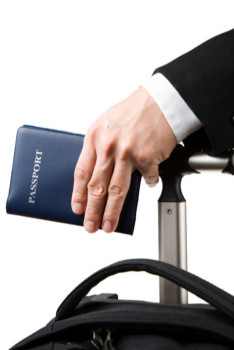
It can be very troublesome if you lose your passport when traveling overseas .
Der Verlust des Reisepasses auf einer Auslandsreise kann sehr problematisch sein 0
Sẽ rất rắc rối nếu bạn bị mất hộ chiếu khi đi du lịch nước ngoài .
出国 旅行 护照 丢 了 会 很 麻烦 。
Chūguó lǚxíng hùzhào diūle huì hěn máfan.
海外旅行のためにパスポートを紛失すると、非常に面倒になります。
Gaigairyokō no tame ni pasupōto o funshitsu suru to, hijō ni mendō ni narimasu.
해외 여행을 위해 여권을 분실하는 것은 매우 번거로운 일입니다.
haeoe yeohaeng-eul wihae yeogwon-eul bunsilhaneun geos-eun maeu beongeoloun il-ibnida.
(VI)
(ZH)
(JA)
1696
[EN] [DE] [NL] [ES] [FR] [IT] [TH] [VI] [ZH]
|
RANDOM
别把孩子惯坏了。

Don't spoil the child .
Verwöhne das Kind nicht 0
Đừng làm hư đứa trẻ .
别 把 孩子 惯坏 了 。
Bié bǎ háizi guànhuài le.
子供を甘やかさないでください。
Kodomo o amayakasanaide kudasai.
아이를 망치지 마십시오.
aileul mangchiji masibsio.
(VI)
(ZH)
(JA)
1701
[EN] [DE] [NL] [ES] [FR] [IT] [TH] [VI] [ZH]
|
RANDOM
丈夫向妻子道歉。

The husband apologizes to his wife .
Der Ehemann entschuldigt sich bei seiner Frau 0
Chồng xin lỗi vợ .
丈夫 向 妻子 道歉 。
Zhàngfu xiàng qīzi dàoqiàn.
夫は妻に謝罪します。
Otto wa tsuma ni shazai shimasu.
남편은 아내에게 사과했다.
nampyeon-eun anaeege sagwahaessda.
(VI)
(ZH)
(JA)
1707
[EN] [DE] [NL] [ES] [FR] [IT] [TH] [VI] [ZH]
|
RANDOM
城市里的废气污染严重。
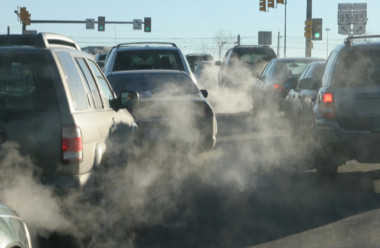
In the city , there is heavy pollution from exhaust fumes .
Die Abgasbelastung in der Stadt ist hoch 0
Trong thành phố , ô nhiễm nặng từ khói thải .
城市 里 的 废气 污染 严重 。
Chéngshì lǐ de fèiqì wūrǎn yánzhòng.
市内の排気ガス汚染は深刻です。
Shinai no haiki gasu osen wa shinkokudesu.
도시의 폐가스 오염은 심각합니다.
dosiui pyegaseu oyeom-eun simgaghabnida.
(VI)
(ZH)
(JA)
1769
[EN] [DE] [NL] [ES] [FR] [IT] [TH] [VI] [ZH]
|
RANDOM
空气被汙染了。

The air has been polluted .
Die Luft ist verschmutzt 0
Không khí đã bị ô nhiễm 0
空气 被 汙染 了 。
Kōngqì bèi wūrǎn le.
空気が汚染されています。
Kūki ga osen sa rete imasu.
공기가 오염되었습니다.
gong-giga oyeomdoeeossseubnida.
(VI)
(ZH)
(JA)
1781
[EN] [DE] [NL] [ES] [FR] [IT] [TH] [VI] [ZH]
|
RANDOM
车棚里停了一辆车。

There is a car parked in the carport .
Ein Auto ist im Carport geparkt 0
Có một chiếc ô tô đang đậu trong nhà kho ô tô .
车棚 里 停 了 一辆车 。
Chēpéng lǐ tíngle yī liàng chē.
カーポートに車が停まっていた。
Kāpōto ni kuruma ga tomatte ita.
간이 주차장에 차가 주차되어 있었습니다.
gan-i juchajang-e chaga juchadoeeo iss-eossseubnida.
(VI)
(ZH)
(JA)
1807
[EN] [DE] [NL] [ES] [FR] [IT] [TH] [VI] [ZH]
|
RANDOM
他喜欢吃麻婆豆腐。
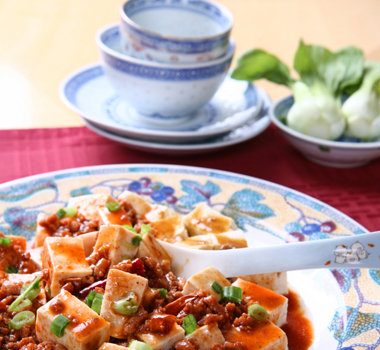
He likes to eat Ma Po Tofu .
Er isst gerne Ma Po Tofu 0
Anh ấy thích ăn đậu phụ amapo ' .
他 喜欢 吃 麻婆豆腐 。
Tā xǐhuan chī mápó dòufu.
麻婆豆腐が好きです。
Mābōdōfu ga sukidesu.
그는 마파두부를 먹는 것을 좋아합니다.
geuneun mapadubuleul meogneun geos-eul joh-ahabnida.
(VI)
(ZH)
(JA)
1823
[EN] [DE] [NL] [ES] [FR] [IT] [TH] [VI] [ZH]
|
RANDOM
家人给予我极大的支持。

My family has given me enormous support .
Meine Familie hat mich enorm unterstützt 0
Gia đình tôi đã ủng hộ tôi rất nhiều .
家人 给予 我 极大 的 支持 。
Jiārén jǐyǔ wǒ jídà de zhīchí.
私の家族は私に大きな支援をしてくれました。
Watashi no kazoku wa watashi ni ōkina shien o shite kuremashita.
가족들은 저에게 큰 도움을 주었습니다.
gajogdeul-eun jeoege keun doum-eul jueossseubnida.
(VI)
(ZH)
(JA)
1828
[EN] [DE] [NL] [ES] [FR] [IT] [TH] [VI] [ZH]
|
RANDOM
警察举起了盾牌。

The policeman raises his shield .
Der Polizist hebt sein Schild 0
Người cảnh sát nâng cao chiếc khiên của mình .
警察 举起 了 盾牌 。
Jǐngchá jǔqǐle dùnpái.
警官は盾を掲げます。
Keikan wa tate o kakagemasu.
경찰관은 방패를 들었다.
gyeongchalgwan-eun bangpaeleul deul-eossda.
(VI)
(ZH)
(JA)
1844
[EN] [DE] [NL] [ES] [FR] [IT] [TH] [VI] [ZH]
|
RANDOM
我爱吃土豆泥。
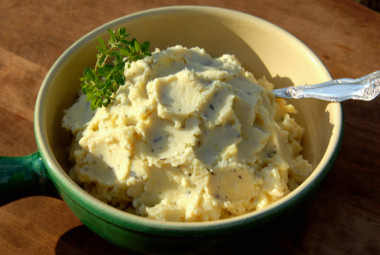
I like mashed potatoes .
Ich mag Kartoffelpüree 0
Tôi thích khoai tây nghiền .
我 爱 吃 土豆泥 。
Wǒ ài chī tǔdòuní.
マッシュポテトを食べるのが大好きです。
Masshupoteto o taberu no ga daisukidesu.
나는 으깬 감자를 먹는 것을 좋아합니다.
naneun eukkaen gamjaleul meogneun geos-eul joh-ahabnida.
(VI)
(ZH)
(JA)
1857
[EN] [DE] [NL] [ES] [FR] [IT] [TH] [VI] [ZH]
|
RANDOM
他的手放在裤子口袋里。

He has his hand in his pocket .
Er hat die Hand in der Hosentasche 0
Anh ta đút tay vào túi 0
他 的 手 放在 裤子 口袋 里 。
Tā de shǒu fàng zài kùzi kǒudai lǐ.
彼の手は彼のズボンのポケットにあります。
Kare no te wa kare no zubon no pokettoni arimasu.
그의 손은 바지 주머니에 있다.
geuui son-eun baji jumeonie issda.
(VI)
(ZH)
(JA)
1874
[EN] [DE] [NL] [ES] [FR] [IT] [TH] [VI] [ZH]
|
RANDOM
她的生活很贫穷。

She lives in poverty .
Sie lebt in sehr armen Verhältnissen 0
Cô ấy rất nghèo .
她 的 生活 很 贫穷 。
Tā de shēnghuó hěn pínqióng.
彼女は貧困の中で暮らしています。
Kanojo wa hinkon no naka de kurashite imasu.
그녀는 가난하게 살고 있습니다.
geunyeoneun gananhage salgo issseubnida.
(VI)
(ZH)
(JA)
1904
[EN] [DE] [NL] [ES] [FR] [IT] [TH] [VI] [ZH]
|
RANDOM
邮局营业到几点?
What time does the post office close ?
Wann schließt die Post ?
Bưu điện đóng cửa lúc mấy giờ ?
邮局 营业 到 几点 ?
Yóujú yíngyè dào jǐdiǎn?
郵便局は何時に開いていますか。
Yūbinkyoku wa nanji ni aiteimasu ka.
우체국은 몇 시에 문을 여나요?
uchegug-eun myeoch sie mun-eul yeonayo?
(VI)
(ZH)
(JA)
1973
[EN] [DE] [NL] [ES] [FR] [IT] [TH] [VI] [ZH]
|
RANDOM
她端着一锅汤。

She is carrying a pot of soup .
Sie trägt einen Topf mit Suppe 0
Cô ấy đang bưng một nồi súp .
她 端 着 一 锅汤 。
Tā duānzhe yī guō tāng.
彼女はスープの鍋を持っています。
Kanojo wa sūpu no nabe o motte imasu.
그녀는 수프 냄비를 나른다.
geunyeoneun supeu naembileul naleunda.
(VI)
(ZH)
(JA)
1978
[EN] [DE] [NL] [ES] [FR] [IT] [TH] [VI] [ZH]
|
RANDOM
她捐出自己的零用钱。

She donates her pocket money .
Sie spendet ihr Taschengeld 0
Cô ấy đã quyên góp tiền tiêu vặt của mình .
她 捐出 自己 的 零用钱 。
Tā juānchū zìjǐ de língyòngqián.
彼女はポケットマネーを寄付した。
Kanojo wa pokettomanē o kifu shita.
그녀는 용돈을 기부했습니다.
geunyeoneun yongdon-eul gibuhaessseubnida.
(VI)
(ZH)
(JA)
1994
[EN] [DE] [NL] [ES] [FR] [IT] [TH] [VI] [ZH]
|
RANDOM
警察在询问他。

The policeman is questioning him .
Der Polizist befragt ihn 0
Viên cảnh sát đang thẩm vấn anh ta .
警察 在 询问 他 。
Jǐngchá zài xúnwèn tā.
警察は彼に質問している。
Keisatsu wa kare ni shitsumon shite iru.
경찰이 그를 심문하고 있다.
gyeongchal-i geuleul simmunhago issda.
(VI)
(ZH)
(JA)
1995
[EN] [DE] [NL] [ES] [FR] [IT] [TH] [VI] [ZH]
|
RANDOM
那是个核电站。

That is a nuclear power station .
Das ist ein Atomkraftwerk 0
Đó là một nhà máy điện hạt nhân .
那 是 个 核电站 。
Nà shì gè hédiànzhàn.
それが原子力発電所です。
Sore ga genshiryokuhatsudenjo desu.
바로 원자력 발전소입니다.
balo wonjalyeog baljeonsoibnida.
(VI)
(ZH)
(JA)
2003
[EN] [DE] [NL] [ES] [FR] [IT] [TH] [VI] [ZH]
|
RANDOM
我的体重大概有125斤。

I weigh about 125 pounds .
Ich wiege ungefähr 125 Pfund 0
Tôi nặng khoảng 125 pound .
我 的 体重 大概 有 125 斤 。
Wǒ de tǐzhòng dàgài yǒu yībǎi èrshíwǔ jīn.
私の体重は約125匹です。
Watashi no taijū wa yaku hyaku nijū gohiki desu.
제 몸무게는 약 125마리입니다.
je mommugeneun yag 125maliibnida.
(VI)
(ZH)
(JA)
2016
[EN] [DE] [NL] [ES] [FR] [IT] [TH] [VI] [ZH]
|
RANDOM
这里是韩国的著名景点之一。

This is one of Korea is famous scenic spots .
Dies ist einer der berühmtesten Orte Koreas 0
Đây là một trong những danh lam thắng cảnh nổi tiếng của Hàn Quốc .
这 里 是 韩国 的 著名景点 之一 。
Zhèli shì Hánguó de zhùmíng jǐngdiǎn zhī yī.
これは韓国で有名なアトラクションの1つです。
Kore wa kankoku de yūmei na atorakushon no hitotsu desu.
이것은 한국의 유명한 명소 중 하나입니다.
igeos-eun hangug-ui yumyeonghan myeongso jung hanaibnida.
(VI)
(ZH)
(JA)
2032
[EN] [DE] [NL] [ES] [FR] [IT] [TH] [VI] [ZH]
|
RANDOM
爸爸只是暂时离开。

My father has just left temporarily .
Papa geht nur für eine Weile weg 0
Cha tôi vừa mới tạm rời đi .
爸爸 只是 暂时 离开 。
Bàba zhǐshì zànshí líkāi.
お父さんは一時的に去りました。
Otōsan wa ichijitekini sarimashita.
아빠는 그냥 임시로 떠났다.
appaneun geunyang imsilo tteonassda.
(VI)
(ZH)
(JA)
2113
[EN] [DE] [NL] [ES] [FR] [IT] [TH] [VI] [ZH]
|
RANDOM
他指出房子结构的弊端。

He points out flaws in the construction of the house .
Er weist auf Mängel beim Bau des Hauses hin 0
Anh ấy chỉ ra những sai sót trong quá trình xây dựng ngôi nhà .
他 指出 房子 结构 的 弊端 。
Tā zhǐchū fángzi jiégòu de bìduān.
彼は家の構造の欠点を指摘します。
Kare wa ie no kōzō no ketten o shiteki shimasu.
그는 집 구조의 단점을 지적했다.
geuneun jib gujoui danjeom-eul jijeoghaessda.
(VI)
(ZH)
(JA)
2126
[EN] [DE] [NL] [ES] [FR] [IT] [TH] [VI] [ZH]
|
RANDOM
进口商品要征收进口税。

An import tax is levied on imported goods .
Auf importierte Waren wird eine Einfuhrsteuer erhoben 0
Hàng hoá nhập khẩu đánh thuế nhập khẩu .
进口商品 要 征收 进口税 。
Jìnkǒu shāngpǐn yào zhēngshōu jìnkǒushuì.
輸入品には輸入税がかかります。
Yunyū-hin ni wa yunyū zei ga kakarimasu.
수입품에는 수입세가 부과됩니다.
su-ibpum-eneun su-ibsega bugwadoebnida.
(VI)
(ZH)
(JA)
2143
[EN] [DE] [NL] [ES] [FR] [IT] [TH] [VI] [ZH]
|
RANDOM
妈妈把花苗挪到大花盆里。

Mom moved the flower seedling to a big flowerpot .
Mama pflanzt den Setzling in einen großen Blumentopf 0
Mẹ chuyển cây giống hoa sang một lọ hoa lớn .
妈妈 把 花苗 挪到 大 花盆 里 。
Māma bǎ huāmiáo nuó dào dà huāpén lǐ.
お母さんは花の苗を大きな植木鉢に移しました。
Okāsan wa hana no nae o ōkina uekibachi ni utsushimashita.
엄마는 꽃 묘목을 큰 화분에 옮겼습니다.
eommaneun kkoch myomog-eul keun hwabun-e olmgyeossseubnida.
(VI)
(ZH)
(JA)
2159
[EN] [DE] [NL] [ES] [FR] [IT] [TH] [VI] [ZH]
|
RANDOM
经过百年的变迁,香港成为国际化大都市。
After a century of changes , Hong Kong has become an international metropolis .
Nach einem Jahrhundert des Wandels ist Hongkong eine internationale Metropole geworden 0
Sau một thế kỷ thay đổi , Hồng Kông đã trở thành một đô thị quốc tế .
经过 百年 的 变迁 , 香港 成为 国际化 大都市 。
Jīngguò bǎinián de biànqiān, Xiānggǎng chéngwéi guójìhuà dàdūshì.
1世紀の変化の後、香港は国際的な大都市になりました。
Isseiki no henka no ato, honkon wa kokusaiteki na daitoshi ni narimashita.
100년의 변화 끝에 홍콩은 국제 대도시가 되었습니다.
100nyeon-ui byeonhwa kkeut-e hongkong-eun gugje daedosiga doeeossseubnida.
(VI)
(ZH)
(JA)
2162
[EN] [DE] [NL] [ES] [FR] [IT] [TH] [VI] [ZH]
|
RANDOM
龙舟运动起源于中国。

The dragon boat sport originated in China .
Der Drachenbootsport hat seinen Ursprung in China 0
Môn thể thao thuyền rồng có nguồn gốc từ Trung Quốc .
龙舟 运动 起源于 中国 。
Lóngzhōu yùndòng qǐyuán yú Zhōngguó.
ドラゴンボートスポーツは中国で始まりました。
Doragonbōtosupōtsu wa Chūgoku de hajimarimashita.
드래곤 보트 운동은 중국에서 시작되었습니다.
deulaegon boteu undong-eun jung-gug-eseo sijagdoeeossseubnida.
(VI)
(ZH)
(JA)
2164
[EN] [DE] [NL] [ES] [FR] [IT] [TH] [VI] [ZH]
|
RANDOM
我喜欢看体育专栏。

I like reading the sports column .
Ich lese gerne die Sportkolumne 0
Tôi thích đọc chuyên mục thể thao .
我 喜欢 看 体育 专栏 。
Wǒ xǐhuan kàn tǐyù zhuānlán.
私はスポーツコラムを読むのが好きです。
Watashi wa supōtsukoramu o yomu no ga sukidesu.
나는 스포츠 칼럼을 읽는 것을 좋아합니다.
naneun seupocheu kalleom-eul ilgneun geos-eul joh-ahabnida.
(VI)
(ZH)
(JA)
2188
[EN] [DE] [NL] [ES] [FR] [IT] [TH] [VI] [ZH]
|
RANDOM
宝宝在吃稀饭。

The baby is eating the rice porridge .
Das Baby isst den Reisbrei 0
Em bé đang ăn cháo .
宝宝 在 吃 稀饭 。
Bǎobao zài chī xīfàn.
赤ちゃんはお粥を食べています。
Akachan wa o kayu o tabete imasu.
아기가 죽을 먹고 있습니다.
agiga jug-eul meoggo issseubnida.
(VI)
(ZH)
(JA)
2194
[EN] [DE] [NL] [ES] [FR] [IT] [TH] [VI] [ZH]
|
RANDOM
市长郑重宣布一项消息。

eine wichtige Ankündigung (wörtlich: feierlich / ernsthaft eine Information angekündigt) .
annoncé solennellement/sérieusement une information) 0 Der Bürgermeister machte
Thị trưởng đã đưa ra một thông báo quan trọng (lit . , trang trọng / nghiêm túc công
市长 郑重 宣 布 一项 消息 。
Shìzhǎng zhèngzhòng xuānbù yī xiàng xiāoxi.
市長は厳粛に発表を発表しました。
Shichō wa genshuku ni happyō o happyō shimashita.
시장은 엄숙하게 발표를 발표했다.
sijang-eun eomsughage balpyoleul balpyohaessda.
(VI)
(ZH)
(JA)
2198
[EN] [DE] [NL] [ES] [FR] [IT] [TH] [VI] [ZH]
|
RANDOM
他扎进泳池里去了。

He dove into the swimming pool .
Er tauchte in den Pool 0
Anh ta lặn xuống bể bơi 0
他 扎进 泳池 里 去 了 。
Tā zhājìn yǒngchí lǐ qù le.
彼はプールに飛び込んだ。
Kare wa pūru ni tobikonda.
그는 수영장에 뛰어들었다.
geuneun suyeongjang-e ttwieodeul-eossda.
(VI)
(ZH)
(JA)
2200
[EN] [DE] [NL] [ES] [FR] [IT] [TH] [VI] [ZH]
|
RANDOM
工厂排放汙水。

The factory is discharging polluted water .
Die Fabrik leitet verschmutztes Wasser ab 0
Nhà máy đang xả nước ô nhiễm .
工厂 排放 汙水 。
Gōngchǎng páifàng wūshuǐ.
工場は下水を排出します。
Kōjō wa gesui o haishutsu shimasu.
공장은 하수를 배출합니다.
gongjang-eun hasuleul baechulhabnida.
(VI)
(ZH)
(JA)
2214
[EN] [DE] [NL] [ES] [FR] [IT] [TH] [VI] [ZH]
|
RANDOM
老师要求她朗读她的作文。

The teacher asks her to read her composition aloud .
Die Lehrerin bittet sie , ihren Aufsatz laut vorzulesen 0
Giáo viên yêu cầu trẻ đọc to tác phẩm của mình .
老师 要求 她 朗读 她 的 作文 。
Lǎoshī yāoqiú tā lǎngdú tā de zuòwén.
先生は彼女に彼女の作文を声に出して読むように頼みます。
Sensei wa kanojo ni kanojo no sakubun o koenidashite yomu yō ni tanomimasu.
선생님은 그녀에게 그녀의 작곡을 소리 내어 읽어 달라고 요청했습니다.
seonsaengnim-eun geunyeoege geunyeoui jaggog-eul soli naeeo ilg-eo dallago yocheonghaessseubnida.
(VI)
(ZH)
(JA)
2264
[EN] [DE] [NL] [ES] [FR] [IT] [TH] [VI] [ZH]
|
RANDOM
财政大臣发表了今年的预算报告。

The financial minister has delivered this year's budget report .
Der Finanzminister hat in diesem Jahr einen Haushaltsbericht vorgelegt 0
Bộ trưởng Tài chính đã công bố báo cáo ngân sách năm nay
财政 大臣 发表 了 今年 的 预算 报告 。
Cáizhèng dàchén fābiǎole jīnnián de yùsuàn bàogào.
大蔵大臣は今年の予算報告書を発行しました。
Ōkura daijin wa kotoshi no yosan hōkoku-sho o hakkō shimashita.
재무장관은 올해 예산 보고서를 발표했습니다.
jaemujang-gwan-eun olhae yesan bogoseoleul balpyohaessseubnida.
(VI)
(ZH)
(JA)
2284
[EN] [DE] [NL] [ES] [FR] [IT] [TH] [VI] [ZH]
|
RANDOM
这是花粉过敏的症状。

This is a symptom of a pollen allergy .
Dies ist ein Symptom einer Pollenallergie 0
Đây là một triệu chứng của dị ứng phấn hoa .
这是 花粉 过敏 的 症状 。
Zhè shì huāfěn guòmǐn de zhèngzhuàng.
これは花粉症の症状です。
Kore wa kabunshō no shōjōdesu.
이것은 꽃가루 알레르기의 증상입니다.
igeos-eun kkochgalu alleleugiui jeungsang-ibnida.
(VI)
(ZH)
(JA)
2288
[EN] [DE] [NL] [ES] [FR] [IT] [TH] [VI] [ZH]
|
RANDOM
她准备赴约。

She is ready to go to her appointment .
Sie ist bereit , zu ihrem Termin zu gehen 0
Cô ấy đã sẵn sàng để đi đến cuộc hẹn của mình .
她 准备 赴约 。
Tā zhǔnbèi fùyuē.
彼女は約束に行きます。
Kanojo wa yakusoku ni ikimasu.
그녀는 약속 장소에 갈 것입니다.
geunyeoneun yagsog jangso-e gal geos-ibnida.
(VI)
(ZH)
(JA)
2293
[EN] [DE] [NL] [ES] [FR] [IT] [TH] [VI] [ZH]
|
RANDOM
她在制作陶器。

She is making pottery .
Sie töpfert 0
Cô ấy đang làm đồ gốm 0
她 在 制作 陶器 。
Tā zài zhìzuò táoqì.
彼女は陶器を作っています。
Kanojo wa tōki o tsukutte imasu.
그녀는 도자기를 만들고 있습니다.
geunyeoneun dojagileul mandeulgo issseubnida.
(VI)
(ZH)
(JA)
2295
[EN] [DE] [NL] [ES] [FR] [IT] [TH] [VI] [ZH]
|
RANDOM
石油污染海岸,造成环境浩劫。

The oil is polluting the coast and causing an environmental disaster .
Das Öl verschmutzt die Küste und verursacht eine Umweltkatastrophe 0
Dầu đang gây ô nhiễm bờ biển và gây ra thảm họa môi trường .
石油 污染 海岸 , 造成 环境 浩劫 。
Shíyóu wūrǎn hǎi'àn, zàochéng huánjìng hàojié.
石油は海岸を汚染し、環境災害を引き起こします。
Sekiyu wa kaigan o osen shi, kankyō saigai o hikiokoshimasu.
석유는 해안을 오염시키고 환경 재앙을 일으킵니다.
seog-yuneun haean-eul oyeomsikigo hwangyeong jaeang-eul il-eukibnida.
(VI)
(ZH)
(JA)
2370
[EN] [DE] [NL] [ES] [FR] [IT] [TH] [VI] [ZH]
|
RANDOM
她瘦了10磅。

She lost 10 pounds .
Sie hat 10 Pfund verloren 0
Cô ấy đã giảm được 10 cân .
她 瘦 了 10 磅 。
Tā shòule shí bàng.
彼女は10ポンドを失った。
Kanojo wa jū pondo wo ushinatta.
그녀는 10파운드를 잃었다.
geunyeoneun 10paundeuleul ilh-eossda.
(VI)
(ZH)
(JA)
2397
[EN] [DE] [NL] [ES] [FR] [IT] [TH] [VI] [ZH]
|
RANDOM
这个姿势不容易。

This is a difficult posture .
Dies ist eine schwierige Körperhaltung 0
Đây là một tư thế khó 0
这个 姿势 不 容易 。
Zhège zīshì bù róngyì.
この位置は簡単ではありません。
Kono ichi wa kantande wa arimasen.
이 위치는 쉽지 않습니다.
i wichineun swibji anhseubnida.
(VI)
(ZH)
(JA)
2414
[EN] [DE] [NL] [ES] [FR] [IT] [TH] [VI] [ZH]
|
RANDOM
模特摆好了姿势。

The model is posing .
Das Modell ist in Pose gesetzt 0
Người mẫu đang tạo dáng .
模特 摆好 了 姿势 。
Mótèr bǎihǎo le zīshì.
モデルはポーズをとっています。
Moderu wa pōzu o totte imasu.
모델이 포즈를 취했다.
model-i pojeuleul chwihaessda.
(VI)
(ZH)
(JA)
2415
[EN] [DE] [NL] [ES] [FR] [IT] [TH] [VI] [ZH]
|
RANDOM
警察在附近巡逻。
The police are patrolling the neighborhood .
Die Polizei patrouilliert in der Nachbarschaft 0
Cảnh sát đang tuần tra khu vực lân cận .
警察 在 附近 巡逻 。
Jǐngchá zài fùjìn xúnluó.
警察は近所をパトロールしています。
Keisatsu wa kinjo o patorōru shite imasu.
경찰이 동네를 순찰하고 있다.
gyeongchal-i dongneleul sunchalhago issda.
(VI)
(ZH)
(JA)
2432
[EN] [DE] [NL] [ES] [FR] [IT] [TH] [VI] [ZH]
|
RANDOM
他反驳我的观点。

He contradicts my point of view .
Er widerspricht meinem Standpunkt 0
Anh ấy mâu thuẫn với quan điểm của tôi .
他 反驳 我 的 观点 。
Tā fǎnbó wǒ de guāndiǎn.
彼は私の見解に反論する。
Kare wa watashi no kenkai ni hanron suru.
그는 내 견해를 반박했다.
geuneun nae gyeonhaeleul banbaghaessda.
(VI)
(ZH)
(JA)
2459
[EN] [DE] [NL] [ES] [FR] [IT] [TH] [VI] [ZH]
|
RANDOM
他狠狠地挫败了对手。

He defeated his opponent severely .
Er besiegte seinen Gegner vernichtend 0
Anh ta đã đánh bại đối thủ của mình một cách tròn trịa .
他 狠狠 地 挫败 了 对手 。
Tā hěnhěn de cuòbàile duìshǒu.
彼は相手をひどく打ち負かした。
Kare wa aite o hidoku uchi makashita.
그는 상대를 심하게 물리쳤다.
geuneun sangdaeleul simhage mullichyeossda.
(VI)
(ZH)
(JA)
2478
[EN] [DE] [NL] [ES] [FR] [IT] [TH] [VI] [ZH]
|
RANDOM
这个计画暂时停滞下来了。

This plan is temporarily suspended .
Dieser Plan wird vorübergehend ausgesetzt 0
Kế hoạch này tạm thời bị đình chỉ .
这个 计画 暂时 停滞 下来 了 。
Zhège jìhuà zànshí tíngzhì xiàlái le.
計画は一時的に行き詰まりました。
Keikaku wa ichijitekini ikidzumarimashita.
계획이 일시적으로 중단되었습니다.
gyehoeg-i ilsijeog-eulo jungdandoeeossseubnida.
(VI)
(ZH)
(JA)
2491
[EN] [DE] [NL] [ES] [FR] [IT] [TH] [VI] [ZH]
|
RANDOM
丈夫向妻子道歉。
The husband apologizes to his wife .
Der Ehemann entschuldigt sich bei seiner Frau 0
Chồng xin lỗi vợ .
丈夫 向 妻子 道歉 。
Zhàngfu xiàng qīzi dàoqiàn.
夫は妻に謝罪した。
Otto wa tsuma ni shazai shita.
남편은 아내에게 사과했다.
nampyeon-eun anaeege sagwahaessda.
(VI)
(ZH)
(JA)
2493
[EN] [DE] [NL] [ES] [FR] [IT] [TH] [VI] [ZH]
|
RANDOM
警察抓获了一名歹徒。

The police have apprehended a criminal .
Die Polizei hat einen Verbrecher festgenommen 0
Cảnh sát đã bắt được một tên tội phạm .
警察 抓获 了 一名 歹徒 。
Jǐngchá zhuāhuòle yī míng dǎitú.
警察はギャングを捕まえた。
Keisatsu wa gyangu o tsukamaeta.
경찰이 조폭을 잡았습니다.
gyeongchal-i jopog-eul jab-assseubnida.
(VI)
(ZH)
(JA)
2495
[EN] [DE] [NL] [ES] [FR] [IT] [TH] [VI] [ZH]
|
RANDOM
他用钻石戒指向我求婚。

He proposed to me with a diamond ring .
Er machte mir einen Heiratsantrag mit einem Diamantring 0
Anh ấy đã cầu hôn tôi bằng một chiếc nhẫn kim cương .
他 用 钻石戒指 向 我 求婚 。
Tā yòng zuànshí jièzhi xiàng wǒ qiúhūn.
彼は私にダイヤの指輪を提案した。
Kare wa watashi ni daiya no yubiwa o teian shita.
그는 나에게 다이아몬드 반지를 제안했다.
geuneun na-ege daiamondeu banjileul jeanhaessda.
(VI)
(ZH)
(JA)
2507
[EN] [DE] [NL] [ES] [FR] [IT] [TH] [VI] [ZH]
|
RANDOM
这是儿童游泳池。

This is the children's pool .
Das ist das Kinderbecken 0
Đây là bể bơi dành cho trẻ em .
这是 儿童 游泳池 。
Zhè shì értóng yóuyǒngchí.
これは子供用プールです。
Kore wa kodomo-yō pūrudesu.
여기는 어린이 수영장입니다.
yeogineun eolin-i suyeongjang-ibnida.
(VI)
(ZH)
(JA)
2510
[EN] [DE] [NL] [ES] [FR] [IT] [TH] [VI] [ZH]
|
RANDOM
公园里有一个荷花池。

There is a lotus pond in the park .
Es gibt einen Lotusteich im Park 0
Có một hồ sen trong công viên .
公园 里 有 一个 荷花池 。
Gōngyuán lǐ yǒu yī gè héhuāchí.
公園には蓮の池があります。
Kōen ni wa hasu no ike ga arimasu.
공원에 연꽃 연못이 있습니다.
gong-won-e yeonkkoch yeonmos-i issseubnida.
(VI)
(ZH)
(JA)
2511
[EN] [DE] [NL] [ES] [FR] [IT] [TH] [VI] [ZH]
|
RANDOM
警察在搜查罪犯。
The police are conducting a search for the criminal .
Die Polizei ist auf der Suche nach den Verbrechern 0
Cảnh sát đang tiến hành truy tìm kẻ gây án .
警察 在 搜查 罪犯 。
Jǐngchá zài sōuchá zuìfàn.
警察は犯罪者を捜している。
Keisatsu wa hanzai-sha o sagashite iru.
경찰은 범죄자를 찾고 있습니다.
gyeongchal-eun beomjoejaleul chajgo issseubnida.
(VI)
(ZH)
(JA)
2611
[EN] [DE] [NL] [ES] [FR] [IT] [TH] [VI] [ZH]
|
RANDOM
弟弟站在花盆里。

Younger brother is standing in the flowerpot .
Der jüngere Bruder steht im Blumentopf 0
Em trai đang đứng trong lọ hoa .
弟弟 站 在 花盆 里 。
Dìdi zhàn zài huāpén lǐ.
弟は植木鉢に立っています。
Otōto wa uekibachi ni tatte imasu.
남동생은 화분에 서 있습니다.
namdongsaeng-eun hwabun-e seo issseubnida.
(VI)
(ZH)
(JA)
2628
[EN] [DE] [NL] [ES] [FR] [IT] [TH] [VI] [ZH]
|
RANDOM
护照是伪造的。

The passport is counterfeit .
Der Reisepass ist gefälscht 0
Hộ chiếu này được làm giả 0
护照 是 伪造 的 。
Hùzhào shì wěizào de.
パスポートは偽造されています。
Pasupōto wa gizō sa rete imasu.
여권이 위조되었습니다.
yeogwon-i wijodoeeossseubnida.
(VI)
(ZH)
(JA)
2633
[EN] [DE] [NL] [ES] [FR] [IT] [TH] [VI] [ZH]
|
RANDOM
港口停泊着一艘舰艇。
A naval ship is anchored at port .
Ein Marineschiff liegt im Hafen vor Anker 0
Một tàu hải quân đang neo đậu tại cảng .
港口 停泊 着 一艘 舰艇 。
Gǎngkǒu tíngbózhe yī sōu jiàntǐng.
船が港に係留されています。
Fune ga minato ni keiryū sa rete imasu.
배가 항구에 정박해 있습니다.
baega hang-gue jeongbaghae issseubnida.
(VI)
(ZH)
(JA)
2638
[EN] [DE] [NL] [ES] [FR] [IT] [TH] [VI] [ZH]
|
RANDOM
警方在现场展开了侦查。

The police launched an investigation at the scene .
Die Polizei leitete am Tatort Ermittlungen ein 0
Cảnh sát đã mở một cuộc điều tra tại hiện trường .
警方 在 现场 展开 了 侦查 。
Jǐngfāng zài xiànchǎng zhǎnkāile zhēnchá.
警察は現場で捜査を開始した。
Keisatsu wa genba de sōsa o kaishi shita.
경찰은 현장에서 수사에 착수했다.
gyeongchal-eun hyeonjang-eseo susa-e chagsuhaessda.
(VI)
(ZH)
(JA)
2644
[EN] [DE] [NL] [ES] [FR] [IT] [TH] [VI] [ZH]
|
RANDOM
他对生活感到很无奈。

He feels powerless about his own life .
Er fühlt sich dem Leben gegenüber hilflos 0
Anh ấy cảm thấy bất lực về cuộc sống của chính mình .
他 对 生活 感到 很 无奈 。
Tā duì shēnghuó gǎndào hěn wúnài.
彼は人生について無力だと感じています。
Kare wa jinsei ni tsuite muryokuda to kanjite imasu.
그는 삶에 대해 매우 무력감을 느낍니다.
geuneun salm-e daehae maeu mulyeoggam-eul neukkibnida.
(VI)
(ZH)
(JA)
2658
[EN] [DE] [NL] [ES] [FR] [IT] [TH] [VI] [ZH]
|
RANDOM
穷人遭到歧视。
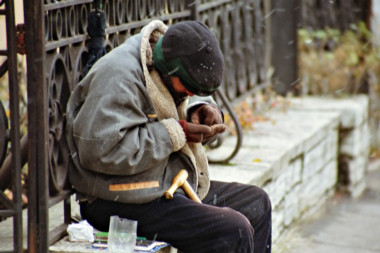
The poor are discriminated against .
Die Armen werden diskriminiert 0
Người nghèo bị phân biệt đối xử .
穷人 遭到 歧视 。
Qióngrén zāodào qíshì.
貧しい人々は差別されています。
Mazushī hitobito wa sabetsu sa rete imasu.
가난한 사람들은 차별을 받습니다.
gananhan salamdeul-eun chabyeol-eul badseubnida.
(VI)
(ZH)
(JA)
2674
[EN] [DE] [NL] [ES] [FR] [IT] [TH] [VI] [ZH]
|
RANDOM
秦朝很强大。
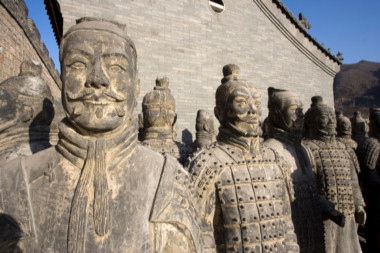
The Qin Dynasty was powerful .
Die Qin-Dynastie war mächtig 0
Nhà Tần hùng mạnh .
秦朝 很 强大 。
Qíncháo hěn qiángdà.
秦王朝は非常に強力です。
Hata ōchō wa hijō ni kyōryokudesu.
진나라는 매우 강력합니다.
jinnalaneun maeu ganglyeoghabnida.
(VI)
(ZH)
(JA)
2684
[EN] [DE] [NL] [ES] [FR] [IT] [TH] [VI] [ZH]
|
RANDOM
这种蛇有毒。
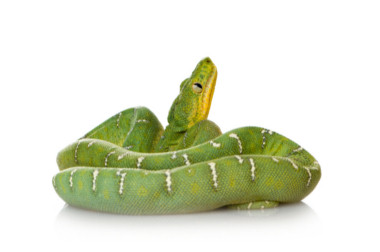
This type of snake is poisonous .
Diese Art von Schlange ist giftig 0
Đây là loại rắn độc .
这种 蛇 有毒 。
Zhèzhǒng shé yǒudú.
このヘビは有毒です。
Kono hebi wa yūdokudesu.
이 뱀은 유독합니다.
i baem-eun yudoghabnida.
(VI)
(ZH)
(JA)
2699
[EN] [DE] [NL] [ES] [FR] [IT] [TH] [VI] [ZH]
|
RANDOM
水汽不停地在蒸发。
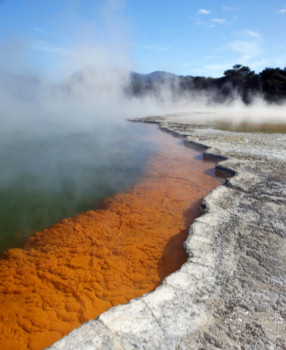
The steam is constantly evaporating .
Der Wasserdampf verdunstet ständig 0
Hơi nước bốc hơi liên tục 0
水汽 不停 地 在 蒸发 。
Shuǐqì bùtíng de zài zhēngfā.
水蒸気は蒸発し続けます。
Suijōki wa jōhatsu shi tsudzukemasu.
수증기가 계속 증발합니다.
sujeung-giga gyesog jeungbalhabnida.
(VI)
(ZH)
(JA)
2761
[EN] [DE] [NL] [ES] [FR] [IT] [TH] [VI] [ZH]
|
RANDOM
学习成绩差,她感到很羞耻。

She is ashamed of her poor school performance .
Sie schämt sich für ihre schlechten schulischen Leistungen 0
Cô ấy xấu hổ vì kết quả học tập kém của mình .
学习成绩 差 , 她 感到 很 羞耻 。
Xuéxí chéngjì chà, tā gǎndào hěn xiūchǐ.
彼女は学校の成績が悪いことを恥じている。
Kanojo wa gakkō no seiseki ga warui koto o hajite iru.
그녀는 학업 성적이 좋지 않은 것을 부끄러워했습니다.
geunyeoneun hag-eob seongjeog-i johji anh-eun geos-eul bukkeuleowohaessseubnida.
(VI)
(ZH)
(JA)
2775
[EN] [DE] [NL] [ES] [FR] [IT] [TH] [VI] [ZH]
|
RANDOM
我要戳穿他的谎言。

I will expose his lies .
Ich werde seine Lügen aufdecken 0
Tôi sẽ vạch trần những lời nói dối của anh ta .
我要 戳穿 他 的 谎言 。
Wǒ yào chuōchuān tā de huǎngyán.
彼の嘘を暴きたい。
Kare no uso o abakitai.
그의 거짓말을 폭로하고 싶다.
geuui geojismal-eul poglohago sipda.
(VI)
(ZH)
(JA)
2776
[EN] [DE] [NL] [ES] [FR] [IT] [TH] [VI] [ZH]
|
RANDOM
警察缉拿了罪犯。

The police have apprehended the criminal .
Die Polizei hat den Verbrecher festgenommen 0
Cảnh sát đã tóm gọn tên tội phạm .
警察 缉拿 了 罪犯 。
Jǐngchá jīnále zuìfàn.
警察は犯人を逮捕した。
Keisatsu wa han'nin o taiho shita.
경찰은 범인을 체포했다.
gyeongchal-eun beom-in-eul chepohaessda.
(VI)
(ZH)
(JA)
2806
[EN] [DE] [NL] [ES] [FR] [IT] [TH] [VI] [ZH]
|
RANDOM
你钱包里有几英镑?
How many English pounds do you have in your wallet ?
Wie viele englische Pfund hast du in deiner Brieftasche ?
Bạn có bao nhiêu bảng Anh trong ví ?
你 钱包 里 有 几 英镑 ?
Nǐ qiánbāo lǐ yǒu jǐ Yīngbàng?
財布には何ポンドありますか?
Saifu ni wa nan-pondo arimasu ka?
지갑에 몇 파운드가 있습니까?
jigab-e myeoch paundeuga issseubnikka?
(VI)
(ZH)
(JA)
2812
[EN] [DE] [NL] [ES] [FR] [IT] [TH] [VI] [ZH]
|
RANDOM
这是花粉过敏的症状。
This is a symptom of a pollen allergy .
Dies ist ein Symptom einer Pollenallergie 0
Đây là một triệu chứng của dị ứng phấn hoa .
这是 花粉 过敏 的 症状 。
Zhè shì huāfěn guòmǐn de zhèngzhuàng.
これは花粉症の症状です。
Kore wa kabunshō no shōjōdesu.
이것은 꽃가루 알레르기의 증상입니다.
igeos-eun kkochgalu alleleugiui jeungsang-ibnida.
(VI)
(ZH)
(JA)
2841
[EN] [DE] [NL] [ES] [FR] [IT] [TH] [VI] [ZH]
|
RANDOM
神庙由柱子支撑着。

The temple is supported by pillars .
Der Tempel wird von Säulen getragen 0
Ngôi chùa được chống đỡ bởi những cây cột .
神庙 由 柱子 支撑 着 。
Shénmiào yóu zhùzi zhīchēngzhe.
寺院は柱で支えられています。
Jiin wa hashira de sasae rarete imasu.
사원은 기둥으로 지지됩니다.
sawon-eun gidung-eulo jijidoebnida.
(VI)
(ZH)
(JA)
2850
[EN] [DE] [NL] [ES] [FR] [IT] [TH] [VI] [ZH]
|
RANDOM
路边竖立着一根电线杆。

A power line pole is standing by the roadside .
Am Straßenrand steht ein Strommast 0
Một cột điện nằm bên vệ đường .
路边 竖立 着 一根 电线杆 。
Lùbiān shùlìzhe yī gēn diànxiàngān.
道端に電柱が立っています。
Michibata ni denchū ga tatte imasu.
길가에 전신주가 서 있었다.
gilga-e jeonsinjuga seo iss-eossda.
(VI)
(ZH)
(JA)
2867
[EN] [DE] [NL] [ES] [FR] [IT] [TH] [VI] [ZH]
|
RANDOM
他们参加探险队远征南极。

They are going on an expedition to explore the South Pole .
Sie machen eine Expedition , um den Südpol zu erkunden 0
Họ đang thực hiện một chuyến thám hiểm khám phá Nam Cực .
他们 参加 探险队 远征 南极 。
Tāmen cānjiā tànxiǎnduì yuǎnzhēng Nánjí.
彼らは南極を探検する遠征に出かけます。
Karera wa Nankyoku o tanken suru ensei ni dekakemasu.
그들은 남극 탐험 원정대에 합류했습니다.
geudeul-eun namgeug tamheom wonjeongdaee hablyuhaessseubnida.
(VI)
(ZH)
(JA)
2879
[EN] [DE] [NL] [ES] [FR] [IT] [TH] [VI] [ZH]
|
RANDOM
抚养子女是父母的职责。

Raising children is the responsibility of parents .
Kindererziehung liegt in der Verantwortung der Eltern 0
Nuôi dạy con cái là trách nhiệm của cha mẹ .
抚养 子女 是 父母 的 职责 。
Fǔyǎng zǐnǚ shì fùmǔ de zhízé.
子育ては親の責任です。
Kosodate wa oya no sekinindesu.
자녀를 양육하는 것은 부모의 책임입니다.
janyeoleul yang-yughaneun geos-eun bumoui chaeg-im-ibnida.
(VI)
(ZH)
(JA)
2893
[EN] [DE] [NL] [ES] [FR] [IT] [TH] [VI] [ZH]
|
RANDOM
她在涂抹胭脂。

She is putting on face powder and lipstick .
Sie trägt Gesichtspuder und Lippenstift auf 0
Cô ấy đang thoa phấn và son môi .
她 在 涂抹 胭脂 。
Tā zài túmǒ yānzhi.
彼女はフェイス パウダーと口紅をつけています。
Kanojo wa feisu paudā to kuchibeni o tsukete imasu.
그녀는 루즈를 적용하고 있습니다.
geunyeoneun lujeuleul jeog-yonghago issseubnida.
(VI)
(ZH)
(JA)
2895
[EN] [DE] [NL] [ES] [FR] [IT] [TH] [VI] [ZH]
|
RANDOM
船停泊在港口。

The ship is anchored in the port .
Das Schiff liegt im Hafen vor Anker 0
Con tàu đang neo đậu trong cảng .
船 停泊 在 港口 。
Chuán tíngbó zài gǎngkǒu.
船は港に係留されています。
Fune wa minato ni keiryū sa rete imasu.
배는 항구에 정박해 있습니다.
baeneun hang-gue jeongbaghae issseubnida.
(VI)
(ZH)
(JA)
2897
[EN] [DE] [NL] [ES] [FR] [IT] [TH] [VI] [ZH]
|
RANDOM
毕业了大家都充满了成功的喜悦。

Upon graduating , everyone was filled with the joy of success .
Nach dem Abschluss waren alle von der Freude am Erfolg erfüllt 0
Khi tốt nghiệp , tất cả mọi người đều tràn ngập niềm vui thành công .
毕业 了 大家 都 充满 了 成功 的 喜悦 。
Bìyèle dàjiā dōu chōngmǎnle chénggōng de xǐyuè.
卒業すると、誰もが成功の喜びに満ちていました。
Sotsugyō suru to, daremoga seikō no yorokobi ni michite imashita.
졸업 후에는 모두가 성공의 기쁨으로 가득 차 있습니다.
jol-eob hueneun moduga seong-gong-ui gippeum-eulo gadeug cha issseubnida.
(VI)
(ZH)
(JA)
2923
[EN] [DE] [NL] [ES] [FR] [IT] [TH] [VI] [ZH]
|
RANDOM
警官押着犯人。

The police officer is escorting the prisoner .
Der Polizist begleitet den Gefangenen 0
Viên cảnh sát đang áp giải tù nhân .
警官 押 着 犯人 。
Jǐngguān yāzhe fànrén.
警官が囚人を護送している。
Keikan ga shūjin o gosō shite iru.
경찰관이 죄수를 호위했습니다.
gyeongchalgwan-i joesuleul howihaessseubnida.
(VI)
(ZH)
(JA)
2926
[EN] [DE] [NL] [ES] [FR] [IT] [TH] [VI] [ZH]
|
RANDOM
警察认为他有嫌疑。

The police consider him suspicious .
Die Polizei hält ihn für verdächtig 0
Cảnh sát coi anh ta là người khả nghi .
警察 认为 他 有 嫌疑 。
Jǐngchá rènwéi tā yǒu xiányí.
警察は彼が疑わしいと考えています。
Keisatsu wa kare ga utagawashī to kangaete imasu.
경찰은 그가 용의자라고 생각했다.
gyeongchal-eun geuga yong-uijalago saeng-gaghaessda.
(VI)
(ZH)
(JA)
2929
[EN] [DE] [NL] [ES] [FR] [IT] [TH] [VI] [ZH]
|
RANDOM
警察把他拘留了。

The police detained him .
Die Polizei hielt ihn fest 0
Cảnh sát đã giam giữ anh ta .
警察 把 他 拘留 了 。
Jǐngchá bǎ tā jūliú le.
警察は彼を拘束した。
Keisatsu wa kare o kōsoku shita.
경찰은 그를 구금했다.
gyeongchal-eun geuleul gugeumhaessda.
(VI)
(ZH)
(JA)
2938
[EN] [DE] [NL] [ES] [FR] [IT] [TH] [VI] [ZH]
|
RANDOM
双方的防御能力都很强。

Both sides possess very strong defensive capability .
Beide Seiten besitzen sehr starke Verteidigungsfähigkeiten 0
Hai bên đều sở hữu khả năng phòng ngự rất chắc chắn .
双方 的 防御能力 都 很 强 。
Shuāngfāng de fángyù nénglì dōu hěn qiáng.
どちらの側にも強力な防御能力があります。
Dochira no soba ni mo kyōryokuna bōgyo nōryoku ga arimasu.
양쪽 모두 강력한 수비 능력을 가지고 있습니다.
yangjjog modu ganglyeoghan subi neunglyeog-eul gajigo issseubnida.
(VI)
(ZH)
(JA)
2949
[EN] [DE] [NL] [ES] [FR] [IT] [TH] [VI] [ZH]
|
RANDOM
警察在现场维护秩序。

The police are maintaining order on the scene .
Die Polizei sorgt für Ordnung vor Ort 0
Cảnh sát đang duy trì trật tự tại hiện trường .
警察 在 现场 维护 秩序 。
Jǐngchá zài xiànchǎng wéihù zhìxù.
警察は現場の秩序を維持しています。
Keisatsu wa genba no chitsujo o iji shite imasu.
경찰은 현장에서 질서를 유지했다.
gyeongchal-eun hyeonjang-eseo jilseoleul yujihaessda.
(VI)
(ZH)
(JA)
2953
[EN] [DE] [NL] [ES] [FR] [IT] [TH] [VI] [ZH]
|
RANDOM
公司赋予他很大的权力。

The company has given him a lot of power .
Das Unternehmen hat ihm sehr viel Macht gegeben 0
Công ty đã trao cho anh ta rất nhiều quyền lực .
公司 赋予 他 很大 的 权力 。
Gōngsī fùyǔ tā hěn dà de quánlì.
会社は彼に多くの力を与えた。
Kaisha wa kare ni ōku no chikara o ataeta.
회사는 그에게 많은 권한을 주었다.
hoesaneun geuege manh-eun gwonhan-eul jueossda.
(VI)
(ZH)
(JA)
2964
[EN] [DE] [NL] [ES] [FR] [IT] [TH] [VI] [ZH]
|
RANDOM
我不爱吃猪肝。
I don't like to eat pork liver .
Ich esse nicht gerne Schweineleber 0
Tôi không thích ăn gan lợn 0
我 不 爱 吃 猪肝 。
Wǒ bù ài chī zhūgān.
豚レバーは食べたくないです。
Buta rebā wa tabetakunaidesu.
나는 돼지 간을 먹는 것을 좋아하지 않습니다.
naneun dwaeji gan-eul meogneun geos-eul joh-ahaji anhseubnida.
(VI)
(ZH)
(JA)
2972
[EN] [DE] [NL] [ES] [FR] [IT] [TH] [VI] [ZH]
|
RANDOM
警察逮捕了小偷。

The police have arrested a thief .
Die Polizei hat einen Dieb festgenommen 0
Cảnh sát đã bắt được một tên trộm .
警察 逮捕 了 小偷 。
Jǐngchá dàibǔle xiǎotōu.
警察は泥棒を逮捕した。
Keisatsu wa dorobō o taiho shita.
경찰은 도둑을 체포했습니다.
gyeongchal-eun dodug-eul chepohaessseubnida.
(VI)
(ZH)
(JA)
3037
[EN] [DE] [NL] [ES] [FR] [IT] [TH] [VI] [ZH]
|
RANDOM
桌上有一个乒乓球。

There is a ping pong ball on the desk .
Auf dem Schreibtisch liegt ein Tischtennisball 0
Có một quả bóng bàn trên bàn làm việc .
桌上 有 一个 乒乓球 。
Zhuō shàng yǒu yī gè pīngpāngqiú.
テーブルの上に卓球ボールがあります。
Tēburu no ue ni takkyū bōru ga arimasu.
탁자 위에 탁구공이 있다.
tagja wie taggugong-i issda.
(VI)
(ZH)
(JA)
3050
[EN] [DE] [NL] [ES] [FR] [IT] [TH] [VI] [ZH]
|
RANDOM
这里有一壶茶。

Here is a pot of tea .
Hier ist eine Kanne Tee 0
Đây là một ấm trà .
这 里 有 一壶 茶 。
Zhèli yǒu yī hú chá.
ここに急須があります。
Koko ni kyūsu ga arimasu.
여기에 찻잔이 있습니다.
yeogie chasjan-i issseubnida.
(VI)
(ZH)
(JA)
3077
[EN] [DE] [NL] [ES] [FR] [IT] [TH] [VI] [ZH]
|
RANDOM
他在打乒乓球。

He is playing ping pong .
Er spielt Tischtennis 0
Anh ấy đang chơi bóng bàn 0
他 在 打乒乓球 。
Tā zài dǎ pīngpāngqiú.
彼は卓球をしている。
Kare wa takkyū o shite iru.
그는 탁구를 치고 있다.
geuneun tagguleul chigo issda.
(VI)
(ZH)
(JA)
3093
[EN] [DE] [NL] [ES] [FR] [IT] [TH] [VI] [ZH]
|
RANDOM
汽车的辐条被撞坏了。

The wheel spokes of the car were damaged in the crash .
Die Radspeichen des Autos wurden bei dem Unfall beschädigt 0
Bánh căm của chiếc ô tô bị hư hỏng trong vụ va chạm .
汽车 的 辐条 被 撞坏 了 。
Qìchē de fútiáo bèi zhuànghuài le.
車のスポークが破損していた。
Kuruma no supōku ga hason shite ita.
자동차의 스포크가 손상되었습니다.
jadongchaui seupokeuga sonsangdoeeossseubnida.
(VI)
(ZH)
(JA)
3108
[EN] [DE] [NL] [ES] [FR] [IT] [TH] [VI] [ZH]
|
RANDOM
他正处于人生的转捩点。

He is right at a turning point in his life .
Er befindet sich an einem Wendepunkt in seinem Leben 0
Anh ấy đang ở đúng một bước ngoặt của cuộc đời mình .
他 正 处于 人生 的 转捩点 。
Tā zhèng chǔyú rénshēng de zhuǎnlièdiǎn.
彼は人生のターニングポイントにいます。
Kare wa jinsei no tāningupointo ni imasu.
그는 인생의 전환점에 서 있다.
geuneun insaeng-ui jeonhwanjeom-e seo issda.
(VI)
(ZH)
(JA)
3146
[EN] [DE] [NL] [ES] [FR] [IT] [TH] [VI] [ZH]
|
RANDOM
罂粟花很美。

The poppy flowers are very beautiful .
Die Mohnblumen sind sehr schön 0
Những bông hoa anh túc rất đẹp .
罂粟花 很 美 。
Yīngsùhuā hěn měi.
ポピーは美しいです。
Popī wa utsukushīdesu.
양귀비꽃이 아름답습니다.
yang-gwibikkoch-i aleumdabseubnida.
(VI)
(ZH)
(JA)
3173
[EN] [DE] [NL] [ES] [FR] [IT] [TH] [VI] [ZH]
|
RANDOM
警方与暴徒展开了对峙。

The police are confronting the mobs .
Die Polizei konfrontiert die Mobs 0
Cảnh sát đang đối đầu với đám đông .
警方 与 暴徒 展开 了 对峙 。
Jǐngfāng yǔ bàotú zhǎnkāile duìzhì.
警察は暴徒と対峙しています。
Keisatsu wa bōto to taiji shite imasu.
경찰은 폭도들과 대결을 시작했다.
gyeongchal-eun pogdodeulgwa daegyeol-eul sijaghaessda.
(VI)
(ZH)
(JA)
3187
[EN] [DE] [NL] [ES] [FR] [IT] [TH] [VI] [ZH]
|
RANDOM
他在宣读政府咨文。

He is delivering the chief executive is report on affairs of state .
Er liefert dem Generaldirektor einen Bericht über Staatsangelegenheiten 0
Ông đang giao cho giám đốc điều hành báo cáo về các công việc của nhà nước .
他 在 宣读 政府 咨文 。
Tā zài xuāndú zhèngfǔ zīwén.
彼は政府の演説を発表している。
Kare wa seifu no enzetsu o happyō shite iru.
그는 정부 연설을 발표하고 있다.
geuneun jeongbu yeonseol-eul balpyohago issda.
(VI)
(ZH)
(JA)
3190
[EN] [DE] [NL] [ES] [FR] [IT] [TH] [VI] [ZH]
|
RANDOM
竹竿里是空的。

Bamboo poles are hollow in the center .
Bambusstangen sind in der Mitte hohl 0
Cọc tre được làm rỗng ở trung tâm .
竹竿 里 是 空 的 。
Zhúgān lǐ shì kōng de.
竹の棒は空です。
Take no bō wa sora/kara desu.
대나무 기둥이 비어 있습니다.
daenamu gidung-i bieo issseubnida.
(VI)
(ZH)
(JA)
3196
[EN] [DE] [NL] [ES] [FR] [IT] [TH] [VI] [ZH]
|
RANDOM
他们只有一根钓鱼竿。

They only have one fishing pole .
Sie haben nur eine Angelrute 0
Họ chỉ có một cần câu 0
他们 只有 一根 钓鱼竿 。
Tāmen zhǐyǒu yī gēn diàoyúgān.
彼らは1本の釣り竿しか持っていません。
Karera wa 1-pon no tsurizao shika motte imasen.
그들은 낚싯대를 하나만 가지고 있습니다.
geudeul-eun nakksisdaeleul hanaman gajigo issseubnida.
(VI)
(ZH)
(JA)
3197
[EN] [DE] [NL] [ES] [FR] [IT] [TH] [VI] [ZH]
|
RANDOM
他从口袋里掏出一把枪。

He drew a gun from his pocket .
Er zog eine Waffe aus der Tasche 0
Anh ta rút một khẩu súng trong túi .
他 从 口袋 里 掏出 一把 枪 。
Tā cóng kǒudai lǐ tāochū yī bǎ qiāng.
彼はポケットから銃を取り出した。
Kare wa poketto kara jū o toridashita.
그는 주머니에서 총을 꺼냈다.
geuneun jumeonieseo chong-eul kkeonaessda.
(VI)
(ZH)
(JA)
3227
[EN] [DE] [NL] [ES] [FR] [IT] [TH] [VI] [ZH]
|
RANDOM
这句古诗很有韵味。
This line from an ancient poem is very thought-provoking .
Diese Zeile aus einem alten Gedicht regt zum Nachdenken an 0
Dòng này từ một bài thơ cổ rất gợi cảm .
这句 古诗 很 有 韵味 。
Zhè jù gǔshī hěn yǒu yùnwèi.
この古代の詩はとても魅力的です。
Kono kodai no uta wa totemo mirikitekidesu.
이 고대 시는 매우 매력적입니다.
i godae sineun maeu maelyeogjeog-ibnida.
(VI)
(ZH)
(JA)
3229
[EN] [DE] [NL] [ES] [FR] [IT] [TH] [VI] [ZH]
|
RANDOM
他在画一幅肖像画。

He is drawing a portrait .
Er zeichnet ein Porträt 0
Anh ấy đang vẽ một bức chân dung .
他 在 画 一幅 肖像画 。
Tā zài huà yī fú xiàoxiànghuà.
彼は肖像画を描いています。
Kare wa shōzō-ga o kaite imasu.
그는 초상화를 그리고 있다.
geuneun chosanghwaleul geuligo issda.
(VI)
(ZH)
(JA)
3230
[EN] [DE] [NL] [ES] [FR] [IT] [TH] [VI] [ZH]
|
RANDOM
政客因受贿被捕弄得臭名昭著。

The politician arrested for corruption has become notorious .
Der wegen Korruption festgenommene Politiker ist berüchtigt 0
Chính trị gia bị bắt vì tội tham nhũng đã trở nên khét tiếng .
政客 因 受贿 被捕 弄 得 臭名昭著 。
Zhèngkè yīn shòuhuì bèibǔ nòngde chòumíng-zhāozhù.
政治家は賄賂を受け取ったとして逮捕されることで有名です。
Seijika wa wairo o uketotta to shite taiho sa reru koto de yūmeidesu.
정치인들은 뇌물을 받은 혐의로 체포되는 것으로 악명이 높다.
jeongchiindeul-eun noemul-eul bad-eun hyeom-uilo chepodoeneun geos-eulo agmyeong-i nopda.
(VI)
(ZH)
(JA)
3232
[EN] [DE] [NL] [ES] [FR] [IT] [TH] [VI] [ZH]
|
RANDOM
我每天都吃马铃薯。
I eat potatoes every day .
Ich esse jeden Tag Kartoffeln 0
Tôi ăn khoai tây mỗi ngày 0
我 每天 都 吃 马铃薯 。
Wǒ měi tiān dōu chī mǎlíngshǔ.
じゃがいもを毎日食べます。
Jagaimo o mainichi tabemasu.
나는 매일 감자를 먹습니다.
naneun maeil gamjaleul meogseubnida.
(VI)
(ZH)
(JA)
3250
[EN] [DE] [NL] [ES] [FR] [IT] [TH] [VI] [ZH]
|
RANDOM
红薯很新鲜。
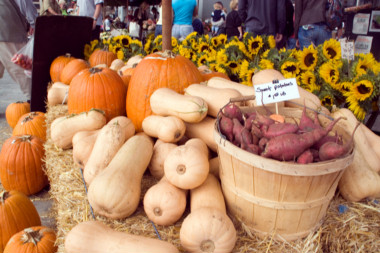
The sweet potatoes are fresh .
Die Süßkartoffeln sind frisch 0
Những củ khoai lang còn tươi 0
红薯 很 新鲜 。
Hóngshǔ hěn xīnxian.
さつまいもはとても新鮮です。
Satsumaimo wa totemo shinsendesu.
고구마는 아주 신선합니다.
gogumaneun aju sinseonhabnida.
(VI)
(ZH)
(JA)
3251
[EN] [DE] [NL] [ES] [FR] [IT] [TH] [VI] [ZH]
|
RANDOM
该公司垄断了世界的电脑市场。

The company has a monopoly on the world's computer market .
Das Unternehmen hat ein Monopol auf dem Weltmarkt für Computer
Công ty độc quyền trên thị trường máy tính thế giới .
该 公司 垄断 了 世界 的 电脑 市场 。
Gāi gōngsī lǒngduànle shìjiè de diànnǎo shìchǎng.
その会社は世界のコンピュータ市場を独占している.
Sono kaisha wa sekai no konpyūta ichiba o dokusen shite iru.
이 회사는 세계 컴퓨터 시장에서 독점권을 가지고 있습니다.
i hoesaneun segye keompyuteo sijang-eseo dogjeomgwon-eul gajigo issseubnida.
(VI)
(ZH)
(JA)
3274
[EN] [DE] [NL] [ES] [FR] [IT] [TH] [VI] [ZH]
|
RANDOM
当心扒手!

Watch out for pick-pockets .
Achten Sie auf Einstecktaschen 0
Đề phòng móc túi .
当心 扒手 !
Dāngxīn páshǒu!
スリに注意してください!
Suri ni chūi shite kudasai!
소매치기 조심!
somaechigi josim!
(VI)
(ZH)
(JA)
3310
[EN] [DE] [NL] [ES] [FR] [IT] [TH] [VI] [ZH]
|
RANDOM
警察击毙了歹徒。
The police shot the outlaw to death .
Die Polizei erschoss den Gesetzlosen 0
Cảnh sát đã bắn chết kẻ ngoài vòng pháp luật .
警察 击毙 了 歹徒 。
Jǐngchá jībìle dǎitú.
警察はギャングを殺した。
Keisatsu wa gyangu o koroshita.
경찰이 갱스터를 죽였습니다.
gyeongchal-i gaengseuteoleul jug-yeossseubnida.
(VI)
(ZH)
(JA)
3311
[EN] [DE] [NL] [ES] [FR] [IT] [TH] [VI] [ZH]
|
RANDOM
这只蜘蛛有毒。

This spider is poisonous .
Diese Spinne ist giftig 0
Nhện này có độc .
这 只 蜘蛛 有毒 。
Zhè zhī zhīzhū yǒudú.
このクモは有毒です。
Kono kumo wa yūdokudesu.
이 거미는 유독합니다.
i geomineun yudoghabnida.
(VI)
(ZH)
(JA)
3314
[EN] [DE] [NL] [ES] [FR] [IT] [TH] [VI] [ZH]
|
RANDOM
海啸的破坏力很大。
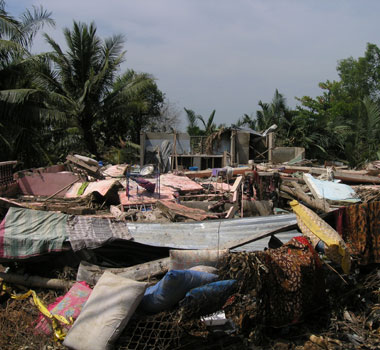
The destructive power of a tsunami is enormous .
Die zerstörerische Kraft eines Tsunamis ist enorm 0
Sức tàn phá của sóng thần là rất lớn .
海啸 的 破坏力 很大 。
Hǎixiào de pòhuàilì hěn dà.
津波は非常に破壊的です。
Tsunami wa hijō ni hakai-tekidesu.
쓰나미는 매우 파괴적입니다.
sseunamineun maeu pagoejeog-ibnida.
(VI)
(ZH)
(JA)
3331
[EN] [DE] [NL] [ES] [FR] [IT] [TH] [VI] [ZH]
|
RANDOM
他的身材很魁梧。

He has a powerful frame .
Er hat einen starken Rahmen 0
Anh ấy có một bộ khung đầy sức mạnh .
他 的 身材 很 魁梧 。
Tā de shēncái hěn kuíwú.
彼の姿はとてもたくましい。
Kare no sugata wa totemo takumashī.
그의 모습은 매우 건장하다.
geuui moseub-eun maeu geonjanghada.
(VI)
(ZH)
(JA)
3349
[EN] [DE] [NL] [ES] [FR] [IT] [TH] [VI] [ZH]
|
RANDOM
流水形成了漩涡。

The flowing water has formed a whirlpool .
Das fließende Wasser hat einen Whirlpool gebildet 0
Nước chảy ra tạo thành xoáy nước .
流水 形成 了 漩涡 。
Liúshuǐ xíngchéngle xuánwō.
流れる水は渦を形成しました。
Nagareru mizu wa uzu o keisei shimashita.
흐르는 물은 소용돌이를 형성했습니다.
heuleuneun mul-eun soyongdol-ileul hyeongseonghaessseubnida.
(VI)
(ZH)
(JA)
3351
[EN] [DE] [NL] [ES] [FR] [IT] [TH] [VI] [ZH]
|
RANDOM
警察在辖区里巡视。

The policeman is patrolling the area .
Der Polizist patrouilliert durch die Gegend 0
Người cảnh sát đang tuần tra khu vực .
警察 在 辖区 里 巡视 。
Jǐngchá zài xiáqū lǐ xúnshì.
警官がその地域をパトロールしています。
Keikan ga sono chiiki o patorōru shite imasu.
경찰은 지역을 순찰했다.
gyeongchal-eun jiyeog-eul sunchalhaessda.
(VI)
(ZH)
(JA)
3355
[EN] [DE] [NL] [ES] [FR] [IT] [TH] [VI] [ZH]
|
RANDOM
没钱让我很尴尬。

Being poor embarrasses me .
Arm zu sein bringt mich in Verlegenheit 0
Việc nghèo khiến tôi xấu hổ 0
没钱 让 我 很 尴尬 。
Méi qián ràng wǒ hěn gāngà.
お金がないので困惑します。
Okane ga nainode konwaku shimasu.
돈이 없다는 것은 나를 부끄럽게 만든다.
don-i eobsdaneun geos-eun naleul bukkeuleobge mandeunda.
(VI)
(ZH)
(JA)
3360
[EN] [DE] [NL] [ES] [FR] [IT] [TH] [VI] [ZH]
|
RANDOM
警官在训练警犬。
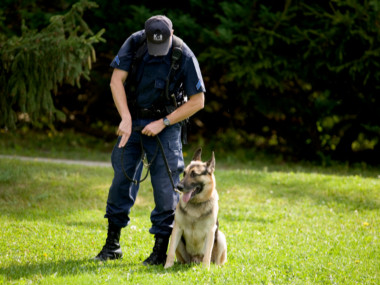
The police officer is training the police dog .
Der Polizist trainiert den Polizeihund 0
Anh cảnh sát đang huấn luyện chó cảnh sát .
警官 在 训练 警犬 。
Jǐngguān zài xùnliàn jǐngquǎn.
警察官は警察犬を訓練しています。
Keisatsukan wa keisatsu inu o kunren shite imasu.
경찰관이 경찰견을 훈련시키고 있습니다.
gyeongchalgwan-i gyeongchalgyeon-eul hunlyeonsikigo issseubnida.
(VI)
(ZH)
(JA)
3382
[EN] [DE] [NL] [ES] [FR] [IT] [TH] [VI] [ZH]
|
RANDOM
她给朋友斟茶。
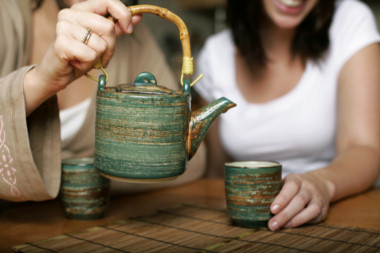
She is pouring a cup of tea for her friend .
Sie gießt eine Tasse Tee für ihre Freundin ein 0
Cô ấy đang rót một tách trà cho bạn mình .
她 给 朋友 斟茶 。
Tā gěi péngyou zhēnchá.
彼女は友達にお茶を注ぐ。
Kanojo wa tomodachi ni ocha o sosogu.
그녀는 친구를 위해 차를 따릅니다.
geunyeoneun chinguleul wihae chaleul ttaleubnida.
(VI)
(ZH)
(JA)
3399
[EN] [DE] [NL] [ES] [FR] [IT] [TH] [VI] [ZH]
|
RANDOM
她的发言简明扼要。

Her speech is brief and to the point .
Ihre Rede ist kurz und auf den Punkt 0
Bài phát biểu của cô ấy ngắn gọn và đi vào trọng tâm .
她 的 发言 简明扼要 。
Tā de fāyán jiǎnmíng'èyào.
彼女のスピーチは簡潔で的を射ている.
Kanojo no supīchi wa kanketsude mato o ite iru.
그녀의 연설은 간결하고 요점이었습니다.
geunyeoui yeonseol-eun gangyeolhago yojeom-ieossseubnida.
(VI)
(ZH)
(JA)
3409
[EN] [DE] [NL] [ES] [FR] [IT] [TH] [VI] [ZH]
|
RANDOM
他把其他对手淘汰了。

He knocked his opponents out of the race .
Er warf seine Gegner aus dem Rennen 0
Anh ấy đã đánh bật các đối thủ của mình ra khỏi cuộc đua .
他 把 其他 对手 淘汰 了 。
Tā bǎ qítā duìshǒu táotài le.
彼は他の敵を排除した。
Kare wa hoka no teki o haijo shita.
그는 다른 상대를 제거했습니다.
geuneun daleun sangdaeleul jegeohaessseubnida.
(VI)
(ZH)
(JA)
3412
[EN] [DE] [NL] [ES] [FR] [IT] [TH] [VI] [ZH]
|
RANDOM
她在抨击时政。

She is attacking the current political situation .
Sie greift die aktuelle politische Situation an 0
Cô ấy đang tấn công vào tình hình chính trị hiện tại .
她 在 抨击 时政 。
Tā zài pēngjī shízhèng.
彼女は時事を攻撃している。
Kanojo wa jiji o kōgeki shite iru.
그녀는 시사를 공격하고 있습니다.
geunyeoneun sisaleul gong-gyeoghago issseubnida.
(VI)
(ZH)
(JA)
3426
[EN] [DE] [NL] [ES] [FR] [IT] [TH] [VI] [ZH]
|
RANDOM
鸡是一种家禽。

Chickens are a type of poultry .
Hühner sind eine Geflügelart 0
Gà là một loại gia cầm 0
鸡 是 一种 家禽 。
Jī shì yī zhǒng jiāqín.
鶏肉は家禽の一種です。
Toriniku wa kakin no isshudesu.
닭고기는 가금류의 일종입니다.
dalg-gogineun gageumlyuui iljong-ibnida.
(VI)
(ZH)
(JA)
3445
[EN] [DE] [NL] [ES] [FR] [IT] [TH] [VI] [ZH]
|
RANDOM
他们正准备分赃。

They were just planning to divide the spoils .
Sie hatten nur vor , die Beute aufzuteilen 0
Họ chỉ định chia chiến lợi phẩm .
他们 正 准备 分赃 。
Tāmen zhèng zhǔnbèi fēnzāng.
彼らは戦利品を分割することを計画していた.
Karera wa senri-hin o bunkatsu suru koto o keikaku shite ita.
그들은 전리품을 나눌 준비를 하고 있습니다.
geudeul-eun jeonlipum-eul nanul junbileul hago issseubnida.
(VI)
(ZH)
(JA)
3453
[EN] [DE] [NL] [ES] [FR] [IT] [TH] [VI] [ZH]
|
RANDOM
经过烈日的曝晒,他的皮肤变黑了。

After being exposed to the strong sun , his skin turned dark .
Nachdem er der starken Sonne ausgesetzt war , wurde seine Haut dunkel 0
Sau khi tiếp xúc với ánh nắng mặt trời gay gắt , làn da của anh trở nên đen
经过 烈日 的 曝晒 , 他 的 皮肤 变黑 了 。
Jīngguò lièrì de pùshài, tā de pífū biànhēi le.
灼熱の太陽の後、彼の肌は黒くなった。
Shakunetsu no taiyō no ato, kare no hada wa kuroku natta.
뜨거운 태양 후 그의 피부는 까맣게 변했습니다.
tteugeoun taeyang hu geuui pibuneun kkamahge byeonhaessseubnida.
(VI)
(ZH)
(JA)
3456
[EN] [DE] [NL] [ES] [FR] [IT] [TH] [VI] [ZH]
|
RANDOM
丑闻曝光了。

The scandal was exposed .
Der Skandal wurde aufgedeckt 0
Vụ bê bối bị phanh phui 0
丑闻 曝光 了 。
chǒuwén
スキャンダルが明るみに出た。
Sukyandaru ga akarumi ni deta.
스캔들이 밝혀졌습니다.
seukaendeul-i balghyeojyeossseubnida.
(VI)
(ZH)
(JA)
3457
[EN] [DE] [NL] [ES] [FR] [IT] [TH] [VI] [ZH]
|
RANDOM
我用汤匙喝汤。
I am eating the soup with a spoon .
Ich esse die Suppe mit einem Löffel 0
Tôi đang ăn súp bằng thìa 0
我用 汤匙 喝汤 。
Wǒ yòng tāngchí hē tāng.
スプーンでスープを飲みます。
Supūn de sūpu o nomimasu.
나는 수프를 숟가락으로 마신다.
naneun supeuleul sudgalag-eulo masinda.
(VI)
(ZH)
(JA)
3464
[EN] [DE] [NL] [ES] [FR] [IT] [TH] [VI] [ZH]
|
RANDOM
她赡养父母。

She supports her parents [financially] .
Sie unterstützt ihre Eltern [finanziell] 0
Cô ấy hỗ trợ cha mẹ mình [về mặt tài chính] .
她 赡养父母 。
Tā shànyǎng fùmǔ.
彼女は両親を支えています。
Kanojo wa ryōshin o sasaete imasu.
그녀는 부모님을 지원합니다.
geunyeoneun bumonim-eul jiwonhabnida.
(VI)
(ZH)
(JA)
3482
[EN] [DE] [NL] [ES] [FR] [IT] [TH] [VI] [ZH]
|
RANDOM
蝌蚪蜕变成青蛙。

Tadpoles grow into frogs .
Kaulquappen wachsen zu Fröschen heran 0
Nòng nọc phát triển thành ếch 0
蝌蚪 蜕变 成 青蛙 。
Kēdǒu tuìbiàn chéng qīngwā.
オタマジャクシはカエルに変身します。
Otamajakushi wa kaeru ni henshin shimasu.
올챙이가 개구리로 변신합니다.
olchaeng-iga gaegulilo byeonsinhabnida.
(VI)
(ZH)
(JA)
3489
[EN] [DE] [NL] [ES] [FR] [IT] [TH] [VI] [ZH]
|
RANDOM
这件瓷器上有瑕疵。

There are imperfections in this piece of porcelain .
Dieses Stück Porzellan weist Unvollkommenheiten auf 0
Có những điểm không hoàn hảo trong mảnh sứ này .
这件 瓷器 上 有 瑕疵 。
Zhè jiàn cíqì shàng yǒu xiácī.
この磁器には傷があります。
Kono jiki ni wa kizu ga arimasu.
이 도자기에 흠집이 있습니다.
i dojagie heumjib-i issseubnida.
(VI)
(ZH)
(JA)
3496
[EN] [DE] [NL] [ES] [FR] [IT] [TH] [VI] [ZH]
|
RANDOM
小狗在地上拉屎。

The dog is pooping on the ground .
Der Hund kackt auf dem Boden 0
Con chó đang ị trên mặt đất .
小狗 在 地上 拉屎 。
Xiǎogǒu zài dìshang lāshǐ.
犬が地面にうんちをしている。
Inu ga jimen ni unchi o shite iru.
땅에 떨어진 강아지 똥.
ttang-e tteol-eojin gang-aji ttong.
(VI)
(ZH)
(JA)
3537
[EN] [DE] [NL] [ES] [FR] [IT] [TH] [VI] [ZH]
|
|