| HSK 3.0 | Big5 | Gb | Pin | Eng |
|---|
| 1 | 吃 | 吃 | chī | feed, have, be subject to, absorb, chow, live on, eat, have one's meals, be a strain, exhaust, fare, take in, live off, annihilate, wipe out, partake, suffer, ingest, consume, graze, lunch, manducate, incur, take, get, use up, make, taste, soak up
|
| 1 | 出來 | 出来 | chū lai | come forward, issue, come up, step up, step to the fore, out (toward one), come_out, pop out, come out, rise, come to the fore, step forward, emergence, come forth, emerge
|
| 1 | 打電話 | 打电话 | dǎ diànhuà | make telephone call
|
| 1 | 電話 | 电话 | diànhuà | blower, phone call, headphone, earpiece, telephone, telephone_call, buzz, earphone, horn, telephone set, phone_call, telephony, phone
|
| 1 | 放 | 放 | fàng | loose, bloom, make longer, set ... free, let sb. have his own way, show, readjust, free, make larger, put in, fly, etc., release, discharge, leave alone, bung, lay aside, put, expansion, make longer/larger/etc., fling, localize, lend (money) at interest, let go, set, pasture, pose, set free, blossom, lay, let off, put out to pasture, send away, play, expand, make larger/etc., readjus
|
| 1 | 飛機 | 飞机 | fēijī | aerocraft, airplane, machine, craft, aeroplane, ship, aero, avion, aeronef, plane, aircraft
|
| 1 | 老人 | 老人 | lǎoren | oldster, ancient, old woman, crock, one's aged parents or grandparents, old man/woman, one's aged parents/grandparents, Sir, old person, gaffer, pop, one's aged parents, the aged/old, old_man, senior_citizen, oldie, greybeard, old man, graybeard, old, grandparents, the old, the aged, senior citizen, old_boy, old boy, woman, old-timer, old man or woman, one's aged grandparents
|
| 1 | 馬上 | 马上 | mǎshàng | in a short time, at_once, instantaneously, promptly, at once, incontinent, in the same breath, directively, instantly, slapbang, pronto, right_away, immediately, shortly, without delay, right away, tout-de-suite, forthwith, presently, in_no_time, at a time, soon, hereupon, in a few seconds, before long, at one time, outright, straightaway, in a minute, directly, momently, in a f
|
| 1 | 慢 | 慢 | màn | tardy, rude, slow down, slow, slow up, retard, lose, defer, supercilious, postpone, decelerate
|
| 1 | 門票 | 门票 | ménpiào | entrance/admission ticket, admission ticket, admission fee, admission price, entrance ticket, admission charge, cover_charge, admission, entrance fee, entrance money, pasteboard, price of admission, entrance
|
| 1 | 呢 | 呢 | ne | particle: marking quesitons about subject already mentioned; indicating strong affirmation
|
| 1 | 錢 | 钱 | qián | copper coin, cash, money, fund, sum
|
| 1 | 上邊 | 上边 | shàngbian | the top, above, overhead, upwards, the top margin, above-mentioned, those higher up
|
| 1 | 誰 | 谁 | shéi | who, someone, anyone
|
| 1 | 手機 | 手机 | shǒujī | cell phone, mobile phone, CL:部[bu4],支[zhi1]
|
| 1 | 外邊 | 外边 | wàibian | outside, outer surface, abroad, place other than one's home
|
| 1 | 一 | 一 | yī | det.: one
|
| 1 | 一下兒 | 一下儿 | yīxiàr | (used after a verb) give it a go, to do (sth for a bit to give it a try), one time, once, in a while, all of a sudden, all at once, erhua variant of 一下[yi1 xia4]
|
| 1 | 一半 | 一半 | yībàn | det.: one half, in part, half
|
| 1 | 一邊 | 一边 | yībiān | at the same time, simultaneously;on the one/other hand
|
| 2 | 報名 | 报名 | bào míng | register, inscribe, enter, enroll, enrol, enter one's name, sign up, recruit
|
| 2 | 筆記本 | 笔记本 | bǐjìběn | notebook (stationery), CL:本[ben3], notebook (computing)
|
| 2 | 部分 | 部分 | bùfen | partial, department, section, partialness, slice, pars, part, det.: part, percent, partage, sphere, component, divvy, segment, portion, fraction, sector, chapter, share, percentage, piece, division, sectional, parcel
|
| 2 | 出國 | 出国 | chū guó | go abroad (from one's own country)
|
| 2 | 船 | 船 | chuán | bottom, body, ship, catcher, bow, bark, boat, shipboard, prow, watercraft, craft, drone, vessel, keel, sailer
|
| 2 | 大家 | 大家 | dàjiā | sundry, great master, rich and influential family, pontiff, all of us, everyone, authority, master, distinguished family
|
| 2 | 大人 | 大人 | dàren | grownup, adult, milord, respectful salutation for one's seniors/, grown-up, respectful salutation for one's parents, Your Excellency, panjandrum, Highness, respectful salutation for one's parents/seniors/etc., Tuan, Bahadur, bahadur, sahib
|
| 2 | 帶來 | 带来 | dài lái | bring, redound, impart, bring_on, bring on, express, fetch, lend, convey, contribute, bring about, bestow, carry, bring oneself, add, usher, incur, land
|
| 2 | 點頭 | 点头 | diǎntóu | take a bow, nod one's head, noddle, nod
|
| 2 | 方法 | 方法 | fāngfǎ | know-how, plan, attack, system, stepping-stone, manner, method, gateway, idea, measure, way, guise, key, wise, quomodo, plan of attack, tack, machinery, process, avenue, modus, how, means, channel, gate, approach, agency, gamesmanship, mode, medium, sort
|
| 2 | 放心 | 放心 | fàng xīn | disburden, set one's mind at rest, set one's mood at rest, be at ease, feel relieved, rest assured
|
| 2 | 好人 | 好人 | hǎorén | a healthy person, good person, goodman, sb. who tries to get along with everyone, bawcock, good, agreeable individual, good egg, a person who tries to get along with everyone (oft
|
| 2 | 回國 | 回国 | huí guó | return to one's country
|
| 2 | 家庭 | 家庭 | jiātíng | hearthstone, background, fireside, establishment, household, hearth, domestic, hearthside, menage, home, family unit, family, house
|
| 2 | 接 | 接 | jiē | to receive, to answer (the phone), to meet or welcome sb, to connect, to catch, to join, to extend, to take one's turn on duty, to take over for sb
|
| 2 | 舉手 | 举手 | jǔ shǒu | raise one's hand, haul_off, raise one's hand(s), show, put up one's hand
|
| 2 | 練 | 练 | liàn | practice, exercise, boil and scour raw silk, educate, reeducate, nurture, coach, hone, drill, school, lunge, break, breed, train
|
| 2 | 碰 | 碰 | pèng | explore, stub, paw, encounter, knock against, partake, run into, take one's chance, knock, disturb, touch, meet, bump
|
| 2 | 聲音 | 声音 | shēngyīn | voice, vocal, language, huskiness, vox, vocalization, audio, noise, sonic, tone, sound, phone, audio frequency
|
| 2 | 省 | 省 | shěng | to save, to economize, to do without, to omit, to leave out, province, CL:個|个[ge4], to inspect, to examine, to be aware, to pay a visit (to one's parents or elders)
|
| 2 | 實在 | 实在 | shízai | indeed, really, honestly, in fact, as a matter of fact
|
| 2 | 熟 | 熟 | shú | ripe, cooked, done, deep (sleep, thoughts, etc.)
|
| 2 | 隨便 | 随便 | suí biàn | informal, willful, do as one pleases, wanton, casual, random, careless
|
| 2 | 討論 | 讨论 | tǎolùn | to discuss, to take something up with someone, to talk about
|
| 2 | 外地 | 外地 | wàidì | parts of the country other than where one is, place other than where one is
|
| 2 | 推 | 推 | tuī | push, decline, refuse, reject, put off, postpone, delay
|
| 2 | 位 | 位 | wèi | location, digit, m.[general], , status, figure, throne, position, place, condition
|
| 2 | 相信 | 相信 | xiāngxìn | deem, believe, credit, esteem, accredit, feel, trow, count, have faith in, guess, lippen, buy, be convinced of, hold, think, trust, accept, know, hone, believe_in, favour, believe in, hope
|
| 2 | 想法 | 想法 | xiǎngfa | view, stance, mentality, idea, notion, sentiment, judgment, construct, thought, opinion, conception, viewpoint, judgement, belief, mind-set, what one has in mind, persuasion, perspective, concept, mind, impression
|
| 2 | 小時候 | 小时候 | xiǎoshíhou | in one's childhood
|
| 2 | 小心 | 小心 | xiǎoxin | beware, watch_out, keep one's eyes skinned, keep one's eyes peeled, careful, cautious, be careful, see, watch, guard, ware, cautionary, keep one's eyes open, take care, look_out, look out
|
| 2 | 心中 | 心中 | xīnzhōng | central point, in one's thoughts, in one's heart
|
| 2 | 以上 | 以上 | yǐshàng | the above/foregoing/above-mentioned
|
| 2 | 一生 | 一生 | yīshēng | lifetime, all, existence, life, throughout one's life, all one's life, career, all/throughout one's life
|
| 2 | 以為 | 以为 | yǐwéi | imagine, think/believe/consider erroneously, treat, deem, believe, suspect, suppose, consider erroneously, repute, animadvert, esteem, trow, speak up, feel, count, believe/consider erroneously, calculate, view as, guess, ween, look, expect, think erroneously, think, hold, opine, interpret, sound off, take_for, consider, take for
|
| 2 | 有人 | 有人 | yǒurén | someone, people, anyone, there is someone there, occupied (as in restroom)
|
| 2 | 怎麼辦 | 怎么办 | zěnmebàn | what should someone do?
|
| 2 | 重點 | 重点 | zhòngdiǎn | taproot, accent, emphasis, focal point, point, keystone, hinge, salient point, stress, gravity
|
| 2 | 主人 | 主人 | zhǔrén | lord, housemaster, host, symposiarch, marse, bwana, padrone, boss, master, baas, provider, mast, owner, landlord
|
| 2 | 自己 | 自己 | zìjǐ | lonesome, number_one, own, ego, self, oneself, name
|
| 3 | 不光 | 不光 | bùguāng | not the only one, not only
|
| 3 | 曾經 | 曾经 | céngjīng | in one case, , one time, formerly, syne, at one time, of all time, once, ever
|
| 3 | 創業 | 创业 | chuàngyè | start undertaking, do pioneering work
|
| 3 | 存 | 存 | cún | harbour, keep, deposit (money), gather, harbor, cherish, accumulate, existence, live, leave with, retain, reserve, save, consist, accumulation, preserve, survival, store, survive, check (luggage), collect, deposit, place, bank, check, exist, be in stock, remain on balance
|
| 3 | 當地 | 当地 | dāngdì | locality, the place (named/mentioned/etc.)
|
| 3 | 地區 | 地区 | dìqū | section, country, area, latitude, zone, terrain, parts, locality, sector, province, prefecture, region, district, faubourg
|
| 3 | 調 | 调 | diào | to transfer, to move (troops or cadres), to investigate, to enquire into, accent, view, argument, key (in music), mode (music), tune, tone, melody, to harmonize, to reconcile, to blend, to suit well, to adjust, to regulate, to season (food), to provoke, to incite
|
| 3 | 短處 | 短处 | duǎnchu | shortcoming, defect, fault, one's weak points
|
| 3 | 對手 | 对手 | duìshǒu | mate, competitor, opposite, antagonist, comparative, contender, adversary, opponent, opposition, counterpart, equal, counterworker, rival, match
|
| 3 | 防止 | 防止 | fángzhǐ | estop, guard against, preclude, prevention, inhibit, avoidance, help, cumber, prevent, forbid, prohibit, obviate, restrain, deter, avoid, head_off, debar, guard, help oneself, ward_off, constrain, ward, encumber, avert, ward off, disenable, forfend, shield, countercheck, forestall, keep_from, foreclose
|
| 3 | 費用 | 费用 | fèiyong | tax, cost, expense, expenditure, due, rate, exes, outlay, outgo, fee, terms, toll, price, disbursement, fare, expenses, disbursal, retainer, pay, damage, charge, monetary value, consideration, outgoing
|
| 3 | 各自 | 各自 | gèzì | each, respective, severalty, oneself
|
| 3 | 互相 | 互相 | hùxiāng | mutual, each other, mutually, one another, reciprocally
|
| 3 | 價錢 | 价钱 | jiàqian | cost, monetary value, rate, price
|
| 3 | 解開 | 解开 | jiě kāi | unknot, loose, uncouple, unbuckle, unyoke, reel off, disengage, unreel, unloosen, disentwine, detach, untie, unwreathe, unlock, ravel, disentangle, unbraid, unsnarl, unhook, unfasten, unwind, unroll, tease apart, loosen, unhitch, unlace, undone, tease, unwire, uncord, unwrap, unleash, unthread, undo, disassemble, ravel out, disconnect, unlink, sleave, untangle, unpack, puzzle_out, unbend, u
|
| 3 | 金 | 金 | jīn | metals, gold, money, ancient metal percussion instruments
|
| 3 | 盡量 | 尽量 | jǐnliàng | to the best of one's ability
|
| 3 | 僅 | 仅 | jǐn | scantily, simply, alone, merely, barely, only, but, just
|
| 3 | 僅僅 | 仅仅 | jǐnjǐn | strictly, solely, exclusively, entirely, alone, merely, only, purely, simply, scantly, narrowly, barely, just
|
| 3 | 精神 | 精神 | jīngshen | god, guts, heart, pneuma, consciousness, vigor, life, energy, vim, courage, esprit, moral, get-up-and-go, ginger, vitality, Psyche, psyche, spunk, gumption, juice, sand, mind, mental, mens, mickey, mettle, nature, grit, oomph, genius, vigour, substance, psychic, backbone, nous, nerve, pazazz, essence, pep, spirit, inward, drive, push, soul, gist
|
| 3 | 舊 | 旧 | jiù | old, aged, onetime, bygone, used, worn, past, former
|
| 3 | 決定 | 决定 | juédìng | decide, resolve, make up one's mind, determine
|
| 3 | 空調 | 空调 | kōngtiáo | air conditioner, air-conditioning, air-conditioner
|
| 3 | 強調 | 强调 | qiángdiào | underscore, spotlight, place emphasis on, point_up, highlight, point, point up, enforce, emphasise, urge, underline, overstress, give emphasis to, play up, keynote, insist, punctuate, accent, betone, foreground, emphasize, emphatic, stress, set off, overemphasize, accentuate, bring out
|
| 3 | 親人 | 亲人 | qīnrén | those dear to one, one's parents, spouse, children, etc., one's family members, dear ones, relative, close relatives, folks
|
| 3 | 親 | 亲 | qīn | parent, one's own (flesh and blood), relative, related, marriage, bride, close, intimate, in person, first-hand, in favor of, pro-, to kiss, (Internet slang) dear, parents-in-law of one's offspring
|
| 3 | 全場 | 全场 | quánchǎng | everyone present, the whole audience, across-the-board, unanimously, whole duration (of a competition or match)
|
| 3 | 石頭 | 石头 | shítou | stony, chimney, rock, lapis, stone
|
| 3 | 時代 | 时代 | shídài | day, period, a period in one's life, epoch, present time, historical period, time, chapter, period in one's life, modern times, historic period, contemporary world, times, era, modern world, age
|
| 3 | 使 | 使 | shǐ | rarefy, piss_off, germinate, drench, blow_out, leave, cut_up, refract, run, dress_up, compose, shed, frizz, put_off, trot, send, strike, send (as envoy), peal, alienate, pull_in, tone_up, bring around, astound, sublease, wither, cripple, bed_down, address, rehearse, usage, warm, smell_out, throw, inflect, get_down, skunk, capsize, congeal, bowl_over, bring_on, unseat, ensure, amalgamate, pro
|
| 3 | 世紀 | 世纪 | shìjì | one C, centred, C, century, age, hundred, 100
|
| 3 | 適用 | 适用 | shìyòng | applicable, lend oneself, apply, be applicable, suit
|
| 3 | 室 | 室 | shì | surname Shi, room, work unit, grave, scabbard, family or clan, one of the 28 constellations of Chinese astronomy
|
| 3 | 現金 | 现金 | xiànjīn | quids, rhino, clink, ready, cash reserve in bank, dough, dust, ducat, kale, cash, blunt, till, ready money
|
| 3 | 相互 | 相互 | xiānghù | each other, mutually, one another, in return, reciprocally
|
| 3 | 壓 | 压 | yā | weight_down, hold down, push down, compact, constrict, be getting near, suppress, squeeze, compress, risk money on, quell, bring pressure to, pull, press, keep under control, throttle, push/hold down, intimidate, scrunch, weigh down, scrouge, daunt, shelve, pigeonhole, contract, approach, keep under, push, stake, control
|
| 3 | 壓力 | 压力 | yālì | force per unit area, P, strain, overwhelming force, pressure sensation, burdensomeness, oppressiveness, pressure, onerousness, stress, compulsion, constraint, muscle, lading
|
| 3 | 眼前 | 眼前 | yǎnqián | before one's eyes
|
| 3 | 一方面 | 一方面 | yīfāngmiàn | conj.: on one side, on the one hand..., on the other hand..., for one thing..., for another...
|
| 3 | 者 | 者 | zhě | nominal suffix, one who, -er
|
| 3 | 爭取 | 争取 | zhēngqǔ | strive for, fight for, wrangle, work hard for, contest, go for, strive/fight for, contend, try_for, woo, try for, strive, win over, scramble, do all one can to
|
| 3 | 支付 | 支付 | zhīfù | pay (money), defray
|
| 3 | 主動 | 主动 | zhǔdòng | on one's own initiative
|
| 3 | 專家 | 专家 | zhuānjiā | guru, pundit, adept, expertise, professional person, specializer, specialist, proficient, whiz, oner, expert, swami, savant, dab, professional, authority, stunner, technician
|
| 3 | 自身 | 自身 | zìshēn | self, oneself
|
| 3 | 縂 | 总 | zǒng | always, invariably, anyway, after all, inevitably, sooner or later
|
| 3 | 自主 | 自主 | zìzhǔ | be one's own master, take initiative
|
| 4 | 阿姨 | 阿姨 | āyí | aunt, child's address to woman of similar age as parents, girl, babysitter, aunty, elderly unattached woman, cr#4 eche attendant, maiden aunt, family nurse, nursery/cr#4eche attendant, nurse, mother's sister, auntie, nursery eche attendant, child's address to woman of similar age, one's mother's sister
|
| 4 | 愛國 | 爱国 | àiguó | love one's country, patriotic
|
| 4 | 擺脫 | 摆脱 | bǎi tuō | disembroil, free oneself, cast/shake off, fling_off, break away from, shake_off, disinvolve, disentangle, shake off, shift, wangle, cast off, extricate oneself from, shake, waste, free oneself from, disburden, ditch, manage, lose, cast, unload, extricate oneself, prescind, unship, slip, wriggle, shunt
|
| 4 | 寶石 | 宝石 | bǎoshí | precious stone, gem
|
| 4 | 避免 | 避免 | bìmiǎn | forbear, preclude, refrain_from, forebear, escape, help, elude, leapfrog, refrain from, stave_off, evite, shun, obviate, avoid, evade, waive, help oneself, ward_off, ward, miss, avert, ward off, balk, refrain
|
| 4 | 財富 | 财富 | cáifù | opulence, pile, worth, fortune, moneybag, riches, mammon, substance, wealth, wealthy, gold, lucre, means, shekel, pelf, opulency, money, oof, nabobery
|
| 4 | 財產 | 财产 | cáichǎn | aught, belonging, fortune, material possession, cash, riches, substance, assets, property, wealth, belongings, estate, seizin, thing, holding, possession, means, goods, asset, pelf, money, propertied, seisin, res, having
|
| 4 | 唱片 | 唱片 | chàngpiàn | pressing, waxing, cut, disc, phonogram, phonograph record, record, disk, wax, phonorecord, platter, recording, gramophone record, phonograph recording
|
| 4 | 抄 | 抄 | chāo | to make a copy, to plagiarize, to search and seize, to raid, to grab, to go off with, to take a shortcut, to make a turning move, to fold one's arms
|
| 4 | 誠實 | 诚实 | chéngshi | honest
|
| 4 | 誠信 | 诚信 | chéngxìn | genuine, honest, in good faith, honesty, integrity
|
| 4 | 單 | 单 | dān | singly, alone
|
| 4 | 單獨 | 单独 | dāndú | tete-a-tete, apart, unaccompanied, individually, singly, solely, alone, on one's own
|
| 4 | 敵人 | 敌人 | dírén | antagonist, enemy, enemy force, foeman, opponent, adversary, hostile force, foe, opposing force
|
| 4 | 獨立 | 独立 | dúlì | stand alone
|
| 4 | 獨自 | 独自 | dúzì | unaccompanied, solely, by oneself, alone
|
| 4 | 鍛煉 | 锻炼 | duànliàn | to toughen, to temper, to engage in physical exercise, to work out, (fig.) to develop one's skills, to train oneself
|
| 4 | 耳機 | 耳机 | ěrjī | headphones, earphones, telephone receiver
|
| 4 | 風格 | 风格 | fēnggé | plan, signature, idiom, kind, aroma, manner, idiosyncrasy, negligence, style, mode, tone, expressive style, artistic style, touch
|
| 4 | 紛紛 | 纷纷 | fēnfēn | in droves, one_after_another, numerous and in great confusion
|
| 4 | 個別 | 个别 | gèbié | specifically, very few, specific, one or two exceptional, individual, exceptional
|
| 4 | 各個 | 各个 | gègè | every, various, separately, one by one
|
| 4 | 骨頭 | 骨头 | gǔtou | os, strong character, bone, character, person of a certain character
|
| 4 | 光臨 | 光临 | guānglín | (formal) to honor with one's presence, to attend
|
| 4 | 紅包 | 红包 | hóngbāo | money wrapped in red as a gift, bonus payment, kickback, bribe
|
| 4 | 呼吸 | 呼吸 | hūxī | take a breather, respiratory, take a breath, respire, catch one's breath, inspire, breathe, rest, suspire, respiration
|
| 4 | 貨 | 货 | huò | commodity, idiot, money, blockhead, loading, goods
|
| 4 | 寄 | 寄 | jì | attach oneself to, drop, transport, mail, ship, leave, entrust, post, get off, lodge at, depend on, send, entrustment, deposit, transmit, place, consign
|
| 4 | 獎金 | 奖金 | jiǎngjīn | pewter, gainings, money award, gratuity, bounty, stakes, subsidy, prix, premium, incentive, prize money, perquisite, purse, winnings, stake, prize, bonus, gratification
|
| 4 | 盡力 | 尽力 | jìn lì | do_one's_best, do all one can, render, take pains, be at pains, take_pains, stretch, strain, strive, try one's best
|
| 4 | 竟然 | 竟然 | jìngrán | unexpectedly, to one's surprise
|
| 4 | 老家 | 老家 | lǎojiā | native place, old home, one's original home
|
| 4 | 老實 | 老实 | lǎoshi | honest, frank, well-behaved, good, simple-minded, naive
|
| 4 | 了解 | 了解 | liǎojiě | understand, comprehend, find out, acquaint oneself with
|
| 4 | 陸續 | 陆续 | lùxù | continuously, one after another, in succession
|
| 4 | 落 | 落 | luò | come down, have, remain where one is, go under, leave behind, lower, decline, stay behind, lag behind, dip, precipitate, go down, be missing, fall/leave/stay behind, belong to, set (of sun), drop, ebb (of tide), set, receive, set down, drop behind, light, rest with, obtain, fall, leave/stay behind, fall onto, turn over to, fall behind, sink, get, ebb, land, leave out
|
| 4 | 模型 | 模型 | móxíng | formula, pattern, mould, mold, modeling, construct, die, convention, exponent, plaything, former, modelling, model, simulation, normal, rule, moulding, molding, shape, matrix, clay sculpture, restoration, toy
|
| 4 | 片面 | 片面 | piànmiàn | unilateral, one-sided
|
| 4 | 青春 | 青春 | qīngchūn | springtime, flower, prime, juvenility, youthfulness, one's youth, young adulthood, youth, prime of life, youthhood, juvenescence, may
|
| 4 | 上門 | 上门 | shàng mén | to drop in, to visit, to lock a door, (of a shop) to close, to go and live with one's wife's family, in effect becoming a member of her family
|
| 4 | 失業 | 失业 | shī yè | lose one's job; be out of work
|
| 4 | 使勁 | 使劲 | shǐ jìn | to exert all one's strength
|
| 4 | 刷牙 | 刷牙 | shuā yá | to brush one's teeth
|
| 4 | 套餐 | 套餐 | tàocān | set meal, product or service package (e.g. for a cell phone subscription)
|
| 4 | 投 | 投 | tóu | heave, agree with, throw, drop, mail, join, toss, go to, cater to, lodge, send, put into, fit in with, flip, peck, pitch, hurtle, betoss, project, deliver, stay, sky, post, cast, delivery, throw into, throw oneself into, hurl, fling, poll, vote
|
| 4 | 痛快 | 痛快 | tòngkuai | delighted, to one's heart's content, straightforward, also pr. [tong4 kuai5]
|
| 4 | 推遲 | 推迟 | tuīchí | to postpone, to put off, to defer
|
| 4 | 問候 | 问候 | wènhòu | to give one's respects, to send a greeting
|
| 4 | 吸 | 吸 | xī | drop, absorption, absorb, draw to oneself, sip, breathe in, attraction, suck, suck up, sup, draw_in, puff, drink, inhale, attract, inhaust
|
| 4 | 相處 | 相处 | xiāngchǔ | get along (with one another)
|
| 4 | 延期 | 延期 | yán qī | to delay, to extend, to postpone, to defer
|
| 4 | 依然 | 依然 | yīrán | notwithstanding, natheless, withal, even so, yet, nonetheless, nevertheless, all the same, however, still, as before
|
| 4 | 勇氣 | 勇气 | yǒngqì | gameness, pluck, guts, mettle, braveness, grit, heart, moxie, courage, backbone, boldness, pride, gutsiness, nerve, pecker, courageousness, valour, spirit, spunk, gallantry, valor, virtue, audacity, bravery, pluckiness, gumption, sand, gut, valiance
|
| 4 | 語音 | 语音 | yǔyīn | spoken pronunciation of characters, pronunciation, spoken (vs. written) pronunciation of characters, speech sounds, phonetic
|
| 4 | 之一 | 之一 | zhīyī | one of (sth), one out of a multitude, one (third, quarter, percent etc)
|
| 4 | 智能 | 智能 | zhìnéng | intelligent, able, smart (phone, system, bomb etc)
|
| 4 | 專心 | 专心 | zhuānxīn | occupy, immerge, pore, zoom in, concentrate, betake, dive, pay attention, concentrate effort, advert, give ear, center, rivet, concentrate one's attention, focus, hang, pay heed, devote, apply, be absorbed, be absorbed in, centre, attend
|
| 5 | 保養 | 保养 | bǎoyǎng | take good care of one's health, maintain, keep in good repair
|
| 5 | 本人 | 本人 | běnrén | myself, principal, in person, I, me, oneself, identity
|
| 5 | 畢竟 | 毕竟 | bìjìng | after all, when all is said and done
|
| 5 | 彼此 | 彼此 | bǐcǐ | each other, one another, I/me too
|
| 5 | 補貼 | 补贴 | bǔtiē | to subsidize, subsidy, allowance, to supplement (one's salary etc), benefit
|
| 5 | 倡導 | 倡导 | chàngdǎo | to advocate, to initiate, to propose, to be a proponent of (an idea or school of thought)
|
| 5 | 闖 | 闯 | chuǎng | rush, temper oneself, charge, broke, cause, battle through, break, dash, temper oneself (by battling difficulties)
|
| 5 | 大伙兒 | 大伙儿 | dàhuǒr5 | everybody, everyone, we all, erhua variant of 大伙[da4 huo3]
|
| 5 | 單一 | 单一 | dānyī | one, unitary, singular, monolithic, single
|
| 5 | 地帶 | 地带 | dìdài | belt, side, corridor, zone, geographical zone, terrain, region, district
|
| 5 | 躲 | 躲 | duǒ | avoid, hide, hide oneself, dodge, hide (oneself)
|
| 5 | 罰款 | 罚款 | fákuǎn | to fine, penalty, fine (monetary)
|
| 5 | 跟前 | 跟前 | gēnqian | the front (of), (in) front, (in) sb's presence, just before (a date), (of children, parents etc) at one's side, living with one
|
| 5 | 鼓掌 | 鼓掌 | gǔ zhǎng | clap one's hands; applaud
|
| 5 | 關鍵 | 关键 | guānjiàn | nub, turning_point, issue, crux, anchor, crux of the matter, juncture, hinge, mainstay, linchpin, lynchpin, key, backbone
|
| 5 | 盒飯 | 盒饭 | héfàn | meal in a partitioned box
|
| 5 | 慌 | 慌 | huāng | to get panicky, to lose one's head, (coll.) (after 得) unbearably, terribly
|
| 5 | 回頭 | 回头 | huítóu | turn one's head, turn round, repent
|
| 5 | 匯款 | 汇款 | huìkuǎn | to remit money, remittance
|
| 5 | 交代 | 交代 | jiāodài | hand over, explain, make clear, brief, tell, account for, justify oneself, confess
|
| 5 | 儘可能 | 尽可能 | jǐnkěnéng | as far as possible, to do one's utmost
|
| 5 | 經費 | 经费 | jīngfèi | finances, monetary resource, expenses, expense, expenditure, pecuniary resource, fund, outlay, funds, outgo, cash in hand
|
| 5 | 居然 | 居然 | jūrán | unexpectedly, to one's surprise, go so far as to
|
| 5 | 局長 | 局长 | júzhǎng | chief, head of bureau, director (of...), superintendent, commissioner, director
|
| 5 | 落 | 落 | luò | come down, have, remain where one is, go under, leave behind, lower, decline, stay behind, lag behind, dip, precipitate, go down, be missing, fall/leave/stay behind, belong to, set (of sun), drop, ebb (of tide), set, receive, set down, drop behind, light, rest with, obtain, fall, leave/stay behind, fall onto, turn over to, fall behind, sink, get, ebb, land, leave out
|
| 5 | 鈴聲 | 铃声 | língshēng | ring, ringtone, bell stroke, tintinnabulation
|
| 5 | 女性 | 女性 | nǚxìng | lady, female sex, womankind, feminie, female, sex, petticoat, femininity, female person, woman, she, patroness, womanhood, fair, feminine
|
| 5 | 披 | 披 | pī | to drape over one's shoulders, to open, to unroll, to split open, to spread out
|
| 5 | 騙 | 骗 | piàn | chisel, cozen, palter, green, cheat, slang, put one over, defraud, befool, trick, jockey, victimize, outjockey, take in, leap on a horse, gum, put on, pigeon, humbug, betray, fob, flimflam, dupe, gyp, illude, mulct, deceit, put one across, rook, gull, bunco, hoodwink, beguile, diddle, fox, bilk, swindle, cod, fool, do, nobble, sting, deceive, con
|
| 5 | 拼 | 拼 | pīn | to piece together, to join together, to stake all, adventurous, at the risk of one's life, to spell
|
| 5 | 簽名 | 签名 | qiānmíng | sign one's name, autograph
|
| 5 | 簽字 | 签字 | qiān zì | to sign (one's name), signature
|
| 5 | 認定 | 认定 | rèndìng | firmly believe, set one's mind on sth.
|
| 5 | 手段 | 手段 | shǒuduàn | resource, recourse, vehicle, wile, stratagem, gambit, artifice, instrument, twist, road, trick, ploy, shift, resort, polity, step, instrumentation, plan of attack, communication, artillery, finesse, means, channel, approach, implement, medium, gimmick, attack, device, refuge, method, instrumentality, stepping-stone, gateway, ministry, measure, way, tactic, expedient, quomodo, machinery, t
|
| 5 | 摔 | 摔 | shuāi | throw, cast/throw down/off, drop, plunge, lose one's balance, off, swing, fall, tumble, throw down, cause to fall and break, cast down, cast, hurtle down, throw off, move backward and forward, fling, break
|
| 5 | 私人 | 私人 | sīrén | one's own man, private, personal relative, personal friend/relative, personal friend, confidant
|
| 5 | 隨意 | 随意 | suí yì | as one pleases
|
| 5 | 抬頭 | 抬头 | tái tóu | raise one's head, gain ground, improve, go up (in price)
|
| 5 | 特性 | 特性 | tèxìng | attribute, distinctive feature, tang, a character, appanage, a characteristic, nature, trait, differentiation, data, habit, lineament, shtick, tone, distinction, identity, property, characteristic, specificity, ring, specialty, hair, character, cast, idiosyncrasy, specific, diagnosis, chemistry, feature, peculiarity, quality
|
| 5 | 團長 | 团长 | tuánzhǎng | head of delegation, regimental commander, head of troupe/etc., chief of a delegation, head of a troupe, troupe, head of delegation/troupe/etc., chairman of a delegation, chief of a troupe, colonel, head of a delegation, etc.
|
| 5 | 脫離 | 脱离 | tuōlí | depart, disaffiliate, sever, wander, disengage, renegade, defect, secede, splinter, break away, drop_out, free, opt, extricate, bolt, separate oneself from, break up, be divorced from, separate, deviate, swerve, break_loose, prescind, escape_from, pervert
|
| 5 | 完了 | 完了 | wánliǎo | to be finished, to be done for, ruined, gone to the dogs, oh no
|
| 5 | 唯一 | 唯一 | wéiyī | sole, one and only, only, unique
|
| 5 | 先後 | 先后 | xiānhòu | early or late, priority, in succession, one after another
|
| 5 | 相應 | 相应 | xiāngying | to correspond, answering (one another), to agree (among the part), corresponding, relevant, appropriate, (modify) accordingly
|
| 5 | 向上 | 向上 | xiàngshàng | upward, up, to advance, to try to improve oneself, to make progress
|
| 5 | 搖頭 | 摇头 | yáo tóu | shake one's head
|
| 5 | 一下兒 | 一下儿 | yīxiàr5 | (used after a verb) give it a go, to do (sth for a bit to give it a try), one time, once, in a while, all of a sudden, all at once, erhua variant of 一下[yi1 xia4]
|
| 5 | 一口氣 | 一口气 | yīkǒuqì | without a break, at one go, in one breath, holus-bolus
|
| 5 | 運行 | 运行 | yùnxíng | to move along one's course (of celestial bodies etc), (fig.) to function, to be in operation, (of a train service etc) to operate, to run, (of a computer) to run
|
| 5 | 展現 | 展现 | zhǎnxiàn | unfold before one's eyes
|
| 5 | 掌握 | 掌握 | zhǎngwò | take ... into one's hands, know well, master, have in hand, grasp, command, possess, control
|
| 5 | 掙錢 | 挣钱 | zhèng qián | to make money
|
| 5 | 掙 | 挣 | zhēng | see 掙扎|挣扎[zheng1 zha2], to struggle to get free, to strive to acquire, to make (money)
|
| 5 | 終身 | 终身 | zhōngshēn | lifetime, life, marriage, all one's life, lifelong
|
| 5 | 中毒 | 中毒 | zhòng dú | poison, taint, be poisoned
|
| 5 | 轉向 | 转向 | zhuǎn xiàng | to change direction, fig. to change one's stance, to get lost, to lose one's way
|
| 5 | 自豪 | 自豪 | zìháo | pride, pride oneself on
|
| 5 | 總數 | 总数 | zǒngshù | result, all, amount of money, aggregate, sum total, summation, amount, number, sum, total, tale, sum of money, totality, capita, quantity
|
| 6 | 保健 | 保健 | bǎojiàn | health care, health protection, care for one's health
|
| 6 | 報考 | 报考 | bàokǎo | enter oneself for an examination
|
| 6 | 本身 | 本身 | běnshēn | per se, self, oneself, identity, itself
|
| 6 | 本土 | 本土 | běntǔ | mainland, native, one's native country, metropolitan territory, continent
|
| 6 | 側 | 侧 | cè | the side, to incline towards, to lean, inclined, lateral, side, lean on one side
|
| 6 | 長假 | 长假 | chángjià | long vacation, refers to one week national holiday in PRC starting 1st May and 1st Oct
|
| 6 | 成分 | 成分 | chéngfen | constitution, class/economic status, composition, economic status, component_part, ingredient, one's profession or economic status, profession, component part, grammatical constituent, class, constituent, one's class status, class status, element, component, metal
|
| 6 | 出面 | 出面 | chū miàn | act in one's own capacity or on behalf o, act in one's own capacity or on behalf of an organization, act in one's own capacity or on behalf of an organ, appear personally
|
| 6 | 出名 | 出名 | chū míng | lend one's name, out, fame, become well-known, become famous, famous, use the name of, be famous, well-known
|
| 6 | 處長 | 处长 | chùzhǎng | department, section chief, commissioner, department/office head, department head, head of a department, office head
|
| 6 | 搭 | 搭 | dā | put up, construct, join together, add (money/etc.)
|
| 6 | 打斷 | 打断 | dǎ duàn | to interrupt, to break off, to break (a bone)
|
| 6 | 單打 | 单打 | dāndǎ | play by oneself
|
| 6 | 低頭 | 低头 | dī tóu | submission, surrender, submit, bow/hang one's head, bow, crouch, lower, yield, hang one's head, bow one's head, lower one's head
|
| 6 | 奪 | 夺 | duó | to seize, to take away forcibly, to wrest control of, to compete or strive for, to force one's way through, to leave out, to lose
|
| 6 | 改裝 | 改装 | gǎizhuāng | to change one's costume, to repackage, to remodel, to refit, to modify, to convert
|
| 6 | 孤獨 | 孤独 | gūdú | lonely, solitary
|
| 6 | 過時 | 过时 | guò shí | old-fashioned, out of date, to be later than the time stipulated or agreed upon
|
| 6 | 金額 | 金额 | jīné | amount of money, sum_of_money, sum, money, penny, amount/sum of money, sum of money, amount
|
| 6 | 金錢 | 金钱 | jīnqián | pewter, splosh, green, Oscar, siller, gelt, tin, coin, roll, dollar sign, funds, dollar mark, shekels, wealth, lucre, pecuniary, dinero, bankroll, dough, scratch, bread, means, moolah, shekel, shiner, cabbage, kale, spondulicks, pelf, oof, money, loot, wampum, brass, dollar
|
| 6 | 儘 | 尽 | jǐn | use up, exhaust, try one's best, put to best use, end
|
| 6 | 捐款 | 捐款 | juānkuǎn | to donate money, to contribute funds, donation, contribution (of money)
|
| 6 | 看好 | 看好 | kànhǎo | believe something/someone will be worthy in the future
|
| 6 | 留言 | 留言 | liúyán | to leave a message, to leave one's comments, message
|
| 6 | 嘛 | 嘛 | ma | particle: used to persuade someone to do something; used to emphasize the obvious
|
| 6 | 扭 | 扭 | niǔ | to turn, to twist, to wring, to sprain, to swing one's hips
|
| 6 | 撲 | 扑 | pū | pat, attack, throw oneself at, rush at, tap, beat, dab, bend over, pounce on, lie_down, throw oneself on, flap, flutter, fling self at
|
| 6 | 氣氛 | 气氛 | qìfēn | mood, air, look, feeling, aura, aurae, spirit, smell, genius loci, feel, flavor, atmosphere, tone, karma, ambiance, ambience
|
| 6 | 茄子 | 茄子 | qiézi | eggplant (Solanum melongena L.), aubergine, brinjal, Guinea squash, phonetic 'cheese' (when being photographed), equivalent of 'say cheese'
|
| 6 | 清 | 清 | qīng | pure, clean, fresh, cool, lonely, poor
|
| 6 | 親眼 | 亲眼 | qīnyǎn | with one's own eyes, personally
|
| 6 | 取款 | 取款 | qǔ kuǎn | to withdraw money from a bank
|
| 6 | 區分 | 区分 | qūfēn | section, demarcate, compart, sectionalize, zone, screen, compartmentalize, individuate, differentiation, distinguish, mark off, secern, district, segment, separate, mark, sieve, differentiate, mark out, classify, divide, ramify, screen out, set apart, sort
|
| 6 | 全力 | 全力 | quánlì | all one's strength, wholehearted dedication
|
| 6 | 券 | 券 | quàn | bond (esp. document split in two, with each party holding one half), contract, deed (i.e. title deeds), ticket, voucher, certificate, variant of 券[quan4]
|
| 6 | 讓座 | 让座 | ràng zuò | to give up one's seat for sb
|
| 6 | 如一 | 如一 | rúyī | As one
|
| 6 | 省錢 | 省钱 | shěngqián | to save money
|
| 6 | 送行 | 送行 | sòng xíng | to see someone off, to throw someone a send-off party
|
| 6 | 通話 | 通话 | tōnghuà | converse, communicate by telephone
|
| 6 | 犧牲 | 牺牲 | xīshēng | sacrifice oneself, die martyr's death, do sth. at the expense of self or sb. else
|
| 6 | 先鋒 | 先锋 | xiānfēng | vanguard, pioneer
|
| 6 | 陷入 | 陷入 | xiànrù | plunge, be immersed in, land oneself in, slump, be caught in, lapse, launch, get_into, fall_in, invaginate, be deep in, engulf, run_into, fall_into, be lost/immersed in, be lost, sink into, tangle, fall into, immerse, sink, be lost in, bed, immersed in, get bogged down in, land, sink/fall into
|
| 6 | 信用 | 信用 | xìnyòng | honour, trustfulness, confidence, trustingness, trustworthiness, repute, affiance, credit, reposal, trust, tick, reputation, credence, jawbone, honor
|
| 6 | 要麼 | 要么 | yàome | or, either one or the other
|
| 6 | 一次性 | 一次性 | yīcìxìng | one-off (offer), one-time, single-use, disposable (goods)
|
| 6 | 因素 | 因素 | yīnsù | consideration, ingredient, constituent, factor, strand, component, element
|
| 6 | 遊玩 | 游玩 | yóuwán | to amuse oneself, to have fun, to go sightseeing, to take a stroll
|
| 6 | 早晚 | 早晚 | zǎowǎn | morning and evening, sooner or later
|
| 6 | 只顧 | 只顾 | zhǐgù | solely preoccupied (with one thing), engrossed, focusing (on sth), to look after only one aspect
|
| 6 | 只管 | 只管 | zhǐguǎn | solely engrossed in one thing, just (one thing, no need to worry about the rest), simply, by all means, please feel free, do not hesitate (to ask for sth)
|
| 6 | 指數 | 指数 | zhǐshù | exponential, index, index number, index (number), indicant, exponential function, exponent, power, index_number, indicator
|
| 6 | 珠寶 | 珠宝 | zhūbǎo | pearls, jewels, precious stones
|
| 6 | 諸位 | 诸位 | zhūwèi | (pron) everyone, Ladies and Gentlemen, Sirs
|
| 6 | 駐 | 驻 | zhù | halt, stay, be stationed at
|
| 6 | 賺錢 | 赚钱 | zhuàn qián | profit, gain, make profit, cash in on, earn money, make money
|
| 6 | 自我 | 自我 | zìwǒ | self, oneself
|
| 6 | 自學 | 自学 | zìxué | self-study, to study on one's own
|
| 6 | 自言自語 | 自言自语 | zìyán-zìyǔ | to talk to oneself, to think aloud, to soliloquize
|
| 6 | 總監 | 总监 | zǒngjiān | head, director (of an organizational unit), (police) commissioner, inspector-general, rank of local governor in Tang dynasty administration
|
| 6 | 鑽 | 钻 | zuān | an auger, diamond, to drill, to bore, to get into, to make one's way into, to enter (a hole), to thread one's way through, to study intensively, to dig into, to curry favor for personal gain
|
| 6 | 座談會 | 座谈会 | zuòtánhuì | colloquium, symposiac, panel_discussion, an informal discussion meeting, symposium, teach-in, forum, symposia, conversazione, panel discussion
|
| 7 | 愛面子 | 爱面子 | ài miànzi | to save face, to worry about losing face, proud of one's reputation, sensitive about losing prestige, sense of propriety
|
| 7 | 安心 | 安心 | ānxīn | reassured, disburden, set one's mind at rest, feel at ease, reassuring, keep one's mind on sth., be relieved
|
| 7 | 扒 | 扒 | bā | to peel, to skin, to tear, to pull down, to cling to (sth on which one is climbing), to dig, to rake up, to steal, to braise, to crawl
|
| 7 | 掰 | 掰 | bāi | to break off or break open sth with one's hands, (fig.) to break off (a relationship)
|
| 7 | 拜見 | 拜见 | bàijiàn | to pay a formal visit, to call to pay respects, to meet one's senior or superior
|
| 7 | 辦不到 | 办不到 | bànbudào | impossible, can't be done, no can do, unable to accomplish
|
| 7 | 扮 | 扮 | bàn | to disguise oneself as, to dress up, to play (a role), to put on (an expression)
|
| 7 | 包袱 | 包袱 | bāofu | cloth wrapper, bundle wrapped in cloth, burden, millstone round one's neck, punch line (in cross-talk)
|
| 7 | 保管 | 保管 | bǎoguǎn | to hold in safekeeping, to have in one's care, to guarantee, certainly, surely, custodian, curator
|
| 7 | 保重 | 保重 | bǎozhòng | to take care of oneself
|
| 7 | 碑 | 碑 | bēi | a monument, an upright stone tablet, stele, CL:塊|块[kuai4],面[mian4]
|
| 7 | 本分 | 本分 | běnfèn | (to play) one's part, one's role, one's duty, (to stay within) one's bounds, dutiful, keeping to one's role
|
| 7 | 本著 | 本着 | běnzhe | based on..., in conformance with.., taking as one's main principle
|
| 7 | 比試 | 比试 | bǐshi | to have a competition, to measure with one's hand or arm, to make a gesture of measuring
|
| 7 | 辮子 | 辫子 | biànzi | plait, braid, pigtail, a mistake or shortcoming that may be exploited by an opponent, handle, CL:根[gen1],條|条[tiao2]
|
| 7 | 辯解 | 辩解 | biànjiě | to explain, to justify, to defend (a point of view etc), to provide an explanation, to try to defend oneself
|
| 7 | 表白 | 表白 | biǎobái | to explain oneself, to express, to reveal one's thoughts or feelings, declaration, confession
|
| 7 | 憋 | 憋 | biē | to choke, to stifle, to restrain, to hold back, to hold in (urine), to hold (one's breath)
|
| 7 | 表態 | 表态 | biǎo tài | to declare one's position, to say where one stands
|
| 7 | 伯母 | 伯母 | bómǔ | wife of father's elder brother, aunt, (polite form of address for a woman who is about the age of one's mother), CL:個|个[ge4]
|
| 7 | 不屑 | 不屑 | bùxiè | to disdain to do sth, to think sth not worth doing, to feel it beneath one's dignity
|
| 7 | 不恥下問 | 不耻下问 | bùchǐ-xiàwèn | not feel ashamed to ask and learn from one's subordinates
|
| 7 | 不得已 | 不得已 | bùdéyǐ | to act against one's will, to have no alternative but to, to have to, to have no choice, must
|
| 7 | 不為人知 | 不为人知 | bùwéirénzhī | not known to anyone, secret, unknown
|
| 7 | 部件 | 部件 | bùjiàn | part, component
|
| 7 | 嫦娥 | 嫦娥 | Chángé | Chang'e, the lady in the moon (Chinese mythology), one of the Chang'e series of PRC lunar spacecraft
|
| 7 | 暢談 | 畅谈 | chàngtán | to chat, a long talk, verbose, to talk freely to one's heart's content
|
| 7 | 鈔票 | 钞票 | chāopiào | bank note, paper money, bill
|
| 7 | 超前 | 超前 | chāoqián | to be ahead of one's time, to surpass or outdo one's predecessors, to be ahead of the pack, to take the lead, advanced
|
| 7 | 沉迷 | 沉迷 | chénmí | to be engrossed, to be absorbed with, to lose oneself in, to be addicted to
|
| 7 | 陳舊 | 陈旧 | chénjiù | old-fashioned
|
| 7 | 趁早 | 趁早 | chènzǎo | as soon as possible, at the first opportunity, the sooner the better, before it's too late
|
| 7 | 成才 | 成才 | chéng cái | to make sth of oneself, to become a person who is worthy of respect
|
| 7 | 逞能 | 逞能 | chěng néng | to show off one's ability, to boast one's merits
|
| 7 | 吃喝玩樂 | 吃喝玩乐 | chīhē-wánlè | to eat, drink and be merry (idiom), to abandon oneself to a life of pleasure
|
| 7 | 遲早 | 迟早 | chízǎo | sooner or later
|
| 7 | 仇人 | 仇人 | chóurén | foe, one's personal enemy
|
| 7 | 籌措 | 筹措 | chóucuò | to raise (money)
|
| 7 | 籌集 | 筹集 | chóují | to collect money, to raise funds
|
| 7 | 出醜 | 出丑 | chū chǒu | shameful, scandalous, to be humiliated, to make a fool of sb or oneself, to make sb lose face
|
| 7 | 出道 | 出道 | chū dào | to make one's first public performance (of an entertainer etc), to start one's career
|
| 7 | 出風頭 | 出风头 | chū fēngtou | to push oneself forward, to seek fame, to be in the limelight, same as 出鋒頭|出锋头[chu1 feng1 tou5]
|
| 7 | 出身 | 出身 | chūshēn | class origin, family background;one's previous experience/occupation
|
| 7 | 出手 | 出手 | chū shǒu | to dispose of, to spend (money), to undertake a task
|
| 7 | 出血 | 出血 | chūxiě | shed blood, have a hemorrhage, bleeding, bleed, spend money, phlebotomize, hemorrhage, hemorrhagic, leech
|
| 7 | 出洋相 | 出洋相 | chū yángxiàng | to make a fool of oneself
|
| 7 | 出資 | 出资 | chū zī | to fund, to put money into sth, to invest
|
| 7 | 儲蓄 | 储蓄 | chǔxù | to deposit money, to save, savings
|
| 7 | 揣 | 揣 | chuāi | to put into (one's pockets, clothes), Taiwan pr. [chuai3], to estimate, to guess, to figure, to surmise
|
| 7 | 吹牛 | 吹牛 | chuī niú | to talk big, to shoot off one's mouth, to chat (dialect)
|
| 7 | 垂頭喪氣 | 垂头丧气 | chuítóu-sàngqì | hanging one's head dispiritedly (idiom), dejected, crestfallen
|
| 7 | 純潔 | 纯洁 | chúnjié | pure, clean and honest, to purify
|
| 7 | 純樸 | 纯朴 | chúnpǔ | simple and honest, unsophisticated, guileless, variant of 淳樸|淳朴[chun2 pu3]
|
| 7 | 磁卡 | 磁卡 | cíkǎ | magnetic card, IC Card (telephone)
|
| 7 | 此起彼伏 | 此起彼伏 | cǐqǐ-bǐfú | up here, down there (idiom), to rise and fall in succession, no sooner one subsides, the next arises, repeating continuously, occurring again and again (of applause, fires, waves, protests, conflicts, uprisings etc)
|
| 7 | 刺骨 | 刺骨 | cìgǔ | piercing, cutting, bone-chilling, penetrating (cold)
|
| 7 | 粗魯 | 粗鲁 | cūlu | coarse, crude (in one's manner), boorish
|
| 7 | 存放 | 存放 | cúnfàng | leave with, leave in sb.'s care, deposit (money)
|
| 7 | 錯位 | 错位 | cuò wèi | to misplace, displacement (e.g. of broken bones), out of alignment, faulty contact, erroneous judgment, inversion (medical, e.g. breach delivery)
|
| 7 | 答辯 | 答辩 | dábiàn | to reply (to an accusation), to defend one's dissertation
|
| 7 | 打通 | 打通 | dǎ tōng | to open access, to establish contact, to remove a block, to put through (a phone connection)
|
| 7 | 怠工 | 怠工 | dài gōng | to slacken off in one's work, to go slow (as a form of strike)
|
| 7 | 擔當 | 担当 | dāndāng | to take upon oneself, to assume
|
| 7 | 當面 | 当面 | dāng miàn | directly, face_to_face, face to face, in one's presence
|
| 7 | 到位 | 到位 | dàowèi | to get to the intended location, to be in place, to be in position, precise, well (done)
|
| 7 | 得意揚揚 | 得意扬扬 | déyì-yángyáng | joyfully satisfied, to be immensely proud of oneself, proudly, an air of complacency, variant of 得意洋洋[de2 yi4 yang2 yang2]
|
| 7 | 瞪 | 瞪 | dèng | open wide, glom, stare, open (one's eyes) wide, stare at, glower, open one's eyes wide, glare
|
| 7 | 低谷 | 低谷 | dīgǔ | valley, trough (as opposed to peaks), fig. low point, lowest ebb, nadir of one's fortunes
|
| 7 | 低下 | 低下 | dīxià | low status, lowly, to lower (one's head)
|
| 7 | 巔峰 | 巅峰 | diānfēng | summit, apex, pinnacle (of one's career etc), peak (of a civilization etc)
|
| 7 | 典範 | 典范 | diǎnfàn | quintessence, nonpareil, example, specimen, nonsuch, apotheosis, ideal, nonesuch, prototype, monument, paragon, role model, soul, saint, model
|
| 7 | 點心 | 点心 | diǎnxin | light refreshments, pastry, dimsum (in Cantonese cooking), dessert
|
| 7 | 墊 | 垫 | diàn | pad, cushion, mat, to pad out, to fill a gap, to pay for sb, to advance (money)
|
| 7 | 叼 | 叼 | diāo | to hold with one's mouth (as a smoker with a cigarette or a dog with a bone)
|
| 7 | 掉頭 | 掉头 | diào tóu | to turn one's head, to turn round, to turn about
|
| 7 | 盯 | 盯 | dīng | to watch attentively, to fix one's attention on, to stare at, to gaze at
|
| 7 | 釘 | 钉 | dīng | nail, to follow closely, to keep at sb (to do sth), variant of 盯[ding1], to join things together by fixing them in place at one or more points, to nail, to pin, to staple, to sew on
|
| 7 | 定心丸 | 定心丸 | dìngxīnwán | tranquilizer, sth that sets one's mind at ease
|
| 7 | 鬥 | 斗 | dòu | abbr. for the Big Dipper constellation 北斗星[Bei3 dou3 xing1], dry measure for grain equal to ten 升[sheng1] or one-tenth of a 石[dan4], decaliter, peck, cup or dipper shaped object, old variant of 陡[dou3], variant of 鬥|斗[dou4]
|
| 7 | 獨 | 独 | dú | by oneself, alone, in solitude, only
|
| 7 | 獨立自主 | 独立自主 | dúlì-zìzhǔ | independent and autonomous (idiom), self-determination, to act independently, to maintain control over one's own affairs
|
| 7 | 度假 | 度假 | dù jià | spend one's holidays
|
| 7 | 敦厚 | 敦厚 | dūnhòu | genuine, honest and sincere
|
| 7 | 多元 | 多元 | duōyuán | multiplex, multicomponent, multivariate, poly-
|
| 7 | 躲藏 | 躲藏 | duǒcáng | to conceal oneself, to go into hiding, to take cover
|
| 7 | 躲避 | 躲避 | duǒbì | hide (oneself), elude, dodge
|
| 7 | 發泄 | 发泄 | fāxiè | to give vent to (one's feelings)
|
| 7 | 繁重 | 繁重 | fánzhòng | heavy, burdensome, heavy-duty, arduous, onerous
|
| 7 | 妨礙 | 妨碍 | fángài | preclude, clog, set_back, prevent, trammel, arrest, counteract, set back, impede, foul, hamper, discourage, thwart, obstruction, impediment, stymie, hinder, deter, debar, halter, intercept, interfere, retard, jam, detain, spoke, hobble, resist, balk, countercheck, stymy, blockade, stonewall, stop, beset, embarrass, hamstring, forbid, kibosh, handicap, block, prohibit, snag, fox, cramp, encumb
|
| 7 | 廢寢忘食 | 废寝忘食 | fèiqǐn-wàngshí | to neglect sleep and forget about food (idiom), to skip one's sleep and meals, to be completely wrapped up in one's work
|
| 7 | 沸騰 | 沸腾 | fèiténg | (of a liquid) to boil, (of sentiments etc) to boil over, to flare up, to be impassioned
|
| 7 | 分量 | 分量 | fènliang | (vector) component, quantity, weight, measure
|
| 7 | 分外 | 分外 | fènwài | exceptionally, not one's responsibility or job
|
| 7 | 奮力 | 奋力 | fènlì | to do everything one can, to spare no effort, to strive
|
| 7 | 風氣 | 风气 | fēngqì | mores, ethos, order_of_the_day, climate, established practice, genius, genius loci, atmosphere, tone, general mood, common practice, fashion
|
| 7 | 蜂蜜 | 蜂蜜 | fēngmì | honey
|
| 7 | 浮現 | 浮现 | fúxiàn | appear before one's eyes, float, suggest, come up, rise up, surface, ray, rise, appear, emerge
|
| 7 | 俯首 | 俯首 | fǔshǒu | to bend one's head
|
| 7 | 付款 | 付款 | fù kuǎn | ante_up, ante up, foot, pay out, pay up, pay, shell_out, cash, pay a sum of money, disburse
|
| 7 | 改名 | 改名 | gǎimíng | to change one's name
|
| 7 | 改邪歸正 | 改邪归正 | gǎixié-guīzhèng | to mend one's ways (idiom), to turn over a new leaf
|
| 7 | 甘心 | 甘心 | gānxīn | be reconciled, be willing, pleased, resigned to, be content with, be reconciled to, be reconciled/resigned to, be resigned to, resign oneself to
|
| 7 | 告辭 | 告辞 | gàocí | to say goodbye, to take one's leave
|
| 7 | 耿直 | 耿直 | gěngzhí | honest, frank, candid
|
| 7 | 工整 | 工整 | gōngzhěng | fine work, carefully and neatly done
|
| 7 | 弓 | 弓 | gōng | surname Gong, a bow (weapon), CL:張|张[zhang1], to bend, to arch (one's back etc)
|
| 7 | 公款 | 公款 | gōngkuǎn | public money
|
| 7 | 拱 | 拱 | gǒng | to cup one's hands in salute, to surround, to arch, to dig earth with the snout, arched
|
| 7 | 供奉 | 供奉 | gòngfèng | to consecrate, to enshrine and worship, an offering (to one's ancestors), a sacrifice (to a God)
|
| 7 | 孤單 | 孤单 | gūdān | lone, lonely, loneliness
|
| 7 | 孤零零 | 孤零零 | gūlínglíng | lone, isolated and without help, all alone, solitary
|
| 7 | 古董 | 古董 | gǔdǒng | old fogey, curio, antique, virtu, vertu, bygone, bric-a-brac
|
| 7 | 骨幹 | 骨干 | gǔgàn | diaphysis (long segment of a bone), fig. backbone
|
| 7 | 骨折 | 骨折 | gǔzhé | to suffer a fracture, (of a bone) to break, fracture
|
| 7 | 骨氣 | 骨气 | gǔqì | unyielding character, courageous spirit, integrity, moral backbone
|
| 7 | 觀感 | 观感 | guāngǎn | one's impressions, observations
|
| 7 | 管家 | 管家 | guǎnjiā | housekeeper, butler, manage one's household
|
| 7 | 規格 | 规格 | guīgé | quality requirements, requirement, specification, standard, spec, criterion, measure, touchstone, specifications
|
| 7 | 過頭 | 过头 | guòtóu | to overdo it, to overstep the limit, excessively, above one's head, overhead
|
| 7 | 毫不 | 毫不 | hàobù | nohow, not at all, no, no more, none, nowise, nothing
|
| 7 | 合資 | 合资 | hézī | joint venture, collect money, pool capital, raise funds, enter into partnership
|
| 7 | 何況 | 何况 | hékuàng | conj.: much less, let alone, all the more
|
| 7 | 核 | 核 | hé | pit, nuclear, nucleus, nut, sth. resembling a fruit stone, stone, core, nucleolus, hilum, kernel
|
| 7 | 恨不得 | 恨不得 | hènbude | wishing one could do sth, to hate to be unable, itching to do sth
|
| 7 | 厚道 | 厚道 | hòudao | kind and honest, generous, sincere
|
| 7 | 胡思亂想 | 胡思乱想 | húsī-luànxiǎng | to indulge in flights of fancy (idiom), to let one's imagination run wild
|
| 7 | 划算 | 划算 | huásuàn | to calculate, to weigh (pros and cons), to view as profitable, worthwhile, value for money, cost-effective
|
| 7 | 話筒 | 话筒 | huàtǒng | microphone, (telephone) receiver, handset
|
| 7 | 還款 | 还款 | huán kuǎn | repayment, to pay back money
|
| 7 | 緩 | 缓 | huǎn | slow, unhurried, sluggish, gradual, not tense, relaxed, to postpone, to defer, to stall, to stave off, to revive, to recuperate
|
| 7 | 緩緩 | 缓缓 | huǎnhuǎn | postpone, postponement, little by little, slowly, put off, gradually, delay
|
| 7 | 幻覺 | 幻觉 | huànjué | illusion, hallucination, figment of one's imagination
|
| 7 | 會意 | 会意 | huìyì | combined ideogram (one of the Six Methods 六書|六书[liu4 shu1] of forming Chinese characters), Chinese character that combines the meanings of existing elements, also known as joint ideogram or associative compounds, to comprehend without being told explicitly, to cotton on, knowing (smile, glance etc)
|
| 7 | 豁出去 | 豁出去 | huō chuqu | to throw caution to the wind, to press one's luck, to go for broke
|
| 7 | 貨幣 | 货币 | huòbì | coinage, mintage, tin, coin, currency, specie, monetary, money, metal money, piece
|
| 7 | 基準 | 基准 | jīzhǔn | guideline, foundation, base, norm, standard, criterion, postulate, fundament, principle, groundwork, modulus, yardstick, benchmark, standard criterion, module, cornerstone, touchstone, datum, basis, fiducial
|
| 7 | 激素 | 激素 | jīsù | hormone
|
| 7 | 極力 | 极力 | jílì | sparing no effort, spare no effort, doing one's utmost, do one's utmost to
|
| 7 | 脊梁 | 脊梁 | jǐliang | backbone, spine
|
| 7 | 集資 | 集资 | jízī | to raise money, to accumulate funds
|
| 7 | 記憶猶新 | 记忆犹新 | jìyì-yóuxīn | to remain fresh in one's memory (idiom)
|
| 7 | 祭奠 | 祭奠 | jìdiàn | to offer sacrifices (to one's ancestors), to hold or attend a memorial service
|
| 7 | 寄託 | 寄托 | jìtuō | to entrust (to sb), to place (one's hope, energy etc) in, a thing in which you invest (your hope, energy etc)
|
| 7 | 寂寞 | 寂寞 | jìmò | be lonely
|
| 7 | 家喻戶曉 | 家喻户晓 | jiāyù-hùxiǎo | understood by everyone (idiom), well known, a household name
|
| 7 | 假冒 | 假冒 | jiǎmào | to impersonate, to pose as (someone else), to counterfeit, to palm off (a fake as a genuine)
|
| 7 | 見錢眼開 | 见钱眼开 | jiànqián-yǎnkāi | to open one's eyes wide at the sight of profit (idiom), thinking of nothing but personal gain, money-grubbing
|
| 7 | 見識 | 见识 | jiànshi | knowledge and experience, to increase one's knowledge
|
| 7 | 交頭接耳 | 交头接耳 | jiāotóu-jiēěr | to whisper to one another's ear
|
| 7 | 較勁 | 较劲 | jiào jìn | to match one's strength with, to compete, more competitive, to set oneself against sb, disobliging, to make a special effort
|
| 7 | 皆 | 皆 | jiē | all, everyone
|
| 7 | 階梯 | 阶梯 | jiētī | flight of steps, (fig.) a means of advancement, stepping stone
|
| 7 | 接二連三 | 接二连三 | jiēèr-liánsān | one after another (idiom), in quick succession
|
| 7 | 接聽 | 接听 | jiētīng | to answer the phone
|
| 7 | 竭盡全力 | 竭尽全力 | jiéjìn-quánlì | to spare no effort (idiom), to do one's utmost
|
| 7 | 竭力 | 竭力 | jiélì | to do one's utmost
|
| 7 | 解脫 | 解脱 | jiětuō | free (extricate) oneself, release from worldly cares
|
| 7 | 解體 | 解体 | jiě tǐ | to break up into components, to disintegrate, to collapse, to crumble
|
| 7 | 儘 | 尽 | jǐn | use up, exhaust, try one's best, put to best use, end
|
| 7 | 盡情 | 尽情 | jìnqíng | fully, as much as one likes
|
| 7 | 驚慌失措 | 惊慌失措 | jīnghuāng-shīcuò | to lose one's head out of fear (idiom)
|
| 7 | 驚心動魄 | 惊心动魄 | jīngxīn-dòngpò | shaking one to the core, extremely disturbing, hair-raising (idiom)
|
| 7 | 敬業 | 敬业 | jìngyè | to be dedicated to one's work, to respect one's work
|
| 7 | 久違 | 久违 | jiǔwéi | (haven't done sth) for a long time, a long time since we last met
|
| 7 | 拘留 | 拘留 | jūliú | to detain (a prisoner), to keep sb in custody
|
| 7 | 居高臨下 | 居高临下 | jūgāo-línxià | to live high and look down (idiom), to overlook, to tower above, to occupy the high ground, fig. arrogance based on one's social position
|
| 7 | 舉世無雙 | 举世无双 | jǔshì-wúshuāng | unrivaled (idiom), world number one, unique, unequaled
|
| 7 | 舉一反三 | 举一反三 | jǔyī-fǎnsān | to raise one and infer three, to deduce many things from one case (idiom)
|
| 7 | 巨額 | 巨额 | jùé | large sum (of money), a huge amount
|
| 7 | 聚精會神 | 聚精会神 | jùjīng-huìshén | to concentrate one's attention (idiom)
|
| 7 | 覺醒 | 觉醒 | juéxǐng | to awaken, to come to realize, awakened to the truth, the truth dawns upon one, scales fall from the eyes, to become aware
|
| 7 | 均勻 | 均匀 | jūnyún | even, well-distributed, homogeneous, well-proportioned (figure, body etc)
|
| 7 | 開發區 | 开发区 | kāifāqū | development zone
|
| 7 | 開口 | 开口 | kāi kǒu | uncork, open one's mouth, sharpen knife, vent, put the first edge on a knife, broach, speak_up, laugh out loudly, breach a dam, speak, start to talk
|
| 7 | 開支 | 开支 | kāizhī | expenditures, expenses, CL:筆|笔[bi3], 項|项[xiang4], to spend money, (coll.) to pay wages
|
| 7 | 可想而知 | 可想而知 | kěxiǎngérzhī | it is obvious that..., as one can well imagine...
|
| 7 | 克隆 | 克隆 | kèlóng | clone (loanword)
|
| 7 | 摳 | 抠 | kōu | to dig out, to pick out (with one's fingers), to carve, to cut, to study meticulously, to lift one's clothes, stingy, miserly
|
| 7 | 口氣 | 口气 | kǒuqi | tone, note, manner of speaking, tone of voice, implication
|
| 7 | 款項 | 款项 | kuǎnxiàng | a sum of money, fund
|
| 7 | 闊綽 | 阔绰 | kuòchuò | ostentatious, extravagant, liberal with money
|
| 7 | 來電 | 来电 | láidiàn | incoming telegram or telephone call, your telegram, telephone call, or message, to send a telegram or make a telephone call here (i.e. to the speaker), to have instant attraction to sb, to have chemistry with sb, to come back (of electricity, after an outage)
|
| 7 | 攬 | 揽 | lǎn | to monopolize, to seize, to take into one's arms, to embrace, to fasten (with a rope etc), to take on (responsibility etc), to canvass
|
| 7 | 勞務 | 劳务 | láowù | service (work done for money), services (as in 'goods and services')
|
| 7 | 老實說 | 老实说 | lǎoshíshuō | honestly
|
| 7 | 里程碑 | 里程碑 | lǐchéngbēi | milestone
|
| 7 | 理直氣壯 | 理直气壮 | lǐzhí-qìzhuàng | in the right and self-confident (idiom), bold and confident with justice on one's side, to have the courage of one's convictions, just and forceful
|
| 7 | 力不從心 | 力不从心 | lìbùcóngxīn | less capable than desirable (idiom), not as strong as one would wish, the spirit is willing but the flesh is weak
|
| 7 | 力求 | 力求 | lìqiú | strive for, make every effort to, do one's best to, strive to
|
| 7 | 力所能及 | 力所能及 | lìsuǒnéngjí | as far as one's capabilities extend (idiom), to the best of one's ability, within one's powers
|
| 7 | 力爭 | 力争 | lìzhēng | to work hard for, to do all one can, to contend strongly
|
| 7 | 立足 | 立足 | lì zú | to stand, to have a footing, to be established, to base oneself on
|
| 7 | 廉潔 | 廉洁 | liánjié | honest, not coercive, honesty, integrity, incorruptible
|
| 7 | 廉政 | 廉政 | liánzhèng | honest or clean politics
|
| 7 | 亮相 | 亮相 | liàng xiàng | to strike a pose (Chinese opera), (fig.) to make a public appearance, to come out in public (revealing one's true personality, opinions etc), (of a product) to appear on the market or at a trade show etc
|
| 7 | 拎 | 拎 | līn | to lift, to carry in one's hand, Taiwan pr. [ling1]
|
| 7 | 零花錢 | 零花钱 | línghuāqián | pocket money, allowance
|
| 7 | 零件 | 零件 | língjiàn | section, part, components, spares, spare parts, parts, accessory
|
| 7 | 零錢 | 零钱 | língqián | change (of money), small change, pocket money
|
| 7 | 留意 | 留意 | liú yì | be careful, watch, see, insure, see to it, pay attention to, keep one's eyes open, take notice, listen, heed, mind, ensure, advert, assure, control, look out, check, ascertain, regard
|
| 7 | 摟 | 搂 | lǒu | to draw towards oneself, to gather, to gather up (one's gown, sleeves etc), to grab (money), to extort, to hug, to embrace, to hold in one's arms
|
| 7 | 露面 | 露面 | lòu miàn | to show one's face, to appear (in public)
|
| 7 | 履行 | 履行 | lǚxíng | to fulfill (one's obligations), to carry out (a task), to implement (an agreement), to perform
|
| 7 | 掄 | 抡 | lūn | to swing (one's arms, a heavy object), to wave (a sword, one's fists), to fling (money), to select
|
| 7 | 滿懷 | 满怀 | mǎnhuái | to have one's heart filled with, (to collide) full on, (of farm animals) heavy with young
|
| 7 | 冒充 | 冒充 | màochōng | to feign, to pretend to be, to pass oneself off as
|
| 7 | 沒轍 | 没辙 | méizhé | at one's wit's end, unable to find a way out
|
| 7 | 美中不足 | 美中不足 | měizhōng-bùzú | everything is fine except for one small defect (idiom), the fly in the ointment
|
| 7 | 彌補 | 弥补 | míbǔ | supply, atone, make_up, renew, make up, remedy, redeem, make good, compensate, recuperate, counterbalance
|
| 7 | 迷失 | 迷失 | míshī | to lose (one's bearings), to get lost
|
| 7 | 蜜蜂 | 蜜蜂 | mìfēng | bee, honeybee, CL:隻|只[zhi1],群[qun2]
|
| 7 | 蜜 | 蜜 | mì | honey
|
| 7 | 蜜月 | 蜜月 | mìyuè | honeymoon
|
| 7 | 銘記 | 铭记 | míngjì | to engrave in one's memory
|
| 7 | 謀生 | 谋生 | móushēng | to seek one's livelihood, to work to support oneself, to earn a living
|
| 7 | 目不轉睛 | 目不转睛 | mùbùzhuǎnjīng | unable to take one's eyes off (idiom), to gaze steadily, to stare
|
| 7 | 目睹 | 目睹 | mùdǔ | behold, see with one's own eyes, witness
|
| 7 | 目中無人 | 目中无人 | mùzhōng-wúrén | to consider everyone else beneath one (idiom), so arrogant that no-one else matters, condescending, to go about with one's nose in the air
|
| 7 | 墓碑 | 墓碑 | mùbēi | gravestone, tombstone
|
| 7 | 捏 | 捏 | niē | to hold between the thumb and fingers, to pinch, to mold (using the fingers), to hold (lit. in one's hand and fig.), to join together, to fabricate (a story, a report, etc), variant of 捏[nie1]
|
| 7 | 扭頭 | 扭头 | niǔ tóu | to turn one's head, to turn around
|
| 7 | 拍板 | 拍板 | pāibǎn | clapper-board, auctioneer's hammer, to beat time with clappers
|
| 7 | 趴 | 趴 | pā | to lie on one's stomach, to lean forward, resting one's upper body (on a desktop etc), (Taiwan) percent
|
| 7 | 賠錢 | 赔钱 | péi qián | to lose money, to pay for damages
|
| 7 | 配件 | 配件 | pèijiàn | component, part, fitting, accessory, replacement part
|
| 7 | 鵬程萬里 | 鹏程万里 | péngchéng-wànlǐ | the fabled roc flies ten thousand miles (idiom), one's future prospects are brilliant
|
| 7 | 僻靜 | 僻静 | pìjìng | lonely, secluded
|
| 7 | 偏向 | 偏向 | piānxiàng | partial towards sth, to prefer, to incline, erroneous tendencies (Leftist or Revisionist deviation)
|
| 7 | 拼命 | 拼命 | pīn mìng | go all out regardless of danger to one's life, fight desperately, exerting the utmost strength, risk life, make death-defying effort, defy death, risk one's life, with all one's might
|
| 7 | 平民 | 平民 | píngmín | vulgus, ragtag, commonality, third estate, plebe, populace, civvy, commoner, common people, rabble, the populace, multitude, ceorl, citizen, commonage, commonalty, common person, mister, roturier, plebeian, people, plebs, democracy, commons, the common people, mass, pleb, civilian, common man
|
| 7 | 評定 | 评定 | píngdìng | to evaluate, to make one's judgment
|
| 7 | 憑借 | 凭借 | píngjiè | to rely on, to depend on, by means of, thanks to, sth that one relies on
|
| 7 | 潑冷水 | 泼冷水 | pō lěngshuǐ | lit. to pour cold water on, fig. to dampen one's enthusiasm
|
| 7 | 撲面而來 | 扑面而来 | pūmiànérlái | lit. sth hits one in the face, directly in one's face, sth assaults the senses, blatant (advertising), eye catching, (a smell) assaults the nostrils
|
| 7 | 鋪路 | 铺路 | pū lù | to pave (with paving stones), to lay a road, to give a present to sb to ensure success
|
| 7 | 樸實 | 朴实 | pǔshí | plain, simple, guileless, down-to-earth, sincere and honest
|
| 7 | 齊心協力 | 齐心协力 | qíxīn-xiélì | to work with a common purpose (idiom), to make concerted efforts, to pull together, to work as one
|
| 7 | 氣息 | 气息 | qìxī | breath, flatus, look, feeling, spirit, smell, snuff, feel, breathing, flavor, tone, taste, flavour
|
| 7 | 錢財 | 钱财 | qiáncái | wealth, money
|
| 7 | 敲詐 | 敲诈 | qiāozhà | to rip off, to extort (money), extortion, blackmail
|
| 7 | 喬裝 | 乔装 | qiáozhuāng | to pretend, to feign, to disguise oneself
|
| 7 | 翹 | 翘 | qiào | outstanding, to raise, to stick up, to rise on one end, to tilt
|
| 7 | 切身 | 切身 | qièshēn | direct, concerning oneself, personal
|
| 7 | 親手 | 亲手 | qīnshǒu | personally, with one's own hands
|
| 7 | 親生 | 亲生 | qīnshēng | one's own (child) (i.e. one's child by birth), biological (parents), birth (parents)
|
| 7 | 傾訴 | 倾诉 | qīngsù | to say everything (that is on one's mind)
|
| 7 | 情調 | 情调 | qíngdiào | sentiment, tone and mood, taste
|
| 7 | 情人 | 情人 | qíngrén | inamorato, steady, sweetie, Gill, jo, girlfriend, swain, valentine, paramour, turtledove, jill, girl, sweetling, mouse, heart-throb, lassie, truelove, soul mate, flame, ladybird, ladylove, lover, sweetheart, mistress, admirer, hon, lovey, inamorata, honeybunch, turtle, sweeting, bedmate
|
| 7 | 囚犯 | 囚犯 | qiúfàn | prisoner, convict
|
| 7 | 取暖 | 取暖 | qǔ nuǎn | to warm oneself (by a fire etc)
|
| 7 | 取勝 | 取胜 | qǔshèng | to score a victory, to prevail over one's opponents
|
| 7 | 熱帶 | 热带 | rèdài | tropical zone, Torrid Zone, savanna, torrid, the tropics, the torrid zone, tropical_zone, tropical, tropic, tropics
|
| 7 | 忍耐 | 忍耐 | rěnnài | forbear, stand, go, stomach, abide, put up, hold_out, suppress, sustain, brave out, persevere, remain, support, endure, put up with, exercise restraint, suffer, restrain oneself, brave, bear, brook, resist, exercise patience, tolerate, thole, weather
|
| 7 | 忍心 | 忍心 | rěn xīn | to have the heart to do sth, to steel oneself to a task
|
| 7 | 認錯 | 认错 | rèn cuò | to admit an error, to acknowledge one's mistake
|
| 7 | 容忍 | 容忍 | róngrěn | tolerate, condone
|
| 7 | 融洽 | 融洽 | róngqià | harmonious, friendly relations, on good terms with one another
|
| 7 | 如意 | 如意 | rú yì | as one wishes
|
| 7 | 如願以償 | 如愿以偿 | rúyuàn-yǐcháng | to have one's wish fulfilled
|
| 7 | 撒 | 撒 | sā | drop, throw off all restraint, strow, shower, spill, release, spread, sprinkle, let oneself go, asperse, cast, let out, bestrewn, dredge, sow, scatter, bescatter, let go
|
| 7 | 喪生 | 丧生 | sàng shēng | to die, to lose one's life
|
| 7 | 掃興 | 扫兴 | sǎo xìng | to have one's spirits dampened, to feel disappointed
|
| 7 | 掃墓 | 扫墓 | sǎo mù | to sweep the tombs (of one's ancestors), the Qingming festival
|
| 7 | 擅自 | 擅自 | shànzì | without permission, of one's own initiative
|
| 7 | 傷腦筋 | 伤脑筋 | shāng nǎojīn | to be a real headache, to find sth a real headache, to beat one's brains
|
| 7 | 上報 | 上报 | shàng bào | to report to one's superiors, to appear in the news, to reply to a letter
|
| 7 | 上崗 | 上岗 | shàng gǎng | to take up one's post, to be given a job
|
| 7 | 上述 | 上述 | shàngshù | above-mentioned
|
| 7 | 上頭 | 上头 | shàngtou | (of alcohol) to go to one's head, (old) (of a bride-to-be) to bind one's hair into a bun, (of a prostitute) to receive a patron for the first time, above, on top of, on the surface of
|
| 7 | 伸手 | 伸手 | shēn shǒu | ask for help, stretch one's hand, meddle in, stretch, hold out one's hand, stretch out one's hand, reach
|
| 7 | 身不由己 | 身不由己 | shēnbùyóujǐ | without the freedom to act independently (idiom), involuntary, not of one's own volition, in spite of oneself
|
| 7 | 生平 | 生平 | shēngpíng | life, all one's life, all one's life (of deceased)
|
| 7 | 屍體 | 尸体 | shītǐ | remains, body, corps, corpus, mort, cadaver, stiff, cadaverine, deader, carcass, corpse, ashes, dust, clay, ash, dead body, corse, bones
|
| 7 | 失戀 | 失恋 | shī liàn | to lose one's love, to break up (in a romantic relationship), to feel jilted
|
| 7 | 失明 | 失明 | shī míng | to lose one's eyesight, to become blind, blindness
|
| 7 | 收斂 | 收敛 | shōuliǎn | to vanish, to moderate, to exercise restraint, to curb (one's mirth, arrogance etc), to astringe, (math.) to converge
|
| 7 | 收留 | 收留 | shōuliú | to offer shelter, to have sb in one's care
|
| 7 | 耍 | 耍 | shuǎ | surname Shua, to play with, to wield, to act (cool etc), to display (a skill, one's temper etc)
|
| 7 | 數額 | 数额 | shùé | amount, sum of money, fixed number
|
| 7 | 耍賴 | 耍赖 | shuǎlài | to act shamelessly, to refuse to acknowledge that one has lost the game, or made a promise etc, to act dumb, to act as if sth never happened
|
| 7 | 涮 | 涮 | shuàn | to rinse, to trick, to fool sb, to cook by dipping finely sliced ingredients briefly in boiling water or soup (generally done at the dining table)
|
| 7 | 水晶 | 水晶 | shuǐjīng | quartz, rock crystal, rock_crystal, rhinestone, crystal, pebble
|
| 7 | 順手 | 顺手 | shùnshǒu | easily, without trouble, while one is at it, in passing, handy
|
| 7 | 說真的 | 说真的 | shuōzhēnde | honestly
|
| 7 | 私房錢 | 私房钱 | sīfangqián | secret purse, secret stash of money
|
| 7 | 死心 | 死心 | sǐ xīn | to give up, to admit failure, to drop the matter, to reconcile oneself to loss, to have no more illusions about
|
| 7 | 伺機 | 伺机 | sìjī | to wait for an opportunity, to watch for one's chance
|
| 7 | 隨身 | 随身 | suíshēn | to (carry) on one's person, to (take) with one
|
| 7 | 隨心所欲 | 随心所欲 | suíxīnsuǒyù | to follow one's heart's desires, to do as one pleases (idiom)
|
| 7 | 遂心 | 遂心 | suì xīn | to one's liking
|
| 7 | 損人利己 | 损人利己 | sǔnrén-lìjǐ | harming others for one's personal benefit (idiom), personal gain to the detriment of others
|
| 7 | 損 | 损 | sǔn | to decrease, to lose, to damage, to harm, (coll.) to speak sarcastically, to deride, caustic, mean, one of the 64 trigrams of the Book of Changes (old)
|
| 7 | 所作所為 | 所作所为 | suǒzuò-suǒwéi | one's conduct and deeds
|
| 7 | 探親 | 探亲 | tàn qīn | go home to visit one's family, visit family, go to visit one's relatives
|
| 7 | 掏錢 | 掏钱 | tāoqián | Save money
|
| 7 | 逃生 | 逃生 | táoshēng | to flee for one's life
|
| 7 | 討好 | 讨好 | tǎo hǎo | conciliate, have one's labor rewarded, blandish, accommodate, toady, oblige, toady to, curry favour with, grease, massage, propitiate, woo, fawn on, sugar, soft-soap, ingratiate, ingratiate oneself with
|
| 7 | 特長 | 特长 | tècháng | personal strength, one's special ability or strong points
|
| 7 | 調試 | 调试 | tiáoshì | to debug, to adjust components during testing, debugging
|
| 7 | 聽話 | 听话 | tīng huà | to do what one is told, obedient
|
| 7 | 頭號 | 头号 | tóuhào | first rate, top rank, number one
|
| 7 | 投身 | 投身 | tóushēn | to throw oneself into sth
|
| 7 | 拖欠 | 拖欠 | tuōqiàn | in arrears, behind in payments, to default on one's debts
|
| 7 | 脫身 | 脱身 | tuō shēn | to get away, to escape (from obligations), to free oneself, to disengage
|
| 7 | 馱 | 驮 | tuó | to carry on one's back, load carried by a pack animal
|
| 7 | 歪 | 歪 | wāi | askew, at a crooked angle, devious, noxious, (coll.) to lie on one's side, to sprain (one's ankle) (Tw)
|
| 7 | 完蛋 | 完蛋 | wán dàn | (coll.) to be done for
|
| 7 | 玩耍 | 玩耍 | wánshuǎ | to play (as children do), to amuse oneself
|
| 7 | 萬分 | 万分 | wànfēn | very much, extremely, one ten thousandth part
|
| 7 | 晚年 | 晚年 | wǎnnián | one's later years
|
| 7 | 往常 | 往常 | wǎngcháng | habitually (in the past), as one used to do formerly, as it used to be
|
| 7 | 為人 | 为人 | wéirén | to conduct oneself, behavior, conduct, personal character, for sb, for others' interest
|
| 7 | 唯 | 唯 | wéi | only, alone, but
|
| 7 | 偽裝 | 伪装 | wěizhuāng | to pretend to be (asleep etc), to disguise oneself as, pretense, disguise, (military) to camouflage, camouflage
|
| 7 | 委員 | 委员 | wěiyuán | commissar, committee man, committee, committee member, commissioner, committeeman, delegate, board member, commissary
|
| 7 | 未經 | 未经 | wèijīng | not having undergone, without (having gone though a certain process)
|
| 7 | 文具 | 文具 | wénjù | stationery, item of stationery (pen, pencil, eraser, pencil sharpener etc)
|
| 7 | 吻合 | 吻合 | wěnhé | to be a good fit, to be identical with, to adjust oneself to, to fit in
|
| 7 | 無所事事 | 无所事事 | wúsuǒshìshì | to have nothing to do, to idle one's time away (idiom)
|
| 7 | 武力 | 武力 | wǔlì | military unit, armory, armoury, armed force, saber, arsenal, military force, armed strength, armed might, force, bayonet, force of arms
|
| 7 | 捂 | 捂 | wǔ | to enclose, to cover with the hand (one's eyes, nose or ears), to cover up (an affair), contrary, to contradict
|
| 7 | 誤區 | 误区 | wùqū | mistaken ideas, misconceptions, the error of one's ways
|
| 7 | 喜出望外 | 喜出望外 | xǐchūwàngwài | to be pleased beyond one's expectations (idiom), overjoyed at the turn of events
|
| 7 | 喜好 | 喜好 | xǐhào | to like, fond of, to prefer, to love, one's tastes, preference
|
| 7 | 下手 | 下手 | xià shǒu | to start, to put one's hand to, to set about, the seat to the right of the main guest
|
| 7 | 仙鶴 | 仙鹤 | xiānhè | red-crowned crane (Grus japonensis)
|
| 7 | 嫌棄 | 嫌弃 | xiánqì | to avoid sb (out of dislike), to turn one's back on sb, to ignore
|
| 7 | 顯現 | 显现 | xiǎnxiàn | demonstrate, come on, show, uncover, show_up, express, come out, manifest oneself, show up, turn up, appear, reveal, reveal oneself, emerge, show_off, appearance, run, evince, surface, kithe, take_on, unveil, break, bring out
|
| 7 | 相傳 | 相传 | xiāngchuán | tradition has it that..., according to legend, pass on from one to another, hand down from one to another, hand down or pass on from one to another
|
| 7 | 相輔相成 | 相辅相成 | xiāngfǔ-xiāngchéng | to complement one another (idiom)
|
| 7 | 相繼 | 相继 | xiāngjì | about, one_after_another, one after another, in succession
|
| 7 | 相依為命 | 相依为命 | xiāngyī-wéimìng | mutually dependent for life (idiom), to rely upon one another for survival, interdependent
|
| 7 | 小人 | 小人 | xiǎorén | person of low social status (old), I, me (used to refer humbly to oneself), nasty person, vile character
|
| 7 | 孝敬 | 孝敬 | xiàojìng | to show filial respect, to give presents (to one's elders or superiors), to support one's aged parents
|
| 7 | 泄氣 | 泄气 | xièqì | to leak (gas), to be discouraged, to despair, (disparaging) pathetic, to vent one's anger, (of a tire) to be flat
|
| 7 | 心腸 | 心肠 | xīncháng | heart, intention, one's inclination, state of mind, to have the heart for sth, mood
|
| 7 | 心得 | 心得 | xīndé | what one has learned from work/study/etc., study, what one has learned from work, insight, acquaintanceship, what one has learned from study/etc., etc., what one has learned from work, study, etc.
|
| 7 | 心裡話 | 心里话 | xīnlihuà | (to express one's) true feelings, what is on one's mind, secret mind
|
| 7 | 心事 | 心事 | xīnshi | weight on one's mind, worry
|
| 7 | 心想事成 | 心想事成 | xīnxiǎng-shìchéng | to have one's wishes come true, wish you the best!
|
| 7 | 心眼兒 | 心眼儿 | xīnyǎnr5 | one's thoughts, mind, intention, willingness to accept new ideas, baseless suspicions
|
| 7 | 信貸 | 信贷 | xìndài | credit, borrowed money
|
| 7 | 醒悟 | 醒悟 | xǐngwù | to come to oneself, to come to realize, to come to see the truth, to wake up to reality
|
| 7 | 胸有成竹 | 胸有成竹 | xiōngyǒuchéngzhú | to plan in advance (idiom), a card up one's sleeve, forewarned is forearmed
|
| 7 | 宣泄 | 宣泄 | xuānxiè | to drain (by leading off water), to unburden oneself, to divulge, to leak a secret
|
| 7 | 學業 | 学业 | xuéyè | one's studies, schoolwork
|
| 7 | 雪上加霜 | 雪上加霜 | xuěshàng-jiāshuāng | to add hail to snow (idiom), one disaster on top of another, to make things worse in a bad situation
|
| 7 | 延緩 | 延缓 | yánhuǎn | to defer, to postpone, to put off, to retard, to slow sth down
|
| 7 | 言辭 | 言辞 | yáncí | words, expression, what one says
|
| 7 | 岩石 | 岩石 | yánshí | muck, chimney, rock, petrous, stone
|
| 7 | 眼色 | 眼色 | yǎnsè | signal made with one's eyes, meaningful glance
|
| 7 | 眼神 | 眼神 | yǎnshén | eye, expression in one's eyes, sight, eyesight
|
| 7 | 一一 | 一一 | yīyī | one_by_one, one after another, one at a time, one by one
|
| 7 | 一長一短 | 一长一短 | yī cháng yī duǎn | A long one
|
| 7 | 一乾二淨 | 一干二净 | yīgān-èrjìng | thoroughly (idiom), completely, one and all, very clean
|
| 7 | 一回事 | 一回事 | yīhuíshì | one thing, the same as
|
| 7 | 一舉 | 一举 | yījǔ | a move, an action, in one move, at a stroke, in one go
|
| 7 | 一手 | 一手 | yīshǒu | a skill, mastery of a trade, by oneself, without outside help
|
| 7 | 一頭 | 一头 | yītóu | one head, a head full of sth, one end (of a stick), one side, headlong, directly, rapidly, simultaneously
|
| 7 | 一心一意 | 一心一意 | yīxīn-yīyì | concentrating one's thoughts and efforts, single-minded, bent on, intently
|
| 7 | 音響 | 音响 | yīnxiǎng | clank, acoustics, music center, sound, hi-fi set, stereo, audio, hi-fi, acoustic, hi-fi stereo component system
|
| 7 | 引領 | 引领 | yǐnlǐng | to crane one's neck, to await eagerly, to lead, to show the way
|
| 7 | 隱情 | 隐情 | yǐnqíng | sth one wishes to keep secret, ulterior motive, a subject best avoided
|
| 7 | 隱身 | 隐身 | yǐnshēn | to hide oneself, invisible (person or online status)
|
| 7 | 應有盡有 | 应有尽有 | yīngyǒu-jìnyǒu | everything that should be here is here (idiom), all one can think of is on hand, to have all one needs
|
| 7 | 用力 | 用力 | yòng lì | exert self, exert oneself, put forth one's strenght, exert self (physically)
|
| 7 | 有待 | 有待 | yǒudài | be pending, await, remain (to be done), remain
|
| 7 | 有兩下子 | 有两下子 | yǒu liǎngxiàzi | to have real skill, to know one's stuff
|
| 7 | 有朝一日 | 有朝一日 | yǒuzhāo-yīrì | one day, sometime in the future
|
| 7 | 語氣 | 语气 | yǔqì | mood, tenor, strain, modality, manner of speaking, tone, mode, tone of voice, note
|
| 7 | 原地 | 原地 | yuándì | (in) the original place, the place where one currently is, place of origin, local (product)
|
| 7 | 站立 | 站立 | zhànlì | to stand, standing, on one's feet
|
| 7 | 折騰 | 折腾 | zhēteng | to toss from side to side (e.g. sleeplessly), to repeat sth over and over again, to torment sb, to play crazy, to squander (time, money)
|
| 7 | 遮蓋 | 遮盖 | zhēgài | to hide, to cover (one's tracks)
|
| 7 | 振作 | 振作 | zhènzuò | to bestir oneself, to pull oneself together, to cheer up, to uplift, to stimulate
|
| 7 | 振奮 | 振奋 | zhènfèn | to stir oneself up, to raise one's spirits, to inspire
|
| 7 | 震 | 震 | zhèn | to shake, to vibrate, to jolt, to quake, excited, shocked, one of the Eight Trigrams 八卦[ba1 gua4], symbolizing thunder, ☳
|
| 7 | 爭先恐後 | 争先恐后 | zhēngxiān-kǒnghòu | striving to be first and fearing to be last (idiom), outdoing one another
|
| 7 | 正直 | 正直 | zhèngzhí | upright, upstanding, honest
|
| 7 | 支柱 | 支柱 | zhīzhù | mainstay, pillar, prop, backbone
|
| 7 | 知己 | 知己 | zhījǐ | to know oneself, to be intimate or close, intimate friend
|
| 7 | 知足 | 知足 | zhīzú | content with one's situation, to know contentment (hence happiness)
|
| 7 | 指手畫腳 | 指手画脚 | zhǐshǒu-huàjiǎo | to gesticulate while talking (idiom), to explain by waving one's hands, to criticize or give orders summarily
|
| 7 | 志氣 | 志气 | zhìqi | ambition, resolve, backbone, drive, spirit
|
| 7 | 中庸 | 中庸 | zhōngyōng | the Doctrine of the Mean, one of the Four Books 四書|四书[Si4 shu1], golden mean (Confucianism), (literary) (of person) mediocre, ordinary
|
| 7 | 終生 | 终生 | zhōngshēng | all one's life
|
| 7 | 主力 | 主力 | zhǔlì | brunt, main force, backbone
|
| 7 | 裝扮 | 装扮 | zhuāngbàn | to decorate, to adorn, to dress up, to disguise oneself
|
| 7 | 幢 | 幢 | chuáng | Buddhist stone pillar, ancient streamer, ancient pennant, ancient pennant/streamer, m.[general],
|
| 7 | 準則 | 准则 | zhǔnzé | guideline, formula, principle, practice, norm, rule of thumb, standard, verity, criterion, canon, touchstone, basis, guidepost, maxim
|
| 7 | 著手 | 着手 | zhuóshǒu | put hand to, initiatory, begin, set to, set_out, institute, proceed, start up, turn_to, fall, spring-clean, embark, go_about, undertake, accede to, enter upon, get to work, set about, commence, enter, put one's hand to, start
|
| 7 | 著眼 | 着眼 | zhuóyǎn | to have one's eyes on (a goal), having sth in mind, to concentrate
|
| 7 | 自稱 | 自称 | zìchēng | purport, claim to be, give_out, profess, call oneself
|
| 7 | 自卑 | 自卑 | zìbēi | feel oneself inferior, have low self-esteem
|
| 7 | 自費 | 自费 | zìfèi | at one's own expense, be at one's own expense
|
| 7 | 自理 | 自理 | zìlǐ | to take care of oneself, to provide for oneself
|
| 7 | 自力更生 | 自力更生 | zìlì-gēngshēng | regeneration through one's own effort (idiom), self-reliance
|
| 7 | 自立 | 自立 | zìlì | independent, self-reliant, self-sustaining, to stand on one's own feet, to support oneself
|
| 7 | 自相矛盾 | 自相矛盾 | zìxiāng-máodùn | to contradict oneself, self-contradictory, inconsistent
|
| 7 | 自行 | 自行 | zìxíng | voluntary, autonomous, by oneself, self-
|
| 7 | 自以為是 | 自以为是 | zìyǐwéishì | to believe oneself infallible (idiom), to be opinionated
|
| 7 | 自責 | 自责 | zìzé | to blame oneself
|
| 7 | 走投無路 | 走投无路 | zǒutóu-wúlù | to be at an impasse (idiom), in a tight spot, at the end of one's rope, desperate
|
| 7 | 走彎路 | 走弯路 | zǒu wānlù | to take an indirect route, to waste one's time by using an inappropriate method
|
| 7 | 作對 | 作对 | zuò duì | to set oneself against, to oppose, to make a pair
|
| 7 | 做證 | 做证 | zuò zhèng | Do one
|
CORE WORDS
RANDOM
你做得很好。

You have done great .
Sie haben das großartig gemacht 0
Bạn đã làm rất tốt .
你 做 得 很 好 。
Nǐ zuò de hěn hǎo.
あなたはとてもよくやった。
Anata wa totemo yoku yatta.
당신은 아주 잘했다.
dangsin-eun aju jalhaessda.
(VI)
(ZH)
(JA)
0004
 [EN] [EN]  [DE] [DE]  [NL] [NL]  [ES] [ES]  [FR] [FR]  [IT] [IT]  [TH] [TH]  [VI] [VI]  [ZH] [ZH]
|
RANDOM
你做对了。

You have done the right thing .
Sie haben das Richtige getan 0
Bạn đã làm điều đúng .
你 做 对 了 。
Nǐ zuòduì le.
正解です。
Seikaidesu.
당신은 그것을 했어.
dangsin-eun geugeos-eul haess-eo.
(VI)
(ZH)
(JA)
0024
[EN] [DE] [NL] [ES] [FR] [IT] [TH] [VI] [ZH]
|
RANDOM
大家在吃午饭。
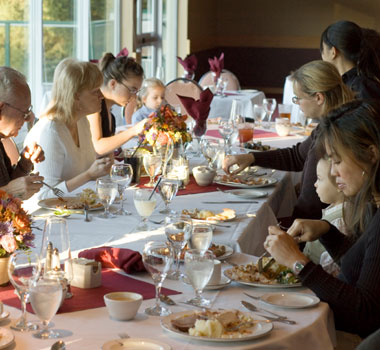
Everyone is eating lunch .
Alle essen zu Mittag 0
Mọi người đang ăn trưa .
大家 在 吃 午饭 。
Dàjiā zài chī wǔfàn.
みんな昼食をとっています。
Min'na chūshoku o totte imasu.
모두가 점심을 먹고 있습니다.
moduga jeomsim-eul meoggo issseubnida.
(VI)
(ZH)
(JA)
0034
[EN] [DE] [NL] [ES] [FR] [IT] [TH] [VI] [ZH]
|
RANDOM
这部手机可以拨打国际电话。

This cell phone can make international calls .
Mit diesem Mobiltelefon können internationale Anrufe getätigt werden 0
Điện thoại di động này có thể thực hiện các cuộc gọi quốc tế .
这 部手机 可以 拨打 国际 电话 。
Zhè bù shǒujī kěyǐ bōdǎ guójì diànhuà.
この携帯電話は国際電話をかけることができます。
Kono geitaidenwa wa kokusai denwa o kakeru koto ga dekimasu.
이 휴대 전화는 국제 전화를 걸 수 있습니다.
i hyudae jeonhwaneun gugje jeonhwaleul geol su issseubnida.
(VI)
(ZH)
(JA)
0042
[EN] [DE] [NL] [ES] [FR] [IT] [TH] [VI] [ZH]
|
RANDOM
长城是七大奇迹之一。

The Great Wall is one of the seven wonders of the world .
Die Große Mauer ist eines der Sieben Weltwunder 0
Vạn Lý Trường Thành là một trong bảy kỳ quan của thế giới .
长城 是 七大 奇迹 之一 。
Chángchéng shì qī dà qíjì zhī yī.
万里の長城は7つの驚異の1つです。
Banrinochōjō wa 7tsu no kyōi no 1tsudesu.
만리장성은 7대 불가사의 중 하나입니다.
manlijangseong-eun 7dae bulgasaui jung hanaibnida.
(VI)
(ZH)
(JA)
0083
[EN] [DE] [NL] [ES] [FR] [IT] [TH] [VI] [ZH]
|
RANDOM
要把握每次面试的机会。

One must seize the chance of each interview .
Man muss jedes Gespräch als Gelegenheit nutzen 0
Người ta phải nắm bắt cơ hội của mỗi cuộc phỏng vấn .
要 把握 每次 面试 的 机会 。
Yào bǎwò měi cì miànshì de jīhuì.
すべての面接の機会をつかみます。
Subete no mensetsu no kikai o tsukamimasu.
모든 인터뷰의 기회를 잡으십시오.
modeun inteobyuui gihoeleul jab-eusibsio.
(VI)
(ZH)
(JA)
0163
[EN] [DE] [NL] [ES] [FR] [IT] [TH] [VI] [ZH]
|
RANDOM
我有一百块钱。

I have got one hundred RMB .
Ich habe hundert RMB 0
Tôi có một trăm RMB .
我 有 一百块 钱 。
Wǒ yǒu yībǎi kuài qián.
私は百ドル持っています。
Watashi wa hyaku-doru motte imasu.
100달러가 있습니다.
100dalleoga issseubnida.
(VI)
(ZH)
(JA)
0221
[EN] [DE] [NL] [ES] [FR] [IT] [TH] [VI] [ZH]
|
RANDOM
我有一千美金。

I have got one thousand U .S . dollars .
Ich habe tausend amerikanische Dollar 0
Tôi có một nghìn đô la Mỹ .
我 有 一千 美金 。
Wǒ yǒu yīqiān Měijīn.
私は千ドル持っています。
Watashi wa sen-doru motte imasu.
나는 천 달러가 있습니다.
naneun cheon dalleoga issseubnida.
(VI)
(ZH)
(JA)
0222
[EN] [DE] [NL] [ES] [FR] [IT] [TH] [VI] [ZH]
|
RANDOM
我今天花了很多钱。

I spent a lot of money today .
Ich habe heute sehr viel Geld ausgegeben 0
Tôi đã tiêu rất nhiều tiền trong ngày hôm nay .
我 今天 花 了 很多 钱 。
Wǒ jīntiān huāle hěn duō qián.
今日はたくさんのお金を使いました。
Kyō wa takusan no okane o tsukaimashita.
나는 오늘 많은 돈을 썼다.
naneun oneul manh-eun don-eul sseossda.
(VI)
(ZH)
(JA)
0256
[EN] [DE] [NL] [ES] [FR] [IT] [TH] [VI] [ZH]
|
RANDOM
这有很多钱。

There is a lot of money here .
Hier ist sehr viel Geld 0
Có rất nhiều tiền ở đây 0
这有 很多 钱 。
Zhè yǒu hěn duō qián.
これはたくさんのお金です。
Kore wa takusan no okanedesu.
이것은 많은 돈입니다.
igeos-eun manh-eun don-ibnida.
(VI)
(ZH)
(JA)
0277
[EN] [DE] [NL] [ES] [FR] [IT] [TH] [VI] [ZH]
|
RANDOM
这是我的电话号码。

This is my telephone number .
Dies ist meine Telefonnummer 0
Đây là số điện thoại của tôi .
这 是 我 的 电话号码 。
Zhè shì wǒ de diànhuà hàomǎ.
これは私の電話番号です。
Kore wa watashi no tenwabangōdesu.
제 전화번호입니다.
je jeonhwabeonhoibnida.
(VI)
(ZH)
(JA)
0282
[EN] [DE] [NL] [ES] [FR] [IT] [TH] [VI] [ZH]
|
RANDOM
一加一等于二。

One plus one equals two .
Eins plus eins ist zwei 0
Một cộng một bằng hai .
一加 一 等于 二 。
Yī jiā yī děngyú èr.
1プラス1は2に等しい。
1 Purasu 1 wa 2 ni hitoshī.
1 더하기 1은 2와 같습니다.
1 deohagi 1eun 2wa gatseubnida.
(VI)
(ZH)
(JA)
0329
[EN] [DE] [NL] [ES] [FR] [IT] [TH] [VI] [ZH]
|
RANDOM
请大家面对镜头。

Everyone please face the camera .
Bitte schauen Sie alle in die Kamera 0
Mọi người hãy quay mặt về phía máy ảnh .
请 大家 面对 镜头 。
Qǐng dàjiā miànduì jìngtóu.
カメラに向かってください。
Kamera ni mukatte kudasai.
카메라를 향해주세요.
kamelaleul hyanghaejuseyo.
(VI)
(ZH)
(JA)
0331
[EN] [DE] [NL] [ES] [FR] [IT] [TH] [VI] [ZH]
|
RANDOM
其中的高个子就是我哥哥。

The tall one of the group is my older brother .
Der Größte in der Gruppe ist mein älterer Bruder 0
Người cao nhất trong nhóm là anh trai tôi .
其中 的 高个子 就是 我 哥哥 。
Qízhōng de gāogèzi jiù shì wǒ gēge.
その中の背の高い男は私の兄です。
Sono Chū no senotakai otoko wa watashi no anidesu.
그 중 키가 큰 사람은 내 동생이다.
geu jung kiga keun salam-eun nae dongsaeng-ida.
(VI)
(ZH)
(JA)
0341
[EN] [DE] [NL] [ES] [FR] [IT] [TH] [VI] [ZH]
|
RANDOM
有人进去了。

Someone went in .
Jemand ist hineingegangen 0 (oder; Jemand ist eingebrochen .)
Có người đã vào .
有人 进去 了 。
Yǒu rén jìnqù le.
誰かが入った。
Dareka ga haitta.
누군가 들어갔습니다.
nugunga deul-eogassseubnida.
(VI)
(ZH)
(JA)
0353
[EN] [DE] [NL] [ES] [FR] [IT] [TH] [VI] [ZH]
|
RANDOM
办公室里安装了电话。

A phone has been installed in the office .
Im Büro wurde ein Telefon installiert 0
Một điện thoại đã được cài đặt trong văn phòng .
办公室 里 安装 了 电话 。
Bàngōngshì lǐ ānzhuāngle diànhuà.
電話はオフィスに設置されています。
Denwa wa ofisu ni setchi sa rete imasu.
전화기는 사무실에 설치되어 있습니다.
jeonhwagineun samusil-e seolchidoeeo issseubnida.
(VI)
(ZH)
(JA)
0423
[EN] [DE] [NL] [ES] [FR] [IT] [TH] [VI] [ZH]
|
RANDOM
请接一下电话。

Please answer the phone .
Bitte gehen Sie ans Telefon 0
Vui lòng trả lời điện thoại 0
请接 一下 电话 。
Qǐng jiē yīxià diànhuà.
電話に出てください。
Denwa ni dete kudasai.
전화를 받으십시오.
jeonhwaleul bad-eusibsio.
(VI)
(ZH)
(JA)
0432
[EN] [DE] [NL] [ES] [FR] [IT] [TH] [VI] [ZH]
|
RANDOM
我能从一数到十。

I can count from one to ten .
Ich kann von eins bis zehn zählen 0
Tôi có thể đếm từ một đến mười .
我能 从 一数 到 十 。
Wǒ néng cóng yī shǔ dào shí.
私は1から10まで数えることができます。
Watashi wa 1 kara 10 made kazoeru koto ga dekimasu.
나는 하나에서 열까지 셀 수 있습니다.
naneun hana-eseo yeolkkaji sel su issseubnida.
(VI)
(ZH)
(JA)
0456
[EN] [DE] [NL] [ES] [FR] [IT] [TH] [VI] [ZH]
|
RANDOM
大家在月台上等候上车。
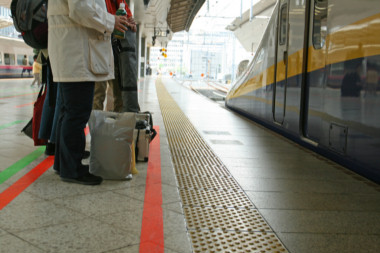
Everyone is waiting on the platform to board the train .
Alle warten auf dem Bahnsteig , um in den Zug einzusteigen 0
Mọi người đang đợi trên sân ga để lên tàu .
大家 在 月 台上 等候 上车 。
Dàjiā zài yuètái shàng děnghòu shàngchē.
みんながホームで電車に乗るのを待っていました。
Min'na ga hōmu de denshaninoru no o matte imashita.
모두가 플랫폼에서 기차를 타기 위해 기다리고 있었습니다.
moduga peullaespom-eseo gichaleul tagi wihae gidaligo iss-eossseubnida.
(VI)
(ZH)
(JA)
0468
[EN] [DE] [NL] [ES] [FR] [IT] [TH] [VI] [ZH]
|
RANDOM
作业做完了。

Homework is done !
Die Hausaufgaben sind erledigt !
Bài tập về nhà đã xong !
作业 做 完 了 。
Zuòyè zuòwán le.
宿題は終わりました。
Shukudai wa owarimashita.
숙제가 끝났습니다.
sugjega kkeutnassseubnida.
(VI)
(ZH)
(JA)
0472
[EN] [DE] [NL] [ES] [FR] [IT] [TH] [VI] [ZH]
|
RANDOM
我去ATM取款。

I go to withdraw money from an ATM .
Ich gehe zum Geldautomaten und hebe Geld ab 0
Tôi đi rút tiền từ máy ATM .
我 去 ATM 取款 。
Wǒ qù ATM qǔkuǎn.
お金を引き出すためにATMに行きます。
Okane o hikidasu tame ni ATM ni ikimasu.
나는 돈을 인출하기 위해 ATM에 간다.
naneun don-eul inchulhagi wihae ATMe ganda.
(VI)
(ZH)
(JA)
0484
[EN] [DE] [NL] [ES] [FR] [IT] [TH] [VI] [ZH]
|
RANDOM
妹妹去海边捡石头。
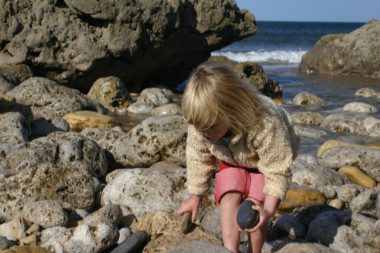
My younger sister has gone to the seashore to collect stones .
Meine jüngere Schwester ging an die Meeresküste , um Steine zu sammeln 0
Em gái tôi đã ra bờ biển để nhặt đá .
妹妹 去 海边 捡 石头 。
Mèimei qù hǎibiān jiǎn shítou.
姉は岩を拾うためにビーチに行きました。
Ane wa iwa o hirou tame ni bīchi ni ikimashita.
내 여동생은 돌을 주우러 해변에 갔다.
nae yeodongsaeng-eun dol-eul juuleo haebyeon-e gassda.
(VI)
(ZH)
(JA)
0509
[EN] [DE] [NL] [ES] [FR] [IT] [TH] [VI] [ZH]
|
RANDOM
他们一个在做,另一个在看。
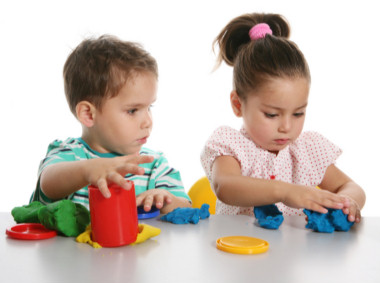
One of them is doing and the other is watching .
Einer von ihnen macht es , der andere schaut zu 0
Một trong số họ đang làm và người kia đang xem .
他们 一个 在 做 , 另 一个 在 看 。
Tāmen yī gè zài zuò, lìng yī gè zài kàn.
そのうちの1人はそれをやっていて、もう1人は見ています。
Sonōchi no 1-ri wa sore o yatte ite, mō 1-ri wa mite imasu.
그들 중 하나는 그것을 하고 있고 다른 하나는 지켜보고 있습니다.
geudeul jung hananeun geugeos-eul hago issgo daleun hananeun jikyeobogo issseubnida.
(VI)
(ZH)
(JA)
0566
[EN] [DE] [NL] [ES] [FR] [IT] [TH] [VI] [ZH]
|
RANDOM
她们提供电话服务。

They provide telephone service .
Sie bieten einen Telefondienst an 0
Họ cung cấp dịch vụ điện thoại .
她们 提供 电话 服务 。
Tāmen tígōng diànhuà fúwù.
彼らは電話サービスを提供します。
Karera wa denwa sābisu o teikyō shimasu.
그들은 전화 서비스를 제공합니다.
geudeul-eun jeonhwa seobiseuleul jegonghabnida.
(VI)
(ZH)
(JA)
0577
[EN] [DE] [NL] [ES] [FR] [IT] [TH] [VI] [ZH]
|
RANDOM
大家都站着。

Everyone is standing .
Alle stehen 0
Mọi người đang đứng .
大家 都 站 着 。
Dàjiā dōu zhànzhe.
みんな立っている。
Min'na tatte iru.
모두가 서 있다.
moduga seo issda.
(VI)
(ZH)
(JA)
0595
[EN] [DE] [NL] [ES] [FR] [IT] [TH] [VI] [ZH]
|
RANDOM
一人说一句。

Each of you say one sentence .
Jeder von euch sagt einen Satz 0
Mỗi bạn nói một câu .
一人 说 一句 。
Yī rén shuō yī jù.
一人が一文言った。
Hitori ga ichimon itta.
한 사람이 한 문장을 말했습니다.
han salam-i han munjang-eul malhaessseubnida.
(VI)
(ZH)
(JA)
0608
[EN] [DE] [NL] [ES] [FR] [IT] [TH] [VI] [ZH]
|
RANDOM
请告诉我电话号码。

Please tell me the telephone number .
Bitte teilen Sie mir die Telefonnummer mit 0
Xin vui lòng cho tôi biết số điện thoại .
请 告诉 我 电话号码 。
Qǐng gàosù wǒ diànhuà hàomǎ.
電話番号を教えてください。
Tenwabangō o oshietekudasai.
전화번호를 알려주세요.
jeonhwabeonholeul allyeojuseyo.
(VI)
(ZH)
(JA)
0622
[EN] [DE] [NL] [ES] [FR] [IT] [TH] [VI] [ZH]
|
RANDOM
你有一米高了。

You are already one meter tall .
Du bist schon einen Meter groß 0
Bạn đã cao một mét .
你 有 一米 高 了 。
Nǐ yǒu yī mǐ gāo le.
あなたの身長は1メートルです。
Anata no shinchō wa 1 mētorudesu.
키가 1미터입니다.
kiga 1miteoibnida.
(VI)
(ZH)
(JA)
0624
[EN] [DE] [NL] [ES] [FR] [IT] [TH] [VI] [ZH]
|
RANDOM
我赚了一笔钱。

I have made some money .
Ich habe etwas Geld verdient 0
Tôi đã kiếm được một số tiền .
我 赚 了 一笔 钱 。
Wǒ zhuàn le yī bǐ qián.
私は大金を稼いだ。
Watashi wa taikin o kaseida.
나는 돈을 벌었다.
naneun don-eul beol-eossda.
(VI)
(ZH)
(JA)
0634
[EN] [DE] [NL] [ES] [FR] [IT] [TH] [VI] [ZH]
|
RANDOM
她靠这些钱生活。

She lives off this money .
Sie lebt von diesem Geld 0
Cô ấy sống nhờ số tiền này .
她 靠 这些 钱 生活 。
Tā kào zhèxiē qián shēnghuó.
彼女はお金で暮らしています。
Kanojo wa okane de kurashite imasu.
그녀는 돈으로 산다.
geunyeoneun don-eulo sanda.
(VI)
(ZH)
(JA)
0644
[EN] [DE] [NL] [ES] [FR] [IT] [TH] [VI] [ZH]
|
RANDOM
我们需要互相帮助。
We need to help one another .
Wir müssen uns gegenseitig helfen 0
Chúng ta cần giúp đỡ lẫn nhau .
我们 需要 互相帮助 。
Wǒmen xūyào hùxiāng bāngzhù.
私たちは互いに助け合う必要があります。
Watashitachi wa tagaini tasukeau hitsuyō ga arimasu.
우리는 서로를 도와야 합니다.
ulineun seololeul dowaya habnida.
(VI)
(ZH)
(JA)
0654
[EN] [DE] [NL] [ES] [FR] [IT] [TH] [VI] [ZH]
|
RANDOM
大家坐在桌子旁边。

Everyone is sitting at the table .
Jeder sitzt am Tisch 0
Mọi người đang ngồi vào bàn 0
大家 坐在 桌子 旁边 。
Dàjiā zuò zài zhuōzi pángbiān.
誰もがテーブルに座っています。
Daremoga tēburu ni suwatte imasu.
모두가 테이블에 앉아 있습니다.
moduga teibeul-e anj-a issseubnida.
(VI)
(ZH)
(JA)
0671
[EN] [DE] [NL] [ES] [FR] [IT] [TH] [VI] [ZH]
|
RANDOM
他在修理空调机。
He is repairing the air-conditioner .
Er repariert die Klimaanlage 0
Anh ấy đang sửa máy lạnh 0
他 在 修理 空调机 。
Tā zài xiūlǐ kōngtiáojī.
彼はエアコンを修理している。
Kare wa eakon o shūri shite iru.
그는 에어컨을 수리하고 있다
geuneun eeokeon-eul sulihago issda.
(VI)
(ZH)
(JA)
0700
[EN] [DE] [NL] [ES] [FR] [IT] [TH] [VI] [ZH]
|
RANDOM
手机在充电。
The mobile phone is being charged .
Das Mobiltelefon wird gerade aufgeladen 0
Điện thoại di động đang được sạc .
手机 在 充电 。
Shǒujī zài chōngdiàn.
電話は充電中です。
Denwa wa jūden-chūdesu.
전화가 충전 중입니다.
jeonhwaga chungjeon jung-ibnida.
(VI)
(ZH)
(JA)
0715
[EN] [DE] [NL] [ES] [FR] [IT] [TH] [VI] [ZH]
|
RANDOM
儿子每天存一块钱。

My son saves one yuan every day .
Mein Sohn spart jeden Tag einen Yuan 0
Con trai tôi tiết kiệm một nhân dân tệ mỗi ngày .
儿子 每天 存 一块钱 。
Érzi měi tiān cún yī kuài qián.
息子は毎日1ドル節約します。
Musuko wa mainichi 1-doru setsuyaku shimasu.
아들은 매일 1달러를 저축합니다.
adeul-eun maeil 1dalleoleul jeochughabnida.
(VI)
(ZH)
(JA)
0770
[EN] [DE] [NL] [ES] [FR] [IT] [TH] [VI] [ZH]
|
RANDOM
我认识他们之中的某一个人。

I know one of those people .
Ich kenne eine dieser Personen 0
Tôi biết một trong những người đó .
我 认识 他们 之中 的 某 一个 人 。
Wǒ rènshi tāmen zhī zhōng de mǒu yī gè rén.
私はそれらの1つを知っています。
Watashi wa sorera no 1tsu o shitte imasu.
나는 그들 중 하나를 알고 있습니다.
naneun geudeul jung hanaleul algo issseubnida.
(VI)
(ZH)
(JA)
0850
[EN] [DE] [NL] [ES] [FR] [IT] [TH] [VI] [ZH]
|
RANDOM
他是公司的当权者。

In the company he is the one with the power .
Er ist derjenige mit der Macht in der Firma 0
Trong công ty anh ấy là người có quyền lực .
他 是 公司 的 当权者 。
Tā shì gōngsī de dāngquánzhě.
彼は会社の責任者です。
Kare wa kaisha no sekininshadesu.
그는 회사의 책임자입니다.
geuneun hoesaui chaeg-imjaibnida.
(VI)
(ZH)
(JA)
0857
[EN] [DE] [NL] [ES] [FR] [IT] [TH] [VI] [ZH]
|
RANDOM
作文只写了一段。

Only one paragraph of the composition has been written .
Von dem Aufsatz ist nur ein Absatz geschrieben worden 0
Chỉ có một đoạn của bố cục đã được viết .
作文 只 写 了 一段 。
Zuòwén zhǐ xiěle yī duàn.
作曲には1段落しか書かれていませんでした。
Sakkyoku ni wa 1 danraku shika kaka rete imasendeshita.
작문에는 단 한 단락만 작성되었습니다.
jagmun-eneun dan han danlagman jagseongdoeeossseubnida.
(VI)
(ZH)
(JA)
0864
[EN] [DE] [NL] [ES] [FR] [IT] [TH] [VI] [ZH]
|
RANDOM
她跑了一段路。

She's running one section of road .
Sie läuft einen Abschnitt der Straße 0
Cô ấy đang chạy một đoạn đường .
她 跑 了 一段路 。
Tā pǎole yī duàn lù.
彼女はしばらく走った。
Kanojo wa shibaraku hashitta.
그녀는 잠시 달렸다.
geunyeoneun jamsi dallyeossda.
(VI)
(ZH)
(JA)
0865
[EN] [DE] [NL] [ES] [FR] [IT] [TH] [VI] [ZH]
|
RANDOM
很多人都追求金钱。

Many people pursue money .
Viele Menschen sind auf der Suche nach Geld 0
Nhiều người theo đuổi tiền bạc 0
很多 人 都 追求 金钱 。
Hěn duō rén dōu zhuīqiú jīnqián.
多くの人がお金を求めています。
Ōku no hito ga okane o motomete imasu.
많은 사람들이 돈을 쫓습니다.
manh-eun salamdeul-i don-eul jjochseubnida.
(VI)
(ZH)
(JA)
0866
[EN] [DE] [NL] [ES] [FR] [IT] [TH] [VI] [ZH]
|
RANDOM
摇滚乐是西洋音乐的一种。

Rock and roll is one form of Western music .
Rock and Roll ist ein westlicher Musikstil 0
Rock and roll là một trong những hình thức âm nhạc phương Tây .
摇滚乐 是 西洋 音乐 的 一种 。
Yáogǔnyuè shì Xīyáng yīnyuè de yī zhǒng.
ロックミュージックは西洋音楽の一種です。
Rokkumyūjikku wa seiyō ongaku no isshudesu.
록 음악은 서양 음악의 일종입니다.
log eum-ag-eun seoyang eum-ag-ui iljong-ibnida.
(VI)
(ZH)
(JA)
0869
[EN] [DE] [NL] [ES] [FR] [IT] [TH] [VI] [ZH]
|
RANDOM
拐角处有一个电话亭。

There is a telephone booth at the corner .
Es gibt eine Telefonzelle an der Ecke 0
Có một bốt điện thoại ở góc .
拐角处 有 一个 电话亭 。
Guǎijiǎochù yǒu yī gè diànhuàtíng.
角を曲がったところに電話ブースがあります。
Tsuno o magatta tokoro ni denwa būsu ga arimasu.
모퉁이를 돌면 전화 부스가 있습니다.
motung-ileul dolmyeon jeonhwa buseuga issseubnida.
(VI)
(ZH)
(JA)
0968
[EN] [DE] [NL] [ES] [FR] [IT] [TH] [VI] [ZH]
|
RANDOM
他拥有很多财富。

He's got a lot of money .
Er hat viel Geld 0
Anh ta có rất nhiều tiền 0
他 拥有 很多 财富 。
Tā yōngyǒu hěn duō cáifù.
彼はたくさんの富を持っています。
Kare wa takusan no tomi o motte imasu.
그는 많은 재산을 가지고 있습니다.
geuneun manh-eun jaesan-eul gajigo issseubnida.
(VI)
(ZH)
(JA)
0989
[EN] [DE] [NL] [ES] [FR] [IT] [TH] [VI] [ZH]
|
RANDOM
大家聚集在一起。

Everyone gathered together .
Alle kommen zusammen 0
Mọi người tập trung đông đủ 0
大家 聚集 在 一起 。
Dàjiā jùjí zài yīqǐ.
みんなが集まる。
Min'na ga atsumaru.
모두가 함께 모입니다.
moduga hamkke moibnida.
(VI)
(ZH)
(JA)
1025
[EN] [DE] [NL] [ES] [FR] [IT] [TH] [VI] [ZH]
|
RANDOM
人人都要遵守交通规则。

Everyone must follow the traffic regulations .
Jeder muß die Verkehrsregeln befolgen 0
Mọi người nên tuân thủ các quy định về giao thông .
人人 都 要 遵守 交通规则 。
Rénrén dōu yào zūnshǒu jiāotōng guīzé.
誰もが交通規則に従わなければなりません。
Daremoga kōtsū kisoku ni shitagawanakereba narimasen.
모든 사람은 교통 규칙을 준수해야 합니다.
modeun salam-eun gyotong gyuchig-eul junsuhaeya habnida.
(VI)
(ZH)
(JA)
1057
[EN] [DE] [NL] [ES] [FR] [IT] [TH] [VI] [ZH]
|
RANDOM
他仅有一朵花。

He only has one flower .
Er hat nur eine Blume 0
Anh ấy chỉ có một bông hoa .
他 仅 有 一朵花 。
Tā jǐn yǒu yī duǒ huā.
彼は花を一本しか持っていません。
Kare wa hana o ichi-pon shika motte imasen.
그는 단 하나의 꽃을 가지고 있습니다.
geuneun dan hanaui kkoch-eul gajigo issseubnida.
(VI)
(ZH)
(JA)
1070
[EN] [DE] [NL] [ES] [FR] [IT] [TH] [VI] [ZH]
|
RANDOM
大家仿效老师的动作来练习。

Everyone is copying the teacher's movements .
Alle üben , indem sie die Bewegungen des Lehrers nachahmen 0
Mọi người đang sao chép các động tác của giáo viên .
大家 仿效 老师 的 动作 来 练习 。
Dàjiā fǎngxiào lǎoshī de dòngzuò lái liànxí.
誰もが練習する教師の動きを模倣します。
Daremoga renshū suru kyōshi no ugoki o mohō shimasu.
모두 선생님의 동작을 따라 연습합니다.
modu seonsaengnim-ui dongjag-eul ttala yeonseubhabnida.
(VI)
(ZH)
(JA)
1101
[EN] [DE] [NL] [ES] [FR] [IT] [TH] [VI] [ZH]
|
RANDOM
爸爸赚钱养家。

Dad earns money to support the family .
Der Vater verdient Geld , um die Familie zu unterstützen 0
Bố kiếm tiền nuôi gia đình 0
爸爸 赚钱 养家 。
Bàba zhuànqián yǎngjiā.
お父さんは家族を養うためにお金を稼ぎます。
Otōsan wa kazoku o yashinau tame ni okane o kasegimasu.
아빠는 가족을 부양하기 위해 돈을 번다.
appaneun gajog-eul buyanghagi wihae don-eul beonda.
(VI)
(ZH)
(JA)
1117
[EN] [DE] [NL] [ES] [FR] [IT] [TH] [VI] [ZH]
|
RANDOM
这个月的薪水还有剩余。

There is still money left over from this month's salary .
Es ist noch Geld vom Monatsgehalt übrig 0
Tiền lương tháng này chưa tiêu hết .
这个 月 的 薪水 还有 剩余 。
Zhège yuè de xīnshui hái yǒu shèngyú.
今月の給料はまだ残っています。
Kongetsu no kyūryō wa mada nokotte imasu.
이번달 월급이 아직 남아있습니다.
ibeondal wolgeub-i ajig nam-aissseubnida.
(VI)
(ZH)
(JA)
1127
[EN] [DE] [NL] [ES] [FR] [IT] [TH] [VI] [ZH]
|
RANDOM
大家的表现都很优秀。

Everyone's performance was excellent .
Wir haben alle sehr gut gearbeitet 0
Mọi người đều thực hiện rất xuất sắc .
大家 的 表现 都 很 优秀 。
Dàjiā de biǎoxiàn dōu hěn yōuxiù.
誰もが非常にうまくいった。
Daremoga hijō ni umaku itta.
모두 아주 잘 수행했습니다.
modu aju jal suhaenghaessseubnida.
(VI)
(ZH)
(JA)
1145
[EN] [DE] [NL] [ES] [FR] [IT] [TH] [VI] [ZH]
|
RANDOM
一升油多少钱?

How much does one liter of oil cost ?
Wie viel kostet ein Liter Öl ?
Giá một lít dầu là bao nhiêu ?
一升油 多少 钱 ?
Yī shēng yóu duōshaoqián?
オイル1リットルはいくらですか?
Oiru 1-rittoru wa ikuradesu ka?
기름 1리터는 얼마인가요?
gileum 1liteoneun eolmaingayo?
(VI)
(ZH)
(JA)
1149
[EN] [DE] [NL] [ES] [FR] [IT] [TH] [VI] [ZH]
|
RANDOM
大家都应该遵守法律条款。

Everyone should follow the law .
Jeder sollte dem Gesetz folgen 0
Mọi người nên tuân theo pháp luật .
大家 都 应该 遵守 法律 条款 。
Dàjiā dōu yīnggāi zūnshǒu fǎlǜ tiáokuǎn.
誰もが法的条件を遵守する必要があります。
Daremoga hōteki jōken o junshu suru hitsuyō ga arimasu.
모든 사람은 법적 조건을 준수해야 합니다.
modeun salam-eun beobjeog jogeon-eul junsuhaeya habnida.
(VI)
(ZH)
(JA)
1160
[EN] [DE] [NL] [ES] [FR] [IT] [TH] [VI] [ZH]
|
RANDOM
老师给孩子们上了一堂课。

The teacher taught the children one lesson .
Der Lehrer brachte den Kindern eine Lektion bei 0
Cô giáo đã dạy bọn trẻ một bài học .
老师 给 孩子 们 上 了 一堂课 。
Lǎoshī gěi háizimen shàngle yī táng kè.
先生は子供たちにレッスンをしました。
Sensei wa kodomo-tachi ni ressun o shimashita.
선생님은 아이들에게 교훈을 주었습니다.
seonsaengnim-eun aideul-ege gyohun-eul jueossseubnida.
(VI)
(ZH)
(JA)
1187
[EN] [DE] [NL] [ES] [FR] [IT] [TH] [VI] [ZH]
|
RANDOM
这些石头的形状不同。

These stones differ in shape .
Diese Steine unterscheiden sich in der Form 0
Những viên đá này khác nhau về hình dạng .
这些 石头 的 形状 不同 。
Zhèxiē shítou de xíngzhuàng bùtóng.
これらの石の形は異なります。
Korera no ishi no katachi wa kotonarimasu.
이 돌의 모양은 다릅니다.
i dol-ui moyang-eun daleubnida.
(VI)
(ZH)
(JA)
1194
[EN] [DE] [NL] [ES] [FR] [IT] [TH] [VI] [ZH]
|
RANDOM
大家拍手表示赞同。

Everyone applauds in agreement .
Alle applaudieren zustimmend 0
Mọi người đều vỗ tay đồng tình .
大家 拍手 表示 赞同 。
Dàjiā pāishǒu biǎoshì zàntóng.
全員が同意して手をたたいた。
Zen'in ga dōi shite te o tataita.
모두 손뼉을 쳤다.
modu sonppyeog-eul chyeossda.
(VI)
(ZH)
(JA)
1329
[EN] [DE] [NL] [ES] [FR] [IT] [TH] [VI] [ZH]
|
RANDOM
他怀疑事情出了问题。

He suspects something has gone wrong .
Er vermutet , dass etwas schief gelaufen ist 0
Anh ta nghi ngờ có điều gì đó không ổn .
他 怀疑 事情 出 了 问题 。
Tā huáiyí shìqing chūle wèntí.
彼は何かがうまくいかなかったのではないかと疑った。
Kare wa nanika ga umaku ikanakatta node wanai ka to utagatta.
그는 뭔가 잘못되었다고 의심했습니다.
geuneun mwonga jalmosdoeeossdago uisimhaessseubnida.
(VI)
(ZH)
(JA)
1355
[EN] [DE] [NL] [ES] [FR] [IT] [TH] [VI] [ZH]
|
RANDOM
他去邮局给家里汇款。

He is going to the post office to remit some money to his family .
Er geht zur Post , um etwas Geld an seine Familie zu überweisen 0
Anh ấy sẽ đến bưu điện để chuyển một số tiền cho gia đình anh ấy .
他 去 邮局 给家 里 汇款 。
Tā qù yóujú gěi jiāli huìkuǎn.
彼は家族に送金するために郵便局へ行くところです。
Kare wa kazoku ni sōkin suru tame ni yūbinkyoku e iku tokorodesu.
그는 집으로 돈을 보내기 위해 우체국에 갔다.
geuneun jib-eulo don-eul bonaegi wihae uchegug-e gassda.
(VI)
(ZH)
(JA)
1408
[EN] [DE] [NL] [ES] [FR] [IT] [TH] [VI] [ZH]
|
RANDOM
每个人都热烈地参与讨论。

Everyone is participating actively in the discussion .
Jeder nimmt aktiv an der Diskussion teil 0
Mọi người đều đang tham gia thảo luận rất sôi nổi .
每个 人 都 热烈 地 参与 讨论 。
Měi gè rén dōu rèliè de cānyù tǎolùn.
皆さん、積極的に議論に参加されています。
Minasan, sekkyokutekini giron ni sanka sa rete imasu.
모두가 열정적으로 토론에 참여했습니다.
moduga yeoljeongjeog-eulo tolon-e cham-yeohaessseubnida.
(VI)
(ZH)
(JA)
1433
[EN] [DE] [NL] [ES] [FR] [IT] [TH] [VI] [ZH]
|
RANDOM
要节省用钱。

Be frugal with your money .
Sei sparsam mit deinem Geld 0
Bạn nên tiết kiệm
要 节省 用钱 。
Yào jiéshěng yòng qián.
お金には倹約を
Okane ni wa ken'yaku o.
돈을 절약하기 위해.
don-eul jeol-yaghagi wihae.
(VI)
(ZH)
(JA)
1442
[EN] [DE] [NL] [ES] [FR] [IT] [TH] [VI] [ZH]
|
RANDOM
大家高兴地扬手欢呼。

Everyone is happily waving their hands and shouting .
Alle heben die Hände und jubeln fröhlich 0
Mọi người đều vui vẻ vẫy tay và hò hét .
大家 高兴 地 扬手 欢呼 。
Dàjiā gāoxìng de yángshǒu huānhū.
皆さん、楽しそうに手を振って、声を出しています。
Minasan, tanoshi-sō ni te o futte,-goe o dashite imasu.
모두들 손을 들고 환호성을 질렀다.
modudeul son-eul deulgo hwanhoseong-eul jilleossda.
(VI)
(ZH)
(JA)
1465
[EN] [DE] [NL] [ES] [FR] [IT] [TH] [VI] [ZH]
|
RANDOM
这是我的电话号码。

This is my telephone number .
Hier ist meine Telefonnummer 0
Đây là số điện thoại của tôi .
这 是 我 的 电话号码 。
Zhè shì wǒ de diànhuà hàomǎ.
これは私の電話番号です。
Kore wa watashi no tenwabangōdesu.
제 전화번호입니다.
je jeonhwabeonhoibnida.
(VI)
(ZH)
(JA)
1474
[EN] [DE] [NL] [ES] [FR] [IT] [TH] [VI] [ZH]
|
RANDOM
纸币散开了。

The paper money is scattered .
Die Geldscheine sind verstreut 0
Tiền giấy nằm rải rác .
纸币 散开 了 。
Zhǐbì sànkāi le.
紙幣はバラバラになりました。
Shihei wa barabara ni narimashita.
지폐가 무너졌습니다.
jipyega muneojyeossseubnida.
(VI)
(ZH)
(JA)
1534
[EN] [DE] [NL] [ES] [FR] [IT] [TH] [VI] [ZH]
|
RANDOM
大家被召集到这里开会。

Everyone has been gathered for a meeting here .
Alle wurden zu einem Treffen hier versammelt 0
Tất cả mọi người đã được tập trung cho một cuộc họp ở đây .
大家 被 召集 到 这 里 开会 。
Dàjiā bèi zhàojí dào zhèli kāihuì.
全員がここに会議のために呼ばれました。
Zen'in ga koko ni kaigi no tame ni yoba remashita.
모두가 회의를 위해 여기로 부름을 받았습니다.
moduga hoeuileul wihae yeogilo buleum-eul bad-assseubnida.
(VI)
(ZH)
(JA)
1549
[EN] [DE] [NL] [ES] [FR] [IT] [TH] [VI] [ZH]
|
RANDOM
她戴着耳机听音乐。

She wears headphones to listen to music .
Zum Musikhören trägt sie Kopfhörer 0
Cô ấy nghe nhạc bằng tai nghe .
她 戴 着 耳机 听 音乐 。
Tā dài zhe ěrjī tīng yīnyuè.
彼女はヘッドホンで音楽を聴いています。
Kanojo wa heddohon de ongaku o kiite imasu.
그녀는 헤드폰으로 음악을 듣고 있습니다.
geunyeoneun hedeupon-eulo eum-ag-eul deudgo issseubnida.
(VI)
(ZH)
(JA)
1555
[EN] [DE] [NL] [ES] [FR] [IT] [TH] [VI] [ZH]
|
RANDOM
他把电话挂上了。

He hung up the phone .
Er legte auf 0
Anh ta cúp máy .
他 把 电话 挂 上 了 。
Tā bǎ diànhuà guàshang le.
彼は電話を切った。
Kare wa denwa o kitta.
그는 전화를 끊었다.
geuneun jeonhwaleul kkeunh-eossda.
(VI)
(ZH)
(JA)
1591
[EN] [DE] [NL] [ES] [FR] [IT] [TH] [VI] [ZH]
|
RANDOM
大家兴奋得欢呼起来。

Everyone got so excited they started to cheer .
Alle jubeln begeistert 0
Mọi người đều rất phấn khích và bắt đầu cổ vũ .
大家 兴奋 得 欢呼 起来 。
Dàjiā xīngfèn de huānhū qǐlái.
みんな興奮して歓声を上げました。
Min'na kōfun shite kansei o agemashita.
모두들 들뜬 마음으로 환호성을 질렀다.
modudeul deultteun ma-eum-eulo hwanhoseong-eul jilleossda.
(VI)
(ZH)
(JA)
1600
[EN] [DE] [NL] [ES] [FR] [IT] [TH] [VI] [ZH]
|
RANDOM
人有强烈的金钱欲望。

People have a strong desire for money .
Die Menschen haben ein starkes Verlangen nach Geld 0
Con người có ham muốn tiền bạc mạnh mẽ .
人有 强烈 的 金钱 欲望 。
Rén yǒu qiángliè de jīnqián yùwàng.
人々はお金に対する強い欲求を持っています。
Hitobito wa okane ni taisuru tsuyoi yokkyū o motte imasu.
사람들은 돈에 대한 강한 욕망을 가지고 있습니다.
salamdeul-eun don-e daehan ganghan yogmang-eul gajigo issseubnida.
(VI)
(ZH)
(JA)
1614
[EN] [DE] [NL] [ES] [FR] [IT] [TH] [VI] [ZH]
|
RANDOM
小狗喜欢吃骨头。

The little dog loves bones .
Der kleine Hund liebt Knochen 0
Con chó nhỏ yêu xương .
小狗 喜欢 吃 骨头 。
Xiǎogǒu xǐhuan chī gǔtou.
子犬は骨を食べるのが好きです。
Koinu wa hone o taberu no ga sukidesu.
강아지는 뼈를 먹는 것을 좋아합니다.
gang-ajineun ppyeoleul meogneun geos-eul joh-ahabnida.
(VI)
(ZH)
(JA)
1616
[EN] [DE] [NL] [ES] [FR] [IT] [TH] [VI] [ZH]
|
RANDOM
过马路要走人行横道。

To cross the street , one should use the crosswalk .
Um die Straße zu überqueren , sollte man den Zebrastreifen benutzen 0
Để sang đường , người ta nên sử dụng lối đi dành cho người đi bộ .
过 马路 要 走 人行横道 。
Guò mǎlù yào zǒu rénxíng héngdào.
道路を横断するには、横断歩道を利用します。
Dōro o ōdan suru ni wa, ōdan hodō o riyō shimasu.
길을 건너려면 횡단보도를 이용하세요.
gil-eul geonneolyeomyeon hoengdanbodoleul iyonghaseyo.
(VI)
(ZH)
(JA)
1624
[EN] [DE] [NL] [ES] [FR] [IT] [TH] [VI] [ZH]
|
RANDOM
桌上摆有一卷书。

One volume of the set of books is on the desk .
Ein Band der Bücher liegt auf dem Schreibtisch 0
Có một cuốn sách trên bàn 0
桌上 摆有 一卷 书 。
Zhuō shàng bǎiyǒu yī juàn shū.
テーブルに本があります。
Tēburu ni hon ga arimasu.
탁자 위에 책이 있다.
tagja wie chaeg-i issda.
(VI)
(ZH)
(JA)
1646
[EN] [DE] [NL] [ES] [FR] [IT] [TH] [VI] [ZH]
|
RANDOM
他很诚实,从来不说谎。

He is very honest , and never lies .
Er ist sehr ehrlich und lügt nie 0
Anh ấy rất trung thực , và không bao giờ nói dối .
他 很 诚实 , 从来不 说谎 。
Tā hěn chéngshí, cónglái bù shuōhuǎng.
彼はとても正直で、決して嘘をつきません。
Kare wa totemo shōjikide, kesshite uso o tsukimasen.
그는 매우 정직하고 결코 거짓말을 하지 않습니다.
geuneun maeu jeongjighago gyeolko geojismal-eul haji anhseubnida.
(VI)
(ZH)
(JA)
1660
[EN] [DE] [NL] [ES] [FR] [IT] [TH] [VI] [ZH]
|
RANDOM
学习不能半途而废。

One mustn't give up halfway in one's studies .
Man darf sein Studium nicht auf halbem Wege aufgeben 0
Việc học không thể bỏ dở giữa chừng .
学习 不能 半途而废 。
Xuéxí bù néng bàntú'érfèi.
学習を途中でやめることはできません。
Gakushū o tochū de yameru koto wa dekimasen.
배움은 중간에 남길 수 없습니다.
baeum-eun jung-gan-e namgil su eobs-seubnida.
(VI)
(ZH)
(JA)
1751
[EN] [DE] [NL] [ES] [FR] [IT] [TH] [VI] [ZH]
|
RANDOM
这种药每次服一粒。

Take one pill of this medicine each time .
Nehmen Sie jedes Mal eine Pille dieses Arzneimittels ein 0
Uống một viên thuốc này mỗi lần .
这种 药 每次 服 一粒 。
Zhè zhǒng yào měi cì fú yī lì.
この薬を一度に1つずつ服用してください。
Kono kusuri o ichido ni 1tsu zutsu fukuyō shite kudasai.
이 약을 한 번에 하나씩 복용하십시오.
.i yag-eul han beon-e hanassig bog-yonghasibsio.
(VI)
(ZH)
(JA)
1801
[EN] [DE] [NL] [ES] [FR] [IT] [TH] [VI] [ZH]
|
RANDOM
ATM凭卡取钱。

One can withdraw cash from an ATM machine using a card .
Mit der ATM-Karte kann man Geld abheben 0
Người ta có thể rút tiền mặt từ máy ATM bằng thẻ .
ATM 凭卡取 钱 。
ATM píng kǎ qǔqián.
ATMはカードでお金を引き出します。
ATM wa kādo de okane o hikidashimasu.
ATM은 카드로 돈을 인출합니다.
ATMeun kadeulo don-eul inchulhabnida.
(VI)
(ZH)
(JA)
1855
[EN] [DE] [NL] [ES] [FR] [IT] [TH] [VI] [ZH]
|
RANDOM
我一个人呆在家里。

I am at home alone .
Ich bin alleine zu hause
Tôi ở nhà một mình .
我 一个 人 呆 在家 里 。
Wǒ yī gè rén dāi zài jiāli.
私は一人で家にいます。
Watashi wa hitori de ie ni imasu.
집에 혼자 있어요.
jib-e honja iss-eoyo.
(VI)
(ZH)
(JA)
1937
[EN] [DE] [NL] [ES] [FR] [IT] [TH] [VI] [ZH]
|
RANDOM
我吃了一碗饭。

I have eaten one bowl of rice .
Ich habe eine Schüssel Reis gegessen 0
Tôi đã ăn hết một bát cơm .
我 吃 了 一碗 饭 。
Wǒ chīle yī wǎn fàn.
ご飯を一杯いただきました。
Gohan o ippai itadakimashita.
밥 한그릇 먹었습니다.
bab hangeuleus meog-eossseubnida.
(VI)
(ZH)
(JA)
1943
[EN] [DE] [NL] [ES] [FR] [IT] [TH] [VI] [ZH]
|
RANDOM
我家距离车站1公里。

My home is one kilometer away from the station .
Mein Zuhause ist einen Kilometer vom Bahnhof entfernt 0
Nhà tôi cách ga một kí lô mét .
我家 距离 车站 1 公里 。
Wǒ jiā jùlí chēzhàn yī gōnglǐ.
私の家は駅から1キロです。
Watashinoie wa eki kara 1-kirodesu.
우리 집은 역에서 1km 떨어져 있습니다.
uli jib-eun yeog-eseo 1km tteol-eojyeo issseubnida.
(VI)
(ZH)
(JA)
1945
[EN] [DE] [NL] [ES] [FR] [IT] [TH] [VI] [ZH]
|
RANDOM
一尾鱼多少钱?
How much does one fish cost ?
Wie viel kostet ein Fisch ?
Giá một con cá là bao nhiêu ?
一尾 鱼 多少 钱 ?
Yī wěi yú duōshaoqián?
1匹の魚はいくらですか?
1-Biki no sakana wa ikuradesu ka?
물고기는 얼마입니까?
mulgogineun eolmaibnikka?
(VI)
(ZH)
(JA)
1949
[EN] [DE] [NL] [ES] [FR] [IT] [TH] [VI] [ZH]
|
RANDOM
他们争吵的缘由是钱。

The cause of their quarreling is money . [OR They are arguing over money .]
Die Ursache für ihren Streit ist Geld 0 [ODER Sie streiten sich um Geld .]
Lý do cho cuộc cãi vã của họ là tiền .
他们 争吵 的 缘由 是 钱 。
Tāmen zhēngchǎo de yuányóu shì qián.
彼らの喧嘩の理由はお金です。
Karera no kenka no riyū wa okanedesu.
그들의 싸움의 이유는 돈입니다.
geudeul-ui ssaum-ui iyuneun don-ibnida.
(VI)
(ZH)
(JA)
1969
[EN] [DE] [NL] [ES] [FR] [IT] [TH] [VI] [ZH]
|
RANDOM
她捐出自己的零用钱。

She donates her pocket money .
Sie spendet ihr Taschengeld 0
Cô ấy đã quyên góp tiền tiêu vặt của mình .
她 捐出 自己 的 零用钱 。
Tā juānchū zìjǐ de língyòngqián.
彼女はポケットマネーを寄付した。
Kanojo wa pokettomanē o kifu shita.
그녀는 용돈을 기부했습니다.
geunyeoneun yongdon-eul gibuhaessseubnida.
(VI)
(ZH)
(JA)
1994
[EN] [DE] [NL] [ES] [FR] [IT] [TH] [VI] [ZH]
|
RANDOM
她们对彼此很熟悉。

They know one another very well .
Sie kennen sich sehr gut 0
Họ biết nhau rất rõ .
她们 对 彼此 很 熟悉 。
Tāmen duì bǐcǐ hěn shúxī.
彼らはお互いにとてもよく知っています。
Karera wa otagai ni totemo yoku shitte imasu.
그들은 서로에게 매우 친숙합니다.
geudeul-eun seolo-ege maeu chinsughabnida.
(VI)
(ZH)
(JA)
1997
[EN] [DE] [NL] [ES] [FR] [IT] [TH] [VI] [ZH]
|
RANDOM
假装受伤是他惯用的伎俩。

Pretending to be injured is one of his old tricks .
Die Vortäuschung einer Verletzung ist einer seiner alten Tricks 0
Giả vờ bị thương là một trong những chiêu trò cũ của anh ta .
假装 受伤 是 他 惯用 的 伎俩 。
Jiǎzhuāng shòushāng shì tā guànyòng de jìliǎng.
怪我をしたふりをするのが彼の通常の戦術です。
Kega o shita furi o suru no ga kare no tsūjō no senjutsudesu.
다친 척하는 것이 그의 평소 수법이다.
dachin cheoghaneun geos-i geuui pyeongso subeob-ida.
(VI)
(ZH)
(JA)
1999
[EN] [DE] [NL] [ES] [FR] [IT] [TH] [VI] [ZH]
|
RANDOM
这里是韩国的著名景点之一。

This is one of Korea is famous scenic spots .
Dies ist einer der berühmtesten Orte Koreas 0
Đây là một trong những danh lam thắng cảnh nổi tiếng của Hàn Quốc .
这 里 是 韩国 的 著名景点 之一 。
Zhèli shì Hánguó de zhùmíng jǐngdiǎn zhī yī.
これは韓国で有名なアトラクションの1つです。
Kore wa kankoku de yūmei na atorakushon no hitotsu desu.
이것은 한국의 유명한 명소 중 하나입니다.
igeos-eun hangug-ui yumyeonghan myeongso jung hanaibnida.
(VI)
(ZH)
(JA)
2032
[EN] [DE] [NL] [ES] [FR] [IT] [TH] [VI] [ZH]
|
RANDOM
大家躺在地上仰望天空。

Everyone is lying on the ground and looking up at the sky .
Alle liegen auf dem Boden und schauen zum Himmel hoch 0
Tất cả mọi người đang nằm trên mặt đất và nhìn lên bầu trời .
大家 躺 在 地上 仰望 天空 。
Dàjiā tǎng zài dìshang yǎngwàng tiānkōng.
みんな地面に寝転んで空を見上げています。
Min'na jimen ni nekoronde sorawomiagete imasu.
모두 땅바닥에 누워 하늘을 쳐다보았다.
modu ttangbadag-e nuwo haneul-eul chyeodaboassda.
(VI)
(ZH)
(JA)
2042
[EN] [DE] [NL] [ES] [FR] [IT] [TH] [VI] [ZH]
|
RANDOM
爸爸是一个忠厚正直的军人。

My father is an honest and upright soldier .
Mein Vater ist ein loyaler und ehrlicher Soldat 0
Cha tôi là một quân nhân trung thực và ngay thẳng .
爸爸 是 一个 忠厚 正直 的 军人 。
Bàba shì yī gè zhōnghòu zhèngzhí de jūnrén.
お父さんは忠実で直立した兵士です。
Otōsan wa chūjitsude chokuritsu shita heishidesu.
아버지는 충성스럽고 올바른 군인입니다.
abeojineun chungseongseuleobgo olbaleun gun-in-ibnida.
(VI)
(ZH)
(JA)
2086
[EN] [DE] [NL] [ES] [FR] [IT] [TH] [VI] [ZH]
|
RANDOM
他觉得很孤单。

He feels very lonely .
Er fühlt sich sehr einsam 0
Anh ấy cảm thấy rất cô đơn .
他 觉得 很 孤单 。
Tā juéde hěn gūdān.
彼はとても孤独を感じています。
Kare wa totemo kodoku o kanjite imasu.
그는 매우 외롭다고 느꼈다.
geuneun maeu oelobdago neukkyeossda.
(VI)
(ZH)
(JA)
2093
[EN] [DE] [NL] [ES] [FR] [IT] [TH] [VI] [ZH]
|
RANDOM
他在拨一个电话号码。

He is dialing a telephone number .
Er wählt eine Telefonnummer 0
Anh ấy đang gọi một số điện thoại .
他 在 拨 一个 电话号码 。
Tā zài bō yī gè diànhuà hàomǎ.
彼は電話番号をダイヤルしています。
Kare wa tenwabangō o daiyaru shite imasu.
그는 전화번호로 전화를 걸고 있다.
geuneun jeonhwabeonholo jeonhwaleul geolgo issda.
(VI)
(ZH)
(JA)
2095
[EN] [DE] [NL] [ES] [FR] [IT] [TH] [VI] [ZH]
|
RANDOM
政府拨钱建学校。

The government has allocated money to build a school .
Die Regierung hat Geld für den Bau einer Schule bereitgestellt 0
Chính phủ đã cấp tiền để xây dựng trường học .
政府 拨钱建 学校 。
Zhèngfǔ bōqián jiàn xuéxiào.
政府は学校を建てるためにお金を割り当てます。
Seifu wa gakkō o tateru tame ni okane o wariatemasu.
정부는 학교 건설에 자금을 할당합니다.
jeongbuneun haggyo geonseol-e jageum-eul haldanghabnida.
(VI)
(ZH)
(JA)
2096
[EN] [DE] [NL] [ES] [FR] [IT] [TH] [VI] [ZH]
|
RANDOM
吃喜酒送红包是老规矩。

It is an old tradition to give a red envelope when one attends a wedding banquet .
Es ist eine alte Tradition , einen roten Umschlag zu geben , wenn man an einem Hochzeitsbankett teilnimmt 0
Truyền thống cũ để tặng một phong bì đỏ khi một người tham dự tiệc cưới .
吃 喜酒 送 红包 是 老规矩 。
Chī xǐjiǔ sòng hóngbāo shì lǎoguīju.
結婚式のワインを持って赤い封筒を与えることは古い規則です。
Kekkonshiki no wain o motte akai fūtō o ataeru koto wa furui kisokudesu.
결혼식 포도주를 마시고 빨간 봉투를 주는 것은 오래된 규칙입니다.
gyeolhonsig podojuleul masigo ppalgan bongtuleul juneun geos-eun olaedoen gyuchig-ibnida.
(VI)
(ZH)
(JA)
2123
[EN] [DE] [NL] [ES] [FR] [IT] [TH] [VI] [ZH]
|
RANDOM
大家衷心地祝福新娘和新郎。

Everyone gave their sincere congratulations to the bride and groom .
Alle wünschen der Braut und dem Bräutigam alles Gute 0
Mọi người đều dành những lời chúc mừng chân thành đến cô dâu chú rể .
大家 衷心 地 祝福 新娘 和 新郎 。
Dàjiā zhōngxīn de zhùfú xīnniáng hé xīnláng.
皆、新郎新婦の幸せを願っていた
Mina, shinrō shinpu no shiawase o negatte ita.
모두가 신랑 신부를 진심으로 기원합니다.
moduga sinlang sinbuleul jinsim-eulo giwonhabnida.
(VI)
(ZH)
(JA)
2124
[EN] [DE] [NL] [ES] [FR] [IT] [TH] [VI] [ZH]
|
RANDOM
大家在模仿老师的动作。

Everyone imitates the movements of the teacher .
Alle ahmen die Bewegungen des Lehrers nach 0
Mọi người đều bắt chước hành động của cô giáo .
大家 在 模仿 老师 的 动作 。
Dàjiā zài mófǎng lǎoshī de dòngzuò.
誰もが先生の行動をまねています。
Daremoga sensei no kōdō o manete imasu.
모두가 선생님의 행동을 모방하고 있습니다.
moduga seonsaengnim-ui haengdong-eul mobanghago issseubnida.
(VI)
(ZH)
(JA)
2131
[EN] [DE] [NL] [ES] [FR] [IT] [TH] [VI] [ZH]
|
RANDOM
他觉得很寂寞。

He feels very lonely .
Er fühlt sich sehr einsam 0
Anh ấy cảm thấy rất cô đơn .
他 觉得 很 寂寞 。
Tā juéde hěn jìmò.
彼はとても孤独を感じまします。
Kare wa totemo kodoku o kanjimashimasu.
그는 매우 외롭다고 느꼈다.
geuneun maeu oelobdago neukkyeossda.
(VI)
(ZH)
(JA)
2218
[EN] [DE] [NL] [ES] [FR] [IT] [TH] [VI] [ZH]
|
RANDOM
士兵驻守在边境。

The soldiers are stationed at the frontier .
Die Soldaten sind an der Grenze stationiert 0
Những người lính đang đóng quân ở biên giới .
士兵 驻守 在 边境 。
Shìbīng zhùshǒu zài biānjìng.
兵士は国境に駐留しています。
Heishi wa kokkyō ni chūryū shite imasu.
국경에 군인들이 주둔하고 있다.
guggyeong-e gun-indeul-i judunhago issda.
(VI)
(ZH)
(JA)
2222
[EN] [DE] [NL] [ES] [FR] [IT] [TH] [VI] [ZH]
|
RANDOM
他欠了许多钱。

He owes a lot of money .
Er schuldet viel Geld 0
Anh ta nợ rất nhiều tiền 0
他 欠 了 许多 钱 。
Tā qiànle xǔduō qián.
彼はたくさんのお金を借りている。
Kare wa takusan no okane o karite iru.
그는 많은 돈을 빚지고 있습니다.
geuneun manh-eun don-eul bij-jigo issseubnida.
(VI)
(ZH)
(JA)
2286
[EN] [DE] [NL] [ES] [FR] [IT] [TH] [VI] [ZH]
|
RANDOM
他涂掉了一行字。

He's erased one line of words .
Er hat eine Zeile gelöscht 0
Anh ấy đã xóa một dòng 0
他 涂掉 了 一行 字 。
Tā túdiào le yī háng zì.
彼は一行の言葉を消した。
Kare wa ikkō no kotoba o keshita.
그는 한 줄의 말을 지웠다.
geuneun han jul-ui mal-eul jiwossda.
(VI)
(ZH)
(JA)
2291
[EN] [DE] [NL] [ES] [FR] [IT] [TH] [VI] [ZH]
|
RANDOM
每个人都应该遵守法律。

Everyone should obey the law .
Jeder sollte das Gesetz befolgen 0
Mọi người nên tuân thủ luật pháp .
每个 人 都 应该 遵守 法律 。
Měi gè rén dōu yīnggāi zūnshǒu fǎlǜ.
誰もが法律を遵守する必要があります。
Daremoga hōritsu o junshu suru hitsuyō ga arimasu.
모든 사람은 법을 준수해야 합니다.
modeun salam-eun beob-eul junsuhaeya habnida.
(VI)
(ZH)
(JA)
2318
[EN] [DE] [NL] [ES] [FR] [IT] [TH] [VI] [ZH]
|
RANDOM
你做错了不要赖别人。

Don't blame others unfairly for things that you have done wrong .
Geben Sie nicht anderen die Schuld , wenn Sie etwas falsch machen 0
Đừng đổ lỗi bất công cho người khác về những điều bạn đã làm sai .
你 做 错 了 不要 赖 别人 。
Nǐ zuòcuòle bùyào lài biérén.
間違えても他人に頼らないでください。
Machigaete mo tanin ni tayoranaide kudasai.
실수를 해도 다른 사람에게 의존하지 마십시오.
silsuleul haedo daleun salam-ege uijonhaji masibsio.
(VI)
(ZH)
(JA)
2325
[EN] [DE] [NL] [ES] [FR] [IT] [TH] [VI] [ZH]
|
RANDOM
他获得了大家的赞誉。

He was praised by everyone .
Er wurde von allen gelobt 0
Anh được mọi người khen ngợi 0
他 获得 了 大家 的 赞 誉 。
Tā huòdéle dàjiā de zànyù.
彼はみんなの賞賛を勝ち取った。
Kare wa min'na no shōsan o kachitotta.
그는 모든 사람의 찬사를 받았습니다.
geuneun modeun salam-ui chansaleul bad-assseubnida.
(VI)
(ZH)
(JA)
2339
[EN] [DE] [NL] [ES] [FR] [IT] [TH] [VI] [ZH]
|
RANDOM
他疯了。

He is gone mad .
Er ist verrückt 0
Anh ấy đã phát điên .
他 疯 了 。
Tā fēng le.
彼は頭がおかしい。
Kare wa atamagaokashī.
그는 정상이 아니다.
geuneun jeongsang-i anida.
(VI)
(ZH)
(JA)
2382
[EN] [DE] [NL] [ES] [FR] [IT] [TH] [VI] [ZH]
|
RANDOM
他做错了事,很后悔。

He has done wrong and regrets it very much .
Er hat sich falsch verhalten und bedauert es sehr 0
Anh ấy đã làm sai và hối hận về điều đó rất nhiều .
他 做 错 了 事 , 很 后悔 。
Tā zuòcuòle shì, hěn hòuhuǐ.
彼彼は何か間違ったことをして後悔します。
Kare kare wa nani ka machigatta koto o shite kōkai shimasu.
그는 잘못을 저질렀고 후회했습니다.
geuneun jalmos-eul jeojilleossgo huhoehaessseubnida.
(VI)
(ZH)
(JA)
2437
[EN] [DE] [NL] [ES] [FR] [IT] [TH] [VI] [ZH]
|
RANDOM
他狠狠地挫败了对手。

He defeated his opponent severely .
Er besiegte seinen Gegner vernichtend 0
Anh ta đã đánh bại đối thủ của mình một cách tròn trịa .
他 狠狠 地 挫败 了 对手 。
Tā hěnhěn de cuòbàile duìshǒu.
彼は相手をひどく打ち負かした。
Kare wa aite o hidoku uchi makashita.
그는 상대를 심하게 물리쳤다.
geuneun sangdaeleul simhage mullichyeossda.
(VI)
(ZH)
(JA)
2478
[EN] [DE] [NL] [ES] [FR] [IT] [TH] [VI] [ZH]
|
RANDOM
他挣了很多钱。

He made a lot of money .
Er hat viel Geld verdient 0
Anh ấy đã kiếm được rất nhiều tiền .
他 挣 了 很多 钱 。
Tā zhèngle hěn duō qián.
彼はたくさんのお金を稼いだ。
Kare wa takusan no okane o kaseida.
그는 많은 돈을 벌었습니다.
geuneun manh-eun don-eul beol-eossseubnida.
(VI)
(ZH)
(JA)
2550
[EN] [DE] [NL] [ES] [FR] [IT] [TH] [VI] [ZH]
|
RANDOM
你又长高了一厘米。

You have grown one centimenter taller .
Du bist einen Zentimeter größer geworden 0
Bạn đã cao thêm một centimet 0
你 又 长高 了 一 厘米 。
Nǐ yòu zhǎnggāole yī límǐ.
あなたはもう1センチ背が高いです。
Anata wa mō 1-senchi segatakaidesu.
당신은 키가 1센티미터 더 큽니다.
dangsin-eun kiga 1sentimiteo deo keubnida.
(VI)
(ZH)
(JA)
2556
[EN] [DE] [NL] [ES] [FR] [IT] [TH] [VI] [ZH]
|
RANDOM
王位是世袭的。

The throne is passed down from father to son .
Der Thron wird vom Vater an den Sohn weitergegeben 0
Ngai vàng được truyền từ cha sang con trai .
王位 是 世袭 的 。
Wángwèi shì shìxí de.
王位は遺伝的です。
Ōi wa iden-tekidesu.
왕좌는 세습입니다.
wangjwaneun seseub-ibnida.
(VI)
(ZH)
(JA)
2578
[EN] [DE] [NL] [ES] [FR] [IT] [TH] [VI] [ZH]
|
RANDOM
我买的股票赚钱了。

I have earned money from my stocks .
Ich habe Geld mit meinen Aktien verdient 0
Tôi đã kiếm được tiền từ cổ phiếu của mình .
我 买 的 股票 赚钱 了 。
Wǒ mǎi de gǔpiào zhuànqián le.
私が買った株はお金を稼いだ。
Watashi ga katta kabu wa okane o kaseida.
내가 산 주식은 돈을 벌었다.
naega san jusig-eun don-eul beol-eossda.
(VI)
(ZH)
(JA)
2615
[EN] [DE] [NL] [ES] [FR] [IT] [TH] [VI] [ZH]
|
RANDOM
她总是随身携带手机。

She always carries her mobile phone with her .
Sie trägt immer ihr Handy bei sich 0
Cô ấy luôn mang theo điện thoại di động bên mình .
她 总是 随身携带 手机 。
Tā zǒngshì suíshēn xiédài shǒujī.
彼女はいつも携帯電話を持っている。
Kanojo wa itsumo geitaidenwa o motte iru.
그녀는 항상 휴대 전화를 휴대합니다.
geunyeoneun hangsang hyudae jeonhwaleul hyudaehabnida.
(VI)
(ZH)
(JA)
2664
[EN] [DE] [NL] [ES] [FR] [IT] [TH] [VI] [ZH]
|
RANDOM
他为官廉洁。

He is a very honest official .
Er ist ein sehr ehrlicher Beamter 0
Ông ấy là một quan chức rất trung thực .
他 为官 廉洁 。
Tā wéiguān liánjié.
彼はきれいな政府の役人です。
Kare wa kireina seifu no yakunindesu.
그는 깨끗한 공무원입니다.
geuneun kkaekkeushan gongmuwon-ibnida.
(VI)
(ZH)
(JA)
2734
[EN] [DE] [NL] [ES] [FR] [IT] [TH] [VI] [ZH]
|
RANDOM
这些蔬菜物美价廉。

This vegetable is good value for money .
Dieses Gemüse hat ein gutes Preis-Leistungs-Verhältnis 0
Những loại rau này tốt , và chúng cũng rẻ .
这些 蔬菜 物美价廉 。
Zhèxiē shūcài wùměi-jiàlián.
これらの野菜は品質が良く、安価です。
Korera no yasai wa hinshitsu ga yoku, ankadesu.
이 야채는 품질이 좋고 저렴합니다.
i yachaeneun pumjil-i johgo jeolyeomhabnida.
(VI)
(ZH)
(JA)
2735
[EN] [DE] [NL] [ES] [FR] [IT] [TH] [VI] [ZH]
|
RANDOM
金钱能诱惑人。

Money can tempt people .
Geld kann Menschen in Versuchung führen 0
Tiền có sức quyến rũ con người .
金钱 能 诱惑 人 。
Jīnqián néng yòuhuò rén.
お金は人々を誘惑することができます。
Okane wa hitobito o yūwaku suru koto ga dekimasu.
돈은 사람을 유혹할 수 있습니다.
don-eun salam-eul yuhoghal su issseubnida.
(VI)
(ZH)
(JA)
2758
[EN] [DE] [NL] [ES] [FR] [IT] [TH] [VI] [ZH]
|
RANDOM
深圳是中国最早的经济特区。
Shenzhen was the first Special Economic Zone in China .
Shenzhen war die erste Sonderwirtschaftszone in China 0
Thâm Quyến là Đặc khu kinh tế đầu tiên ở Trung Quốc .
深圳 是 中国 最早 的 经济特区 。
Shēnzhèn shì Zhōngguó zuì zǎo de jīngjì tèqū.
深センは中国で最も初期の経済特区でした。
Shinsen wa Chūgoku de mottomo shoki no keizai tokkudeshita.
선전은 중국 최초의 경제특구입니다.
seonjeon-eun jung-gug choechoui gyeongjeteuggu-ibnida.
(VI)
(ZH)
(JA)
2808
[EN] [DE] [NL] [ES] [FR] [IT] [TH] [VI] [ZH]
|
RANDOM
她博得了大家的掌声和赞美。

She won everyone's applause and praise .
Sie erntete den Applaus und das Lob aller 0
Cô đã giành được những tràng pháo tay và lời khen ngợi của mọi người .
她 博得 了 大家 的 掌声 和 赞 美 。
Tā bódéle dàjiā de zhǎngshēng hé zànměi.
彼女はみんなの拍手と賞賛を勝ち取りました。
Kanojo wa min'na no hakushu to shōsan o kachitorimashita.
그녀는 모두의 박수와 찬사를 받았습니다.
geunyeoneun moduui bagsuwa chansaleul bad-assseubnida.
(VI)
(ZH)
(JA)
2838
[EN] [DE] [NL] [ES] [FR] [IT] [TH] [VI] [ZH]
|
RANDOM
我每天存一枚硬币。

I save one coin every day .
Ich spare jeden Tag eine Münze 0
Tôi tiết kiệm một xu mỗi ngày .
我 每天 存 一枚 硬币 。
Wǒ měi tiān cún yī méi yìngbì.
私は毎日コインを預けます。
Watashi wa mainichi koin wo azukemasu.
나는 매일 동전을 입금합니다.
naneun maeil dongjeon-eul ibgeumhabnida.
(VI)
(ZH)
(JA)
2920
[EN] [DE] [NL] [ES] [FR] [IT] [TH] [VI] [ZH]
|
RANDOM
毕业了大家都充满了成功的喜悦。

Upon graduating , everyone was filled with the joy of success .
Nach dem Abschluss waren alle von der Freude am Erfolg erfüllt 0
Khi tốt nghiệp , tất cả mọi người đều tràn ngập niềm vui thành công .
毕业 了 大家 都 充满 了 成功 的 喜悦 。
Bìyèle dàjiā dōu chōngmǎnle chénggōng de xǐyuè.
卒業すると、誰もが成功の喜びに満ちていました。
Sotsugyō suru to, daremoga seikō no yorokobi ni michite imashita.
졸업 후에는 모두가 성공의 기쁨으로 가득 차 있습니다.
jol-eob hueneun moduga seong-gong-ui gippeum-eulo gadeug cha issseubnida.
(VI)
(ZH)
(JA)
2923
[EN] [DE] [NL] [ES] [FR] [IT] [TH] [VI] [ZH]
|
RANDOM
警官押着犯人。

The police officer is escorting the prisoner .
Der Polizist begleitet den Gefangenen 0
Viên cảnh sát đang áp giải tù nhân .
警官 押 着 犯人 。
Jǐngguān yāzhe fànrén.
警官が囚人を護送している。
Keikan ga shūjin o gosō shite iru.
경찰관이 죄수를 호위했습니다.
gyeongchalgwan-i joesuleul howihaessseubnida.
(VI)
(ZH)
(JA)
2926
[EN] [DE] [NL] [ES] [FR] [IT] [TH] [VI] [ZH]
|
RANDOM
他很敦厚老实。

He is very honest and sincere .
Er ist sehr ehrlich und großzügig 0
Anh ấy rất trung thực và chân thành .
他 很 敦厚 老实 。
Tā hěn dūnhòu lǎoshi.
彼はとても正直で誠実です。
Kare wa totemo shōjikide seijitsudesu.
그는 매우 정직하고 정직합니다.
geuneun maeu jeongjighago jeongjighabnida.
(VI)
(ZH)
(JA)
2943
[EN] [DE] [NL] [ES] [FR] [IT] [TH] [VI] [ZH]
|
RANDOM
蜜蜂正在采花蜜。
The bees are collecting honey from the flowers .
Die Bienen sammeln Honig von den Blumen 0
Những con ong đang lấy mật từ những bông hoa .
蜜蜂 正在 采花 蜜 。
Mìfēng zhèng zài cǎi huāmì.
ミツバチは蜜から蜜を集めています。
Mitsubachi wa mitsu kara mitsu o atsumete imasu.
벌이 꿀에서 꿀을 모으고 있습니다.
beol-i kkul-eseo kkul-eul mo-eugo issseubnida.
(VI)
(ZH)
(JA)
3013
[EN] [DE] [NL] [ES] [FR] [IT] [TH] [VI] [ZH]
|
RANDOM
请勿使用手机。

Please do not use your cell phone .
Bitte benutzen Sie Ihr Handy nicht 0
Vui lòng không sử dụng điện thoại di động của bạn .
请勿 使用 手机 。
Qǐngwù shǐyòng shǒujī.
携帯電話は使用しないでください。
Geitaidenwa wa shiyō shinaide kudasai.
휴대 전화를 사용하지 마십시오.
hyudae jeonhwaleul sayonghaji masibsio.
(VI)
(ZH)
(JA)
3029
[EN] [DE] [NL] [ES] [FR] [IT] [TH] [VI] [ZH]
|
RANDOM
蜂蜜很甜。

The honey is very sweet .
Der Honig ist sehr süß 0
Mật rất ngọt .
蜂蜜 很甜 。
Fēngmì hěn tián.
はちみつはとても甘いです。
Hachimitsu wa totemo amaidesu.
꿀은 매우 달콤합니다.
kkul-eun maeu dalkomhabnida.
(VI)
(ZH)
(JA)
3031
[EN] [DE] [NL] [ES] [FR] [IT] [TH] [VI] [ZH]
|
RANDOM
她缴付了欠款。

She paid the money she owed .
Sie bezahlte das Geld , das sie schuldete 0
Cô ấy đã trả số tiền mà cô ấy còn nợ .
她 缴付 了 欠款 。
Tā jiǎofùle qiànkuǎn.
彼女は借金を返済した。
Kanojo wa shakkin o hensai shita.
그녀는 빚을 갚았다.
geunyeoneun bij-eul gap-assda.
(VI)
(ZH)
(JA)
3055
[EN] [DE] [NL] [ES] [FR] [IT] [TH] [VI] [ZH]
|
RANDOM
不要用喇叭对着我说话!

Don not speak with the megaphone aimed at me .
Sprich nicht mit dem Megaphon , das auf mich gerichtet ist 0
Đừng nói chuyện với cái loa nhằm vào tôi .
不要 用 喇叭 对 着 我 说话 !
Bùyào yòng lǎba duìzhe wǒ shuōhuà!
ホーンを使って私に話しかけないでください!
Hōn o tsukatte watashi ni hanashikakenaide kudasai!
나에게 말을 걸기 위해 경적을 사용하지 마십시오!
na-ege mal-eul geolgi wihae gyeongjeog-eul sayonghaji masibsio!
(VI)
(ZH)
(JA)
3076
[EN] [DE] [NL] [ES] [FR] [IT] [TH] [VI] [ZH]
|
RANDOM
有人放屁。

Someone farted .
Jemand furzte 0
Có người đánh rắm .
有人 放屁 。
Yǒu rén fàngpì.
誰かがおなら。
Darekaga onara.
누군가가 방귀를 뀌었다.
nugungaga bang-gwileul kkwieossda.
(VI)
(ZH)
(JA)
3080
[EN] [DE] [NL] [ES] [FR] [IT] [TH] [VI] [ZH]
|
RANDOM
我很寂寞。

I am very lonely .
Ich bin sehr einsam 0
Tôi rất cô đơn .
我 很 寂寞 。
Wǒ hěn jìmò.
とても寂しいです。
Totemo sabishīdesu.
나는 매우 외롭다.
naneun maeu oelobda.
(VI)
(ZH)
(JA)
3084
[EN] [DE] [NL] [ES] [FR] [IT] [TH] [VI] [ZH]
|
RANDOM
他是个囚犯。

He is a prisoner .
Er ist ein Gefangener 0
Anh ta là một tù nhân 0
他 是 个 囚犯 。
Tā shì ge qiúfàn.
彼は囚人です。
Kare wa shūjindesu.
그는 죄수입니다.
geuneun joesu-ibnida.
(VI)
(ZH)
(JA)
3099
[EN] [DE] [NL] [ES] [FR] [IT] [TH] [VI] [ZH]
|
RANDOM
手机可能会放出轻微的辐射。

Cell phones may emit a little radiation .
Handys können etwas Strahlung abgeben 0
Điện thoại di động có thể phát ra một ít bức xạ .
手机 可能 会 放出 轻微 的 辐射 。
Shǒujī kěnéng huì fàngchū qīngwēi de fúshè.
携帯電話はわずかな放射線を放出する可能性があります。
Geitaidenwa wa wazukana hōshasen o hōshutsu suru kanōsei ga arimasu.
휴대폰은 약간의 방사선을 방출할 수 있습니다.
hyudaepon-eun yaggan-ui bangsaseon-eul bangchulhal su issseubnida.
(VI)
(ZH)
(JA)
3109
[EN] [DE] [NL] [ES] [FR] [IT] [TH] [VI] [ZH]
|
RANDOM
天然的石灰岩洞非常壮观。

The natural limestone caverns are very spectacular .
Die natürlichen Kalksteinhöhlen sind sehr spektakulär 0
Các hang động đá vôi tự nhiên rất ngoạn mục .
天然 的 石灰岩 洞 非常 壮观 。
Tiānrán de shíhuī yándòng fēicháng zhuàngguān.
天然の石灰岩の洞窟はとても壮観です。
Ten'nen no sekkaigan no dōkutsu wa totemo sōkandesu.
천연 석회암 동굴이 장관입니다.
cheon-yeon seoghoeam dong-gul-i jang-gwan-ibnida.
(VI)
(ZH)
(JA)
3169
[EN] [DE] [NL] [ES] [FR] [IT] [TH] [VI] [ZH]
|
RANDOM
大家在会上踊跃地举手发言。

At the meeting , everyone raised their hands enthusiastically to comment .
Bei dem Treffen hoben alle begeistert die Hände , um Kommentare abzugeben 0
Tại cuộc họp , mọi người đều nhiệt tình giơ tay phát biểu ý kiến .
大家 在 会上 踊跃 地 举手发言 。
Dàjiā zài huìshàng yǒngyuè de jǔshǒu fāyán.
みんな熱心に手を挙げて会議で話しました。
Min'na nesshin ni te o agete kaigi de hanashimashita.
회의에서 모두가 열성적으로 손을 들고 연설했습니다.
hoeuieseo moduga yeolseongjeog-eulo son-eul deulgo yeonseolhaessseubnida.
(VI)
(ZH)
(JA)
3176
[EN] [DE] [NL] [ES] [FR] [IT] [TH] [VI] [ZH]
|
RANDOM
他们只有一根钓鱼竿。

They only have one fishing pole .
Sie haben nur eine Angelrute 0
Họ chỉ có một cần câu 0
他们 只有 一根 钓鱼竿 。
Tāmen zhǐyǒu yī gēn diàoyúgān.
彼らは1本の釣り竿しか持っていません。
Karera wa 1-pon no tsurizao shika motte imasen.
그들은 낚싯대를 하나만 가지고 있습니다.
geudeul-eun nakksisdaeleul hanaman gajigo issseubnida.
(VI)
(ZH)
(JA)
3197
[EN] [DE] [NL] [ES] [FR] [IT] [TH] [VI] [ZH]
|
RANDOM
大家挥舞着旗帜。

Everyone is waving flags .
Jeder schwenkt Fahnen 0
Mọi người đang vẫy cờ .
大家 挥舞 着 旗帜 。
Dàjiā huīwǔzhe qízhì.
誰もが旗を振っています。
Daremoga hata o futte imasu.
모두가 깃발을 흔들고 있습니다.
moduga gisbal-eul heundeulgo issseubnida.
(VI)
(ZH)
(JA)
3233
[EN] [DE] [NL] [ES] [FR] [IT] [TH] [VI] [ZH]
|
RANDOM
华山是五嶽之一。

Hua Shan is one of the five renowned mountains of China .
Hua Shan ist einer der fünf bekanntesten Berge Chinas 0
Hua Shan là một trong năm ngọn núi nổi tiếng của Trung Quốc .
华山 是 五 嶽 之一 。
Huà Shān shì Wǔyuè zhī yī.
華山は5つの神聖な山の1つです。
Kazan wa itsutsu no shinseina yama no 1tsudesu.
화산은 5개의 신성한 산 중 하나입니다.
hwasan-eun 5gaeui sinseonghan san jung hanaibnida.
(VI)
(ZH)
(JA)
3234
[EN] [DE] [NL] [ES] [FR] [IT] [TH] [VI] [ZH]
|
RANDOM
大家站拢点,要拍照了!

Everyone stand closer together , we are about to take a picture !
Alle stehen näher beieinander , wir machen gleich ein Foto !
Mọi người đứng gần nhau hơn , chúng ta chuẩn bị chụp một bức ảnh !
大家 站拢 点 , 要 拍照 了 !
Dàjiā zhànlǒng diǎn, yào pāizhào le!
みなさん、立ち上がって写真を撮りましょう!
Minasan, tachiagatte shashin o torimashou!
모두 일어서서 사진을 찍어주세요!
modu il-eoseoseo sajin-eul jjig-eojuseyo!
(VI)
(ZH)
(JA)
3266
[EN] [DE] [NL] [ES] [FR] [IT] [TH] [VI] [ZH]
|
RANDOM
不要打电话骚扰我。

Don not harass me with telephone calls .
Belästige mich nicht mit Telefonanrufen 0
Đừng quấy rối tôi bằng các cuộc điện thoại .
不要 打电话 骚扰 我 。
Bùyào dǎ diànhuà sāorǎo wǒ.
電話をかけたり、嫌がらせをしたりしないでください。
Denwa o kake tari, iyagarase o shi tari shinaide kudasai.
전화해서 괴롭히지 마세요.
jeonhwahaeseo goelobhiji maseyo.
(VI)
(ZH)
(JA)
3278
[EN] [DE] [NL] [ES] [FR] [IT] [TH] [VI] [ZH]
|
RANDOM
不学习就会愚昧无知。

Without studying , one will end up stupid and ignorant .
Ohne zu studieren , wird man dumm und unwissend enden 0
Nếu không học , người ta sẽ trở nên ngu ngốc và dốt nát .
不 学习 就 会 愚昧无知 。
Bù xuéxí jiù huì yúmèi-wúzhī.
勉強しないと無知になります。
Benkyō shinaito muchi ni narimasu.
공부하지 않으면 무지합니다.
gongbuhaji anh-eumyeon mujihabnida.
(VI)
(ZH)
(JA)
3288
[EN] [DE] [NL] [ES] [FR] [IT] [TH] [VI] [ZH]
|
RANDOM
群众慷慨地为灾区捐款。

The public generously donated money to help the people in the disaster area .
Die Öffentlichkeit spendete großzügig Geld , um den Menschen im Katastrophengebiet zu helfen 0
Công chúng hảo tâm quyên góp giúp đỡ đồng bào vùng thiên tai .
群众 慷慨 地为 灾区 捐款 。
Qúnzhòng kāngkǎi de wèi zāiqū juānkuǎn.
人々は惜しみなく被災地にお金を寄付しました。
Hitobito wa oshiminaku hisai-chi ni okane o kifu shimashita.
사람들은 재난 지역에 아낌없이 돈을 기부했습니다.
salamdeul-eun jaenan jiyeog-e akkim-eobs-i don-eul gibuhaessseubnida.
(VI)
(ZH)
(JA)
3318
[EN] [DE] [NL] [ES] [FR] [IT] [TH] [VI] [ZH]
|
RANDOM
他们的关系很融洽。

They are on very friendly terms with one another .
Sie sind sehr freundlich miteinander 0
Họ có những điều khoản rất thân thiện với nhau .
他们 的 关系 很 融洽 。
Tāmen de guānxi hěn róngqià.
彼らの関係は非常に調和しています。
Karera no kankei wa hijō ni chōwa shite imasu.
그들의 관계는 매우 조화롭습니다.
geudeul-ui gwangyeneun maeu johwalobseubnida.
(VI)
(ZH)
(JA)
3373
[EN] [DE] [NL] [ES] [FR] [IT] [TH] [VI] [ZH]
|
RANDOM
这田地有一公顷。

This field is one hectare .
Dieses Feld ist ein Hektar groß 0
Cánh đồng này rộng một ha 0
这 田地 有 一公顷 。
Zhè tiándì yǒu yī gōngqǐng.
この畑は1ヘクタールあります。
Kono hata wa 1 hekutāru arimasu.
이 밭은 1헥타르입니다.
i bat-eun 1hegtaleu-ibnida.
(VI)
(ZH)
(JA)
3376
[EN] [DE] [NL] [ES] [FR] [IT] [TH] [VI] [ZH]
|
RANDOM
人人都应当捍卫世界和平。

It is everyone is duty to defend world peace .
Es ist jedermanns Pflicht , den Weltfrieden zu verteidigen 0
Mọi người có nhiệm vụ bảo vệ hòa bình thế giới .
人人 都 应当 捍卫 世界 和平 。
Rénrén dōu yīngdāng hànwèi shìjiè hépíng.
誰もが世界平和を守るべきです。
Daremoga sekai heiwa o mamorubekidesu.
모두가 세계 평화를 지켜야 합니다.
moduga segye pyeonghwaleul jikyeoya habnida.
(VI)
(ZH)
(JA)
3393
[EN] [DE] [NL] [ES] [FR] [IT] [TH] [VI] [ZH]
|
RANDOM
他把其他对手淘汰了。

He knocked his opponents out of the race .
Er warf seine Gegner aus dem Rennen 0
Anh ấy đã đánh bật các đối thủ của mình ra khỏi cuộc đua .
他 把 其他 对手 淘汰 了 。
Tā bǎ qítā duìshǒu táotài le.
彼は他の敵を排除した。
Kare wa hoka no teki o haijo shita.
그는 다른 상대를 제거했습니다.
geuneun daleun sangdaeleul jegeohaessseubnida.
(VI)
(ZH)
(JA)
3412
[EN] [DE] [NL] [ES] [FR] [IT] [TH] [VI] [ZH]
|
RANDOM
赃款全部被缴获了。

All the stolen money has been intercepted .
Das gesamte gestohlene Geld wurde abgefangen 0
Tất cả số tiền bị đánh cắp đã được ăn chặn .
赃款 全部 被 缴获 了 。
Zāngkuǎn quánbù bèi jiǎohuò le.
盗まれたお金はすべて押収されました。
Nusuma reta okane wa subete ōshū sa remashita.
훔친 돈은 모두 압수됐다.
humchin don-eun modu absudwaessda.
(VI)
(ZH)
(JA)
3452
[EN] [DE] [NL] [ES] [FR] [IT] [TH] [VI] [ZH]
|
RANDOM
帑在古语中是钱财的意思。

Nu meant money in ancient Chinese .
Nu bedeutete Geld im alten Chinesisch 0
Nu có nghĩa là tiền trong tiếng Trung cổ .
帑 在 古语 中是 钱财 的 意思 。
Tǎng zài gǔyǔ zhōng shì qiáncái de yìsi.
Nu は古代中国で「お金」を意味しました。
Nu wa kodaichūgoku de `okane' o imi shimashita.
푸는 옛말로 돈을 의미합니다.
puneun yesmallo don-eul uimihabnida.
(VI)
(ZH)
(JA)
3485
[EN] [DE] [NL] [ES] [FR] [IT] [TH] [VI] [ZH]
|
|