| HSK 3.0 | Big5 | Gb | Pin | Eng |
|---|
| 1 | 愛 | 爱 | ài | love, like, be fond of, be keen on, cherish, be apt to
|
| 1 | 愛好 | 爱好 | àihào | love, like, be fond of, be keen on
|
| 1 | 半天 | 半天 | bàntiān | half of the day, a long time, quite a while, midair, CL:個|个[ge4]
|
| 1 | 北邊 | 北边 | běibian | north, north side, northern part, to the north of
|
| 1 | 北京 | 北京 | Běijīng | capital of Red China, Beijing, Peking, Beijing (Peking), Peiping
|
| 1 | 不大 | 不大 | bùdà | not very/too, not often
|
| 1 | 常常 | 常常 | chángcháng | oftentimes, ofttimes, commonly, ordinarily, oft, often, a great deal, normally, frequently, unremarkably, much, usually
|
| 1 | 常 | 常 | cháng | often, usually, frequently
|
| 1 | 吃 | 吃 | chī | feed, have, be subject to, absorb, chow, live on, eat, have one's meals, be a strain, exhaust, fare, take in, live off, annihilate, wipe out, partake, suffer, ingest, consume, graze, lunch, manducate, incur, take, get, use up, make, taste, soak up
|
| 1 | 打 | 打 | dǎ | generalized verb of doing with specific meaning determined by its object, strike, hit, fight, construct, forge, mix
|
| 1 | 第 | 第 | dì | mansion, stadium, decker, det.: marker of ordinal numerals, abomasum, residence
|
| 1 | 東邊 | 东边 | dōngbiān | east, east side, eastern part, to the east of
|
| 1 | 兒子 | 儿子 | érzi | viscount, man-child, boy, male offspring, son
|
| 1 | 房子 | 房子 | fángzi | building (of less than three stories), room, building, property, house
|
| 1 | 放 | 放 | fàng | loose, bloom, make longer, set ... free, let sb. have his own way, show, readjust, free, make larger, put in, fly, etc., release, discharge, leave alone, bung, lay aside, put, expansion, make longer/larger/etc., fling, localize, lend (money) at interest, let go, set, pasture, pose, set free, blossom, lay, let off, put out to pasture, send away, play, expand, make larger/etc., readjus
|
| 1 | 放假 | 放假 | fàng jià | have a day off, have a vacation, have day off, have or be on vacation, have or be on holiday, have a holiday, vacation
|
| 1 | 關 | 关 | guān | shut, close, turn off, lock up, close down
|
| 1 | 關上 | 关上 | guānshàng | to close (a door), to turn off (light, electrical equipment etc)
|
| 1 | 見 | 见 | jiàn | see, be exposed to, become visible, call on, refer to, meet with, appear to be, appear, vide, catch sight of, meet
|
| 1 | 覺得 | 觉得 | juéde | imagine, guess, believe, reckon, suspect, suppose, think, listen, feel, consider, think_of, appear, conceive
|
| 1 | 開玩笑 | 开玩笑 | kāi wánxiào | kid, spoof, jive, gag, make fun of, josh, daff, rot, quip, chaff, rib, banter, jolly, fun, sport, put_on, clown, fool, droll, jape, joke, skylark, jest, jocose, crack a joke
|
| 1 | 看到 | 看到 | kàn dào | view, receive, ken, observe, lamp, catch, see, take in, watch, chatter away, lay_eyes_on, boast, brag, shoot the breeze, spy, catch sight of, catch sight of
|
| 1 | 看見 | 看见 | kàn jian | seeing, behold, see, descry, show, perceive, lay eyes on, lamp, spy, show up, sight, catch sight of, catch sight of
|
| 1 | 快 | 快 | kuài | fast, quick, quick-witted, ingenious, sharp (of knives), straightforward
|
| 1 | 老 | 老 | lǎo | old, aged;of long standing, outdated, tough, overgrown, dark (of colors)
|
| 1 | 老師 | 老师 | lǎoshī | rabbi, professor, swami, instructor, teacher, mast
|
| 1 | 路口 | 路口 | lùkǒu | crossing, intersection (of roads)
|
| 1 | 門票 | 门票 | ménpiào | entrance/admission ticket, admission ticket, admission fee, admission price, entrance ticket, admission charge, cover_charge, admission, entrance fee, entrance money, pasteboard, price of admission, entrance
|
| 1 | 們 | 们 | men | pluralizer after pronouns and nouns of persons
|
| 1 | 麵包 | 面包 | miànbāo | bun, staff of life, cookie, breadstuff, bread
|
| 1 | 麵條兒 | 面条儿 | miàntiáor | noodles, erhua variant of 麵條|面条[mian4 tiao2]
|
| 1 | 奶奶 | 奶奶 | nǎinai | nanna, address for married woman, granny, gran, grandmother, grandma, respectful form of address for an old woman, paternal grandmother
|
| 1 | 男孩兒 | 男孩儿 | nánháir | boy, erhua variant of 男孩[nan2 hai2]
|
| 1 | 南邊 | 南边 | nánbian | south, south side, southern part, to the south of
|
| 1 | 能 | 能 | néng | can or to be capable of
|
| 1 | 女孩兒 | 女孩儿 | nǚháir | girl, erhua variant of 女孩[nu:3 hai2]
|
| 1 | 旁邊 | 旁边 | pángbiān | by the side of, side, adjacency, near by
|
| 1 | 跑 | 跑 | pǎo | travel, race, be away, escape, course, run errands, skirr, double, walk, be away/off, run away, be off, run about doing sth., run, drive, paw the earth, run about doing ..., ride, leg
|
| 1 | 起床 | 起床 | qǐ chuáng | uprise, get up from bed, arise, get out of bed, turn out, rise, deck, get_up, awake, get up
|
| 1 | 前邊 | 前边 | qiánbian | front, the front side, in front of
|
| 1 | 商場 | 商场 | shāngchǎng | department store, bazar, line of business, field of operation, grocery store, emporium, bazaar, grocery, mall, commercial circle, field, market
|
| 1 | 上網 | 上网 | shàng wǎng | to go online, to connect to the Internet, (of a document etc) to be uploaded to the Internet, (tennis, volleyball etc) to move in close to the net
|
| 1 | 時候 | 时候 | shíhou | day, moment, (a point in) time, (duration of) time, time
|
| 1 | 試 | 试 | shì | offer, attempt, essay, flesh, try, seek, assay, test
|
| 1 | 是 | 是 | shì | is, are, am, yes, to be, variant of 是[shi4], (used in given names)
|
| 1 | 書 | 书 | shū | volume, document, style of calligraphy, book, script, letter
|
| 1 | 送 | 送 | sòng | accompaniment, escort, see sb. off, see sb. off/out, to dispatch, see ... off, accompany, to deliver, send, direct, serve, guide, give as a present, deliver, see sb. out, see, lead, see ... out, conduct, give, to send, carry, delivery, carriage, take, hospitalize
|
| 1 | 嵗 | 岁 | suì | year (for crops), m.[standard], , year of age, year (of age), year, annum, year for crops
|
| 1 | 同學 | 同学 | tóngxué | class fellow, fellow student, condisciple, classmate, schoolmate, schoolfellow, form of address used in speaking to a student
|
| 1 | 西邊 | 西边 | xībian | west, west side, western part, to the west of
|
| 1 | 喜歡 | 喜欢 | xǐhuan | like, love, be fond of, be happy/elated
|
| 1 | 下班 | 下班 | xià bān | get_off
|
| 1 | 下車 | 下车 | xiàchē | get off/out of vehicle
|
| 1 | 下課 | 下课 | xià kè | finish class, get out of class
|
| 1 | 先生 | 先生 | xiānsheng | doctor of Chinese medicine, Don, mulla, Ms., sir., teacher, gentleman, gospodin, Signor, signor, fortune-teller, babu, baboo, Herr, Mister, bey, mister, bwana, husband, siree, buckra, sirrah, senor, guv, sahib, Mr., rabbi, don, signore, Dan, sir, m'sieur, effendi, Tuan, baas, Monsieur, lording, monsieur, doctor, Mr, milord, Mynheer, signior, esquire, bookkeeper, Senor, rabboni, Senhor, sieur, sen
|
| 1 | 小孩兒 | 小孩儿 | xiǎoháir | child, erhua variant of 小孩[xiao3 hai2]
|
| 1 | 寫 | 写 | xiě | description, bewrite, direct, describe, pencil, draw, paint, inscribe, write, depiction, write_out, throw_off, depict, address, author, screeve, word, compose
|
| 1 | 休息 | 休息 | xiūxi | repose, have, lie dormant, respire, take time off, have a rest, take a rest, take off, relax, take_time_off, have/take a rest, rest
|
| 1 | 頁 | 页 | yè | page, leaf, m.[general], ,sheet of paper, sheet, piece, piece of paper, folio
|
| 1 | 一下兒 | 一下儿 | yīxiàr | (used after a verb) give it a go, to do (sth for a bit to give it a try), one time, once, in a while, all of a sudden, all at once, erhua variant of 一下[yi1 xia4]
|
| 1 | 有些 | 有些 | yǒuxiē | kind_of, rather, somewhat
|
| 1 | 有用 | 有用 | yǒuyòng | belong, profit, count, useful, avail, powerful
|
| 1 | 右 | 右 | yòu | right side as side of precedence, right side, west, winger, right, the right side, the Right, the right
|
| 1 | 正在 | 正在 | zhèngzài | course of, be, be in process
|
| 1 | 知道 | 知道 | zhīdao | tell, have, ken, understand, infer, wis, learn, cognize, gather, know, be aware of, wise up, savvy, mind, realize
|
| 1 | 字 | 字 | zì | graphic symbol, writing, pronunciation (of a word), form of a written character, receipt, printing type, script, name taken at the age of 20, courtesy name, wordage, character, grapheme, contract, scripts, symbolic representation, style of handwriting, word
|
| 1 | 子 | 子 | zi | son, child, seed, egg, small thing, 1st earthly branch: 11 p.m.-1 a.m., midnight, 11th solar month (7th December to 5th January), year of the Rat, Viscount, fourth of five orders of nobility 五等爵位[wu3 deng3 jue2 wei4], ancient Chinese compass point: 0° (north), (noun suffix)
|
| 1 | 走 | 走 | zǒu | scram, travel, foot, go away, evaporate, ankle, waltz, step, bugger off, etc., go through, leave, leak, run, buzz off, leg, pad, fork, visit, go, escape, lose flavor, work, call on, strike, sashay, trace, pursue, gang, lose shape/etc., get_along, come_along, walk, hoof it, lose flavor/shape/etc., leg it, let out, shape, drive, cover, take, get, hoof, move
|
| 1 | 左邊 | 左边 | zuǒbian | left, the left side, to the left of
|
| 2 | 辦 | 办 | bàn | punish (by law), manage, get ... ready, set_up, buy a fair amount of, set up, run, management, handle, tackle, attend to, do, punish, bring ... to justice
|
| 2 | 辦公室 | 办公室 | bàngōngshì | agency, office, authority, government agency, bureau
|
| 2 | 白色 | 白色 | báisè | White, white, whiteness, White (as symbol of anticommunism), white (color)
|
| 2 | 半夜 | 半夜 | bànyè | midnight, in the middle of the night
|
| 2 | 北方 | 北方 | běifāng | norland, septentrion, compass north, northern part of country, northernness, northern, magnetic north, northward, north, the North, the northern part of the country
|
| 2 | 不少 | 不少 | bùshǎo | det.: a lot of
|
| 2 | 不行 | 不行 | bù xíng | won't do, be out of the question, be no good, not work, not be capable
|
| 2 | 草 | 草 | cǎo | female (of animals), herb, herbage, female, careless, hasty, grass, rough, wort, draft, straw
|
| 2 | 出發 | 出发 | chūfā | depart, get_off, proceed, take_the_road, part, set out, start from, start out, sidetrack, start/proceed from, stray, take the road, sally out, sally_forth, proceed from, set_off, sally forth, take off, start, set forth, set off, digress, straggle, start off, move
|
| 2 | 吹 | 吹 | chuī | fall through (of plans), wind, fall through, tout, play, gasconade, shoot a line, blow, break up, chuff, vaunt, boast, brag, gas, bluster, talk big, break off, toot, swash, play (wind instruments), huff, puff, land
|
| 2 | 詞 | 词 | cí | vocable, words, phrase, a kind of poetry originating in Tang dyn, statement, a form of classical poetry, part of speech, speech, Ci, Chinese poetry, term, word
|
| 2 | 大部分 | 大部分 | dàbùfen | det.: most of, the majority of
|
| 2 | 大多數 | 大多数 | dàduōshù | det.: most of, the majority of
|
| 2 | 大家 | 大家 | dàjiā | sundry, great master, rich and influential family, pontiff, all of us, everyone, authority, master, distinguished family
|
| 2 | 大量 | 大量 | dàliàng | det.: any numer of, a great many
|
| 2 | 大自然 | 大自然 | dàzìrán | wild, earth, nature, natural state, state of nature
|
| 2 | 單位 | 单位 | dānwèi | department, unit, denomination, module, building block, unit of measurement, monad, unit (in measurement or organization)
|
| 2 | 大小 | 大小 | dàxiǎo | calibre, measurement, admeasurement, bulk, proportion, magnitude, extent, degree of seniority, dimension, girth, size, adults and children
|
| 2 | 掉 | 掉 | diào | drop, reduce, exchange, lose, fall behind, be missing, fall, knock, come off, change, shed, turn
|
| 2 | 讀音 | 读音 | dúyīn | pronunciation, literary (rather than colloquial) pronunciation of a Chinese character
|
| 2 | 方法 | 方法 | fāngfǎ | know-how, plan, attack, system, stepping-stone, manner, method, gateway, idea, measure, way, guise, key, wise, quomodo, plan of attack, tack, machinery, process, avenue, modus, how, means, channel, gate, approach, agency, gamesmanship, mode, medium, sort
|
| 2 | 放下 | 放下 | fàngxià | set_down, set down, lay/put down, lay, lower, lay_down, draw, lay down, dismount, put_down, plank, drop_away, deposit, digress, drop_off, depose, put down, place down
|
| 2 | 方向 | 方向 | fāngxiang | path, set, directional, aspect, tenor, course, lay, exposure, way, range, aim, trend, direction, bearing, orientation, hand, tack, way of life, quarter, channel, line, heading
|
| 2 | 分開 | 分开 | fēn kāi | rive, uncouple, unyoke, divaricate, detach, disjoint, cleave, shift, break_up, cut, segregate, isolate, divorce, severalize, unclasp, divide, dissever, disjoin, break, come off, demarcate, fork, sever, sequester, disconnect, part, come away, sunder, break up, keep apart, separate, diverge, branch, set_off, ramify, split, sequestrate, untwine, separation, set apart, parcel
|
| 2 | 服務 | 服务 | fúwù | be in the service of, serve
|
| 2 | 複習 | 复习 | fùxí | to review, revision, variant of 復習|复习[fu4 xi2]
|
| 2 | 公司 | 公司 | gōngsī | place of business, business organization, incorporation, establishment, business concern, office, concern, business establishment, business, enterprise, company, corporation
|
| 2 | 關機 | 关机 | guān jī | to turn off (a machine or device), to finish shooting a film
|
| 2 | 觀點 | 观点 | guāndiǎn | view, aspect, stand, point_of_view, light, eyes, framework, sentiment, bet, standpoint, point of view, eye, viewpoint, slant, perspective, position, angle
|
| 2 | 海 | 海 | hǎi | water, foam, bottom, main, huge group of people, Surname, sea catfish, the sea, sea, mare, drink, fishpond, briny, great capacity, Neptune, billow, huge group of things, depth, waters, pond, wave, brine, big lake
|
| 2 | 好處 | 好处 | hǎochu | pull, profit, advantage, stead, benefit, virtu, welfare, virtue, good, behoof, goodness, gain, pap, beauty, beaut
|
| 2 | 好人 | 好人 | hǎorén | a healthy person, good person, goodman, sb. who tries to get along with everyone, bawcock, good, agreeable individual, good egg, a person who tries to get along with everyone (oft
|
| 2 | 好事 | 好事 | hǎoshì | good action, deed, thing or work (also sarcastic, 'a fine thing indeed'), charity, happy occasion, Daoist or Buddhist ceremony for the souls of the dead, to be meddlesome
|
| 2 | 湖 | 湖 | hú | water, waterfront, a name referring to the provinces of Hunan and Hub, lacustrine, loch, mere, lake, lough, Hunan and Hubei, laky
|
| 2 | 鷄 | 鸡 | jī | capercailzie, Gallus gallus, giblets, chook, horse of the wood, capercaillie, gallinaceous, Tetrao urogallus, sultan, chicken
|
| 2 | 家長 | 家长 | jiāzhǎng | masterman, housemaster, graybeard, patriarch, parent of schoolchildren, patriarchal, goodman, patriarchate, paterfamilias, the head of a family, genearch, patriarchy, householder, head of household, the parent or guadian of a child
|
| 2 | 假期 | 假期 | jiàqī | season, holiday, leave, period of leave, vacation
|
| 2 | 角度 | 角度 | jiǎodù | aspect, perspective, degree, arcdegree, point of view, angle
|
| 2 | 教師 | 教师 | jiàoshī | beak, don, school teacher, schoolman, teacher, schoolmaster, preceptor, professor, pedagogue, schoolteacher, coach, master, instructor, educator, preceptorship
|
| 2 | 經常 | 经常 | jīngcháng | everyday, daily, alway, often, a great deal, frequently, sempre, much, regularly, constantly, evermore, day-to-day
|
| 2 | 舉手 | 举手 | jǔ shǒu | raise one's hand, haul_off, raise one's hand(s), show, put up one's hand
|
| 2 | 看法 | 看法 | kànfa | side, view, mentality, idea, outlook, a way of looking at a thing, opinion, thought, sight, standpoint, hypothesis, attitude, hobbyhorse, viewpoint, possibility, theory, slant, pronouncement, way of looking at sth., thinking, supposition, supposal
|
| 2 | 科 | 科 | kē | department, section, rules, laws, a branch of academic or vocational study, stage directions, (animal) family, a division or subdivision of an administrative uni, family, branch of study, faculty, administrative section
|
| 2 | 克 | 克 | kè | to be able to, to subdue, to restrain, to overcome, gram, variant of 剋|克[ke4], Ke (c. 2000 BC), seventh of the legendary Flame Emperors, 炎帝[Yan2 di4] descended from Shennong 神農|神农[Shen2 nong2] Farmer God, to scold, to beat
|
| 2 | 快點兒 | 快点儿 | kuàidiǎnr5 | to do sth more quickly, erhua variant of 快點|快点[kuai4 dian3]
|
| 2 | 老 | 老 | lǎo | old, aged;of long standing, outdated, tough, overgrown, dark (of colors)
|
| 2 | 禮物 | 礼物 | lǐwù | tribute, giving, proffer, gift, compliment, box, benefice, acknowledgment, present, souvenir
|
| 2 | 流行 | 流行 | liúxíng | prevalent, popular, fashionable, in vogue, spread, rage (of contagious disease)
|
| 2 | 賣 | 卖 | mài | bring, parade, prostitute, make living at, go, sell out, show off, negotiate, exert to the utmost, tout, not spare, deal, betray, make living by, at, sell, make living by/at, betrayal, trade, fetch, market, bring in
|
| 2 | 面前 | 面前 | miànqián | in_front, in front of, in the front of, in the face of, front, presence, before
|
| 2 | 目的 | 目的 | mùdì | view, pretence, objective, goal, purport, intention, bourn, object, motive, motivation, meaning, aim, end point, hent, target, scope, sense of purpose, errand, purposefulness, sake, function, end, purpose, quaesitum, intent
|
| 2 | 拿到 | 拿到 | nádào | take, get_hold_of, get
|
| 2 | 那樣 | 那样 | nàyàng | that kind of, like that
|
| 2 | 南方 | 南方 | nánfāng | S, due south, the southern part of the country, South, south, southern part of country, the South, southern
|
| 2 | 難聽 | 难听 | nántīng | unpleasant to hear, coarse, vulgar, offensive, shameful
|
| 2 | 怕 | 怕 | pà | I'm afraid, dread, funk, I suppose, be afraid of, fear
|
| 2 | 普通話 | 普通话 | pǔtōnghuà | Mandarin (common language), Putonghua (common speech of the Chinese language), ordinary speech
|
| 2 | 其中 | 其中 | qízhōng | among, of them, in it, among them, which, them, det.: it, in, in which
|
| 2 | 起飛 | 起飞 | qǐfēi | take off (of planes/etc.)
|
| 2 | 騎 | 骑 | qí | ride/sit astride, ride astride, override, get_onto, sit on the back of, sit, stride, ride_on, ride, mount, pedal, sit astride, bestraddle
|
| 2 | 人數 | 人数 | rénshù | number of people
|
| 2 | 認為 | 认为 | rènwéi | find, treat, deem, suppose, look_on, repute, discount, esteem, accredit, feel, account, calculate, estimate, take to be, reckon, expect, think, hold, trust, recognise, opine, sound off, adjudge, consideration, consider, regard as, look upon, believe_in, disbelieve, allow, conceive, regard, call, imagine, view, forecast, believe, suspect, rate, animadvert, look on, listen, speak up, figure, c
|
| 2 | 商人 | 商人 | shāngrén | merchandiser, trader, businessman, merchant, monger, trafficker, chapman, dealer, cit, merchantman, tradespeople, merchantry, bargainer, man of affairs
|
| 2 | 少年 | 少年 | shàonián | nipper, covey, early youth (10-16), juvenility, adolescent, youngster, teens, gossoon, boy, boy or girl of early youth, spalpeen, juvenile, callan, callant, shaver, lad, laddie, juvenile person, teenager, stripling, young boy, early youth, younker
|
| 2 | 食物 | 食物 | shíwù | scran, board, ingesta, sustentation, provender, viand, chow, aliment, pabulum, edibles, prog, nurture, cheer, eatable, edible, alimentary, eatables, chowchow, nutrient, diet, bread, trencher, sustenance, nutriment, nosh, nutrition, victuals, cib., vivers, eating, toke, meat, cib, grub, peck, viands, comestible, nourishment, fare, victual, food, commons, fodder, scoff, victualage, muckamuck, ta
|
| 2 | 實在 | 实在 | shízai | indeed, really, honestly, in fact, as a matter of fact
|
| 2 | 太太 | 太太 | tàitai | lady, memsahib, Dona, dona, Mrs, mum, Senora, senora, Mrs., mistress of a household, madam, Frau, goodwife, missus, senhora, married woman, wife, vrouw, Madame, madame, missis, wahine, Signora, signora
|
| 2 | 聽說 | 听说 | tīngshuō | hear, understand, learn, rumor, hear that..., hear/understand that..., be told, understand that..., hear of
|
| 2 | 停 | 停 | tíng | stay, cease, put_off, cessation, stop, switch off, cheese, stop over, cut off, halt, turn off, lie at anchor, pause, park
|
| 2 | 頭 | 头 | tóu | head, hair (style), top/end of sth., chief
|
| 2 | 頭髮 | 头发 | tóufa | barba, chevelure, lock, head of hair, hair, tress, mane, hair (on human head)
|
| 2 | 外地 | 外地 | wàidì | parts of the country other than where one is, place other than where one is
|
| 2 | 完成 | 完成 | wán chéng | fill in, finish out, fulfil, practice, complete, finish, encompass, clear_up, top_off, cleave, top off, accomplishment, make out, effect, perfective, fulfill, go through, exercise, discharge, fill out, completion, end, run, bring ... to fruition, round_out, achieve, execute, round out, make, cap off, accomplish, practise, follow through, come, finalize, fulfilment, dispatch, bring ...
|
| 2 | 推 | 推 | tuī | push, decline, refuse, reject, put off, postpone, delay
|
| 2 | 相信 | 相信 | xiāngxìn | deem, believe, credit, esteem, accredit, feel, trow, count, have faith in, guess, lippen, buy, be convinced of, hold, think, trust, accept, know, hone, believe_in, favour, believe in, hope
|
| 2 | 想到 | 想到 | xiǎng dào | imagine, ideate, think, envisage, anticipate, bethink, dream, recollect, think_of, call to mind, think of, occur, conceive of
|
| 2 | 想起 | 想起 | xiǎng qǐ | retrieve, think back, envisage, hit, echo, remember, think_of, call to mind, recall, recollect, think of
|
| 2 | 小說 | 小说 | xiǎoshuō | novel, offprint, fiction
|
| 2 | 心情 | 心情 | xīnqíng | cognitive state, cue, frame of mind, form, stomach, pulse, humor, feeling, temper, state of mind, cheer, humour, frame/state of mind, mood, vein, spirit, feelings, frame, frame_of_mind, habit of mind, mind, tune
|
| 2 | 鞋 | 鞋 | xié | shoe, variant of 鞋[xie2]
|
| 2 | 許多 | 许多 | xǔduō | lot, scores, lots, sight, pot, heap, quantity, plenty, slews, ton, battalion, many, scads, tidy sum, power, spate, chunk, pile, crowd, vastness, batch, lashings, whole lot, mint, mound, pocketful, large number, trunkful, ream, mickle, great deal, flock, mass, slew, heaps, a lot of, piles, whole slew, mess, raff, slue, gobs, much, lotta, multitude, volume, wad, store, raft, tons, satiety, rafts, doze
|
| 2 | 一部分 | 一部分 | yībùfen | portion, part of, subset
|
| 2 | 以為 | 以为 | yǐwéi | imagine, think/believe/consider erroneously, treat, deem, believe, suspect, suppose, consider erroneously, repute, animadvert, esteem, trow, speak up, feel, count, believe/consider erroneously, calculate, view as, guess, ween, look, expect, think erroneously, think, hold, opine, interpret, sound off, take_for, consider, take for
|
| 2 | 因為 | 因为 | yīnwei | conj.: because, for, on account of
|
| 2 | 意見 | 意见 | yìjian | latitude, point_of_view, estimation, sight, conceit, verdict, hypothesis, attitude, estimate, possibility, judgement, appraisal, ground, slant, differing opinion, ruling, complaint, thinking, suggestion, comment, advisement, mind, apprehension, say, vote, impression, deliverance, view, understanding, feeling, idea, notion, sentiment, judgment, advice, current, opinion, advert, theory, v
|
| 2 | 意思 | 意思 | yìsi | significance, token of infection, intention, interest, idea, trace, meaning, thought, opinion, substance, etc., import, a token of appreciation/etc., indirect request, wish, a token of affection, desire, appreciation, fun, signification, gratitude, sense, hint, a token of affection/appreciation/etc., suggestion, mind, intent
|
| 2 | 英語 | 英语 | Yīngyǔ | English, English (language), profit, surplus
|
| 2 | 陰 | 阴 | yīn | overcast (weather), cloudy, shady, Yin (the negative principle of Yin and Yang), negative (electric.), feminine, moon, implicit, hidden, genitalia, surname Yin, variant of 陰|阴[yin1]
|
| 2 | 友好 | 友好 | yǒuhǎo | Youhao district of Yichun city 伊春市[Yi1 chun1 shi4], Heilongjiang, friendly, amicable, close friend
|
| 2 | 院長 | 院长 | yuànzhǎng | director/president (of museum/institute/etc.), head of branch of government
|
| 2 | 院 | 院 | yuàn | public facility, college, courtyard, designation for certain government offices and pub, hospital, clinic, branch of government, university, institutes, compound, abbey, academy, institute, yard, educational institution, faculty
|
| 2 | 咱 | 咱 | zán | I or me we (including both the speaker and the person spoken to) variant of 咱[zan2], see 咱[zan2]
|
| 2 | 中醫 | 中医 | zhōngyī | trad. Ch. medicine, doctor of trad. Ch. medicine
|
| 2 | 最近 | 最近 | zuìjìn | recent, recently, these days, latest, soon, nearest (of locations), shortest (of routes)
|
| 2 | 組長 | 组长 | zǔzhǎng | chief/head of group/section
|
| 2 | 做法 | 做法 | zuòfa | way of doing sth., modus_operandi, practice, manner, method, making sth., way of making sth., shtick, way, way of doing, way of doing/making sth., personal manner
|
| 3 | 按照 | 按照 | ànzhào | according to, in the light of, on the basis of
|
| 3 | 板 | 板 | bǎn | see 老闆|老板, boss, to catch sight of in a doorway (old)
|
| 3 | 北部 | 北部 | běibù | the north, the northern part of the country, northern part
|
| 3 | 本來 | 本来 | běnlái | originally, at first, of course
|
| 3 | 本事 | 本事 | běnshi | literary source material, know-how, proficiency, skill, prowess, this matter, ability, capability
|
| 3 | 部長 | 部长 | bùzhǎng | commissar, manager, superintendent, cabinet minister, head of a section, minister, political commissar, ministerial, secretary, government minister, president, head of a department
|
| 3 | 曾經 | 曾经 | céngjīng | in one case, , one time, formerly, syne, at one time, of all time, once, ever
|
| 3 | 長期 | 长期 | chángqī | long term, long time, long range (of a forecast)
|
| 3 | 場所 | 场所 | chǎngsuǒ | site, digging, terrain, locality, point, arena, scene, room, locus, location, locale, stead, scene of action, lieu, amenity, meridian, where, spot, space, land site, place, seat
|
| 3 | 朝 | 朝 | cháo | abbr. for 朝鮮|朝鲜[Chao2 xian3] Korea, imperial or royal court, government, dynasty, reign of a sovereign or emperor, court or assembly held by a sovereign or emperor, to make a pilgrimage to, facing, towards, morning
|
| 3 | 初 | 初 | chū | at the beginning of, in the early part of
|
| 3 | 充滿 | 充满 | chōngmǎn | swarm, be brimming, inhabit, be brimming with, teem, crawl, fill, lard, pullulate with, brim, be permeated with, bathe, be filled with, permeated with, abound in, implement, exuberate, fill up, flow, abound, burst, perfuse, foam, bristle, crackle, inform, pervade, be imbued with, simmer, glut, teem in, permeate, congest, be full of, reek, charge, suffuse, pullulate, overfill, swell
|
| 3 | 處理 | 处理 | chǔlǐ | handle, deal with, dispose of, process
|
| 3 | 村 | 村 | cūn | village, variant of 村[cun1]
|
| 3 | 大夫 | 大夫 | dàfū | a senior official in feudal China, physician, senior official, doctor
|
| 3 | 單元 | 单元 | dānyuán | module, unit, unit of teaching materials, residential unit
|
| 3 | 當然 | 当然 | dāngrán | certainly, of course
|
| 3 | 定期 | 定期 | dìngqī | fixed (of time), periodically, regularly
|
| 3 | 斷 | 断 | duàn | give up, cut off, break off, stop, abstain from, judge, snap, break, decide
|
| 3 | 發出 | 发出 | fā chū | voice, send_out, give_forth, send out, exhale, sound, fetch, pass off, shoot, effuse, issue, emanate, raise, give, shed, send/give out, utter, go, escape, proceed, send, give forth, give_off, give off, fall, eradiate, emit, flash, scintillate, issue_forth, give_out, give out, clank, reek, place, breathe
|
| 3 | 發送 | 发送 | fāsong | to transmit, to dispatch, to issue (an official document or credential)
|
| 3 | 範圍 | 范围 | fànwéi | demesne, latitude, shot, compass, extensity, panorama, parameter, boundary, arena, stretch, territory, radius, spectrum, scope, extension, sphere, orbit, circumscription, limits, purview, grasp, extent, region, space, limit, hemisphere, horizon, envelope, bounds, realm, terrain, tether, sphere of influence, range, circuit, domain, precinct, reach, area, length, spread, bailiwick, ambit, con
|
| 3 | 防止 | 防止 | fángzhǐ | estop, guard against, preclude, prevention, inhibit, avoidance, help, cumber, prevent, forbid, prohibit, obviate, restrain, deter, avoid, head_off, debar, guard, help oneself, ward_off, constrain, ward, encumber, avert, ward off, disenable, forfend, shield, countercheck, forestall, keep_from, foreclose
|
| 3 | 負責 | 负责 | fùzé | preside, be responsible for, see, entail, sponsor, be in charge of, blame, answer, undertake, liable, respond
|
| 3 | 富 | 富 | fù | be rich in, be full of
|
| 3 | 歌聲 | 歌声 | gēshēng | voice, song, singing, sound of singing, singing voice
|
| 3 | 歌迷 | 歌迷 | gēmí | lover of song, fan of a singer
|
| 3 | 各位 | 各位 | gèwèi | everybody, all (guests, colleagues etc), all of you
|
| 3 | 各地 | 各地 | gèdì | in all parts of (a country), various regions
|
| 3 | 各種 | 各种 | gèzhǒng | every kind of, all kinds of, various kinds
|
| 3 | 公務員 | 公务员 | gōngwùyuán | jobholder, servant, public_servant, official, government official worker, functionary, government employee, public servant, officeholder, officialdom, officer, orderly, civil servant, government officials
|
| 3 | 故鄉 | 故乡 | gùxiāng | country, home, patria, place of birth, native place, hometown, homeland, motherland, birthplace
|
| 3 | 管理 | 管理 | guǎnlǐ | manage, supervise, take care of
|
| 3 | 管 | 管 | guǎn | run, manage, administer, have charge of, subject to discipline, bother about
|
| 3 | 國內 | 国内 | guónèi | interior (of country), interior, home, intestine, internal, domestic
|
| 3 | 哈哈 | 哈哈 | hāha | sound of laughter, haha
|
| 3 | 好奇 | 好奇 | hàoqí | curious, full of curiosity
|
| 3 | 話題 | 话题 | huàtí | talking_point, theme, gambit, subject of a talk, ground, talk, talking point, topic, chapter, topic of conversation
|
| 3 | 家鄉 | 家乡 | jiāxiāng | fatherland, country, home, country of origin, native place, mother country, hometown, native land, motherland, homeland
|
| 3 | 解決 | 解决 | jiějué | solve, resolve, settle, dispose of, finish off
|
| 3 | 解開 | 解开 | jiě kāi | unknot, loose, uncouple, unbuckle, unyoke, reel off, disengage, unreel, unloosen, disentwine, detach, untie, unwreathe, unlock, ravel, disentangle, unbraid, unsnarl, unhook, unfasten, unwind, unroll, tease apart, loosen, unhitch, unlace, undone, tease, unwire, uncord, unwrap, unleash, unthread, undo, disassemble, ravel out, disconnect, unlink, sleave, untangle, unpack, puzzle_out, unbend, u
|
| 3 | 盡量 | 尽量 | jǐnliàng | to the best of one's ability
|
| 3 | 警察 | 警察 | jǐngchá | police officer, cop, trooper, bluecoat, finest, jack, peon, policeman, police force, constable, policemen, flattie, fuzz, constabulary, shamus, bull, bobby, robert, copper, tipstaff, rozzer, flatfoot, john, peeler, Vopo, law, runner, officer, gumshoe, pig, police, the police, beetle-crusher, flic
|
| 3 | 久 | 久 | jiǔ | for long time, of specified duration
|
| 3 | 決賽 | 决赛 | juésài | runoff, fight-off, cup_final, playoff, cup final, match_game, finals, final, run-off
|
| 3 | 咖啡 | 咖啡 | kāfēi | arabica, coffee, cafe, Java, java, mocha, blackstrap
|
| 3 | 看起來 | 看起来 | kànqilai | it looks as if, on the face of it, it appears, it seems, ostensibly, seemingly, apparently, it look as if
|
| 3 | 課程 | 课程 | kèchéng | course of instruction, lesson, course, course of lectures, course of study, curricular, class, curricula, syllabus, curriculum, program
|
| 3 | 利用 | 利用 | lìyòng | use, utilize, take advantage of, exploit
|
| 3 | 立刻 | 立刻 | lìkè | in a short time, at_once, promptly, offhand, at once, anon, instantly, straightway, now, slapbang, pronto, right_away, immediately, without delay, right away, forthwith, presto, at a time, before long, in a minute, swith, directly, in no time, incontinent, subito, without_delay, in real time, shortly, tout-de-suite, away, soon, presently, in a few seconds, very fast, chop-chop, at o
|
| 3 | 領 | 领 | lǐng | receive, draw, get, have jurisdiction over, be in possession of
|
| 3 | 路線 | 路线 | lùxiàn | track, path, cart track, way of life, itinerary, route, cartroad, course, road, channel, line, way, routeway, pipeline, curriculum
|
| 3 | 亂 | 乱 | luàn | indiscriminate, riot, mix up, arbitrary, confused, throw into diorder, confuse, jumble, confusion, random, mishandle, in a turmoil, in a confused state of mind, snarl, in disorder, disturb
|
| 3 | 木頭 | 木头 | mùtou | slow-witted, blockhead, log (of wood, timber etc), CL:塊|块[kuai4],根[gen1]
|
| 3 | 南部 | 南部 | nánbù | meridional, the southern part of the country, southern part, South, south, the south
|
| 3 | 年代 | 年代 | niándài | a decade of a century (e.g. the Sixties), age, era, period, CL:個|个[ge4]
|
| 3 | 年初 | 年初 | niánchū | beginning of year
|
| 3 | 念 | 念 | niàn | study, read, attend school, think_of, read aloud, think of, miss
|
| 3 | 年底 | 年底 | niándǐ | the end of the year, year-end
|
| 3 | 怕 | 怕 | pà | I'm afraid, dread, funk, I suppose, be afraid of, fear
|
| 3 | 配 | 配 | pèi | match, find sth. to fit/replace sth. else, deserve, be worthy of, be qualified, compound, mix
|
| 3 | 破 | 破 | pò | tear, split up, defeat, expose, eradicate, lay bare, cleave, expose the truth of, worn-out, break with, come apart, destroy, capture (city/etc.), defeat (enemy), broken, expose (lie/etc.), destruction, cut, separate, tattered, reveal truth, fall apart, beat, capture, split, not intact, rupture, get rid of, do away with, break
|
| 3 | 其實 | 其实 | qíshí | as a matter of fact, actually, in fact
|
| 3 | 強調 | 强调 | qiángdiào | underscore, spotlight, place emphasis on, point_up, highlight, point, point up, enforce, emphasise, urge, underline, overstress, give emphasis to, play up, keynote, insist, punctuate, accent, betone, foreground, emphasize, emphatic, stress, set off, overemphasize, accentuate, bring out
|
| 3 | 親 | 亲 | qīn | parent, one's own (flesh and blood), relative, related, marriage, bride, close, intimate, in person, first-hand, in favor of, pro-, to kiss, (Internet slang) dear, parents-in-law of one's offspring
|
| 3 | 情況 | 情况 | qíngkuàng | event, things, state of affairs, circumstantiality, case, circumstances, way, plight, experimental condition, streak, military situation, matter, condition, mood, circumstance, context, occasion, thing, instance, affair, shape, situation, juncture, consideration
|
| 3 | 全場 | 全场 | quánchǎng | everyone present, the whole audience, across-the-board, unanimously, whole duration (of a competition or match)
|
| 3 | 缺少 | 缺少 | quēshǎo | lack, be short of
|
| 3 | 缺 | 缺 | quē | be short of, lack
|
| 3 | 人才 | 人才 | réncái | talent, capable person, a talented person, qualified personnel, a person of ability
|
| 3 | 人生 | 人生 | rénshēng | lifetime, life, lifespan, human life, time of life
|
| 3 | 沙發 | 沙发 | shāfā | lounge, settee, sofa
|
| 3 | 傷心 | 伤心 | shāng xīn | injure, offend, broken-hearted, be sad, pierce, hurt, grieved, sad, spite, aggrieve, grieve, be grieved, sadden, smart, wound
|
| 3 | 上面 | 上面 | shàngmian | surface of, aspect, higher authority, upper side, the higher authorities, on top/surface of, on surface of, top, the higher-ups, top side, upside, on top of, respect, above, on top, regard
|
| 3 | 深刻 | 深刻 | shēnkè | deep, profound
|
| 3 | 深 | 深 | shēn | deepen, penetrating, profound, deep, dark
|
| 3 | 升 | 升 | shēng | litre, raise variant of 升[sheng1]
|
| 3 | 勝 | 胜 | shèng | be superior to, surpass, succeed, win victory, be victorious, get the better of, can bear, carry, excel, be successful, win
|
| 3 | 實際上 | 实际上 | shíjìshang | in fact, in reality, as a matter of fact, in practice
|
| 3 | 使 | 使 | shǐ | rarefy, piss_off, germinate, drench, blow_out, leave, cut_up, refract, run, dress_up, compose, shed, frizz, put_off, trot, send, strike, send (as envoy), peal, alienate, pull_in, tone_up, bring around, astound, sublease, wither, cripple, bed_down, address, rehearse, usage, warm, smell_out, throw, inflect, get_down, skunk, capsize, congeal, bowl_over, bring_on, unseat, ensure, amalgamate, pro
|
| 3 | 事實 | 事实 | shìshí | mood, circumstance, fact, factual, reality, verity, case, deed, sooth, troth, actuality, truth, matter, matter of fact
|
| 3 | 事實上 | 事实上 | shìshíshang | in fact, in reality, actually, as a matter of fact, de facto, ipso facto
|
| 3 | 室 | 室 | shì | surname Shi, room, work unit, grave, scabbard, family or clan, one of the 28 constellations of Chinese astronomy
|
| 3 | 首都 | 首都 | shǒudū | capital (of country)
|
| 3 | 首先 | 首先 | shǒuxiān | first (of all), in the first place
|
| 3 | 屬 | 属 | shǔ | belong, be born in the year of, belong to, be subordinate to, be
|
| 3 | 束 | 束 | shù | surname Shu, to bind, bunch, bundle, classifier for bunches, bundles, beams of light etc, to control
|
| 3 | 屬於 | 属于 | shǔyú | fall under, be part of, pertain, appertain, belong, relegate, fall into, belong_to, fall_under, reside, belong to, attach
|
| 3 | 所長 | 所长 | suǒcháng | head of an institute/etc.
|
| 3 | 跳舞 | 跳舞 | tiào wǔ | hop, trip the light fantastic, trip, cakewalk, dancing, dance, saltate, hoof, step
|
| 3 | 通常 | 通常 | tōngcháng | normal, commonly, customarily, more often than not, general, usual, on average, as a rule, ordinarily, mostly, as usual, typically, generally, normally, by and large, unremarkably, on the average, usually
|
| 3 | 停止 | 停止 | tíngzhǐ | cease, flunk, desist, pass, suspend, stint, pass_off, break_up, stash, cut, stay, cessation, adjourn, rain_out, give, detain, blow_over, seize, give up, balk, cheese, abstain, refrain, knock_off, rest, abandon, break, knock off, drop, go, tie_up, stop, interdict, strike, lay_off, stow, cut off, discontinue, pause, leave_off, leave off, set aside, give_out, cut_out, give_up, delay, quit, cut out
|
| 3 | 頭 | 头 | tóu | head, hair (style), top/end of sth., chief
|
| 3 | 突然 | 突然 | tūrán | suddenly, presto, unexpectedly, abruptly, at once, all_at_once, all together, all of a sudden, all at once
|
| 3 | 往往 | 往往 | wǎngwǎng | oftentimes, ofttimes, always, more often than not, frequently, oft, often
|
| 3 | 為了 | 为了 | wèile | in order to, for the purpose of, so as to
|
| 3 | 武器 | 武器 | wǔqì | enginery, steel, arming, armament, weapons system, hardware, armored, armature, munition, weaponry, artillery, implements of war, armory, arms, ammunition, armor, weapon, arm, armoring
|
| 3 | 武術 | 武术 | wǔshù | military skill or technique (in former times), all kinds of martial art sports (some claiming spiritual development), self-defense, tradition of choreographed fights from opera and film (recent usage), also called kungfu 功夫, CL:種|种[zhong3]
|
| 3 | 顯示 | 显示 | xiǎnshì | demonstrate, argue, exhibit, prove, display, show, illustrate, manifest, demonstration, announce, stamp, unroll, witness, write, give, evince, dangle, betray, bespeak, say, profess, develop, indicate, signal, flaunt, read, register, manifestation, speak, reveal, evidence, tell, shew, proclaim, discover, stage, bear, establish, record, prognosticate, betoken, note, signalize
|
| 3 | 現場 | 现场 | xiànchǎng | scene (of an incident), location, site, locale, scene of a crime, locality, live, scene, spot, field
|
| 3 | 演 | 演 | yǎn | elaborate, development, practise, practice, develop, act, performance, represent, deduction, drill, play, evolution, evolve, play the part of, perform, play the role of, mount, elaboration, deduce
|
| 3 | 演員 | 演员 | yǎnyuán | actor or actress, playactor, imitator, stage manager, barnstormer, actor, performer, impersonator, cast, performing artist, dramatis personae, role player, histrionic, thespian, trouper, player, cast of characters, stager, histrion
|
| 3 | 郵箱 | 邮箱 | yóuxiāng | mailbox, post office box
|
| 3 | 有的是 | 有的是 | yǒudeshì | have plenty of, there's no lack of
|
| 3 | 爭 | 争 | zhēng | be short of, disagree, argue, duel, arguement, compete, vie, dispute, contest, fence, be wanting, contend, debate, disputation, strive
|
| 3 | 正式 | 正式 | zhèngshì | formal (of actions/speeches/etc.)
|
| 3 | 證 | 证 | zhèng | certificate, proof, to prove, to demonstrate, to confirm, variant of 症[zheng4]
|
| 3 | 證據 | 证据 | zhèngjù | support, telltale, testification, witness, case, testimonial, documentation, grounds, evidential, token, proof, earnest, testimony, cogent evidence, attestation, testament, evidence
|
| 3 | 職業 | 职业 | zhíyè | metier, vocation, iceman, mystery, engagement, work, walk of life, employment, job, occupational group, ploy, craft, trade, avocation, employ, racket, pursuit, profession, situation, line, occupation, position, calling, walk_of_life, career, billet, duty, living, shop
|
| 3 | 豬 | 猪 | zhū | piggy, porcine, pig, porker, hoggery, Sus scrofa, piggish, hog, piggery, swine
|
| 3 | 主持 | 主持 | zhǔchí | preside, head, care of, take care of, preside over, chair, minister, sponsor, direct, uphold, direction, take charge/care of, take charge of, moderate, emcee, celebrate, manage, host, mastermind, officiate, stand for, managment, run, take charge, compere
|
| 3 | 抓 | 抓 | zhuā | clutch, cop, grab, press-gang, scrape, arrest, hent, catch, pay special attention to, be responsible for, scratch up, take charge of, paw, grasp, scratch, claw, nab, clapperclaw, glom, seize, capture, snatch, prehend, stress
|
| 3 | 注意 | 注意 | zhù yì | pay attention to, take note of
|
| 3 | 專家 | 专家 | zhuānjiā | guru, pundit, adept, expertise, professional person, specializer, specialist, proficient, whiz, oner, expert, swami, savant, dab, professional, authority, stunner, technician
|
| 3 | 抓住 | 抓住 | zhuā zhù | clutch, grip, grab, kep, nail, grapple, get_hold_of, catch, seize hold of, take_hold_of, grip sb.'s attention, cleek, grasp, hold, nab, seize, tackle, capture, snatch, take, take hold of, prehend, catch hold of, glaum, hold on
|
| 3 | 專業 | 专业 | zhuānyè | professional
|
| 3 | 狀況 | 状况 | zhuàngkuàng | repair, background, picture, state (of affairs), state of affairs, status, gear, scene, setting, scope, condition, state, circumstance, trimness, context, showing, trim, factor, condition/state (of affairs), situation, shoes, consideration, place
|
| 3 | 狀態 | 状态 | zhuàngtài | repair, form, lie, state (of affairs), state of affairs, fix, status, going, plight, phase, condition, state, trimness, attitude, trim, shape, situation, posture, position, fettle, mode, predicament
|
| 3 | 資格 | 资格 | zīge | claim, credential, prerequisite, character, capability, qualifications, requirement, qualification, capacity, root/basis part of a character, status, sufficiency, seniority, competence, fitness, competency, condition
|
| 3 | 追 | 追 | zhuī | reminiscence, to pursue, course, reminisce, trace, chase after, recall, follow, chase, pursue, go after, to chase after, look into, pursuit, heel, chevy, find out, get to the bottom of, seek, run after
|
| 3 | 資金 | 资金 | zījīn | principal_sum, fund, bankroll, finance, coffer, ante, grubstake, munition, wherewithal, capital, working capital
|
| 3 | 作品 | 作品 | zuòpǐn | writing, musical composition, whole kit and caboodle, works (of literature, artwork, kit and caboodle, product, whole works, creation, full treatment, kit and boodle, whole kit and boodle, works (of literature/art), composition, thing, piece of music, workpiece, output, art), written material, opus, whole shebang, whole caboodle, production, whole kit, piece, workmanship, wo
|
| 4 | 阿姨 | 阿姨 | āyí | aunt, child's address to woman of similar age as parents, girl, babysitter, aunty, elderly unattached woman, cr#4 eche attendant, maiden aunt, family nurse, nursery/cr#4eche attendant, nurse, mother's sister, auntie, nursery eche attendant, child's address to woman of similar age, one's mother's sister
|
| 4 | 矮 | 矮 | ǎi | short (of stature), low
|
| 4 | 愛護 | 爱护 | àihù | cherish, treasure, take good care of
|
| 4 | 擺脫 | 摆脱 | bǎi tuō | disembroil, free oneself, cast/shake off, fling_off, break away from, shake_off, disinvolve, disentangle, shake off, shift, wangle, cast off, extricate oneself from, shake, waste, free oneself from, disburden, ditch, manage, lose, cast, unload, extricate oneself, prescind, unship, slip, wriggle, shunt
|
| 4 | 包括 | 包括 | bāokuò | consist_of, consist of, subtend, embrace, comprise, incorporate, embody, involve, count, subsume, take_in, comprehend, incorporation, include, comprize, run, cover, package, consist in
|
| 4 | 包含 | 包含 | bāohán | comprehend, consist of, subtend, imply, boast, go, colligate, include, hold, encompass, embrace, bear, carry, comprise, incorporate, cover, embody, connote, consist in, house, subsume, contain
|
| 4 | 避 | 避 | bì | avoid, preclude, evade, repel, prevent, forbid, ward off, shun, keep away, forestall, foreclose, stay away from
|
| 4 | 避免 | 避免 | bìmiǎn | forbear, preclude, refrain_from, forebear, escape, help, elude, leapfrog, refrain from, stave_off, evite, shun, obviate, avoid, evade, waive, help oneself, ward_off, ward, miss, avert, ward off, balk, refrain
|
| 4 | 不管 | 不管 | bùguǎn | conj.: no matter, regardless of
|
| 4 | 步行 | 步行 | bùxíng | hoof it, tread, ambulate, leg it, foot, pedestrianize, footslog, tramp, go on foot, hoof, step, locomote, walk
|
| 4 | 財富 | 财富 | cáifù | opulence, pile, worth, fortune, moneybag, riches, mammon, substance, wealth, wealthy, gold, lucre, means, shekel, pelf, opulency, money, oof, nabobery
|
| 4 | 抄 | 抄 | chāo | to make a copy, to plagiarize, to search and seize, to raid, to grab, to go off with, to take a shortcut, to make a turning move, to fold one's arms
|
| 4 | 沉 | 沉 | chén | see 黑沉沉[hei1 chen1 chen1], to submerge, to immerse, to sink, to keep down, to lower, to drop, deep, profound, heavy
|
| 4 | 承認 | 承认 | chéngrèn | receive, acknowledge, okay, approbate, validate, recognize, avow, admittance, count, confess, sanctify, grant, countersign, avouch, admit, acknowledgement, reckon, own, sanction, give diplomatic recognition, concede, cede, give, ratify, agree, recognise, accept, recognition, yield, allow, endorse, profess
|
| 4 | 程序 | 程序 | chéngxù | rules of order, parliamentary law, instruction, process, procedure, agenda, instance, parliamentary procedure, system, order, proceeding, programme, method, sequence, course, program
|
| 4 | 出售 | 出售 | chūshòu | offer for sale, sell
|
| 4 | 打 | 打 | dǎ | generalized verb of doing with specific meaning determined by its object, strike, hit, fight, construct, forge, mix
|
| 4 | 打雷 | 打雷 | dǎ léi | to rumble with thunder, clap of thunder
|
| 4 | 打敗 | 打败 | dǎ bài | rout, outplay, whip, scupper, wallop, mop up, finish, suffer a defeat, overrule, overwhelm, flog, rack up, whop, be beaten, overpower, subdue, overmatch, snooker, be defeated, larrup, outfight, overmaster, floor, whup, knock_off, best, drub, defeat, euchre, confound, lick, fall, outrival, worst, overthrow, convince, vanquish, beat, pip
|
| 4 | 大方 | 大方 | dàfang | expert, scholar, mother earth, a type of green tea, generous, magnanimous, stylish, in good taste, easy-mannered, natural and relaxed
|
| 4 | 大姐 | 大姐 | dàjiě | big sister, elder sister, older sister (also polite term of address for a girl or woman slightly older than the speaker)
|
| 4 | 大爺 | 大爷 | dàye | arrogant idler, self-centered show-off, (coll.) father's older brother, uncle, term of respect for older man
|
| 4 | 代替 | 代替 | dàitì | fill in, replace, supply, supersede, replacement, substitute for, surrogate, oust, substitute, stand_in, stand in, cover, supplant, take the place of, fill_in, sub
|
| 4 | 戴 | 戴 | dài | wear, put on (of accessories)
|
| 4 | 擔任 | 担任 | dānrèn | hold the post of, take charge of, assume, take_charge, fill, shoulder, adopt, skipper, assume the office of, assume office of, act_as, take, act as, play, undertake, take over, take on
|
| 4 | 得意 | 得意 | déyì | be proud of; be exalted; be complacent
|
| 4 | 導致 | 导致 | dǎozhì | bring, lead, bring_about, lead to, incite, result in, conduce, bring about, produce, bring_on, render, set off, spark_off, inspire, inflict, cause, land
|
| 4 | 燈光 | 灯光 | dēngguāng | light, lighting, the light of a lamp, illuminance, glim, illumination, lamplight
|
| 4 | 地位 | 地位 | dìwèi | station, estate, importance, appointment, character, footing, capacity, chair, estate of the realm, level, situation, status, standing, position, spot, connection, space, sphere, quality, place, condition
|
| 4 | 豆腐 | 豆腐 | dòufu | tofu, bean curd
|
| 4 | 多種 | 多种 | duōzhǒng | many kinds of, multiple, diverse, multi-
|
| 4 | 法律 | 法律 | fǎlǜ | constitution, juridical, legal, jus, judiciary, statute law, law, codex, legislation, jurisprudence, lex, code, Themis, statute, judicial, practice of law, prescript, forensic, natural law
|
| 4 | 法院 | 法院 | fǎyuàn | judicature, (law) court, judicatory, bar, courthouse, law court, court, tribunal, judiciary, banc, court of justice, jug, banco, forensic
|
| 4 | 翻 | 翻 | fān | to turn over, to flip over, to overturn, to rummage through, to translate, to decode, to double, to climb over or into, to cross, variant of 翻[fan1]
|
| 4 | 高潮 | 高潮 | gāocháo | water, high_tide, crescendo, coming, high tide/water, high tide, climax, upsurge, eagre, springtide, tidemark, sexual climax, blowoff, orgasm, culmination, payoff, wave, high, high water
|
| 4 | 高尚 | 高尚 | gāoshàng | noble, lofty, refined, exquisite
|
| 4 | 隔 | 隔 | gé | separate, cut off, impede
|
| 4 | 根據 | 根据 | gēnjù | on the basis of, according to
|
| 4 | 骨頭 | 骨头 | gǔtou | os, strong character, bone, character, person of a certain character
|
| 4 | 關 | 关 | guān | shut, close, turn off, lock up, close down
|
| 4 | 官方 | 官方 | guānfāng | authorities, official, authority, regime, authorization, government
|
| 4 | 官 | 官 | guān | government official, officeholder
|
| 4 | 行業 | 行业 | hángyè | metier, mystery, profession, line, game, craft, calling, trade, industry, biz, walk_of_life, racket, living
|
| 4 | 厚 | 厚 | hòu | thick, fat, magnanimous, favor, kind, generous, deep, strong in flavor, large, stress, profound, rich
|
| 4 | 懷念 | 怀念 | huáiniàn | cherish memory of, think of
|
| 4 | 劃 | 划 | huà | to cut, to slash, to scratch (cut into the surface of sth), to strike (a match), to delimit, to transfer, to assign, to plan, to draw (a line), stroke of a Chinese character
|
| 4 | 匯 | 汇 | huì | to remit, to converge (of rivers), to exchange, variant of 匯|汇[hui4]
|
| 4 | 彙報 | 汇报 | huìbào | to report, to give an account of, report
|
| 4 | 匯率 | 汇率 | huìlǜ | interchange, exchange rate, rate of exchange, exchange, exchange_rate
|
| 4 | 伙 | 伙 | huǒ | companion, partner, group, classifier for groups of people, to combine, together
|
| 4 | 機構 | 机构 | jīgòu | internal structure of an organization, motion, gadget, instrumentality, institute, organ, mechanism, gear, representation, mechanics, machinery, apparatus, establishment, institution, means, organization, agency, setup, delegacy, outfit
|
| 4 | 機遇 | 机遇 | jīyù | opportunity, favorable circumstance, stroke of luck
|
| 4 | 即將 | 即将 | jíjiāng | in a short time, promptly, on the point of, at once, instantly, pronto, immediately, shortly, without delay, tout-de-suite, right away, forthwith, presently, soon, in a few seconds, before long, straightaway, in a minute, about to
|
| 4 | 技巧 | 技巧 | jìqiǎo | technics, artifice, superior skill, acquisition, acquirement, cunning, trick, dexterity, accomplishment, mechanism, craft, craftsmanship, technique, artistry, handiwork, mastery, handicraft, finesse, attainment, sleight, skill, implement, execution, prowess, ingenuity, art, method, dish, mechanics, knack, cup of tea, management, bag, proficiency, address, facility, virtuosity, workman
|
| 4 | 季 | 季 | jì | surname Ji, season, the last month of a season, fourth or youngest amongst brothers, classifier for seasonal crop yields
|
| 4 | 季度 | 季度 | jìdù | quarter of a year, season (sports)
|
| 4 | 寄 | 寄 | jì | attach oneself to, drop, transport, mail, ship, leave, entrust, post, get off, lodge at, depend on, send, entrustment, deposit, transmit, place, consign
|
| 4 | 講座 | 讲座 | jiǎngzuò | lecture, professorship, cathedra, talk-in, course of lecture, chair, course of lectures
|
| 4 | 教授 | 教授 | jiàoshòu | professor
|
| 4 | 降溫 | 降温 | jiàng wēn | to become cooler, to lower the temperature, cooling, (of interest, activity etc) to decline
|
| 4 | 結論 | 结论 | jiélùn | ultimate, sequitur, consequent, ending, close, inference, closing, end matter, afterword, consequence, verdict, finality, back matter, conclusion, peroration, summation, summing-up, end, upshot, illation, outcome, conclusion (of a syllogism)
|
| 4 | 近代 | 近代 | jìndài | the not-very-distant past, modern times, excluding recent decades, (in the context of Chinese history) the period from the Opium Wars until the May 4th Movement (mid-19th century to 1919), capitalist times (pre-1949)
|
| 4 | 角色 | 角色 | juésè | theatrical role, character, persona, part, function, office, fictional character, actor, fictitious character, personage, role
|
| 4 | 捲 | 卷 | juǎn | volume, coil, furl, roll, spool, documents, m.[general], ,part, data file, tome, reel, book, examination paper, cylindrical mass of something, file, dossier
|
| 4 | 寬 | 宽 | kuān | wide, broad, generous, lenient, comfortably off, well-off, relax, relieve, extend
|
| 4 | 垃圾 | 垃圾 | lājī | leavings, crap, sordes, trumpery, culch, garbage, filth, debris, cultch, sweeping, trashery, raffle, slush, truck, detritus, rubbish, trash, dirt, muck, litter, offscouring, offal, rubble, recrement, dust, rejectamenta, refuse, junk, gook
|
| 4 | 立即 | 立即 | lìjí | at_once, off-hand, promptly, at once, down, instantly, directively, straightway, herewith, thereupon, ex tempore, without_delay, pronto, right_away, instant, straight, immediately, in_short_order, right away, instanter, straightaway, in short order, off-the-cuff
|
| 4 | 利益 | 利益 | lìyì | privilege, profit, vantage, favor, interest, behoof, account, goodness, gain, increment, avail, boon, plus, commodity, lucre, advantage, stead, boot, benefit, welfare, good, asset, behalf, percentage, stake, favour
|
| 4 | 倆 | 俩 | liǎ | two (colloquial equivalent of 兩個|两个), both, some
|
| 4 | 落 | 落 | luò | come down, have, remain where one is, go under, leave behind, lower, decline, stay behind, lag behind, dip, precipitate, go down, be missing, fall/leave/stay behind, belong to, set (of sun), drop, ebb (of tide), set, receive, set down, drop behind, light, rest with, obtain, fall, leave/stay behind, fall onto, turn over to, fall behind, sink, get, ebb, land, leave out
|
| 4 | 免費 | 免费 | miǎn fèi | be free of charge, free_of_charge, gratuitous, gratis
|
| 4 | 名人 | 名人 | míngrén | notability, luminary, celebrity, don, celeb, hotshot, lion, famous person, eminent peron, anybody, name, adept, star, figure, man of mark, proficient, performer, personality, social lion, nob, famous peron, guiding light, article, eminent person, boss, famous/eminent person, famous, toff, leading light, notable, swell, personage
|
| 4 | 期末 | 期末 | qīmò | end of term
|
| 4 | 期間 | 期间 | qījiān | length, period, time period, amount of time, duration, course, interim, period of time, time, standing, chapter, tract, space, term, streak, efflux
|
| 4 | 淺 | 浅 | qiǎn | shallow, superficial, easy, simple, light (of color)
|
| 4 | 青春 | 青春 | qīngchūn | springtime, flower, prime, juvenility, youthfulness, one's youth, young adulthood, youth, prime of life, youthhood, juvenescence, may
|
| 4 | 閃 | 闪 | shǎn | sprain, get out of the way, wink, shine, leave behind, have mishap, twist, sparkle, dodge, flash
|
| 4 | 上門 | 上门 | shàng mén | to drop in, to visit, to lock a door, (of a shop) to close, to go and live with one's wife's family, in effect becoming a member of her family
|
| 4 | 深厚 | 深厚 | shēnhòu | deep, profound, solid, deep-seated
|
| 4 | 身份 | 身份 | shēnfen | state, dignity, station, estate, body, estate of the realm, capacity, status, standing, caste, doctorate, place, identity, condition
|
| 4 | 身高 | 身高 | shēngāo | height, stature, height (of person)
|
| 4 | 甚至 | 甚至 | shènzhì | even (to the point of), so much so that
|
| 4 | 失業 | 失业 | shī yè | lose one's job; be out of work
|
| 4 | 收益 | 收益 | shōuyì | earnings, profit
|
| 4 | 熟練 | 熟练 | shúliàn | practiced, proficient, skilled, skillful
|
| 4 | 樹葉 | 树叶 | shùyè | leaves, foliage, leafage, leaf, leave, leaves (of trees)
|
| 4 | 刷 | 刷 | shuā | to brush, to paint, to daub, to paste up, to skip class (of students), to fire from a job, to select
|
| 4 | 帥哥 | 帅哥 | shuàigē | handsome guy, lady-killer, handsome (form of address)
|
| 4 | 睡著 | 睡着 | shuìzháo | asleep, fall_asleep, go_off, nod off, drift off, doze off, fall asleep, dope off, flake, drowse off, conk, dormant, flake out, drop off
|
| 4 | 松 | 松 | sōng | crisp, loose, light and flaky, slack, loosen, relax, unbend, soft, not hard up
|
| 4 | 臺階 | 台阶 | táijiē | steps, flight of steps, step (over obstacle), fig. way out of an embarrassing situation, bench (geology)
|
| 4 | 提供 | 提供 | tígōng | feed, offer, put_up, afford, proffer, set_up, capitalize, bring_forward, sponsor, extend, ply, provision, sustain, equip, supply, cough_up, bear, render, furnish, cater, billet, provide
|
| 4 | 替 | 替 | tì | for, on behalf of
|
| 4 | 挑 | 挑 | tiāo | pluck, provoking, stir up, choose, incite, instigation, lance, shoulder, push sth. up, selection, carry on both ends of shoulder pole, push ... up with a pole or stick, choice, defy, prick, raise, instigate, poke, provocation, plunk, select, carry on the shoulder with a pole, push/poke sth. up, poke sth. up, pick, push, provoke
|
| 4 | 推遲 | 推迟 | tuīchí | to postpone, to put off, to defer
|
| 4 | 土地 | 土地 | tǔdi | country, acre, terra, soil, premise, realm, territory, dirt, local god of the land, farming, earth, ground, kingdom, holding, agrarian, solid ground, benefice, esplees, tract, village god, glebe, terra firma, land, dry land
|
| 4 | 推銷 | 推销 | tuīxiāo | promote sale of, peddle
|
| 4 | 脫 | 脱 | tuō | cast/come off, shed, take off, escape from
|
| 4 | 晚點 | 晚点 | wǎn diǎn | (of trains etc) late, delayed, behind schedule, light dinner
|
| 4 | 無所謂 | 无所谓 | wúsuǒwèi | not deserve the name of, be indifferent, cannot be designated as, not matter, can't be considered as
|
| 4 | 喜愛 | 喜爱 | xǐài | like, love, be fond of
|
| 4 | 系統 | 系统 | xìtǒng | lineage, filiation, scheme, pedigree, system, formation, superstructure, programme, organization, succession, tract, system of rules, organisation, program
|
| 4 | 細 | 细 | xì | fine, exquisite, minute, in small particles, meticulous, thin and soft, thin, careful, light, trifling, slender, delicate, detailed
|
| 4 | 鮮 | 鲜 | xiān | fish, old variant of 鮮|鲜[xian3], fish, old variant of 鮮|鲜[xian1]
|
| 4 | 鮮明 | 鲜明 | xiānmíng | bright (of color), distinct, distinctive
|
| 4 | 相反 | 相反 | xiāngfǎn | offending, adverse, opposite, converse, opposite, contrary, oppose, reverse
|
| 4 | 想念 | 想念 | xiǎngniàn | imagine, long to see again, remember with longing, think_of, miss, yearn
|
| 4 | 新型 | 新型 | xīnxíng | pattern, novelty, of new type
|
| 4 | 興趣 | 兴趣 | xìngqù | relish, appetite, zestfulness, dish, cup of tea, pastime, hobby, interest, gusto, bag, avocation, zest
|
| 4 | 腰 | 腰 | yāo | isthmus, bend, haunch, middle, strategic pass, cingulum, reins, loin, pocket, small of the back, strait, waist of a garment, middle part, waist
|
| 4 | 醫學 | 医学 | yīxué | medicine, practice of medicine, medical science, leechcraft, physic, iatrology, medical
|
| 4 | 引起 | 引起 | yǐnqǐ | elicit, beget, causation, give rise to, incite, pique, engender, bring_on, trigger, fire, compel, kick_up, superindividual, draw, spawn, invite, touch_off, occasion, lead, bring_about, procure, touch off, raise, enkindle, give, poke, produce, capture, generate, stir, arouse, excite, put forward, provoke, breed, bring, conjure up, grip, create, kindle, tempt, set_up, interest, give rise, enga
|
| 4 | 贏得 | 赢得 | yíngdé | nail down, rake_in, carry_off, nail, peg, conquer, try_for, gain, turn, win, garner, claim, earn, carry, capture, take, notch, nobble
|
| 4 | 郵局 | 邮局 | yóujú | post office
|
| 4 | 語音 | 语音 | yǔyīn | spoken pronunciation of characters, pronunciation, spoken (vs. written) pronunciation of characters, speech sounds, phonetic
|
| 4 | 月底 | 月底 | yuèdǐ | end of the month
|
| 4 | 贊成 | 赞成 | zànchéng | endorsement, agree with, stand, assent, favor, cotton, uphold, subscribe, support, see, clear, approve, agree, sympathize, second, approve of, jibe, assist, indorse, optional, plump_for, favour, endorse
|
| 4 | 招呼 | 招呼 | zhāohu | take care lest, receive, yoo-hoo, notify, take care of, recognize, say hello to, greet, halloo, speak, notification, come up to, hail, work hard, tell, beckon, get into a fight, address, accost, mind, ask, call
|
| 4 | 針對 | 针对 | zhēnduì | in the light of, in connection with
|
| 4 | 之後 | 之后 | zhīhòu | later, behind, at the back of, after
|
| 4 | 之一 | 之一 | zhīyī | one of (sth), one out of a multitude, one (third, quarter, percent etc)
|
| 4 | 主席 | 主席 | zhǔxí | chairwoman, presiding officer, president (of organization, chair, chair (of meeting), prolocutor, chairperson, subchairman, chairmanship, state), chairman, chair/president (of organization/state), moderator, president
|
| 4 | 抓緊 | 抓紧 | zhuā jǐn | to grasp firmly, to pay special attention to, to rush in, to make the most of
|
| 4 | 著作 | 著作 | zhùzuò | composition, writing, composing, oeuvre, work, opus, literature, writings, book, production, bookmaking, body of work
|
| 4 | 字母 | 字母 | zìmǔ | letter (of the alphabet), CL:個|个[ge4]
|
| 4 | 總統 | 总统 | zǒngtǒng | president (of a republic)
|
| 5 | 拔 | 拔 | bá | bare, tear, pluck, choose, take out, stand out among, displume, uproot, pull up, tweak, draw, pull off, deplumate, deplume, pull, surpass, get out, raise, suck out, select, seize, seizure, cool in water, lift, pull_out, pick, capture, yank, pull out, pick off
|
| 5 | 扮演 | 扮演 | bànyǎn | play part of, play part of
|
| 5 | 版 | 版 | bǎn | a register, block of printing, edition, version, page
|
| 5 | 保養 | 保养 | bǎoyǎng | take good care of one's health, maintain, keep in good repair
|
| 5 | 抱怨 | 抱怨 | bàoyuan | croak, kvetch, scold, quarrel, bitch, squeal, complain, bellyache, plain, grumble, whimper, natter, grizzle, repine, nark, complaint, sound off, nag, whine, quetch, grouch, kick, yammer, backbite, squawk, crab, beef, yawp, rail, rabbit, gripe, inveigh, grouse, moan, holler
|
| 5 | 輩 | 辈 | bèi | lifetime, generation, group of people, class, classifier for generations, (literary) classifier for people
|
| 5 | 閉幕 | 闭幕 | bì mù | the curtain falls, lower the curtain, to come to an end (of a meeting)
|
| 5 | 博士 | 博士 | bóshì | Ph.D, master of any trade/craft, master of any craft, Dr., holder of doctoral degree, master of any trade, Erudite, doctoral, Doctor_of_Philosophy, Ph.D., court academician, craft, erudite, Doctor of Philosophy, doctor
|
| 5 | 不時 | 不时 | bùshí | betweentimes, every so often, frequently, somewhile, at any time, every now and then, often
|
| 5 | 層次 | 层次 | céngcì | administrative levels, rank order, arrangement, arrangement of ideas, stratification, levels, gradation, level, grade, hierarchy, coat, place
|
| 5 | 差點兒 | 差点儿 | chàdiǎnr5 | not quite, not good enough, almost, barely, a bit different, just about to, nearly starting, on the verge of, erhua variant of 差點|差点[cha4 dian3]
|
| 5 | 長壽 | 长寿 | chángshòu | Changshou suburban district of Chongqing municipality, formerly in Sichuan, longevity, ability to live long, long lived
|
| 5 | 腸 | 肠 | cháng | intestines, old variant of 腸|肠[chang2]
|
| 5 | 嘗 | 尝 | cháng | to taste, to try, to experience, already, ever, once, old variant of 嘗|尝[chang2]
|
| 5 | 倡導 | 倡导 | chàngdǎo | to advocate, to initiate, to propose, to be a proponent of (an idea or school of thought)
|
| 5 | 稱號 | 称号 | chēnghào | name, term of address, title
|
| 5 | 成語 | 成语 | chéngyǔ | Chinese set expression, typically of 4 characters, often alluding to a story or historical quotation, idiom, proverb, saying, adage, CL:條|条[tiao2],本[ben3],句[ju4]
|
| 5 | 池子 | 池子 | chízi | pond, bathhouse pool, dance floor of a ballroom, (old) stalls (front rows in a theater)
|
| 5 | 出差 | 出差 | chū chāi | to go on an official or business trip
|
| 5 | 出版 | 出版 | chūbǎn | come off the press, publish, come out
|
| 5 | 廚房 | 厨房 | chúfáng | office, cookery, cookhouse, kitchen, cookroom, but, caboose
|
| 5 | 辭典 | 辞典 | cídiǎn | dictionary (of Chinese compound words), also written 詞典|词典[ci2 dian3], CL:本[ben3],部[bu4]
|
| 5 | 從中 | 从中 | cóngzhōng | out of, from among, therefrom
|
| 5 | 打 | 打 | dǎ | generalized verb of doing with specific meaning determined by its object, strike, hit, fight, construct, forge, mix
|
| 5 | 大伙兒 | 大伙儿 | dàhuǒr5 | everybody, everyone, we all, erhua variant of 大伙[da4 huo3]
|
| 5 | 代價 | 代价 | dàijià | reward, cost, cost (of doing sth.), forfeit, expense, damage, wages, payoff, terms, toll, price, wage
|
| 5 | 帶有 | 带有 | dàiyǒu | have, partake of
|
| 5 | 膽 | 胆 | dǎn | gall bladder, courage, guts, gall, inner container (e.g. bladder of a football, inner container of a thermos)
|
| 5 | 擋 | 挡 | dǎng | ward off, block, get in the way of
|
| 5 | 等級 | 等级 | děngjí | graduated table, rate, degree, graduation, gradation, ordering, magnitude, caste, grade, social status, ranking, order, class, gree, scale of measurement, step, stream, estate, station, rating, value, echelon, order and degree, ordered series, scale, rubric, notch, division, rank, order of magnitude
|
| 5 | 等候 | 等候 | děnghòu | hold back, wait, look, expect, abide, await, hold off, tarry, expectation, hang_on
|
| 5 | 調動 | 调动 | diàodòng | to transfer, to maneuver (troops etc), movement of personnel, to mobilize, to bring into play
|
| 5 | 動態 | 动态 | dòngtài | situation, the movement (in a certain sphere of human activity), development, trend, dynamic state, dynamic, trends
|
| 5 | 法規 | 法规 | fǎguī | rule of law, proscription, ordinance, codification, laws and regulations, law, legislation, interdiction, rule, code, statutes, statute, canon, legislative act, law and regulations, prescription, prohibition, ban
|
| 5 | 分享 | 分享 | fēnxiǎng | share (joy/rights/etc.), partake of
|
| 5 | 幅 | 幅 | fú | vector, width of cloth, size, piece, m.[general],
|
| 5 | 鋼琴 | 钢琴 | gāngqín | forte-piano, piano, pianoforte
|
| 5 | 搞 | 搞 | gǎo | work, set up, work out, organize, cause, etc., produce a certain effect, secure, manage, get hold of, carry, produce, organization, generalized doing: do, start, get, do, be engaged in, generalized doing: work/manage/etc., make, generalized doing: do/work/manage/etc.
|
| 5 | 跟前 | 跟前 | gēnqian | the front (of), (in) front, (in) sb's presence, just before (a date), (of children, parents etc) at one's side, living with one
|
| 5 | 關鍵 | 关键 | guānjiàn | nub, turning_point, issue, crux, anchor, crux of the matter, juncture, hinge, mainstay, linchpin, lynchpin, key, backbone
|
| 5 | 光線 | 光线 | guāngxiàn | ray_of_light, shaft, beam, beam of light, radiation, light beam, sunray, light, lighting, ray, ray of light, shaft of light
|
| 5 | 汗 | 汗 | hàn | see 可汗[ke4 han2], 汗國|汗国[han2 guo2], perspiration, sweat, CL:滴[di1],頭|头[tou2],身[shen1], to be speechless (out of helplessness, embarrassment etc) (Internet slang used as an interjection)
|
| 5 | 畫面 | 画面 | huàmiàn | frame, tableau, picture plane, picture, general appearance of a picture, picture_plane, appearance, TV screen, video
|
| 5 | 環節 | 环节 | huánjié | round segment, segment (of annelid worms), connection, link, sector, annular ring
|
| 5 | 技能 | 技能 | jìnéng | know-how, mastery of a technique, ability, acquisition, acquirement, mastery of a skill, proficiency, skill, craft, technical ability, technique, mastery of a skill/technique, facility, quality, faculty
|
| 5 | 甲 | 甲 | jiǎ | det.: first, first of the ten Heavenly Stems
|
| 5 | 解除 | 解除 | jiěchú | remove, relieve, get rid of
|
| 5 | 戒 | 戒 | jiè | keep off, guard against, drop, keep from, stop, refrain from, desist from, forbear from, abstain from, exhort, avoid, admonition, give up, admonish, exhortation, warn
|
| 5 | 近來 | 近来 | jìnlái | newly, of late, lately, fresh, new, latterly, in recent times, freshly, yesterday, late, recently
|
| 5 | 局面 | 局面 | júmiàn | aspect, picture, state of affairs, situation, conjuncture, facet, position, phase
|
| 5 | 局長 | 局长 | júzhǎng | chief, head of bureau, director (of...), superintendent, commissioner, director
|
| 5 | 拒絕 | 拒绝 | jùjué | deny, rebut, bar, repel, naysay, scout, abnegate, overrule, reject, decline, disclaim, eliminate, refusal, deduct, turn away, snub, shut, thumb, debar, abjure, override, exclude, recant, turndown, withhold, renunciate, retract, repudiate, forswear, turn_down, turn down, nill, kick, brush_off, repulse, rule out, brush off, recoup, pass up, rebuff, rejection, renounce, refuse, nix, foreclose
|
| 5 | 咳 | 咳 | hāi | sound of sighing, cough
|
| 5 | 落 | 落 | luò | come down, have, remain where one is, go under, leave behind, lower, decline, stay behind, lag behind, dip, precipitate, go down, be missing, fall/leave/stay behind, belong to, set (of sun), drop, ebb (of tide), set, receive, set down, drop behind, light, rest with, obtain, fall, leave/stay behind, fall onto, turn over to, fall behind, sink, get, ebb, land, leave out
|
| 5 | 虧 | 亏 | kuī | deficiency, deficit, luckily, it's lucky that..., (often ironically) fancy that...
|
| 5 | 利潤 | 利润 | lìrùn | profit
|
| 5 | 聯想 | 联想 | liánxiǎng | abbr. for 聯想集團|联想集团[Lian2 xiang3 Ji2 tuan2], to associate (cognitively), to make an associative connection, mental association, word prediction and auto-complete functions of input method editing programs
|
| 5 | 兩岸 | 两岸 | liǎngàn | both sides of a river, both sides of the Taiwan Straits (I.e., Chinese Mainland and Taiwan)
|
| 5 | 漫畫 | 漫画 | mànhuà | takeoff, cartoon, caricature
|
| 5 | 罵 | 骂 | mà | chew_out, vituperate, dispraise, condemnation, condemn, baste, scold, rate, curse, tear_apart, chide, call names, abuse, reprove, rebuke, fling, thunder, reproof, swear
|
| 5 | 迷信 | 迷信 | míxìn | have blind faith in, make fetish of
|
| 5 | 模仿 | 模仿 | mófǎng | imitate, follow example of
|
| 5 | 暖 | 暖 | nuǎn | warm, to warm, variant of 暖[nuan3], warm
|
| 5 | 偶爾 | 偶尔 | ǒuěr | once in a blue moon, from time to time, hardly ever, every so often, now and again, seldom, infrequently, on occasion, rarely, betweenwhiles, scarcely, unusually, occasionally, sporadically, every now and then, at times, now and then, once in a while
|
| 5 | 排除 | 排除 | páichú | get rid of, remove, eliminate
|
| 5 | 旁 | 旁 | páng | side, by the side of, other
|
| 5 | 盆 | 盆 | pén | basin, flower pot, unit of volume equal to 12 斗 and 8 升, approx 128 liters, CL:個|个[ge4]
|
| 5 | 拼 | 拼 | pīn | to piece together, to join together, to stake all, adventurous, at the risk of one's life, to spell
|
| 5 | 頻繁 | 频繁 | pínfán | frequent, often
|
| 5 | 氣體 | 气体 | qìtǐ | exhaust, fume, gaseous, gas, exhaust fumes, pneumatic, gaseity, mofette, fumes
|
| 5 | 敲 | 敲 | qiāo | to hit, to strike, to tap, to rap, to knock, to rip sb off, to overcharge
|
| 5 | 情形 | 情形 | qíngxing | circumstance, trimness, event, trim, instance, state of affairs, case, circumstances, status, situation, condition
|
| 5 | 泉 | 泉 | quán | spring (small stream), mouth of a spring, coin (archaic)
|
| 5 | 缺乏 | 缺乏 | quēfá | be short of, lack
|
| 5 | 熱量 | 热量 | rèliàng | heat, quantity of heat, calorific value
|
| 5 | 軟件 | 软件 | ruǎnjiàn | (computer) software
|
| 5 | 軟 | 软 | ruǎn | soft, weak, pliant, poor in quality
|
| 5 | 殺 | 杀 | shā | abatement, fight at close quarters, killing, go into battle, burn, reduction, slaughter, burn (of medicine), fight, smite, abate, massacre, diddle, reduce, weaken, liquidate, smash, kill, slay, smart
|
| 5 | 上漲 | 上涨 | shàngzhǎng | rise, go up (of water level/prices/etc.)
|
| 5 | 稍微 | 稍微 | shāowēi | kind_of, sort_of, a little bit, some, slightly, passably, somewhat, moderately, a little, ratherish, a bit
|
| 5 | 社 | 社 | shè | society, group, club, agency, (old) god of the land
|
| 5 | 射 | 射 | shè | loose, discharge in a jet, insinuate, go off, allude to, discharge, send out, fire, firing, shooting, emit, deliver, shoot
|
| 5 | 深度 | 深度 | shēndù | measurement, fullness, profundity, depth, level, deepness, fulness, profoundness
|
| 5 | 深處 | 深处 | shēnchù | depth, bowel, recesses, profound, oceanic abyss, depths, deep, recess
|
| 5 | 昇高 | 升高 | shēnggāo | up, hike, ascend, come up, arise, move up, climb, go up, lift, wax, loft, soar, heighten, rise, mount, escalate
|
| 5 | 勝負 | 胜负 | shèng-fù | victory or defeat, the outcome of a battle
|
| 5 | 師傅 | 师傅 | shīfu | emperor, tutor of king, tutor of emperor, professional, address for service workers, master, general term of address in late 7 0 s an, general term of address in late 70s and 80s, master worker, tutor of king/emperor
|
| 5 | 時常 | 时常 | shícháng | now_and_again, always, frequently, from_time_to_time, somewhile, oft, often
|
| 5 | 手段 | 手段 | shǒuduàn | resource, recourse, vehicle, wile, stratagem, gambit, artifice, instrument, twist, road, trick, ploy, shift, resort, polity, step, instrumentation, plan of attack, communication, artillery, finesse, means, channel, approach, implement, medium, gimmick, attack, device, refuge, method, instrumentality, stepping-stone, gateway, ministry, measure, way, tactic, expedient, quomodo, machinery, t
|
| 5 | 瘦 | 瘦 | shòu | skinny, emaciated, thin, waste, lean (of meat)
|
| 5 | 熟悉 | 熟悉 | shúxi | know sth. well, know sb. well, get into, ken, have an intimate knowledge of, acquaint, know sth., know ... well, familiar, know sth./sb. well, be familiar with, sb. well
|
| 5 | 摔 | 摔 | shuāi | throw, cast/throw down/off, drop, plunge, lose one's balance, off, swing, fall, tumble, throw down, cause to fall and break, cast down, cast, hurtle down, throw off, move backward and forward, fling, break
|
| 5 | 說法 | 说法 | shuōfa | way of saying sth., wording, formulation, statement, version, argument
|
| 5 | 碩士 | 硕士 | shuòshì | Master (of Arts), M.A., eminent scholar
|
| 5 | 酸甜苦辣 | 酸甜苦辣 | suān-tián-kǔ-là | sour, sweet, bitter and spicy hot, fig. the joys and sorrows of life
|
| 5 | 隨著 | 随着 | suízhe | along with, in the wake of, in pace with
|
| 5 | 鎖 | 锁 | suǒ | to lock up, to lock, lock, old variant of 鎖|锁[suo3]
|
| 5 | 抬 | 抬 | tái | lift, betray, carry (together), raise, carry, argue for the sake of arguing
|
| 5 | 討厭 | 讨厌 | tǎo yàn | disincline, to loathe, be disgusted with, to have a dislike of, scunner, to dislike, despise, keck, to take an aversion to, loathe, loathing, disrelish, hate, detest, dislike, disgusting, disfavor
|
| 5 | 提起 | 提起 | tíqǐ | mention, speak of
|
| 5 | 提示 | 提示 | tíshì | to point out, to remind (sb of sth), to suggest, suggestion, tip, reminder, notice
|
| 5 | 體力 | 体力 | tǐlì | breath, brawn, strength, bottom, main, thews, stamina, vigor, energy, physical strength, vigour, vim, physical power, strength of body, vitality, physical power/strength, thew, muscle, sinew
|
| 5 | 廳 | 厅 | tīng | department, provincial government department, office, lobby, salle, hall
|
| 5 | 團長 | 团长 | tuánzhǎng | head of delegation, regimental commander, head of troupe/etc., chief of a delegation, head of a troupe, troupe, head of delegation/troupe/etc., chairman of a delegation, chief of a troupe, colonel, head of a delegation, etc.
|
| 5 | 為止 | 为止 | wéizhǐ | until, (used in combination with words like 到[dao4] or 至[zhi4] in constructs of the form 到...為止|到...为止)
|
| 5 | 違法 | 违法 | wéi fǎ | illegal, be illegal, offend, violate, violate law, transgress, illegitimate, break the law
|
| 5 | 違反 | 违反 | wéifǎn | outrage, depart, offend, violate, go_against, deviate, infringe, diverge, vary, go against, violation, contravene, transgress, infringement, infract, breach, break, run counter to
|
| 5 | 握 | 握 | wò | take hold of, agitate, grasp, double, bite, shake, hold
|
| 5 | 獻 | 献 | xiàn | to offer, to present, to dedicate, to donate, to show, to put on display, worthy person (old)
|
| 5 | 閑 | 闲 | xián | variant of 閑|闲, idle, unoccupied, leisure, free time
|
| 5 | 線索 | 线索 | xiànsuǒ | track, thread, cue, lead, handhold, purchase, scent, train of thought, clue, trail, key, clew, pointer
|
| 5 | 消除 | 消除 | xiāochú | smooth, lull, removal, cancel, eradicate, rase, to clear up, turn back, counteract, iron_out, wipe, drive off, abate, die, eliminate, drive away, obviate, avoid, exorcise, chase away, wipe out, annihilate, run off, unblock, drive out, stamp out, kill, lift, disarm, get rid of, slake, rid of, decimate, to remove, demagnetize, undo, to clear, sublate, carry off, blue-pencil, exterminate, sa
|
| 5 | 心態 | 心态 | xīntài | state_of_mind, state of mind, psychology
|
| 5 | 信箱 | 信箱 | xìnxiāng | post-office box, mailbox, letter_box, letter box, postbox, box
|
| 5 | 行駛 | 行驶 | xíngshǐ | go (of vehicles/boats/etc.)
|
| 5 | 性能 | 性能 | xìngnéng | operation, function (of machine, functioning, natural capacity, etc.), capability, behavior, capacity, performance, function, funtion, property, function (of machine/etc.)
|
| 5 | 學科 | 学科 | xuékē | study, area, school subject, science, subject field, subject, course, subject area, discipline, branch of learning, course of study, field of study, branch of knowledge, field
|
| 5 | 學者 | 学者 | xuézhě | academic, literate, pandit, letters, litterateur, learned person, literati, philomath, pundit, academician, faculty member, scholar, bookman, clerk, student, scholarly person, man of letters, man of learning, speleologist, doctor, clerisy, initiate, swami, punditry, savant, learned man, sophist
|
| 5 | 眼光 | 眼光 | yǎnguāng | brainstorm, eye, penetration, view, brainwave, way of looking at things, foresight, discernment, insight, vision, judgment, sight, taste
|
| 5 | 也好 | 也好 | yěhǎo | particle: showing hesitant acceptance; (in ~也好, ~也好/罷) showing the acceptance or introduction of choices
|
| 5 | 咬 | 咬 | yǎo | incriminate, grip, articulation, incriminate sb. else (usu. falsely), be nitpicking (about use of words), incrimination, articulate, bark, snap at, squeak, crunch, gnaw, tooth, pronounce, gnaw_at, prick, snap, knap, nip, bite off, begnaw, pronounce distinctly, pronunciation, be nitpicking, take, bite, seize with teeth, sting, incriminate sb. else
|
| 5 | 業務 | 业务 | yèwù | service, practice, vocational work, line of work, affair, line, occupation, professional work, business, transaction
|
| 5 | 依據 | 依据 | yījù | according to, on the basis of, judging by
|
| 5 | 依照 | 依照 | yīzhào | according to, in light of
|
| 5 | 一下兒 | 一下儿 | yīxiàr5 | (used after a verb) give it a go, to do (sth for a bit to give it a try), one time, once, in a while, all of a sudden, all at once, erhua variant of 一下[yi1 xia4]
|
| 5 | 一下子 | 一下子 | yīxiàzi | in a short while, all at once, all of a sudden
|
| 5 | 以便 | 以便 | yǐbiàn | conj.: so that, in order to, with the aim of
|
| 5 | 一身 | 一身 | yīshēn | whole body, from head to toe, single person, a suit of clothes
|
| 5 | 飲料 | 饮料 | yǐnliào | stuff, bibation, drinkable, beverage, belly-wash, potation, quencher, soft_drink, slop, brewage, potable, drink
|
| 5 | 運行 | 运行 | yùnxíng | to move along one's course (of celestial bodies etc), (fig.) to function, to be in operation, (of a train service etc) to operate, to run, (of a computer) to run
|
| 5 | 災 | 灾 | zāi | disaster, calamity, old variant of 災|灾[zai1]
|
| 5 | 糟 | 糟 | zāo | massacre, muddle, spoiled (lit., flub, fig.), pickle, goof, bumble, rotten
|
| 5 | 摘 | 摘 | zhāi | to take, to borrow, to pick (flowers, fruit etc), to pluck, to select, to remove, to take off (glasses, hat etc)
|
| 5 | 贈送 | 赠送 | zèngsòng | present, complimentary, ladle, give_away, present ... as a gift, proffer, gift, give, present as gift, donate, compliment, give ... as a present
|
| 5 | 漲 | 涨 | zhǎng | rise, go up (of water/prices/etc.)
|
| 5 | 真相 | 真相 | zhēnxiàng | fact, bottom, low-down, the real facts, dinkum, truth, real/true situation, size, score, real, lowdown, real situation, the real facts/truth, verity, the actual state of affairs, true situation, the real truth, the real situation
|
| 5 | 之內 | 之内 | zhīnèi | inside of, among, within
|
| 5 | 之下 | 之下 | zhīxià | under the condition of, under, beneath, below
|
| 5 | 職位 | 职位 | zhíwèi | slot, appointment, character, berth, post, archbishopric, job, ministry, situation, office, position, spot, billet, place, posting
|
| 5 | 職務 | 职务 | zhíwù | engagement, job, part, office, line of duty, contribution, ministration, task, responsibility, commission, post, line of work, affair, hat, function, situation, occupation, line, province, share, duties, business, duty
|
| 5 | 中斷 | 中断 | zhōngduàn | to cut short, to break off, to discontinue, to interrupt
|
| 5 | 中秋節 | 中秋节 | Zhōngqiūjié | the Mid-Autumn Festival on 15th of 8th lunar month
|
| 5 | 中央 | 中央 | zhōngyāng | central authorities (of state/party/etc.)
|
| 5 | 專輯 | 专辑 | zhuānjí | album, special issue, record album, special issue of periodical, short films, special collection of pamphlets, short films, etc., special collection of pamphlets, short f, etc.
|
| 5 | 總數 | 总数 | zǒngshù | result, all, amount of money, aggregate, sum total, summation, amount, number, sum, total, tale, sum of money, totality, capita, quantity
|
| 6 | 辦公 | 办公 | bàn gōng | work (usu. in an office), transact, work, handle official business
|
| 6 | 辦事處 | 办事处 | bànshìchù | office, agency
|
| 6 | 本質 | 本质 | běnzhì | suchness, basic nature, intrinsic quality, substantial, essentiality, innate character, entity, essential quality, basics, inbeing, essential, nature, self, feather, intrinsic, quiddity, being, substance, metal, quintessence, principle, kind, hypostasis, essence, fiber, internal, spirit, inwardness, woof, basis, gist
|
| 6 | 閉 | 闭 | bì | shut, stop, close, stop up, obstruct, switch off, obstruction, turn off, seel
|
| 6 | 扁 | 扁 | biǎn | surname Pian, flat, (coll.) to beat (sb) up, old variant of 匾[bian3], small boat
|
| 6 | 不成 | 不成 | bùchéng | won't do, unable to, (at the end of a rhetorical question) can that be?
|
| 6 | 產量 | 产量 | chǎnliàng | turnout, turnoff, outturn, capacity, output, produce, product, fruitage, throughput, fruit, production, yield, crop
|
| 6 | 常規 | 常规 | chángguī | code of conduct, conventions, common practice, routine (medical procedure etc)
|
| 6 | 成分 | 成分 | chéngfen | constitution, class/economic status, composition, economic status, component_part, ingredient, one's profession or economic status, profession, component part, grammatical constituent, class, constituent, one's class status, class status, element, component, metal
|
| 6 | 成品 | 成品 | chéngpǐn | end, end product, turnoff, end/finished product, finished product, facture
|
| 6 | 出場 | 出场 | chū chǎng | to appear (on stage, in a show, in a photo etc), to play (for a team), to enter (arena or stage), to send sb out (e.g. off the field for a foul)
|
| 6 | 出面 | 出面 | chū miàn | act in one's own capacity or on behalf o, act in one's own capacity or on behalf of an organization, act in one's own capacity or on behalf of an organ, appear personally
|
| 6 | 出名 | 出名 | chū míng | lend one's name, out, fame, become well-known, become famous, famous, use the name of, be famous, well-known
|
| 6 | 出臺 | 出台 | chū tái | to officially launch (a policy, program etc), to appear on stage, to appear publicly, (of a bar girl) to leave with a client
|
| 6 | 處長 | 处长 | chùzhǎng | department, section chief, commissioner, department/office head, department head, head of a department, office head
|
| 6 | 船長 | 船长 | chuánzhǎng | captain (of a boat), skipper
|
| 6 | 串 | 串 | chuàn | to string together, to skewer, to connect wrongly, to gang up, to rove, string, bunch, skewer, classifier for things that are strung together, or in a bunch, or in a row: string of, bunch of, series of, to make a swift or abrupt linear movement (like a bead on an abacus), to move across
|
| 6 | 次數 | 次数 | cìshù | number of times, frequancy, frequency, absolute frequency, legal case, oftenness, lawsuit, time, frequence
|
| 6 | 此致 | 此致 | cǐzhì | (used at the end of a letter to introduce a polite salutation)
|
| 6 | 打斷 | 打断 | dǎ duàn | to interrupt, to break off, to break (a bone)
|
| 6 | 大道 | 大道 | dàdào | wide road, the way of virtue and justice
|
| 6 | 打造 | 打造 | dǎzào | to create, to build, to develop, to forge (of metal)
|
| 6 | 大批 | 大批 | dàpī | large quantities of
|
| 6 | 檔 | 档 | dàng | (Tw) variant of 擋|挡[dang3], gear, official records, grade (of goods), file, records, shelves, slot, gap, crosspiece, classifier for crosspieces, classifier for events, affairs etc, Taiwan pr. [dang3]
|
| 6 | 道教 | 道教 | Dàojiào | Taoism, Daoism (Chinese system of beliefs)
|
| 6 | 地下室 | 地下室 | dìxiàshì | rumpus_room, soutane, undercroft, rooms built below ground, ground_floor, serdab, cellar, hypogeum, crypt, subterranean, silo, subterrane, souterrain, vault, cellarage, basement
|
| 6 | 電力 | 电力 | diànlì | electrical line of force, electrical energy, power, electricity, potential, electric power
|
| 6 | 吊 | 吊 | diào | a string of 100 cash (arch.), to lament, to condole with, variant of 吊[diao4]
|
| 6 | 定時 | 定时 | dìngshí | to fix a time, fixed time, timed (of explosive etc)
|
| 6 | 端 | 端 | duān | old variant of 端[duan1], start, origin
|
| 6 | 端午節 | 端午节 | Duānwǔjié | Dragon Boat Festival (5th day of the 5th lunar month)
|
| 6 | 奪 | 夺 | duó | to seize, to take away forcibly, to wrest control of, to compete or strive for, to force one's way through, to leave out, to lose
|
| 6 | 奪取 | 夺取 | duóqǔ | to seize, to capture, to wrest control of
|
| 6 | 發病 | 发病 | fā bìng | onset, outbreak (of a disease)
|
| 6 | 犯 | 犯 | fàn | violate, offend, attack, assail, work against, commit, have recurrence (of old illness), revert (to bad habit)
|
| 6 | 犯罪 | 犯罪 | fàn zuì | commit crime/offense
|
| 6 | 分工 | 分工 | fēn gōng | division of labour, divide the work
|
| 6 | 奉獻 | 奉献 | fèngxiàn | offer as tribute, present with all respect
|
| 6 | 佛 | 佛 | fú | Buddha, Buddhism, image of Buddha
|
| 6 | 復蘇 | 复苏 | fùsū | variant of 復甦|复苏[fu4 su1], to recover (health, economic), to resuscitate, anabiosis
|
| 6 | 稿子 | 稿子 | gǎozi | draft of a document, script, manuscript, mental plan, precedent
|
| 6 | 高手 | 高手 | gāoshǒu | dab, master-hand, expert, master, facility, proficient, ace
|
| 6 | 歌詞 | 歌词 | gēcí | words of song, lyrics
|
| 6 | 公 | 公 | gōng | public, collectively owned, common, international (e.g. high seas, metric system, calendar), make public, fair, just, Duke, highest of five orders of nobility 五等爵位[wu3 deng3 jue2 wei4], honorable (gentlemen), father-in-law, male (animal)
|
| 6 | 公安 | 公安 | gōngān | (Ministry of) Public Security, public safety, public security
|
| 6 | 刮 | 刮 | guā | to blow (of the wind)
|
| 6 | 軌道 | 轨道 | guǐdào | circle, path, trajectory, railroad track, orbital, course, proper way of doing things, trackage, track, orbit, flight, rail, railway, trackway, tramroad, career, orb
|
| 6 | 過時 | 过时 | guò shí | old-fashioned, out of date, to be later than the time stipulated or agreed upon
|
| 6 | 海底 | 海底 | hǎidǐ | seabed, seafloor, bottom of the ocean
|
| 6 | 海洋 | 海洋 | hǎiyáng | briny, profound, main, deep, sea, oceanic, Neptune, brine, nautical, ocean, seas and oceans
|
| 6 | 海灣 | 海湾 | hǎiwān | (Persian) Gulf, bay, gulf (body of water)
|
| 6 | 忽略 | 忽略 | hūlüè | overpass, fail, pretermit, outlook, pass, overlook, neglectful, snub, cut, neglect, marginalize, miss, lose sight of, disregard, slur, ignore, forget
|
| 6 | 戶外 | 户外 | hùwài | air, outdoor, open_air, out-of-doors, open, outdoors, open air, open-air
|
| 6 | 會長 | 会长 | huìzhǎng | president (of club/society/etc.)
|
| 6 | 昏 | 昏 | hūn | muddle-headed, twilight, to faint, to lose consciousness, old variant of 昏[hun1]
|
| 6 | 給予 | 给予 | jǐyǔ | bring, feed, offer, afford, hold_out, impart, adduce, lend, grant, contribute, given, concede, give to, give, bestow, add, put, render, deal, ladle, administer, assign, give_in, allow
|
| 6 | 將軍 | 将军 | jiāngjūn | problem, mate, general, high-rank officer, marshal, full general, shogun, aga, warlord, tycoon, check
|
| 6 | 醬 | 酱 | jiàng | thick paste of fermented soybean, marinated in soy paste, paste, jam
|
| 6 | 教堂 | 教堂 | jiàotáng | tabernacle, kirk, house_of_God, church, temple, fane, cathedral, church building, bema
|
| 6 | 教育部 | 教育部 | Jiàoyùbù | Education, Ministry of Education, Department of Education, Education Department
|
| 6 | 揭 | 揭 | jiē | to take the lid off, to expose, to unmask
|
| 6 | 截止 | 截止 | jiézhǐ | end, cut off, expire, close
|
| 6 | 金額 | 金额 | jīné | amount of money, sum_of_money, sum, money, penny, amount/sum of money, sum of money, amount
|
| 6 | 金錢 | 金钱 | jīnqián | pewter, splosh, green, Oscar, siller, gelt, tin, coin, roll, dollar sign, funds, dollar mark, shekels, wealth, lucre, pecuniary, dinero, bankroll, dough, scratch, bread, means, moolah, shekel, shiner, cabbage, kale, spondulicks, pelf, oof, money, loot, wampum, brass, dollar
|
| 6 | 精 | 精 | jīng | essence, extract, vitality, energy, semen, sperm, mythical goblin spirit, highly perfected, elite, the pick of sth, proficient (refined ability), extremely (fine), selected rice (archaic)
|
| 6 | 精品 | 精品 | jīngpǐn | plum, showpiece, fine work, quality goods, top quality article, article of fine quality
|
| 6 | 井 | 井 | jǐng | Jing, well, Surname, something in the shape of a well
|
| 6 | 景點 | 景点 | jǐngdiǎn | scenic spot, place of interest (tourism)
|
| 6 | 據 | 据 | jù | according to, on the grounds of
|
| 6 | 捐款 | 捐款 | juānkuǎn | to donate money, to contribute funds, donation, contribution (of money)
|
| 6 | 捐助 | 捐助 | juānzhù | to donate, to offer (aid), contribution, donation
|
| 6 | 絕大多數 | 绝大多数 | juédàduōshù | det.: most of, majority
|
| 6 | 開設 | 开设 | kāishè | open (shop/etc.), offer (course/etc.)
|
| 6 | 看得起 | 看得起 | kàndeqǐ | to show respect for, to think highly of
|
| 6 | 酷 | 酷 | kù | ruthless, strong (e.g. of wine), (loanword) cool, hip
|
| 6 | 礦 | 矿 | kuàng | ore, minevariant of 礦|矿[kuang4]
|
| 6 | 賴 | 赖 | lài | to depend on, to hang on in a place, bad, to renege (on promise), to disclaim, to rat (on debts), rascally, to blame, to put the blame on, surname Lai, variant of 賴|赖[lai4]
|
| 6 | 啦 | 啦 | la | particle: used when informing sb. of st.; indicating excitement/doubt/comfort/etc.
|
| 6 | 冷水 | 冷水 | lěngshuǐ | cold water, unboiled water, fig. not yet ready (of plans)
|
| 6 | 利 | 利 | lì | profit, interest, advantage, benefit
|
| 6 | 聊天兒 | 聊天儿 | liáo tiānr5 | to chat, to gossip, erhua variant of 聊天[liao2 tian1]
|
| 6 | 樓房 | 楼房 | lóufáng | a building of two or more stories, CL:棟|栋[dong4],幢[zhuang4],座[zuo4]
|
| 6 | 滅 | 灭 | miè | destruction, go out, put out, wipe out, extermination, put/go out, put, exterminate, turn off, destroy, extinguish
|
| 6 | 名額 | 名额 | míngé | number of people allowed, quota of people
|
| 6 | 母 | 母 | mǔ | mother, elderly female relative, origin, source, (of animals) female
|
| 6 | 皮球 | 皮球 | píqiú | ball (made of rubber, leather etc)
|
| 6 | 炮 | 炮 | pào | to sauté, to fry, to dry by heating, to prepare herbal medicine by roasting or parching (in a pan), variant of 炮[pao4]
|
| 6 | 評選 | 评选 | píngxuǎn | to select on the basis of a vote or consensus
|
| 6 | 欺負 | 欺负 | qīfu | browbeat, take advantage of, pick on
|
| 6 | 恰好 | 恰好 | qiàhǎo | as it turns out, by lucky coincidence, (of number, time, size etc) just right
|
| 6 | 強盜 | 强盗 | qiángdào | hijacker, ravener, robber, rifler, freebooter, housebreaker, mugger, stickup, highwayman, brigand, ripoff, robbery, bandit, dacoit
|
| 6 | 茄子 | 茄子 | qiézi | eggplant (Solanum melongena L.), aubergine, brinjal, Guinea squash, phonetic 'cheese' (when being photographed), equivalent of 'say cheese'
|
| 6 | 情緒 | 情绪 | qíngxù | form, pulse, humor, depression, temper, feeling, spirits, monkey, emotion, sentiment, humour, soulfulness, mood, heartbeat, heartstrings, sulks, chord, vein, feelings, emotional state, spirit, frame_of_mind, sentiments, moodiness, emotions, steam, tune, soul
|
| 6 | 去掉 | 去掉 | qùdiào | to get rid of, to exclude, to eliminate, to remove, to delete, to strip out, to extract
|
| 6 | 區分 | 区分 | qūfēn | section, demarcate, compart, sectionalize, zone, screen, compartmentalize, individuate, differentiation, distinguish, mark off, secern, district, segment, separate, mark, sieve, differentiate, mark out, classify, divide, ramify, screen out, set apart, sort
|
| 6 | 券 | 券 | quàn | bond (esp. document split in two, with each party holding one half), contract, deed (i.e. title deeds), ticket, voucher, certificate, variant of 券[quan4]
|
| 6 | 熱點 | 热点 | rèdiǎn | hot spot, point of special interest
|
| 6 | 認同 | 认同 | rèntóng | identify, have meeting of the minds
|
| 6 | 入 | 入 | rù | agree with, set (of sun), set, take in, join, receive, be admitted into, become a member of, enter, descend, infiltrate, conform with, conform to, interlard
|
| 6 | 勺 | 勺 | sháo | spoon, ladle, CL:把[ba3], abbr. for 公勺[gong1 shao2], centiliter (unit of volume)
|
| 6 | 舌頭 | 舌头 | shétou | lingua, clack, tongue, clapper, ability to talk, glossa, enemy soldier captured to extract inform, enemy soldier captured to extract information, an enemy soldier captured for the purpose of extra
|
| 6 | 深深 | 深深 | shēnshēn | deep, profound
|
| 6 | 生活費 | 生活费 | shēnghuófèi | cost of living, living expenses, alimony
|
| 6 | 師父 | 师父 | shīfu | guru, address for nun/etc., teacher, tutor, address for monk, professional, master, nun, a polite form of address to a monk or nun, address for monk/nun/etc., etc.
|
| 6 | 時時 | 时时 | shíshí | always, constantly, often
|
| 6 | 時期 | 时期 | shíqī | epoch, season, date, period_of_time, phase, day, occasion, estate, period, length, period (of time), phase angle, stage, conjuncture, chapter, times, era, leg, guardianship
|
| 6 | 市民 | 市民 | shìmín | citizen, burgess, citizenry, metropolitan, townsman, townsfolk, town, towner, civic, residents of a city, townee, burgher, townspeople
|
| 6 | 首腦 | 首脑 | shǒunǎo | head (of state), summit (meeting), leader
|
| 6 | 首相 | 首相 | shǒuxiàng | prime minister (of Japan or UK etc)
|
| 6 | 說明書 | 说明书 | shuōmíngshū | (technical) manual, (book of) directions, synopsis (of play/etc.)
|
| 6 | 寺 | 寺 | sì | Buddhist temple, mosque, government office (old)
|
| 6 | 送行 | 送行 | sòng xíng | to see someone off, to throw someone a send-off party
|
| 6 | 歲數 | 岁数 | suìshu | age (number of years old)
|
| 6 | 掏 | 掏 | tāo | to fish out (from pocket), to scoop, variant of 掏[tao1]
|
| 6 | 通行 | 通行 | tōngxíng | pass/go through, be current or of general use
|
| 6 | 同胞 | 同胞 | tóngbāo | offspring of same parents, paisano, neighbour, countrymen, countryfolk, fellow countryman, neighbor, compatriot, countryman, cousin
|
| 6 | 同行 | 同行 | tóngháng | person of the same profession, of the same trade, occupation or industry, to journey together
|
| 6 | 托 | 托 | tuō | hold in palm, support from under, serve as foil, set off, plead, give as a pretext, rely on, entrust, put lining in
|
| 6 | 無效 | 无效 | wúxiào | of/to no avail, null and void
|
| 6 | 犧牲 | 牺牲 | xīshēng | sacrifice oneself, die martyr's death, do sth. at the expense of self or sb. else
|
| 6 | 消滅 | 消灭 | xiāomiè | eradicate, die out, eliminate, abolish, wipe out, annihilate, kill, slake, decimate, carry off, disappear, exterminate, lapse, expunge, abolition, knock out, quell, destroy, pass away, kill off, deafen, extermination, detruncate, liquidate, snuff_out, snuff out, extirpate, snuff, elimination, perish, discreate, vanish, extinguish
|
| 6 | 寫字樓 | 写字楼 | xiězìlóu | office building
|
| 6 | 行程 | 行程 | xíngchéng | throw, travel, tenor, itinerary, route, journey, route/distance of travel, distance of travel, stroke, route of travel
|
| 6 | 凶 | 凶 | xiōng | vicious, fierce, ominous, inauspicious, famine, variant of 兇|凶[xiong1]
|
| 6 | 學員 | 学员 | xuéyuán | trainee, member of institution of learning, student
|
| 6 | 一次性 | 一次性 | yīcìxìng | one-off (offer), one-time, single-use, disposable (goods)
|
| 6 | 儀式 | 仪式 | yíshì | religious rite, ceremonial occasion, deeds, practice, form, rituality, office, formality, ritual, circumstance, ceremony, formalness, exercise, powwow, observance, ceremonial, rite, works
|
| 6 | 一時 | 一时 | yīshí | a period of time, a while, for a short while, temporary, momentary, at the same time
|
| 6 | 音量 | 音量 | yīnliàng | intensity, volume, quantity, loudness, volume of sound
|
| 6 | 於 | 于 | yú | in, at, to, from, out of, by
|
| 6 | 園地 | 园地 | yuándì | special page in periodical, special section in periodical, park/garden area, special section, croft, page in periodical, garden area, special section/page in periodical, garden plot, park area, field, scope, park
|
| 6 | 遠離 | 远离 | yuǎnlí | be far away, stand aloof, be far off (the mark/etc.)
|
| 6 | 樂曲 | 乐曲 | yuèqǔ | composition, piece of music, music, musical composition, piece, number, opus
|
| 6 | 扎 | 扎 | zhā | variant of 紮|扎[zha1], penetrating (as of cold), struggle, to tie, to bind, classifier for flowers, banknotes etc: bundle, Taiwan pr. [zha2]
|
| 6 | 戰場 | 战场 | zhànchǎng | field of battle, plain, theatre, camp, cockpit, battlefield, theater, battleground, field, battlefront
|
| 6 | 漲 | 涨 | zhǎng | rise, go up (of water/prices/etc.)
|
| 6 | 哲學 | 哲学 | zhéxué | ism, philosophic, philosophical, philosophy, school of thought, doctrine
|
| 6 | 中期 | 中期 | zhōngqī | middle (of a period of time), medium-term (plan, forecast etc)
|
| 6 | 種種 | 种种 | zhǒngzhǒng | all kinds of
|
| 6 | 主持人 | 主持人 | zhǔchírén | anchor, emcee, host, symposiarch, anchorman, director, impresario, chair, chairperson, linkman, presenter, compere, master of ceremonies, moderator
|
| 6 | 住宅 | 住宅 | zhùzhái | shebang, dwelling_house, dwelling, roof, abode, residential, home, toft, howff, housing, habitation, homesite, tenement, place, residence, house, property
|
| 6 | 賺錢 | 赚钱 | zhuàn qián | profit, gain, make profit, cash in on, earn money, make money
|
| 6 | 賺 | 赚 | zhuàn | knock_up, garner, take in, clear, make profit, earn, gain, draw, realize, make a profit, do, bring_in, get, pull_in, make, bring in, pick_up, pull in
|
| 6 | 捉 | 捉 | zhuō | clutch, cop, grasp, nip, hold, seize, capture, take hold of, hent, catch
|
| 6 | 總部 | 总部 | zǒngbù | base of operations, head office, armory, base, headquarters
|
| 6 | 總經理 | 总经理 | zǒngjīnglǐ | CEO, general_manager, chief executive officer, chief operating officer, executive, managing director, general manager, president
|
| 6 | 總監 | 总监 | zǒngjiān | head, director (of an organizational unit), (police) commissioner, inspector-general, rank of local governor in Tang dynasty administration
|
| 6 | 族 | 族 | zú | race, nationality, ethnicity, clan, by extension, social group (e.g. office workers 上班族)
|
| 6 | 祖國 | 祖国 | zǔguó | country, China (used only by Chinese), mother_country, China, old_country, fatherland, home, country of origin, mother country, old country, homeland, native land, motherland, metropolis
|
| 6 | 罪 | 罪 | zuì | variant of 罪[zui4], crime
|
| 7 | 哎 | 哎 | āi | dissatisfaction, of surprise, swounds, warning
|
| 7 | 哎呀 | 哎呀 | āiyā | jeez, of wonder, alas, wirra, swounds, lummy, shock, admiration
|
| 7 | 愛理不理 | 爱理不理 | àilǐbùlǐ | to look cold and indifferent, standoffish
|
| 7 | 愛面子 | 爱面子 | ài miànzi | to save face, to worry about losing face, proud of one's reputation, sensitive about losing prestige, sense of propriety
|
| 7 | 礙事 | 碍事 | ài shì | (usu used in the negative) to be of importance or to matter, to be in the way, to be a hindrance
|
| 7 | 案件 | 案件 | ànjiàn | a police case, law case, case (of law/etc.), a legal case, case
|
| 7 | 按說 | 按说 | ànshuō | in the ordinary course of events, ordinarily, normally
|
| 7 | 凹 | 凹 | āo | depressed, sunken, indented, concave, female (connector etc), variant of 窪|洼[wa1], (used in names)
|
| 7 | 八卦 | 八卦 | bāguà | the eight divinatory trigrams of the Book of Changes 易經|易经[Yi4 jing1], gossip, gossipy
|
| 7 | 掰 | 掰 | bāi | to break off or break open sth with one's hands, (fig.) to break off (a relationship)
|
| 7 | 扳 | 扳 | bān | to pull, to turn (sth) around, to turn around (a situation), to recoup, variant of 攀[pan1]
|
| 7 | 半邊天 | 半边天 | bànbiāntiān | half the sky, women of the new society, womenfolk
|
| 7 | 半場 | 半场 | bànchǎng | half of a game or contest, half-court
|
| 7 | 磅 | 磅 | bàng | see 磅秤 scale, platform balance, (loanword) pound (unit of weight, about 454 grams)
|
| 7 | 寶藏 | 宝藏 | bǎozàng | precious (mineral) deposits, (budd.) the treasure of Buddha's law
|
| 7 | 寶庫 | 宝库 | bǎokù | treasure-house, treasury, treasure-trove (often fig., book of treasured wisdom)
|
| 7 | 保質期 | 保质期 | bǎozhìqī | date of use (on foodstuffs), best before date
|
| 7 | 保重 | 保重 | bǎozhòng | to take care of oneself
|
| 7 | 報廢 | 报废 | bào fèi | to scrap, to be written off
|
| 7 | 報銷 | 报销 | bào xiāo | to submit an expense account, to apply for reimbursement, to write off, to wipe out
|
| 7 | 暴利 | 暴利 | bàolì | sudden huge profits
|
| 7 | 爆冷門 | 爆冷门 | bàolěngmén | an upset (esp. in sports), unexpected turn of events, to pull off a coup, a breakthrough
|
| 7 | 爆滿 | 爆满 | bàomǎn | filled to capacity (of theater, stadium, gymnasium etc)
|
| 7 | 悲歡離合 | 悲欢离合 | bēihuān-líhé | joys and sorrows, partings and reunions, the vicissitudes of life
|
| 7 | 備課 | 备课 | bèi kè | (of a teacher) to prepare lessons
|
| 7 | 比試 | 比试 | bǐshi | to have a competition, to measure with one's hand or arm, to make a gesture of measuring
|
| 7 | 必定 | 必定 | bìdìng | inevitably, sure, for sure, by all means, needs, necessarily, sure enough, sure as shooting, be sure to, surely, certainly, of necessity, for certain
|
| 7 | 鞭炮 | 鞭炮 | biānpào | firecrackers, string of small firecrackers, CL:枚[mei2]
|
| 7 | 辯護 | 辩护 | biànhù | to speak in defense of, to argue in favor of, to defend, to plead
|
| 7 | 辯解 | 辩解 | biànjiě | to explain, to justify, to defend (a point of view etc), to provide an explanation, to try to defend oneself
|
| 7 | 標 | 标 | biāo | mark, sign, label, to mark with a symbol, label, lettering etc, to bear (a brand name, registration number etc), prize, award, bid, target, quota, (old) the topmost branches of a tree, visible symptom, classifier for military units
|
| 7 | 標本 | 标本 | biāoběn | example, representative, pattern, specimen, root cause and symptoms of disease, sample, model
|
| 7 | 標致 | 标致 | biāozhi | Peugeot, beautiful (of woman), pretty
|
| 7 | 別致 | 别致 | biézhì | unusual, unique, variant of 別緻|别致[bie2 zhi4]
|
| 7 | 濱海 | 滨海 | bīnhǎi | Binhai (place name), Binhai New District, subprovincial district of Tianjin, Binhai county in Yancheng 鹽城|盐城[Yan2 cheng2], Jiangsu, fictitious city Binhai in political satire, coastal, bordering the sea
|
| 7 | 丙 | 丙 | bǐng | third of the ten Heavenly Stems 十天干[shi2 tian1 gan1], third in order, letter 'C' or roman 'III' in list 'A, B, C', or 'I, II, III' etc, ancient Chinese compass point: 165°, propyl
|
| 7 | 並行 | 并行 | bìngxíng | to proceed in parallel, side by side (of two processes, developments, thoughts etc)
|
| 7 | 波瀾 | 波澜 | bōlán | billows, great waves (fig. of a story with great momentum)
|
| 7 | 剝奪 | 剥夺 | bōduó | to deprive, to expropriate, to strip (sb of his property)
|
| 7 | 伯母 | 伯母 | bómǔ | wife of father's elder brother, aunt, (polite form of address for a woman who is about the age of one's mother), CL:個|个[ge4]
|
| 7 | 伯父 | 伯父 | bófù | father's elder brother, term of respect for older man, CL:個|个[ge4]
|
| 7 | 不翼而飛 | 不翼而飞 | bùyìérfēi | to disappear without trace, to vanish all of a sudden, to spread fast, to spread like wildfire
|
| 7 | 不理 | 不理 | bùlǐ | to refuse to acknowledge, to pay no attention to, to take no notice of, to ignore
|
| 7 | 不起眼 | 不起眼 | bùqǐyǎn | unremarkable, nothing out of the ordinary
|
| 7 | 不以為然 | 不以为然 | bùyǐwéirán | disagree, not approve of, acceptable, object to, consider sth. not so, take exception to, right
|
| 7 | 參謀 | 参谋 | cānmóu | staff officer, to give advice
|
| 7 | 滄桑 | 沧桑 | cāngsāng | great changes, abbr. of 滄海桑田|沧海桑田[cang1 hai3 sang1 tian2]
|
| 7 | 艙 | 舱 | cāng | cabin, the hold of a ship or airplane
|
| 7 | 側面 | 侧面 | cèmiàn | lateral side, side, aspect, profile
|
| 7 | 摻 | 掺 | càn | variant of 攙|搀[chan1], to mix, to grasp
|
| 7 | 禪杖 | 禅杖 | chánzhàng | the staff of a Buddhist monk
|
| 7 | 產 | 产 | chǎn | give birth to, be delivered of, produce
|
| 7 | 產地 | 产地 | chǎndì | the source (of a product), place of origin, manufacturing location
|
| 7 | 產物 | 产物 | chǎnwù | result, development, child, offspring, product, outcome, fruit, progeny, spawn
|
| 7 | 產值 | 产值 | chǎnzhí | value of output, output value
|
| 7 | 長征 | 长征 | chángzhēng | Long March (retreat of the Red Army 1934-1935), expedition, long journey
|
| 7 | 嫦娥 | 嫦娥 | Chángé | Chang'e, the lady in the moon (Chinese mythology), one of the Chang'e series of PRC lunar spacecraft
|
| 7 | 抄襲 | 抄袭 | chāoxí | to plagiarize, to copy, to attack the flank or rear of an enemy
|
| 7 | 超前 | 超前 | chāoqián | to be ahead of one's time, to surpass or outdo one's predecessors, to be ahead of the pack, to take the lead, advanced
|
| 7 | 朝代 | 朝代 | cháodài | dynasty, reign (of a king)
|
| 7 | 嘲弄 | 嘲弄 | cháonòng | to tease, to poke fun at, to make fun of
|
| 7 | 扯 | 扯 | chě | variant of 扯[che3], to pull, to tear
|
| 7 | 沉澱 | 沉淀 | chéndiàn | to settle, to precipitate (solid sediment out of a solution)
|
| 7 | 沉悶 | 沉闷 | chénmèn | oppressive (of weather), heavy, depressed, not happy, (of sound) dull, muffled
|
| 7 | 襯托 | 衬托 | chèntuō | to set off
|
| 7 | 趁機 | 趁机 | chènjī | seizing the chance, take advantage of occasion, taking advantage of the occasion, seize chance
|
| 7 | 成才 | 成才 | chéng cái | to make sth of oneself, to become a person who is worthy of respect
|
| 7 | 成家 | 成家 | chéng jiā | to settle down and get married (of a man), to become a recognized expert
|
| 7 | 成千上萬 | 成千上万 | chéngqiān-shàngwàn | lit. by the thousands and tens of thousands (idiom), untold numbers, innumerable, thousands upon thousands
|
| 7 | 乘人之危 | 乘人之危 | chéngrénzhīwēi | to take advantage of sb's precarious position
|
| 7 | 逞能 | 逞能 | chěng néng | to show off one's ability, to boast one's merits
|
| 7 | 逞強 | 逞强 | chěng qiáng | to show off, to try to be brave
|
| 7 | 秤 | 秤 | chèng | variant of 稱|称[cheng1], to weigh, steelyard, Roman balance, CL:臺|台[tai2]
|
| 7 | 吃喝玩樂 | 吃喝玩乐 | chīhē-wánlè | to eat, drink and be merry (idiom), to abandon oneself to a life of pleasure
|
| 7 | 吃虧 | 吃亏 | chī kuī | get the worst of it, come to grief, suffer loss, suffer losses
|
| 7 | 衝撞 | 冲撞 | chōngzhuàng | to collide, jerking motion, to impinge, to offend, to provoke
|
| 7 | 充 | 充 | chōng | to fill, to satisfy, to fulfill, to act in place of, substitute, sufficient, full
|
| 7 | 充當 | 充当 | chōngdāng | to serve as, to act as, to play the role of
|
| 7 | 崇高 | 崇高 | chónggāo | lofty, sublime
|
| 7 | 籌碼 | 筹码 | chóumǎ | counter, jetton, dib, poker chip, chip, bargaining chip, medium_of_exchange
|
| 7 | 瞅 | 瞅 | chǒu | (dialect) to look at, old variant of 瞅[chou3]
|
| 7 | 出廠 | 出厂 | chū chǎng | to leave the factory (of finished goods)
|
| 7 | 出醜 | 出丑 | chū chǒu | shameful, scandalous, to be humiliated, to make a fool of sb or oneself, to make sb lose face
|
| 7 | 出道 | 出道 | chū dào | to make one's first public performance (of an entertainer etc), to start one's career
|
| 7 | 出發點 | 出发点 | chūfādiǎn | terminus a quo, base, takeoff, starting_point, start, starting_post, beachhead, springboard, starting, starting point, starting post
|
| 7 | 出局 | 出局 | chū jú | out, out of game
|
| 7 | 出口成章 | 出口成章 | chūkǒu-chéngzhāng | to speak like a printed book, quick and clever talking, the gift of the gab
|
| 7 | 出賣 | 出卖 | chūmài | sell_out, traffic, sell out, barter_away, peach, sell sb. down the river, lead astray, betray, sell, betrayal, go_back_on, offer for sale, double-cross, deceive
|
| 7 | 出任 | 出任 | chūrèn | take up the post of
|
| 7 | 出山 | 出山 | chū shān | to leave the mountain (of a hermit), to come out of obscurity to a government job, to take a leading position
|
| 7 | 出手 | 出手 | chū shǒu | to dispose of, to spend (money), to undertake a task
|
| 7 | 出頭 | 出头 | chū tóu | to get out of a predicament, to stick out, to take the initiative, remaining odd fraction after a division, a little more than
|
| 7 | 出土 | 出土 | chū tǔ | be unearthed, come out of the ground
|
| 7 | 出息 | 出息 | chūxi | to yield interest, profit etc, to exhale (Buddhism), future prospects, profit, to mature, to grow up
|
| 7 | 出洋相 | 出洋相 | chū yángxiàng | to make a fool of oneself
|
| 7 | 出自 | 出自 | chūzì | come from, be out of
|
| 7 | 除此之外 | 除此之外 | chúcǐzhīwài | additionally, in addition, with the exception of this, in_addition, to boot, excepting this
|
| 7 | 處置 | 处置 | chǔzhì | deal with, manage, dispose of, punish
|
| 7 | 觸犯 | 触犯 | chùfàn | to offend
|
| 7 | 觸覺 | 触觉 | chùjué | touch, sense of touch
|
| 7 | 吹了 | 吹了 | chuīle | failed, busted, to have not succeeded, to have died, to have parted company, to have chilled (of a relationship)
|
| 7 | 吹牛 | 吹牛 | chuī niú | to talk big, to shoot off one's mouth, to chat (dialect)
|
| 7 | 捶 | 捶 | chuí | to beat with the fist, to hammer, to cudgel, variant of 捶[chui2]
|
| 7 | 純樸 | 纯朴 | chúnpǔ | simple and honest, unsophisticated, guileless, variant of 淳樸|淳朴[chun2 pu3]
|
| 7 | 蠢 | 蠢 | chǔn | stupid, sluggish, clumsy, to wiggle (of worms), to move in a disorderly fashion
|
| 7 | 辭 | 辞 | cí | to resign, to dismiss, to decline, to take leave, ballad (archaic poetic genre), variant of 詞|词[ci2]
|
| 7 | 慈祥 | 慈祥 | cíxiáng | kindly, benevolent (often of older person)
|
| 7 | 此起彼伏 | 此起彼伏 | cǐqǐ-bǐfú | up here, down there (idiom), to rise and fall in succession, no sooner one subsides, the next arises, repeating continuously, occurring again and again (of applause, fires, waves, protests, conflicts, uprisings etc)
|
| 7 | 摧毀 | 摧毁 | cuīhuǐ | take_out, blot_out, bang up, blast, devastate, mow_down, zap, tobreak, wreck, smash up, bust up, smite, destroy, bust, demolish, knock_down, destruction, ravage, unbuild, liquidate, smash, deflower, knock_off, break, wrack
|
| 7 | 錯位 | 错位 | cuò wèi | to misplace, displacement (e.g. of broken bones), out of alignment, faulty contact, erroneous judgment, inversion (medical, e.g. breach delivery)
|
| 7 | 打盹兒 | 打盹儿 | dǎ dǔnr5 | to doze off, erhua variant of 打盹[da3 dun3]
|
| 7 | 大臣 | 大臣 | dàchén | courtier, court, secretary, referendary, vizier, government minister, viziership, high officials, cabinet ministers, president, chancellor, minister
|
| 7 | 大大咧咧 | 大大咧咧 | dàda-liēliē | carefree, offhand, casual
|
| 7 | 大隊 | 大队 | dàduì | a military group, production brigade, a large number (of)
|
| 7 | 大肆 | 大肆 | dàsì | wantonly, without restraint (of enemy or malefactor), unbridled
|
| 7 | 大體 | 大体 | dàtǐ | in general, more or less, in rough terms, basically, on the whole, overall situation, the big picture, (Tw) remains (of a dead person)
|
| 7 | 大宗 | 大宗 | dàzōng | large amount, staple, influential family of long standing
|
| 7 | 怠工 | 怠工 | dài gōng | to slacken off in one's work, to go slow (as a form of strike)
|
| 7 | 淡季 | 淡季 | dànjì | off season, slow business season, see also 旺季[wang4 ji4]
|
| 7 | 當務之急 | 当务之急 | dāngwùzhījí | top priority job, matter of vital importance
|
| 7 | 當著 | 当着 | dāngzhe | in front of, in the presence of
|
| 7 | 當之無愧 | 当之无愧 | dāngzhī-wúkuì | fully deserving, without any reservations (idiom), entirely worthy (of a title, honor etc)
|
| 7 | 當眾 | 当众 | dāngzhòng | in public, in front of everybody
|
| 7 | 導師 | 导师 | dǎoshī | don, guide of a great cause, hierophant, teacher, tutor, imam, supervisor, leader in a cause, preceptor, professor, preceptorship, adviser, teacher in charge of class, mentor, counselor
|
| 7 | 倒賣 | 倒卖 | dǎomài | to resell at a profit, to speculate
|
| 7 | 倒霉 | 倒霉 | dǎo méi | to have bad luck, to be out of luck
|
| 7 | 倒塌 | 倒塌 | dǎotā | to collapse (of building), to topple over
|
| 7 | 倒數 | 倒数 | dàoshǔ | to count backwards (from 10 down to 0), to count down, from the bottom (lines on a page), from the back (rows of seats), inverse number, reciprocal (math.)
|
| 7 | 得手 | 得手 | dé shǒu | to go smoothly, to come off, to succeed
|
| 7 | 得意揚揚 | 得意扬扬 | déyì-yángyáng | joyfully satisfied, to be immensely proud of oneself, proudly, an air of complacency, variant of 得意洋洋[de2 yi4 yang2 yang2]
|
| 7 | 得知 | 得知 | dézhī | find, hear, see, have, succeed, learn, get_onto, know, have learned of
|
| 7 | 得罪 | 得罪 | dézui | disoblige, offend, displease, affront
|
| 7 | 登陸 | 登陆 | dēng lù | to land, to come ashore, to make landfall (of typhoon etc), to log in
|
| 7 | 低調 | 低调 | dīdiào | low pitch, quiet (voice), subdued, low-key, low-profile
|
| 7 | 低谷 | 低谷 | dīgǔ | valley, trough (as opposed to peaks), fig. low point, lowest ebb, nadir of one's fortunes
|
| 7 | 堤 | 堤 | dī | dike, Taiwan pr. [ti2], variant of 堤[di1]
|
| 7 | 抵擋 | 抵挡 | dǐdǎng | to resist, to hold back, to stop, to ward off, to withstand
|
| 7 | 抵消 | 抵消 | dǐxiāo | to counteract, to cancel out, to offset
|
| 7 | 地理 | 地理 | dìlǐ | geographical, geographic, geographics, geographical features of a place, geography
|
| 7 | 巔峰 | 巅峰 | diānfēng | summit, apex, pinnacle (of one's career etc), peak (of a civilization etc)
|
| 7 | 點子 | 点子 | diǎnzi | drop (of liquid), drop, idea, hint, dot, beat (of percussion instruments), beat, spot, key point, speck, pointer
|
| 7 | 惦記 | 惦记 | diànji | to think of, to keep thinking about, to be concerned about
|
| 7 | 雕 | 雕 | diāo | bird of prey
|
| 7 | 丁 | 丁 | dīng | surname Ding, fourth of the ten Heavenly Stems 十天干[shi2 tian1 gan1], fourth in order, letter 'D' or roman 'IV' in list 'A, B, C', or 'I, II, III' etc, ancient Chinese compass point: 195°, butyl, cubes (of food)
|
| 7 | 釘 | 钉 | dīng | nail, to follow closely, to keep at sb (to do sth), variant of 盯[ding1], to join things together by fixing them in place at one or more points, to nail, to pin, to staple, to sew on
|
| 7 | 東道主 | 东道主 | dōngdàozhǔ | host, official host (e.g. venue for games or a conference)
|
| 7 | 董事會 | 董事会 | dǒngshìhuì | board, board of directors, board of administration, syndicate, directorate, board of regents, board of trustees, board_of_directors, directory
|
| 7 | 動不動 | 动不动 | dòngbudòng | apt to happen (usually of sth undesirable), frequently, happening easily (e.g. accident or illness)
|
| 7 | 動靜 | 动静 | dòngjing | sound of activity or people talking, news of activity
|
| 7 | 棟梁 | 栋梁 | dòngliáng | ridgepole, ridgepole and beams, person able to bear heavy responsibility, mainstay (of organization), pillar (of state)
|
| 7 | 兜 | 兜 | dōu | pocket, bag, to wrap up or hold in a bag, to move in a circle, to canvas or solicit, to take responsibility for, to disclose in detail, combat armor (old), old variant of 兜[dou1]
|
| 7 | 兜兒 | 兜儿 | dōur5 | pocket, bag, to wrap up or hold in a bag, to move in a circle, to canvas or solicit, to take responsibility for, to disclose in detail, combat armor (old), erhua variant of 兜[dou1]
|
| 7 | 鬥 | 斗 | dòu | abbr. for the Big Dipper constellation 北斗星[Bei3 dou3 xing1], dry measure for grain equal to ten 升[sheng1] or one-tenth of a 石[dan4], decaliter, peck, cup or dipper shaped object, old variant of 陡[dou3], variant of 鬥|斗[dou4]
|
| 7 | 督促 | 督促 | dūcù | to supervise and urge completion of a task, to urge on
|
| 7 | 妒忌 | 妒忌 | dùjì | to be jealous of (sb's achievements etc), to be envious, envy
|
| 7 | 短暫 | 短暂 | duǎnzàn | fleet, of short duration, brief, transient
|
| 7 | 斷斷續續 | 断断续续 | duànduàn-xùxù | intermittent, off and on, discontinuous, stop-go, stammering, disjointed, inarticulate
|
| 7 | 對得起 | 对得起 | duìdeqǐ | not to let sb down, to treat sb fairly, be worthy of
|
| 7 | 對聯 | 对联 | duìlián | rhyming couplet, pair of lines of verse written vertically down the sides of a doorway, CL:副[fu4],幅[fu2]
|
| 7 | 兌現 | 兑现 | duìxiàn | (of a check etc) to cash, to honor a commitment
|
| 7 | 哆嗦 | 哆嗦 | duōsuo | to tremble, to shiver, uncontrolled shaking of the body
|
| 7 | 鵝 | 鹅 | é | goose, variant of 鵝|鹅[e2]
|
| 7 | 恩賜 | 恩赐 | ēncì | favor, to give charity to sb out of pity
|
| 7 | 耳目一新 | 耳目一新 | ěrmù-yīxīn | a pleasant change, a breath of fresh air, refreshing
|
| 7 | 發揚 | 发扬 | fāyáng | to develop, to make full use of
|
| 7 | 發揚光大 | 发扬光大 | fāyáng-guāngdà | to develop and promote, to carry forward, to bring to great height of development
|
| 7 | 發源地 | 发源地 | fāyuándì | place of origin, birthplace, source
|
| 7 | 發作 | 发作 | fāzuò | break out, flare up, explode, have fit of anger, get_into, have a fit of anger, show effect
|
| 7 | 帆 | 帆 | fān | to gallop, Taiwan pr. [fan2], variant of 帆[fan1]
|
| 7 | 翻番 | 翻番 | fān fān | to double, to increase by a certain number of times
|
| 7 | 反面 | 反面 | fǎnmiàn | reverse side, backside, the other side (of a problem etc), negative, bad
|
| 7 | 返還 | 返还 | fǎnhuán | restitution, return of something to its original owner, remittance
|
| 7 | 飯碗 | 饭碗 | fànwǎn | rice bowl, fig. livelihood, job, way of making a living
|
| 7 | 放過 | 放过 | fàngguò | let off, let slip, forgive, let off/slip, slip
|
| 7 | 非凡 | 非凡 | fēifán | out of the ordinary, unusually (good, talented etc)
|
| 7 | 廢 | 废 | fèi | variant of 廢|废[fei4], disabled
|
| 7 | 廢物 | 废物 | fèiwu | crap, plug, wastage, dreg, crock, garbage, weed, riffraff, obsolete, ejecta, trashery, rubbish, trash, cur, chaff, offal, food waste, recrement, rejectamenta, waste matter, lumber, sullage, write-off, waste material, sordes, dud, good-for-nothing, black sheep, culch, ruck, wastefulness, slag, scapegrace, dissipation, cultch, raffle, flotsam, dreck, off-scum, no-account, waste, offscouring
|
| 7 | 沸騰 | 沸腾 | fèiténg | (of a liquid) to boil, (of sentiments etc) to boil over, to flare up, to be impassioned
|
| 7 | 分歧 | 分歧 | fēnqí | divergent, difference (of opinion, position), disagreement, bifurcation (math.)
|
| 7 | 分支 | 分支 | fēnzhī | branch (of company, river etc), to branch, to diverge, to ramify, to subdivide
|
| 7 | 粉 | 粉 | fěn | powder, cosmetic face powder, food prepared from starch, noodles or pasta made from any kind of flour, whitewash, white, pink
|
| 7 | 奮勇 | 奋勇 | fènyǒng | dauntless, to summon up courage and determination, using extreme force of will
|
| 7 | 豐滿 | 丰满 | fēngmǎn | Fengman district of Jilin city 吉林市, Jilin province, ample, well developed, fully rounded
|
| 7 | 風氣 | 风气 | fēngqì | mores, ethos, order_of_the_day, climate, established practice, genius, genius loci, atmosphere, tone, general mood, common practice, fashion
|
| 7 | 風尚 | 风尚 | fēngshàng | current custom, current way of doing things
|
| 7 | 封頂 | 封顶 | fēng dǐng | to put a roof (on a building), to cap the roof (finishing a building project), fig. to put a ceiling (on spending, prize, ambition etc), to top off, fig. to reach the highest point (of growth, profit, interest rates), to stop growing (of plant bud or branch)
|
| 7 | 封面 | 封面 | fēngmiàn | lid, book binding, title page of thread-bound book, front cover, front and back cover of book, back, cover, binding, title page
|
| 7 | 封建 | 封建 | fēngjiàn | system of enfeoffment, feudalism, feudal, feudalistic
|
| 7 | 封鎖 | 封锁 | fēngsuǒ | to blockade, to seal off
|
| 7 | 峰迴路轉 | 峰回路转 | fēnghuí-lùzhuǎn | the mountain road twists around each new peak (idiom), (of a mountain road) twisting and turning, fig. an opportunity has come unexpectedly, things have taken a new turn
|
| 7 | 俘獲 | 俘获 | fúhuò | to capture (enemy property or personnel), capture (physics: absorption of subatomic particle by an atom or nucleus)
|
| 7 | 撫恤 | 抚恤 | fǔxù | (of an organization that has a duty of care) to give financial support to relatives of sb who has died or suffered serious injury
|
| 7 | 付款 | 付款 | fù kuǎn | ante_up, ante up, foot, pay out, pay up, pay, shell_out, cash, pay a sum of money, disburse
|
| 7 | 復發 | 复发 | fùfā | to recur (of a disease), to reappear, to relapse (into a former bad state)
|
| 7 | 復興 | 复兴 | fùxīng | Fuxing district of Handan city 邯鄲市|邯郸市[Han2 dan1 shi4], Hebei, Fuxing or Fuhsing township in Taoyuan county 桃園縣|桃园县[Tao2 yuan2 xian4], north Taiwan, to revive, to rejuvenate
|
| 7 | 干戈 | 干戈 | gāngē | weapons of war, arms
|
| 7 | 敢情 | 敢情 | gǎnqing | actually, as it turns out, indeed, of course
|
| 7 | 缸 | 缸 | gāng | jar, vat, classifier for loads of laundry, CL:口[kou3]
|
| 7 | 高調 | 高调 | gāodiào | high-sounding speech, bombast, high-profile
|
| 7 | 高漲 | 高涨 | gāozhàng | to surge up, to rise, (of tensions etc) to run high
|
| 7 | 鴿子 | 鸽子 | gēzi | pigeon, dove, various birds of the family Columbidae
|
| 7 | 擱淺 | 搁浅 | gē qiǎn | to be stranded (of ship), to run aground, fig. to run into difficulties and stop
|
| 7 | 歌頌 | 歌颂 | gēsòng | to sing the praises of, to extol, to eulogize
|
| 7 | 格式 | 格式 | géshi | pattern, form, a style, a format, etiquette, format, style, the form of characters or letters
|
| 7 | 工作量 | 工作量 | gōngzuòliàng | workload, volume of work
|
| 7 | 公安局 | 公安局 | gōngānjú | public security bureau (government office similar in function to a police station)
|
| 7 | 公函 | 公函 | gōnghán | official letter
|
| 7 | 公積金 | 公积金 | gōngjījīn | official reserves, accumulated fund
|
| 7 | 公事 | 公事 | gōngshì | public affairs, official (matters, duties etc)
|
| 7 | 公務 | 公务 | gōngwù | official business
|
| 7 | 功底 | 功底 | gōngdǐ | training in the basic skills, knowledge of the fundamentals
|
| 7 | 公職 | 公职 | gōngzhí | public office/employment
|
| 7 | 功率 | 功率 | gōnglǜ | rate of work, power (output)
|
| 7 | 供 | 供 | gōng | supply, feed, be for (the use/convenience of)
|
| 7 | 恭維 | 恭维 | gōngwei | to praise, to speak highly of, compliment, praise
|
| 7 | 供奉 | 供奉 | gòngfèng | to consecrate, to enshrine and worship, an offering (to one's ancestors), a sacrifice (to a God)
|
| 7 | 勾 | 勾 | gōu | surname Gou, to attract, to arouse, to tick, to strike out, to delineate, to collude, variant of 鉤|钩[gou1], hook, see 勾當|勾当[gou4 dang4]
|
| 7 | 辜負 | 辜负 | gūfù | to fail to live up (to expectations), unworthy (of trust), to let down, to betray (hopes), to disappoint
|
| 7 | 古跡 | 古迹 | gǔjì | places of historic interest, historical sites, CL:個|个[ge4]
|
| 7 | 古樸 | 古朴 | gǔpǔ | simple and unadorned (of art, architecture etc)
|
| 7 | 骨幹 | 骨干 | gǔgàn | diaphysis (long segment of a bone), fig. backbone
|
| 7 | 骨折 | 骨折 | gǔzhé | to suffer a fracture, (of a bone) to break, fracture
|
| 7 | 顧全大局 | 顾全大局 | gùquándàjú | to take the big picture into consideration (idiom), to work for the benefits of all
|
| 7 | 掛失 | 挂失 | guà shī | to report the loss of something
|
| 7 | 關掉 | 关掉 | guāndiào | to switch off, to shut off
|
| 7 | 觀賞 | 观赏 | guānshǎng | enjoy sight of, see and enjoy
|
| 7 | 官兵 | 官兵 | guānbīng | officers and men, government troops
|
| 7 | 官吏 | 官吏 | guānlì | bureaucrat, official
|
| 7 | 官員 | 官员 | guānyuán | beg, official, mandarinate, administrative official, office-bearer, officer, bureaucrat, placeman, federal agent, government officials, agent, officialism, functionary, director, officeholder, officialdom, myrmidon
|
| 7 | 棺材 | 棺材 | guāncai | coffin, CL:具[ju4],口[kou3]
|
| 7 | 管子 | 管子 | guǎnzi | Guanzi or Guan Zhong 管仲 (-645 BC), famous politician of Qi 齊國|齐国 of Spring and Autumn period, Guanzi, classical book containing writings of Guan Zhong and his school, tube, pipe, drinking straw, CL:根[gen1]
|
| 7 | 灌 | 灌 | guàn | to irrigate, to pour, to install (software), to record (music)
|
| 7 | 罐 | 罐 | guàn | can, jar, pot, variant of 罐[guan4]
|
| 7 | 光環 | 光环 | guānghuán | halo, ring of light
|
| 7 | 光芒 | 光芒 | guāngmáng | ray_of_light, rays of light, brilliant ray, radiance
|
| 7 | 歸結 | 归结 | guījié | to sum up, to conclude, in a nutshell, the end (of a story)
|
| 7 | 櫃檯 | 柜台 | guìtái | sales counter, front desk, bar, (of markets, medicines etc) OTC (over-the-counter), variant of 櫃檯|柜台[gui4 tai2]
|
| 7 | 滾動 | 滚动 | gǔndòng | to roll, (to do sth) in a loop, to scroll (computing), to progressively expand (economics), to rumble (of thunder)
|
| 7 | 國徽 | 国徽 | guóhuī | national emblem, coat of arms
|
| 7 | 國情 | 国情 | guóqíng | current state of a country, national conditions, (US) State of the Union
|
| 7 | 國學 | 国学 | guóxué | Chinese national culture, studies of ancient Chinese civilization, the Imperial College (history)
|
| 7 | 過癮 | 过瘾 | guò yǐn | to satisfy a craving, to get a kick out of sth, gratifying, immensely enjoyable, satisfying, fulfilling
|
| 7 | 過硬 | 过硬 | guòyìng | to have perfect mastery of sth, to be up to the mark
|
| 7 | 海綿 | 海绵 | hǎimián | sponge (zoology), sponge (piece of absorbent material, either natural or made from plastic etc), foam rubber
|
| 7 | 海面 | 海面 | hǎimiàn | offing, sea surface, offshore, sea level, rim
|
| 7 | 酣暢 | 酣畅 | hānchàng | unrestrained, cheerful lack of inhibition, esp. for drinking or sleeping, to drink with abandon
|
| 7 | 含蓄 | 含蓄 | hánxù | to contain, to hold, (of a person or style etc) reserved, restrained, (of words, writings) full of hidden meaning, implicit, veiled (criticism)
|
| 7 | 焊 | 焊 | hàn | to weld, to solder, variant of 焊[han4]
|
| 7 | 耗時 | 耗时 | hàoshí | time-consuming, to take a period of (x amount of time)
|
| 7 | 呵護 | 呵护 | hēhù | to bless, to cherish, to take good care of, to conserve
|
| 7 | 禾苗 | 禾苗 | hémiáo | seedling (of rice or other grain), CL:棵[ke1]
|
| 7 | 和平共處 | 和平共处 | hépínggòngchǔ | peaceful coexistence of nations, societies etc
|
| 7 | 鶴立雞群 | 鹤立鸡群 | hèlì-jīqún | a crane in a flock of chicken (idiom), way above the common, manifestly superior
|
| 7 | 黑心 | 黑心 | hēixīn | ruthless and lacking in conscience, vicious mind full of hatred and jealousy, black core (flaw in pottery)
|
| 7 | 哄 | 哄 | hōng | roar of laughter (onom.), hubbub, to roar (as a crowd), to deceive, to coax, to amuse (a child), tumult, uproar, commotion, disturbance
|
| 7 | 烘托 | 烘托 | hōngtuō | background (of a painting), backdrop, a foil (to set off something to advantage), to offset (something to advantage)
|
| 7 | 吼 | 吼 | hǒu | to roar, to howl, to shriek, roar or howl of an animal, bellow of rage
|
| 7 | 後備箱 | 后备箱 | hòubèixiāng | trunk, boot (of a car)
|
| 7 | 後代 | 后代 | hòudài | descendant, posterity, descendants, later generations, ages, limb, later ages, get, descendent, later periods, offspring, later periods in history, progeny
|
| 7 | 後顧之憂 | 后顾之忧 | hòugùzhīyōu | fears of trouble in the rear (idiom), family worries (obstructing freedom of action), worries about the future consequences, often in negative expressions, meaning 'no worries about anything'
|
| 7 | 忽悠 | 忽悠 | hūyou | to rock, to sway, to flicker (e.g. of lights reflected on water), to flutter (e.g. of a flag), to trick sb into doing sth, to dupe, to con
|
| 7 | 胡思亂想 | 胡思乱想 | húsī-luànxiǎng | to indulge in flights of fancy (idiom), to let one's imagination run wild
|
| 7 | 划算 | 划算 | huásuàn | to calculate, to weigh (pros and cons), to view as profitable, worthwhile, value for money, cost-effective
|
| 7 | 華裔 | 华裔 | huáyì | foreign citizen of Ch. origin
|
| 7 | 嘩然 | 哗然 | huárán | in uproar, commotion, causing a storm of protest, tumultuous, variant of 嘩然|哗然[hua2 ran2]
|
| 7 | 滑稽 | 滑稽 | huáji | comical, funny, amusing, old pr. [gu3 ji1], huaji, a form of comedy performance popular in Shanghai, Jiangsu and Zhejiang
|
| 7 | 化身 | 化身 | huàshēn | incarnation, reincarnation, embodiment (of abstract idea), personification
|
| 7 | 畫展 | 画展 | huàzhǎn | art/paintings exhibition, art_exhibition, exhibition of paintings, art exhibition, art, paintings exhibition
|
| 7 | 懷舊 | 怀旧 | huáijiù | fond remembrance of times past, nostalgia
|
| 7 | 緩 | 缓 | huǎn | slow, unhurried, sluggish, gradual, not tense, relaxed, to postpone, to defer, to stall, to stave off, to revive, to recuperate
|
| 7 | 緩緩 | 缓缓 | huǎnhuǎn | postpone, postponement, little by little, slowly, put off, gradually, delay
|
| 7 | 幻覺 | 幻觉 | huànjué | illusion, hallucination, figment of one's imagination
|
| 7 | 荒 | 荒 | huāng | desolate, shortage, scarce, out of practice, absurd, uncultivated, to neglect
|
| 7 | 會意 | 会意 | huìyì | combined ideogram (one of the Six Methods 六書|六书[liu4 shu1] of forming Chinese characters), Chinese character that combines the meanings of existing elements, also known as joint ideogram or associative compounds, to comprehend without being told explicitly, to cotton on, knowing (smile, glance etc)
|
| 7 | 會診 | 会诊 | huì zhěn | consultation (medical), to meet for diagnosis, (by extension) consultation of different specialists
|
| 7 | 活兒 | 活儿 | huór5 | work, (lots of) things to do
|
| 7 | 火暴 | 火暴 | huǒbào | fiery (temper), popular, flourishing, prosperous, lively, variant of 火爆[huo3 bao4]
|
| 7 | 獲悉 | 获悉 | huòxī | have, understand, get_onto, learn, learn (of an event)
|
| 7 | 機艙 | 机舱 | jīcāng | cabin of a plane
|
| 7 | 基於 | 基于 | jīyú | on the basis of, in view of, because of
|
| 7 | 激發 | 激发 | jīfā | spark, incite, suggest, explode, excitation, foster, motivate, arouse, stir, draw on, set off, energize, excite, stimulation, stimulate
|
| 7 | 急性 | 急性 | jíxìng | acute (of diseases)
|
| 7 | 紀念館 | 纪念馆 | jìniànguǎn | memorial museum, museum in memory of sb., memorial hall, monument, memorial hall/museum, museum, memorial
|
| 7 | 紀念日 | 纪念日 | jìniànrì | day of commemoration, memorial day
|
| 7 | 紀實 | 纪实 | jìshí | record of actual events, documentary (factual rather than fictional)
|
| 7 | 忌 | 忌 | jì | to be jealous of, fear, dread, scruple, to avoid or abstain from, to quit, to give up sth
|
| 7 | 祭 | 祭 | jì | surname Zhai, to offer sacrifice, festive occasion
|
| 7 | 祭奠 | 祭奠 | jìdiàn | to offer sacrifices (to one's ancestors), to hold or attend a memorial service
|
| 7 | 祭祀 | 祭祀 | jìsi | offer sacrifices to gods/ancestors
|
| 7 | 加重 | 加重 | jiāzhòng | make heavier, punctuate, increase, make or become more serious, weight, become more serious, exacerbate, aggravate, exasperate, make more serious, become heavier, increase the weight of, make
|
| 7 | 假冒 | 假冒 | jiǎmào | to impersonate, to pose as (someone else), to counterfeit, to palm off (a fake as a genuine)
|
| 7 | 駕馭 | 驾驭 | jiàyù | to urge on (of horse), to drive, to steer, to handle, to manage, to master, to dominate
|
| 7 | 嫁 | 嫁 | jià | marry (of a woman)
|
| 7 | 監管 | 监管 | jiānguǎn | to oversee, to take charge of, to supervise, to administer, supervisory, supervision
|
| 7 | 兼顧 | 兼顾 | jiāngù | take account of, give consideration to, deal with two or more things
|
| 7 | 減弱 | 减弱 | jiǎnruò | to weaken, to fall off
|
| 7 | 見錢眼開 | 见钱眼开 | jiànqián-yǎnkāi | to open one's eyes wide at the sight of profit (idiom), thinking of nothing but personal gain, money-grubbing
|
| 7 | 鑒於 | 鉴于 | jiànyú | conj.: in view of, seeing that
|
| 7 | 僵 | 僵 | jiāng | rigid, deadlock, stiff (corpse), variant of 僵[jiang1]
|
| 7 | 講學 | 讲学 | jiǎng xué | to lecture (on branch of learning)
|
| 7 | 交接 | 交接 | jiāojiē | (of two things) to come into contact, to meet, to hand over to, to take over from, to associate with, to have friendly relations with, to have sexual intercourse
|
| 7 | 絞 | 绞 | jiǎo | to twist (strands into a thread), to entangle, to wring, to hang (by the neck), to turn, to wind, classifier for skeins of yarn
|
| 7 | 階層 | 阶层 | jiēcéng | section, circle, degree, social stratum, stratum, echelon, hierarchical, walk in life, walk_of_life, rank
|
| 7 | 階梯 | 阶梯 | jiētī | flight of steps, (fig.) a means of advancement, stepping stone
|
| 7 | 接送 | 接送 | jiēsòng | picking up and dropping off, greeting and sending off, shuttle (transport service)
|
| 7 | 結晶 | 结晶 | jiéjīng | to crystallize, crystallization, crystal, crystalline, (fig.) the fruit (of labor etc)
|
| 7 | 解救 | 解救 | jiějiù | to rescue, to help out of difficulties, to save the situation
|
| 7 | 解圍 | 解围 | jiě wéi | to lift a siege, to help sb out of trouble or embarrassment
|
| 7 | 介意 | 介意 | jiè yì | to care about, to take offense, to mind
|
| 7 | 借助 | 借助 | jièzhù | to draw support from, with the help of
|
| 7 | 借用 | 借用 | jièyòng | use sth. for another purpose, have the loan of, use ... for another purpose, borrow
|
| 7 | 進度 | 进度 | jìndù | pace, rate of advance, schedule, rate, planned speed, gradation, tempo
|
| 7 | 經 | 经 | jīng | as a result of, through, after
|
| 7 | 驚慌失措 | 惊慌失措 | jīnghuāng-shīcuò | to lose one's head out of fear (idiom)
|
| 7 | 驚嘆 | 惊叹 | jīngtàn | to exclaim in admiration, a gasp of surprise
|
| 7 | 精練 | 精练 | jīngliàn | (textiles) to scour, to degum (silk), variant of 精煉|精炼[jing1 lian4]
|
| 7 | 精妙 | 精妙 | jīngmiào | exquisite, fine and delicate (usu. of works of art)
|
| 7 | 精通 | 精通 | jīngtōng | to be proficient in, to master (a subject)
|
| 7 | 精英 | 精英 | jīngyīng | quintessence, flower, broth of a boy, elite, broth of a man, aristocracy, essence, cream, powerhouse
|
| 7 | 警官 | 警官 | jǐngguān | constable, police officer
|
| 7 | 競技 | 竞技 | jìngjì | competition of skill (e.g. sports), athletics tournament
|
| 7 | 競選 | 竞选 | jìngxuǎn | campaign (for office), run for
|
| 7 | 敬 | 敬 | jìng | to respect, to venerate, to salute, to offer
|
| 7 | 酒精 | 酒精 | jiǔjīng | ethanol, alcoholic, spirits of wine, alcohol, ardent spirits, ethyl alcohol, spirit, aqua vitae
|
| 7 | 就任 | 就任 | jiùrèn | to take office, to assume a post
|
| 7 | 就職 | 就职 | jiù zhí | to take office, to assume a post
|
| 7 | 巨額 | 巨额 | jùé | large sum (of money), a huge amount
|
| 7 | 劇目 | 剧目 | jùmù | repertoire, list of plays or operas
|
| 7 | 據此 | 据此 | jùcǐ | according to this, on the ground of the above, (formally introduces reported speech in writing)
|
| 7 | 鋸 | 锯 | jù | variant of 鋦|锔[ju1], a saw, to cut with a saw
|
| 7 | 訣別 | 诀别 | juébié | to bid farewell, to part (usually with little hope of meeting again)
|
| 7 | 絕緣 | 绝缘 | juéyuán | to have no contact with, to be cut off from, (electricity) to insulate
|
| 7 | 崛起 | 崛起 | juéqǐ | to rise abruptly (to a towering position), to tower over, to spring up, to emerge suddenly, the emergence (e.g. of a power)
|
| 7 | 軍官 | 军官 | jūnguān | officer (military)
|
| 7 | 君子 | 君子 | jūnzǐ | a man of noble character, man of noble character, gentleman, man of worth, sovereign
|
| 7 | 俊 | 俊 | jùn | variant of 俊[jun4], (dialectal pronunciation of 俊[jun4]), cool, neat
|
| 7 | 開場 | 开场 | kāi chǎng | to begin, to open, to start, beginning of an event
|
| 7 | 開場白 | 开场白 | kāichǎngbái | prologue of play, opening remarks, preamble (of speeches, articles etc)
|
| 7 | 開發商 | 开发商 | kāifāshāng | developer (of real estate, a commercial product etc)
|
| 7 | 開工 | 开工 | kāi gōng | to begin work (of a factory or engineering operation), to start a construction job
|
| 7 | 開朗 | 开朗 | kāilǎng | clear up (of weather)
|
| 7 | 開張 | 开张 | kāi zhāng | to open a business, first transaction of a business day
|
| 7 | 科目 | 科目 | kēmù | discipline, headings in account book, school subject, school course, school subject/course, subject, category of subjects, course
|
| 7 | 科普 | 科普 | kēpǔ | popular science, popularization of science, abbr. of 科學普及|科学普及
|
| 7 | 磕 | 磕 | kē | to tap, to knock (against sth hard), to knock (mud from boots, ashes from a pipe etc), variant of 嗑[ke4]
|
| 7 | 刻舟求劍 | 刻舟求剑 | kèzhōu-qiújiàn | lit. a notch on the side of a boat to locate a sword dropped overboard (idiom), fig. an action made pointless by changed circumstances
|
| 7 | 坑 | 坑 | kēng | variant of 坑[keng1], pit, hole
|
| 7 | 口感 | 口感 | kǒugǎn | taste, texture (of food), how food feels in the mouth
|
| 7 | 口徑 | 口径 | kǒujìng | caliber, diameter of opening
|
| 7 | 口令 | 口令 | kǒulìng | oral command, a word of command (used in drilling troops or gymnasts), password (used by sentry)
|
| 7 | 口氣 | 口气 | kǒuqi | tone, note, manner of speaking, tone of voice, implication
|
| 7 | 口味 | 口味 | kǒuwèi | a person's taste, flavor of food
|
| 7 | 口子 | 口子 | kǒuzi | hole, opening, cut, gap, gash, my husband or wife, classifier for people (used for indicating the number of people in a family etc), precedent
|
| 7 | 苦心 | 苦心 | kǔxīn | painstaking effort, to take a lot of trouble, laborious at pains
|
| 7 | 誇誇其談 | 夸夸其谈 | kuākuā-qítán | to talk big, to sound off, bombastic, grandiloquent
|
| 7 | 款項 | 款项 | kuǎnxiàng | a sum of money, fund
|
| 7 | 捆 | 捆 | kǔn | a bunch, to tie together, bundle, variant of 捆[kun3]
|
| 7 | 困境 | 困境 | kùnjìng | hell, soup, muddle, hell on earth, kettle of fish, embarrassment, mess, straits, stymie, hot potato, jam, hole, swamp, howdo-you-do, dilemma, spot, inferno, corner, difficult position, adversity, scrape, lurch, the pits, mire, box, fix, hot_potato, hardship, squeeze, pickle, dire straits, extremity, bind, puzzledom, morass, difficulty, quagmire, predicament
|
| 7 | 來電 | 来电 | láidiàn | incoming telegram or telephone call, your telegram, telephone call, or message, to send a telegram or make a telephone call here (i.e. to the speaker), to have instant attraction to sb, to have chemistry with sb, to come back (of electricity, after an outage)
|
| 7 | 來龍去脈 | 来龙去脉 | láilóng-qùmài | the rise and fall of the terrain (idiom), (fig.) the whole sequence of events, causes and effects
|
| 7 | 欄 | 栏 | lán | fence, railing, hurdle, column or box (of text or other data)
|
| 7 | 老伴兒 | 老伴儿 | lǎobànr5 | (of an elderly couple) husband or wife, erhua variant of 老伴[lao3 ban4]
|
| 7 | 老大 | 老大 | lǎodà | leader, eldest child (in a family), guvnor, old, governor, boss, eldest child, master of a sailing vessel
|
| 7 | 老化 | 老化 | lǎohuà | to age (of person or object), becoming old
|
| 7 | 老人家 | 老人家 | lǎorenjia | parent, parents, a respectful form of address for an old person, old person
|
| 7 | 老字號 | 老字号 | lǎozìhao | shop, firm, or brand of merchandise with a long-established reputation
|
| 7 | 勒 | 勒 | lēi | to rein in, to compel, to force, to carve, to engrave, (literary) to command, to lead, lux (unit of illumination), (literary) bridle, to strap tightly, to bind
|
| 7 | 棱角 | 棱角 | léngjiǎo | edge and corner, protrusion, sharpness (of a protrusion), craggy, ridge corner
|
| 7 | 冷門 | 冷门 | lěngmén | a neglected branch (of arts, science, sports etc), fig. a complete unknown who wins a competition
|
| 7 | 冷笑 | 冷笑 | lěngxiào | to sneer, to laugh grimly, grin of dissatisfaction (bitterness, helplessness, indignation etc), bitter, grim, sarcastic or angry smile
|
| 7 | 離職 | 离职 | lízhí | to retire, to leave office, to quit a job
|
| 7 | 理會 | 理会 | lǐhuì | understand, comprehend, take notice of, pay attention to
|
| 7 | 理事 | 理事 | lǐshì | member of council
|
| 7 | 理所當然 | 理所当然 | lǐsuǒdāngrán | of course, naturally
|
| 7 | 理直氣壯 | 理直气壮 | lǐzhí-qìzhuàng | in the right and self-confident (idiom), bold and confident with justice on one's side, to have the courage of one's convictions, just and forceful
|
| 7 | 力所能及 | 力所能及 | lìsuǒnéngjí | as far as one's capabilities extend (idiom), to the best of one's ability, within one's powers
|
| 7 | 歷來 | 历来 | lìlái | always, throughout (a period of time), (of) all-time
|
| 7 | 立方米 | 立方米 | lìfāngmǐ | cubic meter (unit of volume)
|
| 7 | 利率 | 利率 | lìlǜ | profit, interest rate, rate_of_interest, rate of interest
|
| 7 | 連綿 | 连绵 | liánmián | continuous, unbroken, uninterrupted, extending forever into the distance (of mountain range, river etc)
|
| 7 | 連任 | 连任 | lián rèn | to continue in (a political) office, to serve for another term of office
|
| 7 | 煉 | 炼 | liàn | variant of 鏈|链[lian4], chain, variant of 煉|炼[lian4]
|
| 7 | 良心 | 良心 | liángxīn | sense of right and wrong, conscientiousness, conscience, moral sense, scruples
|
| 7 | 亮相 | 亮相 | liàng xiàng | to strike a pose (Chinese opera), (fig.) to make a public appearance, to come out in public (revealing one's true personality, opinions etc), (of a product) to appear on the market or at a trade show etc
|
| 7 | 潦草 | 潦草 | liáocǎo | careless, slovenly, illegible (of handwriting)
|
| 7 | 料理 | 料理 | liàolǐ | to arrange, to handle, to cook, cuisine, art of cooking
|
| 7 | 劣質 | 劣质 | lièzhì | shoddy, of poor quality
|
| 7 | 靈 | 灵 | líng | quick, alert, efficacious, effective, to come true, spirit, departed soul, coffin
|
| 7 | 零錢 | 零钱 | língqián | change (of money), small change, pocket money
|
| 7 | 領略 | 领略 | lǐnglüè | to have a taste of, to realize, to appreciate
|
| 7 | 領隊 | 领队 | lǐngduì | leader of a group/team/etc.
|
| 7 | 領域 | 领域 | lǐngyù | demesne, line of business, field of operation, country, background, terrain, realm, part, arena, sphere of influence, setting, territory, precinct, radius, scope, domain, sphere, frontier, orbit, preserve, area, world, kingdom, ambit, signory, province, region, field, universe, hemisphere
|
| 7 | 瀏覽器 | 浏览器 | liúlǎnqì | browser (software)
|
| 7 | 流暢 | 流畅 | liúchàng | flowing (of speech, writing), fluent, smooth and easy
|
| 7 | 流程 | 流程 | liúchéng | workflow, course (of river, technological process, process, driftage, manufacturing/technological process/workflow, etc.), course (of river/etc.), course, manufacturing, manufacturing process, technological workflow, circuit, flow
|
| 7 | 流失 | 流失 | liúshī | run off, be washed away
|
| 7 | 流轉 | 流转 | liúzhuǎn | to be on the move, to roam or wander, to circulate (of goods or capital)
|
| 7 | 鹵味 | 卤味 | lǔwèi | food prepared by stewing in soy sauce and spices, variant of 滷味|卤味[lu3 wei4]
|
| 7 | 縷 | 缕 | lǚ | strand, thread, detailed, in detail, classifier for wisps (of smoke, mist or vapor), strands, locks (of hair)
|
| 7 | 論證 | 论证 | lùnzhèng | to prove a point, to expound on, to demonstrate or prove (through argument), proof
|
| 7 | 落地 | 落地 | luò dì | be born (of babies), born, fail, fall to the ground, be born
|
| 7 | 裸 | 裸 | luǒ | naked, variant of 裸[luo3]
|
| 7 | 麻 | 麻 | má | generic name for hemp, flax etc, hemp or flax fiber for textile materials, sesame, CL:縷|缕[lu:3], (of materials) rough or coarse, pocked, pitted, to have pins and needles or tingling, to feel numb, surname Ma
|
| 7 | 賣弄 | 卖弄 | màinong | to show off, to make a display of
|
| 7 | 脈絡 | 脉络 | màiluò | arteries and veins, network of blood vessels, vascular system (of a plant or animal), (fig.) fabric (i.e. underlying structure, as in 'social fabric'), overall context
|
| 7 | 滿懷 | 满怀 | mǎnhuái | to have one's heart filled with, (to collide) full on, (of farm animals) heavy with young
|
| 7 | 茂密 | 茂密 | màomì | dense (of plant growth), lush
|
| 7 | 冒犯 | 冒犯 | màofàn | to offend
|
| 7 | 冒充 | 冒充 | màochōng | to feign, to pretend to be, to pass oneself off as
|
| 7 | 冒昧 | 冒昧 | màomèi | bold, presumptuous, to take the liberty of
|
| 7 | 沒勁 | 没劲 | méi jìn | to have no strength, to feel weak, exhausted, feeling listless, boring, of no interest
|
| 7 | 沒意思 | 没意思 | méi yìsi | boring, of no interest
|
| 7 | 門當戶對 | 门当户对 | méndāng-hùduì | the families are well-matched in terms of social status (idiom), (of a prospective marriage partner) an appropriate match
|
| 7 | 門路 | 门路 | ménlu | way of doing sth, the right social connection
|
| 7 | 彌漫 | 弥漫 | mímàn | to pervade, to fill the air, diffuse, everywhere present, about to inundate (water), permeated by (smoke), filled with (dust), to saturate (the air with fog, smoke etc), variant of 彌漫|弥漫[mi2 man4]
|
| 7 | 迷路 | 迷路 | mí lù | to lose the way, lost, labyrinth, labyrinthus vestibularis (of the inner ear)
|
| 7 | 祕訣 | 秘诀 | mìjué | secret know-how, key (to longevity), secret (of happiness), recipe (for success)
|
| 7 | 免除 | 免除 | miǎnchú | to prevent, to avoid, to excuse, to exempt, to relieve, (of a debt) to remit
|
| 7 | 免職 | 免职 | miǎn zhí | to relieve sb of his post, to sack, to demote, dismissal, sacking
|
| 7 | 緬懷 | 缅怀 | miǎnhuái | to commemorate, to recall fondly, to think of the past
|
| 7 | 面面俱到 | 面面俱到 | miànmiàn-jùdào | (idiom) take care of everything, handle everything
|
| 7 | 苗條 | 苗条 | miáotiao | (of a woman) slim, slender, graceful
|
| 7 | 苗頭 | 苗头 | miáotou | first signs, development (of a situation)
|
| 7 | 苗 | 苗 | miáo | Hmong or Miao ethnic group of southwest China, surname Miao, sprout
|
| 7 | 民眾 | 民众 | mínzhòng | civil, crowd, masses, populace, rank_and_file, the masses, the masses of the people, the populace, demos, mob, multitude, plebs, commons, the common people, the people, million, public
|
| 7 | 抹 | 抹 | mǒ | brush/wipe off, exclude
|
| 7 | 莫名其妙 | 莫名其妙 | mòmíng-qímiào | unfathomable mystery (idiom), subtle and ineffable, unable to make head or tail of it, boring (e.g. movie)
|
| 7 | 謀求 | 谋求 | móuqiú | go for, be in quest of, seek to gain, strive for, endeavor, try for, seek
|
| 7 | 牡丹 | 牡丹 | mǔdan | Mudan District of Heze City 菏澤市|菏泽市[He2 ze2 Shi4], Shandong, Mutan township in Pingtung County 屏東縣|屏东县[Ping2 dong1 Xian4], Taiwan, tree peony (Paeonia suffruticosa)
|
| 7 | 木板 | 木板 | mùbǎn | batten, deal, board, plank, planch, softwood
|
| 7 | 目不轉睛 | 目不转睛 | mùbùzhuǎnjīng | unable to take one's eyes off (idiom), to gaze steadily, to stare
|
| 7 | 目錄 | 目录 | mùlù | beadroll, docket, catalog, contents, listing, catalogue, directory, muster, list, table of contents, bill, inventory, tabulation, cataloguer, table, cataloger, tabular matter, schedule
|
| 7 | 納悶兒 | 纳闷儿 | nàmènr5 | puzzled, bewildered, erhua variant of 納悶|纳闷[na4 men4]
|
| 7 | 惱羞成怒 | 恼羞成怒 | nǎoxiū-chéngnù | to fly into a rage out of humiliation, to be ashamed into anger (idiom)
|
| 7 | 腦筋 | 脑筋 | nǎojīn | way of thinking, ideas, head, mind, skull, brains
|
| 7 | 內行 | 内行 | nèiháng | expert, adept, experienced, an expert, a professional
|
| 7 | 嫩 | 嫩 | nèn | old variant of 嫩[nen4], tender, delicate
|
| 7 | 能人 | 能人 | néngrén | capable person, Homo habilis, extinct species of upright East African hominid
|
| 7 | 能源 | 能源 | néngyuán | energy sources, energy, juice, power sources, energy resources, the sources of energy, sources of energy
|
| 7 | 年限 | 年限 | niánxiàn | age limit, fixed number of years
|
| 7 | 年終 | 年终 | niánzhōng | end of the year
|
| 7 | 娘 | 娘 | niáng | mother, young lady, (coll.) effeminate, variant of 娘[niang2]
|
| 7 | 捏 | 捏 | niē | to hold between the thumb and fingers, to pinch, to mold (using the fingers), to hold (lit. in one's hand and fig.), to join together, to fabricate (a story, a report, etc), variant of 捏[nie1]
|
| 7 | 凝聚 | 凝聚 | níngjù | condense (of vapor), coalesce, concentrate
|
| 7 | 濃縮 | 浓缩 | nóngsuō | to concentrate (a liquid), concentration, espresso coffee, abbr. for 意式濃縮咖啡|意式浓缩咖啡
|
| 7 | 濃重 | 浓重 | nóngzhòng | dense, thick, strong, rich (colors), heavy (aroma), deep (friendship), profound (effect)
|
| 7 | 哦 | 哦 | ó | particle: used when informing sb. of st. (to draw people's attention); indicating mild imperative/suggestion/exclamation/guess/etc.
|
| 7 | 排放 | 排放 | páifàng | discharge, drain off (gas/etc.)
|
| 7 | 派別 | 派别 | pàibié | denomination, group, school, faction, school of thought
|
| 7 | 攀昇 | 攀升 | pānshēng | to clamber up, (of prices etc) to rise
|
| 7 | 拋開 | 抛开 | pāokāi | to throw out, to get rid of
|
| 7 | 刨 | 刨 | páo | variant of 刨[bao4], to dig, to excavate, (coll.) to exclude, not to count, to deduct, to subtract
|
| 7 | 拋棄 | 抛弃 | pāoqì | dispose, cast aside, toss away, toss, lurch, throw out, put away, reject, abandonment, chuck, ditch, jettison, slough, renounce, flee, throw away, give up, desert, cast out, desolate, doff, chuck_out, fling, jilt, forgo, chuck out, discard, abandon, toss out, cast away, forsake
|
| 7 | 跑車 | 跑车 | pǎochē | racing bicycle, sporting bicycle, sports car, logging truck, on the job (of a train conductor)
|
| 7 | 陪葬 | 陪葬 | péizàng | to be buried with or next to dead person (of deceased's partner, or of funerary objects)
|
| 7 | 蓬勃 | 蓬勃 | péngbó | full of vitality, vigorous, rising, flourishing
|
| 7 | 劈 | 劈 | pī | to hack, to chop, to split open, (of lightning) to strike, to split in two, to divide
|
| 7 | 片子 | 片子 | piānzi | a roll of film, film, movie, record, album
|
| 7 | 篇幅 | 篇幅 | piānfu | length (of a piece of writing), space occupied on a printed page
|
| 7 | 票房 | 票房 | piàofáng | box office
|
| 7 | 拼命 | 拼命 | pīn mìng | go all out regardless of danger to one's life, fight desperately, exerting the utmost strength, risk life, make death-defying effort, defy death, risk one's life, with all one's might
|
| 7 | 憑借 | 凭借 | píngjiè | to rely on, to depend on, by means of, thanks to, sth that one relies on
|
| 7 | 憑證 | 凭证 | píngzhèng | proof, certificate, receipt, voucher
|
| 7 | 破除 | 破除 | pòchú | to eliminate, to do away with, to get rid of
|
| 7 | 破裂 | 破裂 | pòliè | split up, flaw, rip, rend, splinter, part, break away, come_apart, chip off, come apart, bust, broken, break up, separate, chip, fracture, fall apart, split, break_down, crack, rupture, break off, come off, check, break, burst
|
| 7 | 破滅 | 破灭 | pòmiè | to be shattered, to be annihilated (of hope, illusions etc)
|
| 7 | 撲克 | 扑克 | pūkè | poker (game) (loanword), deck of playing cards
|
| 7 | 棋 | 棋 | qí | chess, chess-like game, a game of chess, variant of 棋[qi2]
|
| 7 | 起跑線 | 起跑线 | qǐpǎoxiàn | the starting line (of a race), scratch line (in a relay race)
|
| 7 | 氣泡 | 气泡 | qìpào | bubble, blister (in metal), (of beverages) sparkling, carbonated
|
| 7 | 契約 | 契约 | qìyuē | legal instrument, charter, bond, bargain, covenant, legal document, compact, stipulation, agreement, instrument, bargaining, pact, obligation, clause, paction, booking, affiance, indenture, promise, article, contract, concordat, official document, deed, handfast
|
| 7 | 掐 | 掐 | qiā | to pick (flowers), to pinch, to nip, to pinch off, to clutch, (slang) to fight
|
| 7 | 千鈞一髮 | 千钧一发 | qiānjūn-yīfà | a thousand pounds hangs by a thread (idiom), imminent peril, a matter of life or death
|
| 7 | 千軍萬馬 | 千军万马 | qiānjūn-wànmǎ | magnificent army with thousands of men and horses (idiom), impressive display of manpower, all the King's horses and all the King's men
|
| 7 | 前沿 | 前沿 | qiányán | front-line, forward position, outpost, extending ahead, frontier (of science, technology etc)
|
| 7 | 鉗子 | 钳子 | qiánzi | pliers, pincers, tongs, forceps, vise, clamp, claw (of a crab etc), CL:把[ba3], (dialect) earring
|
| 7 | 欠缺 | 欠缺 | qiànquē | lack, be deficient, be short of
|
| 7 | 欠條 | 欠条 | qiàntiáo | IOU, certificate of indebtedness
|
| 7 | 嗆 | 呛 | qiāng | to choke (because of swallowing the wrong way), to irritate the nose, to choke (of smoke, smell etc), pungent, (coll.) (Tw) to shout at sb, to scold, to speak out against sb
|
| 7 | 槍斃 | 枪毙 | qiāngbì | to execute by firing squad, to shoot dead, fig. to discard, to get rid of
|
| 7 | 腔 | 腔 | qiāng | cavity of body, barrel (e.g. engine cylinder), compartment, tune, accent of speech
|
| 7 | 敲詐 | 敲诈 | qiāozhà | to rip off, to extort (money), extortion, blackmail
|
| 7 | 竅門 | 窍门 | qiàomén | a trick, an ingenious method, know-how, the knack (of doing sth)
|
| 7 | 切斷 | 切断 | qiē duàn | sever, shut_off, amputate, disconnect, cut_off, joint, cut off, mutilate, cutting_off, lop, hang_up, interrupt, hang up, guillotine
|
| 7 | 侵權 | 侵权 | qīnquán | to infringe the rights of, to violate, infringement
|
| 7 | 清單 | 清单 | qīngdān | list of items
|
| 7 | 清除 | 清除 | qīngchú | eliminate, get rid of
|
| 7 | 清脆 | 清脆 | qīngcuì | sharp and clear, crisp, melodious, ringing, tinkling, silvery (of sound), fragile, frail, also written 輕脆|轻脆
|
| 7 | 清淡 | 清淡 | qīngdàn | light (of food, not greasy or strongly flavored), insipid, slack (sales)
|
| 7 | 清明 | 清明 | qīngmíng | Qingming or Pure Brightness, 5th of the 24 solar terms 二十四節氣|二十四节气[er4 shi2 si4 jie2 qi5] 5th-19th April, Pure Brightness Festival or Tomb Sweeping Day (in early April), clear and bright, sober and calm, (of a government or administration) well ordered
|
| 7 | 清晰 | 清晰 | qīngxī | distinct, clear (of sound/view)
|
| 7 | 清新 | 清新 | qīngxīn | pure and fresh, refreshing (of style/fashion/etc.)
|
| 7 | 情報 | 情报 | qíngbào | poop, intelligence, intelligencer, tip-off, information, info, gen, dope
|
| 7 | 情 | 情 | qíng | sensibility, soil moisture content, affection, feeling, state of affairs, circumstances, interest, emotion, sentiment, condition, mood, situation, kindness, love, inclination, favour, passion
|
| 7 | 求證 | 求证 | qiúzhèng | to seek proof, to seek confirmation
|
| 7 | 取代 | 取代 | qǔdài | replace, substitute for, replacement, supersede, substitute, supersession, supplant, displace, preempt, outplace, take the place of, displacement
|
| 7 | 取笑 | 取笑 | qǔxiào | to tease, to make fun of
|
| 7 | 去向 | 去向 | qùxiàng | the position of sth, whereabouts
|
| 7 | 權威 | 权威 | quánwēi | authoritativeness, sanction, pontiff, prince, pundit, a person of authority, authority, princedom, muscle, power, pope
|
| 7 | 燃放 | 燃放 | ránfàng | to light, to set off (firecrackers etc)
|
| 7 | 熱衷 | 热衷 | rèzhōng | to feel strongly about, to be fond of, obsession, deep commitment
|
| 7 | 人事 | 人事 | rénshì | personnel, ways of the world, what is humanly possible, human affairs, occurrences in human life, consciousness of the outside world, personnel matters
|
| 7 | 人緣兒 | 人缘儿 | rényuánr5 | relations with other people, erhua variant of 人緣|人缘[ren2 yuan2]
|
| 7 | 任期 | 任期 | rènqī | term of office
|
| 7 | 任人宰割 | 任人宰割 | rènrén-zǎigē | to get trampled on (idiom), to be taken advantage of
|
| 7 | 任職 | 任职 | rèn zhí | assignment, be in office, serve, hold a position, hold a post
|
| 7 | 榮幸 | 荣幸 | róngxìng | honored (to have the privilege of ...)
|
| 7 | 容量 | 容量 | róngliàng | volume, measure of capacity, can, capability, capacity (of container), capacity, bulk, volumetric, canful, content
|
| 7 | 容納 | 容纳 | róngnà | have capacity for, receive, admit, take, accommodate, store, recipient, seat, hold, accept, carry, bear, contain, have a capacity of
|
| 7 | 融 | 融 | róng | to melt, to thaw, to blend, to merge, to be in harmony, old variant of 融[rong2]
|
| 7 | 冗長 | 冗长 | rǒngcháng | long and tedious, redundant, superfluous, supernumerary, verbose (of writing)
|
| 7 | 柔和 | 柔和 | róuhé | gentle, soft
|
| 7 | 柔軟 | 柔软 | róuruǎn | lithe, whippy, soft
|
| 7 | 軟實力 | 软实力 | ruǎnshílì | soft power (i.e. media influence, propaganda and cultural ties in lieu of military power)
|
| 7 | 弱點 | 弱点 | ruòdiǎn | Achilles' heel, soft spot, failing, weakness, underbelly, defect, foible, infirmity, weak_point, blot, frailty, drawback, Achilles'_heel, soft_spot, weak point, vulnerability
|
| 7 | 撒 | 撒 | sā | drop, throw off all restraint, strow, shower, spill, release, spread, sprinkle, let oneself go, asperse, cast, let out, bestrewn, dredge, sow, scatter, bescatter, let go
|
| 7 | 掃除 | 扫除 | sǎochú | to sweep, to clean with a brush, to sweep away (often fig.)
|
| 7 | 掃墓 | 扫墓 | sǎo mù | to sweep the tombs (of one's ancestors), the Qingming festival
|
| 7 | 殺害 | 杀害 | shāhài | cut_down, liquidate, killing, kill, slay, cut_off, grease, remove, murder, destroy, do in, waste, ice, knock off
|
| 7 | 剎車 | 刹车 | shāchē | to brake (when driving), to stop, to switch off, to check (bad habits), a brake
|
| 7 | 山寨 | 山寨 | shānzhài | fortified hill village, mountain stronghold (esp. of bandits), (fig.) knockoff (goods), counterfeit, imitation
|
| 7 | 擅自 | 擅自 | shànzì | without permission, of one's own initiative
|
| 7 | 傷殘 | 伤残 | shāngcán | disabled, maimed, crippled, (of objects) damaged
|
| 7 | 傷勢 | 伤势 | shāngshì | condition of an injury
|
| 7 | 上任 | 上任 | shàng rèn | take up an official post, assume post, incept, assume office
|
| 7 | 上頭 | 上头 | shàngtou | (of alcohol) to go to one's head, (old) (of a bride-to-be) to bind one's hair into a bun, (of a prostitute) to receive a patron for the first time, above, on top of, on the surface of
|
| 7 | 上旬 | 上旬 | shàngxún | first third of a month
|
| 7 | 上游 | 上游 | shàngyóu | upper reaches of river, advanced position
|
| 7 | 尚未 | 尚未 | shàngwèi | as yet, til now, heretofore, yet, thus far, so far, until now, up to now, hitherto, not_yet, not yet
|
| 7 | 社團 | 社团 | shètuán | gild, college, lodge, association, organization, club, body of persons, society, mass organization, order, league, guild, confraternity, corporation
|
| 7 | 涉嫌 | 涉嫌 | shèxián | alleged, be a suspect, be suspected of being involved
|
| 7 | 身不由己 | 身不由己 | shēnbùyóujǐ | without the freedom to act independently (idiom), involuntary, not of one's own volition, in spite of oneself
|
| 7 | 身價 | 身价 | shēnjià | social status, price of a slave, price of a person (a sportsman etc), worth, value (of stocks, valuables etc)
|
| 7 | 深切 | 深切 | shēnqiè | heartfelt, deep, profound
|
| 7 | 深奧 | 深奥 | shēnào | profound, abstruse, recondite, profoundly
|
| 7 | 深遠 | 深远 | shēnyuǎn | profound and far-reaching
|
| 7 | 神氣 | 神气 | shénqì | expression, manner, vigorous, impressive, lofty, pretentious
|
| 7 | 甚至於 | 甚至于 | shènzhìyú | even (to the point of), so much so that
|
| 7 | 生機 | 生机 | shēngjī | animation, verdure, vitality, vital_force, viability, life, verve, lease of life, new lease on life
|
| 7 | 生平 | 生平 | shēngpíng | life, all one's life, all one's life (of deceased)
|
| 7 | 生前 | 生前 | shēngqián | during lifetime (of deceased)
|
| 7 | 生涯 | 生涯 | shēngyá | career, pilgrimage, profession, time
|
| 7 | 勝任 | 胜任 | shèngrèn | qualified, competent (professionally), to be up to a task
|
| 7 | 失傳 | 失传 | shīchuán | (of skills etc) to die out, lost, extinct
|
| 7 | 失控 | 失控 | shī kòng | to go out of control
|
| 7 | 失靈 | 失灵 | shī líng | out of order (of machine), not working properly, a failing (of a system)
|
| 7 | 獅子 | 狮子 | shīzi | leonine, Panthera leo, king of beasts, lion
|
| 7 | 施工 | 施工 | shī gōng | work on (of construction)
|
| 7 | 時段 | 时段 | shíduàn | slot, time slot, period of time
|
| 7 | 時隔 | 时隔 | shígé | separated in time (usu. followed by a quantity of time)
|
| 7 | 示威 | 示威 | shì wēi | put on show of force, demonstrate, march
|
| 7 | 世故 | 世故 | shìgu | the ways of the world, sophisticated, worldly-wise
|
| 7 | 勢頭 | 势头 | shìtou | power, momentum, tendency, impetus, situation, the look of things
|
| 7 | 事態 | 事态 | shìtài | situation, existing state of affairs
|
| 7 | 事務所 | 事务所 | shìwùsuǒ | office, business office, business premises
|
| 7 | 事跡 | 事迹 | shìjì | deed, past achievement, important event of the past
|
| 7 | 視線 | 视线 | shìxiàn | line of sight
|
| 7 | 視野 | 视野 | shìyě | visual_field, eyeshot, view, ken, horizon, visual field, field of regard, purview, field of view, coast, sight, eyesight, field of vision, field, sight-shot, eyereach
|
| 7 | 收留 | 收留 | shōuliú | to offer shelter, to have sb in one's care
|
| 7 | 手腳 | 手脚 | shǒujiǎo | hand and foot, motions (of hands/feet), underhand method, trick
|
| 7 | 首府 | 首府 | shǒufǔ | capital city of an autonomous region
|
| 7 | 首要 | 首要 | shǒuyào | chief, paramountcy, premiership, primacy, of first importance
|
| 7 | 受益 | 受益 | shòu yì | to benefit from, profit
|
| 7 | 樞紐 | 枢纽 | shūniǔ | hub (e.g. of traffic network), hinge, pivot, fulcrum
|
| 7 | 曙光 | 曙光 | shǔguāng | dawn, fig. the dawn of a new era
|
| 7 | 樹梢 | 树梢 | shùshāo | the tip of a tree, treetop
|
| 7 | 樹蔭 | 树荫 | shùyīn | shade of a tree
|
| 7 | 數額 | 数额 | shùé | amount, sum of money, fixed number
|
| 7 | 甩 | 甩 | shuǎi | to throw, to fling, to swing, to leave behind, to throw off, to dump (sb)
|
| 7 | 雙重 | 双重 | shuāngchóng | twofold, dual, diploid, double
|
| 7 | 雙贏 | 双赢 | shuāngyíng | profitable to both sides, a win-win situation
|
| 7 | 水靈靈 | 水灵灵 | shuǐlínglíng | vivid, full of life, fresh
|
| 7 | 水源 | 水源 | shuǐyuán | headwaters, waterhead, source of water
|
| 7 | 水域 | 水域 | shuǐyù | water, waters, water area, body of water
|
| 7 | 順理成章 | 顺理成章 | shùnlǐ-chéngzhāng | logical, only to be expected, rational and clearly structured (of text)
|
| 7 | 司令 | 司令 | sīlìng | commanding officer
|
| 7 | 司法 | 司法 | sīfǎ | justice, judicature, administration of justice, judicatory, judiciary, judgeship, judicial, judgship
|
| 7 | 私房錢 | 私房钱 | sīfangqián | secret purse, secret stash of money
|
| 7 | 思念 | 思念 | sīniàn | to think of, to long for, to miss
|
| 7 | 思路 | 思路 | sīlù | train of thought, thinking, reason, reasoning
|
| 7 | 四合院 | 四合院 | sìhéyuàn | courtyard house (type of Chinese residence)
|
| 7 | 似曾相識 | 似曾相识 | sìcéngxiāngshí | déjà vu (the experience of seeing exactly the same situation a second time), seemingly familiar, apparently already acquainted
|
| 7 | 聳立 | 耸立 | sǒnglì | to stand tall, to tower aloft
|
| 7 | 酥 | 酥 | sū | flaky pastry, crunchy, limp, soft, silky
|
| 7 | 損人利己 | 损人利己 | sǔnrén-lìjǐ | harming others for one's personal benefit (idiom), personal gain to the detriment of others
|
| 7 | 損 | 损 | sǔn | to decrease, to lose, to damage, to harm, (coll.) to speak sarcastically, to deride, caustic, mean, one of the 64 trigrams of the Book of Changes (old)
|
| 7 | 縮水 | 缩水 | suō shuǐ | to shrink (in the wash), fig. to shrink (of profits etc)
|
| 7 | 縮影 | 缩影 | suōyǐng | miniature version of sth, microcosm, epitome, (Tw) to microfilm
|
| 7 | 胎 | 胎 | tāi | fetus, litter, tire, abbr. of 輪胎|轮胎
|
| 7 | 太極 | 太极 | tàijí | the Absolute or Supreme Ultimate, the source of all things according to some interpretations of Chinese mythology
|
| 7 | 太極拳 | 太极拳 | tàijíquán | shadowboxing or Taiji, T'aichi or T'aichichuan, traditional form of physical exercise or relaxation, a martial art
|
| 7 | 泰斗 | 泰斗 | tàidǒu | leading scholar of his time, magnate
|
| 7 | 談不上 | 谈不上 | tánbushàng | to be out of the question
|
| 7 | 談到 | 谈到 | tándào | cite, speak_to, name, hit, about, speak, refer, speak about, mention, advert, allude, speak_of, speak of, talk about, bring up, touch_on, touch on, touch
|
| 7 | 談起 | 谈起 | tánqǐ | speak of, talk about, mention
|
| 7 | 湯圓 | 汤圆 | tāngyuán | boiled balls of glutinous rice flour, eaten during the Lantern Festival
|
| 7 | 逃避 | 逃避 | táobì | get by, sidestep, get_around, weasel, fly, avoid, evade, ditch, shirk, evasive, fudge, escape, retreat, elude, put off, get off, skive, hedge, welsh, circumvent, wangle, duck, skirt, get away, get out, bilk, hide, ware, evasion, flee, parry, dodge
|
| 7 | 討好 | 讨好 | tǎo hǎo | conciliate, have one's labor rewarded, blandish, accommodate, toady, oblige, toady to, curry favour with, grease, massage, propitiate, woo, fawn on, sugar, soft-soap, ingratiate, ingratiate oneself with
|
| 7 | 特質 | 特质 | tèzhì | attribute, distinctive feature, make-up, particularity, ethos, a speciality, point, lineament, colour, identification, property, distinction, thing, speciality, difference, specialty, character, idiosyncrasy, feeling of identity, distinctiveness, specialness, makeup, spot, dimension, peculiarity, quality
|
| 7 | 剔除 | 剔除 | tīchú | to reject, to discard, to get rid of
|
| 7 | 體系 | 体系 | tǐxì | scheme, setup, system of rules, system, superstructure, cosmos, schema
|
| 7 | 體制 | 体制 | tǐzhì | frame, organization, system of organization, framework, system, apparatus, framing, organisation
|
| 7 | 剃 | 剃 | tì | to shave, variant of 剃[ti4]
|
| 7 | 天地 | 天地 | tiāndì | heaven and earth, world, scope, field of activity
|
| 7 | 天經地義 | 天经地义 | tiānjīng-dìyì | lit. heaven's law and earth's principle (idiom), fig. right and proper, right and unalterable, a matter of course
|
| 7 | 天橋 | 天桥 | tiānqiáo | Tianqiao district of Ji'nan city 濟南市|济南市[Ji3 nan2 shi4], Shandong, Tianqiao district in Beijing, formerly a center of folk culture, overhead walkway, pedestrian bridge
|
| 7 | 天線 | 天线 | tiānxiàn | antenna, mast, connection with high-ranking officials
|
| 7 | 甜頭 | 甜头 | tiántou | sweet taste (of power, success etc), benefit
|
| 7 | 停泊 | 停泊 | tíngbó | to anchor, anchorage, mooring (of a ship)
|
| 7 | 停頓 | 停顿 | tíngdùn | to halt, to break off, pause (in speech)
|
| 7 | 通緝 | 通缉 | tōngjī | to order the arrest of sb as criminal, to list as wanted
|
| 7 | 同等 | 同等 | tóngděng | coequal, status, of same rank/status, on an equal footing, on an equal basis, of same class/rank/status, of same class, rank
|
| 7 | 桶 | 桶 | tǒng | bucket, (trash) can, barrel (of oil etc), CL:個|个[ge4],隻|只[zhi1]
|
| 7 | 筒 | 筒 | tǒng | tube, cylinder, to encase in sth cylindrical (such as hands in sleeves etc), variant of 筒[tong3]
|
| 7 | 偷懶 | 偷懒 | tōu lǎn | to goof off, to be lazy
|
| 7 | 頭頂 | 头顶 | tóudǐng | crown of head, head, crown, top/crown of head, top of head, top, vertex, calvaria, pate, poll
|
| 7 | 透氣 | 透气 | tòu qì | to flow freely (of air), to ventilate, to breathe (of fabric etc), to take a breath of fresh air, to divulge
|
| 7 | 塗 | 涂 | tú | to apply (paint etc), to smear, to daub, to blot out, to scribble, to scrawl, (literary) mud, street, variant of 途[tu2], surname Tu
|
| 7 | 團員 | 团员 | tuányuán | member (of delegation/organization/etc.)
|
| 7 | 推移 | 推移 | tuīyí | (of time) to elapse or pass, (of a situation) to develop or evolve
|
| 7 | 退讓 | 退让 | tuìràng | to move aside, to get out of the way, to back down, to concede
|
| 7 | 拖延 | 拖延 | tuōyán | delay, put off
|
| 7 | 脫落 | 脱落 | tuōluò | to drop off, to come off, to lose (hair etc), to omit (a character when writing)
|
| 7 | 瓦 | 瓦 | wǎ | roof tile, abbr. for 瓦特[wa3 te4], watt (loan)
|
| 7 | 外貌 | 外貌 | wàimào | profile, appearance
|
| 7 | 玩意兒 | 玩意儿 | wányìr5 | toy, plaything, thing, act, trick (in a performance, stage show, acrobatics etc), erhua variant of 玩意[wan2 yi4]
|
| 7 | 挽 | 挽 | wǎn | variant of 挽[wan3], to draw (a cart), to lament the dead
|
| 7 | 汪洋 | 汪洋 | wāngyáng | vast body of water, CL:片[pian4]
|
| 7 | 旺 | 旺 | wàng | prosperous, flourishing, (of flowers) blooming, (of fire) roaring
|
| 7 | 委婉 | 委婉 | wěiwǎn | tactful, euphemistic, (of voice etc) suave, soft
|
| 7 | 未 | 未 | wèi | or not (at end of sentence), have not yet, or not, not
|
| 7 | 衛視 | 卫视 | wèishì | satellite TV, abbr. of 衛星電視|卫星电视
|
| 7 | 溫柔 | 温柔 | wēnróu | gentle and soft
|
| 7 | 文具 | 文具 | wénjù | stationery, item of stationery (pen, pencil, eraser, pencil sharpener etc)
|
| 7 | 文人 | 文人 | wénrén | man of letters, scholar, literati, civilian (vs. military)
|
| 7 | 吻 | 吻 | wěn | kiss, to kiss, mouth, variant of 吻[wen3]
|
| 7 | 屋頂 | 屋顶 | wūdǐng | roofing, rigging, rooftree, cap, roof top, house top, rooftop, attic, roof, housetop
|
| 7 | 無濟於事 | 无济于事 | wújì-yúshì | to no avail, of no use
|
| 7 | 無情無義 | 无情无义 | wúqíngwúyì | completely lacking any feeling or sense of justice (idiom), cold and ruthless
|
| 7 | 無緣 | 无缘 | wúyuán | to have no opportunity, no way (of doing sth), no chance, no connection, not placed (in a competition), (in pop lyrics) no chance of love, no place to be together etc
|
| 7 | 五花八門 | 五花八门 | wǔhuā-bāmén | myriad, all kinds of, all sorts of
|
| 7 | 武力 | 武力 | wǔlì | military unit, armory, armoury, armed force, saber, arsenal, military force, armed strength, armed might, force, bayonet, force of arms
|
| 7 | 誤區 | 误区 | wùqū | mistaken ideas, misconceptions, the error of one's ways
|
| 7 | 霧 | 雾 | wù | (soft) rime
|
| 7 | 熄火 | 熄火 | xī huǒ | (of fire, lamp etc) to go out, to put out (fire), (fig.) to die down, (of a vehicle) to stall
|
| 7 | 媳婦 | 媳妇 | xífù | the wife of a relative of the younger generation's, wife of sb. of younger generation, daughter-in-law, son's wife
|
| 7 | 喜出望外 | 喜出望外 | xǐchūwàngwài | to be pleased beyond one's expectations (idiom), overjoyed at the turn of events
|
| 7 | 喜好 | 喜好 | xǐhào | to like, fond of, to prefer, to love, one's tastes, preference
|
| 7 | 喜怒哀樂 | 喜怒哀乐 | xǐ-nù-āi-lè | four types of human emotions, namely: happiness 歡喜|欢喜[huan1 xi3], anger 憤怒|愤怒[fen4 nu4], sorrow 悲哀[bei1 ai1] and joy 快樂|快乐[kuai4 le4]
|
| 7 | 下崗 | 下岗 | xià gǎng | to come off sentry duty, to lay off (a worker), laid-off
|
| 7 | 下手 | 下手 | xià shǒu | to start, to put one's hand to, to set about, the seat to the right of the main guest
|
| 7 | 下臺 | 下台 | xià tái | fall out of power, leave office, step down from the stage/platform
|
| 7 | 下旬 | 下旬 | xiàxún | last third of the month
|
| 7 | 下游 | 下游 | xiàyóu | lower reaches (of river), lower level
|
| 7 | 鮮活 | 鲜活 | xiānhuó | vivid, lively, (of food ingredients) live or fresh
|
| 7 | 弦 | 弦 | xián | bow string, string of musical instrument, watchspring, chord (segment of curve), hypotenuse, CL:根[gen1]
|
| 7 | 嫌棄 | 嫌弃 | xiánqì | to avoid sb (out of dislike), to turn one's back on sb, to ignore
|
| 7 | 顯現 | 显现 | xiǎnxiàn | demonstrate, come on, show, uncover, show_up, express, come out, manifest oneself, show up, turn up, appear, reveal, reveal oneself, emerge, show_off, appearance, run, evince, surface, kithe, take_on, unveil, break, bring out
|
| 7 | 現任 | 现任 | xiànrèn | be incumbent, be currently in office
|
| 7 | 餡兒 | 馅儿 | xiànr5 | stuffing, forcemeat, filling, erhua variant of 餡|馅[xian4]
|
| 7 | 鄉下 | 乡下 | xiāngxia | country, countryside, rural, village, province, country(side), mofussil, back_country
|
| 7 | 相提並論 | 相提并论 | xiāngtí-bìnglùn | to discuss two disparate things together (idiom), to mention on equal terms, to place on a par with, (often with negatives: impossible to mention X in the same breath as Y)
|
| 7 | 享 | 享 | xiǎng | to enjoy, to benefit, to have the use of, old variant of 享[xiang3]
|
| 7 | 向來 | 向来 | xiànglái | typically, heretofore, always, all along, forever
|
| 7 | 消遣 | 消遣 | xiāoqiǎn | to while the time away, amusement, pastime, recreation, to make sport of
|
| 7 | 小康 | 小康 | xiǎokāng | Xiaokang, a Confucian near-ideal state of society, second only to Datong 大同[Da4 tong2], moderately affluent, well-off, a period of peace and prosperity
|
| 7 | 小人 | 小人 | xiǎorén | person of low social status (old), I, me (used to refer humbly to oneself), nasty person, vile character
|
| 7 | 肖像 | 肖像 | xiàoxiàng | portrait (painting, photo etc), (in a general sense) representation of a person, likeness
|
| 7 | 泄 | 泄 | xiè | to leak (of water or gas), to drip, to drain, to discharge, to leak out, to divulge (secrets), to give vent (to anger, spite etc), to disperse, to reduce, variant of 泄[xie4]
|
| 7 | 泄氣 | 泄气 | xièqì | to leak (gas), to be discouraged, to despair, (disparaging) pathetic, to vent one's anger, (of a tire) to be flat
|
| 7 | 泄漏 | 泄漏 | xièlòu | (of a liquid or gas) to leak, to divulge (a secret), to leak
|
| 7 | 心腸 | 心肠 | xīncháng | heart, intention, one's inclination, state of mind, to have the heart for sth, mood
|
| 7 | 卸 | 卸 | xiè | to unload, to unhitch, to remove or strip, to get rid of
|
| 7 | 心思 | 心思 | xīnsi | thought, idea, thinking, state of mind, mood
|
| 7 | 心胸 | 心胸 | xīnxiōng | breadth of mind
|
| 7 | 形形色色 | 形形色色 | xíngxíng-sèsè | all kinds of, all sorts of, every (different) kind of
|
| 7 | 幸存 | 幸存 | xìngcún | survivor (of a disaster)
|
| 7 | 凶惡 | 凶恶 | xiōngè | variant of 兇惡|凶恶, fierce, ferocious, fiendish, frightening
|
| 7 | 洶涌 | 汹涌 | xiōngyǒng | to surge up violently (of ocean, river, lake etc), turbulent
|
| 7 | 嗅覺 | 嗅觉 | xiùjué | sense of smell
|
| 7 | 虛 | 虚 | xū | emptiness, void, abstract theory or guiding principles, empty or unoccupied, diffident or timid, false, humble or modest, (of health) weak, virtual, in vain
|
| 7 | 宣稱 | 宣称 | xuānchēng | predicate, enounce, vouch, avow, make_out, lay_down, uphold, assert, declaration, make out, swan, pronounce, aver, swear, assertion, proclaim, certify, give_out, profession, declare, affirm, put forward, profess
|
| 7 | 宣誓 | 宣誓 | xuān shì | to swear an oath (of office), to make a vow
|
| 7 | 宣泄 | 宣泄 | xuānxiè | to drain (by leading off water), to unburden oneself, to divulge, to leak a secret
|
| 7 | 玄機 | 玄机 | xuánjī | profound theory (in Daoism and Buddhism), mysterious principles
|
| 7 | 炫耀 | 炫耀 | xuànyào | show_off, prank, flourish, boast, show off, strut, sport, splurge, swank, flaunt, make a display of, feature, brandish, flash
|
| 7 | 學歷 | 学历 | xuélì | education, record of formal schooling, antecedents
|
| 7 | 學說 | 学说 | xuéshuō | theory, system, philosophy, school of thought, ism, doctrine, doctrinal, hypothesis
|
| 7 | 雪上加霜 | 雪上加霜 | xuěshàng-jiāshuāng | to add hail to snow (idiom), one disaster on top of another, to make things worse in a bad situation
|
| 7 | 熏 | 熏 | xūn | fragrance, warm, to educate, variant of 熏[xun1], to smoke, to fumigate
|
| 7 | 遜色 | 逊色 | xùnsè | inferior (often in the combination 毫無遜色|毫无逊色, not in the least inferior)
|
| 7 | 丫頭 | 丫头 | yātou | girl, servant girl, (used deprecatingly, but sometimes also as a term of endearment)
|
| 7 | 啞 | 哑 | yǎ | (onom.) sound of cawing, sound of infant learning to talk, variant of 呀[ya1], dumb, mute, hoarse, husky, unexploded (of artillery shell etc)
|
| 7 | 淹 | 淹 | yān | to flood, to submerge, to drown, to irritate the skin (of liquids), to delay
|
| 7 | 延緩 | 延缓 | yánhuǎn | to defer, to postpone, to put off, to retard, to slow sth down
|
| 7 | 閻王 | 阎王 | Yánwang | same as 閻羅王|阎罗王, Yama, King of Hell, translation of Sanskrit: Yama Raja
|
| 7 | 演繹 | 演绎 | yǎnyì | (of a story etc) to unfold, to play out, to develop (a technique etc), to enact, (logic) to deduce, to infer
|
| 7 | 厭煩 | 厌烦 | yànfán | bored, fed up with sth, sick of sth
|
| 7 | 厭倦 | 厌倦 | yànjuàn | to be weary of, to be fed up with, tedious
|
| 7 | 揚 | 扬 | yáng | to raise, to hoist, the action of tossing or winnowing, scattering (in the wind), to flutter, to propagate, abbr. for 揚州|扬州[Yang2 zhou1], surname Yang, variant of 揚|扬[yang2]
|
| 7 | 楊樹 | 杨树 | yángshù | poplar tree, various trees of genus Populus
|
| 7 | 養活 | 养活 | yǎnghuo | to provide for, to keep (animals, a family etc), to raise animals, to feed and clothe, support, the necessities of life, to give birth
|
| 7 | 養生 | 养生 | yǎngshēng | to maintain good health, to raise a child or animal, curing (of concrete etc)
|
| 7 | 窯 | 窑 | yáo | kiln, oven, coal pit, cave dwelling, (coll.) brothel, variant of 窯|窑[yao2]
|
| 7 | 搖滾 | 摇滚 | yáogǔn | rock 'n' roll (music), to rock, to fall off
|
| 7 | 搖搖欲墜 | 摇摇欲坠 | yáoyáo-yùzhuì | tottering, on the verge of collapse
|
| 7 | 野外 | 野外 | yěwài | air, out-of-doors, open, outdoors, open air, open country, balefire, field
|
| 7 | 業 | 业 | yè | surname Ye, line of business, industry, occupation, job, employment, school studies, enterprise, property, (Buddhism) karma, deed, to engage in, already
|
| 7 | 一把手 | 一把手 | yībǎshǒu | working hand, member of a work team, participant
|
| 7 | 一個勁兒 | 一个劲儿 | yīgejìnr5 | continuously, persistently, incessantly, erhua variant of 一個勁|一个劲[yi1 ge4 jin4]
|
| 7 | 一技之長 | 一技之长 | yījìzhīcháng | proficiency in a particular field (idiom), skill in a specialized area (idiom)
|
| 7 | 一晃 | 一晃 | yīhuǎng | (of passing time) in an instant, (of a sight) in a flash
|
| 7 | 一系列 | 一系列 | yīxìliè | a series of, a string of
|
| 7 | 一陣 | 一阵 | yīzhèn | a burst, a fit, a peal, a spell (period of time)
|
| 7 | 遺體 | 遗体 | yítǐ | remains (of a dead person)
|
| 7 | 遺願 | 遗愿 | yíyuàn | final wishes of the departed
|
| 7 | 以 | 以 | yǐ | using, taking, from a point on, because of
|
| 7 | 一鼓作氣 | 一鼓作气 | yīgǔ-zuòqì | in a spurt of energy
|
| 7 | 一鍋粥 | 一锅粥 | yīguōzhōu | (lit.) a pot of porridge, (fig.) a complete mess
|
| 7 | 一連串 | 一连串 | yīliánchuàn | a string of, in a row, a series of, a chain of, a succession of, in succession
|
| 7 | 一旁 | 一旁 | yīpáng | aside, to the side of
|
| 7 | 一手 | 一手 | yīshǒu | a skill, mastery of a trade, by oneself, without outside help
|
| 7 | 一頭 | 一头 | yītóu | one head, a head full of sth, one end (of a stick), one side, headlong, directly, rapidly, simultaneously
|
| 7 | 議員 | 议员 | yìyuán | councillor, member of legislative body, deputy, councilman, council member, legislator, solon, Congresswoman, Member of Parliament, assemblyman, Congressman
|
| 7 | 屹立 | 屹立 | yìlì | to tower, to stand straight (of person's bearing)
|
| 7 | 抑制 | 抑制 | yìzhì | forbear, chasten, last out, govern, forebear, help, baste, cumber, rein, hamshackle, damp, disable, harness, restrain, muffle, stay, rule, hold in, bottle_up, throttle, constrain, retard, moderate, cork, swallow, hold, mortify, smother, rebuke, withhold, refrain, soften, control, break, curb, oppress, inhibit, ride out, coerce, dominate, bridle, constrict, choke, inhibition, dampen, restraint
|
| 7 | 溢 | 溢 | yì | to overflow, (literary) excessive, old variant of 鎰|镒[yi4]
|
| 7 | 應有盡有 | 应有尽有 | yīngyǒu-jìnyǒu | everything that should be here is here (idiom), all one can think of is on hand, to have all one needs
|
| 7 | 盈利 | 盈利 | yínglì | profit, gain
|
| 7 | 應聘 | 应聘 | yìngpìn | to accept a job offer, to apply for an advertised position
|
| 7 | 映 | 映 | yìng | to reflect (light), to shine, to project (an image onto a screen etc., old variant of 映[ying4]
|
| 7 | 用人 | 用人 | yòngren | make use of personnel, employ people
|
| 7 | 有效期 | 有效期 | yǒuxiàoqī | period of validity, sell-by date
|
| 7 | 有益 | 有益 | yǒuyì | profit, benefit, conduce, advantageous, be helpful, conducive, subserve, avail, suit
|
| 7 | 與時俱進 | 与时俱进 | yǔshí-jùjìn | abreast of modern developments, to keep up with the times, progressive, timely
|
| 7 | 語氣 | 语气 | yǔqì | mood, tenor, strain, modality, manner of speaking, tone, mode, tone of voice, note
|
| 7 | 預兆 | 预兆 | yùzhào | omen, sign (of sth yet to occur), prior indication, to foreshadow
|
| 7 | 寓意 | 寓意 | yùyì | moral (of a story), lesson to be learned, implication, message, import, metaphorical meaning
|
| 7 | 冤 | 冤 | yuān | injustice, grievance, wrong, old variant of 冤[yuan1]
|
| 7 | 元首 | 元首 | yuánshǒu | head of state
|
| 7 | 元宵節 | 元宵节 | Yuánxiāojié | Lantern Festival, the final event of the Spring Festival 春節|春节, on 15th of first month of the lunar calendar
|
| 7 | 原地 | 原地 | yuándì | (in) the original place, the place where one currently is, place of origin, local (product)
|
| 7 | 月初 | 月初 | yuèchū | start of month, early in the month
|
| 7 | 悅耳 | 悦耳 | yuèěr | sweet-sounding, beautiful (of sound)
|
| 7 | 孕育 | 孕育 | yùnyù | to be pregnant, to produce offspring, to nurture (a development, school of thought, artwork etc), fig. replete with (culture etc)
|
| 7 | 運營 | 运营 | yùnyíng | to be in operation, to do business, (of train, bus etc) to be in service, operation, service
|
| 7 | 醞釀 | 酝酿 | yùnniàng | (of alcohol) to ferment, (of a crisis) to be brewing, to mull over (an issue), to hold exploratory discussions
|
| 7 | 宰 | 宰 | zǎi | to slaughter livestock, to govern or rule, to cheat customers, imperial official in dynastic China
|
| 7 | 在意 | 在意 | zài yì | take notice of, care about, pay attention to, take ... to heart, care, mind
|
| 7 | 暫 | 暂 | zàn | to scurry, variant of 暫|暂[zan4]
|
| 7 | 贊嘆不已 | 赞叹不已 | Zàntànbùyǐ | to be full of praise (idiom)
|
| 7 | 贊同 | 赞同 | zàntóng | approve of, endorse
|
| 7 | 贊揚 | 赞扬 | zànyáng | to praise, to approve of, to show approval
|
| 7 | 造假 | 造假 | zàojiǎ | to counterfeit, to pass off a fake as genuine
|
| 7 | 眨眼 | 眨眼 | zhǎ yǎn | to blink, to wink, in the twinkling of an eye
|
| 7 | 窄 | 窄 | zhǎi | narrow, narrow-minded, badly off
|
| 7 | 沾 | 沾 | zhān | moisten, daub, get ... out of association, soak, partake, profit from, touch, be stained with
|
| 7 | 粘 | 粘 | zhān | glutinous, sticky, to stick, to adhere, variant of 黏[nian2], to glue, to stick, to paste
|
| 7 | 斬 | 斩 | zhǎn | to behead (as form of capital punishment), to chop
|
| 7 | 長相 | 长相 | zhǎngxiàng | appearance, looks, profile, countenance
|
| 7 | 掌管 | 掌管 | zhǎngguǎn | in charge of, to control
|
| 7 | 長輩 | 长辈 | zhǎngbèi | seniority, better, elder, superior, senior, elder member of family, eldership, elder generation, superordinate, higher-up
|
| 7 | 朝氣蓬勃 | 朝气蓬勃 | zhāoqì-péngbó | full of youthful energy (idiom), vigorous, energetic, a bright spark
|
| 7 | 照料 | 照料 | zhàoliào | to tend, to take care of sb
|
| 7 | 遮 | 遮 | zhē | to cover up (a shortcoming), to screen off, to hide, to conceal
|
| 7 | 折射 | 折射 | zhéshè | to refract, refraction, to reflect (in the figurative sense: to show the nature of)
|
| 7 | 珍重 | 珍重 | zhēnzhòng | precious, extremely valuable, (honorific) Please take good care of yourself!
|
| 7 | 真是的 | 真是的 | zhēnshide | Really! (interj. of annoyance or frustration)
|
| 7 | 陣營 | 阵营 | zhènyíng | group of people, camp, faction, sides in a dispute
|
| 7 | 陣容 | 阵容 | zhènróng | troop arrangement, battle formation, lineup (of a sports team etc)
|
| 7 | 振興 | 振兴 | zhènxīng | Zhengxing district of Dandong city 丹東市|丹东市[Dan1 dong1 shi4], Liaoning, to revive, to revitalize, to invigorate, to re-energize
|
| 7 | 震 | 震 | zhèn | to shake, to vibrate, to jolt, to quake, excited, shocked, one of the Eight Trigrams 八卦[ba1 gua4], symbolizing thunder, ☳
|
| 7 | 癥結 | 症结 | zhēngjié | hard lump in the abdomen (in Chinese medicine), crux of an issue, main point in an argument, sticking point, deadlock in negotiations
|
| 7 | 蒸 | 蒸 | zhēng | to evaporate, (of cooking) to steam, torch made from hemp stalks or bamboo (old), finely chopped firewood (old)
|
| 7 | 職員 | 职员 | zhíyuán | employee, servant, official, staff member, retainer, functionary, operative, office employees, officeholder, personnel, officer, staff_member, office worker, clerk, staffer
|
| 7 | 治學 | 治学 | zhìxué | scholarship, high-level study, to do scholarly research, to pursue a high level of study
|
| 7 | 致辭 | 致辞 | zhì cí | to express in words or writing, to make a speech (esp. short introduction, vote of thanks, afterword, funeral homily etc), to address (an audience), same as 致詞|致词
|
| 7 | 致命 | 致命 | zhìmìng | take off, fatal, deadly, mortal
|
| 7 | 中旬 | 中旬 | zhōngxún | middle third of a month
|
| 7 | 中庸 | 中庸 | zhōngyōng | the Doctrine of the Mean, one of the Four Books 四書|四书[Si4 shu1], golden mean (Confucianism), (literary) (of person) mediocre, ordinary
|
| 7 | 中止 | 中止 | zhōngzhǐ | to cease, to suspend, to break off, to stop, to discontinue
|
| 7 | 眾志成城 | 众志成城 | zhòngzhì-chéngchéng | unity of will is an impregnable stronghold (idiom)
|
| 7 | 重中之重 | 重中之重 | zhòngzhōngzhīzhòng | of the utmost importance, of highest priority
|
| 7 | 重心 | 重心 | zhòngxīn | focus, fulcrum, heart, focusing, focussing, barycenter, centroid, centre of gravity, centering, centre_of_gravity, center of gravity, center_of_gravity, core
|
| 7 | 晝夜 | 昼夜 | zhòuyè | day and night, period of 24 hours, continuously, without stop
|
| 7 | 株 | 株 | zhū | stub, individual plant, stem of a plant, plant, trunk of tree, stem of plant, trunk of a tree, m.[general],
|
| 7 | 諸多 | 诸多 | zhūduō | det.: a good deal, a lot of
|
| 7 | 主人公 | 主人公 | zhǔréngōng | hero (of a novel or film), main protagonist
|
| 7 | 主義 | 主义 | zhǔyì | tenet, principle, hang, system, ticket, creed, philosophy, school of thought, evangel, ism, gospel, masonry, maxim, doctrine, -ism
|
| 7 | 助威 | 助威 | zhù wēi | to cheer for, to encourage, to boost the morale of
|
| 7 | 拽 | 拽 | yè | to drag, to haul, to throw, to fling, alternate writing of 跩[zhuai3], to pull, to tug at (sth)
|
| 7 | 轉折 | 转折 | zhuǎnzhé | shift in the trend of events, turnaround, plot shift in a book, turn in the conversation
|
| 7 | 轉眼 | 转眼 | zhuǎnyǎn | in a flash, in the blink of an eye, to glance
|
| 7 | 狀元 | 状元 | zhuàngyuan | top scorer in the palace examination (highest rank of the Imperial examination system), see 榜眼[bang3 yan3] and 探花[tan4 hua1], top scorer in college entrance examination 高考[gao1 kao3], (fig.) the most brilliantly talented person in the field, leading light
|
| 7 | 追尾 | 追尾 | zhuī wěi | to tailgate, to hit the car in front as a result of tailgating
|
| 7 | 追問 | 追问 | zhuīwèn | to question closely, to investigate in detail, to examine minutely, to get to the heart of the matter
|
| 7 | 準則 | 准则 | zhǔnzé | guideline, formula, principle, practice, norm, rule of thumb, standard, verity, criterion, canon, touchstone, basis, guidepost, maxim
|
| 7 | 著落 | 着落 | zhuóluò | whereabouts, place to settle, reliable source (of funds etc), (of responsibility for a matter) to rest with sb, settlement, solution
|
| 7 | 著重 | 着重 | zhuózhòng | underscore, accent, concentrate, emphasize, attach importance, stress, set off, underline, accentuate, bring out
|
| 7 | 滋潤 | 滋润 | zīrùn | moist, humid, to moisten, to provide moisture, comfortably off
|
| 7 | 子孫 | 子孙 | zǐsūn | posterity, rod, scion, materialization, progeniture, offspring, descendant, children and grandchildren, spawn, son, generation, issue, increase, descendent, seed, child, descendants, fruit, get, progeny
|
| 7 | 自稱 | 自称 | zìchēng | purport, claim to be, give_out, profess, call oneself
|
| 7 | 自理 | 自理 | zìlǐ | to take care of oneself, to provide for oneself
|
| 7 | 自如 | 自如 | zìrú | freedom of action, unobstructed, unconstrained, smoothly, with ease, freely
|
| 7 | 自私自利 | 自私自利 | zìsī-zìlì | everything for self and selfish profit (idiom), with no regard for others, selfish, mercenary
|
| 7 | 縱深 | 纵深 | zòngshēn | depth (from front to rear), depth (into a territory), span (of time), (fig.) depth (of deployment, progress, development etc)
|
| 7 | 粽子 | 粽子 | zòngzi | glutinous rice and choice of filling wrapped in leaves and boiled
|
| 7 | 走投無路 | 走投无路 | zǒutóu-wúlù | to be at an impasse (idiom), in a tight spot, at the end of one's rope, desperate
|
| 7 | 走後門 | 走后门 | zǒu hòumén | lit. to enter by the back door, fig. to gain influence by pull or unofficial channels, back door or under the counter connections
|
| 7 | 足智多謀 | 足智多谋 | zúzhì-duōmóu | resourceful, full of stratagems
|
| 7 | 鑽空子 | 钻空子 | zuān kòngzi | lit. to drill a hole, to take advantage of a loophole, to exploit an advantage, to seize the opportunity (esp. to do sth bad)
|
| 7 | 罪魁禍首 | 罪魁祸首 | zuìkuí-huòshǒu | criminal ringleader, main offender (idiom), main culprit, fig. main cause of a disaster
|
| 7 | 尊嚴 | 尊严 | zūnyán | honour, dignity, loftiness, face, worship, self-regard, majesty, sanctity, self-respect, dignified, stateliness, self-esteem, honor
|
| 7 | 作風 | 作风 | zuòfēng | path, way of life, idiom, style, way, style of work, expressive style, fashion
|
| 7 | 坐落 | 坐落 | zuòluò | to be situated, to be located (of a building)
|
CORE WORDS
RANDOM
请给我一杯酒。

Please give me a glass of wine .
Geben Sie mir bitte ein Glas Wein 0
Làm ơn cho tôi một ly rượu .
请 给 我 一 杯酒 。
Qǐng gěi wǒ yī bēi jiǔ.
ワインを一杯下さい。
Wain o ippai kudasai.
와인 한 잔 주세요.
wain han jan juseyo.
(VI)
(ZH)
(JA)
0013
 [EN] [EN]  [DE] [DE]  [NL] [NL]  [ES] [ES]  [FR] [FR]  [IT] [IT]  [TH] [TH]  [VI] [VI]  [ZH] [ZH]
|
RANDOM
她把我当作好朋友。

She thinks of me as her best friend .
Sie betrachtet mich als ihre beste Freundin 0
Cô ấy coi tôi như một người bạn thân nhất của cô ấy .
她 把 我 当作 好 朋友 。
Tā bǎ wǒ dàngzuò hǎo péngyou.
彼女は私を良い友達として扱ってくれます。
Kanojo wa watashi o yoi tomodachi to shite atsukatte kuremasu.
그녀는 나를 좋은 친구로 대해준다.
geunyeoneun naleul joh-eun chingulo daehaejunda.
(VI)
(ZH)
(JA)
0022
[EN] [DE] [NL] [ES] [FR] [IT] [TH] [VI] [ZH]
|
RANDOM
天安门广场位于北京市中心。

Tiananmen Square is in the center of Beijing .
Der Platz des Himmlischen Friedens liegt in der Innenstadt von Peking 0
Quảng trường Thiên An Môn nằm ở trung tâm thủ đô Bắc Kinh .
天安门广场 位于 北京市 中心 。
Tiān'ānmén Guǎngchǎng wèiyú Běijīng Shì zhōngxīn.
天安門広場は北京の中心部にあります。
Ten'anmon hiroba wa Pekin no chūshin-bu ni arimasu.
천안문 광장은 베이징의 중심에 위치하고 있습니다.
cheon-anmun gwangjang-eun beijing-ui jungsim-e wichihago issseubnida.
(VI)
(ZH)
(JA)
0039
[EN] [DE] [NL] [ES] [FR] [IT] [TH] [VI] [ZH]
|
RANDOM
桌子上有一杯咖啡。

There is a cup of coffee on the table .
Auf dem Tisch steht eine Tasse Kaffee 0
Có một tách cà phê trên bàn .
桌子 上 有 一杯 咖啡 。
Zhuōzi shàng yǒu yī bēi kāfēi.
テーブルの上に一杯のコーヒーがあります。
Tēburu no ue ni ippai no kōhī ga arimasu.
테이블에 커피 한 잔이 있습니다.
teibeul-e keopi han jan-i issseubnida.
(VI)
(ZH)
(JA)
0043
[EN] [DE] [NL] [ES] [FR] [IT] [TH] [VI] [ZH]
|
RANDOM
我终于到达了山顶。

I finally got to the top of the mountain .
Ich habe es schließlich bis auf den Gipfel des Berges geschafft 0
Cuối cùng tôi cũng lên đến đỉnh núi .
我 终于 到达 了 山顶 。
Wǒ zhōngyú dàodále shāndǐng.
やっと山の頂上にたどり着きました。
Yatto yama no chōjō ni tadoritsukimashita.
드디어 산 정상에 도착했습니다.
deudieo san jeongsang-e dochaghaessseubnida.
(VI)
(ZH)
(JA)
0050
[EN] [DE] [NL] [ES] [FR] [IT] [TH] [VI] [ZH]
|
RANDOM
鸽子象征和平。

Doves are a symbol of peace .
Die Tauben sind ein Symbol des Friedens 0
Chim bồ câu là biểu tượng của hòa bình .
鸽子 象征 和平 。
Gēzi xiàngzhēng hépíng.
鳩は平和を象徴しています。
Hato wa heiwa o shōchō shite imasu.
비둘기는 평화를 상징합니다.
bidulgineun pyeonghwaleul sangjinghabnida.
(VI)
(ZH)
(JA)
0057
[EN] [DE] [NL] [ES] [FR] [IT] [TH] [VI] [ZH]
|
RANDOM
我也喝咖啡。

I am drinking coffee too .
Ich trinke auch Kaffee 0
Tôi cũng đang uống cà phê 0
我 也 喝咖啡 。
Wǒ yě hē kāfēi.
私もコーヒーを飲みます。
Watashi mo kōhī o nomimasu.
커피도 마십니다.
keopido masibnida.
(VI)
(ZH)
(JA)
0072
[EN] [DE] [NL] [ES] [FR] [IT] [TH] [VI] [ZH]
|
RANDOM
长城是七大奇迹之一。

The Great Wall is one of the seven wonders of the world .
Die Große Mauer ist eines der Sieben Weltwunder 0
Vạn Lý Trường Thành là một trong bảy kỳ quan của thế giới .
长城 是 七大 奇迹 之一 。
Chángchéng shì qī dà qíjì zhī yī.
万里の長城は7つの驚異の1つです。
Banrinochōjō wa 7tsu no kyōi no 1tsudesu.
만리장성은 7대 불가사의 중 하나입니다.
manlijangseong-eun 7dae bulgasaui jung hanaibnida.
(VI)
(ZH)
(JA)
0083
[EN] [DE] [NL] [ES] [FR] [IT] [TH] [VI] [ZH]
|
RANDOM
房子前面有一辆车。
There is a car in front of the house .
Vor dem Haus steht ein Auto 0
Có ô tô trước nhà .
房子 前面 有 一辆车 。
Fángzi qiánmian yǒu yī liàng chē.
家の前に車があります。
Ie no mae ni kuruma ga arimasu.
집 앞에 차가 있습니다.
jib ap-e chaga issseubnida.
(VI)
(ZH)
(JA)
0084
[EN] [DE] [NL] [ES] [FR] [IT] [TH] [VI] [ZH]
|
RANDOM
他们每个人都很努力。

Each of them works very hard .
Sie alle arbeiten sehr hart 0
Mỗi người trong số họ làm việc rất chăm chỉ .
他们 每个 人 都 很 努力 。
Tāmen měi gè rén dōu hěn nǔlì.
それらのそれぞれは非常に一生懸命働いた。
Sorera no sorezore wa hijō ni isshōkenmei hataraita.
그들 각자는 매우 열심히 일했습니다.
geudeul gagjaneun maeu yeolsimhi ilhaessseubnida.
(VI)
(ZH)
(JA)
0101
[EN] [DE] [NL] [ES] [FR] [IT] [TH] [VI] [ZH]
|
RANDOM
东京是日本的中心。

Tokyo is the center of Japan .
Tokio ist Japans Zentrum 0
Tokyo là trung tâm của Nhật Bản .
东京 是 日本 的 中心 。
Dōngjīng shì Rìběn de zhōngxīn.
東京は日本の中心です。
Tōkyō wa Nihon no chūshindesu.
도쿄는 일본의 중심지입니다.
dokyoneun ilbon-ui jungsimjiibnida.
(VI)
(ZH)
(JA)
0121
[EN] [DE] [NL] [ES] [FR] [IT] [TH] [VI] [ZH]
|
RANDOM
桌上有一杯酒。
There is a glass of liquor on the table .
Auf dem Tisch steht ein Glas Schnaps 0
Có một ly rượu trên bàn 0
桌上 有 一 杯酒 。
Zhuō shàng yǒu yī bēi jiǔ.
テーブルの上にグラスワインがあります。
Tēburu no ue ni gurasuwain ga arimasu.
테이블에 와인 한 잔이 있습니다.
teibeul-e wain han jan-i issseubnida.
(VI)
(ZH)
(JA)
0131
[EN] [DE] [NL] [ES] [FR] [IT] [TH] [VI] [ZH]
|
RANDOM
面包吃了一半。
(She) has eaten half of the roll .
(Sie) aß die Hälfte des Brötchens 0
(Cô ấy) đã ăn một nửa cuộn .
面包 吃 了 一半 。
Miànbāo chīle yībàn.
パンの半分が食べられます。
Pan no hanbun ga tabe raremasu.
빵의 반은 먹습니다.
ppang-ui ban-eun meogseubnida.
(VI)
(ZH)
(JA)
0143
[EN] [DE] [NL] [ES] [FR] [IT] [TH] [VI] [ZH]
|
RANDOM
道路两旁有很多树。
There are many trees on both sides of the road .
Es gibt viele Bäume auf beiden Seiten der Straße 0
Hai bên đường có nhiều cây cối .
道路 两旁 有 很多 树 。
Dàolù liǎngpáng yǒu hěn duō shù.
道路の両側にはたくさんの木があります。
Dōro no ryōsoku ni wa takusan no ki ga arimasu.
길 양쪽에 나무가 많다.
gil yangjjog-e namuga manhda.
(VI)
(ZH)
(JA)
0157
[EN] [DE] [NL] [ES] [FR] [IT] [TH] [VI] [ZH]
|
RANDOM
要把握每次面试的机会。

One must seize the chance of each interview .
Man muss jedes Gespräch als Gelegenheit nutzen 0
Người ta phải nắm bắt cơ hội của mỗi cuộc phỏng vấn .
要 把握 每次 面试 的 机会 。
Yào bǎwò měi cì miànshì de jīhuì.
すべての面接の機会をつかみます。
Subete no mensetsu no kikai o tsukamimasu.
모든 인터뷰의 기회를 잡으십시오.
modeun inteobyuui gihoeleul jab-eusibsio.
(VI)
(ZH)
(JA)
0163
[EN] [DE] [NL] [ES] [FR] [IT] [TH] [VI] [ZH]
|
RANDOM
中华人民共和国简称中国。
The People's Republic of China is shortened to China .
Volksrepublik China wird mit China abgekürzt 0
Cộng hòa Nhân dân Trung Hoa được viết tắt là Trung Quốc .
中华人民共和国 简称 中国 。
Zhōnghuá Rénmín Gònghéguó jiǎnchēng Zhōngguó.
中華人民共和国は中国と呼ばれています。
Chūkajinminkyōwakoku wa Chūgoku to yoba rete imasu.
중화인민공화국을 중국이라고 합니다.
junghwainmingonghwagug-eul jung-gug-ilago habnida.
(VI)
(ZH)
(JA)
0186
[EN] [DE] [NL] [ES] [FR] [IT] [TH] [VI] [ZH]
|
RANDOM
这条小路不平。
The surface of this path is uneven .
Die Oberfläche dieser Strecke ist uneben 0
Bề mặt của con đường này không bằng phẳng .
这 条 小路 不平 。
Zhèi tiáo xiǎolù bùpíng.
トレイルは不均一です。
Toreiru wa fu kin'itsudesu.
길이 고르지 않습니다.
gil-i goleuji anhseubnida.
(VI)
(ZH)
(JA)
0187
[EN] [DE] [NL] [ES] [FR] [IT] [TH] [VI] [ZH]
|
RANDOM
这里常常下雨。
It often rains here .
Hier regnet es oft 0
Ở đây thường có mưa .
这 里 常常 下雨 。
Zhèli chángcháng xiàyǔ.
ここではよく雨が降ります。
Kokode wa yoku amegafurimasu.
이곳은 종종 비가 내립니다.
igos-eun jongjong biga naelibnida.
(VI)
(ZH)
(JA)
0196
[EN] [DE] [NL] [ES] [FR] [IT] [TH] [VI] [ZH]
|
RANDOM
当然可以!

Of course it is okay !
Natürlich ist es ok !
Tất nhiên là được rồi !
当然 可以 !
Dāngrán kěyǐ!
承知しました!
Shōchishimashita!
확실한!
hwagsilhan!
(VI)
(ZH)
(JA)
0215
[EN] [DE] [NL] [ES] [FR] [IT] [TH] [VI] [ZH]
|
RANDOM
我住在美国西部。

I am living in the west part of America .
Ich lebe im westlichen Teil von Amerika 0
Tôi đang sống ở phía Tây nước Mỹ .
我 住 在 美国 西部 。
Wǒ zhù zài Měiguó xībù.
私はアメリカ西部に住んでいます。
Watashi wa Amerika seibu ni sunde imasu.
저는 미국 서부에 살고 있습니다.
jeoneun migug seobue salgo issseubnida.
(VI)
(ZH)
(JA)
0241
[EN] [DE] [NL] [ES] [FR] [IT] [TH] [VI] [ZH]
|
RANDOM
我今天花了很多钱。

I spent a lot of money today .
Ich habe heute sehr viel Geld ausgegeben 0
Tôi đã tiêu rất nhiều tiền trong ngày hôm nay .
我 今天 花 了 很多 钱 。
Wǒ jīntiān huāle hěn duō qián.
今日はたくさんのお金を使いました。
Kyō wa takusan no okane o tsukaimashita.
나는 오늘 많은 돈을 썼다.
naneun oneul manh-eun don-eul sseossda.
(VI)
(ZH)
(JA)
0256
[EN] [DE] [NL] [ES] [FR] [IT] [TH] [VI] [ZH]
|
RANDOM
伦敦是英国的首都。

London is the capital of the UK .
London ist die Hauptstadt des Vereinigten Königreichs 0
London là thủ đô của Vương quốc Anh .
伦敦 是 英国 的 首都 。
Lúndūn shì Yīngguó de shǒudū.
ロンドンはイギリスの首都です。
Rondon wa Igirisu no shutodesu.
런던은 영국의 수도이다.
leondeon-eun yeong-gug-ui sudoida.
(VI)
(ZH)
(JA)
0273
[EN] [DE] [NL] [ES] [FR] [IT] [TH] [VI] [ZH]
|
RANDOM
这有很多钱。

There is a lot of money here .
Hier ist sehr viel Geld 0
Có rất nhiều tiền ở đây 0
这有 很多 钱 。
Zhè yǒu hěn duō qián.
これはたくさんのお金です。
Kore wa takusan no okanedesu.
이것은 많은 돈입니다.
igeos-eun manh-eun don-ibnida.
(VI)
(ZH)
(JA)
0277
[EN] [DE] [NL] [ES] [FR] [IT] [TH] [VI] [ZH]
|
RANDOM
这有一块蛋糕。

Here is a piece of cake .
Hier ist ein Stück Kuchen 0
Đây là một miếng bánh .
这有 一块 蛋糕 。
Zhè yǒu yī kuài dàngāo.
これがケーキです。
Kore ga kēkidesu.
여기 케이크 한 조각이 있습니다.
yeogi keikeu han jogag-i issseubnida.
(VI)
(ZH)
(JA)
0304
[EN] [DE] [NL] [ES] [FR] [IT] [TH] [VI] [ZH]
|
RANDOM
桌上有一套银色的餐具。

There is a set of silver tableware on the table .
Auf dem Tisch liegt Tafelsilber 0
Có một bộ đồ ăn bằng bạc trên bàn .
桌上 有 一套 银色 的 餐具 。
Zhuō shàng yǒu yī tào yínsè de cānjù.
テーブルの上に銀のカトラリーのセットがあります。
Tēburu no ue ni gin no katorarī no setto ga arimasu.
테이블 위에 은색 수저 세트가 있습니다.
teibeul wie eunsaeg sujeo seteuga issseubnida.
(VI)
(ZH)
(JA)
0307
[EN] [DE] [NL] [ES] [FR] [IT] [TH] [VI] [ZH]
|
RANDOM
桌上摆了很多菜。

There are a lot of dishes on the table .
Es sind viele Gerichte auf dem Tisch 0
Có rất nhiều món ăn trên bàn .
桌上 摆 了 很多 菜 。
Zhuō shàng bǎile hěn duō cài.
テーブルの上にはたくさんの料理があります。
Tēburu no ue ni wa takusan no ryōri ga arimasu.
테이블에 많은 요리가 있습니다.
teibeul-e manh-eun yoliga issseubnida.
(VI)
(ZH)
(JA)
0309
[EN] [DE] [NL] [ES] [FR] [IT] [TH] [VI] [ZH]
|
RANDOM
往咖啡里加点糖。

Add some sugar to the coffee .
Geben Sie etwas Zucker in den Kaffee 0
Thêm một ít đường vào cà phê .
往 咖啡 里 加点 糖 。
Wǎng kāfēi lǐ jiā diǎn táng.
コーヒーに砂糖を加えます。
Kōhī ni satō o kuwaemasu.
커피에 약간의 설탕을 넣으십시오.
keopie yaggan-ui seoltang-eul neoh-eusibsio.
(VI)
(ZH)
(JA)
0330
[EN] [DE] [NL] [ES] [FR] [IT] [TH] [VI] [ZH]
|
RANDOM
她失业了。

She is been laid off .
Sie ist entlassen worden 0
Cô ấy đã bị cho nghỉ việc .
她 失业 了 。
Tā shīyè le.
彼女は失業中です。
Kanojo wa shitsugyō-chūdesu.
그녀는 실업자입니다.
geunyeoneun sil-eobjaibnida.
(VI)
(ZH)
(JA)
0338
[EN] [DE] [NL] [ES] [FR] [IT] [TH] [VI] [ZH]
|
RANDOM
其中的高个子就是我哥哥。

The tall one of the group is my older brother .
Der Größte in der Gruppe ist mein älterer Bruder 0
Người cao nhất trong nhóm là anh trai tôi .
其中 的 高个子 就是 我 哥哥 。
Qízhōng de gāogèzi jiù shì wǒ gēge.
その中の背の高い男は私の兄です。
Sono Chū no senotakai otoko wa watashi no anidesu.
그 중 키가 큰 사람은 내 동생이다.
geu jung kiga keun salam-eun nae dongsaeng-ida.
(VI)
(ZH)
(JA)
0341
[EN] [DE] [NL] [ES] [FR] [IT] [TH] [VI] [ZH]
|
RANDOM
这些房子的样式相同。

These houses are all of the same design .
Diese Häuser haben alle das gleiche Design 0
Những ngôi nhà này đều có thiết kế giống nhau .
这些 房子 的 样式 相同 。
Zhèxiē fángzi de yàngshì xiāngtóng.
これらの家のスタイルは同じです。
Korera no ie no sutairu wa onajidesu.
이 집의 스타일은 동일합니다.
i jib-ui seutail-eun dong-ilhabnida.
(VI)
(ZH)
(JA)
0350
[EN] [DE] [NL] [ES] [FR] [IT] [TH] [VI] [ZH]
|
RANDOM
这是地球的表面。

This is the surface of the earth .
Dies ist die Oberfläche der Erde 0
Đây là bề mặt của trái đất .
这是 地球 的 表面 。
Zhè shì dìqiú de biǎomiàn.
これが地球の表面です。
Kore ga chikyū no hyōmendesu.
이것은 지구의 표면입니다.
igeos-eun jiguui pyomyeon-ibnida.
(VI)
(ZH)
(JA)
0371
[EN] [DE] [NL] [ES] [FR] [IT] [TH] [VI] [ZH]
|
RANDOM
我喝果汁或者咖啡。

I drink juice or coffee .
Ich trinke Saft oder Kaffee 0
Tôi uống nước trái cây hoặc cà phê .
我 喝 果汁 或者 咖啡 。
Wǒ hē guǒzhī huòzhě kāfēi.
私はジュースかコーヒーを飲みます。
Watashi wa jūsu ka kōhī o nomimasu.
주스나 커피를 마십니다.
juseuna keopileul masibnida.
(VI)
(ZH)
(JA)
0378
[EN] [DE] [NL] [ES] [FR] [IT] [TH] [VI] [ZH]
|
RANDOM
办公室很宽敞,并且很明亮。

The office is very spacious and bright .
Das Büro ist sehr geräumig und hell 0
Văn phòng rất rộng rãi và sáng sủa .
办公室 很 宽敞 , 并且 很 明亮 。
Bàngōngshì hěn kuānchang, bìngqiě hěn míngliàng.
オフィスは広々として明るいです。
Ofisu wa hirobiro to shite akaruidesu.
사무실이 넓고 밝습니다.
samusil-i neolbgo balgseubnida.
(VI)
(ZH)
(JA)
0385
[EN] [DE] [NL] [ES] [FR] [IT] [TH] [VI] [ZH]
|
RANDOM
超市里有各种各样的水果。

There are many kinds of fruit in the supermarket .
Im Supermarkt gibt es viele verschiedene Obstsorten 0
Có rất nhiều loại trái cây trong siêu thị .
超市 里 有 各种各样 的 水果 。
Chāoshì lǐ yǒu gèzhǒng-gèyàng de shuǐguǒ.
スーパーにはいろいろな種類の果物があります。
Sūpā ni wa iroirona shurui no kudamono ga arimasu.
슈퍼마켓에는 모든 종류의 과일이 있습니다.
syupeomakes-eneun modeun jonglyuui gwail-i issseubnida.
(VI)
(ZH)
(JA)
0394
[EN] [DE] [NL] [ES] [FR] [IT] [TH] [VI] [ZH]
|
RANDOM
今年我的股票获利了。

I made a profit from my stock this year .
Ich habe dieses Jahr einen Gewinn aus meinen Aktien gemacht 0
Tôi đã kiếm được lợi nhuận từ cổ phiếu của mình trong năm nay .
今年 我 的 股票 获利 了 。
Jīnnián wǒ de gǔpiào huòlì le.
私の株は今年利益を上げました。
Watashi no kabu wa kotoshi rieki o agemashita.
제 주식은 올해 이익을 냈습니다.
je jusig-eun olhae iig-eul naessseubnida.
(VI)
(ZH)
(JA)
0400
[EN] [DE] [NL] [ES] [FR] [IT] [TH] [VI] [ZH]
|
RANDOM
办公室里安装了电话。

A phone has been installed in the office .
Im Büro wurde ein Telefon installiert 0
Một điện thoại đã được cài đặt trong văn phòng .
办公室 里 安装 了 电话 。
Bàngōngshì lǐ ānzhuāngle diànhuà.
電話はオフィスに設置されています。
Denwa wa ofisu ni setchi sa rete imasu.
전화기는 사무실에 설치되어 있습니다.
jeonhwagineun samusil-e seolchidoeeo issseubnida.
(VI)
(ZH)
(JA)
0423
[EN] [DE] [NL] [ES] [FR] [IT] [TH] [VI] [ZH]
|
RANDOM
他拍了大量的照片。

He has taken a large number of photos .
Er hat eine Menge Fotos gemacht 0
Anh ấy đã chụp một số lượng lớn các bức ảnh .
他 拍 了 大量 的 照片 。
Tā pāile dàliàng de zhàopiàn.
彼はたくさんの写真を撮りました。
Kare wa takusan no shashin o torimashita.
그는 사진을 많이 찍었다.
geuneun sajin-eul manh-i jjig-eossda.
(VI)
(ZH)
(JA)
0430
[EN] [DE] [NL] [ES] [FR] [IT] [TH] [VI] [ZH]
|
RANDOM
他们我都认识。

I know all of them .
Ich kenne sie alle 0
Tôi biết tất cả chúng .
他们 我 都 认识 。
Tāmen wǒ dōu rènshi.
私はそれらすべてを知っています。
Watashi wa sorera subete o shitte imasu.
나는 그들 모두를 알고 있습니다.
naneun geudeul moduleul algo issseubnida.
(VI)
(ZH)
(JA)
0445
[EN] [DE] [NL] [ES] [FR] [IT] [TH] [VI] [ZH]
|
RANDOM
这枚钻戒的形状很特别。

The shape of this diamond is very unique .
Die Form dieses Diamanten ist wirklich einzigartig 0
Hình dạng của viên kim cương này rất độc đáo .
这枚 钻戒 的 形状 很 特别 。
Zhè méi zuànjiè de xíngzhuàng hěn tèbié.
このダイヤモンドリングの形はとても特別です。
Kono daiyamondo ringu no katachi wa totemo tokubetsudesu.
이 다이아몬드 반지의 모양은 매우 특별합니다.
i daiamondeu banjiui moyang-eun maeu teugbyeolhabnida.
(VI)
(ZH)
(JA)
0461
[EN] [DE] [NL] [ES] [FR] [IT] [TH] [VI] [ZH]
|
RANDOM
警方控告他犯罪。
The police accuses him of committing a crime .
Die Polizei beschuldigt ihn , ein Verbrechen begangen zu haben 0
Cảnh sát buộc tội anh ta phạm tội .
警方 控告 他 犯罪 。
Jǐngfāng kònggào tā fànzuì.
警察は彼を犯罪で起訴した。
Keisatsu wa kare o hanzai de kiso shita.
경찰은 그를 범죄 혐의로 기소했다.
gyeongchal-eun geuleul beomjoe hyeom-uilo gisohaessda.
(VI)
(ZH)
(JA)
0470
[EN] [DE] [NL] [ES] [FR] [IT] [TH] [VI] [ZH]
|
RANDOM
旧照片让我想起了往事。

The old pictures remind me of the past .
Die alten Fotos erinnern mich an die Vergangenheit 0
Những hình ảnh cũ làm tôi nhớ về quá khứ .
旧 照片 让 我 想起 了 往事 。
Jiù zhàopiàn ràng wǒ xiǎngqǐle wǎngshì.
古い写真は私に過去を思い出させます。
Furui shashin wa watashi ni kako o omoidasa semasu.
옛날 사진이 생각나네요.
yesnal sajin-i saeng-gagnaneyo.
(VI)
(ZH)
(JA)
0474
[EN] [DE] [NL] [ES] [FR] [IT] [TH] [VI] [ZH]
|
RANDOM
我管理这个部门。

I am in charge of this department .
Ich bin für diese Abteilung verantwortlich 0
Tôi phụ trách bộ phận này 0
我 管理 这个 部门 。
Wǒ guǎnlǐ zhège bùmén.
私はこの部門を管理しています。
Watashi wa kono bumon o kanri shite imasu.
저는 이 부서를 관리합니다.
jeoneun i buseoleul gwanlihabnida.
(VI)
(ZH)
(JA)
0490
[EN] [DE] [NL] [ES] [FR] [IT] [TH] [VI] [ZH]
|
RANDOM
桌子上有很多试管。

There are a lot of test tubes on the table .
Es stehen viele Reagenzgläser auf dem Tisch 0
Có rất nhiều ống nghiệm trên bàn .
桌子 上 有 很多 试管 。
Zhuōzi shàng yǒu hěn duō shìguǎn.
テーブルの上にはたくさんの試験管があります。
Tēburu no ue ni wa takusan no shikenkan ga arimasu.
테이블에는 많은 시험관이 있습니다.
teibeul-eneun manh-eun siheomgwan-i issseubnida.
(VI)
(ZH)
(JA)
0491
[EN] [DE] [NL] [ES] [FR] [IT] [TH] [VI] [ZH]
|
RANDOM
院子里种了很多花。

There are a lot of flowers in the yard .
Im Innenhof sind viele Blumen 0
Có rất nhiều hoa trong sân 0
院子 里种 了 很多 花 。
Yuànzi lǐ zhòngle hěn duō huā.
庭にはたくさんの花が植えられています。
Niwa ni wa takusan no hana ga ue rarete imasu.
마당에는 많은 꽃이 심어져 있습니다.
madang-eneun manh-eun kkoch-i sim-eojyeo issseubnida.
(VI)
(ZH)
(JA)
0497
[EN] [DE] [NL] [ES] [FR] [IT] [TH] [VI] [ZH]
|
RANDOM
盘子里有一片面包。

There is a slice of bread on the plate .
Auf dem Teller liegt eine Scheibe Brot 0
Có một lát bánh mì trên đĩa .
盘子 里 有 一片 面包 。
Pánzi lǐ yǒu yī piàn miànbāo.
皿の上にパンのスライスがあります。
Sara no ue ni pan no suraisu ga arimasu.
접시에 빵 조각이 있습니다.
jeobsie ppang jogag-i issseubnida.
(VI)
(ZH)
(JA)
0504
[EN] [DE] [NL] [ES] [FR] [IT] [TH] [VI] [ZH]
|
RANDOM
这里是政府办公厅。

This is a government office .
Dies ist ein Regierungsbüro 0
Đây là một văn phòng chính phủ .
这 里 是 政府 办公厅 。
Zhèli shì zhèngfǔ bàngōngtīng.
これは官庁です。
Kore wa kanchōdesu.
정부청사입니다.
jeongbucheongsaibnida.
(VI)
(ZH)
(JA)
0516
[EN] [DE] [NL] [ES] [FR] [IT] [TH] [VI] [ZH]
|
RANDOM
广州是广东省的首府。
Guangzhou is the capital city of Guangdong province .
Guangzhou ist die Hauptstadt der Provinz Guangdong 0
Quảng Châu là thành phố thủ phủ của tỉnh Quảng Đông .
广州 是 广东省 的 首府 。
Guǎngzhōu shì Guǎngdōng Shěng de shǒufǔ.
広州は広東省の首都です。
Kōshū wa kōtōshō no shutodesu.
광저우는 광둥성의 성도입니다.
gwangjeouneun gwangdungseong-ui seongdoibnida.
(VI)
(ZH)
(JA)
0517
[EN] [DE] [NL] [ES] [FR] [IT] [TH] [VI] [ZH]
|
RANDOM
公园里有一片青草地。
There is a large stretch of grass in the park .
Es gibt eine große Grasfläche im Park 0
Có một bãi cỏ lớn trong công viên .
公园 里 有 一片 青草地 。
Gōngyuán lǐ yǒu yī piàn qīng cǎodì.
公園には緑の牧草地があります。
Kōen ni wa midori no bokusō-chi ga arimasu.
공원에는 푸른 초원이 있습니다.
gong-won-eneun puleun chowon-i issseubnida.
(VI)
(ZH)
(JA)
0520
[EN] [DE] [NL] [ES] [FR] [IT] [TH] [VI] [ZH]
|
RANDOM
他们一个在做,另一个在看。
One of them is doing and the other is watching .
Einer von ihnen macht es , der andere schaut zu 0
Một trong số họ đang làm và người kia đang xem .
他们 一个 在 做 , 另 一个 在 看 。
Tāmen yī gè zài zuò, lìng yī gè zài kàn.
そのうちの1人はそれをやっていて、もう1人は見ています。
Sonōchi no 1-ri wa sore o yatte ite, mō 1-ri wa mite imasu.
그들 중 하나는 그것을 하고 있고 다른 하나는 지켜보고 있습니다.
geudeul jung hananeun geugeos-eul hago issgo daleun hananeun jikyeobogo issseubnida.
(VI)
(ZH)
(JA)
0566
[EN] [DE] [NL] [ES] [FR] [IT] [TH] [VI] [ZH]
|
RANDOM
前方施工,请注意!
Be careful of the construction ahead .
Achten Sie auf die Baustelle vor Ihnen 0
Hãy cẩn thận với việc xây dựng phía trước .
前方 施工 , 请 注意 !
Qiánfāng shīgōng, qǐng zhùyì!
先の工事にご注意ください!
Saki no kōji ni go chūi kudasai!
공사진행에 많은 관심 부탁드립니다!
gongsajinhaeng-e manh-eun gwansim butagdeulibnida!
(VI)
(ZH)
(JA)
0574
[EN] [DE] [NL] [ES] [FR] [IT] [TH] [VI] [ZH]
|
RANDOM
我点了一份比萨。
I have ordered a piece of pizza .
Ich habe ein Stück Pizza bestellt 0
Tôi đã gọi một miếng bánh pizza .
我点 了 一份 比萨 。
Wǒ diǎnle yī fèn bǐsà.
ピザを注文しました。
Piza o chūmon shimashita.
나는 피자를 주문했다.
naneun pijaleul jumunhaessda.
(VI)
(ZH)
(JA)
0581
[EN] [DE] [NL] [ES] [FR] [IT] [TH] [VI] [ZH]
|
RANDOM
他拥有公司的很多股份。

He owns a lot of stock in the company .
Er besitzt viele Aktien des Unternehmens 0
Anh ta sở hữu rất nhiều cổ phiếu trong công ty .
他 拥有 公司 的 很多 股份 。
Tā yōngyǒu gōngsī de hěn duō gǔfèn.
彼は会社の多くの株を所有しています。
Kare wa kaisha no ōku no kabu o shoyū shite imasu.
그는 회사에서 많은 주식을 소유하고 있습니다.
geuneun hoesa-eseo manh-eun jusig-eul soyuhago issseubnida.
(VI)
(ZH)
(JA)
0582
[EN] [DE] [NL] [ES] [FR] [IT] [TH] [VI] [ZH]
|
RANDOM
湖边有一条小船。

There is a small ship by the side of the lake .
Es gibt ein kleines Schiff am See 0
Có một con tàu nhỏ bên hồ .
湖边 有 一条 小船 。
Húbiān yǒu yī tiáo xiǎochuán.
湖のほとりに小さなボートがあります。
Mizūminohotori ni chīsana bōto ga arimasu.
호수 옆에 작은 배가 있습니다.
hosu yeop-e jag-eun baega issseubnida.
(VI)
(ZH)
(JA)
0605
[EN] [DE] [NL] [ES] [FR] [IT] [TH] [VI] [ZH]
|
RANDOM
一人说一句。

Each of you say one sentence .
Jeder von euch sagt einen Satz 0
Mỗi bạn nói một câu .
一人 说 一句 。
Yī rén shuō yī jù.
一人が一文言った。
Hitori ga ichimon itta.
한 사람이 한 문장을 말했습니다.
han salam-i han munjang-eul malhaessseubnida.
(VI)
(ZH)
(JA)
0608
[EN] [DE] [NL] [ES] [FR] [IT] [TH] [VI] [ZH]
|
RANDOM
铁塔是巴黎有名的地标。

The iron tower [Eiffel Tower] is a famous landmark of Paris .
Der Eiffeltur ist ein berühmtes Wahrzeichen von Paris 0
Tháp sắt [Tháp Eiffel] là một thắng cảnh nổi tiếng của Paris .
铁塔 是 巴黎 有名 的 地标 。
Tiětǎ shì Bālí yǒumíng de dìbiāo.
エッフェル塔はパリの有名なランドマークです。
Efferutō wa Pari no yūmeina randomākudesu.
에펠탑은 파리의 유명한 랜드마크입니다.
epeltab-eun paliui yumyeonghan laendeumakeu-ibnida.
(VI)
(ZH)
(JA)
0612
[EN] [DE] [NL] [ES] [FR] [IT] [TH] [VI] [ZH]
|
RANDOM
港口上停了很多船。

A lot of boats are moored at the port .
Viele Boote liegen im Hafen vor Anker 0
Rất nhiều tàu thuyền được neo đậu tại cảng .
港口 上 停 了 很多 船 。
Gǎngkǒu shàng tíngle hěn duō chuán.
多くの船が港に停泊しています。
Ōku no fune ga minato ni teihaku shite imasu.
많은 배들이 항구에 정박했습니다.
manh-eun baedeul-i hang-gue jeongbaghaessseubnida.
(VI)
(ZH)
(JA)
0618
[EN] [DE] [NL] [ES] [FR] [IT] [TH] [VI] [ZH]
|
RANDOM
这些房子的结构很简单。

The structure of these houses is very simple .
Die Bauweise dieser Häuser ist sehr einfach 0
Cấu trúc của những ngôi nhà này rất đơn giản .
这些 房子 的 结构 很 简单 。
Zhèixiē fángzi de jiégòu hěn jiǎndān.
これらの家の構造は単純です。
Korera no ie no kōzō wa tanjundesu.
이 집의 구조는 간단합니다.
i jib-ui gujoneun gandanhabnida.
(VI)
(ZH)
(JA)
0620
[EN] [DE] [NL] [ES] [FR] [IT] [TH] [VI] [ZH]
|
RANDOM
请给我一张纸。

Please give me a piece of paper .
Bitte geben Sie mir ein Blatt Papier 0
Làm ơn cho tôi một tờ giấy .
请 给 我 一张 纸 。
Qǐng gěi wǒ yī zhāng zhǐ.
一枚の紙をください。
Ichi-mai no kami o kudasai.
종이 한 장 주세요.
jong-i han jang juseyo.
(VI)
(ZH)
(JA)
0638
[EN] [DE] [NL] [ES] [FR] [IT] [TH] [VI] [ZH]
|
RANDOM
她靠这些钱生活。

She lives off this money .
Sie lebt von diesem Geld 0
Cô ấy sống nhờ số tiền này .
她 靠 这些 钱 生活 。
Tā kào zhèxiē qián shēnghuó.
彼女はお金で暮らしています。
Kanojo wa okane de kurashite imasu.
그녀는 돈으로 산다.
geunyeoneun don-eulo sanda.
(VI)
(ZH)
(JA)
0644
[EN] [DE] [NL] [ES] [FR] [IT] [TH] [VI] [ZH]
|
RANDOM
我的新家装修完毕。

The interior of my new house has been completed .
Die Innenausstattung meines neuen Hauses wurde fertiggestellt 0
Nội thất của ngôi nhà mới của tôi đã được hoàn thiện .
我 的 新家 装修 完毕 。
Wǒ de xīn jiā zhuāngxiū wánbì.
私の新しい家は改装されました。
Watashi no atarashī ie wa kaisō sa remashita.
내 새 집이 개조되었습니다.
nae sae jib-i gaejodoeeossseubnida.
(VI)
(ZH)
(JA)
0657
[EN] [DE] [NL] [ES] [FR] [IT] [TH] [VI] [ZH]
|
RANDOM
牧场里养了很多牛。
The farm has a lot of cows .
Der Hof hat viele Kühe 0
Trang trại có rất nhiều bò 0
牧场 里 养 了 很多 牛 。
Mùchǎng lǐ yǎngle hěn duō niú.
牧場にはたくさんの牛がいます。
Bokujō ni wa takusan no ushi ga imasu.
목장에는 소가 많이 있습니다.
mogjang-eneun soga manh-i issseubnida.
(VI)
(ZH)
(JA)
0663
[EN] [DE] [NL] [ES] [FR] [IT] [TH] [VI] [ZH]
|
RANDOM
我买了一杯咖啡。

I have bought a cup of coffee .
Ich habe eine Tasse Kaffee gekauft 0
Tôi đã mua một tách cà phê .
我 买 了 一杯 咖啡 。
Wǒ mǎile yī bēi kāfēi.
私は一杯のコーヒーを買いました。
Watashi wa ippai no kōhī o kaimashita.
나는 커피 한 잔을 샀다.
naneun keopi han jan-eul sassda.
(VI)
(ZH)
(JA)
0677
[EN] [DE] [NL] [ES] [FR] [IT] [TH] [VI] [ZH]
|
RANDOM
我们具有必胜的信心。

We are confident of victory .
Wir sind siegessicher 0
Chúng tôi tự tin chiến thắng 0
我们 具有 必胜 的 信心 。
Wǒmen jùyǒu bìshèng de xìnxīn.
私たちは勝つ自信があります。
Watashitachiha katsu jishin ga arimasu.
우리는 승리할 자신이 있습니다.
ulineun seunglihal jasin-i issseubnida.
(VI)
(ZH)
(JA)
0720
[EN] [DE] [NL] [ES] [FR] [IT] [TH] [VI] [ZH]
|
RANDOM
他刚离开公司。

He has just left the office .
Er hat gerade das Büro verlassen 0
Anh ấy vừa rời văn phòng 0
他 刚 离开 公司 。
Tā gāng líkāi gōngsī.
彼はちょうど会社を辞めた。
Kare wa chōdo kaisha o yameta.
그는 방금 회사를 떠났습니다.
geuneun bang-geum hoesaleul tteonassseubnida.
(VI)
(ZH)
(JA)
0729
[EN] [DE] [NL] [ES] [FR] [IT] [TH] [VI] [ZH]
|
RANDOM
他是我们公司的副经理。

He is the deputy manager of our company .
Er ist der stellvertretende Direktor unseres Unternehmens 0
Anh ấy là phó giám đốc của công ty chúng tôi .
他 是 我们 公司 的 副经理 。
Tā shì wǒmen gōngsī de fùjīnglǐ.
彼は当社の副マネージャーです。
Kare wa tōsha no fuku manējādesu.
그는 우리 회사의 차장입니다.
geuneun uli hoesaui chajang-ibnida.
(VI)
(ZH)
(JA)
0730
[EN] [DE] [NL] [ES] [FR] [IT] [TH] [VI] [ZH]
|
RANDOM
她戴着一副眼镜。

She is wearing a pair of glasses .
Sie trägt eine Brille 0
Cô ấy đang đeo một cặp kính .
她 戴 着 一副 眼镜 。
Tā dàizhe yī fù yǎnjìng.
彼女は眼鏡をかけています。
Kanojo wa megane o kakete imasu.
그녀는 안경을 쓰고 있다.
geunyeoneun angyeong-eul sseugo issda.
(VI)
(ZH)
(JA)
0731
[EN] [DE] [NL] [ES] [FR] [IT] [TH] [VI] [ZH]
|
RANDOM
她在沙滩上留下了一串脚印。

She left a trail of footprints on the beach .
Sie hinterließ eine Spur von Fußabdrücken am Strand 0
Cô đã để lại dấu chân trên bãi biển .
她 在 沙滩 上 留下 了 一串 脚印 。
Tā zài shātān shàng liúxiale yī chuàn jiǎoyìn.
彼女は浜辺に足跡を残した。
Kanojo wa hamabe ni ashiato o nokoshita.
그녀는 해변에 발자국을 남겼습니다.
geunyeoneun haebyeon-e baljagug-eul namgyeossseubnida.
(VI)
(ZH)
(JA)
0737
[EN] [DE] [NL] [ES] [FR] [IT] [TH] [VI] [ZH]
|
RANDOM
她是这家俱乐部的会员。

She is a member of this club .
Sie ist ein Mitglied dieses Clubs 0
Cô ấy là một thành viên của câu lạc bộ này .
她 是 这家 俱乐部 的 会员 。
Tā shì zhè jiā jùlèbù de huìyuán.
彼女はこのクラブの会員です。
Kanojo wa kono kurabu no kaiindesu.
그녀는 이 클럽의 회원입니다.
geunyeoneun i keulleob-ui hoewon-ibnida.
(VI)
(ZH)
(JA)
0749
[EN] [DE] [NL] [ES] [FR] [IT] [TH] [VI] [ZH]
|
RANDOM
广场上有很多鸽子。
There are a lot of pigeons in the square .
Es gibt viele Tauben auf dem Platz 0
Có rất nhiều chim bồ câu trong quảng trường .
广场 上 有 很多 鸽子 。
Guǎngchǎng shàng yǒu hěn duō gēzi.
広場にはたくさんの鳩がいます。
Hiroba ni wa takusan no hato ga imasu.
광장에는 많은 비둘기가 있습니다.
gwangjang-eneun manh-eun bidulgiga issseubnida.
(VI)
(ZH)
(JA)
0761
[EN] [DE] [NL] [ES] [FR] [IT] [TH] [VI] [ZH]
|
RANDOM
主持人宣布会议开始。

The host announced the opening of the meeting .
Der Gastgeber hat die Eröffnung des Treffens angekündigt 0
Người chủ trì tuyên bố khai mạc cuộc họp .
主持人 宣 布 会议 开始 。
Zhǔchírén xuānbù huìyì kāishǐ.
主催者は会議の開始を発表します。
Shusai-sha wa kaigi no kaishi o happyō shimasu.
주최자가 회의 시작을 알립니다.
juchoejaga hoeui sijag-eul allibnida.
(VI)
(ZH)
(JA)
0771
[EN] [DE] [NL] [ES] [FR] [IT] [TH] [VI] [ZH]
|
RANDOM
她在害怕什么?

What is she afraid of ?
Wovor fürchtet sie sich ?
Cô ấy sợ điều gì ?
她 在 害怕 什么 ?
Tā zài hàipà shénme?
彼女は何を恐れていますか?
Kanojo wa nani o osorete imasu ka?
그녀는 무엇을 두려워합니까?
geunyeoneun mueos-eul dulyeowohabnikka?
(VI)
(ZH)
(JA)
0773
[EN] [DE] [NL] [ES] [FR] [IT] [TH] [VI] [ZH]
|
RANDOM
飞机将要起飞。

The plane is about to take off .
Das Flugzeug steht kurz vor dem Abflug 0
Máy bay chuẩn bị cất cánh 0
飞机 将要 起飞 。
Fēijī jiāngyào qǐfēi.
飛行機は離陸しようとしています。
Hikōki wa ririku shiyou to shite imasu.
비행기가 이륙하려고 합니다.
bihaeng-giga ilyughalyeogo habnida.
(VI)
(ZH)
(JA)
0777
[EN] [DE] [NL] [ES] [FR] [IT] [TH] [VI] [ZH]
|
RANDOM
导游在前面带路。
The guide is in front of us leading the way .
Der Führer steht vor uns und weist uns den Weg 0
Người dẫn đường ở phía trước dẫn đường cho chúng ta .
导遊 在 前面 带路 。
Dǎoyóu zài qiánmian dàilù.
ガイドが先導します。
Gaido ga sendō shimasu.
가이드가 길을 안내합니다.
gaideuga gil-eul annaehabnida.
(VI)
(ZH)
(JA)
0779
[EN] [DE] [NL] [ES] [FR] [IT] [TH] [VI] [ZH]
|
RANDOM
他在外贸局工作。

He is working in the foreign trade office .
Er arbeitet in der Außenhandelsstelle 0
Anh ấy đang làm việc trong văn phòng ngoại thương .
他 在 外贸局 工作 。
Tā zài Wàimàojú gōngzuò.
彼は外国貿易局で働いています。
Kare wa gaikoku bōeki-kyoku de hataraite imasu.
그는 대외 무역국에서 일합니다.
geuneun daeoe muyeoggug-eseo ilhabnida.
(VI)
(ZH)
(JA)
0781
[EN] [DE] [NL] [ES] [FR] [IT] [TH] [VI] [ZH]
|
RANDOM
他在测量木板的长度。

He is measuring the length of the wooden board .
Er misst die Länge des Holzbretts 0
Anh ta đang đo chiều dài của tấm gỗ .
他 在 测量 木板 的 长度 。
Tā zài cèliáng mùbǎn de chángdù.
彼は板の長さを測定しています。
Kare wa ita no naga-sa o sokutei shite imasu.
그는 판자의 길이를 측정하고 있습니다.
geuneun panjaui gil-ileul cheugjeonghago issseubnida.
(VI)
(ZH)
(JA)
0788
[EN] [DE] [NL] [ES] [FR] [IT] [TH] [VI] [ZH]
|
RANDOM
这里有很多空座位。

There are plenty of empty seats .
Es gibt viele freie Plätze 0
Còn rất nhiều ghế trống .
这 里 有 很多 空座位 。
zhèli yǒu hěnduō kōng
ここには空席がたくさんあります。
Koko ni wa kūseki ga takusan arimasu.
여기 빈자리가 많아요.
yeogi binjaliga manh-ayo.
(VI)
(ZH)
(JA)
0789
[EN] [DE] [NL] [ES] [FR] [IT] [TH] [VI] [ZH]
|
RANDOM
这儿的衣服款式很多。

There are many styles of clothes here .
Hier gibt es viele Kleidungsstile 0
Có rất nhiều kiểu quần áo ở đây .
这儿 的 衣服 款式 很多 。
Zhèr de yīfu kuǎnshì hěn duō.
ここにはたくさんの服のスタイルがあります。
Koko ni wa takusan no fuku no sutairu ga arimasu.
여기에는 많은 스타일의 옷이 있습니다.
yeogieneun manh-eun seutail-ui os-i issseubnida.
(VI)
(ZH)
(JA)
0796
[EN] [DE] [NL] [ES] [FR] [IT] [TH] [VI] [ZH]
|
RANDOM
喜欢玩游戏是孩子的天性。

A fondness for playing games is in the nature of children .
Die Leidenschaft für Spiele liegt in der Natur der Kinder 0
Thích chơi game là bản chất của trẻ em .
喜欢 玩遊戏 是 孩子 的 天性 。
Xǐhuan wánr yóuxì shì háizi de tiānxìng.
ゲームをするのが好きなのは子供の性質です。
Gēmu o suru no ga sukina no wa kodomo no seishitsudesu.
게임을 좋아하는 것은 아이의 본성입니다.
geim-eul joh-ahaneun geos-eun aiui bonseong-ibnida.
(VI)
(ZH)
(JA)
0806
[EN] [DE] [NL] [ES] [FR] [IT] [TH] [VI] [ZH]
|
RANDOM
这批产品包装好了。

This batch of products has been packed .
Diese Charge wurde verpackt 0
Lô sản phẩm này đã được đóng gói .
这批 产品包装 好 了 。
Zhè pī chǎnpǐn bāozhuāng hǎo le.
このバッチの製品は梱包されています。
Kono batchi no seihin wa konpō sa rete imasu.
이 제품 배치는 포장됩니다.
i jepum baechineun pojangdoebnida.
(VI)
(ZH)
(JA)
0815
[EN] [DE] [NL] [ES] [FR] [IT] [TH] [VI] [ZH]
|
RANDOM
我持有大量的外汇。

I have a large amount of foreign exchange .
Ich habe eine große Menge an Fremdwährung 0
Tôi có một lượng lớn ngoại hối .
我 持有 大量 的 外汇 。
Wǒ chíyǒu dàliàng de wàihuì.
私はたくさんの外国為替を持っています。
Watashi wa takusan no gaikoku kawase o motte imasu.
나는 많은 외환을 보유하고 있습니다.
naneun manh-eun oehwan-eul boyuhago issseubnida.
(VI)
(ZH)
(JA)
0821
[EN] [DE] [NL] [ES] [FR] [IT] [TH] [VI] [ZH]
|
RANDOM
他们是球队的支持者。

They are supporters of this soccer team .
Sie sind Anhänger dieser Fußballmannschaft 0
Họ là những người ủng hộ đội bóng đá này .
他们 是 球队 的 支持者 。
Tāmen shì qiúduì de zhīchízhě.
彼らはチームのサポーターです。
Karera wa chīmu no sapōtādesu.
그들은 팀의 서포터입니다.
geudeul-eun tim-ui seopoteoibnida.
(VI)
(ZH)
(JA)
0832
[EN] [DE] [NL] [ES] [FR] [IT] [TH] [VI] [ZH]
|
RANDOM
华盛顿是美国的政治中心。

Washington is the political center of America .
Washington ist das politische Zentrum Amerikas 0
Washington là trung tâm chính trị của Mỹ .
华盛顿 是 美国 的 政治 中心 。
Huáshèngdùn shì Měiguó de zhèngzhì zhōngxīn.
ワシントンは米国の政治の中心地です。
Washinton wa Beikoku no seiji no chūshinchidesu.
워싱턴은 미국의 정치 중심지입니다.
wosingteon-eun migug-ui jeongchi jungsimjiibnida.
(VI)
(ZH)
(JA)
0834
[EN] [DE] [NL] [ES] [FR] [IT] [TH] [VI] [ZH]
|
RANDOM
纽约的夜景很美。

The view of New York at night is very beautiful .
Der Blick auf New York bei Nacht ist sehr schön 0
Khung cảnh New York về đêm rất đẹp .
纽约 的 夜景 很 美 。
Niǔyuē de yèjǐng hěn měi.
ニューヨークの夜景は美しいです。
Nyūyōku no yakei wa utsukushīdesu.
뉴욕의 야경은 아름답습니다.
nyuyog-ui yagyeong-eun aleumdabseubnida.
(VI)
(ZH)
(JA)
0846
[EN] [DE] [NL] [ES] [FR] [IT] [TH] [VI] [ZH]
|
RANDOM
我认识他们之中的某一个人。

I know one of those people .
Ich kenne eine dieser Personen 0
Tôi biết một trong những người đó .
我 认识 他们 之中 的 某 一个 人 。
Wǒ rènshi tāmen zhī zhōng de mǒu yī gè rén.
私はそれらの1つを知っています。
Watashi wa sorera no 1tsu o shitte imasu.
나는 그들 중 하나를 알고 있습니다.
naneun geudeul jung hanaleul algo issseubnida.
(VI)
(ZH)
(JA)
0850
[EN] [DE] [NL] [ES] [FR] [IT] [TH] [VI] [ZH]
|
RANDOM
他的工作经历很丰富。

He has a wealth of work experience .
Er verfügt über eine reiche Berufserfahrung 0
Anh ấy có nhiều kinh nghiệm làm việc .
他 的 工作 经历 很 丰富 。
Tā de gōngzuò jīnglì hěn fēngfù.
彼の仕事の経験はとても豊富です。
Kare no shigoto no keiken wa totemo hōfudesu.
그의 업무 경험은 매우 풍부합니다.
geuui eobmu gyeongheom-eun maeu pungbuhabnida.
(VI)
(ZH)
(JA)
0862
[EN] [DE] [NL] [ES] [FR] [IT] [TH] [VI] [ZH]
|
RANDOM
作文只写了一段。

Only one paragraph of the composition has been written .
Von dem Aufsatz ist nur ein Absatz geschrieben worden 0
Chỉ có một đoạn của bố cục đã được viết .
作文 只 写 了 一段 。
Zuòwén zhǐ xiěle yī duàn.
作曲には1段落しか書かれていませんでした。
Sakkyoku ni wa 1 danraku shika kaka rete imasendeshita.
작문에는 단 한 단락만 작성되었습니다.
jagmun-eneun dan han danlagman jagseongdoeeossseubnida.
(VI)
(ZH)
(JA)
0864
[EN] [DE] [NL] [ES] [FR] [IT] [TH] [VI] [ZH]
|
RANDOM
她跑了一段路。
She's running one section of road .
Sie läuft einen Abschnitt der Straße 0
Cô ấy đang chạy một đoạn đường .
她 跑 了 一段路 。
Tā pǎole yī duàn lù.
彼女はしばらく走った。
Kanojo wa shibaraku hashitta.
그녀는 잠시 달렸다.
geunyeoneun jamsi dallyeossda.
(VI)
(ZH)
(JA)
0865
[EN] [DE] [NL] [ES] [FR] [IT] [TH] [VI] [ZH]
|
RANDOM
摇滚乐是西洋音乐的一种。

Rock and roll is one form of Western music .
Rock and Roll ist ein westlicher Musikstil 0
Rock and roll là một trong những hình thức âm nhạc phương Tây .
摇滚乐 是 西洋 音乐 的 一种 。
Yáogǔnyuè shì Xīyáng yīnyuè de yī zhǒng.
ロックミュージックは西洋音楽の一種です。
Rokkumyūjikku wa seiyō ongaku no isshudesu.
록 음악은 서양 음악의 일종입니다.
log eum-ag-eun seoyang eum-ag-ui iljong-ibnida.
(VI)
(ZH)
(JA)
0869
[EN] [DE] [NL] [ES] [FR] [IT] [TH] [VI] [ZH]
|
RANDOM
购物车里装满了礼品。

The shopping cart is full of gifts .
Der Einkaufswagen ist voller Geschenke 0
Giỏ hàng đầy ắp quà tặng 0
购物车 里 装满 了 礼品 。
Gòuwùchē lǐ zhuāngmǎn le lǐpǐn.
ショッピングカートは贈り物でいっぱいです。
Shoppingukāto wa okurimono de ippaidesu.
장바구니에 선물이 가득합니다.
jangbagunie seonmul-i gadeughabnida.
(VI)
(ZH)
(JA)
0879
[EN] [DE] [NL] [ES] [FR] [IT] [TH] [VI] [ZH]
|
RANDOM
中国的官方语言是汉语。

The official language of China is the Han language (Chinese) .
Die offizielle Sprache Chinas ist die Han-Sprache (Chinesisch) 0
Ngôn ngữ chính thức của Trung Quốc là ngôn ngữ Hán (Trung Quốc) .
中国 的 官方语言 是 汉语 。
Zhōngguó de guānfāng yǔyán shì Hànyǔ.
中国の公用語は中国語です。
Chūgoku no kō yōgo wa chūgokugodesu.
중국의 공식 언어는 중국어입니다.
jung-gug-ui gongsig eon-eoneun jung-gug-eoibnida.
(VI)
(ZH)
(JA)
0882
[EN] [DE] [NL] [ES] [FR] [IT] [TH] [VI] [ZH]
|
RANDOM
垃圾箱里装满了废物。
The wastebasket is full of trash .
Der Mülleimer ist voller Müll 0
Sọt rác đầy rác .
垃圾箱 里 装满 了 废物 。
Lājīxiāng lǐ zhuāngmǎn le fèiwù.
ゴミ箱はゴミだらけです。
Gomibako wa gomi-darakedesu.
쓰레기통은 쓰레기로 가득 차 있습니다.
sseulegitong-eun sseulegilo gadeug cha issseubnida.
(VI)
(ZH)
(JA)
0887
[EN] [DE] [NL] [ES] [FR] [IT] [TH] [VI] [ZH]
|
RANDOM
七月四日是美国的独立日。

The fourth of July is Independence Day in the U .S .
Der 4 0 Juli ist in den Vereinigten Staaten der Unabhängigkeitstag 0
Ngày 4 tháng 7 là Ngày Độc lập ở Hoa Kỳ .
七月 四日 是 美国 的 独立 日 。
Qīyuè sì rì shì Měiguó de dúlì rì.
7月4日は米国の独立記念日です。
7 Tsuki 4-nichi wa Beikoku no Dokuritsukinenbidesu.
7월 4일은 미국의 독립기념일입니다.
7wol 4il-eun migug-ui doglibginyeom-il-ibnida.
(VI)
(ZH)
(JA)
0891
[EN] [DE] [NL] [ES] [FR] [IT] [TH] [VI] [ZH]
|
RANDOM
这对耳环真漂亮。

This pair of earrings is really beautiful .
Dieses Paar Ohrringe ist wirklich schön 0
Đôi bông tai này thực sự rất đẹp .
这 对 耳环 真 漂亮 。
Zhè duì ěrhuán zhēn piàoliang.
これらのイヤリングはとても美しいです。
Korera no iyaringu wa totemo utsukushīdesu.
이 귀걸이는 너무 아름답습니다.
i gwigeol-ineun neomu aleumdabseubnida.
(VI)
(ZH)
(JA)
0895
[EN] [DE] [NL] [ES] [FR] [IT] [TH] [VI] [ZH]
|
RANDOM
她把咖啡豆研磨成粉。

She grinds the coffee beans into powder .
Sie mahlt die Kaffeebohnen zu Pulver 0
Cô ấy xay hạt cà phê thành bột .
她 把 咖啡豆 研磨成粉 。
Tā bǎ kāfēidòu yánmó chéng fěn.
彼女はコーヒー豆を粉砕して粉末にします。
Kanojo wa kōhī mame o funsai shite funmatsu ni shimasu.
그녀는 커피콩을 갈아서 가루로 만든다.
geunyeoneun keopikong-eul gal-aseo galulo mandeunda.
(VI)
(ZH)
(JA)
0906
[EN] [DE] [NL] [ES] [FR] [IT] [TH] [VI] [ZH]
|
RANDOM
化学属于理科。

Chemistry is branch of the natural sciences .
Die Chemie ist ein Zweig der Naturwissenschaften 0
Hóa học là một nhánh của khoa học tự nhiên .
化学 属于 理科 。
Huàxué shǔyú lǐkē.
化学は科学に属しています。
Kagaku wa kagaku ni zokushite imasu.
화학은 과학에 속합니다.
hwahag-eun gwahag-e soghabnida.
(VI)
(ZH)
(JA)
0910
[EN] [DE] [NL] [ES] [FR] [IT] [TH] [VI] [ZH]
|
RANDOM
宪法是一个国家最基本的章程。

A constitution is the basic law of a state .
Eine Verfassung ist das Grundgesetz eines Staates 0
Hiến pháp là luật cơ bản của một nhà nước .
宪法 是 一个 国家 最 基本 的 章程 。
Xiànfǎ shì yī gè guójiā zuì jīběn de zhāngchéng.
憲法は国の最も基本的な憲法です。
Kenpō wa kuni no mottomo kihon-tekina kenpōdesu.
헌법은 국가의 가장 기본적인 헌법이다.
heonbeob-eun guggaui gajang gibonjeog-in heonbeob-ida.
(VI)
(ZH)
(JA)
0911
[EN] [DE] [NL] [ES] [FR] [IT] [TH] [VI] [ZH]
|
RANDOM
他突然摔倒了。

All of a sudden , he fell down .
Plötzlich fiel er hin 0
Đột nhiên , anh ta ngã xuống .
他 突然 摔倒 了 。
Tā tūrán shuāidǎo le.
彼は突然倒れた。
Kare wa totsuzen taoreta.
그는 갑자기 쓰러졌다.
geuneun gabjagi sseuleojyeossda.
(VI)
(ZH)
(JA)
0915
[EN] [DE] [NL] [ES] [FR] [IT] [TH] [VI] [ZH]
|
RANDOM
我在看这本书的第一章。

I am reading the first chapter of this book .
Ich lese das erste Kapitel dieses Buches 0
Tôi đang đọc chương đầu tiên của cuốn sách này .
我 在 看 这 本书 的 第一章 。
Wǒ zài kàn zhè běn shū de dì-yī zhāng.
私はこの本の最初の章を読んでいます。
Watashi wa kono Moto no saisho no shō o yonde imasu.
나는 이 책의 첫 장을 읽고 있다.
naneun i chaeg-ui cheos jang-eul ilg-go issda.
(VI)
(ZH)
(JA)
0917
[EN] [DE] [NL] [ES] [FR] [IT] [TH] [VI] [ZH]
|
RANDOM
他精力充沛。

He is full of energy .
Er ist voller Energie 0
Anh ấy tràn đầy năng lượng 0
他 精力充沛 。
Tā jīnglìchōngpèi.
彼は元気いっぱいです。
Kare wa genki ippaidesu.
그는 에너지로 가득 차 있습니다.
geuneun eneojilo gadeug cha issseubnida.
(VI)
(ZH)
(JA)
0920
[EN] [DE] [NL] [ES] [FR] [IT] [TH] [VI] [ZH]
|
RANDOM
草地上有一群牛。
There is a herd of cows in the meadow .
Auf der Wiese steht eine Herde Kühe 0
Có một đàn bò trên đồng cỏ .
草地 上 有 一群 牛 。
Cǎodì shàng yǒu yī qún niú.
草の上に牛の群れがいます。
Kusa no ue ni ushinomure ga imasu.
잔디에 소 떼가 있습니다.
jandie so ttega issseubnida.
(VI)
(ZH)
(JA)
0937
[EN] [DE] [NL] [ES] [FR] [IT] [TH] [VI] [ZH]
|
RANDOM
玫瑰让人联想到爱情。

Roses remind people of love .
Rosen erinnern Menschen an Liebe 0
Hoa hồng gợi cho người ta nhớ đến tình yêu .
玫瑰 让 人 联想 到 爱情 。
Méigui ràng rén liánxiǎng dào àiqíng.
バラは愛を彷彿とさせます。
Bara wa ai o hōfutsu to sa semasu.
장미는 사랑을 연상시킵니다.
jangmineun salang-eul yeonsangsikibnida.
(VI)
(ZH)
(JA)
0940
[EN] [DE] [NL] [ES] [FR] [IT] [TH] [VI] [ZH]
|
RANDOM
咖啡有点苦。

The coffee tastes a bit bitter .
Der Kaffee schmeckt etwas bitter 0
Vị cà phê hơi đắng .
咖啡 有点 苦 。
Kāfēi yǒudiǎn kǔ.
コーヒーは少し苦いです。
Kōhī wa sukoshi nigaidesu.
커피는 약간 쓴맛이 납니다.
keopineun yaggan sseunmas-i nabnida.
(VI)
(ZH)
(JA)
0949
[EN] [DE] [NL] [ES] [FR] [IT] [TH] [VI] [ZH]
|
RANDOM
我买了一套艺术品。
I bought a set of artworks .
Ich habe eine Reihe von Kunstwerken gekauft 0
Tôi đã mua một bộ tác phẩm nghệ thuật .
我 买 了 一套 艺术品 。
Wǒ mǎile yī tào yìshùpǐn.
アートのセットを購入しました。
Āto no setto o kōnyū shimashita.
미술품 세트를 샀다.
misulpum seteuleul sassda.
(VI)
(ZH)
(JA)
0956
[EN] [DE] [NL] [ES] [FR] [IT] [TH] [VI] [ZH]
|
RANDOM
学生们下课了。
The students have gotten out of class .
Die Schüler haben den Unterricht beendet 0
Các học sinh đã ra khỏi lớp .
学生 们 下课 了 。
Xuéshengmen xiàkè le.
生徒たちは終わりました。
Seito-tachi wa owarimashita.
학생들은 끝났습니다.
hagsaengdeul-eun kkeutnassseubnida.
(VI)
(ZH)
(JA)
0976
[EN] [DE] [NL] [ES] [FR] [IT] [TH] [VI] [ZH]
|
RANDOM
我们对客户进行了问卷调查。

We did a survey of our clients .
Wir führen eine Umfrage bei unseren Kunden durch 0
Chúng tôi đã thực hiện một cuộc khảo sát về khách hàng của chúng tôi .
我们 对 客户 进行 了 问卷调查 。
Wǒmen duì kèhù jìnxíngle wènjuàn diàochá.
お客様へのアンケート調査を実施しました。
Okyakusama e no ankēto chōsa o jisshi shimashita.
고객을 대상으로 설문조사를 실시했습니다.
gogaeg-eul daesang-eulo seolmunjosaleul silsihaessseubnida.
(VI)
(ZH)
(JA)
0977
[EN] [DE] [NL] [ES] [FR] [IT] [TH] [VI] [ZH]
|
RANDOM
我负责管理这个团队。

I am in charge of this team .
Ich bin verantwortlich für dieses Team 0
Tôi phụ trách đội này .
我 负责管理 这个 团队 。
Wǒ fùzé guǎnlǐ zhège tuánduì.
私はこのチームを管理する責任があります。
Watashi wa kono chīmu o kanri suru sekinin ga arimasu.
저는 이 팀을 관리하는 책임이 있습니다.
jeoneun i tim-eul gwanlihaneun chaeg-im-i issseubnida.
(VI)
(ZH)
(JA)
0988
[EN] [DE] [NL] [ES] [FR] [IT] [TH] [VI] [ZH]
|
RANDOM
他拥有很多财富。

He's got a lot of money .
Er hat viel Geld 0
Anh ta có rất nhiều tiền 0
他 拥有 很多 财富 。
Tā yōngyǒu hěn duō cáifù.
彼はたくさんの富を持っています。
Kare wa takusan no tomi o motte imasu.
그는 많은 재산을 가지고 있습니다.
geuneun manh-eun jaesan-eul gajigo issseubnida.
(VI)
(ZH)
(JA)
0989
[EN] [DE] [NL] [ES] [FR] [IT] [TH] [VI] [ZH]
|
RANDOM
这些丝绸的品质很好。
The quality of the silk is very good .
Die Qualität der Seide ist sehr gut 0
Chất lượng của lụa rất tốt 0
这些 丝绸 的 品质 很 好 。
Zhèxiē sīchóu de pǐnzhì hěn hǎo.
これらのシルクの品質はとても良いです。
Korera no shiruku no hinshitsu wa totemo yoidesu.
이 실크의 품질은 매우 좋습니다.
i silkeuui pumjil-eun maeu johseubnida.
(VI)
(ZH)
(JA)
0994
[EN] [DE] [NL] [ES] [FR] [IT] [TH] [VI] [ZH]
|
RANDOM
这两种葡萄本质上没有差别。

There is no essential difference between the two kinds of grapes .
Es gibt keinen wesentlichen Unterschied zwischen den beiden Traubensorten 0
Không có sự khác biệt cơ bản giữa hai loại nho .
这 两种 葡萄 本质 上 没有 差别 。
Zhè liǎng zhǒng pútao běnzhì shàng méiyǒu chābié.
2つのブドウの間に本質的に違いはありません。
2Tsu no budō no ma ni honshitsu-teki ni chigai wa arimasen.
본질적으로 두 포도 사이에는 차이가 없습니다.
bonjiljeog-eulo du podo saieneun chaiga eobs-seubnida.
(VI)
(ZH)
(JA)
0995
[EN] [DE] [NL] [ES] [FR] [IT] [TH] [VI] [ZH]
|
RANDOM
这条小路通往山顶。
This small path leads to the top of the mountain .
Dieser kleine Weg führt zur Spitze des Berges 0
Con đường nhỏ này dẫn lên đỉnh núi .
这 条 小路 通往 山顶 。
Zhè tiáo xiǎolù tōngwǎng shāndǐng.
トレイルは山の頂上に通じています。
Toreiru wa yama no chōjō ni tsūjite imasu.
길은 산 정상으로 이어진다.
gil-eun san jeongsang-eulo ieojinda.
(VI)
(ZH)
(JA)
1004
[EN] [DE] [NL] [ES] [FR] [IT] [TH] [VI] [ZH]
|
RANDOM
我坚持每天运动。

I make a point of exercising every day .
Ich lege Wert darauf , jeden Tag zu trainieren 0
Tôi quan tâm đến việc tập thể dục mỗi ngày .
我 坚持 每天 运动 。
Wǒ jiānchí měi tiān yùndòng.
私は毎日運動することを主張します。
Watashi wa mainichi undō suru koto o shuchō shimasu.
나는 매일 운동을 고집한다.
naneun maeil undong-eul gojibhanda.
(VI)
(ZH)
(JA)
1006
[EN] [DE] [NL] [ES] [FR] [IT] [TH] [VI] [ZH]
|
RANDOM
商店里陈列着很多商品。

There is lot of merchandise on display in the shop .
Im Shop sind viele Waren ausgestellt 0
Có rất nhiều hàng hóa được trưng bày trong cửa hàng .
商店 里 陈列 着 很多 商品 。
Shāngdiàn lǐ chénlièzhe hěn duō shāngpǐn.
店内にはたくさんの商品が展示されています。
Ten'nai ni wa takusan no shōhin ga tenji sa rete imasu.
가게에는 많은 상품이 전시되어 있습니다.
gageeneun manh-eun sangpum-i jeonsidoeeo issseubnida.
(VI)
(ZH)
(JA)
1017
[EN] [DE] [NL] [ES] [FR] [IT] [TH] [VI] [ZH]
|
RANDOM
我买了一双鞋。

I have bought a pair of shoes .
Ich habe ein Paar Schuhe gekauft 0
Tôi đã mua một đôi giày 0
我 买 了 一双 鞋 。
Wǒ mǎile yī shuāng xié.
靴を買いました。
Kutsu o kaimashita.
나는 신발 한 켤레를 샀다.
naneun sinbal han kyeolleleul sassda.
(VI)
(ZH)
(JA)
1028
[EN] [DE] [NL] [ES] [FR] [IT] [TH] [VI] [ZH]
|
RANDOM
天边有一片白云。
There is a patch of white clouds on the horizon .
Am Horizont ist eine weiße Wolke zu sehen 0
Có một đám mây trắng ở chân trời .
天边 有 一片 白云 。
Tiānbiān yǒu yī piàn báiyún.
地平線上に白い雲があります。
Chiheisen-jō ni shiroi kumo ga arimasu.
수평선에 흰 구름이 있습니다.
supyeongseon-e huin guleum-i issseubnida.
(VI)
(ZH)
(JA)
1029
[EN] [DE] [NL] [ES] [FR] [IT] [TH] [VI] [ZH]
|
RANDOM
这个皮包使用了上好的皮革。

This bag is made of excellent quality leather .
Diese Tasche besteht aus hochwertigem Leder 0
Túi này được làm bằng da chất lượng tuyệt vời .
这个 皮包 使用 了 上 好 的 皮革 。
Zhège píbāo shǐyòngle shànghǎo de pígé.
上質な革を使用したレザーバッグです。
Jōshitsuna kawa o shiyō shita rezābaggudesu.
이 가죽 가방은 최고의 가죽을 사용합니다.
i gajug gabang-eun choegoui gajug-eul sayonghabnida.
(VI)
(ZH)
(JA)
1033
[EN] [DE] [NL] [ES] [FR] [IT] [TH] [VI] [ZH]
|
RANDOM
总统是美国政府的首脑。

The president is the head of the U .S . government .
Der Präsident ist der Chef der US-Regierung 0
Tổng thống là người đứng đầu chính phủ Hoa Kỳ .
总统 是 美国政府 的 首脑 。
Zǒngtǒng shì Měiguó zhèngfǔ de shǒunǎo.
大統領はアメリカ政府の長です。
Daitōryō wa Amerika seifu no nagadesu.
대통령은 미국 정부의 수장이다.
daetonglyeong-eun migug jeongbuui sujang-ida.
(VI)
(ZH)
(JA)
1043
[EN] [DE] [NL] [ES] [FR] [IT] [TH] [VI] [ZH]
|
RANDOM
香港是中国领土的一部分。
Hong Kong is a part of the territory of China .
Hongkong ist ein Teil des Territoriums von China 0
Hồng Kông là một phần lãnh thổ của Trung Quốc .
香港 是 中国 领土 的 一部分 。
xiānggǎng shì zhōngguó lǐngtǔ de yī bù fēn .
香港は中国の領土の一部です。
Honkon wa Chūgoku no ryōdo no ichibudesu.
홍콩은 중국 영토의 일부입니다.
hongkong-eun jung-gug yeongtoui ilbu-ibnida.
(VI)
(ZH)
(JA)
1050
[EN] [DE] [NL] [ES] [FR] [IT] [TH] [VI] [ZH]
|
RANDOM
她在用毛线织围巾。
She is knitting a scarf out of yarn .
Sie strickt einen Schal aus Garn 0
Cô ấy đang đan một chiếc khăn từ sợi .
她 在 用 毛线 织 围巾 。
Tā zài yòng máoxiàn zhī wéijīn.
彼女は羊毛の糸でスカーフを編んでいます。
Kanojo wa yōmō no ito de sukāfu o ande imasu.
그녀는 양모로 스카프를 뜨개질하고 있습니다.
geunyeoneun yangmolo seukapeuleul tteugaejilhago issseubnida.
(VI)
(ZH)
(JA)
1060
[EN] [DE] [NL] [ES] [FR] [IT] [TH] [VI] [ZH]
|
RANDOM
她们几乎长得一模一样。

The two of them are virtually identical .
Die beiden sind praktisch identisch 0
Hai người trong số họ hầu như giống hệt nhau .
她们 几乎 长得 一模一样 。
Tāmen jīhū zhǎng de yīmú-yīyàng.
それらはほとんど同じに見えます。
Sorera wa hotondo onaji ni miemasu.
그들은 거의 똑같이 보입니다.
geudeul-eun geoui ttoggat-i boibnida.
(VI)
(ZH)
(JA)
1069
[EN] [DE] [NL] [ES] [FR] [IT] [TH] [VI] [ZH]
|
RANDOM
儿女有责任赡养父母。

It is the duty of children to care for their parents .
Es ist die Pflicht der Kinder , für ihre Eltern zu sorgen 0
Bổn phận của con cái là phải phụng dưỡng cha mẹ .
儿女 有 责任 赡养父母 。
Érnǚ yǒu zérèn shànyǎng fùmǔ.
子供たちは両親をサポートする責任があります。
Kodomo-tachi wa ryōshin o sapōto suru sekinin ga arimasu.
아이들은 부모를 부양할 책임이 있습니다.
aideul-eun bumoleul buyanghal chaeg-im-i issseubnida.
(VI)
(ZH)
(JA)
1091
[EN] [DE] [NL] [ES] [FR] [IT] [TH] [VI] [ZH]
|
RANDOM
体力用尽了。

They have run out of energy .
Die Kräfte sind erschöpft 0
Họ đã cạn kiệt năng lượng 0
体力 用尽 了 。
Tǐlì yòngjìn le.
疲れた。
Tsukareta.
난 지쳤어.
nan jichyeoss-eo.
(VI)
(ZH)
(JA)
1095
[EN] [DE] [NL] [ES] [FR] [IT] [TH] [VI] [ZH]
|
RANDOM
广场的中央有一个喷水池。

In the center of the square is a fountain .
In der Mitte des Platzes befindet sich ein Brunnen 0
Ở trung tâm của quảng trường là một đài phun nước .
广场 的 中央 有 一个 喷水池 。
Guǎngchǎng de zhōngyāng yǒu yī gè pēnshuǐchí.
広場の中央に噴水があります。
Hiroba no chūō ni funsui ga arimasu.
광장 중앙에 분수대가 있다.
gwangjang jung-ang-e bunsudaega issda.
(VI)
(ZH)
(JA)
1120
[EN] [DE] [NL] [ES] [FR] [IT] [TH] [VI] [ZH]
|
RANDOM
她工作之余顺便在巴黎游玩。

She travels to Paris when she gets time off from work .
Sie reist nach Paris , wenn sie frei hat 0
Cô ấy đi du lịch đến Paris trong thời gian rảnh rỗi .
她 工作 之 余 顺便 在 巴黎 遊玩 。
Tā gōngzuò zhī yú shùnbiàn zài Bālí yóuwán.
彼女は仕事の後にパリに行きました。
Kanojo wa shigoto no nochi ni Pari ni ikimashita.
그녀는 일을 마치고 파리로 갔다.
geunyeoneun il-eul machigo palilo gassda.
(VI)
(ZH)
(JA)
1128
[EN] [DE] [NL] [ES] [FR] [IT] [TH] [VI] [ZH]
|
RANDOM
这个项目的利益很可观。

This project is very profitable .
Dieses Projekt ist sehr profitabel 0
Dự án này sinh lời rất cao .
这个 项目 的 利益 很 可观 。
Zhège xiàngmù de lìyì hěn kěguān.
このプロジェクトの利点はかなりのものです。
Kono purojekuto no riten wa kanari no monodesu.
이 프로젝트의 이점은 상당합니다.
i peulojegteuui ijeom-eun sangdanghabnida.
(VI)
(ZH)
(JA)
1130
[EN] [DE] [NL] [ES] [FR] [IT] [TH] [VI] [ZH]
|
RANDOM
核桃是一种坚果。
Walnuts are a type of nut .
Walnüsse sind eine Art Nuss 0
Quả óc chó là một loại hạt .
核桃 是 一种 坚果 。
Hétao shì yī zhǒng jiānguǒ.
クルミは一種のナッツです。
Kurumi wa isshu no nattsudesu.
호두는 견과류의 일종입니다.
hoduneun gyeongwalyuui iljong-ibnida.
(VI)
(ZH)
(JA)
1136
[EN] [DE] [NL] [ES] [FR] [IT] [TH] [VI] [ZH]
|
RANDOM
他喜欢冰淇淋的味道。

He likes the taste of ice cream .
Er mag den Geschmack von Eis 0
Anh ấy thích hương vị của kem .
他 喜欢 冰淇淋 的 味道 。
Tā xǐhuan bīngqilín de wèidao.
彼はアイスクリームの味が好きです。
Kare wa aisukurīmu no aji ga sukidesu.
그는 아이스크림 맛을 좋아한다.
geuneun aiseukeulim mas-eul joh-ahanda.
(VI)
(ZH)
(JA)
1142
[EN] [DE] [NL] [ES] [FR] [IT] [TH] [VI] [ZH]
|
RANDOM
一升油多少钱?

How much does one liter of oil cost ?
Wie viel kostet ein Liter Öl ?
Giá một lít dầu là bao nhiêu ?
一升油 多少 钱 ?
Yī shēng yóu duōshaoqián?
オイル1リットルはいくらですか?
Oiru 1-rittoru wa ikuradesu ka?
기름 1리터는 얼마인가요?
gileum 1liteoneun eolmaingayo?
(VI)
(ZH)
(JA)
1149
[EN] [DE] [NL] [ES] [FR] [IT] [TH] [VI] [ZH]
|
RANDOM
空气中夹杂着花儿的芳香。

The fragrance of flowers is in the air .
Die Luft ist erfüllt vom Duft der Blumen 0
Hương hoa quyện trong không khí 0
空气 中 夹杂着 花儿 的 芳香 。
Kōngqì zhōng jiāzázhe huār de fāngxiāng.
花の香りが漂っています。
Hana no kaori ga tadayotte imasu.
공기 중에 꽃향기가 뒤섞인다.
gong-gi jung-e kkochhyang-giga dwiseokk-inda.
(VI)
(ZH)
(JA)
1159
[EN] [DE] [NL] [ES] [FR] [IT] [TH] [VI] [ZH]
|
RANDOM
这件礼服的款式很漂亮。
The style of this dress is very beautiful .
Der Stil dieses Kleides ist sehr schön 0
Kiểu váy này rất đẹp .
这件 礼服 的 款式 很漂亮 。
Zhè jiàn lǐfú de kuǎnshì hěn piàoliang.
このドレスのスタイルはとても美しいです。
Kono doresu no sutairu wa totemo utsukushīdesu.
이 드레스의 스타일은 매우 아름답습니다.
i deuleseuui seutail-eun maeu aleumdabseubnida.
(VI)
(ZH)
(JA)
1161
[EN] [DE] [NL] [ES] [FR] [IT] [TH] [VI] [ZH]
|
RANDOM
山脚下有一个村庄。

There is a village at the foot of the hill .
Am Fuße des Hügels befindet sich ein Dorf 0
Có một ngôi làng dưới chân đồi .
山脚下 有 一个 村庄 。
Shānjiǎo xià yǒu yī gè cūnzhuāng.
山のふもとに村があります。
Yama no fumoto ni mura ga arimasu.
산기슭에 마을이 있다.
sangiseulg-e ma-eul-i issda.
(VI)
(ZH)
(JA)
1172
[EN] [DE] [NL] [ES] [FR] [IT] [TH] [VI] [ZH]
|
RANDOM
小狗的毛色雪白。

The color of the puppy's fur is as white as snow .
Das Fell des Welpen ist schneeweiß 0
Màu lông chó con trắng như tuyết .
小狗 的 毛色 雪白 。
Xiǎogǒu de máosè xuěbái.
子犬のコートは白です。
Koinu no kōto wa shirodesu.
강아지의 코트는 흰색입니다.
gang-ajiui koteuneun huinsaeg-ibnida.
(VI)
(ZH)
(JA)
1190
[EN] [DE] [NL] [ES] [FR] [IT] [TH] [VI] [ZH]
|
RANDOM
他承受着很大的工作压力。

He is under a lot of pressure at work .
Er steht bei der Arbeit unter großem Druck 0
Anh ấy phải chịu nhiều áp lực trong công việc .
他 承受 着 很大 的 工作 压力 。
Tā chéngshòuzhe hěn dà de gōngzuò yālì.
彼は大きな仕事のプレッシャーにさらされています。
Kare wa ōkina shigoto no puresshā ni sarasa rete imasu.
그는 엄청난 업무 압박을 받고 있습니다.
geuneun eomcheongnan eobmu abbag-eul badgo issseubnida.
(VI)
(ZH)
(JA)
1191
[EN] [DE] [NL] [ES] [FR] [IT] [TH] [VI] [ZH]
|
RANDOM
我去邮局寄信。

I am going to the post office to mail a letter .
Ich gehe zur Post , um einen Brief zu verschicken 0
Tôi đến bưu điện để gửi thư .
我 去 邮局 寄信 。
Wǒ qù yóujú jìxìn.
私は郵便局に手紙を送るために行きます。
Watashi wa yūbinkyoku ni tegami o okuru tame ni ikimasu.
편지를 보내러 우체국에 갑니다.
pyeonjileul bonaeleo uchegug-e gabnida.
(VI)
(ZH)
(JA)
1225
[EN] [DE] [NL] [ES] [FR] [IT] [TH] [VI] [ZH]
|
RANDOM
猫狗的身上有不少寄生虫。

There are many parasites on the bodies of cats and dogs .
Es gibt viele Parasiten auf den Körpern von Katzen und Hunden 0
Trên cơ thể chó mèo có rất nhiều ký sinh trùng .
猫 狗 的 身上 有 不少 寄生虫 。
Māo gǒu de shēnshang yǒu bùshǎo jìshēngchóng.
猫や犬にはたくさんの寄生虫がいます。
Neko ya inu ni wa takusan no kiseichū ga imasu.
고양이와 개에는 많은 기생충이 있습니다.
goyang-iwa gaeeneun manh-eun gisaengchung-i issseubnida.
(VI)
(ZH)
(JA)
1226
[EN] [DE] [NL] [ES] [FR] [IT] [TH] [VI] [ZH]
|
RANDOM
墙上画有一条龙。
There is a drawing of a dragon on the wall .
An der Wand ist ein Drache gemalt 0
Có một bức vẽ của một con rồng trên tường .
墙上 画有 一条龙 。
Qiáng shàng huà yǒu yī tiáo lóng.
壁には龍が描かれています。
Kabe ni wa ryū ga egaka rete imasu.
벽에는 용이 그려져 있습니다.
byeog-eneun yong-i geulyeojyeo issseubnida.
(VI)
(ZH)
(JA)
1233
[EN] [DE] [NL] [ES] [FR] [IT] [TH] [VI] [ZH]
|
RANDOM
我去移民局申请签证。

I go to the immigration office to apply for the visa .
Ich gehe zur Einwanderungsbehörde , um das Visum zu beantragen 0
Tôi đến văn phòng xuất nhập cảnh để xin thị thực .
我 去 移民局 申请 签证 。
Wǒ qù Yímínjú shēnqǐng qiānzhèng.
私はビザを申請するために入国管理局に行きました。
Watashi wa biza o shinsei suru tame ni nyūkoku kanri-kyoku ni ikimashita.
비자를 신청하기 위해 출입국 관리소에 갔다.
bijaleul sincheonghagi wihae chul-ibgug gwanliso-e gassda.
(VI)
(ZH)
(JA)
1251
[EN] [DE] [NL] [ES] [FR] [IT] [TH] [VI] [ZH]
|
RANDOM
河水的水位大概是6米。
The water level of the river is about six meters .
Der Wasserstand des Flusses beträgt etwa sechs Meter 0
Mực nước sông khoảng sáu mét 0
河水 的 水位 大概 是 6 米 。
Héshuǐ de shuǐwèi dàgài shì liù mǐ.
川の水位は約6メートルです。
Kawa no suii wa yaku 6 mētorudesu.
강의 수위는 약 6m입니다.
gang-ui suwineun yag 6mibnida.
(VI)
(ZH)
(JA)
1255
[EN] [DE] [NL] [ES] [FR] [IT] [TH] [VI] [ZH]
|
RANDOM
天边布满了朝霞。

The horizon is full of glowing clouds .
Der Horizont ist voller leuchtender Wolken 0
Chân trời đầy mây phát sáng 0
天边 布 满 了 朝霞 。
Tiānbiān bùmǎnle zhāoxiá.
空は朝の輝きに満ちています。
Sora wa asa no kagayaki ni michite imasu.
하늘은 아침 노을로 뒤덮였습니다.
haneul-eun achim no-eullo dwideop-yeossseubnida.
(VI)
(ZH)
(JA)
1258
[EN] [DE] [NL] [ES] [FR] [IT] [TH] [VI] [ZH]
|
RANDOM
超市里水果的品种很丰富。

There is a tremendous variety of fruits in the supermarket .
Im Supermarkt gibt es eine enorme Auswahl an Früchten 0
Có rất nhiều loại trái cây trong siêu thị .
超市 里 水果 的 品种 很 丰富 。
Chāoshì lǐ shuǐguǒ de pǐnzhǒng hěn fēngfù.
スーパーマーケットにはたくさんの種類の果物があります。
Sūpāmāketto ni wa takusan no shurui no kudamono ga arimasu.
슈퍼마켓에는 많은 종류의 과일이 있습니다.
syupeomakes-eneun manh-eun jonglyuui gwail-i issseubnida.
(VI)
(ZH)
(JA)
1266
[EN] [DE] [NL] [ES] [FR] [IT] [TH] [VI] [ZH]
|
RANDOM
这家公司的待遇不错。

This company offers good pay .
Dieses Unternehmen bietet eine gute Bezahlung 0
Mức lương của công ty này không tệ .
这家 公司 的 待遇 不错 。
Zhè jiā gōngsī de dàiyù bùcuò.
この会社の扱いは良いです。
Kono kaisha no atsukai wa yoidesu.
이 회사의 대우는 좋습니다.
i hoesaui daeuneun johseubnida.
(VI)
(ZH)
(JA)
1283
[EN] [DE] [NL] [ES] [FR] [IT] [TH] [VI] [ZH]
|
RANDOM
新书的序言由他执笔。
The preface of the new book is written by him .
Das Vorwort des neuen Buches stammt von ihm 0
Lời tựa của cuốn sách mới do anh viết .
新书 的 序言 由 他 执笔 。
Xīnshū de xùyán yóu tā zhíbǐ.
彼は新しい本の序文を書いた。
Kare wa atarashī hon no jobun o kaita.
그는 새 책의 서문을 썼다.
geuneun sae chaeg-ui seomun-eul sseossda.
(VI)
(ZH)
(JA)
1290
[EN] [DE] [NL] [ES] [FR] [IT] [TH] [VI] [ZH]
|
RANDOM
她面临着很大的工作压力。

She is under a lot of pressure at work .
Sie steht bei der Arbeit unter großem Druck 0
Cô ấy phải chịu nhiều áp lực trong công việc .
她 面临 着 很大 的 工作 压力 。
Tā miànlínzhe hěn dà de gōngzuò yālì.
彼女は多くの仕事のプレッシャーに直面しています。
Kanojo wa ōku no shigoto no puresshā ni chokumen shite imasu.
그녀는 많은 업무 압박에 직면해 있습니다.
geunyeoneun manh-eun eobmu abbag-e jigmyeonhae issseubnida.
(VI)
(ZH)
(JA)
1310
[EN] [DE] [NL] [ES] [FR] [IT] [TH] [VI] [ZH]
|
RANDOM
他们坐在屋子前面。

They are sitting in front of the house .
Sie sitzen vor dem Haus 0
Họ đang ngồi trước cửa nhà 0
他们 坐在 屋子 前面 。
Tāmen zuò zài wūzi qiánmian.
彼らは家の前に座っています。
Karera wa ie no mae ni suwatte imasu.
그들은 집 앞에 앉아 있습니다.
geudeul-eun jib ap-e anj-a issseubnida.
(VI)
(ZH)
(JA)
1315
[EN] [DE] [NL] [ES] [FR] [IT] [TH] [VI] [ZH]
|
RANDOM
语言是交流的基础。

Language is the basis of communication .
Sprache ist die Basis der Kommunikation 0
Ngôn ngữ là cơ sở của giao tiếp .
语言 是 交流 的 基础 。
Yǔyán shì jiāoliú de jīchǔ.
言語はコミュニケーションの基礎です。
Gengo wa komyunikēshon no kisodesu.
언어는 의사소통의 기초입니다.
eon-eoneun uisasotong-ui gichoibnida.
(VI)
(ZH)
(JA)
1319
[EN] [DE] [NL] [ES] [FR] [IT] [TH] [VI] [ZH]
|
RANDOM
阳光透过大树照在地上。

The sun is shining on the ground through the leaves of the big tree .
Die Sonne scheint durch die Blätter des großen Baumes auf den Boden 0
Mặt trời chiếu xuống mặt đất qua tán lá của cây đại thụ .
阳光 透过 大树 照 在 地上 。
Yángguāng tòuguò dà shù zhào zài dìshang.
大きな木を通して地面に太陽が輝いています。
Ōkina ki o tōshite jimen ni taiyō ga kagayaite imasu.
태양은 큰 나무를 통해 땅에 빛난다.
taeyang-eun keun namuleul tonghae ttang-e bichnanda.
(VI)
(ZH)
(JA)
1324
[EN] [DE] [NL] [ES] [FR] [IT] [TH] [VI] [ZH]
|
RANDOM
她正在脱外套。

She is taking off her coat .
Sie zieht ihren Mantel aus 0
Cô ấy đang cởi áo khoác 0
她 正在 脱 外套 。
Tā zhèng zài tuō wàitào.
彼女は上着を脱いでいます。
Kanojo wa uwagi o nuide imasu.
그녀는 코트를 벗고 있다.
geunyeoneun koteuleul beosgo issda.
(VI)
(ZH)
(JA)
1348
[EN] [DE] [NL] [ES] [FR] [IT] [TH] [VI] [ZH]
|
RANDOM
墙上的油漆脱落了。
The paint on the wall has come off .
Die Farbe an der Wand hat sich gelöst 0
Sơn trên tường đã bong ra 0
墙上 的 油漆 脱落 了 。
Qiáng shàng de yóuqī tuōluò le.
壁のペンキがはがれています。
Kabe no penki ga hagarete imasu.
벽의 페인트가 벗겨졌습니다.
byeog-ui peinteuga beosgyeojyeossseubnida.
(VI)
(ZH)
(JA)
1349
[EN] [DE] [NL] [ES] [FR] [IT] [TH] [VI] [ZH]
|
RANDOM
中国人有拜祭祖宗的习俗。

The Chinese people practice the custom of ancestor worship .
Das chinesische Volk praktiziert den Brauch der Ahnenverehrung 0
Người Hoa có tục thờ cúng tổ tiên .
中国 人有 拜祭 祖宗 的 习俗 。
Zhōngguórén yǒu bàijì zǔzōng de xísú.
中国人は彼らの先祖を崇拝する習慣があります。
Chūgokujin wa karera no senzo o sūhai suru shūkan ga arimasu.
중국인들은 조상을 숭배하는 풍습이 있습니다.
jung-gug-indeul-eun josang-eul sungbaehaneun pungseub-i issseubnida.
(VI)
(ZH)
(JA)
1352
[EN] [DE] [NL] [ES] [FR] [IT] [TH] [VI] [ZH]
|
RANDOM
寿司的味道很正宗。

The taste of the sushi is very authentic .
Der Geschmack des Sushi ist sehr authentisch 0
Hương vị của sushi rất chân thực .
寿司 的 味道 很 正宗 。
Shòusī de wèidao hěn zhèngzōng.
寿司の味は本物です。
Sushi no aji wa honmonodesu.
초밥의 맛이 일품입니다.
chobab-ui mas-i ilpum-ibnida.
(VI)
(ZH)
(JA)
1353
[EN] [DE] [NL] [ES] [FR] [IT] [TH] [VI] [ZH]
|
RANDOM
快到月末了。

It is near the end of the month .
Es ist gegen Ende des Monats 0
Bây giờ là gần cuối tháng 0
快到 月末 了 。
Kuài dào yuèmò le.
もうすぐ月末です。
Mōsugu getsumatsudesu.
거의 이달의 끝자락입니다.
geoui idal-ui kkeutjalag-ibnida.
(VI)
(ZH)
(JA)
1379
[EN] [DE] [NL] [ES] [FR] [IT] [TH] [VI] [ZH]
|
RANDOM
这块古玉很珍贵。

This piece of old jade is very valuable .
Dieses Stück alte Jade ist sehr wertvoll 0
Miếng ngọc cổ này rất có giá trị .
这块 古玉 很 珍贵 。
Zhè kuài gǔ yù hěn zhēnguì.
この古代の翡翠はとても貴重です。
Kono kodai no hisui wa totemo kichōdesu.
이 고대 옥은 매우 귀중합니다.
i godae og-eun maeu gwijunghabnida.
(VI)
(ZH)
(JA)
1380
[EN] [DE] [NL] [ES] [FR] [IT] [TH] [VI] [ZH]
|
RANDOM
他端着啤酒走过来。
He came over , carrying a tray of beer .
Er kam mit einem Tablett Bier herüber 0
Anh bước tới , mang theo một khay bia .
他端 着 啤酒 走 过来 。
Tā duānzhe píjiǔ zǒu guòlái.
彼はビールを持ってやって来た。
Kare wa bīru o motte yattekita.
그는 맥주를 가지고 왔다.
geuneun maegjuleul gajigo wassda.
(VI)
(ZH)
(JA)
1393
[EN] [DE] [NL] [ES] [FR] [IT] [TH] [VI] [ZH]
|
RANDOM
男朋友送我一束玫瑰花。

My boyfriend gave me a bunch of roses .
Mein Freund gab mir ein paar Rosen 0
Bạn trai tôi đã tặng tôi một bó hoa hồng .
男朋友 送 我 一束 玫瑰花 。
Nánpéngyou sòng wǒ yī shù méiguihuā.
彼氏がバラの花束をくれました。
Kareshi ga baranohanataba o kuremashita.
남자친구가 장미꽃다발을 선물했어요.
namjachinguga jangmikkochdabal-eul seonmulhaess-eoyo.
(VI)
(ZH)
(JA)
1395
[EN] [DE] [NL] [ES] [FR] [IT] [TH] [VI] [ZH]
|
RANDOM
他去邮局给家里汇款。
He is going to the post office to remit some money to his family .
Er geht zur Post , um etwas Geld an seine Familie zu überweisen 0
Anh ấy sẽ đến bưu điện để chuyển một số tiền cho gia đình anh ấy .
他 去 邮局 给家 里 汇款 。
Tā qù yóujú gěi jiāli huìkuǎn.
彼は家族に送金するために郵便局へ行くところです。
Kare wa kazoku ni sōkin suru tame ni yūbinkyoku e iku tokorodesu.
그는 집으로 돈을 보내기 위해 우체국에 갔다.
geuneun jib-eulo don-eul bonaegi wihae uchegug-e gassda.
(VI)
(ZH)
(JA)
1408
[EN] [DE] [NL] [ES] [FR] [IT] [TH] [VI] [ZH]
|
RANDOM
邱吉尔是英国的首相。
Churchill was prime minister of the UK .
Churchill war Premierminister von Großbritannien 0
Churchill là thủ tướng của Vương quốc Anh .
邱吉尔 是 英国 的 首相 。
Qiūjí'ěr shì Yīngguó de shǒuxiàng.
チャーチルはイギリスの首相です。
Chāchiru wa Igirisu no shushōdesu.
처칠은 영국의 총리입니다.
cheochil-eun yeong-gug-ui chongliibnida.
(VI)
(ZH)
(JA)
1435
[EN] [DE] [NL] [ES] [FR] [IT] [TH] [VI] [ZH]
|
RANDOM
她戴着一副手套。

She is wearing a pair of gloves .
Sie trägt ein Paar Handschuhe 0
Cô ấy đang đeo một đôi găng tay .
她 戴 着 一副 手套 。
Tā dàizhe yī fù shǒutào.
彼女は手袋をはめています。
Kanojo wa tebukuro o hamete imasu.
그녀는 한 켤레의 장갑을 끼고 있습니다.
geunyeoneun han kyeolle-ui jang-gab-eul kkigo issseubnida.
(VI)
(ZH)
(JA)
1467
[EN] [DE] [NL] [ES] [FR] [IT] [TH] [VI] [ZH]
|
RANDOM
伊人在花丛中笑。

She smiles in the middle of the flowers .
Sie lächelt inmitten der Blumen 0
Cô ấy nở nụ cười giữa những bông hoa .
伊人 在 花丛 中笑 。
Yīrén zài huācóng zhōng xiào.
イ・レンは花の間で笑った。
I ren wa hana no ma de waratta.
이 렌은 꽃들 사이에서 웃었다.
i len-eun kkochdeul saieseo us-eossda.
(VI)
(ZH)
(JA)
1483
[EN] [DE] [NL] [ES] [FR] [IT] [TH] [VI] [ZH]
|
RANDOM
树林里有一片沼泽地。

There is a stretch of swampland in the forest .
Es gibt ein Stück Sumpfland im Wald 0
Có một dải đầm lầy trong rừng .
树林 里 有 一片 沼泽地 。
Shùlín lǐ yǒu yī piàn zhǎozédì.
森の中に沼があります。
Mori no naka ni numa ga arimasu.
숲 속에 늪이 있습니다.
sup sog-e neup-i issseubnida.
(VI)
(ZH)
(JA)
1487
[EN] [DE] [NL] [ES] [FR] [IT] [TH] [VI] [ZH]
|
RANDOM
上海市经济繁荣。
The economy of Shanghai is booming .
Die Wirtschaft in Shanghai boomt 0
Nền kinh tế của Thượng Hải đang phát triển vượt bậc .
上海市 经济繁荣 。
Shànghǎi Shì jīngjì fánróng.
上海の経済は繁栄しています。
Shanhai no keizai wa han'ei shite imasu.
상하이 경제가 호황을 누리고 있다.
sanghai gyeongjega hohwang-eul nuligo issda.
(VI)
(ZH)
(JA)
1494
[EN] [DE] [NL] [ES] [FR] [IT] [TH] [VI] [ZH]
|
RANDOM
他是一国之君。

He is the king of a country .
Er ist der König eines Landes 0
Ông ấy là vua của một quốc gia .
他 是 一国之君 。
Tā shì yī guó zhī jūn.
彼は国の王です。
Kare wa kuni no ōdesu.
그는 한 나라의 왕입니다.
geuneun han nalaui wang-ibnida.
(VI)
(ZH)
(JA)
1527
[EN] [DE] [NL] [ES] [FR] [IT] [TH] [VI] [ZH]
|
RANDOM
狗仔队喜欢偷拍明星的私生活。
Paparazzi are fond of taking pictures of the private lives of the stars .
Paparazzi fotografieren gern das Privatleben von Prominenten 0
Các tay săn ảnh rất thích chụp ảnh đời tư của các ngôi sao .
狗仔队 喜欢 偷拍 明星 的 私生活 。
Gǒuzǎiduì xǐhuan tōupāi míngxīng de sīshēnghuó.
パパラッチは、有名人の私生活の写真をこっそり見るのが好きです。
Paparatchi wa, yūmeijin no shiseikatsu no shashin o kossori miru no ga sukidesu.
파파라치는 유명인의 사생활 사진을 몰래 찍는 것을 좋아합니다.
papalachineun yumyeong-in-ui sasaenghwal sajin-eul mollae jjigneun geos-eul joh-ahabnida.
(VI)
(ZH)
(JA)
1533
[EN] [DE] [NL] [ES] [FR] [IT] [TH] [VI] [ZH]
|
RANDOM
蛋糕含糖量高。
Cakes have a high percentage of sugar .
Kuchen haben einen hohen Zuckeranteil 0
Bánh có tỷ lệ đường cao 0
蛋糕 含糖量 高 。
Dàngāo hántángliàng gāo.
ケーキは砂糖が多いです。
Kēki wa satō ga ōidesu.
케이크는 당도가 높습니다.
keikeuneun dangdoga nopseubnida.
(VI)
(ZH)
(JA)
1546
[EN] [DE] [NL] [ES] [FR] [IT] [TH] [VI] [ZH]
|
RANDOM
他从书架上抽出一本书。

He takes a book off the shelf .
Er nimmt ein Buch aus dem Regal 0
Anh ta lấy một cuốn sách ra khỏi kệ .
他 从 书架上 抽出 一 本书 。
Tā cóng shūjià shàng chōuchū yī běn shū.
彼は棚から本を引います。
Kare wa tana kara hon o hiimasu.
그는 선반에서 책을 꺼냈다.
geuneun seonban-eseo chaeg-eul kkeonaessda.
(VI)
(ZH)
(JA)
1578
[EN] [DE] [NL] [ES] [FR] [IT] [TH] [VI] [ZH]
|
RANDOM
政府官员受人民的监督。
Government officials are subject to the supervision of the people .
Regierungsbeamte unterliegen der Aufsicht des Volkes 0
Các quan chức chính phủ phải chịu sự giám sát của nhân dân .
政府 官员 受 人民 的 监督 。
Zhèngfǔ guānyuán shòu rénmín de jiāndū.
政府関係者は人々の監督下にあります。
seifu kankeisha wa hitobito no kantoku moto/shita ni arimasu.
공무원은 국민의 감독하에 있습니다.
gongmuwon-eun gugmin-ui gamdogha-e issseubnida.
(VI)
(ZH)
(JA)
1579
[EN] [DE] [NL] [ES] [FR] [IT] [TH] [VI] [ZH]
|
RANDOM
士兵们正在进行军事训练。
The soldiers are in the midst of military drills .
Die Soldaten befinden sich in der militärischen Ausbildung 0
Các binh sĩ đang trong quá trình tập trận .
士兵 们 正在 进行 军事训练 。
Shìbīngmen zhèng zài jìnxíng jūnshì xùnliàn.
兵士たちは軍事訓練を受けています。
Heishi-tachi wa gunji kunren o ukete imasu.
군인들이 군사훈련을 받고 있다.
gun-indeul-i gunsahunlyeon-eul badgo issda.
(VI)
(ZH)
(JA)
1592
[EN] [DE] [NL] [ES] [FR] [IT] [TH] [VI] [ZH]
|
RANDOM
这把刀是钢做的。

This knife is made of steel .
Dieses Messer besteht aus Stahl 0
Con dao này được làm bằng thép .
这 把 刀 是 钢 做 的 。
Zhè bǎ dāo shì gāng zuò de.
このナイフは鋼でできています。
Kono naifu wa hagane de dekite imasu.
이 칼은 강철로 만들어졌습니다.
i kal-eun gangcheollo mandeul-eojyeossseubnida.
(VI)
(ZH)
(JA)
1593
[EN] [DE] [NL] [ES] [FR] [IT] [TH] [VI] [ZH]
|
RANDOM
机器可以代替人工作。
Machines can do the work of humans .
Maschinen können anstelle von Menschen arbeiten 0
Máy móc có thể làm việc thay cho con người .
机器 可以 代替 人 工作 。
Jīqì kěyǐ dàitì rén gōngzuò.
機械は人の代わりに働くことができます。
Kikai wa hito no kawari ni hataraku koto ga dekimasu.
기계가 사람을 대신할 수 있습니다.
gigyega salam-eul daesinhal su issseubnida.
(VI)
(ZH)
(JA)
1604
[EN] [DE] [NL] [ES] [FR] [IT] [TH] [VI] [ZH]
|
RANDOM
飞机延迟起飞。

The takeoff of the plane was delayed .
Der Start des Flugzeugs verzögerte sich 0
Việc cất cánh của máy bay đã bị trì hoãn .
飞机 延迟 起飞 。
Fēijī yánchí qǐfēi.
飛行機は離陸が遅れた。
Hikōki wa ririku ga okureta.
비행기는 이륙이 늦어졌다.
bihaeng-gineun ilyug-i neuj-eojyeossda.
(VI)
(ZH)
(JA)
1608
[EN] [DE] [NL] [ES] [FR] [IT] [TH] [VI] [ZH]
|
RANDOM
西藏位于中国的西南方。

Tibet is in the southwest of China .
Tibet liegt im Südwesten Chinas 0
Tây Tạng ở phía Tây Nam của Trung Quốc .
西藏 位于 中国 的 西南方 。
Xīzàng wèiyú Zhōngguó de xīnánfāng.
チベットは中国南西部にあります。
Chibetto wa Chūgoku minamiseibu ni arimasu.
티베트는 중국 남서부에 위치하고 있습니다.
tibeteuneun jung-gug namseobue wichihago issseubnida.
(VI)
(ZH)
(JA)
1612
[EN] [DE] [NL] [ES] [FR] [IT] [TH] [VI] [ZH]
|
RANDOM
请给我一杯纯净水。

Please give me a glass of pure water .
Bitte geben Sie mir ein Glas reines Wasser 0
Làm ơn cho tôi một ly nước tinh khiết .
请 给 我 一杯 纯淨水 。
Qǐng gěi wǒ yī bēi chúnjìngshuǐ.
純水を一杯ください。
Junsui o ippai kudasai.
깨끗한 물 한 잔 주세요.
kkaekkeushan mul han jan juseyo.
(VI)
(ZH)
(JA)
1620
[EN] [DE] [NL] [ES] [FR] [IT] [TH] [VI] [ZH]
|
RANDOM
他正在监视系统的状态。
He is monitoring the condition of the system .
Er überwacht den Zustand des Systems 0
Anh ta đang theo dõi tình trạng của hệ thống .
他 正在 监视系统 的 状态 。
Tā zhèng zài jiānshì xìtǒng de zhuàngtài.
彼はシステムのステータスを監視しています。
Kare wa shisutemu no sutētasu o kanshi shite imasu.
그는 시스템의 상태를 모니터링하고 있습니다.
geuneun siseutem-ui sangtaeleul moniteolinghago issseubnida.
(VI)
(ZH)
(JA)
1621
[EN] [DE] [NL] [ES] [FR] [IT] [TH] [VI] [ZH]
|
RANDOM
他在观察敌人的活动。
He is observing the activities of the enemy .
Er beobachtet die Aktivitäten des Feindes 0
Anh ta đang quan sát các hoạt động của đối phương .
他 在 观察 敌人 的 活动 。
Tā zài guānchá dírén de huódòng.
彼は敵の活動を観察しています。
Kare wa teki no katsudō o kansatsu shite imasu.
그는 적의 활동을 관찰하고 있습니다.
geuneun jeog-ui hwaldong-eul gwanchalhago issseubnida.
(VI)
(ZH)
(JA)
1626
[EN] [DE] [NL] [ES] [FR] [IT] [TH] [VI] [ZH]
|
RANDOM
火灾造成的损失严重。
The fire caused a lot of damage .
Der durch das Feuer verursachte Schaden war schwerwiegend 0
Vụ cháy gây nhiều thiệt hại 0
火灾 造成 的 损失 严重 。
Huǒzāi zàochéng de sǔnshī yánzhòng.
火災による被害は甚大でした。
Kasai ni yoru higai wa jindaideshita.
화재로 인한 피해는 심각했습니다.
hwajaelo inhan pihaeneun simgaghaessseubnida.
(VI)
(ZH)
(JA)
1634
[EN] [DE] [NL] [ES] [FR] [IT] [TH] [VI] [ZH]
|
RANDOM
这套首饰是珠宝商赞助的。

This set of jewelry is provided by the jeweler .
Das Schmuckset wurde von dem Juwelier gesponsert 0
Bộ trang sức này do nhà kim hoàn cung cấp .
这套 首饰 是 珠宝商 赞助 的 。
Zhè tào shǒushi shì zhūbǎoshāng zànzhù de.
このジュエリーのセットは、宝石商によって後援されています。
Kono juerī no setto wa, hōsekishō ni yotte kōen sa rete imasu.
이 보석 세트는 보석상이 후원합니다.
i boseog seteuneun boseogsang-i huwonhabnida.
(VI)
(ZH)
(JA)
1636
[EN] [DE] [NL] [ES] [FR] [IT] [TH] [VI] [ZH]
|
RANDOM
老板赞成我提的意见。

The boss approves of my suggestion .
Der Chef stimmt meinem Vorschlag zu 0
Ông chủ đã chấp thuận đề nghị của tôi .
老板 赞成 我 提 的 意见 。
Lǎobǎn zànchéng wǒ tí de yìjiàn.
上司は私の意見に同意します。
Jōshi wa watashi no iken ni dōi shimasu.
사장님은 제 의견에 동의합니다.
sajangnim-eun je uigyeon-e dong-uihabnida.
(VI)
(ZH)
(JA)
1637
[EN] [DE] [NL] [ES] [FR] [IT] [TH] [VI] [ZH]
|
RANDOM
这些咖啡豆来自巴西。

These coffee beans are from Brazil .
Diese Kaffeebohnen kommen aus Brasilien 0
Những hạt cà phê này đến từ Brazil .
这些 咖啡豆 来自 巴西 。
Zhèxiē kāfēi dòu lái zì Bāxī.
これらのコーヒー豆はブラジルから来ています。
Korera no kōhī mame wa Burajiru kara kite imasu.
이 커피 콩은 브라질에서 왔습니다.
i keopi kong-eun beulajil-eseo wassseubnida.
(VI)
(ZH)
(JA)
1644
[EN] [DE] [NL] [ES] [FR] [IT] [TH] [VI] [ZH]
|
RANDOM
我喜欢吃豆腐。

I like tofu .
Ich mag Tofu 0
Tôi thích ăn đậu phụ .
我 喜欢 吃豆腐 。
Wǒ xǐhuan chī dòufu.
豆腐が好きです。
Tōfu ga sukidesu.
나는 두부를 좋아한다.
naneun dubuleul joh-ahanda.
(VI)
(ZH)
(JA)
1645
[EN] [DE] [NL] [ES] [FR] [IT] [TH] [VI] [ZH]
|
RANDOM
桌上摆有一卷书。

One volume of the set of books is on the desk .
Ein Band der Bücher liegt auf dem Schreibtisch 0
Có một cuốn sách trên bàn 0
桌上 摆有 一卷 书 。
Zhuō shàng bǎiyǒu yī juàn shū.
テーブルに本があります。
Tēburu ni hon ga arimasu.
탁자 위에 책이 있다.
tagja wie chaeg-i issda.
(VI)
(ZH)
(JA)
1646
[EN] [DE] [NL] [ES] [FR] [IT] [TH] [VI] [ZH]
|
RANDOM
办公室被分隔成几小块。

The office has been separated into several small spaces .
Das Büro wurde in mehrere kleine Räume unterteilt 0
Văn phòng đã được ngăn thành nhiều gian nhỏ .
办公室 被 分隔 成几小块 。
Bàngōngshì bèi fēngé chéng jǐ xiǎo kuài.
オフィスはいくつかの小さなブロックに分かれています。
Ofisu wa ikutsu ka no chīsana burokku ni wakarete imasu.
사무실은 작은 블록으로 나뉩니다.
samusil-eun jag-eun beullog-eulo nanwibnida.
(VI)
(ZH)
(JA)
1656
[EN] [DE] [NL] [ES] [FR] [IT] [TH] [VI] [ZH]
|
RANDOM
酒的味道有点淡。

The taste of the wine is a little weak .
Der Geschmack des Weins ist etwas schwach 0
Vị rượu hơi yếu .
酒 的 味道 有点 淡 。
Jiǔ de wèidao yǒudiǎn dàn.
ワインの味は少し弱いです。
Wain no aji wa sukoshi yowaidesu.
와인맛이 좀 약해요.
wainmas-i jom yaghaeyo.
(VI)
(ZH)
(JA)
1663
[EN] [DE] [NL] [ES] [FR] [IT] [TH] [VI] [ZH]
|
RANDOM
他戴着一副眼镜。

He is wearing a pair of glasses .
Er trägt eine Brille 0
Anh ấy đang đeo một cặp kính .
他 戴 着 一副 眼镜 。
Tā dàizhe yī fù yǎnjìng.
彼は眼鏡をかけている。
Kare wa megane o kakete iru.
그는 안경을 쓰고 있습니다.
geuneun angyeong-eul sseugo issseubnida.
(VI)
(ZH)
(JA)
1669
[EN] [DE] [NL] [ES] [FR] [IT] [TH] [VI] [ZH]
|
RANDOM
小心针尖。
Be careful of the point of the needle .
Achte auf die Nadelspitze 0
Hãy cẩn thận với các mũi kim .
小心 针尖 。
Xiǎoxīn zhēnjiān.
針先にご注意ください。
Hari-saki ni go chūi kudasai.
바늘 끝을 조심하십시오.
baneul kkeut-eul josimhasibsio.
(VI)
(ZH)
(JA)
1678
[EN] [DE] [NL] [ES] [FR] [IT] [TH] [VI] [ZH]
|
RANDOM
枕头很软。

The pillow is very soft .
Das Kissen ist sehr weich 0
Gối rất mềm .
枕头 很软 。
Zhěntou hěn ruǎn.
枕はとても柔らかいです。
Makura wa totemo yawarakaidesu.
베개는 매우 푹신합니다.
begaeneun maeu pugsinhabnida.
(VI)
(ZH)
(JA)
1683
[EN] [DE] [NL] [ES] [FR] [IT] [TH] [VI] [ZH]
|
RANDOM
他在给姐姐丈量身高。
He is measuring the height of his older sister .
Er misst die Körpergrösse seiner älteren Schwester 0
Anh ấy đang đo chiều cao của chị gái mình .
他 在 给 姐姐 丈量 身高 。
Tā zài gěi jiějie zhàngliáng shēngāo.
彼は妹の身長を測っています。
Kare wa imōto no shinchō o hakatte imasu.
그는 여동생의 키를 측정하고 있습니다.
geuneun yeodongsaeng-ui kileul cheugjeonghago issseubnida.
(VI)
(ZH)
(JA)
1708
[EN] [DE] [NL] [ES] [FR] [IT] [TH] [VI] [ZH]
|
RANDOM
仁慈是爱的表现。
Kindness is an expression of love .
Güte ist ein Ausdruck der Liebe 0
Nhân từ là biểu hiện của tình yêu .
仁慈 是 爱 的 表现 。
Réncí shì ài de biǎoxiàn.
優しさは愛の表現です。
Yasashi-sa wa ai no hyōgendesu.
친절은 사랑의 표현입니다.
chinjeol-eun salang-ui pyohyeon-ibnida.
(VI)
(ZH)
(JA)
1709
[EN] [DE] [NL] [ES] [FR] [IT] [TH] [VI] [ZH]
|
RANDOM
面包是用面粉做的。
Bread is made of flour .
Brot wird aus Mehl hergestellt 0
Bánh mì được làm bằng bột mì .
面包 是 用 面粉 做 的 。
Miànbāo shì yòng miànfěn zuò de.
パンは小麦粉でできています。
Pan wa komugiko de dekite imasu.
빵은 밀가루로 만듭니다.
ppang-eun milgalulo mandeubnida.
(VI)
(ZH)
(JA)
1725
[EN] [DE] [NL] [ES] [FR] [IT] [TH] [VI] [ZH]
|
RANDOM
市场里出售各种蔬菜。

All kinds of vegetables are sold in the market .
Alle Arten von Gemüse werden auf dem Markt verkauft 0
Tất cả các loại rau được bán trong chợ .
市场 里 出售 各种 蔬菜 。
Shìchǎng lǐ chūshòu gè zhǒng shūcài.
さまざまな野菜が市場で売られています。
Samazamana yasai ga ichiba de ura rete imasu.
다양한 야채가 시장에서 판매됩니다.
dayanghan yachaega sijang-eseo panmaedoebnida.
(VI)
(ZH)
(JA)
1736
[EN] [DE] [NL] [ES] [FR] [IT] [TH] [VI] [ZH]
|
RANDOM
图书馆有各种书籍。

There are all types of books in the library .
Es gibt alle Arten von Büchern in der Bibliothek 0
Có tất cả các loại sách trong thư viện .
图书馆 有 各种 书籍 。
Túshūguǎn yǒu gè zhǒng shūjí.
図書館にはいろいろな本があります。
Toshokan ni wa iroirona hon ga arimasu.
도서관에는 다양한 책들이 있습니다.
doseogwan-eneun dayanghan chaegdeul-i issseubnida.
(VI)
(ZH)
(JA)
1758
[EN] [DE] [NL] [ES] [FR] [IT] [TH] [VI] [ZH]
|
RANDOM
这张沙发是朱红色的。

This sofa is bright red .
Dieses Sofa ist knallrot 0
Ghế sofa này có màu đỏ tươi .
这张 沙发 是 朱红色 的 。
Zhè zhāng shāfā shì zhūhóngsè de.
このソファは朱色です。
Kono sofa wa shuirodesu.
이 소파는 주홍색입니다.
i sopaneun juhongsaeg-ibnida.
(VI)
(ZH)
(JA)
1765
[EN] [DE] [NL] [ES] [FR] [IT] [TH] [VI] [ZH]
|
RANDOM
桌子的腿是金属的。

The legs of the desk are metal .
Die Tischbeine sind aus Metall 0
Chân bàn bằng kim loại .
桌子 的 腿 是 金属 的 。
Zhuōzi de tuǐ shì jīnshǔ de.
テーブルの脚は金属製です。
Tēburu no ashi wa kinzoku-seidesu.
테이블의 다리는 금속입니다.
teibeul-ui dalineun geumsog-ibnida.
(VI)
(ZH)
(JA)
1767
[EN] [DE] [NL] [ES] [FR] [IT] [TH] [VI] [ZH]
|
RANDOM
积雪阻碍了交通。
The buildup of snow has blocked traffic .
Die Schneemassen blockieren den Verkehr 0
Việc tích tụ tuyết đã làm tắc nghẽn giao thông .
积雪 阻碍 了 交通 。
Jīxuě zǔ'àile jiāotōng.
雪が交通を妨げた。
Yuki ga kōtsū o samatageta.
눈이 교통을 방해합니다.
nun-i gyotong-eul banghaehabnida.
(VI)
(ZH)
(JA)
1772
[EN] [DE] [NL] [ES] [FR] [IT] [TH] [VI] [ZH]
|
RANDOM
报纸是一种媒介。

Newspapers are a form of media .
Zeitungen sind ein Medium 0
Báo chí là một dạng phương tiện truyền thông .
报纸 是 一种 媒介 。
Bàozhǐ shì yī zhǒng méijiè.
新聞は媒体です。
Shinbun wa baitaidesu.
신문은 매체입니다.
sinmun-eun maecheibnida.
(VI)
(ZH)
(JA)
1776
[EN] [DE] [NL] [ES] [FR] [IT] [TH] [VI] [ZH]
|
RANDOM
今天是卅一日。

It is the thirty-first of the month .
Es ist der 31 0 des Monats 0
Bây giờ là ngày 31 của tháng .
今天 是 卅一日 。
Jīntiān shì sānshíyī rì.
今日は31日です。
Kyō wa 31-nichidesu.
오늘은 서른한일입니다.
oneul-eun seoleunhan-il-ibnida.
(VI)
(ZH)
(JA)
1778
[EN] [DE] [NL] [ES] [FR] [IT] [TH] [VI] [ZH]
|
RANDOM
这种药每次服一粒。

Take one pill of this medicine each time .
Nehmen Sie jedes Mal eine Pille dieses Arzneimittels ein 0
Uống một viên thuốc này mỗi lần .
这种 药 每次 服 一粒 。
Zhè zhǒng yào měi cì fú yī lì.
この薬を一度に1つずつ服用してください。
Kono kusuri o ichido ni 1tsu zutsu fukuyō shite kudasai.
이 약을 한 번에 하나씩 복용하십시오.
.i yag-eul han beon-e hanassig bog-yonghasibsio.
(VI)
(ZH)
(JA)
1801
[EN] [DE] [NL] [ES] [FR] [IT] [TH] [VI] [ZH]
|
RANDOM
他向父亲反省了自己的错误。

He told his father of his remorse for his mistakes .
Er erzählte seinem Vater von seiner Reue für seine Fehler 0
Anh nói với cha mình về sự hối hận vì những sai lầm của mình .
他 向 父亲 反省 了 自己 的 错误 。
Tā xiàng fùqin fǎnxǐngle zìjǐ de cuòwù.
彼は自分の過ちを父親に振り返った。
Kare wa jibun no ayamachi o chichioya ni furikaetta.
그는 아버지에 대한 자신의 실수를 반성했습니다.
geuneun abeojie daehan jasin-ui silsuleul banseonghaessseubnida.
(VI)
(ZH)
(JA)
1813
[EN] [DE] [NL] [ES] [FR] [IT] [TH] [VI] [ZH]
|
RANDOM
这儿有一捆麻绳。
Here is a bundle of rope .
Hier ist ein Seilbündel 0
Đây là một bó dây .
这儿 有 一捆 麻绳 。
Zhèr yǒu yī kǔn máshéng.
ここにより糸の束があります。
Koko ni yori ito no taba ga arimasu.
여기에 꼬기 묶음이 있습니다.
yeogie kkogi mukk-eum-i issseubnida.
(VI)
(ZH)
(JA)
1822
[EN] [DE] [NL] [ES] [FR] [IT] [TH] [VI] [ZH]
|
RANDOM
他喜欢吃麻婆豆腐。
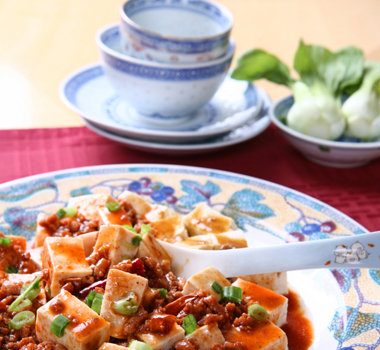
He likes to eat Ma Po Tofu .
Er isst gerne Ma Po Tofu 0
Anh ấy thích ăn đậu phụ amapo ' .
他 喜欢 吃 麻婆豆腐 。
Tā xǐhuan chī mápó dòufu.
麻婆豆腐が好きです。
Mābōdōfu ga sukidesu.
그는 마파두부를 먹는 것을 좋아합니다.
geuneun mapadubuleul meogneun geos-eul joh-ahabnida.
(VI)
(ZH)
(JA)
1823
[EN] [DE] [NL] [ES] [FR] [IT] [TH] [VI] [ZH]
|
RANDOM
蒙古在中国的北方。
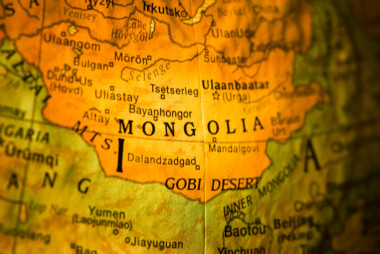
Mongolia is north of China .
Die Mongolei liegt nördlich von China 0
Mông Cổ nằm ở phía bắc của Trung Quốc .
蒙古 在 中国 的 北方 。
Měnggǔ zài Zhōngguó de běifāng.
モンゴルは中国の北部にあります。
Mongoru wa Chūgoku no hokubu ni arimasu.
몽골은 중국의 북쪽에 있습니다.
mong-gol-eun jung-gug-ui bugjjog-e issseubnida.
(VI)
(ZH)
(JA)
1845
[EN] [DE] [NL] [ES] [FR] [IT] [TH] [VI] [ZH]
|
RANDOM
路上有很多泥。

There is a lot of mud on the road .
Es ist viel Schlamm auf der Straße 0
Có rất nhiều bùn trên đường 0
路上 有 很多 泥 。
Lùshang yǒu hěn duō ní.
道路にはたくさんの泥があります。
Dōro ni wa takusan no doro ga arimasu.
도로에 진흙이 많이 있습니다.
dolo-e jinheulg-i manh-i issseubnida.
(VI)
(ZH)
(JA)
1856
[EN] [DE] [NL] [ES] [FR] [IT] [TH] [VI] [ZH]
|
RANDOM
日本京都的庙宇很出名。
The temples of Kyoto , Japan , are very famous .
Die Tempel von Kyoto , Japan , sind sehr berühmt 0
Những ngôi đền ở Kyoto , Nhật Bản , rất nổi tiếng .
日本 京都 的 庙宇 很 出名 。
Rìběn Jīngdū de miàoyǔ hěn chūmíng.
日本の京都の寺院はとても有名です。
Nihon no Kyōto no jiin wa totemo yūmeidesu.
일본 교토의 사찰은 매우 유명합니다.
ilbon gyotoui sachal-eun maeu yumyeonghabnida.
(VI)
(ZH)
(JA)
1865
[EN] [DE] [NL] [ES] [FR] [IT] [TH] [VI] [ZH]
|
RANDOM
袋子里有很多蔬菜。

There are a lot of vegetables in the bag .
In der Tüte befindet sich viel Gemüse 0
Có rất nhiều loại rau trong túi .
袋子 里 有 很多 蔬菜 。
Dàizi lǐ yǒu hěn duō shūcài.
袋の中には野菜がたくさん入っています。
Fukuro no nakaniha yasai ga takusan haitte imasu.
가방에 야채가 많이 들어있습니다.
gabang-e yachaega manh-i deul-eoissseubnida.
(VI)
(ZH)
(JA)
1873
[EN] [DE] [NL] [ES] [FR] [IT] [TH] [VI] [ZH]
|
RANDOM
他们在分析实验的结果。

They are analyzing the result of the experiment .
Sie analysieren das Ergebnis des Experiments 0
Họ đang phân tích kết quả của thí nghiệm .
他们 在 分析 实验 的 结果 。
Tāmen zài fēnxī shíyàn de jiéguǒ.
彼らは実験の結果を分析しています。
Karera wa jikken no kekka o bunseki shite imasu.
그들은 실험 결과를 분석하고 있습니다.
geudeul-eun silheom gyeolgwaleul bunseoghago issseubnida.
(VI)
(ZH)
(JA)
1875
[EN] [DE] [NL] [ES] [FR] [IT] [TH] [VI] [ZH]
|
RANDOM
烟囱正在冒烟。

The chimney is giving off smoke .
Der Schornstein gibt Rauch ab 0
Ống khói đang tỏa khói .
烟囱 正在 冒烟 。
Yāncōng zhèng zài màoyān.
煙突は喫煙しています。
Entotsu wa kitsuen shite imasu.
굴뚝이 담배를 피우고 있습니다.
gulttug-i dambaeleul piugo issseubnida.
(VI)
(ZH)
(JA)
1877
[EN] [DE] [NL] [ES] [FR] [IT] [TH] [VI] [ZH]
|
RANDOM
净利润上升很快。

The net profit is increasing fast .
Der Nettogewinn steigt schnell 0
Lợi nhuận ròng đang tăng nhanh 0
淨 利润 上升 很快 。
Jìnglìrùn shàngshēng hěn kuài.
純利益は急増しています。
Jun rieki wa kyūzō shite imasu.
순이익이 빠르게 증가했습니다.
sun-iig-i ppaleuge jeung-gahaessseubnida.
(VI)
(ZH)
(JA)
1887
[EN] [DE] [NL] [ES] [FR] [IT] [TH] [VI] [ZH]
|
RANDOM
我们俩是好朋友。

The two of us are good friends .
Wir sind gute Freunde 0
Hai chúng tôi là bạn tốt của nhau .
我们 俩 是 好 朋友 。
Wǒmen liǎ shì hǎo péngyou.
二人は仲良しです。
Futari wa nakayoshidesu.
우리 둘은 좋은 친구입니다.
uli dul-eun joh-eun chingu-ibnida.
(VI)
(ZH)
(JA)
1889
[EN] [DE] [NL] [ES] [FR] [IT] [TH] [VI] [ZH]
|
RANDOM
他在女朋友面前感到心虚。
He feels guilty in front of his girlfriend .
Er fühlt sich vor seiner Freundin machtlos 0
Anh ấy cảm thấy có lỗi trước mặt bạn gái của mình .
他 在 女朋友 面前 感到 心虚 。
Tā zài nǚpéngyou miànqián gǎndào xīnxū.
彼はガールフレンドの前で罪悪感を感じます.
Kare wa gārufurendo no mae de zaiaku-kan o kanjimasu.
그는 여자친구 앞에서 죄책감을 느꼈다.
geuneun yeojachingu ap-eseo joechaeggam-eul neukkyeossda.
(VI)
(ZH)
(JA)
1899
[EN] [DE] [NL] [ES] [FR] [IT] [TH] [VI] [ZH]
|
RANDOM
沙发很舒服。

The sofa is quite comfortable .
Das Sofa ist sehr bequem 0
Ghế sofa khá thoải mái .
沙发 很 舒服 。
Shāfā hěn shūfu.
ソファはとても快適です。
Sofa wa totemo kaitekidesu.
소파는 매우 편안합니다.
sopaneun maeu pyeon-anhabnida.
(VI)
(ZH)
(JA)
1900
[EN] [DE] [NL] [ES] [FR] [IT] [TH] [VI] [ZH]
|
RANDOM
天气太热,他们出了很多汗。

It was so hot that they were sweating profusely .
Es war so heiß , dass sie sehr schwitzten 0
Trời quá nóng và họ đã đổ rất nhiều mồ hôi .
天气 太热 , 他们 出 了 很多 汗 。
Tiānqì tài rè, tāmen chūle hěn duō hàn.
天気が暑すぎて汗をかきます。
Tenki ga atsu sugite ase o kakimasu.
날씨가 너무 더워 땀을 많이 흘린다.
nalssiga neomu deowo ttam-eul manh-i heullinda.
(VI)
(ZH)
(JA)
1905
[EN] [DE] [NL] [ES] [FR] [IT] [TH] [VI] [ZH]
|
RANDOM
这个政府官员很腐败。

This government official is very corrupt .
Dieser Regierungsbeamte ist sehr korrupt 0
Quan chức chính phủ này rất tham nhũng .
这个 政府 官员 很 腐败 。
Zhège zhèngfǔ guānyuán hěn fǔbài.
この政府関係者は非常に腐敗しています。
Kono seifu kankei-sha wa hijō ni fuhai shite imasu.
이 정부 관리는 매우 부패했습니다.
i jeongbu gwanlineun maeu bupaehaessseubnida.
(VI)
(ZH)
(JA)
1913
[EN] [DE] [NL] [ES] [FR] [IT] [TH] [VI] [ZH]
|
RANDOM
我喝了半瓶酒。

I have drunk half a bottle of wine .
Ich habe eine halbe Flasche Wein getrunken 0
Tôi đã uống hết nửa chai rượu .
我 喝 了 半瓶 酒 。
Wǒ hēle bàn píng jiǔ.
私はワインの半分のボトルを飲みました。
Watashi wa wain no hanbun no botoru o nomimashita.
와인을 반병 마셨습니다.
wain-eul banbyeong masyeossseubnida.
(VI)
(ZH)
(JA)
1927
[EN] [DE] [NL] [ES] [FR] [IT] [TH] [VI] [ZH]
|
RANDOM
在孩子面前争吵是不明智的。

It is unwise to argue in front of the children .
Es ist unklug , vor den Kindern zu streiten 0
Tranh luận trước mặt bọn trẻ là không khôn ngoan .
在 孩子 面前 争吵 是 不明智 的 。
Zài háizi miànqián zhēngchǎo shì bù míngzhì de.
子供の前で喧嘩するのは賢明ではありません。
Kodomo no mae de kenka suru no wa kenmeide wa arimasen.
아이들 앞에서 논쟁하는 것은 현명하지 않습니다.
aideul ap-eseo nonjaenghaneun geos-eun hyeonmyeonghaji anhseubnida.
(VI)
(ZH)
(JA)
1941
[EN] [DE] [NL] [ES] [FR] [IT] [TH] [VI] [ZH]
|
RANDOM
我吃了一碗饭。

I have eaten one bowl of rice .
Ich habe eine Schüssel Reis gegessen 0
Tôi đã ăn hết một bát cơm .
我 吃 了 一碗 饭 。
Wǒ chīle yī wǎn fàn.
ご飯を一杯いただきました。
Gohan o ippai itadakimashita.
밥 한그릇 먹었습니다.
bab hangeuleus meog-eossseubnida.
(VI)
(ZH)
(JA)
1943
[EN] [DE] [NL] [ES] [FR] [IT] [TH] [VI] [ZH]
|
RANDOM
丝瓜络可以用来洗澡。

A loofah can be used to bathe with .
Luffa kann beim Baden verwendet werden 0
Có thể dùng mướp để tắm 0
丝瓜络 可以 用来 洗澡 。
Sīguāluò kěyǐ yònglái xǐzǎo.
ヘチマは入浴に使用できます。
Hechima wa nyūyoku ni shiyō dekimasu.
수세미는 목욕에 사용할 수 있습니다.
susemineun mog-yog-e sayonghal su issseubnida.
(VI)
(ZH)
(JA)
1944
[EN] [DE] [NL] [ES] [FR] [IT] [TH] [VI] [ZH]
|
RANDOM
我想买一双鞋。

I want to buy a pair of shoes .
Ich möchte ein Paar Schuhe kaufen 0
Tôi muốn mua một đôi giày 0
我 想 买 一双 鞋 。
Wǒ xiǎng mǎi yī shuāng xié.
靴を買いたいです。
Kutsu o kaitaidesu.
신발 한 켤레를 사고 싶어요.
sinbal han kyeolleleul sago sip-eoyo.
(VI)
(ZH)
(JA)
1952
[EN] [DE] [NL] [ES] [FR] [IT] [TH] [VI] [ZH]
|
RANDOM
羊群阻碍了交通。

A flock of sheep blocked traffic .
Eine Schafherde blockierte den Verkehr 0
Một đàn cừu làm tắc nghẽn giao thông .
羊群 阻碍 了 交通 。
Yángqún zǔ'àile jiāotōng.
群れは交通を妨害した。
Mure wa kōtsū o bōgai shita.
무리가 교통을 방해했습니다.
muliga gyotong-eul banghaehaessseubnida.
(VI)
(ZH)
(JA)
1966
[EN] [DE] [NL] [ES] [FR] [IT] [TH] [VI] [ZH]
|
RANDOM
他们争吵的缘由是钱。

The cause of their quarreling is money . [OR They are arguing over money .]
Die Ursache für ihren Streit ist Geld 0 [ODER Sie streiten sich um Geld .]
Lý do cho cuộc cãi vã của họ là tiền .
他们 争吵 的 缘由 是 钱 。
Tāmen zhēngchǎo de yuányóu shì qián.
彼らの喧嘩の理由はお金です。
Karera no kenka no riyū wa okanedesu.
그들의 싸움의 이유는 돈입니다.
geudeul-ui ssaum-ui iyuneun don-ibnida.
(VI)
(ZH)
(JA)
1969
[EN] [DE] [NL] [ES] [FR] [IT] [TH] [VI] [ZH]
|
RANDOM
他坐在悬崖的边缘。
He is sitting at the edge of the cliff .
Er sitzt am Rand der Klippe 0
Anh ấy đang ngồi ở rìa vách đá .
他 坐在 悬崖 的 边缘 。
Tā zuò zài xuányá de biānyuán.
彼は崖の端に座っています。
Kare wa gake no hashi ni suwatte imasu.
그는 절벽 가장자리에 앉아 있다.
geuneun jeolbyeog gajangjalie anj-a issda.
(VI)
(ZH)
(JA)
1970
[EN] [DE] [NL] [ES] [FR] [IT] [TH] [VI] [ZH]
|
RANDOM
她刚刚收到一大堆邮件。

She just received a big stack of mail .
Sie hat gerade einen großen Stapel Post erhalten 0
Cô ấy vừa nhận được một chồng thư lớn .
她 刚刚 收到 一大堆 邮件 。
Tā gānggāng shōudào yīdàduī yóujiàn.
彼女はちょうどたくさんのメールを受け取りました。
Kanojo wa chōdo takusan no mēru o uketorimashita.
그녀는 방금 많은 메일을 받았습니다.
geunyeoneun bang-geum manh-eun meil-eul bad-assseubnida.
(VI)
(ZH)
(JA)
1972
[EN] [DE] [NL] [ES] [FR] [IT] [TH] [VI] [ZH]
|
RANDOM
邮局营业到几点?
What time does the post office close ?
Wann schließt die Post ?
Bưu điện đóng cửa lúc mấy giờ ?
邮局 营业 到 几点 ?
Yóujú yíngyè dào jǐdiǎn?
郵便局は何時に開いていますか。
Yūbinkyoku wa nanji ni aiteimasu ka.
우체국은 몇 시에 문을 여나요?
uchegug-eun myeoch sie mun-eul yeonayo?
(VI)
(ZH)
(JA)
1973
[EN] [DE] [NL] [ES] [FR] [IT] [TH] [VI] [ZH]
|
RANDOM
树枝上有很多雪。

There is a lot of snow on the branches .
Auf den Ästen liegt viel Schnee 0
Có rất nhiều tuyết trên các cành cây .
树枝 上 有 很多 雪 。
Shùzhī shàng yǒu hěn duō xuě.
枝には雪がたくさんあります。
Eda ni wa yuki ga takusan arimasu.
나뭇가지에 눈이 많이 쌓여 있습니다.
namusgajie nun-i manh-i ssah-yeo issseubnida.
(VI)
(ZH)
(JA)
1974
[EN] [DE] [NL] [ES] [FR] [IT] [TH] [VI] [ZH]
|
RANDOM
儿子很喜欢吃油炸食品。
My son is very fond of fried food .
Mein Sohn liebt frittiertes Essen 0
Con trai tôi rất thích đồ chiên .
儿子 很 喜欢 吃 油炸 食品 。
Érzi hěn xǐhuan chī yóuzhá shípǐn.
私の息子は揚げ物がとても好きです。
Watashi no musuko wa agemono ga totemo sukidesu.
우리 아들은 튀긴 음식을 아주 좋아합니다.
uli adeul-eun twigin eumsig-eul aju joh-ahabnida.
(VI)
(ZH)
(JA)
1975
[EN] [DE] [NL] [ES] [FR] [IT] [TH] [VI] [ZH]
|
RANDOM
她端着一锅汤。

She is carrying a pot of soup .
Sie trägt einen Topf mit Suppe 0
Cô ấy đang bưng một nồi súp .
她 端 着 一 锅汤 。
Tā duānzhe yī guō tāng.
彼女はスープの鍋を持っています。
Kanojo wa sūpu no nabe o motte imasu.
그녀는 수프 냄비를 나른다.
geunyeoneun supeu naembileul naleunda.
(VI)
(ZH)
(JA)
1978
[EN] [DE] [NL] [ES] [FR] [IT] [TH] [VI] [ZH]
|
RANDOM
请在咖啡里加点糖。

Please put some sugar in the coffee .
Bitte geben Sie etwas Zucker in den Kaffee 0
Hãy cho một ít đường vào cà phê .
请 在 咖啡 里 加点 糖 。
Qǐng zài kāfēi lǐ jiā diǎn táng.
コーヒーに砂糖を加えてください。
Kōhī ni satō o kuwaete kudasai.
커피에 설탕을 조금 넣어주세요.
keopie seoltang-eul jogeum neoh-eojuseyo.
(VI)
(ZH)
(JA)
1986
[EN] [DE] [NL] [ES] [FR] [IT] [TH] [VI] [ZH]
|
RANDOM
人类想要揭开宇宙的奥秘。

Mankind seeks to uncover the secrets of the universe .
Die Menschheit versucht , die Geheimnisse des Universums aufzudecken 0
Nhân loại tìm cách khám phá những bí mật của vũ trụ .
人类 想要 揭开 宇宙 的 奥秘 。
Rénlèi xiǎngyào jiēkāi yǔzhòu de àomì.
人間は宇宙の謎を解き明かしたいと思っています。
Ningen wa uchū no nazo o tokiakashitai to omotte imasu.
인간은 우주의 신비를 밝히고 싶어합니다.
ingan-eun ujuui sinbileul balghigo sip-eohabnida.
(VI)
(ZH)
(JA)
1992
[EN] [DE] [NL] [ES] [FR] [IT] [TH] [VI] [ZH]
|
RANDOM
假装受伤是他惯用的伎俩。

Pretending to be injured is one of his old tricks .
Die Vortäuschung einer Verletzung ist einer seiner alten Tricks 0
Giả vờ bị thương là một trong những chiêu trò cũ của anh ta .
假装 受伤 是 他 惯用 的 伎俩 。
Jiǎzhuāng shòushāng shì tā guànyòng de jìliǎng.
怪我をしたふりをするのが彼の通常の戦術です。
Kega o shita furi o suru no ga kare no tsūjō no senjutsudesu.
다친 척하는 것이 그의 평소 수법이다.
dachin cheoghaneun geos-i geuui pyeongso subeob-ida.
(VI)
(ZH)
(JA)
1999
[EN] [DE] [NL] [ES] [FR] [IT] [TH] [VI] [ZH]
|
RANDOM
自由女神像挺立在港口。

The Statue of Liberty stands tall in the harbor .
Die Freiheitsstatue steht im Hafen 0
Tượng Nữ thần Tự do sừng sững giữa bến cảng .
自由 女神像 挺立 在 港口 。
Zìyóu nǚshén xiàng tǐnglì zài gǎngkǒu.
自由の女神は港に直立しています。
Jiyūnomegami wa minato ni chokuritsu shite imasu.
자유의 여신상은 항구에 우뚝 섰다.
jayuui yeosinsang-eun hang-gue uttug seossda.
(VI)
(ZH)
(JA)
2004
[EN] [DE] [NL] [ES] [FR] [IT] [TH] [VI] [ZH]
|
RANDOM
他是出版社的编辑。

He is the publisher of the publishing house .
Er ist der Herausgeber des Verlags 0
Anh ấy là biên tập viên của một nhà xuất bản .
他 是 出版社 的 编辑 。
Tā shì chūbǎnshè de biānjí.
彼は出版社の編集者です。
Kare wa shubbansha no henshū-shadesu.
출판사 편집장입니다.
chulpansa pyeonjibjang-ibnida.
(VI)
(ZH)
(JA)
2020
[EN] [DE] [NL] [ES] [FR] [IT] [TH] [VI] [ZH]
|
RANDOM
同事被裁员了,她幸灾乐祸。

She took delight in seeing her colleagues being laid off .
Sie war erfreut , als ihr Kollege entlassen wurde 0
Cô vui mừng khi thấy các đồng nghiệp của mình bị cho nghỉ việc .
同事 被 裁员 了 , 她 幸灾乐祸 。
Tóngshì bèi cáiyuán le, tā xìngzāi-lèhuò.
彼女の同僚は解雇され、彼女は不幸にうっとりした。
Kanojo no dōryō wa kaiko sa re, kanojo wa fukō ni uttori shita.
그녀의 동료는 해고되었고 그녀는 불행을 기뻐했습니다.
geunyeoui donglyoneun haegodoeeossgo geunyeoneun bulhaeng-eul gippeohaessseubnida.
(VI)
(ZH)
(JA)
2028
[EN] [DE] [NL] [ES] [FR] [IT] [TH] [VI] [ZH]
|
RANDOM
这里是韩国的著名景点之一。

This is one of Korea is famous scenic spots .
Dies ist einer der berühmtesten Orte Koreas 0
Đây là một trong những danh lam thắng cảnh nổi tiếng của Hàn Quốc .
这 里 是 韩国 的 著名景点 之一 。
Zhèli shì Hánguó de zhùmíng jǐngdiǎn zhī yī.
これは韓国で有名なアトラクションの1つです。
Kore wa kankoku de yūmei na atorakushon no hitotsu desu.
이것은 한국의 유명한 명소 중 하나입니다.
igeos-eun hangug-ui yumyeonghan myeongso jung hanaibnida.
(VI)
(ZH)
(JA)
2032
[EN] [DE] [NL] [ES] [FR] [IT] [TH] [VI] [ZH]
|
RANDOM
这届学生毕业了。

The students of this class have graduated .
Die Studenten dieses Jahrgangs haben ihren Abschluss gemacht 0
Học sinh của lớp này đã tốt nghiệp .
这届 学生 毕业 了 。
Zhè jiè xuésheng bìyè le.
このクラスの学生は卒業しました。
Kono kurasu no gakusei wa sotsugyō shimashita.
이 학생들은 졸업했습니다.
i hagsaengdeul-eun jol-eobhaessseubnida.
(VI)
(ZH)
(JA)
2038
[EN] [DE] [NL] [ES] [FR] [IT] [TH] [VI] [ZH]
|
RANDOM
仪仗队正在接受检阅。
The guard of honor conducts a parade .
Die Ehrengarde führt eine Parade durch 0
Người bảo vệ danh dự tiến hành một cuộc diễu hành .
仪仗队 正在 接受 检阅 。
Yízhàngduì zhèng zài jiēshòu jiǎnyuè.
儀仗兵は検査を受けています。
Gijō-hei wa kensa o ukete imasu.
경호원을 검토 중입니다.
gyeonghowon-eul geomto jung-ibnida.
(VI)
(ZH)
(JA)
2051
[EN] [DE] [NL] [ES] [FR] [IT] [TH] [VI] [ZH]
|
RANDOM
棉花很柔软。
Cotton is very soft .
Baumwolle ist sehr weich 0
Chất cotton rất mềm .
棉花 很 柔软 。
Miánhua hěn róuruǎn.
綿はとても柔らかいです。
Wata wa totemo yawarakaidesu.
면은 매우 부드럽습니다.
myeon-eun maeu budeuleobseubnida.
(VI)
(ZH)
(JA)
2052
[EN] [DE] [NL] [ES] [FR] [IT] [TH] [VI] [ZH]
|
RANDOM
我们是同辈。

We are in the same generation of the family .
Wir sind aus der gleichen Generation 0
Chúng tôi thuộc cùng một thế hệ của gia đình .
我们 是 同辈 。
Wǒmen shì tóngbèi.
私たちは仲間です。
Watashitachiha nakamadesu.
우리는 동료입니다.
ulineun donglyoibnida.
(VI)
(ZH)
(JA)
2082
[EN] [DE] [NL] [ES] [FR] [IT] [TH] [VI] [ZH]
|
RANDOM
这是上佳的苹果。

These apples are of the best quality .
Diese Äpfel sind von bester Qualität 0
Những quả táo này có chất lượng tốt nhất .
这是 上佳 的 苹果 。
Zhè shì shàng jiā de píngguǒ.
これは最高のリンゴです。
Kore wa saikō no ringodesu.
최고의 사과입니다.
choegoui sagwaibnida.
(VI)
(ZH)
(JA)
2106
[EN] [DE] [NL] [ES] [FR] [IT] [TH] [VI] [ZH]
|
RANDOM
他们在旅途中短暂的休息。

They are taking a brief rest in the middle of their journey .
Während der Fahrt machen sie eine kurze Pause 0
Họ đang nghỉ ngơi ngắn ngủi ở giữa hành trình của họ .
他们 在 旅途 中 短暂 的 休息 。
Tāmen zài lǚtú zhōng duǎnzàn de xiūxi.
彼らは旅の途中で少し休憩します。
Karera wa tabi no tochū de sukoshi kyūkei shimasu.
그들은 여행 중에 잠시 휴식을 취했습니다.
geudeul-eun yeohaeng jung-e jamsi hyusig-eul chwihaessseubnida.
(VI)
(ZH)
(JA)
2112
[EN] [DE] [NL] [ES] [FR] [IT] [TH] [VI] [ZH]
|
RANDOM
她把书翻到下一页。

She turned to the next page of the book .
Sie schlug die nächste Seite des Buches auf 0
Cô lật sang trang tiếp theo của cuốn sách .
她 把 书 翻到 下 一页 。
Tā bǎ shū fān dào xià yī yè.
彼女はその本を次のページに向けた。
Kanojo wa sono-pon o tsugi no pēji ni muketa.
그녀는 책을 다음 페이지로 넘겼다.
geunyeoneun chaeg-eul da-eum peijilo neomgyeossda.
(VI)
(ZH)
(JA)
2116
[EN] [DE] [NL] [ES] [FR] [IT] [TH] [VI] [ZH]
|
RANDOM
他指出房子结构的弊端。

He points out flaws in the construction of the house .
Er weist auf Mängel beim Bau des Hauses hin 0
Anh ấy chỉ ra những sai sót trong quá trình xây dựng ngôi nhà .
他 指出 房子 结构 的 弊端 。
Tā zhǐchū fángzi jiégòu de bìduān.
彼は家の構造の欠点を指摘します。
Kare wa ie no kōzō no ketten o shiteki shimasu.
그는 집 구조의 단점을 지적했다.
geuneun jib gujoui danjeom-eul jijeoghaessda.
(VI)
(ZH)
(JA)
2126
[EN] [DE] [NL] [ES] [FR] [IT] [TH] [VI] [ZH]
|
RANDOM
孕妇要常到户外走走。

Pregnant women should often take walks outside .
Schwangere sollten oft draußen spazieren gehen 0
Phụ nữ mang thai nên thường xuyên đi dạo bên ngoài .
孕妇 要常到 户外 走走 。
Yùnfù yào cháng dào hùwài zǒuzou.
妊娠中の女性はしばしば屋外に行くべきです。
Ninshin-chū no josei wa shibashiba okugai ni ikubekidesu.
임산부는 야외 활동을 자주 해야 합니다.
imsanbuneun yaoe hwaldong-eul jaju haeya habnida.
(VI)
(ZH)
(JA)
2128
[EN] [DE] [NL] [ES] [FR] [IT] [TH] [VI] [ZH]
|
RANDOM
大家在模仿老师的动作。

Everyone imitates the movements of the teacher .
Alle ahmen die Bewegungen des Lehrers nach 0
Mọi người đều bắt chước hành động của cô giáo .
大家 在 模仿 老师 的 动作 。
Dàjiā zài mófǎng lǎoshī de dòngzuò.
誰もが先生の行動をまねています。
Daremoga sensei no kōdō o manete imasu.
모두가 선생님의 행동을 모방하고 있습니다.
moduga seonsaengnim-ui haengdong-eul mobanghago issseubnida.
(VI)
(ZH)
(JA)
2131
[EN] [DE] [NL] [ES] [FR] [IT] [TH] [VI] [ZH]
|
RANDOM
今年的稻谷丰收了。

There is a bumper crop of rice this year .
In diesem Jahr gibt es eine Rekordernte an Reis 0
Vụ lúa năm nay bội thu 0
今年 的 稻谷 丰收 了 。
Jīnnián de dàogǔ fēngshōu le.
今年はお米が豊作です。
Kotoshi wa okome ga hōsaku desu.
올해의 벼 수확은 풍년이다.
olhaeui byeo suhwag-eun pungnyeon-ida.
(VI)
(ZH)
(JA)
2134
[EN] [DE] [NL] [ES] [FR] [IT] [TH] [VI] [ZH]
|
RANDOM
请给我一卷卫生纸。

Please give me a roll of toilet paper .
Bitte geben Sie mir eine Rolle Toilettenpapier 0
Làm ơn cho tôi một cuộn giấy vệ sinh .
请 给 我 一卷 卫生纸 。
Qǐng gěi wǒ yī juǎn wèishēngzhǐ.
トイレットペーパーを一巻きください。
Toirettopēpā o hitomaki kudasai.
화장지 한 롤 주세요.
hwajangji han lol juseyo.
(VI)
(ZH)
(JA)
2136
[EN] [DE] [NL] [ES] [FR] [IT] [TH] [VI] [ZH]
|
RANDOM
象群会迁徙到有水的地方。
A herd of elephants will migrate to a place with water .
Eine Elefantenherde wandert an einen Ort mit Wasser 0
Một đàn voi sẽ di cư đến nơi có nước .
象 群会 迁徙 到 有 水 的 地方 。
Xiàngqún huì qiānxǐ dào yǒu shuǐ de dìfang.
象の群れは水のある場所に移動します。
Zō no mure wa mizu no aru basho ni idō shimasu.
코끼리 무리는 물이 있는 곳으로 이동합니다.
kokkili mulineun mul-i issneun gos-eulo idonghabnida.
(VI)
(ZH)
(JA)
2161
[EN] [DE] [NL] [ES] [FR] [IT] [TH] [VI] [ZH]
|
RANDOM
经过百年的变迁,香港成为国际化大都市。
After a century of changes , Hong Kong has become an international metropolis .
Nach einem Jahrhundert des Wandels ist Hongkong eine internationale Metropole geworden 0
Sau một thế kỷ thay đổi , Hồng Kông đã trở thành một đô thị quốc tế .
经过 百年 的 变迁 , 香港 成为 国际化 大都市 。
Jīngguò bǎinián de biànqiān, Xiānggǎng chéngwéi guójìhuà dàdūshì.
1世紀の変化の後、香港は国際的な大都市になりました。
Isseiki no henka no ato, honkon wa kokusaiteki na daitoshi ni narimashita.
100년의 변화 끝에 홍콩은 국제 대도시가 되었습니다.
100nyeon-ui byeonhwa kkeut-e hongkong-eun gugje daedosiga doeeossseubnida.
(VI)
(ZH)
(JA)
2162
[EN] [DE] [NL] [ES] [FR] [IT] [TH] [VI] [ZH]
|
RANDOM
南京曾经是南宋的首都。

Nanjing was once the capital of the Southern Song dynasty .
Nanjing war einst die Hauptstadt der südlichen Song-Dynastie 0
Nam Kinh từng là kinh đô của triều đại Nam Tống .
' 南京 曾经 是 南宋 的 首都 。
Nánjīng céngjīng shì Nánsòng de shǒudū.
「南京はかつて南宋の首都でした。
`Nankin wa katsute nansō no shutodeshita.
남경은 남송(南宋)나라의 수도였다.
namgyeong-eun namsong(namsong)nalaui sudoyeossda.
(VI)
(ZH)
(JA)
2168
[EN] [DE] [NL] [ES] [FR] [IT] [TH] [VI] [ZH]
|
RANDOM
她帮朋友看孩子。

She takes care of the baby for her friend .
Sie passt für ihre Freundin auf das Baby auf 0
Cô chăm sóc em bé cho người bạn của mình .
她 帮 朋友 看 孩子 。
Tā bāng péngyou kān háizi.
彼女は友達が子供の世話をするのを手伝っています。
Kanojo wa tomodachi ga kodomo no sewa o suru no o tetsudatte imasu.
그녀는 친구들이 아이들을 돌보는 것을 돕습니다.
geunyeoneun chingudeul-i aideul-eul dolboneun geos-eul dobseubnida.
(VI)
(ZH)
(JA)
2172
[EN] [DE] [NL] [ES] [FR] [IT] [TH] [VI] [ZH]
|
RANDOM
钻石的光芒很耀眼。

The brilliance of diamonds is dazzling .
Der Diamant erstrahlt in seinem Glanz 0
Kim cương sáng chói lóa mắt 0
钻石 的 光芒 很 耀眼 。
Zuànshí de guāngmáng hěn yàoyǎn.
ダイヤモンドの光はとても眩しいです。
Daiyamondo no hikari wa totemo mabushiidesu.
다이아몬드의 빛은 매우 눈부십니다.
daiamondeuui bich-eun maeu nunbusibnida.
(VI)
(ZH)
(JA)
2189
[EN] [DE] [NL] [ES] [FR] [IT] [TH] [VI] [ZH]
|
RANDOM
他是个很爱炫耀的人。

He is a show-off .
Er ist ein Angeber 0
Anh ấy là một người thích khoe khoang .
他 是 个 很 爱 炫耀 的 人 。
Tā shì gè hěn ài xuànyào de rén.
彼は自慢するのが好きな人です。
Kare wa jiman suru no ga sukinahitodesu.
그는 과시하는 것을 좋아하는 사람입니다.
geuneun gwasihaneun geos-eul joh-ahaneun salam-ibnida.
(VI)
(ZH)
(JA)
2190
[EN] [DE] [NL] [ES] [FR] [IT] [TH] [VI] [ZH]
|
RANDOM
市长郑重宣布一项消息。

eine wichtige Ankündigung (wörtlich: feierlich / ernsthaft eine Information angekündigt) .
annoncé solennellement/sérieusement une information) 0 Der Bürgermeister machte
Thị trưởng đã đưa ra một thông báo quan trọng (lit . , trang trọng / nghiêm túc công
市长 郑重 宣 布 一项 消息 。
Shìzhǎng zhèngzhòng xuānbù yī xiàng xiāoxi.
市長は厳粛に発表を発表しました。
Shichō wa genshuku ni happyō o happyō shimashita.
시장은 엄숙하게 발표를 발표했다.
sijang-eun eomsughage balpyoleul balpyohaessda.
(VI)
(ZH)
(JA)
2198
[EN] [DE] [NL] [ES] [FR] [IT] [TH] [VI] [ZH]
|
RANDOM
玫瑰花的刺很扎手。
The thorns of the rose are very prickly .
Die Dornen der Rose sind sehr stachelig 0
Hoa hồng rất nhiều gai .
玫瑰花 的 刺 很 扎手 。
Méiguihuā de cì hěn zhāshǒu.
バラのとげはとてもとげがあります。
Bara no toge wa totemo toge ga arimasu.
장미의 가시는 매우 가시가 있습니다.
jangmiui gasineun maeu gasiga issseubnida.
(VI)
(ZH)
(JA)
2199
[EN] [DE] [NL] [ES] [FR] [IT] [TH] [VI] [ZH]
|
RANDOM
小男孩浮在水面上。

The little boy is floating on the surface of water .
Der kleine Junge treibt auf dem Wasser 0
Cậu bé đang nổi trên mặt nước .
小男孩 浮在 水面 上 。
Xiǎo nánhái fú zài shuǐmiàn shàng.
小さな男の子は水に浮かんでいまします。
Chīsana otokonoko wa mizu ni ukande imashimasu.
어린 소년은 물 위에 떠 있었습니다.
eolin sonyeon-eun mul wie tteo iss-eossseubnida.
(VI)
(ZH)
(JA)
2202
[EN] [DE] [NL] [ES] [FR] [IT] [TH] [VI] [ZH]
|
RANDOM
她洗去盘子上的汙垢。

She is washing the dirt off the plates .
Sie wäscht den Schmutz von den Tellern 0
Cô ấy đang rửa sạch bụi bẩn trên đĩa .
她 洗 去 盘子 上 的 汙垢 。
Tā xǐqù pánzi shàng de wūgòu.
彼女は皿の汚れを洗い流します。
Kanojo wa sara no yogore o arainagashimasu.
그녀는 접시에서 흙을 씻어 냈습니다.
geunyeoneun jeobsieseo heulg-eul ssis-eo naessseubnida.
(VI)
(ZH)
(JA)
2213
[EN] [DE] [NL] [ES] [FR] [IT] [TH] [VI] [ZH]
|
RANDOM
企鹅是球队的吉祥物。

The penguin is the mascot of the team .
Der Pinguin ist das Maskottchen des Teams 0
Chú chim cánh cụt là linh vật của đội .
企鹅 是 球队 的 吉祥物 。
Qǐ'é shì qiúduì de jíxiángwù.
ペンギンはチームのマスコットです。
Pengin wa chīmu no masukottodesu.
펭귄은 팀의 마스코트입니다.
peng-gwin-eun tim-ui maseukoteu-ibnida.
(VI)
(ZH)
(JA)
2219
[EN] [DE] [NL] [ES] [FR] [IT] [TH] [VI] [ZH]
|
RANDOM
婚礼现场已经筹备好了。

The place of celebration for the wedding is prepared .
Der Festort für die Hochzeit ist vorbereitet 0
Nơi cử hành hôn lễ đã được chuẩn bị sẵn sàng .
婚礼 现场 已经 筹备 好 了 。
Hūnlǐ xiànchǎng yǐjing chóubèi hǎole.
結婚式のシーンが用意されています。
Kekkonshiki no shīn ga yōi sa rete imasu.
웨딩씬을 준비했습니다.
wedingssin-eul junbihaessseubnida.
(VI)
(ZH)
(JA)
2232
[EN] [DE] [NL] [ES] [FR] [IT] [TH] [VI] [ZH]
|
RANDOM
生意给我带来了巨大的利润。

Business brought me great profits .
Das Geschäft brachte mir große Gewinne 0
Công việc kinh doanh đã mang lại cho tôi những khoản lợi nhuận lớn .
生意 给 我 带来 了 巨大 的 利润 。
Shēngyì gěi wǒ dàilái jùdà de lìrùn.
その事業は私に莫大な利益をもたらしました。
Sono jigyō wa watashi ni bakudaina rieki o motarashimashita.
그 사업은 나에게 엄청난 이익을 가져다 주었다.
geu sa-eob-eun na-ege eomcheongnan iig-eul gajyeoda jueossda.
(VI)
(ZH)
(JA)
2235
[EN] [DE] [NL] [ES] [FR] [IT] [TH] [VI] [ZH]
|
RANDOM
肉燉得很烂。

The meat has been stewed till it is very soft .
Das Fleisch wird perfekt geschmort 0
Thịt đã được hầm cho đến khi nó rất mềm .
肉燉 得 很烂 。
Ròu dùn de hěn làn.
肉はひどく煮込んだ。
Niku wa hidoku nikonda.
고기가 겁나 잘 익었습니다.
gogiga geobna jal ig-eossseubnida.
(VI)
(ZH)
(JA)
2236
[EN] [DE] [NL] [ES] [FR] [IT] [TH] [VI] [ZH]
|
RANDOM
她的平衡能力很好。

Her sense of balance is very good .
Ihr Gleichgewichtssinn ist sehr gut 0
Khả năng giữ thăng bằng của cô ấy rất tốt .
她 的 平衡 能力 很 好 。
Tā de pínghéng nénglì hěn hǎo.
彼女のバランス能力はとても良いです。
Kanojo no baransu nōryoku wa totemo yoidesu.
그녀의 균형 능력은 매우 좋습니다.
geunyeoui gyunhyeong neunglyeog-eun maeu johseubnida.
(VI)
(ZH)
(JA)
2253
[EN] [DE] [NL] [ES] [FR] [IT] [TH] [VI] [ZH]
|
RANDOM
对受灾的人要有怜悯的心。

You should show sympathy for the victims of the disaster .
Haben Sie Mitgefühl für die von Katastrophen Betroffenen 0
Bạn nên bày tỏ sự cảm thông đối với những nạn nhân của thảm họa .
对 受灾 的 人 要 有 怜悯 的 心 。
Duì shòuzāi de rén yào yǒu liánmǐn de xīn.
災害の影響を受けた人々に思いやりを持ってください。
Saigai no eikyō o uketa hitobito ni omoiyari o motte kudasai.
재난으로 피해를 입은 사람들에게 자비를 베푸십시오.
jaenan-eulo pihaeleul ib-eun salamdeul-ege jabileul bepusibsio.
(VI)
(ZH)
(JA)
2262
[EN] [DE] [NL] [ES] [FR] [IT] [TH] [VI] [ZH]
|
RANDOM
这里储藏着很多酒。
There is a lot of wine stored here .
Hier wird viel Wein gelagert 0
Ở đây cất giữ rất nhiều rượu .
这 里 储藏 着 很多 酒 。
Zhèli chǔcángzhe hěn duō jiǔ.
ここにはたくさんのワインが保管されています。
Koko ni wa takusan no wain ga hokan sa rete imasu.
이곳에는 많은 양의 와인이 보관되어 있습니다.
igos-eneun manh-eun yang-ui wain-i bogwandoeeo issseubnida.
(VI)
(ZH)
(JA)
2270
[EN] [DE] [NL] [ES] [FR] [IT] [TH] [VI] [ZH]
|
RANDOM
她把眼镜摘下来。

She takes off her glasses .
Sie nimmt ihre Brille ab 0
Cô ấy tháo kính ra .
她 把 眼镜 摘下来 。
Tā bǎ yǎnjìng zhāi xiàlái.
彼女は眼鏡を外します。
Kanojo wa megane o hazushimasu.
그녀는 안경을 벗었다.
geunyeoneun angyeong-eul beos-eossda.
(VI)
(ZH)
(JA)
2277
[EN] [DE] [NL] [ES] [FR] [IT] [TH] [VI] [ZH]
|
RANDOM
这条裤子太大了。

This pair of pants is too big .
Diese Hose ist zu groß 0
Cái quần này rộng quá .
这 条 裤子 太大 了 。
Zhè tiáo kùzi tài dà le.
これらのズボンは大きすぎます。
Korera no zubon wa ōki sugimasu.
이 바지는 너무 큽니다.
i bajineun neomu keubnida.
(VI)
(ZH)
(JA)
2280
[EN] [DE] [NL] [ES] [FR] [IT] [TH] [VI] [ZH]
|
RANDOM
他欠了许多钱。

He owes a lot of money .
Er schuldet viel Geld 0
Anh ta nợ rất nhiều tiền 0
他 欠 了 许多 钱 。
Tā qiànle xǔduō qián.
彼はたくさんのお金を借りている。
Kare wa takusan no okane o karite iru.
그는 많은 돈을 빚지고 있습니다.
geuneun manh-eun don-eul bij-jigo issseubnida.
(VI)
(ZH)
(JA)
2286
[EN] [DE] [NL] [ES] [FR] [IT] [TH] [VI] [ZH]
|
RANDOM
这是花粉过敏的症状。

This is a symptom of a pollen allergy .
Dies ist ein Symptom einer Pollenallergie 0
Đây là một triệu chứng của dị ứng phấn hoa .
这是 花粉 过敏 的 症状 。
Zhè shì huāfěn guòmǐn de zhèngzhuàng.
これは花粉症の症状です。
Kore wa kabunshō no shōjōdesu.
이것은 꽃가루 알레르기의 증상입니다.
igeos-eun kkochgalu alleleugiui jeungsang-ibnida.
(VI)
(ZH)
(JA)
2288
[EN] [DE] [NL] [ES] [FR] [IT] [TH] [VI] [ZH]
|
RANDOM
他涂掉了一行字。

He's erased one line of words .
Er hat eine Zeile gelöscht 0
Anh ấy đã xóa một dòng 0
他 涂掉 了 一行 字 。
Tā túdiào le yī háng zì.
彼は一行の言葉を消した。
Kare wa ikkō no kotoba o keshita.
그는 한 줄의 말을 지웠다.
geuneun han jul-ui mal-eul jiwossda.
(VI)
(ZH)
(JA)
2291
[EN] [DE] [NL] [ES] [FR] [IT] [TH] [VI] [ZH]
|
RANDOM
牛是一种牲口。
Cattle are a kind of livestock .
Rinder sind eine Art von Nutztieren 0
Con bò là một loại vật nuôi .
牛是 一种 牲口 。
Niú shì yī zhǒng shēngkou.
牛は家畜の一種です。
Ushi wa kachiku no isshudesu.
소는 일종의 가축입니다.
soneun iljong-ui gachug-ibnida.
(VI)
(ZH)
(JA)
2301
[EN] [DE] [NL] [ES] [FR] [IT] [TH] [VI] [ZH]
|
RANDOM
笔夹在记事本里。

The pen is between the pages of the notebook .
Der Stift befindet sich zwischen den Seiten des Notizbuchs 0
Cây bút nằm giữa các trang của cuốn sổ .
笔 夹 在 记事本 里 。
Bǐ jiā zài jìshìběn lǐ.
ペンはメモ帳にあります。
Pen wa memochō ni arimasu.
펜은 메모장에 있습니다.
pen-eun memojang-e issseubnida.
(VI)
(ZH)
(JA)
2303
[EN] [DE] [NL] [ES] [FR] [IT] [TH] [VI] [ZH]
|
RANDOM
屋顶是用瓦片盖的。

The roof is made with ceramic tiles .
Das Dach ist mit Ziegeln gedeckt 0
Mái nhà được làm bằng gạch men .
屋顶 是 用 瓦片 盖 的 。
Wūdǐng shì yòng wǎpiàn gài de.
屋根はタイルで覆われています。
Yane wa tairu de ōwa rete imasu.
지붕은 타일로 덮여 있습니다.
jibung-eun taillo deop-yeo issseubnida.
(VI)
(ZH)
(JA)
2305
[EN] [DE] [NL] [ES] [FR] [IT] [TH] [VI] [ZH]
|
RANDOM
肥胖容易引起各种疾病。

Obesity can bring about a range of illnesses .
Fettleibigkeit kann zu einer Vielzahl von Krankheiten führen 0
Béo phì có thể gây ra hàng loạt bệnh tật .
肥胖 容易 引起 各种 疾病 。
Féipàng róngyì yǐnqǐ gè zhǒng jíbìng.
肥満は簡単にさまざまな病気を引き起こす可能性があります。
Himan wa kantan ni samazamana byōki o hikiokosu kanōsei ga arimasu.
비만은 다양한 질병을 쉽게 일으킬 수 있습니다.
biman-eun dayanghan jilbyeong-eul swibge il-eukil su issseubnida.
(VI)
(ZH)
(JA)
2307
[EN] [DE] [NL] [ES] [FR] [IT] [TH] [VI] [ZH]
|
RANDOM
这几栋楼的外貌很类似。

The appearance of these buildings is very similar .
Die Gebäude sehen sich sehr ähnlich 0
Vẻ ngoài của những tòa nhà này rất giống nhau .
这 几栋 楼 的 外貌 很 类似 。
Zhè jǐ dòng lóu de wàimào hěn lèisì.
これらの建物の外観は非常に似ています。
Korera no tatemono no gaikan wa hijō ni nite imasu.
이 건물의 외관은 매우 유사합니다.
i geonmul-ui oegwan-eun maeu yusahabnida.
(VI)
(ZH)
(JA)
2313
[EN] [DE] [NL] [ES] [FR] [IT] [TH] [VI] [ZH]
|
RANDOM
她获得了很多荣誉勳章。
She has received many medals of honor .
Sie hat viele Ehrenmedaillen erhalten 0
Cô đã nhận được nhiều huy chương danh dự .
她 获得 了 很多 荣誉 勳章 。
Tā huòdéle hěn duō róngyù xūnzhāng.
彼女は多くの名誉勲章を獲得しています。
Kanojo wa ōku no meiyo kunshō o kakutoku shite imasu.
그녀는 많은 명예 메달을 받았습니다.
geunyeoneun manh-eun myeong-ye medal-eul bad-assseubnida.
(VI)
(ZH)
(JA)
2338
[EN] [DE] [NL] [ES] [FR] [IT] [TH] [VI] [ZH]
|
RANDOM
雪把树压弯了。

The tree bent under the weight of the snow .
Der Baum bog sich unter dem Gewicht des Schnees 0
Cái cây bị uốn cong dưới sức nặng của tuyết .
雪 把 树 压弯 了 。
Xuě bǎ shù yāwān le.
雪が木を曲げます。
Yuki ga ki o magemasu.
눈이 나무를 구부립니다.
nun-i namuleul gubulibnida.
(VI)
(ZH)
(JA)
2346
[EN] [DE] [NL] [ES] [FR] [IT] [TH] [VI] [ZH]
|
RANDOM
得奖了,我感到很骄傲。

I am very proud of the prize I won .
Ich bin sehr stolz auf den Preis , den ich gewonnen habe 0
Tôi rất tự hào về giải thưởng mà mình đã giành được .
得奖 了 , 我 感到 很 骄傲 。
Déjiǎng le, wǒ gǎndào hěn jiāo'ào.
受賞できたことを誇りに思います。
Jushō dekita koto o hokori ni omoimasu.
상을 받은 것이 자랑스럽습니다.
sang-eul bad-eun geos-i jalangseuleobseubnida.
(VI)
(ZH)
(JA)
2347
[EN] [DE] [NL] [ES] [FR] [IT] [TH] [VI] [ZH]
|
RANDOM
煤是一种燃料。

Coal is a type of fuel .
Kohle ist ein Brennstoff 0
Than đá là một loại nhiên liệu .
煤是 一种 燃料 。
Méi shì yī zhǒng ránliào.
石炭は燃料です。
Sekitan wa nenryōdesu.
석탄은 연료입니다.
seogtan-eun yeonlyoibnida.
(VI)
(ZH)
(JA)
2349
[EN] [DE] [NL] [ES] [FR] [IT] [TH] [VI] [ZH]
|
RANDOM
这个月公司终于赢利了。

The company finally makes a profit this month .
Das Unternehmen macht diesen Monat endlich Gewinn 0
Cuối cùng thì công ty cũng có lãi trong tháng này .
这个 月 公司 终于 赢利 了 。
Zhège yuè gōngsī zhōngyú yínglì le.
同社は今月ようやく利益を上げた。
Dōsha wa kongetsu yōyaku rieki o ageta.
이 회사는 이번 달에 마침내 흑자를 냈습니다.
i hoesaneun ibeon dal-e machimnae heugjaleul naessseubnida.
(VI)
(ZH)
(JA)
2357
[EN] [DE] [NL] [ES] [FR] [IT] [TH] [VI] [ZH]
|
RANDOM
这有一串珍珠。

Here is a string of pearls .
Hier ist eine Perlenkette 0
Đây là một chuỗi ngọc trai 0
这有 一串 珍珠 。
Zhè yǒu yī chuàn zhēnzhū.
ここに真珠の列があります。
Koko ni shinju no retsu ga arimasu.
여기에 진주의 끈이 있습니다.
yeogie jinjuui kkeun-i issseubnida.
(VI)
(ZH)
(JA)
2358
[EN] [DE] [NL] [ES] [FR] [IT] [TH] [VI] [ZH]
|
RANDOM
流浪者的生活很悲惨。

The lives of the homeless are miserable .
Das Leben der Obdachlosen ist erbärmlich 0
Cuộc sống của những người vô gia cư thật khốn khổ .
流浪者 的 生活 很 悲惨 。
Liúlàngzhě de shēnghuó hěn bēicǎn.
放浪者の人生は悲惨です。
Hōrō-sha no jinsei wa hisandesu.
방랑자의 삶은 비참합니다.
banglangjaui salm-eun bichamhabnida.
(VI)
(ZH)
(JA)
2376
[EN] [DE] [NL] [ES] [FR] [IT] [TH] [VI] [ZH]
|
RANDOM
油漆已经剥落了。

The paint is peeling off .
Die Farbe blättert ab 0
Lớp sơn bị bong tróc .
油漆 已经 剥落 了 。
Yóuqī yǐjing bōluò le.
塗装がはがれています。
Tosō ga hagarete imasu.
페인트가 벗겨졌습니다.
peinteuga beosgyeojyeossseubnida.
(VI)
(ZH)
(JA)
2377
[EN] [DE] [NL] [ES] [FR] [IT] [TH] [VI] [ZH]
|
RANDOM
布宜诺斯艾利斯是阿根廷的首都。
Buenos Aires is the capital of Argentina .
Buenos Aires ist die Hauptstadt von Argentinien 0
Buenos Aires là thủ đô của Argentina .
布宜诺斯艾利斯 是 阿根廷 的 首都 。
Bùyínuòsī'àilìsī shì Āgēntíng de shǒudū.
ブエノスアイレスはアルゼンチンの首都です。
Buenosuairesu wa Aruzenchin no shutodesu.
부에노스아이레스는 아르헨티나의 수도입니다.
buenoseuaileseuneun aleuhentinaui sudoibnida.
(VI)
(ZH)
(JA)
2378
[EN] [DE] [NL] [ES] [FR] [IT] [TH] [VI] [ZH]
|
RANDOM
屋顶被大雪掩盖了。

The roof is covered with snow .
Das Dach ist mit Schnee bedeckt 0
Mái nhà phủ đầy tuyết .
屋顶 被 大雪 掩盖 了 。
Wūdǐng bèi dàxuě yǎngài le.
屋根は大雪に覆われています
Yane wa ōyuki ni ōwareteimasu.
지붕은 폭설로 덮여 있었습니다.
jibung-eun pogseollo deop-yeo iss-eossseubnida.
(VI)
(ZH)
(JA)
2400
[EN] [DE] [NL] [ES] [FR] [IT] [TH] [VI] [ZH]
|
RANDOM
海滩上有很多人。

There are a lot of people on the beach .
Es sind viele Leute am Strand 0
Có rất nhiều người trên bãi biển .
海滩 上 有 很多 人 。
Hǎitān shàng yǒu hěn duō rén.
ビーチにはたくさんの人がいます。
Bīchi ni wa takusan no hito ga imasu.
해변에는 많은 사람들이 있습니다.
haebyeon-eneun manh-eun salamdeul-i issseubnida.
(VI)
(ZH)
(JA)
2407
[EN] [DE] [NL] [ES] [FR] [IT] [TH] [VI] [ZH]
|
RANDOM
公司打算削减10名员工。

The company intends to lay off 10 employees .
Das Unternehmen beabsichtigt , 10 Mitarbeiter zu entlassen 0
Bút chì đã được mài .
公司 打算 削减 10 名 员工 。
Gōngsī dǎsuàn xuējiǎn shí míng yuángōng.
同社は10人の従業員を削減する予定です。
Dōsha wa 10-ri no jūgyōin o sakugen suru yoteidesu.
회사는 직원 10명을 감원할 계획이다.
hoesaneun jig-won 10myeong-eul gam-wonhal gyehoeg-ida.
(VI)
(ZH)
(JA)
2428
[EN] [DE] [NL] [ES] [FR] [IT] [TH] [VI] [ZH]
|
RANDOM
很多人惧怕闪电。
Many people are afraid of lightning .
Viele Menschen haben Angst vor Blitzen 0
Nhiều người sợ sét .
很多 人 惧怕 闪电 。
Hěn duō rén jùpà shǎndiàn.
多くの人が稲妻を恐れています。
Ōku no hito ga inazuma o osorete imasu.
많은 사람들이 번개를 두려워합니다.
manh-eun salamdeul-i beongaeleul dulyeowohabnida.
(VI)
(ZH)
(JA)
2439
[EN] [DE] [NL] [ES] [FR] [IT] [TH] [VI] [ZH]
|
RANDOM
这是比萨斜塔。
This is the Leaning Tower of Pisa .
Dies ist der Schiefe Turm von Pisa 0
Đây là Tháp nghiêng Pisa .
这是 比萨斜塔 。
Zhè shì Bǐsà Xiétǎ.
これはピサの斜塔です。
Kore wa pisanoshatōdesu.
피사의 사탑입니다.
pisaui satab-ibnida.
(VI)
(ZH)
(JA)
2444
[EN] [DE] [NL] [ES] [FR] [IT] [TH] [VI] [ZH]
|
RANDOM
路被挡住了。

The street was blocked off .
Die Straße war abgesperrt 0
Đường phố đã bị phong tỏa 0
路 被 挡住 了 。
Lù bèi dǎngzhù le.
道路が封鎖された。
Dōro ga fūsa sa reta.
도로가 막혔습니다.
dologa maghyeossseubnida.
(VI)
(ZH)
(JA)
2447
[EN] [DE] [NL] [ES] [FR] [IT] [TH] [VI] [ZH]
|
RANDOM
他反驳我的观点。

He contradicts my point of view .
Er widerspricht meinem Standpunkt 0
Anh ấy mâu thuẫn với quan điểm của tôi .
他 反驳 我 的 观点 。
Tā fǎnbó wǒ de guāndiǎn.
彼は私の見解に反論する。
Kare wa watashi no kenkai ni hanron suru.
그는 내 견해를 반박했다.
geuneun nae gyeonhaeleul banbaghaessda.
(VI)
(ZH)
(JA)
2459
[EN] [DE] [NL] [ES] [FR] [IT] [TH] [VI] [ZH]
|
RANDOM
这个玩具是锡做的。
This toy is made of tin .
Dieses Spielzeug besteht aus Zinn 0
Đồ chơi này được làm bằng thiếc .
这个 玩具 是 锡 做 的 。
Zhège wánjù shì xī zuò de.
このおもちゃは錫でできています。
Kono omocha wa suzu de dekite imasu.
이 장난감은 주석으로 만들어졌습니다.
i jangnangam-eun juseog-eulo mandeul-eojyeossseubnida.
(VI)
(ZH)
(JA)
2529
[EN] [DE] [NL] [ES] [FR] [IT] [TH] [VI] [ZH]
|
RANDOM
日记里记载了她的日常生活。

Her diary is a record of her daily life .
Ihr Tagebuch ist eine Aufzeichnung ihres täglichen Lebens 0
Nhật ký của cô ấy là một bản ghi lại cuộc sống hàng ngày của cô ấy .
日记 里 记载 了 她 的 日常生活 。
Rìjì lǐ jìzǎile tā de rìcháng shēnghuó.
彼女の日常生活は日記に記録されています。
Kanojo no nichijō seikatsu wa nikki ni kiroku sa rete imasu.
그녀의 일상은 일기장에 기록된다.
geunyeoui ilsang-eun ilgijang-e gilogdoenda.
(VI)
(ZH)
(JA)
2539
[EN] [DE] [NL] [ES] [FR] [IT] [TH] [VI] [ZH]
|
RANDOM
我在磨咖啡豆。

I am grinding coffee beans .
Ich mahle Kaffeebohnen 0
Tôi đang xay hạt cà phê 0
我 在 磨 咖啡豆 。
Wǒ zài mó kāfēidòu.
私はコーヒー豆を挽いています。
Watashi wa kōhī mame o hiite imasu.
커피콩을 갈아내고 있습니다.
keopikong-eul gal-anaego issseubnida.
(VI)
(ZH)
(JA)
2540
[EN] [DE] [NL] [ES] [FR] [IT] [TH] [VI] [ZH]
|
RANDOM
她对过去的事记忆犹新。

She still has a clear memory of the past .
Sie hat immer noch eine klare Erinnerung an die Vergangenheit 0
Cô vẫn còn nhớ rất rõ về quá khứ .
她 对 过去 的 事 记忆犹新 。
Tā duì guòqù de shì jìyìyóuxīn.
彼女は過去の新鮮な思い出を持っています。
Kanojo wa kako no shinsen'na omoide o motte imasu.
그녀는 과거에 대한 신선한 기억이 있습니다.
geunyeoneun gwageoe daehan sinseonhan gieog-i issseubnida.
(VI)
(ZH)
(JA)
2545
[EN] [DE] [NL] [ES] [FR] [IT] [TH] [VI] [ZH]
|
RANDOM
这张沙发很柔软。

This sofa is soft .
Dieses Sofa ist weich 0
Ghế sofa này mềm mại .
这张 沙发 很 柔软 。
Zhè zhāng shāfā hěn róuruǎn.
このソファはとても柔らかいです。
Kono sofa wa totemo yawarakaidesu.
이 소파는 매우 푹신합니다.
i sopaneun maeu pugsinhabnida.
(VI)
(ZH)
(JA)
2548
[EN] [DE] [NL] [ES] [FR] [IT] [TH] [VI] [ZH]
|
RANDOM
他们挣脱不开绳子。

They can not break loose of the rope .
Sie können sich nicht von dem Seil befreien 0
Họ không thể thoát khỏi sợi dây .
他们 挣脱 不 开 绳子 。
Tāmen zhèngtuō bù kāi shéngzi.
彼らはロープを取り除くことができません。
Karera wa rōpu o torinozoku koto ga dekimasen.
그들은 밧줄을 제거할 수 없습니다.
geudeul-eun basjul-eul jegeohal su eobs-seubnida.
(VI)
(ZH)
(JA)
2549
[EN] [DE] [NL] [ES] [FR] [IT] [TH] [VI] [ZH]
|
RANDOM
他挣了很多钱。

He made a lot of money .
Er hat viel Geld verdient 0
Anh ấy đã kiếm được rất nhiều tiền .
他 挣 了 很多 钱 。
Tā zhèngle hěn duō qián.
彼はたくさんのお金を稼いだ。
Kare wa takusan no okane o kaseida.
그는 많은 돈을 벌었습니다.
geuneun manh-eun don-eul beol-eossseubnida.
(VI)
(ZH)
(JA)
2550
[EN] [DE] [NL] [ES] [FR] [IT] [TH] [VI] [ZH]
|
RANDOM
她的内心很压抑。

She feels very depressed (by an accumulation of pent-up feelings) .
Sie fühlt sich sehr deprimiert 0
Cô ấy cảm thấy rất chán nản (bởi sự tích tụ của những cảm xúc bị dồn nén) .
她 的 内心 很 压抑 。
Tā de nèixīn hěn yāyì.
彼女の心はとても落ち込んでいます。
Kanojo no kokoro wa totemo ochikonde imasu.
그녀의 마음은 매우 우울합니다.
geunyeoui ma-eum-eun maeu uulhabnida.
(VI)
(ZH)
(JA)
2563
[EN] [DE] [NL] [ES] [FR] [IT] [TH] [VI] [ZH]
|
RANDOM
她的身体很衰弱。
She is in a very weak state of health .
Sie ist in einem sehr schwachen Gesundheitszustand 0
Cô ấy đang trong tình trạng sức khỏe rất yếu .
她 的 身体 很 衰弱 。
Tā de shēntǐ hěn shuāiruò.
彼女の体はとても弱いです。
Kanojo no karada wa totemo yowaidesu.
그녀의 몸은 매우 약합니다.
geunyeoui mom-eun maeu yaghabnida.
(VI)
(ZH)
(JA)
2567
[EN] [DE] [NL] [ES] [FR] [IT] [TH] [VI] [ZH]
|
RANDOM
古埃及人民的智慧创造了金字塔。

The wisdom of the ancient Egyptians created the pyramids .
Die Weisheit der alten Ägypter schuf die Pyramiden 0
Người Ai Cập cổ đại đã sử dụng trí thông minh của mình để xây dựng các kim tự
古埃及 人民 的 智慧 创造 了 金字塔 。
Gǔ Āijí rénmín de zhìhuì chuàngzàole jīnzìtǎ.
古代エジプトの人々の知恵がピラミッドを生み出しました。
Kodaiejiputo no hitobito no chie ga piramiddo o umidashimashita.
고대 이집트인의 지혜가 피라미드를 만들었습니다.
godae ijibteu-in-ui jihyega pilamideuleul mandeul-eossseubnida.
(VI)
(ZH)
(JA)
2568
[EN] [DE] [NL] [ES] [FR] [IT] [TH] [VI] [ZH]
|
RANDOM
知识是人类进步的阶梯。
Knowledge is the staircase for the advancement of mankind .
Wissen ist die Treppe für den Fortschritt der Menschheit 0
Tri thức là cầu thang cho sự tiến bộ của nhân loại .
知识 是 人类 进步 的 阶梯 。
Zhīshi shì rénlèi jìnbù de jiētī.
知識は人間の進歩のはしごです。
Chishiki wa ningen no shinpo no hashigodesu.
지식은 인간 진보의 사다리입니다.
jisig-eun ingan jinboui sadaliibnida.
(VI)
(ZH)
(JA)
2576
[EN] [DE] [NL] [ES] [FR] [IT] [TH] [VI] [ZH]
|
RANDOM
他又添了一杯酒。
He had another glass of wine .
Er hatte noch ein Glas Wein 0
Anh ta uống thêm một ly rượu .
他 又 添 了 一 杯酒 。
Tā yòu tiānle yī bēi jiǔ.
彼はもう一杯のワインを加えた。
Kare wa mōippai no wain o kuwaeta.
그는 와인 한 잔을 더 추가했다.
geuneun wain han jan-eul deo chugahaessda.
(VI)
(ZH)
(JA)
2579
[EN] [DE] [NL] [ES] [FR] [IT] [TH] [VI] [ZH]
|
RANDOM
已经进入酷暑了。

We are already into the hottest part of summer .
Wir sind schon im heißesten Teil des Sommers 0
Chúng ta đã bước vào phần nóng nhất của mùa hè .
已经 进入 酷暑 了 。
Yǐjing jìnrù kùshǔ le.
すでに夏の一番暑い時期に突入しています。
Sudeni natsu no ichiban atsui jiki ni totsunyū shite imasu.
무더위 속으로 들어섰습니다.
mudeowi sog-eulo deul-eoseossseubnida.
(VI)
(ZH)
(JA)
2584
[EN] [DE] [NL] [ES] [FR] [IT] [TH] [VI] [ZH]
|
RANDOM
飞机的机翼很大。

The wings of the plane are very big .
Die Tragflächen des Flugzeugs sind sehr groß 0
Cánh của máy bay rất lớn 0
飞机 的 机翼 很大 。
Fēijī de jīyì hěn dà.
飛行機の翼は非常に大きいです。
Hikōki no tsubasa wa hijō ni ōkīdesu.
비행기의 날개는 매우 큽니다.
bihaeng-giui nalgaeneun maeu keubnida.
(VI)
(ZH)
(JA)
2589
[EN] [DE] [NL] [ES] [FR] [IT] [TH] [VI] [ZH]
|
RANDOM
在中国,除夕会放烟火。

In China , fireworks will be set off on New Year's Eve .
In China wird am Silvesterabend ein Feuerwerk gezündet 0
Ở Trung Quốc , pháo hoa sẽ được bắn vào đêm giao thừa
在 中国 , 除夕 会 放烟火 。
Zài Zhōngguó, chúxī huì fàng yānhuǒ.
中国では、大晦日に花火が打ち上げられます。
Chūgokude wa, ōmisoka ni hanabi ga uchiage raremasu.
중국에서는 새해 전날 불꽃놀이가 시작됩니다.
jung-gug-eseoneun saehae jeonnal bulkkochnol-iga sijagdoebnida.
(VI)
(ZH)
(JA)
2595
[EN] [DE] [NL] [ES] [FR] [IT] [TH] [VI] [ZH]
|
RANDOM
这里有一具动物的尸体。
There‘s the carcass of an animal here .
Hier ist der Kadaver eines Tieres 0
Đây là xác của một con vật .
这 里 有 一具 动物 的 尸体 。
Zhèli yǒu yī jù dòngwù de shītǐ.
ここに死んだ動物がいます。
Koko ni shinda dōbutsu ga imasu
여기 죽은 동물이 있습니다.
yeogi jug-eun dongmul-i issseubnida.
(VI)
(ZH)
(JA)
2600
[EN] [DE] [NL] [ES] [FR] [IT] [TH] [VI] [ZH]
|
RANDOM
我家的客厅在阁楼。

The living room of my home is in the attic .
Das Wohnzimmer meines Hauses befindet sich auf dem Dachboden 0
Phòng khách của nhà tôi ở trên gác xép .
我家 的 客厅 在 阁楼 。
Wǒ jiā de kètīng zài gélóu.
私の居間は屋根裏部屋にあります。
Watashi no ima wa yaneuraheya ni arimasu.
내 거실은 다락방에 있습니다.
nae geosil-eun dalagbang-e issseubnida.
(VI)
(ZH)
(JA)
2618
[EN] [DE] [NL] [ES] [FR] [IT] [TH] [VI] [ZH]
|
RANDOM
街边有报刊亭。
There is a newspaper stand by the side of the street .
Es gibt einen Zeitungskiosk am Straßenrand 0
Có một quầy báo bên đường 0
街边 有 报刊亭 。
Jiēbiān yǒu bàokāntíng.
通りにニューススタンドがあります。
Tōri ni nyūsusutando ga arimasu.
거리에 신문 가판대가 있습니다.
geolie sinmun gapandaega issseubnida.
(VI)
(ZH)
(JA)
2619
[EN] [DE] [NL] [ES] [FR] [IT] [TH] [VI] [ZH]
|
RANDOM
能源的供给依仗石油的开采。

The supply of energy depends on the mining of oil .
Die Energieversorgung hängt von der Förderung von Erdöl ab 0
Việc cung cấp năng lượng phụ thuộc vào việc khai thác dầu .
能源 的 供给 依仗 石油 的 开采 。
hans能源的供给依仗石油的开採。
エネルギーの供給は、石油の抽出に依存します。
Enerugī no kyōkyū wa, sekiyu no chūshutsu ni izon shimasu.
에너지 공급은 석유 추출에 달려 있습니다.
eneoji gong-geub-eun seog-yu chuchul-e dallyeo issseubnida.
(VI)
(ZH)
(JA)
2634
[EN] [DE] [NL] [ES] [FR] [IT] [TH] [VI] [ZH]
|
RANDOM
孩子露出仇视的表情。

The child showed an expression of hostility .
Das Kind zeigte einen feindseligen Ausdruck 0
Đứa trẻ tỏ thái độ thù địch .
孩子 露出 仇视 的 表情 。
Háizi lùchu chóushì de biǎoqíng.
子供は憎しみの表情を見せた。
Kodomo wa nikushimi no hyōjō o miseta.
아이는 증오의 표정을 보였다.
aineun jeung-oui pyojeong-eul boyeossda.
(VI)
(ZH)
(JA)
2639
[EN] [DE] [NL] [ES] [FR] [IT] [TH] [VI] [ZH]
|
RANDOM
她厌倦了母亲的唠叨。
She is tired of her mother's nagging .
Sie ist es leid , dass ihre Mutter nörgelt 0
Cô ấy mệt mỏi vì sự cằn nhằn của mẹ .
她 厌倦 了 母亲 的 唠叨 。
Tā yànjuànle mǔqin de láodao.
彼女は母親の小言にうんざりしている
Kanojo wa hahaoya no kogoto ni unzari shite iru.
그녀는 어머니의 잔소리에 지쳤습니다.
geunyeoneun eomeoniui jansolie jichyeossseubnida.
(VI)
(ZH)
(JA)
2642
[EN] [DE] [NL] [ES] [FR] [IT] [TH] [VI] [ZH]
|
RANDOM
狮子是森林的霸主。

The lion is the king of the forest .
Der Löwe ist der König des Waldes 0
Sư tử là chúa tể của khu rừng .
狮子 是 森林 的 霸主 。
Shīzi shì sēnlín de bàzhǔ.
ライオンは森の大君主です。
Raion wa mori no dai kunshudesu.
사자는 숲의 지배자입니다.
sajaneun sup-ui jibaejaibnida.
(VI)
(ZH)
(JA)
2649
[EN] [DE] [NL] [ES] [FR] [IT] [TH] [VI] [ZH]
|
RANDOM
他觉得胃有点痛。
He has a bit of a stomach ache .
Er hat ein bisschen Bauchschmerzen 0
Anh ấy hơi đau bụng .
他 觉得 胃 有点痛 。
Tā juéde wèi yǒudiǎn tòng.
彼は胃に少し痛みを感じます。
Kare wa i ni sukoshi itami o kanjimasu.
그는 배에 약간의 통증을 느낍니다.
geuneun baee yaggan-ui tongjeung-eul neukkibnida.
(VI)
(ZH)
(JA)
2654
[EN] [DE] [NL] [ES] [FR] [IT] [TH] [VI] [ZH]
|
RANDOM
超市的水果一应俱全。

The supermarket has all types of fruits .
Der Supermarkt hat alle Arten von Obst 0
Siêu thị có tất cả các loại trái cây .
超市 的 水果 一应俱全 。
Chāoshì de shuǐguǒ yīyìng-jùquán.
果物はスーパーマーケットですぐに手に入ります。
Kudamono wa sūpāmāketto de sugu ni te ni hairimasu.
과일은 슈퍼마켓에서 쉽게 구할 수 있습니다.
gwail-eun syupeomakes-eseo swibge guhal su issseubnida.
(VI)
(ZH)
(JA)
2661
[EN] [DE] [NL] [ES] [FR] [IT] [TH] [VI] [ZH]
|
RANDOM
他被称为贤人。

He is considered to be a man of great virtue .
Er gilt als ein Mann von großer Tugend 0
Ông được coi là người có đức độ .
他 被 称为 贤人 。
Tā bèi chēngwéi xiánrén.
彼は賢者と呼ばれています。
Kare wa kenja to yoba rete imasu.
그는 지혜로운 사람이라고 합니다.
geuneun jihyeloun salam-ilago habnida.
(VI)
(ZH)
(JA)
2668
[EN] [DE] [NL] [ES] [FR] [IT] [TH] [VI] [ZH]
|
RANDOM
沙滩上有狗的踪迹。

There are trails of dogs on the beach .
Am Strand gibt es Hundespuren 0
Có dấu vết chó trên bờ 0
沙滩 上 有 狗 的 踪迹 。
Shātān shàng yǒu gǒu de zōngjì.
ビーチには犬の小道があります。
Bīchi ni wa inu no komichi ga arimasu.
해변에는 개의 흔적이 있습니다.
haebyeon-eneun gaeui heunjeog-i issseubnida.
(VI)
(ZH)
(JA)
2669
[EN] [DE] [NL] [ES] [FR] [IT] [TH] [VI] [ZH]
|
RANDOM
他们的意见有分歧。
They have a difference of opinion .
Sie haben unterschiedliche Meinungen 0
Họ có sự khác biệt về quan điểm .
他们 的 意见 有 分歧 。
Tāmen de yìjiàn yǒu fēnqí.
彼らの意見は分かれています。
Karera no iken wa wakarete imasu.
의견이 분분합니다.
uigyeon-i bunbunhabnida.
(VI)
(ZH)
(JA)
2673
[EN] [DE] [NL] [ES] [FR] [IT] [TH] [VI] [ZH]
|
RANDOM
这里存放了很多档案。

A lot of archives are kept here .
In diesem Raum gibt es viele Archivbestände 0
Rất nhiều tài liệu lưu trữ được lưu giữ ở đây .
这 里 存放 了 很多 档案 。
Zhèli cúnfàngle hěn duō dàng'àn.
ここにはたくさんのファイルが保存されています。
Koko ni wa takusan no fairu ga hozon sa rete imasu.
여기에는 많은 파일이 저장되어 있습니다.
yeogieneun manh-eun pail-i jeojangdoeeo issseubnida.
(VI)
(ZH)
(JA)
2677
[EN] [DE] [NL] [ES] [FR] [IT] [TH] [VI] [ZH]
|
RANDOM
香港回归前曾是英国的殖民地。

Before its return to China , Hong Kong was a colony of the UK .
Hongkong war vor der Wiedervereinigung eine britische Kolonie 0
Trước khi được trao trả cho Trung Quốc , Hồng Kông là thuộc địa của Vương quốc Anh .
香港回归 前 曾 是 英国 的 殖民地 。
Xiānggǎng huíguī qián céng shì Yīngguó de zhímíndì.
香港は帰国前はイギリスの植民地でした。
Honkon wa kikoku mae wa Igirisu no shokuminchideshita.
홍콩은 반환 이전에 영국의 식민지였습니다.
hongkong-eun banhwan ijeon-e yeong-gug-ui sigminjiyeossseubnida.
(VI)
(ZH)
(JA)
2692
[EN] [DE] [NL] [ES] [FR] [IT] [TH] [VI] [ZH]
|
RANDOM
他正在雕刻一件作品。

He is carving a piece of work .
Er schnitzt an einem Werkstück 0
Anh ấy đang khắc một tác phẩm .
他 正在 雕刻 一件 作品 。
Tā zhèng zài diāokè yī jiàn zuòpǐn.
彼は作品を彫っています。
Kare wa sakuhin o hotte imasu.
그는 작품을 조각하고 있다.
geuneun jagpum-eul jogaghago issda.
(VI)
(ZH)
(JA)
2697
[EN] [DE] [NL] [ES] [FR] [IT] [TH] [VI] [ZH]
|
RANDOM
这种蛇有毒。
This type of snake is poisonous .
Diese Art von Schlange ist giftig 0
Đây là loại rắn độc .
这种 蛇 有毒 。
Zhèzhǒng shé yǒudú.
このヘビは有毒です。
Kono hebi wa yūdokudesu.
이 뱀은 유독합니다.
i baem-eun yudoghabnida.
(VI)
(ZH)
(JA)
2699
[EN] [DE] [NL] [ES] [FR] [IT] [TH] [VI] [ZH]
|
RANDOM
学校提倡穿校服。
The school requires the wearing of school uniforms .
Die Schule schreibt das Tragen von Schuluniformen vor 0
Nhà trường khuyến khích học sinh mặc đồng phục học sinh .
学校 提倡 穿 校服 。
Xuéxiào tíchàng chuān xiàofú.
学校は制服を着ることを提唱しています。
Gakkō wa seifuku o kiru koto o teishō shite imasu.
학교는 교복 착용을 지지합니다.
haggyoneun gyobog chag-yong-eul jijihabnida.
(VI)
(ZH)
(JA)
2708
[EN] [DE] [NL] [ES] [FR] [IT] [TH] [VI] [ZH]
|
RANDOM
父母为他的成功感到骄傲。

His parents are proud of his success .
Seine Eltern sind stolz auf seinen Erfolg 0
Cha mẹ cua anh ấy tự hào về thành công của anh ấy .
父母 为 他 的 成功 感到 骄傲 。
Fùmǔ wèi tā de chénggōng gǎndào jiāo'ào.
彼の両親は彼の成功を誇りに思っています。
Kare no ryōshin wa kare no seikō o hokori ni omotte imasu.
그의 부모는 그의 성공을 자랑스러워합니다.
geuui bumoneun geuui seong-gong-eul jalangseuleowohabnida.
(VI)
(ZH)
(JA)
2711
[EN] [DE] [NL] [ES] [FR] [IT] [TH] [VI] [ZH]
|
RANDOM
丙表示“第三”的意思。

The character 丙 ("bing") denotes the idea of Number 3 .
Das Zeichen 丙 ("bing") bezeichnet die Idee von Nummer 3 0
Ký tự 丙 ("bing") biểu thị ý tưởng của Số 3
丙 表示 “ 第三 ” 的 意思 。
Bǐng biǎoshì “dì-sān” de yìsi.
Cは「3番目」を意味します。
C wa `3-banme' o imi shimasu.
C는 "세 번째"를 의미합니다.
Cneun "se beonjjae"leul uimihabnida.
(VI)
(ZH)
(JA)
2728
[EN] [DE] [NL] [ES] [FR] [IT] [TH] [VI] [ZH]
|
RANDOM
孔雀的羽毛很漂亮。
The feathers of the peacock are very beautiful .
Die Federn des Pfaus sind sehr schön 0
Bộ lông của chim công rất đẹp .
孔雀 的 羽毛 很漂亮 。
Kǒngquè de yǔmáo hěn piàoliang.
孔雀の羽はとても美しいです。
Kujaku no hane wa totemo utsukushīdesu.
공작의 깃털은 매우 아름답습니다.
gongjag-ui gisteol-eun maeu aleumdabseubnida.
(VI)
(ZH)
(JA)
2732
[EN] [DE] [NL] [ES] [FR] [IT] [TH] [VI] [ZH]
|
RANDOM
幼鸟的羽翼渐渐丰满了。
The wings of the young birds have gradually become stronger .
Die Flügel des Jungvogels werden allmählich kräftiger 0
Đôi cánh của những chú chim non đã dần cứng cáp hơn .
幼鸟 的 羽翼 渐渐 丰满 了 。
Yòuniǎo de yǔyì jiànjiàn fēngmǎn le.
赤ちゃんの鳥の羽は徐々にふっくらしました。
Akachan no tori no hane wa jojoni fukkura shimashita.
아기 새의 날개가 점차 부풀어 올랐다.
agi saeui nalgaega jeomcha bupul-eo ollassda.
(VI)
(ZH)
(JA)
2733
[EN] [DE] [NL] [ES] [FR] [IT] [TH] [VI] [ZH]
|
RANDOM
他为官廉洁。

He is a very honest official .
Er ist ein sehr ehrlicher Beamter 0
Ông ấy là một quan chức rất trung thực .
他 为官 廉洁 。
Tā wéiguān liánjié.
彼はきれいな政府の役人です。
Kare wa kireina seifu no yakunindesu.
그는 깨끗한 공무원입니다.
geuneun kkaekkeushan gongmuwon-ibnida.
(VI)
(ZH)
(JA)
2734
[EN] [DE] [NL] [ES] [FR] [IT] [TH] [VI] [ZH]
|
RANDOM
这家公司前途未卜。

The future of this company is uncertain .
Die Zukunft dieses Unternehmens ist ungewiss 0
Tương lai của công ty này là không chắc chắn .
这家 公司 前途 未卜 。
Zhè jiā gōngsī qiántú-wèibǔ.
この会社の将来は不透明です。
Kono kaisha no shōrai wa futōmeidesu.
이 회사의 미래는 불확실합니다.
i hoesaui milaeneun bulhwagsilhabnida.
(VI)
(ZH)
(JA)
2743
[EN] [DE] [NL] [ES] [FR] [IT] [TH] [VI] [ZH]
|
RANDOM
学习成绩差,她感到很羞耻。

She is ashamed of her poor school performance .
Sie schämt sich für ihre schlechten schulischen Leistungen 0
Cô ấy xấu hổ vì kết quả học tập kém của mình .
学习成绩 差 , 她 感到 很 羞耻 。
Xuéxí chéngjì chà, tā gǎndào hěn xiūchǐ.
彼女は学校の成績が悪いことを恥じている。
Kanojo wa gakkō no seiseki ga warui koto o hajite iru.
그녀는 학업 성적이 좋지 않은 것을 부끄러워했습니다.
geunyeoneun hag-eob seongjeog-i johji anh-eun geos-eul bukkeuleowohaessseubnida.
(VI)
(ZH)
(JA)
2775
[EN] [DE] [NL] [ES] [FR] [IT] [TH] [VI] [ZH]
|
RANDOM
广场上有一座元帅的雕像。
There is a statue of the Marshal (commander-in-chief) in the square .
Auf dem Platz steht eine Statue des Marschalls (Oberbefehlshaber) 0
Có một bức tượng của Nguyên soái (tổng tư lệnh) ở quảng trường .
广场 上 有 一座 元帅 的 雕像 。
Guǎngchǎng shàng yǒu yī zuò yuánshuài de diāoxiàng.
広場には元帥の像があります。
Hiroba ni wa gensui no zō ga arimasu.
광장에는 원수 동상이 있습니다.
gwangjang-eneun wonsu dongsang-i issseubnida.
(VI)
(ZH)
(JA)
2778
[EN] [DE] [NL] [ES] [FR] [IT] [TH] [VI] [ZH]
|
RANDOM
现在是一月上旬。

It is the early part of January right now .
Es ist gerade Anfang Januar 0
Bây giờ là đầu tháng Giêng 0
现在 是 一月 上旬 。
Xiànzài shì Yīyuè shàngxún.
1月上旬です。
1 Tsuki jōjundesu.
1월 초입니다.
1wol choibnida.
(VI)
(ZH)
(JA)
2783
[EN] [DE] [NL] [ES] [FR] [IT] [TH] [VI] [ZH]
|
RANDOM
在有些国家乌鸦是不详的象征。

In some countries , the crow is a symbol of uncertainty .
In einigen Ländern ist die Krähe ein Symbol der Ungewissheit 0
Quạ là một biểu tượng đáng ngại ở một số quốc gia .
在 有些 国家 乌鸦 是 不详 的 象征 。
Zài yǒuxiē guójiā wūyā shì bùxiáng de xiàngzhēng.
一部の国では、カラスは未知のシンボルです。
Ichibu no kunide wa, karasu wa michi no shinborudesu.
일부 국가에서는 까마귀가 알려지지 않은 상징입니다.
ilbu gugga-eseoneun kkamagwiga allyeojiji anh-eun sangjing-ibnida.
(VI)
(ZH)
(JA)
2794
[EN] [DE] [NL] [ES] [FR] [IT] [TH] [VI] [ZH]
|
RANDOM
他很宠爱他的儿子。

He is very fond of his son .
Er ist vernarrt in seinen Sohn 0
Ông ấy yêu con trai của mình .
他 很 宠爱 他 的 儿子 。
Tā hěn chǒng'ài tā de érzi.
彼は息子をとても溺愛している。
Kare wa musuko o totemo dekiai shite iru.
그는 아들을 매우 아끼고 있습니다.
geuneun adeul-eul maeu akkigo issseubnida.
(VI)
(ZH)
(JA)
2801
[EN] [DE] [NL] [ES] [FR] [IT] [TH] [VI] [ZH]
|
RANDOM
他贿赂政府官员。

He is bribing government officials .
Er besticht Regierungsbeamte 0
Anh ta đang hối lộ các quan chức chính phủ .
他 贿赂 政府 官员 。
Tā huìlù zhèngfǔ guānyuán.
彼は政府高官に賄賂を贈っている。
Kare wa seifu kōkan ni wairo o okutte iru.
그는 정부 관리들에게 뇌물을 주었다.
geuneun jeongbu gwanlideul-ege noemul-eul jueossda.
(VI)
(ZH)
(JA)
2807
[EN] [DE] [NL] [ES] [FR] [IT] [TH] [VI] [ZH]
|
RANDOM
官员下榻在这家酒店。

The official is staying at this hotel .
Der Beamte wohnt in diesem Hotel 0
Các quan chức đang ở tại khách sạn này .
官员 下榻 在 这家 酒店 。
Guānyuán xiàtà zài zhè jiā jiǔdiàn.
役人はこのホテルに泊まっています。
Yakunin wa kono hoteru ni tomatte imasu.
관리들은 이 호텔에 머물렀다.
gwanlideul-eun i hotel-e meomulleossda.
(VI)
(ZH)
(JA)
2833
[EN] [DE] [NL] [ES] [FR] [IT] [TH] [VI] [ZH]
|
RANDOM
政府提供了赈灾援助。
The government has offered aid to relieve the people affected by the disaster .
Die Regierung hat Hilfe angeboten , um die von der Katastrophe betroffenen Menschen zu entlasten 0
Chính phủ đã đề nghị viện trợ để giải tỏa những người dân bị ảnh hưởng bởi thảm họa
政府 提供 了 赈灾 援助 。
Zhèngfǔ tígōngle zhènzāi yuánzhù.
政府は救援援助を提供しました。
Seifu wa kyūen enjo o teikyō shimashita.
정부는 구호 지원을 제공했습니다.
jeongbuneun guho jiwon-eul jegonghaessseubnida.
(VI)
(ZH)
(JA)
2839
[EN] [DE] [NL] [ES] [FR] [IT] [TH] [VI] [ZH]
|
RANDOM
这是花粉过敏的症状。
This is a symptom of a pollen allergy .
Dies ist ein Symptom einer Pollenallergie 0
Đây là một triệu chứng của dị ứng phấn hoa .
这是 花粉 过敏 的 症状 。
Zhè shì huāfěn guòmǐn de zhèngzhuàng.
これは花粉症の症状です。
Kore wa kabunshō no shōjōdesu.
이것은 꽃가루 알레르기의 증상입니다.
igeos-eun kkochgalu alleleugiui jeungsang-ibnida.
(VI)
(ZH)
(JA)
2841
[EN] [DE] [NL] [ES] [FR] [IT] [TH] [VI] [ZH]
|
RANDOM
节约能源关系到全人类的福祉。

Energy conservation touches on the welfare of all mankind .
Energieeinsparung berührt das Wohl der gesamten Menschheit 0
Bảo tồn năng lượng liên quan đến phúc lợi của tất cả nhân loại .
节约能源 关系 到 全人类 的 福祉 。
Jiéyuē néngyuán guānxidào quán rénlèi de fúzhǐ.
省エネは全人類の幸福に関係しています。
Shōene wa zen jinrui no kōfuku ni kankei shite imasu.
에너지 절약은 모든 인류의 웰빙과 관련이 있습니다.
eneoji jeol-yag-eun modeun inlyuui welbing-gwa gwanlyeon-i issseubnida.
(VI)
(ZH)
(JA)
2843
[EN] [DE] [NL] [ES] [FR] [IT] [TH] [VI] [ZH]
|
RANDOM
这里是燕京大学的校园旧址。

This is the old campus of Yenching University .
Dies ist der alte Campus der Yenching University 0
Đây là cơ sở cũ của Đại học Yenching .
这里 是 燕京大学 的 校园 旧址 。
Zhèli shì Yānjīng Dàxué de xiàoyuán jiùzhǐ.
これは燕京大学の古いキャンパスです。
Kore wa enkyō daigaku no furui kyanpasudesu.
이것은 Yenching University의 구 캠퍼스입니다.
igeos-eun Yenching Universityui gu kaempeoseu-ibnida.
(VI)
(ZH)
(JA)
2845
[EN] [DE] [NL] [ES] [FR] [IT] [TH] [VI] [ZH]
|
RANDOM
他咬了一口饼干。

He took a bite out of the cookie .
Er nahm einen Bissen von dem Keks 0
Anh ấy đã cắn một miếng bánh quy .
他 咬了一口 饼干 。
Tā yǎole yī kǒu bǐnggān.
彼はビスケットをかじった。
Kare wa bisuketto o kajitta.
그는 비스킷을 한 입 베어물었다.
geuneun biseukis-eul han ib beeomul-eossda.
(VI)
(ZH)
(JA)
2870
[EN] [DE] [NL] [ES] [FR] [IT] [TH] [VI] [ZH]
|
RANDOM
《论语》是孔子的学生写的。

The Analects was written by students of Confucius .
The Analects wurde von Konfuzius-Schülern geschrieben 0
Analects được viết bởi các học trò của Khổng Tử .
《 论语 》 是 孔子 的 学生 写 的 。
«Lúnyǔ» shì Kǒngzǐ de xuésheng xiě de.
「論語」は孔子の学生によって書かれました。
`Rongo' wa Kōshi no gakusei ni yotte kaka remashita.
논어는 공자의 제자가 썼습니다.
non-eoneun gongjaui jejaga sseossseubnida.
(VI)
(ZH)
(JA)
2874
[EN] [DE] [NL] [ES] [FR] [IT] [TH] [VI] [ZH]
|
RANDOM
硬币是用铜做的。

The coin is made of bronze .
Die Münze besteht aus Bronze 0
Đồng tiền được làm bằng đồng 0
硬币 是 用 铜 做 的 。
Yìngbì shì yòng tóng zuò de.
コインは銅でできています。
Koin wa dō de dekite imasu.
동전은 구리로 만들어졌습니다.
dongjeon-eun gulilo mandeul-eojyeossseubnida.
(VI)
(ZH)
(JA)
2882
[EN] [DE] [NL] [ES] [FR] [IT] [TH] [VI] [ZH]
|
RANDOM
塞外风光优美。
The scenery north of the Great Wall is beautiful .
Die Landschaft nördlich der Chinesischen Mauer ist wunderschön 0
Phong cảnh phía bắc Vạn Lý Trường Thành thật đẹp .
塞外风光 优美 。
Sàiwài fēngguāng yōuměi.
万里の長城の外の景色は美しいです。
Banrinochōjō no soto no keshiki wa utsukushīdesu.
만리장성 밖 풍경이 아름답습니다.
manlijangseong bakk pung-gyeong-i aleumdabseubnida.
(VI)
(ZH)
(JA)
2883
[EN] [DE] [NL] [ES] [FR] [IT] [TH] [VI] [ZH]
|
RANDOM
现在我们来谈问题的症结所在。

Now let's talk about the crux of the issue .
Lassen Sie uns nun über den Kern des Problems sprechen 0
Bây giờ chúng ta hãy nói về mấu chốt của vấn đề .
现在 我们 来谈 问题 的 症结所在 。
Xiànzài wǒmen lái tán wèntí de zhēngjié suǒzài.
今、私たちは問題の核心に到達します。
Ima, watashitachiha mondai no kakushin ni tōtatsu shimasu.
이제 문제의 핵심에 도달했습니다.
ije munje-ui haegsim-e dodalhaessseubnida.
(VI)
(ZH)
(JA)
2887
[EN] [DE] [NL] [ES] [FR] [IT] [TH] [VI] [ZH]
|
RANDOM
抚养子女是父母的职责。

Raising children is the responsibility of parents .
Kindererziehung liegt in der Verantwortung der Eltern 0
Nuôi dạy con cái là trách nhiệm của cha mẹ .
抚养 子女 是 父母 的 职责 。
Fǔyǎng zǐnǚ shì fùmǔ de zhízé.
子育ては親の責任です。
Kosodate wa oya no sekinindesu.
자녀를 양육하는 것은 부모의 책임입니다.
janyeoleul yang-yughaneun geos-eun bumoui chaeg-im-ibnida.
(VI)
(ZH)
(JA)
2893
[EN] [DE] [NL] [ES] [FR] [IT] [TH] [VI] [ZH]
|
RANDOM
她很羡慕好朋友的幸福婚姻。

She is envious of the happy marriage of her good friend .
Sie ist neidisch auf die glückliche Ehe ihrer guten Freundin 0
Cô ghen tị với cuộc hôn nhân hạnh phúc của người bạn tốt của mình .
她 很 羡慕 好 朋友 的 幸福 婚姻 。
Tā hěn xiànmù hǎo péngyou de xìngfú hūnyīn.
彼女は親友の幸せな結婚をうらやましく思っている.
Kanojo wa shin'yū no shiawasena kekkon o urayamashiku omotte iru.
그녀는 좋은 친구들의 행복한 결혼 생활을 부러워했습니다.
geunyeoneun joh-eun chingudeul-ui haengboghan gyeolhon saenghwal-eul buleowohaessseubnida.
(VI)
(ZH)
(JA)
2896
[EN] [DE] [NL] [ES] [FR] [IT] [TH] [VI] [ZH]
|
RANDOM
我们今年盈利状况很好。

Our profits have been good this year .
Unsere Gewinne waren in diesem Jahr gut 0
Lợi nhuận của chúng tôi đã tốt trong năm nay .
我们 今年 盈利 状况 很 好 。
Wǒmen jīnnián yínglì zhuàngkuàng hěn hǎo.
今年は儲かっています。
Kotoshi wa mōkatte imasu.
올해 우리의 수익성은 매우 좋습니다.
olhae uliui su-igseong-eun maeu johseubnida.
(VI)
(ZH)
(JA)
2905
[EN] [DE] [NL] [ES] [FR] [IT] [TH] [VI] [ZH]
|
RANDOM
毕业了大家都充满了成功的喜悦。

Upon graduating , everyone was filled with the joy of success .
Nach dem Abschluss waren alle von der Freude am Erfolg erfüllt 0
Khi tốt nghiệp , tất cả mọi người đều tràn ngập niềm vui thành công .
毕业 了 大家 都 充满 了 成功 的 喜悦 。
Bìyèle dàjiā dōu chōngmǎnle chénggōng de xǐyuè.
卒業すると、誰もが成功の喜びに満ちていました。
Sotsugyō suru to, daremoga seikō no yorokobi ni michite imashita.
졸업 후에는 모두가 성공의 기쁨으로 가득 차 있습니다.
jol-eob hueneun moduga seong-gong-ui gippeum-eulo gadeug cha issseubnida.
(VI)
(ZH)
(JA)
2923
[EN] [DE] [NL] [ES] [FR] [IT] [TH] [VI] [ZH]
|
RANDOM
警官押着犯人。

The police officer is escorting the prisoner .
Der Polizist begleitet den Gefangenen 0
Viên cảnh sát đang áp giải tù nhân .
警官 押 着 犯人 。
Jǐngguān yāzhe fànrén.
警官が囚人を護送している。
Keikan ga shūjin o gosō shite iru.
경찰관이 죄수를 호위했습니다.
gyeongchalgwan-i joesuleul howihaessseubnida.
(VI)
(ZH)
(JA)
2926
[EN] [DE] [NL] [ES] [FR] [IT] [TH] [VI] [ZH]
|
RANDOM
这里是北京天坛。
This is the Temple of Heaven in Beijing .
Dies ist der Himmelstempel in Peking 0
Đây là Đền Thiên Đường ở Bắc Kinh .
这 里 是 北京 天坛 。
Zhèli shì Běijīng Tiāntán.
これは北京の天壇です。
Kore wa Pekin no Tendandesu.
베이징에 있는 천단공원입니다.
beijing-e issneun cheondangong-won-ibnida.
(VI)
(ZH)
(JA)
2930
[EN] [DE] [NL] [ES] [FR] [IT] [TH] [VI] [ZH]
|
RANDOM
感冒的征兆是流鼻涕。

A sign of a cold is a runny nose .
Ein Anzeichen für eine Erkältung ist eine laufende Nase 0
Dấu hiệu của một cơn cảm lạnh sắp xảy ra là chảy nước mũi .
感冒 的 征兆 是 流鼻涕 。
Gǎnmào de zhēngzhào shì liú bíti.
風邪の兆候は鼻水です。
Kaze no chōkō wa hanamizudesu.
감기의 징후는 콧물입니다.
gamgiui jinghuneun kosmul-ibnida.
(VI)
(ZH)
(JA)
2936
[EN] [DE] [NL] [ES] [FR] [IT] [TH] [VI] [ZH]
|
RANDOM
农业的收益已达兆亿美金。

The profits from the agricultural industry have reached mega-million US dollars .
Die Gewinne der Agrarindustrie haben Millionen US-Dollar erreicht 0
Lợi nhuận từ ngành nông nghiệp đã lên tới hàng triệu đô la Mỹ .
农业 的 收益 已达 兆 亿美金 。
Nóngyè de shōuyì yǐ dá zhàoyì Měijīn.
農業の収入は数兆ドルに達しています。
Nōgyō no shūnyū wa sū chō-doru ni tasshite imasu.
농업 수입은 수조 달러에 이르렀습니다.
nong-eob su-ib-eun sujo dalleoe ileuleossseubnida.
(VI)
(ZH)
(JA)
2937
[EN] [DE] [NL] [ES] [FR] [IT] [TH] [VI] [ZH]
|
RANDOM
河边有一株小树。
There is a small tree on the bank of the river .
Am Flussufer steht ein kleiner Baum 0
Có một cái cây nhỏ ở bờ sông .
河边 有 一株 小树 。
Hébiān yǒu yī zhū xiǎoshù.
川のほとりに小さな木があります。
Kawanohotori ni chīsana ki ga arimasu.
강가에 작은 나무가 있습니다.
gang-ga-e jag-eun namuga issseubnida.
(VI)
(ZH)
(JA)
2945
[EN] [DE] [NL] [ES] [FR] [IT] [TH] [VI] [ZH]
|
RANDOM
服务的宗旨是顾客第一。

Kunde steht an erster Stelle . The
Das Motto der Dienstleistungsbranche lautet Der
Phương châm của ngành dịch vụ là khách hàng đến trên hết .
服务 的 宗旨 是 顾客 第一 。
Fúwù de zōngzhǐ shì gùkè dì-yī.
サービスの信条は顧客第一です。
Sābisu no shinjō wa kokyaku daiichidesu.
서비스의 신조는 고객 우선입니다.
seobiseuui sinjoneun gogaeg useon-ibnida.
(VI)
(ZH)
(JA)
2955
[EN] [DE] [NL] [ES] [FR] [IT] [TH] [VI] [ZH]
|
RANDOM
狮子是百兽之王。

The lion is the king of the animal world .
Der Löwe ist der König der Tierwelt 0
Sư tử là vua của thế giới động vật .
狮子 是 百兽之王 。
Shīzi shì bǎishòu zhī wáng.
ライオンは獣の王です。
Raion wa kemononoōdesu.
사자는 짐승의 왕입니다.
sajaneun jimseung-ui wang-ibnida.
(VI)
(ZH)
(JA)
2959
[EN] [DE] [NL] [ES] [FR] [IT] [TH] [VI] [ZH]
|
RANDOM
桌上有一叠报纸。

There is a pile of newspapers on the table .
Auf dem Tisch liegt ein Stapel Zeitungen 0
Có một chồng báo trên bàn 0
桌上 有 一叠 报纸 。
Zhuō shàng yǒu yī dié bàozhǐ.
テーブルの上に新聞の山があります。
Tēburu no ue ni shinbun no yama ga arimasu.
테이블에 신문 더미가 있습니다.
teibeul-e sinmun deomiga issseubnida.
(VI)
(ZH)
(JA)
2961
[EN] [DE] [NL] [ES] [FR] [IT] [TH] [VI] [ZH]
|
RANDOM
公司赋予他很大的权力。

The company has given him a lot of power .
Das Unternehmen hat ihm sehr viel Macht gegeben 0
Công ty đã trao cho anh ta rất nhiều quyền lực .
公司 赋予 他 很大 的 权力 。
Gōngsī fùyǔ tā hěn dà de quánlì.
会社は彼に多くの力を与えた。
Kaisha wa kare ni ōku no chikara o ataeta.
회사는 그에게 많은 권한을 주었다.
hoesaneun geuege manh-eun gwonhan-eul jueossda.
(VI)
(ZH)
(JA)
2964
[EN] [DE] [NL] [ES] [FR] [IT] [TH] [VI] [ZH]
|
RANDOM
她的精力很旺盛。

She has a lot of energy .
Sie hat sehr viel Energie 0
Cô ấy tràn đầy năng lượng 0
她 的 精力 很 旺盛 。
Tā de jīnglì hěn wàngshèng.
彼女は素晴らしいエネルギーを持っています。
Kanojo wa subarashī enerugī o motte imasu.
그녀는 큰 에너지를 가지고 있습니다.
geunyeoneun keun eneojileul gajigo issseubnida.
(VI)
(ZH)
(JA)
2969
[EN] [DE] [NL] [ES] [FR] [IT] [TH] [VI] [ZH]
|
RANDOM
工具箱里装满了各种钉子。
The toolbox is full of all kinds of nails .
Der Werkzeugkasten ist voll mit Nägeln aller Art 0
Hộp đồ nghề có đầy đủ các loại đinh .
工具箱 里 装满 了 各种 钉子 。
Gōngjùxiāng lǐ zhuāngmǎnle gè zhǒng dīngzi.
ツールボックスは釘でいっぱいです。
Tsūrubokkusu wa kugi de ippaidesu.
도구 상자에는 못이 가득합니다.
dogu sangja-eneun mos-i gadeughabnida.
(VI)
(ZH)
(JA)
2970
[EN] [DE] [NL] [ES] [FR] [IT] [TH] [VI] [ZH]
|
RANDOM
我们有100亩农田。

We have 16 0.5 acres of farmland .
Wir haben 6 0,6 Hektar Ackerland 0
Chúng tôi có 1.. mẫu đất nông nghiệp .
我们 有 100 亩 农田 。
Wǒmen yǒu yībǎi mǔ nóngtián.
16.5 エーカーの農地があります。
16. 5 Ēkā no nōchi ga arimasu.
100에이커의 농지가 있습니다.
100eikeoui nongjiga issseubnida.
(VI)
(ZH)
(JA)
2984
[EN] [DE] [NL] [ES] [FR] [IT] [TH] [VI] [ZH]
|
RANDOM
小桶里装满了沙子。

The small bucket is full of sand .
Der kleine Eimer ist voller Sand 0
Cái xô nhỏ chứa đầy cát 0
小桶 里 装满 了 沙子 。
Xiǎo tǒng lǐ zhuāngmǎnle shāzi.
バケツは砂でいっぱいです。
Baketsu wa suna de ippaidesu.
작은 양동이에는 모래가 가득합니다.
jag-eun yangdong-ieneun molaega gadeughabnida.
(VI)
(ZH)
(JA)
2988
[EN] [DE] [NL] [ES] [FR] [IT] [TH] [VI] [ZH]
|
RANDOM
这有几桶油。

There are a few buckets of oil here .
Hier gibt es ein paar Eimer Öl 0
Có một vài xô dầu ở đây .
这有 几桶 油 。
Zhè yǒu jǐ tǒng yóu.
これが数バレルの石油です。
Kore ga sū-bareru no sekiyudesu.
여기에 몇 배럴의 기름이 있습니다.
yeogie myeoch baeleol-ui gileum-i issseubnida.
(VI)
(ZH)
(JA)
2989
[EN] [DE] [NL] [ES] [FR] [IT] [TH] [VI] [ZH]
|
RANDOM
他觉得喘不过气。

He is out of breath .
Er ist außer Atem 0
Anh ấy tắt thở .
他 觉得 喘 不过 气 。
Tā juéde chuǎnbuguò qì.
彼は息を切らしている。
Kare wa iki o kirashite iru.
그는 숨이 가빠지는 것을 느꼈다.
geuneun sum-i gappajineun geos-eul neukkyeossda.
(VI)
(ZH)
(JA)
2990
[EN] [DE] [NL] [ES] [FR] [IT] [TH] [VI] [ZH]
|
RANDOM
他们的生活很宽裕。

They are well-off .
Es geht ihnen gut 0
Họ khá giả .
他们 的 生活 很 宽裕 。
Tāmen de shēnghuó hěn kuānyù.
彼らの生活はとても豊かです。
Karera no seikatsu wa totemo yutakadesu.
그들의 삶은 매우 풍부합니다.
geudeul-ui salm-eun maeu pungbuhabnida.
(VI)
(ZH)
(JA)
3004
[EN] [DE] [NL] [ES] [FR] [IT] [TH] [VI] [ZH]
|
RANDOM
闪电瞬间照亮了天空。

A streak of lightning lit up the sky for a split second .
Ein Blitz leuchtete für den Bruchteil einer Sekunde am Himmel auf 0
Một vệt sét sáng rực bầu trời trong tích tắc .
闪电 瞬间 照亮 了 天空 。
Shǎndiàn shùnjiān zhàoliàngle tiānkōng.
稲妻が瞬時に空を照らしました。
Inazuma ga shunji ni sora o terashimashita.
번개가 순식간에 하늘을 비췄다.
beongaega sunsiggan-e haneul-eul bichwossda.
(VI)
(ZH)
(JA)
3006
[EN] [DE] [NL] [ES] [FR] [IT] [TH] [VI] [ZH]
|
RANDOM
沙漠的气候很干燥。

The climate of the desert is very dry .
Das Klima der Wüste ist sehr trocken 0
Khí hậu của sa mạc rất khô hạn .
沙漠 的 气候 很 干燥 。
Shāmò de qìhòu hěn gānzào.
砂漠の気候は非常に乾燥しています。
Sabaku no kikō wa hijō ni kansō shite imasu.
사막 기후는 매우 건조합니다.
samag gihuneun maeu geonjohabnida.
(VI)
(ZH)
(JA)
3012
[EN] [DE] [NL] [ES] [FR] [IT] [TH] [VI] [ZH]
|
RANDOM
他们不畏艰难向前走。

They moved forward , unafraid of the hardships .
Sie gingen weiter , ohne Angst vor den Nöten 0
Họ tiến về phía trước , không ngại gian khổ .
他们 不畏艰难 向前走 。
Tāmen bùwèi jiānnán xiàngqián zǒu.
彼らは困難にもかかわらず前進した。
Karera wa kon'nan nimokakawarazu zenshin shita.
그들은 어려움에도 불구하고 앞으로 나아갔습니다.
geudeul-eun eolyeoum-edo bulguhago ap-eulo naagassseubnida.
(VI)
(ZH)
(JA)
3035
[EN] [DE] [NL] [ES] [FR] [IT] [TH] [VI] [ZH]
|
RANDOM
他让人感到敬畏。
He is the kind of person that people respect and hold in awe .
Er ist die Art von Person , die die Menschen respektieren und in Ehrfurcht versetzen 0
Anh ấy là loại người mà mọi người kính trọng và ngưỡng mộ .
他 让 人 感到 敬畏 。
Tā ràng rén gǎndào jìngwèi.
彼は畏敬の念を起こさせます。
Kare wa ikei no nen o okosa semasu.
그는 경외심을 불러일으키는 사람입니다.
geuneun gyeong-oesim-eul bulleoil-eukineun salam-ibnida.
(VI)
(ZH)
(JA)
3036
[EN] [DE] [NL] [ES] [FR] [IT] [TH] [VI] [ZH]
|
RANDOM
医生在帮我按摩颈椎。

The doctor is massaging the vertebrae of my neck .
Der Arzt massiert die Wirbel meines Halses 0
Bác sĩ đang xoa bóp đốt sống cổ cho tôi .
医生 在 帮 我 按摩 颈椎 。
Yīshēng zài bāng wǒ ànmó jǐngzhuī.
医者は私が頸椎をマッサージするのを手伝ってくれています。
Isha wa watashi ga keitsui o massāji suru no o tetsudatte kurete imasu.
의사가 내 경추 마사지를 도와주고 있습니다.
uisaga nae gyeongchu masajileul dowajugo issseubnida.
(VI)
(ZH)
(JA)
3042
[EN] [DE] [NL] [ES] [FR] [IT] [TH] [VI] [ZH]
|
RANDOM
她几乎崩溃了。

She is on the brink of collapse .
Sie steht kurz vor dem Zusammenbruch 0
Cô ấy đang trên bờ vực của sự suy sụp .
她 几乎 崩溃 了 。
Tā jīhū bēngkuì le.
彼女は崩壊の危機に瀕しています。
Kanojo wa hōkai no kiki ni hin shite imasu.
그녀는 거의 쓰러질 뻔했다.
geunyeoneun geoui sseuleojil ppeonhaessda.
(VI)
(ZH)
(JA)
3047
[EN] [DE] [NL] [ES] [FR] [IT] [TH] [VI] [ZH]
|
RANDOM
这里堆放了很多垃圾。

A great deal of garbage has piled up here .
Hier hat sich viel Müll angehäuft 0
Rất nhiều rác đã chất thành đống ở đây .
这 里 堆放 了 很多 垃圾 。
Zhèli duīfàngle hěn duō lājī.
ここにはたくさんのゴミが山積みになっています。
Koko ni wa takusan no gomi ga yamadzumi ni natte imasu.
여기에 쓰레기가 많이 쌓여 있습니다.
yeogie sseulegiga manh-i ssah-yeo issseubnida.
(VI)
(ZH)
(JA)
3067
[EN] [DE] [NL] [ES] [FR] [IT] [TH] [VI] [ZH]
|
RANDOM
这里有一壶茶。

Here is a pot of tea .
Hier ist eine Kanne Tee 0
Đây là một ấm trà .
这 里 有 一壶 茶 。
Zhèli yǒu yī hú chá.
ここに急須があります。
Koko ni kyūsu ga arimasu.
여기에 찻잔이 있습니다.
yeogie chasjan-i issseubnida.
(VI)
(ZH)
(JA)
3077
[EN] [DE] [NL] [ES] [FR] [IT] [TH] [VI] [ZH]
|
RANDOM
京剧是中国的国粹。
Beijing opera is the quintessence of Chinese culture .
Die Peking-Oper ist die Quintessenz der chinesischen Kultur 0
Kinh kịch Bắc Kinh là tinh hoa của văn hóa Trung Hoa .
京剧 是 中国 的 国粹 。
Jīngjù shì Zhōngguó de guócuì.
京劇は中国の真髄です。
Kyōgeki wa Chūgoku no shinzuidesu.
경극은 중국의 정수입니다.
gyeong-geug-eun jung-gug-ui jeongsu-ibnida.
(VI)
(ZH)
(JA)
3090
[EN] [DE] [NL] [ES] [FR] [IT] [TH] [VI] [ZH]
|
RANDOM
国家严惩贪官污吏。

The government is severely punishing corrupt officials .
Die Regierung bestraft korrupte Beamte schwer 0
Chính phủ đang trừng phạt nghiêm khắc những quan chức tham nhũng .
国家 严惩 贪官污吏 。
Guójiā yánchéng tānguān-wūlì.
州は腐敗した役人を厳しく罰します。
Shū wa fuhai shita yakunin o kibishiku basshimasu.
국가는 부패한 관리들을 엄중히 처벌합니다.
gugganeun bupaehan gwanlideul-eul eomjunghi cheobeolhabnida.
(VI)
(ZH)
(JA)
3092
[EN] [DE] [NL] [ES] [FR] [IT] [TH] [VI] [ZH]
|
RANDOM
我要主宰自己的命运。

I want to be master of my own destiny .
Ich möchte Herr meines eigenen Schicksals sein 0
Tôi muốn làm chủ vận mệnh của chính mình .
我要 主宰 自己 的 命运 。
Wǒ yào zhǔzǎi zìjǐ de mìngyùn.
自分の運命をコントロールしたい。
Jibun no unmei o kontorōru shitai.
나는 내 운명을 통제하고 싶다.
naneun nae unmyeong-eul tongjehago sipda.
(VI)
(ZH)
(JA)
3103
[EN] [DE] [NL] [ES] [FR] [IT] [TH] [VI] [ZH]
|
RANDOM
汽车的辐条被撞坏了。

The wheel spokes of the car were damaged in the crash .
Die Radspeichen des Autos wurden bei dem Unfall beschädigt 0
Bánh căm của chiếc ô tô bị hư hỏng trong vụ va chạm .
汽车 的 辐条 被 撞坏 了 。
Qìchē de fútiáo bèi zhuànghuài le.
車のスポークが破損していた。
Kuruma no supōku ga hason shite ita.
자동차의 스포크가 손상되었습니다.
jadongchaui seupokeuga sonsangdoeeossseubnida.
(VI)
(ZH)
(JA)
3108
[EN] [DE] [NL] [ES] [FR] [IT] [TH] [VI] [ZH]
|
RANDOM
我们常用蜜蜂比喻勤劳的人。
We often use bees as a metaphor for diligent people .
Wir verwenden Bienen oft als Metapher für fleißige Menschen 0
Chúng ta thường sử dụng con ong như một hình ảnh ẩn dụ cho những người siêng năng .
我们 常用 蜜蜂 比喻 勤劳 的 人 。
Wǒmen cháng yòng mìfēng bǐyù qínláo de rén.
私たちはよく勤勉な人々の比喩としてミツバチを使います。
Watashitachi wa yoku kinben'na hitobito no hiyu to shite mitsubachi o tsukaimasu.
우리는 근면한 사람들에 대한 은유로 꿀벌을 자주 사용합니다.
ulineun geunmyeonhan salamdeul-e daehan eun-yulo kkulbeol-eul jaju sayonghabnida.
(VI)
(ZH)
(JA)
3118
[EN] [DE] [NL] [ES] [FR] [IT] [TH] [VI] [ZH]
|
RANDOM
她是越南移民的后裔。

She is the descendant of Vietnamese immigrants .
Sie ist der Nachkomme vietnamesischer Einwanderer 0
Cô là hậu duệ của những người Việt Nam nhập cư .
她 是 越南 移民 的 后裔 。
Tā shì Yuènán yímín de hòuyì.
彼女はベトナム移民の子孫です。
Kanojo wa Betonamu imin no shisondesu.
그녀는 베트남 이민자의 후손입니다.
geunyeoneun beteunam iminjaui huson-ibnida.
(VI)
(ZH)
(JA)
3121
[EN] [DE] [NL] [ES] [FR] [IT] [TH] [VI] [ZH]
|
RANDOM
她是美籍华裔。

She is a Chinese American (or an American of Chinese ancestry) .
Sie ist eine chinesische Amerikanerin (oder eine Amerikanerin chinesischer Abstammung) 0
Cô ấy là người Mỹ gốc Hoa (hay người Mỹ gốc Hoa) .
她 是 美籍 华裔 。
Tā shì Měijí Huáyì.
彼女は中国系アメリカ人の子孫です。
Kanojo wa Chūgoku-kei amerikahito no shisondesu.
그녀는 중국계 미국인입니다.
geunyeoneun jung-guggye migug-in-ibnida.
(VI)
(ZH)
(JA)
3122
[EN] [DE] [NL] [ES] [FR] [IT] [TH] [VI] [ZH]
|
RANDOM
我们要遏止资源的浪费。

We should curb the waste of resources .
Wir sollten die Verschwendung von Ressourcen eindämmen 0
Chúng ta nên hạn chế sự lãng phí tài nguyên .
我们 要 遏止 资源 的 浪费 。
Wǒmen yào èzhǐ zīyuán de làngfèi.
資源の浪費を抑えなければなりません。
Shigen no rōhi o osaenakereba narimasen.
자원 낭비를 줄여야 합니다.
jawon nangbileul jul-yeoya habnida.
(VI)
(ZH)
(JA)
3123
[EN] [DE] [NL] [ES] [FR] [IT] [TH] [VI] [ZH]
|
RANDOM
她奢望有一个温暖的家。
She has unrealistic dreams of having a warm home .
Sie hat unrealistische Träume von einem warmen Zuhause 0
Cô có những ước mơ viển vông là có một mái ấm gia đình .
她 奢望 有 一个 温暖 的 家 。
Tā shēwàng yǒu yī gè wēnnuǎn de jiā.
彼女は暖かい家を持つという非現実的な夢を持っています。
Kanojo wa attakai ie o motsu to iu higenjitsutekina yume o motte imasu.
그녀는 따뜻한 집을 원했습니다.
geunyeoneun ttatteushan jib-eul wonhaessseubnida.
(VI)
(ZH)
(JA)
3124
[EN] [DE] [NL] [ES] [FR] [IT] [TH] [VI] [ZH]
|
RANDOM
艺妓是日本的一种传统文化。
Geishas are a part of traditional Japanese culture .
Geishas sind Teil der traditionellen japanischen Kultur 0
Geishas là một phần của văn hóa truyền thống Nhật Bản .
艺妓 是 日本 的 一种 传统 文化 。
Yìjì shì Rìběn de yī zhǒng chuántǒng wénhuà.
芸者は日本の伝統文化です。
Geisha wa Nihon no dentō bunkadesu.
게이샤는 일본의 전통 문화입니다.
geisyaneun ilbon-ui jeontong munhwaibnida.
(VI)
(ZH)
(JA)
3127
[EN] [DE] [NL] [ES] [FR] [IT] [TH] [VI] [ZH]
|
RANDOM
新总理因犯罪遭到罢黜。

The new prime minister was dismissed from office for breaking the law .
Der neue Premierminister wurde wegen Gesetzesverstoßes aus dem Amt entlassen 0
Thủ tướng mới bị cách chức vì vi phạm pháp luật .
新 总理 因 犯罪 遭到 罢黜 。
Xīn Zǒnglǐ yīn fànzuì zāodào bàchù.
新首相は犯罪で証言録取された。
Shin shushō wa hanzai de shōgen rokushu sa reta.
새 총리는 범죄로 해임됐다.
sae chonglineun beomjoelo haeimdwaessda.
(VI)
(ZH)
(JA)
3134
[EN] [DE] [NL] [ES] [FR] [IT] [TH] [VI] [ZH]
|
RANDOM
这是总统的官邸。
This is the president's official residence .
Dies ist der Präsident ist offizieller Wohnsitz 0
Đây là nơi cư trú chính thức của tổng thống .
这是 总统 的 官邸 。
Zhè shì zǒngtǒng de guāndǐ.
これは大統領の公邸です。
Kore wa daitōryō no kōteidesu.
이곳은 대통령의 공식 관저입니다.
igos-eun daetonglyeong-ui gongsig gwanjeoibnida.
(VI)
(ZH)
(JA)
3137
[EN] [DE] [NL] [ES] [FR] [IT] [TH] [VI] [ZH]
|
RANDOM
她是选美小皇后。

She has been selected Princess of the beauty pageant .
Sie wurde zur Prinzessin des Schönheitswettbewerbs gewählt 0
Cô đã được chọn là Công chúa của cuộc thi sắc đẹp .
她 是 选美 小 皇后 。
Tā shì xuǎnměi xiǎo Huánghòu.
彼女は美人コンテストの小さな女王です。
Kanojo wa bijin kontesuto no chīsana joōdesu.
그녀는 미인 대회의 작은 여왕입니다.
geunyeoneun miin daehoeui jag-eun yeowang-ibnida.
(VI)
(ZH)
(JA)
3140
[EN] [DE] [NL] [ES] [FR] [IT] [TH] [VI] [ZH]
|
RANDOM
天边出现了曙光。

The first light of dawn appeared on the horizon .
Das erste Licht der Morgendämmerung erschien am Horizont 0
Những tia sáng đầu tiên của bình minh ló dạng phía chân trời .
天边 出现 了 曙光 。
Tiānbiān chūxiànle shǔguāng.
夜明けが地平線に現れた。
Yoake ga chiheisen ni arawareta.
수평선에 새벽이 나타났습니다.
supyeongseon-e saebyeog-i natanassseubnida.
(VI)
(ZH)
(JA)
3154
[EN] [DE] [NL] [ES] [FR] [IT] [TH] [VI] [ZH]
|
RANDOM
长城的历史可以追溯到秦朝。

The history of the Great Wall dates back to the Qin dynasty .
Die Geschichte der Großen Mauer reicht bis in die Qin-Dynastie zurück 0
Lịch sử của Vạn Lý Trường Thành bắt đầu từ triều đại nhà Tần .
长城 的 历史 可以 追溯到 秦朝 。
Chángchéng de lìshǐ kěyǐ zhuīsù dào Qíncháo.
万里の長城の歴史は秦王朝にまでさかのぼります。
Banrinochōjō no rekishi wa shin ōchō ni made sakanoborimasu.
만리장성의 역사는 진나라까지 거슬러 올라갈 수 있습니다.
manlijangseong-ui yeogsaneun jinnalakkaji geoseulleo ollagal su issseubnida.
(VI)
(ZH)
(JA)
3155
[EN] [DE] [NL] [ES] [FR] [IT] [TH] [VI] [ZH]
|
RANDOM
嚮导带领我们参观灯塔。

The guide led us on a tour of the lighthouse .
Der Führer führte uns auf eine Tour durch den Leuchtturm 0
Hướng dẫn viên đã dẫn chúng tôi đi tham quan ngọn hải đăng .
嚮 导 带领 我们 参观 灯塔 。
Xiàngdǎo dàilǐng wǒmen cānguān dēngtǎ.
ガイドが灯台を訪ねてくれました。
Gaido ga tōdai o tazunete kuremashita.
가이드는 우리를 등대를 방문하도록 안내했습니다.
gaideuneun ulileul deungdaeleul bangmunhadolog annaehaessseubnida.
(VI)
(ZH)
(JA)
3162
[EN] [DE] [NL] [ES] [FR] [IT] [TH] [VI] [ZH]
|
RANDOM
他经常酗酒。

He often gets drunk .
Er betrinkt sich oft 0
Anh ấy thường xuyên say xỉn 0
他 经常 酗酒 。
Tā jīngcháng xùjiǔ.
彼はよく飲み過ぎます。
Kare wa yoku nomi sugimasu.
그는 종종 너무 많이 마신다.
geuneun jongjong neomu manh-i masinda.
(VI)
(ZH)
(JA)
3166
[EN] [DE] [NL] [ES] [FR] [IT] [TH] [VI] [ZH]
|
RANDOM
他向殉职的同伴敬礼。

He saluted his companion who died in the line of duty .
Er begrüßte seinen Begleiter , der im Dienst starb 0
Anh chào người bạn đồng hành đã hy sinh trong lúc làm nhiệm vụ .
他 向 殉职 的 同伴 敬礼 。
Tā xiàng xùnzhí de tóngbàn jìnglǐ.
彼は列で死んだ彼の仲間に敬意を表した。
Kare wa retsu de shinda kare no nakama ni keii o arawashita.
그는 줄에서 죽은 동료에게 경의를 표했다.
geuneun jul-eseo jug-eun donglyoege gyeong-uileul pyohaessda.
(VI)
(ZH)
(JA)
3167
[EN] [DE] [NL] [ES] [FR] [IT] [TH] [VI] [ZH]
|
RANDOM
贪官祸国殃民。

Corrupt officials bring disaster to the country and the people .
Korrupte Beamte bringen Katastrophen in Land und Leute 0
Quan chức tham nhũng mang lại tai họa cho đất nước và nhân dân .
贪官 祸国殃民 。
Tānguān huòguó-yāngmín.
腐敗した役人は国と人々に害を及ぼします。
Fuhai shita yakunin wa kuni to hitobito ni gai o oyoboshimasu.
부패한 공무원은 국가와 국민을 해친다.
bupaehan gongmuwon-eun guggawa gugmin-eul haechinda.
(VI)
(ZH)
(JA)
3171
[EN] [DE] [NL] [ES] [FR] [IT] [TH] [VI] [ZH]
|
RANDOM
新郎新娘和岳父母合影。

The bride and groom are having a picture taken with the parents of the bride .
Braut und Bräutigam lassen sich mit den Eltern der Braut fotografieren 0
Cô dâu chú rể nhí nhảnh chụp ảnh kỷ niệm cùng bố mẹ cô dâu .
新郎新娘 和 岳父母 合影 。
Xīnláng xīnniáng hé yuèfùmǔ héyǐng.
新郎新婦は義理の両親と一緒に写真を撮ります。
Shinrō shinpu wa giri no ryōshin to issho ni shashin o torimasu.
신랑 신부가 시부모님과 함께 사진을 찍고 있습니다.
sinlang sinbuga sibumonimgwa hamkke sajin-eul jjiggo issseubnida.
(VI)
(ZH)
(JA)
3179
[EN] [DE] [NL] [ES] [FR] [IT] [TH] [VI] [ZH]
|
RANDOM
他是个占卜大师。

He is a master of divination .
Er ist ein Meister der Wahrsagerei 0
Ông là một bậc thầy về bói toán .
他 是 个 占卜 大师 。
Tā shì gè zhānbǔ dàshī.
彼は占いの達人です。
Kare wa uranai no tatsujindesu.
그는 점술의 대가입니다.
geuneun jeomsul-ui daegaibnida.
(VI)
(ZH)
(JA)
3182
[EN] [DE] [NL] [ES] [FR] [IT] [TH] [VI] [ZH]
|
RANDOM
对于酒她都是浅尝辄止。

With wine , she drinks only enough to get a taste of it , not to get drunk .
Mit Wein trinkt sie nur genug , um einen Vorgeschmack darauf zu bekommen , nicht um sich zu betrinken
Với rượu , cô chỉ uống vừa đủ để cảm nhận chứ không say .
对于 酒 她 都 是 浅尝辄止 。
Duìyú jiǔ tā dōu shì qiǎnchángzhézhǐ.
ワインの場合、彼女は酔わないように、味わう程度に飲みます。
Wain no baai, kanojo wa yowanai yō ni, ajiwau teido ni nomimasu.
그녀는 와인에 대한 미각이 있습니다.
geunyeoneun wain-e daehan migag-i issseubnida.
(VI)
(ZH)
(JA)
3184
[EN] [DE] [NL] [ES] [FR] [IT] [TH] [VI] [ZH]
|
RANDOM
自由女神像是纽约的标志。

The Statue of Liberty is a symbol of New York .
Die Freiheitsstatue ist ein Symbol von New York 0
Tượng Nữ thần Tự do là biểu tượng của New York .
自由女神 像是 纽约 的 标志 。
Zìyóu Nǚshén Xiàng shì Niǔyuē de biāozhì.
自由の女神はニューヨークのシンボルです。
Jiyūnomegami wa nyūyōku no shinborudesu.
자유의 여신상은 뉴욕의 상징입니다.
jayuui yeosinsang-eun nyuyog-ui sangjing-ibnida.
(VI)
(ZH)
(JA)
3188
[EN] [DE] [NL] [ES] [FR] [IT] [TH] [VI] [ZH]
|
RANDOM
他在宣读政府咨文。

He is delivering the chief executive is report on affairs of state .
Er liefert dem Generaldirektor einen Bericht über Staatsangelegenheiten 0
Ông đang giao cho giám đốc điều hành báo cáo về các công việc của nhà nước .
他 在 宣读 政府 咨文 。
Tā zài xuāndú zhèngfǔ zīwén.
彼は政府の演説を発表している。
Kare wa seifu no enzetsu o happyō shite iru.
그는 정부 연설을 발표하고 있다.
geuneun jeongbu yeonseol-eul balpyohago issda.
(VI)
(ZH)
(JA)
3190
[EN] [DE] [NL] [ES] [FR] [IT] [TH] [VI] [ZH]
|
RANDOM
那座纪念碑是城市的地标。

That monument is the landmark of the city .
Dieses Denkmal ist das Wahrzeichen der Stadt 0
Tượng đài đó là cột mốc của thành phố .
那座 纪念碑 是 城市 的 地标 。
Nà zuò jìniànbēi shì chéngshì de dìbiāo.
その記念碑は街のランドマークです。
Sono kinenhi wa machi no randomākudesu.
그 기념물은 도시의 랜드마크입니다.
geu ginyeommul-eun dosiui laendeumakeu-ibnida.
(VI)
(ZH)
(JA)
3191
[EN] [DE] [NL] [ES] [FR] [IT] [TH] [VI] [ZH]
|
RANDOM
她盛了一碗饭。

Sie holte sich eine Schüssel Reis . (Lit . Sie füllte
acheté un bol de riz 0 (Lit 0 , Elle a rempli un bol de riz .)
Cô ấy kiếm cho mình một bát cơm . (Lit . , Cô ấy đổ đầy một cái bát
她 盛 了 一碗 饭 。
Tā chéngle yī wǎn fàn.
彼女は一杯のご飯を出しました。
Kanojo wa ippai no gohan o dashimashita.
그녀는 밥 한 그릇을 대접했다.
geunyeoneun bab han geuleus-eul daejeobhaessda.
(VI)
(ZH)
(JA)
3192
[EN] [DE] [NL] [ES] [FR] [IT] [TH] [VI] [ZH]
|
RANDOM
轮胎是用橡胶做的。

Tires are made of rubber .
Reifen bestehen aus Gummi 0
Lốp xe được làm bằng cao su .
轮胎 是 用 橡胶 做 的 。
Lúntāi shì yòng xiàngjiāo zuò de.
タイヤはゴム製です。
Taiya wa gomu-seidesu.
타이어는 고무로 되어 있습니다.
taieoneun gomulo doeeo issseubnida.
(VI)
(ZH)
(JA)
3201
[EN] [DE] [NL] [ES] [FR] [IT] [TH] [VI] [ZH]
|
RANDOM
这条裂缝是由地壳运动形成的。

This crack has been formed by the movement of the earth is crust .
Dieser Riss wurde durch die Bewegung der Erdkruste gebildet 0
Vết nứt này được hình thành do chuyển động của vỏ trái đất .
这 条 裂缝 是 由 地壳运动 形成 的 。
Zhè tiáo lièfèng shì yóu dìqiào yùndòng xíngchéng de.
この亀裂は、地殻の動きによって形成されます。
Kono kiretsu wa, chikaku no ugoki ni yotte keisei sa remasu.
이 균열은 지각의 움직임에 의해 형성됩니다.
i gyun-yeol-eun jigag-ui umjig-im-e uihae hyeongseongdoebnida.
(VI)
(ZH)
(JA)
3202
[EN] [DE] [NL] [ES] [FR] [IT] [TH] [VI] [ZH]
|
RANDOM
树枝发芽了。

Buds have appeared on the branch of the tree .
Auf dem Ast des Baumes sind Knospen erschienen 0
Trên cành cây đã xuất hiện những chồi non .
树枝 发芽 了 。
Shùzhī fāyá le.
枝が発芽しました。
Eda ga hatsuga shimashita.
가지가 돋아났습니다.
gajiga dod-anassseubnida.
(VI)
(ZH)
(JA)
3213
[EN] [DE] [NL] [ES] [FR] [IT] [TH] [VI] [ZH]
|
RANDOM
豆腐渣也是烹饪的原料。

The residue from the process of making bean curd is also used as an ingredient in cooking .
Der Rückstand aus dem Prozess der Herstellung von Bohnengallerte wird auch als Zutat beim Kochen verwendet 0
Phần bã từ quá trình làm váng đậu cũng được sử dụng như một nguyên liệu trong nấu ăn
豆腐渣 也 是 烹饪 的 原料 。
Dòufuzhā yě shì pēngrèn de yuánliào.
豆腐の残留物も調理の原料です。
Tōfu no zanryū-mono mo chōri no genryōdesu.
두부 찌꺼기는 요리의 원료이기도 합니다.
dubu jjikkeogineun yoliui wonlyoigido habnida.
(VI)
(ZH)
(JA)
3215
[EN] [DE] [NL] [ES] [FR] [IT] [TH] [VI] [ZH]
|
RANDOM
案板上有些面包渣。

There are some crumbs of bread on the chopping board .
Auf dem Schneidebrett liegen einige Semmelbrösel 0
Có một số vụn bánh mì trên thớt .
案板 上 有些 面包 渣 。
Ànbǎn shàng yǒu xiē miànbāozhā.
まな板の上にパン粉がいくつかあります。
Manaita no ue ni panko ga ikutsu ka arimasu.
도마에 빵 부스러기가 몇 개 있습니다.
doma-e ppang buseuleogiga myeoch gae issseubnida.
(VI)
(ZH)
(JA)
3216
[EN] [DE] [NL] [ES] [FR] [IT] [TH] [VI] [ZH]
|
RANDOM
外婆的脸上有很多皱纹。

There are a lot of wrinkles on my grandmother is face .
Es gibt viele Falten auf dem Gesicht meiner Großmutter 0
Có rất nhiều nếp nhăn trên khuôn mặt của bà tôi .
外婆 的 脸上 有 很多 皱纹 。
Wàipó de liǎnshàng yǒu hěn duō zhòuwén.
おばあちゃんの顔にしわがたくさんあります。
O bāchan no kao ni shiwa ga takusan arimasu.
할머니의 얼굴에는 주름이 많이 있습니다.
halmeoniui eolgul-eneun juleum-i manh-i issseubnida.
(VI)
(ZH)
(JA)
3224
[EN] [DE] [NL] [ES] [FR] [IT] [TH] [VI] [ZH]
|
RANDOM
小提琴的韵律十分动听。

The rhythm of this violin piece is beautiful .
Der Rhythmus dieses Geigenstücks ist wunderschön 0
Tiết tấu của bản nhạc vĩ cầm này thật đẹp .
小提琴 的 韵律 十分 动听 。
Xiǎotíqín de yùnlǜ shífēn dòngtīng.
バイオリンのリズムはとても心地よいです。
Baiorin no rizumu wa totemo kokochiyoidesu.
바이올린의 리듬이 매우 아름답습니다.
baiollin-ui lideum-i maeu aleumdabseubnida.
(VI)
(ZH)
(JA)
3228
[EN] [DE] [NL] [ES] [FR] [IT] [TH] [VI] [ZH]
|
RANDOM
华山是五嶽之一。

Hua Shan is one of the five renowned mountains of China .
Hua Shan ist einer der fünf bekanntesten Berge Chinas 0
Hua Shan là một trong năm ngọn núi nổi tiếng của Trung Quốc .
华山 是 五 嶽 之一 。
Huà Shān shì Wǔyuè zhī yī.
華山は5つの神聖な山の1つです。
Kazan wa itsutsu no shinseina yama no 1tsudesu.
화산은 5개의 신성한 산 중 하나입니다.
hwasan-eun 5gaeui sinseonghan san jung hanaibnida.
(VI)
(ZH)
(JA)
3234
[EN] [DE] [NL] [ES] [FR] [IT] [TH] [VI] [ZH]
|
RANDOM
这里有一副橡胶手套。

There is a pair of rubber gloves here .
Hier gibt es ein Paar Gummihandschuhe 0
Có một đôi găng tay cao su ở đây .
这 里 有 一副 橡胶 手套 。
Zhèli yǒu yī fù xiàngjiāo shǒutào.
こちらがゴム手袋です。
Kochira ga gomu tebukurodesu.
여기 고무장갑 한 켤레가 있습니다.
yeogi gomujang-gab han kyeollega issseubnida.
(VI)
(ZH)
(JA)
3237
[EN] [DE] [NL] [ES] [FR] [IT] [TH] [VI] [ZH]
|
RANDOM
这个骑士的头被斩掉了。

This rider's head was cut off .
Diesem Fahrer wurde der Kopf abgeschnitten 0
Đầu của người cầm lái này đã bị cắt rời .
这个 骑士 的 头 被 斩 掉 了 。
Zhège qíshì de tóu bèi zhǎndiào le.
騎士の頭は頭を下げられました。
Kishi no atama wa atama o sage raremashita.
기사의 머리는 참수되었습니다.
gisaui meolineun chamsudoeeossseubnida.
(VI)
(ZH)
(JA)
3260
[EN] [DE] [NL] [ES] [FR] [IT] [TH] [VI] [ZH]
|
RANDOM
他想要斩断这根树枝。
He wants to cut this branch off .
Er will diesen Ast abschneiden 0
Anh ta muốn cắt bỏ nhánh này .
他 想要 斩断 这根 树枝 。
Tā xiǎng yào zhǎnduàn zhè gēn shùzhī.
彼はこの枝を切り落としたいと思っています。
Kare wa kono eda o kiriotoshitai to omotte imasu.
그는 이 가지를 잘라내고 싶어합니다.
geuneun i gajileul jallanaego sip-eohabnida.
(VI)
(ZH)
(JA)
3261
[EN] [DE] [NL] [ES] [FR] [IT] [TH] [VI] [ZH]
|
RANDOM
这杯茶很烫。

This cup of tea is very hot .
Diese Tasse Tee ist sehr heiß 0
Tách trà này rất nóng .
这杯 茶 很 烫 。
Zhè bēi chá hěn tàng.
このお茶はとても暑いです。
Kono ocha wa totemo atsuidesu.
이 찻잔은 매우 뜨겁습니다.
i chasjan-eun maeu tteugeobseubnida.
(VI)
(ZH)
(JA)
3264
[EN] [DE] [NL] [ES] [FR] [IT] [TH] [VI] [ZH]
|
RANDOM
她喜欢喝咖啡。

She loves coffee .
Sie liebt Kaffee 0
Cô ấy thích cà phê .
她 喜欢 喝咖啡 。
Tā xǐhuan hē kāfēi.
彼女はコーヒーを飲むのが好きです。
Kanojo wa kōhī o nomu no ga sukidesu.
그녀는 커피를 마시는 것을 좋아합니다.
geunyeoneun keopileul masineun geos-eul joh-ahabnida.
(VI)
(ZH)
(JA)
3284
[EN] [DE] [NL] [ES] [FR] [IT] [TH] [VI] [ZH]
|
RANDOM
我要一杯咖啡。

I have ordered a cup of coffee .
Ich habe eine Tasse Kaffee bestellt 0
Tôi đã gọi một tách cà phê .
我要 一杯 咖啡 。
Wǒ yào yī bēi kāfēi.
コーヒーが欲しいです。
Kōhī ga hoshīdesu.
커피 한 잔을 원합니다.
keopi han jan-eul wonhabnida.
(VI)
(ZH)
(JA)
3285
[EN] [DE] [NL] [ES] [FR] [IT] [TH] [VI] [ZH]
|
RANDOM
海啸的破坏力很大。
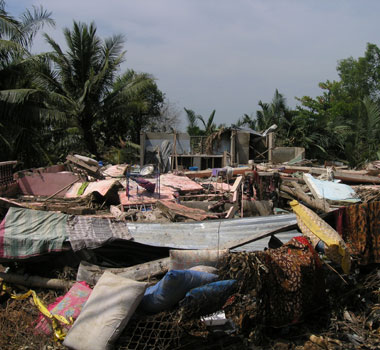
The destructive power of a tsunami is enormous .
Die zerstörerische Kraft eines Tsunamis ist enorm 0
Sức tàn phá của sóng thần là rất lớn .
海啸 的 破坏力 很大 。
Hǎixiào de pòhuàilì hěn dà.
津波は非常に破壊的です。
Tsunami wa hijō ni hakai-tekidesu.
쓰나미는 매우 파괴적입니다.
sseunamineun maeu pagoejeog-ibnida.
(VI)
(ZH)
(JA)
3331
[EN] [DE] [NL] [ES] [FR] [IT] [TH] [VI] [ZH]
|
RANDOM
我们照顾不周,请您包涵。

Please forgive us if we haven not taken good care of you .
Bitte verzeihen Sie uns , wenn wir uns nicht gut um Sie gekümmert haben 0
Xin hãy tha thứ cho chúng tôi nếu chúng tôi đã không chăm sóc bạn tốt .
我们 照顾 不周 , 请 您 包涵 。
Wǒmen zhàogù bùzhōu, qǐng nín bāohán.
うまく対応できていませんので、ご容赦ください。
Umaku taiō dekite imasen'node, go yōsha kudasai.
우리가 잘 돌보지 않았으니 용서해 주십시오.
uliga jal dolboji anh-ass-euni yongseohae jusibsio.
(VI)
(ZH)
(JA)
3334
[EN] [DE] [NL] [ES] [FR] [IT] [TH] [VI] [ZH]
|
RANDOM
比赛的结果震撼人心。

The outcome of the game was thrilling .
Das Ergebnis des Spiels war aufregend 0
Kết quả của trò chơi rất ly kỳ .
比赛 的 结果 震撼人心 。
Bǐsài de jiéguǒ zhènhàn-rénxīn.
ゲームの結果は衝撃的でした。
Gēmu no kekka wa shōgeki-tekideshita.
경기 결과는 충격적이었다.
gyeong-gi gyeolgwaneun chung-gyeogjeog-ieossda.
(VI)
(ZH)
(JA)
3338
[EN] [DE] [NL] [ES] [FR] [IT] [TH] [VI] [ZH]
|
RANDOM
广州市归广东省管辖。
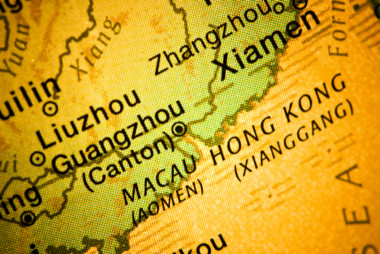
Guangzhou is under the jurisdiction of Guangdong province .
Guangzhou unterliegt der Gerichtsbarkeit der Provinz Guangdong 0
Quảng Châu thuộc quyền quản lý của tỉnh Quảng Đông .
广州市 归 广东省 管辖 。
Guǎngzhōu Shì guī Guǎngdōng Shěng guǎnxiá.
広州市は広東省の管轄下にあります。
Kōshū-shi wa kōtōshō no kankatsu-ka ni arimasu.
광저우시는 광둥성 관할입니다.
gwangjeousineun gwangdungseong gwanhal-ibnida.
(VI)
(ZH)
(JA)
3356
[EN] [DE] [NL] [ES] [FR] [IT] [TH] [VI] [ZH]
|
RANDOM
双方开始正式的会晤。

Both sides begin to meet officially .
Beide Seiten beginnen sich offiziell zu treffen 0
Cả hai bên bắt đầu gặp gỡ chính thức .
双方 开始 正式 的 会晤 。
Shuāngfāng kāishǐ zhèngshì de huìwù.
両者は正式に会い始めます。
Ryōsha wa seishiki ni ai hajimemasu.
양측은 정식 회담을 시작했다.
yangcheug-eun jeongsig hoedam-eul sijaghaessda.
(VI)
(ZH)
(JA)
3359
[EN] [DE] [NL] [ES] [FR] [IT] [TH] [VI] [ZH]
|
RANDOM
潜水需要氧气罐。

Diving requires the use of an oxygen tank .
Tauchen erfordert die Verwendung eines Sauerstofftanks 0
Lặn biển cần sử dụng bình dưỡng khí .
潜水 需要 氧气罐 。
Qiánshuǐ xūyào yǎngqìguàn.
ダイビングには酸素ボンベが必要です。
Daibingu ni wa sanzobonbe ga hitsuyōdesu.
다이빙에는 산소 탱크가 필요합니다.
daibing-eneun sanso taengkeuga pil-yohabnida.
(VI)
(ZH)
(JA)
3374
[EN] [DE] [NL] [ES] [FR] [IT] [TH] [VI] [ZH]
|
RANDOM
警官在训练警犬。
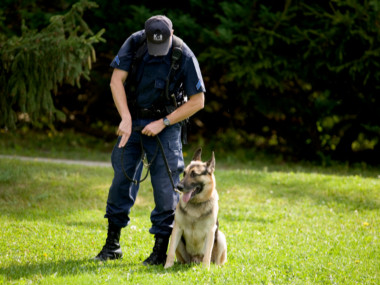
The police officer is training the police dog .
Der Polizist trainiert den Polizeihund 0
Anh cảnh sát đang huấn luyện chó cảnh sát .
警官 在 训练 警犬 。
Jǐngguān zài xùnliàn jǐngquǎn.
警察官は警察犬を訓練しています。
Keisatsukan wa keisatsu inu o kunren shite imasu.
경찰관이 경찰견을 훈련시키고 있습니다.
gyeongchalgwan-i gyeongchalgyeon-eul hunlyeonsikigo issseubnida.
(VI)
(ZH)
(JA)
3382
[EN] [DE] [NL] [ES] [FR] [IT] [TH] [VI] [ZH]
|
RANDOM
铀是放射性金属。

Uranium is a type of radioactive metal .
Uran ist eine Art radioaktives Metall 0
Uranium là một loại kim loại phóng xạ .
铀 是 放射性 金属 。
Yóu shì fàngshèxìng jīnshǔ.
ウランは放射性金属です。
Uran wa hōshasei kinzokudesu.
우라늄은 방사성 금속입니다.
ulanyum-eun bangsaseong geumsog-ibnida.
(VI)
(ZH)
(JA)
3385
[EN] [DE] [NL] [ES] [FR] [IT] [TH] [VI] [ZH]
|
RANDOM
金刚石由碳组成。
Diamonds are made of carbon .
Diamanten bestehen aus Kohlenstoff 0
Kim cương được làm bằng carbon 0
金刚石 由 碳 组成 。
Jīngāngshí yóu tàn zǔchéng.
ダイヤモンドは炭素で構成されています。
Daiyamondo wa tanso de kōsei sa rete imasu.
다이아몬드는 탄소로 구성되어 있습니다.
daiamondeuneun tansolo guseongdoeeo issseubnida.
(VI)
(ZH)
(JA)
3395
[EN] [DE] [NL] [ES] [FR] [IT] [TH] [VI] [ZH]
|
RANDOM
我很害怕蜘蛛。

I am afraid of spiders .
Ich habe Angst vor Spinnen 0
Tôi sợ nhện .
我 很 害怕 蜘蛛 。
Wǒ hěn hàipà zhīzhū.
蜘蛛が怖いです。
Kumo ga kowaidesu.
나는 거미가 무서워요.
naneun geomiga museowoyo.
(VI)
(ZH)
(JA)
3397
[EN] [DE] [NL] [ES] [FR] [IT] [TH] [VI] [ZH]
|
RANDOM
她给朋友斟茶。
She is pouring a cup of tea for her friend .
Sie gießt eine Tasse Tee für ihre Freundin ein 0
Cô ấy đang rót một tách trà cho bạn mình .
她 给 朋友 斟茶 。
Tā gěi péngyou zhēnchá.
彼女は友達にお茶を注ぐ。
Kanojo wa tomodachi ni ocha o sosogu.
그녀는 친구를 위해 차를 따릅니다.
geunyeoneun chinguleul wihae chaleul ttaleubnida.
(VI)
(ZH)
(JA)
3399
[EN] [DE] [NL] [ES] [FR] [IT] [TH] [VI] [ZH]
|
RANDOM
他把其他对手淘汰了。

He knocked his opponents out of the race .
Er warf seine Gegner aus dem Rennen 0
Anh ấy đã đánh bật các đối thủ của mình ra khỏi cuộc đua .
他 把 其他 对手 淘汰 了 。
Tā bǎ qítā duìshǒu táotài le.
彼は他の敵を排除した。
Kare wa hoka no teki o haijo shita.
그는 다른 상대를 제거했습니다.
geuneun daleun sangdaeleul jegeohaessseubnida.
(VI)
(ZH)
(JA)
3412
[EN] [DE] [NL] [ES] [FR] [IT] [TH] [VI] [ZH]
|
RANDOM
法官对案件酌情判决。

The judge considers the circumstances of the case before rendering a decision .
Der Richter prüft die Umstände des Falles , bevor er eine Entscheidung trifft 0
Thẩm phán xem xét các tình tiết của vụ án trước khi đưa ra quyết định .
法官 对 案件 酌情 判决 。
Fǎguān duì ànjiàn zhuóqíng pànjué.
裁判官は彼の裁量で事件を決定します。
Saibankan wa kare no sairyō de jiken o kettei shimasu.
판사는 재량에 따라 사건을 결정합니다.
pansaneun jaelyang-e ttala sageon-eul gyeoljeonghabnida.
(VI)
(ZH)
(JA)
3414
[EN] [DE] [NL] [ES] [FR] [IT] [TH] [VI] [ZH]
|
RANDOM
这里曾经是政府衙门。
This place was once a government office .
Dieser Ort war einst ein Regierungsbüro 0
Nơi này từng là văn phòng chính phủ .
这 里 曾经 是 政府 衙门 。
Zhèli céngjīng shì zhèngfǔ yámen.
これはかつては官庁でした。
Kore wa katsute wa kanchōdeshita.
이곳은 한때 관공서였다.
igos-eun hanttae gwangongseoyeossda.
(VI)
(ZH)
(JA)
3417
[EN] [DE] [NL] [ES] [FR] [IT] [TH] [VI] [ZH]
|
RANDOM
厨师往碗里加了一撮盐。
The cook added a little bit of salt to the bowl .
Der Koch gab ein wenig Salz in die Schüssel 0
Người nấu cho thêm một chút muối vào bát .
厨师 往碗 里 加 了 一 撮 盐 。
Chúshī wǎng wǎn lǐ jiāle yī cuō yán.
シェフはボウルに塩を少し加えました。
Shefu wa bōru ni shio o sukoshi kuwaemashita.
요리사는 그릇에 소금 한 꼬집을 추가했습니다.
yolisaneun geuleus-e sogeum han kkojib-eul chugahaessseubnida.
(VI)
(ZH)
(JA)
3421
[EN] [DE] [NL] [ES] [FR] [IT] [TH] [VI] [ZH]
|
RANDOM
政府官员的俸禄很不错。

The government officials have a good salary .
Die Regierungsbeamten haben ein gutes Gehalt 0
Công chức nhà nước lương hậu hĩnh .
政府 官员 的 俸禄 很 不错 。
Zhèngfǔ guānyuán de fènglù hěn bùcuò.
公務員の給料はとても良いです。
Kōmuin no kyūryō wa totemo yoidesu.
공무원의 급여는 매우 좋습니다.
gongmuwon-ui geub-yeoneun maeu johseubnida.
(VI)
(ZH)
(JA)
3435
[EN] [DE] [NL] [ES] [FR] [IT] [TH] [VI] [ZH]
|
RANDOM
锅底被熏黑了。

The bottom of the pan was blackened by soot .
Der Boden der Pfanne war von Ruß geschwärzt 0
Đáy chảo bị muội đen bám vào .
锅底 被 熏黑了 。
Guōdǐ bèi xūnhēi le.
鍋の底は黒くなっていました。
Nabe no soko wa kuroku natte imashita.
냄비 바닥이 검게 변했습니다.
naembi badag-i geomge byeonhaessseubnida.
(VI)
(ZH)
(JA)
3442
[EN] [DE] [NL] [ES] [FR] [IT] [TH] [VI] [ZH]
|
RANDOM
鸡是一种家禽。

Chickens are a type of poultry .
Hühner sind eine Geflügelart 0
Gà là một loại gia cầm 0
鸡 是 一种 家禽 。
Jī shì yī zhǒng jiāqín.
鶏肉は家禽の一種です。
Toriniku wa kakin no isshudesu.
닭고기는 가금류의 일종입니다.
dalg-gogineun gageumlyuui iljong-ibnida.
(VI)
(ZH)
(JA)
3445
[EN] [DE] [NL] [ES] [FR] [IT] [TH] [VI] [ZH]
|
RANDOM
今天的菜肴很丰富。

Today there is a huge assortment of dishes .
Heute gibt es eine riesige Auswahl an Gerichten 0
Ngày nay có rất nhiều loại món ăn .
今天 的 菜肴 很 丰富 。
Jīntiān de càiyáo hěn fēngfù.
今日の料理はとても豊富です。
Kyō no ryōri wa totemo hōfudesu.
오늘의 요리는 매우 풍부합니다.
oneul-ui yolineun maeu pungbuhabnida.
(VI)
(ZH)
(JA)
3458
[EN] [DE] [NL] [ES] [FR] [IT] [TH] [VI] [ZH]
|
RANDOM
皇帝女儿的丈夫叫驸马。
The husband of the emperor' s daughter is called fuma .
Der Ehemann der Kaisertochter heißt Fuma 0
Chồng của con gái hoàng đế được gọi là fuma .
皇帝 女儿 的 丈夫 叫 驸马 。
Huángdì nǚ'ér de zhàngfu jiào fùmǎ.
天皇の娘の夫は「風魔」と呼ばれる。
Tennō no musume no otto wa " kaze/fū ma" to yobareru.
황제의 딸의 남편은 "후마"라고 불립니다.
hwangje-ui ttal-ui nampyeon-eun "huma"lago bullibnida.
(VI)
(ZH)
(JA)
3466
[EN] [DE] [NL] [ES] [FR] [IT] [TH] [VI] [ZH]
|
RANDOM
她掌握了攀岩的窍门。

She' s mastered the secrets of rock-climbing .
Sie hat die Geheimnisse des Kletterns gemeistert 0
Cô ấy nắm vững bí quyết leo núi .
她 掌握 了 攀岩 的 窍门 。
Tā zhǎngwòle pānyán de qiàomén.
彼女はロッククライミングの芸術をマスターしました。
Kanojo wa rokkukuraimingu no geijutsu o masutā shimashita.
그녀는 암벽 등반의 비밀을 마스터했습니다.
geunyeoneun ambyeog deungban-ui bimil-eul maseuteohaessseubnida.
(VI)
(ZH)
(JA)
3477
[EN] [DE] [NL] [ES] [FR] [IT] [TH] [VI] [ZH]
|
RANDOM
她臀部的线条很漂亮。

The curve of her lower torso is very beautiful .
Die Krümmung ihres Unterleibs ist sehr schön 0
Đường cong của thân dưới của cô ấy rất đẹp .
她 臀部 的 线条 很漂亮 。
Tā túnbù de xiàntiáo hěn piàoliang.
彼女の腰のラインは美しいです。
Kanojo no koshi no rain wa utsukushīdesu.
그녀의 엉덩이 라인은 아름답습니다.
geunyeoui eongdeong-i lain-eun aleumdabseubnida.
(VI)
(ZH)
(JA)
3490
[EN] [DE] [NL] [ES] [FR] [IT] [TH] [VI] [ZH]
|
RANDOM
注射疫苗,防止瘟疫。

Get vaccinated to prevent the spread of the epidemic .
Lassen Sie sich impfen , um die Ausbreitung der Epidemie zu verhindern 0
Tiêm vắc xin để ngăn chặn sự lây lan của dịch .
注射 疫苗 , 防止 瘟疫 。
Zhùshè yìmiáo, fángzhǐ wēnyì.
ペストを防ぐためにワクチンを入手してください。
Pesuto o fusegu tame ni wakuchin o nyūshu shite kudasai.
전염병을 예방하기 위해 백신을 맞으십시오.
jeon-yeombyeong-eul yebanghagi wihae baegsin-eul maj-eusibsio.
(VI)
(ZH)
(JA)
3492
[EN] [DE] [NL] [ES] [FR] [IT] [TH] [VI] [ZH]
|
RANDOM
这件瓷器上有瑕疵。

There are imperfections in this piece of porcelain .
Dieses Stück Porzellan weist Unvollkommenheiten auf 0
Có những điểm không hoàn hảo trong mảnh sứ này .
这件 瓷器 上 有 瑕疵 。
Zhè jiàn cíqì shàng yǒu xiácī.
この磁器には傷があります。
Kono jiki ni wa kizu ga arimasu.
이 도자기에 흠집이 있습니다.
i dojagie heumjib-i issseubnida.
(VI)
(ZH)
(JA)
3496
[EN] [DE] [NL] [ES] [FR] [IT] [TH] [VI] [ZH]
|
RANDOM
回忆不会随着时间而湮灭。
Memories do not fall into oblivion with the passage of time .
Erinnerungen geraten im Laufe der Zeit nicht in Vergessenheit 0
Kỉ niệm không rơi vào quên lãng theo thời gian .
回忆 不会 随着 时间 而 湮灭 。
Huíyì bù huì suízhe shíjiān ér yānmiè.
記憶は時間の経過とともに消滅することはありません。
Kioku wa jikan no keika to tomoni shōmetsu suru koto wa arimasen.
추억은 시간이 지나도 소멸되지 않습니다.
chueog-eun sigan-i jinado somyeoldoeji anhseubnida.
(VI)
(ZH)
(JA)
3508
[EN] [DE] [NL] [ES] [FR] [IT] [TH] [VI] [ZH]
|
RANDOM
谣言传得纷纷纭纭。

As the rumor spread , it developed into a jumble of numerous versions .
Als sich das Gerücht verbreitete , entwickelte es sich zu einem Durcheinander zahlreicher Versionen 0
Khi tin đồn lan rộng , nó phát triển thành một mớ bòng bong với nhiều phiên bản .
谣言 传 得 纷纷 纭 纭 。
Yáoyán chuán de fēnfēnyúnyún.
噂が広まるにつれて、それは多数のバージョンの寄せ集めに発展しました.
Uwasa ga hiromaru ni tsurete, sore wa tasū no bājon no yose atsume ni hatten shimashita.
소문이 퍼졌다.
somun-i peojyeossda.
(VI)
(ZH)
(JA)
3513
[EN] [DE] [NL] [ES] [FR] [IT] [TH] [VI] [ZH]
|
RANDOM
海边生长了大量的水藻。
A lot of algae is growing near the shore .
In Ufernähe wachsen viele Algen 0
Gần bờ có rất nhiều tảo đang phát triển .
海边 生长 了 大量 的 水藻 。
Hǎibiān shēngzhǎngle dàliàng de shuǐzǎo.
海岸にはたくさんの藻が生えています。
Kaigan ni wa takusan no mo ga haete imasu.
많은 양의 조류가 바다에서 자랍니다.
manh-eun yang-ui jolyuga bada-eseo jalabnida.
(VI)
(ZH)
(JA)
3517
[EN] [DE] [NL] [ES] [FR] [IT] [TH] [VI] [ZH]
|
RANDOM
这个欧洲的小客栈别有风味。
This little European inn has a distinctive charm of its own .
Dieses kleine europäische Gasthaus hat seinen eigenen Charme 0
Nhà trọ nhỏ ở châu Âu này có một nét quyến rũ đặc biệt của riêng nó .
这个 欧洲 的 小 客栈 别有风味 。
Zhège Ōuzhōu de xiǎo kèzhàn biéyǒu-fēngwèi.
この小さなヨーロッパの旅館は特別な味がします。
Kono chīsana yōroppa no ryokan wa tokubetsuna aji ga shimasu.
이 작은 유럽 여관에는 특별한 맛이 있습니다.
i jag-eun yuleob yeogwan-eneun teugbyeolhan mas-i issseubnida.
(VI)
(ZH)
(JA)
3518
[EN] [DE] [NL] [ES] [FR] [IT] [TH] [VI] [ZH]
|
|