| HSK 3.0 | Big5 | Gb | Pin | Eng |
|---|
| 1 | 飯 | 饭 | fàn | food, meal, repast, cooked rice or other cereals, dinner
|
| 1 | 風 | 风 | fēng | wind, common practice, custom, general mood, style, news, information
|
| 1 | 告訴 | 告诉 | gàosu | tell, preach, notify, impart, inform, represent, apprize, send word, share, advise, give notice, apprise, assure, let know
|
| 1 | 好看 | 好看 | hǎokàn | embarrassed, interesting, nice, good-looking, delightful
|
| 1 | 很 | 很 | hěn | pretty, thrice, monstrously, gey, quite, mighty, stinking, sopping, some, assai, full, most, clinking, much, thumping, awfully, fiendishly, thundering, very, real, really, bally, proper, grossly, powerful, so, rattling, well, considerably, greatly, terribly
|
| 1 | 門票 | 门票 | ménpiào | entrance/admission ticket, admission ticket, admission fee, admission price, entrance ticket, admission charge, cover_charge, admission, entrance fee, entrance money, pasteboard, price of admission, entrance
|
| 1 | 米飯 | 米饭 | mǐfàn | (cooked) rice
|
| 1 | 醫院 | 医院 | yīyuàn | spital, hospital, infirmary, hospice
|
| 2 | 辦 | 办 | bàn | punish (by law), manage, get ... ready, set_up, buy a fair amount of, set up, run, management, handle, tackle, attend to, do, punish, bring ... to justice
|
| 2 | 辦公室 | 办公室 | bàngōngshì | agency, office, authority, government agency, bureau
|
| 2 | 部分 | 部分 | bùfen | partial, department, section, partialness, slice, pars, part, det.: part, percent, partage, sphere, component, divvy, segment, portion, fraction, sector, chapter, share, percentage, piece, division, sectional, parcel
|
| 2 | 參加 | 参加 | cānjiā | join, attend, take part in, give (advice/etc.)
|
| 2 | 大聲 | 大声 | dàshēng | loud, loud voice
|
| 2 | 隊長 | 队长 | duìzhǎng | captain, chieftain, skipper, police chief, header, headman, commandant, police captain, sirdar, team leader
|
| 2 | 服務 | 服务 | fúwù | be in the service of, serve
|
| 2 | 公司 | 公司 | gōngsī | place of business, business organization, incorporation, establishment, business concern, office, concern, business establishment, business, enterprise, company, corporation
|
| 2 | 關機 | 关机 | guān jī | to turn off (a machine or device), to finish shooting a film
|
| 2 | 酒 | 酒 | jiǔ | libation, bracer, plonk, wine, tipple, poison, pottle, spirits, creature, vin, cup, drink, hooch, arrack, medicine, alcohol, bottle, hootch, alcoholic drink, rum, bibble, potation, belly-wash, alcoholic beverage, Bacchus, booze, liquor, juice, fortifier, inebriant, lotion, intoxicant
|
| 2 | 開心 | 开心 | kāi xīn | feel happy, rejoice
|
| 2 | 禮物 | 礼物 | lǐwù | tribute, giving, proffer, gift, compliment, box, benefice, acknowledgment, present, souvenir
|
| 2 | 練習 | 练习 | liànxí | practice, exercise
|
| 2 | 練 | 练 | liàn | practice, exercise, boil and scour raw silk, educate, reeducate, nurture, coach, hone, drill, school, lunge, break, breed, train
|
| 2 | 涼快 | 凉快 | liángkuai | nice and cold, pleasantly cool
|
| 2 | 綠色 | 绿色 | lǜsè | verdure, green, greenness, green color, verdancy, bice, virescence, vert, pistachio, viridity
|
| 2 | 米 | 米 | mǐ | rice, shelled/husked seed
|
| 2 | 聲音 | 声音 | shēngyīn | voice, vocal, language, huskiness, vox, vocalization, audio, noise, sonic, tone, sound, phone, audio frequency
|
| 2 | 實習 | 实习 | shíxí | practice, do fieldwork
|
| 2 | 完成 | 完成 | wán chéng | fill in, finish out, fulfil, practice, complete, finish, encompass, clear_up, top_off, cleave, top off, accomplishment, make out, effect, perfective, fulfill, go through, exercise, discharge, fill out, completion, end, run, bring ... to fruition, round_out, achieve, execute, round out, make, cap off, accomplish, practise, follow through, come, finalize, fulfilment, dispatch, bring ...
|
| 2 | 小聲 | 小声 | xiǎoshēng | in a low voice, (speak) in whispers
|
| 2 | 意見 | 意见 | yìjian | latitude, point_of_view, estimation, sight, conceit, verdict, hypothesis, attitude, estimate, possibility, judgement, appraisal, ground, slant, differing opinion, ruling, complaint, thinking, suggestion, comment, advisement, mind, apprehension, say, vote, impression, deliverance, view, understanding, feeling, idea, notion, sentiment, judgment, advice, current, opinion, advert, theory, v
|
| 2 | 院 | 院 | yuàn | public facility, college, courtyard, designation for certain government offices and pub, hospital, clinic, branch of government, university, institutes, compound, abbey, academy, institute, yard, educational institution, faculty
|
| 2 | 找出 | 找出 | zhǎochū | rout out, find, unearth, rout up, rout, quest, observe, notice, grub, seek_out, dig_out, seek out, discover, find_out, root_out, spy, spot, detect, smoke out
|
| 2 | 只能 | 只能 | zhǐnéng | can only, obliged to do sth, to have no other choice
|
| 2 | 做法 | 做法 | zuòfa | way of doing sth., modus_operandi, practice, manner, method, making sth., way of making sth., shtick, way, way of doing, way of doing/making sth., personal manner
|
| 3 | 表達 | 表达 | biǎodá | express, convey, voice
|
| 3 | 部門 | 部门 | bùmén | category, section, department, service, instrumentality, branch, realm, sector, ministry, province, divisional, classification, departmental, division
|
| 3 | 達到 | 达到 | dá dào | extend to, find, fulfil, compass, encompass, extend, gain, answer, achievement, succeed, fulfill, live_up_to, attainment, strain, bring_up, achieve, get to, touch, strive, make, accomplish, progress to, come, hit, come_out, obtain, reach, attain, clock_up, suffice, do, get, arrive_at
|
| 3 | 發表 | 发表 | fābiǎo | voice, enounce, enunciate, publish, free, sound, announce, pronounce, deliver, circulation, put_out, release, issue, vend, circularize, give, give_out, denote, present, circulate, publicize, blazon, promulgate, mouth
|
| 3 | 發出 | 发出 | fā chū | voice, send_out, give_forth, send out, exhale, sound, fetch, pass off, shoot, effuse, issue, emanate, raise, give, shed, send/give out, utter, go, escape, proceed, send, give forth, give_off, give off, fall, eradiate, emit, flash, scintillate, issue_forth, give_out, give out, clank, reek, place, breathe
|
| 3 | 費用 | 费用 | fèiyong | tax, cost, expense, expenditure, due, rate, exes, outlay, outgo, fee, terms, toll, price, disbursement, fare, expenses, disbursal, retainer, pay, damage, charge, monetary value, consideration, outgoing
|
| 3 | 感情 | 感情 | gǎnqíng | warmheartedness, reticence, sensation, affection, susceptibility, feeling, feelings, heart, affective, withers, expression, tenderness, emotion, sentiment, fondness, soul, affectionateness, soulfulness, passion
|
| 3 | 歌聲 | 歌声 | gēshēng | voice, song, singing, sound of singing, singing voice
|
| 3 | 歌手 | 歌手 | gēshǒu | warbler, voice, vocalist, singer, bulbul, performer, lark, songster
|
| 3 | 公務員 | 公务员 | gōngwùyuán | jobholder, servant, public_servant, official, government official worker, functionary, government employee, public servant, officeholder, officialdom, officer, orderly, civil servant, government officials
|
| 3 | 古 | 古 | gǔ | ancient, age-old;not following current customs/practice
|
| 3 | 果汁 | 果汁 | guǒzhī | fruit juice
|
| 3 | 好好 | 好好 | hǎohǎo | well, carefully, nicely, properly
|
| 3 | 價格 | 价格 | jiàgé | price
|
| 3 | 價錢 | 价钱 | jiàqian | cost, monetary value, rate, price
|
| 3 | 交警 | 交警 | jiāojǐng | traffic police, abbr. for 交通警察
|
| 3 | 結婚 | 结婚 | jié hūn | middle-aisle, intermarry, mate, conjoin, get married, couple, married, espouse, pair, marry, unite, get_married, get hitched with, spouse, splice, hook up with, wed
|
| 3 | 精神 | 精神 | jīngshen | god, guts, heart, pneuma, consciousness, vigor, life, energy, vim, courage, esprit, moral, get-up-and-go, ginger, vitality, Psyche, psyche, spunk, gumption, juice, sand, mind, mental, mens, mickey, mettle, nature, grit, oomph, genius, vigour, substance, psychic, backbone, nous, nerve, pazazz, essence, pep, spirit, inward, drive, push, soul, gist
|
| 3 | 警察 | 警察 | jǐngchá | police officer, cop, trooper, bluecoat, finest, jack, peon, policeman, police force, constable, policemen, flattie, fuzz, constabulary, shamus, bull, bobby, robert, copper, tipstaff, rozzer, flatfoot, john, peeler, Vopo, law, runner, officer, gumshoe, pig, police, the police, beetle-crusher, flic
|
| 3 | 開業 | 开业 | kāi yè | to open a business, to open a practice, open (for business)
|
| 3 | 旅行社 | 旅行社 | lǚxíngshè | a tourist agency, travel_agency, a travel agency, travel service/agent, travel service, travel agent, travel agency
|
| 3 | 滿足 | 满足 | mǎnzú | fulfill, fit, cope with, fill, be satisfied/contented, gloat, contented, arrive, be satisfied, satisfy, sate, gratify, serve, meet, appease, replete, supply, satisfied, fulfill, suffice, assuage, satiate, content, be contented, conform to, suit, match
|
| 3 | 米 | 米 | mǐ | rice, shelled/husked seed
|
| 3 | 暖和 | 暖和 | nuǎnhuo | warm, nice and warm
|
| 3 | 票價 | 票价 | piàojià | ticket price, fare, admission fee
|
| 3 | 請教 | 请教 | qǐngjiào | consultation, Please enlighten me., seek advice, take counsel, consult, ask, ask for advice
|
| 3 | 慶祝 | 庆祝 | qìngzhù | fete, celebration, keep, festive, commemorate, celebrate, observe, rejoice, felicitate
|
| 3 | 缺點 | 缺点 | quēdiǎn | privilege, bug, failing, flaw, demerit, blemish, debit, limitation, mar, defect, glitch, foible, infirmity, blot, vice, drawback, disadvantage, imperfection, blemishment, weakness, tache, defection, shortcoming, malady, frailty, fault
|
| 3 | 任務 | 任务 | rènwu | imperative, assignment, cue, duty assignment, task, service, chore, labor, errand, job, lookout, undertaking, mission, military mission, duty, project, role
|
| 3 | 設備 | 设备 | shèbèi | installation, set, device, appointment, plant, fixing, system, appliance, fixture, fitting, accommodation, fitment, finishing, unit, furnishings, materiel, contrivance, paraphernalia, facilities, rig, equipage, setout, facility, fixings, equipment
|
| 3 | 生意 | 生意 | shēngyi | business enterprise, vocation, practice, merchant, dealing, patronage, deal, commercial enterprise, trade, biz, business, dealings, racket
|
| 3 | 實際上 | 实际上 | shíjìshang | in fact, in reality, as a matter of fact, in practice
|
| 3 | 實行 | 实行 | shíxíng | put into effect, fulfil, put ... into practice, practise, practice, put into practice/effect, live, pass, obtain, prosecute, cause, phase, meet, carry_out, pull, effect, operate, carry out, actualize, use, effectuate, put ... into effect, perform, apply, put into practice, run, implement, execute, do, make, wage, implementation
|
| 3 | 適合 | 适合 | shìhé | qualify, conform, fit, go, befit, quadrate, will, accord, tailor, beseem, serve, comport, gee, answer, become, fit_in, service, pertain, like, accommodate, agree, belong, characterize, make, suit, match
|
| 3 | 體驗 | 体验 | tǐyàn | learn through practice/experience
|
| 3 | 消息 | 消息 | xiāoxi | communication, witting, message, item, news, peep, info, intelligence, notice, information, advertisement, tidings, advert, word
|
| 3 | 演 | 演 | yǎn | elaborate, development, practise, practice, develop, act, performance, represent, deduction, drill, play, evolution, evolve, play the part of, perform, play the role of, mount, elaboration, deduce
|
| 3 | 郵箱 | 邮箱 | yóuxiāng | mailbox, post office box
|
| 3 | 職業 | 职业 | zhíyè | metier, vocation, iceman, mystery, engagement, work, walk of life, employment, job, occupational group, ploy, craft, trade, avocation, employ, racket, pursuit, profession, situation, line, occupation, position, calling, walk_of_life, career, billet, duty, living, shop
|
| 3 | 只好 | 只好 | zhǐhǎo | can only, have no choice but, have to, be forced to
|
| 3 | 只有 | 只有 | zhǐyǒu | can only, have no choice but, to be forced to
|
| 3 | 足夠 | 足够 | zúgòu | fully, enough, last, amply, suffice, sufficiently
|
| 4 | 倍 | 倍 | bèi | -fold, multiplication, diameter, double, times, twice as much
|
| 4 | 冰 | 冰 | bīng | ice
|
| 4 | 冰箱 | 冰箱 | bīngxiāng | frig, electric refrigerator, fridge, freezer, refrigerator, deepfreeze, icebox, reefer, cooler, refrigeratory
|
| 4 | 冰雪 | 冰雪 | bīngxuě | ice and snow
|
| 4 | 傳統 | 传统 | chuántǒng | rule, patrimony, legacy, custom, heritage, convention, conventionality, routine, normal practice, common practice, tradition
|
| 4 | 大樓 | 大楼 | dàlóu | mansion, massif, hall, block, manse, edifice, building, multi-storied building, residence, mansion house
|
| 4 | 擔任 | 担任 | dānrèn | hold the post of, take charge of, assume, take_charge, fill, shoulder, adopt, skipper, assume the office of, assume office of, act_as, take, act as, play, undertake, take over, take on
|
| 4 | 惡心 | 恶心 | ěxin | nausea, to feel sick, disgust, nauseating, to embarrass (deliberately), bad habit, vicious habit, vice
|
| 4 | 發票 | 发票 | fāpiào | invoice, receipt or bill for purchase
|
| 4 | 法官 | 法官 | fǎguān | sentencer, Bench, judiciary, judgeship, bench, tippet, wig, justice, judicature, magistrate, court, judge, jurist, recorder, hakim, justicer, judgship
|
| 4 | 法律 | 法律 | fǎlǜ | constitution, juridical, legal, jus, judiciary, statute law, law, codex, legislation, jurisprudence, lex, code, Themis, statute, judicial, practice of law, prescript, forensic, natural law
|
| 4 | 法院 | 法院 | fǎyuàn | judicature, (law) court, judicatory, bar, courthouse, law court, court, tribunal, judiciary, banc, court of justice, jug, banco, forensic
|
| 4 | 高價 | 高价 | gāojià | high price
|
| 4 | 官 | 官 | guān | government official, officeholder
|
| 4 | 技巧 | 技巧 | jìqiǎo | technics, artifice, superior skill, acquisition, acquirement, cunning, trick, dexterity, accomplishment, mechanism, craft, craftsmanship, technique, artistry, handiwork, mastery, handicraft, finesse, attainment, sleight, skill, implement, execution, prowess, ingenuity, art, method, dish, mechanics, knack, cup of tea, management, bag, proficiency, address, facility, virtuosity, workman
|
| 4 | 降價 | 降价 | jiàng jià | lower prices
|
| 4 | 角色 | 角色 | juésè | theatrical role, character, persona, part, function, office, fictional character, actor, fictitious character, personage, role
|
| 4 | 帽子 | 帽子 | màozi | castor, lid, cap, brand, headgear, chapeau, titfer, hat, headpiece, label, amice, tag
|
| 4 | 切 | 切 | qiè | cut, slice
|
| 4 | 色 | 色 | sè | color, CL:種|种[zhong3], look, appearance, sex, color, dice
|
| 4 | 熟練 | 熟练 | shúliàn | practiced, proficient, skilled, skillful
|
| 4 | 套餐 | 套餐 | tàocān | set meal, product or service package (e.g. for a cell phone subscription)
|
| 4 | 特價 | 特价 | tèjià | special price
|
| 4 | 挑 | 挑 | tiāo | pluck, provoking, stir up, choose, incite, instigation, lance, shoulder, push sth. up, selection, carry on both ends of shoulder pole, push ... up with a pole or stick, choice, defy, prick, raise, instigate, poke, provocation, plunk, select, carry on the shoulder with a pole, push/poke sth. up, poke sth. up, pick, push, provoke
|
| 4 | 通知書 | 通知书 | tōngzhīshū | Notice
|
| 4 | 圖案 | 图案 | túàn | miniature, device, pattern, illumination, emblem, embossment, design, imprint, cutout, designing, type
|
| 4 | 土地 | 土地 | tǔdi | country, acre, terra, soil, premise, realm, territory, dirt, local god of the land, farming, earth, ground, kingdom, holding, agrarian, solid ground, benefice, esplees, tract, village god, glebe, terra firma, land, dry land
|
| 4 | 微信 | 微信 | Wēixìn | Weixin or WeChat (mobile text and voice messaging service developed by Tencent 騰訊|腾讯[Teng2 xun4])
|
| 4 | 細節 | 细节 | xìjié | circumstance, minutiae, nicety, minutia, speciality, item, detail, particulars, punctilio, particular, point, specific, respect, regard, details
|
| 4 | 顯著 | 显著 | xiǎnzhù | outstand, striking, noticeable, remarkable, appear, marked, notable, outstanding, stand_out
|
| 4 | 醫學 | 医学 | yīxué | medicine, practice of medicine, medical science, leechcraft, physic, iatrology, medical
|
| 4 | 用途 | 用途 | yòngtú | purpose, service, help, use, value, mileage, avail
|
| 4 | 郵局 | 邮局 | yóujú | post office
|
| 4 | 再三 | 再三 | zàisān | repeatedly, again and again, over and over again, thrice, time and again
|
| 4 | 主席 | 主席 | zhǔxí | chairwoman, presiding officer, president (of organization, chair, chair (of meeting), prolocutor, chairperson, subchairman, chairmanship, state), chairman, chair/president (of organization/state), moderator, president
|
| 5 | 報警 | 报警 | bào jǐng | to sound an alarm, to report sth to the police
|
| 5 | 廚房 | 厨房 | chúfáng | office, cookery, cookhouse, kitchen, cookroom, but, caboose
|
| 5 | 脆 | 脆 | cuì | brittle, fragile, crisp, crunchy, clear and loud voice, neat
|
| 5 | 代價 | 代价 | dàijià | reward, cost, cost (of doing sth.), forfeit, expense, damage, wages, payoff, terms, toll, price, wage
|
| 5 | 膽小 | 胆小 | dǎnxiǎo | cowardice, timid
|
| 5 | 電飯鍋 | 电饭锅 | diànfànguō | electric rice cooker
|
| 5 | 洞 | 洞 | dòng | aperture, hole in the ground, kennel, puncture, excavation, perforation, bore, cave, howe, opening, gap, hole, orifice, scoop, hollow, cavity
|
| 5 | 價 | 价 | jià | price, value, (chemistry) valence, great, good, middleman, servant
|
| 5 | 駕照 | 驾照 | jiàzhào | driver's license
|
| 5 | 鍵 | 键 | jiàn | key (on a piano or computer keyboard), button (on a mouse or other device), chemical bond, linchpin
|
| 5 | 軍人 | 军人 | jūnrén | soldiery, soldier, swordsman, buffcoat, armyman, serviceman, military
|
| 5 | 門診 | 门诊 | ménzhěn | outpatient service
|
| 5 | 啟事 | 启事 | qǐshì | announcement (written, on billboard, letter, newspaper or website), to post information, a notice
|
| 5 | 勸 | 劝 | quàn | encourage, urge, talk, advise, advice, persuade, prevail, encouragement, try to persuade, exhort
|
| 5 | 上漲 | 上涨 | shàngzhǎng | rise, go up (of water level/prices/etc.)
|
| 5 | 師傅 | 师傅 | shīfu | emperor, tutor of king, tutor of emperor, professional, address for service workers, master, general term of address in late 7 0 s an, general term of address in late 70s and 80s, master worker, tutor of king/emperor
|
| 5 | 手段 | 手段 | shǒuduàn | resource, recourse, vehicle, wile, stratagem, gambit, artifice, instrument, twist, road, trick, ploy, shift, resort, polity, step, instrumentation, plan of attack, communication, artillery, finesse, means, channel, approach, implement, medium, gimmick, attack, device, refuge, method, instrumentality, stepping-stone, gateway, ministry, measure, way, tactic, expedient, quomodo, machinery, t
|
| 5 | 手法 | 手法 | shǒufǎ | manoeuvering, artifice, manner, hanky-panky, legerdemain, tactical manoeuver, trick, tactical maneuver, maneuver, technique, play, tactic, manoeuvre, modus_operandi, prestidigitation, stroke, tact, skill, maneuvering, sleight, implement, touch, gimmick
|
| 5 | 抬頭 | 抬头 | tái tóu | raise one's head, gain ground, improve, go up (in price)
|
| 5 | 提示 | 提示 | tíshì | to point out, to remind (sb of sth), to suggest, suggestion, tip, reminder, notice
|
| 5 | 廳 | 厅 | tīng | department, provincial government department, office, lobby, salle, hall
|
| 5 | 推行 | 推行 | tuīxíng | carry out, practice
|
| 5 | 物價 | 物价 | wùjià | commodity prices
|
| 5 | 信箱 | 信箱 | xìnxiāng | post-office box, mailbox, letter_box, letter box, postbox, box
|
| 5 | 雄偉 | 雄伟 | xióngwěi | grand, imposing, magnificent, majestic
|
| 5 | 也好 | 也好 | yěhǎo | particle: showing hesitant acceptance; (in ~也好, ~也好/罷) showing the acceptance or introduction of choices
|
| 5 | 業務 | 业务 | yèwù | service, practice, vocational work, line of work, affair, line, occupation, professional work, business, transaction
|
| 5 | 運行 | 运行 | yùnxíng | to move along one's course (of celestial bodies etc), (fig.) to function, to be in operation, (of a train service etc) to operate, to run, (of a computer) to run
|
| 5 | 漲 | 涨 | zhǎng | rise, go up (of water/prices/etc.)
|
| 5 | 漲價 | 涨价 | zhǎng jià | rise in price
|
| 5 | 正義 | 正义 | zhèngyì | justice
|
| 5 | 職位 | 职位 | zhíwèi | slot, appointment, character, berth, post, archbishopric, job, ministry, situation, office, position, spot, billet, place, posting
|
| 5 | 職務 | 职务 | zhíwù | engagement, job, part, office, line of duty, contribution, ministration, task, responsibility, commission, post, line of work, affair, hat, function, situation, occupation, line, province, share, duties, business, duty
|
| 5 | 治安 | 治安 | zhìān | peace, order, public security, police, public order, security, public order/security
|
| 6 | 辦公 | 办公 | bàn gōng | work (usu. in an office), transact, work, handle official business
|
| 6 | 辦事處 | 办事处 | bànshìchù | office, agency
|
| 6 | 策略 | 策略 | cèlüè | coup, resource, enginery, wile, stratagem, gambit, practice, plant, diplomacy, artifice, trap, twist, tactical manoeuver, policy, game, mechanism, game plan, ambush, chicanery, finesse, lying in wait, maneuvering, joker, tactics, gimmick, manoeuvering, plan, device, art, tactical maneuver, maneuver, measure, play, tactic, manoeuvre, mechanics, tack, ambuscade, trickery, strategy, setup, r
|
| 6 | 常規 | 常规 | chángguī | code of conduct, conventions, common practice, routine (medical procedure etc)
|
| 6 | 車牌 | 车牌 | chēpái | license plate
|
| 6 | 處長 | 处长 | chùzhǎng | department, section chief, commissioner, department/office head, department head, head of a department, office head
|
| 6 | 大道 | 大道 | dàdào | wide road, the way of virtue and justice
|
| 6 | 大米 | 大米 | dàmǐ | (husked) rice
|
| 6 | 定價 | 定价 | dìngjià | to set a price, to fix a price
|
| 6 | 發言人 | 发言人 | fāyánrén | voice, spokesman, representative, interpreter, prophet, addresser, spokesperson, prolocutor, addressor, fugleman, coryphaeus
|
| 6 | 房價 | 房价 | fángjià | house/apartment purchase price, house purchase price, apartment purchase price, house
|
| 6 | 高考 | 高考 | gāokǎo | college entrance exam (especially as abbr. for 普通高等學校招生全國統一考試|普通高等学校招生全国统一考试[Pu3 tong1 Gao1 deng3 Xue2 xiao4 Zhao1 sheng1 Quan2 guo2 Tong3 yi1 Kao3 shi4]), entrance exam for senior government service posts (Taiwan)
|
| 6 | 光輝 | 光辉 | guānghuī | radiancy, irradiancy, blaze, sparkle, fire, shininess, shine, resplendency, glory, glare, magnificence, sheen, lustre, grandeur, splendor, lucidity, coruscation, refulgence, grandness, burnish, brilliance, flame, glow, luminosity, glitter, luster, refulgency, radiance, irradiance, glowing, halo, resplendence, splendour, effulgence
|
| 6 | 將軍 | 将军 | jiāngjūn | problem, mate, general, high-rank officer, marshal, full general, shogun, aga, warlord, tycoon, check
|
| 6 | 精 | 精 | jīng | essence, extract, vitality, energy, semen, sperm, mythical goblin spirit, highly perfected, elite, the pick of sth, proficient (refined ability), extremely (fine), selected rice (archaic)
|
| 6 | 驚喜 | 惊喜 | jīngxǐ | nice surprise, to be pleasantly surprised
|
| 6 | 牢 | 牢 | láo | firm, sturdy, fold (for animals), sacrifice, prison
|
| 6 | 民警 | 民警 | mínjǐng | civil police, PRC police, abbr. for 人民警察
|
| 6 | 實踐 | 实践 | shíjiàn | practice
|
| 6 | 手續費 | 手续费 | shǒuxùfèi | service charge, processing fee, commission
|
| 6 | 寺 | 寺 | sì | Buddhist temple, mosque, government office (old)
|
| 6 | 徒弟 | 徒弟 | túdi | apprentice, disciple
|
| 6 | 危機 | 危机 | wēijī | ambush, clutch, climacteric, crisis, precipice, hump, conjuncture, juncture, sharpness, gravity, edge
|
| 6 | 犧牲 | 牺牲 | xīshēng | sacrifice oneself, die martyr's death, do sth. at the expense of self or sb. else
|
| 6 | 寫字樓 | 写字楼 | xiězìlóu | office building
|
| 6 | 儀器 | 仪器 | yíqì | instrumentation, device, setup, apparatus, instrumental, instrument, armamentarium
|
| 6 | 儀式 | 仪式 | yíshì | religious rite, ceremonial occasion, deeds, practice, form, rituality, office, formality, ritual, circumstance, ceremony, formalness, exercise, powwow, observance, ceremonial, rite, works
|
| 6 | 漲 | 涨 | zhǎng | rise, go up (of water/prices/etc.)
|
| 6 | 壯觀 | 壮观 | zhuàngguān | sublime, spectacular, magnificent
|
| 6 | 咨詢 | 咨询 | zīxún | to consult, to seek advice, consultation, (sales) inquiry (formal)
|
| 6 | 總部 | 总部 | zǒngbù | base of operations, head office, armory, base, headquarters
|
| 6 | 總經理 | 总经理 | zǒngjīnglǐ | CEO, general_manager, chief executive officer, chief operating officer, executive, managing director, general manager, president
|
| 6 | 總監 | 总监 | zǒngjiān | head, director (of an organizational unit), (police) commissioner, inspector-general, rank of local governor in Tang dynasty administration
|
| 6 | 族 | 族 | zú | race, nationality, ethnicity, clan, by extension, social group (e.g. office workers 上班族)
|
| 7 | 按鍵 | 按键 | ànjiàn | button or key (on a device), keystroke, CL:個|个[ge4], to press a button
|
| 7 | 案件 | 案件 | ànjiàn | a police case, law case, case (of law/etc.), a legal case, case
|
| 7 | 報酬 | 报酬 | bàochou | emolument, reward, fee, recompense, earnings, gratuity, requital, retribution, price, harvest, remuneration, quittance, pay, consideration, salary, compensation, honorarium, payment, meed, gratification, wage, guerdon
|
| 7 | 本能 | 本能 | běnnéng | whim, appetence, vagary, instinct, instinctive, native ability, inherent aptitude, impulse, caprice, faculty
|
| 7 | 弊病 | 弊病 | bìbìng | malady, evil, malpractice, drawback, disadvantage
|
| 7 | 弊端 | 弊端 | bìduān | malpractice, abuse, corrupt practice
|
| 7 | 冰棍兒 | 冰棍儿 | bīnggùnr5 | ice lolly, popsicle
|
| 7 | 冰山 | 冰山 | bīngshān | iceberg, CL:座[zuo4]
|
| 7 | 不得已 | 不得已 | bùdéyǐ | to act against one's will, to have no alternative but to, to have to, to have no choice, must
|
| 7 | 不理 | 不理 | bùlǐ | to refuse to acknowledge, to pay no attention to, to take no notice of, to ignore
|
| 7 | 參謀 | 参谋 | cānmóu | staff officer, to give advice
|
| 7 | 燦爛 | 灿烂 | cànlàn | brilliant, glitter, splendid, resplend, resplendent, magnificent
|
| 7 | 盛 | 盛 | shèng | flourishing, prosperous, vigorous, energetic, magnificent, grand, abundant, plentiful, popular, widespread
|
| 7 | 懲處 | 惩处 | chéngchǔ | to punish, to administer justice
|
| 7 | 橙汁 | 橙汁 | chéngzhī | orange juice, CL:瓶[ping2],杯[bei1],罐[guan4],盒[he2]
|
| 7 | 從業 | 从业 | cóngyè | to practice (a trade)
|
| 7 | 打招呼 | 打招呼 | dǎ zhāohu | to greet sb by word or action, to give prior notice
|
| 7 | 稻草 | 稻草 | dàocǎo | rice straw
|
| 7 | 低調 | 低调 | dīdiào | low pitch, quiet (voice), subdued, low-key, low-profile
|
| 7 | 低價 | 低价 | dījià | cheap, song, low, low price
|
| 7 | 凍結 | 冻结 | dòngjié | to freeze (loan, wage, price etc)
|
| 7 | 惡意 | 恶意 | èyì | malice, evil intention
|
| 7 | 飯碗 | 饭碗 | fànwǎn | rice bowl, fig. livelihood, job, way of making a living
|
| 7 | 粉絲 | 粉丝 | fěnsī | bean vermicelli, mung bean starch noodles, Chinese vermicelli, cellophane noodles, CL:把[ba3], fan (loanword), enthusiast for sb or sth
|
| 7 | 風氣 | 风气 | fēngqì | mores, ethos, order_of_the_day, climate, established practice, genius, genius loci, atmosphere, tone, general mood, common practice, fashion
|
| 7 | 風味 | 风味 | fēngwèi | race, gust, special flavour, savor, flavor, savour, local color, relish, sapor, spice, tasting, local colour, smack, gusto, snack, savoriness, special flavor, flavorsomeness, zest, taste
|
| 7 | 告知 | 告知 | gàozhī | acknowledge, expose, divulge, disclose, intimation, notify, impart, inform, communicate, apprize, notification, advise, give notice, assure, reveal, let on, tell, discover, acquaint, let out, send word, declare, instruct, apprise, break, give away, bring out
|
| 7 | 割 | 割 | gē | hack, cut, fissure, slit, crop, slice, mow, carbonado
|
| 7 | 格 | 格 | gé | lattice, grid, squares
|
| 7 | 公安局 | 公安局 | gōngānjú | public security bureau (government office similar in function to a police station)
|
| 7 | 公道 | 公道 | gōngdao | justice, fairness, public highway, fair, equitable
|
| 7 | 功 | 功 | gōng | meritorious service, exploit, achievement, result, effect, skill
|
| 7 | 功臣 | 功臣 | gōngchén | minister who has given outstanding service
|
| 7 | 公職 | 公职 | gōngzhí | public office/employment
|
| 7 | 功勞 | 功劳 | gōngláo | contribution, meritorious service, credit
|
| 7 | 供奉 | 供奉 | gòngfèng | to consecrate, to enshrine and worship, an offering (to one's ancestors), a sacrifice (to a God)
|
| 7 | 鼓舞 | 鼓舞 | gǔwǔ | inspire, hearten, dance for joy, rejoice
|
| 7 | 官兵 | 官兵 | guānbīng | officers and men, government troops
|
| 7 | 官員 | 官员 | guānyuán | beg, official, mandarinate, administrative official, office-bearer, officer, bureaucrat, placeman, federal agent, government officials, agent, officialism, functionary, director, officeholder, officialdom, myrmidon
|
| 7 | 慣例 | 惯例 | guànlì | custom, pattern, practice, manner, tradition, routine, law, wont, habit, codex, ritual, convention, convenance, consuetude, usual practice, rule, use, observance, institution, modus operandi, precedent, conventionality, rite, praxis, natural law
|
| 7 | 過日子 | 过日子 | guò rìzi | live, get along, practice economy
|
| 7 | 行情 | 行情 | hángqíng | prices, quotation, (market) quotations, market, price, quotations
|
| 7 | 禾苗 | 禾苗 | hémiáo | seedling (of rice or other grain), CL:棵[ke1]
|
| 7 | 和藹 | 和蔼 | héǎi | kindly, nice, amiable
|
| 7 | 宏偉 | 宏伟 | hóngwěi | grand, imposing, magnificent
|
| 7 | 華麗 | 华丽 | huálì | magnificent, gorgeous
|
| 7 | 荒 | 荒 | huāng | desolate, shortage, scarce, out of practice, absurd, uncultivated, to neglect
|
| 7 | 回落 | 回落 | huíluò | to fall back, to return to low level after a rise (in water level, price etc)
|
| 7 | 豁 | 豁 | huō | to play Chinese finger-guessing game, opening, stake all, sacrifice, crack, slit, clear, open, exempt (from), liberal-minded
|
| 7 | 貨物 | 货物 | huòwù | portage, freight, hotshot, shipment, transit, payload, lading, load, commodity, traffic, salework, shipload, bale, consignment, ware, store, cargo, goods, loading, article, merchandise, invoice, charge, freightage
|
| 7 | 祭 | 祭 | jì | surname Zhai, to offer sacrifice, festive occasion
|
| 7 | 祭奠 | 祭奠 | jìdiàn | to offer sacrifices (to one's ancestors), to hold or attend a memorial service
|
| 7 | 祭祀 | 祭祀 | jìsi | offer sacrifices to gods/ancestors
|
| 7 | 價位 | 价位 | jiàwèi | price
|
| 7 | 建築物 | 建筑物 | jiànzhùwù | foundation, shebang, erection, superstructure, buildup, architecture, construct, construction, edifice, building, structure, place, tenement, property, house, fabric
|
| 7 | 接送 | 接送 | jiēsòng | picking up and dropping off, greeting and sending off, shuttle (transport service)
|
| 7 | 警車 | 警车 | jǐngchē | police car
|
| 7 | 警官 | 警官 | jǐngguān | constable, police officer
|
| 7 | 競選 | 竞选 | jìngxuǎn | campaign (for office), run for
|
| 7 | 就任 | 就任 | jiùrèn | to take office, to assume a post
|
| 7 | 就醫 | 就医 | jiù yī | seek medical advice
|
| 7 | 就診 | 就诊 | jiù zhěn | to see a doctor, to seek medical advice
|
| 7 | 就職 | 就职 | jiù zhí | to take office, to assume a post
|
| 7 | 拘束 | 拘束 | jūshù | to restrict, to restrain, constrained, awkward, ill at ease, uncomfortable, reticent
|
| 7 | 舉報 | 举报 | jǔbào | to report (malefactors to the police), to denounce
|
| 7 | 軍官 | 军官 | jūnguān | officer (military)
|
| 7 | 口氣 | 口气 | kǒuqi | tone, note, manner of speaking, tone of voice, implication
|
| 7 | 口音 | 口音 | kǒuyīn | oral speech sounds (linguistics), voice, accent
|
| 7 | 苦練 | 苦练 | kǔliàn | to train hard, to practice diligently, hard work, blood, sweat, and tears
|
| 7 | 寬厚 | 宽厚 | kuānhòu | tolerant, generous, magnanimous, thick and broad (build), thick and deep (voice)
|
| 7 | 拉攏 | 拉拢 | lālong | to rope in, fig. to involve sb, to entice
|
| 7 | 勞務 | 劳务 | láowù | service (work done for money), services (as in 'goods and services')
|
| 7 | 離職 | 离职 | lízhí | to retire, to leave office, to quit a job
|
| 7 | 禮品 | 礼品 | lǐpǐn | present, beneficence, gift
|
| 7 | 理會 | 理会 | lǐhuì | understand, comprehend, take notice of, pay attention to
|
| 7 | 理直氣壯 | 理直气壮 | lǐzhí-qìzhuàng | in the right and self-confident (idiom), bold and confident with justice on one's side, to have the courage of one's convictions, just and forceful
|
| 7 | 連任 | 连任 | lián rèn | to continue in (a political) office, to serve for another term of office
|
| 7 | 廉價 | 廉价 | liánjià | cheaply-priced, low-cost
|
| 7 | 裂縫 | 裂缝 | lièfèng | crack, crevice, CL:道[dao4]
|
| 7 | 留意 | 留意 | liú yì | be careful, watch, see, insure, see to it, pay attention to, keep one's eyes open, take notice, listen, heed, mind, ensure, advert, assure, control, look out, check, ascertain, regard
|
| 7 | 鹵味 | 卤味 | lǔwèi | food prepared by stewing in soy sauce and spices, variant of 滷味|卤味[lu3 wei4]
|
| 7 | 馬後炮 | 马后炮 | mǎhòupào | lit. firing after the horse, fig. belated action, giving advice in hindsight
|
| 7 | 魅力 | 魅力 | mèilì | personal appeal, allurement, charisma, fascination, spell, attractive feature, glitter, witchery, lure, appeal, grace, loveliness, attraction, allure, enticement, seduction, glamour, pazazz, charm, pishogue, prestige, enchantment, glamor, witchcraft, magnetism, attractiveness, appealingness, hypnotism, bewitchment, invitation, personal magnetism, captivation
|
| 7 | 能源 | 能源 | néngyuán | energy sources, energy, juice, power sources, energy resources, the sources of energy, sources of energy
|
| 7 | 弄虛作假 | 弄虚作假 | nòngxū-zuòjiǎ | to practice fraud (idiom), by trickery
|
| 7 | 暖烘烘 | 暖烘烘 | nuǎnhōnghōng | nice and warm, cosy, heartwarming
|
| 7 | 拍賣 | 拍卖 | pāimài | to auction, auction sale, to sell at a reduced price
|
| 7 | 牌照 | 牌照 | páizhào | (business) licence, vehicle licence, car registration, licence plate
|
| 7 | 攀昇 | 攀升 | pānshēng | to clamber up, (of prices etc) to rise
|
| 7 | 偏見 | 偏见 | piānjiàn | prejudice
|
| 7 | 票房 | 票房 | piàofáng | box office
|
| 7 | 平價 | 平价 | píngjià | reasonably priced, inexpensive, to keep prices down, (currency exchange) parity
|
| 7 | 啟蒙 | 启蒙 | qǐ méng | to instruct the young, to initiate, to awake sb from ignorance, to free sb from prejudice or superstition, primer, enlightened, the Enlightenment, Western learning from the late Qing dynasty
|
| 7 | 千軍萬馬 | 千军万马 | qiānjūn-wànmǎ | magnificent army with thousands of men and horses (idiom), impressive display of manpower, all the King's horses and all the King's men
|
| 7 | 慶幸 | 庆幸 | qìngxìng | rejoice at a good outcome
|
| 7 | 趣味 | 趣味 | qùwèi | playfulness, merriment, savor, camp, interest, salt, delight, savour, liking, fun, gout, preference, spice, lust, gusto, palate, taste, delectation
|
| 7 | 勸告 | 劝告 | quàngào | to advise, to urge, to exhort, exhortation, advice, CL:席[xi2]
|
| 7 | 人選 | 人选 | rénxuǎn | choice among persons
|
| 7 | 任期 | 任期 | rènqī | term of office
|
| 7 | 任職 | 任职 | rèn zhí | assignment, be in office, serve, hold a position, hold a post
|
| 7 | 嗓子 | 嗓子 | sǎngzi | throat, voice, CL:把[ba3]
|
| 7 | 殺害 | 杀害 | shāhài | cut_down, liquidate, killing, kill, slay, cut_off, grease, remove, murder, destroy, do in, waste, ice, knock off
|
| 7 | 上任 | 上任 | shàng rèn | take up an official post, assume post, incept, assume office
|
| 7 | 上調 | 上调 | shàngdiào | to raise (prices), to adjust upwards
|
| 7 | 申領 | 申领 | shēnlǐng | to apply (for license, visa etc)
|
| 7 | 伸張 | 伸张 | shēnzhāng | to uphold (e.g. justice or virtue), to promote
|
| 7 | 身價 | 身价 | shēnjià | social status, price of a slave, price of a person (a sportsman etc), worth, value (of stocks, valuables etc)
|
| 7 | 盛大 | 盛大 | shèngdà | grand, majestic, magnificent, Shanda Entertainment (PRC computer game company)
|
| 7 | 事務所 | 事务所 | shìwùsuǒ | office, business office, business premises
|
| 7 | 售價 | 售价 | shòujià | asking price, selling price, selling_price, sell price, price
|
| 7 | 涮 | 涮 | shuàn | to rinse, to trick, to fool sb, to cook by dipping finely sliced ingredients briefly in boiling water or soup (generally done at the dining table)
|
| 7 | 水稻 | 水稻 | shuǐdào | rice, paddy, CL:株[zhu1]
|
| 7 | 稅務 | 税务 | shuìwù | taxation services, state revenue service
|
| 7 | 司令 | 司令 | sīlìng | commanding officer
|
| 7 | 司法 | 司法 | sīfǎ | justice, judicature, administration of justice, judicatory, judiciary, judgeship, judicial, judgship
|
| 7 | 鎖定 | 锁定 | suǒdìng | to lock (a door), to close with a latch, to lock into place, a lock, a latch, to lock a computer file (to prevent it being overwritten), to lock (denying access to a computer system or device or files, e.g. by password-protection), to focus attention on, to target
|
| 7 | 貪 | 贪 | tān | be corrupt, practice graft, covet, hanker after
|
| 7 | 湯圓 | 汤圆 | tāngyuán | boiled balls of glutinous rice flour, eaten during the Lantern Festival
|
| 7 | 討價還價 | 讨价还价 | tǎojià-huánjià | to haggle over price
|
| 7 | 通車 | 通车 | tōng chē | be open to traffic, have transport service
|
| 7 | 通告 | 通告 | tōnggào | to announce, to give notice
|
| 7 | 同伙 | 同伙 | tónghuǒ | colleague, co-conspirator, accomplice
|
| 7 | 團伙 | 团伙 | tuánhuǒ | (criminal) gang, gang member, accomplice, crony
|
| 7 | 委婉 | 委婉 | wěiwǎn | tactful, euphemistic, (of voice etc) suave, soft
|
| 7 | 無情無義 | 无情无义 | wúqíngwúyì | completely lacking any feeling or sense of justice (idiom), cold and ruthless
|
| 7 | 下臺 | 下台 | xià tái | fall out of power, leave office, step down from the stage/platform
|
| 7 | 下調 | 下调 | xiàdiào | to demote, to pass down to a lower unit, to adjust downwards, to lower (prices, wages etc)
|
| 7 | 現任 | 现任 | xiànrèn | be incumbent, be currently in office
|
| 7 | 香料 | 香料 | xiāngliào | spice, flavoring, condiment, perfume
|
| 7 | 香味 | 香味 | xiāngwèi | spicery, incense, redolence, odor, aroma, spiciness, sweetness, fragrance, flavor, bouquet, sapidness, flavour, sapidity, perfume, spice, smell, snuff, scent, fragrancy, balm, nose, zest
|
| 7 | 新手 | 新手 | xīnshǒu | new hand, novice, raw recruit
|
| 7 | 性價比 | 性价比 | xìngjiàbǐ | quality-price ratio
|
| 7 | 許可證 | 许可证 | xǔkězhèng | license, authorization, permit
|
| 7 | 宣誓 | 宣誓 | xuān shì | to swear an oath (of office), to make a vow
|
| 7 | 懸崖 | 悬崖 | xuányá | precipice, overhanging cliff
|
| 7 | 選項 | 选项 | xuǎnxiàng | to make a choice (between several alternatives), a choice, an option, an alternative
|
| 7 | 鴉雀無聲 | 鸦雀无声 | yāquè-wúshēng | lit. crow and peacock make no sound, absolute silence (idiom), not a single voice can be heard, absolute silence
|
| 7 | 演練 | 演练 | yǎnliàn | drill, practice
|
| 7 | 演習 | 演习 | yǎnxí | maneuver, exercise, practice, to maneuver
|
| 7 | 一剎那 | 一刹那 | yīchànà | a very short time, tick, trice, a moment, shake
|
| 7 | 一帆風順 | 一帆风顺 | yīfān-fēngshùn | propitious wind throughout the journey (idiom), plain sailing, to go smoothly, have a nice trip!
|
| 7 | 異口同聲 | 异口同声 | yìkǒu-tóngshēng | different mouths, same voice, to speak in unison (idiom)
|
| 7 | 應酬 | 应酬 | yìngchou | social niceties, social interaction, a dinner party
|
| 7 | 郵政 | 邮政 | yóuzhèng | postal service, postal
|
| 7 | 語氣 | 语气 | yǔqì | mood, tenor, strain, modality, manner of speaking, tone, mode, tone of voice, note
|
| 7 | 預告 | 预告 | yùgào | to forecast, to predict, advance notice
|
| 7 | 冤 | 冤 | yuān | injustice, grievance, wrong, old variant of 冤[yuan1]
|
| 7 | 冤枉 | 冤枉 | yuānwang | to accuse wrongly, to treat unjustly, injustice, wronged, not worthwhile
|
| 7 | 運營 | 运营 | yùnyíng | to be in operation, to do business, (of train, bus etc) to be in service, operation, service
|
| 7 | 在意 | 在意 | zài yì | take notice of, care about, pay attention to, take ... to heart, care, mind
|
| 7 | 閘 | 闸 | zhá | gear, brake, sluice, lock (on waterway), electric switch or circuit breaker
|
| 7 | 榨 | 榨 | zhà | to press, to extract (juice), device for extracting juice, oils etc
|
| 7 | 張貼 | 张贴 | zhāngtiē | to post (a notice), to advertise
|
| 7 | 折扣 | 折扣 | zhékòu | allowance, rebate, price reduction, discount, agio, reduction, deduction, percentage
|
| 7 | 汁 | 汁 | zhī | juice
|
| 7 | 執照 | 执照 | zhízhào | endorsement, charter, countenance, imprimatur, permit, warrant, sanction, qualification, certificate, licence, license
|
| 7 | 職員 | 职员 | zhíyuán | employee, servant, official, staff member, retainer, functionary, operative, office employees, officeholder, personnel, officer, staff_member, office worker, clerk, staffer
|
| 7 | 指教 | 指教 | zhǐjiào | to give advice or comments
|
| 7 | 周邊 | 周边 | zhōubiān | circumference, computer peripheral, environs, peripheral device, precinct, peripheral, periphery, perimeter
|
| 7 | 主食 | 主食 | zhǔshí | main food, staple (rice and noodles)
|
| 7 | 壯 | 壮 | zhuàng | strong, make better, sturdy, magnificent, robust, make stronger, strengthen, make better/stronger
|
| 7 | 壯麗 | 壮丽 | zhuànglì | magnificence, magnificent, majestic, glorious
|
| 7 | 追悼會 | 追悼会 | zhuīdàohuì | a memorial service, a funeral service
|
| 7 | 準則 | 准则 | zhǔnzé | guideline, formula, principle, practice, norm, rule of thumb, standard, verity, criterion, canon, touchstone, basis, guidepost, maxim
|
| 7 | 自助 | 自助 | zìzhù | bootstrap, self-service, self-helf
|
| 7 | 粽子 | 粽子 | zòngzi | glutinous rice and choice of filling wrapped in leaves and boiled
|
| 7 | 作弊 | 作弊 | zuò bì | indulge in corrupt practices, crib, cheat, fix, practice corruption, exam, misbehave, cheat on test, cheat on exam, corruption, practice fraud, practise fraud
|
CORE WORDS
RANDOM
我们都爱吃冰淇淋。

We all love ice cream .
Wir alle lieben Eiscreme 0
Tất cả chúng ta đều thích kem .
我们 都 爱 吃 冰淇淋 。
Wǒmen dōu ài chī bīngqilín.
私たちはみんなアイスクリームが大好きです。
Watashitachi wa min'na aisukurīmu ga daisukidesu.
우리는 모두 아이스크림을 좋아합니다.
ulineun modu aiseukeulim-eul joh-ahabnida.
(VI)
(ZH)
(JA)
0100
 [EN] [EN]  [DE] [DE]  [NL] [NL]  [ES] [ES]  [FR] [FR]  [IT] [IT]  [TH] [TH]  [VI] [VI]  [ZH] [ZH]
|
RANDOM
冰块融化了。

The ice cube is melting .
Der Eiswürfel schmilzt 0
Khối nước đá đang tan chảy 0
冰块 融化 了 。
Bīngkuài rónghuà le.
角氷が溶けた。
Kakugōri ga toketa.
얼음 조각이 녹았습니다.
eol-eum jogag-i nog-assseubnida.
(VI)
(ZH)
(JA)
0303
[EN] [DE] [NL] [ES] [FR] [IT] [TH] [VI] [ZH]
|
RANDOM
水稻是主要的农作物。
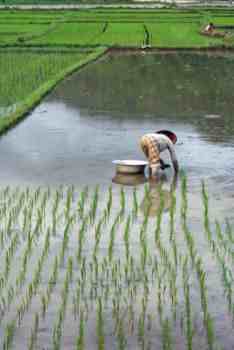
Rice is the main crop here .
Reis ist hier die Pflanze , die am meisten angebaut wird 0
Ở đây cây lúa là cây trồng chính .
水稻 是 主要 的 农作物 。
Shuǐdào shì zhǔyào de nóngzuòwù.
米が主な作物です。
Amerika ga omona sakumotsudesu.
쌀이 주작물이다.
ssal-i jujagmul-ida.
(VI)
(ZH)
(JA)
0322
[EN] [DE] [NL] [ES] [FR] [IT] [TH] [VI] [ZH]
|
RANDOM
冰雪开始融化了。

The ice and snow are beginning to melt .
Das Eis und der Schnee beginnen zu schmelzen 0
Băng và tuyết đang bắt đầu tan .
冰雪 开始 融化 了 。
Bīngxuě kāishǐ rónghuà le.
氷と雪が溶け始めた。
Kōri to yuki ga toke hajimeta.
얼음과 눈이 녹기 시작했습니다.
eol-eumgwa nun-i noggi sijaghaessseubnida.
(VI)
(ZH)
(JA)
0373
[EN] [DE] [NL] [ES] [FR] [IT] [TH] [VI] [ZH]
|
RANDOM
我喝果汁或者咖啡。

I drink juice or coffee .
Ich trinke Saft oder Kaffee 0
Tôi uống nước trái cây hoặc cà phê .
我 喝 果汁 或者 咖啡 。
Wǒ hē guǒzhī huòzhě kāfēi.
私はジュースかコーヒーを飲みます。
Watashi wa jūsu ka kōhī o nomimasu.
주스나 커피를 마십니다.
juseuna keopileul masibnida.
(VI)
(ZH)
(JA)
0378
[EN] [DE] [NL] [ES] [FR] [IT] [TH] [VI] [ZH]
|
RANDOM
办公室很宽敞,并且很明亮。

The office is very spacious and bright .
Das Büro ist sehr geräumig und hell 0
Văn phòng rất rộng rãi và sáng sủa .
办公室 很 宽敞 , 并且 很 明亮 。
Bàngōngshì hěn kuānchang, bìngqiě hěn míngliàng.
オフィスは広々として明るいです。
Ofisu wa hirobiro to shite akaruidesu.
사무실이 넓고 밝습니다.
samusil-i neolbgo balgseubnida.
(VI)
(ZH)
(JA)
0385
[EN] [DE] [NL] [ES] [FR] [IT] [TH] [VI] [ZH]
|
RANDOM
警察设了分界线。

The police put up a cordon .
Die Polizei hat eine Absperrung errichtet 0
Cảnh sát đã dựng một hàng rào .
警察 设 了 分界线 。
Jǐngchá shèle fēnjièxiàn.
警察は境界線を設定しました。
Keisatsu wa kyōkai-sen o settei shimashita.
경찰은 경계선을 설정했다.
gyeongchal-eun gyeong-gyeseon-eul seoljeonghaessda.
(VI)
(ZH)
(JA)
0419
[EN] [DE] [NL] [ES] [FR] [IT] [TH] [VI] [ZH]
|
RANDOM
办公室里安装了电话。

A phone has been installed in the office .
Im Büro wurde ein Telefon installiert 0
Một điện thoại đã được cài đặt trong văn phòng .
办公室 里 安装 了 电话 。
Bàngōngshì lǐ ānzhuāngle diànhuà.
電話はオフィスに設置されています。
Denwa wa ofisu ni setchi sa rete imasu.
전화기는 사무실에 설치되어 있습니다.
jeonhwagineun samusil-e seolchidoeeo issseubnida.
(VI)
(ZH)
(JA)
0423
[EN] [DE] [NL] [ES] [FR] [IT] [TH] [VI] [ZH]
|
RANDOM
他正在检查电脑的服务系统。

He is checking the computer's service system .
Er überprüft das Servicesystem des Computers 0
Anh ta đang kiểm tra hệ thống dịch vụ của máy tính .
他 正在 检查 电脑 的 服务 系统 。
Tā zhèng zài jiǎnchá diànnǎo de fúwù xìtǒng.
彼はコンピューターのサービスシステムをチェックしています。
Kare wa konpyūtā no sābisushisutemu o chekku shite imasu.
그는 컴퓨터의 서비스 시스템을 확인하고 있다.
geuneun keompyuteoui seobiseu siseutem-eul hwag-inhago issda.
(VI)
(ZH)
(JA)
0459
[EN] [DE] [NL] [ES] [FR] [IT] [TH] [VI] [ZH]
|
RANDOM
警方控告他犯罪。

The police accuses him of committing a crime .
Die Polizei beschuldigt ihn , ein Verbrechen begangen zu haben 0
Cảnh sát buộc tội anh ta phạm tội .
警方 控告 他 犯罪 。
Jǐngfāng kònggào tā fànzuì.
警察は彼を犯罪で起訴した。
Keisatsu wa kare o hanzai de kiso shita.
경찰은 그를 범죄 혐의로 기소했다.
gyeongchal-eun geuleul beomjoe hyeom-uilo gisohaessda.
(VI)
(ZH)
(JA)
0470
[EN] [DE] [NL] [ES] [FR] [IT] [TH] [VI] [ZH]
|
RANDOM
盘子里有一片面包。

There is a slice of bread on the plate .
Auf dem Teller liegt eine Scheibe Brot 0
Có một lát bánh mì trên đĩa .
盘子 里 有 一片 面包 。
Pánzi lǐ yǒu yī piàn miànbāo.
皿の上にパンのスライスがあります。
Sara no ue ni pan no suraisu ga arimasu.
접시에 빵 조각이 있습니다.
jeobsie ppang jogag-i issseubnida.
(VI)
(ZH)
(JA)
0504
[EN] [DE] [NL] [ES] [FR] [IT] [TH] [VI] [ZH]
|
RANDOM
这里是政府办公厅。

This is a government office .
Dies ist ein Regierungsbüro 0
Đây là một văn phòng chính phủ .
这 里 是 政府 办公厅 。
Zhèli shì zhèngfǔ bàngōngtīng.
これは官庁です。
Kore wa kanchōdesu.
정부청사입니다.
jeongbucheongsaibnida.
(VI)
(ZH)
(JA)
0516
[EN] [DE] [NL] [ES] [FR] [IT] [TH] [VI] [ZH]
|
RANDOM
她们提供电话服务。

They provide telephone service .
Sie bieten einen Telefondienst an 0
Họ cung cấp dịch vụ điện thoại .
她们 提供 电话 服务 。
Tāmen tígōng diànhuà fúwù.
彼らは電話サービスを提供します。
Karera wa denwa sābisu o teikyō shimasu.
그들은 전화 서비스를 제공합니다.
geudeul-eun jeonhwa seobiseuleul jegonghabnida.
(VI)
(ZH)
(JA)
0577
[EN] [DE] [NL] [ES] [FR] [IT] [TH] [VI] [ZH]
|
RANDOM
我喜欢吃米饭。
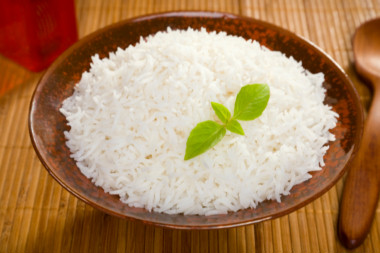
I love rice .
Ich liebe Reis 0
Tôi yêu gạo .
我 喜欢 吃 米饭 。
Wǒ xǐhuan chī mǐfàn.
私はご飯を食べるのが好きです。
Watashi wa gohan o taberu no ga sukidesu.
나는 밥을 먹는 것을 좋아한다.
naneun bab-eul meogneun geos-eul joh-ahanda.
(VI)
(ZH)
(JA)
0597
[EN] [DE] [NL] [ES] [FR] [IT] [TH] [VI] [ZH]
|
RANDOM
米是一种主食。
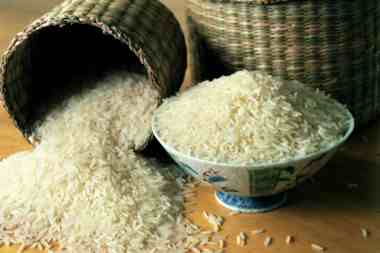
Rice is a staple food .
Reis ist ein Grundnahrungsmittel 0
Gạo là lương thực chính .
米 是 一种 主食 。
Mǐ shì yī zhǒng zhǔshí.
米は主食です。
Amerika wa shushokudesu.
쌀은 주식입니다.
ssal-eun jusig-ibnida.
(VI)
(ZH)
(JA)
0625
[EN] [DE] [NL] [ES] [FR] [IT] [TH] [VI] [ZH]
|
RANDOM
今天的油价是多少?

What is the oil price today ?
Wie hoch ist der Ölpreis heute ?
Giá dầu hôm nay là bao nhiêu ?
今天 的 油价 是 多少 ?
Jīntiān de yóujià shì duōshǎo?
今日の石油の値段はいくらですか?
Kyō no sekiyu no nedan wa ikuradesu ka?
오늘 기름값은?
oneul gileumgabs-eun?
(VI)
(ZH)
(JA)
0712
[EN] [DE] [NL] [ES] [FR] [IT] [TH] [VI] [ZH]
|
RANDOM
这件古董价值连城。

This antique is priceless .
Diese Antiquität ist unbezahlbar 0
Đồ cổ này là vô giá 0
这件 古董 价值连城 。
Zhè jiàn gǔdǒng jiàzhí liánchéng.
この骨董品は非常に貴重です。
Kono kotsutōhin wa hijō ni kichōdesu.
이 골동품은 매우 귀중합니다.
i goldongpum-eun maeu gwijunghabnida.
(VI)
(ZH)
(JA)
0713
[EN] [DE] [NL] [ES] [FR] [IT] [TH] [VI] [ZH]
|
RANDOM
妈妈准许他们吃冰淇淋。

Their mother allowed them to eat ice cream .
Ihre Mutter erlaubte ihnen , Eiscreme zu essen 0
Mẹ của họ cho phép họ ăn kem .
妈妈 准许 他们 吃 冰淇淋 。
Māma zhǔnxǔ tāmen chī bīngqilín.
母は彼らにアイスクリームを食べさせた。
Haha wa karera ni aisukurīmu o tabe saseta.
어머니는 그들에게 아이스크림을 먹도록 허락했다.
eomeonineun geudeul-ege aiseukeulim-eul meogdolog heolaghaessda.
(VI)
(ZH)
(JA)
0723
[EN] [DE] [NL] [ES] [FR] [IT] [TH] [VI] [ZH]
|
RANDOM
他刚离开公司。

He has just left the office .
Er hat gerade das Büro verlassen 0
Anh ấy vừa rời văn phòng 0
他 刚 离开 公司 。
Tā gāng líkāi gōngsī.
彼はちょうど会社を辞めた。
Kare wa chōdo kaisha o yameta.
그는 방금 회사를 떠났습니다.
geuneun bang-geum hoesaleul tteonassseubnida.
(VI)
(ZH)
(JA)
0729
[EN] [DE] [NL] [ES] [FR] [IT] [TH] [VI] [ZH]
|
RANDOM
这家餐厅的环境很不错。

The restaurant is quite nice inside .
Das Restaurant ist innen ganz nett 0
Nhà hàng bên trong khá đẹp 0
这家 餐厅 的 环境 很 不错 。
Zhè jiā cāntīng de huánjìng hěn bùcuò.
このレストランの環境はとても良いです。
Kono resutoran no kankyō wa totemo yoidesu.
이 식당의 환경은 매우 좋습니다.
i sigdang-ui hwangyeong-eun maeu johseubnida.
(VI)
(ZH)
(JA)
0763
[EN] [DE] [NL] [ES] [FR] [IT] [TH] [VI] [ZH]
|
RANDOM
他在外贸局工作。

He is working in the foreign trade office .
Er arbeitet in der Außenhandelsstelle 0
Anh ấy đang làm việc trong văn phòng ngoại thương .
他 在 外贸局 工作 。
Tā zài Wàimàojú gōngzuò.
彼は外国貿易局で働いています。
Kare wa gaikoku bōeki-kyoku de hataraite imasu.
그는 대외 무역국에서 일합니다.
geuneun daeoe muyeoggug-eseo ilhabnida.
(VI)
(ZH)
(JA)
0781
[EN] [DE] [NL] [ES] [FR] [IT] [TH] [VI] [ZH]
|
RANDOM
警察维持社会治安。

The police maintain social order .
Die Polizei hält die soziale Ordnung aufrecht
Cảnh sát duy trì trật tự xã hội .
警察 维持 社会治安 。
Jǐngchá wéichí shèhuì zhì'ān.
警察は公序良俗を維持している。
Keisatsu wa kōjoryōzoku o iji shite iru.
경찰은 공공질서를 유지합니다.
gyeongchal-eun gong-gongjilseoleul yujihabnida.
(VI)
(ZH)
(JA)
0933
[EN] [DE] [NL] [ES] [FR] [IT] [TH] [VI] [ZH]
|
RANDOM
法律维护正义。

The law upholds justice .
Das Gesetz hält die Gerechtigkeit aufrecht 0
Luật pháp đề cao công lý 0
法律 维护正义 。
Fǎlǜ wéihù zhèngyì.
法律は正義を維持しています。
Hōritsu wa seigi o iji shite imasu.
법은 정의를 유지합니다.
beob-eun jeong-uileul yujihabnida.
(VI)
(ZH)
(JA)
0938
[EN] [DE] [NL] [ES] [FR] [IT] [TH] [VI] [ZH]
|
RANDOM
他喜欢冰淇淋的味道。

He likes the taste of ice cream .
Er mag den Geschmack von Eis 0
Anh ấy thích hương vị của kem .
他 喜欢 冰淇淋 的 味道 。
Tā xǐhuan bīngqilín de wèidao.
彼はアイスクリームの味が好きです。
Kare wa aisukurīmu no aji ga sukidesu.
그는 아이스크림 맛을 좋아한다.
geuneun aiseukeulim mas-eul joh-ahanda.
(VI)
(ZH)
(JA)
1142
[EN] [DE] [NL] [ES] [FR] [IT] [TH] [VI] [ZH]
|
RANDOM
警方在街上设置了路障。

The police have set up barricades in the street .
Die Polizei hat auf der Straße Barrikaden errichtet 0
Cảnh sát đã dựng rào chắn trên đường phố .
警方 在 街上 设置 了 路障 。
Jǐngfāng zài jiēshang shèzhìle lùzhàng.
警察は通りにバリケードを設置した。
Keisatsu wa tōri ni barikēdo o setchi shita.
경찰은 거리에 바리케이드를 설치했다.
gyeongchal-eun geolie balikeideuleul seolchihaessda.
(VI)
(ZH)
(JA)
1215
[EN] [DE] [NL] [ES] [FR] [IT] [TH] [VI] [ZH]
|
RANDOM
我去邮局寄信。

I am going to the post office to mail a letter .
Ich gehe zur Post , um einen Brief zu verschicken 0
Tôi đến bưu điện để gửi thư .
我 去 邮局 寄信 。
Wǒ qù yóujú jìxìn.
私は郵便局に手紙を送るために行きます。
Watashi wa yūbinkyoku ni tegami o okuru tame ni ikimasu.
편지를 보내러 우체국에 갑니다.
pyeonjileul bonaeleo uchegug-e gabnida.
(VI)
(ZH)
(JA)
1225
[EN] [DE] [NL] [ES] [FR] [IT] [TH] [VI] [ZH]
|
RANDOM
我去移民局申请签证。

I go to the immigration office to apply for the visa .
Ich gehe zur Einwanderungsbehörde , um das Visum zu beantragen 0
Tôi đến văn phòng xuất nhập cảnh để xin thị thực .
我 去 移民局 申请 签证 。
Wǒ qù Yímínjú shēnqǐng qiānzhèng.
私はビザを申請するために入国管理局に行きました。
Watashi wa biza o shinsei suru tame ni nyūkoku kanri-kyoku ni ikimashita.
비자를 신청하기 위해 출입국 관리소에 갔다.
bijaleul sincheonghagi wihae chul-ibgug gwanliso-e gassda.
(VI)
(ZH)
(JA)
1251
[EN] [DE] [NL] [ES] [FR] [IT] [TH] [VI] [ZH]
|
RANDOM
那里有个警察。

There is a policeman over there .
Da drüben ist ein Polizist 0
Có một cảnh sát ở đó 0
那 里 有 个 警察 。
Nàli yǒu ge jǐngchá.
そこに警官がいます。
Soko ni keikan ga imasu.
거기 경찰관이 있습니다.
geogi gyeongchalgwan-i issseubnida.
(VI)
(ZH)
(JA)
1279
[EN] [DE] [NL] [ES] [FR] [IT] [TH] [VI] [ZH]
|
RANDOM
中国人有拜祭祖宗的习俗。

The Chinese people practice the custom of ancestor worship .
Das chinesische Volk praktiziert den Brauch der Ahnenverehrung 0
Người Hoa có tục thờ cúng tổ tiên .
中国 人有 拜祭 祖宗 的 习俗 。
Zhōngguórén yǒu bàijì zǔzōng de xísú.
中国人は彼らの先祖を崇拝する習慣があります。
Chūgokujin wa karera no senzo o sūhai suru shūkan ga arimasu.
중국인들은 조상을 숭배하는 풍습이 있습니다.
jung-gug-indeul-eun josang-eul sungbaehaneun pungseub-i issseubnida.
(VI)
(ZH)
(JA)
1352
[EN] [DE] [NL] [ES] [FR] [IT] [TH] [VI] [ZH]
|
RANDOM
他们采纳了我的建议。

They accepted my advice .
Sie akzeptierten meinen Rat 0
Họ đã chấp nhận lời khuyên của tôi .
他们 采纳 了 我 的 建议 。
Tāmen cǎinàle wǒ de jiànyì.
彼らは私の提案を採用しました。
Karera wa watashi no teian o saiyō shimashita.
그들은 내 제안을 받아들였습니다.
geudeul-eun nae jean-eul bad-adeul-yeossseubnida.
(VI)
(ZH)
(JA)
1382
[EN] [DE] [NL] [ES] [FR] [IT] [TH] [VI] [ZH]
|
RANDOM
他去邮局给家里汇款。

He is going to the post office to remit some money to his family .
Er geht zur Post , um etwas Geld an seine Familie zu überweisen 0
Anh ấy sẽ đến bưu điện để chuyển một số tiền cho gia đình anh ấy .
他 去 邮局 给家 里 汇款 。
Tā qù yóujú gěi jiāli huìkuǎn.
彼は家族に送金するために郵便局へ行くところです。
Kare wa kazoku ni sōkin suru tame ni yūbinkyoku e iku tokorodesu.
그는 집으로 돈을 보내기 위해 우체국에 갔다.
geuneun jib-eulo don-eul bonaegi wihae uchegug-e gassda.
(VI)
(ZH)
(JA)
1408
[EN] [DE] [NL] [ES] [FR] [IT] [TH] [VI] [ZH]
|
RANDOM
他向警方投降了。

He has surrendered to the police .
Er hat sich der Polizei ergeben 0
Anh ta đã đầu hàng cảnh sát .
他 向 警方 投降 了 。
Tā xiàng jǐngfāng tóuxiáng le.
彼は警察に降伏した。
Kare wa keisatsu ni kōfuku shita.
그는 경찰에 항복했다.
geuneun gyeongchal-e hangboghaessda.
(VI)
(ZH)
(JA)
1461
[EN] [DE] [NL] [ES] [FR] [IT] [TH] [VI] [ZH]
|
RANDOM
她很喜欢吃冰淇淋。

She really loves ice cream .
Sie mag sehr gern Eis 0
Cô ấy rất thích ăn kem 0
她 很 喜欢 吃 冰淇淋 。
Tā hěn xǐhuan chī bīngqilín.
彼女はアイスクリームがとても好きです。
Kanojo wa aisukurīmu ga totemo sukidesu.
그녀는 아이스크림을 아주 좋아합니다.
geunyeoneun aiseukeulim-eul aju joh-ahabnida.
(VI)
(ZH)
(JA)
1502
[EN] [DE] [NL] [ES] [FR] [IT] [TH] [VI] [ZH]
|
RANDOM
警察在搜索逃犯。

The police are searching for an escaped criminal .
Die Polizei sucht nach einem Flüchtigen 0
Cảnh sát đang truy lùng tên tội phạm bỏ trốn .
警察 在 搜索 逃犯 。
Jǐngchá zài sōusuǒ táofàn.
警察は逃亡者を捜している。
Keisatsu wa tōbō-sha o sagashite iru.
경찰은 도망자를 찾고 있습니다.
gyeongchal-eun domangjaleul chajgo issseubnida.
(VI)
(ZH)
(JA)
1536
[EN] [DE] [NL] [ES] [FR] [IT] [TH] [VI] [ZH]
|
RANDOM
小孩把冰淇淋含在嘴里。

The child puts ice cream in his mouth .
Das Kind steckt sich Eis in den Mund 0
Đứa trẻ cho kem vào miệng 0
小孩 把 冰淇淋 含 在 嘴 里 。
xiǎohái bǎ bīngqílín
子どもはアイスクリームを口に入れます。
Kodomo wa aisukurīmu o kuchi ni iremasu.
아이는 아이스크림을 입에 넣었다.
aineun aiseukeulim-eul ib-e neoh-eossda.
(VI)
(ZH)
(JA)
1547
[EN] [DE] [NL] [ES] [FR] [IT] [TH] [VI] [ZH]
|
RANDOM
她在喝果汁。

She is drinking juice .
Sie trinkt Saft 0
Cô ấy đang uống nước trái cây .
她 在 喝 果汁 。
Tā zài hē guǒzhī.
彼女はジュースを飲んでいます。
Kanojo wa jūsu o nonde imasu.
그녀는 주스를 마시고 있다.
geunyeoneun juseuleul masigo issda.
(VI)
(ZH)
(JA)
1573
[EN] [DE] [NL] [ES] [FR] [IT] [TH] [VI] [ZH]
|
RANDOM
办公室被分隔成几小块。

The office has been separated into several small spaces .
Das Büro wurde in mehrere kleine Räume unterteilt 0
Văn phòng đã được ngăn thành nhiều gian nhỏ .
办公室 被 分隔 成几小块 。
Bàngōngshì bèi fēngé chéng jǐ xiǎo kuài.
オフィスはいくつかの小さなブロックに分かれています。
Ofisu wa ikutsu ka no chīsana burokku ni wakarete imasu.
사무실은 작은 블록으로 나뉩니다.
samusil-eun jag-eun beullog-eulo nanwibnida.
(VI)
(ZH)
(JA)
1656
[EN] [DE] [NL] [ES] [FR] [IT] [TH] [VI] [ZH]
|
RANDOM
球打得真妙。

Nice hit !
Schöner Treffer !
Đánh hay đấy !
球 打 得 真妙 。
Qiú dǎ de zhēn miào.
ボールは本当によくプレーした。
Bōru wa hontōni yoku purē shita.
공은 정말 잘 놀았다.
gong-eun jeongmal jal nol-assda.
(VI)
(ZH)
(JA)
1834
[EN] [DE] [NL] [ES] [FR] [IT] [TH] [VI] [ZH]
|
RANDOM
警察举起了盾牌。

The policeman raises his shield .
Der Polizist hebt sein Schild 0
Người cảnh sát nâng cao chiếc khiên của mình .
警察 举起 了 盾牌 。
Jǐngchá jǔqǐle dùnpái.
警官は盾を掲げます。
Keikan wa tate o kakagemasu.
경찰관은 방패를 들었다.
gyeongchalgwan-eun bangpaeleul deul-eossda.
(VI)
(ZH)
(JA)
1844
[EN] [DE] [NL] [ES] [FR] [IT] [TH] [VI] [ZH]
|
RANDOM
我吃了一碗饭。

I have eaten one bowl of rice .
Ich habe eine Schüssel Reis gegessen 0
Tôi đã ăn hết một bát cơm .
我 吃 了 一碗 饭 。
Wǒ chīle yī wǎn fàn.
ご飯を一杯いただきました。
Gohan o ippai itadakimashita.
밥 한그릇 먹었습니다.
bab hangeuleus meog-eossseubnida.
(VI)
(ZH)
(JA)
1943
[EN] [DE] [NL] [ES] [FR] [IT] [TH] [VI] [ZH]
|
RANDOM
邮局营业到几点?
What time does the post office close ?
Wann schließt die Post ?
Bưu điện đóng cửa lúc mấy giờ ?
邮局 营业 到 几点 ?
Yóujú yíngyè dào jǐdiǎn?
郵便局は何時に開いていますか。
Yūbinkyoku wa nanji ni aiteimasu ka.
우체국은 몇 시에 문을 여나요?
uchegug-eun myeoch sie mun-eul yeonayo?
(VI)
(ZH)
(JA)
1973
[EN] [DE] [NL] [ES] [FR] [IT] [TH] [VI] [ZH]
|
RANDOM
警察在询问他。

The policeman is questioning him .
Der Polizist befragt ihn 0
Viên cảnh sát đang thẩm vấn anh ta .
警察 在 询问 他 。
Jǐngchá zài xúnwèn tā.
警察は彼に質問している。
Keisatsu wa kare ni shitsumon shite iru.
경찰이 그를 심문하고 있다.
gyeongchal-i geuleul simmunhago issda.
(VI)
(ZH)
(JA)
1995
[EN] [DE] [NL] [ES] [FR] [IT] [TH] [VI] [ZH]
|
RANDOM
我喜欢诸如果汁、汽水这样的饮料。

I like drinks like juice and soda .
Ich mag Getränke wie Saft und Soda 0
Tôi thích đồ uống như nước trái cây và soda .
我 喜欢 诸如 果汁 、 汽水 这样 的 饮料 。
Wǒ xǐhuan zhūrú guǒzhī、qìshuǐ zhèyàng de yǐnliào.
ジュースやソーダなどの飲み物が好きです。
Jūsu ya sōda nado no nomimono ga sukidesu.
나는 주스와 소다와 같은 음료를 좋아합니다.
naneun juseuwa sodawa gat-eun eumlyoleul joh-ahabnida.
(VI)
(ZH)
(JA)
2019
[EN] [DE] [NL] [ES] [FR] [IT] [TH] [VI] [ZH]
|
RANDOM
冰淇淋融化了。

The ice cream has melted .
Das Eis schmilzt 0
Kem đã tan chảy .
冰淇淋 融化 了 。
Bīngqilín rónghuà le.
アイスクリームが溶けた。
Aisukurīmu ga toketa.
아이스크림이 녹았다.
aiseukeulim-i nog-assda.
(VI)
(ZH)
(JA)
2070
[EN] [DE] [NL] [ES] [FR] [IT] [TH] [VI] [ZH]
|
RANDOM
今年的稻谷丰收了。

There is a bumper crop of rice this year .
In diesem Jahr gibt es eine Rekordernte an Reis 0
Vụ lúa năm nay bội thu 0
今年 的 稻谷 丰收 了 。
Jīnnián de dàogǔ fēngshōu le.
今年はお米が豊作です。
Kotoshi wa okome ga hōsaku desu.
올해의 벼 수확은 풍년이다.
olhaeui byeo suhwag-eun pungnyeon-ida.
(VI)
(ZH)
(JA)
2134
[EN] [DE] [NL] [ES] [FR] [IT] [TH] [VI] [ZH]
|
RANDOM
宝宝在吃稀饭。

The baby is eating the rice porridge .
Das Baby isst den Reisbrei 0
Em bé đang ăn cháo .
宝宝 在 吃 稀饭 。
Bǎobao zài chī xīfàn.
赤ちゃんはお粥を食べています。
Akachan wa o kayu o tabete imasu.
아기가 죽을 먹고 있습니다.
agiga jug-eul meoggo issseubnida.
(VI)
(ZH)
(JA)
2194
[EN] [DE] [NL] [ES] [FR] [IT] [TH] [VI] [ZH]
|
RANDOM
水凝结成冰。

The water froze into ice .
Das Wasser gefror zu Eis 0
Nước đóng băng thành băng .
水 凝结 成冰 。
Shuǐ níngjié chéng bīng.
水は凝縮して氷になりました
Mizu wa gyōshuku shite kōri ni narimashita.
물은 얼음으로 응축됩니다.
mul-eun eol-eum-eulo eungchugdoebnida.
(VI)
(ZH)
(JA)
2260
[EN] [DE] [NL] [ES] [FR] [IT] [TH] [VI] [ZH]
|
RANDOM
他们举行了隆重的结婚典礼。

They held a magnificent wedding .
Sie feierten eine großartige Hochzeit 0
Họ đã tổ chức một đám cưới hoành tráng .
他们 举行 了 隆重 的 结婚典礼 。
Tāmen jǔxíngle lóngzhòng de jiéhūn diǎnlǐ.
彼らは壮大な結婚式を開きました。
Karera wa sōdaina kekkonshiki o hirakimashita.
성대한 결혼식을 올렸습니다.
seongdaehan gyeolhonsig-eul ollyeossseubnida.
(VI)
(ZH)
(JA)
2312
[EN] [DE] [NL] [ES] [FR] [IT] [TH] [VI] [ZH]
|
RANDOM
她遵从医生的忠告。

She follows the doctor's advice .
Sie folgt dem Rat des Arztes 0
Cô làm theo lời khuyên của bác sĩ .
她 遵从 医生 的 忠告 。
Tā zūncóng yīshēng de zhōnggào.
彼女は医者のアドバイスに従います。
Kanojo wa isha no adobaisu ni shitagaimasu.
그녀는 의사의 조언을 따랐다.
geunyeoneun uisaui jo-eon-eul ttalassda.
(VI)
(ZH)
(JA)
2319
[EN] [DE] [NL] [ES] [FR] [IT] [TH] [VI] [ZH]
|
RANDOM
这里有两只耗子。

There are two mice here .
Hier sind zwei Mäuse 0
Có hai con chuột ở đây 0
这 里 有 两只 耗子 。
Zhèlǐ yǒu liǎng zhī hàozi.
ここには2匹のネズミがいます。
Koko niwa nihiki no nezumi ga imasu.
여기에 두 마리의 쥐가 있습니다.
yeogie du maliui jwiga issseubnida.
(VI)
(ZH)
(JA)
2355
[EN] [DE] [NL] [ES] [FR] [IT] [TH] [VI] [ZH]
|
RANDOM
这家餐厅的气氛很不错。

The atmosphere in this restaurant is quite nice .
Die Atmosphäre in diesem Restaurant ist sehr schön 0
Không khí trong nhà hàng này là khá tốt đẹp .
这家 餐厅 的 气氛 很 不错 。
Zhè jiā cāntīng de qìfēn hěn bùcuò.
このレストランの雰囲気はとてもいいです。
Kono resutoran no fun'iki wa totemo īdesu.
이 레스토랑의 분위기는 매우 좋습니다.
i leseutolang-ui bun-wigineun maeu johseubnida.
(VI)
(ZH)
(JA)
2412
[EN] [DE] [NL] [ES] [FR] [IT] [TH] [VI] [ZH]
|
RANDOM
警察在附近巡逻。
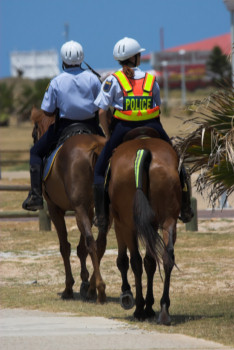
The police are patrolling the neighborhood .
Die Polizei patrouilliert in der Nachbarschaft 0
Cảnh sát đang tuần tra khu vực lân cận .
警察 在 附近 巡逻 。
Jǐngchá zài fùjìn xúnluó.
警察は近所をパトロールしています。
Keisatsu wa kinjo o patorōru shite imasu.
경찰이 동네를 순찰하고 있다.
gyeongchal-i dongneleul sunchalhago issda.
(VI)
(ZH)
(JA)
2432
[EN] [DE] [NL] [ES] [FR] [IT] [TH] [VI] [ZH]
|
RANDOM
我喜欢喝果汁。

I like juice .
Ich mag Saft 0
Tôi thich nươc ep trai cây 0
我 喜欢 喝 果汁 。
Wǒ xǐhuan hē guǒzhī.
私はジュースを飲むのが好きです。
Watashi wa jūsu o nomu no ga sukidesu.
나는 주스를 마시는 것을 좋아합니다.
naneun juseuleul masineun geos-eul joh-ahabnida.
(VI)
(ZH)
(JA)
2485
[EN] [DE] [NL] [ES] [FR] [IT] [TH] [VI] [ZH]
|
RANDOM
警察抓获了一名歹徒。

The police have apprehended a criminal .
Die Polizei hat einen Verbrecher festgenommen 0
Cảnh sát đã bắt được một tên tội phạm .
警察 抓获 了 一名 歹徒 。
Jǐngchá zhuāhuòle yī míng dǎitú.
警察はギャングを捕まえた。
Keisatsu wa gyangu o tsukamaeta.
경찰이 조폭을 잡았습니다.
gyeongchal-i jopog-eul jab-assseubnida.
(VI)
(ZH)
(JA)
2495
[EN] [DE] [NL] [ES] [FR] [IT] [TH] [VI] [ZH]
|
RANDOM
她们正在种水稻。
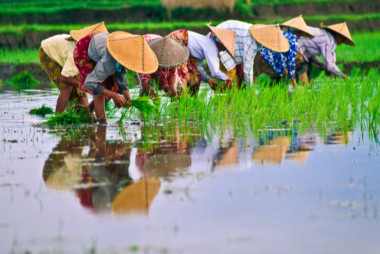
They are planting rice .
Sie pflanzen Reis 0
Họ đang trồng lúa .
她们 正在 种 水稻 。
Tāmen zhèng zài zhòng shuǐdào.
彼らは稲作をしている。
Karera wa inasaku o shite iru.
그들은 쌀을 재배하고 있습니다.
geudeul-eun ssal-eul jaebaehago issseubnida.
(VI)
(ZH)
(JA)
2603
[EN] [DE] [NL] [ES] [FR] [IT] [TH] [VI] [ZH]
|
RANDOM
战士们为牺牲的战友送行。

The soldiers are paying their respects to their comrades who sacrificed their lives .
Soldaten trauern um ihre gefallenen Kameraden 0
Những người lính đang bày tỏ lòng kính trọng đối với những người đồng đội đã hy sinh mạng
战士 们 为 牺牲 的 战友 送行 。
Zhànshìmen wèi xīshēng de zhànyǒu sòngxíng.
兵士たちは犠牲になった仲間を見送ります。
Heishi-tachi wa gisei ni natta nakama o miokurimasu.
병사들은 희생된 동료들을 배신했다.
byeongsadeul-eun huisaengdoen donglyodeul-eul baesinhaessda.
(VI)
(ZH)
(JA)
2609
[EN] [DE] [NL] [ES] [FR] [IT] [TH] [VI] [ZH]
|
RANDOM
警察在搜查罪犯。
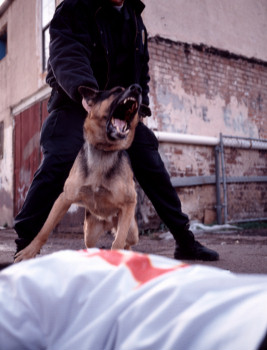
The police are conducting a search for the criminal .
Die Polizei ist auf der Suche nach den Verbrechern 0
Cảnh sát đang tiến hành truy tìm kẻ gây án .
警察 在 搜查 罪犯 。
Jǐngchá zài sōuchá zuìfàn.
警察は犯罪者を捜している。
Keisatsu wa hanzai-sha o sagashite iru.
경찰은 범죄자를 찾고 있습니다.
gyeongchal-eun beomjoejaleul chajgo issseubnida.
(VI)
(ZH)
(JA)
2611
[EN] [DE] [NL] [ES] [FR] [IT] [TH] [VI] [ZH]
|
RANDOM
警方在现场展开了侦查。

The police launched an investigation at the scene .
Die Polizei leitete am Tatort Ermittlungen ein 0
Cảnh sát đã mở một cuộc điều tra tại hiện trường .
警方 在 现场 展开 了 侦查 。
Jǐngfāng zài xiànchǎng zhǎnkāile zhēnchá.
警察は現場で捜査を開始した。
Keisatsu wa genba de sōsa o kaishi shita.
경찰은 현장에서 수사에 착수했다.
gyeongchal-eun hyeonjang-eseo susa-e chagsuhaessda.
(VI)
(ZH)
(JA)
2644
[EN] [DE] [NL] [ES] [FR] [IT] [TH] [VI] [ZH]
|
RANDOM
小孩在学溜冰。

The child is learning how to ice skate .
Das Kind lernt Schlittschuh laufen 0
Đứa trẻ đang học cách trượt băng .
小孩 在 学 溜冰 。
Xiǎohái zài xué liūbīng.
子供はスケートを学んでいます。
Kodomo wa sukēto o manande imasu.
아이가 스케이트를 배우고 있습니다.
aiga seukeiteuleul baeugo issseubnida.
(VI)
(ZH)
(JA)
2713
[EN] [DE] [NL] [ES] [FR] [IT] [TH] [VI] [ZH]
|
RANDOM
他们通过实践学习。

They are learning through practice .
Sie lernen durch Übung 0
Họ đang học thông qua thực hành .
他们 通过 实践 学习 。
Tāmen tōngguò shíjiàn xuéxí.
彼らは練習を通して学びます。
Karera wa renshū o tōshite manabimasu.
그들은 연습을 통해 배웁니다.
geudeul-eun yeonseub-eul tonghae baeubnida.
(VI)
(ZH)
(JA)
2730
[EN] [DE] [NL] [ES] [FR] [IT] [TH] [VI] [ZH]
|
RANDOM
他正在蒸饭。
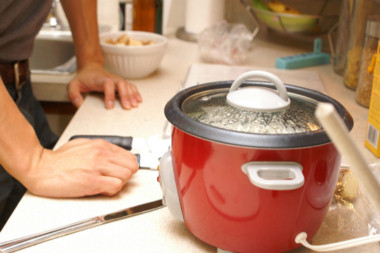
He is steaming rice .
Er kocht Reis 0
Anh ấy đang nấu cơm .
他 正在 蒸饭 。
Tā zhèng zài zhēngfàn.
彼はご飯を蒸している。
Kare wa gohan o mushite iru.
그는 쌀을 찐다.
geuneun ssal-eul jjinda.
(VI)
(ZH)
(JA)
2762
[EN] [DE] [NL] [ES] [FR] [IT] [TH] [VI] [ZH]
|
RANDOM
警察缉拿了罪犯。

The police have apprehended the criminal .
Die Polizei hat den Verbrecher festgenommen 0
Cảnh sát đã tóm gọn tên tội phạm .
警察 缉拿 了 罪犯 。
Jǐngchá jīnále zuìfàn.
警察は犯人を逮捕した。
Keisatsu wa han'nin o taiho shita.
경찰은 범인을 체포했다.
gyeongchal-eun beom-in-eul chepohaessda.
(VI)
(ZH)
(JA)
2806
[EN] [DE] [NL] [ES] [FR] [IT] [TH] [VI] [ZH]
|
RANDOM
她的歌声很悦耳。

Her singing voice is very pleasant .
Ihre Singstimme ist sehr angenehm 0
Cô ấy hát rất thú vị 0
她 的 歌声 很 悦耳 。
Tā de gēshēng hěn yuè'ěr.
彼女の歌はとても楽しいです。
Kanojo no uta wa totemo tanoshīdesu.
그녀의 노래는 매우 유쾌합니다.
geunyeoui nolaeneun maeu yukwaehabnida.
(VI)
(ZH)
(JA)
2924
[EN] [DE] [NL] [ES] [FR] [IT] [TH] [VI] [ZH]
|
RANDOM
警官押着犯人。

The police officer is escorting the prisoner .
Der Polizist begleitet den Gefangenen 0
Viên cảnh sát đang áp giải tù nhân .
警官 押 着 犯人 。
Jǐngguān yāzhe fànrén.
警官が囚人を護送している。
Keikan ga shūjin o gosō shite iru.
경찰관이 죄수를 호위했습니다.
gyeongchalgwan-i joesuleul howihaessseubnida.
(VI)
(ZH)
(JA)
2926
[EN] [DE] [NL] [ES] [FR] [IT] [TH] [VI] [ZH]
|
RANDOM
警察认为他有嫌疑。

The police consider him suspicious .
Die Polizei hält ihn für verdächtig 0
Cảnh sát coi anh ta là người khả nghi .
警察 认为 他 有 嫌疑 。
Jǐngchá rènwéi tā yǒu xiányí.
警察は彼が疑わしいと考えています。
Keisatsu wa kare ga utagawashī to kangaete imasu.
경찰은 그가 용의자라고 생각했다.
gyeongchal-eun geuga yong-uijalago saeng-gaghaessda.
(VI)
(ZH)
(JA)
2929
[EN] [DE] [NL] [ES] [FR] [IT] [TH] [VI] [ZH]
|
RANDOM
凡尔赛宫金碧辉煌。

Versailles is magnificent and splendid .
Versailles ist prächtig und prunkvoll 0
Versailles thật lộng lẫy .
凡尔赛宫 金碧辉煌 。
Fán'ěrsàigōng jīnbì-huīhuáng.
ヴェルサイユは壮大で素晴らしいです。
Vu~erusaiyu wa sōdaide subarashīdesu.
베르사유 궁전은 웅장하고 웅장합니다.
beleusayu gungjeon-eun ungjanghago ungjanghabnida.
(VI)
(ZH)
(JA)
2934
[EN] [DE] [NL] [ES] [FR] [IT] [TH] [VI] [ZH]
|
RANDOM
警察把他拘留了。

The police detained him .
Die Polizei hielt ihn fest 0
Cảnh sát đã giam giữ anh ta .
警察 把 他 拘留 了 。
Jǐngchá bǎ tā jūliú le.
警察は彼を拘束した。
Keisatsu wa kare o kōsoku shita.
경찰은 그를 구금했다.
gyeongchal-eun geuleul gugeumhaessda.
(VI)
(ZH)
(JA)
2938
[EN] [DE] [NL] [ES] [FR] [IT] [TH] [VI] [ZH]
|
RANDOM
警察在现场维护秩序。

The police are maintaining order on the scene .
Die Polizei sorgt für Ordnung vor Ort 0
Cảnh sát đang duy trì trật tự tại hiện trường .
警察 在 现场 维护 秩序 。
Jǐngchá zài xiànchǎng wéihù zhìxù.
警察は現場の秩序を維持しています。
Keisatsu wa genba no chitsujo o iji shite imasu.
경찰은 현장에서 질서를 유지했다.
gyeongchal-eun hyeonjang-eseo jilseoleul yujihaessda.
(VI)
(ZH)
(JA)
2953
[EN] [DE] [NL] [ES] [FR] [IT] [TH] [VI] [ZH]
|
RANDOM
服务的宗旨是顾客第一。

Kunde steht an erster Stelle . The
Das Motto der Dienstleistungsbranche lautet Der
Phương châm của ngành dịch vụ là khách hàng đến trên hết .
服务 的 宗旨 是 顾客 第一 。
Fúwù de zōngzhǐ shì gùkè dì-yī.
サービスの信条は顧客第一です。
Sābisu no shinjō wa kokyaku daiichidesu.
서비스의 신조는 고객 우선입니다.
seobiseuui sinjoneun gogaeg useon-ibnida.
(VI)
(ZH)
(JA)
2955
[EN] [DE] [NL] [ES] [FR] [IT] [TH] [VI] [ZH]
|
RANDOM
这是你的酬劳。

Here is the reward for your service .
Hier ist die Belohnung für Ihren Service 0
Đây là phần thưởng cho dịch vụ của bạn .
这 是 你 的 酬劳 。
Zhè shì nǐ de chóuláo.
これはあなたの報酬です。
Kore wa anata no hōshūdesu.
이것은 당신의 보상입니다.
igeos-eun dangsin-ui bosang-ibnida.
(VI)
(ZH)
(JA)
3018
[EN] [DE] [NL] [ES] [FR] [IT] [TH] [VI] [ZH]
|
RANDOM
警察逮捕了小偷。

The police have arrested a thief .
Die Polizei hat einen Dieb festgenommen 0
Cảnh sát đã bắt được một tên trộm .
警察 逮捕 了 小偷 。
Jǐngchá dàibǔle xiǎotōu.
警察は泥棒を逮捕した。
Keisatsu wa dorobō o taiho shita.
경찰은 도둑을 체포했습니다.
gyeongchal-eun dodug-eul chepohaessseubnida.
(VI)
(ZH)
(JA)
3037
[EN] [DE] [NL] [ES] [FR] [IT] [TH] [VI] [ZH]
|
RANDOM
她在淘米。

She is washing the rice .
Sie wäscht den Reis 0
Cô ấy đang vo gạo .
她 在 淘米 。
Tā zài táomǐ.
彼女はご飯を洗っています。
Kanojo wa gohan o aratte imasu.
그녀는 쌀을 씻고 있습니다.
geunyeoneun ssal-eul ssisgo issseubnida.
(VI)
(ZH)
(JA)
3069
[EN] [DE] [NL] [ES] [FR] [IT] [TH] [VI] [ZH]
|
RANDOM
烤鸡真香啊。
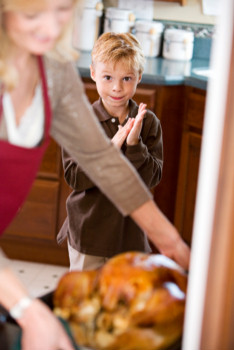
The roast chicken smells very nice .
Das Brathähnchen riecht sehr gut 0
Gà quay có mùi rất thơm 0
烤鸡 真香 啊 。
Kǎo jī zhēn xiāng a.
ローストチキンはとても香りがよいです。
Rōsutochikin wa totemo kaori ga yoidesu.
로스트 치킨은 너무 향기롭습니다.
loseuteu chikin-eun neomu hyang-gilobseubnida.
(VI)
(ZH)
(JA)
3073
[EN] [DE] [NL] [ES] [FR] [IT] [TH] [VI] [ZH]
|
RANDOM
冰溶化成水。

Ice melts into water .
Eis schmilzt zu Wasser 0
Nước đá tan thành nước .
冰 溶化 成水 。
Bīng rónghuà chéng shuǐ.
氷が水に溶けます。
Kōri ga mizu ni tokemasu.
얼음이 물에 녹았습니다.
eol-eum-i mul-e nog-assseubnida.
(VI)
(ZH)
(JA)
3095
[EN] [DE] [NL] [ES] [FR] [IT] [TH] [VI] [ZH]
|
RANDOM
新总理因犯罪遭到罢黜。

The new prime minister was dismissed from office for breaking the law .
Der neue Premierminister wurde wegen Gesetzesverstoßes aus dem Amt entlassen 0
Thủ tướng mới bị cách chức vì vi phạm pháp luật .
新 总理 因 犯罪 遭到 罢黜 。
Xīn Zǒnglǐ yīn fànzuì zāodào bàchù.
新首相は犯罪で証言録取された。
Shin shushō wa hanzai de shōgen rokushu sa reta.
새 총리는 범죄로 해임됐다.
sae chonglineun beomjoelo haeimdwaessda.
(VI)
(ZH)
(JA)
3134
[EN] [DE] [NL] [ES] [FR] [IT] [TH] [VI] [ZH]
|
RANDOM
警方与暴徒展开了对峙。

The police are confronting the mobs .
Die Polizei konfrontiert die Mobs 0
Cảnh sát đang đối đầu với đám đông .
警方 与 暴徒 展开 了 对峙 。
Jǐngfāng yǔ bàotú zhǎnkāile duìzhì.
警察は暴徒と対峙しています。
Keisatsu wa bōto to taiji shite imasu.
경찰은 폭도들과 대결을 시작했다.
gyeongchal-eun pogdodeulgwa daegyeol-eul sijaghaessda.
(VI)
(ZH)
(JA)
3187
[EN] [DE] [NL] [ES] [FR] [IT] [TH] [VI] [ZH]
|
RANDOM
她盛了一碗饭。

Sie holte sich eine Schüssel Reis . (Lit . Sie füllte
acheté un bol de riz 0 (Lit 0 , Elle a rempli un bol de riz .)
Cô ấy kiếm cho mình một bát cơm . (Lit . , Cô ấy đổ đầy một cái bát
她 盛 了 一碗 饭 。
Tā chéngle yī wǎn fàn.
彼女は一杯のご飯を出しました。
Kanojo wa ippai no gohan o dashimashita.
그녀는 밥 한 그릇을 대접했다.
geunyeoneun bab han geuleus-eul daejeobhaessda.
(VI)
(ZH)
(JA)
3192
[EN] [DE] [NL] [ES] [FR] [IT] [TH] [VI] [ZH]
|
RANDOM
河上面有一道水闸。

There is a sluice gate on the river .
Es gibt ein Schleusentor am Fluss 0
Có một cống trên sông .
河 上面 有 一道 水闸 。
Héshàng miàn yǒu yī dào shuǐzhá.
川の上に水門があります。
Kawa no ue ni suimon ga arimasu.
강 위에 수문이 있습니다.
gang wie sumun-i issseubnida.
(VI)
(ZH)
(JA)
3214
[EN] [DE] [NL] [ES] [FR] [IT] [TH] [VI] [ZH]
|
RANDOM
他在吃粥。
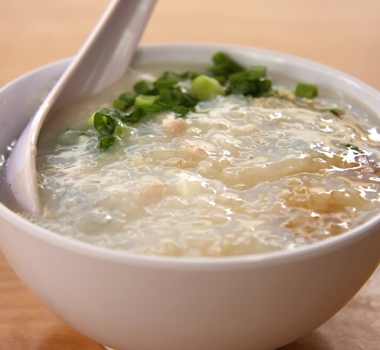
He is eating congee [rice gruel] .
Er isst Reisbrei 0
Anh ấy đang ăn cháo [cháo gạo] .
他 在 吃 粥 。
Tā zài chī zhōu.
彼はお粥を食べています。
Kare wa o kayu o tabete imasu.
그는 죽을 먹고 있다.
geuneun jug-eul meoggo issda.
(VI)
(ZH)
(JA)
3218
[EN] [DE] [NL] [ES] [FR] [IT] [TH] [VI] [ZH]
|
RANDOM
警察击毙了歹徒。
The police shot the outlaw to death .
Die Polizei erschoss den Gesetzlosen 0
Cảnh sát đã bắn chết kẻ ngoài vòng pháp luật .
警察 击毙 了 歹徒 。
Jǐngchá jībìle dǎitú.
警察はギャングを殺した。
Keisatsu wa gyangu o koroshita.
경찰이 갱스터를 죽였습니다.
gyeongchal-i gaengseuteoleul jug-yeossseubnida.
(VI)
(ZH)
(JA)
3311
[EN] [DE] [NL] [ES] [FR] [IT] [TH] [VI] [ZH]
|
RANDOM
警察在辖区里巡视。

The policeman is patrolling the area .
Der Polizist patrouilliert durch die Gegend 0
Người cảnh sát đang tuần tra khu vực .
警察 在 辖区 里 巡视 。
Jǐngchá zài xiáqū lǐ xúnshì.
警官がその地域をパトロールしています。
Keikan ga sono chiiki o patorōru shite imasu.
경찰은 지역을 순찰했다.
gyeongchal-eun jiyeog-eul sunchalhaessda.
(VI)
(ZH)
(JA)
3355
[EN] [DE] [NL] [ES] [FR] [IT] [TH] [VI] [ZH]
|
RANDOM
警官在训练警犬。
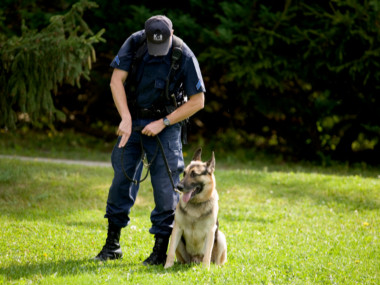
The police officer is training the police dog .
Der Polizist trainiert den Polizeihund 0
Anh cảnh sát đang huấn luyện chó cảnh sát .
警官 在 训练 警犬 。
Jǐngguān zài xùnliàn jǐngquǎn.
警察官は警察犬を訓練しています。
Keisatsukan wa keisatsu inu o kunren shite imasu.
경찰관이 경찰견을 훈련시키고 있습니다.
gyeongchalgwan-i gyeongchalgyeon-eul hunlyeonsikigo issseubnida.
(VI)
(ZH)
(JA)
3382
[EN] [DE] [NL] [ES] [FR] [IT] [TH] [VI] [ZH]
|
RANDOM
这里曾经是政府衙门。
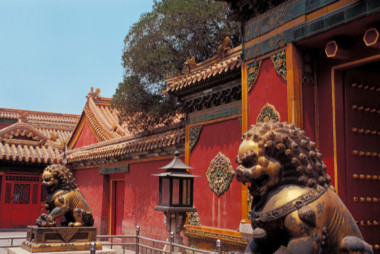
This place was once a government office .
Dieser Ort war einst ein Regierungsbüro 0
Nơi này từng là văn phòng chính phủ .
这 里 曾经 是 政府 衙门 。
Zhèli céngjīng shì zhèngfǔ yámen.
これはかつては官庁でした。
Kore wa katsute wa kanchōdeshita.
이곳은 한때 관공서였다.
igos-eun hanttae gwangongseoyeossda.
(VI)
(ZH)
(JA)
3417
[EN] [DE] [NL] [ES] [FR] [IT] [TH] [VI] [ZH]
|
RANDOM
她在看价目标籤。

She is looking at the price tag .
Sie schaut auf das Preisschild 0
Cô ấy đang nhìn vào thẻ giá .
她 在 看价 目标 籤 。
Tā zài kàn jiàmù biāoqiān.
彼女は値札を見ています。
Kanojo wa nefuda o mite imasu.
그녀는 가격표를 찾고 있습니다.
geunyeoneun gagyeogpyoleul chajgo issseubnida.
(VI)
(ZH)
(JA)
3475
[EN] [DE] [NL] [ES] [FR] [IT] [TH] [VI] [ZH]
|
RANDOM
端午节吃粽子是一种传统习俗。
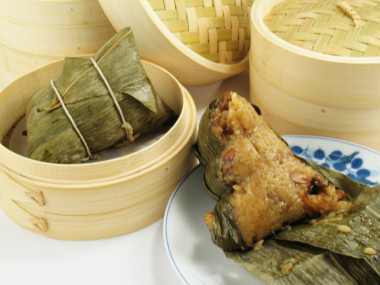
Eating zongzi [leaf-wrapped sticky rice dumplings] during the Dragon Boat Festival is a traditional custom .
Das Essen von Zongzi (mit Blättern umwickelte Knödel aus klebrigem Reis) während des Drachenbootfestivals ist ein traditioneller Brauch 0
Ăn zongzi [bánh bao gạo nếp gói bằng lá] trong Lễ hội Thuyền rồng là một phong tục truyền
端午节 吃 粽子 是 一种 传统习俗 。
Duānwǔjié chī zòngzi shì yī zhǒng chuántǒng xísú.
ドラゴンボートフェスティバルでちまきを食べるのは伝統的な習慣です。
Doragonbōtofesutibaru de chimaki o taberu no wa dentō-tekina shūkandesu.
드래곤 보트 축제에서 zongzi를 먹는 것은 전통적인 관습입니다.
deulaegon boteu chugjeeseo zongzileul meogneun geos-eun jeontongjeog-in gwanseub-ibnida.
(VI)
(ZH)
(JA)
3521
[EN] [DE] [NL] [ES] [FR] [IT] [TH] [VI] [ZH]
|
RANDOM
薑是一种作料。

Ginger is a spice .
Ingwer ist ein Gewürz 0
Gừng là một loại gia vị 0
薑 是 一种 作料 。
Jiāng shì yī zhǒng zuòliao.
生姜は調味料です。
Shōga wa chōmiryōdesu.
생강은 조미료입니다.
saeng-gang-eun jomilyoibnida.
(VI)
(ZH)
(JA)
3533
[EN] [DE] [NL] [ES] [FR] [IT] [TH] [VI] [ZH]
|
|