| HSK 3.0 | Big5 | Gb | Pin | Eng |
|---|
| 1 | 吧 | 吧 | ba | particle: used to show mild imperative or uncertainty
|
| 1 | 吃 | 吃 | chī | feed, have, be subject to, absorb, chow, live on, eat, have one's meals, be a strain, exhaust, fare, take in, live off, annihilate, wipe out, partake, suffer, ingest, consume, graze, lunch, manducate, incur, take, get, use up, make, taste, soak up
|
| 1 | 電影 | 电影 | diànyǐng | cinematography, moving_picture, pix, kinema, picture, film, movie, moving picture, flick, cinema, motion_picture, cinematic, celluloid, picture show, motion picture, flicker
|
| 1 | 多少 | 多少 | duōshao | det.: how many, how much, many
|
| 1 | 放 | 放 | fàng | loose, bloom, make longer, set ... free, let sb. have his own way, show, readjust, free, make larger, put in, fly, etc., release, discharge, leave alone, bung, lay aside, put, expansion, make longer/larger/etc., fling, localize, lend (money) at interest, let go, set, pasture, pose, set free, blossom, lay, let off, put out to pasture, send away, play, expand, make larger/etc., readjus
|
| 1 | 幾 | 几 | jǐ | det.: how many, a few, several, some
|
| 1 | 看見 | 看见 | kàn jian | seeing, behold, see, descry, show, perceive, lay eyes on, lamp, spy, show up, sight, catch sight of, catch sight of
|
| 1 | 怎麼 | 怎么 | zěnme | how
|
| 1 | 知識 | 知识 | zhīshi | lear, know-how, understanding, ken, instruction, science, sophistication, consciousness, light, awareness, cognizance, knowledge, lore, mastery, know, cognition, acquaintanceship, mind, intellect, knowingness, equipment
|
| 2 | 不過 | 不过 | bùguò | conj.: but, however, only
|
| 2 | 成績 | 成绩 | chéngjì | execution, carrying into action, achievement, result, showing, carrying out, performance, grade, success, doing, batting average
|
| 2 | 但是 | 但是 | dànshì | conj.: but, however, yet, still
|
| 2 | 多久 | 多久 | duōjiǔ | how long?
|
| 2 | 多麼 | 多么 | duōme | to what extent, to what degree, however, what, how
|
| 2 | 方法 | 方法 | fāngfǎ | know-how, plan, attack, system, stepping-stone, manner, method, gateway, idea, measure, way, guise, key, wise, quomodo, plan of attack, tack, machinery, process, avenue, modus, how, means, channel, gate, approach, agency, gamesmanship, mode, medium, sort
|
| 2 | 舉手 | 举手 | jǔ shǒu | raise one's hand, haul_off, raise one's hand(s), show, put up one's hand
|
| 2 | 開機 | 开机 | kāi jī | to start an engine, to boot up (a computer), to press Ctrl-Alt-Delete, to begin shooting a film or TV show
|
| 2 | 可是 | 可是 | kěshì | conj.: but, yet, however
|
| 2 | 賣 | 卖 | mài | bring, parade, prostitute, make living at, go, sell out, show off, negotiate, exert to the utmost, tout, not spare, deal, betray, make living by, at, sell, make living by/at, betrayal, trade, fetch, market, bring in
|
| 2 | 食物 | 食物 | shíwù | scran, board, ingesta, sustentation, provender, viand, chow, aliment, pabulum, edibles, prog, nurture, cheer, eatable, edible, alimentary, eatables, chowchow, nutrient, diet, bread, trencher, sustenance, nutriment, nosh, nutrition, victuals, cib., vivers, eating, toke, meat, cib, grub, peck, viands, comestible, nourishment, fare, victual, food, commons, fodder, scoff, victualage, muckamuck, ta
|
| 2 | 說明 | 说明 | shuōmíng | explain, illustrate, show
|
| 2 | 為什麼 | 为什么 | wèishénme | why, why?, how come, why is it that?, whereat, whereto
|
| 2 | 怎麼樣 | 怎么样 | zěnmeyàng | How are things?
|
| 2 | 怎樣 | 怎样 | zěnyàng | no matter how, in any way, in a certain way, how?, what, how
|
| 3 | 本事 | 本事 | běnshi | literary source material, know-how, proficiency, skill, prowess, this matter, ability, capability
|
| 3 | 表面 | 表面 | biǎomiàn | crust, superficial, facing, show, exterior, obverse, rind, face, superficies, top, outside, appearance, facade, surface, bosom, window dressing
|
| 3 | 不論 | 不论 | bùlùn | conj.: no matter how/who/what/etc.
|
| 3 | 到達 | 到达 | dàodá | find, arrive at, go_into, get_in, go, come, show, hit, strike, arrive, fetch_up, range, show_up, gain, come_to, win, reach, come to, attain, lead, go_down, come_in, arrival, get_at, get to, get, touch, make, come_through, arrive_at, land
|
| 3 | 反正 | 反正 | fǎnzheng | anyway, anyhow, in any case
|
| 3 | 方式 | 方式 | fāngshì | path, plan, pattern, tenor, system, method, manner, style, way, guise, fashion, wise, means, shape, how, embodiment, agency, gate, mode, sort
|
| 3 | 技術 | 技术 | jìshù | mechanics, know-how, prowess, science, Minerva, superior skill, art, competence, technology, craft, craftsmanship, skill, education, technique, artistry, engineering, technological, equipment, technical
|
| 3 | 連續劇 | 连续剧 | liánxùjù | serialized drama, dramatic series, show in parts
|
| 3 | 領先 | 领先 | lǐng xiān | lead, lead (in competition), precede, lead_up, be in lead, show, be in the lead, get the jump
|
| 3 | 如何 | 如何 | rúhé | how
|
| 3 | 食品 | 食品 | shípǐn | menu, vivers, viand, chow, eatable, provisions, tuck, foodstuff, viands, nourishment, comestible, tack, nutrient, victual, food, grocery, victualage, cuisine
|
| 3 | 顯示 | 显示 | xiǎnshì | demonstrate, argue, exhibit, prove, display, show, illustrate, manifest, demonstration, announce, stamp, unroll, witness, write, give, evince, dangle, betray, bespeak, say, profess, develop, indicate, signal, flaunt, read, register, manifestation, speak, reveal, evidence, tell, shew, proclaim, discover, stage, bear, establish, record, prognosticate, betoken, note, signalize
|
| 3 | 演出 | 演出 | yǎnchū | show, perform
|
| 3 | 指出 | 指出 | zhǐchū | point, point_out, catch_out, bespeak, indicate, denote, point out (that), note, show, designate, point out
|
| 3 | 狀況 | 状况 | zhuàngkuàng | repair, background, picture, state (of affairs), state of affairs, status, gear, scene, setting, scope, condition, state, circumstance, trimness, context, showing, trim, factor, condition/state (of affairs), situation, shoes, consideration, place
|
| 4 | 大爺 | 大爷 | dàye | arrogant idler, self-centered show-off, (coll.) father's older brother, uncle, term of respect for older man
|
| 4 | 居住 | 居住 | jūzhù | inhabit, occupy, shack_up, locate, domicile, shack, abide, subsist, settle, live, howff, reside, indwell, populate, lodge in, quarter, dwell, people, belong, bide, hang_out, house, residence
|
| 4 | 哪怕 | 哪怕 | nǎpà | even, even if, even though, no matter how
|
| 4 | 卻 | 却 | què | however, but, yet, indeed
|
| 4 | 透 | 透 | tòu | to penetrate, to pass through, thoroughly, completely, transparent, to appear, to show
|
| 4 | 無法 | 无法 | wúfǎ | nohow, unable to, unable, cannot
|
| 4 | 無論 | 无论 | wúlùn | conj.: no matter what/how/etc., regardless
|
| 4 | 依然 | 依然 | yīrán | notwithstanding, natheless, withal, even so, yet, nonetheless, nevertheless, all the same, however, still, as before
|
| 5 | 洞 | 洞 | dòng | aperture, hole in the ground, kennel, puncture, excavation, perforation, bore, cave, howe, opening, gap, hole, orifice, scoop, hollow, cavity
|
| 5 | 關懷 | 关怀 | guānhuái | show loving care/concern for
|
| 5 | 技能 | 技能 | jìnéng | know-how, mastery of a technique, ability, acquisition, acquirement, mastery of a skill, proficiency, skill, craft, technical ability, technique, mastery of a skill/technique, facility, quality, faculty
|
| 5 | 景象 | 景象 | jǐngxiàng | prospects, spectacle, scene, picture, sight, show
|
| 5 | 決不 | 决不 | juébù | nohow, definitely not, anywise, scarcely, noway, nothing, never, in no way
|
| 5 | 時事 | 时事 | shíshì | current trends, the present situation, how things are going
|
| 5 | 戲 | 戏 | xì | drama, play, show
|
| 5 | 顯 | 显 | xiǎn | demonstrate, be obvious, manifest, appear, display, show
|
| 5 | 獻 | 献 | xiàn | to offer, to present, to dedicate, to donate, to show, to put on display, worthy person (old)
|
| 5 | 也好 | 也好 | yěhǎo | particle: showing hesitant acceptance; (in ~也好, ~也好/罷) showing the acceptance or introduction of choices
|
| 5 | 展覽 | 展览 | zhǎnlǎn | exhibit, show, display
|
| 6 | 暴露 | 暴露 | bàolù | unmask, divulge, expose, develop, bewray, unhood, unhusk, uncover, lay bare, show_up, reveal, flash, uncase, debunk, discover, unkennel, revelation, betray, give_away, unveil
|
| 6 | 車展 | 车展 | chēzhǎn | motor show
|
| 6 | 出場 | 出场 | chū chǎng | to appear (on stage, in a show, in a photo etc), to play (for a team), to enter (arena or stage), to send sb out (e.g. off the field for a foul)
|
| 6 | 嘉賓 | 嘉宾 | jiābīn | esteemed guest, honored guest, guest (on a show)
|
| 6 | 精品 | 精品 | jīngpǐn | plum, showpiece, fine work, quality goods, top quality article, article of fine quality
|
| 6 | 看得起 | 看得起 | kàndeqǐ | to show respect for, to think highly of
|
| 6 | 露 | 露 | lù | betray, betrayal, appear, reveal, show
|
| 6 | 外觀 | 外观 | wàiguān | shell, outward appearance, show, externality, visual aspect, exterior, effect, superficies, look, likeness, appearance, facade, surface, presentment, apparel, impression, facies, aspect, complexion, resemblance, semblance, guise, frontage, outwardness, rind, garb, showing, face, veneer, outside, garment, getup
|
| 6 | 住宅 | 住宅 | zhùzhái | shebang, dwelling_house, dwelling, roof, abode, residential, home, toft, howff, housing, habitation, homesite, tenement, place, residence, house, property
|
| 7 | 呈現 | 呈现 | chéngxiàn | assume, crop out, dish, appearance, show, lay out, present, basset, appear, take_on, emergence, emerge, come forth
|
| 7 | 逞能 | 逞能 | chěng néng | to show off one's ability, to boast one's merits
|
| 7 | 逞強 | 逞强 | chěng qiáng | to show off, to try to be brave
|
| 7 | 出示 | 出示 | chūshì | to show, to take out and show to others, to display
|
| 7 | 出演 | 出演 | chūyǎn | to appear (in a show etc), an appearance (on stage etc)
|
| 7 | 帶路 | 带路 | dài lù | to lead the way, to guide, to show the way, fig. to instruct
|
| 7 | 點綴 | 点缀 | diǎnzhuì | to decorate, to adorn, sprinkled, studded, only for show
|
| 7 | 發作 | 发作 | fāzuò | break out, flare up, explode, have fit of anger, get_into, have a fit of anger, show effect
|
| 7 | 放映 | 放映 | fàngyìng | to show (a movie), to screen
|
| 7 | 毫不 | 毫不 | hàobù | nohow, not at all, no, no more, none, nowise, nothing
|
| 7 | 痕跡 | 痕迹 | hénjì | spark, taint, scrape, show, imprint, trace, vestige, spoor, sign, track, nick, mark, print, scar, scratch, scent, ash, vestigial, trail, impression
|
| 7 | 吼 | 吼 | hǒu | to roar, to howl, to shriek, roar or howl of an animal, bellow of rage
|
| 7 | 跡象 | 迹象 | jìxiàng | breath, gleam, spark, intimation, indication, trace, vestige, glint, evidence, sign, showing, mark, shadow, glimmer, appearance, relic, hint, phenomenon, augury
|
| 7 | 揭示 | 揭示 | jiēshì | to show, to make known
|
| 7 | 敬而遠之 | 敬而远之 | jìngéryuǎnzhī | to show respect from a distance (idiom), to remain at a respectful distance
|
| 7 | 劇團 | 剧团 | jùtuán | opera troupe, theater company, showman, rep, theatrical company, troupe, company
|
| 7 | 口感 | 口感 | kǒugǎn | taste, texture (of food), how food feels in the mouth
|
| 7 | 困境 | 困境 | kùnjìng | hell, soup, muddle, hell on earth, kettle of fish, embarrassment, mess, straits, stymie, hot potato, jam, hole, swamp, howdo-you-do, dilemma, spot, inferno, corner, difficult position, adversity, scrape, lurch, the pits, mire, box, fix, hot_potato, hardship, squeeze, pickle, dire straits, extremity, bind, puzzledom, morass, difficulty, quagmire, predicament
|
| 7 | 亮相 | 亮相 | liàng xiàng | to strike a pose (Chinese opera), (fig.) to make a public appearance, to come out in public (revealing one's true personality, opinions etc), (of a product) to appear on the market or at a trade show etc
|
| 7 | 露面 | 露面 | lòu miàn | to show one's face, to appear (in public)
|
| 7 | 賣弄 | 卖弄 | màinong | to show off, to make a display of
|
| 7 | 祕訣 | 秘诀 | mìjué | secret know-how, key (to longevity), secret (of happiness), recipe (for success)
|
| 7 | 沐浴露 | 沐浴露 | mùyùlù | shower gel
|
| 7 | 豈有此理 | 岂有此理 | qǐyǒu-cǐlǐ | how can this be so? (idiom), preposterous, ridiculous, absurd
|
| 7 | 竅門 | 窍门 | qiàomén | a trick, an ingenious method, know-how, the knack (of doing sth)
|
| 7 | 若干 | 若干 | ruògān | det.: a certain number, how many
|
| 7 | 撒 | 撒 | sā | drop, throw off all restraint, strow, shower, spill, release, spread, sprinkle, let oneself go, asperse, cast, let out, bestrewn, dredge, sow, scatter, bescatter, let go
|
| 7 | 上映 | 上映 | shàngyìng | to show (a movie), to screen
|
| 7 | 示威 | 示威 | shì wēi | put on show of force, demonstrate, march
|
| 7 | 守株待兔 | 守株待兔 | shǒuzhū-dàitù | lit. to guard a tree-stump, waiting for rabbits (idiom), to wait idly for opportunities, to trust to chance rather than show initiative
|
| 7 | 脫穎而出 | 脱颖而出 | tuōyǐngérchū | stand out, leap out, come to the fore, jump out, jump, show itself
|
| 7 | 外表 | 外表 | wàibiǎo | shell, outward appearance, outwall, mess, presentation, resemblance, externality, semblance, guise, visual aspect, outwardness, exterior, rind, showing, look, superficies, likeness, mien, appearance, vizard, surface, garment, external, getup
|
| 7 | 玩意兒 | 玩意儿 | wányìr5 | toy, plaything, thing, act, trick (in a performance, stage show, acrobatics etc), erhua variant of 玩意[wan2 yi4]
|
| 7 | 慰勞 | 慰劳 | wèiláo | to show appreciation (by kind words, small gifts etc), to comfort
|
| 7 | 無論如何 | 无论如何 | wúlùnrúhé | disregarding, aught, in any event, anyway, in any case, ought, at any rate, no matter what happens, irrespective, no matter, however, leastwise, anyhow, anywise, irregardless, leastways, whatever may come, disregardless, no matter what, regardless, come hell or high water, in_any_case
|
| 7 | 顯現 | 显现 | xiǎnxiàn | demonstrate, come on, show, uncover, show_up, express, come out, manifest oneself, show up, turn up, appear, reveal, reveal oneself, emerge, show_off, appearance, run, evince, surface, kithe, take_on, unveil, break, bring out
|
| 7 | 孝敬 | 孝敬 | xiàojìng | to show filial respect, to give presents (to one's elders or superiors), to support one's aged parents
|
| 7 | 孝順 | 孝顺 | xiàoshun | filial, show filial obedience
|
| 7 | 炫耀 | 炫耀 | xuànyào | show_off, prank, flourish, boast, show off, strut, sport, splurge, swank, flaunt, make a display of, feature, brandish, flash
|
| 7 | 演示 | 演示 | yǎnshì | to demonstrate, to show, presentation, demonstration
|
| 7 | 演藝圈 | 演艺圈 | yǎnyìquān | show business
|
| 7 | 要不 | 要不 | yàobù | otherwise, or else, how about...?, either... (or...)
|
| 7 | 引領 | 引领 | yǐnlǐng | to crane one's neck, to await eagerly, to lead, to show the way
|
| 7 | 浴室 | 浴室 | yùshì | W.C., bathroom, shower room, balneary, water closet, loo, toilet, closet, bath
|
| 7 | 贊揚 | 赞扬 | zànyáng | to praise, to approve of, to show approval
|
| 7 | 展覽會 | 展览会 | zhǎnlǎnhuì | exhibition, show, CL:個|个[ge4]
|
| 7 | 折射 | 折射 | zhéshè | to refract, refraction, to reflect (in the figurative sense: to show the nature of)
|
| 7 | 指點 | 指点 | zhǐdiǎn | to point out, to indicate, to give directions, to show how (to do sth), to censure, to pick at
|
| 7 | 指引 | 指引 | zhǐyǐn | to guide, to show, to point (the way), directions, guidance, guidelines
|
| 7 | 奏效 | 奏效 | zòu xiào | to show results, effective
|
CORE WORDS
RANDOM
这件衣服多少钱?

How much does the suit cost ?
Was kostet das Kleid ?
Bộ đồ giá bao nhiêu ?
这件 衣服 多少 钱 ?
Zhè jiàn yīfu duōshao qián?
このシャツはいくらですか?
Kono shatsu wa ikuradesu ka?
이 셔츠는 얼마입니까?
i syeocheuneun eolmaibnikka?
(VI)
(ZH)
(JA)
0094
 [EN] [EN]  [DE] [DE]  [NL] [NL]  [ES] [ES]  [FR] [FR]  [IT] [IT]  [TH] [TH]  [VI] [VI]  [ZH] [ZH]
|
RANDOM
算一算你的钱包有多少现金?

Count how much cash you have got in your wallet .
Zählen Sie , wie viel Geld Sie in Ihrer Brieftasche haben 0
Đếm xem bạn có bao nhiêu tiền mặt trong ví .
算一算 你 的 钱包 有 多少 现金 ?
Suàn yī suàn nǐ de qiánbāo yǒu duōshao xiànjīn?
あなたの財布にいくらの現金があるか計算しますか?
Anata no saifu ni ikura no genkin ga aru ka keisan shimasu ka?
지갑에 현금이 얼마나 있는지 계산하십시오.
jigab-e hyeongeum-i eolmana issneunji gyesanhasibsio.
(VI)
(ZH)
(JA)
0501
[EN] [DE] [NL] [ES] [FR] [IT] [TH] [VI] [ZH]
|
RANDOM
你会说几种语言?

How many languages do you speak ?
Wie viele Sprachen sprechen Sie ?
Bạn có thể nói bao nhiêu thứ tiếng ?
你 会 说 几种 语言 ?
Nǐ huì shuō jǐ zhǒng yǔyán?
あなたはいくつの言語を話すことができますか?
Anata wa ikutsu no gengo o hanasu koto ga dekimasu ka?
얼마나 많은 언어를 말할 수 있습니까?
eolmana manh-eun eon-eoleul malhal su issseubnikka?
(VI)
(ZH)
(JA)
0508
[EN] [DE] [NL] [ES] [FR] [IT] [TH] [VI] [ZH]
|
RANDOM
请出示您的护照。

Please show your passport .
Bitte zeigen Sie Ihren Reisepass vor 0
Vui lòng xuất trình hộ chiếu của bạn .
请 出示 您 的 护照 。
Qǐng chūshì nín de hùzhào.
パスポートを提示してください。
Pasupōto o teiji shite kudasai.
여권을 보여주세요.
yeogwon-eul boyeojuseyo.
(VI)
(ZH)
(JA)
0557
[EN] [DE] [NL] [ES] [FR] [IT] [TH] [VI] [ZH]
|
RANDOM
亚洲一共有几个国家?
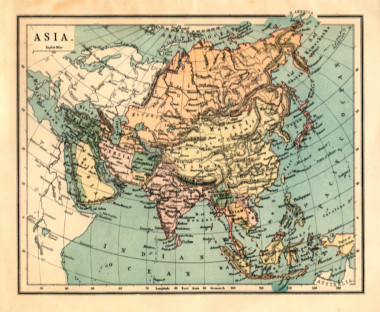
How many countries are there in Asia altogether ?
Wie viele Länder gibt es insgesamt in Asien ?
Có bao nhiêu quốc gia ở Châu Á ?
亚洲 一共 有 几个 国家 ?
Yàzhōu yīgòng yǒu jǐ gè guójiā?
アジアにはいくつの国がありますか?
Ajia ni wa ikutsu no kuni ga arimasu ka?
아시아에는 몇 개의 국가가 있습니까?
asia-eneun myeoch gaeui guggaga issseubnikka?
(VI)
(ZH)
(JA)
0558
[EN] [DE] [NL] [ES] [FR] [IT] [TH] [VI] [ZH]
|
RANDOM
她今年几岁了?

How old is she this year ?
Wie alt ist sie dieses Jahr ?
Năm nay cô ấy bao nhiêu tuổi ?
她 今年 几岁 了 ?
Tā jīnnián jǐ suì le?
彼女は今年何歳ですか?
Kanojo wa kotoshi nan-saidesu ka?
그녀는 올해 몇 살입니까?
geunyeoneun olhae myeoch sal-ibnikka?
(VI)
(ZH)
(JA)
0573
[EN] [DE] [NL] [ES] [FR] [IT] [TH] [VI] [ZH]
|
RANDOM
它们的外表有什么差别?
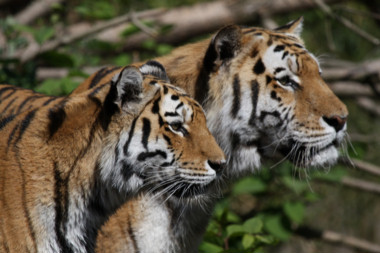
How does their external appearance differ ?
Wie unterscheidet sich ihr äußeres Erscheinungsbild ?
Hình dáng bên ngoài của chúng khác nhau như thế nào ?
它们 的 外表 有 什么 差别 ?
Tāmen de wàibiǎo yǒu shénme chābié?
それらの外観の違いは何ですか?
Sorera no gaikan no chigai wa nanidesu ka?
이들외모의 차이점은 무엇인가요?
ideul-oemoui chaijeom-eun mueos-ingayo?
(VI)
(ZH)
(JA)
0631
[EN] [DE] [NL] [ES] [FR] [IT] [TH] [VI] [ZH]
|
RANDOM
最近怎么样啊?

How have you been lately ?
Wie geht es dir in letzter Zeit ?
Dạo này em thế nào ?
最近 怎么样 啊 ?
Zuìjìn zěnmeyàng a?
最近はどうですか?
Saikin wa dōdesu ka?
최근에 어떻게 지내셨어요?
choegeun-e eotteohge jinaesyeoss-eoyo?
(VI)
(ZH)
(JA)
0650
[EN] [DE] [NL] [ES] [FR] [IT] [TH] [VI] [ZH]
|
RANDOM
他不知如何解决难题。

He doesn't know how to solve this problem .
Er weiß nicht , wie er das beheben soll 0
Anh ấy không biết làm thế nào để giải quyết vấn đề này .
他 不知 如何 解决 难题 。
Tā bùzhī rúhé jiějué nántí.
彼はその問題を解決する方法を知りません。
Kare wa sono mondai o kaiketsu suru hōhō o shirimasen.
그는 문제를 해결하는 방법을 모릅니다.
geuneun munjeleul haegyeolhaneun bangbeob-eul moleubnida.
(VI)
(ZH)
(JA)
0694
[EN] [DE] [NL] [ES] [FR] [IT] [TH] [VI] [ZH]
|
RANDOM
这栋楼有几层?

How many stories are there in this building ?
Wie viele Stockwerke hat dieses Gebäude ?
Có bao nhiêu tầng trong tòa nhà này ?
这栋 楼有 几层 ?
Zhè dòng lóu yǒu jǐ céng?
この建物には何階ありますか?
Kono tatemono ni wa nan-kai arimasu ka?
이 건물은 몇 층입니까?
i geonmul-eun myeoch cheung-ibnikka?
(VI)
(ZH)
(JA)
0783
[EN] [DE] [NL] [ES] [FR] [IT] [TH] [VI] [ZH]
|
RANDOM
请出示您的有效证件。
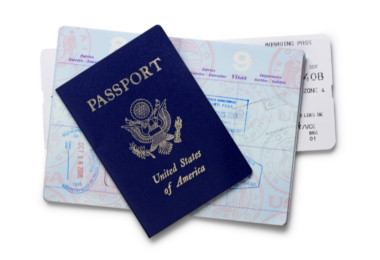
Please show valid ID .
Bitte zeigen Sie einen gültigen Ausweis 0
Vui lòng xuất trình ID hợp lệ .
请 出示 您 的 有效证件 。
Qǐng chūshì nín de yǒuxiào zhèngjiàn.
有効な証明書を提示してください。
Yūkōna shōmei-sho o teiji shite kudasai.
유효한 증명서를 제시하십시오.
yuhyohan jeungmyeongseoleul jesihasibsio.
(VI)
(ZH)
(JA)
0982
[EN] [DE] [NL] [ES] [FR] [IT] [TH] [VI] [ZH]
|
RANDOM
他在给顾客介绍新车。

He is showing a new car to his client .
Er zeigt seinem Kunden ein neues Auto 0
Anh ta đang cho khách hàng xem một chiếc xe hơi mới .
他 在 给 顾客 介绍 新车 。
Tā zài gěi gùkè jièshào xīn chē.
彼は顧客に新車を紹介しています。
Kare wa kokyaku ni shinsha o shōkai shite imasu.
그는 고객에게 새 차를 소개하고 있습니다.
geuneun gogaeg-ege sae chaleul sogaehago issseubnida.
(VI)
(ZH)
(JA)
1123
[EN] [DE] [NL] [ES] [FR] [IT] [TH] [VI] [ZH]
|
RANDOM
一升油多少钱?

How much does one liter of oil cost ?
Wie viel kostet ein Liter Öl ?
Giá một lít dầu là bao nhiêu ?
一升油 多少 钱 ?
Yī shēng yóu duōshaoqián?
オイル1リットルはいくらですか?
Oiru 1-rittoru wa ikuradesu ka?
기름 1리터는 얼마인가요?
gileum 1liteoneun eolmaingayo?
(VI)
(ZH)
(JA)
1149
[EN] [DE] [NL] [ES] [FR] [IT] [TH] [VI] [ZH]
|
RANDOM
哇,好恐怖呀!

Wow , how horrible !
Wow , wie schrecklich !
Chà , thật kinh khủng !
哇 , 好 恐怖 呀 !
Wā, hǎo kǒngbù ya!
うわー、怖い!
Uwa ̄ , kowai!
와, 무섭다!
wa, museobda!
(VI)
(ZH)
(JA)
1316
[EN] [DE] [NL] [ES] [FR] [IT] [TH] [VI] [ZH]
|
RANDOM
她不知如何选择。

She doesn't know how to choose .
Sie weiß nicht , wie sie wählen soll 0
Cô ấy không biết làm thế nào để lựa chọn .
她 不知 如何 选择 。
Tā bùzhī rúhé xuǎnzé.
彼女は選び方がわからない。
Kanojo wa erabikata ga wakaranai.
그녀는 선택하는 방법을 모릅니다.
geunyeoneun seontaeghaneun bangbeob-eul moleubnida.
(VI)
(ZH)
(JA)
1552
[EN] [DE] [NL] [ES] [FR] [IT] [TH] [VI] [ZH]
|
RANDOM
做这件事我很有把握。

I am very sure about how to deal with this matter .
Ich bin mir sehr sicher , wie ich mit dieser Angelegenheit umgehen soll 0
Tôi rất chắc chắn về cách giải quyết vấn đề này .
做 这件 事 我 很 有把握 。
Zuò zhè jiàn shì wǒ hěn yǒu bǎwò.
私はこれを行うことをかなり確信しています。
Watashi wa kore o okonau koto o kanari kakushin shite imasu.
나는 이것을 할 자신이 있습니다.
naneun igeos-eul hal jasin-i issseubnida.
(VI)
(ZH)
(JA)
1582
[EN] [DE] [NL] [ES] [FR] [IT] [TH] [VI] [ZH]
|
RANDOM
赵先生,您好!

How are you , Mr . Zhao ?
Wie geht es Ihnen , Herr Zhao ?
Ông có khỏe không , ông Zhao ?
赵先生 , 您好 !
Zhào xiānsheng, nín hǎo!
こんにちは、趙さん!
Kon'nichiwa, Chō-san!
안녕하세요, Zhao 씨!
annyeonghaseyo, Zhao ssi!
(VI)
(ZH)
(JA)
1740
[EN] [DE] [NL] [ES] [FR] [IT] [TH] [VI] [ZH]
|
RANDOM
宇宙到底有多大?

How big is the universe ?
Wie groß ist das Universum ?
Vũ trụ rộng lớn đến mức nào ?
宇宙 到底 有 多 大 ?
Yǔzhòu dàodǐ yǒu duō dà?
宇宙はどれくらいの大きさですか?
Uchū wa dorekurai no ōki-sadesu ka?
우주는 얼마나 큰가?
ujuneun eolmana keunga?
(VI)
(ZH)
(JA)
1866
[EN] [DE] [NL] [ES] [FR] [IT] [TH] [VI] [ZH]
|
RANDOM
一尾鱼多少钱?
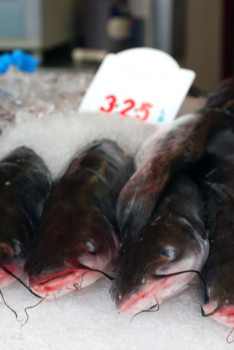
How much does one fish cost ?
Wie viel kostet ein Fisch ?
Giá một con cá là bao nhiêu ?
一尾 鱼 多少 钱 ?
Yī wěi yú duōshaoqián?
1匹の魚はいくらですか?
1-Biki no sakana wa ikuradesu ka?
물고기는 얼마입니까?
mulgogineun eolmaibnikka?
(VI)
(ZH)
(JA)
1949
[EN] [DE] [NL] [ES] [FR] [IT] [TH] [VI] [ZH]
|
RANDOM
他是个很爱炫耀的人。

He is a show-off .
Er ist ein Angeber 0
Anh ấy là một người thích khoe khoang .
他 是 个 很 爱 炫耀 的 人 。
Tā shì gè hěn ài xuànyào de rén.
彼は自慢するのが好きな人です。
Kare wa jiman suru no ga sukinahitodesu.
그는 과시하는 것을 좋아하는 사람입니다.
geuneun gwasihaneun geos-eul joh-ahaneun salam-ibnida.
(VI)
(ZH)
(JA)
2190
[EN] [DE] [NL] [ES] [FR] [IT] [TH] [VI] [ZH]
|
RANDOM
这头象重几吨?

How many tons does this elephant weigh ?
Wie viele Tonnen wiegt dieser Elefant ?
Con voi này nặng bao nhiêu tấn ?
这头 象重 几吨 ?
Zhè tóu xiàng zhòng jǐ dūn?
この象の体重は何トンですか?
Kono zō no taijū wa nan-tondesu ka?
이 코끼리의 무게는 몇 톤입니까?
i kokkiliui mugeneun myeoch ton-ibnikka?
(VI)
(ZH)
(JA)
2206
[EN] [DE] [NL] [ES] [FR] [IT] [TH] [VI] [ZH]
|
RANDOM
我喜欢看木偶表演。
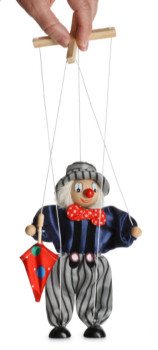
I like watching puppet shows .
Ich liebe es , Puppentheater zu sehen 0
Tôi thích xem các buổi biểu diễn múa rối .
我 喜欢 看 木偶 表演 。
Wǒ xǐhuan kàn mù'ǒu biǎoyǎn.
私は人形劇を見るのが好きです。
Watashi wa ningyō geki o miru no ga sukidesu.
나는 인형극을 보는 것을 좋아합니다.
naneun inhyeong-geug-eul boneun geos-eul joh-ahabnida.
(VI)
(ZH)
(JA)
2226
[EN] [DE] [NL] [ES] [FR] [IT] [TH] [VI] [ZH]
|
RANDOM
对受灾的人要有怜悯的心。

You should show sympathy for the victims of the disaster .
Haben Sie Mitgefühl für die von Katastrophen Betroffenen 0
Bạn nên bày tỏ sự cảm thông đối với những nạn nhân của thảm họa .
对 受灾 的 人 要 有 怜悯 的 心 。
Duì shòuzāi de rén yào yǒu liánmǐn de xīn.
災害の影響を受けた人々に思いやりを持ってください。
Saigai no eikyō o uketa hitobito ni omoiyari o motte kudasai.
재난으로 피해를 입은 사람들에게 자비를 베푸십시오.
jaenan-eulo pihaeleul ib-eun salamdeul-ege jabileul bepusibsio.
(VI)
(ZH)
(JA)
2262
[EN] [DE] [NL] [ES] [FR] [IT] [TH] [VI] [ZH]
|
RANDOM
这只灯泡是几瓦的?

How many watts is this electric bulb ?
Wie viel Watt hat diese Glühbirne ?
Bóng điện này có công suất bao nhiêu oát ?
这 只 灯泡 是 几瓦 的 ?
Zhè zhī dēngpào shì jǐ wǎ de?
この電球は何ワットですか?
Kono denkyū wa nan-wattodesu ka?
이 전구는 몇 와트입니까?
i jeonguneun myeoch wateu-ibnikka?
(VI)
(ZH)
(JA)
2306
[EN] [DE] [NL] [ES] [FR] [IT] [TH] [VI] [ZH]
|
RANDOM
她是专家,会鉴定宝石。

She is an expert . She knows how to authenticate gems .
Sie ist Expertin für die Identifizierung von Edelsteinen 0
Cô ấy là một chuyên gia 0 Cô ấy biết cách xác thực đá quý .
她 是 专家 , 会 鑑定 宝石 。
Tā shì zhuānjiā, huì jiàndìng bǎoshí.
彼女は専門家であり、宝石を知っています。
Kanojo wa senmonkadeari, hōseki o shitte imasu.
그녀는 전문가이며 보석을 알고 있습니다.
geunyeoneun jeonmungaimyeo boseog-eul algo issseubnida.
(VI)
(ZH)
(JA)
2559
[EN] [DE] [NL] [ES] [FR] [IT] [TH] [VI] [ZH]
|
RANDOM
孩子露出仇视的表情。

The child showed an expression of hostility .
Das Kind zeigte einen feindseligen Ausdruck 0
Đứa trẻ tỏ thái độ thù địch .
孩子 露出 仇视 的 表情 。
Háizi lùchu chóushì de biǎoqíng.
子供は憎しみの表情を見せた。
Kodomo wa nikushimi no hyōjō o miseta.
아이는 증오의 표정을 보였다.
aineun jeung-oui pyojeong-eul boyeossda.
(VI)
(ZH)
(JA)
2639
[EN] [DE] [NL] [ES] [FR] [IT] [TH] [VI] [ZH]
|
RANDOM
你岂敢这么对我?

How dare you treat me this way ?
Wie kannst du es wagen , mich so zu behandeln ?
Sao bạn dám làm điều này với tôi ?
你 岂敢 这么 对 我 ?
Nǐ qǐ gǎn zhème duì wǒ?
あなたは私にこれをどのように敢えてしますか?
Anata wa watashi ni kore o dono yō ni aete shimasu ka?
감히 나에게 이런 짓을?
gamhi na-ege ileon jis-eul?
(VI)
(ZH)
(JA)
2650
[EN] [DE] [NL] [ES] [FR] [IT] [TH] [VI] [ZH]
|
RANDOM
小孩在学溜冰。

The child is learning how to ice skate .
Das Kind lernt Schlittschuh laufen 0
Đứa trẻ đang học cách trượt băng .
小孩 在 学 溜冰 。
Xiǎohái zài xué liūbīng.
子供はスケートを学んでいます。
Kodomo wa sukēto o manande imasu.
아이가 스케이트를 배우고 있습니다.
aiga seukeiteuleul baeugo issseubnida.
(VI)
(ZH)
(JA)
2713
[EN] [DE] [NL] [ES] [FR] [IT] [TH] [VI] [ZH]
|
RANDOM
儿女应该孝敬父母。

Children should show respect to their parents .
Kinder sollten ihren Eltern gegenüber Respekt zeigen 0
Con cái nên hiếu kính cha mẹ .
儿女 应该 孝敬父母 。
Érnǚ yīnggāi xiàojìng fùmǔ.
子供は両親を尊重する必要があります。
Kodomo wa ryōshin o sonchō suru hitsuyō ga arimasu.
자녀는 부모를 공경해야 합니다.
janyeoneun bumoleul gong-gyeonghaeya habnida.
(VI)
(ZH)
(JA)
2768
[EN] [DE] [NL] [ES] [FR] [IT] [TH] [VI] [ZH]
|
RANDOM
你钱包里有几英镑?

How many English pounds do you have in your wallet ?
Wie viele englische Pfund hast du in deiner Brieftasche ?
Bạn có bao nhiêu bảng Anh trong ví ?
你 钱包 里 有 几 英镑 ?
Nǐ qiánbāo lǐ yǒu jǐ Yīngbàng?
財布には何ポンドありますか?
Saifu ni wa nan-pondo arimasu ka?
지갑에 몇 파운드가 있습니까?
jigab-e myeoch paundeuga issseubnikka?
(VI)
(ZH)
(JA)
2812
[EN] [DE] [NL] [ES] [FR] [IT] [TH] [VI] [ZH]
|
RANDOM
你敢挑衅我?

How dare you try to provoke me ?
Wie kannst du es wagen , mich zu provozieren ?
Sao anh dám khiêu khích tôi ?
你 敢 挑衅 我 ?
Nǐ gǎn tiǎoxìn wǒ?
あえて私を挑発しますか?
Aete watashi o chōhatsu shimasu ka?
감히 나를 화나게 하느냐?
gamhi naleul hwanage haneunya?
(VI)
(ZH)
(JA)
2835
[EN] [DE] [NL] [ES] [FR] [IT] [TH] [VI] [ZH]
|
RANDOM
喂,你好。

Hey , how are you ?
Hallo , wie geht es dir ?
này , em dạo này thế nào rồi ?
喂 , 你好 。
Wèi, nǐ hǎo.
こんにちは。
Kon'nichiwa.
안녕하세요.
annyeonghaseyo.
(VI)
(ZH)
(JA)
2885
[EN] [DE] [NL] [ES] [FR] [IT] [TH] [VI] [ZH]
|
RANDOM
她每天都洗淋浴。

She takes a shower every day .
Sie duscht jeden Tag 0
Cô ấy tắm mỗi ngày .
她 每天 都 洗 淋浴 。
Tā měi tiān dōu xǐ línyù.
彼女は毎日シャワーを浴びます。
Kanojo wa mainichi shawā o abimasu.
그녀는 매일 샤워를 한다.
geunyeoneun maeil syawoleul handa.
(VI)
(ZH)
(JA)
3051
[EN] [DE] [NL] [ES] [FR] [IT] [TH] [VI] [ZH]
|
RANDOM
他们在练习搏斗。

They are learning how to fight .
Sie lernen zu kämpfen 0
Họ đang học cách chiến đấu 0
他们 在 练习 搏斗 。
Tāmen zài liànxí bódòu.
彼らは戦いを練習しています。
Karera wa tatakai o renshū shite imasu.
그들은 싸움을 연습하고 있습니다.
geudeul-eun ssaum-eul yeonseubhago issseubnida.
(VI)
(ZH)
(JA)
3094
[EN] [DE] [NL] [ES] [FR] [IT] [TH] [VI] [ZH]
|
RANDOM
你诽谤我!

How dare you slander me !
Wie kannst du es wagen mich zu verleumden !
Sao anh dám vu khống tôi !
你 诽谤 我 !
Nǐ fěibàng wǒ!
あなたは私を中傷します!
Anata wa watashi o chūshō shimasu!
당신은 나를 비방!
dangsin-eun naleul bibang!
(VI)
(ZH)
(JA)
3131
[EN] [DE] [NL] [ES] [FR] [IT] [TH] [VI] [ZH]
|
RANDOM
我会划船。

I know how to row a boat .
Ich weiß , wie man ein Boot rudert 0
Tôi biết cách chèo thuyền .
我会 划船 。
Wǒ huì huáchuán.
ボートを漕ぐことができます。
Bōto o kogu koto ga dekimasu.
나는 배를 젓을 수 있습니다.
naneun baeleul jeos-eul su issseubnida.
(VI)
(ZH)
(JA)
3198
[EN] [DE] [NL] [ES] [FR] [IT] [TH] [VI] [ZH]
|
RANDOM
我会用筷子吃饭。
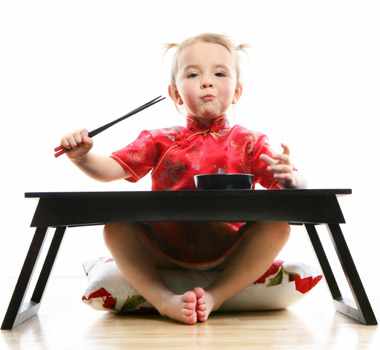
I know how to eat with chopsticks .
Ich kann mit Stäbchen essen 0
Tôi biết ăn bằng đũa .
我会 用 筷子 吃饭 。
Wǒ huì yòng kuàizi chīfàn.
お箸で食べられます。
O hashi de tabe raremasu.
젓가락으로 먹을 수 있어요.
jeosgalag-eulo meog-eul su iss-eoyo.
(VI)
(ZH)
(JA)
3272
[EN] [DE] [NL] [ES] [FR] [IT] [TH] [VI] [ZH]
|
|