76. 3130 Người bị tình nghi giết người đã bị lên án trên báo nhưng anh ấy không phải hung thủ .
| GLOSSIKA |
|---|
0002
 This coat is dirty. This coat is dirty.
 Die Jacke ist schmutzig. Die Jacke ist schmutzig.
 Este abrigo está sucio. Este abrigo está sucio.
 Ce manteau est sale. Ce manteau est sale.
 Questo cappotto è sporco. Questo cappotto è sporco.
 Cái áo khóac này bẩn. Cái áo khóac này bẩn.
 เสื้อโค้ทนี้สกปรก เสื้อโค้ทนี้สกปรก
 这 件 外套 很 脏 。 这 件 外套 很 脏 。
這 件 外套 很 髒 。
|
0015
Here's your coat.
Hier ist dein Mantel.
Aquí está tu abrigo.
Voici ton manteau.
Ecco il tuo cappotto.
Đây là áo khóac của em.
เสื้อโค้ทของคุณอยู่นี่
这 是 你的 外套 。
這 是 你的 外套 。
|
0095
Barbara is reading a newspaper.
Barbara liest eine Zeitung.
Bárbara está leyendo un periódico.
Barbara lit un journal.
Barbara sta leggendo un giornale.
Barbara đang đọc báo.
บาร์บาร่ากำลังอ่านหนังสือพิมพ์
芭芭拉 正在 看 报纸 。
芭芭拉 正在 看 報紙 。
|
0096
Isabelle's reading the newspaper.
Isabelle liest die Zeitung.
Isabelle está leyendo el periódico.
Isabelle lit le journal.
Isabella legge il giornale.
Isabelle đang đọc báo.
คุณอิซาเบลกำลังอ่านหนังสือพิมพ์
依莎贝拉 在 看 报纸 。
依莎貝拉 在 看 報紙 。
|
0157
He always wears a coat, even in hot weather.
Er trägt immer einen Mantel, sogar wenn es heiß ist.
Él siempre lleva puesto un abrigo, incluso cuando hace calor.
Il porte toujours un manteau, même par temps chaud.
Lui indossa sempre un cappotto, anche quando fa caldo.
Anh ấy luôn mặc áo khóac thậm chí dưới trời nóng.
เขาชอบใส่เสื้อโค้ดแม้แต่เวลาที่อากาศร้อน
他 总是 穿 着 外套 , 即使 天气 很 热 。
他 總是 穿 著 外套 , 即使 天氣 很 熱 。
|
0284
I'm a teacher.
Ich bin (ein) Lehrer.
Yo soy profesor (♀profesora).
Je suis ♂enseignant (♀enseignante).
Faccio l'insegnante.
Tôi làm giáo viên.
เป็นครู
我 是 老师 。
我 是 老師 。
|
0312
Are you a teacher? — Yes, I am.
Bist du Lehrer (♀ Lehrerin)? — Ja, das bin ich.
¿Eres profesor? — Sí, lo soy.
Es-tu ♂enseignant (♀enseignante) ? — Oui, je le suis.
Tu sei insegnante? — Sì, sono insegnante.
Em làm giáo viên à? — Đúng.
เป็นครูรึเปล่า--ใช่ เป็นครู
你 是 老师 吗 ?— 对 , 我 是 。
你 是 老師 嗎 ?— 對 , 我 是 。
|
0403
I couldn't decide which of the two (2) shirts to buy.
Ich konnte mich nicht entscheiden, welches der beiden Hemden ich kaufen soll.
No podía decidir cuál de las dos camisas comprar.
Je ne pouvais pas décider quelle des deux chemises acheter.
Non riuscivo a decidere quale delle due magliette comprare.
Tôi không quyết định được trong hai cái áo thì mua cái nào.
เราตัดสินใจไม่ได้ว่าระหว่างเสื้อสองตัวจะซื้อตัวไหนดี
我 没 办法 决定 该 买 哪 一 件 衬衫 。
我 沒 辦法 決定 該 買 哪 一 件 襯衫 。
|
0437
I usually buy two (2) newspapers every day.
Ich kaufe normalerweise jeden Tag zwei Zeitungen.
Normalmente compro dos periódicos todos los días.
J'achète généralement deux journaux tous les jours.
Solitamente compro due (2) giornali al giorno.
Tôi thường mua hai tờ báo hàng ngày.
ปกติจะซื้อหนังสือพิมพ์สองฉบับทุกวัน
我 通常 每天 买 两 份 报纸 。
我 通常 每天 買 兩 份 報紙 。
|
0513
The shirts got ironed.
Die Hemden wurden gebügelt.
Se plancharon las camisas.
Les chemises ont été repassées.
Le magliette sono state stirate.
Những cái áo đã được là.
เสื้อรีดแล้ว
衬衫 已经 被 烫 过 了 。
襯衫 已經 被 燙 過 了 。
|
0561
At eight o'clock (8:00) she was reading the news.
Um acht Uhr hat sie die Nachrichten gelesen.
A las ocho en punto ella estaba leyendo las noticias.
À huit heures (8 h), elle lisait les nouvelles.
Alle otto (8:00) in punto, lei stava leggendo il giornale.
Lúc tám giờ, cô ấy đang đọc báo.
ตอนแปดโมงเช้าเธอกำลังอ่านข่าว
她 八 点 的 时候 在 看 新闻 。
她 八 點 的 時候 在 看 新聞 。
|
0596
Yesterday I bought two (2) newspapers.
Gestern habe ich zwei Zeitungen gekauft.
Ayer compré dos periódicos.
Hier, j'ai acheté deux journaux.
Ieri ho comprato due giornali.
Hôm qua tôi có mua hai tờ báo.
เมื่อวานก็ซื้อหนังสือพิมพ์สองฉบับ
我 昨天 买 了 两 份 报纸 。
我 昨天 買 了 兩 份 報紙 。
|
0690
Priscilla has two (2) sisters, both of whom were teachers.
Priscilla hat zwei Schwestern, von denen beide Lehrer waren.
Priscilla tiene dos hermanas, las cuales ambas eran profesoras.
Priscilla a deux sœurs qui étaient toutes deux enseignantes.
Priscilla ha due sorelle, entrambe sono state insegnanti.
Priscilla có hai chị gái mà cả hai đều là giáo viên.
คุณพริสซิลล่ามีพี่สาวสองคนเป็นครูทั้งคู่
普莉希拉 有 两 个 姊姊 , 而且 她们 都 是 老师 。
普莉希拉 有 兩 個 姊姊 , 而且 她們 都 是 老師 。
|
0743
The shirts have been ironed.
Die Hemden wurden gebügelt.
Las camisas han sido planchadas.
On a repassé les chemises.
Le magliette sono state stirate.
Những cái áo đã được là.
กำลังรีดเสื้ออยู่
衬衫 已经 被 烫 过 了 。
襯衫 已經 被 燙 過 了 。
|
0746
No, I've had this coat for a long time.
Nein, ich habe den Mantel schon lange.
No, he tenido este abrigo durante mucho tiempo.
Non, j'ai ce manteau depuis longtemps.
No, possiedo questo cappotto da molto tempo.
Không, áo này tôi có lâu rồi.
เปล่า มีตั้งนานแล้ว
不 是 , 这 外套 很 久 了 。
不 是 , 這 外套 很 久 了 。
|
0752
Has this shirt been washed?
Wurde dieses Hemd gewaschen?
¿Ha sido lavada esta camisa?
Cette chemise a-t-elle été lavée ?
Questa maglietta è stata lavata?
Chiếc áo này đã được giặt chưa?
เสื้อตัวนี้ซักรึยัง
这 件 T恤 有 被 洗 过 了 吗 ?
這 件 T恤 有 被 洗 過 了 嗎 ?
|
0804
How long have you been a teacher?
Seit wann unterrichtest du? > Wie lange bist du schon Lehrer (♀ Lehrerin)?
¿Cuánto tiempo hace que eres profesor (♀profesora)?
Depuis quand es-tu enseignant ?
Da quanto tempo sei insegnante?
Cô ấy làm giáo viên được bao lâu rồi?
เป็นครูมานานรึยัง
你 当 老师 多久 了 ?
你 當 老師 多久 了 ?
|
0839
Shall I buy this coat?
Soll ich diese Jacke kaufen?
¿Debería comprar este abrigo?
Devrais-je acheter ce manteau ?
Che dici, me lo compro questo cappotto?
Tôi có nên mua cái áo khóac này không nhỉ?
ควรจะซื้อเสื้อโค้ทตัวนี้มั้ย
我 该 买 这 件 外套 吗 ?
我 該 買 這 件 外套 嗎 ?
|
0883
That coat is too big for you.
Die Jacke ist dir zu groß.
Este abrigo es demasiado grande para ti.
Ce manteau est trop grand pour toi.
Quel cappotto è troppo grande per te.
Cái áo khóac kia quá rộng so với em.
เสื้อโค้ทตัวนี้ใหญ่ไป
这 件 外套 你 穿 起来 太 大 了 。
這 件 外套 你 穿 起來 太 大 了 。
|
1103
Have you told your friends the good news?
Hast du die Überraschung schon deinen Freunden erzählt?
¿Has contado a tus amigos las buenas noticias?
As-tu annoncé la bonne nouvelle à tes ♂amis (♀amies) ?
Hai raccontato ai tuoi amici la buona notizia?
Em đã báo tin vui cho các bạn của em chưa?
บอกข่าวดีเพื่อนหรือยัง
你 跟 你 朋友 说 好 消息 了 吗 ?
你 跟 你 朋友 說 好 消息 了 嗎 ?
|
1107
Did you tell your friends the good news?
Hast du die Überraschung schon deinen Freunden erzählt?
¿Contaste a tus amigos las buenas noticias?
As-tu annoncé la bonne nouvelle à tes ♂amis (♀amies) ?
Hai raccontato ai tuoi amici la buona notizia?
Em có báo tin vui cho các bạn của em không?
บอกข่าวดีเพื่อนหรือยัง
你 有 跟 你 朋友 说 好 消息 吗 ?
你 有 跟 你 朋友 說 好 消息 嗎 ?
|
1211
He must not have many clothes.
Er hat anscheinend nicht so viele Klamotten.
No debe de tener mucha ropa.
Il ne doit pas avoir beaucoup de vêtements.
Non deve avere molti vestiti.
Anh ấy hẳn là không có nhiều quần áo.
เขาคงไม่ค่อยมีเสื้อผ้า
他 的 衣服 一定 不 多 。
他 的 衣服 一定 不 多 。
|
1321
Tomorrow there'll be rain in some places, but most of the country will be dry.
Morgen gibt es lokale Schauer, aber im Rest des Landes bleibt es trocken.
Mañana lloverá en algunos sitios, pero la mayoría del país estará seco.
Demain, il pleuvra à certains endroits, mais la majeure partie du pays sera au sec.
Domani pioverà in alcune zone, ma nella maggior parte del paese sarà asciutto.
Mai sẽ có mưa một số nơi nhưng phần lớn cả nước sẽ khô ráo.
พรุ่งนี้ฝนจะตกในบางที่แต่จะไม่ตกในพื้นที่ส่วนใหญ่ของประเทศ
明天 国家 大多数 地区 不 会 下雨 , 但 有 些 地方 会 。
明天 國家 大多數 地區 不 會 下雨 , 但 有 些 地方 會 。
|
1390
Why are you putting on your coat?
Warum ziehst du deine Jacke an?
¿Por qué te estás poniendo el abrigo?
Pourquoi mets-tu ton manteau ?
Perché stai mettendo il cappotto?
Sao em mặc áo khóac?
ใส่เสื้อโค้ททำไม
你 为什么 穿 上 外套 ?
你 為什麼 穿 上 外套 ?
|
1394
Why are you wearing a coat?
Warum trägst du einen Mantel?
¿Por qué llevas un abrigo?
Pourquoi portes-tu un manteau ?
Perché indossi un cappotto?
Sao em mặc áo khóac làm gì?
ทำไมต้องใส่เสื้อโค้ทด้วยล่ะ
你 为什么 穿 大衣 ?
你 為什麼 穿 大衣 ?
|
1523
Look! There's a photo of your brother in the newspaper!
Schau mal! In der Zeitung ist ein Photo von deinem Bruder!
¡Mira! ¡Hay una foto de tu hermano en el periódico!
Regarde! Il y a une photo de ton frère dans le journal.
Guarda! C'è una foto di tuo fratello sul giornale!
Nhìn kìa! Có ảnh của anh em trên mặt báo!
ดูสิมีรูปพี่ชายเธอในหนังสือพิมพ์
快 看 ! 报纸 上 有 你 哥哥 的 照片 。
快 看 ! 報紙 上 有 你 哥哥 的 照片 。
|
1535
A friend is wearing a dress. You like it.
Eine deiner Freundinnen trägt ein Kleid. Es gefällt dir.
Una amiga lleva puesto un vestido. Te gusta.
Une amie est vêtue d'une robe. Tu l'aimes.
Un'amica indossa un vestito. Ti piace.
Một người bạn mặc một bộ áo váy. Bạn thích nó.
เพื่อนคนหนึ่งใส่ชุดกระโปรงคุณชอบ
一 位 朋友 穿 洋装 , 你 喜欢 。
一 位 朋友 穿 洋裝 , 你 喜歡 。
|
1664
Are you a teacher? — No, I'm a doctor.
Bist du Lehrer (♀ Lehrerin)? — Nein, Arzt (♀ Ärztin).
¿Eres profesor (♀profesora)? — No, soy médico.
Es-tu ♂enseignant (♀enseignante) ? — Non, je suis médecin.
Sei insegnante? — No, sono medico.
Em làm giáo viên đúng không? — Không, tôi làm bác sĩ.
เป็นครูรึเปล่า--เปล่า เป็นหมอ
你 是 老师 吗 ? — 不 是 , 我 是 医生 。
你 是 老師 嗎 ? — 不 是 , 我 是 醫生 。
|
1665
Is your wife a doctor? — No, she's a teacher.
Ist deine Frau Ärztin? — Nein, Lehrerin.
¿Tu mujer es médico? — No, ella es profesora.
Ta femme est-elle médecin ? — Non, elle est enseignante.
Tua moglie fa il medico? — No, fa l'insegnante.
Vợ em làm bác sĩ phải không? — Không, cô ấy làm giáo viên.
ภรรยาเป็นหมอรึเปล่า--เปล่า เธอเป็นครู
你的 太太 是 医生 吗 ? — 不 是 , 她 是 老师 。
你的 太太 是 醫生 嗎 ? — 不 是 , 她 是 老師 。
|
1682
I like the dress you're wearing.
Mir gefällt der Anzug, den du anhast.
Me gusta el vestido que llevas puesto.
J'aime la robe que tu portes.
Mi piace il vestito che indossi.
Tôi thích bộ áo váy em mặc.
เราชอบชุดที่เธอใส่
我 喜欢 你 身 上 的 洋装 。
我 喜歡 你 身 上 的 洋裝 。
|
1837
The dress that she bought doesn't fit her very well.
Das Kleid, das sie sich gekauft hat, steht ihr nicht.
El vestido que ella compró no le sienta muy bien.
La robe qu'elle a achetée ne lui va pas très bien.
Il vestito che si è comprata non le sta molto bene.
Bộ áo váy Yuliana mua không vừa với cô ấy lắm.
ชุดที่เธอซื้อมาไม่ค่อยพอดีตัวเท่าไหร่
她 买 的 那 件 洋装 不太 合身 。
她 買 的 那 件 洋裝 不太 合身 。
|
1841
The dress that Yuliana bought doesn't fit her very well.
Das Kleid, das Yuliana gekauft hat, passt ihr nicht sehr gut.
El vestido que compró Yuliana no le sienta muy bien.
La robe que Yuliana a achetée ne lui va pas très bien.
Il vestito che ha comprato Giuliana non le sta molto bene.
Bộ áo váy mà Yuliana mua không vừa với cô ấy lắm.
ชุดที่ยูเลียน่าซื้อมาไม่ค่อยพอดีตัวเท่าไหร่
尤里安娜 买 的 那 件 洋装 不太 合身 。
尤里安娜 買 的 那 件 洋裝 不太 合身 。
|
1860
Has somebody washed this shirt?
Hat jemand das Hemd gewaschen?
¿Ha lavado alguien esta camisa?
Est-ce que quelqu'un a lavé cette chemise ?
Qualcuno ha lavato questa maglietta?
Có ai giặt chiếc áo này chưa?
มีใครเอาเสื้อตัวนี้ไปซักรึยัง
有 人 洗 了 这 件 T恤 吗 ?
有 人 洗 了 這 件 T恤 嗎 ?
|
1999
Esteban always wears nice clothes.
Esteban zieht sich immer schick an.
Esteban siempre lleva ropa buena.
Esteban porte toujours de beaux vêtements.
Esteban indossa sempre dei bei vestiti.
Esteban luôn mặc quần áo đẹp.
เอสเตบันชอบใส่เสื้อผ้าดีๆ
艾斯特班 总是 穿 着 很 好 的 衣服 。
艾斯特班 總是 穿 著 很 好 的 衣服 。
|
2008
This is my new dress.
Das ist mein neues Kleid.
Éste es mi vestido nuevo.
Voici ma nouvelle robe.
Questo è il mio vestito nuovo.
Đây là bộ áo váy mới của tôi.
นี่ชุดใหม่
这 是 我的 新 洋装 。
這 是 我的 新 洋裝 。
|
2049
You can improve your language skills by reading more.
Du kannst deine Sprachkenntnisse verbessern, indem du mehr liest.
Puedes mejorar tus habilidades lingüísticas leyendo más.
Tu peux améliorer tes compétences linguistiques en lisant plus.
Puoi migliorare le tue capacità linguistiche leggendo di più.
Em có thể cải thiện kĩ năng ngôn ngữ của em bằng cách đọc sách báo nhiều hơn.
ภาษาคุณจะดีขึ้นถ้าอ่านให้มากขึ้น
你 可以 藉由 更 多 的 阅读 提高 自己 的 语言 能力 。
你 可以 藉由 更 多 的 閱讀 提高 自己 的 語言 能力 。
|
2066
They wore warm clothes to protect themselves from the cold.
Sie zogen sich warm an, um sich vor der Kälte zu schützen.
Se pusieron ropa abrigada para protegerse del frío.
Ils portaient des vêtements chauds pour se protéger du froid.
Indossavano dei vestiti pesanti per proteggersi dal freddo.
Họ mặc áo ấm để bảo vệ họ khỏi cái lạnh.
มีเสื้อผ้าอุ่นๆเพื่อปกป้องพวกเขาจากความหนาว
他们 穿 着 温暖 的 外套 御寒 。
他們 穿 著 溫暖 的 外套 禦寒 。
|
2143
Enzo came into the room, took off his coat, and sat down.
Enzo kam ins Zimmer, hat seinen Mantel ausgezogen und sich gesetzt.
Enzo entró en la habitación, se quitó el abrigo y se sentó.
Enzo est entré dans la pièce, a enlevé son manteau et s'est assis.
Enzo è entrato nella stanza, si è tolto il cappotto e si è seduto.
Enzo vào trong phòng, cởi áo khóac và ngồi xuống.
เอ็นโซ่เข้ามาในห้องถอดเสื้อโค้ทแล้วนั่งลง
恩佐 进来 房间 , 脱掉 外套 , 然后 坐下 。
恩佐 進來 房間 , 脫掉 外套 , 然後 坐下 。
|
2150
I got up very early, but my teacher got up even earlier.
Ich bin sehr früh aufgestanden, aber mein Lehrer stand sogar noch früher auf.
Me levanté muy temprano, pero mi profesor (♀profesora) se levantó incluso antes.
Je me suis ♂levé (♀levée) très tôt, mais mon professeur s'est levé encore plus tôt.
Mi sono svegliato davvero presto, ma il mio insegnante si è svegliato persino prima.
Tôi dậy rất sớm nhưng giáo viên của tôi dậy còn sớm hơn.
เราตื่นเช้าแล้วแต่คุณครูเราตื่นเช้ากว่า
我 很 早起 , 但 我的 老师 更 早起 。
我 很 早起 , 但 我的 老師 更 早起 。
|
2204
Dora has bought a new dress, but she hasn't worn it yet.
Dora hat sich ein neues Kleid gekauft, aber sie hat es noch nicht angezogen.
Dora ha comprado un vestido nuevo, pero todavía no se lo ha puesto.
Dora a acheté une nouvelle robe, mais elle ne l'a pas encore portée.
Dora ha comprato un nuovo vestito, ma non l'ha ancora indossato.
Dora đã mua một bộ áo váy mới nhưng cô ấy chưa mặc nó.
โดร่าซื้อชุดใหม่แต่ยังไม่ได้ใส่
朵拉 买 了 件 新 的 洋装 , 但 她 还没 穿 过 。
朵拉 買 了 件 新 的 洋裝 , 但 她 還沒 穿 過 。
|
2216
Valentina found a beautiful dress at the department store, but she wanted to try it on before she bought it.
Valentina hat im Kaufhaus ein hübsches Kleid gefunden, aber sie wollte es zuerst anprobieren, bevor sie es kauft.
Valentina encontró un vestido precioso en la tienda, pero quería probárselo antes de comprarlo.
Valentina a trouvé une belle robe au magasin, mais elle voulait l'essayer avant de l'acheter.
Valentina ha trovato un vestito bellissimo all'emporio, ma ha voluto provarlo prima di comprarlo.
Valentina đã thấy một chiếc áo váy đẹp trong cửa hàng bách hóa nhưng cô ấy muốn thử nó trước khi mua.
วาเลนติน่าเจอชุดสวยที่ห้างแต่เธออยากลองใส่ก่อนที่จะซื้อมัน
瓦伦蒂娜 在 百货公司 找到 了 一 件 漂亮 的 洋装 , 但 她 想 在 买 下 它 前 先 试穿 。
瓦倫蒂娜 在 百貨公司 找到 了 一 件 漂亮 的 洋裝 , 但 她 想 在 買 下 它 前 先 試穿 。
|
2244
I put on warmer clothes so I wouldn't feel cold.
Ich habe mir was Wärmeres angezogen, damit mir nicht mehr kalt ist.
Me he puesto ropa de más abrigo para no tener frío.
J'ai enfilé des vêtements plus chauds pour ne pas avoir froid.
Ho indossato dei vestiti più caldi, così da non avere freddo.
Tôi đã mặc quần áo ấm để tôi không thấy lạnh.
เราใส่เสื้อผ้าที่อุ่นหน่อยจะได้ไม่หนาว
我 穿 上 暖和 的 衣服 , 这样 我 才 不 会 觉得 冷 。
我 穿 上 暖和 的 衣服 , 這樣 我 才 不 會 覺得 冷 。
|
2272
Since he got so much bad press, it wouldn't just blow over.
Weil über ihn in der Presse so schlecht berichtet wurde, hat sich der Fall nicht einfach so in Wohlgefallen aufgelöst.
Como consiguió tan mala fama, el asunto no pudo simplemente olvidarse.
Comme il a tellement eu mauvaise presse, ça ne pouvait pas tout simplement pas s'estomper.
A causa della pessima pubblicità ricevuta a mezzo stampa, per lui le acque non si sarebbero calmate tanto presto.
Vì anh ấy đã bị lên án trên báo chí quá nhiều nên chuyện sẽ không chỉ qua đi.
เนื่องจากเขาถูกวิพากษ์วิจารณ์อย่างหนักเรื่องนี้จึงไม่เลือนหายไปง่ายๆ
因为 他 有 这么 多 负面 新闻 , 大家 不 会 那么 轻易 忘记 。
因為 他 有 這麼 多 負面 新聞 , 大家 不 會 那麼 輕易 忘記 。
|
2317
You're trying on a jacket.
Du probierst eine Jacke an.
Te estás probando una chaqueta.
Tu essaies un veston.
Stai provando una giacca.
Bạn đang thử áo khóac.
คิดว่าเราควรจะซื้อแจ็คเก็ตตัวนี้รึเปล่า
你 正在 试穿 外套 。
你 正在 試穿 外套 。
|
2395
Ludwig wears the same clothes every day.
Ludwig hat jeden Tag das gleiche an.
Ludwig lleva la misma ropa todos los días.
Ludwig porte les mêmes vêtements chaque jour.
Ludwig indossa gli stessi vestiti ogni giorno.
Ludwig ngày nào cũng mặc cùng một bộ quần áo.
ลุดวิกใส่เสื้อผ้าชุดเดิมทุกวัน
路德维希 每天 都 穿 一样 的 衣服 。
路德維希 每天 都 穿 一樣 的 衣服 。
|
2397
Do you think I should buy this jacket?
Denkst du, ich sollte mir diese Jacke kaufen?
¿Crees que debería comprar esta chaqueta?
Penses-tu que je devrais acheter ce veston ?
Pensi che dovrei comprare questa giacca?
Em nghĩ tôi có nên mua cái áo khóac này không?
คิดว่าเราควรจะซื้อแจ็คเก็ตตัวนี้รึเปล่า
你 觉得 我 该 买 这 件 外套 吗 ?
你 覺得 我 該 買 這 件 外套 嗎 ?
|
2428
He wasn't wearing a jacket.
Er hat keine Jacke angehabt.
Él no llevaba chaqueta.
Il ne portait pas de veston.
Lui non indossava una giacca.
Anh ấy không mặc áo khóac.
เขาไม่ได้ใส่แจ็คเก็ต
他 没有 穿 外套 。
他 沒有 穿 外套 。
|
2483
She's a teacher. She teaches maths to children.
Sie ist Lehrerin. Sie unterrichtet Kinder in Mathe.
Ella es profesora. Enseña matemáticas a niños.
Elle est enseignante. Elle enseigne les mathématiques aux enfants.
Lei è insegnante. Insegna matematica ai bambini.
Cô ấy là giáo viên. Cô ấy dạy tóan cho bọn trẻ.
เธอเป็นครู เธอสอนคณิตศาสตร์ให้เด็ก
她 是 老师 。 她 教 小 朋友 数学 。
她 是 老師 。 她 教 小 朋友 數學 。
|
2518
I like your new jacket.
Ich finde deine neue Jacke schön.
Me gusta tu chaqueta nueva.
J'aime ton nouveau veston.
Mi piace la tua nuova giacca.
Tôi thích cái áo khóac mới của em.
ชอบแจ็คเก็ตเธอจัง
我 喜欢 你的 新 夹克 。
我 喜歡 你的 新 夾克 。
|
2520
I think Mahmud ought to buy some new clothes.
Ich glaube, Mahmud sollte sich ein paar neue Sachen zum Anziehen kaufen.
Creo que Mahmud debe comprar algo de ropa nueva.
Je pense que Mahmud devrait acheter de nouveaux vêtements.
Penso che Mahmud dovrebbe comprarsi dei vestiti nuovi.
Tôi nghĩ Mahmud cần phải mua vài bộ quần áo mới.
คิดว่ามะห์มูดควรซื้อเสื้อผ้าใหม่
马哈茂德 最好 买 些 新 衣服 。
馬哈茂德 最好 買 些 新 衣服 。
|
2524
I think Zahida should buy some new clothes.
Ich denke Zahida sollte sich mal was neues zum Anziehen kaufen.
Creo que Zahida debería comprar algo de ropa nueva.
Je pense que Zahida devrait acheter de nouveaux vêtements.
Penso che Zahida dovrebbe comprarsi dei vestiti nuovi.
Tôi nghĩ Zahida nên mua mấy bộ quần áo mới.
คิดว่าซาฮิดาน่าจะซื้อเสื้อผ้าใหม่
我 想 札希达 该 买 些 新 衣服 。
我 想 札希達 該 買 些 新 衣服 。
|
2529
Giovanni bought some new clothes yesterday: two (2) shirts and a pair of trousers.
Giovanni hat sich gestern neue Klamotten gekauft, zwei Hemden und eine Hose.
Giovanni compró alguna ropa nueva ayer: dos camisas y un par de pantalones.
Giovanni a acheté de nouveaux vêtements hier : deux chemises et un pantalon.
Giovanni ha comprato dei nuovi vestiti ieri: due (2) magliette e un paio di pantaloni.
Giovanni đã mua vài bộ quần áo mới ngày hôm qua: hai cái áo chemise và một cái quần.
เมื่อวานจิโอวานนี่ซื้อเสื้อผ้าใหม่ เสื้อสองตัว กางเกงหนึ่งตัว
乔凡尼 昨天 买 了 些 衣服 : 两 件 衬衫 和 一 件 裤子 。
喬凡尼 昨天 買 了 些 衣服 : 兩 件 襯衫 和 一 件 褲子 。
|
2533
Yes, she was wearing a very nice jacket.
Ja, sie hatte eine sehr schöne Jacke angehabt.
Sí, ella llevaba puesta una chaqueta muy bonita.
Oui, elle portait un très beau veston.
Sì, indossava una giacca molto carina.
Có, cô ấy mặc một cái áo khóac rất là đẹp.
เจอ เธอใส่แจ็คเก็ตสวย
有 , 她 穿 着 一 件 很 好看 的 外套 。
有 , 她 穿 著 一 件 很 好看 的 外套 。
|
2581
Walter hardly ever watches TV, and rarely reads newspapers.
Walter schaut fast nie Fernsehen und liest nur selten die Zeitung.
Walter casi nunca ve la televisión y rara vez lee un periódico.
Walter regarde à peine la télévision et lit rarement les journaux.
Walter difficilmente guarda la televisione e legge di rado i giornali.
Walter gần như không bao giờ xem vô tuyến và hiếm khi đọc báo.
วอลเตอร์ไม่ค่อยได้ดูทีวีและอ่านหนังสือพิมพ์น้อยมาก
沃特 很 少 看 电视 也 很 少 看 报纸 。
沃特 很 少 看 電視 也 很 少 看 報紙 。
|
2603
You're trying on a new jacket and don't like it.
Du probierst eine neue Jacke und dir gefällt sie nicht.
Te estás probando una chaqueta nueva y no te gusta.
Tu essaies un veston et tu ne l'aimes pas.
Stai provando una giacca nuova e non ti piace.
Bạn đang thử một chiếc áo khóac mới và bạn không thích nó.
คุณกำลังลองใส่เสื้อแจ็คเก็ตใหม่แล้วคุณไม่ชอบมัน
你 在 试穿 新 的 外套 , 但 不太 喜欢 。
你 在 試穿 新 的 外套 , 但 不太 喜歡 。
|
2713
I was warned not to touch the switch.
Mir wurde gesagt, den Schalter nicht zu berühren.
Fui advertido (♀advertida) de no tocar el interruptor.
J'ai été prévenu de ne pas toucher à l'interrupteur.
Fui avvertito di non toccare l'interruttore.
Tôi đã được cảnh báo là đừng sờ vào cái contact.
มีคนเตือนว่าอย่าแตะสวิตช์ไฟ
有 人 警告 我 不 要 碰 这个 开关 。
有 人 警告 我 不 要 碰 這個 開關 。
|
2716
These apples aren't ripe enough to eat.
Diese Äpfel sind noch nicht reif genug zum Essen.
Esas manzanas no están lo suficientemente maduras para comer.
Ces pommes ne sont pas assez mûres pour être mangées.
Queste mele non sono abbastanza mature per essere mangiate.
Những quả táo này chưa đủ chín để ăn.
แอปเปิ้ลยังไม่สุกพอจะกินได้
这 些 苹果 还 不 够 熟 , 不 能 吃 。
這 些 蘋果 還 不 夠 熟 , 不 能 吃 。
|
2736
He got up, washed, shaved, and got dressed.
Er stand auf, wusch sich, rasierte sich und zog sich an.
Él se levantó, se lavó, se afeitó y se vistió.
Il s'est levé, s'est lavé, s'est rasé et s'est habillé.
Si è alzato, lavato, rasato e vestito.
Anh ấy đã dậy, tắm rửa, cạo râu và mặc quần áo.
เขาตื่นนอนอาบน้ำโกนหนวดและแต่งตัว
他 起床 后 洗澡 、 刮 胡子 、 换 好 衣服 。
他 起床 後 洗澡 、 刮 鬍子 、 換 好 衣服 。
|
2748
I pretended to be reading the newspaper.
Ich habe so getan, als würde ich Zeitung lesen.
Hice como que estaba leyendo el periódico.
J'ai prétendu lire le journal.
Ho fatto finta di leggere il giornale.
Tôi giả vờ như đang đọc báo.
เราแกล้งทำเป็นกำลังอ่านหนังสือพิมพ์อยู่
我 假装 在 看 报纸 。
我 假裝 在 看 報紙 。
|
2768
I wouldn't advise staying in that hotel.
Ich würde nicht empfehlen, dieses Hotel zu nehmen.
No aconsejaría quedarse en ese hotel.
Je ne te recommanderais pas de séjourner dans cet hôtel.
Non consiglierei di alloggiare in quell'albergo.
Tôi không khuyến cáo việc ở khách sạn đó.
เป็นเราจะไม่แนะนำให้พักที่โรงแรมนั้น
我 不 建议 住 那 间 旅馆 。
我 不 建議 住 那 間 旅館 。
|
2774
We regret to inform you that we cannot offer you the job.
Es tut uns leid, Ihnen mitteilen zu müssen, dass wir Ihnen die Stelle nicht anbieten können.
Sentimos informarle que no podemos ofrecerle el trabajo.
Nous avons le regret de vous informer que nous ne pouvons pas vous offrir l'emploi.
Siamo spiacenti d'informarla che non possiamo offrirle questo lavoro.
Chúng tôi lấy làm tiếc khi phải báo cho em biết rằng chúng tôi không thể giao công việc cho em.
ขอแสดงความเสียใจที่จะแจ้งให้คุณทราบว่าเราไม่สามารถให้งานคุณได้
我们 很 遗憾 的 通知 你 , 我们 无法 提供 这 份 工作 给 你 。
我們 很 遺憾 的 通知 你 , 我們 無法 提供 這 份 工作 給 你 。
|
2779
What did you get out of your university education?
Was hast du von deiner Studienausbildung mitgenommen?
¿Qué sacaste de tu educación universitaria?
Qu'as-tu tiré de tes études universitaires ?
Che cosa hai ricavato dalla tua istruzione universitaria?
Em đã được gì từ giáo dục đại học?
คุณเรียนมหาวิทยาลัยได้อะไรมาบ้าง
你 从 你的 大学 教育 生涯 中 得到 了 什么 ?
你 從 你的 大學 教育 生涯 中 得到 了 什麼 ?
|
2781
I was warned not to believe anything he says.
Man hat mich davor gewarnt, irgendwas von dem zu glauben, was er sagt.
Se me avisó que no creyera todo lo que él dice.
J'ai été ♂prévenu (♀prévenue) de ne pas croire tout ce qu'il dit.
Sono stato avvertito di non credere a qualsiasi cosa lui dica.
Tôi được cảnh báo rằng đừng tin bất cứ điều gì anh ấy nói.
มีคนเตือนเราว่าไม่ควรเชื่อที่เขาพูด
有 人 告诉 我 , 我 不 应该 相信 他 说 的 一切 。
有 人 告訴 我 , 我 不 應該 相信 他 說 的 一切 。
|
2831
Scientists continue to warn us about the effects of global warming.
Wissenschaftler warnen uns weiterhin vor den Auswirkungen der Klimaerwärmung.
Los científicos continúan avisándonos sobre los efectos del calentamiento global.
Les scientifiques continuent de nous avertir des effets du réchauffement climatique.
Gli scienziati continuano a metterci in guardia rispetto gli effetti del riscaldamento globale.
Các nhà khoa học tiếp tục cảnh báo chúng ta về ảnh hưởng của hiện tượng ấm lên tòan cầu.
นักวิทยาศาสตร์เตือนพวกเรามาตลอดเกี่ยวกับผลกระทบของภาวะโลกร้อน
科学家 不断 地 警告 我们 全球 暖化 带来 的 影响 。
科學家 不斷 地 警告 我們 全球 暖化 帶來 的 影響 。
|
2848
Diego said the switch was dangerous, and warned me not to touch it.
Diego hat gesagt, dass der Schalter gefährlich ist und mich davor gewarnt, ihn zu berühren.
Diego dijo que el interruptor era peligroso y me advirtió que no lo tocase.
Diego a dit que l'interrupteur était dangereux et m'a prévenu de ne pas y toucher.
Diego mi ha detto che l'interruttore era pericoloso e mi ha messo in guardia dal toccarlo.
Diego đã nói cái contact nguy hiểm và cảnh báo chúng tôi đừng sờ vào nó.
ดีเอโก้เตือนเราว่าอย่าไปแตะสวิตช์ไฟมันอันตราย
地牙戈 说 这个 开关 很 危险 , 并且 警告 我 不 要 去 碰 它 。
地牙戈 說 這個 開關 很 危險 , 並且 警告 我 不 要 去 碰 它 。
|
2858
It began to get cold, and he regretted not wearing his coat.
Es wurde kalt, und er hat bedauert, seine Jacke nicht anzuhaben.
Empecé a tener frío y me arrepentí de no llevar puesto su abrigo.
Il a commencé à faire froid et il a regretté de ne pas porter son manteau.
Ha iniziato a fare freddo e si è pentito di non avere indossato il suo cappotto.
Trời bắt đầu trở lạnh và anh ấy hối hận vì không mặc áo khóac.
อากาศเริ่มหนาวและเขาคิดผิดที่ไม่ได้ใส่เสื้อโค้ท
天气 开始 变 冷 , 他 很 后悔 没有 穿 外套 。
天氣 開始 變 冷 , 他 很 後悔 沒有 穿 外套 。
|
2860
All their sweaters and blankets were not enough to prevent them from getting sick though.
All ihre Pullover und Decken waren nicht genug, um sie vor einer Erkältung zu schützen.
Sin embargo, todas sus sudaderas y mantas no fueron suficientes para prevenir que se pusieran enfermos (♀enfermas).
Tous les chandails et couvertures n’ont pas suffi à les empêcher de tomber malade.
Tutti i loro maglioni e le loro coperte, tuttavia, non sono bastati per impedire loro di ammalarsi.
Tất cả áo len và chăn của họ dù sao cũng đã không đủ để bảo vệ họ khỏi bị ốm.
แต่เสื้อกันหนาวกับผ้าห่มทั้งหมดของพวกเขาก็ไม่พอที่จะป้องกันไม่ให้พวกเขาป่วย
他们 所有 的 毛衣 和 毛毯 仍然 不 够 保暖 来 预防 生病 。
他們 所有 的 毛衣 和 毛毯 仍然 不 夠 保暖 來 預防 生病 。
|
2882
Our teachers provide us with an education necessary for competing in the real world.
Unsere Lehrer geben uns die Ausbildung, die nötig ist, damit wir uns in der realen Welt durchsetzen können.
Nuestros profesores nos proporcionan la educación necesaria para competir en el mundo real.
Nos professeurs nous inculquent l'éducation nécessaire pour être compétitif dans le monde réel.
I nostri insegnanti ci forniscono l'istruzione necessaria per poter competere nel mondo reale.
Các giáo viên của chúng ta cho chúng ta học vấn cần thiết để cạnh tranh trong thế giới thực.
ครูของเราให้การศึกษาเราซึ่งจำเป็นต่อการแข่งขันในโลกจริง
我们的 老师 提供 我们 必须 的 教育 , 让 我们 可以 在 现实 社会 中 竞争 。
我們的 老師 提供 我們 必須 的 教育 , 讓 我們 可以 在 現實 社會 中 競爭 。
|
2895
I knew he was strange because everybody had warned me about him.
Ich habe schon vorher gewusst, dass er komisch ist, weil mich jeder vor ihm gewarnt hatte.
Sabía que era raro porque todo el mundo me había advertido sobre él.
Je savais qu'il était étrange, car tout le monde m'avait mis en garde contre lui.
Sapevo che lui fosse strano perchè tutti mi avevano avvertito in proposito.
Tôi biết là anh ấy kì lạ vì mọi người đã báo trước với tôi về anh ấy.
เรารู้ว่าเขาเป็นคนแปลกเพราะทุกคนก็เตือนเรื่องเขา
我 知道 他 很 奇怪 , 因为 大家 有 叫 我 要 小心 那个 人 。
我 知道 他 很 奇怪 , 因為 大家 有 叫 我 要 小心 那個 人 。
|
2935
The teacher's explanation was confusing.
Die Erklärung, die der Lehrer gegeben hat, war verwirrend.
La explicación del profesor (♀de la profesora) era confusa.
L'explication de l'enseignant était déroutante.
La spiegazione dell'insegnante fu poco chiara.
Giải thích của giáo viên rất khó hiểu.
ครูอธิบายฟังแล้วงง
老师 的 解释 很 混乱 。
老師 的 解釋 很 混亂 。
|
2964
Our parents provide us with food, clothing, education, healthcare and love.
Unsere Eltern geben uns Essen, Kleidung, Erziehung, Gesundheit und Liebe.
Nuestros padres nos proporcionan comida, ropa, educación, cuidado de la salud y amor.
Nos parents nous fournissent nourriture, vêtements, éducation, santé et amour.
I nostri genitori ci danno da mangiare, i vestiti, l'istruzione, l'assistenza sanitaria e l'amore.
Bố mẹ chúng ta cho chúng ta thức ăn, quần áo, giáo dục, y tế và tình yêu.
พ่อแม่เราให้เราได้มีอาหารเครื่องนุ่งห่มการศึกษาการดูแลสุขภาพและความรัก
我们的 父母 提供 我们 食物 、 衣物 、 教育 、 医疗 和 爱 。
我們的 父母 提供 我們 食物 、 衣物 、 教育 、 醫療 和 愛 。
|
3006
You should tell the police if you have any information about the crime.
Du solltest es der Polizei mitteilen, falls du irgendwelche Informationen über das Verbrechen hast.
Deberías avisar a la policía si tienes alguna información sobre el crimen.
Tu devrais parler à la police si tu as de l'information à propos du crime.
Dovresti informare la polizia se possiedi delle informazioni riguardanti il crimine.
Em nên báo cảnh sát nếu em có bất cứ thông tin gì về vụ án.
คุณควรจะบอกตำรวจถ้ามีข้อมูลเกี่ยวกับอาชญากรรม
如果 你 有 什么 关于 犯罪 的 讯息 , 你 应该 告诉 警察 。
如果 你 有 什麼 關於 犯罪 的 訊息 , 你 應該 告訴 警察 。
|
3008
It's reported that two (2) people were injured in the explosion.
Es wird berichtet, dass zwei Personen bei der Explosion verletzt wurden.
Se informa que dos personas han resultado heridas en la explosión.
On rapporte que deux personnes ont été blessées dans l'explosion.
Hanno riferito che due (2) persone si sono ferite durante l'esplosione.
Người ta báo cáo là có hai người bị thương trong vụ nổ.
มีรายงานเข้ามาว่ามีสองคนบาดเจ็บจากระเบิด
报导 说 两 个 人 在 爆炸 中 受伤 了 。
報導 說 兩 個 人 在 爆炸 中 受傷 了 。
|
3068
Which would you prefer to be: a journalist or a school teacher?
Was wärst du lieber: Journalist oder Lehrer?
¿Qué preferirías ser: periodista o profesor (♀profesora) de colegio?
Que préférerais-tu être : un journaliste ou un enseignant ?
Cosa preferiresti essere: ♂un giornalista (♀una giornalista) o ♂un insegnante (♀un'insegnante)?
Em thích làm gì hơn: nhà báo hay giáo viên?
อยากทำงานอะไรมากกว่ากันนักข่าวหรือว่าครู
你 比较 想 当 记者 还是 学校老师 ?
你 比較 想 當 記者 還是 學校老師 ?
|
3069
I'd rather be a journalist than a school teacher.
Ich wäre lieber Journalist als Lehrer.
Preferiría ser periodista a profesor (♀profesora) de colegio.
Je préférerais être un journaliste plutôt qu'un enseignant.
Più che ♂un insegnante (♀un'insegnante), preferirei essere ♂un giornalista (♀una giornalista).
Tôi thích làm nhà báo hơn làm giáo viên.
อยากเป็นนักข่าวมากกว่าเป็นครู
我 想 当 记者 , 比较 不 想 当 学校老师 。
我 想 當 記者 , 比較 不 想 當 學校老師 。
|
3130
The murder suspect got bad press, but he wasn't the culprit.
Der Mordverdächtige kam in der Presse schlecht weg, aber er war nicht der Täter.
El sospechoso de asesinato tenía mala fama, pero no era el culpable.
L'homme soupçonné de meurtre a eu mauvaise presse, mais il n'était pas coupable.
Il sospettato del delitto ha avuto un'eco negativa sulla stampa, ma non era lui il colpevole.
Người bị tình nghi giết người đã bị lên án trên báo nhưng anh ấy không phải hung thủ.
ผู้ต้องสงสัยถูกวิพากษ์วิจารณ์อย่างหนักแต่เขาไม่ใช่ตัวการ
新闻 报导 很 多 杀人嫌犯 的 负面 新闻 , 但 他 不 是 罪魁祸首 。
新聞 報導 很 多 殺人嫌犯 的 負面 新聞 , 但 他 不 是 罪魁禍首 。
|
|
0001
I am a teacher.
Ich bin ein Lehrer.
Soy profesor.
Je suis un enseignant.
Sono un insegnante.
Tôi là một giáo viên.
ฉันเป็นครู.
我是老師。
我 是 老师 。 0035
He is writing a report.
Er schreibt einen Bericht.
Está escribiendo un informe.
Il écrit un rapport.
Sta scrivendo un rapporto.
Anh ấy đang viết báo cáo.
เขากำลังเขียนรายงาน
他在寫報告。
他 在 写 报告 。 0037
This apple is very big.
Dieser Apfel ist sehr groß.
Esta manzana es muy grande.
Cette pomme est très grosse.
Questa mela è molto grande.
Trái táo này rất to.
แอปเปิ้ลนี้มีขนาดใหญ่มาก
這個蘋果很大。
这个 苹果 很大 。 0085
The teacher is standing behind him.
Die Lehrerin steht hinter ihm.
El profesor está de pie detrás de él.
Le professeur se tient derrière lui.
L'insegnante è in piedi dietro di lui.
Cô giáo đang đứng sau lưng anh.
ครูยืนอยู่ข้างหลังเขา
老師站在他身後。
老师 站 在 他 身后 。 0113
They are wearing identical clothes.
Sie tragen identische Kleidung.
Llevan ropa idéntica.
Ils portent des vêtements identiques.
Indossano abiti identici.
Họ đang mặc quần áo giống hệt nhau.
พวกเขาสวมเสื้อผ้าเหมือนกัน
她們穿著相同的衣服。
她们 穿着 相同 的 衣服 。 0129
She wants to become a teacher.
Sie will Lehrerin werden.
Quiere ser profesora.
Elle veut devenir professeur.
Vuole diventare un'insegnante.
Cô ấy muốn trở thành một giáo viên.
เธออยากเป็นครู
她想當老師。
她 想 当 老师 。 0134
I have got three apples.
Ich habe drei Äpfel.
Tengo tres manzanas.
J'ai trois pommes.
Ho tre mele.
Tôi có ba quả táo.
ฉันมีแอปเปิ้ลสามลูก
我有三個蘋果。
我 有 三个 苹果 。 0149
The alarm clock has rung, but he hasn not yet woken up.
Der Wecker hat geklingelt, aber er ist noch nicht aufgewacht.
Ha sonado el despertador, pero aún no se ha despertado.
Le réveil a sonné, mais il ne s'est pas encore réveillé.
La sveglia è suonata, ma non si è ancora svegliato.
Đồng hồ báo thức đã reo, nhưng anh vẫn chưa thức dậy.
นาฬิกาปลุกสั่น แต่เขายังไม่ตื่น
鬧鐘響了,但是他沒醒。
闹钟 响 了 , 但是 他 没醒 。 0150
He bought some apples.
Er hat einige Äpfel gekauft.
Ha comprado unas manzanas.
Il a acheté des pommes.
Ha comprato delle mele.
Anh ấy đã mua một số quả táo.
เขาซื้อแอปเปิ้ล
他買了一些蘋果。
他 买 了 一些 苹果 。 0173
He is reading the latest news in the paper.
Er liest die neuesten Nachrichten in der Zeitung.
Está leyendo las últimas noticias del periódico.
Il lit les dernières nouvelles dans le journal.
Sta leggendo le ultime notizie sul giornale.
Anh ấy đang đọc tin tức mới nhất trên báo.
เขากำลังอ่านข่าวล่าสุดในหนังสือพิมพ์
他在看報紙的最新消息。
他 在 看 报纸 的 最新消息 。 0184
I have bought a few apples.
Ich habe einige Äpfel gekauft.
He comprado unas cuantas manzanas.
J'ai acheté quelques pommes.
Ho comprato alcune mele.
Tôi đã mua một vài quả táo.
ฉันซื้อแอปเปิ้ลมาสองสามลูกแล้ว
我買了幾個蘋果。
我 买 了 几个 苹果 。 0206
He is reading a newspaper.
Er liest eine Zeitung.
Está leyendo un periódico.
Il lit un journal.
Sta leggendo un giornale.
Anh ấy đang đọc báo.
เขากำลังอ่านหนังสือพิมพ์
他在看報紙。
他 在 看 报纸 。 0207
He is reporting the news.
Er berichtet über die Neuigkeiten.
Está informando de las noticias.
Il rapporte les nouvelles.
Sta riportando la notizia.
Anh ấy đang báo cáo tin tức.
เขากำลังรายงานข่าว
他在報道新聞。
他 在 报道 新闻 。 0228
The teacher teaches English to us.
Der Lehrer bringt uns Englisch bei.
El profesor nos enseña inglés.
Le professeur nous enseigne l'anglais.
L'insegnante ci insegna l'inglese.
Cô giáo dạy tiếng Anh cho chúng tôi.
ครูสอนภาษาอังกฤษให้เรา
老師教我們英文。
老师 教 我们 英文 。 0276
These clothes belong to my daughter.
Diese Kleider gehören meiner Tochter.
Esta ropa es de mi hija.
Ces vêtements appartiennent à ma fille.
Questi vestiti appartengono a mia figlia.
Những bộ quần áo này thuộc về con gái tôi.
เสื้อผ้าเหล่านี้เป็นของลูกสาวของฉัน
這些衣服是女兒的。
这些 衣服 是 女儿 的 。 0301
I love buying clothes.
Ich liebe es, Kleidung zu kaufen.
Me encanta comprar ropa.
J'adore acheter des vêtements.
Amo comprare vestiti.
Tôi thích mua quần áo.
ฉันชอบซื้อเสื้อผ้า
我喜歡買衣服。
我 喜欢 买 衣服 。 0375
She is just a substitute teacher.
Sie ist nur eine Vertretungslehrerin.
Sólo es una profesora sustituta.
Elle n'est qu'un professeur remplaçant.
È solo un'insegnante sostitutiva.
Cô ấy chỉ là một giáo viên dạy thay.
เธอเป็นเพียงครูสอนแทน
她是代課老師。
她 是 代课老师 。 0409
The teacher is teaching us math.
Der Lehrer unterrichtet uns in Mathematik.
El profesor nos está enseñando matemáticas.
Le professeur nous apprend les maths.
L'insegnante ci sta insegnando la matematica.
Cô giáo đang dạy toán cho chúng tôi.
ครูกำลังสอนคณิตศาสตร์ให้เรา
老師教我們數學。
老师 教 我们 数学 。 0431
These clothes are very cheap.
Diese Kleidung ist sehr billig.
Esta ropa es muy barata.
Ces vêtements sont très bon marché.
Questi vestiti sono molto economici.
Những bộ quần áo này rất rẻ.
เสื้อผ้าเหล่านี้มีราคาถูกมาก
這件衣服很便宜。
这件 衣服 很 便宜 。 0461
The shape of this diamond is very unique.
Die Form dieses Diamanten ist wirklich einzigartig.
La forma de este diamante es muy singular.
La forme de ce diamant est très unique.
La forma di questo diamante è davvero unica.
Hình dạng của viên kim cương này rất độc đáo.
รูปทรงของเพชรเม็ดนี้มีเอกลักษณ์เฉพาะตัวมาก
這枚鑽戒的形狀很特別。
这枚 钻戒 的 形状 很 特别 。 0477
She is our teacher.
Sie ist unsere Lehrerin.
Es nuestra profesora.
Elle est notre professeur.
Lei è la nostra insegnante.
Cô ấy là giáo viên của chúng tôi.
เธอเป็นครูของเรา
她是我們的老師。
她 是 我们 的 老师 。 0547
The teacher is very easygoing.
Der Lehrer ist sehr locker.
El profesor es muy fácil.
Le professeur est très facile à vivre.
L'insegnante è molto accomodante.
Giáo viên rất dễ tính.
อาจารย์พูดง่ายมากๆ
這位老教師平易近人。
这位 老 教师 平易近人 。 0576
Apples are a healthy food item.
Äpfel sind ein gesundes Nahrungsmittel.
Las manzanas son un alimento saludable.
Les pommes sont un aliment sain.
Le mele sono un alimento sano.
Táo là một mặt hàng thực phẩm tốt cho sức khỏe.
แอปเปิ้ลเป็นอาหารเพื่อสุขภาพ
蘋果是健康食品。
苹果 是 健康 食品 。 0593
The flute sounds very beautiful.
Die Flöte klingt sehr gut.
La flauta suena muy bien.
La flûte a un très beau son.
Il flauto suona molto bello.
Tiếng sáo rất hay.
เสียงขลุ่ยสวยงามมาก
長笛是很悅耳的樂器。
长笛 是 很 悦耳 的 乐器 。 0738
The newspapers have been printed.
Die Zeitungen sind gedruckt worden.
Los periódicos han sido impresos.
Les journaux ont été imprimés.
I giornali sono stati stampati.
Các tờ báo đã được in.
หนังสือพิมพ์ได้รับการพิมพ์
報紙印刷好了。
报纸 印刷 好 了 。 0796
There are many styles of clothes here.
Hier gibt es viele Kleidungsstile.
Hay muchos estilos de ropa aquí.
Il y a beaucoup de styles de vêtements ici.
Ci sono molti stili di vestiti qui.
Có rất nhiều kiểu quần áo ở đây.
มีเสื้อผ้าหลายสไตล์ที่นี่
這兒的衣服款式很多。
这儿 的 衣服 款式 很多 。 0816
He is writing comments and instructions on the report.
Er schreibt Kommentare und Anweisungen zu dem Bericht.
Está escribiendo comentarios e instrucciones en el informe.
Il écrit des commentaires et des instructions sur le rapport.
Sta scrivendo commenti e istruzioni sul rapporto.
Anh ấy đang viết bình luận và hướng dẫn trên báo cáo.
เขากำลังเขียนความคิดเห็นและคำแนะนำในรายงาน
他在報告上做批示。
他 在 报告 上 做 批示 。 0902
I am peeling an apple.
Ich schäle einen Apfel.
Estoy pelando una manzana.
Je suis en train de peler une pomme.
Sto sbucciando una mela.
Tôi đang gọt một quả táo.
ฉันกำลังปอกแอปเปิ้ล
我在削蘋果皮。
我 在 削苹果 皮 。 0945
The teacher teaches us to recite the words.
Der Lehrer bringt uns bei, die Worte nachzusprechen.
El profesor nos enseña a recitar las palabras.
Le professeur nous apprend à réciter les mots.
L'insegnante ci insegna a recitare le parole.
Cô giáo dạy chúng tôi đọc thuộc lòng các từ.
ครูสอนให้เราท่องคำศัพท์
老師教我們背誦單詞。
老师 教 我们 背诵 单词 。 0954
The teachers and students get on well with each other.
Die Lehrer und Schüler verstehen sich gut miteinander.
Los profesores y los alumnos se llevan bien.
Les professeurs et les élèves s'entendent bien.
Gli insegnanti e gli studenti vanno d'accordo tra loro.
Các giáo viên và học sinh rất tốt với nhau.
ครูและนักเรียนเข้ากันได้ดี
老師和學生相處得很好。
老师 和 学生 相处 得 很 好 。 1040
There is a red lipstick mark on the collar.
Am Kragen befindet sich der Abdruck eines roten Lippenstifts.
Hay una marca de lápiz de labios rojo en el cuello.
Il y a une marque de rouge à lèvres rouge sur le col.
C'è un segno di rossetto rosso sul colletto.
Có một vết son đỏ trên cổ áo.
มีรอยลิปสติกสีแดงที่คอเสื้อ
衣領上有一個口紅印。
衣领 上 有 一个 口红 印 。 1055
What religion do they believe in?
Welche Religionszugehörigkeit haben sie?
¿En qué religión creen?
En quelle religion croient-ils ?
In quale religione credono?
Họ tin vào tôn giáo nào?
พวกเขานับถือศาสนาอะไร?
他們信仰什麼宗教。
他们 信仰 什么 宗教 。 1063
He is wearing a checkered shirt.
Er trägt ein kariertes Hemd.
Lleva una camisa a cuadros.
Il porte une chemise à carreaux.
Indossa una camicia a scacchi.
Anh ấy đang mặc một chiếc áo sơ mi ca rô.
เขาสวมเสื้อลายตาราง
他穿了件格子襯衫。
他 穿 了 件 格子 衬衫 。 1093
The newspaper has printed the latest travel information.
Die Zeitung hat die neuesten Reiseinformationen veröffentliicht.
El periódico ha publicado la última información sobre viajes.
Le journal a imprimé les dernières informations sur les voyages.
Il giornale ha stampato le ultime informazioni di viaggio.
Tờ báo đã in những thông tin du lịch mới nhất.
หนังสือพิมพ์ได้พิมพ์ข้อมูลการเดินทางล่าสุด
報紙上刊登了最新的旅游資訊。
报纸 上 刊登 了 最新 的 旅游 资讯 。 1101
Everyone is copying the teacher's movements.
Alle üben, indem sie die Bewegungen des Lehrers nachahmen.
Todos están copiando los movimientos del maestro.
Ils copient tous les mouvements du professeur.
Stanno tutti copiando i movimenti dell'insegnante.
Mọi người đang sao chép các động tác của giáo viên.
พวกเขาทั้งหมดกำลังเลียนแบบการเคลื่อนไหวของครู
大家仿效老師的動作來練習。
大家 仿效 老师 的 动作 来 练习 。 1175
According to the weather forecast, it will be partially cloudy today.
Laut Wettervorhersage wird es heute teilweise bewölkt sein.
Según la previsión meteorológica, hoy estará parcialmente nublado.
D'après les prévisions météorologiques, le temps sera partiellement nuageux aujourd'hui.
Secondo le previsioni del tempo, oggi sarà parzialmente nuvoloso.
Theo dự báo thời tiết hôm nay trời sẽ có mây vài nơi.
ตามพยากรณ์อากาศ วันนี้จะมีเมฆเป็นบางส่วน
根據天氣預報顯示,今天晴間多雲。
根据 天气预报 显示 , 今天 晴间多云 。 1187
The teacher taught the children one lesson.
Der Lehrer brachte den Kindern eine Lektion bei.
El profesor dio una lección a los niños.
Le professeur a donné une leçon aux enfants.
L'insegnante ha dato una lezione ai bambini.
Cô giáo đã dạy bọn trẻ một bài học.
ครูสอนบทเรียนให้เด็กๆ
老師給孩子們上了一堂課。
老师 给 孩子 们 上 了 一堂课 。 1199
The teacher will teach us subtraction today.
Der Lehrer wird uns heute Subtraktion beibringen.
El profesor nos enseñará hoy a restar.
Le professeur va nous apprendre les soustractions aujourd'hui.
L'insegnante ci insegnerà la sottrazione oggi.
Hôm nay cô giáo sẽ dạy chúng ta phép trừ.
วันนี้ครูจะสอนการลบ
老師今天教我們減法。
老师 今天 教 我们 减法 。 1206
The alarm clock is ringing, but she doesn not want to get up.
Der Wecker klingelt, aber sie will nicht aufstehen.
El despertador está sonando, pero ella no quiere levantarse.
Le réveil sonne, mais elle ne veut pas se lever.
La sveglia suona, ma lei non vuole alzarsi.
Đồng hồ báo thức đang đổ chuông, nhưng cô không muốn thức dậy.
นาฬิกาปลุกดังขึ้น แต่เธอไม่อยากตื่น
鬧鐘響了,她還不想起床。
闹钟 响 了 , 她 还 不想 起床 。 1274
The apple is rotting.
Der Apfel verrottet.
La manzana se está pudriendo.
La pomme est en train de pourrir.
La mela sta marcendo.
Quả táo đang thối rữa.
แอปเปิ้ลกำลังเน่าเปื่อย
蘋果壞了。
苹果 坏 了 。 1277
The metal scaffold is strong.
Das Metallgerüst ist stabil.
El andamio metálico es fuerte.
L'échafaudage métallique est solide.
L'impalcatura metallica è forte.
Giàn giáo bằng kim loại chắc chắn.
โครงเหล็กมีความแข็งแรง
鐵架很牢固。
铁架 很 牢固 。 1312
The students play a trick on their teacher during class.
Die Schüler spielen ihrem Lehrer während des Unterrichts einen Streich.
Los alumnos le han gastado una broma a su profesor durante la clase.
Les élèves ont joué un tour à leur professeur pendant le cours.
Gli studenti hanno giocato uno scherzo al loro insegnante durante le lezioni.
Các học sinh đã chơi một trò lừa giáo viên của họ trong giờ học.
นักเรียนเล่นกลกับครูของพวกเขาระหว่างเรียน
學生們在課堂上戲弄老師。
学生 们 在 课堂 上 戏弄 老师 。 1348
She is taking off her coat.
Sie zieht ihren Mantel aus.
Se está quitando el abrigo.
Elle enlève son manteau.
Si sta togliendo il cappotto.
Cô ấy đang cởi áo khoác.
เธอกำลังถอดเสื้อคลุมของเธอ
她正在脫外套。
她 正在 脱 外套 。 1400
This news has been published in the newspaper.
Diese Nachricht wurde in der Zeitung veröffentlicht.
Esta noticia se ha publicado en el periódico.
Cette nouvelle a été publiée dans le journal.
Questa notizia è stata pubblicata sul giornale.
Tin tức này đã được đăng trên báo.
ข่าวนี้ได้รับการตีพิมพ์ในหนังสือพิมพ์
報紙上公布了這個消息。
报纸 上公 布 了 这个 消息 。 1439
I am eagerly looking forward to getting home.
Ich kann es kaum erwarten, nach Hause zu kommen.
Estoy deseando llegar a casa.
J'ai hâte de rentrer chez moi.
Non vedo l'ora di tornare a casa.
Tôi đang háo hức mong được về nhà.
ฉันตั้งหน้าตั้งตารอที่จะกลับบ้าน
我急切地盼望著回家。
我 急切 地 盼望着 回家 。 1476
She is mending the garment.
Sie flickt das Kleidungsstück.
Está remendando la prenda.
Elle répare le vêtement.
Sta rammendando l'indumento.
Cô ấy đang vá quần áo.
เธอกำลังซ่อมเสื้อผ้า
她在補衣服。
她 在 补 衣服 。 1512
The teacher is teaching us some new words.
Der Lehrer bringt uns einige neue Wörter bei.
El profesor nos está enseñando algunas palabras nuevas.
Le professeur nous apprend de nouveaux mots.
L'insegnante ci sta insegnando alcune nuove parole.
Giáo viên đang dạy chúng tôi một số từ mới.
ครูกำลังสอนคำศัพท์ใหม่ให้เรา
老師教我們新單詞。
老师 教 我们 新 单词 。 1526
She was woken up by the alarm clock.
Sie wurde vom Wecker geweckt.
La despertó el despertador.
Elle a été réveillée par le réveil.
È stata svegliata dalla sveglia.
Cô bị đánh thức bởi đồng hồ báo thức.
เธอถูกปลุกด้วยนาฬิกาปลุก
她被鬧鐘吵醒了。
她 被 闹钟 吵醒 了 。 1550
The company held a news conference to introduce its new product.
Das Unternehmen hielt eine Pressekonferenz ab, um sein neues Produkt vorzustellen.
La empresa ha dado una rueda de prensa para presentar su nuevo producto.
L'entreprise a tenu une conférence de presse pour présenter son nouveau produit.
L'azienda ha tenuto una conferenza stampa per presentare il suo nuovo prodotto.
Công ty đã tổ chức một cuộc họp báo để giới thiệu sản phẩm mới của mình.
บริษัทจัดงานแถลงข่าวเพื่อแนะนำผลิตภัณฑ์ใหม่
公司召開了新品發布會。
公司 召开 了 新品 发 布 会 。 1553
His speech was received with applause.
Seine Rede wurde mit Applaus aufgenommen.
Su discurso fue recibido con aplausos.
Son discours a été accueilli par des applaudissements.
Il suo discorso è stato accolto con applausi.
Bài phát biểu của ông đã được đón nhận bằng những tràng pháo tay.
คำพูดของเขาได้รับเสียงปรบมือ
他的發言博得一片掌聲。
他 的 发言 博得 一片 掌声 。 1694
The teacher is teaching a class.
Die Lehrerin unterrichtet eine Klasse.
El profesor está dando una clase.
Le professeur enseigne à une classe.
L'insegnante sta insegnando a una classe.
Cô giáo đang dạy một lớp học.
ครูกำลังสอนชั้นเรียน
老師在授課。
老师 在 授课 。 1713
He rolled up his sleeve.
Er krempelte den Ärmel hoch.
Se ha remangado.
Il a retroussé sa manche.
Si rimboccò la manica.
Anh xắn tay áo.
เขาม้วนแขนเสื้อขึ้น
他卷起了衣袖。
他 卷起 了 衣袖 。 1756
The leather suitcase is stuffed with clothes.
Der Lederkoffer ist mit Kleidung gefüllt.
La maleta de cuero está llena de ropa.
La valise en cuir est remplie de vêtements.
La valigia di pelle è piena di vestiti.
Chiếc vali da được nhét đầy quần áo.
กระเป๋าหนังยัดด้วยเสื้อผ้า
皮箱裡塞滿了衣服。
皮箱 里 塞满 了 衣服 。 1776
Newspapers are a form of media.
Zeitungen sind ein Medium.
Los periódicos son un medio de comunicación.
Les journaux sont une forme de média.
I giornali sono una forma di media.
Báo chí là một dạng phương tiện truyền thông.
หนังสือพิมพ์เป็นสื่อรูปแบบหนึ่ง
報紙是一種媒介。
报纸 是 一种 媒介 。 1780
There are stains on his clothes.
Er hat Flecken auf seinem Körper.
Tiene manchas en la ropa.
Il y a des taches sur ses vêtements.
Ci sono macchie sui suoi vestiti.
Có những vết bẩn trên quần áo của anh ấy.
มีคราบบนเสื้อผ้าของเขา
他身上有汙漬。
他 身上 有 汙 渍 。 1827
This cannon is very old.
Diese Kanone ist sehr alt.
Este cañón es muy viejo.
Ce canon est très vieux.
Questo cannone è molto antico.
Pháo này rất cũ.
ปืนใหญ่นี้เก่ามาก
這台大炮很古老。
这台 大炮 很 古老 。 1853
Students should respect their teachers.
Die Schüler sollten ihre Lehrer respektieren.
Los alumnos deben respetar a sus profesores.
Les élèves doivent respecter leurs professeurs.
Gli studenti dovrebbero rispettare i loro insegnanti.
Học sinh nên tôn trọng giáo viên của mình.
นักเรียนควรเคารพครูของตน
學生要尊敬老師。
学生 要 尊敬老师 。 1867
The soldiers are holding long spears.
Die Soldaten halten lange Speere.
Los soldados llevan lanzas largas.
Les soldats tiennent de longues lances.
I soldati tengono in mano lunghe lance.
Những người lính đang cầm những ngọn giáo dài.
ทหารถือหอกยาว
士兵們拿著長矛。
士兵 们 拿 着 长矛 。 1902
I am going to visit my teacher.
Ich werde meinen Lehrer besuchen.
Voy a visitar a mi profesor.
Je vais rendre visite à mon professeur.
Vado a trovare la mia insegnante.
Tôi sẽ đến thăm giáo viên của tôi.
ฉันจะไปเยี่ยมอาจารย์
我去拜訪老師。
我 去 拜访 老师 。 1912
The apple is rotten.
Der Apfel ist verfault.
La manzana está podrida.
La pomme est pourrie.
La mela è marcia.
Quả táo bị thối.
แอปเปิ้ลเน่าเสีย
蘋果腐爛了。
苹果 腐烂 了 。 1936
The children are receiving their formative education.
Die Kinder erhalten ihre Ausbildung.
Los niños están recibiendo su educación formativa.
Les enfants reçoivent leur éducation formative.
I bambini stanno ricevendo la loro educazione formativa.
Những đứa trẻ đang được giáo dục hình thành.
เด็ก ๆ ได้รับการศึกษาอย่างเป็นทางการ
孩子們在進行啟蒙教育。
孩子 们 在 进行 启蒙教育 。 1963
He's buttoning up.
Er macht die Knöpfe zu.
Cierra los botones.
Il ferme les boutons.
Chiude i bottoni.
Anh ấy đang đóng cúc áo.
เขาปิดปุ่มต่างๆ
他在扣紐扣。
他 在 扣 纽扣 。 1989
My teacher accompanied me on the piano.
Mein Lehrer begleitete mich am Klavier.
Mi profesor me acompaña al piano.
Mon professeur m'a accompagné au piano.
Il mio insegnante mi ha accompagnato al pianoforte.
Cô giáo đã đệm đàn piano cho tôi.
ครูของฉันพาฉันเล่นเปียโน
老師為我進行鋼琴伴奏。
老师 为 我 进行 钢琴伴奏 。 2050
She reads the newspaper everyday.
Sie liest jeden Tag die Zeitung.
Lee el periódico todos los días.
Elle lit le journal tous les jours.
Legge il giornale tutti i giorni.
Cô ấy đọc báo hàng ngày.
เธออ่านหนังสือพิมพ์ทุกวัน
她每天都閱讀報紙。
她 每天 都 阅读 报纸 。 2106
These apples are of the best quality.
Diese Äpfel sind von bester Qualität.
Estas manzanas son de la mejor calidad.
Ces pommes sont de la meilleure qualité.
Queste mele sono della migliore qualità.
Những quả táo này có chất lượng tốt nhất.
แอปเปิลเหล่านี้มีคุณภาพดีที่สุด
這是上佳的蘋果。
这是 上佳 的 苹果 。 2125
The student expressed her heartfelt thanks to the teacher.
Die Schülerin bedank sich herzlich bei der Lehrerin.
La alumna expresó su más sincero agradecimiento al profesor.
L'étudiante a exprimé ses remerciements les plus sincères à son professeur.
La studentessa ha espresso il suo sentito ringraziamento all'insegnante.
Cô học trò bày tỏ sự cảm ơn chân thành đến cô giáo.
นักเรียนแสดงความขอบคุณอย่างจริงใจต่อครู
學生對老師表示由衷的感謝。
学生 对 老师 表示 由衷 的 感谢 。 2131
Everyone imitates the movements of the teacher.
Alle ahmen die Bewegungen des Lehrers nach.
Todos imitan las acciones del maestro.
Tout le monde imite les actions de l'enseignant.
Tutti imitano le azioni dell'insegnante.
Mọi người đều bắt chước hành động của cô giáo.
ทุกคนเลียนแบบการกระทำของครู
大家在模仿老師的動作。
大家 在 模仿 老师 的 动作 。 2194
The baby is eating the rice porridge.
Das Baby isst den Reisbrei.
El bebé está comiendo la papilla de arroz.
Le bébé mange la bouillie de riz.
Il bambino sta mangiando il porridge di riso.
Em bé đang ăn cháo.
ลูกกำลังกินข้าวต้ม
寶寶在吃稀飯。
宝宝 在 吃 稀饭 。 2198
The mayor made an important announcement (lit., "solemnly/seriously announced a piece of information").
Der Bürgermeister machte eine wichtige Ankündigung (wörtlich: "feierlich / ernsthaft eine Information angekündigt").
El alcalde hizo un anuncio importante (lit., "anunció solemnemente/seriamente una información").
Le maire a fait une annonce importante (littéralement, "a annoncé solennellement/sérieusement une information").
Il sindaco ha fatto un annuncio importante.
Thị trưởng đã đưa ra một thông báo quan trọng (lit., "trang trọng / nghiêm túc công b
นายกเทศมนตรีประกาศสำคัญ (ตามตัวอักษร "ประกาศข้อมูลอย่างเคร่งขรึม")
市長鄭重宣布一項消息。
市长 郑重 宣 布 一项 消息 。 2208
The teacher feels happy that the students are working hard.
Die Schüler arbeiten fleißig, und der Lehrer ist sehr zufrieden.
El profesor se alegra de que los alumnos se esfuercen.
Le professeur est heureux que les élèves travaillent dur.
L'insegnante è felice che gli studenti stiano lavorando sodo.
Giáo viên cảm thấy vui vì học sinh đang làm việc chăm chỉ.
ครูรู้สึกมีความสุขที่นักเรียนทำงานหนัก
學生很努力,老師很欣慰。
学生 很 努力 , 老师 很 欣慰 。 2211
My son is attending kindergarten now.
Mein Sohn besucht jetzt den Kindergarten.
Mi hijo va ahora a la guardería.
Mon fils est maintenant à l'école maternelle.
Mio figlio adesso frequenta l'asilo.
Con trai tôi bây giờ đang học mẫu giáo.
ตอนนี้ลูกชายของฉันเข้าโรงเรียนอนุบาล
我的兒子上幼稚園了。
我 的 儿子 上 幼稚园 了 。 2237
There is a rotten apple on the ground.
Auf dem Boden liegt ein verfaulter Apfel.
Hay una manzana podrida en el suelo.
Il y a une pomme pourrie sur le sol.
C'è una mela marcia per terra.
Có một quả táo thối trên mặt đất.
มีแอปเปิ้ลเน่าอยู่บนพื้น
地上有一個爛蘋果。
地上 有 一个 烂 苹果 。 2264
The teacher asks her to read her composition aloud.
Die Lehrerin bittet sie, ihren Aufsatz laut vorzulesen.
El profesor le pide que lea su redacción en voz alta.
L'enseignant lui demande de lire sa rédaction à haute voix.
L'insegnante le chiede di leggere il suo saggio ad alta voce.
Giáo viên yêu cầu trẻ đọc to tác phẩm của mình.
ครูขอให้เธออ่านออกเสียงองค์ประกอบของเธอ
老師要求她朗讀她的作文。
老师 要求 她 朗读 她 的 作文 。 2266
He is buttoning his suit.
Er knöpft seinen Anzug zu.
Se está abrochando el traje.
Il est en train de boutonner son costume.
Si sta abbottonando il vestito.
Anh ấy đang cài cúc áo vest.
เขากำลังติดกระดุมสูทของเขา
他在扣西裝的扣子。
他 在 扣 西装 的 扣子 。 2267
The clothes are on sale now.
Es gibt jetzt Preisnachlässe auf Kleidung.
La ropa está de rebajas.
Les vêtements sont en solde maintenant.
Gli abiti sono in saldo adesso.
Quần áo đang được bán ngay bây giờ.
เสื้อผ้ามีการขายในขณะนี้
現在買衣服有折扣。
现在 买 衣服 有 折扣 。 2277
She takes off her glasses.
Sie nimmt ihre Brille ab.
Se ha quitado las gafas.
Elle a enlevé ses lunettes.
Si tolse gli occhiali.
Cô ấy tháo kính ra.
เธอถอดแว่นออก
她把眼鏡摘下來。
她 把 眼镜 摘下来 。 2284
The financial minister has delivered this year's budget report.
Der Finanzminister hat in diesem Jahr einen Haushaltsbericht vorgelegt.
El ministro de finanzas ha entregado el informe presupuestario de este año.
Le ministre des Finances a présenté le rapport budgétaire de cette année.
Il ministro delle finanze ha consegnato quest'anno la relazione sul bilancio.
Bộ trưởng Tài chính đã công bố báo cáo ngân sách năm nay
รมว.คลังได้จัดส่งรายงานงบประมาณประจำปีนี้
財政大臣發表了今年的預算報告。
财政 大臣 发表 了 今年 的 预算 报告 。 2333
The teacher is very strict with me.
Der Lehrer ist sehr streng mit mir.
El profesor es muy estricto conmigo.
Le professeur est très strict avec moi.
L'insegnante è molto severo con me.
Giáo viên rất nghiêm khắc với tôi.
อาจารย์เข้มงวดกับฉันมาก
老師對我很嚴厲。
老师 对 我 很 严厉 。 2367
They believe in Christianity.
Sie glauben an das Christentum.
Creen en el cristianismo.
Ils croient au christianisme.
Credono nel cristianesimo.
Họ tin vào Cơ đốc giáo.
พวกเขาเชื่อในศาสนาคริสต์
他們信奉基督教。
他们 信奉 基督教 。 2581
I want to buy a shirt.
Ich möchte ein Hemd kaufen.
Quiero comprar una camisa.
Je veux acheter une chemise.
Voglio comprare una maglietta.
Tôi muốn mua một chiếc áo sơ mi.
ฉันต้องการซื้อเสื้อ
我想買一件襯衫。
我 想 买 一件 衬衫 。 2595
In China, fireworks will be set off on New Year's Eve.
In China wird am Silvesterabend ein Feuerwerk gezündet.
ในประเทศจีน ดอกไม้ไฟจะถูกจุดขึ้นในวันส่งท้ายปีเก่า
En Chine, des feux d'artifice seront tirés le soir du Nouvel An.
In Cina, i fuochi d'artificio si accenderanno a Capodanno.
Ở Trung Quốc, pháo hoa sẽ được bắn vào đêm giao thừa
จะมีการจุดพลุในวันส่งท้ายปีเก่าของจีน
在中國,除夕會放煙火。
在 中国 , 除夕 会 放烟火 。 2619
There is a newspaper stand by the side of the street.
Es gibt einen Zeitungskiosk am Straßenrand.
Hay un puesto de periódicos al lado de la calle.
Il y a un kiosque à journaux au bord de la rue.
C'è un'edicola sul lato della strada.
Có một quầy báo bên đường.
มีหนังสือพิมพ์ยืนอยู่ข้างถนน
街邊有報刊亭。
街边 有 报刊亭 。 2645
The teacher is angry at her behavior.
Der Lehrer ist empört über ihr Verhalten.
La profesora está indignada por su comportamiento.
Le professeur est indigné par son comportement.
L'insegnante è indignata per il suo comportamento.
Giáo viên rất tức giận trước hành vi của em ấy.
ครูไม่พอใจพฤติกรรมของเธอ
老師對她的行為感到憤慨。
老师 对 她 的 行为 感到 愤慨 。 2701
This fortress is solid.
Diese Festung ist solide.
Esta fortaleza es sólida.
Cette forteresse est solide.
Questa fortezza è solida.
Pháo đài này kiên cố.
ป้อมปราการนี้แข็งแกร่ง
這座堡壘很堅固。
这座 堡垒 很 坚固 。 2791
She is eating an apple.
Sie isst einen Apfel.
Ella está comiendo una manzana.
Elle mange une pomme.
Sta mangiando una mela.
Cô ấy đang ăn một quả táo.
เธอกำลังกินแอปเปิ้ล
她在吃蘋果。
她 在 吃 苹果 。 2795
The mother is singing nursery rhymes to her baby.
Die Mutter singt dem Baby Kinderreime vor.
La madre está cantando canciones infantiles a su bebé.
La mère chante des comptines à son bébé.
La madre sta cantando filastrocche al suo bambino.
Người mẹ đang hát những bài hát mẫu giáo cho con mình nghe.
แม่กำลังร้องเพลงกล่อมเด็กให้ลูกฟัง
媽媽給寶寶唱童謠。
妈妈 给 宝宝 唱 童谣 。 2836
She uses a crystal ball to tell whether the omens are good or bad.
Sie benutzt eine Kristallkugel, um festzustellen, ob die Vorzeichen gut oder schlecht sind.
Utiliza una bola de cristal para saber si los presagios son buenos o malos.
Elle utilise une boule de cristal pour savoir si les présages sont bons ou mauvais.
Usa una sfera di cristallo per dire se i presagi sono buoni o cattivi.
Cô ấy sử dụng một quả cầu pha lê để cho biết điềm báo là tốt hay xấu.
เธอใช้ลูกบอลคริสตัลเพื่อบอกว่าลางดีหรือไม่ดี
她用水晶球來占卜吉凶。
她 用 水晶球 来 占卜 吉凶 。 2837
Good students receive praise from their teacher.
Gute Schüler werden von ihrem Lehrer gelobt.
Los buenos estudiantes reciben elogios de su profesor.
Les bons élèves reçoivent des éloges de leur professeur.
I bravi studenti ricevono lodi dal loro insegnante.
Học sinh giỏi nhận được lời khen từ giáo viên của họ.
นักเรียนดีได้รับคำชมจากอาจารย์
好學生受到老師的稱贊。
好 学生 受到 老师 的 称 赞 。 2838
She won everyone's applause and praise.
Sie erntete den Applaus und das Lob aller.
Se ganó el aplauso y elogio de todos.
Elle a remporté les applaudissements et les éloges de tous.
Ha vinto gli applausi e le lodi di tutti.
Cô đã giành được những tràng pháo tay và lời khen ngợi của mọi người.
เธอได้รับเสียงปรบมือและคำชมจากทุกคน
她博得了大家的掌聲和贊美。
她 博得 了 大家 的 掌声 和 赞 美 。 2961
There is a pile of newspapers on the table.
Auf dem Tisch liegt ein Stapel Zeitungen.
Hay una pila de periódicos sobre la mesa.
Il y a une pile de journaux sur la table.
C'è una pila di giornali sul tavolo.
Có một chồng báo trên bàn.
มีกองหนังสือพิมพ์อยู่บนโต๊ะ
桌上有一疊報紙。
桌上 有 一叠 报纸 。 2987
He rolls up his sleeves.
Er krempelt die Ärmel hoch.
Se sube las mangas.
Il retrousse ses manches.
Si rimbocca le maniche.
Anh ta xắn tay áo.
เขาม้วนแขนเสื้อขึ้น
他挽起袖子。
他 挽起 袖子 。 3071
The doctor urged/warned the patient repeatedly to take the medicine at the times indicated.
Der Arzt forderte den Patienten wiederholt auf, das Arzneimittel zu den angegebenen Zeiten einzunehmen.
El médico ha instado/advertido al paciente en repetidas ocasiones que tome la medicina a las horas indicadas.
Le médecin a insisté/avertit le patient à plusieurs reprises de prendre le médicament aux heures indiquées.
Il medico ha sollecitato / avvertito ripetutamente il paziente di assumere il medicinale negli orari indicati.
Bác sĩ thúc giục / cảnh báo bệnh nhân nhiều lần uống thuốc vào thời gian được chỉ địn
แพทย์/เตือนผู้ป่วยซ้ำๆ ให้กินยาตามเวลาที่กำหนด
醫生叮囑病人按時吃藥。
医生 叮嘱 病人 按时 吃药 。 3075
They wash and starch clothes in the laundry.
Sie waschen und stärken Kleidung in der Wäsche.
Lavan y almidonan la ropa en la lavandería.
Ils lavent et amidonnent les vêtements dans la buanderie.
Lavano e inamidano i vestiti nella lavanderia.
Họ giặt và phơi quần áo trong tiệm giặt là.
พวกเขาซักและรีดเสื้อผ้าในเครื่องซักผ้า
洗衣店可以漿洗衣服。
洗衣店 可以 浆洗 衣服 。 3190
He is delivering the chief executive is report on affairs of state.
Er liefert dem Generaldirektor einen Bericht über Staatsangelegenheiten.
Está entregando el jefe del ejecutivo es informe sobre los asuntos de estado.
Il remet le rapport du chef de l'exécutif sur les affaires de l'État.
Sta consegnando all'amministratore delegato un rapporto sugli affari di stato.
Ông đang giao cho giám đốc điều hành báo cáo về các công việc của nhà nước.
เขากำลังส่งหัวหน้าผู้บริหารเป็นรายงานเกี่ยวกับกิจการของรัฐ
他在宣讀政府咨文。
他 在 宣读 政府 咨文 。 3218
He is eating congee [rice gruel].
Er isst Reisbrei.
Está comiendo congee [gachas de arroz].
Il mange du congee [gruau de riz].
Sta mangiando congee [farina di riso].
Anh ấy đang ăn cháo [cháo gạo].
เขากำลังกินโจ๊ก [ข้าวต้ม]
他在吃粥。
他 在 吃 粥 。 3243
The teacher is having a fit.
Der Lehrer hat einen Anfall.
El profesor tiene un ataque.
Le professeur fait une crise.
L'insegnante sta avendo un attacco.
Cô giáo đang lên cơn.
อาจารย์กำลังฟิตพอดี
老師在發脾氣。
老师 在 发脾气 。 3253
Whatever he does, he does boldly and in grand style.
Was auch immer er tut, er tut es kühn und großartig.
Todo lo que hace, lo hace con audacia y con gran estilo.
Quoi qu'il fasse, il le fait avec audace et dans un grand style.
Qualunque cosa faccia, la fa con coraggio e in grande stile.
Bất cứ điều gì anh ấy làm, anh ấy đều làm một cách táo bạo và phong cách tuyệt vời.
ไม่ว่าเขาจะทำอะไร เขาก็ทำอย่างกล้าหาญและสง่างาม
他做什麼事情都很有氣魄。
他 做 什么 事情 都 很 有 气魄 。 3265
She is ironing the clothes.
Sie bügelt die Kleidung.
Está planchando la ropa.
Elle repasse les vêtements.
Sta stirando i vestiti.
Cô ấy đang ủi quần áo.
เธอกำลังรีดผ้า
她在燙衣服。
她 在 烫 衣服 。 3283
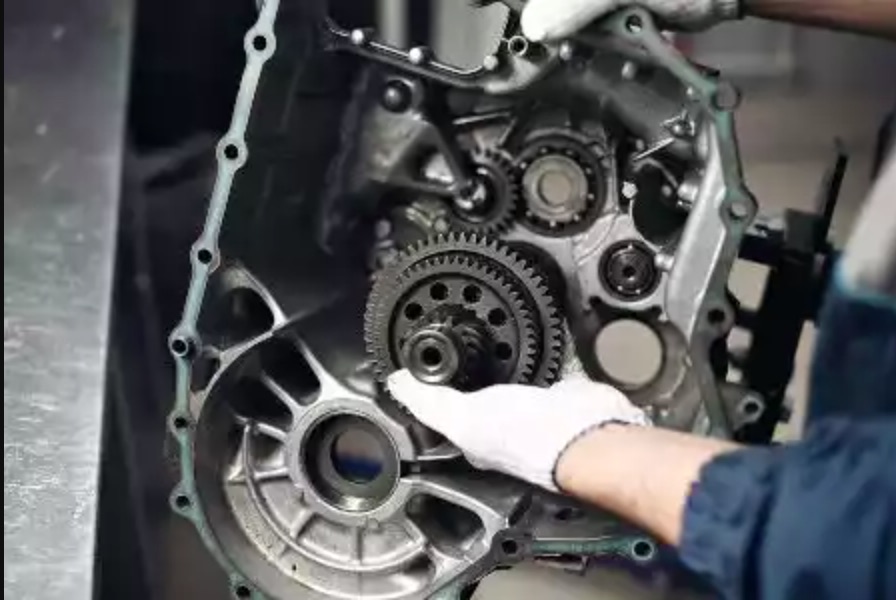
He is disassembling the watch.
Er zerlegt die Uhr.
Está desmontando el reloj.
Il est en train de démonter la montre.
Sta smontando l'orologio.
Anh ta đang tháo rời chiếc đồng hồ.
เขากำลังถอดประกอบนาฬิกา
他在拆卸手錶。
他 在 拆卸 手表 。 3289
He is writing an article.
Er schreibt einen Artikel.
Está escribiendo un artículo.
Il est en train d'écrire un article.
Sta scrivendo un articolo.
Anh ấy đang viết một bài báo.
เขากำลังเขียนบทความ
他在撰寫文章。
他 在 撰写 文章 。 3296
We denounce domestic violence.
Wir prangern häusliche Gewalt an.
Denunciamos la violencia doméstica.
Nous dénonçons la violence domestique.
Denunciamo la violenza domestica.
Chúng tôi tố cáo bạo lực gia đình.
เราประณามความรุนแรงในครอบครัว
我們譴責家庭暴力。
我们 谴责 家庭暴力 。 3339
This goal has laid a strong foundation for the blue team's victory.
Dieses Tor hat eine starke Grundlage für den Sieg des blauen Teams gelegt.
Este gol sentó bases sólidas para la victoria del equipo azul.
Ce but a posé des bases solides pour la victoire de l'équipe bleue
Questo obiettivo ha gettato solide basi per la vittoria della squadra azzurra.
Bàn thắng này đã tạo cơ sở vững chắc cho chiến thắng của đội bóng áo xanh.
เป้าหมายนี้ได้วางรากฐานที่แข็งแกร่งสำหรับชัยชนะของทีมสีน้ำเงิน
這粒進球奠定了藍隊比賽的勝利。
这粒 进球 奠定 了 蓝队 比赛 的 胜利 。 3506
The teacher is teaching the children the stories behind proverbs.
Der Lehrer bringt den Kindern die Geschichten hinter den Sprichwörtern bei.
El maestro les está enseñando a los niños las historias detrás de los proverbios.
L'enseignant enseigne aux enfants les histoires derrière les proverbes.
L'insegnante sta insegnando ai bambini le storie dietro i proverbi.
Cô giáo đang dạy bọn trẻ những câu chuyện đằng sau những câu tục ngữ.
ครูกำลังสอนเด็กถึงเรื่องราวเบื้องหลังสุภาษิต
老師在為孩子講諺語故事。
老师 在 为 孩子 讲 谚语 故事 。 3526
She is washing the clothes.
Sie wäscht die Kleidung.
Ella está lavando la ropa.
Elle lave les vêtements.
Sta lavando i vestiti.
Cô ấy đang giặt quần áo.
เธอกำลังซักผ้า
她正在搓洗衣服。
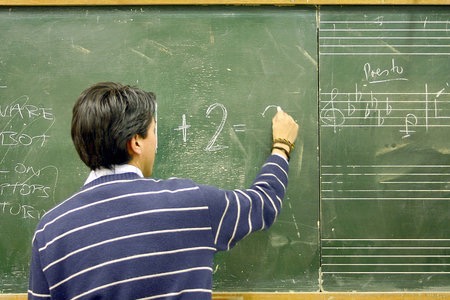
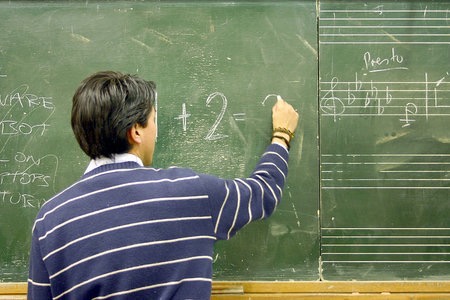
她 正在 搓洗 衣服 。